EP4582446A2 - Verfahren zur behandlung von al-amyloidose - Google Patents
Verfahren zur behandlung von al-amyloidose Download PDFInfo
- Publication number
- EP4582446A2 EP4582446A2 EP25163966.2A EP25163966A EP4582446A2 EP 4582446 A2 EP4582446 A2 EP 4582446A2 EP 25163966 A EP25163966 A EP 25163966A EP 4582446 A2 EP4582446 A2 EP 4582446A2
- Authority
- EP
- European Patent Office
- Prior art keywords
- antibody
- meters
- patient
- amyloidosis
- stage
- Prior art date
- Legal status (The legal status is an assumption and is not a legal conclusion. Google has not performed a legal analysis and makes no representation as to the accuracy of the status listed.)
- Pending
Links
Images

Classifications
-
- C—CHEMISTRY; METALLURGY
- C07—ORGANIC CHEMISTRY
- C07K—PEPTIDES
- C07K16/00—Immunoglobulins [IGs], e.g. monoclonal or polyclonal antibodies
- C07K16/18—Immunoglobulins [IGs], e.g. monoclonal or polyclonal antibodies against material from animals or humans
-
- A—HUMAN NECESSITIES
- A61—MEDICAL OR VETERINARY SCIENCE; HYGIENE
- A61B—DIAGNOSIS; SURGERY; IDENTIFICATION
- A61B5/00—Measuring for diagnostic purposes; Identification of persons
- A61B5/02—Detecting, measuring or recording for evaluating the cardiovascular system, e.g. pulse, heart rate, blood pressure or blood flow
- A61B5/0205—Simultaneously evaluating both cardiovascular conditions and different types of body conditions, e.g. heart and respiratory condition
-
- A—HUMAN NECESSITIES
- A61—MEDICAL OR VETERINARY SCIENCE; HYGIENE
- A61B—DIAGNOSIS; SURGERY; IDENTIFICATION
- A61B5/00—Measuring for diagnostic purposes; Identification of persons
- A61B5/48—Other medical applications
- A61B5/4836—Diagnosis combined with treatment in closed-loop systems or methods
- A61B5/4839—Diagnosis combined with treatment in closed-loop systems or methods combined with drug delivery
-
- A—HUMAN NECESSITIES
- A61—MEDICAL OR VETERINARY SCIENCE; HYGIENE
- A61B—DIAGNOSIS; SURGERY; IDENTIFICATION
- A61B5/00—Measuring for diagnostic purposes; Identification of persons
- A61B5/48—Other medical applications
- A61B5/4842—Monitoring progression or stage of a disease
-
- A—HUMAN NECESSITIES
- A61—MEDICAL OR VETERINARY SCIENCE; HYGIENE
- A61K—PREPARATIONS FOR MEDICAL, DENTAL OR TOILETRY PURPOSES
- A61K39/00—Medicinal preparations containing antigens or antibodies
- A61K39/395—Antibodies; Immunoglobulins; Immune serum, e.g. antilymphocytic serum
- A61K39/39533—Antibodies; Immunoglobulins; Immune serum, e.g. antilymphocytic serum against materials from animals
- A61K39/3955—Antibodies; Immunoglobulins; Immune serum, e.g. antilymphocytic serum against materials from animals against proteinaceous materials, e.g. enzymes, hormones, lymphokines
-
- A—HUMAN NECESSITIES
- A61—MEDICAL OR VETERINARY SCIENCE; HYGIENE
- A61K—PREPARATIONS FOR MEDICAL, DENTAL OR TOILETRY PURPOSES
- A61K45/00—Medicinal preparations containing active ingredients not provided for in groups A61K31/00 - A61K41/00
- A61K45/06—Mixtures of active ingredients without chemical characterisation, e.g. antiphlogistics and cardiaca
-
- A—HUMAN NECESSITIES
- A61—MEDICAL OR VETERINARY SCIENCE; HYGIENE
- A61K—PREPARATIONS FOR MEDICAL, DENTAL OR TOILETRY PURPOSES
- A61K9/00—Medicinal preparations characterised by special physical form
- A61K9/0012—Galenical forms characterised by the site of application
- A61K9/0019—Injectable compositions; Intramuscular, intravenous, arterial, subcutaneous administration; Compositions to be administered through the skin in an invasive manner
-
- A—HUMAN NECESSITIES
- A61—MEDICAL OR VETERINARY SCIENCE; HYGIENE
- A61P—SPECIFIC THERAPEUTIC ACTIVITY OF CHEMICAL COMPOUNDS OR MEDICINAL PREPARATIONS
- A61P25/00—Drugs for disorders of the nervous system
- A61P25/28—Drugs for disorders of the nervous system for treating neurodegenerative disorders of the central nervous system, e.g. nootropic agents, cognition enhancers, drugs for treating Alzheimer's disease or other forms of dementia
-
- C—CHEMISTRY; METALLURGY
- C07—ORGANIC CHEMISTRY
- C07K—PEPTIDES
- C07K16/00—Immunoglobulins [IGs], e.g. monoclonal or polyclonal antibodies
- C07K16/42—Immunoglobulins [IGs], e.g. monoclonal or polyclonal antibodies against immunoglobulins
- C07K16/4283—Immunoglobulins [IGs], e.g. monoclonal or polyclonal antibodies against immunoglobulins against an allotypic or isotypic determinant on Ig
-
- G—PHYSICS
- G06—COMPUTING OR CALCULATING; COUNTING
- G06T—IMAGE DATA PROCESSING OR GENERATION, IN GENERAL
- G06T15/00—3D [Three Dimensional] image rendering
- G06T15/06—Ray-tracing
-
- G—PHYSICS
- G06—COMPUTING OR CALCULATING; COUNTING
- G06T—IMAGE DATA PROCESSING OR GENERATION, IN GENERAL
- G06T15/00—3D [Three Dimensional] image rendering
- G06T15/50—Lighting effects
- G06T15/506—Illumination models
-
- A—HUMAN NECESSITIES
- A61—MEDICAL OR VETERINARY SCIENCE; HYGIENE
- A61B—DIAGNOSIS; SURGERY; IDENTIFICATION
- A61B5/00—Measuring for diagnostic purposes; Identification of persons
- A61B5/02—Detecting, measuring or recording for evaluating the cardiovascular system, e.g. pulse, heart rate, blood pressure or blood flow
- A61B5/026—Measuring blood flow
- A61B5/029—Measuring blood output from the heart, e.g. minute volume
-
- A—HUMAN NECESSITIES
- A61—MEDICAL OR VETERINARY SCIENCE; HYGIENE
- A61B—DIAGNOSIS; SURGERY; IDENTIFICATION
- A61B5/00—Measuring for diagnostic purposes; Identification of persons
- A61B5/103—Measuring devices for testing the shape, pattern, colour, size or movement of the body or parts thereof, for diagnostic purposes
- A61B5/11—Measuring movement of the entire body or parts thereof, e.g. head or hand tremor or mobility of a limb
- A61B5/1124—Determining motor skills
-
- A—HUMAN NECESSITIES
- A61—MEDICAL OR VETERINARY SCIENCE; HYGIENE
- A61K—PREPARATIONS FOR MEDICAL, DENTAL OR TOILETRY PURPOSES
- A61K39/00—Medicinal preparations containing antigens or antibodies
- A61K2039/505—Medicinal preparations containing antigens or antibodies comprising antibodies
-
- A—HUMAN NECESSITIES
- A61—MEDICAL OR VETERINARY SCIENCE; HYGIENE
- A61K—PREPARATIONS FOR MEDICAL, DENTAL OR TOILETRY PURPOSES
- A61K39/00—Medicinal preparations containing antigens or antibodies
- A61K2039/545—Medicinal preparations containing antigens or antibodies characterised by the dose, timing or administration schedule
-
- A—HUMAN NECESSITIES
- A61—MEDICAL OR VETERINARY SCIENCE; HYGIENE
- A61K—PREPARATIONS FOR MEDICAL, DENTAL OR TOILETRY PURPOSES
- A61K39/00—Medicinal preparations containing antigens or antibodies
- A61K2039/55—Medicinal preparations containing antigens or antibodies characterised by the host/recipient, e.g. newborn with maternal antibodies
-
- C—CHEMISTRY; METALLURGY
- C07—ORGANIC CHEMISTRY
- C07K—PEPTIDES
- C07K2317/00—Immunoglobulins specific features
- C07K2317/20—Immunoglobulins specific features characterized by taxonomic origin
- C07K2317/24—Immunoglobulins specific features characterized by taxonomic origin containing regions, domains or residues from different species, e.g. chimeric, humanized or veneered
-
- C—CHEMISTRY; METALLURGY
- C07—ORGANIC CHEMISTRY
- C07K—PEPTIDES
- C07K2317/00—Immunoglobulins specific features
- C07K2317/50—Immunoglobulins specific features characterized by immunoglobulin fragments
- C07K2317/56—Immunoglobulins specific features characterized by immunoglobulin fragments variable (Fv) region, i.e. VH and/or VL
- C07K2317/565—Complementarity determining region [CDR]
-
- C—CHEMISTRY; METALLURGY
- C07—ORGANIC CHEMISTRY
- C07K—PEPTIDES
- C07K2317/00—Immunoglobulins specific features
- C07K2317/90—Immunoglobulins specific features characterized by (pharmaco)kinetic aspects or by stability of the immunoglobulin
- C07K2317/92—Affinity (KD), association rate (Ka), dissociation rate (Kd) or EC50 value
Definitions
- amyloidogenic immunoglobulin light chains result in organ dysfunction are not well characterized, however, it is hypothesized that both amyloid deposits and prefibrillar aggregates may contribute to cytotoxic effects on organs observed in patients with AL amyloidosis.
- AL amyloidosis is a disease entity of its own, although AL amyloidosis can occur concurrently in a subset of patients with multiple myeloma (up to 15%) or monoclonal gammopathy of unknown significance (MGUS; up to 9%).
- the light chain variable region comprises the amino acid sequence set forth as SEQ ID NO: 1 or 14 and the heavy chain variable region comprises the amino acid sequence set forth as SEQ ID NO: 2 or 15.
- the antibody comprises a light chain comprising the amino acid sequence set forth as SEQ ID NO:10 and a heavy chain comprising the amino acid sequence set forth as SEQ ID NO: 11, 12 or 13.
- the antibody comprises a light chain comprising the amino acid sequence set forth as SEQ ID NO:10 and a heavy chain comprising the amino acid sequence set forth as SEQ ID NO:12.
- the antibody is birtamimab.
- Also provided herein are methods of treating a patient with AL amyloidosis comprising determining that the patient has a 6 minute walk distance (6MWD) ⁇ 150 meters and an ejection fraction (EF) > 50%, selecting the patient for treatment with an antibody which competes for binding to human amyloid A peptide or human kappa or lambda light chain immunoglobulin with antibody 2A4 (ATCC Accession Number PTA-9662) or 7D8 (ATCC Accession Number PTA-9468), or competes for binding to kappa light chain immunoglobulin with 11-1F4 (ATCC Accession Number PTA-105), and administering an effective dosage of the antibody.
- 6MWD 6 minute walk distance
- EF ejection fraction
- Also provided herein are methods of improving a 6 minute walk distance (6MWD) in a patient having AL amyloidosis comprising administering to the patient an effective dosage of an antibody which competes for binding to human amyloid A peptide or human kappa or lambda light chain immunoglobulin with antibody 2A4 (ATCC Accession Number PTA-9662) or 7D8 (ATCC Accession Number PTA-9468), or competes for binding to kappa light chain immunoglobulin with 11-1F4 (ATCC Accession Number PTA-105).
- the patient has Mayo Stage IV AL amyloidosis.
- the patient has an EF > 50%.
- the Mayo Stage IV patients have an EF > 50%.
- the risk of all-cause mortality is reduced by at least about 79.9% relative to control conditions. In some embodiments, the risk of all-cause mortality is reduced by at least 81.5% relative to control conditions. In some embodiments, the method reduces the risk of cardiac mortality in the patient. In some embodiments, the risk of cardiac mortality is reduced by at least about 62.2% relative to control conditions. In some embodiments, the risk of cardiac mortality is reduced by at least about 75% relative to control conditions.
- the patient exhibits improvement in the 36-Item Short Form Survey Physical Component Score (SF-36 PCS) or SF-36v2 following treatment with the antibody.
- SF-36 PCS 36-Item Short Form Survey Physical Component Score
- the change in the patient's score on the SF-36 PCS or SF-36v2 is at least 5 points higher relative to a different patient at the same time point who has not been administered the antibody.
- the effective dosage of the antibody is administered from a pharmaceutical formulation comprising the antibody at a concentration within the range from about 1 mg/mL to about 100 mg/mL.
- the effective dosage of the antibody is administered from a pharmaceutical formulation comprising, histidine buffer at a concentration within the range from about 20 mM to about 30 mM, trehalose at a concentration within the range from about 210 mM to about 250 mM, and polysorbate 20 at a concentration within the range from about 0.005% to about 0.05% by weight, and the formulation has a pH within the range from about 6 to about 7.
- the dosage is from about 0.5 mg/kg to about 30 mg/kg and the antibody is administered intravenously or subcutaneously at a frequency of from about weekly to about quarterly.
- the antibody is present at a concentration of about 50 mg/mL.
- the pharmaceutical formulation comprises, the histidine buffer at a concentration of about 25 mM, the trehalose at a concentration of about 230 mM, the polysorbate 20 at a concentration of about 0.2 g/L, and the pH is about 6.5.
- the dosage is administered subcutaneously without dilution from a vial containing the formulation. In some embodiments, the dosage is administered intravenously following the transfer of an amount of the formulation required for the dosage from a vial to an intravenous bag containing a liquid.
- the dosage is about 24 mg/kg and the antibody is administered intravenously every 28 days. In some embodiments provided herein, the dosage is administered intravenously (IV) at 24 mg/kg (dose not to exceed 2500 mg) once every 28 days (+ 5 days). In some embodiments, the duration of the treatment is at least 9 months. In some embodiments, the duration of the treatment is at least 12 months. In some embodiments, the duration is effective to achieve or maintain at least about a 3 point increase from baseline in SF-36 PCS.
- the antibody is a Fab, Fab', F(ab') 2 , F(ab)c, Dab, nanobody or Fv.
- the antibody is a humanized version of 2A4.
- Some such antibodies comprise a light chain variable region comprising three complementarity determining regions set forth as SEQ ID NOs: 3, 4 and 5, or SEQ ID NO:16, 17, and 18, and a heavy chain variable region comprising three complementarity determining regions set forth as SEQ ID NOs: 6, 7 and 8,or SEQ ID NOs:19, 20 and 21.
- the light chain variable region comprises the amino acid sequence set forth as SEQ ID NO: 1 of 14.
- the heavy chain variable region comprises the amino acid sequence set forth as SEQ ID NO: 2 or 15.
- the light chain variable region comprises the amino acid sequence set forth as SEQ ID NO: 1 or 14 and the heavy chain variable region comprises the amino acid sequence set forth as SEQ ID NO: 2 or 15.
- the antibody comprises a dosage from about 0.5 mg/kg to about 30 mg/kg and wherein the antibody is administered intravenously or subcutaneously at a frequency of from about weekly to about quarterly.
- the antibody is present at a concentration of about 50 mg/mL
- the histidine buffer is present at a concentration of about 25 mM
- the trehalose is present at a concentration of about 230 mM
- the polysorbate 20 is present at a concentration of about 0.2 g/L
- the pH is about 6.5.
- the selected patient has Mayo Stage IV AL amyloidosis. In some embodiments, the selected patient has a 6MWD ⁇ 150 meters and an ejection fraction > 50%. In some embodiments, the selected patient has Mayo Stage IV AL amyloidosis and a 6MWD ⁇ 150 meters and an ejection fraction > 50%. Some methods further comprise administering intravenously to the patient a dose in the range of about 0.5 mg/m2 to about 500 mg/m2 of a chimeric or humanized version of 11-1F4, or a dose in the range of about 0.5 mg/kg to about 30 mg/kg of a humanized version of 2A4.
- the disclosure provides methods of treating certain AL amyloidosis patients, namely patients with Mayo Stage IV AL amyloidosis, patients with a baseline six minute walk distance (6MWD; sometimes refered to as the six minute walk test (6MWT) distance) greater than or equal to 150 meters and ejection fraction (EF) greater than 50%, Mayo Stage IV patients with a baseline EF greater than 50%, and Mayo Stage IV patients with a baseline 6MWD greater than or equal to 150 meters and ejection fraction (EF) greater than 50%.
- 6MWD six minute walk distance
- EF ejection fraction
- the methods involve administering to such patients an antibody which competes for binding to human amyloid A peptide or human kappa or lambda light chain immunoglobulin with antibody 2A4 (ATCC Accession Number PTA-9662) or antibody 7D8 (ATCC Accession Number PTA-9468) or which competes for binding to kappa immunoglobulin light chain with antibody 11-1F4 (ATCC Accession Number PTA-150).
- the antibody is birtamimab.
- antibody includes intact antibodies and antigen-binding fragments thereof. Typically, fragments compete with the intact antibody from which they were derived for specific binding to the target including separate heavy chains, light chains Fab, Fab', F(ab') 2 , F(ab)c, Dabs, nanobodies, and Fv. Fragments can be produced by recombinant DNA techniques, or by enzymatic or chemical separation of intact immunoglobulins.
- the term “antibody” also includes a bispecific or multispecific antibody and/or a humanized antibody. A bispecific or bifunctional or multifunctional antibody is an artificial hybrid antibody having two or more different heavy/light chain pairs and two or more different binding sites ( see, e.g., Songsivilai and Lachmann, Clin. Exp. Immunol., 79:315-321 (1990 ); Kostelny et al., J. Immunol., 148:1547-53 (1992 )).
- ejection fraction refers to the measurement of how much blood the left ventricle pumps out with each contraction.
- An ejection fraction of 50 percent means that 50 percent of the total amount of blood in the left ventricle is pushed out with each heartbeat. Ejection fraction is used as a measure of heart failure.
- the EF of a normal heart is typically between 50-70 percent. 41-49 percent may be considered borderline and an EF under 40 percent may be evidence of heart failure or cardiomyopathy.
- hazard ratio or "HR” reflects the instantaneous probability (i.e., hazard rate) of an event (death or progression) in the experimental arm as a ratio to the probability in the comparator arm. If the HR is 1.0, there is no clear advantage for either arm. The lower the HR value, the greater the reduction in risk of death or progression for the experimental treatment arm of the study, which is calculated as 1-HR. For example, an HR of 0.84 equals a 16% relative reduction in event risk in comparison with the control arm of the study.
- humanized immunoglobulin refers to an immunoglobulin or antibody that includes at least one humanized immunoglobulin or antibody chain ( i . e ., at least one humanized light or heavy chain).
- humanized immunoglobulin chain or “humanized antibody chain” (i.e., a “humanized immunoglobulin light chain” or “humanized immunoglobulin heavy chain”) refers to an immunoglobulin or antibody chain ( i.e., a light or heavy chain, respectively) having a variable region that includes a variable framework region substantially from a human immunoglobulin or antibody and complementarity determining regions (CDRs) ( e .
- CDRs complementarity determining regions
- variable region refers to a variable region that includes a variable framework region substantially from a human immunoglobulin or antibody and complementarity determining regions (CDRs) substantially from a non-human immunoglobulin or antibody.
- Mayo Stage IV patients or “Stage IV” refers to patients with stage IV disease according to the prognostic staging system established by the Mayo Clinic ( Kumar et al., Revised Prognostic Staging System for Light Chain Amyloidosis Incorporating Cardiac Biomarkers and Serum Free Light Chain Measurements, J Clin Oncol 30:989-995 2012 ), which incorporates both cardiac biomarkers and level of amyloidogenic light chain synthesis.
- patients with stage I, stage II or stage III disease are referred to herein as “Mayo Stage I-III patients” or “Stage I-III patients”.
- a patient is identified as having Stage IV AL amyloidosis if they meet the criteria for the following three prognostic variables: troponin-T (cTnT) ⁇ 0.025 ng/mL, N-terminal pro-B-type natriuretic peptide (NT-ProBNP) ⁇ 1,800 pg/mL, and difference between involved and univolved light chain (FLC-diff or dFLC) ⁇ 18 mg/dL).
- cTnT troponin-T
- NT-ProBNP N-terminal pro-B-type natriuretic peptide
- FLC-diff or dFLC difference between involved and univolved light chain
- p-value refers to a number between 0 and 1 relating to the significance of results obtained.
- a small p-value indicates strong evidence against the null hypothesis (i.e., the hypothesis that there is no effect), for example ⁇ 0.1, indicates statistical significance, with p ⁇ 0.001 being statistically highly significant (less than one in a thousand chance of being wrong).
- CyBorD which is a combination therapy comprising cyclophosphamide, bortezomib and dexamethasone
- BMDex which is a combination of bortezomib, melphalan and dexamethasone
- MDex which is a combination of melphalan and dexamethasone
- LDex which is a combination of lenalidomide and dexamethasone
- CLD which is a combination of cyclophosphamide, lenalidomide and dexamethasone
- PomDex which is a combination of pomalidomide and dexamethasone
- CRd which is a combination of lenalidomide, cyclophosphamide and dexamethasone.
- Such patients may, or may not, have experienced cardiac and/or renal improvement as a result of such treatment.
- treatment with an antibody disclosed herein results in an increase of a patient's PCS, as measured by SF-36 or SF36v2, of at least 1, at least 2, at least 3, at least 4, at least 5, at least 6, at least 7, at least 8, at least 9, at least 10, at least 11, at least 12, at least 13, at least 14, at least 15, at least 16, at least 17, at least 18, at least 19, at least 20, at least 21, at least 22, at least 23, at least 24, at least 25, at least 26, at least 27, at least 28, at least 29, at least 30, at least 31, at least 32, at least 33, at least 34, at least 35, at least 36, at least 37, at least 38, at least 39, at least 40, at least 41, at least 42, at least 43, at least 44, at least 45, at least 46, at least 47, at least 48, at least 49, at least 50, at least 51, at least 52, at least 53, at least 54, at least 55, at least 56, at least 57, at least 58, at least 59, at least 60, at least 61
- Reduced length of hospitalization stays or reduced frequency of hospitalization for more than 90 days of patients treated with the antibodies disclosed herein compared to patients who have not received antibody can also indicate an improvement in health status of the patient. Improvement in health status can also be shown by longer survival of the antibody treated patient compared to untreated patients around the same time.
- treatment with an antibody disclosed herein can reduce the risk of all-cause mortality for the treated patient by at least 5%, at least 6%, at least 7%, at least 8%, at least 9%, at least 10%, at least 11%, at least 12%, at least 13%, at least 14%, at least 15%, at least 16%, at least 17%, at least 18%, at least 19%, at least 20%, at least 21%, at least 22%, at least 23%, at least 24%, at least 25%, at least 26%, at least 27%, at least 28%, at least 29%, at least 30%, at least 31%, at least 32%, at least 33%, at least 34%, at least 35%, at least 36%, at least 37%, at least 38%, at least 39%, at least 40%, at least 41%, at least 42%, at least 43%, at least 44%, at least 45%, at least 46%, at least 47%, at least 48%, at least 49%, at least 50%, at least 51%,
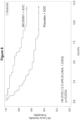
- the risk of all-cause mortality for some Mayo Stage IV patients can be reduced by about 50.2%, and by about 79.9% for some Mayo Stage IV patients if such patients have some level of functional reserve prior to treatment as defined by baseline 6MWD of ⁇ 150 meters and an ejection fraction of > 50%.
- the risk of all-cause mortality for some Mayo Stage IV patients can be reduced by about 5%, about 6%, about 7%, about 8%, about 9%, about 10%, about 11%, about 12%, about 13%, about 14%, about 15%, about 16%, about 17%, about 18%, about 19%, about 20%, about 21%, about 22%, about 23%, about 24%, about 25%, about 26%, about 27%, about 28%, about 29%, about 30%, about 31%, about 32%, about 33%, about 34%, about 35%, about 36%, about 37%, about 38%, about 39%, about 40%, about 41%, about 42%, about 43%, about 44%, about 45%, about 46%, about 47%, about 48%, about 49%, about 50%, about 51%, about 52%, about 53%, about 54%, about 55%, about 56%, about 57%, about 58%, about 59%, about 60%, about 61%, about 62%, about 63%, about 64%
- the risk of all-cause mortality some patients having a baseline 6MWD of ⁇ 150 meters and an ejection fraction of > 50%, regardless of Mayo Stage can be reduced by at least 5%, at least 6%, at least 7%, at least 8%, at least 9%, at least 10%, at least 11%, at least 12%, at least 13%, at least 14%, at least 15%, at least 16%, at least 17%, at least 18%, at least 19%, at least 20%, at least 21%, at least 22%, at least 23%, at least 24%, at least 25%, at least 26%, at least 27%, at least 28%, at least 29%, at least 30%, at least 31%, at least 32%, at least 33%, at least 34%, at least 35%, at least 36%, at least 37%, at least 38%, at least 39%, at least 40%, at least 41%, at least 42%, at least 43%, at least 44%, at least 45%, at least 46%, at least 47%
- the risk of all-cause mortality some patients having a baseline 6MWD of ⁇ 150 meters and an ejection fraction of > 50%, regardless of Mayo Stage can be reduced by about 5%, about 6%, about 7%, about 8%, about 9%, about 10%, about 11%, about 12%, about 13%, about 14%, about 15%, about 16%, about 17%, about 18%, about 19%, about 20%, about 21%, about 22%, about 23%, about 24%, about 25%, about 26%, about 27%, about 28%, about 29%, about 30%, about 31%, about 32%, about 33%, about 34%, about 35%, about 36%, about 37%, about 38%, about 39%, about 40%, about 41%, about 42%, about 43%, about 44%, about 45%, about 46%, about 47%, about 48%, about 49%, about 50%, about 51%, about 52%, about 53%, about 54%, about 55%, about 56%, about 57%, about 58%, about 50%, about
- the risk of all-cause mortality in some patients having a baseline 6MWD of ⁇ 150 meters and an ejection fraction of > 50%, regardless of Mayo Stage can be reduced by about 48.9%.
- the risk of cardiac mortality for some Mayo Stage IV patients can be reduced by about 62.2%.
- treatment with an antibody disclosed herein results in an increase of a patient's 6MWD by at least 1 meter, at least 2 meters, at least 3 meters, at least 4 meters, at least 5 meters, at least 6 meters, at least 7 meters, at least 8 meters, at least 9 meters, at least 10 meters, at least 11 meters, at least 12 meters, at least 13 meters, at least 14 meters, at least 15 meters, at least 16 meters, at least 17 meters, at least 18 meters, at least 19 meters, at least 20 meters, at least 21 meters, at least 22 meters, at least 23 meters, at least 24 meters, at least 25 meters, at least 26 meters, at least 27 meters, at least 28 meters, at least 29 meters, at least 30 meters, at least 31 meters, at least 32 meters, at least 33 meters, at least 34 meters, at least 35 meters, at least 36 meters, at least 37 meters, at least 38 meters, at least 39 meters, at least 40 meters, at least 41 meters, at least 42 meters, at least 43 meters, at least 44 meters, at least 45 meters, at least 46
- treatment with an antibody disclosed herein results in an increase of a patient's 6MWD by about 1 meter, about 2 meters, about 3 meters, about 4 meters, about 5 meters, about 6 meters, about 7 meters, about 8 meters, about 9 meters, about 10 meters, about 11 meters, about 12 meters, about 13 meters, about 14 meters, about 15 meters, about 16 meters, about 17 meters, about 18 meters, about 19 meters, about 20 meters, about 21 meters, about 22 meters, about 23 meters, about 24 meters, about 25 meters, about 26 meters, about 27 meters, about 28 meters, about 29 meters, about 30 meters, about 31 meters, about 32 meters, about 33 meters, about 34 meters, about 35 meters, about 36 meters, about 37 meters, about 38 meters, about 39 meters, about 40 meters, about 41 meters, about 42 meters, about 43 meters, about 44 meters, about 45 meters, about 46 meters, about 47 meters, about 48 meters, about 49 meters, about 50 meters, about 51 meters, about 52 meters, about 53 meters, about 54 meters, about 55 meters, about 56 meters, about 57 meters
- treatment with an antibody disclosed herein results in an increase of a patient's 6MWD by at least 1%, at least 2%, at least 3%, at least 4%, at least 5%, at least 6%, at least 7%, at least 8%, at least 9%, at least 10%, at least 11%, at least 12%, at least 13%, at least 14%, at least 15%, at least 16%, at least 17%, at least 18%, at least 19%, at least 20%, at least 21%, at least 22%, at least 23%, at least 24%, at least 25%, at least 26%, at least 27%, at least 28%, at least 29%, at least 30%, at least 31%, at least 32%, at least 33%, at least 34%, at least 35%, at least 36%, at least 37%, at least 38%, at least 39%, at least 40%, at least 41%, at least 42%, at least 43%, at least 44%, at least 45%, at least 46%, at least 47%,
- treatment is stopped for a patient with one or more of the following:
- trehalose is present at a concentration from about 210 mM to about 250 mM, for example, about 230 mM.
- a different non-reducing sugar is used, such as sucrose, mannitol, or sorbitol.
- Antibody is usually administered on multiple occasions.
- An exemplary treatment regimen entails administration once per every two weeks, once a month, or once every 3 to 6 months.
- patients can receive the antibody formulation once every four weeks as a cycle, for example every twenty-eight days.
- the dosing frequency can be adjusted depending on the pharmacokinetic profile of the antibody formulation in the patient. For example, the half-life of the antibody may warrant a two week frequency of dosing.
- the pharmaceutical formulation is administered intravenously every 28 days with an antibody dosage of about 24 mg/kg.
- some patients may receive an intravenous dose of about 24 mg/kg birtamimab every 28 days.
- the birtamimab formulation transferred to the intravenous bag was first reconstituted from a lyophilized formulation to a formulation having a pH of about 6.5 and comprising about 50 mg/ml birtamimab, about 25 mM histidine buffer, about 230 mM trehalose and about 0.2 g/L polysorbate 20.
- the desired dosage can be administered subcutaneously without dilution from a vial containing any of the formulations disclosed herein.
- the antibody is administered to the patient for at least 8 months, at least 9 months, at least 10 months, at least 11 months, at least 12 months, or for a longer period of time.
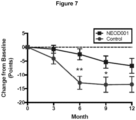
- the pharmaceutical formulation is administered to the patient for a duration effective to achieve or maintain an improvement in health status as indicated by an increase in 6MWD or SF-36 PCS score, or long enough to achieve or maintain a lower risk of mortality relative to an untreated patient.
- the lower risk can be established after at least 8 months of treatment.
- the lower risk can be established after at least 9 months of treatment.
- the lower risk can be established after at least 12 months of treatment or after at least 18 months of treatment or after twenty-four months of treatment.
- a lower risk of mortality correlates with longer survival times relative to untreated patients.
- combination therapies for treatment or prophylaxis of AL amyloidosis.
- Such combination therapies are performed by administering an antibody formulation disclosed herein in conjunction with one or more second therapeutic agents, such as another therapy to treat or effect prophylaxis of AL amyloidosis.
- Combination therapies as disclosed herein may also be performed in conjunction with a second therapy is used to treat or effect prophylaxis of a disease or condition associated with amyloid disease, such as an inflammatory disease, a chronic microbial infection, a neoplasm (including malignant neoplasms), an inherited inflammatory disease, and/or a lymphoproliferative disorder.
- Such treatments can be one or more compounds or treatments selected from, but not limited to several major categories, namely, (i) non-steroidal anti-inflammatory drugs (NSAIDs; e.g., detoprofen, diclofenac, diflunisal, etodolac, fenoprofen, flurbiprofen, ibuprofen, indomethacin, ketoprofen, meclofenameate, mefenamic acid, meloxicam, nabumeone, naproxen sodium, oxaprozin, piroxicam, sulindac, tolmetin, celecoxib, rofecoxib, aspirin, choline salicylate, salsalte, and sodium and magnesium salicylate); (ii) steroids (e.g., cortisone, dexamethas, ethamethas
- disease modifying antirheumatic drugs e.g., cyclosporine, azathioprine, methotrexate, leflunomide, cyclophosphamide, hydroxychloroquine, sulfasalazine, D-penicillamine, minocycline, and gold
- recombinant proteins e.g., ENBREL ® (etanercept, a soluble TNF receptor) and REMICADE ® (infliximab) a chimeric monoclonal anti-TNF antibody
- Patients with AL amyloidosis may also receive treatment regimens that include drugs or combinations of drugs often used to treat hematological malignancies, such as melphalan, prednisone, dexamethasone, lenalidomide (REVLIMID ® ), proteosome inhibitors such as bortezomib (VELCADE ® ) and carfilzomib (KYPROLIS ® ), and CD38 agents such as daratumumab (DARZALEX ® ), at dosages in the range of the standard of care.
- drugs or combinations of drugs often used to treat hematological malignancies such as melphalan, prednisone, dexamethasone, lenalidomide (REVLIMID ® ), proteosome inhibitors such as bortezomib (VELCADE ® ) and carfilzomib (KYPROLIS ® ), and CD38 agents such as daratumumab (DARZALEX ®
- the two or more drug substances are administered simultaneously or sequentially in any order, i.e., a formulation disclosed herein is administered prior to administering a second drug substance, concurrently with a second drug substance, or subsequent to administration of a second drug substance.
- a combination therapy may be performed by administering a first therapy prior to (e.g., 1 minute, 5 minutes, 15 minutes, 30 minutes, 45 minutes, 1 hour, 2 hours, 4 hours, 6 hours, 12 hours, 24 hours, 48 hours, 72 hours, 96 hours, 1 week, 2 weeks, 3 weeks, 4 weeks, 5 weeks, 6 weeks, 8 weeks, or 12 weeks before), concomitantly with, or subsequent to (e.g., 1 minute, 5 minutes, 15 minutes, 30 minutes, 45 minutes, 1 hour, 2 hours, 4 hours, 6 hours, 12 hours, 24 hours, 48 hours, 72 hours, 96 hours, 1 week, 2 weeks, 3 weeks, 4 weeks, 5 weeks, 6 weeks, 8 weeks, or 12 weeks after) administering a second agent/therapy.
- a first therapy e.g., 1 minute, 5 minutes, 15 minutes, 30 minutes, 45 minutes, 1 hour, 2 hours, 4 hours, 6 hours, 12 hours, 24 hours, 48 hours, 72 hours, 96 hours, 1 week, 2 weeks, 3 weeks, 4 weeks, 5 weeks
- each component of the combination can be controlled independently.
- one therapeutic agent/therapy may be administered orally three times per day, while the second therapeutic agent/therapy may be administered intramuscularly once per day.
- Combination therapy may be given in on-and-off cycles that include rest periods.
- the compounds may also be admixed or otherwise formulated together such that one administration delivers both compounds.
- each therapeutic agent is generally present in an amount of 1-95% by weight of the total weight of the composition.
- an antibody formulation disclosed herein and a second therapeutic agent can be formulated separately and in individual dosage amounts.
- Drug combinations for treatment can be provided as components of a pharmaceutical pack.
- a synergistic therapeutic effect i.e., an effect greater than the sum of their individual effects or therapeutic outcomes.
- Measurable therapeutic outcomes are described herein.
- a synergistic therapeutic effect may be an effect of at least about two-fold greater than sum of the therapeutic effects elicited by the single agents of a given combination, or at least about five-fold greater, or at least about ten-fold greater, or at least about twenty-fold greater, or at least about fifty-fold greater, or at least about one hundred-fold greater.
- a synergistic therapeutic effect may also be observed as an increase in therapeutic effect of at least 10% compared to the sum of the therapeutic effects elicited by the single agents of a given combination, or at least 20%, or at least 30%, or at least 40%, or at least 50%, or at least 60%, or at least 70%, or at least 80%, or at least 90%, or at least 100%, or more.
- a synergistic effect is also an effect that permits reduced dosing of therapeutic agents when they are used in combination.
- Some methods of the disclosure include treating a subject having AL amyloidosis by determining one or more of the following prognostic indicators: (1) the Mayo Stage of the patient's AL amyloidosis, (2) the 6 minute walk distance (6MWD) and ejection fraction (EF) of the patient, and/or the Mayo Stage and the EF of the patient.
- 6MWD 6 minute walk distance
- EF ejection fraction
- a patient meeting or more of the prognostic indicators is treated with birtamimab (24 mg/kg) supplied as a sterile, lyophilized dosage form in a 20/25 mL vial containing 500 mg birtamimab.
- Each vial may be reconstituted with 9.6 mL sterile water for injection (WFI) to a concentration of 50 mg/mL resulting in a buffered, isotonic, preservative-free solution.
- Birtamimab is administered once every 28 days as an initial 120 ( ⁇ 10)-minute IV infusion. If the subject tolerates the initial infusion, subsequent infusions may be administered over 60 ( ⁇ 10) minutes. Dose are administered at intervals of at least 21 days.
- Patients may also be treated with concomitant standard of care chemotherapy, which may include, for example, bortezomib administered subcutaneously on a weekly basis.
- concomitant standard of care chemotherapy may include, for example, bortezomib administered subcutaneously on a weekly basis.
- Example 1 Phase 2b Clinical Assessment of NEOD001, also known as birtamimab (Humanized 2A4)
- a Phase 2b global, multi-center, randomized, double-blind, placebo-controlled clinical study of NEOD001 vs. placebo was conducted in previously-treated patients with AL amyloidosis and persistent cardiac dysfunction (PRONTO Study).
- the primary outcome measure was cardiac best response as measured by NT-proBNP through 12 months of treatment.
- NEOD001 placebo-based chemotherapy
- Placebo was administered as a 250 mL bag of normal saline once every 28 days.
- the primary outcome measures were time to composite of all-cause mortality or cardiac hospitalization. Secondary outcome measures included NT-proBNP best response, time to cardiac mortality or cardiac hospitalization, change in the 6 minute walk test, change in the Short Form-36 questionnaire, change in the Kansas City Cardiomyopathy questionnaire, renal best response as assessed using Palladini et al, 2014 criteria and hepatic best response as assessed using Comenzo et al, 2012 criteria.
- the first screening 6MWT is required to be performed between Days -28 and 5, at least 4 days prior to the second Screening 6MWT, which should be performed within 2 days prior to Month 1 Day 1.
- the postbaseline 6MWTs may be performed on the same day as study drug administration and must be completed prior to study drug infusion. If all eligibility requirements are met, Month 1-Day 1 assessments are completed, and treatment is initiated. Each visit is denoted by its "month” and "day” such that the first study drug infusion day is denoted as Month 1-Day 1; subsequent months use sequential numbers (e.g., the second dose is administered on Month 2-Day 1). "Cycle” is reserved to denote administration of chemotherapy.
- First-line chemotherapy must be a bortezomib-containing regimen, with bortezomib administered subcutaneously (SC), weekly.
- the first administration of chemotherapy including bortezomib, is administered after Month 1 Day 1 study drug administration (following the post-study drug infusion observation period) such that Month 1-Day 1 of the study is equivalent to Cycle 1 Day 1 of chemotherapy.
- the subject In addition to the visits outlined above, during the first cycle of chemotherapy, the subject must return to the study site for each weekly administration of bortezomib and for assessments prior to the administrations.
- Study drug consists of birtamimab (24 mg/kg) supplied as a sterile, lyophilized dosage form in a 20/25 mL vial containing 500 mg birtamimab. Each vial is reconstituted with 9.6 mL sterile water for injection (WFI) to a concentration of 50 mg/mL resulting in a buffered, isotonic, preservative-free solution. Study drug is administered once every 28 days as an initial 120 ( ⁇ 10)-minute IV infusion. If the subject tolerates the initial infusion, subsequent infusions may be administered over 60 ( ⁇ 10) minutes. The length of the infusion may be extended over a longer period of time if and when it is clinically indicated. A minimum of 21 days between doses is required.
- WFI sterile water for injection
- Premedication All subjects are premedicated for each dose of study drug with 25 mg diphenhydramine (or an equivalent dose of a H1 antihistamine) and 650 mg acetaminophen (or an equivalent paracetamol dose) within 30-90 minutes prior to study drug administration.
- Standard of Care Chemotherapy All subjects receive concomitant standard of care chemotherapy, which must include bortezomib administered subcutaneously on a weekly basis for the initial, first-line chemotherapy regimen. Subsequent chemotherapy regimens may be prescribed as per standard of care at the Investigator's discretion. Antiviral prophylaxis is required.
- the Intent-to-Treat (ITT) Population includes all subjects with Mayo Stage IV AL amyloidosis who receive any amount of study drug.
- the ITT Population is the primary population used for efficacy and safety analyses.
- the primary endpoint is time to all-cause mortality. For all-cause mortality, all deaths occurring after the first infusion of study drug (Study Day 1) through the study's last subject last visit (LSLV) are included. Using an exponential survival model, the estimated survival percentage at 9 months is estimated. Using an exact binomial test, the estimated survival percentage is compared to the historical control value of 49%.
Landscapes
- Health & Medical Sciences (AREA)
- Life Sciences & Earth Sciences (AREA)
- Chemical & Material Sciences (AREA)
- Engineering & Computer Science (AREA)
- General Health & Medical Sciences (AREA)
- Medicinal Chemistry (AREA)
- Veterinary Medicine (AREA)
- Public Health (AREA)
- Animal Behavior & Ethology (AREA)
- Biomedical Technology (AREA)
- Biophysics (AREA)
- Molecular Biology (AREA)
- Pharmacology & Pharmacy (AREA)
- Organic Chemistry (AREA)
- Physics & Mathematics (AREA)
- Bioinformatics & Cheminformatics (AREA)
- Medical Informatics (AREA)
- Surgery (AREA)
- Pathology (AREA)
- Heart & Thoracic Surgery (AREA)
- Immunology (AREA)
- Epidemiology (AREA)
- Cardiology (AREA)
- Physiology (AREA)
- Neurosurgery (AREA)
- Neurology (AREA)
- Biochemistry (AREA)
- Genetics & Genomics (AREA)
- Proteomics, Peptides & Aminoacids (AREA)
- Hospice & Palliative Care (AREA)
- Psychiatry (AREA)
- Chemical Kinetics & Catalysis (AREA)
- General Chemical & Material Sciences (AREA)
- Nuclear Medicine, Radiotherapy & Molecular Imaging (AREA)
- Endocrinology (AREA)
- Pulmonology (AREA)
- Dermatology (AREA)
- Mycology (AREA)
- Microbiology (AREA)
- Hematology (AREA)
Applications Claiming Priority (4)
| Application Number | Priority Date | Filing Date | Title |
|---|---|---|---|
| US201962814252P | 2019-03-05 | 2019-03-05 | |
| US201962942722P | 2019-12-02 | 2019-12-02 | |
| PCT/IB2020/000186 WO2020178638A1 (en) | 2019-03-05 | 2020-03-05 | Methods of treating al amyloidosis |
| EP20722638.2A EP3934689B1 (de) | 2019-03-05 | 2020-03-05 | Ein antikörper zur verwendung bei der behandlung von al-amyloidosis |
Related Parent Applications (2)
| Application Number | Title | Priority Date | Filing Date |
|---|---|---|---|
| EP20722638.2A Division EP3934689B1 (de) | 2019-03-05 | 2020-03-05 | Ein antikörper zur verwendung bei der behandlung von al-amyloidosis |
| EP20722638.2A Division-Into EP3934689B1 (de) | 2019-03-05 | 2020-03-05 | Ein antikörper zur verwendung bei der behandlung von al-amyloidosis |
Publications (2)
| Publication Number | Publication Date |
|---|---|
| EP4582446A2 true EP4582446A2 (de) | 2025-07-09 |
| EP4582446A3 EP4582446A3 (de) | 2025-08-13 |
Family
ID=70476256
Family Applications (2)
| Application Number | Title | Priority Date | Filing Date |
|---|---|---|---|
| EP20722638.2A Active EP3934689B1 (de) | 2019-03-05 | 2020-03-05 | Ein antikörper zur verwendung bei der behandlung von al-amyloidosis |
| EP25163966.2A Pending EP4582446A3 (de) | 2019-03-05 | 2020-03-05 | Verfahren zur behandlung von al-amyloidose |
Family Applications Before (1)
| Application Number | Title | Priority Date | Filing Date |
|---|---|---|---|
| EP20722638.2A Active EP3934689B1 (de) | 2019-03-05 | 2020-03-05 | Ein antikörper zur verwendung bei der behandlung von al-amyloidosis |
Country Status (17)
| Country | Link |
|---|---|
| US (3) | US11692024B2 (de) |
| EP (2) | EP3934689B1 (de) |
| JP (2) | JP7619953B2 (de) |
| KR (1) | KR20220019656A (de) |
| CN (1) | CN113811332A (de) |
| AU (1) | AU2020231081A1 (de) |
| BR (1) | BR112021017550A2 (de) |
| CA (1) | CA3132780A1 (de) |
| CL (1) | CL2021002318A1 (de) |
| FR (1) | FR3111560B1 (de) |
| IL (1) | IL286040A (de) |
| JO (1) | JOP20210245A1 (de) |
| MA (1) | MA55209A (de) |
| MX (1) | MX2021010665A (de) |
| PH (1) | PH12021552135A1 (de) |
| SG (1) | SG11202109645QA (de) |
| WO (1) | WO2020178638A1 (de) |
Families Citing this family (6)
| Publication number | Priority date | Publication date | Assignee | Title |
|---|---|---|---|---|
| PH12021552135A1 (en) * | 2019-03-05 | 2022-08-31 | Prothena Biosciences Ltd | Methods of treating al amyloidosis |
| EP4210753A4 (de) * | 2020-09-14 | 2025-01-08 | Caelum Biosciences, Inc. | Verfahren zur behandlung von amyloidose |
| TW202332465A (zh) * | 2021-01-29 | 2023-08-16 | 愛爾蘭商普羅希那生物科學有限公司 | 治療al類澱粉變性症之方法 |
| TW202346335A (zh) * | 2022-01-11 | 2023-12-01 | 愛爾蘭商普羅希那生物科學有限公司 | 治療al類澱粉變性症之方法 |
| TW202506727A (zh) * | 2023-04-10 | 2025-02-16 | 美商麥迪紐有限責任公司 | 優化的cd3抗原結合結構域 |
| WO2025170969A1 (en) * | 2024-02-06 | 2025-08-14 | Prothena Biosciences Limited | Methods of treating al amyloidosis |
Citations (7)
| Publication number | Priority date | Publication date | Assignee | Title |
|---|---|---|---|---|
| WO2002060919A2 (en) | 2000-12-12 | 2002-08-08 | Medimmune, Inc. | Molecules with extended half-lives, compositions and uses thereof |
| WO2009086539A2 (en) | 2007-12-28 | 2009-07-09 | Elan Pharmaceuticals, Inc. | Treatment and prophylaxis of amyloidosis |
| US8105594B2 (en) | 1998-05-21 | 2012-01-31 | Alan Solomon | Methods for amyloid removal using anti-amyloid antibodies |
| WO2013063284A1 (en) | 2011-10-25 | 2013-05-02 | Onclave Therapeutics | Antibody formulations and methods |
| US10046050B2 (en) | 2014-08-26 | 2018-08-14 | University Of Tenessee Research Foundation | Targeting immunotherapy for amyloidosis |
| US20190038745A1 (en) | 2017-08-01 | 2019-02-07 | The Trustees Of Columbia University In The City Of New York | Methods and compositions for treatment of amyloid deposition diseases |
| US20200002410A1 (en) | 2018-06-28 | 2020-01-02 | The Trustees Of Columbia University In The City Of New York | Methods and compositions for imaging amyloid deposits |
Family Cites Families (10)
| Publication number | Priority date | Publication date | Assignee | Title |
|---|---|---|---|---|
| SI2511297T1 (sl) | 2004-02-06 | 2015-07-31 | Morphosys Ag | Proti -CD38 humana protitelesa in njihova uporaba |
| SG10201912554TA (en) | 2005-03-23 | 2020-02-27 | Genmab As | Antibodies against cd38 for treatment of multiple myeloma |
| EP2580243B1 (de) | 2010-06-09 | 2019-10-16 | Genmab A/S | Antikörper gegen menschliches cd38 |
| AU2012328524B2 (en) | 2011-10-28 | 2017-05-18 | Excelse Bio, Inc. | Protein formulations containing amino acids |
| IL319936A (en) | 2015-05-20 | 2025-05-01 | Janssen Biotech Inc | Anti-CD38 antibodies for the treatment of light chain amyloidosis and other CD38-positive hematological malignancies |
| EP4516319A3 (de) | 2015-11-03 | 2025-05-07 | Janssen Biotech, Inc. | Subkutane formulierungen von anti-cd38-antikörpern und deren verwendungen |
| HUE059400T2 (hu) * | 2016-06-30 | 2022-11-28 | Prothena Biosciences Ltd | Az amiloidózis kezelésére szolgáló készítmények |
| EP3923954A1 (de) | 2019-02-12 | 2021-12-22 | Prothena Biosciences Limited | Behandlung von al-amyloidose mit der kombination aus monoklonalen antikörpern gegen immunglobulin-leichtketten und cd38-zellmembranmolekül auf antikörperproduzierenden und anderen immunzellen |
| PH12021552135A1 (en) * | 2019-03-05 | 2022-08-31 | Prothena Biosciences Ltd | Methods of treating al amyloidosis |
| TW202332465A (zh) | 2021-01-29 | 2023-08-16 | 愛爾蘭商普羅希那生物科學有限公司 | 治療al類澱粉變性症之方法 |
-
2020
- 2020-03-05 PH PH1/2021/552135A patent/PH12021552135A1/en unknown
- 2020-03-05 MA MA055209A patent/MA55209A/fr unknown
- 2020-03-05 EP EP20722638.2A patent/EP3934689B1/de active Active
- 2020-03-05 BR BR112021017550A patent/BR112021017550A2/pt unknown
- 2020-03-05 AU AU2020231081A patent/AU2020231081A1/en active Pending
- 2020-03-05 US US16/810,319 patent/US11692024B2/en active Active
- 2020-03-05 SG SG11202109645Q patent/SG11202109645QA/en unknown
- 2020-03-05 CA CA3132780A patent/CA3132780A1/en active Pending
- 2020-03-05 EP EP25163966.2A patent/EP4582446A3/de active Pending
- 2020-03-05 JO JOP/2021/0245A patent/JOP20210245A1/ar unknown
- 2020-03-05 CN CN202080033593.5A patent/CN113811332A/zh active Pending
- 2020-03-05 MX MX2021010665A patent/MX2021010665A/es unknown
- 2020-03-05 JP JP2021552586A patent/JP7619953B2/ja active Active
- 2020-03-05 KR KR1020217031814A patent/KR20220019656A/ko active Pending
- 2020-03-05 WO PCT/IB2020/000186 patent/WO2020178638A1/en not_active Ceased
-
2021
- 2021-06-16 FR FR2106376A patent/FR3111560B1/fr active Active
- 2021-09-01 IL IL286040A patent/IL286040A/en unknown
- 2021-09-03 CL CL2021002318A patent/CL2021002318A1/es unknown
-
2023
- 2023-05-08 US US18/313,792 patent/US12240894B2/en active Active
-
2025
- 2025-01-09 JP JP2025003299A patent/JP2025063135A/ja active Pending
- 2025-03-03 US US19/068,630 patent/US20250188159A1/en active Pending
Patent Citations (9)
| Publication number | Priority date | Publication date | Assignee | Title |
|---|---|---|---|---|
| US8105594B2 (en) | 1998-05-21 | 2012-01-31 | Alan Solomon | Methods for amyloid removal using anti-amyloid antibodies |
| WO2002060919A2 (en) | 2000-12-12 | 2002-08-08 | Medimmune, Inc. | Molecules with extended half-lives, compositions and uses thereof |
| WO2009086539A2 (en) | 2007-12-28 | 2009-07-09 | Elan Pharmaceuticals, Inc. | Treatment and prophylaxis of amyloidosis |
| US7928203B2 (en) | 2007-12-28 | 2011-04-19 | Elan Pharmaceuticals, Inc. | Chimeric, humanized, or human antibody 2A4 |
| WO2013063284A1 (en) | 2011-10-25 | 2013-05-02 | Onclave Therapeutics | Antibody formulations and methods |
| US9089529B2 (en) | 2011-10-25 | 2015-07-28 | Prothena Therapeutics Limited | Antibody formulations and methods |
| US10046050B2 (en) | 2014-08-26 | 2018-08-14 | University Of Tenessee Research Foundation | Targeting immunotherapy for amyloidosis |
| US20190038745A1 (en) | 2017-08-01 | 2019-02-07 | The Trustees Of Columbia University In The City Of New York | Methods and compositions for treatment of amyloid deposition diseases |
| US20200002410A1 (en) | 2018-06-28 | 2020-01-02 | The Trustees Of Columbia University In The City Of New York | Methods and compositions for imaging amyloid deposits |
Non-Patent Citations (10)
Also Published As
| Publication number | Publication date |
|---|---|
| FR3111560B1 (fr) | 2024-03-22 |
| FR3111560A1 (fr) | 2021-12-24 |
| JP2022522889A (ja) | 2022-04-20 |
| AU2020231081A1 (en) | 2021-09-30 |
| IL286040A (en) | 2021-10-31 |
| CN113811332A (zh) | 2021-12-17 |
| US12240894B2 (en) | 2025-03-04 |
| MA55209A (fr) | 2022-01-12 |
| BR112021017550A2 (pt) | 2021-11-09 |
| JP7619953B2 (ja) | 2025-01-22 |
| SG11202109645QA (en) | 2021-10-28 |
| EP3934689A1 (de) | 2022-01-12 |
| JOP20210245A1 (ar) | 2023-01-30 |
| US20200308260A1 (en) | 2020-10-01 |
| CA3132780A1 (en) | 2020-09-10 |
| EP3934689B1 (de) | 2025-04-23 |
| US20230331831A1 (en) | 2023-10-19 |
| EP4582446A3 (de) | 2025-08-13 |
| MX2021010665A (es) | 2021-12-10 |
| WO2020178638A1 (en) | 2020-09-10 |
| PH12021552135A1 (en) | 2022-08-31 |
| JP2025063135A (ja) | 2025-04-15 |
| CL2021002318A1 (es) | 2022-05-06 |
| KR20220019656A (ko) | 2022-02-17 |
| US20250188159A1 (en) | 2025-06-12 |
| US11692024B2 (en) | 2023-07-04 |
Similar Documents
| Publication | Publication Date | Title |
|---|---|---|
| EP3934689B1 (de) | Ein antikörper zur verwendung bei der behandlung von al-amyloidosis | |
| CN107257806A (zh) | 用于治疗pvns的抗csf1r抗体 | |
| US20210079078A1 (en) | Compositions for Treating Amyloidosis | |
| JP2025156353A (ja) | 免疫調節を使用したがんの治療のための新規アプローチ | |
| US20250084153A1 (en) | Methods of treating al amyloidosis | |
| US20250345418A1 (en) | Methods of treating al amyloidosis | |
| WO2022109302A9 (en) | Anti-galectin-9 antibodies and therapeutic uses thereof | |
| HK40066935B (en) | An antibody for use in methods of treating al amyloidosis | |
| HK40066935A (en) | An antibody for use in methods of treating al amyloidosis | |
| WO2025170969A1 (en) | Methods of treating al amyloidosis | |
| EA048260B1 (ru) | Способы лечения al-амилоидоза | |
| US20240358701A1 (en) | Pharmaceutical compositions and combinations comprising inhibitors of the androgen receptor and uses thereof | |
| HK40008815B (en) | Compositions for treating amyloidosis |
Legal Events
| Date | Code | Title | Description |
|---|---|---|---|
| PUAI | Public reference made under article 153(3) epc to a published international application that has entered the european phase |
Free format text: ORIGINAL CODE: 0009012 |
|
| STAA | Information on the status of an ep patent application or granted ep patent |
Free format text: STATUS: REQUEST FOR EXAMINATION WAS MADE |
|
| REG | Reference to a national code |
Ref country code: DE Ref legal event code: R079 Free format text: PREVIOUS MAIN CLASS: C07K0016180000 Ipc: A61K0039395000 |
|
| 17P | Request for examination filed |
Effective date: 20250314 |
|
| AC | Divisional application: reference to earlier application |
Ref document number: 3934689 Country of ref document: EP Kind code of ref document: P |
|
| AK | Designated contracting states |
Kind code of ref document: A2 Designated state(s): AL AT BE BG CH CY CZ DE DK EE ES FI FR GB GR HR HU IE IS IT LI LT LU LV MC MK MT NL NO PL PT RO RS SE SI SK SM TR |
|
| PUAL | Search report despatched |
Free format text: ORIGINAL CODE: 0009013 |
|
| AK | Designated contracting states |
Kind code of ref document: A3 Designated state(s): AL AT BE BG CH CY CZ DE DK EE ES FI FR GB GR HR HU IE IS IT LI LT LU LV MC MK MT NL NO PL PT RO RS SE SI SK SM TR |
|
| RIC1 | Information provided on ipc code assigned before grant |
Ipc: A61K 39/395 20060101AFI20250708BHEP Ipc: A61P 25/28 20060101ALI20250708BHEP Ipc: C07K 16/18 20060101ALI20250708BHEP |