EP4582086A2 - Clazosentan-dinatriumsalz, dessen herstellung und pharmazeutische zusammensetzungen damit - Google Patents
Clazosentan-dinatriumsalz, dessen herstellung und pharmazeutische zusammensetzungen damit Download PDFInfo
- Publication number
- EP4582086A2 EP4582086A2 EP25155042.2A EP25155042A EP4582086A2 EP 4582086 A2 EP4582086 A2 EP 4582086A2 EP 25155042 A EP25155042 A EP 25155042A EP 4582086 A2 EP4582086 A2 EP 4582086A2
- Authority
- EP
- European Patent Office
- Prior art keywords
- compound
- formula
- crystalline
- pyridine
- peaks
- Prior art date
- Legal status (The legal status is an assumption and is not a legal conclusion. Google has not performed a legal analysis and makes no representation as to the accuracy of the status listed.)
- Pending
Links
Images
Classifications
-
- C—CHEMISTRY; METALLURGY
- C07—ORGANIC CHEMISTRY
- C07D—HETEROCYCLIC COMPOUNDS
- C07D401/00—Heterocyclic compounds containing two or more hetero rings, having nitrogen atoms as the only ring hetero atoms, at least one ring being a six-membered ring with only one nitrogen atom
- C07D401/14—Heterocyclic compounds containing two or more hetero rings, having nitrogen atoms as the only ring hetero atoms, at least one ring being a six-membered ring with only one nitrogen atom containing three or more hetero rings
-
- A—HUMAN NECESSITIES
- A61—MEDICAL OR VETERINARY SCIENCE; HYGIENE
- A61K—PREPARATIONS FOR MEDICAL, DENTAL OR TOILETRY PURPOSES
- A61K31/00—Medicinal preparations containing organic active ingredients
- A61K31/33—Heterocyclic compounds
- A61K31/395—Heterocyclic compounds having nitrogen as a ring hetero atom, e.g. guanethidine or rifamycins
- A61K31/495—Heterocyclic compounds having nitrogen as a ring hetero atom, e.g. guanethidine or rifamycins having six-membered rings with two or more nitrogen atoms as the only ring heteroatoms, e.g. piperazine or tetrazines
- A61K31/505—Pyrimidines; Hydrogenated pyrimidines, e.g. trimethoprim
- A61K31/506—Pyrimidines; Hydrogenated pyrimidines, e.g. trimethoprim not condensed and containing further heterocyclic rings
-
- A—HUMAN NECESSITIES
- A61—MEDICAL OR VETERINARY SCIENCE; HYGIENE
- A61P—SPECIFIC THERAPEUTIC ACTIVITY OF CHEMICAL COMPOUNDS OR MEDICINAL PREPARATIONS
- A61P9/00—Drugs for disorders of the cardiovascular system
-
- C—CHEMISTRY; METALLURGY
- C07—ORGANIC CHEMISTRY
- C07B—GENERAL METHODS OF ORGANIC CHEMISTRY; APPARATUS THEREFOR
- C07B2200/00—Indexing scheme relating to specific properties of organic compounds
- C07B2200/13—Crystalline forms, e.g. polymorphs
Definitions
- the present invention relates to a novel process for the preparation of clazosentan disodium salt, process intermediates, and the final product. Furthermore, the present invention relates to pharmaceutical compositions comprising clazosentan and their use as endothelin receptor antagonist in the prevention and/or treatment of diseases or disorders, where endothelin receptors are involved, notably for use in the prevention and/or treatment of cerebral vasospasm (VSP) and/or its subsequent ischemic effects/symptoms after aneurysmal subarachnoid hemorrhage (aSAH).
- VSP cerebral vasospasm
- aSAH aneurysmal subarachnoid hemorrhage
- aSAH is a sudden life-threatening bleeding in the subarachnoid space between the brain and skull caused by the rupture of an aneurysm.
- emergency surgical repair with endovascular coiling or microsurgical clipping of the aneurysm is often necessary.
- Mortality rates following aSAH are high (approx. 25%) with a substantial portion of the survivors experiencing neurological deficits.
- VSP a strong contraction of the arteries surrounding the hemorrhage that reduces blood flow and oxygen to nearby cerebral areas, may occur between 4 and 14 days after aneurysm securing. Complications such as delayed cerebral ischemia and/or cerebral infarction in which brain tissue death occurs due to an inadequate blood supply develop after VSP.
- Clazosentan is a potent endothelin (ET A -selective) receptor antagonist that has been evaluated with regard to VSP and/or its subsequent ischemic effects/symptoms after aSAH in several clinical trials (e.g., NCT00111085, NCT00558311, NCT00940095, NCT02560532, NCT03585270, JapicCTI-163369, and JapicCTI-163368).
- clazosentan (trade name Pivlaz) was approved in Japan ( Lee A. Clazosentan: First Approval. Drugs. 2022 Apr;82(6):697-702. Doi: 10.1007/s40265-022-01708-0. PMID: 35362854 ).
- Clazosentan disodium salt (hereinafter also referred to as the compound of Formula 6) is known under several systematic names such as 5-methyl-pyridine-2-sulfonic acid N- ⁇ 6-(2-hydroxy-ethoxy)-5-(2-methoxy-phenoxy)-2-[2-(1H-tetrazol-5-yl)-pyridin-4-yl]-pyrimidin-4-yl ⁇ -amide disodium salt or 5-methyl-pyridine-2-sulfonic acid N- ⁇ 6-(2-hydroxy-ethoxy)-5-(2-methoxy-phenoxy)-2-[2-(1H-tetrazol-5-yl)-pyridin-4-yl]-pyrimidin-4-yl ⁇ -amide sodium salt (1:2).
- Clazosentan is also known in the art under its laboratory codes e.g., ACT-108475 (free acid), AXV-034343 (free acid), AXV-034343A (disodium salt), ACT-108475A (disodium salt), VML 588, and Ro 61-1790; and may be represented by the following structure
- novel processes suitable for large scale manufacturing of clazosentan and its disodium salt have been found.
- the processes may provide advantageous process characteristics/conditions such as particularly suitable reagents/solvents; high yields; high degrees of conversion; short reaction times; low temperatures and pressures; high safety and robustness; and/or good filterability of intermediates / final product.
- the process may provide clazosentan disodium salt with advantageous purity, impurity profile, and/or correct sodium content.
- the process may provide advantageous crystalline forms of process intermediates and/or clazosentan disodium salt.
- the use of said advantageous crystalline forms may simplify and reduce cost of material handling/transportation/storage/testing during manufacturing; reduce mass variation and thereby simplify dosing in drug product manufacturing; reduce agglomerate formation under storage conditions; and/or improve homogeneity of bulk material. It has been found that the process of the current invention may provide discolored clazosentan disodium salt.
- basic conditions refers to the presence of compounds which are able to deprotonate the sulfonamide group in the 5-methyl-pyridine-2-sulfonamide such as basic alkali metal salts, alkali metal hydroxides, tri-C 1-4 -alkyl amines, 1,4-diazabicyclo[2.2.2]octane (DABCO), amidine bases such as 1,8-diazabicyclo[5.4.0]undec-7-en (DBU) or 1,5-diazabicyclo(4.3.0)non-5-ene (DBN), pyridine which is unsubstituted, mono-, di-, or tri-substituted with C 1-4 -alkyl (especially methyl).
- DBU 1,8-diazabicyclo[5.4.0]undec-7-en
- DBN 1,5-diazabicyclo(4.3.0)non-5-ene
- pyridine which is unsubstituted, mono-, di-,
- Another aspect of the present invention relates to a process comprising (d) reacting the compound of Formula 4 with an alkali metal azide (especially sodium azide) in the presence of ammonium chloride, to give the compound of Formula 5 or a solvate (especially tetrahydrofuran solvate) thereof;
- an alkali metal azide especially sodium azide
- ammonium chloride especially ammonium chloride
- lower alcohol(s) refers to saturated straight or branched monovalent alkanol(s) containing from one to five (notably one to three; especially one or two) carbon atoms.
- Examples of lower alcohols are methanol, ethanol, 1-propanol, 2-propanol, 1-butanol, isobutanol, 2-methyl-propan-2-ol, 2-methyl-propan-1-ol, 1-pentanol, 2-pentanol, or 3-pentanol.
- Another embodiment relates to the process according to embodiment 25), wherein the sodium containing base (notably the sodium alkoxide; in particular sodium methoxide) is from 2 to 3 (especially about 2.5) equivalents with respect to the compound of Formula 5.
- the sodium containing base notably the sodium alkoxide; in particular sodium methoxide
- the sodium containing base is from 2 to 3 (especially about 2.5) equivalents with respect to the compound of Formula 5.
- step (f2) Another embodiment relates to the process according to any one of embodiments 25) to 27), wherein the solvent used for triturating in step (f2) is selected from methanol, ethanol, 1-propanol, 2-propanol, or a mixture thereof [notably methanol, ethanol, or a mixture thereof; especially a mixture of methanol and ethanol (in particular in a ratio of 1 wt. methanol and 3 wt. ethanol).
- the solvent used for triturating in step (f2) is selected from methanol, ethanol, 1-propanol, 2-propanol, or a mixture thereof [notably methanol, ethanol, or a mixture thereof; especially a mixture of methanol and ethanol (in particular in a ratio of 1 wt. methanol and 3 wt. ethanol).
- Another aspect of the present invention relates to a process for the preparation of the compound of Formula 6, said process comprising step (e), and optionally comprising steps (f) and (g), according to any one of embodiments 25) to 28); said process further comprising the steps
- Another aspect of the present invention relates to a process for the preparation of the compound of Formula 6, comprising
- a sub-embodiment of embodiment 31) relates to a process for preparation of the compound of Formula 6, said process comprising step (a) according to any one of embodiments 1) to 6); step (b) according to embodiment 7); step (c) according to embodiment 12); step (d) according to embodiment 19); step (e) according to embodiment 25).
- a sub-embodiment of embodiment 31) relates to a process for preparation of the compound of Formula 6, said process comprising step (a) according to embodiment 1); step (b) according to any one of embodiments 7) to 11); step (c) according to embodiment 12); step (d) according to embodiment 19); step (e) according to embodiment 25).
- a sub-embodiment of embodiment 31) relates to a process for preparation of the compound of Formula 6, said process comprising step (a) according to embodiment 1); step (b) according to embodiment 7); step (c) according to any one of embodiments 12) to 18); step (d) according to embodiment 19); step (e) according to embodiment 25).
- a sub-embodiment of embodiment 31) relates to a process for preparation of the compound of Formula 6, said process comprising step (a) according to embodiment 1); step (b) according to embodiment 7); step (c) according to embodiment 12); step (d) according to any one of embodiments 19) to 24); step (e) according to embodiment 25).
- step (f) Another aspect of the present invention relates to a process for the preparation of the compound of Formula 6, according to embodiment 31), wherein step (f) is optional.
- step (g) Another aspect of the present invention relates to a process for the preparation of the compound of Formula 6, according to embodiment 31), wherein step (g) is optional.
- Another aspect of the present invention relates to a process for the preparation of the compound of Formula 6, according to embodiment 31), wherein step (f) and step (g) are optional.
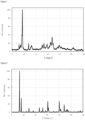
- a further embodiment relates to a crystalline form of the compound of Formula 2; or to a crystalline form of the compound of Formula 2 obtainable by step (a) of the process according to any one of embodiments 1) to 6); characterized by the presence of peaks in the X-ray powder diffractogram at the following angles of refraction 2 ⁇ : 8.3°, 9.1°, 20.2°, 25.0°, and 27.1°.
- a further embodiment relates to a crystalline form of the compound of Formula 2; or to a crystalline form of the compound of Formula 2 obtainable by step (a) of the process according to any one of embodiments 1) to 6); characterized
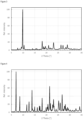
- a further embodiment relates to a crystalline form of the compound of Formula 3a (or a hydrate thereof), according to embodiment 36); or to a crystalline form of compound of Formula 3a (or a hydrate thereof), according to embodiment 36), obtainable by step (b) of the process according to any of embodiments 7) to 11); characterized by the presence of peaks in the X-ray powder diffractogram at the following angles of refraction 2 ⁇ : 9.8°, 18.2°, and 23.1°.
- a further embodiment relates to a crystalline form of the compound of Formula 3a (or a hydrate thereof), according to embodiment 36); or to a crystalline form of compound of Formula 3a (or a hydrate thereof), according to embodiment 36), obtainable by step (b) of the process according to any of embodiments 7) to 11); characterized by the presence of peaks in the X-ray powder diffractogram at the following angles of refraction 2 ⁇ : 9.8°, 18.2°, 23.1°, 26.2°, and 29.0°.
- a further embodiment relates to a crystalline form of the compound of Formula 3a (or a hydrate thereof), according to embodiment 36); or to a crystalline form of compound of Formula 3a (or a hydrate thereof), according to embodiment 36), obtainable by step (b) of the process according to any of embodiments 7) to 11); characterized by the presence of peaks in the X-ray powder diffractogram at the following angles of refraction 2 ⁇ : 9.8°, 10.4°, 18.2°, 18.8°, 19.2°, 20.9°, 23.1°, 26.2°, 27.1°, and 29.0°.
- a further embodiment relates to a crystalline form of the compound of Formula 3a or a hydrate thereof, according to embodiment 36); or to a crystalline form of compound of Formula 3a (or a hydrate thereof), according to embodiment 36), obtainable by step (b) of the process according to any of embodiments 7) to 11); characterized
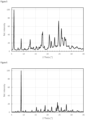
- a further embodiment relates to a crystalline form of the compound of Formula 4; or to a crystalline form of compound of Formula 4, obtainable by step (c) of the process according to any of embodiments 12) to 18); characterized by the presence of peaks in the X-ray powder diffractogram at the following angles of refraction 2 ⁇ : 7.0°, 13.8°, and 21.4°.
- a further embodiment relates to a crystalline form of the compound of Formula 4; or to a crystalline form of compound of Formula 4, obtainable by step (c) of the process according to any of embodiments 12) to 18); characterized by the presence of peaks in the X-ray powder diffractogram at the following angles of refraction 2 ⁇ : 7.0°, 8.6°, 13.8°, 21.4°, and 26.7°.
- a further embodiment relates to a crystalline form of the compound of Formula 4; or to a crystalline form of compound of Formula 4, obtainable by step (c) of the process according to any of embodiments 12) to 18); characterized by the presence of peaks in the X-ray powder diffractogram at the following angles of refraction 2 ⁇ : 7.0°, 8.6°, 11.6°, 12.6°, 13.8°, 18.2°, 21.4°, 23.1°, 25.3°, and 26.7°.
- the crystalline form of embodiment 36i) may be characterized solely by its peak in the differential scanning calorimetry thermogram (i.e. by its melting point), or by a combination of said peak and the X-ray powder diffractogram angles of refraction specified in any one of embodiments 36e) to 36h).
- a further embodiment relates to a crystalline form of the compound of Formula 5; or to a crystalline form of compound of Formula 5, obtainable by step (d) of the process according to any of embodiments 19) to 24); characterized
- Another embodiment relates to the compound of Formula 6 (clazosentan disodium salt); or to the compound according to embodiment 39); characterized in that a test solution of 2.5% w/v of said compound in water is equally or less colored than any one of reference solutions Y 3 , BY 3 , GY 3 , or (optionally) B 3 ; as determined according to Chapter 2.2.2. of the European Pharmacopoeia 6.0. In a sub-embodiment of embodiment 40), the test solution is equally or less colored than reference solutions GY 3 ; as determined according to Chapter 2.2.2. of the European Pharmacopoeia 6.0.
- a test solution of the substance under investigation is prepared by dissolving a predefined amount thereof in an appropriate solvent such as water in a colorless glass vial.
- Color reference solutions for yellow (Y 1 to Y 7 ), greenish-yellow (GY 1 to GY 7 ), brownish-yellow (BY 1 to BY 7 ), brown (B 1 to B 9 ) and red (R 1 to R 7 ) are either prepared according to Ph. Eur. 6.0, Chapter 2.2.2 or purchased as ready-to-use standard solutions (e.g. from Sigma-Aldrich or Merck).
- Another embodiment relates to the compound of Formula 6 (clazosentan disodium salt); or to the compound according to embodiment 39), characterized in that a test solution of 2.5% w/v of said compound in water is equally or less colored than any one of reference solutions Y 4 , BY 4 , GY 4 , or (optionally) B 4 ; as determined according to Chapter 2.2.2. of the European Pharmacopoeia 6.0.
- the test solution is equally or less colored than reference solutions GY 4 ; as determined according to Chapter 2.2.2. of the European Pharmacopoeia 6.0.
- the 2 ⁇ value given is to be understood as an interval from said value minus 0.2° to said value plus 0.2° (2 ⁇ +/- 0.2°); and especially from said value minus 0.1° to said value plus 0.1° (2 ⁇ +/- 0.1°).
- the term "essentially” means that at least the major peaks of the diffractogram depicted in said figures, i.e. those having a relative intensity of more than 20%, especially more than 10%, as compared to the most intense peak in the diffractogram, have to be present.
- the person skilled in the art of X-ray powder diffraction will recognize that relative intensities in X-ray powder diffractograms may be subject to strong intensity variations due to preferred orientation effects that may result in missing peaks or intensity variations of single peaks.
- Another aspect relates to the compound of Formula 6 (clazosentan disodium salt) according to any one of embodiments 40) to 48); or to the compound according to embodiment 39), characterized by an assay of at least 90% w/w, at least 91% w/w, at least 92% w/w; at least 93% w/w, at least 94% w/w, at least 95% w/w, at least 96% w/w, at least 97% w/w, at least 98% w/w, or at least 99% w/w (especially an assay of 99.1%) , as determined by high-performance liquid chromatography (HPLC) [by the HPLC Method B as described herein or by an analogous HPLC method].
- HPLC high-performance liquid chromatography
- assay refers to a common in the pharmaceutical industry quantitative measure of the amount of an analyte in a sample.
- the term, as used herein refers the amount of the compound of Formula 6 in a sample, expressed as a percentage of the total weight of the sample (% w/w).
- Assay is notably measured by HPLC, especially by the HPLC Method B as disclosed herein.
- Another aspect relates to the compound of Formula 6 (clazosentan disodium salt) according to any one of embodiments 40) to 49); or to the compound according to embodiment 39), wherein the compound of Formula 6 comprises a total amount of impurities of not more than 5% w/w, not more than 4% w/w, notably not more than 3% w/w, especially not more than 2% w/w, wherein the impurities are determined by high-performance liquid chromatography (HPLC) [by the HPLC Method B as described herein or by an analogous HPLC method].
- HPLC high-performance liquid chromatography
- impurity refers to the amount of specified and unspecified impurity (also referred to specified and unspecified related substance) detectable by HPLC, especially by the HPLC Method B as disclosed herein.
- the total amount of impurities as mentioned herein refers to the sum of essentially all specified and unspecified impurities detectable by HPLC, especially by the HPLC Method B as disclosed herein.
- Another aspect relates to the compound of Formula 6 (clazosentan disodium salt) according to any one of embodiments 40) to 50); or to the compound according to embodiment 39), wherein the compound of Formula 6 comprises a total amount of residual solvents of not more than 5% w/w, not more than 4% w/w, notably not more than 3% w/w, especially not more than 2% w/w, in particular not more than 1% w/w, wherein the solvents are selected from a group consisting of ethylene glycol, ethanol, methanol, tetrahydrofuran, and dimethylformamide (wherein the total amount of residual solvents is determined by gas chromatography; notably headspace gas chromatography (GC-HS) as described herein).
- GC-HS headspace gas chromatography
- the total amount of residual solvents refers to the sum of the individual amounts of ethylene glycol, ethanol, methanol, tetrahydrofuran, and dimethylformamide; determined in a sample.
- Another aspect relates to the compound of Formula 6 (clazosentan disodium salt) according to any one of embodiments 40) to 51); or to the compound according to embodiment 39), wherein the compound of Formula 6 comprises not more than 0.5% w/w of a residual solvent selected from ethanol (as determined by gas chromatography; notably headspace gas chromatography (GC-HS) as described herein).
- a residual solvent selected from ethanol (as determined by gas chromatography; notably headspace gas chromatography (GC-HS) as described herein).
- Another aspect relates to the compound of Formula 6 (clazosentan disodium salt) according to any one of embodiments 40) to 52); or to the compound according to embodiment 39), wherein the compound of Formula 6 comprises not more than 0.3% w/w of a residual solvent selected from methanol (as determined by gas chromatography; notably headspace gas chromatography (GC-HS) as described herein).
- a residual solvent selected from methanol (as determined by gas chromatography; notably headspace gas chromatography (GC-HS) as described herein).
- Another aspect relates to the compound of Formula 6 (clazosentan disodium salt) according to any one of embodiments 40) to 53); or to the compound according to embodiment 39), wherein the compound of Formula 6 comprises not more than 0.05% w/w of a residual solvent selected from tetrahydrofuran (as determined by gas chromatography; notably headspace gas chromatography (GC-HS) as described herein).
- a residual solvent selected from tetrahydrofuran (as determined by gas chromatography; notably headspace gas chromatography (GC-HS) as described herein).
- Another aspect relates to the compound of Formula 6 (clazosentan disodium salt) according to any one of embodiments 40) to 55); or to the compound according to embodiment 39), wherein the compound of Formula 6 comprises not more than 0.062% w/w of a residual solvent selected from ethylene glycol (as determined by gas chromatography; notably headspace gas chromatography (GC-HS) as described herein).
- a residual solvent selected from ethylene glycol (as determined by gas chromatography; notably headspace gas chromatography (GC-HS) as described herein).
- any one of embodiments 40) to 56) refers to two alternatives, namely, the compound of Formula 6 (clazosentan disodium salt) per se and to the compound according to embodiment 39) [or according to embodiment 39) to 44) and 49) to 56)] i.e. the compound of Formula 6, obtainable by the corresponding processes; wherein each of said alternatives is independently further characterized by the respective technical features such as angles of refraction, coloration, assay, total amount of impurities, amount of residual solvents, etc.
- compositions notably for intravenous infusion; especially solution for intravenous infusion
- a pharmaceutical composition comprising a compound according to any one of embodiments 39) to 56
- said composition further comprises at least one pharmaceutically acceptable carrier (especially water) and optionally at least one pharmaceutically acceptable excipient.
- such pharmaceutical composition comprises a compound according to any one of embodiments 39) to 56), optionally a buffer (e.g. tris(hydroxymethyl)aminomethane) (TRIS), optionally a chelating agent (e.g. disodium edetate), optionally an isotonic agent (e.g. sodium chloride), and water.
- a buffer e.g. tris(hydroxymethyl)aminomethane) (TRIS)
- a chelating agent e.g. disodium edetate
- an isotonic agent e.g. sodium chloride
- compositions notably for intravenous infusion; especially such composition is a solution for intravenous infusion
- said composition comprises
- compositions notably for intravenous infusion; especially such composition is a solution for intravenous infusion
- composition comprises
- compositions notably for intravenous infusion; especially such composition is a solution for intravenous infusion
- said composition comprises
- Another embodiment relates to a pharmaceutical composition according to any one of embodiments 59) or 60), wherein said composition is equally or less colored than reference solution GY 3 , as determined according to Chapter 2.2.2. of the European Pharmacopoeia 6.0.
- compositions according to the present invention may further comprise hydrochloric acid such that the pH value of said compositions is from about 7.0 to about 9.0; notably from about 7.5 to about 8.5; especially 8.0 ⁇ 0.1.
- the crystalline forms according to the present invention may comprise non-coordinated and / or coordinated solvent.
- Coordinated solvent is used herein as term for a crystalline solvate (e.g. hydrate).
- non-coordinated solvent is used herein as term for physiosorbed or physically entrapped solvent (definitions according to Polymorphism in the Pharmaceutical Industry (Ed. R. Hilfiker, VCH, 2006), Chapter 8: U.J. Griesser: The Importance of Solvates ).
- the crystalline form according to any one of embodiments 45) to 49) corresponds to a non-solvated, non-hydrated crystalline form, but may comprise non-coordinated water or another non-coordinated solvent.
- the crystalline form according to the present invention decomposes at about 250°C as measured by DSC.
- the sodium content in the compound of Formula 6 as disclosed herein is about 2 equivalents.
- the sodium content of said compound may vary within the normal technical limits acceptable in the pharmaceutical industry.
- the sodium content of the compound of Formula 6 as disclosed herein may be from about 6.4% w/w to about 8.4% w/w of the total weight; especially from about 7.2% w/w to about 7.7% w/w; in particular about 7.4% w/w; as determined by common in the art methods such as potentiometric titration according to USP ⁇ 541> / Ph. Eur. 2.2.20. Ph. Eur. 2.2.20 refers to Chapter 2.2.20 of the European pharmacopeia 6.0. Potentiometric titration may be performed by the method described herein.
- Another aspect relates to the use of the compound of Formula 6 according to any one of embodiments 39) to 56) for the manufacturing of a pharmaceutical composition; especially a pharmaceutical composition according to any one of embodiments 57) to 62).
- Another embodiment relates to the compound of Formula 6 according to any one of embodiments 39) to 56), or a composition according to any one of embodiments 57) to 62), for use in the prevention or treatment of a disease or disorder where endothelin receptors (especially ET A -receptors) are involved.
- endothelin receptors especially ET A -receptors
- Another embodiment relates to the compound of Formula 6 according to any one of embodiments 39) to 56), or a composition according to any one of embodiments 57) to 62), for use in the prevention or treatment (especially prevention) of cerebral vasospasm, and/or vasospasm-related cerebral infarction and cerebral ischemic symptoms after aneurysmal subarachnoid hemorrhage surgery.
- Another embodiment relates to the compound of Formula 6 according to any one of embodiments 39) to 56), or a composition according to any one of embodiments 57) to 62), for use in the prevention or treatment (especially prevention) of (vasospasm-related and all-cause) morbidity and (all-cause) mortality (especially vasospasm-related morbidity and all-cause mortality) in patients after aneurysmal subarachnoid hemorrhage surgery.
- Aneurysmal subarachnoid hemorrhage surgery (or aneurysm repair) as mentioned herein may especially be performed by surgical clipping or endovascular coiling.
- Another embodiment relates to the compound of Formula 6 according to any one of embodiments 39) to 56), or a composition according to any one of embodiments 57) to 62), for use in the prevention or treatment (especially prevention) of cerebral vasospasm, and/or vasospasm-related cerebral infarction and cerebral ischemic symptoms after aneurysmal subarachnoid hemorrhage surgery, wherein a pharmaceutical composition comprising the compound is administered to a patient as intravenous continuous infusion at a dosage of about 5 mg/h, about 10 mg/h, or about 15 mg/h (notably about 10 mg/h or about 15 mg/h; especially about 10 mg/h), wherein said dosage refers to the amount of the compound in its free acid form [wherein said administration starts after surgery of aneurysmal subarachnoid hemorrhage and continues for up to 15 days after aneurysmal rupture].
- Another embodiment relates to the compound of Formula 6 according to any one of embodiments 39) to 56), or a composition according to any one of embodiments 57) to 62), for use in the prevention or treatment (especially prevention) of complications and/or permanent brain damage related to cerebral vasospasm in patients (especially in patients with thick and diffuse cloth) following aneurysmal subarachnoid hemorrhage.
- Another embodiment relates to the compound of Formula 6 according to any one of embodiments 39) to 56), or a composition according to any one of embodiments 57) to 62), for use in the reduction of the incidence and/or severity of cerebral vasospasm in patients (especially in patients with thick and diffuse cloth) following aneurysmal subarachnoid hemorrhage.
- Another embodiment relates to the compound of Formula 6 according to any one of embodiments 39) to 56), or a composition according to any one of embodiments 57) to 62), for use in the reduction of the incidence and/or severity of cerebral infarction in patients (especially in patients with thick and diffuse cloth) following aneurysmal subarachnoid hemorrhage.
- Another embodiment relates to the compound of Formula 6 according to any one of embodiments 39) to 56), or a composition according to any one of embodiments 57) to 62), for use the prevention or treatment (especially prevention) of cerebral infarction due to vasospasm-related delayed cerebral ischemia in patients (especially in patients with thick and diffuse cloth) following aneurysmal subarachnoid hemorrhage.
- Another embodiment relates to the compound of Formula 6 according to any one of embodiments 39) to 56), or a composition according to any one of embodiments 57) to 62), for use in the prevention or treatment (especially prevention) of clinical deterioration due to vasospasm-related delayed cerebral ischemia in patients (especially in patients with thick and diffuse cloth) following aneurysmal subarachnoid hemorrhage.
- Another embodiment relates to the compound of Formula 6 according to any one of embodiments 39) to 56), or a composition according to any one of embodiments 57) to 62), for use in any of the following: reducing the duration of the hospitalization/duration in an intensive care unit of patients (especially in patients with thick and diffuse cloth); reducing the time to return to work for patients (especially in patients with thick and diffuse cloth) following aneurysmal subarachnoid hemorrhage; reducing the need/amount of rehabilitation in patients (especially in patients with thick and diffuse cloth) following aneurysmal subarachnoid hemorrhage; improving (long-term) clinical outcome in patients (especially in patients with thick and diffuse cloth) following aneurysmal subarachnoid hemorrhage; and/or improving cognition/cognitive function/quality of life in patients (especially in patients with thick and diffuse cloth) following aneurysmal subarachnoid hemorrhage.
- any reference to the compound of Formula 6 according to any one of embodiments 39) to 56), or a composition according to any one of embodiments 57) to 62), for use in the prevention or treatment of any disease or disorder according to embodiments 65) to 76) also discloses a method of prevention or treatment (especially prevention) of said disease or disorder, said method comprising administering to a subject in need thereof (an effective amount of) the compound of Formula 6 according to any one of embodiments 39) to 56).
- any reference to the compound of Formula 6 according to any one of embodiments 39) to 56), or a composition according to any one of embodiments 57) to 62), for use in the prevention or treatment of any disease or disorder according to embodiments 65) to 76) also discloses the use of the compound of Formula 6 according to any one of embodiments 39) to 49), in the preparation of a medicament for the prevention or treatment of said disease or disorder.
- any reference to the compound of Formula 6 according to any one of embodiments 39) to 49), or a composition according to any one of embodiments 49) to 55), for use in the prevention or treatment of any disease or disorder according to embodiments 65) to 76) also discloses the compound of Formula 6 according to any one of embodiments 39) to 56), for use in a method of prevention or treatment of said disease or disorders.
- any reference to the compound of Formula 6 according to any one of embodiments 39) to 56), or a composition according to any one of embodiments 57) to 62), for use in the prevention or treatment of any disease or disorder according to embodiments 65) to 76) also discloses a medicament for the prevention or treatment (especially prevention) of said disease or disorder, said medicament comprising the compound of Formula 6 according to any one of embodiments 39) to 56).
- thick and diffuse cloth refers to a thick confluent clot, more than 4 mm in thickness, involving 3 or more basal cisterns, as measured by computed tomography (CT). Patients diagnosed with thick and diffuse cloth may be classified as high-risk patients in which the use of the compound of the present invention may be particularly indicated.
- CT computed tomography
- Cerebral infarction refers to all-cause new or worsened cerebral infarction (notably said infraction having a total volume of more than about 5 cm 3 ). New or worsened cerebral infarctions may be determined by central radiology review comparing CT scans performed 16 days after initiation of therapy with a drug with the CT scan performed before said initiation of therapy.
- Clinical deterioration refers to a worsening of at least two points compared to the reference score, on the mGCS or the aNIHSS scales, lasting for at least 2 hours, which cannot be entirely attributed to causes other than cerebral vasospasm. Clinical deterioration due to delayed cerebral ischemia may be adjudicated based on review of clinical data, case narratives, angiograms and/or CT scans.
- mGCS refers to the Glasgow Coma Scale, which is a neurological scale aiming to give a reliable and objective way of recording the state of a person's consciousness.
- aNIHSS refers to the abbreviated National Institutes of Health Stroke Scale: a tool used by healthcare providers to objectively quantify the impairment caused by a stroke.
- subject refers to mammals, especially humans.
- subject refers to the term "patient”.
- solvate(s) either used alone or in combination is understood in the context of the present invention to mean an aggregate comprising a compound or a salt thereof as defined herein and one or more molecules of a solvent. Hydrates are a special form of solvates, wherein the one or more solvent molecules comprised in said aggregate are water molecules.
- Mobile phase A: Buffer (3.7 mM sodium tetraborate decahydrate pH 9.0) / ACN / tetrabutylammonium hydroxide 70/30/0.35 (v/v/v) and B: Buffer / ACN / tetrabutylammonium hydroxide 40/60/0.35 (v/v/v).
- Flow rate 1.0 mL/min.
- Gradient Time [min] A [%] B [%] 0 100 0 6 60 40 8 0 100 8.1 100 0 15 100 0
- the assay value referred to in the present application represent a value which has been corrected for residual solvents and water, which may be present in the sample for analysis.
- Residual solvents are ethylene glycol, tetrahydrofuran, methanol, ethanol, and N,N-dimethylformamide.
- the correction is performed by first determining the amount of residual solvents (by gas chromatography (method described herein)) and the amount of water (by Karl Fischer titration (method described herein)) in the sample, and then calculating the assay value (i.e.
- Substance CF DMF 1.0 Compound of Formula 3 2.01 4-(4-(2-hydroxyethoxy)-5-(2-methoxy phenoxy)-6-((5-methylpyridine)-2-sulf onamido)pyrimidin-2-yl)picolinamide 1.25 Impurity 2 (cf.
- Reference example 2 1.30 Compound of Formula 6 1 N-(2-(2-(1H-tetrazol-5-yl)pyridin-4-yl)-6-hydroxy-5-(2-methoxyphenoxy) pyrimidin-4-yl)-5-methylpyridine-2-sulfonamide 0.79 Compound of Formula 4 1.33 N,N'-((ethane-1,2-diylbis(oxy))bis(2-(2-(1H-tetrazol-5-yl)pyridin-4-yl)-5-(2-methoxyphenoxy)pyrimidine-6,4-diyl)) bis(5-methylpyridine-2-sulfonamide) 0.93 Any unspecified ⁇ 0.05 % w/w 1
- Electrode Combined pH-electrode (e.g. Metrohm 6.0232.100). Titration rate: measurement drift: 10 mV/min, max. waiting period 60 s, measuring point density: 4, min. increment: 10.0 ⁇ L, dosing rate: maximum mL/min. Solvent Water. Reagent: hydrochloric acid 0.1 mol/L. Standard: Trizma base. Sample concentration: approx.1.9 mg/mL. Temperature: Ambient.
- X-ray diffractograms were measured on a Bruker D8 Advance diffractometer with FlipStick TM sample stage, Cu K ⁇ radiation (40 kV, 40 mA), and 1D-linear LynxEye TM detector. Samples were prepared on a silicon single crystal sample holder with a cavity of 25 mm diameter and 0.5 mm depth. The powder was spread with a microscope slide to obtain a flat surface and, in the case of the X-ray diffractogram shown in Figure 1 , covered with a Kapton foil to protect it from ambient humidity. Diffractograms were collected in the reflection mode with coupled ⁇ /2 ⁇ angles in the range from 3-50° 2 ⁇ , an increment of 0.02° and an accumulation time of 0.4 s per step.
- DSC data were collected on a Mettler Toledo DSC unit (e.g. DSC823E or DSC3+). Typically, several mg of each sample were weighed in a DSC crucible and heated from 20°C to 400°C with a heating ramp of 3-4 K/min. Peak temperatures are reported for melting points.
- Sample 10 mg of material are dissolved in 0.8 mL DMSO-d6.
- Equipment 400 MHz device; Number of scans 16; Dwell time 60.200 ⁇ s; FIDRES approx. 0.25 Hz; Temperature 293K; Rotation 20 Hz; Acquisition time approx. 3.95 s.
- KF-Coulometer cell without diaphragm e.g. model 756 by Metrohm
- Electrode double Pt electrode (e.g. Metrohm 6.0341.100); Generator electrode without diaphragm (e.g. Metrohm 6.0345.100).
- Parameters I(pol): 10 ⁇ A: Temperature: ambient; Generator current: 400 mA (without diaphragm); Titration speed: Optimal (Control range: 70.0 mV, Max. rate: maximum ⁇ g/min, min rate: 15.0 ⁇ g/min).
- KF reagent Hydranal Coulomat AD.
- Sample 100 mg in 1.0 mL DMSO (for methanol, ethanol, DMF, and THF) or 500 mg in 1.0 mL DMF (for ethylene glycol).
- Equipment Agilent GC system with headspace sampler and FID detector, equipped with column DB-624, 30 m ⁇ 0.32 mm, 1.8 ⁇ m (for methanol, ethanol, and THF), DB-624, 30 m x 0.53 mm, 3 ⁇ m (for DMF), and DB-WAX, 30 m ⁇ 0.32 mm, 0.5 ⁇ m (for ethylene glycol)
- Flow 2-2.5 mL/min helium.
- the resulting suspension was filtered, and the solid residue washed with THF (2 times 1.78 kg/kg pyridine-N-oxide) and with MeOH (2.37 kg/kg pyridine-N-oxide) at 0-5°C.
- the mother liquor was drained.
- the solid was suspended in a mixture of MeOH (3.56 kg/kg pyridine-N-oxide) and water (0.5 kg/kg pyridine-N-oxide), and heated to 80-90°C for at least 60 min. After cooling to 20°C over at least 60 min the suspension was stirred further for at least 30 min.
Landscapes
- Chemical & Material Sciences (AREA)
- Health & Medical Sciences (AREA)
- Organic Chemistry (AREA)
- Medicinal Chemistry (AREA)
- Pharmacology & Pharmacy (AREA)
- Life Sciences & Earth Sciences (AREA)
- Animal Behavior & Ethology (AREA)
- General Health & Medical Sciences (AREA)
- Public Health (AREA)
- Veterinary Medicine (AREA)
- Epidemiology (AREA)
- Engineering & Computer Science (AREA)
- Cardiology (AREA)
- Heart & Thoracic Surgery (AREA)
- Chemical Kinetics & Catalysis (AREA)
- General Chemical & Material Sciences (AREA)
- Nuclear Medicine, Radiotherapy & Molecular Imaging (AREA)
- Bioinformatics & Cheminformatics (AREA)
- Pharmaceuticals Containing Other Organic And Inorganic Compounds (AREA)
- Medicinal Preparation (AREA)
Applications Claiming Priority (3)
| Application Number | Priority Date | Filing Date | Title |
|---|---|---|---|
| EP21215583 | 2021-12-17 | ||
| EP22840068.5A EP4448511A1 (de) | 2021-12-17 | 2022-12-16 | Clazosentan-dinatriumsalz, dessen herstellung und pharmazeutische zusammensetzungen damit |
| PCT/EP2022/086423 WO2023111299A1 (en) | 2021-12-17 | 2022-12-16 | Clazosentan disodium salt, its preparation and pharmaceutical compositions comprising the same |
Related Parent Applications (1)
| Application Number | Title | Priority Date | Filing Date |
|---|---|---|---|
| EP22840068.5A Division EP4448511A1 (de) | 2021-12-17 | 2022-12-16 | Clazosentan-dinatriumsalz, dessen herstellung und pharmazeutische zusammensetzungen damit |
Publications (2)
| Publication Number | Publication Date |
|---|---|
| EP4582086A2 true EP4582086A2 (de) | 2025-07-09 |
| EP4582086A3 EP4582086A3 (de) | 2025-07-23 |
Family
ID=78957167
Family Applications (2)
| Application Number | Title | Priority Date | Filing Date |
|---|---|---|---|
| EP22840068.5A Withdrawn EP4448511A1 (de) | 2021-12-17 | 2022-12-16 | Clazosentan-dinatriumsalz, dessen herstellung und pharmazeutische zusammensetzungen damit |
| EP25155042.2A Pending EP4582086A3 (de) | 2021-12-17 | 2022-12-16 | Clazosentan-dinatriumsalz, dessen herstellung und pharmazeutische zusammensetzungen damit |
Family Applications Before (1)
| Application Number | Title | Priority Date | Filing Date |
|---|---|---|---|
| EP22840068.5A Withdrawn EP4448511A1 (de) | 2021-12-17 | 2022-12-16 | Clazosentan-dinatriumsalz, dessen herstellung und pharmazeutische zusammensetzungen damit |
Country Status (7)
| Country | Link |
|---|---|
| US (1) | US20250051308A1 (de) |
| EP (2) | EP4448511A1 (de) |
| JP (1) | JP7820522B2 (de) |
| KR (1) | KR20240121242A (de) |
| AU (1) | AU2022416870A1 (de) |
| TW (1) | TW202329952A (de) |
| WO (1) | WO2023111299A1 (de) |
Citations (5)
| Publication number | Priority date | Publication date | Assignee | Title |
|---|---|---|---|---|
| WO1996019459A1 (en) | 1994-12-20 | 1996-06-27 | F. Hoffmann-La Roche Ag | Novel sulfonamides |
| EP0897914A1 (de) | 1997-08-19 | 1999-02-24 | F. Hoffmann-La Roche Ag | Verfahren zur Herstellung von 2,5-disubstituierten Pyridinen |
| EP0979822A1 (de) | 1998-08-10 | 2000-02-16 | F. Hoffmann-La Roche Ag | Verfahren zur Herstellung von 2-Carbamoyl-Pyridinen |
| WO2000042035A1 (en) | 1999-01-18 | 2000-07-20 | F. Hoffmann-La Roche Ag | 4-(heterocyclylsulfonamido) -5-methoxy-6- (2-methoxyphenoxy) -2-phenyl- or pyridylpyrimidines as endothelin receptor antagonists |
| WO2000052007A1 (en) | 1999-03-03 | 2000-09-08 | F. Hoffmann-La Roche Ag | 4-heterocyclysulfonamidyl-6-methoxy-5-(2-methoxy-phenoxy)-2-pyridyl-pyrimidine derivatives, their preparation and use as endothelin receptor antagonists |
Family Cites Families (1)
| Publication number | Priority date | Publication date | Assignee | Title |
|---|---|---|---|---|
| CN116456984A (zh) * | 2020-11-05 | 2023-07-18 | 爱杜西亚药品有限公司 | 克拉生坦二钠盐的稳定结晶水合物 |
-
2022
- 2022-12-16 EP EP22840068.5A patent/EP4448511A1/de not_active Withdrawn
- 2022-12-16 AU AU2022416870A patent/AU2022416870A1/en active Pending
- 2022-12-16 WO PCT/EP2022/086423 patent/WO2023111299A1/en not_active Ceased
- 2022-12-16 EP EP25155042.2A patent/EP4582086A3/de active Pending
- 2022-12-16 TW TW111148461A patent/TW202329952A/zh unknown
- 2022-12-16 US US18/720,031 patent/US20250051308A1/en active Pending
- 2022-12-16 KR KR1020247020014A patent/KR20240121242A/ko active Pending
- 2022-12-16 JP JP2024535903A patent/JP7820522B2/ja active Active
Patent Citations (5)
| Publication number | Priority date | Publication date | Assignee | Title |
|---|---|---|---|---|
| WO1996019459A1 (en) | 1994-12-20 | 1996-06-27 | F. Hoffmann-La Roche Ag | Novel sulfonamides |
| EP0897914A1 (de) | 1997-08-19 | 1999-02-24 | F. Hoffmann-La Roche Ag | Verfahren zur Herstellung von 2,5-disubstituierten Pyridinen |
| EP0979822A1 (de) | 1998-08-10 | 2000-02-16 | F. Hoffmann-La Roche Ag | Verfahren zur Herstellung von 2-Carbamoyl-Pyridinen |
| WO2000042035A1 (en) | 1999-01-18 | 2000-07-20 | F. Hoffmann-La Roche Ag | 4-(heterocyclylsulfonamido) -5-methoxy-6- (2-methoxyphenoxy) -2-phenyl- or pyridylpyrimidines as endothelin receptor antagonists |
| WO2000052007A1 (en) | 1999-03-03 | 2000-09-08 | F. Hoffmann-La Roche Ag | 4-heterocyclysulfonamidyl-6-methoxy-5-(2-methoxy-phenoxy)-2-pyridyl-pyrimidine derivatives, their preparation and use as endothelin receptor antagonists |
Non-Patent Citations (8)
| Title |
|---|
| "Remington, The Science and Practice of Pharmacy", 2005, LIPPINCOTT WILLIAMS & WILKINS, article "Pharmaceutical Manufacturing" |
| A. KUBO ET AL., CHEM.PHARM.BULL., vol. 36, 1988, pages 4355 - 4363 |
| BJØRSVIK ET AL., J. ORG. CHEM., vol. 70, no. 8, 2005, pages 3218 - 3224 |
| LEE A., CLAZOSENTAN: FIRST APPROVAL. DRUGS, vol. 82, no. 6, April 2022 (2022-04-01), pages 697 - 702 |
| NIPHADE ET AL., ORG. PROCESS RES. DEV., vol. 15, no. 65938-77-4, 2011, pages 1382 - 1387 |
| T. SAKAMOTO ET AL., CHEM.PHARM.BULL., vol. 33, 1985, pages 565 - 571 |
| U.J. GRIESSER: "Polymorphism in the Pharmaceutical Industry", 2006, VCH, article "The Importance of Solvates" |
| VORBRUGGEN ET AL., SYNTHESIS, no. 4, 1983, pages 316 - 319 |
Also Published As
| Publication number | Publication date |
|---|---|
| KR20240121242A (ko) | 2024-08-08 |
| JP2024546942A (ja) | 2024-12-26 |
| WO2023111299A1 (en) | 2023-06-22 |
| JP7820522B2 (ja) | 2026-02-25 |
| EP4582086A3 (de) | 2025-07-23 |
| TW202329952A (zh) | 2023-08-01 |
| EP4448511A1 (de) | 2024-10-23 |
| US20250051308A1 (en) | 2025-02-13 |
| AU2022416870A1 (en) | 2024-06-27 |
Similar Documents
| Publication | Publication Date | Title |
|---|---|---|
| EP3989972B1 (de) | Glucagon-like peptid-1-rezeptor-agonisten | |
| JP6850922B2 (ja) | Jakキナーゼ阻害剤としてのナフチリジン化合物 | |
| AU2022201058B2 (en) | Novel Jak1 selective inhibitors and uses thereof | |
| EP2850067B1 (de) | Carbonsäureverbindungen | |
| JP2020143072A (ja) | プリドピジンの類似体、それらの製造および使用 | |
| EP4253373A1 (de) | Heteroarylcarboxamidverbindung | |
| EP2949647B1 (de) | Deuterierte phenylaminopyrimidinverbindung und pharmazeutische zusammensetzung damit | |
| WO2024067744A1 (zh) | 杂环取代喹唑啉及其制备方法和应用 | |
| EP3679029B1 (de) | Imidazolidin-verbindungen | |
| EP2970128B1 (de) | Basisadditionssalze von nitroxolin und verwendungen davon | |
| JPWO2005087231A1 (ja) | ソリフェナシン含有組成物 | |
| EP1726304A1 (de) | Solifenacin enthaltende zusammensetzung | |
| EP4582086A2 (de) | Clazosentan-dinatriumsalz, dessen herstellung und pharmazeutische zusammensetzungen damit | |
| SG190246A1 (en) | Kat ii inhibitors | |
| US8729130B2 (en) | Methods of using novel solid forms of tacedinaline | |
| WO2012003413A1 (en) | Novel solid forms of tacedinaline | |
| CN120383599A (zh) | 芳基杂环类Kv1.3抑制剂及其制备方法和用途 | |
| WO2025237404A1 (zh) | 一种mc4r拮抗剂的多晶型物及其制备方法和应用 | |
| EP3753942A1 (de) | Kristallform von 3,4-dihydrothieno[3,2-d]pyrimidin-verbindung und herstellungsverfahren dafür | |
| US20070191425A1 (en) | Solifenacin-containing composition | |
| HK40063744A (en) | Glucagon-like peptide 1 receptor agonists | |
| HK40063744B (en) | Glucagon-like peptide 1 receptor agonists | |
| HK1207365B (en) | Carboxylic acid compounds |
Legal Events
| Date | Code | Title | Description |
|---|---|---|---|
| PUAI | Public reference made under article 153(3) epc to a published international application that has entered the european phase |
Free format text: ORIGINAL CODE: 0009012 |
|
| STAA | Information on the status of an ep patent application or granted ep patent |
Free format text: STATUS: THE APPLICATION HAS BEEN PUBLISHED |
|
| REG | Reference to a national code |
Ref country code: DE Ref legal event code: R079 Free format text: PREVIOUS MAIN CLASS: A61K0031506000 Ipc: C07D0401140000 |
|
| PUAL | Search report despatched |
Free format text: ORIGINAL CODE: 0009013 |
|
| AC | Divisional application: reference to earlier application |
Ref document number: 4448511 Country of ref document: EP Kind code of ref document: P |
|
| AK | Designated contracting states |
Kind code of ref document: A2 Designated state(s): AL AT BE BG CH CY CZ DE DK EE ES FI FR GB GR HR HU IE IS IT LI LT LU LV MC ME MK MT NL NO PL PT RO RS SE SI SK SM TR |
|
| AK | Designated contracting states |
Kind code of ref document: A3 Designated state(s): AL AT BE BG CH CY CZ DE DK EE ES FI FR GB GR HR HU IE IS IT LI LT LU LV MC ME MK MT NL NO PL PT RO RS SE SI SK SM TR |
|
| RIC1 | Information provided on ipc code assigned before grant |
Ipc: C07D 401/14 20060101AFI20250617BHEP Ipc: A61P 9/00 20060101ALI20250617BHEP Ipc: A61K 31/506 20060101ALI20250617BHEP |
|
| 111L | Licence recorded |
Designated state(s): CH DE IT Name of requester: NXERA PHARMA JAPAN CO., LTD., JP Effective date: 20251107 |