EP4563709A2 - Methoden und materialien zur beurteilung des allelischen ungleichgewichts - Google Patents
Methoden und materialien zur beurteilung des allelischen ungleichgewichts Download PDFInfo
- Publication number
- EP4563709A2 EP4563709A2 EP25157133.7A EP25157133A EP4563709A2 EP 4563709 A2 EP4563709 A2 EP 4563709A2 EP 25157133 A EP25157133 A EP 25157133A EP 4563709 A2 EP4563709 A2 EP 4563709A2
- Authority
- EP
- European Patent Office
- Prior art keywords
- locus
- loci
- sample
- genomic
- snp
- Prior art date
- Legal status (The legal status is an assumption and is not a legal conclusion. Google has not performed a legal analysis and makes no representation as to the accuracy of the status listed.)
- Pending
Links
Images

Classifications
-
- C—CHEMISTRY; METALLURGY
- C12—BIOCHEMISTRY; BEER; SPIRITS; WINE; VINEGAR; MICROBIOLOGY; ENZYMOLOGY; MUTATION OR GENETIC ENGINEERING
- C12Q—MEASURING OR TESTING PROCESSES INVOLVING ENZYMES, NUCLEIC ACIDS OR MICROORGANISMS; COMPOSITIONS OR TEST PAPERS THEREFOR; PROCESSES OF PREPARING SUCH COMPOSITIONS; CONDITION-RESPONSIVE CONTROL IN MICROBIOLOGICAL OR ENZYMOLOGICAL PROCESSES
- C12Q1/00—Measuring or testing processes involving enzymes, nucleic acids or microorganisms; Compositions therefor; Processes of preparing such compositions
- C12Q1/68—Measuring or testing processes involving enzymes, nucleic acids or microorganisms; Compositions therefor; Processes of preparing such compositions involving nucleic acids
- C12Q1/6813—Hybridisation assays
- C12Q1/6827—Hybridisation assays for detection of mutation or polymorphism
-
- C—CHEMISTRY; METALLURGY
- C12—BIOCHEMISTRY; BEER; SPIRITS; WINE; VINEGAR; MICROBIOLOGY; ENZYMOLOGY; MUTATION OR GENETIC ENGINEERING
- C12Q—MEASURING OR TESTING PROCESSES INVOLVING ENZYMES, NUCLEIC ACIDS OR MICROORGANISMS; COMPOSITIONS OR TEST PAPERS THEREFOR; PROCESSES OF PREPARING SUCH COMPOSITIONS; CONDITION-RESPONSIVE CONTROL IN MICROBIOLOGICAL OR ENZYMOLOGICAL PROCESSES
- C12Q1/00—Measuring or testing processes involving enzymes, nucleic acids or microorganisms; Compositions therefor; Processes of preparing such compositions
- C12Q1/68—Measuring or testing processes involving enzymes, nucleic acids or microorganisms; Compositions therefor; Processes of preparing such compositions involving nucleic acids
- C12Q1/6844—Nucleic acid amplification reactions
- C12Q1/6858—Allele-specific amplification
-
- C—CHEMISTRY; METALLURGY
- C12—BIOCHEMISTRY; BEER; SPIRITS; WINE; VINEGAR; MICROBIOLOGY; ENZYMOLOGY; MUTATION OR GENETIC ENGINEERING
- C12Q—MEASURING OR TESTING PROCESSES INVOLVING ENZYMES, NUCLEIC ACIDS OR MICROORGANISMS; COMPOSITIONS OR TEST PAPERS THEREFOR; PROCESSES OF PREPARING SUCH COMPOSITIONS; CONDITION-RESPONSIVE CONTROL IN MICROBIOLOGICAL OR ENZYMOLOGICAL PROCESSES
- C12Q1/00—Measuring or testing processes involving enzymes, nucleic acids or microorganisms; Compositions therefor; Processes of preparing such compositions
- C12Q1/68—Measuring or testing processes involving enzymes, nucleic acids or microorganisms; Compositions therefor; Processes of preparing such compositions involving nucleic acids
- C12Q1/6869—Methods for sequencing
- C12Q1/6874—Methods for sequencing involving nucleic acid arrays, e.g. sequencing by hybridisation
-
- C—CHEMISTRY; METALLURGY
- C12—BIOCHEMISTRY; BEER; SPIRITS; WINE; VINEGAR; MICROBIOLOGY; ENZYMOLOGY; MUTATION OR GENETIC ENGINEERING
- C12Q—MEASURING OR TESTING PROCESSES INVOLVING ENZYMES, NUCLEIC ACIDS OR MICROORGANISMS; COMPOSITIONS OR TEST PAPERS THEREFOR; PROCESSES OF PREPARING SUCH COMPOSITIONS; CONDITION-RESPONSIVE CONTROL IN MICROBIOLOGICAL OR ENZYMOLOGICAL PROCESSES
- C12Q1/00—Measuring or testing processes involving enzymes, nucleic acids or microorganisms; Compositions therefor; Processes of preparing such compositions
- C12Q1/68—Measuring or testing processes involving enzymes, nucleic acids or microorganisms; Compositions therefor; Processes of preparing such compositions involving nucleic acids
- C12Q1/6876—Nucleic acid products used in the analysis of nucleic acids, e.g. primers or probes
- C12Q1/6883—Nucleic acid products used in the analysis of nucleic acids, e.g. primers or probes for diseases caused by alterations of genetic material
-
- G—PHYSICS
- G16—INFORMATION AND COMMUNICATION TECHNOLOGY [ICT] SPECIALLY ADAPTED FOR SPECIFIC APPLICATION FIELDS
- G16B—BIOINFORMATICS, i.e. INFORMATION AND COMMUNICATION TECHNOLOGY [ICT] SPECIALLY ADAPTED FOR GENETIC OR PROTEIN-RELATED DATA PROCESSING IN COMPUTATIONAL MOLECULAR BIOLOGY
- G16B30/00—ICT specially adapted for sequence analysis involving nucleotides or amino acids
Definitions
- the invention generally relates to molecular diagnosis, and particularly to a method and system for detecting allelic imbalance in patient samples.
- a comparison of sequences present at the same locus on each chromosome (each autosomal chromosome for males) of a chromosome pair can reveal whether that particular locus is homozygous or heterozygous within the genome of a cell.
- Polymorphic loci within the human genome are generally heterozygous within an individual since that individual typically receives one copy from the biological father and one copy from the biological mother.
- a polymorphic locus or a string of polymorphic loci within an individual are homozygous as a result in inheriting identical copies from both biological parents.
- homozygosity results from a loss of heterozygosity (LOH) from the germline. Because LOH and copy number information can be clinically useful, there is a need for improved methods of identifying loci and regions of LOH in samples.
- LOH heterozygosity
- Copy number (including allelic imbalance and LOH) analysis of tumor tissues has been traditionally performed using single nucleotide polymorphism (SNP) arrays.
- SNP single nucleotide polymorphism
- the data quality is often highly variable and, especially for FFPE samples, tends to be poor.
- the inventors have developed a method of genome-wide copy number analysis that produces high quality data from all sample types that is based on in-solution capture of DNA fragments spanning target loci (e.g., SNPs), followed by parallel sequencing to identify and quantitate the alleles.
- SNPs single nucleotide polymorphism
- a method of detecting allelic imbalance status in a plurality of genomic loci in a tumor sample from a cancer patient comprising the steps of enriching a genomic DNA sample for DNA molecules each comprising a locus of interest; sequencing said DNA molecules to determine the genotype at each such locus; determining for each locus whether there is allelic imbalance.
- a method of detecting LOH status in a plurality of genomic loci in a tumor sample from a cancer patient comprising the steps of enriching a genomic DNA sample for DNA molecules each comprising a locus of interest; sequencing said DNA molecules to determine the genotype at each such locus; determining for each homozygous locus whether it is homozygous due to LOH.
- allelic imbalance e.g., abnormal copy number, LOH
- FFPE formalin-fixed paraffin-embedded
- SNPs loci of interest
- a method of detecting allelic imbalance status in a plurality of genomic loci in a tumor sample from a cancer patient comprising the steps of enriching a genomic DNA sample for DNA molecules each comprising a locus of interest; sequencing said DNA molecules to determine the genotype at each such locus; determining for each locus whether there is allelic imbalance.
- "Locus” as used herein has its usual meaning in the art.
- region means a plurality of substantially adjacent loci. Unless stated otherwise or unless the context clearly indicates otherwise, statements made about a locus will generally apply to a region.
- allelic imbalance means any instance where the somatic copy number differs from the germline copy number at a genomic locus or region.
- allelic imbalance is expressed in terms of major copy proportion ("MCP").
- MCP major copy proportion
- a locus or region shows allelic imbalance if the MCP at such locus or region is 0.51, 0.52, 0.53, 0.54, 0.55, 0.6, 0.65, 0.7, 0.75, 0.8, 0.85, 0.9, 0.95, or 1.
- allelic imbalance is loss of heterozygosity ("LOH"), in which a locus is heterozygous in the germline but homozygous in somatic tissue.
- homozygosity can include homozygous loss (i.e., deletion) of the locus in somatic tissue.
- the present invention provides a method of detecting LOH status in a plurality of genomic loci in a tumor sample from a cancer patient, comprising enriching a genomic DNA sample for DNA molecules each comprising a locus of interest; sequencing said DNA molecules to determine the genotype at each such locus; determining for each homozygous locus whether it is homozygous due to LOH.
- nucleic acid sequencing techniques can be used to identify loci and/or regions as having allelic imbalance.
- genomic DNA from a cell sample e.g., a cancer cell sample
- Any appropriate method can be used to extract and fragment genomic nucleic acid including, without limitation, commercial kits such as QIAamp DNA Mini Kit (Qiagen), MagNA Pure DNA Isolation Kit (Roche Applied Science) and GenElute Mammalian Genomic DNA Miniprep Kit (Sigma-Aldrich).
- QIAamp DNA Mini Kit Qiagen
- MagNA Pure DNA Isolation Kit Roche Applied Science
- GenElute Mammalian Genomic DNA Miniprep Kit Sigma-Aldrich
- either targeted or untargeted sequencing can be done to determine the sample's genotypes at loci of interest.
- whole genome, whole transcriptome, or whole exome sequencing can be done to determine genotypes at millions or even billions of base pairs (i.e., base pairs can be "loci" to be evaluated).
- genomic DNA can be enriched for those fragments containing a locus (e.g., SNP location) to be analyzed using kits designed for this purpose (e.g., Agilent SureSelect, Illumina TruSeq Capture, Nimblegen SeqCap EZ Choice, Raindance Thunderstorm TM ).
- kits designed for this purpose e.g., Agilent SureSelect, Illumina TruSeq Capture, Nimblegen SeqCap EZ Choice, Raindance Thunderstorm TM .
- genomic DNA containing the loci to be analyzed can be hybridized to biotinylated capture RNA fragments to form biotinylated RNA/genomic DNA complexes.
- DNA capture probes may be utilized resulting in the formation of biotinylated DNA/genomic DNA hybrids.
- Streptavidin coated magnetic beads and a magnetic force can be used to separate the biotinylated RNA/genomic DNA complexes from those genomic DNA fragments not present within a biotinylated RNA/genomic DNA complex.
- the obtained biotinylated RNA/genomic DNA complexes can be treated to remove the captured RNA from the magnetic beads, thereby leaving intact genomic DNA fragments containing a locus to be analyzed.
- These intact genomic DNA fragments containing the loci to be analyzed can be amplified using, for example, PCR techniques.
- a multiplex PCR reaction can be employed to enrich for loci of interest.
- PCR primers can be designed to flank loci of interest and a PCR reaction can be run to amplify sequences comprising such loci.
- the enriched genomic DNA fragments can be sequenced using any sequencing technique.
- sequencing techniques include any sequencing technique.
- numerous suitable sequencing machines and strategies are well known in the art, including but not limited to those developed by Illumina (the Genome Analyzer; Bennett et al. (2005) Pharmacogenomics, 6:373-382 ; HiSeq; MiSeq); by Applied Biosystems, Inc. (the SOLiD TM Sequencer; solid.appliedbiosystems.com); by Roche (e.g., the 454 GS FLX TM sequencer; Margulies et al. (2005) Nature, 437:376-380 ; U.S. Pat. Nos.
- the sequencing results from the genomic DNA fragments can be used to identify loci as having allelic imbalance.
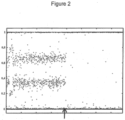
- an analysis of the allelic imbalance status of loci over a length of a chromosome can be performed to determine the length of regions of allelic imbalance. For example, a stretch of SNP locations that are spaced apart (e.g., spaced about 25 kb to about 100 kb apart) along a chromosome can be evaluated by sequencing, and the sequencing results used to determine not only the presence of a region of allelic imbalance ()e.g., somatic homozygosity) along a chromosome but also the length of that region of imbalance. Obtained sequencing results can be used to generate a graph that plots allele dosages along a chromosome.
- a sample's genotype e.g., homozygosity
- loci e.g., SNPs
- somatic change e.g., LOH
- One way to determine whether imbalance is due to somatic change is to compare the somatic genotype to the germline.
- the genotype for a plurality of loci e.g., SNPs
- genotypes for each sample can be compared (typically computationally) to determine where the genome of the germline cell was, e.g., heterozygous and the genome of the somatic cell is, e.g., homozygous.
- loci are LOH loci and regions of such loci are LOH regions.
- Computational techniques can also be used to determine whether allelic imbalance is somatic (e.g., due to LOH). Such techniques are particularly useful when a germline sample is not available for analysis and comparison. For example, algorithms such as those described elsewhere can be used to detect allelic imbalance regions using information from SNP arrays ( Nannya et al., Cancer Res., 65:6071-6079 (2005 )). Typically these algorithms do not explicitly take into account contamination of tumor samples with benign tissue. Cf. International Application No. PCT/US2011/026098 to Abkevich et al. ; Goransson et al., PLoS One (2009) 4(6):e6057 . This contamination is often high enough to make the detection of allelic imbalance regions challenging. Improved analytical methods according to the present invention for identifying allelic imbalance, even in spite of contamination, include those embodied in computer software products as described below.
- the first possibility is that cancer cells have LOH with deletion of allele B in a sample with 50% contamination with normal cells.
- the second possibility is that there is no LOH but allele A is duplicated in a sample with no contamination with normal cells.
- An algorithm can be implemented as a computer program as described herein to reconstruct LOH regions based on genotype (e.g., SNP genotype) data.
- One point of the algorithm is to first reconstruct allele specific copy numbers (ASCN) at each locus (e.g., SNP).
- ASCNs are the numbers of copies of both paternal and maternal alleles.
- An LOH region is then determined as a stretch of SNPs with one of the ASCNs (paternal or maternal) being zero.
- the algorithm can be based on maximizing a likelihood function and can be conceptually akin to a previously described algorithm designed to reconstruct total copy number (rather than ASCN) at each locus (e.g., SNP). See International Application No. PCT/US2011/026098 (pub. no. WO/2011/106541 ) (hereby incorporated by reference in its entirety).
- the likelihood function can be maximized over ASCN of all loci, level of contamination with benign tissue, total copy number averaged over the whole genome, and sample specific noise level.
- the input data for the algorithm can include or consist of (1) sample-specific normalized signal intensities for both allele of each locus and (2) assay-specific (specific for different SNP arrays and for sequence based approach) set of parameters defined based on analysis of large number of samples with known ASCN profiles.
- a selection process can be used to select loci (e.g., SNP loci) to be evaluated using an assay configured to identify loci as having allelic imbalance (e.g., SNP array-based assays and sequencing-based assays). For example, any human SNP location can be selected for inclusion in a SNP array-based assay or a sequencing-based assay configured to identify loci as having allelic imbalance within the genome of cells.
- loci e.g., SNP locations
- 0.5, 1.0, 1.5, 2.0, 2.5 million or more loci present within the human genome can be evaluated to identify those loci that (a) are not present on the Y chromosome, (b) are not mitochondrial loci, (c) have a minor allele frequency of at least about 5% in the population of interest (e.g., Caucasians), (d) have a minor allele frequency of at least about 1% in three populations other than the population of interest (e.g., Chinese, Japanese, and Yoruba), and/or (e) do not have a significant deviation from Hardy-Weinberg equilibrium in any of these populations.
- population of interest e.g., Caucasians
- d have a minor allele frequency of at least about 1% in three populations other than the population of interest (e.g., Chinese, Japanese, and Yoruba)
- e do not have a significant deviation from Hardy-Weinberg equilibrium in any of these populations.
- more than 100,000, 150,000, or 200,000 human loci can be selected that meet criteria (a) through (e).
- a group of loci e.g., top 2,500, 5,000, 7,500, 10,000, 20,000, 30,000, 40,000, 50,000, 75,000, 100,000, 150,000, or 200,000 loci
- the loci have a high degree of allele frequency in the population of interest, cover the human genome in a somewhat evenly spaced manner (e.g., at least one locus of interest every about 5kb, 10kb, 25kb, 50kb, 75kb, 100kb, 150kb, 200kb, 300kb, 400kb, 500kb or more), and are not in linkage disequilibrium with another selected locus in any of the populations used for analysis.
- about 40, 50, 60, 70, 80, 90, 100, 110, 120, 130 thousand or more loci can be selected as meeting each of these criteria and included in an assay configured to identify allelic imbalance regions across a human genome. For example, between about 70,000 and about 90,000 (e.g., about 80,000) SNPs can be selected for analysis with a SNP array-based assay, and between about 45,000 and about 55,000 (e.g., about 54,000) SNPs can be selected for analysis with a sequencing-based assay.
- a method of detecting allelic imbalance status in a plurality of genomic loci in a sample from a patient comprising the steps of enriching a genomic DNA sample for DNA molecules each comprising a locus of interest; sequencing said DNA molecules to determine the genotype at each such locus; determining for each locus whether it has allelic imbalance.
- a method of detecting LOH status in a plurality of genomic loci in a sample from a patient comprising the steps of enriching a genomic DNA sample for DNA molecules each comprising a locus of interest; sequencing said DNA molecules to determine the genotype at each such locus; determining for each homozygous locus whether it is homozygous due to LOH.
- a method of detecting copy number status in a plurality of genomic loci in a sample from a patient comprising the steps of enriching a genomic DNA sample for DNA molecules each comprising a locus of interest; sequencing said DNA molecules; and quantitating each allele at each such locus to determine its copy number.
- At least 10, 50, 100, 1,000, 10,000, 50,000, 55,000, 75,000, 100,000, 150,000, 200,000, 300,000, 400,000, 500,000, 750,000, 1,000,000, 2,000,000 or more loci are evaluated. In some embodiments these loci are spaced evenly along the genome.
- loci are "evenly spaced along the genome" when the percentage difference between the distance AB between any two loci A and B and the distance CD between any other two loci C and D (i.e., 100*(distance AB - distance CD )/distance AB or 100*(distance AB - distance CD )/distance CD ) is less than or equal to 50%, 40%, 30%, 20%, 15%, 10%, 9%, 8%, 7%, 6%, 5%, 4%, 3%, 2%, or 1%. Such percentage difference is referred to herein as the "genomic spacing" of loci.
- the sample is an FFPE tissue sample.
- the sample is a tumor sample from the patient.
- Another aspect of the invention provides a system for determining allelic imbalance status in a plurality of loci in a sample comprising: a sample analyzer for (1) enriching a genomic DNA sample for DNA molecules each comprising a locus of interest and (2) sequencing said DNA molecules to produce a plurality of quantitative signals about each such locus; a computer program for analyzing said plurality of quantitative signals to determine whether each such locus has allelic imbalance.
- Another aspect of the invention provides a system for determining LOH status in a plurality of loci in a sample comprising: a sample analyzer for (1) enriching a genomic DNA sample for DNA molecules each comprising a locus of interest and (2) sequencing said DNA molecules to produce a plurality of quantitative signals about each such locus; a computer program for analyzing said plurality of quantitative signals to determine whether each such locus is homozygous in the sample; and a computer program for determining for each homozygous locus whether it is homozygous due to LOH.
- Another aspect of the invention provides a system for detecting copy number status in a plurality of genomic loci in a sample from a patient comprising: a sample analyzer for (1) enriching a genomic DNA sample for DNA molecules each comprising a locus of interest and (2) sequencing said DNA molecules to produce a plurality of quantitative signals about each such locus; and a computer program for analyzing said plurality of quantitative signals to quantitate each allele at each such locus to determine its copy number.
- one sample analyzer both enriches the sample for DNA of interest and sequences that DNA. In other embodiments two or more sample analyzers perform these functions. In some embodiments, one software program analyzes the plurality of quantitative signals to determine whether each locus is homozygous in the sample and also determines for each homozygous locus whether it is homozygous due to LOH.
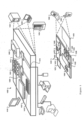
- FIG. 3 is a diagram of an example of a computer device 1400 and a mobile computer device 1450, which may be used with the techniques described herein.
- Computing device 1400 is intended to represent various forms of digital computers, such as laptops, desktops, workstations, personal digital assistants, servers, blade servers, mainframes, and other appropriate computers.
- Computing device 1450 is intended to represent various forms of mobile devices, such as personal digital assistants, cellular telephones, smart phones, and other similar computing devices.
- the components shown here, their connections and relationships, and their functions, are meant to be exemplary only, and are not meant to limit implementations of the inventions described and/or claimed in this document.
- Computing device 1400 includes a processor 1402, memory 1404, a storage device 1406, a high-speed interface 1408 connecting to memory 1404 and high-speed expansion ports 1410, and a low speed interface 1415 connecting to low speed bus 1414 and storage device 1406.
- Each of the components 1402, 1404, 1406, 1408, 1410, and 1415 are interconnected using various busses, and may be mounted on a common motherboard or in other manners as appropriate.
- the processor 1402 can process instructions for execution within the computing device 1400, including instructions stored in the memory 1404 or on the storage device 1406 to display graphical information for a GUI on an external input/output device, such as display 1416 coupled to high speed interface 1408.
- multiple processors and/or multiple buses may be used, as appropriate, along with multiple memories and types of memory.
- multiple computing devices 1400 may be connected, with each device providing portions of the necessary operations (e.g., as a server bank, a group of blade servers, or a multiprocessor system).
- the memory 1404 stores information within the computing device 1400.
- the memory 1404 is a volatile memory unit or units.
- the memory 1404 is a non-volatile memory unit or units.
- the memory 1404 may also be another form of computer-readable medium, such as a magnetic or optical disk.
- the storage device 1406 is capable of providing mass storage for the computing device 1400.
- the storage device 1406 may be or contain a computer-readable medium, such as a floppy disk device, a hard disk device, an optical disk device, or a tape device, a flash memory or other similar solid state memory device, or an array of devices, including devices in a storage area network or other configurations.
- a computer program product can be tangibly embodied in an information carrier.
- the computer program product may also contain instructions that, when executed, perform one or more methods, such as those described herein.
- the information carrier is a computer- or machine-readable medium, such as the memory 1404, the storage device 1406, memory on processor 1402, or a propagated signal.
- the high speed controller 1408 manages bandwidth-intensive operations for the computing device 1400, while the low speed controller 1415 manages lower bandwidth-intensive operations.
- the high-speed controller 1408 is coupled to memory 1404, display 1416 (e.g., through a graphics processor or accelerator), and to high-speed expansion ports 1410, which may accept various expansion cards (not shown).
- low-speed controller 1415 is coupled to storage device 1406 and low-speed expansion port 1414.
- the low-speed expansion port which may include various communication ports (e.g., USB, Bluetooth, Ethernet, or wireless Ethernet) may be coupled to one or more input/output devices, such as a keyboard, a pointing device, a scanner, an optical reader, a fluorescent signal detector, or a networking device such as a switch or router, e.g., through a network adapter.
- input/output devices such as a keyboard, a pointing device, a scanner, an optical reader, a fluorescent signal detector, or a networking device such as a switch or router, e.g., through a network adapter.
- the computing device 1400 may be implemented in a number of different forms, as shown in the figure. For example, it may be implemented as a standard server 1420, or multiple times in a group of such servers. It may also be implemented as part of a rack server system 1424. In addition, it may be implemented in a personal computer such as a laptop computer 1422. Alternatively, components from computing device 1400 may be combined with other components in a mobile device (not shown), such as device 1450. Each of such devices may contain one or more of computing device 1400, 1450, and an entire system may be made up of multiple computing devices 1400, 1450 communicating with each other.
- Computing device 1450 includes a processor 1452, memory 1464, an input/output device such as a display 1454, a communication interface 1466, and a transceiver 1468, among other components (e.g., a scanner, an optical reader, a fluorescent signal detector).
- the device 1450 may also be provided with a storage device, such as a microdrive or other device, to provide additional storage.
- a storage device such as a microdrive or other device, to provide additional storage.
- Each of the components 1450, 1452, 1464, 1454, 1466, and 1468 are interconnected using various buses, and several of the components may be mounted on a common motherboard or in other manners as appropriate.
- the processor 1452 can execute instructions within the computing device 1450, including instructions stored in the memory 1464.
- the processor may be implemented as a chipset of chips that include separate and multiple analog and digital processors.
- the processor may provide, for example, for coordination of the other components of the device 1450, such as control of user interfaces, applications run by device 1450, and wireless communication by device 1450.
- Processor 1452 may communicate with a user through control interface 1458 and display interface 1456 coupled to a display 1454.
- the display 1454 may be, for example, a TFT LCD (Thin-Film-Transistor Liquid Crystal Display) or an OLED (Organic Light Emitting Diode) display, or other appropriate display technology.
- the display interface 1456 may comprise appropriate circuitry for driving the display 1454 to present graphical and other information to a user.
- the control interface 1458 may receive commands from a user and convert them for submission to the processor 1452.
- an external interface 1462 may be provide in communication with processor 1452, so as to enable near area communication of device 1450 with other devices. External interface 1462 may provide, for example, for wired communication in some implementations, or for wireless communication in other implementations, and multiple interfaces may also be used.
- the memory 1464 stores information within the computing device 1450.
- the memory 1464 can be implemented as one or more of a computer-readable medium or media, a volatile memory unit or units, or a non-volatile memory unit or units.
- Expansion memory 1474 may also be provided and connected to device 1450 through expansion interface 1472, which may include, for example, a SIMM (Single In Line Memory Module) card interface.
- SIMM Single In Line Memory Module
- expansion memory 1474 may provide extra storage space for device 1450, or may also store applications or other information for device 1450.
- expansion memory 1474 may include instructions to carry out or supplement the processes described herein, and may include secure information also.
- expansion memory 1474 may be provide as a security module for device 1450, and may be programmed with instructions that permit secure use of device 1450.
- secure applications may be provided via the SIMM cards, along with additional information, such as placing identifying information on the SIMM card in a non-hackable manner.
- the memory may include, for example, flash memory and/or NVRAM memory, as discussed below.
- a computer program product is tangibly embodied in an information carrier.
- the computer program product contains instructions that, when executed, perform one or more methods, such as those described herein.
- the information carrier is a computer- or machine-readable medium, such as the memory 1464, expansion memory 1474, memory on processor 1452, or a propagated signal that may be received, for example, over transceiver 1468 or external interface 1462.
- Device 1450 may communicate wirelessly through communication interface 1466, which may include digital signal processing circuitry where necessary. Communication interface 1466 may provide for communications under various modes or protocols, such as GSM voice calls, SMS, EMS, or MMS messaging, CDMA, TDMA, PDC, WCDMA, CDMA2000, or GPRS, among others. Such communication may occur, for example, through radio-frequency transceiver 1468. In addition, short-range communication may occur, such as using a Bluetooth, WiFi, or other such transceiver (not shown). In addition, GPS (Global Positioning System) receiver module 1470 may provide additional navigation- and location-related wireless data to device 1450, which may be used as appropriate by applications running on device 1450.
- GPS Global Positioning System
- Device 1450 may also communicate audibly using audio codec 1460, which may receive spoken information from a user and convert it to usable digital information. Audio codec 1460 may likewise generate audible sound for a user, such as through a speaker, e.g., in a handset of device 1450. Such sound may include sound from voice telephone calls, may include recorded sound (e.g., voice messages, music files, etc.) and may also include sound generated by applications operating on device 1450.
- Audio codec 1460 may receive spoken information from a user and convert it to usable digital information. Audio codec 1460 may likewise generate audible sound for a user, such as through a speaker, e.g., in a handset of device 1450. Such sound may include sound from voice telephone calls, may include recorded sound (e.g., voice messages, music files, etc.) and may also include sound generated by applications operating on device 1450.
- the computing device 1450 may be implemented in a number of different forms, as shown in the figure. For example, it may be implemented as a cellular telephone 1480. It may also be implemented as part of a smartphone 1482, personal digital assistant, or other similar mobile device.
- implementations of the systems and techniques described herein can be realized in digital electronic circuitry, integrated circuitry, specially designed ASICs (application specific integrated circuits), computer hardware, firmware, software, and/or combinations thereof.
- ASICs application specific integrated circuits
- These various implementations can include implementation in one or more computer programs that are executable and/or interpretable on a programmable system including at least one programmable processor, which may be special or general purpose, coupled to receive data and instructions from, and to transmit data and instructions to, a storage system, at least one input device, and at least one output device.
- the systems and techniques described herein can be implemented on a computer having a display device (e.g., a CRT (cathode ray tube) or LCD (liquid crystal display) monitor) for displaying information to the user and a keyboard and a pointing device (e.g., a mouse or a trackball) by which the user can provide input to the computer.
- a display device e.g., a CRT (cathode ray tube) or LCD (liquid crystal display) monitor
- a keyboard and a pointing device e.g., a mouse or a trackball
- Other kinds of devices can be used to provide for interaction with a user as well; for example, feedback provided to the user can be any form of sensory feedback (e.g., visual feedback, auditory feedback, or tactile feedback); and input from the user can be received in any form, including acoustic, speech, or tactile input.
- the systems and techniques described herein can be implemented in a computing system that includes a back end component (e.g., as a data server), or that includes a middleware component (e.g., an application server), or that includes a front end component (e.g., a client computer having a graphical user interface or a Web browser through which a user can interact with an implementation of the systems and techniques described herein), or any combination of such back end, middleware, or front end components.
- the components of the system can be interconnected by any form or medium of digital data communication (e.g., a communication network). Examples of communication networks include a local area network ("LAN”), a wide area network (“WAN”), and the Internet.
- LAN local area network
- WAN wide area network
- the Internet the global information network
- the computing system can include clients and servers.
- a client and server are generally remote from each other and typically interact through a communication network.
- the relationship of client and server arises by virtue of computer programs running on the respective computers and having a client-server relationship to each other.
- a system provided herein can be configured to include one or more sample analyzers.
- a sample analyzer can be configured to produce a plurality of signals about genomic DNA of a cancer cell.
- a sample analyzer can produce signals that are capable of being interpreted in a manner that identifies the allelic imbalance status of loci along a chromosome.
- a sample analyzer can be configured to carry out one or more steps of a sequencing-based assay and can be configured to produce and/or capture signals from such assays.
- a computing system provided herein can be configured to include a computing device. In such cases, the computing device can be configured to receive signals from a sample analyzer.
- the computing device can include computer-executable instructions or a computer program (e.g., software) containing computer-executable instructions for carrying out one or more of the methods or steps described herein.
- computer-executable instructions can instruct a computing device to analyze signals from a sample analyzer, from another computing device, or from a sequencing-based assay. The analysis of such signals can be carried out to determine genotypes, allelic imbalance at certain loci, regions of allelic imbalance, the number of allelic imbalance regions, to determine the size of allelic imbalance regions, to determine the number of allelic imbalance regions having a particular size or range of sizes, or to determine a combination of these items.
- a system provided herein can include computer-executable instructions or a computer program (e.g., software) containing computer-executable instructions for formatting an output providing an indication about copy number, allelic imbalance, LOH, or a combination of these items.
- a computer program e.g., software
- a system provided herein can include a pre-processing device configured to process a sample (e.g., cancer cells) such that a sequencing-based assay can be performed.
- a sample e.g., cancer cells
- pre-processing devices include, without limitation, devices configured to enrich cell populations for cancer cells as opposed to non-cancer cells, devices configured to lyse cells and/or extract genomic nucleic acid, and devices configured to enrich a sample for particular genomic DNA fragments.
- the initial design selection process utilized the ⁇ 2.5 million SNPs on the Illumina Omni2.5 SNP array. This list of SNPs was chosen because it is the currently the largest list of SNPs from which there is genotyping information available for multiple different population groups. All 2,448,785 SNP locations were input into the Agilent eArray Sure Select Target Enrichment wizard for Single End Long Reads using the default settings. 1,353,042 passed the selection criteria and had baits designed.
- Two preliminary library designs were constructed comprised of 55,000 probes each targeting 55,000 different SNP locations. Testing was carried out using a high quality normal DNA sample to check for even capture of both alleles of every SNP. In addition, 4 FFPE samples were captured and used to select the most optimally performing probes. We looked for probes that showed robust capture and even sequence depth without over or underrepresentation of sequence reads in the final sequencing library.
- the final capture probe library design was comprised of the 55,000 optimal probes identified using the preliminary capture designs.
Landscapes
- Chemical & Material Sciences (AREA)
- Life Sciences & Earth Sciences (AREA)
- Organic Chemistry (AREA)
- Proteomics, Peptides & Aminoacids (AREA)
- Health & Medical Sciences (AREA)
- Engineering & Computer Science (AREA)
- Zoology (AREA)
- Wood Science & Technology (AREA)
- Physics & Mathematics (AREA)
- Analytical Chemistry (AREA)
- Bioinformatics & Cheminformatics (AREA)
- Biotechnology (AREA)
- General Health & Medical Sciences (AREA)
- Biophysics (AREA)
- Genetics & Genomics (AREA)
- General Engineering & Computer Science (AREA)
- Molecular Biology (AREA)
- Microbiology (AREA)
- Immunology (AREA)
- Biochemistry (AREA)
- Chemical Kinetics & Catalysis (AREA)
- Bioinformatics & Computational Biology (AREA)
- Evolutionary Biology (AREA)
- Medical Informatics (AREA)
- Spectroscopy & Molecular Physics (AREA)
- Theoretical Computer Science (AREA)
- Pathology (AREA)
- Measuring Or Testing Involving Enzymes Or Micro-Organisms (AREA)
- Apparatus Associated With Microorganisms And Enzymes (AREA)
Applications Claiming Priority (4)
| Application Number | Priority Date | Filing Date | Title |
|---|---|---|---|
| US201161498418P | 2011-06-17 | 2011-06-17 | |
| EP19216734.4A EP3693473B1 (de) | 2011-06-17 | 2012-06-15 | Methoden und materialien zur beurteilung des allelischen ungleichgewichts |
| EP12801070.9A EP2721181B1 (de) | 2011-06-17 | 2012-06-15 | Verfahren und materialien zur beurteilung eines allel-ungleichgewichts |
| PCT/US2012/042668 WO2012174378A2 (en) | 2011-06-17 | 2012-06-15 | Methods and materials for assessing allelic imbalance |
Related Parent Applications (2)
| Application Number | Title | Priority Date | Filing Date |
|---|---|---|---|
| EP19216734.4A Division EP3693473B1 (de) | 2011-06-17 | 2012-06-15 | Methoden und materialien zur beurteilung des allelischen ungleichgewichts |
| EP12801070.9A Division EP2721181B1 (de) | 2011-06-17 | 2012-06-15 | Verfahren und materialien zur beurteilung eines allel-ungleichgewichts |
Publications (2)
| Publication Number | Publication Date |
|---|---|
| EP4563709A2 true EP4563709A2 (de) | 2025-06-04 |
| EP4563709A3 EP4563709A3 (de) | 2025-09-03 |
Family
ID=47357765
Family Applications (3)
| Application Number | Title | Priority Date | Filing Date |
|---|---|---|---|
| EP19216734.4A Active EP3693473B1 (de) | 2011-06-17 | 2012-06-15 | Methoden und materialien zur beurteilung des allelischen ungleichgewichts |
| EP25157133.7A Pending EP4563709A3 (de) | 2011-06-17 | 2012-06-15 | Methoden und materialien zur beurteilung des allelischen ungleichgewichts |
| EP12801070.9A Revoked EP2721181B1 (de) | 2011-06-17 | 2012-06-15 | Verfahren und materialien zur beurteilung eines allel-ungleichgewichts |
Family Applications Before (1)
| Application Number | Title | Priority Date | Filing Date |
|---|---|---|---|
| EP19216734.4A Active EP3693473B1 (de) | 2011-06-17 | 2012-06-15 | Methoden und materialien zur beurteilung des allelischen ungleichgewichts |
Family Applications After (1)
| Application Number | Title | Priority Date | Filing Date |
|---|---|---|---|
| EP12801070.9A Revoked EP2721181B1 (de) | 2011-06-17 | 2012-06-15 | Verfahren und materialien zur beurteilung eines allel-ungleichgewichts |
Country Status (6)
| Country | Link |
|---|---|
| US (5) | US9279156B2 (de) |
| EP (3) | EP3693473B1 (de) |
| JP (1) | JP6117194B2 (de) |
| CA (1) | CA2839210A1 (de) |
| ES (2) | ES2768344T3 (de) |
| WO (1) | WO2012174378A2 (de) |
Families Citing this family (13)
| Publication number | Priority date | Publication date | Assignee | Title |
|---|---|---|---|---|
| EP2609216B1 (de) | 2010-08-24 | 2016-06-01 | Dana-Farber Cancer Institute, Inc. | Verfahren zur vorhersage der reaktion auf eine antikrebstherapie |
| EP3693473B1 (de) * | 2011-06-17 | 2025-02-19 | Myriad Genetics, Inc. | Methoden und materialien zur beurteilung des allelischen ungleichgewichts |
| CA2860312C (en) | 2011-12-21 | 2022-07-12 | Myriad Genetics, Inc. | Methods and materials for assessing loss of heterozygosity |
| DK2817630T3 (en) | 2012-02-23 | 2018-10-08 | Childrens Medical Center | Methods for predicting an anti-cancer response |
| CA3126823C (en) | 2012-06-07 | 2023-04-04 | Institut Curie | Methods for detecting inactivation of the homologous recombination pathway (brca1/2) in human tumors |
| US10308986B2 (en) | 2013-03-14 | 2019-06-04 | Children's Medical Center Corporation | Cancer diagnosis, treatment selection and treatment |
| EP3080292B1 (de) | 2013-12-09 | 2022-02-02 | Institut Curie | Verfahren zum nachweis der inaktivierung des homologen rekombinationssignalwegs (brca1/2) bei menschlichen tumoren |
| WO2016025958A1 (en) | 2014-08-15 | 2016-02-18 | Myriad Genetics, Inc. | Methods and materials for assessing homologous recombination deficiency |
| US10511501B2 (en) * | 2014-11-06 | 2019-12-17 | Shimadzu Corporation | Analyzing device system and program for the system |
| JP7637615B2 (ja) * | 2018-09-04 | 2025-02-28 | ガーダント ヘルス, インコーポレイテッド | 無細胞核酸試料におけるアレル不均衡を検出するための方法およびシステム |
| CN111534579B (zh) * | 2020-05-08 | 2023-11-03 | 上海思路迪医学检验所有限公司 | 基于捕获测序的大片段重排检测的捕获探针、试剂盒和检测方法 |
| US12241126B2 (en) | 2020-05-14 | 2025-03-04 | Guardant Health, Inc. | Homologous recombination repair deficiency detection |
| BE1029144B1 (fr) | 2021-02-25 | 2022-09-20 | Oncodna | Méthode de caracterisation d'une tumeur à l'aide d'un séquençage ciblé |
Citations (6)
| Publication number | Priority date | Publication date | Assignee | Title |
|---|---|---|---|---|
| US6210891B1 (en) | 1996-09-27 | 2001-04-03 | Pyrosequencing Ab | Method of sequencing DNA |
| US6258568B1 (en) | 1996-12-23 | 2001-07-10 | Pyrosequencing Ab | Method of sequencing DNA based on the detection of the release of pyrophosphate and enzymatic nucleotide degradation |
| US6274320B1 (en) | 1999-09-16 | 2001-08-14 | Curagen Corporation | Method of sequencing a nucleic acid |
| US20070070349A1 (en) | 2005-09-23 | 2007-03-29 | Helicos Biosciences Corporation | Optical train and method for TIRF single molecule detection and analysis |
| WO2010004273A1 (en) | 2008-07-07 | 2010-01-14 | Oxford Nanopore Technologies Limited | Base-detecting pore |
| WO2011106541A2 (en) | 2010-02-24 | 2011-09-01 | Myriad Genetics, Inc. | Diagnostic methods involving loss of heterozygosity |
Family Cites Families (78)
| Publication number | Priority date | Publication date | Assignee | Title |
|---|---|---|---|---|
| YU33730B (en) | 1967-04-18 | 1978-02-28 | Farmaceutici Italia | Process for preparing a novel antibiotic substance and salts thereof |
| GB1432563A (en) | 1972-04-10 | 1976-04-22 | Rustenburg Platinum Mines Ltd | Platinum- co-ordination compounds |
| GB1432562A (en) | 1972-04-10 | 1976-04-22 | Rustenburg Platinum Mines Ltd | Platinum co-ordination compounds |
| ES444380A1 (es) | 1976-01-16 | 1977-06-16 | Gosalvez Mario | Un procedimiento para preparar derivados metalicos antraci- clinicos. |
| US4950738A (en) | 1984-09-13 | 1990-08-21 | Cytogen Corporation | Amine derivatives of anthracycline antibiotics |
| US5977082A (en) | 1985-08-02 | 1999-11-02 | Pharmacia & Upjohn Company | Injectable ready-to-use solutions containing an antitumor anthracycline glycoside |
| DE3630497A1 (de) | 1986-09-08 | 1988-03-10 | Behringwerke Ag | Cis-platin-komplexe, verfahren zu ihrer herstellung und diese verbindungen enthaltende pharmazeutische mittel |
| DK252688A (da) | 1987-05-08 | 1988-11-09 | Sankyo Co | Antitumorplatinkomplekser, fremgangsmaade til fremstilling deraf, samt deres terapeutiske anvendelse |
| US4996337A (en) | 1987-06-23 | 1991-02-26 | American Cyanamid Company | Synthesis of cisplatin analogs |
| US5177075A (en) | 1988-08-19 | 1993-01-05 | Warner-Lambert Company | Substituted dihydroisoquinolinones and related compounds as potentiators of the lethal effects of radiation and certain chemotherapeutic agents; selected compounds, analogs and process |
| US5434256A (en) | 1988-11-22 | 1995-07-18 | Board Of Regents, The University Of Texas System | Diamine platinum complexes as antitumor agents |
| US4946954A (en) | 1989-01-17 | 1990-08-07 | Georgetown University | Platinum pharmaceutical agents |
| US6040138A (en) | 1995-09-15 | 2000-03-21 | Affymetrix, Inc. | Expression monitoring by hybridization to high density oligonucleotide arrays |
| US5744101A (en) | 1989-06-07 | 1998-04-28 | Affymax Technologies N.V. | Photolabile nucleoside protecting groups |
| US5143854A (en) | 1989-06-07 | 1992-09-01 | Affymax Technologies N.V. | Large scale photolithographic solid phase synthesis of polypeptides and receptor binding screening thereof |
| AU647741B2 (en) | 1989-12-01 | 1994-03-31 | Regents Of The University Of California, The | Methods and compositions for chromosome-specific staining |
| US5295944A (en) | 1991-05-14 | 1994-03-22 | Dana-Farber Cancer Institute | Method for treating a tumor with ionizing radiation |
| ES2204894T3 (es) | 1991-11-15 | 2004-05-01 | Smithkline Beecham Corporation | Composicion que contiene cisplatino y topotecan como agente antitumoral. |
| US5587384A (en) | 1994-02-04 | 1996-12-24 | The Johns Hopkins University | Inhibitors of poly(ADP-ribose) synthetase and use thereof to treat NMDA neurotoxicity |
| US5578832A (en) | 1994-09-02 | 1996-11-26 | Affymetrix, Inc. | Method and apparatus for imaging a sample on a device |
| US5539083A (en) | 1994-02-23 | 1996-07-23 | Isis Pharmaceuticals, Inc. | Peptide nucleic acid combinatorial libraries and improved methods of synthesis |
| US5556752A (en) | 1994-10-24 | 1996-09-17 | Affymetrix, Inc. | Surface-bound, unimolecular, double-stranded DNA |
| US5837492A (en) | 1995-12-18 | 1998-11-17 | Myriad Genetics, Inc. | Chromosome 13-linked breast cancer susceptibility gene |
| IL131978A0 (en) | 1997-03-20 | 2001-03-19 | Univ Washington | Solvent for biopolymer synthesis solvent microdots and methods of use |
| US6214821B1 (en) | 1998-03-05 | 2001-04-10 | Washington State University Research Foundation | Methods and composition for the inhibition of cancer cells |
| GB9806324D0 (en) | 1998-03-24 | 1998-05-20 | Pharmacia & Upjohn Spa | Antitumour synergetic composition |
| GB9808145D0 (en) * | 1998-04-17 | 1998-06-17 | Zeneca Ltd | Assay |
| US20030049613A1 (en) | 1998-08-17 | 2003-03-13 | Manuel Perucho | Methods for identifying somatic changes in genomic sequences useful for cancer diagnosis and prognosis |
| US6465177B1 (en) | 1998-10-26 | 2002-10-15 | John Wayne Cancer Institute | Detection of loss of heterozygosity in tumor and serum of melanoma patients |
| CA2356697C (en) * | 1999-01-06 | 2010-06-22 | Cornell Research Foundation, Inc. | Accelerating identification of single nucleotide polymorphisms and alignment of clones in genomic sequencing |
| US6261775B1 (en) | 1999-04-09 | 2001-07-17 | The Regents Of The University Of California | Detection of chromosome copy number changes to distinguish melanocytic nevi from malignant melanoma |
| US7858331B2 (en) | 2000-11-03 | 2010-12-28 | Dana Farber Cancer Institute, Inc. | Compositions and methods for the treatment of cancer |
| WO2002044183A2 (en) | 2000-12-01 | 2002-06-06 | Guilford Pharmaceuticals Inc. | Benzoazepine and benzodiazepine derivatives and their use as parp inhibitors |
| GB0121285D0 (en) | 2001-09-03 | 2001-10-24 | Cancer Res Ventures Ltd | Anti-cancer combinations |
| CA2477611A1 (en) | 2002-03-01 | 2003-09-12 | Ravgen, Inc. | Rapid analysis of variations in a genome |
| US20050191632A1 (en) | 2002-11-01 | 2005-09-01 | John Byrd | Cytogenetic abnormalities that are predictive of response to therapy for chronic lymphocytic leukemia |
| WO2004072269A2 (en) * | 2003-02-12 | 2004-08-26 | Mayo Foundation For Medical Education And Research | Bex4 nucleic acids, polypeptides, and method of using |
| US20040170983A1 (en) | 2003-02-27 | 2004-09-02 | Danenberg Kathleen D. | Methods of determining a chemotherapuetic regimin based on loss of heterozygosity at the thymidylate synthase locus |
| WO2004083816A2 (en) | 2003-03-14 | 2004-09-30 | John Wayne Cancer Institute | Loss of heterozygosity of the dna markers in the 12q22-23 region |
| US7754684B2 (en) | 2003-06-11 | 2010-07-13 | Access Pharmaceuticals, Inc. | Macromolecular platinum chelates |
| RU2341530C2 (ru) | 2003-07-02 | 2008-12-20 | Солакс Корпорейшн | Термостойкий кристаллический гидрохлорид эпирубицина и способ его получения |
| PL1660095T3 (pl) | 2003-07-25 | 2010-07-30 | Cancer Research Tech Ltd | Tricykliczne inhibitory PARP |
| US7566798B2 (en) | 2003-08-13 | 2009-07-28 | University Of South Florida | Platinum complexes and methods of use |
| US20080108057A1 (en) * | 2004-06-22 | 2008-05-08 | Griffith Jeffrey K | Allelic imbalance in the diagnosis and prognosis of cancer |
| US7860840B2 (en) | 2004-10-05 | 2010-12-28 | Microsoft Corporation | Maintaining correct transaction results when transaction management configurations change |
| US20060088870A1 (en) * | 2004-10-22 | 2006-04-27 | Finkelstein Sydney D | Topographic genotyping for determining the diagnosis, malignant potential, and biologic behavior of pancreatic cysts and related conditions |
| US8105768B2 (en) | 2005-03-09 | 2012-01-31 | Abbott Laboratories | Methods of identifying patients for treatment with HER-2/neu inhibitors based on detection of HER-2/neu and TOP2A gene copy number |
| JP2008538496A (ja) * | 2005-04-12 | 2008-10-30 | 454 ライフ サイエンシーズ コーポレイション | ウルトラディープ配列決定を用いて配列変異体を決定するための方法 |
| AU2006238877A1 (en) | 2005-04-21 | 2006-11-02 | Alza Corporation | Method for treating advanced ovarian cancer with doxorubicin entrapped in liposomes |
| WO2006128195A2 (en) | 2005-05-27 | 2006-11-30 | Dana-Farber Cancer Institute | Methods of diagnosing and treating cancer by detection of chromosomal abnormalities |
| MX2007015852A (es) | 2005-06-30 | 2008-02-22 | Bionumerik Pharmaceuticals Inc | Analogos de platino con ligandos de monoazol. |
| PT1926835E (pt) * | 2005-09-21 | 2015-04-14 | Bioarray Solutions Ltd | Abundância de mensagem e determinação do número de cópias de alelos utilizando ivt com construtos primer-promotor-seletor de cadeia simples |
| US20080262062A1 (en) | 2006-11-20 | 2008-10-23 | Bipar Sciences, Inc. | Method of treating diseases with parp inhibitors |
| WO2008112193A1 (en) | 2007-03-12 | 2008-09-18 | Dana-Farber Cancer Institute | Prognostic, diagnostic, and cancer therapeutic uses of fanci and fanci modulating agents |
| JP5707132B2 (ja) * | 2007-09-07 | 2015-04-22 | フルイダイム コーポレイション | コピー数変動の決定、方法およびシステム |
| NZ586125A (en) | 2007-11-12 | 2012-12-21 | Bipar Sciences Inc | Treatment of breast cancer with a parp inhibitor alone or in combination with anti-tumor agents |
| CA2708157A1 (en) | 2007-12-07 | 2009-06-11 | Bipar Sciences, Inc. | Treatment of cancer with combinations of topoisomerase inhibitors and parp inhibitors |
| US20090246789A1 (en) * | 2008-03-25 | 2009-10-01 | University Of South Carolina | Gene Mutation Profiling of CSMD1 |
| US20100086922A1 (en) | 2008-05-30 | 2010-04-08 | Millennium Pharmaceuticals, Inc. | Assessment of chromosomal alterations to predict clinical outcome of bortezomib treatment |
| US8583380B2 (en) | 2008-09-05 | 2013-11-12 | Aueon, Inc. | Methods for stratifying and annotating cancer drug treatment options |
| CA2739459A1 (en) | 2008-10-31 | 2010-05-06 | Abbott Laboratories | Genomic classification of colorectal cancer based on patterns of gene copy number alterations |
| US10262103B2 (en) | 2008-11-18 | 2019-04-16 | Raphael LEHRER | Individualized cancer treatment |
| US8206910B2 (en) | 2008-12-08 | 2012-06-26 | The Cleveland Clinic Foundation | Targets for use in diagnosis, prognosis and therapy of breast cancer |
| KR100925337B1 (ko) | 2009-05-25 | 2009-11-09 | 주식회사 마크로젠 | 염색체 수 이상 검출을 통한 유방암 약물 반응성 예측 |
| WO2011048495A1 (en) | 2009-10-19 | 2011-04-28 | Stichting Het Nederlands Kanker Instituut | Predicting benefit of anti-cancer therapy via array comparative genomic hybridization |
| EP2582847B1 (de) | 2010-06-18 | 2016-10-26 | Myriad Genetics, Inc. | Verfahren und materialien zur bewertung des verlusts der heterozygotie |
| WO2012019000A2 (en) | 2010-08-04 | 2012-02-09 | On-Q-ity | Biomarkers for the identification monitoring and treatment of ovarian cancer |
| EP2609216B1 (de) | 2010-08-24 | 2016-06-01 | Dana-Farber Cancer Institute, Inc. | Verfahren zur vorhersage der reaktion auf eine antikrebstherapie |
| BR112013016708B1 (pt) | 2010-12-30 | 2021-08-17 | Foundation Medicine, Inc | Otimização de análise multigene de amostras de tumor |
| JP2013001761A (ja) | 2011-06-14 | 2013-01-07 | Nitto Denko Corp | 粘着剤組成物、粘着剤層、および粘着シート |
| EP3693473B1 (de) * | 2011-06-17 | 2025-02-19 | Myriad Genetics, Inc. | Methoden und materialien zur beurteilung des allelischen ungleichgewichts |
| CA2860312C (en) | 2011-12-21 | 2022-07-12 | Myriad Genetics, Inc. | Methods and materials for assessing loss of heterozygosity |
| DK2817630T3 (en) | 2012-02-23 | 2018-10-08 | Childrens Medical Center | Methods for predicting an anti-cancer response |
| CA3126823C (en) | 2012-06-07 | 2023-04-04 | Institut Curie | Methods for detecting inactivation of the homologous recombination pathway (brca1/2) in human tumors |
| US20140363521A1 (en) | 2013-04-05 | 2014-12-11 | Myriad Genetics, Inc. | Methods and materials for assessing homologous recombination deficiency |
| US9309559B2 (en) * | 2013-04-15 | 2016-04-12 | Albert Einstein College Of Medicine, Inc. | Simultaneous extraction of DNA and RNA from FFPE tissues |
| EP3080292B1 (de) | 2013-12-09 | 2022-02-02 | Institut Curie | Verfahren zum nachweis der inaktivierung des homologen rekombinationssignalwegs (brca1/2) bei menschlichen tumoren |
| US20180163271A1 (en) | 2014-01-16 | 2018-06-14 | Clovis Oncology, Inc. | Use of PARP Inhibitors to Treat Breast or Ovarian Cancer Patients Showing a Loss of Heterozygosity |
-
2012
- 2012-06-15 EP EP19216734.4A patent/EP3693473B1/de active Active
- 2012-06-15 JP JP2014516031A patent/JP6117194B2/ja active Active
- 2012-06-15 EP EP25157133.7A patent/EP4563709A3/de active Pending
- 2012-06-15 WO PCT/US2012/042668 patent/WO2012174378A2/en not_active Ceased
- 2012-06-15 CA CA2839210A patent/CA2839210A1/en active Pending
- 2012-06-15 ES ES12801070T patent/ES2768344T3/es active Active
- 2012-06-15 ES ES19216734T patent/ES3027988T3/es active Active
- 2012-06-15 EP EP12801070.9A patent/EP2721181B1/de not_active Revoked
-
2013
- 2013-12-17 US US14/109,163 patent/US9279156B2/en active Active
-
2016
- 2016-01-29 US US15/010,721 patent/US9574229B2/en active Active
-
2017
- 2017-01-23 US US15/412,404 patent/US10626449B2/en active Active
-
2020
- 2020-03-11 US US16/815,963 patent/US11225685B2/en active Active
-
2021
- 2021-12-08 US US17/545,611 patent/US20220205022A1/en active Pending
Patent Citations (6)
| Publication number | Priority date | Publication date | Assignee | Title |
|---|---|---|---|---|
| US6210891B1 (en) | 1996-09-27 | 2001-04-03 | Pyrosequencing Ab | Method of sequencing DNA |
| US6258568B1 (en) | 1996-12-23 | 2001-07-10 | Pyrosequencing Ab | Method of sequencing DNA based on the detection of the release of pyrophosphate and enzymatic nucleotide degradation |
| US6274320B1 (en) | 1999-09-16 | 2001-08-14 | Curagen Corporation | Method of sequencing a nucleic acid |
| US20070070349A1 (en) | 2005-09-23 | 2007-03-29 | Helicos Biosciences Corporation | Optical train and method for TIRF single molecule detection and analysis |
| WO2010004273A1 (en) | 2008-07-07 | 2010-01-14 | Oxford Nanopore Technologies Limited | Base-detecting pore |
| WO2011106541A2 (en) | 2010-02-24 | 2011-09-01 | Myriad Genetics, Inc. | Diagnostic methods involving loss of heterozygosity |
Non-Patent Citations (4)
| Title |
|---|
| BENNETT ET AL., PHARMACOGENOMICS, vol. 6, 2005, pages 373 - 382 |
| GORANSSON ET, PLOS ONE, vol. 4, no. 6, 2009, pages 6057 |
| MARGULIES ET AL., NATURE, vol. 437, 2005, pages 376 - 380 |
| NANNYA ET AL., CANCER RES., vol. 65, 2005, pages 6071 - 6079 |
Also Published As
| Publication number | Publication date |
|---|---|
| EP3693473A1 (de) | 2020-08-12 |
| WO2012174378A3 (en) | 2013-05-30 |
| US9279156B2 (en) | 2016-03-08 |
| EP2721181A4 (de) | 2014-12-31 |
| WO2012174378A2 (en) | 2012-12-20 |
| US11225685B2 (en) | 2022-01-18 |
| ES3027988T3 (en) | 2025-06-17 |
| US20140162886A1 (en) | 2014-06-12 |
| CA2839210A1 (en) | 2012-12-20 |
| ES2768344T3 (es) | 2020-06-22 |
| JP2014519827A (ja) | 2014-08-21 |
| US20160145681A1 (en) | 2016-05-26 |
| US20220205022A1 (en) | 2022-06-30 |
| US20200239943A1 (en) | 2020-07-30 |
| EP2721181B1 (de) | 2019-12-18 |
| US20170130263A1 (en) | 2017-05-11 |
| US9574229B2 (en) | 2017-02-21 |
| EP2721181A2 (de) | 2014-04-23 |
| US10626449B2 (en) | 2020-04-21 |
| EP4563709A3 (de) | 2025-09-03 |
| EP3693473B1 (de) | 2025-02-19 |
| JP6117194B2 (ja) | 2017-04-19 |
Similar Documents
| Publication | Publication Date | Title |
|---|---|---|
| US11225685B2 (en) | Methods and materials for assessing allelic imbalance | |
| US20250095777A1 (en) | Size-tagged preferred ends and orientation-aware analysis for measuring properties of cell-free mixtures | |
| Serre et al. | Differential allelic expression in the human genome: a robust approach to identify genetic and epigenetic cis-acting mechanisms regulating gene expression | |
| US12351876B2 (en) | Colon cancer methylation markers and uses thereof | |
| US12359257B2 (en) | Liver cancer methylation markers and uses thereof | |
| WO2018144782A1 (en) | Methods of detecting somatic and germline variants in impure tumors | |
| WO2016115530A1 (en) | Method and system for determining cancer status | |
| Ptashkin et al. | Enhanced clinical assessment of hematologic malignancies through routine paired tumor and normal sequencing | |
| Schulze Heuling et al. | Prognostic relevance of tumor purity and interaction with MGMT methylation in glioblastoma | |
| WO2022192889A1 (en) | Detecting the presence of a tumor based on off-target polynucleotide sequencing data | |
| WO2021253138A1 (en) | Multimodal analysis of circulating tumor nucleic acid molecules | |
| Romagnoli et al. | Resolving complex structural variants via nanopore sequencing | |
| Li et al. | A direct test of selection in cell populations using the diversity in gene expression within tumors | |
| AU2019263869B2 (en) | Size-tagged preferred ends and orientation-aware analysis for measuring properties of cell-free mixtures | |
| NM et al. | Improved SNV Discovery in Barcode-Stratified scRNA-seq Alignments. Genes 2021, 12, 1558 | |
| Ip et al. | Molecular Techniques in the Diagnosis and Monitoring of Acute and Chronic Leukaemias | |
| Diaz-Ortiz et al. | Testing for Allele-specific Expression from Human Brain Samples | |
| HK40043149A (en) | Size-tagged preferred ends and orientation-aware analysis for measuring properties of cell-free mixtures |
Legal Events
| Date | Code | Title | Description |
|---|---|---|---|
| PUAI | Public reference made under article 153(3) epc to a published international application that has entered the european phase |
Free format text: ORIGINAL CODE: 0009012 |
|
| STAA | Information on the status of an ep patent application or granted ep patent |
Free format text: STATUS: THE APPLICATION HAS BEEN PUBLISHED |
|
| AC | Divisional application: reference to earlier application |
Ref document number: 2721181 Country of ref document: EP Kind code of ref document: P Ref document number: 3693473 Country of ref document: EP Kind code of ref document: P |
|
| AK | Designated contracting states |
Kind code of ref document: A2 Designated state(s): AL AT BE BG CH CY CZ DE DK EE ES FI FR GB GR HR HU IE IS IT LI LT LU LV MC MK MT NL NO PL PT RO RS SE SI SK SM TR |
|
| REG | Reference to a national code |
Ref country code: DE Ref legal event code: R079 Free format text: PREVIOUS MAIN CLASS: C12Q0001685800 Ipc: C12Q0001682700 |
|
| PUAL | Search report despatched |
Free format text: ORIGINAL CODE: 0009013 |
|
| AK | Designated contracting states |
Kind code of ref document: A3 Designated state(s): AL AT BE BG CH CY CZ DE DK EE ES FI FR GB GR HR HU IE IS IT LI LT LU LV MC MK MT NL NO PL PT RO RS SE SI SK SM TR |
|
| RIC1 | Information provided on ipc code assigned before grant |
Ipc: C12Q 1/6827 20180101AFI20250728BHEP Ipc: C12N 15/11 20060101ALI20250728BHEP Ipc: C12Q 1/6858 20180101ALI20250728BHEP |