EP4563142A1 - Lipidnanopartikel und pharmazeutische zusammensetzung - Google Patents
Lipidnanopartikel und pharmazeutische zusammensetzung Download PDFInfo
- Publication number
- EP4563142A1 EP4563142A1 EP23845896.2A EP23845896A EP4563142A1 EP 4563142 A1 EP4563142 A1 EP 4563142A1 EP 23845896 A EP23845896 A EP 23845896A EP 4563142 A1 EP4563142 A1 EP 4563142A1
- Authority
- EP
- European Patent Office
- Prior art keywords
- lipid
- lipid nanoparticle
- group
- lipid nanoparticles
- sirna
- Prior art date
- Legal status (The legal status is an assumption and is not a legal conclusion. Google has not performed a legal analysis and makes no representation as to the accuracy of the status listed.)
- Pending
Links
Images






Classifications
-
- A—HUMAN NECESSITIES
- A61—MEDICAL OR VETERINARY SCIENCE; HYGIENE
- A61K—PREPARATIONS FOR MEDICAL, DENTAL OR TOILETRY PURPOSES
- A61K9/00—Medicinal preparations characterised by special physical form
- A61K9/10—Dispersions; Emulsions
- A61K9/127—Synthetic bilayered vehicles, e.g. liposomes or liposomes with cholesterol as the only non-phosphatidyl surfactant
- A61K9/1271—Non-conventional liposomes, e.g. PEGylated liposomes or liposomes coated or grafted with polymers
- A61K9/1272—Non-conventional liposomes, e.g. PEGylated liposomes or liposomes coated or grafted with polymers comprising non-phosphatidyl surfactants as bilayer-forming substances, e.g. cationic lipids or non-phosphatidyl liposomes coated or grafted with polymers
-
- A—HUMAN NECESSITIES
- A61—MEDICAL OR VETERINARY SCIENCE; HYGIENE
- A61K—PREPARATIONS FOR MEDICAL, DENTAL OR TOILETRY PURPOSES
- A61K31/00—Medicinal preparations containing organic active ingredients
- A61K31/70—Carbohydrates; Sugars; Derivatives thereof
- A61K31/7088—Compounds having three or more nucleosides or nucleotides
- A61K31/7105—Natural ribonucleic acids, i.e. containing only riboses attached to adenine, guanine, cytosine or uracil and having 3'-5' phosphodiester links
-
- A—HUMAN NECESSITIES
- A61—MEDICAL OR VETERINARY SCIENCE; HYGIENE
- A61K—PREPARATIONS FOR MEDICAL, DENTAL OR TOILETRY PURPOSES
- A61K31/00—Medicinal preparations containing organic active ingredients
- A61K31/70—Carbohydrates; Sugars; Derivatives thereof
- A61K31/7088—Compounds having three or more nucleosides or nucleotides
- A61K31/713—Double-stranded nucleic acids or oligonucleotides
-
- A—HUMAN NECESSITIES
- A61—MEDICAL OR VETERINARY SCIENCE; HYGIENE
- A61K—PREPARATIONS FOR MEDICAL, DENTAL OR TOILETRY PURPOSES
- A61K48/00—Medicinal preparations containing genetic material which is inserted into cells of the living body to treat genetic diseases; Gene therapy
- A61K48/005—Medicinal preparations containing genetic material which is inserted into cells of the living body to treat genetic diseases; Gene therapy characterised by an aspect of the 'active' part of the composition delivered, i.e. the nucleic acid delivered
-
- A—HUMAN NECESSITIES
- A61—MEDICAL OR VETERINARY SCIENCE; HYGIENE
- A61K—PREPARATIONS FOR MEDICAL, DENTAL OR TOILETRY PURPOSES
- A61K9/00—Medicinal preparations characterised by special physical form
- A61K9/48—Preparations in capsules, e.g. of gelatin, of chocolate
- A61K9/50—Microcapsules having a gas, liquid or semi-solid filling; Solid microparticles or pellets surrounded by a distinct coating layer, e.g. coated microspheres, coated drug crystals
- A61K9/51—Nanocapsules; Nanoparticles
- A61K9/5107—Excipients; Inactive ingredients
- A61K9/5123—Organic compounds, e.g. fats, sugars
-
- A—HUMAN NECESSITIES
- A61—MEDICAL OR VETERINARY SCIENCE; HYGIENE
- A61P—SPECIFIC THERAPEUTIC ACTIVITY OF CHEMICAL COMPOUNDS OR MEDICINAL PREPARATIONS
- A61P1/00—Drugs for disorders of the alimentary tract or the digestive system
- A61P1/16—Drugs for disorders of the alimentary tract or the digestive system for liver or gallbladder disorders, e.g. hepatoprotective agents, cholagogues, litholytics
-
- C—CHEMISTRY; METALLURGY
- C12—BIOCHEMISTRY; BEER; SPIRITS; WINE; VINEGAR; MICROBIOLOGY; ENZYMOLOGY; MUTATION OR GENETIC ENGINEERING
- C12N—MICROORGANISMS OR ENZYMES; COMPOSITIONS THEREOF; PROPAGATING, PRESERVING, OR MAINTAINING MICROORGANISMS; MUTATION OR GENETIC ENGINEERING; CULTURE MEDIA
- C12N15/00—Mutation or genetic engineering; DNA or RNA concerning genetic engineering, vectors, e.g. plasmids, or their isolation, preparation or purification; Use of hosts therefor
- C12N15/09—Recombinant DNA-technology
- C12N15/11—DNA or RNA fragments; Modified forms thereof; Non-coding nucleic acids having a biological activity
- C12N15/111—General methods applicable to biologically active non-coding nucleic acids
-
- C—CHEMISTRY; METALLURGY
- C12—BIOCHEMISTRY; BEER; SPIRITS; WINE; VINEGAR; MICROBIOLOGY; ENZYMOLOGY; MUTATION OR GENETIC ENGINEERING
- C12N—MICROORGANISMS OR ENZYMES; COMPOSITIONS THEREOF; PROPAGATING, PRESERVING, OR MAINTAINING MICROORGANISMS; MUTATION OR GENETIC ENGINEERING; CULTURE MEDIA
- C12N15/00—Mutation or genetic engineering; DNA or RNA concerning genetic engineering, vectors, e.g. plasmids, or their isolation, preparation or purification; Use of hosts therefor
- C12N15/09—Recombinant DNA-technology
- C12N15/11—DNA or RNA fragments; Modified forms thereof; Non-coding nucleic acids having a biological activity
- C12N15/113—Non-coding nucleic acids modulating the expression of genes, e.g. antisense oligonucleotides; Antisense DNA or RNA; Triplex- forming oligonucleotides; Catalytic nucleic acids, e.g. ribozymes; Nucleic acids used in co-suppression or gene silencing
- C12N15/1136—Non-coding nucleic acids modulating the expression of genes, e.g. antisense oligonucleotides; Antisense DNA or RNA; Triplex- forming oligonucleotides; Catalytic nucleic acids, e.g. ribozymes; Nucleic acids used in co-suppression or gene silencing against growth factors, growth regulators, cytokines, lymphokines or hormones
-
- C—CHEMISTRY; METALLURGY
- C12—BIOCHEMISTRY; BEER; SPIRITS; WINE; VINEGAR; MICROBIOLOGY; ENZYMOLOGY; MUTATION OR GENETIC ENGINEERING
- C12N—MICROORGANISMS OR ENZYMES; COMPOSITIONS THEREOF; PROPAGATING, PRESERVING, OR MAINTAINING MICROORGANISMS; MUTATION OR GENETIC ENGINEERING; CULTURE MEDIA
- C12N15/00—Mutation or genetic engineering; DNA or RNA concerning genetic engineering, vectors, e.g. plasmids, or their isolation, preparation or purification; Use of hosts therefor
- C12N15/09—Recombinant DNA-technology
- C12N15/11—DNA or RNA fragments; Modified forms thereof; Non-coding nucleic acids having a biological activity
- C12N15/113—Non-coding nucleic acids modulating the expression of genes, e.g. antisense oligonucleotides; Antisense DNA or RNA; Triplex- forming oligonucleotides; Catalytic nucleic acids, e.g. ribozymes; Nucleic acids used in co-suppression or gene silencing
- C12N15/1138—Non-coding nucleic acids modulating the expression of genes, e.g. antisense oligonucleotides; Antisense DNA or RNA; Triplex- forming oligonucleotides; Catalytic nucleic acids, e.g. ribozymes; Nucleic acids used in co-suppression or gene silencing against receptors or cell surface proteins
-
- C—CHEMISTRY; METALLURGY
- C12—BIOCHEMISTRY; BEER; SPIRITS; WINE; VINEGAR; MICROBIOLOGY; ENZYMOLOGY; MUTATION OR GENETIC ENGINEERING
- C12N—MICROORGANISMS OR ENZYMES; COMPOSITIONS THEREOF; PROPAGATING, PRESERVING, OR MAINTAINING MICROORGANISMS; MUTATION OR GENETIC ENGINEERING; CULTURE MEDIA
- C12N15/00—Mutation or genetic engineering; DNA or RNA concerning genetic engineering, vectors, e.g. plasmids, or their isolation, preparation or purification; Use of hosts therefor
- C12N15/09—Recombinant DNA-technology
- C12N15/87—Introduction of foreign genetic material using processes not otherwise provided for, e.g. co-transformation
- C12N15/88—Introduction of foreign genetic material using processes not otherwise provided for, e.g. co-transformation using microencapsulation, e.g. using amphiphile liposome vesicle
-
- C—CHEMISTRY; METALLURGY
- C12—BIOCHEMISTRY; BEER; SPIRITS; WINE; VINEGAR; MICROBIOLOGY; ENZYMOLOGY; MUTATION OR GENETIC ENGINEERING
- C12N—MICROORGANISMS OR ENZYMES; COMPOSITIONS THEREOF; PROPAGATING, PRESERVING, OR MAINTAINING MICROORGANISMS; MUTATION OR GENETIC ENGINEERING; CULTURE MEDIA
- C12N9/00—Enzymes; Proenzymes; Compositions thereof; Processes for preparing, activating, inhibiting, separating or purifying enzymes
- C12N9/14—Hydrolases (3)
- C12N9/16—Hydrolases (3) acting on ester bonds (3.1)
- C12N9/22—Ribonucleases [RNase]; Deoxyribonucleases [DNase]
- C12N9/222—Clustered regularly interspaced short palindromic repeats [CRISPR]-associated [CAS] enzymes
-
- B—PERFORMING OPERATIONS; TRANSPORTING
- B82—NANOTECHNOLOGY
- B82Y—SPECIFIC USES OR APPLICATIONS OF NANOSTRUCTURES; MEASUREMENT OR ANALYSIS OF NANOSTRUCTURES; MANUFACTURE OR TREATMENT OF NANOSTRUCTURES
- B82Y5/00—Nanobiotechnology or nanomedicine, e.g. protein engineering or drug delivery
-
- C—CHEMISTRY; METALLURGY
- C12—BIOCHEMISTRY; BEER; SPIRITS; WINE; VINEGAR; MICROBIOLOGY; ENZYMOLOGY; MUTATION OR GENETIC ENGINEERING
- C12N—MICROORGANISMS OR ENZYMES; COMPOSITIONS THEREOF; PROPAGATING, PRESERVING, OR MAINTAINING MICROORGANISMS; MUTATION OR GENETIC ENGINEERING; CULTURE MEDIA
- C12N2310/00—Structure or type of the nucleic acid
- C12N2310/10—Type of nucleic acid
- C12N2310/11—Antisense
-
- C—CHEMISTRY; METALLURGY
- C12—BIOCHEMISTRY; BEER; SPIRITS; WINE; VINEGAR; MICROBIOLOGY; ENZYMOLOGY; MUTATION OR GENETIC ENGINEERING
- C12N—MICROORGANISMS OR ENZYMES; COMPOSITIONS THEREOF; PROPAGATING, PRESERVING, OR MAINTAINING MICROORGANISMS; MUTATION OR GENETIC ENGINEERING; CULTURE MEDIA
- C12N2310/00—Structure or type of the nucleic acid
- C12N2310/10—Type of nucleic acid
- C12N2310/14—Type of nucleic acid interfering nucleic acids [NA]
-
- C—CHEMISTRY; METALLURGY
- C12—BIOCHEMISTRY; BEER; SPIRITS; WINE; VINEGAR; MICROBIOLOGY; ENZYMOLOGY; MUTATION OR GENETIC ENGINEERING
- C12N—MICROORGANISMS OR ENZYMES; COMPOSITIONS THEREOF; PROPAGATING, PRESERVING, OR MAINTAINING MICROORGANISMS; MUTATION OR GENETIC ENGINEERING; CULTURE MEDIA
- C12N2310/00—Structure or type of the nucleic acid
- C12N2310/10—Type of nucleic acid
- C12N2310/20—Type of nucleic acid involving clustered regularly interspaced short palindromic repeats [CRISPR]
-
- C—CHEMISTRY; METALLURGY
- C12—BIOCHEMISTRY; BEER; SPIRITS; WINE; VINEGAR; MICROBIOLOGY; ENZYMOLOGY; MUTATION OR GENETIC ENGINEERING
- C12N—MICROORGANISMS OR ENZYMES; COMPOSITIONS THEREOF; PROPAGATING, PRESERVING, OR MAINTAINING MICROORGANISMS; MUTATION OR GENETIC ENGINEERING; CULTURE MEDIA
- C12N2320/00—Applications; Uses
- C12N2320/30—Special therapeutic applications
- C12N2320/31—Combination therapy
Definitions
- the present invention relates to lipid nanoparticles for delivering a target substance to hepatic stellate cells, and a pharmaceutical composition for preventing or treating liver fibrosis.
- Hepatic fibrosis is a chronic progressive disease manifested by excessive deposition of thick extracellular matrices (Non-Patent Literature (hereinafter, referred to as NPL) 1).
- Activated hepatic stellate cells (HSCs) play critical roles in hepatic fibrogenesis (NPL 2).
- Current treatment for hepatic fibrosis rely on low-molecular-weight inhibitors such as bismodegib and arsenic trioxide, which are poorly selective and toxic, as well as liver-transplantation that is not economical to many patients (NPL 3).
- Genetic therapy targeting hepatic stellate cells is considered to be a promising innovative strategy for the treatment of hepatic fibrosis.
- gene therapy targeting hepatic stellate cells is limited by a number of challenges.
- the challenges include, for example, the difficulty of introducing nanomedicines into the thin hepatic sinusoids, the difficulty for the nanomedicines introduced into the hepatic sinusoids to diffuse outside the sinusoids, the overactivation of hepatic Kupffer cells, the physical barrier of thick interstitium that prevents nanomedicines from reaching hepatic stellate cells, the number of hepatic stellate cells in the liver being small, and hepatic stellate cells having difficulty to transfect (NPLs 4 and 5).
- Conventional delivery systems targeting hepatic stellate cells utilize ligands that have affinity for hepatic stellate cells, such as vitamin A, pPB peptide, and D-FNB peptide (NPLs 6 to 8).
- PTL lipid nanoparticles including pH-sensitive cationic lipids capable of efficiently delivering siRNA to immune cells, cancer cells, and the like.
- the present invention relates to the following lipid nanoparticle, pharmaceutical composition, and method of prophylaxis or treatment.
- the present invention can provide a lipid nanoparticle capable of delivering a target substance to a hepatic stellate cell.
- the present invention can also provide a pharmaceutical composition and a method for preventing or treating liver fibrosis.
- a numerical range expressed using “to” or “-” means a range that includes the numerical values written immediately before and after “to” or “-” as the lower limit and upper limit.
- the upper or lower limit value described in a certain numerical range may be replaced with the upper or lower limit value of another numerical range in the ranges described stepwise.
- a lipid nanoparticle according to the present invention is a lipid nanoparticle for delivering a target substance to hepatic stellate cells, and contains a predetermined pH-sensitive cationic lipid including a hydrophilic portion and two hydrophobic portions.
- the acid dissociation constant pKa of a lipid membrane constituting the lipid nanoparticle is 6.7 or more and less than 8.2.
- a lipid nanoparticle according to an embodiment of the present invention includes a pH-sensitive cationic lipid in which the hydrophilic portion includes a 5-7 membered non-aromatic heterocyclic group bonded to a carbonyl group of the pH-sensitive cationic lipid.
- the two hydrophobic portions each independently includes an alkylene group having 4 to 12 carbon atoms, and an aliphatic group bonded to the alkylene group or fatty acid ester group bonded to the alkylene group.
- the aliphatic group is a saturated or unsaturated aliphatic group having 8 to 18 carbon atoms and having 0 to 2 unsaturated bonds
- the fatty acid ester group is a linear or branched saturated or unsaturated fatty acid ester group having 10 to 24 carbon atoms and having 0 to 2 unsaturated bonds.
- the carbon number of the aliphatic groups is not particularly limited as long as it is within a range of 8 to 18, but is preferably within a range of 10 to 16, more preferably within a range of 10 to 14, and particularly preferably 12.
- the aliphatic group is preferably an unsaturated aliphatic group, and particularly preferably an aliphatic group having two unsaturated bonds. Furthermore, the aliphatic group is preferably a linear aliphatic group.
- the carbon number of the fatty acid ester groups is not particularly limited as long as it is within a range of 10 to 24, but is preferably within a range of 12 to 22, more preferably within a range of 14 to 20, and particularly preferably 16 to 18.
- the fatty acid ester group may be linear or branched, and may be saturated or unsaturated. When the fatty acid ester group is a branched fatty acid ester group, the fatty acid ester group is preferably a saturated fatty acid ester group. On the other hand, when the fatty acid ester group is a linear fatty acid ester group, the fatty acid ester group is preferably an unsaturated fatty acid ester group, and particularly preferably a fatty acid ester group having one unsaturated bond.
- the two hydrophobic portions may be a combination of one hydrophobic portion containing an aliphatic group and one hydrophobic portion containing a fatty acid ester group. However, it is preferred that the two hydrophobic portions are a combination of two hydrophobic portions both containing the aliphatic group, or a combination of two hydrophobic portions both containing the fatty acid ester group.
- the two hydrophobic portions may be the same or different from each other, but are preferably the same.
- the lipid nanoparticle according to one embodiment of the present invention contains, as the pH-sensitive cationic lipid, a pH-sensitive cationic lipid represented by the following general formula (1).
- a pH-sensitive cationic lipid represented by the following general formula (1).
- a represents an integer of 3 to 5, preferably 4.
- R 1 and R 2 each independently represent a group represented by general formula (2) or general formula (3) below.
- q represents an integer of 1 to 9
- r represents 0 or 1
- s represents an integer of 1 to 3
- t represents 0 or 1
- u represents an integer of 1 to 8
- c represents 0 or 1
- v represents an integer of 4 to 12.
- 1 + q + 2r + s + 2t + u is in the range of 8 to 18, preferably in the range of 10 to 16, more preferably in the range of 10 to 14, and particularly preferably 12.
- r + t is preferably 1 or 2, and particularly preferably 2.
- 1 + q + 2r + s + 2t + u + c is in the range of 10 to 24, preferably in the range of 12 to 22, more preferably in the range of 14 to 20, and particularly preferably in the range of 16 to 18.
- r + t is preferably 1 or 2, and particularly preferably 1.
- R 3 and R 4 are each independently a C 3-11 alkyl group, and v is an integer of 4 to 12.
- the total number of carbon atoms of R 3 and R 4 is not particularly limited as long as it is within a range of 8 to 22, but is preferably within a range of 10 to 20, more preferably within a range of 12 to 18, and particularly preferably 14 to 16.
- X 1 is a 5-7 membered non-aromatic heterocyclic group.
- the heterocyclic group is bonded to (O-CO)- via a carbon atom.
- a hydrogen atom on the ring of the heterocyclic group may be substituted with one or two C 1-4 alkyl groups (alkyl group having 1 to 4 carbon atoms) or C 2-4 alkenyl groups (alkenyl having 2 to 4 carbon atoms).
- Examples of the heteroatom included in the heterocyclic group include nitrogen, oxygen, and sulfur atoms.
- the heterocyclic group may include one heteroatom or two or more of the same or different heteroatoms.
- the heterocycle of the heterocyclic group may include one or more double bonds, but is not an aromatic ring.
- the heterocycle is preferably a saturated heterocycle.
- the C 1-4 alkyl group includes methyl, ethyl, n-propyl, n-butyl, isopropyl, isopropyl, isobutyl and tert-butyl groups.
- the C 2-4 alkenyl group include ethenyl (vinyl), propenyl, and butenyl groups.
- X 1 is 1-pyrrolidinyl group, 1-piperidinyl group, 1-morpholinyl group, or 1-piperazinyl group.
- a hydrogen atom of the 1-pyrrolidinyl group, 1-piperidinyl group, 1-morpholinyl group or 1-piperazinyl group may be substituted with one C 1-4 alkyl group.
- preferred compounds having a group represented by the general formula (2) include a compound in which R 1 and R 2 are the same, a is 4, q is 4, r is 1, s is 1, t is 1, u is 2, c is 0, v is 6, and X 1 is a 1-methylpiperidinyl group.
- This is the compound ((14z,17z)-5-hydroxy-5-((9z,12z)-octadeca-9,12-dien-1-yl)tricosa-14,17-dien-1-yl 1-methylpiperidine-4-carboxylate), which is referred to as "CL15A6" in the Examples described below.
- examples of another preferred compound having a group represented by the general formula (2) include a compound in which R 1 and R 2 are the same, a is 4, q is 7, r is 1, s is 0, t is 0, u is 7, c is 1, v is 6, and X 1 is a 1-methylpiperidinyl group.
- This is the compound (7-hydroxy-7-(4-((1-methylpiperidine-4-carbonyl)oxy)butyl)tridecane-1,13-diyl dioleate), which is referred to as "CL15H6" in the Examples described below.
- preferred compounds having a group represented by the general formula (3) include a compound in which R 3 is a hexyl group, R 4 is an octyl group, v is 6, and X 1 is a 1-methylpiperidinyl group.
- R 3 is a hexyl group
- R 4 is an octyl group
- v is 6
- X 1 is a 1-methylpiperidinyl group.
- the hydrophilic portion includes at the end thereof an ionizable tertiary amino group
- the two hydrophobic portions each independently include an alkylene group having 4 to 12 carbon atoms and a fatty acid ester group having 15 or more carbon atoms-the fatty acid ester group is bonded to the alkylene group.
- the number of carbon atoms of the fatty acid ester group is not particularly limited as long as it is 15 or more, but is preferably 16 or more.
- the carbon number of the fatty acid ester group is preferably 24 or less, more preferably 22 or less, particularly preferably 20 or less, and most preferably 18 or less.
- the fatty acid ester group may be linear or branched, but is preferably a linear fatty acid ester group.
- the fatty acid ester group may be either saturated or unsaturated.
- the two hydrophobic portions may be the same or different from each other, but are preferably the same.
- a lipid nanoparticle according to another embodiment of the present invention includes, as pH-sensitive cationic lipid, a pH-sensitive cationic lipid represented by the following general formula (4). (R 5 )(R 6 )C(OH)-(CH 2 ) a -X 2 ... (4)
- a represents an integer of 3 to 5, and is preferably 4.
- R 5 and R 6 are each independently a group represented by the following general formula (5).
- CH 3 -(CH 2 ) w -(CH CH) x -(CH 2 ) y -(CO-O)-(CH 2 ) v - ... (5)
- w represents an integer of 1 to 15
- x represents 0 or 1
- y represents an integer of 1 to 15
- v represents an integer of 4 to 12.
- 1 + w + 2x + y + 1 is 15 or more, preferably 16 or more. Further, 1 + w + 2x + y + 1 is preferably 24 or less, more preferably 22 or less, particularly preferably 20 or less, and most preferably 18 or less.
- X 2 is an ionizable tertiary amino group.
- X 2 is a dimethylamino group.
- Examples of preferred compounds among the compounds of the general formula (4) include a compound in which R 5 and R 6 are the same, a is 4, w is 7, x is 0, y is 7, v is 6 and X 2 is a dimethylamino group.
- This is the compound (7-(4-(dimethylamino)butyl)-7-hydroxytridecane-1,13-diyl dipalmitate), which is referred to in Examples below as "CL1D6.”
- Another example of a preferred compound among the compounds of the general formula (4) is a compound in which R 5 and R 6 are the same, a is 4, w is 7, x is 1, y is 7, v is 6, and X 2 is a dimethylamino group.
- This is the compound (7-(4-(dimethylamino)butyl)-7-hydroxytridecane-1,13-diyl dioleate), which is referred to in Examples below as "CL1H6.”
- the pH-sensitive cationic lipids including the above compounds can be easily prepared by a person skilled in the art.
- a person skilled in the art can easily produce any compound included in the general formulas (1) and (4) by appropriately selecting a material compound, a reagent, a reaction condition, and the like, and referring to the production methods described in PTL 1 or 2 or NPL 10 described below. All of the disclosures of PTL 1, PTL 2 and NPL 10 are incorporated herein by reference.
- the ratio of the pH-sensitive cationic lipid to the total lipids constituting the lipid nanoparticle according to the present invention is not particularly limited, but is preferably 20 mol% or more.
- the ratio of the pH-sensitive cationic lipid is preferably in the range of 20 to 60 mol%, particularly preferably in the range of 35 to 60 mol%.
- the lipid constituting the lipid membrane of the lipid nanoparticles according to the present invention may be only the pH-sensitive cationic lipid described above, but is preferably a combination of the above-described pH-sensitive cationic lipid with one or more other lipids.
- the type of lipid used in combination with the pH-sensitive cationic lipid described above is not particularly limited, and for example, a lipid used in forming liposomes can be used. Examples of such lipids include phospholipids, glycolipids, sterols, saturated or unsaturated fatty acid esters, saturated or unsaturated fatty acids, and the like.
- Examples of the phospholipids and derivatives thereof include phosphatidylethanolamine, phosphatidylcholine, phosphatidylserine, phosphatidylinositol, phosphatidylglycerol, cardiolipin, sphingomyelin, ceramide phosphorylethanolamine, ceramide phosphorylglycerol, ceramide phosphorylglycerol phosphate, plasmalogen, phosphatidic acid, and the like. These may be used singly or in combination of two or more.
- the fatty acid residue in the phospholipids is not particularly limited, and may be, for example, a saturated or unsaturated fatty acid residue having 12 to 20 carbon atoms.
- fatty acid residues examples include acyl groups derived from fatty acids such as lauric acid, myristic acid, palmitic acid, stearic acid, oleic acid, linoleic acid, and the like. Phospholipids derived from natural products such as egg yolk lecithin and soybean lecithin can also be used.
- the phospholipids include 1,2-dioleoyl-sn-glycero-3-phosphoethanolamine (DOPE), 1,2-stearoyl-sn-glycero-3-phosphoethanolamine (DSPE), 1,2-dipalmitoyl-sn-glycero-3-phosphocholine (DPPC), and 1-palmitoyl-2-oleoyl-sn-glycero-3-phosphocholine (POPC).
- DOPE 1,2-dioleoyl-sn-glycero-3-phosphoethanolamine
- DSPE 1,2-stearoyl-sn-glycero-3-phosphoethanolamine
- DPPC 1,2-dipalmitoyl-sn-glycero-3-phosphocholine
- POPC 1-palmitoyl-2-oleoyl-sn-glycero-3-phosphocholine
- POPC 1-palmitoyl-2-oleoyl-sn-glycero-3-phosphocholine
- POPC 1-palmit
- glycolipids examples include glyceroglycolipids such as sulfoxyribosylglyceride, diglycosyldiglyceride, digalactosyldiglyceride, galactosyldiglyceride, and glycosyldiglyceride; and sphingoglycolipids such as galactosylcerebroside, lactosylcerebroside, and ganglioside.
- glyceroglycolipids such as sulfoxyribosylglyceride, diglycosyldiglyceride, digalactosyldiglyceride, galactosyldiglyceride, and glycosyldiglyceride
- sphingoglycolipids such as galactosylcerebroside, lactosylcerebroside, and ganglioside.
- sterols examples include sterols derived from animals, such as cholesterol, cholesterol succinate, lanosterol, dihydrolanosterol, desmosterol and dihydrocholesterol; sterols derived from plants, such as stigmasterol, sitosterol, campesterol and brassicasterol (phytosterols); sterols derived from microorganisms, such as zymosterol and ergosterol.
- the lipid nanoparticles according to the present invention preferably contains a sterol, and more preferably contains a cholesterol.
- saturated or unsaturated fatty acids include saturated or unsaturated fatty acids having 12 to 20 carbon atoms, such as palmitic acid, oleic acid, stearic acid, arachidonic acid, myristic acid, and the like.
- saturated or unsaturated fatty acid esters include glycerol fatty acid esters in which one or two hydroxyl groups of glycerol are ester-bonded to a fatty acid.
- the fatty acid residues in glycerol fatty acid esters include acyl groups derived from saturated or unsaturated fatty acids having 12 to 20 carbon atoms, such as palmitic acid, oleic acid, stearic acid, arachidonic acid, myristic acid, and the like.
- the fatty acid ester is dimyristoylglycerol (DMG) or distearoylglycerol (DSG).
- a lipid nanoparticle of the present invention may be surface-modified.
- the surface of the lipid nanoparticle may be modified with an oligosaccharide compound having three or more sugar units to facilitate nuclear translocation of lipid nanoparticle.
- the type of the oligosaccharide compound having three or more sugar units is not particularly limited, but is, for example, an oligosaccharide compound having about 3 to 10 sugar units bonded thereto, and preferably an oligosaccharide compound having about 3 to 6 sugar units bonded thereto.
- oligosaccharide compounds include trisaccharide compounds such as cellotriose ( ⁇ -D-glucopyranosyl-(1 ⁇ 4)- ⁇ -D-glucopyranosyl-(1 ⁇ 4)-D-glucose), chacotriose ( ⁇ -L-rhamnopyranosyl-(1 ⁇ 2)-[ ⁇ -L-rhamnopyranosyl-(1 ⁇ 4)]-D-glucose), gentianose ( ⁇ -D-fructofuranosyl- ⁇ -D-glucopyranosyl-(1 ⁇ 6)- ⁇ -D-glucopyranoside), isomaltotriose ( ⁇ -D-glucopyranosyl-(1 ⁇ 6)- ⁇ -D-glucopyranosyl-(1 ⁇ 6)-D-glucose), isopanose ( ⁇ -D-glucopyranosyl-(1 ⁇ 4)-[ ⁇ -D-glucopyranosyl-(1 ⁇ 6)
- lycotetraose ⁇ -D-glucopyranosyl-(1 ⁇
- maltopentaose ⁇ -D-glucopyranosyl-(1 ⁇ 4)- ⁇ -D-glucopyranosyl-(1 ⁇ 4)- ⁇ -D-glucopyranosyl-(1 ⁇ 4)-D-glucos
- oligosaccharide compounds also include hexasaccharide compounds such as maltohexaose ( ⁇ -D-glucopyranosyl-(1 ⁇ 4)- ⁇ -D-glucopyranosyl-(1 ⁇ 4)- ⁇ -D-glucopyranosyl-(1 ⁇ 4)- ⁇ -D-glucopyranosyl-(1 ⁇ 4)- ⁇ -D-glucopyranosyl-(1 ⁇ 4)-D-glucopyranosyl-(1 ⁇ 4)-D-glucopyranosyl-(1 ⁇ 4)-D-glucose).
- maltohexaose ⁇ -D-glucopyranosyl-(1 ⁇ 4)- ⁇ -D-glucopyranosyl-(1 ⁇ 4)- ⁇ -D-glucopyranosyl-(1 ⁇ 4)-D-glucopyranosyl-(1 ⁇ 4)-D-glucose
- the method for modifying the surface of the lipid nanoparticles with an oligosaccharide compound is not particularly limited.
- liposomes obtained by modifying the surface of lipid nanoparticles with a monosaccharide such as galactose or mannose (PTL 3) are known, and therefore the surface modification method described in this publication may be employed.
- This method uses a monosaccharide compound to be bonded to a polyalkylene glycolated lipid to modify the surface of lipid nanoparticles, and therefore is preferable as the surface of the lipid nanoparticles can be simultaneously modified with a polyalkylene glycol.
- PTL 3 WO2007/102481
- the hydrophilic polymer is preferably a polyalkylene glycol.
- the polyalkylene glycol include polyethylene glycol (PEG), polypropylene glycol, polytetramethylene glycol and polyhexamethylene glycol.
- the molecular weight of the polyalkylene glycol is, for example, about 300 to 10000, preferably about 500 to 10000, and more preferably about 1000 to 5000.
- the modification of the surface of lipid nanoparticles with a polyalkylene glycol can be easily performed, for example, by using a polyalkylene glycol modified lipid as a constituent lipid of the lipid membrane.
- a polyalkylene glycol modified lipid as a constituent lipid of the lipid membrane.
- stearylated polyethylene glycol e.g., PEG 45 stearate (STR-PEG45) and the like
- polyethylene glycol derivatives such as N-[carbonyl-methoxypolyethylene glycol-2000]-1,2-dipalmitoyl-sn-glycero-3-phosphoethanolamine, N-[carbonyl-methoxypolyethylene glycol-5000]-1,2-dipalmitoyl-sn-glycero-3-phosphoethanolamine, N-[carbonyl-methoxypolyethylene glycol-750]-1,2-distearoyl-sn-glycero-3-phosphoethanolamine, N-[carbonyl-methoxypolyethylene glycol-2000]-1,2-distearoyl-sn-glycero-3-phosphoethanolamine, and N-[carbonyl-methoxypolyethylene glycol-5000]-1,2-distearoyl-sn-glycero-3-phosphoethanolamine can also be used.
- modification with the polyalkylene glycol and modification with the oligosaccharide compound can be performed simultaneously.
- the method of modifying lipid nanoparticles with a polyalkylene glycol or an oligosaccharide compound is not limited to the above method.
- the surface of lipid nanoparticles can also be modified by using a lipidated compound such as a stearylated polyalkylene glycol or oligosaccharide compound as a constituent lipid of the lipid nanoparticles.
- lipid derivatives for increasing blood retention such as glycophorin, ganglioside GM1, phosphatidylinositol, ganglioside GM3, glucuronic acid derivatives, glutamic acid derivatives, and polyglycerol phospholipid derivatives, can also be used.
- hydrophilic polymers for increasing the blood retention such as dextran, pullulan, ficoll, polyvinyl alcohol, styrene-maleic anhydride alternating copolymer, divinyl ether-maleic anhydride alternating copolymer, amylose, amylopectin, chitosan, mannan, cyclodextrin, pectin, carrageenan, and the like can also be used.
- the lipid nanoparticles of the present invention may include one or more substances selected from the group consisting of the following: membrane stabilizers such as sterols, glycerol, fatty acid esters of glycerol; antioxidants such as tocopherol, propyl gallate, ascorbyl palmitate, and butylated hydroxytoluene; charged substances; and membrane polypeptides.
- membrane stabilizers such as sterols, glycerol, fatty acid esters of glycerol
- antioxidants such as tocopherol, propyl gallate, ascorbyl palmitate, and butylated hydroxytoluene
- charged substances and membrane polypeptides.
- charged substances that impart a positive charge include saturated or unsaturated fatty amines such as stearylamine and oleylamine; saturated or unsaturated cationic synthetic lipids such as dioleoyltrimethylammonium propane; and cationic polymers.
- Examples of charged substances that impart a negative charge include dicetyl phosphate, cholesteryl hemisuccinate, phosphatidylserine, phosphatidylinositol, phosphatidic acid, and the like.
- Examples of the membrane polypeptides include, for example, peripheral membrane polypeptides, integral membrane polypeptides, and the like.
- the lipid nanoparticles of the present invention may be provided with any one or more functions such as, for example, a temperature-sensitive function, a membrane-permeation function, a genetic expression function, and a pH-sensitive function.
- a temperature-sensitive function such as, for example, a temperature-sensitive function, a membrane-permeation function, a genetic expression function, and a pH-sensitive function.
- lipid nanoparticles according to the present invention can be selectively taken up by hepatic stellate cells, which are target cells, even when the lipid nanoparticles do not include a ligand for binding to the hepatic stellate cells. That is, the lipid nanoparticles according to the present invention can selectively deliver an encapsulated target substance to hepatic stellate cells even in the absence of a ligand for binding to the hepatic stellate cells. Therefore, the lipid nanoparticles according to the present invention do not have to include a ligand for binding to hepatic stellate cells.
- the lipid nanoparticles according to the present invention may be modified with a substance such as an antibody capable of specifically binding to a cell surface receptor or antigen.
- a substance such as an antibody capable of specifically binding to a cell surface receptor or antigen.
- modifications can improve delivery efficiency to hepatic stellate cells.
- a monoclonal antibody against a biological component specifically expressed in hepatic stellate cells may be placed on the surface of the lipid nanoparticle.
- the monoclonal antibody By incorporating a lipid derivative capable of reacting with a mercapto group in a monoclonal antibody or a fragment thereof (e.g., Fab fragment, F(ab') 2 fragment, or Fab' fragment) as a constituent of the lipid membrane of the lipid nanoparticle, the monoclonal antibody can be bound to the surface of the lipid membrane of the lipid nanoparticle.
- a monoclonal antibody or a fragment thereof e.g., Fab fragment, F(ab') 2 fragment, or Fab' fragment
- the lipid derivative is, for example, a lipid derivative having a maleinimide structure, such as poly(ethylene glycol)- ⁇ -distearoylphosphatidylethanolamine- ⁇ -maleinimide, and ⁇ -[N-(1,2-distearoyl-sn-glycero-3-phosphoryl-ethyl)carbamyl)- ⁇ -[3-[2-(2,5-dihydro-2,5-dioxo-1H-pyrrol-1-yl)ethanecarboxamido]propyl ⁇ -poly(oxy-1,2-ethanedyl).
- a maleinimide structure such as poly(ethylene glycol)- ⁇ -distearoylphosphatidylethanolamine- ⁇ -maleinimide, and ⁇ -[N-(1,2-distearoyl-sn-glycero-3-phosphoryl-ethyl)carbamyl)- ⁇ -[3-[2-(2,5-dihydro-2
- the surface of the lipid nanoparticles of the present invention may be modified with a polypeptide including a plurality of consecutive arginine residues (hereinafter referred to as "polyarginine").
- the polyarginine is preferably a polypeptide including 4 to 20 consecutive arginine residues, more preferably a polypeptide composed only of 4 to 20 consecutive arginine residues, particularly preferably octaarginine or the like.
- Modification of the surface of the lipid nanoparticles with polyarginine can be easily performed by using, for example, a lipid modified polyarginine such as stearylated octaarginine as a constituent lipid of the lipid nanoparticles.
- a lipid modified polyarginine such as stearylated octaarginine as a constituent lipid of the lipid nanoparticles.
- a compound having a nucleic acid introduction function may be used as needed.
- a such compound include O,O'-N-didodecanoyl-N-( ⁇ -trimethylammonioacetyl)-diethanolamine chloride, O,O'-N-ditetradecanoyl-N-( ⁇ -trimethylammonioacetyl)-diethanolamine chloride, O,O'-N-dihexadecanoyl-N-( ⁇ -trimethylammonioacetyl)-diethanolamine chloride, O,O'-N-dioctadecenoyl-N-( ⁇ -trimethylammonioacetyl)-diethanolamine chloride, O,O',O"-tridecanoyl-N-( ⁇ -trimethyl)ammoniodecanoyl)aminomethane bromid
- the lipid nanoparticle according to the present invention includes one or more components, in addition to the above pH-sensitive cationic lipid, as a component of the lipid membrane, the proportions of the respective components are appropriately adjusted according to the object.
- a phospholipid containing a phosphoethanolamine group e.g., DOPE
- a sterol e.g., cholesterol
- a polyalkylene glycol modified lipid e.g., PEG modified lipid
- the ratios of respective components to the total lipids constituting the lipid nanoparticle are preferably as follows: 20 to 57 mol% (preferably 35 to 57 mol%) of the pH-sensitive cationic lipid, 20 to 30 mol% of the phospholipid containing a phosphoethanolamine group (e.g., DOPE), 20 to 30 mol% of the sterol (e.g., cholesterol), and 3 to 5 mol% of
- the lipid nanoparticle of the present invention is a lipid nanoparticle for delivering a target substance such as mRNA or siRNA to a hepatic stellate cells, characterized in that the target substance is enclosed in the lipid nanoparticle and the lipid nanoparticle includes the pH-sensitive cationic lipid as a lipid component.
- the target cell namely a hepatic stellate cell, may be a cell in the body of an animal, or may be a cell cultured in vitro, such as a cultured cell or a primary cultured cell.
- the type of target substance to be enclosed in the lipid nanoparticle of the present invention is not particularly limited.
- the target substance include nucleic acids such as messenger RNA (mRNA), small interfering RNA (siRNA), microRNA (miRNA), small hairpin RNA (shRNA), antisense oligonucleotide (ASO), components of CRISPR-Cas (guide RNA and Cas), and plasmids; active ingredients of any pharmaceutical agent such as antitumor agents, anti-inflammatory agents, antibacterial agents, and antiviral agents; sugars; peptides; small molecular weight compounds; metallic compounds, and the like.
- nucleic acids such as messenger RNA (mRNA), small interfering RNA (siRNA), microRNA (miRNA), small hairpin RNA (shRNA), antisense oligonucleotide (ASO), components of CRISPR-Cas (guide RNA and Cas), and plasmids
- active ingredients of any pharmaceutical agent such as antit
- the form of the lipid nanoparticle according to the present invention is not particularly limited.
- Exemplary forms of lipid nanoparticle dispersed in an aqueous solvent include single-membrane lipsomes, multilayered lipsomes, spherical micelles, string-shaped micelles, and irregular layered constructions.
- the lipid nanoparticle according to the present invention is preferably a single-membrane liposome or a multilayered liposome.
- Enveloped nanostructures with added multifunctionality are also known, and can be suitably used as a lipid nanoparticle of the present invention.
- MEND multifunctionality
- a MEND has been reported in which a complex of a nucleic acid such as plasmid DNA and a cationic polymer such as protamine is used as a core, and the core is enclosed inside a lipid envelop membrane in a liposomal form.
- the MEND's lipid envelope membrane can be provided with peptides for regulating pH responsiveness and membrane permeability as needed, and the outer surface of the lipid envelope membrane can be modified with an alkylene glycol such as polyethylene glycol.
- Another MEND is also known which is designed to encapsulate condensed DNA and a cationic polymer inside the lipid envelope of the MEND, thereby enabling efficient gene expression.
- the acid dissociation constant pKa of the lipid membrane of a lipid nanoparticle according to the present invention is not particularly limited as long as it is 6.7 or more and less than 8.2, but is more preferably 6.7 to 7.4, and particularly preferably about 7.0.
- the uptake of a lipid nanoparticle into a cell by endocytosis is affected by the pKa of the lipid that constitutes the lipid nanoparticle.
- the pKa of the lipid that is easily taken up by endocytosis varies depending on the type of cell.
- the acid dissociation constant pKa of the lipid membrane by, for example, selecting the type of substituent so that the pKa of the lipid is in a range that allows the lipid nanoparticle to be easily taken into target cells.
- the lipid nanoparticles are more likely to be selectively taken up by hepatic stellate cells (see Examples).
- the apparent acid dissociation constant pKa of the lipid membrane of a lipid nanoparticle is measured in a buffer at 37°C using 6-p-toluidino-2-naphthalenesulfonic acid (TNS) (see Examples).
- the average particle size of the lipid nanoparticles according to the present invention is not particularly limited, but is preferably 100 nm or less. An average particle size of 100 nm or less promotes extravasation of the lipid nanoparticles and permeation of the lipid nanoparticles in a microenvironment rich in fibrotic liver stroma, making hepatic stellate cells more accessible to the lipid nanoparticles (see Example).
- the lower limit of the average particle diameter is not particularly limited, either.
- the average particle size of the lipid nanoparticles is, for example, equal to or greater than 10 nm, equal to or greater than 20 nm, or equal to or greater than 60 nm.
- the average particle size of lipid nanoparticles means the number average particle size measured by dynamic light scattering (DLS).
- the dynamic light scattering may be performed by a conventional method using a commercially available DLS device.
- the average particle size of the lipid nanoparticles may be adjusted by, for example, using a membrane filter having a predetermined pore size or the like to perform extrusion filtration under high pressure.
- the average particle size of lipid nanoparticles can also be easily adjusted by preparing lipid nanoparticles using a microchannel device (iLiNP device) described in NPL 11 described below.
- iLiNP device microchannel device
- a flow rate ratio of an aqueous phase to an organic phase, a buffer system, a lipid/nucleic acid ratio (N/P ratio), a proportion of a pH-sensitive cationic lipid, a proportion of a polyalkylene glycol modified lipid, and the like can be adjusted [PTL 8] Japanese Patent Application Laid-Open No. 2021-172597
- the polydispersity index (PDI) of the lipid nanoparticles according to the present invention is not particularly limited, but is, for example, about 0.05 to 0.1, preferably about 0.06 to 0.08, and more preferably about 0.07.
- the zeta potential is not particularly limited, but is preferably within a range of -16 to +5mV, more preferably within a range of -8 to +5mV, and particularly preferably in the vicinity of 0mV.
- the nitrogen/phosphate (N/P) ratio which is the molar ratio of nitrogen atoms derived from the pH-sensitive cationic lipid to phosphoric acid derived from the nucleic acid
- the N/P ratio is preferably in the range of 6 to 14, and particularly preferably in the range of 8 to 12.
- the N/P ratio is preferably in the range of 4 to 8.
- the N/P ratio is within the above range, the expression of target gene can be efficiently suppressed.
- the state of the lipid nanoparticles is not particularly limited, but may be, for example, a state in which the lipid nanoparticles are dispersed in an aqueous solvent (for example, water, saline, phosphate buffered saline, or the like), or a state in which the aqueous dispersion is lyophilized.
- an aqueous solvent for example, water, saline, phosphate buffered saline, or the like
- lipid nanoparticles according to the present invention can be produced by dissolving all lipid components in an organic solvent such as chloroform, performing drying under reduced pressure using an evaporator and spray-drying using a spray-dryer to form a lipid membrane, and subsequently, adding an aqueous solvent to the dried mixture, and emulsifying the mixture using an emulsifier such as a homogenizer, an ultrasonic emulsifier, a high-pressure jet emulsifier, or the like.
- an organic solvent such as chloroform
- the lipid nanoparticles according to the present invention can also be produced by a method well known as a method for producing liposomes, for example, a reverse phase evaporating method or an alcoholic diluting method. Furthermore, a microchannel device can also be used to produce the lipid nanoparticles according to the present invention (see Examples).
- the type of the aqueous solvent is not particularly limited.
- the aqueous solvent include phosphate buffer solutions, citrate buffer solutions, buffer solutions such as phosphate buffered saline, saline, culture media for cell cultures, and the like. These aqueous solvents can stably disperse lipid nanoparticles, and at least one of the following sugars and polyhydric alcohols (aqueous solutions) may be further added.
- sugars examples include monosaccharides such as glucose, galactose, mannose, fructose, inositol, ribose, xylose, and the like, disaccharides such as lactose, sucrose, cellobiose, trehalose, maltose, trisaccharides such as raffinose and melezinose, polysaccharides such as cyclodextrin, sugar alcohols such as erythritol, xylitol, sorbitol, mannitol, maltitol, and the like.
- monosaccharides such as glucose, galactose, mannose, fructose, inositol, ribose, xylose, and the like
- disaccharides such as lactose, sucrose, cellobiose, trehalose, maltose, trisaccharides such as raffinose and melezinose
- polyhydric alcohols examples include polyhydric alcohols such as glycerol, diglycerin, polyglycerol, propylene glycol, polypropylene glycol, ethylene glycol, diethylene glycol, triethylene glycol, polyethylene glycol, ethylene glycol monoalkyl ether, diethylene glycol monoalkyl ether, and 1,3-butylene glycol.
- polyhydric alcohols such as glycerol, diglycerin, polyglycerol, propylene glycol, polypropylene glycol, ethylene glycol, diethylene glycol, triethylene glycol, polyethylene glycol, ethylene glycol monoalkyl ether, diethylene glycol monoalkyl ether, and 1,3-butylene glycol.
- the stability can be improved by using, for example, at least one of the following sugars: monosaccharides such as glucose, galactose, mannose, fructose, inositol, ribose, and xylose; disaccharides such as lactose, sucrose, cellobiose, trehalose, and maltose; trisaccharides such as raffinose and melezinose; polysaccharides such as cyclodextrin; and sugar alcohols such as erythritol, xylitol, sorbitol, mannitol, and maltitol (aqueous solutions).
- monosaccharides such as glucose, galactose, mannose, fructose, inositol, ribose, and xylose
- disaccharides such as lactose, sucrose, cellobiose, trehalose, and maltose
- trisaccharides such
- stability can be improved by, for example, using, for example, at least one of the above-described sugars and polyhydric alcohols such as glycerol, diglycerin, polyglycerol, propylene glycol, polypropylene glycol, ethylene glycol, diethylene glycol, triethylene glycol, polyethylene glycol, ethylene glycol monoalkyl ether, diethylene glycol monoalkyl ether, and 1,3-butylene glycol.
- sugars and polyhydric alcohols such as glycerol, diglycerin, polyglycerol, propylene glycol, polypropylene glycol, ethylene glycol, diethylene glycol, triethylene glycol, polyethylene glycol, ethylene glycol monoalkyl ether, diethylene glycol monoalkyl ether, and 1,3-butylene glycol.
- a target substance can be selectively delivered to a hepatic stellate cell.
- the delivery method can be performed in vivo in mammals, including humans, or in vitro using cells harvested from a living body.
- the lipid nanoparticle according to the present invention can also deliver a target substance to a hepatic stellate cell of a liver of hepatic fibrosis.
- the lipid nanoparticles according to the present invention can perform the above-described function even when the lipid nanoparticle does not include a ligand for binding to a hepatic stellate cell. Therefore, the lipid nanoparticles according to the present invention can be used to realize a rapid, economical, scalable, and clinically applicable delivery system for hepatic stellate cells.
- a pharmaceutical composition and a method according to the present invention are for preventing or treating liver fibrosis.
- the pharmaceutical composition and the method can suppress or inhibit the Smoothened (SMO) gene or SMO protein in hepatic stellate cells, and can also suppress or inhibit the transforming growth factor- ⁇ 1 (TGF ⁇ 1) gene or TGF ⁇ 1 protein. In this way, by suppressing or inhibiting both SMO and TGF ⁇ 1, the activity of hepatic stellate cells is suppressed, and liver fibrosis is suppressed and/or improved.
- SMO Smoothened
- TGF ⁇ 1 transforming growth factor- ⁇ 1
- Liver fibrosis develops in response to damage to a liver, causing damage to hepatocytes and activation of Kupffer cells.
- Damaged hepatocytes release hedgehog ligands (Hh), which activate hepatic stellate cells' SMO signaling pathway and activate the hepatic stellate cells.
- the activated Kupffer cells release TGF ⁇ 1.
- the TGF ⁇ 1 activates the TGF ⁇ 1 signaling pathway of hepatic stellate cells and further activates the hepatic stellate cells. Therefore, by knocking down a SMO gene and a TGF ⁇ 1 gene at the same time, it is expected that hepatic stellate cells are inactivated and quiescent. Actually, knockdown of the SMO gene and the TGF ⁇ 1 gene at the same time can suppress and improve liver fibrosis, as shown in the Examples below.
- the pharmaceutical composition according to the present invention is for preventing or treating liver fibrosis
- the pharmaceutical composition includes lipid nanoparticles having delivery selectivity to hepatic stellate cells and a first substance and a second substance both encapsulated in the lipid nanoparticles.
- the first substance is a substance that suppresses the expression of the SMO gene or SMO protein or inhibits the SMO protein.
- the second substance is a substance that suppresses the expression of the TGF ⁇ 1 gene or TGF ⁇ 1 protein or inhibits the TGF ⁇ 1 protein.
- the method according to the present invention is a method for preventing or treating liver fibrosis, and includes the step of administering the pharmaceutical composition according to the present invention.
- the lipid nanoparticle is not particularly limited as long as the lipid nanoparticle has delivery selectivity to hepatic stellate cells, and may be, for example, the lipid nanoparticle according to the present invention.
- Other delivery vehicles with delivery selectivity to hepatic stellate cells may also be used in place of lipid nanoparticle.
- the first substance is a substance that suppresses the expression of the SMO gene or SMO protein or inhibits the SMO protein as described above.
- Examples of the substance that suppresses the expression of the SMO gene or SMO protein include siRNA, miRNA, shRNA, antisense oligonucleotides, components of CRISPR-Cas (guide RNA and Cas), and the like.
- Examples of the substance that inhibits the SMO protein include antibodies, aptamers, and the like.
- the second substance is a substance that suppresses the expression of the TGF ⁇ 1 gene or TGF ⁇ 1 protein or inhibits the TGF ⁇ 1 protein, as described above.
- the substance that suppresses the expression of the TGF ⁇ 1 gene or TGF ⁇ 1 protein include siRNA, miRNA, shRNA, antisense oligonucleotides, components of CRISPR-Cas (guide RNA and Cas), and the like.
- the substance that inhibits the TGF ⁇ 1 protein include antibodies and aptamers, and the like.
- the siRNA is a double-stranded RNA capable of suppressing the expression of target gene (SMO gene or TGF ⁇ 1 gene) by RNAi action or DNA coding the double-stranded RNA.
- the siRNA is preferably double-stranded RNA having a continuous partial sequence in the base sequence of the RNA transcribed from the target gene, or DNA coding the double-stranded RNA. More specifically, the siRNA preferably has a sequence complementary to the continuous sequence of the number of bases required to suppress the expression of the target gene, which is of the CDS or UTR in the base sequence of the RNA transcribed from the target gene.
- the DNA coding the double-stranded RNA is, for example, a DNA having an inverted repeat sequence of the partial sequence of the target gene. By introducing such DNA having an inverted repeat sequence into a mammalian cell, the inverted repeat sequence of the partial sequence of the target gene can be expressed in the cell, and thus the expression of the target gene can be suppressed by the RNAi effect
- the miRNA can pair with the 3'UTR of mRNA to suppress the translation of a target gene (SMO gene or TGF ⁇ 1 gene). More specifically, the miRNA is transcribed as an RNA precursor having a hairpin-shaped structure, cleaved by a dsRNA cleaving enzyme having RNaseIII cleavage activity, and incorporated into a RISC or RISC-like protein complex to suppress the translation of mRNA.
- the miRNA may be any of primary miRNA (pri-miRNA), pre-miRNA, and mature miRNA.
- the miRNA preferably contains a continuous partial sequence in the 3'UTR of RNA transcribed from a target gene or a sequence complementary thereto.
- the length of the partial sequence is not particularly limited, and is preferably 7 bases or more, more preferably 8 bases or more, still preferably 9 bases or more, still more preferably 11 bases or more, particularly preferably 13 bases or more, particularly preferably 15 bases or more, and most preferably 17 bases or more.
- the upper limit of the length of the partial sequence is not particularly limited, and is preferably 50 bases or less, more preferably 40 bases or less, still more preferably 30 bases or less, particularly preferably 25 bases or less, and most preferably 23 bases or less.
- the length of the pri-miRNA is usually several hundred to several thousand bases, and the length of the pre-miRNA is usually 50 to 80 bases.
- Tha shRNA is single-stranded RNA having an inverted repeat sequence in which a partial sequence in the base sequence of RNA transcribed from a target gene (SMO gene or TGF ⁇ 1 gene) and a complementary inverted sequence are juxtaposed via a sequence capable of forming a hairpin loop, or DNA coding the above RNA.
- the ShRNA can function similarly to the siRNA described above.
- the shRNA has a sequence complementary to a continuous sequence of the number of bases required to suppress the expression of a target gene, which is of the CDS or UTR in the base sequence of RNA transcribed from a target gene.
- the length of the sequence capable of forming the hairpin loop is not particularly limited as long as the hairpin loop can be formed, but is preferably 0 to 300bp, more preferably 1 to 100bp, still more preferably 2 to 75bp, and particularly preferably 3 to 50bp.
- a restriction enzyme site may be present in this sequence.
- the antisense oligonucleotide is an oligonucleotide having a sequence complementary to a continuous sequence in a CDS or UTR in an exon or intron of a target gene (SMO gene or TGF ⁇ 1 gene), or a continuous sequence in an expression control region of a target gene.
- SMO gene or TGF ⁇ 1 gene a target gene
- a continuous sequence in an expression control region of a target gene a target gene.
- an oligonucleotide contained in a target gene hybridizes with the above-described complementary antisense oligonucleotide, and the mRNA of the target gene containing a nucleotide chain is degraded by a nuclease (e.g., RNase H) specific to the resulting hybrid double strand, thereby suppressing transcription or translation of the target gene.
- a nuclease e.g., RNase H
- the antisense oligonucleotide may be DNA or RNA, but is preferably DNA from the viewpoint of cleavage of mRNA by the specific nuclease.
- the antisense oligonucleotide is more preferably an antisense oligonucleotide having a sequence complementary to an oligonucleotide contained in CDS or UTR of the target gene, further preferably an antisense oligonucleotide having a sequence complementary to an oligonucleotide contained in UTR of the target gene, and particularly preferably an antisense oligonucleotide having a sequence complementary to an oligonucleotide contained in 3'UTR of the target gene.
- the length of the oligonucleotide is not particularly limited, and is preferably 10 bases or more, more preferably 11 bases or more, still more preferably 12 bases or more, still more preferably 13 bases or more, and particularly preferably 14 bases or more.
- the upper limit of the length of the oligonucleotide is not particularly limited, and is preferably 40 bases or less, more preferably 30 bases or less, still more preferably 25 bases or less, particularly preferably 20 bases or less, and most preferably 17 bases or less.
- the components of CRISPR-Cas include guide RNA and Cas nuclease (e.g., Cas9).
- the guide RNA is RNA having a function of binding to a DNA cleavage enzyme (namely Cas nuclease), and guides the Cas nuclease to a target gene (SMO gene or TGFB1 gene).
- the guide RNA has at its 5' terminal a sequence complementary to the target DNA (the sequence contained in the target gene), and by binding to the target DNA via this complementary sequence, guides the Cas nuclease to the target gene.
- the Cas nuclease functions as a DNA endonuclease and can cleave DNA at the site where the target DNA is present to specifically reduce the expression of the target gene, for example.
- the target DNA is an oligonucleotide contained in the target gene (CDS or UTR in an exon or intron) or in the expression control region of the target gene.
- the target DNA is preferably an oligonucleotide contained in the target gene (CDS or UTR in an exon) or in the expression control region of the target gene, more preferably an oligonucleotide contained in the target gene (CDS in an exon) or in the expression control region of the target gene, and even more preferably an oligonucleotide contained in the target gene (CDS in an exon).
- the partial sequence in the target gene serving as the target DNA is preferably 15 to 25 bases, more preferably 17 to 22 bases, still more preferably 18 to 21 bases, and particularly preferably 20 bases.
- guide RNA specific to a target gene SMO gene or TGF ⁇ 1 gene
- DNA coding the guide RNA and a nucleic acid coding a Cas nuclease or the Cas nuclease into the lipid nanoparticles, the expression of the target gene in hepatic stellate cells can be reduced.
- the antibody that selectively binds to the target protein may be either a polyclonal antibody or a monoclonal antibody as long as the antibody can specifically bind to the target protein.
- SMO protein or TGF ⁇ 1 protein may be either a polyclonal antibody or a monoclonal antibody as long as the antibody can specifically bind to the target protein.
- a human-type antibody or a humanized antibody it is preferable to use a human-type antibody or a humanized antibody in order to reduce immunogenicity.
- These human-type antibody and humanized antibody can be generated using a mammal, such as a transgenic mouse.
- the aptamer that selectively bind to a target protein is composed of single-stranded RNA or DNA, and binds to the target protein to inhibit the functions of the target protein due to the three-dimensional structure of the aptamer.
- Aptamers have high binding and specificity to target proteins, low immunogenicity, can be produced by chemical synthesis, and have high storage stability.
- the base length of the aptamer is not particularly limited as long as the aptamer can specifically bind to the target protein, but is preferably 15 to 60 bases, more preferably 20 to 50 bases, still more preferably 25 to 47 bases, and particularly preferably 26 to 45 bases.
- Aptamers that selectively bind to target proteins can be obtained, for example, by SELEX methods.
- the pharmaceutical composition according to the present invention is administered to a subject suffering from or at risk of suffering from hepatic fibrosis, for example, one of mammals such as rodents including mice, rats, hamsters and guinea pigs, primates including humans, chimpanzees and rhesus monkeys, domestic animals including pigs, cows, goats, horses and sheep, and pets including dogs and cats.
- a subject suffering from or at risk of suffering from hepatic fibrosis
- mammals such as rodents including mice, rats, hamsters and guinea pigs, primates including humans, chimpanzees and rhesus monkeys, domestic animals including pigs, cows, goats, horses and sheep, and pets including dogs and cats.
- rodents including mice, rats, hamsters and guinea pigs, primates including humans, chimpanzees and rhesus monkeys
- domestic animals including pigs, cows, goats, horses and
- the dosage form of the pharmaceutical composition according to the present invention is not particularly limited, but is preferably a parenteral preparation, and may be, for example, an injection, an infusion, or the like.
- the administration route of the pharmaceutical composition according to the present invention is not particularly limited.
- intravascular administration preferably intravenous administration
- intraperitoneal administration intraintestinal administration
- subcutaneous administration local administration to a target site, and the like
- the pharmaceutical composition according to the present invention is administered to a living body by intravenous or local administration.
- the dosage amount of the pharmaceutical composition according to the present invention is appropriately selected depending on the method of use and/or the age, sex, weight, and degree of liver fibrosis of the subject.
- the activity of hepatic stellate cells can be suppressed by suppressing or inhibiting both SMO and TGF ⁇ 1 in hepatic stellate cells, and liver fibrosis can be suppressed and improved.
- Example 1 an experiment was carried out to deliver mRNA to hepatic stellate cells.
- CL means a cationic lipid followed by a number (1, 4, 7 or 15) representing the structure of the hydrophilic head (see FIG. 1 ), followed by an alphabet (A-H) representing the structure of the distal region of the hydrophobic tail (see FIG.
- FIG. 1 illustrates a specific structure of the pH-sensitive cationic lipid.
- Yusuke Sato, et al. "Understanding structure-activity relationships of pH-sensitive cationic lipids facilitates the rational identification of promising lipid nanoparticles for delivering siRNAs in vivo", Journal of Control Release, Vol. 295, pp. 140-152 .
- the crude product was purified by silica gel chromatography (eluting solvent composed of hexane and ethyl acetate (continuous gradient)) to obtain 8.85 g (26.9 mmol) of 18-bromo-octadeca-(6z,9z)-diene were obtained as a colorless oil.
- the crude product was purified by silica gel chromatography (eluting solvent composed of hexane and ethyl acetate (continuous gradient)) to obtain 1.64 g (2.73 mmol) of 4-[(9z,12z)-octadecadienyl]-(13z,16z)-tricosadiene-1,4-diol as a colorless oil.
- the mixture was then diluted with 50 ml of ethyl acetate and then separated and washed with a 1N aqueous sodium hydroxide solution and saturated saline. Subsequently, anhydrous sodium sulfate was added to the organic layer after washing, and the organic layer was dehydrated. After filtration, the solvent was distilled off using a rotary evaporator to obtain a crude product.
- the crude product was purified by silica gel chromatography (eluting solvent composed of dichloromethane and methanol (continuous gradient)) to obtain 877 mg (1.21 mmol) of (14z,17z)-5-hydroxy-5-((9z,12z)-octadeca-9,12-dien-1-yl)tricosa-14,17-dien-1-yl 1-methylpiperidine-4-carboxylate (CL15A6) as a colorless oil.
- the crude product was purified by silica gel chromatography (eluting solvent composed of hexane and ethyl acetate (continuous gradient)) to obtain 26.0 g (88.0 mmol) of ((6-bromohexyl)oxy)(tert-butyl)dimethylsilane as a colorless oil.
- the crude product was purified by silica gel chromatography (eluting solvent composed of hexane and ethyl acetate (continuous gradient)) to obtain 14.0 g (26.3 mmol) of 11-((tert-butyldimethylsilyl)oxy)-5-(6-((tert-butyldimethylsilyl)oxy)hexyl)undecane-1,5-diol as a colorless oil.
- the solvent was distilled off using a rotary evaporator and purified by reverse phase silica gel chromatography (eluting solvent composed of water (0.1% trifluoroacetic acid) and acetonitrile 0.1% trifluoroacetic acid (continuous gradient)) to obtain 2.34 g (5.45 mmol) of 5,11-dihydroxy 5-(6-hydroxyhexyl)undecyl 1-methylpiperidine-4-carboxylate as a pale yellow oil.
- the filtrate was separated and washed with a 0.5N aqueous sodium hydroxide solution and saturated saline. Subsequently, anhydrous sodium sulfate was added to the organic layer after washing, and the organic layer was dehydrated. After filtration, the solvent was distilled off using a rotary evaporator to obtain a crude product.
- the crude product was purified by silica gel chromatography (eluting solvent composed of dichloromethane and methanol (continuous gradient)) to obtain 569 mg (0.594 mmol) of 7-hydroxy-7-(4-((1-methylpiperidine-4-carbonyl)oxy)butyl)tridecane-1,13-diyl dioleate (CL15H6) as a pale yellow oil.
- the filtrate was separated and washed with a 0.5N aqueous sodium hydroxide solution and saturated saline. Subsequently, anhydrous sodium sulfate was added to the organic layer after washing, and the organic layer was dehydrated. After filtration, the solvent was distilled off using a rotary evaporator to obtain a crude product.
- the crude product was purified by silica gel chromatography (eluting solvent composed of dichloromethane and methanol (continuous gradient)) to obtain 116 mg of (7-hydroxy-7-(4-((1-methylpiperidine-4-carbonyl)oxy)butyl)tridecane-1,13-diyl bis(2-hexyldecanoate)) (CL15F6) as a pale yellow oil.
- the crude product was purified by silica gel chromatography (eluting solvent composed of hexane and ethyl acetate (continuous gradient)) to obtain 26.0 g (88.0 mmol) of ((6-bromohexyl)oxy)(tert-butyl)dimethylsilane as a colorless oil.
- the crude product was purified by silica gel chromatography (eluting solvent composed of hexane and ethyl acetate (continuous gradient)) to obtain 14.0 g (26.3 mmol) of 11-((tert-butyldimethylsilyl)oxy)-5-(6-((tert-butyldimethylsilyl)oxy)hexyl)undecane-1,5-diol as a colorless oil.
- the crude product was purified by silica gel chromatography (eluting solvent composed of hexane and ethyl acetate (continuous gradient)) to obtain 12.4 g (28.0 mmol) of 11-((tert-butyldimethylsilyl)oxy)-5-(6-((tert-butyldimethylsilyl)oxy)hexyl)-5-hydroxyundecyl 4-methylbenzenesulfonate as a colorless oil.
- the solvent was distilled off using a rotary evaporator and purified by reverse phase silica gel chromatography (eluting solvent composed of water (0.1% trifluoroacetic acid) and acetonitrile 0.1% trifluoroacetic acid (continuous gradient)) to obtain 2.86 g (8.63 mmol) of 7-(4-(dimethylamino)butyl)tridecane-1,7,13-triol as a pale yellow oil.
- the solvent was distilled off using a rotary evaporator, the resultant was suspended in ethyl acetate, and the insoluble matter was removed by filtration. The filtrate was separated and washed with a 0.5N aqueous sodium hydroxide solution and saturated saline. Subsequently, anhydrous sodium sulfate was added to the organic layer and dried. After filtration, the solvent was distilled off using a rotary evaporator to obtain a crude product.
- the crude product was purified by silica gel chromatography (eluting solvent composed of dichloromethane and methanol (continuous gradient)) to obtain 557 mg (0.689 mmol) of 7-(4-(dimethylamino)butyl)-7-hydroxytridecane-1,13-diyl dipalmitate (CL1D6) as a pale yellow oil.
- the solvent was distilled off using a rotary evaporator, the resultant was suspended in ethyl acetate, and the insoluble matter was removed by filtration. The filtrate was separated and washed with a 0.5N aqueous sodium hydroxide solution and saturated saline. Subsequently, anhydrous sodium sulfate was added to the organic layer and dried. After filtration, the solvent was distilled off using a rotary evaporator to obtain a crude product.
- the crude product was purified by silica gel chromatography (eluting solvent composed of dichloromethane and methanol (continuous gradient)) to obtain 2.56 g (2.98 mmol) of 7-(4-(dimethylamino)butyl)-7-hydroxytridecane-1,13-diyl dioleate (CL1H6) as a pale yellow oil.
- Lipid nanoparticles encapsulating mRNA were prepared using a microchannel device (iLiNP device) described in NPL 11.
- iLiNP device a microchannel device
- an ethanol solution (organic phase) of a lipid composition containing the above-mentioned pH-sensitive cationic lipid as the main component was rapidly mixed with an acidic buffer solution (pH 4) (aqueous phase) containing mRNA (total flow rate: 500 ⁇ L/min) to prepare lipid nanoparticles.
- the lipid composition also contained a phospholipid (helper phospholipid), cholesterol, and a PEG-modified lipid.
- the physicochemical properties of the lipid nanoparticles were controlled by adjusting the type of lipid, the nitrogen/phosphate (N/P) ratio, the type of aqueous buffer, and the flow rate ratio of the aqueous phase to the organic phase.
- NPL 11 Niko Kimura, et al., "Development of the iLiNP Device: Fine Tuning the Lipid Nanoparticle Size within 10 nm for Drug Delivery", ACS Omega, Vol. 3, pp. 5044-5051
- the average particle size, particle size distribution, and zeta potential of the lipid nanoparticles were measured using a Zetasizer Nano ZS (Malvern Instruments Ltd, UK) by dynamic light scattering and the form of lipid nanoparticle was measured using a transmission electron-microscope as described in NPL 12.
- the efficiency of mRNA encapsulation was estimated by RiboGreen fluorometry as described in NPL 13.
- the respective values vary depending on the type of pH-sensitive cationic lipid, the composition of the lipids constituting the lipid nanoparticles, the preparation conditions of the lipid nanoparticles, and the like, the average particle size of the lipid nanoparticles was in the range of 80 to 350 nm, the PDI was in the range of 0.05 to 0.4, the zeta potential was in the range of -16 to +5 mV, and the efficiency of mRNA encapsulation was 75 to 95%.
- the apparent pKa of the lipid nanoparticles was also measured using 6-p-toluidino-2-naphthalenesulfonic acid (TNS) (see NPL 14).
- TNS 6-p-toluidino-2-naphthalenesulfonic acid
- lipid (0.5 mM) of the lipid nanoparticles and TNS (0.6 mM) were added to 200 ⁇ L of a buffer solution and mixed.
- the buffer solution was 20 mM citrate buffer (pH3.50 to 5.50), 20 mM sodium phosphate buffer (pH6.00 to 8.00), or 20 mM Tris-HCl buffer (pH8.00 to 9.00), and each buffer solution contained 150 mM NaCl.
- lipid nanoparticles prepared were screened with activated hepatic stellate cell line LX-2 (Merck (Germany) and hepatocyte line FL83B (ATCC, USA).
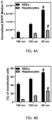
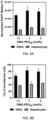
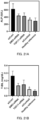
- FIG. 2A is a graph showing the relationship between the type of pH-sensitive cationic lipid and mRNA delivery efficiency (mean value ⁇ standard deviation)
- FIG. 2B is a graph showing the relationship between the type of pH-sensitive cationic lipid and transfection efficiency (mean value ⁇ standard deviation) (***: P ⁇ 0.001)
- FIG. 2C is a graph showing the relationship between the type of pH-sensitive cationic lipid and the cell viability (mean value ⁇ standard deviation).
- the efficiency of mRNA delivery to LX-2 cells significantly differed depending on the type of pH-sensitive cationic lipid.
- the percentage of transfected cells was almost the same depending on the type of pH-sensitive cationic lipid.
- FIG. 2C most pH-sensitive cationic lipids were tolerated by LX-2 cells, and the cell viability was 80% or more.
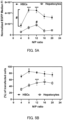
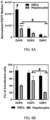
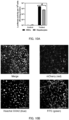
- FIG. 3A is a graph showing the relationship between the type of pH-sensitive cationic lipid and the mRNA delivery efficiency (mean value ⁇ standard deviation) (***: P ⁇ 0.001, #: P ⁇ 0.0001)
- FIG. 3B is a graph showing the relationship between the type of pH-sensitive cationic lipid and the transfection efficiency (***: P ⁇ 0.001, #: P ⁇ 0.0001)
- FIG. 3C is a graph showing the relationship between the pKa of pH-sensitive cationic lipid and the mRNA delivery efficiency (mean value ⁇ standard deviation).
- CL15A6 showed promising mRNA delivery efficiency and transfection efficiency for HSC in vitro. Therefore, CL15A6 was selected as the model lipid of the optimization process in vivo.
- TAA Thioacetamide
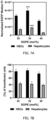
- the microchannel device (iLiNP device) was operated under different conditions to prepare lipid nanoparticles with different average particle sizes. Specifically, lipid nanoparticles with an average particle size of more than 150 nm (e.g., 180 nm), lipid nanoparticles with an average particle size of 100 to 150 nm (e.g., 130 nm), and lipid nanoparticles with an average particle size of less than 100 nm (e.g., 90 nm) were prepared. The prepared lipid nanoparticles were administered intravenously to mice with liver fibrosis, and the mRNA delivery efficiency and transfection efficiency with respect to hepatic stellate cells and hepatocytes were evaluated 24 hours later.
- lipid nanoparticles with an average particle size of more than 150 nm e.g. 180 nm
- lipid nanoparticles with an average particle size of 100 to 150 nm e.g., 130 nm
- lipid nanoparticles with different nitrogen/phosphate (N/P) ratios were prepared by mixing a lipid composition containing CL15A6 with mRNA at different ratios. Specifically, lipid nanoparticles with N/P ratios of 4, 8, 12, 16, and 20 were prepared. The prepared lipid nanoparticles were intravenously administered to mice with liver fibrosis, and the mRNA delivery efficiency and transfection efficiency with respect to hepatic stellate cells and hepatocytes were evaluated 24 hours later.
- N/P nitrogen/phosphate
- the N/P ratio was increased from 4 to 8
- the delivery of mRNA to hepatic stellate cells was significantly improved. This is considered to be due to the improved endosomal escape capability of the lipid nanoparticles.
- lipid nanoparticles were more likely to penetrate the interstitial barrier of the fibrous liver because average particle size of the lipid nanoparticles was decreased to 80 nm.
- the preferred range of the N/P ratio for hepatic stellate cells was 6 to 14 (optimal range of 8 to 12) and the optimal value of the N/P ratio for hepatic cells was 12.
- the delivery efficiency decreased when the N/P ratio was increased from 16 to 20. The decrease in delivery efficiency may indicate a decrease in the release of mRNA from the lipid nanoparticles due to the high cation content.
- lipid nanoparticles containing different types of helper phospholipids were prepared by changing the type of helper phospholipid in the lipid composition containing CL15A6.
- As the unsaturated phosphatidylethanolamine 1,2-dioleoyl-sn-glycero-3-phosphoethanolamine (DOPE) was used.
- As the unsaturated phosphatidylcholine 1,2-dioleoyl-sn-glycero-3-phosphocholine (DOPC) was used.
- DOPC 1,2-dioleoyl-sn-glycero-3-phosphocholine
- DSPC 1,2-distearoyl-sn-glycero-3-phosphocholine
- the prepared lipid nanoparticles were intravenously administered to mice with liver fibrosis, and the mRNA delivery efficiency and transfection efficiency with respect to hepatic stellate cells and hepatocytes were evaluated 24 hours later.
- DOPE significantly improved mRNA delivery to hepatic stellate cells compared to other helper phospholipids. This is considered to be due to the improved endosomal escape capability of the lipid nanoparticles.
- lipid nanoparticles containing helper phospholipid (DOPE) at different molar percentages were prepared by changing the molar ratio of the helper phospholipid (DOPE).
- DOPE helper phospholipid
- the percentage of DOPE was 20 to 30 mol%, especially when it was 30 mol%, the delivery of mRNA to hepatic stellate cells was significantly improved.
- lipid nanoparticles containing PEG-modified lipid (DMG-PEG2K) at different molar percentages were prepared by changing the molar ratio of the PEG-modified lipid, namely 1,2-dimyristoyl-rac-glycerol-3-methoxypolyethylene glycol-2000 (DMG-PEG2K), in the lipid composition containing CL15A6.
- the prepared lipid nanoparticles were intravenously administered to mice with liver fibrosis, and the mRNA delivery efficiency and transfection efficiency with respect to hepatic stellate cells and hepatocytes were evaluated 24 hours later.
- the percentage of DMG-PEG2K was 3 to 5 mol%, the efficiency of mRNA delivery to hepatic stellate cells was high.
- the lipids constituting the lipid membrane of the lipid nanoparticles preferably contain CL15A6, DOPE, cholesterol and PEG-modified lipid. Therefore, lipid nanoparticles containing CL15A6, DOPE, cholesterol and DMG-PEG2K in a molar ratio of 5:3:2:0.3 and having an average particle size of 80 nm (PDI ⁇ 0.1) were used in the subsequent experiments.
- FIG. 9A is a schematic diagram showing the configuration of this lipid nanoparticle
- FIG. 9B is a transmission electron microscope image of the lipid nanoparticle
- FIG. 9C is a graph showing the particle size distribution of the lipid nanoparticles.
- lipid nanoparticles were prepared by replacing the EGFP mRNA (996 bases, coding green fluorescent EGFP protein) used in the above experiment with FLuc mRNA (1929 bases, coding bioluminescent firefly luciferase) or mCherry mRNA(996 bases, coding red fluorescent mCherry protein).
- the prepared lipid nanoparticles were intravenously administered to mice with liver fibrosis, and the mRNA delivery efficiency and transfection efficiency with respect to hepatic stellate cells and hepatocytes were evaluated 24 hours later.
- RNA in the liver was observed using a confocal laser scanning microscope (CLSM).
- CLSM confocal laser scanning microscope
- Lipid nanoparticles incorporating mCherry mRNA (TriLink BioTechnologies, USA) were intravenously injected into mice so that the amount of RNA per kg of body weight was 1 mg/kg. 23.5 hours after the administration, 50 ⁇ g of FITC-labeled isolectin B4 (FITC-IB4) (Vector laboratories, USA) was intravenously administered to the mice to stain the blood vessels green. After 30 minutes, the liver was perfused with (-) PBS and excised.
- FITC-IB4 FITC-labeled isolectin B4
- Liver tissue sections were prepared and stained with 10 ⁇ g/mL Hoechst 33342 (Thermo Fisher Scientific, USA) for 30 minutes, and the nuclei were stained blue. The tissue sections were then observed with a CLSM (Nikon, Japan), and mCherry-positive cells were visualized in red.
- CLSM Nekon, Japan
- FIG. 10B is a fluorescent observation image (scale bar: 100 ⁇ m) of a liver tissue section after the administration of the lipid nanoparticles encapsulating mCherry mRNA.
- FIG. 10B is a fluorescent observation image (scale bar: 100 ⁇ m) of a liver tissue section after the administration of the lipid nanoparticles encapsulating mCherry mRNA.
- 10B is grayscaled, but originally the nuclei of each cell appear blue (large particles appear blue), cells expressing mCherry protein appear red (small particles around the nucleus appear red), and hepatic sinusoidal endothelial cells appear green (net-shaped continuous parts appear green).
- FIGS. 10A and 10B high mRNA delivery efficiency and intrahepatic selectivity with respires to hepatic stellate cells were maintained regardless of the type of mRNAused.
- the mCherry-positive cells were dispersed in the fluorescent observation image of the peri sinusoidal region of the liver, suggesting that hepatic stellate cells were transfected.
- the fact that mCherry-positive cells were observed in a region different from the FITC-stained vasculature suggests that hepatic sinusoidal endothelial cells are less likely to be transfected.
- the biosafety of the lipid nanoparticle prepared by using CL15A6 was evaluated in normal mice.
- Lipid nanoparticles containing EGFP mRNA were administered intravenously to mice at an amount of 2 mg/kg RNA per kg body weight. Twenty-four hours after the administration, the mice were euthanized, and serum and major organs were collected and analyzed in comparison with control mice treated with HEPES buffer.
- AST Aspartate transaminase
- ALT alanine aminotransferase
- CRE creatinine
- FIG. 11A illustrates photographs showing tissue images of the major organs of mice after the administration of the lipid nanoparticles
- FIG. 11A As shown in FIG. 11A , no signs of injury were observed in the major organs (liver, lung, heart, and kidney). In addition, as shown in FIG. 11B , no significant increases were observed in AST, ALT, and CRE, suggesting that there was no toxicity despite the administration of high doses of mRNA.
- Example 2 an experiment was carried out to deliver siRNA to hepatic stellate cells.
- the mRNA of the Smoothened (SMO) gene was selected.
- Patched 1 (PTCH1) protein inhibits the activation of hepatic stellate cells by suppressing SMO protein, and makes them quiescent (qHSC).
- SHH, IHH, and DHH released from injured hepatocytes activate SMO by inhibiting PTCH1.
- SMO stimulates glioma-associated transcription factor (GLI) and transforms quiescent HSC (qHSC) into activated hepatic stellate cells (aHSC) that are involved in collagen production and the progression of hepatic fibrosis.
- the SMO gene is overexpressed in aHSC and is considered to be a characteristic marker of aHSC.
- lipid nanoparticles containing the above pH-sensitive cationic lipid as a main component and encapsulating SMO-siRNA (SEQ ID NOs: 1 and 2) having the sequences shown in Table 2 below were prepared.
- the lipids constituting the lipid nanoparticles contained a pH-sensitive cationic lipid (CL15A6 or CL15H6), DOPE, cholesterol, and DMG-PEG2K in a molar ratio of 5:3:2:0.3.
- the average particle size, particle size distribution, and zeta potential of the lipid nanoparticles were measured in the same manner as in Example 1 to estimate the efficiency of SMO-siRNA encapsulation.
- the relationship between the flow rate ratio of the aqueous phase to the organic phase, the average particle size, particle size distribution, zeta potential, and SMO-siRNA encapsulation efficiency of the lipid nanoparticles prepared at the same flow rate ratio when CL15H6 was used as the pH-sensitive cationic lipid is shown in Table 3 below.
- lipid nanoparticles were prepared at a ratio of 4:1 (aqueous phase : organic phase), which provided the highest encapsulation efficiency, the smallest average particle size, and the smallest PDI.
- Aqueous phase organic phase Average particle size (nm) PDI Zeta potential (mV) Encapsulation efficiency (%) 2:1 135.72 0.280 -6.81 66.12 3:1 72.5 0.192 -3.75 92.33 4:1 53.45 0.093 -3.35 94.06 5:1 57.12 0.169 -5.08 89.19 9:1 58.53 0.217 -8.2 75.55
- the apparent pKa of the lipid nanoparticles was measured in the same manner as in experiment 1.
- the pKa of the lipid nanoparticles prepared with CL15A6 as the pH-sensitive cationic lipid was 7.30
- the pKa of the lipid nanoparticles prepared with CL15H6 as the pH-sensitive cationic lipid was 7.24.
- TAA-induced liver fibrosis model mice were prepared in the same manner as in Example 1, and SMO-siRNA-encapsulated lipid nanoparticles were intravenously administered to the mice via the tail vein so that the amount of RNA per kg of body weight was 0.5 mg/kg. 24 hours after the administration, the mouse livers were collected. The ratio of the amount of SMO mRNA to the amount of GAPDH mRNA in the liver tissue was confirmed by qRT-PCR. The SMO gene is expressed only in hepatic stellate cells in the liver.
- the amount of SMO mRNA was significantly reduced when any of the pH-sensitive cationic lipids was used. This suggests that lipid nanoparticles prepared by using CL15A6 or CL15H6 were able to suppress the expression of the SMO gene in vivo.
- Example 2 The lipid nanoparticles prepared by using CL15A6 were evaluated in Example 1, and thus the lipid nanoparticles prepared by using CL15H6 were used in the subsequent experiments of Example 2.
- lipid nanoparticles with different nitrogen/phosphate (N/P) ratios.
- N/P nitrogen/phosphate
- lipid nanoparticles were prepared with N/P ratios of 0.5, 1, 2, 4, 8, 12, 16, and 20.
- the prepared lipid nanoparticles were intravenously administered to mice with liver fibrosis so that the amount of RNA per kg of body weight was 0.5 mg/kg, and the ratio of the amount of SMO mRNA to the amount of GAPDH mRNA in the liver tissue was confirmed 24 hours later.
- the preferred range of N/P ratio for mRNA delivery was 6 to 14 (optimal range 8 to 12) (see FIG. 5A ), while the preferred range of N/P ratio for siRNA delivery was 4 to 8.
- N/P ratio was set to 4, which gave the lowest amount of SMO mRNA.
- liver fibrosis develops in response to liver damage, causing hepatocyte injury and Kupffer cell activation.
- Damaged hepatocytes release hedgehog ligands (Hh), which activates the SMO signal pathway in hepatic stellate cells and activates hepatic stellate cells.
- the activated Kupffer cells release transforming growth factor ⁇ 1 (TGF ⁇ 1).
- TGF ⁇ 1 activates the TGF ⁇ 1 signaling pathway in hepatic stellate cells and further activates the hepatic stellate cells. Therefore, knockdown of the SMO gene and the TGF ⁇ 1 gene at the same time is expected to inactivate HSC and make it quiescent. Therefore, it was attempted to simultaneously knockdown the SMO gene and the TGF ⁇ 1 gene using lipid nanoparticles prepared by using CL15H6.
- Lipid nanoparticles encapsulating a mixture of the above SMO-siRNA and TGF ⁇ 1-siRNA at a ratio of 1:1 were prepared by using CL15H6, the above SMO-siRNA (SEQ ID NOs: 1 and 2) targeting the mRNA of the SMO gene and the TGF ⁇ 1-siRNA (SEQ ID NOs: 3 and 4) targeting the mRNA of the TGF ⁇ 1 gene and having the sequence shown in Table 4 below.
- the prepared lipid nanoparticles were intravenously administered to mice with liver fibrosis so that each of the amounts of SMO-siRNA and of TGF ⁇ 1-siRNA per kg of body weight was 0.25 mg/kg, and 24 hours later, the ratios of the amounts of SMO mRNA and of TGF ⁇ 1 mRNA to the amount of GAPDH mRNA in the liver tissue was confirmed.
- the SMO gene and the TGF ⁇ 1 gene could be knocked down simultaneously by combining SMO-siRNA and TGF ⁇ 1-siRNA.
- the lipid nanoparticles prepared by using CL15H6 and containing two types of siRNA were intravenously administered to mice with liver fibrosis five times every three days so that the amount of each type of siRNA per kg body weight was 0.25 mg/kg.
- the livers of the mice were collected three days after the last administration.
- the siRNAs used were a combination of two types of control siRNA (siCntrl), a combination of SMO-siRNA and control siRNA (SMO-siRNA), a combination of TGF ⁇ 1-siRNA and control siRNA (TGF ⁇ 1-siRNA), and a combination of SMO-siRNA and TGF ⁇ 1-siRNA (siCocktail).
- FIG. 16 illustrates photographs of the livers of mice administered respective types of lipid nanoparticles.
- the liver of the mouse administered with the combination of SMO-siRNA and TGF ⁇ 1-siRNA showed an appearance closer to that of a healthy mouse than those of the mice administered with the other combinations.
- the surface of the liver had fine irregularities due to a large number of nodules present in the liver, whereas in the liver of the mouse administered with the combination of SMO-siRNA and TGF ⁇ 1-siRNA (siCocktail) had fewer nodules and a smooth surface.
- Sections of the collected livers were also prepared. Some sections were stained with anti- ⁇ smooth muscle actin ( ⁇ -SMA) to detect aHSC, and the percentage of aHSC in HSC was measured. Some of other sections were also stained with Masson's trichrome to detect collagen fibers and the percentage of collagen area in the field of view was measured.
- ⁇ -SMA anti- ⁇ smooth muscle actin
- FIG. 18A illustrates Masson's trichrome stained images of liver sections of respective mice.
- arrows indicate collagen fibers and scale bars indicate 100 ⁇ m.
- the percentage of aHSC was high in the liver of the mouse administered only control siRNA, whereas the percentage of aHSC was significantly decreased in the liver of the mouse administered SMO-siRNA or TGF ⁇ 1-siRNA. Furthermore, the percentage of aHSC was dramatically decreased in the liver of the mouse administered a combination of SMO-siRNA and TGF ⁇ 1-siRNA (siCocktail).
- collagen fibers were abundant in the liver of the mouse administered with only the control siRNA, whereas collagen fibers were dramatically reduced in the liver of a mouse administered SMO-siRNA, TGF ⁇ 1-siRNA, or a combination thereof.
- collagen fibrils were most reduced in the liver of the mouse administered with the combination of SMO-siRNA and TGF ⁇ 1-siRNA (siCocktail).
- FIG. 19A is a graph showing the concentration of IL-6 in the serum of each mouse
- the amount of inflammatory cytokines was only slightly reduced in the mouse administered with only one of SMO-siRNA or TGF ⁇ 1-siRNA, whereas the amount of inflammatory cytokines in the mouse administered with the combination of SMO-siRNA and TGF ⁇ 1-siRNA was significantly reduced to a value close to those in a healthy state. This suggests that the combination of SMO-siRNA and TGF ⁇ 1-siRNA has significant anti-inflammatory effect. Furthermore, statistical verification by two-way ANOVA suggested that SMO-siRNA and TGF ⁇ 1-siRNA have a synergistic anti-inflammatory effect against both IL-6 and TNF- ⁇ .
- hepatic function markers aspartate aminotransferase (AST), alanine aminotransferase (ALT), alkaline phosphatase (ALP), and total bilirubin (T-BIL)
- liver function was partially improved but not fully restored, whereas in the mouse treated with the combination, liver function was restored to a level close to that of a healthy state.
- sequences of SMO-siRNA and TGF ⁇ 1-siRNA used in this experiment are merely examples, and similar effects can be obtained with other sequences.
- a lipid nanoparticle according to the present invention can efficiently deliver a target substance such as RNA to a hepatic stellate cell, and thus the lipid nanoparticle is useful for medicine for treatment or prevention of diseases involving hepatic stellate cells, such as hepatic fibrosis.
- a pharmaceutical composition and a method according to the present invention are also useful for the prevention or treatment of hepatic fibrosis.
Landscapes
- Health & Medical Sciences (AREA)
- Life Sciences & Earth Sciences (AREA)
- Chemical & Material Sciences (AREA)
- Engineering & Computer Science (AREA)
- Genetics & Genomics (AREA)
- Biomedical Technology (AREA)
- Molecular Biology (AREA)
- Bioinformatics & Cheminformatics (AREA)
- General Health & Medical Sciences (AREA)
- Organic Chemistry (AREA)
- Biotechnology (AREA)
- Wood Science & Technology (AREA)
- Zoology (AREA)
- General Engineering & Computer Science (AREA)
- Medicinal Chemistry (AREA)
- Public Health (AREA)
- Veterinary Medicine (AREA)
- Animal Behavior & Ethology (AREA)
- Pharmacology & Pharmacy (AREA)
- Biochemistry (AREA)
- Epidemiology (AREA)
- Biophysics (AREA)
- Physics & Mathematics (AREA)
- Microbiology (AREA)
- Plant Pathology (AREA)
- Gastroenterology & Hepatology (AREA)
- Chemical Kinetics & Catalysis (AREA)
- General Chemical & Material Sciences (AREA)
- Nuclear Medicine, Radiotherapy & Molecular Imaging (AREA)
- Dispersion Chemistry (AREA)
- Endocrinology (AREA)
- Nanotechnology (AREA)
- Optics & Photonics (AREA)
- Medicinal Preparation (AREA)
- Pharmaceuticals Containing Other Organic And Inorganic Compounds (AREA)
Applications Claiming Priority (2)
| Application Number | Priority Date | Filing Date | Title |
|---|---|---|---|
| JP2022121626 | 2022-07-29 | ||
| PCT/JP2023/009082 WO2024024156A1 (ja) | 2022-07-29 | 2023-03-09 | 脂質ナノ粒子および医薬組成物 |
Publications (2)
| Publication Number | Publication Date |
|---|---|
| EP4563142A1 true EP4563142A1 (de) | 2025-06-04 |
| EP4563142A4 EP4563142A4 (de) | 2026-02-25 |
Family
ID=89705937
Family Applications (1)
| Application Number | Title | Priority Date | Filing Date |
|---|---|---|---|
| EP23845896.2A Pending EP4563142A4 (de) | 2022-07-29 | 2023-03-09 | Lipidnanopartikel und pharmazeutische zusammensetzung |
Country Status (4)
| Country | Link |
|---|---|
| US (1) | US20260021046A1 (de) |
| EP (1) | EP4563142A4 (de) |
| JP (1) | JPWO2024024156A1 (de) |
| WO (1) | WO2024024156A1 (de) |
Family Cites Families (12)
| Publication number | Priority date | Publication date | Assignee | Title |
|---|---|---|---|---|
| JPS6449512A (en) | 1987-08-20 | 1989-02-27 | Hiroyuki Yamato | Method and apparatus for boiling solid noodle like food |
| JP2636355B2 (ja) | 1988-08-11 | 1997-07-30 | 東レ株式会社 | 複合粒子 |
| JP3220180B2 (ja) | 1991-05-23 | 2001-10-22 | 三菱化学株式会社 | 薬剤含有タンパク質結合リポソーム |
| JP3415131B1 (ja) | 2002-06-03 | 2003-06-09 | メビオファーム株式会社 | リポソーム製剤 |
| AU2011261434B2 (en) * | 2010-06-02 | 2015-11-26 | Alnylam Pharmaceuticals, Inc. | Compositions and methods directed to treating liver fibrosis |
| US11517528B2 (en) * | 2017-06-15 | 2022-12-06 | National University Corporation Hokkaido University | Lipid membrane structure for delivery into siRNA cell |
| WO2018235864A1 (ja) | 2017-06-20 | 2018-12-27 | 僚一 上田 | キャップ |
| JP2019151589A (ja) | 2018-03-02 | 2019-09-12 | 国立大学法人北海道大学 | 脂質ナノ粒子 |
| AU2019344904A1 (en) * | 2018-09-18 | 2021-04-15 | Metacrine, Inc. | Farnesoid X receptor agonists for the treatment of disease |
| CN111053757A (zh) * | 2018-10-15 | 2020-04-24 | 吉优诺(上海)基因科技有限公司 | 靶向肝星状细胞的脂质纳米颗粒、其制备方法和用途 |
| JP2021172597A (ja) | 2020-04-21 | 2021-11-01 | 国立大学法人北海道大学 | 脂質ナノ粒子 |
| CA3194148A1 (en) * | 2020-10-02 | 2022-04-07 | National University Corporation Hokkaido University | Lipid nanoparticle |
-
2023
- 2023-03-09 EP EP23845896.2A patent/EP4563142A4/de active Pending
- 2023-03-09 JP JP2024536770A patent/JPWO2024024156A1/ja active Pending
- 2023-03-09 US US19/099,090 patent/US20260021046A1/en active Pending
- 2023-03-09 WO PCT/JP2023/009082 patent/WO2024024156A1/ja not_active Ceased
Also Published As
| Publication number | Publication date |
|---|---|
| US20260021046A1 (en) | 2026-01-22 |
| EP4563142A4 (de) | 2026-02-25 |
| JPWO2024024156A1 (de) | 2024-02-01 |
| WO2024024156A1 (ja) | 2024-02-01 |
Similar Documents
| Publication | Publication Date | Title |
|---|---|---|
| US20230132645A1 (en) | Lipid membrane structure for delivery into sirna cell | |
| JP7411258B2 (ja) | 治療用ナノ粒子およびその使用方法 | |
| JP5697988B2 (ja) | 干渉rnaを使用したポロ様キナーゼ発現のサイレンシング方法 | |
| US12458605B2 (en) | Lipid nanoparticle | |
| EP1842558B1 (de) | Zusammensetzung zur hemmung der expression eines zielgens | |
| JP6570188B2 (ja) | siRNA細胞内送達のための脂質膜構造体 | |
| US20150216803A1 (en) | Lipid assemblies comprising anionic lysolipids and use thereof | |
| WO2022037465A1 (zh) | 一种脂质纳米颗粒 | |
| JP6240570B2 (ja) | 脂質粒子および核酸送達キャリア | |
| JP2019151589A (ja) | 脂質ナノ粒子 | |
| KR20250131271A (ko) | 신규한 폴리글리세롤-접합된 지질 및 이를 포함하는 지질 나노입자 조성물 | |
| EP4563142A1 (de) | Lipidnanopartikel und pharmazeutische zusammensetzung | |
| JP7585166B2 (ja) | 物質送達キャリア及び組成物 | |
| WO2023191050A1 (ja) | がん送達用医薬組成物または免疫賦活用組成物 | |
| US20140039034A1 (en) | Composition for suppressing expression of target gene | |
| US20120207818A1 (en) | Composition for suppressing expression of target gene | |
| WO2024183497A1 (zh) | 一种鞘内递送制剂及其用途 | |
| WO2025063214A1 (ja) | 核酸を内封したリガンド修飾脂質ナノ粒子の製造方法 | |
| WO2015098907A1 (ja) | 核内移行性を有する脂質膜構造体 | |
| US20150247148A1 (en) | Composition for suppressing expression of target gene |
Legal Events
| Date | Code | Title | Description |
|---|---|---|---|
| STAA | Information on the status of an ep patent application or granted ep patent |
Free format text: STATUS: THE INTERNATIONAL PUBLICATION HAS BEEN MADE |
|
| PUAI | Public reference made under article 153(3) epc to a published international application that has entered the european phase |
Free format text: ORIGINAL CODE: 0009012 |
|
| STAA | Information on the status of an ep patent application or granted ep patent |
Free format text: STATUS: REQUEST FOR EXAMINATION WAS MADE |
|
| 17P | Request for examination filed |
Effective date: 20250127 |
|
| AK | Designated contracting states |
Kind code of ref document: A1 Designated state(s): AL AT BE BG CH CY CZ DE DK EE ES FI FR GB GR HR HU IE IS IT LI LT LU LV MC ME MK MT NL NO PL PT RO RS SE SI SK SM TR |
|
| DAV | Request for validation of the european patent (deleted) | ||
| DAX | Request for extension of the european patent (deleted) | ||
| RIC1 | Information provided on ipc code assigned before grant |
Ipc: A61K 9/127 20250101AFI20251029BHEP Ipc: A61K 31/7105 20060101ALI20251029BHEP Ipc: A61K 47/10 20170101ALI20251029BHEP Ipc: A61K 47/18 20170101ALI20251029BHEP Ipc: A61K 47/22 20060101ALI20251029BHEP Ipc: A61K 47/24 20060101ALI20251029BHEP Ipc: A61K 47/28 20060101ALI20251029BHEP Ipc: A61P 1/16 20060101ALI20251029BHEP Ipc: A61K 9/1272 20250101ALI20251029BHEP Ipc: A61K 31/713 20060101ALI20251029BHEP Ipc: C12N 15/88 20060101ALI20251029BHEP |
|
| A4 | Supplementary search report drawn up and despatched |
Effective date: 20260126 |
|
| RIC1 | Information provided on ipc code assigned before grant |
Ipc: A61K 9/127 20250101AFI20260120BHEP Ipc: A61K 31/7105 20060101ALI20260120BHEP Ipc: A61K 47/10 20170101ALI20260120BHEP Ipc: A61K 47/18 20170101ALI20260120BHEP Ipc: A61K 47/22 20060101ALI20260120BHEP Ipc: A61K 47/24 20060101ALI20260120BHEP Ipc: A61K 47/28 20060101ALI20260120BHEP Ipc: A61P 1/16 20060101ALI20260120BHEP Ipc: A61K 9/1272 20250101ALI20260120BHEP Ipc: A61K 31/713 20060101ALI20260120BHEP Ipc: C12N 15/88 20060101ALI20260120BHEP |