EP4556103A1 - Steuerungsverfahren für ro-system und steuerungsprogramm für wasserbehandlungssystem - Google Patents
Steuerungsverfahren für ro-system und steuerungsprogramm für wasserbehandlungssystem Download PDFInfo
- Publication number
- EP4556103A1 EP4556103A1 EP23839463.9A EP23839463A EP4556103A1 EP 4556103 A1 EP4556103 A1 EP 4556103A1 EP 23839463 A EP23839463 A EP 23839463A EP 4556103 A1 EP4556103 A1 EP 4556103A1
- Authority
- EP
- European Patent Office
- Prior art keywords
- stop
- devices
- stop process
- control method
- history
- Prior art date
- Legal status (The legal status is an assumption and is not a legal conclusion. Google has not performed a legal analysis and makes no representation as to the accuracy of the status listed.)
- Pending
Links
Images



Classifications
-
- B—PERFORMING OPERATIONS; TRANSPORTING
- B01—PHYSICAL OR CHEMICAL PROCESSES OR APPARATUS IN GENERAL
- B01D—SEPARATION
- B01D65/00—Accessories or auxiliary operations, in general, for separation processes or apparatus using semi-permeable membranes
- B01D65/02—Membrane cleaning or sterilisation ; Membrane regeneration
-
- B—PERFORMING OPERATIONS; TRANSPORTING
- B01—PHYSICAL OR CHEMICAL PROCESSES OR APPARATUS IN GENERAL
- B01D—SEPARATION
- B01D61/00—Processes of separation using semi-permeable membranes, e.g. dialysis, osmosis or ultrafiltration; Apparatus, accessories or auxiliary operations specially adapted therefor
- B01D61/02—Reverse osmosis; Hyperfiltration ; Nanofiltration
- B01D61/025—Reverse osmosis; Hyperfiltration
-
- B—PERFORMING OPERATIONS; TRANSPORTING
- B01—PHYSICAL OR CHEMICAL PROCESSES OR APPARATUS IN GENERAL
- B01D—SEPARATION
- B01D61/00—Processes of separation using semi-permeable membranes, e.g. dialysis, osmosis or ultrafiltration; Apparatus, accessories or auxiliary operations specially adapted therefor
- B01D61/02—Reverse osmosis; Hyperfiltration ; Nanofiltration
- B01D61/025—Reverse osmosis; Hyperfiltration
- B01D61/026—Reverse osmosis; Hyperfiltration comprising multiple reverse osmosis steps
-
- B—PERFORMING OPERATIONS; TRANSPORTING
- B01—PHYSICAL OR CHEMICAL PROCESSES OR APPARATUS IN GENERAL
- B01D—SEPARATION
- B01D61/00—Processes of separation using semi-permeable membranes, e.g. dialysis, osmosis or ultrafiltration; Apparatus, accessories or auxiliary operations specially adapted therefor
- B01D61/02—Reverse osmosis; Hyperfiltration ; Nanofiltration
- B01D61/12—Controlling or regulating
-
- B—PERFORMING OPERATIONS; TRANSPORTING
- B01—PHYSICAL OR CHEMICAL PROCESSES OR APPARATUS IN GENERAL
- B01D—SEPARATION
- B01D65/00—Accessories or auxiliary operations, in general, for separation processes or apparatus using semi-permeable membranes
- B01D65/02—Membrane cleaning or sterilisation ; Membrane regeneration
- B01D65/06—Membrane cleaning or sterilisation ; Membrane regeneration with special washing compositions
-
- B—PERFORMING OPERATIONS; TRANSPORTING
- B01—PHYSICAL OR CHEMICAL PROCESSES OR APPARATUS IN GENERAL
- B01D—SEPARATION
- B01D65/00—Accessories or auxiliary operations, in general, for separation processes or apparatus using semi-permeable membranes
- B01D65/08—Prevention of membrane fouling or of concentration polarisation
-
- B—PERFORMING OPERATIONS; TRANSPORTING
- B01—PHYSICAL OR CHEMICAL PROCESSES OR APPARATUS IN GENERAL
- B01D—SEPARATION
- B01D65/00—Accessories or auxiliary operations, in general, for separation processes or apparatus using semi-permeable membranes
- B01D65/10—Testing of membranes or membrane apparatus; Detecting or repairing leaks
- B01D65/109—Testing of membrane fouling or clogging, e.g. amount or affinity
-
- C—CHEMISTRY; METALLURGY
- C02—TREATMENT OF WATER, WASTE WATER, SEWAGE, OR SLUDGE
- C02F—TREATMENT OF WATER, WASTE WATER, SEWAGE, OR SLUDGE
- C02F1/00—Treatment of water, waste water, or sewage
- C02F1/008—Control or steering systems not provided for elsewhere in subclass C02F
-
- C—CHEMISTRY; METALLURGY
- C02—TREATMENT OF WATER, WASTE WATER, SEWAGE, OR SLUDGE
- C02F—TREATMENT OF WATER, WASTE WATER, SEWAGE, OR SLUDGE
- C02F1/00—Treatment of water, waste water, or sewage
- C02F1/44—Treatment of water, waste water, or sewage by dialysis, osmosis or reverse osmosis
- C02F1/441—Treatment of water, waste water, or sewage by dialysis, osmosis or reverse osmosis by reverse osmosis
-
- B—PERFORMING OPERATIONS; TRANSPORTING
- B01—PHYSICAL OR CHEMICAL PROCESSES OR APPARATUS IN GENERAL
- B01D—SEPARATION
- B01D2311/00—Details relating to membrane separation process operations and control
- B01D2311/14—Pressure control
-
- B—PERFORMING OPERATIONS; TRANSPORTING
- B01—PHYSICAL OR CHEMICAL PROCESSES OR APPARATUS IN GENERAL
- B01D—SEPARATION
- B01D2311/00—Details relating to membrane separation process operations and control
- B01D2311/16—Flow or flux control
-
- B—PERFORMING OPERATIONS; TRANSPORTING
- B01—PHYSICAL OR CHEMICAL PROCESSES OR APPARATUS IN GENERAL
- B01D—SEPARATION
- B01D2313/00—Details relating to membrane modules or apparatus
- B01D2313/64—Bar codes; Data storage means; RFID
-
- B—PERFORMING OPERATIONS; TRANSPORTING
- B01—PHYSICAL OR CHEMICAL PROCESSES OR APPARATUS IN GENERAL
- B01D—SEPARATION
- B01D2313/00—Details relating to membrane modules or apparatus
- B01D2313/70—Control means using a programmable logic controller [PLC] or a computer
- B01D2313/701—Control means using a programmable logic controller [PLC] or a computer comprising a software program or a logic diagram
-
- B—PERFORMING OPERATIONS; TRANSPORTING
- B01—PHYSICAL OR CHEMICAL PROCESSES OR APPARATUS IN GENERAL
- B01D—SEPARATION
- B01D2317/00—Membrane module arrangements within a plant or an apparatus
- B01D2317/04—Elements in parallel
-
- B—PERFORMING OPERATIONS; TRANSPORTING
- B01—PHYSICAL OR CHEMICAL PROCESSES OR APPARATUS IN GENERAL
- B01D—SEPARATION
- B01D2321/00—Details relating to membrane cleaning, regeneration, sterilization or to the prevention of fouling
- B01D2321/02—Forward flushing
-
- B—PERFORMING OPERATIONS; TRANSPORTING
- B01—PHYSICAL OR CHEMICAL PROCESSES OR APPARATUS IN GENERAL
- B01D—SEPARATION
- B01D2321/00—Details relating to membrane cleaning, regeneration, sterilization or to the prevention of fouling
- B01D2321/12—Use of permeate
-
- B—PERFORMING OPERATIONS; TRANSPORTING
- B01—PHYSICAL OR CHEMICAL PROCESSES OR APPARATUS IN GENERAL
- B01D—SEPARATION
- B01D2321/00—Details relating to membrane cleaning, regeneration, sterilization or to the prevention of fouling
- B01D2321/16—Use of chemical agents
-
- B—PERFORMING OPERATIONS; TRANSPORTING
- B01—PHYSICAL OR CHEMICAL PROCESSES OR APPARATUS IN GENERAL
- B01D—SEPARATION
- B01D2321/00—Details relating to membrane cleaning, regeneration, sterilization or to the prevention of fouling
- B01D2321/28—Details relating to membrane cleaning, regeneration, sterilization or to the prevention of fouling by soaking or impregnating
-
- C—CHEMISTRY; METALLURGY
- C02—TREATMENT OF WATER, WASTE WATER, SEWAGE, OR SLUDGE
- C02F—TREATMENT OF WATER, WASTE WATER, SEWAGE, OR SLUDGE
- C02F2103/00—Nature of the water, waste water, sewage or sludge to be treated
- C02F2103/08—Seawater, e.g. for desalination
-
- C—CHEMISTRY; METALLURGY
- C02—TREATMENT OF WATER, WASTE WATER, SEWAGE, OR SLUDGE
- C02F—TREATMENT OF WATER, WASTE WATER, SEWAGE, OR SLUDGE
- C02F2209/00—Controlling or monitoring parameters in water treatment
- C02F2209/001—Upstream control, i.e. monitoring for predictive control
-
- C—CHEMISTRY; METALLURGY
- C02—TREATMENT OF WATER, WASTE WATER, SEWAGE, OR SLUDGE
- C02F—TREATMENT OF WATER, WASTE WATER, SEWAGE, OR SLUDGE
- C02F2209/00—Controlling or monitoring parameters in water treatment
- C02F2209/005—Processes using a programmable logic controller [PLC]
- C02F2209/006—Processes using a programmable logic controller [PLC] comprising a software program or a logic diagram
-
- C—CHEMISTRY; METALLURGY
- C02—TREATMENT OF WATER, WASTE WATER, SEWAGE, OR SLUDGE
- C02F—TREATMENT OF WATER, WASTE WATER, SEWAGE, OR SLUDGE
- C02F2209/00—Controlling or monitoring parameters in water treatment
- C02F2209/02—Temperature
-
- C—CHEMISTRY; METALLURGY
- C02—TREATMENT OF WATER, WASTE WATER, SEWAGE, OR SLUDGE
- C02F—TREATMENT OF WATER, WASTE WATER, SEWAGE, OR SLUDGE
- C02F2209/00—Controlling or monitoring parameters in water treatment
- C02F2209/03—Pressure
-
- C—CHEMISTRY; METALLURGY
- C02—TREATMENT OF WATER, WASTE WATER, SEWAGE, OR SLUDGE
- C02F—TREATMENT OF WATER, WASTE WATER, SEWAGE, OR SLUDGE
- C02F2209/00—Controlling or monitoring parameters in water treatment
- C02F2209/05—Conductivity or salinity
-
- C—CHEMISTRY; METALLURGY
- C02—TREATMENT OF WATER, WASTE WATER, SEWAGE, OR SLUDGE
- C02F—TREATMENT OF WATER, WASTE WATER, SEWAGE, OR SLUDGE
- C02F2209/00—Controlling or monitoring parameters in water treatment
- C02F2209/06—Controlling or monitoring parameters in water treatment pH
-
- C—CHEMISTRY; METALLURGY
- C02—TREATMENT OF WATER, WASTE WATER, SEWAGE, OR SLUDGE
- C02F—TREATMENT OF WATER, WASTE WATER, SEWAGE, OR SLUDGE
- C02F2209/00—Controlling or monitoring parameters in water treatment
- C02F2209/40—Liquid flow rate
-
- C—CHEMISTRY; METALLURGY
- C02—TREATMENT OF WATER, WASTE WATER, SEWAGE, OR SLUDGE
- C02F—TREATMENT OF WATER, WASTE WATER, SEWAGE, OR SLUDGE
- C02F2303/00—Specific treatment goals
- C02F2303/16—Regeneration of sorbents, filters
-
- C—CHEMISTRY; METALLURGY
- C02—TREATMENT OF WATER, WASTE WATER, SEWAGE, OR SLUDGE
- C02F—TREATMENT OF WATER, WASTE WATER, SEWAGE, OR SLUDGE
- C02F2303/00—Specific treatment goals
- C02F2303/20—Prevention of biofouling
-
- Y—GENERAL TAGGING OF NEW TECHNOLOGICAL DEVELOPMENTS; GENERAL TAGGING OF CROSS-SECTIONAL TECHNOLOGIES SPANNING OVER SEVERAL SECTIONS OF THE IPC; TECHNICAL SUBJECTS COVERED BY FORMER USPC CROSS-REFERENCE ART COLLECTIONS [XRACs] AND DIGESTS
- Y02—TECHNOLOGIES OR APPLICATIONS FOR MITIGATION OR ADAPTATION AGAINST CLIMATE CHANGE
- Y02A—TECHNOLOGIES FOR ADAPTATION TO CLIMATE CHANGE
- Y02A20/00—Water conservation; Efficient water supply; Efficient water use
- Y02A20/124—Water desalination
- Y02A20/131—Reverse-osmosis
Definitions
- the present invention relates to a control method for an RO system and a control program for a water treatment system, and particularly relates to a control method for an RO system that include a plurality of RO devices installed in parallel and a control program for a water treatment system.
- Chemical cleaning is effective for various types of fouling, among which alkaline chemicals target organic fouling and microbial (bio) fouling.
- physical fouling such as SS fouling due to SS (suspended solids) also occurs on RO membranes.
- SS fouling may also occur in combination with microbial fouling.
- acids and chelating agents are effective against fouling caused by inorganic scales.
- Patent Document 1 describes a method of blowing suspended solid concentrated effluent water that has occurred on a reverse osmosis membrane part in a process of filtering water to be treated, at regular intervals of accumulated water-passing time.
- Patent Document 2 describes that, based on degrees of membrane clogging, priority of filtering devices to be caused to operate, among a plurality of filtering devices arranged in parallel, is set. It is noted that in paragraph 0064 of Patent Document 2, it is described to air-clean a membrane.
- the present invention aims to provide a control method for an RO system and a control program for a water treatment system that may reduce power consumption (i.e., CO 2 ) and the amount of waste by reducing the usage amount of chemicals and the number of replacements of membranes, while enabling stable operation and contributing to labor-saving through energy conservation and maintenance reduction.
- power consumption i.e., CO 2
- a control method for an RO system is a control method for an RO system that includes a plurality of RO devices arranged in parallel and a control unit that controls a start/stop process including an operation process and a stop process of the RO devices.
- control is performed such that a number of times of start/stop increases for RO devices that are more likely to recover treatability through start/stop operations, and a stop-time is controlled according to a recovery rate.
- a chemical that mitigates fouling is injected into an RO device that has undergone the stop process, and the RO device is allowed to soak in the chemical.
- a start/stop process history including a stop-time of each of the RO devices is stored, and a priority of the RO devices to be operated is decided based on the start/stop process history.
- a membrane treatment performance history of each of the RO devices is stored in association with the start/stop process history of each of the RO devices, a recovery degree of the membrane treatment performance expected due to the start/stop process is estimated for each of the RO devices based on the start/stop process history and the membrane treatment performance history, and a priority of the RO devices with a larger estimated recovery degree expected due to the start/stop process and chemical immersion is decided to be higher.
- an outlet pressure or power consumption of a feed-water pump that feeds water to the RO devices is measured, and a priority of the RO devices with larger outlet pressure or power consumption is decided to be higher.
- a number of times of the start/stop process during operation is decided based on an estimated result of the recovery degree of the membrane treatment performance expected due to the start/stop process, and a number of times of start/stop in a predetermined time is decided so that a number-of-times-of-start/stop effect, which is an indicator of a recovery efficiency of the membrane treatment performance, becomes high.
- a current membrane treatment performance of each of the RO devices are measured, and a priority of the RO devices is decided based on the current membrane treatment performance.
- the program in one embodiment of the present invention is a control program for a water treatment system, which is a program for controlling a water treatment system, the water treatment system including a plurality of RO devices arranged in parallel, the program causing a computer to execute: a control instruction to control a start/stop process including an operation process and a stop process and a stop-time of the RO devices; a storage instruction to store a start/stop process history of each of the RO devices; and a priority decision instruction to decide a priority of the RO devices to be operated based on the start/stop process history.
- the present invention it is possible to ensure the treatment efficiency of the RO system with a simple configuration.
- the present invention performs fouling removal by stopping and operating the RO membrane device, or by adjusting the flow rate of each flow path, even without performing chemical cleaning.
- fouling removal may be performed through software without adding any special hardware configuration, resulting in a simple structure.
- chemical cleaning only a very short-time chemical injection is performed during the stop-time of the RO membrane device, so the chemical usage amount may be greatly reduced compared to continuous injection or cleaning.
- chemicals are not added during the operation of the RO membrane device, there is no concern about leakage to the permeated water side.
- FIG. 1 is a system diagram of an RO system to which a control method according to an embodiment is applied.
- Raw water is supplied from a raw water pipe 1 to a plurality of (in this embodiment, four) treatment systems (which may be hereinafter referred to as systems) A, B, C, and D and is RO-treated.
- systems which may be hereinafter referred to as systems
- raw water is conveyed through pipes 11 to 14 connected to the raw water pipe 1, pressurized by pumps 21 to 24, and then supplied (fed) to cross-flow type RO devices 41 to 44 through pipes 31 to 34.
- the permeated water that has permeated through the RO membranes of the RO devices 41 to 44 is taken out as permeated water from permeated water pipes 51 to 54 via a collective permeated water pipe 55. It is noted that a part of the permeated water is conveyed via a pipe 56 branched from the pipe 55 to the cleaning water tank 57 and stored.
- the water in the cleaning water tank 57 may be supplied to the feed-water pipe pipes 31 to 34 via a cleaning line 59 provided with a cleaning pump 58.
- the concentrated water (brine) of the RO devices 41 to 44 is taken out as concentrated water from concentrated water pipes 61 to 64 via a collective concentrated water pipe 65.
- Sensors S1 and S2 are provided in each of the pipes 11 to 14 and 31 to 34 to measure flow rate, pressure, pH and the like.
- Sensors S3 and S4 are provided in the pipes 51 to 54 and 61 to 64 to measure one or two or more characteristics such as flow rate, pressure, and electrical conductivity.
- Valves V1 and V2 are provided in the pipes 51 to 54 and 61 to 64.
- chemical injection units 71 to 74 for injecting chemicals are connected to the pipes 11 to 14, respectively.
- the chemical injection points are upstream of the pumps 21 to 24.
- the chemicals injected by the chemical injection units 71 to 74 are those that mitigate fouling, for example, RO cleaning chemicals or slime control agents.
- start/stop process which involves short-term stop and restart of the RO device, is performed for the purpose of physical removal of fouling. It is noted that the stop-time in this start/stop process may be arbitrarily changed.
- start/stop process in physically detaching fouling include "release of consolidation of membrane contaminants by stop of the device and flushing at the time of starting the device (the release of membrane surface consolidation is more likely to be promoted due to the large change in effective pressure on the membrane surface when transitioning from stop to start)” and “suck-back (backwashing due to osmotic pressure generated at the time of stop)".
- start/stop process is excellent in that it may remove physical fouling without stopping the water treatment and without using chemicals, as it occurs secondarily in the normal water treatment (for example, changing the number of operating units according to fluctuations in permeated water flow rate).
- start/stop process The decision to execute start/stop process is made based on whether "the recovery effect of membrane performance by start/stop process (for example, the amount of reduction in power consumption)" is 0 or more, or exceeds "the cost incurred by start/stop process (for example, the amount of increase in power consumption associated with the flushing process and pump startup)". When this is satisfied, it is good to repeat the start/stop process as long as no abnormality in desalting rate is detected.
- the membrane treatment performance expected to be recovered by start/stop process is calculated from the change from “the membrane treatment performance immediately after the recent cleaning or membrane replacement” to "the current membrane treatment performance", and then, the "number of times of start/stop per specified time” with high effectiveness is decided from the “recovery effect for each number of times of start/stop per specified time (for example, within the past 24 hours)", and the “recovery effect of membrane performance by start/stop process (for example, feed-water pressure, power consumption)" at that time is calculated.
- the recovery effect of each device is calculated periodically (for example, every 3 hours), and operation priority is allocated so that as large a number of times of start/stop as possible is assigned to a system with a high recovery effect.
- Start/stop and chemical treatment also have improvement effects on fouling that is undetectable, thus, in machine learning, it becomes possible to optimize the number of times of start/stop.
- the priority for operation is decided.
- the operation priority of the RO devices is decided based on the history of start/stop operations performed in the operation plan.
- the operation priority is allocated so that as large a number of times of start/stop as possible is assigned to a system with a high recovery effect.
- the time for stopping the operation of the RO device by the start/stop process is, for example, 5 minutes or more, and it is preferable to decide it based on the recovery rate of the membrane treatment performance.
- the recovery effect of membrane treatment performance due to differential pressure improves. It is noted that if the stop-time is less than 5 minutes, the recovery effect of the membrane treatment performance of the RO device may not be sufficient.
- whether the membrane treatment performance has sufficiently recovered or not is determined based on whether "the energy (power consumption, feed-water pressure) required per permeated water volume after start/stop” is lower than "the energy (power consumption, feed-water pressure) required per permeated water volume before start/stop”.
- the chemical concentration is arbitrary, but it is controlled in a range of 10 mg/L or more and below a concentration that does not cause chemical deterioration to the membrane.
- the stop-time and chemical concentration may be decided based on the outlet pressure and/or the power consumption of the feed-water pumps 21 to 24 corresponding to the RO devices 41 to 44 to be stopped.
- the recovery degree of the membrane treatment performance of the RO device may be calculated from the membrane treatment performance history, and the stop-time and chemical concentration may be decided. Further, when there is no "membrane treatment performance not capable of being removed by the start/stop process", it is possible to automatically select not to add chemicals.
- the chemical injection may be performed for an extremely short time, and the amount of chemicals used may be greatly reduced compared to continuous injection or chemical cleaning. Further, since the chemical injection is performed at the time of stop of the RO device, there is no concern about leakage to the permeated water side.
- This RO system has an operation plan determined according to the amount of water to be produced, etc., and the operation plan includes information on the number of RO devices to be operated at each point in time. While the RO device is stopped during the start/stop process, the operation rate of RO devices in other systems is controlled so that the permeated water volume becomes as planned.
- control system includes the following functional units.
- the control unit controls operation and stop of a filtration device by controlling a valve, a pump and the like.
- the start/stop process includes actions of closing the flow path on the permeated water side and reducing the flow rate of raw water.
- pH For example, pH, raw water pressure, raw water flow rate and the like are measured.
- feed-water pressure, permeated water pressure, brine pressure, feed-water pipe flow rate, permeated water flow rate, brine flow rate, water temperature, feed-water conductivity, treated water conductivity and the like are measured.
- membrane area For example, membrane area, the number of vessels, membrane configuration and the like are recorded.
- the membrane treatment performance for example, feed-water pressure, inter-membrane differential pressure, and a flux
- the membrane treatment performance immediately after the latest cleaning or membrane replacement is stored.
- Both of history of performing start/stop according to the operation plan of water treatment and history of intentionally performing the start/stop process for SS removal are stored.
- the stop-time during the start/stop process is also stored.
- a history of priority instructed by the control unit is stored.
- the inter-membrane differential pressure and FLUX are calculated.
- the power consumption is estimated from measured values (for example, feed-water pressure and feed-water pipe flow rate).
- An amount of change in membrane treatment performance due to fouling is calculated by excluding, from the treatment performance immediately after the latest cleaning or membrane replacement, the influence of operating conditions (for example, inlet water pressure, treated water flow rate, temperature) in a difference corresponding to reduction in the treatment performance due to influence of operation having been continued.
- operating conditions for example, inlet water pressure, treated water flow rate, temperature
- Properties of fouling are classified. For example, by calculating the membrane treatment performance expected to be recovered by the start/stop process in the amount of change in membrane treatment performance due to fouling, the membrane treatment performance not capable of being removed by the start/stop process is detected.
- start/stop effectiveness For each RO device, the recovery effect of membrane treatment performance expected due to the start/stop process, that is, start/stop effectiveness is estimated. This is because whether start/stop is effective for recovery of membrane treatment performance or not differs depending on RO devices.
- the start/stop effectiveness for each of the RO devices is estimated from a relationship between its past start/stop history and membrane treatment performance history (for example, within one year). For example, by referring to the number of starts/stops performed within a predetermined period and changes in membrane treatment performance before and after the starts/stops, a recovery degree of treatment performance by the starts/stops is calculated.
- Timings of the start/stop process in the future are planned based on the start/stop history.
- An RO device that has not started/stopped within a predetermined period is caused to start/stop.
- the number of times of start/stop is decided based on an estimated result of the start/stop effectiveness estimation unit.
- the number of times of start/stop is decided so that a number-of-times-of-start/stop effect to be an indicator of recovery efficiency is high (for example, when there is no difference between five times of start/stop and four times of start/stop within 24 hours, four times is selected).
- Priority of RO devices to be caused to perform the start/stop process is decided based on the start/stop history of each of the RO devices.
- An RO device with a higher start/stop effectiveness is prioritized higher.
- RO device in which the outlet pressure or power consumption of the high pressure pump (feed-water pump) acquired by the pump state acquisition unit is larger is prioritized higher. Further, RO devices with a large expected recovery degree of membrane treatment performance due to chemical immersion process is prioritized higher.
- a chemical injection unit is provided at the inlet of each of the RO devices (for example, before the feed-water pump) installed in parallel, and based on the control by the chemical injection control unit, chemicals are injected before stopping the RO device.
- This chemical concentration may be set high to the extent that it does not damage the membrane. Since when using a pump with high discharge pressure similar to a feed-water pump for the chemical injection pump, the flow rate becomes excessive, making it difficult to maintain a high chemical concentration, it is preferable to use a pump with low discharge pressure similar to a raw water pump and increase the chemical concentration in a constant flow rate state.
- the chemical injection control unit estimates the expected recovery degree of membrane treatment performance by chemical immersion for each of the RO devices.
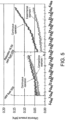
- delta Pressure/MPa The change in differential pressure (delta Pressure/MPa) of the first RO element, which is prone to biofouling, was measured in an RO device for seawater desalination equipped with a 4-inch module.
Landscapes
- Chemical & Material Sciences (AREA)
- Engineering & Computer Science (AREA)
- Water Supply & Treatment (AREA)
- Chemical Kinetics & Catalysis (AREA)
- Nanotechnology (AREA)
- Life Sciences & Earth Sciences (AREA)
- Hydrology & Water Resources (AREA)
- Environmental & Geological Engineering (AREA)
- Organic Chemistry (AREA)
- Separation Using Semi-Permeable Membranes (AREA)
Applications Claiming Priority (2)
| Application Number | Priority Date | Filing Date | Title |
|---|---|---|---|
| JP2022111256A JP2024009603A (ja) | 2022-07-11 | 2022-07-11 | Roシステムの制御方法及び水処理システムの制御プログラム |
| PCT/JP2023/023919 WO2024014289A1 (ja) | 2022-07-11 | 2023-06-28 | Roシステムの制御方法及び水処理システムの制御プログラム |
Publications (1)
| Publication Number | Publication Date |
|---|---|
| EP4556103A1 true EP4556103A1 (de) | 2025-05-21 |
Family
ID=89536541
Family Applications (1)
| Application Number | Title | Priority Date | Filing Date |
|---|---|---|---|
| EP23839463.9A Pending EP4556103A1 (de) | 2022-07-11 | 2023-06-28 | Steuerungsverfahren für ro-system und steuerungsprogramm für wasserbehandlungssystem |
Country Status (7)
| Country | Link |
|---|---|
| US (1) | US20250387756A1 (de) |
| EP (1) | EP4556103A1 (de) |
| JP (1) | JP2024009603A (de) |
| KR (1) | KR20250027653A (de) |
| CN (1) | CN119585210A (de) |
| TW (1) | TW202406624A (de) |
| WO (1) | WO2024014289A1 (de) |
Families Citing this family (1)
| Publication number | Priority date | Publication date | Assignee | Title |
|---|---|---|---|---|
| CN118718740B (zh) * | 2024-09-04 | 2024-11-05 | 四川兴澳环境技术服务有限公司 | 反渗透系统清洗运行控制方法、装置、设备及存储介质 |
Family Cites Families (7)
| Publication number | Priority date | Publication date | Assignee | Title |
|---|---|---|---|---|
| JPH06106167A (ja) * | 1992-09-28 | 1994-04-19 | Kubota Corp | 排水の固液分離方法およびその装置 |
| JP3453881B2 (ja) * | 1994-12-01 | 2003-10-06 | 栗田工業株式会社 | 膜分離方法 |
| JP4454922B2 (ja) * | 2002-10-10 | 2010-04-21 | 株式会社キッツ | 中空糸型分離膜を用いた濾過装置の制御方法 |
| JP4348691B2 (ja) | 2004-03-30 | 2009-10-21 | 三浦工業株式会社 | 逆浸透膜部の目詰まり防止方法 |
| JP2006247498A (ja) * | 2005-03-10 | 2006-09-21 | Kubota Corp | 膜洗浄方法および装置 |
| JP6299548B2 (ja) | 2014-09-26 | 2018-03-28 | 三浦工業株式会社 | 濾過システム |
| JP2019170226A (ja) | 2018-03-28 | 2019-10-10 | グローブライド株式会社 | 魚釣用スピニングリール |
-
2022
- 2022-07-11 JP JP2022111256A patent/JP2024009603A/ja active Pending
-
2023
- 2023-06-28 US US18/880,567 patent/US20250387756A1/en active Pending
- 2023-06-28 KR KR1020247041679A patent/KR20250027653A/ko active Pending
- 2023-06-28 CN CN202380044916.4A patent/CN119585210A/zh active Pending
- 2023-06-28 WO PCT/JP2023/023919 patent/WO2024014289A1/ja not_active Ceased
- 2023-06-28 EP EP23839463.9A patent/EP4556103A1/de active Pending
- 2023-07-06 TW TW112125327A patent/TW202406624A/zh unknown
Also Published As
| Publication number | Publication date |
|---|---|
| WO2024014289A1 (ja) | 2024-01-18 |
| JP2024009603A (ja) | 2024-01-23 |
| KR20250027653A (ko) | 2025-02-27 |
| CN119585210A (zh) | 2025-03-07 |
| TW202406624A (zh) | 2024-02-16 |
| US20250387756A1 (en) | 2025-12-25 |
Similar Documents
| Publication | Publication Date | Title |
|---|---|---|
| CN102049198B (zh) | 一种反渗透膜的冲洗方法 | |
| US8153007B2 (en) | Method of treating wastewater | |
| US11505473B2 (en) | Predictive tool for monitoring RO and NF membranes | |
| Qin et al. | Direct osmosis for reverse osmosis fouling control: principles, applications and recent developments | |
| EP4556103A1 (de) | Steuerungsverfahren für ro-system und steuerungsprogramm für wasserbehandlungssystem | |
| US20180304203A1 (en) | Ceramic membrane system for silica removal and related methods | |
| Azis et al. | Fouling control, using various cleaning methods, applied on an MBR system through continuous TMP monitoring | |
| CN115103820B (zh) | 造水装置的控制方法和运转方法、造水装置的故障判定方法、造水装置和记录介质 | |
| Guglielmi et al. | Impact of chemical cleaning and air-sparging on the critical and sustainable flux in a flat sheet membrane bioreactor for municipal wastewater treatment | |
| KR20230167340A (ko) | Ro 시스템의 제어 방법 | |
| CN115970499A (zh) | 一种反渗透系统控制方法、装置、电子设备及存储介质 | |
| JP4018990B2 (ja) | 排水処理装置の分離膜の洗浄方法 | |
| CN114011247A (zh) | 一种pta行业中水回用膜清洗与保养的方法 | |
| JP3267468B2 (ja) | 逆浸透膜装置の運転方法 | |
| JP7639490B2 (ja) | 水処理システム | |
| JP7270490B2 (ja) | 冷却塔向け給水装置および給水方法 | |
| JP2007090249A (ja) | 膜脱気装置の洗浄方法 | |
| JP2005046801A (ja) | 水処理方法および装置 | |
| JP4653476B2 (ja) | ろ材の洗浄方法及びろ過システム | |
| JP2024124997A (ja) | 制御装置、制御方法及び制御プログラム | |
| CN116272382A (zh) | 反渗透膜在线清洗方法及装置 | |
| Ahmad¹ et al. | A Data-driven Analysis of Backwash Interval | |
| JP2005046802A (ja) | 水処理方法および装置 | |
| WO2023166905A1 (ja) | 脱塩装置の運転方法 | |
| CN119977088A (zh) | 净水设备的控制方法、存储介质、控制装置以及净水设备 |
Legal Events
| Date | Code | Title | Description |
|---|---|---|---|
| STAA | Information on the status of an ep patent application or granted ep patent |
Free format text: STATUS: THE INTERNATIONAL PUBLICATION HAS BEEN MADE |
|
| PUAI | Public reference made under article 153(3) epc to a published international application that has entered the european phase |
Free format text: ORIGINAL CODE: 0009012 |
|
| STAA | Information on the status of an ep patent application or granted ep patent |
Free format text: STATUS: REQUEST FOR EXAMINATION WAS MADE |
|
| 17P | Request for examination filed |
Effective date: 20250103 |
|
| AK | Designated contracting states |
Kind code of ref document: A1 Designated state(s): AL AT BE BG CH CY CZ DE DK EE ES FI FR GB GR HR HU IE IS IT LI LT LU LV MC ME MK MT NL NO PL PT RO RS SE SI SK SM TR |
|
| DAV | Request for validation of the european patent (deleted) | ||
| DAX | Request for extension of the european patent (deleted) |