EP4553418A1 - Kältekreislaufvorrichtung - Google Patents
Kältekreislaufvorrichtung Download PDFInfo
- Publication number
- EP4553418A1 EP4553418A1 EP24808835.3A EP24808835A EP4553418A1 EP 4553418 A1 EP4553418 A1 EP 4553418A1 EP 24808835 A EP24808835 A EP 24808835A EP 4553418 A1 EP4553418 A1 EP 4553418A1
- Authority
- EP
- European Patent Office
- Prior art keywords
- utilization
- unit
- heat source
- refrigerant
- pipe
- Prior art date
- Legal status (The legal status is an assumption and is not a legal conclusion. Google has not performed a legal analysis and makes no representation as to the accuracy of the status listed.)
- Pending
Links
Images




Classifications
-
- F—MECHANICAL ENGINEERING; LIGHTING; HEATING; WEAPONS; BLASTING
- F25—REFRIGERATION OR COOLING; COMBINED HEATING AND REFRIGERATION SYSTEMS; HEAT PUMP SYSTEMS; MANUFACTURE OR STORAGE OF ICE; LIQUEFACTION SOLIDIFICATION OF GASES
- F25B—REFRIGERATION MACHINES, PLANTS OR SYSTEMS; COMBINED HEATING AND REFRIGERATION SYSTEMS; HEAT PUMP SYSTEMS
- F25B13/00—Compression machines, plants or systems, with reversible cycle
-
- F—MECHANICAL ENGINEERING; LIGHTING; HEATING; WEAPONS; BLASTING
- F25—REFRIGERATION OR COOLING; COMBINED HEATING AND REFRIGERATION SYSTEMS; HEAT PUMP SYSTEMS; MANUFACTURE OR STORAGE OF ICE; LIQUEFACTION SOLIDIFICATION OF GASES
- F25B—REFRIGERATION MACHINES, PLANTS OR SYSTEMS; COMBINED HEATING AND REFRIGERATION SYSTEMS; HEAT PUMP SYSTEMS
- F25B41/00—Fluid-circulation arrangements
- F25B41/20—Disposition of valves, e.g. of on-off valves or flow control valves
- F25B41/24—Arrangement of shut-off valves for disconnecting a part of the refrigerant cycle, e.g. an outdoor part
-
- F—MECHANICAL ENGINEERING; LIGHTING; HEATING; WEAPONS; BLASTING
- F25—REFRIGERATION OR COOLING; COMBINED HEATING AND REFRIGERATION SYSTEMS; HEAT PUMP SYSTEMS; MANUFACTURE OR STORAGE OF ICE; LIQUEFACTION SOLIDIFICATION OF GASES
- F25B—REFRIGERATION MACHINES, PLANTS OR SYSTEMS; COMBINED HEATING AND REFRIGERATION SYSTEMS; HEAT PUMP SYSTEMS
- F25B49/00—Arrangement or mounting of control or safety devices
- F25B49/02—Arrangement or mounting of control or safety devices for compression type machines, plants or systems
-
- F—MECHANICAL ENGINEERING; LIGHTING; HEATING; WEAPONS; BLASTING
- F25—REFRIGERATION OR COOLING; COMBINED HEATING AND REFRIGERATION SYSTEMS; HEAT PUMP SYSTEMS; MANUFACTURE OR STORAGE OF ICE; LIQUEFACTION SOLIDIFICATION OF GASES
- F25B—REFRIGERATION MACHINES, PLANTS OR SYSTEMS; COMBINED HEATING AND REFRIGERATION SYSTEMS; HEAT PUMP SYSTEMS
- F25B2313/00—Compression machines, plants or systems with reversible cycle not otherwise provided for
- F25B2313/023—Compression machines, plants or systems with reversible cycle not otherwise provided for using multiple indoor units
- F25B2313/0233—Compression machines, plants or systems with reversible cycle not otherwise provided for using multiple indoor units in parallel arrangements
-
- F—MECHANICAL ENGINEERING; LIGHTING; HEATING; WEAPONS; BLASTING
- F25—REFRIGERATION OR COOLING; COMBINED HEATING AND REFRIGERATION SYSTEMS; HEAT PUMP SYSTEMS; MANUFACTURE OR STORAGE OF ICE; LIQUEFACTION SOLIDIFICATION OF GASES
- F25B—REFRIGERATION MACHINES, PLANTS OR SYSTEMS; COMBINED HEATING AND REFRIGERATION SYSTEMS; HEAT PUMP SYSTEMS
- F25B2313/00—Compression machines, plants or systems with reversible cycle not otherwise provided for
- F25B2313/027—Compression machines, plants or systems with reversible cycle not otherwise provided for characterised by the reversing means
-
- F—MECHANICAL ENGINEERING; LIGHTING; HEATING; WEAPONS; BLASTING
- F25—REFRIGERATION OR COOLING; COMBINED HEATING AND REFRIGERATION SYSTEMS; HEAT PUMP SYSTEMS; MANUFACTURE OR STORAGE OF ICE; LIQUEFACTION SOLIDIFICATION OF GASES
- F25B—REFRIGERATION MACHINES, PLANTS OR SYSTEMS; COMBINED HEATING AND REFRIGERATION SYSTEMS; HEAT PUMP SYSTEMS
- F25B2313/00—Compression machines, plants or systems with reversible cycle not otherwise provided for
- F25B2313/027—Compression machines, plants or systems with reversible cycle not otherwise provided for characterised by the reversing means
- F25B2313/02741—Compression machines, plants or systems with reversible cycle not otherwise provided for characterised by the reversing means using one four-way valve
-
- F—MECHANICAL ENGINEERING; LIGHTING; HEATING; WEAPONS; BLASTING
- F25—REFRIGERATION OR COOLING; COMBINED HEATING AND REFRIGERATION SYSTEMS; HEAT PUMP SYSTEMS; MANUFACTURE OR STORAGE OF ICE; LIQUEFACTION SOLIDIFICATION OF GASES
- F25B—REFRIGERATION MACHINES, PLANTS OR SYSTEMS; COMBINED HEATING AND REFRIGERATION SYSTEMS; HEAT PUMP SYSTEMS
- F25B2313/00—Compression machines, plants or systems with reversible cycle not otherwise provided for
- F25B2313/031—Sensor arrangements
- F25B2313/0314—Temperature sensors near the indoor heat exchanger
-
- F—MECHANICAL ENGINEERING; LIGHTING; HEATING; WEAPONS; BLASTING
- F25—REFRIGERATION OR COOLING; COMBINED HEATING AND REFRIGERATION SYSTEMS; HEAT PUMP SYSTEMS; MANUFACTURE OR STORAGE OF ICE; LIQUEFACTION SOLIDIFICATION OF GASES
- F25B—REFRIGERATION MACHINES, PLANTS OR SYSTEMS; COMBINED HEATING AND REFRIGERATION SYSTEMS; HEAT PUMP SYSTEMS
- F25B2500/00—Problems to be solved
- F25B2500/22—Preventing, detecting or repairing leaks of refrigeration fluids
- F25B2500/221—Preventing leaks from developing
Definitions
- the present disclosure relates to a refrigeration cycle apparatus.
- Patent Literature 1 Japanese Patent No. 6927315
- a refrigeration cycle apparatus in which an shutoff valve is provided in each of a plurality of utilization units each having a utilization heat exchanger and a utilization expansion valve, and the shutoff valve is closed when a refrigerant leaks.
- a refrigeration cycle apparatus includes a heat source unit, a plurality of utilization units, a gas pipe, and a first shutoff valve.
- the heat source unit has a compressor and a heat source heat exchanger.
- the plurality of utilization units each have a utilization heat exchanger.
- the gas pipe connects the compressor of the heat source unit to the utilization heat exchangers of the plurality of utilization units.
- the gas pipe includes a first pipe extending from the heat source unit, a second pipe extending from each of the utilization units, and a branch part branching the first pipe into a plurality of the second pipes.
- the first shutoff valve is disposed closer to the heat source unit than the branch part in the gas pipe.
- Each of the utilization units has a second shutoff valve whose opening degree is adjustable, the second shutoff valve being provided in a liquid pipe connecting the utilization heat exchanger of the utilization unit to the heat source heat exchanger of the heat source unit.
- the gas pipe is provided with the first shutoff valve common to the plurality of utilization units, and each of the utilization units is provided with the second shutoff valve (shutoff valve also used as an expansion valve) having an adjustable opening degree.
- the refrigeration cycle apparatus according to the first aspect can respond to refrigerant leakage from the utilization unit with a reduced number of components.
- a refrigeration cycle apparatus is the refrigeration cycle apparatus according to the first aspect, in which the first shutoff valve is a flow rate control valve whose opening degree is adjustable.
- the first shutoff valve can be used not only as an shutoff valve but also for flow rate control purposes, thereby allowing a reduction in the number of components.
- a refrigeration cycle apparatus is the refrigeration cycle apparatus according to the first or second aspect, in which each of the utilization units also has a refrigerant sensor.
- the refrigerant sensor of one of the utilization units detects a refrigerant leak
- the first shutoff valve, and the second shutoff valves of the plurality of utilization units connected to the heat source unit via the first shutoff valve by the gas pipe are closed.
- a refrigeration cycle apparatus is the refrigeration cycle apparatus according to the third aspect, in which each of the utilization units further has a controller.
- the refrigerant sensor of each of the utilization units is configured to transmit, upon detecting a refrigerant leak, a signal to the controller of the utilization unit in which the refrigerant sensor is provided.
- the controller of the utilization unit in which the refrigerant sensor that has detected a refrigerant leak is provided is configured to transmit a command to close the second shutoff valve to the controller of the other utilization unit that is connected to the heat source unit via the first shutoff valve by the gas pipe together with the utilization unit in which the leak has been detected.
- the utilization unit receives a command to close the second shutoff valve from a nearby utilization unit without going through the heat source unit, so that the inflow of the refrigerant from the heat source unit to the utilization unit can be blocked at an early stage when a refrigerant leak occurs.
- a refrigeration cycle apparatus is the refrigeration cycle apparatus according to the fourth aspect, in which upon receiving the command to close the second shutoff valve, the utilization unit is configured to stop operation.
- An air conditioner 100 which is a first embodiment of the refrigeration cycle apparatus will be described.
- the refrigeration cycle apparatus according to the present disclosure is not limited to the air conditioner, and may be a hot water supply apparatus or a floor heater.
- the air conditioner 100 according to the first embodiment will be described with reference to a schematic configuration diagram of FIG. 1 .
- the air conditioner 100 provides air conditioning for a plurality of air conditioned spaces in a building.
- the air conditioner 100 mainly has a heat source unit 10, a plurality of utilization units 30, a single shutoff valve unit 50 shared by the plurality of utilization units 30, and a control unit 70 (see FIG. 1 ). Note that the number of the utilization units 30 depicted in FIG. 1 does not limit the number of the utilization units 30 of the air conditioner 100.
- the heat source unit 10 and the utilization units 30 are connected by communication pipes 2 and 4.
- the heat source unit 10 and the utilization units 30 are connected by the communication pipes 2 and 4 to form a refrigerant circuit 90 including a compressor 12, a heat source heat exchanger 16, a heat source expansion valve 18, a utilization expansion valve 36, a utilization heat exchanger 32, and the like, which will be described later.
- the shutoff valve unit 50 is provided in the communication pipe 4.
- the communication pipe 4 is a gas communication pipe through which refrigerant flows from the utilization units 30 to the heat source unit 10 during cooling operation and flows from the heat source unit 10 to the utilization units 30 during heating operation.
- the control unit 70 controls the operation of each part of the air conditioner 100.
- the utilization units 30 are installed in an air conditioned space to be air-conditioned.
- the utilization units 30 are, for example, ceiling-embedded, ceiling-suspended, wall-mounted, floor-standing units, and the like. In the present embodiment, a case where the utilization units 30 are ceiling-embedded will be described below as an example.
- Each of the utilization units 30 mainly has the utilization heat exchanger 32, a utilization fan 34, the utilization expansion valve 36, a utilization control unit 72, a refrigerant sensor 38, and a casing 31 that houses these components.
- the utilization heat exchanger 32 causes heat exchange between the refrigerant flowing through the utilization heat exchanger 32 and the air in the air conditioned space.
- the utilization heat exchanger 32 is, for example, a fin-and-tube heat exchanger having a plurality of heat transfer fins and a plurality of heat transfer tubes.
- the utilization fan 34 supplies the air drawn in from the air conditioned space to the utilization heat exchanger 32.
- the utilization fan 34 is, for example, a centrifugal fan such as a turbo fan or sirocco fan.
- the utilization fan 34 is driven by a motor (not illustrated).
- the utilization expansion valve 36 is an example of a second shutoff valve.
- the pipe connecting the liquid end of the utilization heat exchanger 32 to the communication pipe 2, the communication pipe 2, and a liquid refrigerant pipe 28d are collectively referred to as a liquid pipe LP, and the utilization expansion valve 36 is provided in the liquid pipe LP.
- the utilization expansion valve 36 is provided on the pipe connecting the communication pipe 2 to the liquid-side end of the utilization heat exchanger 32, and is a mechanism for adjusting the pressure and flow rate of the refrigerant.
- the utilization expansion valve 36 is a motor valve (electronic expansion valve) having an adjustable opening degree.
- the utilization expansion valve 36 is also used as an shutoff valve in case of refrigerant leakage, and has low leakage when closed.
- the refrigerant sensor 38 is configured to detect refrigerant leakage.
- the refrigerant sensor 38 is provided, for example, near the utilization heat exchanger 32.
- the utilization control unit 72 has a arithmetic control device and a storage device.
- the arithmetic control device is a processor such as a CPU or a GPU.
- the storage device is a storage medium such as a RAM, a ROM, or a flash memory.
- the arithmetic control device reads a program stored in the storage device and performs predetermined calculation processing according to the program, thereby controlling the operation of the various devices of the air conditioner 100 as the control unit 70 in cooperation with a heat source control unit 74 of the heat source unit 10 and a valve control unit 76 of the shutoff valve unit 50.
- the functions of the control unit 70 will be described later.
- the heat source unit 10 is installed on the rooftop, in a machine chamber, or the like of a building where the air conditioner 100 is installed. As illustrated in FIG. 1 , the heat source unit 10 mainly has the compressor 12, a flow path switching valve 14, the heat source heat exchanger 16, the heat source expansion valve 18, an accumulator 20, a heat source fan 22, a liquid shutoff valve 24, a gas shutoff valve 26, and the heat source control unit 74. The heat source unit 10 also has a suction pipe 28a, a discharge pipe 28b, gas refrigerant pipes 28c and 28e, and the liquid refrigerant pipe 28d.
- the suction pipe 28a connects the flow path switching valve 14 to the suction side of the compressor 12.
- the accumulator 20 is provided in the suction pipe 28a.
- the discharge pipe 28b connects the discharge side of the compressor 12 to the flow path switching valve 14.
- the gas refrigerant pipe 28c connects the flow path switching valve 14 to the gas-side end of the heat source heat exchanger 16.
- the liquid refrigerant pipe 28d connects the liquid-side end of the heat source heat exchanger 16 to the communication pipe 2.
- the heat source expansion valve 18 is provided in the liquid refrigerant pipe 28d.
- the liquid shutoff valve 24 is provided at the connection part between the liquid refrigerant pipe 28d and the communication pipe 2.
- the gas refrigerant pipe 28e connects the flow path switching valve 14 to the communication pipe 4.
- the gas shutoff valve 26 is provided at the connection part between the gas refrigerant pipe 28e and the communication pipe 4. The liquid shutoff valve 24 and the gas shutoff valve 26 are manually opened and closed.
- the compressor 12 sucks low-pressure refrigerant in the refrigeration cycle through the suction pipe 28a, compresses the refrigerant by a compression mechanism (not illustrated), and discharges the high-pressure refrigerant in the refrigeration cycle after compression to the discharge pipe 28b.
- the compressor 12 is, for example, a rotary or scroll positive-displacement compressor.
- the compression mechanism of the compressor 12 is driven by a motor (not illustrated).
- the rotational speed of the motor of the compressor 12 can be controlled by an inverter.
- the flow path switching valve 14 is a mechanism that switches the flow path of refrigerant between a first state and a second state.
- the flow path switching valve 14 causes the suction pipe 28a to communicate with the gas refrigerant pipe 28e and causes the discharge pipe 28b to communicate with the gas refrigerant pipe 28c, as indicated by solid lines in the flow path switching valve 14 in FIG. 1 .
- the flow path switching valve 14 causes the suction pipe 28a to communicate with the gas refrigerant pipe 28c and causes the discharge pipe 28b to communicate with the gas refrigerant pipe 28e, as indicated by broken lines in the flow path switching valve 14 in FIG. 1 .
- the flow path switching valve 14 is, for example, a four-way switching valve.
- the flow path switching valve 14 brings the refrigerant flow path into the first state during the cooling operation.
- the refrigerant discharged from the compressor 12 flows through the refrigerant circuit 90 in the order of the heat source heat exchanger 16, the heat source expansion valve 18, the utilization expansion valve 36, and the utilization heat exchanger 32, and returns to the compressor 12.
- the heat source heat exchanger 16 functions as a condenser
- the utilization heat exchanger 32 functions as an evaporator.
- the flow path switching valve 14 brings the refrigerant flow path into the second state during the heating operation.
- the refrigerant discharged from the compressor 12 flows through the refrigerant circuit 90 in the order of the utilization heat exchanger 32, the utilization expansion valve 36, the heat source expansion valve 18, and the heat source heat exchanger 16, and returns to the compressor 12.
- the heat source heat exchanger 16 functions as an evaporator
- the utilization heat exchanger 32 functions as a condenser.
- the heat source heat exchanger 16 causes heat exchange between the refrigerant flowing through the heat source heat exchanger 16 and the air around the heat source unit 10.
- the heat source heat exchanger 16 is, for example, a fin-and-tube heat exchanger having a plurality of heat transfer fins and a plurality of heat transfer tubes.
- the heat source expansion valve 18 is a mechanism for adjusting the pressure and flow rate of the refrigerant flowing through the liquid refrigerant pipe 28d. As illustrated in FIG. 1 , the heat source expansion valve 18 is provided in the liquid refrigerant pipe 28d.
- the heat source expansion valve 18 is a motor valve (electronic expansion valve) having an adjustable opening degree.
- the accumulator 20 is a container provided in the suction pipe 28a and having a gas-liquid separation function of separating incoming refrigerant into gas refrigerant and liquid refrigerant.
- the refrigerant flowing into the accumulator 20 is separated into gas refrigerant and liquid refrigerant, and the gas refrigerant collecting in the upper space flows into the compressor 12.
- the heat source fan 22 supplies air around the heat source unit 10 to the heat source heat exchanger 16.
- the heat source fan 22 is, for example, an axial fan such as a propeller fan.
- the heat source fan 22 is driven by a motor (not illustrated).
- the heat source control unit 74 has a arithmetic control device and a storage device.
- the arithmetic control device is a processor such as a CPU or a GPU.
- the storage device is a storage medium such as a RAM, a ROM, or a flash memory.
- the arithmetic control device reads a program stored in the storage device and performs predetermined calculation processing according to the program, thereby controlling the operation of the various devices of the air conditioner 100 as the control unit 70 in cooperation with the utilization control units 72 of the utilization units 30 and the valve control unit 76 of the shutoff valve unit 50.
- the functions of the control unit 70 will be described later.
- the communication pipe 4, the gas refrigerant pipe 28e, and the suction pipe 28a or the discharge pipe 28b constitute a gas pipe GP in the claims.
- the gas pipe GP connects the compressor 12 of the heat source unit 10 to the utilization heat exchangers 32 of the plurality of utilization units 30.
- the gas pipe GP includes a first pipe 4a extending from the heat source unit 10, a second pipe 4b extending from each of the utilization units 30, and a branch part 4c branching the first pipe 4a into a plurality of the second pipes 4b.
- the first pipe 4a is the part of the communication pipe 4 which connects the heat source unit 10 to the branch part 4c.
- the second pipes 4b are the parts of the communication pipe 4 which connect the utilization units 30 to the branch part 4c.
- the shutoff valve unit 50 is disposed in the first pipe 4a of the communication pipe 4.
- the shutoff valve unit 50 has an shutoff valve 52 serving as an example of a first shutoff valve disposed closer to the heat source unit 10 than the branch part 4c in the gas pipe GP.
- One shutoff valve unit 50 is provided so as to correspond to the plurality of utilization units 30.
- the single shutoff valve unit 50 is provided for all of the utilization units 30.
- the shutoff valve unit 50 shuts off the flow of refrigerant in the event of a refrigerant leak in the corresponding utilization units 30, or the like.
- the shutoff valve unit 50 is disposed outside the air conditioned space, for example.
- the shutoff valve unit 50 is disposed in a space in the attic of the air conditioned space or in an underfloor space of the air conditioned space.
- the shutoff valve unit 50 is also disposed in the ceiling space of the corridor adjacent to the air conditioned space. Note that the installation place of the shutoff valve unit 50 is not limited to the places shown in the examples and may be determined as appropriate.
- the shutoff valve unit 50 mainly has the shutoff valve 52, a casing 54, and the valve control unit 76.
- the shutoff valve 52 has low leakage when closed.
- the type of the valve is not limited to the electromagnetic valve, and may be a motor valve or the like having an adjustable opening degree.
- the casing 54 is a housing that houses the shutoff valve 52 therein.
- a dew-proof material is disposed inside the casing 54, so that dew condensation around the shutoff valve 52 is suppressed.
- the valve control unit 76 has a arithmetic control device and a storage device.
- the arithmetic control device is a processor such as a CPU or a GPU.
- the storage device is a storage medium such as a RAM, a ROM, or a flash memory.
- the arithmetic control device reads a program stored in the storage device and performs predetermined calculation processing according to the program, thereby controlling the operation of the various devices of the air conditioner 100 as the control unit 70 in cooperation with the utilization control units 72 of the utilization units 30 and the heat source control unit 74 of the heat source unit 10.
- the functions of the control unit 70 will be described later.
- the control unit 70 includes the utilization control unit 72, the heat source control unit 74, and the valve control unit 76.
- the control unit 70 controls the overall operation of the air conditioner 100 by causing the respective arithmetic control devices of the utilization control unit 72, the heat source control unit 74, and the valve control unit 76 to execute programs stored in the respective storage devices.
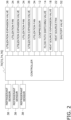
- FIG. 2 is a control block diagram of the air conditioner 100 according to the present embodiment.
- control unit 70 is electrically connected to the utilization expansion valve 36, utilization fan 34, and refrigerant sensor 38 of each of the plurality of utilization units 30, the compressor 12, flow path switching valve 14, heat source expansion valve 18, and heat source fan 22 of the heat source unit 10, and the shutoff valve 52 of each of the plurality of shutoff valve units 50.
- the control unit 70 is also electrically connected to various sensors that measure the temperature and pressure of the refrigerant, the temperature of the air in the air conditioned space, the outside air temperature, and the like.
- the control unit 70 controls the operation of the various devices of the air conditioner 100 on the basis of the control signals received by the utilization unit 30 from an operation remote controller (not illustrated), the measurement signals of various sensors, and the like.
- the control unit 70 mainly performs cooling operation and heating operation.
- the control unit 70 has a refrigerant leak prevention function.
- the control unit 70 Upon receiving a command for cooling operation, for example, from the operation remote controller, via the utilization unit 30, the control unit 70 sets the flow path switching valve 14 to the first state and starts the operation of the compressor 12.
- the rotational speed of the motor of the compressor 12 and the opening degrees of the heat source expansion valve 18 and the utilization expansion valve 36 are controlled as appropriate on the basis of the measurement results of the sensors, which are provided in the refrigerant circuit 90 and measure the temperature and the pressure of refrigerant. Note that during the cooling operation, the shutoff valve 52 is controlled to be fully open.
- the flow of refrigerant in the refrigerant circuit 90 will be described.
- low-pressure (hereinafter simply referred to as low-pressure) gas refrigerant in the refrigeration cycle is sucked into the compressor 12 and compressed by the compression mechanism of the compressor 12 into high-pressure (hereinafter simply referred to as high-pressure) gas refrigerant in the refrigeration cycle.
- high-pressure gas refrigerant is sent to the heat source heat exchanger 16 via the flow path switching valve 14, and condenses into high-pressure liquid refrigerant through heat exchange with the air around the heat source unit 10 supplied by the heat source fan 22.
- the high-pressure liquid refrigerant flows through the liquid refrigerant pipe 28d and passes through the heat source expansion valve 18.
- the high-pressure liquid refrigerant sent to each of the utilization units 30 is decompressed to near the suction pressure of the compressor 12 by the utilization expansion valve 36 into a gas-liquid two-phase state, and then sent to the utilization heat exchanger 32.
- the utilization heat exchanger 32 the refrigerant in the gas-liquid two-phase state is subjected to heat exchange with the air in the air conditioned space supplied to the utilization heat exchanger 32 by the utilization fan 34 and evaporates into the low-pressure gas refrigerant.
- the low-pressure gas refrigerant flowing out of the plurality of utilization units 30 merges, is sent to the heat source unit 10 through the communication pipe 4 and the shutoff valve unit 50, and flows into the accumulator 20 via the flow path switching valve 14.
- the low-pressure gas refrigerant flowing into the accumulator 20 is again sucked into the compressor 12. Note that the temperature of the air supplied to the utilization heat exchanger 32 is lowered by heat exchange with the refrigerant flowing through the utilization heat exchanger 32, and the cooled air is blown out into the air conditioned space.
- the control unit 70 Upon receiving a command for heating operation, for example, from the operation remote controller, via the utilization unit 30, the control unit 70 sets the flow path switching valve 14 to the second state and starts the operation of the compressor 12.
- the rotational speed of the motor of the compressor 12 and the opening degrees of the heat source expansion valve 18 and the utilization expansion valve 36 are controlled as appropriate on the basis of the measurement results of the sensors, which are provided in the refrigerant circuit 90 and measure the temperature and the pressure of refrigerant. Note that during the heating operation, the shutoff valve 52 is controlled to be fully open.
- the flow of refrigerant in the refrigerant circuit 90 will be described.
- the compressor 12 When the compressor 12 is started, the low-pressure gas refrigerant is sucked into the compressor 12 and compressed by the compressor 12 into the high-pressure gas refrigerant.
- the high-pressure gas refrigerant passes through the shutoff valve unit 50, is sent to the utilization heat exchanger 32 via the flow path switching valve 14, is subjected to heat exchange with the air in the air conditioned space supplied to the utilization heat exchanger 32 by the utilization fan 34, and condenses into high-pressure liquid refrigerant.
- the temperature of the air supplied to the utilization heat exchanger 32 is increased by heat exchange with the refrigerant flowing through the utilization heat exchanger 32, and the heated air is blown out into the air conditioned space.
- the high-pressure liquid refrigerant that has passed through the utilization heat exchanger 32 is decompressed by the utilization expansion valve 36.
- the decompressed liquid refrigerant is sent to the heat source unit 10 via the communication pipe 2 and flows into the liquid refrigerant pipe 28d.
- the refrigerant flowing through the liquid refrigerant pipe 28d is decompressed to near the suction pressure of the compressor 12 by the heat source expansion valve 18 into a gas-liquid two-phase state, and flows into the heat source heat exchanger 16.
- the low-pressure gas-liquid two-phase refrigerant that has flowed into the heat source heat exchanger 16 is subjected to heat exchange with the air around the heat source unit 10 supplied by the heat source fan 22 and evaporates into the low-pressure gas refrigerant.
- the low-pressure gas refrigerant flows into the accumulator 20 via the flow path switching valve 14.
- the low-pressure gas refrigerant flowing into the accumulator 20 is again sucked into the compressor 12.
- the control unit 70 When the refrigerant sensor 38 of any of the utilization units 30 detects a refrigerant leak, the control unit 70 fully closes the shutoff valve 52 of the shutoff valve unit 50 associated with the utilization unit 30 (hereinafter, referred to as a leaking utilization unit) in which the refrigerant leak has been detected by the refrigerant sensor 38.
- the control unit 70 fully closes the utilization expansion valve 36 of the leaking utilization unit and the utilization expansion valves 36 of the utilization units 30 (hereinafter, referred to as the utilization units in the leakage group), which are connected to the heat source unit 10 by the gas pipe GP together with the leaking utilization unit via the shutoff valve 52 of the shutoff valve unit 50 associated with the leaking utilization unit.
- the utilization units in the leakage group the utilization expansion valve 36 of the leaking utilization unit and the utilization expansion valves 36 of the utilization units 30 (hereinafter, referred to as the utilization units in the leakage group), which are connected to the heat source unit 10 by the gas pipe GP together with the leaking utilization unit via the shutoff valve 52 of the shutoff valve unit 50 associated with the leaking utilization unit.
- the control unit 70 fully closes the utilization expansion valves 36 of all the utilization units 30.
- the inflow of refrigerant from the heat source unit 10 through the communication pipes 2 and 4 to the leaking utilization unit and the utilization units in the leakage group is blocked.
- the flow of signals in this case could be that the utilization control unit 72 of the leaking utilization unit reports the refrigerant leak to the heat source control unit 74 of the heat source unit 10, a command to close the utilization expansion valve 36 is sent from the heat source control unit 74 to the utilization control unit 72 of each utilization unit in the leakage group, and a command to close the shutoff valve 52 is sent to the valve control unit 76 of the shutoff valve unit 50.
- a command to close the shutoff valve 52 is sent to the valve control unit 76 of the shutoff valve unit 50.
- the refrigerant sensor 38 of the leaking utilization unit (referred to as the utilization unit A in FIG. 3 ) transmits a refrigerant leak signal to the utilization control unit 72 (an example of a controller in the claims) of the utilization unit Ain which the refrigerant sensor 38 is provided.
- the utilization control unit 72 of the utilization unit A transmits a command to close the shutoff valve 52 to the valve control unit 76 of the shutoff valve unit 50.
- the utilization control unit 72 of the utilization unit A notifies the utilization control units 72 of the utilization units (utilization units B and C in FIG. 3 ) in the leakage group that a refrigerant leak has occurred in the utilization unit A.
- the utilization control unit 72 of the utilization unit A transmits the command to close the utilization expansion valves 36 to the utilization control units 72 of the utilization units B and C.
- the utilization control unit 72 of the utilization unit A fully closes the utilization expansion valve 36 of the utilization unit A.
- the utilization control unit 72 of the utilization unit A stops the operation of the utilization unit A (stops the operation of the utilization fan 34).
- the utilization control units 72 of the utilization units B and C fully close the respective utilization expansion valves 36 of the utilization units B and C, upon receiving notification of refrigerant leakage from the utilization unit A (in other words, a command to close the utilization expansion valves 36).
- the utilization control units 72 of the utilization units B and C stop the operation of the respective utilization fans 34 of the utilization units B and C, upon receiving notification of refrigerant leakage from the utilization unit A (in other words, a command to close the utilization expansion valves 36).
- the utilization control unit 72 of the utilization unit A notifies the heat source control unit 74 of the heat source unit 10 that a refrigerant leak has occurred in the utilization unit A.
- the heat source control unit 74 of the heat source unit 10 also stops the operation of the heat source unit 10.
- the air conditioner 100 as an example of a refrigeration cycle apparatus includes the heat source unit 10, the plurality of utilization units 30, the gas pipe GP, and the shutoff valve 52 as an example of a first shutoff valve.
- the heat source unit 10 has the compressor 12 and the heat source heat exchanger 16.
- Each of the plurality of utilization units 30 has the utilization heat exchanger 32.
- the gas pipe GP connects the compressor 12 of the heat source unit 10 to the utilization heat exchangers 32 of the plurality of utilization units 30.
- the gas pipe GP (including the communication pipe 4, the gas refrigerant pipe 28e, and the suction pipe 28a or discharge pipe 28b) includes the first pipe 4a extending from the heat source unit 10, the second pipe 4b extending from each of the utilization units 30, and the branch part 4c branching the first pipe 4a into the plurality of second pipes 4b.
- the shutoff valve 52 is disposed closer to the heat source unit 10 than the branch part 4c in the gas pipe GP.
- Each of the utilization units 30 has the utilization expansion valve 36 whose opening degree is adjustable, which is provided in the liquid pipe LP (including the pipe connecting the liquid end of the utilization heat exchanger 32 to the communication pipe 2, the communication pipe 2, and the liquid refrigerant pipe 28d) connecting the utilization heat exchanger 32 of the utilization unit 30 to the heat source heat exchanger 16 of the heat source unit 10.
- the shutoff valve 52 common to the plurality of utilization units is provided in the gas pipe GP, and the utilization expansion valve 36 (shutoff valve also used as an expansion valve) having an adjustable opening degree is provided for each of the utilization units 30.
- the air conditioner 100 can respond to refrigerant leakage from the utilization unit 30 with a reduced number of components.
- each of the utilization units 30 has the refrigerant sensor 38.
- the shutoff valve 52 (of the shutoff valve unit 50) corresponding to the leaking utilization unit and the utilization expansion valves 36 of the plurality of utilization units 30 connected to the heat source unit 10 via the shutoff valve 52 by the gas pipe GP are closed.
- the air conditioner 100 can prevent a high concentration of leaking refrigerant in the space where the utilization units 30 are installed, while reducing the number of components.
- each of the utilization units 30 has the utilization control unit 72 as an example of a controller.
- the refrigerant sensor 38 of each of the utilization units 30 transmits, upon detecting a refrigerant leak, a signal to the utilization control unit 72 of the utilization unit 30 in which the refrigerant sensor 38 is provided.
- the utilization control unit 72 of the utilization unit 30 (leaking utilization unit), in which the refrigerant sensor 38 that has detected a refrigerant leak is provided, transmits a command to close the utilization expansion valve 36 to the utilization control units 72 of the other utilization units 30 (utilization units in the leakage group), which are connected to the heat source unit 10 via the shutoff valve 52 by the gas pipe GP together with the utilization unit 30 in which the leak has been detected.
- the utilization unit 30 receives a command to close the utilization expansion valve 36 from a nearby utilization unit 30 without going through the heat source unit 10, so that the inflow of the refrigerant from the heat source unit 10 to the utilization unit 30 can be blocked at an early stage when a refrigerant leak occurs.
- this air conditioner 100 the operation of the utilization units 30 in the leakage group (particularly, the operation of the utilization fans 34) is stopped in addition to the leaking utilization unit. Therefore, it is easy to prevent the refrigerant flowing out from the utilization unit 30 from being diffused into the space where the utilization unit 30 is installed.
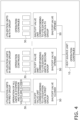
- the air conditioner 100 may include the plurality of shutoff valve units 50, and two or more of the plurality of utilization units 30 may share the shutoff valve units 50. Note that in the case of the aspect illustrated in FIG. 4 , some of the plurality of shutoff valve units 50 may be dedicated to one utilization unit 30.
- the air conditioner 100 is assumed to have a plurality of groups (first to N-th groups) of the utilization units 30, including the plurality of utilization units 30.
- One shutoff valve unit 50 is associated with the utilization units 30 of each group.
- the refrigerant sensor 38 of one of the utilization units 30 in the first group detects a refrigerant leak.
- the shutoff valve 52 of the shutoff valve unit 50 corresponding to the utilization units 30 in the first group is fully closed, and the utilization expansion valves 36 of all the utilization units 30 in the first group are also fully closed.
- An air conditioner 100A according to a second embodiment will be described with reference to the schematic configuration diagrams of FIGS. 5 to 6 .
- the main difference between the air conditioner 100A according to the second embodiment and the air conditioner 100 according to the first embodiment is that the air conditioner 100A includes a plurality of groups of utilization units 30, each including the plurality of the utilization units 30, the utilization units 30 in each group can individually select the cooling operation or the heating operation, and has intermediate units 150 as examples of shutoff valve units.
- the air conditioner 100A is similar to the air conditioner 100 according to the first embodiment in many points, differences will be mainly described here, and description of common points will be omitted unless otherwise necessary.
- the air conditioner 100A as an example of a refrigeration cycle apparatus mainly includes a single heat source unit 110, the plurality of utilization units 30, a plurality of intermediate units 150 that switch the flow of refrigerant between the heat source unit 10 and the utilization units 30, and a communication pipe that interconnects the heat source unit 110, the intermediate units 150, and the utilization units 30.
- one intermediate unit 150 is shared by the plurality of utilization units 30.
- the plurality of utilization units 30 sharing the intermediate unit 150 are referred to as a group of utilization units 30.
- the air conditioner 100A has two intermediate units 150, and the utilization units 30 include the utilization units 30 in group A, which share one intermediate unit 150 (150A), and the utilization units 30 in group B, which share the other intermediate unit 150 (150B).
- the heat source unit 110 the intermediate units 150, and the utilization units 30 are connected via the communication pipe to constitute a refrigerant circuit 190.
- the communication pipe includes a liquid communication pipe 102a, a suction gas communication pipe 102b, a high and low-pressure gas communication pipe 102c, a first connection pipe 102d, a second connection pipe 102e, a third connection pipe 102f, and a communication pipe 104b.
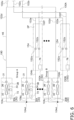
- FIG. 5 is a refrigerant circuit in the heat source unit 110 of the air conditioner 100A.
- the heat source unit 110 is installed on the rooftop, in a machine chamber, or the like of a building where the air conditioner 100 is installed.
- the heat source unit 110 mainly has a gas-side first shutoff valve 119a, a gas-side second shutoff valve 119b, a liquid-side shutoff valve 119c, the accumulator 20, the compressor 12, a first flow path switching valve 14a, a second flow path switching valve 14b, a third flow path switching valve 14c, a heat source heat exchanger 116, a first heat source expansion valve 118a, and a second heat source expansion valve 118b, and these devices are connected via a refrigerant pipe to constitute part of the refrigerant circuit 190.
- the heat source unit 110 also has the heat source fan 22 and the heat source control unit 74.
- the gas-side first shutoff valve 119a, the gas-side second shutoff valve 119b, and the liquid-side shutoff valve 119c are manual valves that are opened and closed at the time of refrigerant filling, pump down, or the like.
- One end of the gas-side first shutoff valve 119a is connected to the suction gas communication pipe 102b, and the other end is connected to the refrigerant pipe extending to the accumulator 20.
- One end of the gas-side second shutoff valve 119b is connected to the high and low-pressure gas communication pipe 102c, and the other end is connected to the refrigerant pipe extending to the second flow path switching valve 14b.
- One end of the liquid-side shutoff valve 119c is connected to the liquid communication pipe 102a, and the other end is connected to the refrigerant pipe extending to the first heat source expansion valve 118a or the second heat source expansion valve 118b.
- the accumulator 20 is a device similar to the accumulator 20 in the first embodiment.
- the accumulator 20 is disposed between the gas-side first shutoff valve 119a and the compressor 12.
- the compressor 12 is a device similar to the compressor 12 in the first embodiment. Detailed description of the compressor 12 is omitted.
- the first flow path switching valve 14a, the second flow path switching valve 14b, and the third flow path switching valve 14c are four-way switching valves, and switch the flow of refrigerant according to the situation (see solid lines and broken lines in FIG. 5 ).
- the discharge pipe of the compressor 12 or a branch pipe extending from the discharge pipe is connected to the refrigerant inflow port of the flow path switching valve 14A.
- the flow path switching valve 14A is configured to shut off the flow of refrigerant in one refrigerant flow path, and actually functions as a three-way valve. Note that how the flow path switching valves 14a, 14b, and 14c control the flow direction of refrigerant according to the operation of the air conditioner 100A will be also described in the description of the refrigerant flow in the air conditioner 100A.
- the heat source heat exchanger 116 has a configuration similar to that of the heat source heat exchanger 16 in the first embodiment, but includes a first heat exchange unit 116a and a second heat exchange unit 116b.
- One end of the first heat exchange unit 116a is connected to the refrigerant pipe connected to the third flow path switching valve 14c, and the other end is connected to the refrigerant pipe extending to the first heat source expansion valve 118a.
- One end of the second heat exchange unit 116b is connected to the refrigerant pipe connected to the first flow path switching valve 14a, and the other end is connected to the refrigerant pipe extending to the second heat source expansion valve 118b.
- the refrigerant passing through the first heat exchange unit 116a and the second heat exchange unit 116b is subjected to heat exchange with the air flow generated by the heat source fan 22.
- the first heat source expansion valve 118a and the second heat source expansion valve 118b are, for example, motor valves having adjustable opening degrees.
- the refrigerant pipe extending from the first heat exchange unit 116a is connected to one end of the first heat source expansion valve 118a, and the refrigerant pipe extending to the liquid-side shutoff valve 119c is connected to the other end.
- the refrigerant pipe extending from the second heat exchange unit 116b is connected to one end of the second heat source expansion valve 118b, and the refrigerant pipe extending to the liquid-side shutoff valve 119c is connected to the other end.
- the opening degrees of the first heat source expansion valve 118a and the second heat source expansion valve 118b are adjusted according to the situation, and the refrigerant passing therethrough is decompressed according to the opening degrees.
- the heat source fan 22 is a device similar to the heat source fan 22 in the first embodiment, and generates an air flow that flows into the heat source unit 110, passes through the heat source heat exchanger 116, and flows out of the heat source unit 110.
- the heat source control unit 74 has a configuration similar to that of the heat source control unit 74 in the first embodiment.
- the communication pipe 104b, the second connection pipe 102e, the suction gas communication pipe 102b, and the pipe connecting the gas-side second shutoff valve 119b to the compressor 12, or the communication pipe 104b, the third connection pipe 102f, the high and low-pressure gas communication pipe 102c, and the pipe connecting the gas-side first shutoff valve 119a to the compressor 12 constitute the gas pipe GP in the claims.
- the gas pipe GP connects the compressor 12 of the heat source unit 10 to the utilization heat exchangers 32 of the plurality of utilization units 30.
- the gas pipe GP includes a first pipe (communication pipe 104b, second connection pipe 102e, and third connection pipe 102f) extending from the heat source unit 10, a second pipe 104c extending from each of the utilization units 30, and a branch part 104d branching the first pipe into the plurality of second pipes 104c.
- the communication pipe 104b is the part of the communication pipe 4 which connects the heat source unit 10 to the branch part 104d.
- the second pipe 104c is the part of the communication pipe 4 which connects the utilization units 30 to the branch part 104d.
- the intermediate unit 150 is an example of an shutoff valve unit.
- the intermediate unit 150 is disposed in the first pipe 4a of the communication pipe 4.
- the shutoff valve unit 50 has expansion valves 152a and 152b as examples of first shutoff valves disposed closer to the heat source unit 10 than the branch part 4c in the gas pipe GP.
- the intermediate unit 150 is disposed in a location (such as the attic) similar to that of the shutoff valve unit 50 in the first embodiment.
- a description of the installation position of the intermediate unit 150 will be omitted.
- the number of the intermediate units 150 is equal to the number of groups of utilization units 30 so as to correspond to the plurality of utilization units 30 (groups of utilization units 30). Note that some of the plurality of intermediate units 150 may be associated with one utilization unit 30 instead of the plurality of utilization units 30.
- Each of the intermediate units 150 is disposed between the corresponding group of utilization units 30 and the heat source unit 110, and switches the flow of refrigerant.
- the intermediate unit 150 has the two expansion valves 152a and 152b and the valve control unit 76.
- the expansion valves 152a and 152b are provided in the second connection pipe 102e, the third connection pipe 102f, and the communication pipe 104b, and are mechanisms for adjusting the pressure and flow rate of refrigerant.
- the expansion valves 152a and 152b switch between opening and closing of the refrigerant flow path formed between the corresponding utilization unit and the heat source unit 110 according to the situation. The movement of the expansion valves 152a and 152b will be described later together with the operation of the air conditioner 100A.
- the expansion valve 152a has one end connected to the communication pipe 104b that branches and extends to the gas ends of the plurality of utilization heat exchangers 32, and the other end connected to the second connection pipe 102e.
- the expansion valve 152b has one end connected to the communication pipe 104b that branches and extends to the gas ends of the plurality of utilization heat exchangers 32, and the other end connected to the third connection pipe 102f.
- the valve control unit 76 is structurally similar to the valve control unit 76 in the first embodiment. The operation of the control unit 70 including the valve control unit 76 will be described later.
- the liquid communication pipe 102a has one end connected to the liquid-side shutoff valve 119c and the other end connected to the plurality of first connection pipes 102d.
- the first connection pipe 102d has one end connected to the liquid communication pipe 102a and the other end branching off to be connected to the plurality of utilization units 30 belonging to one group.
- the suction gas communication pipe 102b has one end connected to the gas-side first shutoff valve 119a and the other end connected to the second connection pipe 102e extending from each of the intermediate units 150.
- the high and low-pressure gas communication pipe 102c has one end connected to the gas-side second shutoff valve 119b and the other end connected to the third connection pipe 102f extending from each of the intermediate units 150.
- Each of the second connection pipes 102e has one end connected to the suction gas communication pipe 102b and the other end connected to the pipe in which the expansion valve 152a of the intermediate unit 150 is disposed.
- Each of the third connection pipes 102f has one end connected to the high and low-pressure gas communication pipe 102c and the other end connected to the pipe in which the expansion valve 152b of the intermediate unit 150 is disposed.
- Each of the communication pipes 104b is connected to the pipe in the intermediate unit 150 where the pipe in which the expansion valve 152a is disposed and the pipe in which the expansion valve 152b is disposed merge.
- One end of each of the communication pipes 104b branches off at the branch part 104d and flows through the plurality of second pipes 104c to be connected to the plurality of utilization units 30.
- the control unit 70 includes the utilization control unit 72, the heat source control unit 74, and the valve control unit 76.
- the control unit 70 controls the overall operation of the air conditioner 100A by causing the respective arithmetic control devices of the utilization control unit 72, the heat source control unit 74, and the valve control unit 76 to execute programs stored in their respective storage devices.
- FIG. 7 is a control block diagram of the air conditioner 100A according to the present embodiment.
- the expansion valve 152a is fully open, and the expansion valve 152b is set to the minimum opening degree.
- the opening degrees of the respective utilization expansion valves 36 of the plurality of utilization units 30A and the plurality of utilization units 30B are adjusted as appropriate, and the first heat source expansion valve 118a and the second heat source expansion valve 118b are fully open.
- the flow of refrigerant in the refrigerant circuit 190 will be described.
- the refrigerant is sucked into the compressor 12 through the suction pipe and compressed.
- the high-pressure gas refrigerant obtained by compression flows into the heat source heat exchanger 116 through the discharge pipe, the first flow path switching valve 14a, the third flow path switching valve 14c, and the like, and condenses.
- the refrigerant having passed through the heat source heat exchanger 116 passes through the liquid-side shutoff valve 119c and flows into the liquid communication pipe 102a.
- the refrigerant having passed through the liquid communication pipe 102a reaches the first connection pipe 102d and flows into the plurality of utilization units 30A and the plurality of utilization units 30B.
- the refrigerant that has reached the plurality of utilization units 30A or the plurality of utilization units 30B flows into the utilization expansion valves 36 and is decompressed.
- the decompressed refrigerant flows into the utilization heat exchangers 32 and evaporates.
- the refrigerant that has passed through each of the utilization heat exchangers 32 flows through the communication pipe 104b into the pipe in which the expansion valve 152a of the intermediate unit 150A, 150B is disposed, and reaches the second connection pipe 102e.
- the refrigerant that has reached the second connection pipe 102e flows into the heat source unit 110 through the suction gas communication pipe 102b and is again sucked into the compressor 12.
- the expansion valve 152a is set to the minimum opening degree and the expansion valve 152b is fully open.
- the utilization expansion valves 36 of the plurality of utilization units 30A and the plurality of utilization units 30B are fully open, and the opening degrees of the first heat source expansion valve 118a and the second heat source expansion valve 118b are adjusted as appropriate.
- the flow of refrigerant in the refrigerant circuit 190 will be described.
- the refrigerant is sucked into the compressor 12 through the suction pipe and compressed.
- the high-pressure gas refrigerant obtained by compression flows into the high and low-pressure gas communication pipe 102c through the discharge pipe, the second flow path switching valve 14b, and the like.
- the refrigerant having passed through the high and low-pressure gas communication pipe 102c reaches the third connection pipe 102f.
- the refrigerant that has reached the third connection pipe 102f flows into the pipe of the intermediate unit 150Aor 150B where the expansion valve 152b is disposed, and then passes through the communication pipe 104b to reach the plurality of utilization units 30A or the plurality of utilization units 30B.
- the refrigerant that has reached the plurality of utilization units 30A or the plurality of utilization units 30B flows into the utilization heat exchangers 32 and condenses.
- the refrigerant having passed through each of the utilization heat exchangers 32 flows into the first connection pipe 102d.
- the refrigerant that has reached the first connection pipe 102d reaches the heat source unit 110 through the liquid communication pipe 102a.
- the refrigerant that has reached the heat source unit 110 passes through the first heat source expansion valve 118a or the second heat source expansion valve 118b, and is decompressed according to the opening degree.
- the decompressed refrigerant flows into the heat source heat exchanger 116 and evaporates.
- the refrigerant that has passed through the heat source heat exchanger 116 is again sucked into the compressor 12 through the first flow path switching valve 14a or the third flow path switching valve 14c.
- the expansion valve 152a is fully open, and the expansion valve 152b is set to the minimum opening degree.
- the opening degrees of the utilization expansion valves 36 of the plurality of utilization units 30A are adjusted as appropriate.
- the expansion valve 152a is set to the minimum opening degree, and the expansion valve 152b is fully open.
- the utilization expansion valves 36 of the plurality of utilization units 30B are fully open.
- the opening degrees of the first heat source expansion valve 118a and the second heat source expansion valve 118b are adjusted as appropriate.
- the flow of refrigerant in the refrigerant circuit 190 will be described.
- the compressor 12 When the compressor 12 is operated, the refrigerant is sucked into the compressor 12 through the suction pipe and compressed.
- the high-pressure gas refrigerant obtained by compression by the compressor 12 flows into the high and low-pressure gas communication pipe 102c through the discharge pipe, the second flow path switching valve 14b, and the like.
- the refrigerant having passed through the high and low-pressure gas communication pipe 102c reaches the third connection pipe 102f.
- the refrigerant having passed through the third connection pipe 102f flows into the intermediate unit 150B, flows through the pipe in which the expansion valve 152b is disposed, and flows into the communication pipe 104b.
- the refrigerant having passed through the communication pipe 104b reaches the plurality of utilization units 30B, flows into the utilization heat exchangers 32, and condenses.
- the condensed refrigerant passes through the first connection pipe 102d, flows into the first connection pipe 102d that is connected to the plurality of utilization units 30A, and reaches the plurality of utilization units 30A.
- the refrigerant that has reached the plurality of utilization units 30A flows into the utilization expansion valve 36 of each of the utilization units A, and is decompressed according to the opening degree.
- the decompressed refrigerant flows into the utilization heat exchangers 32 and evaporates.
- the evaporated refrigerant reaches the intermediate unit 150A through the communication pipe 104b, flows into the pipe in which the expansion valve 152a is disposed, and reaches the second connection pipe 102e.
- the refrigerant that has reached the second connection pipe 102e flows into the heat source unit 110 through the suction gas communication pipe 102b and is sucked into the compressor 12 again.
- the control unit 70 When the refrigerant sensor 38 of any of the utilization units 30 detects a refrigerant leak, the control unit 70 fully closes the expansion valves 152a and 152b of the intermediate unit 150 associated with the utilization unit 30 (hereinafter, referred to as the leaking utilization unit) in which the refrigerant leak has been detected by the refrigerant sensor 38.
- the control unit 70 fully closes the utilization expansion valve 36 of the leaking utilization unit and the utilization expansion valves 36 of the utilization units 30 (hereinafter, referred to as the utilization units in the leakage group), which are connected to the heat source unit 10 by the gas pipe GP together with the leaking utilization unit via the shutoff valve 52 of the shutoff valve unit 50 that is associated with the leaking utilization unit.
- the control unit 70 when a refrigerant leak is detected in one of the utilization units 30Ain the group A, the control unit 70 fully closes the utilization expansion valves 36 of the two utilization units 30A belonging to the group A because the two utilization units 30A are connected to the heat source unit 10 via the expansion valves 152a and 152b of one intermediate unit 150A. This blocks the inflow of refrigerant from the heat source unit 110 to the leaking utilization unit and the utilization units in the leakage group (to the utilization units 30A in the group A) through the communication pipes.
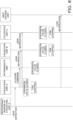
- the refrigerant sensor 38 of the leaking utilization unit (referred to as the utilization unit A in FIG. 8 ) belonging to the group A transmits a refrigerant leak signal to the utilization control unit 72 (an example of a controller in the claims) of the utilization unit A in which the refrigerant sensor is provided.
- the utilization control unit 72 of the utilization unit A transmits a command to close the expansion valves 152a and 152b to the valve control unit 76 of the intermediate unit 150A.
- the utilization control unit 72 of the utilization unit A notifies the utilization control units 72 of the utilization units (utilization units B and C in FIG. 8 ) other than the utilization unit A belonging to the group A that a refrigerant leak has occurred in the utilization unit A.
- the utilization control unit 72 of the utilization unit A transmits the command to close the utilization expansion valves 36 to the utilization control units 72 of the utilization units B and C.
- the utilization control unit 72 of the utilization unit A fully closes the utilization expansion valve 36 of the utilization unit A.
- the utilization control unit 72 of the utilization unit A stops the operation of the utilization unit A (stops the operation of the utilization fan 34).
- the utilization control units 72 of the utilization units B and C fully close the respective utilization expansion valves 36 of the utilization units B and C, upon receiving notification of refrigerant leakage from the utilization unit A (in other words, a command to close the utilization expansion valves 36).
- the utilization control units 72 of the utilization units B and C stop the operation of the respective utilization fans 34 of the utilization units B and C, upon receiving notification of refrigerant leakage from the utilization unit A (in other words, a command to close the utilization expansion valves 36).
- the utilization control unit 72 of the utilization unit A notifies the heat source control unit 74 of the heat source unit 10 that a refrigerant leak has occurred in the utilization unit A.
- the heat source control unit 74 of the heat source unit 10 adjusts the rotational speed of the compressor 12, the opening degrees of the heat source expansion valves 118a and 118b, and the like.
- control unit 70 may stop the operation of the compressor 12 and also stop the cooling/heating operation in the utilization units other than the utilization unit 30 where a refrigerant leak is detected.
- the air conditioner 100A as an example of a refrigeration cycle apparatus includes the heat source unit 110, the plurality of utilization units 30, the gas pipe GP, and the expansion valves 152a and 152b as examples of first shutoff valves.
- the heat source unit 110 has the compressor 12 and the heat source heat exchanger 116.
- Each of the plurality of utilization units 30 has the utilization heat exchanger 32.
- the gas pipe GP connects the compressor 12 of the heat source unit 110 to the utilization heat exchangers 32 of the plurality of utilization units 30.
- the gas pipe GP includes the first pipe (communication pipe 104b, second connection pipe 102e, and third connection pipe 102f) extending from the heat source unit 110, the second pipe 104c extending from each of the utilization units 30, and the branch part 104d branching the first pipe into the plurality of second pipes 104c.
- the expansion valves 152a and 152b are disposed closer to the heat source unit 110 than the branch part 104d in the gas pipe GP.
- Each of the utilization units 30 has the utilization expansion valve 36 whose opening degree is adjustable, which is provided in the liquid pipe connecting the utilization heat exchanger 32 of the utilization unit 30 to the heat source heat exchanger 116 of the heat source unit 110.
- the expansion valves 152a and 152b as the first shutoff valves common to the plurality of utilization units 30 are provided in the gas pipe GP, and, for each of the utilization units 30, the utilization expansion valve 36 (shutoff valve also used as an expansion valve) having an adjustable opening degree is provided.
- the air conditioner 100A can respond to refrigerant leakage from the utilization unit 30 with a reduced number of components.
- the expansion valves 152a and 152b are flow rate control valves having adjustable opening degrees.
- the expansion valves 152a and 152b serving as the first shutoff valves can be used not only as shutoff valves but also for flow rate control purposes, thereby allowing a reduction in the number of components.
- each of the utilization units 30 has the refrigerant sensor 38.
- the expansion valves 152a and 152b (of the intermediate unit 150) corresponding to the leaking utilization unit and the utilization expansion valves 36 of the plurality of utilization units 30 connected to the heat source unit 110 via the expansion valves 152a and 152b by the gas pipe GP are closed.
- the air conditioner 100A can prevent a high concentration of leaking refrigerant in the space where the utilization units 30 are installed, while reducing the number of components.
- each of the utilization units 30 has the utilization control unit 72 as an example of a controller.
- the refrigerant sensor of each of the utilization units 30 transmits, upon detecting a refrigerant leak, a signal to the utilization control unit 72 of the utilization unit 30 in which the refrigerant sensor is provided.
- the utilization control unit 72 of the utilization unit 30 in which the refrigerant sensor 38 that has detected a refrigerant leak is provided transmits a command to close the utilization expansion valve 36 to the utilization control unit 72 of the other utilization unit 30 that is connected to the heat source unit 110 via the expansion valves 152a and 152b by the gas pipe GP together with the utilization unit 30 in which the leak has been detected.
- the utilization unit 30 receives a command to close the utilization expansion valve 36 from a nearby utilization unit 30 without going through the heat source unit 110, so that the inflow of the refrigerant from the heat source unit 110 to the utilization unit 30 can be blocked at an early stage when a refrigerant leak occurs.
- the air conditioner 100A since the operation (particularly, the operation of the utilization fan 34) of the utilization unit 30 (sharing the same shutoff valve unit 50 as the leaking utilization unit) in the group to which the leaking utilization unit belongs is stopped, it is easy to prevent the refrigerant flowing out from the utilization unit 30 from being diffused into the space in which the utilization unit 30 is installed.
- the air conditioner 100 includes the shutoff valve unit 50 having the shutoff valve 52 and the casing 54 that houses the shutoff valve 52
- the air conditioner 100A according to the second embodiment includes the intermediate unit 150 having the expansion valves 152a and 152b and a casing 154 that houses the expansion valves 152a and 152b.
- the shutoff valve 52 and the expansion valves 152a and 152b may be directly attached to the communication pipes.
- Patent Literature 1 JP 6927315 B2
Landscapes
- Engineering & Computer Science (AREA)
- Physics & Mathematics (AREA)
- Mechanical Engineering (AREA)
- Thermal Sciences (AREA)
- General Engineering & Computer Science (AREA)
- Air Conditioning Control Device (AREA)
Applications Claiming Priority (2)
| Application Number | Priority Date | Filing Date | Title |
|---|---|---|---|
| JP2023170914A JP7701640B2 (ja) | 2023-09-29 | 2023-09-29 | 冷凍サイクル装置 |
| PCT/JP2024/033168 WO2025070184A1 (ja) | 2023-09-29 | 2024-09-18 | 冷凍サイクル装置 |
Publications (2)
| Publication Number | Publication Date |
|---|---|
| EP4553418A1 true EP4553418A1 (de) | 2025-05-14 |
| EP4553418A4 EP4553418A4 (de) | 2025-08-06 |
Family
ID=93924187
Family Applications (1)
| Application Number | Title | Priority Date | Filing Date |
|---|---|---|---|
| EP24808835.3A Pending EP4553418A4 (de) | 2023-09-29 | 2024-09-18 | Kältekreislaufvorrichtung |
Country Status (3)
| Country | Link |
|---|---|
| EP (1) | EP4553418A4 (de) |
| JP (1) | JP7701640B2 (de) |
| WO (1) | WO2025070184A1 (de) |
Family Cites Families (6)
| Publication number | Priority date | Publication date | Assignee | Title |
|---|---|---|---|---|
| JP6804631B2 (ja) * | 2017-03-13 | 2020-12-23 | 三菱電機株式会社 | 冷凍サイクル装置 |
| CN111094871B (zh) | 2017-09-29 | 2021-09-17 | 大金工业株式会社 | 冷冻装置 |
| JP7182361B2 (ja) | 2017-12-25 | 2022-12-02 | ダイキン工業株式会社 | 冷凍装置 |
| JP2021085642A (ja) | 2019-11-29 | 2021-06-03 | ダイキン工業株式会社 | 空気調和装置 |
| ES3031873T3 (en) | 2020-02-05 | 2025-07-11 | Daikin Ind Ltd | Indicator |
| JP7352869B2 (ja) | 2020-03-31 | 2023-09-29 | 株式会社富士通ゼネラル | 空気調和装置 |
-
2023
- 2023-09-29 JP JP2023170914A patent/JP7701640B2/ja active Active
-
2024
- 2024-09-18 EP EP24808835.3A patent/EP4553418A4/de active Pending
- 2024-09-18 WO PCT/JP2024/033168 patent/WO2025070184A1/ja active Pending
Also Published As
| Publication number | Publication date |
|---|---|
| EP4553418A4 (de) | 2025-08-06 |
| WO2025070184A1 (ja) | 2025-04-03 |
| JP2025060267A (ja) | 2025-04-10 |
| JP7701640B2 (ja) | 2025-07-02 |
Similar Documents
| Publication | Publication Date | Title |
|---|---|---|
| US11536502B2 (en) | Refrigerant cycle apparatus | |
| EP3279590B1 (de) | Klimaanlage | |
| US11125473B2 (en) | Air conditioner | |
| US10094605B2 (en) | Refrigeration cycle apparatus and refrigeration cycle system | |
| EP3578894B1 (de) | Klimaanlage | |
| US9927133B2 (en) | Air conditioning system | |
| US20170198943A1 (en) | Air conditioner | |
| US10823445B2 (en) | Refrigeration cycle apparatus | |
| WO2017187618A1 (ja) | 冷凍サイクル装置 | |
| CN107208954B (zh) | 空调装置 | |
| US12560349B2 (en) | Air conditioning system | |
| EP4092360B1 (de) | Klimatisierungssystem | |
| EP4553418A1 (de) | Kältekreislaufvorrichtung | |
| JP2023007074A (ja) | 空気調和システム | |
| JP7471465B2 (ja) | 空気調和装置 | |
| EP4553421A1 (de) | Klimaanlage | |
| CN117063032A (zh) | 空调机 | |
| EP4160107A1 (de) | Kältekreislaufvorrichtung | |
| EP4592617A1 (de) | Wärmepumpensystem | |
| EP4553417A1 (de) | Kältekreislaufvorrichtung | |
| JP6745895B2 (ja) | 空調システム | |
| EP4553410A1 (de) | Kältekreislaufvorrichtung | |
| US20240191900A1 (en) | Outdoor unit, indoor unit, and air conditioning system | |
| KR20240169878A (ko) | 공기조화기 및 이를 포함하는 멀티 공기조화기 | |
| EP4382834A1 (de) | Kältekreislaufvorrichtung |
Legal Events
| Date | Code | Title | Description |
|---|---|---|---|
| STAA | Information on the status of an ep patent application or granted ep patent |
Free format text: STATUS: UNKNOWN |
|
| STAA | Information on the status of an ep patent application or granted ep patent |
Free format text: STATUS: THE INTERNATIONAL PUBLICATION HAS BEEN MADE |
|
| PUAI | Public reference made under article 153(3) epc to a published international application that has entered the european phase |
Free format text: ORIGINAL CODE: 0009012 |
|
| STAA | Information on the status of an ep patent application or granted ep patent |
Free format text: STATUS: REQUEST FOR EXAMINATION WAS MADE |
|
| 17P | Request for examination filed |
Effective date: 20241127 |
|
| AK | Designated contracting states |
Kind code of ref document: A1 Designated state(s): AL AT BE BG CH CY CZ DE DK EE ES FI FR GB GR HR HU IE IS IT LI LT LU LV MC ME MK MT NL NO PL PT RO RS SE SI SK SM TR |
|
| A4 | Supplementary search report drawn up and despatched |
Effective date: 20250707 |
|
| RIC1 | Information provided on ipc code assigned before grant |
Ipc: F25B 41/24 20210101AFI20250701BHEP Ipc: F25B 49/02 20060101ALI20250701BHEP Ipc: F25B 13/00 20060101ALI20250701BHEP |
|
| P01 | Opt-out of the competence of the unified patent court (upc) registered |
Free format text: CASE NUMBER: UPC_APP_3793_4553418/2025 Effective date: 20250820 |