EP4549459A1 - Aav-arzneimittel zur behandlung von angiogenesebedingten funduserkrankungen - Google Patents
Aav-arzneimittel zur behandlung von angiogenesebedingten funduserkrankungen Download PDFInfo
- Publication number
- EP4549459A1 EP4549459A1 EP23830253.3A EP23830253A EP4549459A1 EP 4549459 A1 EP4549459 A1 EP 4549459A1 EP 23830253 A EP23830253 A EP 23830253A EP 4549459 A1 EP4549459 A1 EP 4549459A1
- Authority
- EP
- European Patent Office
- Prior art keywords
- vegf
- aav
- virus
- vector
- expression cassette
- Prior art date
- Legal status (The legal status is an assumption and is not a legal conclusion. Google has not performed a legal analysis and makes no representation as to the accuracy of the status listed.)
- Pending
Links
Images




Classifications
-
- A—HUMAN NECESSITIES
- A61—MEDICAL OR VETERINARY SCIENCE; HYGIENE
- A61P—SPECIFIC THERAPEUTIC ACTIVITY OF CHEMICAL COMPOUNDS OR MEDICINAL PREPARATIONS
- A61P9/00—Drugs for disorders of the cardiovascular system
- A61P9/10—Drugs for disorders of the cardiovascular system for treating ischaemic or atherosclerotic diseases, e.g. antianginal drugs, coronary vasodilators, drugs for myocardial infarction, retinopathy, cerebrovascula insufficiency, renal arteriosclerosis
-
- C—CHEMISTRY; METALLURGY
- C07—ORGANIC CHEMISTRY
- C07K—PEPTIDES
- C07K16/00—Immunoglobulins [IG], e.g. monoclonal or polyclonal antibodies
-
- C—CHEMISTRY; METALLURGY
- C12—BIOCHEMISTRY; BEER; SPIRITS; WINE; VINEGAR; MICROBIOLOGY; ENZYMOLOGY; MUTATION OR GENETIC ENGINEERING
- C12N—MICROORGANISMS OR ENZYMES; COMPOSITIONS THEREOF; PROPAGATING, PRESERVING, OR MAINTAINING MICROORGANISMS; MUTATION OR GENETIC ENGINEERING; CULTURE MEDIA
- C12N15/00—Mutation or genetic engineering; DNA or RNA concerning genetic engineering, vectors, e.g. plasmids, or their isolation, preparation or purification; Use of hosts therefor
- C12N15/09—Recombinant DNA-technology
- C12N15/63—Introduction of foreign genetic material using vectors; Vectors; Use of hosts therefor; Regulation of expression
- C12N15/79—Vectors or expression systems specially adapted for eukaryotic hosts
- C12N15/85—Vectors or expression systems specially adapted for eukaryotic hosts for animal cells
- C12N15/86—Viral vectors
-
- A—HUMAN NECESSITIES
- A61—MEDICAL OR VETERINARY SCIENCE; HYGIENE
- A61K—PREPARATIONS FOR MEDICAL, DENTAL OR TOILETRY PURPOSES
- A61K39/00—Medicinal preparations containing antigens or antibodies
- A61K39/395—Antibodies; Immunoglobulins; Immune serum, e.g. antilymphocytic serum
- A61K39/39533—Antibodies; Immunoglobulins; Immune serum, e.g. antilymphocytic serum against materials from animals
- A61K39/3955—Antibodies; Immunoglobulins; Immune serum, e.g. antilymphocytic serum against materials from animals against proteinaceous materials, e.g. enzymes, hormones, lymphokines
-
- A—HUMAN NECESSITIES
- A61—MEDICAL OR VETERINARY SCIENCE; HYGIENE
- A61K—PREPARATIONS FOR MEDICAL, DENTAL OR TOILETRY PURPOSES
- A61K48/00—Medicinal preparations containing genetic material which is inserted into cells of the living body to treat genetic diseases; Gene therapy
- A61K48/005—Medicinal preparations containing genetic material which is inserted into cells of the living body to treat genetic diseases; Gene therapy characterised by an aspect of the 'active' part of the composition delivered, i.e. the nucleic acid delivered
-
- A—HUMAN NECESSITIES
- A61—MEDICAL OR VETERINARY SCIENCE; HYGIENE
- A61K—PREPARATIONS FOR MEDICAL, DENTAL OR TOILETRY PURPOSES
- A61K48/00—Medicinal preparations containing genetic material which is inserted into cells of the living body to treat genetic diseases; Gene therapy
- A61K48/005—Medicinal preparations containing genetic material which is inserted into cells of the living body to treat genetic diseases; Gene therapy characterised by an aspect of the 'active' part of the composition delivered, i.e. the nucleic acid delivered
- A61K48/0058—Nucleic acids adapted for tissue specific expression, e.g. having tissue specific promoters as part of a contruct
-
- A—HUMAN NECESSITIES
- A61—MEDICAL OR VETERINARY SCIENCE; HYGIENE
- A61K—PREPARATIONS FOR MEDICAL, DENTAL OR TOILETRY PURPOSES
- A61K48/00—Medicinal preparations containing genetic material which is inserted into cells of the living body to treat genetic diseases; Gene therapy
- A61K48/0075—Medicinal preparations containing genetic material which is inserted into cells of the living body to treat genetic diseases; Gene therapy characterised by an aspect of the delivery route, e.g. oral, subcutaneous
-
- A—HUMAN NECESSITIES
- A61—MEDICAL OR VETERINARY SCIENCE; HYGIENE
- A61P—SPECIFIC THERAPEUTIC ACTIVITY OF CHEMICAL COMPOUNDS OR MEDICINAL PREPARATIONS
- A61P27/00—Drugs for disorders of the senses
- A61P27/02—Ophthalmic agents
-
- C—CHEMISTRY; METALLURGY
- C07—ORGANIC CHEMISTRY
- C07K—PEPTIDES
- C07K14/00—Peptides having more than 20 amino acids; Gastrins; Somatostatins; Melanotropins; Derivatives thereof
- C07K14/435—Peptides having more than 20 amino acids; Gastrins; Somatostatins; Melanotropins; Derivatives thereof from animals; from humans
- C07K14/705—Receptors; Cell surface antigens; Cell surface determinants
- C07K14/71—Receptors; Cell surface antigens; Cell surface determinants for growth factors; for growth regulators
-
- C—CHEMISTRY; METALLURGY
- C07—ORGANIC CHEMISTRY
- C07K—PEPTIDES
- C07K16/00—Immunoglobulins [IG], e.g. monoclonal or polyclonal antibodies
- C07K16/18—Immunoglobulins [IG], e.g. monoclonal or polyclonal antibodies against material from animals or humans
- C07K16/22—Immunoglobulins [IG], e.g. monoclonal or polyclonal antibodies against material from animals or humans against growth factors ; against growth regulators
-
- C—CHEMISTRY; METALLURGY
- C12—BIOCHEMISTRY; BEER; SPIRITS; WINE; VINEGAR; MICROBIOLOGY; ENZYMOLOGY; MUTATION OR GENETIC ENGINEERING
- C12N—MICROORGANISMS OR ENZYMES; COMPOSITIONS THEREOF; PROPAGATING, PRESERVING, OR MAINTAINING MICROORGANISMS; MUTATION OR GENETIC ENGINEERING; CULTURE MEDIA
- C12N7/00—Viruses; Bacteriophages; Compositions thereof; Preparation or purification thereof
-
- A—HUMAN NECESSITIES
- A61—MEDICAL OR VETERINARY SCIENCE; HYGIENE
- A61K—PREPARATIONS FOR MEDICAL, DENTAL OR TOILETRY PURPOSES
- A61K39/00—Medicinal preparations containing antigens or antibodies
- A61K2039/505—Medicinal preparations containing antigens or antibodies comprising antibodies
-
- A—HUMAN NECESSITIES
- A61—MEDICAL OR VETERINARY SCIENCE; HYGIENE
- A61K—PREPARATIONS FOR MEDICAL, DENTAL OR TOILETRY PURPOSES
- A61K39/00—Medicinal preparations containing antigens or antibodies
- A61K2039/51—Medicinal preparations containing antigens or antibodies comprising whole cells, viruses or DNA/RNA
- A61K2039/525—Virus
- A61K2039/5256—Virus expressing foreign proteins
-
- A—HUMAN NECESSITIES
- A61—MEDICAL OR VETERINARY SCIENCE; HYGIENE
- A61K—PREPARATIONS FOR MEDICAL, DENTAL OR TOILETRY PURPOSES
- A61K39/00—Medicinal preparations containing antigens or antibodies
- A61K2039/54—Medicinal preparations containing antigens or antibodies characterised by the route of administration
-
- A—HUMAN NECESSITIES
- A61—MEDICAL OR VETERINARY SCIENCE; HYGIENE
- A61K—PREPARATIONS FOR MEDICAL, DENTAL OR TOILETRY PURPOSES
- A61K39/00—Medicinal preparations containing antigens or antibodies
- A61K2039/54—Medicinal preparations containing antigens or antibodies characterised by the route of administration
- A61K2039/541—Mucosal route
-
- A—HUMAN NECESSITIES
- A61—MEDICAL OR VETERINARY SCIENCE; HYGIENE
- A61K—PREPARATIONS FOR MEDICAL, DENTAL OR TOILETRY PURPOSES
- A61K39/00—Medicinal preparations containing antigens or antibodies
- A61K2039/545—Medicinal preparations containing antigens or antibodies characterised by the dose, timing or administration schedule
-
- A—HUMAN NECESSITIES
- A61—MEDICAL OR VETERINARY SCIENCE; HYGIENE
- A61K—PREPARATIONS FOR MEDICAL, DENTAL OR TOILETRY PURPOSES
- A61K38/00—Medicinal preparations containing peptides
-
- C—CHEMISTRY; METALLURGY
- C07—ORGANIC CHEMISTRY
- C07K—PEPTIDES
- C07K2317/00—Immunoglobulins specific features
- C07K2317/20—Immunoglobulins specific features characterized by taxonomic origin
- C07K2317/24—Immunoglobulins specific features characterized by taxonomic origin containing regions, domains or residues from different species, e.g. chimeric, humanized or veneered
-
- C—CHEMISTRY; METALLURGY
- C07—ORGANIC CHEMISTRY
- C07K—PEPTIDES
- C07K2317/00—Immunoglobulins specific features
- C07K2317/30—Immunoglobulins specific features characterized by aspects of specificity or valency
- C07K2317/31—Immunoglobulins specific features characterized by aspects of specificity or valency multispecific
-
- C—CHEMISTRY; METALLURGY
- C07—ORGANIC CHEMISTRY
- C07K—PEPTIDES
- C07K2317/00—Immunoglobulins specific features
- C07K2317/50—Immunoglobulins specific features characterized by immunoglobulin fragments
- C07K2317/52—Constant or Fc region; Isotype
-
- C—CHEMISTRY; METALLURGY
- C07—ORGANIC CHEMISTRY
- C07K—PEPTIDES
- C07K2317/00—Immunoglobulins specific features
- C07K2317/90—Immunoglobulins specific features characterized by (pharmaco)kinetic aspects or by stability of the immunoglobulin
- C07K2317/92—Affinity (KD), association rate (Ka), dissociation rate (Kd) or EC50 value
-
- C—CHEMISTRY; METALLURGY
- C07—ORGANIC CHEMISTRY
- C07K—PEPTIDES
- C07K2319/00—Fusion polypeptide
- C07K2319/30—Non-immunoglobulin-derived peptide or protein having an immunoglobulin constant or Fc region, or a fragment thereof, attached thereto
-
- C—CHEMISTRY; METALLURGY
- C12—BIOCHEMISTRY; BEER; SPIRITS; WINE; VINEGAR; MICROBIOLOGY; ENZYMOLOGY; MUTATION OR GENETIC ENGINEERING
- C12N—MICROORGANISMS OR ENZYMES; COMPOSITIONS THEREOF; PROPAGATING, PRESERVING, OR MAINTAINING MICROORGANISMS; MUTATION OR GENETIC ENGINEERING; CULTURE MEDIA
- C12N2750/00—MICROORGANISMS OR ENZYMES; COMPOSITIONS THEREOF; PROPAGATING, PRESERVING, OR MAINTAINING MICROORGANISMS; MUTATION OR GENETIC ENGINEERING; CULTURE MEDIA ssDNA viruses
- C12N2750/00011—Details
- C12N2750/14011—Parvoviridae
- C12N2750/14111—Dependovirus, e.g. adenoassociated viruses
- C12N2750/14121—Viruses as such, e.g. new isolates, mutants or their genomic sequences
-
- C—CHEMISTRY; METALLURGY
- C12—BIOCHEMISTRY; BEER; SPIRITS; WINE; VINEGAR; MICROBIOLOGY; ENZYMOLOGY; MUTATION OR GENETIC ENGINEERING
- C12N—MICROORGANISMS OR ENZYMES; COMPOSITIONS THEREOF; PROPAGATING, PRESERVING, OR MAINTAINING MICROORGANISMS; MUTATION OR GENETIC ENGINEERING; CULTURE MEDIA
- C12N2750/00—MICROORGANISMS OR ENZYMES; COMPOSITIONS THEREOF; PROPAGATING, PRESERVING, OR MAINTAINING MICROORGANISMS; MUTATION OR GENETIC ENGINEERING; CULTURE MEDIA ssDNA viruses
- C12N2750/00011—Details
- C12N2750/14011—Parvoviridae
- C12N2750/14111—Dependovirus, e.g. adenoassociated viruses
- C12N2750/14141—Use of virus, viral particle or viral elements as a vector
- C12N2750/14143—Use of virus, viral particle or viral elements as a vector viral genome or elements thereof as genetic vector
-
- C—CHEMISTRY; METALLURGY
- C12—BIOCHEMISTRY; BEER; SPIRITS; WINE; VINEGAR; MICROBIOLOGY; ENZYMOLOGY; MUTATION OR GENETIC ENGINEERING
- C12N—MICROORGANISMS OR ENZYMES; COMPOSITIONS THEREOF; PROPAGATING, PRESERVING, OR MAINTAINING MICROORGANISMS; MUTATION OR GENETIC ENGINEERING; CULTURE MEDIA
- C12N2750/00—MICROORGANISMS OR ENZYMES; COMPOSITIONS THEREOF; PROPAGATING, PRESERVING, OR MAINTAINING MICROORGANISMS; MUTATION OR GENETIC ENGINEERING; CULTURE MEDIA ssDNA viruses
- C12N2750/00011—Details
- C12N2750/14011—Parvoviridae
- C12N2750/14111—Dependovirus, e.g. adenoassociated viruses
- C12N2750/14151—Methods of production or purification of viral material
- C12N2750/14152—Methods of production or purification of viral material relating to complementing cells and packaging systems for producing virus or viral particles
-
- C—CHEMISTRY; METALLURGY
- C12—BIOCHEMISTRY; BEER; SPIRITS; WINE; VINEGAR; MICROBIOLOGY; ENZYMOLOGY; MUTATION OR GENETIC ENGINEERING
- C12N—MICROORGANISMS OR ENZYMES; COMPOSITIONS THEREOF; PROPAGATING, PRESERVING, OR MAINTAINING MICROORGANISMS; MUTATION OR GENETIC ENGINEERING; CULTURE MEDIA
- C12N2830/00—Vector systems having a special element relevant for transcription
- C12N2830/48—Vector systems having a special element relevant for transcription regulating transport or export of RNA, e.g. RRE, PRE, WPRE, CTE
-
- C—CHEMISTRY; METALLURGY
- C12—BIOCHEMISTRY; BEER; SPIRITS; WINE; VINEGAR; MICROBIOLOGY; ENZYMOLOGY; MUTATION OR GENETIC ENGINEERING
- C12N—MICROORGANISMS OR ENZYMES; COMPOSITIONS THEREOF; PROPAGATING, PRESERVING, OR MAINTAINING MICROORGANISMS; MUTATION OR GENETIC ENGINEERING; CULTURE MEDIA
- C12N2830/00—Vector systems having a special element relevant for transcription
- C12N2830/50—Vector systems having a special element relevant for transcription regulating RNA stability, not being an intron, e.g. poly A signal
Definitions
- the present invention belongs to the technical field of recombinant adeno-associated virus (rAAV) gene therapy, and relates to preparation of an rAAV-delivered Fc-engineered VEGF receptor fusion protein or anti-VEGF antibody, which is applied to treatment of neovascularization-related fundus diseases, such as treatment of age-related macular degeneration, wet macular degeneration, diabetic retinopathy and other diseases.
- rAAV adeno-associated virus
- Neovascularization can occur in intraocular tissues such as the retina, choroid, macula, optic disc, cornea, iris and ciliary body, causing pathological changes such as tissue hemorrhage, exudation and hyperplasia in these parts, including age-related macular degeneration (AMD), diabetic retinopathy (DR), retinopathy of premature (ROP), etc., which seriously affects vision and is the main cause of blindness in the elderly.
- AMD age-related macular degeneration
- DR diabetic retinopathy
- ROP retinopathy of premature
- VEGF Vascular endothelial growth factor
- Diabetic retinopathy is a common microvascular complication of diabetes, with a high rate of blindness and a complex pathogenesis.
- the pathological features of DR are retinal neovascularization and blood-retinal barrier disruption.
- the application of anti-VEGF drug therapy is also relatively common.
- preferred mutation sites are triple-point mutations, including M252L, H310L and M482L, M252L, H310V and M482L, M252L, M482L and H433L, M252L, M482L and H433V, M252L, M482L and N434L, M252L, M482L and H435V.
- an amino acid sequence of the VEGF receptor recombinant fusion protein is as shown in SEQ ID NO. 7-10.
- the anti-VEGF recombinant antibody according to the present invention is obtained by replacing an Fc fragment in an existing anti-VEGF antibody with the aforementioned Fc fragment mutant of IgG1; in another embodiment of the present invention, the existing anti-VEGF antibody includes, but is not limited to, Bevacizumab, Ranibizumab and Brolucizumab; and in another embodiment of the present invention, the anti-VEGF recombinant antibody is obtianed by replacing an Fc fragment of Bevacizumab with an Fc fragment mutant H310E of IgG1 according to the first technical solution, and preferably, it has an amino acid sequence shown in SEQ ID NO. 11.
- the present invention further provides a vector expression cassette, including a structure represented by formula I from 5' to 3' ends: ITR-E1-E2-E3-E4-ITR (I), where: ITR is an inverted terminal repeat sequence; E1 is a promoter (including a natural, optimized or combined promoter); E2 is a signal peptide; E3 is a nucleotide sequence encoding the VEGF receptor recombinant fusion protein or the anti-VEGF recombinant antibody according to the present invention; and E4 is a Poly A sequence.
- ITR is an inverted terminal repeat sequence
- E1 is a promoter (including a natural, optimized or combined promoter)
- E2 is a signal peptide
- E3 is a nucleotide sequence encoding the VEGF receptor recombinant fusion protein or the anti-VEGF recombinant antibody according to the present invention
- E4 is a Poly A sequence.
- the ITR sequence (inverted terminal repeat sequence) is from AAV1, AAV2, AAV3, AAV4, AAV5, AAV6, AAV7, AAV8 or AAV9; and preferably, it is from AAV2; and in some implementations, the nucleic acid sequence has a promoter.
- the promoter is used to initiate the expression of the nucleic acid sequence to which it is linked, the promoter can be constitutive or inducible, and the promoter can be a promoter that is expressed specifically in retinal pigment epithelial cells or can also be a ubiquitous promoter.
- Preferred promoters include various eukaryotic promoters, for example, CMV, EF1a, CBA, SV40, PGK1, Ubc, CAG, TEF1, U6, H1, etc.
- Most recombinant AAV vector promoters use a broad-spectrum CMV (CMV enhancer and CMV promoter), CBA (CMV enhancer and chicken ⁇ 9-actin promoter), PGK promoter and EF1a promoter. More preferably, the promoter is a CMV promoter.
- the signal peptide is a short peptide chain (5-30 amino acids in length) that directs the transfer of the newly synthesized protein to the secretory pathway. It generally refers to an amino acid sequence at the N-terminus (sometimes not necessarily at the N-terminus) of the newly synthesized polypeptide chain used to direct the transmembrane transfer (localization) of proteins. After the start codon, there is an RNA region encoding a hydrophobic amino acid sequence. The amino acid sequence is called the signal peptide sequence, which is responsible for guiding proteins into suborganelles containing different membrane structures in cells.
- the signal peptide includes three regions: a positively charged N-terminus, called the basic amino terminus; an intermediate hydrophobic sequence that is mainly composed of neutral amino acids and can form an ⁇ -helix structure, which is the main functional region of the signal peptide; and a long negatively charged C-terminus that contains small-molecule amino acids and is the cleavage site of the signal sequence.
- the C-terminus is also called a processing region.
- the newly synthesized protein enters the endoplasmic reticulum lumen.
- the signal peptide sequence is cleaved off under the action of the signal peptidease. If the stop-transfer sequence exists at the C-terminus of the nascent peptide chain, the signal peptide sequence may not be cleaved off by the signal peptidease.
- commonly used eukaryotic expression signal peptides are selected, and the SP1-SP13 signal peptides are inserted into the N-terminus of the target gene by the PCR method and homologously recombined into the PTT5 vector double-digested by EcoRI and HindIII. After transformation into Escherichia coli, sequencing is performed to verify the correctness of the sequence. Then a large number of plasmids are extracted with endotoxin removal, and the HEK293E cells are transiently transfected by the PEI method. The cells are cultured in CD05 medium containing glutamine glutamine for 5 days, and then the cell supernatant is taken to detect the protein expression level.
- the target protein in the cell culture supernatant is purified using Protein A affinity chromatography.
- the quantification of the protein is performed by the bicinchoninic acid (BCA) method.
- BCA bicinchoninic acid
- a preferred signal peptide sequence is obtained according to the expression level of the target protein.
- a preferred signal peptide is from Human OSM, Gaussia luc or Albumin (HSA). In another embodiment, a more preferred signal peptide is from Gaussia luc.
- Polyadenylation refers to covalent linkage of polyadenylic acid to messenger RNA (mRNA) molecules. In the process of protein biosynthesis, it is part of the way to generate mature mRNA ready for translation. In eukaryotes, polyadenylation is a mechanism that causes mRNA molecules to be interrupted at their 3' end.
- the polyadenylate tail (or poly A tail) protects mRNA from exonuclease attacks and is very important for transcription termination, export of mRNA from the nucleus and translation.
- main choices for PolyA sequences are bGH PolyA (derived from pCMV3) and SV40 PolyA (derived from pCGS3) sequences.
- Different PolyA sequences may increase transcription levels through their interaction with other expression elements.
- three different PolyA sequences i.e. bGH PolyA, SV40 PolyA and hGH PolyA, are tested to obtain optimal gene expression and virus production.
- preferred PolyA sequences are bGH PolyA and hGH PolyA.
- a preferred PolyA sequence is bGH PolyA.
- the above expression cassette further includes a regulatory element
- the expression regulatory element includes, but is not limited to, a regulatory element with a function: (1) for regulating expression of a target protein, for example, IRES, for initiating translation of a downstream gene; (2) a regulatory element for expressing miRNA and siRNA sequences; (3) an intron, also known as an intervening sequence, refers to a fragment of a gene or mRNA molecule that has no coding effect; (4) a localization sequence for localizing and expressing a target protein into a nucleus, cytoplasm or various organelles, and secreting the target protein out of a cell; (5) the regulatory element can also be part of a Kozak sequence, and the Kozak sequence is a nucleic acid sequence located behind the 5' end cap structure of eukaryotic mRNA, usually GCCACCAUGG.
- the Kozak sequence is G/N-C/N-C/N-ANNAUGG, e.g. GCCACCAUGG; (6) an enhancer, which can be from an SV40 virus, a CMV virus or an adenovirus, etc.; and (7) the regulatory element can be a WPRE.
- the above expression cassette further includes a tag element, where the tag element includes, but is not limited to, e.g. FLAG, HA, MYC, a fluorescent protein, a luciferase, a SUMO protein, a ubiquitin protein, GST, etc.
- the tag element includes, but is not limited to, e.g. FLAG, HA, MYC, a fluorescent protein, a luciferase, a SUMO protein, a ubiquitin protein, GST, etc.
- the present invention discloses a recombinant viral vector including the following elements: (a) a first AAV2 inverted terminal repeat (ITR) sequence, (b) a CMV enhancer and promoter, (c) a chimeric intron, (d) a Kozak sequence, (e) a signal peptide sequence, (f) a VEGF receptor recombinant fusion protein/anti-VEGF recombinant antibody coding sequence, (g) a WPRE sequence, (h) a bGH polyA sequence, and (i) a second AAV2 ITR.
- the above optimized VEGF receptor recombinant fusion protein/anti-VEGF recombinant antibody is expressed on an AAV viral vector including, but not limited to, pAAV-CMV, pAAV-MCS plasmids; and preferably, the AAV viral vector is pAAV-CMV.
- the present invention further provides an AAV virus packaged by the above vector expressing the optimized VEGF receptor fusion protein/anti-VEGF recombinant antibody.
- the AAV virus can be prepared using a standard method disclosed in the art. Reference can be made to "AAV Production Everywhere: A Simple, Fast, and Reliable Protocol for In-house AAV Vector Production Based on Chloroform Extraction".
- a replication-defective recombinant AAV can be prepared by co-transfecting three plasmids into a cell line infected with a human helper virus (e.g. adenovirus): a plasmid containing a nucleic acid sequence of interest flanked by two AAV inverted terminal repeat (ITR) regions, a helper packaging plasmid, and a plasmid carrying the AAV capsidization genes (rep and cap genes). Then the resulting AAV recombinant virus is purified by a standard technique.
- the recombinant adeno-associated virus is a single-stranded AAV.
- a coding gene fragment of the optimized VEGF receptor recombinant fusion protein/anti-VEGF recombinant antibody is packaged into a viral particle (e.g., an AAV serotype viral particle including, but not limited to, AAV1, AAV2, AAV3, AAV4, AAV5, AAV6, AAV7, AAV8, AAV9, AAV10, AAV11, AAV12, AAV13, AAV14, AAV15, AAV16, AAV7m8, AAV PHP.eB, etc.).
- the present disclosure includes a recombinant viral particle containing any of the vectors described herein.
- the recombinant adeno-associated virus serotypes are AAV2 and AAV8. More preferably, the recombinant adeno-associated virus serotype is AAV8.
- a preferred viral vector for delivering a nucleic acid sequence encoding the VEGF receptor recombinant fusion protein/anti-VEGF recombinant antibody is an AAV vector, such as self-complementary AAV (scAAV), single-stranded AAV (ssAAV), pAAV-CMV, pAAV-MCS, etc.
- scAAV self-complementary AAV
- ssAAV single-stranded AAV
- pAAV-CMV pAAV-MCS, etc.
- Selective targeting can be achieved using a specific AAV serotype (AAV1, AAV2, AAV3, AAV4, AAV5, AAV6, AAV7, AAV8, AAV9, AAV10, AAV11, AAV12, AAV13, AAV14, AAV15, AAV16, AAV7m8, AAV PHP.eB) or any one of other modified serotypes.
- AAV serotype AAV1, AAV2, AAV3, AAV4, AAV5, AAV6, AAV7, AAV8, AAV9, AAV10, AAV11, AAV12, AAV13, AAV14, AAV15, AAV16, AAV7m8, AAV PHP.eB
- the host cell used for assembly of the above virus in the present invention is used for AAV vector-transduced cells to express the Fc-engineered VEGF receptor recombinant fusion protein and anti-VEGF antibody.
- the host cell is a mammalian cell (preferably a cell derived from the human body, more preferably a human optic nerve cell or a photoreceptor cell), which increases the expression level of the VEGF receptor fusion protein and the anti-VEGF antibody, and embodies the specific expression of the AAV vector molecule of the present invention.
- the host cell includes, but is not limited to, a cell such as Hela-S3, HEK-293, HEK-293T, HEK-293FT, Expi293F, A549 and Sf9; and in some implementations of the present invention, a preferred host cell is HEK-293, an HEK-293T cell or an Expi293F cell.
- the present invention discloses the following recombinant adeno-associated virus: AAV8-Afli Fc Variant10.
- the recombinant virus is an AAV8 serotype virus
- the vector carrying the transgene has a sequence set forth in SEQ ID NO: 12
- the transgene carried is a coding gene for the VEGF receptor recombinant fusion protein
- the H310E mutation modification is performed at the 310th position in the Fc region of the Aflibercept fusion protein gene.
- the present invention discloses the following recombinant virus: AAV8-Bevacizumab Fc Variant10.
- the recombinant virus is an AAV8 serotype virus
- the vector carrying the transgene has a sequence set forth in SEQ ID NO: 13
- the transgene carried is a mutant gene of a Bevacizumab monoclonal antibody
- the H310E mutation modification is performed at the 310th position in the Fc region of the Bevacizumab gene.
- the recombinant virus constructed in the present invention is suitable for use in vivo or ex vivo, preferably for one-dose administration in the vitreous body, subretinal space or suprachoroidal space of patients with neovascularization-related fundus diseases (including age-related macular degeneration, wet macular degeneration, diabetic macular edema).
- a safe and effective dose range for administration to mice is 1 ⁇ 10 6 -1 ⁇ 10 11 viral genomic copies/eye
- a safe and effective dose range for administration to NHP is 1 ⁇ 10 8 -1 ⁇ 10 13 viral genomic copies/eye
- a safe and effective dose range for administration to humans is 1 ⁇ 10 8 -1 ⁇ 10 13 viral genomic copies/eye (genomic copies, GC for short).
- the present invention provides a route of administration for a composition including a polynucleotide or viral vector or adeno-associated virus of the present invention via the suprachoroidal space.
- the present invention provides a method for observing after administration to mice/NHP/humans, including optical coherence tomography (OCT) and fundus fluorescein angiography (FFA).
- OCT optical coherence tomography
- FFA fundus fluorescein angiography
- the present invention provides a method for detecting expression of Aflibercept protein in the eyeball tissue after administration to mice.
- the present invention provides a formulation or composition containing the adeno-associated virus vector or virus according to the present invention, and a pharmaceutically acceptable carrier or excipient.
- the pharmaceutical formulation is used for treating an ocular disease, and preferably the pharmaceutical formulation is used for treating a VEGF-related ocular disease, preferably used for treating macular degeneration and/or diabetic retinopathy, and more preferably used for treating wet age-related macular degeneration or wet macular degeneration.
- the pharmaceutical composition of the present invention can be filled in a sealed vial or a pre-filled syringe.
- the vial or pre-filled syringe can be packaged in a medicine packaging box to facilitate storage and use.
- the pharmaceutical preparation and composition of the present invention are stored in an ultra-low temperature refrigerator below -60°C and transported by adopting a dry-ice cold chain.
- the dosage form of the pharmaceutical formulation or formulation composition can be a liquid or solid, such as a powder, gel or paste.
- the composition is a liquid, and more preferably an injection.
- the AAV vector formulation provided in the present invention has a titer in a range of 1 ⁇ 10 10 -1 ⁇ 10 14 GC/ml, and preferably 1 ⁇ 10 12 -1 ⁇ 10 13 GC/ml.
- the formulation includes a pharmaceutically acceptable excipient.
- the excipient includes a surfactant or a stabilizer.
- the surfactant is selected from a polysorbate, sodium dodecyl sulfate, sodium lauryl sulfate, lauryl dimethylamine oxide, a polyethoxylated alcohol, polyoxyethylene sorbitol, octylphenol polyether, Brij, pluronic and polyoxyl castor oil.
- a pharmaceutically acceptable excipient includes phenol, mannitol, sorbitol, sucrose or sodium chloride.
- the “active ingredient” in the pharmaceutical composition according to the present invention refers to the vector or AAV virus according to the present invention.
- the "active ingredient”, preparation and/or composition according to the present invention can be used for treating an ocular disease.
- a “safe and effective amount” refers to an amount of the active ingredient sufficient to significantly ameliorate the condition or symptom without causing serious side effects.
- a “pharmaceutically acceptable carrier or excipient” refers to one or more compatible solid or liquid filler or gel substances which are suitable for human use and must have sufficient purity and sufficiently low toxicity.
- “Compatibility” herein is meant that components of the composition can be admixed with the active ingredient of the present invention and with each other without significantly reducing the efficacy of the active ingredient.
- the present invention provides a method for treating VEGF-mediated neovascular ophthalmopathy, including introducing a virus or viral vector including a nucleic acid sequence encoding an Fc-engineered VEGF receptor recombinant fusion protein or anti-VEGF recombinant antibody into an eye.
- the method may include injecting a nucleic acid vector into the subretinal, intravitreal or suprachoroidal space, and the nucleic acid vector targets an RPE cell or a photoreceptor cell.
- the present invention provides a nucleic acid vector for use in a method for treating neovascular ophthalmopathy by delivering a nucleic acid sequence encoding a therapeutic protein to a retinal cell, including a nucleic acid sequence encoding an Fc-engineered VEGF receptor recombinant fusion protein or anti-VEGF recombinant antibody.
- the composition of the present invention can be administered alone or in combination with other therapeutic drugs (e.g., formulated in the same pharmaceutical composition).
- treating a disease means administering the nucleic acid or vector or virus as described herein to ameliorate or alleviate one or more symptoms of the disease, including reducing vascular leakage, reducing neovascularization, etc.
- the method of the present invention includes introducing the nucleic acid sequence encoding the Fc-engineered VEGF receptor recombinant fusion protein or anti-VEGF recombinant antibody into the subretinal space of the eye.
- the method of the present invention includes contacting a cell with a vector (preferably a virus, more preferably an adeno-associated virus) including the nucleic acid sequence encoding the Fc-engineered VEGF receptor recombinant fusion protein or anti-VEGF recombinant antibody.
- a vector preferably a virus, more preferably an adeno-associated virus
- the cell is a retinal cell, preferably a pigment epithelial cell, a cone cell, a rod cell, a bipolar cell, a horizontal cell, a ganglion cell and/or an amacrine cell.
- the recombinant adeno-associated virus vector of the present invention can effectively inhibit the expression of VEGF in animal eyes, reduce leakage and neovascularization caused by laser injury, and also reduce retinal vasculopathy caused by DL-AAA, so it can be used in preparation of a medicament for treating a VEGF-related disease, and treating a human VEGF-related ocular disease, and has broad market prospects.
- a clinical administration dose is 1 ⁇ 10 8 -1 ⁇ 10 13 GC of the virus, an ocular injection volume is 50-300 ⁇ l, and a route of administration is subretinal, intravitreal or suprachoroidal injection.
- mutant names and mutant information involved in the present invention and examples are as shown in the following table: Mutant comparison table Mutant name Fc mutation site SEQ ID NO. Variant1 H310A 7 Variant2 H435A 9 Variant3 I253A Variant4 I253A, H310A Variant5 I253A, H435A Variant6 H310A, H435A 10 Variant7 I253D Variant8 I253P Variant9 H310D Variant10 H310E 8 Variant11 H310Q Variant12 M428L, N434S Note: the mutants Variant1-12 in the table are Aflibercept mutants obtained by performing corresponding mutations to the Fc fragment of Eylea (Aflibercept) shown in SEQ ID NO. 14.
- CMV enhancer and CMV promoter CMV enhancer and chicken- ⁇ actin promoter
- CBA CMV enhancer and chicken- ⁇ actin promoter
- pAAV-MCS plasmids as the basis and replaced promoter elements.
- CBA, CMV + TPL-MLP (TPL-MLP sequence derived from pTT5 vector), RPE65 (GenBank: AF304008.1) and IRBPe/GNAT2 (GenBank: X53044.1, GenBank: U66698.1) promoters were selected for the study.
- pAAV-RPE65-MCS, pAAV-IRBPe/GNAT2-MCS and pAAV-MCS were double-digested with EcoRI and HindIII.
- the target gene sequence of Aflibercept was amplified by the PCR method
- the Aflibercept sequence was inserted into the above digested vectors by a homologous recombination method.
- sequencing and restriction enzyme digestion verification were performed to obtain pRPE65-AA V-Afli YB, pGNAT2-AAV-Afli and pAAV-Afli YB vectors.
- CBA and Aflibercept sequences were amplified by the PCR method.
- the inserted sequences were homologously recombined into the pAAV-MCS vector digested by NcoI and HindIII. After transformation into Escherichia coli, sequencing and restriction enzyme digestion verification were performed to obtain the pCBA-AAV-Afli YB vector. 5) The sequences of CMV + TPL/MLP and Aflibercept were amplified by the PCR method. After overlap PCR, the inserted sequences were homologously recombined into the pAAV-MCS vector. After transformation into Escherichia coli, sequencing and restriction enzyme digestion verification were performed to obtain the pMPL-AAV-Afli YB vector.
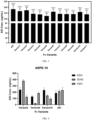
- the cells were cultured in CD05 medium containing glutamine for 5 days, and then the cell supernatant was taken and the expression level of Aflibercept was detected by ELISA. Meanwhile, the target protein in the cell culture supernatant was purified using Protein A affinity chromatography. The quantification of the protein was detected by the BCA method (Pierce TM Rapid Gold BCA protein assay kit). A preferred signal peptide sequence was obtained according to the expression level of the target protein. In this study, the effects of 13 different signal peptides SP1-SP13 on the expression level of the target protein were compared, and Gaussia luc was used as a control. The results are shown in FIG. 2 . The results indicated that the protein expression level of the SP1 signal peptide was the highest.
- the Expi293F cells were transiently transfected by the PEI method.
- the cells were cultured in CD05 medium containing glutamine for 5 days, and then the cell supernatant was taken and the expression level of Aflibercept was detected by ELISA. Meanwhile, the target protein in the cell culture supernatant was purified using Protein A affinity chromatography. The quantification of the protein was performed by the BCA method.
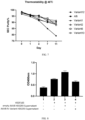
- the expression levels in the supernatants of the mutant molecules and their affinities for FcRn were investigated. The results are shown in FIG. 3 and Table 2.
- Variant1, 2, 6 and 10 mutants did not bind to FcRn, and there was no significant difference in the protein expression levels compared with those before mutation.
- Variant12 was a positive mutant in terms of the affinity in the Fc region, which increased its affinity with FcRn. Table 2 Results of FcRn affinity determination of Fc mutant proteins ID Affinity KD (M) Afli 1.37E-7 Variant1 ND Variant2 ND Variant6 ND Variant10 ND Variant12 3.70E-8 Note: ND indicates not detected.
- the preferred Fc-mutated Aflibercept mutant molecules and the non-mutated Aflibercept molecule were selected, and these target gene fragments were inserted into the pAAV-MCS vector (containing hGH PolyA). Meanwhile, the PolyA sequences were replaced with bGH PolyA and SV40 PolyA sequences respectively.
- the constructed various AAV vectors were transiently transfected into ARPE-19 cells and HEK293 cells using Lipofectamine 2000 transfection reagent, and the expression levels of the target proteins were detected 72 hours later.
- thermostability of Aflibercept mutant protein molecules under different heating conditions was tested.
- the MAbPac SEC-1 from Thermo Fisher was selected as the SEC analysis column.
- the results are shown in FIG. 6 (results of thermostability analysis of candidate Fc-engineered VEGF receptor recombinant fusion proteins at 37 C) and FIG. 7 (results of thermostability analysis of candidate Fc-engineered VEGF receptor recombinant fusion proteins at 40°C).
- the PK behaviors of differently engineered Variant2, Variant10 and the control group Aflibercept (hereinafter referred to as Afli, SEQ ID NO. 14) after a single intravitreal injection into both eyes of rabbits were investigated, so as to provide data support for the design and optimization of AAV virus packaging vector genes in the next step.
- the protein doses were all 1.25 mg/eye, and the administration volumes were 50 ⁇ L/eye.
- New Zealand rabbits were anesthetized with pentobarbital sodium, the eyes to be injected were disinfected with a povidone-iodine solution, and the candidate proteins were injected into both eyes through the vitreous body at the set doses with a volume of 50 ⁇ /eye.
- the half-life t 1/2 of the Variant10 molecule was 1.03-1.76 times that of Afli, and the exposure amount AUC was 1.19-1.84 times that of Afli; and the half-life t 1/2 of the Variant2 molecule was 1.15-1.40 times that of Afli, and the exposure amount AUC was 1.02-1.78 times that of Afli.
- the concentration means of serum samples were plotted against the time points to draw the drug-time curve.
- a non-compartment model was used to calculate the drug exposure amount AUC of each protein molecule after entering the bloodstream through the eyes (see Table 4).
- the AAV virus was packaged by the method of co-transfecting Expi293F cells with three plasmids, where the three plasmids were the helper packaging plasmid, the AAV8 rep-cap plasmid, and the transgenic plasmid.
- Expi293F cells were cultured in a serum-free suspension until the cell density reached 1E+6 cells/ml.
- the extracted three plasmids were mixed at a molar ratio of 1:1:1.
- the plasmid DNA was mixed with the PEIpro transfection reagent at a mass ratio of 1:2.
- the mixture was slowly added to the cell suspension (with a ratio of 1 mL of cells to 1 ⁇ g of the three plasmids) and mixed evenly.
- the mixture was then placed in a shaker for culture at 37°C with 8% CO 2 for 3 days, and the cell suspension was collected.
- All the AAV viruses used in the present invention were prepared by the above methods. Specific AAV vectors, expression elements, and mutant VEGF receptor recombinant fusion proteins or VEGF recombinant antibodies were selected as needed. After replacing Aflibercept with Bevacizumab and introducing the H310E mutation in the Fc fragment, the plasmid constructed by the same method as above was shown as SEQ ID NO. 13. The AAV virus constructed by using this plasmid with the same method as above was named AAV8-Bevacizumab Fc Variant10.
- HEK293T cells were infected with AAV8-Afli Fc Variant 10 and AAV8 empty vector prepared in Example 7 at an MOI of 2E+5, respectively, and the cell supernatant was collected 72 h later.
- 6E+3 HUVEC cells were seeded in a 96-well plate (50 ⁇ L per well) and cultured in a basal medium containing 100 ng/ml VEGF165. After 4-6 h, 50 ⁇ L of virus-infected cell supernatant was added, and the culture was continued for 72 h.
- mice Male C57BL/6J mice aged 8-10 weeks and at the SPF grade were raised in the laboratory for 3-5 days. Before grouping, general ophthalmic examinations, fundus photography (FP), and fundus fluorescein angiography (FFA) were performed on the animals to screen the qualified animals for the experiment. The qualified mice were screened and randomly grouped according to the body weight before administration and divided into 4 groups.
- FP fundus photography
- FFA fundus fluorescein angiography
- the animal grouping and administration treatments are shown in Table 7 below: Table 7 Table of mouse grouping and administration doses via different routes Group Test sample/control sample Administration Number of animals Route Dose (GC/eye) Volume ( ⁇ L/eye) 1 AAV8-Afli Fc Variant10 Intravitreal injection 1.00E+11 1 4 2 AAV8-Afli Fc Variant10 Suprachoroidal injection 1.00E+11 1 4 3 AAV8-Afli Fc Variant10 Subretinal injection 1.00E+10 1 4 4 Vehicle Subretinal injection NA 1 4 Note: the vehicles used in the examples of the present invention are all PBS containing 0.001% (W/V) Pluronic F68 with a pH of 7.2.
- test sample was diluted with the vehicle if necessary according to the dose requirements during use.
- Subretinal injection a coverslip was placed on the cornea, and air between them was removed with carbomer eye drops. A disposable insulin needle was used to perform sclera and choroid puncture at a small angle to form a channel. The insulin needle was withdrawn, and a microsyringe was replaced to enter through the channel opening until it reached the subretinal space for injection.
- Intravitreal injection a coverslip was placed on the cornea, and air between them was removed with carbomer eye drops. A disposable insulin needle was used to perform sclera and choroid puncture at a small angle to form a channel. The insulin needle was withdrawn, and a microsyringe was replaced to enter through the channel opening into the vitreous cavity for injection.
- Suprachoroidal injection a disposable insulin needle was used to perform sclera puncture to form a channel. The insulin needle was withdrawn, and a microsyringe was replaced to enter through the channel opening into the suprachoroidal space for injection.
- levofloxacin eye drops and/or ofloxacin eye ointment were administered 2-3 times a day for 3 consecutive days
- the bilateral eyeballs of the animals were collected. 200 ⁇ L of PBS containing protease inhibitors was added to each eye. Homogenization was performed using a tissue homogenizer. After centrifugation (5000 g, 5min, 4°C), the supernatant was taken and temporarily stored at -60°C or below.
- the deep-well ELISA plate was coated with VEGF165 protein. After washing, HRP-conjugated goat anti-human IgG (Fc-specific) antibody was added to detect Aflibercept captured on the plate. After the final washing step, TMB substrate solution was added, and the HRP catalyzed the substrate to undergo a color reaction. Finally, a stop solution was added to terminate the reaction. The solution changed from blue to yellow, and the shade of the color was positively correlated with the concentration of Aflibercept protein in the sample. The solution after color reaction was detected with a microplate reader, and the amount of Aflibercept protein in the supernatant of the eyeball tissue homogenate was calculated.
- HRP-conjugated goat anti-human IgG (Fc-specific) antibody was added to detect Aflibercept captured on the plate.
- TMB substrate solution was added, and the HRP catalyzed the substrate to undergo a color reaction. Finally, a stop solution was added to terminate the reaction. The solution changed from blue to yellow, and
- mice had strong Aflibercept protein expression after 3 different administrations.
- Group Test sample/control sample Administration Expression level of Afli protein ng/eye ⁇ SD
- Route Dose GC/eye
- AAV8-Afli Fc Variant10 Intravitreal injection 1.00E+11 309.75 ⁇ 147.36
- AAV8-Afli Fc Variant10 Suprachoroidal injection 1.00E+11 363.37 ⁇ 165.06
- AAV8-Afli Fc Variant10 Subretinal injection 1.00E+10 549.65 ⁇ 186.35 4
- mice Male C57BL/6J mice aged 8-10 weeks and at the SPF grade were raised in the laboratory for 3-5 days. Before grouping, general ophthalmic examinations, fundus photography (FP), and fundus fluorescein angiography (FFA) were performed on the animals to screen the qualified animals for the experiment. Twenty-eight qualified mice were screened and randomly grouped according to the body weight before administration and divided into 7 groups.
- FP fundus photography
- FFA fundus fluorescein angiography
- Table 8 Table II of mouse grouping and administration doses Group Test sample name/batch number Administration dose (vg/eye) Administration volume ( ⁇ l/eye) Number of animals Sampling time point (number of weeks after administration) 1 Vehicle control NA 1 4 1 2 AAV8- Afli Fc Variant10 3E+8 1 4 1 3 AAV8- Afli Fc Variant10 3E+8 1 4 2 4 AAV8- Afli Fc Variant10 3E+8 1 4 4 5 AAV8- Afli Fc Variant10 3E+8 1 4 6 6 AAV8- Afli Fc Variant10 3E+8 1 4 8 7 AAV8- Afli Fc Variant10 3E+8 1 4 12
- Each mouse was administered a single dose to both eyes.
- the same subretinal injection administration method and post-treatment method as in Example 9 were adopted, and the expression level of Aflibercept protein in the eyeballs was detected at different time points after administration.
- the detection results of the amount of Aflibercept protein are shown in Table 9, and the time-expression curve is shown in FIG. 9 .
- mice Male C57BL/6J mice aged 8-10 weeks and at the SPF grade were purchased and raised in the laboratory for 3-5 days. Before grouping, general ophthalmic examinations, fundus photography (FP), OCT and fundus fluorescein angiography (FFA) were performed on the animals to screen the qualified animals for the experiment. Thirty qualified mice were screened and randomly grouped according to the body weight before administration and divided into 6 groups.
- FP fundus photography
- OCT fundus fluorescein angiography
- mice Taking the AAV virus AAV8-Afli Fc Variant10 prepared in Example 7 as the test sample, the animal grouping and administration treatments are shown in Table 10 (the administration volume of each group was 1 ⁇ L/eye): Table 10 Detection results of protein expression levels in mice after injection of different doses of AAV Group Test sample/control sample Administrati on dose (GC/eye) Number of mice Afli expression level (ng/eye) ⁇ SD (7 days) 1 Vehicle - 5 ND 2 AAV8- Afli Fc Variant10 1E+7 5 93.6 ⁇ 51.2 3 AAV8- Afli Fc Variant10 3E+7 5 158.65 ⁇ 105.5 4 AAV8- Afli Fc Variant10 1E+8 5 624.5 ⁇ 349.5 5 AAV8- Afli Fc Variant10 3E+8 5 965.5 ⁇ 374.9 6 AAV8- Afli Fc Variant10 1E+9 5 1047 ⁇ 420.1
- Each mouse was administered a single dose to both eyes.
- the vehicle and different doses of the test sample AAV8-Afli Fc Variant10 were injected into the subretinal space respectively.
- the administration method was the same as that in Example 9.
- mice Male C57BL/6J mice aged 8-10 weeks and at the SPF grade were purchased and raised in the laboratory for 3-5 days. Before grouping, general ophthalmic examinations, fundus photography (FP), and fundus fluorescein angiography (FFA) were performed on the animals to screen the qualified animals for the experiment. Thirty qualified mice were screened and randomly divided into 6 groups according to the body weight before administration.
- FP fundus photography
- FFA fundus fluorescein angiography
- Eylea ® protein drug can take effect soon after administration, so it is administered after modeling; AAV8-Afli Fc Variant10 reaches a stable expression level about 1-2 weeks after administration and can maintain high expression for a long period of more than 12 weeks, so it is administered before modeling.
- Eylea ® protein drug is the standard treatment method for AMD, and its route of administration is intravitreal injection.
- mice were administered a single dose to both eyes.
- the vehicle and different doses of the test sample AAV8-Afli Fc Variant10 were injected into the subretinal space respectively.
- the administration method was the same as that in Example 9.
- Group 2 was the protein control group, with an intravitreal injection dose of 80 ⁇ g/eye.
- FFA fundus fluorescein angiography
- the grading standards for fluorescence leakage of light spots are as follows: Grade 0 (no fluorescence leakage), Grade 1 (mild fluorescence leakage, leakage area is 1% -50% of a laser spot size), Grade 2 (moderate fluorescence leakage, leakage area is 50%-100% of a laser spot size), Grade 3 (severe fluorescence leakage, leakage area is larger than a laser spot size).
- Ratio of light spots at each level total number of light spots at the corresponding level ⁇ total number of 4 types of light spots (i.e., the number of effective light spots) ⁇ 100%.
- Average score of light spot leakage [(number of Grade 0 light spots ⁇ 0) + (number of Grade 1 light spots ⁇ 1) + (number of Grade 2 light spots ⁇ 2) + (number of Grade 3 light spots ⁇ 3)] ⁇ total number of 4 types of light spots (i.e. number of effective light spots), where an effective light spot refers to a light spot that has no severe pre-retinal or sub-retinal hemorrhage nearby and can be completely displayed in the fluorescein angiography.
- the average score of light spot leakage is shown in FIG. 11 .
- the average scores of the AAV8-Afli Fc Variant10 groups were all lower than those of the vehicle control group and the Eylea ® protein control group.
- the average scores of light spot leakage in each dose group of AAV8-Afli Fc Variant10 were all decreased, while the average score of light spot leakage in the Eylea ® protein control group was increased, indicating that each dose group of AAV8-Afli Fc Variant10 could maintain a continuous and stable expression and had more persistent efficacy compared with the Eylea ® protein drug.
- Cynomolgus monkeys are commonly used non-rodent animal models in non-clinical studies of biological drugs.
- the laser photocoagulation method was adopted to establish a choroidal neovascularization (CNV) model in cynomolgus monkeys to investigate the inhibitory effect of a single subretinal injection of the AAV virus AAV8-Afli Fc Variant10 prepared in Example 7 on CNV in cynomolgus monkeys.
- CNV choroidal neovascularization
- the drug was administered at a single dose into the subretinal space.
- the ocular surface was disinfected with iodophor.
- the sclera of the cynomolgus monkey was punctured inside the limbus with a 30G disposable injection needle.
- a microinjector with a 35G flat needle was inserted along the puncture site, bypassed the lens and reached the vitreous body.
- the needle was gradually advanced into the subretinal space, and the drug was slowly injected at a point above the fovea.
- the puncture site was compressed with a cotton swab soaked with iodophor for 5 seconds. Each eye was administered with 50 ⁇ L of the drug, and both eyes were administered at a single dose.
- Table 14 Grading standard table of leakage spots Grading of leakage spots Grading standard Grade I No strong fluorescence. Grade II The lesion shows hyperfluorescence in the early or middle stage without leakage. Grade III The lesion shows hyperfluorescence in the early stage and has leakage in the late stage. Grade IV The lesion shows bright hyperfluorescence in the early stage, and has leakage in the late stage which extends beyond the boundary of the burned area. Note: Grade III-IV light spots are leakage lesions.
- the target protein was continuously and stably expressed for 12 weeks and was still under continuous monitoring (while the Eylea ® protein drug could only be maintained for 4-8 weeks).
- FIG. 12 The typical maps of fundus fluorescein angiography (FFA) 4 weeks after laser modeling are shown in FIG. 12 .
- FFA fundus fluorescein angiography
- DL-AAA DL- ⁇ -aminoadipic acid
- the DL-AAA model is a chronic leakage model that has been described in rats and rabbits, and routine candidate drug screening has been performed in these species.
- DL-AAA is a selective glial cell toxin that has been reported to inhibit the action of glutamine synthetase and impair the broader retinal homeostasis function of Müller cells, resulting in glial dysfunction and death, thus leading to blood-retinal barrier breakdown.
- the retinal vasculature, retinal segmentation and basal layer boundaries, proportional abundance of retinal neurons and glial cell subtypes, as well as the presence of the macula are homologous in monkeys and humans.
- a novel NHP model of chronic vascular leakage caused by DL-AAA and a preclinical model of chronic retinal vascular leakage and neovascularization allow for the efficacy screening of short-acting and long-acting anti-angiogenic compounds at multiple stages of disease development.
- One cynomolgus monkey (animal number P1) was selected and 30 ⁇ L of 50 mmol/L DL- ⁇ -AAA (Sigma-Aldrich) was injected subretinally into each of its two eyes.
- Fundus color photography, fundus fluorescein angiography, macular autofluorescence, optical coherence tomography (OCT), and multifocal electroretinogram examination were performed 1 week before drug injection and 6 weeks and 12 weeks after drug injection in each eye to confirm the successful modeling of persistent retinal neovascularization (PRNV) in the cynomolgus monkey, and the model began to form after 6-8 weeks.
- PRNV retinal neovascularization
- the fluorescence leakage in the PRNV modeling and administration group had significantly decreased compared with the Baseline at week 2, and continued to decrease every 2 weeks until week 12, with a significant continuous decreasing effect.
- the fluorescence leakage in the vehicle group of the PRNV modeling monkey had no significant changes from week 2 to week 12 compared with the Baseline.
- the continuous remission time of the AAV8-Afli Fc Variant10 test sample exceeded the remission time of CNV laser modeling, reflecting the advantage of this model in observing the long-term efficacy of AAV.
- Statistical analysis found that there were significant differences between the test sample and the vehicle group in both the leakage area and the leakage intensity, indicating that the AAV8-Afli Fc Variant10 adeno-associated virus had significant efficacy in the PRNV model non-human primate animals.
Landscapes
- Health & Medical Sciences (AREA)
- Chemical & Material Sciences (AREA)
- Life Sciences & Earth Sciences (AREA)
- Organic Chemistry (AREA)
- Genetics & Genomics (AREA)
- Engineering & Computer Science (AREA)
- General Health & Medical Sciences (AREA)
- Medicinal Chemistry (AREA)
- Bioinformatics & Cheminformatics (AREA)
- Molecular Biology (AREA)
- Biochemistry (AREA)
- Biophysics (AREA)
- Zoology (AREA)
- Immunology (AREA)
- Biotechnology (AREA)
- Proteomics, Peptides & Aminoacids (AREA)
- Wood Science & Technology (AREA)
- Biomedical Technology (AREA)
- Pharmacology & Pharmacy (AREA)
- Animal Behavior & Ethology (AREA)
- Public Health (AREA)
- Veterinary Medicine (AREA)
- General Engineering & Computer Science (AREA)
- Microbiology (AREA)
- Virology (AREA)
- Chemical Kinetics & Catalysis (AREA)
- Epidemiology (AREA)
- Nuclear Medicine, Radiotherapy & Molecular Imaging (AREA)
- General Chemical & Material Sciences (AREA)
- Cell Biology (AREA)
- Gastroenterology & Hepatology (AREA)
- Physics & Mathematics (AREA)
- Plant Pathology (AREA)
- Toxicology (AREA)
- Ophthalmology & Optometry (AREA)
- Endocrinology (AREA)
- Mycology (AREA)
- Urology & Nephrology (AREA)
- Vascular Medicine (AREA)
- Cardiology (AREA)
Applications Claiming Priority (2)
| Application Number | Priority Date | Filing Date | Title |
|---|---|---|---|
| CN202210733386.1A CN117304307A (zh) | 2022-06-27 | 2022-06-27 | 一种治疗新生血管相关眼底疾病的aav药物 |
| PCT/CN2023/102771 WO2024002076A1 (zh) | 2022-06-27 | 2023-06-27 | 一种治疗新生血管相关眼底疾病的aav药物 |
Publications (2)
| Publication Number | Publication Date |
|---|---|
| EP4549459A1 true EP4549459A1 (de) | 2025-05-07 |
| EP4549459A4 EP4549459A4 (de) | 2026-04-15 |
Family
ID=89279973
Family Applications (1)
| Application Number | Title | Priority Date | Filing Date |
|---|---|---|---|
| EP23830253.3A Pending EP4549459A4 (de) | 2022-06-27 | 2023-06-27 | Aav-arzneimittel zur behandlung von angiogenesebedingten funduserkrankungen |
Country Status (7)
| Country | Link |
|---|---|
| US (1) | US20250340900A1 (de) |
| EP (1) | EP4549459A4 (de) |
| JP (1) | JP2025523593A (de) |
| KR (1) | KR20250040105A (de) |
| CN (1) | CN117304307A (de) |
| AU (1) | AU2023300758A1 (de) |
| WO (1) | WO2024002076A1 (de) |
Families Citing this family (5)
| Publication number | Priority date | Publication date | Assignee | Title |
|---|---|---|---|---|
| MX2020006435A (es) | 2017-12-19 | 2021-02-09 | Akouos Inc | Administracion de anticuerpos terapeuticos mediada por vector de virus adenoasociado (aav) en el oido interno. |
| IL303317A (en) | 2020-12-01 | 2023-07-01 | Akouos Inc | ANTI-NATURAL ANTIBODY STRUCTURES AND RELATED METHODS FOR THE TREATMENT OF SYMPTOMS ASSOCIATED WITH VESTIBULAR SWANNOMA |
| WO2025026182A1 (zh) * | 2023-08-01 | 2025-02-06 | 北京因诺惟康医药科技有限公司 | 融合多肽、包含其编码基因的表达盒、基因递送载体、药物组合物及用途 |
| CN118108862B (zh) * | 2024-04-29 | 2024-08-09 | 上海鼎新基因科技有限公司 | 抗血管新生的融合蛋白及其应用 |
| CN120591344B (zh) * | 2025-06-13 | 2026-04-03 | 广州景旸生物科技有限公司 | Col3a1蛋白的制备方法及其应用 |
Family Cites Families (12)
| Publication number | Priority date | Publication date | Assignee | Title |
|---|---|---|---|---|
| US8802820B2 (en) * | 2004-11-12 | 2014-08-12 | Xencor, Inc. | Fc variants with altered binding to FcRn |
| DK1817340T3 (da) * | 2004-11-12 | 2012-08-13 | Xencor Inc | Fc-varianter med ændret binding til fcrn |
| RU2687043C2 (ru) * | 2013-04-29 | 2019-05-06 | Ф. Хоффманн-Ля Рош Аг | МОДИФИЦИРОВАННЫЕ АСИММЕТРИЧНЫЕ АНТИТЕЛА, СВЯЗЫВАЮЩИЕ Fc-РЕЦЕПТОР, И СПОСОБЫ ИХ ПРИМЕНЕНИЯ |
| AU2018350990A1 (en) * | 2017-10-18 | 2020-05-21 | Regenxbio Inc. | Treatment of ocular diseases and metastatic colon cancer with human post-translationally modified VEGF-Trap |
| WO2019129679A1 (en) * | 2017-12-29 | 2019-07-04 | F. Hoffmann-La Roche Ag | Method for improving vegf-receptor blocking selectivity of an anti-vegf antibody |
| KR20220012231A (ko) * | 2019-04-24 | 2022-02-03 | 리젠엑스바이오 인크. | 완전-인간 번역 후 변형된 항체 치료제 |
| CN110423281B (zh) * | 2019-07-31 | 2021-04-30 | 成都金唯科生物科技有限公司 | 用于治疗老年性黄斑变性的融合蛋白、病毒载体和药物 |
| KR102426802B1 (ko) * | 2019-12-23 | 2022-07-28 | 한국프라임제약주식회사 | 혈관내피성장인자 수용체 융합단백질을 포함하는 신생혈관형성 관련 질환의 예방 및 치료를 위한 약학조성물 |
| CN113493519B (zh) * | 2020-03-19 | 2022-12-27 | 浙江道尔生物科技有限公司 | 一种半衰期显著延长的治疗眼部血管新生疾病的融合蛋白 |
| EP4225787A4 (de) * | 2020-05-21 | 2024-10-23 | Zydus Lifesciences Limited | Fc-variante und herstellung davon |
| CN113817775B (zh) * | 2020-08-25 | 2023-02-17 | 南京吉迈生物技术有限公司 | 修饰的阿柏西普、组合物、方法及其在基因治疗中的应用 |
| KR102720956B1 (ko) * | 2020-12-15 | 2024-10-24 | 삼천당제약주식회사 | 안과용 제형을 포함하는 시린지 |
-
2022
- 2022-06-27 CN CN202210733386.1A patent/CN117304307A/zh active Pending
-
2023
- 2023-06-27 WO PCT/CN2023/102771 patent/WO2024002076A1/zh not_active Ceased
- 2023-06-27 US US18/879,257 patent/US20250340900A1/en active Pending
- 2023-06-27 EP EP23830253.3A patent/EP4549459A4/de active Pending
- 2023-06-27 KR KR1020257001598A patent/KR20250040105A/ko active Pending
- 2023-06-27 JP JP2024577142A patent/JP2025523593A/ja active Pending
- 2023-06-27 AU AU2023300758A patent/AU2023300758A1/en active Pending
Also Published As
| Publication number | Publication date |
|---|---|
| WO2024002076A1 (zh) | 2024-01-04 |
| EP4549459A4 (de) | 2026-04-15 |
| CN117304307A (zh) | 2023-12-29 |
| US20250340900A1 (en) | 2025-11-06 |
| KR20250040105A (ko) | 2025-03-21 |
| AU2023300758A1 (en) | 2025-02-13 |
| JP2025523593A (ja) | 2025-07-23 |
Similar Documents
| Publication | Publication Date | Title |
|---|---|---|
| EP4549459A1 (de) | Aav-arzneimittel zur behandlung von angiogenesebedingten funduserkrankungen | |
| US20230381341A1 (en) | Adeno-associated viruses for ocular delivery of gene therapy | |
| AU2017248731A1 (en) | Compositions for treatment of wet age-related macular degeneration | |
| RS67328B1 (sr) | Lečenje amd-a korišćenjem aav2 varijante sa afliberceptom | |
| US20200297869A1 (en) | Sequential intravitreal administration of aav gene therapy to contralateral eyes | |
| JP7842082B2 (ja) | 眼疾患を処置するための組成物および方法 | |
| CN113564187B (zh) | 基于aav的抗血管生成基因递送系统及其用途 | |
| CN118108862B (zh) | 抗血管新生的融合蛋白及其应用 | |
| EP4442698A1 (de) | Modifiziertes aav-kapsidprotein und verwendung davon | |
| US20250170276A1 (en) | Gene delivery vector for delivering human vegf receptor fusion protein and use thereof | |
| WO2023081739A1 (en) | Methods of treating human x-linked retinoschisis using gene therapy | |
| TW202235618A (zh) | 治療眼內壓相關疾患 | |
| JP2023542279A (ja) | 眼疾患の処置のための組成物および方法 | |
| CN118085112B (zh) | 抗多个vegf家族蛋白的融合蛋白及其应用 | |
| WO2025103416A1 (zh) | 用于老年相关性黄斑变性的治疗的基因治疗药物 | |
| CN118186005A (zh) | 一种适于阿达木单抗的表达盒及其载体与应用 | |
| HK40105223A (zh) | 一种适於阿达木单抗的表达盒及其载体与应用 | |
| HK40111920A (en) | Modified aav capsid protein and use thereof | |
| WO2023127879A1 (ja) | 安全な遺伝子治療のための抗トランスフェリン受容体抗体と生理活性を有する蛋白質との融合蛋白質 | |
| WO2024238853A1 (en) | Adeno-associated viruses for ocular delivery of gene therapy | |
| WO2023005906A1 (zh) | 新型腺相关病毒血清型介导的血管生成抑制剂及其应用 | |
| CN116568815A (zh) | 用于基因疗法的眼部递送的腺相关病毒 |
Legal Events
| Date | Code | Title | Description |
|---|---|---|---|
| STAA | Information on the status of an ep patent application or granted ep patent |
Free format text: STATUS: THE INTERNATIONAL PUBLICATION HAS BEEN MADE |
|
| PUAI | Public reference made under article 153(3) epc to a published international application that has entered the european phase |
Free format text: ORIGINAL CODE: 0009012 |
|
| STAA | Information on the status of an ep patent application or granted ep patent |
Free format text: STATUS: REQUEST FOR EXAMINATION WAS MADE |
|
| 17P | Request for examination filed |
Effective date: 20250127 |
|
| AK | Designated contracting states |
Kind code of ref document: A1 Designated state(s): AL AT BE BG CH CY CZ DE DK EE ES FI FR GB GR HR HU IE IS IT LI LT LU LV MC ME MK MT NL NO PL PT RO RS SE SI SK SM TR |
|
| DAV | Request for validation of the european patent (deleted) | ||
| DAX | Request for extension of the european patent (deleted) | ||
| RIC1 | Information provided on ipc code assigned before grant |
Ipc: C07K 16/00 20060101AFI20250930BHEP Ipc: C12N 15/62 20060101ALI20250930BHEP Ipc: C12N 15/86 20060101ALI20250930BHEP Ipc: C12N 15/861 20060101ALI20250930BHEP Ipc: A61K 48/00 20060101ALI20250930BHEP Ipc: A61K 39/395 20060101ALI20250930BHEP Ipc: A61P 9/10 20060101ALI20250930BHEP Ipc: A61K 47/64 20170101ALI20250930BHEP Ipc: A61P 27/02 20060101ALI20250930BHEP Ipc: A61K 38/00 20060101ALI20250930BHEP Ipc: A61K 39/00 20060101ALI20250930BHEP Ipc: C07K 14/71 20060101ALI20250930BHEP Ipc: C07K 16/22 20060101ALI20250930BHEP Ipc: G01N 33/48 20060101ALI20250930BHEP |
|
| A4 | Supplementary search report drawn up and despatched |
Effective date: 20260318 |
|
| RIC1 | Information provided on ipc code assigned before grant |
Ipc: C07K 16/00 20060101AFI20260312BHEP Ipc: C12N 15/62 20060101ALI20260312BHEP Ipc: C12N 15/86 20060101ALI20260312BHEP Ipc: C12N 15/861 20060101ALI20260312BHEP Ipc: A61K 48/00 20060101ALI20260312BHEP Ipc: A61K 39/395 20060101ALI20260312BHEP Ipc: A61P 9/10 20060101ALI20260312BHEP Ipc: A61K 47/64 20170101ALI20260312BHEP Ipc: A61P 27/02 20060101ALI20260312BHEP Ipc: A61K 38/00 20060101ALI20260312BHEP Ipc: A61K 39/00 20060101ALI20260312BHEP Ipc: C07K 14/71 20060101ALI20260312BHEP Ipc: C07K 16/22 20060101ALI20260312BHEP Ipc: G01N 33/48 20060101ALI20260312BHEP |