EP4523699A1 - Entzündungshemmende dermatologische zusammensetzung enthaltend glycerophosphoinositol, ein lactoferrinhydrolysat und ein cannabinoid , insbesondere zur behandlung von seborrhoischer dermatitis - Google Patents
Entzündungshemmende dermatologische zusammensetzung enthaltend glycerophosphoinositol, ein lactoferrinhydrolysat und ein cannabinoid , insbesondere zur behandlung von seborrhoischer dermatitis Download PDFInfo
- Publication number
- EP4523699A1 EP4523699A1 EP24199275.9A EP24199275A EP4523699A1 EP 4523699 A1 EP4523699 A1 EP 4523699A1 EP 24199275 A EP24199275 A EP 24199275A EP 4523699 A1 EP4523699 A1 EP 4523699A1
- Authority
- EP
- European Patent Office
- Prior art keywords
- agents
- composition
- gpi
- cannabinoid
- weight
- Prior art date
- Legal status (The legal status is an assumption and is not a legal conclusion. Google has not performed a legal analysis and makes no representation as to the accuracy of the status listed.)
- Pending
Links
Images
Classifications
-
- A—HUMAN NECESSITIES
- A61—MEDICAL OR VETERINARY SCIENCE; HYGIENE
- A61K—PREPARATIONS FOR MEDICAL, DENTAL OR TOILETRY PURPOSES
- A61K38/00—Medicinal preparations containing peptides
- A61K38/16—Peptides having more than 20 amino acids; Gastrins; Somatostatins; Melanotropins; Derivatives thereof
- A61K38/17—Peptides having more than 20 amino acids; Gastrins; Somatostatins; Melanotropins; Derivatives thereof from animals; from humans
- A61K38/40—Transferrins, e.g. lactoferrins, ovotransferrins
-
- A—HUMAN NECESSITIES
- A61—MEDICAL OR VETERINARY SCIENCE; HYGIENE
- A61K—PREPARATIONS FOR MEDICAL, DENTAL OR TOILETRY PURPOSES
- A61K31/00—Medicinal preparations containing organic active ingredients
- A61K31/658—Medicinal preparations containing organic active ingredients o-phenolic cannabinoids, e.g. cannabidiol, cannabigerolic acid, cannabichromene or tetrahydrocannabinol
-
- A—HUMAN NECESSITIES
- A61—MEDICAL OR VETERINARY SCIENCE; HYGIENE
- A61K—PREPARATIONS FOR MEDICAL, DENTAL OR TOILETRY PURPOSES
- A61K31/00—Medicinal preparations containing organic active ingredients
- A61K31/66—Phosphorus compounds
- A61K31/683—Diesters of a phosphorus acid with two hydroxy compounds, e.g. phosphatidylinositols
-
- A—HUMAN NECESSITIES
- A61—MEDICAL OR VETERINARY SCIENCE; HYGIENE
- A61K—PREPARATIONS FOR MEDICAL, DENTAL OR TOILETRY PURPOSES
- A61K45/00—Medicinal preparations containing active ingredients not provided for in groups A61K31/00 - A61K41/00
- A61K45/06—Mixtures of active ingredients without chemical characterisation, e.g. antiphlogistics and cardiaca
-
- A—HUMAN NECESSITIES
- A61—MEDICAL OR VETERINARY SCIENCE; HYGIENE
- A61K—PREPARATIONS FOR MEDICAL, DENTAL OR TOILETRY PURPOSES
- A61K47/00—Medicinal preparations characterised by the non-active ingredients used, e.g. carriers or inert additives; Targeting or modifying agents chemically bound to the active ingredient
- A61K47/06—Organic compounds, e.g. natural or synthetic hydrocarbons, polyolefins, mineral oil, petrolatum or ozokerite
- A61K47/08—Organic compounds, e.g. natural or synthetic hydrocarbons, polyolefins, mineral oil, petrolatum or ozokerite containing oxygen, e.g. ethers, acetals, ketones, quinones, aldehydes, peroxides
- A61K47/14—Esters of carboxylic acids, e.g. fatty acid monoglycerides, medium-chain triglycerides, parabens or PEG fatty acid esters
-
- A—HUMAN NECESSITIES
- A61—MEDICAL OR VETERINARY SCIENCE; HYGIENE
- A61K—PREPARATIONS FOR MEDICAL, DENTAL OR TOILETRY PURPOSES
- A61K47/00—Medicinal preparations characterised by the non-active ingredients used, e.g. carriers or inert additives; Targeting or modifying agents chemically bound to the active ingredient
- A61K47/06—Organic compounds, e.g. natural or synthetic hydrocarbons, polyolefins, mineral oil, petrolatum or ozokerite
- A61K47/16—Organic compounds, e.g. natural or synthetic hydrocarbons, polyolefins, mineral oil, petrolatum or ozokerite containing nitrogen, e.g. nitro-, nitroso-, azo-compounds, nitriles, cyanates
-
- A—HUMAN NECESSITIES
- A61—MEDICAL OR VETERINARY SCIENCE; HYGIENE
- A61K—PREPARATIONS FOR MEDICAL, DENTAL OR TOILETRY PURPOSES
- A61K47/00—Medicinal preparations characterised by the non-active ingredients used, e.g. carriers or inert additives; Targeting or modifying agents chemically bound to the active ingredient
- A61K47/06—Organic compounds, e.g. natural or synthetic hydrocarbons, polyolefins, mineral oil, petrolatum or ozokerite
- A61K47/26—Carbohydrates, e.g. sugar alcohols, amino sugars, nucleic acids, mono-, di- or oligo-saccharides; Derivatives thereof, e.g. polysorbates, sorbitan fatty acid esters or glycyrrhizin
-
- A—HUMAN NECESSITIES
- A61—MEDICAL OR VETERINARY SCIENCE; HYGIENE
- A61K—PREPARATIONS FOR MEDICAL, DENTAL OR TOILETRY PURPOSES
- A61K47/00—Medicinal preparations characterised by the non-active ingredients used, e.g. carriers or inert additives; Targeting or modifying agents chemically bound to the active ingredient
- A61K47/30—Macromolecular organic or inorganic compounds, e.g. inorganic polyphosphates
- A61K47/32—Macromolecular compounds obtained by reactions only involving carbon-to-carbon unsaturated bonds, e.g. carbomers, poly(meth)acrylates, or polyvinyl pyrrolidone
-
- A—HUMAN NECESSITIES
- A61—MEDICAL OR VETERINARY SCIENCE; HYGIENE
- A61K—PREPARATIONS FOR MEDICAL, DENTAL OR TOILETRY PURPOSES
- A61K9/00—Medicinal preparations characterised by special physical form
- A61K9/0012—Galenical forms characterised by the site of application
- A61K9/0014—Skin, i.e. galenical aspects of topical compositions
-
- A—HUMAN NECESSITIES
- A61—MEDICAL OR VETERINARY SCIENCE; HYGIENE
- A61P—SPECIFIC THERAPEUTIC ACTIVITY OF CHEMICAL COMPOUNDS OR MEDICINAL PREPARATIONS
- A61P17/00—Drugs for dermatological disorders
Definitions
- the present invention relates to a composition able to offer significant relief in the treatment of skin diseases, in particular of inflammatory skin diseases. Furthermore, the present invention also relates to pharmaceutical products comprising said composition of the invention with suitable pharmaceutically acceptable excipients, and to the use of the same in the treatment of skin diseases.
- the skin acts as a barrier to protect the human body blocking intrusion factors from the outside. Physicochemical stimulation, allergens, ultraviolet rays, oxidative stress, and infection by pathogens cause skin inflammation.
- Severe inflammation of the skin is typically accompanied by redness, swelling, oozing, scaling and itching.
- An estimated 20-25% of the population is affected by inflammatory skin conditions or diseases.
- dermatitis Among the most frequent inflammatory skin diseases are dermatitis, psoriasis, urticaria, lichen planus, pityriasis rosea of Gibert, rosacea and hidradenitis suppurativa.
- the stratum corneum composed of the differentiated keratinocytes called corneocytes, is often compromised. As allergens penetrate the defective skin barrier, pro-inflammatory cytokines, in particular interleukins (IL), are released.
- IL interleukins
- Seborrheic dermatitis is a dermatitis affecting the scalp, face, and body folds. It presents with a papulosquamous morphology in affected areas, that are rich in sebaceous glands. When sebum is produced in greater quantity than normal, it favors the proliferation of fungi of the genus Malassezia which feed on lipids and consequently produce large amount of lipase and phospholipase enzymes. The inflammation is then the consequence of the production of molecules capable of triggering oxidative mechanisms that in turn trigger the production of proinflammatory cytokines by keratinocytes and release of histamine by mast cells.
- Treatments of skin disorders therefore are typically aimed at restoring the skin barrier and modulating the abnormal immune response.
- steroids topical immunosuppressants
- topical antibiotics topical antibiotics
- antihistamines are used as treatments for inflammatory skin diseases.
- drugs for the treatment of skin disorders can themselves cause skin reactions, thus worsening the skin condition instead of ameliorating it.
- treatments for inflammatory skin diseases can cause swelling striae, skin atrophy, capillary dilation, steroid acne, hirsutism, purpura, and other side effects.
- the object of the present invention is therefore the provision of an effective treatment for inflammatory skin diseases, which is also well tolerated by the body and which can also be used for long periods, while minimizing side effects.
- the present invention relates to a pharmaceutical product comprising said composition and suitable pharmaceutically acceptable excipients.
- the present invention relates to said pharmaceutical composition, further comprising at least one further dermatological active agent, preferably selected from further anti-inflammatory agents, cortisonic agents, antibiotics, antihistaminic agents, anti-acne agents, anti-dandruff agents, anti-psoriasis agents, antifungal agents, antibacterial agents, anti-seborrheic agents, keratolytic agents, humectants, anti-free radical agents, antioxidants, vitamins, and mixtures thereof.
- at least one further dermatological active agent preferably selected from further anti-inflammatory agents, cortisonic agents, antibiotics, antihistaminic agents, anti-acne agents, anti-dandruff agents, anti-psoriasis agents, antifungal agents, antibacterial agents, anti-seborrheic agents, keratolytic agents, humectants, anti-free radical agents, antioxidants, vitamins, and mixtures thereof.
- the present invention relates to the composition, or the pharmaceutical product comprising the same, for use in the treatment of skin diseases, in particular of inflammatory skin diseases.
- said skin diseases are preferably ichthyosis, skin microbial infection, dermatophytosis, acne, psoriasis, urticaria, lichen planus, pityriasis rosea, hidradenitis suppurativa, seborrheic dermatitis, allergic dermatosis, scleroderma, contact dermatitis, atopic dermatitis, chronic actinic dermatitis, photodermatoses.
- composition of the invention comprises:
- GPI is a natural cell component produced by lipid metabolism.
- the composition comprises a GPI salt, or a derivative thereof.
- the GPI salt is a choline, arginine, or lysine salt of GPI, or a derivative thereof; more preferably the GPI salt is GPI lysine, or a derivative thereof.
- a derivative of GPI is preferably glycerophosphoinositol 4-phosphate or glycerol-phosphoinositol 4,5-bisphosphate.
- the composition of the present invention also comprises a lactoferrin hydrolysates, said hydrolysate comprising lactoferrin peptides obtained by hydrolysation of lactoferrin.
- Lactoferricin is a cationic peptide which can be generated by digestion mediated by lactoferrin pepsin. Bovine and human lactoferricin have been mostly studied.
- lactoferricin sequence corresponds to the 17-41 fragment of lactoferrin (FKCRRWQWRM KKLGAPSITCVRRAF; LFB0084).
- lactoferricin corresponds to lactoferrin fragment 1-47, but consisting of two subunits connected by a disulphide bridge, i.e. fragments 1-11 and 12-47.
- Lactoferrampin is a cationic peptide characterised by a highly positive charge and a hydrophobic domain, and therefore an amphipathic character. It comprises residues 268-284 and is located in the N1-domain of lactoferrin, in proximity to lactoferricin. According to preferred embodiments, lactoferrin hydrolysates in the composition of the present invention comprise, or consist of, lactoferricin, or lactoferrampin, or mixtures thereof.
- Lactoferricin and lactoferrampin can be obtained by enzymatic hydrolysis of lactoferrin.
- Suitable enzymes belong to the class of hydrolases which catalyse the breakage of the peptide bond between two consecutive amino acids of the protein in question, in this case lactoferrin. These enzymes exhibit different selectivity towards the different amino acids present, therefore the complete degradation of the protein in the individual amino acid constituents does not take place but rather the generation of peptide fragments of various lengths depending on the position of the amino acids recognised by the hydrolytic enzyme used.
- lactoferrin hydrolysates are obtained by using enzymes that are immobilised on inert substrate through covalent bonds; immobilisation enables removal of the biocatalyst, at the end of the reaction, by using physical methods (e.g. filtration) and therefore prevents changes in pH and increases in temperature, which are necessary to inactivate the free enzyme but have a negative impact on the activity of the product.
- Preferred enzymes used to obtain a lactoferrin hydrolysate are proteases, in particular endoproteases including, preferably, pepsin, clostripain, proteases type XVII, ASP-N endopeptidases, ARG-C proteinases, glutamyl endopeptidases, proteinases, trypsin, thermolysine, subtilisin, chymotrypsin, and mixtures thereof.
- endoproteases including, preferably, pepsin, clostripain, proteases type XVII, ASP-N endopeptidases, ARG-C proteinases, glutamyl endopeptidases, proteinases, trypsin, thermolysine, subtilisin, chymotrypsin, and mixtures thereof.
- the composition of the invention comprises lactoferrin hydrolysate obtained by lactoferrin hydrolisys by means of pepsin, more preferably of pork, or clostripain protease type XVII, ASP-N endoproteases, ARG-C endoproteases, or mixtures thereof.
- Preferred lactoferrin hydrolysates, and methods to obtain the same, are those described in WO 2019/021175 A1 .
- cannabinoids according to the present invention can be of natural or, preferably, of synthetic origin.
- Synthetic cannabinoids can be produced semi-synthetically, i.e. from natural cannabinoids, or fully synthetically, i.e. from simple basic substances, such as for example limonene.
- the at least one cannabinoid is cannabidiol (CBD), cannabidiolic acid (CBDA), cannabinol (CBN), cannabigerol (CBG), cannabichromene (CBC), cannabicyclol (CBL), cannabivarin (CBV), tetrahydrocannabivarin (THCV), cannabidivarin (CBDV), cannabichromevarin (CBCV), cannabigervarin (CBGV), cannabigerol monomethyl ether (CBGM), cannabielsoin (CBE), cannabicitran (CBT), or any mixture thereof.
- the at least one cannabinoid is cannabigerol (CBG) or cannabidiol (CBD), or a mixture thereof. More preferably, the at least one cannabinoid is cannabidiol (CBD).
- CBD cannabigerol
- CBD cannabidiol
- the composition of the invention comprises:
- composition of the invention comprises:
- the GPI, or derivative thereof, or salt thereof, and the lactoferrin hydrolysate are in a weight ratio of from 1:1 to 1:10, more preferably of from 1: 1.5 to 1:5, most preferably of from 1:1.5 to 1:2.
- the at least one cannabinoid and the lactoferrin hydrolysate are in a weight ratio of from 1:0.5 to 1:5, more preferably of about 1:0.5 to 1:3, most preferably of from 1:0.5 to 1:1.
- the GPI, or derivative thereof, or salt thereof, and the at least one cannabinoid are in a weight ratio of from 1:1 to 1:10, more preferably of from 1:1 to 1:5, most preferably of from 1:2 to 1:3.
- the composition of the present invention comprises a concentration by weight of GPI, or derivative thereof, or salt thereof, of from 0.01 to 1%, more preferably of from 0.05 to 0.5%, most preferably of about 0.1%, based on the total weight of the composition.
- the concentration by weight of the lactoferrin hydrolysate is of from 0.1 to 2%, more preferably from 0.1 to 1%, most preferably of from 0.1 to 0.2 %, based on the total weight of the composition.
- the concentration by weight of the at least one cannabinoid is of from 0.01 to 0.5%, more preferably from 0.1 to 0.5%, most preferably of about 0.25%, based on the total weight of the composition.
- the total weight of the composition is preferably the sum of the weight of ingredients a), b) and c) and the weight of suitable vehicle(s) present in the composition.
- suitable vehicle(s) can be for instance water, surfactants, or mixtures thereof.
- wt % or “% w/w” or “concentration by weight” when referring to the percentage of a component in a composition or product, mean the percentage of the weight of the component, relative to the total weight of the composition or product.
- % v/v or “concentration by volume”, when referring to the percentage of a component in a composition or product, mean the percentage of the volume of the component, relative to the total volume of the composition or product.
- w/v % when referring to the percentage of a component in a composition or product, mean the percentage of the weight of the component, relative to the total volume of the composition or product.
- the composition of the invention is a liquid or semi-liquid solution, comprising:
- the composition comprises:
- a) glycerophosphoinositol (GPI), a derivative, or a salt thereof, b) a lactoferrin hydrolysate, and c) at least one cannabinoid are the only active ingredients for the treatment of inflammatory skin conditions or diseases, that are present in the composition of the invention.
- the invention further relates to the composition of the invention for use in the treatment of skin diseases, preferably for use as anti-inflammatory agent in the treatment of inflammatory skin diseases.
- anti-inflammatory agent refers to a substance that directly or indirectly reduces inflammation in a tissue.
- treatment refers to the effects of the composition of the invention, which is capable of providing a benefit to patients suffering from a skin disease, for example, an improvement in the patient's condition or a delay in the progression of the disease.
- Said skin diseases preferably include ichthyosis, skin microbial infection, dermatophytosis, acne, psoriasis, urticaria, lichen planus, pityriasis rosea, hidradenitis suppurativa, seborrheic dermatitis, allergic dermatosis, scleroderma, contact dermatitis, atopic dermatitis, chronic actinic dermatitis, and photodermatoses.
- the composition of the invention is for use in the treatment of dermatitis, more preferably of seborrheic dermatitis.
- composition of the invention has proved in fact to be effective in reducing inflammation triggered by an inflammatory insult in keratinocytes, as demonstrated in the examples provided hereby, by reduction of inflammation marker IL-6 after TNF-alpha stimulus.
- IL-6 suppression can decrease tissue injury.
- the reduction of IL-6 levels achieved with the composition of the invention is greater than that obtained with the same concentrations of the individual ingredients of the composition, demonstrating an unexpected synergic anti-inflammatory effect of the composition of the invention.
- a) glycerophosphoinositol (GPI), a derivative, or a salt thereof, b) a lactoferrin hydrolysate, and c) at least one cannabinoid are the only active ingredients for the treatment of inflammatory skin conditions or diseases, that are present in the composition of the invention.
- composition of the invention for use in the treatment of inflammatory skin diseases is to be administered via topical route, more preferably via external topical, subcutaneous topical, mucosal topical, gingival topical, intravesical topical, vaginal topical, rectal topical, or ocular topical route.
- said composition is to be administered in a dose of 0.1-1500 mg per day, the effective dosage being a function of the extent and severity of the skin disease to be treated.
- said composition is to be administered via external topical route in a dose of 1-1000 mg per day.
- the present invention relates to a pharmaceutical product comprising the composition of the invention and pharmaceutically acceptable excipients.
- excipient herein means any substance, not itself an active agent, which may be used as a carrier or vehicle for delivery of an active agent to a subject, or combined with an active agent to improve its handling or storage properties, or to permit or facilitate formation of a dose unit of the pharmaceutical product.
- Said pharmaceutically acceptable excipients can be rheological additives, buffering agents, antioxidant agents, anti-isothermal agents, antistatic agents, absorbent agents, UV absorbing agents, astringent agents, chelating agents, skin conditioning agents, preservative agents, covering agents, denaturing agents, depigmenting agents, emulsifying agents, film-forming agents, gelling agents, moisturizing agents, hydrotropic agents, binders, soothing agents, smoothing agents, opacifying agents, plasticizing agents, propelling agents, skin protecting agents, reducing agents, cooling agents, sebum-restoring agents, solvents , stabilizing agents, emulsifying stabilizing agents, toning agents, wetting agents, volumizing agents or combinations thereof.
- the pharmaceutical product of the invention comprises at least one surfactant, more preferably at 1-15% (w/w).
- the pharmaceutical product of the invention further comprises one or more of: a humectant, preferably at 1 - 10% (w/w); a thickening agent, preferably at 0.01 - 10% (w/w); a gel-forming agent, preferably at 0.1 -5% (w/w); a preservative, preferably at 0.1 -3% (w/w); an emollient, preferably at 1-3% (w/w); a penetration enhancer, preferably at 1-5% (w/w); a pH adjusting agent, preferably in a quantity sufficient for the composition to maintain a pH of 5-7; and water to make up 100% by weight.
- a humectant preferably at 1 - 10% (w/w)
- a thickening agent preferably at 0.01 - 10% (w/w)
- a gel-forming agent preferably at 0.1 -5% (w/w)
- a preservative preferably at 0.1 -3% (w/w)
- an emollient preferably at
- the pharmaceutical product of the invention preferably comprises the active ingredients, lactoferrin hydrolysate, GPI, or derivative thereof, or salt thereof, and at least one cannabinoid, in the ratios and/or concentrations described above with reference to the composition of the invention.
- the pharmaceutical product of the invention comprises:
- the pharmaceutical product of the present invention comprises a concentration by weight of GPI, or derivative thereof, or salt thereof, of from 0.01 to 1%, more preferably of from 0.05 to 0.5%, most preferably of about 0.1%, based on the total weight of the pharmaceutical product.
- the concentration by weight of the lactoferrin hydrolysate is of from 0.1 to 2%, more preferably from 0.1 to 1%, most preferably of from 0.1 to 0.2 %, based on the total weight of the pharmaceutical product.
- the concentration by weight of the at least one cannabinoid is of from 0.01 to 0.5%, more preferably from 0.1 to 0.5%, most preferably of about 0.25%, based on the total weight of the pharmaceutical product.
- the total weight of the pharmaceutical product is preferably the sum of the weight of ingredients a), b) and c) and the weight of the pharmaceutically acceptable excipients present in the product.
- the pharmaceutical product of the invention comprises:
- the pharmaceutical product of the invention comprises:
- a) GPI, or a derivative thereof, or a salt thereof is a GPI salt, more preferably GPI lysine.
- the pharmaceutical product of the invention comprises an aqueous mixture of GPI lysine and ethylhexylglycerin, said mixture comprising about 10% by weight of GPI lysine and about 0.1% of ethylhexylglycerin.
- a mixture is commercially available under the name of "GPI lysine PE”.
- the pharmaceutical product of the invention comprises a concentration by volume of GPI lysine PE of 0.5-2%, more preferably of about 1%, based on the total volume of the pharmaceutical product.
- the composition of the present invention comprises a concentration by volume of the lactoferrin hydrolysate is of from 0.1 to 2%, more preferably from 0.1 to 1%, most preferably of about 0.5%, based on the total volume of the composition.
- the composition of the present invention comprises a concentration by volume of the at least one cannabinoid is of from 0.01 to 0.5%, more preferably from 0.1 to 0.5%, most preferably of about 0.25%, based on the total volume of the composition.
- the lactoferrin hydrolysate is a hydrolysate comprising, or consisting of, lactoferricin, lactoferrampin, or a mixture thereof. More preferably, in the pharmaceutical product of the invention, the lactoferrin hydrolysate is a hydrolysate comprising, or consisting of, lactoferricin.
- c) the at least one cannabinoid is cannabidiol.
- Table 1 Dermatological mousse Ingredients w/v % Polysorbate 20 2 Polyglyceryl-3 Cocoate 1.9 Sodium Lauroyl Sarcosinate 1.5 Acrylates/C10-30 Alkyl Acrylate Crosspolymer 0.25 Cannabidiol 0.25 Lactoferrin hydrolysate 0.2 GPI Lysine 0.1 Water balance to 100 Table 2 dermatological mousse Ingredients w/v % Sodium Lauroyl Sarcosinate 2 Polysorbate 20 2 Polyglyceryl-3 Cocoate 1.5 Acrylates/C10-30 Alkyl Acrylate Crosspolymer 0.4 Lactoferrin hydrolysate 0.3 Cannabidiol 0.3 GPI Lysine 0.1 Water balance to 100 Table 3 dermatological mousse Ingredients w/v % Polysorbate 20 2 Sodium Lauroyl Sarcosinate 1,5 Polyglyce
- the pharmaceutical products in form of mousse further comprise one or more of glycine, phenoxyethanol, ethylhexylglycerin, triethanolamine, contributing with water to balance to 100%.
- the pharmaceutical product of the invention is prepared by a method comprising the steps of:
- GPI lysine is added to the buffer solution in the form of an aqueous mixture comprising 10% GPI lysine and 0.1% ethylhexylglycerin, that is commercially available under the name of "GPI lysine PE”.
- the pharmaceutical product is to be administered via external topical, subcutaneous topical, mucosal topical, gingival topical, intravesical topical, vaginal topical, rectal topical, or ocular topical route.
- said composition is to be administered via external topical route.
- the pharmaceutical product comprises the composition of the invention in a concentration of 0.1-500 mg/ml of composition, more preferably 1-100 mg/ml.
- Said pharmaceutical product may be in the form of ointment, lotion, cream, emulsion, paste, gel, aqueous solution, spray, patch, serum, soaked gauze, dressing, or a combination thereof.
- the pharmaceutical product further comprises at least one further dermatological active agent, preferably selected from further anti-inflammatory agents, cortisonic agents, antibiotics, antihistaminic agents, anti-acne agents, anti-dandruff agents, anti-psoriasis agents, antifungal agents, antibacterial agents, anti-seborrheic agents, keratolytic agents, humectants, anti-free radical agents, antioxidants, vitamins, and mixtures thereof.
- at least one further dermatological active agent preferably selected from further anti-inflammatory agents, cortisonic agents, antibiotics, antihistaminic agents, anti-acne agents, anti-dandruff agents, anti-psoriasis agents, antifungal agents, antibacterial agents, anti-seborrheic agents, keratolytic agents, humectants, anti-free radical agents, antioxidants, vitamins, and mixtures thereof.
- antifungal agents examples include econazole and miconazole.
- antibacterial agents examples include chlorquinol, hexchlorophene, 2,4,4'-trichloro-2'-hydroxybiphenyl ether and usnic acid.
- An example of an anti-dandruff agent is ketoconazole.
- anti-isothermal agents are some fatty substances and thiossolone.
- anti-acne agents examples include retinoic acid and its derivatives.
- keratolytic agent is salicylic acid.
- An example of an anti-psoriasis agent is antraline.
- compositions described above can be prepared by methods known in the pharmaceutical technique.
- the pharmaceutical product of the invention is for use in the treatment of skin diseases.
- the present invention is then directed also to the pharmaceutical product of the invention for use in the treatment of a skin disease.
- Said skin diseases preferably: ichthyosis, skin microbial infection, dermatophytosis, acne, psoriasis, urticaria, lichen planus, pityriasis rosea, hidradenitis suppurativa, seborrheic dermatitis, allergic dermatosis, scleroderma, contact dermatitis, atopic dermatitis, chronic actinic dermatitis, photodermatoses.
- said skin disease is dermatitis, more preferably seborrheic dermatitis.
- a mixture of cannabidiol, GPI lysine and lactoferrin hydrolysate was prepared by mixing the above.
- GPI lysine, lactoferrin hydrolysate and cannabidiol were prepared by serial dilutions.
- SDS sodium dodecyl sulfate
- the cells were incubated for 24 hours at 37°C and 5% CO 2 .
- the crystals of reduced MTT were solubilized by removing the medium and adding 100 ⁇ L of dimethyl sulfoxide (DMSO) to each well.
- DMSO dimethyl sulfoxide
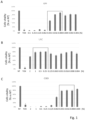
- the cell viability following treatment with the different substances was analyzed. Cell viability is expressed as percentage of absorbance at 595 nm of untreated cells (NT). The test results are shown in Fig. 1 .
- LAC showed a good toxicological profile, with cell viability between 60 and 80 % at all the concentrations tested (see Fig. 1B ).
- a viability of about 50% was observed at a concentration of CBD of 0.063 % w/v, while cell viability stabilized at around 80% at tested concentrations from 0.031 to 0.004 % w/v, with a slight dose-response trend (see Fig. 1C ).
- HaCaT cells immortalized human keratinocytes
- DMEM culture medium 5% CO 2 in DMEM culture medium, added with 1% non-essential aminoacids and 10% FBS.
- the cells were plated in 48-wells multi-well plates at 5*10 4 cells/ml, in 10% FBS DMEM.
- the day after, the culture medium was removed and substituted with 500 ⁇ L of complete medium without FBS and at the same time an inflammatory process was induced by treatment with TNF ⁇ 20 ng/ml, maintained over/night. This stimulus induces an increase in production of these cytokines compared to controls not receiving TNF ⁇ .
- Example 2 The following day, the inflamed cells were treated with each ingredient prepared in Example 1, at the highest non-toxic concentrations identified in Example 2.
- IL-6 pro-inflammatory cytokine IL-6
- the dosage of the pro-inflammatory cytokine IL-6 was performed on 100 ⁇ L of each of the stored aliquots, following the kit protocol provided by the manufacturer.
- IL-6 is a mediator of inflammation that is produced and released by tissues that suffer an insult, with consequent damage to be repaired.
- cytokines such as IL-6
- the dosage of this cytokine is a valid indicator of inflammatory processes various nature and its reduction is an indicator of effectiveness of potential treatments.
- the anti-inflammatory effect of the compounds and compositions testes is expressed as a percentage of interleukin's production, with respect to inflamed cells (TNF ⁇ -treated) not subjected to anti-inflammatory treatment.
- Table 6 IL-6 production (% vs TNF ⁇ ) NT TNF ⁇ LAC 1% (w/v) CBD 0.03% (w/v) GPI 0.031% (v/v) Mean 4 100 143 99 96 St.dev. % 0.06 0.08 0.29 0.12 0.18
- Table 7 IL-6 production (% vs TNF ⁇ ) NT TNF ⁇ MIX Mean 4 100 48 St.dev. % 0.06 0.08 0.04
- Reduction of inflammation in keratinocytes subject to inflammatory insult, by the composition of the invention, is predictive of efficacy of the composition in treating inflammatory skin diseases.
- compositions tested in vitro in Examples 2 and 3. were prepared, by adapting the concentrations of the ingredients of the synergic compositions tested in vitro in Examples 2 and 3.
- cannabidiol previously dissolved in a mixture of polysorbate 20 and water, was mixed together with GPI Lysine and lactoferrin hydrolysate, previously dissolved in PBS, and with further pharmaceutical acceptable excipients, to obtain a final concentration of: 0.2-0.5 % w/v cannabidiol, 0.05-0.2% w/v GPI lysine, 0.05-0.5% lactoferrin hydrolysate, based on the total volume of the pharmaceutical product.
Landscapes
- Health & Medical Sciences (AREA)
- Chemical & Material Sciences (AREA)
- Life Sciences & Earth Sciences (AREA)
- Public Health (AREA)
- Medicinal Chemistry (AREA)
- Pharmacology & Pharmacy (AREA)
- Animal Behavior & Ethology (AREA)
- General Health & Medical Sciences (AREA)
- Veterinary Medicine (AREA)
- Epidemiology (AREA)
- Engineering & Computer Science (AREA)
- General Chemical & Material Sciences (AREA)
- Chemical Kinetics & Catalysis (AREA)
- Oil, Petroleum & Natural Gas (AREA)
- Dermatology (AREA)
- Bioinformatics & Cheminformatics (AREA)
- Inorganic Chemistry (AREA)
- Molecular Biology (AREA)
- Biochemistry (AREA)
- Nuclear Medicine, Radiotherapy & Molecular Imaging (AREA)
- Organic Chemistry (AREA)
- Zoology (AREA)
- Gastroenterology & Hepatology (AREA)
- Immunology (AREA)
- Proteomics, Peptides & Aminoacids (AREA)
- Medicines That Contain Protein Lipid Enzymes And Other Medicines (AREA)
Applications Claiming Priority (1)
| Application Number | Priority Date | Filing Date | Title |
|---|---|---|---|
| IT102023000019032A IT202300019032A1 (it) | 2023-09-15 | 2023-09-15 | Composizione dermatologica antiinfiammatoria, in particolare per il trattamento della dermatite seborroica |
Publications (1)
| Publication Number | Publication Date |
|---|---|
| EP4523699A1 true EP4523699A1 (de) | 2025-03-19 |
Family
ID=88778904
Family Applications (1)
| Application Number | Title | Priority Date | Filing Date |
|---|---|---|---|
| EP24199275.9A Pending EP4523699A1 (de) | 2023-09-15 | 2024-09-09 | Entzündungshemmende dermatologische zusammensetzung enthaltend glycerophosphoinositol, ein lactoferrinhydrolysat und ein cannabinoid , insbesondere zur behandlung von seborrhoischer dermatitis |
Country Status (2)
| Country | Link |
|---|---|
| EP (1) | EP4523699A1 (de) |
| IT (1) | IT202300019032A1 (de) |
Citations (6)
| Publication number | Priority date | Publication date | Assignee | Title |
|---|---|---|---|---|
| WO1998006425A1 (en) * | 1996-08-12 | 1998-02-19 | A+ Science Invest Ab | Treatment and prevention of infections, inflammations and/or tumours with lactoferrin and/or lactoferricin |
| WO2014053642A1 (en) * | 2012-10-04 | 2014-04-10 | Consiglio Nazionale Delle Ricerche | Use of glycerophosphoinositols for the treatment of septic shock |
| US20170304409A1 (en) * | 2014-09-24 | 2017-10-26 | ISTITUTO PROFILATTICO E FARMACEUTICO CANDIOLI & C. SPA in abbreviated form CANDIOLI FARMACEUTICI | Compositions useful for the prevention and/or treatment of infections and inflammations |
| US20180263952A1 (en) * | 2015-09-29 | 2018-09-20 | Gw Pharma Limited | Use of cannabinoids in the treatment of inflammatory skin diseases |
| WO2019021175A1 (en) | 2017-07-26 | 2019-01-31 | Bict S.R.L. | LACTOFERRICIN AND LACTOFERRAMPINE FOR THE TREATMENT OF INFECTIONS |
| WO2023012616A1 (en) * | 2021-08-03 | 2023-02-09 | Fb Dermo S.R.L. | Composition for the prevention and/or treatment of acne |
-
2023
- 2023-09-15 IT IT102023000019032A patent/IT202300019032A1/it unknown
-
2024
- 2024-09-09 EP EP24199275.9A patent/EP4523699A1/de active Pending
Patent Citations (6)
| Publication number | Priority date | Publication date | Assignee | Title |
|---|---|---|---|---|
| WO1998006425A1 (en) * | 1996-08-12 | 1998-02-19 | A+ Science Invest Ab | Treatment and prevention of infections, inflammations and/or tumours with lactoferrin and/or lactoferricin |
| WO2014053642A1 (en) * | 2012-10-04 | 2014-04-10 | Consiglio Nazionale Delle Ricerche | Use of glycerophosphoinositols for the treatment of septic shock |
| US20170304409A1 (en) * | 2014-09-24 | 2017-10-26 | ISTITUTO PROFILATTICO E FARMACEUTICO CANDIOLI & C. SPA in abbreviated form CANDIOLI FARMACEUTICI | Compositions useful for the prevention and/or treatment of infections and inflammations |
| US20180263952A1 (en) * | 2015-09-29 | 2018-09-20 | Gw Pharma Limited | Use of cannabinoids in the treatment of inflammatory skin diseases |
| WO2019021175A1 (en) | 2017-07-26 | 2019-01-31 | Bict S.R.L. | LACTOFERRICIN AND LACTOFERRAMPINE FOR THE TREATMENT OF INFECTIONS |
| WO2023012616A1 (en) * | 2021-08-03 | 2023-02-09 | Fb Dermo S.R.L. | Composition for the prevention and/or treatment of acne |
Also Published As
| Publication number | Publication date |
|---|---|
| IT202300019032A1 (it) | 2025-03-15 |
Similar Documents
| Publication | Publication Date | Title |
|---|---|---|
| US6238683B1 (en) | Anhydrous topical skin preparations | |
| US6110966A (en) | Triple action complex | |
| KR101065645B1 (ko) | 피부염 치료용 프로안토시아니딘을 함유하는 국부 약학조성물 | |
| WO2005070451A1 (en) | Pharmaceutical composition comprising non-glycosylated erythropoietin | |
| JPS62501002A (ja) | 高い眼圧の防止法、緑内障の処置及び高眼圧の処置 | |
| JP2000512298A (ja) | 酸性プロテアーゼ酵素と酸性緩衝剤の組合せおよびその使用 | |
| JP2002514577A (ja) | 海水を含む医薬、衛生および/または化粧用組成物とその使用 | |
| MX2007015074A (es) | Formulaciones que contienen xiloglucano mucoadhesivo util en dispositivos medicos y en formulaciones farmaceuticas. | |
| BR112012001491B1 (pt) | Preparação terapêutica para tratar dermatite e uso de uma preparação terapêutica | |
| KR101098581B1 (ko) | Abh 항원을 이용한 염증질환 개선용 조성물 | |
| US20040157936A1 (en) | Anhydrous topical skin preparations | |
| US11090205B2 (en) | Methods and compositions for treatment of skin conditions | |
| US20250127911A1 (en) | Compositions and methods for treatment of wounds and inflammatory skin conditions | |
| EP1364645A1 (de) | Pharmazeutische Kombinationen zur topischen Behandlung mit Eisen-Chelatoren, Metallprotease Inhibitoren un Faktor XIII | |
| EP4523699A1 (de) | Entzündungshemmende dermatologische zusammensetzung enthaltend glycerophosphoinositol, ein lactoferrinhydrolysat und ein cannabinoid , insbesondere zur behandlung von seborrhoischer dermatitis | |
| EP0620737B1 (de) | Verwendung von LACTOFERRIN zur Herstellung eines THERAPEUTISCHEN MITTELS zur Behandlung von RHEUMATISMUS | |
| JP2003531845A (ja) | No合成酵素阻害剤としてのリポクロマン−6とその使用 | |
| US5886038A (en) | Composition and method for treatment of psoriasis | |
| CN108852924A (zh) | 一种具抗老化、美白、抗过敏及细胞修护功能的红藜萃取物 | |
| US9173940B1 (en) | Mixture of betamethasone and tranilast with a transdermal gel for scar treatment | |
| EP3808353B1 (de) | Zusammensetzung und verwendung einer ophthalmischen lösung auf der basis von hyaluronsäure und arabinogalaktan | |
| JPH115742A (ja) | コレステロール硫酸含有外用剤 | |
| US11780883B2 (en) | Derived peptide of lactoferrin and method thereof for promoting and/or increasing lipid synthesis | |
| US20250090442A1 (en) | Topical Composition For Managing Fragile Skin | |
| EP4527370A1 (de) | Dermatologische und kosmetische zusammensetzung, insbesondere zur behandlung von hyperpigmentierung und zugehörigen hautreizungen |
Legal Events
| Date | Code | Title | Description |
|---|---|---|---|
| PUAI | Public reference made under article 153(3) epc to a published international application that has entered the european phase |
Free format text: ORIGINAL CODE: 0009012 |
|
| STAA | Information on the status of an ep patent application or granted ep patent |
Free format text: STATUS: THE APPLICATION HAS BEEN PUBLISHED |
|
| AK | Designated contracting states |
Kind code of ref document: A1 Designated state(s): AL AT BE BG CH CY CZ DE DK EE ES FI FR GB GR HR HU IE IS IT LI LT LU LV MC ME MK MT NL NO PL PT RO RS SE SI SK SM TR |
|
| P01 | Opt-out of the competence of the unified patent court (upc) registered |
Free format text: CASE NUMBER: APP_16046/2025 Effective date: 20250402 |
|
| STAA | Information on the status of an ep patent application or granted ep patent |
Free format text: STATUS: REQUEST FOR EXAMINATION WAS MADE |
|
| 17P | Request for examination filed |
Effective date: 20250909 |