EP4512918A1 - Aluminiumlegierungsplatte für tank und herstellungsverfahren dafür - Google Patents
Aluminiumlegierungsplatte für tank und herstellungsverfahren dafür Download PDFInfo
- Publication number
- EP4512918A1 EP4512918A1 EP23791243.1A EP23791243A EP4512918A1 EP 4512918 A1 EP4512918 A1 EP 4512918A1 EP 23791243 A EP23791243 A EP 23791243A EP 4512918 A1 EP4512918 A1 EP 4512918A1
- Authority
- EP
- European Patent Office
- Prior art keywords
- aluminum alloy
- alloy sheet
- cast slab
- sheet
- hot
- Prior art date
- Legal status (The legal status is an assumption and is not a legal conclusion. Google has not performed a legal analysis and makes no representation as to the accuracy of the status listed.)
- Pending
Links
Images



Classifications
-
- C—CHEMISTRY; METALLURGY
- C22—METALLURGY; FERROUS OR NON-FERROUS ALLOYS; TREATMENT OF ALLOYS OR NON-FERROUS METALS
- C22C—ALLOYS
- C22C1/00—Making non-ferrous alloys
- C22C1/06—Making non-ferrous alloys with the use of special agents for refining or deoxidising
-
- B—PERFORMING OPERATIONS; TRANSPORTING
- B21—MECHANICAL METAL-WORKING WITHOUT ESSENTIALLY REMOVING MATERIAL; PUNCHING METAL
- B21B—ROLLING OF METAL
- B21B1/00—Metal-rolling methods or mills for making semi-finished products of solid or profiled cross-section; Sequence of operations in milling trains; Layout of rolling-mill plant, e.g. grouping of stands; Succession of passes or of sectional pass alternations
- B21B1/22—Metal-rolling methods or mills for making semi-finished products of solid or profiled cross-section; Sequence of operations in milling trains; Layout of rolling-mill plant, e.g. grouping of stands; Succession of passes or of sectional pass alternations for rolling plates, strips, bands or sheets of indefinite length
-
- B—PERFORMING OPERATIONS; TRANSPORTING
- B21—MECHANICAL METAL-WORKING WITHOUT ESSENTIALLY REMOVING MATERIAL; PUNCHING METAL
- B21B—ROLLING OF METAL
- B21B3/00—Rolling materials of special alloys so far as the composition of the alloy requires or permits special rolling methods or sequences ; Rolling of aluminium, copper, zinc or other non-ferrous metals
-
- B—PERFORMING OPERATIONS; TRANSPORTING
- B21—MECHANICAL METAL-WORKING WITHOUT ESSENTIALLY REMOVING MATERIAL; PUNCHING METAL
- B21B—ROLLING OF METAL
- B21B37/00—Control devices or methods specially adapted for metal-rolling mills or the work produced thereby
- B21B37/58—Roll-force control; Roll-gap control
-
- C—CHEMISTRY; METALLURGY
- C22—METALLURGY; FERROUS OR NON-FERROUS ALLOYS; TREATMENT OF ALLOYS OR NON-FERROUS METALS
- C22C—ALLOYS
- C22C1/00—Making non-ferrous alloys
- C22C1/02—Making non-ferrous alloys by melting
- C22C1/026—Alloys based on aluminium
-
- C—CHEMISTRY; METALLURGY
- C22—METALLURGY; FERROUS OR NON-FERROUS ALLOYS; TREATMENT OF ALLOYS OR NON-FERROUS METALS
- C22C—ALLOYS
- C22C1/00—Making non-ferrous alloys
- C22C1/02—Making non-ferrous alloys by melting
- C22C1/03—Making non-ferrous alloys by melting using master alloys
-
- C—CHEMISTRY; METALLURGY
- C22—METALLURGY; FERROUS OR NON-FERROUS ALLOYS; TREATMENT OF ALLOYS OR NON-FERROUS METALS
- C22C—ALLOYS
- C22C21/00—Alloys based on aluminium
-
- C—CHEMISTRY; METALLURGY
- C22—METALLURGY; FERROUS OR NON-FERROUS ALLOYS; TREATMENT OF ALLOYS OR NON-FERROUS METALS
- C22C—ALLOYS
- C22C21/00—Alloys based on aluminium
- C22C21/06—Alloys based on aluminium with magnesium as the next major constituent
- C22C21/08—Alloys based on aluminium with magnesium as the next major constituent with silicon
-
- C—CHEMISTRY; METALLURGY
- C22—METALLURGY; FERROUS OR NON-FERROUS ALLOYS; TREATMENT OF ALLOYS OR NON-FERROUS METALS
- C22F—CHANGING THE PHYSICAL STRUCTURE OF NON-FERROUS METALS AND NON-FERROUS ALLOYS
- C22F1/00—Changing the physical structure of non-ferrous metals or alloys by heat treatment or by hot or cold working
- C22F1/04—Changing the physical structure of non-ferrous metals or alloys by heat treatment or by hot or cold working of aluminium or alloys based thereon
-
- C—CHEMISTRY; METALLURGY
- C22—METALLURGY; FERROUS OR NON-FERROUS ALLOYS; TREATMENT OF ALLOYS OR NON-FERROUS METALS
- C22F—CHANGING THE PHYSICAL STRUCTURE OF NON-FERROUS METALS AND NON-FERROUS ALLOYS
- C22F1/00—Changing the physical structure of non-ferrous metals or alloys by heat treatment or by hot or cold working
- C22F1/04—Changing the physical structure of non-ferrous metals or alloys by heat treatment or by hot or cold working of aluminium or alloys based thereon
- C22F1/047—Changing the physical structure of non-ferrous metals or alloys by heat treatment or by hot or cold working of aluminium or alloys based thereon of alloys with magnesium as the next major constituent
-
- C—CHEMISTRY; METALLURGY
- C22—METALLURGY; FERROUS OR NON-FERROUS ALLOYS; TREATMENT OF ALLOYS OR NON-FERROUS METALS
- C22F—CHANGING THE PHYSICAL STRUCTURE OF NON-FERROUS METALS AND NON-FERROUS ALLOYS
- C22F1/00—Changing the physical structure of non-ferrous metals or alloys by heat treatment or by hot or cold working
- C22F1/04—Changing the physical structure of non-ferrous metals or alloys by heat treatment or by hot or cold working of aluminium or alloys based thereon
- C22F1/05—Changing the physical structure of non-ferrous metals or alloys by heat treatment or by hot or cold working of aluminium or alloys based thereon of alloys of the Al-Si-Mg type, i.e. containing silicon and magnesium in approximately equal proportions
-
- B—PERFORMING OPERATIONS; TRANSPORTING
- B21—MECHANICAL METAL-WORKING WITHOUT ESSENTIALLY REMOVING MATERIAL; PUNCHING METAL
- B21B—ROLLING OF METAL
- B21B1/00—Metal-rolling methods or mills for making semi-finished products of solid or profiled cross-section; Sequence of operations in milling trains; Layout of rolling-mill plant, e.g. grouping of stands; Succession of passes or of sectional pass alternations
- B21B1/22—Metal-rolling methods or mills for making semi-finished products of solid or profiled cross-section; Sequence of operations in milling trains; Layout of rolling-mill plant, e.g. grouping of stands; Succession of passes or of sectional pass alternations for rolling plates, strips, bands or sheets of indefinite length
- B21B2001/221—Metal-rolling methods or mills for making semi-finished products of solid or profiled cross-section; Sequence of operations in milling trains; Layout of rolling-mill plant, e.g. grouping of stands; Succession of passes or of sectional pass alternations for rolling plates, strips, bands or sheets of indefinite length by cold-rolling
-
- B—PERFORMING OPERATIONS; TRANSPORTING
- B21—MECHANICAL METAL-WORKING WITHOUT ESSENTIALLY REMOVING MATERIAL; PUNCHING METAL
- B21B—ROLLING OF METAL
- B21B1/00—Metal-rolling methods or mills for making semi-finished products of solid or profiled cross-section; Sequence of operations in milling trains; Layout of rolling-mill plant, e.g. grouping of stands; Succession of passes or of sectional pass alternations
- B21B1/22—Metal-rolling methods or mills for making semi-finished products of solid or profiled cross-section; Sequence of operations in milling trains; Layout of rolling-mill plant, e.g. grouping of stands; Succession of passes or of sectional pass alternations for rolling plates, strips, bands or sheets of indefinite length
- B21B2001/225—Metal-rolling methods or mills for making semi-finished products of solid or profiled cross-section; Sequence of operations in milling trains; Layout of rolling-mill plant, e.g. grouping of stands; Succession of passes or of sectional pass alternations for rolling plates, strips, bands or sheets of indefinite length by hot-rolling
-
- B—PERFORMING OPERATIONS; TRANSPORTING
- B21—MECHANICAL METAL-WORKING WITHOUT ESSENTIALLY REMOVING MATERIAL; PUNCHING METAL
- B21B—ROLLING OF METAL
- B21B3/00—Rolling materials of special alloys so far as the composition of the alloy requires or permits special rolling methods or sequences ; Rolling of aluminium, copper, zinc or other non-ferrous metals
- B21B2003/001—Aluminium or its alloys
Definitions
- the present disclosure relates to the technical field of metallic materials and their processing, in particular to an aluminum alloy sheet for a can body with excellent perforation resistance and low cost, and a method for preparing the same.
- aluminum cans Compared with tin-plated steel cans, aluminum cans have become one of the most heavily used materials in the metal packaging industry due to their advantages like light weight, corrosion resistance, good thermal conductivity, good formability, easy recycling, simple post-printing processing, and environmental friendliness.
- An aluminum alloy sheet for a can body may be manufactured by homogenizing, hot rolling and cold rolling a large-size flat cast slab of aluminum alloy. After the resulting sheet is degreased, washed and oiled, it may be used to manufacture beer and beverage cans through processes such as cup body forming, washing, drying, coating, baking, necking and flanging.
- Beer and beverage cans need to have a certain compressive strength. However, after baking, the strength of the cans will decrease. In order to reduce the degradation of the strength after baking, it is necessary to control and optimize the solid-dissolution amounts, relative contents and precipitation amounts of alloying elements including impurity elements. In the case of improper control, substrates with higher perforation risk will flow into downstream can-making enterprises. Since post-canning tracing is difficult for the downstream enterprises, to be on the safe side, they often isolate or return the entire batch of substrates with perforation defects. The sum of claim for compensation not only involves the can bodies themselves, but also involves the value of the entire cans and the user experience, which often exceeds the cost of the can bodies by many times, causing huge losses and waste of resources. Therefore, if recycled aluminum can be put into use, it will bring huge long-term benefits to the ecological environment and energy utilization.
- the inventors have conducted service simulation tests on the composition and impurity distribution of an aluminum material, and have discovered that the type and spatial size distribution feature of an intermetallic compound in the matrix are closely related with the incidence of perforation defects in the can material.
- one of the objects of the present disclosure is to provide an aluminum alloy sheet for a can body, wherein the aluminum alloy sheet for a can body is prepared using a recycled can body material of the same series, wherein the aluminum alloy sheet for a can body comprises, by mass percentage, Mn: 0.70-1.35%, Mg: 0.80-1.55%, Si: 0.30-0.50%, Fe: 0.40-0.80% (e.g., 0.40-0.75%), Cu: 0.15-0.35%, Zn: 0-0.30%, Ti: 0-0.08%, a rare earth mixture of Ce+La: 0.005-0.008%, and a balance of Al and other unavoidable impurities, wherein a mass ratio of Fe/Si is greater than 1.5; and the recycled can body material of the same series is added in an amount that accounts for at least 50% of a total weight of the aluminum alloy sheet.
- the present disclosure provides an aluminum alloy sheet for a can body whose chemical composition is designed to limit the mass ratio of Fe/Si to greater than 1.5, and have a relatively increased content of Mg, so as to overcome the negative influences of Si and Fe on the microstructure and product performances.
- the amount of the recycled can body material of the same series added accounts for at least 50% of the total metal mass, the input of fresh aluminum is reduced greatly, which is conducive to low-carbon production of a cost-effective aluminum alloy material for a can body.
- the excess Si combines with Mn to form a complex ternary phase Al 12 Mn 3 Si 2 , with Mg to form a Mg 2 Si precipitation phase, and with Fe to form an AI(FeMn)Si quaternary phase.
- the corrosion potential follows the following relationship: Mg 2 Si>Al 6 Mn> ⁇ AlFeMnSi> ⁇ -Al. Therefore, increasing the relative proportion of ⁇ AlFeMnSi is beneficial to improving the corrosion resistance of the can material.
- the proportion of the ⁇ AlFeMnSi phase also has a non-negligible positive influence on the control of the cubic texture in the subsequent rolling process.
- the porosity of the aluminum alloy sheet for a can body does not exceed 0.15%.
- the thickness of the aluminum alloy sheet for a can body is 0.23-0.50 mm.
- the aluminum alloy sheet for a can body has a tensile strength of ⁇ 290MPa, for example, 290-310MPa; a yield strength of ⁇ 270MPa, for example, 270-290MPa, and an elongation of ⁇ 6.0%, for example, 6.0-7.0%.
- the perforation incidence of the aluminum alloy sheet for a can body is ⁇ 10ppm, for example, ⁇ 5ppm.
- the perforation fracture surface of the aluminum alloy sheet for a can body is devoid of impurities.
- the primary alloy composition of the aluminum alloy sheet for a can body provided by the present disclosure is limited, and the conversion ratio of the ⁇ AlFeMnSi phase is quantitatively controlled, so that the distribution of the second phase is more dispersive and more uniform, and the size distribution at a hazardous level is further narrowed.
- the incidence of perforation defects after canning is reduced by at least 10ppm in comparison with those products manufactured by conventional processes, indicating excellent perforation resistance.
- Another object of the present disclosure is to provide a method for preparing an aluminum alloy sheet for a can body, comprising the following steps:
- This technical solution allows the matrix structure, impurity elements and inclusions of the aluminum alloy sheet made using a recycled can body material to be more evenly distributed, reducing the incidence of perforation defects in the thin aluminum alloy sheet. At the same time, this solution also reduces the input of fresh aluminum, which is conducive to low-carbon production of a cost-effective aluminum alloy material for a can body.
- an aluminum ingot with Al ⁇ 99.70% by mass percentage is selected.
- the recycled can body material is a Series 3 recycled aluminum alloy material.
- a recycled material is also named a recovered material, or a secondary material. It is an aluminum alloy or aluminum metal obtained by smelting an aluminum waste material, an aluminum alloy waste material, or an aluminum-containing waste material. A recycled material must undergo strict internal control testing before it is put into use.
- the Series 3 recycled aluminum alloy material used in the present disclosure has a well-known meaning in the art, and refers to an aluminum alloy with AlMn as the main component, originating from waste materials from the AlMn aluminum alloy process, recycled can materials, etc.
- the metal additives are added in the order of Mn, Si, Fe, Cu, Mg, and the rare earth mixture to further save energy.
- smelting is performed in a smelting furnace, and refining is performed in a holding furnace, followed by standing still.
- AL-5Ti-0.2B is used as a refiner for online grain refinement in an amount of 1.0-1.3 kg per ton aluminum;
- a SNIF (Spinning Nozzel Inert Floatation) degassing device is used for online degassing, with the H content in the melt being controlled to be ⁇ 0.12 ml/100 g Al; and the melt is purified by 50 PPI plate filtration and RC grade or higher tubular filtration.
- the flat cast slab obtained in the casting step has a fraction of loosening area of 2 ⁇ m or more in a low-magnification cross section in the range of 0.05-0.18%.
- the flat cast slab is obtained by semi-continuous casting at a casting speed of 50-60 mm/min and a casting temperature of 660-710°C. Subsequently, the sprue portion and the starter head portion are saw-cut from the flat cast slab and milled, with the saw-cutting length of the sprue portion from the cast slab being ⁇ 150mm, and the saw-cutting length of the starter head portion from the cast slab being ⁇ 400mm.
- the cast slab obtained has a fraction of loosening area of 2 ⁇ m or more in a low-magnification cross section in the range of 0.05-0.18%.
- the large surface of the flat cast slab is milled with a milling amount of 10-15 mm, and the side surface of the cast slab is milled with a milling amount of 8-12 mm.
- the flat cast slab obtained in the casting step is milled and then subjected to homogenization treatment at 570-610°C for 8-15 hours, for example, 10-15 hours or 8-12 hours. Since the use of the recycled material brings in a higher content of Si and Fe, stress concentration points are formed when the coarse second phase is formed. The stress concentration points, besides inclusions, are one of the main causes of perforation defects.
- this technical solution also allows for optimization of the degree of elemental segregation inside the cast slab, which not only avoids overburning, but also ensures that the a phase conversion ratio is greater than 80%, and the matrix structure, impurity elements and inclusions are more evenly distributed, thereby reducing the incidence of perforation defects after canning by at least 10ppm in comparison with those products manufactured by conventional processes.
- the flat cast slab is cooled rapidly by lowering the temperature of the flat cast slab to 510-540°C at full power, and held for 2-12 hours before being discharged from the furnace and rolled. The cooling rate is controlled within 20-80°C/h.
- the rolling step comprises:
- a hot-rough-rolled sheet with a thickness of 30-45 mm is obtained through 19-27 passes.
- the total reduction rate obtained after 3-5 passes is ⁇ 87%.
- the size of the second phase in the aluminum alloy sheet for a can body is kept at 70 ⁇ m or less, thereby reducing the incidence of failure caused by perforation defects in the thin aluminum alloy sheet for a can body, and on the other hand, the manufacture of a thinner sheet is enabled.
- the aluminum alloy sheet for a can body provided in the present disclosure may be prepared by the following method:
- a recycled can body material of the same series, an aluminum ingot, rare earth metals and metal additives are added to prepare a batch material, wherein the recycled can body material of the same series is added in a mass amount that accounts for at least 50% of a total mass of the batch material; wherein, by mass percentage, the batch material is controlled to comprise Mn: 0.70-1.35%, Mg: 0.80-1.55%, Si: 0.30-0.50%, Fe: 0.40-0.80%, Cu: 0.15-0.35%, Zn: 0-0.30% , Ti: 0-0.08%, a rare earth mixture of Ce+La: 0.005-0.008%, and a balance of Al and unavoidable impurities; wherein the mass ratio of Fe/Si is greater than 1.5.
- the recycled can body material is a Series 3 aluminum alloy recycled material; an aluminum ingot with Al ⁇ 99.70% by mass percentage is selected; according to the melting points and burn-off ratios of the alloying elements, the metal additives are added in the order of Mn, Si, Fe, Cu, Mg, and the rare earth mixture to further save energy.
- AL-5Ti-0.2B is used as a refiner for online grain refinement in an amount of 1.0-1.3 kg per ton aluminum; a SNIF (Spinning Nozzel Inert Floatation) degassing device is used for online degassing, with the H content in the melt being controlled to be ⁇ 0.12 ml/100 g Al; and the melt is purified by 50 PPI plate filtration and RC grade or higher tubular filtration.
- SNIF Spin Nozzel Inert Floatation
- the flat cast slab is obtained by semi-continuous casting at a casting speed of 50-60 mm/min and a casting temperature of 660-710°C. Subsequently, the sprue portion and the starter head portion are saw-cut from the cast slab and milled, with the saw-cutting length of the sprue portion from the cast slab being ⁇ 150mm, and the saw-cutting length of the starter head portion from the cast slab being ⁇ 400mm.
- the cast slab obtained has a fraction of loosening area of 2 ⁇ m or more in a low-magnification cross section in the range of 0.05-0.18%.
- the large surface of the flat cast slab is milled with a milling amount of 10-15 mm, and the side surface of the cast slab is milled with a milling amount of 8-12 mm.
- Hot rough rolling The start temperature of the hot rough rolling is controlled to be 510-540°C, for example, 530-540°C; the final temperature of the hot rough rolling is ⁇ 450°C; and a hot-rough-rolled sheet with a thickness of 30-45 mm is obtained after 19-27 passes.
- the final temperature of the cold rolling is controlled to be 145-160°C, and the total reduction rate obtained after 3-5 passes is ⁇ 87%, so as to obtain a cold-rolled sheet with a thickness of 0.23-0.50 mm.
- the aluminum alloy sheet is trimmed, oiled, and cut up to be used for can bodies.
- the aluminum alloy sheet for a can body provided according to the present disclosure exhibits superior purity indicators. Its porosity is reduced ( ⁇ 0.15%); the inclusion with larger size and higher hardness is controlled and modified effectively; the conversion ratio of the second phase (the conversion ratio of the ⁇ AlFeMnSi phase) is further improved; and the size distribution at a hazardous level is further narrowed. With the same sheet thickness, the incidence of perforation defects after canning is reduced by at least 10ppm in comparison with those products manufactured by conventional processes.
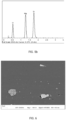
- the metallographic sample of Comparative Example 1 was subjected to scanning electron microscopy analysis. As shown by FIG. 3a , multiple particles of at least 10 ⁇ m were present in the sample structure.
Landscapes
- Chemical & Material Sciences (AREA)
- Engineering & Computer Science (AREA)
- Mechanical Engineering (AREA)
- Materials Engineering (AREA)
- Metallurgy (AREA)
- Organic Chemistry (AREA)
- Physics & Mathematics (AREA)
- Thermal Sciences (AREA)
- Crystallography & Structural Chemistry (AREA)
- Continuous Casting (AREA)
- Metal Rolling (AREA)
- Manufacture And Refinement Of Metals (AREA)
Applications Claiming Priority (2)
| Application Number | Priority Date | Filing Date | Title |
|---|---|---|---|
| CN202210410209.XA CN116949321A (zh) | 2022-04-19 | 2022-04-19 | 一种罐体用铝合金板材及其制造方法 |
| PCT/CN2023/089036 WO2023202588A1 (zh) | 2022-04-19 | 2023-04-18 | 一种罐体用铝合金板材及其制造方法 |
Publications (2)
| Publication Number | Publication Date |
|---|---|
| EP4512918A1 true EP4512918A1 (de) | 2025-02-26 |
| EP4512918A4 EP4512918A4 (de) | 2025-09-03 |
Family
ID=88419221
Family Applications (1)
| Application Number | Title | Priority Date | Filing Date |
|---|---|---|---|
| EP23791243.1A Pending EP4512918A4 (de) | 2022-04-19 | 2023-04-18 | Aluminiumlegierungsplatte für tank und herstellungsverfahren dafür |
Country Status (6)
| Country | Link |
|---|---|
| EP (1) | EP4512918A4 (de) |
| JP (1) | JP2025514728A (de) |
| KR (1) | KR20250004766A (de) |
| CN (1) | CN116949321A (de) |
| MX (1) | MX2024013001A (de) |
| WO (1) | WO2023202588A1 (de) |
Families Citing this family (1)
| Publication number | Priority date | Publication date | Assignee | Title |
|---|---|---|---|---|
| CN118086732A (zh) * | 2024-03-01 | 2024-05-28 | 北京车和家汽车科技有限公司 | 一种铝型材及其制备方法和应用 |
Family Cites Families (20)
| Publication number | Priority date | Publication date | Assignee | Title |
|---|---|---|---|---|
| JP2525017B2 (ja) * | 1987-10-30 | 1996-08-14 | 古河電気工業株式会社 | キャンエンド用アルミニウム合金材 |
| JPH0860283A (ja) * | 1994-08-15 | 1996-03-05 | Sky Alum Co Ltd | Di缶胴用アルミニウム合金板およびその製造方法 |
| JP4019082B2 (ja) * | 2005-03-25 | 2007-12-05 | 株式会社神戸製鋼所 | 高温特性に優れたボトル缶用アルミニウム合金板 |
| JP5091415B2 (ja) * | 2006-03-16 | 2012-12-05 | 株式会社神戸製鋼所 | ボトル缶用アルミニウム合金板の製造方法 |
| JP5449693B2 (ja) * | 2008-03-28 | 2014-03-19 | 株式会社神戸製鋼所 | ボトル缶用アルミニウム合金冷間圧延板およびその製造方法 |
| JP5675447B2 (ja) * | 2011-03-10 | 2015-02-25 | 株式会社神戸製鋼所 | 樹脂被覆缶胴用アルミニウム合金板およびその製造方法 |
| FR3005664B1 (fr) * | 2013-05-17 | 2016-05-27 | Constellium France | Tole en alliage d'alliage pour bouteille metallique ou boitier d'aerosol |
| CN104294194B (zh) * | 2013-07-16 | 2016-09-28 | 大力神铝业股份有限公司 | 一种提高3104铝合金带材杯突值的制造方法 |
| CN104561697B (zh) * | 2014-12-31 | 2017-10-31 | 云南铝业股份有限公司 | 一种直接用电解铝液下注式铸轧法生产易拉罐罐料的方法 |
| CN105401002A (zh) * | 2015-11-14 | 2016-03-16 | 合肥标兵凯基新型材料有限公司 | 一种易拉罐用铝合金 |
| CN105441742B (zh) * | 2015-11-14 | 2018-10-12 | 合肥市易远新材料有限公司 | 一种易拉罐罐体用材料 |
| WO2017110869A1 (ja) * | 2015-12-25 | 2017-06-29 | 株式会社Uacj | 缶ボディ用アルミニウム合金板及びその製造方法 |
| JP2018003074A (ja) * | 2016-06-29 | 2018-01-11 | 株式会社Uacj | アルミニウム合金板及びその製造方法 |
| CN108359810A (zh) * | 2018-03-09 | 2018-08-03 | 北京科技大学 | 一种环保型再生铝精炼剂及其使用方法 |
| JP7111563B2 (ja) * | 2018-08-31 | 2022-08-02 | 株式会社Uacj | アルミニウム合金板 |
| KR102559606B1 (ko) * | 2018-08-31 | 2023-07-24 | 가부시키가이샤 유에이씨제이 | 알루미늄 합금판 |
| CN109518044A (zh) * | 2018-12-29 | 2019-03-26 | 中铝材料应用研究院有限公司 | 一种薄型罐身用3104铝合金及其板材的制备方法 |
| CN111424186A (zh) * | 2020-05-08 | 2020-07-17 | 河南科创铝基新材料有限公司 | 再生铝熔体用高效复合精炼剂及其制备方法和使用方法 |
| CN111910111A (zh) * | 2020-08-13 | 2020-11-10 | 中铝瑞闽股份有限公司 | 一种减薄拉深罐身用铝镁锰铜合金板材的制备方法 |
| CN113549794A (zh) * | 2021-09-22 | 2021-10-26 | 山东宏桥新型材料有限公司 | 一种利用废铝合金罐生产的铝合金罐 |
-
2022
- 2022-04-19 CN CN202210410209.XA patent/CN116949321A/zh active Pending
-
2023
- 2023-04-18 EP EP23791243.1A patent/EP4512918A4/de active Pending
- 2023-04-18 KR KR1020247037552A patent/KR20250004766A/ko active Pending
- 2023-04-18 WO PCT/CN2023/089036 patent/WO2023202588A1/zh not_active Ceased
- 2023-04-18 JP JP2024561623A patent/JP2025514728A/ja active Pending
-
2024
- 2024-10-21 MX MX2024013001A patent/MX2024013001A/es unknown
Also Published As
| Publication number | Publication date |
|---|---|
| MX2024013001A (es) | 2024-11-08 |
| EP4512918A4 (de) | 2025-09-03 |
| KR20250004766A (ko) | 2025-01-08 |
| JP2025514728A (ja) | 2025-05-09 |
| WO2023202588A1 (zh) | 2023-10-26 |
| CN116949321A (zh) | 2023-10-27 |
Similar Documents
| Publication | Publication Date | Title |
|---|---|---|
| EP3722446B1 (de) | Aluminiumlegierungsblech für batteriedeckel zum formen eines integrierten explosionsschutzventils und herstellungsverfahren dafür | |
| CN114457265B (zh) | 一种高强度高疲劳性能6系铝合金、气瓶及其制备方法 | |
| CN101037744A (zh) | 列车车厢用铝合金板材的制造方法 | |
| KR101600214B1 (ko) | 알루미늄-마그네슘 합금 및 그의 합금판 | |
| CN113174500B (zh) | 一种提高5083合金o态折弯性能的方法 | |
| CN112981153B (zh) | 一种高强度高导电性铝/铝合金复合板及制备方法 | |
| CN108823440B (zh) | 一种亚共晶铝硅合金板坯的制备方法及应用 | |
| CN113528903A (zh) | 一种具有高折弯性能的5052铝合金及其制备方法 | |
| EP3872203A1 (de) | Aluminiumlegierungsblech für batteriedeckel zur formung eines integrierten explosionsschutzventils und verfahren zur herstellung davon | |
| CN115094276A (zh) | 一种铝合金及其制备方法和应用 | |
| CN106574328B (zh) | 铝合金板 | |
| CN117305669A (zh) | 铝合金板的制备方法以及通过该方法获得的铝合金板 | |
| CN117165821B (zh) | 一种氢能汽车储氢瓶用铝合金板材及其加工方法 | |
| EP4512918A1 (de) | Aluminiumlegierungsplatte für tank und herstellungsverfahren dafür | |
| CN106917017A (zh) | 铝合金板材及其生产方法 | |
| EP3842560A1 (de) | Aluminiumlegierungsblech für batteriedeckel zum formen eines integrierten explosionssicheren ventils und herstellungsverfahren dafür | |
| CN106893909A (zh) | 一种铝合金板材及其制作方法 | |
| CN113046603A (zh) | 一种铝合金板材及其制备方法 | |
| CN113862498B (zh) | 一种载货汽车油箱用高强度铝板材及其生产方法 | |
| JP3737744B2 (ja) | アルミニウム箔地の製造方法 | |
| EP3862449A1 (de) | Platte aus einer aluminiumlegierung für batteriedeckel zur verwendung beim formen eines integrierten explosionssicheren ventils und verfahren zu deren herstellung | |
| CN117888008A (zh) | 一种高强韧6系铝合金板带及其铸轧方法 | |
| EP3854896A1 (de) | Aluminiumlegierungsblech für batteriedeckel zur formung eines integrierten explosionsschutzventils und verfahren zur herstellung davon | |
| JPH0718389A (ja) | 成形用Al−Mg系合金板の製造方法 | |
| CN106623428A (zh) | 扭断型防盗瓶盖铸轧薄板的加工方法 |
Legal Events
| Date | Code | Title | Description |
|---|---|---|---|
| STAA | Information on the status of an ep patent application or granted ep patent |
Free format text: STATUS: THE INTERNATIONAL PUBLICATION HAS BEEN MADE |
|
| PUAI | Public reference made under article 153(3) epc to a published international application that has entered the european phase |
Free format text: ORIGINAL CODE: 0009012 |
|
| STAA | Information on the status of an ep patent application or granted ep patent |
Free format text: STATUS: REQUEST FOR EXAMINATION WAS MADE |
|
| 17P | Request for examination filed |
Effective date: 20241112 |
|
| AK | Designated contracting states |
Kind code of ref document: A1 Designated state(s): AL AT BE BG CH CY CZ DE DK EE ES FI FR GB GR HR HU IE IS IT LI LT LU LV MC ME MK MT NL NO PL PT RO RS SE SI SK SM TR |
|
| DAV | Request for validation of the european patent (deleted) | ||
| DAX | Request for extension of the european patent (deleted) | ||
| A4 | Supplementary search report drawn up and despatched |
Effective date: 20250731 |
|
| RIC1 | Information provided on ipc code assigned before grant |
Ipc: C22C 21/08 20060101AFI20250725BHEP Ipc: C22F 1/05 20060101ALI20250725BHEP Ipc: C22C 1/06 20060101ALI20250725BHEP Ipc: C22C 21/00 20060101ALI20250725BHEP Ipc: C22C 1/03 20060101ALI20250725BHEP Ipc: C22F 1/04 20060101ALI20250725BHEP Ipc: C22F 1/047 20060101ALI20250725BHEP |