EP4502596A1 - Method for evaluating quality of inducement inhibitory-t-cell formulation - Google Patents
Method for evaluating quality of inducement inhibitory-t-cell formulation Download PDFInfo
- Publication number
- EP4502596A1 EP4502596A1 EP23780950.4A EP23780950A EP4502596A1 EP 4502596 A1 EP4502596 A1 EP 4502596A1 EP 23780950 A EP23780950 A EP 23780950A EP 4502596 A1 EP4502596 A1 EP 4502596A1
- Authority
- EP
- European Patent Office
- Prior art keywords
- liver transplantation
- patient
- administration
- donor
- liver
- Prior art date
- Legal status (The legal status is an assumption and is not a legal conclusion. Google has not performed a legal analysis and makes no representation as to the accuracy of the status listed.)
- Pending
Links
Images




Classifications
-
- G—PHYSICS
- G01—MEASURING; TESTING
- G01N—INVESTIGATING OR ANALYSING MATERIALS BY DETERMINING THEIR CHEMICAL OR PHYSICAL PROPERTIES
- G01N33/00—Investigating or analysing materials by specific methods not covered by groups G01N1/00 - G01N31/00
- G01N33/48—Biological material, e.g. blood, urine; Haemocytometers
- G01N33/50—Chemical analysis of biological material, e.g. blood, urine; Testing involving biospecific ligand binding methods; Immunological testing
- G01N33/5005—Chemical analysis of biological material, e.g. blood, urine; Testing involving biospecific ligand binding methods; Immunological testing involving human or animal cells
- G01N33/5008—Chemical analysis of biological material, e.g. blood, urine; Testing involving biospecific ligand binding methods; Immunological testing involving human or animal cells for testing or evaluating the effect of chemical or biological compounds, e.g. drugs, cosmetics
- G01N33/5044—Chemical analysis of biological material, e.g. blood, urine; Testing involving biospecific ligand binding methods; Immunological testing involving human or animal cells for testing or evaluating the effect of chemical or biological compounds, e.g. drugs, cosmetics involving specific cell types
- G01N33/5047—Cells of the immune system
-
- A—HUMAN NECESSITIES
- A61—MEDICAL OR VETERINARY SCIENCE; HYGIENE
- A61K—PREPARATIONS FOR MEDICAL, DENTAL OR TOILETRY PURPOSES
- A61K45/00—Medicinal preparations containing active ingredients not provided for in groups A61K31/00 - A61K41/00
- A61K45/06—Mixtures of active ingredients without chemical characterisation, e.g. antiphlogistics and cardiaca
-
- G—PHYSICS
- G01—MEASURING; TESTING
- G01N—INVESTIGATING OR ANALYSING MATERIALS BY DETERMINING THEIR CHEMICAL OR PHYSICAL PROPERTIES
- G01N33/00—Investigating or analysing materials by specific methods not covered by groups G01N1/00 - G01N31/00
- G01N33/15—Medicinal preparations ; Physical properties thereof, e.g. dissolubility
-
- A—HUMAN NECESSITIES
- A61—MEDICAL OR VETERINARY SCIENCE; HYGIENE
- A61K—PREPARATIONS FOR MEDICAL, DENTAL OR TOILETRY PURPOSES
- A61K31/00—Medicinal preparations containing organic active ingredients
- A61K31/66—Phosphorus compounds
- A61K31/675—Phosphorus compounds having nitrogen as a ring hetero atom, e.g. pyridoxal phosphate
-
- A—HUMAN NECESSITIES
- A61—MEDICAL OR VETERINARY SCIENCE; HYGIENE
- A61K—PREPARATIONS FOR MEDICAL, DENTAL OR TOILETRY PURPOSES
- A61K31/00—Medicinal preparations containing organic active ingredients
- A61K31/70—Carbohydrates; Sugars; Derivatives thereof
- A61K31/7042—Compounds having saccharide radicals and heterocyclic rings
- A61K31/7052—Compounds having saccharide radicals and heterocyclic rings having nitrogen as a ring hetero atom, e.g. nucleosides, nucleotides
- A61K31/706—Compounds having saccharide radicals and heterocyclic rings having nitrogen as a ring hetero atom, e.g. nucleosides, nucleotides containing six-membered rings with nitrogen as a ring hetero atom
-
- A—HUMAN NECESSITIES
- A61—MEDICAL OR VETERINARY SCIENCE; HYGIENE
- A61K—PREPARATIONS FOR MEDICAL, DENTAL OR TOILETRY PURPOSES
- A61K35/00—Medicinal preparations containing materials or reaction products thereof with undetermined constitution
- A61K35/12—Materials from mammals; Compositions comprising non-specified tissues or cells; Compositions comprising non-embryonic stem cells; Genetically modified cells
- A61K35/14—Blood; Artificial blood
- A61K35/17—Lymphocytes; B-cells; T-cells; Natural killer cells; Interferon-activated or cytokine-activated lymphocytes
-
- A—HUMAN NECESSITIES
- A61—MEDICAL OR VETERINARY SCIENCE; HYGIENE
- A61K—PREPARATIONS FOR MEDICAL, DENTAL OR TOILETRY PURPOSES
- A61K38/00—Medicinal preparations containing peptides
- A61K38/04—Peptides having up to 20 amino acids in a fully defined sequence; Derivatives thereof
- A61K38/12—Cyclic peptides, e.g. bacitracins; Polymyxins; Gramicidins S, C; Tyrocidins A, B or C
-
- A—HUMAN NECESSITIES
- A61—MEDICAL OR VETERINARY SCIENCE; HYGIENE
- A61K—PREPARATIONS FOR MEDICAL, DENTAL OR TOILETRY PURPOSES
- A61K40/00—Cellular immunotherapy
- A61K40/10—Cellular immunotherapy characterised by the cell type used
- A61K40/11—T-cells, e.g. tumour infiltrating lymphocytes [TIL] or regulatory T [Treg] cells; Lymphokine-activated killer [LAK] cells
-
- A—HUMAN NECESSITIES
- A61—MEDICAL OR VETERINARY SCIENCE; HYGIENE
- A61K—PREPARATIONS FOR MEDICAL, DENTAL OR TOILETRY PURPOSES
- A61K40/00—Cellular immunotherapy
- A61K40/40—Cellular immunotherapy characterised by antigens that are targeted or presented by cells of the immune system
- A61K40/41—Vertebrate antigens
- A61K40/418—Antigens related to induction of tolerance to non-self
-
- A—HUMAN NECESSITIES
- A61—MEDICAL OR VETERINARY SCIENCE; HYGIENE
- A61P—SPECIFIC THERAPEUTIC ACTIVITY OF CHEMICAL COMPOUNDS OR MEDICINAL PREPARATIONS
- A61P37/00—Drugs for immunological or allergic disorders
- A61P37/02—Immunomodulators
- A61P37/06—Immunosuppressants, e.g. drugs for graft rejection
-
- C—CHEMISTRY; METALLURGY
- C12—BIOCHEMISTRY; BEER; SPIRITS; WINE; VINEGAR; MICROBIOLOGY; ENZYMOLOGY; MUTATION OR GENETIC ENGINEERING
- C12N—MICROORGANISMS OR ENZYMES; COMPOSITIONS THEREOF; PROPAGATING, PRESERVING, OR MAINTAINING MICROORGANISMS; MUTATION OR GENETIC ENGINEERING; CULTURE MEDIA
- C12N5/00—Undifferentiated human, animal or plant cells, e.g. cell lines; Tissues; Cultivation or maintenance thereof; Culture media therefor
- C12N5/0018—Culture media for cell or tissue culture
-
- C—CHEMISTRY; METALLURGY
- C12—BIOCHEMISTRY; BEER; SPIRITS; WINE; VINEGAR; MICROBIOLOGY; ENZYMOLOGY; MUTATION OR GENETIC ENGINEERING
- C12N—MICROORGANISMS OR ENZYMES; COMPOSITIONS THEREOF; PROPAGATING, PRESERVING, OR MAINTAINING MICROORGANISMS; MUTATION OR GENETIC ENGINEERING; CULTURE MEDIA
- C12N5/00—Undifferentiated human, animal or plant cells, e.g. cell lines; Tissues; Cultivation or maintenance thereof; Culture media therefor
- C12N5/06—Animal cells or tissues; Human cells or tissues
- C12N5/0602—Vertebrate cells
- C12N5/0634—Cells from the blood or the immune system
- C12N5/0636—T lymphocytes
-
- G—PHYSICS
- G01—MEASURING; TESTING
- G01N—INVESTIGATING OR ANALYSING MATERIALS BY DETERMINING THEIR CHEMICAL OR PHYSICAL PROPERTIES
- G01N33/00—Investigating or analysing materials by specific methods not covered by groups G01N1/00 - G01N31/00
- G01N33/48—Biological material, e.g. blood, urine; Haemocytometers
- G01N33/50—Chemical analysis of biological material, e.g. blood, urine; Testing involving biospecific ligand binding methods; Immunological testing
- G01N33/5005—Chemical analysis of biological material, e.g. blood, urine; Testing involving biospecific ligand binding methods; Immunological testing involving human or animal cells
- G01N33/5008—Chemical analysis of biological material, e.g. blood, urine; Testing involving biospecific ligand binding methods; Immunological testing involving human or animal cells for testing or evaluating the effect of chemical or biological compounds, e.g. drugs, cosmetics
- G01N33/502—Chemical analysis of biological material, e.g. blood, urine; Testing involving biospecific ligand binding methods; Immunological testing involving human or animal cells for testing or evaluating the effect of chemical or biological compounds, e.g. drugs, cosmetics for testing non-proliferative effects
- G01N33/5023—Chemical analysis of biological material, e.g. blood, urine; Testing involving biospecific ligand binding methods; Immunological testing involving human or animal cells for testing or evaluating the effect of chemical or biological compounds, e.g. drugs, cosmetics for testing non-proliferative effects on expression patterns
-
- G—PHYSICS
- G01—MEASURING; TESTING
- G01N—INVESTIGATING OR ANALYSING MATERIALS BY DETERMINING THEIR CHEMICAL OR PHYSICAL PROPERTIES
- G01N33/00—Investigating or analysing materials by specific methods not covered by groups G01N1/00 - G01N31/00
- G01N33/48—Biological material, e.g. blood, urine; Haemocytometers
- G01N33/50—Chemical analysis of biological material, e.g. blood, urine; Testing involving biospecific ligand binding methods; Immunological testing
- G01N33/5005—Chemical analysis of biological material, e.g. blood, urine; Testing involving biospecific ligand binding methods; Immunological testing involving human or animal cells
- G01N33/5008—Chemical analysis of biological material, e.g. blood, urine; Testing involving biospecific ligand binding methods; Immunological testing involving human or animal cells for testing or evaluating the effect of chemical or biological compounds, e.g. drugs, cosmetics
- G01N33/5044—Chemical analysis of biological material, e.g. blood, urine; Testing involving biospecific ligand binding methods; Immunological testing involving human or animal cells for testing or evaluating the effect of chemical or biological compounds, e.g. drugs, cosmetics involving specific cell types
- G01N33/5047—Cells of the immune system
- G01N33/505—Cells of the immune system involving T-cells
-
- G—PHYSICS
- G01—MEASURING; TESTING
- G01N—INVESTIGATING OR ANALYSING MATERIALS BY DETERMINING THEIR CHEMICAL OR PHYSICAL PROPERTIES
- G01N33/00—Investigating or analysing materials by specific methods not covered by groups G01N1/00 - G01N31/00
- G01N33/48—Biological material, e.g. blood, urine; Haemocytometers
- G01N33/50—Chemical analysis of biological material, e.g. blood, urine; Testing involving biospecific ligand binding methods; Immunological testing
- G01N33/53—Immunoassay; Biospecific binding assay; Materials therefor
-
- G—PHYSICS
- G01—MEASURING; TESTING
- G01N—INVESTIGATING OR ANALYSING MATERIALS BY DETERMINING THEIR CHEMICAL OR PHYSICAL PROPERTIES
- G01N33/00—Investigating or analysing materials by specific methods not covered by groups G01N1/00 - G01N31/00
- G01N33/48—Biological material, e.g. blood, urine; Haemocytometers
- G01N33/50—Chemical analysis of biological material, e.g. blood, urine; Testing involving biospecific ligand binding methods; Immunological testing
- G01N33/68—Chemical analysis of biological material, e.g. blood, urine; Testing involving biospecific ligand binding methods; Immunological testing involving proteins, peptides or amino acids
- G01N33/6863—Cytokines, i.e. immune system proteins modifying a biological response such as cell growth proliferation or differentiation, e.g. TNF, CNF, GM-CSF, lymphotoxin, MIF or their receptors
-
- A—HUMAN NECESSITIES
- A61—MEDICAL OR VETERINARY SCIENCE; HYGIENE
- A61K—PREPARATIONS FOR MEDICAL, DENTAL OR TOILETRY PURPOSES
- A61K31/00—Medicinal preparations containing organic active ingredients
- A61K31/33—Heterocyclic compounds
- A61K31/395—Heterocyclic compounds having nitrogen as a ring hetero atom, e.g. guanethidine or rifamycins
- A61K31/435—Heterocyclic compounds having nitrogen as a ring hetero atom, e.g. guanethidine or rifamycins having six-membered rings with one nitrogen as the only ring hetero atom
- A61K31/4353—Heterocyclic compounds having nitrogen as a ring hetero atom, e.g. guanethidine or rifamycins having six-membered rings with one nitrogen as the only ring hetero atom ortho- or peri-condensed with heterocyclic ring systems
- A61K31/436—Heterocyclic compounds having nitrogen as a ring hetero atom, e.g. guanethidine or rifamycins having six-membered rings with one nitrogen as the only ring hetero atom ortho- or peri-condensed with heterocyclic ring systems the heterocyclic ring system containing a six-membered ring having oxygen as a ring hetero atom, e.g. rapamycin
-
- C—CHEMISTRY; METALLURGY
- C12—BIOCHEMISTRY; BEER; SPIRITS; WINE; VINEGAR; MICROBIOLOGY; ENZYMOLOGY; MUTATION OR GENETIC ENGINEERING
- C12N—MICROORGANISMS OR ENZYMES; COMPOSITIONS THEREOF; PROPAGATING, PRESERVING, OR MAINTAINING MICROORGANISMS; MUTATION OR GENETIC ENGINEERING; CULTURE MEDIA
- C12N2501/00—Active agents used in cell culture processes, e.g. differentation
- C12N2501/50—Cell markers; Cell surface determinants
- C12N2501/51—B7 molecules, e.g. CD80, CD86, CD28 (ligand), CD152 (ligand)
-
- C—CHEMISTRY; METALLURGY
- C12—BIOCHEMISTRY; BEER; SPIRITS; WINE; VINEGAR; MICROBIOLOGY; ENZYMOLOGY; MUTATION OR GENETIC ENGINEERING
- C12N—MICROORGANISMS OR ENZYMES; COMPOSITIONS THEREOF; PROPAGATING, PRESERVING, OR MAINTAINING MICROORGANISMS; MUTATION OR GENETIC ENGINEERING; CULTURE MEDIA
- C12N2506/00—Differentiation of animal cells from one lineage to another; Differentiation of pluripotent cells
- C12N2506/11—Differentiation of animal cells from one lineage to another; Differentiation of pluripotent cells from blood or immune system cells
-
- G—PHYSICS
- G01—MEASURING; TESTING
- G01N—INVESTIGATING OR ANALYSING MATERIALS BY DETERMINING THEIR CHEMICAL OR PHYSICAL PROPERTIES
- G01N2333/00—Assays involving biological materials from specific organisms or of a specific nature
- G01N2333/435—Assays involving biological materials from specific organisms or of a specific nature from animals; from humans
- G01N2333/475—Assays involving growth factors
- G01N2333/495—Transforming growth factor [TGF]
-
- G—PHYSICS
- G01—MEASURING; TESTING
- G01N—INVESTIGATING OR ANALYSING MATERIALS BY DETERMINING THEIR CHEMICAL OR PHYSICAL PROPERTIES
- G01N2333/00—Assays involving biological materials from specific organisms or of a specific nature
- G01N2333/435—Assays involving biological materials from specific organisms or of a specific nature from animals; from humans
- G01N2333/52—Assays involving cytokines
-
- G—PHYSICS
- G01—MEASURING; TESTING
- G01N—INVESTIGATING OR ANALYSING MATERIALS BY DETERMINING THEIR CHEMICAL OR PHYSICAL PROPERTIES
- G01N2333/00—Assays involving biological materials from specific organisms or of a specific nature
- G01N2333/435—Assays involving biological materials from specific organisms or of a specific nature from animals; from humans
- G01N2333/52—Assays involving cytokines
- G01N2333/54—Interleukins [IL]
- G01N2333/5428—IL-10
-
- G—PHYSICS
- G01—MEASURING; TESTING
- G01N—INVESTIGATING OR ANALYSING MATERIALS BY DETERMINING THEIR CHEMICAL OR PHYSICAL PROPERTIES
- G01N2333/00—Assays involving biological materials from specific organisms or of a specific nature
- G01N2333/435—Assays involving biological materials from specific organisms or of a specific nature from animals; from humans
- G01N2333/52—Assays involving cytokines
- G01N2333/54—Interleukins [IL]
- G01N2333/5434—IL-12
-
- G—PHYSICS
- G01—MEASURING; TESTING
- G01N—INVESTIGATING OR ANALYSING MATERIALS BY DETERMINING THEIR CHEMICAL OR PHYSICAL PROPERTIES
- G01N2333/00—Assays involving biological materials from specific organisms or of a specific nature
- G01N2333/435—Assays involving biological materials from specific organisms or of a specific nature from animals; from humans
- G01N2333/52—Assays involving cytokines
- G01N2333/54—Interleukins [IL]
- G01N2333/5443—IL-15
-
- G—PHYSICS
- G01—MEASURING; TESTING
- G01N—INVESTIGATING OR ANALYSING MATERIALS BY DETERMINING THEIR CHEMICAL OR PHYSICAL PROPERTIES
- G01N2333/00—Assays involving biological materials from specific organisms or of a specific nature
- G01N2333/435—Assays involving biological materials from specific organisms or of a specific nature from animals; from humans
- G01N2333/52—Assays involving cytokines
- G01N2333/54—Interleukins [IL]
- G01N2333/55—IL-2
-
- G—PHYSICS
- G01—MEASURING; TESTING
- G01N—INVESTIGATING OR ANALYSING MATERIALS BY DETERMINING THEIR CHEMICAL OR PHYSICAL PROPERTIES
- G01N2333/00—Assays involving biological materials from specific organisms or of a specific nature
- G01N2333/435—Assays involving biological materials from specific organisms or of a specific nature from animals; from humans
- G01N2333/52—Assays involving cytokines
- G01N2333/555—Interferons [IFN]
- G01N2333/57—IFN-gamma
-
- G—PHYSICS
- G01—MEASURING; TESTING
- G01N—INVESTIGATING OR ANALYSING MATERIALS BY DETERMINING THEIR CHEMICAL OR PHYSICAL PROPERTIES
- G01N2800/00—Detection or diagnosis of diseases
- G01N2800/24—Immunology or allergic disorders
- G01N2800/245—Transplantation related diseases, e.g. graft versus host disease
-
- G—PHYSICS
- G01—MEASURING; TESTING
- G01N—INVESTIGATING OR ANALYSING MATERIALS BY DETERMINING THEIR CHEMICAL OR PHYSICAL PROPERTIES
- G01N2800/00—Detection or diagnosis of diseases
- G01N2800/52—Predicting or monitoring the response to treatment, e.g. for selection of therapy based on assay results in personalised medicine; Prognosis
Definitions
- liver transplantation has been widely spread as the ultimate therapy for patients with end-stage liver failure.
- the first clinical liver transplantation in the world was performed in 1963, and there have been about 300,000 or more cases so far. At present, 25,000 or more cases are counted overseas per year, and about 400 cases are counted in Japan.
- Development of this liver transplantation is due to advances in surgical procedures, organ preservation, preoperative and postoperative management, and among them, improvement of immunosuppressants used for suppressing rejection reactions after transplantation has largely contributed.
- the 1-year and 5-year patient survival rates have been dramatically improved to about 35% and 20%, about 70% and 60%, and about 80% and 70%, respectively, by azathioprine (1960s to 70s), cyclosporine (1980s), and tacrolimus (since 1990s) used so far.
- a standard of induced regulatory T cells is defined, a method for evaluating the quality of the induced regulatory T cells is found, and a method for achieving immune tolerance using the induced regulatory T cells is established.
- the technology of the present disclosure avoids treatment with immunosuppressants, which are constantly at risk for side effects of drugs/medicaments such as infectious diseases, carcinogenesis, exacerbation of metabolic diseases, and the like, and provides induction of immune tolerance in which the graft functions normally even when the immunosuppressant is discontinued.
- the present inventors provide a technology that is optimal for practical use in clinical practice, including an appropriate production method for human patients, regarding cells that induce donor antigen-selective immune tolerance via anti-CD80 and anti-CD86 antibody treatment, as well as suppression molecular mechanisms of the cells, for attenuating the immune rejection reaction in organ transplant patients.
- An induced regulatory T cell preparation provided by the present disclosure includes induced regulatory T cells induced by co-culturing patient peripheral blood mononuclear cells with radiation-irradiated donor peripheral blood mononuclear cells in the presence of anti-CD80 antibodies and anti-CD86 antibodies.
- Components of the induced regulatory T cells included in the preparation of the present disclosure are mononuclear cells mainly including T lymphocytes, and among them, CD4 + T cells and CD8 + T cells are mainly included.
- the active ingredients of the preparation of the present disclosure are CD4 + CD25 + Foxp3 + T cells (regulatory CD4 + T cells) and CD8 + CD45RA - T cells (suppressive CD8 + T cells).
- the preparation of the present disclosure When the preparation of the present disclosure is administered to an organ transplant patient, the activation of the effector CD4 + T cells and the effector CD8 + T cells that have reacted with HLA class I and class II antigens expressed in the donor organ is inhibited, and the effector CD4 + T cells and the effector CD8 + T cells are induced into new regulatory CD4 + T cells and suppressive CD8 + T cells.
- the immune rejection reaction is continuously attenuated in a donor HLA antigen-specific manner, and the amount of immunosuppressants used can be reduced or withdrawn.
- a method for evaluating quality of a medicament for achieving immune tolerance, which is administered to a patient who has undergone living-donor liver transplantation including:
- the medicament is an inhibitory factor that inhibits an interaction of CD80 and/or CD86 expressed on a cell surface of a certain cell with CD28 expressed on a cell surface of another cell.
- the medicament is an induced regulatory T cell preparation
- the induced regulatory T cell preparation is obtained by co-culturing the peripheral blood lymphocytes derived from the patient and the donor of the living-donor liver transplantation in the presence of CD80 antibodies and/or CD86 antibodies.
- step (b) The method according to any one of the above-described items, in which the immune tolerance therapy for the patient is modified in a case where the cytokine production in step (b) changes compared to step (a).
- the cytokine includes IFNy, TNF, IL-2, IL-12, IL-15, IL-17, IL-18, IL-10, and/or TGF ⁇ .
- a method for achieving immune tolerance in a patient including:
- a method for achieving immune tolerance in a patient including:
- the medicament is an inhibitory factor that inhibits an interaction of CD80 and/or CD86 expressed on a cell surface of a certain cell with CD28 expressed on a cell surface of another cell.
- the medicament is an induced regulatory T cell preparation
- the induced regulatory T cell preparation is obtained by co-culturing the peripheral blood lymphocytes derived from the patient and the donor of the living-donor liver transplantation in the presence of CD80 antibodies and/or CD86 antibodies.
- a method for reducing dosage of an immunosuppressant in immune tolerance therapy including:
- a method for reducing dosage of an immunosuppressant in immune tolerance therapy including:
- a method for confirming presence or absence of a rejection reaction by regular liver biopsies in immune tolerance therapy including:
- a method for confirming presence or absence of a rejection reaction by regular liver biopsies in immune tolerance therapy including:
- a method for achieving immune tolerance in a patient who has undergone living-donor liver transplantation using a medicament for achieving immune tolerance evaluated in quality including:
- the medicament is an inhibitory factor that inhibits an interaction of CD80 and/or CD86 expressed on a cell surface of a certain cell with CD28 expressed on a cell surface of another cell.
- the medicament is an induced regulatory T cell preparation
- the induced regulatory T cell preparation is obtained by co-culturing the peripheral blood lymphocytes derived from the patient and the donor of the living-donor liver transplantation in the presence of CD80 antibodies and/or CD86 antibodies.
- step (b) The method according to any one of the above-described items, in which the immune tolerance therapy for the patient is modified in a case where the cytokine production in step (b) changes compared to step (a).
- the cytokine includes IFNy, TNF, IL-2, IL-12, IL-15, IL-17, IL-18, IL-10, and/or TGF ⁇ .
- a method for reducing a dosage of an immunosuppressant in immune tolerance therapy in a patient who has undergone living-donor liver transplantation using a medicament for achieving immune tolerance evaluated in quality including the steps of the method according to any one of the above-described items.
- immune tolerance refers to a state where a specific immune response to a specific antigen is not exhibited or the specific immune response is suppressed. Immune tolerance may mean both or one of a state where an immune cell (particularly a T cell) does not show a specific immune response against a specific antigen or a specific immune response is suppressed, and a state where a human does not show a specific immune response against a specific antigen or a specific immune response is suppressed. This has attracted attention because induction of immune tolerance makes it possible to treat immune rejection reaction and allergies.
- an "induced regulatory cell” or “anergy cell” refers to a cell in which immune tolerance has occurred (immune unresponsive)
- an "induced regulatory T cell” or “anergy T cell” is a T cell in which immune tolerance has occurred (immune unresponsive) and is not activated, and also includes a T cell that is unresponsive when the cell encounters the same antigen again.
- immune tolerance induced PBMCs (or T cells) refers to a cell in which immune tolerance has occurred (immune unresponsive)
- induced regulatory T cells or “anergy T cell”
- an “induced regulatory T cell” or “anergy T cell” is a T cell in which immune tolerance has occurred (immune unresponsive) and is not activated, and also includes a T cell that is unresponsive when the cell encounters the same antigen again.
- subject in English, may be expressed as "object" or "patient” includes domestic animals (for example, bovine, ovine, feline, canine, and equine), primates (for example, humans and non-human primates such as monkeys), rabbits, and rodents (for example, mice and rats).
- object for example, bovine, ovine, feline, canine, and equine
- primates for example, humans and non-human primates such as monkeys
- rabbits for example, mice and rats
- rodents for example, mice and rats.
- the subject or patient is a human.
- the target disease of the preparation of the present disclosure is immune rejection reaction to a donor organ of patients who have undergone allogenic organ transplantation between living bodies.
- immune rejection reaction associated with living body kidney transplantation, living body lung transplantation, and the like is targeted.
- the state of immune tolerance to the specific antigen is maintained for at least a certain period (for example, several months, one year, or three or more years) even after the cells having anergy induced have disappeared from the subject, and permanent immune tolerance (infectious immune tolerance) can be achieved.
- anergy is newly induced in other cells in which anergy can be induced in the living body of the subject (recipient) to which the cells in which the anergy is induced are administered, that is, infectious immune tolerance is induced.
- agent any of these corresponds to “agent” in English
- factor any of these corresponds to “agent” in English
- Such substances include, for example, but are not limited to, proteins, polypeptides, oligopeptides, peptides, polynucleotides, oligonucleotides, nucleotides, nucleic acids (including, for example, cDNA, DNA such as genomic DNA, and RNA such as mRNA), polysaccharides, oligosaccharides, lipids, low-molecular-weight organic molecules (for example, hormones, ligands, information transmitters, other organic low-molecular-weight compounds, molecules synthesized by combinatorial chemistry, low-molecular-weight molecules that can be utilized as pharmaceuticals (for example, a low-molecular-weight ligand or the like)), and complex molecules thereof.
- proteins polypeptides, oligopeptides, peptides, polynucleotides, oligonucleotides, nucleotides, nucleic acids (including, for example, cDNA, DNA such as genomic DNA, and
- inhibitory factor refers to all kinds of low-molecular-weight molecules, proteins, nucleic acids, lipids, sugars, and the like that can inhibit a predetermined action (for example, interactions, signal transduction, and the like).
- a predetermined action for example, interactions, signal transduction, and the like.
- anergy is induced in T cells by blocking the interaction of CD80 and/or CD86 on the cell surface with CD28 and inhibiting the CD28 costimulatory signal.
- the inhibitory factor used to block the interaction of CD80 and/or CD86 with CD28 is selected from the group consisting of low-molecular-weight molecules, proteins, nucleic acids, lipids, sugars, and combinations thereof.
- the protein is an antibody or a variant thereof, or a cell surface molecule or a variant thereof.
- a variant of the antibody is an antigen-binding fragment.
- the variant of the cell surface molecule is a fusion protein.
- the inhibitory factor is selected from the group consisting of anti-CD80 antibodies, anti-CD86 antibodies, bispecific antibodies against CD80 and CD86, anti-CD28 antibodies or antigen-binding fragments thereof, CTLA4-Ig fusion proteins, and CD28-Ig fusion proteins.
- the CTLA4-Ig fusion protein is abatacept or belatacept.
- a factor that indirectly inhibits the interaction for example, an inhibitory factor of a signal upstream or downstream of signal transduction
- Antibody in a broad sense in the present specification refers to a molecule or a population thereof capable of specifically binding to a particular epitope on an antigen.
- “Antibody” in a broad sense in the present specification may be a full-length antibody (that is, an antibody having an Fc region) or an antibody lacking an Fc region. The antibody lacking the Fc region only needs to be able to bind to the antigen of interest, and examples of such an antibody include, but are not limited to, a Fab antibody, a F(ab') 2 antibody, a Fab' antibody, a Fv antibody, and a scFv antibody.
- the antibody may be any type of antibody, that is, an immunoglobulin known in the field.
- the antibody is an antibody of the isotype IgA, IgD, IgE, IgG, or IgM class.
- the antibodies described in the present specification include one or more alpha, delta, epsilon, gamma, and/or mu heavy chains.
- the antibodies described in the present specification include one or more kappa or light chains.
- the antibody is an IgG antibody and is one of four human subclasses, that is, IgG1, IgG2, IgG3, and IgG4.
- Examples of the antibody that is contemplated for use in the present disclosure include an antibody derived from a camelid (for example, VHH antibodies), an antibody derived from a shark (for example, single-chain antibodies), a peptibody, a nanobody (single domain antibody), a minibody, a multispecific antibody (for example, bispecific antibodies, diabodies, triabodies, tetrabodies, and tandem di-scFV, tandem tri-scFv), which are known in the field.
- a camelid for example, VHH antibodies
- an antibody derived from a shark for example, single-chain antibodies
- a peptibody for example, a nanobody (single domain antibody), a minibody
- a multispecific antibody for example, bispecific antibodies, diabodies, triabodies, tetrabodies, and tandem di-scFV, tandem tri-scFv
- the antibody also includes modified and unmodified antibodies.
- the antibody may be bound to various molecules such as polyethylene glycol.
- An antibody-modified product can be obtained by subjecting an antibody to chemical modification using a known method. Also refer to Biochemistry (2016), Vol. 88, No. 3, p. 380 to 385 for artificially created antibodies and various methods of modification/alteration of antibodies.
- antibody in a narrow sense refers to an immunoglobulin or a population thereof capable of specifically binding to a specific epitope on an antigen, and a variant thereof is referred to as “antibody variant”.
- Antibody in the narrow sense in the present specification may be a full-length antibody (that is, an antibody having an Fc region) and “antibody variant” in the present specification may be a variant lacking the Fc region of the antibody.
- an antibody in the narrow sense may also be referred to as a full-length antibody, and a variant of an antibody may also be referred to as a variant of a full-length antibody.
- the variant lacking the Fc region only needs to be able to bind to the antigen of interest, and examples of such a variant include, but are not limited to, a Fab antibody, a F(ab') 2 antibody, a Fab' antibody, a Fv antibody, and a scFv antibody.
- the variant of the antibody also includes modified and unmodified antibodies.
- the antibody may be bound to various molecules such as polyethylene glycol.
- An antibody-modified product can be obtained by subjecting an antibody to chemical modification using a known method.
- polyclonal antibody can be generated, for example, by administering an immunogen containing an antigen of interest to mammals (for example, rat, mouse, rabbit, cow, and monkey), birds, or the like, in order to induce the production of a polyclonal antibody specific to the antigen.
- Administration of the immunogen may include the injection of one or more immunizing agents and, if desired, adjuvants.
- the adjuvant may be used to increase the immune response, and may include Freund's adjuvant (complete or incomplete), a mineral gel (such as aluminum hydroxide), a surfactant (such as lysolecithin), or the like.
- Immunization protocols are known in the field and may be carried out by any method of eliciting an immune response, depending on the selected host organism ( Protein Experiment Handbook, YODOSHA CO., LTD. (2003): 86-91 ).
- monoclonal antibody includes a case where individual antibodies constituting a population are substantially identical antibodies corresponding to a single epitope except for antibodies having mutations that may occur naturally in a small amount. Alternatively, the individual antibodies constituting a population may be substantially identical except for antibodies having mutations that may occur naturally in a small amount. Monoclonal antibodies are highly specific and are different from normal polyclonal antibodies, typically including different antibodies corresponding to different epitopes and/or typically including different antibodies corresponding to the same epitope. In addition to the specificity thereof, monoclonal antibodies are useful in that the monoclonal antibodies can be synthesized from hybridoma cultures that are not contaminated by other immunoglobulins.
- monoclonal may refer to the feature of being obtained from a substantially homogeneous antibody population, but does not mean that the antibody must be produced in any particular manner.
- monoclonal antibodies may be produced by a method similar to the hybridoma method as described in " Kohler G, Milstein C., Nature, 1975 Aug 7; 256 (5517): 495-497 ".
- monoclonal antibodies may be produced by methods similar to recombinant methods as described in U.S. Patent No. 4816567 .
- monoclonal antibodies may be isolated from phage antibody libraries using methods similar to those described in " Clackson et al., Nature.
- monoclonal antibodies may be produced by the method described in " Protein Experiment Handbook, YODOSHA CO., LTD. (2003): 92-96 ".
- chimeric antibody links, for example, a variable region of an antibody and a constant region of an antibody between heterologous organisms, and can be constructed by a genetic recombination technology.
- the mouse-human chimeric antibody can be produced, for example, by the method described in " Roguska et al., Proc Natl Acad Sci U S A. 1994 Feb 1;91(3):969-973 ".
- the basic method for producing mouse-human chimeric antibodies for example, links the mouse leader sequence and the variable region sequence present in the cloned cDNA to the sequence encoding human antibody constant region which is already present in mammalian cell expression vectors.
- the mouse leader sequence and the variable region sequence which are present in the cloned cDNA may be linked to the sequence encoding human antibody constant region, and then may be linked to a mammalian cell expression vector.
- Fragments of the human antibody constant region can be of the H chain constant region of any human antibody and the L chain constant region of a human antibody, for example, C ⁇ 1, Cy2, Cy3, or Cy4 for human H chain and C ⁇ . or C ⁇ for L chain, respectively.
- humanized antibody is an antibody that has, for example, one or more CDRs derived from a non-human species, and a framework region (FR) derived from a human immunoglobulin, and further a constant region derived from a human immunoglobulin, and binds to a desired antigen.
- Humanization of antibodies can be performed using a variety of technologies known in the field ( Almagro et al., Front Biosci. 2008 Jan 1;13:1619-1633 ). For example, CDR grafting ( Ozaki et al., Blood, 1999 Jun1; 93 (11): 3922-3930 .), Re-surfacing ( Roguska et al., Proc Natl Acad Sci US A.
- FR shuffling Damschroder et al., Mol Immunol. 2007 Apr;44(11):3049-3060. Epub 2007 Jan 22 ), or the like can be mentioned.
- amino acid residues in the human FR region may be replaced with corresponding residues from the CDR donor antibody. This FR substitution can be carried out by methods well known in the field ( Riechmann et al., Nature. 1988 Mar 24; 332 (6162): 323-327 ).
- FR residues that are important for antigen binding may be identified by modelling the interaction of CDRs with FR residues.
- sequence comparison may identify abnormal FR residues at specific positions.
- human antibody is, for example, an antibody in which a region including a variable region and a constant region of a heavy chain, and a variable region and a constant region of a light chain, which constitute the antibody, is derived from a gene encoding human immunoglobulin.
- the main production method include a transgenic mouse method for producing a human antibody and a phage display method.
- a transgenic mouse method for producing a human antibody when a functional human Ig gene is introduced into a mouse in which an endogenous Ig is knocked out, a human antibody having various antigen-binding abilities is produced instead of a mouse antibody.
- a human monoclonal antibody can be obtained by a conventional hybridoma method.
- the human monoclonal antibody can be produced by the method described in " Lonberg et al., Int Rev Immunol.1995;13(1):65-93 ".
- the phage display method is a system in which a foreign gene is expressed as a fusion protein on the N-terminal side of a coating protein (g3p, g10p, and the like) of a fibrous phage such as M13 or T7, which is typically one of E. coli viruses, not to lose infectivity of the phage.
- the phage display can be produced by the method described in " Vaughan et al., Nat Biotechnol. 1996 Mar;14(3):309-314 ".
- the preparation of the present disclosure in a case where the preparation of the present disclosure is produced, cells obtained from a subject (patient) to whom the composition or preparation of the present disclosure is administered or cells derived from the subject can be used.
- the preparation of the present disclosure can also be produced using an antigen generated by the subject itself that elicits an immune response, for example, an antigen derived from the subject, which is an antigen generated by the subject itself that causes an autoimmune disease in a subject with autoimmune disease.
- the preparation of the present disclosure can also be produced using antigens that are not derived from a subject and are foreign antigens that can elicit an immune response.
- the preparation of the present disclosure can also be produced using an antigen-containing material that is not derived from a subject, which is any substance or collection of substances that contains an antigen that is not derived from a subject, and examples thereof include cells, cell populations, tissues, and the like that express an antigen that is not derived from a subject.
- the subject or patient's immune system causes a transplant immune rejection reaction that attacks, damages, or destroys the transplanted organ, tissue, or cell, and in one embodiment of the present disclosure, the composition or preparation of the present disclosure can also cause immune tolerance in such a case.
- the present disclosure provides an induced regulatory T cell preparation, use methods such as administration and dosage thereof, and a technology for evaluating the quality of a medicament for achieving immune tolerance administered to a patient who has undergone living-donor liver transplantation using the induced regulatory T cell preparation and use methods thereof.
- the induced regulatory T cells of the present disclosure are induced by co-culturing patient peripheral blood mononuclear cells with the radiation-irradiated donor peripheral blood mononuclear cells in the presence of an anti-CD80 antibodies and an anti-CD86 antibodies.
- Components of the induced regulatory T cells of the present disclosure are mononuclear cells mainly including T lymphocytes, and among them, CD4 + T cells and CD8 + T cells are mainly included.
- the active ingredients of the induced regulatory T cells of the present disclosure are CD4 + CD25 + FoxP3 + T cells (regulatory CD4 + T cells) and CD8 + CD45RA - T cells (suppressive CD8 + T cells).
- the induced regulatory T cells of the present disclosure when the induced regulatory T cells of the present disclosure are administered to an organ transplant patient, the activation of the effector CD4 + T cells and the effector CD8 + T cells that have reacted with HLA class I and class II antigens expressed in the donor organ is inhibited, and the effector CD4 + T cells and the effector CD8 + T cells are induced into new regulatory CD4 + T cells and suppressive CD8 + T cells.
- the immune rejection reaction is continuously attenuated in a donor HLA antigen-specific manner, and the amount of immunosuppressants used can be reduced or withdrawn.
- the induced regulatory T cells of the present disclosure can be produced in Cell Processing Room, Research Center, Juntendo University graduate School of Medicine, which is a cell culture processing facility.
- the induced regulatory T cells of the present disclosure can be a liquid preparation containing nucleated cells containing autologous induced regulatory T cells, in one bag (100 mL) of primary packaging, for example, about 5.0 ⁇ 10 5 or more, about 5.0 ⁇ 10 6 or more, about 5.0 ⁇ 10 7 or more, about 5.0 ⁇ 10 8 or more, or about 5.0 ⁇ 10 9 or more.
- the induced regulatory T cells of the present disclosure can be induced by co-culturing subject peripheral blood mononuclear cells with the radiation-irradiated donor peripheral blood mononuclear cells in the presence of an anti-CD80 antibodies and an anti-CD86 antibodies.
- the storage method and effective period of the induced regulatory T cells of the present disclosure are not particularly limited, so long as the effect of inducing immune tolerance is achieved.
- the storage method can be about 8 ⁇ 3°C, about 7 ⁇ 3°C, about 6 ⁇ 3°C, about 5 ⁇ 3°C, or about 4 ⁇ 3°C.
- the effective period can be, for example, within about 36 hours, within about 30 hours, within about 24 hours, within about 18 hours, within about 12 hours, or within about 6 hours after completion of the primary packaging.
- the primary packaged bag for storage of induced regulatory T cells of the present disclosure can be stored in a secondary packaging container in one bag/pouch and further stored in a final packaging container with a water absorbent sheet in one bag/pouch.
- a label describing "for treatment”, “serial number”, “product name”, “number of contained cells”, “expiration date”, “storage condition”, and the like can be attached to the primary packaging.
- an example of the "medicament for achieving immune tolerance” may be an "inhibitory factor that inhibits the interaction of CD80 and/or CD86 expressed on the cell surface of a certain cell with CD28 expressed on the cell surface of another cell", and examples thereof may include, but are not limited to, anti-CD80 antibodies, anti-CD86 antibodies, bispecific antibodies thereof, and inhibitory factors against CD80 and/or CD86 (for example, abatacept or belatacept, or the induced regulatory T cells described in the present specification).
- the anti-CD80 antibody and the anti-CD86 antibody described in WO2019/245037 ( PCT/JP2019/024752 ), WO2014/186193 ( PCT/US2014/037195 ) and the like can be used for the "anti-CD80 antibody” and the "anti-CD86 antibody", respectively.
- a chimeric anti-CD80 antibody and a chimeric anti-CD86 antibody may be used, respectively.
- a human anti-CD80 antibody and a human anti-CD86 antibody may be used, respectively.
- the anti-human CD80 antibody may be of the subclass IgG1.
- the anti-human CD86 antibody may also be of the subclass IgG1.
- the plasmids encoding the anti-CD80 antibody and the anti-CD86 antibody may be produced in-house, or may be outsourced (for example, TPG Biologics, Inc., Taiwan) to make them expressed in CHO cells, and the antibodies which were produced and purified can be used.
- Antibodies other than the anti-CD80 and anti-CD86 antibodies specifically described in WO2019/245037 ( PCT/JP2019/024752 ), WO2014/186193 ( PCT/US2014/037195 ) and the like may also be used.
- anti-CD80 antibody and anti-CD86 antibody are interchangeable with any inhibitory factor capable of inhibiting the interaction of CD80 and/or CD86 with CD28.
- inhibitory factors include, in addition to the anti-CD80 antibodies and the anti-CD86 antibodies, bispecific antibodies against CD80 and CD86, anti-CD28 antibodies or antigen-binding fragments thereof, CTLA4-Ig fusion proteins (for example, abatacept or belatacept), and CD28-Ig fusion proteins.
- Belatacept is available, for example, from Bristol-Myers Squibb, New York, NY (final concentration 10 ⁇ g/ml to 40 ⁇ g/ml).
- Endoxan can be administered as a pretreatment for an induced regulatory T cell infusion therapy to acquire immune tolerance following liver transplantation.
- Endoxan the following types can be used.
- a method for evaluating quality of a medicament for achieving immune tolerance which is administered to a patient who has undergone living-donor liver transplantation, the method including:
- the patient in the method of the present disclosure may or may not have undergone administration of an immunosuppressant in advance.
- the medicament of the present disclosure can be an inhibitory factor that inhibits the interaction of CD80 and/or CD86 expressed on the cell surface of a certain cell with CD28 expressed on the cell surface of another cell, and examples of such a medicament may include belatacept, abatacept, and induced regulatory T cell preparations to be described below.
- the medicament of the present disclosure can be an induced regulatory T cell preparation, and in this case, the induced regulatory T cell preparation can be obtained by co-culturing the peripheral blood lymphocytes derived from the patient and the donor of the living-donor liver transplantation in the presence of CD80 antibodies and/or CD86 antibodies.
- the induced regulatory T cells that can be used in the quality evaluation method of the present disclosure include the induced regulatory T cells described in other parts of the present disclosure.
- the immune tolerance therapy for the patient in a case where cytokine production in step (b) has changed compared to step (a), can be modified, and for example, (i) in a case where pro-inflammatory cytokine production in step (b) increases compared to step (a), the amount of immunosuppressant administered to the patient can be increased and/or the immune tolerance therapy for the patient can be discontinued. In another embodiment, (ii) in a case where the anti-inflammatory cytokine production in step (b) decreases compared to step (a), the amount of the immunosuppressant administered to the patient can be increased, and/or immune tolerance therapy for the patient can be discontinued. In one embodiment, the increase or decrease in cytokine production can include a case where a detectable difference occurs when comparing step (a) and step (b).
- peripheral blood lymphocytes may be stained with CFSE.
- B cells collected from the donor can also be used instead of peripheral blood lymphocytes collected from the donor.
- the immunosuppressant is not particularly limited, but for example, a calcineurin inhibitor can be used, and examples of the calcineurin inhibitor include tacrolimus and cyclosporine.
- the quality evaluation method of the present disclosure is for achieving immune tolerance in a patient who has undergone living-donor liver transplantation, and can be performed at any time point, for example, within at least about 2 days, within about 4 days, within about 6 days, or within about 8 days after living-donor liver transplantation, or before living-donor liver transplantation.
- the method of the present disclosure can also be performed multiple times.
- cytokines may include IFNy, TNF, IL-2, IL-12, IL-15, IL-17, IL-18, IL-10, TGF ⁇ , and the like, among which inflammatory cytokines may include IL-17, IL-18, and the like, and anti-inflammatory cytokines may include IL-10, TGF ⁇ , and the like.
- Measurement of cytokine production used in a method for evaluating the quality of a medicament for achieving immune tolerance administered to a patient who has undergone living-donor liver transplantation can be performed, for example, as follows using an ELISA method.
- the Wash Buffer Concentrate is diluted 25 times with distilled water to prepare a Wash Buffer.
- Calibrator Diluent RD5P is diluted 5-fold with distilled water to prepare Calibrator Diluent RD5P (dilution ratio 1 : 5).
- Standard Stock Solution 10,000 pg/mL
- Calibrator Diluent RD5P (dilution ratio 1 : 5) is collected and mixed with 100 ⁇ L of Standard Stock Solution (10,000 pg/mL) to adjust the Standard Stock Solution (1,000 pg/mL).
- Standard Stock Solution (1,000 pg/mL) is diluted double using Calibrator Diluent RD5P (dilution ratio 1 : 5) to prepare a 2-fold dilution series of standard solutions.
- a polypropylene tube is used for preparing the dilution series solution.
- Standard Stock Solution (1,000 pg/mL) is used as the highest concentration point of the standard, and Calibrator Diluent RD5P (dilution ratio 1 : 5) is used as the 0 standard (Blank).
- the sample is diluted with Calibrator Diluent RD5P (dilution ratio 1 : 5).
- the homogeneously mixed sample is set in a centrifuge, centrifuged at 460 G for 5 minutes at 4°C, and the supernatant is used for dilution.
- Color Reagent A and Color Reagent B are mixed in equal amounts to prepare a Substrate Solution.
- the prepared Substrate Solution is stored in the dark and used within 15 minutes after preparation.
- the required amount of the prepared solution is calculated from 200 ⁇ L/well.
- the IFN-y amount (pg/mL) of each sample calculated on the software of the microplate reader is compared.
- the proportion (%) of the IFN-y amount of each sample in a case where the IFN-y amount of Allo is set to 100% is calculated and compared.
- the calculation formula is as follows. IFN-y amount of each sample (Naive and sample No. (1) to (4))/IFN-y amount of Allo ⁇ 100
- the quality evaluation method of the present disclosure can be performed, for example, by utilizing a mixed lymphocyte reaction (MLR), and MLR can be performed, as an example, as follows.
- MLR mixed lymphocyte reaction
- the donor frozen cells and the recipient frozen cells are thawed.
- the order of mixing may be any order.
- the order can be recipient cells ⁇ cell products ⁇ culture media ⁇ donor cells.
- Collection of culture supernatant is performed after 5 days from the initiation of culturing.
- MLR as described above is a method for evaluating reactivity of lymphocytes to non-self antigens, and thus is useful for evaluating the quality of the induced regulatory T cells of the present disclosure that induce immune tolerance. For example, by performing this test, it is possible to predict how much the immune reaction against the transplanted organ of the patient can be suppressed after administration of the induced regulatory T cells of the present disclosure.
- the lymphocytes derived from the patient and the donor used in the MLR test can be used by taking a part of those obtained in the process of producing the induced regulatory T cells of the present disclosure, and thus the test can be carried out without additional burden on the patient and the donor for sample collection.
- the ELISA method described above can be performed according to the flow of the instruction manual of the conventionally known method or kit, and also for the MLR method, in addition to the matters described in the present specification, a part or all of the features of the flow of the instruction manual of the conventionally known method or kit can be appropriately used.
- the immune tolerance inducibility (efficacy) after infusion of the induced regulatory T cells of the present disclosure can be evaluated for the patients who have undergone living-donor liver transplantation by using the presence or absence of achievement of operational tolerance as an index.
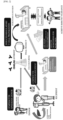
- a method for achieving immune tolerance in a patient including: a step of collecting lymphocytes from a donor by apheresis; a step of collecting lymphocytes from the patient by apheresis; a step of subjecting a liver or a part of the liver derived from the donor to living-donor liver transplantation for the patient; a step of performing, on the patient after the living-donor liver transplantation, continuous administration of corticosteroids, antimetabolites, and a first immunosuppressant, and immune monitoring for rejection reaction to the living-donor liver transplantation and/or regular liver biopsies; a step of administering a second immunosuppressant to the patient after the living-donor liver transplantation; a step of administering a medicament for achieving immune tolerance in the patient to the patient after the administration of the second immunosuppressant; and a step of gradually reducing dosages of the corticosteroids, the antimetabolites, and
- an overall condition of the patient and/or blood biochemical test values can be observed over time for a predetermined period after discontinuation of the administration of the first immunosuppressant, and the discontinuation of the administration of the first immunosuppressant can be finally determined by performing a liver biopsy at a time point when a predetermined period has elapsed after the discontinuation of the administration of the first immunosuppressant.
- a method for achieving immune tolerance in a patient including: a step of collecting lymphocytes from a donor by apheresis 3 to 14 days before transplantation; a step of collecting lymphocytes from the patient by apheresis 1 day before transplantation; a step of subjecting a liver or a part of the liver derived from the donor to living-donor liver transplantation for the patient; a step of performing, on the patient after the living-donor liver transplantation, continuous administration of corticosteroids, antimetabolites, and calcineurin inhibitors, and immune monitoring for rejection reaction to the living-donor liver transplantation and/or regular liver biopsies; a step of administering 20 to 50 mg/kg of cyclophosphamide to the patient on day 4 to day 6 after the liver transplantation; a step of administering a medicament for achieving immune tolerance in the patient to the patient at any time point between day 9 and day 11 after the liver transplantation
- the corticosteroid is not particularly limited, but for example, methylprednisolone can be used.
- the antimetabolite is not particularly limited, but for example, mycophenolate mofetil can be used.
- the first immunosuppressant is not particularly limited, but for example, a calcineurin inhibitor can be used, and examples of the calcineurin inhibitor include tacrolimus and cyclosporine.
- the second immunosuppressant is not particularly limited, but examples thereof include cyclophosphamide.
- the administration of the corticosteroids and antimetabolites to the patient can be discontinued at least within 4 weeks after living-donor liver transplantation. In another embodiment, the administration of the corticosteroids and antimetabolites to the patient can be discontinued at least within 26 weeks after living-donor liver transplantation.
- the administration of the calcineurin inhibitor to the patient can be discontinued at least within 78 weeks after living-donor liver transplantation.
- achievement of operational tolerance can be defined as a state where a patient is withdrawn from an immunosuppressant by week 78 (at most by week 91) after liver transplantation, and thereafter, a state where a stable liver function value and a pathologically treatable rejection reaction by a liver biopsy cannot be confirmed continues for 52 weeks or more after the withdrawal from immunosuppressants.
- the transition in the dosage of the calcineurin inhibitor from the initiation of dosage reduction to the time of withdrawal when the dosage is reduced 26 weeks or more after liver transplantation according to the method for dosage reduction/withdrawal of an immunosuppressant, and the duration of withdrawal of the corticosteroids and the antimetabolites can be used as secondary evaluation items of efficacy.
- the safety of immunosuppressants, apheresis, cyclophosphamide can also be evaluated.
- the immune tolerance by the induced regulatory T cell preparation of the present disclosure can be targeted for an end-stage liver failure patient undergoing living-donor liver transplantation, and includes a pre-liver transplantation observation period, a dosage adjustment/dosage reduction period of the immunosuppressant, and a withdrawal confirmation period from the immunosuppressant.
- peripheral blood mononuclear cells can be collected from the donor by 14 to 3 days before liver transplantation, and peripheral blood mononuclear cells can be collected from the subject by a lymphoapheresis method on the day before liver transplantation.
- the collected subject peripheral blood mononuclear cells are cultured for 10 days together with the donor peripheral blood mononuclear cells (antigen) inactivated by radiation-irradiation and the anti-CD80/anti-CD86 monoclonal antibodies, and the induced regulatory T cells of the present disclosure can be induced.
- 40 mg/kg of cyclophosphamide (reduced to 20 mg/kg as necessary) can be administered on day 5 after liver transplantation for the purpose of temporarily reducing the in-vivo lymphocytes.
- the induced regulatory T cells of the present disclosure are infused into a subject on day 10 after liver transplantation, and immune tolerance inducibility and safety by the induced regulatory T cells of the present disclosure until week 78 (up to week 91) after liver transplantation can be evaluated.
- the subject can be managed under hospitalization for at least 4 weeks after liver transplantation.
- the immunosuppressant used in the method of the present disclosure is not particularly limited, but for example, a medicament (corticosteroids, antimetabolites, calcineurin inhibitors, and the like) conforming to that after normal liver transplantation can be used, and dosage reduction can be performed according to the method for reducing or withdrawing the immunosuppressant of the present disclosure.
- a medicament corticosteroids, antimetabolites, calcineurin inhibitors, and the like
- dosage reduction can be performed according to the method for reducing or withdrawing the immunosuppressant of the present disclosure.
- the administration of the corticosteroids and the antimetabolite mycophenolate mofetil is preferable to discontinue the administration of the corticosteroids and the antimetabolite mycophenolate mofetil with the goal of within 4 weeks after the liver transplantation.
- the administration of the calcineurin inhibitor can be discontinued before the initiation of dosage reduction of the calcineurin inhibitor.
- Immunosuppression can be maintained with a calcineurin inhibitor alone with tacrolimus as the first choice from week 4 after liver transplantation, and after week 26 after liver transplantation, the dosage can be reduced gradually according to the dosage reduction schedule of the calcineurin inhibitor, and finally, withdrawal from the immunosuppressant by acquisition of immune tolerance can be performed.
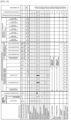
- the administration/dosage reduction schedule of the immunosuppressant according to one embodiment is shown in FIG. 4 .
- the overall condition of the subject, blood biochemical test value, and the like are observed over time for 52 weeks after the withdrawal from the immunosuppressant, and the presence or absence of achievement of operational tolerance can be confirmed at week 52 after the withdrawal from the immunosuppressant by liver biopsy or the like.
- the liver graft collection procedure of the donor and the liver transplantation procedure of the subject, and the postoperative management procedure of the donor and the subject can conform to the standard liver transplantation procedure and the postoperative management procedure performed in each medical institution where the procedure is carried out.
- the following test and evaluation are performed on day 0, which is the day of living-donor liver transplantation.
- Endoxan can be used as a preconditioning to reduce lymphocytes in a subject prior to infusion of an induced regulatory T cell preparation. After liver transplantation, a doctor or the like examines whether or not it is possible to administer Endoxan depending on the overall condition or the like of the subject, and in a case where it is determined that the subject is eligible, Endoxan can be administered to the subject via intravenous infusion over 23 hours on day 5 after liver transplantation.
- the standard dosage of Endoxan can be about 40 mg/kg, but since the agent is a medicament of liver metabolism, the dosage can also be adjusted within the range of about 20 to about 40 mg/kg while confirming the transition of liver function after liver transplantation. Since a case where the myelosuppressive effects of leukopenia reduction and neutropenia reduction significantly appears after administration of Endoxan has been reported, in other embodiments, a doctor or the like can adjust the dosage with reference to past cases.
- the following measures can also be taken as a response to the side effects of Endoxan.
- Aprepitant or Fosaprepitant is a substrate of CYP3A4 and has mild to moderate CYP3A4 inhibition (dosage-dependent) and inducing action, it is preferable to avoid administration since it may affect the blood concentration of tacrolimus.
- administration of uromitexan for suppressing the expression of urinary system disorders Hemorrhagic cystitis, dysuria, and the like
- other prophylactic support therapies prophylactic administration of antibiotics and the like
- a G-CSF preparation can also be used in a case where the neutrophil count is less than 1,000/mm 3 after Endoxan administration.
- the G-CSF preparation can be administered in a case where a decreasing tendency is observed and the neutrophil count is predicted to be less than 1,000/mm 3 .
- the neutrophil count increases to 5,000/mm 3 or more, it is preferable to reduce the dosage or discontinue the administration depending on the symptoms.
- the doctor or the like examines whether or not the infusion of the induced regulatory T cell preparation can be performed from the overall condition or the like of the subject after the administration of Endoxan, and in a case where it is determined that the subject is eligible, the induced regulatory T cell preparation can be infused to the subject.
- a blood transfusion filter can be used for the infusion of the induced regulatory T cell preparation, and the constituent cells of the induced regulatory T cell preparation are removed by the leukocyte removal filter, and thus it is preferable not to use the filter.
- infusion can be initiated at a low rate, increase the rate of administration and complete the administration of the induced regulatory T cell preparation in about 30 minutes while confirming the condition of the subject.
- the doctor or the like can constantly observe the condition of the subject and immediately interrupt the administration and examine whether or not the administration can be resumed in a case where a symptom such as a decrease in blood pressure, which is difficult to control, appears.
- the subsequent administration can be discontinued.
- a method for reducing dosage of an immunosuppressant in immune tolerance therapy including:
- a method for reducing dosage of an immunosuppressant in immune tolerance therapy including:
- FIG. 4 shows an administration and dosage reduction schedule of the immunosuppressant in the dosage adjustment and dosage reduction period of the disease suppressor according to one embodiment of the present disclosure.
- the following immunosuppressive therapy can be performed.
- the doctor or the like can determine the dosage reduction/withdrawal of each immunosuppressant after confirming that no rejection reaction is observed at the timing of considering the dosage reduction/withdrawal.
- the amount can be reduced as necessary.
- Corticosteroid methylprednisolone and the like
- the administration is performed according to the judgment of a doctor or the like depending on the condition of the subject from the day of liver transplantation, and the administration is discontinued by week 4 after liver transplantation.
- the dosage can be gradually reduced and the administration can be terminated by week 26 after the liver transplantation.
- methylprednisolone 1,000 mg is administered at the time of reperfusion, and 20 mg/day of methylprednisolone is administered for one week from the next day of liver transplantation (day 1).
- the dosage of the corticosteroid is reduced by 5 mg/day per one week, and the administration is discontinued with the goal of within 4 weeks after the liver transplantation.
- the administration is performed according to the judgment of a doctor or the like depending on the condition of the subject from the next day of liver transplantation, and the administration is discontinued by week 4 after liver transplantation.
- the dosage can be gradually reduced and the administration can be terminated by week 26 after the liver transplantation.
- liver transplantation From the next day of liver transplantation (day 1), 500 mg/day of mycophenolate mofetil (divided into 2 times a day) is administered. The dosage is increased to 1,000 to 2,000 mg/day with the goal of day 7 for about one week, and then reduced gradually every 500 mg/day, and administration is discontinued with the goal of within 4 weeks after liver transplantation.
- tacrolimus is used as the calcineurin inhibitor as the first choice, and when tacrolimus cannot be used due to side effects or the like, cyclosporine is preferably used as the second choice.
- the calcineurin inhibitor can be discontinued for an appropriate period of time.
- the dosage reduction method of the calcineurin inhibitor can be set with reference to the administration and dosage in the case of bone marrow transplantation of the cyclosporin capsules.
- the blood trough level can be measured by collecting blood immediately before administration of a specified calcineurin inhibitor (collecting blood and measuring at least 12 hours after the previous administration).
- the conversion value at the time of switching from tacrolimus to cyclosporine can be comprehensively determined by a doctor or the like in consideration of the number of days elapsed after surgery and the overall condition of the subject.
- the administration can be initiated orally or by continuous intravenous injection from day 0 or day 1 after liver transplantation, and the blood trough level [target level: 8 to 12 ng/mL (tacrolimus) or 200 to 300 ng/mL (cyclosporine)] can be maintained until week 13 after liver transplantation. Until week 26 after liver transplantation, the blood trough level can be gradually reduced with the goal of 5 to 8 ng/mL for tacrolimus or 125 to 200 ng/mL for cyclosporine.
- the administration can be switched to oral administration (twice a day) from the time when the oral administration becomes possible.
- a doctor or the like can, in principle, modify the dosage form to a sustained-release preparation one week before discharge, and administer the preparation (once a day).
- a normal preparation can be administered.
- the blood trough level [target level: 35 ng/mL (tacrolimus or 75,125 ng/mL (cyclosporine)] can be maintained.
- tacrolimus cannot be modified to a sustained-release preparation during the dosage adjustment period of the calcineurin inhibitor, it is preferable to continue to adjust the administration and dosage appropriately to maintain the target blood trough level, and switch tacrolimus to a sustained-release preparation as soon as possible.
- the dosage at week 26 after the liver transplantation (dosage reduction 1) can be maintained, and the dosage can be decreased gradually such that the frequency of administration becomes, for example, 3 times per week at week 39 after the liver transplantation (dosage reduction 2), 2 times per week at week 52 after the liver transplantation (dosage reduction 3), 1 time per week at week 65 after the liver transplantation (dosage reduction 4), and withdrawal at week 78 after the liver transplantation (dosage reduction 5).
- cyclosporine or tacrolimus normal preparation it is possible to appropriately adjust the administration and dosage using the blood trough level as an index to gradually reduce the dosage.
- the dosage can be modified when a doctor or the like determines that it is necessary to reduce the amount of the calcineurin inhibitor due to a side effect of the calcineurin inhibitor. Even in this case, the next visit schedule may not be modified.
- withdrawal from the immunosuppressant can be performed before reaching week 78 after liver transplantation (dosage reduction 5), according to the judgment of a doctor or the like.
- the timing of dosage reduction can be extended by a total of 13 weeks in a case where the doctor or the like determines that dosage reduction of the calcineurin inhibitor is impossible or that a modification in the medicament (tacrolimus to cyclosporine) is necessary, depending on the overall condition or the like of the subject.
- the number of times of dosage reduction extension is not limited, but in a case where the total extension period exceeds 13 weeks, dosage reduction for the purpose of withdrawing the immunosuppressant can be discontinued at that time, and the subject can be treated as necessary.
- the overall condition of the subject and blood biochemical test value can be observed over time for 52 weeks after the withdrawal from the immunosuppressant (calcineurin inhibitor), and the withdrawal from the immunosuppressant can be finally confirmed based on the liver biopsy and the like at week 52 after the withdrawal from the immunosuppressant.
- the case in a case where a state where a stable liver function and no pathologically treatable rejection reaction are confirmed by liver biopsy continues for 52 weeks or more after the withdrawal from immunosuppressants, the case can be determined as having achieved operational tolerance.
- a method for confirming presence or absence of a rejection reaction by regular liver biopsies in immune tolerance therapy including: a step of performing histological diagnosis on samples obtained by collecting liver tissue for control from a transplanted liver on the day of liver transplantation and samples obtained from regular liver biopsies after liver transplantation; and a step of determining that "there is a pathologically treatable rejection reaction", immediately initiating treatment for the rejection reaction, and discontinuing immune tolerance therapy, in a case where results of overall evaluation of acute rejection reaction satisfy any of the predetermined discontinuation criteria as a result of the histological diagnosis.
- a method for confirming presence or absence of a rejection reaction by regular liver biopsies in immune tolerance therapy including: a step of performing histological diagnosis according to scoring based on Banff criteria (2016) and Venturi (2012) with respect to samples obtained by collecting liver tissue for control from a transplanted liver on the day of liver transplantation and samples obtained from regular liver biopsies at week 26 after liver transplantation and 4 weeks and 52 weeks after dosage reduction 5; and a step of determining that "there is a pathologically treatable rejection reaction", immediately initiating treatment for the rejection reaction, and discontinuing immune tolerance therapy, in a case where results of overall evaluation of acute rejection reaction satisfy "moderate or higher", results of overall evaluation of chronic rejection reaction satisfy "present”, and a score of liver fibrosis satisfy "2 or higher” as a result of the histological diagnosis.
- liver fibrosis or chronic rejection even when the liver function test is normal. Therefore, the presence or absence of rejection reaction can be confirmed by regular liver biopsy.
- the liver biopsy can be performed under hospitalization (one night) in consideration of the safety of the subject after the liver biopsy.
- regular liver biopsies can be performed 26 weeks after liver transplantation, 4 weeks after dosage reduction 5, and 52 weeks after liver transplantation.
- liver tissue for control can be collected from the transplanted liver on the day of liver transplantation.
- a single sample of liver tissue can be collected using a 16 G needle for liver biopsy, and histological diagnosis of rejection reaction can be performed.
- the histological diagnosis of the tissue sample collected by the liver biopsy can be performed according to the scoring based on the Banff criteria (2016) and Venturi (2012), and the following evaluation can be performed.
- the degree of biliary loss, the degree of central venous fibrosis, the degree of arterial loss, and the results of other evaluations are evaluated according to the criteria in Table 4, and the overall evaluation is performed based on the evaluation results.
- the * mark indicates a structure that is usually observed only in the excised liver.
- the degree of fibrosis of the transplanted liver is scored according to the criteria in Table 5.
- Rejection reaction can be confirmed at the scheduled hospital visit and the non-scheduled hospital visit after liver transplantation.
- a reference of the confirming procedure will be described.
- Physical signs include fever, general fatigue, and the like.
- T-Bil/AST/ALT/y-GTP increases by two or more times from the most recent visit data. However, when the liver function value increases by two or more times but is within the facility reference value, it is determined that the liver function value is stable.
- the presence or absence of pathologically treatable rejection reaction is determined.
- the presence or absence of rejection reaction is determined from the result of 3).
- Frozen and stored donor-derived cells were thawed and adjusted to 2.0 x 10 6 cells/ml with a culture medium. Similarly, frozen patient-derived cells were thawed and adjusted to 2.0 ⁇ 10 6 cells/ml with a culture medium.
- the cell products were adjusted to 2.0 cells/ml with a culture medium, and the cells were mixed at the following ratio.
- the cells were cultured at 37°C for 5 days, and the culture supernatant was collected.
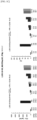
- the culture supernatant was diluted 5-fold, and the amount of IFNg was measured by ELISA. Based on the IFNg concentration, the ratio of the group in the above 2. as 100% was calculated. The results are shown in FIGS. 1A to 1C .
- FIGS. 1A , 1B , and 1C respectively show the results of three times of independent productions.
- the graph on the left side of each drawing shows the IFNg concentration measured by ELISA, and the graph on the right side shows the proportion in a case where the IFNg concentration in the culture supernatant of a group (Allo) in which only patient-derived cells and donor-derived cells were mixed and cultured is 100%.
- FIG. 1A it is suggested that the release of IFNg cannot be suppressed even when the cell product is added, and the immunosuppressive ability of the cell product is low.
- FIGS. 1B and 1C the IFNg concentration decreases as the proportion of the cell product increases, and it is considered that the immunosuppressive ability of the cell product is high.
- FIG. 2 shows an overall image for achieving dosage reduction of an immunosuppressant for a patient after living-donor liver transplantation, using an induced regulatory T cell preparation according to the present disclosure.
- Lymphocytes are collected from a donor and a patient (recipient), respectively, and co-cultured with CD80 and CD86 antibodies to obtain an induced regulatory T cell preparation of the present disclosure.
- CD80 and CD86 antibodies antibodies disclosed in WO2019/245037 are used. Thereafter, the induced regulatory T cell preparation of the present disclosure is administered to a patient after living-donor liver transplantation to reduce the dosage of the immunosuppressant.
- the schedule from living-donor liver transplantation to dosage reduction of the immunosuppressant is performed as shown in FIGS. 3A to 3C .
- the patient schedule is shown in FIGS. 3A and 3B
- the donor schedule is shown in FIG. 3C .
- the administration and dosage reduction of the immunosuppressant are performed according to the schedule of FIG. 4 . Thereafter, it is confirmed whether or not withdrawal of the immunosuppressant has been achieved.
- the induced regulatory T cells of the present disclosure are obtained by co-culturing patient-derived blood cells and radiation-irradiated donor-derived blood cells with CD80 and CD86 antibodies.
- CD80 and CD86 antibodies antibodies disclosed in WO2019/245037 are used.
- the suppressive ability of the obtained induced regulatory T cells is evaluated by MLR.
- the patient was administered with the induced regulatory T cells on day 10 after living-donor liver transplantation and did not develop a serious adverse event associated with the administration.
- the immunosuppressant could be reduced from the steroid, calcineurin inhibitor (tacrolimus), and antimetabolite (CellCept) to one type of tacrolimus sustained-release preparation within 1 month after transplantation, and the patient was discharged from the hospital on day 36 after transplantation.
- the present disclosure provides a method for evaluating the quality of an induced regulatory T cell preparation, and provides various technologies related to immune tolerance therapy.
Landscapes
- Health & Medical Sciences (AREA)
- Life Sciences & Earth Sciences (AREA)
- Engineering & Computer Science (AREA)
- Immunology (AREA)
- Chemical & Material Sciences (AREA)
- Biomedical Technology (AREA)
- General Health & Medical Sciences (AREA)
- Molecular Biology (AREA)
- Medicinal Chemistry (AREA)
- Cell Biology (AREA)
- Hematology (AREA)
- Bioinformatics & Cheminformatics (AREA)
- Urology & Nephrology (AREA)
- Biotechnology (AREA)
- Animal Behavior & Ethology (AREA)
- Public Health (AREA)
- Veterinary Medicine (AREA)
- Pharmacology & Pharmacy (AREA)
- Biochemistry (AREA)
- Microbiology (AREA)
- Epidemiology (AREA)
- General Physics & Mathematics (AREA)
- Pathology (AREA)
- Physics & Mathematics (AREA)
- Food Science & Technology (AREA)
- Analytical Chemistry (AREA)
- Organic Chemistry (AREA)
- Zoology (AREA)
- Proteomics, Peptides & Aminoacids (AREA)
- Genetics & Genomics (AREA)
- Wood Science & Technology (AREA)
- Tropical Medicine & Parasitology (AREA)
- General Chemical & Material Sciences (AREA)
- Nuclear Medicine, Radiotherapy & Molecular Imaging (AREA)
- Chemical Kinetics & Catalysis (AREA)
- Toxicology (AREA)
- Transplantation (AREA)
- General Engineering & Computer Science (AREA)
- Gastroenterology & Hepatology (AREA)
- Virology (AREA)
Applications Claiming Priority (2)
| Application Number | Priority Date | Filing Date | Title |
|---|---|---|---|
| JP2022060165 | 2022-03-31 | ||
| PCT/JP2023/013323 WO2023190942A1 (ja) | 2022-03-31 | 2023-03-30 | 誘導型抑制性t細胞製剤の品質を評価する方法 |
Publications (1)
| Publication Number | Publication Date |
|---|---|
| EP4502596A1 true EP4502596A1 (en) | 2025-02-05 |
Family
ID=88202895
Family Applications (1)
| Application Number | Title | Priority Date | Filing Date |
|---|---|---|---|
| EP23780950.4A Pending EP4502596A1 (en) | 2022-03-31 | 2023-03-30 | Method for evaluating quality of inducement inhibitory-t-cell formulation |
Country Status (8)
| Country | Link |
|---|---|
| US (1) | US20250224392A1 (https=) |
| EP (1) | EP4502596A1 (https=) |
| JP (1) | JPWO2023190942A1 (https=) |
| KR (1) | KR20240164812A (https=) |
| CN (1) | CN119053859A (https=) |
| CA (1) | CA3247117A1 (https=) |
| TW (1) | TW202405425A (https=) |
| WO (1) | WO2023190942A1 (https=) |
Family Cites Families (11)
| Publication number | Priority date | Publication date | Assignee | Title |
|---|---|---|---|---|
| US4816567A (en) | 1983-04-08 | 1989-03-28 | Genentech, Inc. | Recombinant immunoglobin preparations |
| EP1170589A1 (en) * | 2000-06-05 | 2002-01-09 | Stichting Sanquin Bloedvoorziening | Method for histocompatibility testing |
| US7541443B2 (en) * | 2001-06-14 | 2009-06-02 | Tolerrx, Inc. | Anti-CD4 antibodies |
| JPWO2007037544A1 (ja) * | 2005-09-30 | 2009-04-16 | 国立大学法人京都大学 | 制御性t細胞の製造を向上させる薬剤のスクリーニング方法の開発、及び免疫抑制性のマクロライド系抗生剤を用いる制御性t細胞の製造方法 |
| US20130078263A1 (en) * | 2011-09-22 | 2013-03-28 | Immunomedics, Inc. | Anti-HLA-DR Antibodies Suppress Allogeneic and Xenogeneic Immune Responses to Organ Transplants |
| US20160046715A1 (en) | 2013-05-17 | 2016-02-18 | Abwiz Bio, Inc. | T regulatory cells and uses thereof |
| US12234287B2 (en) * | 2018-06-22 | 2025-02-25 | Junten Bio Co., Ltd. | Method for eliciting infectious immunological tolerance |
| US12139537B2 (en) | 2018-06-22 | 2024-11-12 | Junten Bio Co., Ltd. | Antibody inducing immune tolerance, induced lymphocyte, and cell therapy agent therapeutic method using induced lymphocyte |
| JP7788711B2 (ja) * | 2018-06-22 | 2025-12-19 | 株式会社Junten Bio | 複合状態を有する細胞混合物を用いた、免疫寛容を誘導する抗体、及び誘導されたリンパ球、また誘導されたリンパ球を用いる細胞治療剤及び治療法 |
| JP7395174B2 (ja) * | 2018-12-09 | 2023-12-11 | 国立大学法人北海道大学 | 免疫抑制作用又は免疫寛容誘導作用を評価する方法、及び免疫寛容誘導剤 |
| JP7811831B2 (ja) | 2020-10-02 | 2026-02-06 | 花王株式会社 | 炭酸エアゾール皮膚外用剤 |
-
2023
- 2023-03-30 JP JP2024512831A patent/JPWO2023190942A1/ja active Pending
- 2023-03-30 TW TW112112269A patent/TW202405425A/zh unknown
- 2023-03-30 CA CA3247117A patent/CA3247117A1/en active Pending
- 2023-03-30 US US18/852,666 patent/US20250224392A1/en active Pending
- 2023-03-30 KR KR1020247036304A patent/KR20240164812A/ko active Pending
- 2023-03-30 EP EP23780950.4A patent/EP4502596A1/en active Pending
- 2023-03-30 CN CN202380032125.XA patent/CN119053859A/zh active Pending
- 2023-03-30 WO PCT/JP2023/013323 patent/WO2023190942A1/ja not_active Ceased
Also Published As
| Publication number | Publication date |
|---|---|
| CA3247117A1 (en) | 2025-07-08 |
| WO2023190942A1 (ja) | 2023-10-05 |
| KR20240164812A (ko) | 2024-11-20 |
| US20250224392A1 (en) | 2025-07-10 |
| CN119053859A (zh) | 2024-11-29 |
| TW202405425A (zh) | 2024-02-01 |
| JPWO2023190942A1 (https=) | 2023-10-05 |
Similar Documents
| Publication | Publication Date | Title |
|---|---|---|
| JP2021181482A (ja) | 中枢神経系新生物における免疫チェックポイント阻害剤の使用 | |
| EP4394032A2 (en) | Methods for producing autologous t cells useful to treat cancers and compositions thereof | |
| CN113710256A (zh) | 使用过继细胞疗法的治疗方法 | |
| KR20200071753A (ko) | 키메라 항원 수용체 면역요법제를 투여하는 방법 | |
| Guinan et al. | Donor antigen-specific regulatory T cell administration to recipients of live donor kidneys: a ONE Study consortium pilot trial | |
| EP3856206B1 (en) | Methods and compositions for the expansion and use of allogeneic gamma/delta-t cells | |
| AU2025203054A1 (en) | Methods of administering chimeric antigen receptor immunotherapy | |
| EP4017963A1 (en) | Methods of determining the suitability of cultured thymus tissue for implantation into humans and associated methods of use | |
| EP4502596A1 (en) | Method for evaluating quality of inducement inhibitory-t-cell formulation | |
| US20250388675A1 (en) | Composition for eliciting infectious immunological tolerance | |
| WO2021034650A1 (en) | Methods of determining the suitability of cultured thymus tissue for implantation into humans and associated methods of use | |
| EP3845652A1 (en) | Antibody inducing immune tolerance, induced lymphocyte, and cell therapy agent therapeutic method using induced lymphocyte | |
| JP2024015377A (ja) | 複合状態を有する細胞混合物を用いた、免疫寛容を誘導する抗体、及び誘導されたリンパ球、また誘導されたリンパ球を用いる細胞治療剤及び治療法 | |
| HK40118503A (zh) | 评估诱导型抑制性t细胞制剂的品质的方法 | |
| EP4660297A1 (en) | Method for selectively inducing antigen-specific inductive regulatory t cells | |
| US20200405771A1 (en) | Methods of determining the suitability of cultured thymus tissue for implantation into humans and associated methods of use | |
| HK40051539A (en) | Composition for eliciting infectious immunological tolerance | |
| TW202218671A (zh) | 測定經培養胸腺組織植入人體內之適用性之方法及相關使用方法 | |
| HK40070586A (en) | Methods of administering chimeric antigen receptor immunotherapy | |
| HK40063163B (zh) | 确定培养的胸腺组织用於植入至人中的适合性的方法及其相关使用方法 | |
| HK40051540A (en) | Antibody capable of inducing immune tolerance produced using cell mixture having complexed state, and induced lymphocyte or cell therapeutic agent and cell therapy method each using induced lymphocyte | |
| HK40051541A (en) | Antibody inducing immune tolerance, induced lymphocyte, and cell therapy agent therapeutic method using induced lymphocyte |
Legal Events
| Date | Code | Title | Description |
|---|---|---|---|
| STAA | Information on the status of an ep patent application or granted ep patent |
Free format text: STATUS: THE INTERNATIONAL PUBLICATION HAS BEEN MADE |
|
| PUAI | Public reference made under article 153(3) epc to a published international application that has entered the european phase |
Free format text: ORIGINAL CODE: 0009012 |
|
| STAA | Information on the status of an ep patent application or granted ep patent |
Free format text: STATUS: REQUEST FOR EXAMINATION WAS MADE |
|
| 17P | Request for examination filed |
Effective date: 20241028 |
|
| AK | Designated contracting states |
Kind code of ref document: A1 Designated state(s): AL AT BE BG CH CY CZ DE DK EE ES FI FR GB GR HR HU IE IS IT LI LT LU LV MC ME MK MT NL NO PL PT RO RS SE SI SK SM TR |
|
| DAV | Request for validation of the european patent (deleted) | ||
| DAX | Request for extension of the european patent (deleted) | ||
| RIC1 | Information provided on ipc code assigned before grant |
Ipc: G01N 33/15 20060101AFI20260304BHEP Ipc: A61K 31/675 20060101ALI20260304BHEP Ipc: A61K 31/706 20060101ALI20260304BHEP Ipc: A61K 38/12 20060101ALI20260304BHEP Ipc: A61K 45/06 20060101ALI20260304BHEP Ipc: A61P 37/06 20060101ALI20260304BHEP Ipc: G01N 33/50 20060101ALI20260304BHEP Ipc: G01N 33/53 20060101ALI20260304BHEP Ipc: A61K 31/436 20060101ALI20260304BHEP Ipc: G01N 33/68 20060101ALI20260304BHEP |