EP4483731A1 - Metallheizfolie, herstellungsverfahren dafür und anwendung davon - Google Patents
Metallheizfolie, herstellungsverfahren dafür und anwendung davon Download PDFInfo
- Publication number
- EP4483731A1 EP4483731A1 EP23790927.0A EP23790927A EP4483731A1 EP 4483731 A1 EP4483731 A1 EP 4483731A1 EP 23790927 A EP23790927 A EP 23790927A EP 4483731 A1 EP4483731 A1 EP 4483731A1
- Authority
- EP
- European Patent Office
- Prior art keywords
- heating film
- metal
- metal heating
- oxide
- glass powder
- Prior art date
- Legal status (The legal status is an assumption and is not a legal conclusion. Google has not performed a legal analysis and makes no representation as to the accuracy of the status listed.)
- Pending
Links
Images
Classifications
-
- A—HUMAN NECESSITIES
- A24—TOBACCO; CIGARS; CIGARETTES; SIMULATED SMOKING DEVICES; SMOKERS' REQUISITES
- A24F—SMOKERS' REQUISITES; MATCH BOXES; SIMULATED SMOKING DEVICES
- A24F40/00—Electrically operated smoking devices; Component parts thereof; Manufacture thereof; Maintenance or testing thereof; Charging means specially adapted therefor
- A24F40/40—Constructional details, e.g. connection of cartridges and battery parts
- A24F40/46—Shape or structure of electric heating means
-
- H—ELECTRICITY
- H05—ELECTRIC TECHNIQUES NOT OTHERWISE PROVIDED FOR
- H05B—ELECTRIC HEATING; ELECTRIC LIGHT SOURCES NOT OTHERWISE PROVIDED FOR; CIRCUIT ARRANGEMENTS FOR ELECTRIC LIGHT SOURCES, IN GENERAL
- H05B3/00—Ohmic-resistance heating
- H05B3/10—Heating elements characterised by the composition or nature of the materials or by the arrangement of the conductor
- H05B3/12—Heating elements characterised by the composition or nature of the materials or by the arrangement of the conductor characterised by the composition or nature of the conductive material
-
- A—HUMAN NECESSITIES
- A24—TOBACCO; CIGARS; CIGARETTES; SIMULATED SMOKING DEVICES; SMOKERS' REQUISITES
- A24F—SMOKERS' REQUISITES; MATCH BOXES; SIMULATED SMOKING DEVICES
- A24F40/00—Electrically operated smoking devices; Component parts thereof; Manufacture thereof; Maintenance or testing thereof; Charging means specially adapted therefor
- A24F40/10—Devices using liquid inhalable precursors
-
- A—HUMAN NECESSITIES
- A24—TOBACCO; CIGARS; CIGARETTES; SIMULATED SMOKING DEVICES; SMOKERS' REQUISITES
- A24F—SMOKERS' REQUISITES; MATCH BOXES; SIMULATED SMOKING DEVICES
- A24F40/00—Electrically operated smoking devices; Component parts thereof; Manufacture thereof; Maintenance or testing thereof; Charging means specially adapted therefor
- A24F40/40—Constructional details, e.g. connection of cartridges and battery parts
-
- A—HUMAN NECESSITIES
- A24—TOBACCO; CIGARS; CIGARETTES; SIMULATED SMOKING DEVICES; SMOKERS' REQUISITES
- A24F—SMOKERS' REQUISITES; MATCH BOXES; SIMULATED SMOKING DEVICES
- A24F40/00—Electrically operated smoking devices; Component parts thereof; Manufacture thereof; Maintenance or testing thereof; Charging means specially adapted therefor
- A24F40/70—Manufacture
-
- B—PERFORMING OPERATIONS; TRANSPORTING
- B22—CASTING; POWDER METALLURGY
- B22F—WORKING METALLIC POWDER; MANUFACTURE OF ARTICLES FROM METALLIC POWDER; MAKING METALLIC POWDER; APPARATUS OR DEVICES SPECIALLY ADAPTED FOR METALLIC POWDER
- B22F1/00—Metallic powder; Treatment of metallic powder, e.g. to facilitate working or to improve properties
- B22F1/09—Mixtures of metallic powders
-
- B—PERFORMING OPERATIONS; TRANSPORTING
- B22—CASTING; POWDER METALLURGY
- B22F—WORKING METALLIC POWDER; MANUFACTURE OF ARTICLES FROM METALLIC POWDER; MAKING METALLIC POWDER; APPARATUS OR DEVICES SPECIALLY ADAPTED FOR METALLIC POWDER
- B22F1/00—Metallic powder; Treatment of metallic powder, e.g. to facilitate working or to improve properties
- B22F1/10—Metallic powder containing lubricating or binding agents; Metallic powder containing organic material
-
- B—PERFORMING OPERATIONS; TRANSPORTING
- B22—CASTING; POWDER METALLURGY
- B22F—WORKING METALLIC POWDER; MANUFACTURE OF ARTICLES FROM METALLIC POWDER; MAKING METALLIC POWDER; APPARATUS OR DEVICES SPECIALLY ADAPTED FOR METALLIC POWDER
- B22F3/00—Manufacture of workpieces or articles from metallic powder characterised by the manner of compacting or sintering; Apparatus specially adapted therefor ; Presses and furnaces
- B22F3/22—Manufacture of workpieces or articles from metallic powder characterised by the manner of compacting or sintering; Apparatus specially adapted therefor ; Presses and furnaces for producing castings from a slip
-
- B—PERFORMING OPERATIONS; TRANSPORTING
- B22—CASTING; POWDER METALLURGY
- B22F—WORKING METALLIC POWDER; MANUFACTURE OF ARTICLES FROM METALLIC POWDER; MAKING METALLIC POWDER; APPARATUS OR DEVICES SPECIALLY ADAPTED FOR METALLIC POWDER
- B22F7/00—Manufacture of composite layers, workpieces, or articles, comprising metallic powder, by sintering the powder, with or without compacting wherein at least one part is obtained by sintering or compression
- B22F7/008—Manufacture of composite layers, workpieces, or articles, comprising metallic powder, by sintering the powder, with or without compacting wherein at least one part is obtained by sintering or compression characterised by the composition
-
- B—PERFORMING OPERATIONS; TRANSPORTING
- B22—CASTING; POWDER METALLURGY
- B22F—WORKING METALLIC POWDER; MANUFACTURE OF ARTICLES FROM METALLIC POWDER; MAKING METALLIC POWDER; APPARATUS OR DEVICES SPECIALLY ADAPTED FOR METALLIC POWDER
- B22F7/00—Manufacture of composite layers, workpieces, or articles, comprising metallic powder, by sintering the powder, with or without compacting wherein at least one part is obtained by sintering or compression
- B22F7/02—Manufacture of composite layers, workpieces, or articles, comprising metallic powder, by sintering the powder, with or without compacting wherein at least one part is obtained by sintering or compression of composite layers
- B22F7/04—Manufacture of composite layers, workpieces, or articles, comprising metallic powder, by sintering the powder, with or without compacting wherein at least one part is obtained by sintering or compression of composite layers with one or more layers not made from powder, e.g. made from solid metal
-
- B—PERFORMING OPERATIONS; TRANSPORTING
- B22—CASTING; POWDER METALLURGY
- B22F—WORKING METALLIC POWDER; MANUFACTURE OF ARTICLES FROM METALLIC POWDER; MAKING METALLIC POWDER; APPARATUS OR DEVICES SPECIALLY ADAPTED FOR METALLIC POWDER
- B22F9/00—Making metallic powder or suspensions thereof
- B22F9/02—Making metallic powder or suspensions thereof using physical processes
- B22F9/06—Making metallic powder or suspensions thereof using physical processes starting from liquid material
- B22F9/08—Making metallic powder or suspensions thereof using physical processes starting from liquid material by casting, e.g. through sieves or in water, by atomising or spraying
- B22F9/082—Making metallic powder or suspensions thereof using physical processes starting from liquid material by casting, e.g. through sieves or in water, by atomising or spraying atomising using a fluid
-
- C—CHEMISTRY; METALLURGY
- C22—METALLURGY; FERROUS OR NON-FERROUS ALLOYS; TREATMENT OF ALLOYS OR NON-FERROUS METALS
- C22C—ALLOYS
- C22C19/00—Alloys based on nickel or cobalt
- C22C19/03—Alloys based on nickel or cobalt based on nickel
-
- C—CHEMISTRY; METALLURGY
- C22—METALLURGY; FERROUS OR NON-FERROUS ALLOYS; TREATMENT OF ALLOYS OR NON-FERROUS METALS
- C22C—ALLOYS
- C22C19/00—Alloys based on nickel or cobalt
- C22C19/03—Alloys based on nickel or cobalt based on nickel
- C22C19/05—Alloys based on nickel or cobalt based on nickel with chromium
- C22C19/051—Alloys based on nickel or cobalt based on nickel with chromium and Mo or W
- C22C19/055—Alloys based on nickel or cobalt based on nickel with chromium and Mo or W with the maximum Cr content being at least 20% but less than 30%
-
- C—CHEMISTRY; METALLURGY
- C22—METALLURGY; FERROUS OR NON-FERROUS ALLOYS; TREATMENT OF ALLOYS OR NON-FERROUS METALS
- C22C—ALLOYS
- C22C19/00—Alloys based on nickel or cobalt
- C22C19/03—Alloys based on nickel or cobalt based on nickel
- C22C19/05—Alloys based on nickel or cobalt based on nickel with chromium
- C22C19/058—Alloys based on nickel or cobalt based on nickel with chromium without Mo and W
-
- C—CHEMISTRY; METALLURGY
- C22—METALLURGY; FERROUS OR NON-FERROUS ALLOYS; TREATMENT OF ALLOYS OR NON-FERROUS METALS
- C22C—ALLOYS
- C22C30/00—Alloys containing less than 50% by weight of each constituent
-
- C—CHEMISTRY; METALLURGY
- C22—METALLURGY; FERROUS OR NON-FERROUS ALLOYS; TREATMENT OF ALLOYS OR NON-FERROUS METALS
- C22C—ALLOYS
- C22C32/00—Non-ferrous alloys containing at least 5% by weight but less than 50% by weight of oxides, carbides, borides, nitrides, silicides or other metal compounds, e.g. oxynitrides, sulfides, whether added as such or formed in situ
- C22C32/001—Non-ferrous alloys containing at least 5% by weight but less than 50% by weight of oxides, carbides, borides, nitrides, silicides or other metal compounds, e.g. oxynitrides, sulfides, whether added as such or formed in situ with only oxides
-
- H—ELECTRICITY
- H05—ELECTRIC TECHNIQUES NOT OTHERWISE PROVIDED FOR
- H05B—ELECTRIC HEATING; ELECTRIC LIGHT SOURCES NOT OTHERWISE PROVIDED FOR; CIRCUIT ARRANGEMENTS FOR ELECTRIC LIGHT SOURCES, IN GENERAL
- H05B3/00—Ohmic-resistance heating
- H05B3/10—Heating elements characterised by the composition or nature of the materials or by the arrangement of the conductor
- H05B3/16—Heating elements characterised by the composition or nature of the materials or by the arrangement of the conductor the conductor being mounted on an insulating base
-
- B—PERFORMING OPERATIONS; TRANSPORTING
- B22—CASTING; POWDER METALLURGY
- B22F—WORKING METALLIC POWDER; MANUFACTURE OF ARTICLES FROM METALLIC POWDER; MAKING METALLIC POWDER; APPARATUS OR DEVICES SPECIALLY ADAPTED FOR METALLIC POWDER
- B22F9/00—Making metallic powder or suspensions thereof
- B22F9/02—Making metallic powder or suspensions thereof using physical processes
- B22F9/06—Making metallic powder or suspensions thereof using physical processes starting from liquid material
- B22F9/08—Making metallic powder or suspensions thereof using physical processes starting from liquid material by casting, e.g. through sieves or in water, by atomising or spraying
- B22F9/082—Making metallic powder or suspensions thereof using physical processes starting from liquid material by casting, e.g. through sieves or in water, by atomising or spraying atomising using a fluid
- B22F2009/0824—Making metallic powder or suspensions thereof using physical processes starting from liquid material by casting, e.g. through sieves or in water, by atomising or spraying atomising using a fluid with a specific atomising fluid
-
- B—PERFORMING OPERATIONS; TRANSPORTING
- B22—CASTING; POWDER METALLURGY
- B22F—WORKING METALLIC POWDER; MANUFACTURE OF ARTICLES FROM METALLIC POWDER; MAKING METALLIC POWDER; APPARATUS OR DEVICES SPECIALLY ADAPTED FOR METALLIC POWDER
- B22F2301/00—Metallic composition of the powder or its coating
- B22F2301/15—Nickel or cobalt
-
- B—PERFORMING OPERATIONS; TRANSPORTING
- B22—CASTING; POWDER METALLURGY
- B22F—WORKING METALLIC POWDER; MANUFACTURE OF ARTICLES FROM METALLIC POWDER; MAKING METALLIC POWDER; APPARATUS OR DEVICES SPECIALLY ADAPTED FOR METALLIC POWDER
- B22F2301/00—Metallic composition of the powder or its coating
- B22F2301/25—Noble metals, i.e. Ag Au, Ir, Os, Pd, Pt, Rh, Ru
-
- B—PERFORMING OPERATIONS; TRANSPORTING
- B22—CASTING; POWDER METALLURGY
- B22F—WORKING METALLIC POWDER; MANUFACTURE OF ARTICLES FROM METALLIC POWDER; MAKING METALLIC POWDER; APPARATUS OR DEVICES SPECIALLY ADAPTED FOR METALLIC POWDER
- B22F2302/00—Metal Compound, non-Metallic compound or non-metal composition of the powder or its coating
- B22F2302/25—Oxide
- B22F2302/256—Silicium oxide (SiO2)
-
- B—PERFORMING OPERATIONS; TRANSPORTING
- B22—CASTING; POWDER METALLURGY
- B22F—WORKING METALLIC POWDER; MANUFACTURE OF ARTICLES FROM METALLIC POWDER; MAKING METALLIC POWDER; APPARATUS OR DEVICES SPECIALLY ADAPTED FOR METALLIC POWDER
- B22F2998/00—Supplementary information concerning processes or compositions relating to powder metallurgy
- B22F2998/10—Processes characterised by the sequence of their steps
-
- B—PERFORMING OPERATIONS; TRANSPORTING
- B22—CASTING; POWDER METALLURGY
- B22F—WORKING METALLIC POWDER; MANUFACTURE OF ARTICLES FROM METALLIC POWDER; MAKING METALLIC POWDER; APPARATUS OR DEVICES SPECIALLY ADAPTED FOR METALLIC POWDER
- B22F2999/00—Aspects linked to processes or compositions used in powder metallurgy
-
- H—ELECTRICITY
- H05—ELECTRIC TECHNIQUES NOT OTHERWISE PROVIDED FOR
- H05B—ELECTRIC HEATING; ELECTRIC LIGHT SOURCES NOT OTHERWISE PROVIDED FOR; CIRCUIT ARRANGEMENTS FOR ELECTRIC LIGHT SOURCES, IN GENERAL
- H05B2203/00—Aspects relating to Ohmic resistive heating covered by group H05B3/00
- H05B2203/013—Heaters using resistive films or coatings
-
- H—ELECTRICITY
- H05—ELECTRIC TECHNIQUES NOT OTHERWISE PROVIDED FOR
- H05B—ELECTRIC HEATING; ELECTRIC LIGHT SOURCES NOT OTHERWISE PROVIDED FOR; CIRCUIT ARRANGEMENTS FOR ELECTRIC LIGHT SOURCES, IN GENERAL
- H05B2203/00—Aspects relating to Ohmic resistive heating covered by group H05B3/00
- H05B2203/017—Manufacturing methods or apparatus for heaters
Definitions
- This application relates to the technical field of metal heating materials, and specifically, to a metal heating film, and a preparation method and use thereof.
- Electronic cigarettes are electronic products that mimic cigarettes.
- the electronic cigarettes have the same look, smoke, flavor, and feel as the cigarettes, but without tar.
- the electronic cigarette is a product that allows users to smoke by turning nicotine and other substances into vapor through atomization or by other means.
- An atomization core of an electronic cigarette is the core component of the electronic cigarette, which plays a vital role in the taste, smoke amount, and other properties of the electronic cigarette.
- the atomization core of the electronic cigarette has experienced upgrading from glass fiber and cotton to porous cellular ceramic.
- the atomization core made of glass fiber provides poor taste with a small smoke amount.
- the cotton core still has shortcomings such as a short service life, a burnt core, and liquid leakage, although has improved in the taste and smoke amount.
- the ceramic atomization core not only provides good taste with no burnt core or explosion, but also has a long service life, especially with the use of a better oleophilic heating film instead of a heating wire to heat e-liquid, which increases a contact area of the heating element and the e-liquid, further improving atomization efficiency and taste.
- the current heating film of the ceramic atomization core for the electronic cigarette is mostly made of a nickel-chromium alloy. Due to the effect of high-temperature corrosion by the e-liquid, at the e-liquid atomization temperature, the conventional nickel-chromium heating film leads to a very small amount of Ni and Cr elements into the smoke. To further improve smoke safety, the content of the Ni and Cr elements in the smoke needs to be further reduced, so as to avoid the harm to the body caused by the Ni and Cr elements in the smoke and ensure smoking safety of users.
- the technical problem to be resolved in this application is to overcome the defect in the related art that the content of the Ni and Cr elements in the smoke needs to be further reduced.
- a metal heating film, and a preparation method and use thereof are provided.
- This application provides a metal heating film.
- the metal heating film is a nickel-chromium-alloy-based metal heating film or a nickel-based metal heating film, and further includes at least one of metal elements Ru, Pt, and Pd.
- the content of Ru is 0-24%
- the content of Pt is 0-21%
- the content of Pd is 0-19%
- the three metal elements Ru, Pt, and Pd are not all 0; and optionally, all the three metal elements Ru, Pt, and Pd exist.
- the content of Ni is 24-55%, and the content of Cr is 0-23%.
- the metal heating film further includes 0-18% of Fe, 0-4% of Nb, 0-3% of Mn, 0-2% of Mo, 0-2% of W, and 0-2.5% of Si.
- This application further provides a method for preparing a metal heating film, including the following steps:
- the method further includes the step of preparing the metal component into metal powder: weighing all parts of the metal component in proportion, prior to mixing, melting, and atomizing, to obtain the metal powder.
- a temperature for melting the metal component is 1400-1600°C.
- the metal component without Ru, Pt, and Pd is prepared into metal powder.
- the method for preparing the metal heating film meets at least one of the following (1) to (11):
- This application further provides an electronic cigarette atomization core, including the foregoing metal heating film or the metal heating film prepared by using the foregoing preparation method.
- This application further provides an electronic cigarette, including the foregoing electronic cigarette atomization core.
- This application does not specifically limit other structures and preparation methods of the electronic cigarette atomization core and the electronic cigarette.
- the main improvement is the use of the metal heating film provided in this application or the metal heating film prepared by using the foregoing method.
- the nickel-chromium-alloy-based metal heating film or nickel-based metal heating film in this application is an alloy obtained by doping other metal components in the nickel-chromium alloy or the nickel metal.
- This application provides a metal heating film.
- the metal heating film is a nickel-chromium-alloy-based metal heating film or a nickel-based metal heating film, and further includes at least one of metal elements Ru, Pt, and Pd.
- at least one of elements Ru, Pt, and Pd is introduced into a nickel-chromium alloy or a nickel metal to form an alloy with the nickel-chromium alloy or the nickel metal, improving the resistance of the obtained metal heating film to high-temperature corrosion by e-liquid, and reducing the content of Ni, Cr, and other elements in smoke.
- these elements can form the alloy with Ni, Cr, and other elements, which helps melting.
- the sintered heating film is denser and more resistant to thermal shocks of the e-liquid, and the heating film is less likely to crack and fail during smoking.
- these elements have a modifying effect on the microstructure of the surface of the heating film, so that various components in the e-liquid can be atomized in a more coordinated manner, leading to better consistency in taste.
- each component in the metal heating film provided in this application is limited, which can further improve the resistance of the metal heating film to high-temperature corrosion by e-liquid.
- the resistance of the metal heating film to high-temperature corrosion by e-liquid is optimal, and the content of Ni, Cr, and other elements in smoke is minimum.
- Ru, Pt, Pd, or other elements can be introduced into a nickel-chromium alloy or a nickel metal to form an alloy with the nickel-chromium alloy, improving the resistance of the obtained metal heating film to high-temperature corrosion by e-liquid, and reducing the content of Ni, Cr, and other elements in smoke.
- these elements can further help melting.
- the sintered heating film is denser and more resistant to thermal shocks of the e-liquid, and the heating film is less likely to crack and fail during smoking.
- these elements have a modifying effect on the microstructure of the surface of the heating film, so that various components in the e-liquid can be atomized in a more coordinated manner, leading to better consistency in taste.
- the metal component without Ru, Pt, and Pd is prepared into metal powder.
- the elements Ru, Pt, and Pd can be introduced into a nickel-based alloy or a nickel metal, so that these highly corrosion-resistant metals are concentrated on the surface of the metal powder to finally form a structure of the heating film with a low content of the elements Ru, Pt, and Pd inside and a high content of the elements Ru, Pt, and Pd outside, which can further improve the resistance of the heating film to corrosion.
- Ru, Pt, and Pd cover the surface of the heating film.
- Steps in the examples for which specific experimental steps or conditions are not indicated are performed according to operations or conditions of conventional experimental steps described in documents in the art.
- Reagents or instruments used with no indication of manufacturers are conventional reagent products that are commercially available.
- This example provides a metal heating film and a preparation method thereof, specifically as follows:
- a raw material consists of 80 wt% of metal component, 5 wt% of glass powder, and 15% of organic carrier.
- the metal component consists of 65 wt% of Ni, 10 wt% of Cr, 5 wt% of Fe, 5 wt% of Ru, 2 wt% of Pt, 3 wt% of Pd, 2 wt% of Nb, 3 wt% of Mn, 3 wt% of Mo, 1 wt% of W, and 1 wt% of Si.
- the glass powder consists of 65% of silicon oxide, 5% of boron oxide, 8% of aluminum oxide, 7% of calcium oxide, 6% of zinc oxide, 3% of magnesium oxide, 1% of titanium oxide, 4% of sodium oxide, 0.5% of potassium oxide, and 0.5% of zirconium oxide.
- Preparation of the glass powder The required oxides were weighed in the foregoing proportions, mixed uniformly, placed in an aluminum oxide crucible, heated to 1520°C until melted, and poured into deionized water for water quenching into glass crumbs, and then the glass crumbs were crushed by mechanical ball milling to 1-15 ⁇ m, for use.
- Organic carrier Ethyl cellulose (manufacturer: SINOPHARM, model: EC200), acrylic resin (manufacturer: SINOPHARM, model: 4086), tributyl citrate, terpineol, butyl carbitol, and butyl carbitol acetate (manufacturer: SINOPHARM) were weighed in a mass ratio of 1:0.2:0.5:8:7.5:4, placed in a beaker, and heated to 85°C until completely dissolved, for use.
- Preparation of a paste of the heating film The metal powder, the glass powder, and the organic carrier were weighed in the required proportions, mixed uniformly, and prepared by using a three-roller mill into the paste of the heating film.
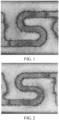
- the paste of the heating film was printed on the surface of a ceramic substrate (manufacturer: SMOORE, AT02) through screen printing to prepare a heating film circuit with a pattern shown in FIG. 1 in 9 mm ⁇ 3.5 mm.
- the ceramic substrate with the paste printed was dried at 200°C and then sintered at 1200°C for 2 h to form a ceramic substrate heating film.
- a raw material consists of 60 wt% of metal component 1, 26 wt% of metal component 2, 6 wt% of glass powder, and 8% of organic carrier.
- the metal component 1 consists of 85 wt% of Ni and 15 wt% of Cr.
- the metal component 2 consists of 100 wt% of Ru powder.
- the glass powder consists of 67% of silicon oxide, 8% of boron oxide, 3% of aluminum oxide, 5% of calcium oxide, 7% of zinc oxide, 3% of magnesium oxide, 2% of titanium oxide, 3% of sodium oxide, 1% of potassium oxide, and 1% of zirconium oxide.
- Preparation of the glass powder The required oxides were weighed in the foregoing proportions, mixed uniformly, placed in an aluminum oxide crucible, heated to 1480°C until melted, and poured into deionized water for water quenching into glass crumbs, and then the glass crumbs were crushed by mechanical ball milling to 1-15 ⁇ m, for use.
- Organic carrier Ethyl cellulose (manufacturer: SINOPHARM, model: EC200), acrylic resin (manufacturer: SINOPHARM, model: 4086), tributyl citrate, terpineol, butyl carbitol, and butyl carbitol acetate (manufacturer: SINOPHARM) were weighed in a mass ratio of 1:0.2:0.5:8:7.5:4, placed in a beaker, and heated to 80°C until completely dissolved, for use.
- Preparation of a paste of the heating film The metal powder 1, the metal component 2, the glass powder, and the organic carrier were weighed in the required proportions, mixed uniformly, and prepared by using a three-roller mill into the paste of the heating film.
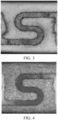
- the paste of the heating film was printed on the surface of a ceramic substrate (manufacturer: SMOORE, AT02) through screen printing to prepare a heating film circuit with a pattern shown in FIG. 2 in 9 mm ⁇ 3.5 mm.
- the ceramic substrate with the paste printed was dried at 160°C and then sintered at 1250°C for 2 h to form a ceramic substrate heating film.
- a raw material consists of 65 wt% of metal component 1, 16 wt% of metal component 2, 5 wt% of glass powder, and 14% of organic carrier.
- the metal component 1 consists of 100 wt% of Ni.
- the metal component 2 consists of 100 wt% of Pt powder.
- the glass powder consists of 55% of silicon oxide, 18% of boron oxide, 3% of aluminum oxide, 6% of calcium oxide, 10% of zinc oxide, 3% of magnesium oxide, 1% of titanium oxide, 3% of sodium oxide, 0.5% of potassium oxide, and 0.5% of zirconium oxide.
- Preparation of the glass powder The required oxides were weighed in the foregoing proportions, mixed uniformly, placed in an aluminum oxide crucible, heated to 1450°C until melted, and poured into deionized water for water quenching into glass crumbs, and then the glass crumbs were crushed by mechanical ball milling to 1-15 ⁇ m, for use.
- Organic carrier Ethyl cellulose (manufacturer: SINOPHARM, model: EC200), acrylic resin (manufacturer: SINOPHARM, model: 4086), tributyl citrate, terpineol, butyl carbitol, and butyl carbitol acetate (manufacturer: SINOPHARM) were weighed in a mass ratio of 1:0.2:0.5:8:7.5:4, placed in a beaker, and heated to 75°C until completely dissolved, for use.
- Preparation of a paste of the heating film The metal powder 1, the metal component 2, the glass powder, and the organic carrier were weighed in the required proportions, mixed uniformly, and prepared by using a three-roller mill into the paste of the heating film.
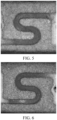
- the paste of the heating film was printed on the surface of a ceramic substrate (manufacturer: SMOORE, AT02) through screen printing to prepare a heating film circuit with a pattern shown in FIG. 3 in 9 mm ⁇ 3.5 mm.
- the ceramic substrate with the paste printed was dried at 160°C and then sintered at 1150°C for 0.5 h to form a ceramic substrate heating film.
- a raw material consists of 60 wt% of metal component 1, 15.2 wt% of metal component 2, 4.8 wt% of glass powder, and 20% of organic carrier.
- the metal component 1 consists of 85 wt% of Ni and 15% of Cr.
- the metal component 2 consists of 100 wt% of Pt powder.
- the glass powder consists of 46% of silicon oxide, 20% of boron oxide, 3% of aluminum oxide, 6% of calcium oxide, 11% of zinc oxide, 4% of magnesium oxide, 3% of titanium oxide, 3% of sodium oxide, 2% of potassium oxide, and 2% of zirconium oxide.
- Preparation of the glass powder The required oxides were weighed in the foregoing proportions, mixed uniformly, placed in an aluminum oxide crucible, heated to 1480°C until melted, and poured into deionized water for water quenching into glass crumbs, and then the glass crumbs were crushed by mechanical ball milling to 1-15 ⁇ m, for use.
- Organic carrier Ethyl cellulose (manufacturer: SINOPHARM, model: EC200), acrylic resin (manufacturer: SINOPHARM, model: 4086), tributyl citrate, terpineol, butyl carbitol, and butyl carbitol acetate (manufacturer: SINOPHARM) were weighed in a mass ratio of 1:0.2:0.5:8:7.5:4, placed in a beaker, and heated to 88°C until completely dissolved, for use.
- Preparation of a paste of the heating film The metal powder 1, the metal component 2, the glass powder, and the organic carrier were weighed in the required proportions, mixed uniformly, and prepared by using a three-roller mill into the paste of the heating film.
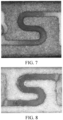
- the paste of the heating film was printed on the surface of a ceramic substrate (manufacturer: SMOORE, AT02) through screen printing to prepare a heating film circuit with a pattern shown in FIG. 4 in 9 mm ⁇ 3.5 mm.
- the ceramic substrate with the paste printed was dried at 100°C and then sintered at 1000°C for 3 h to form a ceramic substrate heating film.
- a raw material consists of 72 wt% of metal component 1, 9 wt% of metal component 2, 9 wt% of glass powder, and 10% of organic carrier.
- the metal component 1 consists of 85 wt% of Ni and 15 wt% of Cr.
- the metal component 2 consists of 100 wt% of Pd powder.
- the glass powder consists of 70% of silicon oxide, 8% of boron oxide, 2% of aluminum oxide, 1% of calcium oxide, 8% of zinc oxide, 2% of magnesium oxide, 3% of titanium oxide, 4% of sodium oxide, 1% of potassium oxide, and 1% of zirconium oxide.
- Preparation of the glass powder The required oxides were weighed in the foregoing proportions, mixed uniformly, placed in an aluminum oxide crucible, heated to 1480°C until melted, and poured into deionized water for water quenching into glass crumbs, and then the glass crumbs were crushed by mechanical ball milling to 1-15 ⁇ m, for use.
- Organic carrier Ethyl cellulose (manufacturer: SINOPHARM, model: EC200), acrylic resin (manufacturer: SINOPHARM, model: 4086), tributyl citrate, terpineol, butyl carbitol, and butyl carbitol acetate (manufacturer: SINOPHARM) were weighed in a mass ratio of 1:0.2:0.5:8:7.5:4, placed in a beaker, and heated to 75°C until completely dissolved, for use.
- Preparation of a paste of the heating film The metal powder 1, the metal component 2, the glass powder, and the organic carrier were weighed in the required proportions, mixed uniformly, and prepared by using a three-roller mill into the paste of the heating film.
- the paste of the heating film was printed on the surface of a ceramic substrate (manufacturer: SMOORE, AT02) through screen printing to prepare a heating film circuit with a pattern shown in FIG. 5 in 9 mm ⁇ 3.5 mm.
- the ceramic substrate with the paste printed was dried at 120°C and then sintered at 1050°C for 2.5 h to form a ceramic substrate heating film.
- a raw material consists of 72 wt% of metal component 1, 9 wt% of metal component 2, 9 wt% of glass powder, and 10% of organic carrier.
- the metal component 1 consists of 85 wt% of Ni and 15 wt% of Cr.
- the metal component 2 consists of 30 wt% of Ru powder, 35% of Pt powder, and 35 wt% of Pd powder.
- the glass powder consists of 70% of silicon oxide, 8% of boron oxide, 2% of aluminum oxide, 1% of calcium oxide, 8% of zinc oxide, 2% of magnesium oxide, 3% of titanium oxide, 4% of sodium oxide, 1% of potassium oxide, and 1% of zirconium oxide.
- Metal powder 2 was provided by Hunan Rhenium Alloy Material Co., Ltd.
- Preparation of the glass powder The required oxides were weighed in the foregoing proportions, mixed uniformly, placed in an aluminum oxide crucible, heated to 1480°C until melted, and poured into deionized water for water quenching into glass crumbs, and then the glass crumbs were crushed by mechanical ball milling to 1-15 ⁇ m, for use.
- Organic carrier Ethyl cellulose (manufacturer: SINOPHARM, model: EC200), acrylic resin (manufacturer: SINOPHARM, model: 4086), tributyl citrate, terpineol, butyl carbitol, and butyl carbitol acetate (manufacturer: SINOPHARM) were weighed in a mass ratio of 1:0.2:0.5:8:7.5:4, placed in a beaker, and heated to 75°C until completely dissolved, for use.
- Preparation of a paste of the heating film The metal powder 1, the metal powder 2, the glass powder, and the organic carrier were weighed in the required proportions, mixed uniformly, and prepared by using a three-roller mill into the paste of the heating film.
- the paste of the heating film was printed on the surface of a ceramic substrate (manufacturer: SMOORE, AT02) through screen printing to prepare a heating film circuit with a pattern shown in FIG. 6 in 9 mm ⁇ 3.5 mm.
- the ceramic substrate with the paste printed was dried at 120°C and then sintered at 1050°C for 2.5 h to form a ceramic substrate heating film.
- a raw material consists of 80 wt% of metal component, 5 wt% of glass powder, and 15 wt% of organic carrier.
- the metal component consists of 65 wt% of Ni, 10 wt% of Cr, 5 wt% of Fe, 5 wt% of Ru, 2 wt% of Pt, 3 wt% of Pd, 2 wt% of Nb, 3 wt% of Mn, 3 wt% of Mo, 1 wt% of W, and 1 wt% of Si.
- the glass powder consists of 65% of silicon oxide, 5% of boron oxide, 8% of aluminum oxide, 7% of calcium oxide, 6% of zinc oxide, 3% of magnesium oxide, 1% of titanium oxide, 4% of sodium oxide, 0.5% of potassium oxide, and 0.5% of zirconium oxide.
- Preparation of the glass powder The required oxides were weighed in the foregoing proportions, mixed uniformly, placed in an aluminum oxide crucible, heated to 1520°C until melted, and poured into deionized water for water quenching into glass crumbs, and then the glass crumbs were crushed by mechanical ball milling to 1-15 ⁇ m, for use.
- Organic carrier Ethyl cellulose (manufacturer: SINOPHARM, model: EC200), acrylic resin (manufacturer: SINOPHARM, model: 4086), tributyl citrate, terpineol, butyl carbitol, and butyl carbitol acetate (manufacturer: SINOPHARM) were weighed in a mass ratio of 1:0.2:0.5:8:7.5:4, placed in a beaker, and heated to 82°C until completely dissolved, for use.
- Preparation of a paste of the heating film The metal powder 1, the Ru powder, the Pt powder, the glass powder, and the organic carrier were weighed in the required proportions, mixed uniformly, and prepared by using a three-roller mill into the paste of the heating film.
- the paste of the heating film was printed on the surface of a ceramic substrate (manufacturer: SMOORE, AT02) through screen printing to prepare a heating film circuit with a pattern shown in FIG. 7 in 9 mm ⁇ 3.5 mm.
- the ceramic substrate with the paste printed was dried at 120°C and then sintered at 1200°C for 2 h to form a ceramic substrate heating film.
- This comparative example provides a metal heating film and a preparation method thereof, specifically as follows:
- a raw material consists of 86 wt% of metal component, 6 wt% of glass powder, and 8% of organic carrier.
- the metal component consists of 85 wt% of Ni and 15 wt% of Cr.
- the glass powder consists of 67% of silicon oxide, 8% of boron oxide, 3% of aluminum oxide, 5% of calcium oxide, 7% of zinc oxide, 3% of magnesium oxide, 2% of titanium oxide, 3% of sodium oxide, 1% of potassium oxide, and 1% of zirconium oxide.
- Preparation of the glass powder The required oxides were weighed in the foregoing proportions, mixed uniformly, placed in an aluminum oxide crucible, heated to 1480°C until melted, and poured into deionized water for water quenching into glass crumbs, and then the glass crumbs were crushed by mechanical ball milling to 1-15 ⁇ m, for use.
- Organic carrier Ethyl cellulose (manufacturer: SINOPHARM, model: EC200), acrylic resin (manufacturer: SINOPHARM, model: 4086), tributyl citrate, terpineol, butyl carbitol, and butyl carbitol acetate (manufacturer: SINOPHARM) were weighed in a mass ratio of 1:0.2:0.5:8:7.5:4, placed in a beaker, and heated to 80°C until completely dissolved, for use.
- Preparation of a paste of the heating film The metal powder, the glass powder, and the organic carrier were weighed in the required proportions, mixed uniformly, and prepared by using a three-roller mill into the paste of the heating film.
- the paste of the heating film was printed on the surface of a ceramic substrate (manufacturer: SMOORE, AT02) through screen printing to prepare a heating film circuit with a pattern shown in FIG. 8 in 9 mm ⁇ 3.5 mm.
- the ceramic substrate with the paste printed was dried at 160°C and then sintered at 1250°C for 2 h to form a ceramic substrate heating film.
- Smoke composition test Electronic cigarette aerogel was collected and analyzed for its composition by gas chromatography-mass spectrometry (GC-MS).
- the metal heating films provided in the examples and comparative example were tested with a power of 6.5 W in a blind evaluation manner.
- the e-liquid of the electronic cigarette was vaped by using a large circulation smoking method.
- the sensory evaluation was performed by a smoking taste group consisting of five people respectively.
- the taste evaluation criterion is shown in the table below, mainly including the following evaluation indexes: an aroma concentration, irritation (impurity gas), a smoke amount, sweetness, a throat hit, smoke humidity, harmonization, and satisfaction.
- the maximum score for each evaluation index is 10 points, and each evaluation index is scored by 0.5 points.
- Aroma concentration the degree of thickness of the overall smoke for the nose and mouth.
- Irritation the sensory perception of irritation in the mouth, throat, and nose from the smoke of the atomized e-liquid, for example, the feeling of particles, pins and needles, as well as impurity gas.
- Smoke amount the total amount of aerosol formed through the atomization of the e-liquid, and the amount of the smoke perceived through the mouth and visually seen after exhaling.
- Sweetness the degree of sweetness of the atomized e-liquid perceived in the mouth and the degree of sweetness of the atomized e-liquid perceived in the nose.
- Throat hit the physical sensory intensity of the hit of the smoke of the inhaled aerosol on the throat.
- Smoke humidity the degree of dryness/wetness of the smoke particle and droplet molecules perceived by the mouth and nose.
- Harmonization the degree of mixing uniformity and harmony of the aroma of the atomized e-liquid.
- Satisfaction the feeling of short-term brain excitement in response to the absorption of nicotine by the lungs by taking the same number of puffs on the electronic cigarette, which may be numbness and dizziness in the head, and other symptoms.
- Cracking test solution The heating film was subjected to a power-on test with a power of 6.5 W and power-on time of 3s, for 40 times, and the crack of the heating film was observed, as shown in FIG. 1 to FIG. 8 .
- the heating film provided in Comparative Example 1 cracks after the cracking test, a crack exists in the lower left side in FIG. 8 while no crack exists in Examples 1 to 7, and the lower left sides in FIG. 1 to FIG. 3 are only deepened in color without cracks.
Landscapes
- Chemical & Material Sciences (AREA)
- Engineering & Computer Science (AREA)
- Mechanical Engineering (AREA)
- Materials Engineering (AREA)
- Metallurgy (AREA)
- Organic Chemistry (AREA)
- Manufacturing & Machinery (AREA)
- Composite Materials (AREA)
- Powder Metallurgy (AREA)
- Paints Or Removers (AREA)
Applications Claiming Priority (2)
| Application Number | Priority Date | Filing Date | Title |
|---|---|---|---|
| CN202210420215.3A CN114947217B (zh) | 2022-04-20 | 2022-04-20 | 一种金属发热膜及其制备方法和应用 |
| PCT/CN2023/081349 WO2023202266A1 (zh) | 2022-04-20 | 2023-03-14 | 一种金属发热膜及其制备方法和应用 |
Publications (2)
| Publication Number | Publication Date |
|---|---|
| EP4483731A1 true EP4483731A1 (de) | 2025-01-01 |
| EP4483731A4 EP4483731A4 (de) | 2025-10-08 |
Family
ID=82977559
Family Applications (1)
| Application Number | Title | Priority Date | Filing Date |
|---|---|---|---|
| EP23790927.0A Pending EP4483731A4 (de) | 2022-04-20 | 2023-03-14 | Metallheizfolie, herstellungsverfahren dafür und anwendung davon |
Country Status (4)
| Country | Link |
|---|---|
| US (1) | US20250040606A1 (de) |
| EP (1) | EP4483731A4 (de) |
| CN (2) | CN120167697A (de) |
| WO (1) | WO2023202266A1 (de) |
Families Citing this family (4)
| Publication number | Priority date | Publication date | Assignee | Title |
|---|---|---|---|---|
| CN120167697A (zh) * | 2022-04-20 | 2025-06-20 | 海南摩尔兄弟科技有限公司 | 一种金属发热膜及其制备方法和应用 |
| CN115767803A (zh) * | 2022-11-21 | 2023-03-07 | 深圳市吉迩科技有限公司 | 加热体、雾化装置以及加热体的制备方法 |
| CN115918982A (zh) * | 2022-12-29 | 2023-04-07 | 深圳市吉迩科技有限公司 | 多孔陶瓷发热件及其制备方法 |
| CN118526014A (zh) * | 2023-02-23 | 2024-08-23 | 思摩尔国际控股有限公司 | 发热膜、雾化组件、雾化器及电子雾化装置 |
Family Cites Families (8)
| Publication number | Priority date | Publication date | Assignee | Title |
|---|---|---|---|---|
| CN105873248B (zh) * | 2016-05-11 | 2019-06-07 | 东莞珂洛赫慕电子材料科技有限公司 | 一种发热膜用低温烧结浆料及其制备方法 |
| CN109090709A (zh) * | 2018-08-30 | 2018-12-28 | 湖北中烟工业有限责任公司 | 一种发热陶瓷料浆及其制备方法 |
| CN110025057A (zh) * | 2019-05-31 | 2019-07-19 | 钟术光 | 一种改善电子烟安全性的方法及装置 |
| CN112194477A (zh) * | 2019-06-20 | 2021-01-08 | 深圳市合元科技有限公司 | 多孔陶瓷材料的制备方法及该方法得到的多孔材料 |
| CN111283202B (zh) * | 2020-02-19 | 2022-08-12 | 昂纳自动化技术(深圳)有限公司 | 电子烟雾化组件及其制造方法 |
| CN112888093B (zh) * | 2021-01-13 | 2022-10-14 | 深圳麦克韦尔科技有限公司 | 发热组件、电子雾化装置及发热组件的制备方法 |
| CN113828767B (zh) * | 2021-08-24 | 2023-09-08 | 深圳市吉迩科技有限公司 | 一种发热膜材料、制备方法、雾化芯及应用 |
| CN120167697A (zh) * | 2022-04-20 | 2025-06-20 | 海南摩尔兄弟科技有限公司 | 一种金属发热膜及其制备方法和应用 |
-
2022
- 2022-04-20 CN CN202510345037.6A patent/CN120167697A/zh active Pending
- 2022-04-20 CN CN202210420215.3A patent/CN114947217B/zh active Active
-
2023
- 2023-03-14 WO PCT/CN2023/081349 patent/WO2023202266A1/zh not_active Ceased
- 2023-03-14 EP EP23790927.0A patent/EP4483731A4/de active Pending
-
2024
- 2024-10-17 US US18/918,933 patent/US20250040606A1/en active Pending
Also Published As
| Publication number | Publication date |
|---|---|
| US20250040606A1 (en) | 2025-02-06 |
| WO2023202266A1 (zh) | 2023-10-26 |
| CN114947217A (zh) | 2022-08-30 |
| CN114947217B (zh) | 2025-06-24 |
| CN120167697A (zh) | 2025-06-20 |
| EP4483731A4 (de) | 2025-10-08 |
Similar Documents
| Publication | Publication Date | Title |
|---|---|---|
| EP4483731A1 (de) | Metallheizfolie, herstellungsverfahren dafür und anwendung davon | |
| EP4225055B1 (de) | Aerosolbildendes substrat | |
| Chun et al. | Pulmonary toxicity of e-cigarettes | |
| KR102839285B1 (ko) | 담배용 향료 및 그 제조방법 | |
| CN102960852B (zh) | 淡雅香型电子烟雾化烟液及其制备方法 | |
| JP4913225B2 (ja) | スパークプラグの製造方法 | |
| CN101301111B (zh) | 一种用于烟草薄片加香的添加剂 | |
| CN111576092A (zh) | 一种具有持久正甜味烟用接装纸的制作方法 | |
| DE2911042C2 (de) | Elektrochemischer Meßfühler für die Bestimmung der Sauerstoffkonzentration und Verfahren zu seiner Herstellung | |
| EP0530697B1 (de) | Verwendung einer Palladiumlegierung für mit Dentalkeramik verblendbaren Zahnersatz | |
| DE3244802A1 (de) | Dental-legierungen fuer kronen und prothesen | |
| WO2019086047A1 (zh) | 沉香香烟添加物及其制作方法、使用方法和含有香烟添加物的沉香香烟 | |
| CN106490677A (zh) | 一种调温卷烟的制备方法及其应用 | |
| WO2020104147A1 (de) | Verbesserte edelmetall-pasten für siebgedruckte elektrodenstrukturen | |
| CN111816345A (zh) | 一种电子烟用可印刷和防干烧发热金属浆料及其制备方法 | |
| EP1268354B1 (de) | Glas und glaspulvermischung sowie deren verwendung zur herstellung einer glaskeramik | |
| CN109567268B (zh) | 一种多层式低温卷烟及其制备方法 | |
| EP1145255B1 (de) | Heizleiter, insbesondere für einen messfühler, und ein verfahren zur herstellung des heizleiters | |
| WO2026021165A1 (zh) | 雾化液香料的制备方法、雾化液香料和雾化液 | |
| CN115153112A (zh) | 一种高效率的电子烟双面加热片及其制备方法 | |
| CN118923901A (zh) | 一种烟草本香特征增强的加热卷烟薄片的制备方法及其产品和应用 | |
| CN107057856B (zh) | 一种嘴棒用甘草增甜增润香精制备方法 | |
| CN220109141U (zh) | 一种多孔陶瓷雾化芯、雾化器及气溶胶发生装置 | |
| DE102020130559A1 (de) | Elektrisch leitfähiger poröser Sinterkörper | |
| CN114634842B (zh) | 一种烟用香料、其制备方法和应用 |
Legal Events
| Date | Code | Title | Description |
|---|---|---|---|
| STAA | Information on the status of an ep patent application or granted ep patent |
Free format text: STATUS: THE INTERNATIONAL PUBLICATION HAS BEEN MADE |
|
| PUAI | Public reference made under article 153(3) epc to a published international application that has entered the european phase |
Free format text: ORIGINAL CODE: 0009012 |
|
| STAA | Information on the status of an ep patent application or granted ep patent |
Free format text: STATUS: REQUEST FOR EXAMINATION WAS MADE |
|
| 17P | Request for examination filed |
Effective date: 20240925 |
|
| AK | Designated contracting states |
Kind code of ref document: A1 Designated state(s): AL AT BE BG CH CY CZ DE DK EE ES FI FR GB GR HR HU IE IS IT LI LT LU LV MC ME MK MT NL NO PL PT RO RS SE SI SK SM TR |
|
| DAV | Request for validation of the european patent (deleted) | ||
| DAX | Request for extension of the european patent (deleted) | ||
| REG | Reference to a national code |
Ref country code: DE Ref legal event code: R079 Free format text: PREVIOUS MAIN CLASS: A24F0040460000 Ipc: H05B0001020000 |
|
| A4 | Supplementary search report drawn up and despatched |
Effective date: 20250910 |
|
| RIC1 | Information provided on ipc code assigned before grant |
Ipc: H05B 1/02 20060101AFI20250904BHEP Ipc: H05B 3/12 20060101ALI20250904BHEP Ipc: H05B 3/16 20060101ALI20250904BHEP Ipc: A24F 40/10 20200101ALI20250904BHEP Ipc: A24F 40/46 20200101ALI20250904BHEP Ipc: A24F 40/40 20200101ALI20250904BHEP Ipc: A24F 40/70 20200101ALI20250904BHEP |