EP4458364A1 - Zusammensetzungen zur erhöhung der immuntherapieeffizienz bei der behandlung von kolorektalkarzinom - Google Patents
Zusammensetzungen zur erhöhung der immuntherapieeffizienz bei der behandlung von kolorektalkarzinom Download PDFInfo
- Publication number
- EP4458364A1 EP4458364A1 EP24174068.7A EP24174068A EP4458364A1 EP 4458364 A1 EP4458364 A1 EP 4458364A1 EP 24174068 A EP24174068 A EP 24174068A EP 4458364 A1 EP4458364 A1 EP 4458364A1
- Authority
- EP
- European Patent Office
- Prior art keywords
- tumour
- gallinarum
- cells
- composition
- salivarius
- Prior art date
- Legal status (The legal status is an assumption and is not a legal conclusion. Google has not performed a legal analysis and makes no representation as to the accuracy of the status listed.)
- Pending
Links
Images

























Classifications
-
- A—HUMAN NECESSITIES
- A61—MEDICAL OR VETERINARY SCIENCE; HYGIENE
- A61K—PREPARATIONS FOR MEDICAL, DENTAL OR TOILETRY PURPOSES
- A61K35/00—Medicinal preparations containing materials or reaction products thereof with undetermined constitution
- A61K35/66—Microorganisms or materials therefrom
- A61K35/74—Bacteria
- A61K35/741—Probiotics
- A61K35/744—Lactic acid bacteria, e.g. enterococci, pediococci, lactococci, streptococci or leuconostocs
- A61K35/747—Lactobacilli, e.g. L. acidophilus or L. brevis
-
- A—HUMAN NECESSITIES
- A61—MEDICAL OR VETERINARY SCIENCE; HYGIENE
- A61K—PREPARATIONS FOR MEDICAL, DENTAL OR TOILETRY PURPOSES
- A61K31/00—Medicinal preparations containing organic active ingredients
- A61K31/33—Heterocyclic compounds
- A61K31/395—Heterocyclic compounds having nitrogen as a ring hetero atom, e.g. guanethidine or rifamycins
- A61K31/40—Heterocyclic compounds having nitrogen as a ring hetero atom, e.g. guanethidine or rifamycins having five-membered rings with one nitrogen as the only ring hetero atom, e.g. sulpiride, succinimide, tolmetin, buflomedil
- A61K31/403—Heterocyclic compounds having nitrogen as a ring hetero atom, e.g. guanethidine or rifamycins having five-membered rings with one nitrogen as the only ring hetero atom, e.g. sulpiride, succinimide, tolmetin, buflomedil condensed with carbocyclic rings, e.g. carbazole
- A61K31/404—Indoles, e.g. pindolol
- A61K31/405—Indole-alkanecarboxylic acids; Derivatives thereof, e.g. tryptophan, indomethacin
-
- A—HUMAN NECESSITIES
- A61—MEDICAL OR VETERINARY SCIENCE; HYGIENE
- A61K—PREPARATIONS FOR MEDICAL, DENTAL OR TOILETRY PURPOSES
- A61K35/00—Medicinal preparations containing materials or reaction products thereof with undetermined constitution
- A61K35/66—Microorganisms or materials therefrom
- A61K35/74—Bacteria
-
- A—HUMAN NECESSITIES
- A61—MEDICAL OR VETERINARY SCIENCE; HYGIENE
- A61K—PREPARATIONS FOR MEDICAL, DENTAL OR TOILETRY PURPOSES
- A61K35/00—Medicinal preparations containing materials or reaction products thereof with undetermined constitution
- A61K35/66—Microorganisms or materials therefrom
- A61K35/74—Bacteria
- A61K35/741—Probiotics
- A61K35/744—Lactic acid bacteria, e.g. enterococci, pediococci, lactococci, streptococci or leuconostocs
-
- A—HUMAN NECESSITIES
- A61—MEDICAL OR VETERINARY SCIENCE; HYGIENE
- A61K—PREPARATIONS FOR MEDICAL, DENTAL OR TOILETRY PURPOSES
- A61K45/00—Medicinal preparations containing active ingredients not provided for in groups A61K31/00 - A61K41/00
- A61K45/06—Mixtures of active ingredients without chemical characterisation, e.g. antiphlogistics and cardiaca
-
- A—HUMAN NECESSITIES
- A61—MEDICAL OR VETERINARY SCIENCE; HYGIENE
- A61K—PREPARATIONS FOR MEDICAL, DENTAL OR TOILETRY PURPOSES
- A61K9/00—Medicinal preparations characterised by special physical form
- A61K9/0012—Galenical forms characterised by the site of application
- A61K9/0019—Injectable compositions; Intramuscular, intravenous, arterial, subcutaneous administration; Compositions to be administered through the skin in an invasive manner
-
- A—HUMAN NECESSITIES
- A61—MEDICAL OR VETERINARY SCIENCE; HYGIENE
- A61K—PREPARATIONS FOR MEDICAL, DENTAL OR TOILETRY PURPOSES
- A61K9/00—Medicinal preparations characterised by special physical form
- A61K9/0012—Galenical forms characterised by the site of application
- A61K9/0053—Mouth and digestive tract, i.e. intraoral and peroral administration
-
- A—HUMAN NECESSITIES
- A61—MEDICAL OR VETERINARY SCIENCE; HYGIENE
- A61P—SPECIFIC THERAPEUTIC ACTIVITY OF CHEMICAL COMPOUNDS OR MEDICINAL PREPARATIONS
- A61P35/00—Antineoplastic agents
-
- A—HUMAN NECESSITIES
- A61—MEDICAL OR VETERINARY SCIENCE; HYGIENE
- A61P—SPECIFIC THERAPEUTIC ACTIVITY OF CHEMICAL COMPOUNDS OR MEDICINAL PREPARATIONS
- A61P37/00—Drugs for immunological or allergic disorders
- A61P37/02—Immunomodulators
-
- C—CHEMISTRY; METALLURGY
- C07—ORGANIC CHEMISTRY
- C07K—PEPTIDES
- C07K16/00—Immunoglobulins [IG], e.g. monoclonal or polyclonal antibodies
- C07K16/18—Immunoglobulins [IG], e.g. monoclonal or polyclonal antibodies against material from animals or humans
- C07K16/28—Immunoglobulins [IG], e.g. monoclonal or polyclonal antibodies against material from animals or humans against receptors, cell surface antigens or cell surface determinants
- C07K16/2803—Immunoglobulins [IG], e.g. monoclonal or polyclonal antibodies against material from animals or humans against receptors, cell surface antigens or cell surface determinants against the immunoglobulin superfamily
- C07K16/2818—Immunoglobulins [IG], e.g. monoclonal or polyclonal antibodies against material from animals or humans against receptors, cell surface antigens or cell surface determinants against the immunoglobulin superfamily against CD28 or CD152
-
- A—HUMAN NECESSITIES
- A61—MEDICAL OR VETERINARY SCIENCE; HYGIENE
- A61K—PREPARATIONS FOR MEDICAL, DENTAL OR TOILETRY PURPOSES
- A61K39/00—Medicinal preparations containing antigens or antibodies
- A61K2039/505—Medicinal preparations containing antigens or antibodies comprising antibodies
-
- A—HUMAN NECESSITIES
- A61—MEDICAL OR VETERINARY SCIENCE; HYGIENE
- A61K—PREPARATIONS FOR MEDICAL, DENTAL OR TOILETRY PURPOSES
- A61K39/00—Medicinal preparations containing antigens or antibodies
- A61K2039/54—Medicinal preparations containing antigens or antibodies characterised by the route of administration
Definitions
- Colorectal cancer is the third most common cancer and the third leading cause of cancer mortality worldwide, with an estimated incidence of over 1 million new cases and a mortality of more than 500,000 deaths per year.
- Several intrinsic (e.g., age, male gender, ethnicity, diabetes mellitus, obesity and inflammatory bowel disease) and extrinsic (e.g., cigarette smoking, inadequate intake of fiber, high consumption of alcohol, red meat and high-fat diet) factors are associated with increased risks for colorectal cancer.
- the epidemiology of colon cancer is under dynamic changes owing to the changing prevalence and distribution of risk factors. In this regard, colon cancer incidence in many developing countries, including Asian countries, has increased 2- to 4-fold over the last two decades and has now reached an alarming rate, with Westernization of diet playing a pivotal role.
- anti-PD1/PDL1 programmed cell death protein 1/programmed death ligand 1
- anti-CTLA4 cytotoxic T-lymphocyte-associated antigen-4
- ICB therapy acts by removing the "brake" signal of T cell activation and elicits an anti-cancer immune response against cancer cells in order to suppress disease progression.
- the inventors discovered that certain gut microbial species and their metabolites can suppress the proliferation of colorectal cancer cells, especially when applied in combination with immunotherapeutic agents for treating colon cancer.
- the identified microorganisms and metabolites provide new methods and compositions for enhancing or improving the therapeutic efficacy of immunotherapy for the treatment of colorectal cancer.
- the present invention provides a composition for use in improving or enhancing immunotherapy efficacy in a human patient being treated for colon cancer.
- the composition contains an effective amount of (1) any one or any two or three of Lactobacillus gallinarum, Roseburia intestinalis, and Streptococcus salivarius K12; and (2) one or more physiologically acceptable excipients.
- the composition comprises an effective amount of two or three of L. gallinarum, R. intestinalis, and S. salivarius K12.
- the composition comprises a total of about 10 6 to about 10 14 colony-forming unit (CFU) of any one or any two or all three of L. gallinarum, R. intestinalis, and S . salivarius K12.
- CFU colony-forming unit
- the composition further comprises indole-3-carboxylic acid (ICA). In some embodiments, the composition further comprises butyrate. In some embodiments, the composition is formulated for oral ingestion, e.g., in the form of a food or beverage item. In some embodiments, the composition is formulated in a daily dosage comprising about 5 ⁇ 10 9 CFU of L. gallinarum per kg patient bodyweight. In some embodiments, the composition is formulated in a daily dosage comprising about 5 ⁇ 10 9 CFU of R. intestinalis per kg recipient bodyweight. In some embodiments, the composition is formulated in a daily dosage comprising about 5 ⁇ 10 9 CFU of S . salivarius K12 per kg recipient bodyweight.
- ICA indole-3-carboxylic acid
- the composition further comprises butyrate.
- the composition is formulated for oral ingestion, e.g., in the form of a food or beverage item. In some embodiments, the composition is formulated in a daily dosage comprising about 5 ⁇ 10 9 CFU
- the present invention provides a method for improving or enhancing or augmenting immunotherapy efficacy in the treatment of colon cancer by administering to a subject in need thereof an effective amount of the composition described above and herein, namely containing an effective amount of (1) any one or more of Lactobacillus gallinarum, Roseburia intestinalis, and Streptococcus salivarius K12; and (2) one or more physiologically acceptable excipients.
- the immunotherapy comprises administration of an effective amount of a PD1 inhibitor or a PDL1 inhibitor.
- the PD1 or PDL1 inhibitor is an anti-PD1 or an-PDL1 antibody, respectively.
- the PD1 inhibitor or PDL1 inhibitor is administered via injection, e.g., via intravenous infusion.
- the claimed method includes a step of administering to the subject one composition comprising any one or more of L. gallinarum, R. intestinalis, and S. salivarius K12.
- the method comprises the step of administering to the subject two or more compositions comprising any two or all three of L. gallinarum, R. intestinalis, and S. salivarius K12, optionally further comprising ICA and/or butyrate.
- the administering step comprises oral ingestion of the composition, for example, the administering step comprises oral ingestion prior to or with food intake.
- the present invention provides a novel use of a composition for improving or enhancing immunotherapy efficacy in the treatment of colorectal cancer.
- the composition contains an effective amount of (1) any one or more of Lactobacillus gallinarum, Roseburia intestinalis, and Streptococcus salivarius K12; and (2) one or more physiologically acceptable excipients.
- the immunotherapy comprises administration of an effective amount of a PD1 inhibitor or a PDL1 inhibitor.
- the PD1/PDL1 inhibitor is an anti-PD1/PDL-1 antibody, respectively.
- the PD1 inhibitor or PDL1 inhibitor is administered via injection, e.g., via intravenous infusion.
- the claimed method includes a step of administering to the subject one composition comprising any one or more of L. gallinarum, R. intestinalis, and S. salivarius K12.
- the method comprises the step of administering to the subject two or more compositions comprising any two or all three of L. gallinarum, R. intestinalis, and S . salivarius K12, optionally further comprising ICA and/or butyrate.
- the administering step comprises oral ingestion of the composition, for example, the administering step comprises oral ingestion prior to or with food intake.
- the present invention provides a kit for improving or enhancing immunotherapy efficacy in the treatment of colorectal cancer.
- the kit comprises a plurality of compositions each comprising an effective amount of one or more of Lactobacillus gallinarum, Roseburia intestinalis, and Streptococcus salivarius K12, optionally further comprising an effective amount of ICA and/or butyrate.
- the kit includes at least two compositions, the first comprising an effective amount of any one or two or three of L. gallinarum, R. intestinalis, and S.
- the first composition is formulated for oral ingestion.
- the second composition is formulated for injection.
- the first composition is formulated in a daily dosage comprising about 10 8 CFU of any one of L. gallinarum, R. intestinalis, or S. salivarius K12.
- colon cancer CRC
- colon cancer CRC
- colon cancer CRC
- colon cancer CRC
- rectal cancer often more specifically refers to a cancer of the last several inches of the colon, the rectum.
- a "colorectal cancer cell” is a colon epithelial cell possessing characteristics of colon cancer and encompasses a precancerous cell, which is in the early stages of conversion to a cancer cell or which is predisposed for conversion to a cancer cell. Such cells may exhibit one or more phenotypic traits characteristic of the cancerous cells.
- inhibitors refers to any detectable negative effect on a target biological process, such as RNA/protein expression of a target gene, the biological activity of a target protein, cellular signal transduction, cell proliferation, presence/level of an organism especially a micro-organism, any measurable biomarker, bio-parameter, or symptom in a subject, and the like.
- an inhibition is reflected in a decrease of at least 10%, 20%, 30%, 40%, 50%, 60%, 70%, 80%, 90% or greater in the target process (e.g., a subject's bodyweight, or the blood glucose/ cholesterol level, or any measurable symptom or biomarker in a subject, such as an infection rate among subjects by a pathogenic infectious agent), or any one of the downstream parameters mentioned above, when compared to a control.
- the target process e.g., a subject's bodyweight, or the blood glucose/ cholesterol level, or any measurable symptom or biomarker in a subject, such as an infection rate among subjects by a pathogenic infectious agent
- “Inhibition” further includes a 100% reduction, i.e., a complete elimination, prevention, or abolition of a target biological process or signal.
- treatment includes both therapeutic and preventative measures taken to address the presence of a disease or condition or the risk of developing such disease or condition at a later time. It encompasses therapeutic or preventive measures for alleviating ongoing symptoms, inhibiting or slowing disease progression, delaying of onset of symptoms, or eliminating or reducing side-effects caused by such disease or condition.
- a preventive measure in this context and its variations do not require 100% elimination of the occurrence of an event; rather, they refer to a suppression or reduction in the likelihood or severity of such occurrence or a delay in such occurrence.
- severity of a disease refers to the level and extent to which a disease progresses to cause detrimental effects on the well-being and health of a patient suffering from the disease, such as short-term and long-term physical, mental, and psychological disability, up to and including death of the patient. Severity of a disease can be reflected in the nature and quantity of the necessary therapeutic and maintenance measures, the time duration required for patient recovery, the extent of possible recovery, the percentage of patient full recovery, the percentage of patients in need of long-term care, and mortality rate.
- a "patient” or “subject” receiving the composition or treatment method of this invention is a human, including both adult and juvenile human, of any age, gender, and ethnic background, who have been diagnosed with colon cancer and receiving immunotherapy for the condition and are therefore in need of enhancing efficacy of the treatment.
- the patient or subject receiving treatment according to the method of this invention to improve immunotherapy efficacy is not otherwise in need of treatment by the same therapeutic agents.
- the subject is not suffering from any other disease that is known to be treated by the same therapeutic agents.
- a patient may be of any age, in some cases the patient is at least 40, 45, 50, 55, 60, 65, 70, 75, 80, or 85 years of age; in some cases, a patient may be between 40 and 45 years old, or between 50 and 65 years of age, or between 65 and 85 years of age.
- a "child” subject is one under the age of 18 years, e.g., about 5-17, 9 or 10-17, or 12-17 years old, including an "infant,” who is younger than about 12 months old, e.g., younger than about 10, 8, 6, 4, or 2 months old, whereas an "adult" subject is one who is 18 years or older.
- immunotherapy refers to any treatment methodology that achieves inhibition of cancer cell proliferation, as indicated by tumour mass increase and/or metastasis, by way of inducing, stimulating, or enhancing a patient's immune system functions to suppress or kill cancer cells.
- anti-PD1 immunotherapy is a frequently used cancer treatment strategy that targets the PD1 and PDL1 interaction between cancer cells and immune cells.
- PDL1 Programmed Cell Death Ligand 1
- PD1 Programmed Cell Death 1
- T cells which are a part of the immune system normally capable of immune surveillance and initial elimination of newly arisen cancer cells.
- the PDL1 to PD1 interaction acts to thwart an attack on the cancer cells by a normal immune system. It's one of the molecular mechanisms that cancer cells are known to rely on to escape detection and destruction by the immune system and thus to continue their uncontrolled growth and proliferation.
- the use of PDL1 or PD1 inhibitors, the so-called immune checkpoint inhibitors (ICIs), for cancer treatment is therefore known as anti-PD1 immunotherapy for the inhibitors' ability to restore the anti-cancer capability of a patient's immune system.
- ICIs immune checkpoint inhibitors
- PDL1 or PD1 inhibitors are antibodies (especially human or humanized antibodies) against the PDL1 or PD1 protein
- any other molecules including small molecules, can also be employed in a PD1 immunotherapy if they are capable of interacting with either PDL1 or PD1 and therefore disrupting the interaction between the two proteins.
- the term "effective amount,” as used herein, refers to an amount that produces intended (e.g., therapeutic or prophylactic) effects for which a substance is administered.
- the effects include the prevention, correction, or inhibition of progression of the symptoms of a particular disease/condition and related complications to any detectable extent, e.g., incidence of disease, progression rate, severity of disease, including tumour mass, distant metastasis, and up to mortality.
- the exact amount will depend on the purpose of the treatment, and will be ascertainable by one skilled in the art using known techniques ( see, e.g., Lieberman, Pharmaceutical Dosage Forms (vols. 1-3, 1992 ); Lloyd, The Art, Science and Technology of Pharmaceutical Compounding (1999 ); and Pickar, Dosage Calculations (1999 )).
- a “pharmaceutically acceptable” or “pharmacologically acceptable” excipient is a substance that is not biologically harmful or otherwise undesirable, i.e. , the excipient may be administered to an individual along with a bioactive agent without causing any undesirable biological effects. Neither would the excipient interact in a deleterious manner with any of the components of the composition in which it is contained.
- excipient refers to any essentially accessory substance that may be present in the finished dosage form of the composition of this invention.
- excipient includes vehicles, binders, disintegrants, fillers (diluents), lubricants, glidants (flow enhancers), compression aids, colours, sweeteners, preservatives, suspending/dispersing agents, film formers/coatings, flavours, and printing inks.
- composition when used in the context of describing a composition containing an active ingredient or multiple active ingredients, refer to the fact that the composition does not contain other ingredients possessing any similar or relevant biological activity of the active ingredient(s) or capable of enhancing or suppressing the activity, whereas one or more inactive ingredients such as physiological or pharmaceutically acceptable excipients may be present in the composition.
- a composition consisting essentially of active agents for instance, one or more of Lactobacillus gallinarum, Roseburia intestinalis, and Streptococcus salivarius K12
- active agents for instance, one or more of Lactobacillus gallinarum, Roseburia intestinalis, and Streptococcus salivarius K12
- This invention describes the use of certain beneficial gut bacterial species (e.g. , one or more of Lactobacillus gallinarum, Roseburia intestinalis, and Streptococcus salivarius K12), optionally in further combination with certain prebiotics (e.g ., ICA and butyrate), for enhancing or improving the therapeutic efficacy of an anti-colon cancer treatment that is concurrently administered to a patient suffering from the disease, especially for enhancing or improving the efficacy of an immunotherapy such as the anti-PD1 therapy.
- beneficial gut bacterial species e.g. , one or more of Lactobacillus gallinarum, Roseburia intestinalis, and Streptococcus salivarius K12
- certain prebiotics e.g ., ICA and butyrate
- the practical use of the invention includes development and manufacturing of commercial food products or health supplements containing the probiotics and/or prebiotics, for example, in the form of a powder, tablet, capsule, or liquid, which can be taken alone or added to food or beverages in connection with anti-colon cancer treatment efforts at or around the same time.
- the present invention provides pharmaceutical compositions comprising an effective amount of one or more of Lactobacillus gallinarum, Roseburia intestinalis, and Streptococcus salivarius K12, optionally in further combination with ICA and/or butyrate for enhancing or improving therapeutic efficacy in a colon cancer patient currently receiving immunotherapy such as anti-PD1 therapy for treating the disease.
- Pharmaceutical compositions of the invention are suitable for use in a variety of drug delivery systems.
- compositions of the present invention can be administered by various routes, e.g., systemic administration via oral ingestion or local delivery using a rectal suppository.
- the preferred route of administering the pharmaceutical compositions is oral administration at daily doses of about 10 6 to about 10 14 CFU, e.g., about 5 ⁇ 10 9 CFU, for each of one or more of L. gallinarum, R. intestinalis, and S. salivarius K12, at a roughly equal weight ratio, or up to about 3 to 1 weight ratio between the bacterial species at the highest concentration and the lowest concentration.
- the prebiotic combination of ICA and butyrate is further administered to the subject, either in one single composition or in multiple compositions.
- ICA and butyrate may be present in the composition in the weight ratio of about 1 to about 4, about 1 to about 2, about 1 to about 1, about 1 to about 2, or about 1 to about 4.
- ICA and/or butyrate may be present in total amount of about 0.1 to about 4 grams, preferably about 0.6 to about 2.6 grams.
- the composition may be formulated in a daily dosage format comprising ICA and/or butyrate in the total amount of about 0.01 to about 50 mg/kg, about 0.1 to about 25 mg/kg, about 1 to about 20 mg/kg, or about 2 to about 10 mg/kg of the patient.
- the appropriate dose may be administered in a single daily dose or as divided doses presented at appropriate intervals, for example as two, three, four, or more subdoses per day.
- the duration of administration may range from about 1 or 2 weeks to about 4 or 8 weeks, e.g., about 1 week to about 2 weeks, or about 1 month to about 2 months, just prior to, during, or shortly after (for example, within about 1, 2, 3, 4, 5 days or a week before or after) an immunotherapy (e.g., anti-PD1 therapy) is administered to the patient.
- an immunotherapy e.g., anti-PD1 therapy
- one or more inert and pharmaceutically acceptable carriers may be used.
- the pharmaceutical carrier can be either solid or liquid.
- Solid form preparations include, for example, powders, tablets, dispersible granules, capsules, cachets, and suppositories.
- a solid carrier can be one or more substances that can also act as diluents, flavoring agents, solubilizers, lubricants, suspending agents, binders, or tablet disintegrating agents; it can also be an encapsulating material.
- the carrier is generally a finely divided solid that is in a mixture with the finely divided active component, e.g., one or more of L. gallinarum, R. intestinalis, and S . salivarius K12, optionally further in combination with ICA and/or butyrate.
- the active ingredient is mixed with the carrier having the necessary binding properties in suitable proportions and compacted in the shape and size desired.
- a low-melting wax such as a mixture of fatty acid glycerides and cocoa butter is first melted and the active ingredient is dispersed therein by, for example, stirring. The molten homogeneous mixture is then poured into convenient-sized molds and allowed to cool and solidify.
- Powders and tablets preferably contain between about 5% to about 100% by weight of the active ingredient(s) (e.g., one or more of L. gallinarum, R. intestinalis, and S. salivarius K12, optionally further in combination with ICA and/or butyrate).
- suitable carriers include, for example, magnesium carbonate, magnesium stearate, talc, lactose, sugar, pectin, dextrin, starch, tragacanth, methyl cellulose, sodium carboxymethyl cellulose, a low-melting wax, cocoa butter, and the like.
- the pharmaceutical compositions can include the formulation of the active ingredient(s) e.g., one or more of L. gallinarum, R. intestinalis, and S. salivarius K12, optionally further in combination with ICA and/or butyrate, with encapsulating material as a carrier providing a capsule in which the active ingredient(s) (with or without other carriers) is surrounded by the carrier, such that the carrier is thus in association with the active ingredient(s).
- sachets can also be included. Tablets, powders, sachets, and capsules can be used as solid dosage forms suitable for oral administration.
- Liquid pharmaceutical compositions include, for example, solutions suitable for oral administration or local delivery, suspensions, and emulsions suitable for oral administration.
- Sterile water solutions of the active component e.g., one or more of L. gallinarum, R. intestinalis, and S. salivarius K12, optionally further in combination with ICA and/or butyrate
- sterile solutions of the active component in solvents comprising water, buffered water, saline, PBS, ethanol, or propylene glycol are examples of liquid or semi-liquid compositions suitable for oral administration or local delivery such as by rectal suppository.
- the compositions may contain pharmaceutically acceptable auxiliary substances as required to approximate physiological conditions, such as pH adjusting and buffering agents, tonicity adjusting agents, wetting agents, detergents, and the like.
- Sterile solutions can be prepared by dissolving the active component (e.g., one or more of L. gallinarum, R. intestinalis, and S. salivarius K12, optionally further with ICA and/or butyrate) in a previously sterilized solvent under sterile conditions.
- the composition will consist essentially of one or more of L. gallinarum, R. intestinalis, and S . salivarius K12, optionally with ICA and/or butyrate, plus one or more physiological excipients, without another microorganism present at a detectable level, which is defined as undetectable by means of a polymerase chain reaction.
- the resulting aqueous solutions may be packaged for use as is, or lyophilized, the lyophilized preparation being combined with a sterile aqueous carrier prior to administration.
- the pH of the preparations typically will be between 3 and 11, more preferably from 5 to 9, and most preferably from 7 to 8.
- compositions can be carried out with dose levels and pattern being selected by the treating physician.
- pharmaceutical formulations should provide a quantity of an active agent sufficient to effectively enhance the efficacy of a vaccine and/or reduce or eliminate undesirable adverse effects of a vaccine.
- Additional known therapeutic agent or agents may be used in combination with an active agent such as one or more of L. gallinarum, R. intestinalis, and S. salivarius K12, optionally further in combination with prebiotics such as ICA and/or butyrate, in the practice of the present invention for the purpose of enhancing or improving the efficacy of an immunotherapy for treating colon cancer in a patient in need thereof.
- an active agent such as one or more of L. gallinarum, R. intestinalis, and S. salivarius K12
- prebiotics such as ICA and/or butyrate
- one or more of these previously known effective anti-cancer therapeutic agents can be administered to patients concurrently with an effective amount of the active agent(s) either together in a single composition or separately in two or more different compositions.
- therapeutic agents that are known to be effective for use to treat cancer, especially colon cancer, include Camptosar (irinotecan hydrochloride), capecitabine, Eloxatin (oxaliplatin), 5-fluorouracil, leucovorin calcium, Lonsurf (trifluridine and tipiracil hydrochloride), Stivarga (regorafenib), Tukysa (tucatinib), Zaltrap (ziv-aflibercept), and their combinations may be used along with the active agents (such as the probiotics, optionally with the prebiotics) of the present invention to enhance an immunotherapy's effectiveness, reduce potential disease severity (including morbidity and mortality), prevent/reduce risk of metastasis or recurrence, and improve patient survival and recovery from the disease.
- Camptosar irinotecan hydrochloride
- capecitabine Eloxatin (oxaliplatin)
- 5-fluorouracil 5-fluorouracil
- kits for improving therapeutic efficacy in an individual receiving immunotherapy for the treatment of colon cancer typically include a plurality of containers, each containing a composition comprising one or more of beneficial bacterial species Lactobacillus gallinarum, Roseburia intestinalis, and Streptococcus salivarius K12.
- additional container(s) may be included in the kit providing composition(s) comprising ICA or butyrate or both.
- additional agents or drugs that are known to be therapeutically effective for treating colon cancer, including for ameliorating the symptoms and reducing the severity of the disease, as well as for facilitating survival/recovery from the disease (such as those described in the last section or otherwise known in the pertinent technical field) may be included in the kit.
- the plurality of containers of the kit each may contain a different active agent/drug or a distinct combination of two or more of the active agents or drugs.
- agent(s) used in immunotherapy for treating colon cancer such as any one of PD1 inhibitors (e.g., Pembrolizumab, Nivolumab, Cemiplimab, Dostarlimab, Vopratelimab, Spartalizumab, Camrelizumab, Sintilimab (IBI308), Tislelizumab, Toripalimab and Acrixolimab) or PDL1 inhibitors (e.g., Atezolizumab, Avelumab, Durvalumab, and Cosibelimab) or any combination thereof.
- PD1 inhibitors e.g., Pembrolizumab, Nivolumab, Cemiplimab, Dostarlimab, Vopratelimab, Spartalizumab, Camrelizumab, Sinti
- the kit may further include informational material providing instructions on how to dispense the pharmaceutical composition(s), including description of the type of patients who may be treated (e.g., human patients who have been diagnosed with colon cancer and are therefore receiving immunotherapy to treat the disease, such as anti-PD 1 therapy), and in some cases information about the type of patients not to be included in the claimed method (e.g., those who have been diagnosed with a pre-existing condition that already requires the administration of the active components such as one or more of L. gallinarum, R. intestinalis, and S. salivarius K12, optionally along with ICA and/or butyrate), as well as the dosage, frequency, and manner of administration, and the like.
- informational material providing instructions on how to dispense the pharmaceutical composition(s), including description of the type of patients who may be treated (e.g., human patients who have been diagnosed with colon cancer and are therefore receiving immunotherapy to treat the disease, such as anti-PD 1 therapy), and in some cases information about the type of patients not to be included in the claimed method (e.g
- EXAMPLE 1 Lactobacillus gallinarum and Its Derived Metabolite Improve Anti-PD1 Efficacy in Colorectal Cancer by Modulating the IDO1/Kyn/AHR Metabolic Zxis
- ICB therapy removes the "brake” signal of T cell activation and elicits antitumour response.
- ICB therapy namely anti-PD1/PDL1 (programmed cell death protein 1/ programmed death ligand 1) and anti-CTLA4 (cytotoxic T-lymphocyte-associated protein 4), has yielded great success in clinical trials and is now approved to treat different cancers.
- CRC colorectal cancer
- MSI-H microsatellite instability
- mismatch repair deficiency making up merely 15% of CRC patients.
- drug resistance persists as an unresolved challenge - a large portion of patients, despite their eligibility to receive ICB, may be refractory or even fail to respond to anti-PD1 therapy. Therefore, there is a dire need to identify novel adjuvants to overcome ICB resistance and improve treatment efficacy.
- Gut microbiota has emerged as an important factor dictating ICB response in various cancers.
- metagenomic profiling several studies reported a distinct microbiota composition between ICB responders and non-responders in melanoma patients, while supplementing bacteria species enriched in responders or faecal microbiota transplantation to non-responders dramatically improved their ICB efficacy in patients with in melanoma or epithelial cancer.
- a recent study also demonstrated that a consortium of 11 bacterial strains from healthy donors effectively induced IFN ⁇ + CD8+ T cells, which boosted antitumour immunity and synergized with ICB therapy.
- bacteria-derived immunomodulatory components which are mostly bacteria metabolites or cell wall fragments such as inosine, exopolysaccharides, phospholipids and peptidoglycan. These have highlighted the potential of leveraging probiotics or bacteria-based therapeutics as a next-generation adjuvant to improve cancer immunotherapy.
- Lactobacillus gallinarum a probiotic depleted in CRC patients, inhibited colorectal tumourigenesis by secreting indole-3-lactic acid (ILA), a tryptophan metabolite. Tryptophan metabolites are known as a class of immunoregulatory metabolites, which could induce Th17 polarization and promote differentiation of CD4+CD8 ⁇ + double-positive intraepithelial lymphocytes. Therefore, we sought to explore the translational potential of this probiotic beyond cancer prevention - whether L. gallinarum may modulate antitumour immunity and improve ICB treatment in CRC. Here, we report that L.
- ICA gallinarum- derived indole-3-carboxylic acid
- Bacteria strains and growth conditions Bacteria strains and growth conditions
- L. gallinarum ATCC 33199
- E. coli strain MG1655 ATCC 700926
- ATCC American Type Culture Collection
- E. coli strain MG1655 is a non-pathogenic human commensal gut bacterium and was used as a negative control in this study.
- L. gallinarum and E. coli were cultured in MRS or BHI broth as appropriate in a shaking incubator at 37°C under aerobic condition, and were resuspended in BHI broth before gavage.
- Murine MC38 microsatellite instability high, MSI-H
- CT26 microsatellite stable, MSS
- HCT116 and LoVo human CRC cell lines were purchased from ATCC. All cells were cultured in Dulbecco's modified Eagle's medium (Gibco BRL, Grand Island, NY) supplemented with 10% fetal bovine serum (FBS) and 1% penicillin/streptomycin, and maintained at 37°C in a humidified incubator with 5% carbon dioxide.
- FBS fetal bovine serum
- mice at 5-6 weeks old Male C57BL/6 or BALB/c mice at 5-6 weeks old were randomized and daily gavaged with (1) brain heart infusion (BHI) broth, (2) Escherichia coli MG1655, or (3) Lactobacillus gallinarum (1 ⁇ 10 8 colony-forming unit/100 ⁇ L per mouse). After one week, MC38 (5 ⁇ 10 5 cells) or CT26 (1 ⁇ 10 6 cells) were subcutaneously injected into the dorsal flank of C57BL/6 and BALB/c mice, respectively.
- BHI brain heart infusion
- MG1655 Escherichia coli MG1655
- Lactobacillus gallinarum (1 ⁇ 10 8 colony-forming unit/100 ⁇ L per mouse
- anti-mouse programmed cell death protein 1 (anti-PD1) monoclonal antibody BE0146, Bio X Cell, Lebanon, NH
- IgG isotype control BE0089, Bio X Cell
- ICA indolecarboxylic acid
- ICA (18mg/kg, Sigma-Aldrich, St. Louis, MO) was gavaged to mice daily. Tumour inoculation and dosing schedule of anti-PD1 or isotype control is the same as described above. After the outgrowth of palpable tumours, kynurenine (Kyn, 10mg/kg, Sigma-Aldrich) was intraperitoneally injected into mice twice weekly.
- mice at 5-6 weeks old were intraperitoneally injected with a single dose of azoxymethane (AOM; Merck, Darmstadt, Germany), followed by 1 week of 1% dextran sulphate sodium (DSS; MP Biomedicals, Solon, OH) in drinking water and a 2-week recovery period. A total of 3 DSS cycles were given. After the third DSS cycle, the mice were randomized and gavaged with BHI broth, E. coli or L. gallinarum daily. Anti-PD1 or isotype control (100 ⁇ g) were given to mice by intraperitoneal injection every 3 days after one week of bacterial gavage. Mouse colonoscopy (Karl Storz Endoskope, Tuttlingen, Germany) was performed before sacrifice. All animal studies were approved by the Animal Experimentation Ethics Committee of The Chinese University of Hong Kong.
- AOM azoxymethane
- DSS dextran sulphate sodium
- LC-MS/MS liquid chromatography-tandem mass spectrometry
- UHPLC Ultra-high performance liquid chromatography
- the TripleTOF 6600 mass spectrometry (AB Sciex, Foster City, California) was used to acquire tandem mass spectrometry (MS/MS) spectra on an information-dependent basis during LC-MS/MS experiment.
- the metabolite identification was based on in-house MS2 database, Human Metabolome Database (HMDB, website: hmdb.ca), and METLIN metabolite database (metlin.scripps.edu).
- Tumour tissues were dissected into small pieces and digested with 1% bovine serum albumin (BSA) containing 0.5mg/ml collagenase D (Roche, Basel, Switzerland) and 0.25mg/ml DNase I (Roche) for 45 minutes at 37°C on a shaking platform.
- BSA bovine serum albumin
- the cell suspension was then filtered through a 70- ⁇ m cell strainer and centrifuged at 700 g for 10 minutes.
- the cell pellets were resuspended in 1% BSA for surface marker staining.
- Nuclear antigen staining (Foxp3) was performed using Foxp3 staining buffer set (eBioscience, San Diego, CA) according to manufacturer's instructions.
- the cell suspension was first stimulated with phorbol myristate acetate, ionomycin and monensin for 4 hours at 37°C before surface marker staining. Then, the cells were fixed and permeabilized by Foxp3 staining buffer (eBioscience), followed by antibody staining.
- Formalin-fixed, paraffin-embedded tissues were sectioned in 4 ⁇ m thickness. Heat-mediated antigen retrieval was performed using 10mM sodium citrate buffer (pH 6.0) for 20 minutes. Immunohistochemistry (IHC) staining was conducted using the IHC Select HRP/DAB kit (Millipore, Burlington, MA) according to manufacturer's instructions. Tissue sections were stained with IDO1 antibody (ab106134, Abcam, Cambridge, UK) at 1:100 dilution.
- T cells were isolated from spleens of tumour-bearing mice by negative selection using magnetic cell separation (EasySep mouse T cell isolation kit, CD8+ T cell isolation kit or CD4+ CD25+ Regulatory T cell Isolation Kit II; STEMCELL Technologies, Vancouver, Canada).
- Isolated T cells were cultured in Roswell Park Memorial Institute 1640 medium supplemented with 10% FBS, 50 ⁇ M ⁇ -mercaptoethanol, 10ng/mL mouse recombinant interleukin-2 (IL-2), 0.1ng/mL transforming growth factor ⁇ (TGF ⁇ ) and activated with Dynabeads mouse anti-CD3/CD28 beads (Thermo Fisher Scientific, Waltham, MA) for 72 hours. Cells were then collected for analysis.
- RNAs were extracted from cell pellets or colonic tissues using TRIzol Reagent (Life Technologies).
- Complementary DNA cDNA was prepared using Prime Script RT Reagent Kit with gDNA Eraser (Takara, Shiga, Japan). The relative level of specific genes was determined by QuantStudio TM 7 Flex Real-Time PCR System (Thermo Fisher Scientific). All gene expression values were normalized to ⁇ -actin and calculated using the 2- ⁇ Ct method.
- L. gallinarum supplementation improves anti-PD1 efficacy
- MC38 murine MSI-H CRC cell line
- E. coli bacterial negative control
- L. gallinarum Figure 1A
- anti-PD1 antibody or IgG isotype control was intraperitoneally injected to mice.
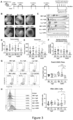
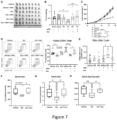
- L. gallinarum remarkably improved anti-PD1 efficacy, as tumour growth was significantly more impeded by the combination of anti-PD1 and L. gallinarum, compared to anti-PD1 combined with BHI or E. coli control (both P ⁇ 0.01) ( Figure 1B - D ).
- MC38 syngeneic model is a highly immunogenic model with good immunotherapy response.
- L . gallinarum could also be effective in a murine MSS CRC cell line (CT26), a model with low microsatellite stability (MSI-low) and inherited immunotherapy resistance.
- CT26 murine MSS CRC cell line
- MSI-low microsatellite stability
- inherited immunotherapy resistance As expected, anti-PD1 combined with BHI or E. coli showed minimal effects on tumour growth in CT26 syngeneic mice ( Figure 1E - G ).
- L. gallinarum supplementation significantly improved anti-PD1 efficacy
- the combination of anti-PD1 and L . gallinarum induced a marked reduction in tumour weight ( P ⁇ 0.01) ( Figure 1E & F ) and volume ( P ⁇ 0.0001) ( Figure 1G ).
- Anti-PD1 efficacy is closely associated with immune cell infiltration.
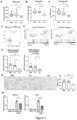
- L. gallinarum monotherapy In MC38 syngeneic mouse model, L. gallinarum monotherapy, despite its inefficacy in impeding tumour growth, reduced Foxp3+ CD25+ Treg infiltration, compared to BHI and E. coli group (both P ⁇ 0.05) ( Figure 2B ). In mice receiving L .
- L. gallinarum plus anti-PD1 therapy significantly reduced tumour number (both P ⁇ 0.01) ( Figure 3D ), tumour load (both P ⁇ 0.05) ( Figure 3E ), and number of large tumours (diameter ⁇ 2mm) ( P ⁇ 0.05 for BHI; P ⁇ 0.01 for E. coli ) ( Figure 3F ), indicating L. gallinarum boosts the efficacy of anti-PD1 therapy in CRC tumourigenesis.
- Colonic tumours were collected for immune cell analysis by flow cytometric. Consistent with the findings from the MC38 and CT 26 allograft models, compared to anti-PD1-treated mice plus BHI or E. coli control, the combination of L.
- L. gallinarum produced tryptophan as potential functional metabolite in vitro and in vivo
- Kyn is a host-derived metabolite notorious for promoting Treg development and immune evasion, and is primarily produced by indoleamine 2,3-dioxygenase (IDO) through tryptophan conversion 21 .
- L. gallinarum significantly augmented anti-PD1 efficacy and induced a remarkable tumour shrinkage.
- Gut microbiota composition shapes the outcome of cancer immunotherapy, whilst microbiota modulation arises as a promising approach to improve ICB response.
- probiotic Lactobacillus acidophilus improved ICB efficacy by reducing intratumoural Treg and enhanced effector CD8+ T cells.
- L . gallinarum reduced Foxp3+ CD25+ Treg infiltration in TME and enhanced effector function of CD8+ T cells when combined with anti-PD1, indicating the strengthened antitumour immunity.
- L. gallinarum reduced Foxp3+ CD25+ Treg infiltration in TME and enhanced effector function of CD8+ T cells when combined with anti-PD1, indicating the strengthened antitumour immunity.
- L. gallinarum reduced Foxp3+ CD25+ Treg infiltration in TME and enhanced effector function of CD8+ T cells when combined with anti-PD1, indicating the strengthened antitumour immunity.
- ICA is not the sole metabolite that modulated antitumour immunity, but many different tryptophan metabolites may also play a role in remodeling tumour microenvironment.
- indole metabolites can be produced by a wide variety of gut bacteria. Therefore, instead of pinpointing L. gallinarum as the "star" probiotics, it is likely that many gut bacteria also promotes ICB response through a similar mechanism.
- tryptophan metabolism involves three major pathways, which are modulated by host, epithelial/ immune cells and enterochromaffin cells respectively. It is also known that modulation of one of these metabolic pathways profoundly disturb the others.
- L. gallinarum and its derived ICA exert the immunomodulatory effect, at least in part, by modulating the host tryptophan metabolism pathway and inhibiting Kyn production in the TME.
- indole metabolites Several studies reported the antagonistic activity of indole metabolites - while indole metabolites alone function as a weak AHR agonists, they also exhibited antagonistic activity and inhibited agonist-induced AHR activation.
- AHR agonists or indole metabolites are known to play a pleotropic role in cancer. While AHR agonists alleviated colonic inflammation and thus potentially prevented colitis-associated CRC, they also promoted immune evasion in TME in the context of cancer.
- Lactobacillus- derived indole metabolites were reported to drive immunosuppression by activating AHR on tumour-associated macrophages to promote tumour progression.
- L. gallinarum and its derived ICA can improve anti-PD1 efficacy in CRC. Such actions are associated with the inhibition of IDO1/Kyn metabolic circuit, as well as the antagonism of Kyn binding on AHR receptors on T cells to inhibit Treg differentiation.
- Our results reveal a novel mechanism underlining host-microbiota metabolic crosstalk and highlight the translational potential of leveraging L . gallinarum as an adjuvant therapy to improve ICB response.
- CRC Colorectal cancer
- Microbiota contributes to antitumour efficiency by modulating host immune response, working alone or facilitating immunotherapy.
- Microbiota depletion by antibiotic consumption or germ-free mice was related with nonresponse to immunotherapy and oral supplementation of bacteria or faecal microbial transplantation to antibiotic-treated or germ-free mice restored the immunotherapy response.
- the necessity of microbiota in immunotherapy was confirmed, whether and how some certain bacteria improve the antitumour efficiency in CRC patients, especially in MSS-type are still not fully understood.
- Gut microbiota affected cancer development by producing metabolites. Butyrate, as one of the essential bacterial metabolites in colon, its concentration is negatively correlated to CRC incidence. Butyrate producing bacteria including five Roseburia OTUs were depleted, and Butyryl-coenzyme CoA transferase genes were reduced in the microbiota of CRC patients. These data prompted us to investigate whether R. intestinalis and its metabolite butyrate can contribute to the efficacy of antitumour immunity, either alone or in combination with cancer therapy.
- Roseburia intestinalis a gram-positive, obligate anaerobic, butyrate-producing bacterium, firstly isolated from human faecal material in 2002.
- R. intestinalis is one of the bacterial markers and depleted in CRC patients, but whether the altered abundance of R. intestinalis is a cause or consequence in CRC development needed further confirmation.
- R. intestinalis producing butyrate directly boosting cytotoxic CD8 + T cells through Toll-like receptor 5 (TLR5) dependent NF- ⁇ B signalling.
- TLR5 Toll-like receptor 5
- Metagenomic data sets were downloaded from the European Nucleotide Archive (ENA) with the following ENA identifiers: PRJEB10878 for YuJ_2017, PRJEB27928 for WirbelJ_2019, ERP005534 for ZellerG_2014 and DNA Data Bank of Japan for YachidaS_2019 with accession number: DRA006684 and DRA008156.
- ENA European Nucleotide Archive
- Metagenomic sequences data to analyze the relative abundance of R. intestinalis in responders and non-responders to immune checkpoint inhibitors (ICI) were downloaded from SRA under the Bioproject accession PRJNA751792 and PRJNA782662. This France cohort included 333 non-small-cell lung cancer patients (258 non-responders and 75 responders). Stool samples were collected before the ICI therapy start.
- a published metabolomics cohort including 118 CRC patients and 128 negative control individuals was performed gas chromatography coupled to time-of-flight mass spectrometer (GC-TOFMS) targeted a human gut microbiota-host co-metabolism panel by the authors and the significantly altered metabolites between CRC and NC were downloaded from Pubmed. Metabolites with variable importance in projection (VIP) score >1 and P value ⁇ 0.05 were considered as significant.
- VIP variable importance in projection
- Roseburia intestinalis (DSM 14610) was purchased from Leibniz Institute DSMZ-German Collection of Microorganisms and Cell Cultures GmbH (Braunschweig, DE) and cultured at 37 °C in modified Yeast Casitone Fatty Acids (YCFA) Broth with Hungate bottles filled with N 2 .
- E. coli MG1665 was used as a bacteria control and cultured at the same condition with R. intestinalis.
- the absorbance of R. intestinalis reached to the optical density 600 (OD 600 ) of 1.0
- the cultured medium was centrifuged and filtered with 0.22 ⁇ m pore size filter to get the R. intestinalis cultured medium ( R.i CM).
- R.i CM R.i ⁇ m pore size filter
- the intestinal adenoma spontaneous mouse strain C57BL/6J- Apc Min /J (The Jackson Laboratory, Bar Harbor, US) was orally treated with 1 ⁇ 10 8 colony forming unit (CFU) R. intestinalis daily at the age of 6 weeks, and they are raised for the following 6 weeks.
- CFU colony forming unit
- a MSI type mouse CRC cell line, MC-38 cell mix [5 ⁇ 10 5 cells in 10 ⁇ L Matrigel (354248, Corning, Manassas, US) per mouse] was orthotopically implanted into the rectum of C57BL/6.
- mice were started with R . intestinalis, E. coli or sodium butyrate (NaBu, 303410, Sigma-Aldrich, Darmstadt, DE) treatment and lasted for three weeks.
- 1 ⁇ 10 8 CFU R. intestinalis or E. coli were given by oral gavage daily; 150 mM NaBu was provided in the drinking water and refreshed every two days. Mice in other groups received saline in the same amount of sodium as control.
- ⁇ PD-1 antibody 100 ⁇ g per mouse, BP0146, Colone: RMP1-14, Bio X Cell, West Lebanon, US
- control IgG 100 ⁇ g per mouse, BP0089, Colone: 2A-3, Bio X Cell
- CT-26 tumour-bearing BALB/c mice with the same setting and treatment of MC-38 orthotopic model was developed to evaluate the efficacy of ⁇ PD-1 antibody immunotherapy on microsatellite stable (MSS)-type colorectal cancer. All experimental procedures were approved by the Chinese University of Hong Kong Animal Ethics Committee.
- Ki-67 D3B5
- Rabbit mAb (12202, Cell Signalling Technology, Danvers, US, 1:200
- anti-ZO-1 antibody ab96587, abcam, Cambridge, UK, 1:100
- Claudin-3 polyclonal antibody 34-1700, Thermo Fisher Scientific, Waltham, US, 1:100
- biotinylated secondary antibodies and streptavidin HRP at room temperature for 30 minutes each.
- Signals were developed with DAB chromogen. High-power fields were randomly shoot and the positive cells were calculated by ImageJ 1.53a with IHC Profiler plugin.
- Each mouse was orally gavaged with 150 ⁇ L of 80 mg/mL 4KDa FITC-dextran (68059, Sigma-Aldrich, Darmstadt, DE) after 6 hours-fasting. About 50 ⁇ L blood was collected 4 hours after FITC-dextran gavage. 100 ⁇ L of PBS diluted (1:5) plasma and standards were transferred to a blank opaque-bottom 96-well plate and the fluorescence was determined at 528 nm with 485 nm excitation. Permeability was expressed as relative fluorescence units between groups.
- mice colon tissues were extracted and separated by SDS-PAGE gel, then transferred onto 0.2 ⁇ m Nitrocellulose Membrane (1620112, Bio-Rad, Redmond, US). The membrane was blocked, incubated at 4°C overnight with primary antibodies anti-ZO1 tight junction protein antibody (ab96587, abcam, Cambridge, UK, 1:500) and Claudin-3 polyclonal antibody (34-1700, Thermo Fisher Scientific, Waltham, US, 1:1000), ⁇ -actin (13E5) Rabbit mAb (4970, Cell Signalling Technology, Danvers, US, 1:1000) was used as internal control, and followed with one-hour secondary antibody incubation at room temperature.
- primary antibodies anti-ZO1 tight junction protein antibody (ab96587, abcam, Cambridge, UK, 1:500)
- Claudin-3 polyclonal antibody 34-1700, Thermo Fisher Scientific, Waltham, US, 1:1000
- ⁇ -actin 13E5
- Rabbit mAb 4970, Cell Signalling Technology, Danvers
- Caspase-3 8G10 Rabbit mAb (9665, 1:1000), Cleaved Caspase-3 (Asp175) antibody (9661, 1:1000), Caspase-7 antibody (9492, 1:1000), Cleaved Caspase-7 (Asp198) antibody (9491, 1:1000), Caspase-9 (C9) Mouse mAb (9508, 1:1000), PARP (46D11) Rabbit mAb (9532, 1:1000), Cleaved PARP (Asp214) Rabbit mAb (5625, 1:1000), Cdk6 (D4S8S) Rabbit mAb (13331, 1:1000), p27 Kip1 (D69C12) (3686, 1:1000) purchased from Cell Signalling Technology (CST, Danvers, US) were used to analyse apoptosis and cell cycle related protein expression on CRC cells HCT116, LoVo and SW480.
- CST Cell Signalling Technology
- DMEM Dulbecco's Modified Eagle's Medium
- FBS fetal bovine serum
- P/S penicillin-streptomycin
- Jurkat E6.1 (TIB-152, ATCC) was cultured in RPMI-1640 supplied with 10% FBS and 1% penicillin-streptomycin and activated in 3 ⁇ g/ml anti-CD3 (300332, BioLgend, San Diego, US), 5 ⁇ g/ml anti-human CD28 (302934, BioLgend, San Diego, US) and 100 IU/ml recombinant human IL-2 (589104, BioLgend, San Diego, US) pre-coated wells for 3 days.
- FITC Annexin V apoptosis detection kit (556547, BD Biosciences, Franklin Lakes, US). Adherent cells were removed by Trypsin-EDTA solution and washed with cold PBS twice and then resuspend in binding buffer at a concentration of 1 ⁇ 10 6 cells/ml. 100 ⁇ l of cell solution was transferred to a 5ml tube, incubated with 5 ⁇ l FITC Annexin V and 5 ⁇ l PI for 15 minutes at 25 °C in the dark. Cells were added with 400 ⁇ l binding buffer to stop staining and analyzed by flow cytometer in one hour.
- cell pellet was washed by PBS and incubated in 70 to 80% ethanol at -20°C for more than two hours.
- 10 6 cells were used for staining in 0.5 ml PI/RNase staining buffer (550825, BD Biosciences, Franklin Lakes, US) for 15 minutes at room temperature in the dark. Tubes were stored at 4 °C protected from light and analyzed on flow cytometer with one hour.
- CRC patient-derived organoid was obtained from the Princess Margaret Living Biobank (PMLB), originally from a 46-year-old female colorectal adenocarcinoma patient.
- the minced pathologic specimens were digested and embedded into Matrigel and maintained in Advanced DMEM/F12, supplied with 1% P/S, 10 mM HEPES, 1 ⁇ GlutaMAX medium containing N2 and B27 supplements, 50% (vol/vol) Wnt3a conditional medium, 10% (vol/vol) R-spondin-1 conditional medium, 100ng/ml Noggin conditional medium, 50ng/ml EGF, 10nM Gastrin, 100ng/ml FGF10, 1.25 mMN-acetylcysteine, 500nM A8301, 1 ⁇ M SB202190, 10mM Nicotinamide.
- Treatments containing 5% (vol/vol) YCFA, E. coli CM or R. i CM were added into the culture medium directly and freshly
- Metabolomic profiling was performed by BIOTREE, Shanghai, China. 400 ⁇ L extract solution containing isotopically labelled internal standard mixture was added into100 ⁇ L each sample of YCFA ⁇ 3kDa, E. coli CM ⁇ 3kDa and R.i CM ⁇ 3kDa, sonicated in iced water bath for 10 minutes, and incubated at -40 °C for one hour to precipitate proteins.
- LC-MS/MS liquid chromatography tandem mass spectrometry
- UHPLC ultra-high performance liquid chromatography
- Orbitrap Exploris 120 mass spectrometer Orbitrap MS, Thermo Fisher Scientific
- IDA information-dependent acquisition
- Electrospray ionization (ESI) source conditions were as following: sheath gas flow rate was 50 Arb, Aux gas flow rate was 15 Arb, capillary temperature was 320 °C, full MS resolution was 60000, MS/MS resolution was15000, collision energy was 10/30/60 in NCE mode, spray voltage was 3.8 kV (positive) or -3.4 kV (negative) respectively.
- metabolites were extracted from less than 3 kDa fractions of YCFA, E. coli CM and R.i CM for analysis with gas chromatography-mass spectrometry (GC-MS, GC2030-QP2020 NX, Shimadzu, Tokyo, JP) utilized with an Agilent HP-FFAP capillary column (30m ⁇ 250 ⁇ m ⁇ 0.25 ⁇ m, J&W Scientific, Folsom, US). 1 ⁇ L aliquot of sample was injected in split mode (5:1). Helium was used as the carrier gas. Front inlet septum purge flow was 3 ml/min, and column flow was 1 ml/min.
- GC-MS gas chromatography-mass spectrometry
- the program of oven temperature ramp was as follow: 80 °C hold on 1 min; then raised to 200 °C at a rate of 10 °C/min , hold on 5 min; then raise to 240 °C at a rate of 40 °C/min and hold on 1 min.
- the front injection, transfer line, ion source and quad temperatures were 240 °C, 240 °C, 200°C and 150 °C.
- the electron energy was -70 eV.
- the mass spectrometry data were acquired in Scan/SIM mode with the m/z range of 33-150 after a solvent delay of 3.5 min. Standard curves were established with acetic acid (64-19-7, Dr. Ehrenstorfer, Augsburg, DE), propionic acid (79-09-4, Dr.
- T cells isolated from healthy human peripheral blood mononuclear cells (PBMC) using immunomagnetic negative selection kit (17951, Stemcell Technologies, Vancouver, CA). Isolated T cells were then cultured in complete RPMI-1640 medium supplied with human CD3/CD28 magnet beads (11161D, Thermo Fisher Scientific, Waltham, US) and 30 U/ml recombinant human IL-2 (589104, BioLgend, San Diego, US) for expiation and activation for three days.
- PBMC peripheral blood mononuclear cells
- Mouse T cells were isolated from the spleen of naive mice and purified with Mouse T cell isolation kit (19851, Thermo Fisher Scientific, Waltham, US), cultured in complete RPMI-1640 medium with mouse CD3/CD28 beads (11456D, Thermo Fisher Scientific, Waltham, US) and 30 U/ml recombinant mouse IL-2 (575404, BioLegend, San Diego, US).
- Cytotoxic CD8 + T cell markers Granzyme B, IFN- ⁇ , TNF- ⁇ under the in vitro treatments of R.i CM, NaBu or TLR5 inhibitor TH1020 were analyzed with flow cytometry. Isolated human T cells were stimulated with 30ng/ml PMA, 1 ⁇ g/ml ionomycin and 2.5 ⁇ g/ml monensin in complete RPMI-1640 medium at 37 °C for 4 hours.
- tumour from MC-38 and CT-26 bearing rectal orthotopic mouse models was minced on ice and digested in PBS buffer containing 0.5mg/mL collagenase IV and 0.25mg/ml DNase I at 37 °C for 30 min. After digestion, tumour tissue was filtered through a 70 ⁇ m cell strainers, and then distributed into different panels.
- MDSC For the surface staining of MDSC, cells were stained with Brilliant Violet 605 anti-mouse CD45 antibody (30-F11) (103140, BioLegend), PerCP/Cyanine5.5 anti-mouse/human CD11b antibody (M1/70) (101228, BioLegend), PE anti-mouse Ly-6G/Ly-6C (Gr-1) antibody (RB6-8C5). MDSC was gated in CD45 + CD11b + Gr-1 + . For CD8 functional markers staining, the procedures were similar with the in vitro T cell analysis.
- Antibodies used for staining are as following: Brilliant Violet 605 anti-mouse CD45 antibody (30-F11) (103140, BioLegend), PE anti-mouse CD3 antibody (17A2) (100206, BioLegend), Brilliant Violet anti-mouse CD8a antibody (53-6.7) (100738, BioLegend), PE/Cyanine5 anti-mouse CD4 antibody (GK1.5) (100410, BioLegend), PE/Cyanine7 anti-human/mouse Granzyme B recombinant antibody (QA16A02) (372214, BioLegend), FITC anti-mouse IFN- ⁇ antibody (XMG1.2) (505806, BioLegend), Brilliant Violet 711 anti-moue TNF- ⁇ (MP6-XT22) (506349, BioLegend).
- Flow Cytometry was performed on FACSAria cell sorter (BD Biosciences, Franklin Lakes, US). Data was analyzed by FlowJo 10.4.
- RNA isolation and quantitative real-time PCR qPCR
- Roseburia intestinalis cultured medium induces colorectal cancer cell apoptosis and cell cycle arrest
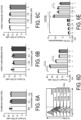
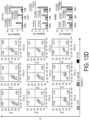
- Apoptosis markers Cleaved Caspase-7 and Cleaved PARP increased in all three CRC cells, while Cleaved Caspase-3 and Cleaved Caspase-9 increased in HCT116 and SW480 at protein level after R.i CM treatment ( Figure 13E ).
- HCT116, LoVo and SW480 treated with R.i CM showed a cell cycle arrest with an increased cell proportion at GO/G1 phase and a decrease of cells in synthesis (S) ( Figure 13F ).
- the protein level of cell cycle marker Cdk6 was increased and p27 Kip1 was increased after treatment with R.i CM, indicating that R.i CM induces G1 phase arrest ( Figure 13G ).
- Butyrate is the main tumour suppressive component produced by Roseburia intestinalis
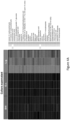
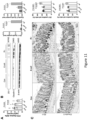
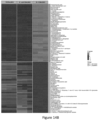
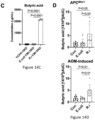
- R.i CM To determine the effective components in R.i CM, we separated it into fractions less than 3 kDa and more than 3 kDa. Only R. i CM ⁇ 3 kDa still kept the tumour-suppressive effects on Colon cancer cells, but not R.i CM>3 kDa ( Figure 14A ). R.i CM ⁇ 3 kDa was sent for untargeted metabolomics profiling by LC-MS/MS and butyric acid ranked top ones ( Figure 14B ). The accurate concentration of short chain fatty acid was measured by targeted gas chromatography- mass spectrometry (GC-MS), and butyric acid was markedly enriched in R.i CM ⁇ 3 kDa fractions ( Figure 14C ).
- GC-MS gas chromatography- mass spectrometry
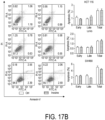
- inosine was the most enriched molecular in R.i CM>3 kDa ( Figure 16A ), indicating that inosine might be another tumour suppressive component in R.i CM and the concentration of inosine in R.i CM is around 8 ⁇ g/ml ( Figure 16B ). But comparable dosage of inosine in R.i CM has no anti-tumour effects in vitro ( Figure 17A-C ).
- T cells were isolated from human peripheral blood mononuclear cell or mouse spleen and activated by ⁇ -CD3/CD28 and IL-2 with or without R.i CM or butyrate (1mM) treatment.
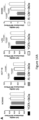
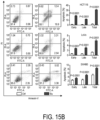
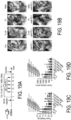
- R.i CM and butyrate treatment promoted the production of Granzyme B, IFN- ⁇ and TNF- ⁇ in CD8 + T cells ( Figure 15D , Figure 18 ).
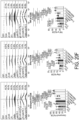
- intestinalis facilitates CD8 + T cells by producing butyrate, the mRNA expression level of receptors and transporters on CD8+ T cells, including Gpr41, Gpr43, Gpr109a, Slcl6a1, Tlr1 to 6, Id2, Il2ra, Il2rb, Il7r, Il12rb1, Il12rb2, Cd8a, Cd8b1, Cd27, Cd28, Ox40, 4-lbb, were measured by qPCR with or without R.i CM treatment ( Figure 15E ). Unexpectedly, R.
- Tlr5 mRNA expression level was more than 10 times higher with R.i CM treatment ( Figure 15E ).
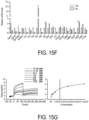
- Tlr5 expression was much higher in CD8 + T cells treated with butyrate ( Figure 15F ).
- a selective TLRS antagonist TH1020 was used to inhibit TLR5 signalling.
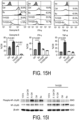
- Th1020 abolished the effective promotion of butyrate on Granzyme B, IFN- ⁇ and TNF- ⁇ in CD8 + T cells ( Figure 15H ).
- both R.i CM and butyrate increased NF- ⁇ B nuclear translocation with higher phospho-NF-xB expression and inhibited by Th1020 in ⁇ -CD3/CD28/IL-2 activated Jurkat E6.1 T cells ( Figure 15I ).
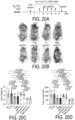
- CT-26 was injected to BALB/c mouse rectum under same experimental design and timeline with last model ( Figure 20A ).
- CT-26 was non-sensitive to ⁇ PD-1 therapy, but the tumour weight and size are still reduced with R.i or NaBu treatment alone compared with ⁇ PD-1 therapy and control groups ( Figure 20B- D).
- R. intestinalis or sodium butyrate was heightened the anti-tumour effects of R. intestinalis or sodium butyrate
- Faecal butyrate was found closely related to CRC incidence in the inventors' previous study, indicating the potential therapeutic role of butyrate.
- the inventors found that the anticancer efficiency from R. intestinalis was mainly from butyrate. They then confirmed that the cultured medium of R. intestinalis restricted the proliferation of CRC cells but not normal epithelial cells by apoptosis induction and cell cycle arrest. Supplement of sodium butyrate to mice achieved the same anti-tumour response.
- Butyrate in lumen is the primary energy source for normal colonocytes. Due to the Warburg effect, tumour cells rely on glucose as their primary energy, which lead to the accumulation of butyrate and act as histone deacetylase (HDAC) inhibitor. The Warburg effect dictates the mechanism of butyrate mediated histone acetylation and inhibition of tumour cell proliferation but not normal cells. Directly, by producing butyrate, R. intestinalis kills tumour cells to inhibit the progression of CRC.
- HDAC histone deacetylase
- butyrate producing bacteria R. intestinalis was confirmed by reanalysing a published metagenomics cohort ( Figure 8D ).
- Other butyrate producing bacteria such as Akkermansia muciniphila and Faecalibacterium were also reduced in PD-1 therapy non-responders.
- faecal butyric acid concentration is associated with PD-1 inhibitor efficacy in solid cancer.
- CD8 + T cells are the most powerful anticancer immune effectors by recognizing and killing tumour cells with the cytotoxic molecules.
- CD8 + T cells are the most powerful anticancer immune effectors by recognizing and killing tumour cells with the cytotoxic molecules.
- the direct role of microbiota on the CD8 + T cells functional regulation needs further study. Different from other existing studies, in which bacteria only served as enhancers of immunotherapy, the inventors found that R. intestinalis itself could promote anti-tumour cytotoxic CD8 + T cell response directly through its metabolite butyrate, independently from anti-PD1 therapy, especially in MSS-type CT-26 bearing mice.
- SCFAs short chain fatty acids
- TLR5 might be a butyrate receptor, at least on CD8 + T cells.
- TLR5 as one of the pathogen-associated molecular patterns (PAMPs), expressed in epithelial cells and immune cells, specifically recognize flagellin on bacteria.
- PAMPs pathogen-associated molecular patterns
- Activation of TLRS translocated the nuclear factor NF- ⁇ B and stimulated the production of TNF- ⁇ .
- TH1020 identified as an antagonist of TLR5, competed with flagellin and disrupted the association with TLRS based on molecular docking simulation, repressed the expression of downstream TNF- ⁇ signaling pathways.
- the inventors thus discovered in human faecal sequencing data, R. intestinalis and butyrate were depleted in CRC patients compared to healthy controls. By using multiple mouse models, they demonstrated the preclinical efficiency of R. intestinalis supplements as monotherapy on restricting colorectal tumour growth through butyrate, especially on MSS-type CT-26 tumours. Molecularly, R. intestinalis cultured medium and butyrate suppressed CRC by directly inducing tumour cell apoptosis, arresting cell cycle, and mediating cytotoxic Granzyme B + , IFN- ⁇ + , TNF- ⁇ + CD8 + T cells through TLRS dependent NF-xB signalling. R . intestinalis, as a promising probiotics supplement, opened a new way to expand the CRC treatment efficiency, particularly for immunotherapy resistant patients.
- EXAMPLE 3 Streptococcus salivarius k12 Reprograms Tumour Immune Microenvironment to Synergize with Anti-PD1 to Suppress Colorectal Tumourigenesis
- ICI Immune checkpoint inhibitors
- mAbs monoclonal antibodies directed at the PD-1/PD-L1 (programmed cell death protein-1/programmed death ligand-1) axis
- irAEs ICI-associated immune-related adverse effects
- S. salivarius As there has been no reported functional role of S. salivarius (M18) in suppressing CRC, and due to the strain-specific efficacy of the probiotics, the inventors further evaluated the protective role of S. salivarius (K12) and a healthy human isolated strain on colorectal tumourigenesis. They found the specific tumour suppressive effect of S . salivarius (K12) as compared with S. salivarius (M18) and S. salivarius (Human). Through bacterial whole genome sequencing (WGS), the inventors found the S .
- salivarius contains a specific gene cluster responsible for exopolysaccharides (EPS) production. They also revealed that S. salivarius (K12) can augment the intratumoural effector CD8+ T cells infiltration, which turns the "cold” tumours into “hot” tumours to potentiate the anti-PD1 response in CRC.
- EPS exopolysaccharides
- C57BL/6J -ApcMin /J mice which develop intestinal polyps spontaneously were used as a model of spontaneous intestinal neoplasia. They were purchased from the Jackson Laboratory (Bar Harbor, ME, USA) and maintained in the animal facility at the Chinese University of Hong Kong. Mice at 4-5 weeks old were divided into 3 groups - 1 ⁇ 10 8 colony forming units (CFU) of S. salivarius or E. coli MG1655, or the same volume of BHI was gavaged to them once daily for 10 weeks. Faecalibacterium prausnitzii, which was reported to have an immune modulatory effect, was used as a positive control. Colorectal tumour formation was monitored by mouse colonoscopy (Coloview, Karl Stroz, Germany). Colonic tissues were collected for immune profiling.
- CFU colony forming units
- mice Male C57BL/6 mice at 6 weeks old were intraperitoneally injected with a single dose of 10mg/kg AOM (Merck, Darmstadt, Germany), followed by 2% DSS (MP Biomedicals, Solon, OH) administration for 1 week. After DSS treatment, the same treatment regimen with the Apc min / + mice was used in this AOM/DSS-induced CRC model. Mice were raised to 20 weeks for the evaluation of the probiotic treatment efficacy.
- AOM Merck, Darmstadt, Germany
- DSS MP Biomedicals, Solon, OH
- mice or BALB/c mic at 5 weeks old were pre-treated with 1 ⁇ 10 8 CFU S. salivarius.
- E. coli MG1655 or the same volume of BHI for 2 weeks, following which, the mice were subcutaneously injected with MC38 (5 ⁇ 10 5 cells) or CT26 (1 ⁇ 10 6 cells) into the flank, respectively. Tumour volume was measured with a digital caliper every other day after the outgrowth of the tumour.
- anti-mouse programmed cell death protein 1 (anti-PD1) monoclonal antibody (BE0146, Bio X Cell, Lebanon, NH) or IgG isotype control (BE0089, Bio X Cell) was administrated to the CT26 syngeneic mice to evaluate the synergistic effect of S. salivarius in improving anti-PD1 response.
- anti-PD1 monoclonal antibody BE0146, Bio X Cell, Lebanon, NH
- IgG isotype control BE0089, Bio X Cell
- S. salivarius (M18 and K12) were purchased from American Type Culture Collection (ATCC; Manassas, VA). E. coli MG1655 was obtained from DSMZ. They were cultured in BHI broth (Thermo Fisher Scientific, West Palm Beach, FL) at 37°C under aerobic conditions. The bacteria were centrifuged at 5,000 rpm for 10 minutes to obtain the bacteria pallet and resuspended in BHI before gavaging to mice. The S. salivarius conditioned medium (Ss. CM) was obtained by centrifuging the bacteria culture supernatant at 4500g for 15 mins and filtered through a 0.2- ⁇ m pore-size filter.
- ATCC American Type Culture Collection
- VA Manassas, VA
- E. coli MG1655 was obtained from DSMZ. They were cultured in BHI broth (Thermo Fisher Scientific, West Palm Beach, FL) at 37°C under aerobic conditions. The bacteria were centrifuged at 5,000 rpm for 10 minutes to obtain the bacteria
- S. salivarius human isolation
- healthy human faecal samples were collected and suspended in PBS within 30 minutes. After homogenization, the suspension was filtered through a 100 ⁇ m strainer to remove larger particles. Serial dilution was then performed by using the faecal suspension and the BHI agar plate was further used to incubate the suspension in an aerobic incubator at 37 °C for 24 hours. Colonies with a similar appearance to S . salivarius were purified by streak plated method.
- the 16S rDNA for each isolate was amplified by PCR with the university primers 341F (5'- CCTAYGGGRBGCASCAG-3', SEQ ID NO: 1) and 806R (5'-GGACTACNNGGGTATCTAAT-3', SEQ ID NO:2).
- S . salivarius human was identified by blasting the 16S rDNA in the GenBank.
- Colon cancer cell lines including HCT116, Lovo, MC38, and CT26, were obtained from American Type Culture Collection (ATCC).
- Normal colonic epithelial cell line NCM460 was obtained from INCELL Corporation (San Antonio, TX). All the cell lines were cultured in high-glucose Dulbecco's Modified Eagle's Medium (DMEM) (Thermo Fisher Scientific) supplemented with 10% (vol/vol) fetal bovine serum (FBS) (Thermo Fisher Scientific), 1% penicillin/ streptomycin in a humidified atmosphere containing 5% CO 2 .
- DMEM Dulbecco's Modified Eagle's Medium
- FBS fetal bovine serum
- the penicillin/streptomycin in the culture medium was removed and cells were exposed to bacteria with a multiplicity of infection (MOI) of 200 for 2 hours.
- MOI multiplicity of infection
- Cell viability was determined by 3-(4,5-dimethylthiazoly-2-yl)-2,5-diphenyltetrazoliumbromide (MTT) (Sigma-Aldrich) assay.
- Tumour tissues were dissected into small pieces and digested with RPMI 1640 with 0.1mg/ml collagenase D and 50U/ml DNase I for 1h at 37°C on a shaking platform.
- the cell suspension was filtered through a 70- ⁇ m cell strainer and centrifuged at 700 g for 10 min.
- the cell pellet was resuspended in PBS plus 1% bovine serum albumin (BSA) for cell surface marker analysis.
- BSA bovine serum albumin
- stimulation was performed for the isolated cell suspension before surface marker staining.
- the primary isolated cells were incubated in RPMI 1640 containing phorbol myristate acetate (PMA), ionomycin, and monensin for 4 hours at 37°C.
- the stimulated cells were then permeabilized by an intracellular staining kit (eBioscience) and stained with anti-IFN ⁇ , anti-TNF- ⁇ , and anti-GZMB overnight before multicolor flow cytometry analysis.
- the WGS of the 3 bacterial strains was conducted by Beijing Novogene Technology.
- Bacterial genomic DNAs were extracted by using the ZR Faecal DNA MiniPrep (Zymo Research, Irvine, CA) following the manufacturer's instructions.
- Results are expressed as mean ⁇ standard deviation (SD). ANOVA was used to compare differences among multiple groups, and post-hoc analysis was performed by Tukey's multiple comparisons test. P-values ⁇ 0.05 indicate statistical significance. Statistical tests were performed in GraphPad Prism (V8.0, GraphPad Software Inc., San Diego, CA).
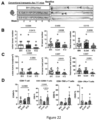
- salivarius (K12) (K12.CM) also revealed a solely inhibitory effect in suppressing the viability of colon cancer cells, but not the normal epithelial cells ( Figure 21B ), indicating that only the S. salivarius (K12) strain contribute to the direct antitumourigenic effect.
- S. salivarius contains a gene cluster responsible for EPS production ( Figure 21C ). Those results indicate that S. salivarius containing EPS gene cluster can suppress the viability of CRC cells.
- S. salivarius (K12) To investigate the effect of S. salivarius (K12) on colorectal tumourigenesis, the inventors gavaged the mice with S. salivarius (K12), BHI and a non-tumourigenic E. coli strain MG1655 were used as plain culture broth and bacteria control, respectively ( Figure 22A ). After 10-week gavage, they observed that administration of S. salivarius (K12) significantly reduced the tumour number ( Figure 22B ) and tumour size ( Figure 22C ) in the colon and small intestine of Apc min / + mice. They also examined the change of immune landscape induced by S . salivarius (K12). It was found that tumour-infiltrating cytotoxic T cells (CD8+) were significantly enhanced in the S.
- CD8+ tumour-infiltrating cytotoxic T cells
- MC38 syngeneic model is an immunoresponsive murine tumour model.
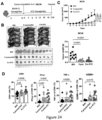
- the inventors administered S. salivarius (K12) to the MC38 (MSI-H) syngeneic mouse model. BHI was used as broth control, F. prausnitzii was used as a positive control ( Figure 24A ).
- S . salivarius (K12) significantly alleviate tumour growth and tumour weight ( Figure 24B ).
- the suppressive effect was similar to F . prausnitzii ( Figure 24C ).
- the S . salivarius (K12) monotherapy also enhanced the tumour-infiltrating effector CD8+ cytotoxic T cells ( Figure 24D ).
- CT26 (MSS CRC cell line) syngeneic model is an immunotherapy resistance murine tumour model. No single-agent anti-PD1/PD-L1 therapy has shown any efficacy against this tumour.
- S. salivarius (K12) plus anti-PD1 exerts a synergistic CRC-suppressive effect
- the CT26 syngeneic model was treated with S. salivarius (K12). BHI and E.coli were used as control.
- the CT 26 mouse CRC cells were transplanted to the flank of the mice.
- anti-PD1 antibody or IgG isotype control was intraperitoneally injected into the mice ( Figure 25A and Figure 25B ).
- salivarius (K12) slightly decreased the tumour size and tumour weight ( Figure 25C ). Most strikingly, combined S. salivarius (K12) with anti-PD1 led to an obvious reduction of the tumour size and tumour weight ( Figure 25C ) as compared with S. salivarius (K12) alone or BHI / E. coli + anti-PD 1, indicating combined S. salivarius (K12) with anti-PD synergistically abrogates CT26 syngeneic model. The inventors also evaluated the tumour-infiltrating CD8+ cytotoxic T cells, they found the combination therapy led to the significant induction of effector CD8+ T cells ( Figure 25D ). Collectively, these results indicate that S. salivarius (K12) enhances antitumour immunity in CRC.
- the inventors demonstrate for the first time the strain-specific anti-CRC effect of S. salivarius.
- Oral administration of the S. salivarius K12, which contains the EPS production gene cluster suppresses tumour formation in 3 murine models of CRC ( Apc min / + , AOM/DSS, and MC38 syngeneic models).
- the tumour-infiltrating effector CD8+ T cells were also enhanced in the S. salivarius K12-treated CRC mice.
- S. salivarius K12 synergistically with anti-PD1 in the immunotherapy resistance murine tumour model (CT26 syngeneic model) to suppress the tumour size and enhance the effector CD8+ T cells infiltration.
Landscapes
- Health & Medical Sciences (AREA)
- Life Sciences & Earth Sciences (AREA)
- Chemical & Material Sciences (AREA)
- Medicinal Chemistry (AREA)
- General Health & Medical Sciences (AREA)
- Pharmacology & Pharmacy (AREA)
- Animal Behavior & Ethology (AREA)
- Public Health (AREA)
- Veterinary Medicine (AREA)
- Epidemiology (AREA)
- Microbiology (AREA)
- Mycology (AREA)
- Molecular Biology (AREA)
- Organic Chemistry (AREA)
- Immunology (AREA)
- General Chemical & Material Sciences (AREA)
- Nuclear Medicine, Radiotherapy & Molecular Imaging (AREA)
- Chemical Kinetics & Catalysis (AREA)
- Physiology (AREA)
- Nutrition Science (AREA)
- Biochemistry (AREA)
- Biophysics (AREA)
- Genetics & Genomics (AREA)
- Proteomics, Peptides & Aminoacids (AREA)
- Dermatology (AREA)
- Engineering & Computer Science (AREA)
- Bioinformatics & Cheminformatics (AREA)
- Medicines Containing Material From Animals Or Micro-Organisms (AREA)
Applications Claiming Priority (1)
| Application Number | Priority Date | Filing Date | Title |
|---|---|---|---|
| US202363464325P | 2023-05-05 | 2023-05-05 |
Publications (1)
| Publication Number | Publication Date |
|---|---|
| EP4458364A1 true EP4458364A1 (de) | 2024-11-06 |
Family
ID=91022988
Family Applications (1)
| Application Number | Title | Priority Date | Filing Date |
|---|---|---|---|
| EP24174068.7A Pending EP4458364A1 (de) | 2023-05-05 | 2024-05-03 | Zusammensetzungen zur erhöhung der immuntherapieeffizienz bei der behandlung von kolorektalkarzinom |
Country Status (3)
| Country | Link |
|---|---|
| US (1) | US20240366693A1 (de) |
| EP (1) | EP4458364A1 (de) |
| CN (1) | CN118892500A (de) |
Citations (3)
| Publication number | Priority date | Publication date | Assignee | Title |
|---|---|---|---|---|
| US20220378851A1 (en) * | 2019-11-04 | 2022-12-01 | Vedanta Biosciences, Inc. | Compositions and methods for enhancing immune checkpoint inhibitor therapy |
| CN115702908A (zh) * | 2021-08-05 | 2023-02-17 | 香港中文大学 | 用于治疗和预防结肠直肠癌的益生菌组合物 |
| US20230106313A1 (en) * | 2020-02-12 | 2023-04-06 | Universität Zürich | A bacterial composition for the treatment of cancer |
-
2024
- 2024-05-03 EP EP24174068.7A patent/EP4458364A1/de active Pending
- 2024-05-03 US US18/654,339 patent/US20240366693A1/en active Pending
- 2024-05-06 CN CN202410549939.7A patent/CN118892500A/zh active Pending
Patent Citations (3)
| Publication number | Priority date | Publication date | Assignee | Title |
|---|---|---|---|---|
| US20220378851A1 (en) * | 2019-11-04 | 2022-12-01 | Vedanta Biosciences, Inc. | Compositions and methods for enhancing immune checkpoint inhibitor therapy |
| US20230106313A1 (en) * | 2020-02-12 | 2023-04-06 | Universität Zürich | A bacterial composition for the treatment of cancer |
| CN115702908A (zh) * | 2021-08-05 | 2023-02-17 | 香港中文大学 | 用于治疗和预防结肠直肠癌的益生菌组合物 |
Non-Patent Citations (5)
| Title |
|---|
| KAWANABE-MATSUDA HIROTAKA ET AL: "Dietary Lactobacillus -Derived Exopolysaccharide Enhances Immune-Checkpoint Blockade Therapy", CANCER DISCOVERY, vol. 12, no. 5, 17 February 2022 (2022-02-17), US, pages 1336 - 1355, XP093206717, ISSN: 2159-8274, Retrieved from the Internet <URL:https://aacrjournals.org/cancerdiscovery/article-pdf/12/5/1336/3224474/1336.pdf> DOI: 10.1158/2159-8290.CD-21-0929 * |
| LIEBERMAN, PHARMACEUTICAL DOSAGE FORMS, vol. 1-3, 1992 |
| LLOYD, THE ART, SCIENCE AND TECHNOLOGY OF PHARMACEUTICAL COMPOUNDING, 1999 |
| PICKAR, DOSAGE CALCULATIONS, 1999 |
| SUGIMURA NAOKI ET AL: "Lactobacillus gallinarum modulates the gut microbiota and produces anti-cancer metabolites to protect against colorectal tumourigenesis", GUT MICROBIOTA, vol. 71, no. 10, 22 December 2021 (2021-12-22), UK, pages 2011 - 2021, XP093032007, ISSN: 0017-5749, DOI: 10.1136/gutjnl-2020-323951 * |
Also Published As
| Publication number | Publication date |
|---|---|
| CN118892500A (zh) | 2024-11-05 |
| US20240366693A1 (en) | 2024-11-07 |
Similar Documents
| Publication | Publication Date | Title |
|---|---|---|
| Chen et al. | Prevotellaceae produces butyrate to alleviate PD-1/PD-L1 inhibitor-related cardiotoxicity via PPARα-CYP4X1 axis in colonic macrophages | |
| Owens et al. | Lactobacillus rhamnosus GG orchestrates an antitumor immune response | |
| Shi et al. | PD‐1 blockade enhances the antitumor efficacy of GM‐CSF surface‐modified bladder cancer stem cells vaccine | |
| JP2021514968A (ja) | 微生物関連の免疫療法 | |
| US11260083B2 (en) | Compositions and methods for treating and preventing graft versus host disease | |
| Marelli et al. | Heme-oxygenase-1 production by intestinal CX3CR1+ macrophages helps to resolve inflammation and prevents carcinogenesis | |
| IL251844B1 (en) | Methods and products for modulation of microbiota composition to improve the effectiveness of cancer treatment with immune checkpoint blockade | |
| US20230158088A1 (en) | Compositions for modulating gut microflora populations, enhancing drug potency and treating viral infections, and methods for making and using same | |
| JP2020507343A (ja) | Nk細胞を活性化するための組成物及び方法 | |
| US20230338438A1 (en) | Bacterial biofilms and cancer | |
| JP2022512161A (ja) | 免疫療法のための組成物及び方法 | |
| US20220378851A1 (en) | Compositions and methods for enhancing immune checkpoint inhibitor therapy | |
| Israeli Dangoor et al. | CCL2 blockade combined with PD-1/P-selectin immunomodulators impedes breast cancer brain metastasis | |
| US20240316125A1 (en) | Probiotic compositions for treating and preventing colorectal cancer | |
| Guo et al. | Fusobacterium nucleatum promotes PD-L1 expression in cancer cells to evade CD8+ T cell killing in breast cancer | |
| Zhao et al. | Bifidobacteria alleviate experimentally induced colitis by upregulating indoleamine 2, 3‐dioxygenase expression | |
| WO2023208225A1 (zh) | 药物组合物、巨球型菌及其应用 | |
| EP4458364A1 (de) | Zusammensetzungen zur erhöhung der immuntherapieeffizienz bei der behandlung von kolorektalkarzinom | |
| WO2019175328A1 (en) | Bh4pathwayactivationandusethereoffortreatingcancer | |
| Xia et al. | Microbiota: a dawn for cancer metastasis therapy | |
| TWI817977B (zh) | 活化腫瘤浸潤淋巴細胞之方法 | |
| HK40114884A (zh) | 用於增强结肠直肠癌治疗中的免疫治疗功效的组合物 | |
| Li et al. | 1-MT enhances potency of tumor cell lysate-pulsed dendritic cells against pancreatic adenocarcinoma by downregulating the percentage of Tregs | |
| He et al. | Lactobacillus brevis YNH inhibits proliferation of HeLa cells and promotes their apoptosis by modulating the PI3K/AKT pathway | |
| Zhang et al. | Bifidobacterium breve inhibits colorectal cancer via extracellular vesicles containing formate acetyltransferase |
Legal Events
| Date | Code | Title | Description |
|---|---|---|---|
| PUAI | Public reference made under article 153(3) epc to a published international application that has entered the european phase |
Free format text: ORIGINAL CODE: 0009012 |
|
| STAA | Information on the status of an ep patent application or granted ep patent |
Free format text: STATUS: THE APPLICATION HAS BEEN PUBLISHED |
|
| AK | Designated contracting states |
Kind code of ref document: A1 Designated state(s): AL AT BE BG CH CY CZ DE DK EE ES FI FR GB GR HR HU IE IS IT LI LT LU LV MC ME MK MT NL NO PL PT RO RS SE SI SK SM TR |
|
| STAA | Information on the status of an ep patent application or granted ep patent |
Free format text: STATUS: REQUEST FOR EXAMINATION WAS MADE |
|
| 17P | Request for examination filed |
Effective date: 20250429 |