EP4424701A1 - Cyclischer polypeptidträger zur effizienten verabreichung von nukleinsäure und varianten davon - Google Patents
Cyclischer polypeptidträger zur effizienten verabreichung von nukleinsäure und varianten davon Download PDFInfo
- Publication number
- EP4424701A1 EP4424701A1 EP22897679.1A EP22897679A EP4424701A1 EP 4424701 A1 EP4424701 A1 EP 4424701A1 EP 22897679 A EP22897679 A EP 22897679A EP 4424701 A1 EP4424701 A1 EP 4424701A1
- Authority
- EP
- European Patent Office
- Prior art keywords
- xaa
- peptide
- cyclic peptide
- diseases
- cyclic
- Prior art date
- Legal status (The legal status is an assumption and is not a legal conclusion. Google has not performed a legal analysis and makes no representation as to the accuracy of the status listed.)
- Pending
Links
Images





Classifications
-
- C—CHEMISTRY; METALLURGY
- C07—ORGANIC CHEMISTRY
- C07K—PEPTIDES
- C07K7/00—Peptides having 5 to 20 amino acids in a fully defined sequence; Derivatives thereof
- C07K7/64—Cyclic peptides containing only normal peptide links
-
- C—CHEMISTRY; METALLURGY
- C07—ORGANIC CHEMISTRY
- C07K—PEPTIDES
- C07K14/00—Peptides having more than 20 amino acids; Gastrins; Somatostatins; Melanotropins; Derivatives thereof
-
- A—HUMAN NECESSITIES
- A61—MEDICAL OR VETERINARY SCIENCE; HYGIENE
- A61K—PREPARATIONS FOR MEDICAL, DENTAL OR TOILETRY PURPOSES
- A61K31/00—Medicinal preparations containing organic active ingredients
- A61K31/70—Carbohydrates; Sugars; Derivatives thereof
- A61K31/7088—Compounds having three or more nucleosides or nucleotides
- A61K31/713—Double-stranded nucleic acids or oligonucleotides
-
- A—HUMAN NECESSITIES
- A61—MEDICAL OR VETERINARY SCIENCE; HYGIENE
- A61K—PREPARATIONS FOR MEDICAL, DENTAL OR TOILETRY PURPOSES
- A61K47/00—Medicinal preparations characterised by the non-active ingredients used, e.g. carriers or inert additives; Targeting or modifying agents chemically bound to the active ingredient
- A61K47/30—Macromolecular organic or inorganic compounds, e.g. inorganic polyphosphates
- A61K47/42—Proteins; Polypeptides; Degradation products thereof; Derivatives thereof, e.g. albumin, gelatin or zein
-
- A—HUMAN NECESSITIES
- A61—MEDICAL OR VETERINARY SCIENCE; HYGIENE
- A61K—PREPARATIONS FOR MEDICAL, DENTAL OR TOILETRY PURPOSES
- A61K47/00—Medicinal preparations characterised by the non-active ingredients used, e.g. carriers or inert additives; Targeting or modifying agents chemically bound to the active ingredient
- A61K47/50—Medicinal preparations characterised by the non-active ingredients used, e.g. carriers or inert additives; Targeting or modifying agents chemically bound to the active ingredient the non-active ingredient being chemically bound to the active ingredient, e.g. polymer-drug conjugates
- A61K47/51—Medicinal preparations characterised by the non-active ingredients used, e.g. carriers or inert additives; Targeting or modifying agents chemically bound to the active ingredient the non-active ingredient being chemically bound to the active ingredient, e.g. polymer-drug conjugates the non-active ingredient being a modifying agent
- A61K47/62—Medicinal preparations characterised by the non-active ingredients used, e.g. carriers or inert additives; Targeting or modifying agents chemically bound to the active ingredient the non-active ingredient being chemically bound to the active ingredient, e.g. polymer-drug conjugates the non-active ingredient being a modifying agent the modifying agent being a protein, peptide or polyamino acid
- A61K47/64—Drug-peptide, drug-protein or drug-polyamino acid conjugates, i.e. the modifying agent being a peptide, protein or polyamino acid which is covalently bonded or complexed to a therapeutically active agent
-
- A—HUMAN NECESSITIES
- A61—MEDICAL OR VETERINARY SCIENCE; HYGIENE
- A61K—PREPARATIONS FOR MEDICAL, DENTAL OR TOILETRY PURPOSES
- A61K47/00—Medicinal preparations characterised by the non-active ingredients used, e.g. carriers or inert additives; Targeting or modifying agents chemically bound to the active ingredient
- A61K47/50—Medicinal preparations characterised by the non-active ingredients used, e.g. carriers or inert additives; Targeting or modifying agents chemically bound to the active ingredient the non-active ingredient being chemically bound to the active ingredient, e.g. polymer-drug conjugates
- A61K47/69—Medicinal preparations characterised by the non-active ingredients used, e.g. carriers or inert additives; Targeting or modifying agents chemically bound to the active ingredient the non-active ingredient being chemically bound to the active ingredient, e.g. polymer-drug conjugates the conjugate being characterised by physical or galenical forms, e.g. emulsion, particle, inclusion complex, stent or kit
- A61K47/6921—Medicinal preparations characterised by the non-active ingredients used, e.g. carriers or inert additives; Targeting or modifying agents chemically bound to the active ingredient the non-active ingredient being chemically bound to the active ingredient, e.g. polymer-drug conjugates the conjugate being characterised by physical or galenical forms, e.g. emulsion, particle, inclusion complex, stent or kit the form being a particulate, a powder, an adsorbate, a bead or a sphere
- A61K47/6927—Medicinal preparations characterised by the non-active ingredients used, e.g. carriers or inert additives; Targeting or modifying agents chemically bound to the active ingredient the non-active ingredient being chemically bound to the active ingredient, e.g. polymer-drug conjugates the conjugate being characterised by physical or galenical forms, e.g. emulsion, particle, inclusion complex, stent or kit the form being a particulate, a powder, an adsorbate, a bead or a sphere the form being a solid microparticle having no hollow or gas-filled cores
- A61K47/6929—Medicinal preparations characterised by the non-active ingredients used, e.g. carriers or inert additives; Targeting or modifying agents chemically bound to the active ingredient the non-active ingredient being chemically bound to the active ingredient, e.g. polymer-drug conjugates the conjugate being characterised by physical or galenical forms, e.g. emulsion, particle, inclusion complex, stent or kit the form being a particulate, a powder, an adsorbate, a bead or a sphere the form being a solid microparticle having no hollow or gas-filled cores the form being a nanoparticle, e.g. an immuno-nanoparticle
-
- A—HUMAN NECESSITIES
- A61—MEDICAL OR VETERINARY SCIENCE; HYGIENE
- A61K—PREPARATIONS FOR MEDICAL, DENTAL OR TOILETRY PURPOSES
- A61K48/00—Medicinal preparations containing genetic material which is inserted into cells of the living body to treat genetic diseases; Gene therapy
- A61K48/0008—Medicinal preparations containing genetic material which is inserted into cells of the living body to treat genetic diseases; Gene therapy characterised by an aspect of the 'non-active' part of the composition delivered, e.g. wherein such 'non-active' part is not delivered simultaneously with the 'active' part of the composition
- A61K48/0025—Medicinal preparations containing genetic material which is inserted into cells of the living body to treat genetic diseases; Gene therapy characterised by an aspect of the 'non-active' part of the composition delivered, e.g. wherein such 'non-active' part is not delivered simultaneously with the 'active' part of the composition wherein the non-active part clearly interacts with the delivered nucleic acid
- A61K48/0041—Medicinal preparations containing genetic material which is inserted into cells of the living body to treat genetic diseases; Gene therapy characterised by an aspect of the 'non-active' part of the composition delivered, e.g. wherein such 'non-active' part is not delivered simultaneously with the 'active' part of the composition wherein the non-active part clearly interacts with the delivered nucleic acid the non-active part being polymeric
-
- A—HUMAN NECESSITIES
- A61—MEDICAL OR VETERINARY SCIENCE; HYGIENE
- A61K—PREPARATIONS FOR MEDICAL, DENTAL OR TOILETRY PURPOSES
- A61K9/00—Medicinal preparations characterised by special physical form
- A61K9/10—Dispersions; Emulsions
- A61K9/127—Synthetic bilayered vehicles, e.g. liposomes or liposomes with cholesterol as the only non-phosphatidyl surfactant
-
- A—HUMAN NECESSITIES
- A61—MEDICAL OR VETERINARY SCIENCE; HYGIENE
- A61P—SPECIFIC THERAPEUTIC ACTIVITY OF CHEMICAL COMPOUNDS OR MEDICINAL PREPARATIONS
- A61P1/00—Drugs for disorders of the alimentary tract or the digestive system
-
- A—HUMAN NECESSITIES
- A61—MEDICAL OR VETERINARY SCIENCE; HYGIENE
- A61P—SPECIFIC THERAPEUTIC ACTIVITY OF CHEMICAL COMPOUNDS OR MEDICINAL PREPARATIONS
- A61P11/00—Drugs for disorders of the respiratory system
-
- A—HUMAN NECESSITIES
- A61—MEDICAL OR VETERINARY SCIENCE; HYGIENE
- A61P—SPECIFIC THERAPEUTIC ACTIVITY OF CHEMICAL COMPOUNDS OR MEDICINAL PREPARATIONS
- A61P19/00—Drugs for skeletal disorders
-
- A—HUMAN NECESSITIES
- A61—MEDICAL OR VETERINARY SCIENCE; HYGIENE
- A61P—SPECIFIC THERAPEUTIC ACTIVITY OF CHEMICAL COMPOUNDS OR MEDICINAL PREPARATIONS
- A61P25/00—Drugs for disorders of the nervous system
-
- A—HUMAN NECESSITIES
- A61—MEDICAL OR VETERINARY SCIENCE; HYGIENE
- A61P—SPECIFIC THERAPEUTIC ACTIVITY OF CHEMICAL COMPOUNDS OR MEDICINAL PREPARATIONS
- A61P27/00—Drugs for disorders of the senses
- A61P27/02—Ophthalmic agents
-
- A—HUMAN NECESSITIES
- A61—MEDICAL OR VETERINARY SCIENCE; HYGIENE
- A61P—SPECIFIC THERAPEUTIC ACTIVITY OF CHEMICAL COMPOUNDS OR MEDICINAL PREPARATIONS
- A61P27/00—Drugs for disorders of the senses
- A61P27/16—Otologicals
-
- A—HUMAN NECESSITIES
- A61—MEDICAL OR VETERINARY SCIENCE; HYGIENE
- A61P—SPECIFIC THERAPEUTIC ACTIVITY OF CHEMICAL COMPOUNDS OR MEDICINAL PREPARATIONS
- A61P31/00—Antiinfectives, i.e. antibiotics, antiseptics, chemotherapeutics
- A61P31/04—Antibacterial agents
-
- A—HUMAN NECESSITIES
- A61—MEDICAL OR VETERINARY SCIENCE; HYGIENE
- A61P—SPECIFIC THERAPEUTIC ACTIVITY OF CHEMICAL COMPOUNDS OR MEDICINAL PREPARATIONS
- A61P31/00—Antiinfectives, i.e. antibiotics, antiseptics, chemotherapeutics
- A61P31/12—Antivirals
-
- A—HUMAN NECESSITIES
- A61—MEDICAL OR VETERINARY SCIENCE; HYGIENE
- A61P—SPECIFIC THERAPEUTIC ACTIVITY OF CHEMICAL COMPOUNDS OR MEDICINAL PREPARATIONS
- A61P37/00—Drugs for immunological or allergic disorders
- A61P37/02—Immunomodulators
- A61P37/04—Immunostimulants
-
- A—HUMAN NECESSITIES
- A61—MEDICAL OR VETERINARY SCIENCE; HYGIENE
- A61P—SPECIFIC THERAPEUTIC ACTIVITY OF CHEMICAL COMPOUNDS OR MEDICINAL PREPARATIONS
- A61P5/00—Drugs for disorders of the endocrine system
-
- A—HUMAN NECESSITIES
- A61—MEDICAL OR VETERINARY SCIENCE; HYGIENE
- A61P—SPECIFIC THERAPEUTIC ACTIVITY OF CHEMICAL COMPOUNDS OR MEDICINAL PREPARATIONS
- A61P9/00—Drugs for disorders of the cardiovascular system
-
- C—CHEMISTRY; METALLURGY
- C07—ORGANIC CHEMISTRY
- C07K—PEPTIDES
- C07K14/00—Peptides having more than 20 amino acids; Gastrins; Somatostatins; Melanotropins; Derivatives thereof
- C07K14/001—Peptides having more than 20 amino acids; Gastrins; Somatostatins; Melanotropins; Derivatives thereof by chemical synthesis
-
- C—CHEMISTRY; METALLURGY
- C07—ORGANIC CHEMISTRY
- C07K—PEPTIDES
- C07K7/00—Peptides having 5 to 20 amino acids in a fully defined sequence; Derivatives thereof
- C07K7/04—Linear peptides containing only normal peptide links
- C07K7/08—Linear peptides containing only normal peptide links having 12 to 20 amino acids
-
- C—CHEMISTRY; METALLURGY
- C12—BIOCHEMISTRY; BEER; SPIRITS; WINE; VINEGAR; MICROBIOLOGY; ENZYMOLOGY; MUTATION OR GENETIC ENGINEERING
- C12N—MICROORGANISMS OR ENZYMES; COMPOSITIONS THEREOF; PROPAGATING, PRESERVING, OR MAINTAINING MICROORGANISMS; MUTATION OR GENETIC ENGINEERING; CULTURE MEDIA
- C12N15/00—Mutation or genetic engineering; DNA or RNA concerning genetic engineering, vectors, e.g. plasmids, or their isolation, preparation or purification; Use of hosts therefor
- C12N15/09—Recombinant DNA-technology
- C12N15/11—DNA or RNA fragments; Modified forms thereof; Non-coding nucleic acids having a biological activity
- C12N15/111—General methods applicable to biologically active non-coding nucleic acids
-
- C—CHEMISTRY; METALLURGY
- C12—BIOCHEMISTRY; BEER; SPIRITS; WINE; VINEGAR; MICROBIOLOGY; ENZYMOLOGY; MUTATION OR GENETIC ENGINEERING
- C12N—MICROORGANISMS OR ENZYMES; COMPOSITIONS THEREOF; PROPAGATING, PRESERVING, OR MAINTAINING MICROORGANISMS; MUTATION OR GENETIC ENGINEERING; CULTURE MEDIA
- C12N15/00—Mutation or genetic engineering; DNA or RNA concerning genetic engineering, vectors, e.g. plasmids, or their isolation, preparation or purification; Use of hosts therefor
- C12N15/09—Recombinant DNA-technology
- C12N15/11—DNA or RNA fragments; Modified forms thereof; Non-coding nucleic acids having a biological activity
- C12N15/113—Non-coding nucleic acids modulating the expression of genes, e.g. antisense oligonucleotides; Antisense DNA or RNA; Triplex- forming oligonucleotides; Catalytic nucleic acids, e.g. ribozymes; Nucleic acids used in co-suppression or gene silencing
- C12N15/1137—Non-coding nucleic acids modulating the expression of genes, e.g. antisense oligonucleotides; Antisense DNA or RNA; Triplex- forming oligonucleotides; Catalytic nucleic acids, e.g. ribozymes; Nucleic acids used in co-suppression or gene silencing against enzymes
-
- A—HUMAN NECESSITIES
- A61—MEDICAL OR VETERINARY SCIENCE; HYGIENE
- A61K—PREPARATIONS FOR MEDICAL, DENTAL OR TOILETRY PURPOSES
- A61K38/00—Medicinal preparations containing peptides
-
- A—HUMAN NECESSITIES
- A61—MEDICAL OR VETERINARY SCIENCE; HYGIENE
- A61K—PREPARATIONS FOR MEDICAL, DENTAL OR TOILETRY PURPOSES
- A61K9/00—Medicinal preparations characterised by special physical form
- A61K9/48—Preparations in capsules, e.g. of gelatin, of chocolate
- A61K9/50—Microcapsules having a gas, liquid or semi-solid filling; Solid microparticles or pellets surrounded by a distinct coating layer, e.g. coated microspheres, coated drug crystals
- A61K9/51—Nanocapsules; Nanoparticles
- A61K9/5107—Excipients; Inactive ingredients
- A61K9/5123—Organic compounds, e.g. fats, sugars
-
- C—CHEMISTRY; METALLURGY
- C12—BIOCHEMISTRY; BEER; SPIRITS; WINE; VINEGAR; MICROBIOLOGY; ENZYMOLOGY; MUTATION OR GENETIC ENGINEERING
- C12N—MICROORGANISMS OR ENZYMES; COMPOSITIONS THEREOF; PROPAGATING, PRESERVING, OR MAINTAINING MICROORGANISMS; MUTATION OR GENETIC ENGINEERING; CULTURE MEDIA
- C12N2310/00—Structure or type of the nucleic acid
- C12N2310/10—Type of nucleic acid
- C12N2310/14—Type of nucleic acid interfering nucleic acids [NA]
-
- C—CHEMISTRY; METALLURGY
- C12—BIOCHEMISTRY; BEER; SPIRITS; WINE; VINEGAR; MICROBIOLOGY; ENZYMOLOGY; MUTATION OR GENETIC ENGINEERING
- C12N—MICROORGANISMS OR ENZYMES; COMPOSITIONS THEREOF; PROPAGATING, PRESERVING, OR MAINTAINING MICROORGANISMS; MUTATION OR GENETIC ENGINEERING; CULTURE MEDIA
- C12N2320/00—Applications; Uses
- C12N2320/30—Special therapeutic applications
- C12N2320/32—Special delivery means, e.g. tissue-specific
Definitions
- the present invention pertains to the technical field of pharmaceutical technology, involving a cyclic peptide carrier and its variants, as well as the construction and preparation techniques for compositions or formulations where the cyclic peptide carrier transports nucleic acids, drugs, or therapeutic agents. Additionally, the invention relates to methods for effectively delivering nucleic acids into cells, tissues, or organisms using the compositions or formulations comprised of the cyclic peptide carrier and its variants, along with their medical applications.
- nucleic acid drugs theoretically possess effects that traditional drugs cannot replace; they not only enter cells like small molecule drugs to exert their function but also possess precise target specificity like antibody drugs.
- Modern medical development has solved a variety of human disease issues, but there are still a significant number of genetic diseases that are almost untreatable in current clinical therapy, such as hereditary diseases, metabolic diseases, tumors, and viral infectious diseases ( Front Oncol. 2019 Apr 24; 9:297 . and Am J Med Genet A. 2017 Sep; 173(9):2307-2322 ).
- Nucleic acid drugs have special advantages in these diseases; they can not only engage in personalized disease development by targeting genetic differences or expression abnormalities but also through large-scale disease development via the introduction of exogenous genes encoding certain antigen proteins ( Cell. 2021 Mar 18; 184(6): 1589-1603 ).
- the current main categories of nucleic acid drugs include chemically synthesized oligonucleotides, such as small interfering nucleic acids siRNA, micro nucleic acids microRNA, antisense nucleic acids, aptamers, and ribonucleic acid drugs produced by biotechnology, such as messenger mRNA therapeutic drugs and mRNA vaccines.
- nucleic acid drug technology Despite the numerous advantages of nucleic acid drug technology and gene therapy, if nucleic acid molecules are not chemically modified or protected by carriers, their highly negative charge and hydrophilic physicochemical properties make them very susceptible to degradation by the body or cells, thus failing to achieve the therapeutic effect of the drug ( J Control Release. 2015 Nov 10; 217:345-51 ). Therefore, the main technical barrier to the development of nucleic acid drugs lies in the delivery system, that is, how to remain intact for sufficient time after drug injection to accurately target the lesion site and avoid harming normal cells ( J Control Release. 2015 Nov 10; 217:345-51 ).
- nucleic acid molecules need to consider various properties, primarily including stability, pharmacokinetic properties, base pairing affinity, avoiding the immune system while ensuring recognition by functional enzymes since drugs like ASO, siRNA, and mRNA all require the action of various enzymes (RNase, Ago2, and RNAPolymerase) to be effective ( Postdoc J. 2016 Jul; 4(7):35-50 ).
- the quantities and combinations of various modifications greatly impact the drug-like properties of a molecule; a specific modification might cause the loss of enzyme recognition.
- Another approach is to design and develop drug carriers that bind to nucleic acids, ensuring that the nucleic acids can reach target cells/organs stably and efficiently ( Molecular Therapy, 2019, 27(4):710-728 ).
- nucleic acid drugs have been developed as carrier systems for nucleic acid drugs ( Mol Ther. 2019 Apr 10; 27(4):710-728 ). Their main feature is to form complexes by the electrostatic attraction between the positively charged parts and the negatively charged parts of the nucleic acids, compressing and encapsulating the nucleic acids internally to prevent degradation. For example, by combining nucleic acids with cationic liposomes, and then introducing auxiliary lipids to form stable liposomal bilayer structure particles - Lipid NanoParticles (LNPs) that encapsulate nucleic acids inside.
- LNPs Lipid NanoParticles
- the FDA-approved LNP delivery system consists of ionizable cationic lipids, phospholipids, cholesterol, and polyethylene glycol (PEG) lipids, whose formulation components and molar ratios have been optimized multiple times to ensure a certain efficiency of liver delivery (Curevac, BioNTech, Moderna).
- LNPs have greatly promoted the development of nucleic acid drugs, there is still room for improvement.
- the nanoparticles are large and unstable, generally requiring low temperature or even sub-zero temperature storage. They can usually only be effectively introduced into tissues with large spaces, such as the liver, spleen, and tumors, through intravenous injection ( Int J Pharm. 2021 May 15; 601:120586 ). Additionally, the allergic reactions of LNPs are relatively severe and require the use of antihistamines and steroid medications before injection. These drawbacks limit LNP drugs to serious diseases such as rare diseases and cancer.
- Cell-penetrating peptides are also commonly used materials for nucleic acid delivery.
- Cell-penetrating peptides can also deliver mRNA ( Pharmaceutics2022,14(1),78 ).
- Cell-penetrating peptides include cationic peptides, amphipathic peptides, and hydrophobic peptides that can be flexibly designed and synthesized by solid-phase peptide synthesis. Most cell-penetrating peptides contain cationic amino acid residues, such as lysine (Lys) or arginine (Arg).
- Peptides have unique features in that they can be simply and flexibly designed, possess various functionalities, and allow precise control of the composition of each functional unit of the peptide.
- peptides have monodisperse characteristics, which is a good component for synthesizing nanoparticles as they allow control over the size of nanoparticles and the quantity of cargo.
- Cell-penetrating peptides can exhibit a considerable ability for cell penetration and reduced cytotoxicity.
- Representative examples include protamine, a small protein rich in arginine that can tightly bind to mRNA to form nanoparticles, and has entered clinical trials.
- protamine has the issue of being too tightly wrapped and difficult to release.
- CPPs are a class of small molecular peptides with strong transmembrane transport capabilities that can carry various macromolecules such as peptides, proteins, and nucleic acids into cells.
- the amino acid residue count of CPPs is usually no more than 30 and is rich in basic amino acids.
- the cellular transport mechanism of CPPs is generally considered to include three types: direct cell entry via electrostatic interactions, transduction domains, and endocytosis.
- cell-penetrating peptides such as naturally occurring HIV viral proteins and apamin-derived Tat peptides and apamin, as well as artificially designed and synthesized polymers of arginine, lysine, Pap-1, MPG peptides, etc.
- cell-penetrating peptides currently have broad application prospects as emerging drug carriers, CPPs also have their shortcomings, such as poor stability, the efficiency of targeting tissues or organs, and accumulation problems that need further resolution.
- Peptides contain one or more nucleic acid binding sites composed of cationic amino acids (arginine, lysine, or histidine) and also include a hydrophobic part composed of hydrophobic amino acids, which can stabilize the peptide nucleic acid complex and enhance cell penetration.
- cationic amino acids arginine, lysine, or histidine
- hydrophobic part composed of hydrophobic amino acids, which can stabilize the peptide nucleic acid complex and enhance cell penetration.
- the distribution of cationic and hydrophobic amino acids determines the secondary structure of peptides in aqueous solutions and the conformational change of peptides after interacting with nucleic acids. These factors collectively determine the complexation strength between peptide and nucleic acid, self-assembly, and membrane-penetrating ability, as well as the capacity to protect and release nucleic acids, thereby determining the gene delivery effect.
- Cyclic cell-penetrating peptides have a low entropy value of cyclic conformation, are enzyme-resistant, and after cyclization, the rotation of the peptide chain linkage is restricted, reducing freedom and increasing stability. The conformation is more easily analyzed, and the likelihood of binding with the receptor is significantly increased. Cyclic cell-penetrating peptides are mainly synthesized by three methods: backbone to backbone cyclization; backbone to side chain cyclization; and side chain to side chain cyclization.
- the backbone to backbone is connected by the amide bond between N terminus and C terminus, the backbone to side chain cyclization forms an amide bond between the backbone N end and the side chain carboxylic acids of Asp or Glu, and the side chain to side chain cyclization can be formed by amide or disulfide bonds.
- Cyclic peptides serve as both drugs and research tools with many good properties ( Chem. Rev. 2019, 119, 17, 10241-10287 ).
- different cyclic peptides can be generated; lastly, compared to proteins, cyclic peptides retain some characteristics of small molecules, such as stability, lower risk of immune response, synthesizability, and lower production costs.
- Peptide-based carriers have become promising candidates for gene delivery due to their versatility, ease of synthesis, good biocompatibility, and low cytotoxicity.
- the biocompatibility and multifunctionality of peptides make them an ideal carrier for gene delivery.
- bioactive peptide carriers can be generated. Examples of such biofunctionalization include the combining cell-penetrating peptide sequences to enhance cellular absorption and combining bio-recognition elements for specific tissue targeting.
- Intracellular targeting by peptide-DNA or peptide-RNA nano-complexes interacting with intracellular targets is another possible method to improve the selectivity and efficiency of gene therapy.
- the present invention introduces a novel type of cyclic peptide carrier and its variable forms that possess high gene delivery efficiency, stable structure, and optimal biocompatibility.
- the technical solutions are as follows:
- the invention presents a cyclic peptide with the sequence general formula: P-(X)m-Cys-(Y)n-Cys-(Z)o-P; wherein,
- P is an optional ligand, which can be present or absent, and can be independently selected from entities such as spermine or spermidine, polylysine, polyarginine, MPG peptide, Tat peptide associated with HIV, SAP peptide, MAP peptide, KALA peptide, FGF peptide, HSV peptide, RGD peptide, GLP-1 peptide, Pep-1 peptide, signal peptides or sequences, cytokines, growth factors, hormones, small molecule drugs, carbohydrates, therapeutically active proteins or peptides, antigens or epitopes, antibodies, ligands for antibody receptors, synthetic ligands, receptor inhibitors or antagonists, immunostimulatory proteins or peptides, fish sperm protein, nucleolin, transferrin, polycationic peptide sequences, polyamines, peptide nucleic acids, carboxylated spermine, carboxylated spermidine, spermine and spermidine analogues and nucle
- a disulfide bond is formed between the two cysteines (Cys), and m, n, or o can each be independently chosen from the numbers 0, 1, 2, 3, 4, 5, 6, 7, 8, 9, or 10.
- the novel cyclic peptide comprises a chain length ranging from 15 to 150 amino acid residues.
- the cyclic peptide of the general formula provided can be used on its own or in various combinations.
- the cyclic peptide or mixtures thereof can further be used to load nucleic acid molecules, therapeutic drugs or agents to form compositions, wherein the drug or agent is selected from peptides, antibodies, enzymes, hormones, antitumor drugs, antilipemic drugs, antibiotics, anti-inflammatory agents, cytotoxins, cell growth inhibitors, immunoregulators or neuroactive agents.
- the drug or agent is selected from peptides, antibodies, enzymes, hormones, antitumor drugs, antilipemic drugs, antibiotics, anti-inflammatory agents, cytotoxins, cell growth inhibitors, immunoregulators or neuroactive agents.
- the nucleic acid is characterized by including one or more selected from the group consisting of DNA or RNA, encoding DNA, encoding RNA, encoding mRNA, small interfering nucleic acid siRNA, small activating nucleic acid saRNA, micro nucleic acid microRNA, messenger nucleic acid mRNA, antisense nucleic acid, or immunostimulatory nucleic acid.
- the present invention also provides any of the aforementioned cyclic peptides or cyclic peptide compositions, which are used in combination with one or more surfactants, liposomes, liposome-like entities, alcosomes, transporters, or phospholipid mixtures.
- the cyclic peptide or cyclic peptide composition can be combined with polyethylene glycolated lipids, cationic lipids, neutral lipids, cationic polymers, targeting moieties, etc.
- the cyclic peptide or cyclic peptide composition can optionally be combined with one or more auxiliary lipids (i.e., neutral lipids, cholesterol or cholesterol derivatives, hemolytic lipids, or cationic lipids), or with one or more cationic lipids, or with one or more anionic lipids, or with one or more pH-sensitive lipid vesicle compositions.
- the liposomes characteristic of the present invention include, but are not limited to, N-(2,3-di(tetradecanoyloxy)propyl)-N,N,N-trimethylammonium chloride (DOTAP), N-(2,3-dioleyloxy-propyl)-N,N,N-trimethylammonium chloride (DOTMA), distearoylphosphatidylcholine (DSPC), dioleoylphosphatidylcholine (DOPC), dipalmitoylphosphatidylcholine (DPPC), dioleoylphosphatidylglycerol (DOPG), dioleoylphosphatidylethanolamine (DOPE), 3 ⁇ -[N-(N',N'-dimethylam inoethane)carbamoyl]cholesterol (DC-chol), dimyristoylphosphatidylcholine (DMPC), dimyristoylphosphatidylethanolamine (DMPE), dio
- the cyclic peptides or cyclic peptide compositions provided by the present invention can form complex particles with one or more of the types of liposomes mentioned above.
- the present invention also provides the aforementioned cyclic peptide or cyclic peptide compositions, which include use in combination with one or more pharmaceutically acceptable carriers, buffers, diluents, excipients.
- the carrier is employed in a solid or liquid form, depending upon the method of administration.
- Routes of administration include, without limitation, intradermal or transdermal, oral, parenteral-encompassing subcutaneous, intramuscular, or intravenous injections, as well as topical or intranasal among others.
- Suitable doses of the compositions (drugs) according to the present invention can be determined through conventional experiments using animal models.
- Such models include humans and animals, comprising, but not limited to, pets such as members of the Felidae or Canidae families; farm animals such as but not limited to cows, horses, goats, sheep, and pigs; research animals like mice, rats, rabbits, goats, sheep, pigs, dogs, cats, etc.; avians such as chickens, turkeys, and songbirds among others; and groupings of humans, goats, cows, pigs, dogs, cats, monkeys, apes, or gnawing mammals-which include mice, hamsters, and rabbits.
- pets such as members of the Felidae or Canidae families
- farm animals such as but not limited to cows, horses, goats, sheep, and pigs
- research animals like mice, rats, rabbits, goats, sheep, pigs, dogs, cats, etc.
- avians such as chickens, turkeys, and songbirds among others
- cyclic peptides or cyclic peptide compositions can be utilized in preparations for the prevention, treatment, or amelioration of diseases selected from the following list: cancer or tumorous diseases, viral or bacterial infectious diseases, genetic disorders, respiratory system diseases, cardiovascular diseases, neurological disorders, digestive system conditions, skeletal disorders, connective tissue diseases, immunodeficiency disorders, endocrine disorders, and diseases of the eyes and ears.
- diseases selected from the following list: cancer or tumorous diseases, viral or bacterial infectious diseases, genetic disorders, respiratory system diseases, cardiovascular diseases, neurological disorders, digestive system conditions, skeletal disorders, connective tissue diseases, immunodeficiency disorders, endocrine disorders, and diseases of the eyes and ears.
- cyclic peptides or cyclic peptide compositions of the present invention can also be employed for veterinary purposes, typically as drug compositions or for vaccination applications.
- cyclic peptide or cyclic peptide compositions of the present invention are capable of delivering RNA into the cells, tissues, or individuals of animals/humans, packaged within a kit.
- the present invention provides a cyclic peptide with the following sequence general formula: P-(X)m-Cys-(Y)n-Cys-(Z)o-P;
- P is an optional ligand that can be present or absent and can be independently selected from entities such as spermine or spermidine, polylysine, polyarginine, MPG peptide, HIV-binding peptide Tat, SAP peptide, MAP peptide, KALA peptide, FGF peptide, HSV peptide, RGD peptide, GLP-1 peptide, Pep-1 peptide, signal peptides or sequences, cytokines, growth factors, hormones, small molecule drugs, carbohydrates, therapeutically active proteins or peptides, antigens or epitopes, antibodies, ligands for antibody receptors, synthetic ligands, inhibitors or antagonists of receptors, immunostimulatory proteins or peptides.
- entities such as spermine or spermidine, polylysine, polyarginine, MPG peptide, HIV-binding peptide Tat, SAP peptide, MAP peptide, KALA peptide, FGF peptide, HSV peptid
- a disulfide bond is formed between the two cysteines (Cys), and m, n, or o can be independently zero or any integer from 1 to 10.
- the cyclic peptides contain lengths ranging from 15 to 150 amino acid residues.
- the present invention provides that the cyclic peptide of the formula described herein can be used either independently or in combination with others.
- the present invention provides a cyclic peptide complex comprising the aforementioned cyclic peptide, wherein the sequence formula of the cyclic peptide is as follows: P-(X)m-Cys-(Y)n-Cys-(Z)o-P, with a disulfide bond formed between the two cysteines (Cys).
- the present invention provides a cyclic peptide and drug composition, where the cyclic peptide has the peptide structure of the aforementioned scheme, which is capable of loading nucleic acid molecules, therapeutic drugs or agents to form compositions, with the drug or agent being one or more selected from peptides, antibodies, enzymes, hormones, antitumor drugs, antilipemic drugs, antibiotics, anti-inflammatory agents, cytotoxins, cell growth inhibitors, immunoregulators, or neuroactive agents.
- the nucleic acid being loaded includes one or more selected from DNA or RNA, encoding DNA, encoding RNA, encoding mRNA, small interfering nucleic acid siRNA, small activating nucleic acid saRNA, micro nucleic acid microRNA, messenger nucleic acid mRNA, antisense nucleic acid, or immunostimulatory nucleic acid.
- the cyclic peptide and drug composition can be combined with one or more surfactants, liposomes, liposome-like entities, alcosomes, transporters, phospholipids mixtures.
- the cyclic peptide or cyclic peptide composition can be combined with polyethylene glycolated lipids, cationic lipids, neutral lipids, cationic polymers, targeting moieties, etc.
- the cyclic peptide or cyclic peptide composition can be optionally combined with one or more auxiliary lipids (i.e., neutral lipids, cholesterol or cholesterol derivatives, hemolytic lipids, or cationic lipids), or with one or more cationic lipids, or with one or more anionic lipids, or with lipid vesicle compositions of one or more pH-sensitive lipids.
- auxiliary lipids i.e., neutral lipids, cholesterol or cholesterol derivatives, hemolytic lipids, or cationic lipids
- the liposomes include but are not limited to N-(2,3-ditetradecanoyloxy propyl)-N,N,N-trimethyl ammonium chloride (DOTAP), N-(2,3-dioleyloxy propyl)-N,N,N-trimethyl ammonium chloride (DOTMA), distearoyl phosphatidylcholine (DSPC), dioleoyl phosphatidylcholine (DOPC), dipalmitoyl phosphatidylcholine (DPPC), dioleoyl phosphatidylglycerol (DOPG), dioleoyl phosphatidylethanolamine (DOPE), 3 ⁇ -[N-(N',N'-dimethylaminoethane)-carbamoyl] cholesterol (DC-chol), dimyristoyl phosphatidylcholine (DMPC), dimyristoyl phosphatidylethanolamine (DMPE), dioleoyl dimethylam
- the cyclic peptide or cyclic peptide and drug composition can form complex particles with one or more of the specified liposomes.
- the present invention provides that any of the aforementioned cyclic peptides or cyclic peptide compositions can be used in combination with one or more pharmaceutically acceptable carriers, buffers, diluents, and excipients.
- the carrier chosen according to the route of application, can be in solid or liquid form.
- Routes of application include, but are not limited to, dermal or transdermal, oral, parenteral, including subcutaneous, intramuscular, or intravenous injection, or regional routes such as topical or intranasal.
- compositions (drugs) pursuant to the present invention can be determined through routine experimentation with animal models, which include humans and animals and not limited to pet species such as cats or dogs, farm animals including but not limited to cows, horses, goats, sheep, and pigs, research animals such as mice, rats, rabbits, goats, sheep, pigs, dogs, and cats, avians such as chickens, turkeys, and passerines, and groups consisting of humans, goats, cows, pigs, dogs, cats, monkeys, apes, or rodents, inclusive of mice, hamsters, and rabbits.
- animal models which include humans and animals and not limited to pet species such as cats or dogs, farm animals including but not limited to cows, horses, goats, sheep, and pigs, research animals such as mice, rats, rabbits, goats, sheep, pigs, dogs, and cats, avians such as chickens, turkeys, and passerines, and groups consisting of humans, goats, cows, pigs, dogs, cats, monkey
- cyclic peptide structures or cyclic peptide and drug compositions are for use in preparations aimed at preventing, treating, and/or improving a selection of diseases from the following: cancer or tumorous conditions, viral or bacterial infections, genetic disorders, respiratory system diseases, cardiovascular diseases, neurological disorders, digestive system diseases, skeletal diseases, connective tissue diseases, immunodeficiency diseases, endocrine diseases, and diseases of the eyes and ears.
- cyclic peptide structures or cyclic peptide and drug compositions may also be used for the prevention, treatment, and/or improvement of a selection of animal diseases, intended for veterinary drug compositions, or as animal vaccines.
- the novel cyclic peptides of the present invention can select from, but are not limited to, a subset of the following general formulas, including one or more combinations thereof, with the amino acid sequences as shown in Table 1, where a disulfide bond is formed between two cysteines (Cys): Table 1 Cyclic peptide name Serial number Amino acid sequence CP3-19-A-1 SEQ ID No.1 CP3-25-A-1 SEQ ID No.2 CP3-25-A-2 SEQ ID No.3 CP4-25-A-1 SEQ ID No.4 CP4-25-AQ-1 SEQ ID No.5 CP4-25-AQ-2 SEQ ID No.6 CP4-25-MQ-1 SEQ ID No.7 CP4-25-A-2 SEQ ID No.8 CP3-28-Q-1 SEQ ID No.9 CP3-28-Q-2 SEQ ID No.10 CP3-28-1 SEQ ID No.11 CP3-28-2 SEQ ID No.12 CP3-28-3 SEQ ID No
- the technical solution of the cyclic peptide or cyclic peptide compositions described in this invention provides a novel cyclic peptide carrier with high gene delivery efficiency, structural stability, and favorable biocompatibility, including its variant forms.
- the technical solution of this invention enables efficient delivery of nucleic acids to tissues and organs within the body for targeted gene regulation therapy. Compared to existing delivery carriers, the present invention offers a series of beneficial technical effects.
- cyclic peptides or cyclic peptide compositions of this invention form a relatively tight bond with nucleic acid drugs, creating uniform and stable nanoparticles which can be preserved in liquid or solid form, allowing for flexible administration methods.
- other administration methods such as intramuscular injection, nebulization, powder, or oral dosage forms can also be employed.
- cyclic peptides or cyclic peptide compositions described by this invention are composed of commonly found amino acids in the human body, and the allergic reactions are generally mild. Usually, there is no need for antihistamines and steroid medication before injection, which makes the drugs suitable not only for rare diseases and serious illnesses such as cancer but also for infectious diseases.
- the manufacture of the cyclic peptides or cyclic peptide compositions described in this invention is relatively controllable. Additionally, the biodegradability and safety of these cyclic peptide compositions are favorable, with low side effects and an enhanced therapeutic index. The biological response of these compositions is favorable-they can effectively carry nucleic acid drugs into the cells within the body's tissues and organs, where they release the nucleic acids through endosomal escape to elicit a therapeutic effect.
- the present invention describes cyclic peptides or cyclic peptide compositions that employ the orderly arrangement of amino acid sequences and disulfide bond coupling into a ring to effectively enhance the robustness of peptide molecular structure, transmembrane activity, and metabolic stability.
- it provides an optimized technical solution for molecular medical therapies that safely and efficiently introduce specific or regular sequences of nucleic acids into the cells or tissues of patients or animals.
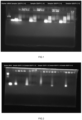
- the bands from left to right sequentially are: Sample 1/siRNA mass ratios 1-4; Sample 2/siRNA mass ratios 1-4; Sample 3/siRNA mass ratios 1-4; Sample 4/siRNA mass ratios 1-4.
- the bands from left to right are sequentially: Sample 5/siRNA mass ratios 1-4; Sample 6/siRNA mass ratios 1-4; Sample 7/siRNA mass ratios 1-4; Sample 8/siRNA mass ratios 1-4; Sample 9/siRNA mass ratios 1-4.
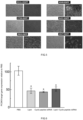
- Figure 3 demonstrates that cyclic peptide S5 can carry mRNA into 293T cells and express the target fluorescent protein, with an increase in fluorescence intensity corresponding to the increase in the proportion of cyclic peptide.
- the cyclic peptide/lipid/mRNA compound formulation (CLS) also showed higher fluorescence expression intensity compared to the control group LNP. This indicates that cyclic peptides can effectively carry nucleic acids into cells.
- LNP/mRNA indicates lipid nanoparticles carrying mRNA
- LNP/S5/mRNA signifies lipid nanoparticles mixed with sample 5 carrying mRNA
- Lipo/mRNA represents the commercial reagent for transfecting mRNA.
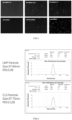
- Figure 4 presents a chromatogram showing particle size analysis for cyclic peptide/lipid/mRNA compound preparation (CLS) and control group lipid nanoparticle (LNP) samples, with both groups averaging about 100nm in particle size and a polydispersity index (PDI) less than 0.2, suggesting that cyclic peptides can form uniformly sized nanoparticles when combined with nucleic acids.
- LNP denotes lipid nanoparticles
- CLS indicates cyclic peptide/lipid/mRNA compound preparation
- PDI is the polydispersity index, reflecting the uniformity of particle size distribution.
- samples 3, 5, and 7-9 showed better outcomes (less than 0.3). After comprehensive analysis, samples 5 and 7-9 had the best particle size results.
- samples 5 and 8 were selected for dynamic light scattering analysis, which showed that their average particle size increased after binding with lipids, but both were within normal particle size ranges, and the PDI was also satisfactory. Therefore, sample 5 was chosen for in vitro fluorescent transfection experiments and animal studies.
- FIG. 5 shows that cyclic peptide/lipid/mRNA compound formulation (CLS) can effectively carry mRNA and transfect various cell lines, expressing the target fluorescent protein. Included among these, DC2.4 are dendritic cells, A549 are human non-small cell lung cancer cells, CT26 are mouse colon cancer cells, A431 are human epidermoid carcinoma cells, RKO are human colon cancer cells, and 293T are human renal epithelial cells, with EGFP representing green fluorescent protein.
- CLS cyclic peptide/lipid/mRNA compound formulation
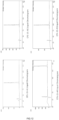
- Figures 6 and 7 show that cyclic peptide/lipid/siRNA compound formulations can effectively deliver siRNA inside mice using intravenous and intramuscular administration, consequently knocking down the expression of the target gene.
- Figure 8 displays a transmission electron microscope image of the nanoparticles formed by the cyclic peptide/lipid/siRNA compound preparation.
- FIGS 9 and 10 demonstrate that cyclic peptide/lipid/mRNA compound formulations (CLS) can effectively deliver mRNA in mice and express the target gene protein.
- CLS denotes cyclic peptide/lipid/mRNAcompound formulations
- LNP signifies lipid nanoparticles.
- Peptide chains were synthesized by sequentially coupling the protected amino acids from the C-terminus using solid-phase synthesis, with an excess of protected amino acids and coupling reagents to ensure completeness of each reaction step. After formation of the disulfide bond between the two cysteines, the protecting groups and the peptide resin were cleaved in a trifluoroacetic acid solution. Precipitation with methyl tert-butyl ether was then carried out, followed by centrifugation and drying to obtain crude product which was subsequently purified by preparative high-performance liquid chromatography to yield the target peptide. The synthesis was performed by Hangzhou Zhong peptide Biochemical Co., Ltd. and Shanghai Ji'er Peptide Co., Ltd.
- Figure 1 bands from left to right are as follows: sample 1/siRNA mass ratios of 1-4; sample 2/siRNA mass ratios of 1-4; sample 3/siRNA mass ratios of 1-4; sample 4/siRNA mass ratios of 1-4.
- Figure 2 bands from left to right are as follows: sample 5/siRNA mass ratios of 1-4; sample 6/siRNA mass ratios of 1-4; sample 7/siRNA mass ratios of 1-4; sample 8/siRNA mass ratios of 1-4; sample 9/siRNA mass ratios of 1-4. This indicates that cyclic peptides can effectively bind and carry nucleic acids.
- sample number 1 corresponds to the formulation of sample 1 with siRNA
- sample number 2 corresponds to the formulation of sample 2 with siRNA
- sample number 9 up to sample number 9 corresponding to the formulation of sample 9 with siRNA.
- the particle size of the formulations for samples 2-4 were relatively large (greater than 200nm), while the formulations for samples 1 and 5-9 exhibited more desirable particle sizes.
- the formulations for samples 3, 5, and 7-9 were favorable (less than 0.3).
- the formulations for samples 5 and 7-9 demonstrated the most optimal particle size results.
- Sample 5 and 8 were selected and initially mixed in a microfluidic channel at a mass ratio of 3:1 cyclic peptide/RNA to form a particle solution, which was then left to stabilize.
- DSPC distearoylphosphatidylcholine
- cholesterol cholesterol/RNA
- the cyclic peptide/siRNA aqueous solution was mixed with the lipid ethanol solution through a microfluidic channel to form composite particles again, where the final concentration of ethanol was 25%. Dialysis was used to remove the ethanol, and the final lipid/cyclic peptide/nucleic acid composite particles were collected.
- 5 represents cyclic peptide sample 5/siRNA formulation
- 5-L represents cyclic peptide sample 5/lipid/siRNA formulation
- 8 represents cyclic peptide sample 8/siRNA formulation
- 8-L represents cyclic peptide sample 8/lipid/siRNA formulation.
- the average particle size (Size) of samples 5 and 8 increased after lipid binding, but both were within the normal particle size range, and the polydispersity index (PDI) was also satisfactory.
- cyclic peptide/lipid/mRNA (EGFP green fluorescent protein) compound formulation was conducted as follows:
- Figure 3 demonstrates that cyclic peptide (S5) can efficiently carry mRNA into 293T cells and express the intended fluorescent protein, with fluorescence intensity increasing along with the increase in cyclic peptide ratio.
- the cyclic peptide/lipid/mRNA compound formulation (CLS) also exhibits a higher fluorescence expression intensity compared to the control LNP group, indicating efficient nucleic acid delivery into cells.
- Figure 4 displays the particle size analysis of the cyclic peptide/lipid/mRNA compound formulation (CLS) and the lipid nanoparticle (LNP) control group samples. Both groups have an average particle size of around 100nm with a polydispersity index (PDI) below 0.2, suggesting that cyclic peptides can combine with nucleic acids to form uniformly sized nanoparticles.
- CLS cyclic peptide/lipid/mRNA compound formulation
- LNP lipid nanoparticle
- cyclic peptide/lipid/mRNA compound formulation (CLS) for in vitro cell transfection was performed.
- the preparation and in vitro fluorescence detection were conducted as described in Embodiment 4, with results presented in Figure 5 .
- the cyclic peptide/lipid/mRNA compound formulations were transfected into various cells, including dendritic cells (DC2.4), human non-small cell lung cancer cells (A549), mouse colon cancer cells (CT26), human epidermoid carcinoma cells (A431), human colon cancer cells (RKO), and human renal epithelial cells (293T).
- the expression intensity of the green fluorescent protein (EGFP) was monitored under a fluorescence microscope 24 hours post-transfection. Remarkable green fluorescence was visible in all cell lines, demonstrating that the cyclic peptide/lipid/mRNA compound formulation (CLS) can effectively carry mRNA into various cells and express the intended fluorescent protein.
- Figure 5 shows the efficacy of the cyclic peptide/lipid/mRNA compound formulation (CLS) in carrying mRNA to transfect multiple cell lines and expressing the targeted fluorescent protein.
- DC2.4 represents dendritic cells
- A549 represents human non-small cell lung cancer cells
- CT26 represents mouse colon cancer cells
- A431 represents human epidermoid carcinoma cells
- RKO represents human colon cancer cells
- 293T represents human renal epithelial cells, with EGFP indicating the green fluorescent protein.
- the experiment utilized 5-week-old female BALB/c mice.
- the test compounds were administered at a dose of 2 mg/kg through intravenous injection via the tail vein.
- the liver was collected for target gene expression level analysis 24 hours post-administration.
- lipid nanoparticles encapsulating PCSK9-siRNA (MC3/DSPC/Chol/DMG-PEG, molar ratio 50:10:38.5:1.5), cyclic peptide/siRNA particles (CPNP), and lipid/cyclic peptide/siRNA compound particles (LCPNP) were prepared.
- PCSK9-siRNA MC3/DSPC/Chol/DMG-PEG, molar ratio 50:10:38.5:1.5
- CPNP cyclic peptide/siRNA particles
- LCPNP lipid/cyclic peptide/siRNA compound particles
- the experiment was repeated with 5-week-old female BALB/c mice, administering the test compounds subcutaneously at a dose of 2 mg/kg. After two administrations, the liver was collected for analysis of the target gene expression level a week later.
- Figures 6 and 7 demonstrate that cyclic peptide/lipid/siRNA compound formulations can effectively deliver siRNA via intravenous and subcutaneous routes in mice, achieving knockdown of the target gene expression.
- morphology of the lipid/cyclic peptide/siRNA compound particles under transmission electron microscopy showed an inner layer of smaller nanoparticles encased by a distinct lipid shell.
- Figure 8 presents the transmission electron micrograph of the cyclic peptide/lipid/siRNA compound formulation in the form of nanoparticles.
- the experiment employed 6-8 weeks old female C57BL/6 mice.
- CLS cyclic peptide/lipid/mRNA compound formulation
- LNP lipid nanoparticle
- Tissues such as the spleen, liver, and lungs from the intravenously injected group, and the draining lymph nodes from the intramuscularly injected group, were washed with PBS, dried, and subjected to in vivo imaging again.
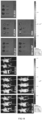
- Figures 9 and 10 demonstrate that the cyclic peptide/lipid/mRNA compound formulation (CLS) can effectively deliver mRNA in mice and express the target gene protein.
- CLS cyclic peptide/lipid/mRNA compound formulation
- Table Four provides additional cyclic peptide sequences with amino acid sequences and illustrates these cyclic peptides in the following specific embodiments in conjunction with Table Four.
- Table Four Serial number Amino acid sequence MS HPLC (%) Cyclic peptide name SEQ ID No.32 AAALCKKKKKCLAAA 1515.90 98.41% CP1-15-A1 SEQ ID No.33 AGALCKKKKKCLAGA 1487.55 97.88% CP2-15-AG SEQ ID No.34 ARLLCKKKKKCLLRA 1770.23 99.04% CP3-15AR SEQ ID No.35 ADALCKKKKKCLADA 1603.45 96.80% CP4-15-D1 SEQ ID No.36 AAALCKRKRKCLAAA 1571.55 97.01% CP5-15-R SEQ ID No.37 AAALCKDKDKCLAAA 1489.35 97.24% CP6-15-D2 SEQ ID No.38 AAALCKGKGKCLAAA 1373.2 97.94%
- CLS denotes mRNA/cyclic peptide/lipid compound formulation
- M denotes mRNA
- L indicates LNP (lipid nanoparticles).
- mRNA used in the experiments described herein was synthesized in vitro via transcription mediated by T7 polymerase from a linearized DNA template. Utilizing S-Adenosylmethionine (SAM) as the methyl donor, a methyl group was added at the 2'-O position of the first nucleotide adjacent to the 5' cap structure (Cap 0), forming mRNA with a Cap1 structure to increase mRNA translation efficiency. The mRNA was then purified using lithium chloride to remove proteins and most free nucleotides.
- SAM S-Adenosylmethionine
- LNP Lipid Synthesis Lipids were dissolved in ethanol at a molar ratio of 50:10:38.5:1.5 (ionizable lipid Dlin-MC3-DMA:DSPC:cholesterol:PEG-lipid).
- CLS Formulation Different dosages of mRNA were uniformly mixed with cyclic peptides and LNP lipid solutions to obtain the CLS compound formulation.
- 293T cells were seeded at a density of 2 ⁇ 10 ⁇ 4 cells/well in a 96-well cell culture plate and grown for 24 hours until adherence.
- the CLS formulation was prepared according to the method described in Embodiment 10, and the CLS formulation was added to the cells. After culturing for 24 hours, a color reagent was added and the luminescence of each well was measured using a luminometer.
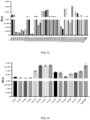
- Table six below displays the preliminary screening values of CLS formulations carrying mRNA transfecting 293T cells. The fluorescent expression values show that CLS formulations can effectively carry mRNA into 293T cells and express the target fluorescent protein, indicating that CLS formulations can effectively carry nucleic acids into cells.
- Embodiment 11 Further selection was made from Embodiment 11 for cyclic peptides that showed good performance-CP1-15-A1, CP2-15-AG, CP3-15-AR, CP4-15-R, CP6-15-D2, CP8-15-A2, CP19-21-A, along with CP28-RGD, CP29-RGD, CP30-RGD - and they were compared with the commercial transfection agent, Lipo3000, for in vitro transfection efficiency.
- the Malvern Zetasizer NanoZS (an instrument for testing nano-particle size) was used to determine the particle size (Size), polydispersity index (PDI), and zeta potential (Zeta P) of particles formed by encapsulating mRNA with CP1-15-A1, CP2-15-AG, CP4-15-R, CP6-15-D2, CP8-15-A2 to form CLS formulations CLS1, CLS2, CLS5, CLS6, CLS13, CLS14, CLS21, CLS22, CLS23, CLS24, CLS29, CLS30, CLS31, CLS32, using dynamic light scattering.
- CLS1-15-A1, CP2-15-AG, CP4-15-R, CP6-15-D2, CP8-15-A2 to form CLS formulations CLS1, CLS2, CLS5, CLS6, CLS13, CLS14, CLS21, CLS22, CLS23, CLS24, CLS29, CLS30,
- Table Seven shows the particle size (Size), polydispersity index (PDI), and zeta potential (Zeta P) values obtained from testing the CLS formulations.
- Size particle size
- PDI polydispersity index
- Zeta P zeta potential
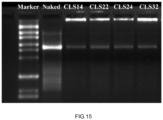
- a 1.5% gel was prepared by heating the agarose solution in a microwave until fully dissolved, then adding SYBR green dye before pouring it into a gel casting tray with the comb inserted.
- CLS formulations and bare mRNA were thoroughly mixed with the loading buffer at a 1:1 ratio.
- the Marker, bare mRNA, and CLS formulations were added to the gel wells.
- An electric voltage of 190 volts was applied for about 20 minutes, and images were captured with a gel imaging system. As shown in Figure 15 , the results showed that all CLS carriers encapsulated mRNA effectively.
- the experiment used 6-8-week-old female SPF-grade BALB/c mice (n 3), housed in an SPF-grade facility with 12/12 hours light/dark cycle, temperature 20-26°C, humidity 40-70%, with ample feed and water.
- Lipid MC3 served as the standard control, and MC3-LNP was used for in vivo efficacy comparison in the control group.
- mice received an intraperitoneal injection of 200 ⁇ L of 15mg/mL D-luciferin potassium salt, placed on an imaging table, and live imaging was conducted 5 minutes after the D-luciferin injection. After completing live imaging for all groups, a second injection of D-luciferin was administered, and 5 minutes later, the mice were dissected, and their organs (heart, liver, spleen, lung, kidney) were imaged.
- a 100 ⁇ L (0.05 ⁇ g/ ⁇ L) dose was administered intramuscularly using CLS formulations CLS14, CLS24, and CLS32 prepared according to the method described in Embodiment 13.
- Lipid MC3 the current standard in the field, was used as the control, and MC3-LNP was utilized for in vivo efficacy comparison.
- the negative control used PBS.
- mice Six hours after administration, the mice were injected intraperitoneally with 200 ⁇ L of 15mg/mL D-luciferin potassium salt. The mice were then placed on an imaging table for in vivo imaging, 5 minutes after the D-luciferin injection. After completing live imaging for all groups, D-luciferin was injected again, and 5 minutes later, the mice were dissected, and their organs (heart, liver, spleen, lungs, kidneys) were imaged.
- the preparation process of the cyclic peptide or cyclic peptide composition described in this invention is controllable and effectively delivers nucleic acids to cells, tissues, or organisms. It can effectively carry nucleic acid drugs into the cells within tissues and organs of the body.
- the in vitro experiments have comparable transfection effects to commercial transfection agents, and in vivo, it is comparable to MC3-LNP. Therefore, the cyclic peptide has great potential for nucleic acid delivery.
- referential terms such as “an embodiment,” “some embodiments,” “an example,” “a specific example,” or “some examples” indicate that the particular features, structures, materials, or characteristics described in combination with the embodiment or example are included in at least one embodiment or example of the invention.
Landscapes
- Health & Medical Sciences (AREA)
- Chemical & Material Sciences (AREA)
- Life Sciences & Earth Sciences (AREA)
- Organic Chemistry (AREA)
- General Health & Medical Sciences (AREA)
- Medicinal Chemistry (AREA)
- Engineering & Computer Science (AREA)
- Pharmacology & Pharmacy (AREA)
- Veterinary Medicine (AREA)
- Public Health (AREA)
- Animal Behavior & Ethology (AREA)
- Bioinformatics & Cheminformatics (AREA)
- Genetics & Genomics (AREA)
- Molecular Biology (AREA)
- Chemical Kinetics & Catalysis (AREA)
- General Chemical & Material Sciences (AREA)
- Proteomics, Peptides & Aminoacids (AREA)
- Biochemistry (AREA)
- Nuclear Medicine, Radiotherapy & Molecular Imaging (AREA)
- Biophysics (AREA)
- Epidemiology (AREA)
- Biomedical Technology (AREA)
- Biotechnology (AREA)
- Gastroenterology & Hepatology (AREA)
- Wood Science & Technology (AREA)
- General Engineering & Computer Science (AREA)
- Zoology (AREA)
- Immunology (AREA)
- Inorganic Chemistry (AREA)
- Microbiology (AREA)
- Plant Pathology (AREA)
- Communicable Diseases (AREA)
- Physics & Mathematics (AREA)
- Virology (AREA)
- Oncology (AREA)
- Dispersion Chemistry (AREA)
- Ophthalmology & Optometry (AREA)
- Nanotechnology (AREA)
- Neurology (AREA)
- Neurosurgery (AREA)
Applications Claiming Priority (2)
| Application Number | Priority Date | Filing Date | Title |
|---|---|---|---|
| CN202111412266 | 2021-11-25 | ||
| PCT/CN2022/132290 WO2023093596A1 (zh) | 2021-11-25 | 2022-11-16 | 一种用于有效递送核酸的环状多肽载体及其变化形式 |
Publications (2)
| Publication Number | Publication Date |
|---|---|
| EP4424701A1 true EP4424701A1 (de) | 2024-09-04 |
| EP4424701A4 EP4424701A4 (de) | 2025-03-12 |
Family
ID=86413793
Family Applications (1)
| Application Number | Title | Priority Date | Filing Date |
|---|---|---|---|
| EP22897679.1A Pending EP4424701A4 (de) | 2021-11-25 | 2022-11-16 | Cyclischer polypeptidträger zur effizienten verabreichung von nukleinsäure und varianten davon |
Country Status (4)
| Country | Link |
|---|---|
| US (1) | US20240409586A1 (de) |
| EP (1) | EP4424701A4 (de) |
| CN (1) | CN116162132A (de) |
| WO (2) | WO2023092733A1 (de) |
Families Citing this family (2)
| Publication number | Priority date | Publication date | Assignee | Title |
|---|---|---|---|---|
| CN117624302A (zh) * | 2022-08-23 | 2024-03-01 | 苏州慧疗生物医药科技有限公司 | 一种用于有效递送核酸的分支链结构多肽载体及其变化形式 |
| CN119701001B (zh) * | 2025-03-03 | 2025-05-23 | 南昌大学 | 基于具有响应自组装功能环肽的药物复合物及其制备方法 |
Family Cites Families (11)
| Publication number | Priority date | Publication date | Assignee | Title |
|---|---|---|---|---|
| US20040001827A1 (en) * | 2002-06-28 | 2004-01-01 | Dennis Mark S. | Serum albumin binding peptides for tumor targeting |
| US20060228364A1 (en) * | 1999-12-24 | 2006-10-12 | Genentech, Inc. | Serum albumin binding peptides for tumor targeting |
| CN101072581A (zh) * | 2004-10-05 | 2007-11-14 | 健泰科生物技术公司 | 具有减少的毒性的治疗剂 |
| BRPI0516577A (pt) * | 2004-10-05 | 2008-09-16 | Genentech Inc | agentes terapêuticos com toxicidade diminuìda |
| ITMI20122263A1 (it) * | 2012-12-28 | 2014-06-29 | Azienda Ospedaliero Universitaria Di Parma | Nuovi peptidi cationici ciclici ad attività antimicrobica |
| DK3362470T3 (da) * | 2015-10-13 | 2021-12-13 | Hope City | Kimære antigenreceptorer indeholdende et chlorotoxindomæne |
| EP3468612A1 (de) * | 2016-06-09 | 2019-04-17 | CureVac AG | Hybride träger für nukleinsäuren |
| AU2019320494B2 (en) * | 2018-08-07 | 2024-05-30 | ETH Zürich | Polypeptides self-assembling into nanoparticles |
| US20220054640A1 (en) * | 2018-12-11 | 2022-02-24 | Decibel Therapeutics, Inc. | Compositions and methods for the delivery of therapeutic agents across the round window membrane |
| CA3040645A1 (en) * | 2019-04-18 | 2020-10-18 | Feldan Bio Inc. | Peptide-based non-proteinaceous cargo delivery |
| CN112245593B (zh) * | 2020-10-30 | 2022-05-13 | 西南交通大学 | 具有疏水性侧链的稳定化细胞穿膜肽及制备方法与应用 |
-
2021
- 2021-12-15 WO PCT/CN2021/138309 patent/WO2023092733A1/zh not_active Ceased
-
2022
- 2022-11-16 CN CN202211435598.8A patent/CN116162132A/zh active Pending
- 2022-11-16 EP EP22897679.1A patent/EP4424701A4/de active Pending
- 2022-11-16 US US18/702,822 patent/US20240409586A1/en active Pending
- 2022-11-16 WO PCT/CN2022/132290 patent/WO2023093596A1/zh not_active Ceased
Also Published As
| Publication number | Publication date |
|---|---|
| WO2023093596A1 (zh) | 2023-06-01 |
| US20240409586A1 (en) | 2024-12-12 |
| WO2023092733A1 (zh) | 2023-06-01 |
| CN116162132A (zh) | 2023-05-26 |
| EP4424701A4 (de) | 2025-03-12 |
Similar Documents
| Publication | Publication Date | Title |
|---|---|---|
| CN112789031B (zh) | 用于核酸递送的包含脂化的阳离子肽化合物的脂质纳米颗粒制剂 | |
| US7163695B2 (en) | Histidine copolymer and methods for using same | |
| JP7333635B2 (ja) | mRNAを細胞に送達するための改善した脂質-ペプチドナノ複合体製剤 | |
| US20050163832A1 (en) | Intracellular delivery of therapeutic agents | |
| US20030165567A1 (en) | Histidine copolymer and methods for using same | |
| JP2000516630A (ja) | 全身への送達を増加させる新規のリポソーム複合体 | |
| EP4424701A1 (de) | Cyclischer polypeptidträger zur effizienten verabreichung von nukleinsäure und varianten davon | |
| JP5721729B2 (ja) | 活性産生送達分子 | |
| CN114099699A (zh) | 一种纳米递送系统及其制备方法和应用 | |
| US20250332275A1 (en) | Branched Polypeptide Carrier for Efficient Nucleic Acid Delivery and Its Variants | |
| US11793756B2 (en) | Anionic nanocomplexes for nucleic acid delivery | |
| US9526791B2 (en) | Weakly acidic pH-responsive peptide and liposome containing same | |
| TWI876778B (zh) | 用於傳遞核酸的基於環烷的脂質化合物以及包括其之脂質奈米粒子 | |
| KR100986604B1 (ko) | 신규한 아미노지질을 함유하는 에스아이알엔에이 수송용 유전자 조성물 및 제조방법 | |
| US20230121879A1 (en) | Methods for preparing nanoparticle compositions containing histidine-lysine copolymers | |
| US20230233476A1 (en) | Nanoparticle pharmaceutical compositions with reduced nanoparticle size and improved polydispersity index | |
| CN120737148A (zh) | 经由穿膜肽进行非共价修饰脂质纳米颗粒缀合物及用途 | |
| CN120518709A (zh) | 一种人工肽及其在核酸递送中的应用 | |
| KR20240076588A (ko) | 핵산 전달용 아미노산-지질 접합 화합물 및 이를 포함하는 지질 나노입자 | |
| WO2024156871A1 (en) | Mixtures of lipid nanoparticles and cell penetrating peptides | |
| CN119604312A (zh) | 用于体内递送的脂质组合物 | |
| HK40050963A (en) | Lipid nanoparticle formulations comprising lipidated cationic peptide compounds for nucleic acid delivery | |
| JP2001029087A (ja) | 細胞内へ有用なアニオン性物質を送達するための複合体 | |
| Kumar | Advances in Gene Delivery Systems | |
| Haynes et al. | 1. RECENT PROGRESS OF NONVIRAL GENE THERAPY AND In vitro/In vivo DELIVERY SYSTEMS |
Legal Events
| Date | Code | Title | Description |
|---|---|---|---|
| STAA | Information on the status of an ep patent application or granted ep patent |
Free format text: STATUS: THE INTERNATIONAL PUBLICATION HAS BEEN MADE |
|
| PUAI | Public reference made under article 153(3) epc to a published international application that has entered the european phase |
Free format text: ORIGINAL CODE: 0009012 |
|
| STAA | Information on the status of an ep patent application or granted ep patent |
Free format text: STATUS: REQUEST FOR EXAMINATION WAS MADE |
|
| 17P | Request for examination filed |
Effective date: 20240528 |
|
| AK | Designated contracting states |
Kind code of ref document: A1 Designated state(s): AL AT BE BG CH CY CZ DE DK EE ES FI FR GB GR HR HU IE IS IT LI LT LU LV MC ME MK MT NL NO PL PT RO RS SE SI SK SM TR |
|
| DAV | Request for validation of the european patent (deleted) | ||
| DAX | Request for extension of the european patent (deleted) | ||
| A4 | Supplementary search report drawn up and despatched |
Effective date: 20250207 |
|
| RIC1 | Information provided on ipc code assigned before grant |
Ipc: A61P 37/04 20060101ALI20250203BHEP Ipc: A61P 31/12 20060101ALI20250203BHEP Ipc: A61P 31/04 20060101ALI20250203BHEP Ipc: A61P 27/16 20060101ALI20250203BHEP Ipc: A61P 27/02 20060101ALI20250203BHEP Ipc: A61P 25/00 20060101ALI20250203BHEP Ipc: A61P 19/00 20060101ALI20250203BHEP Ipc: A61P 11/00 20060101ALI20250203BHEP Ipc: A61P 9/00 20060101ALI20250203BHEP Ipc: A61P 5/00 20060101ALI20250203BHEP Ipc: A61P 1/00 20060101ALI20250203BHEP Ipc: A61K 38/16 20060101ALI20250203BHEP Ipc: A61K 38/12 20060101ALI20250203BHEP Ipc: C07K 14/00 20060101ALI20250203BHEP Ipc: C07K 11/02 20060101ALI20250203BHEP Ipc: C07K 7/64 20060101AFI20250203BHEP |
|
| STAA | Information on the status of an ep patent application or granted ep patent |
Free format text: STATUS: EXAMINATION IS IN PROGRESS |
|
| 17Q | First examination report despatched |
Effective date: 20250912 |