EP4404201A2 - Verfahren zur krebserkennung - Google Patents
Verfahren zur krebserkennung Download PDFInfo
- Publication number
- EP4404201A2 EP4404201A2 EP24177632.7A EP24177632A EP4404201A2 EP 4404201 A2 EP4404201 A2 EP 4404201A2 EP 24177632 A EP24177632 A EP 24177632A EP 4404201 A2 EP4404201 A2 EP 4404201A2
- Authority
- EP
- European Patent Office
- Prior art keywords
- str
- cancer
- sra
- awc
- activation
- Prior art date
- Legal status (The legal status is an assumption and is not a legal conclusion. Google has not performed a legal analysis and makes no representation as to the accuracy of the status listed.)
- Granted
Links
Images





Classifications
-
- G—PHYSICS
- G01—MEASURING; TESTING
- G01N—INVESTIGATING OR ANALYSING MATERIALS BY DETERMINING THEIR CHEMICAL OR PHYSICAL PROPERTIES
- G01N33/00—Investigating or analysing materials by specific methods not covered by groups G01N1/00 - G01N31/00
- G01N33/48—Biological material, e.g. blood, urine; Haemocytometers
- G01N33/483—Physical analysis of biological material
- G01N33/487—Physical analysis of biological material of liquid biological material
- G01N33/493—Physical analysis of biological material of liquid biological material urine
-
- G—PHYSICS
- G01—MEASURING; TESTING
- G01N—INVESTIGATING OR ANALYSING MATERIALS BY DETERMINING THEIR CHEMICAL OR PHYSICAL PROPERTIES
- G01N33/00—Investigating or analysing materials by specific methods not covered by groups G01N1/00 - G01N31/00
- G01N33/48—Biological material, e.g. blood, urine; Haemocytometers
- G01N33/50—Chemical analysis of biological material, e.g. blood, urine; Testing involving biospecific ligand binding methods; Immunological testing
- G01N33/53—Immunoassay; Biospecific binding assay; Materials therefor
- G01N33/575—Immunoassay; Biospecific binding assay; Materials therefor for cancer
- G01N33/5758—Immunoassay; Biospecific binding assay; Materials therefor for cancer involving compounds serving as markers for tumours, cancers or neoplasias, e.g. cellular determinants, receptors, heat shock/stress proteins, A-protein, oligosaccharides or metabolites
- G01N33/57585—Immunoassay; Biospecific binding assay; Materials therefor for cancer involving compounds serving as markers for tumours, cancers or neoplasias, e.g. cellular determinants, receptors, heat shock/stress proteins, A-protein, oligosaccharides or metabolites involving compounds identifiable in body fluids
-
- G—PHYSICS
- G01—MEASURING; TESTING
- G01N—INVESTIGATING OR ANALYSING MATERIALS BY DETERMINING THEIR CHEMICAL OR PHYSICAL PROPERTIES
- G01N33/00—Investigating or analysing materials by specific methods not covered by groups G01N1/00 - G01N31/00
- G01N33/0001—Investigating or analysing materials by specific methods not covered by groups G01N1/00 - G01N31/00 by organoleptic means
-
- G—PHYSICS
- G01—MEASURING; TESTING
- G01N—INVESTIGATING OR ANALYSING MATERIALS BY DETERMINING THEIR CHEMICAL OR PHYSICAL PROPERTIES
- G01N2333/00—Assays involving biological materials from specific organisms or of a specific nature
- G01N2333/435—Assays involving biological materials from specific organisms or of a specific nature from animals; from humans
- G01N2333/43504—Assays involving biological materials from specific organisms or of a specific nature from animals; from humans from invertebrates
- G01N2333/43526—Assays involving biological materials from specific organisms or of a specific nature from animals; from humans from invertebrates from worms
- G01N2333/4353—Assays involving biological materials from specific organisms or of a specific nature from animals; from humans from invertebrates from worms from nematodes
- G01N2333/43534—Assays involving biological materials from specific organisms or of a specific nature from animals; from humans from invertebrates from worms from nematodes from Caenorhabditis
Definitions
- the present invention relates to methods for cancer detection using nematodes or nematodes GPCR receptors.
- Olfaction is one of the primary mechanisms through which many animals adapt to the environmental changes.
- Olfactory receptors which in all animals belong to the G-protein coupled receptors (GPCRs) family, play a crucial role in distinguishing the wide range of volatile or soluble molecules by directly binding them with high accuracy.
- Chemical sensitivity is particularly present in those organisms lacking long-range sensory mechanisms like hearing and vision.
- the genome of the nematode Caenorhabditis elegans possesses a remarkable number of genes encoding chemosensory receptors making it able to detect a similar number of odorants as mammals, despite the extremely low number of chemosensory neurons available.
- Cancer is a disease that deeply alters the metabolome of the organism, potentially introducing its own characteristic waste products in biofluids. It has been reported that cancer tissues exude volatile compounds, and taking advantage of the extraordinary sense of smell of dogs and mice, previous studies allowed to demonstrate the existence of not yet known cancer-specific odorants in biological fluids. Animals perceive as odours a large variety of volatile molecules through olfactory perception. The ability to respond adaptively to any chemical alteration of the surrounding world is of pivotal importance for life and health in most animal species. Indeed, odours serve animals as environmental trackers to localize food and water sources, for nesting, and to discriminate conspecifics (pheromones) from individuals of other species (allelochemicals). Different compounds or different ratios of the same compound result in determining a specific odour fingerprint that may modulate such behaviours.
- GPCRs G-protein coupled receptors
- ORNs olfactory neurons
- each olfactory neuron presents multiple types of GPCRs on its membrane.
- the nematode possesses a relatively small number of chemosensory neurons, 32, three of which are specialized to sense volatile molecules.
- Each olfactory neuron in C. elegans is therefore likely to detect a wider range of odorants with respect to mammalian ones.
- the combinatorial complexity of the odorant-receptor pair is extremely high in the nematode.
- the same GPCR can be expressed on distinct cells and the same odorant can bind different GPCRs on functionally different neurons and, depending on its concentration, it may elicit opposite behavioural outcomes.
- the behavioural response of C. elegans to odours is known as chemotaxis.
- a positive chemotaxis is observed when the worm is attracted by an odour and therefore moves towards it, a negative chemotaxis is observed when the worm avoids the odour and therefore moves away from it.
- elegans is exposed to are mostly complex mixtures of chemical compounds associated with competitive responses. Different ratios of attractive and repulsive components of a mixture can asymmetrically activate the neuronal architecture involved in the sensation of odours. As a result, C. elegans preference between two odours can be inverted in the presence of a third one ( Iwanir, S. et al. Irrational behavior in c. elegans arises from asymmetric modulatory effects within single sensory neurons. Nat. communications 10, 3202 (2019 ); Cohen, D. et al. Bounded rationality in c. elegans is explained by circuit-specific normalization in chemosensory pathways. Nat. communications 10, 1-12 (2019 )).
- C. elegans displays attractive chemotaxis towards cancer urine samples while it is repelled by control samples ( Hirotsu, T. et al. A highly accurate inclusive cancer screening test using Caenorhabditis elegans scent detection. PLoS One 10, e0118699 (2015 ); WO 2015/088039 ) in a highly accurate way.
- the ablation of olfactory neurons and the study on G protein ⁇ mutants suggest that the nematode responses are elicited by volatile compounds.
- Urine is notably a complex biofluid containing a large number of volatile compounds that differ in their chemical and physical features (i.e. molecular weight, polarity, hydrophobicity).
- the urine volatilome which includes the signatures of metabolic breakdown of food, contaminants, drugs, endogenous and bacterial by-products, is strictly related to the state of health of the individual. Altered concentrations in the volatilome have been found in spectra of GC/MS on cancer biofluids but, to date, the identification of specific cancer biomarkers through these methods may be problematic for two main reasons: the sensitivity up to the micromolar range and the wide battery of metabolites with altered concentrations which may not be cancer-specific. Among this wide number of molecules, the high sensitivity and specificity of the C. elegans olfactory system may guide the identification of the essential metabolic signature of cancer.
- Hirotsu suggests that to detect cancer, it is possible to perform chemotaxis assays on a small population of C. elegans with urine samples. Positive chemotaxis indices are associated with cancer, while negative ones with a healthy condition. The reported sensitivity is 95.8% and the specificity is 95.0%.
- the paper When reporting the results about calcium imaging on the AWC neuron, the paper does not provide a statistically significant way to measure the neuronal response and to relate it to the discriminating preference displayed by C. elegans during chemotaxis assays in association with positive or control samples.
- the work of Hirotsu indicates the neuronal response to urine collected from people with cancer could be used in order to detect cancer in urine.
- This kind of analysis involved a limited number of samples (2 positive samples from gastric cancer patients and 2 control ones) and did not include any sample collected from women with breast cancer.
- the samples of urine were administered at a dilution of 10- 1 and for a time window of exposure to C. elegans of 10 seconds.
- the AWC neuron activates upon removal of positive samples and control samples as well, although the intensity of its activation is significantly lower in the latter case.
- the AWC neuron reportedly activates upon removal of attractants and may contribute to mediate attraction. Its activation in response to removal of control samples is lower in intensity, but not different in any other aspect from the activation in response to removal of positive samples, and as such, it cannot account for the preferential behaviour of C. elegans observed during chemotaxis.
- C. elegans attraction behaviour towards urine samples collected from women with cancer and of avoidance of those from healthy subjects is strongly influenced by the female hormone cycle and identified a window in which a chemotactic test on urine with C. elegans can reliably allow detection of urine samples deriving from women affected by cancer from samples derived from healthy controls and also introduced the requirement, in the test, that the subject to be tested must not take drugs altering the hormonal cycle.
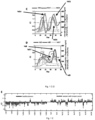
- Figures 1 C and 1 D show chemotaxis indices obtained on urine samples collected over a month from six control subjects demonstrating that the chemotaxis indices are influenced by the hormonal cycle. In particular, during the estradiol and progesterone peaks indices become positive.
- the authors of the present invention identified receptors that are involved in cancer metabolites, indicating that a specific alteration of a restricted number of metabolites is sufficient for the highly accurate cancer discriminating behaviour of C. elegans.
- the authors of the present invention also identified a new measurement, herein defined as the "neuronal activation index" or NAI, which allows to quantify in a statistically significant manner the difference between the responses obtained for positive and negative samples in a calcium imaging test on C. elegans AWC neurons.
- C. elegans reacts in different ways to samples collected from the same female individual depending on moment of the female hormonal cycle in which the samples were collected.
- the authors of the present invention have therefore identified a time window with respect to the female hormonal cycle for detecting cancer in a woman in assays wherein the reaction to the urine smell of C. elegans, or of a soil free-living nematode is used.
- the study carried out by the inventors is reported.
- the study specifically targeted breast cancer at different stages (I-IV), and of both types (lobular and ductal) over 36 positive samples and 36 control samples (age and group matched).
- the same set of samples were tested in chemotaxis assays as well as in calcium imaging experiments.
- the present invention therefore provides an in vitro method for detecting cancer in a woman, characterized by detecting cancer using, as an indicator, the reaction of free-living soil nematodes to the smell a urine sample of said woman; wherein the urine is collected at least two days after the last menstrual cycle and not later than five days after the same menstrual cycle.
- nematodes are an extremely broad phylum and that, although sharing a number of essential common features, roundworms can be parasitic or non-parasitic, the parasitic ones being adapted to insects, mammalians, fishes, plants and more, the non-parasitic (free living) ones being adapted to living in soil, water such as sea, lakes, rivers, ponds etc.
- nematodes rely for their feeding and survival on smell, their sense of smell is highly developed and specialised. It is known, for example, that parasitic nematodes respond to odours in a very different manner compared to soil free-living ones.
- all the embodiments of the invention are is considered to be reasonably applicable to nematodes having life habits similar to C. elegans, such as free-living soil nematodes.
- the methods as well as the assays of the invention are considered to be further reasonably applicable to bacterial feeders free-living soil nematodes.
- the free-living soil nematode is C. elegans.
- the reaction to the smell of urine of the nematode can be a chemotactic reaction, a neuronal reaction or a receptor reaction of the nematode under observation.
- the reaction is a chemotactic reaction.
- said woman to be tested should not, at the time of collection, take drugs altering the hormonal cycle or having recently taken drugs altering the hormonal cycle, as said drugs could alter the hormonal ratios and, consequently, the nematode's response.
- the urine sample is preferably diluted 1:10.
- results reported in the example section below and in figure 2F show, in fact, that 10 -1 dilution of the urine used for the chemotactic assays provides the more accurate and reliable results.
- the reaction analysed is a neuronal reaction, in particular, an AWC ON neuron reaction.
- the AWC ON neuron reaction is tested with urine sample in which the urine is diluted 1:100.
- results summarised in figure 2E show that AWC ON neuron reaction analysis can provide reliable results at least of 10 -2 , 10 -3 , 10 -4 , 10 -5 , the best response is obtained at a urine dilution of 10 -2 .
- the authors of the present invention have identified a new assay in which the neuron response of a nematode can be tested in an extremely reliable and precise manner.
- the authors carried out calcium imaging experiments are in microfluidics, using a microfluidic chip to confine multiple nematodes in an arena that can be filled with chemicals in a timely controlled manner.
- the field of view of the camera used to record calcium traces included multiple heads and can thus record multiple traces simultaneously.
- a neutral chemical filled the arena for the first 10 seconds and the last at least 30 seconds of the experiment, while the urine sample filled the arena between these two time windows.
- the mean fluorescent signal intensity detected for about 10 seconds in a time window starting 2 seconds after sample removal ⁇ I off >
- the mean signal intensity detected for about 10 seconds in a time window ending 2 seconds before sample removal ⁇ I on >
- the standard deviation in the same "on" time window ⁇ on
- NAI neuroneuronal activation index
- NAI ranges from -1 to +1, just like the chemotaxis index, CI .
- a positive NAI is associated with a majority of responses in which activation upon sample removal (attraction) is observed, while a negative NAI is to be associated with experiments in which the majority of nematodes did not respond, i.e. their responses measured through calcium imaging did not satisfy the following rule: (I off - I on > 3 ⁇ on ).
- a similar kind of quantification is obtained with the activation rate, but in this case, the AR ranges from 0 to 1, unlike the C / and the NAI. and values higher than 0.5 are to be associated with attraction-associated responses.
- the NAI and the AR allow us also to define the best stimulation time window for sample administration (see Figure 2G ): from our experiments, we see that stimulation time windows that range longer than 40 seconds elicit an attraction -like response even in control samples. We thus suggest to use a time window of 20 seconds.
- the authors hence provide herein an effective stimulation protocol for microfluidic chip based calcium imaging experiments targeting the AWC neuron to detect cancer traces in urine samples exploiting C. elegans olfaction.
- the main advantages of performing calcium imaging on AWC is a rise in the accuracy of the results and the lower amount of time involved in the test.
- a strain of C. elegans expressing a calcium indicator specifically in the AWC neuron and to inspect it under an epifluorescence microscopy setup.
- Samples to be tested also need to be administered at a dilution value of 10 -2 for a time window of 20 seconds and the results need to be quantified through the neuronal activation index, NAI.
- This is further ameliorated by the introduction of a new urine collection protocol to exclude false positives caused by the fact that the hormonal cycle interferes with the C. elegans cancer discriminating ability.
- suitable nematodes are nematodes of an appropriate dimension for a microfluidic system, such as C. elegans or other free-living soil nematodes, preferably feeding on bacteria, of dimensions similar to C. elegans.
- Suitable microfluidic arenas are known to the skilled person. Behavioural arenas are described, by way of example, in Albrecht and Bargmann, Nature methods 2011, "High-content behavioral analysis of Caenorabditis elegans in precise spatiotemporal chemical environments ". In particular the arena is described in the first paragraphs of "system design and overview” and depicted in figure 1 of the article.
- microfluidic designs and optimization Details on the arena are also provided in Supplementary note 2 of the same article "microfluidic designs and optimization".
- the skilled person can easily prepare a microfluidic arena miniaturising the one described by Albrecth and Bargmann 2011.
- Other suitable microfluidics behavioural arenas on chips are described in the art, by way of example in Adriana San-Miguel and Hang Lu, Wormbook.org 2013 "Microfluidics as a tool for C. elegans research” , page 3 figure 2 , as well as in EP3698133A1 disclosing a microfluidic chip ( figure 5 ) described in detail in pages 4, 13 and 14.
- Any microfluidic system suitable for simultaneously analysing the olfactory response to stimulus solutions of a number of C. elegans (also defined herein as behavioural arenas), having worm loading channel/s and channel/s for liquid inflow and outflow are suitable for the assay of the invention.
- the system according to the invention allows the administration of solutions of interest (sampls, neutral solutions, other) to C. elegans in a timely precise manner.
- the behavioural arena is of a size, suitable to confining multiple nematodes under the field of view of a device for image acquisition, such as, e.g. a camera.
- the confinement can be easily obtained through barriers, whose distance from each other is sufficiently small to prevent nematodes from escaping, but also high enough to still allow solutions to flow through.
- the microenvironment in which the nematodes are confined requires a forest of pillars (preferentially, with constant spacing and consistent geometry).
- the pillars, which support the chip, need to be arranged with a spacing that grants an unperturbed swimming of C. elegans.
- Any epifluorescence microscope may be used to record neuronal activity a through fluorescence channel and/or the behavioural response through a transmission channel.
- said first period of time is of 8-12 seconds (e.g. 10 seconds)
- said intermediate period of time is of 10-20 seconds
- said last period of time is of at least 30 seconds.
- the last period is applied in order to bring back the neuron to the baseline fluorescence. Any time longer than 30 is suitable but not necessary. The inventors have verified that 30 seconds are sufficient for reverting the neuron to the baseline fluorescence. No upper value for this time period is needed for the reasons above. In practical terms, in order to speed up the procedures, an upper value could be to a maximum of 60 seconds, therefore 30-60 seconds, however, in principle the upper value could be even of hours.
- said I on is measured for a period of time of about 8-15 seconds, such as about 10 seconds, preferably at least after 2 seconds from the introduction of said urine sample.
- said I off is measured for a period of time of about 8-15 seconds, such as about 10 seconds, preferably at least after 2 seconds from the introduction of said olfactory neutral solution.
- said I off is measured for a period of time of about 10 seconds, at least after 2 seconds from the introduction of said olfactory neutral solution and said I on is measured for a period of time of about 10 seconds, at least after 2 seconds from the introduction of said urine sample.
- said urine sample can be, by way of example, at a 10 -2 , 10 -3 , 10 -4 or 10 -5 dilution.
- a preferred dilution is 10 -2 .
- said urine sample is collected at least two days after the last menstrual cycle and not later than five days after the same menstrual cycle.
- the AWC ON neuron of the assayed nematodes expresses a calcium indicator. This can be done using transgenic worms coding for a gene expressing a calcium indicator on the neuron of interest.
- Examples of the calcium indicator gene include: a Yellow Cameleon (YC) gene; a GCaMP gene such, as, by way of example, the gene expressing GCaMP3 (circularly permuted green fluorescent protein-calmodulin-M13 peptide version 3).
- YC Yellow Cameleon
- GCaMP3 circularly permuted green fluorescent protein-calmodulin-M13 peptide version 3
- Methods for ligating the indicator to a receptor on the neuron of interest are well known in the art, such as methods of ligating an indicator gene immediately downstream of a promoter, microinjection methods and the like and are described, by way of example, in " Molecular Cloning: A Laboratory Manual (4th Edition)” (Cold Spring Harbor Laboratory Press (2012 )), or other laboratory manuals.
- a DNA solution can be injected into the gonad of a nematode according to a known method ( Mello, C. C., Kramer, J. M., Stinchcomb, D.& Ambros, V. Efficient gene transfer in C. elegans: extrachromosomal maintenance and integration of transforming sequences. EMBO J 10, 3959-3970 (1991 ).).
- GPRC C. elegans receptors that are involved in the positive chemotactic response to cancer samples.
- receptors AWA and AWC Sra-13 ; Str-2 ; Odr-10; Sra-17 and Str-130 receptors are involved in the positive chemotactic response to cancer samples observed in C. elegans, while Srsx-5 and Str-199 are not.
- C. elegans mutants defective for the activity of each of Sra-13 ; Str-2; Odr-10; Sra-17 and Str-130 receptors have shown a lower chemotactic response (i.e. a lower chemotactic index) when compared to wild type C. elegans when stimulated with cancer patients urine, whereas no difference in chemotactic response between mutants and wild type was observed following the same stimulation on C. elegans mutants defective for the activity of each of Srsx-5 and Str-199.
- object of the present invention is also a method for cancer detection in a subject comprising
- the method can comprise analysis also of Srsx-5 and/or Str-199 receptors activity.
- the invention hence also encompasses a method for cancer detection in a subject comprising subjecting C. elegans AWA and AWC GPCR receptors to odorant stimuli with a biological fluid sample deriving from a subject, and analysing the stimulation of at least Sra-13; Str-2; Odr-10; Sra-17 and Str-130,
- additional GPCR receptors that can be analysed are one or more of Srsx-3; Srsx-37; Srt-7; Srt-28; Srt-29; Srt-45; Srt-47; Srx-1; Srx-47; Srab-7; Srab-9; Srab-13; Srab-16; Srv-34; Str-261, Srd-17; Sre-4, Sri-14; Srj-21; Srj-22.
- said assessment of the GPCR receptors activation can be carried out using Saccharomyces cerevisiae strains comprising each, a DNA coding for one of said AWC and/or AWA GPCR receptors, coupled to Saccharomyces cerevisiae G ⁇ subunit so to express a GPCR-G ⁇ chimera, each of said yeast strains also comprising a pheromone-responsive fluorescent transcriptional reporter gene so that upon activation of the GPCR-G ⁇ chimera, the pheromone-responsive fluorescent transcriptional reporter gene is activated and the fluorescent reporter protein is expressed in the yeast.
- Suitable Saccharomyces cerevisiae strains can be prepared as described in WO2014/169336 , or with any other recombinant DNA technology.
- the protocol described by Kapolka et al in PNAS 2020, vol 117, no. 23 pp 13117-13126 "DCyFIR: a high-throughput CRISPR platform for multiplexed G protein-coupled receptor profiling and ligand discovery" can be adapted in order to express C. elegans GPCRs instead of human GPCRs.
- GPCRs can be CRISPR-integrated directly into the yeast Saccharomyces cerevisiae genome.
- the GPCR of the nematode can be coupled to the G ⁇ subunit of the yeast using a G ⁇ C-terminal chimera in which the last five residues of the G ⁇ of the yeast are replaced with the last five residues of one of the four G ⁇ of the nematode in the C-terminal (ODR3, GPA2, GPA3, GPA13).
- Each strain will also contain a pheromone-responsive fluorescent transcriptional reporter. The strains thus obtained can be tested with cancer patients urine samples. The activation of the GPCR-Ga pair due to the interaction with specific cancer metabolites will lead to the transcription of the fluorescent gene.
- said assessment is carried out by putting in contact with said sample distinct Saccharomyces cerevisiae strains comprising each, a DNA coding for one of said AWC and/or AWA GPCR receptors, coupled to Saccharomyces cerevisiae G ⁇ subunit so to express a GPCR- Go chimera, each of said yeast strains also comprising a pheromone-responsive fluorescent transcriptional reporter gene, said GPCR receptors being at least Sra-13; Str-2; Odr-10; Sra-17 and Str-130 , wherein, when emission of fluorescence is observed in at least in Saccharomyces cerevisiae strains expressing Sra-13- G ⁇ ; Saccharomyces cerevisiae strains expressing Str-2- G ⁇ ; Saccharomyces cerevisiae strains expressing Odr-10- G ⁇ ; Saccharomyces cerevisiae strains expressing Sra-17 -G ⁇ and Saccharomyces cerevisiae strains
- additional Saccharomyces cerevisiae strains that can be used are one or more distinct Saccharomyces cerevisiae strains comprising each, a DNA coding for one of said AWC and/or AWA GPCR receptors, coupled to Saccharomyces cerevisiae G ⁇ subunit so to express a GPCR- Go chimera, each of said yeast strains also comprising a pheromone-responsive fluorescent transcriptional reporter gene, said AWC and/or AWA GPCR receptors being Srsx-3; Srsx-37; Srt-7; Srt-28; Srt-29; Srt-45; Srt-47; Srx-1; Srx-47; Srab-7; Srab-9; Srab-13; Srab-16; Srv-34; Str-261, Srd-17; Sre-4, Sri-14; Srj-21; Srj-22.
- the invention also provides an apparatus for calculating a neuronal activation index NAI, comprising:
- a suitable device is, e.g. described in detail in EP3698133A1 disclosing an apparatus for automatically detecting the neuronal response of C. elegans. The device is described in detail in figures 1 to 6 of the document.
- the device described in EP3698133A1 comprises a mechanical selection unit configured to select nematodes in adult stage from an initial nematode population obtaining an intermediate nematode population, a nematode optical selection unit configured to select from the intermediate population a final population of nematodes in adult stage and to select nematodes in young adult stage from nematodes in egg producing adult stage to be sent to a measurement unit configured to detect the response of nematodes of the final population to a stimulus of an odorant substance, the mechanical selection unit being connected to the optical selection unit by a connection channel with an at least three way branch and the optical selection unit being connected to the measurement unit by a loading microchannel.
- the selection units not being essential features of a suitable device although preferred. An example of a suitable device is disclosed in figure A and described in the experimental section "microfluidic device design for neuronal imaging".
- a positive CI was measured during the mid-luteal phase, which is characterized by a second wave of estrogen release associated with the progesterone peak.
- the shape of the pre-ovulation peaks was narrower within group 1 (younger women) compared to group 2 (eldest women), in agreement with the well-established changes in hormones' release with aging.
- C. elegans is attracted by urine samples from women with breast cancer but avoids control samples
- a first group included 36 women aged 38-92 years diagnosed with primary breast cancer (bc) as reported in table 1; a second group was composed by 36 apparently healthy and age-matched females (hd); a third small cohort involved 5 subjects with atypical ductal hyperplasia (at). Based on the aforementioned considerations, samples from fertile women were collected two days following the end of the menstrual phase.
- Chemotaxis is the downstream outcome of the integration of several upstream signals from chemosensory neurons.
- the result of a chemotaxis assay may be altered by the presence of interfering stimuli of any nature that may originate from temperature, humidity and/or mechanical solicitations for instance.
- interfering stimuli of any nature that may originate from temperature, humidity and/or mechanical solicitations for instance.
- calcium imaging proves to be a powerful tool because it allows to directly record the activity of upstream olfactory neurons activated by ligands regardless of the presence of concurrent cues sensed by other neurons. The dissection of the neural olfactory circuit in C.
- AWA olfactory sensory neurons with winged cilia
- AWB mainly responds to repulsive compounds.
- the two AWC neurons are structurally similar but functionally different: AWC ON neuron expresses a chemoreceptor-encoding gene, str-2, missing in AWC OFF , that instead expresses an alternative chemoreceptor gene, srsx-3. As a consequence, AWC ON neuron senses 2-butanone and acetone while AWC OFF neuron senses 2-3 pentanedione.
- AWC olfactory neurons are activated by odor removal and inhibited in the persistent presence of attractants. After 30 minutes of exposure to odorants, adaptation occurs, abrogating the chemotactic response.
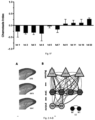
- Another neuron results to be a good candidate for mediating the avoidance behaviour towards urine samples collected from healthy subjects: the ASH, polymodal neurons, which are reported to be associated with aversive stimuli. All these neurons are located in the head of the nematode (see 3D reconstruction in figure2A ).
- the olfactory neurons synapse onto several interneurons which act on motoneurons that initiate movements towards or away from the source of the stimulus ( Fig. 2 , panel B).
- a major role of AWC ON and a minor one of AWA in mediating attraction towards diverse biological samples from different types of solid tumours has recently been shown.
- the activity of AWA, AWB, AWC and ASH in response to a stimulation with cancer and control samples was recorded.
- transgenic worms expressing a calcium indicator on the neuron of interest, specifically GCaMP3 (circularly permuted green fluorescent protein-calmodulin-M13 peptide version 3) were used. These animals are challenged against a selected panel of well-known attractive odorants to demonstrate functional equivalence with the wild-type N2 strain (data not shown).
- the AWA neuron expresses a lower number of chemoreceptors (9) if compared to those on AWC neurons (22) with two receptors in common with AWC: this makes it sensitive to a lower array of chemicals.
- Responses from the AWB neurons seem to not correlate with either addition or removal of attractant or repellent (although showing calcium related dynamics during the experiment) while the ASH neuron does not respond to either attractant or repellent removal/addition.
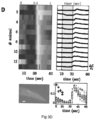
- the AWC ON neuron instead shows robust hyperpolarization during addition of cancer urine and strong depolarization upon its removal in a stereotyped fashion while it is often silent with healthy control samples.
- NAI neuronal activation index
- the neuronal activation index of AWC as a function of the length of the stimulus time for a control sample was investigated.
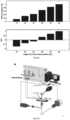
- the AWC activation rates and measure the corresponding NAls for control samples as a function of the length of the stimulus time were recorded ( Fig.2G ).
- the NAI values highlight how the stimulus presented for longer times elicits attractive-like responses in the majority of the tested nematodes, whereas shorter time windows are associated with no response from most of the collected AWC traces. This suggests that metabolites eliciting the activation of AWC neurons are less concentrated in control samples rather than in samples from cancer patients.
- the neuronal activity from multiple nematodes was simultaneously recorded.
- Nematodes were loaded onto a custom-designed microfluidic device with an all-liquid environment with a design based on the pulse arena of ( Figs. 3 (A-B)). The results were acquired for 36 women with breast cancer and 36 healthy subjects. Each sample has been tested in at least two different sessions, in which a minimum of 25 worms has been exposed to the odorant. This means that the NAI reported for every patient is obtained considering a minimum of 50 nematodes.
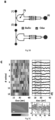
- Figure 3 panels (C-D) show typical traces obtained for one sample of both groups.
- a rule for the systematical identification of significant activation events in the AWC ON neuron was also defined. To do this, a custom script that extracts the fluorescence traces from the videos and evaluates them was employed.
- Figure 4 shows the pipeline of the post-processing process for an example image. More details are reported in the relative section of Methods.
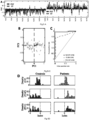
- Panel A of figure 5 shows a bar plot reporting for each sample the resulting NAI (left) and the CI (right).
- cancer samples are associated with a positive NAI, while healthy subjects have a negative NAI, meaning that the first group elicits the activation of the AWC ON neuron as opposed to the second one, which does not trigger with the same frequency the chemical response in the neuron.
- the measured NAls are consistent with the results obtained in the chemotaxis assays, and with the assumption that the AWC ON neuron mediates chemical attraction, contributing to a positive CI.
- PCA analysis panel B considering both indexes shows a first component explaining the 90.97% of the total variance.
- the NAI contributes to more than the 97.31% of the first component, highlighting its significance as discriminator.
- the NAIs and PC1 panel C, from top to bottom respectively
- the use of a linear combination of the two indexes (as PC1) contributes to the removal of just a value centered in zero in NAI's index. This is probably due to the fact that the NAI lacks a corresponding N - term, accounting for repelled nematodes in the CI. This makes it more sensitive to detect attraction, while it is unable to distinguish between a lacking response and repulsion.
- the mutant strains harbouring deletion of individual GPCRs expressed in AWC neurons was observed.
- str-2 and str-130 are expressed in AWC neurons exclusively, while sra-13 is expressed in both AWA and AWC neurons (Table 2).
- C. elegans The ability of C. elegans to efficiently discriminate between subjects diagnosed with breast cancer and healthy controls by responding to urine, a bio-fluid that harbours an odour signature that is cancer-specific, is herein reported.
- the strongest evidence showing that C. elegans detects cancer smells in urine resides in the nematode binary behaviour observed in chemotaxis assays and calcium imaging analyses. Indeed, we measured with discrete accuracy (-97.18%) that urine from cancer subjects induced attraction while avoidance was observed towards control samples.
- the data in the present description show that the response of the nematode is dependent on the female hormone cycle, a phenomenon that has not been previously reported.
- AWC neurons express more than twenty different kinds of G-protein coupled receptors with unknown functions. Chemotaxis assays using AWC specific GPCR knock-out mutants showed involvement of three of these GPCRs, namely, str-2, str-130 and sra-13, suggesting a role for these receptors in recognizing cancer related molecules.
- AWA neuron expresses approximately half the amount of the olfactory receptors expressed in AWC. This may result in a lower number of binding candidate molecules and in a lower probability for the neuron to respond to urine.
- worms harbouring a deletion for odr-10 and sra-17, both expressed in AWA resulted to be defective in attraction towards cancer urine implicating that AWA olfactory neurons are also involved in cancer smells attraction.
- the impressive accuracy (-97.18%) of AWC neurons suggests that the cancer urine blend comprises several components/metabolites present in distinctive relative abundances that robustly bind the olfactory receptors on these neurons.
- the results disclosed herein confirm tha t C . elegans is able to sense cancer-related metabolites in urine samples collected from women with breast cancer. This ability is strongly dependent on the hormonal cycle and we identify the time window of screening validity. Responses do not seem to be correlated with tumour stage: detection accuracy is high even at early stages.
- calcium imaging on olfactory neurons yields more reliable results (accuracy of 97.18%) with respect to chemotaxis assays (85.9%), aside from being less time consuming.
- urine samples were diluted in either S-Basal for calcium imaging, or water for chemotaxis assays. A 1:100 dilution was used for calcium imaging measurements while 1:10 dilutions were utilized for odour screening chemotaxis assays. All dilutions were filtered before presenting them to the animals.
- Caenorhabditis elegans strains were cultured at 20 °C on nematode growth medium (NGM) plates seeded with Escherichia coli OP50 as food source (Brenner, 1974). Wild-type animals used for this study were the Bristol N2 strain, obtained from the Caenorhabditis Genetics Center University of Minnesota, Minneapolis, MN, USA, along with a number of deletion mutant strains, including VC2123: sri-14 (ok2865), CX3410: odr-10 (ky225), AH159: sra-13 (zh13), RG3011: sra-17 (ve511[LoxP + myo-2::GFP+NeoR+LoxP)] II, VC20435: srt-26 (gk947940), VC30151: srsx-5 (gk960578), VC10129: str-199 (gk949542), VC40389: str-130 (
- the strain harbouring GCaMP in AWC ON neuron was the PS6374: AWC ON -GCaMP syEx1240 [str-2::GCaMP3+pha-1]; pha-1(e2123ts); him-5 (e1490), a kind gift from Dr Alon Zaslaver, (The Hebrew University of Jerusalem, Jerusalem, Israel.
- the AWC-killed strain: PY7502, oyls85 [ceh-36p::TU813 + ceh-36p::TU814 + srtx-1p::GFP + unc-122p::DsRed]) was a kind gift from Dr Arantza Barrios (The University College London, London).
- chemotaxis assays For the chemotaxis assays, ten adult hermaphrodites were picked onto fresh NGM plates seeded with OP50 E. coli bacteria. The worms were left to lay eggs for five hours and then removed from the plates. Eggs were incubated at 20 °C and after four days adults were used for the test. Chemotaxis assays were performed as previously described (Bargmann et al., 1993) with minor modifications. Briefly, assay plates were prepared using 10 cm Petri dishes containing 11 ml of modified NGM (2% agar, 5mM KPO4 [pH6], 1mM CaCl2, 1mM MgSO4).
- worms were washed twice in S-basal, once in distilled water and approximately 50-100 worms were placed in the centre of the plate right before starting the assay.
- the plates were divided into four quadrants referred to as the control and the odorant areas ( Fig.1A ).
- the control areas contained 1 ⁇ l of neutral buffer, whereas the odorant area contained 1 ⁇ l of either control or cancer urine sample, diluted in milliQ water at 1:10.
- One microliter of 1 M NaN3 was applied on each spot in order to immobilize the worms once they reached the area.
- a chemotaxis index (CI) was calculated as follows: (number of animals in the odorant area) - (number of animals in the control area)/Total number of animals tested. Chemotaxis assays were performed in triplicate on separate chemotaxis plates, to ensure assay reproducibility.
- the locomotion behaviour was assessed through thrashing assays performed on wild type worms (N2, Bristol) and sri-14
- Microfluidic device design for neuronal imaging is a Microfluidic device design for neuronal imaging.
- odour pulses were delivered by using microfluidic devices with a geometry based on the pulse arena Of with some variations introduced in the design: smoothing of the loading channel to facilitate nematode loading, removal of the free space between the layer of pillars and the inflow/outflow channels to avoid nematode piling up in the outflow side of the chip also for very slow flows, miniaturization of the overall dimension of the arena in order to allow recording of neuronal fluorescent signals from approximately 20 animals at once within a field of view of 3.25x3.25 mm 2 at 4x magnification of the CMOS camera.
- the chip placed on a XY- microscope stage, is linked to two pressurized bottles through tygon tubes that drive the liquid directly in the inlet of the chip.
- the bottles are supplied by a gas line controlled with a gas adjustable regulator fixed at 100 mBar of pressure.
- the pressure value is validated to ensure a correct compromise between a fast odour switching in the arena (less than two seconds) and the avoidance of undesirable strong mechanical perturbations on the nematodes.
- Flow switch between odour and buffer is actuated slowly (about 2 sec) by motorized valves directly controlled by a software to prevent the inception of dangerous shock waves propagating in the tubes typically generated by a fast clogging of conventional solenoid valves.
- the electric command sent to the motorized valve is a PWM signal that allows to close them slowly without excessive stresses on the tube.
- the microfluidic device is prepared by using the soft lithography process (Citazione witheside).
- the SU-8 (MicroChem 3000 series) structure is fabricated on a glass substrate by conventional photolithography to obtain a 50 microns thick monolayer microfluidic network.
- the high resolution photomask has been directly printed on the microfluidic network with a laser writer to ensure a resolution higher than 10000 dpi.
- the 1:10 PDMS Polydimethylsiloxane Silgard 184) mold replica is cured after the casting process and the holes for inlet/outlet are made with a 0.6 mm puncher to subsequently connect with external Tygon tubes.
- the PDMS layer is bonded on a microscope glass slide by using an air-plasma treatment (HARRIK PLASMA) and thermal recovery with hot plate.
- HARRIK PLASMA air-plasma treatment
- Calcium imaging recordings were made using a custom designed inverted microscope.
- a low magnification objective with a high-NA (4x/0.28 N.A.) and a sensitive low-noise CMOS camera with a large sensor area (13x13 mm 2 ) allow to collect fluorescence signals from approximately 15-20 nematodes at once in a field of view of approximately 3.25x3.25 mm 2 .
- the signal was collected by a digital CMOS camera (ORCA-Flash4.0 C11440, Hamamatsu, Hamamatsu City, Japan) through the dichroic mirror with a pass-band FITC/TRIC filter (59004x, Chroma, Bellows Falls, Vermont) using a 20X objective with a numerical aperture of 0.28 (XLFLUOR4X/340, Olympus, Tokyo, Japan).
- a transmission channel (illumination at 660 nm through a high power LED, M660L4, Thorlabs) allowed to select the visualized area of the arena through a motorized stage (MLS203-1, Thorlabs).
- the excitation LED and the camera shutter were synchronized so that the arena was illuminated only during the exposure time (100 ms).
- buffer flows for the first 10 and last 30 seconds, while urine sample flows between these time windows for 20 seconds.
- the LEDs, the electrovalves and the camera were connected to a PC (Windows 10, 64-bit, Microsoft, Redmond, Washington) through a National Instruments controller (PCI-6221, National Instruments, Austin, Texas).
- PCI-6221 National Instruments controller
- a custom-made software in MATLAB was used for synchronized illumination, image acquisition, fluid delivery control and data recording.
- the script tracks neuronal positions throughout the video in both temporal directions by looking for the maximum intensity averaged over a 5 ⁇ 5 pixels area that may not be more than 30 pixels away from the neuronal position assigned in the previously processed frame.
- F i is the mean intensity of the segmented object representing the neuron.
- viable traces are identified as those ones in which the aforementioned difference satisfies the following condition: ID i,i +1 ⁇ ID i + ⁇ IDi , where ID i and ⁇ IDi are the mean value and the standard deviation respectively, calculated over all the IDs of the frames available in the range going from i-20 to i+20. This allows to exclude signals of moving neurons, whose evaluation may be affected by artefacts. All viable signals detected are visually validated by the user.
- NAI neuronal activation index 2( NactlNtot -0.5), where N act is the number of nematodes responding with the activation of the AWC ON neuron and N tot is the number of viable nematodes tested for the same chemical stimulus.
- N act is the number of nematodes responding with the activation of the AWC ON neuron
- N tot is the number of viable nematodes tested for the same chemical stimulus.
- a custom MATLAB script evaluates the calcium imaging signal intensity, I , for each neuron. If the difference between the mean signal intensity in a 10 second-long post-stimulus time-window, I off , and the mean signal intensity in a 10 second-long time-window while on stimulus, I on , is three times higher than the standard deviation of the signal in the time-window while on stimulus, ⁇ on , the response is associated with activation. It is associated with a lack of response otherwise. All associations are then visually validated.
Landscapes
- Health & Medical Sciences (AREA)
- Life Sciences & Earth Sciences (AREA)
- Engineering & Computer Science (AREA)
- Chemical & Material Sciences (AREA)
- Biomedical Technology (AREA)
- Immunology (AREA)
- Physics & Mathematics (AREA)
- Urology & Nephrology (AREA)
- General Physics & Mathematics (AREA)
- General Health & Medical Sciences (AREA)
- Pathology (AREA)
- Biochemistry (AREA)
- Food Science & Technology (AREA)
- Medicinal Chemistry (AREA)
- Analytical Chemistry (AREA)
- Hematology (AREA)
- Molecular Biology (AREA)
- Biophysics (AREA)
- Cell Biology (AREA)
- Biotechnology (AREA)
- Microbiology (AREA)
- Investigating Or Analysing Biological Materials (AREA)
- Measuring Or Testing Involving Enzymes Or Micro-Organisms (AREA)
- Apparatus Associated With Microorganisms And Enzymes (AREA)
- Micro-Organisms Or Cultivation Processes Thereof (AREA)
Applications Claiming Priority (3)
| Application Number | Priority Date | Filing Date | Title |
|---|---|---|---|
| IT202100002294 | 2021-02-03 | ||
| EP22702054.2A EP4288780B1 (de) | 2021-02-03 | 2022-02-01 | Verfahren zur krebserkennung |
| PCT/IB2022/050852 WO2022167924A1 (en) | 2021-02-03 | 2022-02-01 | Methods for cancer detection |
Related Parent Applications (2)
| Application Number | Title | Priority Date | Filing Date |
|---|---|---|---|
| EP22702054.2A Division EP4288780B1 (de) | 2021-02-03 | 2022-02-01 | Verfahren zur krebserkennung |
| EP22702054.2A Division-Into EP4288780B1 (de) | 2021-02-03 | 2022-02-01 | Verfahren zur krebserkennung |
Publications (4)
| Publication Number | Publication Date |
|---|---|
| EP4404201A2 true EP4404201A2 (de) | 2024-07-24 |
| EP4404201A3 EP4404201A3 (de) | 2024-08-07 |
| EP4404201B1 EP4404201B1 (de) | 2025-07-02 |
| EP4404201C0 EP4404201C0 (de) | 2025-07-02 |
Family
ID=75539784
Family Applications (2)
| Application Number | Title | Priority Date | Filing Date |
|---|---|---|---|
| EP22702054.2A Active EP4288780B1 (de) | 2021-02-03 | 2022-02-01 | Verfahren zur krebserkennung |
| EP24177632.7A Active EP4404201B1 (de) | 2021-02-03 | 2022-02-01 | Verfahren zur krebserkennung |
Family Applications Before (1)
| Application Number | Title | Priority Date | Filing Date |
|---|---|---|---|
| EP22702054.2A Active EP4288780B1 (de) | 2021-02-03 | 2022-02-01 | Verfahren zur krebserkennung |
Country Status (5)
| Country | Link |
|---|---|
| US (1) | US20240102988A1 (de) |
| EP (2) | EP4288780B1 (de) |
| JP (1) | JP7627471B6 (de) |
| CN (1) | CN116940843A (de) |
| WO (1) | WO2022167924A1 (de) |
Citations (3)
| Publication number | Priority date | Publication date | Assignee | Title |
|---|---|---|---|---|
| WO2014169336A1 (en) | 2013-04-16 | 2014-10-23 | Commonwealth Scientific And Industrial Research Organisation | G protein coupled receptor libraries |
| WO2015088039A1 (ja) | 2013-12-10 | 2015-06-18 | 国立大学法人九州大学 | 線虫の嗅覚を用いた癌検出法 |
| EP3698133A1 (de) | 2017-10-20 | 2020-08-26 | Crestoptics S.p.A. | Vorrichtung und verfahren zur automatischen erkennung von geruchsstoffen in einer lösung unter verwendung von nematodescaenorabditis elegans |
Family Cites Families (4)
| Publication number | Priority date | Publication date | Assignee | Title |
|---|---|---|---|---|
| WO2009039284A1 (en) | 2007-09-18 | 2009-03-26 | Georgia Tech Research Corporation | Systems and methods for high-throughput detection and sorting |
| EP2496697B1 (de) | 2009-11-06 | 2017-04-12 | Howard Hughes Medical Institute | Genetisch kodierte calciumindikatoren und verwendungsverfahren dafür |
| US20140178305A1 (en) * | 2012-12-20 | 2014-06-26 | California Institute Of Technology | Identification and use of anxiolytic compounds |
| CN108424951A (zh) | 2017-02-14 | 2018-08-21 | 重庆浦洛通生物信息技术有限公司 | 利用线虫进行癌症早期检测的方法 |
-
2022
- 2022-02-01 JP JP2023547360A patent/JP7627471B6/ja active Active
- 2022-02-01 EP EP22702054.2A patent/EP4288780B1/de active Active
- 2022-02-01 CN CN202280013380.5A patent/CN116940843A/zh active Pending
- 2022-02-01 WO PCT/IB2022/050852 patent/WO2022167924A1/en not_active Ceased
- 2022-02-01 EP EP24177632.7A patent/EP4404201B1/de active Active
- 2022-02-01 US US18/264,074 patent/US20240102988A1/en active Pending
Patent Citations (3)
| Publication number | Priority date | Publication date | Assignee | Title |
|---|---|---|---|---|
| WO2014169336A1 (en) | 2013-04-16 | 2014-10-23 | Commonwealth Scientific And Industrial Research Organisation | G protein coupled receptor libraries |
| WO2015088039A1 (ja) | 2013-12-10 | 2015-06-18 | 国立大学法人九州大学 | 線虫の嗅覚を用いた癌検出法 |
| EP3698133A1 (de) | 2017-10-20 | 2020-08-26 | Crestoptics S.p.A. | Vorrichtung und verfahren zur automatischen erkennung von geruchsstoffen in einer lösung unter verwendung von nematodescaenorabditis elegans |
Non-Patent Citations (11)
| Title |
|---|
| "Molecular Cloning: A Laboratory Manual", 2012, COLD SPRING HARBOR LABORATORY PRESS |
| ALBRECHTBARGMANN: "High-content behavioral analysis of Caenorabditis elegans in precise spatiotemporal chemical environments", NATURE METHODS, 2011 |
| BARGMANN ET AL.: "Odorant-selective genes and neurons mediate olfaction in C. elegans", CELL, vol. 74, 13 August 1993 (1993-08-13), pages 515 - 527, XP023913410, DOI: 10.1016/0092-8674(93)80053-H |
| COHEN, D. ET AL.: "Bounded rationality in c. elegans is explained by circuit-specific normalization in chemosensory pathways", NAT. COMMUNICATIONS, vol. 10, 2019, pages 1 - 12 |
| DRAPER, C. ET AL.: "Menstrual cycle rhythmicity: metabolic patterns in healthy women", SCI. REPORTS, vol. 8, 2018, pages 14568, XP055845831, DOI: 10.1038/s41598-018-32647-0 |
| HIROTSU, T. ET AL., PLOS ONE, vol. 10, 2015, pages e0118699 |
| HIROTSU, T. ET AL.: "A highly accurate inclusive cancer screening test using Caenorhabditis elegans scent detection", PLOS ONE, vol. 10, 2015, pages e0118699, XP055762292, DOI: 10.1371/journal.pone.0118699 |
| KAPOLKA ET AL.: "DCyFIR: a high-throughput CRISPR platform for multiplexed G protein-coupled receptor profiling and ligand discovery", PNAS, vol. 117, no. 23, 2020, pages 13117 - 13126, XP093147025, DOI: 10.1073/pnas.2000430117 |
| LWANIR, S. ET AL.: "Irrational behavior in c. elegans arises from asymmetric modulatory effects within single sensory neurons", NAT. COMMUNICATIONS, vol. 10, 2019, pages 3202 |
| MELLO, C. C.KRAMER, J. M.STINCHCOMB, D.AMBROS, V.: "Efficient gene transfer in C. elegans: extrachromosomal maintenance and integration of transforming sequences", EMBO J, vol. 10, 1991, pages 3959 - 3970, XP002109319 |
| UEDA, YUJI ET AL.: "Application of C. elegans cancer screening test for the detection of pancreatic tumour in genetically engineered mice", ONCOTARGET, vol. 10, no. 52, 2019, pages 5412, XP055895824 |
Also Published As
| Publication number | Publication date |
|---|---|
| EP4288780C0 (de) | 2025-06-04 |
| WO2022167924A1 (en) | 2022-08-11 |
| US20240102988A1 (en) | 2024-03-28 |
| EP4404201B1 (de) | 2025-07-02 |
| JP7627471B2 (ja) | 2025-02-06 |
| EP4288780B1 (de) | 2025-06-04 |
| EP4404201C0 (de) | 2025-07-02 |
| EP4404201A3 (de) | 2024-08-07 |
| CN116940843A (zh) | 2023-10-24 |
| JP2024507723A (ja) | 2024-02-21 |
| JP7627471B6 (ja) | 2025-03-07 |
| EP4288780A1 (de) | 2023-12-13 |
Similar Documents
| Publication | Publication Date | Title |
|---|---|---|
| JP7770483B2 (ja) | 線虫の嗅覚を用いた癌検出法 | |
| Hirotsu et al. | A highly accurate inclusive cancer screening test using Caenorhabditis elegans scent detection | |
| Annerino et al. | Parkinson’s disease is not associated with gastrointestinal myenteric ganglion neuron loss | |
| Lanza et al. | C. elegans-based chemosensation strategy for the early detection of cancer metabolites in urine samples | |
| Koffie et al. | Oligomeric amyloid β associates with postsynaptic densities and correlates with excitatory synapse loss near senile plaques | |
| CN108424951A (zh) | 利用线虫进行癌症早期检测的方法 | |
| Mai et al. | Whole‐brain mapping of neuronal activity evoked by maternal separation in neonatal mice: an association with ultrasound vocalization | |
| EP4404201B1 (de) | Verfahren zur krebserkennung | |
| HK40098647B (en) | Methods for cancer detection | |
| HK40098647A (en) | Methods for cancer detection | |
| CN118501459A (zh) | 使用组织样本的癌的检测方法 | |
| WO2018181869A1 (ja) | 線虫変異体を含むがんの診断薬および該変異体を用いた走性行動評価方法 | |
| Lanza | C. elegans based strategy for high-throughput early cancer detection through urine analysis | |
| Szpankowski | Coordination of Axonal Transport Revealed by Particle Tracking and Quantitative Immunofluorescence | |
| HK1229424B (en) | Cancer detection method using sense of smell of nematode | |
| HK1229424A1 (en) | Cancer detection method using sense of smell of nematode |
Legal Events
| Date | Code | Title | Description |
|---|---|---|---|
| PUAI | Public reference made under article 153(3) epc to a published international application that has entered the european phase |
Free format text: ORIGINAL CODE: 0009012 |
|
| STAA | Information on the status of an ep patent application or granted ep patent |
Free format text: STATUS: REQUEST FOR EXAMINATION WAS MADE |
|
| REG | Reference to a national code |
Ref country code: DE Ref legal event code: R079 Free format text: PREVIOUS MAIN CLASS: G16B0040000000 Ipc: G01N0033574000 Ref document number: 602022017136 Country of ref document: DE |
|
| PUAL | Search report despatched |
Free format text: ORIGINAL CODE: 0009013 |
|
| 17P | Request for examination filed |
Effective date: 20240523 |
|
| AC | Divisional application: reference to earlier application |
Ref document number: 4288780 Country of ref document: EP Kind code of ref document: P |
|
| AK | Designated contracting states |
Kind code of ref document: A2 Designated state(s): AL AT BE BG CH CY CZ DE DK EE ES FI FR GB GR HR HU IE IS IT LI LT LU LV MC MK MT NL NO PL PT RO RS SE SI SK SM TR |
|
| AK | Designated contracting states |
Kind code of ref document: A3 Designated state(s): AL AT BE BG CH CY CZ DE DK EE ES FI FR GB GR HR HU IE IS IT LI LT LU LV MC MK MT NL NO PL PT RO RS SE SI SK SM TR |
|
| RIC1 | Information provided on ipc code assigned before grant |
Ipc: G16B 40/00 20190101ALI20240702BHEP Ipc: B01L 3/00 20060101ALI20240702BHEP Ipc: G01N 33/574 20060101AFI20240702BHEP |
|
| GRAP | Despatch of communication of intention to grant a patent |
Free format text: ORIGINAL CODE: EPIDOSNIGR1 |
|
| STAA | Information on the status of an ep patent application or granted ep patent |
Free format text: STATUS: GRANT OF PATENT IS INTENDED |
|
| INTG | Intention to grant announced |
Effective date: 20250113 |
|
| RAP3 | Party data changed (applicant data changed or rights of an application transferred) |
Owner name: FONDAZIONE ISTITUTO ITALIANO DI TECNOLOGIA Owner name: DISRUPTIVE TECHNOLOGICAL ADVANCES IN LIFESCIENCE S.R.L.- SOCIETA BENEFIT,IN FORMA ABBREVIATA, D-TAILS S.R.L. SB |
|
| GRAS | Grant fee paid |
Free format text: ORIGINAL CODE: EPIDOSNIGR3 |
|
| GRAA | (expected) grant |
Free format text: ORIGINAL CODE: 0009210 |
|
| STAA | Information on the status of an ep patent application or granted ep patent |
Free format text: STATUS: THE PATENT HAS BEEN GRANTED |
|
| AC | Divisional application: reference to earlier application |
Ref document number: 4288780 Country of ref document: EP Kind code of ref document: P |
|
| AK | Designated contracting states |
Kind code of ref document: B1 Designated state(s): AL AT BE BG CH CY CZ DE DK EE ES FI FR GB GR HR HU IE IS IT LI LT LU LV MC MK MT NL NO PL PT RO RS SE SI SK SM TR |
|
| REG | Reference to a national code |
Ref country code: GB Ref legal event code: FG4D |
|
| REG | Reference to a national code |
Ref country code: CH Ref legal event code: EP |
|
| REG | Reference to a national code |
Ref country code: DE Ref legal event code: R096 Ref document number: 602022017136 Country of ref document: DE |
|
| REG | Reference to a national code |
Ref country code: IE Ref legal event code: FG4D |
|
| U01 | Request for unitary effect filed |
Effective date: 20250710 |
|
| U07 | Unitary effect registered |
Designated state(s): AT BE BG DE DK EE FI FR IT LT LU LV MT NL PT RO SE SI Effective date: 20250716 |
|
| PG25 | Lapsed in a contracting state [announced via postgrant information from national office to epo] |
Ref country code: IS Free format text: LAPSE BECAUSE OF FAILURE TO SUBMIT A TRANSLATION OF THE DESCRIPTION OR TO PAY THE FEE WITHIN THE PRESCRIBED TIME-LIMIT Effective date: 20251102 |
|
| PG25 | Lapsed in a contracting state [announced via postgrant information from national office to epo] |
Ref country code: NO Free format text: LAPSE BECAUSE OF FAILURE TO SUBMIT A TRANSLATION OF THE DESCRIPTION OR TO PAY THE FEE WITHIN THE PRESCRIBED TIME-LIMIT Effective date: 20251002 |
|
| PG25 | Lapsed in a contracting state [announced via postgrant information from national office to epo] |
Ref country code: HR Free format text: LAPSE BECAUSE OF FAILURE TO SUBMIT A TRANSLATION OF THE DESCRIPTION OR TO PAY THE FEE WITHIN THE PRESCRIBED TIME-LIMIT Effective date: 20250702 |
|
| PG25 | Lapsed in a contracting state [announced via postgrant information from national office to epo] |
Ref country code: GR Free format text: LAPSE BECAUSE OF FAILURE TO SUBMIT A TRANSLATION OF THE DESCRIPTION OR TO PAY THE FEE WITHIN THE PRESCRIBED TIME-LIMIT Effective date: 20251003 |
|
| PG25 | Lapsed in a contracting state [announced via postgrant information from national office to epo] |
Ref country code: CZ Free format text: LAPSE BECAUSE OF FAILURE TO SUBMIT A TRANSLATION OF THE DESCRIPTION OR TO PAY THE FEE WITHIN THE PRESCRIBED TIME-LIMIT Effective date: 20250702 |
|
| PG25 | Lapsed in a contracting state [announced via postgrant information from national office to epo] |
Ref country code: PL Free format text: LAPSE BECAUSE OF FAILURE TO SUBMIT A TRANSLATION OF THE DESCRIPTION OR TO PAY THE FEE WITHIN THE PRESCRIBED TIME-LIMIT Effective date: 20250702 |
|
| PG25 | Lapsed in a contracting state [announced via postgrant information from national office to epo] |
Ref country code: RS Free format text: LAPSE BECAUSE OF FAILURE TO SUBMIT A TRANSLATION OF THE DESCRIPTION OR TO PAY THE FEE WITHIN THE PRESCRIBED TIME-LIMIT Effective date: 20251002 |
|
| PG25 | Lapsed in a contracting state [announced via postgrant information from national office to epo] |
Ref country code: ES Free format text: LAPSE BECAUSE OF FAILURE TO SUBMIT A TRANSLATION OF THE DESCRIPTION OR TO PAY THE FEE WITHIN THE PRESCRIBED TIME-LIMIT Effective date: 20250702 |
|
| REG | Reference to a national code |
Ref country code: CH Ref legal event code: U11 Free format text: ST27 STATUS EVENT CODE: U-0-0-U10-U11 (AS PROVIDED BY THE NATIONAL OFFICE) Effective date: 20260301 |
|
| U20 | Renewal fee for the european patent with unitary effect paid |
Year of fee payment: 5 Effective date: 20260129 |
|
| PG25 | Lapsed in a contracting state [announced via postgrant information from national office to epo] |
Ref country code: SM Free format text: LAPSE BECAUSE OF FAILURE TO SUBMIT A TRANSLATION OF THE DESCRIPTION OR TO PAY THE FEE WITHIN THE PRESCRIBED TIME-LIMIT Effective date: 20250702 |
|
| PGFP | Annual fee paid to national office [announced via postgrant information from national office to epo] |
Ref country code: GB Payment date: 20260220 Year of fee payment: 5 |
|
| PGFP | Annual fee paid to national office [announced via postgrant information from national office to epo] |
Ref country code: CH Payment date: 20260301 Year of fee payment: 5 |
|
| PG25 | Lapsed in a contracting state [announced via postgrant information from national office to epo] |
Ref country code: SK Free format text: LAPSE BECAUSE OF FAILURE TO SUBMIT A TRANSLATION OF THE DESCRIPTION OR TO PAY THE FEE WITHIN THE PRESCRIBED TIME-LIMIT Effective date: 20250702 |
|
| PLBE | No opposition filed within time limit |
Free format text: ORIGINAL CODE: 0009261 |
|
| STAA | Information on the status of an ep patent application or granted ep patent |
Free format text: STATUS: NO OPPOSITION FILED WITHIN TIME LIMIT |