EP4393959A1 - Human transferrin receptor-binding antibody-peptide conjugate - Google Patents
Human transferrin receptor-binding antibody-peptide conjugate Download PDFInfo
- Publication number
- EP4393959A1 EP4393959A1 EP22861413.7A EP22861413A EP4393959A1 EP 4393959 A1 EP4393959 A1 EP 4393959A1 EP 22861413 A EP22861413 A EP 22861413A EP 4393959 A1 EP4393959 A1 EP 4393959A1
- Authority
- EP
- European Patent Office
- Prior art keywords
- amino acid
- peptide
- seq
- antibody
- residue
- Prior art date
- Legal status (The legal status is an assumption and is not a legal conclusion. Google has not performed a legal analysis and makes no representation as to the accuracy of the status listed.)
- Pending
Links
Images




Classifications
-
- C—CHEMISTRY; METALLURGY
- C12—BIOCHEMISTRY; BEER; SPIRITS; WINE; VINEGAR; MICROBIOLOGY; ENZYMOLOGY; MUTATION OR GENETIC ENGINEERING
- C12N—MICROORGANISMS OR ENZYMES; COMPOSITIONS THEREOF; PROPAGATING, PRESERVING, OR MAINTAINING MICROORGANISMS; MUTATION OR GENETIC ENGINEERING; CULTURE MEDIA
- C12N15/00—Mutation or genetic engineering; DNA or RNA concerning genetic engineering, vectors, e.g. plasmids, or their isolation, preparation or purification; Use of hosts therefor
- C12N15/09—Recombinant DNA-technology
- C12N15/11—DNA or RNA fragments; Modified forms thereof; Non-coding nucleic acids having a biological activity
- C12N15/62—DNA sequences coding for fusion proteins
-
- A—HUMAN NECESSITIES
- A61—MEDICAL OR VETERINARY SCIENCE; HYGIENE
- A61K—PREPARATIONS FOR MEDICAL, DENTAL OR TOILETRY PURPOSES
- A61K38/00—Medicinal preparations containing peptides
- A61K38/04—Peptides having up to 20 amino acids in a fully defined sequence; Derivatives thereof
- A61K38/10—Peptides having 12 to 20 amino acids
-
- A—HUMAN NECESSITIES
- A61—MEDICAL OR VETERINARY SCIENCE; HYGIENE
- A61K—PREPARATIONS FOR MEDICAL, DENTAL OR TOILETRY PURPOSES
- A61K47/00—Medicinal preparations characterised by the non-active ingredients used, e.g. carriers or inert additives; Targeting or modifying agents chemically bound to the active ingredient
- A61K47/50—Medicinal preparations characterised by the non-active ingredients used, e.g. carriers or inert additives; Targeting or modifying agents chemically bound to the active ingredient the non-active ingredient being chemically bound to the active ingredient, e.g. polymer-drug conjugates
- A61K47/51—Medicinal preparations characterised by the non-active ingredients used, e.g. carriers or inert additives; Targeting or modifying agents chemically bound to the active ingredient the non-active ingredient being chemically bound to the active ingredient, e.g. polymer-drug conjugates the non-active ingredient being a modifying agent
- A61K47/68—Medicinal preparations characterised by the non-active ingredients used, e.g. carriers or inert additives; Targeting or modifying agents chemically bound to the active ingredient the non-active ingredient being chemically bound to the active ingredient, e.g. polymer-drug conjugates the non-active ingredient being a modifying agent the modifying agent being an antibody, an immunoglobulin or a fragment thereof, e.g. an Fc-fragment
- A61K47/6801—Drug-antibody or immunoglobulin conjugates defined by the pharmacologically or therapeutically active agent
- A61K47/6803—Drugs conjugated to an antibody or immunoglobulin, e.g. cisplatin-antibody conjugates
- A61K47/6811—Drugs conjugated to an antibody or immunoglobulin, e.g. cisplatin-antibody conjugates the drug being a protein or peptide, e.g. transferrin or bleomycin
-
- A—HUMAN NECESSITIES
- A61—MEDICAL OR VETERINARY SCIENCE; HYGIENE
- A61K—PREPARATIONS FOR MEDICAL, DENTAL OR TOILETRY PURPOSES
- A61K39/00—Medicinal preparations containing antigens or antibodies
- A61K39/395—Antibodies; Immunoglobulins; Immune serum, e.g. antilymphocytic serum
-
- A—HUMAN NECESSITIES
- A61—MEDICAL OR VETERINARY SCIENCE; HYGIENE
- A61K—PREPARATIONS FOR MEDICAL, DENTAL OR TOILETRY PURPOSES
- A61K39/00—Medicinal preparations containing antigens or antibodies
- A61K39/395—Antibodies; Immunoglobulins; Immune serum, e.g. antilymphocytic serum
- A61K39/39591—Stabilisation, fragmentation
-
- A—HUMAN NECESSITIES
- A61—MEDICAL OR VETERINARY SCIENCE; HYGIENE
- A61K—PREPARATIONS FOR MEDICAL, DENTAL OR TOILETRY PURPOSES
- A61K47/00—Medicinal preparations characterised by the non-active ingredients used, e.g. carriers or inert additives; Targeting or modifying agents chemically bound to the active ingredient
- A61K47/50—Medicinal preparations characterised by the non-active ingredients used, e.g. carriers or inert additives; Targeting or modifying agents chemically bound to the active ingredient the non-active ingredient being chemically bound to the active ingredient, e.g. polymer-drug conjugates
- A61K47/51—Medicinal preparations characterised by the non-active ingredients used, e.g. carriers or inert additives; Targeting or modifying agents chemically bound to the active ingredient the non-active ingredient being chemically bound to the active ingredient, e.g. polymer-drug conjugates the non-active ingredient being a modifying agent
- A61K47/62—Medicinal preparations characterised by the non-active ingredients used, e.g. carriers or inert additives; Targeting or modifying agents chemically bound to the active ingredient the non-active ingredient being chemically bound to the active ingredient, e.g. polymer-drug conjugates the non-active ingredient being a modifying agent the modifying agent being a protein, peptide or polyamino acid
- A61K47/64—Drug-peptide, drug-protein or drug-polyamino acid conjugates, i.e. the modifying agent being a peptide, protein or polyamino acid which is covalently bonded or complexed to a therapeutically active agent
-
- A—HUMAN NECESSITIES
- A61—MEDICAL OR VETERINARY SCIENCE; HYGIENE
- A61K—PREPARATIONS FOR MEDICAL, DENTAL OR TOILETRY PURPOSES
- A61K47/00—Medicinal preparations characterised by the non-active ingredients used, e.g. carriers or inert additives; Targeting or modifying agents chemically bound to the active ingredient
- A61K47/50—Medicinal preparations characterised by the non-active ingredients used, e.g. carriers or inert additives; Targeting or modifying agents chemically bound to the active ingredient the non-active ingredient being chemically bound to the active ingredient, e.g. polymer-drug conjugates
- A61K47/51—Medicinal preparations characterised by the non-active ingredients used, e.g. carriers or inert additives; Targeting or modifying agents chemically bound to the active ingredient the non-active ingredient being chemically bound to the active ingredient, e.g. polymer-drug conjugates the non-active ingredient being a modifying agent
- A61K47/68—Medicinal preparations characterised by the non-active ingredients used, e.g. carriers or inert additives; Targeting or modifying agents chemically bound to the active ingredient the non-active ingredient being chemically bound to the active ingredient, e.g. polymer-drug conjugates the non-active ingredient being a modifying agent the modifying agent being an antibody, an immunoglobulin or a fragment thereof, e.g. an Fc-fragment
-
- A—HUMAN NECESSITIES
- A61—MEDICAL OR VETERINARY SCIENCE; HYGIENE
- A61K—PREPARATIONS FOR MEDICAL, DENTAL OR TOILETRY PURPOSES
- A61K47/00—Medicinal preparations characterised by the non-active ingredients used, e.g. carriers or inert additives; Targeting or modifying agents chemically bound to the active ingredient
- A61K47/50—Medicinal preparations characterised by the non-active ingredients used, e.g. carriers or inert additives; Targeting or modifying agents chemically bound to the active ingredient the non-active ingredient being chemically bound to the active ingredient, e.g. polymer-drug conjugates
- A61K47/51—Medicinal preparations characterised by the non-active ingredients used, e.g. carriers or inert additives; Targeting or modifying agents chemically bound to the active ingredient the non-active ingredient being chemically bound to the active ingredient, e.g. polymer-drug conjugates the non-active ingredient being a modifying agent
- A61K47/68—Medicinal preparations characterised by the non-active ingredients used, e.g. carriers or inert additives; Targeting or modifying agents chemically bound to the active ingredient the non-active ingredient being chemically bound to the active ingredient, e.g. polymer-drug conjugates the non-active ingredient being a modifying agent the modifying agent being an antibody, an immunoglobulin or a fragment thereof, e.g. an Fc-fragment
- A61K47/6889—Conjugates wherein the antibody being the modifying agent and wherein the linker, binder or spacer confers particular properties to the conjugates, e.g. peptidic enzyme-labile linkers or acid-labile linkers, providing for an acid-labile immuno conjugate wherein the drug may be released from its antibody conjugated part in an acidic, e.g. tumoural or environment
-
- A—HUMAN NECESSITIES
- A61—MEDICAL OR VETERINARY SCIENCE; HYGIENE
- A61P—SPECIFIC THERAPEUTIC ACTIVITY OF CHEMICAL COMPOUNDS OR MEDICINAL PREPARATIONS
- A61P17/00—Drugs for dermatological disorders
- A61P17/02—Drugs for dermatological disorders for treating wounds, ulcers, burns, scars, keloids, or the like
-
- A—HUMAN NECESSITIES
- A61—MEDICAL OR VETERINARY SCIENCE; HYGIENE
- A61P—SPECIFIC THERAPEUTIC ACTIVITY OF CHEMICAL COMPOUNDS OR MEDICINAL PREPARATIONS
- A61P25/00—Drugs for disorders of the nervous system
-
- A—HUMAN NECESSITIES
- A61—MEDICAL OR VETERINARY SCIENCE; HYGIENE
- A61P—SPECIFIC THERAPEUTIC ACTIVITY OF CHEMICAL COMPOUNDS OR MEDICINAL PREPARATIONS
- A61P25/00—Drugs for disorders of the nervous system
- A61P25/14—Drugs for disorders of the nervous system for treating abnormal movements, e.g. chorea, dyskinesia
-
- A—HUMAN NECESSITIES
- A61—MEDICAL OR VETERINARY SCIENCE; HYGIENE
- A61P—SPECIFIC THERAPEUTIC ACTIVITY OF CHEMICAL COMPOUNDS OR MEDICINAL PREPARATIONS
- A61P25/00—Drugs for disorders of the nervous system
- A61P25/14—Drugs for disorders of the nervous system for treating abnormal movements, e.g. chorea, dyskinesia
- A61P25/16—Anti-Parkinson drugs
-
- A—HUMAN NECESSITIES
- A61—MEDICAL OR VETERINARY SCIENCE; HYGIENE
- A61P—SPECIFIC THERAPEUTIC ACTIVITY OF CHEMICAL COMPOUNDS OR MEDICINAL PREPARATIONS
- A61P25/00—Drugs for disorders of the nervous system
- A61P25/18—Antipsychotics, i.e. neuroleptics; Drugs for mania or schizophrenia
-
- A—HUMAN NECESSITIES
- A61—MEDICAL OR VETERINARY SCIENCE; HYGIENE
- A61P—SPECIFIC THERAPEUTIC ACTIVITY OF CHEMICAL COMPOUNDS OR MEDICINAL PREPARATIONS
- A61P25/00—Drugs for disorders of the nervous system
- A61P25/24—Antidepressants
-
- A—HUMAN NECESSITIES
- A61—MEDICAL OR VETERINARY SCIENCE; HYGIENE
- A61P—SPECIFIC THERAPEUTIC ACTIVITY OF CHEMICAL COMPOUNDS OR MEDICINAL PREPARATIONS
- A61P25/00—Drugs for disorders of the nervous system
- A61P25/28—Drugs for disorders of the nervous system for treating neurodegenerative disorders of the central nervous system, e.g. nootropic agents, cognition enhancers, drugs for treating Alzheimer's disease or other forms of dementia
-
- A—HUMAN NECESSITIES
- A61—MEDICAL OR VETERINARY SCIENCE; HYGIENE
- A61P—SPECIFIC THERAPEUTIC ACTIVITY OF CHEMICAL COMPOUNDS OR MEDICINAL PREPARATIONS
- A61P31/00—Antiinfectives, i.e. antibiotics, antiseptics, chemotherapeutics
- A61P31/04—Antibacterial agents
-
- A—HUMAN NECESSITIES
- A61—MEDICAL OR VETERINARY SCIENCE; HYGIENE
- A61P—SPECIFIC THERAPEUTIC ACTIVITY OF CHEMICAL COMPOUNDS OR MEDICINAL PREPARATIONS
- A61P31/00—Antiinfectives, i.e. antibiotics, antiseptics, chemotherapeutics
- A61P31/12—Antivirals
-
- A—HUMAN NECESSITIES
- A61—MEDICAL OR VETERINARY SCIENCE; HYGIENE
- A61P—SPECIFIC THERAPEUTIC ACTIVITY OF CHEMICAL COMPOUNDS OR MEDICINAL PREPARATIONS
- A61P35/00—Antineoplastic agents
-
- A—HUMAN NECESSITIES
- A61—MEDICAL OR VETERINARY SCIENCE; HYGIENE
- A61P—SPECIFIC THERAPEUTIC ACTIVITY OF CHEMICAL COMPOUNDS OR MEDICINAL PREPARATIONS
- A61P9/00—Drugs for disorders of the cardiovascular system
- A61P9/10—Drugs for disorders of the cardiovascular system for treating ischaemic or atherosclerotic diseases, e.g. antianginal drugs, coronary vasodilators, drugs for myocardial infarction, retinopathy, cerebrovascula insufficiency, renal arteriosclerosis
-
- C—CHEMISTRY; METALLURGY
- C07—ORGANIC CHEMISTRY
- C07K—PEPTIDES
- C07K14/00—Peptides having more than 20 amino acids; Gastrins; Somatostatins; Melanotropins; Derivatives thereof
- C07K14/435—Peptides having more than 20 amino acids; Gastrins; Somatostatins; Melanotropins; Derivatives thereof from animals; from humans
- C07K14/705—Receptors; Cell surface antigens; Cell surface determinants
- C07K14/70582—CD71
-
- C—CHEMISTRY; METALLURGY
- C07—ORGANIC CHEMISTRY
- C07K—PEPTIDES
- C07K16/00—Immunoglobulins [IG], e.g. monoclonal or polyclonal antibodies
-
- C—CHEMISTRY; METALLURGY
- C07—ORGANIC CHEMISTRY
- C07K—PEPTIDES
- C07K16/00—Immunoglobulins [IG], e.g. monoclonal or polyclonal antibodies
- C07K16/18—Immunoglobulins [IG], e.g. monoclonal or polyclonal antibodies against material from animals or humans
-
- C—CHEMISTRY; METALLURGY
- C07—ORGANIC CHEMISTRY
- C07K—PEPTIDES
- C07K16/00—Immunoglobulins [IG], e.g. monoclonal or polyclonal antibodies
- C07K16/18—Immunoglobulins [IG], e.g. monoclonal or polyclonal antibodies against material from animals or humans
- C07K16/28—Immunoglobulins [IG], e.g. monoclonal or polyclonal antibodies against material from animals or humans against receptors, cell surface antigens or cell surface determinants
- C07K16/2803—Immunoglobulins [IG], e.g. monoclonal or polyclonal antibodies against material from animals or humans against receptors, cell surface antigens or cell surface determinants against the immunoglobulin superfamily
- C07K16/2818—Immunoglobulins [IG], e.g. monoclonal or polyclonal antibodies against material from animals or humans against receptors, cell surface antigens or cell surface determinants against the immunoglobulin superfamily against CD28 or CD152
-
- C—CHEMISTRY; METALLURGY
- C07—ORGANIC CHEMISTRY
- C07K—PEPTIDES
- C07K16/00—Immunoglobulins [IG], e.g. monoclonal or polyclonal antibodies
- C07K16/18—Immunoglobulins [IG], e.g. monoclonal or polyclonal antibodies against material from animals or humans
- C07K16/28—Immunoglobulins [IG], e.g. monoclonal or polyclonal antibodies against material from animals or humans against receptors, cell surface antigens or cell surface determinants
- C07K16/2803—Immunoglobulins [IG], e.g. monoclonal or polyclonal antibodies against material from animals or humans against receptors, cell surface antigens or cell surface determinants against the immunoglobulin superfamily
- C07K16/2827—Immunoglobulins [IG], e.g. monoclonal or polyclonal antibodies against material from animals or humans against receptors, cell surface antigens or cell surface determinants against the immunoglobulin superfamily against B7 molecules, e.g. CD80, CD86
-
- C—CHEMISTRY; METALLURGY
- C07—ORGANIC CHEMISTRY
- C07K—PEPTIDES
- C07K16/00—Immunoglobulins [IG], e.g. monoclonal or polyclonal antibodies
- C07K16/18—Immunoglobulins [IG], e.g. monoclonal or polyclonal antibodies against material from animals or humans
- C07K16/28—Immunoglobulins [IG], e.g. monoclonal or polyclonal antibodies against material from animals or humans against receptors, cell surface antigens or cell surface determinants
- C07K16/2863—Immunoglobulins [IG], e.g. monoclonal or polyclonal antibodies against material from animals or humans against receptors, cell surface antigens or cell surface determinants against receptors for growth factors, growth regulators
-
- C—CHEMISTRY; METALLURGY
- C07—ORGANIC CHEMISTRY
- C07K—PEPTIDES
- C07K16/00—Immunoglobulins [IG], e.g. monoclonal or polyclonal antibodies
- C07K16/18—Immunoglobulins [IG], e.g. monoclonal or polyclonal antibodies against material from animals or humans
- C07K16/28—Immunoglobulins [IG], e.g. monoclonal or polyclonal antibodies against material from animals or humans against receptors, cell surface antigens or cell surface determinants
- C07K16/2881—Immunoglobulins [IG], e.g. monoclonal or polyclonal antibodies against material from animals or humans against receptors, cell surface antigens or cell surface determinants against CD71
-
- C—CHEMISTRY; METALLURGY
- C07—ORGANIC CHEMISTRY
- C07K—PEPTIDES
- C07K16/00—Immunoglobulins [IG], e.g. monoclonal or polyclonal antibodies
- C07K16/18—Immunoglobulins [IG], e.g. monoclonal or polyclonal antibodies against material from animals or humans
- C07K16/32—Immunoglobulins [IG], e.g. monoclonal or polyclonal antibodies against material from animals or humans against translation products of oncogenes
-
- C—CHEMISTRY; METALLURGY
- C07—ORGANIC CHEMISTRY
- C07K—PEPTIDES
- C07K19/00—Hybrid peptides, i.e. peptides covalently bound to nucleic acids, or non-covalently bound protein-protein complexes
-
- C—CHEMISTRY; METALLURGY
- C07—ORGANIC CHEMISTRY
- C07K—PEPTIDES
- C07K7/00—Peptides having 5 to 20 amino acids in a fully defined sequence; Derivatives thereof
- C07K7/04—Linear peptides containing only normal peptide links
- C07K7/06—Linear peptides containing only normal peptide links having 5 to 11 amino acids
-
- C—CHEMISTRY; METALLURGY
- C07—ORGANIC CHEMISTRY
- C07K—PEPTIDES
- C07K7/00—Peptides having 5 to 20 amino acids in a fully defined sequence; Derivatives thereof
- C07K7/04—Linear peptides containing only normal peptide links
- C07K7/08—Linear peptides containing only normal peptide links having 12 to 20 amino acids
-
- A—HUMAN NECESSITIES
- A61—MEDICAL OR VETERINARY SCIENCE; HYGIENE
- A61K—PREPARATIONS FOR MEDICAL, DENTAL OR TOILETRY PURPOSES
- A61K39/00—Medicinal preparations containing antigens or antibodies
- A61K2039/505—Medicinal preparations containing antigens or antibodies comprising antibodies
-
- A—HUMAN NECESSITIES
- A61—MEDICAL OR VETERINARY SCIENCE; HYGIENE
- A61K—PREPARATIONS FOR MEDICAL, DENTAL OR TOILETRY PURPOSES
- A61K38/00—Medicinal preparations containing peptides
-
- C—CHEMISTRY; METALLURGY
- C07—ORGANIC CHEMISTRY
- C07K—PEPTIDES
- C07K2317/00—Immunoglobulins specific features
- C07K2317/20—Immunoglobulins specific features characterized by taxonomic origin
- C07K2317/21—Immunoglobulins specific features characterized by taxonomic origin from primates, e.g. man
-
- C—CHEMISTRY; METALLURGY
- C07—ORGANIC CHEMISTRY
- C07K—PEPTIDES
- C07K2317/00—Immunoglobulins specific features
- C07K2317/90—Immunoglobulins specific features characterized by (pharmaco)kinetic aspects or by stability of the immunoglobulin
- C07K2317/92—Affinity (KD), association rate (Ka), dissociation rate (Kd) or EC50 value
Definitions
- capillaries that supply blood to most tissues of the brain except for some areas including the circumventricular organs (pineal gland, pituitary gland, area postrema, etc.), unlike capillaries in muscles and other tissues, the endothelial cells that form their endothelium are tightly attached to each other by strong intercellular junctions. Therefore, passive transport of substances from the blood to the brain is prevented, and although there are exceptions, substances other than highly fat-soluble substances or substances with small molecular weight (less than 200 to 500 Daltons) and electrically neutral near physiological pH are difficult to be transported from the capillaries to the brain.
- BBB blood-brain barrier
- the blood-brain barrier also restricts the exchange of substances between blood and tissue fluids of the central nervous system, including the brain and spinal cord, as well as the brain.
- the presence of the blood-brain barrier allows most of the cells of the central nervous system to maintain their biochemical homeostasis without being affected by fluctuations in the concentrations of hormones, lymphokines and other substances in the blood.
- the specific linker is a linker comprising a sequence described in any one of SEQ ID NOs: 111 to 161.
- This specification also discloses a processing method (production method of conjugate) that allows an antibody or an antigen-binding fragment thereof to be delivered into a cell or to passing through the blood-brain barrier.
- the method includes a step of conjugating a peptide that binds to the transferrin receptor described above with an antibody or an antigen-binding fragment thereof.
- the conjugate of the present invention is a compound comprising:
- the transferrin receptor is a receptor that binds to transferrin, a protein which is found in plasma and binds to an iron ion, and has the function of taking it into cells. Transferrin receptor is expressed on various cells such as reticulocytes, placental trophoblasts, and lymphocytes, and it has been suggested that transferrin receptors are particularly expressed on tumor cells. Since the transferrin receptor has the property of triggering cellular endocytosis by stimulating binding of iron ion in plasma, research is underway to use antibodies or the like that bind to the transferrin receptor as a drug delivery system to allow desired substances to pass through the BBB.
- transferrin receptors type I and type II, are known, but type I (Gene ID: 7037) is preferred as the transferrin receptor in the present invention.
- type I Gene ID: 7037
- the human-type transferrin receptor is referred to as the human TfR, hTfR, or simply TfR, unless otherwise noted.
- the affinity of the peptide in the invention and the transferrin receptor may be less than 100 nM, preferably less than 50 nM, and, although it is not limited, it may be about 10 -5 M to about 10 -9 M, or in another manner, less than 10 -7 M, for example, 10 -7 M to 10 -13 M, for example, 10 -9 M to 10 -13 M.
- Brain-related disease is a disease caused by some abnormality in the brain, for example, central nervous system (CNS) diseases.
- CNS central nervous system
- Examples of the brain-related disease include, but are not limited to, Alzheimer's disease, Parkinson's disease, prion disease, Huntington's disease, lysosomal disease, central nervous system disorders, central nervous system tumors including brain tumors, cerebral ischemia, diseases involving brain damage, traumatic central nervous system disorders, viral and bacterial central nervous system diseases, and diseases affecting the mind such as schizophrenia, depression, and the like.
- Neutral amino acids Amino acids whose side chains indicate neutrality, including Ser, Thr, Asn, Gln and Cys.
- linker in the linker-attached peptide is that its amino acid length of the linker is between 1 and 15, and the linker contains either or both of glycine (Gly) and serine (Ser).
- this linker is cysteine (Cys), which may be modified at the N-terminal, or lysine (Lys), which may be modified.
- the PEG linker further contains one or more of glycine (Gly), serine (Ser), glutamic acid (Glu), arginine (Arg), gAbu, KTrzMal and lysine (Lys).
- Gly glycine
- Ser serine
- Glu glutamic acid
- Arg arginine
- gAbu gAbu
- KTrzMal lysine
- the peptide of the present invention may be produced by, for example, any known method for producing a peptide, such as a chemical synthesis method such as a liquid phase method, a solid phase method, a hybrid method combining a liquid phase method and a solid phase method or the like, and a genetic recombination method; or the like.
- a chemical synthesis method such as a liquid phase method, a solid phase method, a hybrid method combining a liquid phase method and a solid phase method or the like, and a genetic recombination method; or the like.
- a hydroxy group of a resin having a hydroxy group and a carboxy group of a 1st amino acid (normally a C-terminal amino acid of a target peptide) in which an ⁇ -amino group is protected by a protecting group are subjected to an esterification reaction.
- a known dehydrating and condensing agent such as 1-mesitylenesulfonyl-3-nitro-1, 2, 4-triazole (MSNT), dicyclohexylcarbodiimide (DCC), and diisopropylcarbodiimide (DIPCDI) may be used.
- the protecting group of the ⁇ -amino group of the 1st amino acid is removed, a second amino acid in which all functional groups except the carboxy group of the main chain are protected is added, and the carboxy group is activated, binding the 1st and 2nd amino acids.
- the ⁇ -amino group of the 2nd amino acid is deprotected, a 3rd amino acid in which all functional groups except the carboxy group of the main chain are protected is added, the carboxy group is activated, binding the 2nd and 3rd amino acids. This is repeated, and after a peptide having a target length is synthesized, all of the functional groups are deprotected.
- Examples such as methyl ester, ethyl ester, benzyl ester, tert-butyl ester, cyclohexyl ester, and the like may be used to protect the ⁇ -carboxy group.
- Activation of the carboxy group may be performed using a condensing agent.
- the condensing agent include dicyclohexylcarbodiimide (DCC), diisopropylcarbodiimide (DIPCDI), 1-ethyl-3-(3-dimethylaminopropyl)carbodiimide (EDC or WSC), (1H-benzotriazole-1-yloxy)tris(dimethylamino)phosphonium hexafluorophosphate (BOP), 1-[bis(dimethylamino)methyl]-1H-benzotriazolium-3-oxide hexafluorophosphate (HBTU), and the like.
- DCC dicyclohexylcarbodiimide
- DIPCDI diisopropylcarbodiimide
- EDC or WSC 1-ethyl-3-(3-dimethylaminopropyl)carbodiimide
- BOP 1-[bis(dimethyla
- Cleavage of the peptide chain from the resin may be performed by treating the peptide chain using an acid such as TFA, hydrogen fluoride (HF), or the like.
- an acid such as TFA, hydrogen fluoride (HF), or the like.
- Production of a peptide by a gene recombination method may be performed by using a nucleic acid encoding the peptide according to the present invention.
- the nucleic acid encoding the peptide according to the present invention may be DNA or RNA.
- the nucleic acid when the peptide according to the present invention is fused to a cell-penetrating peptide or the like, the nucleic acid also includes a nucleic acid encoding the cell-penetrating peptide.
- a chimeric protein expression method for expressing the target peptide as a chimeric peptide of another peptide may also be used to suppress degradation by a host-derived protease.
- a nucleic acid encoding the target peptide and the peptide bound thereto may be used as the nucleic acid.
- the promoter may be selected appropriately according to the type of host.
- a promoter derived from SV40 simian virus 40
- a promoter derived from CMV cytomegalovirus
- Escherichia coli a trp promoter, a T7 promoter, a lac promoter, or the like may be used.
- the expression vector may incorporate, for example, a DNA replication starting point (ori), a selective marker (antibiotic resistance, auxotrophy, or the like), an enhancer, a splicing signal, a poly-A addition signal, a nucleic acid encoding a tag (FLAG, HA, GST, GFP, or the like), or the like.
- an appropriate host cell is transformed by the expression vector.
- the host may be appropriately selected in relation to the vector. Examples such as Escherichia coli, Bacillus subtilis ( Bacillus ), yeast, insects or insect cells, animal cells, or the like may be used as the host.
- animal cells for example, HEK293T cells, CHO cells, COS cells, myeloma cells, HeLa cells, and Vero cells may be used. Transformation may be carried out according to a known method, such as a lipofection method, a calcium phosphate method, an electroporation method, a microinjection method, a gene gun method, or the like depending on the type of host.
- the target peptide is expressed by culturing a transformant according to a conventional method.
- cultured cells are recovered and then suspended in an appropriate buffer solution, followed by disruption of cells by a method such as sonication, freeze-thawing, or the like, and then a crude extract is obtained by centrifugation or filtration.
- a supernatant is recovered.
- the obtained peptide may be converted from a free body to a salt or from a salt to a free body by a known method or a method equivalent thereto.
- the translation/synthesis system may be a cell-free translation system.
- the cell-free translation system includes, for example, a ribosome protein, an aminoacyl-tRNA synthase (ARS), a ribosome RNA, an amino acid, rRNA, GTP, ATP, a translation initiation factor (IF), an elongation factor (EF), a release factor (RF), and a ribosome regeneration factor (RRF), or another factor required for translation.
- a ribosome protein an aminoacyl-tRNA synthase (ARS), a ribosome RNA, an amino acid, rRNA, GTP, ATP, a translation initiation factor (IF), an elongation factor (EF), a release factor (RF), and a ribosome regeneration factor (RRF), or another factor required for translation.
- An Escherichia coli extract or a wheat embryo extract may be added to increase expression efficiency.
- a rabbit red blood cell extract or an insect cell extract may be added.
- RNA polymerase By continuously supplying energy to a system including these using dialysis, a protein of several hundred ⁇ g to several mg/mL may be produced.
- the system may include an RNA polymerase to concurrently perform transcription of genomic DNA.
- Examples of commercially available cell-free translation systems that may be used include RTS-100 (registered trademark) by Roche Diagnostics K.K., PURE System by GeneFrontier Corporation, PURExpress In Vitro Protein Synthesis Kit by New England Biolabs Inc., and the like for a system derived from Escherichia coli, and a system by ZOIGENE, CellFree Sciences Co., Ltd., or the like for a system using wheat embryo extract.
- the expression product can be obtained in a highly pure form without purification.
- Flexizymes are also known under the names of prototype flexizyme (Fx), and dinitrobenzyl flexizyme (dFx), enhanced flexizyme (eFx), aminoflexizyme (aFx) and the like which are modified from it.
- a desired codon may be translated in association with the desired amino acid or hydroxy acid by using the tRNA produced by flexizyme and to which the desired amino acid or hydroxy acid is linked.
- a specialty amino acid may be used as the desired amino acid.
- an unnatural amino acid required for the above circularization may also be introduced into the binding peptide by this method.
- a preferable strategy is based on a combination of an Fmoc group capable of temporarily protecting the ⁇ -amino group and being selectively removed using a base, and a protecting group that temporarily protects a side chain functional group and is stable under Fmoc deprotection conditions.
- Selection of this kind of general peptide side chain is known according to the aforementioned Peptide Synthesis and Applications, 2nd Edition; G. B. Fields, R. L. Noble, Solid Phase Peptide Synthesis Utilizing 9-Fluorenylmethoxycarbonyl Amino Acids, Int. J. Peptide Protein Res.
- the peptides and their analogs described herein may be synthesized by a stepwise method on the solid-phase resin described above.
- the C-terminal amino acid used and all amino acids and peptides used in the synthesis must have the ⁇ -amino protecting group selectively removed in the synthetic process.
- the solid-phase resin described above is used, and once a C-terminal carboxyl group of a peptide having its N-terminal properly protected by Fmoc or the like or a C-terminal carboxyl group of an amino acid having its N-terminal protected by Fmoc is made into an activated ester by an appropriate reagent, this is then added to the amino group on the solid-phase resin to start.
- Subsequent elongation of the peptide chain may be achieved by removing the N-terminal protecting group (Fmoc group) then successively repeating condensation of the protected amino acid derivative according to the amino acid sequence of the target peptide. Note that these may release the target peptide in a final stage. Examples of releasing conditions are given in Teixeira, W. E. Benckhuijsen, P. E. de Koning, A. R. P. M. Valentijn, J. W. Drijfhout, Protein Pept. Lett., 2002, 9, 379-385 , and the like, and the peptide may be released in a TFA solution containing water/silyl hydride/thiol as a scavenger in TFA. Typical examples include TFA/Water/TIS/DODT (volume ratio 92.5:2.5:2.5:2.5).
- the conjugate of the present invention contains the aforementioned peptide and the antibody or the antigen-binding fragment thereof, and the peptide and the antibody or antigen-binding fragment thereof are preferably linked via a linker.
- the linker between said peptide-antibody or antigen-binding fragment thereof may be formed by chemical bonding of the linker of the peptide containing the linker (hereinafter also referred to as linker-attached peptide) and the antibody or antigen-binding fragment thereof, occurred in any suitable reactive group, including reactive functional groups.
- the conjugate of the present invention contains the peptide that has cell-permeability, the conjugate is cell-permeable and can transport compounds containing the antibody or antigen-binding fragments thereof into the cell, as shown in the examples.
- compositions may be prepared by using the active ingredients as they are or formulated by adding pharmaceutically acceptable carriers, excipients, additives, or the like.
- the dosage form include a liquid agent (for example, an injection), a dispersant, a suspension, a tablet, a pill, a powder, a suppository, a powdered drug, a fine granule, a granule, a capsule, a syrup, a lozenge, an inhalant, an ointment, an eye drop, a nasal drop, an ear drop, a patch, or the like.
- the formulation may be carried out by a common method using, for example, an excipient, a binder, a disintegrant, a lubricant, a dissolving agent, a solubilizing agent, a colorant, a flavoring agent, a stabilizer, an emulsifier, an absorption promoter, a surfactant, a pH regulator, a preservative, an antioxidant, or the like as appropriate.
- an excipient for example, an excipient, a binder, a disintegrant, a lubricant, a dissolving agent, a solubilizing agent, a colorant, a flavoring agent, a stabilizer, an emulsifier, an absorption promoter, a surfactant, a pH regulator, a preservative, an antioxidant, or the like as appropriate.
- the pharmaceutical composition may comprise an absorption promoter for improving absorption of a poorly absorbable drug, in consideration of the fact that it is generally difficult for peptides to be absorbed through mucous membranes.
- the following may be used as the absorption promoter: a surfactant such as polyoxyethylene lauryl ether, sodium lauryl sulphate, and saponin; a bile salt such as glycocholic acid, deoxycholic acid, and taurocholic acid; a chelating agent such as EDTA and salicylic acid; a fatty acid such as caproic acid, capric acid, lauric acid, oleic acid, linoleic acid, a mixed micelle; an enamine derivative, an N-acyl collagen peptide, an N-acyl amino acid, a cyclodextrin, chitosan, a nitric oxide donor, or the like.
- the pharmaceutical composition when it is a pill or tablet, it may be coated using a sugar coating, or a gastric-soluble or enteric-coated substance.
- step (i) since each chain constituting the antibody is bonded by a disulfide bond, the thiol group can be exposed by reducing the disulfide bond.
- reducing agents can be used for the reduction of the disulfide bond, for example, but not limited to, DTT (dithiothreitol), 2-MEA (ethylamine), BME ( ⁇ -mercaptoethanol), TCEP (tris(2-carboxyethyl) phosphine) can be preferably used.
- step (iii) the hydrazide group reacts with a carbonyl group to form a stable hydrazine bond in a solution at pH 5 to 7, which allows binding of the compound containing the aforementioned antibody or the antigen-binding fragment thereof with the aforementioned peptide.
- said linker may be the linker described above.
- NHS can be bound to the terminal of the linker by known method.
- step (ii) since NHS and amine react efficiently at pH above neutral to form an amide bond, the peptide can be bound to the compound containing the target antibody or antigen-binding fragment thereof by binding the NHS of the peptide-linker to the amine possessed by the antibody.
- This specification also provides a method for producing a peptide-antibody conjugate using the binding method described above.
- Synthesis may be completed using commercially available products as is for all raw materials, building blocks, reagents, acids, bases, solid-phase resins, and solvents used in chemical synthesis in the following examples, or by a person having ordinary skill in the art using organic chemistry techniques. Note that commercial products were used for amino acids containing protecting groups unless otherwise specified.
- reaction vessel containing the solid-phase resin To the reaction vessel containing the solid-phase resin, reactant cocktail-A (10 mL, mixture of TFA/H 2 O/TIS/DODT in a volume ratio of 92.5/2.5/2.5/2.5) was added, and the vessel was shaken at room temperature for 150 min. The reaction solution was collected by filtration through a frit. The solid-phase resin remaining in the reaction vessel was shaken again with the cut-out cocktail, and the solution component was collected from the frit and mixed with the aforementioned filtrate. The filtrate was added to an excess of the mixed solvent diethyl ether and hexane cooled to 0°C, and a cloudy precipitate was formed.
- reactant cocktail-A 10 mL, mixture of TFA/H 2 O/TIS/DODT in a volume ratio of 92.5/2.5/2.5/2.5
- the Fmoc group of the ⁇ -amino group was removed from the solid-phase resin holding the Fmoc-protected peptide obtained in the previous step by the method described above, and then DMF solution of 0.2 M chloroacetic acid (5 equivalents), DMF solution of 0.5 M HATU (5 equivalents), and DMF solution of 1 M DIEA (10 equivalents) were added to the solid-phase resin and the reaction was carried out by shaking at room temperature for 30 min.
- the resin obtained after the chloroacetyl group introduction step was first washed five times with DMF and three times with methylene chloride, and drying under reduced pressure.
- the obtained solid was washed again with a small amount of diethyl ether cooled to 0°C, and the resulting solid was dried and used for the next cyclization reaction.
- the peptide was dissolved in DMSO to a final concentration of 5 mM based on the mol number of the solid-phase resin, and then 6 equivalents of triethylamine was added and stirred at room temperature for about 15 hour.
- the resulting reaction solution was concentrated under reduced pressure using Savant Explorer SpeedVac.
- This example describes the exemplary synthesis of 894_PEG12_(NHS) (the corresponding linker listed in TABLE 1 is bound to the peptide of SEQ ID NO: 19).
- the mixture was centrifuged (10000 rpm, 1 min), and the supernatant was decanted.
- the obtained solid was washed with diethyl ether cooled to 0°C, and the resulting solid was used for the next cyclization reaction.
- the peptide was dissolved in DMSO to a final concentration of 5 mM based on the mol number of the solid-phase resin, and then 6 equivalents of triethylamine was added and stirred at 25°C for about 16 hours.
- the resulting reaction solution was concentrated under reduced pressure using Savant Explorer SpeedVac.
- the purity of the target product was 88.0%, calculated from the area ratio of the LC/MS (UV wavelength 225 nm) chromatogram under analyzing conditions.
- Mass spectrometry data for antibodies and antibody-peptide conjugates were obtained using Xevo (registered trademark) G2-XSQTof (Waters) in the 500-4000 m/z range in positive ESI mode.
- the source temperature and the desolventizing gas temperatures were 150°C and 500°C, respectively, and the flow rates of the desolventizing gas and nebulizer gas were 800 L/hour and 50 L/hour, respectively.
- the capillary voltage was set to 3.00 kV.
- the conversion for mass spectrum was performed by using MaxEnt (trademark) 1 deconvolution algorithm in MassLynx (trademark) software, according to the manufacturer's specified method.
- the UV analyzer (DeNovix DS-11) was used to measure antibody concentrations according to the manufacturer's specified method. In doing so, the 280 nM molar absorption coefficient, which varies with the type of antibody, was used.
- nivolumab an antibody
- the following operations were performed prior to conjugation with the peptide.
- Buffer exchange of nivolumab was performed by using Superdex 200 Increase 10/300GL (Cat. No. 28-9909-44, GE Healthcare) with an average particle size of 8.6 ⁇ m and a column size of 10 mm ⁇ 300 mm.
- the aforementioned column and AKTA pure25 M2 (GE Healthcare) were used with HEPES (Cat. No. 02443-05, Nacalai Tesque, Inc.) prepared at 50 mM, pH 7.8 as the mobile phase, then the eluted fractions were collected from 11.5 to 13.5 min at the detection wavelength of 220 nm and the flow rate of 0.5 mL/min.
- the collected fractions were concentrated by using Amicon Ultra (30, 000 MWCO, Merck Millipore Ltd.) to obtain a final nivolumab solution of 13.0 g/L.
- nivolumab Buffer exchange of nivolumab (Selleckchem, Cat. No. A2002) was performed by using Bio-Gel P-30 (Bio-Rad, Cat. No. 1504150). Nivolumab dissolved in 5 g/L with 100 uL of 1xPBS per column is added to a column packed with 1 mL of Bio-Gel P-30 swollen with 100 mM HEPES pH 7.8 (Cat. No. 02443-05, Nacalai Tesque, Inc.), then 4.78 g/L of buffer-substituted nivolumab was collected in a plate centrifuge (Plate Spin, Kubota) at the condition of 1000 G, 4 min.
- Plate centrifuge Plate Spin, Kubota
- cetuximab an antibody
- the following operations were performed prior to conjugation with the peptide.
- trastuzumab whose buffer is exchanged by using [Buffer Exchange Method A] described in Example 3-2 was diluted to 5.2 g/L with 100 mM HEPES pH 7.8 (Cat. No. 02443-05, Nacalai Tesque, Inc.). The disulfide bonds in the antibody were reduced by adding 12.5 mM tris(2-carboxyethyl) phosphine (TCEP, 3.6 equivalents per one molecule of antibody) to the diluted trastuzumab and incubating at 25°C for 30 min.
- TCEP tris(2-carboxyethyl) phosphine
- trastuzumab-peptide conjugate obtained in the above reaction was purified using the method described in the [Purification of Antibody-Peptide Conjugate] and trastuzumab-peptide conjugate was obtained at a concentration of 5.87 g/L and antibody yield of 0.88 mg.
- trastuzumab whose buffer is exchanged by using [Buffer Exchange Method A] described in Example 3-2 was diluted to 10.4 g/L with 100 mM citric acid buffer (pH 3.5). 200uL of diluted trastuzumab was mixed with the same volume of sodium periodate (Thermo Fisher Scientific) diluted to 20mM in 100mM citrate buffer as the antibody diluent and allowed to react for 30 minutes at room temperature to oxidize the sugar chains on the antibody.
- sodium periodate Thermo Fisher Scientific
- trastuzumab-peptide conjugate obtained in the above reaction was purified using the method described in the [Purification of Antibody-Peptide Conjugate] and trastuzumab-peptide conjugate was obtained at a concentration of 4.6 g/L and antibody yield of 0.23 mg.
- the peptides with hydrazide as the reactive functional group in the linker part (peptides of SEQ ID NOs: 7 and 11 bound with the linkers listed in TABLE 1) were reacted with trastuzumab in the same manner using the method described above and the trastuzumab-peptide conjugates were created.
- nivolumab whose buffer is exchanged by using [Buffer Exchange Method B] described in Example 3-1 was mixed with 10 mM solution of the compound obtained in Example 2-5 (peptide of SEQ ID NO: 19 binding with the linker listed in TABLE 1) dissolved in dimethyl sulfoxide (15.0 equivalents to one molecule of antibody), and incubated at 25°C for 60 min to react the amine group of the antibody with the linker of the compound.
- the reaction of nivolumab with the peptide was confirmed by using [Analyzing Conditions D] described in [RP-UPLC-MS Chromatography], and the results are shown in TABLE 3-3 below.
- nivolumab-peptide conjugate obtained in the above reaction was purified using the method described in the [Purification Method B] of [Purification of Antibody-Peptide Conjugate], and nivolumab-peptide conjugate was obtained at a concentration of 2.2 g/L and antibody yield of 0.11 mg.
- peptides with N-Hydroxysuccinimide as the reactive functional group in the linker part were reacted with nivolumab using the method described above (analyzing conditions are listed in TABLE 3-3) and the nivolumab-peptide conjugates described in TABLE 3-3 were created.
- trastuzumab-peptide conjugate obtained in the above reaction was purified using the method described in the [Purification Method C] of [Purification of Antibody-Peptide Conjugate], and trastuzumab-peptide conjugate was obtained at a concentration of 1.2 g/L and antibody yield of 0.12 mg.
- Example 3-6 6.4 g/L of atezolizumab whose buffer is exchanged by using [Buffer Exchange and Concentration of Atezolizumab] described in Example 3-6 was diluted to 5.2 g/L with 50 mM HEPES pH 7.8 (Nacalai Tesque, Inc., Cat. No. 02443-05). The disulfide bonds in the antibody were cleaved by adding 12.5 mM tris(2-carboxyethyl) phosphine (TCEP, 12 equivalents per one molecule of antibody) to the diluted atezolizumab and incubating at room temperature for 1 hour.
- TCEP tris(2-carboxyethyl) phosphine
- the "Antibody” column in the TABLE indicates the type of antibody used in the conjugation, and "1P” to “9P” indicate the number of peptides added per one molecule of antibody, respectively.
- “1P” indicates the structure in which one molecule of peptide is added to one molecule of antibody
- “2P” indicates the structure in which two molecules of peptide are added to one molecule of antibody, and others are similar.
- “ND” in the TABLE indicates not detected.
- the values in the TABLE are divided into upper and lower columns for one conjugate, and the upper column is the molecular weight (Calculated Value) of each antibody-peptide conjugate, which is calculated from the molecular weight obtained by analyzing trastuzumab or nivolumab using the analytical method described in the TABLE and the molecular weight of the peptide indicated by the SEQ ID NO: in TABLE 3-3.
- the molecular weight (Calculated Value) of the trastuzumab-peptide conjugate was determined by using molecular weight of G0F/G1F (G0 is the abbreviation for a sugar chain containing no galactose, G1 for one containing one galactose, G2 for one containing two galactoses, and when fucose is contained, they are denoted as G0F, G1F, and G2F.
- G0F/G1F refers to an antibody with one G0F and one G1F sugar chain).
- the bindability of anti-PD-1 antibody (nivolumab)-peptide conjugates to the antigen PD-1 was measured by AlphaLISA for various trastuzumab-peptide conjugates. The measurement was performed according to the manual attached with the AlphaLISA Human PD-1 and PD-L1 binding kit (PerkinElmer, AL356F).
- trastuzumab-hTfR_000894_PEG11_K (Maleimide)) lysate prepared in Example 3-5, prepared at 10 mM in DMSO solution, was diluted with running buffer to a final concentration of 10 ⁇ M, and then 100 nM, 50 nM, 25 nM, 10 nM, and 5 nM dilution solutions were prepared.
- the kinetics of the peptide against HER-2 was obtained by SPR measurement.
- Single Cycle Kinetics was used, and the binding affinity of the trastuzumab-peptide conjugate of Conjugate No. 1 to HER-2 was evaluated by obtaining the KD value from curve fitting by the least squares method using Biacore T200 Evaluation Software Version 3.0 (Global Life Sciences Technologies Japan K.K.), and the Kd was 1.00E-10 M (0.1 nM).
- trastuzumab-peptide conjugates to the antigen HER-2 was measured by ELISA.
- Dilution medium (RPMI 1640 medium containing 0.5% bovine serum albumin and 20 ⁇ g/mL human transferrin holotype) was used to dilute the antibody-peptide conjugates.
- the antibody-peptide conjugates were diluted in dilution medium to 2.5, 5, 10 ⁇ g/mL or 1, 3, 9 ⁇ g/mL.
- Triton X-100 solution 500 pL/well of 0.1% Triton X-100 solution was added, leaved at room temperature for 10 min, and then washed three times with PBS.
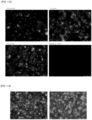
- FIG. 1-1 shows the results of adding trastuzumab-894_PEG12_(NHS) conjugate (Conjugate No. 63) in the amounts indicated in the figure.
- FIG. 1-1 shows that trastuzumab-894_PEG12_(NHS) conjugate has the ability to migrate into cells.
- FIG. 1-2 shows the results of adding trastuzumab-hTfR_000894_PEG11_(Hydradine) (Conjugate No. 60) in the amounts indicated in the figure.
- FIG. 1-2 shows that the conjugate of hTfR_000894_PEG11_(Hydradine) with trastuzumab has the ability to migrate into cells.
- trastuzumab-hTfR_000894_PEG36_K (Maleimide) synthesized as in Example 3-5 (Conjugate No. 2) was diluted in saline to 1 mg/mL.
- Protease Inhibitor Cocktail (P8340, Sigma-Aldrich Co., LLC.) was added to RIPA Buffer (FUJIFILM Wako Pure Chemical Corporation) to make a final concentration of 1% and mixed to make Lysis Buffer. Metal beads, tissue, and 20 times the volume of Lysis Buffer of the tissue weight were added to the tube, and the tissue was crushed using a bead crusher (Taitec Corporation) to make tissue crush solution. The tissue crush solution was centrifuged (11,000 ⁇ g, 4°C, 5 min), and the supernatant was collected as tissue extract.
- RIPA Buffer FIPA Buffer Wako Pure Chemical Corporation
- SULFO-labeled antibody solution SULFO-TAG Anti-Human Antibody (Goat) (500 ⁇ g/mL, Meso Scale Diagnostics, LLC) was diluted to 1 ⁇ g using Blocker Casein in PBS.
- trastuzumab-hTfR_000894_PEG11_K (Maleimide) or trastuzumab-hTfR_000894_PEG36_K (Maleimide) was diluted with blank plasma or tissue extract (from plasma or tissue extract from untreated individuals) to prepare calibration samples at concentrations from 0.195 to 200 ng/mL.
- Each tissue extract was diluted with a blank tissue extract as appropriate and used as the measurement sample.
- trastuzumab-peptide conjugates trastuzumab-hTfR_000894_PEG11_K (Maleimide) and trastuzumab-hTfR_000894_PEG36_K (Maleimide), indicated lower value than trastuzumab at all time points.
- Nivolumab was diluted in saline to 1 mg/mL.
- hTfR-KI mice male, 15 weeks old expressing human TfR were rapidly administered an administering solution of nivolumab or nivolumab-894_3m_G4S2_K (Mal) into the tail vein at a dose of 5 mg/kg (6 mice/group). Blood was drawn from the tail vein after 1 and 3 hours from administration (2 mice/time point). After 6 and 24 hours from administration, mice were anesthetized with isoflurane, blood was drawn from the right ventricle, and then perfused with saline from the left ventricle for 4 to 5 min for blood removing treatment.
- Protease Inhibitor Cocktail (P8340, Sigma-Aldrich Co., LLC.) was added to RIPA Buffer (FUJIFILM Wako Pure Chemical Corporation) to make a final concentration of 1% and mixed to make Lysis Buffer. Metal beads, tissue, and 20 times the volume of Lysis Buffer of the tissue weight were added to the tube, and the tissue was crushed using a bead crusher (Taitec Corporation) to make tissue crush solution. The tissue crush solution was centrifuged (11,000 ⁇ g, 4°C, 5 min), and the supernatant was collected as tissue extract.
- RIPA Buffer FIPA Buffer Wako Pure Chemical Corporation
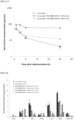
- nivolumab-peptide conjugate concentration measurements in plasma are shown in FIG 2-3 .
- Nivolumab and nivolumab-894_3m_G4S2_K (Mal) were detected in plasma at all time points evaluated and showed biphasic changes in plasma concentrations, with relatively fast decay up to 6 hours post-administration and slow decay after 6 hours post-administration.
- the nivolumab-peptide conjugate, nivolumab-894_3m_G4S2_K (Mal) indicated lower value than nivolumab at all time points.
- DAB substrate solution (Dako), prepared according to the attached document, was added dropwise to the sections and treated until moderate color development.
- counterstaining was performed with Mayer's Hematoxylin stain solution (FUJIFILM Wako Pure Chemical Corporation).
- dehydratrion and permeabilization were performed with ethanol ascending series and xylene, Eukitt (ORSAtec GmbH aka Kindler GmbH) was dropped onto the sections as an inclusion agent, and tissue specimens were prepared by covering with a cover glass.
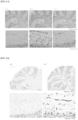
- Fig. 3-1 is a photograph alternative to the drawing showing trastuzumab-hTfR_000894_PEG11/36_K (Maleimide) (Conjugate No. 1/2) cerebellum 6 hours.
- trastuzumab-hTfR_000894_PEG11/36_K Moleimide
- Conjugate No. 1/2 cerebellum 6 hours.
- Fig. 3-2 is a photograph alternative to the drawing showing nivolumab-894_3m_G4S2_K (Mal) (Conjugate No. 11) cerebellum 6 hours.
- nivolumab-894_3m_G4S2_K (Mal) (Conjugate No. 11) cerebellum 6 hours.
- Fig. 3-3 is a photograph alternative to the drawing showing nivolumab-894_3m_GGRGRS_K (Mal) (Conjugate No. 43) cerebellum 6 hours.
- nivolumab-894_3m_GGRGRS_K (Mal) (Conjugate No. 43) cerebellum 6 hours.
Landscapes
- Health & Medical Sciences (AREA)
- Chemical & Material Sciences (AREA)
- Life Sciences & Earth Sciences (AREA)
- Organic Chemistry (AREA)
- Engineering & Computer Science (AREA)
- General Health & Medical Sciences (AREA)
- Medicinal Chemistry (AREA)
- Bioinformatics & Cheminformatics (AREA)
- Veterinary Medicine (AREA)
- Animal Behavior & Ethology (AREA)
- Public Health (AREA)
- Pharmacology & Pharmacy (AREA)
- Genetics & Genomics (AREA)
- Nuclear Medicine, Radiotherapy & Molecular Imaging (AREA)
- Chemical Kinetics & Catalysis (AREA)
- Biomedical Technology (AREA)
- General Chemical & Material Sciences (AREA)
- Immunology (AREA)
- Molecular Biology (AREA)
- Neurosurgery (AREA)
- Neurology (AREA)
- Proteomics, Peptides & Aminoacids (AREA)
- Biochemistry (AREA)
- Biophysics (AREA)
- Epidemiology (AREA)
- Psychiatry (AREA)
- Zoology (AREA)
- Oncology (AREA)
- Microbiology (AREA)
- Psychology (AREA)
- Communicable Diseases (AREA)
- Wood Science & Technology (AREA)
- General Engineering & Computer Science (AREA)
- Biotechnology (AREA)
- Hospice & Palliative Care (AREA)
- Cardiology (AREA)
- Pain & Pain Management (AREA)
- Virology (AREA)
- Dermatology (AREA)
- Urology & Nephrology (AREA)
Applications Claiming Priority (2)
| Application Number | Priority Date | Filing Date | Title |
|---|---|---|---|
| JP2021136682 | 2021-08-24 | ||
| PCT/JP2022/031933 WO2023027125A1 (ja) | 2021-08-24 | 2022-08-24 | ヒトトランスフェリンレセプター結合抗体-ペプチドコンジュゲート |
Publications (1)
| Publication Number | Publication Date |
|---|---|
| EP4393959A1 true EP4393959A1 (en) | 2024-07-03 |
Family
ID=85322888
Family Applications (1)
| Application Number | Title | Priority Date | Filing Date |
|---|---|---|---|
| EP22861413.7A Pending EP4393959A1 (en) | 2021-08-24 | 2022-08-24 | Human transferrin receptor-binding antibody-peptide conjugate |
Country Status (8)
| Country | Link |
|---|---|
| US (1) | US20240366775A1 (https=) |
| EP (1) | EP4393959A1 (https=) |
| JP (1) | JPWO2023027125A1 (https=) |
| CN (1) | CN118201966A (https=) |
| AU (1) | AU2022335128A1 (https=) |
| CA (1) | CA3229962A1 (https=) |
| IL (1) | IL311025A (https=) |
| WO (1) | WO2023027125A1 (https=) |
Families Citing this family (2)
| Publication number | Priority date | Publication date | Assignee | Title |
|---|---|---|---|---|
| TW202434613A (zh) * | 2023-02-17 | 2024-09-01 | 日商肽夢想股份有限公司 | 人類運鐵蛋白受體結合肽 |
| WO2025140565A1 (zh) * | 2023-12-27 | 2025-07-03 | 苏州瑞博生物技术股份有限公司 | 一种载体肽、含有该载体肽的缀合物、组合物及制备方法和用途 |
Family Cites Families (20)
| Publication number | Priority date | Publication date | Assignee | Title |
|---|---|---|---|---|
| US5525491A (en) | 1991-02-27 | 1996-06-11 | Creative Biomolecules, Inc. | Serine-rich peptide linkers |
| JPH06228199A (ja) | 1992-11-27 | 1994-08-16 | Takeda Chem Ind Ltd | 血液脳関門通過可能なペプチド結合体 |
| IL155812A0 (en) | 2000-12-07 | 2003-12-23 | Lilly Co Eli | Glp-1 fusion proteins |
| WO2007066627A1 (ja) | 2005-12-06 | 2007-06-14 | The University Of Tokyo | 多目的アシル化触媒とその用途 |
| TWI541024B (zh) | 2010-09-01 | 2016-07-11 | 日本新藥股份有限公司 | 反義核酸 |
| KR20140026372A (ko) * | 2011-02-02 | 2014-03-05 | 이무노퓨처 아이앤씨. | 혈액-뇌 장벽을 투과하는 약물 전달체, 펩티드 및 이의 용도 |
| CA3092114A1 (en) | 2011-05-05 | 2012-11-08 | Sarepta Therapeutics, Inc. | Peptide oligonucleotide conjugates |
| HUE045144T2 (hu) | 2012-08-29 | 2019-12-30 | Hoffmann La Roche | Véragygát-shuttle |
| TWI616531B (zh) | 2012-09-19 | 2018-03-01 | 傑姆維克斯&凱爾有限公司 | 穿膜胜肽以及包含該胜肽之共軛物及組成物(二) |
| AU2013336582A1 (en) * | 2012-10-26 | 2015-06-11 | Nlife Therapeutics, S.L. | Compositions and methods for selective delivery of oligonucleotide molecules to cell types |
| MX373052B (es) | 2014-06-17 | 2020-05-11 | Nippon Shinyaku Co Ltd | Acidos nucleicos antisentido. |
| EA039366B1 (ru) | 2015-06-24 | 2022-01-19 | Джей Си Ар ФАРМАСЬЮТИКАЛЗ КО., ЛТД. | Антитело к рецептору трансферрина человека, проникающее через гематоэнцефалический барьер |
| DK3473270T5 (da) | 2016-06-20 | 2024-09-09 | Genahead Bio Inc | Konjugat af antistof-lægemiddel |
| KR102497564B1 (ko) | 2016-12-26 | 2023-02-07 | 제이씨알 파마 가부시키가이샤 | 혈액뇌관문을 통과하는 신규한 항인간 트랜스페린 수용체 항체 |
| IL276327B2 (en) | 2018-02-05 | 2024-05-01 | Japan Chem Res | Method for delivering drug to muscle |
| CA3108282A1 (en) | 2018-08-02 | 2020-02-06 | Dyne Therapeutics, Inc. | Muscle targeting complexes and uses thereof for treating dystrophinopathies |
| US20200385461A1 (en) * | 2019-04-05 | 2020-12-10 | B-Portal Biologics, Inc. | Fusion constructs and uses thereof |
| CN113677374A (zh) | 2019-04-08 | 2021-11-19 | 国立大学法人东京医科齿科大学 | 肌疾病治疗用药物组合物 |
| WO2021054370A1 (ja) | 2019-09-18 | 2021-03-25 | 国立大学法人東京医科歯科大学 | 核酸複合体 |
| WO2021167107A1 (ja) | 2020-02-22 | 2021-08-26 | Jcrファーマ株式会社 | ヒトトランスフェリンレセプター結合ペプチド |
-
2022
- 2022-08-24 WO PCT/JP2022/031933 patent/WO2023027125A1/ja not_active Ceased
- 2022-08-24 EP EP22861413.7A patent/EP4393959A1/en active Pending
- 2022-08-24 AU AU2022335128A patent/AU2022335128A1/en active Pending
- 2022-08-24 CA CA3229962A patent/CA3229962A1/en active Pending
- 2022-08-24 IL IL311025A patent/IL311025A/en unknown
- 2022-08-24 CN CN202280070280.6A patent/CN118201966A/zh active Pending
- 2022-08-24 JP JP2023543964A patent/JPWO2023027125A1/ja active Pending
- 2022-08-24 US US18/685,909 patent/US20240366775A1/en active Pending
Also Published As
| Publication number | Publication date |
|---|---|
| CA3229962A1 (en) | 2023-03-02 |
| CN118201966A (zh) | 2024-06-14 |
| WO2023027125A1 (ja) | 2023-03-02 |
| AU2022335128A1 (en) | 2024-03-07 |
| JPWO2023027125A1 (https=) | 2023-03-02 |
| US20240366775A1 (en) | 2024-11-07 |
| IL311025A (en) | 2024-04-01 |
Similar Documents
| Publication | Publication Date | Title |
|---|---|---|
| JP7796636B2 (ja) | ヒトトランスフェリンレセプター結合ペプチド | |
| CN111163809B (zh) | 转谷氨酰胺酶缀合方法和接头 | |
| JP6676589B2 (ja) | 薬物動態特性の改善されたコンプスタチンアナログ | |
| EP4393959A1 (en) | Human transferrin receptor-binding antibody-peptide conjugate | |
| JP2025102922A (ja) | 新規lrp1結合ペプチド | |
| EP4389758A1 (en) | Human transferrin receptor?binding peptide | |
| CN109311910B (zh) | 他克莫司偶联物、其组合物、及其用途 | |
| EP4667483A1 (en) | Human transferrin receptor-binding peptide | |
| HK40083520A (en) | Human transferrin receptor binding peptide | |
| HK40105891A (zh) | 人转铁蛋白受体结合抗体-肽缀合物 | |
| CN100365014C (zh) | 肿瘤靶向剂及其应用 | |
| KR20240045202A (ko) | Ghr-결합 펜딩 펩티드 및 이를 포함하는 조성물 | |
| HK40105341A (zh) | 人转铁蛋白受体结合肽 | |
| HK40013212A (en) | Compstatin peptides with improved pharmacokinetic properties |
Legal Events
| Date | Code | Title | Description |
|---|---|---|---|
| STAA | Information on the status of an ep patent application or granted ep patent |
Free format text: STATUS: THE INTERNATIONAL PUBLICATION HAS BEEN MADE |
|
| PUAI | Public reference made under article 153(3) epc to a published international application that has entered the european phase |
Free format text: ORIGINAL CODE: 0009012 |
|
| STAA | Information on the status of an ep patent application or granted ep patent |
Free format text: STATUS: REQUEST FOR EXAMINATION WAS MADE |
|
| 17P | Request for examination filed |
Effective date: 20240222 |
|
| AK | Designated contracting states |
Kind code of ref document: A1 Designated state(s): AL AT BE BG CH CY CZ DE DK EE ES FI FR GB GR HR HU IE IS IT LI LT LU LV MC MK MT NL NO PL PT RO RS SE SI SK SM TR |
|
| DAV | Request for validation of the european patent (deleted) | ||
| DAX | Request for extension of the european patent (deleted) |