EP4393516A1 - Antibody fragment specific to c-kit positive tumors - Google Patents
Antibody fragment specific to c-kit positive tumors Download PDFInfo
- Publication number
- EP4393516A1 EP4393516A1 EP22861082.0A EP22861082A EP4393516A1 EP 4393516 A1 EP4393516 A1 EP 4393516A1 EP 22861082 A EP22861082 A EP 22861082A EP 4393516 A1 EP4393516 A1 EP 4393516A1
- Authority
- EP
- European Patent Office
- Prior art keywords
- antibody
- seq
- amino acid
- acid sequence
- kit
- Prior art date
- Legal status (The legal status is an assumption and is not a legal conclusion. Google has not performed a legal analysis and makes no representation as to the accuracy of the status listed.)
- Pending
Links
Images








Classifications
-
- C—CHEMISTRY; METALLURGY
- C07—ORGANIC CHEMISTRY
- C07K—PEPTIDES
- C07K16/00—Immunoglobulins [IG], e.g. monoclonal or polyclonal antibodies
- C07K16/18—Immunoglobulins [IG], e.g. monoclonal or polyclonal antibodies against material from animals or humans
- C07K16/24—Immunoglobulins [IG], e.g. monoclonal or polyclonal antibodies against material from animals or humans against cytokines, lymphokines or interferons
-
- A—HUMAN NECESSITIES
- A61—MEDICAL OR VETERINARY SCIENCE; HYGIENE
- A61K—PREPARATIONS FOR MEDICAL, DENTAL OR TOILETRY PURPOSES
- A61K41/00—Medicinal preparations obtained by treating materials with wave energy or particle radiation ; Therapies using these preparations
- A61K41/0057—Photodynamic therapy with a photosensitizer, i.e. agent able to produce reactive oxygen species upon exposure to light or radiation, e.g. UV or visible light; photocleavage of nucleic acids with an agent
-
- A—HUMAN NECESSITIES
- A61—MEDICAL OR VETERINARY SCIENCE; HYGIENE
- A61K—PREPARATIONS FOR MEDICAL, DENTAL OR TOILETRY PURPOSES
- A61K47/00—Medicinal preparations characterised by the non-active ingredients used, e.g. carriers or inert additives; Targeting or modifying agents chemically bound to the active ingredient
- A61K47/50—Medicinal preparations characterised by the non-active ingredients used, e.g. carriers or inert additives; Targeting or modifying agents chemically bound to the active ingredient the non-active ingredient being chemically bound to the active ingredient, e.g. polymer-drug conjugates
- A61K47/51—Medicinal preparations characterised by the non-active ingredients used, e.g. carriers or inert additives; Targeting or modifying agents chemically bound to the active ingredient the non-active ingredient being chemically bound to the active ingredient, e.g. polymer-drug conjugates the non-active ingredient being a modifying agent
- A61K47/68—Medicinal preparations characterised by the non-active ingredients used, e.g. carriers or inert additives; Targeting or modifying agents chemically bound to the active ingredient the non-active ingredient being chemically bound to the active ingredient, e.g. polymer-drug conjugates the non-active ingredient being a modifying agent the modifying agent being an antibody, an immunoglobulin or a fragment thereof, e.g. an Fc-fragment
- A61K47/6835—Medicinal preparations characterised by the non-active ingredients used, e.g. carriers or inert additives; Targeting or modifying agents chemically bound to the active ingredient the non-active ingredient being chemically bound to the active ingredient, e.g. polymer-drug conjugates the non-active ingredient being a modifying agent the modifying agent being an antibody, an immunoglobulin or a fragment thereof, e.g. an Fc-fragment the modifying agent being an antibody or an immunoglobulin bearing at least one antigen-binding site
- A61K47/6849—Medicinal preparations characterised by the non-active ingredients used, e.g. carriers or inert additives; Targeting or modifying agents chemically bound to the active ingredient the non-active ingredient being chemically bound to the active ingredient, e.g. polymer-drug conjugates the non-active ingredient being a modifying agent the modifying agent being an antibody, an immunoglobulin or a fragment thereof, e.g. an Fc-fragment the modifying agent being an antibody or an immunoglobulin bearing at least one antigen-binding site the antibody targeting a receptor, a cell surface antigen or a cell surface determinant
-
- A—HUMAN NECESSITIES
- A61—MEDICAL OR VETERINARY SCIENCE; HYGIENE
- A61K—PREPARATIONS FOR MEDICAL, DENTAL OR TOILETRY PURPOSES
- A61K47/00—Medicinal preparations characterised by the non-active ingredients used, e.g. carriers or inert additives; Targeting or modifying agents chemically bound to the active ingredient
- A61K47/50—Medicinal preparations characterised by the non-active ingredients used, e.g. carriers or inert additives; Targeting or modifying agents chemically bound to the active ingredient the non-active ingredient being chemically bound to the active ingredient, e.g. polymer-drug conjugates
- A61K47/51—Medicinal preparations characterised by the non-active ingredients used, e.g. carriers or inert additives; Targeting or modifying agents chemically bound to the active ingredient the non-active ingredient being chemically bound to the active ingredient, e.g. polymer-drug conjugates the non-active ingredient being a modifying agent
- A61K47/68—Medicinal preparations characterised by the non-active ingredients used, e.g. carriers or inert additives; Targeting or modifying agents chemically bound to the active ingredient the non-active ingredient being chemically bound to the active ingredient, e.g. polymer-drug conjugates the non-active ingredient being a modifying agent the modifying agent being an antibody, an immunoglobulin or a fragment thereof, e.g. an Fc-fragment
- A61K47/6835—Medicinal preparations characterised by the non-active ingredients used, e.g. carriers or inert additives; Targeting or modifying agents chemically bound to the active ingredient the non-active ingredient being chemically bound to the active ingredient, e.g. polymer-drug conjugates the non-active ingredient being a modifying agent the modifying agent being an antibody, an immunoglobulin or a fragment thereof, e.g. an Fc-fragment the modifying agent being an antibody or an immunoglobulin bearing at least one antigen-binding site
- A61K47/6875—Medicinal preparations characterised by the non-active ingredients used, e.g. carriers or inert additives; Targeting or modifying agents chemically bound to the active ingredient the non-active ingredient being chemically bound to the active ingredient, e.g. polymer-drug conjugates the non-active ingredient being a modifying agent the modifying agent being an antibody, an immunoglobulin or a fragment thereof, e.g. an Fc-fragment the modifying agent being an antibody or an immunoglobulin bearing at least one antigen-binding site the antibody being a hybrid immunoglobulin
- A61K47/6877—Medicinal preparations characterised by the non-active ingredients used, e.g. carriers or inert additives; Targeting or modifying agents chemically bound to the active ingredient the non-active ingredient being chemically bound to the active ingredient, e.g. polymer-drug conjugates the non-active ingredient being a modifying agent the modifying agent being an antibody, an immunoglobulin or a fragment thereof, e.g. an Fc-fragment the modifying agent being an antibody or an immunoglobulin bearing at least one antigen-binding site the antibody being a hybrid immunoglobulin the antibody being an immunoglobulin containing regions, domains or residues from different species
-
- A—HUMAN NECESSITIES
- A61—MEDICAL OR VETERINARY SCIENCE; HYGIENE
- A61K—PREPARATIONS FOR MEDICAL, DENTAL OR TOILETRY PURPOSES
- A61K49/00—Preparations for testing in vivo
- A61K49/001—Preparation for luminescence or biological staining
- A61K49/0013—Luminescence
- A61K49/0017—Fluorescence in vivo
- A61K49/0019—Fluorescence in vivo characterised by the fluorescent group, e.g. oligomeric, polymeric or dendritic molecules
- A61K49/0021—Fluorescence in vivo characterised by the fluorescent group, e.g. oligomeric, polymeric or dendritic molecules the fluorescent group being a small organic molecule
- A61K49/0032—Methine dyes, e.g. cyanine dyes
-
- A—HUMAN NECESSITIES
- A61—MEDICAL OR VETERINARY SCIENCE; HYGIENE
- A61K—PREPARATIONS FOR MEDICAL, DENTAL OR TOILETRY PURPOSES
- A61K49/00—Preparations for testing in vivo
- A61K49/001—Preparation for luminescence or biological staining
- A61K49/0013—Luminescence
- A61K49/0017—Fluorescence in vivo
- A61K49/005—Fluorescence in vivo characterised by the carrier molecule carrying the fluorescent agent
- A61K49/0058—Antibodies
-
- A—HUMAN NECESSITIES
- A61—MEDICAL OR VETERINARY SCIENCE; HYGIENE
- A61P—SPECIFIC THERAPEUTIC ACTIVITY OF CHEMICAL COMPOUNDS OR MEDICINAL PREPARATIONS
- A61P35/00—Antineoplastic agents
-
- G—PHYSICS
- G01—MEASURING; TESTING
- G01N—INVESTIGATING OR ANALYSING MATERIALS BY DETERMINING THEIR CHEMICAL OR PHYSICAL PROPERTIES
- G01N33/00—Investigating or analysing materials by specific methods not covered by groups G01N1/00 - G01N31/00
- G01N33/48—Biological material, e.g. blood, urine; Haemocytometers
- G01N33/50—Chemical analysis of biological material, e.g. blood, urine; Testing involving biospecific ligand binding methods; Immunological testing
- G01N33/58—Chemical analysis of biological material, e.g. blood, urine; Testing involving biospecific ligand binding methods; Immunological testing involving labelled substances
- G01N33/582—Chemical analysis of biological material, e.g. blood, urine; Testing involving biospecific ligand binding methods; Immunological testing involving labelled substances with fluorescent label
-
- A—HUMAN NECESSITIES
- A61—MEDICAL OR VETERINARY SCIENCE; HYGIENE
- A61K—PREPARATIONS FOR MEDICAL, DENTAL OR TOILETRY PURPOSES
- A61K39/00—Medicinal preparations containing antigens or antibodies
- A61K2039/505—Medicinal preparations containing antigens or antibodies comprising antibodies
-
- C—CHEMISTRY; METALLURGY
- C07—ORGANIC CHEMISTRY
- C07K—PEPTIDES
- C07K2317/00—Immunoglobulins specific features
- C07K2317/20—Immunoglobulins specific features characterized by taxonomic origin
- C07K2317/24—Immunoglobulins specific features characterized by taxonomic origin containing regions, domains or residues from different species, e.g. chimeric, humanized or veneered
-
- C—CHEMISTRY; METALLURGY
- C07—ORGANIC CHEMISTRY
- C07K—PEPTIDES
- C07K2317/00—Immunoglobulins specific features
- C07K2317/30—Immunoglobulins specific features characterized by aspects of specificity or valency
-
- C—CHEMISTRY; METALLURGY
- C07—ORGANIC CHEMISTRY
- C07K—PEPTIDES
- C07K2317/00—Immunoglobulins specific features
- C07K2317/50—Immunoglobulins specific features characterized by immunoglobulin fragments
- C07K2317/55—Fab or Fab'
-
- C—CHEMISTRY; METALLURGY
- C07—ORGANIC CHEMISTRY
- C07K—PEPTIDES
- C07K2317/00—Immunoglobulins specific features
- C07K2317/50—Immunoglobulins specific features characterized by immunoglobulin fragments
- C07K2317/56—Immunoglobulins specific features characterized by immunoglobulin fragments variable (Fv) region, i.e. VH and/or VL
- C07K2317/565—Complementarity determining region [CDR]
Definitions
- the present invention relates to the field of diagnosing and treating gastrointestinal stromal tumor, which is a c-KIT-positive tumor.
- Gastrointestinal stromal tumor is a tumor from mesenchymal cells under the mucosa of the gastrointestinal tract. As the tumor is usually covered by normal mucosa, it can hardly be distinguished from other types of submucosal tumors using standard endoscopy.
- Endoscopic ultrasound-guided fine needle aspiration (EUS-FNA) cytology has recently been developed, making it possible to diagnose GIST.
- EUS-FNA Endoscopic ultrasound-guided fine needle aspiration
- this requires highly advanced technology, and it is difficult to perform even EUS-FNS, especially when the tumor size is 2 cm or less.
- EUS-FNS Endoscopic ultrasound-guided fine needle aspiration
- the condition is such that follow-up is performed over time while a histological diagnosis remains impossible.
- liver metastasis and rapid tumor growth are observed even in GIST having a size of 2 cm or less. More simplified and effective diagnostic techniques and therapeutic methods are eagerly awaited.
- PET Positron emission tomography
- NIR near-infrared
- PIT photoimmunotherapy
- This is a new type of use of PDT with high selectivity reported.
- This method is a cancer therapy that minimizes side effects because it only damages cells (tumor cells) that react only with a conjugate of a specific antibody and a dye.
- the key to this therapy is antibodies specific to molecules that target cancer cells.
- Non Patent Literature 2 the research using 90Y-labeled c-KIT antibodies has been reported, and in this case, it also took several days to produce a treatment effect. Moreover, previous attempts have been made to label 64Cu using Fab fragments of anti-c-KIT antibodies, but experiments using nude mice have shown that it takes from 6 to 12 hours for uptake (Non Patent Literature 3, Table 3).
- the complex of the present invention accumulates in tumors within a short period of several hours after administration, the time required for tumor detection can be shortened. Further, since the complex of the present invention has the effect of killing a tumor when PIT treatment is performed on the tumor in which the complex has accumulated, it can be used for cancer treatment. In particular, since the same complex can be used for detection and treatment, it is also possible to perform every step from detection to treatment by administering one type of drug.
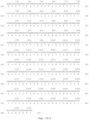
- Examples of the light chain CDR in the antigen-binding fragment described herein can include: CDRL1 consisting of the amino acid sequence set forth in SEQ ID NO: 10, CDRL2 consisting of the amino acid sequence set forth in SEQ ID NO: 11, and DRL3 consisting of the amino acid sequence set forth in SEQ ID NO: 12; or CDRL1 consisting of the amino acid sequence set forth in SEQ ID NO: 16, CDRL2 consisting of the amino acid sequence GIS (i.e., Gly, Ile, Ser), and CDRL3 consisting of the amino acid sequence set forth in SEQ ID NO: 17.
- CDRL1 consisting of the amino acid sequence set forth in SEQ ID NO: 10
- CDRL2 consisting of the amino acid sequence set forth in SEQ ID NO: 11
- DRL3 consisting of the amino acid sequence set forth in SEQ ID NO: 12
- CDRL1 consisting of the amino acid sequence set forth in SEQ ID NO: 16
- CDRL2 consisting of the amino acid sequence GIS (i.e., Gly, I
- the antigen-binding fragment described herein may have: (i) CDRH1 consisting of the amino acid sequence set forth in SEQ ID NO: 7, CDRH2 consisting of the amino acid sequence set forth in SEQ ID NO: 8, CDRH3 consisting of the amino acid sequence set forth in SEQ ID NO: 9, CDRL1 consisting of the amino acid sequence set forth in SEQ ID NO: 10, CDRL2 consisting of the amino acid sequence set forth in SEQ ID NO: 11, and DRL3 consisting of the amino acid sequence set forth in SEQ ID NO: 12; or (ii) CDRH1 consisting of the amino acid sequence set forth in SEQ ID NO: 13, CDRH2 consisting of the amino acid sequence set forth in SEQ ID NO: 14, CDRH3 consisting of the amino acid sequence set forth in SEQ ID NO: 15, CDRL1 consisting of the amino acid sequence set forth in SEQ ID NO: 16, CDRL2 consisting of the amino acid sequence GIS, and CDRL3 consisting of the amino acid sequence set forth in SEQ ID NO: 17.
- substantially higher affinity may mean 3 times or more, 4 times or more, 5 times or more, 6 times or more, 7 times or more, 8 times or more, 9 times or more, 10 times or more, 20 times or more, 30 times or more, 40 times or more, 50 times or more, or 100 times or more affinity in terms of the intensity detected by ELISA or EIA (e.g., fluorescence intensity).
- the binding rate constant (Ka1) for the binding between antigen-binding fragment and c-KIT can be, for example, 1 ⁇ 10 4 Ms -1 or more, 1 ⁇ 10 5 Ms -1 or more, or 5 ⁇ 10 5 Ms -1 or more.
- the dissociation rate constant (Kd1) for the binding between the antigen-binding fragment and c-KIT includes, for example, 1 ⁇ 10 -3 or less or 1 ⁇ 10 -4 or less.
- the antigen-binding fragment includes an antigen-binding fragment of a non-human animal and an antigen-binding fragment having an amino acid sequence of a non-human animal and a human-derive amino acid sequence.
- the antigen-binding fragment may be a humanized antigen-binding fragment.
- a humanized antigen-binding fragment is a fragment of an antibody in which the genes encoding the H chain and L chain of a human antibody are used as bases, and the primary structural parts of the six CDRs thereof have been genetically engineered to be replaced by the primary structural parts of the CDRs of the H chain (3 locations) and L chain (3 locations) of an anti-c-KIT antibody from a non-human animal.
- the antibody of the present invention is preferably a humanized antibody fragment.
- cancer refers to cells that have undergone malignant transformation such that they become pathogens to the host organism.
- cancer includes not only primary cancer but also metastatic cancer and in vitro cultures and cell lines from cancer cells.
- Cancer may be, for example, a hematopoietic tumor, which is a tumor of blood cells. Examples thereof include: leukemia such as chronic myeloid leukemia or acute myeloid leukemia; myeloma such as multiple myeloma; and lymphoma.
- the complex of the present invention has an IR700 molecule and thus can kill cancer cells with photoimmunotherapy (PIT) ( Mitsunaga M et al., Nat Med.(2011)17(12): 1685-91 .). Therefore, after the period of administering the cancer treatment composition of the present invention to a subject and allowing the composition to accumulate in the cancer has elapsed, the cancer area (i.e., an area where the composition has accumulated) is irradiated with near-infrared light, thereby allowing the cancer treatment effect to be exerted. Accordingly, the present invention relates to a cancer treatment composition containing the above-described complex as an active ingredient.
- PIT photoimmunotherapy
- the composition of the present invention can be used for detecting (diagnosing) cancer and can also be used as it is for treatment.
- the present invention includes a method for cancer detection/diagnosis and treatment, which comprises administering the composition of the present invention to a subject, detecting/diagnosing a location and size of cancer in the subject using fluorescence emitted by IR700 in the administered composition, and killing the detected/diagnosed cancer by irradiating it with near-infrared light.
- the present invention may also be a composition used for both detecting and treating cancer (a detection and treatment composition), which contains the complex as an active ingredient.
- the present invention relates to the cancer detection composition, cancer treatment composition, or use of the complex of the present invention for producing the cancer detection and treatment composition.
- the present invention also relates to the complex of the present invention for cancer detection, cancer treatment, or cancer detection and treatment.
- sesame oil, soybean oil, and the like can be used as oily liquids, to which benzyl benzoate, benzyl alcohol, and the like can be added as a solubilizing agent (see, if necessary: " Japanese Pharmaceutical Excipients Directory (JPED)" from Yakuji Nippo, Limited and " Handbook of Pharmaceutical Excipients Fifth Edition” from APhA Publications ).
- Injections can be prepared according to known methods, for example, by dissolving, suspending, or emulsifying the complex in a sterile aqueous or oily liquid commonly used for injections.
- composition of the present invention may be locally or systemically administered. There are no particular restrictions on the method of administration, and as mentioned above, it is administered parenterally or orally. Examples of parenteral administration routes include: intraocular, subcutaneous, and intraperitoneal injections or infusions; and injections or infusions into the blood (intravenous or intraarterial) or spinal fluid. Administration into the blood is preferable.
- the composition of the present invention may be administered only once or a plurality of times and may be temporary, continuous, or intermittent. Preferably, administration is carried out one to several times over a short period (within a few hours, within a few days, within 1 to 2 weeks, or the like).
- PIT treatment for cancer can be performed a plurality of times at different intervals.
- the composition is administered one to several times before near-infrared irradiation for each treatment.
- the complex of the present invention may be administered singly or in combination with other drugs.
- the dose of the composition of the present invention is not particularly limited as long as it provides the desired treatment effect or detection/diagnosis effect and can be appropriately determined depending on symptoms, gender, age, and the like.
- the dose of the composition of the present invention can be determined using, for example, the treatment effect on cancer as an index.
- a single dose of the active ingredient of the composition of the present invention may be from 0.01 to 20 mg/kg body weight, from 0.1 to 10 mg/kg body weight, or from 0.1 to 5 mg/kg body weight by intravenous injection once to several times. Similar amounts can be administered in other parenteral and oral administration cases. In the cases of particularly severe symptoms, the dose or frequency of administration (number of treatments) may be increased depending on the symptoms.
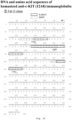
- variable region genes VH and VL
- HC heavy chain
- LC light chain
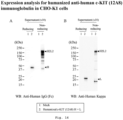
- HC fused the VH of the humanized anti-c-KIT (12A8) antibody with the human IgG constant region (Fc), and LC fused the VL of the humanized anti-c-KIT (12A8) antibody with the human Kappa chain constant region (KC).
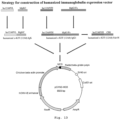
- the HC gene, LC gene, and Fab HC gene of the humanized anti-c-KIT (12A8) antibody were each inserted into a mammalian cell expression vector (pCXN2-MCS, Immuno-Biological Laboratories Co, Ltd.) ( FIG. 13 ), thereby preparing three types of antibody gene expression vectors: (i) humanized c-KIT (12A8) IgG1 (humanized c-KIT (12A8) IgG1) vector; (ii) humanized c-KIT (12A8) Ig ⁇ (humanized c-KIT (12A8)) Ig ⁇ ) vector; and (iii) humanized c-KIT (12A8) Fab H (humanized c-KIT (12A8) Fab H) vector.
- a mammalian cell expression vector pCXN2-MCS, Immuno-Biological Laboratories Co, Ltd.
- antigen recognition site of the anti-c-KIT (12A8) antibody is the extracellular region of the human c-KIT protein
- a fusion protein (c-KIT-Fc) of the c-KIT extracellular region and the Fc region of the mouse antibody was used as the antigen for EIA.
- a fusion product of the extracellular region of the human FLT4 protein and mouse antibody Fc (FLT4-Fc) was used as a negative control.
- the humanized anti-c-KIT (12A8) IgG1 antibody-producing clone culture supernatant was diluted 2-fold to 64-fold and added to an antigen solid-phase plate and a negative control plate so as to perform a primary reaction.
- the same was performed for the humanized anti-c-KIT (12A8) Fab antibody.
- the primary reaction was carried out for one hour at room temperature, and then each well was washed with phosphate-buffered saline (PBS).
- PBS phosphate-buffered saline
- the humanized anti-c-KIT (12A8) IgG1 antibody and the humanized anti-c-KIT (12A8) Fab antibody have antigen specificity.
- the humanized anti-c-KIT (12A8) IgG1 antibody was purified using a protein A column, and the humanized anti-c-KIT (12A8) Fab antibody was purified using Kan Cap G (KANEKA CORPORATION).
- IR700-labeled antibody F/P ratio Concentration Molecular weight IR700-labeled mouse anti-c-KIT (12A8) antibody 4.4 0.30mg/ml 150,000 IR700-labeled humanized anti-c-KIT (12A8) IgG1 antibody 2.0 0.826 mg/ml 150,000 IR700-labeled humanized anti-c-KIT (12A8) Fab antibody 2.2 0.536 mg/ml 50,000
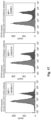
- the MFI of the IR700-labeled humanized anti-c-KIT (12A8) IgG1 antibody was similar to that when using the IR700-labeled mouse anti-c-KIT (12A8) antibody. Given the fact that the IR700-labeled mouse anti-c-KIT (12A8) antibody has a high F/P ratio of 4.4, the IR700-labeled humanized anti-c-KIT (12A8) IgG1 antibody was shown to have favorable reactivity with c-KIT.
Landscapes
- Health & Medical Sciences (AREA)
- Life Sciences & Earth Sciences (AREA)
- Chemical & Material Sciences (AREA)
- General Health & Medical Sciences (AREA)
- Medicinal Chemistry (AREA)
- Veterinary Medicine (AREA)
- Animal Behavior & Ethology (AREA)
- Public Health (AREA)
- Engineering & Computer Science (AREA)
- Immunology (AREA)
- Epidemiology (AREA)
- Molecular Biology (AREA)
- Organic Chemistry (AREA)
- Pharmacology & Pharmacy (AREA)
- Biochemistry (AREA)
- Biomedical Technology (AREA)
- Urology & Nephrology (AREA)
- Hematology (AREA)
- Nuclear Medicine, Radiotherapy & Molecular Imaging (AREA)
- Proteomics, Peptides & Aminoacids (AREA)
- Genetics & Genomics (AREA)
- Biophysics (AREA)
- Cell Biology (AREA)
- General Chemical & Material Sciences (AREA)
- Chemical Kinetics & Catalysis (AREA)
- Bioinformatics & Cheminformatics (AREA)
- Pathology (AREA)
- Physics & Mathematics (AREA)
- Biotechnology (AREA)
- Analytical Chemistry (AREA)
- General Physics & Mathematics (AREA)
- Microbiology (AREA)
- Food Science & Technology (AREA)
- Peptides Or Proteins (AREA)
- Medicines Containing Antibodies Or Antigens For Use As Internal Diagnostic Agents (AREA)
- Pharmaceuticals Containing Other Organic And Inorganic Compounds (AREA)
- Medicinal Preparation (AREA)
- Medicines That Contain Protein Lipid Enzymes And Other Medicines (AREA)
Applications Claiming Priority (2)
| Application Number | Priority Date | Filing Date | Title |
|---|---|---|---|
| JP2021139380 | 2021-08-27 | ||
| PCT/JP2022/029636 WO2023026791A1 (ja) | 2021-08-27 | 2022-08-02 | c-KIT陽性腫瘍特異的抗体断片 |
Publications (1)
| Publication Number | Publication Date |
|---|---|
| EP4393516A1 true EP4393516A1 (en) | 2024-07-03 |
Family
ID=85323099
Family Applications (1)
| Application Number | Title | Priority Date | Filing Date |
|---|---|---|---|
| EP22861082.0A Pending EP4393516A1 (en) | 2021-08-27 | 2022-08-02 | Antibody fragment specific to c-kit positive tumors |
Country Status (5)
| Country | Link |
|---|---|
| US (1) | US20250215073A1 (https=) |
| EP (1) | EP4393516A1 (https=) |
| JP (1) | JP7460063B2 (https=) |
| CN (1) | CN117980007A (https=) |
| WO (1) | WO2023026791A1 (https=) |
Families Citing this family (7)
| Publication number | Priority date | Publication date | Assignee | Title |
|---|---|---|---|---|
| WO2024040194A1 (en) | 2022-08-17 | 2024-02-22 | Capstan Therapeutics, Inc. | Conditioning for in vivo immune cell engineering |
| AU2024279278A1 (en) | 2023-05-31 | 2025-12-18 | Capstan Therapeutics, Inc. | Lipid nanoparticle formulations and compositions |
| US20250127728A1 (en) | 2023-10-05 | 2025-04-24 | Capstan Therapeutics, Inc. | Constrained Ionizable Cationic Lipids and Lipid Nanoparticles |
| WO2025076113A1 (en) | 2023-10-05 | 2025-04-10 | Capstan Therapeutics, Inc. | Ionizable cationic lipids with conserved spacing and lipid nanoparticles |
| WO2025217452A1 (en) | 2024-04-11 | 2025-10-16 | Capstan Therapeutics, Inc. | Constrained ionizable cationic lipids and lipid nanoparticles |
| WO2025217454A2 (en) | 2024-04-11 | 2025-10-16 | Capstan Therapeutics, Inc. | Ionizable cationic lipids and lipid nanoparticles |
| CN120289629B (zh) * | 2025-04-14 | 2025-09-30 | 军事科学院军事医学研究院军事兽医研究所 | 一种犬瘟热病毒h蛋白单克隆抗体2d1b1及其应用 |
Family Cites Families (1)
| Publication number | Priority date | Publication date | Assignee | Title |
|---|---|---|---|---|
| WO2020179749A1 (ja) | 2019-03-05 | 2020-09-10 | 国立大学法人東海国立大学機構 | 標的特異的複合体及びその用途 |
-
2022
- 2022-08-02 WO PCT/JP2022/029636 patent/WO2023026791A1/ja not_active Ceased
- 2022-08-02 JP JP2023543774A patent/JP7460063B2/ja active Active
- 2022-08-02 US US18/686,639 patent/US20250215073A1/en active Pending
- 2022-08-02 EP EP22861082.0A patent/EP4393516A1/en active Pending
- 2022-08-02 CN CN202280062211.0A patent/CN117980007A/zh active Pending
Also Published As
| Publication number | Publication date |
|---|---|
| US20250215073A1 (en) | 2025-07-03 |
| JP7460063B2 (ja) | 2024-04-02 |
| WO2023026791A1 (ja) | 2023-03-02 |
| JPWO2023026791A1 (https=) | 2023-03-02 |
| CN117980007A (zh) | 2024-05-03 |
Similar Documents
| Publication | Publication Date | Title |
|---|---|---|
| EP4393516A1 (en) | Antibody fragment specific to c-kit positive tumors | |
| JP7450594B2 (ja) | 治療分子 | |
| US9790274B2 (en) | Monoclonal antibodies targeting EpCAM for detection of prostate cancer lymph node metastases | |
| JP7346378B2 (ja) | 治療的psma結合分子 | |
| US11738050B2 (en) | Compounds binding to fibroblast activation protein alpha | |
| JP7063623B2 (ja) | 治療用抗体およびその使用 | |
| JP6650432B2 (ja) | 腎臓関連抗原1に対する抗体およびその抗原結合性フラグメント | |
| JP7711208B2 (ja) | Dll3に対する結合分子及びその使用 | |
| MX2010011955A (es) | Inmunoglobulinas de dominio variable doble y usos de las mismas. | |
| US20240101706A1 (en) | Development of new monoclonal antibodies recognizing human prostate-specific membrane antigen (psma) | |
| CN111108120A (zh) | 抗人类血管内皮生长因子受体的抗体及其应用 | |
| EP4183802A1 (en) | Anti-ang-2 antibody and use thereof | |
| WO2026054655A1 (en) | An antibody molecule binding human upar | |
| TW202426495A (zh) | 人源化抗人類神經降壓素受體1抗體及其應用 | |
| EA052998B1 (ru) | Конъюгат антитело-лекарственное средство, способ его получения и его противоопухолевое применение | |
| CN119790070A (zh) | 人源化抗人类神经降压素受体1抗体及其应用 | |
| HK40011472A (en) | Antibodies against kidney associated antigen 1 and antigen binding fragments thereof | |
| HK1238268A1 (en) | Antibodies against kidney associated antigen 1 and antigen binding fragments thereof | |
| NZ615694B2 (en) | Antibodies against kidney associated antigen 1 and antigen binding fragments thereof | |
| HK1193835A (en) | Antibodies against kidney associated antigen 1 and antigen binding fragments thereof | |
| HK1193835B (en) | Antibodies against kidney associated antigen 1 and antigen binding fragments thereof |
Legal Events
| Date | Code | Title | Description |
|---|---|---|---|
| STAA | Information on the status of an ep patent application or granted ep patent |
Free format text: STATUS: THE INTERNATIONAL PUBLICATION HAS BEEN MADE |
|
| PUAI | Public reference made under article 153(3) epc to a published international application that has entered the european phase |
Free format text: ORIGINAL CODE: 0009012 |
|
| STAA | Information on the status of an ep patent application or granted ep patent |
Free format text: STATUS: REQUEST FOR EXAMINATION WAS MADE |
|
| 17P | Request for examination filed |
Effective date: 20240313 |
|
| AK | Designated contracting states |
Kind code of ref document: A1 Designated state(s): AL AT BE BG CH CY CZ DE DK EE ES FI FR GB GR HR HU IE IS IT LI LT LU LV MC MK MT NL NO PL PT RO RS SE SI SK SM TR |
|
| DAV | Request for validation of the european patent (deleted) | ||
| DAX | Request for extension of the european patent (deleted) |