EP4368717A1 - Rnai agent targeting marc1 gene, and use thereof - Google Patents
Rnai agent targeting marc1 gene, and use thereof Download PDFInfo
- Publication number
- EP4368717A1 EP4368717A1 EP22838056.4A EP22838056A EP4368717A1 EP 4368717 A1 EP4368717 A1 EP 4368717A1 EP 22838056 A EP22838056 A EP 22838056A EP 4368717 A1 EP4368717 A1 EP 4368717A1
- Authority
- EP
- European Patent Office
- Prior art keywords
- seq
- sense
- antisense
- asimarc1
- olx
- Prior art date
- Legal status (The legal status is an assumption and is not a legal conclusion. Google has not performed a legal analysis and makes no representation as to the accuracy of the status listed.)
- Pending
Links
Images














Classifications
-
- C—CHEMISTRY; METALLURGY
- C12—BIOCHEMISTRY; BEER; SPIRITS; WINE; VINEGAR; MICROBIOLOGY; ENZYMOLOGY; MUTATION OR GENETIC ENGINEERING
- C12N—MICROORGANISMS OR ENZYMES; COMPOSITIONS THEREOF; PROPAGATING, PRESERVING, OR MAINTAINING MICROORGANISMS; MUTATION OR GENETIC ENGINEERING; CULTURE MEDIA
- C12N15/00—Mutation or genetic engineering; DNA or RNA concerning genetic engineering, vectors, e.g. plasmids, or their isolation, preparation or purification; Use of hosts therefor
- C12N15/09—Recombinant DNA-technology
- C12N15/11—DNA or RNA fragments; Modified forms thereof; Non-coding nucleic acids having a biological activity
- C12N15/113—Non-coding nucleic acids modulating the expression of genes, e.g. antisense oligonucleotides; Antisense DNA or RNA; Triplex- forming oligonucleotides; Catalytic nucleic acids, e.g. ribozymes; Nucleic acids used in co-suppression or gene silencing
- C12N15/1137—Non-coding nucleic acids modulating the expression of genes, e.g. antisense oligonucleotides; Antisense DNA or RNA; Triplex- forming oligonucleotides; Catalytic nucleic acids, e.g. ribozymes; Nucleic acids used in co-suppression or gene silencing against enzymes
-
- A—HUMAN NECESSITIES
- A61—MEDICAL OR VETERINARY SCIENCE; HYGIENE
- A61K—PREPARATIONS FOR MEDICAL, DENTAL OR TOILETRY PURPOSES
- A61K31/00—Medicinal preparations containing organic active ingredients
- A61K31/70—Carbohydrates; Sugars; Derivatives thereof
- A61K31/7088—Compounds having three or more nucleosides or nucleotides
- A61K31/713—Double-stranded nucleic acids or oligonucleotides
-
- A—HUMAN NECESSITIES
- A61—MEDICAL OR VETERINARY SCIENCE; HYGIENE
- A61K—PREPARATIONS FOR MEDICAL, DENTAL OR TOILETRY PURPOSES
- A61K48/00—Medicinal preparations containing genetic material which is inserted into cells of the living body to treat genetic diseases; Gene therapy
- A61K48/005—Medicinal preparations containing genetic material which is inserted into cells of the living body to treat genetic diseases; Gene therapy characterised by an aspect of the 'active' part of the composition delivered, i.e. the nucleic acid delivered
-
- A—HUMAN NECESSITIES
- A61—MEDICAL OR VETERINARY SCIENCE; HYGIENE
- A61P—SPECIFIC THERAPEUTIC ACTIVITY OF CHEMICAL COMPOUNDS OR MEDICINAL PREPARATIONS
- A61P1/00—Drugs for disorders of the alimentary tract or the digestive system
- A61P1/16—Drugs for disorders of the alimentary tract or the digestive system for liver or gallbladder disorders, e.g. hepatoprotective agents, cholagogues, litholytics
-
- C—CHEMISTRY; METALLURGY
- C07—ORGANIC CHEMISTRY
- C07H—SUGARS; DERIVATIVES THEREOF; NUCLEOSIDES; NUCLEOTIDES; NUCLEIC ACIDS
- C07H21/00—Compounds containing two or more mononucleotide units having separate phosphate or polyphosphate groups linked by saccharide radicals of nucleoside groups, e.g. nucleic acids
- C07H21/02—Compounds containing two or more mononucleotide units having separate phosphate or polyphosphate groups linked by saccharide radicals of nucleoside groups, e.g. nucleic acids with ribosyl as saccharide radical
-
- C—CHEMISTRY; METALLURGY
- C12—BIOCHEMISTRY; BEER; SPIRITS; WINE; VINEGAR; MICROBIOLOGY; ENZYMOLOGY; MUTATION OR GENETIC ENGINEERING
- C12Y—ENZYMES
- C12Y107/00—Oxidoreductases acting on other nitrogenous compounds as donors (1.7)
-
- C—CHEMISTRY; METALLURGY
- C12—BIOCHEMISTRY; BEER; SPIRITS; WINE; VINEGAR; MICROBIOLOGY; ENZYMOLOGY; MUTATION OR GENETIC ENGINEERING
- C12N—MICROORGANISMS OR ENZYMES; COMPOSITIONS THEREOF; PROPAGATING, PRESERVING, OR MAINTAINING MICROORGANISMS; MUTATION OR GENETIC ENGINEERING; CULTURE MEDIA
- C12N2310/00—Structure or type of the nucleic acid
- C12N2310/10—Type of nucleic acid
- C12N2310/11—Antisense
-
- C—CHEMISTRY; METALLURGY
- C12—BIOCHEMISTRY; BEER; SPIRITS; WINE; VINEGAR; MICROBIOLOGY; ENZYMOLOGY; MUTATION OR GENETIC ENGINEERING
- C12N—MICROORGANISMS OR ENZYMES; COMPOSITIONS THEREOF; PROPAGATING, PRESERVING, OR MAINTAINING MICROORGANISMS; MUTATION OR GENETIC ENGINEERING; CULTURE MEDIA
- C12N2310/00—Structure or type of the nucleic acid
- C12N2310/10—Type of nucleic acid
- C12N2310/14—Type of nucleic acid interfering nucleic acids [NA]
-
- C—CHEMISTRY; METALLURGY
- C12—BIOCHEMISTRY; BEER; SPIRITS; WINE; VINEGAR; MICROBIOLOGY; ENZYMOLOGY; MUTATION OR GENETIC ENGINEERING
- C12N—MICROORGANISMS OR ENZYMES; COMPOSITIONS THEREOF; PROPAGATING, PRESERVING, OR MAINTAINING MICROORGANISMS; MUTATION OR GENETIC ENGINEERING; CULTURE MEDIA
- C12N2310/00—Structure or type of the nucleic acid
- C12N2310/30—Chemical structure
- C12N2310/31—Chemical structure of the backbone
-
- C—CHEMISTRY; METALLURGY
- C12—BIOCHEMISTRY; BEER; SPIRITS; WINE; VINEGAR; MICROBIOLOGY; ENZYMOLOGY; MUTATION OR GENETIC ENGINEERING
- C12N—MICROORGANISMS OR ENZYMES; COMPOSITIONS THEREOF; PROPAGATING, PRESERVING, OR MAINTAINING MICROORGANISMS; MUTATION OR GENETIC ENGINEERING; CULTURE MEDIA
- C12N2310/00—Structure or type of the nucleic acid
- C12N2310/30—Chemical structure
- C12N2310/31—Chemical structure of the backbone
- C12N2310/315—Phosphorothioates
-
- C—CHEMISTRY; METALLURGY
- C12—BIOCHEMISTRY; BEER; SPIRITS; WINE; VINEGAR; MICROBIOLOGY; ENZYMOLOGY; MUTATION OR GENETIC ENGINEERING
- C12N—MICROORGANISMS OR ENZYMES; COMPOSITIONS THEREOF; PROPAGATING, PRESERVING, OR MAINTAINING MICROORGANISMS; MUTATION OR GENETIC ENGINEERING; CULTURE MEDIA
- C12N2310/00—Structure or type of the nucleic acid
- C12N2310/30—Chemical structure
- C12N2310/32—Chemical structure of the sugar
-
- C—CHEMISTRY; METALLURGY
- C12—BIOCHEMISTRY; BEER; SPIRITS; WINE; VINEGAR; MICROBIOLOGY; ENZYMOLOGY; MUTATION OR GENETIC ENGINEERING
- C12N—MICROORGANISMS OR ENZYMES; COMPOSITIONS THEREOF; PROPAGATING, PRESERVING, OR MAINTAINING MICROORGANISMS; MUTATION OR GENETIC ENGINEERING; CULTURE MEDIA
- C12N2310/00—Structure or type of the nucleic acid
- C12N2310/30—Chemical structure
- C12N2310/32—Chemical structure of the sugar
- C12N2310/321—2'-O-R Modification
-
- C—CHEMISTRY; METALLURGY
- C12—BIOCHEMISTRY; BEER; SPIRITS; WINE; VINEGAR; MICROBIOLOGY; ENZYMOLOGY; MUTATION OR GENETIC ENGINEERING
- C12N—MICROORGANISMS OR ENZYMES; COMPOSITIONS THEREOF; PROPAGATING, PRESERVING, OR MAINTAINING MICROORGANISMS; MUTATION OR GENETIC ENGINEERING; CULTURE MEDIA
- C12N2310/00—Structure or type of the nucleic acid
- C12N2310/30—Chemical structure
- C12N2310/35—Nature of the modification
- C12N2310/351—Conjugate
Definitions
- the present disclosure relates to an RNAi agent targeting a mitochondrial amidoxime reducing component 1 (MARC1) gene and a use thereof, specifically, the present disclosure relates an RNAi agent including an antisense strand having sequence complementarity to a MARC1 mRNA sequence and a sense strand having sequence complementarity to the antisense strand, and a pharmaceutical composition including the RNAi agent for preventing or treating liver disease, such as non-alcoholic fatty liver disease.
- MARC1 mitochondrial amidoxime reducing component 1
- Fatty liver is a disease in which triglycerides are accumulated in hepatocytes and is reported to be a complication of obesity or caused by various other causes, such as alcohol, diabetes, malnutrition, and drug abuse.
- Fatty liver disease is divided into alcoholic fatty liver disease caused by excessive alcohol intake and non-alcoholic fatty liver disease (NAFLD), in which triglycerides are accumulated in the liver regardless of alcohol intake, and nonalcoholic fatty liver disease includes simple steatosis and nonalcoholic steatohepatitis (NASH).
- Simple steatosis has a relatively good prognosis, but when fat accumulation becomes severe, the disease progresses to inflammation, that is, steatohepatitis.
- steatohepatitis In the liver with extensive steatohepatitis, necrosis of hepatocytes appears, and stellate cells are activated to cause fibrosis, in particular, severe perisinusoidal fibrosis at the end of the hepatic vein occurs. Therefore, if steatohepatitis is left unattended, it may develop into liver fibrosis or cirrhosis, resulting in poor prognosis. 15 % to 50 % of patients with nonalcoholic steatohepatitis develop hepatic fibrosis or cirrhosis, and 30 % of patients with fibrosis develop cirrhosis after 10 years.
- Nonalcoholic fatty liver disease is closely related to various metabolic syndromes such as obesity, heart disease, and diabetes, and in this regard, drugs with inhibitory effects on metabolic syndrome, such as insulin resistance improver, antioxidants, hyperlipidemia drugs, hepatic protectant, and angiotensin II receptor antagonists, have been clinically tried.
- drugs with clinical evidence for treatment of non-alcoholic fatty liver disease have not been developed, and all drugs currently in use are off-label drugs that may be selected as suboptimal solutions, but these existing off-label drugs lack clinical evidence and have limitations in their use due to safety issues, etc.
- RNA interference small interfering RNA
- the present inventors developed an RNA agent using RNA interference technology as a result of earnest research efforts to develop a new safe drug that exhibits effects of improvement in regard to clinical indicators of nonalcoholic steatohepatitis.
- An object of the present disclosure is to provide an RNAi agent that specifically inhibits expression of MARC1.
- Another object of the present disclosure is to provide a pharmaceutical composition including the RNAi agent for preventing or treating liver disease, or a method of preventing or treating liver disease.
- an aspect provides an RNAi agent including: an antisense strand having sequence complementarity to the mRNA sequence of mitochondrial amidoxime reducing component 1 (MARC1), and is 19 nt to 21 nt in length (nt); and a sense strand having sequence complementarity to the antisense strand, and is 15 nt to 17 nt in length, wherein the 5' end of the antisense strand and the 3' end of the sense strand form a blunt end.
- MMC1 mitochondrial amidoxime reducing component 1
- Another aspect provides a pharmaceutical composition including the RNAi agent as an active ingredient for preventing or treating liver disease.
- Still another aspect provides a method of preventing or treating liver disease, including administering the RNAi agent to a subject.
- Still another aspect provides a use of the RNAi agent for manufacturing a pharmaceutical product for preventing or treating liver disease.
- An RNAi agent according to an aspect may inhibit expression of MARC1 by binding to and degrading the mRNA encoding MARC1 while alleviating side effects such as non-specific immune responses and off-target effects.
- RNAi agent exhibits effects such as alleviation of fat accumulation in liver tissue, reduction of inflammation, reduction of liver fibrosis, and alleviation of symptoms of nonalcoholic steatohepatitis, by targeting the hepatocyte surface receptor, and therefore, may be useful as a targeted therapy for liver diseases including non-alcoholic fatty liver disease, liver fibrosis, and liver cirrhosis.
- An aspect provides an RNAi agent including: an antisense strand having sequence complementarity to the mRNA sequence of mitochondrial amidoxime reducing component 1 (MARC1), and is 19 nt to 21 nt in length (nt); and a sense strand having sequence complementarity to the antisense strand, and is 15 nt to 17 nt in length, wherein the 5' end of the antisense strand and the 3' end of the sense strand form a blunt end.
- MMC1 mitochondrial amidoxime reducing component 1
- RNA interference refers to a mechanism for suppressing expression of a target gene by inducing degradation of mRNA of the target gene by introduction of double-stranded RNA (dsRNA) composed of a strand having a sequence homology to the target gene mRNA and a strand having a sequence complementary to the aforementioned strand.
- dsRNA double-stranded RNA
- RNAi agents or “nucleic acid molecules inducing RNAi”, used herein, refers to any agent or nucleic acid molecule that is capable of inhibiting or downregulating gene expression or viral replication by mediating the RNA interference in a sequence-specific manner.
- the term may refer to both an individual nucleic acid molecule, a plurality of the nucleic acid molecules, or a pool of the nucleic acid molecules.
- the RNAi agent may be siRNA.
- small interfering RNA refers to a short double-stranded RNA (dsRNA) that sequence-specifically mediates efficient gene silencing.
- the term "gene”, used herein, should be considered in its broadest sense, and may encode a structural protein or a regulatory protein.
- the regulatory protein includes a transcription factor, a heat shock protein, or a protein involved in DNA/RNA replication, transcription, and/or translation.
- the target gene to be suppressed is inherent in the viral genome, and may be integrated into an animal genome or exist as an extrachromosomal component.
- antisense strand refers to a polynucleotide that is substantially or 100 % complementary to a target nucleic acid of interest, and may be complementary in whole or in part with, for example, messenger RNA (mRNA), non-mRNA RNA sequences (e.g., microRNA, piwiRNA, tRNA, rRNA and hnRNA), or coding or non-coding DNA sequences.
- mRNA messenger RNA
- non-mRNA RNA sequences e.g., microRNA, piwiRNA, tRNA, rRNA and hnRNA
- coding or non-coding DNA sequences coding or non-coding DNA sequences.
- ense strand refers to a polynucleotide having the same nucleic acid sequence as a target nucleic acid, or a polynucleotide in whole or in part the same with, for example, messenger RNA (mRNA), non-mRNA RNA sequences (e.g., microRNA, piwiRNA, tRNA, rRNA and hnRNA), or coding or non-coding DNA sequences.
- mRNA messenger RNA
- non-mRNA RNA sequences e.g., microRNA, piwiRNA, tRNA, rRNA and hnRNA
- coding or non-coding DNA sequences coding or non-coding DNA sequences.
- complementarity refers to a generally accepted meaning in the art.
- the term generally may refer to formation or presence of hydrogen bond(s) between one nucleic acid sequence and another nucleic acid sequence, either by traditional Watson-Crick bonding or other non-traditional types of bonding as described herein. Perfect complementarity may mean that all contiguous residues of a nucleic acid sequence hydrogen bond with the same number of contiguous residues in a second nucleic acid sequence.
- Partial complementarity within a nucleic acid molecule may include various mismatches or non-base-paired nucleotides (e.g., 1, 2, 3, 4, 5, 6, 7, 8, 9, or 10 or more mismatches, e.g., 1 to 3 mismatches, non-nucleotide linkers, or non-base pair nucleotides).
- the partial complementarity may result in bulges, loops, overhangs, or blunt ends between a sense strand and an antisense strand of a nucleic acid molecule, or between an antisense strand of a nucleic acid molecule and a corresponding target nucleic acid molecule.
- blunt end refers to a generally accepted meaning in the art.
- the term may refer to an end of a double-stranded siRNA molecule that lacks overhanging nucleotides.
- the siRNA molecules described herein may be such that the 5'-end of an antisense strand and the 3'-end of a sense strand form a blunt end.
- MARC1 Mitochondrial amidoxime reducing component 1
- MOSC1 molybdenum containing molybdenum
- MARC1 enzyme deficiency is associated with low blood cholesterol level, low blood liver enzyme level, reduced liver fat, and reduced risk of developing cirrhosis, making it a potential therapeutic target for liver disease.
- the MARC1 protein may be interpreted to include the naturally occurring wild-type MARC1 and functional variants thereof, and the sequence of the MARC1 protein or a gene encoding the same may be obtained from a known database such as GenBank of the US National Institutes of Health.
- expression refers to the generally accepted meaning in the art.
- the term may generally refer to a process by which a gene ultimately produces a protein.
- the expression includes, but is not limited to, transcription, splicing, post-transcriptional modification, or translation.
- an expression level may be determined or monitored by detection of an mRNA level or a protein level.
- the reduction may be, for example, at least 30 %, 35 %, 40 %, 45 %, 50 %, 55 %, 60 %, 60 %, 65 %, 70 %, 70 %, 80 %, 85 %, 90 %, or 95 % or more, but it may be below the detection limit, depending on the detection or measurement method.
- siRNA is a small interfering RNA and is involved in RNA interference (RNAi).
- RNAi is an intracellular gene regulation mechanism first discovered in 1998 in Caenorthabditis elegans , and its mechanism of action is known to induce target gene degradation by an antisense strand, which is one of RNA double strands which are introduced into the cell, that complementarily binds to mRNA of a target gene, and RNAi has recently been one of the most popular candidate technologies for developing new drugs.
- siRNA is an effective method for directly regulating expression of a target gene, it is difficult to develop a therapeutic agent due to these issues.
- asymmetric shorter duplex siRNA (asiRNA) is an asymmetric RNAi-induced structure having a shorter double helix length compared to the 19+2 structure of siRNA in the art.
- asiRNA technology overcame issues such as off-target effect, saturation of RNAi mechanism, and immune response by TLR3, which are identified in the existing siRNA structure technology, and accordingly, it is possible to develop new RNAi drugs with low side effects.
- siRNA including a sense strand and an antisense strand complementary to the sense strand is presented in this example, and siRNA according to an example does not cause issues such as off-target effect, saturation of RNAi machinery, etc., and thereby, may inhibit expression of an MARC1 gene to a desired degree while stably maintaining high delivery efficiency.
- asymmetric siRNAs targeting MARC1 were designed and prepared, and after transfection of the asiRNAs into cells expressing MARC1, nucleic acid molecules for inducing RNAi with excellent knockdown efficiency, i.e., MARC1 asiRNAs, were selected.
- the RNAi agent may be characterized in that the sense strand has a length of 15 nt to 17 nt, and the antisense strand has a length of 19 nt to 21 nt. More preferably, a length of the sense strand may be 16 nt, and a length of the antisense strand complementary thereto may be 19 nt, 20 nt, or 21 nt, but is not limited thereto.
- the 5'-end of the antisense strand and the 3'-end of the sense strand may form a blunt end.
- the 3' end of the antisense strand may include, for example, an overhang of 2 nt to 6 nt.
- the sense strand may be a sequence selected from the sense strand sequences listed in Table 1, Table 10, Table 11, Table 12, Table 13, and Table 14, and the antisense strand may include a sequence selected from the antisense strand sequences listed in Table 1, Table 10, Table 11, Table 12, Table 13, and Table 14.
- the sense strand may be, for example, any one selected from the group consisting of SEQ ID NO: 149, SEQ ID NO: 159, SEQ ID NO: 177, SEQ ID NO: 179, SEQ ID NO: 183, SEQ ID NO: 197, SEQ ID NO: 199, SEQ ID NO: 227, SEQ ID NO: 247, SEQ ID NO: 251, SEQ ID NO: 257, SEQ ID NO: 259, SEQ ID NO: 261, SEQ ID NO: 273, SEQ ID NO: 285, SEQ ID NO: 287, SEQ ID NO: 331, SEQ ID NO: 353, SEQ ID NO: 387, SEQ ID NO: 391, SEQ ID NO: 399, SEQ ID NO: 423 , SEQ ID NO: 429, SEQ ID NO: 431, SEQ ID NO: 435, SEQ ID NO: 439, SEQ ID NO: 443, SEQ ID NO: 445, SEQ ID NO: 447, and SEQ ID NO: 527
- the antisense strand may be, for example, any one selected from the group consisting of SEQ ID NO: 150, SEQ ID NO: 160, SEQ ID NO: 178, SEQ ID NO: 180, SEQ ID NO: 184, SEQ ID NO: 198, SEQ ID NO: 200, SEQ ID NO: 228, SEQ ID NO: 248, SEQ ID NO: 252, SEQ ID NO: 258, SEQ ID NO: 260, SEQ ID NO: 262, SEQ ID NO: 274, SEQ ID NO: 286, SEQ ID NO: 288, SEQ ID NO: 332, SEQ ID NO: 354, SEQ ID NO: 388, SEQ ID NO: 392, SEQ ID NO: 400, SEQ ID NO: 424 , SEQ ID NO: 430, SEQ ID NO: 432, SEQ ID NO: 436, SEQ ID NO: 440, SEQ ID NO: 444, SEQ ID NO: 446, SEQ ID NO: 448, and SEQ ID NO: 528, or for example,
- the sense strand or the antisense strand may include one or more chemical modifications.
- siRNA cannot pass through the cell membrane due to high negative charge and high molecular weight of the phosphate backbone structure, and is rapidly degraded and eliminated from the blood, making it difficult to deliver a sufficient amount to an actual target site for RNAi induction.
- many high-efficiency delivery methods using cationic lipids and cationic polymers have been developed, however, in case of in vivo , it is difficult to deliver siRNA with as high efficiency as in vitro , and there is an issue of reduced siRNA delivery efficiency due to interaction with various proteins existing in the living body.
- RNAi agent having improved hepatocyte targeted delivery ability by introduction of chemical modifications to the asymmetric siRNA structure
- an asymmetric siRNA construct (GalNAc asymmetric siRNA, GalNAc-asiRNA) capable of effective intracellular delivery without a separate carrier.
- the chemical modification in the sense strand or the antisense strand may include one or more selected from the group consisting of: binding with an N-acetylgalactosamine (GalNAc) derivative; modification of a nucleotide bond with phosphorothioate, boranophosphate, or methyl phosphonate; substitution of an -OH group at the 2' carbon position of the sugar structure of a nucleotide with -CH 3 (methyl), - OCH 3 (methoxy), -NH 2 , -F, -O-2-methoxyethyl-O-propyl, -O-2-methyl methylthioethyl, -O-3-aminopropyl, or -O-3-dimethylaminopropyl; and binding of a phosphate group, E-vinylphosphonate, or a cell penetrating peptide.
- GalNAc N-acetylgalactosamine
- the N-acetylgalactosamine (GalNAc) derivative may have a structure of Formula 1 below.
- the N-acetylgalactosamine (GalNAc) derivative recognizes asialoglycoprotein (ASGPR) receptors on the surface of a hepatocyte and helps RNAi agents to flow into the hepatocyte, that is, acts as an ASGPR targeting moiety, and thus, the RNAi agent, in which the N-acetylgalactosamine (GalNAc) derivative is bound to an end have improved delivery to hepatocytes and may provide an effective targeted treatment for liver diseases.
- ASGPR asialoglycoprotein
- the sense strand may include one or more chemical modifications selected from: modification of 2 to 4 nucleotide bonds adjacent to the 5' end with phosphorothioate, boranophosphate, or methyl phosphonate; substitution of an -OH group at the 2' carbon position of the sugar structure of at least one nucleotide with -CH 3 (methyl), -OCH 3 (methoxy), -NH 2 , -F, -O-2-methoxyethyl-O-propyl, -O-2-methyl methylthioethyl, -O-3-aminopropyl, or -O-3-dimethylaminopropyl; and binding with an N-acetylgalactosamine (GalNAc) derivative, or a cell penetrating peptide at the 3' end.
- GalNAc N-acetylgalactosamine
- the antisense strand may include one or more chemical modifications selected from: modification of 2 to 7 nucleotide bonds adjacent to the 3' end or the 5' end with phosphorothioate, boranophosphate, or methyl phosphonate; substitution of an -OH group at the 2' carbon position of the sugar structure of at least one nucleotide with -CH 3 (methyl), -OCH 3 (methoxy), -NH 2 , -F, -O-2-methoxyethyl-O-propyl, - O-2-methyl methylthioethyl, -O-3-aminopropyl, or-O-3-dimethylaminopropyl; and binding with a phosphate group, E-vinylphosphonate, or a cell penetrating peptide at the 5' end.
- the RNAi agent may include at least one modification selected from the group consisting of: modification of 2 to 7 nucleotide bonds adjacent to the 3' end or the 5' end in a sense or an antisense strand to phosphorothioate; modification of an -OH group at the 2' carbon position of the sugar structure of at least one nucleotide in a sense strand or an antisense strand to -OCH 3 (methoxy), or -F; binding to an N-acetylgalactosamine (GalNAc) derivative at the 3' end of the sense strand; and binding with a phosphate group, or E-vinylphosphonate at the 5' end of an antisense strand.
- modification of 2 to 7 nucleotide bonds adjacent to the 3' end or the 5' end in a sense or an antisense strand to phosphorothioate modification of an -OH group at the 2' carbon position of the sugar structure of at least one nucleotide in a sense
- the sense strand may be a sequence selected from the antisense strand sequences listed in Table 2, Table 15, Table 16, and Table 17, and the antisense strand may include a sequence selected from the sense strand sequences listed in Table 2, Table 15, Table 16, and Table 17.
- the sense strand may be any one selected from the group consisting of (A) to (O) in the table below
- the antisense strand may be any one selected from the group consisting of (a) to (q) in the table below.
- Sequence (5' -> 3' ) (A) mG*fC*mGfCfAfGmCfUmCfUmGfGmAfUmCfU-GalNAc (B) mC*fC*mAfGfAfUmUfGmCfUmUfAmCfUmCfA-GalNAc (C) mC*fG*mAfAfAfGmUfUmAfUmGfGmAfA-GalNAc (D) mA*fC*mUfAfCfUmGfAmAfAmAfCmCfUmUfA-GalNAc (E) mG*fC*mAfUfUfUfA
- * means a phosphorothioated bond
- m means 2'-O-methyl
- f means 2'-fluoro
- GalNAc means a trivalent GalNAc derivative of Formula 1
- P means 5' -phosphate group
- EVP means 5'-E-vinylphosphonate bond.
- the sense strand and antisense strand of the RNAi agent may be a sequence of the following sense strands and antisense strands selected from the above table.
- Sense strand Antisense strand 1 (A) (a) or (b) 2 (B) (c), (m), (n), (o), or (p) 3 (C) (d) 4 (D) (e) 5 (E) (f) 6 (F) (g) 7 (G) (h) 8 (H) (i) 9 (I) (j) 10 (J) (k) 11 (K) (l) 12 (L) (m), (n), (o), or (p) 13 (M) (m), (n), (o), or (p) 14 (N) (m), (n), (o), or (p) 15 (O) (q)
- Another aspect provides a pharmaceutical composition for preventing or treating a liver disease including the RNAi agent as an active ingredient.
- Still another aspect provides a use of the RNAi agent for manufacturing a pharmaceutical product for preventing or treating a liver disease.
- the pharmaceutical composition contains or uses the above-described RNAi agent as it is, descriptions thereof are omitted in order to avoid excessive complexity of the present specification.
- the pharmaceutical composition may be utilized as an active ingredient of a pharmaceutical composition for preventing or a treating liver disease by inhibiting expression of a MARC1 gene.
- the liver disease includes fatty liver, liver fibrosis, or cirrhosis.
- fatty liver refers to an occurrence of phenomenon in which triglycerides, which do not exist in normal cells, are abnormally deposited in hepatocytes. About 5 % of normal liver is composed of fatty tissue, and triglycerides, fatty acids, phospholipids, cholesterol and cholesterol esters are main components of fat, however, once fatty liver occurs, most of the components are replaced with triglycerides, and when an amount of triglycerides is more than 5 % of the liver weight, fatty liver is diagnosed.
- the fatty liver may be "non-alcoholic fatty liver disease (NAFLD)", and the “non-alcoholic fatty liver disease (NAFLD)” is a disease in which triglycerides are accumulated in the liver regardless of drinking and may be defined as a case in which fatty acids are accumulated in the parenchymal cells of the liver by 5% or more in the form of triglycerides.
- the non-alcoholic fatty liver disease may be simple steatosis or non-alcoholic steatohepatitis (NASH).
- NASH non-alcoholic steatohepatitis
- Steatosis with severe fat accumulation progresses to inflammation, that is, steatohepatitis, and when left untreated for a long time, steatohepatitis may lead to serious liver diseases such as hepatitis, liver fibrosis, and cirrhosis.
- Incidence of simple steatosis rises significantly from 10 % to 15 % in people with normal weight to 80 % in overweight people, therefore, in order to effectively treat nonalcoholic steatohepatitis, it may be important to contain the progression to the next step by effectively reducing accumulation of triglycerides in the liver, and by improving inflammation of steatohepatitis while inhibiting the progression of nonalcoholic steatosis to steatohepatitis.
- RNAi agent means an appropriate effective amount of an ingredient that brings about a beneficial or desirable clinical or biochemical outcome. Specifically, the term may refer to an agent, an active agent, or an RNAi agent of an effective amount.
- the effective amount may be administered one or more times, and unlimitedly may be an appropriate amount for preventing a disease, alleviating symptoms, reducing the extent of the disease, stabilizing (i.e., not exacerbating) the disease state, delaying or reducing the rate of disease progression, or improving or temporarily alleviating and ameliorating (partially or fully) the disease state.
- prevention refers to any action that blocks an occurrence of a disease in advance, suppresses a disease, or delays progression thereof.
- the term refers to preventing the liver disease or occurrence of characteristics thereof, interrupting the occurrence, or defending or protecting from the liver disease or occurrence of the characteristics thereof.
- treatment refers to both therapeutic treatment and preventive or prophylactic measures. In addition, it refers to any action in which the symptoms of a disease are improved or beneficially changed. For example, the term refers to preventing, reducing or improving the liver disease or characteristics thereof, or delaying (attenuating) progression of the liver disease or characteristics thereof in a subject.
- ⁇ ективное amount refers to a generally accepted meaning in the art.
- the term generally refers to an amount of a molecule, compound, or construct that elicits an intended biological response (e.g., a beneficial response) in a cell, tissue, a system, an animal, or a human, sought by researchers, veterinarians, physicians, or other clinicians, etc.
- a "therapeutically effective amount” refers to an amount of a molecule, compound, or construct that is capable of eliciting a desirable medical response to the extent that a particular clinical treatment may be considered effective, due to, for example, a therapeutically relevant change in a measurable parameter associated with the disease or disorder.
- the therapeutically effective amount of a drug for treatment of a disease or a disorder may be an amount necessary to cause a therapeutically relevant change in the parameter.
- a method of administering the pharmaceutical composition may be determined by a person skilled in the art based on the symptoms of the patient and the severity of the disease.
- the pharmaceutical composition may be formulated in various forms such as powders, tablets, capsules, solutions, injections, ointments, syrups, etc., and may be provided in unit-dose or multi-dose containers, for example, sealed ampoules and bottles.
- composition of the present disclosure may be administered orally or parenterally.
- Routes of administration of the composition according to the present disclosure may be, for example, oral, intravenous, intramuscular, intraarterial, intramedullary, intrathecal, intracardiac, transdermal, subcutaneous, intraperitoneal, intestinal, sublingual, or topical, but are not limited thereto.
- Dosage of the composition according to the present disclosure varies depending on the patient's weight, age, sex, health status, diet, administration time, method, excretion rate, or severity of disease, etc. and may be readily determined by those of average skill in the art.
- the composition of the present disclosure may be formulated into a suitable formulation for clinical administration using known techniques.
- Another aspect provides a method of preventing or treating liver disease, including administering the RNAi agent to a subject.
- liver disease contains or uses the above-described pharmaceutical composition as it is, descriptions thereof are omitted in order to avoid excessive complexity of the present specification.
- subject refers to a subject in need of treatment for a disease, specifically, liver disease, and more specifically, the term may include all mammals such as a human or a non-human primate, a mouse, a dog, a cat, a horse, a cow, sheep, a pig, a goat, a camel, and an antelope.
- Example 1 Screening and evaluating of therapeutic efficacy of nucleic acid molecules for inducing RNAi
- MARC1 asymmetric siRNAs for the same were designed (sense strand (16-mer), antisense strand (19-mer)).
- siRNAs siRNAs
- nucleotide sequences showing a certain level of homology were selected, based on the nucleotide sequences having a common target with a mouse, in consideration of animal experiments, and a total of 50 asiRNAs were designed and the same were synthesized at 10 nmole scale by IDT Korea, Inc.
- the synthesized asiRNAs were annealed through an incubation process at 95 °C for 5 minutes and 37 °C for 25 minutes, and after 12 % polyacrylamide gel electrophoresis (PAGE), quality control (QC) was performed by using a ChemiDoc UV transilluminator (Biorad).
- PAGE polyacrylamide gel electrophoresis
- QC quality control
- the MARC1 asiRNAs were transfected into Huh7 cells, and quantitative reverse transcription PCR (qRT-PCR) was performed to measure levels of MARC1 mRNA expression.
- qRT-PCR quantitative reverse transcription PCR
- the Huh7 cells were seeded at 8 ⁇ 10 3 cells/well in a 96 well plate, and MARC1 asiRNA (10 nM, OliX Inc.) and RNAiMax (2 ⁇ l/ml, Invitrogen Inc. 13778150) were added thereto, and transfection was performed according to the protocol provided by Invitrogen.
- RNA was extracted by using a RNeasy Plus Mini Kit (Qiagen, 74136), and cDNA was synthesized through the reverse transcription process using the mRNA contained therein as a template. Thereafter, a PCR mixture was prepared using TB Green (Takara, RR820A), and quantitative PCR was performed in a StepOne Real-Time PCR system according to the manufacturer's instructions. On the other hand, in this example, a group (NT) in which only a transfection reagent was used was used as a control group.
- MARC1 asiRNAs among the MARC1 asiRNAs prepared in Example 1 were subjected to designing of asymmetric siRNAs into which GalNAc ligands and chemical modifications are introduced.
- MARC1 GalNAc-asiRNAs were prepared by introducing various chemical modifications (2'OMe, PS, Fluoro, etc.) and binding a derivative labeled "trivalent GalNAc" to the 3' end of the sense strand.
- GalNAc-asiRNA name Sequence(5' ⁇ 3') OLX-001-1 sense mG*fC*mUfCfUfGmGfAmUfCmUfAmCfCmCfU-GalNAc antisense P-mA*fG*mGmGmUfAmGfAfUmCmCmAmGfAmG*fC*mU*mG*mC OLX-002-1 sense m C*fA*m GfCfUfC m UfG m GfAm UfCm UfAm CfC-Gal NAc antisense P-mG*fG*mUmAmGfAmUfCfCmAmGmAmGfCmU*fG*mC*mG*mC OLX-003-1 sense mG*fC*mAfGfCfUmCfUmGfGmAfUmCfUmAfC-GalNAc antisense P
- "*” means a form in which an existing phosphodiester bond is substituted by a phosphorothioate bond
- "m” means a form in which an existing 2'-OH is substituted with 2'-O-methyl
- “f” means, for example, in case of fG, a form in which 2'-OH of existing guanine (G) is substituted with fluorine
- "P” means a form in which a phosphate group is bonded to the 5'-end (a phosphate group is bonded to an oxygen bonded to the 5th carbon in the 5' end base).
- “GalNAc” refers to a form in which a trivalent GalNAc derivative of Formula 1 below is bonded to the 3' end of a sense strand.
- MARC1 GalNAc-asiRNA In order to identify expression inhibitory efficiency at an mRNA level, after transfection of the MARC1 GalNAc-asiRNA into mouse primary hepatocytes derived from a C57BL/6 mouse, qRT-PCR was performed to measure expression levels of MARC1 mRNA. Specifically, the primary hepatocytes were seeded at 7.5 ⁇ 10 4 cells/well in a 24-well plate, and treated with MARC1 GalNAc-asiRNA (200 nM, OliX US, Inc.).
- cell lysate was prepared by using a SuperPrep TM Cell lysis & RT kit for qPCR Kit II (TOYOBO, SCQ-401), and cDNA was synthesized through reverse transcription using the mRNA contained in the lysate as a template. Then, using the synthesized cDNA as a template, quantitative PCR was performed by using a THUNDERBIRD ® Probe qPCR Mix (TOYOBO, QPS-101), and Probes (Hs00224227_m1, Hs03928985_g1, Applied Biosystems). Then, expression levels of MARC1 mRNA were identified by using a CFX Connect Real-Time PCR System (Bio-Rad).
- NT a group not transfected
- a group transfected according to the protocol provided by Invitrogen after OLX700A-001-8 (10 nM) and RNAiMAX (2 ⁇ l/ml, Invitrogen Inc. 13778150) were added was used as a negative control group (NC)
- a group transfected according to the protocol provided by Invitrogen after asiMARC1-30 (10nM) and RNAiMAX (2 ⁇ l/ml, Invitrogen Inc. 13778150) were added was used as a positive control group (PC).
- animal models were divided into a group provided with a normal diet (normal chow) and a group provided with a high fat diet (HFD, High Fat Diet (Research Diet, D12492)), and the groups were each classified into a group administered with 1X PBS (VC), a group administered with OLX-001-8 (NC), a group subcutaneously administered with OLX-003-1 (#3-1), and a group subcutaneously administered with OLX-031-1 (#31-1), according to the substance administered.
- MARC1 GalNAc-asiRNAs were administered 16 weeks from the time when a high-fat diet was first provided, and 2 weeks after the first administration, MARC1 asiRNAs were administered again. Two weeks after the second administration was performed, the liver was extracted from the target mice, and liver tissue samples and sections thereof were obtained therefrom.
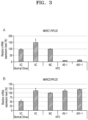
- liver tissue samples obtained from the mice were evaluated for expression levels of MARC1 and MARC2 mRNA in the same manner as in Example 1-2.
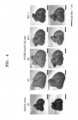
- the livers obtained from the mice were visually observed to evaluate the change in the liver marginal region.
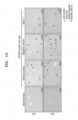
- the groups (VC, NC) provided with a high-fat diet had edges of the liver, that is, marginal region of the liver that is not sharp, whereas the groups (#3-1, #31-1) administered with OLX-003-1 or OLX-031-1 according to an example exhibited morphological characteristics similar to those of the normal group.
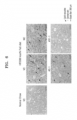
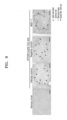
- Liver tissue samples obtained from the mice were fixed with a 10 % neutral buffered formalin (NBF) solution, and paraffin-embedded blocks were prepared, and then tissue sections having a thickness of 4 ⁇ m were prepared therefrom. Thereafter, the tissue sections were subjected to H&E staining using Mayer's hematoxylin reagent. In addition, Oil Red O staining was performed on the frozen sections with a thickness of 4 ⁇ m obtained by using optimal cutting temperature (OCT) embedding agent.
- NBF neutral buffered formalin
- MARC1 GalNAc-asiRNA of Table 6 below was subcutaneously administrated to C57BL/6 mice, with asiMARC1-031, which was confirmed to have an expression inhibitory effect in Example 1, as a template, and therapeutic efficacy thereof was evaluated.
- GalNAC-asiRNA name Sequence(5' ⁇ 3') OLX-031-1 sense mG*fC*mGfCfAfGmCfUmCfUmGfGmAfUmCfU-GalNAc antisense P-mA*fG*mAmUmCfCmAfGfAmGmCmUmGfCmG*fC*mC*mA*mC OLX-031-2 sense mG*fC*mGfCfAfGmCfU mGfGmAfU mCfU-Gal NAc antisense EVP-mA*fG*mAmUmCfCmAfGfAmGmCmUmGfCmG*fC*mA*mC
- EVP refers to a form in which (E) vinylphosphonate is bonded to the 5'-end (forming a double bond including the 5th carbon in the 5'-end base), for example, EVP-mU refers to a form in which (E) vinyl phosphonate is bonded to the 5'-end in a form in which existing 2'-OH of uridine (U) is substituted with 2'-O-methyl.
- the animal models were divided into a group provided with a normal diet (Normal Chow) and a group provided with a high fat diet (HFD), and the groups were classified into a group administered with 1X PBS (VC), a group administered with OLX700A-001-8 (NC), and a group administered with OLX-031-1 (#31-1)., according to the substance administered.
- specific classification of animal model groups is as shown in Table 8 below. [Table 8] Group Dose Treatment Number 1 0 Normal Chow VC 1 2 0 HFD VC 3 3 10 mpk NC 4 4 10 mpk OLX-031-1 5
- OLX-031-1 was administered at 28 weeks from the time a high-fat diet was first provided, and OLX-031-1 was additionally administered 3 times from the first administration at intervals of 1 week. One week from the time a total of 4 administrations was completed, the livers were extracted from the target mice, and liver tissue samples and sections thereof were obtained therefrom.
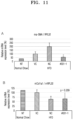
- liver tissue samples obtained from the mice were evaluated for expression levels of MARC1 and MARC2 mRNA in the same manner as in Example 1-2.
- the livers obtained from the mice were visually observed to evaluate the change in the liver marginal region.
- the groups (HFD VC, HFD NC) provided with a high-fat diet had edges of the liver, that is, a marginal region of the liver that is not sharp, whereas the group (#31-1) administered with OLX-31-1 according to an example exhibited morphological characteristics similar to those of the normal group.
- Liver tissue samples obtained from the mice were fixed with a 10 % neutral buffered formalin (NBF) solution, and paraffin-embedded blocks were prepared, and then tissue sections having a thickness of 4 ⁇ m were prepared therefrom. Thereafter, the tissue sections were subjected to H&E staining and Picro Sirius Red staining using Mayer's hematoxylin reagent.
- NAF neutral buffered formalin
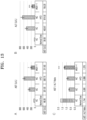
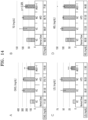
- liver tissue samples obtained from the mice were evaluated for expression levels of liver fibrosis-related factors and levels of triglycerides. Specifically, total RNA was extracted from the liver tissue-derived cells using a Tri-RNA reagent (FAVORGEN, FATRR 001), and using the total RNA as a template, cDNA was synthesized through a reverse transcription process (High-capacity cDNA Reverse Transcription Kit (Applied Biosystems, 4368814)). Then, using the synthesized cDNA as a template, quantitative PCR was performed by using TB Green ® Premix Ex Taq TM (Takara, RR420A).
- Tri-RNA reagent FAVORGEN, FATRR 001
- cDNA was synthesized through a reverse transcription process (High-capacity cDNA Reverse Transcription Kit (Applied Biosystems, 4368814)). Then, using the synthesized cDNA as a template, quantitative PCR was performed by using TB Green ® Premix Ex Ta
- liver tissue samples were homogenized in 5 % NP-40/UPW using a homogenizer (homogenizer, 100 mg/mL, 1:10 dilution). Thereafter, a level of triglyceride was measured in the homogenized sample using a Triglyceride Assay Kit (Abeam, ab65336).
- AST aspartate aminotransferase
- ALT alanine aminotransferase
- CHOL cholesterol
- TG triglycerides
- LDL low-density lipoproteins
- HDL high-density lipoprotein
- the animal models were divided into a group provided with a normal diet for 12 weeks (NCD 12w), a group provided with a normal diet for 16 weeks (NCD 16w), a group provided with a choline-deficient high-fat diet for 12 weeks (CDHFD 12w), a group provided with a high-fat diet for 16 weeks (CDHFD 16w), and a group provided with a high-fat diet for 12 weeks and a normal diet for 4 weeks (CDHFD-NCD), and each of the groups were again divided into a group administered with 1X PBS (VC) and a group administered with OLX-031-2 (#31-2), according to the administered substance.
- NCD 12w a group provided with a normal diet for 12 weeks
- NCD 16w a group provided with a choline-deficient high-fat diet for 12 weeks
- CDHFD 16w a group provided with a high-fat diet for 16 weeks
- CDHFD-NCD a group provided with a high-fat diet for 12 weeks and
- OLX-031-2 was administered at 12 weeks from the time a high-fat diet was first provided, and OLX-031-2 was administered again 2 weeks after the first administration. Two weeks after the second administration was performed, the livers were extracted from the target mice, and liver tissue samples and sections thereof were obtained therefrom. On the other hand, in the animal model groups 1 and 3, mice were sacrificed at 12 weeks from the time a high-fat diet was first provided, and the samples were obtained.
- H&E staining and Picro Sirius Red were performed on tissue sections in the same manner as in Example 2-1 (3), and changes such as a large number of fat vacuoles formed in the liver parenchyma and collagen deposition were confirmed.
- group 6 (CDHFD 16w 31-2) administered with OLX-031-2 had reduced levels of fat vacuole and collagen deposition compared to groups 3 and 4 (CDHFD 12w and CDHFD 16w) provided with a high-fat diet, which shows effective therapeutic efficacy of OLX-031-2 for nonalcoholic steatohepatitis.
- liver fibrosis-related factors were evaluated in the same manner as in (4) of Example 2-1.
- liver tissue samples obtained from the mice were evaluated for expression levels of MARC1 mRNA in the same manner as in Example 1-2.
- Example 3 Secondary screening of double-stranded nucleic acid molecules for RNAi induction
- nucleotide sequences showing a certain level of homology were selected, based on the nucleotide sequences having a common target with each of MARC1 derived from a human and a monkey, and a total of 250 asiRNAs were designed (sense strand (16-mer), antisense strand (21-mer)) and the same were synthesized at 10 nmole scale by bioneer.
- Sequence information of the MARC1 asiRNA designed according to the above method is as shown in Tables 10 to 14 below. [Table 10] asiRNA name Sequence(5' ⁇ 3') SEQ NO.
- the MARC1 asiRNA was transfected into Huh7 cells, and quantitative reverse transcription PCR (qRT-PCR) was performed to measure levels of MARC1 mRNA expression. Specifically, the Huh7 cells were seeded at 8 ⁇ 10 3 cells/well in a 96 well plate, and MARC1 asiRNA (10 nM, OliX Inc.) and RNAiMax (2 ⁇ l/ml, Invitrogen Inc. 13778150) were added thereto, and transfection was performed according to the protocol provided by Invitrogen.
- cell lysate was prepared using SuperPrep TM Cell lysis & RT kit for qPCR Kit II (TOYOBO, SCQ-401), and cDNA was synthesized through reverse transcription using the mRNA contained in the lysate as a template. Then, using the synthesized cDNA as a template, quantitative PCR was performed by using THUNDERBIRD ® Probe qPCR Mix (TOYOBO, QPS-101), and Probes (Hs00224227_m1, Hs03928985_g1, Applied Biosystems), and based on the mRNA expression inhibition level, a total of 134 MARC1 asiRNAs were primarily selected (not shown).
- a group in which only a transfection reagent was added was used as a control group, and a group in which transfection was performed in the same manner as in Example 1-2 using asiMARC1-30 was used as a positive control group (PC1).
- PC1 positive control group
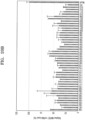
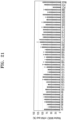
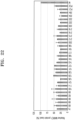
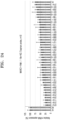
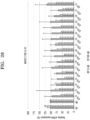
- FIGS. 20A to 20C the expression inhibitory effect on MARC1 mRNA by treatment of 1 nM of 134 types of MARC1 asiRNAs was confirmed, and among the 134 types of MARC1 asiRNAs, top 41 types of MARC1 asiRNAs with excellent MARC1 expression inhibitory efficiency were selected (#54, #75, #80, #89, #90, #92, #97, #99, #100, #114, #124, #126, #129, #130, #131, #137, #143, #144, #161, #166, #177, #194, #195, #196, #200, #201, #202, #210, #211, #212, #215, #216, #217, #218, #220, #222, #223, #224, #233, #264, #268).
- Example 3-2 In order to confirm expression inhibitory efficiency at a protein level, after transfection of 30 types of MARC1 asiRNAs selected in Example 3-2 into Huh7 cells, Western blot was performed to measure expression levels of MARC1 proteins. Specifically, the Huh7 cells were seeded at 5 ⁇ 10 4 cells/well in a 12 well plate, and MARC1 asiRNA (1 nM, OliX Inc.) and RNAiMax (2 ⁇ l/ml, Invitrogen Inc. 13778150) were added thereto, and transfection was performed according to the protocol provided by Invitrogen. 48 hours after performing the transfection, the transfected cells were disrupted to obtain 15 ⁇ g of cell lysate for each sample.
- MARC1 asiRNA 1 nM, OliX Inc.
- RNAiMax 2 ⁇ l/ml, Invitrogen Inc. 13778150
- GalNAc-asiRNAs asymmetric siRNAs into which a GalNAc ligand and chemical modifications were introduced were designed for MARC1 asiRNAs, which were confirmed to have an expression inhibitory effect in Examples 1 and 3 above.
- the designed GalNAc-asiRNA is an asymmetric siRNA in which various chemical modifications (2'OMe, PS, Fluoro, GalNAc ligand, etc.) are introduced and delivery into hepatocytes is improved compared to the asiRNA.
- GalNAc-asiRNA name Sequence(5' ⁇ 3') OLX-031-1 sense mG*fC*mGfCfAfGmCfUmCfUmGfGmAfUmCfU-GalNAc antisense P-mA*fG*mAmUmCfCmAfGfAmGmCmUmGfCmG*fC*mC*mA*mC OLX-031-3 sense mG*fC*mGfCfAfGmCfUmCfUmGfGmAfUmCfU-GalNAc antisense P-mA*fG*mAmUmCmCfAmGmCmUmGfCmG*fC*mC*mA*mC OLX-031-4 sense mG*fC*mGfCfAfGmCfAmGmCmUmGfCmG*fC*mA*mC OLX-
- PMH primary cultured mouse hepatocytes
- a group not treated with a substance (NT) was used as a control group
- a group treated with OLX700A-001-8 (100 nM) was used as a negative control group (NC)
- a group treated with OLX-031-1 (10 nM) was used as a positive control group (PC).
- each of the 41 types of MARC1 GalNAc-asiRNAs prepared in Example 4-1 to primary human hepatocytes (F00995-P) derived from a human qRT-PCR was performed to measure expression levels of MARC1 mRNA.
- the primary hepatocytes were seeded in a 96-well plate at 4 ⁇ 10 4 cells/well, treated with MARC1 GalNAc-asiRNA (500 nM, OliX Inc.), and then in the same manner as in Example 1-2, qRT-PCR was performed to measure expression levels of MARC1 mRNA.
- a group not treated with a substance (NT) was used as a control group
- a group treated with OLX700A-001-8 500 nM was used as a negative control group (NC)
- a group treated with OLX-031-1 (10 nM) was used as a positive control group (PC).
- a group not treated with a substance (NT) was used as a control group
- a group treated with OLX700A-001-8 100 nM was used as a negative control group (NC)
- NC negative control group
- groups treated with OLX-075-1 or OLX-218-1 (10 nm) were used as positive control groups (PC1 and PC2).
- MARC1 GalNAc-asiRNAs having various chemical modifications were prepared by selecting OLX-075-1, which showed an excellent effect, based on the experimental results of Example 4 above. Sequence information of a total of 17 MARC1 GalNAc-asiRNAs prepared in this example is shown in Table 16 below.
- GalNAc-asiRNA name Sequence(5' ⁇ 3') OLX-075-1 sense mC*fC*mAfGfAfUmUfGmCfUmUfAmCfUmCfA-GalNAc antisense P-mU*fG*mAmGmUmAfAmGfCmAmAmUmCfUmGfGmU*mC*mC*mU*mU OLX-075-2 sense mC*fC*mAfGfAf U m UfGmCf Um UfAmCfU mCfA-Gal NAc antisense EVP-mU*fG*mAmGmUmAfAmGfCmAmAmUmCfUmGfGmU*mC*mC*mU*mU OLX-075-3 sense mC*fC*mAfGfAfUmUfGmUmUfAmCfUmCfUmC
- qRT-PCR was performed to measure expression levels of MARC1 mRNA.
- the primary hepatocytes were seeded in a 96-well plate at 4 ⁇ 10 4 cells/well, treated with MARC1 GalNAc-asiRNA (10 nM or 100 nM, OliX Inc.), and then in the same manner as in Example 1-2, qRT-PCR was performed to measure expression levels of MARC1 mRNA.
- Monkey animal models were subcutaneously administered with various concentrations (2.5 mp, 5 mp, or 10 mp) of OLX-031-2 or OLX-075-2 twice a week, and one week after the second administration was performed, the livers were extracted from the target monkeys, and liver tissue samples and sections thereof were obtained therefrom. Then, in the same manner as in Example 1-2, qRT-PCR was performed to measure expression levels of MARC1 mRNA.
- sequence information of OLX-031-2 and OLX-075-2 is as shown in Table 17 below, and specific classification of the animal model groups is as shown in Table 18 below.
- mice Female
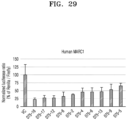
- a plasmid pSELECT-mSEAP-hMARC1 containing a human MARC1 gene and a SEAP reporter linked thereto
- the animal models were each divided into a group administered with 1X PBS (VC), a group administered with MARC1 GalNAc-asiRNA of Example 5 (OLX-075-2, OLX-075-4, OLX-075-5, OLX-075-6, OLX- 075-8, OLX-075-12, OLX-075-16, OLX-075-18) and a group administered with OLX-031-2 of Example 6, according to the substance administered.
- 1X PBS VC
- MARC1 GalNAc-asiRNA of Example 5 OLX-075-2, OLX-075-4, OLX-075-5, OLX-075-6, OLX- 075-8, OLX-075-12, OLX-075-16, OLX-075-18
- MARC1 GalNAc-asiRNA was administered subcutaneously at 4 weeks from the time of transfection with the plasmid, and blood samples were collected 1 week after the administration and levels of SEAP reporter fluorescence was confirmed through a Phospha-Light TM SEAP Reporter Gene Assay System (Invitrogen TM , T1015), to compare expression inhibition levels on human MARC1 mRNA.
- the treatment of 9 types of MARC1 GalNAc-asiRNAs showed expression inhibitory effect on MARC1 mRNA, and among the samples, expression inhibitory effect in groups administered with OLX-075-12, OLX-075-16, OLX-075-17, OLX-075-5, OLX-075-8, or OLX-075-2 was more excellent.
- MARC1 GalNAc-asiRNAs of Example 5 were subcutaneously administered (OLX-075-2, OLX-075-4, OLX-075-5, OLX-075-6, OLX-075-8, OLX-075- 12, OLX-075-16, OLX-075-17, OLX-075-18).
- the groups administered with MARC1 GalNAc-asiRNAs of Example 5 having various chemical modifications all showed excellent expression inhibitory effect on MARC1 mRNA, and among the samples, expression inhibitory effect of the groups administered with OLX-075-16, OLX-075-17, OLX-075-12, OLX-075-8, OLX-075-8 was more excellent.
Landscapes
- Health & Medical Sciences (AREA)
- Life Sciences & Earth Sciences (AREA)
- Chemical & Material Sciences (AREA)
- Engineering & Computer Science (AREA)
- Genetics & Genomics (AREA)
- Organic Chemistry (AREA)
- Molecular Biology (AREA)
- General Health & Medical Sciences (AREA)
- Bioinformatics & Cheminformatics (AREA)
- Biomedical Technology (AREA)
- Biochemistry (AREA)
- Biotechnology (AREA)
- Wood Science & Technology (AREA)
- Zoology (AREA)
- General Engineering & Computer Science (AREA)
- Veterinary Medicine (AREA)
- Medicinal Chemistry (AREA)
- Pharmacology & Pharmacy (AREA)
- Animal Behavior & Ethology (AREA)
- Public Health (AREA)
- Virology (AREA)
- Physics & Mathematics (AREA)
- Biophysics (AREA)
- Plant Pathology (AREA)
- Microbiology (AREA)
- Nuclear Medicine, Radiotherapy & Molecular Imaging (AREA)
- General Chemical & Material Sciences (AREA)
- Epidemiology (AREA)
- Chemical Kinetics & Catalysis (AREA)
- Gastroenterology & Hepatology (AREA)
- Pharmaceuticals Containing Other Organic And Inorganic Compounds (AREA)
- Medicines That Contain Protein Lipid Enzymes And Other Medicines (AREA)
Applications Claiming Priority (2)
| Application Number | Priority Date | Filing Date | Title |
|---|---|---|---|
| KR20210089864 | 2021-07-08 | ||
| PCT/KR2022/009984 WO2023282704A1 (ko) | 2021-07-08 | 2022-07-08 | Marc1 유전자를 표적으로 하는 rnai 제제 및 이의 용도 |
Publications (1)
| Publication Number | Publication Date |
|---|---|
| EP4368717A1 true EP4368717A1 (en) | 2024-05-15 |
Family
ID=84801791
Family Applications (1)
| Application Number | Title | Priority Date | Filing Date |
|---|---|---|---|
| EP22838056.4A Pending EP4368717A1 (en) | 2021-07-08 | 2022-07-08 | Rnai agent targeting marc1 gene, and use thereof |
Country Status (8)
| Country | Link |
|---|---|
| US (1) | US20250179498A1 (enExample) |
| EP (1) | EP4368717A1 (enExample) |
| JP (1) | JP7853399B2 (enExample) |
| KR (1) | KR20230010593A (enExample) |
| CN (1) | CN117677697A (enExample) |
| AU (1) | AU2022308807B2 (enExample) |
| CA (1) | CA3225054A1 (enExample) |
| WO (1) | WO2023282704A1 (enExample) |
Families Citing this family (1)
| Publication number | Priority date | Publication date | Assignee | Title |
|---|---|---|---|---|
| KR20250137186A (ko) * | 2023-03-08 | 2025-09-17 | 올릭스 주식회사 | 비만의 예방 또는 치료용 RNAi 제제 및 이를 이용한 병용 요법 |
Family Cites Families (9)
| Publication number | Priority date | Publication date | Assignee | Title |
|---|---|---|---|---|
| AR090905A1 (es) * | 2012-05-02 | 2014-12-17 | Merck Sharp & Dohme | Conjugados que contienen tetragalnac y peptidos y procedimientos para la administracion de oligonucleotidos, composicion farmaceutica |
| EA038792B1 (ru) * | 2013-05-22 | 2021-10-20 | Элнилэм Фармасьютикалз, Инк. | КОМПОЗИЦИИ НА ОСНОВЕ RNAi Serpina1 И СПОСОБЫ ИХ ПРИМЕНЕНИЯ |
| US10835581B2 (en) * | 2017-11-28 | 2020-11-17 | University of Pittsburgh—of the Commonwealth System of Higher Education | Method of treating insulin resistance |
| WO2020123410A1 (en) * | 2018-12-10 | 2020-06-18 | Amgen Inc. | CHEMICALLY-MODIFIED RNAi CONSTRUCTS AND USES THEREOF |
| WO2020154567A1 (en) * | 2019-01-25 | 2020-07-30 | Viscient Biosciences, Inc. | Compositions and methods for the diagnosis and treatment of diseases of the liver |
| US12215382B2 (en) * | 2019-03-01 | 2025-02-04 | The General Hospital Corporation | Liver protective MARC variants and uses thereof |
| US20230183707A1 (en) * | 2020-05-21 | 2023-06-15 | Alnylam Pharmaceuticals, Inc. | Compositions and methods for inhibiting marc1 gene expression |
| KR20230046319A (ko) * | 2020-08-13 | 2023-04-05 | 암젠 인크 | MARC1 발현을 억제하기 위한 RNAi 작제물 및 방법 |
| EP4347820A1 (en) * | 2021-05-28 | 2024-04-10 | Novo Nordisk A/S | Compositions and methods for inhibiting mitochondria amidoxime reducing component 1 (marc1) expression |
-
2022
- 2022-07-08 CA CA3225054A patent/CA3225054A1/en active Pending
- 2022-07-08 WO PCT/KR2022/009984 patent/WO2023282704A1/ko not_active Ceased
- 2022-07-08 CN CN202280048413.XA patent/CN117677697A/zh active Pending
- 2022-07-08 EP EP22838056.4A patent/EP4368717A1/en active Pending
- 2022-07-08 US US18/577,278 patent/US20250179498A1/en active Pending
- 2022-07-08 AU AU2022308807A patent/AU2022308807B2/en active Active
- 2022-07-08 JP JP2024500173A patent/JP7853399B2/ja active Active
- 2022-07-08 KR KR1020220084498A patent/KR20230010593A/ko active Pending
Also Published As
| Publication number | Publication date |
|---|---|
| CA3225054A1 (en) | 2023-02-12 |
| KR20230010593A (ko) | 2023-01-19 |
| US20250179498A1 (en) | 2025-06-05 |
| CN117677697A (zh) | 2024-03-08 |
| JP7853399B2 (ja) | 2026-04-28 |
| AU2022308807B2 (en) | 2026-02-12 |
| WO2023282704A1 (ko) | 2023-01-12 |
| JP2024525078A (ja) | 2024-07-09 |
| AU2022308807A1 (en) | 2024-02-01 |
Similar Documents
| Publication | Publication Date | Title |
|---|---|---|
| JP6440592B2 (ja) | アンジオポエチン様3発現の調節 | |
| RU2706964C2 (ru) | Модуляция экспрессии ангиопоэтин-подобного белка 3 | |
| EP3063276B1 (en) | Micrornas modulating the effect of glucocorticoid signaling | |
| EP3210611B1 (en) | Methods of treating vascular inflammatory disorders | |
| US9789132B2 (en) | Methods targeting miR-128 for regulating cholesterol/lipid metabolism | |
| US10036018B2 (en) | Compositions and methods for treating cachexia | |
| CN118773191A (zh) | 靶向LPA基因的RNAi剂及其用途 | |
| EP4368717A1 (en) | Rnai agent targeting marc1 gene, and use thereof | |
| RU2737719C2 (ru) | Модулирование экспрессии аполипопротеина с-iii (аросiii) у пациентов с липодистрофией | |
| WO2024126765A1 (en) | Rnai-based therapies targeting claudin-1 for the treatment and prevention of fibrotic diseases | |
| WO2024101406A1 (ja) | 非アルコール性脂肪性肝疾患/非アルコール性脂肪肝炎及び肝がんの予防・治療剤 | |
| CN114410633B (zh) | 反义寡核苷酸asoyap1在抑制多种yap1阳性癌症中的应用 | |
| CN112007157B (zh) | Mrg15蛋白或基因作为靶点在代谢疾病治疗和预防中的应用 | |
| TW202526015A (zh) | 靶向LPA基因的RNAi劑及其用途 | |
| WO2023234410A1 (ja) | 心筋細胞死の抑制剤及び心筋障害又は心不全の予防又は治療剤 | |
| CN118272371B (zh) | 靶向plin2基因的小干扰核酸、短反义寡核苷酸及其用途 | |
| CN101579351B (zh) | Acl在筛选防治肥胖相关代谢紊乱疾病的药物中的应用 | |
| KR20260032888A (ko) | APOC3 유전자를 표적으로 하는 RNAi 제제 및 이의 용도 | |
| US20230407297A1 (en) | Bioengineered wnt5a therapeutics for advanced cancers | |
| KR20240139138A (ko) | 항-egfr 치료에 대한 반응성 예측용 조성물 | |
| WO2026014374A1 (ja) | 膵がんの治療用又は予防用組成物、膵がんの治療又は予防方法、並びに膵がんの検出方法 | |
| CN120400145A (zh) | 基因fap在制备非酒精性脂肪型肝炎的药物中的应用 | |
| WO2025128632A1 (en) | Methods and compositions for treating ketohexokinase (khk)-associated diseases | |
| KR20140015863A (ko) | Dlx5 유전자에 작용하는 마이크로 RNA에 대한 억제제 및 이를 포함하는 비만 예방 또는 억제용 조성물 | |
| CN118512592A (zh) | Rnf125抑制剂在制备预防或治疗肥胖症及相关并发症药物中的应用 |
Legal Events
| Date | Code | Title | Description |
|---|---|---|---|
| STAA | Information on the status of an ep patent application or granted ep patent |
Free format text: STATUS: THE INTERNATIONAL PUBLICATION HAS BEEN MADE |
|
| PUAI | Public reference made under article 153(3) epc to a published international application that has entered the european phase |
Free format text: ORIGINAL CODE: 0009012 |
|
| STAA | Information on the status of an ep patent application or granted ep patent |
Free format text: STATUS: REQUEST FOR EXAMINATION WAS MADE |
|
| 17P | Request for examination filed |
Effective date: 20240108 |
|
| AK | Designated contracting states |
Kind code of ref document: A1 Designated state(s): AL AT BE BG CH CY CZ DE DK EE ES FI FR GB GR HR HU IE IS IT LI LT LU LV MC MK MT NL NO PL PT RO RS SE SI SK SM TR |
|
| DAV | Request for validation of the european patent (deleted) | ||
| DAX | Request for extension of the european patent (deleted) | ||
| P01 | Opt-out of the competence of the unified patent court (upc) registered |
Free format text: CASE NUMBER: APP_31699/2025 Effective date: 20250701 |
|
| RIC1 | Information provided on ipc code assigned before grant |
Ipc: C12N 15/113 20100101AFI20260320BHEP Ipc: C07H 19/048 20060101ALI20260320BHEP |