EP4331674A2 - Ghrh-antagonisten zur verwendung in einem verfahren zur behandlung von sarkoidose - Google Patents
Ghrh-antagonisten zur verwendung in einem verfahren zur behandlung von sarkoidose Download PDFInfo
- Publication number
- EP4331674A2 EP4331674A2 EP23197003.9A EP23197003A EP4331674A2 EP 4331674 A2 EP4331674 A2 EP 4331674A2 EP 23197003 A EP23197003 A EP 23197003A EP 4331674 A2 EP4331674 A2 EP 4331674A2
- Authority
- EP
- European Patent Office
- Prior art keywords
- mia
- ada
- lys
- sarcoidosis
- ala
- Prior art date
- Legal status (The legal status is an assumption and is not a legal conclusion. Google has not performed a legal analysis and makes no representation as to the accuracy of the status listed.)
- Pending
Links
Images



















Classifications
-
- A—HUMAN NECESSITIES
- A61—MEDICAL OR VETERINARY SCIENCE; HYGIENE
- A61K—PREPARATIONS FOR MEDICAL, DENTAL OR TOILETRY PURPOSES
- A61K38/00—Medicinal preparations containing peptides
- A61K38/16—Peptides having more than 20 amino acids; Gastrins; Somatostatins; Melanotropins; Derivatives thereof
- A61K38/17—Peptides having more than 20 amino acids; Gastrins; Somatostatins; Melanotropins; Derivatives thereof from animals; from humans
- A61K38/22—Hormones
- A61K38/25—Growth hormone-releasing factor [GH-RF], i.e. somatoliberin
-
- A—HUMAN NECESSITIES
- A61—MEDICAL OR VETERINARY SCIENCE; HYGIENE
- A61K—PREPARATIONS FOR MEDICAL, DENTAL OR TOILETRY PURPOSES
- A61K38/00—Medicinal preparations containing peptides
- A61K38/16—Peptides having more than 20 amino acids; Gastrins; Somatostatins; Melanotropins; Derivatives thereof
-
- A—HUMAN NECESSITIES
- A61—MEDICAL OR VETERINARY SCIENCE; HYGIENE
- A61K—PREPARATIONS FOR MEDICAL, DENTAL OR TOILETRY PURPOSES
- A61K45/00—Medicinal preparations containing active ingredients not provided for in groups A61K31/00 - A61K41/00
-
- A—HUMAN NECESSITIES
- A61—MEDICAL OR VETERINARY SCIENCE; HYGIENE
- A61P—SPECIFIC THERAPEUTIC ACTIVITY OF CHEMICAL COMPOUNDS OR MEDICINAL PREPARATIONS
- A61P11/00—Drugs for disorders of the respiratory system
-
- A—HUMAN NECESSITIES
- A61—MEDICAL OR VETERINARY SCIENCE; HYGIENE
- A61P—SPECIFIC THERAPEUTIC ACTIVITY OF CHEMICAL COMPOUNDS OR MEDICINAL PREPARATIONS
- A61P29/00—Non-central analgesic, antipyretic or antiinflammatory agents, e.g. antirheumatic agents; Non-steroidal antiinflammatory drugs [NSAID]
Definitions
- the invention relates to materials and methods for treating sarcoidosis.
- Sarcoidosis is a multi-organ granulomatous disease of unknown etiology that is associated with significant morbidity and mortality in the US and affects hundreds of thousands of people around the world.
- the etiology of this condition is not well-known, there are significant similarities between sarcoidosis and other granuloma-forming disorders including mycobacterial and other microbial infections and environmental agent-induced granuloma. Chen et al., Clinics in chest medicine. 2008;29(3):365-377 , vii.
- sarcoidosis triggers an early inflammatory reaction characterized by cellular recruitment of TH1 helper cells, followed by a later phase where macrophage recruitment leads to granuloma formation.
- anti-inflammatory responses including cytokines and apoptosis, are activated to facilitate tissue healing and repair.
- Koh et al. Expert Rev Mol Med. 2011;13:e23 .
- Almost 50% of sarcoidosis patients require systemic steroid therapy.
- the inflammatory process continues despite steroids and leads to tissue remodeling with fibrosis (permanent scarring of affected tissue).
- Patterson et al. Annals of the American Thoracic Society. 2013;10(4):362-370 .
- the disclosure provides a method of treating sarcoidosis (e.g., pulmonary sarcoidosis).
- the method comprises administering a GHRH antagonist to mammalian subject in need thereof.
- GHRH antagonists e.g., MIA-602
- subject includes, but is not limited to, human and non-human mammals such as wild, domestic and farm animals.
- the subject is a human.
- the subject may be suffering from any form of sarcoidosis (i.e., sarcoidosis in any organ, such as the lungs).
- GHRH Growth hormone-releasing hormone
- GH growth hormone
- the pituitary GHRH receptor (pGHRH-R) is a seven-transmembrane-domain receptor coupled to G-protein. Rekasi et al., PNAS 97 (19), 10561-6 (2000 ); Havt et al., PNAS 102 (48), 17424-9 (2005 ).
- the pGHRH-R, as well as its truncated splice variants (SV) is expressed in various human tissues. SV1 differs from pGHRH-R in the amino-terminal extracellular domain. Rekasi, supra.
- the GHRH antagonist is a peptide.
- Various modifications of GHRH peptides confer antagonistic properties.
- the GHRH fragment comprising residues 1 to 29, or GHRH(1-29), is the minimum sequence necessary for biological activity on the pituitary. This fragment retains 50% or more of the potency of native GHRH.
- Many synthetic analogs of GHRH, based on the structure of hGH-RH(1-29)NH 2 peptide have been prepared are contemplated herein for use in the context of the method.
- hGHRH(1-29)NH 2 has the following amino acid sequence: Tyr-Ala-Asp-Ala-Ile 5 -Phe-Thr-Asn-Ser-Tyr 10 -Arg-Lys-Val-Leu-Gly 15 -Gln-Leu-Ser-Ala-Arg 20 -Lys-Leu-Leu-Gln-Asp 25 -Ile-Met-Ser-Arg 29 -NH 2 (SEQ ID NO: 1).
- the GHRH antagonist may comprise a GHRH peptide sequence to which amino acid deletions, insertions, and/or substitutions have been made.
- the GHRH antagonist may also be a fragment or modified fragment of GHRH having the capability to bind to the GHRH receptor and inhibiting the release of growth hormone. These antagonistic properties are believed to result from replacement of various amino acids and acylation with aromatic or nonpolar acids at the N-terminus of GHRH(1-29)NH 2 .
- the GHRH antagonist is an antagonist described in U.S. Patent Publication No. 20150166617 or U.S. Patent No. 8,691,942 (incorporated by reference herein in their entirety and particularly with respect to description of GHRH antagonists).
- the GHRH antagonist comprises the amino acid sequence (Formula I/ SEQ ID NO: 2): R 1 -Tyr 1 -D-Arg 2 -Asp 3 -A 4 -Ile 5 -A 6 -Thr 7 -A 8 -Har 9 -A 10 -A n -A 12 -Val 13 -Leu 14 -A 15 - Gln 16 -A 17 -Ser 18 -Ala 19 -A 20 -A 21 -Leu 22 -Leu 23 -Gln 24 -Asp 25 -Ile 26 -Nle 27 -D-Arg 28 -A 29 - R 2 -R 3 -NH 2 , wherein R 1 is PhA
- the GHRH antagonist is MIA-602: [PhAc-Ada 0 -Tyr 1 , D-Arg 2 , Fpa5 6 , Ala 8 , Har 9 , Tyr(Me) 10 , His 11 , Orn 12 , Abu 15 , His 20 , Orn 21 , Nle 27 , D-Arg 28 , Har 29 ]hGH-RH(1-29)NH 2 (SEQ ID NO: 8), further described in U.S. Patent Publication No. 20150166617 (incorporated herein by reference with respect to the discussion of the structure, activity, and methods of making MIA-602, MIA-604, MIA-606, MIA-610, MIA-640, and MIA-690).
- Alternative GHRH antagonists include, but are not limited to, Phac-Ada-Tyr 1 -D-Arg 2 -Asp 3 -Ala 4 -Ile 5 -Phe(F) 5 6 -Thr 7 -Ala 8 -Har 9 -Tyr(Me) 10 -His 11 -Orn 12 - Val 13 -Leu 14 -Abu 15 -Gln 16 -Leu 17 -Ser 18 -Ala 19 -His 20 -Orn 21 -Leu 22 -Leu 23 -Gln 24 -Asp 25 -Ile 26 -Nle 27 -D-Arg 28 -Har 29 -Agm-NH 2 (MIA-604/ SEQ ID NO: 3); Phac-Ada-Tyr 1 -D-Arg 2 -Asp 3 -Ala 4 -Ile 5 -Phe(F) 5 6 -Thr 7 -Me-Ala 8
- the disclosure provides a method of treating sarcoidosis in a subject in need thereof.
- "Treating" sarcoidosis does not require a 100% remission. Any decrease in sarcoidosis or symptoms of sarcoidosis (e.g., inflammation, granuloma formation, granuloma size), in increase in quality of life, constitutes a beneficial biological effect in a subject.
- the progress of the method in treating sarcoidosis can be ascertained using any suitable method, such as biomarker detection/measurement in a biological (e.g., blood) sample, chest imaging (e.g., CT-scan), and PET-CT scan.
- the method provides a reduction or improvement in a disease indicator, parameter, or symptom, such as a reduction in angiotensin converting enzyme (ACE), SIL2R, or CRP biomarkers, by at least 50%, at least 65%, at least 75%, at least 80%, at least 85%, at least 90%, at least 95% or by at least 99% as compared to pre-treatment, or a reduction in a disease indicator, parameter, or symptom by at least 50% compared to that achieved by treatment with prednisone (administered prior to the instant method or in a matched patient).
- ACE angiotensin converting enzyme
- CRP biomarkers a reduction in angiotensin converting enzyme
- treatment also includes stabilization of the disease, i.e., controlled or no further progression of the disease (e.g., granuloma burden does not increase, or increases by less than 10%, preferably less than 5%, within a given timeframe).
- treatment as described herein optionally improves the stage of the disease or reduces the severity within a stage.
- stages for sarcoidosis includes: stage I, granulomas located mainly in lymph nodes; stage II, granulomas located in lungs and lymph nodes; stage III, granulomas located mainly in lungs with shrinking lymph nodes; stage IV, pulmonary fibrosis.
- Sarcoidosis disease progression is determined using any of a variety of clinical techniques, such as biopsy of the affected organ(s) to identify granulomas, blood test, bronchoscopy, X-ray, neurological tests (e.g., electromyography, evoked potentials, spinal taps, or nerve conduction tests), high-resolution computed tomography (CT) scans, magnetic resonance imaging (MRI), positron electron tomography (PET) scans, pulmonary function tests, and ultrasound.
- CT computed tomography
- MRI magnetic resonance imaging
- PET positron electron tomography
- a particular administration regimen for a particular subject will depend, in part, upon the amount of antagonist administered, the route of administration, and the cause and extent of any side effects.
- the amount administered to the subject (e.g., human) in accordance with the disclosure should be sufficient to affect the desired response (i.e., ameliorate, prevent or improve an unwanted condition, disease or symptom of a patient) over a reasonable time frame.
- a therapeutically effective amount of the GHRH antagonist is typically an amount such that when it is administered in a physiologically tolerable excipient composition, it is sufficient to achieve an effective systemic concentration or local concentration in target tissue.
- the dose of GHRH antagonist is optionally about 0.005 mg/kg to about 100 mg/kg.
- the GHRH antagonist is administered in a dose of about 0.05 mg/kg to about 20 mg/kg.
- the GHRH antagonist is administered at a dose of about 0.01 mg/kg/dose to about 50 mg/kg/dose, about 0.01 mg/kg/dose to about 25 mg/kg/dose, about 0.1 mg/kg to about 15 mg/kg, or about 1 mg/kg to about 10 mg/kg.
- doses are given once a day or divided into 2-4 administrations/day.
- doses are optionally divided into 1-4 bolus injections/day or given as a continuous infusion.
- the GHRH antagonist may be administered daily, at least once a week, at least twice a week, at least three times a week, at least four times a week, at least five times a week, six times a week, every two weeks, every three weeks, every four weeks, every five weeks or every six weeks.
- the treatment period (entailing multiple administrations of the antagonist) will depend on the nature and severity of the disease, as well as the existence of any side effects. Examples of treatment periods include, but are not limited to, 2 weeks, 3 weeks, 1 month, 2 months, 3 months, 4 months, 5 months, 6 months, 9 months, and 12 months.
- Methods of administration may include, but are not limited to, oral administration and parenteral administration, including but not limited to, intradermal, intramuscular, intraperitoneal, intravenous, intraarterial, subcutaneous, epidural, sublingual, intranasal, intracerebral, intraventricular, intrathecal, intravaginal, transdermal, rectally, inhalation, intrapulmonary, intra-airway, intrabronchial, intratracheal, or topical (e.g., to the ears, nose, eyes, or skin) delivery.
- the antagonist is administered subcutaneously in various aspects. In other aspects, such as aspects wherein the subject suffers from pulmonary sarcoidosis, the antagonist is administered via intranasal, inhalation, intrapulmonary, intra-airway, intrabronchial, or intratracheal delivery.
- the GHRH antagonist is administered either alone or in combination (concurrently or serially) with other pharmaceuticals, optionally as a single, combined formulation or as separate compositions.
- the method comprises administering multiple GHRH antagonists.
- the GHRH antagonist is optionally administered in combination with other anti-inflammatories, such as a steroid.
- the GHRH antagonist is optionally administered in combination with one or more disease-modifying antirheumatic drugs (DMARDs; e.g., methotrexate, azathioprine, or leflunomide), a monoclonal antibody (e.g., infliximab, adalimumab, rituximab, or golimumab), colchicine, hormone therapy (e.g., corticotropin), an antibiotic, and/or pentoxifylline.
- DMARDs disease-modifying antirheumatic drugs
- methotrexate e.g., methotrexate, azathioprine, or leflunomide
- a monoclonal antibody e.g., infliximab, adalimumab, rituximab, or golimumab
- colchicine e.g., infliximab, adalimumab, rituximab,
- the GHRH antagonist may be administered in the form of pharmaceutically acceptable, nontoxic salts, such as acid addition salts.
- acid addition salts are hydrochloride, hydrobromide, sulphate, phosphate, fumarate, gluconate, tannate, maleate, acetate, trifluoroacetate, citrate, benzoate, succinate, alginate, pamoate, malate, ascorbate, tartarate, and the like.
- Particularly preferred antagonists are salts of low solubility, e.g., pamoate salts and the like.
- Formulations containing the GHRH antagonist and a suitable carrier can be solid dosage forms which include, but are not limited to, softgels, tablets, capsules, cachets, pellets, pills, powders and granules; topical dosage forms which include, but are not limited to, solutions, powders, fluid emulsions, fluid suspensions, semi-solids, ointments, pastes, creams, gels and jellies, and foams; and parenteral dosage forms which include, but are not limited to, solutions, suspensions, emulsions, and powder.
- a single dose may comprise one or more administrations (i.e., multiple injections or multiple pills to arrive at a single dose/amount of antagonist).
- the GHRH antagonist may be contained in formulations with pharmaceutically acceptable diluents, fillers, disintegrants, binders, lubricants, surfactants, hydrophobic vehicles, water soluble vehicles, emulsifiers, buffers, humectants, moisturizers, solubilizers, preservatives and the like.
- pharmaceutically acceptable diluents fillers, disintegrants, binders, lubricants, surfactants, hydrophobic vehicles, water soluble vehicles, emulsifiers, buffers, humectants, moisturizers, solubilizers, preservatives and the like.
- the means and methods for administration are known in the art and an artisan can refer to various pharmacologic references for guidance. For example, Modern Pharmaceutics, Banker & Rhodes, Marcel Dekker, Inc. (1979 ); and Goodman & Gilman's The Pharmaceutical Basis of Therapeutics, 6th Edition, MacMillan Publishing Co., New York (1980 ) can
- compositions can comprise suitable solid or gel phase carriers or excipients.
- suitable solid or gel phase carriers or excipients include but are not limited to calcium carbonate, calcium phosphate, various sugars, starches, cellulose derivatives, gelatin, and polymers such as, e.g., polyethylene glycols.
- the chemical structure of MIA-602 is [PhAc-Ada 0 , D-Arg 2 , Fpa5 6 , Ala 8 , Har 9 , Tyr(Me) 10 , His 11 , Orn 12 , Abu 15 , His 20 , Orn 21 , Nle 27 , D-Arg 28 , Har 29 ]hGH-RH(1-29)NH 2 .
- the compound was dissolved in 100% dimethyl sulfoxide (DMSO, ACS grade, Sigma) for stock, and diluted at 1:1000 in corresponding culture medium to a final concentration of 1 ⁇ M. Control group in vitro and in vivo received placebo with the same volume and concentration of DMSO.
- Microparticles were produced as previously presented ( Zhang et al., Sci Rep 2020; 10: 7277 ). Microparticles were generated from a rough colony of a clinical strain of Mycobacterium abscessus (MAB) with sonicating and heating live bacilli. High quality images of non-infectious, MAB particles were obtained by scanning electron microscope (SEM).
- Blood samples were collected from nine patient with confirmed pulmonary sarcoidosis, randomly selected from the University of Miami Sarcoidosis Biobanking, and matched by age, sex and race with then healthy controls. To avoid the inconvenience and risks associated with additional venipunctures, a 10 ml blood specimen was collected. Patients who currently had a hgb ⁇ 7 mg/dL were excluded from participating in this study.
- Granulomatous reaction in the mouse lung was developed as previously described ( Zhang et al., Front Immunol 2019; 10: 2888 ).
- PBMCs were lysed in lysis buffer (Cell Signaling Technology, Beverly, MA) with protease inhibitor cocktail (Cell Signaling Technology, Beverly, MA) and sonicated three times for 2 seconds each with at least 1-min rest on ice between each 2-s pulse. Samples were centrifuged at 10,000 ⁇ g for 5 min at 4°C and the supernatant was collected. Protein concentration was determined by BCA protein assay kit from Cell Signaling Technology. The methodology is further described in Zhang et al., Sci Rep 2020; 10: 7277 .
- cytokine levels were measured using a procartaplex human th1/th2 cytokine panel 11 plex from Invitrogen, (epx110-10810-901).
- mice were killed on day 14, and the left lungs were harvested. Lungs were filled with 10% buffered formalin and fixed in formalin for at least 72 h before IHC staining. H&E staining was used to determine inflammatory pathology.
- paraffin-embedded serial sections (5 ⁇ m) first underwent standard deparaffinization and rehydration procedures, Sections were then probed with GHRHR (Origene, cat # TA311715) as primary antibody, and anti-Rabbit antibody from Sigma, (cat # F-9887) as secondary. Nuclei were counterstained with DAPI. All reagents were from Sigma-Aldrich. Tissue sections were analyzed using fluorescence microscopy and ImageJ software (version 6.0; NIH) to quantitate fluorescent intensity. In trichrome-stained slides, blue stain (collagen content) was also quantitatively analyzed using ImageJ.
- 5- ⁇ m paraffin sections were processed by deparaffinization and rehydration followed by endogenous peroxidase blocking (1% H 2 O 2 in methanol for 20 minutes) and antigen retrieval (boiled in 10 mM citrate buffer for 30 minutes).
- Tissue sections were blocked with 2% goat or horse serum (Vector Laboratories) and incubated with antibody CD68 (Proteintech, Cat# 25747-1-AP), PD-1 (Cell Signaling, cat# 84651), PD-L1 (Proteintech, Cat# 17952-1-AP), CD30 (Lsbio, cat# LS-c162069) CD3 (Cell Signaling, cat# 99940), iNOS (Invitrogen, cat #PAI-036), or Nitrotyrosine (Novus, NBP2-54606) over night at 4°C, washed with TBST five times, then exposed to secondary antibodies (Vector Laboratories, cat# PI-2000).
- CD68 Proteintech, Cat# 25747-1-AP
- PD-1 Cell Signaling, cat# 84651
- PD-L1 Proteintech, Cat# 17952-1-AP
- CD30 Lsbio, cat# LS-c162069
- CD3 Cell Signal
- Lung inflammation was scored using the three fields with the highest infiltrate's intensity at 100X power magnification as previously described ( Zhang et al., Front Immunol 2019; 10: 2888 ). The area of inflammation was measured and averaged for the three examined high-power fields.
- RNA from mouse lungs were extracted using RNA Miniprep Plus Kit (Zymo Research). Briefly, whole lung was homogenized in TRI reagent and total RNA extraction was performed following the instructions provided by the manufacturer with additional DNase treatment. Quantity and quality of the samples were determined by NanoDrop spectrophotometer and Agilent Bioanalyzer 2100, respectively ( Zhang et al., Front Immunol 2019; 10: 2888 ).
- RNA sequencing was performed. Briefly, total RNA quantity and quality were determined using the Agilent Bioanalyzer. At least 300 ng of total RNA was used as input for the KAPA RNA HyperPrep Kit with RiboErase (HMR) according to manufacturer's protocol to create ribosomal RNA-depleted sequencing libraries. Sequencing was performed on the Illumina NextSeq 500, generating -40 million single-end 75 base reads per sample. Sequencing data were processed with a bioinformatics pipeline including quality control, alignment to the hg19 human reference genome, and gene quantification. Count data was inputted into edgeR software for differential expression analysis.
- HMR KAPA RNA HyperPrep Kit with RiboErase
- Counts were normalized using the trimmed mean of M-values (TMM) method to account for compositional difference between the libraries and paired differential expression analysis using a generalized linear model with sample as a blocking factor. Genes were considered statistically different with a false discovery rate p-value (FDR) ⁇ 0.05.
- mice were sacrificed on day 14, and the left lungs were harvested for pathology after perfusing the right ventricle with 10 ml of PBS.
- the upper half of left lung tissue (without trachea, main bronchus and branches) was removed and rinsed by PBS to clean off blood.
- the tissue was minced and dispersed with a scissors to increase total surface area.
- the rubber end of a 5 ml plastic syringe was used to mesh cells through a 100 ⁇ m cell strainer with continuous rinse using ice-cold RPMI 1640.
- Cell suspension was again meshed through a 70 ⁇ m cell strainer and rinsed thoroughly with 3 ml of washing buffer containing DNAse followed by 15 ml of DNAse-free washing buffer.
- the sample was centrifuged at 286 x g and 18 °C for 5 min, and the supernatant was discarded ( Posel et al. J Vis Exp 2016: 53658 ).
- the cells (10 6 cells/ml) were resuspended in 100 ⁇ l protein blocking solution with 5 ⁇ l fluorescent conjugated antibodies, CD8 (Biolegend Cat# 100714, CD45 (Biolegend Cat# 103130), CD68 (Biolegend Cat# 137004), PD-1 (Biolegend Cat# 135219), PD-L1 (Biolegend Cat# 124308), CD4 (Biolegend Cat# 100510), CD11b (Biolegend Cat# 101243), CD11c (Biolegend Cat# 117318), F4/80 (Biolegend Cat# 123146), or IFNg (Biolegend Cat# 505836).
- CD8 Biolegend Cat# 100714, CD45 (Biolegend Cat# 103130), CD68 (Biolegend Cat# 137004), PD-1 (Biolegend Cat# 135219), PD-L1 (Biolegend Cat# 124308), CD4 (Biolegend Cat# 100510), CD11b (Biolegend Cat# 101243), CD11c (Biolegen
- the following example demonstrates treatment of sarcoidosis in vivo using a GHRH antagonist of the disclosure.
- a mouse model of pulmonary sarcoidosis was established in C57B1/6 mice by administering microparticles intratracheally.
- the tongue was pulled out with a small spatula and microparticles were inserted into the trachea using a 20 G angio-catheter tube at the time of laryngeal opening and advanced to main bronchus until reach to resistant.
- microparticles were administered: a first dose of 5 ⁇ 10 8 CFU of M. abscessus in 50 ⁇ L with three subsequent doses of 2 ⁇ 10 8 CFU of M. abscessus in 20 ⁇ L.
- a control group received only 20 ⁇ L PBS intratracheally.
- Mice receiving microparticles developed noncaseating granuloma in the lung, as observed use H&E staining and immunohistochemistry staining for CD68 macrophage marker, CD4 marker, and PD-L1.
- mice demonstrating pulmonary sarcoidosis were established alongside a fifth non-treated group which served as a control exhibiting no sarcoidosis.
- the first sarcoidosis group received MIA-602 (5 ⁇ g/day), administered via intraperitoneal injection.
- the second sarcoidosis group received ⁇ -melanocyte stimulating hormone ( ⁇ -MSH)
- the third sarcoidosis group received steroid treatment (methyl-prednisone, the current first line treatment for sarcoidosis)
- the fourth group received only saline.
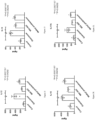
- Mice were sacrificed after two weeks, and inflammation in lung samples was graded. As shown in Figures 1A-E , the untreated sarcoidosis group exhibited significant inflammation in the lung.
- the sarcoidosis groups treated with MIA-602 and a-MSH had lower inflammation scores. Steroid treatment did not affect inflammation.
- results described above demonstrate for the first time that a growth hormone releasing hormone receptor antagonist (here, MIA-602) is effective in treating sarcoidosis.
- MIA-602 growth hormone releasing hormone receptor antagonist
- Granuloma and PBMC were collected from five sarcoidosis subjects. The samples were grouped as control (not challenged), granuloma group challenged with a 10:1 treatment with microparticles but left untreated, challenged granuloma group treated with 1 microM MIA-602 in vitro, and challenged granuloma group treated with methyl prednisolone in vitro. Media were removed 48h after of treatments. Cytokines were measured using an multiplex ELISA instrument.
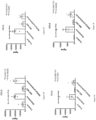
- MIA-602 significantly reduced cytokine production of IL2, IL7, IL10, IL12, IL15, IL17A, CCL2, CCL5, IFN ⁇ , and CXCL9 in granuloma. See Figures 2A-2T .
- MIA-602 The ability of a peptide of the disclosure, MIA-602, to influence respiration and apoptosis in granuloma cells was examined. The specific processes of apoptosis and mitochondrial dynamics in granuloma have not been fully elucidated. To test if MIA-602 had pro- or anti-apoptotic effects, the protein levels of pro- (active caspase-3) and anti-apoptotic factors (survivin, Bcl-xL/Bak dimer, and Mcl-1/Bak dimer) were measured in an in vitro granuloma model.
- pro- active caspase-3
- anti-apoptotic factors survivin, Bcl-xL/Bak dimer, and Mcl-1/Bak dimer
- PBMCs from five confirmed sarcoidosis subjects were grouped as control (not challenged), granuloma group challenged with 10:1 treatment with microparticles generated from M. abscessus cell wall, granuloma group treated with 1 ⁇ M of MIA-602, and a granuloma group treated with methyl prednisolone (138 ⁇ M). Media were removed 48h after treatment.
- a mouse pulmonary granulomatous model was established for studying type I IFN pathways after exposure to M. abscessus cell wall. The model is applicable for pulmonary sarcoidosis studies due to its characteristics of noninfectious lung granulomatous model. C57B1/6 mice were used to develop the model ( Zhang et al., Front Immunol 2019; 10: 2888 ).
- mice were treated with 5 ⁇ g of a peptide of the disclosure, MIA-602, per day via intraperitoneal injection. After two weeks, the mice were sacrificed, and lung inflammation was graded by a lung pathologist. Lung samples were stained with H&E, CD68, PD1, PD-L1, and CD30, and scored based on percentage of cells expressing each marker.
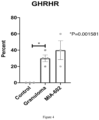
- FIG. 4 shows quantification of the GHRHR immunofluorescence staining following MIA-602 treatment in the granulomatous reaction of mice lung.
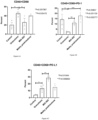
- the inflammation score of lungs was significantly higher in the granuloma group. Lung inflammation was almost normalized in mice that received treatment with MIA-602, as shown in Figures 5A-5E .
- CD30 cells were statistically significantly increased in lung with granuloma, and nonsignificantly reduced in MIA-602 treated mice.
- the percentage of CD68+ cells in the lung increased in granuloma-afflicted subjects and decreased in MIA-602-treated subjects, but the changes were not statistically significant. This pattern was seen in PD-1+- and PD-L1+ cells in the granuloma group and the MIA-602-treated group.
- MIA-602 has anti-inflammatory properties that reduced inflammatory cell numbers significantly in lung tissue.
- Flow cytometry showed that CD68 + cells reduced after MIA-602 therapy in the sarcoidosis mice model.
- Mice were grouped as control, challenged with microparticles and treated with saline, challenged and treated with MIA-602 (5 ⁇ g), and challenged and treated with methyl prednisolone (100 ⁇ g). After two weeks, lungs were harvested from all groups, and lung single cells were generated for flow cytometry analysis. As shown in Figure 6A , the population of CD45+CD68 cells significantly increased in challenged mice, and the population was significantly reduced by MIA-602 treatment.
- FIG. 6B shows that the number of CD45+CD68+ cells that expressed PD-1 were significantly reduced in challenged mice with granulomatous reaction in lungs. The percentage of these cells significantly increased following MIA-602 treatment.
- mice lung with granuloma shows higher percentage of CD45+CD68+ that expressed PD-L1
- lung single cells were stained in all experimental groups.
- the population of CD45+CD68+PD-L1 cells significantly increased in granuloma, and a higher percentage was detected after treatment with MIA-602.
- the anti-inflammatory effects of MIA-602 were mainly through reduction in CD68+ cells, and PD-1 and PD-L1 play role on this process.
- iNOS Inducible nitric oxide synthases
- iNOS and nitrotyrosine were detected by staining mice lung challenged with microparticles (sarcoidosis model) and injected with saline daily, those that were treated with daily intraperitoneal injection of MIA-602 (5 ⁇ g), and a control group which were not challenged and did not receive MIA-602. Lung tissue was harvested after three weeks and tissue stained with NOS2 and nitrotyrosine. As shown in Figure 7 , NOS2 expression was increased in sarcoid-like granuloma and then reduced following MIA-602 treatment. The finding was not statistically significant.
- Nitrotyrosine expression was statistically significantly increased in the lung of mice with sarcoid-like granuloma as shown in Figure 8 .
- Treatment with MIA-602 reduced the nitrotyrosine levels, but the reduction was not statistically significant.
- MIA-602 reduced both, but not in a statistically significant manner, in these experiments. These experiments suggest an anti-nitrosative effects of MIA-602 in sarcoidosis mice model.
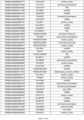
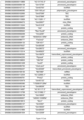
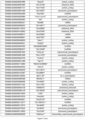
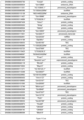
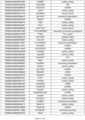
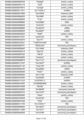
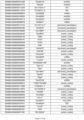
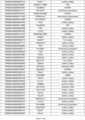
- the disclosure provides a method of characterizing a subject's response to sarcoidosis treatment, wherein the method comprises measuring the expression of one or more of the genes set forth in Figure 9 .
- a 2.5-fold differential expression compared to the level of expression prior to treatment indicates a therapeutic response to treatment (i.e., the disorder is treated, one more symptoms of the disorder are alleviated, etc.).
Landscapes
- Health & Medical Sciences (AREA)
- Life Sciences & Earth Sciences (AREA)
- Animal Behavior & Ethology (AREA)
- Chemical & Material Sciences (AREA)
- Veterinary Medicine (AREA)
- Medicinal Chemistry (AREA)
- Public Health (AREA)
- General Health & Medical Sciences (AREA)
- Pharmacology & Pharmacy (AREA)
- Engineering & Computer Science (AREA)
- Bioinformatics & Cheminformatics (AREA)
- Epidemiology (AREA)
- General Chemical & Material Sciences (AREA)
- Immunology (AREA)
- Nuclear Medicine, Radiotherapy & Molecular Imaging (AREA)
- Chemical Kinetics & Catalysis (AREA)
- Organic Chemistry (AREA)
- Proteomics, Peptides & Aminoacids (AREA)
- Gastroenterology & Hepatology (AREA)
- Endocrinology (AREA)
- Pulmonology (AREA)
- Zoology (AREA)
- Rheumatology (AREA)
- Pain & Pain Management (AREA)
- Peptides Or Proteins (AREA)
- Medicines That Contain Protein Lipid Enzymes And Other Medicines (AREA)
Applications Claiming Priority (3)
| Application Number | Priority Date | Filing Date | Title |
|---|---|---|---|
| US201962875703P | 2019-07-18 | 2019-07-18 | |
| PCT/US2020/042540 WO2021011874A1 (en) | 2019-07-18 | 2020-07-17 | Ghrh antagonists for use in a method of treating sarcoidosis |
| EP20751032.2A EP3999095B1 (de) | 2019-07-18 | 2020-07-17 | Ghrh-antagonisten zur verwendung in einem verfahren zur behandlung von sarkoidose |
Related Parent Applications (1)
| Application Number | Title | Priority Date | Filing Date |
|---|---|---|---|
| EP20751032.2A Division EP3999095B1 (de) | 2019-07-18 | 2020-07-17 | Ghrh-antagonisten zur verwendung in einem verfahren zur behandlung von sarkoidose |
Publications (2)
| Publication Number | Publication Date |
|---|---|
| EP4331674A2 true EP4331674A2 (de) | 2024-03-06 |
| EP4331674A3 EP4331674A3 (de) | 2024-05-22 |
Family
ID=71944425
Family Applications (2)
| Application Number | Title | Priority Date | Filing Date |
|---|---|---|---|
| EP23197003.9A Pending EP4331674A3 (de) | 2019-07-18 | 2020-07-17 | Ghrh-antagonisten zur verwendung in einem verfahren zur behandlung von sarkoidose |
| EP20751032.2A Active EP3999095B1 (de) | 2019-07-18 | 2020-07-17 | Ghrh-antagonisten zur verwendung in einem verfahren zur behandlung von sarkoidose |
Family Applications After (1)
| Application Number | Title | Priority Date | Filing Date |
|---|---|---|---|
| EP20751032.2A Active EP3999095B1 (de) | 2019-07-18 | 2020-07-17 | Ghrh-antagonisten zur verwendung in einem verfahren zur behandlung von sarkoidose |
Country Status (6)
| Country | Link |
|---|---|
| US (2) | US12377135B2 (de) |
| EP (2) | EP4331674A3 (de) |
| JP (2) | JP7719466B2 (de) |
| CN (2) | CN114126653B (de) |
| CA (1) | CA3143758A1 (de) |
| WO (1) | WO2021011874A1 (de) |
Families Citing this family (2)
| Publication number | Priority date | Publication date | Assignee | Title |
|---|---|---|---|---|
| CA3129405A1 (en) | 2019-02-08 | 2020-08-13 | United States Government As Represented By The Department Of Veterans Affairs | Growth hormone-releasing hormone antagonists and uses thereof |
| CN114126653B (zh) | 2019-07-18 | 2024-02-20 | 迈阿密大学 | 用于治疗结节病的方法的ghrh拮抗剂 |
Citations (2)
| Publication number | Priority date | Publication date | Assignee | Title |
|---|---|---|---|---|
| US8691942B2 (en) | 2008-03-28 | 2014-04-08 | University Of Miami | N- and C- terminal substituted antagonistic analogs of GH-RH |
| US20150166617A1 (en) | 2012-06-27 | 2015-06-18 | University Of Miami | Compositions and methods of treating alzheimer's disease |
Family Cites Families (20)
| Publication number | Priority date | Publication date | Assignee | Title |
|---|---|---|---|---|
| US4659693A (en) | 1984-04-30 | 1987-04-21 | Syntex (U.S.A.) Inc. | N,N'-dialkyl substituted guanidino amino acyl residue substituted GRF-analog peptides |
| US4914189A (en) | 1987-02-05 | 1990-04-03 | The Adminstrators Of The Tulane Educational Fund | Synthetic GHRH analogs |
| US5084555A (en) | 1989-08-21 | 1992-01-28 | The Administrators Of The Tulane Educational Fund | An octapeptide bombesin analog |
| CA2082059A1 (en) | 1990-05-04 | 1991-11-05 | David H. Coy | Synthetic grf analogs |
| US5550212A (en) | 1993-12-17 | 1996-08-27 | The Administrators Of The Tulane Educational Fund | Analogues of hGH-RH(1-29)NH2 having antagonistic activity |
| US5942489A (en) | 1996-05-03 | 1999-08-24 | The Administrators Of The Tulane Educational Fund | HGH-RH(1-29)NH2 analogues having antagonistic activity |
| US6124263A (en) * | 1998-11-16 | 2000-09-26 | Asta Medica Ag | Treatment of tumors by administration of growth hormone releasing compounds and their antagonists |
| US6057422A (en) | 1998-11-25 | 2000-05-02 | The Administrators Of The Tulane Educational Fund | Antagonistic analogs of GH-RH inhibiting IGF-I and -II |
| TW200517400A (en) | 2003-08-05 | 2005-06-01 | Univ Tulane | Antagonistic analogs of GH-RH (2003) |
| US20060008823A1 (en) | 2004-05-12 | 2006-01-12 | Kemp Jennifer T | DNA profiling and SNP detection utilizing microarrays |
| CA2718146C (en) | 2008-03-28 | 2016-09-20 | The University Of Miami | Novel n- and c-terminal substituted antagonistic analogs of gh-rh |
| NZ590774A (en) | 2008-08-07 | 2012-09-28 | Pulmagen Therapeutics Inflammation Ltd | Substantially pure 5R enantiomers of pioglitazone and rosiglitazone for treating inflammatory respiratory diseases |
| US8227421B2 (en) | 2009-09-17 | 2012-07-24 | University Of Miami | Fluorinated GHRH antagonists |
| US9855312B2 (en) | 2012-12-21 | 2018-01-02 | University Of Miami | GHRH agonists for the treatment of ischemic disorders |
| US10787490B2 (en) | 2015-07-15 | 2020-09-29 | Protaganist Therapeutics, Inc. | Peptide inhibitors of interleukin-23 receptor and their use to treat inflammatory diseases |
| US10201588B2 (en) | 2016-01-19 | 2019-02-12 | University Of Miami | Materials and methods of treating dyslipidemia |
| US20200276273A1 (en) * | 2017-09-21 | 2020-09-03 | University Of Miami | Method for treating myeloid leukemia |
| CA3129405A1 (en) | 2019-02-08 | 2020-08-13 | United States Government As Represented By The Department Of Veterans Affairs | Growth hormone-releasing hormone antagonists and uses thereof |
| CN114126653B (zh) | 2019-07-18 | 2024-02-20 | 迈阿密大学 | 用于治疗结节病的方法的ghrh拮抗剂 |
| WO2021222129A1 (en) | 2020-04-27 | 2021-11-04 | The University Of Miami | Method of treating an inflammatory disorder |
-
2020
- 2020-07-17 CN CN202080051435.2A patent/CN114126653B/zh active Active
- 2020-07-17 WO PCT/US2020/042540 patent/WO2021011874A1/en not_active Ceased
- 2020-07-17 EP EP23197003.9A patent/EP4331674A3/de active Pending
- 2020-07-17 JP JP2022502442A patent/JP7719466B2/ja active Active
- 2020-07-17 CN CN202410185572.5A patent/CN118021978A/zh active Pending
- 2020-07-17 EP EP20751032.2A patent/EP3999095B1/de active Active
- 2020-07-17 CA CA3143758A patent/CA3143758A1/en active Pending
-
2022
- 2022-01-17 US US17/648,137 patent/US12377135B2/en active Active
-
2025
- 2025-06-30 US US19/255,898 patent/US20250332223A1/en active Pending
- 2025-07-16 JP JP2025119405A patent/JP2025165963A/ja active Pending
Patent Citations (2)
| Publication number | Priority date | Publication date | Assignee | Title |
|---|---|---|---|---|
| US8691942B2 (en) | 2008-03-28 | 2014-04-08 | University Of Miami | N- and C- terminal substituted antagonistic analogs of GH-RH |
| US20150166617A1 (en) | 2012-06-27 | 2015-06-18 | University Of Miami | Compositions and methods of treating alzheimer's disease |
Non-Patent Citations (18)
| Title |
|---|
| "Goodman & Gilman's The Pharmaceutical Basis of Therapeutics", 1980, MACMILLAN PUBLISHING CO. |
| BANKERRHODES: "Modern Pharmaceutics", 1979, MARCEL DEKKER, INC. |
| BAUGHMAN ET AL., RESPIR MED, vol. 110, 2016, pages 66 - 72 |
| CHEN ET AL., CLINICS IN CHEST MEDICINE, vol. 29, no. 3, 2008, pages 365 - 377 |
| FACCHETTI ET AL., AM J PATHOL, vol. 154, 1999, pages 145 - 152 |
| HAVT ET AL., PNAS, vol. 102, no. 48, 2005, pages 17424 - 9 |
| KOH ET AL., EXPERT REV MOL MED, vol. 13, 2011, pages e23 |
| MILLER ET AL., ANN INTERN MED, vol. 37, no. 4, 1952, pages 776 - 784 |
| MIRSAEIDI ET AL., CHEST, vol. 147, no. 2, 2015, pages 438 - 449 |
| MISHARIN ET AL., AM J RESPIR CELL MOL BIOL, vol. 49, 2013, pages 503 - 510 |
| PATTERSON ET AL., ANNALS OF THE AMERICAN THORACIC SOCIETY, vol. 10, no. 4, 2013, pages 362 - 370 |
| POSEL ET AL., J VIS EXP, 2016, pages 53658 |
| REKASI ET AL., PNAS, vol. 97, no. 19, 2000, pages 10561 - 6 |
| SCHALLY ET AL., NAT. CLIN. PRACT. ENDOCRINOL. METAB., vol. 4, no. 1, 2008, pages 33 - 43 |
| ZARANDI ET AL., PEPTIDES, vol. 89, 2017, pages 60 - 70 |
| ZARANDI ET AL., PNAS, vol. 91, no. 25, 1994, pages 12298 - 302 |
| ZHANG C ET AL., SCI REP, vol. 10, 2020, pages 7277 |
| ZHANG ET AL., FRONT IMMUNOL, vol. 10, 2019, pages 2888 |
Also Published As
| Publication number | Publication date |
|---|---|
| JP2025165963A (ja) | 2025-11-05 |
| WO2021011874A1 (en) | 2021-01-21 |
| US20250332223A1 (en) | 2025-10-30 |
| EP3999095A1 (de) | 2022-05-25 |
| JP2022542542A (ja) | 2022-10-05 |
| EP4331674A3 (de) | 2024-05-22 |
| CA3143758A1 (en) | 2021-01-21 |
| CN118021978A (zh) | 2024-05-14 |
| WO2021011874A8 (en) | 2021-11-25 |
| US20220143149A1 (en) | 2022-05-12 |
| CN114126653B (zh) | 2024-02-20 |
| EP3999095B1 (de) | 2023-09-13 |
| JP7719466B2 (ja) | 2025-08-06 |
| EP3999095C0 (de) | 2023-09-13 |
| CN114126653A (zh) | 2022-03-01 |
| US12377135B2 (en) | 2025-08-05 |
Similar Documents
| Publication | Publication Date | Title |
|---|---|---|
| US20250332223A1 (en) | Ghrh antagonists for use in a method of treating sarcoidosis | |
| van der Made et al. | Adult-onset autoinflammation caused by somatic mutations in UBA1: a Dutch case series of patients with VEXAS | |
| Spencer et al. | Helper (CD4+) and cytotoxic (CD8+) T cells promote the pathology of dystrophin-deficient muscle | |
| EP3766513A1 (de) | Niedrige il-2 dosierungen zur behandlung von vaskulitis | |
| JP2022541582A (ja) | 自己免疫障害を処置するための組成物および方法 | |
| JP2018509393A (ja) | 認知の向上のための方法および組成物 | |
| KR19990014835A (ko) | 근육 영양 인자 | |
| KR20200105869A (ko) | Apl 형 펩타이드를 포함하는 약제학적 조성물 | |
| US20230126533A1 (en) | Method of treating an inflammatory disorder | |
| CN106661093A (zh) | Kv1.3钾通道拮抗剂 | |
| US20170202961A1 (en) | Combined therapy of alpha-1-antitrypsin and temporal t-cell depletion for preventing graft rejection | |
| HK40110225A (zh) | 用於治疗结节病的方法的ghrh拮抗剂 | |
| HK40068602A (en) | Ghrh antagonists for use in a method of treating sarcoidosis | |
| HK40068602B (zh) | 用於治疗结节病的方法的ghrh拮抗剂 | |
| WO2016176493A1 (en) | Treatment of medical conditions | |
| US20240226306A1 (en) | Trem-2/dap-12 inhibitors for treating lung disease and injury and combinations thereof | |
| Valtin et al. | Familial hypothalamic diabetes insipidus in rats (Brattleboro strain). 1964. | |
| EP4046658A1 (de) | Verwendung von nicht-igf1r-bindender substanz zur vorbeugung und/oder behandlung von entzündlichen erkrankungen | |
| JP5944828B2 (ja) | 筋ジストロフィー治療剤 | |
| Li | Unraveling the Contribution and Molecular Phenotypes of Bone Marrow-Dependent and Bone Marrow-Independent Macrophages in Diaphragm Muscle Homeostasis and Disease | |
| CN111588854A (zh) | Trf2或其上调剂在制备治疗肌肉疾病的药物中的应用 | |
| Todorović et al. | The effects of intracerebroventricularly applied ghrelin on thymocytes and thymic architecture in rats of different ages | |
| Guzman et al. | Removal of p16/NK4 Expressing Cells in Late Life has Moderate Beneficial Effects on Skeletal Muscle Function in Male Mice. Front | |
| KR100980312B1 (ko) | 아디포넥틴 억제제를 함유하는 염증성 대장 질환 예방 및 치료용 조성물 | |
| WO2010051347A1 (en) | A method for cardioprotection |
Legal Events
| Date | Code | Title | Description |
|---|---|---|---|
| PUAI | Public reference made under article 153(3) epc to a published international application that has entered the european phase |
Free format text: ORIGINAL CODE: 0009012 |
|
| STAA | Information on the status of an ep patent application or granted ep patent |
Free format text: STATUS: THE APPLICATION HAS BEEN PUBLISHED |
|
| AC | Divisional application: reference to earlier application |
Ref document number: 3999095 Country of ref document: EP Kind code of ref document: P |
|
| AK | Designated contracting states |
Kind code of ref document: A2 Designated state(s): AL AT BE BG CH CY CZ DE DK EE ES FI FR GB GR HR HU IE IS IT LI LT LU LV MC MK MT NL NO PL PT RO RS SE SI SK SM TR |
|
| REG | Reference to a national code |
Ref country code: DE Ref legal event code: R079 Free format text: PREVIOUS MAIN CLASS: A61P0029000000 Ipc: A61K0038160000 |
|
| PUAL | Search report despatched |
Free format text: ORIGINAL CODE: 0009013 |
|
| P01 | Opt-out of the competence of the unified patent court (upc) registered |
Effective date: 20240404 |
|
| AK | Designated contracting states |
Kind code of ref document: A3 Designated state(s): AL AT BE BG CH CY CZ DE DK EE ES FI FR GB GR HR HU IE IS IT LI LT LU LV MC MK MT NL NO PL PT RO RS SE SI SK SM TR |
|
| RIC1 | Information provided on ipc code assigned before grant |
Ipc: A61P 29/00 20060101ALI20240417BHEP Ipc: A61K 38/16 20060101AFI20240417BHEP |
|
| STAA | Information on the status of an ep patent application or granted ep patent |
Free format text: STATUS: REQUEST FOR EXAMINATION WAS MADE |
|
| 17P | Request for examination filed |
Effective date: 20241121 |
|
| RBV | Designated contracting states (corrected) |
Designated state(s): AL AT BE BG CH CY CZ DE DK EE ES FI FR GB GR HR HU IE IS IT LI LT LU LV MC MK MT NL NO PL PT RO RS SE SI SK SM TR |
|
| STAA | Information on the status of an ep patent application or granted ep patent |
Free format text: STATUS: EXAMINATION IS IN PROGRESS |
|
| 17Q | First examination report despatched |
Effective date: 20250526 |