EP4257707A1 - Kupplungssystem zur recyceln von kupferschlacke und co2-mineralisierung auf basis fester industrieabfälle - Google Patents
Kupplungssystem zur recyceln von kupferschlacke und co2-mineralisierung auf basis fester industrieabfälle Download PDFInfo
- Publication number
- EP4257707A1 EP4257707A1 EP22184352.7A EP22184352A EP4257707A1 EP 4257707 A1 EP4257707 A1 EP 4257707A1 EP 22184352 A EP22184352 A EP 22184352A EP 4257707 A1 EP4257707 A1 EP 4257707A1
- Authority
- EP
- European Patent Office
- Prior art keywords
- slag
- solid waste
- industrial solid
- mineralization
- coupling
- Prior art date
- Legal status (The legal status is an assumption and is not a legal conclusion. Google has not performed a legal analysis and makes no representation as to the accuracy of the status listed.)
- Granted
Links
Images


Classifications
-
- C—CHEMISTRY; METALLURGY
- C21—METALLURGY OF IRON
- C21B—MANUFACTURE OF IRON OR STEEL
- C21B13/00—Making spongy iron or liquid steel, by direct processes
- C21B13/0073—Selection or treatment of the reducing gases
-
- C—CHEMISTRY; METALLURGY
- C21—METALLURGY OF IRON
- C21B—MANUFACTURE OF IRON OR STEEL
- C21B13/00—Making spongy iron or liquid steel, by direct processes
-
- C—CHEMISTRY; METALLURGY
- C01—INORGANIC CHEMISTRY
- C01F—COMPOUNDS OF THE METALS BERYLLIUM, MAGNESIUM, ALUMINIUM, CALCIUM, STRONTIUM, BARIUM, RADIUM, THORIUM, OR OF THE RARE-EARTH METALS
- C01F11/00—Compounds of calcium, strontium, or barium
- C01F11/18—Carbonates
-
- C—CHEMISTRY; METALLURGY
- C01—INORGANIC CHEMISTRY
- C01F—COMPOUNDS OF THE METALS BERYLLIUM, MAGNESIUM, ALUMINIUM, CALCIUM, STRONTIUM, BARIUM, RADIUM, THORIUM, OR OF THE RARE-EARTH METALS
- C01F5/00—Compounds of magnesium
- C01F5/24—Magnesium carbonates
-
- C—CHEMISTRY; METALLURGY
- C22—METALLURGY; FERROUS OR NON-FERROUS ALLOYS; TREATMENT OF ALLOYS OR NON-FERROUS METALS
- C22B—PRODUCTION AND REFINING OF METALS; PRETREATMENT OF RAW MATERIALS
- C22B1/00—Preliminary treatment of ores or scrap
- C22B1/005—Preliminary treatment of scrap
-
- C—CHEMISTRY; METALLURGY
- C22—METALLURGY; FERROUS OR NON-FERROUS ALLOYS; TREATMENT OF ALLOYS OR NON-FERROUS METALS
- C22B—PRODUCTION AND REFINING OF METALS; PRETREATMENT OF RAW MATERIALS
- C22B15/00—Obtaining copper
- C22B15/0026—Pyrometallurgy
- C22B15/0054—Slag, slime, speiss, or dross treating
-
- C—CHEMISTRY; METALLURGY
- C22—METALLURGY; FERROUS OR NON-FERROUS ALLOYS; TREATMENT OF ALLOYS OR NON-FERROUS METALS
- C22B—PRODUCTION AND REFINING OF METALS; PRETREATMENT OF RAW MATERIALS
- C22B7/00—Working up raw materials other than ores, e.g. scrap, to produce non-ferrous metals and compounds thereof; Methods of a general interest or applied to the winning of more than two metals
- C22B7/001—Dry processes
-
- C—CHEMISTRY; METALLURGY
- C22—METALLURGY; FERROUS OR NON-FERROUS ALLOYS; TREATMENT OF ALLOYS OR NON-FERROUS METALS
- C22B—PRODUCTION AND REFINING OF METALS; PRETREATMENT OF RAW MATERIALS
- C22B7/00—Working up raw materials other than ores, e.g. scrap, to produce non-ferrous metals and compounds thereof; Methods of a general interest or applied to the winning of more than two metals
- C22B7/04—Working-up slag
-
- C—CHEMISTRY; METALLURGY
- C21—METALLURGY OF IRON
- C21B—MANUFACTURE OF IRON OR STEEL
- C21B2100/00—Handling of exhaust gases produced during the manufacture of iron or steel
- C21B2100/20—Increasing the gas reduction potential of recycled exhaust gases
- C21B2100/26—Increasing the gas reduction potential of recycled exhaust gases by adding additional fuel in recirculation pipes
-
- C—CHEMISTRY; METALLURGY
- C21—METALLURGY OF IRON
- C21B—MANUFACTURE OF IRON OR STEEL
- C21B2400/00—Treatment of slags originating from iron or steel processes
- C21B2400/02—Physical or chemical treatment of slags
- C21B2400/03—Removing sulfur
-
- Y—GENERAL TAGGING OF NEW TECHNOLOGICAL DEVELOPMENTS; GENERAL TAGGING OF CROSS-SECTIONAL TECHNOLOGIES SPANNING OVER SEVERAL SECTIONS OF THE IPC; TECHNICAL SUBJECTS COVERED BY FORMER USPC CROSS-REFERENCE ART COLLECTIONS [XRACs] AND DIGESTS
- Y02—TECHNOLOGIES OR APPLICATIONS FOR MITIGATION OR ADAPTATION AGAINST CLIMATE CHANGE
- Y02P—CLIMATE CHANGE MITIGATION TECHNOLOGIES IN THE PRODUCTION OR PROCESSING OF GOODS
- Y02P10/00—Technologies related to metal processing
- Y02P10/20—Recycling
Definitions
- the application belongs to the field of hydrometallurgy technology, carbon capture, utilization and storage (CCUS), and resource utilization of solid waste, specifically relating to the coupling system of copper slag recycling and CO 2 mineralization based on industrial solid waste.
- Copper metallurgy is an important industry in the field of non-ferrous metals in China. The development of copper metallurgy has focused on clean copper metallurgy methods, comprehensive recovery of valuable metals and effective utilization of resources. Copper slag, produced in the process of copper smelting, is a kind of non-ferrous metal slag.
- the waste slag discharged from copper smelting by reverberatory furnace method is copper slag of reverberatory furnace
- the slag discharged from copper smelting by blast furnace is copper slag of blast furnace.
- the reverberatory furnace method will produce 10-20 tons of slag and the blast furnace method will produce 50-100 tons of copper slag.
- the main mineral in the slag is iron-bearing mineral, and the grade of iron generally exceeds 40%, which is much higher than 29.1%, the average industrial grade of iron ore. It has been a focus of all relevant technicians to discover techniques to efficiently recycle these copper slags.
- Rotary hearth furnace process is a direct reduction process evolved from the process of steel rolling annular heating furnace in the recent 40 years. It has the advantages of fast reaction kinetics and a wide adaptability of raw materials. There is also a relatively novel oxygen-enriched bottom blowing bath smelting process, which has the advantage of cleanness and high efficiency.
- the oxygen-enriched bottom blowing bath smelting process is relatively novel.
- such novel method is faced with the issues of weak fundamental research and a low level of automation, and therefore a long way is still needed for this method to be fully applied in practical productions.
- this invention is to provide a coupling system of copper slag recycling and CO 2 mineralization process based on industrial solid waste.
- This invention proposes a coupling system of copper slag recycling and CO 2 mineralization based on industrial solid waste, including the following steps:
- the CO 2 generated in the slag forming treatment process is coupled with the CO 2 mineralization process based on industrial solid waste.
- the method for obtaining sponge iron based on the reforming slag also includes a step of inputting syngas or CO or H 2 or a mixture of CO and H2.
- the CO 2 mineralization process based on industrial solid waste includes the following steps:
- a carbonate product is prepared based on the supernatant obtained above; And/or, the unreacted solid particles are recycled to the mixed reaction process.
- the carbonate product includes calcium carbonate, magnesium carbonate or calcium magnesium carbonate.
- the invention proposes the coupling system of copper slag recycling and CO 2 mineralization process based on industrial solid waste, including:
- the first coupling device also transports the CO 2 generated in the slag forming treatment device to the CO 2 mineralization device based on industrial solid waste.
- the system also includes a third coupling device, which is used to transport part of the carbonate products generated by the CO 2 mineralization device based on industrial solid waste to the slag forming treatment device.
- the system also includes a desulfurization device, which is used to desulfurize the reforming slag before it moves into to the CO 2 mineralization device based on industrial solid waste.
- the CO 2 mineralization device based on industrial solid waste includes:
- the system also includes a product preparation device for producing carbonate products based on the clear liquid phase after the solid-liquid separation device.
- the invention realizes the separation and desulfurization of raw materials through slag forming and other treatments of copper slag, which not only ensures the purity and quality of products, but also enables a green and efficient production. Moreover, the invention can couple the recycling of copper slag with the existing CO 2 mineralization process based on industrial solid waste. Various production lines can be organically integrated in a green and clean manner for both reforming slag and flue gas. At the same time, the selection range and acquisition mode of CO 2 source are expanded for CO 2 mineralization process based on industrial solid waste, and the engineering cost of CO 2 mineralization process based on industrial solid waste is reduced.
- the carbonate products produced from the CO 2 mineralization process based on industrial solid waste can be partially recycled to the slag forming treatment process, as slag forming agent or a supplement to the slag forming agent that needs to be added.
- another internal circulation system is constructed.
- the circulation process is advantageous in that the calcium and magnesium elements in the existing industrial solid waste can be fully utilized, and the resources can be well reused.
- the internal circulation process can also ensure the continuity of the reaction process and improve the reaction efficiency.
- the coupling system of copper slag recycling and CO 2 mineralization process based on industrial solid waste includes the following steps:
- the separation and desulfurization of raw materials are realized through slag forming and other treatments of copper slag, which not only ensures the purity and quality of products, but also enables a green and efficient production.
- the invention can couple the recycling of copper slag with the existing CO 2 mineralization process based on industrial solid waste.
- Various production lines can be organically integrated in a green and clean manner for both reforming slag and flue gas.
- the selection range and acquisition mode of CO 2 source are expanded for CO 2 mineralization process based on industrial solid waste, and the engineering cost of CO 2 mineralization process based on industrial solid waste is reduced.
- reaction steps as one of the examples, can be carried out continuously or simultaneously in the actual production process.
- the slag forming treatment based on copper slag includes but is not limited to treatments such as melting.
- the CO 2 generated in the slag forming treatment process is preferably coupled with the CO 2 mineralization process based on industrial solid waste.
- the CO 2 produced in the slag forming process can also be used as another way to obtain CO 2 in the CO 2 mineralization process based on industrial solid waste.
- the CO 2 source of the CO 2 mineralization process based on industrial solid waste can also come from power plant flue gas, blast furnace, converter, refining furnace, lime kiln flue gas, coal chemical tail gas or petrochemical tail gas.
- the content of carbon dioxide is between 15% - 98%.
- the carbonate products produced from the CO 2 mineralization process based on industrial solid waste can be partially recycled to the slag forming treatment process, as slag forming agents or a supplement to the slag forming agent that need to be added, such as limestone.
- the circulation process is advantageous in that the calcium and magnesium elements in the existing industrial solid waste can be fully utilized, and the resources can be well reused.
- the internal circulation process can also ensure the continuity of the reaction process and improve the reaction efficiency.
- the above method for obtaining sponge iron based on the reforming slag also includes a step of inputting syngas or CO or H 2 or a mixture of CO and H 2 .
- the as-mentioned gas reacts with the reforming slag to obtain high-purity sponge iron.
- slag forming treatment is generally carried out by applying slag forming agents (such as limestone or carbonate product in this embodiment).
- slag forming agents such as limestone or carbonate product in this embodiment.
- the as-mentioned substances react with limestone to form calcium silicate, calcium sulfide, etc.
- the reforming slag described below includes but is not limited to calcium silicate, calcium sulfide, etc.
- the above substances and carbonate products react to generate calcium silicate, magnesium silicate or calcium magnesium silicate.
- the reaction products also include calcium sulfide, magnesium sulfide or calcium magnesium sulfide.
- a desulfurization treatment of the reforming slag is included, to reduce the impact of sulfur on the CO 2 mineralization process based on industrial solid waste.
- the above desulfurization treatment is not necessary if the reforming slag does not contain sulfur or the content of sulfur is very low.
- the configuration of desulfurization treatment depends on the specific composition of raw materials.
- the above CO 2 mineralization process based on industrial solid waste includes the following steps:
- the industrial solid waste includes but is not limited to steel slag, raw ore materials or tailings, other industrial wastes, etc.
- the raw ore materials include calcium magnesium ores.
- Other industrial wastes include iron slag, fly ash, bottom ash, red mud, construction waste/waste cement, tailings, etc.
- a carbonate product is prepared based on the obtained supernatant, wherein the carbonate product includes calcium carbonate, magnesium carbonate or calcium magnesium carbonate.
- the carbonate products can partially participate in the slag forming treatment, as slag forming agents or as a supplement to slag forming agents (such as limestone) that need to be added, resulting in another internal circulation system.
- the unreacted solid particles are recycled to the mixed reaction process, to fully extract and reuse the effective components in the unreacted solid particles.
- the auxiliary reagent comprises at least one organic acid, or one salt based on an organic acid radical or a combination of both.
- the organic acid includes but is not limited to oxalic acid, citric acid, picolinic acid, gluconic acid, glutamic acid, formic acid, acetic acid, propionic acid, butyric acid, valeric acid, lactic acid, succinic acid, phosphoric acid, pyrophosphoric acid, ascorbic acid or phthalic acid.
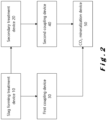
- this embodiment also proposes a coupling system of copper slag recycling and CO 2 mineralization process based on industrial solid waste, including:
- a dual internal circulation can be achieved through the first coupling device 30 and the second coupling device 40, and the recycling of copper slag can be coupled with the existing CO 2 mineralization process based on industrial solid waste.
- Various production lines can be organically integrated for both reforming slag and flue gas, leading to a green and clean production.
- the first coupling device 30 also transports the CO 2 generated by the slag forming treatment device 10 to the CO 2 mineralization device based on industrial solid waste.
- the system also includes a third coupling device 60, which is used to transport part of the carbonate products generated by the CO 2 mineralization device 50 based on industrial solid waste to the slag forming treatment device 10.
- the third coupling device 60 is additionally configured to realize a triple internal circulation.
- the third coupling device 60 can recycle part of the carbonate products prepared by the CO 2 mineralization process based on industrial solid waste to the slag forming treatment process, as slag forming agents or a supplement to the slag forming agents that need to be added.
- This circulation process is advantageous in that the calcium and magnesium elements in the existing industrial solid waste can be fully utilized, and the resources can be well reused.
- the internal circulation process can also ensure the continuity of the reaction process and improve the reaction efficiency.
- This embodiment also includes a desulfurization device, which is used to desulfurize the reforming slag before it moves into to the CO 2 mineralization device 50 based on industrial solid waste.
- the desulfurization treatment is not necessary if the reforming slag does not contain sulfur or the content of sulfur is very low.
- the configuration of desulfurization treatment depends on the specific composition of raw materials.
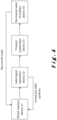
- the CO 2 mineralization device 50 based on industrial solid waste includes:
- the target carbonate products can be obtained, such as calcium carbonate, magnesium carbonate or calcium magnesium carbonate.
- This embodiment also includes a product preparation device 53 for producing carbonate products based on the clear liquid phase after the solid-liquid separation device 52.
- the clear liquid contains target ions, such as calcium ions, magnesium ions or a mixture of both.
- the target product is calcium magnesium carbonate, calcium carbonate or magnesium carbonate.
- the embodiment also includes a recovered water circulation device 54. After the clear liquid phase generates the products, the recovered water is circulated to the mixed reaction device 51 through the recovered water circulation device 54, and the recovered water will be circulated at least two times (m ⁇ 2).
- the mixing reaction device 51 is also continuously fed with steel slag, auxiliary reagent and water at a certain proportion, and the slurry is obtained after well mixing. Carbon dioxide is continuously injected into the mixed reaction device 51 under a certain pressure and reacts with the slurry. The reacted slurry is continuously discharged out of the mixed reaction device 51.
- the steel slag can also be replaced with other industrial wastes, such as iron slag, fly ash, bottom ash, red mud, construction waste/waste cement, tailings, etc.
- the steel slag can also be replaced with raw ore materials or tailings, and the raw ore materials include calcium magnesium ores.
- auxiliary reagent The specific classification of the auxiliary reagent is described above.
- the pressure of carbon dioxide, the proportion of auxiliary reagents and the reaction temperature by adjusting the pressure of carbon dioxide, the proportion of auxiliary reagents and the reaction temperature, the use of strong acid or highly corrosive acid (nitric acid, hydrochloric acid, sulfuric acid, and hydrofluoric acid) is avoided, and a continuous leaching of the target component is realized.
- the slurry out of the mixing reaction device 51 is subjected to at least one stage of solid-liquid separation treatment through the solid-liquid separation device 52, and the unreacted solid particles obtained from the solid-liquid separation will be recycled as raw materials for the next stage of reaction and separation.
- the solid-liquid separation device 52 preferably adopts a two-stage solid-liquid separation configuration.
- the solid-liquid separation device 52 includes a primary coarse separation unit and a secondary fine separation unit.
- the primary coarse separation unit is used to remove particle of sizes ⁇ 5-10 ⁇ m in diameter.
- the secondary fine separation unit is used to remove solid particles with a particle size ⁇ 1-5 ⁇ m in diameter.
- the solid-liquid separation device 52 is also provided with a three-stage solid-liquid separation unit based on the two-stage solid-liquid separation.
- the clear liquid phase containing target ions can be obtained by a disc centrifuge, a plate and frame filter press or a filter.
- the clear liquid containing the target ions is transported to the product preparation device 53.
- the iron hydroxide precipitation is collected through enrichment and in this way, the irons can be reasonably and effectively recovered and utilized.
Landscapes
- Chemical & Material Sciences (AREA)
- Engineering & Computer Science (AREA)
- Organic Chemistry (AREA)
- Manufacturing & Machinery (AREA)
- Materials Engineering (AREA)
- Metallurgy (AREA)
- Geology (AREA)
- Life Sciences & Earth Sciences (AREA)
- Mechanical Engineering (AREA)
- General Life Sciences & Earth Sciences (AREA)
- Environmental & Geological Engineering (AREA)
- Inorganic Chemistry (AREA)
- Geochemistry & Mineralogy (AREA)
- Manufacture And Refinement Of Metals (AREA)
- Manufacture Of Iron (AREA)
- Processing Of Solid Wastes (AREA)
Applications Claiming Priority (1)
| Application Number | Priority Date | Filing Date | Title |
|---|---|---|---|
| CN202210367824.7A CN114686632B (zh) | 2022-04-08 | 2022-04-08 | 铜渣回收利用及基于工业固废的co2矿化耦合方法及系统 |
Publications (3)
| Publication Number | Publication Date |
|---|---|
| EP4257707A1 true EP4257707A1 (de) | 2023-10-11 |
| EP4257707C0 EP4257707C0 (de) | 2025-11-26 |
| EP4257707B1 EP4257707B1 (de) | 2025-11-26 |
Family
ID=82142106
Family Applications (1)
| Application Number | Title | Priority Date | Filing Date |
|---|---|---|---|
| EP22184352.7A Active EP4257707B1 (de) | 2022-04-08 | 2022-07-12 | Kupplungssystem zur recyceln von kupferschlacke und co2-mineralisierung auf basis fester industrieabfälle |
Country Status (6)
| Country | Link |
|---|---|
| US (1) | US12601021B2 (de) |
| EP (1) | EP4257707B1 (de) |
| JP (1) | JP7311683B1 (de) |
| CN (1) | CN114686632B (de) |
| AU (1) | AU2023249728A1 (de) |
| WO (1) | WO2023193714A1 (de) |
Families Citing this family (3)
| Publication number | Priority date | Publication date | Assignee | Title |
|---|---|---|---|---|
| CN114686632B (zh) * | 2022-04-08 | 2024-03-22 | 瀜矿环保科技(上海)有限公司 | 铜渣回收利用及基于工业固废的co2矿化耦合方法及系统 |
| CN118703775A (zh) * | 2024-08-29 | 2024-09-27 | 甘肃酒钢集团宏兴钢铁股份有限公司 | 一种铜渣煤基氢冶金转底炉工艺 |
| CN120069616B (zh) * | 2025-04-25 | 2025-07-18 | 长武县胡家河排矸有限公司 | 一种多源煤基固废资源化利用方向的决策方法及系统 |
Citations (2)
| Publication number | Priority date | Publication date | Assignee | Title |
|---|---|---|---|---|
| WO2011047070A1 (en) * | 2009-10-16 | 2011-04-21 | Daniel Colton | Carbon-dioxide mineral sequestration using mine waste |
| CN106422716A (zh) * | 2016-08-25 | 2017-02-22 | 昆明理工大学 | 一种提铜尾渣脱除烟气中so2和资源化的方法及装置 |
Family Cites Families (15)
| Publication number | Priority date | Publication date | Assignee | Title |
|---|---|---|---|---|
| JP5530195B2 (ja) * | 2010-01-21 | 2014-06-25 | 三井金属鉱業株式会社 | 銅含有被処理物からの銅回収方法 |
| JP6363035B2 (ja) * | 2015-02-27 | 2018-07-25 | 独立行政法人国立高等専門学校機構 | 銅スラグの処理方法 |
| CN104846209B (zh) * | 2015-05-29 | 2017-03-01 | 东北大学 | 一种从熔融铜渣中分步还原回收铁及煤气化回收余热的系统及方法 |
| KR101686768B1 (ko) * | 2016-04-07 | 2016-12-14 | 왕제필 | 동 슬래그로부터 주철용 선철을 제조하는 방법 |
| CN107460322A (zh) * | 2017-08-10 | 2017-12-12 | 江苏省冶金设计院有限公司 | 一种处理铜渣的方法和系统 |
| CN107723470A (zh) * | 2017-10-10 | 2018-02-23 | 东北大学 | 一种由含铜与铁的混合熔渣生产的方法 |
| CN108048647A (zh) * | 2017-11-07 | 2018-05-18 | 江苏省冶金设计院有限公司 | 一种铜渣的处理方法 |
| CN207738771U (zh) * | 2017-12-06 | 2018-08-17 | 江苏省冶金设计院有限公司 | 一种直接还原的设备 |
| CN108728660B (zh) * | 2018-06-20 | 2020-07-17 | 中国恩菲工程技术有限公司 | 铜渣贫化方法 |
| CN110923387B (zh) | 2019-12-12 | 2021-05-11 | 青岛理工大学 | 一种含铁冶金渣粒梯级余热回收及直接还原系统及方法 |
| JP2021133304A (ja) | 2020-02-27 | 2021-09-13 | 東ソー株式会社 | 二酸化炭素の固定化方法 |
| CN111558606B (zh) * | 2020-06-05 | 2021-10-29 | 瀜矿环保科技(上海)有限公司 | 基于二氧化碳的湿法冶金多级反应和分离系统 |
| CN113736940B (zh) | 2021-07-26 | 2022-11-25 | 赛能杰高新技术股份有限公司 | 一种转底炉处理铜渣的方法 |
| CN113582214B (zh) * | 2021-09-06 | 2022-02-18 | 上海源晗能源技术有限公司 | 一种绿色低碳闭环冶金及二氧化碳捕集利用工艺 |
| CN114686632B (zh) * | 2022-04-08 | 2024-03-22 | 瀜矿环保科技(上海)有限公司 | 铜渣回收利用及基于工业固废的co2矿化耦合方法及系统 |
-
2022
- 2022-04-08 CN CN202210367824.7A patent/CN114686632B/zh active Active
- 2022-06-29 JP JP2022104217A patent/JP7311683B1/ja active Active
- 2022-07-12 EP EP22184352.7A patent/EP4257707B1/de active Active
- 2022-09-09 US US17/941,379 patent/US12601021B2/en active Active
-
2023
- 2023-04-04 WO PCT/CN2023/086221 patent/WO2023193714A1/zh not_active Ceased
- 2023-04-04 AU AU2023249728A patent/AU2023249728A1/en active Pending
Patent Citations (2)
| Publication number | Priority date | Publication date | Assignee | Title |
|---|---|---|---|---|
| WO2011047070A1 (en) * | 2009-10-16 | 2011-04-21 | Daniel Colton | Carbon-dioxide mineral sequestration using mine waste |
| CN106422716A (zh) * | 2016-08-25 | 2017-02-22 | 昆明理工大学 | 一种提铜尾渣脱除烟气中so2和资源化的方法及装置 |
Also Published As
| Publication number | Publication date |
|---|---|
| JP2023155113A (ja) | 2023-10-20 |
| CN114686632A (zh) | 2022-07-01 |
| CN114686632B (zh) | 2024-03-22 |
| WO2023193714A1 (zh) | 2023-10-12 |
| EP4257707C0 (de) | 2025-11-26 |
| JP7311683B1 (ja) | 2023-07-19 |
| AU2023249728A1 (en) | 2024-10-10 |
| US12601021B2 (en) | 2026-04-14 |
| EP4257707B1 (de) | 2025-11-26 |
| US20230323490A1 (en) | 2023-10-12 |
Similar Documents
| Publication | Publication Date | Title |
|---|---|---|
| US12601021B2 (en) | Coupling system of copper slag recycling and CO2 mineralization based on industrial solid waste | |
| CN104404261B (zh) | 一种金精矿氰化尾渣氯化焙烧同步还原回收金、铁的方法 | |
| CN101550491B (zh) | 氯化焙烧-浸出法从镍矿提取镍或钴的方法 | |
| Balomnenos et al. | The ENEXAL bauxite residue treatment process: industrial scale pilot plant results | |
| CN111719054B (zh) | 一种石煤钒矿的氧化破晶焙烧综合利用方法 | |
| CN101285128A (zh) | 一种红土镍矿的综合回收利用方法 | |
| KR20170007423A (ko) | 황 회수를 통한 선택적 희토류 추출 시스템 및 공정 | |
| CN111558606A (zh) | 基于二氧化碳的湿法冶金多级反应和分离系统 | |
| Zhang et al. | A review of comprehensive utilization of high-iron red mud of China | |
| CN115558784A (zh) | 含锑碳质金矿的悬浮焙烧预氧化二氧化氯浸出提金方法 | |
| CN1743488A (zh) | 用钒钛铁精矿制取钛铁、钢及钒铁的方法 | |
| CN109957657B (zh) | 一种从赤泥中同时资源化利用铁、钠、铝的方法 | |
| CN108441636B (zh) | 一种二段真空还原处理赤泥的方法 | |
| CN104975166A (zh) | 一种硫化物物相还原转化-选矿法处理硫化锑精矿的方法 | |
| JP2017137578A (ja) | 亜鉛の分離方法、亜鉛材料の製造方法および鉄材料の製造方法 | |
| CN105624411A (zh) | 一种高炉瓦斯灰的浸出方法 | |
| JPH0797638A (ja) | 製鉄所で発生するダスト類の処理方法 | |
| CN106882839B (zh) | 一种钛白废酸综合利用的方法 | |
| JP2022105980A (ja) | 亜鉛の分離方法、亜鉛材料の製造方法および鉄材料の製造方法 | |
| CN111304394A (zh) | 一种海滨砂矿直接还原-磨矿磁选分离钛铁的方法 | |
| CN112430735B (zh) | 一种酸性提钒尾渣的处理方法 | |
| CN113444875B (zh) | 一种硫化锑精矿与铝工业废渣协同处理资源化利用的方法 | |
| CN117486252A (zh) | 一种赤泥综合利用的方法 | |
| CN121380576B (zh) | 利用高铁赤泥提取铁铝的工艺 | |
| CN113201647A (zh) | 一种湿法冶金过程产生的细微铁红的利用方法 |
Legal Events
| Date | Code | Title | Description |
|---|---|---|---|
| PUAI | Public reference made under article 153(3) epc to a published international application that has entered the european phase |
Free format text: ORIGINAL CODE: 0009012 |
|
| STAA | Information on the status of an ep patent application or granted ep patent |
Free format text: STATUS: THE APPLICATION HAS BEEN PUBLISHED |
|
| AK | Designated contracting states |
Kind code of ref document: A1 Designated state(s): AL AT BE BG CH CY CZ DE DK EE ES FI FR GB GR HR HU IE IS IT LI LT LU LV MC MK MT NL NO PL PT RO RS SE SI SK SM TR |
|
| STAA | Information on the status of an ep patent application or granted ep patent |
Free format text: STATUS: REQUEST FOR EXAMINATION WAS MADE |
|
| 17P | Request for examination filed |
Effective date: 20240329 |
|
| RBV | Designated contracting states (corrected) |
Designated state(s): AL AT BE BG CH CY CZ DE DK EE ES FI FR GB GR HR HU IE IS IT LI LT LU LV MC MK MT NL NO PL PT RO RS SE SI SK SM TR |
|
| RAP1 | Party data changed (applicant data changed or rights of an application transferred) |
Owner name: GREENORE HOLDING CO. |
|
| STAA | Information on the status of an ep patent application or granted ep patent |
Free format text: STATUS: EXAMINATION IS IN PROGRESS |
|
| 17Q | First examination report despatched |
Effective date: 20241010 |
|
| GRAP | Despatch of communication of intention to grant a patent |
Free format text: ORIGINAL CODE: EPIDOSNIGR1 |
|
| STAA | Information on the status of an ep patent application or granted ep patent |
Free format text: STATUS: GRANT OF PATENT IS INTENDED |
|
| INTG | Intention to grant announced |
Effective date: 20250620 |
|
| GRAS | Grant fee paid |
Free format text: ORIGINAL CODE: EPIDOSNIGR3 |
|
| GRAA | (expected) grant |
Free format text: ORIGINAL CODE: 0009210 |
|
| STAA | Information on the status of an ep patent application or granted ep patent |
Free format text: STATUS: THE PATENT HAS BEEN GRANTED |
|
| AK | Designated contracting states |
Kind code of ref document: B1 Designated state(s): AL AT BE BG CH CY CZ DE DK EE ES FI FR GB GR HR HU IE IS IT LI LT LU LV MC MK MT NL NO PL PT RO RS SE SI SK SM TR |
|
| REG | Reference to a national code |
Ref country code: CH Ref legal event code: F10 Free format text: ST27 STATUS EVENT CODE: U-0-0-F10-F00 (AS PROVIDED BY THE NATIONAL OFFICE) Effective date: 20251126 Ref country code: GB Ref legal event code: FG4D |
|
| REG | Reference to a national code |
Ref country code: IE Ref legal event code: FG4D |
|
| REG | Reference to a national code |
Ref country code: DE Ref legal event code: R096 Ref document number: 602022025496 Country of ref document: DE |
|
| U01 | Request for unitary effect filed |
Effective date: 20251224 |
|
| U07 | Unitary effect registered |
Designated state(s): AT BE BG DE DK EE FI FR IT LT LU LV MT NL PT RO SE SI Effective date: 20260109 |
|
| PG25 | Lapsed in a contracting state [announced via postgrant information from national office to epo] |
Ref country code: ES Free format text: LAPSE BECAUSE OF FAILURE TO SUBMIT A TRANSLATION OF THE DESCRIPTION OR TO PAY THE FEE WITHIN THE PRESCRIBED TIME-LIMIT Effective date: 20251126 |
|
| PG25 | Lapsed in a contracting state [announced via postgrant information from national office to epo] |
Ref country code: NO Free format text: LAPSE BECAUSE OF FAILURE TO SUBMIT A TRANSLATION OF THE DESCRIPTION OR TO PAY THE FEE WITHIN THE PRESCRIBED TIME-LIMIT Effective date: 20260226 |
|
| PG25 | Lapsed in a contracting state [announced via postgrant information from national office to epo] |
Ref country code: HR Free format text: LAPSE BECAUSE OF FAILURE TO SUBMIT A TRANSLATION OF THE DESCRIPTION OR TO PAY THE FEE WITHIN THE PRESCRIBED TIME-LIMIT Effective date: 20251126 |
|
| PG25 | Lapsed in a contracting state [announced via postgrant information from national office to epo] |
Ref country code: RS Free format text: LAPSE BECAUSE OF FAILURE TO SUBMIT A TRANSLATION OF THE DESCRIPTION OR TO PAY THE FEE WITHIN THE PRESCRIBED TIME-LIMIT Effective date: 20260226 |
|
| PG25 | Lapsed in a contracting state [announced via postgrant information from national office to epo] |
Ref country code: IS Free format text: LAPSE BECAUSE OF FAILURE TO SUBMIT A TRANSLATION OF THE DESCRIPTION OR TO PAY THE FEE WITHIN THE PRESCRIBED TIME-LIMIT Effective date: 20260326 |
|
| PG25 | Lapsed in a contracting state [announced via postgrant information from national office to epo] |
Ref country code: PL Free format text: LAPSE BECAUSE OF FAILURE TO SUBMIT A TRANSLATION OF THE DESCRIPTION OR TO PAY THE FEE WITHIN THE PRESCRIBED TIME-LIMIT Effective date: 20251126 |
|
| PG25 | Lapsed in a contracting state [announced via postgrant information from national office to epo] |
Ref country code: SM Free format text: LAPSE BECAUSE OF FAILURE TO SUBMIT A TRANSLATION OF THE DESCRIPTION OR TO PAY THE FEE WITHIN THE PRESCRIBED TIME-LIMIT Effective date: 20251126 |
|
| PG25 | Lapsed in a contracting state [announced via postgrant information from national office to epo] |
Ref country code: CZ Free format text: LAPSE BECAUSE OF FAILURE TO SUBMIT A TRANSLATION OF THE DESCRIPTION OR TO PAY THE FEE WITHIN THE PRESCRIBED TIME-LIMIT Effective date: 20251126 |
|
| U20 | Renewal fee for the european patent with unitary effect paid |
Year of fee payment: 5 Effective date: 20260617 |
|
| PG25 | Lapsed in a contracting state [announced via postgrant information from national office to epo] |
Ref country code: SK Free format text: LAPSE BECAUSE OF FAILURE TO SUBMIT A TRANSLATION OF THE DESCRIPTION OR TO PAY THE FEE WITHIN THE PRESCRIBED TIME-LIMIT Effective date: 20251126 |