EP4249592A2 - Identifizierung von gemeinsamen tumorspezifischen t-zellrezeptoren und antigenen - Google Patents
Identifizierung von gemeinsamen tumorspezifischen t-zellrezeptoren und antigenen Download PDFInfo
- Publication number
- EP4249592A2 EP4249592A2 EP23176208.9A EP23176208A EP4249592A2 EP 4249592 A2 EP4249592 A2 EP 4249592A2 EP 23176208 A EP23176208 A EP 23176208A EP 4249592 A2 EP4249592 A2 EP 4249592A2
- Authority
- EP
- European Patent Office
- Prior art keywords
- seq
- sequence
- tumor
- group
- tcr
- Prior art date
- Legal status (The legal status is an assumption and is not a legal conclusion. Google has not performed a legal analysis and makes no representation as to the accuracy of the status listed.)
- Pending
Links
Images



Classifications
-
- A—HUMAN NECESSITIES
- A61—MEDICAL OR VETERINARY SCIENCE; HYGIENE
- A61P—SPECIFIC THERAPEUTIC ACTIVITY OF CHEMICAL COMPOUNDS OR MEDICINAL PREPARATIONS
- A61P35/00—Antineoplastic agents
-
- A—HUMAN NECESSITIES
- A61—MEDICAL OR VETERINARY SCIENCE; HYGIENE
- A61K—PREPARATIONS FOR MEDICAL, DENTAL OR TOILETRY PURPOSES
- A61K35/00—Medicinal preparations containing materials or reaction products thereof with undetermined constitution
- A61K35/12—Materials from mammals; Compositions comprising non-specified tissues or cells; Compositions comprising non-embryonic stem cells; Genetically modified cells
- A61K35/14—Blood; Artificial blood
- A61K35/17—Lymphocytes; B-cells; T-cells; Natural killer cells; Interferon-activated or cytokine-activated lymphocytes
-
- A—HUMAN NECESSITIES
- A61—MEDICAL OR VETERINARY SCIENCE; HYGIENE
- A61K—PREPARATIONS FOR MEDICAL, DENTAL OR TOILETRY PURPOSES
- A61K40/00—Cellular immunotherapy
- A61K40/10—Cellular immunotherapy characterised by the cell type used
- A61K40/11—T-cells, e.g. tumour infiltrating lymphocytes [TIL] or regulatory T [Treg] cells; Lymphokine-activated killer [LAK] cells
-
- A—HUMAN NECESSITIES
- A61—MEDICAL OR VETERINARY SCIENCE; HYGIENE
- A61K—PREPARATIONS FOR MEDICAL, DENTAL OR TOILETRY PURPOSES
- A61K40/00—Cellular immunotherapy
- A61K40/30—Cellular immunotherapy characterised by the recombinant expression of specific molecules in the cells of the immune system
- A61K40/32—T-cell receptors [TCR]
-
- A—HUMAN NECESSITIES
- A61—MEDICAL OR VETERINARY SCIENCE; HYGIENE
- A61K—PREPARATIONS FOR MEDICAL, DENTAL OR TOILETRY PURPOSES
- A61K40/00—Cellular immunotherapy
- A61K40/40—Cellular immunotherapy characterised by antigens that are targeted or presented by cells of the immune system
- A61K40/41—Vertebrate antigens
- A61K40/42—Cancer antigens
- A61K40/428—Undefined tumor antigens, e.g. tumor lysate or antigens targeted by cells isolated from tumor
-
- C—CHEMISTRY; METALLURGY
- C07—ORGANIC CHEMISTRY
- C07K—PEPTIDES
- C07K14/00—Peptides having more than 20 amino acids; Gastrins; Somatostatins; Melanotropins; Derivatives thereof
- C07K14/435—Peptides having more than 20 amino acids; Gastrins; Somatostatins; Melanotropins; Derivatives thereof from animals; from humans
- C07K14/705—Receptors; Cell surface antigens; Cell surface determinants
- C07K14/70503—Immunoglobulin superfamily
- C07K14/7051—T-cell receptor (TcR)-CD3 complex
-
- C—CHEMISTRY; METALLURGY
- C12—BIOCHEMISTRY; BEER; SPIRITS; WINE; VINEGAR; MICROBIOLOGY; ENZYMOLOGY; MUTATION OR GENETIC ENGINEERING
- C12N—MICROORGANISMS OR ENZYMES; COMPOSITIONS THEREOF; PROPAGATING, PRESERVING, OR MAINTAINING MICROORGANISMS; MUTATION OR GENETIC ENGINEERING; CULTURE MEDIA
- C12N15/00—Mutation or genetic engineering; DNA or RNA concerning genetic engineering, vectors, e.g. plasmids, or their isolation, preparation or purification; Use of hosts therefor
- C12N15/09—Recombinant DNA-technology
- C12N15/10—Processes for the isolation, preparation or purification of DNA or RNA
- C12N15/1034—Isolating an individual clone by screening libraries
- C12N15/1075—Isolating an individual clone by screening libraries by coupling phenotype to genotype, not provided for in other groups of this subclass
-
- C—CHEMISTRY; METALLURGY
- C12—BIOCHEMISTRY; BEER; SPIRITS; WINE; VINEGAR; MICROBIOLOGY; ENZYMOLOGY; MUTATION OR GENETIC ENGINEERING
- C12N—MICROORGANISMS OR ENZYMES; COMPOSITIONS THEREOF; PROPAGATING, PRESERVING, OR MAINTAINING MICROORGANISMS; MUTATION OR GENETIC ENGINEERING; CULTURE MEDIA
- C12N15/00—Mutation or genetic engineering; DNA or RNA concerning genetic engineering, vectors, e.g. plasmids, or their isolation, preparation or purification; Use of hosts therefor
- C12N15/09—Recombinant DNA-technology
- C12N15/10—Processes for the isolation, preparation or purification of DNA or RNA
- C12N15/1096—Processes for the isolation, preparation or purification of DNA or RNA cDNA Synthesis; Subtracted cDNA library construction, e.g. RT, RT-PCR
-
- C—CHEMISTRY; METALLURGY
- C12—BIOCHEMISTRY; BEER; SPIRITS; WINE; VINEGAR; MICROBIOLOGY; ENZYMOLOGY; MUTATION OR GENETIC ENGINEERING
- C12N—MICROORGANISMS OR ENZYMES; COMPOSITIONS THEREOF; PROPAGATING, PRESERVING, OR MAINTAINING MICROORGANISMS; MUTATION OR GENETIC ENGINEERING; CULTURE MEDIA
- C12N5/00—Undifferentiated human, animal or plant cells, e.g. cell lines; Tissues; Cultivation or maintenance thereof; Culture media therefor
- C12N5/06—Animal cells or tissues; Human cells or tissues
- C12N5/0602—Vertebrate cells
- C12N5/0634—Cells from the blood or the immune system
- C12N5/0636—T lymphocytes
-
- C—CHEMISTRY; METALLURGY
- C12—BIOCHEMISTRY; BEER; SPIRITS; WINE; VINEGAR; MICROBIOLOGY; ENZYMOLOGY; MUTATION OR GENETIC ENGINEERING
- C12Q—MEASURING OR TESTING PROCESSES INVOLVING ENZYMES, NUCLEIC ACIDS OR MICROORGANISMS; COMPOSITIONS OR TEST PAPERS THEREFOR; PROCESSES OF PREPARING SUCH COMPOSITIONS; CONDITION-RESPONSIVE CONTROL IN MICROBIOLOGICAL OR ENZYMOLOGICAL PROCESSES
- C12Q1/00—Measuring or testing processes involving enzymes, nucleic acids or microorganisms; Compositions therefor; Processes of preparing such compositions
- C12Q1/68—Measuring or testing processes involving enzymes, nucleic acids or microorganisms; Compositions therefor; Processes of preparing such compositions involving nucleic acids
- C12Q1/6806—Preparing nucleic acids for analysis, e.g. for polymerase chain reaction [PCR] assay
-
- C—CHEMISTRY; METALLURGY
- C12—BIOCHEMISTRY; BEER; SPIRITS; WINE; VINEGAR; MICROBIOLOGY; ENZYMOLOGY; MUTATION OR GENETIC ENGINEERING
- C12Q—MEASURING OR TESTING PROCESSES INVOLVING ENZYMES, NUCLEIC ACIDS OR MICROORGANISMS; COMPOSITIONS OR TEST PAPERS THEREFOR; PROCESSES OF PREPARING SUCH COMPOSITIONS; CONDITION-RESPONSIVE CONTROL IN MICROBIOLOGICAL OR ENZYMOLOGICAL PROCESSES
- C12Q1/00—Measuring or testing processes involving enzymes, nucleic acids or microorganisms; Compositions therefor; Processes of preparing such compositions
- C12Q1/68—Measuring or testing processes involving enzymes, nucleic acids or microorganisms; Compositions therefor; Processes of preparing such compositions involving nucleic acids
- C12Q1/6809—Methods for determination or identification of nucleic acids involving differential detection
-
- G—PHYSICS
- G01—MEASURING; TESTING
- G01N—INVESTIGATING OR ANALYSING MATERIALS BY DETERMINING THEIR CHEMICAL OR PHYSICAL PROPERTIES
- G01N33/00—Investigating or analysing materials by specific methods not covered by groups G01N1/00 - G01N31/00
- G01N33/48—Biological material, e.g. blood, urine; Haemocytometers
- G01N33/50—Chemical analysis of biological material, e.g. blood, urine; Testing involving biospecific ligand binding methods; Immunological testing
- G01N33/5005—Chemical analysis of biological material, e.g. blood, urine; Testing involving biospecific ligand binding methods; Immunological testing involving human or animal cells
- G01N33/5008—Chemical analysis of biological material, e.g. blood, urine; Testing involving biospecific ligand binding methods; Immunological testing involving human or animal cells for testing or evaluating the effect of chemical or biological compounds, e.g. drugs, cosmetics
- G01N33/5044—Chemical analysis of biological material, e.g. blood, urine; Testing involving biospecific ligand binding methods; Immunological testing involving human or animal cells for testing or evaluating the effect of chemical or biological compounds, e.g. drugs, cosmetics involving specific cell types
- G01N33/5047—Cells of the immune system
- G01N33/505—Cells of the immune system involving T-cells
-
- G—PHYSICS
- G01—MEASURING; TESTING
- G01N—INVESTIGATING OR ANALYSING MATERIALS BY DETERMINING THEIR CHEMICAL OR PHYSICAL PROPERTIES
- G01N33/00—Investigating or analysing materials by specific methods not covered by groups G01N1/00 - G01N31/00
- G01N33/48—Biological material, e.g. blood, urine; Haemocytometers
- G01N33/50—Chemical analysis of biological material, e.g. blood, urine; Testing involving biospecific ligand binding methods; Immunological testing
- G01N33/68—Chemical analysis of biological material, e.g. blood, urine; Testing involving biospecific ligand binding methods; Immunological testing involving proteins, peptides or amino acids
- G01N33/6893—Chemical analysis of biological material, e.g. blood, urine; Testing involving biospecific ligand binding methods; Immunological testing involving proteins, peptides or amino acids related to diseases not provided for elsewhere
-
- G—PHYSICS
- G16—INFORMATION AND COMMUNICATION TECHNOLOGY [ICT] SPECIALLY ADAPTED FOR SPECIFIC APPLICATION FIELDS
- G16B—BIOINFORMATICS, i.e. INFORMATION AND COMMUNICATION TECHNOLOGY [ICT] SPECIALLY ADAPTED FOR GENETIC OR PROTEIN-RELATED DATA PROCESSING IN COMPUTATIONAL MOLECULAR BIOLOGY
- G16B30/00—ICT specially adapted for sequence analysis involving nucleotides or amino acids
- G16B30/10—Sequence alignment; Homology search
-
- C—CHEMISTRY; METALLURGY
- C12—BIOCHEMISTRY; BEER; SPIRITS; WINE; VINEGAR; MICROBIOLOGY; ENZYMOLOGY; MUTATION OR GENETIC ENGINEERING
- C12N—MICROORGANISMS OR ENZYMES; COMPOSITIONS THEREOF; PROPAGATING, PRESERVING, OR MAINTAINING MICROORGANISMS; MUTATION OR GENETIC ENGINEERING; CULTURE MEDIA
- C12N2510/00—Genetically modified cells
-
- G—PHYSICS
- G01—MEASURING; TESTING
- G01N—INVESTIGATING OR ANALYSING MATERIALS BY DETERMINING THEIR CHEMICAL OR PHYSICAL PROPERTIES
- G01N2333/00—Assays involving biological materials from specific organisms or of a specific nature
- G01N2333/435—Assays involving biological materials from specific organisms or of a specific nature from animals; from humans
- G01N2333/705—Assays involving receptors, cell surface antigens or cell surface determinants
- G01N2333/70503—Immunoglobulin superfamily, e.g. VCAMs, PECAM, LFA-3
- G01N2333/7051—T-cell receptor (TcR)-CD3 complex
-
- G—PHYSICS
- G01—MEASURING; TESTING
- G01N—INVESTIGATING OR ANALYSING MATERIALS BY DETERMINING THEIR CHEMICAL OR PHYSICAL PROPERTIES
- G01N2800/00—Detection or diagnosis of diseases
- G01N2800/70—Mechanisms involved in disease identification
- G01N2800/7023—(Hyper)proliferation
- G01N2800/7028—Cancer
Definitions
- the present invention relates to a method for identification of common patient-spanning tumor-specific T cell receptors (TCRs) and their corresponding antigens.
- TCRs tumor-specific T cell receptors
- the invention also relates to these TCR sequences, a nucleic acid encoding the TCR, and a T cell comprising the TCR and/or the encoding nucleic acid.
- Adoptive cell therapy with T cells genetically engineered to express tumor-reactive chimeric antigen receptors (CAR-T cells) or T-cell receptors (TCRs) is a promising treatment strategy for patients with cancer.
- CAR-T cells tumor-reactive chimeric antigen receptors
- TCRs T-cell receptors
- TsTCRtg-T cells tumor-specific transgenic TCRs
- TAA or TSA tumor-associated or tumor-specific antigens presented by HLA-molecules
- pMHC HLA-molecules
- TSA resulting from point mutations or chromosomal translocations that affect common driver genes of malignancy and are shared between tumors
- TSA resulting from point mutations or chromosomal translocations that affect common driver genes of malignancy and are shared between tumors
- antigen categories like tumor-specific cryptic ("dark matter") or aberrantly spliced transcripts, have the potential to be shared between tumors and recognized by T cells.
- the inventors have developed a method that identifies tumor-specific T-cell receptors by comparing CDR3 sequences obtained from TILs with T-cells in the adjacent tissue ( WO 2017/025564 A1 ).
- CDR3 sequences obtained from TILs with T-cells in the adjacent tissue
- most tumor-specific antigens arise through mutations that are limited to the individual patient.
- private neoantigens can be targeted by personalized tsTCRtg-T cell therapies
- shared TAA or TSA are ideal targets for off-the-shelf tsTCRtg-T cell therapies in patients with expression of matched HLA alleles.
- Personalized therapy is time-consuming, costly and highly regulated by FDA and EMA (ATMP, advanced medicinal products; gene therapy medicinal products).
- FDA and EMA advanced medicinal products; gene therapy medicinal products.
- many patients' diseases progress faster than personalized therapeutics can be produced. Therefore, it would be highly advantageous to develop a method that identifies carriers of such common tumor-specific TCRs by scanning their TIL-repertoires for identical or highly similar antigen-recognition domains (CDR3 ⁇ and - ⁇ ) thereby providing off-the-shelf therapeutic receptors and concomitantly opening up an opportunity to identify the shared tumor-specific antigens for additional therapeutic options.
- CDR3 ⁇ and - ⁇ antigen-recognition domains
- the objective of the present invention is to provide means and methods to identify common tumor-specific TCR sequences and their corresponding antigens. This objective is attained by the subject-matter of the independent claims of the present specification, with further advantageous embodiments described in the dependent claims, examples, figures and general description of this specification.
- an alternative way is to analyze T cell repertoires in tumors of different cancer patients searching for specific effects originating from shared tumor antigens.
- a T-cell infiltrates the tumor and provokes a specific receptor mediated interaction with a tumor antigen, this encounter is followed by activation, proliferation and enrichment of the clone in the tumor.
- the preferred localization of this unique TCR clonotype as determined quantitatively by the ratio of the TCR clonotype frequencies between tumor and adjacent non-tumor tissue is a predictor of tumor-specificity. This technology is described in WO 2017/025564 A1 .
- TCR cluster a unique tumor-specific TCR clonotype or structurally closely related TCR clonotypes, referred to as a TCR cluster. If such a unique tumor-specific TCR clonotype or structurally closely related TCR clonotypes, referred to as a TCR cluster, are detected in the tumors of other patients, this is indicative of the existence of a shared tumor antigen in these patients. This is particularly informative when TCR clusters are detected in HLA-matched patients revealing the nature of the HLA allele presenting the shared antigenic epitope. As the last step, complete elucidation of the cluster TCRs, e.g. by single cell technologies, will yield ⁇ / ⁇ -TCRs with specificity for the shared antigen.
- TCRs in vector form they can be used for transduction into autologous T cells of cancer patients for immunotherapeutic intervention.
- Eligible are HLA-matched patients who are either carriers of cluster TCRs or are carriers of the known shared tumor antigen.
- a first aspect of the invention relates to a method for identification of a common tumor-specific T cell receptor (TCR).
- TCR tumor-specific T cell receptor
- a second aspect of the invention relates to a method for identification of a common tumor-specific antigen.
- a third aspect of the invention relates to an isolated TCR identified by the method according to the first aspect.
- a fourth aspect of the invention relates to a nucleic acid sequence encoding the TCR according to the third aspect.
- a fifth aspect of the invention relates to an isolated autologous T cell comprising a TCR according to the third aspect, and/or a nucleic acid sequence according to the fourth aspect.
- a sixth aspect of the invention relates to the TCR according to the third aspect, the nucleic acid sequence according to the fourth aspect, or the isolated autologous T cell according to the fifth aspect for use in treatment of cancer.
- references to "about” a value or parameter herein includes (and describes) variations that are directed to that value or parameter per se. For example, description referring to "about X” includes description of "X.”
- sequences similar or homologous are also part of the invention.
- the sequence identity at the amino acid level can be about 80%, 85%, 90%, 91 %, 92%, 93%, 94%, 95%, 96%, 97%, 98%, 99% or higher.
- the sequence identity can be about 70%, 75%, 80%, 85%, 90%, 91%, 92%, 93%, 94%, 95%, 96%, 97%, 98%, 99% or higher.
- substantial identity exists when the nucleic acid segments will hybridize under selective hybridization conditions (e.g., very high stringency hybridization conditions), to the complement of the strand.
- the nucleic acids may be present in whole cells, in a cell lysate, or in a partially purified or substantially pure form.
- sequence identity and percentage of sequence identity refer to a single quantitative parameter representing the result of a sequence comparison determined by comparing two aligned sequences position by position.
- Methods for alignment of sequences for comparison are well-known in the art. Alignment of sequences for comparison may be conducted by the local homology algorithm of Smith and Waterman, Adv. Appl. Math. 2:482 (1981 ), by the global alignment algorithm of Needleman and Wunsch, J. Mol. Biol. 48:443 (1970 ), by the search for similarity method of Pearson and Lipman, Proc. Nat. Acad. Sci.
- sequence identity values refer to the value obtained using the BLAST suite of programs ( Altschul et al., J. Mol. Biol. 215:403-410 (1990 )) using the above identified default parameters for protein and nucleic acid comparison, respectively.
- polypeptide in the context of the present specification relates to a molecule consisting of 50 or more amino acids that form a linear chain wherein the amino acids are connected by peptide bonds.
- the amino acid sequence of a polypeptide may represent the amino acid sequence of a whole (as found physiologically) protein or fragments thereof.
- polypeptides and protein are used interchangeably herein and include proteins and fragments thereof. Polypeptides are disclosed herein as amino acid residue sequences.
- peptide in the context of the present specification relates to a molecule consisting of up to 50 amino acids, in particular 8 to 30 amino acids, more particularly 8 to 15amino acids, that form a linear chain wherein the amino acids are connected by peptide bonds.
- Amino acid residue sequences are given from amino to carboxyl terminus.
- Capital letters for sequence positions refer to L-amino acids in the one-letter code ( Stryer, Biochemistry, 3rd ed. p. 21 ).
- Lower case letters for amino acid sequence positions refer to the corresponding D- or (2R)-amino acids. Sequences are written left to right in the direction from the amino to the carboxy terminus.
- amino acid residue sequences are denominated by either a three letter or a single letter code as indicated as follows: Alanine (Ala, A), Arginine (Arg, R), Asparagine (Asn, N), Aspartic Acid (Asp, D), Cysteine (Cys, C), Glutamine (Gln, Q), Glutamic Acid (Glu, E), Glycine (Gly, G), Histidine (His, H), Isoleucine (Ile, I), Leucine (Leu, L), Lysine (Lys, K), Methionine (Met, M), Phenylalanine (Phe, F), Proline (Pro, P), Serine (Ser, S), Threonine (Thr, T), Tryptophan (Trp, W), Tyrosine (Tyr, Y), and Valine (Val, V).
- gene refers to a polynucleotide containing at least one open reading frame (ORF) that is capable of encoding a particular polypeptide or protein after being transcribed and translated.
- ORF open reading frame
- a polynucleotide sequence can be used to identify larger fragments or full-length coding sequences of the gene with which they are associated. Methods of isolating larger fragment sequences are known to those of skill in the art.
- gene expression or expression may refer to either of, or both of, the processes - and products thereof - of generation of nucleic acids (RNA) or the generation of a peptide or polypeptide, also referred to transcription and translation, respectively, or any of the intermediate processes that regulate the processing of genetic information to yield polypeptide products.
- the term gene expression may also be applied to the transcription and processing of a RNA gene product, for example a regulatory RNA or a structural (e.g. ribosomal) RNA. If an expressed polynucleotide is derived from genomic DNA, expression may include splicing of the mRNA in a eukaryotic cell. Expression may be assayed both on the level of transcription and translation, in other words mRNA and/or protein product.
- nucleotides in the context of the present specification relates to nucleic acid or nucleic acid analogue building blocks, oligomers of which are capable of forming selective hybrids with RNA or DNA oligomers on the basis of base pairing.
- nucleotides in this context includes the classic ribonucleotide building blocks adenosine, guanosine, uridine (and ribosylthymine), cytidine, the classic deoxyribonucleotides deoxyadenosine, deoxyguanosine, thymidine, deoxyuridine and deoxycytidine.
- nucleic acids such as phosphotioates, 2'O-methylphosphothioates, peptide nucleic acids (PNA; N-(2-aminoethyl)-glycine units linked by peptide linkage, with the nucleobase attached to the alpha-carbon of the glycine) or locked nucleic acids (LNA; 2'O, 4'C methylene bridged RNA building blocks).
- PNA peptide nucleic acids
- LNA locked nucleic acids
- hybridizing sequence may be composed of any of the above nucleotides, or mixtures thereof.
- CDR3 in the context of the present specification refers to the hypervariable complementarity determining region 3.
- the size of CDR3 is particularly characterized by the total number of amino acids (AA) and respective nucleotides from the conserved cysteine in the V ⁇ , or V ⁇ or V ⁇ or V ⁇ segment to the position of the conserved phenylalanine in the J ⁇ or J ⁇ , J ⁇ or J ⁇ segment.
- T cell activation/exhaustion/differentiation marker in the context of the present specification refers to a molecule of a T cell, indicative for T cell activation, exhaustion, or differentiation, particularly a molecule on the surface of a T cell.
- cancer immunotherapy biological or immunomodulatory therapy is meant to encompass types of cancer treatment that help the immune system to fight cancer.
- Non-limiting examples of cancer immunotherapy include immune checkpoint inhibitors and agonists, T cell transfer therapy, cytokines and their recombinant derivatives, adjuvants, and vaccination with small molecules or cells.
- tumor sample in the context of the present specification refers to a sample or a pool of samples obtained from a tumor of a patient.
- the tumor may also include metastases or a collection of metastases.
- non-tumor sample in the context of the present specification refers to a sample or a pool of samples obtained from tissue in close proximity to the tumor of a patient.
- tumor-specific in the context of the present specification particularly refers to T cells occurring in a particular tumor and particularly exhibiting a preferential distribution in the particular tumor.
- HLA in the context of the present invention refers to the human leukocyte antigen, as a specific subset of the general term major histocompatibility complex (MHC).
- MHC major histocompatibility complex
- HLA supertypes have been defined based on grouping together MHC alleles that share similar binding specificities, i.e. peptides with same or similar so-called anchor amino acid residues (e.g. positions 2 and 9 or 10 in 9- and 10mer peptides). HLA supertypes are further described in Sidney et al. (BMC Immunology 2008, 9:1 ).
- single-cell sequencing in the context of the present specification refers to a method that allows to identify multiple coding elements of a single cell. This comprises the sequencing of genomic elements such as nuclear or organellar DNA, a transcript thereof or a combination of both.
- genomic elements such as nuclear or organellar DNA, a transcript thereof or a combination of both.
- coding elements of a single cell are linked physically, spatially or by a cell-specific barcode which allows the correct cellular assignment of the elements after sequencing.
- scRNA-seq single-cell RNA sequencing
- scRNA-seq is used in order to identify an expression pattern and/or variable sequences of immune receptors. More particularly, scRNA-seq methods allow the identification of mRNAs of at least a 1000 cells in parallel by droplet-based sorting such as 10Xgenomics chromium technology.
- correlation sequencing in the context of the present specification refers to a method that allows a statistical correlation of multiple coding elements of a single cell. This may be achieved by pooling of T-cells or samples comprising pools of T-cells and identifying the transcripts within said pools by sequencing. Those pools that comprise a combination of two or more transcripts are most likely to comprise a common clonotype, which allows to assign this combination by statistical occurrence. Most preferred is the sequencing and correlation of the TCR chain combination of a clonotype.
- TCR T-cell receptor
- the TCRpolyClust method uses a different approach. From the beginning, the clustering algorithm works on TCRs which have an experimentally measured score of being tumor-specific in different patients although the antigenic peptides are unknown. In addition, the algorithm makes explicit use of both chains of the TCR and employs a multi-dimensional scoring to rank the inter-patient TCR clusters by overlaps of HLA-types and expression of various activation/exhaustion/differentiation markers.
- tsTCR tumor-specific TCRs
- NGS Next-Generation-Sequencing
- the term common T cell receptor in the context of the present specification relates to a T cell receptor (TCR) which is present not only in one patient, but which is found in a number of different patients.
- TCR T cell receptor
- the common TCR may also be called a shared TCR, as the TCR is shared between patients.
- This common TCR shares identical or highly similar CDR3 regions among patients, and thus, the common TCR will likely recognize the same antigen.
- the common TCR is HLA-dependent, it will likely recognize the same MHC molecule with an identical or almost identical peptide bound to the MHC molecule in different patients. This peptide bound to the MHC molecule shared between patients is therefore a common antigen.
- common antigen in the context of the present specification relates to the entity which is recognized by the common TCR.
- this common antigen is a complex comprising an MHC molecule and a peptide bound to the MHC molecule.
- nucleic acid sequences which are either identical or have an identity of at least 95 %, particularly of at least 97 %, more particularly of at least 98 %, more particularly of at least 99 %, most particularly of more than 99 %.
- cross-reactive TCR in the context of the present specification relates to an alpha/beta TCR that recognises more than one defined peptide sequence presented on an MHC molecule.
- the recognised antigenic peptides differ in at least one amino acid, more preferably two amino acids and are derived from substantially different polypeptide precursors.
- frequency in the context of the present specification relates to a relative abundance of a certain sequence among a plurality of sequences. To determine the frequency of a sequence, the essentially identical sequences are counted and this number is divided by the number of all observed sequences.
- tissue samples originating from the same tissue relates to tissue samples originating from the same tissue.
- the type of tissue for a metastasis for example, is the tissue where the metastatic cells originate from, and not the tissue where the metastasis is found inside the body.
- the term gene of the same HLA-type in the context of the present specification relates to the HLA-genes encoding MHC molecules.
- the same HLA-type herein means that the HLA gene encodes the same variant of an MHC molecule.
- the HLA repertoire of the tested patients is determined in one embodiment of the method of the invention, and patients sharing at least one gene of the same HLA-type are selected for further analysis.
- the term expressing a sequence in an antigen presenting cell is understood as follows.
- the antigen-presenting cell is transfected or transduced with a nucleic acid sequence encoding a peptide or protein.
- the nucleic acid sequence is present within a suitable expression vector for transfection or transduction of mammalian cells.
- the APC expresses the encoded peptide or protein.
- the peptide is presented on an HLA molecule on the cell surface of the APC.
- one or several peptides produced from the protein are presented on an HLA molecule on the cell surface of the APC.
- HLA-class I molecules expression of recombinant antigens to be presented on HLA-class I molecules is a well-established procedure that can be achieved by transfection of APCs expressing said class I molecule with nucleic acids coding for said antigens.
- respective APCs for efficient presentation of recombinant antigens on HLA-class II molecules, respective APCs must express said class II molecule and undergo non-canonical autophagy.
- non-canonical macroautophaygy is known to re-route intracellularly expressed antigens for processing to be presented on HLA-class II molecules ( Münz, Mol Aspects Med. 2021 Jun 16;100987 ).
- T cells in the context of the present specification relates to a status of a T cell, wherein certain activation markers are expressed.
- the T cell is specifically activated by the interaction of its TCR with a matching MHC presenting a peptide.
- the activation can be measured e.g. via IFN- ⁇ secretion of the T cell.
- tumor cell line in the context of the present specification relates to a cell line originating from cancerous tissue. Many tumor cell lines are known in the art ( Khan et al., Nature. 2019 May; 569 (7757): 503-508 .)
- a polymer of a given group of monomers is a homopolymer (made up of a multiple of the same monomer); a copolymer of a given selection of monomers is a heteropolymer constituted by monomers of at least two of the group.
- the term pharmaceutical composition refers to a compound of the invention, or a pharmaceutically acceptable salt thereof, together with at least one pharmaceutically acceptable carrier.
- the pharmaceutical composition according to the invention is provided in a form suitable for topical, parenteral or injectable administration.
- the term pharmaceutically acceptable carrier includes any solvents, dispersion media, coatings, surfactants, antioxidants, preservatives (for example, antibacterial agents, antifungal agents), isotonic agents, absorption delaying agents, salts, preservatives, drugs, drug stabilizers, binders, excipients, disintegration agents, lubricants, sweetening agents, flavoring agents, dyes, and the like and combinations thereof, as would be known to those skilled in the art (see, for example, Remington: the Science and Practice of Pharmacy, ISBN 0857110624 ).
- treating or treatment of any disease or disorder refers in one embodiment, to ameliorating the disease or disorder (e.g. slowing or arresting or reducing the development of the disease or at least one of the clinical symptoms thereof).
- treating or treatment refers to alleviating or ameliorating at least one physical parameter including those which may not be discernible by the patient.
- treating or treatment refers to modulating the disease or disorder, either physically, (e.g., stabilization of a discernible symptom), physiologically, (e.g., stabilization of a physical parameter), or both.
- a first aspect of the invention relates to a method for identification of a common tumor-specific T cell receptor (TCR).
- TCR tumor-specific T cell receptor
- the method comprises the steps:
- the cluster of TCR sequences is selected as a common tumor-specific TCR sequence if the TCR-clonotype cluster is among the 200 most prevalent tumor-specific TCR sequence, more particularly the 100 most prevalent tumor-specific TCR sequences in at least two patients.
- the tumor sequence-based step comprises the steps:
- the non-tumor sequence-based step comprises the steps:
- the method of the first aspect is executed exactly in the order of steps as mentioned above.
- the nucleic acid sequences are translated into amino acid sequences before the tumor-specific selection step, and in the tumor-specific selection step, amino acid sequences are compared and selected.
- the tumor sample of the number of n patients is of the same tissue type.
- said non-tumor tissue sample is of the same tissue type as the tumor sample.
- the T-cells are sorted after the isolation step II according to their coreceptor CD4 and/or CD8 before obtaining a plurality of non-tumor TCR nucleic acid sequences in step III, thus obtaining either HLA-class I and/or HLA-class II-specific sequences.
- the plurality of patients have at least one gene of the same HLA-type in common.
- the plurality of patients have at least one gene of the same HLA-type in common, wherein the relevant HLA-class can be assigned due to the previous sorting of the T-cells according to CD4+ or CD8+.
- the plurality of patients have a gene of the same HLA-type in common, particularly exactly one gene of the same HLA-type in common, and said common tumor-specific TCR is assigned to an HLA-type specific TCR.
- said common tumor-specific TCR is assigned to an HLA-type specific TCR via the steps:
- a TCR sequence is selected as a tumor-specific TCR sequence in the tumor-specific selection step (a.iii.) if the frequency of the tumor TCR clonotype group is 2 times higher than the frequency of the non-tumor TCR clonotype group, particularly 3 times higher, more particularly 5 times higher, even more particularly 10 times higher than the frequency of the non-tumor TCR clonotype group.
- the number of patients n is 2 to 100, particularly n is 10 to 50, more particularly n is 20 to 30.
- the common TCR selection step additionally comprises a measurement of T cell activation/exhaustion/differentiation markers, particularly a marker selected from PDCD1 (PD1), TIGIT, LAG3, HAVCR2 (TIM3), CTLA4, IFNG, TNF, GZMB, TNFRSF9 (CD137, 4-1BB), CD45 (CD45RA/RO), CD69, LAMP1 (CD107a), TBX21 (T-BET), TCF7 (TCF-1), EOMES, TOX, and RUNX3, wherein a TCR sequence is selected as a common tumor-specific TCR sequence if the T cells carrying the TCR express one or more T cell activation/exhaustion/differentiation markers or combinations thereof.
- PDCD1 PD1
- TIGIT LAG3, HAVCR2
- CTLA4 IFNG
- TNF GZMB
- TNFRSF9 CD137, 4-1BB
- CD45 CD45RA/RO
- CD69 CD137, 4-1BB
- LAMP1
- a second aspect of the invention relates to a method for identification of a common tumor-specific antigen.
- the method comprises the steps:
- the mRNA tumor sequence-based step comprises the steps:
- the mRNA non-tumor sequence-based step comprises the steps:
- the mRNA tumor-specific selection step comprises the steps:
- a peptide presented on an HLA molecule on the antigen-presenting cell expressing said common tumor-specific antigen is isolated from the HLA molecule and characterized via mass-spectrometry ( Freudenmann et al., Immunology. 2018 Jul;154(3):331-345 .).
- said tumor sample and said non-tumor tissue sample originate from the same tissue sample and wherein isolating a tumor RNA preparation from said tissue sample is performed separately from single tumor cells and non-tumor cells obtained from said tissue sample.
- Single cell sequencing is a convenient way to identify tumor-specific RNA. Since the tumor always represents a mixture of cancer cells and normal cells, the reference RNA of the normal tissue is automatically included. However, cells from the neighboring tissue can also be used as a reference.
- An alternative of the second aspect relates to a method for identification of a common tumor-specific antigen, the method comprising the steps:
- a third aspect of the invention relates to an isolated TCR identified by the method according to the first aspect.
- the TCR comprises a CDR3 alpha sequence and a CDR3 beta sequence, wherein the CDR3 alpha sequence and the CDR3 beta sequence are identical to the sequences given below, or with one or two amino acid substitutions per CDR3 sequence, wherein
- a group of CDR3 sequences may also be called a cluster.
- the CDR3 sequences are selected from the groups a, b, f, g, and h.
- the TCR additionally comprises a variable (V) alpha sequence, a joining-constant (JC) alpha sequence, a V beta sequence, and a JC beta sequence or a sequence with ⁇ 80%, ⁇ 85%, ⁇ 90%, ⁇ 92%, ⁇ 94%, ⁇ 96%, ⁇ 98%, or ⁇ 99% sequence identity to said sequences, wherein the complete TCR sequence retains its biological activity, wherein
- the biological activity of a TCR is determined via the activation of the T cell comprising the TCR by a tumor cell or an APC. If the TCR is still able to recognize an APC presenting the HLA-peptide complex for which the TCR is specific, then the TCR retains its biological activity, even in cases with a deviating sequence.
- a fourth aspect of the invention relates to a nucleic acid sequence encoding the TCR according to the third aspect.
- a fifth aspect of the invention relates to an isolated autologous T cell comprising a TCR according to the third aspect, and/or a nucleic acid sequence according to the fourth aspect.
- the isolated autologous T cell is a recombinant T cell recombinantly expressing said TCR.
- a sixth aspect of the invention relates to the TCR according to the third aspect, the nucleic acid sequence according to the fourth aspect, or the isolated autologous T cell according to the fifth aspect for use in treatment of cancer.
- the TCR according to the third aspect, the nucleic acid sequence according to the fourth aspect, or the isolated autologous T cell according to the fifth aspect for use in treatment of cancer in patients having the same HLA-type as the HLA-type specific TCR determined via the method of the first aspect.
- TCR according to the third aspect, the nucleic acid sequence according to the fourth aspect, or the isolated autologous T cell according to the fifth aspect for use in patients with the following HLA-type:
- a method or treating cancer in a patient in need thereof comprising administering to the patient a the TCR according to the third aspect, the nucleic acid sequence according to the fourth aspect, or the isolated autologous T cell according to the fifth aspect.
- a dosage form for the prevention or treatment of cancer comprising a the TCR according to the third aspect, the nucleic acid sequence according to the fourth aspect, or the isolated autologous T cell according to the fifth aspect.
- Another aspect of the invention relates to a pharmaceutical composition
- a pharmaceutical composition comprising the TCR according to the third aspect, the nucleic acid sequence according to the fourth aspect, or the isolated autologous T cell according to the fifth aspect.
- the compound of the present invention is typically formulated into pharmaceutical dosage forms to provide an easily controllable dosage of the drug and to give the patient an elegant and easily manageable product.
- the pharmaceutical composition can be formulated for parenteral administration, for example by i.v. infusion.
- the invention further encompasses, as an additional aspect, the use of the TCR according to the third aspect, the nucleic acid sequence according to the fourth aspect, or the isolated autologous T cell according to the fifth aspect, as specified in detail above, for use in a method of manufacture of a medicament for the treatment or prevention of cancer.
- the invention encompasses methods of treatment of a patient having been diagnosed with a disease associated with cancer.
- This method entails administering to the patient the TCR according to the third aspect, the nucleic acid sequence according to the fourth aspect, or the isolated autologous T cell according to the fifth aspect.
- NSCLC Non-small cell lung cancer
- Each tumor specimen is dissected free of surrounding normal tissue and necrotic areas. Approx. 1 g cubes from tumor and normal lung tissue are cut into small chunks measuring about 2-3 mm in each dimension. Sliced tumor (and also non-tumor) biopsies are subjected to a commercial mechanical/ enzymatic tissue dissociation system (GentleMACS, Miltenyi Biotec, Bergisch-Gladbach, Germany), using the Tumor Dissociation Kit (Miltenyi Biotech) and following the manufacturer's instructions. After GentleMACS disaggregation, cell suspensions are passed through 70- ⁇ m cell strainers.
- TIL tumor- infiltrating T-lymphocytes
- RM recovery medium
- RM is RPMI 1640 supplemented with 25 mM HEPES pH 7.2 and L-glutamine (Lonza), 100 IU/mL penicillin, 100 mg/mL streptomycin, and 50 mM beta-mercaptoethanol (ThermoFisher Scientific, Waltham, Massachusetts, USA), supplemented with 10% autologous human serum. Plates are placed in a humidified 37°C incubator with 5% CO2 and cultured overnight. The next day, cells are harvested and pooled from the TIL- and normal lung cultures and the following subpopulations isolated via FACS:
- TCRsafe analysis as disclosed in WO 2014/096394 A1 .
- the resulting T-cell clonotype frequencies are compared among subpopulations and tumor-specific clonotypes identified as detailed in WO 2017/025564 A1 .
- TIL single-cell suspensions 5000 - 10000 T-cells are subjected to high throughput single-cell RNASeq analysis using the 10x Genomics Chromium Next GEM Single Cell V(D)J Reagent Kit in combination with the Chromium Single Cell V(D)J Enrichment Kit (Human).
- 10x Genomics ® GemCodeTM Technology disperses thousands of individual cells into Gel Bead-in-EMulsion (GEM) droplets. GEM-captured single cells are lysed and upon GEM-solution, barcoded primers attached to the beads, oligos, master mix, and lysed cell components are mixed, and through RT-PCR, full-length oligo-dT-primed cDNA-libraries are generated.
- First-strand cDNA synthesis by using a template switch mechanism is completed including the barcoded sequence attached to the beads. All cDNA molecules within a single GEM are labelled with the same barcode. GEMs are broken down and further library preparations are continued as bulk reactions.
- the Chromium Single Cell V(D)J Enrichment Kit effectively amplifies TCR sequences and generates sequencing libraries compatible with Illumina sequencing. In combination with whole cDNA amplification, Illumina sequencing reveals for each single T cell analyzed the paired ⁇ / ⁇ TCR sequences and the corresponding whole transcriptome per cell. Both kits, the 10x Genomics Chromium Next GEM Single Cell V(D)J Reagent Kit and the Chromium Single Cell V(D)J Enrichment Kit (Human) are used according to the manufacturer's recommendations.
- TCRs described under A.1 above Nucleotide sequences identical between TCRs described under A.1 above and TCRs from the single-cell VDJ pairing are used to establish the full annotation of TCRs with respect to alpha- and beta chains, frequencies and tumour specificity.
- A.3 Clustering of TCRs (TCRpolyClust)
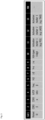
- TCRpolyClust method As described in the schema of TCRpolyClust method once the combination of A.1 and A.2 is established a subsequent TCR cluster analysis identifies patients with common TCRs and matching HLA-types enabling the screening for shared tumor antigens.
- Paired cluster TCRs are codon-optimized, synthesized, and cloned as bicistronic chimeric constructs ( ⁇ TCR-VDJ-mC_P2A-element_ ⁇ TCR-VJ-mC; mC represent murine constant domains) into retroviral (or comparable) expression vectors for transduction of autologous or allogeneic T cells from blood of the respective patients or healthy donors.
- Recipient T cells are pretreated with CRISPR/Cas9 to knock-out endogenous TCRs to prevent off-target immune reactions mediated by mixed TCR-dimers (endogenous x exogenous chains, in autologous and allogeneic settings) or allo-responses by endogenous TCRs (in allogeneic settings).
- Said chimeric (c)TCR-recombinant T cells are expanded in vitro and applied to functional experiments such as recognition of autologous tumor cells (if available), allogeneic tumor cell lines, and/or antigen-screenings as described below.
- Comparative whole-exome (WES) and whole transcriptome (WTS) sequencing of tumor- and corresponding normal tissue genomic and total-RNA including samples from all patients of a respective TCR cluster are applied to identify shared neoantigens (SNV, MNV, InDels, fusion gene products, structural alterations), aberrantly expressed canonical genes (cancer/germline- and overexpressed antigens), and aberrantly expressed and translated non-canonical transcripts (dark matter transcripts or cryptic transcripts). Candidates of all categories are then tested for recognition by the cTCR-transduced recombinant T cells.
- Antigen formats are either expression plasmids encoding full-length antigen-cDNAs or tandem minigenes (TMGs) encoding only the peptide-coding regions with immunogenic potential of the candidate antigens. Both formats are tested by co-transfection of antigen- and HLA-cDNA-encoding plasmids in 293T- or COS-7 cells and subjecting the transfectants to recognition testing by the T cells in IFN-y ELISpot assays.
- antigenic peptide candidates can be predicted for binding to the relevant HLA alleles using public prediction algorithms (IEDB, NetMHC), the peptides synthesized and pulsed onto HLA-matched antigen-presenting cells. The latter are then subjected to ELISpot assays testing their recognition by the recombinant T cells.
- the targeted identification of antigen candidates may not be equally effective for all antigen categories.
- the screening for non-synonymous somatic mutations of tumor cells using whole-exome- and -transcriptome sequencing is sensitive, highly reproducible, and produces a quantitative list of potential neoantigens
- the identification of cryptic translatable transcripts is less efficient due to a general lack of specific traits to identify them reliably. This dilemma can be solved by probing the complete transcriptome of tumor cells by cDNA-expression-library screening approaches.
- cDNA-expression libraries generated from total-RNA are co-expressed with appropriate HLA-alleles in antigen-presenting cells (293T- or COS-7 cells).
- Transfectants are then tested for recognition by cTCR-transduced T cells via ELISpot assays.
- the screening procedure requires a high throughput approach testing a highly fractionated cDNA-library.
- a cDNA-library is produced consisting e.g. of 2000 pools of 100 cDNAs per well prepared in a 96-well plate format.
- Transfections and ELISpot assays using the cTCR-transduced T cells as effector cells are conducted in this 96-well format and from recognized pools of 100, step-wise reduction of pools (e.g. 10 cDNAs/pool and well, cDNA-clones/pool and well) and testing will result in the selection of antigen-encoding cDNA-clones.
- pools e.g. 10 cDNAs/pool and well, cDNA-clones/pool and well
- RNA-isolation and cDNA-library preparation can be obtained only for a minority of patients.
- a pre-screening for recognition of type-matched tumor cell lines can be conducted.
- the cell lines can either be selected for shared expression of HLA alleles or be transduced with HLAs of interest. Recognized cell lines are used as proof for the existence of the common antigen and as sources for RNA-extraction and cDNA-library generation.
- TCR sequences are constructed as follows (from N to C terminus): Block-V_CDR3_Block-J/C Block-V Constant part of TCR-chain (alpha or beta) from start codon (M) to the variable CDR3 region CDR3 Complementarity-determining region 3 Block-J/C The constant region from CDR3 through J-segment to the respective C-element, ending with a stop (*) codon Table 1: Cluster ID 0 SEQ-ID CDR3 beta : Amino acid seq. CDR3 alpha : Amino acid seq.
- HLA_B_I HLA_C_II 0.1 CASSPGPNYEQYF (SEQ ID NO: 38) CAGAYNQGGKLIF (SEQ ID NO: 6) B*8:01 C*07:01 0.2 CASSAGPNYEQYF (SEQ ID NO: 41) CAASFNQGGKLIF (SEQ ID NO: 1) B*08:01 C*07:01 0.3 CASSLGPNYEQYV (SEQ ID NO: 20) CAASSNQGGKLIF (SEQ ID NO: 59) B*08:01 C*07:01
- Cluster 0 is associated with HLA-B ⁇ 08:01 and HLA-C ⁇ 07:01 Beta chain, TRB: TRBV7-6 ⁇ 01, TRBJ2-7 ⁇ 01, TRBC2 ⁇ 02
- Cluster 1 is associated with the HLA-A ⁇ 02:01-supertype (HLA-A ⁇ 02:01/68:02) Beta chain, TRB: TRBV28 ⁇ 01, TRBJ2-3 ⁇ 01, TRBC2 ⁇ 01
- Cluster 1 Block V Seq-ID1.1b TGTGCCAGCAGTTTCGTCAGCGGCACAGATACGCAGTATTTT (SEQ ID NO: 115) Seq-ID1.2b TGTGCCAGCAGTTT T GT G AGCGGCACAGATACGCAGTATTTT (SEQ ID NO: 88) Seq-ID1.3b TGTGCCAGCAGTTT TC T T AGCGGCACAGATACGCAGTATTTT (SEQ ID NO: 157) Seq-ID1.4b TGTGCCAGCAGTTT TC TT TCAG GCACAGATACGCAGTATTTT (SEQ ID NO: 101) Seq-ID1.5b TGTGCCAGCAGTTTC C T AGCG GGCACAGATACGCAGTATTTT (SEQ ID NO: 136) Seq
- HLA_A_I HLA_C_II 31.1 CASSLDGMNTEAFF (SEQ ID NO: 28) CAARLTGTASKLTF (SEQ ID NO: 63) A*02:05 C*07:01 31.2 CASSLDGMNTEAFF (SEQ ID NO: 28) CAARNAGTASKLTF (SEQ ID NO: 71) A*02:35 C*07:04 31.3 CASSLDGMNTEAFF CAARNTGTASKLTF A*02:01 C*07:01 (SEQ ID NO: 28) (SEQ ID NO: 62)
- Cluster 31 is associated with the HLA-A ⁇ 02:01-supertype (HLA-A ⁇ 02:01/02:35/02:05) or HLA-C ⁇ 07:01/07:04 Beta chain, TRB: TRBV5-1 ⁇ 01, TRBJ1-1 ⁇ 01, TRBC1 ⁇ 01
- Cluster 31 Block V Seq-ID31.1b TGCGCCAGCAGTTTGGACGGGATGAACACTGAAGCTTTCTTT (SEQ ID NO: 98) Seq-ID31.2b TGCGCCAGCAG C TTGGACGG A ATGAACACTGAAGCTTTCTTT (SEQ ID NO: 83) Seq-ID31.3b TGCGCCAGCAG C TTGGACGG C ATGAACACTGAAGCTTTCTTT (SEQ ID NO: 129)
- Cluster 31 Block J/C Cluster 31 Block V Seq-ID31.1b CASSLDGMNTEAFF (SEQ ID NO: 28) Seq-ID31.2b CASSLDGMNTEAFF (SEQ ID
- CDR3 alpha Amino acid seq.
- HLA_A_I HLA_A_II 2.1 CASSEDGMNTEAFF (SEQ ID NO: 19) CAVLMDSNYQLIW (SEQ ID NO: 51) A*01:01 A*02:01 2.2 CASSSDGMNTEAFF (SEQ ID NO: 60) CAVLMDSNYQLIW (SEQ ID NO: 51) A*01:01 A*02:01 2.3 CASSPDGMNTEAFF (SEQ ID NO: 45) CALLMDSNYQLIW (SEQ ID NO: 8) A*01:01 A*02:01
- Cluster 2 is associated with HLA-A ⁇ 01:01 or HLA-A ⁇ 02:01 Beta chain, TRB: TRBV10-2, TRBJ1-1, TRBC1 ⁇ 01
- Cluster 2 Block V Seq-ID2.1b TGCGCCAGCAGTGAGGACGGCATGAACACTGAAGCTTTCTTT (SEQ ID NO: 77) Seq-ID2.2b TGCGCCAGCAGT TCC GACGG G ATGAACACTGAAGCTTTCTTT (SEQ ID NO: 107) Seq-ID2.3b TGCGCCAGCAG CCCG GACGGAATG A ACACTGAAGCTTTCTTT (SEQ ID NO: 92) Cluster 2 Block J/C Cluster 2 Block V MGTRLFFYVALCLLWAGHRDAGITQSPRYKITETGRQVTLMCHQTWSHSYMFWYRQDLGHGLRLIYYSAAADITD KGEVPDGYVVSRSKTENFPLTLESATRSQTSVYF (SEQ ID NO: 30) Seq-ID2.1b CA
- HLA_A_I HLA_A_II 3.1 CSVGAQGTNEKLFF (SEQ ID NO: 15) CAESTSRGKLIF (SEQ ID NO: 24) A*02:01 A*68:01 3.2 CSVGSGGTNEKLFF (SEQ ID NO: 27) CAESTPGGKLIF (SEQ ID NO: 2) A*02:01 A*68:01 3.3 CSVGTGGTNEKLFF (SEQ ID NO: 31) CAESSPQGKLIF (SEQ ID NO: 21) A*01:01 A*02:01 3.4 CSVGTGGTNEKLFF (SEQ ID NO: 31) CAESTPRGRLMF (SEQ ID NO: 32) A*02:01 A*68:01 3.5 CSVGSGGTNEKLFF (SEQ ID NO: 27) CAESTPGGKLIF (SEQ ID NO: 2) A*02:01 A*68:01 3.6 CSVGTGGTNEKLFF
- Cluster 3 is associated with HLA-A ⁇ 02:01 or the HLA-A ⁇ 01-supertype (A ⁇ 01:01/68:01) Beta chain, TRB: TRBV29-1 ⁇ 01, TRBJ1-4 ⁇ 01, TRBC1 ⁇ 01
- Cluster 3 Block V Seq-ID3.1b TGCAGCGTTGGGGCTCAGGGAACTAATGAAAAACTGTTTTTT (SEQ ID NO: 84) Seq-ID3.2b TGCAGCGTTGGG T C CGG GGG C ACTAATGAAAAACTGTTTTTTTT (SEQ ID NO: 144) Seq-ID3.3b TGCAGCGT C GG AA C AGG GGG G ACTAATGAAAAACTGTTTTTTTT (SEQ ID NO: 89) Seq-ID3.4b TGCAGCGTTGGG A C AGG GGGAACTAATGAAAAACTGTTTTTTTTTTTTTTTTTTTTTT (SEQ ID NO: 127) Seq-ID3.5b TGCAGCGTTGGG T C CGG
- Cluster 4 is associated with HLA-C ⁇ 07:01 Beta chain, TRB: TRBV6-5 ⁇ 01/TRBV6-1 ⁇ 01, TRBJ2-2 ⁇ 01, TRBC2 ⁇ 01
- Cluster 4 Block V Seq-ID4.1b TGTGCCAGCAGTTATGACAGCGGAACCGGGGAGCTGTTTTTT (SEQ ID NO: 121)
- Seq-ID4.2b TGTGCCAGCAGTTA C GACAG T GG G ACCGGGGAGCTGTTTTTTTT (SEQ ID NO: 140)
- Cluster 5 is associated with the HLA-A*01:01, HLA-A*02:01 or HLA-C*02:02 Beta chain, TRB: TRBV5-1*01, TRBJ2-7*01, TRBC2*01
- CDR3 alpha Amino acid seq. HLA_A_I 6.1 CASSIGSGSYNEQFF (SEQ ID NO: 10) CVVSAGREYGNKLVF (SEQ ID NO: 25) B*15:01 6.2 CASSLTSGNYNEQFF (SEQ ID NO: 42) CVVSAGREYGNKLVF (SEQ ID NO: 25) B*15:01 6.3 CASSRTSGSLNEQFF (SEQ ID NO: 7) CVVTAGREYGNKLVF (SEQ ID NO: 5) B*15:01 6.4 CASTVTSGSYNEQFF (SEQ ID NO: 44) CVVSAGREYGNKLVF (SEQ ID NO: 25) B*15:01 6.5 CASSLTSGSYNEQFF (SEQ ID NO: 17) CVVSVGREYGNKLVF (SEQ ID NO: 46) B*15:01
- Cluster 6 is associated with the HLA-B*15:01
Landscapes
- Health & Medical Sciences (AREA)
- Life Sciences & Earth Sciences (AREA)
- Chemical & Material Sciences (AREA)
- Engineering & Computer Science (AREA)
- Immunology (AREA)
- Organic Chemistry (AREA)
- Genetics & Genomics (AREA)
- General Health & Medical Sciences (AREA)
- Zoology (AREA)
- Biomedical Technology (AREA)
- Biotechnology (AREA)
- Wood Science & Technology (AREA)
- Bioinformatics & Cheminformatics (AREA)
- Molecular Biology (AREA)
- Biochemistry (AREA)
- Cell Biology (AREA)
- Proteomics, Peptides & Aminoacids (AREA)
- Microbiology (AREA)
- General Engineering & Computer Science (AREA)
- Physics & Mathematics (AREA)
- Analytical Chemistry (AREA)
- Biophysics (AREA)
- Hematology (AREA)
- Medicinal Chemistry (AREA)
- Animal Behavior & Ethology (AREA)
- Public Health (AREA)
- Veterinary Medicine (AREA)
- Epidemiology (AREA)
- Urology & Nephrology (AREA)
- Toxicology (AREA)
- Bioinformatics & Computational Biology (AREA)
- Pathology (AREA)
- General Physics & Mathematics (AREA)
- Plant Pathology (AREA)
- Gastroenterology & Hepatology (AREA)
- Food Science & Technology (AREA)
- Crystallography & Structural Chemistry (AREA)
- Pharmacology & Pharmacy (AREA)
- Chemical Kinetics & Catalysis (AREA)
- Tropical Medicine & Parasitology (AREA)
Applications Claiming Priority (3)
| Application Number | Priority Date | Filing Date | Title |
|---|---|---|---|
| EP21185876 | 2021-07-15 | ||
| EP22777948.5A EP4225333A2 (de) | 2021-07-15 | 2022-07-15 | Identifizierung von gemeinsamen tumorspezifischen t-zellrezeptoren und antigenen |
| PCT/EP2022/069866 WO2023006450A2 (en) | 2021-07-15 | 2022-07-15 | Identification of common tumor-specific t cell receptors and antigens |
Related Parent Applications (2)
| Application Number | Title | Priority Date | Filing Date |
|---|---|---|---|
| EP22777948.5A Division-Into EP4225333A2 (de) | 2021-07-15 | 2022-07-15 | Identifizierung von gemeinsamen tumorspezifischen t-zellrezeptoren und antigenen |
| EP22777948.5A Division EP4225333A2 (de) | 2021-07-15 | 2022-07-15 | Identifizierung von gemeinsamen tumorspezifischen t-zellrezeptoren und antigenen |
Publications (2)
| Publication Number | Publication Date |
|---|---|
| EP4249592A2 true EP4249592A2 (de) | 2023-09-27 |
| EP4249592A3 EP4249592A3 (de) | 2024-03-20 |
Family
ID=76942913
Family Applications (2)
| Application Number | Title | Priority Date | Filing Date |
|---|---|---|---|
| EP22777948.5A Pending EP4225333A2 (de) | 2021-07-15 | 2022-07-15 | Identifizierung von gemeinsamen tumorspezifischen t-zellrezeptoren und antigenen |
| EP23176208.9A Pending EP4249592A3 (de) | 2021-07-15 | 2022-07-15 | Identifizierung von gemeinsamen tumorspezifischen t-zellrezeptoren und antigenen |
Family Applications Before (1)
| Application Number | Title | Priority Date | Filing Date |
|---|---|---|---|
| EP22777948.5A Pending EP4225333A2 (de) | 2021-07-15 | 2022-07-15 | Identifizierung von gemeinsamen tumorspezifischen t-zellrezeptoren und antigenen |
Country Status (10)
| Country | Link |
|---|---|
| US (1) | US20250130222A1 (de) |
| EP (2) | EP4225333A2 (de) |
| JP (2) | JP2024526353A (de) |
| KR (1) | KR20240036049A (de) |
| CN (1) | CN117794553A (de) |
| AU (1) | AU2022319819A1 (de) |
| CA (1) | CA3225111A1 (de) |
| CL (1) | CL2024000116A1 (de) |
| MX (1) | MX2024000731A (de) |
| WO (1) | WO2023006450A2 (de) |
Families Citing this family (1)
| Publication number | Priority date | Publication date | Assignee | Title |
|---|---|---|---|---|
| CA3253954A1 (en) * | 2022-05-30 | 2023-12-07 | Hs Diagnomics Gmbh | COMMON TUMOR-SPECIFIC T-LYMPHOCYTE RECEPTORS |
Citations (3)
| Publication number | Priority date | Publication date | Assignee | Title |
|---|---|---|---|---|
| WO2014096394A1 (en) | 2012-12-23 | 2014-06-26 | Hs Diagnomics Gmbh | Methods and primer sets for high throughput pcr sequencing |
| WO2017025564A1 (en) | 2015-08-10 | 2017-02-16 | Hs Diagnomics Gmbh | Method for providing tumour-specific t cells |
| WO2019226631A1 (en) | 2018-05-21 | 2019-11-28 | The Regents Of The University Of California | Single cell mapping and transcriptome analysis |
Family Cites Families (2)
| Publication number | Priority date | Publication date | Assignee | Title |
|---|---|---|---|---|
| WO2020165283A1 (en) * | 2019-02-12 | 2020-08-20 | Therycell Gmbh | Reverse immunosuppression |
| EP4061487A4 (de) * | 2019-11-19 | 2023-12-20 | Rootpath Genomics, Inc. | Zusammensetzungen und verfahren zur identifizierung von t-zell-rezeptoren |
-
2022
- 2022-07-15 AU AU2022319819A patent/AU2022319819A1/en active Pending
- 2022-07-15 CN CN202280049402.3A patent/CN117794553A/zh active Pending
- 2022-07-15 WO PCT/EP2022/069866 patent/WO2023006450A2/en not_active Ceased
- 2022-07-15 MX MX2024000731A patent/MX2024000731A/es unknown
- 2022-07-15 CA CA3225111A patent/CA3225111A1/en active Pending
- 2022-07-15 KR KR1020247005255A patent/KR20240036049A/ko active Pending
- 2022-07-15 JP JP2024502165A patent/JP2024526353A/ja active Pending
- 2022-07-15 US US18/579,526 patent/US20250130222A1/en active Pending
- 2022-07-15 EP EP22777948.5A patent/EP4225333A2/de active Pending
- 2022-07-15 EP EP23176208.9A patent/EP4249592A3/de active Pending
-
2024
- 2024-01-12 CL CL2024000116A patent/CL2024000116A1/es unknown
-
2025
- 2025-07-15 JP JP2025118761A patent/JP2025157377A/ja active Pending
Patent Citations (3)
| Publication number | Priority date | Publication date | Assignee | Title |
|---|---|---|---|---|
| WO2014096394A1 (en) | 2012-12-23 | 2014-06-26 | Hs Diagnomics Gmbh | Methods and primer sets for high throughput pcr sequencing |
| WO2017025564A1 (en) | 2015-08-10 | 2017-02-16 | Hs Diagnomics Gmbh | Method for providing tumour-specific t cells |
| WO2019226631A1 (en) | 2018-05-21 | 2019-11-28 | The Regents Of The University Of California | Single cell mapping and transcriptome analysis |
Non-Patent Citations (15)
| Title |
|---|
| ALTSCHUL ET AL., J. MOL. BIOL., vol. 215, 1990, pages 403 - 410 |
| AUSUBEL ET AL.: "Short Protocols in Molecular Biology", 2002, JOHN WILEY & SONS, INC. |
| FREUDENMANN ET AL., IMMUNOLOGY, vol. 154, no. 3, July 2018 (2018-07-01), pages 331 - 345 |
| GANDHI ET AL., NATURE, vol. 569, no. 7757, May 2019 (2019-05-01), pages 503 - 508 |
| HONGYI ZHANG ET AL., CLIN CANCER RES., vol. 26, no. 6, 15 March 2020 (2020-03-15), pages 1359 - 1371 |
| JACOB GLANVILLE ET AL., NATURE, vol. 547, no. 7661, 6 July 2017 (2017-07-06), pages 94 - 98 |
| LIMIN FU ET AL., BIOINFORMATICS, vol. 28, no. 23, 1 December 2012 (2012-12-01), pages 3150 - 2 |
| MUNZ, MOL ASPECTS MED, 16 June 2021 (2021-06-16), pages 100987 |
| NEEDLEMANWUNSCH, J. MOL. BIOL., vol. 48, 1970, pages 443 |
| PEARSONLIPMAN, PROC. NAT. ACAD. SCI., vol. 85, 1988, pages 2444 |
| REMINGTON, THE SCIENCE AND PRACTICE OF PHARMACY |
| SAMBROOK ET AL.: "Molecular Cloning: A Laboratory Manual", 2012, COLD SPRING HARBOR LABORATORY PRESS |
| SIDNEY ET AL., BMC IMMUNOLOGY, vol. 9, 2008, pages 1 |
| SMITHWATERMAN, ADV. APPL. MATH, vol. 2, 1981, pages 482 |
| STRYER, BIOCHEMISTRY, pages 21 |
Also Published As
| Publication number | Publication date |
|---|---|
| CN117794553A (zh) | 2024-03-29 |
| JP2024526353A (ja) | 2024-07-17 |
| MX2024000731A (es) | 2024-02-09 |
| JP2025157377A (ja) | 2025-10-15 |
| EP4225333A2 (de) | 2023-08-16 |
| US20250130222A1 (en) | 2025-04-24 |
| KR20240036049A (ko) | 2024-03-19 |
| AU2022319819A1 (en) | 2024-01-25 |
| WO2023006450A3 (en) | 2023-05-04 |
| CA3225111A1 (en) | 2023-02-02 |
| WO2023006450A2 (en) | 2023-02-02 |
| CL2024000116A1 (es) | 2024-07-26 |
| EP4249592A3 (de) | 2024-03-20 |
Similar Documents
| Publication | Publication Date | Title |
|---|---|---|
| TWI894138B (zh) | 利用ii 類mhc 模型鑑別新抗原 | |
| Robbins et al. | Mining exomic sequencing data to identify mutated antigens recognized by adoptively transferred tumor-reactive T cells | |
| JP2023065425A (ja) | ホットスポットを利用した新生抗原の特定 | |
| KR101150663B1 (ko) | 인간 백혈구 항원 (hla) ⅰ형 또는 ⅱ형 분자에 결합하는 종양 관련 펩티드 및 이와 관련된 항암 백신 | |
| CA3091917A1 (en) | Neoantigen identification with pan-allele models | |
| AU2020253368A1 (en) | Compositions and methods for preparing T cell compositions and uses thereof | |
| KR20180117227A (ko) | 네오에피토프 제시를 위한 시퀀스들 및 시퀀스 배열들 | |
| IL309003A (en) | Novel peptides, combination of peptides and scaffolds for use in immunothera-peutic treatment of various cancers | |
| KR20230107206A (ko) | Ras 신생항원 및 이의 용도 | |
| JP2025157377A (ja) | 共通腫瘍特異的t細胞レセプター及び抗原の同定 | |
| US20220305102A1 (en) | Treatment of haematological malignancies | |
| US20250368717A1 (en) | Common tumor-specific t cell receptors | |
| JP4365405B2 (ja) | Mhc分子と結合する腫瘍関連ペプチド | |
| US12414990B2 (en) | Use of HLA-A*11:01-restricted hepatitis B virus (HBV) peptides for identifying HBV-specific CD8+ T cells | |
| US20240165155A1 (en) | Methods and materials for targeting tumor antigens | |
| EP4649952A1 (de) | Kras-q16h-spezifische t-zell-rezeptoren und verwendungen davon | |
| RU2835034C2 (ru) | Композиции и способы получения композиций t-клеток и их применение | |
| EP4368189A1 (de) | Peptide und kombinationen aus peptiden zur verwendung in der immuntherapie gegen akute myeloische leukämie (aml) und andere hämatologische neoplasmen | |
| WO2023144231A1 (en) | New method for identifying herv-derived epitopes | |
| WO2025238079A1 (en) | Kras q16h specific t cell receptors and uses thereof | |
| TW202126676A (zh) | 用於抗cll及其他癌症之免疫治療的新穎胜肽及胜肽組合物 | |
| HK40123417A (zh) | 与hla-a*02:01限制性人前列腺酸性磷酸酶(pap)表位反应的人t细胞受体对 | |
| Hassan | New strategies in identification and quantification of minor histocompatibility | |
| HK40034414A (en) | Neoantigen identification using hotspots | |
| HK40034414B (en) | Neoantigen identification using hotspots |
Legal Events
| Date | Code | Title | Description |
|---|---|---|---|
| PUAI | Public reference made under article 153(3) epc to a published international application that has entered the european phase |
Free format text: ORIGINAL CODE: 0009012 |
|
| STAA | Information on the status of an ep patent application or granted ep patent |
Free format text: STATUS: THE APPLICATION HAS BEEN PUBLISHED |
|
| AC | Divisional application: reference to earlier application |
Ref document number: 4225333 Country of ref document: EP Kind code of ref document: P |
|
| AK | Designated contracting states |
Kind code of ref document: A2 Designated state(s): AL AT BE BG CH CY CZ DE DK EE ES FI FR GB GR HR HU IE IS IT LI LT LU LV MC MK MT NL NO PL PT RO RS SE SI SK SM TR |
|
| REG | Reference to a national code |
Ref country code: DE Ref legal event code: R079 Free format text: PREVIOUS MAIN CLASS: C12N0005100000 Ipc: A61K0035170000 |
|
| RIC1 | Information provided on ipc code assigned before grant |
Ipc: G01N 33/50 20060101ALI20231123BHEP Ipc: C07K 14/725 20060101ALI20231123BHEP Ipc: C12N 5/10 20060101ALI20231123BHEP Ipc: C12N 5/0783 20100101ALI20231123BHEP Ipc: A61K 39/00 20060101ALI20231123BHEP Ipc: G01N 33/574 20060101ALI20231123BHEP Ipc: C12Q 1/6809 20180101ALI20231123BHEP Ipc: C12N 15/10 20060101ALI20231123BHEP Ipc: C07K 16/28 20060101ALI20231123BHEP Ipc: A61P 35/00 20060101ALI20231123BHEP Ipc: A61K 35/17 20150101AFI20231123BHEP |
|
| PUAL | Search report despatched |
Free format text: ORIGINAL CODE: 0009013 |
|
| AK | Designated contracting states |
Kind code of ref document: A3 Designated state(s): AL AT BE BG CH CY CZ DE DK EE ES FI FR GB GR HR HU IE IS IT LI LT LU LV MC MK MT NL NO PL PT RO RS SE SI SK SM TR |
|
| RIC1 | Information provided on ipc code assigned before grant |
Ipc: G01N 33/50 20060101ALI20240214BHEP Ipc: C07K 14/725 20060101ALI20240214BHEP Ipc: C12N 5/10 20060101ALI20240214BHEP Ipc: C12N 5/0783 20100101ALI20240214BHEP Ipc: A61K 39/00 20060101ALI20240214BHEP Ipc: G01N 33/574 20060101ALI20240214BHEP Ipc: C12Q 1/6809 20180101ALI20240214BHEP Ipc: C12N 15/10 20060101ALI20240214BHEP Ipc: C07K 16/28 20060101ALI20240214BHEP Ipc: A61P 35/00 20060101ALI20240214BHEP Ipc: A61K 35/17 20150101AFI20240214BHEP |
|
| STAA | Information on the status of an ep patent application or granted ep patent |
Free format text: STATUS: REQUEST FOR EXAMINATION WAS MADE |
|
| 17P | Request for examination filed |
Effective date: 20240919 |
|
| RBV | Designated contracting states (corrected) |
Designated state(s): AL AT BE BG CH CY CZ DE DK EE ES FI FR GB GR HR HU IE IS IT LI LT LU LV MC MK MT NL NO PL PT RO RS SE SI SK SM TR |
|
| STAA | Information on the status of an ep patent application or granted ep patent |
Free format text: STATUS: EXAMINATION IS IN PROGRESS |
|
| 17Q | First examination report despatched |
Effective date: 20260213 |