EP4157311B1 - Immunmodulatorischer komplex und verwendungen davon zur therapie - Google Patents
Immunmodulatorischer komplex und verwendungen davon zur therapie Download PDFInfo
- Publication number
- EP4157311B1 EP4157311B1 EP21727496.8A EP21727496A EP4157311B1 EP 4157311 B1 EP4157311 B1 EP 4157311B1 EP 21727496 A EP21727496 A EP 21727496A EP 4157311 B1 EP4157311 B1 EP 4157311B1
- Authority
- EP
- European Patent Office
- Prior art keywords
- seq
- ligand
- cells
- tat
- dtrbd
- Prior art date
- Legal status (The legal status is an assumption and is not a legal conclusion. Google has not performed a legal analysis and makes no representation as to the accuracy of the status listed.)
- Active
Links
Images








Classifications
-
- C—CHEMISTRY; METALLURGY
- C07—ORGANIC CHEMISTRY
- C07K—PEPTIDES
- C07K14/00—Peptides having more than 20 amino acids; Gastrins; Somatostatins; Melanotropins; Derivatives thereof
- C07K14/005—Peptides having more than 20 amino acids; Gastrins; Somatostatins; Melanotropins; Derivatives thereof from viruses
- C07K14/08—RNA viruses
- C07K14/15—Retroviridae, e.g. bovine leukaemia virus, feline leukaemia virus human T-cell leukaemia-lymphoma virus
- C07K14/155—Lentiviridae, e.g. human immunodeficiency virus [HIV], visna-maedi virus or equine infectious anaemia virus
- C07K14/16—HIV-1 ; HIV-2
- C07K14/163—Regulatory proteins, e.g. tat, nef, rev, vif, vpu, vpr, vpt, vpx
-
- A—HUMAN NECESSITIES
- A61—MEDICAL OR VETERINARY SCIENCE; HYGIENE
- A61K—PREPARATIONS FOR MEDICAL, DENTAL OR TOILETRY PURPOSES
- A61K38/00—Medicinal preparations containing peptides
- A61K38/16—Peptides having more than 20 amino acids; Gastrins; Somatostatins; Melanotropins; Derivatives thereof
- A61K38/162—Peptides having more than 20 amino acids; Gastrins; Somatostatins; Melanotropins; Derivatives thereof from virus
-
- A—HUMAN NECESSITIES
- A61—MEDICAL OR VETERINARY SCIENCE; HYGIENE
- A61K—PREPARATIONS FOR MEDICAL, DENTAL OR TOILETRY PURPOSES
- A61K38/00—Medicinal preparations containing peptides
- A61K38/04—Peptides having up to 20 amino acids in a fully defined sequence; Derivatives thereof
- A61K38/08—Peptides having 5 to 11 amino acids
-
- A—HUMAN NECESSITIES
- A61—MEDICAL OR VETERINARY SCIENCE; HYGIENE
- A61K—PREPARATIONS FOR MEDICAL, DENTAL OR TOILETRY PURPOSES
- A61K38/00—Medicinal preparations containing peptides
- A61K38/16—Peptides having more than 20 amino acids; Gastrins; Somatostatins; Melanotropins; Derivatives thereof
- A61K38/43—Enzymes; Proenzymes; Derivatives thereof
- A61K38/45—Transferases (2)
-
- A—HUMAN NECESSITIES
- A61—MEDICAL OR VETERINARY SCIENCE; HYGIENE
- A61K—PREPARATIONS FOR MEDICAL, DENTAL OR TOILETRY PURPOSES
- A61K39/00—Medicinal preparations containing antigens or antibodies
- A61K39/395—Antibodies; Immunoglobulins; Immune serum, e.g. antilymphocytic serum
- A61K39/39533—Antibodies; Immunoglobulins; Immune serum, e.g. antilymphocytic serum against materials from animals
- A61K39/3955—Antibodies; Immunoglobulins; Immune serum, e.g. antilymphocytic serum against materials from animals against proteinaceous materials, e.g. enzymes, hormones, lymphokines
-
- A—HUMAN NECESSITIES
- A61—MEDICAL OR VETERINARY SCIENCE; HYGIENE
- A61P—SPECIFIC THERAPEUTIC ACTIVITY OF CHEMICAL COMPOUNDS OR MEDICINAL PREPARATIONS
- A61P37/00—Drugs for immunological or allergic disorders
- A61P37/02—Immunomodulators
- A61P37/04—Immunostimulants
-
- C—CHEMISTRY; METALLURGY
- C07—ORGANIC CHEMISTRY
- C07K—PEPTIDES
- C07K14/00—Peptides having more than 20 amino acids; Gastrins; Somatostatins; Melanotropins; Derivatives thereof
- C07K14/195—Peptides having more than 20 amino acids; Gastrins; Somatostatins; Melanotropins; Derivatives thereof from bacteria
- C07K14/34—Peptides having more than 20 amino acids; Gastrins; Somatostatins; Melanotropins; Derivatives thereof from bacteria from Corynebacterium (G)
-
- C—CHEMISTRY; METALLURGY
- C07—ORGANIC CHEMISTRY
- C07K—PEPTIDES
- C07K14/00—Peptides having more than 20 amino acids; Gastrins; Somatostatins; Melanotropins; Derivatives thereof
- C07K14/435—Peptides having more than 20 amino acids; Gastrins; Somatostatins; Melanotropins; Derivatives thereof from animals; from humans
- C07K14/705—Receptors; Cell surface antigens; Cell surface determinants
- C07K14/70503—Immunoglobulin superfamily
- C07K14/70535—Fc-receptors, e.g. CD16, CD32, CD64 (CD2314/705F)
-
- C—CHEMISTRY; METALLURGY
- C07—ORGANIC CHEMISTRY
- C07K—PEPTIDES
- C07K14/00—Peptides having more than 20 amino acids; Gastrins; Somatostatins; Melanotropins; Derivatives thereof
- C07K14/435—Peptides having more than 20 amino acids; Gastrins; Somatostatins; Melanotropins; Derivatives thereof from animals; from humans
- C07K14/705—Receptors; Cell surface antigens; Cell surface determinants
- C07K14/7056—Lectin superfamily, e.g. CD23, CD72
-
- C—CHEMISTRY; METALLURGY
- C07—ORGANIC CHEMISTRY
- C07K—PEPTIDES
- C07K16/00—Immunoglobulins [IGs], e.g. monoclonal or polyclonal antibodies
- C07K16/18—Immunoglobulins [IGs], e.g. monoclonal or polyclonal antibodies against material from animals or humans
- C07K16/28—Immunoglobulins [IGs], e.g. monoclonal or polyclonal antibodies against material from animals or humans against receptors, cell surface antigens or cell surface determinants
- C07K16/2803—Immunoglobulins [IGs], e.g. monoclonal or polyclonal antibodies against material from animals or humans against receptors, cell surface antigens or cell surface determinants against the immunoglobulin superfamily
-
- C—CHEMISTRY; METALLURGY
- C07—ORGANIC CHEMISTRY
- C07K—PEPTIDES
- C07K16/00—Immunoglobulins [IGs], e.g. monoclonal or polyclonal antibodies
- C07K16/18—Immunoglobulins [IGs], e.g. monoclonal or polyclonal antibodies against material from animals or humans
- C07K16/28—Immunoglobulins [IGs], e.g. monoclonal or polyclonal antibodies against material from animals or humans against receptors, cell surface antigens or cell surface determinants
- C07K16/2803—Immunoglobulins [IGs], e.g. monoclonal or polyclonal antibodies against material from animals or humans against receptors, cell surface antigens or cell surface determinants against the immunoglobulin superfamily
- C07K16/2818—Immunoglobulins [IGs], e.g. monoclonal or polyclonal antibodies against material from animals or humans against receptors, cell surface antigens or cell surface determinants against the immunoglobulin superfamily against CD28 or CD152
-
- C—CHEMISTRY; METALLURGY
- C07—ORGANIC CHEMISTRY
- C07K—PEPTIDES
- C07K16/00—Immunoglobulins [IGs], e.g. monoclonal or polyclonal antibodies
- C07K16/18—Immunoglobulins [IGs], e.g. monoclonal or polyclonal antibodies against material from animals or humans
- C07K16/28—Immunoglobulins [IGs], e.g. monoclonal or polyclonal antibodies against material from animals or humans against receptors, cell surface antigens or cell surface determinants
- C07K16/2803—Immunoglobulins [IGs], e.g. monoclonal or polyclonal antibodies against material from animals or humans against receptors, cell surface antigens or cell surface determinants against the immunoglobulin superfamily
- C07K16/2827—Immunoglobulins [IGs], e.g. monoclonal or polyclonal antibodies against material from animals or humans against receptors, cell surface antigens or cell surface determinants against the immunoglobulin superfamily against B7 molecules, e.g. CD80, CD86
-
- C—CHEMISTRY; METALLURGY
- C07—ORGANIC CHEMISTRY
- C07K—PEPTIDES
- C07K16/00—Immunoglobulins [IGs], e.g. monoclonal or polyclonal antibodies
- C07K16/18—Immunoglobulins [IGs], e.g. monoclonal or polyclonal antibodies against material from animals or humans
- C07K16/28—Immunoglobulins [IGs], e.g. monoclonal or polyclonal antibodies against material from animals or humans against receptors, cell surface antigens or cell surface determinants
- C07K16/2851—Immunoglobulins [IGs], e.g. monoclonal or polyclonal antibodies against material from animals or humans against receptors, cell surface antigens or cell surface determinants against the lectin superfamily, e.g. CD23, CD72
-
- C—CHEMISTRY; METALLURGY
- C07—ORGANIC CHEMISTRY
- C07K—PEPTIDES
- C07K16/00—Immunoglobulins [IGs], e.g. monoclonal or polyclonal antibodies
- C07K16/18—Immunoglobulins [IGs], e.g. monoclonal or polyclonal antibodies against material from animals or humans
- C07K16/28—Immunoglobulins [IGs], e.g. monoclonal or polyclonal antibodies against material from animals or humans against receptors, cell surface antigens or cell surface determinants
- C07K16/2878—Immunoglobulins [IGs], e.g. monoclonal or polyclonal antibodies against material from animals or humans against receptors, cell surface antigens or cell surface determinants against the NGF-receptor/TNF-receptor superfamily, e.g. CD27, CD30, CD40, CD95
-
- A—HUMAN NECESSITIES
- A61—MEDICAL OR VETERINARY SCIENCE; HYGIENE
- A61K—PREPARATIONS FOR MEDICAL, DENTAL OR TOILETRY PURPOSES
- A61K39/00—Medicinal preparations containing antigens or antibodies
- A61K2039/505—Medicinal preparations containing antigens or antibodies comprising antibodies
-
- A—HUMAN NECESSITIES
- A61—MEDICAL OR VETERINARY SCIENCE; HYGIENE
- A61K—PREPARATIONS FOR MEDICAL, DENTAL OR TOILETRY PURPOSES
- A61K2300/00—Mixtures or combinations of active ingredients, wherein at least one active ingredient is fully defined in groups A61K31/00 - A61K41/00
-
- A—HUMAN NECESSITIES
- A61—MEDICAL OR VETERINARY SCIENCE; HYGIENE
- A61K—PREPARATIONS FOR MEDICAL, DENTAL OR TOILETRY PURPOSES
- A61K38/00—Medicinal preparations containing peptides
Definitions
- the invention relates to the field of modulating immunotherapies.
- the invention relates to a molecular complex consisting of at least one ligand of a sulfated sugar of the glycosaminoglycan family and at least one ligand of another surface molecule of antigen-presenting cells or NK or NKT cells linked together, for use as an immunostimulating drug, in particular in immunotherapy of cancer and infectious diseases.
- modulating immunotherapies are intended to restore or inhibit the functionality of a large part of a lymphocyte repertoire, in particular the repertoire of T-CD4+, T-CD8+ or T-regulatory lymphocytes. They differ in this from vaccine immunotherapies which are intended to induce a limited number of lymphocytes corresponding to the cells specific to the Ag(s) included in the vaccine.
- antibodies (Ab) specific to PD-1, PD-L1 or CTLA-4 can block the PD-1/PD-L1 or CTLA-4/B7 interaction, thus allowing the lifting of inhibition and the reactivation of T lymphocytes ( Hodi, FS et al., PNAS. (2003), 100(8), 4712-4717 ; Iwai, Y. et al., Int. Immunol., (2005). 17(2), 133-144 ). Some of these immunomodulatory Abs have been shown to be able to limit the growth of various cancers (melanoma, lung, etc.) and to significantly increase the life expectancy of patients. They are now commonly used as anti-tumor immunotherapeutic drugs in humans ( Adachi K.
- the glycocalyx is notably made up of proteoglycans, which are glycoproteins comprising one or more unbranched glycosaminoglycan (GAG) chains.
- proteoglycans which are glycoproteins comprising one or more unbranched glycosaminoglycan (GAG) chains.
- GAG glycosaminoglycan
- HSPGs heparan sulfate proteoglycans
- HSPGs which play a central role in many biological processes (cell proliferation, cell adhesion, inflammation, coagulation, cellular penetration of pathogenic microorganisms, in particular viruses and parasites), are found on the surface of most mammalian cells and in extracellular matrices ( Dreyfuss et al., Annuals of the Brazilian Academy of Sciences, 2009, 81, 409-429 ). This ubiquitous expression therefore leads to the consideration that HSPGs, and their HS domains, do not represent relevant immunomodulatory targets. In addition, the The ability of HS ligands to induce immune cell activation has not been identified to date.
- HS heparan sulfates
- the inventors also discovered that the results obtained with APCs were transposable to other cells of the innate immune response, NK and NKT cells. Thus, the inventors showed that a ligand of a surface molecule of NK or NKT cells incapable of inducing these cells on its own becomes capable of increasing the number of activated cells when associated, in a molecular complex, with a ligand of a sulfated sugar of the GAG family.
- the present invention relates to a molecular complex for use as an immunomodulatory, preferably immunostimulatory, medicament, said complex consisting of at least one ligand of a sulfated sugar of the glycosaminoglycan family (first ligand or L1) and at least one ligand of another surface molecule of APC or NK or NKT cell (second ligand or L2) linked together, and said complex being devoid of an antigen specific to the disease to be treated.
- the first ligand is a heparan sulfate binding peptide selected from the group consisting of: a peptide from the HIV Tat protein comprising at least the basic region Tat 49-57 (SEQ ID NO: 3) such as the peptides Tat 49-57 (SEQ ID NO: 3), Tat37-57 (SEQ ID NO: 8) and Tat22-57C(22-37)S (SEQ ID NO 9); a polyarginine peptide R7 to R11; and a peptide from the R domain of diphtheria toxin comprising the R domain of diphtheria toxin (SEQ ID NO: 5) or at least the fragment DT453-467 (SEQ ID NO 7) of said domain which comprises the heparan sulfate binding region.
- a peptide from the HIV Tat protein comprising at least the basic region Tat 49-57 (SEQ ID NO: 3) such as the peptides Tat 49-57 (SEQ ID NO: 3), Tat37-57 (S
- the second ligand targets a surface molecule of the APCs selected from the group consisting of: C-type lectin receptors, membrane immunoglobulins, receptors for the constant region of immunoglobulins, and immune checkpoint (ICP) molecules.
- a surface molecule of the APCs selected from the group consisting of: C-type lectin receptors, membrane immunoglobulins, receptors for the constant region of immunoglobulins, and immune checkpoint (ICP) molecules.
- the second ligand targets a surface molecule of NK or NKT cells selected from the group consisting of: NKG2D, NKp30, NKp44, NKp46, NKp80, Ly49H receptors, KIR receptors, NKG2A, and ICPs PD-1, CTLA-4, TIM-3, TIGIT, LAG-3.
- the second ligand is selected from the group consisting of: (i) antibodies directed against said surface molecules of APCs or NK or NKT cells and their fragments containing at least the paratope; (ii) immunoglobulins, preferably IgG, and their fragments comprising at least the Fc region; and (iii) proteins and protein fragments that bind the Fc and/or Fab region of antibodies, including S. aureus protein A, its BB fragment (SEQ ID NO: 1) and its ZZ derivative (SEQ ID NO: 2).
- said complex is in the form of oligomers or a mixture of monomers and oligomers.
- said complex consists of a fusion protein between the first and the second ligand.
- a more particularly preferred type of complex according to the invention consists of a fusion protein comprising a first ligand chosen from: Tat49-57 (SEQ ID NO: 3), Tat37-57 (SEQ ID NO: 8), Tat22-57C(22-37)S (SEQ ID NO 9), the R domain of diphtheria toxin (SEQ ID NO: 5) or the DT453-467 fragment (SEQ ID NO 7), and a second ligand chosen from: the BB fragment of protein A (SEQ ID NO: 1) or its ZZ derivative (SEQ ID NO: 2).
- the second ligand is an antibody or an antibody fragment and the first ligand forms a fusion protein with an immunoglobulin binding member, preferably S. aureus protein A, its BB fragment (SEQ ID NO: 1) or its ZZ derivative (SEQ ID NO: 2).
- an immunoglobulin binding member preferably S. aureus protein A, its BB fragment (SEQ ID NO: 1) or its ZZ derivative (SEQ ID NO: 2).
- said fusion protein comprises a first ligand selected from Tat49-57 (SEQ ID NO: 3), Tat37-57 (SEQ ID NO: 8), Tat22-57C(22-37)S (SEQ ID NO 9), the R domain of diphtheria toxin (SEQ ID NO: 5) or the DT453-467 fragment (SEQ ID NO 7) and an immunoglobulin binding member selected from protein A BB fragment (SEQ ID NO: 1) or its ZZ derivative (SEQ ID NO: 2).
- the immunoglobulin binding element is the BB fragment of protein A (SEQ ID NO: 1), and said fusion protein is complexed to the second ligand which consists of a whole immunoglobulin.
- said fusion protein is complexed to the second ligand which is chosen from an anti-RFcgamma I, II and/or III, anti-DEC-205, anti-DC-SIGN, anti-CD74, anti-CD275, anti-CD335, anti-CD336, anti-CD56, anti-CTLA-4, anti-PD-L1, anti-OX40 antibody or a fragment of the preceding antibodies comprising at least the paratope.
- the complex is for use as an immunostimulatory medicament, preferably for activating antigen-presenting cells, in particular dendritic cells or monocytes, for activating NK or NKT cells, and/or for activating the secretion of the cytokines IL-6 and/or IL-12.
- the present invention also relates to a composition for use as an immunomodulatory, preferably immunostimulatory, medicament, comprising at least one molecular complex according to the invention and at least one pharmaceutically acceptable vehicle, a carrier substance and/or an adjuvant.
- the adjuvant is a CpG oligodeoxynucleotide, polyinosinic-polycytidylic acid or a mixture of CpG oligodeoxynucleotide(s) and polyinosinic-polycytidylic acid
- the carrier substance is a nanoparticle.
- said composition comprises at least one other therapeutic agent, preferably at least one immune checkpoint inhibitor, preferably an anti-PD-1, an anti-PD-L1 or an anti-CTLA-4.
- the composition is for use in immunotherapy of cancer or infectious diseases.
- the present invention relates to a molecular complex for use as an immunostimulating drug in immunotherapy of cancer or infectious diseases, said complex consisting of at least one ligand of a sulfated sugar of the glycosaminoglycan family expressed on the surface of antigen-presenting cells or NK or NKT cells (first ligand) and at least one ligand of another surface molecule of APC or NK or NKT cells (second ligand) linked together, and said complex being devoid of an antigen specific to the disease to be treated.
- Such a complex is capable of inducing immune system cells in a way that favors the triggering of the immune response.
- the activation of dendritic cells is observed, which become capable of secreting IL-6 and IL-12 cytokines.
- the induction of DCs can be obtained for second ligands that are incapable of triggering such an effect when they are not associated, such as the isolated form of the APC ligand called ZZ.
- the association of the HS ligand can also make it possible to potentiate the effect of a ligand capable, in isolated form, of activating APCs such as a non-specific human polyclonal Ab.
- an immunomodulatory complex preferably an immunostimulatory complex, according to the invention can induce a therapeutic effect, in particular an antitumor effect, greater than that obtained with an anti-ICP (anti-PD1) Ab, in particular when the composition comprises an adjuvant.
- innate immune cells refers to dendritic cells, NK and NKT cells, granulocytes (mast cells, neutrophils, eosinophils and basophils) and phagocytes (monocytes, macrophages, neutrophils, etc.).
- MHC major histocompatibility complex
- Examples of Ag presenting cells include dendritic cells (CD or DC for Dendritic Cell ), monocytes, macrophages, B lymphocytes, lymphoblastoid lines, and genetically modified human or animal cell lines expressing MHC class I and class II molecules, in particular HLA I and HLA II molecules.
- An NK cell is a granular lymphocyte expressing CD56 and CD16 molecules and having cytotoxic activity that does not require prior exposure to Ag.
- NKT cell is a granular lymphocyte expressing NK cell markers, including CD56 and CD16 molecules, and T cell markers, including CD3. This cell has cytotoxic activity that does not require prior exposure to Ag.
- a "CPAg surface molecule” means a molecule expressed on the surface of Ag-presenting cells.
- NK or NKT cell surface molecule means a molecule expressed on the surface of NK or NKT cells.
- APC-specific surface molecule refers to a molecule expressed primarily on Ag-presenting cells, i.e., expressed on a very limited number of cells other than APCs. It is therefore a molecule with high expression specificity for APCs.
- NK or NKT cell-specific surface molecule means a molecule expressed primarily on NK or NKT cells, i.e., expressed on a very limited number of cells other than NK or NKT cells. It is therefore a molecule with a high expression specificity for NK or NKT cells.
- Glycosaminoglycan is a linear polysaccharide composed of a repeating disaccharide always containing a hexosamine (glucosamine (GlcN) or galactosamine (GaIN)) and another sugar (glucuronic acid (GlcA), iduronic acid (IdoA), galactose (Gal)).
- Glucosamine is either N-sulfated (GlcNS) or N-acetylated (GlcNac).
- GalNac N-acetylated
- Sulfated glycosaminoglycans include simple polymers of GIcA such as chondroitin sulfate and copolymers comprising both GIcA and/or IdoA and/or Gal residues, such as heparin, heparan sulfate, dermatan sulfate, and keratan sulfate.
- GAG chains can be covalently linked to proteins (proteoglycans) that are expressed on the surface of mammalian cells and/or secreted into the extracellular medium.
- the first ligand according to the invention binds to a sulfated sugar of the glycosaminoglycan family that is expressed on the surface of mammalian cells, including, among others, APCs and NK or NKT cells.
- Ab refers to an immunoglobulin (IgG, IgM, IgA, IgD, IgE).
- Ab refers to a specific Ab, i.e. an Ab directed against a particular molecule x (anti-molecule x Ab), in particular a surface molecule of APC (anti-surface molecule of APC).
- immunoglobulin refers to a non-specific Ab.
- “Individual” means a human or animal individual, preferably human.
- ligand of a molecule is understood to mean any agent capable of binding this molecule with an affinity high enough to form a stable complex, in vitro and in vivo.
- CPAg ligand means a ligand of an Ag-presenting cell surface molecule.
- NK or NKT cell ligand means a ligand for a surface molecule of NK or NKT cells.
- Heparan sulfate ligand means an agent that binds heparin with an optical density signal at least equal to 50% of the signal measured when ZZ-Tat 22-57C(22-37)S is incubated at 100nM pH7.2 in the ELISA of Example 1.
- immunomodulator means an agent capable of controlling the immune response and in particular of regulating, positively or negatively, the relative response of different populations or subpopulations of immune cells such as T and B lymphocytes, APCs, NK or NKT cells.
- immunomodulator encompasses the terms immunosuppressant and immunostimulant.
- immunonostimulant means an agent capable of positively regulating, i.e. activating, the relative response of different populations or subpopulations of immune cells such as T and B lymphocytes, APCs, NK or NKT cells.
- the effect of the immunomodulator, preferably immunostimulant is exerted on a broad cellular repertoire.
- an antigen specific to the pathology to be treated It is independent of the presence of an antigen specific to the pathology to be treated, unlike a vaccine which requires the presence of an antigen specific to the disease to be treated and induces an immune response specific to said antigen.
- an immunogen or a vaccine is limited to the disease comprising the specific antigen of this disease
- the immunomodulatory complex, preferably immunostimulant according to the invention which is independent of the presence of an antigen specific to the pathology to be treated can be used in immunotherapy of numerous diseases such as cancer and infectious diseases.
- a peptide is a sequence of natural or synthetic amino acids, possibly modified.
- the term peptide is used regardless of the size of the amino acid sequence.
- the molecular complex according to the invention preferably an immunostimulating complex, is devoid of antigen specific to the disease to be treated, such as a vaccine antigen specific to the pathology to be treated.
- antigen specific to the disease to be treated such as a vaccine antigen specific to the pathology to be treated.
- one of the ligands of the complex according to the invention comprises an antigen specific to a disease to be treated, then the treatment of said disease with said complex is excluded from the invention.
- the ligands of APCs, NK or NKT cells are molecules or complexes of molecules, natural, recombinant or synthetic, of protein (protein, peptide, polypeptide), lipid, carbohydrate, nucleic acid or mixed (glycolipid, glycoprotein, lipoprotein) nature.
- the first and second ligands are proteins, polypeptides or peptides, hereinafter referred to as "peptides", preferably recombinant or synthetic.
- the recombinant proteins, polypeptides or peptides are advantageously produced in prokaryotic or eukaryotic cells, in an appropriate expression system, in particular for the production of therapeutic proteins.
- the recombinant proteins, polypeptides or peptides can be produced in E. coli or in HEK or CHO cells.
- the first and second ligands are associated or linked to each other by any suitable means. They may be linked covalently or non-covalently, either directly or through a linker, and thus form a molecular complex.
- the molecular complex or complex consists of two or more ligands, and optionally suitable linker(s).
- the covalent bond or association of ligands is notably generated by covalent chemical coupling (formation of a covalent conjugate) or by the construction of a fusion protein (genetic fusion).
- the immunomodulatory complex preferably an immunostimulatory complex
- said complex is in oligomeric or mixed form.
- the immunomodulatory molecular complex preferably an immunostimulatory complex, consists of a fusion protein between the first (L1) and the second (L2) ligand(s).
- the amino acid sequences of L1 and L2 are fused in the appropriate order, either directly or via an appropriate spacer peptide.
- they are either fused at their ends (N-terminus of one of the sequences fused to the C-terminus of the other sequence) or one of the sequences is inserted into the other sequence at an appropriate site that does not have a deleterious effect on the binding of the ligand to its receptor expressed on the surface of APCs, NK or NKT cells.
- the non-covalent bond is generated in particular by adsorption on a nanoparticle. It can also be obtained by using a molecule (binding element), having a high and specific affinity for L1 or L2.
- This binding element is covalently bound to one of the ligands to non-covalently associate the other ligand.
- one of the ligands is an antibody (Ab)
- the binding element is in particular a protein or a protein fragment which binds the Fc and/or Fab region of immunoglobulins, as described in the Application FR 2759296 .
- immunoglobulin binding elements include, in particular, S.
- aureus protein A its BB fragment (SEQ ID NO: 1) and its derivative ZZ (SEQ ID NO: 2), the first two proteins binding the Fc and Fab regions of immunoglobulins while ZZ binds only the Fc region.
- the immunoglobulin binding element is covalently linked (covalent chemical coupling or fusion protein) to the other ligand.
- the binding element can also bind to partners coupled to L1 and L2 respectively, for example, the binding element is Streptavidin which binds to biotinylated L1 and L2 ligands (L1-biot/Streptavidin/biot-L2). The affinity of the binding element for its partner in the L1-L2 complex is sufficient so that it does not immediately dissociate from this complex in vivo.
- one of the ligands is an antibody or an antibody fragment and the other ligand forms a fusion protein with an immunoglobulin binding element, preferably S. aureus protein A, its BB fragment (SEQ ID NO: 1) or its ZZ derivative (SEQ ID NO: 2).
- the second ligand is an antibody or an antibody fragment and the first ligand forms a fusion protein with an immunoglobulin binding element, preferably S. aureus protein A, its BB fragment (SEQ ID NO: 1) or its ZZ derivative (SEQ ID NO: 2).
- the immunomodulatory, preferably immunostimulatory, properties of the complex according to the invention are evaluated by conventional immunological tests known to those skilled in the art such as those described in the examples.
- the immunostimulatory properties are in particular evaluated by analyzing the expansion and/or activation of different populations or subpopulations of immune cells such as CD4+, CD8+ and B T lymphocytes; monocytes, dendritic cells including conventional dendritic cells (cDC) and plasmacytoid dendritic cells (pDC), NK cells, NKT cells.
- the analysis of the expansion is in particular carried out by flow cytometry using appropriate markers for the different cell populations to be analyzed.
- the analysis of the activation of immune cells can be carried out by the detection of activation markers (CD69), and/or maturation (CD86) in flow cytometry or by assaying cytokines secreted in the extracellular medium, in particular IL-6 and/or IL-12, by conventional tests such as ELISA.
- the immunomodulatory, preferably immunostimulatory, effect of the molecular complex according to the invention is independent of the presence of an antigen specific to the pathology to be treated.
- the molecular complex according to the invention binds to at least one sulfated sugar of the glycosaminoglycan family expressed on the surface of APCs, NK or NKT (sulfated GAG) and another surface molecule of APCs, NK or NKT, in particular a surface molecule specific to APCs, NK or NKT.
- the sulfated GAG which is targeted by the first ligand is preferably a heparan sulfate, a chondroitin sulfate, a dermatan sulfate, or a keratan sulfate, preferably a heparan sulfate.
- the sulfated GAG ligand (first ligand) can be derived from a mammalian cell or a pathogenic microorganism, including a virus (Adenovirus, Cytomegalovirus, HIV, Sindbis Virus), a bacterium ( Mycobacterium bovis, Bordetella pertussis ), a parasite ( Leishmania sp. ) or a toxin, in particular it is a molecular complex, a molecule or one of its fragments which binds heparin, and/or heparan sulfates.
- viruses Adovirus, Cytomegalovirus, HIV, Sindbis Virus
- a bacterium Mycobacterium bovis, Bordetella pertussis
- a parasite Leishmania sp.
- a toxin in particular it is a molecular complex, a molecule or one of its fragments which binds heparin, and/or heparan sulfates
- ligands include, but are not limited to: endogenous ligands of GAG (Thrombin, Urokinase, Vitronectin, fibroblast growth factor and others), the HIV Tat protein (SEQ ID NO: 10) and its fragments, in particular fragments comprising only the basic region of Tat (Tat49-57 (SEQ ID NO: 3)) or the basic region and the central region of Tat (core; Tat38-48 (SEQ ID NO: 4)); dodecahedra derived from the Adenovirus penton ( Vivix et al., Virology, 2004, 321: 332-340 ); the HIV envelope protein or the V3 region of this protein ( Roderiquez et al., J.
- CPPs cell penetrating peptides
- arginines which include the peptides derived from the basic region of the HIV Tat protein (Tat49-57), mentioned above, and the polyarginine peptides (R7 to R11), as well as basic/amphiphilic peptides such as the peptides derived from the homeodomain of the Antennapedia protein (penetratin; fragment 43-58 (SEQ ID NO: 6)).
- the first ligand is a natural or recombinant Ac directed against a sulfated GAG, preferably heparin, heparan sulfates or chondroitin sulfates or a fragment of this Ac containing at least the paratope (Ag binding domain) such as a Fab, Fab', F(ab') 2 , Fv or single-chain Fv (scFv for single-chain Fv ), Fabc, and Fab fragment comprising a portion of the Fc domain.
- a sulfated GAG preferably heparin, heparan sulfates or chondroitin sulfates or a fragment of this Ac containing at least the paratope (Ag binding domain) such as a Fab, Fab', F(ab') 2 , Fv or single-chain Fv (scFv for single-chain Fv ), Fabc, and Fab fragment comprising a portion of the Fc domain.
- the first ligand is a heparan sulfate binding peptide selected from the group consisting of: a peptide derived from the HIV Tat protein, comprising at least the basic region Tat49-57 (SEQ ID NO: 3) such as the peptides Tat 49-57 (SEQ ID NO: 3), Tat37-57 (SEQ ID NO: 8) and Tat22-57C(22-37)S (SEQ ID NO 9); a polyarginine peptide R7 to R11; and a peptide derived from the R domain of diphtheria toxin comprising the R domain of diphtheria toxin (SEQ ID NO: 5) or at least the fragment DT453-467 (SEQ ID NO 7) of said domain which comprises the heparan sulfate binding region.
- a peptide derived from the HIV Tat protein comprising at least the basic region Tat49-57 (SEQ ID NO: 3) such as the peptides Tat 49-57 (SEQ ID NO: 3
- the first ligand is a heparan sulfate binding peptide selected from the group consisting of: a peptide derived from the HIV Tat protein comprising at least the basic region Tat 49-57 (SEQ ID NO: 3), in particular the peptide Tat22-57C(22-37)S (SEQ ID NO: 9) and a peptide comprising the R domain of diphtheria toxin (SEQ ID NO: 5).
- the complex comprises the R domain of diphtheria toxin (DTR: SEQ ID NO: 5)
- DTR diphtheria toxin
- the domain is produced in mammalian cells, in particular in the form of a fusion protein with the second ligand or an immunoglobulin binding element, so as to form oligomers.
- the other molecule expressed on the surface of the APCs that is targeted by the second ligand is either a ubiquitous surface molecule other than a sulfated GAG; a surface molecule expressed essentially on the immune cells of the innate or adaptive response including the APCs, i.e., a surface molecule specific to the immune cells of the innate or adaptive response including the APCs; or a surface molecule expressed essentially on the APCs, and in particular on the dendritic cells, i.e., a surface molecule specific to the APCs and in particular to the dendritic cells.
- the molecules of the MHC class II in particular the ⁇ , ⁇ chains and the ⁇ chain or invariant chain (li, fragment li or CD74) of MHC II molecules; surface immunoglobulins or membrane immunoglobulins; integrins such as CD11c and MAC1; transferrin receptors, C-type lectin receptors such as, in particular, the mannose receptor (CD206), DEC-205 (CD205), CD206, DC-SIGN (CD209), LOX1, Dectin-1 (beta-glucan receptor), Dectin-2, Clec9A, Clec12A, DCIR2, FIRE and CIRE; receptors for the constant region of immunoglobulins (FcR or RFc), in particular Fc ⁇ R such as Fc ⁇ RI (CD64), Fc ⁇ RII (CD32) and Fc ⁇ RIII (CD16); the T
- ICPs immune checkpoint molecules
- ICP-ligands their ligands expressed on APCs, such as, but not limited to, PDL1, PDL2, CD155, CD80, CD86, CD40, OX40L, ICOSL (CD275), CD70 ( Wykes MN, Nat. Rev. Immunol., 2018, 18:91-104 ).
- the other molecule expressed on the surface of the NK or NKT cells that is targeted by the second ligand is either a ubiquitous surface molecule other than a sulfated GAG; a surface molecule expressed primarily on immune cells of the innate or adaptive response including NK or NKT cells, i.e., a surface molecule specific to immune cells of the innate or adaptive response including NK or NKT cells; or a surface molecule expressed primarily on NK or NKT cells, i.e., a surface molecule specific to NK or NKT cells.
- NKG2D NKp30, NKp44, NKp46, NKp80, CD56, CD16, the KIR receptors, NKG2A, and the ICPs PD-1, CTLA-4, TIM-3, TIGIT, LAG-3 and OX40.
- the second ligand targets a surface molecule expressed essentially on the APCs, and in particular on the dendritic cells, i.e. a surface molecule specific to the APCs and in particular to the dendritic cells, preferably selected from the group consisting of: C-type lectin receptors, membrane immunoglobulins, receptors for the constant region of immunoglobulins.
- the second ligand targets a CPAg surface molecule selected from the group consisting of: C-type lectin receptors, membrane immunoglobulins, receptors for the constant region of immunoglobulins (RFc or FcR), and immune checkpoint molecules (ICP) and their ligands (ICP ligands).
- a CPAg surface molecule selected from the group consisting of: C-type lectin receptors, membrane immunoglobulins, receptors for the constant region of immunoglobulins (RFc or FcR), and immune checkpoint molecules (ICP) and their ligands (ICP ligands).
- the second ligand targets a surface molecule expressed essentially on NK or NKT cells, i.e. a surface molecule specific to NK or NKT cells, preferably selected from the group consisting of: the receptors NKG2D, NKp30, NKp44, NKp46, NKp80, CD56, CD16, the receptors KIR, NKG2A, and the ICPs PD-1, CTLA-4, TIM-3, TIGIT, LAG-3 and OX40; preferably NKp44 (CD336), NKp46 (CD335), NCAM (CD56), CTLA-4 and OX40.
- a surface molecule specific to NK or NKT cells preferably selected from the group consisting of: the receptors NKG2D, NKp30, NKp44, NKp46, NKp80, CD56, CD16, the receptors KIR, NKG2A, and the ICPs PD-1, CTLA-4, TIM-3, TIGIT, LAG-3 and
- the second ligand is in particular chosen from saccharides which bind C-type lectin receptors; immunoglobulins and fragments thereof comprising the constant region which bind FcRs; proteins or fragments of proteins which bind the Fc and/or Fab region of membrane immunoglobulins, as described in the Application FR 2759296 , in particular S. aureus protein A, its BB fragment (SEQ ID NO: 1) and its ZZ derivative (SEQ ID NO: 2), preferably r ZZ (SEQ ID NO: 2).
- the antibody or antibody fragment is in particular directed against a specific surface molecule of immune cells of the innate or adaptive response including APCs, NK and NKT cells, such as, but not limited to, PDL1, PDL2, CD155, CD80, CD86, CD40, OX40L, ICOSL (CD275), CD70; PDL1, PDL2, CD155, CD80, CD86, CD40, OX40L, ICOSL (CD275), CD70, PD-1, CTLA-4, TIM-3, TIGIT, LAG-3; preferably PDL1 and ICOSL (CD275) or PDL1, ICOSL (CD275), CTLA-4 and OX40.
- a specific surface molecule of immune cells of the innate or adaptive response including APCs, NK and NKT cells, such as, but not limited to, PDL1, PDL2, CD155, CD80, CD86, CD40, OX40L, ICOSL (CD275), CD70; PDL1, PDL2, CD155, CD80, CD86, CD40, O
- the antibody or antibody fragment may also be directed against a surface molecule specific to APCs and in particular dendritic cells such as an anti-RFcgamma (I, II and/or III) or anti-C- type lectin receptor antibody, in particular anti-DEC-205 or anti-DC-SIGN (CD209); anti-DEC-205, anti-DC-SIGN (CD209) or anti-invariant chain 11 (CD74).
- the antibody may be an agonist or an antagonist of said surface molecule; for example, the antibody is an agonist of an activating surface molecule or an antagonist of an inhibitory surface molecule.
- said antibody or antibody fragment is human or humanized. Such antibodies are well known to those skilled in the art and commercially available.
- the second ligand is selected from the group consisting of: (i) antibodies directed against said surface molecules of antigen-presenting cells, NK or NKT cells and fragments thereof containing at least the paratope such as Fab, Fab', F(ab') 2 , Fv, scFv, Fabc and Fab fragments with at least a portion of the Fc domain (ii) immunoglobulins, preferably IgG, and fragments thereof comprising at least the Fc region, and (iii) proteins and protein fragments which bind the Fc and/or Fab region of the antibodies, in particular S. aureus protein A, its BB fragment (SEQ ID NO: 1) and its ZZ derivative (SEQ ID NO: 2).
- the antibodies directed against said NK or NKT cell surface molecules are preferably chosen from anti-CD16, anti-CD56, anti-CD335, anti-CD336, anti-NKp30, anti-NKG2D, anti-NKp80, anti-Ly49H, anti-NKG2A, anti-PD-1, anti-CTLA-4, anti-TIM-3, anti-TIGIT, anti-LAG-3 and anti-OX40 antibodies; preferably anti-NCAM (CD56), anti-Nkp46 (CD335), anti-Nkp44 (CD336), anti-CTLA-4 and anti-OX40 antibodies.
- the additional ligands of the molecular complex are advantageously chosen from sulfated GAG ligands and CPAg surface molecule ligands as defined above.
- a first type of preferred immunostimulatory complex consists of a sulfated GAG ligand peptide as defined above (first ligand) associated with a protein or protein fragment that binds the Fc and/or Fab region of immunoglobulins such as the BB fragment of Staphylococcus aureus protein A and its ZZ derivative (second ligand), preferably in the form of a fusion protein comprising the first and second ligands.
- first ligand sulfated GAG ligand peptide as defined above
- second ligand ZZ derivative
- a particularly preferred first type of complex consists of a fusion protein comprising a first ligand selected from Tat49-57 (SEQ ID NO: 3), Tat37-57 (SEQ ID NO: 8), Tat22-57C(22-37)S (SEQ ID NO 9), the R domain of diphtheria toxin (DTR: SEQ ID NO: 5) or the DT453-467 fragment (SEQ ID NO 7); and a second ligand selected from the BB fragment of protein A (SEQ ID NO: 1) or its ZZ derivative (SEQ ID NO: 2); preferably its ZZ derivative (SEQ ID NO: 2).
- the first and second ligands are fused, either directly or via a suitable spacer peptide.
- the second ligand is preferably at the N-terminal and the first ligand at the C-terminal of the fusion protein; the first and second ligands are separated by a suitable spacer peptide, in particular selected from SEQ ID NO: 21 to 23. More preferably, said complex comprises one of the sequences SEQ ID NO: 12, 14, 16, 18 and 20.
- the complex comprises the R domain of diphtheria toxin (DTR: SEQ ID NO: 5), then the domain is advantageously produced in mammalian cells, in particular in the form of a fusion protein with the second ligand, so as to form oligomers.
- DTR diphtheria toxin
- a second type of preferred immunostimulatory complex consists of: (i) a sulfated GAG ligand peptide as defined above (first ligand) covalently bound to an immunoglobulin binding member as defined above, in particular a protein or protein fragment binding the Fc and/or Fab region of Abs, preferably only the Fab region, such as Staphylococcus aureus protein A and its BB fragment, preferably in the form of a fusion protein comprising the first ligand and the immunoglobulin binding member, said first ligand covalently associated with the immunoglobulin binding member being complexed with (ii) an immunoglobulin, preferably an IgG, or a fragment comprising at least the Fc region (second ligand).
- a whole immunoglobulin Preferably, a whole immunoglobulin, more preferably a whole IgG.
- the first ligand and the immunoglobulin binding member are fused, either directly or via a suitable spacer peptide.
- a second particularly preferred type of complex consists of a fusion protein comprising a first ligand selected from Tat49-57 (SEQ ID NO: 3), Tat 37-57 (SEQ ID NO: 8), Tat22-57C(22-37)S (SEQ ID NO 9), the R domain of diphtheria toxin (DTR: SEQ ID NO: 5) or the DT453-467 fragment (SEQ ID NO 7) and an immunoglobulin binding member comprising the BB fragment of protein A (SEQ ID NO: 1), said fusion protein being complexed to a whole immunoglobulin.
- the immunoglobulin binding member (BB) is preferably N-terminal and the first ligand C-terminal of the fusion protein; the immunoglobulin binding element (BB) and the first ligand are separated by a suitable spacer peptide, in particular chosen from SEQ ID NO: 21 to 23. More preferably, said complex comprises one of the sequences SEQ ID NO: 16 or 18.
- the complex comprises the R domain of diphtheria toxin (DTR: SEQ ID NO: 5), then the domain is advantageously produced in mammalian cells, in particular in the form of a fusion protein with the immunoglobulin binding element, so as to form oligomers.
- a third type of preferred immunostimulatory complex according to the invention consists of: a sulfated GAG ligand peptide as defined above (first ligand) associated with an Ab selected from the group consisting of an anti-RFcgamma (I, II, and/or III) Ab, an anti-DEC-205 Ab, an anti-DC-SIGN (CD209) Ab, an anti-invariant chain 11 (CD74) Ab, an anti-ICOSL (CD275) Ab, an anti-NKp46 (CD335) Ab, an anti-NKp44 (CD336) Ab, an anti-NCAM (CD56) Ab, an anti-CTLA-4 Ab, an anti-PDL1 Ab, an anti-OX40 Ab, and a fragment of the preceding Abs comprising at least the paratope.
- an anti-RFcgamma I, II, and/or III
- an anti-DEC-205 Ab an anti-DC-SIGN (CD209) Ab
- an anti-invariant chain 11 (CD74) Ab
- the sulfated GAG ligand peptide as defined above is covalently linked to an immunoglobulin binding member as defined above, in particular a protein or protein fragment that binds the Fc and/or Fab region of immunoglobulins such as the BB fragment of Staphylococcus aureus protein A and its ZZ derivative, preferably in the form of a fusion protein of the first ligand with the immunoglobulin binding member.
- the first ligand and the immunoglobulin binding member are fused, either directly or via a suitable spacer peptide.
- a third particularly preferred type of complex consists of a fusion protein comprising a first ligand selected from Tat49-57 (SEQ ID NO: 3), Tat37-57 (SEQ ID NO: 8), Tat22-57C(22-37)S (SEQ ID NO 9), the R domain of diphtheria toxin (DTR: SEQ ID NO: 5), or the DT453-467 fragment (SEQ ID NO 7) and an immunoglobulin binding element comprising the BB fragment of protein A (SEQ ID NO: 1) or its ZZ derivative (SEQ ID NO: 2), said fusion protein being complexed with an anti-RFcgamma (I, II, and/or III), anti-DEC-205, anti-DC-SIGN, anti-CD74, anti-CD275, anti-CD335, anti-CD336, anti-CD56, anti-CTLA-4 antibody, anti-PDL1, anti-OX40 or to a fragment of the preceding antibodies comprising at least the paratope.
- a first ligand selected
- the immunoglobulin binding element (BB or ZZ) is preferably at the N-terminal and the first ligand at the C-terminal of the fusion protein; the immunoglobulin binding element (BB or ZZ) and the first ligand are separated by a suitable spacer peptide, in particular chosen from SEQ ID NO: 21 to 23. More preferably, said complex comprises one of the sequences SEQ ID NO: 12, 14, 16, 18 or 20.
- the complex comprises the R domain of diphtheria toxin (DTR: SEQ ID NO: 5), then the domain is advantageously produced in mammalian cells, in particular in the form of a fusion protein with the immunoglobulin binding element, so as to form oligomers.
- said complex comprises an anti-DEC-205, anti-DC-SIGN, anti-CD74, anti-CD275, anti-CD335, anti-CD336, anti-CD56, anti-CTLA-4, anti-PDL1 or anti-OX40 antibody
- said complex is used as an immunostimulant, preferably to activate antigen-presenting cells, in particular dendritic cells or monocytes, to activate NK or NKT cells, and/or to activate the secretion of the cytokines IL-6 and/or IL-12.
- the invention further relates to an immunomodulatory, preferably immunostimulatory, composition
- an immunomodulatory, preferably immunostimulatory, composition comprising at least one immunomodulatory, preferably immunostimulatory, complex according to the invention, and at least one pharmaceutically acceptable vehicle, a carrier substance and/or an adjuvant.
- Pharmaceutically acceptable vehicles are those conventionally used.
- Adjuvants are the adjuvants of humoral and/or cellular immunity classically used in immunotherapy.
- the adjuvants are advantageously chosen from the group consisting of: oily emulsions, mineral substances, bacterial extracts, saponin, aluminum hydroxide, monophosphoryl lipid A, squalene and TLR ligands, in particular oligodeoxynucleotides comprising at least one CpG sequence (CpG oligodeoxynucleotide) which are TLR9 ligands, or polyinosinic-polycytidylic acid (poly(I)-poly(C) or poly IC) which is a TLR3 ligand.
- said composition comprises at least one adjuvant, preferably a CpG oligodeoxynucleotide, polyinosinic-polycytidylic acid or a mixture of CpG oligodeoxynucleotide(s) and polyinosinic-polycytidylic acid.
- adjuvant preferably a CpG oligodeoxynucleotide, polyinosinic-polycytidylic acid or a mixture of CpG oligodeoxynucleotide(s) and polyinosinic-polycytidylic acid.
- the carrier substances are those conventionally used. These include unilamellar or multilamellar liposomes, ISCOMS, virosomes ( virus-like particles ), saponin micelles, solid microspheres of saccharide (poly(lactide-co-glycolide)) or gold-containing nature, and nanoparticles.
- said composition comprises at least one carrier substance, for example a nanoparticle or a mixture of nanoparticles.
- the immunomodulatory, preferably immunostimulatory, composition according to the invention comprises a complex comprising 2 or more ligands or a mixture of different complexes, said complex(es) being optionally linked together by covalent or non-covalent bonds and/or incorporated inside or on the surface of a particle such as a liposome, a virosome or a nanoparticle.
- the composition comprises a polynucleotide or a mixture of polynucleotides encoding CPAg, NK or NKT ligands which are proteins, polypeptides or peptides.
- the polynucleotide consists of a recombinant, synthetic or semi-synthetic nucleic acid which is expressible in cells of the host to which the composition is administered.
- the nucleic acid may be DNA, RNA, in particular mRNA, a mixed nucleic acid (DNA/RNA) and may be modified.
- said composition comprises a polynucleotide comprising a sequence encoding a fusion protein comprising at least the coding sequences of the first and second ligand, suitably fused in frame, and optionally a sequence encoding a binding element as defined above.
- the composition comprises a mixture of polynucleotides comprising at least a first polynucleotide comprising a sequence coding for the first ligand and a second polynucleotide comprising a sequence coding for the second ligand, said first or second nucleotide also comprising a sequence coding for a binding element as defined above.
- Said polynucleotide(s) are preferably inserted into one or more expression vectors comprising appropriate transcriptional and/or translational regulatory sequences (promoter, transcriptional activator, transcription terminator, polyadenylation signal) for the expression of the first ligand and the second ligand, and possibly other ligands in vivo in individuals to whom the composition is administered.
- transcriptional and/or translational regulatory sequences promoter, transcriptional activator, transcription terminator, polyadenylation signal
- Many vectors that can be used in therapy are known per se. It is possible to use, among others, viral vectors (adenovirus, retrovirus, lentivirus, AAV) and non-viral vectors (naked DNA), in particular a plasmid, into which the sequence of interest has been previously inserted.
- said polynucleotide(s) are mRNAs, preferably modified.
- mRNAs in therapy is well known to those skilled in the art (reviewed for example Drew Weissman, Expert Reviews of Vaccines, October 2014, 1-17, doi: 10.1586/14760584.2015.973859 ).
- the composition comprises cells modified by the composition according to the invention.
- the cells are modified by a polynucleotide, a mixture of polynucleotides or a vector as defined above or loaded with a ligand complex as defined above.
- the cell is in particular a natural antigen-presenting cell such as a dendritic cell or an artificial antigen-presenting cell, such as exosomes derived from dendritic cells or vesicles derived from cells expressing the ligands of the molecular complex according to the invention.
- the cells are antigen-presenting cells of an individual to be treated, in particular dendritic cells which are modified ex vivo before being re-administered to the individual ( ex vivo cell therapy).
- the immunomodulatory composition may further comprise at least one other therapeutic agent, in particular an anticancer, anti-infectious agent, another immunomodulatory agent or a vaccine antigen specific to the disease to be treated, said vaccine antigen being advantageously associated with a carrier substance or included in a suitable vector.
- said composition further comprises at least one immune checkpoint inhibitor ( Marin-Acevedo J. et al., 2018, Hematol.
- compositions according to the invention advantageously comprises an anti-PD-1, in particular an anti-PD-1 monoclonal antibody, preferably anti-hPD-1.
- said composition further comprises at least one vaccine antigen specific to the disease to be treated, preferably associated with a carrier substance or included in a suitable vector.
- the immunomodulatory, preferably immunostimulatory, composition comprises an effective dose of complex(es), polynucleotide(s), vector(s), cell(s) sufficient to induce an immune response capable of producing a therapeutic effect on the disease to be treated, i.e. of reducing the symptoms of this disease.
- This includes in particular the attenuation of the consequences of the action by a pathogen (infectious or non-infectious) or the reduction of the growth of a tumor, in an individual treated with this composition.
- This dose is determined and adjusted according to factors such as the age, sex and weight of the subject.
- the immunomodulatory, preferably immunostimulatory, composition according to the invention is presented in a galenic form adapted to the chosen administration.
- composition is generally administered according to the usual immunotherapy protocols at doses and for a duration sufficient to induce an effective immune response against the pathology to be treated.
- Administration may be intratumoral, subcutaneous, intramuscular, intravenous, intradermal, intraperitoneal, oral, sublingual, rectal, vaginal, intranasal, by inhalation or by transdermal application.
- the composition is presented in a galenic form suitable for a chosen administration.
- the polynucleotides isolated or inserted into a plasmid vector are introduced into the individual to be treated, either using physical methods such as electroporation, or by associating them with any substance(s) allowing the passage of the plasma membrane, such as carriers like nanocarriers, liposomes, lipids or cationic polymers.
- these methods can advantageously be combined, for example by using electroporation associated with liposomes.
- the immunomodulatory, preferably immunostimulatory, composition according to the present invention is used in immunotherapy, in particular antitumor or anti-infectious.
- the immunomodulatory, preferably immunostimulatory, composition according to the present invention is used for preventive or curative purposes, i.e. to prevent a pathology in individuals or to treat individuals suffering from a pathology.
- said composition is used for curative purposes, i.e. to treat individuals suffering from a pathology. It can be used in combination with other treatments, therapeutic or surgical, in particular in combination with other therapeutic agents as defined above, the composition according to the invention and the other therapeutic agents being able to be administered simultaneously, separately or sequentially.
- said composition is used in the treatment of cancer.
- Cancers are any type of cancer that can benefit from immunotherapy such as, but not limited to: breast, colon, prostate, esophageal, stomach, lung, ENT (ear, nose and throat), skin, ovarian, uterine, brain, liver, kidney cancers.
- said composition is used in the treatment of infectious diseases, in particular those for which the infectious agents persist in the body.
- infectious diseases are any type of infectious disease that can benefit from immunotherapy ( Wykes MN et al., Nat. Rev. Immunol., 2018, 18:91-104 ) such as, but not limited to: viral, bacterial, fungal or parasitic infections, including HIV, HBV, HCV, mycobaterium tuberculosis or plasmodium falciparum infections.
- said complex comprises Tat or a Tat fragment as defined above
- said composition is used in the treatment of infectious diseases other than HIV infection (AIDS).
- said complex comprises DTR or a DTR fragment as defined above
- said composition is used in the treatment of infectious diseases infectious diseases other than diphtheria (infection with the diphtheria bacillus, Corynebacterium diphtheriae).
- the immunomodulatory, preferably immunostimulatory, composition according to the present invention is used either in conventional therapy or in cell therapy, or even by a combination of the two approaches.
- Cell therapy comprises the preparation of antigen-presenting cells, in particular dendritic cells, or NK or NKT cells, by a conventional protocol comprising the isolation of peripheral blood mononuclear cells (PBMC) from a patient to be treated and the culturing of the dendritic, NK or NKT cells, in the presence of molecular complex(es), polynucleotide(s), vector(s) as defined above.
- PBMC peripheral blood mononuclear cells
- the antigen-presenting cells, NK or NKT loaded with said molecular complex(es) or modified by said polynucleotide(s) or vector(s) are reinjected into the patient.
- the present invention also relates to an immunotherapy method, in particular anti-tumor or anti-infectious, characterized in that it comprises the administration of an immunomodulatory composition, preferably an immunostimulant as defined above, to an individual, by any appropriate means as defined above.
- an immunomodulatory composition preferably an immunostimulant as defined above
- the present invention also relates to the use of an immunomodulatory composition, preferably immunostimulant as defined above for the preparation of a medicament intended for immunotherapy, preferably anti-tumor or anti-infectious.
- the implementation of the invention uses, unless otherwise indicated, conventional methods of immunology, cell culture, cell biology, molecular biology and recombinant DNA which are known to those skilled in the art.
- ZZ-DTRBD coli The expression of the ZZ-DTRBD fusion protein in E. coli, termed ZZ-DTRBD coli , was previously described in the publication of Lobeck et al. (Infection and Immunity, 1998, 66, 418-423 ).
- the ZZ-DTRBD coli fusion protein (SEQ ID NO: 12) is encoded by a polynucleotide of sequence SEQ ID NO: 11.
- Expression of the ZZ-Tat 22-57C(22-37)S fusion protein in E. coli was performed following a protocol similar to that described for the ZZOVATat 22-57S fusion in the publication of Knittel et al. (Vaccine, 2016, 34(27):3093-3101 ).
- the ZZ-Tat 22-57C(22-37)Scoli fusion protein (SEQ ID NO: 20) is encoded by a polynucleotide of sequence SEQ ID NO: 19.
- HEK cells 2.5 x 10 6 cells/ml in 250ml 293F freestyle medium
- a pCDNA3.4 plasmid encoding ZZ-DTRBD HEK (400 ⁇ g of DNA preparation from maxiprep per transfection) in the presence of PEI (0.5mg/ml).
- This plasmid includes the polynucleotide of sequence SEQ ID NO: 13 which encodes the ZZ-DTRBD HEK fusion protein (SEQ ID NO: 14).
- the cells were then incubated for 24 hours at 37°C with shaking. 250ml of Ex Cell medium was then added. After 4 days of incubation at 37°C with shaking, the culture supernatants were collected, sterile filtered and a protease inhibitor cocktail was added.
- the supernatants were diluted 1 ⁇ 2 in PBS-Tween 0.1% and then passed through an IgG sepharose column (IgG sepharose 6Fast flow #17-0969-02, Amersham) to purify the molecular complexes by immunoaffinity.
- the acidity of the fusion proteins eluted from the column was neutralized in 1M Tris-HCl buffer, pH 8.
- the fusion proteins from expression in E. coli, ZZ-DTRBD coli and ZZ-Tat 22-57C(22-37)S underwent a second round of purification using a mono S 5/50 cation exchange column (GE Healthcare).
- the fusion proteins ZZ-DTRBD coli and ZZ-Tat 22-57C(22-37)S were then eluted with a linear gradient from 0 to 1M NaCl. The proteins were finally concentrated in PBS and stored at -20°C until use.
- the production of the molecular complexes BB-DTRBD HEK and BB-DTRBD coli was carried out following the same protocol as that used for ZZ-DTRBD HEK and ZZ-DTRBD coli .
- the fusion protein BB-DTRBD HEK (SEQ ID NO: 18) is encoded by the polynucleotide of sequence SEQ ID NO: 17.
- the fusion protein BB-DTRBD coli (SEQ ID NO: 16) is encoded by the polynucleotide of sequence SEQ ID NO: 15.
- the proteins ZZ-DTRBD HEK , ZZ-DTRBD coli , BB-DTRBD HEK and BB-DTRBD coli as well as molecular weight markers were loaded onto a 4-12% SDS-PAGE gel under denaturing conditions and then subjected to electrophoretic migration. Following migration, the presence of protein bands was revealed by Coomasie blue staining.
- heparin which is a sulfated sugar representative of the heparan sulfate family, was used.
- the interaction was assessed by an immunoenzymatic technique. For this, a series of microtiter plates was previously adsorbed with rabbit IgG (1 ⁇ g/100 ⁇ l/well in 0.1 M phosphate buffer pH 7.2) and then saturated with a buffer solution containing 0.3% bovine serum albumin (200 ⁇ l/well in 0.1 M phosphate buffer pH 7.2). Another series of microtiter plates was was saturated with a buffer solution containing 0.3% bovine serum albumin (300 ⁇ l/well in 0.1M phosphate buffer pH7.2).
- the plates were washed and a substrate (ABTS) was added. The staining was measured at 414 nm after 30 minutes of incubation.
- ABTS a substrate
- the optical signal measured on plates adsorbed only with bovine serum albumin was deduced from the signal measured on plates adsorbed with IgG. Heparin binding is considered significant when the optical density signal is greater than or equal to 50% of the signal measured when ZZ-Tat 22-57C(22-37)S is incubated at 100nM pH 7.2 on microtiter plates.
- ZZ-DTRBD a fusion protein, called ZZ-DTRBD, incorporating, on the one hand, a double ZZ domain derived from Staphylococcus aureus protein A and, on the other hand, the DTRBD domain derived from diphtheria toxin ( Lobeck et al., Infection and Immunity, 1998, 66, 418-423 ).
- ZZ can bind to the Fc region of immunoglobulins in a similar manner to protein A.
- DTRBD binds the diphtheria toxin receptor and also has a heparan sulfate binding site located in the 453-467 region ( Knittel et al. J.
- the inventors similarly constructed a fusion protein, called BB-DTRBD, by replacing the ZZ coding sequence with a sequence coding protein called BB.
- the BB protein corresponds to a double domain which is, like ZZ, derived from the protein A of Staphylococcus aureus but has the particularity of binding the Fc region as well as the Fab region of immunoglobulins ( Jansson 1998 FEMS Immunol. and Med. Microbiol., Leonetti et al. 1999 , J. Exp. Med., 189, 1217-28 ).
- the inventors also constructed a fusion protein, called ZZ-Tat 22-57C(22-37)S . It contains a double ZZ domain derived from Staphylococcus aureus protein A and a Tat 22-57C(22-37)S domain derived from the HIV transcriptional transactivator ( WO 2011/092675 , And Knittel et al. Vaccine, 2016, 34(27):3093-3101 ) which has a heparan sulfate binding site. These binding characteristics allow ZZ-Tat 22-57C(22-37)S to target different cell types bearing surface immunoglobulins and heparan sulfate proteoglycans via interaction with HS.
- the complexes expressed in E. coli are called ZZ-DTRBD coli , BB-DTRBD coli and ZZ-Tat 22-57C(22-37)S and those expressed in HEK cells are called ZZ-DTRBD HEK and BB-DTRBD HEK .
- the complexes were purified using a column containing an IgG-carrying gel.
- ZZ-DTRBD coli BB-DTRBD coli and ZZ-Tat 22-57C(22-37)S proteins were subjected to ion exchange chromatography to remove contaminating LPS. Finally, some characteristics of these complexes were evaluated by gel electrophoresis. As can be seen in the Fig. 1 , ZZ-DTRBD coli and BB-DTRBD coli migrate in a predominant band with a molecular mass of approximately 35kDa which is close to the theoretical mass of the molecule (32230) which indicates that this band corresponds to a monomer. Minor bands corresponding to degradation products are also present in these two molecular complexes.
- ZZ-DTRBD HEK and BB-DTRBD HEK migrate in several bands mainly distributed between 35 and 150k Da which indicates that expression in HEK cells leads to a heterogeneous mixture consisting of monomeric and oligomeric forms of ZZ-DTRBD.
- the molecular complex ZZ-Tat 22-57C(22-37)S migrates in a band majority which reflects the homogeneity of the purified protein.
- Tat and its derivatives tend to migrate abnormally (Kittiworakarn et al. etc.) which strongly suggests that the ZZ-Tat 22-57C(22-37)S fusion protein expressed in E. coli and purified is essentially constituted by a monomer.
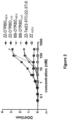
- the inventors investigated the ability of free ZZ and the five molecular complexes to bind heparin, which is a sulfated polysaccharide representative of the heparan sulfate family.
- the enzyme immunoassay did not observe a significant optical signal for free ZZ ( Fig. 2 ).
- an increase in optical density as a function of the incubated dose is measured for ZZ-DTRBD coli , BB-DTRBD HEK , BB-DTRBD coli , ZZ-DTRBD HEK and ZZ-Tat 22-57C(22-37)S.
- Example 2 The ZZ-DTRBD HEK fusion protein is capable of binding different cell types of the murine immune system
- Dendritic Cell Mix 1 (duplicates): B220-FITC (#103206, 1/200), CD11c-PE-Cy7 (#117318, 1/200), CD317-APC (#127016, 1/100), CD8a-PerCP-Cy5.5 (#100734, 1/200), CD11b-APC-Cy7 (#101226, 1/800), Donkey anti-rabbit-BV421 (#406410, 1/100), Live Dead Aqua (ThermoFischer #L34966, 1/1000).
- B lymphocytes (duplicates): B220-FITC (#103206, 1/200), CD19-BV650 (#115541, 1/100), CD3-APC-Cy7 (#100222, 1/100), CD4-BV605 (#100451, 1/200), NK1.1-PE-Cy7 (#108714, 1/100), CD8a-PerCP-Cy5.5 (#100734, 1/200), CD11b-APC (#101212, 1/800), Ly6C-PE #128007, 1/800), Donkey anti-rabbit-BV421 (#406410, 1/100), Live Dead Aqua (ThermoFischer #L34966, 1/1000).
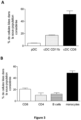
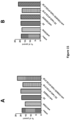
- ZZ-DTRBD HEK was incubated in the presence of mouse splenocytes. It was observed that this fusion protein preferentially binds to cDC-CD8+ cells, which are specialized APCs ( Fig. 3A ). It also preferentially interacts with monocytes which can also play the role of APCs ( Fig. 3B ). Finally, it binds to lymphocytes to a lesser extent. These data therefore indicate that the fusion protein preferentially targets APCs.
- Example 3 The fusion proteins ZZ-DTRBD HEK and ZZ-Tat 22-57C(22-37)S induce in vitro the secretion of IL-6 and IL-12 by cells of the immune system.
- C57BL/6 mouse splenocytes are resuspended at a rate of 2.10 6 cells/mL in RPMI 10% FCS 1% Penicillin/Streptomycin medium.
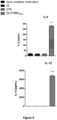
- 100 ⁇ L of the cell suspension are distributed in 96-well plates in the presence or absence of molecular complexes (ZZ, DTRBD, ZZ-DTRBD HEK , or ZZ-Tat 22-57C(22-37)S) incubated at 1 ⁇ M final. After 24 hours of incubation, the supernatants are harvested for IL-6 and IL-12 cytokine assay by ELISA performed according to the manufacturer's instructions (R&D #DY406-05 and #DY419).
- the inventors investigated whether molecular complexes could induce the activation of immune system cells. Since cell activation can lead to the secretion of cytokines, the inventors decided to evaluate in vitro the presence of two of them in supernatants resulting from the incubation of mouse splenocytes with molecular complexes and different control proteins.
- the first cytokine is IL-6 because it is representative of the inflammatory cytokines important for the initiation of the immune response.
- the second is IL-12 because it proves crucial for the induction of cellular immune responses.
- the inventors proceeded according to a principle similar to that described in the previous paragraph to evaluate whether ZZ-Tat 22-57C(22-37)S is capable of activating cells of the immune system and whether the association of ZZ and the domain of Tat involved in binding to heparan sulfates is also absolutely required for the stimulatory effect.
- they notably used a peptide, named Tat CY49-57 , which contains the basic region of Tat and is therefore representative of the interaction of Tat and its derivatives with heparan sulfates.
- Example 4 A molecular complex i) remains capable of triggering the secretion of IL-6 and IL-12 by cells of the immune system when its ZZ domain is substituted by BB, ii) exhibits increased stimulatory capacities when it is made up of oligomeric forms.
- C57BL/6 mouse splenocytes are resuspended at a rate of 2.10 6 cells/mL in RPMI 10% FCS 1% Penicillin/Streptomycin medium.
- 100 ⁇ L of the cell suspension are distributed in 96-well plates in the presence or absence of different molecular complexes (ZZ-DTRBD HEK , BB-DTRBD HEK , ZZ-DTRBD coli and BB-DTRBD coli ) incubated at 1 ⁇ M final. After 24 hours of incubation, the supernatants are harvested for IL-6 and IL-12 cytokine assay by ELISA performed according to the manufacturer's instructions (R&D #DY406-05 and #DY419).
- Example 3 The work described in Example 3 was carried out with two molecular complexes containing the double ZZ domain.
- This double domain which binds the Fc of the Abs, can thus target the Abs located on the surface of the APCs.
- the inventors then studied whether molecular complexes that can jointly target the Fc region and the Fab region of the Igs can also be capable of activating cells of the immune system. For this, they relied on the double BB domain derived from the protein A of Staphylococcus aureus, which has the particularity of being able to bind the Fc region of the Abs in the same way as Z but also the Fab region of the Abs, unlike ZZ ( Jansson B. et al., Fems Immunol. Med. Microbiol.
- ZZ-DTRBD and BB-DTRBD are in oligomeric form following their expression in HEK cells (cf. Fig. 1 ) while they are monomeric after expression in E. coli this work also made it possible to evaluate whether the state of oligomerization can affect the capacity to induce the immune system.
- the inventors realized that the supernatants from incubation with ZZ-DTRBD HEK contain higher amounts of cytokines than those from incubation with BB-DTRBD HEK ( fig. 6 ). Similarly, supernatants from incubation with ZZ-DTRBD coli contain higher amounts of cytokines than those from incubation with BB-DTRBD coli . These results demonstrate that a molecular complex containing BB remains capable of inducing cytokine secretion in vitro, but to a lesser extent than a molecular complex containing ZZ. These data therefore indicate that the activation effect may be mediated by molecular complexes containing domains capable of binding different sites on the Abs.
- Example 5 Isolated dendritic cells secrete IL-6 and IL-12 when incubated in the presence of ZZ-DTRBD HEK
- a C57BL/6J mouse was euthanized and its spleen was collected in RPMI 10% FCS 1% Penicillin/Streptomycin medium.
- the spleen was perfused with 3 mL of collagenase D at 2 mg/mL in HBSS 0.5% BSA and then incubated for 30 minutes at 37°C.
- Splenocytes were collected and magnetic sorting of dendritic cells (DC) was performed according to the manufacturer's instructions (Miltenyi Biotec #130-100-875). DC were centrifuged for 5 minutes at 4°C at 390g and then resuspended at 2.10 6 cells/mL in RPMI 10% FCS 1% Penicillin/Streptomycin medium.
- the Ab mixtures used for phenotypic analysis of dendritic cells were: B220-FITC (#103206, 1/200), CD11c-PE-Cy7 (#117318, 1/200), CD317-APC (#127016, 1/100), CD11b-APC-Cy7 (#101226, 1/800), CD8a-PerCP-Cy5.5 (#100734, 1/200), Live Dead Violet (ThermoFischer #L34964, 1/1000).
- the inventors Since molecular complexes preferentially bind to APCs in vitro and induce cytokine secretion, the inventors knew whether such complexes could induce APC expansion in mice. To evaluate this aspect, the inventors injected three groups of 8 C57BI/6 mice with a PBS solution in the presence or absence of ZZ-DTRBD HEK or ZZ-Tat 22-57C(22-37)S . They then euthanized the animals and removed their spleens to evaluate the frequency of different dendritic cell subpopulations in splenocytes.
- the PBMCs are centrifuged at 150 g for 10 minutes at room temperature and then a red blood cell lysis buffer (8.3 mg/mL NH 4 Cl, 0.84 mg/mL NaHCOs, 0.1 mM EDTA) is added and incubated for 10 minutes at 4°C. 40 mL of PBS are added and the cells are centrifuged for 10 minutes at room temperature at 150 g. DC sorting is then carried out according to the manufacturer's instructions (Miltenyi Biotec #130-091-379). The DC are centrifuged for 5 minutes at 4°C at 390 g and then resuspended at 2.10 6 cells/mL in RPMI 10% FCS 1% Penicillin/Streptomycin medium.
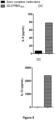
- IL-6 is found in quantity approximately 10 times greater in the supernatants resulting from incubation in the presence of ZZ-DTRBD HEK compared to the supernatants resulting from incubation in the absence of the fusion protein.
- IL-12 is present in large quantities (2400 pg/ml) in the supernatants resulting from incubation of DCs in the presence of ZZ-DTRBD HEK and in very low quantities (8 pg/ml) in those resulting from incubation in the absence of the molecular complex. All of these data therefore indicate that ZZ-DTRBD induces an increase in the secretion of IL-6 and IL-12 by human DCs. ZZ-DTRBD could thus contribute to the establishment of immune defense mechanisms in humans which would be linked to the secretion of these cytokines.
- Example 8 ZZ-DTRBD and ZZ-Tat 22-57C(22-37)S slow the progression of colorectal tumor growth.
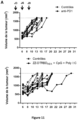
- mice Two groups of eight C57BL/6 mice were injected with 0.5M MC38 cells subcutaneously in the paw. The mice were then left uninjected (Controls) or injected with the CpG-B 1018/Poly I:C adjuvant mixture (30 ⁇ g for each adjuvant) three and six days later. Tumor growth was monitored by measuring tumors with a caliper. Upon reaching the stopping criterion, they were euthanized.
- mice Three groups of six C57BL/6 mice were injected with 0.5M MC38 cells subcutaneously in the paw. Three, six and nine days later, the mice were either not injected (Controls) or injected with ZZ-DTRBD HEK (2 nmol per mouse) in the absence or presence of CpG-B 1018 + Poly I:C. (30 ⁇ g for each adjuvant per mouse). The mice are monitored individually for 15 days (tumor measurements with a caliper) before euthanasia.
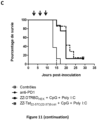
- mice Four groups of eight C57BL/6 mice were injected with 0.5M MC38 cells subcutaneously in the paw. Three, six and nine days later, the mice were either not injected (Controls) or injected with the anti-PD-1 antibody (Euromedex #BE0146-100MG, clone RMP1-14), ZZ-DTRBD HEK or ZZ-Tat 22-57C(22-37)S (0.96 nmol per mouse) in the presence of CpG-B 1018 + Poly I:C. (30 ⁇ g for each adjuvant per mouse). The mice were monitored individually (tumor measurements with a caliper) over time. Upon reaching the stopping criterion, they were euthanized.
- a second step the impact of ZZ-DTRBD HEK injected alone or in the presence of the adjuvant mixture CpG1018/polyl:C on tumor growth was evaluated.
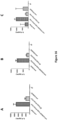
- the Fig. 10B compared to the untreated group (controls) tumor growth is slowed on day 8 and day 10 in the group injected with ZZ-DTRBD HEK without adjuvant.
- the effect was even greater in the group treated with ZZ-DTRBD HEK and the CpG1018/polyl:C adjuvant mixture.
- tumor growth was slowed over the entire observation period of the animals (D6 to D15). All of these data therefore indicate that ZZ-DTRBD HEK has an impact on the growth of the MC38 line and that this effect is amplified when it is mixed with the CpG1018/polyl:C adjuvant.
- Example 9 Activated monocytes and CD4+ lymphocytes can be induced by molecular complexes targeting the surface molecule DEC205 and Fc gamma receptors, respectively .
- an anti-DEC205 Ab was used (BioLegend; clone NLDC-145, ref BLE138202). It was incubated in the absence or presence of ZZ-Tat 22-57C22-37)S at a fixed concentration (0.2 ⁇ M for each molecule), for 24 hours in RPMI medium without FCS. The ability of the ZZ region to bind the Fc region of the anti-DEC205 Ab allowed the formation of a non-covalent molecular complex, called anti-DEC205/ZZ-Tat 22-57C22-37)S . The same protocol was used to form a complex between the ZZ molecule and the anti-DEC205 Ab, called anti-DEC205/ZZ.
- a non-specific human polyclonal Ab was used. This Ab was incubated with ZZ-Tat 22-57C22-37)S or ZZ by following a protocol identical to that used for the anti-DEC205 Ac. It was thus possible to form a non-covalent molecular complex, called IgG/ZZ-Tat 22-57C22-37)S and an IgG/ZZ complex.
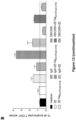
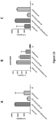
- Human PBMCs prepared as described in Example 7 were then incubated in the absence or presence of the following compounds: anti-DEC205/ZZ-Tat 22-57C22-37)S , IgG/ZZ-Tat 22-57C22-37)S , anti-DEC205/ZZ, IgG/ZZ ZZ-DTRBD HEK , and free anti-DEC205 Ab and IgG (final concentration of 0.1 ⁇ M for each compound).
- PBMCs were also incubated with free ZZ-Tat 22-57C22-37)S and ZZ proteins at a concentration of 1 ⁇ M.
- the cells were harvested and labeled with fluorescent Abs to identify monocytes (CD14, anti-CD14-BV605, Biolegend), CD4+ T lymphocytes (CD4, anti-CD4-PerCP-Cy5.5, Biolegend) and the CD69 molecule (anti-CD69-BV785, Biolegend).
- the PBMCs were fixed using a solution containing 4% paraformaldehyde and analyzed by flow cytometry.
- the previous examples show that molecular complexes targeting Abs can effectively induce certain immune response mechanisms and effectively slow tumor growth.
- the Abs located on the surface of APCs are the molecules targeted by these complexes.
- APCs express a large number of other molecules that can also represent targets for molecular complexes according to the invention.
- the inventors therefore investigated whether molecular complexes targeting HS and receptors other than immunoglobulins located on the APC surface can also activate these cells. To evaluate this aspect, they chose to evaluate two types of receptors. The first is the DEC205 protein, which is a lectin selectively expressed in humans by monocytes and certain populations of dendritic cells ( Kato M. et al. 2006, Int. Immunol., 18:857-869 ). The second is the FC gamma receptor, most forms of which are expressed by monocytes and certain populations of dendritic cells.
- the inventors then prepared two molecular complexes that could respectively target these receptors.
- To target the DEC205 protein they used a monoclonal Ab specific for this receptor, which they complexed with the fusion protein ZZ-Tat 22-57C22-37)S . They called this molecular complex anti-DEC205/ZZ-Tat 22-57C22-37)S .
- To target the Fc receptors they used a non-specific human polyclonal IgG Ab that can interact with these receptors via its Fc domain. They formed a molecular complex between this IgG and ZZ-Tat 22-57C22-37)S , called IgG/ZZ-Tat 22-57C22-37)S .
- the inventors then asked whether the molecular complexes can enable the activation of this APC subpopulation. For this, they incubated PBMCs in the absence or presence of a fixed concentration (0.1 ⁇ M) of anti-DEC205/ZZ-Tat 22-57C22-37)S , IgG/ZZ-Tat 22-57C22-37)S , anti-DEC205/ZZ, IgG/ZZ, anti-DEC205, IgG, respectively.
- ZZ-Tat 22-57C22-37)S and ZZ proteins were also incubated the free ZZ-Tat 22-57C22-37)S and ZZ proteins at a concentration of 1 ⁇ M to evaluate the effect of ZZ-Tat 22-57C22-37)S at a concentration identical to that which proved activating in examples 3, 4 and 5. After 24h, they evaluated the proportion of activated monocytes and CD4+ T lymphocytes. As can be seen in the Fig. 12A , ZZ does not modify the proportion of activated monocytes in PBMCs while it is significantly increased by ZZ-Tat 22-57C22-37)S which indicates that this molecular complex allows the activation of human APCs.
- the proportion of activated cells is for its part reduced with the free anti-DEC205 Ac or included in the anti-DEC205/ZZ complex.
- the proportion of activated monocytes is increased in the presence of the anti-DEC205/ZZ-Tat complex 22-57C22-37)S .
- a similar behavior is observed when CD4+ T lymphocytes are considered ( Fig. 12B ).
- Example 10 Molecular complexes targeting dendritic cells induce in vitro the secretion of IL-6 by cells of the immune system.
- the first Ab (BD reference 555538), called anti-CD74 Ab, targets the CD74 molecule.
- the second Ab (BD reference 551186), called anti-CD209 Ab, targets the CD209 molecule.
- the third Ab (BD reference 552501), called anti-CD275 Ab, targets the CD275 molecule.
- anti-CD74/ZZ-Tat 22-57C22-37)S anti-CD209/ZZ-Tat 22-57C22-37)S
- anti-CD275/ZZ-Tat 22-57C22-37)S anti-CD74/ZZ, anti-CD209/ZZ, and anti-CD275/ZZ, respectively.
- Human PBMCs were resuspended at a rate of 5.10 6 cells/mL in RPMI 5% Human Serum AB medium. 100 ⁇ L of the cell suspension was distributed in a 96-well plate in the presence or absence of free ZZ or ZZ-Tat 22-57C(22-37)S Acs and molecular complexes. After 24 hours of incubation, the supernatants were harvested for IL-6 cytokine assay by ELISA performed according to the manufacturer's instructions (R&D #DY406-05).
- the inventors investigated whether molecular complexes targeting three molecules expressed by DCs could induce the activation of immune system cells. Since cell activation can lead to the secretion of cytokines, the inventors decided to evaluate the presence of IL-6 in vitro . They found this cytokine in the supernatants resulting from incubation with ZZ-Tat 22-57C22-37)S but not in those resulting from incubation with ZZ. They did not find it in the supernatants resulting from incubation of PSMCs with free anti-CD74 Ab ( Fig. 13A ) which indicates that this Ac cannot induce activation when it is in free form.
- Example 11 A molecular complex directed against the CD335 receptor expressed by NK and NKT cells induces in vitro an increase in the proportion of activated NK and NKT cells.
- Human PBMCs were resuspended at a rate of 5.106 cells/ml in RPMI medium 5% Human serum AB. 100 ⁇ L of the cell suspension was distributed in 96-well plates in the presence or absence of free anti-CD335, ZZ or ZZ-Tat 22-57C(22-37)S Ab as well as molecular complexes. After 18 hours, the cells were harvested, labeled with fluorescent Abs to identify NK cells (CD56+, biolegend reference 362510 1/100 dilution), NKT cells (CD56+ biolegend reference 362510; CD3+; Miltenyi ref 130-113-136 1/200 dilution), and the CD69 molecule (biolegend reference 310932, 1/100 dilution). After 30 minutes of incubation, the PBMCs were fixed using a solution containing 4% paraformaldehyde and then analyzed by flow cytometry.
- the inventors investigated whether molecular complexes targeting the CD335 molecule expressed on the surface of NK and NKT cells can induce the activation of these two cell types. To assess this, they used anti-CD335 Ab in isolated form or included in a molecular complex. They incubated PBMCs in the absence or presence of the different mixtures. As NK and NKT cells play a crucial role in immune defense mechanisms, after 18 hours of incubation, they assessed the proportion of activated NK and NKT cells by monitoring the expression of the co-stimulatory molecule CD69.
- ZZ, isolated anti-CD335 Ab and the anti-CD335/ZZ complex do not increase the proportion of NK (A) or NKT (B) cells expressing CD69 in PBMCs.
- a different behavior is observed with free ZZ-Tat 22-57C(22-37)S .
- this molecular complex does not increase the proportion of NKT cells expressing CD69 but increases the percentage of NK cells expressing this marker, which indicates that the association of ZZ and the HS ligand in the ZZ-Tat 22-57C(22-37)S complex increases the activation of NK cells.
- the inventors investigated whether molecular complexes targeting the expressed CD56 and CD336 molecules could induce NKT cell activation. To assess this, they used anti-CD56 and anti-CD336 Abs in isolated form or included in a molecular complex. They incubated PBMCs in the absence or presence of the different mixtures. After 18 hours of incubation, they assessed the proportion of activated NKT cells by monitoring the expression of the co-stimulatory molecule CD69.
- Example 13 Molecular complexes targeting NK and NKT cells induce in vitro the secretion of IL-6 by cells of the immune system.
- Human PBMCs are resuspended at a rate of 5.10 6 cells/mL in RPMI medium 5% Human serum AB. 100 ⁇ L of the cell suspension is distributed in 96-well plates in the presence or absence of free ZZ or ZZ-Tat 22-57C(22-37)S Abs as well as molecular complexes. After 24 hours of incubation, the supernatants are harvested for an IL-6 cytokine assay by ELISA performed according to the manufacturer's instructions (R&D #DY406-05).
- the inventors investigated whether molecular complexes targeting NK and NKT cells could induce the activation of immune system cells. Since cell activation can lead to the secretion of cytokines, the inventors decided to evaluate the presence of IL-6 in vitro . They found this cytokine in the supernatants resulting from incubation with ZZ-Tat 22-57C22-37)S but not in those resulting from incubation with ZZ. They did not find IL-6 in the supernatants resulting from incubation of SMCs with free anti-CD56 and anti-CD335 Abs ( Fig. 16A and 16B ), indicating that these two proteins cannot induce activation when in free form.
- the first Ab (BioXCell reference BE0190), called anti-CTLA-4 Ab, targets the CTLA-4 molecule.
- the second Ab (BioXCell reference BE0285), called anti-PD-L1 Ab, targets the PD-L1 molecule.
- the third Ab (R&D reference MAB10542), called anti-OX40 Ab, targets the OX40 molecule.
- anti-CTLA-4/ZZ-Tat 22-57C22-37)S anti-PD-L1/ZZ-Tat 22-57C22-37)S
- anti-OX40/ZZ-Tat 22-57C22-37)S anti-CTLA-4/ZZ, anti-PD-L1/ZZ, and anti-OX40/ZZ, respectively.
- Human PBMCs were resuspended at 5.106 cells/mL in RPMI 5% Human Serum AB medium. 100 ⁇ L of the cell suspension was distributed in 96-well plates in the presence or absence of free Ab, ZZ or ZZ-Tat 22-57C(22-37)S as well as molecular complexes. After 24 hours of incubation, the supernatants were harvested for IL-6 cytokine assay by ELISA performed according to the manufacturer's instructions (R&D #DY406-05).
Landscapes
- Health & Medical Sciences (AREA)
- Chemical & Material Sciences (AREA)
- Immunology (AREA)
- Life Sciences & Earth Sciences (AREA)
- Organic Chemistry (AREA)
- Medicinal Chemistry (AREA)
- General Health & Medical Sciences (AREA)
- Proteomics, Peptides & Aminoacids (AREA)
- Biophysics (AREA)
- Molecular Biology (AREA)
- Genetics & Genomics (AREA)
- Biochemistry (AREA)
- Engineering & Computer Science (AREA)
- Bioinformatics & Cheminformatics (AREA)
- Pharmacology & Pharmacy (AREA)
- Animal Behavior & Ethology (AREA)
- Public Health (AREA)
- Veterinary Medicine (AREA)
- Gastroenterology & Hepatology (AREA)
- Epidemiology (AREA)
- Virology (AREA)
- Chemical Kinetics & Catalysis (AREA)
- General Chemical & Material Sciences (AREA)
- Nuclear Medicine, Radiotherapy & Molecular Imaging (AREA)
- Endocrinology (AREA)
- Microbiology (AREA)
- Mycology (AREA)
- Zoology (AREA)
- Toxicology (AREA)
- Cell Biology (AREA)
- AIDS & HIV (AREA)
- Communicable Diseases (AREA)
- Hematology (AREA)
- Oncology (AREA)
- Peptides Or Proteins (AREA)
- Pharmaceuticals Containing Other Organic And Inorganic Compounds (AREA)
- Medicines That Contain Protein Lipid Enzymes And Other Medicines (AREA)
- Medicinal Preparation (AREA)
- Polysaccharides And Polysaccharide Derivatives (AREA)
- Medicines Containing Antibodies Or Antigens For Use As Internal Diagnostic Agents (AREA)
Claims (15)
- Molekularkomplex zur Verwendung als immunstimulierendes Arzneimittel zur Immuntherapie von Krebs oder Infektionskrankheiten, wobei der Komplex aus mindestens einem Liganden eines sulfatierten Zuckers der Familie der Glykosaminoglykane besteht, der an der Oberfläche von Antigen-präsentierenden Zellen oder NK- oder NKT-Zellen exprimiert wird (erster Ligand) und mindestens einen Liganden eines Oberflächenmoleküls von Antigen-präsentierenden Zellen oder von NK- oder NKT-Zellen, der kein sulfatierter Zucker der Familie der miteinander verbundenen Glykosaminoglykane (zweiter Ligand) ist, und wobei der Komplex frei von einem Antigen ist, das für die zu behandelnde Krankheit spezifisch ist.
- Molekularkomplex zur Verwendung nach Anspruch 1, wobei der erste Ligand ein Heparansulfat-Bindungspeptid ist, ausgewählt aus der Gruppe, bestehend aus: einem Peptid aus dem HIV-Protein Tat, das mindestens den Basisbereich Tat49-57 (SEQ ID-NR: 3) wie die Peptide Tat49-57 (SEQ ID-NR: 3), Tat37-57 (SEQ ID-NR: 8) und Tat22-57C(22-37)S (SEQ ID-NR: 9); ein Polyarginin-Peptid R7 bis R11; und ein Peptid umfasst, umfassend die R-Domäne des Diphtherietoxins (SEQ ID-NR: 5) oder mindestens das Fragment DT453-467 (SEQ ID-NR 7) der Domäne, der den Heparansulfat-Bindungsbereich umfasst.
- Molekularkomplex zur Verwendung nach einem der vorhergehenden Ansprüche, wobei der zweite Ligand auf ein Oberflächenmolekül von Antigen-präsentierenden Zellen abzielt, das aus der Gruppe ausgewählt ist, bestehend aus: Lektin-Typ-C-Rezeptoren, membranförmigen Immunglobulinen, Rezeptoren für den Immunglobulin-Konstantbereich und Immun-Checkpoint-Molekülen und deren Liganden.
- Molekularkomplex zur Verwendung nach einem der vorhergehenden Ansprüche, wobei der zweite Ligand aus der Gruppe ausgewählt ist, bestehend aus: (i) Antikörper gegen die Oberflächenmoleküle von Antigen-präsentierenden Zellen oder NK- oder NKT-Zellen und deren Fragmente, die mindestens den Paratop enthalten; (ii) Immunglobuline, vorzugsweise IgG, und Fragmente davon, die mindestens den Fc-Bereich umfassen; und (iii) Proteine und Proteinfragmente, die den Fc- und/oder Fab-Bereich der Antikörper binden, insbesondere das Protein A von S. aureus, sein BB-Fragment (SEQ ID-NR: 1) und sein Derivat ZZ (SEQ ID-NR: 2).
- Molekularkomplex zur Verwendung nach einem der vorhergehenden Ansprüche, in Form von Oligomeren oder einer Mischung aus Monomeren und Oligomeren.
- Molekularkomplex zur Verwendung nach einem der vorhergehenden Ansprüche, bestehend aus einem Fusionsprotein zwischen dem ersten und dem zweiten Liganden.
- Molekularkomplex zur Verwendung nach Anspruch 6, bestehend aus einem Fusionsprotein, das einen ersten Liganden umfasst, der aus Folgendem ausgewählt ist: Tat49-57 (SEQ ID-NR: 3), Tat37-57 (SEQ ID-NR: 8), Tat22-57C(22-37)S (SEQ ID-NR 9), der R-Domäne des Diphtherietoxins (SEQ ID-NR: 5) oder dem Fragment DT453-467 (SEQ ID-NR 7), und ein zweiter Ligand, der aus Folgendem ausgewählt ist: dem BB-Fragment des Proteins A (SEQ ID-NR: 1) oder seinem Derivat ZZ (SEQ ID-NR: 2).
- Molekularkomplex zur Verwendung nach einem der Ansprüche 1 bis 5, wobei der zweite Ligand ein Antikörper oder ein Antikörperfragment ist und der erste Ligand ein Fusionsprotein mit einem Immunglobulin-Bindungselement bildet, vorzugsweise dem Protein A von S. aureus, dessen BB-Fragment (SEQ ID-NR: 1) oder seinem Derivat ZZ (SEQ ID-NR: 2).
- Molekularkomplex zur Verwendung nach Anspruch 8, wobei das Fusionsprotein einen ersten Liganden umfasst, der aus Tat49-57 (SEQ ID-NR: 3), Tat37-57 (SEQ ID-NR: 8), Tat22-57C(22-37)S (SEQ ID-NR 9), R-Domäne des Diphtherietoxins (SEQ ID-NR: 5) oder dem Fragment DT453-467 (SEQ ID-NR 7) ausgewählt ist und einem Immunglobulin-Bindungselement, ausgewählt aus dem BB-Fragment des Proteins A (SEQ ID-NR: 1) oder seinem Derivat ZZ (SEQ ID-NR: 2).
- Molekularkomplex zur Verwendung nach Anspruch 9, wobei das Immunglobulin-Bindungselement das BB-Fragment des Proteins A ist (SEQ ID-NR: 1), wobei das Fusionsprotein mit dem zweiten Liganden komplexiert ist, der aus einem ganzen Immunglobulin besteht.
- Molekularkomplex zur Verwendung nach Anspruch 8, wobei das Fusionsprotein mit dem zweiten Liganden komplexiert ist, der aus einem Anti-RFcgamma I, II und/oder III, Anti-DEC-205-Antikörper, Anti-DC-SIGN, Anti-CD74, Anti-CD275, Anti-CD56, Anti-CD335, Anti-CD336, Anti-CTLA-4, Anti-PD-L1, Anti-OX40 oder einem Fragment der vorhergehenden Antikörper ausgewählt ist, das mindestens den Paratop umfasst.
- Molekularkomplex zur Verwendung nach einem der vorhergehenden Ansprüche als immunstimulierendes Arzneimittel, vorzugsweise zur Aktivierung von Antigen-präsentierenden Zellen, insbesondere dendritischen Zellen oder Monozyten, zur Aktivierung von NK- oder NKT-Zellen und/oder zur Aktivierung der Sekretion der Zytokine IL-6 und/oder IL-12.
- Zusammensetzung zur Verwendung als immunstimulierendes Arzneimittel zur Immuntherapie von Krebs oder Infektionskrankheiten, umfassend mindestens einen Molekularkomplex nach einem der vorhergehenden Ansprüche und mindestens ein pharmazeutisch akzeptables Trägermedium, eine Trägersubstanz und/oder ein Adjuvant.
- Zusammensetzung zur Verwendung nach Anspruch 13, wobei der Adjuvant ein Oligodeoxynukleotid CpG, Polyinosin-Polycytidylsäure oder eine Mischung aus Oligodeoxynukleotid(en) CpG und Polyinosin-Polycytidylsäure ist, und/oder die Trägersubstanz ein Nanopartikel ist.
- Zusammensetzung zur Verwendung nach Anspruch 13 oder 14, umfassend mindestens einen anderen therapeutischen Wirkstoff, vorzugsweise mindestens einen Immuncheckpoint-Inhibitor, vorzugsweise ein Anti-PD-1, ein Anti-PDL-1 oder ein Anti-CTLA4.
Applications Claiming Priority (2)
| Application Number | Priority Date | Filing Date | Title |
|---|---|---|---|
| FR2005663A FR3110838B1 (fr) | 2020-05-28 | 2020-05-28 | Complexe immunomodulateur et ses applications pour la thérapie |
| PCT/EP2021/064449 WO2021239996A1 (fr) | 2020-05-28 | 2021-05-28 | Complexe immunomodulateur et ses applications pour la thérapie |
Publications (3)
| Publication Number | Publication Date |
|---|---|
| EP4157311A1 EP4157311A1 (de) | 2023-04-05 |
| EP4157311C0 EP4157311C0 (de) | 2025-06-25 |
| EP4157311B1 true EP4157311B1 (de) | 2025-06-25 |
Family
ID=74045452
Family Applications (1)
| Application Number | Title | Priority Date | Filing Date |
|---|---|---|---|
| EP21727496.8A Active EP4157311B1 (de) | 2020-05-28 | 2021-05-28 | Immunmodulatorischer komplex und verwendungen davon zur therapie |
Country Status (13)
| Country | Link |
|---|---|
| US (1) | US20240199706A1 (de) |
| EP (1) | EP4157311B1 (de) |
| JP (1) | JP2023527067A (de) |
| KR (1) | KR20230019437A (de) |
| CN (1) | CN116157139A (de) |
| AU (1) | AU2021281062B2 (de) |
| BR (1) | BR112022023987A2 (de) |
| CA (1) | CA3184316A1 (de) |
| ES (1) | ES3041329T3 (de) |
| FR (1) | FR3110838B1 (de) |
| IL (1) | IL298503A (de) |
| MX (1) | MX2022014949A (de) |
| WO (1) | WO2021239996A1 (de) |
Families Citing this family (2)
| Publication number | Priority date | Publication date | Assignee | Title |
|---|---|---|---|---|
| WO2025210275A1 (en) | 2024-04-05 | 2025-10-09 | Blue Bees Therapeutics | Immunomodulatory complex comprising heparan sulfate binding peptide and uses thereof for therapy |
| WO2025210269A1 (en) | 2024-04-05 | 2025-10-09 | Blue Bees Therapeutics | Immunomodulatory fc-based fusion protein and uses thereof for therapy |
Family Cites Families (6)
| Publication number | Priority date | Publication date | Assignee | Title |
|---|---|---|---|---|
| US4816567A (en) | 1983-04-08 | 1989-03-28 | Genentech, Inc. | Recombinant immunoglobin preparations |
| FR2759296B1 (fr) | 1997-02-07 | 1999-04-09 | Commissariat Energie Atomique | Complexe non-covalent comprenant au moins un anticorps et un element de liaison aux immunoglobulines associe a une substance active, son procede de preparation et ses applications |
| PT1787999E (pt) | 1997-04-07 | 2010-11-11 | Genentech Inc | Anticorpos anti-vegf |
| FR2955773B1 (fr) | 2010-02-01 | 2017-05-26 | Commissariat Energie Atomique | Complexe moleculaire de ciblage des antigenes vers les cellules presentatrices d'antigene et ses applications pour la vaccination |
| ES2423798T3 (es) * | 2010-11-19 | 2013-09-24 | Universitätsklinikum Freiburg | Hidrogeles de PEG disolubles sensibles a estímulos biofuncionalizados |
| WO2016191869A1 (en) * | 2015-06-01 | 2016-12-08 | The Hospital For Sick Children | Delivery of structurally diverse polypeptide cargo into mammalian cells by a bacterial toxin |
-
2020
- 2020-05-28 FR FR2005663A patent/FR3110838B1/fr active Active
-
2021
- 2021-05-28 ES ES21727496T patent/ES3041329T3/es active Active
- 2021-05-28 MX MX2022014949A patent/MX2022014949A/es unknown
- 2021-05-28 CA CA3184316A patent/CA3184316A1/fr active Pending
- 2021-05-28 BR BR112022023987A patent/BR112022023987A2/pt unknown
- 2021-05-28 US US17/999,898 patent/US20240199706A1/en active Pending
- 2021-05-28 AU AU2021281062A patent/AU2021281062B2/en active Active
- 2021-05-28 WO PCT/EP2021/064449 patent/WO2021239996A1/fr not_active Ceased
- 2021-05-28 JP JP2022573245A patent/JP2023527067A/ja active Pending
- 2021-05-28 EP EP21727496.8A patent/EP4157311B1/de active Active
- 2021-05-28 CN CN202180059029.5A patent/CN116157139A/zh active Pending
- 2021-05-28 KR KR1020227043980A patent/KR20230019437A/ko active Pending
- 2021-05-28 IL IL298503A patent/IL298503A/en unknown
Also Published As
| Publication number | Publication date |
|---|---|
| ES3041329T3 (en) | 2025-11-11 |
| IL298503A (en) | 2023-01-01 |
| KR20230019437A (ko) | 2023-02-08 |
| US20240199706A1 (en) | 2024-06-20 |
| CN116157139A (zh) | 2023-05-23 |
| BR112022023987A2 (pt) | 2022-12-27 |
| AU2021281062A1 (en) | 2023-01-05 |
| MX2022014949A (es) | 2023-03-08 |
| FR3110838B1 (fr) | 2022-06-24 |
| EP4157311A1 (de) | 2023-04-05 |
| AU2021281062B2 (en) | 2025-09-18 |
| CA3184316A1 (fr) | 2021-12-02 |
| EP4157311C0 (de) | 2025-06-25 |
| FR3110838A1 (fr) | 2021-12-03 |
| WO2021239996A1 (fr) | 2021-12-02 |
| JP2023527067A (ja) | 2023-06-26 |
Similar Documents
| Publication | Publication Date | Title |
|---|---|---|
| KR102915666B1 (ko) | 막 단백질 전달을 위한 조성물 및 방법 | |
| JP2023123445A (ja) | 改変t細胞に関する方法および組成物 | |
| CN107995913B (zh) | 使用融合蛋白对tcr重编程的组合物和方法 | |
| EP2531213B1 (de) | Molekularer komplex zur richtung von antigenen gegen zellen mit antigenen und seine verwendung für impfstoffe | |
| JP2023506381A (ja) | 細胞外小胞をプログラムするための組換えポリペプチド | |
| US20220251200A1 (en) | Extracellular vesicles targeting t cells and uses thereof | |
| KR20180050413A (ko) | Hiv 감염을 치료하기 위해 t 세포를 리디렉션시키는 방법 | |
| TW201840845A (zh) | 保護移植組織免受排斥的方法 | |
| KR20080090412A (ko) | 생체내 세포 표면 엔지니어링 | |
| KR20220147107A (ko) | 면역 제어법, 면역 제어용 핵산 조성물 및 그의 용도 | |
| CN109121413A (zh) | 使用靶向核酸纳米载体编程治疗性细胞的组合物和方法 | |
| CN113727720A (zh) | 用于治疗表达cldn6的癌症的嵌合抗原受体修饰的细胞 | |
| EP4157311B1 (de) | Immunmodulatorischer komplex und verwendungen davon zur therapie | |
| Huang et al. | Glatiramer acetate complexed with CpG as intratumoral immunotherapy in combination with anti-PD-1 | |
| US12473342B2 (en) | Chimeric antigen receptor T regulatory cells for the treatment of atherosclerosis | |
| JP2022526856A (ja) | 臨床的に意義のあるegfr変異型タンパク質との交差反応性を有する高親和性キメラ抗原受容体(car)を含む、組成物および方法 | |
| CN112839665A (zh) | 用于过继免疫疗法的组合物和方法 | |
| WO2005063969A2 (fr) | Methodes d'identification et de preparation de lymphocytes t regulateurs/suppresseurs, compositions et utilisations | |
| CN116368222A (zh) | 破坏cd28-唾液酸糖苷配体复合物以增强t细胞活化 | |
| WO2022216856A1 (en) | Methods and compositions comprising mhc class i peptides | |
| EP1163522A1 (de) | Nachweis einer superantigenaktivität in einer biologischen probe | |
| EP1084246A2 (de) | Biologisches material zur herstellung pharmazeutischer zusammensetzungen zur behandlung von säugetieren | |
| EP3319625B1 (de) | Immunogene peptide von prä-prokalzitonin | |
| FR3163070A1 (fr) | NOUVEL ANTICORPS MONOCLONAL D’ISOTYPE IgM ANTI-HLA-DR POTENTIALISANT L’ACTIVITE D’ANTICORPS D’ISOTYPE IgG1 OU IgM ANTI-CD20 | |
| FR2816060A1 (fr) | Procede d'identification de nouvelles molecules se liant au recepteur lox et utilisation de ces molecules |
Legal Events
| Date | Code | Title | Description |
|---|---|---|---|
| STAA | Information on the status of an ep patent application or granted ep patent |
Free format text: STATUS: UNKNOWN |
|
| STAA | Information on the status of an ep patent application or granted ep patent |
Free format text: STATUS: THE INTERNATIONAL PUBLICATION HAS BEEN MADE |
|
| PUAI | Public reference made under article 153(3) epc to a published international application that has entered the european phase |
Free format text: ORIGINAL CODE: 0009012 |
|
| STAA | Information on the status of an ep patent application or granted ep patent |
Free format text: STATUS: REQUEST FOR EXAMINATION WAS MADE |
|
| 17P | Request for examination filed |
Effective date: 20221130 |
|
| AK | Designated contracting states |
Kind code of ref document: A1 Designated state(s): AL AT BE BG CH CY CZ DE DK EE ES FI FR GB GR HR HU IE IS IT LI LT LU LV MC MK MT NL NO PL PT RO RS SE SI SK SM TR |
|
| DAV | Request for validation of the european patent (deleted) | ||
| DAX | Request for extension of the european patent (deleted) | ||
| RAP3 | Party data changed (applicant data changed or rights of an application transferred) |
Owner name: COMMISSARIAT A L'ENERGIE ATOMIQUE ET AUX ENERGIESALTERNATIVES |
|
| GRAP | Despatch of communication of intention to grant a patent |
Free format text: ORIGINAL CODE: EPIDOSNIGR1 |
|
| STAA | Information on the status of an ep patent application or granted ep patent |
Free format text: STATUS: GRANT OF PATENT IS INTENDED |
|
| RIC1 | Information provided on ipc code assigned before grant |
Ipc: A61K 39/00 20060101ALI20250116BHEP Ipc: A61K 39/395 20060101ALI20250116BHEP Ipc: C07K 16/28 20060101ALI20250116BHEP Ipc: A61P 37/04 20060101ALI20250116BHEP Ipc: A61K 38/45 20060101ALI20250116BHEP Ipc: A61K 38/08 20190101ALI20250116BHEP Ipc: A61K 38/16 20060101AFI20250116BHEP |
|
| INTG | Intention to grant announced |
Effective date: 20250203 |
|
| GRAS | Grant fee paid |
Free format text: ORIGINAL CODE: EPIDOSNIGR3 |
|
| GRAA | (expected) grant |
Free format text: ORIGINAL CODE: 0009210 |
|
| STAA | Information on the status of an ep patent application or granted ep patent |
Free format text: STATUS: THE PATENT HAS BEEN GRANTED |
|
| AK | Designated contracting states |
Kind code of ref document: B1 Designated state(s): AL AT BE BG CH CY CZ DE DK EE ES FI FR GB GR HR HU IE IS IT LI LT LU LV MC MK MT NL NO PL PT RO RS SE SI SK SM TR |
|
| REG | Reference to a national code |
Ref country code: GB Ref legal event code: FG4D Free format text: NOT ENGLISH |
|
| REG | Reference to a national code |
Ref country code: CH Ref legal event code: EP |
|
| REG | Reference to a national code |
Ref country code: DE Ref legal event code: R096 Ref document number: 602021032854 Country of ref document: DE |
|
| REG | Reference to a national code |
Ref country code: CH Ref legal event code: EP |
|
| REG | Reference to a national code |
Ref country code: IE Ref legal event code: FG4D Free format text: LANGUAGE OF EP DOCUMENT: FRENCH |
|
| U01 | Request for unitary effect filed |
Effective date: 20250723 |
|
| U07 | Unitary effect registered |
Designated state(s): AT BE BG DE DK EE FI FR IT LT LU LV MT NL PT RO SE SI Effective date: 20250730 |
|
| PG25 | Lapsed in a contracting state [announced via postgrant information from national office to epo] |
Ref country code: NO Free format text: LAPSE BECAUSE OF FAILURE TO SUBMIT A TRANSLATION OF THE DESCRIPTION OR TO PAY THE FEE WITHIN THE PRESCRIBED TIME-LIMIT Effective date: 20250925 Ref country code: GR Free format text: LAPSE BECAUSE OF FAILURE TO SUBMIT A TRANSLATION OF THE DESCRIPTION OR TO PAY THE FEE WITHIN THE PRESCRIBED TIME-LIMIT Effective date: 20250926 |
|
| PG25 | Lapsed in a contracting state [announced via postgrant information from national office to epo] |
Ref country code: HR Free format text: LAPSE BECAUSE OF FAILURE TO SUBMIT A TRANSLATION OF THE DESCRIPTION OR TO PAY THE FEE WITHIN THE PRESCRIBED TIME-LIMIT Effective date: 20250625 |
|
| PG25 | Lapsed in a contracting state [announced via postgrant information from national office to epo] |
Ref country code: RS Free format text: LAPSE BECAUSE OF FAILURE TO SUBMIT A TRANSLATION OF THE DESCRIPTION OR TO PAY THE FEE WITHIN THE PRESCRIBED TIME-LIMIT Effective date: 20250925 |
|
| REG | Reference to a national code |
Ref country code: ES Ref legal event code: FG2A Ref document number: 3041329 Country of ref document: ES Kind code of ref document: T3 Effective date: 20251111 |
|
| PG25 | Lapsed in a contracting state [announced via postgrant information from national office to epo] |
Ref country code: IS Free format text: LAPSE BECAUSE OF FAILURE TO SUBMIT A TRANSLATION OF THE DESCRIPTION OR TO PAY THE FEE WITHIN THE PRESCRIBED TIME-LIMIT Effective date: 20251025 |
|
| PG25 | Lapsed in a contracting state [announced via postgrant information from national office to epo] |
Ref country code: SM Free format text: LAPSE BECAUSE OF FAILURE TO SUBMIT A TRANSLATION OF THE DESCRIPTION OR TO PAY THE FEE WITHIN THE PRESCRIBED TIME-LIMIT Effective date: 20250625 |
|
| PG25 | Lapsed in a contracting state [announced via postgrant information from national office to epo] |
Ref country code: CZ Free format text: LAPSE BECAUSE OF FAILURE TO SUBMIT A TRANSLATION OF THE DESCRIPTION OR TO PAY THE FEE WITHIN THE PRESCRIBED TIME-LIMIT Effective date: 20250625 |
|
| PG25 | Lapsed in a contracting state [announced via postgrant information from national office to epo] |
Ref country code: PL Free format text: LAPSE BECAUSE OF FAILURE TO SUBMIT A TRANSLATION OF THE DESCRIPTION OR TO PAY THE FEE WITHIN THE PRESCRIBED TIME-LIMIT Effective date: 20250625 |
|
| PG25 | Lapsed in a contracting state [announced via postgrant information from national office to epo] |
Ref country code: SK Free format text: LAPSE BECAUSE OF FAILURE TO SUBMIT A TRANSLATION OF THE DESCRIPTION OR TO PAY THE FEE WITHIN THE PRESCRIBED TIME-LIMIT Effective date: 20250625 |