EP4144769B1 - Polyvinyl alcohol-based polymer - Google Patents
Polyvinyl alcohol-based polymer Download PDFInfo
- Publication number
- EP4144769B1 EP4144769B1 EP21850134.4A EP21850134A EP4144769B1 EP 4144769 B1 EP4144769 B1 EP 4144769B1 EP 21850134 A EP21850134 A EP 21850134A EP 4144769 B1 EP4144769 B1 EP 4144769B1
- Authority
- EP
- European Patent Office
- Prior art keywords
- based polymer
- polyvinyl alcohol
- pva
- elastic modulus
- cement
- Prior art date
- Legal status (The legal status is an assumption and is not a legal conclusion. Google has not performed a legal analysis and makes no representation as to the accuracy of the status listed.)
- Active
Links
Images
Classifications
-
- C—CHEMISTRY; METALLURGY
- C08—ORGANIC MACROMOLECULAR COMPOUNDS; THEIR PREPARATION OR CHEMICAL WORKING-UP; COMPOSITIONS BASED THEREON
- C08F—MACROMOLECULAR COMPOUNDS OBTAINED BY REACTIONS ONLY INVOLVING CARBON-TO-CARBON UNSATURATED BONDS
- C08F216/00—Copolymers of compounds having one or more unsaturated aliphatic radicals, each having only one carbon-to-carbon double bond, and at least one being terminated by an alcohol, ether, aldehydo, ketonic, acetal or ketal radical
- C08F216/02—Copolymers of compounds having one or more unsaturated aliphatic radicals, each having only one carbon-to-carbon double bond, and at least one being terminated by an alcohol, ether, aldehydo, ketonic, acetal or ketal radical by an alcohol radical
- C08F216/04—Acyclic compounds
- C08F216/06—Polyvinyl alcohol ; Vinyl alcohol
-
- C—CHEMISTRY; METALLURGY
- C08—ORGANIC MACROMOLECULAR COMPOUNDS; THEIR PREPARATION OR CHEMICAL WORKING-UP; COMPOSITIONS BASED THEREON
- C08F—MACROMOLECULAR COMPOUNDS OBTAINED BY REACTIONS ONLY INVOLVING CARBON-TO-CARBON UNSATURATED BONDS
- C08F16/00—Homopolymers and copolymers of compounds having one or more unsaturated aliphatic radicals, each having only one carbon-to-carbon double bond, and at least one being terminated by an alcohol, ether, aldehydo, ketonic, acetal or ketal radical
- C08F16/02—Homopolymers and copolymers of compounds having one or more unsaturated aliphatic radicals, each having only one carbon-to-carbon double bond, and at least one being terminated by an alcohol, ether, aldehydo, ketonic, acetal or ketal radical by an alcohol radical
- C08F16/04—Acyclic compounds
- C08F16/06—Polyvinyl alcohol ; Vinyl alcohol
-
- C—CHEMISTRY; METALLURGY
- C04—CEMENTS; CONCRETE; ARTIFICIAL STONE; CERAMICS; REFRACTORIES
- C04B—LIME, MAGNESIA; SLAG; CEMENTS; COMPOSITIONS THEREOF, e.g. MORTARS, CONCRETE OR LIKE BUILDING MATERIALS; ARTIFICIAL STONE; CERAMICS; REFRACTORIES; TREATMENT OF NATURAL STONE
- C04B24/00—Use of organic materials as active ingredients for mortars, concrete or artificial stone, e.g. plasticisers
- C04B24/24—Macromolecular compounds
- C04B24/26—Macromolecular compounds obtained by reactions only involving carbon-to-carbon unsaturated bonds
- C04B24/2623—Polyvinylalcohols; Polyvinylacetates
-
- C—CHEMISTRY; METALLURGY
- C08—ORGANIC MACROMOLECULAR COMPOUNDS; THEIR PREPARATION OR CHEMICAL WORKING-UP; COMPOSITIONS BASED THEREON
- C08F—MACROMOLECULAR COMPOUNDS OBTAINED BY REACTIONS ONLY INVOLVING CARBON-TO-CARBON UNSATURATED BONDS
- C08F218/00—Copolymers of compounds having one or more unsaturated aliphatic radicals, each having only one carbon-to-carbon double bond, and at least one being terminated by an acyloxy radical of a saturated carboxylic acid, of carbonic acid or of a haloformic acid
- C08F218/02—Esters of monocarboxylic acids
- C08F218/04—Vinyl esters
- C08F218/08—Vinyl acetate
-
- C—CHEMISTRY; METALLURGY
- C08—ORGANIC MACROMOLECULAR COMPOUNDS; THEIR PREPARATION OR CHEMICAL WORKING-UP; COMPOSITIONS BASED THEREON
- C08F—MACROMOLECULAR COMPOUNDS OBTAINED BY REACTIONS ONLY INVOLVING CARBON-TO-CARBON UNSATURATED BONDS
- C08F8/00—Chemical modification by after-treatment
- C08F8/12—Hydrolysis
-
- C—CHEMISTRY; METALLURGY
- C09—DYES; PAINTS; POLISHES; NATURAL RESINS; ADHESIVES; COMPOSITIONS NOT OTHERWISE PROVIDED FOR; APPLICATIONS OF MATERIALS NOT OTHERWISE PROVIDED FOR
- C09K—MATERIALS FOR MISCELLANEOUS APPLICATIONS, NOT PROVIDED FOR ELSEWHERE
- C09K8/00—Compositions for drilling of boreholes or wells; Compositions for treating boreholes or wells, e.g. for completion or for remedial operations
- C09K8/02—Well-drilling compositions
- C09K8/03—Specific additives for general use in well-drilling compositions
- C09K8/035—Organic additives
-
- C—CHEMISTRY; METALLURGY
- C09—DYES; PAINTS; POLISHES; NATURAL RESINS; ADHESIVES; COMPOSITIONS NOT OTHERWISE PROVIDED FOR; APPLICATIONS OF MATERIALS NOT OTHERWISE PROVIDED FOR
- C09K—MATERIALS FOR MISCELLANEOUS APPLICATIONS, NOT PROVIDED FOR ELSEWHERE
- C09K8/00—Compositions for drilling of boreholes or wells; Compositions for treating boreholes or wells, e.g. for completion or for remedial operations
- C09K8/42—Compositions for cementing, e.g. for cementing casings into boreholes; Compositions for plugging, e.g. for killing wells
- C09K8/46—Compositions for cementing, e.g. for cementing casings into boreholes; Compositions for plugging, e.g. for killing wells containing inorganic binders, e.g. Portland cement
- C09K8/467—Compositions for cementing, e.g. for cementing casings into boreholes; Compositions for plugging, e.g. for killing wells containing inorganic binders, e.g. Portland cement containing additives for specific purposes
-
- C—CHEMISTRY; METALLURGY
- C09—DYES; PAINTS; POLISHES; NATURAL RESINS; ADHESIVES; COMPOSITIONS NOT OTHERWISE PROVIDED FOR; APPLICATIONS OF MATERIALS NOT OTHERWISE PROVIDED FOR
- C09K—MATERIALS FOR MISCELLANEOUS APPLICATIONS, NOT PROVIDED FOR ELSEWHERE
- C09K8/00—Compositions for drilling of boreholes or wells; Compositions for treating boreholes or wells, e.g. for completion or for remedial operations
- C09K8/42—Compositions for cementing, e.g. for cementing casings into boreholes; Compositions for plugging, e.g. for killing wells
- C09K8/46—Compositions for cementing, e.g. for cementing casings into boreholes; Compositions for plugging, e.g. for killing wells containing inorganic binders, e.g. Portland cement
- C09K8/467—Compositions for cementing, e.g. for cementing casings into boreholes; Compositions for plugging, e.g. for killing wells containing inorganic binders, e.g. Portland cement containing additives for specific purposes
- C09K8/487—Fluid loss control additives; Additives for reducing or preventing circulation loss
-
- C—CHEMISTRY; METALLURGY
- C04—CEMENTS; CONCRETE; ARTIFICIAL STONE; CERAMICS; REFRACTORIES
- C04B—LIME, MAGNESIA; SLAG; CEMENTS; COMPOSITIONS THEREOF, e.g. MORTARS, CONCRETE OR LIKE BUILDING MATERIALS; ARTIFICIAL STONE; CERAMICS; REFRACTORIES; TREATMENT OF NATURAL STONE
- C04B2103/00—Function or property of ingredients for mortars, concrete or artificial stone
- C04B2103/46—Water-loss or fluid-loss reducers, hygroscopic or hydrophilic agents, water retention agents
-
- C—CHEMISTRY; METALLURGY
- C04—CEMENTS; CONCRETE; ARTIFICIAL STONE; CERAMICS; REFRACTORIES
- C04B—LIME, MAGNESIA; SLAG; CEMENTS; COMPOSITIONS THEREOF, e.g. MORTARS, CONCRETE OR LIKE BUILDING MATERIALS; ARTIFICIAL STONE; CERAMICS; REFRACTORIES; TREATMENT OF NATURAL STONE
- C04B28/00—Compositions of mortars, concrete or artificial stone, containing inorganic binders or the reaction product of an inorganic and an organic binder, e.g. polycarboxylate cements
- C04B28/02—Compositions of mortars, concrete or artificial stone, containing inorganic binders or the reaction product of an inorganic and an organic binder, e.g. polycarboxylate cements containing hydraulic cements other than calcium sulfates
-
- C—CHEMISTRY; METALLURGY
- C08—ORGANIC MACROMOLECULAR COMPOUNDS; THEIR PREPARATION OR CHEMICAL WORKING-UP; COMPOSITIONS BASED THEREON
- C08F—MACROMOLECULAR COMPOUNDS OBTAINED BY REACTIONS ONLY INVOLVING CARBON-TO-CARBON UNSATURATED BONDS
- C08F2810/00—Chemical modification of a polymer
Definitions
- the present invention relates to a polyvinyl alcohol-based polymer and a use thereof.
- a polymer having a polyvinyl alcohol (PVA) skeleton (hereinafter, also collectively referred to as "polyvinyl alcohol-based polymer”, “vinyl alcohol-based polymer”, or simply “PVA” in the present specification) is known as a hydrophilic synthetic resin, and various uses have been developed by taking advantage of the characteristics.
- PVA polyvinyl alcohol
- Examples of the uses include an additive to oil well cement used for cementing oil wells, gas wells and steam wells for geothermal power generation.
- the oil well cement is mixed with water and other additives to form a slurry, which is filled in a gap between a steel pipe or casing and a well to fix and protect the steel pipe or casing. It is therefore preferable that the cement slurry have high fluidity for easy filling.
- the loss of water content from the cement slurry due to high pressure at the time of injection and heat in the ground is generally referred to as "fluid loss". Fluid loss impairs the fluidity of the cement slurry, resulting in poor cementing and poor curing after curing of the cement.
- a cement slurry usually contains a fluid loss reducing agent.
- Patent Literatures 1 and 2 PVA used as a fluid loss reducing agent is described.
- the conventional PVA-containing fluid loss reducing agent has not yet achieved the fluid loss reducing performance required for the cement slurry injected under such severe conditions at high temperature and high pressure.
- the conventional PVA-based fluid loss reducing agent melts at high temperature and is eluted into a well under high pressure conditions, so that the fluid loss reducing effect is impaired. Therefore, PVA-based fluid loss reducing agents are required to have resistance to melting at high temperature.
- the present countermeasure is to increase the amount of conventional fluid loss reducing agent added.
- the problems of decrease in fluidity and increase in cost due to thickening of the cement slurry resulting from the increased amount of the fluid loss reducing agent are unsolved.
- the 10.0 mass% aqueous solution after filtration may have a value of angular frequency-dependent loss tangent (tan ⁇ ) of 1.0 to 10.0 in an angular frequency region of 0.1 to 100 rad/s.
- the polyvinyl alcohol-based polymer may have a degree of saponification of 72 to 99 mol%.
- an additive for oil well cement containing the polyvinyl alcohol-based polymer may also be provided.
- the polyvinyl alcohol-based polymer according to the present invention exhibits an excellent effect of reducing fluid loss even in a severe high-temperature or high-pressure environment.
- the polyvinyl alcohol-based polymer of the present invention is a copolymer of a vinyl ester monomer and a polyfunctional monomer.
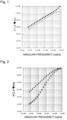
- the polyvinyl alcohol-based polymer of the present invention has a polymer structure that can withstand high temperature/pressure intolerable for conventional PVA. Having such a polymer structure may be determined from the rheological properties of the polymer, and more specifically ensured by the storage elastic modulus G' of PVA within a predetermined range under specific conditions.
- the present inventor has found that as the gel properties of PVA are intensified, both of the slopes of G'' and G' in the double logarithmic plot approach about 1 in a wide frequency range including the low frequency range, that is, tan ⁇ does not increase. Such findings are described, for example, in the following literature. https://aip.scitation.org/doi/abs/10.1063/1.1770590 The present inventor has found that by controlling the structure of PVA, a storage elastic modulus G' unobtainable from conventional PVA may be obtained, so that the present invention has been completed.
- Examples of the vinyl ester monomer described above may include vinyl acetate, vinyl propionate, vinyl butyrate, vinyl valerate, vinyl caprate, vinyl laurate, vinyl stearate, vinyl benzoate, vinyl pivalate, and a mixture thereof may be used.
- Vinyl acetate is preferred from the viewpoint of easy polymerization.
- a compound having two or more polymerizable unsaturated bonds in a molecule may be used.
- a divinyl ether such as ethanediol divinyl ether, propanediol divinyl ether, butanediol divinyl ether, ethylene glycol divinyl ether, diethylene glycol divinyl ether, triethylene glycol divinyl ether, polyethylene glycol divinyl ether, propylene glycol divinyl ether, and polypropylene glycol divinyl ether, and a divinyl sulfonic acid compound; a diene compound such as pentadiene, hexadiene, heptadiene, octadiene, nonadiene, and decadiene; a diallyl ether compound such as glycerol diallyl ether, diethylene glycol diallyl ether;
- the compound copolymerizable with the vinyl ester monomer a compound that is not easily decomposed by an alkali is preferred, and a compound having a carbonyl group or an amide group in the molecule is more preferred.
- PVA is obtained by saponifying a copolymer of a vinyl ester monomer and a polyfunctional monomer to form a crosslinked structure from the polyfunctional group, so that an effect of obtaining resistance to melting at high temperature is achieved.
- a polyfunctional monomer a compound having a ring structure is preferred, a compound having a heterocyclic structure is more preferred, and triallyl isocyanurate (TAIC) is particularly preferred.
- the amount of the structural unit derived from a monomer other than vinyl ester is controlled to preferably 0.001 to 1.0 mol%, more preferably 0.005 to 0.5 mol%, and still more preferably 0.01 to 0.2 mol%.
- the amount of copolymerization may be calculated using a trace total nitrogen analyzer.
- a trace total nitrogen analyzer TN-2100H manufactured by Nittoseiko Analytech Co., Ltd.
- the calculation may be performed by the following procedure.
- a sample of vinyl alcohol-based polymer is collected on a quartz board, set in an auto boat controller ABC-210 (manufactured by Nittoseiko Analytech Co., Ltd.), automatically put in an electric furnace, and burnt in an argon/oxygen stream. NO gas generated on this occasion is measured by a chemiluminescence detector.
- a calibration curve is prepared in advance with use of a standard solution (N-pyridine/toluene), and the nitrogen concentration is calculated from the calibration curve.
- Any method may be used for polymerization of the vinyl ester monomer or the copolymer thereof, and a known polymerization method such as solution polymerization, suspension polymerization, and bulk polymerization may be used. From the viewpoint of easy operation and using a solvent common to a saponification reaction in the subsequent step, use of solution polymerization method in alcohol is preferred, and use of methanol as the alcohol is particularly preferred.
- PVA may be prepared through saponification of the polymer obtained as described above by any method.
- Examples of the saponification method include adding an alkaline catalyst to alcohol solution of a polymer (polyvinyl ester).
- an example of the saponification procedure will be described.
- the alcohol that serves as a solvent for the polymer for example, methanol, ethanol and butanol may be used, and methanol may be favorably used.
- the concentration of the polymer in the alcohol solution may be optionally set, and may be, for example, 10 mass% or more and 80 mass% or less.
- an alkaline catalyst is added to the solution to perform a saponification reaction.
- the alkaline catalyst include an alkali metal hydroxide such as sodium hydroxide, potassium hydroxide, sodium methylate, sodium ethylate, and potassium methylate, and an alcoholate. It is preferable to use sodium hydroxide, in particular.
- the amount of the alkaline catalyst added is not particularly limited, being preferably 1.0 to 100.0 mmol equivalent, and more preferably 5.0 to 30.0 mmol equivalent, relative to the polymer.
- the reaction temperature during saponification is not particularly limited, being preferably 10 to 70°C, more preferably 30 to 55°C.
- the reaction time is also not particularly limited, and may be, for example, 20 minutes or more to 2 hours.
- the degree of saponification may be appropriately adjusted according to the use of PVA, and may be, for example, 72 to 99 mol%.
- a washing step for removing impurities such as sodium acetate and a drying step may be performed, on an as needed basis.
- an additive for oil well cement containing the PVA described above may be provided for suitable use in cementing oil wells, gas wells and steam wells for geothermal power generation.
- Cementing during drilling of a well is an operation for injecting cement into a gap between a drilled well and a steel pipe inserted therein.
- a cementing method a method including mixing cement and various additives such as fluid loss additive in a dry state and then slurrying the mixture with high-pressure water for injection with a pump is widely employed.
- the evaluation of fluid loss is one of the evaluation items of oil well cement defined by American Petroleum Institute (API).
- API American Petroleum Institute
- the test method for fluid loss is described in Recommended Practice for Testing Well Cements, API Recommended Practice 10B-2, April 2013 .
- An oil well cement composition containing an oil well cement and the additive for oil well cement may be provided.
- the oil well cement is not particularly limited as long as it is a cement for use in cementing oil wells, gas wells and steam wells for geothermal power generation.
- the composition has a content of the additive for oil well cement of preferably 0.01 to 10% bwoc, more preferably 0.05 to 5% bwoc. With such a range, fluid loss is effectively reduced.
- bwoc by weight of cement means a cement weight basis, referring to the weight of a dry additive added to a cement composition based on the solid content of cement only.
- a cement slurry for oil well that contains oil well cement, the additive for oil well cement, and water may be also provided.
- the cement slurry has a water content of preferably 20 to 40 mass%.
- the method for introducing an additive for oil well cement into a cement slurry is not particularly limited.
- Examples of the method include a process including preparing a composition containing an oil well cement and an additive and then mixing the composition with water, and a process including mixing an oil well cement, an additive and water without preparing a composition.
- a polymerization can equipped with a reflux condenser, a dropping funnel, and a stirrer was provided.
- the can was charged with 100 parts by mass of vinyl acetate, 67 parts by mass of methanol, 0.16 parts by mass of triallyl isocyanurate (TAIC) as a polyfunctional monomer, and 5.0 ⁇ 10 -6 °parts by mass of Peroyl NPP (manufactured by NOF Corporation) as initiator, and polymerization was performed at a boiling point for 5.0 hours while stirring in a nitrogen atmosphere. Then, an unreacted vinyl acetate monomer was removed from the polymerization system to obtain a methanol solution of polyvinyl acetate-TAIC copolymer.
- TAIC triallyl isocyanurate
- aqueous solution of 10 mass% or more of PVA was prepared, and filtered with a 100-mesh filter (opening: 0.154 mm). The concentration of the aqueous solution after filtration was measured. In the case where the concentration was 10 mass% or more, pure water was added to adjust the concentration to 10 mass%. The dynamic viscoelasticity of the solution thus adjusted was measured using a rheometer (MCR manufactured by Anton Paar). The plate used was a cone plate CP50-2 (diameter: 50 mm, angle: 2°).
- a well cement in class G was blended with PVA in an amount described in Table 1 and 0.4% bwoc of a curing retarder (CR-270, manufactured by Flotek Industries), and water was mixed therewith according to the procedure described in American Petroleum Association (API) standard 10B-2 (April 2013 edition) to obtain a cement slurry having a water content of 30 mass%.
- the resulting cement slurry was put into a fluid loss evaluation tester (Model 7120, manufactured by Chandler Engineering), and subjected to a test according to the procedure described in American Petroleum Institute (API) Standard 10B-2 (April 2013 edition) at the temperature described in Table 1 under a pressure of 1000 psi (6.895 MPa) to calculate the amount of fluid loss.
- the temperature was set in the range of 40°C to 140°C, and the amount of PVA added was set in the range of 0.4 to 1.2% bwoc to perform the evaluation.
- the sign "-" indicates that no measurement of the fluid loss was performed.
Landscapes
- Chemical & Material Sciences (AREA)
- Organic Chemistry (AREA)
- Engineering & Computer Science (AREA)
- Chemical Kinetics & Catalysis (AREA)
- Life Sciences & Earth Sciences (AREA)
- General Life Sciences & Earth Sciences (AREA)
- Materials Engineering (AREA)
- Ceramic Engineering (AREA)
- Health & Medical Sciences (AREA)
- Medicinal Chemistry (AREA)
- Polymers & Plastics (AREA)
- Inorganic Chemistry (AREA)
- Structural Engineering (AREA)
- General Chemical & Material Sciences (AREA)
- Addition Polymer Or Copolymer, Post-Treatments, Or Chemical Modifications (AREA)
- Curing Cements, Concrete, And Artificial Stone (AREA)
Applications Claiming Priority (2)
| Application Number | Priority Date | Filing Date | Title |
|---|---|---|---|
| JP2020131225 | 2020-07-31 | ||
| PCT/JP2021/026688 WO2022024791A1 (ja) | 2020-07-31 | 2021-07-15 | ポリビニルアルコール系重合体 |
Publications (3)
| Publication Number | Publication Date |
|---|---|
| EP4144769A1 EP4144769A1 (en) | 2023-03-08 |
| EP4144769A4 EP4144769A4 (en) | 2023-11-08 |
| EP4144769B1 true EP4144769B1 (en) | 2025-03-26 |
Family
ID=80036830
Family Applications (1)
| Application Number | Title | Priority Date | Filing Date |
|---|---|---|---|
| EP21850134.4A Active EP4144769B1 (en) | 2020-07-31 | 2021-07-15 | Polyvinyl alcohol-based polymer |
Country Status (7)
| Country | Link |
|---|---|
| US (1) | US12448469B2 (https=) |
| EP (1) | EP4144769B1 (https=) |
| JP (1) | JP7561854B2 (https=) |
| CN (1) | CN115698098A (https=) |
| ES (1) | ES3032513T3 (https=) |
| TW (1) | TWI906335B (https=) |
| WO (1) | WO2022024791A1 (https=) |
Families Citing this family (2)
| Publication number | Priority date | Publication date | Assignee | Title |
|---|---|---|---|---|
| EP4538302A4 (en) * | 2022-06-08 | 2025-08-20 | Denka Company Ltd | POLYVINYL ALCOHOL BASED POLYMER |
| JP2026055787A (ja) * | 2024-09-18 | 2026-03-31 | デンカ株式会社 | 塗料用添加剤および水性塗料組成物 |
Family Cites Families (10)
| Publication number | Priority date | Publication date | Assignee | Title |
|---|---|---|---|---|
| US4314032A (en) * | 1978-10-26 | 1982-02-02 | Kureha Kagaku Kogyo Kabushiki Kaisha | Crosslinked polyvinyl alcohol gel |
| JPS584922B2 (ja) * | 1979-02-02 | 1983-01-28 | 呉羽化学工業株式会社 | 親水性非イオン硬質ゲルの製造法 |
| JP2000157625A (ja) | 1998-11-26 | 2000-06-13 | Seed Co Ltd | ポリビニルアルコール製医療用ヒドロゲル及びその製造方法 |
| JP4772175B2 (ja) | 1998-12-09 | 2011-09-14 | 株式会社クラレ | ビニルアルコール系重合体および組成物 |
| CA2291217C (en) | 1998-12-09 | 2004-09-21 | Kuraray Co., Ltd. | Vinyl alcohol polymer and its composition |
| US7731793B2 (en) | 2006-06-13 | 2010-06-08 | Sekisui Specialty Chemicals America, Llc | Fluid loss additive with improved rheological properties |
| JP5560761B2 (ja) * | 2010-02-23 | 2014-07-30 | 住友化学株式会社 | ポリビニルアルコール/水混合液の製造方法 |
| JP6216675B2 (ja) | 2014-03-31 | 2017-10-18 | 株式会社クラレ | スラリー用添加剤、掘削泥水及びセメントスラリー |
| WO2019163490A1 (ja) | 2018-02-22 | 2019-08-29 | デンカ株式会社 | 油井セメント用添加剤及び該油井セメント用添加剤を用いたセメントスラリー |
| GB201918030D0 (en) | 2019-12-09 | 2020-01-22 | Synthomer Uk Ltd | Improvements in, or relating to, binders and/or coatings |
-
2021
- 2021-07-15 ES ES21850134T patent/ES3032513T3/es active Active
- 2021-07-15 EP EP21850134.4A patent/EP4144769B1/en active Active
- 2021-07-15 WO PCT/JP2021/026688 patent/WO2022024791A1/ja not_active Ceased
- 2021-07-15 CN CN202180035703.6A patent/CN115698098A/zh active Pending
- 2021-07-15 US US17/927,523 patent/US12448469B2/en active Active
- 2021-07-15 JP JP2022540172A patent/JP7561854B2/ja active Active
- 2021-07-27 TW TW110127547A patent/TWI906335B/zh active
Also Published As
| Publication number | Publication date |
|---|---|
| US12448469B2 (en) | 2025-10-21 |
| EP4144769A4 (en) | 2023-11-08 |
| ES3032513T3 (en) | 2025-07-21 |
| CN115698098A (zh) | 2023-02-03 |
| EP4144769A1 (en) | 2023-03-08 |
| TWI906335B (zh) | 2025-12-01 |
| JPWO2022024791A1 (https=) | 2022-02-03 |
| US20230242687A1 (en) | 2023-08-03 |
| TW202216636A (zh) | 2022-05-01 |
| WO2022024791A1 (ja) | 2022-02-03 |
| JP7561854B2 (ja) | 2024-10-04 |
Similar Documents
| Publication | Publication Date | Title |
|---|---|---|
| US10995252B2 (en) | Vinyl alcohol polymer and cement slurry comprising same | |
| EP4144770B1 (en) | Poly(vinyl alcohol)-based polymer | |
| EP4144769B1 (en) | Polyvinyl alcohol-based polymer | |
| JP2022027303A (ja) | 油井セメント用添加剤、油井用セメント組成物及び油井用セメントスラリー | |
| EP3456796B1 (en) | Additive for oil well cement, and cement composition and cement slurry both including said additive for oil well cement | |
| EP4538302A1 (en) | Polyvinyl alcohol polymer | |
| JP7780011B2 (ja) | ポリビニルアルコール系重合体 | |
| JP7629018B2 (ja) | ビニルアルコール系重合体 |
Legal Events
| Date | Code | Title | Description |
|---|---|---|---|
| STAA | Information on the status of an ep patent application or granted ep patent |
Free format text: STATUS: THE INTERNATIONAL PUBLICATION HAS BEEN MADE |
|
| PUAI | Public reference made under article 153(3) epc to a published international application that has entered the european phase |
Free format text: ORIGINAL CODE: 0009012 |
|
| STAA | Information on the status of an ep patent application or granted ep patent |
Free format text: STATUS: REQUEST FOR EXAMINATION WAS MADE |
|
| 17P | Request for examination filed |
Effective date: 20221129 |
|
| AK | Designated contracting states |
Kind code of ref document: A1 Designated state(s): AL AT BE BG CH CY CZ DE DK EE ES FI FR GB GR HR HU IE IS IT LI LT LU LV MC MK MT NL NO PL PT RO RS SE SI SK SM TR |
|
| A4 | Supplementary search report drawn up and despatched |
Effective date: 20231010 |
|
| DAV | Request for validation of the european patent (deleted) | ||
| DAX | Request for extension of the european patent (deleted) | ||
| RIC1 | Information provided on ipc code assigned before grant |
Ipc: C04B 28/02 20060101ALN20231004BHEP Ipc: C08F 226/06 20060101ALN20231004BHEP Ipc: C08F 218/08 20060101ALN20231004BHEP Ipc: C09K 8/487 20060101ALI20231004BHEP Ipc: C09K 8/035 20060101ALI20231004BHEP Ipc: C04B 24/26 20060101ALI20231004BHEP Ipc: C08F 216/06 20060101ALI20231004BHEP Ipc: C08F 8/12 20060101AFI20231004BHEP |
|
| STAA | Information on the status of an ep patent application or granted ep patent |
Free format text: STATUS: EXAMINATION IS IN PROGRESS |
|
| 17Q | First examination report despatched |
Effective date: 20240624 |
|
| 17Q | First examination report despatched |
Effective date: 20240626 |
|
| GRAP | Despatch of communication of intention to grant a patent |
Free format text: ORIGINAL CODE: EPIDOSNIGR1 |
|
| STAA | Information on the status of an ep patent application or granted ep patent |
Free format text: STATUS: GRANT OF PATENT IS INTENDED |
|
| RIC1 | Information provided on ipc code assigned before grant |
Ipc: C04B 28/02 20060101ALN20241127BHEP Ipc: C08F 226/06 20060101ALN20241127BHEP Ipc: C08F 218/08 20060101ALN20241127BHEP Ipc: C09K 8/487 20060101ALI20241127BHEP Ipc: C09K 8/035 20060101ALI20241127BHEP Ipc: C04B 24/26 20060101ALI20241127BHEP Ipc: C08F 216/06 20060101ALI20241127BHEP Ipc: C08F 8/12 20060101AFI20241127BHEP |
|
| INTG | Intention to grant announced |
Effective date: 20241209 |
|
| GRAS | Grant fee paid |
Free format text: ORIGINAL CODE: EPIDOSNIGR3 |
|
| GRAA | (expected) grant |
Free format text: ORIGINAL CODE: 0009210 |
|
| STAA | Information on the status of an ep patent application or granted ep patent |
Free format text: STATUS: THE PATENT HAS BEEN GRANTED |
|
| P01 | Opt-out of the competence of the unified patent court (upc) registered |
Free format text: CASE NUMBER: APP_2922/2025 Effective date: 20250117 |
|
| AK | Designated contracting states |
Kind code of ref document: B1 Designated state(s): AL AT BE BG CH CY CZ DE DK EE ES FI FR GB GR HR HU IE IS IT LI LT LU LV MC MK MT NL NO PL PT RO RS SE SI SK SM TR |
|
| REG | Reference to a national code |
Ref country code: GB Ref legal event code: FG4D |
|
| REG | Reference to a national code |
Ref country code: CH Ref legal event code: EP |
|
| REG | Reference to a national code |
Ref country code: DE Ref legal event code: R096 Ref document number: 602021028279 Country of ref document: DE |
|
| REG | Reference to a national code |
Ref country code: IE Ref legal event code: FG4D |
|
| PG25 | Lapsed in a contracting state [announced via postgrant information from national office to epo] |
Ref country code: RS Free format text: LAPSE BECAUSE OF FAILURE TO SUBMIT A TRANSLATION OF THE DESCRIPTION OR TO PAY THE FEE WITHIN THE PRESCRIBED TIME-LIMIT Effective date: 20250626 |
|
| PG25 | Lapsed in a contracting state [announced via postgrant information from national office to epo] |
Ref country code: FI Free format text: LAPSE BECAUSE OF FAILURE TO SUBMIT A TRANSLATION OF THE DESCRIPTION OR TO PAY THE FEE WITHIN THE PRESCRIBED TIME-LIMIT Effective date: 20250326 |
|
| REG | Reference to a national code |
Ref country code: LT Ref legal event code: MG9D |
|
| PG25 | Lapsed in a contracting state [announced via postgrant information from national office to epo] |
Ref country code: NO Free format text: LAPSE BECAUSE OF FAILURE TO SUBMIT A TRANSLATION OF THE DESCRIPTION OR TO PAY THE FEE WITHIN THE PRESCRIBED TIME-LIMIT Effective date: 20250626 |
|
| PG25 | Lapsed in a contracting state [announced via postgrant information from national office to epo] |
Ref country code: HR Free format text: LAPSE BECAUSE OF FAILURE TO SUBMIT A TRANSLATION OF THE DESCRIPTION OR TO PAY THE FEE WITHIN THE PRESCRIBED TIME-LIMIT Effective date: 20250326 |
|
| PG25 | Lapsed in a contracting state [announced via postgrant information from national office to epo] |
Ref country code: LV Free format text: LAPSE BECAUSE OF FAILURE TO SUBMIT A TRANSLATION OF THE DESCRIPTION OR TO PAY THE FEE WITHIN THE PRESCRIBED TIME-LIMIT Effective date: 20250326 |
|
| PG25 | Lapsed in a contracting state [announced via postgrant information from national office to epo] |
Ref country code: GR Free format text: LAPSE BECAUSE OF FAILURE TO SUBMIT A TRANSLATION OF THE DESCRIPTION OR TO PAY THE FEE WITHIN THE PRESCRIBED TIME-LIMIT Effective date: 20250627 Ref country code: BG Free format text: LAPSE BECAUSE OF FAILURE TO SUBMIT A TRANSLATION OF THE DESCRIPTION OR TO PAY THE FEE WITHIN THE PRESCRIBED TIME-LIMIT Effective date: 20250326 |
|
| REG | Reference to a national code |
Ref country code: ES Ref legal event code: FG2A Ref document number: 3032513 Country of ref document: ES Kind code of ref document: T3 Effective date: 20250721 |
|
| REG | Reference to a national code |
Ref country code: NL Ref legal event code: MP Effective date: 20250326 |
|
| PG25 | Lapsed in a contracting state [announced via postgrant information from national office to epo] |
Ref country code: NL Free format text: LAPSE BECAUSE OF FAILURE TO SUBMIT A TRANSLATION OF THE DESCRIPTION OR TO PAY THE FEE WITHIN THE PRESCRIBED TIME-LIMIT Effective date: 20250326 |
|
| PG25 | Lapsed in a contracting state [announced via postgrant information from national office to epo] |
Ref country code: SE Free format text: LAPSE BECAUSE OF FAILURE TO SUBMIT A TRANSLATION OF THE DESCRIPTION OR TO PAY THE FEE WITHIN THE PRESCRIBED TIME-LIMIT Effective date: 20250326 |
|
| REG | Reference to a national code |
Ref country code: AT Ref legal event code: MK05 Ref document number: 1778956 Country of ref document: AT Kind code of ref document: T Effective date: 20250326 |
|
| PG25 | Lapsed in a contracting state [announced via postgrant information from national office to epo] |
Ref country code: SM Free format text: LAPSE BECAUSE OF FAILURE TO SUBMIT A TRANSLATION OF THE DESCRIPTION OR TO PAY THE FEE WITHIN THE PRESCRIBED TIME-LIMIT Effective date: 20250326 |
|
| PG25 | Lapsed in a contracting state [announced via postgrant information from national office to epo] |
Ref country code: PT Free format text: LAPSE BECAUSE OF FAILURE TO SUBMIT A TRANSLATION OF THE DESCRIPTION OR TO PAY THE FEE WITHIN THE PRESCRIBED TIME-LIMIT Effective date: 20250728 |
|
| PGFP | Annual fee paid to national office [announced via postgrant information from national office to epo] |
Ref country code: ES Payment date: 20250801 Year of fee payment: 5 |
|
| PGFP | Annual fee paid to national office [announced via postgrant information from national office to epo] |
Ref country code: DE Payment date: 20250623 Year of fee payment: 5 |
|
| PG25 | Lapsed in a contracting state [announced via postgrant information from national office to epo] |
Ref country code: IT Free format text: LAPSE BECAUSE OF FAILURE TO SUBMIT A TRANSLATION OF THE DESCRIPTION OR TO PAY THE FEE WITHIN THE PRESCRIBED TIME-LIMIT Effective date: 20250326 Ref country code: PL Free format text: LAPSE BECAUSE OF FAILURE TO SUBMIT A TRANSLATION OF THE DESCRIPTION OR TO PAY THE FEE WITHIN THE PRESCRIBED TIME-LIMIT Effective date: 20250326 |
|
| PG25 | Lapsed in a contracting state [announced via postgrant information from national office to epo] |
Ref country code: AT Free format text: LAPSE BECAUSE OF FAILURE TO SUBMIT A TRANSLATION OF THE DESCRIPTION OR TO PAY THE FEE WITHIN THE PRESCRIBED TIME-LIMIT Effective date: 20250326 |
|
| PG25 | Lapsed in a contracting state [announced via postgrant information from national office to epo] |
Ref country code: EE Free format text: LAPSE BECAUSE OF FAILURE TO SUBMIT A TRANSLATION OF THE DESCRIPTION OR TO PAY THE FEE WITHIN THE PRESCRIBED TIME-LIMIT Effective date: 20250326 |
|
| PG25 | Lapsed in a contracting state [announced via postgrant information from national office to epo] |
Ref country code: RO Free format text: LAPSE BECAUSE OF FAILURE TO SUBMIT A TRANSLATION OF THE DESCRIPTION OR TO PAY THE FEE WITHIN THE PRESCRIBED TIME-LIMIT Effective date: 20250326 |
|
| PG25 | Lapsed in a contracting state [announced via postgrant information from national office to epo] |
Ref country code: SK Free format text: LAPSE BECAUSE OF FAILURE TO SUBMIT A TRANSLATION OF THE DESCRIPTION OR TO PAY THE FEE WITHIN THE PRESCRIBED TIME-LIMIT Effective date: 20250326 |
|
| PG25 | Lapsed in a contracting state [announced via postgrant information from national office to epo] |
Ref country code: IS Free format text: LAPSE BECAUSE OF FAILURE TO SUBMIT A TRANSLATION OF THE DESCRIPTION OR TO PAY THE FEE WITHIN THE PRESCRIBED TIME-LIMIT Effective date: 20250726 |
|
| REG | Reference to a national code |
Ref country code: DE Ref legal event code: R097 Ref document number: 602021028279 Country of ref document: DE |
|
| PG25 | Lapsed in a contracting state [announced via postgrant information from national office to epo] |
Ref country code: DK Free format text: LAPSE BECAUSE OF FAILURE TO SUBMIT A TRANSLATION OF THE DESCRIPTION OR TO PAY THE FEE WITHIN THE PRESCRIBED TIME-LIMIT Effective date: 20250326 |
|
| PG25 | Lapsed in a contracting state [announced via postgrant information from national office to epo] |
Ref country code: CZ Free format text: LAPSE BECAUSE OF FAILURE TO SUBMIT A TRANSLATION OF THE DESCRIPTION OR TO PAY THE FEE WITHIN THE PRESCRIBED TIME-LIMIT Effective date: 20250326 |
|
| PLBE | No opposition filed within time limit |
Free format text: ORIGINAL CODE: 0009261 |
|
| STAA | Information on the status of an ep patent application or granted ep patent |
Free format text: STATUS: NO OPPOSITION FILED WITHIN TIME LIMIT |
|
| REG | Reference to a national code |
Ref country code: CH Ref legal event code: L10 Free format text: ST27 STATUS EVENT CODE: U-0-0-L10-L00 (AS PROVIDED BY THE NATIONAL OFFICE) Effective date: 20260211 |
|
| REG | Reference to a national code |
Ref country code: CH Ref legal event code: H13 Free format text: ST27 STATUS EVENT CODE: U-0-0-H10-H13 (AS PROVIDED BY THE NATIONAL OFFICE) Effective date: 20260224 |
|
| 26N | No opposition filed |
Effective date: 20260105 |
|
| PG25 | Lapsed in a contracting state [announced via postgrant information from national office to epo] |
Ref country code: LU Free format text: LAPSE BECAUSE OF NON-PAYMENT OF DUE FEES Effective date: 20250715 |
|
| GBPC | Gb: european patent ceased through non-payment of renewal fee |
Effective date: 20250715 |
|
| REG | Reference to a national code |
Ref country code: BE Ref legal event code: MM Effective date: 20250731 |
|
| PG25 | Lapsed in a contracting state [announced via postgrant information from national office to epo] |
Ref country code: GB Free format text: LAPSE BECAUSE OF NON-PAYMENT OF DUE FEES Effective date: 20250715 |
|
| PG25 | Lapsed in a contracting state [announced via postgrant information from national office to epo] |
Ref country code: BE Free format text: LAPSE BECAUSE OF NON-PAYMENT OF DUE FEES Effective date: 20250731 |
|
| PG25 | Lapsed in a contracting state [announced via postgrant information from national office to epo] |
Ref country code: FR Free format text: LAPSE BECAUSE OF NON-PAYMENT OF DUE FEES Effective date: 20250731 |
|
| PG25 | Lapsed in a contracting state [announced via postgrant information from national office to epo] |
Ref country code: CH Free format text: LAPSE BECAUSE OF NON-PAYMENT OF DUE FEES Effective date: 20250731 |