EP4136453B1 - Lectin zur verwendung in verfahren zur behandlung einer folge einer coronavirus-infektion - Google Patents
Lectin zur verwendung in verfahren zur behandlung einer folge einer coronavirus-infektion Download PDFInfo
- Publication number
- EP4136453B1 EP4136453B1 EP21788894.0A EP21788894A EP4136453B1 EP 4136453 B1 EP4136453 B1 EP 4136453B1 EP 21788894 A EP21788894 A EP 21788894A EP 4136453 B1 EP4136453 B1 EP 4136453B1
- Authority
- EP
- European Patent Office
- Prior art keywords
- patient
- blood
- lectin
- covid
- plasma
- Prior art date
- Legal status (The legal status is an assumption and is not a legal conclusion. Google has not performed a legal analysis and makes no representation as to the accuracy of the status listed.)
- Active
Links
Images








Classifications
-
- A—HUMAN NECESSITIES
- A61—MEDICAL OR VETERINARY SCIENCE; HYGIENE
- A61M—DEVICES FOR INTRODUCING MEDIA INTO, OR ONTO, THE BODY; DEVICES FOR TRANSDUCING BODY MEDIA OR FOR TAKING MEDIA FROM THE BODY; DEVICES FOR PRODUCING OR ENDING SLEEP OR STUPOR
- A61M1/00—Suction or pumping devices for medical purposes; Devices for carrying-off, for treatment of, or for carrying-over, body-liquids; Drainage systems
- A61M1/34—Filtering material out of the blood by passing it through a membrane, i.e. hemofiltration or diafiltration
- A61M1/3472—Filtering material out of the blood by passing it through a membrane, i.e. hemofiltration or diafiltration with treatment of the filtrate
- A61M1/3486—Biological, chemical treatment, e.g. chemical precipitation; treatment by absorbents
-
- A—HUMAN NECESSITIES
- A61—MEDICAL OR VETERINARY SCIENCE; HYGIENE
- A61M—DEVICES FOR INTRODUCING MEDIA INTO, OR ONTO, THE BODY; DEVICES FOR TRANSDUCING BODY MEDIA OR FOR TAKING MEDIA FROM THE BODY; DEVICES FOR PRODUCING OR ENDING SLEEP OR STUPOR
- A61M1/00—Suction or pumping devices for medical purposes; Devices for carrying-off, for treatment of, or for carrying-over, body-liquids; Drainage systems
- A61M1/36—Other treatment of blood in a by-pass of the natural circulatory system, e.g. temperature adaptation, irradiation ; Extra-corporeal blood circuits
- A61M1/3679—Other treatment of blood in a by-pass of the natural circulatory system, e.g. temperature adaptation, irradiation ; Extra-corporeal blood circuits by absorption
-
- A—HUMAN NECESSITIES
- A61—MEDICAL OR VETERINARY SCIENCE; HYGIENE
- A61M—DEVICES FOR INTRODUCING MEDIA INTO, OR ONTO, THE BODY; DEVICES FOR TRANSDUCING BODY MEDIA OR FOR TAKING MEDIA FROM THE BODY; DEVICES FOR PRODUCING OR ENDING SLEEP OR STUPOR
- A61M2202/00—Special media to be introduced, removed or treated
- A61M2202/20—Pathogenic agents
- A61M2202/206—Viruses
Definitions
- the present disclosure is related to the field of therapeutic methodologies and devices for treating or inhibiting viral infections including coronavirus infections, beta coronavirus infections, or COVID-19 infections, including COVID-19 variant infections, and sequela associated with said infections.
- the invention is set out in the appended set of claims.
- the 2019-20 coronavirus pandemic is an ongoing pandemic of coronavirus disease 2019 (COVID-19), caused by severe acute respiratory syndrome coronavirus 2 (SARS-CoV-2).
- SARS-CoV-2 virus is mainly spread during close contact and by small droplets produced when the infected cough, sneeze, or talk. People may also become infected by touching a contaminated surface and then their face. The virus can survive on surfaces for up to 72 hours. It is most contagious during the first three days after onset of symptoms, although spread may be possible before symptoms appear and in later stages of the disease. Common symptoms include fever, cough, and shortness of breath. Complications may include pneumonia, acute respiratory distress syndrome, cardiac complications, neurological complications, septic shock, and death. Vaccines have only recently been approved. The emergence of many SARS-CoV-2 variants has led to concerns regarding the efficacy of current vaccines.
- COVID-19 pandemic has led to significant loss of human life. Approximately 15-20% of patients develop severe respiratory distress syndrome or septic shock. The treatment of these critically ill patients is particularly difficult, requiring sedation, supplemental oxygen, and life support ventilators. Furthermore, some patients exhibit persistent symptoms even after clearance of the virus. These so-called "long hauler" patients with post-COVID-19 syndrome are reported to have debilitating sequela including those affecting the pulmonary, cardiac, and neurological systems. Morbidity and mortality associated with COVID-19 are highest in the elderly and among people with comorbidities.
- WO2010/065765 A2 and WO2009/023332 A2 disclose extracorporeal devices comprising a hollow fiber cartridge comprising Galanthus nivalis agglutinin (GNA), wherein blood or plasma can flow through hollow fibers of the hollow fiber cartridge .
- GAA Galanthus nivalis agglutinin
- Bittner et al (“Extracorporeal Virus Elimination for the Treatment of Severe Ebola Virus Disease - First Experience with Lectin Affinity Plasmapheresis ”) discloses an extracorporeal device comprising a lectin (GNA), the extracorporeal device comprises a hollow fiber cartridge comprising the lectin.
- GAA lectin
- Koch et al. (“Lectin Affinity Plasmapheresis for Middle East Respiratory Syndrome-Coronavirus and Marburg Virus Glycoprotein Elimination",) discloses a lectin (GNA), comprised in an extracorporeal device, for use in treating or inhibiting a coronavirus infection (Mers-CoV).
- GAA lectin
- references to methods of treatment by therapy or in vivo diagnosis methods of this description are to be interpreted as references to compounds, pharmaceutical compositions and medicaments for use in those methods. Such methods do not form part of the claimed invention.
- aspects of the present disclosure described herein include devices and methods for the capture and removal of coronavirus, beta coronavirus, or COVID-19 viral particles, including COVID-19 variant viral particles, or subcellular nanoparticles related thereto, e.g., exosomes, or both from the circulatory system of a subject, which is or has been infected with such virus or that presents sequela resulting from such infections or both, even when circulating virus in said subject is diminished, as compared to the initial infection of said subject, or absent altogether.
- subcellular nanoparticles may include viral particles or components thereof, or other molecules such as cytokines, chemokines, or miRNAs that cause or are associated with a coronavirus infection or a symptom or sequela thereof such as a coagulation disorder or hypoxia.
- Some of the alternatives set forth herein directly benefit COVID-19 patients, which have either an on-going infection or after clearance of the infection, by providing lectin based extracorporeal methods, which bind and physically remove the subcellular nanoparticles, such as exosomes, or viral particles or both, from the patient's blood thereby treating or inhibiting the COVID-19 infection or a symptom or sequela thereof.
- Some alternatives described herein provide lectin based extracorporeal methods for binding and physically removing non-viral COVID-19 mediating nanoparticles, such as exosomes, from the circulatory system, thereby reducing exosome mediated COVID-19 infection or sequelae thereof and improving the levels or amounts of total lymphocyte count or to reduce the disease severity or the onset of lymphopenia.
- the devices and methods described herein can be used to reduce time spent on mechanical ventilators, reduce the likelihood of cardiac complications or blood clotting, reduce the likelihood of multiorgan failure, reduce the likelihood of acute kidney disease, sepsis and/or other complications.
- Additional embodiments concern more generally the use of one or more of the lectin based extracorporeal methods, which bind and physically remove the subcellular nanoparticles, such as exosomes, or viral particles or both, from a patient's blood to treat, inhibit, reduce or improve a coagulopathy or hypoxia in said patient, preferably but not necessarily a patient that is infected or has been infected with virus e.g., COVID-19.
- Coagulopathy is a condition in which the coagulation system is activated and fibrin forms within blood vessels. This condition can cause impaired blood flow and oxygenation of tissues.
- the devices and methods described herein can be used to suppress or reduce the production or presence of circulating chemokines and/or cytokines such as IL-1, IL-6, IL-10, IL-15, CXCL10, CCL2, Myeloperoxidase, VCAM-1, TNF alpha, C-reactive protein (CRP), D-dimer, or Troponin-T or any combination thereof.
- chemokines and/or cytokines such as IL-1, IL-6, IL-10, IL-15, CXCL10, CCL2, Myeloperoxidase, VCAM-1, TNF alpha, C-reactive protein (CRP), D-dimer, or Troponin-T or any combination thereof.
- some alternatives provide a method for treating or inhibiting a coronavirus infection, or a symptom or sequela thereof, in an individual comprising obtaining blood or plasma from the individual, passing the blood or plasma through a filter membrane, preferably a porous hollow fiber membrane, wherein lectin molecules (e.g., Galanthus nivalis agglutinin (GNA), Narcissus pseudonarcissus agglutinin (NPA) or Nostoc ellipsosporum cyanovirin) are immobilized within the exterior portion of the membrane, preferably at a porous portion of the membrane, thereby collecting pass-through blood or plasma or both and reinfusing the pass-through blood or plasma or both into the individual.
- lectin molecules e.g., Galanthus nivalis agglutinin (GNA), Narcissus pseudonarcissus agglutinin (NPA) or Nostoc ellipsosporum cyanovirin
- Passage of the blood through the hollow fibers having immobilized lectin causes the SARS-CoV-2 virions and fragments thereof and non-viral subcellular nanoparticles, such as exosomes, which contain glycoproteins, to bind to the lectins thereby reducing the viral load and the amount of non-viral subcellular nanoparticles, such as exosomes, in the effluent.
- lectins that bind viral envelope proteins e.g., the spike protein, of many subtypes, variants, or mutants of coronavirus are employed in the devices described herein.
- the methods described herein effectively reduce the number of SARS-CoV-2 virions and fragments thereof and non-viral subcellular nanoparticles, such as exosomes, in the blood and rapidly allow a patient to recover from the infection or symptom or sequela thereof.
- an object of the disclosure is to provide a method for reducing the COVID-19 viral load in the blood of an individual infected with COVID-19.
- COVID-19 virions or protein fragments thereof or combinations thereof are removed from the blood of an individual infected with the virus.
- a measure of viral exposure or the level of circulating virus in the individual e.g., as detected in blood or plasma
- nasopharyngeal samples e.g., isolated from a nasal swab
- Another object of the present disclosure is to provide a method for reducing the COVID-19 viral load or the amount of subcellular nanoparticles, such as exosomes, or both in the blood or plasma of a patient that is or has been infected with COVID-19 by extracorporeal circulation of the patient's blood through a cartridge comprising hollow fibers containing immobilized lectins (e.g., Galanthus nivalis agglutinin (GNA), Narcissus pseudonarcissus agglutinin (NPA) or Nostoc ellipsosporum cyanovirin) having affinity for viral COVID-19 glycoproteins or other subcellular nanoparticles, such as exosomes.
- immobilized lectins e.g., Galanthus nivalis agglutinin (GNA), Narcissus pseudonarcissus agglutinin (NPA) or Nostoc ellipsosporum cyanovirin
- said patient is identified, diagnosed or selected as one having a COVID-19 infection or having had a COVID-19 infection prior to implementation of this method and, optionally, the viral load of COVID-19 or a marker of COVID-19 infection is measured in said subject, e.g., in a biological sample such as blood, nasal fluid, or saliva, prior to or after implementation of the method or both.
- a biological sample such as blood, nasal fluid, or saliva
- the patient receiving the method is selected as one having a diminished, reduced, or no amount of circulating COVID-19 viral particles in the blood or plasma, as compared to an initial infection, yet said patient presents sequela resulting from COVID-19 infection, e.g., a "long hauler" patient or a patient having sequela resulting from COVID-19 infection but no or a negligible amount of COVID-19 viral particles in the patient's plasma or blood.
- sequela resulting from COVID-19 infection e.g., a "long hauler" patient or a patient having sequela resulting from COVID-19 infection but no or a negligible amount of COVID-19 viral particles in the patient's plasma or blood.
- Another object of the present disclosure is to provide a method for reducing the amount or level of IL-1, IL-6, IL-10, IL-15, CXCL10, CCL2, Myeloperoxidase, VCAM-1, TNF alpha, C-reactive protein (CRP), D-dimer, or Troponin-T or any combination thereof in the blood or plasma of a patient that is preferably infected with a virus or has been infected with a virus e.g., COVID-19 by extracorporeal circulation of the patient's blood through a cartridge comprising hollow fibers containing immobilized lectins (e.g., Galanthus nivalis agglutinin (GNA), Narcissus pseudonarcissus agglutinin (NPA) or Nostoc ellipsosporum cyanovirin) having affinity for viral COVID-19 glycoproteins or other subcellular nanoparticles, such as exosomes.
- immobilized lectins e
- said patient is identified, diagnosed or selected as one having a COVID-19 infection or having had a COVID-19 infection prior to implementation of this method and, optionally, the viral load of COVID-19 or a marker of COVID-19 infection, or the levels or amount of IL-1, IL-6, IL-10, IL-15, CXCL10, CCL2, Myeloperoxidase, VCAM-1, TNF alpha, C-reactive protein (CRP), D-dimer, or Troponin-T or any combination thereof is measured in said subject e.g., in a biological sample such as blood, nasal fluid (e.g., isolated from a nasal swab), or saliva, prior to or after implementation of the method or both.
- a biological sample such as blood, nasal fluid (e.g., isolated from a nasal swab), or saliva, prior to or after implementation of the method or both.
- the patient receiving the method is selected as one having a diminished, reduced, or no amount of circulating COVID-19 viral particles in the blood or plasma, as compared to an initial infection, yet said patient presents sequela resulting from COVID-19 infection, e.g., a "long hauler" patient or a patient having sequela resulting from COVID-19 infection but no amount or a negligible amount of COVID-19 viral particles in the patient's plasma or blood.
- Another object of the present disclosure is to provide a method for reducing the biomarker D-dimer in the blood or plasma of a patient, preferably but not necessarily a patient that is or has been infected with a virus e.g., COVID-19 by extracorporeal circulation of the patient's blood through a cartridge comprising hollow fibers containing immobilized lectins (e.g., Galanthus nivalis agglutinin (GNA), Narcissus pseudonarcissus agglutinin (NPA) or Nostoc ellipsosporum cyanovirin) having affinity for viral COVID-19 glycoproteins or other subcellular nanoparticles, such as exosomes.
- immobilized lectins e.g., Galanthus nivalis agglutinin (GNA), Narcissus pseudonarcissus agglutinin (NPA) or Nostoc ellipsosporum cyanovirin
- said patient is identified, diagnosed or selected as one having a COVID-19 infection or having had a COVID-19 infection or being in need for a therapy, with elevated D-dimer levels (e.g., a patient having a coagulopathy or being at risk of having a coagulopathy) prior to implementation of this method and, optionally, the viral load of COVID-19 or a marker of COVID-19 infection, or IL-1, IL-6, IL-10, IL-15, CXCL10, CCL2, Myeloperoxidase, VCAM-1, TNF alpha, C-reactive protein (CRP), or Troponin-T levels, or any combination thereof is measured in said subject, e.g., in a biological sample such as blood, nasal fluid (e.g., an isolate from a nasal swab), or saliva, prior to or after implementation of the method or both.
- a biological sample such as blood, nasal fluid (e.g., an isolate from a nasal swab), or saliva,
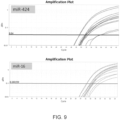
- Another object of the present disclosure is to provide a method for reducing subcellular nanoparticles, such as exosomes, comprising miR-424-5p (miR-424), miR-16-2-3p (miR-16), or both in the plasma or blood of a patient that is, preferably infected with a virus or has been infected with virus e.g., COVID-19, by extracorporeal circulation of the patient's blood through a cartridge comprising hollow fibers containing immobilized lectins (e.g., Galanthus nivalis agglutinin (GNA), Narcissus pseudonarcissus agglutinin (NPA) or Nostoc ellipsosporum cyanovirin) having an affinity for subcellular nanoparticles, such as exosomes, in particular exosomes comprising miR-424, miR-16, or both.
- immobilized lectins e.g., Galanthus nivalis agglutinin
- the devices disclosed herein function in ways that are effective against SARS-CoV-2 variants, as well as, treating or inhibiting the underlying causes of sequela associated with a current or past COVID-19 infection, including within a subpopulation of patients that do not have circulating viral particles but continue to present sequelae associated with COVID-19 infection e.g., the "long hauler" patient.
- mammal is used in its usual biological sense. Thus, it specifically includes, but is not limited to, primates, including simians (chimpanzees, apes, monkeys) and humans, cattle, horses, sheep, goats, swine, rabbits, dogs, cats, rodents, rats, mice, guinea pigs, or the like.
- primates including simians (chimpanzees, apes, monkeys) and humans, cattle, horses, sheep, goats, swine, rabbits, dogs, cats, rodents, rats, mice, guinea pigs, or the like.
- function and “functional” as used herein refer to a biological, enzymatic, or therapeutic function.
- isolated refers to material that is substantially or essentially free from components that normally accompany it in its native state.
- an "isolated cell,” as used herein, includes a cell that has been purified from the milieu or organisms in its naturally occurring state, a cell that has been removed from a subject or from a culture, for example, it is not significantly associated with in vivo or in vitro substances.
- composition as used interchangeably herein are equivalent terms referring to a composition of matter for administration to a subject.
- pharmaceutically acceptable means compatible with therapy for a subject, and in particular, a human.
- agent refers to an active agent that has biological activity and may be used in a therapy.
- an “agent” can be synonymous with “at least one agent,” “compound,” or “at least one compound,” and can refer to any form of the agent, such as a derivative, analog, salt or a prodrug thereof.
- the agent can be present in various forms, components of molecular complexes, and pharmaceutically acceptable salts (e.g., hydrochlorides, hydrobromides, sulfates, phosphates, nitrates, borates, acetates, maleates, tartrates, or salicylates).
- the term “agent” can also refer to any pharmaceutical molecules or compounds, therapeutic molecules or compounds, matrix forming molecules or compounds, polymers, synthetic molecules and compounds, natural molecules and compounds, and any combination thereof.
- Purity can be measured technologies including but not limited to chromatography, liquid chromatography, gas chromatography, spectroscopy, UV-visible spectrometry, infrared spectrometry, mass spectrometry, nuclear magnetic resonance, gravimetry, or titration, or any combination thereof.
- a patient is selected for any one or more of the extracorporeal methods described herein who is in need of treatment or inhibition of a coronavirus infection, e.g., a beta corona virus infection, such as a SARS-CoV-2 infection.
- a patient is selected for any one or more of the extracorporeal methods described herein who has previously received a therapy for a coronavirus infection, such as a SARS-CoV-2 infection.
- a patient is selected for any one or more of the extracorporeal methods described herein who has previously received a therapy for being at risk of a coronavirus infection e.g., a beta corona virus infection, such as a SARS-CoV-2 infection.
- a patient is selected for any one or more of the extracorporeal methods described herein who has developed a recurrence of a coronavirus infection, e.g., a beta corona virus infection, such as a SARS-CoV-2 infection.
- a patient is selected for any one or more of the extracorporeal methods described herein who has developed resistance to therapies for a coronavirus infection, e.g., a beta corona virus infection, such as a SARS-CoV-2 infection.
- a patient is selected for any one or more of the extracorporeal methods described herein who exhibits a symptom or sequela of a coronavirus infection, e.g., a beta corona virus infection, such as a SARS-CoV-2 infection.
- a patient is selected for any one or more of the extracorporeal methods described herein who has cleared a coronavirus infection, e.g., a beta corona virus infection, e.g., has no amount or a diminished or reduced amount of circulating viral particles in the plasma or blood, but continues to exhibit a symptom or sequela of the coronavirus infection, e.g., a beta corona virus infection, such as a SARS-CoV-2 infection.
- a coronavirus infection e.g., a beta corona virus infection
- a beta corona virus infection such as a SARS-CoV-2 infection.
- a patient is selected for any one or more of the extracorporeal methods described herein who has developed a coagulopathy, such as a COVID-19 associated coagulopathy, or who is at risk of developing a coagulopathy (e.g., a patient having levels or amounts of IL-1, IL-6, IL-10, IL-15, CXCL10, CCL2, Myeloperoxidase, VCAM-1, TNF alpha, C-reactive protein (CRP), D-dimer, or Troponin-T or any combination thereof, that exceed levels of a control or baseline, such as the level or amount of IL-1, IL-6, IL-10, IL-15, CXCL10, CCL2, Myeloperoxidase, VCAM-1, TNF alpha, C-reactive protein (CRP), D-dimer, or Troponin-T or any combination thereof found in a healthy patient or a patient that does not have a coagulopathy or a patient that is not at risk of a coagulopathy
- a patient is selected for any one or more of the extracorporeal methods described herein who has developed hypoxia (e.g., a patient having oxygen levels that are reduced as compared to a healthy patient or a patient that does not have hypoxia. These patients having hypoxia may or may not have or have had a viral infection, such as COVID-19.
- a patient is selected for any one or more of the extracorporeal methods described herein who may have any combination of the aforementioned selection criteria. Such selections may be made by clinical or diagnostic evaluation of the subject as is routine in the field.
- treat has its ordinary meaning as understood in light of the specification, and do not necessarily mean total cure or abolition of the disease or condition.
- treating or “treatment” as used herein (and as well understood in the art) also means an approach for obtaining beneficial or desired results in a subject's condition, including clinical results.
- Beneficial or desired clinical results can include, but are not limited to, alleviation or amelioration of one or more symptoms or conditions, diminishment of the extent of a disease, stabilizing (i.e., not worsening) the state of disease, prevention of a disease's transmission or spread, delaying or slowing of disease progression, amelioration or palliation of the disease state, diminishment of the reoccurrence of disease, and remission, whether partial or total and whether detectable or undetectable.
- Treating” and “treatment” as used herein also include prophylactic treatment.
- Treatment methods comprise administering to a subject a therapeutically effective amount of an active agent or use of a therapeutic device.
- the administering step may consist of a single administration or may comprise a series of administrations.
- compositions are administered or applied to the subject in an amount, for a duration, or for a number or repetitions sufficient to treat the patient.
- the length of the treatment period depends on a variety of factors, such as the severity of the condition, the age and genetic profile of the patient. It will also be appreciated that the treatment or prophylaxis may be modified over the course of a particular treatment or prophylaxis regime. In some instances, chronic administration or application may be required.
- prophylaxis refers to treating a subject who does not yet exhibit symptoms of a disease or condition, but who is susceptible to, or otherwise at risk of, a particular disease or condition, whereby the treatment reduces the likelihood that the patient will develop the disease or condition.
- therapeutic treatment refers to administering treatment to a subject already suffering from or developing a disease or condition.
- inhibitor has its ordinary meaning as understood in light of the specification, and may refer to the reduction or prevention of a viral infection, such as SARS-CoV-2, or a symptom or sequela thereof.
- the reduction can be by 10%, 20%, 30%, 40%, 50%, 60%, 70%, 80%, 90%, or 100%, or an amount that is within a range defined by any two of the aforementioned values.
- delay has its ordinary meaning as understood in light of the specification, and refers to a slowing, postponement, or deferment of an event, such as a viral infection, or a symptom or sequela thereof, to a time which is later than would otherwise be expected.
- the delay can be a delay of 0%, 10%, 20%, 30%, 40%, 50%, 60%, 70%, 80%, 90%, 100%, or an amount within a range defined by any two of the aforementioned values.
- the terms inhibit and delay may not necessarily indicate a 100% inhibition or delay.
- a partial inhibition or delay may be realized.
- nucleic acid or “nucleic acid molecule” as used herein refers to polynucleotides, such as deoxyribonucleic acid (DNA) or ribonucleic acid (RNA), oligonucleotides, fragments generated by the polymerase chain reaction (PCR), and fragments generated by any of ligation, scission, endonuclease action, and exonuclease action.
- Nucleic acid molecules can be composed of monomers that are naturally-occurring nucleotides (such as DNA and RNA), or analogs of naturally-occurring nucleotides (e.g., enantiomeric forms of naturally-occurring nucleotides), or a combination of both.
- Modified nucleotides can have alterations in sugar moieties and/or in pyrimidine or purine base moieties.
- Sugar modifications include, for example, replacement of one or more hydroxyl groups with halogens, alkyl groups, amines, and azido groups, or sugars can be functionalized as ethers or esters.
- the entire sugar moiety can be replaced with sterically and electronically similar structures, such as aza-sugars and carbocyclic sugar analogs.
- modifications in a base moiety include alkylated purines and pyrimidines, acylated purines or pyrimidines, or other well-known heterocyclic substitutes.
- Nucleic acid monomers can be linked by phosphodiester bonds or analogs of such linkages.
- nucleic acid molecule also includes so-called “peptide nucleic acids,” which comprise naturally-occurring or modified nucleic acid bases attached to a polyamide backbone. Nucleic acids can be either single stranded or double stranded. "Oligonucleotide” can be used interchangeable with nucleic acid and can refer to either double stranded or single stranded DNA or RNA.
- a nucleic acid or nucleic acids can be contained in a nucleic acid vector or nucleic acid construct (e.g. plasmid, virus, bacteriophage, cosmid, fosmid, phagemid, bacterial artificial chromosome (BAC), yeast artificial chromosome (YAC), or human artificial chromosome (HAC)) that can be used for amplification and/or expression of the nucleic acid or nucleic acids in various biological systems.
- a nucleic acid vector or nucleic acid construct e.g. plasmid, virus, bacteriophage, cosmid, fosmid, phagemid, bacterial artificial chromosome (BAC), yeast artificial chromosome (YAC), or human artificial chromosome (HAC)
- the vector or construct will also contain elements including but not limited to promoters, enhancers, terminators, inducers, ribosome binding sites, translation initiation sites, start codons, stop codons, polyadenylation signals, origins of replication, cloning sites, multiple cloning sites, restriction enzyme sites, epitopes, reporter genes, selection markers, antibiotic selection markers, targeting sequences, peptide purification tags, or accessory genes, or any combination thereof.
- elements including but not limited to promoters, enhancers, terminators, inducers, ribosome binding sites, translation initiation sites, start codons, stop codons, polyadenylation signals, origins of replication, cloning sites, multiple cloning sites, restriction enzyme sites, epitopes, reporter genes, selection markers, antibiotic selection markers, targeting sequences, peptide purification tags, or accessory genes, or any combination thereof.
- a nucleic acid or nucleic acid molecule can comprise one or more sequences encoding different peptides, polypeptides, or proteins. These one or more sequences can be joined in the same nucleic acid or nucleic acid molecule adjacently, or with extra nucleic acids in between, e.g. linkers, repeats or restriction enzyme sites, or any other sequence that is 1, 2, 3, 4, 5, 6, 7, 8, 9, 10, 11, 12, 13, 14, 15, 16, 17, 18, 19, 20, 25, 30, 35, 40, 45, 50, 55, 60, 65, 70, 75, 80, 85, 90, 95, 100, 150, 200, or 300 bases long, or any length in a range defined by any two of the aforementioned lengths.
- downstream on a nucleic acid as used herein refers to a sequence being after the 3'-end of a previous sequence, on the strand containing the encoding sequence (sense strand) if the nucleic acid is double stranded.
- upstream on a nucleic acid as used herein refers to a sequence being before the 5'-end of a subsequent sequence, on the strand containing the encoding sequence (sense strand) if the nucleic acid is double stranded.
- grouped on a nucleic acid as used herein refers to two or more sequences that occur in proximity either directly or with extra nucleic acids in between, e.g.
- methods of the present disclosure are carried out by using an affinity cartridge using the device illustrated in FIG. 1 .
- blood or plasma is passed through the lumen of a hollow fiber ultrafiltration membrane that is in intimate contact, on the non-blood wetted side of the membrane, with immobilized lectins, which form a means to accept and immobilize viruses and other subcellular nanoparticles.
- immobilized lectins which form a means to accept and immobilize viruses and other subcellular nanoparticles.
- the device retains intact glycoproteins (which may be a part of a larger structure) bound by lectin while allowing other components to pass through the lumen.
- the device comprises a cartridge 10 comprising a blood-processing chamber 12 formed of suitable material such as polycarbonate 14. Around chamber 12 is an optional exterior chamber 16. A temperature controlling fluid can be circulated into chamber 16 through port 18 and out of port 20.
- the device includes an inlet port 32 for the blood and an outlet port 34 for the effluent.
- the device also provides one or more ports 48 and 50, for accessing the extra-channel space in the cartridge.
- chamber 12 contains a plurality of ultrafiltration membranes 22. These membranes preferably have a 0.3 mm inside diameter and 0.5 min outside diameter.
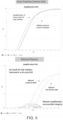
- FIG. 3 is a cross sectional representation of a channel 22 and shows the anisotropic nature of the membrane. As shown in FIG.
- the lectins are found in the extra-lumen (or extra-capillary or extra-channel) covalently bound to a solid resin material 150-300 microns (or wider) in diameter.
- the resin is made of a porous silicon dioxide material (SiO2), preferably diatomaceous earth. Approximately 35-45 grams of lectin bound resin is loaded into the extra-lumen space around the fibers through the polycarbonate side ports of the cartridge. During operation, blood runs along the length of the fibers and the plasma exits the pores and comes into contact with the lectin that is bound to the solid resin substrate.
- a lectin affinity hemodialysis cartridge comprising: a filtration chamber configured to receive blood or plasma ; a lectin, optionally coupled to agarose, diatomaceous earth, or aminocelite disposed within said filtration chamber; and a porous hollow fiber membrane, wherein said membrane has pores of 200-500 nm in diameter; wherein the lectin is selected from the group consisting of: Galanthus nivalis agglutinin (GNA), Narcissus pseudonarcissus agglutinin (NPA), cyanovirin, and Concanavalin A, and mixtures thereof wherein the cartridge is configured to remove subcellular nanoparticles from the blood or plasma.
- GAA Galanthus nivalis agglutinin
- NPA Narcissus pseudonarcissus agglutinin
- Concanavalin A Concanavalin A
- blood or plasma having subcellular nanoparticles (which may or may not contain SARS-CoV-2 viral particles) is withdrawn from a patient and contacted with an ultrafiltration membrane.
- the blood is first separated into its plasma and cellular components.
- the blood or plasma is then contacted with the lectins to remove the subcellular nanoparticles by binding between glycoproteins and lectins.
- the plasma can then be recombined with the cellular components and returned to the patient. Alternatively, the cellular components may be returned to the patient separately.
- the therapy can be repeated periodically until a desired response has been achieved.
- the therapy can be carried out for 0.1,0.2, 0.3, 0.4, 0.5, 0.6, 0.7, 0.8, 0.9, 1, 2, 3, 4, 5, 6, 7, 8, 9, 10, 11, 12, 13, 14, 15, 16, 17, 18, 19, 20, 21, 22, 23, or 24 hours within a 24 hour period, or any amount of time within a range defined by any two of the aforementioned times.
- the therapy can be repeated every day for 1, 2, 3, 4, 5, 6, 7, 8, 9, 10, 11, 12, 13, 14, or 15 days.
- the methods and devices of the present disclosure additionally comprise affinity agents that are monoclonal antibodies that bind to SARS-CoV-19 derived glycoproteins, such as the S1 spike protein described herein, in the extracorporeal circuit.
- the methods and devices of the present disclosure comprise a GNA affinity agent and a monoclonal antibody affinity agent.
- the present disclosure relates to methods for using lectins for hemofiltration of blood or plasma in an extracorporeal setting. Accordingly, the present disclosure provides methods for reducing subcellular nanoparticles, such as those associated with COVID-19 or a symptom or sequela thereof, from the circulatory system of an individual comprising the steps of obtaining blood or plasma from the individual, passing the blood or plasma through a porous hollow fiber membrane where lectin molecules are immobilized within the porous exterior portion of the membrane, collecting pass-through blood or plasma, and reinfusing the pass-through blood or plasma into the individual.
- subcellular nanoparticles such as those associated with COVID-19 or a symptom or sequela thereof
- a method of depleting subcellular nanoparticles that may be associated with COVID-19 may include the following steps: a) providing a hollow fiber cartridge comprising a lectin or other affinity binding agent that selectively binds to the outer surfaces of the subcellular nanoparticles; b) removing a biological sample, e.g., blood or plasma, from a subject using the system, the biological sample having a concentration of the subcellular nanoparticles; c) processing the biological sample using the hollow fiber cartridge such that the affinity agents are in contact with the biological sample; d) capturing at least a portion of the subcellular nanoparticles from the biological sample such that said portion of the subcellular nanoparticles is retained in the hollow fiber cartridge; and e) reintroducing the biological sample
- a biological sample from said subject such as a nasal fluid (e.g., an isolate from a nasal swab), blood or plasma, from said subject is obtained before or after the therapy or both and said biological sample is analyzed for the level or amount of subcellular nanoparticles.
- a nasal fluid e.g., an isolate from a nasal swab
- blood or plasma from said subject is obtained before or after the therapy or both and said biological sample is analyzed for the level or amount of subcellular nanoparticles.
- the capture of SARS-CoV-2 virions from the circulatory system may have several positive benefits as follows: (1) Diminishing the systemic load of SARS-CoV-2; (2) Reducing the severity of the systemic inflammatory response (e.g., cytokine storm) occurring during the infection; (3) Improving the functions of immune cells including cells with anti-viral functions; and (4) Reduction of continuous cellular infection, progressive damage to affected organs, and/or disease-related symptoms due to the virus itself and/or the inflammatory response.
- the extracorporeal devices are able to capture exosomes from the blood or plasma from a patient.
- the patient may have an on-going coronavirus infection, such as COVID-19.
- the patient may no longer have an active coronavirus infection (e.g., has a reduced amount or no amount of circulating virus that is detected by conventional approaches), but the patient still exhibits a symptom or sequela of the coronavirus infection.
- the exosomes depleted by the extracorporeal devices may comprise miR-424-5p, miR-16-2-3p, or both. These miRNAs may be involved in negative effects of the coronavirus symptom or sequela on the patient, even if the patient no longer has an active coronavirus infection.
- the methods further comprise determining whether the patient has early acute lung injury (ALI), early acute respiratory distress syndrome (ARDS), dyspnea, respiratory frequency ⁇ 30 breaths/min, blood oxygen saturation ⁇ 93%, partial pressure of arterial oxygen to fraction of inspired oxygen ratio of ⁇ 300, lung infiltrates >50%, respiratory failure within 24 to 48 hours, elevated ferritin, elevated lactate, elevated lactate dehydrogenase (LDH), low absolute lymphocyte count (ALC), low platelet count, prolonged prothrombin time/international normalized ratio (PT/INR), septic shock, or multiple organ dysfunction or failure, or any combination thereof prior to (a) or after (b) or both.
- ALI early acute lung injury
- ARDS early acute respiratory distress syndrome
- dyspnea respiratory frequency ⁇ 30 breaths/min
- blood oxygen saturation ⁇ 93%
- partial pressure of arterial oxygen to fraction of inspired oxygen ratio of ⁇ 300 ⁇ 300
- lung infiltrates >50% respiratory failure within 24 to 48 hours
- elevated ferritin elevated
- the methods further comprise determining whether the patient has an elevated IL-6 level or amount in a blood or plasma sample, as compared to a control level or amount (e.g., a level or amount found in a blood or plasma sample from a healthy patient or a patient not experiencing inflammation or COVID-19 infection or a sequela associated therewith) either before (a) or after (b) or both.
- a control level or amount e.g., a level or amount found in a blood or plasma sample from a healthy patient or a patient not experiencing inflammation or COVID-19 infection or a sequela associated therewith
- the elevated serum IL-6 level is greater than equal to 2 pg/mL.
- the methods further comprise determining whether the patient has an elevated D-dimer level or amount in a blood or plasma sample, as compared to a control level or amount (e.g., a level or amount found in a blood or plasma sample from a healthy patient or a patient not experiencing inflammation or COVID-19 infection or a sequela associated therewith) either before (a) or after (b) or both.
- a control level or amount e.g., a level or amount found in a blood or plasma sample from a healthy patient or a patient not experiencing inflammation or COVID-19 infection or a sequela associated therewith
- the elevated serum D-Dimer level is greater than or equal to 500ng/mL.
- the methods further comprise determining whether the patient has an elevated Troponin T level or amount in a blood or plasma sample, as compared to a control level or amount (e.g., a level or amount found in a blood or plasma sample from a healthy patient or a patient not experiencing inflammation or COVID-19 infection or a sequela associated therewith) either before (a) or after (b) or both.
- a control level or amount e.g., a level or amount found in a blood or plasma sample from a healthy patient or a patient not experiencing inflammation or COVID-19 infection or a sequela associated therewith
- the elevated serum Troponin T level is greater than or equal to 15 ng/L.
- the lectin is Galanthus nivalis agglutinin (GNA).
- the extracorporeal device comprises a hollow fiber cartridge comprising the lectin and wherein the blood or plasma flows through hollow fibers of the hollow fiber cartridge.
- the hollow fibers of the hollow fiber cartridge comprise a pore size that excludes cellular components of the blood or plasma from contacting the lectin.
- the pore size is 20-500 nm or about 20-500 nm.
- the pore size is 200 nm or about 200 nm.
- the lectin is immobilized or adsorbed on to a solid support
- the hollow fiber cartridge comprises the lectin immobilized or adsorbed on the solid support.
- the solid support comprises agarose, diatomaceous earth, or aminocelite. In some embodiments, the solid support comprises diatomaceous earth. In some embodiments, the methods further comprise isolating coronavirus virions, or portions thereof, bound to the lectin of the extracorporeal device. In some embodiments, the methods further comprise isolating exosomes associated with the coronavirus infection, or the symptom or sequela thereof, bound to the lectin of the extracorporeal device. In some embodiments, the methods further comprise determining the contents of the isolated exosomes.
- the exosomes associated with the coronavirus infection, or the symptom or sequela thereof comprise miR-424-5p, or miR-16-2-3p, or both.
- the methods further comprise observing or measuring a reduction in number of coronavirus virions, or portions thereof; number of exosomes associated with the coronavirus infection, or the symptom or sequela thereof; measuring the levels or amount of IL-1, IL-6, IL-10, IL-15, CXCL10, CCL2, Myeloperoxidase, VCAM-1, TNF alpha, C-reactive protein (CRP), D-dimer, or Troponin-T or any combination thereof, in a sample of the patient's blood or plasma taken after (b) relative to a sample of the patient's blood or plasma taken before (b).
- CRP C-reactive protein
- the methods further comprise observing an improvement in the coronavirus infection, or the symptom or sequela thereof, in the patient following (b) or (c) or both.
- observing the improvement in the coronavirus infection, or the symptom or sequela thereof comprises determining an improvement in early ALI, early ARDS, respiratory frequency, blood oxygen saturation, partial pressure of arterial oxygen to fraction of inspired oxygen ratio, lung infiltrates, respiratory failure, ferritin, lactate, LDH, ALC, platelet count, PT/INR, septic shock, or multiple organ dysfunction or failure, or any combination thereof, in the patient.
- observing the improvement in the coronavirus infection, or the symptom or sequela thereof comprises observing a reduction in number of coronavirus virions, or portions thereof; or exosomes associated with the coronavirus infection, or the symptom or sequela thereof; or measuring the level or amount of IL-1, IL-6, IL-10, IL-15, CXCL10, CCL2, Myeloperoxidase, VCAM-1, TNF alpha, C-reactive protein (CRP), D-dimer, or Troponin-T or any combination thereof in a biological sample such as blood from the patient before or after the therapy or both.
- the COVID-19 is caused by a SARS-CoV-2 variant.
- the variant is selected from 201/501YV1 (B.1.1.7), 20H/501YV2 (B.1.351), 20J/501Y.V3 (P.1), B.1.1.207, VUI-202102/03 (B.1.525), VUI-202101/01 (P.2), VUI-202102/01 (A.23.1), VUI 202102/04 (B.1.1.318), VUI 202103/01 (B.1.324.1), or CAL.20C (B.1.429).
- the extracorporeal device is primed with an anticoagulant, preferably heparin, to prevent clotting of blood prior to (a).
- the blood is flowed at a rate of about 50 to about 600 mL/min, preferably about 200 to about 400 mL/min through said extracorporeal device, preferably about 200 to about 240 mL/min or 200 to 240 mL/min or most preferably 240mL/min.
- the flow of blood is started at an initial flow rate of 100ml/min and increased gradually to 200ml/min (e.g., in a stepwise increase over a five-minute period).
- reintroducing the blood back to the patient comprises flushing the extracorporeal device with saline.
- the blood or plasma is contacted with the extracorporeal device for 0.1, 0.2, 0.3, 0.4, 0.5, 0.6, 0.7, 0.8, 0.9, 1, 2, 3, 4, 5, 6, 7, 8, 9, or 10 hours, or any amount of time within a range defined by any two of the aforementioned times.
- steps (a), (b), (c), and optionally (d) is repeated every day for 1, 2, 3, 4, 5, 6, 7, 8, 9, 10, 11, 12, 13, 14, or 15 days.
- the methods further comprise administering an additional antiviral therapy to the patient.
- the additional antiviral therapy comprises administration of favipiravir, favilavir, remdesivir, tocilizumab, galidesivir, sarilumab, lopinavir, ritonavir, darunavir, ribavirin, interferon- ⁇ , pegylated interferon- ⁇ , interferon alfa-2b, convalescent serum, or any combination thereof.
- the methods comprise (a) introducing blood or plasma from a patient infected with COVID-19 into an extracorporeal device comprising a lectin that binds to COVID-19 mediating nanoparticles (e.g., Galanthus nivalis agglutinin (GNA), Narcissus pseudonarcissus agglutinin (NPA) or Nostoc ellipsosporum cyanovirin); (b) contacting the blood or plasma from the patient with the lectin in the extracorporeal device for a time sufficient to allow the COVID-19 mediating nanoparticles to bind to said lectin; (c) reintroducing the blood or plasma obtained after (b) into said patient, wherein the blood or plasma obtained after (b) has a reduced amount of the COVID-19 mediating nanoparticles, as compared to the blood
- a lectin that binds to COVID-19 mediating nanoparticles e.g., Galanthus nivalis a
- the patient does not comprise a coronavirus infection prior to step (a) but exhibits symptoms or sequela of the coronavirus infection. In some embodiments, the patient has cleared the coronavirus infection prior to step (a), but the patient still exhibits symptoms or sequela of the coronavirus infection. In some embodiments, the blood or plasma of the patient does not comprise the coronavirus prior to step (a), but the patient still exhibits symptoms or sequela of the coronavirus infection.
- the methods further comprise determining whether the patient has early acute lung injury (ALI), early acute respiratory distress syndrome (ARDS), dyspnea, respiratory frequency ⁇ 30 breaths/min, blood oxygen saturation ⁇ 93%, partial pressure of arterial oxygen to fraction of inspired oxygen ratio of ⁇ 300, lung infiltrates >50%, respiratory failure within 24-48 hours, elevated ferritin, elevated lactate, elevated lactate dehydrogenase (LDH), low absolute lymphocyte count (ALC), low platelet count, elevated prothrombin time/international normalized ratio (PT/INR), septic shock, or multiple organ dysfunction or failure, or any combination thereof prior to (a) or after (b) or both.
- ALI early acute lung injury
- ARDS early acute respiratory distress syndrome
- dyspnea respiratory frequency ⁇ 30 breaths/min
- blood oxygen saturation ⁇ 93%
- partial pressure of arterial oxygen to fraction of inspired oxygen ratio of ⁇ 300 ⁇ 300
- lung infiltrates >50% respiratory failure within 24-48 hours
- elevated ferritin elevated lactate
- the methods further comprise determining whether the patient has an elevated Troponin T level or amount in a blood or plasma sample, as compared to a control level or amount (e.g., a level or amount found in a blood or plasma sample from a healthy patient or a patient not experiencing inflammation or COVID-19 infection or a sequela associated therewith) either before (a) or after (b) or both.
- a control level or amount e.g., a level or amount found in a blood or plasma sample from a healthy patient or a patient not experiencing inflammation or COVID-19 infection or a sequela associated therewith
- the elevated serum Troponin T level is greater than or equal to 15 ng/L.
- the lectin is Galanthus nivalis agglutinin (GNA).
- the variant is selected from 20I/501Y.V1 (B.1.1.7), 20H/501Y.V2 (B.1.351), 20J/501Y.V3 (P.1), B.1.1.207, VUI-202102/03 (B.1.525), VUI-202101/01 (P.2), VUI-202102/01 (A.23.1), VUI 202102/04 (B.1.1.318), VUI 202103/01 (B.1.324.1), or CAL.20C (B.1.429).
- the extracorporeal device is primed with an anticoagulant, preferably heparin, to prevent clotting of blood prior to (a).
- the patient does not comprise a coronavirus infection prior to step (a) but exhibits symptoms or sequela of the coronavirus infection. In some embodiments, the patient has cleared the coronavirus infection prior to step (a), but the patient still exhibits symptoms or sequela of the coronavirus infection. In some embodiments, the blood or plasma of the patient does not comprise the coronavirus prior to step (a), but the patient still exhibits symptoms or sequela of the coronavirus infection.
- the methods further comprise determining whether the patient has an elevated IL-6 level or amount in a blood or plasma sample either before (a) or after (b) or both, as compared to a control level or amount (e.g., a level or amount found in a blood or plasma sample from a healthy patient or a patient not experiencing inflammation or COVID-19 infection or a sequela associated therewith).
- a control level or amount e.g., a level or amount found in a blood or plasma sample from a healthy patient or a patient not experiencing inflammation or COVID-19 infection or a sequela associated therewith.
- the elevated serum IL-6 level is greater than equal to 2 pg/mL.
- the methods further comprise determining whether the patient has an elevated D-dimer level or amount in a blood or plasma sample either before (a) or after (b) or both.
- the hollow fibers of the hollow fiber cartridge comprise a pore size that excludes cellular components of the blood or plasma from contacting the lectin.
- the pore size is 20-500 nm or about 20-500 nm.
- the pore size is 200 nm or about 200 nm.
- the lectin is immobilized or adsorbed on to a solid support
- the hollow fiber cartridge comprises the lectin immobilized or adsorbed on the solid support.
- the solid support comprises agarose, diatomaceous earth, or aminocelite. In some embodiments, the solid support comprises diatomaceous earth.
- the methods further comprise isolating coronavirus virions, or portions thereof, bound to the lectin of the extracorporeal device. In some embodiments, the methods further comprise isolating exosomes associated with the coronavirus infection, or the symptom or sequela thereof, bound to the lectin of the extracorporeal device. In some embodiments, the methods further comprise determining the contents of the isolated exosomes. In some embodiments, the exosomes associated with the coronavirus infection, or the symptom or sequela thereof, comprises miR-424-5p, or miR-16-2-3p or both.
- the methods further comprise observing or measuring a reduction in number of coronavirus virions, or portions thereof; number of exosomes associated with the coronavirus infection, or the symptom or sequela thereof or measuring the level or amount of IL-1, IL-6, IL-10, IL-15, CXCL10, CCL2, Myeloperoxidase, VCAM-1, TNF alpha, C-reactive protein (CRP), D-dimer, or Troponin-T or any combination thereof in a biological sample such as blood or plasma from the patient before or after the therapy or both.
- a biological sample such as blood or plasma from the patient before or after the therapy or both.
- the methods further comprise observing an improvement in the coronavirus infection, or the symptom or sequela thereof, in the patient following (b) or (c) or both.
- observing the improvement in the coronavirus infection, or the symptom or sequela thereof comprises determining an improvement in early ALI, early ARDS, respiratory frequency, blood oxygen saturation, partial pressure of arterial oxygen to fraction of inspired oxygen ratio, lung infiltrates, respiratory failure, septic shock, or multiple organ dysfunction or failure, or any combination thereof, in the patient.
- observing the improvement in the coronavirus infection, or the symptom or sequela thereof comprises observing a reduction in number of coronavirus virions, or portions thereof; exosomes associated with the coronavirus infection, or the symptom or sequela thereof; or measuring the level or amount of IL-1, IL-6, IL-10, IL-15, CXCL10, CCL2, Myeloperoxidase, VCAM-1, TNF alpha, C-reactive protein (CRP), D-dimer, or Troponin-T or any combination thereof in a biological sample such as blood or plasma from the patient before or after the therapy or both.
- the COVID-19 is caused by a SARS-CoV-2 variant.
- the variant is selected from 201/501Y.V1 (B.1.1.7), 20H/501Y.V2 (B.1.351), 20J/501Y.V3 (P.1), B.1.1.207, VUI-202102/03 (B.1.525), VUI-202101/01 (P.2), VUI-202102/01 (A.23.1), VUI 202102/04 (B.1.1.318), VUI 202103/01 (B.1.324.1), or CAL.20C (B.1.429).
- the extracorporeal device is primed with an anticoagulant, preferably heparin, to prevent clotting of blood prior to (a).
- the blood is flowed at a rate of about 50 to about 600 mL/min, preferably about 200 to about 400 mL/min or 200mL/min to 240mL/min, most preferably 240mL/min through said extracorporeal device.
- the flow of blood is started at an initial flow rate of 100ml/min and increased gradually to 200ml/min (e.g., in a stepwise increase over a five-minute period).
- reintroducing the blood back to the patient comprises flushing the extracorporeal device with saline.
- the blood or plasma is contacted with the extracorporeal device for 0.1, 0.2, 0.3, 0.4, 0.5, 0.6, 0.7, 0.8, 0.9, 1, 2, 3, 4, 5, 6, 7, 8, 9, or 10 hours, or any amount of time within a range defined by any two of the aforementioned times.
- steps (a), (b), (c), and optionally (d) is repeated every day for 1, 2, 3, 4, 5, 6, 7, 8, 9, 10, 11, 12, 13, 14, or 15 days.
- the methods further comprise administering an additional antiviral therapy to the patient.
- the additional antiviral therapy comprises favipiravir, favilavir, remdesivir, tocilizumab, galidesivir, sarilumab, lopinavir, ritonavir, darunavir, ribavirin, interferon- ⁇ , pegylated interferon- ⁇ , interferon alfa-2b, convalescent serum, or any combination thereof.
- the methods comprise (a) introducing blood or plasma comprising coronavirus or a portion thereof from a patient having a coronavirus infection, or a symptom or sequela thereof, into an extracorporeal device comprising a lectin that binds to said coronavirus or a portion thereof (e.g., Galanthus nivalis agglutinin (GNA), Narcissus pseudonarcissus agglutinin (NPA) or Nostoc ellipsosporum cyanovirin); (b) contacting the blood or plasma from the patient with the lectin in the extracorporeal device for a time sufficient to allow the coronavirus or a portion thereof present in the blood or plasma, to bind to said lectin; (c) reintroducing the blood or plasma obtained after (b) into said patient,
- a lectin that binds to said coronavirus or a portion thereof e.g., Galanthus nivalis agglutinin (GNA
- the patient does not comprise a coronavirus infection prior to step (a) but exhibits symptoms or sequela of the coronavirus infection. In some embodiments, the patient has cleared the coronavirus infection prior to step (a), but the patient still exhibits symptoms or sequela of the coronavirus infection. In some embodiments, the blood or plasma of the patient does not comprise the coronavirus prior to step (a), but the patient still exhibits symptoms or sequela of the coronavirus infection.
- the methods further comprise determining whether the patient has early acute lung injury (ALI), early acute respiratory distress syndrome (ARDS), dyspnea, respiratory frequency ⁇ 30 breaths/min, blood oxygen saturation ⁇ 93%, partial pressure of arterial oxygen to fraction of inspired oxygen ratio of ⁇ 300, lung infiltrates >50%, respiratory failure within 24-48 hours, elevated ferritin, elevated lactate, elevated lactate dehydrogenase (LDH), low absolute lymphocyte count (ALC), low platelet count, elevated prothrombin time/international normalized ratio (PT/INR), septic shock, or multiple organ dysfunction or failure, or any combination thereof prior to (a) or after (b) or both.
- ALI early acute lung injury
- ARDS early acute respiratory distress syndrome
- dyspnea respiratory frequency ⁇ 30 breaths/min
- blood oxygen saturation ⁇ 93%
- partial pressure of arterial oxygen to fraction of inspired oxygen ratio of ⁇ 300 ⁇ 300
- lung infiltrates >50% respiratory failure within 24-48 hours
- elevated ferritin elevated lactate
- the methods further comprise determining whether the patient has an elevated IL-6 level or amount in a blood or plasma sample either before (a) or after (b) or both, as compared to a control level or amount (e.g., a level or amount found in a blood or plasma sample from a healthy patient or a patient not experiencing inflammation or COVID-19 infection or a sequela associated therewith).
- a control level or amount e.g., a level or amount found in a blood or plasma sample from a healthy patient or a patient not experiencing inflammation or COVID-19 infection or a sequela associated therewith.
- the elevated serum IL-6 level is greater than equal to 2 pg/mL.
- the methods further comprise determining whether the patient has an elevated serum D-dimer level or amount in a blood or plasma sample either before (a) or after (b) or both, as compared to a control level or amount (e.g., a level or amount found in a blood or plasma sample from a healthy patient or a patient not experiencing inflammation or COVID-19 infection or a sequela associated therewith).
- a control level or amount e.g., a level or amount found in a blood or plasma sample from a healthy patient or a patient not experiencing inflammation or COVID-19 infection or a sequela associated therewith.
- the elevated serum D-Dimer level is greater than or equal to 500ng/mL.
- the methods further comprise determining whether the patient has an elevated Troponin T level or amount in a blood or plasma sample either before (a) or after (b) or both, as compared to a control level or amount (e.g., a level or amount found in a blood or plasma sample from a healthy patient or a patient not experiencing inflammation or COVID-19 infection or a sequela associated therewith).
- a control level or amount e.g., a level or amount found in a blood or plasma sample from a healthy patient or a patient not experiencing inflammation or COVID-19 infection or a sequela associated therewith.
- the elevated serum Troponin T level is greater than or equal to 15 ng/L.
- the lectin is Galanthus nivalis agglutinin (GNA).
- the extracorporeal device comprises a hollow fiber cartridge comprising the lectin and wherein the blood or plasma flows through hollow fibers of the hollow fiber cartridge.
- the hollow fibers of the hollow fiber cartridge comprise a pore size that excludes cellular components of the blood or plasma from contacting the lectin.
- the pore size is 20-500 nm or about 20-500 nm.
- the pore size is 200 nm or about 200 nm.
- the lectin is immobilized or adsorbed on to a solid support
- the hollow fiber cartridge comprises the lectin immobilized or adsorbed on the solid support.
- the solid support comprises agarose, diatomaceous earth, or aminocelite. In some embodiments, the solid support comprises diatomaceous earth. In some embodiments, the methods further comprise isolating coronavirus virions, or portions thereof, bound to the lectin of the extracorporeal device. In some embodiments, the methods further comprise isolating exosomes associated with the coronavirus infection, or the symptom or sequela thereof, bound to the lectin of the extracorporeal device. In some embodiments, the methods further comprise determining the contents of the isolated exosomes.
- the exosomes associated with the coronavirus infection, or the symptom or sequela thereof comprises miR-424-5p, or miR-16-2-3p, or both.
- the methods further comprise observing or measuring a reduction in number of coronavirus virions, or portions thereof; number of exosomes associated with the coronavirus infection, or the symptom or sequela thereof; or measuring the level or amount of IL-1, IL-6, IL-10, IL-15, CXCL10, CCL2, Myeloperoxidase, VCAM-1, TNF alpha, C-reactive protein (CRP), D-dimer, or Troponin-T or any combination thereof, in a sample of the patient's blood or plasma taken after (b) relative to a sample of the patient's blood or plasma taken before (b).
- CRP C-reactive protein
- the methods further comprise observing an improvement in the coronavirus infection, or the symptom or sequela thereof, in the patient following (b) or (c) or both, as compared to a control level or amount (e.g., a level or amount found in a blood or plasma sample from a healthy patient or a patient not experiencing inflammation or COVID-19 infection or a sequela associated therewith).
- a control level or amount e.g., a level or amount found in a blood or plasma sample from a healthy patient or a patient not experiencing inflammation or COVID-19 infection or a sequela associated therewith.
- observing the improvement in the coronavirus infection, or the symptom or sequela thereof comprises determining an improvement in early ALI, early ARDS, respiratory frequency, blood oxygen saturation, partial pressure of arterial oxygen to fraction of inspired oxygen ratio, lung infiltrates, respiratory failure, ferritin, lactate, LDH, ALC, platelet count, PT/INR, septic shock, or multiple organ dysfunction or failure, or any combination thereof, in the patient.
- observing the improvement in the coronavirus infection, or the symptom or sequela thereof comprises observing a reduction in number of coronavirus virions, or portions thereof; exosomes associated with the coronavirus infection, or the symptom or sequela thereof; or measuring the level or amount of IL-1, IL-6, IL-10, IL-15, CXCL10, CCL2, Myeloperoxidase, VCAM-1, TNF alpha, C-reactive protein (CRP), D-dimer, or Troponin-T or any combination thereof in a biological sample such as blood or plasma from the patient before or after the therapy or both.
- a biological sample such as blood or plasma from the patient before or after the therapy or both.
- the coronavirus infection is caused by a coronavirus selected from SARS-CoV-2, SARS-CoV-1, MERS-CoV, HCoV-229E, HCoV-OC43, HCoV NL63, or HCoV-HKU1.
- the SARS-CoV-2 is a SARS-CoV-2 variant.
- the variant is selected from 20I/501Y.V1 (B.1.1.7), 20H/501Y.V2 (B.1.351), 20J/501Y.V3 (P.1), B.1.1.207, VUI-202102/03 (B.1.525), VUI-202101/01 (P.2), VUI-202102/01 (A.23.1), VUI 202102/04 (B.1.1.318), VUI 202103/01 (B.1.324.1), or CAL.20C (B.1.429).
- the extracorporeal device is primed with an anticoagulant, preferably heparin, to prevent clotting of blood prior to (a).
- the blood is flowed at a rate of about 50 to about 600 mL/min, preferably about 200 to about 400 mL/min, preferably about 200 to about 240 mL/min or 200mL/min to 240mL/min, most preferably 240mL/min, through said extracorporeal device.
- reintroducing the blood back to the patient comprises flushing the extracorporeal device with saline.
- the blood or plasma is contacted with the extracorporeal device for 0.1, 0.2, 0.3, 0.4, 0.5, 0.6, 0.7, 0.8, 0.9, 1, 2, 3, 4, 5, 6, 7, 8, 9, or 10 hours, or any amount of time within a range defined by any two of the aforementioned times.
- steps (a), (b), (c), and optionally (d) is repeated every day for 1, 2, 3, 4, 5, 6, 7, 8, 9, 10, 11, 12, 13, 14, or 15 days.
- the methods further comprise administering an additional antiviral therapy to the patient.
- the additional antiviral therapy comprises favipiravir, favilavir, remdesivir, tocilizumab, galidesivir, sarilumab, lopinavir, ritonavir, darunavir, ribavirin, interferon- ⁇ , pegylated interferon- ⁇ , interferon alfa-2b, convalescent serum, or any combination thereof.
- the methods comprise (a) introducing blood or plasma comprising exosomes associated with the coronavirus infection, or the symptom or sequela thereof, from a patient having a coronavirus infection, or a symptom or sequela thereof, into an extracorporeal device comprising a lectin that binds to said exosomes; (b) contacting the blood or plasma from the patient with the lectin in the extracorporeal device for a time sufficient to allow the exosomes present in the blood or plasma to bind to said lectin; (c) reintroducing the blood or plasma obtained after (b) into said patient, wherein the blood or plasma obtained after (b) has a reduced amount of the exosomes as compared to the blood or plasma of said patient prior to (b); and (d) optionally, detecting or identifying the exosomes in
- the patient does not comprise a coronavirus infection prior to step (a) but exhibits symptoms or sequela of the coronavirus infection. In some embodiments, the patient has cleared the coronavirus infection prior to step (a), but the patient still exhibits symptoms or sequela of the coronavirus infection. In some embodiments, the blood or plasma of the patient does not comprise the coronavirus prior to step (a), but the patient still exhibits symptoms or sequela of the coronavirus infection.
- the methods further comprise determining whether the patient has early acute lung injury (ALI), early acute respiratory distress syndrome (ARDS), dyspnea, respiratory frequency ⁇ 30 breaths/min, blood oxygen saturation ⁇ 93%, partial pressure of arterial oxygen to fraction of inspired oxygen ratio of ⁇ 300, lung infiltrates >50%, respiratory failure, elevated ferritin, elevated lactate, elevated lactate dehydrogenase (LDH), low absolute lymphocyte count (ALC), low platelet count, elevated prothrombin time/international normalized ratio (PT/INR), septic shock, or multiple organ dysfunction or failure, or any combination thereof prior to (a) or after (b) or both.
- ALI early acute lung injury
- ARDS early acute respiratory distress syndrome
- dyspnea respiratory frequency ⁇ 30 breaths/min
- blood oxygen saturation ⁇ 93%
- partial pressure of arterial oxygen to fraction of inspired oxygen ratio of ⁇ 300 ⁇ 300
- lung infiltrates >50% respiratory failure
- elevated ferritin elevated lactate
- LLC low absolute lymphocyte
- the methods further comprise determining whether the patient has an elevated IL-6 level or amount in a blood or plasma sample either before (a) or after (b) or both, as compared to a control level or amount (e.g., a level or amount found in a blood or plasma sample from a healthy patient or a patient not experiencing inflammation or COVID-19 infection or a sequela associated therewith).
- a control level or amount e.g., a level or amount found in a blood or plasma sample from a healthy patient or a patient not experiencing inflammation or COVID-19 infection or a sequela associated therewith.
- the elevated serum IL-6 level is greater than equal to 2 pg/mL.
- the methods further comprise determining whether the patient has an elevated D-dimer level or amount in a blood or plasma sample either before (a) or after (b) or both, as compared to a control level or amount (e.g., a level or amount found in a blood or plasma sample from a healthy patient or a patient not experiencing inflammation or COVID-19 infection or a sequela associated therewith).
- a control level or amount e.g., a level or amount found in a blood or plasma sample from a healthy patient or a patient not experiencing inflammation or COVID-19 infection or a sequela associated therewith.
- the elevated serum D-Dimer level is greater than or equal to 500ng/mL.
- the methods further comprise determining whether the patient has an elevated Troponin T level or amount in a blood or plasma sample either before (a) or after (b) or both, as compared to a control level or amount (e.g., a level or amount found in a blood or plasma sample from a healthy patient or a patient not experiencing inflammation or COVID-19 infection or a sequela associated therewith).
- a control level or amount e.g., a level or amount found in a blood or plasma sample from a healthy patient or a patient not experiencing inflammation or COVID-19 infection or a sequela associated therewith.
- the elevated serum Troponin T level is greater than or equal to 15 ng/L.
- the lectin is Galanthus nivalis agglutinin (GNA).
- the extracorporeal device comprises a hollow fiber cartridge comprising the lectin and wherein the blood or plasma flows through hollow fibers of the hollow fiber cartridge.
- the hollow fibers of the hollow fiber cartridge comprise a pore size that excludes cellular components of the blood or plasma from contacting the lectin.
- the pore size is 20-500 nm or about 20-500 nm.
- the pore size is 200 nm or about 200 nm.
- the lectin is immobilized or adsorbed on to a solid support
- the hollow fiber cartridge comprises the lectin immobilized or adsorbed on the solid support.
- the solid support comprises agarose, diatomaceous earth, or aminocelite. In some embodiments, the solid support comprises diatomaceous earth. In some embodiments, the methods further comprise isolating coronavirus virions, or portions thereof, bound to the lectin of the extracorporeal device. In some embodiments, the methods further comprise isolating exosomes associated with the coronavirus infection, or the symptom or sequela thereof, bound to the lectin of the extracorporeal device. In some embodiments, the methods further comprise determining the contents of the isolated exosomes.
- the exosomes associated with the coronavirus infection, or the symptom or sequela thereof comprises miR-424-5p, or miR-16-2-3p, or both.
- the methods further comprise observing or measuring a reduction in number of coronavirus virions, or portions thereof; number of exosomes associated with the coronavirus infection, or the symptom or sequela thereof; or measuring the level or amount of IL-1, IL-6, IL-10, IL-15, CXCL10, CCL2, Myeloperoxidase, VCAM-1, TNF alpha, C-reactive protein (CRP), D-dimer, or Troponin-T, or any combination thereof, in a sample of the patient's blood or plasma taken after (b) relative to a sample of the patient's blood taken before (b).
- CRP C-reactive protein
- the methods further comprise observing an improvement in the coronavirus infection, or the symptom or sequela thereof, in the patient following (b) or (c) or both.
- observing the improvement in the coronavirus infection, or the symptom or sequela thereof comprises determining an improvement in early ALI, early ARDS, respiratory frequency, blood oxygen saturation, partial pressure of arterial oxygen to fraction of inspired oxygen ratio, lung infiltrates, respiratory failure, ferritin, lactate, LDH, ALC, platelet count, PT/INR, septic shock, or multiple organ dysfunction or failure, or any combination thereof, in the patient.
- observing the improvement in the coronavirus infection, or the symptom or sequela thereof comprises observing a reduction in number of coronavirus virions, or portions thereof; exosomes associated with the coronavirus infection, or the symptom or sequela thereof; or measuring the level or amount of IL-1, IL-6, IL-10, IL-15, CXCL10, CCL2, Myeloperoxidase, VCAM-1, TNF alpha, C-reactive protein (CRP), D-dimer, or Troponin-T, or any combination thereof in the patient relative to before the treatment.
- the coronavirus infection is caused by a coronavirus selected from SARS-CoV-2, SARS-CoV-1, MERS-CoV, HCoV-229E, HCoV-OC43, HCoV NL63, or HCoV-HKU1.
- the SARS-CoV-2 is a SARS-CoV-2 variant.
- the variant is selected from 20I/501Y.V1 (B.1.1.7), 20H/501Y.V2 (B.1.351), 20J/501Y.V3 (P.1), B.1.1.207, VUI-202102/03 (B.1.525), VUI-202101/01 (P.2), VUI-202102/01 (A.23.1), VUI 202102/04 (B.1.1.318), VUI 202103/01 (B.1.324.1), or CAL.20C (B.1.429).
- the extracorporeal device is primed with an anticoagulant, preferably heparin, to prevent clotting of blood prior to (a).
- the blood is flowed at a rate of about 50 to about 600 mL/min, preferably about 200 to about 400 mL/min, preferably about 200 to about 240 mL/min or 20mL/min to 240mL/min, most preferably 240mL/min, through said extracorporeal device.
- reintroducing the blood back to the patient comprises flushing the extracorporeal device with saline.
- the blood or plasma is contacted with the extracorporeal device for 0.1, 0.2, 0.3, 0.4, 0.5, 0.6, 0.7, 0.8, 0.9, 1, 2, 3, 4, 5, 6, 7, 8, 9, or 10 hours, or any amount of time within a range defined by any two of the aforementioned times.
- steps (a), (b), (c), and optionally (d) is repeated every day for 1, 2, 3, 4, 5, 6, 7, 8, 9, 10, 11, 12, 13, 14, or 15 days.
- the methods further comprise administering an additional antiviral therapy to the patient.
- the additional antiviral therapy comprises favipiravir, favilavir, remdesivir, tocilizumab, galidesivir, sarilumab, lopinavir, ritonavir, darunavir, ribavirin, interferon- ⁇ , pegylated interferon- ⁇ , interferon alfa-2b, convalescent serum, or any combination thereof.
- Also disclosed herein in some embodiments are methods for treating or inhibiting a coronavirus infection, or a symptom or sequela thereof, in a patient in need thereof, wherein the symptom or sequela thereof comprises COVID-19-associated coagulopathy (CAC).
- the methods are more generally for treating or inhibiting a coagulopathy (CAC) in a patient in need thereof.
- the methods further comprise determining whether the patient has CAC, early acute lung injury (ALI), early acute respiratory distress syndrome (ARDS), dyspnea, respiratory frequency ⁇ 30 breaths/min, blood oxygen saturation ⁇ 93%, partial pressure of arterial oxygen to fraction of inspired oxygen ratio of ⁇ 300, lung infiltrates >50%, respiratory failure within 24 to 48 hours, elevated ferritin, elevated lactate, elevated lactate dehydrogenase (LDH), low absolute lymphocyte count (ALC), low platelet count, elevated prothrombin time/international normalized ratio (PT/INR), septic shock, or multiple organ dysfunction or failure, or any combination thereof prior to (a) or after (b) or both.
- ALI early acute lung injury
- ARDS early acute respiratory distress syndrome
- dyspnea respiratory frequency ⁇ 30 breaths/min
- blood oxygen saturation ⁇ 93%
- partial pressure of arterial oxygen to fraction of inspired oxygen ratio of ⁇ 300 ⁇ 300
- lung infiltrates >50% respiratory failure within 24 to 48 hours
- the methods further comprise determining whether the patient has an elevated Troponin T level or amount in a blood or plasma sample either before (a) or after (b) or both, as compared to a control level or amount (e.g., a level or amount found in a blood or plasma sample from a healthy patient or a patient not experiencing inflammation or COVID-19 infection or a sequela associated therewith).
- a control level or amount e.g., a level or amount found in a blood or plasma sample from a healthy patient or a patient not experiencing inflammation or COVID-19 infection or a sequela associated therewith.
- the elevated serum Troponin T level is greater than or equal to 15 ng/L.
- the lectin is Galanthus nivalis agglutinin (GNA).
- the extracorporeal device comprises a hollow fiber cartridge comprising the lectin and wherein the blood or plasma flows through hollow fibers of the hollow fiber cartridge.
- the hollow fibers of the hollow fiber cartridge comprise a pore size that excludes cellular components of the blood or plasma from contacting the lectin.
- the pore size is 20-500 nm or about 20-500 nm.
- the pore size is 200 nm or about 200 nm.
- the lectin is immobilized or adsorbed on to a solid support
- the hollow fiber cartridge comprises the lectin immobilized or adsorbed on the solid support.
- the methods further comprise observing an improvement in the coronavirus infection, or the symptom or sequela thereof, wherein the symptom or sequela thereof comprises CAC, in the patient following (b) or (c) or both.
- observing the improvement in the coronavirus infection, or the symptom or sequela thereof, wherein the symptom or sequela thereof comprises CAC comprises determining an improvement in the CAC, early ALI, early ARDS, respiratory frequency, blood oxygen saturation , partial pressure of arterial oxygen to fraction of inspired oxygen ratio, lung infiltrates, respiratory failure, ferritin, lactate, LDH, ALC, platelet count, PT/INR, septic shock, or multiple organ dysfunction or failure, or any combination thereof, in the patient.
- observing the improvement in the coronavirus infection, or the symptom or sequela thereof, wherein the symptom or sequela thereof comprises CAC comprises observing a reduction in number of coronavirus virions, or portions thereof; exosomes associated with the coronavirus infection, or the symptom or sequela thereof; or measuring the level or amount of IL-1, IL-6, IL-10, IL-15, CXCL10, CCL2, Myeloperoxidase, VCAM-1, TNF alpha, C-reactive protein (CRP), D-dimer, or Troponin-T, or any combination thereof in the patient relative to before the treatment.
- the symptom or sequela thereof comprises CAC
- the coronavirus infection is caused by a coronavirus selected from SARS-CoV-2, SARS-CoV-1, MERS-CoV, HCoV-229E, HCoV-OC43, HCoV NL63, or HCoV-HKU1.
- the SARS-CoV-2 is a SARS-CoV-2 variant.
- the variant is selected from 20I/501Y.V1 (B.1.1.7), 20H/501Y.V2 (B.1.351), 20J/501Y.V3 (P.1), B.1.1.207, VUI-202102/03 (B.1.525), VUI-202101/01 (P.2), VUI-202102/01 (A.23.1), VUI 202102/04 (B.1.1.318), VUI 202103/01 (B.1.324.1), or CAL.20C (B.1.429).
- the extracorporeal device is primed with an anticoagulant, preferably heparin, to prevent clotting of blood prior to (a).
- the blood is flowed at a rate of about 50 to about 600 mL/min, preferably about 200 to about 400 mL/min, preferably about 200 to about 240 mL/min or 200mL/min to 240mL/min, most preferably 240mL/min, through said extracorporeal device.
- reintroducing the blood back to the patient comprises flushing the extracorporeal device with saline.
- the blood or plasma is contacted with the extracorporeal device for 0.1, 0.2, 0.3, 0.4, 0.5, 0.6, 0.7, 0.8, 0.9, 1, 2, 3, 4, 5, 6, 7, 8, 9, or 10 hours, or any amount of time within a range defined by any two of the aforementioned times.
- steps (a), (b), (c), and optionally (d) is repeated every day for 1, 2, 3, 4, 5, 6, 7, 8, 9, 10, 11, 12, 13, 14, or 15 days.
- the methods further comprise administering an additional antiviral therapy to the patient.
- the additional antiviral therapy comprises favipiravir, favilavir, remdesivir, tocilizumab, galidesivir, sarilumab, lopinavir, ritonavir, darunavir, ribavirin, interferon- ⁇ , pegylated interferon- ⁇ , interferon alfa-2b, convalescent serum, or any combination thereof.
- the methods comprise (a) providing an extracorporeal device comprising a hollow fiber cartridge comprising a lectin that selectively binds to the outer surfaces of SARS-CoV-2 virions, or fragments thereof; (b) removing blood from a COVID-19 patient; (c) processing the blood from the hollow fiber cartridge such that the lectin is in contact with the blood; (d) reducing at least a portion of SARS-CoV-2 virions, or fragments thereof such that said portion of SARS-CoV-2 virions, or fragments thereof is retained in the hollow fiber cartridge; and (e) reintroducing the blood without said portion of SARS-CoV-2 virions, or fragments thereof to the patient.
- the lectin is GNA.
- the methods comprise (a) providing an extracorporeal device comprising a hollow fiber cartridge comprising a lectin that selectively binds to the outer surfaces of COVID-19 mediating nanoparticles; (b) removing blood from a COVID-19 patient; (c) processing the blood from the hollow fiber cartridge such that the lectin is in contact with the blood; (d) reducing at least a portion of COVID-19 mediating nanoparticles such that said portion of COVID-19 mediating nanoparticles is retained in the hollow fiber cartridge; and (e) reintroducing the blood without said portion of COVID-19 mediating nanoparticles to the patient.
- the lectin is GNA.
- the methods comprise (a) providing an extracorporeal device comprising a hollow fiber cartridge comprising a lectin that selectively binds to the outer surfaces of COVID-19 mediating exosomes; (b) removing blood from a COVID-19 patient; (c) processing the blood from the hollow fiber cartridge such that the lectin is in contact with the blood; (d) reducing at least a portion of COVID-19 mediating exosomes such that said portion of COVID-19 mediating exosomes is retained in the hollow fiber cartridge; and (e) reintroducing the blood without said portion of COVID-I9 mediating exosomes to the patient.
- the lectin is GNA.
- the methods comprise (a) providing an extracorporeal device comprising a hollow fiber cartridge comprising a lectin that selectively binds to the outer surfaces SARS-CoV-2 virions or fragments thereof or COVID-19 mediating exosomes; (b) removing blood from a COVID-19 patient; (c) measuring the levels of IL-6 in the blood; (d) processing the blood from the hollow fiber cartridge such that the lectin is in contact with the blood; (e) reducing at least a portion of COVID-19 mediating exosomes such that said portion of SARS-CoV-2 virions or fragments thereof or COVID-I9 mediating exosomes is retained in the hollow fiber cartridge; (f) measuring the levels of IL-6 in the blood; and (g) reintroducing the blood without said portion of surfaces SARS-CoV-2 virions or fragments thereof or COVID-19 mediating exosome
- the methods comprise (a) providing an extracorporeal device comprising a hollow fiber cartridge comprising a lectin that selectively binds to the outer surfaces SARS-CoV-2 virions or fragments thereof or COVID-19 mediating exosomes; (b) removing blood from a COVID-19 patient; (c) measuring the levels of D-dimer in the blood; (d) processing the blood from the hollow fiber cartridge such that the lectin is in contact with the blood; (e) reducing at least a portion of COVID-19 mediating exosomes such that said portion of SARS-CoV-2 virions or fragments thereof or COVID-19 mediating exosomes is retained in the hollow fiber cartridge; (f) measuring the levels of D-dimer in the blood; and (g) reintroducing the blood without said portion of surfaces SARS-CoV-2 virions or fragments thereof or COVID-19 media
- the methods comprise (a) providing an extracorporeal device comprising a hollow fiber cartridge comprising a lectin that selectively binds to the outer surfaces SARS-CoV-2 virions or fragments thereof or COVID-19 mediating exosomes; (b) removing blood from a COVID-19 patient; (c) measuring the levels of Troponin T in the blood; (d) processing the blood from the hollow fiber cartridge such that the lectin is in contact with the blood; (e) reducing at least a portion of COVID-19 mediating exosomes such that said portion of SARS-CoV-2 virions or fragments thereof or COVID-19 mediating exosomes is retained in the hollow fiber cartridge; (f) measuring the levels of Troponin T in the blood; and (g) reintroducing the blood without said portion of surfaces SARS-CoV-2 virions or fragments thereof or COVID-19 mediating exosomes;
- extracorporeal devices comprising a lectin for use in the treatment or inhibition of a coronavirus infection, or a symptom or sequela thereof, or to reduce the levels or amounts of IL-1, IL-6, IL-10, IL-15, CXCL10, CCL2, Myeloperoxidase, VCAM-1, TNF alpha, C-reactive protein (CRP), D-dimer, or Troponin-T or any combination thereof in a patient in need thereof. Also disclosed herein are extracorporeal devices comprising a lectin for use in the treatment or inhibition of COVID-19-associated coagulopathy in a patient in need thereof.
- extracorporeal devices comprising a lectin for use in a method of treating or inhibiting a coronavirus infection, or a symptom or sequela thereof, in a patient in need thereof, the method comprising flowing blood from the patient through the extracorporeal device such that the blood comes in contact with the lectin, thereby resulting in processed blood; and reintroducing the processed blood back to the patient.
- the lectin is Galantus nivalis agglutinin.
- the extracorporeal device comprises a hollow fiber cartridge comprising the lectin, wherein the blood of the patient flows through hollow fibers of the hollow fiber cartridge.
- the lectin is immobilized or adsorbed onto a solid support
- the hollow fiber cartridge comprises the lectin immobilized or adsorbed on the solid support.
- the solid support is agarose, diatomaceous earth, or aminocelite. In some embodiments, the solid support is diatomaceous earth.
- the lectin selectively binds to coronavirus virions, or portions thereof; exosomes associated with the coronavirus infection, or the symptoms or sequela thereof, or any combination thereof.
- the coronavirus infection is caused by a coronavirus selected from SARS-CoV-2, SARS-CoV-1, MERS-CoV, HCoV-229E, HCoV-OC43, HCoV NL63, or HCoV-HKU1.
- the SARS-CoV-2 is a SARS-CoV-2 variant.
- the SARS-CoV-2 variant is selected from 20I/501Y.V1 (B.1.1.7), 20H/501Y.V2 (B.1.351), 20J/501Y.V3 (P.1), B.1.1.207, VUI-202102/03 (B.1.525), VUI-202101/01 (P.2), VUI-202102/01 (A.23.1), VUI 202102/04 (B.1.1.318), VUI 202103/01 (B.1.324.1), or CAL.20C (B.1.429).
- the extracorporeal device is used for 0.1, 0.2, 0.3, 0.4, 0.5, 0.6, 0.7, 0.8, 0.9, 1, 2, 3, 4, 5, 6, 7, 8, 9, or 10 hours at a time, or any amount of time within a range defined by any two of the aforementioned times. In some embodiments, the extracorporeal device is used every day for 1, 2, 3, 4, 5, 6, 7, 8, 9, 10, 11, 12, 13, 14, or 15 days. In some embodiments, the extracorporeal device is used with an additional antiviral therapy.
- the additional antiviral therapy comprises favipiravir, favilavir, remdesivir, tocilizumab, galidesivir, sarilumab, lopinavir, ritonavir, darunavir, ribavirin, interferon- ⁇ , pegylated interferon- ⁇ , interferon alfa-2b, convalescent serum, or any combination thereof.
- Example 1 Preparation of an exemplary lectin agarose affinity matrix
- This example demonstrates the preparation of an affinity matrix using GNA covalently coupled to Agarose using Cyanogen Bromide.
- Cyanogen bromide (CNBr) activated agarose was used for direct coupling essentially according to Cuatrecasas, et al ( Cuatracasas et al. Proc Natl Acad Sci USA 61(2): 636-643, 1968 ).
- 1 ml of GNA at a concentration of 10 mg/ml in 0.1M NaHCO 3 pH 9.5 is added to 1 ml CNBr activated agarose (Sigma, St. Louis, Mo.) and allowed to react overnight in the cold.
- GNA agarose is available commercially from Vector Labs (Burlingame, Calif.).
- Example 2 Preparation of an exemplary lectin silica affinity matrix
- This example demonstrates preparation of the lectin affinity matrix using GNA covalently coupled to glass beads via Schiff's base and reduction with cyanoborohydride.
- the lectin silica affinity matrix was prepared by a modification of the method of Hermanson ( Hermanson. Bioconjugate Techniques: 785, 1996 ).
- GNA lectin was dissolved to a final protein concentration of 10 mg/ml in 0.1M sodium borate pH 9.5 and added to aldehyde derivatized silica glass beads (BioConnexant, Austin Tex.). The reaction is most efficient at alkaline pH but will go at pH 7-9 and is normally done at a 2-4 fold excess of GNA over coupling sites.
- Example 3 Preparation of an exemplary lectin aminocelite affinity matrix
- This example demonstrates preparation of GNA covalently coupled to aminocelite using glutaraldehyde.
- Aminocelite was prepared by reaction of celite (silicate containing diatomaceous earth) by overnight reaction in a 5% aqueous solution of aminopropyl triethoxysilane. The aminated celite was washed free of excess reagent with water and ethanol and dried overnight to yield an off-white powder. One gram of the powder was then suspended in 5 ml 5% glutaraldehyde (Sigma) for 30 minutes. Excess glutaraldehyde was then removed by filtration and washing with water until no detectable aldehyde remained in the wash using Schiff's reagent.
- the filter cake was then resuspended in 5 ml of Sigma borohydride coupling buffer containing 2-3 mg/ml GNA and the reaction allowed to proceed overnight at room temperature. At the end of the reaction, unreacted GNA was washed off and the unreacted aldehyde aminated with ethanolamine as described. After final washing in sterile PBS, the material was stored cold until ready for use.
- a lectin affinity viral hemodialysis device is made by pouring a dry powder consisting of GNA immobilized on diatomaceous earth (CHROMOSORB GAW 60/80; Celite Corp, Lompoc, Calif.) into the outside compartment of a hollow-fiber plasmapheresis column (PLASMART 60; Medica, srl, Medollo Italy) using a funnel attached to the outlet ports of the column.
- the powder (40 grams) is introduced under gravity flow with shaking to fill the available extrafiber space.
- the cartridges containing the affinity resin is heat sealed in TYVEK shipping pouches and sterilized with 25-40 kGy gamma irradiation. Samples of the product are then tested for sterility and endotoxin and found to meet FDA standards.
- the finished product can be stored for at least 6 months at room temperature in a cool dry place until ready for use.
- This example demonstrates preparation of a GNA lectin affinity hemodialysis device.
- the viral device was made by pumping a slurry of particulate immobilized GNA on agarose beads or celite in sterile PBS buffer into the outside compartment of a hollow-fiber dialysis column using a syringe.
- Microkros polyethersulfone hollow-fiber dialysis cartridge equipped with Luer fittings 200 ⁇ m ID, 240 ⁇ m OD, pore diameter 200-500 nm, approximately 0.5 ml internal volume
- Cartridges containing the affinity resin were equilibrated with 5-10 column volumes sterile PBS.
- Example 6 The lectin GNA binds to SARS-CoV-2 spike protein
- the devices and methods of the present disclosure capture SARS-CoV-2 spike 1 (S1) glycoproteins and deplete them from a sample. Experiments were performed by continuously circulating a solution spiked with S1 glycoprotein of SARS-COV-2 over the mini-device column in vitro.
- S1 glycoprotein of SARS-COV-2 spike 1
- the control consisted of S1 kept on the benchtop (i.e., not run through the device). As seen in FIG. 4 , over 90% of the S1 protein in the test sample is depleted by the first time point at 15 minutes, and no S1 is detected following 60 minutes of flow through the column.
- Example 7 Treatment of COVID-19 with a GNA lectin affinity hemofiltration device
- This example pertains to methods of use of a clinical hemofiltration device for treatment of COVID-19.
- a clinical study will be performed to evaluate the use of an extracorporeal lectin affinity hemofiltration device to capture and remove COVID-19 mediating nanoparticles for the treatment of SARS-CoV-2 Virus Disease (COVID-19).
- the device of the present disclosure is a single-use hollow-fiber plasmapheresis cartridge that is modified to contain an affinity matrix consisting of the lectin Galanthus nivalis agglutinin (GNA), which is incorporated between hollow fibers running the length of the cartridge.
- GNA Galanthus nivalis agglutinin
- the device is operated by establishing access to a subject's circulatory system with a dual lumen central catheter and utilizing standard dialysis infrastructure to achieve hemofiltration.
- the objectives of the study will be as follows: Assessment of safety of the hemofiltration device. Evaluating the changes in circulating viral load in blood by RT-PCR. Elution of viral particles from used hemofiltration cartridges and measuring viral load. Evaluating clinical outcomes include assessing survival rate, time on ventilator, incidence of multiorgan systems failure, and measuring markers of inflammation, coagulation, and tissue damage.
- ALI Early acute lung injury
- ARDS early acute respiratory distress syndrome
- severe COVID-19 disease or at risk for severe COVID-19 disease as defined as: dyspnea, respiratory frequency ⁇ 30/min, blood oxygen saturation ⁇ 93%, partial pressure of arterial oxygen to fraction of inspired oxygen ratio of ⁇ 300 and/or lung infiltrates >50% within 24 to 48 hours
- Life-threatening disease defined as: respiratory failure, septic shock,
- Plasma samples will be collected for pre-treatment assessment of cytokines/inflammatory and coagulation markers and other blood biomarkers of organ damage, as well as for blood cell counts.
- a pre-treatment blood sample will be used for detection of viral material.
- SARS-CoV-2 RNA may be evaluated by RT-PCR.
- An additional blood sample may be used for evaluation of exosomes present in the patient's circulatory system prior to treatment for later comparison to the post-treatment exosomes.
- a hemodialysis catheter will be placed into the patient.
- the patient will be connected to the dialysis machine, which pumps blood from the patient through the cartridge and returns the purified blood to the patient.
- Blood flow rates are typically maintained at 200 to 400 ml/min at the discretion of the attending physician. Heparin injections are most often used to prevent blood clotting. Typical treatment times are up to 4 hours for dialysis patients. Longer times may be used to increase the effectiveness of the treatment.
- the blood in the tubing and cartridge is washed back into the patient using sterile saline. The machine is then disconnected from the patient and the contaminated cartridge and blood tubing properly disposed.
- testing will be performed to measure the activated clotting times (ACT) for monitoring anticoagulation.
- ACT activated clotting times
- the used hemofiltration device will be removed from the circuit, flushed with physiologic saline and as much of the fluid from the cartridge as possible will be evacuated.
- the used hemofiltration device should be placed into a clear plastic pouch and sealed after which it should be stored in a freezer until being shipped to the appropriate laboratory facility for analysis.
- Blood sample will be collected from the patient for post-treatment assessment of cytokines/inflammatory markers, other blood biomarkers of organ damage, and blood cell counts.
- Blood samples collected from a COVID-19 patient at various intervals after therapy with a hemofiltration device will show reduced levels of Troponin T after treatment with the hemofiltration device vs. pre-treatment.
- Post-therapy blood samples may show evidence of lymphopenia and, specifically, may show the presence of abnormally low concentrations of T cells and NK cells in the peripheral blood.
- Post-therapy blood samples will show a partial or full restoration of the concentrations of total lymphocytes, T cells, and NK cells in the days and weeks following treatment with the device.
- Serum samples will be subjected to laboratory analysis using ELISA to quantify concentrations of markers such as IL-6, IL-10, IL-15, CXCL-10, and/or CCL-2.
- Laboratory evaluations will include the following: complete blood count with differential; comprehensive metabolic panel including LDH, ferritin, and C-reactive protein (CRP); concentrations of inflammatory cytokines and chemokines (IL-6, IL-10, IL-15, CXCL10, CCL2; Myeloperoxidase; VCAM-1; LDH; D-dimer and PT-INR; nasopharyngeal sample for SARS-CoV-2; viral (SARS-CoV-2) RNA quantification from plasma; viral (SARS-CoV-2) RNA quantification from post-treatment Hemopurifier ® cartridges.
- a COVID-19 patient will demonstrate reduced IL-6, IL-10, IL-15, CXCL-10, and/or CCL-2 concentrations in serum following treatment with the hemofiltration device.
- Serum samples will be subjected to laboratory analysis using ELISA to quantify C-reactive protein (CRP) concentrations.
- CRP C-reactive protein
- Clinical outcomes in COVID-19 patients that received the aforementioned therapy with the hemofiltration device will show improvements in clinical parameters, which may include a reduction or resolution in pulmonary lesions based on chest CT scans and reduced time spent on a ventilator and improvement of multi-organ failure.
- the devices and methods of the present disclosure can be used to reduce the time spent on mechanical ventilators, reduce the likelihood of acute respiratory distress syndrome, reduce the likelihood of cardiac complications including arrhythmias and heart failure, reduce the likelihood of multi-organ failure, reduce the likelihood of acute kidney disease, sepsis and/or other complications.
- the devices and methods of the present disclosure can suppress or reduce the production or presence of cytokines such as IL-6.
- the devices and methods of the present disclosure can be used to improve coagulopathy in patients with COVID-19, as indicated by, the reduction in D-dimer levels in blood, shortening of the prothrombin time and international normalized ratio (PT/INR), and increase in the platelet count.
- PT/INR international normalized ratio
- Example 8 Hemofiltration of a post-infection patient with a lectin affinity matrix resulted in significant improvement in clinical status
- Specimens of the patient blood draws and the contents of the Hemopurifier ® cartridges were examined to determine the components that were isolated from the patient by hemodialysis.
- 700 ⁇ L each of 8 pre-treatment and 8 post-treatment plasma samples were processed in buffer AVL (Qiagen) to isolate nucleic acids for detection of viral genome and miRNA.
- An additional 1 mL each of 8 pre-therapy and 8 post-therapy plasma samples were stored unprocessed for detection of intact exosomes and exosome cargo (including protein and miRNA).
- Used Hemopurifiers ® were processed with 1) 1 M alpha-methylmannoside (a-MM; a lectin binding competitor) and subsequently 2) TRIzol ® reagent (Thermo Fisher) (to liberate remaining nucleic acids) to elute blood components bound to the GNA lectin. Approximately 200 mL of eluate was obtained from each step and for each of the 4 Hemopurifiers ® .
- Example 9 Exosomes were depleted from the patient by hemofiltration
- Hemopurifier ® treatments were determined. The analysis was done on patient plasma sets collected on days 1-4 of therapy. Pre-therapy plasma was collected before Hemopurifier ® therapy. Post-therapy plasma was collected after the 6 hour Hemopurifier ® treatment. On day 1, Hemopurifier ® therapy was interrupted due to blood clotting issues, and more than 13 hours lapse between pre- and post-treatment blood draws.
- isolated exosomes are purified from the rest of the plasma components using a mini-size exclusion column (mini-SEC) procedure that removes other similarly sized particles and abundant protein contaminants.
- mini-SEC mini-size exclusion column
- purified exosome samples are collected in the Fraction #4 eluent and used for comparative analysis. Results presented represent yields from 1 mL of the COVID-19 patient plasma. Table 2 depicts the COVID-19 clinical samples that were collected.
- Exosomes were purified from patient plasma using an established methodology in the art ( Ludwig et al. Curr. Protoc. Immunol. (2019) 127:e91 ). 1 mL of patient plasma was precleared through a two-step centrifugation process to remove larger plasma particles, then filtered through a 0.22 ⁇ M PES membrane, and loaded onto a 10 mL Sepharose ® column. Exosomes were isolated from the rest of the plasma components through size exclusion chromatography by adding 1 mL increments of PBS to the Sepharose ® column until the Fraction #4 eluent, containing plasma exosomes, is collected.
- plasma exosome samples had to be diluted in 0.22 ⁇ M filtered PBS to a concentration of approximately 10 8 -10 9 exosomes/mL. Approximately 20-100 particles could be observed in the Nanosight field of view once exosome samples had been diluted to the appropriate concentration range.
- nanoparticle tracking measurements were collected using a Camera Level of 12 and a Detection Threshold of 3. Three 30 second capture videos of different segments of the homogenous exosome sample were evaluated with the NTA 3.3 software in order to determine particle quantification and sizing measurements.
- Nanoparticle counts in unprocessed patient plasma was assessed for each pre- and post-therapy samples. Typically, overall nanoparticle counts decreased after treatment ( FIG. 6A ). Day 1 was suspected to be an outlier due to therapy interruption. However, relative particle sizes in the unprocessed plasma samples were unchanged by treatment ( FIG. 6B ).
- Plasma samples were processed by mini-SEC and eluted in 8 fractions. Table 3 depicts the relative protein concentration (mg/mL) of each fraction by BCA assay. Fraction 4 was considered to contain purified exosomes. Day 1 post-therapy plasma had a protein content greater than the typical 60-80 mg/mL reported in the art ( Leeman et al. Anal. Bioanal. Chem. (2016); 410:4867-73 ). Fraction 4 isolated exosomes represent about 0.1% of the total plasma proteins, which is consistent with exosome protein quantities reported in the art (Shtam et al. J. Hematol.
- FIG. 7A shows that generally, exosome abundance remaining in the plasma was reduced following treatment. Day 1 was considered to be an outlier, possibly due to therapy interruption. This suggests that while Hemopurifier ® therapy does not substantially reduce overall plasma protein content, it does deplete exosomes to a significant extent.
- FIG. 7B demonstrates that the relative sizes of the circulating exosome populations are not altered by Hemopurifier ® treatment.
- Example 10 Purified exosomes contained miRNA that may be associated with disease phenotypes
- miRNAs are known to be associated with inflammation and disease
- the miRNA content of the exosomes purified by mini-SEC from patient plasma samples were assessed, both comparing pre- and post-therapy samples, as well as, to normal human plasma.
- the normal human plasma was processed in the same manner as the patient samples by mini-SEC and fraction 4 containing exosomes were analyzed.
- Table 4 identifies the miRNAs that were tested.
- miRNA was isolated from the plasma exosomes using a Qiagen miRNA easy isolation kit and incorporating an exogenous miRNA spike-in control. miRNA was reverse transcribed to a cDNA template using the TaqMan Advanced miRNA cDNA synthesis kit.
- Specific miRNA targets were amplified on a Quant 3 qPCR machine using specific TaqMan Advanced miRNA primer/probe sets (Thermo Fisher #A25576). Quantification of miRNA sequences was done by normalization to an exogenous spike-in cel-miR-39-3p miRNA control.
- Exogenous spike-in cel-miR-39-3p miRNA was added to every sample to control for variability introduced by the miRNA isolation process and subsequent synthesis of the cDNA template.
- the cel-39 control was used at 5.6 x 10 8 copies per sample.
- FIG. 8 shows the qRT-PCR amplification plots of the cel-39 spike-in control, and the limited range of inter-sample variability that must be controlled.
- Mean Ct value of all cel-39 amplicons was used to normalize the signal of the miRNA targets in each sample.
- the 2- ⁇ Ct method Livak & Schmittgen, Methods (2001) 25(4):402-8 ) was used to calculate the quantity of each miRNA relative to the spike-in cel-39 target.
- the quantity of miRNA measured in the exosomes was further normalized to reflect a starting sample volume of 1 mL of plasma.
- FIG. 9 shows exemplary qRT-PCR amplification plots for the miRNA, and how their signal intensity reflecting abundance can vary in samples collected at distinct time points of the therapy.
- the relative abundance of the miRNA for samples of days 1-4 are shown in FIG. 10 .
- a decrease in abundance of the tested miRNA is observed in the post-treatment exosome samples relative to pre-treatment exosomes samples, suggesting that Hemopurifier ® therapy depletes exosomes containing these miRNAs.
- FIG. 11 shows that miRNA abundance reduction is directly proportional to exosome depletion in the samples during some of the initial days of therapy.
- miRNA of the day 4 whole plasma samples of the COVID-19 patient was quantified ( FIG. 12A ). Depletion of the miRNA was similarly observed in the post-treatment whole plasma samples, and both miR-424-5p and miR-16-2-3p were depleted to a greater extent in the exosome fraction compared to whole plasma ( FIG. 12B ).
- FIG. 13A shows abundance of 1) miR-424 and miR-16 found in exosomes isolated from plasma, and 2) exosomes in plasma for the day 1 (August 7, 2020) and day 4 (August 10, 2020) plasma samples.
- FIG. 13B shows the same for the day 5 (August 12, 2020) and day 8 (March 15, 2020) plasma samples.
- a consistent decrease in miR-424 and miR-16 abundance is observed following Hemopurifier ® therapy, as evident by the pre- and post-treatment samples from each day.
- the Hemopurifier ® device is capable of removing pathological miRNAs through the capture of disease promoting exosomes, regardless of the overall exosome counts pre- and post-treatment.
- the miRNAs miR-424 and miR-16 which have been associated with COVID-19-associated coagulopathy and acute lung injury, are able to be depleted from the circulating blood of a patient with acute COVID-19.
- Example 11 Isolation of bound material from Hemopurifier ® cartridges
- Disclosed in this example are additional details describing methods for eluting a Hemopurifier ® cartridge of bound virus and exosomes, and extracting material such as proteins and nucleic acids following treatment of a human subject.
- the samples can then be processed using qPCR to assess viral concentration.
- Used Hemopurifiers ® may be stored on ice or at -20°C until processing. However, immediate shipping and processing is preferable. Devices are to be shipped and handled in a labeled biohazard bag that is inside a larger secondary bag. Upon receipt, the sealed devise should immediately be placed into refrigerated storage at 2°C to 8°C.
- the Hemopurifier ® When the Hemopurifier ® is ready for processing, 250-300 mL of sterile saline or filtered PBS is prepared for rinsing fluid. The device is placed vertically into a clamp on a ring stand or other stabilizing apparatus. The top twist lock cap from the top blood port of the Hemopurifier ® device is disconnected. MPC-850-16 and MPC-865 tubing is attached. A syringe is filled with the rinsing fluid and the syringe is connected to the open end of the MPC-865 tubing. The Hemopurifier ® is then rotated so that the other end is facing up, and the twist lock cap is disconnected from the other blood port. MPC-875 tubing is attached.
- the open end of the MPC-875 tubing is placed into the proper biohazard waste receptacle, and the device is reoriented so that the open end of the tubing can remain in the waste receptacle while rinsing the device.
- the rinsing fluid is slowly pushed through the Hemopurifier ® and into the waste receptacle. This is repeated 2-3 times. Fluid exiting the device should not be red but may still have a slight pink color.
- the syringe is filled with air, which is pushed through the device, forcing residual fluid out of the Hemopurifier ® and into the waste receptacle. Repeat 2-3 times to remove as much fluid as possible prior to storing the device.
- the tubing is disconnected and disposed in the proper biohazard container.
- the blood port caps are reattached and the device can be stored at - 20°C
- Elution circuit set-up The Hemopurifier ® is removed from the biohazard bag and placed on an adsorbent towel or pad. The device is allowed to equilibrate to room temperature (15-20 minutes). Both twist lock caps are unscrewed from the blood ports; one of the luer lock caps from the side dialysate ports is also unscrewed. All removed caps should be kept for reattachment following the elution procedure.
- Tubing with a twist lock is attached to the end port of the cartridge. The other end of this tubing is placed into a glass flask or bottle, making sure that the tube reaches near the bottom. Another piece of tubing with a twist lock is attached to the other end-port of the cartridge, placing its other tubing end in the glass container.
- a drain tube with a male luer fitting is attached to the open side-port of the device, placing the other tubing end in the glass container. Once all tubes are securely attached and in place, tube clamps or hemostats are attached to all of the tubing. The Hemopurifier ® is then mounted in vertical position using a ring stand/holder, ensuring that the open side port is on top. See FIG. 14 for an exemplary schematic of this set up.
- Alpha-methylmannoside (a-MM) elution A 200 mL solution of 1M alpha-methylmannoside (a-MM) in 1x PBS is prepared. The a-MM solution is added to the glass container holding the tubing. A pump is started to flow the a-MM solution at a rate of 50 mL/min through the Hemopurifier ® cartridge. The solution should drain out of one or both upper drain ports. Once the cartridge is filled with a-MM solution, the tubing attached to the outlet blood port is clamped ("A clamp site") and the a-MM solution is allowed to flow through the fibers and extra-lumen space of the cartridge for 20 minutes.
- a clamp site the tubing attached to the outlet blood port is clamped
- the clamp is removed, and the side port tubing is clamped ("B clamp site") to allow the a-MM solution to flow through the fiber lumen of the cartridge for 20 minutes.
- the remaining a-MM solution is drained from both the fibers and extra-lumen space of the cartridge.
- the eluate can be quantified or stored frozen at -20°C for later use.
- TRI reagent ® /TRIzol ® extraction Immediately following the a-MM elution, all of the tubing ends are placed into a glass container containing 200 mL of TRI reagent ® or TRIzol ® . This process should be performed in a fume hood or appropriate biosafely cabinet. Once all of the tubes are securely in place, a pump is started to flow the TRI reagent ® at a rate of 50 mL/min through the Hemopurifier ® cartridge. The solution should drain out of one or both upper drain ports. Once the cartridge is filled with the solution, the lumen outlet drain tube is clamped ("A clamp site") and the solution is allowed to flow through the fibers and extra-lumen space of the cartridge for 20 minutes.
- a clamp site the lumen outlet drain tube is clamped
- the TRI ® reagent solution will begin to melt the fibers in the cartridge, and some of the tubing connectors.
- the system should be observed frequently for leaks.
- the resin material can clog the tubing. Circulation should be checked often to ensure consistent flow throughout the system.
- the tubing path should be adjusted to avoid clogging of the inlet tubing. If a clog occurs, the pump should be stopped and the clog should be cleared, replacing the tubing if necessary.
- the A clamp site clamp can be removed, and the B clamp site can be clamped to allow the solution to flow through the lumen of the cartridge for 20 minutes. When circulation is finished, the remaining reagent should be drained from both the fibers and extra-lumen space of the cartridge.
- the eluate can be quantified or stored at -20°C for later use.
- the Hemopurifier ® device was approved for a single patient under emergency use.
- the subject was a 67 year old male with a history of Tetralogy of Fallot repair, coronary artery disease, and newly diagnosed diabetes mellitus. He presented to the hospital with a 1 week history of cough and shortness of breath. He was found to be COVID-19 positive by PCR and was admitted to the hospital. The patient was also noted to have acute kidney injury. Despite treatment with remdesivir, dexamethasone, baricitinib, convalescent plasma, and full dose anticoagulation, the patient developed worsening multiple organ system failure.
- FIO2 inspired oxygen
- PEEP positive end-expiratory pressure
- the subject completed one 6 hour and 15 minute Hemopurifier ® therapy.
- a total of 4 investigational devices were originally provided to the hospital. Of the 4 devices provided, 1 device was used and subsequently processed.
- the 2- ⁇ Ct method ( Livak & Schmittgen, Methods (2001) 25(4):402-8 ) was used to calculate the quantity of each viral gene target relative to a positive control containing a known copy number.
- each of the three SARS-CoV-2 targets amplified from the Hemopurifier ® eluate at different ratios relative to the control.
- the N protein and S protein targets amplified at higher levels than the control, suggesting a higher abundance of these SARS-CoV-2 viral targets in the isolated sample, the ORF1ab target did not amplify as well.
- the second COVID-19 patient described in this example may have had intact SARS-CoV-2 virions circulating through their blood stream based on the positive amplification of SARS-CoV-2 genes from samples eluted from the Hemopurifier ® device used to treat the patient.
- Distinct quantities of the three viral genomic targets detected in amplification could be result of viral or genomic fragmentation, capture of other circulating nanoparticles containing viral genomic contents, distinct GNA lectin adsorption or elution profiles, or the presence of PCR inhibitors in the purified RNA samples.
- a range includes each individual member.
- a group having 1-3 articles refers to groups having 1, 2, or 3 articles.
- a group having 1-5 articles refers to groups having 1, 2, 3, 4, or 5 articles, and so forth.
Landscapes
- Health & Medical Sciences (AREA)
- Heart & Thoracic Surgery (AREA)
- Biomedical Technology (AREA)
- Vascular Medicine (AREA)
- Engineering & Computer Science (AREA)
- Life Sciences & Earth Sciences (AREA)
- General Health & Medical Sciences (AREA)
- Veterinary Medicine (AREA)
- Anesthesiology (AREA)
- Animal Behavior & Ethology (AREA)
- Hematology (AREA)
- Public Health (AREA)
- Molecular Biology (AREA)
- Biodiversity & Conservation Biology (AREA)
- Cell Biology (AREA)
- Cardiology (AREA)
- Investigating Or Analysing Biological Materials (AREA)
- External Artificial Organs (AREA)
- Medicines That Contain Protein Lipid Enzymes And Other Medicines (AREA)
- Apparatus Associated With Microorganisms And Enzymes (AREA)
- Measuring Or Testing Involving Enzymes Or Micro-Organisms (AREA)
- Medicines Containing Material From Animals Or Micro-Organisms (AREA)
- Pharmaceuticals Containing Other Organic And Inorganic Compounds (AREA)
Claims (14)
- Lectin, das in einer extrakorporalen Vorrichtung umfasst ist, zur Verwendung in einem Verfahren zur Behandlung oder Hemmung einer Folge im Zusammenhang mit einer COVID-19-Infektion, wobei die Folge im Zusammenhang mit einer COVID-19-Infektion eine COVID-19-assoziierte Koagulopathie (CAC) umfasst, bei einem Patienten, der keine COVID-19-Viruspartikel aufweist und die CAC aufweist, wobei das Verfahren umfasst:a) Einführen von vom Patienten gewonnenem Blut oder Plasma, umfassend Exosomen, die mit der Folge im Zusammenhang mit einer COVID-19-Infektion in Zusammenhang stehen, in die extrakorporale Vorrichtung, umfassend das an die Exosomen bindende Lectin;b) Inkontaktbringen des Bluts oder Plasmas von dem Patienten mit dem Lectin in der extrakorporalen Vorrichtung für eine Zeit, die ausreicht, um den im Blut oder Plasma vorhandenen Exosomen ein Binden an das Lectin zu ermöglichen;c) Wiedereinführen des nach (b) erhaltenen Bluts oder Plasmas in den Patienten, wobei das nach (b) erhaltene Blut oder Plasma eine verringerte Menge an Exosomen aufweist, verglichen mit dem Blut oder Plasma des Patienten vor (b); undd) Messen von Pegeln von D-Dimer, C-reaktivem Protein, T-Troponin, IL-1, IL-6, IL-10, IL-15, CXCL10, CCL2, Myeloperoxidase, VCAM-1 und/oder TNF-Alpha in einer nach (b) entnommenen Blutprobe des Patienten relativ zu einer vor (b) entnommenen Blutprobe des Patienten.
- Lectin nach Anspruch 1, wobei das Lectin Galanthus nivalis-Agglutinin (GNA) ist.
- Lectin nach einem der vorstehenden Ansprüche, wobei die extrakorporale Vorrichtung eine Hohlfaserpatrone umfasst, umfassend das Lectin, und wobei das Blut oder Plasma durch Hohlfasern der Hohlfaserpatrone fließt.
- Lectin nach Anspruch 3, wobei die Hohlfasern der Hohlfaserpatrone eine Porengröße umfassen, die verhindert, dass zelluläre Komponenten des Bluts oder Plasmas mit dem Lectin in Kontakt kommen.
- Lectin nach Anspruch 4, wobei die Porengröße 200 nm oder etwa 200 nm beträgt.
- Lectin nach einem der vorstehenden Ansprüche, wobei das Lectin auf einem festen Träger immobilisiert oder adsorbiert ist, und die Hohlfaserpatrone nach einem der Ansprüche 3-5 das auf dem festen Träger immobilisierte oder adsorbierte Lectin umfasst.
- Lectin nach Anspruch 6, wobei der feste Träger Kieselgur umfasst.
- Lectin nach einem der vorstehenden Ansprüche, wobei das Verfahren weiter ein Bestimmen umfasst, ob der Patient entweder vor (a) oder nach (b) oder beidem einen erhöhten D-Dimer-Pegel in einer Blut- oder Plasmaprobe im Vergleich zu einem Kontrollpegel aufweist.
- Lectin nach Anspruch 8, wobei der erhöhte D-Dimer-Pegel vor (a) oder nach (b) oder beidem größer oder gleich 500 ng/mL ist.
- Lectin nach einem der vorstehenden Ansprüche, wobei das Verfahren weiter ein Bestimmen umfasst, ob der Patient entweder vor (a) oder nach (b) oder beidem einen erhöhten Troponin-T-Pegel in einer Blut- oder Plasmaprobe im Vergleich zu einem Kontrollpegel aufweist.
- Lectin nach Anspruch 10, wobei der erhöhte Pegel von Troponin T im Serum vor (a) oder nach (b) oder beidem größer oder gleich 15 ng/L ist.
- Lectin nach einem der vorstehenden Ansprüche, wobei das Verfahren weiter ein Bestimmen umfasst, ob der Patient entweder vor (a) oder nach (b) oder beidem einen erhöhten IL-6-Pegel in einer Blut- oder Plasmaprobe im Vergleich zu einem Kontrollpegel aufweist.
- Lectin nach Anspruch 12, wobei der erhöhte Serum-IL-6-Pegel vor (a) oder nach (b) oder beidem größer oder gleich 2 pg/mL ist.
- Lectin nach einem der vorstehenden Ansprüche, wobei die mit einer Coronavirus-Infektion assoziierten Exosomen miR-424-5p oder miR-16-2-3p oder beides umfassen.
Priority Applications (1)
| Application Number | Priority Date | Filing Date | Title |
|---|---|---|---|
| EP25187524.1A EP4647092A3 (de) | 2020-04-12 | 2021-04-08 | Vorrichtungen und verfahren zur behandlung einer coronavirusinfektion und symptome davon |
Applications Claiming Priority (2)
| Application Number | Priority Date | Filing Date | Title |
|---|---|---|---|
| US202063008786P | 2020-04-12 | 2020-04-12 | |
| PCT/US2021/026377 WO2021211351A1 (en) | 2020-04-12 | 2021-04-08 | Devices and methods for treating a coronavirus infection and symptoms thereof |
Related Child Applications (1)
| Application Number | Title | Priority Date | Filing Date |
|---|---|---|---|
| EP25187524.1A Division EP4647092A3 (de) | 2020-04-12 | 2021-04-08 | Vorrichtungen und verfahren zur behandlung einer coronavirusinfektion und symptome davon |
Publications (4)
| Publication Number | Publication Date |
|---|---|
| EP4136453A1 EP4136453A1 (de) | 2023-02-22 |
| EP4136453A4 EP4136453A4 (de) | 2024-04-24 |
| EP4136453C0 EP4136453C0 (de) | 2025-07-09 |
| EP4136453B1 true EP4136453B1 (de) | 2025-07-09 |
Family
ID=78084633
Family Applications (2)
| Application Number | Title | Priority Date | Filing Date |
|---|---|---|---|
| EP25187524.1A Pending EP4647092A3 (de) | 2020-04-12 | 2021-04-08 | Vorrichtungen und verfahren zur behandlung einer coronavirusinfektion und symptome davon |
| EP21788894.0A Active EP4136453B1 (de) | 2020-04-12 | 2021-04-08 | Lectin zur verwendung in verfahren zur behandlung einer folge einer coronavirus-infektion |
Family Applications Before (1)
| Application Number | Title | Priority Date | Filing Date |
|---|---|---|---|
| EP25187524.1A Pending EP4647092A3 (de) | 2020-04-12 | 2021-04-08 | Vorrichtungen und verfahren zur behandlung einer coronavirusinfektion und symptome davon |
Country Status (8)
| Country | Link |
|---|---|
| US (1) | US12409260B2 (de) |
| EP (2) | EP4647092A3 (de) |
| JP (1) | JP2023522133A (de) |
| AU (1) | AU2021256402A1 (de) |
| CA (1) | CA3178687A1 (de) |
| ES (1) | ES3043708T3 (de) |
| IL (1) | IL297109A (de) |
| WO (1) | WO2021211351A1 (de) |
Families Citing this family (4)
| Publication number | Priority date | Publication date | Assignee | Title |
|---|---|---|---|---|
| AU2021256402A1 (en) | 2020-04-12 | 2022-11-17 | Aethlon Medical, Inc. | Devices and methods for treating a coronavirus infection and symptoms thereof |
| US20220072210A1 (en) * | 2020-09-10 | 2022-03-10 | Eliaz Therapeutics, Inc. | Treatment of viral infection by apheresis |
| WO2022169842A1 (en) * | 2021-02-02 | 2022-08-11 | Revelation Biosciences, Inc. | Rapid detection kits and methods for diagnosing infections of the respiratory tract |
| WO2023133527A2 (en) * | 2022-01-07 | 2023-07-13 | Puretech Lyt, Inc. | Extracellular vesicles loaded with viral particles for cargo delivery |
Family Cites Families (22)
| Publication number | Priority date | Publication date | Assignee | Title |
|---|---|---|---|---|
| US3925152A (en) | 1971-06-18 | 1975-12-09 | Exploaterings Ab Tbf | Virus separation |
| US4708713A (en) | 1984-11-16 | 1987-11-24 | Anisa Medical, Inc. | Method and system for removing immunosuppressive components from the blood of mammals |
| US5041079A (en) | 1987-12-04 | 1991-08-20 | Kuraray Co., Ltd. | Method for removing human immunodeficiency virus and/or its related compounds |
| JP3615785B2 (ja) | 1994-04-28 | 2005-02-02 | テルモ株式会社 | Hiv及びその関連物質除去材料 |
| ES2251020T3 (es) * | 1996-03-29 | 2006-04-16 | Therakos, Inc. | Tratamiento por fotoferesis de infecciones por hcv cronicas. |
| WO2000026418A1 (en) * | 1998-11-05 | 2000-05-11 | The Board Of Trustees Of Leland Stanford Junior University | Human pan-hcv human monoclonal antibodies |
| US6347633B1 (en) * | 2000-01-14 | 2002-02-19 | First Circle Medical, Inc. | Treatment of hepatitis C using hyperthermia |
| US7470245B2 (en) * | 2000-02-02 | 2008-12-30 | Xepmed, Inc. | Extracorporeal pathogen reduction system |
| US7794720B2 (en) * | 2004-02-18 | 2010-09-14 | Plasma Ventures Pty Ltd | Isolated plasma and method for hyperimmunisation and plasma collection |
| CA3061952C (en) | 2006-03-09 | 2022-07-19 | Aethlon Medical, Inc. | Extracorporeal removal of microvesicular particles |
| US20110284463A1 (en) * | 2007-05-16 | 2011-11-24 | Tullis Richard H | Device and method for purifying virally infected blood |
| US20110218512A1 (en) * | 2008-06-03 | 2011-09-08 | Aethlon Medical, Inc. | Enhanced antiviral therapy methods and devices |
| EP2344233A4 (de) * | 2008-09-17 | 2012-03-21 | Aethlon Medical Inc | Verfahren zur reduzierung der viruslast von hepatitis-c-virus bei hämodialyse-patienten |
| WO2010065765A2 (en) * | 2008-12-04 | 2010-06-10 | Aethlon Medical, Inc. | Affinity capture of circulating biomarkers |
| WO2016077067A2 (en) * | 2014-10-27 | 2016-05-19 | President And Fellows Of Harvard College | Magnetic capture of a target from a fluid |
| JP2016147839A (ja) * | 2015-02-13 | 2016-08-18 | 国立大学法人広島大学 | タンパク質分離デバイス、タンパク質を分離する方法、および、高マンノース型糖鎖の構造を決定する方法 |
| WO2016172598A1 (en) | 2015-04-22 | 2016-10-27 | The Broad Institute Inc. | Exosomes and uses thereof |
| EP3440093B1 (de) * | 2016-04-05 | 2024-11-13 | Haemonetics Corporation | Verfahren und vorrichtungen zur anreicherung von immunglobulin aus blut |
| ES3037352T3 (en) * | 2018-08-08 | 2025-10-01 | Minnetronix Neuro Inc | Systems, catheters, and methods for treating along the central nervous system |
| US20220154170A1 (en) * | 2019-03-01 | 2022-05-19 | Fred Hutchinson Cancer Research Center | Protein residue mapping using a combination of deep mutational scanning and phage display high throughput sequencing |
| EP3938379A4 (de) * | 2019-03-15 | 2023-02-22 | ModernaTX, Inc. | Hiv-rna-vakzine |
| AU2021256402A1 (en) | 2020-04-12 | 2022-11-17 | Aethlon Medical, Inc. | Devices and methods for treating a coronavirus infection and symptoms thereof |
-
2021
- 2021-04-08 AU AU2021256402A patent/AU2021256402A1/en active Pending
- 2021-04-08 JP JP2023505809A patent/JP2023522133A/ja active Pending
- 2021-04-08 WO PCT/US2021/026377 patent/WO2021211351A1/en not_active Ceased
- 2021-04-08 CA CA3178687A patent/CA3178687A1/en active Pending
- 2021-04-08 US US17/918,085 patent/US12409260B2/en active Active
- 2021-04-08 EP EP25187524.1A patent/EP4647092A3/de active Pending
- 2021-04-08 EP EP21788894.0A patent/EP4136453B1/de active Active
- 2021-04-08 ES ES21788894T patent/ES3043708T3/es active Active
- 2021-04-08 IL IL297109A patent/IL297109A/en unknown
Non-Patent Citations (5)
| Title |
|---|
| GRASSMANN FELIX ET AL: "A Circulating MicroRNA Profile Is Associated with Late-Stage Neovascular Age-Related Macular Degeneration | PLOS ONE", PLOS ONE, vol. 9, no. 9, 9 September 2014 (2014-09-09), US, pages e107461, XP093217073, ISSN: 1932-6203, Retrieved from the Internet <URL:https://journals.plos.org/plosone/article?id=10.1371/journal.pone.0107461> DOI: 10.1371/journal.pone.0107461 * |
| LIU JINGJING ET AL: "Tumour-suppressive microRNA-424-5p directly targets CCNE1 as potential prognostic markers in epithelial ovarian cancer", CELL CYCLE, vol. 17, no. 3, 1 February 2018 (2018-02-01), US, pages 309 - 318, XP093217234, ISSN: 1538-4101, Retrieved from the Internet <URL:https://pmc.ncbi.nlm.nih.gov/articles/PMC5914728/pdf/kccy-17-03-1407894.pdf> DOI: 10.1080/15384101.2017.1407894 * |
| SABINE AMELING ET AL: "Associations of circulating plasma microRNAs with age, body mass index and sex in a population-based study", BMC MEDICAL GENOMICS, BIOMED CENTRAL LTD, LONDON UK, vol. 8, no. 1, 14 October 2015 (2015-10-14), pages 61, XP021230530, ISSN: 1755-8794, DOI: 10.1186/S12920-015-0136-7 * |
| ZHANG YING ET AL: "Serum microRNA panel for early diagnosis of the onset of hepatocellular carcinoma", MEDICINE, vol. 96, no. 2, 1 January 2017 (2017-01-01), US, pages e5642, XP093217077, ISSN: 0025-7974, DOI: 10.1097/MD.0000000000005642 * |
| ZHAN-PENG ET AL: "MicroRNA expression profiling in exosomes derived from gastric cancer stem-like cells - PMC", ONCOTARGET, vol. 8, no. 55, 7 November 2017 (2017-11-07), United States, pages 93839 - 93855, XP093217070, ISSN: 1949-2553, Retrieved from the Internet <URL:https://pmc.ncbi.nlm.nih.gov/articles/PMC5706839/> DOI: 10.18632/oncotarget.21288 * |
Also Published As
| Publication number | Publication date |
|---|---|
| ES3043708T3 (en) | 2025-11-25 |
| IL297109A (en) | 2022-12-01 |
| EP4647092A3 (de) | 2025-11-19 |
| EP4136453C0 (de) | 2025-07-09 |
| AU2021256402A1 (en) | 2022-11-17 |
| WO2021211351A1 (en) | 2021-10-21 |
| CA3178687A1 (en) | 2021-10-21 |
| EP4647092A2 (de) | 2025-11-12 |
| EP4136453A4 (de) | 2024-04-24 |
| JP2023522133A (ja) | 2023-05-26 |
| US12409260B2 (en) | 2025-09-09 |
| US20230158222A1 (en) | 2023-05-25 |
| EP4136453A1 (de) | 2023-02-22 |
Similar Documents
| Publication | Publication Date | Title |
|---|---|---|
| EP4136453B1 (de) | Lectin zur verwendung in verfahren zur behandlung einer folge einer coronavirus-infektion | |
| Medeiros et al. | Extracellular vesicles: cell-derived biomarkers of glomerular and tubular injury | |
| Lai et al. | M2C polarization by baicalin enhances efferocytosis via upregulation of MERTK receptor | |
| Amundson et al. | Removal of COVID-19 spike protein, whole virus, exosomes, and exosomal micrornas by the hemopurifier® lectin-affinity cartridge in critically Ill patients with COVID-19 infection | |
| WO2023081299A1 (en) | A purified enriched population exosomes derived from individuals with a chronic progressive lung disease for noninvasive detection, staging, and medical monitoring of disease progression | |
| AU2016279985A1 (en) | Composition and method for inducing anti-apoptosis, survival, or proliferation of a cell | |
| CN113584166A (zh) | miR-31-5p在急性髓系白血病中的应用 | |
| Zheng et al. | AUF1-mediated inhibition of autophagic lysosomal degradation contributes to CagA stability and Helicobacter pylori-induced inflammation | |
| Han et al. | Metabolic labeling of cardiomyocyte‐derived small extracellular‐vesicle (sEV) miRNAs identifies miR‐208a in cardiac regulation of lung gene expression | |
| HK40089096A (en) | Lectin for use in methods for treating a sequela of coronavirus infection | |
| HK40089096B (en) | Lectin for use in methods for treating a sequela of coronavirus infection | |
| US20240399042A1 (en) | Devices and methods for treating a viral infection and symptoms thereof | |
| Lu et al. | Role of circulating exosomes in cerebrovascular diseases: a comprehensive review | |
| JP2024538088A6 (ja) | ウイルス感染症およびその症状を治療するための装置および方法 | |
| US12053567B2 (en) | Method and device for removal of circulating cell free DNA | |
| Liao et al. | Long noncoding RNA BCYRN1 promotes cardioprotection by enhancing human and murine regulatory T cell dynamics | |
| WO2013170735A1 (zh) | 治疗和/或预防肺损伤的方法 | |
| WO2024173409A2 (en) | Removal of exosomes, ectosomes, mirnas, circulating nucleic acids, and viral particles with transplantation | |
| Xie et al. | Knockdown of LincRNACOX2 alleviates oxidative stress in pathophysiology of acute lung injury | |
| Wang et al. | Bioinspired vasculogenic-nanovesicle: A dual-targeted therapeutic platform for ischemic stroke through vascular remodeling and anti-inflammation | |
| US12577568B2 (en) | Methods for controlling extracorporeal membrane oxygenation (ECMO) coagulation | |
| Hosney et al. | Human Genetic as Risk Factors for COVID-19 Progression | |
| Cheng et al. | Role of CircSRSF1 in Apoptosis, Inflammation, and Macrophage Polarization During Acute Respiratory Distress Syndrome | |
| KA et al. | Update on COVID-19 Infections and the Promising Role of Mesenchymal Stem Cell Therapies in their Management | |
| Hong | The Role of Endothelial PPARδ in Endotoxemia-Induced Vascular Injury |
Legal Events
| Date | Code | Title | Description |
|---|---|---|---|
| STAA | Information on the status of an ep patent application or granted ep patent |
Free format text: STATUS: THE INTERNATIONAL PUBLICATION HAS BEEN MADE |
|
| PUAI | Public reference made under article 153(3) epc to a published international application that has entered the european phase |
Free format text: ORIGINAL CODE: 0009012 |
|
| STAA | Information on the status of an ep patent application or granted ep patent |
Free format text: STATUS: REQUEST FOR EXAMINATION WAS MADE |
|
| 17P | Request for examination filed |
Effective date: 20221026 |
|
| AK | Designated contracting states |
Kind code of ref document: A1 Designated state(s): AL AT BE BG CH CY CZ DE DK EE ES FI FR GB GR HR HU IE IS IT LI LT LU LV MC MK MT NL NO PL PT RO RS SE SI SK SM TR |
|
| DAV | Request for validation of the european patent (deleted) | ||
| DAX | Request for extension of the european patent (deleted) | ||
| REG | Reference to a national code |
Ref country code: HK Ref legal event code: DE Ref document number: 40089096 Country of ref document: HK |
|
| REG | Reference to a national code |
Ref legal event code: R079 Ref country code: DE Ref legal event code: R079 Ref document number: 602021033871 Country of ref document: DE Free format text: PREVIOUS MAIN CLASS: G01N0033543000 Ipc: A61M0001340000 |
|
| A4 | Supplementary search report drawn up and despatched |
Effective date: 20240325 |
|
| RIC1 | Information provided on ipc code assigned before grant |
Ipc: A61M 1/36 20060101ALI20240319BHEP Ipc: A61M 1/34 20060101AFI20240319BHEP |
|
| STAA | Information on the status of an ep patent application or granted ep patent |
Free format text: STATUS: EXAMINATION IS IN PROGRESS |
|
| 17Q | First examination report despatched |
Effective date: 20241028 |
|
| GRAP | Despatch of communication of intention to grant a patent |
Free format text: ORIGINAL CODE: EPIDOSNIGR1 |
|
| STAA | Information on the status of an ep patent application or granted ep patent |
Free format text: STATUS: GRANT OF PATENT IS INTENDED |
|
| INTG | Intention to grant announced |
Effective date: 20250207 |
|
| RIN1 | Information on inventor provided before grant (corrected) |
Inventor name: JACOBS, MICHAEL Inventor name: MARLEAU, ANNETTE Inventor name: LAROSA, STEVEN P. Inventor name: CAMPION, ROSALIA DE NECOCHEA Inventor name: FISHER, JR., CHARLES J. |
|
| GRAS | Grant fee paid |
Free format text: ORIGINAL CODE: EPIDOSNIGR3 |
|
| GRAA | (expected) grant |
Free format text: ORIGINAL CODE: 0009210 |
|
| STAA | Information on the status of an ep patent application or granted ep patent |
Free format text: STATUS: THE PATENT HAS BEEN GRANTED |
|
| AK | Designated contracting states |
Kind code of ref document: B1 Designated state(s): AL AT BE BG CH CY CZ DE DK EE ES FI FR GB GR HR HU IE IS IT LI LT LU LV MC MK MT NL NO PL PT RO RS SE SI SK SM TR |
|
| REG | Reference to a national code |
Ref country code: GB Ref legal event code: FG4D |
|
| REG | Reference to a national code |
Ref country code: CH Ref legal event code: EP |
|
| REG | Reference to a national code |
Ref country code: IE Ref legal event code: FG4D |
|
| REG | Reference to a national code |
Ref country code: DE Ref legal event code: R096 Ref document number: 602021033871 Country of ref document: DE |
|
| U01 | Request for unitary effect filed |
Effective date: 20250806 |
|
| U07 | Unitary effect registered |
Designated state(s): AT BE BG DE DK EE FI FR IT LT LU LV MT NL PT RO SE SI Effective date: 20250814 |
|
| REG | Reference to a national code |
Ref country code: ES Ref legal event code: FG2A Ref document number: 3043708 Country of ref document: ES Kind code of ref document: T3 Effective date: 20251125 |
|
| PG25 | Lapsed in a contracting state [announced via postgrant information from national office to epo] |
Ref country code: IS Free format text: LAPSE BECAUSE OF FAILURE TO SUBMIT A TRANSLATION OF THE DESCRIPTION OR TO PAY THE FEE WITHIN THE PRESCRIBED TIME-LIMIT Effective date: 20251109 |
|
| PG25 | Lapsed in a contracting state [announced via postgrant information from national office to epo] |
Ref country code: NO Free format text: LAPSE BECAUSE OF FAILURE TO SUBMIT A TRANSLATION OF THE DESCRIPTION OR TO PAY THE FEE WITHIN THE PRESCRIBED TIME-LIMIT Effective date: 20251009 |
|
| PG25 | Lapsed in a contracting state [announced via postgrant information from national office to epo] |
Ref country code: HR Free format text: LAPSE BECAUSE OF FAILURE TO SUBMIT A TRANSLATION OF THE DESCRIPTION OR TO PAY THE FEE WITHIN THE PRESCRIBED TIME-LIMIT Effective date: 20250709 |
|
| PG25 | Lapsed in a contracting state [announced via postgrant information from national office to epo] |
Ref country code: GR Free format text: LAPSE BECAUSE OF FAILURE TO SUBMIT A TRANSLATION OF THE DESCRIPTION OR TO PAY THE FEE WITHIN THE PRESCRIBED TIME-LIMIT Effective date: 20251010 |
|
| PG25 | Lapsed in a contracting state [announced via postgrant information from national office to epo] |
Ref country code: PL Free format text: LAPSE BECAUSE OF FAILURE TO SUBMIT A TRANSLATION OF THE DESCRIPTION OR TO PAY THE FEE WITHIN THE PRESCRIBED TIME-LIMIT Effective date: 20250709 |
|
| PG25 | Lapsed in a contracting state [announced via postgrant information from national office to epo] |
Ref country code: RS Free format text: LAPSE BECAUSE OF FAILURE TO SUBMIT A TRANSLATION OF THE DESCRIPTION OR TO PAY THE FEE WITHIN THE PRESCRIBED TIME-LIMIT Effective date: 20251009 |
|
| PG25 | Lapsed in a contracting state [announced via postgrant information from national office to epo] |
Ref country code: SM Free format text: LAPSE BECAUSE OF FAILURE TO SUBMIT A TRANSLATION OF THE DESCRIPTION OR TO PAY THE FEE WITHIN THE PRESCRIBED TIME-LIMIT Effective date: 20250709 |
|
| PGFP | Annual fee paid to national office [announced via postgrant information from national office to epo] |
Ref country code: GB Payment date: 20260313 Year of fee payment: 6 |
|
| U20 | Renewal fee for the european patent with unitary effect paid |
Year of fee payment: 6 Effective date: 20260310 |