EP4093395B1 - Eletriptanhydrobromid zur behandlung von rückenmarksverletzungen und verbesserung der lokomotorischen funktion - Google Patents
Eletriptanhydrobromid zur behandlung von rückenmarksverletzungen und verbesserung der lokomotorischen funktion Download PDFInfo
- Publication number
- EP4093395B1 EP4093395B1 EP20853538.5A EP20853538A EP4093395B1 EP 4093395 B1 EP4093395 B1 EP 4093395B1 EP 20853538 A EP20853538 A EP 20853538A EP 4093395 B1 EP4093395 B1 EP 4093395B1
- Authority
- EP
- European Patent Office
- Prior art keywords
- spinal cord
- cord injury
- therapy
- medicament
- pharmaceutical composition
- Prior art date
- Legal status (The legal status is an assumption and is not a legal conclusion. Google has not performed a legal analysis and makes no representation as to the accuracy of the status listed.)
- Active
Links
Images




Classifications
-
- A—HUMAN NECESSITIES
- A61—MEDICAL OR VETERINARY SCIENCE; HYGIENE
- A61K—PREPARATIONS FOR MEDICAL, DENTAL OR TOILETRY PURPOSES
- A61K31/00—Medicinal preparations containing organic active ingredients
- A61K31/33—Heterocyclic compounds
- A61K31/395—Heterocyclic compounds having nitrogen as a ring hetero atom, e.g. guanethidine or rifamycins
- A61K31/40—Heterocyclic compounds having nitrogen as a ring hetero atom, e.g. guanethidine or rifamycins having five-membered rings with one nitrogen as the only ring hetero atom, e.g. sulpiride, succinimide, tolmetin, buflomedil
- A61K31/403—Heterocyclic compounds having nitrogen as a ring hetero atom, e.g. guanethidine or rifamycins having five-membered rings with one nitrogen as the only ring hetero atom, e.g. sulpiride, succinimide, tolmetin, buflomedil condensed with carbocyclic rings, e.g. carbazole
- A61K31/404—Indoles, e.g. pindolol
- A61K31/4045—Indole-alkylamines; Amides thereof, e.g. serotonin, melatonin
-
- A—HUMAN NECESSITIES
- A61—MEDICAL OR VETERINARY SCIENCE; HYGIENE
- A61K—PREPARATIONS FOR MEDICAL, DENTAL OR TOILETRY PURPOSES
- A61K31/00—Medicinal preparations containing organic active ingredients
- A61K31/33—Heterocyclic compounds
- A61K31/395—Heterocyclic compounds having nitrogen as a ring hetero atom, e.g. guanethidine or rifamycins
- A61K31/40—Heterocyclic compounds having nitrogen as a ring hetero atom, e.g. guanethidine or rifamycins having five-membered rings with one nitrogen as the only ring hetero atom, e.g. sulpiride, succinimide, tolmetin, buflomedil
- A61K31/403—Heterocyclic compounds having nitrogen as a ring hetero atom, e.g. guanethidine or rifamycins having five-membered rings with one nitrogen as the only ring hetero atom, e.g. sulpiride, succinimide, tolmetin, buflomedil condensed with carbocyclic rings, e.g. carbazole
- A61K31/404—Indoles, e.g. pindolol
-
- A—HUMAN NECESSITIES
- A61—MEDICAL OR VETERINARY SCIENCE; HYGIENE
- A61P—SPECIFIC THERAPEUTIC ACTIVITY OF CHEMICAL COMPOUNDS OR MEDICINAL PREPARATIONS
- A61P25/00—Drugs for disorders of the nervous system
- A61P25/02—Drugs for disorders of the nervous system for peripheral neuropathies
-
- A—HUMAN NECESSITIES
- A61—MEDICAL OR VETERINARY SCIENCE; HYGIENE
- A61P—SPECIFIC THERAPEUTIC ACTIVITY OF CHEMICAL COMPOUNDS OR MEDICINAL PREPARATIONS
- A61P25/00—Drugs for disorders of the nervous system
- A61P25/28—Drugs for disorders of the nervous system for treating neurodegenerative disorders of the central nervous system, e.g. nootropic agents, cognition enhancers, drugs for treating Alzheimer's disease or other forms of dementia
Definitions
- the present invention concerns to a pharmaceutical composition comprising eletriptan hydrobromide for use as a medicament in the therapy of spinal cord injury and improvement of the locomotive function.
- SCI spinal cord injury
- the pathophysiology of SCI can be divided into primary and secondary mechanisms of injury.
- the primary injury occurs due to mechanical disruption of the spinal cord tissues that induces alterations in axons, blood vessels and cell membranes, leading to an immediate neural tissue loss and demyelination 2-4 .
- BSCB blood spinal cord barrier
- a mature SCI lesion displays three main tissue compartments: a lesion core/fibrotic scar with non-neural tissue, an astrocytic scar surrounding the lesion core and a surrounding area with spared neural tissue that is functional but reactive 8 .
- SCI scar leads to reparative responses (that are essential to prevent the spread of cellular damage) and deleterious responses (which limit regrowth and tissue repair) that change over time and are defined by spatial location regarding to lesion 9,10,11,12 .
- reactive astrocytes after injury, reactive astrocytes not only form a glial scar that limits the expansion of the lesion, confining inflammation to the lesion epicentre, as limit and inhibit axon regeneration 9,13 .
- microglia/macrophages enable phenotypic plasticity and also produce cytotoxic factors that cause a prolonged and exaggerated pro-inflammatory response which worsen the lesion damage (i.e. secondary damage) 9,14 .
- oligodendrocytes and oligodendrocyte precursor cells may die by apoptosis or necrosis but also achieve differentiation and remyelination 9,15,16 .
- OPCs oligodendrocytes and oligodendrocyte precursor cells
- Eletriptan is a triptan drug, first disclosed in WO92/06973 (Pfizer) as 5-HT 1B/1D receptor agonist for the treatment of migraine and for prevention of migraine recurrence.
- WO92/06973 does not disclose the use of Eletriptan in spinal cord injury and improvement of locomotor function.
- US2013274235A1 discloses pharmaceutical compositions for treating motor neuron degenerative diseases by the administration of an agent that increases the expression of IGF-II and/or guanine deaminase, being eletriptan hydrobromide one of the selected agents.
- the somatic motor neurons degenerate diseases in the scope of this document are selected from the group consisting of: amyotrophic lateral sclerosis (ALS), progressive bulbar palsy, spinobulbar muscular atrophy, pseudobulbar palsy, primary lateral sclerosis, progressive muscular atrophy (PMA), spinal muscular atrophy, and post-polio syndrome.
- Motor neurons non-degenerate diseases, such as spinal cord injury and improvement of the locomotive function are not mentioned in the closed group of diseases of the referred document. Further, in the present document there are no hints that point to the use of eletriptan hydrobromide in the therapy of other motor neuron diseases than the ones mentioned above.
- the present relates to a pharmaceutical composition comprising Eletriptan Hydrobromide for use as a medicament in the therapy of spinal cord injury and improvement of the locomotive function.
- the present invention discloses a pharmaceutical composition comprising Eletriptan Hydrobromide for use as a medicament in the therapy of spinal cord injury.
- a pharmaceutical composition comprising Eletriptan Hydrobromide for use as a medicament in the therapy of locomotor function after spinal cord injury.
- the third embodiment refers to pharmaceutical comprising Eletriptan Hydrobromide composition for use as a medicament, in the therapy of locomotor function after spinal cord injury, wherein the spinal cord injury is in subacute phase.
- the fourth embodiment refers to a pharmaceutical composition comprising Eletriptan Hydrobromide for use as a medicament in the therapy of spinal cord injury in modulation of inflammation associated with spinal cord injury.
- a fifth embodiment discloses a pharmaceutical composition comprising Eletriptan Hydrobromide for use as a medicament in the therapy of spinal cord injury in the protection of microvasculature leakage in the spinal cord tissue.
- a pharmaceutical composition comprising Eletriptan Hydrobromide for use as a medicament in the therapy of spinal cord injury in the reduction of hemorrhages associated with spinal cord injury.
- a pharmaceutical composition comprising Eletriptan Hydrobromide for use as a medicament in therapy of spinal cord injury, wherein the administration of said pharmaceutical composition is given to a subject 1 hour after the injury.
- composition for use as a medicament in therapy of spinal cord injury wherein the subject is a warm-blooded vertebrate, preferably a mammal, more preferably a human.
- the present invention concerns a pharmaceutical composition comprising Eletriptan Hydrobromide for use as a medicament in therapy of spinal cord injury and improvement of the locomotive function.
- spinal cord injury refers to damage to any part of the spinal cord or nerves resulting from trauma (e.g. a car crash) or from disease or degeneration (e.g. cancer), that causes temporary or permanent changes in its function - Symptoms may include partial or complete loss of motor function, sensory or autonomic function in the parts of the body served by the spinal cord below the level of the injury.
- trauma e.g. a car crash
- disease or degeneration e.g. cancer
- Symptoms may include partial or complete loss of motor function, sensory or autonomic function in the parts of the body served by the spinal cord below the level of the injury.
- the most severe spinal cord injury affects the systems that regulate bowel or bladder control, breathing, heart rate and blood pressure. Most patients with spinal cord injury experience chronic pain.
- a subject is preferably a mammal such as a non-primate (e.g., cows, pigs, horses, cats, dogs, rats, mice etc.) or a primate (e.g., monkey and human), most preferably a human.
- a non-primate e.g., cows, pigs, horses, cats, dogs, rats, mice etc.
- a primate e.g., monkey and human
- a 'therapeutically effective amount refers to the amount of agent, (e.g., an amount of a pharmaceutical composition comprising Eletriptan Hbr for use in the invention) that provides at least one therapeutic benefit in the treatment or management of the target disease or disorder, when administered to a subject suffering therefrom.
- a therapeutically effective amount with respect to an agent for use in the invention means that amount of agent alone, or when in combination with other therapies, that provides at least one therapeutic benefit in the treatment or management of the disease or disorder.
- administering refers to the physical introduction of an agent to a subject, using any of the various methods and delivery systems known to those skilled in the art.
- exemplary routes of administration for the compounds disclosed herein include intravenous, intramuscular, subcutaneous, intraperitoneal, spinal or other parenteral routes of administration, for example by injection or infusion.
- parenteral administration means modes of administration other than enteral and topical administration, usually by injection, and includes intravenous, intramuscular, intrathecal, intralesional, intracapsular, intradermal, intraperitoneal, subcutaneous, subcapsular, subarachnoid, intraspinal, epidural and intrasternal injection and infusion, as well as in vivo electroporation.
- the compound is administered via a non-parenteral route, e.g., orally.
- non-parenteral routes include a topical, epidermal or mucosal route of administration, for example, intranasally, sublingually or topically.
- Administering can also be performed, for example, once, a plurality of times, and/or over one or more extended periods.
- the inventors used a larval zebrafish drug screening platform previously developed their laboratory to identify new molecules with therapeutic properties for SCI indication and identified Eletriptan Hbr with motor recovery properties.
- Eletriptan Hbr is a FDA-approved drug with highly selective affinity for 5-hydroxytryptamine 1-receptor subtype B/D (5-HT1 B /1 D ) and F (5-HT1 F ) for the acute treatment of migraine 25,26 and, it is disclosed herein for the first time a new possible therapeutic indication for the use of this molecule.
- a repurposing strategy was followed, taking advantage of the zebrafish larva (pro-regenerative model) as an in vivo drug screening platform to identify Eletriptan Hbr and then we confirm the conservation of the therapeutic effect in a mice contusion (pro-fibrotic) model by showing its capacity to improve spinal cord functional repair.
- a larval zebrafish phenotypic-based screen was used to screen a pool of compounds from a small molecule library (PHARMAKON 1600 - MicroSource Discovery Systems, Inc., USA) as previously described by Diana et al. 2019 28 . Briefly, zebrafish larvae were allowed to develop in EM with 1 ⁇ M methylene blue until 5 days-post-fertilization (dpf). At 5dpf, zebrafish larvae spinal cords were transected at the level of the anal pore (Diana et al. 2019). At 1 dpi, larvae were randomly distributed into 6-well plates containing EM + 10 mM HEPES and exposed during 24 hours to the chemical compounds added to the medium.
- a small molecule library PHARMAKON 1600 - MicroSource Discovery Systems, Inc., USA
- behavioural assessment was performed using DanioVision TM (Noldus Information Technology, the Netherlands) an automated tracking system for zebrafish larvae. Larvae were allowed to freely swim in a 96-well plate (1 larva/well) with EM + 10 mM HEPES and their swimming activity was tracked for 90 minutes, under 10 minutes light-dark cycles (i.e. 3 light cycles and 3 dark cycles). The acquired track data was analysed using the Ethovision X.T. 10 software (Noldus, Wageningen, Netherlands) and only swimming activity obtained in the 3 dark periods were analysed 29 .
- mice A moderate-severe contusion-type of injury was performed on adult C57BL/6 female mice (10-12 weeks) with an Infinite Horizon Impactor (PSI) 30 . All surgeries were performed under aseptic conditions. Briefly, under deep anaesthesia with Ketamine and Xylazine (120 mg/kg and 16 mg/kg respectively, i.p.) mice received a dorsal laminectomy at the level of 9 th thoracic vertebra (T9). After securing the lateral processes of the 8 th thoracic vertebra (T8) and 10 th thoracic vertebra (T10) with a stainless-steel impactor tip, a controlled force-defined impact at 75 kdyne was delivered to the exposed spinal cord 28,30 .
- PSI Infinite Horizon Impactor
- mice were excluded when the actual displacement value was outside the interval 500-700 ⁇ m or if the actual force after impact was >2SD 75 Kdyne.
- mice were injected subcutaneously with 0,5 ml of sterile saline and then daily for 5 days. During this experiment, mice underwent gentle bladder expression twice daily until they were voiding on their own.
- Weight was monitored daily until 15 days-post-injury (dpi) and then weekly for the duration of the study and a high caloric pellet (Supreme Mini-Treats TM S05478 and S05472) was provided as a dietary supplement since a 10% weight loss was typically observed in this SCI model upon injury.
- Eletriptan Hbr Sigma-Aldrich, PZ0011
- the Eletriptan Hbr (Sigma-Aldrich, PZ0011) dosage used were equivalent to the human market dose 31 and all treatment dosages were aliquoted using a coded system to maintain double-blinded measures. This code was only unveiled at the end of all behavioural tests. Mice were randomly distributed to each experimental group (SCI + Vehicle and SCI + Eletriptan Hbr). Vehicle and Eletriptan Hbr were administered via intraperitoneal injection (i.p.), beginning 1 hour after injury (hpi) and then daily until 15 dpi.
- Open-field locomotion was assessed with the BMS rating system 30,32 .
- the open field used was a round platform with 85 cm in diameter and 30,5 cm high, located in a quiet testing room with normal lighting.
- the mice were habituated to the testing platform for 5 minutes daily for 2 weeks before surgery.
- the BMS testing (BMS scoring and subscoring) was performed as previously described 28,30 . Briefly, mice were tested before surgery, to obtain baseline pre-operation locomotion values, where it is expected a maximum BMS score value.
- To determine the functional recovery after treatment the BMS score of each mouse was evaluated at 1, 3, 7, 14 dpi and then weekly until the end of the experiments.
- the evaluation of BMS score and subscore was always performed by two raters who were blind to the treatment groups and scored hindlimb locomotion for 4 minutes per mouse. If the scores differed between raters, the final score taken was the average of both scores.
- mice were habituated to the platform with a wire mesh for 4 minutes and then, one drop of 50 ⁇ l of acetone was applied to the hind paw plantar surface using 1ml syringe. Five trials were performed on each hind paw with an interval of 2 minutes between trials. In each trial, the time spent flicking or licking the hind paw for 60 seconds was measured using a timer and recorded for analysis 34 .
- mice were transcardially perfused with 0,9% NaCl, followed by 4% paraformaldehyde (PFA) in 0,1M phosphate-buffered saline (PBS) at pH 7,4.
- PFA paraformaldehyde
- PBS phosphate-buffered saline
- spinal cords were cryoprotected for 3 days in 30% sucrose and then frozen in optimal cutting temperature (OCT) compound (Sakura Finetek, USA) in blocks from 3mm rostral to the injury epicentre to 3mm caudal (6mm total). Then, each block was cut on a cryostat in transverse sections (10 ⁇ m), mounted on slides in 10 alternating sets, and stored at -20°C until needed 35 , 36 .
- OCT optimal cutting temperature
- OCT OCT was removed from the cryosections using PBS (30 minutes). Sections were washed with 0.5% PBS-Triton X-100 and blocked in blocking solution (50 goat serum in PBS with 0.1% Triton X-100) for 2hours at room temperature.
- the epicentre was identified as the section of tissue with the smallest area of fluorescent green stained-white matter in the rim which was identified as the section with the smallest WMA/TCA.
- the analysis of the lesions were performed through coded sections and by an investigator that was unaware of treatment or outcome groups 36 .
- mice SCI model were performed using two-way analysis of variance (ANOVA) or repeated measures two-way analysis of variance followed by Bonferroni's post-hoc test using SigmaPlot 14. P value ⁇ 0.05 was considered significant. All data are expressed as the mean ⁇ standard error of the mean (SEM).
- Eletriptan Hbr rescues locomotor impairments in a zebrafish larval transected spinal cord injury model.
- Eletriptan Hbr was one of the most promising candidates identified through this drug discovery platform. Eletriptan Hbr is known as a second generation triptan drug for the acute treatment of migraine with or without aura in human adults and interestingly, showed to rescue locomotor impairments in this zebrafish larval transected spinal cord injury model ( Figure 1 A,A' ), becoming a promising SCI therapeutic candidate to be tested in a mammal SCI model.
- Eletriptan Hbr improves the motor function of mice with T9 contusion type of injury.
- mice were habituated to the open-field platform and after 15 days they were injured with a moderate-severe T9 contusion (75 kdyne) ( Fig.2A ). Immediately after injury and upon biomechanical exclusion criteria, mice were randomly distributed to each experimental group (SCI + Vehicle and SCI + Eletriptan Hbr).
- IH Infinite Horizon
- BMS Basso Mouse Scale
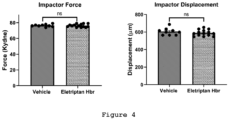
- Treatment dosages (Vehicle or Eletriptan Hbr) were administered via intraperitoneal (i.p.) injection, beginning 1 hour-post-injury (1hpi), and then daily until 15 dpi ( Fig.2A ). There were no differences in injury force or displacement applied by the IH Impactor between SCI + Vehicle and SCI + Eletriptan Hbr experimental groups ( Fig.4 ). For the evaluation of the locomotor recovery upon injury, BMS scores and subscores were measured for 42 days ( Fig. 3B-B' ).
- the averages of the BMS scores in the Eletriptan Hbr-treated mice and in the Vehicle-treated mice increased after 1 dpi and reached a plateau between 28-35 dpi and 21-28 dpi, respectively.
- BMS scores in the Eletriptan Hbr-treated mice were consistently but not significantly higher over time comparing to Vehicle-treated mice ( Fig.3B ).
- one out of thirteen Eletriptan Hbr-treated mice achieved a BMS score of 6 (i.e. showed frequent plantar stepping with some fore-hindlimb coordination) and the remaining twelve achieved a BMS score of 5 (i.e. showed frequent or consistent plantar stepping) at 42 dpi.
- mice At 42 dpi, eight out of nine Vehicle-treated mice showed a severe trunk instability such as leaning, waddling or near collapse of the hindlimbs and only one animal acquired a mild trunk stability. Furthermore, Eletriptan Hbr-treated mice showed less events that block the walking movement such as spasms and butt downs and 460 of the animals from this experimental group acquired a mild trunk stability ( Fig.3C ). Additionally, we also evaluated the bladder dysfunction status, which is a common effect seen after a SCI 3,37 . During the manually bladder expression, we attributed a score from 0 (normal bladder without urine, i.e. animals with void capacity for their own) to 3 (large bladder with a large amount of urine retained).
- Eletriptan Hbr-treated mice showed statistically significant smaller volumes of retained urine (i.e. smaller scores) at 1 dpi, however this effect was lost after this timepoint, with no differences between experimental groups until the end of the study ( Fig.3D ).
- Cold allodynia is defined as the hypersensitivity, a painful response to a normally non-noxious cold stimuli that is commonly associated with SCI 33 .
- the sensitivity to a cold stimulus was evaluated using the acetone evaporation test at 14 dpi and 42 dpi by quantifying the number of episodes and the duration of the nocifensive responses that were triggered by evaporative cooling.
- the average of Eletriptan Hbr-treated mice showed a consistently but not a significantly decrease of the cumulative reaction time and a lower number of episodes of the cold hypersensitivity comparing to Vehicle-treated mice ( Fig.3E,E' ).
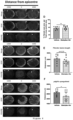
- the fibrotic compartment of the scar is constituted by a subset of PDGFR ⁇ + perivascular cells that creates a core of fibroblast-like cells and a dense deposition of extracellular matrix molecules 37 . Additionally, as it was recently shown that reducing pericyte-derived scarring promotes functional recovery upon spinal cord injury in mice 37 it was decided to analyse the Eletriptan Hbr effect on the fibrotic scar status by evaluating the area and length of the fibrotic scar.
- Eletriptan Hbr treatment reduces the extension of tissue with abnormal numbers of PDGFR ⁇ + cells that were associated with vasculature
- Microglia is affected by Eletriptan Hbr
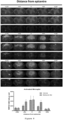
- microglia is crucial to SCI repair. Without microglia, demyelination and pathological MDM infiltrates are enhanced, glial scar formation is disrupted and motor impairments are aggravated 38 . In this context, it was decided to evaluate the effect of Eletriptan Hbr on microglia status upon injury by performing a double immunohistochemistry with P2Y12 (a microglia marker) and F4/80 (a pan macrophage marker) .
- P2Y12 + microglia showed ramified morphology with long processes in Sham mice while in Vehicle-treated mice, microglia showed shorter processes that were sparsely detected at lesion epicentre ( Fig.8A-C" ) In mice treated with Vehicle, few P2Y12 + microglia was detected at lesion epicentre and when present microglia was mainly observed in clusters at the lesion margins or in the spared white matter with an amoeboid shape ( Fig. 8B, B'' ; 8C,C" ).
- Eletriptan Hbr treated-mice also showed microglia in clusters with an amoeboid shape and shorter processes at the lesion margins or in the spared white matter but in some sections, near the epicentre or at the epicentre, longer, ramified processes were also observed; feature that was not observed in Vehicle-treated mice ( Fig.8B,B"; 8C,C” ).
- P2Y12 + microglia was present throughout gray and white matter, showing a morphology with some shorter processes and a more reactive shape (mainly at the spinal cord dorsal side) in gray matter in both Vehicle-treated mice and Eletriptan Hbr-treated mice comparing to Sham animals ( Fig.
- SCI Spinal cord injury
- Eletriptan Hbr As one of the most promising candidates with spinal cord recovery potential that rescues motor impairments in both total distance moved and turn angle parameters. Importantly, the improvements manifested in total distance and turn angle parameters, not only showed that Eletriptan Hbr rescues the swimming capacity of the SCI larvae as also seemed to improve the motor direction control, respectively.
- Eletriptan Hbr was daily administered during the acute and subacute injury phase, beginning 1 hour upon injury (hpi) and then daily until 15 days post injury (dpi), in a T9 contusion mice model.
- hpi 1 hour upon injury
- dpi 15 days post injury
- this timepoint constitutes a chronic phase-time in rodents, where reactive astrogliosis and macrophage/microglia-driven inflammation were present 9 .
- Eletriptan Hbr significantly improved the locomotor performance in BMS assessment and showed to improve the mice trunk stability and reduce the number of severe events.
- administration of Eletriptan Hbr consistently but not significantly decreased the cumulative reaction time and lowered the number of episodes of the cold hypersensitivity in the acetone evaporation test, showing that perhaps this compound could diminish cold allodynia in the SCI context.
- the acetone evaporation test has several limitations, namely, the difficulty to ensure that the exact amount of acetone is applied consistently in each time varying the cold stimulus 33,39 . This method is simple to perform but it only quantifies the magnitude of responses instead of measuring the minimal cold temperature that promotes a response 39 .
- Eletriptan Hbr significantly reduced the extension of increased levels of PDGFR ⁇ + immunostaining but not the PDGFR ⁇ + fibrotic lesion core area or extension at the epicentre of the lesion.
- microglia In response to an injury, microglia becomes activated and enables the regeneration of severed axons through the release of neurotrophic factors and debris removal 38 .
- the secretion of inflammatory cytokines and the production of free radicals might also promote neurotoxicity 38 .
- mice treated with Eletriptan Hbr showed to have microglia with a morphology that was more similar to that one characteristic of a moderately activated microglia, showing hypertrophy with shorter processes 38 .
- microglia was observed with an amoeboid shape in clusters, some mice showed longer, ramified processes in spinal cord sections near the epicentre of the lesion. This was not observed in Vehicle-treated mice where only strongly activated microglia with amoeboid morphology were detected which is characteristic of a robust molecular inflammatory response 9 .
- Eletriptan Hbr is a serotonin receptor agonist with high affinity for 5-HT1B, 5-HT1D and 5-HT1F receptors, known for its significant clinical efficacy in the treatment of migraine 25 .
- Eletriptan Hbr shows its locomotor recovery properties in two different (a transected pro-regenerative and a contused pro-fibrotic) animal models of SCI.
- Eletriptan Hbr in a combinatorial therapy with other molecules and associated with engineering approaches and specific time-dependent interventions has a great potential in the context of SCI.
- Suitable unit forms of administration of pharmaceutical compositions comprising Eletriptan Hbr include, forms administered orally, and forms administered via a parenteral route, which includes inhalation, subcutaneous administration, intramuscular administration, intravenous administration, and intradermal administration.
- compositions of the invention for use in oral administration can be provided in the form of tablets, pills, powders, hard gelatin capsules, soft gelatin capsules, and/or granules.
- compositions of the can comprise Eletriptan Hbr mixed with one or more inert diluents, non-limiting examples of which including starch, cellulose, sucrose, lactose, and silica.
- compositions of the invention may further comprise one or more substances other than diluents, such as lubricants, coloring agents, coatings, or varnishes.
Landscapes
- Health & Medical Sciences (AREA)
- Pharmacology & Pharmacy (AREA)
- Veterinary Medicine (AREA)
- Public Health (AREA)
- General Health & Medical Sciences (AREA)
- Animal Behavior & Ethology (AREA)
- Chemical & Material Sciences (AREA)
- Medicinal Chemistry (AREA)
- Life Sciences & Earth Sciences (AREA)
- Engineering & Computer Science (AREA)
- Neurology (AREA)
- Bioinformatics & Cheminformatics (AREA)
- Biomedical Technology (AREA)
- Neurosurgery (AREA)
- Organic Chemistry (AREA)
- General Chemical & Material Sciences (AREA)
- Chemical Kinetics & Catalysis (AREA)
- Nuclear Medicine, Radiotherapy & Molecular Imaging (AREA)
- Epidemiology (AREA)
- Hospice & Palliative Care (AREA)
- Psychiatry (AREA)
- Pharmaceuticals Containing Other Organic And Inorganic Compounds (AREA)
- Investigating Or Analysing Biological Materials (AREA)
- Medicines That Contain Protein Lipid Enzymes And Other Medicines (AREA)
Claims (12)
- Pharmazeutische Zusammensetzung, die Eletriptan-Hydrobromid enthält zur Verwendung als Arzneimittel in der Therapie von Rückenmarkverletzungen.
- Pharmazeutische Zusammensetzung, die Eletriptan-Hydrobromid zur Verwendung als Arzneimittel in der Therapie von Rückenmarkverletzungen gemäß Anspruch 1 enthält, wobei das Eletriptan-Hydrobromid mit einem oder mehreren inerten Verdünnungsmitteln gemischt ist ausgewählt aus Stärke, Cellulose, Saccharose, Laktose und Kieselsäure.
- Pharmazeutische Zusammensetzung, die Eletriptan-Hydrobromid zur Verwendung als Arzneimittel in der Therapie von Rückenmarkverletzungen gemäß Anspruch 1 oder 2 enthält, und weiterhin eine oder mehrere Substanzen umfasst, ausgewählt aus Schmiermitteln, Farbstoffen, Überzügen oder Lacken.
- Pharmazeutische Zusammensetzung, die Eletriptan-Hydrobromid zur Verwendung als Arzneimittel in der Therapie von Rückenmarkverletzungen gemäß den Ansprüchen 1 bis 3 enthält in einer Form, die zur oralen Verabreichung geeignet ist, sowie zur parenteralen Verabreichung, einschließlich Inhalation, subkutaner Verabreichung, intramuskulärer Verabreichung, intravenöser Verabreichung und intradermaler Verabreichung.
- Pharmazeutische Zusammensetzung, die Eletriptan-Hydrobromid zur Verwendung als Arzneimittel in der Therapie von Rückenmarkverletzungen gemäß Anspruch 4 enthält, vorliegend in Form von Tabletten, Pillen, Pulvern, Hartgelatinekapseln, Weichgelatinekapseln und/oder Granulaten zur oralen Verabreichung.
- Pharmazeutische Zusammensetzung gemäß den Ansprüchen 1 bis 5 zur Verwendung als Arzneimittel in der Therapie der Lokomotorfunktion von Rückenmarkverletzungen gemäß Anspruch 1, wobei die Therapie der Rückenmarkverletzung die Lokomotorfunktion der Rückenmarkverletzung betrifft.
- Pharmazeutische Zusammensetzung gemäß einem der Ansprüche 1 bis 5 zur Verwendung als Arzneimittel in der Therapie von Rückenmarkverletzungen gemäß den Ansprüchen 1 oder 6, wobei die Rückenmarkverletzung in einer akuten oder subakuten Phase ist.
- Pharmazeutische Zusammensetzung gemäß einem der Ansprüche 1 bis 5 zur Verwendung als Arzneimittel in der Therapie von Rückenmarkverletzungen gemäß den Ansprüchen 6 oder 7, in der Modulation von Entzündungen, die mit Rückenmarkverletzungen verbunden sind.
- Pharmazeutische Zusammensetzung gemäß einem der Ansprüche 1 bis 5 zur Verwendung als Arzneimittel in der Therapie von Rückenmarkverletzungen gemäß den Ansprüchen 6 oder 7, zum Schutz vor Mikrogefäßleckagen im Gewebe des Rückenmarks.
- Pharmazeutische Zusammensetzung gemäß einem der Ansprüche 1 bis 5 zur Verwendung als Arzneimittel in der Therapie von Rückenmarkverletzungen gemäß den Ansprüchen 6 oder 7, zur Reduzierung von Blutungen die mit der Rückenmarkverletzung in Verbindung stehen.
- Pharmazeutische Zusammensetzung gemäß einem der Ansprüche 1 bis 5 als Arzneimittel in der Therapie von Rückenmarkverletzungen gemäß Anspruch 1 oder 6 bis 10, wobei die Verabreichung der genannten Zusammensetzung einem Subjekt 1 Stunde nach der Verletzung gegeben wird.
- Pharmazeutische Zusammensetzung gemäß den Ansprüchen 1 bis 5, zur Verwendung als Arzneimittel in der Therapie von Rückenmarkverletzungen gemäß Anspruch 1 oder 6 bis 11, wobei die genannte Zusammensetzung zu verabreichen ist, wobei das Subjekt ein warmblütiges Wirbeltier ist, vorzugsweise ein Säugetier, noch bevorzugter ein menschliches Subjekt.
Applications Claiming Priority (2)
| Application Number | Priority Date | Filing Date | Title |
|---|---|---|---|
| PT11606920 | 2020-01-22 | ||
| PCT/IB2020/062306 WO2021148868A1 (en) | 2020-01-22 | 2020-12-21 | Eletriptan hydrobromide for treatment of spinal cord injury and improvement of locomotor function |
Publications (3)
| Publication Number | Publication Date |
|---|---|
| EP4093395A1 EP4093395A1 (de) | 2022-11-30 |
| EP4093395C0 EP4093395C0 (de) | 2023-10-25 |
| EP4093395B1 true EP4093395B1 (de) | 2023-10-25 |
Family
ID=74595329
Family Applications (1)
| Application Number | Title | Priority Date | Filing Date |
|---|---|---|---|
| EP20853538.5A Active EP4093395B1 (de) | 2020-01-22 | 2020-12-21 | Eletriptanhydrobromid zur behandlung von rückenmarksverletzungen und verbesserung der lokomotorischen funktion |
Country Status (6)
| Country | Link |
|---|---|
| US (1) | US20230346746A1 (de) |
| EP (1) | EP4093395B1 (de) |
| JP (1) | JP7704364B2 (de) |
| CN (1) | CN114793420A (de) |
| CA (1) | CA3157466A1 (de) |
| WO (1) | WO2021148868A1 (de) |
Family Cites Families (5)
| Publication number | Priority date | Publication date | Assignee | Title |
|---|---|---|---|---|
| CA2091562C (en) | 1990-10-15 | 2001-03-27 | John Eugene Macor | Indole derivatives useful in psychotherapeutics |
| BRPI0514983A (pt) | 2004-09-07 | 2008-07-01 | Pfizer | combinação de um agonista do receptor 5-ht(1) e um ligante alfa-2-delta para tratamento da enxaqueca |
| EP2061317A4 (de) | 2006-08-25 | 2010-06-30 | Allan Basbaum | Intrathekale verabreichung von triptanzusammensetzungen zur behandlung von nicht migränebedingtem schmerz |
| WO2012048330A2 (en) | 2010-10-08 | 2012-04-12 | The Mclean Hospital Corporation | Treatment of motor neuron disease |
| US9592288B2 (en) | 2011-02-18 | 2017-03-14 | The Scripps Research Institute | Directed differentiation of oligodendrocyte precursor cells to a myelinating cell fate |
-
2020
- 2020-12-21 JP JP2022544314A patent/JP7704364B2/ja active Active
- 2020-12-21 CA CA3157466A patent/CA3157466A1/en active Pending
- 2020-12-21 CN CN202080086225.7A patent/CN114793420A/zh active Pending
- 2020-12-21 EP EP20853538.5A patent/EP4093395B1/de active Active
- 2020-12-21 US US17/794,595 patent/US20230346746A1/en active Granted
- 2020-12-21 WO PCT/IB2020/062306 patent/WO2021148868A1/en not_active Ceased
Also Published As
| Publication number | Publication date |
|---|---|
| WO2021148868A1 (en) | 2021-07-29 |
| EP4093395C0 (de) | 2023-10-25 |
| JP2023511379A (ja) | 2023-03-17 |
| CA3157466A1 (en) | 2021-07-29 |
| US20230346746A1 (en) | 2023-11-02 |
| EP4093395A1 (de) | 2022-11-30 |
| JP7704364B2 (ja) | 2025-07-08 |
| CN114793420A (zh) | 2022-07-26 |
Similar Documents
| Publication | Publication Date | Title |
|---|---|---|
| JP6688224B2 (ja) | Mdm2を阻害する手段の投与による関節における変形性関節症の処置 | |
| US20120101121A1 (en) | drug demonstrating anxiolytic effect based on hydrogenated pyrido (4,3-b) indoles, its pharmacological compound and application method | |
| CN102470124B (zh) | 细胞保护剂 | |
| RS56523B1 (sr) | Tapentadol za sprečavanje i lečenje depresije i anksioznosti | |
| US20220193053A1 (en) | Cystic fibrosis transmembrane conductance regulator modulators for treating autosomal dominant polycystic kidney disease | |
| US20240091227A1 (en) | Use Of 2-Phenyl-6-(1H-Imidazol-1-YL) Quinazoline For Treating Neurodegenerative Diseases, Preferably Alzheimer's Disease | |
| ES2340708T3 (es) | Tratamiento de esclerosis lateral amiotrofica con pirimetamina y analogos. | |
| JP7704364B2 (ja) | 脊髄損傷の治療及び移動運動機能の改善のためのエレトリプタン臭化水素酸塩 | |
| ES2968691T3 (es) | Hidrobromuro de eletriptán para el tratamiento de lesiones de la médula espinal y mejora de la función locomotora | |
| US20220133702A1 (en) | Cystic fibrosis transmembrane conductance regulator modulators for treating autosomal dominant polycystic kidney disease | |
| US10420774B2 (en) | Treatment of epileptic disorders in feline animals | |
| US20070225236A1 (en) | Methods for the prevention and/or the treatment of glutamate cytotoxicity | |
| JP2022554230A (ja) | 神経系の状態の処置 | |
| Korimová et al. | Protective effects of glucosamine-kynurenic acid after compression-induced spinal cord injury in the rat | |
| US11590091B2 (en) | Fixed dose composition of paracetamol: amitriptyline and method for the treatment of mixed cancer pain | |
| WO2025042610A1 (en) | Pifithrin analogues and methods of treating rett syndrome | |
| HK40045419A (en) | Methods and compositions for killing senescent cells and for treating senescence-associated diseases and disorders | |
| HK40020246A (en) | Methods and compositions for killing senescent cells and for treating senescence-associated diseases and disorders | |
| Özsoy | Astrogliosis after spinal cord injury is proportional to lesion severity, regulates serotonergic axonal sprouting and correlates with motor recovery | |
| Koo et al. | P. 4. b. 006 Clinical profiles of obsessive compulsive symptoms in schizophrenic patients | |
| HK1231392B (zh) | 用於杀死衰老细胞和用於治疗衰老相关疾病和病症的方法和组合物 |
Legal Events
| Date | Code | Title | Description |
|---|---|---|---|
| STAA | Information on the status of an ep patent application or granted ep patent |
Free format text: STATUS: UNKNOWN |
|
| STAA | Information on the status of an ep patent application or granted ep patent |
Free format text: STATUS: THE INTERNATIONAL PUBLICATION HAS BEEN MADE |
|
| PUAI | Public reference made under article 153(3) epc to a published international application that has entered the european phase |
Free format text: ORIGINAL CODE: 0009012 |
|
| STAA | Information on the status of an ep patent application or granted ep patent |
Free format text: STATUS: REQUEST FOR EXAMINATION WAS MADE |
|
| 17P | Request for examination filed |
Effective date: 20220728 |
|
| AK | Designated contracting states |
Kind code of ref document: A1 Designated state(s): AL AT BE BG CH CY CZ DE DK EE ES FI FR GB GR HR HU IE IS IT LI LT LU LV MC MK MT NL NO PL PT RO RS SE SI SK SM TR |
|
| STAA | Information on the status of an ep patent application or granted ep patent |
Free format text: STATUS: EXAMINATION IS IN PROGRESS |
|
| 17Q | First examination report despatched |
Effective date: 20230123 |
|
| DAV | Request for validation of the european patent (deleted) | ||
| DAX | Request for extension of the european patent (deleted) | ||
| GRAP | Despatch of communication of intention to grant a patent |
Free format text: ORIGINAL CODE: EPIDOSNIGR1 |
|
| STAA | Information on the status of an ep patent application or granted ep patent |
Free format text: STATUS: GRANT OF PATENT IS INTENDED |
|
| INTG | Intention to grant announced |
Effective date: 20230509 |
|
| GRAS | Grant fee paid |
Free format text: ORIGINAL CODE: EPIDOSNIGR3 |
|
| GRAA | (expected) grant |
Free format text: ORIGINAL CODE: 0009210 |
|
| STAA | Information on the status of an ep patent application or granted ep patent |
Free format text: STATUS: THE PATENT HAS BEEN GRANTED |
|
| AK | Designated contracting states |
Kind code of ref document: B1 Designated state(s): AL AT BE BG CH CY CZ DE DK EE ES FI FR GB GR HR HU IE IS IT LI LT LU LV MC MK MT NL NO PL PT RO RS SE SI SK SM TR |
|
| REG | Reference to a national code |
Ref country code: GB Ref legal event code: FG4D |
|
| REG | Reference to a national code |
Ref country code: CH Ref legal event code: EP |
|
| REG | Reference to a national code |
Ref country code: DE Ref legal event code: R096 Ref document number: 602020020005 Country of ref document: DE |
|
| REG | Reference to a national code |
Ref country code: IE Ref legal event code: FG4D |
|
| U01 | Request for unitary effect filed |
Effective date: 20231123 |
|
| RAP4 | Party data changed (patent owner data changed or rights of a patent transferred) |
Owner name: INSTITUTO DE MEDICINA MOLECULAR JOAO LOBO ANTUNES Owner name: TECHNOPHAGE, INVESTIGACAO E DESENVOLVIMENTO EM BIOTECNOLOGIA, SA |
|
| U07 | Unitary effect registered |
Designated state(s): AT BE BG DE DK EE FI FR IT LT LU LV MT NL PT SE SI Effective date: 20231211 |
|
| U79 | Statement concerning licences of right filed [unitary effect] |
Effective date: 20231211 |
|
| U20 | Renewal fee for the european patent with unitary effect paid |
Year of fee payment: 4 Effective date: 20231220 |
|
| REG | Reference to a national code |
Ref country code: NO Ref legal event code: T2 Effective date: 20231025 |
|
| REG | Reference to a national code |
Ref country code: GR Ref legal event code: EP Ref document number: 20240400187 Country of ref document: GR Effective date: 20240312 |
|
| PG25 | Lapsed in a contracting state [announced via postgrant information from national office to epo] |
Ref country code: IS Free format text: LAPSE BECAUSE OF FAILURE TO SUBMIT A TRANSLATION OF THE DESCRIPTION OR TO PAY THE FEE WITHIN THE PRESCRIBED TIME-LIMIT Effective date: 20240225 |
|
| PG25 | Lapsed in a contracting state [announced via postgrant information from national office to epo] |
Ref country code: IS Free format text: LAPSE BECAUSE OF FAILURE TO SUBMIT A TRANSLATION OF THE DESCRIPTION OR TO PAY THE FEE WITHIN THE PRESCRIBED TIME-LIMIT Effective date: 20240225 |
|
| REG | Reference to a national code |
Ref country code: ES Ref legal event code: FG2A Ref document number: 2968691 Country of ref document: ES Kind code of ref document: T3 Effective date: 20240513 |
|
| PG25 | Lapsed in a contracting state [announced via postgrant information from national office to epo] |
Ref country code: RS Free format text: LAPSE BECAUSE OF FAILURE TO SUBMIT A TRANSLATION OF THE DESCRIPTION OR TO PAY THE FEE WITHIN THE PRESCRIBED TIME-LIMIT Effective date: 20231025 Ref country code: HR Free format text: LAPSE BECAUSE OF FAILURE TO SUBMIT A TRANSLATION OF THE DESCRIPTION OR TO PAY THE FEE WITHIN THE PRESCRIBED TIME-LIMIT Effective date: 20231025 |
|
| REG | Reference to a national code |
Ref country code: DE Ref legal event code: R097 Ref document number: 602020020005 Country of ref document: DE |
|
| PG25 | Lapsed in a contracting state [announced via postgrant information from national office to epo] |
Ref country code: SK Free format text: LAPSE BECAUSE OF FAILURE TO SUBMIT A TRANSLATION OF THE DESCRIPTION OR TO PAY THE FEE WITHIN THE PRESCRIBED TIME-LIMIT Effective date: 20231025 |
|
| PG25 | Lapsed in a contracting state [announced via postgrant information from national office to epo] |
Ref country code: SM Free format text: LAPSE BECAUSE OF FAILURE TO SUBMIT A TRANSLATION OF THE DESCRIPTION OR TO PAY THE FEE WITHIN THE PRESCRIBED TIME-LIMIT Effective date: 20231025 Ref country code: SK Free format text: LAPSE BECAUSE OF FAILURE TO SUBMIT A TRANSLATION OF THE DESCRIPTION OR TO PAY THE FEE WITHIN THE PRESCRIBED TIME-LIMIT Effective date: 20231025 Ref country code: RO Free format text: LAPSE BECAUSE OF FAILURE TO SUBMIT A TRANSLATION OF THE DESCRIPTION OR TO PAY THE FEE WITHIN THE PRESCRIBED TIME-LIMIT Effective date: 20231025 |
|
| PG25 | Lapsed in a contracting state [announced via postgrant information from national office to epo] |
Ref country code: MC Free format text: LAPSE BECAUSE OF FAILURE TO SUBMIT A TRANSLATION OF THE DESCRIPTION OR TO PAY THE FEE WITHIN THE PRESCRIBED TIME-LIMIT Effective date: 20231025 |
|
| PG25 | Lapsed in a contracting state [announced via postgrant information from national office to epo] |
Ref country code: MC Free format text: LAPSE BECAUSE OF FAILURE TO SUBMIT A TRANSLATION OF THE DESCRIPTION OR TO PAY THE FEE WITHIN THE PRESCRIBED TIME-LIMIT Effective date: 20231025 |
|
| PLBE | No opposition filed within time limit |
Free format text: ORIGINAL CODE: 0009261 |
|
| STAA | Information on the status of an ep patent application or granted ep patent |
Free format text: STATUS: NO OPPOSITION FILED WITHIN TIME LIMIT |
|
| 26N | No opposition filed |
Effective date: 20240726 |
|
| U20 | Renewal fee for the european patent with unitary effect paid |
Year of fee payment: 5 Effective date: 20241215 |
|
| REG | Reference to a national code |
Ref country code: GB Ref legal event code: 732E Free format text: REGISTERED BETWEEN 20250529 AND 20250604 |
|
| PG25 | Lapsed in a contracting state [announced via postgrant information from national office to epo] |
Ref country code: CY Free format text: LAPSE BECAUSE OF FAILURE TO SUBMIT A TRANSLATION OF THE DESCRIPTION OR TO PAY THE FEE WITHIN THE PRESCRIBED TIME-LIMIT; INVALID AB INITIO Effective date: 20201221 |
|
| PG25 | Lapsed in a contracting state [announced via postgrant information from national office to epo] |
Ref country code: HU Free format text: LAPSE BECAUSE OF FAILURE TO SUBMIT A TRANSLATION OF THE DESCRIPTION OR TO PAY THE FEE WITHIN THE PRESCRIBED TIME-LIMIT; INVALID AB INITIO Effective date: 20201221 |
|
| U1K | Transfer of rights of the unitary patent after the registration of the unitary effect |
Owner name: FUNDACAO GIMM - GULBENKIAN INSTITUTE FORMOLECULAR MEDICINE; PT Owner name: TECHNOPHAGE, INVESTIGACAO E DESENVOLVIMENTOEM BIOTECNOLOGIA, SA; PT |
|
| REG | Reference to a national code |
Ref country code: CH Ref legal event code: U11 Free format text: ST27 STATUS EVENT CODE: U-0-0-U10-U11 (AS PROVIDED BY THE NATIONAL OFFICE) Effective date: 20260101 |
|
| U20 | Renewal fee for the european patent with unitary effect paid |
Year of fee payment: 6 Effective date: 20251202 |
|
| PGFP | Annual fee paid to national office [announced via postgrant information from national office to epo] |
Ref country code: GB Payment date: 20251215 Year of fee payment: 6 |
|
| PGFP | Annual fee paid to national office [announced via postgrant information from national office to epo] |
Ref country code: NO Payment date: 20251201 Year of fee payment: 6 |
|
| PGFP | Annual fee paid to national office [announced via postgrant information from national office to epo] |
Ref country code: TR Payment date: 20251120 Year of fee payment: 6 Ref country code: GR Payment date: 20251118 Year of fee payment: 6 |
|
| PGFP | Annual fee paid to national office [announced via postgrant information from national office to epo] |
Ref country code: IE Payment date: 20251217 Year of fee payment: 6 Ref country code: CZ Payment date: 20251205 Year of fee payment: 6 |
|
| PGFP | Annual fee paid to national office [announced via postgrant information from national office to epo] |
Ref country code: PL Payment date: 20251215 Year of fee payment: 6 |
|
| PGFP | Annual fee paid to national office [announced via postgrant information from national office to epo] |
Ref country code: ES Payment date: 20260105 Year of fee payment: 6 |
|
| PGFP | Annual fee paid to national office [announced via postgrant information from national office to epo] |
Ref country code: CH Payment date: 20260101 Year of fee payment: 6 |