EP4072032A1 - Verfahren zum durchführen einer bidirektionalen kommunikation zwischen einem smartphone und einem hygienegerät - Google Patents
Verfahren zum durchführen einer bidirektionalen kommunikation zwischen einem smartphone und einem hygienegerät Download PDFInfo
- Publication number
- EP4072032A1 EP4072032A1 EP22166794.2A EP22166794A EP4072032A1 EP 4072032 A1 EP4072032 A1 EP 4072032A1 EP 22166794 A EP22166794 A EP 22166794A EP 4072032 A1 EP4072032 A1 EP 4072032A1
- Authority
- EP
- European Patent Office
- Prior art keywords
- enabled device
- nfc enabled
- nfc
- memory
- response
- Prior art date
- Legal status (The legal status is an assumption and is not a legal conclusion. Google has not performed a legal analysis and makes no representation as to the accuracy of the status listed.)
- Pending
Links
Images




Classifications
-
- H—ELECTRICITY
- H04—ELECTRIC COMMUNICATION TECHNIQUE
- H04B—TRANSMISSION
- H04B5/00—Near-field transmission systems, e.g. inductive or capacitive transmission systems
- H04B5/70—Near-field transmission systems, e.g. inductive or capacitive transmission systems specially adapted for specific purposes
- H04B5/77—Near-field transmission systems, e.g. inductive or capacitive transmission systems specially adapted for specific purposes for interrogation
-
- H—ELECTRICITY
- H04—ELECTRIC COMMUNICATION TECHNIQUE
- H04W—WIRELESS COMMUNICATION NETWORKS
- H04W76/00—Connection management
- H04W76/10—Connection setup
- H04W76/14—Direct-mode setup
-
- G—PHYSICS
- G06—COMPUTING OR CALCULATING; COUNTING
- G06K—GRAPHICAL DATA READING; PRESENTATION OF DATA; RECORD CARRIERS; HANDLING RECORD CARRIERS
- G06K7/00—Methods or arrangements for sensing record carriers, e.g. for reading patterns
- G06K7/10—Methods or arrangements for sensing record carriers, e.g. for reading patterns by electromagnetic radiation, e.g. optical sensing; by corpuscular radiation
- G06K7/10009—Methods or arrangements for sensing record carriers, e.g. for reading patterns by electromagnetic radiation, e.g. optical sensing; by corpuscular radiation sensing by radiation using wavelengths larger than 0.1 mm, e.g. radio-waves or microwaves
- G06K7/10237—Methods or arrangements for sensing record carriers, e.g. for reading patterns by electromagnetic radiation, e.g. optical sensing; by corpuscular radiation sensing by radiation using wavelengths larger than 0.1 mm, e.g. radio-waves or microwaves the reader and the record carrier being capable of selectively switching between reader and record carrier appearance, e.g. in near field communication [NFC] devices where the NFC device may function as an RFID reader or as an RFID tag
-
- G—PHYSICS
- G06—COMPUTING OR CALCULATING; COUNTING
- G06K—GRAPHICAL DATA READING; PRESENTATION OF DATA; RECORD CARRIERS; HANDLING RECORD CARRIERS
- G06K7/00—Methods or arrangements for sensing record carriers, e.g. for reading patterns
- G06K7/10—Methods or arrangements for sensing record carriers, e.g. for reading patterns by electromagnetic radiation, e.g. optical sensing; by corpuscular radiation
- G06K7/10009—Methods or arrangements for sensing record carriers, e.g. for reading patterns by electromagnetic radiation, e.g. optical sensing; by corpuscular radiation sensing by radiation using wavelengths larger than 0.1 mm, e.g. radio-waves or microwaves
- G06K7/10297—Methods or arrangements for sensing record carriers, e.g. for reading patterns by electromagnetic radiation, e.g. optical sensing; by corpuscular radiation sensing by radiation using wavelengths larger than 0.1 mm, e.g. radio-waves or microwaves arrangements for handling protocols designed for non-contact record carriers such as RFIDs NFCs, e.g. ISO/IEC 14443 and 18092
-
- H—ELECTRICITY
- H04—ELECTRIC COMMUNICATION TECHNIQUE
- H04B—TRANSMISSION
- H04B5/00—Near-field transmission systems, e.g. inductive or capacitive transmission systems
- H04B5/20—Near-field transmission systems, e.g. inductive or capacitive transmission systems characterised by the transmission technique; characterised by the transmission medium
Definitions
- This invention relates to methods of using Near-Field Communication (NFC), and more particularly to the use of NFC to enable two-way communication between a smartphone and a hygiene apparatus.
- NFC Near-Field Communication
- NFC is a wireless technology for communicating over short distances, and is used for a variety of applications such as door lock systems and tap-to-pay. Many smartphones have a built-in NFC chip that allows the smartphone to communicate with other devices via NFC.
- NFC has four main modes of operation: reader/writer mode; tag emulation mode; wireless charging mode; and peer-to-peer mode.
- reader/writer mode the device is able to read and/or write data to another NFC device, typically an NFC tag.
- tag emulation mode the NFC enabled device operates like an NFC tag, and is able to be read by another NFC enabled device.
- Wireless charging mode can be used to provide wireless charging to an electronic device, such as a Bluetooth headset or smart watch.
- Peer-to-peer mode permits two NFC enabled devices to engage in two-way communication.
- NFC While many features available in NFC electronics are shared across most models, the software and firmware that controls these electronics do not share this commonality. For example, some manufacturers of NFC enabled devices, including some smartphone manufacturers, do not enable the peer-to-peer mode and/or do not allow other developers to enable the peer-to-peer mode.
- the present invention provides a method of conducting two-way communication between a first NFC enabled device and a second NFC enabled device, including steps of: transmitting a first message from the first NFC enabled device to the second NFC enabled device; activating a silent mode of the second NFC enabled device; using the second NFC enabled device to process the first message and write a second message in a memory of the second NFC enabled device; deactivating the silent mode of the second NFC enabled device; and using the first NFC enabled device to read the second message in the memory of the second NFC enabled device.
- the second NFC enabled device When the second NFC enabled device is in the silent mode, the presence of the second NFC enabled device is hidden from the first NFC enabled device. From the perspective of the first NFC enabled device, activating the silent mode of the second NFC enabled device causes the second NFC enabled device to effectively disappear, even when the second NFC enabled device remains within the detectable range of the NFC field produced by the first NFC enabled device. After the second NFC enabled device is finished processing the first message and the second message is written in the memory of the second NFC enabled device, deactivating the silent mode of the second NFC enabled device causes the second NFC enabled device to reappear to the first NFC enabled device.
- the reappearance of the second NFC enabled device can preferably be used as a signal to the first NFC enabled device that the first message has been processed and the second message is in the memory of the second NFC enabled device, so that the first NFC enabled device can then read the second message in the memory of the second NFC enabled device.
- the method of the present invention permits two-way communication between the first NFC enabled device and the second NFC enabled without requiring use of the peer-to-peer mode.
- the method can optionally be performed with the first NFC enabled device operating in reader/writer mode, and with the second NFC enabled device operating in tag emulation mode.
- the method thus preferably allows for two-way communication between the first NFC enabled device and the second NFC enabled device, even if one or both of the NFC enabled devices are unable to communicate in the peer-to-peer mode.
- the silent mode of the second NFC enabled device is a mode in which a demodulator of the second NFC enabled device is deactivated. Deactivating the demodulator preferably prevents the second NFC enabled device from receiving or sending any NFC commands, which, from the perspective of the first NFC enabled device, causes the second NFC enabled device to effectively disappear.
- the first message transmitted from the first NFC enabled device to the second NFC enabled device preferably comprises a write command, which the first NFC enabled device writes in the memory of the second NFC enabled device, and which directs the second NFC enabled device to perform a task.
- the task may, for example, be to provide information about the status or settings of the second NFC enabled device, or to change the settings of the second NFC enabled device.
- the second message, which the second NFC enabled device writes in the memory of the second NFC enabled device preferably comprises a response to the write command.
- the response may, for example, include information requested in the write command, or a confirmation that a task, such as a change in the settings of the second NFC enabled device, has been completed.
- the method may be used to configure or collect data from a hygiene apparatus.
- the first NFC enabled device may, for example, be a smartphone
- the second NFC enabled device may, for example, be a smart paper towel dispenser.
- the smartphone is placed in close proximity to an NFC chip in the paper towel dispenser
- the method of the present invention may be used, for example, to configure the Wi-Fi settings of the smart paper towel dispenser to connect to a local Wi-Fi network; to collect data such as usage data stored in the smart paper towel dispenser; or to perform troubleshooting on the smart paper towel dispenser.
- the present invention resides in a method of conducting two-way communication between a first NFC enabled device and a second NFC enabled device, the method comprising: placing the first NFC enabled device and the second NFC enabled device in proximity; transmitting a write command from the first NFC enabled device to the second NFC enabled device; activating a silent mode of the second NFC enabled device; using the second NFC enabled device to process the write command and write a response in a memory of the second NFC enabled device; deactivating the silent mode of the second NFC enabled device; and using the first NFC enabled device to read the response in the memory of the second NFC enabled device; wherein the presence of the second NFC enabled device is hidden from the first NFC enabled device when the second NFC enabled device is in the silent mode.
- the present invention resides in a method, which optionally incorporates one or more features of the first aspect, wherein the first NFC enabled device comprises a smartphone.
- the present invention resides in a method, which optionally incorporates one or more features of one or more of the first and second aspects, wherein the second NFC enabled device comprises a dispenser.
- the present invention resides in a method, which optionally incorporates one or more features of one or more of the first to third aspects, wherein the second NFC enabled device comprises a hand cleaning fluid dispenser.
- the present invention resides in a method, which optionally incorporates one or more features of one or more of the first to fourth aspects, wherein the second NFC enabled device comprises a hygiene apparatus.
- the present invention resides in a method, which optionally incorporates one or more features of one or more of the first to fifth aspects, wherein the second NFC enabled device comprises at least one of: a paper towel dispenser, a hand cleaning fluid dispenser, a toilet paper dispenser, and a waste bin.
- the present invention resides in a method, which optionally incorporates one or more features of one or more of the first to sixth aspects, wherein the first NFC enabled device is unable to communicate with the second NFC enabled device in a peer-to-peer mode.
- the present invention resides in a method, which optionally incorporates one or more features of one or more of the first to seventh aspects, wherein the first NFC enabled device is unable to communicate in a peer-to-peer mode.
- the present invention resides in a method, which optionally incorporates one or more features of one or more of the first to eighth aspects, wherein the first NFC enabled device has a peer-to-peer mode that is disabled.
- the present invention resides in a method, which optionally incorporates one or more features of one or more of the first to ninth aspects, wherein the first NFC enabled device operates in a reader/writer mode when communicating with the second NFC enabled device.
- the present invention resides in a method, which optionally incorporates one or more features of one or more of the first to tenth aspects, further comprising: using the first NFC enabled device to read the memory of the second NFC enabled device, before the write command is transmitted from the first NFC enabled device to the second NFC enabled device.
- the present invention resides in a method, which optionally incorporates one or more features of one or more of the first to eleventh aspects, wherein the first NFC enabled device is configured to read the memory of the second NFC enabled device upon detecting the presence of the second NFC enabled device.
- the present invention resides in a method, which optionally incorporates one or more features of one or more of the first to twelfth aspects, wherein activating the silent mode of the second NFC enabled device comprises deactivating a demodulator of the second NFC enabled device; and wherein deactivating the silent mode of the second NFC enabled device comprises activating the demodulator of the second NFC enabled device.
- the present invention resides in a method, which optionally incorporates one or more features of one or more of the first to thirteenth aspects, wherein the second NFC enabled device is unable to communicate with the first NFC enabled device via NFC when the second NFC enabled device is in the silent mode.
- the present invention resides in a method, which optionally incorporates one or more features of one or more of the first to fourteenth aspects, wherein the second NFC enabled device is configured to activate the silent mode upon receipt of the write command from the first NFC enabled device.
- the present invention resides in a method, which optionally incorporates one or more features of one or more of the first to fifteenth aspects, wherein the second NFC enabled device is configured to deactivate the silent mode upon completion of the processing of the write command and the writing of the response in the memory of the second NFC enabled device.
- the present invention resides in a method, which optionally incorporates one or more features of one or more of the first to sixteenth aspects, wherein the first NFC enabled device is configured to determine, based on the response in the memory of the second NFC enabled device, whether the write command was successfully processed.
- the present invention resides in a method, which optionally incorporates one or more features of one or more of the first to seventeenth aspects, wherein the first NFC enabled device is configured to determine, based on the response in the memory of the second NFC enabled device, whether an error occurred in the processing of the write command.
- the present invention resides in a method, which optionally incorporates one or more features of one or more of the first to eighteenth aspects, wherein the response has a size that is selected based on a storage capacity of the memory of the second NFC enabled device.
- the present invention resides in a method, which optionally incorporates one or more features of one or more of the first to nineteenth aspects, wherein the response has a size that is selected to extend a lifespan of the memory of the second NFC enabled device.
- the present invention resides in a method, which optionally incorporates one or more features of one or more of the first to twentieth aspects, wherein the memory of the second NFC enabled device comprises a first part and a second part; wherein the first part comprises a RAM type memory; wherein the second part comprises an EPROM type memory; wherein the size of the response is selected based on a storage capacity of the RAM type memory; and wherein the response is written in the RAM type memory.
- the present invention resides in a method, which optionally incorporates one or more features of one or more of the first to twenty first aspects, wherein the memory of the second NFC enabled device comprises a memory of an NFC chip of the second NFC enabled device.
- the present invention resides in a method, which optionally incorporates one or more features of one or more of the first to twenty second aspects, wherein the method has a first communication cycle that comprises: the transmission of the write command from the first NFC enabled device to the second NFC enabled device; the activation of the silent mode of the second NFC enabled device after the write command has been transmitted from the first NFC enabled device to the second NFC enabled device; the use of the second NFC enabled device to process the write command and write the response in the memory of the second NFC enabled device; the deactivation of the silent mode of the second NFC enabled device after completion of the processing of the write command and the writing of the response in the memory of the second NFC enabled device; and the use of the first NFC enabled device to read the response in the memory of the second NFC enabled device.
- the present invention resides in a method, which optionally incorporates one or more features of one or more of the first to twenty third aspects, wherein the write command is a first write command and the response is a first response; the method further comprising a second communication cycle, the second communication cycle comprising: after the first NFC enabled device reads the first response in the memory of the second NFC enabled device, transmitting a second write command from the first NFC enabled device to the second NFC enabled device; activating the silent mode of the second NFC enabled device after the second write command has been transmitted from the first NFC enabled device to the second NFC enabled device; using the second NFC enabled device to process the second write command and write a second response in the memory of the second NFC enabled device; deactivating the silent mode of the second NFC enabled device after completion of the processing of the second write command and the writing of the second response in the memory of the second NFC enabled device; and using the first NFC enabled device to read the second response in the memory of the second NFC enabled device.
- the present invention resides in a method, which optionally incorporates one or more features of one or more of the first to twenty fourth aspects, wherein the second response at least partially overwrites the first response in the memory of the second NFC enabled device.
- the present invention resides in a method, which optionally incorporates one or more features of one or more of the first to twenty fifth aspects, wherein the first response comprises a first portion of a complete response to the first write command; and wherein the second response comprises a second portion of the complete response to the first write command.
- the present invention resides in a method, which optionally incorporates one or more features of one or more of the first to twenty sixth aspects, wherein the complete response to the first write command requires more storage capacity than is available in the memory of the second NFC enabled device.
- the present invention resides in a method, which optionally incorporates one or more features of one or more of the first to twenty seventh aspects, wherein the second write command comprises an acknowledgement that the first response has been read by the first NFC enabled device.
- processing the second write command comprises determining, from the second write command, whether the first response has been successfully read by the first NFC enabled device.
- the present invention resides in a method, which optionally incorporates one or more features of one or more of the first to twenty ninth aspects, wherein the method comprises a plurality of communication cycles, the plurality of communication cycles including the first communication cycle and the second communication cycle; wherein, in each of the plurality of communication cycles: one of a plurality of write commands is transmitted from the first NFC enabled device to the second NFC enabled device; the silent mode of the second NFC enabled device is activated after the one of the plurality of write commands is transmitted to the second NFC enabled device; the second NFC enabled device processes the one of the plurality of write commands and writes one of a plurality of responses in the memory of the second NFC enabled device; the silent mode of the second NFC enabled device is deactivated after completion of the processing of the one of the plurality of write commands and the writing of the one of the plurality of responses in the memory of the second NFC enabled device; and the first NFC enabled device detects the presence of the second NFC enabled device after the silent mode of the second
- the present invention resides in a method, which optionally incorporates one or more features of one or more of the first to thirtieth aspects, wherein at least some of the plurality of responses are partial responses to one or more of the plurality of write commands; and wherein each one of the partial responses is written in the memory of the second NFC enabled device in a separate one of the plurality of communication cycles.
- the present invention resides in a method, which optionally incorporates one or more features of one or more of the first to thirty first aspects, wherein, in each of the plurality of communication cycles, the first NFC enabled device is configured to determine, based on the one of the plurality of responses in the memory of the second NFC enabled device, whether the one of the plurality of responses is a said partial response.
- the present invention resides in a method, which optionally incorporates one or more features of one or more of the first to thirty second aspects, wherein the method is used for at least one of: updating firmware of the second NFC enabled device; configuring a setting of the second NFC enabled device; configuring a Wi-Fi connection of the second NFC enabled device; performing troubleshooting on the second NFC enabled device; performing log streaming of the second NFC enabled device; collecting data from the second NFC enabled device; and updating software of the second NFC enabled device.
- the present invention resides in a method, which optionally incorporates one or more features of one or more of the first to thirty third aspects, wherein the first NFC enabled device is unable to detect the second NFC enabled device via NFC when the second NFC enabled device is in the silent mode.
- the present invention resides in a method, which optionally incorporates one or more features of one or more of the first to thirty fourth aspects, wherein the first NFC enabled device is unable to recognize the second NFC enabled device via NFC when the second NFC enabled device is in the silent mode.
- an NFC enabled device which optionally incorporates one or more features of one or more of the first to thirty fifth aspects, comprising: an NFC chip with a memory; the NFC chip having a silent mode that, when activated, hides the presence of the NFC enabled device from a separate NFC enabled device; the NFC enabled device being configured to: receive a write command from the separate NFC enabled device; activate the silent mode after the write command is received from the separate NFC enabled device; process the write command and write a response in the memory; deactivate the silent mode after the write command is processed and the response is written in the memory; and allow the separate NFC enabled device to read the response written in the memory.
- the present invention resides in an NFC enabled device, which optionally incorporates one or more features of one or more of the first to thirty sixth aspects, wherein the NFC enabled device comprises a hygiene apparatus.
- the present invention resides in an NFC enabled device, which optionally incorporates one or more features of one or more of the first to thirty seventh aspects, wherein the NFC enabled device comprises at least one of: a paper towel dispenser, a hand cleaning fluid dispenser; a toilet paper dispenser; and a waste bin.
- the present invention resides in an NFC enabled device, which optionally incorporates one or more features of one or more of the first to thirty eighth aspects, wherein the NFC enabled device is configured to be used as the second NFC enabled device in the method in accordance with any one or more of the first to thirty fifth aspects.
- the present invention resides in an NFC enabled device, which optionally incorporates one or more features of one or more of the first to thirty ninth aspects, wherein the NFC enabled device comprises an NFC chip, the NFC enabled device being configured to: detect the presence of a separate NFC enabled device; transmit a write command to the separate NFC enabled device; recognize when the presence of the separate NFC enabled device is no longer detectable via NFC; and upon subsequently detecting the presence of the separate NFC enabled device, read a response in a memory of the separate NFC enabled device.
- the present invention resides in an NFC enabled device, which optionally incorporates one or more features of one or more of the first to fortieth aspects, wherein the NFC enabled device comprises a smartphone.
- the present invention resides in an NFC enabled device, which optionally incorporates one or more features of one or more of the first to forty first aspects, wherein the NFC chip has a disabled peer-to-peer mode.
- the present invention resides in an NFC enabled device, which optionally incorporates one or more features of one or more of the first to forty second aspects, wherein the NFC chip is unable to communicate in a peer-to-peer mode.
- the present invention resides in an NFC enabled device, which optionally incorporates one or more features of one or more of the first to forty third aspects, wherein the NFC chip is unable to communicate with the separate NFC enabled device in a peer-to-peer mode.
- the present invention resides in an NFC enabled device, which optionally incorporates one or more features of one or more of the first to forty fourth aspects, wherein the NFC enabled device is configured to be used as the first NFC enabled device in the method in accordance with any one or more of the first to thirty fifth aspects.
- the present invention resides in a first NFC enabled device in combination with a second NFC enabled device, which optionally incorporate one or more features of one or more of the first to forty fifth aspects, wherein the first NFC enabled device and the second NFC enabled device are configured for performing the method in accordance with any one or more of the first to thirty fifth aspects.
- the present invention resides in a memory having recorded thereon statements and instructions for execution by an NFC enabled device, which optionally incorporates one or more features of one or more of the first to forty sixth aspects, said statements and instructions comprising: code that allows the NFC enabled device to detect the presence of a separate NFC enabled device; code that causes the NFC enabled device to transmit a write command to the separate NFC enabled device; code that causes the NFC enabled device to recognize when the presence of the separate NFC enabled device is no longer detectable via NFC; and code that causes the NFC enabled device, upon subsequently detecting the presence of the separate NFC enabled device, to read a response in a memory of the separate NFC enabled device.
- the present invention resides in a memory having recorded thereon statements and instructions for execution by an NFC enabled device, which optionally incorporates one or more features of one or more of the first to forty seventh aspects, wherein the statements and instructions configure the NFC enabled device for use as the first NFC enabled device in the method in accordance with any one or more of the first to thirty fifth aspects.
- the present invention resides in a memory having recorded thereon statements and instructions for execution by an NFC enabled device, which optionally incorporates one or more features of one or more of the first to forty eighth aspects, said statements and instructions comprising: code that causes the NFC enabled device to process a write command received from a separate NFC enabled device; code that activates a silent mode of an NFC chip of the NFC enabled device, after the write command has been received from the separate NFC enabled device; code that causes the NFC enabled device to write a response in a memory of the NFC chip; and code that deactivates the silent mode of the NFC chip after the response is written in the memory of the NFC chip; wherein the silent mode of the NFC chip is a mode in which the presence of the NFC chip is hidden from the separate NFC enabled device.
- the present invention resides in a memory having recorded thereon statements and instructions for execution by an NFC enabled device, which optionally incorporates one or more features of one or more of the first to forty ninth aspects, wherein the statements and instructions configure the NFC enabled device for use as the second NFC enabled device in the method in accordance with any one or more of the first to thirty fifth aspects.
- the present invention resides in a system, which optionally incorporates one or more features of one or more of the first to fiftieth aspects, comprising: a first NFC enabled device; and a second NFC enabled device; wherein the first NFC enabled device is configured to detect the presence of the second NFC enabled device when the first NFC enabled device and the second NFC enabled device are in proximity; wherein the first NFC enabled device is configured to transmit a write command to the second NFC enabled device; wherein the second NFC enabled device is configured to activate a silent mode of the second NFC enabled device, after the write command is received from the first NFC enabled device; wherein the second NFC enabled device is configured to process the write command and write a response in a memory of the second NFC enabled device; wherein the second NFC enabled device is configured to deactivate the silent mode after the write command is processed and the response is written in the memory of the second NFC enabled device; wherein the first NFC enabled device is configured to read the response in the memory of the second NFC
- the present invention resides in a system, which optionally incorporates one or more features of one or more of the first to fifty first aspects, wherein the system is configured for performing the method in accordance with any one or more of the first to thirty fifth aspects.
- the present invention resides in a method of conducting two-way communication between a first NFC enabled device and a second NFC enabled device, which optionally incorporates one or more features of one or more of the first to fifty second aspects, the method comprising: placing the first NFC enabled device and the second NFC enabled device in proximity; transmitting a first message from the first NFC enabled device to the second NFC enabled device; activating a silent mode of the second NFC enabled device; using the second NFC enabled device to process the first message and write a second message in a memory of the second NFC enabled device; deactivating the silent mode of the second NFC enabled device; and using the first NFC enabled device to read the second message in the memory of the second NFC enabled device; wherein the presence of the second NFC enabled device is hidden from the first NFC enabled device when the second NFC enabled device is in the silent mode.
- the present invention resides in a method, which optionally incorporates one or more features of one or more of the first to fifty third aspects, wherein the first NFC enabled device comprises a smartphone.
- the present invention resides in a method, which optionally incorporates one or more features of one or more of the first to fifty fourth aspects, wherein the second NFC enabled device comprises a dispenser.
- the present invention resides in a method, which optionally incorporates one or more features of one or more of the first to fifty fifth aspects, wherein the second NFC enabled device comprises a hand cleaning fluid dispenser.
- the present invention resides in a method, which optionally incorporates one or more features of one or more of the first to fifty sixth aspects, wherein the second NFC enabled device comprises a hygiene apparatus.
- the present invention resides in a method, which optionally incorporates one or more features of one or more of the first to fifty seventh aspects, wherein the second NFC enabled device comprises at least one of: a paper towel dispenser, a hand cleaning fluid dispenser, a toilet paper dispenser, and a waste bin.
- the present invention resides in a method, which optionally incorporates one or more features of one or more of the first to fifty eighth aspects, wherein the first NFC enabled device is unable to communicate with the second NFC enabled device in a peer-to-peer mode.
- the present invention resides in a method, which optionally incorporates one or more features of one or more of the first to fifty ninth aspects, wherein the first NFC enabled device is unable to communicate in a peer-to-peer mode.
- the present invention resides in a method, which optionally incorporates one or more features of one or more of the first to sixtieth aspects, wherein the first NFC enabled device has a peer-to-peer mode that is disabled.
- the present invention resides in a method, which optionally incorporates one or more features of one or more of the first to sixty first aspects, wherein the first NFC enabled device operates in a reader/writer mode when communicating with the second NFC enabled device.
- the present invention resides in a method, which optionally incorporates one or more features of one or more of the first to sixty second aspects, further comprising: using the first NFC enabled device to read the memory of the second NFC enabled device, before the first message is transmitted from the first NFC enabled device to the second NFC enabled device.
- the present invention resides in a method, which optionally incorporates one or more features of one or more of the first to sixty third aspects, wherein the first NFC enabled device is configured to read the memory of the second NFC enabled device upon detecting the presence of the second NFC enabled device.
- the present invention resides in a method, which optionally incorporates one or more features of one or more of the first to sixty fourth aspects, wherein activating the silent mode of the second NFC enabled device comprises deactivating a demodulator of the second NFC enabled device; and wherein deactivating the silent mode of the second NFC enabled device comprises activating the demodulator of the second NFC enabled device.
- the present invention resides in a method, which optionally incorporates one or more features of one or more of the first to sixty fifth aspects, wherein the second NFC enabled device is unable to communicate with the first NFC enabled device via NFC when the second NFC enabled device is in the silent mode.
- the present invention resides in a method, which optionally incorporates one or more features of one or more of the first to sixty sixth aspects, wherein the second NFC enabled device is configured to activate the silent mode upon receipt of the first message from the first NFC enabled device.
- the present invention resides in a method, which optionally incorporates one or more features of one or more of the first to sixty seventh aspects, wherein the second NFC enabled device is configured to deactivate the silent mode upon completion of the processing of the first message and the writing of the second message in the memory of the second NFC enabled device.
- the present invention resides in a method, which optionally incorporates one or more features of one or more of the first to sixty eighth aspects, wherein the first NFC enabled device is configured to determine, based on the second message in the memory of the second NFC enabled device, whether the first message was successfully processed.
- the present invention resides in a method, which optionally incorporates one or more features of one or more of the first to sixty ninth aspects, wherein the first NFC enabled device is configured to determine, based on the second message in the memory of the second NFC enabled device, whether an error occurred in the processing of the first message.
- the present invention resides in a method, which optionally incorporates one or more features of one or more of the first to seventieth aspects, wherein the second message has a size that is selected based on a storage capacity of the memory of the second NFC enabled device.
- the present invention resides in a method, which optionally incorporates one or more features of one or more of the first to seventy first aspects, wherein the second message has a size that is selected to extend a lifespan of the memory of the second NFC enabled device.
- the present invention resides in a method, which optionally incorporates one or more features of one or more of the first to seventy second aspects, wherein the memory of the second NFC enabled device comprises a first part and a second part; wherein the first part comprises a RAM type memory; wherein the second part comprises an EPROM type memory; wherein the size of the second message is selected based on a storage capacity of the RAM type memory; and wherein the second message is written in the RAM type memory.
- the present invention resides in a method, which optionally incorporates one or more features of one or more of the first to seventy third aspects, wherein the memory of the second NFC enabled device comprises a memory of an NFC chip of the second NFC enabled device.
- the present invention resides in a method, which optionally incorporates one or more features of one or more of the first to seventy fourth aspects, wherein the first message comprises a write command and the second message comprises a response to the write command.
- the present invention resides in a method, which optionally incorporates one or more features of one or more of the first to seventy fifth aspects, wherein the method has a first communication cycle that comprises: the transmission of the write command from the first NFC enabled device to the second NFC enabled device; the activation of the silent mode of the second NFC enabled device after the write command has been transmitted from the first NFC enabled device to the second NFC enabled device; the use of the second NFC enabled device to process the write command and write the response in the memory of the second NFC enabled device; the deactivation of the silent mode of the second NFC enabled device after completion of the processing of the write command and the writing of the response in the memory of the second NFC enabled device; and the use of the first NFC enabled device to read the response in the memory of the second NFC enabled device.
- the present invention resides in a method, which optionally incorporates one or more features of one or more of the first to seventy sixth aspects, wherein the write command is a first write command and the response is a first response; the method further comprising a second communication cycle, the second communication cycle comprising: after the first NFC enabled device reads the first response in the memory of the second NFC enabled device, transmitting a second write command from the first NFC enabled device to the second NFC enabled device; activating the silent mode of the second NFC enabled device after the second write command has been transmitted from the first NFC enabled device to the second NFC enabled device; using the second NFC enabled device to process the second write command and write a second response in the memory of the second NFC enabled device; deactivating the silent mode of the second NFC enabled device after completion of the processing of the second write command and the writing of the second response in the memory of the second NFC enabled device; and using the first NFC enabled device to read the second response in the memory of the second NFC enabled device.
- the present invention resides in a method, which optionally incorporates one or more features of one or more of the first to seventy seventh aspects, wherein the second response at least partially overwrites the first response in the memory of the second NFC enabled device.
- the present invention resides in a method, which optionally incorporates one or more features of one or more of the first to seventy eighth aspects, wherein the first response comprises a first portion of a complete response to the first write command; and wherein the second response comprises a second portion of the complete response to the first write command.
- the present invention resides in a method, which optionally incorporates one or more features of one or more of the first to seventy ninth aspects, wherein the complete response to the first write command requires more storage capacity than is available in the memory of the second NFC enabled device.
- the present invention resides in a method, which optionally incorporates one or more features of one or more of the first to eightieth aspects, wherein the second write command comprises an acknowledgement that the first response has been read by the first NFC enabled device.
- processing the second write command comprises determining, from the second write command, whether the first response has been successfully read by the first NFC enabled device.
- the present invention resides in a method, which optionally incorporates one or more features of one or more of the first to eighty second aspects, wherein the method comprises a plurality of communication cycles, the plurality of communication cycles including the first communication cycle and the second communication cycle; wherein, in each of the plurality of communication cycles: one of a plurality of write commands is transmitted from the first NFC enabled device to the second NFC enabled device; the silent mode of the second NFC enabled device is activated after the one of the plurality of write commands is transmitted to the second NFC enabled device; the second NFC enabled device processes the one of the plurality of write commands and writes one of a plurality of responses in the memory of the second NFC enabled device; the silent mode of the second NFC enabled device is deactivated after completion of the processing of the one of the plurality of write commands and the writing of the one of the plurality of responses in the memory of the second NFC enabled device; and the first NFC enabled device detects the presence of the second NFC enabled device after the silent mode of the second N
- the present invention resides in a method, which optionally incorporates one or more features of one or more of the first to eighty third aspects, wherein at least some of the plurality of responses are partial responses to one or more of the plurality of write commands; and wherein each one of the partial responses is written in the memory of the second NFC enabled device in a separate one of the plurality of communication cycles.
- the present invention resides in a method, which optionally incorporates one or more features of one or more of the first to eighty fourth aspects, wherein, in each of the plurality of communication cycles, the first NFC enabled device is configured to determine, based on the one of the plurality of responses in the memory of the second NFC enabled device, whether the one of the plurality of responses is a said partial response.
- the present invention resides in a method, which optionally incorporates one or more features of one or more of the first to eighty fifth aspects, wherein the method is used for at least one of: updating firmware of the second NFC enabled device; configuring a setting of the second NFC enabled device; configuring a Wi-Fi connection of the second NFC enabled device; performing troubleshooting on the second NFC enabled device; performing log streaming of the second NFC enabled device; collecting data from the second NFC enabled device; and updating software of the second NFC enabled device.
- the present invention resides in a method, which optionally incorporates one or more features of one or more of the first to eighty sixth aspects, wherein the first NFC enabled device is unable to detect the second NFC enabled device via NFC when the second NFC enabled device is in the silent mode.
- the present invention resides in a method, which optionally incorporates one or more features of one or more of the first to eighty seventh aspects, wherein the first NFC enabled device is unable to recognize the second NFC enabled device via NFC when the second NFC enabled device is in the silent mode.
- an NFC enabled device which optionally incorporates one or more features of one or more of the first to eighty eighth aspects, comprising: an NFC chip with a memory; the NFC chip having a silent mode that, when activated, hides the presence of the NFC enabled device from a separate NFC enabled device; the NFC enabled device being configured to: receive a first message from the separate NFC enabled device; activate the silent mode after the first message is received from the separate NFC enabled device; process the first message and write a second message in the memory; deactivate the silent mode after the first message is processed and the second message is written in the memory; and allow the separate NFC enabled device to read the second message written in the memory.
- the present invention resides in an NFC enabled device, which optionally incorporates one or more features of one or more of the first to eighty ninth aspects, wherein the NFC enabled device comprises a hygiene apparatus.
- the present invention resides in an NFC enabled device, which optionally incorporates one or more features of one or more of the first to ninetieth aspects, wherein the NFC enabled device comprises at least one of: a paper towel dispenser, a hand cleaning fluid dispenser; a toilet paper dispenser; and a waste bin.
- the present invention resides in an NFC enabled device, which optionally incorporates one or more features of one or more of the first to ninety first aspects, wherein the NFC enabled device is configured to be used as the second NFC enabled device in the method of any one or more of the first to ninety first aspects.
- an NFC enabled device which optionally incorporates one or more features of one or more of the first to ninety second aspects, comprising an NFC chip, the NFC enabled device being configured to: detect the presence of a separate NFC enabled device; transmit a first message to the separate NFC enabled device; recognize when the presence of the separate NFC enabled device is no longer detectable via NFC; and upon subsequently detecting the presence of the separate NFC enabled device, read a second message in a memory of the separate NFC enabled device.
- the present invention resides in an NFC enabled device, which optionally incorporates one or more features of one or more of the first to ninety third aspects, wherein the NFC enabled device comprises a smartphone.
- the present invention resides in an NFC enabled device, which optionally incorporates one or more features of one or more of the first to ninety fourth aspects, wherein the NFC chip has a disabled peer-to-peer mode.
- the present invention resides in an NFC enabled device, which optionally incorporates one or more features of one or more of the first to ninety fifth aspects, wherein the NFC chip is unable to communicate in a peer-to-peer mode.
- the present invention resides in an NFC enabled device, which optionally incorporates one or more features of one or more of the first to ninety sixth aspects, wherein the NFC chip is unable to communicate with the separate NFC enabled device in a peer-to-peer mode.
- the present invention resides in an NFC enabled device, which optionally incorporates one or more features of one or more of the first to ninety seventh aspects, wherein the NFC enabled device is configured to be used as the first NFC enabled device in the method of any one or more of the first to ninety seventh aspects.
- the present invention resides in a first NFC enabled device in combination with a second NFC enabled device, which optionally incorporate one or more features of one or more of the first to ninety eighth aspects, wherein the first NFC enabled device and the second NFC enabled device are configured for performing the method of any one or more of the first to ninety eighth aspects.
- the present invention resides in a memory, which optionally incorporates one or more features of one or more of the first to ninety ninth aspects, the memory having recorded thereon statements and instructions for execution by an NFC enabled device, said statements and instructions comprising: code that allows the NFC enabled device to detect the presence of a separate NFC enabled device; code that causes the NFC enabled device to transmit a first message to the separate NFC enabled device; code that causes the NFC enabled device to recognize when the presence of the separate NFC enabled device is no longer detectable via NFC; and code that causes the NFC enabled device, upon subsequently detecting the presence of the separate NFC enabled device, to read a second message in a memory of the separate NFC enabled device.
- the present invention resides in a memory, which optionally incorporates one or more features of one or more of the first to one hundredth aspects, wherein the statements and instructions configure the NFC enabled device for use as the first NFC enabled device in the method of any one or more of the first to one hundredth aspects.
- the present invention resides in a memory, which optionally incorporates one or more features of one or more of the first to one hundred and first aspects, the memory having recorded thereon statements and instructions for execution by an NFC enabled device, said statements and instructions comprising: code that causes the NFC enabled device to process a first message received from a separate NFC enabled device; code that activates a silent mode of an NFC chip of the NFC enabled device, after the first message has been received from the separate NFC enabled device; code that causes the NFC enabled device to write a second message in a memory of the NFC chip; and code that deactivates the silent mode of the NFC chip after the second message is written in the memory of the NFC chip; wherein the silent mode of the NFC chip is a mode in which the presence of the NFC chip is hidden from the separate NFC enabled device.
- the present invention resides in a memory, which optionally incorporates one or more features of one or more of the first to one hundred and second aspects, wherein the statements and instructions configure the NFC enabled device for use as the second NFC enabled device in the method of any one or more of the first to one hundred and second aspects.
- the present invention resides in a system, which optionally incorporates one or more features of one or more of the first to one hundred and third aspects, the system comprising: a first NFC enabled device; and a second NFC enabled device; wherein the first NFC enabled device is configured to detect the presence of the second NFC enabled device when the first NFC enabled device and the second NFC enabled device are in proximity; wherein the first NFC enabled device is configured to transmit a first message to the second NFC enabled device; wherein the second NFC enabled device is configured to activate a silent mode of the second NFC enabled device, after the first message is received from the first NFC enabled device; wherein the second NFC enabled device is configured to process the first message and write a second message in a memory of the second NFC enabled device; wherein the second NFC enabled device is configured to deactivate the silent mode after the first message is processed and the second message is written in the memory of the second NFC enabled device; wherein the first NFC enabled device is configured to read the second message in the memory
- the present invention resides in a system, which optionally incorporates one or more features of one or more of the first to one hundred and fourth aspects, wherein the system is configured for performing the method of any one or more of the first to one hundred and fourth aspects.
- the present invention resides in a computer readable medium, which optionally incorporates one or more features of one or more of the first to one hundred and fifth aspects, the computer readable medium storing a computer program that is executable by at least one processor, the computer program comprising sets of instructions for implementing the method of any one or more of the first to one hundred and fifth aspects.
- the present invention resides in a method, which optionally incorporates one or more features of one or more of the first to one hundred and sixth aspects, wherein the method is a method of conducting two-way communication between a first NFC enabled device and a second NFC enabled device, the method comprising: placing the first NFC enabled device and the second NFC enabled device in proximity; transmitting a first message from the first NFC enabled device to the second NFC enabled device; activating a silent mode of the second NFC enabled device; using the second NFC enabled device to process the first message and write a second message in a memory of the second NFC enabled device; deactivating the silent mode of the second NFC enabled device; and using the first NFC enabled device to read the second message in the memory of the second NFC enabled device; wherein the presence of the second NFC enabled device is hidden from the first NFC enabled device when the second NFC enabled device is in the silent mode.
- the present invention resides in a method, which optionally incorporates one or more features of one or more of the first to one hundred and seventh aspects, wherein the second NFC enabled device processes the first message during a processing time; and wherein the second NFC enabled device is in the silent mode during at least part of the processing time.
- the present invention resides in a method, which optionally incorporates one or more features of one or more of the first to one hundred and eighth aspects, wherein the first NFC enabled device comprises a smartphone; and wherein the second NFC enabled device comprises a hygiene apparatus.
- the present invention resides in a method, which optionally incorporates one or more features of one or more of the first to one hundred and ninth aspects, wherein the first NFC enabled device operates in a reader/writer mode when communicating with the second NFC enabled device.
- the present invention resides in a method, which optionally incorporates one or more features of one or more of the first to one hundred and tenth aspects, wherein the first NFC enabled device is configured to read the memory of the second NFC enabled device upon detecting the presence of the second NFC enabled device.
- the present invention resides in a method, which optionally incorporates one or more features of one or more of the first to one hundred and eleventh aspects, wherein activating the silent mode of the second NFC enabled device comprises deactivating a demodulator of the second NFC enabled device; wherein deactivating the silent mode of the second NFC enabled device comprises activating the demodulator of the second NFC enabled device; and wherein the second NFC enabled device is unable to communicate with the first NFC enabled device via NFC when the second NFC enabled device is in the silent mode.
- the present invention resides in a method, which optionally incorporates one or more features of one or more of the first to one hundred and twelfth aspects, wherein the second NFC enabled device is configured to activate the silent mode upon receipt of the first message from the first NFC enabled device.
- the present invention resides in a method, which optionally incorporates one or more features of one or more of the first to one hundred and thirteenth aspects, wherein the second NFC enabled device is configured to deactivate the silent mode upon completion of the processing of the first message and the writing of the second message in the memory of the second NFC enabled device.
- the present invention resides in a method, which optionally incorporates one or more features of one or more of the first to one hundred and fourteenth aspects, wherein the memory of the second NFC enabled device comprises a first part and a second part; wherein the first part comprises a RAM type memory; wherein the second part comprises an EPROM type memory; wherein the size of the second message is selected based on a storage capacity of the RAM type memory; wherein the second message is written in the RAM type memory; and wherein the memory of the second NFC enabled device comprises a memory of an NFC chip of the second NFC enabled device.
- the present invention resides in a method, which optionally incorporates one or more features of one or more of the first to one hundred and fifteenth aspects, wherein the first message comprises a write command and the second message comprises a response to the write command.
- the present invention resides in a method, which optionally incorporates one or more features of one or more of the first to one hundred and sixteenth aspects, wherein the method has a first communication cycle that comprises: the transmission of the write command from the first NFC enabled device to the second NFC enabled device; the activation of the silent mode of the second NFC enabled device after the write command has been transmitted from the first NFC enabled device to the second NFC enabled device; the use of the second NFC enabled device to process the write command and write the response in the memory of the second NFC enabled device; the deactivation of the silent mode of the second NFC enabled device after completion of the processing of the write command and the writing of the response in the memory of the second NFC enabled device; and the use of the first NFC enabled device to read the response in the memory of the second NFC enabled device; wherein the write command is a first write command and the response is a first response; the method further comprising a second communication cycle, the second communication cycle comprising: after the first NFC enabled device reads
- the present invention resides in a method, which optionally incorporates one or more features of one or more of the first to one hundred and seventeenth aspects, wherein the first response comprises a first portion of a complete response to the first write command; and wherein the second response comprises a second portion of the complete response to the first write command.
- the present invention resides in a method, which optionally incorporates one or more features of one or more of the first to one hundred and eighteenth aspects, wherein the second write command comprises an acknowledgement that the first response has been read by the first NFC enabled device; and wherein processing the second write command comprises determining, from the second write command, whether the first response has been successfully read by the first NFC enabled device.
- the present invention resides in a method, which optionally incorporates one or more features of one or more of the first to one hundred and nineteenth aspects, wherein the method comprises a plurality of communication cycles, the plurality of communication cycles including the first communication cycle and the second communication cycle; wherein, in each of the plurality of communication cycles: one of a plurality of write commands is transmitted from the first NFC enabled device to the second NFC enabled device; the silent mode of the second NFC enabled device is activated after the one of the plurality of write commands is transmitted to the second NFC enabled device; the second NFC enabled device processes the one of the plurality of write commands and writes one of a plurality of responses in the memory of the second NFC enabled device; the silent mode of the second NFC enabled device is deactivated after completion of the processing of the one of the plurality of write commands and the writing of the one of the plurality of responses in the memory of the second NFC enabled device; and the first NFC enabled device detects the presence of the second NFC enabled device after the silent mode of
- the present invention resides in a method, which optionally incorporates one or more features of one or more of the first to one hundred and twentieth aspects, wherein the method is used for at least one of: updating firmware of the second NFC enabled device; configuring a setting of the second NFC enabled device; configuring a Wi-Fi connection of the second NFC enabled device; performing troubleshooting on the second NFC enabled device; performing log streaming of the second NFC enabled device; collecting data from the second NFC enabled device; and updating software of the second NFC enabled device.
- the present invention resides in a method, which optionally incorporates one or more features of one or more of the first to one hundred and twenty first aspects, wherein the first NFC enabled device operates in a reader/writer mode when communicating with the second NFC enabled device; wherein the first NFC enabled device is configured to read the memory of the second NFC enabled device upon detecting the presence of the second NFC enabled device; wherein activating the silent mode of the second NFC enabled device comprises deactivating a demodulator of the second NFC enabled device; wherein deactivating the silent mode of the second NFC enabled device comprises activating the demodulator of the second NFC enabled device; and wherein the second NFC enabled device is unable to communicate with the first NFC enabled device via NFC when the second NFC enabled device is in the silent mode.
- the present invention resides in a method, which optionally incorporates one or more features of one or more of the first to one hundred and twenty second aspects, wherein the second NFC enabled device is configured to activate the silent mode upon receipt of the first message from the first NFC enabled device; wherein the second NFC enabled device is configured to deactivate the silent mode upon completion of the processing of the first message and the writing of the second message in the memory of the second NFC enabled device; wherein the memory of the second NFC enabled device comprises a first part and a second part; wherein the first part comprises a RAM type memory; wherein the second part comprises an EPROM type memory; wherein the size of the second message is selected based on a storage capacity of the RAM type memory; wherein the second message is written in the RAM type memory; and wherein the memory of the second NFC enabled device comprises a memory of an NFC chip of the second NFC enabled device.
- the present invention resides in a method, which optionally incorporates one or more features of one or more of the first to one hundred and twenty third aspects, wherein the first message comprises a write command and the second message comprises a response to the write command; wherein the method has a first communication cycle that comprises: the transmission of the write command from the first NFC enabled device to the second NFC enabled device; the activation of the silent mode of the second NFC enabled device after the write command has been transmitted from the first NFC enabled device to the second NFC enabled device; the use of the second NFC enabled device to process the write command and write the response in the memory of the second NFC enabled device; the deactivation of the silent mode of the second NFC enabled device after completion of the processing of the write command and the writing of the response in the memory of the second NFC enabled device; and the use of the first NFC enabled device to read the response in the memory of the second NFC enabled device; wherein the write command is a first write command and the response is a first response; the method further comprising: the transmission of the write command
- the present invention resides in a method, which optionally incorporates one or more features of one or more of the first to one hundred and twenty fourth aspects, wherein the first response comprises a first portion of a complete response to the first write command; wherein the second response comprises a second portion of the complete response to the first write command; wherein the second write command comprises an acknowledgement that the first response has been read by the first NFC enabled device; and wherein processing the second write command comprises determining, from the second write command, whether the first response has been successfully read by the first NFC enabled device.
- the present invention resides in a method, which optionally incorporates one or more features of one or more of the first to one hundred and twenty fifth aspects, wherein the method comprises a plurality of communication cycles, the plurality of communication cycles including the first communication cycle and the second communication cycle; wherein, in each of the plurality of communication cycles: one of a plurality of write commands is transmitted from the first NFC enabled device to the second NFC enabled device; the silent mode of the second NFC enabled device is activated after the one of the plurality of write commands is transmitted to the second NFC enabled device; the second NFC enabled device processes the one of the plurality of write commands and writes one of a plurality of responses in the memory of the second NFC enabled device; the silent mode of the second NFC enabled device is deactivated after completion of the processing of the one of the plurality of write commands and the writing of the one of the plurality of responses in the memory of the second NFC enabled device; and the first NFC enabled device detects the presence of the second NFC enabled device after the silent
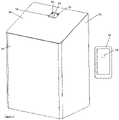
- FIG. 1 shows a paper towel dispenser 10 and a smartphone 12 in accordance with a first embodiment of the present invention.
- the smartphone 12 is also referred to herein as the first NFC enabled device 12
- the paper towel dispenser 10 is also referred to herein as the second NFC enabled device 10.
- the paper towel dispenser 10 has an enclosure 14 with a top panel 16, which carries a smart module 18.
- the smart module 18 has a first LED light 20, a second LED light 22, and an NFC chip 24, which is shown in dotted lines in Figure 1 .
- the paper towel dispenser 10 is configured to dispense paper towel in a manner as is known in the art. Any suitable construction of the paper towel dispenser 10 could be used.
- the smart module 18 allows the paper towel dispenser 10 to perform a variety of smart functions, such as determining the quantity of paper towels in the dispenser 10; detecting when paper towels are dispensed from the dispenser 10; recording the usage history of the paper towel dispenser 10 over time; determining when the paper towel dispenser 10 needs to be refilled; determining when the paper towel dispenser 10 is empty; illuminating the first LED light 20 and/or the second LED light 22 to convey information to users of the paper towel dispenser 10 and/or to maintenance staff; and wirelessly communicating with external devices, such as computers and/or servers, via a Wi-Fi connection or other suitable wireless technology.
- the smart module 18 may include one or more processors, memory chips, communication devices, sensors, batteries, and/or other components suitable for providing the desired smart functionalities, as is known in the art.
- the NFC chip 24 allows the smart module 18 to communicate over short distances via NFC with another NFC enabled device, such as the smartphone 12.
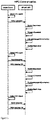
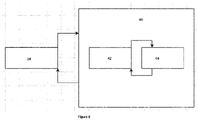
- a simplified schematic representation of the NFC chip 24 is shown in Figure 3 .
- the NFC chip 24 includes an antenna 26, a demodulator 28, a control unit 30, and a memory 32.
- the antenna 26 allows the NFC chip 24 to communicate with another NFC enabled device, such as the smartphone 12, via an NFC field.
- the demodulator 28 extracts information from an NFC signal detected by the antenna 26, and outputs the information to the control unit 30.
- the control unit 30 processes information received from the demodulator 28, controls the operation of the NFC chip 24, and writes data to the memory 32.
- the memory 32 has a first part 34 and a second part 36.
- the first part 34 is RAM type memory, such as SRAM
- the second part 36 is EPROM type memory, such as EEPROM.
- the NFC chip 24 is the NT3H211_2211 chip manufactured by NXP.
- the NT3H211_2211 chip is described in "NT3H211_2211 NTAG I 2 C plus: NFC Forum T2T with I 2 C interface, password protection and energy harvesting" Product data sheet, Rev. 3.5 - 7 May 2019, which is incorporated herein by reference. Any other suitable type of NFC chip 24 could also be used.
- the smartphone 12 is a mobile device that may be used for telecommunication, as well as the processing, display, and manipulation of data and information.
- the smartphone 12 may include one or more processors, memory chips, communication devices, sensors, batteries, and/or other components suitable for providing telecommunication, data processing, and other desired smart functionalities, as is known in the art.
- the smartphone 12 also include an NFC chip 24, as shown in dotted lines in Figure 1 .
- the NFC chip 24 in the smartphone 12 is optionally identical to the NFC chip 24 shown in Figure 3 , but any suitable NFC chip 24 could be used.
- the manufacturer of the smartphone 12 has disabled the peer-to-peer mode of the NFC chip 24, or has otherwise limited or prevented use of the peer-to-peer mode in at least some contexts.
- the paper towel dispenser 10 and the smartphone 12 are configured to engage in two-way communication via their respective NFC chips 24 when the smartphone 12 is brought into close proximity to the smart module 18, as shown in Figure 2 .
- the paper towel dispenser 10 and the smartphone 12 are able to engage in two-way communication without requiring use of the peer-to-peer mode.
- the smartphone 12 and the smart module 18 preferably have software installed thereon for mediating the two-way communication.
- the smartphone 12 may, for example, have a mobile application for communicating with the smart module 18 that has been downloaded from the internet and installed in the memory of the smartphone 12, and the smart module 18 may, for example, have pre-installed firmware for communicating with the smartphone 12. Any other suitable method of configuring the smartphone 12 and the paper towel dispenser 10 for two-way communication could also be used.
- the smartphone 12 could use pre-installed firmware for communicating with the smart module 18, and the smart module 18 could use software that has been downloaded from the internet for communicating with the smartphone 12.
- the software and/or firmware on the smartphone 12 preferably includes a library of commands that can be understood by the smart module 18.
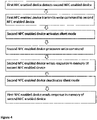
- a first method of conducting two-way communication between the smartphone 12 and the paper towel dispenser 10 is depicted in the flowchart shown in Figure 4 .
- the smartphone 12 is referred to as the first NFC enabled device 12 and the paper towel dispenser 10 is referred to as the second NFC enabled device 10.
- the method begins when the smartphone 10 is brought into close proximity to the smart module 18 of the paper towel dispenser 10, as shown in Figure 2 .
- the NFC chip 24 of the smartphone 12 detects the NFC chip 24 of the paper towel dispenser 10.
- the detection of the NFC chip 24 in the paper towel dispenser 10 by the NFC chip 24 in the smartphone 12 may occur by any suitable mechanism.
- the NFC chip 24 in the smartphone 12 may be in reader/writer mode, with the NFC chip 24 in the smartphone 12 producing an NFC field, and the NFC chip 24 in the paper towel dispenser 10 may be in a passive state, such as tag emulation mode, in which the NFC chip 24 in the paper towel dispenser 10 is not producing its own NFC field.
- the smartphone 12 is brought into close proximity to the smart module 18, the antenna 26 in the NFC chip 24 of the smart module 18 begins to draw energy from the NFC field produced by the smartphone 12.
- the NFC chip 24 in the smart module 18 is able to communicate with the NFC chip 24 in the smartphone 12, which allows the NFC chip 24 in the smartphone 12 to detect the presence of the NFC chip 24 in the smart module 18.
- the NFC chip 24 in the smart module 18 could be in an active state, with the NFC chip 24 in the smart module 18 producing its own NFC field.
- the NFC chip 24 in the smartphone 12 could then detect the presence of the NFC chip 24 in the smart module 18 by detecting the NFC field produced by the NFC chip 24 in the smart module 18.
- the smartphone 12 After the smartphone 12 detects the NFC chip 24 in the smart module 18, the smartphone 12 transmits a write command to the smart module 18 via NFC.
- the write command may, for example, be a command for the smart module 18 to provide information about the paper towel dispenser 10, such as its model number and the firmware version running on the smart module 18.
- the smart module 18 Upon receipt of the write command, the smart module 18 is configured to activate a silent mode of its NFC chip 24.
- the NFC chip 24 of the smart module 18 is in the silent mode, the NFC chip 24 in the smartphone 12 is unable to detect the NFC chip 24 in the smart module 18, even if the smart module 18 remains within the detectable range of the NFC chip 24 in the smartphone 12.
- the NFC chip 24 in the smart module 18 is the NT3H211_2211 chip manufactured by NXP, and activating the silent mode comprises turning on the NFC silence feature of the NT3H211_2211 chip.
- the NFC silence feature disables the demodulator 28 of the NFC chip 24 in the smart module 18, which causes the NFC chip 24 in the smart module 18 to effectively disappear from the perspective of the smartphone 12, even if the smart module 18 remains within the NFC field of the smartphone 12.
- any suitable method for causing the NFC chip 24 in the paper towel dispenser 10 to be hidden from the NFC chip 24 in the smartphone 12 could be used.
- the silent mode could be activated by causing the NFC chip 24 in the paper towel dispenser 10 to stop producing the NFC field.
- the silent mode of the NFC chip 24 may be any mode of operating the NFC chip 24 in which a signal or feature of the NFC chip 24 is modified so as to cause the NFC chip 24 to become hidden, undetectable, or unrecognizable to another nearby NFC chip 24 for the purpose of communicating via NFC.
- Activating the silent mode would not necessarily cause the paper towel dispenser 10 to become hidden, undetectable, or unrecognizable to the smartphone 12 for other purposes.
- the smartphone 12 may be able to detect the paper towel dispenser 10 via a Wi-Fi connection or using a camera while the silent mode is activated.
- the NFC chip 24 of the smart module 18 While the NFC chip 24 of the smart module 18 is in the silent mode, the NFC chip 24 processes the write command and writes a response in the memory 32 of the chip 24.
- the response may, for example, include an identification of the model number and the firmware version requested in the write command.
- the silent mode of the NFC chip 24 in the smart module 18 is deactivated. This causes the NFC chip 24 in the smart module 18 to once again become detectable by the NFC chip 24 in the smartphone 12.
- the NFC chip 24 in the smartphone 12 is configured to read the response written in the memory 32 of the NFC chip 24 of the smart module 18 via NFC.
- the method as shown in Figure 4 and described above allows the smartphone 12 and the smart module 18 in the paper towel dispenser 10 to engage in two-way communication via NFC, in which a command is transmitted from the smartphone 12 to the smart module 18, and a response to the command is provided by the smart module 18 to the smartphone 12, without requiring use of the peer-to-peer mode.
- the method advantageously uses the activation and deactivation of the silent mode of the NFC chip 24 in the smart module 18 to signal to the NFC chip 24 in the smartphone 12 when the command has been processed and the response is ready to be read.
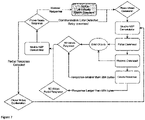
- the smartphone 12 could be configured to wait a predetermined amount of time after a write command is transmitted to the paper towel dispenser 10 before reading the memory 32 of the NFC chip 24 in the paper towel dispenser 10.
- a possible disadvantage of this alternative method is that, if the memory 32 is read to soon, the write command may not have been processed yet and the response may not yet be in the memory 32.
- the predetermined time period that the smartphone 12 waits before reading the memory 32 of the NFC chip 24 in the paper towel dispenser 10 could be selected to be longer than the amount of time that would normally be required to process the write command and write the response. This, however, comes with the disadvantage that the communication may take much longer to complete. In contrast, when activation and deactivation of the silent mode is used to signal when the response is ready to be read, the communication can preferably proceed more quickly and efficiently.
- the smartphone 12 could be physically separated from the paper towel dispenser 10 after the write command is transmitted from the smartphone 12 to the smart module 18, and then brought back into proximity in order to read the response.
- This method comes with the same disadvantages as the timer method described above.
- the smartphone 12 is returned to its position in proximity to the smart module 18 too quickly, the response may not yet be ready to be read, and if the smartphone 12 is held away from the smart module 18 for an extended time period, then the communication may take significantly longer to complete.
- This method furthermore comes with the disadvantage of requiring a user to engage in a cumbersome process of physically moving the smartphone 12 towards and away from the paper towel dispenser 10, possibly many times depending on the length of the communication.
- the smart module 18 could be configured to activate the silent mode after or during the processing of the write command, rather than before processing the write command as depicted in Figure 4 .
- the smart module 18 may be configured to wait until the response is written in the memory 32 of the NFC chip 24 of the smart module 18 before the silent mode is activated and then deactivated shortly thereafter, with the activation and deactivation of the silent mode acting as a signal to the smartphone 12 that the response is ready to be read.
- the smart module 18 prefferably be in the silent mode while the write command is being processed, as this reduces the overall length of time required for the two-way communication.
- processing the write command while in the silent mode avoids the extra time that would otherwise be required to activate and then deactivate the silent mode after the write command is processed.
- the smartphone 12 and the smart module 18 of the paper towel dispenser 10 are able to engage in an extended two-way communication that includes a plurality of communication cycles.
- a flowchart showing an example of a communication cycle is shown in Figure 5 .
- the communication cycle begins when the NFC chip 24 in the smartphone 12 detects the NFC chip 24 in the paper towel dispenser 10.
- the NFC chip 24 in the smartphone 12 then reads the memory 32 of the NFC chip 24 in the paper towel dispenser 10, which may for example carry information that identifies the paper towel dispenser 10 so that the smartphone 12 knows which device it is communicating with.
- the NFC chip 24 in the smartphone 12 then sends a write command to the NFC chip 24 in the paper towel dispenser 10.
- the write command may, for example, direct the smart module 18 to provide information about the Wi-Fi configuration of the smart module 18.
- the smart module 18 then activates the silent mode of its NFC chip 24, processes the write command, and writes a response in the memory 32. Once the response is written in the memory 32, the silent mode is deactivated, which ends the first communication cycle.
- the deactivation of the silent mode causes the smartphone 12 to again detect the NFC chip 24 in the paper towel dispenser 10, which begins the next communication cycle.
- the NFC chip 24 in the smartphone 12 reads the memory 32 of the NFC chip 24 in the paper towel dispenser 10, retrieving the information regarding the Wi-Fi configuration requested in the first communication cycle.
- the smartphone 12 transmits a second write command to the NFC chip 24 in the smart module 18, which may for example include instructions for the smart module 18 to connect to a specified Wi-Fi network.
- the smart module 18 then activates the silent mode of its NFC chip 24, processes the second write command, and writes a second response in the memory 32.
- the second response may, for example, include a confirmation that the smart module 18 has been configured to connect to the specified Wi-Fi network.
- the process then continues with a third communication cycle, in which the smartphone 12 again detects the NFC chip 24 in the paper towel dispenser 10, and then reads the second response in the memory 32 of the NFC chip 24.
- This can continue indefinitely, with any number of communication cycles occurring as required to achieve the desired two-way communication between the smartphone 12 and the paper towel dispenser 10.
- the memory 32 of the NFC chip 24 in the paper towel dispenser 10 may not have sufficient storage capacity to contain the complete response to a written command received from the smartphone 12.
- the smart module 18 is preferably configured to divide the complete response into multiple partial responses, and to write each partial response in the memory 32 of the NFC chip 24 in a separate communication cycle.
- One method for communicating a complete response over multiple communication cycles is shown, for example, in Figure 6 .
- the smartphone 12 is identified as "Mobile Device”
- the paper towel dispenser 10 is identified as the "SD with NFC", where SD stands for "Smart Device”.
- the method shown in Figure 6 proceeds similarly to the methods described above, with the smartphone 12 initially detecting the NFC chip 24 of the paper towels dispenser 10.
- the NFC chip 24 in the smartphone 12 transmits a write command to the NFC chip 24 in the paper towel dispenser 10.
- the NFC chip 24 in the paper towel dispenser 10 After receiving the write command, the NFC chip 24 in the paper towel dispenser 10 then enables the silent mode, processes the command, and writes a response in the memory 32.
- a complete response to the write command is too large to fit in the memory 32 of the NFC chip 24 of the paper towel dispenser 10, and so the complete response is divided into multiple partial responses, and a first one of the partial responses is written in the memory 32 (referred to as "response part #1" in Figure 6 ).
- the NFC chip 24 in the paper towel dispenser 10 then disables the silent mode, which allows the NFC chip 24 in the smartphone 12 to once again detect the NFC chip 24 in the paper towel dispenser 24.
- the smartphone 12 Upon detecting the NFC chip 24 in the paper towel dispenser 10, the smartphone 12 reads the partial response written in the memory 32 of the NFC chip 24 of the paper towel dispenser 10.
- the partial response written in the memory 32 of the NFC chip 24 of the paper towel dispenser 10 optionally includes a label or marker that the smartphone 12 is configured to recognize as indicating that the response is a partial response to the previous command.
- the smartphone 12 may be configured to use any other suitable method to determine whether the response is a complete response or a partial response.
- the smartphone 12 records the partial response in the memory of the smartphone 12, and then sends a further write command to the NFC chip 24 in the paper towel dispenser 10.
- the further write command preferably includes an acknowledgement that the partial response has been successfully read, and directs the smart module 18 to provide the next part of the complete response.
- the further write command is labelled as "Write response 'ok'" in Figure 6 .
- the smart module 18 Upon receiving the further write command, the smart module 18 again activates the silent mode of the NFC chip 24, processes the write command, and writes a response in the memory 32 of the NFC chip 24, the response comprising the second part of the complete response to the first write command.
- the silent mode of the NFC chip 24 in the paper towel dispenser 10 is then deactivated, allowing the smartphone 12 to detect the NFC chip 24 in the paper towel dispenser 10 and then read the response in the memory 32 of the NFC chip 24.
- This process can continue indefinitely, with as many communication cycles as necessary to provide the complete response to the original write command.
- the final partial response includes a message terminator that is understood by the smartphone 12 as indicating that the complete response to the write command has now been provided.
- the smart module 18 is preferably configured to always provide a message terminator after a complete response has been provided, regardless of whether the complete response was provided in one communication cycle or over multiple communication cycles.
- the smartphone 12 may, for example, be configured to determine that a response is a partial response and that additional communication cycles are required to obtain the complete response whenever a response is read that does not include the message terminator.
- the size of each response written in the memory 32 of the NFC chip 24 of the paper towel dispenser 10 is preferably selected based on the available storage capacity of the memory 32.
- the memory 32 of the NFC chip 24 of the paper towel dispenser 10 has up to 884 bytes available for each response.
- the smart module 18 is preferably configured to divide each complete response into partial responses that are no larger than 884 bytes.
- the memory 32 of the NFC chip 24 may have one portion that can only be rewritten a certain number of times before failing, and another portion that can be rewritten a greater number of times before failing, or that has no limit to the number of possible rewrites.
- the first part 34 of the memory 32 which is a RAM type memory
- the second part 36 of the memory 32 which is an EPROM type memory
- the first part 34 may, for example, have a storage capacity of about 64 bytes
- the second part 36 may, for example, have a storage capacity of about 888 bytes.
- the smart module 18 is preferably configured to, in at least some circumstances, write responses in the first part 34 of the memory 32 rather than the second part 36 of the memory 32.
- the smart module 18 may be configured to divide a complete response to a write command into multiple partial responses that are written in the first part 34 of the memory 32 over multiple communication cycles, even if the complete response could be written in the second part 36 of the memory in one communication cycle, or in a comparatively smaller number of communication cycles.
- This increase in the number of communication cycles can preferably occur without significantly increasing the amount of time required to complete the communication, due to the efficient two-way communication that is preferably enabled by the use of the silent mode of the NFC chip 24 to signal when a write command has been processed and a response is written in the memory 32.
- FIG. 7 shows a more detailed state diagram depicting a method of conducting two-way communication between the smartphone 12 and the smart module 18 of the paper towel dispenser 10.
- the paper towel dispenser 10 is referred to as "SD” and the NFC chip 24 of the paper towel dispenser 10 is referred to as "NXP” .
- FIG. 7 The method depicted in Figure 7 is similar to the methods described above, but includes additional details.
- the smart module 18 if an error occurs when the command is being parsed and/or processed by the smart module 18, the smart module 18 writes a response in the memory 32 of the NFC chip 24.
- the response preferably indicates that an error has occurred.
- the smartphone 12 can then, for example, retry the command. If the error is repeated one or more additional times, the smartphone 12 may be configured to provide a notification to a user that an error has occurred, and may for example provide troubleshooting instructions.
- the available storage capacity of the memory 32 is 884 bytes. If the response to the write command is smaller than 884 bytes, the complete response is written in the memory 32, which is then read by the smartphone 12 after the silent mode has been deactivated (e.g. by enabling the demodulator of the NFC chip 24). If the response to the write command is larger than 884 bytes, a partial response is written in the memory 32.
- the smartphone 12 detects that the response is a partial response, the smartphone 12 transmits a confirmation that the partial response has been read.
- the NFC chip 24 in the paper towel dispenser 10 activates the silent mode (e.g. disables the demodulator), processes the confirmation, and then writes the next part of the complete response in the memory 32. This cycle then repeats until the complete response to the write command has been provided to the smartphone 12.
- FIG 8 shows a block diagram of a microcontroller 40 of the smart module 18 of the paper towel dispenser 10.
- the microcontroller 40 has a processor 42 and a flash memory 44.
- the microcontroller 40 is connected to the NFC chip 24 and preferably helps to control the operation of the NFC chip 24.
- the microcontroller 40 may also be connected to additional components of the smart module 18, such as the first LED light 20 and the second LED light 22, and may be used for providing a variety of different smart functionalities of the paper towel dispenser 10.
- the microcontroller 40 is preferably used in conjunction with the NFC chip 24 to perform the two-way communication between the paper towel dispenser 10 and the smartphone 12 as described above.
- the NFC chip 24 is programed to send an interrupt message to the microcontroller 40 when a write command is received from the smartphone 12 and is written in the memory 32 of the NFC chip 24.
- the microcontroller 40 Upon receipt of the interrupt message, the microcontroller 40 is programmed to stop, pause or complete any processing tasks that the microcontroller 40 is performing; to read the write command written in the memory 32 of the NFC chip 24; and to activate the silent mode of the NFC chip 24.
- the microcontroller 40 is programmed to then process the write command, which may for example include configuring a setting of the smart module 18, updating software of the smart module 18, and/or compiling usage data stored in the flash memory 44.
- the microcontroller 40 is programmed to then prepare a response to the write command, which is stored in the flash memory 44.
- the response may, for example, include a confirmation that a setting has been changed, a collection of usage data about the dispenser 10, and/or a confirmation that the software of the smart module 18 has been updated.
- the microcontroller 40 is programmed to compare the size of the response to the storage capacity of the memory 32 of the NFC chip 24, and if the response is too large to fit in the memory 32, the microcontroller 40 is programmed to divide the response into multiple partial responses.
- the microcontroller 40 is programmed to then write the response, or if the response is too large, the first partial response, into the memory 32 of the NFC chip 24. Once the response or partial response is written in the memory 32, the microcontroller 40 is programmed to deactivate the silent mode of the NFC chip 24, so that the smartphone 12 can then read the response or partial response in the memory 32 of the NFC chip 24.
- the NFC chip 24 of the paper towel dispenser 10 Upon receipt of a further write command from the smartphone 12, the NFC chip 24 of the paper towel dispenser 10 is configured to again send an interrupt message to the microcontroller 40.
- the microcontroller 40 Upon receipt of the interrupt message, the microcontroller 40 is configured to again read the write command written in the memory 32 of the NFC chip 24; activate the silent mode of the NFC chip 24; process the write command and prepare a response; write the response or a part of the response in the memory 32 of the NFC chip 24; and deactivate the silent mode of the NFC chip 24. This process can be repeated as many times as necessary to complete the two-way communication between the smartphone 12 and the paper towel dispenser 10.
- At least some of the messages and preferably all of the messages sent from the smartphone 12 to the NFC chip 24 of the paper towel dispenser 10 include a password and/or a login credential that is recognized by the microcontroller 40. If a message is received from the smartphone 12 that does not include the correct password and/or login credential, the microcontroller 40 is preferably configured to take an appropriate action. The appropriate action may, for example, be to write a response in the memory 32 of the NFC chip 24 indicating that the password and/or login credential was not recognized, or that an error occurred.
- the microcontroller 40 is preferably programmed so that no information about the operation of the dispenser 10 can be collected, and no changes to the settings or software of the dispenser 10 can be changed via the two-way NFC communication unless the correct password and/or login credential is provided by the smartphone 12.
- different users of the paper towel dispenser 10 may be given different login credentials, with each user having their own smartphone 12 for communicating with the paper towel dispenser 10 using their individual login credentials.
- maintenance staff at the facility where the paper towel dispenser 10 is located may be given a first type of login credential, and the manager of the facility may be given a second type of login credential.
- Each user's smartphone 12 is preferably configured to include his or her login credentials in each message that is sent via NFC from the smartphone 12 to the NFC chip 24 in the paper towel dispenser 10, and the microcontroller 40 is preferably configured to recognize and distinguish between the different login credentials.
- the microcontroller 40 may also be configured to provide different layers of access, depending on the login credential that is used. For example, the microcontroller 40 may be configured to allow NFC messages containing the first type of login credential to be used to change certain settings of the dispenser 10, but not others.
- the microcontroller 40 may furthermore be configured to allow NFC messages containing the second type of login credential to be used to change all of the settings of the dispenser 10.
- the second type of login credential could also be required, for example, to update the software or firmware of the smart module 18, or for collecting usage data from the dispenser 10.
- Figure 9 provides a diagram of a method of conducting two-way communication between a smartphone 12 and a smart hand cleaning fluid dispenser 38 in accordance with a second embodiment of the invention.
- the method depicted in Figure 9 is similar to the methods described above, and proceeds in four steps.
- the smart hand cleaning fluid dispenser 38 is ready to receive a command via NFC.
- the smartphone 12 is brought into proximity to the smart hand cleaning fluid dispenser 38, and the smartphone 12 transmits a write command via NFC to the smart hand cleaning fluid dispenser 38.
- the smart hand cleaning fluid dispenser 38 enters a silent mode, in which the smart hand cleaning fluid dispenser 38 is unable to communicate with the smartphone 12 via NFC.
- the smart hand cleaning fluid dispenser 38 processes the write command and writes a response while in the silent mode.
- the smart hand cleaning fluid dispenser 38 deactivates the silent mode, and the smartphone 12 reads the response via NFC.
- the present invention can be used for conducting two-way communication between any two NFC enabled devices, and is not limited to the example of a paper towel dispenser 10 and a smartphone 12 as shown in the drawings.
- the method could be used for conducting two-way communication between two smartphones 12.
- the method could also be used for conducting two-way communication between a smartphone 12 and any other smart device, such as a smart hygiene apparatus.
- the smart hygiene apparatus could, for example, be a paper towel dispenser 10, a hand cleaning fluid dispenser 38, a toilet paper dispenser, a waste bin, a hand dryer, a faucet, a sink, or a body wash dispenser.
- the method could also be used for communication with any other NFC enabled devices, which might include for example: household appliances, refrigerators, microwaves, ovens, dishwashers, electronics, computers, thermostats, televisions, speakers, headphones, video game consoles, tablets, vehicles, automobiles, watercraft, e-bikes, bicycles, and scooters.
- any other NFC enabled devices might include for example: household appliances, refrigerators, microwaves, ovens, dishwashers, electronics, computers, thermostats, televisions, speakers, headphones, video game consoles, tablets, vehicles, automobiles, watercraft, e-bikes, bicycles, and scooters.
- the invention is not limited to the particular constructions of the first NFC enabled device 12, the second NFC enabled device 10, and the NFC chip 24 shown in the drawings. Rather, any suitable construction of the first NFC enabled device 12, the second NFC enabled device 10, and the NFC chip 24 could be used.
- the invention is not limited to the particular examples of methods for enabling the silent mode that have been described with respect to the preferred embodiments. Rather, any suitable method that causes the first NFC enabled device 12 to be unable to detect, recognize, and/or communicate with the second NFC enabled device 10 via NFC could be used.
- the method used to activate and deactivate the silent mode could include one or more of: computational methods, electronic methods, mechanical methods, electromagnetic methods, magnetic methods, and/or combinations thereof.
- the two-way communication enabled by the invention may be used for any desired purpose. Some examples of possible uses include: updating firmware of the second NFC enabled device 10; configuring a setting of the second NFC enabled device 10; configuring a Wi-Fi connection of the second NFC enabled device 10; performing troubleshooting on the second NFC enabled device 10; performing log streaming of the second NFC enabled device 10; collecting data from the second NFC enabled device 10; and updating software of the second NFC enabled device 10.
- the method in accordance with the invention preferably allows for an unlimited number of messages to be exchanged between the first NFC enabled device 12 and the second NFC enabled device 10, without requiring the two devices 12, 10 to be repeatedly separated and tapped together.
- the method also preferably allows the first NFC enabled device 12 and/or the second NFC enabled device 10 to request that data be re-read or re-processed, for example due to a detected error or malfunction.
- the smart module 18 may be configured to illuminate the first LED light 20 when the amount of paper towels in the paper towel dispenser 10 falls below a preselected threshold, such as below 25% of the storage capacity of the dispenser 10, to signal to maintenance staff that the paper towels need to be replenished.
- the owner or manager of the paper towel dispenser 10 may subsequently decide to change the preselected threshold to below 50% of the storage capacity of the dispenser 10, for example because at the previous setting the dispenser 10 was running out of paper towels before maintenance staff were able to replenish the supply.
- the owner or maintenance staff may, for example, open a mobile application on his or her smartphone 12, enter the desired setting change in the application, and then place the smartphone 12 against the smart module 18 of the paper towel dispenser 10.
- the smartphone 12 then preferably engages in two-way communication with the smart module 18 via NFC, using the method as described herein, in order to update the setting in the smart module 18.
- the method of the present invention allows the smartphone 12 to be used to engage in the two-way communication with the smart module 18, even if the smartphone 12 is unable to use the peer-to-peer mode.
- the write commands when write commands are received by the second NFC enabled device 10 from the first NFC enabled device 12, the write commands are generally written in the memory 32 of the NFC chip 24 of the second NFC enabled device 10, where they can be accessed for processing by the second NFC enabled device 10.
- the first NFC enabled device 12 and/or the second NFC enabled device 10 may be configured so that, in at least some circumstances, the write commands are written in a portion of the memory 32 that is selected to extend the useful lifespan of the memory 32, such as in the first part 34 of the memory 32 shown in Figure 3 .
- the first NFC enabled device 12 is described in the preferred embodiments as transmitting a write command, and the second NFC enabled device 10 is described in the preferred embodiments as providing a response, the invention is not strictly limited to these forms of messages. Rather, in at least some embodiments of the invention the first NFC enabled device 12 may be configured to transmit a message to the second NFC enabled device 10 that is not in the form of a command, and the second NFC enabled device 10 may be configured to provide a message that is not in the form of a response to a command.
- the second NFC enabled device 10 could be configured to write a command in the memory 32 of the second NFC enabled device 10, which is then read and processed by the first NFC enabled device 12.
- the first NFC enabled device 12 may then transmit a message to the second NFC enabled device 10 which is a response to the command.
- the second NFC enabled device 10 may, for example, request credentials from the first NFC enabled device 12 by writing the request in the memory 32 of the second NFC enabled device 10, and upon reading the request in the memory 32 of the second NFC enabled device, the first NFC enabled device 12 may respond by transmitting the credentials.
- the smart module 18 is configured to activate the silent mode upon receipt of a write command from the smartphone 12, regardless of the content of the command received, and without requiring any instructions from the smartphone 12 as to how to activate the silent mode. This preferably allows for more efficient two-way communication, by reducing the number of messages required.
- the paper towel dispenser 10 has been described in the preferred embodiments as including the microcontroller 40, the invention is not limited to the microcontroller 40 as shown and described. Rather, any suitable component or components that are capable of processing and communicating data to enable the two-way communication between the first NFC enabled device 10 and the second NFC enabled device 12 could be used.
- the NFC chip 24 could optionally be constructed, programmed, adapted, and/or configured to perform some or all of the functions of the microcontroller 40, and the microcontroller 40 could optionally be omitted.
Landscapes
- Engineering & Computer Science (AREA)
- Computer Networks & Wireless Communication (AREA)
- Signal Processing (AREA)
- Health & Medical Sciences (AREA)
- Toxicology (AREA)
- Physics & Mathematics (AREA)
- Electromagnetism (AREA)
- General Health & Medical Sciences (AREA)
- Artificial Intelligence (AREA)
- Computer Vision & Pattern Recognition (AREA)
- General Physics & Mathematics (AREA)
- Theoretical Computer Science (AREA)
- Computer Security & Cryptography (AREA)
- Mobile Radio Communication Systems (AREA)
Applications Claiming Priority (1)
| Application Number | Priority Date | Filing Date | Title |
|---|---|---|---|
| US202163172819P | 2021-04-09 | 2021-04-09 |
Publications (1)
| Publication Number | Publication Date |
|---|---|
| EP4072032A1 true EP4072032A1 (de) | 2022-10-12 |
Family
ID=81327785
Family Applications (1)
| Application Number | Title | Priority Date | Filing Date |
|---|---|---|---|
| EP22166794.2A Pending EP4072032A1 (de) | 2021-04-09 | 2022-04-05 | Verfahren zum durchführen einer bidirektionalen kommunikation zwischen einem smartphone und einem hygienegerät |
Country Status (2)
| Country | Link |
|---|---|
| US (2) | US12225607B2 (de) |
| EP (1) | EP4072032A1 (de) |
Families Citing this family (1)
| Publication number | Priority date | Publication date | Assignee | Title |
|---|---|---|---|---|
| US12396600B2 (en) * | 2021-03-05 | 2025-08-26 | Dual Strategies, LLC | Fluid dosing substrate dispenser |
Citations (3)
| Publication number | Priority date | Publication date | Assignee | Title |
|---|---|---|---|---|
| US20140148095A1 (en) * | 2012-11-27 | 2014-05-29 | Broadcom Corporation | Multiple antenna arrangement for near field communications |
| US20140213182A1 (en) * | 2010-10-25 | 2014-07-31 | Samsung Electronics Co., Ltd. | Method and system of communicating personal health data in a near field communication environment |
| US20190132027A1 (en) * | 2017-11-02 | 2019-05-02 | Samsung Electronics Co., Ltd. | Near field communication device |
Family Cites Families (14)
| Publication number | Priority date | Publication date | Assignee | Title |
|---|---|---|---|---|
| US20020032750A1 (en) | 2000-05-16 | 2002-03-14 | Kanefsky Steven T. | Methods and systems for searching and managing information on wireless data devices |
| US10181013B2 (en) | 2011-08-05 | 2019-01-15 | Nathaniel G. Portney | Cartridge-based medication dispensing |
| US20130122807A1 (en) | 2011-11-08 | 2013-05-16 | Versus Technology, Inc. | Systems and methods for effecting good hygiene practices |
| US9374134B2 (en) * | 2012-02-02 | 2016-06-21 | Qualcomm Incorporated | Methods and apparatus for improving the identification of multiple NFC-A devices |
| JP5867319B2 (ja) | 2012-07-03 | 2016-02-24 | ブラザー工業株式会社 | 通信装置 |
| US9159182B2 (en) | 2013-08-30 | 2015-10-13 | Usa Technologies, Inc. | Vending approval systems, methods, and apparatus using card readers |
| CA2865608C (en) * | 2014-09-29 | 2021-06-15 | Op-Hygiene Ip Gmbh | Parallel hand hygiene compliance system |
| US20170210610A1 (en) | 2016-01-22 | 2017-07-27 | Zachary William Henson | Beverage dispensing apparatus for measuring flow and reducing foaming in dispensing systems |
| WO2018187557A1 (en) | 2017-04-05 | 2018-10-11 | Microsensor Labs, LLC | System and method for proximity sensing of movable portions of a premises |
| US11237036B2 (en) | 2017-05-11 | 2022-02-01 | Nectar, Inc. | Base station and advertising packets of sensors detecting content level |
| US11472695B2 (en) | 2017-11-02 | 2022-10-18 | Wayne Fueling Systems Llc | Controlling maintenance of a fuel dispenser |
| GB2568941B (en) | 2017-12-01 | 2021-03-10 | Hydro Systems Europe Ltd | Fluid dispenser having an NFC tag, and system incorporating same |
| US11208315B2 (en) | 2018-04-02 | 2021-12-28 | Pepsico, Inc. | Unattended beverage dispensing systems and methods |
| US11059713B1 (en) | 2020-05-30 | 2021-07-13 | The Coca-Cola Company | Remote beverage selection with a beverage dispenser |
-
2022
- 2022-04-05 EP EP22166794.2A patent/EP4072032A1/de active Pending
- 2022-04-08 US US17/716,535 patent/US12225607B2/en active Active
-
2025
- 2025-01-06 US US19/010,376 patent/US20250142655A1/en active Pending
Patent Citations (3)
| Publication number | Priority date | Publication date | Assignee | Title |
|---|---|---|---|---|
| US20140213182A1 (en) * | 2010-10-25 | 2014-07-31 | Samsung Electronics Co., Ltd. | Method and system of communicating personal health data in a near field communication environment |
| US20140148095A1 (en) * | 2012-11-27 | 2014-05-29 | Broadcom Corporation | Multiple antenna arrangement for near field communications |
| US20190132027A1 (en) * | 2017-11-02 | 2019-05-02 | Samsung Electronics Co., Ltd. | Near field communication device |
Non-Patent Citations (1)
| Title |
|---|
| CHISHTI MOHD SAMEEN ET AL: "Exploring Half-Duplex Communication of NFC Read/Write Mode for Secure Multi-Factor Authentication", IEEE ACCESS, IEEE, USA, vol. 9, 1 January 2021 (2021-01-01), pages 6344 - 6357, XP011831049, DOI: 10.1109/ACCESS.2020.3048711 * |
Also Published As
| Publication number | Publication date |
|---|---|
| US20220330360A1 (en) | 2022-10-13 |
| US12225607B2 (en) | 2025-02-11 |
| US20250142655A1 (en) | 2025-05-01 |
Similar Documents
| Publication | Publication Date | Title |
|---|---|---|
| KR102426417B1 (ko) | 인증 처리 방법 및 이를 지원하는 전자 장치 | |
| RU2580274C2 (ru) | Бытовой прибор и способ управления им | |
| US20080302877A1 (en) | Ic card comprising a main device and an additional device | |
| JP2012165379A (ja) | 近距離無線通信リンクを構築するための携帯用電子機器及び動作方法 | |
| US20250142655A1 (en) | Method of Conducting Two-Way Communication Between Smartphone and Hygiene Apparatus | |
| WO2009120481A2 (en) | Method and apparatus for automatic near field communication application selection in an electronic device | |
| CN101647028A (zh) | 在自动化组件和移动操作终端之间建立无线通信连接的方法 | |
| US7814254B2 (en) | Mode setting method and system in hot plug of PCI device | |
| JP4512110B2 (ja) | Rfid装置、rfid装置用プログラム、rfid制御方法、及びrfidシステム | |
| JP2005354136A5 (de) | ||
| EP3039629B1 (de) | Verkaufsgenehmigungssystem, verfahren und vorrichtung mit verwendung eines kartenlesers | |
| US9655052B2 (en) | Storage medium having stored communication program, information processing apparatus, communication system, and communication method | |
| JP2014059731A (ja) | Icカードおよび携帯可能電子装置 | |
| JP6217344B2 (ja) | 共有メモリに対するアクセス制御方法および装置 | |
| EP2709286A1 (de) | Vorrichtung und Verfahren zur Bereitstellung von Datenübertragung/-empfang in einem Endgerät mit Nahfeldkommunikation | |
| JP7621554B2 (ja) | データ処理方法、システム、端末、及びコンピュータ読み取り可能な記憶媒体 | |
| JP5614859B2 (ja) | 自動販売機の通信システム | |
| KR20180050938A (ko) | 전자 장치 및 전자 장치에서 nfc 통신 방법 | |
| KR20150072921A (ko) | 엔에프씨 태그를 이용한 데이터 송수신 디바이스 및 시스템 | |
| US20140068327A1 (en) | Apparatus and method for managing a hang state of a mobile terminal | |
| JP2012033019A (ja) | 情報処理装置およびrfidタグ | |
| JP5541000B2 (ja) | 無線通信システム、無線通信方法および無線通信プログラム | |
| KR101485157B1 (ko) | 입력장치를 갖는 무선식별 태그 | |
| JP5672850B2 (ja) | 端末装置、データ読み取り方法及びデータ読み取りプログラム等 | |
| JP2010067107A (ja) | 情報記憶媒体用リーダライタ |
Legal Events
| Date | Code | Title | Description |
|---|---|---|---|
| PUAI | Public reference made under article 153(3) epc to a published international application that has entered the european phase |
Free format text: ORIGINAL CODE: 0009012 |
|
| STAA | Information on the status of an ep patent application or granted ep patent |
Free format text: STATUS: THE APPLICATION HAS BEEN PUBLISHED |
|
| AK | Designated contracting states |
Kind code of ref document: A1 Designated state(s): AL AT BE BG CH CY CZ DE DK EE ES FI FR GB GR HR HU IE IS IT LI LT LU LV MC MK MT NL NO PL PT RO RS SE SI SK SM TR |
|
| STAA | Information on the status of an ep patent application or granted ep patent |
Free format text: STATUS: REQUEST FOR EXAMINATION WAS MADE |
|
| 17P | Request for examination filed |
Effective date: 20230412 |
|
| RBV | Designated contracting states (corrected) |
Designated state(s): AL AT BE BG CH CY CZ DE DK EE ES FI FR GB GR HR HU IE IS IT LI LT LU LV MC MK MT NL NO PL PT RO RS SE SI SK SM TR |
|
| REG | Reference to a national code |
Ref country code: DE Ref legal event code: R079 Free format text: PREVIOUS MAIN CLASS: H04B0005000000 Ipc: H04B0005770000 |
|
| STAA | Information on the status of an ep patent application or granted ep patent |
Free format text: STATUS: EXAMINATION IS IN PROGRESS |
|
| RIC1 | Information provided on ipc code assigned before grant |
Ipc: G06K 7/10 20060101ALI20250113BHEP Ipc: H04B 5/20 20240101ALI20250113BHEP Ipc: H04B 5/77 20240101AFI20250113BHEP |
|
| 17Q | First examination report despatched |
Effective date: 20250124 |