EP4058060B1 - Typ-i-interferon-hemmung bei systemischem lupus erythematodes - Google Patents
Typ-i-interferon-hemmung bei systemischem lupus erythematodes Download PDFInfo
- Publication number
- EP4058060B1 EP4058060B1 EP20804531.0A EP20804531A EP4058060B1 EP 4058060 B1 EP4058060 B1 EP 4058060B1 EP 20804531 A EP20804531 A EP 20804531A EP 4058060 B1 EP4058060 B1 EP 4058060B1
- Authority
- EP
- European Patent Office
- Prior art keywords
- patients
- bicla
- anifrolumab
- sle
- week
- Prior art date
- Legal status (The legal status is an assumption and is not a legal conclusion. Google has not performed a legal analysis and makes no representation as to the accuracy of the status listed.)
- Active
Links
Images
















Classifications
-
- A—HUMAN NECESSITIES
- A61—MEDICAL OR VETERINARY SCIENCE; HYGIENE
- A61K—PREPARATIONS FOR MEDICAL, DENTAL OR TOILETRY PURPOSES
- A61K47/00—Medicinal preparations characterised by the non-active ingredients used, e.g. carriers or inert additives; Targeting or modifying agents chemically bound to the active ingredient
- A61K47/06—Organic compounds, e.g. natural or synthetic hydrocarbons, polyolefins, mineral oil, petrolatum or ozokerite
- A61K47/16—Organic compounds, e.g. natural or synthetic hydrocarbons, polyolefins, mineral oil, petrolatum or ozokerite containing nitrogen, e.g. nitro-, nitroso-, azo-compounds, nitriles, cyanates
- A61K47/18—Amines; Amides; Ureas; Quaternary ammonium compounds; Amino acids; Oligopeptides having up to five amino acids
- A61K47/183—Amino acids, e.g. glycine, EDTA or aspartame
-
- A—HUMAN NECESSITIES
- A61—MEDICAL OR VETERINARY SCIENCE; HYGIENE
- A61K—PREPARATIONS FOR MEDICAL, DENTAL OR TOILETRY PURPOSES
- A61K47/00—Medicinal preparations characterised by the non-active ingredients used, e.g. carriers or inert additives; Targeting or modifying agents chemically bound to the active ingredient
- A61K47/06—Organic compounds, e.g. natural or synthetic hydrocarbons, polyolefins, mineral oil, petrolatum or ozokerite
- A61K47/22—Heterocyclic compounds, e.g. ascorbic acid, tocopherol or pyrrolidones
-
- A—HUMAN NECESSITIES
- A61—MEDICAL OR VETERINARY SCIENCE; HYGIENE
- A61K—PREPARATIONS FOR MEDICAL, DENTAL OR TOILETRY PURPOSES
- A61K47/00—Medicinal preparations characterised by the non-active ingredients used, e.g. carriers or inert additives; Targeting or modifying agents chemically bound to the active ingredient
- A61K47/06—Organic compounds, e.g. natural or synthetic hydrocarbons, polyolefins, mineral oil, petrolatum or ozokerite
- A61K47/26—Carbohydrates, e.g. sugar alcohols, amino sugars, nucleic acids, mono-, di- or oligo-saccharides; Derivatives thereof, e.g. polysorbates, sorbitan fatty acid esters or glycyrrhizin
-
- A—HUMAN NECESSITIES
- A61—MEDICAL OR VETERINARY SCIENCE; HYGIENE
- A61P—SPECIFIC THERAPEUTIC ACTIVITY OF CHEMICAL COMPOUNDS OR MEDICINAL PREPARATIONS
- A61P37/00—Drugs for immunological or allergic disorders
-
- A—HUMAN NECESSITIES
- A61—MEDICAL OR VETERINARY SCIENCE; HYGIENE
- A61P—SPECIFIC THERAPEUTIC ACTIVITY OF CHEMICAL COMPOUNDS OR MEDICINAL PREPARATIONS
- A61P37/00—Drugs for immunological or allergic disorders
- A61P37/02—Immunomodulators
- A61P37/06—Immunosuppressants, e.g. drugs for graft rejection
-
- C—CHEMISTRY; METALLURGY
- C07—ORGANIC CHEMISTRY
- C07K—PEPTIDES
- C07K16/00—Immunoglobulins [IG], e.g. monoclonal or polyclonal antibodies
- C07K16/18—Immunoglobulins [IG], e.g. monoclonal or polyclonal antibodies against material from animals or humans
- C07K16/28—Immunoglobulins [IG], e.g. monoclonal or polyclonal antibodies against material from animals or humans against receptors, cell surface antigens or cell surface determinants
- C07K16/2803—Immunoglobulins [IG], e.g. monoclonal or polyclonal antibodies against material from animals or humans against receptors, cell surface antigens or cell surface determinants against the immunoglobulin superfamily
-
- C—CHEMISTRY; METALLURGY
- C07—ORGANIC CHEMISTRY
- C07K—PEPTIDES
- C07K16/00—Immunoglobulins [IG], e.g. monoclonal or polyclonal antibodies
- C07K16/18—Immunoglobulins [IG], e.g. monoclonal or polyclonal antibodies against material from animals or humans
- C07K16/28—Immunoglobulins [IG], e.g. monoclonal or polyclonal antibodies against material from animals or humans against receptors, cell surface antigens or cell surface determinants
- C07K16/2866—Immunoglobulins [IG], e.g. monoclonal or polyclonal antibodies against material from animals or humans against receptors, cell surface antigens or cell surface determinants against receptors for cytokines, lymphokines, interferons
-
- A—HUMAN NECESSITIES
- A61—MEDICAL OR VETERINARY SCIENCE; HYGIENE
- A61K—PREPARATIONS FOR MEDICAL, DENTAL OR TOILETRY PURPOSES
- A61K39/00—Medicinal preparations containing antigens or antibodies
- A61K2039/505—Medicinal preparations containing antigens or antibodies comprising antibodies
-
- A—HUMAN NECESSITIES
- A61—MEDICAL OR VETERINARY SCIENCE; HYGIENE
- A61K—PREPARATIONS FOR MEDICAL, DENTAL OR TOILETRY PURPOSES
- A61K39/00—Medicinal preparations containing antigens or antibodies
- A61K2039/545—Medicinal preparations containing antigens or antibodies characterised by the dose, timing or administration schedule
-
- A—HUMAN NECESSITIES
- A61—MEDICAL OR VETERINARY SCIENCE; HYGIENE
- A61K—PREPARATIONS FOR MEDICAL, DENTAL OR TOILETRY PURPOSES
- A61K39/00—Medicinal preparations containing antigens or antibodies
-
- C—CHEMISTRY; METALLURGY
- C07—ORGANIC CHEMISTRY
- C07K—PEPTIDES
- C07K2317/00—Immunoglobulins specific features
- C07K2317/20—Immunoglobulins specific features characterized by taxonomic origin
- C07K2317/21—Immunoglobulins specific features characterized by taxonomic origin from primates, e.g. man
-
- C—CHEMISTRY; METALLURGY
- C07—ORGANIC CHEMISTRY
- C07K—PEPTIDES
- C07K2317/00—Immunoglobulins specific features
- C07K2317/20—Immunoglobulins specific features characterized by taxonomic origin
- C07K2317/24—Immunoglobulins specific features characterized by taxonomic origin containing regions, domains or residues from different species, e.g. chimeric, humanized or veneered
-
- C—CHEMISTRY; METALLURGY
- C07—ORGANIC CHEMISTRY
- C07K—PEPTIDES
- C07K2317/00—Immunoglobulins specific features
- C07K2317/70—Immunoglobulins specific features characterized by effect upon binding to a cell or to an antigen
- C07K2317/76—Antagonist effect on antigen, e.g. neutralization or inhibition of binding
Definitions
- the disclosure relates to compositions for use in the treatment of Systemic Lupus Erythematosus (SLE). Specifically, the disclosure relates to methods comprising administering to a subject in need thereof a type I IFN receptor inhibitor, namely anifrolumab.
- SLE Systemic Lupus Erythematosus
- SLE Systemic lupus erythematosus
- Clinical manifestations of SLE include, but are not limited to constitutional symptoms, alopecia, rashes, serositis, arthritis, nephritis, vasculitis, lymphadenopathy, splenomegaly, hemolytic anemia, cognitive dysfunction and other nervous system involvement. These disease manifestations cause a significant burden of illness and can lead to reduced physical function, loss of employment, lower health-related quality of life (QoL) and a lifespan shortened by 10 years. Increased hospitalizations and side effects of medications including chronic oral corticosteroids (OCS or glucocorticoids and other immunosuppressive treatments add to disease burden in SLE.
- OCS chronic oral corticosteroids
- Phase II trials are conducted in a small number of volunteers who have the disease of interest. They are designed to test safety, pharmacokinetics, and pharmacodynamics. A phase II trial may offer preliminary evidence of drug efficacy. However, the small number of participants and primary safety concerns within a phase II trial usually limit its power to establish efficacy. A Phase III trial is required to demonstrate the efficacy and safety of a clinical candidate. Critically, many clinical candidates that have shown promise at Phase II do not succeed at Phase III. More than 90% of novel therapeutics entering Phase I trials fail during clinical development, primarily because of failure in efficacy or safety. The probability of success at phase III, following successful Phase II, is less than 50% 4 .
- SLE is an especially complex and poorly understood disease compared to diseases such as rheumatoid arthritis (RA) and ankylosing spondylitis.
- RA rheumatoid arthritis
- SLE is an especially complex and poorly understood disease compared to diseases such as rheumatoid arthritis (RA) and ankylosing spondylitis.
- Antimalarial agents e.g. hydroxychloroquine
- corticosteroids may be used to control arthralgia, arthritis, and rashes.
- Other treatments include nonsteroidal anti-inflammatory drugs (NSAIDs); analgesics for fever, arthralgia, and arthritis; and topical sunscreens to minimize photosensitivity.
- NSAIDs nonsteroidal anti-inflammatory drugs
- OCS obstructive coronary artery disease
- Nonsteroidal anti-inflammatory drugs are commonly used for the symptomatic management of arthralgia, mild arthritis, myalgia, serositis and fever in patients with SLE. They do not have any immunosuppressive properties. NSAIDs can only be used for short periods of time and are not suitable for patients with renal involvement, hypertension and established heart disease. NSAIDs can cause fluid retention, renal impairment and interstitial nephritis.
- Mycophenolate mofetil is a specific inhibitor of inosine monophosphate dehydrogenase. MMF impairs de novo purine synthesis. Inosine monophosphate dehydrogenase is an essential pathway in activated lymphocytes. MMF thus inhibits both T and B lymphocyte proliferation and reduces antibody synthesis.
- MMF Mycophenolate mofetil
- Tabalumab (LY2127399) is a human IgG4 monoclonal antibody that binds both soluble and membrane-bound B-cell activating factor (BAFF).
- BAFF B-cell activating factor
- the primary endpoint was met in ILLUMINATE-2 (NCT01205438) in the higher dose group (tabalumab 120mg every 2 weeks). However, no secondary endpoints were met, including OCS sparing 8 . Following ILLUMINATE-1 and ILLUMINATE-2, tabalumab development was suspended given the small effect size and inability to meet other important clinical endpoints.
- Blisibimod is a fusion protein composed of four BAFF-binding domains fused to the N-terminal Fc fragment of human IgG1 Ig. Blisibimod for the treatment of SLE had promising Phase II results but was unsuccessful in Phase III.
- Atacicept is a fully human recombinant fusion protein that neutralizes both BAFF and APRIL.
- the efficacy of atacicept for the treatment of SLE was evaluated in two phase II/III placebo randomized controlled trials (APRIL-LN and APRIL-SLE).
- the APRIL-LN trial compared renal response to atacicept versus placebo plus standard of care (newly initiated MMF and glucocorticoids) in patients with SLE nephritis. The trial was discontinued after serious adverse events were reported.
- Abetimus (LJP 394) comprises four synthetic oligodeoxynucleotides attached to a triethyleneglycol backbone, where more than 97% of these oligonucleotides are derived from dsDNA.
- the drug was designed to neutralize anti-dsDNA antibodies.
- treatment with LJP 394 in patients with high-affinity antibodies to its DNA epitope prolonged the time to renal flare, decreased the number of renal flares 12 .
- NCT00089804 Phase III trial using higher doses of abetimus, with a primary endpoint of time to renal flare, study and further drug development was discontinued when interim analysis failed to show efficacy 13 .
- Rituximab is a chimeric anti-CD20 monoclonal antibody.
- Rituximab is an effective treatment in a number of autoimmune disease, including rheumatoid arthritis and ANCA vasculitis.
- a small number of uncontrolled trials in lupus nephritis suggested that rituximab could also be potentially effective in patients wit lupus nephritis.
- Efficacy and safety of rituximab was assessed in a randomized, double-blind, placebo-controlled phase III trial in patients with lupus nephritis treated concomitantly with mycophenolate mofetil (MMF) and corticosteroids (LUNAR) (NCT00282347).
- MMF mycophenolate mofetil
- LUNAR corticosteroids
- the efficacy and safety of rituximab in patients with moderate to severe SLE was evaluated in a multicenter placebo randomized controlled phase II/III trial (EXPLORER).
- the study randomized patients with baseline active SLE (defined as ⁇ 1 new BILAG A scores or ⁇ 2 BILAG B scores) to rituximab or placebo.
- the primary endpoint was the proportion of rituximab versus placebo-treated patients achieving a complete clinical response (CCR), partial clinical response (PCR), or no response at week 52.
- CCR complete clinical response
- PCR partial clinical response
- the primary endpoint was not met, with similar rates of complete and partial responses in rituximab and placebo arms at 52 weeks. Differences in time to first moderate or severe flare and change in HRQOL were also not significant 15 .
- Abatacept is a CTLA-4 fusion protein that binds to CD80/86 on the surface of antigen presenting cells and blocks signaling through CD-28 required for T-cell activation.
- abatacept was demonstrated to have immunomodulatory activity in the NZB/NZW murine model of lupu 16 .
- Abatacept for treatment of non-renal SLE was been evaluated in a phase lib, randomized, double-blind, placebo-controlled trial 17 (NCT00119678).
- the primary end point was the proportion of patients with new flare (adjudicated) according to a score of A/B on the British Isles Lupus Assessment Group (BILAG) index after the start of the steroid taper. The primary and secondary end points were not met.
- Epratuzumab is a monoclonal antibody that modulates B-cell activity by binding CD22 on the surface of mature B-cells. Epratuzumab initially demonstrated efficacy in treating SLE at phase II trial but this was not confirmed in a follow-up second phase Ilb trial or the subsequent phase III trial.
- PF-04236921 is a monoclonal antibody that binds soluble IL-6, a cytokine that is elevated in SLE patients.
- the efficacy of PF-0436921 was evaluated in a phase II RCT of patients with active SLE (BUTTERFLY) (NCT01405196). Patients were randomized to receive either subcutaneous PF-04236921 10mg, 50mg, or 200mg or placebo every 8 weeks; the 200mg dose arm was discontinued early because of 3 deaths.
- the primary efficacy endpoint was SRI-4 response at 24 weeks, with BICLA as a secondary endpoint. The primary endpoint was not met 20 .
- Type I interferons are cytokines that form a crucial link between innate and adaptive immunity and are implicated in SLE by genetic susceptibility data and upregulated interferon-stimulated gene expression in the majority of SLE patients 21 .
- Rontalizumab is a humanised IgG1 anti-interferon ⁇ (anti-IFN- ⁇ ) monoclonal antibody.
- Patients with active SLE were randomised (2:1) to 750 mg intravenous rontalizumab every 4 weeks or placebo (Part 1), and 300 mg subcutaneous rontalizumab every 2 weeks or placebo (Part 2). The primary and secondary end points of this trial were not met in all patients 22 . The development of Rontzlizumab was therefore discontinued.
- Sifalimumab is an anti-interferon-a monoclonal antibody.
- the efficacy and safety of sifalimumab were assessed in a phase lib, randomised, double-blind, placebo-controlled study of adults with moderate to severe active systemic lupus erythematosus (SLE) (NCT01283139) met primary and some secondary end points, but the treatment effects were modest. Furthermore, the complement levels and anti-dsDNA levels were not significantly affected by sifalimumab.
- Anifrolumab (MEDI-546) a monoclonal antibody which binds to IFNAR.
- anifrolumab reduced disease activity compared to placebo in patients with moderate to severe SLE 23 .
- the safety and efficacy of anifrolumab to treat SLE was subsequently assessed in two phase III clinical trials, TULIP I and TULIP II.
- TULIP I failed to meet its primary endpoint 24,25 .
- the present invention solves one or more of the above-mentioned problems, by providing a safe and efficacious treatment for SLE wherein the treatment safety and efficacy has been demonstrated.
- the present invention relates to a type I IFN receptor (IFNR) inhibitor for use in a method of treating systemic lupus erythematosus (SLE) in a subject in need thereof, the method comprising administering to the subject a therapeutically effective amount of a type I interferon (IFN) receptor (IFNR) inhibitor, wherein the IFNR inhibitor reduces SLE disease activity in the subject, wherein at baseline the subject has a low type I IFN gene signature (IFNGS), wherein the IFNGS of the subject at baseline is measurable by a 4-gene quantitative polymerase chain reaction-based test, wherein the test measures IFI27, IFI44, IFI44L and RSAD2 expression in the whole blood of the subject, and wherein the IFNR inhibitor is anifrolumab.
- IFN type I interferon receptor
- the ability of the IFNR inhibitor to reduce SLE disease activity in a subject may have been demonstrated in a phase III clinical trial, particularly a double-blind, randomized, placebo-controlled trial.
- the present invention is based on the surprising results of the TULIP II phase III double-blind, randomized, placebo-controlled trial of anifrolumab.
- TULIP-2 surprisingly met its primary and secondary points.
- anifrolumab treatment resulted in significantly greater rates of improvement across a broad range of composite and organ-specific disease activity measures as well as in the achievement and maintenance of low disease activity, corticosteroid tapering and a trend toward flare rate reduction.
- TULIP II is the first successful phase III trial in SLE since the trial for belimumab program more than 10 years ago.
- anifrolumab was demonstrated to have a surprisingly early and sustained effect in SLE patient, particularly as compared to the only approved biologic for the treatment of SLE, belimumab. Furthermore, administration with anifrolumab permitted tapering of OCS dose in SLE patients without a worsening in SLE disease activity. Treatment with belimumab does not support OCS tapering 29 .
- TULIP II trial follows earlier reporting of the failure of the preceding TULIP I trial (NCT02446912).
- TULIP-1 failed to meet its primary end point ((SRI)4).
- SRI primary end point
- analysis of the TULIP I data demonstrated efficacy of anifrolumab in pre-specified secondary end points, including BICLA response.
- BICLA in contrast to SRI4, reflects presence of disease activity related to a lupus manifestation rather than severity of a manifestation.
- the use of BICLA allowed for the assessment of incremental response rather than requiring more complete resolution of a disease manifestation.
- Reducing SLE disease activity in the subject in the method of the invention may comprise one or more of the following:
- the method may comprise measuring the subject's BILAG score before and after administration of the IFNAR inhibitor.
- the BICLA response may be sustained in the subject for at least 52 weeks.
- the method may comprise measuring PROs in the subject before and after administration of the IFNAR inhibitor.
- the PRO's may comprise the subject's Functional Assessment of Chronic Illness Therapy-Fatigue (FACIT-F), Short Form 36 Health Survey version 2 (SF-36-v2), mental component summary (MCS), and/or SF-36, physical component summary (PCS) score.
- FACIT-F Chronic Illness Therapy-Fatigue
- SF-36-v2 Short Form 36 Health Survey version 2
- MCS mental component summary
- PCS physical component summary
- the BICLA response may comprises reduction of the subject's BILAG-2004 A and B domain scores to B/C/D and C/D, respectively.
- Reducing the subject's CLASI score compared to the subject's CLASI score pre-treatment may comprise a reduction in the subject's CLASI-A score compared to the subject's CLASI-A score pre-treatment.
- Reducing the SLE disease activity in the subject may comprise reducing the anti-dsDNA levels in the subject.
- Reducing SLE disease activity in the subject may comprise a BILAG-Based Composite Lupus Assessment (BICLA) response.
- the method may comprise reducing the OCS dose administered to the subject compared to the OCS dose administered to the subject pre-treatment
- the OCS may comprise prednisone, prednisolone and/or methylprednisolone.
- Reducing SLE disease activity in the subject may comprise a BILAG-Based Composite Lupus Assessment (BICLA) response by at least week 4 of treatment.
- BICLA BILAG-Based Composite Lupus Assessment
- Reducing SLE disease activity may comprise a BILAG-Based Composite Lupus Assessment (BICLA) response by at least week 8 of treatment.
- BICLA BILAG-Based Composite Lupus Assessment
- Reducing SLE disease activity in the subject may comprise at least a 50% improvement in the tender joint count and swollen joint count in the subject compared to the tender joint and swollen count in the subject pre-treatment value.
- Reducing SLE disease activity in the subject may not comprise an improvement in the Systemic Lupus Erythematosus Responder Index (SRI)4 score.
- SRI Systemic Lupus Erythematosus Responder Index
- Reducing SLR disease activity in the subject may not comprise an improvement in the Systemic Lupus Erythematosus Responder Index (SRI)4 score following 52 weeks of treatment.
- SRI Systemic Lupus Erythematosus Responder Index
- Reduction in the subject's CLASI score may be achieved by at least week 8 of treatment.
- Reduction in the subject's CLASI score may be achieved following 12 weeks of treatment.
- Reducing SLE disease activity in the subject may comprise at least 50% reduction in the subject's CLASI score compared to the subject's CLASI score pre-treatment.
- Reducing SLE disease activity in the subject may comprise reduction of the subject's CLASI-A score following 12 weeks of treatment.
- the subject may have a CLASI-A score of ⁇ 10 pretreatment.
- Reducing SLE disease activity in the subject may comprise the subject's BILAG-2004 score being C or better after 24 weeks of treatment.
- Reducing SLE disease activity in the subject may comprise the subject having a maximum of 1 BILAG-2004 B score after 24 weeks of treatment.
- a flare may be defined as ⁇ 1 new BILAG-2004 A or ⁇ 2 new (worsening) BILAG-2004 B domain scores compared to the subject's scores one month previously.
- Reducing SLE disease activity in the subject may comprise a reduced flare rate in the subject compared to the flare rate pre-treatment, wherein the method comprises reducing OCS dose administration to the subject compared to the OCS dose administered to the subject pre-treatment.
- the method may comprise selecting the subject for treatment, wherein the subject is selected for having active SLE.
- the method may comprise selecting the subject for treatment, wherein the subject is selected for having moderate to severe SLE.
- the subject may be selected for having SLE that is unresponsive to OCS treatment.
- the subject may be an adult.
- the subject may be a human adult.
- the subject may be a human adult with moderate to severe SLE.
- the subject may be a human adult with active SLE.
- the present disclosure relates to a method for reducing OCS dose in a subject having an autoimmune disease comprising administering to the subject a therapeutically effective amount of a type I IFN receptor inhibitor and reducing the OCS dose administered to the subject compared to the OCS dose administered to the subject pre-treatment, wherein the IFNR inhibitor reduces disease activity in the subject.
- the present disclosure also relates to a method for preventing OCS-associated organ damage in a subject having an autoimmune, wherein the subject is receiving OCS pre-treatment, the method comprising administering to the subject a therapeutically effective amount of a type I IFN receptor inhibitor and reducing the OCS dose administered to the subject compared to the OCS dose administered to the subject pre-treatment, wherein the IFNR inhibitor reduces disease activity in the subject.
- the subject may be receiving an OCS dose of about ⁇ 10 mg/day at the start of treatment.
- the OCS may be reduced to about ⁇ 7.5 mg/day.
- the OCS may be reduced to ⁇ 7.5 mg/day.
- the OCS dose may be reduced to about 0 mg/day.
- the OCS dose may be reduced to 0 mg/day.
- the method may comprise sustaining the reduced OCS dose for at least 12 weeks.
- the subject may have OCS associated organ damage.
- the OCS may comprise prednisone, prednisolone and/or methylprednisolone.
- the autoimmune disease may be SLE or moderate to severe SLE.
- the subject may be selected for having SLE that is unresponsive to OCS treatment.
- the type I IFN receptor inhibitor may be administered intravenously.
- Type I IFN receptor inhibitor is an antibody as defined in claim 1.
- the antibody may be anifrolumab.
- the method may comprise administering 300 mg anifrolumab, optionally wherein anifrolumab as an intravenous (IV) infusion over a 30-minute period.
- Anifrolumab may be administered as an IV infusion over a 30-minute period, every 4 weeks.
- Anifrolumab may be administered from a single-dose vial.
- Anifrolumab may be provided in a solution at a concentration of 150mg/mL.
- Anifrolumab may be administered every four weeks.
- Anifrolumab may be administered for at least 52 weeks.
- the present disclosure also relates to a pharmaceutical composition for use in a method of treatment of the invention, wherein the pharmaceutical composition comprises the type I IFN receptor inhibitor.
- the present disclosure also relates to the use of a pharmaceutical composition in the manufacture of a medicament for the treatment of SLE, wherein the pharmaceutical composition comprise a type I IFN receptor inhibitor.
- the pharmaceutical composition may comprise anifrolumab at a concentration of 150 mg/mL.
- the pharmaceutical composition may comprise
- the present disclosure also relates to a unit dose for use in the method of the invention, wherein the unit dose comprises 300 mg anifrolumab.
- the present invention also relates to a kit for use in the method of the invention, wherein the kit comprises:
- the kit may comprise instructions for administration of the unit dose.
- the instructions may specify administration of the unit dose every 4 weeks.
- the instructions may specify that the subject has moderate to severe SLE.
- the present disclosure also relates to an improved method for assessing the effect of a treatment for SLE on patient reported outcomes (PROs) of treatment in a subject, comprising measuring the subject's BICLA response, wherein the BICLA response corresponds to an improvement in patient reported outcomes (PRO) of treatment in the subject.
- the PROs may comprise the subject's Functional Assessment of Chronic Illness Therapy-Fatigue (FACIT-F), Short Form 36 Health Survey version 2 (SF-36-v2), mental component summary (MCS), and/or SF-36, physical component summary (PCS) score.
- FACIT-F Chronic Illness Therapy-Fatigue
- SF-36-v2 Short Form 36 Health Survey version 2
- MCS mental component summary
- PCS physical component summary
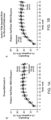
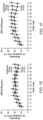
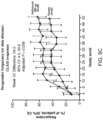
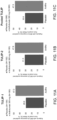
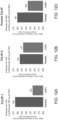
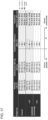
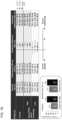
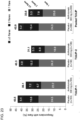
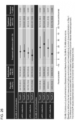
- FIG 1 Primary and selected secondary efficacy outcomes over time in TULIP-1
- the disclosure relates to methods and compositions for the treatment of Systemic Lupus Erythematosus (SLE). Specifically, the disclosure relates to methods comprising administering to a subject in need thereof anifrolumab.
- SLE Systemic Lupus Erythematosus
- subject is intended to include human and non-human animals, particularly mammals.
- the subject may be an adult human patient.
- the subject may be a patient with moderate to severe SLE.
- treatment refers to both therapeutic treatment and prophylactic or preventative measures.
- Those in need of treatment include subjects having SLE as well as those prone to having SLE or those in which SLE is to be prevented.
- the methods disclosed herein can be used to treat SLE.
- Administration refers to providing, contacting, and/or delivering a compound or compounds by any appropriate route to achieve the desired effect.
- Administration may include, but is not limited to, oral, sublingual, parenteral (e.g., intravenous, subcutaneous, intracutaneous, intramuscular, intraarticular, intraarterial, intrasynovial, intrasternal, intrathecal, intralesional, or intracranial injection), transdermal, topical, buccal, rectal, vaginal, nasal, ophthalmic, via inhalation, and implants.
- composition refers to a compound or composition capable of inducing a desired therapeutic effect when properly administered to a subject.
- the disclosure provides a pharmaceutical composition comprising a pharmaceutically acceptable carrier and a therapeutically effective amount of at least one antibody of the disclosure.
- pharmaceutically acceptable carrier or “physiologically acceptable carrier” as used herein refer to one or more formulation materials suitable for accomplishing or enhancing the delivery of one or more antibodies of the disclosure.
- antigen-binding fragment refers to one or more fragments of an antibody that retain(s) the ability to specifically bind to the antigen.
- antigen-binding fragments include the following: Fab fragment, F(ab')2 fragment, Fd fragment, Fv fragment, dAb fragment, as well as a scFv.
- SLE Systemic lupus erythematosus
- SLE Systemic lupus erythematosus
- SLE is a chronic, multisystemic, disabling autoimmune rheumatic disease of unknown etiology.
- Systemic lupus erythematosus predominantly affects women of childbearing years with a recent review reporting the female-to-male ratio in the childbearing years to be about 12:1.
- Accurate data on the current incidence and prevalence of SLE are largely lacking, however there are numerous indications that SLE is more common in non-Caucasian populations; for example, in the United States of America (USA), SLE is more prevalent in African-Americans, Hispanics, and Asians than Caucasians.
- SLE prevalence varies from country to country.
- variability of SLE prevalence within countries appears to be dependent upon racial, genetic differences, complex socioeconomic factors and age; the incidence of disease in females is usually highest between 15-44 years of age.
- Clinical manifestations of SLE can include constitutional symptoms, alopecia and rashes, serositis, inflammatory arthritis, renal disease, systemic vasculitis, lymphadenopathy, splenomegaly, hemolytic anemia, cognitive dysfunction and other central nervous system (CNS) involvement. These disease manifestations cause a significant burden of illness and can cause reduced physical function, loss of employment, lower health-related quality of life (HRQoL), and a lifespan shortened by about 10 years.
- HRQoL health-related quality of life
- SMR standardized mortality ratio
- Belimumab is the only new treatment for SLE that has been approved by the FDA in about 50 years since hydroxychloroquine was approved for use in discoid lupus and SLE.
- Many agents currently used to treat SLE such as azathioprine, cyclophosphamide, and mycophenolate mofetil/mycophenolic acid have not been approved for the disease.
- Other available treatments include nonsteroidal anti-inflammatory drugs (NSAIDs) and analgesics for fever, arthralgia, and arthritis; and topical sunscreens to minimize photosensitivity.
- NSAIDs nonsteroidal anti-inflammatory drugs
- analgesics for fever, arthralgia, and arthritis
- topical sunscreens to minimize photosensitivity.
- Antimalarial agents eg, hydroxychloroquine
- corticosteroids may be added to control arthralgia, arthritis, and rashes. It is often difficult to taper patients with moderate or severe disease completely off corticosteroids, which cause long-term morbidity and may contribute to early cardiovascular mortality. Even low-dose prednisone, if used as a long-term treatment, carries increased risk for side effects.
- Phase II studies gather preliminary data on effectiveness.
- Phase 2 studies researchers administer the drug to a group of patients with the disease or condition for which the drug is being developed. Typically involving a few hundred patients, these studies aren't large enough to show whether the drug will be beneficial. Instead, Phase 2 studies provide researchers with additional safety data. researchers use these data to refine research questions, develop research methods, and design new Phase 3 research protocols.
- Phase 3 studies to demonstrate whether or not a product offers a treatment benefit to a specific population. Sometimes known as pivotal studies, these studies involve 300 to 3,000 participants. Phase 3 studies provide most of the safety data. In previous studies, it is possible that less common side effects might have gone undetected. Because these studies are larger and longer in duration, the results are more likely to show long-term or rare side effects. Regulatory bodies such as the EMA and FDA usually require a phase III clinical trial demonstrating that the product is safe and at least as effective (if not better) than available medications, before approving a new medication. Phase III clinical trials usually fail, even if they follow a successful a phase II clinical trial.
- CLASI is a tool used to measure disease severity and response to treatment.
- a 4-point or 20% decrease in CLASI activity score is commonly viewed as a cut-off for classifying subjects as responders to treatment.
- treatment using anifrolumab results in at least 50% reduction of a subject's CLASI score compared to the subject's baseline score.
- the CLASI is a validated index used for assessing the cutaneous lesions of SLE and consists of 2 separate scores: the first summarizes the inflammatory activity of the disease; the second is a measure of the damage done by the disease.
- the activity score takes into account erythema, scale/hypertrophy, mucous membrane lesions, recent hair loss, and nonscarring alopecia.
- the damage score represents dyspigmentation, scarring/atrophy/panniculitis, and scarring of the scalp. Subjects are asked if their dyspigmentation lasted 12 months or longer, in which case the dyspigmentation score is doubled.
- Each of the above parameters is measured in 13 different anatomical locations, included specifically because they are most often involved in cutaneous lupus erythematosus (CLE). The most severe lesion in each area is measured.
- treatment using anifrolumab reduces a subject's CLASI score by at least week 8, week 12, week 24, week 36, week 48, or week 52 of treatment. In particular embodiments, treatment using anifrolumab reduces a subject's CLASI score by at least week 8. In particular embodiments, treatment using anifrolumab reduces a subject's CLASI score by at least week 12.
- a method of treating systemic lupus erythematosus in a subject in need thereof comprising administering to the subject a therapeutically effective amount of anifrolumab, wherein the treatment results in a reduction in the Cutaneous Lupus Erythematosus Disease Area and Severity Index (CLASI) score compared to a patient receiving placebo.
- CLASI Cutaneous Lupus Erythematosus Disease Area and Severity Index
- Oral corticosteroids include prednisone, cortisone, hydrocortisone, methylprednisolone, prednisolone and triamcinolone.
- a method of treating systemic lupus erythematosus in a subject in need thereof, wherein the subject is being treated with oral corticosteroids comprising administering to the subject a therapeutically effective amount of anifrolumab, wherein the treatment results in a reduction in oral corticosteroid dosage in the subject to at least ⁇ 5.5 mg/day, ⁇ 6.5 mg/day, ⁇ 7.5 mg/day, or ⁇ 8.5 mg/day.
- the reduction in oral corticosteroid dosage in the subject is reduced to at least ⁇ 7.5 mg/day.
- the treatment results in a reduction in oral corticosteroid dosage in the subject from ⁇ 10 mg/day to ⁇ 7.5 mg/day.
- a method of treating systemic lupus erythematosus in a subject in need thereof, wherein the subject is being treated with oral corticosteroids comprising administering to the subject a therapeutically effective amount of anifrolumab, wherein the treatment results in a reduction in oral corticosteroid dosage in the subject to at least ⁇ 5.5 mg/day, ⁇ 6.5 mg/day of prednisone or prednisone equivalent dose, ⁇ 7.5 mg/day of prednisone or prednisone equivalent dose, or ⁇ 8.5 mg/day of prednisone or prednisone equivalent dose.
- the reduction in oral corticosteroid dosage in the subject is reduced to at least ⁇ 7.5 mg/day.
- the treatment results in a reduction in oral corticosteroid dosage in the subject from ⁇ 10 mg/day to ⁇ 7.5 mg/day of prednisone or prednisone equivalent dose.
- Examples of equivalent doses of oral prednisone are shown in Table 2.
- Table 2 Examples of equivalent doses of oral prednisone Oral Prednisone and Equivalents Equivalent Dose Oral Prednisone 7.5 mg 10 mg 20 mg 30 mg 40 mg Cortisone 37.5 mg 50 mg 100 mg 150 mg 200 mg Hydrocortisone 30 mg 40 mg 80 mg 120 mg 160 mg Methylprednisolone 6 mg 8 mg 16 mg 24 mg 32 mg
- the swollen and tender joint count is based on left and right shoulder, elbow, wrist, metacarpophalangeal (MCP) 1, MCP2, MCP3, MCP4, MCP5, proximal interphalangeal (PIP) 1, PIP2, PIP3, PIP4, PIP5 joints of the upper extremities and left and right knee of the lower extremities.
- MCP metacarpophalangeal
- PIP proximal interphalangeal
- An active joint for the joint count assessment is defined as a joint with tenderness and swelling.
- method of treating systemic lupus erythematosus in a subject in need thereof comprising administering to the subject a therapeutically effective amount of anifrolumab, wherein the treatment results in at least 50% improvement from baseline value of tender joint count and swollen joint count compared to a patient receiving placebo.
- the dose of the anifrolumab to be administered to the subject will vary depending, in part, upon the size (body weight, body surface, or organ size) and condition (the age and general health) of the subject.
- the subject is administered one or more fixed doses of anifrolumab, wherein the dose is 150 mg, 200 mg, 250 mg, 300 mg, or 350 mg. In some embodiments, the subject is administered one or more fixed doses of anifrolumab wherein the dose is 300 mg.
- anifrolumab is administered over a two-week treatment period, over a four-week treatment period, over a six-week treatment period, over an eight-week treatment period, over a twelve-week treatment period, over a twenty-four-week treatment period, or over a one-year or more treatment period.
- anifrolumab is administered over a three-week treatment period, over a six-week treatment period, over a nine-week treatment period, over a twelve-week treatment period, over a twenty-four-week treatment period, or over a one-year or more treatment period.
- anifrolumab is administered for at least 52 weeks.
- anifrolumab is administered every week, every two weeks, every four weeks, every six weeks, every eight weeks, every ten weeks, or every twelve weeks.
- the formulations of the disclosure When used for in vivo administration, the formulations of the disclosure should be sterile.
- the formulations of the disclosure may be sterilized by various sterilization methods, including, for example, sterile filtration or radiation.
- the formulation is filter sterilized with a presterilized 0.22-micron filter.
- Sterile compositions for injection can be formulated according to conventional pharmaceutical practice as described in " Remington: The Science & Practice of Pharmacy," 21st ed., Lippincott Williams & Wilkins, (2005 ).
- type I IFN inhibitor can be formulated for particular routes of administration, such as oral, nasal, pulmonary, topical (including buccal and sublingual), rectal, vaginal, and/or parenteral administration.
- routes of administration such as oral, nasal, pulmonary, topical (including buccal and sublingual), rectal, vaginal, and/or parenteral administration.
- parenteral administration and “administered parenterally” as used herein refer to modes of administration other than enteral and topical administration, usually by injection, and includes, without limitation, intravenous, intramuscular, intraarterial, intrathecal, intracapsular, intraorbital, intracardiac, intradermal, intraperitoneal, transtracheal, subcutaneous, subcuticular, intraarticular, subcapsular, subarachnoid, intraspinal, epidural and intrasternal injection, and infusion.
- anifrolumab can be formulated for particular routes of administration, such as oral, nasal, pulmonary, topical (including buccal and sublingual), rectal, vaginal, and/or parenteral administration.
- routes of administration such as oral, nasal, pulmonary, topical (including buccal and sublingual), rectal, vaginal, and/or parenteral administration.
- parenteral administration and “administered parenterally” as used herein refer to modes of administration other than enteral and topical administration, usually by injection, and includes, without limitation, intravenous, intramuscular, intraarterial, intrathecal, intracapsular, intraorbital, intracardiac, intradermal, intraperitoneal, transtracheal, subcutaneous, subcuticular, intraarticular, subcapsular, subarachnoid, intraspinal, epidural and intrasternal injection, and infusion.
- the formulations can be presented in unit dosage form and can be prepared by any method known in the art of pharmacy. Actual dosage levels of the active ingredients in the formulation of the present disclosure may be varied so as to obtain an amount of the active ingredient which is effective to achieve the desired therapeutic response for a particular subject, composition, and mode of administration, without being toxic to the subject (e.g., "a therapeutically effective amount"). Dosages can also be administered via continuous infusion (such as through a pump). The administered dose may also depend on the route of administration.
- the pharmaceutical composition may comprise about 150 mg/mL anifrolumab.
- the pharmaceutical composition may comprise 50 mM lysine HCl.
- the pharmaceutical composition may comprise 130 mM trehalose dihydrate.
- the pharmaceutical composition may comprise 0.05% polysorbate 80.
- the pharmaceutical composition may comprise 25 mM histidine/histidine HCl.
- the pharmaceutical composition may have a pH of 5.9.
- Type I IFN is considered important in SLE disease pathogenesis and inhibition of this pathway is targeted by anifrolumab.
- direct measurement of the target protein remains a challenge.
- a transcript-based marker was developed to evaluate the effect of over expression of the target protein on a specific set of mRNA markers. The expression of these markers is easily detected in whole blood and demonstrates a correlation with expression in diseased tissue such as skin in SLE.
- the bimodal distribution of the transcript scores for SLE subjects supports defining an IFN test high and low subpopulation.
- the type I IFN test is described in WO2011028933 A1 .
- Anifrolumab is a monoclonal antibody targeting IFNAR1 (the receptor for ⁇ , ⁇ , and ⁇ interferons). Disclosure related to anifrolumab can be found in U.S. Patent No. 7,662,381 and U.S. Patent No. 9,988,459 .
- Anifrolumab is a monoclonal antibody which binds to IFNAR with high affinity and specificity.
- the antibody is an IFNAR-blocking (antagonistic) antibody, and blocks the activity of the receptor's ligands, namely type I interferons such as interferon-a and interferon- ⁇ .
- Anifrolumab thus provides for downregulation of IFNAR signaling, and thus suppression of IFN-inducible genes.
- Table 3 Anifrolumab sequences Anifrolumab VH (SEQ ID NO: 1) Anifrolumab VL (SEQ ID NO: 2) HCDR1 (SEQ ID NO: 3) NYWIA HCDR2 (SEQ ID NO: 4) IIYPGDSDIRYSPSFQG HCDR3 (SEQ ID NO: 5) HDIEGFDY LCDR1 (SEQ ID NO: 6) RASQSVSSSFFA LCDR2 (SEQ ID NO: 7) GASSRAT LCDR3 (SEQ ID NO: 8) QQYDSSAIT
- anifrolumab is an antibody comprising an HCDR1, HCDR2 and HCDR3 of SEQ ID NO: 3, SEQ ID NO: 4, and SEQ ID NO: 5, respectively (or functional variant thereof); and an LCDR1 , LCDR2 and LCDR3 of SEQ ID NO: 6, SEQ ID NO: 7, and SEQ ID NO: 8, respectively (or functional variant thereof).
- anifrolumab as referred to herein is an antibody comprising a VH of SEQ ID NO: 1 and a VL of SEQ ID NO: 2 (or functional variant thereof).
- the present invention encompasses the antibodies defined herein having the recited CDR sequences or variable heavy and variable light chain sequences (reference (anifrolumab) antibodies), as well as functional variants thereof.
- a "functional variant” binds to the same target antigen as the reference (anifrolumab) antibody.
- the functional variants may have a different affinity for the target antigen when compared to the reference antibody, but substantially the same affinity is preferred.
- a functional antibody variant may comprise a functional variant of a CDR.
- the term "functional variant” is used in the context of a CDR sequence, this means that the CDR has at most 2, preferably at most 1 amino acid differences when compared to a corresponding reference CDR sequence, and when combined with the remaining 5 CDRs (or variants thereof) enables the variant antibody to bind to the same target antigen as the reference (anifrolumab) antibody, and preferably to exhibit the same affinity for the target antigen as the reference (anifrolumab) antibody.
- anifrolumab targets (e.g. blocks or antagonizes) IFNAR
- anifrolumab treats a disease (such as SLE) by blocking signaling initiated by type I interferons (IFNs).
- IFNs type I interferons
- Type I IFNs are known to be important drivers of inflammation (e.g. by coordinating the type I interferon response), and thus play a pivotal role in the immune system.
- dysregulation of type I IFN-signaling can lead to aberrant (e.g. aberrantly high) levels of inflammation, and autoimmunity.
- Such dysregulation of type I IFN interferons has been reported in numerous autoimmune diseases.
- a variant of the reference (anifrolumab) antibody may comprise:
- a variant of the reference (anifrolumab) antibody may comprise:
- a variant antibody may have at most 5, 4 or 3 amino acid differences total in the CDRs thereof when compared to a corresponding reference (anifrolumab) antibody, with the proviso that there is at most 2 (preferably at most 1) amino acid differences per CDR.
- a variant antibody has at most 2 (more preferably at most 1) amino acid differences total in the CDRs thereof when compared to a corresponding reference (anifrolumab) antibody, with the proviso that there is at most 2 amino acid differences per CDR.
- a variant antibody has at most 2 (more preferably at most 1) amino acid differences total in the CDRs thereof when compared to a corresponding reference (anifrolumab) antibody, with the proviso that there is at most 1 amino acid difference per CDR.
- the amino acid difference may be an amino acid substitution, insertion or deletion. In one embodiment the amino acid difference is a conservative amino acid substitution as described herein.
- a variant antibody may have at most 5, 4 or 3 amino acid differences total in the framework regions thereof when compared to a corresponding reference (anifrolumab) antibody, with the proviso that there is at most 2 (preferably at most 1) amino acid differences per framework region.
- a variant antibody has at most 2 (more preferably at most 1) amino acid differences total in the framework regions thereof when compared to a corresponding reference (anifrolumab) antibody, with the proviso that there is at most 2 amino acid differences per framework region.
- a variant antibody has at most 2 (more preferably at most 1) amino acid differences total in the framework regions thereof when compared to a corresponding reference (anifrolumab) antibody, with the proviso that there is at most 1 amino acid difference per framework region.
- a variant antibody may comprise a variable heavy chain and a variable light chain as described herein, wherein:
- the variant heavy or light chains may be referred to as "functional equivalents" of the reference heavy or light chains.
- a variant antibody may comprise a variable heavy chain and a variable light chain as described herein, wherein:
- the type I interferon receptor inhibitor is anifrolumab or a functional variant thereof.
- the BILAG-2004 is a translational index with 9 organ systems (General, Mucocutaneous, Neuropsychiatric, Musculoskeletal, Cardiorespiratory, Gastrointestinal, Ophthalmic, Renal and Haematology) that is able to capture changing severity of clinical manifestations. It has ordinal scales by design and does not have a global score; rather it records disease activity across the different organ systems at a glance by comparing the immediate past 4 weeks to the 4 weeks preceding them. It is based on the principle of physicians' intention to treat and categorises disease activity into 5 different levels from A to E:
- BICLA BILAG-Based Composite Lupus Assessment
- BICLA is a composite index that was originally derived by expert consensus of disease activity indices.
- BICLA response is defined as (1) at least one gradation of improvement in baseline BILAG scores in all body systems with moderate or severe disease activity at entry (e.g., all A (severe disease) scores falling to B (moderate), C (mild), or D (no activity) and all B scores falling to C or D); (2) no new BILAG A or more than one new BILAG B scores; (3) no worsening of total SLEDAI score from baseline; (4) no significant deterioration ( ⁇ 10%) in physicians global assessment; and (5) no treatment failure (initiation of non-protocol treatment).
- a subject is a BICLA responder if the following criteria are met:
- treatment using anifrolumab improves a subject's BICLA response rate by at least week 8, week 12, week 24, week 36, week 48, or week 52 of treatment. In particular embodiments, treatment using anifrolumab improves a subject's BICLA response rate by at least week 8.
- the subject shows improvement in the BICLA response
- the subject does not show improvement in the Systemic Lupus Erythematosus Responder Index (SRI)4 score.
- SRI Systemic Lupus Erythematosus Responder Index
- a method of treating systemic lupus erythematosus in a subject in need thereof comprising administering to the subject a therapeutically effective amount of anifrolumab, wherein the treatment results in an improvement of the BILAG-Based Composite Lupus Assessment (BICLA) response rate compared to a patient receiving placebo.
- BICLA BILAG-Based Composite Lupus Assessment
- the improvement of the BILAG response rate may be statistically significant.
- the improvement of the BILAG response rate may be statistically significant after multiplicity adjustment.
- the improvement of the BILAG response rate may be statistically significant, wherein statistical significance is determined by p ⁇ 0.05 or p ⁇ 0.005.
- treatment using anifrolumab results in an MCR. In particular embodiments, treatment using anifrolumab results in a PCR.
- the SF-36-v2 (acute) is a multipurpose, 36-item survey that measures 8 domains of health: physical functioning, role limitations due to physical health, bodily pain, general health perceptions, vitality, social functioning, role limitations due to emotional problems, and mental health. It yields scale scores for each of these 8 health domains, and summary measures of physical and mental health: the Physical Component Summary and Mental Component Summary.
- the FACIT-F is a 13-item subject-completed questionnaire to assess the impact of fatigue over the previous 7 days.
- the responses range from 0 (Not at All) to 4 (Very Much).
- Final scores are the sum of the responses and range from 0 to 52; higher scores indicate better QoL (Yellen et al, 1997). Changes in scores >3 points are considered to be clinically meaningful.
- the PtGA is a single-item question that takes into account all the ways in which illness and health conditions may affect the patient at this time.
- the patient should consider the previous week when answering this question. Responses range from very well to very poor on a 100 mm VAS.
- the physician and subject must complete the PGA and PtGA, respectively, independently of each other.
- a Major Clinical Response includes BICLA scores C or better at Week 24, maintained with no new A or B scores between Week 24-52.
- a Partial Clinical Response (PCR) includes a maximum of 1 BICLA score at Week 24, maintained without new A or >1 new B domain score through Week 52.
- Physician Global Assessment (PGA) of Disease Activity refers to an assessment wherein a physician evaluates the status of a subject's psoriatic arthritis (PsA) by means of a visual analog scale (VAS). The subject is assessed according to how their current arthritis is. The VAS is anchored with verbal descriptors of "very good” to "very poor.”
- the method may comprise measuring PROs in the subject before and after administration of anifrolumab.
- the PRO's may comprise the subject's Functional Assessment of Chronic Illness Therapy-Fatigue (FACIT-F), Short Form 36 Health Survey version 2 (SF-36-v2), mental component summary (MCS), and/or SF-36, physical component summary (PCS) score.
- FACIT-F Chronic Illness Therapy-Fatigue
- SF-36-v2 Short Form 36 Health Survey version 2
- MCS mental component summary
- PCS physical component summary
- Example 1 Type I Interferon Inhibition in Active Systemic Lupus Erythematosus
- TULIP-1 (NCT02446912), a phase 3, double-blind, randomized controlled study of adults with moderate to severe SLE despite standard-of-care (SOC) treatment, patients received (2:1:2) placebo or anifrolumab (150 or 300 mg) intravenously every 4 weeks for 48 weeks. Stable SOC continued except for mandatory attempts at oral corticosteroid (OCS) tapering for patients receiving prednisone/equivalent ⁇ 10 mg/day at baseline. The primary endpoint was the difference between the SLE Responder Index (SRI[4]) response rate for anifrolumab 300 mg and placebo at week 52. Safety was also assessed.
- SRI[4] SLE Responder Index
- Patients were seropositive for antinuclear antibodies or anti-double-stranded DNA (anti-dsDNA) or anti-Smith antibodies and were receiving stable treatment with at least one of the following: prednisone or equivalent, an antimalarial, azathioprine, mizoribine, mycophenolate mofetil/mycophenolic acid, or methotrexate.
- a patient receiving a steroid dose above his or her week 0 (day 1) dose could continue in the study, but was considered a nonresponder for subsequent assessments of disease activity.
- Patients who received an increase in their OCS after week 40 were considered nonresponders for subsequent assessments of disease activity.
- SRI(4) response is a landmark assessment defined as a ⁇ 4-point reduction in SLEDAI-2K, ⁇ 1 new BILAG-2004 A or ⁇ 2 new BILAG-2004 B organ domain scores, ⁇ 0 ⁇ 3-point increase in PGA from baseline, no use of restricted medications beyond protocol-allowed thresholds, and no discontinuation of investigational product.
- Prespecified secondary endpoints not adjusted for multiplicity included the following: week 52 BILAG-based Composite Lupus Assessment (BICLA) response, higher thresholds of week-52 SRI (5-9), change in Physician's Global Assessment (PGA) from baseline to week 52, change in SLEDAI-2K from baseline to week 52, change in BILAG global score, ⁇ 50% reduction in CLASI activity score from baseline to week 52, and reductions in active joint counts ( ⁇ 50% reduction and change joint count from baseline to week 52).
- week 52 SRI(4) responses in the anifrolumab 150 mg group were assessed.
- Efficacy analyses included patients who were randomized and received ⁇ 1 dose of study treatment; patients were analyzed according to randomized treatment (modified intention-to-treat). Planned efficacy analyses compared anifrolumab 300 mg with placebo. The primary endpoint compared anifrolumab 300 mg and placebo week-52 SRI(4) responses using a stratified Cochran-Mantel-Haenszel (CMH) test with the same stratification factors used at randomization. To adjust for stratification factors, the CMH method uses a weighted average across strata of the stratum-specific difference in proportions, where the strata are defined based on the 8 possible combinations of the 3 factors.
- CMH Cochran-Mantel-Haenszel
- the overall intent of the revised medication rules used in the post hoc analysis was to align medication rules with clinically appropriate use early in the trial, with a stricter interpretation closer to the primary endpoint. This revision would prevent clinically appropriate medication use early in the trial from leading to classification as a nonresponder (NR) at week 52, while ensuring that if patients took medications that could confound efficacy assessment at week 52, they would be classified as NR at week 52.
- NR nonresponder
- oral corticosteroids the following criteria was applied:
- NSAIDs For NSAIDs, initiation of a new NSAID within 14 days of week 52 and documented use on the day before the week-52 assessment led to classification as NR at the week-52 visit. NSAID use prior to week 50 did not lead to classification as NR.
- ⁇ A flare is defined as either ⁇ 1 new BILAG-2004 A or ⁇ 2 new BILAG-2004 B items compared with the previous visit (i.e., a worsening from an E, D, or C score to a B score in at least two organ systems or a worsening from an E, D, C, or B score to an A score in any one organ system compared with the previous visit).
- ⁇ Calculation of flare rate does not involve restricted medications; therefore, values for the prespecified and post hoc analyses are the same.
- BICLA BILAG-based Composite Lupus Assessment
- BILAG British Isles Lupus Assessment Group
- BL baseline
- Cl confidence interval
- CLASI Cutaneous Lupus Erythematosus Disease Area and Severity Index
- IFNGS interferon gene signature
- LS least squares
- N/A not applicable
- OCS oral corticosteroids
- PGA Physician's Global Assessment
- SD standard deviation
- SE standard error
- SLEDAI-2K Systemic Lupus Erythematosus Disease Activity Index 2000
- SRI Systemic Lupus Erythematosus Responder Index
- wk week.
- ⁇ SRI(4) response was defined as a ⁇ 4-point reduction in SLEDAI-2K score, ⁇ 1 new BILAG-2004 A or ⁇ 2 new BILAG-2004 B organ domain scores, ⁇ 0 ⁇ 3-point (10%) increase in PGA score from baseline, and no discontinuation of investigational product and no use of restricted medications beyond the protocol-allowed threshold.
- OCS ⁇ 10 mg/day (prednisone or equivalent).
- CLASI activity score ⁇ 10 at baseline.
- ⁇ A flare is defined as either ⁇ 1 new BILAG-2004 A or ⁇ 2 new BILAG-2004 B items compared with the previous visit (ie, a worsening from an E, D, or C score to a B score in at least two organ systems or a worsening from an E, D, C, or B score to an A score in any one organ system compared with the previous visit).
- ⁇ Calculation of flare rate does not involve restricted medications; therefore, values for the prespecified and post hoc analyses are the same. **In patients with ⁇ 8 swollen and ⁇ 8 tender joints at baseline.
- BICLA BILAG-based Composite Lupus Assessment
- BILAG British Isles Lupus Assessment Group
- BL baseline
- Cl confidence interval
- CLASI Cutaneous Lupus Erythematosus Disease Area and Severity Index
- IFNGS interferon gene signature
- OCS oral corticosteroids
- PGA Physician's Global Assessment
- SLEDAI-2K Systemic Lupus Erythematosus Disease Activity Index 2000
- SRI Systemic Lupus Erythematosus Responder Index
- wk week.
- SRI(4) responses were similar across treatment groups, greater differences were observed between anifrolumab and placebo using modified SRIs that incorporated higher thresholds of SLEDAI-2K response (Table 1).
- SRI(7) response was achieved by 29.0% of anifrolumab-treated patients versus 17.6% of patients receiving placebo (difference 11.5 [95% Cl: 2.4, 20.6]).
- BICLA responses were achieved by numerically more patients treated with anifrolumab (46.1%) than placebo (29.6%; difference 16.4 [95% Cl: 6.7, 26.2]; FIG 1F , Table 1).
- the percentages of patients who were ADA negative at baseline and ADA positive at any time post baseline were small and similar across treatment groups (anifrolumab 300 mg, 5/164 patients [3.0%]; placebo, 7/171 patients [4.1%]).
- the numbers of patients who were persistently ADA positive (defined as ADA negative at baseline and ADA positive at ⁇ 2 assessments with ⁇ 16 weeks between the first and last positive test) were 3/164 (1.8%) in the anifrolumab 300-mg group and 4/171 (2.3%) in the placebo group.
- ADA anti-drug antibody
- BL baseline
- C3 third complement
- C4 fourth complement
- CH50 total hemolytic complement levels
- dsDNA double-stranded DNA
- IFNGS interferon gene signature
- SD standard deviation
- wk week.
- the SRI(4) was chosen as TULIP-1's primary endpoint because of its wide use and the positive outcome in the anifrolumab phase 2 MUSE trial.
- SRI(4) response rates were no different between the placebo and anifrolumab groups; however, results of other endpoints, including another composite endpoint, BICLA, suggest clinical benefit of anifrolumab.
- BICLA another composite endpoint
- SRI(4) and BICLA comprise the same components, each of these composite endpoints may be optimal in different situations 33 .
- SRI(4) is based on the SLEDAI-2K, which requires complete resolution of a manifestation before that item's score will change. Therefore, SRI(4) cannot capture partial resolution within an organ domain, even if such improvement is clinically meaningful 34 .
- BICLA is based on improvements in BILAG-2004, which registers graded changes within an organ domain, and therefore, is more sensitive to detecting improvement. For example, rash in the SLEDAI-2K mucocutaneous domain has a weight of 2 points, making it impossible to achieve SRI(4) response based on this manifestation alone even if a patient experiences complete resolution of rash; BICLA, in contrast, captures partial or complete resolution of rash as a response, as does CLASI.
- Another distinction between BICLA and SRI is that BICLA reflects only clinical improvements, whereas SRI(4) response can be achieved with serologic improvements alone. Impact on serologies is more likely to be observed with therapies that target antibody-producing cells more directly.
- OCS oxygen-semiconductor
- TULIP-1 TULIP-1
- OCS are commonly used for SLE management, despite a range of serious adverse effects associated with their use that increase with longer duration and higher dosages 35 .
- OCS are commonly used for SLE management, despite a range of serious adverse effects associated with their use that increase with longer duration and higher dosages 35 .
- OCS are commonly used for SLE management, despite a range of serious adverse effects associated with their use that increase with longer duration and higher dosages 35 .
- OCS prednisone or equivalent ⁇ 10 mg/day
- 48.8% were able to achieve sustained dosage reduction to a target of ⁇ 7.5 mg/day, compared with 32.1% of patients receiving placebo (using amended restricted medication rules).
- SRI(4), anifrolumab 300 mg resulted in numeric improvements relative to placebo in attaining multiple other global and organ-specific endpoints, including BICLA, Cutaneous Lupus Erythematosus Disease Area and Severity Index (CLASI), joint count, and corticosteroid tapering.
- BICLA Cutaneous Lupus Erythematosus Disease Area and Severity Index
- CLASI Cutaneous Lupus Erythematosus Disease Area and Severity Index
- joint count joint count
- corticosteroid tapering corticosteroid tapering.
- Example 2 Efficacy and Safety of Anifrolumab in Active Systemic Lupus Erythematosus
- TULIP-2 a phase 3, randomized, double-blind, placebo-controlled trial, evaluated efficacy and safety of intravenous anifrolumab 300 mg vs placebo (1:1) every 4 weeks for 48 weeks in patients with moderate to severe SLE despite standard-of-care (SOC) treatment.
- Week-52 BICLA response was the primary endpoint. SOC was stable except for mandatory attempts at oral corticosteroid (OCS) tapering to prednisone equivalent ⁇ 7.5 mg/day for patients receiving ⁇ 10 mg/day at entry.
- OCS oral corticosteroid
- Patients were 18-70 years of age and fulfilled American College of Rheumatology classification criteria for SLE 36 .
- SLEDAI-2K 37 score ⁇ 6 excluding points attributable to fever, lupus headache, or organic brain syndrome
- clinical SLEDAI-2K score ⁇ 4 excluding points from laboratory results. They also had either severe disease activity in ⁇ 1 organ or moderate activity in ⁇ 2 organs (measured by BILAG-
- IFNS Type I interferon gene signature
- a patient receiving a steroid dose above his or her week 0 (day 1) dose could continue in the study, but was considered a nonresponder for subsequent assessments of disease activity.
- Patients who received an increase in their OCS after week 40 were considered nonresponders for subsequent assessments of disease activity.
- BICLA response is defined as all of (i) reduction of all severe or moderately severe baseline disease activity (BILAG-2004 A or B) to lower levels (B/C/D or C/D, respectively) and no worsening in other organ systems (defined as ⁇ 1 new BILAG-2004 A or ⁇ 2 new BILAG-2004 B items); (ii) confirmation of no worsening in disease activity measured by SLEDAI-2K (no increase from baseline); (iii) ⁇ 0.3-point increase in PGA from baseline; (iv) no use of restricted medications beyond protocol-allowed thresholds, and (v) no discontinuation of investigational product.
- BICLA response, rather than SRI(4) response was designated as the primary endpoint in a protocol amendment, prior to unblinding, because of its metric properties and consistent discrimination between treatment arms in previous anifrolumab trials.
- Exploratory endpoints that were not adjusted for multiplicity included SRI(4) to SRI(8) responses, time to first flare, and time to onset of sustained BICLA response.
- the primary endpoint compared BICLA response rates at week 52 for the anifrolumab and placebo groups using a stratified Cochran-Mantel-Haenszel (CMH) test with the same stratification factors as for randomization (SLEDAI-2K, OCS dosage at baseline, and type I IFNGS).
- CMH Cochran-Mantel-Haenszel
- Weights were chosen based on estimated power and relative clinical importance: BICLA in patients with high baseline IFNGS (0.8), OCS reduction (0.06), CLASI response (0.06), reduction in joint counts (0.06), and flare rate (0.02). Other prespecified exploratory outcomes were not controlled for multiplicity. Time to onset of BICLA response sustained through week 52, and time to flare, were evaluated using a Cox proportional hazards model.
- ⁇ BICLA response is defined as reduction of all baseline BILAG-2004 A to B/C/D, baseline BILAG-2004 B to C/D, and no BILAG-2004 worsening in other organ systems ( ⁇ 1 new BILAG-2004 A or ⁇ 2 new BILAG-2004 B items); no worsening (increase >0 points) from baseline SLEDAI-2K; ⁇ 0.3-point increase in PGA from baseline, no use of restricted medications beyond protocol-allowed thresholds, and no discontinuation of investigational product.
- a flare is defined as either ⁇ 1 new BILAG-2004 A or ⁇ 2 new BILAG-2004 B items compared with the previous visit (i.e., a worsening from an E, D, or C score to a B score in at least 2 organ systems or a worsening from an E, D, C, or B score to an A score in any 1 organ system compared with the previous visit).
- ⁇ SRI(4) response was defined as a ⁇ 4-point reduction in SLEDAI-2K score, ⁇ 1 new BILAG-2004 A or ⁇ 2 new BILAG-2004 B organ domain scores, ⁇ 0.3-point (10%) increase in PGA score from baseline, and no discontinuation of investigational product and no use of restricted medications beyond the protocol-allowed threshold.
- SRI(5), SRI(6), SRI(7), and SRI(8) responses are defined similarly to SRI(4) response with the exception that the point reduction in SLEDAI-2K score is ⁇ 5, ⁇ 6, ⁇ 7, or ⁇ 8 for SRI(5), (6), (7), and (8), respectively.
- ⁇ Calculated as a rate ratio (anifrolumab/placebo).
- ADA anti-drug antibody
- BL baseline
- C3 third complement
- C4 fourth complement
- CH50 total hemolytic complement levels
- dsDNA double-stranded DNA
- IFNGS interferon gene signature
- SD standard deviation
- wk week.
- the major clinical response is defined as all BILAG-2004 scores C or better at Week 24, maintained through Week 52, with no new A or B scores between Weeks 24-52.
- the Partial clinical response is defined as a maximum of 1 BILAG-2004 B score at Week 24, maintained through Week 52, with no new A or >1 new B domain score through Week 52.
- the TULIP-2 and TULIP-1 randomized, double-blind, placebo-controlled trials evaluated the efficacy and safety of anifrolumab (300 mg Q4W) over 52 weeks in patients with moderately to severely active SLE who were receiving standard-of-care treatment.
- Time to onset of BICLA response that was sustained from attainment through Week 52 was evaluated using a Cox proportional hazards model.
- MCR was defined as all BILAG-2004 scores C or better at Week 24, maintained with no new A or B scores between Weeks 24-52.
- PCR was defined as ⁇ 1 BILAG-2004 B score at Week 24 maintained without a new A or >1 new B domain score through Week 52.
- BICLA response rate and time to onset of BICLA response were analyzed using the amended restricted medication rules; MCR and PCR were analyzed using the prespecified analysis plan.
- TULIP-2 86 (47.8%) patients treated with anifrolumab had BICLA responses that were sustained from time of onset through Week 52 compared with 57 (31.3%) patients in the placebo group.
- TULIP-1 85 (47.2%) patients in the anifrolumab treatment arm had BICLA responses that were sustained from time of onset through Week 52 compared with 55 (29.9%) patients in the placebo group.
- MCR was observed in 20.8% and 22.1% of patients treated with anifrolumab, respectively, compared with 10.9% and 15.8% of those who received placebo.
- PCR was observed in 46.8% and 45.4% of anifrolumab-treated patients compared with 38.4% and 40.2% in the placebo groups, respectively.
- Rapid and durable BICLA responses support the clinical benefit of anifrolumab for patients with moderately to severely active SLE.
- Anifrolumab resulted in numerically favorable differences in time to onset of BICLA responses maintained through Week 52 across the TULIP studies.
- MCR and PCR also favored anifrolumab.
- BMI body mass index
- IFNGS type I interferon gene signature
- OCS oral corticosteroid
- SD standard deviation
- SLEDAI-2K Systemic Lupus Erythematosus Disease Activity Index 2000
- qPCR quantitative polymerase chain reaction.
- BILAG British Isles Lupus Assessment Group
- BICLA Composite Lupus Assessment
- TULIP-2 and TULIP-1 data were analyzed to assess the effects of anifrolumab on the number of SLE flares and time to first flare during 52 weeks of treatment.
- the randomized, double-blind, placebo-controlled TULIP-2 and TULIP-1 trials evaluated efficacy and safety of intravenous anifrolumab 300 mg vs placebo every 4 weeks for 48 weeks, with the primary endpoints assessed at Week 52, in patients with moderate to severe SLE despite standard-of-care treatment.
- Flares were defined as ⁇ 1 new BILAG-2004 A or ⁇ 2 new (worsening) BILAG-2004 B domain scores compared with the prior month's visit.
- Time to first flare was evaluated using a Cox proportional hazards model.
- Annualized flare rate was analyzed using a negative binomial regression model.
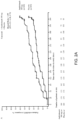
- Results favoring anifrolumab were observed in time to first flare (TULIP-2: hazard ratio [HR] 0.65, 95% confidence interval [CI] 0.46-0.91 and TULIP-1: HR 0.76, 95% CI 0.55-1.06; FIG 21 ) and BILAG-based annualized flare rates (TULIP-2: adjusted rate ratio 0.67, 95% CI 0.48-0.94 and TULIP-1: rate ratio 0.83, 95% CI 0.60-1.14) across both trials.
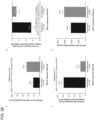
- Annualized BILAG flare rates (vs prior visit) were significantly lower in the anifrolumab group compared with the placebo group in TULIP-2 ( FIG 22 ).
- BICLA BILAG-based Composite Lupus Assessment
- OCS dosage reduction was defined as OCS dosage of ⁇ 7.5 mg/day achieved by Week 40 and maintained through Week 52.
- Cutaneous Lupus Erythematosus Disease Area and Severity Index activity (CLASI-A) response was defined as ⁇ 50% reduction of CLASI-A score from baseline for patients with CLASI-A ⁇ 10 at baseline.
- BICLA response is associated with improvements in multiple clinical and laboratory measures of SLE, strengthening its value as a clinically meaningful primary endpoint in SLE trials.
- the treatment of subjects with SLE with the type I IFN inhibitor anifrolumab in two Phase III clinical trial resulted in a BICLA response in patients associated with other improvements in multiple clinical and laboratory measures of SLE.
- Example 5 Early and sustained reduction in severity of skin disease as measured by CLASI
- CLASI Cutaneous Lupus Erythematosus Disease Area and Severity Index
- CLASI-A includes measures for erythema, scale/hypertrophy, mucous membrane lesions, recent hair loss, and nonscarring alopecia.
- TULIP-1 and -2 were 52-week randomized, double-blind, placebo-controlled trials that evaluated the efficacy and safety of anifrolumab (300 mg IV every 4 weeks for 48 weeks) in patients with moderately to severely active SLE despite standard-of-care treatment.
- TULIP-1 and -2 were analyzed separately using restricted medication rules per the TULIP-2 protocol, and data from both trials were pooled.
- a CLASI-A response was defined as ⁇ 50% reduction of CLASI-A score from baseline for patients with CLASI-A ⁇ 10. Time to CLASI-A response was evaluated using a Cox proportional hazards model.
- results favoring anifrolumab were observed in time to CLASI-A response sustained to Week 52 in TULIP-1 (hazard ratio [HR] 1.91; 95% CI 1.14, 3.27) and TULIP-2 (HR 1.55; 95% CI 0.87, 2.85) ( FIG 25 ).
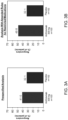
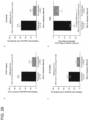
- a greater number of patients achieved a CLASI-A response ( ⁇ 50% reduction) by Week 12 in the anifrolumab vs placebo groups in both TULIP-1 and -2 (nominal P ⁇ 0.05) ( FIG 26 ); a similar effect was observed in the subgroup of patients with baseline CLASI-A ⁇ 10 in both TULIP-1 and -2 (nominal P ⁇ 0.05) ( FIG 26 ).
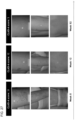
- An example from one patient following treatment with anifrolumab (300 mg) is shown in FIG 27 .
- Anifrolumab treatment was associated with rapid and durable improvements in skin-specific SLE disease activity, as assessed by CLASI, in a subgroup of patients with mild to severe cutaneous activity at baseline. These findings demonstrate the ability of anifrolumab to reduce skin disease activity in patients with moderately to severely active SLE.
- BICLA British Isles Lupus Assessment Group-based Composite Lupus Assessment
- the BICLA was developed following an expert panel review of disease activity indices used in SLE clinical trials.
- a BICLA response requires improvement in all domains affected at baseline, assessed by BILAG-2004, no worsening of other BILAG-2004 domains, no worsening versus baseline of both SLEDAI-2K and PGA, no initiation of nonprotocol treatment or use beyond protocol-allowed thresholds, and no discontinuation of investigational product.
- the driver of efficacy in the BICLA is BILAG-2004, whereas worsening is assessed with SLEDAI-2K and PGA in addition to BILAG.
- BILAG-2004-based BICLA weighs organ systems equally and distinguishes between inactive disease, partial and complete improvement, and deterioration of disease activity, whereas SLEDAI-2K-based SRI assigns weighting to organ systems and requires complete resolution of disease activity in the involved organ system to capture improvement.
- TULIP-1 placebo, anifrolumab 150 mg, or anifrolumab 300 mg [2:1:2]; TULIP-2: placebo or anifrolumab 300 mg [1 :1]).
- Primary endpoints were assessed at Week 52.
- Other treatments were stable throughout the trial except those resulting from protocol-determined intent-to-taper oral glucocorticoids.
- BICLA response was defined as all of the following: reduction of all baseline BILAG-2004 A and B domain scores to B/C/D and C/D, respectively, and no worsening in other BILAG-2004 organ systems as defined by ⁇ 1 new BILAG-2004 A or ⁇ 2 new BILAG-2004 B domain scores; no increase in SLEDAI-2K score (from baseline); no increase in PGA score ( ⁇ 0.3 points from baseline); no discontinuation of investigational product; and no use of restricted medications beyond protocol-allowed thresholds. Pooled data were analyzed according to the TULIP-2 restricted medication analytical rules to classify responders/nonresponders.
- Clinical outcome measures were compared between BICLA responders and nonresponders at Week 52, regardless of treatment group assignment, and results are presented in a hierarchy of clinical relevance, agreed by consensus between the authors.
- Outcome measures include the percentage of patients with flares (defined as ⁇ 1 new BILAG-2004 A or ⁇ 2 new BILAG-2004 B domain scores compared with the prior visit) through Week 52, annualized flare rates, percentage of patients achieving sustained oral glucocorticoid taper (defined as oral glucocorticoid dosage reduction to ⁇ 7.5 mg/day prednisone or equivalent, achieved by Week 40 and sustained through Week 52, in patients receiving ⁇ 10 mg/day at baseline), and change in daily oral glucocorticoid dosage from baseline to Week 52.
- PROs Changes in PROs were assessed from baseline to Week 52, including responses in Functional Assessment of Chronic Illness Therapy-Fatigue [FACIT-F] (defined as a >3-point improvement), responses in Short Form 36 Health Survey version 2 [SF-36-v2] [acute] physical component summary [PCS] and mental component summary [MCS] (defined as an improvement of >3.4 in the PCS and >4.6 in the MCS), and changes from baseline in Patient's Global Assessment [PtGA]). Medical resource utilization (health care visits, emergency department [ED] use, and hospital visits) was also assessed.
- FACIT-F Functional Assessment of Chronic Illness Therapy-Fatigue
- CLASI-A Cutaneous Lupus Erythematosus Disease Area and Severity Index Activity
- anti-dsDNA antibody levels were classified as 'positive' (>15 U/mL) or 'negative' ( ⁇ 15 U/mL), and complement levels were classified as 'abnormal' (C3, ⁇ 0.9 g/L; C4, ⁇ 0.1 g/L) or 'normal' (C3, ⁇ 0.9 g/L; C4, ⁇ 0.1 g/L).
- Adverse events were also assessed.
- TULIP-1 and TULIP-2 studies allowed for the results to be pooled. Sample sizes were selected for TULIP-1 and TULIP-2 to acquire adequate safety database sizes and to assess key secondary endpoints. In TULIP-1 and TULIP-2, 180 subjects/arm yielded >99% and 88% power, respectively, to reject the hypothesis (no difference in the primary endpoint) using a 2-sided alpha of 0.05.
- Responder versus nonresponder rates were calculated using a stratified Cochran-Mantel-Haenszel approach, which included stratification factors of SLEDAI-2K score at screening ( ⁇ 10 or ⁇ 1 0), baseline oral glucocorticoid dosage ( ⁇ 10 mg/day or ⁇ 10 mg/day), and type I IFNGS test status at screening (test-low or test-high). Study was also included in the model. For all responder analyses, patients were considered nonresponders if they used restricted medications beyond the protocol-allowed thresholds or discontinued investigational product before the assessment.
- a Oral glucocorticoid includes prednisone or equivalent; b An active joint is defined as a joint with swelling and tenderness; c Anti-dsDNA antibody 'positive' defined as a result of >15 U/mL. d Only patients with anti-dsDNA antibodies and abnormal complement levels at baseline are included in the summary statistics for the respective variables. e Complement C3 'abnormal' levels defined as a result of ⁇ 0.9 g/L. f Complement C4 'abnormal' levels defined as a result of ⁇ 0.1 g/L. Table 9.
- Race data were missing from 16 patients (8 each in the responder and nonresponder groups); "Oral glucocorticoid included prednisone or equivalent; c Immunosuppressant agents included azathioprine, methotrexate, mycophenolate mofetil, mycophenolic acid, and mizoribine.
- BILAG-2004 flares were defined by ⁇ 1 new BILAG-2004 A or ⁇ 2 new BILAG-2004 B domain scores compared with the prior visit.
- a Percentages, difference, Cl, and nominal P values are weighted and calculated using a stratified CMH approach.
- "Flare rates calculated using a negative binomial regression model which included covariates of group and stratification factors. The logarithm to the (base e) of the follow-up time is used as an offset variable in the model to adjust for different exposure times.
- BICLA responders versus nonresponders had greater reductions in daily oral glucocorticoid dosage from baseline to Week 52 (least squares [LS] mean difference -4.29 mg/day, 95% CI -5.37 to -3.20, nominal P ⁇ 0.001) ( FIG 28B ).
- the secondary endpoint of sustained oral glucocorticoid dosage reduction to ⁇ 7.5 mg/day among patients who were receiving oral glucocorticoid ⁇ 10 mg/day at baseline was achieved by more BICLA responders than nonresponders (79.2% vs 19.1%; difference 60.1%, 95% CI 52.1% to 68.1%, nominal P ⁇ 0.001) ( FIG 28C ).
- Mean (SD) cumulative oral glucocorticoid dose through Week 52 was 31.3% lower in BICLA responders versus nonresponders (2159.20 [1661.39] mg vs 3140.81 [3081.19] mg) ( FIG 28D ).
- FACIT-F, SF-36 MCS, and SF-36 PCS scores were similar for BICLA responders and nonresponders at baseline ( Table 11 ). Improvement in FACIT-F was reported in more BICLA responders than nonresponders (55.6% vs 15.7%; difference 40.0%, 95% CI 33.6% to 46.3%, nominal P ⁇ 0.001) ( FIG 29A ).
- PtGA scores were similar for BICLA responders and nonresponders at baseline. Greater improvements in PtGA scores from baseline to Week 52 were reported for BICLA responders than nonresponders (LS mean difference -11.1, 95% CI -14.9 to -7.3, nominal P ⁇ 0.001) ( FIG 29D ).
- Mean (SD) active joint counts (defined as joints with swelling and tenderness) were 6.1 (5.22) and 6.9 (5.97) in BICLA responders and nonresponders, respectively, at baseline.
- Mean (SD) swollen joint counts were 6.5 (5.27) and 7.4 (6.08), respectively, and tender joint counts were 9.8 (6.94) and 11.1 (7.85), respectively.
- a Anti-dsDNA antibody 'positive' or 'negative' defined as a result of >15U/mL or ⁇ 15 U/mL, respectively.
- b Complement C3 'abnormal' or 'normal' levels defined as a result of ⁇ 0.9 g/L or C3, ⁇ 0.9 g/L, respectively.
- c Complement C4 'abnormal' or 'normal' levels defined as a result of ⁇ 0.1 g/L or C3, ⁇ 0.1 g/L, respectively.
- BICLA is a dichotomous SLE outcome measure that classifies a patient as a responder or nonresponder based on changes in organ domain activity.
- BICLA is primarily used in the clinical trial setting, the aim of this study was to assess the meaningfulness of BICLA response in terms of outcomes that are relevant to patients and physicians.
- BICLA response was significantly associated with improved clinical outcomes across a range of SLE assessments, key PROs, and medical resource utilization measures.
- both disease flares and oral glucocorticoid use have been linked to organ damage, which itself increases mortality risk. Flares also associate with reduced health-related quality of life, and flare severity and oral glucocorticoid use correlates with health care costs.
- a key SLE treatment goal therefore is to prevent flares while minimizing oral glucocorticoid exposure, which in turn is expected to reduce medical resource utilization.
- BICLA responders had fewer disease flares together with a lower daily oral glucocorticoid dose.
- a greater percentage of BICLA responders achieved sustained oral glucocorticoid reduction to target dose.
- BICLA responders and nonresponders We also assessed adverse events in BICLA responders and nonresponders. Consistent with the lower flare rates, reduced medical resource utilization, and fewer SLE-related ED visits and hospitalizations associated with BICLA response, there were fewer SAEs in BICLA responders versus nonresponders. While discontinuation of investigational product for any reason led to a patient being classified as a BICLA nonresponder by definition, of note, BICLA nonresponders had a greater propensity to discontinue due to an AE than BICLA responders.
- PROs have been incorporated into nearly all SLE clinical trials. However, analyses have often yielded discordance between clinical outcomes and PROs, as patient perceptions of disease activity and illness are heavily impacted by fatigue and quality of life and are not captured by the results of formal measures of disease activity.
- BICLA responders had improvements in validated PROs, including the physical and mental components of the SF-36 health survey and the FACIT assessment of fatigue. Fatigue, a common symptom in patients with SLE, interferes with daily life, and more than one half of patients with BICLA responses experienced improvement in fatigue in the TULIP trials. PtGA and PGA scores showed concordance in improvement, and greater degrees of improvement among BICLA responders than nonresponders. Our results demonstrate that BICLA response translates to general improvements in the physical and mental wellbeing of patients with SLE.
Landscapes
- Health & Medical Sciences (AREA)
- Chemical & Material Sciences (AREA)
- Life Sciences & Earth Sciences (AREA)
- Immunology (AREA)
- Medicinal Chemistry (AREA)
- General Health & Medical Sciences (AREA)
- Organic Chemistry (AREA)
- Engineering & Computer Science (AREA)
- General Chemical & Material Sciences (AREA)
- Veterinary Medicine (AREA)
- Pharmacology & Pharmacy (AREA)
- Public Health (AREA)
- Animal Behavior & Ethology (AREA)
- Chemical Kinetics & Catalysis (AREA)
- Proteomics, Peptides & Aminoacids (AREA)
- Molecular Biology (AREA)
- Biochemistry (AREA)
- Epidemiology (AREA)
- Oil, Petroleum & Natural Gas (AREA)
- Genetics & Genomics (AREA)
- Biophysics (AREA)
- Bioinformatics & Cheminformatics (AREA)
- Nuclear Medicine, Radiotherapy & Molecular Imaging (AREA)
- Transplantation (AREA)
- Pharmaceuticals Containing Other Organic And Inorganic Compounds (AREA)
- Medicines That Contain Protein Lipid Enzymes And Other Medicines (AREA)
- Medicines Containing Antibodies Or Antigens For Use As Internal Diagnostic Agents (AREA)
- Peptides Or Proteins (AREA)
- Medicinal Preparation (AREA)
Claims (8)
- Typ-I-IFN-Rezeptor-Hemmer (IFNR-Hemmer) zur Verwendung in einem Verfahren zum Behandeln von systemischem Lupus erythematodes (SLE) in einem Subjekt, das dies benötigt, das Verfahren umfassend ein Verabreichen einer therapeutisch wirksamen Menge des Typ-I-Interferon(IFN)-Rezeptor-Hemmers (IFNR-Hemmer) an das Subjekt, wobei das Subjekt zu Beginn eine niedrige Typ-I-IFN-Gensignatur (IFNGS) aufweist, wobei der IFNR-Hemmer die SLE-Krankheitsaktivität in dem Subjekt verringert, wobei der IFNR-Hemmer Anifrolumab ist,
und wobei die IFNGS des Subjekts zu Beginn durch einen auf der quantitativen 4-Gen-Polymerase-Kettenreaktion basierenden Test messbar ist, wobei der Test die Expression von IFI27, IFI44, IFI44L und RSAD2 in dem Vollblut des Subjekts misst. - IFNR-Hemmer zur Verwendung nach einem der vorstehenden Ansprüche, wobei das Verringern der SLE-Krankheitsaktivität in dem Subjekt eine BILAG-Based Composite Lupus Assessment-Reaktion (BICLA-Reaktion) in dem Subjekt umfasst.
- IFNR zur Verwendung nach einem der vorstehenden Ansprüche, wobei das Subjekt mittelschweren bis schweren SLE aufweist.
- IFNR-Hemmer zur Verwendung nach Anspruch 5, wobei das Verfahren das Verabreichen einer Dosis von 300 mg des IFNR-Hemmers an das Subjekt umfasst.
- IFNR-Hemmer zur Verwendung nach Anspruch 5 oder 6, umfassend das Verabreichen einer Dosis des IFNR-Hemmers an das Subjekt alle 4 Wochen.
- IFNR-Hemmer zur Verwendung nach einem der vorstehenden Ansprüche, wobei der IFNR-Hemmer dem Subjekt intravenös verabreicht wird.
- IFNR-Hemmer zur Verwendung nach einem der Ansprüche 1 bis 5, wobei der IFNR-Hemmer dem Subjekt subkutan verabreicht wird.
- IFNR-Hemmer zur Verwendung nach einem der vorstehenden Ansprüche, wobei das Subjekt zu Beginn positiv auf Anti-dsDNA-, Anti-Nuklear- oder Anti-Smith-Antikörper ist.
Priority Applications (1)
| Application Number | Priority Date | Filing Date | Title |
|---|---|---|---|
| EP24205849.3A EP4494712A3 (de) | 2019-11-11 | 2020-11-11 | Typ-i-interferonhemmung bei systemischem lupus erythematodes |
Applications Claiming Priority (4)
| Application Number | Priority Date | Filing Date | Title |
|---|---|---|---|
| US201962933672P | 2019-11-11 | 2019-11-11 | |
| US202063031848P | 2020-05-29 | 2020-05-29 | |
| US202063089345P | 2020-10-08 | 2020-10-08 | |
| PCT/EP2020/081770 WO2021094378A1 (en) | 2019-11-11 | 2020-11-11 | Type i interferon inhibition in systemic lupus erythematosus |
Related Child Applications (2)
| Application Number | Title | Priority Date | Filing Date |
|---|---|---|---|
| EP24205849.3A Division-Into EP4494712A3 (de) | 2019-11-11 | 2020-11-11 | Typ-i-interferonhemmung bei systemischem lupus erythematodes |
| EP24205849.3A Division EP4494712A3 (de) | 2019-11-11 | 2020-11-11 | Typ-i-interferonhemmung bei systemischem lupus erythematodes |
Publications (2)
| Publication Number | Publication Date |
|---|---|
| EP4058060A1 EP4058060A1 (de) | 2022-09-21 |
| EP4058060B1 true EP4058060B1 (de) | 2025-02-19 |
Family
ID=73344065
Family Applications (2)
| Application Number | Title | Priority Date | Filing Date |
|---|---|---|---|
| EP24205849.3A Withdrawn EP4494712A3 (de) | 2019-11-11 | 2020-11-11 | Typ-i-interferonhemmung bei systemischem lupus erythematodes |
| EP20804531.0A Active EP4058060B1 (de) | 2019-11-11 | 2020-11-11 | Typ-i-interferon-hemmung bei systemischem lupus erythematodes |
Family Applications Before (1)
| Application Number | Title | Priority Date | Filing Date |
|---|---|---|---|
| EP24205849.3A Withdrawn EP4494712A3 (de) | 2019-11-11 | 2020-11-11 | Typ-i-interferonhemmung bei systemischem lupus erythematodes |
Country Status (16)
| Country | Link |
|---|---|
| US (1) | US20220396630A1 (de) |
| EP (2) | EP4494712A3 (de) |
| JP (1) | JP2023501462A (de) |
| KR (1) | KR102766960B1 (de) |
| CN (1) | CN114728059A (de) |
| AU (1) | AU2020382850B2 (de) |
| CA (1) | CA3159568A1 (de) |
| DK (1) | DK4058060T3 (de) |
| ES (1) | ES3021878T3 (de) |
| FI (1) | FI4058060T3 (de) |
| HU (1) | HUE070947T2 (de) |
| IL (1) | IL292706A (de) |
| PL (1) | PL4058060T3 (de) |
| PT (1) | PT4058060T (de) |
| TW (1) | TW202133877A (de) |
| WO (1) | WO2021094378A1 (de) |
Families Citing this family (5)
| Publication number | Priority date | Publication date | Assignee | Title |
|---|---|---|---|---|
| TW202237647A (zh) * | 2020-10-08 | 2022-10-01 | 瑞典商阿斯特捷利康公司 | 狼瘡發作之治療 |
| WO2022106460A2 (en) * | 2020-11-18 | 2022-05-27 | Astrazeneca Ab | Steroid sparing |
| PT4114465T (pt) | 2021-04-23 | 2023-11-03 | Astrazeneca Ab | Regime de dosagem de anti-ifnar1 para injeção subcutânea |
| CN113278071B (zh) * | 2021-05-27 | 2021-12-21 | 江苏荃信生物医药股份有限公司 | 抗人干扰素α受体1单克隆抗体及其应用 |
| EP4545090A1 (de) * | 2023-10-27 | 2025-04-30 | Universität Leipzig | Immunomodulator des interferonrezeptors zur verwendung als medikament |
Family Cites Families (5)
| Publication number | Priority date | Publication date | Assignee | Title |
|---|---|---|---|---|
| EP2662390B1 (de) | 2004-06-21 | 2017-08-02 | E. R. Squibb & Sons, L.L.C. | Interferon-Alpha-Rezeptor-1-Antikörper und deren Verwendungen |
| MX2010008578A (es) | 2008-02-08 | 2010-11-10 | Medimmune Llc | Anticuerpos anti-receptor 1 de interferon alfa con afinidad reducida al ligando fc. |
| ES2613055T3 (es) | 2009-09-03 | 2017-05-22 | Medimmune, Llc | Diagnóstico de interferón de tipo 1 |
| IL257279B2 (en) * | 2015-08-19 | 2023-04-01 | Medimmune Ltd | Anti-Epner 1 formulation is stable |
| CN113508138B (zh) * | 2019-02-15 | 2024-08-09 | 阿斯利康(瑞典)有限公司 | I型干扰素介导的障碍 |
-
2020
- 2020-11-11 FI FIEP20804531.0T patent/FI4058060T3/fi active
- 2020-11-11 WO PCT/EP2020/081770 patent/WO2021094378A1/en not_active Ceased
- 2020-11-11 PT PT208045310T patent/PT4058060T/pt unknown
- 2020-11-11 EP EP24205849.3A patent/EP4494712A3/de not_active Withdrawn
- 2020-11-11 KR KR1020227018548A patent/KR102766960B1/ko active Active
- 2020-11-11 TW TW109139396A patent/TW202133877A/zh unknown
- 2020-11-11 EP EP20804531.0A patent/EP4058060B1/de active Active
- 2020-11-11 AU AU2020382850A patent/AU2020382850B2/en active Active
- 2020-11-11 DK DK20804531.0T patent/DK4058060T3/da active
- 2020-11-11 HU HUE20804531A patent/HUE070947T2/hu unknown
- 2020-11-11 JP JP2022526517A patent/JP2023501462A/ja active Pending
- 2020-11-11 CA CA3159568A patent/CA3159568A1/en active Pending
- 2020-11-11 CN CN202080077901.4A patent/CN114728059A/zh active Pending
- 2020-11-11 US US17/755,801 patent/US20220396630A1/en active Pending
- 2020-11-11 IL IL292706A patent/IL292706A/en unknown
- 2020-11-11 PL PL20804531.0T patent/PL4058060T3/pl unknown
- 2020-11-11 ES ES20804531T patent/ES3021878T3/es active Active
Non-Patent Citations (1)
| Title |
|---|
| BROHAWN PZ ET AL: "Type I interferon gene signature test-low and -high patients with systemic lupus erythematosus have distinct gene expression signatures", LUPUS, vol. 28, no. 13, 29 October 2019 (2019-10-29), GB, pages 1524 - 1533, XP093057738, ISSN: 0961-2033, Retrieved from the Internet <URL:http://journals.sagepub.com/doi/full-xml/10.1177/0961203319885447> DOI: 10.1177/0961203319885447 * |
Also Published As
| Publication number | Publication date |
|---|---|
| US20220396630A1 (en) | 2022-12-15 |
| WO2021094378A1 (en) | 2021-05-20 |
| IL292706A (en) | 2022-07-01 |
| ES3021878T3 (en) | 2025-05-27 |
| FI4058060T3 (fi) | 2025-03-21 |
| CA3159568A1 (en) | 2021-05-20 |
| CN114728059A (zh) | 2022-07-08 |
| DK4058060T3 (da) | 2025-03-17 |
| AU2020382850A1 (en) | 2022-06-23 |
| WO2021094378A9 (en) | 2021-07-29 |
| HUE070947T2 (hu) | 2025-07-28 |
| AU2020382850B2 (en) | 2025-01-16 |
| PT4058060T (pt) | 2025-04-24 |
| EP4494712A3 (de) | 2025-03-26 |
| KR102766960B1 (ko) | 2025-02-11 |
| TW202133877A (zh) | 2021-09-16 |
| EP4494712A2 (de) | 2025-01-22 |
| EP4058060A1 (de) | 2022-09-21 |
| KR20220099985A (ko) | 2022-07-14 |
| JP2023501462A (ja) | 2023-01-18 |
| PL4058060T3 (pl) | 2025-07-28 |
Similar Documents
| Publication | Publication Date | Title |
|---|---|---|
| EP4058060B1 (de) | Typ-i-interferon-hemmung bei systemischem lupus erythematodes | |
| EP4114465B1 (de) | Anti-ifnar1-dosierungsschema zur subkutanen injektion | |
| HK1249850A1 (en) | Method for the treatment of multiple sclerosis | |
| US20230183341A1 (en) | Methods of use of anti-trem2 antibodies | |
| JP2017528465A (ja) | 乾癬性関節炎患者における構造的損傷の進行を阻害するためのil−17アンタゴニストの使用 | |
| US20240327529A1 (en) | Steroid sparing | |
| JP2021523881A (ja) | リゲリズマブを使用して慢性特発性蕁麻疹を治療する方法 | |
| HK40080317B (en) | Type i interferon inhibition in systemic lupus erythematosus | |
| HK40080317A (en) | Type i interferon inhibition in systemic lupus erythematosus | |
| US20240270842A1 (en) | Use of an anti-cd19 antibody to treat myasthenia gravis | |
| EA046025B1 (ru) | Подавление интерферона i типа при системной красной волчанке | |
| JPWO2021094378A5 (de) | ||
| Abdusalamova et al. | Clinical features and treatment of morphea patients: a retrospective analysis | |
| HK1157192B (en) | Method for the treatment of multiple sclerosis | |
| HK1157192A (en) | Method for the treatment of multiple sclerosis |
Legal Events
| Date | Code | Title | Description |
|---|---|---|---|
| STAA | Information on the status of an ep patent application or granted ep patent |
Free format text: STATUS: UNKNOWN |
|
| STAA | Information on the status of an ep patent application or granted ep patent |
Free format text: STATUS: THE INTERNATIONAL PUBLICATION HAS BEEN MADE |
|
| PUAI | Public reference made under article 153(3) epc to a published international application that has entered the european phase |
Free format text: ORIGINAL CODE: 0009012 |
|
| STAA | Information on the status of an ep patent application or granted ep patent |
Free format text: STATUS: REQUEST FOR EXAMINATION WAS MADE |
|
| 17P | Request for examination filed |
Effective date: 20220613 |
|
| AK | Designated contracting states |
Kind code of ref document: A1 Designated state(s): AL AT BE BG CH CY CZ DE DK EE ES FI FR GB GR HR HU IE IS IT LI LT LU LV MC MK MT NL NO PL PT RO RS SE SI SK SM TR |
|
| RAV | Requested validation state of the european patent: fee paid |
Extension state: TN Effective date: 20220613 Extension state: MA Effective date: 20220613 |
|
| REG | Reference to a national code |
Ref country code: HK Ref legal event code: DE Ref document number: 40080317 Country of ref document: HK |
|
| P01 | Opt-out of the competence of the unified patent court (upc) registered |
Effective date: 20230414 |
|
| STAA | Information on the status of an ep patent application or granted ep patent |
Free format text: STATUS: EXAMINATION IS IN PROGRESS |
|
| 17Q | First examination report despatched |
Effective date: 20230630 |
|
| GRAP | Despatch of communication of intention to grant a patent |
Free format text: ORIGINAL CODE: EPIDOSNIGR1 |
|
| STAA | Information on the status of an ep patent application or granted ep patent |
Free format text: STATUS: GRANT OF PATENT IS INTENDED |
|
| INTG | Intention to grant announced |
Effective date: 20241029 |
|
| GRAS | Grant fee paid |
Free format text: ORIGINAL CODE: EPIDOSNIGR3 |
|
| GRAA | (expected) grant |
Free format text: ORIGINAL CODE: 0009210 |
|
| STAA | Information on the status of an ep patent application or granted ep patent |
Free format text: STATUS: THE PATENT HAS BEEN GRANTED |
|
| AK | Designated contracting states |
Kind code of ref document: B1 Designated state(s): AL AT BE BG CH CY CZ DE DK EE ES FI FR GB GR HR HU IE IS IT LI LT LU LV MC MK MT NL NO PL PT RO RS SE SI SK SM TR |
|
| REG | Reference to a national code |
Ref country code: GB Ref legal event code: FG4D |
|
| REG | Reference to a national code |
Ref country code: CH Ref legal event code: EP |
|
| REG | Reference to a national code |
Ref country code: IE Ref legal event code: FG4D |
|
| REG | Reference to a national code |
Ref country code: DE Ref legal event code: R096 Ref document number: 602020046410 Country of ref document: DE |
|
| REG | Reference to a national code |
Ref country code: DK Ref legal event code: T3 Effective date: 20250312 |
|
| REG | Reference to a national code |
Ref country code: FI Ref legal event code: FGE |
|
| REG | Reference to a national code |
Ref country code: SE Ref legal event code: TRGR |
|
| REG | Reference to a national code |
Ref country code: NL Ref legal event code: FP |
|
| REG | Reference to a national code |
Ref country code: PT Ref legal event code: SC4A Ref document number: 4058060 Country of ref document: PT Date of ref document: 20250424 Kind code of ref document: T Free format text: AVAILABILITY OF NATIONAL TRANSLATION Effective date: 20250421 |
|
| PGFP | Annual fee paid to national office [announced via postgrant information from national office to epo] |
Ref country code: FR Payment date: 20250304 Year of fee payment: 6 |
|
| REG | Reference to a national code |
Ref country code: ES Ref legal event code: FG2A Ref document number: 3021878 Country of ref document: ES Kind code of ref document: T3 Effective date: 20250527 |
|
| REG | Reference to a national code |
Ref country code: GR Ref legal event code: EP Ref document number: 20250400741 Country of ref document: GR Effective date: 20250514 |
|
| PG25 | Lapsed in a contracting state [announced via postgrant information from national office to epo] |
Ref country code: RS Free format text: LAPSE BECAUSE OF FAILURE TO SUBMIT A TRANSLATION OF THE DESCRIPTION OR TO PAY THE FEE WITHIN THE PRESCRIBED TIME-LIMIT Effective date: 20250519 |
|
| PGFP | Annual fee paid to national office [announced via postgrant information from national office to epo] |
Ref country code: FI Payment date: 20250603 Year of fee payment: 6 |
|
| REG | Reference to a national code |
Ref country code: LT Ref legal event code: MG9D |
|
| PG25 | Lapsed in a contracting state [announced via postgrant information from national office to epo] |
Ref country code: IS Free format text: LAPSE BECAUSE OF FAILURE TO SUBMIT A TRANSLATION OF THE DESCRIPTION OR TO PAY THE FEE WITHIN THE PRESCRIBED TIME-LIMIT Effective date: 20250619 |
|
| PGFP | Annual fee paid to national office [announced via postgrant information from national office to epo] |
Ref country code: NO Payment date: 20250604 Year of fee payment: 6 |
|
| PGFP | Annual fee paid to national office [announced via postgrant information from national office to epo] |
Ref country code: NL Payment date: 20250603 Year of fee payment: 6 Ref country code: BE Payment date: 20250604 Year of fee payment: 6 |
|
| PG25 | Lapsed in a contracting state [announced via postgrant information from national office to epo] |
Ref country code: HR Free format text: LAPSE BECAUSE OF FAILURE TO SUBMIT A TRANSLATION OF THE DESCRIPTION OR TO PAY THE FEE WITHIN THE PRESCRIBED TIME-LIMIT Effective date: 20250219 |
|
| PG25 | Lapsed in a contracting state [announced via postgrant information from national office to epo] |
Ref country code: LV Free format text: LAPSE BECAUSE OF FAILURE TO SUBMIT A TRANSLATION OF THE DESCRIPTION OR TO PAY THE FEE WITHIN THE PRESCRIBED TIME-LIMIT Effective date: 20250219 |
|
| PGFP | Annual fee paid to national office [announced via postgrant information from national office to epo] |
Ref country code: PT Payment date: 20250529 Year of fee payment: 6 |
|
| PG25 | Lapsed in a contracting state [announced via postgrant information from national office to epo] |
Ref country code: BG Free format text: LAPSE BECAUSE OF FAILURE TO SUBMIT A TRANSLATION OF THE DESCRIPTION OR TO PAY THE FEE WITHIN THE PRESCRIBED TIME-LIMIT Effective date: 20250219 |
|
| PGFP | Annual fee paid to national office [announced via postgrant information from national office to epo] |
Ref country code: GR Payment date: 20250429 Year of fee payment: 6 |
|
| PGFP | Annual fee paid to national office [announced via postgrant information from national office to epo] |
Ref country code: TR Payment date: 20250513 Year of fee payment: 6 |
|
| PGFP | Annual fee paid to national office [announced via postgrant information from national office to epo] |
Ref country code: CZ Payment date: 20250516 Year of fee payment: 6 |
|
| REG | Reference to a national code |
Ref country code: HU Ref legal event code: AG4A Ref document number: E070947 Country of ref document: HU |
|
| PGFP | Annual fee paid to national office [announced via postgrant information from national office to epo] |
Ref country code: SE Payment date: 20250603 Year of fee payment: 6 |
|
| PG25 | Lapsed in a contracting state [announced via postgrant information from national office to epo] |
Ref country code: SM Free format text: LAPSE BECAUSE OF FAILURE TO SUBMIT A TRANSLATION OF THE DESCRIPTION OR TO PAY THE FEE WITHIN THE PRESCRIBED TIME-LIMIT Effective date: 20250219 |
|
| PGFP | Annual fee paid to national office [announced via postgrant information from national office to epo] |
Ref country code: DK Payment date: 20250902 Year of fee payment: 6 |
|
| PGFP | Annual fee paid to national office [announced via postgrant information from national office to epo] |
Ref country code: PL Payment date: 20250513 Year of fee payment: 6 Ref country code: IT Payment date: 20250826 Year of fee payment: 6 |
|
| PGFP | Annual fee paid to national office [announced via postgrant information from national office to epo] |
Ref country code: GB Payment date: 20250901 Year of fee payment: 6 |
|
| PG25 | Lapsed in a contracting state [announced via postgrant information from national office to epo] |
Ref country code: EE Free format text: LAPSE BECAUSE OF FAILURE TO SUBMIT A TRANSLATION OF THE DESCRIPTION OR TO PAY THE FEE WITHIN THE PRESCRIBED TIME-LIMIT Effective date: 20250219 |
|
| PGFP | Annual fee paid to national office [announced via postgrant information from national office to epo] |
Ref country code: IE Payment date: 20250805 Year of fee payment: 6 |
|
| PGFP | Annual fee paid to national office [announced via postgrant information from national office to epo] |
Ref country code: RO Payment date: 20250811 Year of fee payment: 6 |
|
| PG25 | Lapsed in a contracting state [announced via postgrant information from national office to epo] |
Ref country code: SK Free format text: LAPSE BECAUSE OF FAILURE TO SUBMIT A TRANSLATION OF THE DESCRIPTION OR TO PAY THE FEE WITHIN THE PRESCRIBED TIME-LIMIT Effective date: 20250219 |
|
| REG | Reference to a national code |
Ref country code: DE Ref legal event code: R097 Ref document number: 602020046410 Country of ref document: DE |
|
| REG | Reference to a national code |
Ref country code: CH Ref legal event code: U11 Free format text: ST27 STATUS EVENT CODE: U-0-0-U10-U11 (AS PROVIDED BY THE NATIONAL OFFICE) Effective date: 20251201 |
|
| PGFP | Annual fee paid to national office [announced via postgrant information from national office to epo] |
Ref country code: HU Payment date: 20250912 Year of fee payment: 6 |
|
| PLBE | No opposition filed within time limit |
Free format text: ORIGINAL CODE: 0009261 |
|
| STAA | Information on the status of an ep patent application or granted ep patent |
Free format text: STATUS: NO OPPOSITION FILED WITHIN TIME LIMIT |
|
| PGFP | Annual fee paid to national office [announced via postgrant information from national office to epo] |
Ref country code: DE Payment date: 20250603 Year of fee payment: 6 |
|
| PGFP | Annual fee paid to national office [announced via postgrant information from national office to epo] |
Ref country code: AT Payment date: 20250902 Year of fee payment: 6 |
|
| PGFP | Annual fee paid to national office [announced via postgrant information from national office to epo] |
Ref country code: CH Payment date: 20251201 Year of fee payment: 6 |
|
| 26N | No opposition filed |
Effective date: 20251120 |
|
| PGFP | Annual fee paid to national office [announced via postgrant information from national office to epo] |
Ref country code: ES Payment date: 20251201 Year of fee payment: 6 |