EP4037685B9 - Serca-modulierender chinolin und seine verwendung zur behandlung von krankheiten - Google Patents
Serca-modulierender chinolin und seine verwendung zur behandlung von krankheiten Download PDFInfo
- Publication number
- EP4037685B9 EP4037685B9 EP21845832.1A EP21845832A EP4037685B9 EP 4037685 B9 EP4037685 B9 EP 4037685B9 EP 21845832 A EP21845832 A EP 21845832A EP 4037685 B9 EP4037685 B9 EP 4037685B9
- Authority
- EP
- European Patent Office
- Prior art keywords
- mmol
- mixture
- compound
- water
- dichloromethane
- Prior art date
- Legal status (The legal status is an assumption and is not a legal conclusion. Google has not performed a legal analysis and makes no representation as to the accuracy of the status listed.)
- Active
Links
Images



Classifications
-
- A—HUMAN NECESSITIES
- A61—MEDICAL OR VETERINARY SCIENCE; HYGIENE
- A61P—SPECIFIC THERAPEUTIC ACTIVITY OF CHEMICAL COMPOUNDS OR MEDICINAL PREPARATIONS
- A61P35/00—Antineoplastic agents
-
- A—HUMAN NECESSITIES
- A61—MEDICAL OR VETERINARY SCIENCE; HYGIENE
- A61K—PREPARATIONS FOR MEDICAL, DENTAL OR TOILETRY PURPOSES
- A61K31/00—Medicinal preparations containing organic active ingredients
- A61K31/33—Heterocyclic compounds
- A61K31/395—Heterocyclic compounds having nitrogen as a ring hetero atom, e.g. guanethidine or rifamycins
- A61K31/435—Heterocyclic compounds having nitrogen as a ring hetero atom, e.g. guanethidine or rifamycins having six-membered rings with one nitrogen as the only ring hetero atom
- A61K31/47—Quinolines; Isoquinolines
-
- A—HUMAN NECESSITIES
- A61—MEDICAL OR VETERINARY SCIENCE; HYGIENE
- A61K—PREPARATIONS FOR MEDICAL, DENTAL OR TOILETRY PURPOSES
- A61K31/00—Medicinal preparations containing organic active ingredients
- A61K31/33—Heterocyclic compounds
- A61K31/395—Heterocyclic compounds having nitrogen as a ring hetero atom, e.g. guanethidine or rifamycins
- A61K31/435—Heterocyclic compounds having nitrogen as a ring hetero atom, e.g. guanethidine or rifamycins having six-membered rings with one nitrogen as the only ring hetero atom
- A61K31/47—Quinolines; Isoquinolines
- A61K31/4709—Non-condensed quinolines and containing further heterocyclic rings
-
- A—HUMAN NECESSITIES
- A61—MEDICAL OR VETERINARY SCIENCE; HYGIENE
- A61P—SPECIFIC THERAPEUTIC ACTIVITY OF CHEMICAL COMPOUNDS OR MEDICINAL PREPARATIONS
- A61P25/00—Drugs for disorders of the nervous system
- A61P25/14—Drugs for disorders of the nervous system for treating abnormal movements, e.g. chorea, dyskinesia
- A61P25/16—Anti-Parkinson drugs
-
- A—HUMAN NECESSITIES
- A61—MEDICAL OR VETERINARY SCIENCE; HYGIENE
- A61P—SPECIFIC THERAPEUTIC ACTIVITY OF CHEMICAL COMPOUNDS OR MEDICINAL PREPARATIONS
- A61P25/00—Drugs for disorders of the nervous system
- A61P25/28—Drugs for disorders of the nervous system for treating neurodegenerative disorders of the central nervous system, e.g. nootropic agents, cognition enhancers, drugs for treating Alzheimer's disease or other forms of dementia
-
- A—HUMAN NECESSITIES
- A61—MEDICAL OR VETERINARY SCIENCE; HYGIENE
- A61P—SPECIFIC THERAPEUTIC ACTIVITY OF CHEMICAL COMPOUNDS OR MEDICINAL PREPARATIONS
- A61P3/00—Drugs for disorders of the metabolism
- A61P3/08—Drugs for disorders of the metabolism for glucose homeostasis
- A61P3/10—Drugs for disorders of the metabolism for glucose homeostasis for hyperglycaemia, e.g. antidiabetics
-
- C—CHEMISTRY; METALLURGY
- C07—ORGANIC CHEMISTRY
- C07D—HETEROCYCLIC COMPOUNDS
- C07D215/00—Heterocyclic compounds containing quinoline or hydrogenated quinoline ring systems
- C07D215/02—Heterocyclic compounds containing quinoline or hydrogenated quinoline ring systems having no bond between the ring nitrogen atom and a non-ring member or having only hydrogen atoms or carbon atoms directly attached to the ring nitrogen atom
- C07D215/16—Heterocyclic compounds containing quinoline or hydrogenated quinoline ring systems having no bond between the ring nitrogen atom and a non-ring member or having only hydrogen atoms or carbon atoms directly attached to the ring nitrogen atom with hetero atoms or with carbon atoms having three bonds to hetero atoms with at the most one bond to halogen, e.g. ester or nitrile radicals, directly attached to ring carbon atoms
- C07D215/38—Nitrogen atoms
- C07D215/40—Nitrogen atoms attached in position 8
-
- C—CHEMISTRY; METALLURGY
- C07—ORGANIC CHEMISTRY
- C07D—HETEROCYCLIC COMPOUNDS
- C07D405/00—Heterocyclic compounds containing both one or more hetero rings having oxygen atoms as the only ring hetero atoms, and one or more rings having nitrogen as the only ring hetero atom
- C07D405/02—Heterocyclic compounds containing both one or more hetero rings having oxygen atoms as the only ring hetero atoms, and one or more rings having nitrogen as the only ring hetero atom containing two hetero rings
- C07D405/12—Heterocyclic compounds containing both one or more hetero rings having oxygen atoms as the only ring hetero atoms, and one or more rings having nitrogen as the only ring hetero atom containing two hetero rings linked by a chain containing hetero atoms as chain links
-
- C—CHEMISTRY; METALLURGY
- C07—ORGANIC CHEMISTRY
- C07D—HETEROCYCLIC COMPOUNDS
- C07D409/00—Heterocyclic compounds containing two or more hetero rings, at least one ring having sulfur atoms as the only ring hetero atoms
- C07D409/02—Heterocyclic compounds containing two or more hetero rings, at least one ring having sulfur atoms as the only ring hetero atoms containing two hetero rings
- C07D409/12—Heterocyclic compounds containing two or more hetero rings, at least one ring having sulfur atoms as the only ring hetero atoms containing two hetero rings linked by a chain containing hetero atoms as chain links
Definitions
- a quinoline is provided herein, pharmaceutical compositions thereof, and methods of its use for treating, preventing, or ameliorating one or more symptoms of a neurological or neurodegenerative disorder or diabetes. Also provided herein are methods of its use for modulating the activity of a sarcoplasmic/endoplasmic reticulum Ca 2+ ATPase (SERCA).
- SERCA sarcoplasmic/endoplasmic reticulum Ca 2+ ATPase
- the endoplasmic reticulum (ER) is an organelle, which plays an essential role in multiple cellular processes that are central for cell survival and normal cellular functions. Those vital cellular processes include intracellular calcium homeostasis, protein secretion, and lipid biosynthesis.
- ER endoplasmic reticulum
- ER stress has been linked to a wide range of diseases, including neurodegeneration (e . g ., Alzheimer's disease, Parkinson's disease, amyotrophic lateral sclerosis, polyglutamine disease, and prion disease), stroke, bipolar disorder, heart disease, atherosclerosis, cancer, diabetes (types 1 and 2), muscle degeneration, inflammatory diseases, and autoimmune disease. Kim et al., Nat. Rev. Drug Dis. 2008, 7, 1013-1030 ; Oyadomari et al., Cell Death Differ. 2004, 11, 381-389 .
- SERCA Sarcoplasmic/endoplasmic reticulum Ca 2+ ATPase
- ER Ca 2+ -homeostasis is found to be altered in small and non-small cell lung cancer cell lines. Bergner et al., J. Exp. Clin. Cancer Res. 2009, 28, 25 . Restoration of Ca 2+ homeostasis via SERCA activation has been shown to alleviate dyskinesia in a model of Parkinson's disease. Dahl, Bioorg. Med. Chem. 2017, 25, 53-57 . SERCA activation has also been shown to improve memory and coordination in a transgenic mouse model of Alzheimer's disease. Krajnak & Dahl, Bioorg. Med. Chem Lett. 2018, 28, 1591-1594 .
- WO2016/032569 discloses the general compound of Formula I, such as exemplified J1, and pharmaceutically acceptable salts, solvates, hydrates thereof, for the treatment of inter alia diabetes (type 1 or type 2), Alzheimer's disease or Parkinson's disease.
- SERCA modulators e.g., compounds C18, C19 and C20
- Certain SERCA modulators e.g., compounds C18, C19 and C20
- have significantly improved pharmacokinetic properties compared with other SERCA modulators e.g., compounds of Formula I in which R 2 is an amino substituted phenyl group, such as C18-C20, as measured by C MAX , AUC and F(%) (see Table 6).
- Compounds that are not C18 are not forming part of the present invention.
- a method for treating, preventing, or ameliorating one or more symptoms of an endoplasmic reticulum stress-caused disease in a subject comprising administering to the subject a compound of Formula I: or an enantiomer, a mixture of enantiomers, a mixture of two or more diastereomers, or an isotopic variant thereof; or a pharmaceutically acceptable salt, solvate, hydrate, or prodrug thereof; wherein: R 1 and R 2 are:
- R 1 is (a) hydrogen or (b) C 1-3 alkyl
- R 2 is phenyl, 2-thienyl, 2-furyl, 2-benzothienyl, or 2-benzofuryl
- R 2 is optionally substituted with one to two substituents independently selected from halo, cyano, -O-(C 1 -C 4 alkyl or haloalkyl), C 1 -C 4 alkyl or haloalkyl, - N(CH 3 )
- R 2 is phenyl, 2-thienyl, 2-furyl, 2-benzothienyl, or 2-benzofuryl, wherin R 2 is optionally substituted with -N(CH 3 ) 2 or -NH-(C 1 -C 4 alkyl) and the remainder of the variables are as just described in this paragraph.
- R 2 is phenyl optionally substituted with - N(CH 3 ) 2 or -NH-(C 1 -C 4 alkyl); and the remainder of the variables are as just described in this paragraph.
- a method for treating, preventing, or ameliorating one or more symptoms of a disorder, disease, or condition mediated by a sarcoplasmic/endoplasmic reticulum calcium ATP-ase (SERCA) in a subject comprising administering to the subject a compound of Formula I, or an enantiomer, a mixture of enantiomers, a mixture of two or more diastereomers, or an isotopic variant thereof; or a pharmaceutically acceptable salt, solvate, hydrate, or prodrug thereof.
- SERCA sarcoplasmic/endoplasmic reticulum calcium ATP-ase
- a method for treating, preventing, or ameliorating one or more symptoms of diabetes in a subject comprising administering to the subject the compound C18 or a pharmaceutically acceptable salt, solvate or hydrate thereof.
- a method for increasing glucose tolerance in a subject comprising administering to the subject the compound C18 or a pharmaceutically acceptable salt, solvate or hydrate thereof.
- a method for treating, preventing, or ameliorating one or more symptoms of Alzheimer's disease in a subject comprising administering to the subject the compound C18 or a pharmaceutically acceptable salt, solvate or hydrate thereof.
- a method for treating, preventing, or ameliorating one or more symptoms of Parkinson's disease in a subject comprising administering to the subject a compound of Formula I, or an enantiomer, a mixture of enantiomers, a mixture of two or more diastereomers, or an isotopic variant thereof; or a pharmaceutically acceptable salt, solvate, hydrate, or prodrug thereof.
- a method for reducing stress in an ER comprising contacting the ER with a compound of Formula I, or an enantiomer, a mixture of enantiomers, a mixture of two or more diastereomers, or an isotopic variant thereof; or a pharmaceutically acceptable salt, solvate, hydrate, or prodrug thereof.
- a method for restoring or maintaining homeostasis in an ER comprising contacting the ER with a compound of Formula I, or an enantiomer, a mixture of enantiomers, a mixture of two or more diastereomers, or an isotopic variant thereof; or a pharmaceutically acceptable salt, solvate, hydrate, or prodrug thereof.
- a method for increasing the Ca 2+ concentration of an ER comprising contacting the ER with a compound of Formula I, or an enantiomer, a mixture of enantiomers, a mixture of two or more diastereomers, or an isotopic variant thereof; or a pharmaceutically acceptable salt, solvate, hydrate, or prodrug thereof.
- a method for modulating the activity of a SERCA comprising contacting the SERCA with a compound of Formula I, or an enantiomer, a mixture of enantiomers, a mixture of two or more diastereomers, or an isotopic variant thereof; or a pharmaceutically acceptable salt, solvate, hydrate, or prodrug thereof.
- Fig. 1-7 are reference figures.
- subject refers to an animal, including, but not limited to, a primate (e.g., human), cow, pig, sheep, goat, horse, dog, cat, rabbit, rat, or mouse.
- primate e.g., human
- cow, pig, sheep, goat horse
- dog cat
- rabbit rat
- patient is used interchangeably herein in reference, for example, to a mammalian subject.
- the subject is a human.
- treat means to include alleviating or abrogating a disorder, disease, or condition, or one or more symptoms of the disorder, disease, or condition; or alleviating or eradicating the cause(s) of the disorder, disease, or condition itself.
- prevent are meant to include a method of delaying and/or precluding the onset of a disorder, disease, or condition, and/or its attendant symptoms; barring a subject from acquiring a disorder, disease, or condition; or reducing a subject's risk of acquiring a disorder, disease, or condition.
- therapeutically effective amount is meant to include the amount of a compound that, when administered, is sufficient to prevent development of, or alleviate to some extent, one or more symptoms of the disorder, disease, or condition being treated.
- therapeutically effective amount also refers to the amount of a compound that is sufficient to elicit the biological or medical response of a biological molecule (e.g., a protein, enzyme, RNA, or DNA), cell, tissue, system, animal, or human, which is being sought by a researcher, veterinarian, medical doctor, or clinician.
- a biological molecule e.g., a protein, enzyme, RNA, or DNA
- pharmaceutically acceptable carrier refers to a pharmaceutically acceptable material, composition, or vehicle, such as a liquid or solid filler, diluent, solvent, or encapsulating material.
- each component is “pharmaceutically acceptable” in the sense of being compatible with other ingredients of a pharmaceutical formulation, and suitable for use in contact with the tissue or organ of humans and animals without excessive toxicity, irritation, allergic response, immunogenicity, or other problems or complications, commensurate with a reasonable benefit/risk ratio.
- the term “about” or “approximately” means an acceptable error for a particular value as determined by one of ordinary skill in the art, which depends in part on how the value is measured or determined. In certain embodiments, the term “about” or “approximately” means within 1, 2, 3, or 4 standard deviations. In certain embodiments, the term “about” or “approximately” means within 50%, 20%, 15%, 10%, 9%, 8%, 7%, 6%, 5%, 4%, 3%, 2%, 1%, 0.5%, or 0.05% of a given value or range.
- active ingredient and “active substance” refer to a compound, which is administered, alone or in combination with one or more pharmaceutically acceptable excipients, to a subject for treating, preventing, or ameliorating one or more symptoms of a disorder, disease, or condition.
- active ingredient and active substance may be an optically active isomer of a compound described herein.
- drug refers to a compound or a pharmaceutical composition thereof, which is administered to a subject for treating, preventing, or ameliorating one or more symptoms of a disorder, disease, or condition.
- endoplasmic reticulum stress or "ER stress” refers to perturbation of endoplasmic reticulum homeostasis, e . g ., perturbation of the protein folding functionality of the endoplasmic reticulum.
- ER stress disorder, disease, or condition refers to a disorder, disease, or condition resulted from perturbation of ER homeostasis.
- an ER stress disorder, disease, or condition is one in which reduction of ER stress results in some effect on the underlying disorder, disease, or condition, e.g., an ER stress modulator results in some improvement in at least some of patients being treated.
- nucleic acid e.g., a DNA or RNA
- polypeptide e.g., a polypeptide
- host cell e.g., a cell which uses a nucleic acid to produce a polypeptide and a polypeptide.
- non-naturally occurring or non-native refers to a material that is not found in nature or that has been structurally modified or synthesized by man.
- SERCA or "sarco(endo)plasmic reticulum Ca 2+ ATPase” refers to a sarcoplasmic/endoplasmic reticulum Ca 2+ ATPase or a variant thereof.
- SERCA variant is intended to include proteins substantially homologous to a native SERCA, i.e., proteins having one or more naturally or non-naturally occurring amino acid deletions, insertions, or substitutions ( e . g ., SERCA derivatives, homologs, and fragments), as compared to the amino acid sequence of a native SERCA.
- the amino acid sequence of a SERCA variant is at least about 80% identical, at least about 90% identical, or at least about 95% identical to a native SERCA.
- SERCA enzymes are classified into at least three classes: SERCA1, SERCA2, and SERCA3. Stutzmann et al., Pharmacol. Rev. 2011, 63, 700-727 ; Andersen et al., Acta Physiol. Scand. Suppl. 1998, 643, 45-54 .
- Class I includes SERCA1a and SERCA1b.
- Class II includes SERCA2a and SERCA2b.
- Class III includes SERCA3a, SERCA3b, and SERCA3c.
- SERCA SERCA-mediated disorder, disease, or condition
- a disorder, disease, or condition mediated by SERCA refer to a disorder, disease, or condition in which modulation of a SERCA activity results in some effect on the underlying disorder, disease, or condition, e.g., a SERCA agonist results in some improvement in at least some of patients being treated.
- alkyl refers to a linear or branched saturated monovalent hydrocarbon radical, wherein the alkyl is optionally substituted with one or more substituents Q as described herein.
- alkyl also encompasses both linear and branched alkyl, unless otherwise specified.
- the alkyl is a linear saturated monovalent hydrocarbon radical that has 1 to 20 (C 1-20 ), 1 to 15 (C 1-15 ), 1 to 10 (C 1-10 ), or 1 to 6 (C 1-6 ) carbon atoms, or branched saturated monovalent hydrocarbon radical of 3 to 20 (C 3-20 ), 3 to 15 (C 3-15 ), 3 to 10 (C 3-10 ), or 3 to 6 (C 3-6 ) carbon atoms.
- linear C 1-6 and branched C 3-6 alkyl groups are also referred as "lower alkyl.”
- alkyl groups include, but are not limited to, methyl, ethyl, propyl (including all isomeric forms), n- propyl, isopropyl, butyl (including all isomeric forms), n -butyl, isobutyl, sec -butyl, t -butyl, pentyl (including all isomeric forms), and hexyl (including all isomeric forms).
- C 1-6 alkyl refers to a linear saturated monovalent hydrocarbon radical of 1 to 6 carbon atoms or a branched saturated monovalent hydrocarbon radical of 3 to 6 carbon atoms.
- alkenyl refers to a linear or branched monovalent hydrocarbon radical, which contains one or more, in one embodiment, one, two, three, four, or five, in another embodiment, one, carbon-carbon double bond(s). In certain embodiments, the alkenyl is optionally substituted with one or more substituents Q as described herein.
- alkenyl also embraces radicals having "cis” and “trans” configurations, or alternatively, “Z” and “E” configurations, as appreciated by those of ordinary skill in the art. As used herein, the term “alkenyl” encompasses both linear and branched alkenyl, unless otherwise specified.
- C 2-6 alkenyl refers to a linear unsaturated monovalent hydrocarbon radical of 2 to 6 carbon atoms or a branched unsaturated monovalent hydrocarbon radical of 3 to 6 carbon atoms.
- the alkenyl is a linear monovalent hydrocarbon radical of 2 to 20 (C 2-20 ), 2 to 15 (C 2-15 ), 2 to 10 (C 2-10 ), or 2 to 6 (C 2-6 ) carbon atoms, or a branched monovalent hydrocarbon radical of 3 to 20 (C 3-20 ), 3 to 15 (C 3-15 ), 3 to 10 (C 3-10 ), or 3 to 6 (C 3-6 ) carbon atoms.
- alkenyl groups include, but are not limited to, ethenyl, propen-1-yl, propen-2-yl, allyl, butenyl, and 4-methylbutenyl.
- alkynyl refers to a linear or branched monovalent hydrocarbon radical, which contains one or more, in one embodiment, one, two, three, four, or five, in another embodiment, one, carbon-carbon triple bond(s). In certain embodiments, the alkynyl is optionally substituted with one or more substituents Q as described herein. The term “alkynyl” also encompasses both linear and branched alkynyl, unless otherwise specified.
- the alkynyl is a linear monovalent hydrocarbon radical of 2 to 20 (C 2-20 ), 2 to 15 (C 2-15 ), 2 to 10 (C 2-10 ), or 2 to 6 (C 2-6 ) carbon atoms, or a branched monovalent hydrocarbon radical of 3 to 20 (C 3-20 ), 3 to 15 (C 3-15 ), 3 to 10 (C 3-10 ), or 3 to 6 (C 3-6 ) carbon atoms.
- alkynyl groups include, but are not limited to, ethynyl (-C ⁇ CH) and propargyl (-CH 2 C ⁇ CH).
- C 2-6 alkynyl refers to a linear unsaturated monovalent hydrocarbon radical of 2 to 6 carbon atoms or a branched unsaturated monovalent hydrocarbon radical of 3 to 6 carbon atoms.
- cycloalkyl refers to a cyclic saturated or non-aromatic unsaturated, bridged or non-bridged monovalent hydrocarbon radical, which is optionally substituted with one or more substituents Q as described herein.
- the cycloalkyl is a cyclic saturated bridged or non-bridged monovalent hydrocarbon radical.
- the cycloalkyl has from 3 to 20 (C 3-20 ), from 3 to 15 (C 3-15 ), from 3 to 10 (C 3-10 ), or from 3 to 7 (C 3-7 ) carbon atoms.
- cycloalkyl groups include, but are not limited to, cyclopropyl, cyclobutyl, cyclopentyl, cyclohexyl, cycloheptyl, bicyclo[2.1.1]hexyl, bicyclo[2.2.1]heptyl, decalinyl, and adamantyl.
- aryl refers to a monocyclic aromatic group and/or multicyclic monovalent aromatic group that contain at least one aromatic hydrocarbon ring. In certain embodiments, the aryl has from 6 to 20 (C 6-20 ), from 6 to 15 (C 6-15 ), or from 6 to 10 (C 6-10 ) ring atoms. Examples of aryl groups include, but are not limited to, phenyl, naphthyl, fluorenyl, azulenyl, anthryl, phenanthryl, pyrenyl, biphenyl, and terphenyl.
- aryl refers to a bicyclic or tricyclic carbon ring, where one of the rings is aromatic and the others of which may be saturated, partially unsaturated, or aromatic, for example, dihydronaphthyl, indenyl, indanyl, or tetrahydronaphthyl (tetralinyl).
- the aryl is optionally substituted with one or more substituents Q as described herein.
- aralkyl refers to a monovalent alkyl group substituted with one or more aryl groups.
- the aralkyl has from 7 to 30 (C 7-30 ), from 7 to 20 (C 7-20 ), or from 7 to 16 (C 7-16 ) carbon atoms.
- Examples of aralkyl groups include, but are not limited to, benzyl, 1-phenylethyl, 2-phenylethyl, and 3-phenylpropyl.
- the aralkyl is optionally substituted with one or more substituents Q as described herein.
- heteroaryl refers to a monovalent monocyclic aromatic group or monovalent polycyclic aromatic group that contain at least one aromatic ring, wherein at least one aromatic ring contains one or more heteroatoms, each of which is independently selected from O, S, N, and P, in the ring.
- a heteroaryl group is bonded to the rest of a molecule through its aromatic ring.
- Each ring of a heteroaryl group can contain one or two O atoms, one or two S atoms, one to four N atoms, and/or one or two P atoms, provided that the total number of heteroatoms in each ring is four or less and each ring contains at least one carbon atom.
- the heteroaryl has from 5 to 20, from 5 to 15, or from 5 to 10 ring atoms.
- monocyclic heteroaryl groups include, but are not limited to, furanyl, imidazolyl, isothiazolyl, isoxazolyl, oxadiazolyl, oxadiazolyl, oxazolyl, pyrazinyl, pyrazolyl, pyridazinyl, pyridyl, pyrimidinyl, pyrrolyl, thiadiazolyl, thiazolyl, thienyl, tetrazolyl, triazinyl, and triazolyl.
- bicyclic heteroaryl groups include, but are not limited to, benzofuranyl, benzimidazolyl, benzoisoxazolyl, benzopyranyl, benzothiadiazolyl, benzothiazolyl, benzothienyl, benzotriazolyl, benzoxazolyl, furopyridyl, imidazopyridinyl, imidazothiazolyl, indolizinyl, indolyl, indazolyl, isobenzofuranyl, isobenzothienyl, isoindolyl, isoquinolinyl, isothiazolyl, naphthyridinyl, oxazolopyridinyl, phthalazinyl, pteridinyl, purinyl, pyridopyridyl, pyrrolopyridyl, quinolinyl, quinoxalinyl, quinazolinyl, thiadiazolopyrimi
- tricyclic heteroaryl groups include, but are not limited to, acridinyl, benzindolyl, carbazolyl, dibenzofuranyl, perimidinyl, phenanthrolinyl, phenanthridinyl, phenarsazinyl, phenazinyl, phenothiazinyl, phenoxazinyl, and xanthenyl.
- the heteroaryl is optionally substituted with one or more substituents Q as described herein.
- heterocyclyl refers to a monovalent monocyclic non-aromatic ring system or monovalent polycyclic ring system that contains at least one non-aromatic ring, wherein one or more of the non-aromatic ring atoms are heteroatoms, each of which is independently selected from O, S, N, and P; and the remaining ring atoms are carbon atoms.
- the heterocyclyl or heterocyclic group has from 3 to 20, from 3 to 15, from 3 to 10, from 3 to 8, from 4 to 7, or from 5 to 6 ring atoms.
- a heterocyclyl group is bonded to the rest of a molecule through its non-aromatic ring.
- the heterocyclyl is a monocyclic, bicyclic, tricyclic, or tetracyclic ring system, which may be spiro, fused, or bridged, and in which nitrogen or sulfur atoms may be optionally oxidized, nitrogen atoms may be optionally quaternized, and some rings may be partially or fully saturated, or aromatic.
- the heterocyclyl may be attached to the main structure at any heteroatom or carbon atom which results in the creation of a stable compound.
- heterocyclic groups include, but are not limited to, azepinyl, benzodioxanyl, benzodioxolyl, benzofuranonyl, benzopyranonyl, benzopyranyl, benzotetrahydrofuranyl, benzotetrahydrothienyl, benzothiopyranyl, benzoxazinyl, ⁇ -carbolinyl, chromanyl, chromonyl, cinnolinyl, coumarinyl, decahydroisoquinolinyl, dihydrobenzisothiazinyl, dihydrobenzisoxazinyl, dihydrofuryl, dihydroisoindolyl, dihydropyranyl, dihydropyrazolyl, dihydropyrazinyl, dihydropyridinyl, dihydropyrimidinyl, dihydropyrrolyl, dioxolanyl, 1,4-dithianyl,
- halogen refers to fluorine, chlorine, bromine, and/or iodine.
- optically active and “enantiomerically active” refer to a collection of molecules, which has an enantiomeric excess of no less than about 50%, no less than about 70%, no less than about 80%, no less than about 90%, no less than about 91%, no less than about 92%, no less than about 93%, no less than about 94%, no less than about 95%, no less than about 96%, no less than about 97%, no less than about 98%, no less than about 99%, no less than about 99.5%, or no less than about 99.8%.
- the compound comprises about 95% or more of the desired enantiomer and about 5% or less of the less preferred enantiomer based on the total weight of the two enantiomers in question.
- the prefixes R and S are used to denote the absolute configuration of the optically active compound about its chiral center(s).
- the (+) and (-) are used to denote the optical rotation of an optically active compound, that is, the direction in which a plane of polarized light is rotated by the optically active compound.
- the (-) prefix indicates that an optically active compound is levorotatory, that is, the compound rotates the plane of polarized light to the left or counterclockwise.
- the (+) prefix indicates that an optically active compound is dextrorotatory, that is, the compound rotates the plane of polarized light to the right or clockwise.
- the sign of optical rotation, (+) and (-) is not related to the absolute configuration of a compound, R and S.
- an “isotopic variant” of a compound contains unnatural proportions of one or more isotopes, including, but not limited to, hydrogen ( 1 H), deuterium ( 2 H), tritium ( 3 H), carbon-11 ( 11 C), carbon-12 ( 12 C), carbon-13 ( 13 C), carbon-14 ( 14 C), nitrogen-13 ( 13 N), nitrogen-14 ( 14 N), nitrogen-15 ( 15 N), oxygen-14 ( 14 O), oxygen-15 ( 15 O), oxygen-16 ( 16 O), oxygen-17 ( 17 O), oxygen-18 ( 18 O), fluorine-17 ( 17 F), fluorine-18 ( 18 F), phosphorus-31 ( 31 P), phosphorus-32 ( 32 P), phosphorus-33 ( 33 P), sulfur-32 ( 32 S), sulfur-33 ( 33 S), sulfur-34 ( 34 S), sulfur-35 ( 35 S), sulfur-36 ( 36 S), chlorine-35 ( 35 Cl
- an "isotopic variant" of a compound is in a stable form, that is, non-radioactive.
- an "isotopic variant” of a compound contains unnatural proportions of one or more isotopes, including, but not limited to, hydrogen ( 1 H), deuterium ( 2 H), carbon-12 ( 12 C), carbon-13 ( 13 C), nitrogen-14 ( 14 N), nitrogen-15 ( 15 N), oxygen-16 ( 16 O), oxygen-17 ( 17 O), oxygen-18 ( 18 O), fluorine-17 ( 17 F), phosphorus-31 ( 31 P), sulfur-32 ( 32 S), sulfur-33 ( 33 S), sulfur-34 ( 34 S), sulfur-36 ( 36 S), chlorine-35 ( 35 Cl), chlorine-37 ( 37 Cl), bromine-79 ( 79 Br), bromine-81 ( 81 Br), and iodine-127 ( 127 I).
- an "isotopic variant" of a compound is in an unstable form, that is, radioactive.
- an "isotopic variant” of a compound contains unnatural proportions of one or more isotopes, including, but not limited to, tritium ( 3 H), carbon-11 ( 11 C), carbon-14 ( 14 C), nitrogen-13 ( 13 N), oxygen-14 ( 14 O), oxygen-15 ( 15 O), fluorine-18 ( 18 F), phosphorus-32 ( 32 P), phosphorus-33 ( 33 P), sulfur-35 ( 35 S), chlorine-36 ( 36 Cl), iodine-123 ( 123 I), iodine-125 ( 125 I), iodine-129 ( 129 I), and iodine-131 ( 131 I).
- any hydrogen can be 2 H, for example, or any carbon can be 13 C, for example, or any nitrogen can be 15 N, for example, or any oxygen can be 18 O, for example, where feasible according to the judgment of one of skill.
- an "isotopic variant" of a compound contains unnatural proportions of deuterium (D).
- solvate refers to a complex or aggregate formed by one or more molecules of a solute, e.g., a compound provided herein, and one or more molecules of a solvent, which present in a stoichiometric or non-stoichiometric amount.
- Suitable solvents include, but are not limited to, water, methanol, ethanol, n -propanol, isopropanol, and acetic acid.
- the solvent is pharmaceutically acceptable.
- the complex or aggregate is in a crystalline form.
- the complex or aggregate is in a noncrystalline form.
- the solvent is water
- the solvate is a hydrate. Examples of hydrates include, but are not limited to, a hemihydrate, monohydrate, dihydrate, trihydrate, tetrahydrate, and pentahydrate.
- an enantiomer, a mixture of enantiomers, a mixture of two or more diastereomers, or an isotopic variant thereof; or a pharmaceutically acceptable salt, solvate, hydrate, or prodrug thereof' has the same meaning as the phrase "(i) an enantiomer, a mixture of enantiomers, a mixture of two or more diastereomers, or an isotopic variant of the compound referenced therein; (ii) a pharmaceutically acceptable salt, solvate, hydrate, or prodrug of the compound referenced therein; or (iii) a pharmaceutically acceptable salt, solvate, hydrate, or prodrug of an enantiomer, a mixture of enantiomers, a mixture of two or more diastereomers, or an isotopic variant of the compound referenced therein.”
- the compounds provided herein show activity as agonists of a SERCA. In certain embodiments, the compounds provided herein show activity as allosteric SERCA modulators. In certain embodiments, the compounds provided herein show activity as agonists of a SERCA2b. In certain embodiments, the compounds provided herein show activity as allosteric SERCA2b modulators.
- the compounds provided herein show activity in reducing ER stress. In certain embodiments, the compounds provided herein show activity in increasing the Ca 2+ concentration of an ER.
- a compound provided herein contains an acidic or basic moiety, it may also be provided as a pharmaceutically acceptable salt (see, Berge et al., J. Pharm. Sci. 1977, 66, 1-19 ; and " Handbook of Pharmaceutical Salts, Properties, and Use,” Stahl and Wermuth, Ed.; Wiley-VCH and VHCA, Zurich, 2002 ).
- Suitable acids for use in the preparation of pharmaceutically acceptable salts include, but are not limited to, acetic acid, 2,2-dichloroacetic acid, acylated amino acids, adipic acid, alginic acid, ascorbic acid, L-aspartic acid, benzenesulfonic acid, benzoic acid, 4-acetamidobenzoic acid, boric acid, (+)-camphoric acid, camphorsulfonic acid, (+)-(1 S )-camphor-10-sulfonic acid, capric acid, caproic acid, caprylic acid, cinnamic acid, citric acid, cyclamic acid, cyclohexanesulfamic acid, dodecylsulfuric acid, ethane-1,2-disulfonic acid, ethanesulfonic acid, 2-hydroxy-ethanesulfonic acid, formic acid, fumaric acid, galactaric acid, gentisic acid, glucoheptonic acid
- Suitable bases for use in the preparation of pharmaceutically acceptable salts include, but are not limited to, inorganic bases, such as magnesium hydroxide, calcium hydroxide, potassium hydroxide, zinc hydroxide, or sodium hydroxide; and organic bases, such as primary, secondary, tertiary, and quaternary, aliphatic and aromatic amines, including, but not limited to, L-arginine, benethamine, benzathine, choline, deanol, diethanolamine, diethylamine, dimethylamine, dipropylamine, diisopropylamine, 2-(diethylamino)-ethanol, ethanolamine, ethylamine, ethylenediamine, isopropylamine, N-methyl-glucamine, hydrabamine, IN-imidazole, L-lysine, morpholine, 4-(2-hydroxyethyl)-morpholine, methylamine, piperidine, piperazine, propylamine, pyrrolidine, 1-(
- the compound provided herein can be prepared, isolated, or obtained by any methods known to one of skill in the art, and the following examples are only representative and do not exclude other related procedures.
- a compound of Formula I is prepared, as shown in Scheme I, via a coupling reaction of an amine I-1 with compound I-2 having a leaving group L, optionally in the presence of a coupling reagent, to form compound I.
- L is hydroxyl or halo.
- L is hydroxyl, fluoro, chloro, bromo, or iodo.
- a compound of Formula V is prepared, as shown in Scheme Ia, via a coupling reaction of an amine I-1 with compound V-2 having a leaving group L, optionally in the presence of a coupling reagent, to form compound V.
- L is hydroxyl or halo.
- L is hydroxyl, fluoro, chloro, bromo, or iodo.
- suitable coupling reagents include, but are not limited to, carbodiimides (e.g., N -(3-dimethylaminopropyl)- N '-ethylcarbodiimide (EDC), N -(3-dimethylaminopropyl)- N '-ethylcarbodiimide hydrochloride (EDC hydrochloride), 1-[3-(dimethylamino)propyl]-3-ethylcarbodiimide methiodide (EDC methiodide), 1-cyclohexyl-3-(2-morpholinoethyl)carbodiimide metho-p-toluenesulfonate, N,N' -diisopropylcarbodiimide (DIC), and 1,3-dicyclohexylcarbodiimide (DCC)), 1,1'-carbonyldiimidazole (CDI), bis(2-oxo-3-oxy
- provided herein is a pharmaceutical composition
- a pharmaceutical composition comprising the compound provided herein, or a pharmaceutically acceptable salt, solvate or hydrate thereof; and a pharmaceutically acceptable excipient.
- the disclosed compound can be administered to a patient in a variety of forms depending on the selected route of administration, as will be understood by those skilled in the art.
- the disclosed compound may be administered, for example, by oral, parenteral, buccal, sublingual, nasal, rectal, patch, pump or transdermal administration and the pharmaceutical compositions formulated accordingly.
- Parenteral administration includes intravenous, intraperitoneal, subcutaneous, intramuscular, transepithelial, nasal, intrapulmonary, intrathecal, rectal and topical modes of administration. Parenteral administration can be by continuous infusion over a selected period of time.
- the disclosed compound can be suitably formulated into pharmaceutical compositions for administration to a subject.
- the pharmaceutical compositions of the present teachings optionally include one or more pharmaceutically acceptable carriers and/or diluents therefor, such as lactose, starch, cellulose and dextrose.
- Other excipients such as flavoring agents; sweeteners; and preservatives, such as methyl, ethyl, propyl and butyl parabens, can also be included. More complete listings of suitable excipients can be found in the Handbook of Pharmaceutical Excipients (5th Ed., Pharmaceutical Press (2005 )). A person skilled in the art would know how to prepare formulations suitable for various types of administration routes.
- a disclosed compound may be incorporated with an excipient and used in the form of ingestible tablets, buccal tablets, troches, capsules, elixirs, suspensions, syrups, wafers, and the like.
- solutions of a compound used in the disclosed methods can generally be prepared in water suitably mixed with a surfactant such as hydroxypropylcellulose.
- Dispersions can also be prepared in glycerol, liquid polyethylene glycols, DMSO and mixtures thereof with or without alcohol, and in oils. Under ordinary conditions of storage and use, these preparations contain a preservative to prevent the growth of microorganisms.
- sterile aqueous solutions or dispersion of, and sterile powders of, a compound used in the disclosed methods for the extemporaneous preparation of sterile injectable solutions or dispersions are appropriate.
- compositions provided herein can be administered topically to the skin, orifices, or mucosa.
- topical administration includes (intra)dermal, conjunctival, intracorneal, intraocular, ophthalmic, auricular, transdermal, nasal, vaginal, urethral, respiratory, and rectal administration.
- compositions provided herein can be formulated in any dosage forms that are suitable for topical administration for local or systemic effect, including emulsions, solutions, suspensions, creams, gels, hydrogels, ointments, dusting powders, dressings, elixirs, lotions, suspensions, tinctures, pastes, foams, films, aerosols, irrigations, sprays, suppositories, bandages, and dermal patches.
- the topical formulation of the pharmaceutical compositions provided herein can also comprise liposomes, micelles, microspheres, nanosystems, and mixtures thereof.
- Pharmaceutically acceptable carriers and excipients suitable for use in the topical formulations provided herein include, but are not limited to, aqueous vehicles, water-miscible vehicles, non-aqueous vehicles, antimicrobial agents or preservatives against the growth of microorganisms, stabilizers, solubility enhancers, isotonic agents, buffering agents, antioxidants, local anesthetics, suspending and dispersing agents, wetting or emulsifying agents, complexing agents, sequestering or chelating agents, penetration enhancers, cryoprotectants, lyoprotectants, thickening agents, and inert gases.
- Suitable ointment vehicles include oleaginous or hydrocarbon vehicles, including lard, benzoinated lard, olive oil, cottonseed oil, and other oils, white petrolatum; emulsifiable or absorption vehicles, such as hydrophilic petrolatum, hydroxystearin sulfate, and anhydrous lanolin; water-removable vehicles, such as hydrophilic ointment; water-soluble ointment vehicles, including polyethylene glycols of varying molecular weight; emulsion vehicles, either water-in-oil (W/O) emulsions or oil-in-water (O/W) emulsions, including cetyl alcohol, glyceryl monostearate, lanolin, and stearic acid ( see, Remington: The Science and Practice of Pharmacy, supra). These vehicles are emollient but generally require addition of antioxidants and
- Suitable cream base can be oil-in-water or water-in-oil.
- Suitable cream vehicles may be water-washable, and contain an oil phase, an emulsifier, and an aqueous phase.
- the oil phase is also called the "internal" phase, which is generally comprised of petrolatum and a fatty alcohol such as cetyl or stearyl alcohol.
- the aqueous phase usually, although not necessarily, exceeds the oil phase in volume, and generally contains a humectant.
- the emulsifier in a cream formulation may be a nonionic, anionic, cationic, or amphoteric surfactant.
- Gels are semisolid, suspension-type systems. Single-phase gels contain organic macromolecules distributed substantially uniformly throughout the liquid carrier.
- Suitable gelling agents include, but are not limited to, crosslinked acrylic acid polymers, such as carbomers, carboxypolyalkylenes, and CARBOPOL ® ; hydrophilic polymers, such as polyethylene oxides, polyoxyethylene-polyoxypropylene copolymers, and polyvinylalcohol; cellulosic polymers, such as hydroxypropyl cellulose, hydroxyethyl cellulose, hydroxypropyl methylcellulose, hydroxypropyl methylcellulose phthalate, and methylcellulose; gums, such as tragacanth and xanthan gum; sodium alginate; and gelatin.
- dispersing agents such as alcohol or glycerin can be added, or the gelling agent can be dispersed by trituration, mechanical mixing, and/or stirring.
- provided herein is a method for treating, preventing, or ameliorating one or more symptoms of a disorder, disease, or condition mediated by a SERCA in a subject, comprising administering to the subject a therapeutically effective amount of a compound provided herein, or a pharmaceutically acceptable salt, solvate or hydrate thereof.
- the disorder, disease, or condition mediated by a SERCA is a disorder, disease, or condition mediated by a SERCA2a. In certain embodiments, the disorder, disease, or condition mediated by a SERCA is a disorder, disease, or condition mediated by a SERCA2b.
- the disorders, diseases, and conditions mediated by a SERCA is a cardiovascular disease, cancer, diabetes, an inflammatory disease, a metabolic disease, or a neurological disease.
- the disorders, diseases, and conditions mediated by a SERCA is a heart disease, stroke, stenosis, restenosis, a disease associated with vascular smooth muscle cell proliferation, a disease associated with neointima formation, a disease associated with calcineurin PP2B, a disease associated with NFAT, arteriovenous fistula failure, a cardiac disease, a disease associated with a cardiac disease, urinary incontinence, cancer, asthma, pulmonary hypertension, chronic obstructive pulmonary disease, diabetes, a neurodegenerative disease, bipolar disorder, atherosclerosis, muscle degeneration, or an autoimmune disease.
- provided herein is a method for treating, preventing, or ameliorating one or more symptoms of diabetes in a subject, comprising administering to the subject a therapeutically effective amount of a compound provided herein, or a pharmaceutically acceptable salt, solvate or hydrate thereof.
- the diabetes is type 1.
- the diabetes is type 2.
- provided herein is a method for increasing glucose tolerance in a subject, comprising administering to the subject a therapeutically effective amount of a compound provided herein, or a pharmaceutically acceptable salt, solvate of hydrate thereof.
- provided herein is a method for treating, preventing, or ameliorating one or more symptoms of hepatosteatosis in a subject, comprising administering to the subject a therapeutically effective amount of a compound provided herein, or a pharmaceutically acceptable salt, solvate or hydrate thereof.
- provided herein is a method for treating, preventing, or ameliorating one or more symptoms of obesity in a subject, comprising administering to the subject a compound provided herein, or a pharmaceutically acceptable salt, solvate or hydrate thereof.
- thermogenesis in a subject comprising administering to the subject a compound provided herein, or a pharmaceutically acceptable salt, solvate or hydrate thereof.
- the subject is a mammal. In certain embodiments, the subject is a human. In certain embodiments, the subject is a primate other than a human, a farm animal such as cattle, a sport animal, or a pet such as a horse, dog, or cat.
- the disorders, diseases, or conditions treatable with a compound provided herein include, but are not limited to, (1) inflammatory or allergic diseases, including systemic anaphylaxis and hypersensitivity disorders, atopic dermatitis, urticaria, drug allergies, insect sting allergies, food allergies (including celiac disease and the like), and mastocytosis; (2) inflammatory bowel diseases, including Crohn's disease, ulcerative colitis, ileitis, and enteritis; (3) vasculitis, and Behcet's syndrome; (4) psoriasis and inflammatory dermatoses, including dermatitis, eczema, atopic dermatitis, allergic contact dermatitis, urticaria, viral cutaneous pathologies including those derived from human papillomavirus, HIV or RLV infection, bacterial, flugal, and other parasital cutaneous pathologies, and cutaneous lupus erythematosus; (5) asthma and respiratory allergic diseases, including allergic asthma, exercise induced asthma,
- the compounds or pharmaceutical compositions provided herein can be administered by oral, parenteral (e.g., intramuscular, intraperitoneal, intravenous, ICV, intracistemal injection or infusion, subcutaneous injection, or implant), inhalation, nasal, vaginal, rectal, sublingual, or topical (e.g., transdermal or local) routes of administration and can be formulated, alone or together, in suitable dosage unit with pharmaceutically acceptable excipients, carriers, adjuvants, and vehicles appropriate for each route of administration. Also provided is administration of the compounds or pharmaceutical compositions provided herein in a depot formulation, in which the active ingredient is released over a predefined time period.
- an appropriate dosage level generally is ranging from about 0.001 to 100 mg per kg subject body weight per day (mg/kg per day), from about 0.01 to about 75 mg/kg per day, from about 0.1 to about 50 mg/kg per day, from about 0.5 to about 25 mg/kg per day, or from about 1 to about 20 mg/kg per day, which can be administered in single or multiple doses.
- the dosage can be ranging from about 0.005 to about 0.05, from about 0.05 to about 0.5, from about 0.5 to about 5.0, from about 1 to about 15, from about 1 to about 20, or from about 1 to about 50 mg/kg per day.
- the pharmaceutical compositions provided herein can be formulated in the form of tablets containing from about 1.0 to about 1,000 mg of the active ingredient, in one embodiment, about 1, about 5, about 10, about 15, about 20, about 25, about 50, about 75, about 100, about 150, about 200, about 250, about 300, about 400, about 500, about 600, about 750, about 800, about 900, and about 1,000 mg of the active ingredient for the symptomatic adjustment of the dosage to the patient to be treated.
- the pharmaceutical compositions can be administered on a regimen of 1 to 4 times per day, including once, twice, three times, and four times per day.
- a method for reducing stress in an ER comprising contacting the ER with an effective amount of a compound provided herein, e.g., a compound of Formula I, or an enantiomer, a mixture of enantiomers, a mixture of two or more diastereomers, or an isotopic variant thereof; or a pharmaceutically acceptable salt, solvate, hydrate, or prodrug thereof.
- the ER stress is resulted from the perturbation of ER Ca 2+ homeostasis.
- a method for restoring or maintaining homeostasis in an ER comprising contacting the ER with an effective amount of a compound provided herein, e.g., a compound of Formula I, or an enantiomer, a mixture of enantiomers, a mixture of two or more diastereomers, or an isotopic variant thereof; or a pharmaceutically acceptable salt, solvate, hydrate, or prodrug thereof.
- a compound provided herein e.g., a compound of Formula I, or an enantiomer, a mixture of enantiomers, a mixture of two or more diastereomers, or an isotopic variant thereof; or a pharmaceutically acceptable salt, solvate, hydrate, or prodrug thereof.
- a method for increasing the Ca 2+ concentration of an ER comprising contacting the ER with an effective amount of a compound provided herein, e.g., a compound of Formula I, or an enantiomer, a mixture of enantiomers, a mixture of two or more diastereomers, or an isotopic variant thereof; or a pharmaceutically acceptable salt, solvate, hydrate, or prodrug thereof.
- a compound provided herein e.g., a compound of Formula I, or an enantiomer, a mixture of enantiomers, a mixture of two or more diastereomers, or an isotopic variant thereof; or a pharmaceutically acceptable salt, solvate, hydrate, or prodrug thereof.
- a method for modulating the activity of a SERCA comprising contacting the SERCA with an effective amount of a compound provided herein, e.g., a compound of Formula I, or an enantiomer, a mixture of enantiomers, a mixture of two or more diastereomers, or an isotopic variant thereof; or a pharmaceutically acceptable salt, solvate, hydrate, or prodrug thereof.
- a compound provided herein e.g., a compound of Formula I, or an enantiomer, a mixture of enantiomers, a mixture of two or more diastereomers, or an isotopic variant thereof; or a pharmaceutically acceptable salt, solvate, hydrate, or prodrug thereof.
- the SERCA is SERCA1. In certain embodiments, the SERCA is SERCA2. In certain embodiments, the SERCA is SERCA3.
- the SERCA is SERCA1a. In certain embodiments, the SERCA is SERCA1b. In certain embodiments, the SERCA is SERCA2a. In certain embodiments, the SERCA is SERCA2b. In certain embodiments, the SERCA is SERCA3a. In certain embodiments, the SERCA is SERCA3b. In certain embodiments, the SERCA is SERCA3c.
- the compound provided herein, or an enantiomer, a mixture of enantiomers, a mixture of two or more diastereomers, or an isotopic variant thereof; or a pharmaceutically acceptable salt, solvate, hydrate thereof; can also be combined or used in combination with other agents or therapies useful in the treatment, prevention, or amelioration of one or more symptoms of the disorders, diseases, or conditions for which the compounds provided herein are useful.
- Suitable other therapeutic agents can also include, but are not limited to, (1) alpha-adrenergic agents; (2) antiarrhythmic agents; (3) anti-atherosclerotic agents, such as ACAT inhibitors; (4) antibiotics, such as anthracyclines, bleomycins, mitomycin, dactinomycin, and plicamycin; (5) anticancer agents and cytotoxic agents, e.g., alkylating agents, such as nitrogen mustards, alkyl sulfonates, nitrosoureas, ethylenimines, and triazenes; (6) anticoagulants, such as acenocoumarol, argatroban, bivalirudin, lepirudin, fondaparinux, heparin, phenindione, warfarin, and ximelagatran; (7) anti-diabetic agents, such as biguanides (e.g ., metformin), glucosidase inhibitors (e.g.,
- NEP neutral endopeptidase
- hormonal agents such as glucocorticoids (e.g., cortisone), estrogens/antiestrogens, androgens/antiandrogens, progestins, and luteinizing hormone-releasing hormone antagonists, and octreotide acetate
- immunosuppressants such as mineralocorticoid receptor antagonists, such as spironolactone and eplerenone
- microtubule-disruptor agents such as ecteinascidins
- microtubule-stabilizing agents such as pacitaxel, docetaxel, and epothilones A-F
- MTP Inhibitors such as MTP Inhibitors; (37) niacin; (38) phosphodie
- the other therapies that may be used in combination with the compound provided herein include, but are not limited to, surgery, endocrine therapy, biologic response modifiers (e.g., interferons, interleukins, and tumor necrosis factor (TNF)), hyperthermia and cryotherapy, and agents to attenuate any adverse effects (e.g., antiemetics).
- biologic response modifiers e.g., interferons, interleukins, and tumor necrosis factor (TNF)
- hyperthermia and cryotherapy e.g., hyperthermia and cryotherapy
- agents to attenuate any adverse effects e.g., antiemetics.
- Such other agents, or drugs can be administered, by a route and in an amount commonly used therefor, simultaneously or sequentially with the compound provided herein, or a pharmaceutically acceptable salt, solvate or hydrate thereof.
- a pharmaceutical composition containing such other drugs in addition to the compound provided herein can be utilized, but is not required.
- the pharmaceutical compositions provided herein include those that also contain one or more other active ingredients or therapeutic agents, in addition to a compound provided herein.
- CSM14.1 cells were maintained in Complete Medium at 32 °C; wherein the Complete Medium contained Dulbecco's modified eagle medium (DMEM) with 10% fetal bovine serum (FSB), 1% L-glutamine, 100 IU/mL penicillin, and 100 ⁇ g/mL streptomycin.
- DMEM Dulbecco's modified eagle medium
- FBS fetal bovine serum
- 1% L-glutamine 100 IU/mL penicillin
- streptomycin 100 ⁇ g/mL streptomycin.
- the cells were recovered from cultures by trypsinization and then seeded in 384 well plates (Greiner #781098) at a concentration of 1,000 cells/well in 20 ⁇ L of DMEM Assay Medium, wherein the DMEM Assay Medium contained 2% FBS, 100 IU/mL penicillin, and 100 ⁇ g/mL streptomycin. Seeding was performed using a MultiDrop Combi reagent broadcaster. The
- test compound was prepared by 2-fold serial dilution in 100% DMSO using a BIOMEK ® 2000 liquid handler (Beckman Coulter). A dose-response curve containing 10 concentrations of the test compound was obtained. Using a BIOMEK ® FX liquid handler (Beckman Coulter), 2.5 ⁇ L of the test compound was transferred from the 100% DMSO serial dilution plate to an intermediate plate containing 47.5 ⁇ L of DMEM Assay Medium containing 2% FBS, 100 IU/mL penicillin, and 100 ⁇ g/mL streptomycin and mixed.
- test compound was tested at a single compound concentration (e.g., 2 ⁇ M) to determine the effect of the compound on cell survival in comparison with vehicle.
- TG Thapsigargin-induced Cell-death.
- Human embryonic kidney (HEK293) cells were grown in Dulbecco's Modified Eagle's Medium (DMEM) with 10% FBS and 1% antibiotic antimycotic solution (ABAM).
- DMEM Dulbecco's Modified Eagle's Medium
- ABAM antibiotic antimycotic solution
- Mouse neuroblastoma (N2a) cells were grown in 1:1 DMEM:OPTI-MEM ® with 5% FBS and 1% ABAM. All cells were grown in 10% CO 2 in a humidified environment of the incubator.
- Cells grown in 96-well plates were exposed to a test compound (20 ⁇ M) for 2 hrs before addition of thapsigargin (15 ⁇ M for HEK293 cells and 1 ⁇ M for N2a cells) to induce ER stress.
- ALAMARBLUE ® regent (10% v/v) was added to the wells. Fluorescence reading was taken 2 hrs after the addition of the ALAMARBLUE ® regent. Cell-viability was calculated as a percentage of relative fluorescence unit (RFU) compared to control. Vehicle-treated control cells showed similar viability as that of untreated cells.
- N2a cells grown in 96-well plates were exposed to a test compound (40 ⁇ M) for 2 hrs before addition of hydrogen peroxide (200 ⁇ M). After 40 min of incubation with hydrogen peroxide, ALAMARBLUE ® regent (10% v/v) was added to the wells. Fluorescence reading was taken 2 hrs after the addition of the ALAMARBLUE ® regent. Cell-viability was calculated as a percentage of relative fluorescence unit (RFU) compared to control. Vehicle-treated control cells showed similar viability as that of untreated cells.
- RNU relative fluorescence unit
- a Ca 2+ -ATPase assay was performed using microsomal preparations from HEK 293 cells at a series of calcium concentrations corresponding to the physiological range, relative to controls.
- the ATP hydrolysis rate was measured over a range of calcium concentrations in the presence of test compounds using an NADH-linked, enzyme-coupled ATPase assay adapted for 96-well microplates, with V max determined by fitting the ATPase calcium-dependence to the Hill function.
- Each well contained 2 ⁇ g or 7 ⁇ g of SR vesicles (optimized for skeletal or cardiac SR, respectively), 50 mM MOPS (pH 7.0), 100 mM KCl, 5 mM MgCl 2 , 1 mM EGTA, 0.2 mM NADH, 1 mM phosphoenol pyruvate, 5 IU pyruvate kinase, 5 IU lactate dehydrogenase, and 3.5 ⁇ g/mL A23187 (a calcium ionophore). CaCl 2 was added to set free [Ca 2+ ] to the specific values.
- the assay was started upon addition of ATP at a final concentration of 5 mM and read in a SpectraMax Plus microplate spectrophotometer.
- Compounds A12, A13, and C19 increased baseline ATPase activity by 10-15%; and compounds C18 and C20 increased ATPase activity greater than 15%. TABLE 2 Cmpd.
- HEK293 Cells (TG-induced) N2a Cells (TG-induced) N2a Cells (H 2 O 2 -induced) A8 A B B A9 A A B A12 A B B A27 A B1 B A B2 A B B3 A B B B4 A B B C5 A A B C10 A B B C18 A A B C19 A B A C20 B B B B E1 A E2 A E3 A E4 B F1 A F2 A F3 A F4 B G1 B G2 A G3 B G4 B G5 B G6 A G7 A H1 B H2 B H3 A H4 A H5 B H6 B H7 B H8 B H9 A H10 B H11 A
- ER The effect of a test compound, compound A12, on [Ca 2+ ] ER was assessed in HeLa cells overexpressing BI-1, which mimic the diabetic state and have reduced [Ca 2+ ] ER .
- a genetically encoded Ca 2+ indicator, ER cameleon was used to directly measure ER Ca 2+ content.
- HeLa cells were transfected with ER-cameleon encoding plasmid for 2 days before analysis. Cells were treated with a test compound for 24 hrs and imaged in Ca 2+ -free HBSS upon addition of thapsigargin to deplete ER stores.
- Emission ratio imaging of the ER cameleon was accomplished using a 430/24 excitation filter, 450-nm dichroic mirror, and two emission filters (475/40 for CFP and 535/25 for YFP).
- the fluorescence ratio of YFP/CFP is a measure of relative ER Ca 2+ levels.
- Compound A12 significantly restored [Ca 2+ ] ER .
- Ob/ob mice (10 weeks old, n 3) were intraperitoneally (i.p.) injected with 100 ⁇ L of a solution containing 0 (vehicle), 10 or 50 mg/kg of a test compound chosen from compounds A12, C18, C19, or C20, once a day for a total of 5 days.
- the protocol for assessing the effect of the test compound is shown in FIG. 3 .
- Fasting glucose was measured at baseline and 10 hours after the administration of the test compound.
- Glucose levels were measured in blood samples drawn from the tail vein using the OneTouch Ultra 2 Meter (LifeScan, Inc.).
- Compounds A12, C18, C19, and C20 significantly lowered blood glucose as early as day 2; and the ob/ob mice maintained a lower glucose level, to a level identical to lean mice, for over a week after the last injection of the test compound.
- GTT glucose
- ITT insulin
- Glucose tolerance test (GTT) on day 7 post-injection of the ob/ob mice showed that the hyperglycemic response to the i.p. glucose challenge was significantly reduced in compound A12 -treated ob/ob mice compared with vehicle; and insulin tolerance test (ITT) on day 10 post-injection showed that insulin-stimulated glucose deposal strongly enhanced in compound A12- treated ob/ob mice compared with vehicle.
- Real-time PCR was performed with iTaq Fast SYBR Green Supermix with ROX (Bio-Rad) in 7500 Real-Time PCR systems (Applied Biosystems) using mouse specific primers. Gene expression was normalized to 18s. Isolated liver tissue was homogenized in RIPA buffer containing protease inhibitors and phosphatase inhibitors (Roche). Protein samples were matched for their protein concentrations and 30 micrograms of each sample were applied to SDS-PASE and transferred onto nitrocellulose membrane.
- Membranes were then incubated with the corresponding phosphor or total primary antibodies specific for the desired proteins followed by incubation with appropriate secondary antibodies conjugated to horseradish peroxidase (Pierce) and signal intensities were visualized by Chemiluminescence (Pierce). Films from at least four independent experiments were scanned and densities of the immunoreactive bands were evaluated using NIH Image software. GAPDH (Santa Cruz Biotechnology) was used as a loading control.
- Compound A12 significantly reduced the mRNA expression of glucose 6 phosphatase (G6PAse) and phosphoenolpyruvate carboxykinase (PEPCK), known candidates to be involved in glucose homeostasis.
- Compound A12 also significantly reduced the mRNA expression of a number of lipogenic genes such as stearoyl-CoA desaturase-1 (SCD1), diacylglycerol acyltransferase 2 (DGAT2), fatty acid synthase (FASn), and acetyl co-A and sterol regulatory element binding protein 1c (SREBP1c).
- SCD1 stearoyl-CoA desaturase-1
- DGAT2 diacylglycerol acyltransferase 2
- FASn fatty acid synthase
- SREBP1c acetyl co-A and sterol regulatory element binding protein 1c
- Compound A12 increased the expression of the transcription factor peroxisome proliferator-activated receptor ⁇ (PPAR ⁇ ) and its target peroxisome proliferator-activated receptor y coactivated-1 ⁇ (PGC1 ⁇ ), known to be involved in lipid oxidation and mitochondrial biogenesis.
- PPAR ⁇ transcription factor peroxisome proliferator-activated receptor ⁇
- POC1 ⁇ target peroxisome proliferator-activated receptor y coactivated-1 ⁇
- Human pancreatic islet microtissues treated with cytokines were used to model the conditions of Type 1 Diabetes in vitro. This study tested the effects of compounds on ⁇ -cell viability in human islets under cytokine stress.
- the model consisted of human islet microtissues from an HLA-A2 positive donor grown and separated in a 96-well plate (1 microtissue per well). The microtissues were treated for 7 days with a cocktail of cytokines (IL1- ⁇ 5 ng/mL, IFN- ⁇ 25 ng/mL, TNF- ⁇ 25 ng/mL) and compound (5 ⁇ M) or vehicle. There were 6 microtissues treated per compound or vehicle.
- Protein samples were prepared from livers of ob/ob treated with vehicle (ob) or ob/ob mice treated with 50 mg/kg of the test compound (compound A12 ). Proteins were analyzed by western blot and quantified. Bands were normalized to GAPDH and expressed as 100% of ob/ob+vehicle (ob). Liver tissues were homogenized with a bench-top homogenizer in an ice-cold tissue lysis buffer. The homogenized samples were centrifuged at 8,000 ⁇ g for 20 min at 4 °C. The lipid layer was removed and the supernatant was transferred into Eppendorf tubes.
- the membrane was washed three times in TBST for 20 min and incubated at room temperature with a secondary antibody in TBST/10% blocking reagent for 1 hr. The membrane was washed three times for 20 min and developed using a chemiluminescence assay system.
- the membrane was agitated at 50 °C for 20 min in a box with stripping buffer (2% SDS and 100 mM 2-mercaptoethanol in TBS, pH 7.5). The membrane was washed three times for 20 min before blocking and an incubation with a primary antibody.
- test compound as a SERCA agonist led to improvement in ER function as evidenced by the expression protein markers of ER stress.
- Compounds A12 and C18 significantly reduced the phosphorylation of PKR-like ER kinase (PERK) and elF2 ⁇ . Dephosphorylation of PERK and elF2 ⁇ is indicative of alleviation of ER stress response.
- the test compounds also significantly reduced the expression of the pro-apoptotic transcription factor C/EBP homologous protein (CHOP), suggesting that the test compounds may also be involved in attenuation of ER stress-induced apoptosis..
- C/EBP homologous protein C/EBP homologous protein
- Test compounds were characterized over a range of concentrations using an NADH-linked, enzyme-coupled ATPase assay.
- Each well contained 2 mg or 7 mg of SR vesicles (optimized for skeletal or cardiac SR, respectively), 50 mM MOPS (pH 7.0), 100 mM KCl, 5 mM MgCl 2 , 1 mM EGTA, 0.2 mM NADH, 1 mM phosphoenol pyruvate, 5 IU pyruvate kinase, 5 IU lactate dehydrogenase, and 3.5 mg/mL A23187 (a calcium ionophore), and CaCl 2 was added to set free [Ca2+] to the specific values.
- the assay was started upon addition of ATP at a final concentration of 5 mM, and read in a SpectraMax Plus microplate spectrophotometer and the ATPase activities were fitted using the Hill function. EC 50 values were determined as the concentrations of the test compounds that were required for 50% activation of the maximum V max .
- Compound A12 was tested at 10 ⁇ M in duplicate against a panel of 164 commonly tested biological targets in the pharmaceutical and biotech industries. The methods used here for each target were adapted from the scientific literature to maximize reliability and reproducibility. Reference standards were run as an integral part of each essay to ensure the validity of the results obtained. Among the 164 targets, compound A12 showed significant responses only against human adenosine A 2A , human serotonin (5-hydroxytryptamine) 5-HT 2B , rabbit monoamine transporter, and human nerepinephrine (NET) transporter.
- human adenosine A 2A human serotonin (5-hydroxytryptamine) 5-HT 2B
- rabbit monoamine transporter rabbit monoamine transporter
- NET human nerepinephrine
- CSR cardiac SR. 2.
- SSR skeletal SR.
- AD Alzheimer's Disease
- PD Parkinson's disease
- PS1/APP mice PS1M146V and APPSWE ( Howlett et al., Brain Res. 2004, 1017, 130-136 ) were used. Age-matched NTg controls were on the same background strain (C57bl6/J9).
- Compound A12 was administered intraperitoneally (IP, 10 mg/kg in sterile water) to AD--Tg and NonTg mice at (2) daily injections for 4 weeks starting at 5 months for the TASTPM (coinciding with moderate plaque formation and onset of cognitive deficits. Control mice were administered 0.9% saline daily.
- Brain Slice Preparation Mice were deeply anesthetized with halothane and rapidly decapitated. The brains were extracted rapidly and 300 or 400 ⁇ m-thick transverse hippocampal slices were cut with a vibrating microtome into ice-cold oxygenated artificial cerebrospinal fluid (aCSF) with the following composition (in mM): 125 NaCl, 2.5 KCl, 1.25 KH 2 PO 4 , 1.2 MgSO 4 , 2 CaCl 2 , 10 dextrose, and 25 NaHCO 3 .
- aCSF ice-cold oxygenated artificial cerebrospinal fluid
- Alzheimer's model behavioral tests Compound A12 was administered intraperitoneally (IP, 10 mg/kg) to APPSWE/PSEN1dE9 double-transgenic mice, with daily injections for 4 weeks (5 days every week) starting at 4 months. Mice were tested after the last administration of A12 or vehicle solution according to the dosing schedule. Briefly, the mice were shown a visible platform that was subsequently removed. The distance that the mice swim searching for the platform was measured, with a shorter distance indicating increased memory. As shown in Figure 6 (A) , in the hidden platform test, the A12 treated mice showed a decrease in total distance compared with vehicle treated mice. Motor coordination, strength, and balance was assessed using the Rotarod test ( Figure 6 , B).
- mice were first trained until they could remain on a rotarod revolving at 16 rpm for three consecutive 120 sec trials. The next day the mice were placed back on the rotarod for a single trial at 18 rpm (maximum duration 120 sec). The duration a mouse could remain on the rotarod was recorded, and the mouse was then returned to its home cage. The speed of the rotarod was then increased to 21 rpm, and all mice were given another test trial. This process was repeated for rotarod speeds of 24, 27, 30, 33, and 36 rpm. All the speeds were repeated twice for the mice in different groups, interval 30 min every time. The Mean values of two tests were analyzed. The mice maintained longer time on the rotarod with more ability of motor coordination, strength and balance.
- Ca 2 + Imaging within individual neurons was performed in brain slice preparations using a custom-made video-rate multiphoton-imaging system based on an upright Olympus BX51 microscope frame. Individual neurons were filled with the Ca 2+ indicator bis-fura-2 (50 ⁇ M) via the patch pipette. Laser excitation was provided by 100 fs pulses at 780 nm (80 MHz) from a Ti:sapphire laser (Mai Tai Broadband, Spectra-Physics).
- the laser beam was scanned by a resonant galvanometer (General Scanning Lumonics), allowing rapid (7.9 kHz) bidirectional scanning in the x-axis, and by a conventional linear galvanometer in the y-axis, to provide a full-frame scan rate of 30 frames/s.
- the laser beam was focused onto the tissue through an Olympus 40 x water-immersion objective (numerical aperture 0.8).
- Emitted fluorescence light was detected by a wide-field photomultiplier (Electron Tubes) to derive a video signal that was captured and analyzed by Video Savant 5.0 software (IO Industries). Further analysis of background-corrected images was performed using MetaMorph software.
- results are expressed as inverse ratios so that increases in [Ca 2+ ] correspond to increasing ratios.
- the % change is calculated as [(F / ⁇ F)-1] ⁇ 100, where F is the average resting fluorescence at baseline and ⁇ F is the decrease of fluorescence reflecting Ca release. Differences between drug- and saline-treated groups were assessed using two-way ANOVA and Scheffe post hoc analysis for significance (p ⁇ 0.05). For data sets measuring somatic Ca 2+ responses, the nucleus was excluded.
- mice were transcardially perfused with ice-cold PBS (3 mL) followed by 4% paraformaldehyde (5 mL). Brains were extracted and fixed overnight in 30% sucrose-cryoprotectant solution. Coronal hippocampal sections 40 ⁇ m thick were cut on a cryostat and collected in TBS (0.1 M Tris, 0.9% saline, pH 7.4).
- Thioflavin S Staining Free-floating hippocampal sections were washed with TBS (4 ⁇ 3 min). The sections were soaked in 0.5% thioflavin S (in 50/50 ethyl alcohol/distilled water, Sigma--Aldrich) for 10 min, followed by 2 ⁇ 3 min washes with 50% ethyl alcohol. Sections were washed again with TBS (2 ⁇ 3 min), mounted with minimal drying, and coverslipped with anti--fade mounting medium PVA-DABCO for microscopy.
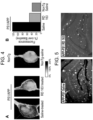
- FIGS. 4 and 5 show that in vivo treatment with compound A12 (RD 163) restores ER Ca 2+ signaling in AD mice.
- FIG. 5 shows that amyloid plaques stained with Thioflavin S are reduced in APP-PS1 mice treated with compound A12 (RD 163) for 4 weeks (10 mg/kg, ip) compared to saline treated APP-PS1 mice. Mice were ⁇ 6 months of age.
- 6-hydroxydopamine (6-OHDA)-lesioned rat model of Parkinson's disease Male Wistar rats were trained for both the stepping and initiation time (IT) tests 6 days before treatment with 6-OHDA or NaCl (day -6). 5 days before treatment with 6-OHDA, animals from groups 1 to 3 were given vehicles [NaCl or a mixture of DMSO (10 %) / tween 80 (10%) / water (80%)] once daily for 16 days. Animals from group 4 were administered once daily with A12 (10 mg/kg). All the treatments were given via the IP route, once daily, Sunday excluded. Surgery was performed on D0 under ketamine (50 mg/kg) and xylazine (10 mg/kg).
- Pharmacokinetics of a test compound, compound A12 was assessed in Sprague Dawley rats.
- the compound was formulated at 1 mg/mL in DMSO/Tween 80/water (10/10/80, vol/vol/vol) and dosed at 1 mg/kg intravenous (i.v.) or 2 mg/kg by oral gavage (P.O.) in triplicate.
- Blood was drawn at 5 min, 15 min, 30 min, 1 hr, 2 hrs, 4 hrs, 6 hrs, and 8 hrs into EDTA containing tubes and plasma was harvested by centrifugation. Plasma (25 ⁇ L) was treated with acetonitrile (125 ⁇ L) containing an internal standard.
- the sample was then centrifuged for 5 min at 4,000 rpm in a tabletop centrifuge and the filtrate was collected. The filtrate was injected onto a Thermo Betasil C18 HPLC column 5 ⁇ (50 ⁇ 2.1 mm).
- Mobile Phase A was water with 0.1% formic acid.
- Mobile Phase B was acetonitrile with 0.1% formic acid. Separation was achieved using a gradient of 90% A/10% B to 5% A/95% B over 7 min.
- An API Sciex 4000 equipped with a turbo ion spray source was used for all analytical measurements. A positive ion MRM method was developed. Peak areas of the product ion were measured against the peak areas of the internal standard.
- Brain barrier penetration of compound A12 was also determined similarly at a dose 10 mg/kg IP in mice.
- the brains of the mice were harvested 1 hr after dosing.
- the brain/plasma ratio was 2.6.
- AUC 0-t ( ⁇ g/L ⁇ hr) AUC 0- ⁇ ( ⁇ g/L ⁇ hr) MRT 0- ⁇ (hr) t 1/2 (hr) Tmax (hr) Vz (L/kg) CL (L/hr/kg) Cmax (nmol/mL) F (%) A13 IV (1 mg/kg) 95 ⁇ 12 96 ⁇ 12 0.21 ⁇ 0.06 0.34 ⁇ 0.14 0.02 ⁇ 0.00 5.4 ⁇ 2.6 10.6 ⁇ 1.4 2.2 ⁇ 0.5 1.4 PO (10 mg/kg) 13 ⁇ 6 7 0.62 0.37 0.36 ⁇ 0.24 0.08 ⁇ 0.06
- Pharmacokinetics of test compounds were assessed in CD-1 mice.
- the compounds were formulated at 1 mg/mL in DMSO/Tween 80/water (10/10/80, vol/vol/vol) and dosed at 2 mg/kg intravenous (i.v.) or 10 mg/kg by oral gavage (P.O.) in triplicate.
- Blood was drawn at 0.25 h, 0.5 h, 1 hr, 2 hrs, 4 hrs, 8 hrs, and 24 hrs into EDTA containing tubes and plasma was harvested by centrifugation.
- Plasma (10 ⁇ L) containing 50% acetonitrile in water (5 ⁇ L) was added to 200 ⁇ L of ACN containing an internal standard. The samples were vortexed for 30 s.
- Phthalic anhydride (148 mg, 1.0 mmol) was dissolved in dichloromethane (2 mL) and cooled to 0 °C. This solution was added dropwise to a cooled (0 °C) solution of 5-methoxyquinolin-8-amine (174 mg, 1.0 mmol) and N,N-diisopropylethylamine (260 ⁇ L, 1.5 mmol) in dichloromethane (5 mL). After addition was complete, the mixture was allowed to warm to room temperature and stirred for 20 hrs. The mixture was diluted with water and extracted with 2 volumes of dichloromethane. The organic layers were collected and the solvent was removed by rotary evaporation. The residue was purified by preparative reverse-phase HPLC using a water-acetonitrile gradient to afford compound A14. ESI-MS: m / z 323 [M+H] + .
- 6-Chloronicotinoyl chloride (176 mg, 1.0 mmol) was dissolved in dichloromethane (2 mL) and cooled to 0 °C. This solution was added dropwise to a cooled (0 °C) solution of 8-aminoquinaldine (158 mg, 1.0 mmol) and N,N-diisopropylethylamine (260 ⁇ L, 1.5 mmol) in dichloromethane (5 mL). After addition was complete, the mixture was allowed to warm to room temperature and stirred for 2.5 hrs. The mixture was diluted with water and extracted with 2 volumes of dichloromethane. The organic layers were collected and the solvent was removed by rotary evaporation. The residue was purified by preparative reverse-phase HPLC using a water-acetonitrile gradient to afford compound A25. ESI-MS: m / z 298 [M+H] + .
- Phthalic anhydride (148 mg, 1.0 mmol) was dissolved in acetic acid (5 mL). To this solution was added quinolin-8-yl-hydrazine (159 mg, 1.0 mmol) and the solution was heated to 80 °C. After heating with stirring for 8 hrs, the mixture was diluted with water and extracted with 2 volumes of dichloromethane. The organic layers were collected and the solvent was removed by rotary evaporation. The residue was purified by preparative reverse-phase HPLC using a water-acetonitrile gradient to afford compound A28. ESI-MS: m/z 290 [M+H] + .
- Phthalic anhydride (148 mg, 1.0 mmol) was dissolved in acetic acid (5 mL). To this solution was added 8-aminoquinoline (144 mg, 1.0 mmol) and the solution was heated to 110 °C. After heating with stirring for 20 hrs, the mixture was diluted with water and extracted with 2 volumes of dichloromethane. The organic layers were collected and the solvent was removed by rotary evaporation. The residue was purified by preparative reverse-phase HPLC using a water-acetonitrile gradient to afford compound A29. ESI-MS: m/z 275 [M+H] + .
- N,N-Dimethylaminobenzoyl chloride (1.0 mmol) was dissolved in dichloromethane (2 mL) and cooled to 0 °C. This solution was added dropwise to a cooled (0 °C) solution of 8-aminoquinaldine (158 mg, 1.0 mmol) and N , N -diisopropylethylamine (260 ⁇ L, 1.5 mmol) in dichloromethane (5 mL). After addition was complete, the mixture was allowed to warm to room temperature and stirred for 2.5 hrs. The mixture was diluted with water and extracted with 2 volumes of dichloromethane. The organic layers were collected, and the solvent was removed by rotary evaporation. The residue was purified by preparative reverse-phase HPLC using a water-acetonitrile gradient to afford compound C18. ESI-MS: m / z 306 [M+H] + .
- Benzo[b]thiophene-2-carbonyl chloride (196 mg, 1.0 mmol) was dissolved in dichloromethane (2 mL) and cooled to 0 °C. This solution was added dropwise to a cooled (0 °C) solution of 8-aminoquinoline-2-carboxylic acid (188 mg, 1.0 mmol) and N,N-diisopropylethylamine (260 ⁇ L, 1.5 mmol) in dichloromethane (5 mL). After addition was complete, the mixture was allowed to warm to room temperature and stirred for 2.5 hrs. The mixture was diluted with water and extracted with 2 volumes of dichloromethane. The organic layers were collected and the solvent was removed by rotary evaporation. The residue was purified by preparative reverse-phase HPLC using a water-acetonitrile gradient to afford comound E4. ESI-MS: m/z 349 [M+H] + .
- Benzo[b]thiophene-2-carbonyl chloride (196 mg, 1.0 mmol) was dissolved in dichloromethane (2 mL) and cooled to 0 °C. This solution is added dropwise to a cooled (0 °C) solution of 2-(3,5-dimethyl-1H-pyrazol-1-yl)quinolin-8-amine (238 mg, 1.0 mmol) and N , N -diisopropylethylamine (260 ⁇ L, 1.5 mmol) in dichloromethane (5 mL). After addition was complete, the mixture was allowed to warm to room temperature and stirred for 2.5 hrs. The mixture was diluted with water and extracted with 2 volumes of dichloromethane.
Landscapes
- Health & Medical Sciences (AREA)
- Chemical & Material Sciences (AREA)
- Organic Chemistry (AREA)
- Veterinary Medicine (AREA)
- Public Health (AREA)
- General Health & Medical Sciences (AREA)
- Animal Behavior & Ethology (AREA)
- Life Sciences & Earth Sciences (AREA)
- Pharmacology & Pharmacy (AREA)
- Medicinal Chemistry (AREA)
- Engineering & Computer Science (AREA)
- Bioinformatics & Cheminformatics (AREA)
- Biomedical Technology (AREA)
- General Chemical & Material Sciences (AREA)
- Chemical Kinetics & Catalysis (AREA)
- Neurosurgery (AREA)
- Neurology (AREA)
- Nuclear Medicine, Radiotherapy & Molecular Imaging (AREA)
- Diabetes (AREA)
- Epidemiology (AREA)
- Emergency Medicine (AREA)
- Endocrinology (AREA)
- Hospice & Palliative Care (AREA)
- Hematology (AREA)
- Obesity (AREA)
- Psychiatry (AREA)
- Psychology (AREA)
- Pharmaceuticals Containing Other Organic And Inorganic Compounds (AREA)
Claims (7)
- Pharmazeutische Zusammensetzung, umfassend:i) eine Verbindung gemäß der folgenden Formel:
 ii) einen pharmazeutisch unbedenklichen Träger, Hilfsstoff oder Verdünnungsmittel.
 - Pharmazeutische Zusammensetzung nach Anspruch 1, wobei die pharmazeutische Zusammensetzung ein Feststoff ist.
- Pharmazeutische Zusammensetzung nach Anspruch 1 oder 2 zur Verwendung bei der Behandlung der Alzheimer-Krankheit oder der Parkinson-Krankheit.
- Pharmazeutische Zusammensetzung nach Anspruch 1 oder 2 zur Verwendung bei der Behandlung von Diabetes.
- Pharmazeutische Zusammensetzung zur Verwendung nach Anspruch 4, wobei es sich bei dem Diabetes um Typ 1 handelt.
- Pharmazeutische Zusammensetzung zur Verwendung nach Anspruch 4, wobei es sich bei dem Diabetes um Typ 2 handelt.
- Verbindung gemäß der folgenden Formel:

Applications Claiming Priority (2)
| Application Number | Priority Date | Filing Date | Title |
|---|---|---|---|
| US16/932,832 US20200347038A1 (en) | 2014-08-29 | 2020-07-20 | Quinolines that modulate serca and their use for treating disease |
| PCT/US2021/042235 WO2022020261A1 (en) | 2020-07-20 | 2021-07-19 | Quinolines that modulate serca and their use for treating disease |
Publications (4)
| Publication Number | Publication Date |
|---|---|
| EP4037685A1 EP4037685A1 (de) | 2022-08-10 |
| EP4037685A4 EP4037685A4 (de) | 2022-11-30 |
| EP4037685B1 EP4037685B1 (de) | 2023-09-20 |
| EP4037685B9 true EP4037685B9 (de) | 2024-03-06 |
Family
ID=79729478
Family Applications (1)
| Application Number | Title | Priority Date | Filing Date |
|---|---|---|---|
| EP21845832.1A Active EP4037685B9 (de) | 2020-07-20 | 2021-07-19 | Serca-modulierender chinolin und seine verwendung zur behandlung von krankheiten |
Country Status (11)
| Country | Link |
|---|---|
| EP (1) | EP4037685B9 (de) |
| JP (1) | JP7705445B2 (de) |
| CN (1) | CN116744928A (de) |
| CA (1) | CA3186668A1 (de) |
| DK (1) | DK4037685T3 (de) |
| ES (1) | ES2968041T3 (de) |
| FI (1) | FI4037685T3 (de) |
| HU (1) | HUE064550T2 (de) |
| PL (1) | PL4037685T3 (de) |
| PT (1) | PT4037685T (de) |
| WO (1) | WO2022020261A1 (de) |
Family Cites Families (5)
| Publication number | Priority date | Publication date | Assignee | Title |
|---|---|---|---|---|
| MX2009014235A (es) * | 2007-08-22 | 2010-04-27 | Abbott Gmbh & Co Kg | 4-bencilaminoquinolonas, composiciones farmaceuticas que las contiene y su uso. |
| US20200347038A1 (en) * | 2014-08-29 | 2020-11-05 | Russell Dahl | Quinolines that modulate serca and their use for treating disease |
| US10772881B2 (en) * | 2017-02-27 | 2020-09-15 | Russell Dahl | Quinolines that modulate SERCA and their use for treating disease |
| US20170281611A1 (en) * | 2014-08-29 | 2017-10-05 | Eiger Biopharmaceuticals, Inc. | Quinolines and their use for treating endoplasmic reticulum stress-caused diseases |
| CN106966973A (zh) * | 2017-05-18 | 2017-07-21 | 湖北工业大学 | N‑苯基‑n‑(2‑甲基‑8‑喹啉基)苯甲酰胺的制备方法 |
-
2021
- 2021-07-19 EP EP21845832.1A patent/EP4037685B9/de active Active
- 2021-07-19 ES ES21845832T patent/ES2968041T3/es active Active
- 2021-07-19 PT PT218458321T patent/PT4037685T/pt unknown
- 2021-07-19 FI FIEP21845832.1T patent/FI4037685T3/fi active
- 2021-07-19 HU HUE21845832A patent/HUE064550T2/hu unknown
- 2021-07-19 PL PL21845832.1T patent/PL4037685T3/pl unknown
- 2021-07-19 CN CN202180063849.1A patent/CN116744928A/zh active Pending
- 2021-07-19 JP JP2023504102A patent/JP7705445B2/ja active Active
- 2021-07-19 WO PCT/US2021/042235 patent/WO2022020261A1/en not_active Ceased
- 2021-07-19 CA CA3186668A patent/CA3186668A1/en active Pending
- 2021-07-19 DK DK21845832.1T patent/DK4037685T3/da active
Also Published As
| Publication number | Publication date |
|---|---|
| WO2022020261A9 (en) | 2022-09-09 |
| PL4037685T3 (pl) | 2024-04-02 |
| ES2968041T3 (es) | 2024-05-06 |
| JP7705445B2 (ja) | 2025-07-09 |
| PT4037685T (pt) | 2023-12-28 |
| EP4037685A4 (de) | 2022-11-30 |
| HUE064550T2 (hu) | 2024-03-28 |
| FI4037685T3 (fi) | 2023-11-27 |
| CN116744928A (zh) | 2023-09-12 |
| EP4037685A1 (de) | 2022-08-10 |
| DK4037685T3 (en) | 2024-01-02 |
| JP2023534992A (ja) | 2023-08-15 |
| EP4037685B1 (de) | 2023-09-20 |
| WO2022020261A1 (en) | 2022-01-27 |
| CA3186668A1 (en) | 2022-01-27 |
Similar Documents
| Publication | Publication Date | Title |
|---|---|---|
| ES2972487T3 (es) | Formas sólidas de un inhibidor de tienopirimidindiona acc y métodos para la producción del mismo | |
| ES2891734T3 (es) | Derivados de bencimidazol como inhibidores de tirosina quinasa ERBB para el tratamiento del cáncer | |
| US20250248990A1 (en) | Quinolines that modulate serca and their use for treating disease | |
| US20170281611A1 (en) | Quinolines and their use for treating endoplasmic reticulum stress-caused diseases | |
| CN101778563B (zh) | 调节细胞凋亡的组合物和方法 | |
| US10383867B2 (en) | Quinoline derivatives and their use for treating endoplasmic reticulum stress-related diseases and disorders | |
| US11827626B2 (en) | Quinolines that modulate SERCA and their use for treating disease | |
| US10772881B2 (en) | Quinolines that modulate SERCA and their use for treating disease | |
| US10383868B2 (en) | Quinoline containing compounds and their use for treating endoplasmic reticulum stress-related diseases | |
| EP4037685B1 (de) | Serca-modulierender chinolin und seine verwendung zur behandlung von krankheiten | |
| ES2805528T3 (es) | Inhibidores de 3,5-diaminopirazol quinasa | |
| US20210323924A1 (en) | Quinoline sulfonamides useful to treat disease | |
| US10730843B1 (en) | Quinoxalines useful as cytoprotective agents | |
| US10730839B2 (en) | Quinolines as cytoprotective agents | |
| HK40099648A (zh) | 调节serca的喹啉及其治疗疾病的用途 | |
| US10793558B2 (en) | Quinoline oxadiazoles as cytoprotective agents | |
| US10800766B2 (en) | Quinoline alkenes as cytoprotective agents | |
| US20210269404A1 (en) | Quinoline amines useful as cytoprotective agents | |
| HK40125827A (zh) | 噻吩并嘧啶二酮acc抑制剂的固体形式及其制备方法 | |
| HK40055242A (zh) | 噻吩并嘧啶二酮acc抑制剂的固体形式及其制备方法 | |
| EA040851B1 (ru) | Комбинированная терапия |
Legal Events
| Date | Code | Title | Description |
|---|---|---|---|
| STAA | Information on the status of an ep patent application or granted ep patent |
Free format text: STATUS: THE INTERNATIONAL PUBLICATION HAS BEEN MADE |
|
| PUAI | Public reference made under article 153(3) epc to a published international application that has entered the european phase |
Free format text: ORIGINAL CODE: 0009012 |
|
| STAA | Information on the status of an ep patent application or granted ep patent |
Free format text: STATUS: REQUEST FOR EXAMINATION WAS MADE |
|
| 17P | Request for examination filed |
Effective date: 20220504 |
|
| AK | Designated contracting states |
Kind code of ref document: A1 Designated state(s): AL AT BE BG CH CY CZ DE DK EE ES FI FR GB GR HR HU IE IS IT LI LT LU LV MC MK MT NL NO PL PT RO RS SE SI SK SM TR |
|
| A4 | Supplementary search report drawn up and despatched |
Effective date: 20221028 |
|
| RIC1 | Information provided on ipc code assigned before grant |
Ipc: C07D 409/12 20060101ALI20221024BHEP Ipc: C07D 405/12 20060101ALI20221024BHEP Ipc: C07D 215/40 20060101ALI20221024BHEP Ipc: A61P 35/00 20060101ALI20221024BHEP Ipc: A61P 25/28 20060101ALI20221024BHEP Ipc: A61P 25/16 20060101ALI20221024BHEP Ipc: A61P 3/10 20060101ALI20221024BHEP Ipc: A61K 31/4709 20060101ALI20221024BHEP Ipc: A61K 31/502 20060101ALI20221024BHEP Ipc: A61K 31/47 20060101AFI20221024BHEP |
|
| RIC1 | Information provided on ipc code assigned before grant |
Ipc: C07D 409/12 20060101ALI20230222BHEP Ipc: C07D 405/12 20060101ALI20230222BHEP Ipc: C07D 215/40 20060101ALI20230222BHEP Ipc: A61P 35/00 20060101ALI20230222BHEP Ipc: A61P 25/28 20060101ALI20230222BHEP Ipc: A61P 25/16 20060101ALI20230222BHEP Ipc: A61P 3/10 20060101ALI20230222BHEP Ipc: A61K 31/4709 20060101ALI20230222BHEP Ipc: A61K 31/47 20060101AFI20230222BHEP |
|
| GRAP | Despatch of communication of intention to grant a patent |
Free format text: ORIGINAL CODE: EPIDOSNIGR1 |
|
| STAA | Information on the status of an ep patent application or granted ep patent |
Free format text: STATUS: GRANT OF PATENT IS INTENDED |
|
| DAV | Request for validation of the european patent (deleted) | ||
| DAX | Request for extension of the european patent (deleted) | ||
| INTG | Intention to grant announced |
Effective date: 20230412 |
|
| GRAS | Grant fee paid |
Free format text: ORIGINAL CODE: EPIDOSNIGR3 |
|
| GRAA | (expected) grant |
Free format text: ORIGINAL CODE: 0009210 |
|
| STAA | Information on the status of an ep patent application or granted ep patent |
Free format text: STATUS: THE PATENT HAS BEEN GRANTED |
|
| AK | Designated contracting states |
Kind code of ref document: B1 Designated state(s): AL AT BE BG CH CY CZ DE DK EE ES FI FR GB GR HR HU IE IS IT LI LT LU LV MC MK MT NL NO PL PT RO RS SE SI SK SM TR |
|
| P01 | Opt-out of the competence of the unified patent court (upc) registered |
Effective date: 20230810 |
|
| REG | Reference to a national code |
Ref country code: GB Ref legal event code: FG4D |
|
| REG | Reference to a national code |
Ref country code: CH Ref legal event code: EP |
|
| REG | Reference to a national code |
Ref country code: IE Ref legal event code: FG4D |
|
| REG | Reference to a national code |
Ref country code: DE Ref legal event code: R096 Ref document number: 602021005318 Country of ref document: DE |
|
| REG | Reference to a national code |
Ref country code: FI Ref legal event code: FGE |
|
| REG | Reference to a national code |
Ref country code: NL Ref legal event code: FP |
|
| REG | Reference to a national code |
Ref country code: PT Ref legal event code: SC4A Ref document number: 4037685 Country of ref document: PT Date of ref document: 20231228 Kind code of ref document: T Free format text: AVAILABILITY OF NATIONAL TRANSLATION Effective date: 20231219 |
|
| REG | Reference to a national code |
Ref country code: DK Ref legal event code: T3 Effective date: 20231221 |
|
| REG | Reference to a national code |
Ref country code: SE Ref legal event code: TRGR |
|
| REG | Reference to a national code |
Ref country code: LT Ref legal event code: MG9D |
|
| PG25 | Lapsed in a contracting state [announced via postgrant information from national office to epo] |
Ref country code: GR Free format text: LAPSE BECAUSE OF FAILURE TO SUBMIT A TRANSLATION OF THE DESCRIPTION OR TO PAY THE FEE WITHIN THE PRESCRIBED TIME-LIMIT Effective date: 20231221 |
|
| REG | Reference to a national code |
Ref country code: NO Ref legal event code: T2 Effective date: 20230920 |
|
| PG25 | Lapsed in a contracting state [announced via postgrant information from national office to epo] |
Ref country code: RS Free format text: LAPSE BECAUSE OF FAILURE TO SUBMIT A TRANSLATION OF THE DESCRIPTION OR TO PAY THE FEE WITHIN THE PRESCRIBED TIME-LIMIT Effective date: 20230920 Ref country code: LV Free format text: LAPSE BECAUSE OF FAILURE TO SUBMIT A TRANSLATION OF THE DESCRIPTION OR TO PAY THE FEE WITHIN THE PRESCRIBED TIME-LIMIT Effective date: 20230920 Ref country code: LT Free format text: LAPSE BECAUSE OF FAILURE TO SUBMIT A TRANSLATION OF THE DESCRIPTION OR TO PAY THE FEE WITHIN THE PRESCRIBED TIME-LIMIT Effective date: 20230920 Ref country code: HR Free format text: LAPSE BECAUSE OF FAILURE TO SUBMIT A TRANSLATION OF THE DESCRIPTION OR TO PAY THE FEE WITHIN THE PRESCRIBED TIME-LIMIT Effective date: 20230920 Ref country code: GR Free format text: LAPSE BECAUSE OF FAILURE TO SUBMIT A TRANSLATION OF THE DESCRIPTION OR TO PAY THE FEE WITHIN THE PRESCRIBED TIME-LIMIT Effective date: 20231221 |
|
| REG | Reference to a national code |
Ref country code: CH Ref legal event code: PK Free format text: BERICHTIGUNG B9 Ref country code: AT Ref legal event code: MK05 Ref document number: 1612888 Country of ref document: AT Kind code of ref document: T Effective date: 20230920 |
|
| REG | Reference to a national code |
Ref country code: HU Ref legal event code: AG4A Ref document number: E064550 Country of ref document: HU |
|
| PG25 | Lapsed in a contracting state [announced via postgrant information from national office to epo] |
Ref country code: IS Free format text: LAPSE BECAUSE OF FAILURE TO SUBMIT A TRANSLATION OF THE DESCRIPTION OR TO PAY THE FEE WITHIN THE PRESCRIBED TIME-LIMIT Effective date: 20240120 |
|
| PG25 | Lapsed in a contracting state [announced via postgrant information from national office to epo] |
Ref country code: AT Free format text: LAPSE BECAUSE OF FAILURE TO SUBMIT A TRANSLATION OF THE DESCRIPTION OR TO PAY THE FEE WITHIN THE PRESCRIBED TIME-LIMIT Effective date: 20230920 |
|
| PG25 | Lapsed in a contracting state [announced via postgrant information from national office to epo] |
Ref country code: SM Free format text: LAPSE BECAUSE OF FAILURE TO SUBMIT A TRANSLATION OF THE DESCRIPTION OR TO PAY THE FEE WITHIN THE PRESCRIBED TIME-LIMIT Effective date: 20230920 Ref country code: RO Free format text: LAPSE BECAUSE OF FAILURE TO SUBMIT A TRANSLATION OF THE DESCRIPTION OR TO PAY THE FEE WITHIN THE PRESCRIBED TIME-LIMIT Effective date: 20230920 Ref country code: IS Free format text: LAPSE BECAUSE OF FAILURE TO SUBMIT A TRANSLATION OF THE DESCRIPTION OR TO PAY THE FEE WITHIN THE PRESCRIBED TIME-LIMIT Effective date: 20240120 Ref country code: EE Free format text: LAPSE BECAUSE OF FAILURE TO SUBMIT A TRANSLATION OF THE DESCRIPTION OR TO PAY THE FEE WITHIN THE PRESCRIBED TIME-LIMIT Effective date: 20230920 Ref country code: AT Free format text: LAPSE BECAUSE OF FAILURE TO SUBMIT A TRANSLATION OF THE DESCRIPTION OR TO PAY THE FEE WITHIN THE PRESCRIBED TIME-LIMIT Effective date: 20230920 Ref country code: SK Free format text: LAPSE BECAUSE OF FAILURE TO SUBMIT A TRANSLATION OF THE DESCRIPTION OR TO PAY THE FEE WITHIN THE PRESCRIBED TIME-LIMIT Effective date: 20230920 |
|
| REG | Reference to a national code |
Ref country code: ES Ref legal event code: FG2A Ref document number: 2968041 Country of ref document: ES Kind code of ref document: T3 Effective date: 20240506 |
|
| REG | Reference to a national code |
Ref country code: DE Ref legal event code: R097 Ref document number: 602021005318 Country of ref document: DE |
|
| PLBE | No opposition filed within time limit |
Free format text: ORIGINAL CODE: 0009261 |
|
| STAA | Information on the status of an ep patent application or granted ep patent |
Free format text: STATUS: NO OPPOSITION FILED WITHIN TIME LIMIT |
|
| 26N | No opposition filed |
Effective date: 20240621 |
|
| PG25 | Lapsed in a contracting state [announced via postgrant information from national office to epo] |
Ref country code: SI Free format text: LAPSE BECAUSE OF FAILURE TO SUBMIT A TRANSLATION OF THE DESCRIPTION OR TO PAY THE FEE WITHIN THE PRESCRIBED TIME-LIMIT Effective date: 20230920 |
|
| PG25 | Lapsed in a contracting state [announced via postgrant information from national office to epo] |
Ref country code: SI Free format text: LAPSE BECAUSE OF FAILURE TO SUBMIT A TRANSLATION OF THE DESCRIPTION OR TO PAY THE FEE WITHIN THE PRESCRIBED TIME-LIMIT Effective date: 20230920 |
|
| PG25 | Lapsed in a contracting state [announced via postgrant information from national office to epo] |
Ref country code: BG Free format text: LAPSE BECAUSE OF FAILURE TO SUBMIT A TRANSLATION OF THE DESCRIPTION OR TO PAY THE FEE WITHIN THE PRESCRIBED TIME-LIMIT Effective date: 20230920 |
|
| PG25 | Lapsed in a contracting state [announced via postgrant information from national office to epo] |
Ref country code: BG Free format text: LAPSE BECAUSE OF FAILURE TO SUBMIT A TRANSLATION OF THE DESCRIPTION OR TO PAY THE FEE WITHIN THE PRESCRIBED TIME-LIMIT Effective date: 20230920 |
|
| PG25 | Lapsed in a contracting state [announced via postgrant information from national office to epo] |
Ref country code: MC Free format text: LAPSE BECAUSE OF FAILURE TO SUBMIT A TRANSLATION OF THE DESCRIPTION OR TO PAY THE FEE WITHIN THE PRESCRIBED TIME-LIMIT Effective date: 20230920 |
|
| PG25 | Lapsed in a contracting state [announced via postgrant information from national office to epo] |
Ref country code: LU Free format text: LAPSE BECAUSE OF NON-PAYMENT OF DUE FEES Effective date: 20240719 |
|
| PG25 | Lapsed in a contracting state [announced via postgrant information from national office to epo] |
Ref country code: LU Free format text: LAPSE BECAUSE OF NON-PAYMENT OF DUE FEES Effective date: 20240719 |
|
| PGFP | Annual fee paid to national office [announced via postgrant information from national office to epo] |
Ref country code: HU Payment date: 20250704 Year of fee payment: 5 |
|
| PGFP | Annual fee paid to national office [announced via postgrant information from national office to epo] |
Ref country code: NL Payment date: 20250726 Year of fee payment: 5 |
|
| PGFP | Annual fee paid to national office [announced via postgrant information from national office to epo] |
Ref country code: FI Payment date: 20250725 Year of fee payment: 5 Ref country code: ES Payment date: 20250801 Year of fee payment: 5 Ref country code: PT Payment date: 20250702 Year of fee payment: 5 |
|
| PGFP | Annual fee paid to national office [announced via postgrant information from national office to epo] |
Ref country code: DE Payment date: 20250729 Year of fee payment: 5 Ref country code: DK Payment date: 20250725 Year of fee payment: 5 |
|
| PGFP | Annual fee paid to national office [announced via postgrant information from national office to epo] |
Ref country code: NO Payment date: 20250729 Year of fee payment: 5 |
|
| PGFP | Annual fee paid to national office [announced via postgrant information from national office to epo] |
Ref country code: TR Payment date: 20250711 Year of fee payment: 5 Ref country code: PL Payment date: 20250702 Year of fee payment: 5 Ref country code: IT Payment date: 20250721 Year of fee payment: 5 |
|
| PGFP | Annual fee paid to national office [announced via postgrant information from national office to epo] |
Ref country code: GB Payment date: 20250728 Year of fee payment: 5 Ref country code: BE Payment date: 20250728 Year of fee payment: 5 |
|
| PGFP | Annual fee paid to national office [announced via postgrant information from national office to epo] |
Ref country code: FR Payment date: 20250725 Year of fee payment: 5 |
|
| PGFP | Annual fee paid to national office [announced via postgrant information from national office to epo] |
Ref country code: SE Payment date: 20250727 Year of fee payment: 5 Ref country code: CH Payment date: 20250801 Year of fee payment: 5 |
|
| PGFP | Annual fee paid to national office [announced via postgrant information from national office to epo] |
Ref country code: CZ Payment date: 20250704 Year of fee payment: 5 Ref country code: IE Payment date: 20250728 Year of fee payment: 5 |
|
| PG25 | Lapsed in a contracting state [announced via postgrant information from national office to epo] |
Ref country code: CY Free format text: LAPSE BECAUSE OF FAILURE TO SUBMIT A TRANSLATION OF THE DESCRIPTION OR TO PAY THE FEE WITHIN THE PRESCRIBED TIME-LIMIT; INVALID AB INITIO Effective date: 20210719 |