EP4037475B1 - Automatisches melksystem und verfahren zum bestimmen des gesundheitszustands eines tieres - Google Patents
Automatisches melksystem und verfahren zum bestimmen des gesundheitszustands eines tieres Download PDFInfo
- Publication number
- EP4037475B1 EP4037475B1 EP20790084.6A EP20790084A EP4037475B1 EP 4037475 B1 EP4037475 B1 EP 4037475B1 EP 20790084 A EP20790084 A EP 20790084A EP 4037475 B1 EP4037475 B1 EP 4037475B1
- Authority
- EP
- European Patent Office
- Prior art keywords
- time
- point
- animal
- milk
- sensor
- Prior art date
- Legal status (The legal status is an assumption and is not a legal conclusion. Google has not performed a legal analysis and makes no representation as to the accuracy of the status listed.)
- Active
Links
Images


Classifications
-
- A—HUMAN NECESSITIES
- A01—AGRICULTURE; FORESTRY; ANIMAL HUSBANDRY; HUNTING; TRAPPING; FISHING
- A01J—MANUFACTURE OF DAIRY PRODUCTS
- A01J5/00—Milking machines or devices
- A01J5/007—Monitoring milking processes; Control or regulation of milking machines
-
- A—HUMAN NECESSITIES
- A01—AGRICULTURE; FORESTRY; ANIMAL HUSBANDRY; HUNTING; TRAPPING; FISHING
- A01J—MANUFACTURE OF DAIRY PRODUCTS
- A01J5/00—Milking machines or devices
- A01J5/013—On-site detection of mastitis in milk
-
- A—HUMAN NECESSITIES
- A01—AGRICULTURE; FORESTRY; ANIMAL HUSBANDRY; HUNTING; TRAPPING; FISHING
- A01J—MANUFACTURE OF DAIRY PRODUCTS
- A01J5/00—Milking machines or devices
- A01J5/013—On-site detection of mastitis in milk
- A01J5/0131—On-site detection of mastitis in milk by analysing the milk composition, e.g. concentration or detection of specific substances
- A01J5/0132—On-site detection of mastitis in milk by analysing the milk composition, e.g. concentration or detection of specific substances using a cell counter
-
- A—HUMAN NECESSITIES
- A01—AGRICULTURE; FORESTRY; ANIMAL HUSBANDRY; HUNTING; TRAPPING; FISHING
- A01J—MANUFACTURE OF DAIRY PRODUCTS
- A01J5/00—Milking machines or devices
- A01J5/013—On-site detection of mastitis in milk
- A01J5/0133—On-site detection of mastitis in milk by using electricity, e.g. conductivity or capacitance
Definitions
- the present invention relates to an automatic milking system comprising: a control system comprising an electronic control unit, at least one milking station configured to milk animals, a production milk tank for receiving milk from the milking station, a second milk tank configured to receive milk diverted from the milking station and not conducted to the production milk tank, an animal identification system connected to the control unit, configured to provide the control unit with individual identification information of animals milked in the automatic milking system, at least one first sensor configured to measure at least one indicator of illness of an animal.
- a control system comprising an electronic control unit, at least one milking station configured to milk animals, a production milk tank for receiving milk from the milking station, a second milk tank configured to receive milk diverted from the milking station and not conducted to the production milk tank, an animal identification system connected to the control unit, configured to provide the control unit with individual identification information of animals milked in the automatic milking system, at least one first sensor configured to measure at least one indicator of illness of an animal.
- the automatic milking system may be a conventional system, including manual attachment of teat cups to the teats of animals to be milked, or robot systems in which a robot automatically attaches the teat cups to the teats of animals to be milked.
- the sensor or sensors for measuring an illness indicator may be arranged in the milk line from the milking station to the production tank.
- a robot system there may be provided a separate sensor in connection to each teat cup.
- the present invention also relates to a method of determining a health condition of an animal milked in an automatic milking system.
- mastitis In connection to industrial milking of cows in dairy farms, it frequently occurs that the cows are subject to mastitis, either clinical or sub-clinical. Early detection of illness of animals, in particular mastitis, may be achieved by means of univariate or multivariate analysis of measured values of different milk charactistics. Upon detection of indications of mastitis, the farmer often has to further study the milk or the animal in question in order to determine if it is mastitis and if it is clinical or subclinical mastitis. If the mastitis is clinical mastitis, antibiotics should be administered to the animal and the milk of the animal must be diverted from the production milk for a number of days as counted from the day of administration of the antibiotics.
- a control system may be used for establishing whether an individual animal in a heard has or has had an illness, such as mastitis, in particular clinical mastitis, and to determine the health of the animal a certain time after that the mastitis, or other illness, has been detected. It is an object of the invention to suggest such a control system.
- the first point of time may be triggered by a registration of an administration of antibiotics to the animal.
- the administration may have been decided by and performed by a human or decided by the electronic control unit and performed either by a human or by a device for automatic administration of antibiotics to the animal, said device being controlled by the electronic control device.
- the identification system typically comprises tags arranged at each animal and a tag reader arranged at the milking station and connected to the electric control unit.
- the second tank should be interpreted broadly and may be a tank connected directly to the milking station or be a separate bucket or be a drain line for diverted milk.
- the time period between the first point of time and the second point of time is 2-10 days. According to another embodiment said period of time is 5-10 days. A shorter time period may be indicative of a less severe illness state, while a longer time period may be indicative of a more severe illness state.
- the control unit may be configured to determine different illness state depending on the length of said time period.
- control unit is configured to determine a health condition of the animal on basis of repeated measurements by the first sensor from said second point of time up to a predetermined third point of time.
- the measurements are performed at each separate milking session. The results are gathered in the data memory.
- control unit is configured to determine a state of recovery from the illness state of the animal at the third point of time.
- control unit is configured to determine the state of recovery from the illness state when the measured values from the first sensor has stabilized within a predetermined range between the second point of time and the third point of time.
- somatic cell number is determined by means of the first sensor, the upper limit of the range may be 25% above the "normal" somatic cell number of the animal in question before any indication of illness has been established.
- the "normal" somatic cell number is a cell number given by one or more previous historical measurements of the somatic cell number of the animal, saved in the data memory. The inventors have found that the third point of time, at which stabilsation should occur as a sign of recovery, is 3-4 weeks from the first point of time.
- the first sensor is a sensor configured to measure electric conductivity of milk or a sensor configured to directly or indirectly determine the numbers of somatic cells in the milk of the animal.
- control unit is configured to compare previously stored data with the measurements received from the first sensor, and the control unit is configured to determine the health condition of the animal on basis of said comparison.
- Previously stored data may be the results of previous corresponding measurements on the animal in question, for example in connection to a previous illness state of that animal, or previous corresponding measurements on other animals of a herd.
- the data is stored in the memory of the control system.
- the automatic milking system is characterized in that it comprises a plurality of further sensors for measuring a plurality of parameters other than or in addition to the illness indicator measured by the first sensor, and which further sensors are connected to the control unit, and that the control unit is configured to perform a mathematical analysis of the measured parameters and on basis thereof determine an illness-indicating index indicative of illness on basis of input from said further sensors and from said first sensor, and to generate an alert if said index exceeds a threshold value,
- the indicator of illness is an indicator of mastitis.
- the indicator of illness is an indicator of clinical mastitis.
- the milking system is characterized in that, if the time period between the first point of time and the second point of time is within a first predetermined number of days, preferably 5-10 days, for which an illness state is determined, the control unit is configured to determine that an administration of antibiotics to the animal has occurred.
- the object of the invention is also achieved with a method of determining a health condition of an animal in a an automatic milking system according to claim 10, comprising
- the method comprises the step of performing a mathematical analysis by means of the electric control unit in order to determine a state of recovery from the illness state of the animal at a third point of time.
- the method comprises the step of determining a state of recovery from the illness state if the measured values from the first sensor has stabilized within a predetermined range between the second point of time and the third point of time.
- the method comprises the steps of
- the method comprises measuring a plurality of parameters other than or in addition to the illness indicator measured by the first sensor, and to perform a mathematical analysis of the measured parameters and on basis thereof determine an illness-indicating index indicative of illness of an animal on basis of said measurements, and to generate an alert if said index exceeds a threshold value,
- Fig. 1 shows an automatic milking system comprising a control system comprising an electronic control unit 1, a milking station 2 configured to milk animals, a production milk tank 3 for receiving milk from the milking station, and a second milk tank 4 configured to receive milk diverted milk from the milking station 2 and not conducted to the production milk tank 3.
- the production milk tank 3 is connected to milking station 2 via a production milk line 5, and the second milk tank 4 is connected to the milking station via a second milk line 6.
- the system also comprises an animal identification system (not shown) connected to the control unit 1, configured to provide the control unit 1 with individual identification information of animals milked in the automatic milking system.
- the identification system typically comprises identification tags attached to the respective animal.
- the milking system also comprises at least one first sensor 7 configured to measure at least one indicator of illness of an animal, said sensor 7 being connected to the control unit 1.
- the first sensor 7 is arranged in the production milk line 5.
- the first sensor 7 is arranged in a by-pass line from the milk production line 5.
- the first sensor 7 is a sensor able of measuring the electric conductivity of milk.
- the first sensor 7 is a sensor able of detecting the number of somatic cells in the milk.
- the milking system also comprises a data memory 8 in which measurements performed by the first sensor 7 on milk from individual animals identified by the identification system are gathered. The time of each measurement is also registered and saved in the memory, such that a time-log is created in the memory.
- the milking system also comprises a plurality of further sensors, indicated 9, 10, 11, for measuring a plurality of parameters other than or in addition to the illness indicator measured by the first sensor 7.
- the further sensors 9, 10, 11 are connected to the control unit 1, and that the control unit 1 is configured to perform a mathematical analysis of the measured parameters of the further sensors 9, 10, 11 and on basis thereof determine an illness-indicating index indicative of illness on basis of input from said further sensors and from said first sensor, and to generate an alert if said index exceeds a threshold value.
- the further sensors may be configured to measure one or more of the following parameters: milk yield, blood lactate, dehydrogenase (LDH).
- the further sensors may also, alternatively include sensor for measuring activity or body condition score.
- the mathematical analysis performed by the control unit 1 may be multivariate analysis on the measured results from the further sensors 9, 10, 11.
- the milking system also comprises a device 12 for administration of antibiotics to an animal, which device is connected to the control unit 1, and that the control unit 1 is configured to control the operation of the administration device 12.
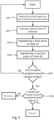
- Fig. 2 shows a flow chart in which method steps, performed through the action of the automatic milking system of the invention are performed. The following steps are performed:
- Fig. 3 shows another embodiment of the method, comprising the following steps
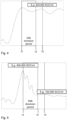
- Fig. 4 shows an example in which the somatic cell number at the third point of time t3 is at the same high level as at the first point of time t1. It has been observed by the inventors that, if recovery occurs at all, recorvery occurs within 3-4 weeks from the first point of time for illnesses that cows are subjected to, especially illnesses as mastitis, and irrespective of administration of antibiotics or other treatments. If no recovery is seen after 3-4 weeks, there is high probability that the illness is chronical.
Landscapes
- Life Sciences & Earth Sciences (AREA)
- Animal Husbandry (AREA)
- Environmental Sciences (AREA)
- Chemical & Material Sciences (AREA)
- Analytical Chemistry (AREA)
- External Artificial Organs (AREA)
Claims (15)
- Automatisches Melkverfahren, umfassend:- ein Steuersystem, umfassend eine elektronische Steuereinheit (1),- mindestens einen Melkstand (2), der konfiguriert ist, um Tiere zu melken,- einen Produktionsmilchtank (3) zum Aufnehmen von Milch aus der Melkstation (2),- einen zweiten Milchtank (4), der konfiguriert ist, um Milch aufzunehmen, die von der Melkstation (2) umgeleitet und nicht dem Produktionsmilchtank (3) zugeführt zu werden,- ein Tieridentifikationssystem, das mit der Steuereinheit (1) verbunden ist, das konfiguriert ist, um der Steuereinheit (1) individuelle Identifikationsinformationen der Tiere, die mit dem automatischen Melksystem gemolken werden, bereitzustellen,- mindestens einen ersten Sensor (7), der konfiguriert ist, um mindestens einen Krankheitsindikator eines Tieres zu messen, wobei der Sensor mit der Steuereinheit (1) verbunden ist,- einen Datenspeicher (8), in dem Messungen, die durch den ersten Sensor (7) an der Milch von einzelnen Tieren durchgeführt werden, die durch das Tieridentifikationssystem identifiziert wurden, gesammelt werden, wobei auch der Zeitpunkt jeder Messung registriert und in dem Datenspeicher (8) gespeichert wird, wobei das automatische Melksystem dadurch gekennzeichnet ist, dass die Steuereinheit (1) konfiguriert ist zum- Registrieren eines ersten Zeitpunkt (t1), zu dem Milch von einem Tier in den zweiten Milchtank (4) umgeleitet wird, anstatt dem Produktionsmilchtank (3) zugeführt wird, und- vorausgesetzt, dass die Milch des Tieres von der Melkstation (2) in den zweiten Milchtank (4) für eine Vielzahl von aufeinanderfolgende Melkvorgängen nach dem ersten Zeitpunkt (t1) umgeleitet wurde, Registrieren eines zweiten Zeitpunkts (t2), zu dem die Milch des Tieres von dem Zuführen zu dem zweiten Milchtank (4) auf das Zuführen zu dem Produktionsmilchtank (3) umgestellt wird, und- falls die Zeitspanne zwischen dem ersten Zeitpunkt (t1) und dem zweiten Zeitpunkt (t2) innerhalb einer vorherbestimmten Anzahl von Tagen liegt, die Steuereinheit (1) konfiguriert ist, um zu bestimmen, dass sich das Tier zwischen dem ersten Zeitpunkt (t1) und dem zweiten Zeitpunkt (t2) in einem Krankheitszustand befand.
- Automatisches Melksystem nach Anspruch 1,
dadurch gekennzeichnet, dass die Steuereinheit (1) konfiguriert ist, um einen Gesundheitszustand des Tieres auf Basis wiederholter Messungen durch den ersten Sensor (7) von dem zweiten Zeitpunkt (t2) bis zu einem vorherbestimmten dritten Zeitpunkt (t3) zu bestimmen. - Automatisches Melksystem nach Anspruch 2,
dadurch gekennzeichnet, dass die Steuereinheit (1) konfiguriert ist, um einen Zustand der Genesung von dem Krankheitszustand des Tieres zu dem dritten Zeitpunkt (t3) zu bestimmen. - Automatisches Melksystem nach Anspruch 3,
dadurch gekennzeichnet, dass die Steuereinheit (1) konfiguriert ist, um den Zustand der Genesung von dem Krankheitszustand zu bestimmen, wenn sich Messwerte von dem ersten Sensor (7) zwischen dem zweiten Zeitpunkt (t2) und dem dritten Zeitpunkt (t3) innerhalb eines vorherbestimmten Bereichs stabilisiert haben. - Automatisches Melksystem nach einem der Ansprüche 1 bis 4,
dadurch gekennzeichnet, dass der erste Sensor (7) ein Sensor, der konfiguriert ist, um die elektrische Leitfähigkeit von Milch zu messen, oder ein Sensor ist, der konfiguriert ist, um die Anzahl somatischer Zellen in der Milch des Tieres direkt oder indirekt zu bestimmen. - Automatisches Melksystem nach Anspruch 1,
dadurch gekennzeichnet, dass die Steuereinheit (1) konfiguriert ist, um zuvor gespeicherte Daten mit den Messungen, die von dem ersten Sensor (7) empfangen werden, zu vergleichen, und dass die Steuereinheit (1) konfiguriert ist, um auf Basis des Vergleichs einen Gesundheitszustand des Tieres zu bestimmen. - Automatisches Melksystem nach einem der Ansprüche 1 bis 5,
dadurch gekennzeichnet, dass es Folgendes umfasst: eine Vielzahl von weiteren Sensoren (9, 10, 11) zum Messen einer Vielzahl von Parametern außer oder zusätzlich zu dem Krankheitsindikator, der von durch den ersten Sensor (7) gemessen wird, und wobei weitere Sensoren (9, 10, 11) mit der Steuereinheit (1) verbunden sind, und dass die Steuereinheit (1) konfiguriert ist, um eine mathematische Analyse der gemessenen Parameter durchzuführen und auf Basis davon einen krankheitsangebenden Index zu bestimmen, der eine Krankheit auf Basis von Eingaben von den weiteren Sensoren (9, 10, 11) und von dem ersten Sensor (7) angibt, und einen Alarm zu erzeugen, falls der Index einen Schwellenwert überschreitet,- und dass die Steuereinheit (1) konfiguriert ist, um einen Gesundheitszustand des Tieres auf Basis wiederholter Messungen durch den ersten Sensor (7) von dem zweiten Zeitpunkt (t2) bis zu einem vorherbestimmten dritten Zeitpunkt (t3) zu bestimmen, falls der erste Zeitpunkt (t1) innerhalb einer vorherbestimmten Zeitspanne ab einem Zeitpunkt der Erzeugung des Alarms für das Tier liegt. - Automatisches Melksystem nach einem der Ansprüche 1 bis 7,
dadurch gekennzeichnet, dass der Krankheitsindikator ein Indikator für Mastitis, vorzugsweise klinische Mastitis ist. - Automatisches Melksystem nach einem der Ansprüche 1 bis 8,
dadurch gekennzeichnet, dass, falls die Zeitspanne zwischen dem ersten Zeitpunkt (t1) und dem zweiten Zeitpunkt (t2) innerhalb einer ersten vorherbestimmten Anzahl von Tagen liegt, für die ein Krankheitszustand bestimmt ist, die Steuereinheit (1) konfiguriert ist, um zu bestimmen, dass eine Verabreichung von Antibiotika an das Tier stattgefunden hat. - Verfahren zum Bestimmen des Gesundheitszustands eines Tieres in einem automatischen Melksystem, umfassend- ein Steuersystem, umfassend eine elektronische Steuereinheit (1),- mindestens einen Melkstand (2), der konfiguriert ist, um Tiere zu melken,- einen Produktionsmilchtank (3) zum Aufnehmen von Milch aus der Melkstation (2),- einen zweiten Milchtank (4), der konfiguriert ist, um Milch aufzunehmen, die von der Melkstation (2) umgeleitet und nicht dem Produktionsmilchtank (3) zugeführt wird,- ein Tieridentifikationssystem, das mit der Steuereinheit (1) verbunden ist, das konfiguriert ist, um der Steuereinheit (1) individuelle Identifikationsinformationen der Tiere, die mit dem automatischen Melksystem gemolken werden, bereitzustellen- mindestens einen ersten Sensor (7), der konfiguriert ist, um mindestens einen Krankheitsindikator eines Tieres zu messen, wobei der Sensor mit der Steuereinheit (1) verbunden ist,- einen Datenspeicher (8), in dem Messungen, die durch den ersten Sensor (7) an der Milch von einzelnen Tieren durchgeführt werden, die durch das Tieridentifikationssystem identifiziert wurden, gesammelt werden, wobei auch der Zeitpunkt jeder Messung registriert und in dem Datenspeicher (8) gespeichert wird, wobei das Verfahren dadurch gekennzeichnet, dass es die Schritte umfasst- Registrieren eines ersten Zeitpunkt (t1), zu dem Milch von einem Tier in den zweiten Milchtank (4) umgeleitet wird, anstatt dem Produktionsmilchtank (3) zugeführt zu werden, und- vorausgesetzt, dass die Milch des Tieres von der Melkstation (2) in den zweiten Milchtank (4) für eine Vielzahl von aufeinanderfolgende Melkvorgängen nach dem ersten Zeitpunkt (t1) umgeleitet wurde, Registrieren eines zweiten Zeitpunkts (t2), zu dem die Milch des Tieres von dem Zuführen zu dem zweiten Milchtank (4) auf das Zuführen zu dem Produktionsmilchtank (3) umgestellt wird, und- falls die Zeitspanne zwischen dem ersten Zeitpunkt (t1) und dem zweiten Zeitpunkt (t2) innerhalb einer vorherbestimmten Anzahl von Tagen liegt, Bestimmen, mittels der Steuereinheit (1), dass sich das Tier zwischen dem ersten Zeitpunkt (t1) und dem zweiten Zeitpunkt (t2) in einem Krankheitszustand befand.
- Verfahren nach Anspruch 10, dadurch gekennzeichnet, dass es den Schritt des Durchführens einer mathematischen Analyse mittels der elektrischen Steuereinheit (1), um einen Zustand der Genesung von dem Krankheitszustand des Tieres zu einem dritten Zeitpunkt (t3) zu bestimmen, umfasst.
- Verfahren nach Anspruch 11, dadurch gekennzeichnet, dass es den Schritt des Bestimmens eines Zustands der Genesung von dem Krankheitszustand, falls sich die Messwerte von dem ersten Sensor (7) zwischen dem zweiten Zeitpunkt (t2) und dem dritten Zeitpunkt (t3) innerhalb eines vorherbestimmten Bereichs stabilisiert haben, umfasst.
- Verfahren nach einem der Ansprüche 10 bis 12,
dadurch gekennzeichnet, dass der erste Sensor (7) ein Sensor, der konfiguriert ist, um die elektrische Leitfähigkeit von Milch zu messen, oder ein Sensor ist, der konfiguriert ist, um die Anzahl somatischer Zellen in der Milch des Tieres direkt oder indirekt zu bestimmen. - Verfahren nach einem der Ansprüche 10 bis 13,
dadurch gekennzeichnet, dass es die Schritte umfasst:- Speichern der Daten, die von dem Sensor empfangen werden, in dem Datenspeicher (8) und- Vergleichen solcher zuvor gespeicherter Daten mit den Messungen, die von dem Sensor empfangen werden, und Bestimmen, mittels der Steuereinheit (1), des Gesundheitszustands des Tieres auf Basis des Vergleichs. - Verfahren nach einem der Ansprüche 10 bis 14,
dadurch gekennzeichnet, dass es Folgendes umfasst: das Messen einer Vielzahl von Parametern außer oder zu dem Krankheitsindikator, der von durch den ersten Sensor (7) gemessen wird, und um eine mathematische Analyse der gemessenen Parameter durchzuführen und auf Basis davon einen krankheitsangebenden Index zu bestimmen, der eine Krankheit eines Tieres auf Basis der Messungen angibt, und um einen Alarm zu erzeugen, falls der Index einen Schwellenwert überschreitet,- und den Gesundheitszustand des Tieres auf Basis wiederholter Messungen durch den ersten Sensor (7) von dem zweiten Zeitpunkt (t2) bis zu einem vorherbestimmten dritten Zeitpunkt (t3) zu bestimmen, falls der erste Zeitpunkt (t1) innerhalb einer vorherbestimmten Zeitspanne ab einem Zeitpunkt der Erzeugung des Alarms für das Tier liegt.
Applications Claiming Priority (2)
| Application Number | Priority Date | Filing Date | Title |
|---|---|---|---|
| SE1951106 | 2019-09-30 | ||
| PCT/SE2020/050913 WO2021066712A1 (en) | 2019-09-30 | 2020-09-29 | An automatic milking system and a method of determining a health condition of an animal |
Publications (2)
| Publication Number | Publication Date |
|---|---|
| EP4037475A1 EP4037475A1 (de) | 2022-08-10 |
| EP4037475B1 true EP4037475B1 (de) | 2025-01-08 |
Family
ID=72840605
Family Applications (1)
| Application Number | Title | Priority Date | Filing Date |
|---|---|---|---|
| EP20790084.6A Active EP4037475B1 (de) | 2019-09-30 | 2020-09-29 | Automatisches melksystem und verfahren zum bestimmen des gesundheitszustands eines tieres |
Country Status (6)
| Country | Link |
|---|---|
| US (1) | US11778976B2 (de) |
| EP (1) | EP4037475B1 (de) |
| JP (1) | JP7636389B2 (de) |
| CN (1) | CN114521106B (de) |
| CA (1) | CA3150247A1 (de) |
| WO (1) | WO2021066712A1 (de) |
Families Citing this family (1)
| Publication number | Priority date | Publication date | Assignee | Title |
|---|---|---|---|---|
| CN115281096B (zh) * | 2022-05-30 | 2024-03-15 | 北京工业大学 | 一种动物多乳头同步自动挤奶控制装置和方法 |
Family Cites Families (18)
| Publication number | Priority date | Publication date | Assignee | Title |
|---|---|---|---|---|
| NL9101636A (nl) | 1991-09-27 | 1993-04-16 | Lely Nv C Van Der | Werkwijze voor het automatisch melken van dieren. |
| US5568788A (en) | 1990-02-27 | 1996-10-29 | C. Van Der Lely N.V. | Implement for and a method of milking animals automatically |
| JPH1156147A (ja) * | 1997-08-26 | 1999-03-02 | Matsushita Electric Works Ltd | 放牧動物管理装置、及びその装置を用いた放牧動物管理システム |
| SE522430C2 (sv) | 2001-06-27 | 2004-02-10 | Delaval Holding Ab | Förfarande och anordning för räkning av somatiska celler |
| SE0201380D0 (sv) | 2002-05-07 | 2002-05-07 | Delaval Holding Ab | Automatic milk separation |
| JP2009291129A (ja) | 2008-06-05 | 2009-12-17 | Orion Mach Co Ltd | 搾乳情報入力表示装置 |
| NL1036346C2 (nl) * | 2008-12-22 | 2010-06-23 | Lely Patent Nv | Werkwijze en inrichting voor het melken van een melkdier. |
| NL1037157C2 (nl) | 2009-07-29 | 2011-02-02 | Lely Patent Nv | Genereren van een attentiewaarde in een geautomatiseerde melkinrichting. |
| US9232764B2 (en) * | 2010-04-09 | 2016-01-12 | Delaval Holding Ab | Milking system and method for analyzing milk |
| SE535435C2 (sv) * | 2010-12-15 | 2012-08-07 | Agricam Ab | Ett system och en metod för att styra ett automatiskt mjölkningssystem |
| NL2007149C2 (nl) * | 2011-07-20 | 2013-01-22 | Lely Patent Nv | Sensorsysteem, sensorinrichting daarmee, en melkdierbehandelingsinrichting daarmee. |
| NL2012793B1 (nl) | 2014-05-09 | 2016-02-24 | Lely Patent Nv | Melksysteem. |
| WO2017065708A1 (en) * | 2015-10-12 | 2017-04-20 | Nehir Biyoteknoloji Ar-Ge Hizm. Dan. Bils. Paz. San. Tic. Ltd. Sti | On-line automatic subclinical mastitis detection device based on optical scattering and an automatic milk sampling system comprising this device |
| CN205284512U (zh) * | 2015-12-30 | 2016-06-08 | 中创云牧(内蒙古)科技咨询有限公司 | 一种牛奶导电率检测装置 |
| EP3196644B1 (de) | 2016-01-22 | 2019-11-27 | Mastatix, Ltd. | Verfahren zur diagnose von mastitis bei laktierenden tieren |
| WO2018057883A1 (en) * | 2016-09-22 | 2018-03-29 | Src, Inc. | Methods and systems for detection and tracking of mastitis in dairy cattle |
| US10874086B2 (en) | 2017-07-05 | 2020-12-29 | Marinus Dijkstra | Robotic injection system for domestic herd animals |
| WO2019182497A2 (en) | 2018-03-20 | 2019-09-26 | Delaval Holding Ab | Method, control unit and system to identify animals |
-
2020
- 2020-09-29 CN CN202080066804.5A patent/CN114521106B/zh active Active
- 2020-09-29 WO PCT/SE2020/050913 patent/WO2021066712A1/en not_active Ceased
- 2020-09-29 US US17/764,712 patent/US11778976B2/en active Active
- 2020-09-29 JP JP2022509069A patent/JP7636389B2/ja active Active
- 2020-09-29 CA CA3150247A patent/CA3150247A1/en active Pending
- 2020-09-29 EP EP20790084.6A patent/EP4037475B1/de active Active
Also Published As
| Publication number | Publication date |
|---|---|
| US20220330512A1 (en) | 2022-10-20 |
| US11778976B2 (en) | 2023-10-10 |
| JP7636389B2 (ja) | 2025-02-26 |
| CA3150247A1 (en) | 2021-04-08 |
| CN114521106A (zh) | 2022-05-20 |
| EP4037475A1 (de) | 2022-08-10 |
| WO2021066712A1 (en) | 2021-04-08 |
| JP2022550249A (ja) | 2022-12-01 |
| CN114521106B (zh) | 2023-11-03 |
Similar Documents
| Publication | Publication Date | Title |
|---|---|---|
| EP3468351B1 (de) | Tierhaltungssystem und verfahren zum betrieb | |
| US6405672B1 (en) | System and a method for monitoring the physical condition of a herd of livestock | |
| Penry | Mastitis control in automatic milking systems | |
| AU2009243409B2 (en) | Sensor apparatus for extraction machinery for milking mammals | |
| US12295344B2 (en) | Milking arrangement for animal health condition indication | |
| US8671883B2 (en) | Milking method and apparatus | |
| EP4037475B1 (de) | Automatisches melksystem und verfahren zum bestimmen des gesundheitszustands eines tieres | |
| US9918454B2 (en) | Method of and device for generating an attention indication for a dairy animal | |
| AU2013364503B2 (en) | A method and system for determining milk characteristics for individual animals in a herd | |
| US20030019432A1 (en) | Device for and a method of milking an animal and a device for cleaning a teat and/or an udder quarter of an animal | |
| AU2011253534B2 (en) | Sensor apparatus for extraction machinery for milking mammals | |
| US20030150388A1 (en) | Method and device for detection of a deviating behaviour of a milking animal | |
| WO2025010009A1 (en) | Milk system for controlling diversion of a milk sample to a cell count device | |
| de Koning et al. | Cow ID-topics related to milking and milk recording. | |
| NZ619364B2 (en) | A Method and System for Determining Milk Characteristics for Individual Animals in a Herd |
Legal Events
| Date | Code | Title | Description |
|---|---|---|---|
| STAA | Information on the status of an ep patent application or granted ep patent |
Free format text: STATUS: UNKNOWN |
|
| STAA | Information on the status of an ep patent application or granted ep patent |
Free format text: STATUS: THE INTERNATIONAL PUBLICATION HAS BEEN MADE |
|
| PUAI | Public reference made under article 153(3) epc to a published international application that has entered the european phase |
Free format text: ORIGINAL CODE: 0009012 |
|
| STAA | Information on the status of an ep patent application or granted ep patent |
Free format text: STATUS: REQUEST FOR EXAMINATION WAS MADE |
|
| 17P | Request for examination filed |
Effective date: 20220412 |
|
| AK | Designated contracting states |
Kind code of ref document: A1 Designated state(s): AL AT BE BG CH CY CZ DE DK EE ES FI FR GB GR HR HU IE IS IT LI LT LU LV MC MK MT NL NO PL PT RO RS SE SI SK SM TR |
|
| DAV | Request for validation of the european patent (deleted) | ||
| DAX | Request for extension of the european patent (deleted) | ||
| GRAP | Despatch of communication of intention to grant a patent |
Free format text: ORIGINAL CODE: EPIDOSNIGR1 |
|
| STAA | Information on the status of an ep patent application or granted ep patent |
Free format text: STATUS: GRANT OF PATENT IS INTENDED |
|
| INTG | Intention to grant announced |
Effective date: 20240927 |
|
| GRAS | Grant fee paid |
Free format text: ORIGINAL CODE: EPIDOSNIGR3 |
|
| GRAA | (expected) grant |
Free format text: ORIGINAL CODE: 0009210 |
|
| STAA | Information on the status of an ep patent application or granted ep patent |
Free format text: STATUS: THE PATENT HAS BEEN GRANTED |
|
| AK | Designated contracting states |
Kind code of ref document: B1 Designated state(s): AL AT BE BG CH CY CZ DE DK EE ES FI FR GB GR HR HU IE IS IT LI LT LU LV MC MK MT NL NO PL PT RO RS SE SI SK SM TR |
|
| REG | Reference to a national code |
Ref country code: GB Ref legal event code: FG4D |
|
| REG | Reference to a national code |
Ref country code: CH Ref legal event code: EP |
|
| REG | Reference to a national code |
Ref country code: DE Ref legal event code: R096 Ref document number: 602020044566 Country of ref document: DE |
|
| REG | Reference to a national code |
Ref country code: IE Ref legal event code: FG4D |
|
| REG | Reference to a national code |
Ref country code: NL Ref legal event code: FP |
|
| REG | Reference to a national code |
Ref country code: LT Ref legal event code: MG9D |
|
| REG | Reference to a national code |
Ref country code: AT Ref legal event code: MK05 Ref document number: 1757703 Country of ref document: AT Kind code of ref document: T Effective date: 20250108 |
|
| PG25 | Lapsed in a contracting state [announced via postgrant information from national office to epo] |
Ref country code: RS Free format text: LAPSE BECAUSE OF FAILURE TO SUBMIT A TRANSLATION OF THE DESCRIPTION OR TO PAY THE FEE WITHIN THE PRESCRIBED TIME-LIMIT Effective date: 20250408 |
|
| PG25 | Lapsed in a contracting state [announced via postgrant information from national office to epo] |
Ref country code: FI Free format text: LAPSE BECAUSE OF FAILURE TO SUBMIT A TRANSLATION OF THE DESCRIPTION OR TO PAY THE FEE WITHIN THE PRESCRIBED TIME-LIMIT Effective date: 20250108 |
|
| PG25 | Lapsed in a contracting state [announced via postgrant information from national office to epo] |
Ref country code: PL Free format text: LAPSE BECAUSE OF FAILURE TO SUBMIT A TRANSLATION OF THE DESCRIPTION OR TO PAY THE FEE WITHIN THE PRESCRIBED TIME-LIMIT Effective date: 20250108 |
|
| PG25 | Lapsed in a contracting state [announced via postgrant information from national office to epo] |
Ref country code: ES Free format text: LAPSE BECAUSE OF FAILURE TO SUBMIT A TRANSLATION OF THE DESCRIPTION OR TO PAY THE FEE WITHIN THE PRESCRIBED TIME-LIMIT Effective date: 20250108 |
|
| PG25 | Lapsed in a contracting state [announced via postgrant information from national office to epo] |
Ref country code: NO Free format text: LAPSE BECAUSE OF FAILURE TO SUBMIT A TRANSLATION OF THE DESCRIPTION OR TO PAY THE FEE WITHIN THE PRESCRIBED TIME-LIMIT Effective date: 20250408 Ref country code: IS Free format text: LAPSE BECAUSE OF FAILURE TO SUBMIT A TRANSLATION OF THE DESCRIPTION OR TO PAY THE FEE WITHIN THE PRESCRIBED TIME-LIMIT Effective date: 20250508 |
|
| PG25 | Lapsed in a contracting state [announced via postgrant information from national office to epo] |
Ref country code: HR Free format text: LAPSE BECAUSE OF FAILURE TO SUBMIT A TRANSLATION OF THE DESCRIPTION OR TO PAY THE FEE WITHIN THE PRESCRIBED TIME-LIMIT Effective date: 20250108 |
|
| PG25 | Lapsed in a contracting state [announced via postgrant information from national office to epo] |
Ref country code: PT Free format text: LAPSE BECAUSE OF FAILURE TO SUBMIT A TRANSLATION OF THE DESCRIPTION OR TO PAY THE FEE WITHIN THE PRESCRIBED TIME-LIMIT Effective date: 20250508 Ref country code: LV Free format text: LAPSE BECAUSE OF FAILURE TO SUBMIT A TRANSLATION OF THE DESCRIPTION OR TO PAY THE FEE WITHIN THE PRESCRIBED TIME-LIMIT Effective date: 20250108 |
|
| PG25 | Lapsed in a contracting state [announced via postgrant information from national office to epo] |
Ref country code: BG Free format text: LAPSE BECAUSE OF FAILURE TO SUBMIT A TRANSLATION OF THE DESCRIPTION OR TO PAY THE FEE WITHIN THE PRESCRIBED TIME-LIMIT Effective date: 20250108 Ref country code: GR Free format text: LAPSE BECAUSE OF FAILURE TO SUBMIT A TRANSLATION OF THE DESCRIPTION OR TO PAY THE FEE WITHIN THE PRESCRIBED TIME-LIMIT Effective date: 20250409 |
|
| PG25 | Lapsed in a contracting state [announced via postgrant information from national office to epo] |
Ref country code: AT Free format text: LAPSE BECAUSE OF FAILURE TO SUBMIT A TRANSLATION OF THE DESCRIPTION OR TO PAY THE FEE WITHIN THE PRESCRIBED TIME-LIMIT Effective date: 20250108 |
|
| PG25 | Lapsed in a contracting state [announced via postgrant information from national office to epo] |
Ref country code: SE Free format text: LAPSE BECAUSE OF FAILURE TO SUBMIT A TRANSLATION OF THE DESCRIPTION OR TO PAY THE FEE WITHIN THE PRESCRIBED TIME-LIMIT Effective date: 20250108 |
|
| PGFP | Annual fee paid to national office [announced via postgrant information from national office to epo] |
Ref country code: NL Payment date: 20250814 Year of fee payment: 6 |
|
| PG25 | Lapsed in a contracting state [announced via postgrant information from national office to epo] |
Ref country code: SM Free format text: LAPSE BECAUSE OF FAILURE TO SUBMIT A TRANSLATION OF THE DESCRIPTION OR TO PAY THE FEE WITHIN THE PRESCRIBED TIME-LIMIT Effective date: 20250108 |
|
| REG | Reference to a national code |
Ref country code: DE Ref legal event code: R097 Ref document number: 602020044566 Country of ref document: DE |
|
| PG25 | Lapsed in a contracting state [announced via postgrant information from national office to epo] |
Ref country code: DK Free format text: LAPSE BECAUSE OF FAILURE TO SUBMIT A TRANSLATION OF THE DESCRIPTION OR TO PAY THE FEE WITHIN THE PRESCRIBED TIME-LIMIT Effective date: 20250108 |
|
| PGFP | Annual fee paid to national office [announced via postgrant information from national office to epo] |
Ref country code: DE Payment date: 20250805 Year of fee payment: 6 |
|
| PGFP | Annual fee paid to national office [announced via postgrant information from national office to epo] |
Ref country code: GB Payment date: 20250807 Year of fee payment: 6 |
|
| PG25 | Lapsed in a contracting state [announced via postgrant information from national office to epo] |
Ref country code: CZ Free format text: LAPSE BECAUSE OF FAILURE TO SUBMIT A TRANSLATION OF THE DESCRIPTION OR TO PAY THE FEE WITHIN THE PRESCRIBED TIME-LIMIT Effective date: 20250108 Ref country code: EE Free format text: LAPSE BECAUSE OF FAILURE TO SUBMIT A TRANSLATION OF THE DESCRIPTION OR TO PAY THE FEE WITHIN THE PRESCRIBED TIME-LIMIT Effective date: 20250108 |
|
| PG25 | Lapsed in a contracting state [announced via postgrant information from national office to epo] |
Ref country code: RO Free format text: LAPSE BECAUSE OF FAILURE TO SUBMIT A TRANSLATION OF THE DESCRIPTION OR TO PAY THE FEE WITHIN THE PRESCRIBED TIME-LIMIT Effective date: 20250108 |
|
| PG25 | Lapsed in a contracting state [announced via postgrant information from national office to epo] |
Ref country code: SK Free format text: LAPSE BECAUSE OF FAILURE TO SUBMIT A TRANSLATION OF THE DESCRIPTION OR TO PAY THE FEE WITHIN THE PRESCRIBED TIME-LIMIT Effective date: 20250108 |
|
| PLBE | No opposition filed within time limit |
Free format text: ORIGINAL CODE: 0009261 |
|
| STAA | Information on the status of an ep patent application or granted ep patent |
Free format text: STATUS: NO OPPOSITION FILED WITHIN TIME LIMIT |
|
| 26N | No opposition filed |
Effective date: 20251009 |
|
| PG25 | Lapsed in a contracting state [announced via postgrant information from national office to epo] |
Ref country code: IT Free format text: LAPSE BECAUSE OF FAILURE TO SUBMIT A TRANSLATION OF THE DESCRIPTION OR TO PAY THE FEE WITHIN THE PRESCRIBED TIME-LIMIT Effective date: 20250108 |