EP4032745B1 - Motorsteuerungseinheit, elektrisches antriebssystem, antriebsstrang und elektrofahrzeug - Google Patents
Motorsteuerungseinheit, elektrisches antriebssystem, antriebsstrang und elektrofahrzeug Download PDFInfo
- Publication number
- EP4032745B1 EP4032745B1 EP22152779.9A EP22152779A EP4032745B1 EP 4032745 B1 EP4032745 B1 EP 4032745B1 EP 22152779 A EP22152779 A EP 22152779A EP 4032745 B1 EP4032745 B1 EP 4032745B1
- Authority
- EP
- European Patent Office
- Prior art keywords
- direct current
- current switch
- switch
- controls
- battery pack
- Prior art date
- Legal status (The legal status is an assumption and is not a legal conclusion. Google has not performed a legal analysis and makes no representation as to the accuracy of the status listed.)
- Active
Links
Images









Classifications
-
- H—ELECTRICITY
- H02—GENERATION; CONVERSION OR DISTRIBUTION OF ELECTRIC POWER
- H02J—ELECTRIC POWER NETWORKS; CIRCUIT ARRANGEMENTS OR SYSTEMS FOR SUPPLYING OR DISTRIBUTING ELECTRIC POWER; SYSTEMS FOR STORING ELECTRIC ENERGY
- H02J7/00—Circuit arrangements for charging or discharging batteries or for supplying loads from batteries
- H02J7/865—Battery or charger load switching, e.g. concurrent charging and load supply
-
- B—PERFORMING OPERATIONS; TRANSPORTING
- B60—VEHICLES IN GENERAL
- B60L—PROPULSION OF ELECTRICALLY-PROPELLED VEHICLES; SUPPLYING ELECTRIC POWER FOR AUXILIARY EQUIPMENT OF ELECTRICALLY-PROPELLED VEHICLES; ELECTRODYNAMIC BRAKE SYSTEMS FOR VEHICLES IN GENERAL; MAGNETIC SUSPENSION OR LEVITATION FOR VEHICLES; MONITORING OPERATING VARIABLES OF ELECTRICALLY-PROPELLED VEHICLES; ELECTRIC SAFETY DEVICES FOR ELECTRICALLY-PROPELLED VEHICLES
- B60L53/00—Methods of charging batteries, specially adapted for electric vehicles; Charging stations or on-board charging equipment therefor; Exchange of energy storage elements in electric vehicles
- B60L53/20—Methods of charging batteries, specially adapted for electric vehicles; Charging stations or on-board charging equipment therefor; Exchange of energy storage elements in electric vehicles characterised by converters located in the vehicle
- B60L53/24—Using the vehicle's propulsion converter for charging
-
- B—PERFORMING OPERATIONS; TRANSPORTING
- B60—VEHICLES IN GENERAL
- B60L—PROPULSION OF ELECTRICALLY-PROPELLED VEHICLES; SUPPLYING ELECTRIC POWER FOR AUXILIARY EQUIPMENT OF ELECTRICALLY-PROPELLED VEHICLES; ELECTRODYNAMIC BRAKE SYSTEMS FOR VEHICLES IN GENERAL; MAGNETIC SUSPENSION OR LEVITATION FOR VEHICLES; MONITORING OPERATING VARIABLES OF ELECTRICALLY-PROPELLED VEHICLES; ELECTRIC SAFETY DEVICES FOR ELECTRICALLY-PROPELLED VEHICLES
- B60L15/00—Methods, circuits, or devices for controlling the traction-motor speed of electrically-propelled vehicles
- B60L15/20—Methods, circuits, or devices for controlling the traction-motor speed of electrically-propelled vehicles for control of the vehicle or its driving motor to achieve a desired performance, e.g. speed, torque, programmed variation of speed
-
- B—PERFORMING OPERATIONS; TRANSPORTING
- B60—VEHICLES IN GENERAL
- B60L—PROPULSION OF ELECTRICALLY-PROPELLED VEHICLES; SUPPLYING ELECTRIC POWER FOR AUXILIARY EQUIPMENT OF ELECTRICALLY-PROPELLED VEHICLES; ELECTRODYNAMIC BRAKE SYSTEMS FOR VEHICLES IN GENERAL; MAGNETIC SUSPENSION OR LEVITATION FOR VEHICLES; MONITORING OPERATING VARIABLES OF ELECTRICALLY-PROPELLED VEHICLES; ELECTRIC SAFETY DEVICES FOR ELECTRICALLY-PROPELLED VEHICLES
- B60L50/00—Electric propulsion with power supplied within the vehicle
- B60L50/50—Electric propulsion with power supplied within the vehicle using propulsion power supplied by batteries or fuel cells
- B60L50/51—Electric propulsion with power supplied within the vehicle using propulsion power supplied by batteries or fuel cells characterised by AC-motors
-
- B—PERFORMING OPERATIONS; TRANSPORTING
- B60—VEHICLES IN GENERAL
- B60L—PROPULSION OF ELECTRICALLY-PROPELLED VEHICLES; SUPPLYING ELECTRIC POWER FOR AUXILIARY EQUIPMENT OF ELECTRICALLY-PROPELLED VEHICLES; ELECTRODYNAMIC BRAKE SYSTEMS FOR VEHICLES IN GENERAL; MAGNETIC SUSPENSION OR LEVITATION FOR VEHICLES; MONITORING OPERATING VARIABLES OF ELECTRICALLY-PROPELLED VEHICLES; ELECTRIC SAFETY DEVICES FOR ELECTRICALLY-PROPELLED VEHICLES
- B60L50/00—Electric propulsion with power supplied within the vehicle
- B60L50/50—Electric propulsion with power supplied within the vehicle using propulsion power supplied by batteries or fuel cells
- B60L50/60—Electric propulsion with power supplied within the vehicle using propulsion power supplied by batteries or fuel cells using power supplied by batteries
-
- H—ELECTRICITY
- H02—GENERATION; CONVERSION OR DISTRIBUTION OF ELECTRIC POWER
- H02J—ELECTRIC POWER NETWORKS; CIRCUIT ARRANGEMENTS OR SYSTEMS FOR SUPPLYING OR DISTRIBUTING ELECTRIC POWER; SYSTEMS FOR STORING ELECTRIC ENERGY
- H02J3/00—Circuit arrangements for AC mains or AC distribution networks
- H02J3/28—Arrangements for balancing of the load in networks by storage of energy
- H02J3/32—Arrangements for balancing of the load in networks by storage of energy using batteries or super capacitors with converting means
- H02J3/322—Arrangements for balancing of the load in networks by storage of energy using batteries or super capacitors with converting means the battery being on-board an electric or hybrid vehicle, e.g. vehicle to grid arrangements [V2G], power aggregation, use of the battery for network load balancing, coordinated or cooperative battery charging
-
- H—ELECTRICITY
- H02—GENERATION; CONVERSION OR DISTRIBUTION OF ELECTRIC POWER
- H02M—APPARATUS FOR CONVERSION BETWEEN AC AND AC, BETWEEN AC AND DC, OR BETWEEN DC AND DC, AND FOR USE WITH MAINS OR SIMILAR POWER SUPPLY SYSTEMS; CONVERSION OF DC OR AC INPUT POWER INTO SURGE OUTPUT POWER; CONTROL OR REGULATION THEREOF
- H02M3/00—Conversion of DC power input into DC power output
- H02M3/02—Conversion of DC power input into DC power output without intermediate conversion into AC
- H02M3/04—Conversion of DC power input into DC power output without intermediate conversion into AC by static converters
- H02M3/10—Conversion of DC power input into DC power output without intermediate conversion into AC by static converters using discharge tubes with control electrode or semiconductor devices with control electrode
- H02M3/145—Conversion of DC power input into DC power output without intermediate conversion into AC by static converters using discharge tubes with control electrode or semiconductor devices with control electrode using devices of a triode or transistor type requiring continuous application of a control signal
- H02M3/155—Conversion of DC power input into DC power output without intermediate conversion into AC by static converters using discharge tubes with control electrode or semiconductor devices with control electrode using devices of a triode or transistor type requiring continuous application of a control signal using semiconductor devices only
- H02M3/156—Conversion of DC power input into DC power output without intermediate conversion into AC by static converters using discharge tubes with control electrode or semiconductor devices with control electrode using devices of a triode or transistor type requiring continuous application of a control signal using semiconductor devices only with automatic control of output voltage or current, e.g. switching regulators
- H02M3/158—Conversion of DC power input into DC power output without intermediate conversion into AC by static converters using discharge tubes with control electrode or semiconductor devices with control electrode using devices of a triode or transistor type requiring continuous application of a control signal using semiconductor devices only with automatic control of output voltage or current, e.g. switching regulators including plural semiconductor devices as final control devices for a single load
- H02M3/1582—Buck-boost converters
-
- H—ELECTRICITY
- H02—GENERATION; CONVERSION OR DISTRIBUTION OF ELECTRIC POWER
- H02M—APPARATUS FOR CONVERSION BETWEEN AC AND AC, BETWEEN AC AND DC, OR BETWEEN DC AND DC, AND FOR USE WITH MAINS OR SIMILAR POWER SUPPLY SYSTEMS; CONVERSION OF DC OR AC INPUT POWER INTO SURGE OUTPUT POWER; CONTROL OR REGULATION THEREOF
- H02M7/00—Conversion of AC power input into DC power output; Conversion of DC power input into AC power output
- H02M7/42—Conversion of DC power input into AC power output without possibility of reversal
- H02M7/44—Conversion of DC power input into AC power output without possibility of reversal by static converters
- H02M7/48—Conversion of DC power input into AC power output without possibility of reversal by static converters using discharge tubes with control electrode or semiconductor devices with control electrode
- H02M7/53—Conversion of DC power input into AC power output without possibility of reversal by static converters using discharge tubes with control electrode or semiconductor devices with control electrode using devices of a triode or transistor type requiring continuous application of a control signal
- H02M7/537—Conversion of DC power input into AC power output without possibility of reversal by static converters using discharge tubes with control electrode or semiconductor devices with control electrode using devices of a triode or transistor type requiring continuous application of a control signal using semiconductor devices only, e.g. single switched pulse inverters
- H02M7/5387—Conversion of DC power input into AC power output without possibility of reversal by static converters using discharge tubes with control electrode or semiconductor devices with control electrode using devices of a triode or transistor type requiring continuous application of a control signal using semiconductor devices only, e.g. single switched pulse inverters in a bridge configuration
- H02M7/53871—Conversion of DC power input into AC power output without possibility of reversal by static converters using discharge tubes with control electrode or semiconductor devices with control electrode using devices of a triode or transistor type requiring continuous application of a control signal using semiconductor devices only, e.g. single switched pulse inverters in a bridge configuration with automatic control of output voltage or current
-
- H—ELECTRICITY
- H02—GENERATION; CONVERSION OR DISTRIBUTION OF ELECTRIC POWER
- H02P—CONTROL OR REGULATION OF ELECTRIC MOTORS, ELECTRIC GENERATORS OR DYNAMO-ELECTRIC CONVERTERS; CONTROLLING TRANSFORMERS, REACTORS OR CHOKE COILS
- H02P27/00—Arrangements or methods for the control of AC motors characterised by the kind of supply voltage
- H02P27/04—Arrangements or methods for the control of AC motors characterised by the kind of supply voltage using variable-frequency supply voltage, e.g. inverter or converter supply voltage
- H02P27/06—Arrangements or methods for the control of AC motors characterised by the kind of supply voltage using variable-frequency supply voltage, e.g. inverter or converter supply voltage using DC to AC converters or inverters
- H02P27/08—Arrangements or methods for the control of AC motors characterised by the kind of supply voltage using variable-frequency supply voltage, e.g. inverter or converter supply voltage using DC to AC converters or inverters with pulse width modulation
-
- H—ELECTRICITY
- H02—GENERATION; CONVERSION OR DISTRIBUTION OF ELECTRIC POWER
- H02P—CONTROL OR REGULATION OF ELECTRIC MOTORS, ELECTRIC GENERATORS OR DYNAMO-ELECTRIC CONVERTERS; CONTROLLING TRANSFORMERS, REACTORS OR CHOKE COILS
- H02P27/00—Arrangements or methods for the control of AC motors characterised by the kind of supply voltage
- H02P27/04—Arrangements or methods for the control of AC motors characterised by the kind of supply voltage using variable-frequency supply voltage, e.g. inverter or converter supply voltage
- H02P27/06—Arrangements or methods for the control of AC motors characterised by the kind of supply voltage using variable-frequency supply voltage, e.g. inverter or converter supply voltage using DC to AC converters or inverters
- H02P27/08—Arrangements or methods for the control of AC motors characterised by the kind of supply voltage using variable-frequency supply voltage, e.g. inverter or converter supply voltage using DC to AC converters or inverters with pulse width modulation
- H02P27/085—Arrangements or methods for the control of AC motors characterised by the kind of supply voltage using variable-frequency supply voltage, e.g. inverter or converter supply voltage using DC to AC converters or inverters with pulse width modulation wherein the PWM mode is adapted on the running conditions of the motor, e.g. the switching frequency
-
- B—PERFORMING OPERATIONS; TRANSPORTING
- B60—VEHICLES IN GENERAL
- B60L—PROPULSION OF ELECTRICALLY-PROPELLED VEHICLES; SUPPLYING ELECTRIC POWER FOR AUXILIARY EQUIPMENT OF ELECTRICALLY-PROPELLED VEHICLES; ELECTRODYNAMIC BRAKE SYSTEMS FOR VEHICLES IN GENERAL; MAGNETIC SUSPENSION OR LEVITATION FOR VEHICLES; MONITORING OPERATING VARIABLES OF ELECTRICALLY-PROPELLED VEHICLES; ELECTRIC SAFETY DEVICES FOR ELECTRICALLY-PROPELLED VEHICLES
- B60L2210/00—Converter types
- B60L2210/40—DC to AC converters
-
- Y—GENERAL TAGGING OF NEW TECHNOLOGICAL DEVELOPMENTS; GENERAL TAGGING OF CROSS-SECTIONAL TECHNOLOGIES SPANNING OVER SEVERAL SECTIONS OF THE IPC; TECHNICAL SUBJECTS COVERED BY FORMER USPC CROSS-REFERENCE ART COLLECTIONS [XRACs] AND DIGESTS
- Y02—TECHNOLOGIES OR APPLICATIONS FOR MITIGATION OR ADAPTATION AGAINST CLIMATE CHANGE
- Y02T—CLIMATE CHANGE MITIGATION TECHNOLOGIES RELATED TO TRANSPORTATION
- Y02T10/00—Road transport of goods or passengers
- Y02T10/60—Other road transportation technologies with climate change mitigation effect
- Y02T10/70—Energy storage systems for electromobility, e.g. batteries
-
- Y—GENERAL TAGGING OF NEW TECHNOLOGICAL DEVELOPMENTS; GENERAL TAGGING OF CROSS-SECTIONAL TECHNOLOGIES SPANNING OVER SEVERAL SECTIONS OF THE IPC; TECHNICAL SUBJECTS COVERED BY FORMER USPC CROSS-REFERENCE ART COLLECTIONS [XRACs] AND DIGESTS
- Y02—TECHNOLOGIES OR APPLICATIONS FOR MITIGATION OR ADAPTATION AGAINST CLIMATE CHANGE
- Y02T—CLIMATE CHANGE MITIGATION TECHNOLOGIES RELATED TO TRANSPORTATION
- Y02T10/00—Road transport of goods or passengers
- Y02T10/60—Other road transportation technologies with climate change mitigation effect
- Y02T10/7072—Electromobility specific charging systems or methods for batteries, ultracapacitors, supercapacitors or double-layer capacitors
-
- Y—GENERAL TAGGING OF NEW TECHNOLOGICAL DEVELOPMENTS; GENERAL TAGGING OF CROSS-SECTIONAL TECHNOLOGIES SPANNING OVER SEVERAL SECTIONS OF THE IPC; TECHNICAL SUBJECTS COVERED BY FORMER USPC CROSS-REFERENCE ART COLLECTIONS [XRACs] AND DIGESTS
- Y02—TECHNOLOGIES OR APPLICATIONS FOR MITIGATION OR ADAPTATION AGAINST CLIMATE CHANGE
- Y02T—CLIMATE CHANGE MITIGATION TECHNOLOGIES RELATED TO TRANSPORTATION
- Y02T10/00—Road transport of goods or passengers
- Y02T10/60—Other road transportation technologies with climate change mitigation effect
- Y02T10/72—Electric energy management in electromobility
-
- Y—GENERAL TAGGING OF NEW TECHNOLOGICAL DEVELOPMENTS; GENERAL TAGGING OF CROSS-SECTIONAL TECHNOLOGIES SPANNING OVER SEVERAL SECTIONS OF THE IPC; TECHNICAL SUBJECTS COVERED BY FORMER USPC CROSS-REFERENCE ART COLLECTIONS [XRACs] AND DIGESTS
- Y02—TECHNOLOGIES OR APPLICATIONS FOR MITIGATION OR ADAPTATION AGAINST CLIMATE CHANGE
- Y02T—CLIMATE CHANGE MITIGATION TECHNOLOGIES RELATED TO TRANSPORTATION
- Y02T10/00—Road transport of goods or passengers
- Y02T10/80—Technologies aiming to reduce greenhouse gasses emissions common to all road transportation technologies
- Y02T10/92—Energy efficient charging or discharging systems for batteries, ultracapacitors, supercapacitors or double-layer capacitors specially adapted for vehicles
-
- Y—GENERAL TAGGING OF NEW TECHNOLOGICAL DEVELOPMENTS; GENERAL TAGGING OF CROSS-SECTIONAL TECHNOLOGIES SPANNING OVER SEVERAL SECTIONS OF THE IPC; TECHNICAL SUBJECTS COVERED BY FORMER USPC CROSS-REFERENCE ART COLLECTIONS [XRACs] AND DIGESTS
- Y02—TECHNOLOGIES OR APPLICATIONS FOR MITIGATION OR ADAPTATION AGAINST CLIMATE CHANGE
- Y02T—CLIMATE CHANGE MITIGATION TECHNOLOGIES RELATED TO TRANSPORTATION
- Y02T90/00—Enabling technologies or technologies with a potential or indirect contribution to GHG emissions mitigation
- Y02T90/10—Technologies relating to charging of electric vehicles
- Y02T90/12—Electric charging stations
Definitions
- This application relates to the field of power electronics technologies, and in particular, to a motor control unit, an electric drive system, a powertrain, a control method, and an electric vehicle.
- An electric vehicle is powered by a power battery pack, so that a motor is enabled to convert electric energy into mechanical energy to drive the electric vehicle.
- Power battery packs are classified into high-voltage power battery packs and low-voltage power battery packs based on voltages provided by the power battery packs.
- a high-voltage power battery pack is installed on an electric vehicle
- a low-voltage charging pile is used to charge the low-voltage power battery pack.
- a low-voltage charging pile charges a high-voltage power battery pack.
- a charging circuit of the power battery pack is required to be able to adapt to different input voltages. This increases a volume and costs of the charging circuit.
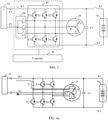
- FIG. 1 A negative output of a direct current charging pile 10 is connected to a negative electrode of a power battery pack 30, and a positive output of the direct current charging pile 10 is connected to a bridge arm midpoint of an inverter circuit 40 of a motor control unit (MCU) by using an inductor L.
- MCU motor control unit
- a switching transistor T2 is first turned on, and the direct current charging pile 10 charges the inductor L.
- a switching transistor T3 is turned on, and the switching transistor T2 is turned off.
- the direct current charging pile 10 and the inductor L jointly charge the power battery pack 30 to implement boost (Boost) conversion, so that the low-voltage charging pile 10 charges the high-voltage power battery pack 30.
- boost boost
- this application provides a motor control unit, an electric drive system, a powertrain, a control method, and an electric vehicle, to reduce a volume and hardware costs of the motor control unit when the motor control unit is reused to perform charging and discharging for a power battery pack, and to extend application scenarios and improve applicability.
- this application provides a motor control unit.
- An input of the motor control unit is connected to a power battery pack of an electric vehicle, and an output of the motor control unit is connected to a three-phase motor.
- the motor control unit includes an inverter circuit, a power transmission interface, a switch circuit, a first direct current switch, and a controller.
- a first terminal of the power transmission interface is connected to a first input terminal of the inverter circuit by using the first direct current switch, and a second terminal of the power transmission interface is connected to a first terminal of the switch circuit.
- the inverter circuit is configured to convert a direct current provided by the power battery pack into an alternating current, and supply the alternating current to the three-phase motor.
- Each-phase output terminals of the inverter circuit are respectively connected to one-phase motor windings of the three-phase motor.
- the input terminal of the inverter circuit is connected to the power battery pack by using a second direct current switch.
- the switch circuit includes three switch branches, where first terminals of the three switch branches are connected to the first terminal of the switch circuit, second terminals of the three switch branches are respectively connected to one-phase output terminals of the inverter circuit, and each switch branch includes a controllable switch.
- the controller is configured to control the first direct current switch, the second direct current switch, the controllable switch, and the inverter circuit, so that a power supply charges the power battery pack when the power transmission interface is connected to the power supply, and the power battery pack discharges electricity into a load when the power transmission interface is connected to the load.
- the inverter circuit of the motor control unit and the winding of the three-phase motor are reused.
- the controller controls the first direct current switch, the second direct current switch, the controllable switch, and a controllable switching transistor in the inverter circuit, to implement functions of a boost circuit and a buck circuit without requiring an inductor. This reduces a volume and hardware costs that are required by the motor control unit.
- the solution is applicable to a plurality of scenarios such as charging a low-voltage power battery pack by a high-voltage direct current power supply, charging a high-voltage power battery pack by a low-voltage direct current power supply, discharging electricity into a low-voltage load (a low-voltage direct current power grid, or a low-voltage power battery pack of another electric vehicle) by a high-voltage power battery pack, and discharging electricity into a high-voltage load (a high-voltage direct current power grid, or a high-voltage power battery pack of another electric vehicle) by a low-voltage power battery pack. Therefore, application scenarios are extended and applicability is improved.
- the foregoing first direct current switch may directly reuse an existing fast charge contactor on the electric vehicle, and may be disposed separately.
- the controller in this application may be an application-specific integrated circuit (ASIC), a programmable logic device (PLD), a digital signal processor (DSP), or a combination of the ASIC, the PLD, and the DSP.
- the PLD may be a complex programmable logic device (CPLD), a field-programmable gate array (FPGA), a generic array logic (GAL), or any combination of the CPLD, the FPGA, and the GAL. This is not specifically limited in this application.
- the inverter circuit includes the controllable switching transistor.
- a type of the controllable switching transistor is not specifically limited in this embodiment of this application, for example, may be an insulated gate bipolar transistor (IGBT), a metal-oxide semiconductor field-effect transistor (MOSFET, referred to as a MOS transistor), or a silicon carbide metal-oxide semiconductor field-effect transistor (SiC MOSFET).
- IGBT insulated gate bipolar transistor
- MOSFET metal-oxide semiconductor field-effect transistor
- SiC MOSFET silicon carbide metal-oxide semiconductor field-effect transistor
- the controller may send a control signal to the controllable switching transistor to control an on-off status of the controllable switching transistor.
- the control signal is a pulse width modulation (PWM) signal.
- the electric vehicle in a process in which the power battery pack is charged or discharges electricity into the load, the electric vehicle is not in a traveling state. Therefore, reusing the motor winding of the electric vehicle does not affect a traveling process of the electric vehicle.
- the power battery pack stops supplying power to an external load and stops being charged. In this case, the inverter circuit and the three-phase motor are not reused.
- the controller is configured to obtain voltage information sent by a vehicle control unit of the electric vehicle, and control the first direct current switch, the second direct current switch, the controllable switch, and the inverter circuit based on the voltage information.
- the vehicle control unit is configured to determine a value relationship between an output voltage of a direct current charging pile connected to the power transmission interface and a charging voltage required by the power battery pack, or determine a value relationship between a voltage required by the load (a direct current power grid, or a power battery pack of another electric vehicle) connected to the power transmission interface and an output voltage of the power battery pack; and obtain voltage information representing a result of the determining, and transmit the voltage information to the controller, so that the controller determines a corresponding control signal based on the voltage information.
- the controller determines, based on the voltage information, that the power transmission interface is connected to the power supply and that a voltage provided by the power supply is less than a voltage of the power battery pack, the controller controls the first direct current switch and the second direct current switch to be closed, and controls the controllable switch and the inverter circuit so that the power supply charges two-phase motor windings of the three-phase motor.
- the controller then controls the controllable switch and the inverter circuit to form a boost circuit.
- the two-phase motor windings and the power supply are connected in series to charge the power battery pack, thereby implementing boost charging for the power battery pack.
- the controller when the controller determines, based on the voltage information, that the power transmission interface is connected to the power supply and that a voltage provided by the power supply is greater than a voltage of the power battery pack, the controller first controls the first direct current switch to be closed and the second direct current switch to be open, and controls the controllable switch and the inverter circuit so that the power supply charges two-phase motor windings of the three-phase motor.
- the controller then controls the first direct current switch to be open and the second direct current switch to be closed, so that the power supply stops outputting a power to the power transmission interface; and controls the controllable switch and the inverter circuit to form a buck circuit, so that the two-phase motor windings charge the power battery pack.
- the controller when the controller determines, based on the voltage information, that the power transmission interface is connected to the load and that a voltage required by the load is less than a voltage of the power battery pack, the controller first controls the first direct current switch and the second direct current switch to be closed, and controls the controllable switch and the inverter circuit so that the power battery pack supplies power to the load and charges two-phase motor windings of the three-phase motor.
- the load divides the voltage to obtain a partial voltage output by the power battery pack.
- the controller then controls the controllable switch and the inverter circuit so that the two-phase motor windings supply power to the load, thereby implementing buck power feeding for the load by the power battery pack.
- the controller when the controller determines, based on the voltage information, that the power transmission interface is connected to the load and that a voltage required by the load is greater than a voltage of the power battery pack, the controller first controls the first direct current switch to be open and the second direct current switch to be closed, and controls the controllable switch and the inverter circuit so that the power battery pack charges two-phase motor windings of the three-phase motor.
- the controller then controls the first direct current switch to be closed and the second direct current switch to be open, and controls the controllable switch and the inverter circuit so that the two-phase motor windings supply power to the load, thereby implementing boost power feeding for the load by the power battery pack.
- the motor control unit further includes a third direct current switch, a first terminal of the third direct current switch is connected to the first terminal of the switch circuit, and a second terminal of the third direct current switch is connected to a second input terminal of the inverter circuit.
- the controller is further configured to: when determining, based on the voltage information, that the voltage provided by the power supply matches the voltage of the power battery pack, or when determining, based on the voltage information, that the voltage required by the load matches the voltage of the power battery pack, control the first direct current switch, the second direct current switch, and the third direct current switch to be closed.
- the power battery pack is directly connected to the direct current charging pile, or the power battery pack is directly connected to the load.
- the motor control unit further includes a first capacitor.
- the first capacitor is connected in parallel between the first terminal and the second terminal of the power transmission interface.
- the first capacitor is used for filtering, and is configured to better match the two sides of the power transmission interface.
- the motor control unit further includes a third direct current switch and a fourth direct current switch.
- a first terminal of the third direct current switch is connected to the first terminal of the switch circuit, and a second terminal of the third direct current switch is connected to a second input terminal of the inverter circuit.
- the fourth direct current switch is a single-pole double-throw switch, a first non-movable terminal of the fourth direct current switch is connected to the first terminal of the switch circuit, a second non-movable terminal of the fourth direct current switch is connected to the first input terminal of the inverter circuit, and a movable terminal of the fourth direct current switch is connected to a first terminal of the power battery pack.
- the controller is further configured to control working statuses of the third direct current switch and the fourth direct current switch based on the voltage information.
- the controller is configured to: when determining, based on the voltage information, that a voltage provided by the power supply matches a voltage of the power battery pack, or when determining, based on the voltage information, that a voltage required by the load matches a voltage of the power battery pack, control the first direct current switch, the second direct current switch, and the third direct current switch to be closed, and control the movable terminal of the fourth direct current switch to be connected to the second non-movable terminal.
- the direct current power supply can directly charge the power battery pack, or the power battery pack can directly supply power to the load.
- the controller determines, based on the voltage information, that the power transmission interface is connected to the power supply and that a voltage provided by the power supply is less than a voltage of the power battery pack, the controller controls the movable terminal of the fourth direct current switch to be connected to the second non-movable terminal, controls the first direct current switch and the second direct current switch to be closed, controls the third direct current switch to be open, and controls the controllable switch and the inverter circuit so that the power supply charges two-phase motor windings of the three-phase motor.
- the controller then controls the controllable switch and the inverter circuit to form a boost circuit, so that the two-phase motor windings and the power supply are connected in series to charge the power battery pack, thereby implementing boost charging for the power battery pack by the power supply.
- the controller when the controller determines, based on the voltage information, that the power transmission interface is connected to the power supply and that a voltage provided by the power supply is greater than a voltage of the power battery pack, the controller first controls the movable terminal of the fourth direct current switch to be connected to the second non-movable terminal, controls the first direct current switch to be closed, controls the second direct current switch to be open, controls the third direct current switch to be open, and controls the controllable switch and the inverter circuit so that the power supply charges two-phase motor windings of the three-phase motor.
- the controller then controls the first direct current switch to be open and the second direct current switch to be closed, and controls the controllable switch and the inverter circuit to form a buck circuit, so that the two-phase motor windings charge the power battery pack.
- the controller when the controller determines, based on the voltage information, that the power transmission interface is connected to the load and that a voltage required by the load is less than a voltage of the power battery pack, the controller first controls the movable terminal of the fourth direct current switch to be connected to the second non-movable terminal, controls the first direct current switch and the second direct current switch to be closed, controls the third direct current switch to be open, and controls the controllable switch and the inverter circuit so that the load and two-phase motor windings of the three-phase motor are connected in series to access a discharge loop of the power battery pack.
- the power battery pack supplies power to the load and charges the two-phase motor windings of the three-phase motor.
- the load divides the voltage to obtain a partial voltage output by the power battery pack.
- the controller then controls the controllable switch and the inverter circuit so that the two-phase motor windings supply power to the load, thereby implementing buck power feeding for the load by the power battery pack.
- the controller when the controller determines, based on the voltage information, that the power transmission interface is connected to the load and that a voltage required by the load is greater than a voltage of the power battery pack, the controller first controls the movable terminal of the fourth direct current switch to be connected to the second non-movable terminal, controls the first direct current switch to be open, controls the second direct current switch to be closed, controls the third direct current switch to be open, and controls the controllable switch and the inverter circuit so that the power battery pack charges two-phase motor windings of the three-phase motor.
- the controller then controls the first direct current switch to be closed and the second direct current switch to be open, and controls the controllable switch and the inverter circuit so that the two-phase motor windings and the power battery pack are connected in series to supply power to the load, thereby implementing boost power feeding for the load by the power battery pack.
- the motor control unit further includes a sixth direct current switch, a first terminal of the sixth direct current switch is connected to the first terminal of the third direct current switch, and a second terminal of the sixth direct current switch is connected to the first terminal of the switch circuit.
- the controller determines, based on the voltage information, that the power transmission interface is connected to the power supply and that a voltage provided by the power supply is greater than a voltage of the power battery pack, the controller controls the movable terminal of the fourth direct current switch to be connected to the first non-movable terminal, controls the first direct current switch, the second direct current switch, and the third direct current switch to be closed, controls the sixth direct current switch to be open, and controls the controllable switch and the inverter circuit.
- two-phase motor windings of the three-phase motor and the power battery pack are connected in series to access a discharge loop of the power supply, so that the power supply charges the two-phase motor windings of the three-phase motor and the power battery pack.
- the controller then controls the controllable switch and the inverter circuit to form a buck circuit, so that the two-phase motor windings charge the power battery pack, thereby implementing buck charging for the power battery pack by the power supply.
- the controller when the controller determines, based on the voltage information, that the power transmission interface is connected to the load and that a voltage required by the load is greater than an output voltage of the power battery pack, the controller first controls the movable terminal of the fourth direct current switch to be connected to the first non-movable terminal, controls the first direct current switch, the second direct current switch, and the third direct current switch to be closed, controls the sixth direct current switch to be open, and controls the controllable switch and the inverter circuit so that the power battery pack charges two-phase motor windings of the three-phase motor.
- the controller then controls the controllable switch and the inverter circuit so that the two-phase motor windings and the power battery pack are connected in series to supply power to the load, thereby implementing boost power feeding for the load by the power battery pack.
- the motor control unit further includes a fourth direct current switch and a sixth direct current switch.
- a first terminal of the sixth direct current switch is connected to the second terminal of the power transmission interface, and a second terminal of the sixth direct current switch is connected to the first terminal of the switch circuit.
- the fourth direct current switch is a single-pole double-throw switch, a first non-movable terminal of the fourth direct current switch is connected to the first terminal of the switch circuit, a second non-movable terminal of the fourth direct current switch is connected to the first input terminal of the inverter circuit, and a movable terminal of the fourth direct current switch is connected to a first terminal of the power battery pack.
- the controller is further configured to control working statuses of the fourth direct current switch and the sixth direct current switch based on the voltage information.
- the controller determines, based on the voltage information, that the power transmission interface is connected to the power supply and that a voltage provided by the power supply is less than a voltage of the power battery pack, the controller controls the first direct current switch and the second direct current switch to be closed, controls the movable terminal of the fourth direct current switch to be connected to the second non-movable terminal, and controls the controllable switch and the inverter circuit so that the power supply charges two-phase motor windings of the three-phase motor.
- the controller then controls the second direct current switch to be open, and controls the controllable switch and the inverter circuit so that the two-phase motor windings and the power supply are connected in series to charge the power battery pack, thereby implementing boost charging for the power battery pack by the power supply.
- the controller when the controller determines, based on the voltage information, that the power transmission interface is connected to the load and that a voltage required by the load is less than a voltage of the power battery pack, the controller first controls the first direct current switch and the second direct current switch to be closed, controls the movable terminal of the fourth direct current switch to be connected to the second non-movable terminal, and controls the controllable switch and the inverter circuit so that the load and two-phase motor windings of the three-phase motor are connected in series to access a discharge loop of the power battery pack.
- the power battery pack supplies power to the load and charges the two-phase motor windings of the three-phase motor.
- the load divides the voltage to obtain a partial voltage output by the power battery pack.
- the controller then controls the controllable switch and the inverter circuit so that the two-phase motor windings supply power to the load, thereby implementing buck power feeding for the load by the power battery pack.
- the controller when the controller determines, based on the voltage information, that the power transmission interface is connected to the power supply, the controller first controls the first direct current switch and the sixth direct current switch to be closed, controls the movable terminal of the fourth direct current switch to be connected to the first non-movable terminal, and controls the controllable switch and the inverter circuit so that the power supply charges two-phase motor windings of the three-phase motor.
- the controller then controls the first direct current switch to be open, and controls the controllable switch and the inverter circuit so that the two-phase motor windings charge the power battery pack.
- the motor control unit is reused to form a buck-boost circuit, to implement boost charging or buck charging for the power battery pack by the power supply.
- the controller when the controller determines, based on the voltage information, that the power transmission interface is connected to the load, the controller first controls the first direct current switch, the second direct current switch, and the sixth direct current switch to be closed, controls the movable terminal of the fourth direct current switch to be connected to the first non-movable terminal, and controls the controllable switch and the inverter circuit so that the power battery pack charges two-phase motor windings of the three-phase motor. The controller then controls the controllable switch and the inverter circuit so that the two-phase motor windings supply power to the load.
- the motor control unit is reused to form a buck-boost circuit, to implement boost power feeding or buck power feeding for the load by the power battery pack.
- the motor control unit further includes a fifth direct current switch and a sixth direct current switch, a first terminal of the sixth direct current switch is connected to the second terminal of the power transmission interface, and a second terminal of the sixth direct current switch is connected to the first terminal of the switch circuit.
- the fifth direct current switch is a single-pole double-throw switch, a first non-movable terminal of the fifth direct current switch is connected to the first terminal of the switch circuit, a second non-movable terminal of the fifth direct current switch is connected to a second input terminal of the inverter circuit, and a movable terminal of the fifth direct current switch is connected to a second terminal of the power battery pack.
- the controller is further configured to control working statuses of the third direct current switch and the fifth direct current switch based on the voltage information.
- the controller controls the controllable switch and the inverter circuit based on a preset time to switch a motor winding that accesses a loop.
- Three motor windings of the three-phase motor are reused in turn, so that a reuse time of each winding is averaged, to prevent service lives of the windings of the three-phase motor from being affected by long-time reuse of same two windings.
- the controller controls the controllable switch and the inverter circuit based on obtained temperature information of motor windings to switch a motor winding that accesses a loop.
- Three motor windings of the three-phase motor are reused in turn, so that a reuse time of each winding is averaged, to prevent service lives of the windings of the three-phase motor from being affected by long-time reuse of same two windings.
- the inverter circuit is a three-phase two-level inverter circuit or a three-phase three-level inverter circuit.
- the three-phase three-level inverter circuit may be a neutral point clamped three-level inverter circuit or an active neutral point clamped three-level inverter circuit. This is not specifically limited in this application.
- this application further provides a motor control unit.
- An input of the motor control unit is connected to a power battery pack of an electric vehicle, and an output of the motor control unit is connected to a three-phase motor.
- the motor control unit includes a power transmission interface, an inverter circuit, a controllable switch, a first direct current switch, a second direct current switch, and a controller.
- a first terminal of the power transmission interface is connected to a first input terminal of the inverter circuit by using the first direct current switch, and a second terminal of the power transmission interface is connected to a first terminal of the controllable switch.
- a second terminal of the controllable switch is connected to a one-phase output terminal of the inverter circuit.
- the input terminal of the inverter circuit is connected to the power battery pack by using the second direct current switch.
- the controller is configured to control the first direct current switch, the second direct current switch, the controllable switch, and the inverter circuit, so that a power supply charges the power battery pack when the power transmission interface is connected to the power supply, and the power battery pack discharges electricity into a load when the power transmission interface is connected to the load.
- a difference between the motor control units provided in this implementation and the foregoing implementation lies in that the switch circuit includes only one controllable switch. Therefore, two windings of the three-phase motor are fixedly reused, thereby simplifying a control signal, reducing a quantity of used controllable switches, and further reducing costs.
- the controller is configured to obtain voltage information sent by a vehicle control unit of the electric vehicle, and control the first direct current switch, the second direct current switch, the controllable switch, and the inverter circuit based on the voltage information.
- the motor control unit further includes a third direct current switch, a first terminal of the third direct current switch is connected to the first terminal of the controllable switch, and a second terminal of the third direct current switch is connected to a second input terminal of the inverter circuit.
- the controller is further configured to: when determining, based on the voltage information, that a voltage provided by the power supply matches a voltage of the power battery pack, or when determining, based on the voltage information, that a voltage required by the load matches a voltage of the power battery pack, control the first direct current switch, the second direct current switch, and the third direct current switch to be closed.
- the power battery pack directly supplies power to the load, or the power supply directly charges the power battery pack.
- the motor control unit further includes a first capacitor.
- the first capacitor is connected in parallel between the first terminal and the second terminal of the power transmission interface.
- the first capacitor is used for filtering, to enhance a degree of matching between the two terminals of the power transmission interface.
- the motor control unit further includes a third direct current switch and a fourth direct current switch, a first terminal of the third direct current switch is connected to the first terminal of the controllable switch, and a second terminal of the third direct current switch is connected to a second input terminal of the inverter circuit.
- the fourth direct current switch is a single-pole double-throw switch, a first non-movable terminal of the fourth direct current switch is connected to the second terminal of the controllable switch, a second non-movable terminal of the fourth direct current switch is connected to the first input terminal of the inverter circuit, and a movable terminal of the fourth direct current switch is connected to a first terminal of the power battery pack.
- the controller is further configured to control working statuses of the third direct current switch and the fourth direct current switch based on the voltage information.
- the motor control unit further includes a fifth direct current switch.
- the fifth direct current switch is a single-pole double-throw switch, a first non-movable terminal of the fifth direct current switch is connected to the second terminal of the controllable switch, a second non-movable terminal of the fifth direct current switch is connected to a second input terminal of the inverter circuit, and a movable terminal of the fifth direct current switch is connected to a second terminal of the power battery pack.
- the controller is further configured to control a working status of the fifth direct current switch based on the voltage information.
- the inverter circuit is a three-phase two-level inverter circuit or a three-phase three-level inverter circuit.
- the three-phase three-level inverter circuit may be a neutral point clamped three-level inverter circuit or an active neutral point clamped three-level inverter circuit. This is not specifically limited in this application.
- the motor control units provided in the first aspect and the second aspect improve applicability, and both can implement boost charging and buck charging for the power battery pack by the power supply, and boost power feeding and buck power feeding for the load by the power battery pack.
- the foregoing functions may be adjusted based on an actual situation, that is, only some of the functions are included. For example, only boost charging for the power battery pack by the power supply and buck discharge for the power supply by the power battery pack are implemented. Therefore, in some implementations, the first direct current switch may directly reuse a fast charge contactor of a current electric vehicle, and in this case, high-frequency control is not performed on the first direct current switch.
- the second direct current switch may directly reuse a direct current switch included in a current power battery pack, and in this case, high-frequency control is not performed on the direct current switch of the power battery pack. In this way, hardware costs of the motor control unit are further reduced.
- this application further provides an electric drive system.
- the electric drive system includes the motor control unit provided in the foregoing implementations, and further includes a direct current-direct current conversion circuit.
- a first input terminal of the direct current-direct current conversion circuit is connected to the first input terminal of the inverter circuit, a second input terminal of the direct current-direct current conversion circuit is connected to the second input terminal of the inverter circuit, and an output terminal of the direct current-direct current conversion circuit is connected to a low-voltage battery of an electric vehicle.
- the direct current-direct current conversion circuit is configured to perform direct current conversion on a high-voltage direct current provided by a power battery pack, to charge the low-voltage battery.
- the inverter circuit of the motor control unit and a winding of a three-phase motor are reused to implement functions of a boost circuit and a buck circuit without requiring an inductor. This reduces a volume and hardware costs that are required by the motor control unit.
- the electric drive system is applicable to a plurality of scenarios such as charging a low-voltage power battery pack by a high-voltage direct current power supply, charging a high-voltage power battery pack by a low-voltage direct current power supply, discharging electricity into a low-voltage load (a low-voltage direct current power grid, or a low-voltage power battery pack of another electric vehicle) by a high-voltage power battery pack, and discharging electricity into a high-voltage load (a high-voltage direct current power grid, or a high-voltage power battery pack of another electric vehicle) by a low-voltage power battery pack. Therefore, the solution can be applied in more application scenarios, thereby improving applicability, and the volume and the costs do not greatly increase.
- the controller is further configured to control a working status of the direct current-direct current conversion circuit. That is, the controller is integrated with a controller of the direct current-direct current conversion circuit.
- this application further provides a control method for a motor control unit, used to control the motor control unit provided in the foregoing implementations, to implement boost charging or buck charging for a power battery pack by a power supply, and boost power feeding or buck power feeding for a load by the power battery pack.
- the method includes the following steps:
- controlling the first direct current switch, the second direct current switch, the controllable switch, and the inverter circuit based on the voltage information specifically includes:
- controlling the first direct current switch, the second direct current switch, the controllable switch, and the inverter circuit based on the voltage information specifically includes:
- controlling the first direct current switch, the second direct current switch, the controllable switch, and the inverter circuit based on the voltage information specifically includes:
- controlling the first direct current switch, the second direct current switch, the controllable switch, and the inverter circuit based on the voltage information specifically includes:
- the method further includes the following step: controlling the controllable switch and the inverter circuit based on a preset time to switch a motor winding that accesses a loop.
- the method further includes the following step: controlling the controllable switch and the inverter circuit based on obtained temperature information of motor windings to switch a motor winding that accesses a loop.
- this application further provides a powertrain.
- the powertrain includes the motor control unit provided in any one of the foregoing implementations, and further includes a three-phase motor. The output of the motor control unit is connected to the three-phase motor.
- the three-phase motor is configured to convert electric energy into mechanical energy to drive an electric vehicle.
- a winding of the three-phase motor and the inverter circuit of the powertrain are reused when a power battery pack is charged or the power battery pack discharges electricity into a load, without requiring an inductor. This reduces a volume and hardware costs that are required by the motor control unit.
- the powertrain is applicable to a plurality of scenarios such as charging performed on a power battery pack by an external power supply, and discharge performed on an external load by the power battery pack. Therefore, application scenarios are extended and applicability is improved.
- this application further provides an electric vehicle.
- the electric vehicle includes the powertrain provided in the foregoing implementation, and further includes a power battery pack.
- a first output terminal of the power battery pack is connected to the first input terminal of the inverter circuit, and a second output terminal of the power battery pack is connected to the second input terminal of the inverter circuit.
- the power battery pack is configured to provide a direct current for the powertrain.
- the inverter circuit of the motor control unit and the winding of the three-phase motor are reused.
- the controller controls the first direct current switch, the second direct current switch, the controllable switch, and the controllable switching transistor in the inverter circuit, to implement functions of a boost circuit and a buck circuit without requiring an inductor. This reduces and a volume and hardware costs that are required by the motor control unit.
- the electric vehicle is applicable to a plurality of scenarios such as charging a low-voltage power battery pack by a high-voltage direct current power supply, charging a high-voltage power battery pack by a low-voltage direct current power supply, discharging electricity into a low-voltage load (a low-voltage direct current power grid, or a low-voltage power battery pack of another electric vehicle) by a high-voltage power battery pack, and discharging electricity into a high-voltage load (a high-voltage direct current power grid, or a high-voltage power battery pack of another electric vehicle) by a low-voltage power battery pack. Therefore, application scenarios are extended, and applicability is improved.
- V2V technologies and V2G technologies continuously mature a scenario in which a high-voltage power battery pack charges a low-voltage power battery pack or a low-voltage direct current power grid, and a scenario in which a low-voltage power battery pack charges a high-voltage power battery pack or a high-voltage direct current power grid may also occur accordingly.
- a current charging circuit of a power battery pack has a single application scenario.
- the following provides a description with reference to a boost charging solution shown in FIG. 1 .
- a motor control unit of an electric vehicle includes an inverter circuit 40 and a controller 50.
- the controller 50 is configured to control a working status of the inverter circuit 40.
- the inverter circuit 40 is a three-phase two-level inverter circuit.
- An output terminal of the inverter circuit 40 is connected to a motor 20.
- the motor 20 is a three-phase motor, and three-phase windings of the motor are respectively denoted by A, B, and C.
- boost conversion is implemented in the illustrated solution, so that the low-voltage charging pile 10 charges the high-voltage power battery pack 30.
- this solution requires an inductor L, which increases a volume and hardware costs of the motor control unit.
- the solution is inapplicable to other scenarios such as buck charging of the power battery pack 30.
- this application provides a motor control unit, an electric drive system, a powertrain, a control method, and an electric vehicle, to reuse an inverter circuit of the motor control unit and a motor winding without requiring an inductor, thereby reducing a volume and hardware costs that are required by the motor control unit.
- the motor control unit, the electric drive system, the powertrain, the control method, and the electric vehicle are applicable to a plurality of scenarios such as boost charging or buck charging performed on a power battery pack by a power supply, and boost discharge or buck discharge performed on an external load by the power battery pack. Therefore, application scenarios are extended and applicability is improved.
- a positive electrode of a power battery pack is a first terminal of the power battery pack, and a negative electrode of the power battery pack is a second terminal of the power battery pack.
- connection should be understood in a broad sense.
- the "connection” may be a fixed connection, a detachable connection, or an entirety; and may be a direct connection, or an indirect connection using an intermediate medium.
- FIG. 2 is a schematic diagram of a motor control unit according to an embodiment of this application.
- An input of the motor control unit is connected to a power battery pack 30 of an electric vehicle, and an output of the motor control unit is connected to a three-phase motor 20.
- the motor control unit includes an inverter circuit 40, a power transmission interface (P1 and P2), a controller 50, a first direct current switch K3, a second direct current switch K1, and a switch circuit 60.
- a first terminal P1 of the power transmission interface is connected to a first input terminal of the inverter circuit 40 by using the first direct current switch K3, and a second terminal P2 of the power transmission interface is connected to a first terminal of the switch circuit 60.
- the switch circuit 60 includes three switch branches, where first terminals of the three switch branches are connected to the first terminal of the switch circuit 60, second terminals of the three switch branches are respectively connected to one-phase output terminals of the inverter circuit 40, and each switch branch includes a controllable switch. Controllable switches in the figure are respectively denoted by S1, S2, and S3.
- An output terminal of the inverter circuit 40 is connected to the three-phase motor 20, and windings of the three-phase motor 20 are respectively denoted by A, B, and C.
- An each-phase output terminal of the inverter circuit 40 is connected to one winding.
- the inverter circuit 40 is a three-phase two-level inverter circuit.
- a bridge arm midpoint of each inverter bridge arm of the inverter circuit 40 is a one-phase output terminal. That is, each bridge arm midpoint is connected to one winding and one switch branch.
- the second direct current switch K1 is connected between the input terminal of the inverter circuit 40 and the power battery pack 30.
- K1 may be connected to a positive electrode or a negative electrode of the power battery pack. This is not limited in this embodiment of this application.
- the controller 50 is configured to control the first direct current switch K3, the second direct current switch K1, the controllable switches S1, S2, and S3, and the inverter circuit 40.
- the inverter circuit and the motor winding are reused to form a boost circuit or a buck circuit, so that the power battery pack 30 may be charged when the power transmission interface is connected to a high-voltage direct current power supply or a low-voltage direct current power supply; and the power battery pack 30 may normally perform reverse charging when the power transmission interface is connected to a high-voltage power grid, a low-voltage power grid, a high-voltage load (for example, a high-voltage power battery pack of another electric vehicle), or a low-voltage load (for example, a low-voltage power battery pack of another electric vehicle).
- the controller 50 in this embodiment may be an ASIC, a PLD, a DSP, or a combination of the ASIC, the PLD, and the DSP.
- the PLD may be a CPLD, an FPGA, a GAL, or any combination of the CPLD, the FPGA, and the GAL. This is not specifically limited in this embodiment of this application.
- the inverter circuit includes a controllable switching transistor.
- a type of the controllable switching transistor is not specifically limited in this embodiment of this application, for example, may be an IGBT, a MOSFET (referred to as a MOS transistor, including two specific types PMOS and NMOS), or a SiC MOSFET.
- the first direct current switch K3, the second direct current switch K1, and the controllable switches S1, S2, and S3 may be controllable switching transistors, and specific types of the controllable switching transistors may be the same as or different from specific types of T1 to T6. This is not specifically limited in this embodiment of this application.
- the first direct current switch K3, the second direct current switch K1, the controllable switches S1, S2, and S3, and the controllable switching transistor in the inverter circuit are of a same type.
- the controller 50 may send a control signal to the controllable switching transistor to control an on-off status of the controllable switching transistor.
- the control signal is a PWM signal.
- the controller 50 may further adjust a duty cycle value of the PWM signal to adjust a charging voltage when the power battery pack 30 is charged and a discharge voltage when the power battery pack 30 charges an external load.
- the inverter circuit of the motor control unit and the motor winding are reused to form the boost circuit without requiring an inductor, thereby reducing a volume and hardware costs that are required by the motor control unit.
- the solution is applicable to a plurality of scenarios such as charging performed on a power battery pack by an external power supply, and discharge performed on an external load by the power battery pack. Therefore, application scenarios are extended and applicability is improved.
- the inverter circuit 40 is a three-phase two-level inverter circuit for specific description.
- the inverter circuit is a three-phase three-level inverter circuit, a principle is similar, and details are not described herein in this embodiment.
- the inverter circuit includes controllable switching transistors T1 to T6.
- T1 and T2 are located on a first bridge arm
- T3 and T4 are located on a second bridge arm
- T5 and T6 are located on a third bridge arm.
- FIG. 3 is a schematic diagram of another motor control unit according to an embodiment of this application.
- K1 is a second direct current switch
- K3 is a first direct current switch
- K2 is a redundantly disposed direct current switch, and is controlled by using a same control signal as K1. In actual application, K2 may alternatively be canceled.
- the following first describes a working principle when a power transmission interface is connected to a direct current power supply.
- a description is provided by using an example in which a positive output terminal of a direct current power supply 10 is connected to P1 and a negative output terminal of the direct current power supply 10 is connected to P2.
- a controller After controlling K1, K2, S2, and K3 to be closed and controlling S1 and S3 to be open, a controller first controls T1 to be turned on. For a status of the motor control unit in this case, refer to FIG. 4a .
- a current sequentially passes through K3, T1, a motor winding A, a motor winding B, and S2 to form a closed loop, and the direct current power supply supplies energy to the motor winding A and the motor winding B for storage.
- the controller then controls T1 to be turned off.
- the current passes through the motor winding A, the motor winding B, S2, the direct current power supply 10, K3, K1, a power battery pack 30, K2, and an anti-parallel connected diode of T2 to form a closed loop.
- the motor winding A, the motor winding B, and the direct current power supply 10 are connected in series to charge the power battery pack 30.
- a bridge arm of an inverter circuit and a winding of a three-phase motor are reused to form a boost circuit.
- the direct current power supply 10 can still continue to charge the power battery pack 30 by using the boost circuit.
- the controller can adjust a charging voltage of the power battery pack 30 by controlling a duty cycle of a control signal of T1.
- K1 and K2 are kept normally closed, and no high-frequency on-off action is performed, so that a control signal can be simplified and control efficiency can be improved.
- K1 and K2 when the motor winding A and the motor winding B store energy, K1 and K2 may be controlled to be turned off; and when the motor winding A and the motor winding B discharge, K1 and K2 may be controlled to be closed.
- the controller When determining that the voltage provided by the power supply 10 is greater than the voltage of the power battery pack 30, and after controlling S2 and K3 to be closed and controlling K1, K2, S1, and S3 to be open, the controller first controls T1 to be turned on. For the status of the motor control unit, refer to FIG. 4b .
- the current sequentially passes through K3, T1, the motor winding A, the motor winding B, and S2 to form a closed loop, and the direct current power supply supplies energy to the motor winding A and the motor winding B for storage.
- the controller controls K3 to be open and controls K1 and K2 to be closed.
- the current passes through the motor winding A, the motor winding B, an anti-parallel connected diode of T3, K1, the power battery pack 30, K2, and the anti-parallel connected diode of T2 to form a closed loop.
- buck charging of the power battery pack 30 can be implemented.
- the controller can adjust the charging voltage of the power battery pack 30 by adjusting the duty cycle of the control signal of T1.
- a load 10 may be a direct current power grid, or a power battery pack of another electric vehicle. This is not specifically limited in this embodiment of this application.
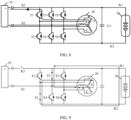
- the controller After controlling K1, K2, K3, and S2 to be closed and controlling S1 and S3 to be open, the controller first controls T2 to be turned on. In this case, the power battery pack 30 discharges.
- the status of the motor control unit refer to FIG. 7 .
- a closed loop is formed after a current sequentially passes through K1, K3, the load 10, S2, a phase-B winding of the motor, a phase-A winding of the motor, T2, and K2.
- the power battery pack 30 not only supplies power to the load 10, but also supplies energy to the phase-B winding of the motor and the phase-A winding of the motor for storage.
- the load 10 divides the voltage to obtain a partial voltage of the power battery pack 30.
- the controller then controls T2 to be turned off.
- T2 For the status of the motor control unit, refer to FIG. 8 .
- the current passes through an anti-parallel connected diode of T1, K3, the load, and S2 to form a closed loop.
- the phase-B winding of the motor and the phase-A winding of the motor are connected in series to supply power to the load.
- K1 and K2 are kept normally closed, and no high-frequency on-off action is performed, so that a control signal can be simplified and control efficiency can be improved.
- the bridge arm of the inverter circuit and the winding of the three-phase motor are reused to form a buck circuit.
- the power battery pack 30 can still continue to supply power to the load 10 by using the buck circuit.
- the controller can adjust, by controlling a duty cycle of a control signal of T2, a voltage that is output to the load 10.
- the controller when the voltage required by the load 10 is greater than the voltage of the power battery pack 30, the controller controls K3 to be open, controls K1 and K2 to be closed, controls S2 to be closed, and controls S1 and S3 to be open. Then, the controller first controls T2 and T3 to be turned on. For the status of the motor control unit in this case, refer to FIG. 9 .
- the power battery pack 30 supplies energy to the phase-B winding of the motor and the phase-A winding of the motor for storage, and the current sequentially passes through K1, T3, the phase-B winding of the motor, the phase-A winding of the motor, T2, and K2 to form a closed loop.
- the controller then controls T3, K1, and K2 to be turned off, maintains T2 to be turned on, and controls K3 to be closed.
- the current sequentially passes through the anti-parallel connected diode of T1, K3, the load 10, S2, the phase-B winding of the motor, and the phase-A winding of the motor to form a closed loop.
- the motor winding A, the motor winding B, and the power battery pack 30 are connected in series to charge the load 10.
- the bridge arm of the inverter circuit and the winding of the three-phase motor are reused to form a boost circuit.
- the power battery pack 30 can still supply power to the load 10 by using the boost circuit.
- the controller can adjust, by controlling duty cycles of control signals of T2 and T3, the voltage that is output to the load 10.
- a voltage Vb of the power battery pack 30 is a known configuration parameter.
- a VCU of an electric vehicle obtains a voltage Vn of the power supply connected to the power transmission interface or a voltage Vn corresponding to the load.
- the VCU compares a value of Vn with a value of Vb to obtain voltage information, and transmits the voltage information to the controller, so that the controller controls a third direct current switch, a fourth direct current switch, a controllable switch, and the inverter circuit based on the voltage information.
- the VCU may receive a voltage parameter sent by the direct current charging pile.
- the voltage parameter represents a direct current voltage that is output by the direct current charging pile, or an input voltage of the direct current charging pile.
- the VCU may receive a voltage parameter sent by the another electric vehicle.
- the voltage parameter represents a voltage that is output by a power battery pack of the another electric vehicle, or a charging voltage of the power battery pack of the another electric vehicle.
- the VCU determines Vn based on the obtained voltage parameter.
- the VCU compares the value of Vn with the value of Vb to obtain the voltage information, and transmits the voltage information to the controller, so that the controller controls the controllable switch and the inverter circuit based on the voltage information.
- the controller may alternatively control S1 to be closed and control S2 and S3 to be open, to reuse the motor winding A and a motor winding C of the three-phase motor; or may control S3 to be closed to reuse the motor winding B and the motor winding C of the three-phase motor.
- S1, S2, and S3 may be closed in turn, to average reuse times of the three windings. This may prolong service lives of the windings and facilitate temperature control.
- a temperature of a motor winding may be detected by using a temperature sensor.
- the controller switches a closed controllable switch, to replace the reused motor winding.
- the preset temperature threshold is not specifically limited in this embodiment of this application.
- a closing time length of each controllable switch in a switch circuit is preset, and the reused motor winding is replaced based on the time length.
- the inverter circuit of the motor control unit and the winding of the three-phase motor are reused to implement functions of the boost circuit and the buck circuit without requiring an inductor. This reduces a volume and hardware costs that are required by the motor control unit.
- the solution is applicable to a plurality of scenarios such as charging a low-voltage power battery pack by a high-voltage direct current power supply, charging a high-voltage power battery pack by a low-voltage direct current power supply, discharging electricity into a low-voltage load (a low-voltage direct current power grid, or a low-voltage power battery pack of another electric vehicle) by a high-voltage power battery pack, and discharging electricity into a high-voltage load (a high-voltage direct current power grid, or a high-voltage power battery pack of another electric vehicle) by a low-voltage power battery pack. Therefore, the solution can be applied in more application scenarios, thereby improving applicability, and the volume and the costs do not greatly increase.
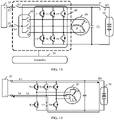
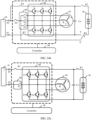
- FIG. 11 is a schematic diagram of still another motor control unit according to an embodiment of this application.
- a difference between the illustrated motor control unit and the motor control unit shown in FIG. 2 lies in that the motor control unit further includes a third direct current switch K4, a first terminal of the third direct current switch K4 is connected to the first terminal of the switch circuit 60, and a second terminal of the third direct current switch K4 is connected to a second input terminal of the inverter circuit 40.
- the controller 50 selects a charge/discharge mode by controlling the third direct current switch K4, as described in detail below.
- a VCU When the power transmission interface is connected to a direct current charging pile for charging, a VCU obtains an output voltage Vn of the direct current charging pile, and compares a value of Vn with a value of a voltage Vb of the power battery pack 30 to obtain voltage information.
- the VCU transmits the voltage information to the controller 50, so that the controller 50 controls the controllable switch and the inverter circuit based on the voltage information.
- the controller determines, based on the voltage information, that Vn matches Vb, the controller controls the third direct current switch K4, K1, K2, and K3 to be closed.
- the direct current charging pile directly charges the power battery pack 30.
- the VCU When determining that Vn is greater than Vb, the VCU sends voltage information to the controller 50, and the controller 50 controls K4 to be open, and controls K1, K2, K3, the switch circuit 60, and the inverter circuit 40 based on the voltage information, to form a buck circuit to charge the power battery pack 30.
- the controller 50 controls K4 to be open, and controls K1, K2, K3, the switch circuit 60, and the inverter circuit 40 based on the voltage information, to form a buck circuit to charge the power battery pack 30.
- the VCU When determining that Vn is less than Vb, the VCU sends voltage information to the controller 50, and the controller 50 controls K4 to be open, and controls K1, K2, K3, the switch circuit 60, and the inverter circuit 40 based on the voltage information, to form a boost circuit to charge the power battery pack 30.
- the controller 50 controls K4 to be open, and controls K1, K2, K3, the switch circuit 60, and the inverter circuit 40 based on the voltage information, to form a boost circuit to charge the power battery pack 30.
- the VCU may receive a voltage parameter sent by the direct current power grid, and in this case, the voltage parameter represents an input voltage of a direct current charging pile.
- the VCU may receive a voltage parameter sent by the another electric vehicle.
- the voltage parameter represents a charging voltage of the power battery pack of the another electric vehicle.
- the VCU determines Vn based on the obtained voltage parameter.
- the VCU compares the value of Vn with the value of Vb to obtain the voltage information, and transmits the voltage information to the controller.
- the controller determines, based on the voltage information, that Vb matches Vn, the controller controls the third direct current switch K4, K1, K2, and K3 to be closed. In this case, the power battery pack 30 directly charges the direct current charging pile.
- the controller 50 controls K4 to be open, and controls K1, K2, K3, the switch circuit 60, and the inverter circuit 40 based on the voltage information, to form a buck circuit to charge the direct current charging pile.
- the controller 50 controls K4 to be open, and controls K1, K2, K3, the switch circuit 60, and the inverter circuit 40 based on the voltage information, to form a boost circuit to charge the direct current charging pile.
- controller 50 For a specific working principle of the controller 50, refer to the foregoing related description in the embodiment corresponding to FIG. 3 , and details are not described herein.
- FIG. 12 is a schematic diagram of yet another motor control unit according to an embodiment of this application.
- a difference between the illustrated motor control unit and the motor control unit shown in FIG. 11 lies in that a first capacitor C1 is added between the first terminal and the second terminal of the power transmission interface, and the first capacitor C1 is used for filtering, so that better matching can be performed between the two sides.
- FIG. 11 and FIG. 12 may be configured separately or jointly.
- the inverter circuit of the motor control unit and the winding of the three-phase motor are reused to implement functions of a both-way boost circuit and a both-way buck circuit without requiring an inductor, thereby reducing a volume and hardware costs that are required by the motor control unit.
- the solution is applicable to a plurality of scenarios, thereby extending application scenarios and improving applicability, and the volume and the costs do not greatly increase.
- FIG. 13 is a schematic diagram of another motor control unit according to an embodiment of this application.
- the fourth direct current switch K5 is a single-pole double-throw switch, a first non-movable terminal X of the fourth direct current switch K5 is connected to the first terminal of the switch circuit 60, a second non-movable terminal Y of the fourth direct current switch K5 is connected to the first input terminal of the inverter circuit 40, and a movable terminal Z of the fourth direct current switch K5 is connected to the power battery pack 30.
- the second direct current switch K1 (not shown in the figure) is connected in series between the movable terminal Z and the power battery pack 30, or is connected in series between the inverter circuit 40 and the second non-movable terminal Y
- K3 may directly reuse a fast charge contactor of the electric vehicle, with no need to be a new controllable switching transistor.
- the controller 50 is configured to control the fourth direct current switch K5, as described in detail below.
- the motor control unit has the following working modes:
- the power battery pack 30 charges a load or a direct current power grid
- a bridge arm of the inverter circuit and two motor windings connected in series form a buck circuit
- the power battery pack 30 charges the load or the direct current power grid by using the buck circuit.
- the power battery pack 30 charges a load or a direct current power grid
- a bridge arm of the inverter circuit and two motor windings connected in series form a boost circuit
- the power battery pack 30 charges the load or the direct current power grid by using the boost circuit.
- the motor control unit shown in FIG. 13 further includes a sixth direct current switch (referred to as S4 below), a first terminal of the sixth direct current switch S4 is connected to the first terminal of the third direct current switch K4, and a second terminal of the sixth direct current switch S4 is connected to the first terminal of the switch circuit 60.
- S4 a sixth direct current switch
- the sixth direct current switch is in a closed state.
- the controller determines, based on the voltage information, that the voltage of the direct current charging pile 10 is greater than the voltage of the power battery pack 30, the controller controls K3 to be closed, controls S4 to be open, controls the movable terminal Z of K5 to be connected to the first non-movable terminal X, controls K4 to be closed, and controls the inverter circuit 40 and the switch circuit 60, as described in detail below.
- the controller controls S2 and T1 to be turned on, and controls S1 and S3 to be open.
- S2 and T1 controls S1 and S3 to be open.
- a current sequentially passes through K3, T1, a phase-A winding of the motor, a phase-B winding of the motor, S2, K5, the power battery pack 30, and K4 to form a loop.
- the phase-A winding of the motor and the phase-B winding of the motor store energy, and the power battery pack 30 obtains a partial voltage provided by the direct current charging pile.
- the controller then controls T1 to be turned off.
- T1 For the status of the motor control unit in this case, refer to FIG. 15 .
- the controller simultaneously controls K3 to be turned off.
- a buck-boost circuit is formed above by reusing the bridge arm of the inverter circuit and the winding of the three-phase motor.
- the controller can adjust a charging voltage of the power battery pack 30 by controlling a duty cycle of a control signal of T1.
- a load 10 may be a direct current power grid, or a power battery pack of another electric vehicle. This is not specifically limited in this embodiment of this application.
- the controller first controls T2 and S2 to be turned on, and controls S1, S3 and S4 to be open.
- S1, S3 and S4 For the status of the motor control unit in this case, refer to FIG. 16 .
- a current sequentially passes through K5, S2, the phase-B winding of the motor, the phase-A winding of the motor, and T2 to form a loop.
- the phase-A winding of the motor and the phase-B winding of the motor store energy.
- the controller then controls T2 to be turned off.
- T2 For the status of the motor control unit in this case, refer to FIG. 17 .
- the current sequentially passes through K5, S2, the phase-B winding of the motor, the phase-A winding of the motor, an anti-parallel connected diode of T1, and the load 10 to form a loop.
- the phase-B winding of the motor, the phase-A winding of the motor, and the power battery pack 30 are connected in series to supply power to the load 10.
- a boost circuit is formed above by reusing the bridge arm of the inverter circuit and the winding of the three-phase motor.
- the controller can adjust a charging voltage of the load 10 by controlling a duty cycle of a control signal of T2.
- the motor winding A and the motor winding B of the three-phase motor is used as an example in the foregoing description.
- the motor winding A and a motor winding C of the three-phase motor may alternatively be reused, or the motor winding B and the motor winding C of the three-phase motor may be reused.
- control signals of T1 to T6 may be switched, to average reuse times of the three windings. This may prolong service lives of the windings and facilitate temperature control.
- a temperature of a motor winding may be detected by using a temperature sensor.
- the reused motor winding is switched when the temperature exceeds a preset temperature threshold.
- the preset temperature threshold is not specifically limited in this embodiment of this application.
- time lengths of the two reused motor windings are preset, and the reused motor windings are replaced based on the time lengths.
- FIG. 18 is a schematic diagram of still another motor control unit according to an embodiment of this application.
- a difference between the illustrated motor control unit and the motor control unit shown in FIG. 2 lies in that the motor control unit further includes a fourth direct current switch K5 and a sixth direct current switch S4.
- the fourth direct current switch K5 is a single-pole double-throw switch, a first non-movable terminal X of the fourth direct current switch K5 is connected to the first terminal of the switch circuit 60, a second non-movable terminal Y of the fourth direct current switch K5 is connected to the first input terminal of the inverter circuit 40, and a movable terminal Z of the fourth direct current switch K5 is connected to the power battery pack 30.
- a first terminal of the sixth direct current switch S4 is connected to the second terminal P2 of the power transmission interface, and a second terminal of the sixth direct current switch is connected to the first terminal of the switch circuit 60.
- the controller 50 is further configured to control the fourth direct current switch K5 and the sixth direct current switch S4, as described in detail below.
- the motor control unit has the following working modes:
- the controller then controls T4 to be turned on, controls S2 to be closed, and controls S1 and S3 to be open.
- T4 controls T4 to be turned on
- S2 controls S2 to be closed
- S1 and S3 controls S1 and S3 to be open.
- a current sequentially passes through K3, K5, the power battery pack 30, T4, S2, and S4 to form a closed loop.
- the direct current charging pile 10 and the power battery pack 30 may directly perform charging and discharging for each other.
- the controller may alternatively control three groups of switches T4 and S2, T6 and S3, T2 and S1 to be turned on in turn, to average reuse times of the bridge arms of the inverter circuit. This may prolong a service life of the inverter circuit and facilitate temperature control.
- a temperature of the inverter circuit may be detected by using a temperature sensor. Switching is performed when the temperature exceeds a preset temperature threshold.
- the preset temperature threshold is not specifically limited in this embodiment of this application.
- a turn-on time length of each group of switches is preset, and switching is performed based on the time length. b.
- the controller determines that the voltage of the direct current charging pile 10 is less than the voltage of the power battery pack 30, the controller controls K3 to be closed, controls the movable terminal Z of K5 to be connected to the second non-movable terminal Y, and controls the inverter circuit 40 and the switch circuit 60.
- the motor control unit shown in FIG. 18 and the motor control unit shown in FIG. 2 are the same.
- the controller determines that the power transmission interface is connected to the direct current charging pile 10, the controller controls K3 and S4 to be closed, controls the movable terminal Z of K5 to be connected to the first non-movable terminal X, and controls the inverter circuit 40 and the switch circuit 60, as described in detail below.
- the controller first controls T1 to be turned on, controls S2 to be closed, and controls S1 and S3 to be open.
- T1 For the status of the motor control unit in this case, refer to FIG. 20 .
- a current sequentially passes through K3, T1, the phase-A winding of the motor, the phase-B winding of the motor, S2, and S4 to form a loop.
- the phase-A winding of the motor and the phase-B winding of the motor store energy.
- the controller then controls T1 to be turned off.
- T1 For the status of the motor control unit in this case, refer to FIG. 21 .
- the phase-A winding of the motor and the phase-B winding of the motor discharge, and the current sequentially passes through S2, K5, the power battery pack 30, and an anti-parallel connected diode of T2 to form a closed loop, to charge the power battery pack 30.
- the controller further controls the first direct current switch K3 to be open.
- a buck-boost circuit is formed above by reusing the bridge arm of the inverter circuit and the winding of the three-phase motor.
- the controller can adjust a charging voltage of the power battery pack 30 by controlling a duty cycle of a control signal of T1.
- a load 10 may be a direct current power grid, or a power battery pack of another electric vehicle. This is not specifically limited in this embodiment of this application.
- the controller determines that the power transmission interface is connected to the load, the controller controls K3 to be closed, controls the movable terminal Z of K5 to be connected to the first non-movable terminal X, and controls the inverter circuit 40 and the switch circuit 60, as described in detail below.
- the controller first controls T2 and S2 to be turned on, and controls S1 and S3 to be open.
- a current sequentially passes through K5, S2, the phase-B winding of the motor, the phase-A winding of the motor, and T2 to form a loop.
- the phase-A winding of the motor and the phase-B winding of the motor store energy.
- the controller then controls T2 to be turned off.
- T2 For the status of the motor control unit in this case, refer to FIG. 23 .
- the phase-A winding of the motor and the phase-B winding of the motor discharge, and in this case, the current sequentially passes through an anti-parallel connected diode of T1, the load 10, and S2 to form a loop.
- a buck-boost circuit is formed above by reusing the bridge arm of the inverter circuit and the winding of the three-phase motor.
- the controller can adjust a charging voltage of the load 10 by controlling a duty cycle of a control signal of T2, to implement boost charging or buck charging for the load 10.
- controller controls S2 to be closed and controls S1 and S3 to be open.
- the motor winding A and the motor winding B of the three-phase motor are reused.
- the controller may alternatively control S1 to be closed and control S2 and S3 to be open, to reuse the motor winding A and a motor winding C of the three-phase motor; or may control S3 to be closed to reuse the motor winding B and the motor winding C of the three-phase motor.
- S1, S2, and S3 may be closed in turn, to average reuse times of the three windings. This may prolong service lives of the windings and facilitate temperature control.
- a temperature of a motor winding may be detected by using a temperature sensor.
- the controller switches a closed controllable switch, to replace the reused motor winding.
- the preset temperature threshold is not specifically limited in this embodiment of this application.
- a closing time length of each controllable switch in the switch circuit is preset, and the reused motor winding is switched based on the time length.
- the inverter circuit of the motor control unit and the winding of the three-phase motor are reused to implement functions of the boost circuit, the buck circuit, and the buck-boost circuit without requiring an inductor, thereby reducing a volume and hardware costs that are required by the motor control unit.
- the solution is applicable to a plurality of scenarios, thereby extending application scenarios and improving applicability, and the volume and the costs do not greatly increase.
- FIG. 24a is a schematic diagram of yet another motor control unit according to an embodiment of this application.
- a difference between the illustrated motor control unit and the motor control unit shown in FIG. 3 lies in that the motor control unit further includes a fifth direct current switch K6 and a sixth direct current switch S4.
- the fifth direct current switch K6 is a single-pole double-throw switch, a first non-movable terminal X of the fifth direct current switch K6 is connected to the first terminal of the switch circuit 60, a second non-movable terminal Y of the fifth direct current switch K6 is connected to a second input terminal of the inverter circuit 40, and a movable terminal Z of the fifth direct current switch is connected to a negative electrode of the power battery pack 30.
- a first terminal of the sixth direct current switch S4 is connected to the second terminal P2 of the power transmission interface, and a second terminal of the sixth direct current switch S4 is connected to the first terminal of the switch circuit 60.
- the working principle of the motor control unit may be similar to the working principle of the motor control unit shown in FIG. 18 .
- a difference lies in that a position of the single-pole double-throw switch is changed, so that the first terminal of the switch circuit may be connected to a positive electrode or the negative electrode of the power battery pack by using the non-movable terminal X of the single-pole double-throw switch.
- the reused motor winding is not limited to the motor winding A and the motor winding B, and the reuse times of the motor windings may be further averaged.
- the inverter circuit of the motor control unit and the winding of the three-phase motor are reused to implement a function of the boost circuit, the buck circuit, or a buck-boost circuit without requiring an inductor.
- the solution is applicable to a plurality of scenarios, thereby extending application scenarios and improving applicability, and the volume and the costs do not greatly increase.
- FIG. 24b is a schematic diagram of another motor control unit according to an embodiment of this application.
- the illustrated motor control unit and the motor control unit shown in FIG. 13 use a symmetrical structure. That is, the first terminal P1 of the power transmission interface is connected to the negative electrode of the power battery pack 30 by using K3, the second non-movable terminal Y, and the movable terminal Z; and the second terminal P2 of the power transmission interface is connected to the positive electrode of the power battery pack 30 by using K4 and K1. The second terminal P2 of the power transmission interface is connected to the first terminal of the switch circuit 60 by using the sixth direct current switch.
- a working principle of the motor control unit is similar to the description of the motor control unit shown in FIG. 13 , and details are not described herein in this embodiment of this application.
- K4 may alternatively be canceled for the motor control unit shown in FIG. 24b .
- the working principle of the motor control unit is similar to the principle of the motor control unit shown in FIG. 18 , and details are not described herein in this embodiment.
- the switch circuit includes three controllable switches is used for description.
- the following provides a description by using an example in which the switch circuit includes only one controllable switch.
- FIG. 25a is a schematic diagram of still another motor control unit according to an embodiment of this application.
- the motor control unit includes an inverter circuit 40, a power transmission interface (P1 and P2), a controller 50, a first direct current switch K3, a second direct current switch K1, and a switch circuit 60.
- One terminal of the controllable switch S2 is connected to the second terminal P2 of the power transmission interface, and the other terminal of the controllable switch S2 is connected to a midpoint of a bridge arm.
- a connection to a midpoint of a bridge arm on which controllable switching transistors T3 and T4 are located is used as an example.
- a principle is similar when the other terminal of the controllable switch S2 is connected to a midpoint of either of the other two bridge arms. Details are not described herein in this embodiment of this application.
- a working principle when the power transmission interface is connected to a direct current power supply is first described.
- a description is provided by using an example in which a positive output terminal of a direct current power supply 10 is connected to P1 and a negative output terminal of the direct current power supply 10 is connected to P2.
- the controller When the controller controls K1, S2, and K3 to be closed, the controller first controls T1 to be turned on. In this case, a current sequentially passes through K3, T1, a motor winding A, a motor winding B, and S2 to form a closed loop, and the direct current power supply supplies energy to the motor winding A and the motor winding B for storage.
- the controller then controls T1 to be turned off.
- the current passes through the motor winding A, the motor winding B, S2, the direct current power supply 10, K3, K1, the power battery pack 30, and an anti-parallel connected diode of T2 to form a closed loop.
- the motor winding A, the motor winding B, and the direct current power supply 10 are connected in series to charge the power battery pack 30.
- the bridge arm of the inverter circuit and the winding of the three-phase motor are reused to form a boost circuit.
- the direct current power supply 10 can still continue to charge the power battery pack 30 by using the boost circuit.
- the controller can adjust a charging voltage of the power battery pack 30 by controlling a duty cycle of a control signal of T1.
- K1 is kept normally closed, and no high-frequency on-off action is performed, so that control efficiency can be improved.
- K1 when the motor winding A and the motor winding B store energy, K1 may be controlled to be turned off; and when the motor winding A and the motor winding B discharge, K1 may be controlled to be closed.
- the controller determines that the voltage provided by the power supply 10 is greater than the voltage of the power battery pack 30, after controlling S2 and K3 to be closed and controlling K1 to be open, the controller first controls T1 to be turned on. In this case, a current sequentially passes through K3, T1, the motor winding A, the motor winding B, and S2 to form a closed loop, and the direct current power supply supplies energy to the motor winding A and the motor winding B for storage.
- the controller controls K3 to be open and controls K1 and K2 to be closed.
- the current passes through the motor winding A, the motor winding B, an anti-parallel connected diode of T3, K1, the power battery pack 30, and the anti-parallel connected diode of T2 to form a closed loop.
- Buck charging of the power battery pack 30 can be implemented.
- the controller can adjust the charging voltage of the power battery pack 30 by adjusting the duty cycle of the control signal of T1.
- a load 10 may be a direct current power grid, or a power battery pack of another electric vehicle. This is not specifically limited in this embodiment of this application.
- the controller After controlling K1, K3, and S2 to be closed, the controller first controls T2 to be turned on. In this case, the power battery pack 30 discharges.
- a closed loop is formed after a current sequentially passes through K1, K3, the load 10, S2, a phase-B winding of the motor, a phase-A winding of the motor, and T2.
- the power battery pack 30 not only supplies power to the load 10, but also supplies energy to the phase-B winding of the motor and the phase-A winding of the motor for storage.
- the load 10 divides the voltage to obtain a partial voltage of the power battery pack 30.
- the controller then controls T2 to be turned off.
- the current passes through an anti-parallel connected diode of T1, K3, the load, and S2 to form a closed loop.
- the phase-B winding of the motor and the phase-A winding of the motor are connected in series to supply power to the load.
- K1 is kept normally closed, and no high-frequency on-off action is performed, so that a control signal can be simplified and control efficiency can be improved.
- the bridge arm of the inverter circuit and the winding of the three-phase motor are reused to form a buck circuit.
- the power battery pack 30 can still continue to supply power to the load 10 by using the buck circuit.
- the controller can adjust, by controlling a duty cycle of a control signal of T2, a voltage that is output to the load 10.
- the controller when the voltage required by the load 10 is greater than the voltage of the power battery pack 30, the controller controls K3 to be open, controls K1 to be closed, and controls S2 to be closed. Then, the controller first controls T2 and T3 to be turned on.
- the power battery pack 30 supplies energy to the phase-B winding of the motor and the phase-A winding of the motor for storage, and a current sequentially passes through K1, T3, the phase-B winding of the motor, the phase-A winding of the motor, and T2 to form a closed loop.
- the controller then controls T3 and K1 to be turned off, maintains T2 to be turned on, and controls K3 to be closed.
- the current sequentially passes through the anti-parallel connected diode of T1, K3, the load 10, S2, the phase-B winding of the motor, and the phase-A winding of the motor to form a closed loop.
- the motor winding A, the motor winding B, and the power battery pack 30 are connected in series to charge the load 10.
- the bridge arm of the inverter circuit and the winding of the three-phase motor are reused to form a boost circuit.
- the power battery pack 30 can still supply power to the load 10 by using the boost circuit.
- the controller can adjust, by controlling duty cycles of control signals of T2 and T3, the voltage that is output to the load 10.
- a voltage Vb of the power battery pack 30 is a known configuration parameter.
- a VCU of the electric vehicle obtains a voltage Vn of the power supply connected to the power transmission interface or a voltage Vn corresponding to the load.
- the VCU compares a value of Vn with a value of Vb to obtain voltage information, and transmits the voltage information to the controller, so that the controller controls a third direct current switch, a fourth direct current switch, the controllable switch, and the inverter circuit based on the voltage information.
- the VCU may receive a voltage parameter sent by the direct current charging pile.
- the voltage parameter represents a direct current voltage that is output for direct current charging, or an input voltage of the direct current charging pile.
- the VCU may receive a voltage parameter sent by the another electric vehicle.
- the voltage parameter represents a voltage that is output by a power battery pack of the another electric vehicle, or a charging voltage of the power battery pack of the another electric vehicle.
- the VCU determines Vn based on the obtained voltage parameter.
- the VCU compares the value of Vn with the value of Vb to obtain the voltage information, and transmits the voltage information to the controller, so that the controller controls the controllable switch and the inverter circuit based on the voltage information.
- FIG. 25b is a schematic diagram of yet another motor control unit according to an embodiment of this application.
- One terminal of the controllable switch S2 is connected to the second terminal P2 of the power transmission interface, and the other terminal of the controllable switch S2 is connected to a midpoint of a bridge arm.
- a connection to a midpoint of a bridge arm on which controllable switching transistors T3 and T4 are located is used as an example.
- a principle is similar when the other terminal of the controllable switch S2 is connected to a midpoint of either of the other two bridge arms.
- a working principle of the motor control unit shown in FIG. 25b is similar to the working principle of the motor control unit shown in FIG. 11 , and details are not described herein in this embodiment of this application.
- a first capacitor C1 may be further disposed between the first terminal P1 and the second terminal P2 of the power transmission interface, and the first capacitor C1 is used for filtering, so that better matching can be performed between the two sides.
- FIG. 25c is a schematic diagram of another motor control unit according to an embodiment of this application.
- One terminal of the controllable switch S2 is connected to the second terminal P2 of the power transmission interface, and the other terminal of the controllable switch S2 is connected to a midpoint of a bridge arm.
- a connection to a midpoint of a bridge arm on which controllable switching transistors T3 and T4 are located is used as an example.
- a principle is similar when the other terminal of the controllable switch S2 is connected to a midpoint of either of the other two bridge arms.
- a working principle of the motor control unit shown in FIG. 25c is similar to the working principle of the motor control unit shown in FIG. 13 , and details are not described herein in this embodiment of this application.
- FIG. 25d is a schematic diagram of still another motor control unit according to an embodiment of this application.
- One terminal of the controllable switch S2 is connected to the second terminal P2 of the power transmission interface, and the other terminal of the controllable switch S2 is connected to a midpoint of a bridge arm.
- a connection to a midpoint of a bridge arm on which controllable switching transistors T3 and T4 are located is used as an example.
- a principle is similar when the other terminal of the controllable switch S2 is connected to a midpoint of either of the other two bridge arms.
- disposing of the sixth direct current switch S4 may be avoided, thereby reducing hardware costs.
- a working principle of the motor control unit shown in FIG. 25d is similar to the working principle of the motor control unit shown in FIG. 24a , and details are not described herein in this embodiment of this application.
- FIG. 25e is a schematic diagram of yet another motor control unit according to an embodiment of this application.
- One terminal of the controllable switch S2 is connected to the second terminal P2 of the power transmission interface, and the other terminal of the controllable switch S2 is connected to a midpoint of a bridge arm.
- a connection to a midpoint of a bridge arm on which controllable switching transistors T3 and T4 are located is used as an example.
- a principle is similar when the other terminal of the controllable switch S2 is connected to a midpoint of either of the other two bridge arms.
- disposing of the sixth direct current switch S4 may be avoided, thereby reducing hardware costs.
- a working principle of the motor control unit shown in FIG. 25e is similar to the working principle of the motor control unit shown in FIG. 24b , and details are not described herein in this embodiment of this application.
- first non-movable terminal X of the single-pole double-throw switch in FIG. 25c to FIG. 25e above is connected to a second terminal of the controllable switch S2.
- the inverter circuit of the motor control unit and the winding of the three-phase motor are reused to implement functions of the boost circuit and the buck circuit without requiring an inductor. This reduces a volume and hardware costs that are required by the motor control unit.
- the solution is applicable to a plurality of scenarios such as charging a low-voltage power battery pack by a high-voltage direct current power supply, charging a high-voltage power battery pack by a low-voltage direct current power supply, discharging electricity into a low-voltage load (a low-voltage direct current power grid, or a low-voltage power battery pack of another electric vehicle) by a high-voltage power battery pack, and discharging electricity into a high-voltage load (a high-voltage direct current power grid, or a high-voltage power battery pack of another electric vehicle) by a low-voltage power battery pack. Therefore, the solution can be applied in more application scenarios, thereby improving applicability, and the volume and the costs do not greatly increase.
- two of S1, S2, and S3 may be selected to be retained, and the two controllable switches are alternately turned on.
- a specific implementation of the motor control unit is similar to the description in the foregoing embodiments, and details are not described herein in this embodiment of this application.
- the inverter circuit in this embodiment of this application is a three-phase two-level inverter circuit or a three-phase three-level inverter circuit.
- the three-phase two-level inverter circuit is used as an example for the inverter circuit in the foregoing embodiments of this application.
- the following describes another implementation of the inverter circuit.
- the inverter circuit in the embodiments of this application may alternatively be a three-level inverter circuit.
- the three-level inverter circuit is a neutral point clamped (Neutral Point Clamped, NPC) three-level inverter circuit.
- FIG. 26 and FIG. 27 show schematic diagrams of neutral point clamped three-level inverter circuits.
- FIG. 26 shows a schematic diagram of a three-level inverter circuit using a "T"-type connection.
- FIG. 27 shows a schematic diagram of a three-level inverter circuit using an "I"-type connection.
- the three-level inverter circuit may alternatively be an active neutral point clamped (Active Neutral Point Clamped, ANPC) three-level inverter circuit.
- ANPC Active Neutral Point Clamped
- a principle of reusing an inverter bridge arm of the three-level inverter circuit is similar to the principle in the foregoing embodiments, and details are not described herein in this embodiment of this application.
- an embodiment of this application further provides an electric drive system.
- the following provides a specific description with reference to the accompanying drawings.
- FIG. 29 is a schematic diagram of an electric drive system according to an embodiment of this application.
- the electric drive system includes the motor control unit provided in the foregoing embodiments, and further includes a direct current (Direct Current, DC)-direct current conversion circuit.
- a first input terminal of the illustrated DC-DC conversion circuit 70 is connected to the first input terminal of the inverter circuit 40, a second input terminal of the DC-DC conversion circuit 70 is connected to the second input terminal of the inverter circuit 40, and an output terminal (denoted by LV1 and LV2 in the figure) of the DC-DC conversion circuit 70 is connected to a low-voltage battery of an electric vehicle or to a low-voltage system of an electric vehicle in which the DC-DC conversion circuit 70 is located.
- the DC-DC conversion circuit 70 is configured to perform direct current conversion on a high-voltage direct current provided by a power battery pack, to charge the low-voltage battery.
- the controller 50 is further configured to control a working status of the DC-DC conversion circuit 70. That is, the DC-DC conversion circuit 70 is integrated with the controller of the motor control unit.
- the inverter circuit of the motor control unit and the winding of the three-phase motor can be reused through reusing.
- the controller controls the first direct current switch, the second direct current switch, the controllable switch, and the controllable switching transistor in the inverter circuit, to implement functions of the boost circuit and the buck circuit without requiring an inductor. This reduces a volume and hardware costs that are required by the motor control unit.
- the electric drive system is applicable to a plurality of scenarios such as charging a low-voltage power battery pack by a high-voltage direct current power supply, charging a high-voltage power battery pack by a low-voltage direct current power supply, discharging electricity into a low-voltage load (a low-voltage direct current power grid, or a low-voltage power battery pack of another electric vehicle) by a high-voltage power battery pack, and discharging electricity into a high-voltage load (a high-voltage direct current power grid, or a high-voltage power battery pack of another electric vehicle) by a low-voltage power battery pack. Therefore, application scenarios are extended, and applicability is improved.
- the electric drive system may alternatively include the motor control unit shown in FIG. 25a to FIG. 25e . Details are not described herein in this embodiment of this application.
- an embodiment of this application further provides a powertrain.
- the following provides a specific description with reference to the accompanying drawings.
- FIG. 30 is a schematic diagram of a powertrain according to an embodiment of this application.
- a powertrain 300 includes the motor control unit provided in the foregoing embodiments, and further includes a three-phase motor 20.
- the output of the motor control unit is connected to the three-phase motor 20.
- the three-phase motor 20 is configured to convert electric energy into mechanical energy to drive an electric vehicle.
- the inverter circuit of the motor control unit and the winding of the three-phase motor are reused.
- the controller controls the first direct current switch, the second direct current switch, the controllable switch, and the controllable switching transistor in the inverter circuit, thereby implementing functions of the boost circuit and the buck circuit without requiring an inductor, and reducing a volume and hardware costs that are required by the motor control unit.
- the powertrain is applicable to a plurality of scenarios such as charging a low-voltage power battery pack by a high-voltage direct current power supply, charging a high-voltage power battery pack by a low-voltage direct current power supply, discharging electricity into a low-voltage load (a low-voltage direct current power grid, or a low-voltage power battery pack of another electric vehicle) by a high-voltage power battery pack, and discharging electricity into a high-voltage load (a high-voltage direct current power grid, or a high-voltage power battery pack of another electric vehicle) by a low-voltage power battery pack. Therefore, application scenarios are extended and applicability is improved.
- the powertrain may alternatively include the motor control unit shown in FIG. 25a to FIG. 25e . Details are not described herein in this embodiment of this application.
- an embodiment of this application further provides an electric vehicle.
- the following provides a specific description with reference to the accompanying drawings.
- FIG. 31 is a schematic diagram of an electric vehicle according to an embodiment of this application.
- An illustrated electric vehicle 400 includes a power battery pack 30 and a powertrain 300.
- the powertrain 300 includes the motor control unit provided in the foregoing embodiments, and further includes a three-phase motor 20.
- the output of the motor control unit is connected to the three-phase motor 20.
- the three-phase motor 20 is configured to convert electric energy into mechanical energy to drive the electric vehicle.
- a first output terminal of the power battery pack 30 is connected to the first input terminal of the inverter circuit, and a second output terminal of the power battery pack is connected to the second input terminal of the inverter circuit.
- the inverter circuit of the motor control unit and the winding of the three-phase motor are reused.
- the controller controls the first direct current switch, the second direct current switch, the controllable switch, and the controllable switching transistor in the inverter circuit, to implement functions of the boost circuit and the buck circuit without requiring an inductor. This reduces a volume and hardware costs that are required by the motor control unit.
- the electric vehicle is applicable to a plurality of scenarios such as charging a low-voltage power battery pack by a high-voltage direct current power supply, charging a high-voltage power battery pack by a low-voltage direct current power supply, discharging electricity into a low-voltage load (a low-voltage direct current power grid, or a low-voltage power battery pack of another electric vehicle) by a high-voltage power battery pack, and discharging electricity into a high-voltage load (a high-voltage direct current power grid, or a high-voltage power battery pack of another electric vehicle) by a low-voltage power battery pack. Therefore, application scenarios are extended, and applicability is improved.
- the electric vehicle may alternatively include the motor control unit shown in FIG. 25a to FIG. 25e . Details are not described herein in this embodiment of this application.
- an embodiment of this application further provides a control method for a motor control unit.
- the following provides a specific description.
- the method includes the following steps:
- the voltage information represents a value relationship between a voltage provided by a direct current charging pile and a voltage of the power battery pack, or represents a value relationship between a voltage provided by the power battery pack and a voltage required by the load.
- Step B specifically includes: B1: When determining, based on the voltage information, that the power transmission interface is connected to the power supply and that a voltage provided by the power supply is less than the voltage of the power battery pack, control the first direct current switch and the second direct current switch to be closed, and control the controllable switch and the inverter circuit so that the power supply charges two-phase motor windings of the three-phase motor.
- controllable switch and the inverter circuit are controlled so that the two-phase motor windings and the power supply are connected in series to charge the power battery pack.
- B2 When determining, based on the voltage information, that the power transmission interface is connected to the power supply and that a voltage provided by the power supply is greater than the voltage of the power battery pack, first control the first direct current switch to be closed and the second direct current switch to be open, and control the controllable switch and the inverter circuit so that the power supply charges two-phase motor windings of the three-phase motor.
- the first direct current switch is controlled to be open
- the second direct current switch is controlled to be closed
- the controllable switch and the inverter circuit are controlled so that the two-phase motor charges the power battery pack.
- B3 When determining, based on the voltage information, that the power transmission interface is connected to the load and that a voltage required by the load is less than the voltage of the power battery pack, first control the first direct current switch and the second direct current switch to be closed, and control the controllable switch and the inverter circuit so that the power battery pack supplies power to the load and charges two-phase motor windings of the three-phase motor.
- controllable switch and the inverter circuit are controlled so that the two-phase motor windings supply power to the load.
- B4 When determining, based on the voltage information, that the power transmission interface is connected to the load and that a voltage required by the load is greater than the voltage of the power battery pack, first control the first direct current switch to be open and the second direct current switch to be closed, and control the controllable switch and the inverter circuit so that the power battery pack charges two-phase motor windings of the three-phase motor.
- the first direct current switch is controlled to be closed
- the second direct current switch is controlled to be open
- the controllable switch and the inverter circuit are controlled so that the two-phase motor windings supply power to the load.
- the method further includes the following step: controlling the controllable switch and the inverter circuit based on a preset time to switch a motor winding that accesses a loop.
- the method further includes the following step: controlling the controllable switch and the inverter circuit based on obtained temperature information of motor windings to switch a motor winding that accesses a loop.
- the inverter circuit of the motor control unit and the winding of the three-phase motor are reused.
- the first direct current switch, the second direct current switch, the controllable switch, and the controllable switching transistor in the inverter circuit are controlled, thereby implementing functions of the boost circuit and the buck circuit without requiring an inductor, and reducing a volume and hardware costs that are required by the motor control unit.
- control method is applicable to a plurality of scenarios such as charging a low-voltage power battery pack by a high-voltage direct current power supply, charging a high-voltage power battery pack by a low-voltage direct current power supply, discharging electricity into a low-voltage load (a low-voltage direct current power grid, or a low-voltage power battery pack of another electric vehicle) by a high-voltage power battery pack, and discharging electricity into a high-voltage load (a high-voltage direct current power grid, or a high-voltage power battery pack of another electric vehicle) by a low-voltage power battery pack. Therefore, application scenarios are extended, and applicability is improved.
- the motor control unit provided in the foregoing description of the embodiments of this application can be used in a plurality of application scenarios.
- one or more application scenarios may be flexibly selected as required. For example, only buck charging of a power battery pack by a direct current charging pile is implemented. Therefore, in some implementations, the first direct current switch may be directly reused as a fast charge contactor of a current electric vehicle, and the second direct current switch may be directly reused as a direct current switch included in a current power battery pack.
- At least one (piece) of a, b, or c may represent a, b, c, "a and b", “a and c", “b and c", or "a, b, and c", where a, b, and c may be singular or plural.
Landscapes
- Engineering & Computer Science (AREA)
- Power Engineering (AREA)
- Transportation (AREA)
- Mechanical Engineering (AREA)
- Life Sciences & Earth Sciences (AREA)
- Sustainable Development (AREA)
- Sustainable Energy (AREA)
- Electric Propulsion And Braking For Vehicles (AREA)
- Control Of Ac Motors In General (AREA)
- Charge And Discharge Circuits For Batteries Or The Like (AREA)
- Inverter Devices (AREA)
Claims (20)
- Motorsteuereinheit, wobei ein Eingang der Motorsteuereinheit mit einem Leistungsbatteriesatz (30) eines Elektrofahrzeugs verbunden ist, ein Ausgang der Motorsteuereinheit mit einem Dreiphasenmotor (20) verbunden ist und die Motorsteuereinheit eine Leistungsübertragungsschnittstelle, eine Wechselrichterschaltung (40), eine Schalterschaltung (60), einen ersten Gleichstromschalter (K3), einen zweiten Gleichstromschalter (K1) und eine Steuerung (50) umfasst, wobeiein erster Anschluss (P1) der Leistungsübertragungsschnittstelle mit einem ersten Eingangsanschluss der Wechselrichterschaltung unter Verwendung des ersten Gleichstromschalters verbunden ist und ein zweiter Anschluss (P2) der Leistungsübertragungsschnittstelle mit einem ersten Anschluss der Schalterschaltung verbunden ist;dadurch gekennzeichnet, dass die Schalterschaltung drei Schalterabzweigungen umfasst, wobei erste Anschlüsse der drei Schalterabzweigungen mit dem ersten Anschluss der Schalterschaltung verbunden sind, zweite Anschlüsse der drei Schalterabzweigungen jeweils mit einphasigen Ausgangsanschlüssen der Wechselrichterschaltung verbunden sind und jede Schalterabzweigung einen steuerbaren Schalter (S1, S2, S3) umfasst,der Eingangsanschluss der Wechselrichterschaltung mit dem Leistungsbatteriesatz unter Verwendung des zweiten Gleichstromschalters verbunden ist; unddie Steuerung konfiguriert ist zum Steuern des ersten Gleichstromschalters, des zweiten Gleichstromschalters, des steuerbaren Schalters und der Wechselrichterschaltung, so dass eine Leistungsversorgung den Leistungsbatteriesatz lädt, wenn die Leistungsübertragungsschnittstelle mit der Leistungsversorgung verbunden ist, und der Leistungsbatteriesatz Elektrizität in eine Last entlädt, wenn die Leistungsübertragungsschnittstelle mit der Last verbunden ist.
- Motorsteuereinheit nach Anspruch 1, wobei die Steuerung konfiguriert ist zum Erlangen von Spannungsinformationen, die durch eine Fahrzeugsteuereinheit des Elektrofahrzeugs gesandt werden, und Steuern des ersten Gleichstromschalters, des zweiten Gleichstromschalters, des steuerbaren Schalters und der Wechselrichterschaltung basierend auf den Spannungsinformationen.
- Motorsteuereinheit nach Anspruch 2, wobei, wenn die Steuerung basierend auf den Spannungsinformationen bestimmt, dass die Leistungsübertragungsschnittstelle mit der Leistungsversorgung verbunden ist und dass eine durch die Leistungsversorgung bereitgestellte Spannung niedriger als eine Spannung des Leistungsbatteriesatzes ist, die Steuerung den ersten Gleichstromschalter und den zweiten Gleichstromschalter steuert, geschlossen zu sein, und den steuerbaren Schalter und die Wechselrichterschaltung derart steuert, dass die Leistungsversorgung Zweiphasen-Motorwicklungen des Dreiphasenmotors lädt, und
die Steuerung dann den steuerbaren Schalter und die Wechselrichterschaltung derart steuert, dass die Zweiphasen-Motorwicklungen und die Leistungsversorgung mit dem Leistungsbatteriesatz in Reihe verbunden sind, um den Leistungsbatteriesatz zu laden. - Motorsteuereinheit nach Anspruch 2, wobei, wenn die Steuerung basierend auf den Spannungsinformationen bestimmt, dass die Leistungsübertragungsschnittstelle mit der Leistungsversorgung verbunden ist und dass eine durch die Leistungsversorgung bereitgestellte Spannung größer als eine Spannung des Leistungsbatteriesatzes ist, die Steuerung zuerst den ersten Gleichstromschalter steuert, geschlossen zu sein, und den zweiten Gleichstromschalter, geöffnet zu sein, und den steuerbaren Schalter und die Wechselrichterschaltung derart steuert, dass die Leistungsversorgung Zweiphasen-Motorwicklungen des Dreiphasenmotors lädt, und
die Steuerung dann den ersten Gleichstromschalter steuert, geöffnet zu sein, und den zweiten Gleichstromschalter, geschlossen zu sein, und den steuerbaren Schalter und die Wechselrichterschaltung derart steuert, dass die Zweiphasen-Motorwicklungen den Leistungsbatteriesatz laden. - Motorsteuereinheit nach Anspruch 2, wobei, wenn die Steuerung basierend auf den Spannungsinformationen bestimmt, dass die Leistungsübertragungsschnittstelle mit der Last verbunden ist und dass eine durch die Last benötigte Spannung niedriger als eine Spannung des Leistungsbatteriesatzes ist, die Steuerung zuerst den ersten Gleichstromschalter und den zweiten Gleichstromschalter steuert, geschlossen zu sein, und den steuerbaren Schalter und die Wechselrichterschaltung derart steuert, dass der Leistungsbatteriesatz der Last Leistung zuführt und Zweiphasen-Motorwicklungen des Dreiphasenmotors lädt, und
die Steuerung dann den steuerbaren Schalter und die Wechselrichterschaltung derart steuert, dass die Zweiphasen-Motorwicklungen der Last Leistung zuführen. - Motorsteuereinheit nach Anspruch 2, wobei, wenn die Steuerung basierend auf den Spannungsinformationen bestimmt, dass die Leistungsübertragungsschnittstelle mit der Last verbunden ist und dass eine durch die Last benötigte Spannung größer als eine Spannung des Leistungsbatteriesatzes ist, die Steuerung zuerst den ersten Gleichstromschalter steuert, geöffnet zu sein, und den zweiten Gleichstromschalter, geschlossen zu sein, und den steuerbaren Schalter und die Wechselrichterschaltung derart steuert, dass der Leistungsbatteriesatz Zweiphasen-Motorwicklungen des Dreiphasenmotors lädt, und
die Steuerung dann den ersten Gleichstromschalter steuert, geschlossen zu sein, und den zweiten Gleichstromschalter, geöffnet zu sein, und den steuerbaren Schalter und die Wechselrichterschaltung derart steuert, dass die Zweiphasen-Motorwicklungen der Last Leistung zuführen. - Motorsteuereinheit nach einem der Ansprüche 2 bis 6, wobei die Motorsteuereinheit ferner einen dritten Gleichstromschalter umfasst, ein erster Anschluss des dritten Gleichstromschalters mit dem ersten Anschluss der Schalterschaltung verbunden ist und ein zweiter Anschluss des dritten Gleichstromschalters mit einem zweiten Eingangsanschluss der Wechselrichterschaltung verbunden ist; und
die Steuerung ferner zu Folgendem konfiguriert ist: wenn basierend auf den Spannungsinformationen bestimmt wird, dass die durch die Leistungsversorgung bereitgestellte Spannung der Spannung des Leistungsbatteriesatzes entspricht, oder wenn basierend auf den Spannungsinformationen bestimmt wird, dass die durch die Last benötigte Spannung der Spannung des Leistungsbatteriesatzes entspricht, Steuern des ersten Gleichstromschalters, des zweiten Gleichstromschalters und des dritten Gleichstromschalters, geschlossen zu sein. - Motorsteuereinheit nach Anspruch 7, wobei die Motorsteuereinheit ferner einen ersten Kondensator (C1) umfasst, und
der erste Kondensator zwischen dem ersten Anschluss und dem zweiten Anschluss der Leistungsübertragungsschnittstelle parallel verbunden ist. - Motorsteuereinheit nach Anspruch 2, wobei die Motorsteuereinheit ferner einen dritten Gleichstromschalter (K4) und einen vierten Gleichstromschalter (K5) umfasst, ein erster Anschluss des dritten Gleichstromschalters mit dem ersten Anschluss der Schalterschaltung verbunden ist und ein zweiter Anschluss des dritten Gleichstromschalters mit einem zweiten Eingangsanschluss der Wechselrichterschaltung verbunden ist;der vierte Gleichstromschalter ein einpoliger Wechselschalter ist, ein erster nicht bewegbarer Anschluss des vierten Gleichstromschalters mit dem ersten Anschluss der Schalterschaltung verbunden ist, ein zweiter nicht bewegbarer Anschluss des vierten Gleichstromschalters mit dem ersten Eingangsanschluss der Wechselrichterschaltung verbunden ist und ein bewegbarer Anschluss des vierten Gleichstromschalters mit einem ersten Anschluss des Leistungsbatteriesatzes verbunden ist; unddie Steuerung ferner konfiguriert ist zum Steuern von Betriebszuständen des dritten Gleichstromschalters und des vierten Gleichstromschalters basierend auf den Spannungsinformationen.
- Motorsteuereinheit nach Anspruch 9, wobei die Steuerung zu Folgendem konfiguriert ist: wenn basierend auf den Spannungsinformationen bestimmt wird, dass eine durch die Leistungsversorgung bereitgestellte Spannung einer Spannung des Leistungsbatteriesatzes entspricht, oder wenn basierend auf den Spannungsinformationen bestimmt wird, dass eine durch die Last benötigte Spannung einer Spannung des Leistungsbatteriesatzes entspricht, Steuern des ersten Gleichstromschalters, des zweiten Gleichstromschalters und des dritten Gleichstromschalters, geschlossen zu sein, und Steuern des bewegbaren Anschlusses des vierten Gleichstromschalters, mit dem zweiten nicht bewegbaren Anschluss verbunden zu sein.
- Motorsteuereinheit nach Anspruch 9, wobei, wenn die Steuerung basierend auf den Spannungsinformationen bestimmt, dass die Leistungsübertragungsschnittstelle mit der Leistungsversorgung verbunden ist und dass eine durch die Leistungsversorgung bereitgestellte Spannung niedriger als eine Spannung des Leistungsbatteriesatzes ist, die Steuerung den bewegbaren Anschluss des vierten Gleichstromschalters steuert, mit dem zweiten nicht bewegbaren Anschluss verbunden zu sein, den ersten Gleichstromschalter und den zweiten Gleichstromschalter steuert, geschlossen zu sein, den dritten Gleichstromschalter steuert, geöffnet zu sein, und den steuerbaren Schalter und die Wechselrichterschaltung derart steuert, dass die Leistungsversorgung Zweiphasen-Motorwicklungen des Dreiphasenmotors lädt, und
die Steuerung dann den steuerbaren Schalter und die Wechselrichterschaltung derart steuert, dass die Zweiphasen-Motorwicklungen und die Leistungsversorgung in Reihe verbunden sind, um den Leistungsbatteriesatz zu laden. - Motorsteuereinheit nach Anspruch 9, wobei, wenn die Steuerung basierend auf den Spannungsinformationen bestimmt, dass die Leistungsübertragungsschnittstelle mit der Leistungsversorgung verbunden ist und dass eine durch die Leistungsversorgung bereitgestellte Spannung größer als eine Spannung des Leistungsbatteriesatzes ist, die Steuerung zuerst den bewegbaren Anschluss des vierten Gleichstromschalters steuert, mit dem zweiten nicht bewegbaren Anschluss verbunden zu sein, den ersten Gleichstromschalter steuert, geschlossen zu sein, den zweiten Gleichstromschalter steuert, geöffnet zu sein, den dritten Gleichstromschalter steuert, geöffnet zu sein, und den steuerbaren Schalter und die Wechselrichterschaltung derart steuert, dass die Leistungsversorgung Zweiphasen-Motorwicklungen des Dreiphasenmotors lädt, und die Steuerung dann den ersten Gleichstromschalter steuert, geöffnet zu sein, und den zweiten Gleichstromschalter, geschlossen zu sein, und den steuerbaren Schalter und die Wechselrichterschaltung derart steuert, dass die Zweiphasen-Motorwicklungen den Leistungsbatteriesatz laden.
- Motorsteuereinheit nach Anspruch 9, wobei, wenn die Steuerung basierend auf den Spannungsinformationen bestimmt, dass die Leistungsübertragungsschnittstelle mit der Last verbunden ist und dass eine durch die Last benötigte Spannung niedriger als eine Spannung des Leistungsbatteriesatzes ist, die Steuerung zuerst den bewegbaren Anschluss des vierten Gleichstromschalters steuert, mit dem zweiten nicht bewegbaren Anschluss verbunden zu sein, den ersten Gleichstromschalter und den zweiten Gleichstromschalter steuert, geschlossen zu sein, den dritten Gleichstromschalter steuert, geöffnet zu sein, und den steuerbaren Schalter und die Wechselrichterschaltung derart steuert, dass der Leistungsbatteriesatz der Last Leistung zuführt und Zweiphasen-Motorwicklungen des Dreiphasenmotors lädt, und die Steuerung dann den steuerbaren Schalter und die Wechselrichterschaltung derart steuert, dass die Zweiphasen-Motorwicklungen der Last Leistung zuführen.
- Motorsteuereinheit nach Anspruch 9, wobei, wenn die Steuerung basierend auf den Spannungsinformationen bestimmt, dass die Leistungsübertragungsschnittstelle mit der Last verbunden ist und dass eine durch die Last benötigte Spannung größer als eine Spannung des Leistungsbatteriesatzes ist, die Steuerung zuerst den bewegbaren Anschluss des vierten Gleichstromschalters steuert, mit dem zweiten nicht bewegbaren Anschluss verbunden zu sein, den ersten Gleichstromschalter steuert, geöffnet zu sein, den zweiten Gleichstromschalter steuert, geschlossen zu sein, den dritten Gleichstromschalter steuert, geöffnet zu sein, und den steuerbaren Schalter und die Wechselrichterschaltung derart steuert, dass der Leistungsbatteriesatz Zweiphasen-Motorwicklungen des Dreiphasenmotors lädt, und
die Steuerung dann den ersten Gleichstromschalter steuert, geschlossen zu sein, und den zweiten Gleichstromschalter, geöffnet zu sein, und den steuerbaren Schalter und die Wechselrichterschaltung derart steuert, dass die Zweiphasen-Motorwicklungen und der Leistungsbatteriesatz in Reihe verbunden sind, um der Last Leistung zuzuführen. - Motorsteuereinheit nach Anspruch 9, wobei die Motorsteuereinheit ferner einen sechsten Gleichstromschalter (S4) umfasst, ein erster Anschluss des sechsten Gleichstromschalters mit dem ersten Anschluss des dritten Gleichstromschalters verbunden ist und ein zweiter Anschluss des sechsten Gleichstromschalters mit dem ersten Anschluss der Schalterschaltung verbunden ist;wenn die Steuerung basierend auf den Spannungsinformationen bestimmt, dass die Leistungsübertragungsschnittstelle mit der Leistungsversorgung verbunden ist und dass eine durch die Leistungsversorgung bereitgestellte Spannung größer als eine Spannung des Leistungsbatteriesatzes ist, die Steuerung den bewegbaren Anschluss des vierten Gleichstromschalters steuert, mit dem ersten nicht bewegbaren Anschluss verbunden zu sein, den ersten Gleichstromschalter, den zweiten Gleichstromschalter und den dritten Gleichstromschalter steuert, geschlossen zu sein, den sechsten Gleichstromschalter steuert, geöffnet zu sein, und den steuerbaren Schalter und die Wechselrichterschaltung derart steuert, dass die Leistungsversorgung Zweiphasen-Motorwicklungen des Dreiphasenmotors und den Leistungsbatteriesatz lädt, unddie Steuerung dann den steuerbaren Schalter und die Wechselrichterschaltung derart steuert, dass die Zweiphasen-Motorwicklungen den Leistungsbatteriesatz laden.
- Motorsteuereinheit nach Anspruch 15, wobei, wenn die Steuerung basierend auf den Spannungsinformationen bestimmt, dass die Leistungsübertragungsschnittstelle mit der Last verbunden ist und dass eine durch die Last benötigte Spannung größer als eine Spannung des Leistungsbatteriesatzes ist, die Steuerung zuerst den bewegbaren Anschluss des vierten Gleichstromschalters steuert, mit dem ersten nicht bewegbaren Anschluss verbunden zu sein, den ersten Gleichstromschalter, den zweiten Gleichstromschalter und den dritten Gleichstromschalter steuert, geschlossen zu sein, den sechsten Gleichstromschalter steuert, geöffnet zu sein, und den steuerbaren Schalter und die Wechselrichterschaltung derart steuert, dass der Leistungsbatteriesatz Zweiphasen-Motorwicklungen des Dreiphasenmotors lädt, und
die Steuerung dann den steuerbaren Schalter und die Wechselrichterschaltung derart steuert, dass die Zweiphasen-Motorwicklungen und der Leistungsbatteriesatz in Reihe verbunden sind, um der Last Leistung zuzuführen. - Motorsteuereinheit nach Anspruch 2, wobei die Motorsteuereinheit ferner einen vierten Gleichstromschalter und einen sechsten Gleichstromschalter umfasst,ein erster Anschluss des sechsten Gleichstromschalters mit dem zweiten Anschluss der Leistungsübertragungsschnittstelle verbunden ist und ein zweiter Anschluss des sechsten Gleichstromschalters mit dem ersten Anschluss der Schalterschaltung verbunden ist;der vierte Gleichstromschalter ein einpoliger Wechselschalter ist, ein erster nicht bewegbarer Anschluss des vierten Gleichstromschalters mit dem ersten Anschluss der Schalterschaltung verbunden ist, ein zweiter nicht bewegbarer Anschluss des vierten Gleichstromschalters mit dem ersten Eingangsanschluss der Wechselrichterschaltung verbunden ist und ein bewegbarer Anschluss des vierten Gleichstromschalters mit einem ersten Anschluss des Leistungsbatteriesatzes verbunden ist; unddie Steuerung ferner konfiguriert ist zum Steuern von Betriebszuständen des vierten Gleichstromschalters und des sechsten Gleichstromschalters basierend auf den Spannungsinformationen.
- Motorsteuereinheit nach Anspruch 17, wobei, wenn die Steuerung basierend auf den Spannungsinformationen bestimmt, dass die Leistungsübertragungsschnittstelle mit der Leistungsversorgung verbunden ist und dass eine durch die Leistungsversorgung bereitgestellte Spannung niedriger als eine Spannung des Leistungsbatteriesatzes ist, die Steuerung den ersten Gleichstromschalter und den zweiten Gleichstromschalter steuert, geschlossen zu sein, den bewegbaren Anschluss des vierten Gleichstromschalters steuert, mit dem zweiten nicht bewegbaren Anschluss verbunden zu sein, und den steuerbaren Schalter und die Wechselrichterschaltung derart steuert, dass die Leistungsversorgung Zweiphasen-Motorwicklungen des Dreiphasenmotors lädt, und
die Steuerung dann den zweiten Gleichstromschalter steuert, geöffnet zu sein, und den steuerbaren Schalter und die Wechselrichterschaltung derart steuert, dass die Zweiphasen-Motorwicklungen und die Leistungsversorgung in Reihe verbunden sind, um den Leistungsbatteriesatz zu laden. - Motorsteuereinheit nach Anspruch 17, wobei, wenn die Steuerung basierend auf den Spannungsinformationen bestimmt, dass die Leistungsübertragungsschnittstelle mit der Last verbunden ist und dass eine durch die Last benötigte Spannung niedriger als eine Spannung des Leistungsbatteriesatzes ist, die Steuerung zuerst den ersten Gleichstromschalter und den zweiten Gleichstromschalter steuert, geschlossen zu sein, den bewegbaren Anschluss des vierten Gleichstromschalters steuert, mit dem zweiten nicht bewegbaren Anschluss verbunden zu sein, und den steuerbaren Schalter und die Wechselrichterschaltung derart steuert, dass der Leistungsbatteriesatz der Last Leistung zuführt und Zweiphasen-Motorwicklungen des Dreiphasenmotors lädt, und die Steuerung dann den steuerbaren Schalter und die Wechselrichterschaltung derart steuert, dass die Zweiphasen-Motorwicklungen der Last Leistung zuführen.
- Motorsteuereinheit nach Anspruch 17, wobei, wenn die Steuerung basierend auf den Spannungsinformationen bestimmt, dass die Leistungsübertragungsschnittstelle mit der Leistungsversorgung verbunden ist, die Steuerung zuerst den ersten Gleichstromschalter und den sechsten Gleichstromschalter steuert, geschlossen zu sein, den bewegbaren Anschluss des vierten Gleichstromschalters steuert, mit dem ersten nicht bewegbaren Anschluss verbunden zu sein, und den steuerbaren Schalter und die Wechselrichterschaltung derart steuert, dass die Leistungsversorgung Zweiphasen-Motorwicklungen des Dreiphasenmotors lädt, und
die Steuerung dann den ersten Gleichstromschalter steuert, geöffnet zu sein, und den steuerbaren Schalter und die Wechselrichterschaltung derart steuert, dass die Zweiphasen-Motorwicklungen den Leistungsbatteriesatz laden.
Applications Claiming Priority (1)
| Application Number | Priority Date | Filing Date | Title |
|---|---|---|---|
| CN202110083880.3A CN112910037B (zh) | 2021-01-21 | 2021-01-21 | 一种电机控制器、电机控制系统、动力总成及电动车辆 |
Publications (2)
| Publication Number | Publication Date |
|---|---|
| EP4032745A1 EP4032745A1 (de) | 2022-07-27 |
| EP4032745B1 true EP4032745B1 (de) | 2023-04-05 |
Family
ID=76118182
Family Applications (1)
| Application Number | Title | Priority Date | Filing Date |
|---|---|---|---|
| EP22152779.9A Active EP4032745B1 (de) | 2021-01-21 | 2022-01-21 | Motorsteuerungseinheit, elektrisches antriebssystem, antriebsstrang und elektrofahrzeug |
Country Status (4)
| Country | Link |
|---|---|
| US (1) | US11777331B2 (de) |
| EP (1) | EP4032745B1 (de) |
| JP (1) | JP2022112505A (de) |
| CN (2) | CN118508560A (de) |
Families Citing this family (32)
| Publication number | Priority date | Publication date | Assignee | Title |
|---|---|---|---|---|
| CN115642823A (zh) * | 2021-07-19 | 2023-01-24 | 华为技术有限公司 | 一种驱动总成及其控制方法 |
| CN113765177B (zh) * | 2021-07-30 | 2024-06-11 | 华为数字能源技术有限公司 | 一种电池模块和充电系统 |
| EP4178068B1 (de) * | 2021-10-29 | 2024-04-17 | Nanjing Chervon Industry Co., Ltd. | Ladevorrichtung |
| JP7446390B2 (ja) * | 2021-11-08 | 2024-03-08 | 台達電子工業股▲ふん▼有限公司 | モータ駆動と電池の充放電を備えた電源統合システム |
| EP4429062A4 (de) * | 2021-12-13 | 2025-06-11 | Huawei Technologies Co., Ltd. | Umwandlungsvorrichtung, elektronische vorrichtung und verfahren zur steuerung der umwandlungsvorrichtung |
| CN114475303B (zh) * | 2022-01-30 | 2023-09-12 | 华为数字能源技术有限公司 | 一种用于供电电路的控制方法、装置以及电动汽车 |
| CN116080422A (zh) * | 2022-02-17 | 2023-05-09 | 华为电动技术有限公司 | 一种动力电池组装置、加热控制系统及电动汽车 |
| CN114531027A (zh) * | 2022-02-24 | 2022-05-24 | 西安西电电力系统有限公司 | 一种单级三相储能变流器 |
| CN117121265A (zh) * | 2022-03-09 | 2023-11-24 | 宁德时代新能源科技股份有限公司 | 动力电池电压调节系统及其控制方法和控制装置 |
| EP4379998A4 (de) * | 2022-03-09 | 2025-01-22 | Contemporary Amperex Technology (Hong Kong) Limited | Leistungsbatteriespannungsregelungsschaltung und -system, steuerungsverfahren dafür und steuerungsvorrichtung dafür |
| CN114670679B (zh) * | 2022-03-14 | 2024-04-05 | 臻驱科技(上海)有限公司 | 电动汽车的能量转换电路及方法 |
| US11929475B2 (en) * | 2022-06-23 | 2024-03-12 | GM Global Technology Operations LLC | Battery heating during vehicle operation and/or during vehicle charging |
| US12128774B2 (en) * | 2022-06-23 | 2024-10-29 | Ford Global Technologies, Llc | Electrified vehicle high voltage contactor control |
| CN115133632A (zh) * | 2022-08-02 | 2022-09-30 | 浙江吉利控股集团有限公司 | 应用于车辆的充放电系统和车辆 |
| US12151573B2 (en) * | 2022-09-20 | 2024-11-26 | GM Global Technology Operations LLC | Vehicle charging using a multi-drive system |
| CN115520045B (zh) * | 2022-09-22 | 2025-05-06 | 华为数字能源技术有限公司 | 一种供电模块、车辆互充的供电控制方法及车辆 |
| CN116039419A (zh) * | 2023-01-17 | 2023-05-02 | 重庆赛力斯新能源汽车设计院有限公司 | 一种直流充电升压装置及其控制方法 |
| CN116331019B (zh) * | 2023-03-09 | 2025-11-18 | 无锡星驱动力科技有限公司 | 一种电机控制器、充电控制方法、电机及车辆 |
| JP7816270B2 (ja) * | 2023-04-19 | 2026-02-18 | 株式会社デンソー | 電力変換装置、プログラム、電力変換装置の制御方法 |
| CN118810556A (zh) * | 2023-04-21 | 2024-10-22 | 比亚迪股份有限公司 | 电池控制系统及车辆 |
| CN116442812B (zh) * | 2023-05-05 | 2025-09-30 | 蔚来动力科技(合肥)有限公司 | 车辆充电系统和车辆 |
| CN220764094U (zh) * | 2023-05-05 | 2024-04-12 | 华为数字能源技术有限公司 | 一种电动汽车的动力系统、控制器及电动汽车 |
| CN116605074B (zh) * | 2023-07-20 | 2023-09-22 | 广汽埃安新能源汽车股份有限公司 | 汽车驱动和充电集成系统、控制方法、车辆和电子设备 |
| US12470155B2 (en) * | 2023-10-23 | 2025-11-11 | Schaeffler Technologies AG & Co. KG | Power electronics for voltage boost charging |
| CN222310394U (zh) * | 2023-11-14 | 2025-01-07 | 宁德时代新能源科技股份有限公司 | 车辆 |
| CN117774721A (zh) * | 2023-12-11 | 2024-03-29 | 蔚来动力科技(合肥)有限公司 | 充电切换装置、充电控制系统及控制方法 |
| CN117901677B (zh) * | 2023-12-12 | 2025-06-20 | 华为数字能源技术有限公司 | 兼容加热、充电的动力总成及开关电路、车辆和控制方法 |
| WO2025177794A1 (ja) * | 2024-02-22 | 2025-08-28 | 株式会社デンソー | 電力変換装置 |
| CA3254836A1 (en) * | 2024-03-26 | 2025-11-29 | Zhejiang Hanmingbo New Energy Co., Ltd. | System and method for adjusting voltage and/or current while charging electric apparatuses |
| WO2026055810A1 (zh) * | 2024-09-10 | 2026-03-19 | 舍弗勒技术股份两合公司 | 电源控制电路、电源控制系统和电动车辆 |
| CN119636459A (zh) * | 2025-02-18 | 2025-03-18 | 索恩格汽车电动系统有限公司 | 升降压充放电电路及代步工具 |
| CN120638430B (zh) * | 2025-08-13 | 2025-12-26 | 合肥召洋电子科技有限公司 | 兼具直流融冰功能的地铁飞轮储能系统及融冰储能方法 |
Family Cites Families (15)
| Publication number | Priority date | Publication date | Assignee | Title |
|---|---|---|---|---|
| JP5713102B2 (ja) * | 2011-05-19 | 2015-05-07 | トヨタ自動車株式会社 | 車両の電源装置 |
| GB2537351B (en) | 2015-04-07 | 2017-05-24 | Nissan Motor Mfg (Uk) Ltd | Control method for integrated electric drive and charger apparatus for a grid enabled vehicle |
| US11479139B2 (en) * | 2015-09-11 | 2022-10-25 | Invertedpower Pty Ltd | Methods and systems for an integrated charging system for an electric vehicle |
| DE102016209898A1 (de) * | 2016-06-06 | 2017-12-07 | Continental Automotive Gmbh | Fahrzeugbordnetz mit Wechselrichter, Energiespeicher, elektrischer Maschine und Gleichstrom-Übertragungsanschluss |
| JP6817055B2 (ja) * | 2016-12-19 | 2021-01-20 | ロベルト・ボッシュ・ゲゼルシャフト・ミト・ベシュレンクテル・ハフツングRobert Bosch Gmbh | 車両用電力供給システム及び電動発電装置 |
| DE102017123348A1 (de) * | 2017-10-09 | 2019-04-11 | Dr. Ing. H.C. F. Porsche Aktiengesellschaft | Wechselrichter für ein Elektroauto |
| EP3487029B1 (de) * | 2017-11-15 | 2020-09-09 | Danfoss Mobile Electrification Oy | Stromrichter, elektrisches energiesystem und verfahren zur steuerung eines elektrischen energiesystems |
| DE102018120236A1 (de) * | 2018-08-20 | 2020-02-20 | Thyssenkrupp Ag | Ladevorrichtung mit steuerbarer Zwischenkreismittelpunktsspannung sowie Antriebssystem mit einer derartigen Ladevorrichtung |
| JP7070293B2 (ja) * | 2018-09-27 | 2022-05-18 | トヨタ自動車株式会社 | 充電装置 |
| DE102018124787A1 (de) * | 2018-10-08 | 2020-04-09 | Thyssenkrupp Ag | Ladevorrichtung und elektrisches Antriebssystem mit einer derartigen Ladevorrichtung |
| CN109361255B (zh) * | 2018-10-19 | 2021-02-05 | 南京航空航天大学 | 一种基于电机绕组开路的充放电电路拓扑 |
| KR102643490B1 (ko) | 2018-12-04 | 2024-03-05 | 현대자동차주식회사 | 모터 구동 시스템을 이용한 충전 시스템 |
| CN110971173B (zh) | 2018-12-21 | 2021-01-19 | 比亚迪股份有限公司 | 动力电池的充电方法、电机控制电路及车辆 |
| CN111347887B (zh) | 2018-12-21 | 2021-06-18 | 比亚迪股份有限公司 | 电机驱动装置、控制方法、车辆及可读存储介质 |
| CN111347890B (zh) | 2018-12-21 | 2022-03-15 | 比亚迪股份有限公司 | 一种车辆、充电装置及其电机控制电路 |
-
2021
- 2021-01-21 CN CN202410669365.7A patent/CN118508560A/zh active Pending
- 2021-01-21 CN CN202110083880.3A patent/CN112910037B/zh active Active
-
2022
- 2022-01-20 US US17/580,015 patent/US11777331B2/en active Active
- 2022-01-20 JP JP2022007041A patent/JP2022112505A/ja active Pending
- 2022-01-21 EP EP22152779.9A patent/EP4032745B1/de active Active
Also Published As
| Publication number | Publication date |
|---|---|
| CN118508560A (zh) | 2024-08-16 |
| CN112910037B (zh) | 2024-06-04 |
| US11777331B2 (en) | 2023-10-03 |
| CN112910037A (zh) | 2021-06-04 |
| EP4032745A1 (de) | 2022-07-27 |
| US20220216714A1 (en) | 2022-07-07 |
| JP2022112505A (ja) | 2022-08-02 |
Similar Documents
| Publication | Publication Date | Title |
|---|---|---|
| EP4032745B1 (de) | Motorsteuerungseinheit, elektrisches antriebssystem, antriebsstrang und elektrofahrzeug | |
| EP4032743B1 (de) | Ladesystem und elektrofahrzeug | |
| US11431184B2 (en) | Power supply device | |
| CN111641247B (zh) | 一种车载充电机的充电电路、车载充电机及充电控制方法 | |
| US9973071B2 (en) | Control device and control method for power converter | |
| US12240338B2 (en) | Power supply system including an electrical machine with its neutral point connected to a power supply unit | |
| KR20190119778A (ko) | 차량용 급속충전 시스템 및 방법 | |
| US11383607B1 (en) | Bi-directional electrical charging system for a motor vehicle | |
| US11303146B2 (en) | Charging device | |
| US9935548B2 (en) | Power supply system having two DC power supplies | |
| JP2018026973A (ja) | 車両用電源装置 | |
| CN106356835B (zh) | 电源系统 | |
| US8773874B2 (en) | Power supply system and plurality parallel resonant converters having current blocking circuit | |
| CN112297894B (zh) | 一种宽范围输出的集成车载充电机 | |
| CN110461641B (zh) | 用于车辆的充电电路装置以及用于充电电路装置的方法 | |
| CN115663862A (zh) | 一种六相电驱集成型v2g系统及其控制方法 | |
| CN110957957A (zh) | 一种集成交流充电的分裂式六相电机控制系统及其方法 | |
| CN112436747A (zh) | 一种电驱动系统、动力总成及电动汽车 | |
| KR20240085706A (ko) | 전동화 차량 및 이의 제어 방법 | |
| US10135327B2 (en) | Power supply system | |
| Xia et al. | An integrated modular converter for switched reluctance motor drives in range-extended electric vehicles | |
| CN112838806A (zh) | 一种电机控制器、高压配电盒、动力总成及电动车辆 | |
| US10389352B1 (en) | Gate loop differential mode choke for parallel power device switching current balance | |
| JP2016119167A (ja) | 電源システム | |
| US20260112899A1 (en) | Power supply system |
Legal Events
| Date | Code | Title | Description |
|---|---|---|---|
| PUAI | Public reference made under article 153(3) epc to a published international application that has entered the european phase |
Free format text: ORIGINAL CODE: 0009012 |
|
| STAA | Information on the status of an ep patent application or granted ep patent |
Free format text: STATUS: THE APPLICATION HAS BEEN PUBLISHED |
|
| AK | Designated contracting states |
Kind code of ref document: A1 Designated state(s): AL AT BE BG CH CY CZ DE DK EE ES FI FR GB GR HR HU IE IS IT LI LT LU LV MC MK MT NL NO PL PT RO RS SE SI SK SM TR |
|
| STAA | Information on the status of an ep patent application or granted ep patent |
Free format text: STATUS: REQUEST FOR EXAMINATION WAS MADE |
|
| 17P | Request for examination filed |
Effective date: 20220902 |
|
| RBV | Designated contracting states (corrected) |
Designated state(s): AL AT BE BG CH CY CZ DE DK EE ES FI FR GB GR HR HU IE IS IT LI LT LU LV MC MK MT NL NO PL PT RO RS SE SI SK SM TR |
|
| GRAP | Despatch of communication of intention to grant a patent |
Free format text: ORIGINAL CODE: EPIDOSNIGR1 |
|
| STAA | Information on the status of an ep patent application or granted ep patent |
Free format text: STATUS: GRANT OF PATENT IS INTENDED |
|
| INTG | Intention to grant announced |
Effective date: 20221121 |
|
| GRAS | Grant fee paid |
Free format text: ORIGINAL CODE: EPIDOSNIGR3 |
|
| GRAA | (expected) grant |
Free format text: ORIGINAL CODE: 0009210 |
|
| STAA | Information on the status of an ep patent application or granted ep patent |
Free format text: STATUS: THE PATENT HAS BEEN GRANTED |
|
| AK | Designated contracting states |
Kind code of ref document: B1 Designated state(s): AL AT BE BG CH CY CZ DE DK EE ES FI FR GB GR HR HU IE IS IT LI LT LU LV MC MK MT NL NO PL PT RO RS SE SI SK SM TR |
|
| REG | Reference to a national code |
Ref country code: GB Ref legal event code: FG4D |
|
| REG | Reference to a national code |
Ref country code: CH Ref legal event code: EP |
|
| REG | Reference to a national code |
Ref country code: AT Ref legal event code: REF Ref document number: 1557984 Country of ref document: AT Kind code of ref document: T Effective date: 20230415 |
|
| REG | Reference to a national code |
Ref country code: DE Ref legal event code: R096 Ref document number: 602022000026 Country of ref document: DE |
|
| REG | Reference to a national code |
Ref country code: IE Ref legal event code: FG4D |
|
| P01 | Opt-out of the competence of the unified patent court (upc) registered |
Effective date: 20230524 |
|
| REG | Reference to a national code |
Ref country code: NL Ref legal event code: FP |
|
| REG | Reference to a national code |
Ref country code: LT Ref legal event code: MG9D |
|
| REG | Reference to a national code |
Ref country code: AT Ref legal event code: MK05 Ref document number: 1557984 Country of ref document: AT Kind code of ref document: T Effective date: 20230405 |
|
| PG25 | Lapsed in a contracting state [announced via postgrant information from national office to epo] |
Ref country code: SE Free format text: LAPSE BECAUSE OF FAILURE TO SUBMIT A TRANSLATION OF THE DESCRIPTION OR TO PAY THE FEE WITHIN THE PRESCRIBED TIME-LIMIT Effective date: 20230405 Ref country code: PT Free format text: LAPSE BECAUSE OF FAILURE TO SUBMIT A TRANSLATION OF THE DESCRIPTION OR TO PAY THE FEE WITHIN THE PRESCRIBED TIME-LIMIT Effective date: 20230807 Ref country code: NO Free format text: LAPSE BECAUSE OF FAILURE TO SUBMIT A TRANSLATION OF THE DESCRIPTION OR TO PAY THE FEE WITHIN THE PRESCRIBED TIME-LIMIT Effective date: 20230705 Ref country code: ES Free format text: LAPSE BECAUSE OF FAILURE TO SUBMIT A TRANSLATION OF THE DESCRIPTION OR TO PAY THE FEE WITHIN THE PRESCRIBED TIME-LIMIT Effective date: 20230405 Ref country code: AT Free format text: LAPSE BECAUSE OF FAILURE TO SUBMIT A TRANSLATION OF THE DESCRIPTION OR TO PAY THE FEE WITHIN THE PRESCRIBED TIME-LIMIT Effective date: 20230405 |
|
| PG25 | Lapsed in a contracting state [announced via postgrant information from national office to epo] |
Ref country code: RS Free format text: LAPSE BECAUSE OF FAILURE TO SUBMIT A TRANSLATION OF THE DESCRIPTION OR TO PAY THE FEE WITHIN THE PRESCRIBED TIME-LIMIT Effective date: 20230405 Ref country code: PL Free format text: LAPSE BECAUSE OF FAILURE TO SUBMIT A TRANSLATION OF THE DESCRIPTION OR TO PAY THE FEE WITHIN THE PRESCRIBED TIME-LIMIT Effective date: 20230405 Ref country code: LV Free format text: LAPSE BECAUSE OF FAILURE TO SUBMIT A TRANSLATION OF THE DESCRIPTION OR TO PAY THE FEE WITHIN THE PRESCRIBED TIME-LIMIT Effective date: 20230405 Ref country code: LT Free format text: LAPSE BECAUSE OF FAILURE TO SUBMIT A TRANSLATION OF THE DESCRIPTION OR TO PAY THE FEE WITHIN THE PRESCRIBED TIME-LIMIT Effective date: 20230405 Ref country code: IS Free format text: LAPSE BECAUSE OF FAILURE TO SUBMIT A TRANSLATION OF THE DESCRIPTION OR TO PAY THE FEE WITHIN THE PRESCRIBED TIME-LIMIT Effective date: 20230805 Ref country code: HR Free format text: LAPSE BECAUSE OF FAILURE TO SUBMIT A TRANSLATION OF THE DESCRIPTION OR TO PAY THE FEE WITHIN THE PRESCRIBED TIME-LIMIT Effective date: 20230405 Ref country code: GR Free format text: LAPSE BECAUSE OF FAILURE TO SUBMIT A TRANSLATION OF THE DESCRIPTION OR TO PAY THE FEE WITHIN THE PRESCRIBED TIME-LIMIT Effective date: 20230706 |
|
| PG25 | Lapsed in a contracting state [announced via postgrant information from national office to epo] |
Ref country code: FI Free format text: LAPSE BECAUSE OF FAILURE TO SUBMIT A TRANSLATION OF THE DESCRIPTION OR TO PAY THE FEE WITHIN THE PRESCRIBED TIME-LIMIT Effective date: 20230405 |
|
| REG | Reference to a national code |
Ref country code: DE Ref legal event code: R097 Ref document number: 602022000026 Country of ref document: DE |
|
| PG25 | Lapsed in a contracting state [announced via postgrant information from national office to epo] |
Ref country code: SK Free format text: LAPSE BECAUSE OF FAILURE TO SUBMIT A TRANSLATION OF THE DESCRIPTION OR TO PAY THE FEE WITHIN THE PRESCRIBED TIME-LIMIT Effective date: 20230405 |
|
| PG25 | Lapsed in a contracting state [announced via postgrant information from national office to epo] |
Ref country code: SM Free format text: LAPSE BECAUSE OF FAILURE TO SUBMIT A TRANSLATION OF THE DESCRIPTION OR TO PAY THE FEE WITHIN THE PRESCRIBED TIME-LIMIT Effective date: 20230405 Ref country code: SK Free format text: LAPSE BECAUSE OF FAILURE TO SUBMIT A TRANSLATION OF THE DESCRIPTION OR TO PAY THE FEE WITHIN THE PRESCRIBED TIME-LIMIT Effective date: 20230405 Ref country code: RO Free format text: LAPSE BECAUSE OF FAILURE TO SUBMIT A TRANSLATION OF THE DESCRIPTION OR TO PAY THE FEE WITHIN THE PRESCRIBED TIME-LIMIT Effective date: 20230405 Ref country code: EE Free format text: LAPSE BECAUSE OF FAILURE TO SUBMIT A TRANSLATION OF THE DESCRIPTION OR TO PAY THE FEE WITHIN THE PRESCRIBED TIME-LIMIT Effective date: 20230405 Ref country code: DK Free format text: LAPSE BECAUSE OF FAILURE TO SUBMIT A TRANSLATION OF THE DESCRIPTION OR TO PAY THE FEE WITHIN THE PRESCRIBED TIME-LIMIT Effective date: 20230405 Ref country code: CZ Free format text: LAPSE BECAUSE OF FAILURE TO SUBMIT A TRANSLATION OF THE DESCRIPTION OR TO PAY THE FEE WITHIN THE PRESCRIBED TIME-LIMIT Effective date: 20230405 |
|
| PLBE | No opposition filed within time limit |
Free format text: ORIGINAL CODE: 0009261 |
|
| STAA | Information on the status of an ep patent application or granted ep patent |
Free format text: STATUS: NO OPPOSITION FILED WITHIN TIME LIMIT |
|
| 26N | No opposition filed |
Effective date: 20240108 |
|
| PG25 | Lapsed in a contracting state [announced via postgrant information from national office to epo] |
Ref country code: SI Free format text: LAPSE BECAUSE OF FAILURE TO SUBMIT A TRANSLATION OF THE DESCRIPTION OR TO PAY THE FEE WITHIN THE PRESCRIBED TIME-LIMIT Effective date: 20230405 |
|
| PG25 | Lapsed in a contracting state [announced via postgrant information from national office to epo] |
Ref country code: SI Free format text: LAPSE BECAUSE OF FAILURE TO SUBMIT A TRANSLATION OF THE DESCRIPTION OR TO PAY THE FEE WITHIN THE PRESCRIBED TIME-LIMIT Effective date: 20230405 Ref country code: IT Free format text: LAPSE BECAUSE OF FAILURE TO SUBMIT A TRANSLATION OF THE DESCRIPTION OR TO PAY THE FEE WITHIN THE PRESCRIBED TIME-LIMIT Effective date: 20230405 |
|
| PG25 | Lapsed in a contracting state [announced via postgrant information from national office to epo] |
Ref country code: MC Free format text: LAPSE BECAUSE OF FAILURE TO SUBMIT A TRANSLATION OF THE DESCRIPTION OR TO PAY THE FEE WITHIN THE PRESCRIBED TIME-LIMIT Effective date: 20230405 |
|
| PG25 | Lapsed in a contracting state [announced via postgrant information from national office to epo] |
Ref country code: MC Free format text: LAPSE BECAUSE OF FAILURE TO SUBMIT A TRANSLATION OF THE DESCRIPTION OR TO PAY THE FEE WITHIN THE PRESCRIBED TIME-LIMIT Effective date: 20230405 |
|
| PG25 | Lapsed in a contracting state [announced via postgrant information from national office to epo] |
Ref country code: LU Free format text: LAPSE BECAUSE OF NON-PAYMENT OF DUE FEES Effective date: 20240121 |
|
| PG25 | Lapsed in a contracting state [announced via postgrant information from national office to epo] |
Ref country code: LU Free format text: LAPSE BECAUSE OF NON-PAYMENT OF DUE FEES Effective date: 20240121 |
|
| PG25 | Lapsed in a contracting state [announced via postgrant information from national office to epo] |
Ref country code: BE Free format text: LAPSE BECAUSE OF NON-PAYMENT OF DUE FEES Effective date: 20240131 |
|
| PG25 | Lapsed in a contracting state [announced via postgrant information from national office to epo] |
Ref country code: BE Free format text: LAPSE BECAUSE OF NON-PAYMENT OF DUE FEES Effective date: 20240131 |
|
| REG | Reference to a national code |
Ref country code: BE Ref legal event code: MM Effective date: 20240131 |
|
| PG25 | Lapsed in a contracting state [announced via postgrant information from national office to epo] |
Ref country code: BG Free format text: LAPSE BECAUSE OF FAILURE TO SUBMIT A TRANSLATION OF THE DESCRIPTION OR TO PAY THE FEE WITHIN THE PRESCRIBED TIME-LIMIT Effective date: 20230405 |
|
| PG25 | Lapsed in a contracting state [announced via postgrant information from national office to epo] |
Ref country code: BG Free format text: LAPSE BECAUSE OF FAILURE TO SUBMIT A TRANSLATION OF THE DESCRIPTION OR TO PAY THE FEE WITHIN THE PRESCRIBED TIME-LIMIT Effective date: 20230405 |
|
| PG25 | Lapsed in a contracting state [announced via postgrant information from national office to epo] |
Ref country code: IE Free format text: LAPSE BECAUSE OF NON-PAYMENT OF DUE FEES Effective date: 20240121 |
|
| PG25 | Lapsed in a contracting state [announced via postgrant information from national office to epo] |
Ref country code: IE Free format text: LAPSE BECAUSE OF NON-PAYMENT OF DUE FEES Effective date: 20240121 |
|
| PG25 | Lapsed in a contracting state [announced via postgrant information from national office to epo] |
Ref country code: CY Free format text: LAPSE BECAUSE OF FAILURE TO SUBMIT A TRANSLATION OF THE DESCRIPTION OR TO PAY THE FEE WITHIN THE PRESCRIBED TIME-LIMIT; INVALID AB INITIO Effective date: 20220121 |
|
| REG | Reference to a national code |
Ref country code: CH Ref legal event code: PL |
|
| PG25 | Lapsed in a contracting state [announced via postgrant information from national office to epo] |
Ref country code: CH Free format text: LAPSE BECAUSE OF NON-PAYMENT OF DUE FEES Effective date: 20250131 |
|
| PG25 | Lapsed in a contracting state [announced via postgrant information from national office to epo] |
Ref country code: TR Free format text: LAPSE BECAUSE OF FAILURE TO SUBMIT A TRANSLATION OF THE DESCRIPTION OR TO PAY THE FEE WITHIN THE PRESCRIBED TIME-LIMIT Effective date: 20230405 |
|
| PGFP | Annual fee paid to national office [announced via postgrant information from national office to epo] |
Ref country code: NL Payment date: 20251215 Year of fee payment: 5 Ref country code: FR Payment date: 20251208 Year of fee payment: 5 |
|
| PGFP | Annual fee paid to national office [announced via postgrant information from national office to epo] |
Ref country code: DE Payment date: 20251203 Year of fee payment: 5 |