EP4029072B1 - Systeme und verfahren zur wärmesteuerung in einem mehrstapel-brennstoffzellensystem - Google Patents
Systeme und verfahren zur wärmesteuerung in einem mehrstapel-brennstoffzellensystem Download PDFInfo
- Publication number
- EP4029072B1 EP4029072B1 EP20796685.4A EP20796685A EP4029072B1 EP 4029072 B1 EP4029072 B1 EP 4029072B1 EP 20796685 A EP20796685 A EP 20796685A EP 4029072 B1 EP4029072 B1 EP 4029072B1
- Authority
- EP
- European Patent Office
- Prior art keywords
- power
- stacks
- stack
- heat
- fuel cell
- Prior art date
- Legal status (The legal status is an assumption and is not a legal conclusion. Google has not performed a legal analysis and makes no representation as to the accuracy of the status listed.)
- Active
Links
Images

Classifications
-
- H—ELECTRICITY
- H01—ELECTRIC ELEMENTS
- H01M—PROCESSES OR MEANS, e.g. BATTERIES, FOR THE DIRECT CONVERSION OF CHEMICAL ENERGY INTO ELECTRICAL ENERGY
- H01M8/00—Fuel cells; Manufacture thereof
- H01M8/04—Auxiliary arrangements, e.g. for control of pressure or for circulation of fluids
- H01M8/04007—Auxiliary arrangements, e.g. for control of pressure or for circulation of fluids related to heat exchange
-
- H—ELECTRICITY
- H01—ELECTRIC ELEMENTS
- H01M—PROCESSES OR MEANS, e.g. BATTERIES, FOR THE DIRECT CONVERSION OF CHEMICAL ENERGY INTO ELECTRICAL ENERGY
- H01M8/00—Fuel cells; Manufacture thereof
- H01M8/04—Auxiliary arrangements, e.g. for control of pressure or for circulation of fluids
- H01M8/04223—Auxiliary arrangements, e.g. for control of pressure or for circulation of fluids during start-up or shut-down; Depolarisation or activation, e.g. purging; Means for short-circuiting defective fuel cells
- H01M8/04225—Auxiliary arrangements, e.g. for control of pressure or for circulation of fluids during start-up or shut-down; Depolarisation or activation, e.g. purging; Means for short-circuiting defective fuel cells during start-up
-
- H—ELECTRICITY
- H01—ELECTRIC ELEMENTS
- H01M—PROCESSES OR MEANS, e.g. BATTERIES, FOR THE DIRECT CONVERSION OF CHEMICAL ENERGY INTO ELECTRICAL ENERGY
- H01M8/00—Fuel cells; Manufacture thereof
- H01M8/04—Auxiliary arrangements, e.g. for control of pressure or for circulation of fluids
- H01M8/04298—Processes for controlling fuel cells or fuel cell systems
- H01M8/043—Processes for controlling fuel cells or fuel cell systems applied during specific periods
- H01M8/04302—Processes for controlling fuel cells or fuel cell systems applied during specific periods applied during start-up
-
- H—ELECTRICITY
- H01—ELECTRIC ELEMENTS
- H01M—PROCESSES OR MEANS, e.g. BATTERIES, FOR THE DIRECT CONVERSION OF CHEMICAL ENERGY INTO ELECTRICAL ENERGY
- H01M8/00—Fuel cells; Manufacture thereof
- H01M8/04—Auxiliary arrangements, e.g. for control of pressure or for circulation of fluids
- H01M8/04298—Processes for controlling fuel cells or fuel cell systems
- H01M8/04313—Processes for controlling fuel cells or fuel cell systems characterised by the detection or assessment of variables; characterised by the detection or assessment of failure or abnormal function
- H01M8/0432—Temperature; Ambient temperature
-
- H—ELECTRICITY
- H01—ELECTRIC ELEMENTS
- H01M—PROCESSES OR MEANS, e.g. BATTERIES, FOR THE DIRECT CONVERSION OF CHEMICAL ENERGY INTO ELECTRICAL ENERGY
- H01M8/00—Fuel cells; Manufacture thereof
- H01M8/04—Auxiliary arrangements, e.g. for control of pressure or for circulation of fluids
- H01M8/04298—Processes for controlling fuel cells or fuel cell systems
- H01M8/04313—Processes for controlling fuel cells or fuel cell systems characterised by the detection or assessment of variables; characterised by the detection or assessment of failure or abnormal function
- H01M8/0438—Pressure; Ambient pressure; Flow
-
- H—ELECTRICITY
- H01—ELECTRIC ELEMENTS
- H01M—PROCESSES OR MEANS, e.g. BATTERIES, FOR THE DIRECT CONVERSION OF CHEMICAL ENERGY INTO ELECTRICAL ENERGY
- H01M8/00—Fuel cells; Manufacture thereof
- H01M8/04—Auxiliary arrangements, e.g. for control of pressure or for circulation of fluids
- H01M8/04298—Processes for controlling fuel cells or fuel cell systems
- H01M8/04313—Processes for controlling fuel cells or fuel cell systems characterised by the detection or assessment of variables; characterised by the detection or assessment of failure or abnormal function
- H01M8/04537—Electric variables
- H01M8/04544—Voltage
- H01M8/04559—Voltage of fuel cell stacks
-
- H—ELECTRICITY
- H01—ELECTRIC ELEMENTS
- H01M—PROCESSES OR MEANS, e.g. BATTERIES, FOR THE DIRECT CONVERSION OF CHEMICAL ENERGY INTO ELECTRICAL ENERGY
- H01M8/00—Fuel cells; Manufacture thereof
- H01M8/04—Auxiliary arrangements, e.g. for control of pressure or for circulation of fluids
- H01M8/04298—Processes for controlling fuel cells or fuel cell systems
- H01M8/04313—Processes for controlling fuel cells or fuel cell systems characterised by the detection or assessment of variables; characterised by the detection or assessment of failure or abnormal function
- H01M8/04537—Electric variables
- H01M8/04544—Voltage
- H01M8/04567—Voltage of auxiliary devices, e.g. batteries, capacitors
-
- H—ELECTRICITY
- H01—ELECTRIC ELEMENTS
- H01M—PROCESSES OR MEANS, e.g. BATTERIES, FOR THE DIRECT CONVERSION OF CHEMICAL ENERGY INTO ELECTRICAL ENERGY
- H01M8/00—Fuel cells; Manufacture thereof
- H01M8/04—Auxiliary arrangements, e.g. for control of pressure or for circulation of fluids
- H01M8/04298—Processes for controlling fuel cells or fuel cell systems
- H01M8/04313—Processes for controlling fuel cells or fuel cell systems characterised by the detection or assessment of variables; characterised by the detection or assessment of failure or abnormal function
- H01M8/04537—Electric variables
- H01M8/04574—Current
- H01M8/04589—Current of fuel cell stacks
-
- H—ELECTRICITY
- H01—ELECTRIC ELEMENTS
- H01M—PROCESSES OR MEANS, e.g. BATTERIES, FOR THE DIRECT CONVERSION OF CHEMICAL ENERGY INTO ELECTRICAL ENERGY
- H01M8/00—Fuel cells; Manufacture thereof
- H01M8/04—Auxiliary arrangements, e.g. for control of pressure or for circulation of fluids
- H01M8/04298—Processes for controlling fuel cells or fuel cell systems
- H01M8/04313—Processes for controlling fuel cells or fuel cell systems characterised by the detection or assessment of variables; characterised by the detection or assessment of failure or abnormal function
- H01M8/04537—Electric variables
- H01M8/04574—Current
- H01M8/04597—Current of auxiliary devices, e.g. batteries, capacitors
-
- H—ELECTRICITY
- H01—ELECTRIC ELEMENTS
- H01M—PROCESSES OR MEANS, e.g. BATTERIES, FOR THE DIRECT CONVERSION OF CHEMICAL ENERGY INTO ELECTRICAL ENERGY
- H01M8/00—Fuel cells; Manufacture thereof
- H01M8/04—Auxiliary arrangements, e.g. for control of pressure or for circulation of fluids
- H01M8/04298—Processes for controlling fuel cells or fuel cell systems
- H01M8/04313—Processes for controlling fuel cells or fuel cell systems characterised by the detection or assessment of variables; characterised by the detection or assessment of failure or abnormal function
- H01M8/04537—Electric variables
- H01M8/04604—Power, energy, capacity or load
-
- H—ELECTRICITY
- H01—ELECTRIC ELEMENTS
- H01M—PROCESSES OR MEANS, e.g. BATTERIES, FOR THE DIRECT CONVERSION OF CHEMICAL ENERGY INTO ELECTRICAL ENERGY
- H01M8/00—Fuel cells; Manufacture thereof
- H01M8/04—Auxiliary arrangements, e.g. for control of pressure or for circulation of fluids
- H01M8/04298—Processes for controlling fuel cells or fuel cell systems
- H01M8/04313—Processes for controlling fuel cells or fuel cell systems characterised by the detection or assessment of variables; characterised by the detection or assessment of failure or abnormal function
- H01M8/04537—Electric variables
- H01M8/04604—Power, energy, capacity or load
- H01M8/04619—Power, energy, capacity or load of fuel cell stacks
-
- H—ELECTRICITY
- H01—ELECTRIC ELEMENTS
- H01M—PROCESSES OR MEANS, e.g. BATTERIES, FOR THE DIRECT CONVERSION OF CHEMICAL ENERGY INTO ELECTRICAL ENERGY
- H01M8/00—Fuel cells; Manufacture thereof
- H01M8/04—Auxiliary arrangements, e.g. for control of pressure or for circulation of fluids
- H01M8/04298—Processes for controlling fuel cells or fuel cell systems
- H01M8/04694—Processes for controlling fuel cells or fuel cell systems characterised by variables to be controlled
- H01M8/04701—Temperature
-
- H—ELECTRICITY
- H01—ELECTRIC ELEMENTS
- H01M—PROCESSES OR MEANS, e.g. BATTERIES, FOR THE DIRECT CONVERSION OF CHEMICAL ENERGY INTO ELECTRICAL ENERGY
- H01M8/00—Fuel cells; Manufacture thereof
- H01M8/04—Auxiliary arrangements, e.g. for control of pressure or for circulation of fluids
- H01M8/04298—Processes for controlling fuel cells or fuel cell systems
- H01M8/04694—Processes for controlling fuel cells or fuel cell systems characterised by variables to be controlled
- H01M8/04858—Electric variables
- H01M8/04925—Power, energy, capacity or load
- H01M8/0494—Power, energy, capacity or load of fuel cell stacks
-
- Y—GENERAL TAGGING OF NEW TECHNOLOGICAL DEVELOPMENTS; GENERAL TAGGING OF CROSS-SECTIONAL TECHNOLOGIES SPANNING OVER SEVERAL SECTIONS OF THE IPC; TECHNICAL SUBJECTS COVERED BY FORMER USPC CROSS-REFERENCE ART COLLECTIONS [XRACs] AND DIGESTS
- Y02—TECHNOLOGIES OR APPLICATIONS FOR MITIGATION OR ADAPTATION AGAINST CLIMATE CHANGE
- Y02E—REDUCTION OF GREENHOUSE GAS [GHG] EMISSIONS, RELATED TO ENERGY GENERATION, TRANSMISSION OR DISTRIBUTION
- Y02E60/00—Enabling technologies; Technologies with a potential or indirect contribution to GHG emissions mitigation
- Y02E60/30—Hydrogen technology
- Y02E60/50—Fuel cells
Definitions
- the present disclosure relates generally to systems and methods for controlling fuel cell stacks and respective power converters sure that the stacks degrade at substantially equal rates.
- a fuel cell stack consists of a multitude of single cells stacked up so that the cathode of one cell is electrically connected to the anode of the adjacent cell. In that way, exactly the same current passes through each of the cells.
- Efficient fuel cell power sources require proper temperature control and heat management to ensure reliable operation. For example, higher operating temperatures often cause more produced water to be vaporized and thus more waste heat, which risks damage to the fuel cell stacks (e.g., membrane dry-out) and/or exacerbation of performance degradation.
- Fuel cell stacks perform differently, even when new, based on their manufacturing tolerances and on how they are each run. Over time the stacks degrade, but their performance does not degrade at exactly a same rate, even when an electrical load is equally shared between all stacks. The stacks degrade at different rates, which leads to a weakest or worst faring one having to increasingly exert itself and work proportionally harder than the others to keep up. Under such conditions, fuel cell stacks degrade further, such as in runaway states or negative feedback loops, wherein the stacks get rapidly worse causing the life of a comprising system to dramatically shorten. Merely cooling a weakest stack further is not a viable solution, since there exists a squared relationship in that twice as much air flow from fans cost four times as much in parasitic power.
- Document US 8872392 B1 describes a method which includes receiving a direct current (DC) signal at an inverter control system from a bus.
- the inverter control system includes an inverter and an inverter controller.
- the received DC signal is compared to a reference value. Based at least in part on the comparison, the inverter controller determines whether to adjust a magnitude of the DC signal received through the bus.
- the DC signal is converted to an alternating current (AC) signal with the inverter, and the AC signal is provided to a load.
- AC alternating current
- Document US 2009/075127 A1 describes how a transient load can be applied to a fuel cell stack to generate an AC voltage across and an AC current through the fuel cell stack.
- the AC voltage and AC current can be used to ascertain an impedance of the fuel cell stack.
- the ascertained impedance can be correlated to a state of hydration of the fuel cell stack thereby providing an independent determination of the state of hydration.
- the independently determined state of hydration can be used as a diagnostic tool to verify a different independent determination of the state of hydration and/or as an input for controlling operation of the fuel cell stack.
- one or more aspects of the present disclosure relate to a method for configuring a plurality of power converters such that heat is balanced.
- Some embodiments may: set one or more parameter values of one of the power converters located at the output of one of the plurality of stacks such that the one stack preferentially provides power to a load; determine a heat power of the one stack and of one or more other stacks of the plurality of stacks, each of the heat powers being determined based on a voltage and current that are determined at the input of the respective power converter; determine whether the heat power of the one stack satisfies a criterion; and responsive to a determination that the heat power of the one stack satisfies the criterion, set one or more parameter values of each of the power converters located at the output of the one or more other stacks such that the determined heat power of each of the one or more other stacks more closely matches the determined heat power of the one stack.
- the method is implemented by a system comprising one or more hardware processors configured by machine-readable instructions and/or other components.
- the system comprises the one or more processors and other components or media, e.g., upon which machine-readable instructions may be executed. Implementations of any of the described techniques may include a method or process, an apparatus, a device, a machine, a system, or instructions stored on computer-readable storage device(s).
- the word “may” is used in a permissive sense (i.e., meaning having the potential to), rather than the mandatory sense (i.e., meaning must).
- the words “include”, “including”, and “includes” and the like mean including, but not limited to.
- the singular form of "a”, “an”, and “the” include plural references unless the context clearly dictates otherwise.
- the term “number” shall mean one or an integer greater than one (i.e., a plurality).
- FIG. 1 illustrates a multi-stack fuel cell power system 5 comprising power converters 20 that are configured, at a time, such that a set of stacks 10 follow the heat of one of the stacks 10.
- This one stack at this time, may be assigned to be the prime stack.
- an electrical load limit may be set for this stack (e.g., to limit a rate of change)
- this stack effectively load-follows.
- the remaining stacks may be controlled based on a heat set-point to achieve, which may be derived from the amount of heat being produced by the prime stack.
- another one stack of the set may be instead designated and controlled as the prime stack.
- outputs of power converters 20 of system 5 are attached in a parallel configuration such that stacks 10-1 to 10-n (n being a natural number) supply power to a load.
- power converters 20 are DC-to-DC (DC/DC) converters, which comprise electronic circuits or electromechanical devices that convert a source of direct current (DC) from one voltage level to another.
- DC/DC DC-to-DC
- each power converter 20 may be a DC/DC buck-boost converter, linear regulator, voltage regulator, motor-generator, rotary converter, or switched-mode power supply.
- the outputs of power converters 20 are regulated.
- the power supplied to the load may be linear, switched, or battery based.
- each power converter 20 has one or more analog inputs, such as a voltage setpoint and current limit, for controlling an output power from the each power converter.
- power control component 32 may set the voltage of each of power converters 20-2 to 20-n (n being a natural number) higher than the voltage setpoint of power converter 20-1 such that power converters 20-2 to 20-n preferentially feed a load.
- power control component 32 may configure power converter 20-1 as the prime stack by setting its current limit higher than the current limits of power converters 20-2 to 20-n. When the load demand satisfies a criterion and thus when a considerable amount of power is being drawn from system 5, stack 10-1 and power converter 20-1 may be involved in supplying that excess power demand.
- heat estimation component 34 may determine a heat power generated from each of stacks 10, power control component 32 may increase the current limit of each of power converters 20-2 to 20-n such that power converters 20-2 to 20-n deliver more power. In some implementations, heat estimation component 34 may periodically or irregularly determine these heat powers. In another implementation, heat estimation component 34 may determine these heat powers based on a request received from a user via user interface 18.
- power control component 32 may configure one stack 10 to be the prime stack by particularly controlling output current limits and voltage setpoints of power converters 20. In some embodiments, power control component 32 may configure stacks 10 as prime to supply transient loads by following the power cycle. In some embodiments, power control component 32 alternates which of stacks 10 acts as the prime stack. In some implementations, more than one stack may operate as prime. In any of these instances, the other stacks not currently operating as prime may be caused to increase or decrease their power generation to follow the heat generation of the prime stack.
- power control component 32 may configure a weakest or unhealthiest stack 10 to be the prime stack. In these or other embodiments, power control component 32 may configure a strongest or healthiest stack 10 to be the prime stack.
- a prime stack may generally follow the load. For example, if the load is zero, the prime stack and all other stacks may provide no power; but, when the load increases, the power converter of the prime stack may follow the load. That is, the prime stack power may ramp up as fast as it can to match the load. Effectively, all stacks 10 in system 5 may follow the load by correspondingly providing power, but the prime stack may take the lead, and the other stacks may follow the prime stack. This may not imply, though, that prime stack 10 will over shoot the equally shared level.
- Prime stacks 10 other than prime stack 10 may follow the prime stack such that they try to match the heat power (or other matching parameter) of the prime stack and follow behind.
- the prime stack may be inactive (while all other stacks are actively sourcing power), until a demand from the load raises beyond a threshold.
- Electronic storage 22 of FIG. 1 comprises electronic storage media that electronically stores information.
- the electronic storage media of electronic storage 22 may comprise system storage that is provided integrally (i.e., substantially non-removable) with system 5 and/or removable storage that is removably connectable to system 5 via, for example, a port (e.g., a USB port, a firewire port, etc.) or a drive (e.g., a disk drive, etc.).
- Electronic storage 22 may be (in whole or in part) a separate component within system 5, or electronic storage 22 may be provided (in whole or in part) integrally with one or more other components of system 5 (e.g., a user interface device 18, processor 30, etc.).
- electronic storage 22 may be located in a server together with processor 30, in a server that is part of external resources 24, in user interface devices 18, and/or in other locations.
- Electronic storage 22 may comprise a memory controller and one or more of optically readable storage media (e.g., optical disks, etc.), magnetically readable storage media (e.g., magnetic tape, magnetic hard drive, floppy drive, etc.), electrical charge-based storage media (e.g., EPROM, RAM, etc.), solid-state storage media (e.g., flash drive, etc.), and/or other electronically readable storage media.
- Electronic storage 22 may store software algorithms, information obtained and/or determined by processor 30, information received via user interface devices 18 and/or other external computing systems, information received from external resources 24, and/or other information that enables system 5 to function as described herein.
- External resources 24 may include sources of information (e.g., databases, websites, etc.), external entities participating with system 5, one or more servers outside of system 5, a network, electronic storage, equipment related to Wi-Fi technology, equipment related to Bluetooth ® technology, data entry devices, a power supply, a transmit/receive element (e.g., an antenna configured to transmit and/or receive wireless signals), a network interface controller (NIC), a display controller, a graphics processing unit (GPU), and/or other resources.
- NIC network interface controller
- GPU graphics processing unit
- some or all of the functionality attributed herein to external resources 24 may be provided by other components or resources included in system 5.
- Processor 30, external resources 24, user interface device 18, electronic storage 22, network 70, and/or other components of system 5 may be configured to communicate with each other via wired and/or wireless connections, such as a network (e.g., a local area network (LAN), the Internet, a wide area network (WAN), a radio access network (RAN), a public switched telephone network (PSTN)), cellular technology (e.g., GSM, UMTS, LTE, 5G, etc.), Wi-Fi technology, another wireless communications link (e.g., radio frequency (RF), microwave, infrared (IR), ultraviolet (UV), visible light, cmWave, mmWave, etc.), a base station, and/or other resources.
- a network e.g., a local area network (LAN), the Internet, a wide area network (WAN), a radio access network (RAN), a public switched telephone network (PSTN)
- cellular technology e.g., GSM, UMTS, LTE, 5G, etc.
- User interface device(s) 18 of system 5 may be configured to provide an interface between one or more users and system 5.
- User interface devices 18 are configured to provide information to and/or receive information from the one or more users.
- User interface devices 18 include a user interface and/or other components.
- the user interface may be and/or include a graphical user interface configured to present views and/or fields configured to receive entry and/or selection with respect to particular functionality of system 5, and/or provide and/or receive other information.
- the user interface of user interface devices 18 may include a plurality of separate interfaces associated with processors 30 and/or other components of system 5.
- Examples of interface devices suitable for inclusion in user interface device 18 include a touch screen, a keypad, touch sensitive and/or physical buttons, switches, a keyboard, knobs, levers, a display, speakers, a microphone, an indicator light, an audible alarm, a printer, and/or other interface devices.
- the present disclosure also contemplates that user interface devices 18 include a removable storage interface. In this example, information may be loaded into user interface devices 18 from removable storage (e.g., a smart card, a flash drive, a removable disk) that enables users to customize the implementation of user interface devices 18.
- user interface devices 18 are configured to provide a user interface, processing capabilities, databases, and/or electronic storage to system 5.
- user interface devices 18 may include processors 30, electronic storage 22, external resources 24, and/or other components of system 5.
- user interface devices 18 are connected to a network (e.g., the Internet).
- user interface devices 18 do not include processor 30, electronic storage 22, external resources 24, and/or other components of system 5, but instead communicate with these components via dedicated lines, a bus, a switch, network, or other communication means. The communication may be wireless or wired.
- user interface devices 18 are laptops, desktop computers, smartphones, tablet computers, and/or other user interface devices.
- Data and content may be exchanged between the various components of the system 5 through a communication interface (e.g., hard-wired lines, a bus, etc.) and communication paths using any one of a number of communications protocols corresponding to the different media delivery platforms.
- a communication interface e.g., hard-wired lines, a bus, etc.
- communication paths using any one of a number of communications protocols corresponding to the different media delivery platforms.
- processor 30 may belong to a user device, a consumer electronics device, a mobile phone, a smartphone, a personal data assistant, a digital tablet/pad computer, a wearable device (e.g., watch), a personal computer, a laptop computer, a notebook computer, a work station, a server, a high performance computer (HPC), a vehicle computer, a game or entertainment system, a set-top-box or any other device.
- processor 30 is configured to provide information processing capabilities in system 5.
- Processor 30 may comprise one or more of a microcontroller, a digital processor, an analog processor, a digital circuit designed to process information, an analog circuit designed to process information, a state machine, and/or other mechanisms for electronically processing information.
- processor 30 may comprise a plurality of processing units. These processing units may be physically located within the same device (e.g., a server), or processor 30 may represent processing functionality of a plurality of devices operating in coordination (e.g., one or more servers, user interface devices 18, devices that are part of external resources 24, electronic storage 22, and/or other devices).
- processor 30 may comprise a plurality of processing units. These processing units may be physically located within the same device (e.g., a server), or processor 30 may represent processing functionality of a plurality of devices operating in coordination (e.g., one or more servers, user interface devices 18, devices that are part of external resources 24, electronic storage 22, and/or other devices).
- processor 30 is configured via machine-readable instructions to execute one or more computer program components.
- the computer program components may comprise one or more of power control component 32, heat estimation component 34, cooling control component 36, switch control component 38, valve control component 39, and/or other components.
- Processor 30 may be configured to execute components 32, 34, 36, 38, and/or 39 by: software; hardware; firmware; some combination of software, hardware, and/or firmware; and/or other mechanisms for configuring processing capabilities on processor 30.
- components 32, 34, 36, 38, and 39 are illustrated in FIG. 1 as being co-located within a single processing unit, in embodiments in which processor 30 comprises multiple processing units, one or more of components 32, 34, 36, 38, and/or 39 may be located remotely from the other components.
- each of processor components 32, 34, 36, 38, and 39 may comprise a separate and distinct set of processors.
- the description of the functionality provided by the different components 32, 34, 36, 38, and/or 39 described below is for illustrative purposes, and is not intended to be limiting, as any of components 32, 34, 36, 38, and/or 39 may provide more or less functionality than is described.
- processor 30 may be configured to execute one or more additional components that may perform some or all of the functionality attributed below to one of components 32, 34, 36, 38, and/or 39.
- power control component 32 may determine an amount of stacks 10 and particular ones of stacks 10 presently operating in system 5 such that various different combinations of stacks 10 are utilized in sourcing power to a load.
- power control component 32 and heat estimation component 34 may cause creation of configuration(s) of operating power converters 20 for feeding the load.
- switches may be configured such that the load consumes power from one or more of stacks 10-1, 10-2, ... 10-n.
- the load comprises a plurality of loads.
- power control component 32 may be configured to identify and automatically determine one or more parameter values for each power converter 20. These parameter values may comprise at least one of a current limit, a voltage setpoint, an on/off setting, and another suitable control signal. By controlling these parameter values, power converters 20 may be under complete power control by power control component 32. In some embodiments, power converters 20 may determine among themselves their own output voltages based on a desired, input voltage received via user interface 18 and communicated to the respective power converter 20 via a voltage control signal from power control component 32.
- power control component 32 may set a maximum current limit and/or a voltage setpoint of each power converter 20 in system 5.
- power converter 20-1 may be set to deliver power at 48 Volts (V)
- one or more power converter 20-2 to 20-n may be set to deliver power at 49 V. But this is not intended to be limiting, as each of the one or more power converters may be set individually and thus to a distinct and potentially different current and/or voltage.
- power control component 32 may configure one or more power converters 20 such that one or more stacks 10 operates as a prime stack.
- power control component 32 may receive as input via user interface device 18 a voltage setting for a prime stack of system 5.
- Power control component 32 may then configure an output voltage of a power converter associated with this stack based on the received voltage and configure output voltages of power converters associated with all other stacks of system 5 to a slightly higher voltage than the output voltage associated with the prime stack.
- the other stacks will preferentially feed. That is, prime stack 10, by having that lower setpoint than the others, will allow the other stacks 10 to feed first. But, by setting the current limit of the prime stack's power converter 20 higher than the current limit of the other stacks' power converters 20, the prime stack's power converter may, when there is extra load to be pulled off, facilitate delivery of more current to the load.
- power control component 32 may control power converter 20 associated with prime stack 10 such that the prime stack preferentially provides power until it gets too hot; that is, the prime stack may be configured to follow the load.
- prime stack 10 gets too hot
- the other stacks 10 may be configured via control of their power converters to assist and take some of the load off to drop the temperature of the prime stack.
- Each stack 10 may thus be controlled to take its turn in being the prime stack.
- some embodiments of system 5 may avoid a weak stack getting exhausted. When a weak stack is prime, it may get hotter quicker so the others may be controlled to activate to assist earlier.
- one stack 10 may be assigned as prime stack.
- the effect of this may be that the better performing stacks work slightly harder than the others, so the degradation is more evenly spread across all stacks. Additionally, since they may be producing the same heat, they may require the same cooling and therefore may operate with same cooling flows (e.g., via gas, air, liquid, or another medium).
- Heat estimation component 34 may perform calculations to provide estimations of the heat power.
- heat power may be the power from the reaction (i.e., the reversible electrochemical reaction occurring in a fuel cell by the oxidation of hydrogen to create water) that is not usefully converted to electricity and thus instead converted to heat.
- N cells is the number of cells (e.g., proton exchange membrane (PEM) fuel cells) in the stack
- ⁇ c H LHV is the heat of combustion of hydrogen (LHV) and is measured in megajoules (MJ) per kilogram (kg)
- M H2 is the molecular mass of Hydrogen and is measured in grams (g) per mol
- s is the number of species used/created in the reaction (e.g., hydrogen consumption)
- z is the number of electrons used in the reaction (e.g., 2)
- F Faraday's constant and is measured in coulombs (C) per mol
- V stack is the output voltage setpoint for the stack and is measured by voltage sensor 40
- I is the present current drawn from the stack and is measured by current sensor 50. Equation 1, above, may become simplified to the following equation by replacing the constants with respective values:
- P heat 1.253169873 N cells ⁇ V stack I
- the value 1.253169873 may be considered as the ideal lower heating value (L
- heat estimation component 34 may implement a general strategy of selecting prime stack 10 based on the stacks' estimated health.
- heat estimation component 34 may be configured to store previously determined heat powers of each stack 10 and determine a level of health of each stack 10 based on the stored (i.e., historical) heat powers of the each stack.
- power control component 32 using one or more values from heat estimation component 34 may be configured to re-set parameter values of the power converter (e.g., 20-1) associated with the prime stack (e.g., 10-1) and re-set parameter values of another power converter (e.g., one of 20-2 to 20-n) associated with another stack (e.g., one of 10-2 to 10-n) based on a respective, determined level of health such that the other stack preferentially provides power to the load.
- the power converter e.g., 20-1 associated with the prime stack (e.g., 10-1)
- another power converter e.g., one of 20-2 to 20-n
- another stack e.g., one of 10-2 to 10-n
- Power control component 32 and heat estimation component 34 may thus configure this change of prime stack; as a result, the other stack may be caused to degrade at a now greater rate (e.g., by running, via configuration of the respective power converter, the other stack hotter than if the other stack had not been selected to have its parameter value(s) re-set).
- Processor 30 may load values from electronic storage 22, and processor 30 may learn optimal values and then store these new values to electronic storage 22. These values may include heat powers, parameter values for controlling power converters 20, values for controlling cooling equipment 60, values from sensors 55, 56, 40, 41, 50, 51, and/or one or more other devices, total up time after powering-up, total energy generated, and/or another suitable value. One or more of these values may be read from electronic storage 22 at start-up. Once running, processor 30 may log these values to electronic storage 22 or another destination.
- cooling control component 36 may send a control signal to each of a set of fans, impellers, and/or pumps.
- cooling control component 36 may use output values from thermistors 55-56 to control cooling equipment 60.
- the fans' control may be heavily dependent on heat power, this being the heat they need to cool.
- power control component 32 and heat estimation component 34 together being used to match heat power of prime stack 10
- cooling control component 36 may effectively match air flow and fan control using temperature sensors 55-56. Due to the fan's power being a squared relationship to air flow, a most efficient (and quietist) point may be when the air flow is matched.
- Each of thermistors 55 e.g., 55-1, 55-2, ...
- cooling equipment 60 may be coupled to stacks 10.
- cooling equipment 60 may comprise a set of fans, impellers, and/or pumps at or near stacks 10, e.g., at a back (or front) of system 5.
- Cooling equipment 60 e.g., 60-1, 60-2, ... 60-n
- system 5 may reduce a production cost by putting stacks 10 in one airflow, in one box, and/or with one hydrogen feed going to it.
- power control component 32 controls power converters 20 such that an amount of cooling each of stacks 10 requires is balanced.
- Some embodiments may thus have cooling equipment 60 that operates evenly (e.g., passing roughly a same amount of air flow, when using fans), which causes lower parasitic power consumption than consumption by one piece of cooling equipment operating higher and by other pieces of cooling equipment operating lower (i.e., because of the way nonlinear terms in a governing equation work).
- some embodiments of system 5 may have the same cooling (e.g., running at same or similar fan speeds) due to a same amount of heat being generated by each of stacks 10 so that the parasitic power consumption is lowest.
- Some embodiments of system 5 may thus balance the fans' speeds.
- power control component 32 may control each power converter 20, and heat estimation component 34 may monitor the temperature of each stack 10.
- power control component 32 may decrease heat generation from one stack 10 if this stack is getting too hot.
- power control component 32 may cause this decrease from the one stack by controlling an increase in heat generation from one or more other stacks 10, effectively balancing the heat powers.
- power control component 32 and heat estimation component 34 may balance the generated heat from stacks 10 by swapping that one stack 10 with another stack 10 as the prime stack or as the stack that powers a parasitic load.
- a temperature a heat stack 10 is subjected to or run at may be proportional to its degradation such that the hotter it is the more degradation it may undergo.
- processor(s) 30 may comprise a balancing algorithm, which requires power to implement. For example, during a startup phase, processor 30 may obtain power from battery 16 through a closed switch. That is, upon being turned on, a load and/or processor 30 may consume power from battery 16.
- system 5 may comprise a switch controlled by switch control component 38 such that processor 30 ceases to receive power from the battery at an end of the powering up phase by opening the switch. That is, in this or another example, system 5 may comprise a plurality of other switches controlled by switch control component 38 such that processor 30 begins to obtain power from one or more of stacks 10-1, 10-2, ... 10-n at the end of the powering up phase by closing the other switches.
- switch control component 38 may configure the other switches such that the stacks 10 share the parasitic load. In other embodiments, switch control component 38 may configure the other switches such that one of stacks 10 powers the parasitic load. In these other embodiments, switch control component 38 may configure the other switches such the stack and power converter combination used to power the parasitic load alternates.
- system 5 may comprise switches for alternating stacks that deliver these voltage levels to cooling equipment 60.
- one stack e.g., 10-1
- this one stack may degrade faster than the other stacks 10.
- cooling control component 36, switch control component 38, and/or power control component 32 i.e., via parameter settings of power converters 20
- An amount of stacks 10 and particular ones may be controllable by processor 30.
- power control component 32 may determine from this amount and the ones of stacks by making and/or breaking switches such that various different combinations of stacks 10 are utilized in feeding power to processor 30.
- power lines may run from outputs of diodes 45 through a set of switches to processor 30.
- power lines may run from outputs of power converters 20 (or from outputs of current sensors 51) through switches to processor 30.
- power control component 32 determines a sharing of parasitic loads (e.g., power consumption at processor 30 and other components, such as cooling equipment 60, sensors 55, 56, 40, 41, 50, 51, and/or one or more other devices).
- each of a plurality of diodes may be located at or near the input of each power converter 20.
- system 5 may comprise a set of current censors (e.g., 50-1, 50-2, ... 50-n) each located at an input of each power converter 20, each current sensor 50 being configured to determine a current through the respective sensor.
- system 5 may comprise another set of current censors (e.g., 51-1, 51-2, ... 51-n) each located at an output of each power converter 20, each current sensor 51 being configured to determine a current through the respective sensor.
- system 5 may comprise a set of voltage sensors (e.g., 40-1, 40-2, ... 40-n) at or near outputs of each fuel cell stack 10, each voltage sensor 40 being configured to determine a voltage relative to its respectively installed location.
- system 5 may comprise another voltage sensor 41 at a shared, parallelized output of power converters 20, voltage sensor 41 being configured to determine a voltage relative to its installed location.
- voltage sensing devices 40-41 may be a voltmeter, an analog multimeter, a digital multimeter, or another device configured to measure voltage (i.e., electric potential) and transmit its readings to processor 30.
- power control component 32 may increase one or more of a current limit and voltage setpoint of one or more power converters 20, when an amount of heat generated by prime stack 10 satisfies a criterion. In these or other embodiments, power control component 32 may decrease one or more of a current limit and voltage setpoint of the one or more power converters 20, when an amount of heat generated by the prime stack satisfies the criterion. In some embodiments, a heat power of fuel cell stacks 10 may be matched by balancing power settings (e.g., current, voltage, etc.) between power converters 20.
- balancing power settings e.g., current, voltage, etc.
- some embodiments may configure some stacks 10 to preferentially feed power to the load, e.g., while one (or more) other stack 10 is inactive.
- power control component 32 may increase power generation from one or more stacks 10-2 to 10-n.
- power control component 32 may decrease power generation from one or more stacks 10-2 to 10-n. That is, by preferentially feeding power via stacks 10-2 to 10-n and power converters 20-2 to 20-n, less power may be caused to be fed via prime stack 10-1 and power converter 20-1.
- power drawn using power converters 20-2 to 20-n may be caused to be adjusted such that an amount of heat generated at each of stacks 10-2 to 10-n respectively associated with each of power converters 20-2 to 20-n comes closer to or becomes the same as an amount of heat generated at stack 10-1 associated with power converter 20-1.
- power control component 32 may set one or more parameter values of power converters 20-2 to 20-n such that the heat of stacks 10-2 to 10-n rises to balance or match the heat of stack 10-1.
- power control component 32 may set one or more parameter values of power converters 20-2 to 20-n such that the heat of stacks 10-2 to 10-n lowers to balance or match the heat of stack 10-1.
- heat estimation component 34 may determine how much heat each of fuel cell stacks 10 is delivering.
- power control component 32 may draw at least a nominal amount more of heat from one or more other stacks 10-2 to 10-n based on the determination by heat estimation component 34. For example, to accomplish this, power control component 32 may cause an increase in a maximum current draw limit with respect to one or more power converters 20-2 to 20-n.
- heat-following stacks 10 need not necessarily be part of the same system as the prime stack.
- one stack system may act as prime stack and the remaining stack system(s) may follow. This is beneficial, e.g., when the cooling flows experienced with respect to all of the stack systems is identical, such as when a single cooling fan/pump controls the cooling flow to multiple stacks.
- cooling control component 36 may implement a control strategy based on a temperature by naturally balancing any differences in cooling, via conduits in or in relation to which the cooling activity occurs.
- a control strategy may cause all of heat-following stacks 10 to meet the same heat point, which may be equal to the heat produced by the prime stack.
- this approach may not be desirable.
- heat-following stacks 10 may experience different conditions, causing different levels of (e.g., reversible) temporary or permanent performance loss (e.g., due to drying out or another faulty state).
- an off-set or scale to the heat set-point for at least one of heat-following stacks 10 may enable the stack to recover from performance loss.
- power control component 32 and/or heat estimation component 34 may periodically reassign which stack is the prime stack. These reassignments may be based on an elapsed time or according to other metrics, such as the present prime stack's performance in standardized tests.
- a voltage output from each stack 10 may change depending on the current draw. For example, based on a polarization chart, when there is no load attached, the cells of the stacks may operate at 1.0 Volt (V). And, when there is a load drawing, e.g., several amps (A), stacks 10 may have a voltage of 0.65 V per cell. For example, each stack 10 of fuel cells may output 48 V (or 24 V or another suitable voltage, i.e., depending on a present application) unloaded.
- current sensors 51 may be used for confirming that power converters 20 are properly functioning. In these or other embodiments, current sensors 51 may be used for calculating output power and/or power converter losses. In some embodiments, current sensors 51 may not be used for the disclosed heat following approach except in systems where current sensors 50 are not present. In these latter embodiments, the output power of power converters 20 may be determined by multiplying the voltage measured at voltage sensor 41 by the output current measured at current sensor 51. This output power and the input voltage measured at voltage sensor 40 may be used to estimate stack 10's current, assuming a particular power converter efficiency.
- system 5 may comprise a software based observer (SBO) or a hardware based observer (HBO) safety circuit (not shown).
- This circuit may be a processor or microcontroller and used to monitor signals and sense-check these for any safety related fault.
- the monitored signals may include a fuel/hydrogen inlet pressure, printed circuit board (PCB) temperature, and/or a differential pressure across stack 10 used to indicate air flow. These may trap for over temperature, under temperature, low air flow, over pressure, and pressure rising, when a valve is closed, among other functionality.
- power converters 20 may support any input voltage (e.g., ranging from 20 to 60 V, 9 to 60 V, or another suitable range). In some embodiments, power converters 20 may support any output voltage (e.g., about 48 V, about 24 V, or another suitable voltage). In some embodiments, power converters 20 may support any current draw (e.g., about 40 A, or another suitable amperage). In some embodiments, another power converter (not shown) may support different output voltages (e.g., 5.0 V and 3.3 V) for powering inlet valves, purge valves, a louvre motor, the various sensors disclosed herein, processor 30, and the SBO circuit.
- input voltage e.g., ranging from 20 to 60 V, 9 to 60 V, or another suitable range.
- power converters 20 may support any output voltage (e.g., about 48 V, about 24 V, or another suitable voltage).
- power converters 20 may support any current draw (e.g., about 40 A, or another suitable amperage).
- valve control component 39 may be configured to control one or more of these valves (not shown).
- processor 30 may be configured to control or otherwise interface with the balance of plant (BOP), which refers to all the supporting components and auxiliary systems of system 5 (e.g., other than stacks 10 and power converters 20) needed to deliver the energy to the load.
- BOP balance of plant
- power converter 20-1 is exactly the same as each other power converter (e.g., 20-2 to 20-n) in system 5. In these or other embodiments, power converter 20-1 is different from at least one of the other power converters 20 in the system.
- external resources 24 and/or user interface devices 18 may further comprise interfaces (not shown) for communications, such as a controller area network (CAN) for user communications, inter-system communications, and diagnostics and a stack interface board (SIB) for internal communications to provide cell voltage information and temperature measurements.
- CAN controller area network
- SIB stack interface board
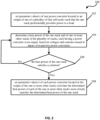
- FIG. 2 illustrates method 100 for load-balancing of multiple fuel cells based on a management of the heat, in accordance with one or more embodiments.
- Method 100 may be performed with a computer system comprising one or more computer processors and/or other components.
- the processors are configured by machine readable instructions to execute computer program components.
- the operations of method 100 presented below are intended to be illustrative. In some embodiments, method 100 may be accomplished with one or more additional operations not described, and/or without one or more of the operations discussed. Additionally, the order in which the operations of method 100 are illustrated in FIG. 2 and described below is not intended to be limiting.
- method 100 may be implemented in one or more processing devices (e.g., a digital processor, an analog processor, a digital circuit designed to process information, an analog circuit designed to process information, a state machine, and/or other mechanisms for electronically processing information).
- the processing devices may include one or more devices executing some or all of the operations of method 100 in response to instructions stored electronically on an electronic storage medium.
- the processing devices may include one or more devices configured through hardware, firmware, and/or software to be specifically designed for execution of one or more of the operations of method 100.
- parameter value(s) of one power converter located at an output of one of a plurality of fuel cell stacks may be set such that the one stack preferentially provides power to a load.
- power control component 32 may set a voltage level, a current limit, and/or turn on one power converter (e.g., 20-1) such that one stack (e.g., 10-1) associated with this one power converter operates as a prime stack.
- power control component 32 may set a voltage level, a current limit, and/or turn on each other power converter (e.g., 20-2 to 20-n).
- operation 102 is performed by another processor component the same as or similar to power control component 32.
- a heat power of the one stack and of one or more other stacks of the plurality of stacks may be determined based on voltages and currents, which may be determined at inputs of respective power converters.
- the heat powers of stacks 10 may be determined using equation 1 or 2 (as described above).
- each of stacks 10 may have one power converter 20 at its output.
- operation 104 is performed by a processor component the same as or similar to heat estimation component 34 (shown in FIG. 1 and described herein).
- the heat power of the one stack may be determined as to whether it satisfies one or more criteria.
- the heat power of stack 10-1 may be compared against a threshold. If this heat power breaches the threshold then operation 108 may be performed. Otherwise, if this heat power is less than or equal to the threshold, then operation 104 may be performed again.
- operation 106 is performed by a processor component the same as or similar to heat estimation component 34 (shown in FIG. 1 and described herein).
- parameter value(s) of each power converter located at the output of the one or more other stacks may be set such that the determined heat power of each of the one or more other stacks more closely matches the determined heat power of the one stack.
- power control component 32 shown in FIG. 1 and described herein
- operation 108 is performed by another processor component the same as or similar to power control component 32.
- Techniques described herein can be implemented in digital electronic circuitry, or in computer hardware, firmware, software, or in combinations of them.
- the techniques can be implemented as a computer program product, i.e., a computer program tangibly embodied in an information carrier, e.g., in a machine-readable storage device, in machine-readable storage medium, in a computer-readable storage device or, in computer-readable storage medium for execution by, or to control the operation of, data processing apparatus, e.g., a programmable processor, a computer, or multiple computers.
- a computer program can be written in any form of programming language, including compiled or interpreted languages, and it can be deployed in any form, including as a stand-alone program or as a module, component, subroutine, or other unit suitable for use in a computing environment.
- a computer program can be deployed to be executed on one computer or on multiple computers at one site or distributed across multiple sites and interconnected by a communication network.
- Method steps of the techniques can be performed by one or more programmable processors executing a computer program to perform functions of the techniques by operating on input data and generating output. Method steps can also be performed by, and apparatus of the techniques can be implemented as, special purpose logic circuitry, e.g., an FPGA (field programmable gate array) or an ASIC (application-specific integrated circuit).
- FPGA field programmable gate array
- ASIC application-specific integrated circuit
- Information carriers suitable for embodying computer program instructions and data include all forms of non-volatile memory, including by way of example semiconductor memory devices, such as, EPROM, EEPROM, and flash memory devices; magnetic disks, such as, internal hard disks or removable disks; magneto-optical disks; and CD-ROM and DVD-ROM disks.
- semiconductor memory devices such as, EPROM, EEPROM, and flash memory devices
- magnetic disks such as, internal hard disks or removable disks
- magneto-optical disks and CD-ROM and DVD-ROM disks.
- the processor and the memory can be supplemented by, or incorporated in special purpose logic circuitry.
- a machine-readable medium can carry machine readable instructions in the form of code which can be executed by one or more processors of the machine.
- a machine-readable medium may comprise a storage medium storing the instructions, such as hard disks or removable disks; magneto-optical disks; and CD-ROM and DVD-ROM disks.
- the machine-readable medium can comprise a transient medium such as a signal, e.g. a transmission signal, an electrical signal, an electromagnetic signal, an optical signal, or an acoustic signal.
- the instructions can control one or more processors to carry out the processes and steps described herein and defined in the appended claims to set the parameter values of each power converter.
Landscapes
- Life Sciences & Earth Sciences (AREA)
- Engineering & Computer Science (AREA)
- Manufacturing & Machinery (AREA)
- Sustainable Development (AREA)
- Sustainable Energy (AREA)
- Chemical & Material Sciences (AREA)
- Chemical Kinetics & Catalysis (AREA)
- Electrochemistry (AREA)
- General Chemical & Material Sciences (AREA)
- Fuel Cell (AREA)
Claims (16)
- Ein Brennstoffzellenenergiesystem (5),umfassend: eine Vielzahl von Brennstoffzellenstapeln (10);eine Vielzahl von Energiewandlern (20), die sich jeweils an einem Ausgang von einem anderen von jedem der Stapel (10) befinden;eine Vielzahl von Stromsensoren (50), die sich jeweils an einem Eingang von jedem der Energiewandler (20) befinden, wobei jeder der Stromsensoren (50) dazu konfiguriert ist, einen Strom zu bestimmen;eine Vielzahl von Spannungssensoren (40), die sich jeweils an dem Eingang von jedem Energiewandler (20) befinden, wobei jeder von den Spannungssensoren (40) dazu konfiguriert ist, eine Spannung zu bestimmen; undeine Rechenvorrichtung, die zu Folgendem konfiguriert ist:Einstellen eines oder mehrerer Parameterwerte von einem der Energiewandler (20), der sich an dem Ausgang von einem der Vielzahl von Stapeln (10) befindet, sodass bevorzugt der eine Stapel Energie für eine Last bereitstellt;Bestimmen einer Wärmeenergie von dem einen Stapel (10) und von einem oder mehreren anderen Stapeln der Vielzahl von Stapeln (10), wobei jede der Wärmeenergien basierend auf der Spannung und dem Strom, die an dem Eingang des jeweiligen Energiewandlers (20) bestimmt werden, bestimmt wird;Bestimmen, ob die Wärmeenergie von dem einen Stapel (10) ein Kriterium befriedigt; und reagierend auf die Bestimmung, dass die Wärmeenergie von dem einen Stapel (10) das Kriterium befriedigt, Einstellen eines oder mehrerer Parameterwerte von jedem der Energiewandler (20), die sich an dem Ausgang von dem einen oder den mehreren anderen Stapeln (10) befinden, sodass die bestimmte Wärmeenergie von jedem des einen oder der mehreren anderen Stapeln (10) am ehesten mit der bestimmten Wärmeenergie von dem einen Stapel (10) übereinstimmt.
- Brennstoffzellenenergiesystem (5) nach Anspruch 1, wobei das Einstellen des einen oder der mehreren Parameterwerte von jedem der Energiewandler (20), die sich an dem Ausgang von dem einen oder den mehreren anderen Stapeln (10) befinden, veranlasst, dass eine Ausgangsspannung von jedem Energiewandler (20) größer als eine Ausgangsspannung von dem einen Energiewandler (20) ist.
- Brennstoffzellenenergiesystem (5) nach Anspruch 2, wobei, wenn die Ausgangsspannung von jedem Energiewandler (20) größer als die Ausgangsspannung von dem einen Energiewandler (20) ist, veranlasst wird, dass bevorzugt Energie für die Last durch den einen oder die mehreren anderen Stapel (10) bereitgestellt wird.
- Brennstoffzellenenergiesystem (5) nach einem der Ansprüche 1 bis 3, wobei das Einstellen des einen oder der mehreren Parameterwerte von dem einen Energiewandler (20) veranlasst, dass bevorzugt der eine Stapel (10) Energie für die Last bereitstellt, wenn eine von der Last verbrauchte Menge an Energie das Kriterium erfüllt.
- Brennstoffzellenenergiesystem (5) nach einem der Ansprüche 1 bis 4, wobei Ausgänge der Energiewandler (20) miteinander so verbunden sind, dass der Last Energie über eine parallele Konfiguration der Energiewandler (20) bereitgestellt wird.
- Brennstoffzellenenergiesystem (5) nach Anspruch 2, wobei die Ausgangsspannung von dem einen Energiewandler (20) auf einem Spannungsniveau basiert, das von einem Benutzer über eine Schnittstelle des Brennstoffzellenenergiesystems (5) eingegeben wird.
- Brennstoffzellenenergiesystem (5) nach einem der Ansprüche 1 bis 6, wobei die Rechenvorrichtung ferner zu Folgendem konfiguriert ist:Speichern zuvor bestimmter Wärmeenergien von jedem der Stapel (10); undBestimmen eines Zustandsniveaus von jedem der Stapel (10) basierend auf den gespeicherten Wärmeenergien von jedem Stapel (10); und
- Brennstoffzellenenergiesystem (5) nach Anspruch 7, wobei bevorzugt der eine Stapel (10) Energie für die Last basierend darauf bereitstellt, dass das bestimmte Zustandsniveau von dem einen Stapel (10) größer als das bestimmte Zustandsniveau von dem einen oder den mehreren anderen Stapeln (10) ist.
- Brennstoffzellenenergiesystem (5) nach Anspruch 7 oder Anspruch 8, wobei die Rechenvorrichtung ferner zu Folgendem konfiguriert ist:
Zurücksetzen des einen oder der mehreren Parameterwerte von dem einen Stapel (10) basierend auf den jeweiligen, bestimmten Zustandsniveaus, sodass bevorzugt einer von dem einen oder den mehreren anderen Stapeln (10) Energie für die Last bereitstellt. - Brennstoffzellenenergiesystem (5) nach einem der Ansprüche 1 bis 9, wobei der eine oder die mehreren Parameterwerte mindestens eines von einer Stromgrenze, einem Spannungssollwert und/oder einer Ein-/Aus-Einstellung umfassen.
- Brennstoffzellenenergiesystem (5) nach einem der Ansprüche 1 bis 10, wobei jede Wärmeenergie ferner basierend auf einer Anzahl an Zellen in dem jeweiligen Stapel (10) bestimmt wird.
- Brennstoffzellenenergiesystem (5) nach einem der Ansprüche 1 bis 11, ferner umfassend: eine Batterie (16), die dazu konfiguriert ist, die Rechenvorrichtung mit Energie zu versorgen, wenn die Stapel (10) und Energiewandler (20) eingeschaltet werden.
- Brennstoffzellenenergiesystem (5) nach Anspruch 12, ferner umfassend:eine Vielzahl von Dioden (45), die sich jeweils an dem Eingang von jedem der Energiewandler (20) befinden;einen Schalter, wobei die Rechenvorrichtung ferner dazu konfiguriert ist, den Schalter so zu steuern, dass die Rechenvorrichtung an einem Ende des Einschaltens aufhört, Energie von der Batterie (16) zu empfangen; undeine Vielzahl von anderen Schaltern, die jeweils eine von der Diode (45) und die Rechenvorrichtung verbinden, wobei die Rechenvorrichtung ferner dazu konfiguriert ist, die anderen Schalter so zu steuern, dass die Rechenvorrichtung beginnt, Energie von einem oder mehreren von den Stapeln (10) zu empfangen.
- Brennstoffzellenenergiesystem (5) nach einem der Ansprüche 1 bis 13, wobei die Energiewandler (20) Abwärts-Aufwärts-Wandler sind.
- Brennstoffzellenenergiesystem (5) nach einem der Ansprüche 1 bis 14, ferner umfassend: eine Vielzahl von Lüftern, die sich jeweils in der Nähe von einem anderen von jedem der Stapel (10) befinden; undeine Vielzahl von Temperatursensoren (55, 56), die sich an Eingängen und Ausgängen von jedem der Stapel (10) befinden und die einem Luftstrom durch den oder jeden Stapel (10) entsprechen,wobei die Rechenvorrichtung ferner dazu konfiguriert ist, eine Geschwindigkeit von jedem der Lüfter basierend auf Temperaturmessungen von den Temperatursensoren (55, 56) zu bestimmen, undwobei die Geschwindigkeiten der Lüfter im Wesentlichen dieselben sind, wenn die bestimmte Wärmeenergie von dem jeden anderen Stapel (10) am ehesten mit der bestimmten Wärmeenergie des einen Stapels (10) übereinstimmt.
- Ein Verfahren zum Steuern der Wärmeerzeugung von einer Vielzahl von Brennstoffzellenstapeln (10), einer Vielzahl von Energiewandlern (20), die sich jeweils an einem Ausgang von einem anderen von jedem der Stapel (10) befinden, einer Vielzahl von Stromsensoren (50), die sich jeweils an einem Eingang von jedem der Energiewandler (20) befinden, wobei jeder der Stromsensoren (50) dazu konfiguriert ist, einen Strom zu bestimmen, und einer Vielzahl von Spannungssensoren (40), die sich jeweils an dem Eingang von jedem Energiewandler (20) befinden, wobei jeder von den Spannungssensoren (40) dazu konfiguriert ist, eine Spannung zu bestimmen, wobei das Verfahren Folgendes umfasst:Einstellen eines oder mehrerer Parameterwerte von einem der Energiewandler (20), der sich an dem Ausgang von einem der Vielzahl von Stapeln befindet, sodass bevorzugt der eine Stapel Energie für eine Last bereitstellt; Bestimmen einer Wärmeenergie von dem einen Stapel (10) und von einem oder mehreren anderen Stapeln (10) der Vielzahl von Stapeln (10), wobei jede der Wärmeenergien basierend auf der Spannung und dem Strom, die an dem Eingang des jeweiligen Energiewandlers (20) bestimmt werden, bestimmt wird; Bestimmen, ob die Wärmeenergie von dem einen Stapel ein Kriterium befriedigt; undreagierend auf die Bestimmung, dass die Wärmeenergie von dem einen Stapel (10) das Kriterium befriedigt, Einstellen eines oder mehrerer Parameterwerte von jedem der Energiewandler (20), die sich an dem Ausgang von dem einen oder den mehreren anderen Stapeln (10) befinden, sodass die bestimmte Wärmeenergie von jedem des einen oder der mehreren anderen Stapeln (10) am ehesten mit der bestimmten Wärmeenergie des einen Stapels (10) übereinstimmt;
Applications Claiming Priority (2)
| Application Number | Priority Date | Filing Date | Title |
|---|---|---|---|
| GB1914759.4A GB2588180B (en) | 2019-10-11 | 2019-10-11 | Systems and methods for providing heat control in a multi-stack fuel cell system |
| PCT/EP2020/078333 WO2021069622A1 (en) | 2019-10-11 | 2020-10-08 | Systems and methods for providing heat control in a multistack fuel cell system |
Publications (3)
| Publication Number | Publication Date |
|---|---|
| EP4029072A1 EP4029072A1 (de) | 2022-07-20 |
| EP4029072B1 true EP4029072B1 (de) | 2025-04-30 |
| EP4029072C0 EP4029072C0 (de) | 2025-04-30 |
Family
ID=68619618
Family Applications (1)
| Application Number | Title | Priority Date | Filing Date |
|---|---|---|---|
| EP20796685.4A Active EP4029072B1 (de) | 2019-10-11 | 2020-10-08 | Systeme und verfahren zur wärmesteuerung in einem mehrstapel-brennstoffzellensystem |
Country Status (8)
| Country | Link |
|---|---|
| US (1) | US12469860B2 (de) |
| EP (1) | EP4029072B1 (de) |
| JP (1) | JP7622049B2 (de) |
| KR (2) | KR102482214B1 (de) |
| CN (1) | CN114747053B (de) |
| CA (1) | CA3156924A1 (de) |
| GB (2) | GB2588180B (de) |
| WO (1) | WO2021069622A1 (de) |
Families Citing this family (5)
| Publication number | Priority date | Publication date | Assignee | Title |
|---|---|---|---|---|
| GB2588180B (en) * | 2019-10-11 | 2022-03-16 | Intelligent Energy Ltd | Systems and methods for providing heat control in a multi-stack fuel cell system |
| JP7477005B1 (ja) | 2023-03-07 | 2024-05-01 | 富士電機株式会社 | 燃料電池発電装置及び燃料電池発電システム |
| CN116341395B (zh) * | 2023-05-29 | 2023-08-01 | 西北工业大学 | 多堆燃料电池飞机的能量管理方法、系统、设备及终端 |
| KR102822851B1 (ko) * | 2023-11-20 | 2025-06-19 | 주식회사 호그린에어 | 수소 연료전지 모니터링 시스템 |
| CN118894019B (zh) * | 2024-09-30 | 2025-01-21 | 国网浙江省电力有限公司嘉善县供电公司 | 一种氢燃料电池车的协调优化方法、系统、设备及介质 |
Family Cites Families (18)
| Publication number | Priority date | Publication date | Assignee | Title |
|---|---|---|---|---|
| JPH06101347B2 (ja) * | 1985-03-19 | 1994-12-12 | 三洋電機株式会社 | 空冷式燃料電池 |
| DE10037579A1 (de) | 2000-08-02 | 2002-02-28 | Buderus Heiztechnik Gmbh | Verfahren zur Regelung eines Brennstoffzellensystems |
| JP2006049151A (ja) | 2004-08-05 | 2006-02-16 | Nissan Motor Co Ltd | 燃料電池システム |
| US7800340B2 (en) | 2006-05-08 | 2010-09-21 | Fuelcell Energy, Inc. | Fuel cell assembly using multiple fuel cell stacks and control method therefor |
| JP2009059610A (ja) * | 2007-08-31 | 2009-03-19 | Toyota Motor Corp | 燃料電池システム、および、電気自動車 |
| US20090075127A1 (en) | 2007-09-17 | 2009-03-19 | Gm Global Technology Operations, Inc. | Method for measuring high-frequency resistance of fuel cell in a vehicle |
| US7964314B2 (en) | 2007-10-30 | 2011-06-21 | Corning Incorporated | Segmented solid oxide fuel cell stack and methods for operation and use thereof |
| JP2009259408A (ja) * | 2008-04-11 | 2009-11-05 | Toyota Motor Corp | 燃料電池システム及びその運転制御方法、維持管理方法 |
| US8872392B1 (en) * | 2008-07-08 | 2014-10-28 | Bloom Energy Corporation | Fuel cell control system |
| JP5471416B2 (ja) * | 2009-12-21 | 2014-04-16 | 富士通株式会社 | 発電システム及びその制御方法 |
| US20120326516A1 (en) * | 2011-06-27 | 2012-12-27 | Bloom Energy Corporation | Fuel Cell Power Generation System with Isolated and Non-Isolated Buses |
| KR101319381B1 (ko) | 2011-09-07 | 2013-10-17 | 삼성에스디아이 주식회사 | 연료전지 시스템 및 그 구동 방법 |
| GB2513636A (en) | 2013-05-02 | 2014-11-05 | Intelligent Energy Ltd | A fuel cell system |
| JP6599093B2 (ja) * | 2014-11-11 | 2019-10-30 | 三菱日立パワーシステムズ株式会社 | 燃料電池モジュール、これを備えた複合発電システムおよび燃料電池発電部の温度制御方法 |
| JP6620547B2 (ja) * | 2014-12-22 | 2019-12-18 | 株式会社Soken | 車載燃料電池システム |
| FR3047844B1 (fr) | 2016-02-11 | 2018-03-16 | Safran Aircraft Engines | Procede de regulation de la temperature d'une pile a combustible et systeme associe |
| JP6353477B2 (ja) * | 2016-03-09 | 2018-07-04 | 本田技研工業株式会社 | 電力供給システム |
| GB2588180B (en) | 2019-10-11 | 2022-03-16 | Intelligent Energy Ltd | Systems and methods for providing heat control in a multi-stack fuel cell system |
-
2019
- 2019-10-11 GB GB1914759.4A patent/GB2588180B/en active Active
-
2020
- 2020-10-08 KR KR1020227015699A patent/KR102482214B1/ko active Active
- 2020-10-08 CA CA3156924A patent/CA3156924A1/en active Pending
- 2020-10-08 WO PCT/EP2020/078333 patent/WO2021069622A1/en not_active Ceased
- 2020-10-08 JP JP2022521580A patent/JP7622049B2/ja active Active
- 2020-10-08 GB GB2204676.7A patent/GB2602914B/en active Active
- 2020-10-08 KR KR1020227045245A patent/KR102804054B1/ko active Active
- 2020-10-08 EP EP20796685.4A patent/EP4029072B1/de active Active
- 2020-10-08 US US17/767,820 patent/US12469860B2/en active Active
- 2020-10-08 CN CN202080083130.XA patent/CN114747053B/zh active Active
Also Published As
| Publication number | Publication date |
|---|---|
| GB2588180B (en) | 2022-03-16 |
| GB2602914A (en) | 2022-07-20 |
| GB202204676D0 (en) | 2022-05-18 |
| GB2588180A (en) | 2021-04-21 |
| EP4029072A1 (de) | 2022-07-20 |
| KR20220078686A (ko) | 2022-06-10 |
| JP7622049B2 (ja) | 2025-01-27 |
| GB201914759D0 (en) | 2019-11-27 |
| WO2021069622A1 (en) | 2021-04-15 |
| CA3156924A1 (en) | 2021-04-15 |
| KR102482214B1 (ko) | 2022-12-27 |
| US20250260026A1 (en) | 2025-08-14 |
| KR20230004958A (ko) | 2023-01-06 |
| EP4029072C0 (de) | 2025-04-30 |
| JP2022551526A (ja) | 2022-12-09 |
| CN114747053B (zh) | 2026-02-27 |
| CN114747053A (zh) | 2022-07-12 |
| KR102804054B1 (ko) | 2025-05-07 |
| US12469860B2 (en) | 2025-11-11 |
| GB2602914B (en) | 2024-10-23 |
Similar Documents
| Publication | Publication Date | Title |
|---|---|---|
| EP4029072B1 (de) | Systeme und verfahren zur wärmesteuerung in einem mehrstapel-brennstoffzellensystem | |
| JP4984534B2 (ja) | 燃料電池システム | |
| CN109845011B (zh) | 燃料电池系统和燃料电池系统的运行方法 | |
| CN106795638B (zh) | 多堆叠电化学压缩机系统及操作方法 | |
| US20130260266A1 (en) | Fast mea break-in and voltage recovery | |
| WO2017010069A1 (ja) | 燃料電池システム及びその運転方法 | |
| WO2016047146A1 (ja) | 電力供給機器、電力供給システム、および電力供給方法 | |
| KR102565628B1 (ko) | 연료 전지 시스템 및 연료 전지 제어 프로그램 | |
| JP2016517159A (ja) | 燃料電池システム | |
| US7442456B2 (en) | Current control for parallel fuel cell stacks | |
| CN101981738B (zh) | 用于关闭燃料电池的方法和设备 | |
| JP2009211935A (ja) | 燃料電池システム | |
| CN121964702A (zh) | 用于在多堆栈燃料电池系统中提供热量控制的系统和方法 | |
| JPWO2017131094A1 (ja) | 発電システム、発電システムの制御方法、及び発電装置 | |
| WO2016006257A1 (ja) | 発電装置、発電システム、および発電方法 | |
| JPWO2016006255A1 (ja) | 燃料電池システムの制御方法、燃料電池システム、及び電力制御装置 | |
| CN110291693A (zh) | 能量存储设备和其应用 | |
| US20050280392A1 (en) | Fuel cell power adapter for computer system | |
| JP2016149260A (ja) | 燃料電池システム | |
| JP6629606B2 (ja) | 発電システム、発電制御方法及び発電装置 | |
| JP2025063739A (ja) | 燃料電池システム及び燃料電池システムの制御方法 | |
| HK40007496A (en) | Fuel cell system and method for operating a fuel cell system | |
| HK40007496B (en) | Fuel cell system and method for operating a fuel cell system | |
| Käbisch et al. | Dimensioning of the peripheral components for a fuel cell based auxiliary power unit in vehicle electrical system |
Legal Events
| Date | Code | Title | Description |
|---|---|---|---|
| STAA | Information on the status of an ep patent application or granted ep patent |
Free format text: STATUS: UNKNOWN |
|
| STAA | Information on the status of an ep patent application or granted ep patent |
Free format text: STATUS: THE INTERNATIONAL PUBLICATION HAS BEEN MADE |
|
| PUAI | Public reference made under article 153(3) epc to a published international application that has entered the european phase |
Free format text: ORIGINAL CODE: 0009012 |
|
| STAA | Information on the status of an ep patent application or granted ep patent |
Free format text: STATUS: REQUEST FOR EXAMINATION WAS MADE |
|
| 17P | Request for examination filed |
Effective date: 20220331 |
|
| AK | Designated contracting states |
Kind code of ref document: A1 Designated state(s): AL AT BE BG CH CY CZ DE DK EE ES FI FR GB GR HR HU IE IS IT LI LT LU LV MC MK MT NL NO PL PT RO RS SE SI SK SM TR |
|
| DAV | Request for validation of the european patent (deleted) | ||
| DAX | Request for extension of the european patent (deleted) | ||
| GRAP | Despatch of communication of intention to grant a patent |
Free format text: ORIGINAL CODE: EPIDOSNIGR1 |
|
| STAA | Information on the status of an ep patent application or granted ep patent |
Free format text: STATUS: GRANT OF PATENT IS INTENDED |
|
| INTG | Intention to grant announced |
Effective date: 20241216 |
|
| GRAS | Grant fee paid |
Free format text: ORIGINAL CODE: EPIDOSNIGR3 |
|
| GRAA | (expected) grant |
Free format text: ORIGINAL CODE: 0009210 |
|
| STAA | Information on the status of an ep patent application or granted ep patent |
Free format text: STATUS: THE PATENT HAS BEEN GRANTED |
|
| AK | Designated contracting states |
Kind code of ref document: B1 Designated state(s): AL AT BE BG CH CY CZ DE DK EE ES FI FR GB GR HR HU IE IS IT LI LT LU LV MC MK MT NL NO PL PT RO RS SE SI SK SM TR |
|
| REG | Reference to a national code |
Ref country code: CH Ref legal event code: EP Ref country code: GB Ref legal event code: FG4D |
|
| REG | Reference to a national code |
Ref country code: DE Ref legal event code: R096 Ref document number: 602020050502 Country of ref document: DE |
|
| REG | Reference to a national code |
Ref country code: IE Ref legal event code: FG4D |
|
| U01 | Request for unitary effect filed |
Effective date: 20250529 |
|
| U07 | Unitary effect registered |
Designated state(s): AT BE BG DE DK EE FI FR IT LT LU LV MT NL PT RO SE SI Effective date: 20250605 |
|
| PG25 | Lapsed in a contracting state [announced via postgrant information from national office to epo] |
Ref country code: ES Free format text: LAPSE BECAUSE OF FAILURE TO SUBMIT A TRANSLATION OF THE DESCRIPTION OR TO PAY THE FEE WITHIN THE PRESCRIBED TIME-LIMIT Effective date: 20250430 |
|
| PG25 | Lapsed in a contracting state [announced via postgrant information from national office to epo] |
Ref country code: NO Free format text: LAPSE BECAUSE OF FAILURE TO SUBMIT A TRANSLATION OF THE DESCRIPTION OR TO PAY THE FEE WITHIN THE PRESCRIBED TIME-LIMIT Effective date: 20250730 Ref country code: GR Free format text: LAPSE BECAUSE OF FAILURE TO SUBMIT A TRANSLATION OF THE DESCRIPTION OR TO PAY THE FEE WITHIN THE PRESCRIBED TIME-LIMIT Effective date: 20250731 |
|
| PG25 | Lapsed in a contracting state [announced via postgrant information from national office to epo] |
Ref country code: PL Free format text: LAPSE BECAUSE OF FAILURE TO SUBMIT A TRANSLATION OF THE DESCRIPTION OR TO PAY THE FEE WITHIN THE PRESCRIBED TIME-LIMIT Effective date: 20250430 |
|
| PG25 | Lapsed in a contracting state [announced via postgrant information from national office to epo] |
Ref country code: HR Free format text: LAPSE BECAUSE OF FAILURE TO SUBMIT A TRANSLATION OF THE DESCRIPTION OR TO PAY THE FEE WITHIN THE PRESCRIBED TIME-LIMIT Effective date: 20250430 |
|
| PG25 | Lapsed in a contracting state [announced via postgrant information from national office to epo] |
Ref country code: RS Free format text: LAPSE BECAUSE OF FAILURE TO SUBMIT A TRANSLATION OF THE DESCRIPTION OR TO PAY THE FEE WITHIN THE PRESCRIBED TIME-LIMIT Effective date: 20250731 |
|
| PG25 | Lapsed in a contracting state [announced via postgrant information from national office to epo] |
Ref country code: IS Free format text: LAPSE BECAUSE OF FAILURE TO SUBMIT A TRANSLATION OF THE DESCRIPTION OR TO PAY THE FEE WITHIN THE PRESCRIBED TIME-LIMIT Effective date: 20250830 |
|
| PGFP | Annual fee paid to national office [announced via postgrant information from national office to epo] |
Ref country code: GB Payment date: 20251027 Year of fee payment: 6 |
|
| PG25 | Lapsed in a contracting state [announced via postgrant information from national office to epo] |
Ref country code: SM Free format text: LAPSE BECAUSE OF FAILURE TO SUBMIT A TRANSLATION OF THE DESCRIPTION OR TO PAY THE FEE WITHIN THE PRESCRIBED TIME-LIMIT Effective date: 20250430 |
|
| PG25 | Lapsed in a contracting state [announced via postgrant information from national office to epo] |
Ref country code: CZ Free format text: LAPSE BECAUSE OF FAILURE TO SUBMIT A TRANSLATION OF THE DESCRIPTION OR TO PAY THE FEE WITHIN THE PRESCRIBED TIME-LIMIT Effective date: 20250430 |
|
| PG25 | Lapsed in a contracting state [announced via postgrant information from national office to epo] |
Ref country code: SK Free format text: LAPSE BECAUSE OF FAILURE TO SUBMIT A TRANSLATION OF THE DESCRIPTION OR TO PAY THE FEE WITHIN THE PRESCRIBED TIME-LIMIT Effective date: 20250430 |
|
| PLBE | No opposition filed within time limit |
Free format text: ORIGINAL CODE: 0009261 |
|
| STAA | Information on the status of an ep patent application or granted ep patent |
Free format text: STATUS: NO OPPOSITION FILED WITHIN TIME LIMIT |
|
| REG | Reference to a national code |
Ref country code: CH Ref legal event code: L10 Free format text: ST27 STATUS EVENT CODE: U-0-0-L10-L00 (AS PROVIDED BY THE NATIONAL OFFICE) Effective date: 20260311 |
|
| 26N | No opposition filed |
Effective date: 20260202 |
|
| U21 | Renewal fee for the european patent with unitary effect paid with additional fee |
Year of fee payment: 6 Effective date: 20260227 |