EP4028542B1 - Zusammensetzungen, methoden und kits zum nachweis der lipolytischen aktivität - Google Patents
Zusammensetzungen, methoden und kits zum nachweis der lipolytischen aktivität Download PDFInfo
- Publication number
- EP4028542B1 EP4028542B1 EP20780825.4A EP20780825A EP4028542B1 EP 4028542 B1 EP4028542 B1 EP 4028542B1 EP 20780825 A EP20780825 A EP 20780825A EP 4028542 B1 EP4028542 B1 EP 4028542B1
- Authority
- EP
- European Patent Office
- Prior art keywords
- composition
- organic solvent
- lipase
- protein preparation
- assay sample
- Prior art date
- Legal status (The legal status is an assumption and is not a legal conclusion. Google has not performed a legal analysis and makes no representation as to the accuracy of the status listed.)
- Active
Links
Images














Classifications
-
- C—CHEMISTRY; METALLURGY
- C12—BIOCHEMISTRY; BEER; SPIRITS; WINE; VINEGAR; MICROBIOLOGY; ENZYMOLOGY; MUTATION OR GENETIC ENGINEERING
- C12Q—MEASURING OR TESTING PROCESSES INVOLVING ENZYMES, NUCLEIC ACIDS OR MICROORGANISMS; COMPOSITIONS OR TEST PAPERS THEREFOR; PROCESSES OF PREPARING SUCH COMPOSITIONS; CONDITION-RESPONSIVE CONTROL IN MICROBIOLOGICAL OR ENZYMOLOGICAL PROCESSES
- C12Q1/00—Measuring or testing processes involving enzymes, nucleic acids or microorganisms; Compositions therefor; Processes of preparing such compositions
- C12Q1/34—Measuring or testing processes involving enzymes, nucleic acids or microorganisms; Compositions therefor; Processes of preparing such compositions involving hydrolase
-
- A—HUMAN NECESSITIES
- A61—MEDICAL OR VETERINARY SCIENCE; HYGIENE
- A61K—PREPARATIONS FOR MEDICAL, DENTAL OR TOILETRY PURPOSES
- A61K39/00—Medicinal preparations containing antigens or antibodies
-
- C—CHEMISTRY; METALLURGY
- C12—BIOCHEMISTRY; BEER; SPIRITS; WINE; VINEGAR; MICROBIOLOGY; ENZYMOLOGY; MUTATION OR GENETIC ENGINEERING
- C12Q—MEASURING OR TESTING PROCESSES INVOLVING ENZYMES, NUCLEIC ACIDS OR MICROORGANISMS; COMPOSITIONS OR TEST PAPERS THEREFOR; PROCESSES OF PREPARING SUCH COMPOSITIONS; CONDITION-RESPONSIVE CONTROL IN MICROBIOLOGICAL OR ENZYMOLOGICAL PROCESSES
- C12Q1/00—Measuring or testing processes involving enzymes, nucleic acids or microorganisms; Compositions therefor; Processes of preparing such compositions
- C12Q1/34—Measuring or testing processes involving enzymes, nucleic acids or microorganisms; Compositions therefor; Processes of preparing such compositions involving hydrolase
- C12Q1/44—Measuring or testing processes involving enzymes, nucleic acids or microorganisms; Compositions therefor; Processes of preparing such compositions involving hydrolase involving esterase
-
- G—PHYSICS
- G01—MEASURING; TESTING
- G01N—INVESTIGATING OR ANALYSING MATERIALS BY DETERMINING THEIR CHEMICAL OR PHYSICAL PROPERTIES
- G01N21/00—Investigating or analysing materials by the use of optical means, i.e. using sub-millimetre waves, infrared, visible or ultraviolet light
- G01N21/62—Systems in which the material investigated is excited whereby it emits light or causes a change in wavelength of the incident light
- G01N21/63—Systems in which the material investigated is excited whereby it emits light or causes a change in wavelength of the incident light optically excited
- G01N21/64—Fluorescence; Phosphorescence
- G01N21/6428—Measuring fluorescence of fluorescent products of reactions or of fluorochrome labelled reactive substances, e.g. measuring quenching effects, using measuring "optrodes"
-
- G—PHYSICS
- G01—MEASURING; TESTING
- G01N—INVESTIGATING OR ANALYSING MATERIALS BY DETERMINING THEIR CHEMICAL OR PHYSICAL PROPERTIES
- G01N33/00—Investigating or analysing materials by specific methods not covered by groups G01N1/00 - G01N31/00
- G01N33/48—Biological material, e.g. blood, urine; Haemocytometers
- G01N33/50—Chemical analysis of biological material, e.g. blood, urine; Testing involving biospecific ligand binding methods; Immunological testing
- G01N33/53—Immunoassay; Biospecific binding assay; Materials therefor
- G01N33/573—Immunoassay; Biospecific binding assay; Materials therefor for enzymes or isoenzymes
Definitions
- compositions, methods, and kits for detecting and/or quantifying lipolytic activity are also provided herein. Also provided herein are methods for determining the stability of a protein preparation.
- a composition for detecting lipolytic activity comprises an aqueous assay sample and an organic solvent, wherein the organic solvent comprises 4-methylumbelliferyl oleate (4MuO).
- HCPs host cell proteins
- the downstream purification process which can include various chromatography steps (e.g., in the case of monoclonal antibody production, affinity chromatography), are generally capable of depleting the vast majority of the HCPs. Yet, a 100% depletion of HCPs may not be possible due to the natural principles of the separation and purification methods, which are based on equilibria.
- HCP limit accepted by industry and health authorities is at ⁇ 1-100 ppm, relative to the amount of active protein.
- HCPs are typically measured and reported as a sum parameter with the aid of enzyme-linked immunosorbent assays (ELISA), as outlined e.g. in USP ⁇ 1132>, hence, these typically include a range of different host-derived proteins at various concentrations.
- Drug substances with the same total HCP content as quantified by ELISA might have different HCP profiles. This might lead to a situation that a slight process variation causes an increase of a low concentrated specific HCP, e.g. a lipase, which might not be detected by application of the total HCP assay.
- HCPs may be present in the final protein product and can have catalytic activity.
- Residual catalytic activity can have detrimental effects on the product quality, such as stability of excipients, e.g. surfactants such as polysorbates, and ultimately the stability, quality, and safety of the protein product. Minimizing or eliminating these detrimental effects can be of utmost importance if the protein is a therapeutic protein, especially a therapeutic protein used in humans.
- Residual lipase activity in protein preparation for example, due to sub-optimal depletion during the downstream purification process of the target protein can lead to hydrolysis of some excipients, e.g., surfactants.
- the consequences may include, e.g., formation of sub-visible and visible particles due to the release of non-polar, and therefore insoluble, long chain fatty acids and other degradants from the surfactants, and the loss of stabilization provided by the surfactants.
- Surfactant degradation can also have an adverse impact on protein quality, e.g., producing peroxides leading to protein degradation, or producing lauric acid inducing protein aggregation.
- Degradation of surfactants also reduces their concentration in the formulation, potentially causing insufficient protection of the protein, e.g., against interfacial stress (e.g., shaking, freezing/thawing and the like), and also lead to potential differences in safety considerations of the product, e.g., different in vivo liabilities due to the degraded surfactant.
- interfacial stress e.g., shaking, freezing/thawing and the like
- residual lipase activity may lead to a compromised quality of the final protein preparation due to the hydrolysis of excipients.
- the present disclosure provides a composition
- a composition comprising: (a) an aqueous assay sample comprising a protein preparation; and (b) an organic solvent, wherein the organic solvent further comprises 4-methylumbelliferyl oleate (4MuO); wherein the aqueous assay sample has a pH of 5.0 to 7.0; and wherein the aqueous assay sample is about 80% to about 99.9% of the composition, and the organic solvent is about 0.1% to about 20% of the composition.
- 4MuO 4-methylumbelliferyl oleate
- the protein preparation comprises a surfactant.
- the surfactant is a polysorbate.
- the polysorbate is polysorbate-20, polysorbate-80 or combinations thereof.
- the aqueous assay sample further comprises a buffering agent, a salt, or both.
- the salt is sodium chloride, calcium chloride or combinations thereof. In some embodiments, the salt is sodium chloride and calcium chloride. In some embodiments, the sodium chloride is about 50 mM to about 400 mM in the aqueous assay sample. In some embodiments, the sodium chloride is about 100 mM to about 200 mM in the aqueous assay sample. In some embodiments, the calcium chloride is about 0.2 mM to about 10 mM in the aqueous assay sample. In some embodiments, the calcium chloride is about 1.0 mM to about 2.0 mM in the aqueous assay sample.
- the buffering agent has a buffering capacity at about pH 6.0.
- the buffering agent is Tris.
- the buffering agent is Bis-Tris.
- the buffering agent is about 2 mM to about 200 mM in the aqueous assay sample.
- the buffering agent is about 10 mM to about 100 mM in the aqueous assay sample.
- the buffering agent is about 40 mM to about 60 mM in the aqueous assay sample.
- the buffering agent is about 45 mM to about 55 mM in the aqueous assay sample.
- the organic solvent is an alcohol, a sulfoxide, a nitrile, or combination thereof. In some embodiments, the organic solvent is dimethyl sulfoxide (DMSO). In some embodiments, the organic solvent comprises acetonitrile.
- DMSO dimethyl sulfoxide
- the organic solvent comprises an alcohol. In some embodiments, the organic solvent comprises a mixture of acetonitrile and iso-propanol. In some embodiments, the organic solvent is a C 1 -C 6 alcohol. In some embodiments, the organic solvent is methanol, ethanol, propanol, iso-propanol, butanol, sec-butanol, iso-butanol, tert-butanol, or combinations thereof.
- the composition further comprises a lipase inhibitor.
- the lipase inhibitor is (S)-2-formylamino-4-methyl-pentanoic acid (S)-1-[[(2S, 3S)-3-hexyl-4-oxo-2-oxetanyl] methyl]-dodecyl ester (orlistat).
- the lipase inhibitor is in the organic solvent. In some embodiments, the lipase inhibitor is about 1 ⁇ M to about 50 ⁇ M in the composition. In some embodiments, the lipase inhibitor is about 5 ⁇ M to about 25 ⁇ M in the composition.
- the present disclosure provides a composition
- a composition comprising: (a) an aqueous assay sample comprising (i) a purified protein preparation; (ii) a buffering agent; and (iii) a salt; and (b) an organic solvent, wherein the organic solvent further comprises 4-methylumbelliferyl oleate (4MuO); wherein the aqueous assay sample has a pH of 5.0 to 7.0; and wherein the aqueous assay sample is about 80% to about 99.9% of the composition, and wherein the organic solvent is about 0.1% to about 20% of the composition.
- 4MuO 4-methylumbelliferyl oleate
- the present disclosure provides a composition
- a composition comprising: (a) about 90% to about 99.9% (vol/vol) of an aqueous assay sample comprising (i) a purified protein preparation comprising a protein and a lipid; (ii) a buffering agent; (iii) about 1.0 mM to about 2.0 mM calcium chloride; and (iv) about 100 mM to about 200 mM sodium chloride; and (b) about 10% to about 0.1% (vol/vol) of an organic solvent selected from methanol, ethanol, propanol, iso-propanol, butanol, sec-butanol, iso-butanol, tert-butanol, dimethyl sulfoxide (DMSO), acetonitrile, or combinations thereof, further comprising 4-methylumbelliferyl oleate (4MuO); wherein the aqueous assay sample has a pH of 5.0 to 7.0.
- DMSO dimethyl sulfox
- the present disclosure provides a method of detecting lipolytic activity in an aqueous assay sample, the method comprising (a) combining the aqueous assay sample comprising a protein preparation with an organic solvent comprising 4-methylumbelliferyl oleate (4MuO); and (b) measuring the formation of oleate and 4-methylumbelliferone (4Mu) by fluorescence.
- the present disclosure provides a method of detecting lipolytic activity in an aqueous assay sample, the method comprising (a) combining the aqueous assay sample comprising a protein preparation, with an organic solvent comprising 4-methylumbelliferyl oleate (4MuO) to form an assay composition; (b) combining a control sample comprising a protein preparation and a lipase inhibitor, with an organic solvent comprising 4-methylumbelliferyl oleate (4MuO) to form a control composition; and (c) measuring the formation of oleate and 4-methylumbelliferone (4Mu) by fluorescence in the assay composition and in the control composition.
- the present disclosure provides a method of determining stability of a protein preparation, comprising (a) combining an aqueous assay sample comprising a protein preparation with an organic solvent comprising 4-methylumbelliferyl oleate (4MuO); (b) measuring the formation of oleate and 4-methylumbelliferone (4Mu) by fluorescence; and (c) determining the stability of the protein preparation based on the measured fluorescence.
- the aqueous assay sample has a pH of 5.0 to 7.0. In some embodiments, the aqueous assay sample and the organic solvent are combined at a ratio of about 80:20 to about 98:2. In some embodiments, the aqueous assay sample and the organic solvent are combined at a ratio of about 90:10 to about 99.9:0.1.
- the fluorescence is measured by fluorescence excitation at 330 nm and fluorescence emission at 495 nm. In some embodiments, the fluorescence is measured for up to 24 hours. In some embodiments, the fluorescence is measured for about 24 hours to about 400 hours. In some embodiments, the fluorescence is measured for greater than about 100 hours.
- the aqueous assay sample is incubated with a lipase inhibitor for about 10 minutes to about 1 hour prior to step (a). In some embodiments, the aqueous assay sample is incubated with the lipase inhibitor for about 30 minutes prior to step (a).
- the lipase inhibitor is (S)-2-formylamino-4-methyl-pentanoic acid (S)-1-[[(2S, 3S)-3-hexyl-4-oxo-2-oxetanyl] methyl]-dodecyl ester (orlistat). In some embodiments, the lipase inhibitor is added at about 1 ⁇ M to about 50 ⁇ M. In some embodiments, the lipase inhibitor is added at about 5 ⁇ M to about 25 ⁇ M.
- the present disclosure provides a kit comprising, in two or more containers: (a) an organic solvent; (b) 4-methylumbelliferyl oleate (4MuO); (c) a lipase inhibitor.
- the kit further comprises a buffering agent, a salt, or both. In some embodiments, the kit further comprises a buffer exchange column.
- the present disclosure relates to compositions, methods, and kits for detecting lipolytic activity.
- a or “an” may mean one or more.
- the words “a” or “an” when used in conjunction with the word “comprising,” the words “a” or “an” may mean one or more than one.
- “another” or “a further” may mean at least a second or more.
- the term “about” is used to indicate that a value includes the inherent variation of error for the method/device being employed to determine the value, or the variation that exists among the study subjects. Typically, the term “about” is meant to encompass approximately or less than 1%, 2%, 3%, 4%, 5%, 6%, 7%, 8%, 9%, 10%, 11%, 12%, 13%, 14%, 15%, 16%, 17%, 18%, 19% or 20% or higher variability, depending on the situation. In some embodiments, one of skill in the art will understand the level of variability indicated by the term “about,” due to the context in which it is used herein. It should also be understood that use of the term “about” also includes the specifically recited value.
- compositions of the present disclosure can be used to achieve methods and kits of the present disclosure.
- between is a range inclusive of the ends of the range.
- a number between x and y explicitly includes the numbers x and y, and any numbers that fall within x and y.
- protein refers to a polymeric form of amino acids, which can be any length.
- Proteins can include, e.g., antibodies, structural proteins, enzymes, membrane, membrane-associated, and/or transmembrane proteins, transporters, receptors, signaling proteins, and the like.
- Proteins and/or peptides of the present disclosure also encompass modified proteins, e.g., conjugated to one or more non-peptide substances such as, e.g., a drug, a targeting moiety, a tag such as a visualization tag, and the like.
- a protein of the present disclosure can be a therapeutic protein, e.g., used in diagnosis, treatment, and/or prevention of a disease or disorder.
- a polysorbate described herein can improve stability of the protein in a pharmaceutical formulation.
- the therapeutic protein is an antibody.
- the therapeutic protein is an antibody-drug conjugate.
- a protein preparation described herein includes a protein, e.g., a therapeutic protein.
- purification refers to a process in which one or more substances, e.g., proteins, are isolated from a complex mixture, typically cells, tissues, or organisms.
- a “purified” protein sample or protein preparation can refer to a sample in which one or more non-water-soluble components of a cell, tissue, or organism (such as, e.g., cell membranes, lipids, aggregated proteins or nucleic acids, and other hydrophobic substances) have been reduced or removed and leaving only the soluble components (such as, e.g., soluble proteins).
- soluble can refer to the ability of a substance to dissolve in a certain solvent, e.g., a cell culture medium, a buffer, water or an organic solvent.
- soluble can also refer to proteins that do not precipitate and/or aggregate in a certain solvent, e.g., a cell culture medium, a buffer, water, or an organic solvent.
- An exemplary purification process can include: growing a cell culture containing the protein of interest, e.g., a therapeutic protein; separating the cells from the culture media; lysing the cells and separating the lysed cells to generate a cell culture supernatant containing the soluble components and a pellet containing the insoluble components described herein; and subjecting the cell culture supernatant to buffer exchange, pH adjustment, centrifugation, filtration (including, e.g., ultrafiltration and/or diafiltration), chromatography, or any combination thereof to generate a purified protein preparation.
- a purified protein preparation of the present disclosure is purified by the process described herein.
- a partially purified protein preparation of the present disclosure has been subjected to part of the purification process described herein.
- a partially purified protein preparation may not have been subjected to all of the buffer exchange, pH adjustment, centrifugation, filtration, and/or chromatography steps used for generating the purified protein preparation.
- a cell culture supernatant described herein includes a therapeutic protein of the present disclosure.
- a partially purified protein preparation described herein includes a therapeutic protein of the present disclosure.
- a purified protein preparation described herein includes a therapeutic protein of the present disclosure.
- the present disclosure relates to compositions and methods for the detection of lipolytic activity.
- Lipolytic activity i.e., lipolysis
- the lipolysis reaction can be catalyzed by lipase enzymes, which is a subclass of esterase enzymes.
- lipase refers to an enzyme that hydrolyzes ester bonds of a lipid, e.g., a triglyceride, a phospholipid, a cholesteryl ester, and the like.
- Lipases include, e.g., triglyceride lipase, lipoprotein lipase, pancreatic lipase, hepatic lipase, gastric lipase, lingual lipase, endothelial lipase, and phosphatidylserine phospholipase. Lipases are produced naturally, e.g., produced by the pancreas, liver, lingual glands, stomach, thyroids, and/or mucosa in mammals, secreted by certain bacteria and fungi, and/or found in the lysosome. In some embodiments, the lipase is endogenous to the cell from which the protein in the protein purification was derived. In some embodiments, the lipase is endogenous to another biological component in the protein preparation, e.g., a biological component comprising a stabilizing protein added to the protein preparation.
- a biological component comprising a stabilizing protein added to the protein preparation.
- lipases are produced by cells in a cell culture. In some embodiments, lipases are produced by cells in a cell culture for the production of a protein of interest.
- Non-limiting examples of cells suitable for production of a protein of interest include bacterial, insect, yeast, mammalian, and/or transgenic cells.
- Non-limiting examples of cell lines include CHO, HEK 293, HT-1080, PER.C6, CAP, VERO, BHK, HeLa, CV1, Cos, MDCK, 3T3, NS0, NS1, PC12, W138, Sp2/0, HKB-11, TM4, MMT 060562, TR1, MRC 5, FS4, myeloma cell lines, hybridoma cell lines, and hepatoma cell lines.
- the cell line for producing the protein of interest is a stable cell line, e.g., wherein the gene for the protein of interest is stably integrated into the genome of the cell.
- the cell line for producing the protein of interest is a transient cell line, e.g., wherein the cells express, but do not integrate the gene into the genome.
- the protein of interest is a therapeutic protein.
- the protein of interest is purified from the cell culture to generate a purified protein preparation.
- lipases in the cell culture are not completely removed from the protein preparation during the purification process.
- a lipase is present in a purified protein preparation.
- active lipases are lipases capable of performing lipolysis (also referred to herein as having "lipolytic activity"). Active lipases present in a protein preparation can interfere with downstream processes involving the protein of interest, e.g., therapeutic protein.
- a protein preparation comprising a protein of interest, e.g., therapeutic protein, and a lipase is included in a pharmaceutical formulation.
- the excipient is added to the protein preparation.
- the excipient stabilizes the protein preparation, e.g., by minimizing interfacial stress, reducing protein aggregation, and/or improving protein solubility.
- the excipient is a surfactant.
- the excipient comprises a fatty acid, an ester, or both.
- the excipient is prone to hydrolysis by an active lipase.
- the presence of an active lipase in a protein preparation comprising the protein of interest and excipient reduces stability of the preparation. It is therefore advantageous to reliably detect lipolytic activity in a protein preparation, in order to minimize the negative impacts, such as increased particles, safety concerns (due to, e.g., increased injection site reactions), and decreased quality, caused by lipase hydrolysis of excipients.
- the present disclosure provides compositions in which lipolytic activity in a protein preparation can be detected.
- the present disclosure provides a composition
- a composition comprising (a) an aqueous assay sample comprising a protein preparation; and (b) an organic solvent, wherein the organic solvent further comprises 4-methylumbelliferyl oleate (4MuO); wherein the aqueous assay sample has a pH of 5.0 to 7.0; and wherein the aqueous assay sample is about 80% to about 98% of the composition, and the organic solvent is about 2% to about 20% of the composition.
- 4MuO 4-methylumbelliferyl oleate
- the present disclosure provides a composition
- a composition comprising (a) an aqueous assay sample comprising (i) a purified protein preparation, (ii) a buffering agent, and (iii) a salt; and (b) an organic solvent, wherein the organic solvent further comprises 4-methylumbelliferyl oleate (4MuO); wherein the aqueous assay sample has a pH of 5.0 to 7.0; and wherein the aqueous assay sample is about 80% to about 98% (vol/vol) of the composition, and the organic solvent is about 2% to about 20% (vol/vol) of the composition.
- 4MuO 4-methylumbelliferyl oleate
- the present disclosure provides a composition
- a composition comprising (a) about 90% to about 98% (vol/vol) of an aqueous assay sample comprising (i) a purified protein preparation, (ii) a buffering agent, (iii) about 1.0 mM to about 20 mM calcium chloride, and (iv) about 100 mM to about 200 mM sodium chloride; and (b) about 2% to about 10% (vol/vol) of an organic solvent selected from methanol, ethanol, propanol, iso-propanol, butanol, sec-butanol, iso-butanol, tert-butanol, dimethyl sulfoxide (DMSO), acetonitrile, or combinations thereof, further comprising 4-methylumbelliferyl oleate (4MuO); wherein the aqueous assay sample has a pH of 5.0 to 7.0.
- DMSO dimethyl sulfoxide
- aqueous refers to a solution or sample in which water is the solvent.
- aqueous assay samples of the present disclosure can include, e.g., cell culture media, buffer solutions, protein samples, and the like.
- the aqueous assay sample of the present disclosure comprises a protein preparation.
- the protein preparation is a cell culture supernatant.
- Cell culture supernatants are described herein and can be obtained, e.g., from a cell culture for producing a protein of interest.
- the protein is a therapeutic protein.
- a cell culture supernatant is produced after lysing the cultured cells and separating the soluble and insoluble components, e.g., by centrifugation. Examples of cells and cell lines suitable for culturing and protein production are provided herein.
- cell culture supernatant comprises a protein of interest, e.g., a therapeutic protein, and additional host cell components.
- the additional host cell components comprise additional host cell proteins.
- the additional host cell proteins comprises a lipase. In some embodiments, the lipase has lipolytic activity.
- the protein preparation is a partially purified protein preparation.
- Partially purified protein preparations are described herein and can be obtained, e.g., after undergoing a partial purification procedure (e.g., a purification process described herein) for a protein of interest from a cell culture.
- the protein is a therapeutic protein.
- a partially purified protein preparation has undergone additional purification steps compared to a cell culture supernatant.
- a partially purified protein preparation comprises a therapeutic protein and additional components of the host cell.
- the host cell components comprise host cell proteins.
- the host cell proteins comprises a lipase.
- the lipase has lipolytic activity.
- the therapeutic protein is 20% to 95% (w/w), 30% to 90% (w/w) or 40% to 80% (w/w) of all proteins in the in the partially purified protein preparation.
- the protein preparation is a purified protein preparation.
- Purified protein preparations are described herein and can be obtained, e.g., after undergoing a purification procedure (e.g., a purification process described herein) for a protein of interest from a cell culture.
- the protein of interest is a therapeutic protein.
- a purified protein preparation a therapeutic protein and additional components of the host cell.
- the host cell components comprise host cell proteins.
- the host cell proteins comprises a lipase.
- the lipase has lipolytic activity.
- the therapeutic protein is greater than 70% (w/w), greater than 80% (w/w), greater than 85% (w/w), greater than 90% (w/w), greater than 95% (w/w), or greater than 99% (w/w) of all proteins in the in the purified protein preparation.
- the protein preparation comprises a therapeutic protein.
- therapeutic proteins include antibodies (such as monoclonal or polyclonal antibodies) and antibody fragments; protein-based vaccines (such as, e.g., hepatitis B surface antigen); blood factors (such as, e.g., Factor VIII and Factor IX); thrombolytic agents (such as, e.g., tissue plasminogen activator); hormones (such as, e.g., insulin, glucagon, growth hormone, and gonadotrophin); hematopoietic growth factors (such as, e.g., erythropoietin and colony stimulating factors); interferons (such as, e.g., interferon- ⁇ , interferon- ⁇ , and interferon- ⁇ ); interleukin-based proteins (such as, e.g., interleukin-12); and other proteins such as tumor necrosis factor and therapeutic enzymes.
- antibodies such as monoclonal or polyclonal antibodies
- protein-based therapeutics include belimumab, ipilimumab, belatacept, brentuximab vedotin, aflibercept, asparaginase erwinia chrysanthemi, glucarpidase, obinutuzumab, pembrolizumab, blinatumomab, nivolumab, idarucizumab, asofatase-alfa, daratumumab, elotuzumab, sebelipase alfase, atezolizumab, taliglucerase alfa, raxibacumab, elosulfase alfa, metreleptin, ramucirumab, siltuximab, pembrolizumab, dinutuximab, evolocumab, necitumumab, obiltoxaximab, abatacept
- Therapeutic proteins can include recombinant proteins, modified proteins and fusion proteins, such as, e.g., antibody-drug conjugates, antibody-cytokine fusions, Fc-fusions, bispecific antibodies, multispecific antibodies, affibody fusions, glycosylated proteins and peptides, and engineered receptor antagonists.
- the protein preparation comprising the therapeutic protein is used in a pharmaceutical formulation.
- the protein preparation comprises a commercially important protein, e.g., an industrial enzyme.
- Commercially important proteins can be used in a variety of industries such as pharmaceuticals, chemical production, biofuels, food and beverage, and consumer products.
- the protein preparation is an enzyme used within a process to generate a desired product or may be the product of interest.
- the commercially important protein is used in the food, pharmaceutical synthesis, biofuel, chemical, or manufacturing industries.
- the industrial enzyme includes, but is not limited to, palatase lipozyme, lipopan, xylose isomerase, bromelain and noopazyme (used in the food industry), cellulase and amylase (used in the biofuel industry), resinase (used in the paper processing industry), amidase (used in the chemical industry), novozym-435 (used in cosmetic production of isopropyl myristate) or subtilisin (used in detergents).
- the protein preparation comprises a pharmaceutical excipient.
- Pharmaceutical excipients are included, e.g., to aid in the processing of the drug delivery system before, during, or after manufacture; to protect, support, or enhanced stability, bioavailability, or patient acceptability; to assist in product identification and enhance overall safety; to assist in the effectiveness and/or delivery of the drug in use; and/or to assist in maintaining integrity of the drug product during storage.
- Non-limiting examples of pharmaceutical excipients include surfactants, fillers, diluents, binders, suspending agents, viscosity agents, coatings, flavoring agents, disintegrants, colorants, lubricants, glidants, preservatives, sweeteners, and the like.
- the pharmaceutical excipient is added to the protein preparation.
- the pharmaceutical excipient is added to the protein preparation before, after, or during purification.
- the pharmaceutical excipient is a surfactant.
- surfactant refers to an agent that lowers surface tension or interfacial tension between two liquids.
- surfactants can stabilize a composition, e.g., a protein preparation described herein, by minimizing aggregation and/or precipitation and/or improving solubility (e.g., by lowering surface tension and inhibiting protein surface adsorption; see, e.g., Agarkhed et al., AAPS PharmSciTech 14:1-9 (2013 )) of one or more components of the composition.
- Surfactants in pharmaceutical compositions can also modulate bioavailability of an active pharmaceutical ingredient (API); assist the API in maintaining a preferred polymorphic form; prevent aggregation or dissociation; and/or modulate immunogenic responses of active ingredients.
- Surfactants can include cationic, anionic, non-ionic, zwitterionic, amphoteric, and/or ampholytic surfactants.
- Non-limiting examples of surfactants include polysorbates (e.g., TWEEN surfactants such as TWEEN 20 and TWEEN 80, which are also known as polysorbate 20, polysorbate 80, respectively) derived from ethoxylated sorbitans esterified with fatty acids (e.g., lauric acid in polysorbate 20 and oleic acid in polysorbate 80); tyloxapols; poloxamers (e.g., PLURONIC F68LF, PLURONIC L-G2LF, PLURONIC L62D, LUTROL F68, and KOLLIPHOR P188); polyoxyethylene castor oil (e.g., KOLLIPHOR EL) and derivatives thereof; sorbitan esters, also known as Spans; polyoxyl stearates; lecitins; phospholipids; polyoxyethylene surfactants such as, e.g., TRITON (e.g., TRITON X-100) and BRIJ
- the surfactant comprises a fatty acid. In some embodiments, the surfactant comprises an ester. In some embodiments, the surfactant is a polysorbate.
- Polysorbates are a class of compounds derived from ethoxylated sorbitans esterified with fatty acids and include, e.g., polysorbate 20, polysorbate 40, polysorbate 60, polysorbate 80, polysorbate 21, polysorbate 61, polysorbate 65, polysorbate 81, and polysorbate 81.
- the protein preparation provided herein includes a polysorbate. In some embodiments, the polysorbate in the protein preparation is polysorbate 20, polysorbate 80, or combinations thereof.
- the surfactant is at about 0.001% w/v to about 2% w/v of the aqueous assay sample. In some embodiments, the surfactant is at about 0.005% w/v to about 2% w/v of the aqueous assay sample. In some embodiments, the surfactant is at about 0.01% w/v to about 2% w/v of the aqueous assay sample. In some embodiments, the surfactant is at about 0.02% to about 1.5% w/v of the aqueous assay sample. In some embodiments, the surfactant is at about 0.03% to about 1.0% w/v of the aqueous assay sample.
- the surfactant is at about 0.04% to about 0.8% w/v of the aqueous assay sample. In some embodiments, the surfactant is at about 0.05% to about 0.6% w/v of the aqueous assay sample. In some embodiments, the surfactant is at about 0.06% to about 0.4% w/v of the aqueous assay sample. In some embodiments, the surfactant is at about 0.07% to about 0.2% w/v of the aqueous assay sample. In some embodiments, the surfactant is at about 0.08% to about 0.15% w/v of the aqueous assay sample.
- the surfactant is at about 0.09% to about 0.10% w/v of the aqueous assay sample. In some embodiments, the surfactant is at about 0.01% to about 0.04% w/v of the aqueous assay sample. In some embodiments, the surfactant is a polysorbate. In some embodiments, the surfactant is polysorbate 20, polysorbate 80, or combinations thereof.
- the protein preparation further comprises one or more additional host cell proteins.
- the protein preparation is prepared from a cell culture, i.e., comprising host cells of the protein of interest, e.g., a therapeutic protein.
- the protein preparation includes one or more additional host cell proteins.
- the additional host cell proteins are soluble in substantially the same conditions as the protein of interest, e.g., therapeutic protein.
- the additional host cell proteins are not easily separable from the protein of interest, e.g., therapeutic protein.
- the additional host cell proteins comprise a lipase.
- one or more of the additional host cell proteins have lipolytic activity.
- the aqueous assay sample comprising the protein preparation further comprises a buffering agent, a salt, or both.
- a salt of the present disclosure refers to an ionic compound whose anion is not OH - and O 2- .
- the salt reduces and/or prevents degradation of one or more components in the composition.
- Suitable salts that can be included in an aqueous assay samples can be selected by one of ordinary skill in the art, including, e.g., sodium salts, potassium salts, calcium salts, ammonium salts, and the like.
- the salt is potassium chloride (KCl), sodium chloride (NaCl), sodium carbonate (Na 2 CO 3 ), sodium sulfate (Na 2 SO 4 ), calcium chloride (CaCl 2 ), ammonium chloride (NH 4 Cl), ammonium acetate (NH 4 CH 3 COO), ammonium sulfate ((NH 4 ) 2 SO 4 ), or combination thereof.
- the salt is NaCl, CaCl 2 , or combination thereof.
- the salt is both NaCl and CaCl 2 .
- the concentration of NaCl in the aqueous assay sample facilitates accurate and/or efficient detection of lipolytic activity in the sample.
- the NaCl is about 10 mM to about 500 mM in the aqueous assay sample. In some embodiments, the NaCl is about 25 mM to about 400 mM in the aqueous assay sample. In some embodiments, the NaCl is about 50 mM to about 300 mM in the aqueous assay sample. In some embodiments, the NaCl is about 75 mM to about 250 mM in the aqueous assay sample. In some embodiments, the NaCl is about 100 mM to about 200 mM in the aqueous assay sample.
- the NaCl is about 50 mM, about 60 mM, about 70 mM, about 80 mM, about 90 mM, about 100 mM, about 110 mM, about 120 mM, about 130 mM, 140 mM, 150 mM, 160 mM, 170 mM, 180 mM, 190 mM, or 200 mM in the aqueous assay buffer.
- the NaCl is about 10 mM to about 500 mM in the final composition (aqueous assay sample and organic solvent). In some embodiments, the NaCl is about 25 mM to about 400 mM in the final composition. In some embodiments, the NaCl is about 50 mM to about 300 mM in the final composition. In some embodiments, the NaCl is about 75 mM to about 250 mM in the final composition. In some embodiments, the NaCl is about 100 mM to about 200 mM in the final composition. In some embodiments, the NaCl is about 100 mM to about 140 mM, e.g., 120 mM in the final composition.
- the NaCl is about 50 mM, about 60 mM, about 70 mM, about 80 mM, about 90 mM, about 100 mM, about 110 mM, about 120 mM, about 130 mM, 140 mM, 150 mM, 160 mM, 170 mM, 180 mM, 190 mM, or 200 mM in the final composition.
- the concentration of CaCl 2 in the aqueous assay sample facilitates accurate and/or efficient detection of lipolytic activity in the sample.
- the CaCl 2 is about 0.1 mM to about 20 mM in the aqueous assay sample. In some embodiments, the CaCl 2 is about 0.2 mM to about 10 mM in the aqueous assay sample. In some embodiments, the CaCl 2 is about 0.5 mM to about 5.0 mM in the aqueous assay sample. In some embodiments, the CaCl 2 is about 0.7 mM to about 3.0 mM in the aqueous assay sample.
- the CaCl 2 is about 1.0 mM to about 2.0 mM in the aqueous assay sample. In some embodiments, the CaCl 2 is about 0.5 mM, about 0.6 mM, about 0.7 mM, about 0.8 mM, about 0.9 mM, about 1.0 mM, about 1.1 mM, about 1.2 mM, about 1.3 mM, about 1.5 mM, about 1.5 mM, about 1.6 mM, about 1.7 mM, about 1.8 mM, about 1.9 mM, about 2.0 mM, about 2.5 mM, about 3.0 mM, about 3.5 mM, about 4.0 mM, about 4.5 mM, or about 5.0 mM in the aqueous assay sample.
- the CaCl 2 is about 0.1 mM to about 20 mM in the final composition (aqueous assay sample and organic solvent). In some embodiments, the CaCl 2 is about 0.2 mM to about 10 mM in the final composition. In some embodiments, the CaCl 2 is about 0.5 mM to about 5.0 mM in the final composition. In some embodiments, the CaCl 2 is about 0.7 mM to about 3.0 mM in the final composition. In some embodiments, the CaCl 2 is about 1.0 mM to about 2.0 mM in the final composition.
- the CaCl 2 is about 0.5 mM, about 0.6 mM, about 0.7 mM, about 0.8 mM, about 0.9 mM, about 1.0 mM, about 1.1 mM, about 1.2 mM, about 1.3 mM, about 1.5 mM, about 1.5 mM, about 1.6 mM, about 1.7 mM, about 1.8 mM, about 1.9 mM, about 2.0 mM, about 2.5 mM, about 3.0 mM, about 3.5 mM, about 4.0 mM, about 4.5 mM, or about 5.0 mM in the final composition.
- the NaCl and CaCl 2 reduce and/or prevent degradation of one or more components in the aqueous assay sample. In some embodiments, the NaCl and CaCl 2 reduce and/or prevent aggregation and/or precipitation of the protein, e.g., the therapeutic protein. In some embodiments, the NaCl and CaCl 2 reduce and/or prevent degradation of one or more components in the composition that is not in the aqueous assay sample, e.g., in the organic solvent. In some embodiments, the NaCl and CaCl 2 reduce and/or prevent autohydrolysis of 4-methylumbelliferyl oleate (4MuO).
- 4MuO 4-methylumbelliferyl oleate
- the NaCl is about 10 mM to about 500 mM
- the CaCl 2 is about 0.1 mM to about 20 mM in the aqueous assay sample.
- the NaCl is about 25 mM to about 400 mM
- the CaCl 2 is about 0.2 mM to about 10 mM in the aqueous assay sample.
- the NaCl is about 50 mM to about 300 mM
- the CaCl 2 is about 0.5 mM to about 5.0 mM in the aqueous assay sample.
- the NaCl is about 75 mM to about 250 mM, and the CaCl 2 is about 0.7 to about 3.0 mM in the aqueous assay sample. In some embodiments, the NaCl is about 100 mM to about 200 mM, and the CaCl 2 is about 1.0 to about 2.0 mM in the aqueous assay sample. In some embodiments, the NaCl is about 150 mM and the CaCl 2 is about 0.3 mM in the aqueous assay sample.
- a “buffering agent” refers to a substance used in a solution to maintain the pH of the solution. Buffering agents can maintain a solution at a certain pH range (i.e., the buffering capacity in a given range) and prevent a rapid change in pH when additional components are added to the solution.
- a buffering agent can be a weak acid or weak base.
- the buffering agent has a buffering capacity at about pH 5.0, about pH 5.5, about pH 6.0, about pH 6.5, or about pH 7.0.
- Buffering agents with buffering capacity of about pH 5.0 to about pH 7.0 include, e.g., citrate, acetate, phosphate, MES, Bis-Tris, ADA, ACES, PIPES, MOPSO, Bis-Tris propane, BES, MOPS, TES, HEPES, DIPSO, MOBS, TAPSO, and Tris.
- the buffering capacity of a buffering agent can be determined by the skilled artisan.
- the buffering agent in the aqueous assay sample facilitates accurate and/or efficient detection of lipolytic activity in the sample.
- the buffering agent reduces and/or prevents degradation of one or more components in the aqueous assay sample.
- the buffering agent reduces and/or prevents aggregation of the protein, e.g., the therapeutic protein. In some embodiments, the buffering agent reduces and/or prevents degradation of one or more components in the composition that is not in the aqueous assay sample, e.g., in the organic solvent of the composition. In some embodiments, the buffering agent reduces and/or prevents autohydrolysis of 4-methylumbelliferyl oleate (4MuO). In some embodiments, the buffering agent is provided in the aqueous assay sample as an aqueous buffer solution.
- the buffering agent is about 5 mM to about 200 mM in the aqueous assay sample. In some embodiments, the buffering agent is about 10 mM to about 100 mM in the aqueous assay sample. In some embodiments, the buffering agent is about 20 mM to about 80 mM in the aqueous assay sample. In some embodiments, the buffering agent is about 30 mM to about 70 mM in the aqueous assay sample. In some embodiments, the buffering agent is about 40 mM to about 60 mM in the aqueous assay sample.
- the buffering agent is about 10 mM, about 12 mM, about 15 mM, about 18 mM, about 20 mM, about 22 mM, about 25 mM, about 28 mM, about 30 mM, about 32 mM, about 35 mM, about 38 mM, about 40 mM, about 42 mM, about 45 mM, about 48 mM, about 50 mM, about 52 mM, about 55 mM, about 58 mM, about 60 mM, about 62 mM, about 65 mM, about 68 mM, about 70 mM, about 72 mM, about 75 mM, about 78 mM, about 80 mM, about 82 mM, about 85 mM, about 88 mM, about 90 mM, about 92 mM, about 95 mM, about 98 mM, or about 100 mM in the aqueous assay sample.
- the buffering agent is about 10
- the buffering agent is about 5 mM to about 200 mM in the final composition (aqueous assay sample and organic solvent). In some embodiments, the buffering agent is about 10 mM to about 100 mM in the final composition (aqueous assay sample and organic solvent). In some embodiments, the buffering agent is about 20 mM to about 80 mM in the final composition. In some embodiments, the buffering agent is about 30 mM to about 70 mM in the final composition. In some embodiments, the buffering agent is about 40 mM to about 60 mM in the final composition.
- the buffering agent is about 10 mM, about 12 mM, about 15 mM, about 18 mM, about 20 mM, about 22 mM, about 25 mM, about 28 mM, about 30 mM, about 32 mM, about 35 mM, about 38 mM, about 40 mM, about 42 mM, about 45 mM, about 48 mM, about 50 mM, about 52 mM, about 55 mM, about 58 mM, about 60 mM, about 62 mM, about 65 mM, about 68 mM, about 70 mM, about 72 mM, about 75 mM, about 78 mM, about 80 mM, about 82 mM, about 85 mM, about 88 mM, about 90 mM, about 92 mM, about 95 mM, about 98 mM, or about 100 mM in the final composition.
- the aqueous assay sample comprises NaCl, CaCl 2 , and a buffering agent.
- the NaCl is about 10 mM to about 500 mM
- the CaCl 2 is about 0.1 mM to about 20 mM
- the buffering agent is about 5 mM to about 200 mM in the aqueous assay sample.
- the NaCl is about 25 mM to about 400 mM
- the CaCl 2 is about 0.2 mM to about 10 mM
- the buffering agent is about 10 mM to about 100 mM in the aqueous assay sample.
- the NaCl is about 50 mM to about 300 mM
- the CaCl 2 is about 0.5 mM to about 5.0 mM
- the buffering agent is about 20 mM to about 8 mM in the aqueous assay sample.
- the NaCl is about 75 mM to about 250 mM
- the CaCl 2 is about 0.7 to about 3.0 mM
- the buffering agent is about 30 mM to about 70 mM in the aqueous assay sample.
- the NaCl is about 100 mM to about 200 mM
- the CaCl 2 is about 1.0 to about 2.0 mM
- the buffering agent is about 40 mM to about 60 mM in the aqueous assay sample.
- the NaCl is about 150 mM
- the CaCl 2 is about 0.3 mM
- the buffering agent is about 45 mM to about 55 mM in the aqueous assay sample.
- the buffering agent is Bis-Tris.
- the buffering agent is Tris.
- the pH of the aqueous assay sample is adjusted to maximize the fluorescence intensity of the 4Mu. In some embodiments, the pH of the aqueous assay sample is adjusted to stabilize one or more components of the aqueous assay sample and/or the organic solvent. In some embodiments, a slightly acidic to neutral pH (e.g., about 5.0 to about 7.0) minimizes degradation of components in the aqueous assay sample. In some embodiments, a slightly acidic to neutral pH (e.g., about 5.0 to about 7.0) minimizes aggregation of the therapeutic protein. In some embodiments, a slightly acidic to neutral pH (e.g., about 5.0 to about 7.0) minimizes autohydrolysis of 4-methylumbelliferyl oleate (4MuO).
- the aqueous assay sample has an acidic pH. In some embodiments, the aqueous assay sample has a pH of 5.0 to 7.0. In some embodiments, the aqueous assay sample has a pH of about 5.0, about 5.1, about 5.2, about 5.3, about 5.4, about 5.5, about 5.6, about 5.7, about 5.8, about 5.9, about 6.0, about 6.1, about 6.2, about 6.3, about 6.4, about 6.5, about 6.6, about 6.7, about 6.8, about 6.9, or about 7.0.
- the composition of the present disclosure comprises an aqueous assay sample as described herein, and an organic solvent.
- organic solvent refers a carbon-based substance that can be used to dissolve one or more solutes.
- organic solvents include, but are not limited to, hydrocarbons including, e.g., aliphatic hydrocarbons, cyclic hydrocarbons, aromatic hydrocarbons, and halogenated hydrocarbons; ketones; amines; esters; alcohols; aldehydes; ethers; nitriles; sulfoxides; and the like.
- the organic solvent is capable of solubilizing 4-methylumbelliferyl oleate (4MuO).
- the organic solvent comprises an alcohol, a sulfoxide, a nitrile, or combination thereof. In some embodiments, the organic solvent is dimethyl sulfoxide (DMSO). In some embodiments, the organic solvent comprises acetonitrile (ACN). In some embodiments, the organic solvent comprises an alcohol. In some embodiments, the organic solvent is a C 1 -C 6 alcohol. In some embodiments, the C 1 -C 6 alcohol is methanol, ethanol, propanol, iso-propanol, butanol, sec-butanol, tert-butanol, pentanol, or hexanol.
- the organic solvent is methanol, ethanol, propanol, iso-propanol, butanol, sec-butanol, tert-butanol, or combination thereof.
- the organic solvent comprises a mixture of acetonitrile and an alcohol.
- the organic solvent comprises a mixture of acetonitrile and iso-propanol.
- the acetonitrile and iso-propanol are mixed at a ratio of about 5:1, about 4:1, about 3:1, about 2:1 or about 1:1.
- 4MuO 4-methylumbelliferyl oleate
- 4MuO hydrolyzes to form oleic acid and 4-methylumbelliferone (4Mu) (Scheme I):
- 4MuO is not fluorescent. In some embodiment, 4Mu is fluorescent. In some embodiments, fluorescence of 4Mu is used to detect the hydrolysis of 4MuO by a lipase, and thus is an indicator of lipolytic activity. The skilled artisan will understand that the hydrolysis of 4MuO (as measured by 4Mu fluorescence) will likely indicate that lipolytic activity has occurred in the protein preparation, i.e., that surfactants may have been hydrolyzed, possibly rendering the protein preparation unstable. In some embodiments, fluorescence of 4Mu can be measured at excitation wavelength of about 330 nm and emission wavelength of about 495 nm.
- fluorescence of 4Mu can be measured at excitation wavelength of about 327 nm and emission wavelength of about 449 nm. In some embodiments, fluorescence of 4Mu can be measured at excitation wavelength of about 300 nm to about 350 nm and emission wavelength of about 420 nm to about 500 nm. In some embodiments, fluorescence measurement parameters of 4Mu (e.g., the excitation and emission wavelengths) vary when pH is changed. In some embodiments, fluorescence measurement parameters of 4Mu vary when salt and/or buffering agent concentration is changed. In some embodiments, 4MuO is a substrate for a lipase.
- 4MuO is hydrolyzed by a lipase in the protein preparation described herein.
- 4Mu formation is measured by fluorescence.
- lipolytic activity of an assay sample comprising a protein preparation described herein is measured by the fluorescence of 4Mu.
- the 4MuO in the organic solvent is about 1 ⁇ M to about 1 mM, or about 10 ⁇ M to about 500 ⁇ M, or about 20 ⁇ M to about 200 ⁇ M, or about 50 ⁇ M to about 150 ⁇ M, or about 75 ⁇ M to about 125 ⁇ M, or about 100 ⁇ M.
- the composition comprises the aqueous assay sample comprising the protein preparation as described herein; and the organic solvent comprising 4MuO as described herein.
- the composition does not comprise an equal volume of the aqueous assay sample and the organic solvent.
- the amount of organic solvent in the composition is less than the amount of aqueous assay buffer in the composition, in order to minimize potentially adverse effects of the organic solvent on the protein preparation, in particular the therapeutic protein. For example, if the amount of organic solvent is too high, the therapeutic protein may aggregate.
- the aqueous assay sample is about 70% to about 99.9% by volume of the composition, and the organic solvent is about 0.1% to about 30% by volume of the composition.
- the aqueous assay sample is about 70% to about 99.5% by volume of the composition, and the organic solvent is about 0.5% to about 30% by volume of the composition. In some embodiments, the aqueous assay sample is about 70% to about 99% by volume of the composition, and the organic solvent is about 1% to about 30% by volume of the composition. In some embodiments, the aqueous assay sample is about 75% to about 99% by volume of the composition, and the organic solvent is about 1% to about 25% by volume of the composition. In some embodiments, the aqueous assay sample is about 80% to about 98% by volume of the composition, and the organic solvent is about 2% to about 20% by volume of the composition.
- the aqueous assay sample is about 80%, about 81%, about 82%, about 83%, about 84%, about 85%, about 85%, about 86%, about 87%, about 88%, about 89%, about 90%, about 91%, about 92%, about 93%, about 94%, about 95%, about 96%, about 97%, about 98%, about 99%, about 99.1%, about 99.2%, about 99.3%, about 99.4%, about 99.5%, about 99.6%, about 99.7%, about 99.8%, or about 99.9% by volume of the composition.
- the protein preparation is about 70% to about 85%, about about 75% to about 85%, or about 80% to about 85% by volume of the composition
- the non-protein preparation components of the aqueous assay sample e.g., the buffering agent and/or salt, comprise about 15% to about 30%, about 15% to about 25%, about 15% to about 20% by volume of the composition.
- the organic solvent is about 0.1%, about 0.2%, about 0.3%, about 0.4%, about 0.5%, about 0.6%, about 0.7%, about 0.8%, about 0.9%, about 1%, about 2%, about 3%, about 4%, about 5%, about 6%, about 7%, about 8%, about 9%, about 10%, about 11%, about 12%, about 13%, about 14%, about 15%, about 16%, about 17%, about 18%, about 19%, about 20%, about 25%, about 30%, about 35%, about 40%, about 45%, or about 50% by volume of the composition.
- salts and buffers are commonly found in a protein preparation, and thus the above percentages are used by example only.
- the composition further comprises a lipase inhibitor.
- the lipase inhibitor reduces or abolishes lipolytic activity in the composition by inactivating a lipase.
- the lipase inhibitor is included in the composition to provide a negative control for detection of lipolytic activity, i.e., a composition comprising a lipase inhibitor is not expected to have lipolytic activity.
- the lipase inhibitor is added to the composition after detecting lipolytic activity, e.g., by measuring fluorescence of 4Mu.
- the lipase inhibitor is in the aqueous assay sample.
- the lipase inhibitor is water soluble.
- the lipase inhibitor is in the organic solvent. In some embodiments, the lipase inhibitor is not water soluble.
- the lipase inhibitor is at a concentration sufficient to reduce or abolish lipolytic activity in the composition. In some embodiments, the lipase inhibitor is at a concentration sufficient to reduce lipolytic activity in the composition by about 50%, about 60%, about 70%, about 80%, about 90%, about 95%, about 99% or about 100% in the composition. In some embodiments, the lipase inhibitor is about 1 ⁇ M to about 50 ⁇ M in the composition. In some embodiments, the lipase inhibitor is about 2 ⁇ M to about 40 ⁇ M in the composition. In some embodiments, the lipase inhibitor is about 3 ⁇ M to about 35 ⁇ M in the composition.
- the lipase inhibitor is about 4 ⁇ M to about 30 ⁇ M in the composition. In some embodiments, the lipase inhibitor is about 5 ⁇ M to about 25 ⁇ M in the composition. In some embodiments, the lipase inhibitor is about 1 ⁇ M, about 2 ⁇ M, about 3 ⁇ M, about 4 ⁇ M, about 5 ⁇ M, about 6 ⁇ M, about 7 ⁇ M, about 8 ⁇ M, about 9 ⁇ M, about 10 ⁇ M, about 11 ⁇ M, about 12 ⁇ M, about 13 ⁇ M, about 14 ⁇ M, about 15 ⁇ M, about 16 ⁇ M, about 17 ⁇ M, about 17 ⁇ M, about 18 ⁇ M, about 19 ⁇ M, about 20 ⁇ M, about 21 ⁇ M, about 22 ⁇ M, about 23 ⁇ M, about 24 ⁇ M, about 25 ⁇ M, about 30 ⁇ M, about 35 ⁇ M, about 40 ⁇ M, about 45 ⁇ M, or about 50 ⁇ M in the composition
- the lipase inhibitor is (S)-2-formylamino-4-methyl-pentanoic acid (S)-1-[[(2S,3S)-3-hexyl-4-oxo-2-oxetanyl]methyl]-dodecyl ester (orlistat).
- the lipase inhibitor is an alkaloid, e.g., caffeine, theophylline, and theobromine.
- the lipase inhibitor is a carotenoid such as, e.g., fucoxanthin.
- the lipase inhibitor is a terpene, e.g., crocin and crocetin.
- the lipase inhibitor is derived from bacteria, e.g., lipstatin, valilactone, percyquinnin, panclicin, ebelactone, vibralactone, and esterastin.
- the lipase inhibitor is a synthetic lipase inhibitor, e.g., synthetic analogs of natural fats. Lipase inhibitors are reviewed in Lunagariya yet al., EXCLI J 13: 897-921 (2014 ).
- the disclosure provides a composition
- a composition comprising: (a) about 90% to about 99.9% (vol/vol) of an aqueous assay sample comprising (i) a purified protein preparation comprising a protein and a polysorbate surfactant; (ii) a buffering agent; (iii) about 1.0 mM to about 2.0 mM calcium chloride; and (iv) about 100 mM to about 200 mM sodium chloride; and (b) about 10% to about 0.1% (vol/vol) of an organic solvent selected from methanol, ethanol, propanol, iso-propanol, butanol, sec-butanol, iso-butanol, tert-butanol, dimethyl sulfoxide (DMSO), acetonitrile, or combinations thereof, further comprising 4-methylumbelliferyl oleate (4MuO); wherein the aqueous assay sample has a pH of 5.0 to 7.0.
- DMSO dimethyl
- the present disclosure provides a composition
- a composition comprising: (a) about 90% to about 99.9% (vol/vol) of an aqueous assay sample comprising (i) a partially purified protein preparation comprising a protein and a lipid; (ii) a buffering agent; (iii) about 1.0 mM to about 2.0 mM calcium chloride; and (iv) about 100 mM to about 200 mM sodium chloride; and (b) about 10% to about 0.1% (vol/vol) of an organic solvent selected from methanol, ethanol, propanol, iso-propanol, butanol, sec-butanol, iso-butanol, tert-butanol, dimethyl sulfoxide (DMSO), acetonitrile, or combinations thereof, further comprising 4-methylumbelliferyl oleate (4MuO); wherein the aqueous assay sample has a pH of 5.0 to 7.0.
- DMSO dimethyl sul
- compositions provided herein are suitable to be used in a method for detecting lipolytic activity in a protein preparation.
- the present disclosure further provides methods of detecting lipolytic activity in an aqueous assay sample.
- the present disclosure provides a method of detecting lipolytic activity in an aqueous assay sample, the method comprising (a) combining the aqueous assay sample comprising a protein preparation with an organic solvent comprising 4-methylumbelliferyl oleate (4MuO); and (b) measuring the formation of oleate and 4-methylumbelliferone (4Mu) by fluorescence.
- the aqueous assay sample is an aqueous assay sample described herein. In some embodiments, the aqueous assay sample has a pH of 5.0 to 7.0.
- the aqueous assay sample further comprises a buffering agent, a salt, or both, as described herein.
- buffering agents and salts and concentrations thereof suitable for the present methods are also provided herein.
- the salt is sodium chloride (NaCl), calcium chloride (CaCl 2 ), or combinations thereof.
- the salt is sodium chloride and calcium chloride.
- the sodium chloride is about 50 mM to about 400 mM in the aqueous assay sample. In some embodiments, the sodium chloride is about 100 mM to about 200 mM in the aqueous assay sample.
- the calcium chloride is about 0.2 mM to about 10 mM in the aqueous assay sample. In some embodiments, the calcium chloride is about 1.0 mM to about 2.0 mM in the aqueous assay sample.
- the buffering agent has a buffering capacity at about pH 6.0.
- the buffering agent is Tris.
- the buffering agent is Bis-Tris.
- the buffering agent is about 2 mM to about 200 mM in the aqueous assay sample.
- the buffering agent is about 10 mM to about 100 mM in the aqueous assay sample.
- the buffering agent is about 40 mM to about 60 mM in the aqueous assay sample.
- the buffering agent is about 45 mM to about 55 mM in the aqueous assay sample.
- the protein preparation is a protein preparation described herein. In some embodiments, the protein preparation is a cell culture supernatant. In some embodiments, the protein preparation is a partially purified protein preparation. In some embodiments, the protein preparation is a purified protein preparation. Protein preparations purified to varying degrees, e.g., cell culture supernatant, partially purified protein preparation, and purified protein preparation, are described herein. In some embodiments, the protein preparation comprises a therapeutic protein, e.g., a therapeutic protein described herein. The methods of the present disclosure advantageously allow simple and efficient determination of lipolytic activity in a protein preparation throughout the purification process thereof.
- the lipolytic activity of a cell culture supernatant can be measured using the present methods to determine whether it is necessary to remove lipases during subsequent purification steps.
- the present methods can be used on products throughout the purification process in order to determine whether lipolytic activity in the protein preparation has been properly abolished.
- the protein preparation comprises additional host cell proteins.
- the additional host cell proteins comprise a lipase. Lipases are described herein.
- the protein preparation comprises a surfactant, e.g., a surfactant described herein.
- the surfactant is a polysorbate.
- the polysorbate is polysorbate 20, polysorbate 80, or combination thereof.
- the organic solvent is an organic solvent described herein. In some embodiments, the organic solvent is an alcohol, a sulfoxide, a nitrile, or combination thereof. In some embodiments, the organic solvent is dimethyl sulfoxide (DMSO). In some embodiments, the organic solvent comprises acetonitrile. In some embodiments, the organic solvent comprises an alcohol. In some embodiments, the organic solvent is a C 1 -C 6 alcohol. In some embodiments, the organic solvent is methanol, ethanol, propanol, iso-propanol, butanol, sec-butanol, tert-butanol, or combination thereof. In some embodiments, the organic solvent comprises a mixture of acetonitrile and isopropanol. In some embodiments, the acetonitrile and isopropanol are mixed at a ratio of about 3:1.
- the organic solvent comprises 4-methylumbelliferyl oleate (4MuO).
- 4MuO hydrolyzes to form oleic acid and 4-methylumbelliferone (4Mu), as described, e.g., in Scheme I.
- 4Mu is fluorescent.
- 4Mu fluorescence is measured at about 330 nm excitation and 495 mm emission.
- the method comprises measuring fluorescence for up to 24 hours. In some embodiments, the fluorescence is measured for about 24 hours to about 400 hours. In some embodiments, the fluorescence is measured for greater than about 24 hours. In some embodiments, the fluorescence is measured for greater than about 100 hours. In some embodiments, the fluorescence is measured for greater than about 300 hours. It should be understood that the fluorescence measurement is not necessarily a continuous measurement, and that the fluorescence can be measured at predetermined time points. In some embodiments, the fluorescence is measured at selected time points between about 12 hours to about 400 hours.
- the fluorescence is measured at a time point of about 24 hours, about 48 hours, about 72 hours, about 96 hours, about 120 hours, about 144 hours, about 168 hours, about 192 hours, about 216 hours, about 240 hours, about 264 hours, about 288 hours, about 312 hours, about 336 hours, about 360 hours, about 384 hours, or about 400 hours.
- the period of time for which fluorescence is measured can be chosen on the level of lipase activity in the protein preparation. For example, low levels of lipolytic activity may require a longer period of detection due to slower hydrolysis of 4MuO.
- a protein preparation comprising a therapeutic protein is purified, then stored for a period of time (e.g., for less than 4 hours, less than 8 hours, less than 1 day, about 1 day, about 2 days, about 3 days, about 4 days, about 5 days, about 6 days, about 1 week, greater than 1 week, about 2 weeks, greater than 2 weeks, about 3 weeks, greater than 3 weeks, about 1 month, greater than 1 month, about 2 months, greater than 2 months, about 3 months, or greater than 3 months).
- the protein preparation is then subjected to the present method to detect lipolytic activity.
- the aqueous assay sample and the organic solvent are combined at a ratio of about 70:30 to about 99:1. In some embodiments, the aqueous assay sample and the organic solvent are combined at a ratio of about 75:25 to about 99:1. In some embodiments, the aqueous assay sample and the organic solvent are combined at a ratio of about 80:20 to about 98:2. In some embodiments, the aqueous assay sample and the organic solvent are combined at a ratio of about 85:15 to about 98:2. In some embodiments, the aqueous assay sample and the organic solvent are combined at a ratio of about 90:10 to about 98:2. In some embodiments, the aqueous assay sample and the organic solvent are combined at a ratio of about 95:5 to about 98:2.
- the aqueous assay sample is incubated with a lipase inhibitor for about 10 minutes to about 1 hour prior to step (a), combining the aqueous assay sample comprising the protein preparation and the organic solvent.
- the aqueous assay sample is incubated with a lipase inhibitor for about 15 minutes to about 45 minutes, for about 20 minutes to about 40 minutes, or for about 30 minutes prior to step (a).
- incubation of the aqueous assay sample with a lipase inhibitor reduces or abolishes lipolytic activity.
- incubation of the aqueous assay sample with a lipase inhibitor provides a negative control for the detection of lipolytic activity.
- the measured fluorescence is expected to be low, i.e., indicating low or lack of lipolytic activity.
- Lipase inhibitors are described herein.
- the lipase inhibitor is (S)-2-formylamino-4-methyl-pentanoic acid (S)-1-[[(2S, 3S)-3-hexyl-4-oxo-2-oxetanyl] methyl]-dodecyl ester (orlistat).
- the lipase inhibitor is about 1 ⁇ M to about 50 ⁇ M in the composition. In some embodiments, the lipase inhibitor is about 5 ⁇ M to about 25 ⁇ M in the composition.
- a control sample is measured in parallel with an aqueous assay sample for lipolytic activity.
- the present disclosure provides a method of detecting lipolytic activity in an aqueous assay sample, the method comprising (a) combining the aqueous assay sample comprising a protein preparation, with an organic solvent comprising 4-methylumbelliferyl oleate (4MuO) to form an assay composition; (b) combining a control sample comprising a protein preparation and a lipase inhibitor, with an organic solvent comprising 4-methylumbelliferyl oleate (4MuO) to form a control composition; and (c) measuring the formation of oleate and 4-methylumbelliferone (4Mu) by fluorescence in the assay composition and in the control composition.
- the protein preparation of (a) and the protein preparation of (b) are provided from the same protein preparation.
- a protein preparation from a cell culture is obtained from which two aliquots can be removed. One aliquot can be the protein preparation of the aqueous assay sample, and the other aliquot can be the protein preparation of the control sample.
- the protein preparation of (a) and the protein preparation of (b) comprise substantially the same components.
- the protein preparation of (a) and the protein preparation of (b) are expected to have the same level of lipolytic activity.
- the aqueous assay sample and the control sample have substantially the same components except for the lipase inhibitor in the control sample.
- control sample comprising the lipase inhibitor is a negative control sample, i.e., no fluorescence is expected to be detected.
- the method further utilizes a positive control sample, i.e., wherein fluorescence is expected.
- a positive control sample comprises a known quantity of 4Mu.
- a positive control sample comprises a known quantity of 4MuO and a known quantity of an active lipase.
- a lipase having lipolytic activity can interfere with components of a protein preparation.
- a lipase having lipolytic activity hydrolyzes fatty acids and/or esters present in a protein preparation.
- a lipase having lipolytic activity hydrolyzes a surfactant present in a protein preparation.
- hydrolysis of the surfactant reduces stability of the protein preparation.
- the present disclosure provides a method of determining stability of a protein preparation, comprising (a) combining an aqueous assay sample comprising a protein preparation with an organic solvent comprising 4-methylumbelliferyl oleate (4MuO); (b) measuring the formation of oleate and 4-methylumbelliferone (4Mu) by fluorescence; and (c) determining the stability of the protein preparation based on the measured fluorescence.
- the method is used to determine the stability of a protein preparation for a pharmaceutical formulation.
- kits suitable for providing the compositions of the present invention provides for kits which can be used to accomplish the methods of the present invention.
- the present disclosure further provides a kit comprising, in two or more containers: (a) an organic solvent; (b) 4-methylumbelliferyl oleate (4MuO); and (c) a lipase inhibitor.
- the container is a vial. In some embodiments, the container is a bottle. In some embodiments, each container is a compartment of a multi-compartment container. In some embodiments, the organic solvent and the 4MuO are in a first container, and the lipase inhibitor is in a second container. In some embodiments, the organic solvent and the lipase inhibitor are in a first container, and the 4MuO is in a second container. In some embodiments, the lipase inhibitor and the 4MuO are in a first container, and the organic solvent is in a second container.
- the lipase inhibitor and the organic solvent are in a first container, and the 4MuO and the organic solvent are in a second container.
- the 4MuO is provided as a solid, e.g., a powder.
- the 4MuO is provided in solution, e.g., in the organic solvent.
- the lipase inhibitor is provided as a solid, e.g., a powder such as a lyophilized powder.
- the lipase inhibitor is provided in solution, e.g., in the organic solvent.
- the (a) an organic solvent; (b) 4-methylumbelliferyl oleate (4MuO); and /or (c) a lipase inhibitor can be include in their respective containers to receive a predetermined specific amount of protein preparation, wherein the amount of each component is sufficient to practice the method of determining lipolytic activity described herein.
- the kit further comprises instructions for utilizing the kit to determine lipolytic activity as in the methods described herein.
- the kit further comprises a buffering agent, a salt, or both. Suitable buffering agents and salts are described herein.
- a user of the kit provides a protein preparation for use with the kit.
- the protein preparation of the user is in a buffer unsuitable for use with the kit, e.g., a buffer that promotes auto-hydrolysis of the 4MuO and/or degradation of the lipase inhibitor.
- the kit provides a buffer exchange column.
- the buffer exchange column exchanges the buffer of the user's protein preparation into a buffer suitable for use with the kits provided herein.
- the column of the kit described herein can be used to exchange the buffer system. Columns used for this purpose are known to the skilled artisan. For example, the column could be used to exchange the buffer in a protein preparation to a buffer more suitable to practice the methods of determining lipolytic activity as described herein.
- the present disclosure provides a kit comprising: (a) an organic solvent comprising 4-methylumbelliferyl oleate (4MuO); (b) a column suitable for exchanging buffer of a protein preparation; and (c) a lipase inhibitor.
- Suitable organic solvents for kits of the present disclosure include organic solvents described herein.
- the organic solvent is an alcohol, a sulfoxide, a nitrile, or combination thereof.
- the organic solvent is dimethyl sulfoxide (DMSO).
- the organic solvent comprises acetonitrile.
- the organic solvent comprises an alcohol.
- the organic solvent is a C 1 -C 6 alcohol.
- the organic solvent is methanol, ethanol, propanol, iso-propanol, butanol, sec-butanol, iso-butanol, tert-butanol, or combinations thereof.
- the organic solvent comprises a mixture of acetonitrile and isopropyl alcohol.
- Suitable lipase inhibitors for kits of the present disclosure include lipase inhibitors described herein.
- the lipase inhibitor is (S)-2-formylamino-4-methyl-pentanoic acid (S)-1-[[(2S, 3S)-3-hexyl-4-oxo-2-oxetanyl] methyl]-dodecyl ester (orlistat).
- the lipase inhibitor is used as a control when practicing the method of determining lipolytic activity as described herein.
- Suitable salts for kits of the present disclosure include salts described herein.
- the salt is sodium chloride, calcium chloride or combinations thereof.
- the salt is sodium chloride and calcium chloride.
- Suitable buffering agents for kits of the present disclosure include buffering agents described herein.
- the buffering agent is Tris.
- the buffering agent is Bis-Tris.
- the kit further comprises instructions for performing an assay to determine lipolytic activity.
- the assay comprises a method described herein.
- Ethanol (EtOH, gradient grade for liquid chromatography) and hydrochloric acid 25% v/v was obtained from Merck.
- Sucrose (USP/NF, EP, JP, high purity) was obtained from Pfanstiehl.
- Sodium hydroxide 1M solution was obtained from Honeywell FlukaTM.
- Sodium chloride (USP, multi compendial), L-histidine (USP, multi compendial), L-histidine monohydrochloride (FCC, multi compendial), PS20 (NF) and PS80 (NF) were obtained from J.T. Baker.
- Highly purified water in the following named 'water' was prepared by using a water purification system (BarnsteadTM GenPureTM Pro, Thermo Fisher).
- CCHF Cell culture harvest fluid
- a lipase assay was developed based on a method described in Kurihara et al., Biol Pharm Bull 26: 383-385 (2003 ), utilizing 4-methylumbelliferyl oleate (4MuO) as substrate for the lipase enzyme.
- Porcine pancreas lipase was used in the assay development.
- 500 nM PPL and 4MuO were incubated for 22 hours in one of four different buffer systems and tested for 4MuO fluorescence quenching and auto-hydrolysis: (a) 10.4 mM Tris pH 8.1, (b) 10.4 mM Bis-Tris pH 6, (c) 41.6 mM Bis-Tris pH 6, (d) 104 mM Bis-Tris pH 6.
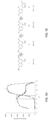
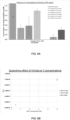
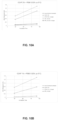
- Figs. 1A-1B and Table 1 show that 4MuO auto-hydrolysis was reduced at pH 6 compared with pH 8.
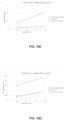
- Fig. 1C shows that auto-hydrolysis rate at pH 8 was almost double the rate at pH 6. Lipase was slightly ( ⁇ 20%) more active in pH 8 compared with pH 6. Buffer concentration did not appear to have a strong influence on autohydrolysis and lipase activity. Lipolytic activity appeared to be the highest in 41.6 mM Bis-Tris buffer. Fluorescence quenching was observed in 104 mM Bis-Tris buffer.
- Fig. 1D shows the pH range at which 4Mu was measured (graph reproduced from Zhi et al., J Spectrosc 1 (2013) doi:10.1155/2013/147128 ).
- Fig. 1E shows the four forms of 4Mu over various pH ranges (reproduced from Zhi et al., 2013). Form II is prevalent and displays its excitation and emission at ⁇ ex of 320 nm and ⁇ em of 445 nm.
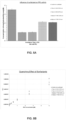
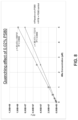
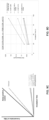
- the reference standard 4Mu was prepared at concentrations of 0 ⁇ M, 0.2 ⁇ M, 1 ⁇ M, 2 ⁇ M, 5 ⁇ M, 10 ⁇ M, 20 ⁇ M, 50 ⁇ M and 100 ⁇ M in the organic solvent and spiked at 5% (v/v) to the final concentrations of 0 ⁇ M, 0.1 ⁇ M, 0.05 ⁇ M, 0.1 ⁇ M, 0.25 ⁇ M, 0.5 ⁇ M, 1 ⁇ M, 2.5 ⁇ M and 5 ⁇ M to the other assay components. It was seen that the slope of the calibration curve slightly shifted from the low calibration range (0.01-0.5 ⁇ M) to the high calibration range up to 5 ⁇ M. Therefore, quantitative results of 4Mu at a concentration range up to 0.5 ⁇ M were calculated with a reduced calibration curve from 0.01-0.5 ⁇ M.
- a 4Mu calibration curve is shown in FIGS. 19A and 19B .
- the "sample” was a placebo formulation buffer that included 20 mM L-histidine, pH 6 (pH adjustment was performed by addition of 25% (w/v) HCl or 1 M NaOH), 250 mM sucrose, 0.5% cell culture harvest fluid (CCHF) or approximately 0.0025 mg/mL porcine pancreatic lipase (PPL).
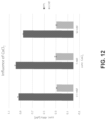
- the HCMB included TRIS (208 mM) at pH 7 and 8 or BIS-TRIS (208 mM) at pH 6 (pH adjustment was performed by addition of 25% (w/v) HCl or 1 M NaOH), NaCl (200 mM, 600 mM or 1800 mM), CaCl 2 (0.52 mM, 5.2 mM or 52 mM).
- the organic solvent was either methanol (MeOH), dimethylsulfoxide (DMSO) or isopropanol (IPA), containing 4MuO at 100 ⁇ M, and 5% (v/v) organic solvent / substrate were added. Assay components were transferred into 96 well plates and analyzed for fluorescent intensity.
- samples were transferred into 96-well microplates (Thermo Scientific TM Nunc TM F96 MicroWell TM black polystyrene plates).
- the fluorescence measurement was carried out with the Molecular Devices SpectraMax iD3 microplate reader and the SMP 7.1 software.
- the maximum excitation ( ⁇ ex ) and emission wavelengths ( ⁇ em ) were at 330 nm and 495 nm, respectively, after optimization using the SoftMax Pro 7.1 (SMP 7.1) wavelength optimization mode for an intermediate concentration of 4Mu.
- the fluorescence signal was read in between approximately 24 h to approximately 300 h incubation time, and new 96-well microplates were prepared for each reading by transferring 200 ⁇ L of liquid (including sample, HCMB and organic solvent) into each well. Fluorescence measurements were carried out at ambient temperature.
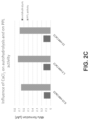
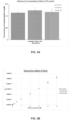
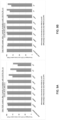
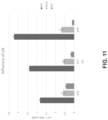
- results for the evaluation of the two different buffers (TRIS or BIS-TRIS) at pH 6, pH 7, or pH 8 are shown in FIG. 11 .
- the conversion of 4MuO to 4Mu was measured by monitoring fluorescence intensity of 4Mu.
- Samples containing either PPL or CCHF, and 4MuO autohydrolysis were evaluated.
- the most significant impact of the pH modification was observed for autohydrolysis (AH), which decreased by a factor of ⁇ 5 when lowering the pH from 8 to 6.
- AH autohydrolysis
- the 4Mu concentration in the samples of different pH was measured against calibration curves of 4Mu in reference samples at the same pH, i.e. the observed trend is not due to a different response of 4Mu fluorescence at different pH but is due to different reaction rates.
- the PPL activity increased almost by a factor of 2 when decreasing the pH from 8 to 6, whereas the CCHF lipolytic activity was not affected.
- the pH dependency of PPL was previously reported in Li et al., "Adsorption and catalytic activity of Porcine pancreatic lipase on rod-like SBA-15 mesoporous material," Colloids and Surfaces A: Physicochem Eng Aspects 2009; 341:79-85 .
- this pH dependency may not be identical for any other type of lipase possibly present in HCPs contained in the DS pools.
- pH 6 was considered most suitable also from the perspective, that many therapeutic protein formulations, where polysorbate degradation was observed and reported, are typically maintained at slightly acidic pH and hence, adaptation of the assay pH to ⁇ 6 is assumed to cover the culprits (e.g., lipases) responsible for causing lipase-mediated hydrolytic polysorbate degradation. Therefore, BIS-TRIS at a concentration of 200 mM was selected to be added in the HCMB to yield a final assay concentration of 40 mM at pH 6.
- the calcium chloride concentration in the lipase assay buffer was investigated.
- a lipase assay using 500 nM PPL and 4MuO were performed at 3 different CaCl 2 concentrations to investigate 4MuO fluorescence quenching and auto-hydrolysis: (a) 0.104 mM CaCl 2 ; (b) 1.04 mM CaCl 2 ; and (c) 10.4 mM CaCl 2 .
- the calcium chloride concentration in the lipase assay buffer was investigated in a further experiment.
- the sample, HCBM composition, and experimental procedures were as described in Example 1B, with CaCl 2 was included in the HCMB at 0.52 mM, 5.2 mM, or 52 mM as described in Example 1B.
- Results for the evaluation of different CaCl 2 concentrations in HCMB with samples containing either PPL or CCHF are shown in FIG. 12 . It was observed that at the highest concentration of CaCl 2 , the PPL activity slightly decreased. In consideration of the requirements for the HCMB to establish similar assay conditions for various drug substance/drug product matrices, 5 mM CaCl 2 was selected to be added to the HCMB to yield a final assay concentration of 1 mM CaCl 2 .
- the sodium chloride concentration in the lipase assay buffer was investigated.
- a lipase assay using 500 nM PPL and 4MuO were performed at 3 different NaCl concentrations to investigate 4MuO fluorescence quenching and auto-hydrolysis: (a) 40 mM NaCl; (b) 120 mM NaCl; and (c) 360 mM NaCl.
- the sodium chloride concentration in the lipase assay buffer was investigated in a further experiment.
- the sample, HCBM composition, and experimental procedures were as described in Example 1B.
- NaCl was included in the HCMB at 200 mM, 600 mM, or 1800 mM as described in Example 1B.
- Results for the evaluation of different NaCl concentrations in HCMB with samples containing either PPL or CCHF are shown in FIG. 13 . It was observed that at the highest concentration of NaCl, the PPL activity slightly decreased. In consideration of the requirements for the HCMB to establish similar assay conditions for various drug substance/drug product matrices, 600 mM NaCl was selected to be added to the HCMB to yield a final assay concentration of 120 mM NaCl.
- the organic solvent in the lipase assay buffer was investigated.
- a lipase assay using 500 nM PPL and 4MuO were performed using 3 different organic solvents to investigate 4MuO fluorescence quenching and auto-hydrolysis: (a) DMSO; (b) isopropanol (IPA); and (c) methanol (MeOH).
- the organic solvent in the lipase assay buffer was investigated in a further experiment.
- the sample, HCBM composition, and experimental procedures were as described in Example 1B.
- the organic solvents methanol (MeOH), dimethylsulfoxide (DMSO), or isopropanol (IPA) containing 100 ⁇ M 4MuO were included in the assay reaction as described in Example 1B.
- the lipase assay buffer performance in the presence of surfactant was investigated.
- a lipase assay using 500 nM PPL and 4MuO were performed using 2 surfactants at 2 different concentrations to investigate 4MuO fluorescence quenching and auto-hydrolysis: (a) TRITON X-100 0.012% w/v, (b) TRITON X-100 0.06% w/v, (c) KOLLIPHOR P188 0.032% w/v, and (d) KOLLIPHOR P188 0.16% w/v. A control containing no surfactant was also tested.
- Samples contained 20 mM L-histidine at pH 6, 250 mM sucrose, a surfactant (either polysorbate-20 (PS20), polysobate-80 (PS80), or poloxamer at 0.02% or 0.06% (all w/v), or as a control not containing a surfactant), 0.5% CCHF or 0.0025 mg/mL PPL.
- the HCMB contained 208 mM BIS-TRIS at pH 6, 600 mM NaCl, 5.2 mM CaCl 2 . 5% (v/v) of the organic solvent MeOH containing 100 ⁇ M 4MeO were added to the assay. Assay components were transferred into 96 well plates and analyzed for fluorescent intensity as described above for Example 1B.
- the concentration of polysorbate appears to have had an effect on CCHF lipolytic activity, with higher polysorbate concentration yielding lower activity, whereas PPL was similarly active at the two different chosen concentrations of both polysorbates.
- Poloxamer on the other hand influenced lipolytic activity of PPL and CCHF in a very different way.
- the activity of PPL was reduced to ⁇ 50% compared to the control, and - as already seen with the polysorbates - the chosen concentrations of the surfactant did not show a distinct variability in enzyme activity.
- the lipolytic activity of CCHF was positively influenced by poloxamer, at least at a surfactant concentration of 0.02%, and apparently not affected at a concentration of 0.06%.
- one reason for the enzymatic behavior in the presence of the surfactants as well as the concentration dependency may be the combination of more than one cause.
- lipase kinetics and mechanistic investigations are difficult, due to the fact that the enzymes catalyze reactions on substrates that are poorly soluble in water, e.g. triglycerides and other fats. At the water / fat interface the enzymes are activated by movement of a lid domain, which in the closed form protects the active site, whereas in the open form allows access of the substrate to the active site. See, e.g., Lowe, "The triglyceride lipases of the pancreas," J Lipid Res 2002;43(12): 2007-2016 .
- the polysorbates have a negative impact on lipolytic activity for the model lipase PPL and for CCHF.
- the fluorescence intensity of the 4Mu hydrolysis product was also influenced (reduced by ⁇ 20%) in the presence of the surfactants (see Fig. 15B ), which also contributes to the decreased signal intensity of the 4Mu product, as seen in Fig. 15A .
- the lipase inhibitor orlistat was chosen for the lipase assay control experiments, and thus assay performance was evaluated with different concentrations of the inhibitor.
- Orlistat was developed as a mechanism based inhibitor to bind covalently to the active site serine of pancreatic lipases, thereby inhibiting the enzymes. This mode of action made it an orally administered medication to treat obesity and related symptoms that are based on gastrointestinal fat hydrolysis.
- lipase classes can be inhibited by orlistat. It was however previously reported that apart from mammalian also bacterial lipases, e.g.
- Lipase activity was tested after co- and pre-treatment of a sample containing 500 nM PPL with orlistat (lipase inhibitor) at 3 concentrations to investigate 4MuO fluorescence quenching and auto-hydrolysis: (a) co-treatment 25 ⁇ M orlistat, (b) co-treatment 15 ⁇ M orlistat, (c) co-treatment 5 ⁇ M orlistat, (d) pre-treatment 25 ⁇ M orlistat, (e) pre-treatment 15 ⁇ M orlistat, and (f) pre-treatment 5 ⁇ M orlistat. A control sample with no orlistat was also tested.
- the concentration of the lipase inhibitor orlistat was evaluated in a further experiment.
- Samples, HCMB composition, and experimental procedures were performed as in Example 1B.
- the inhibitor was prepared in MeOH at concentrations of 200, 600 and 1000 ⁇ M.
- the inhibitor solutions were supplemented at 2.5% (v/v) to the assay and pre-incubation for 30 min was performed.
- MeOH containing 4MuO at 200 ⁇ M was added at 2.5% (v/v) to the assay.
- MeOH containing 100 ⁇ M 4MuO and Orlistat 100 ⁇ M, 300 ⁇ M and 500 ⁇ M was added at 5% (v/v).
- High PPL concentration of 0.0335 mg/mL was used.
- results of the lipase inhibitor evaluation are shown in FIG. 16 . Due to the high PPL concentration as described above, 4MuO was almost completely hydrolyzed within 24 hours in the absence of orlistat. It can also be seen that orlistat inhibited PPL, and the inhibitory effect correlated with orlistat concentration, i.e., highest inhibitory effect was observed with 25 ⁇ M orlistat. Pre-incubation of the enzyme with the inhibitor had a beneficial effect, i.e. the enzyme activity at the highest tested orlistat concentration of 25 ⁇ M was reduced by ⁇ 50% in the pretreated sample compared to the sample where substrate and inhibitor were added at the same time. Therefore, orlistat was chosen to be supplemented to the negative controls at high concentration, i.e. at 25 ⁇ M, and the negative controls would be pre-incubated for ⁇ 30 min with the inhibitor before adding the substrate.
- Fatty acid product inhibition was tested in the lipase assay using oleic acid and lauric acid, at 2 concentrations of theoretically degraded PS20 and PS80: (a) 0.1% and (b) 0.001%.
- concentration of PPL was 800 nM.
- the assay was evaluated at lipase concentrations that might lead to polysorbate degradation within a timeframe in which such degradation would be observed in the drug product, e.g., within 1 month.
- Samples for this study contained 20 mM L-histidine at pH 6, 250 mM sucrose, the surfactants PS20 or PS80 at 0.02% (w/v), and various concentrations of CCHF (0%, 0.001%, 0.005%, 0.01%, 0.05%, 0.1%, 0.5%, 1%, 2%, all v/v).
- the samples were stored for 1 month at room temperature and at 2-8 °C.
- the samples were analyzed by HPLC-FMA as described below and the lipase assay herein.
- the samples were supplemented with 0.055 mg/mL PPL.
- the HCMB contained 208 mM BIS-TRIS at pH 6, 600 mM NaCl, 5.2 mM CaCl 2 .
- Table 9 summarizes the samples tested: Table 9 Sample HCMB (84 ⁇ L) Matrix (315 ⁇ L) MeOH (21 ⁇ L) Comment Assay positive control HCMB containing 4 ⁇ M PPL Authentic sample 21 ⁇ L MeOH containing 100 ⁇ M 4MuO Assay negative control HCMB containing 4 ⁇ M PPL Authentic sample 10.5 ⁇ L MeOH containing 1 mM Orlistat Pre-incubate with Orlistat for 30 min, then add 4MuO 10.5 ⁇ L MeOH containing 200 ⁇ M 4MuO Sample HCMB Authentic sample 21 ⁇ L MeOH containing 100 ⁇ M 4MuO Sample negative control HCMB Authentic sample 10.5 ⁇ L MeOH containing 1 mM Orlistat Pre-incubate with Orlistat for 30 min, then add 4MuO 10.5 ⁇ L MeOH containing 200 ⁇ M 4MuO Autohydrolysis HCMB Placebo 10.5 ⁇ L MeOH containing 1 mM Orlistat
- PS80 had a slightly enhanced negative effect on lipolytic activity in CCHF containing samples compared to PS20, and therefore, as a worst case, the PS80 containing samples from the HPLC-FMA assay were subjected to the lipase assay.
- Fig. 9C The theoretical readout of the lipase assay developed herein is shown in Fig. 9C , with the actual results shown in Fig. 9D .
- the actual results are comparable to the anticipated readout.
- the samples with CCHF at different concentrations showed 4Mu formation correlating with CCHF concentration. This enzymatic activity was higher than that of the three negative controls, i.e. autohydrolysis and the two CCHF samples spiked with orlistat.
- the assay was sensitive enough to detect lipase activity at concentrations where the HPLC-FMA method did not yet detect polysorbate degradation, i.e. at CCHF concentrations of ⁇ 0.1%.
- Figs. 10A-10H Additional lipase assay measurements with PS80 in different concentrations of CCHF ranging from 0.001% to 2% are shown in Figs. 10A-10H .
- the lipase assay results are summarized in FIG. 18 .
- the 1% CCHF sample spiked with PPL (assay positive control) showed higher activity than the one with the same CCHF concentration not spiked with PPL.
- 4Mu formation correlated with the concentration of CCHF, and this lipolytic activity was higher than that of the autohydrolysis and other negative controls spiked with orlistat.
- the assay was sensitive enough to differentiate lipase activity from autohydrolysis and from negative controls at ⁇ 0.1% CCHF concentrations, where the HPLC-FMA method did not yet detect polysorbate degradation, i.e., lipolytic activity could be detected at 0.01% and 0.05% CCHF concentration with the lipase assay.
- biopharmaceutical drug product formulations that can be negatively affected by lipolytic activity contain a biotherapeutic protein.
- the lipase assay developed in Examples 1-8 was tested with a protein-containing formulation.
- the sample contained 20 mM L-histidine at pH 6, 250 mM sucrose, 0.02% PS80, 10 mg/mL mAb1 (a proprietary IgG 1), 0.5% CCHF or 0.025 mg/mL PPL.
- the HCMB consisted of 208 mM BIS-TRIS at pH 6, 600 mM NaCl, 5.2 mM CaCl 2 . 5% (v/v) of the organic solvent MeOH containing 100 ⁇ M 4MuO were added to the assay.
- Orlistat the inhibitor was prepared in MeOH at 1000 ⁇ M, and 2.5% (v/v) were supplemented to the assay and pre-incubation for 30 min was performed.
- FIG. 17A Assay results at different time points (1 h, 24 h, 72 h, 168 h, and 336 h) are shown in FIG. 17A .
- the assay positive control containing both CCHF and PPL, showed the highest release of 4Mu.
- the assay negative control exhibited a strongly diminished activity, indicating that both PPL and the CCHF lipases were inhibited by Orlistat.
- the same trend can be seen for the sample and formulation positive controls (high activity), whereas sample negative control and formulation negative control were inhibited by Orlistat (low activity).
- Autohydrolysis control and the formulation negative control show at all timepoints similar readouts, that cannot be differentiated in FIG. 17A .
- FIG. 17B showing a zoom of the negative controls, illustrates that the activity in both of the negative controls is similar.
Landscapes
- Health & Medical Sciences (AREA)
- Life Sciences & Earth Sciences (AREA)
- Chemical & Material Sciences (AREA)
- Immunology (AREA)
- Engineering & Computer Science (AREA)
- General Health & Medical Sciences (AREA)
- Physics & Mathematics (AREA)
- Organic Chemistry (AREA)
- Microbiology (AREA)
- Molecular Biology (AREA)
- Analytical Chemistry (AREA)
- Biochemistry (AREA)
- Proteomics, Peptides & Aminoacids (AREA)
- Zoology (AREA)
- Wood Science & Technology (AREA)
- Biotechnology (AREA)
- Medicinal Chemistry (AREA)
- Biomedical Technology (AREA)
- Hematology (AREA)
- General Physics & Mathematics (AREA)
- Pathology (AREA)
- Urology & Nephrology (AREA)
- General Engineering & Computer Science (AREA)
- Biophysics (AREA)
- Bioinformatics & Cheminformatics (AREA)
- Genetics & Genomics (AREA)
- Mycology (AREA)
- Pharmacology & Pharmacy (AREA)
- Epidemiology (AREA)
- Animal Behavior & Ethology (AREA)
- Public Health (AREA)
- Veterinary Medicine (AREA)
- Nuclear Medicine, Radiotherapy & Molecular Imaging (AREA)
- Chemical Kinetics & Catalysis (AREA)
- Optics & Photonics (AREA)
- Food Science & Technology (AREA)
- Cell Biology (AREA)
- Enzymes And Modification Thereof (AREA)
- Measuring Or Testing Involving Enzymes Or Micro-Organisms (AREA)
- Investigating Or Analysing Biological Materials (AREA)
Claims (19)
- Zusammensetzung, umfassend:a. eine wässrige Untersuchungsprobe, die ein Proteinpräparat enthält, wobei das Proteinpräparat ein therapeutisches Protein umfasst ausgewählt aus der Gruppe der Antikörper, Antikörperfragmente, Antikörper-Wirkstoff-Konjugate, Antikörper-Zytokin-Fusionen, Fc-Fusionen, bispezifische Antikörper, multispezifische Antikörper und Affibody-Fusionen; undb. ein organisches Lösungsmittel, wobei das organische Lösungsmittel ferner 4-Methylumbelliferyloleat umfasst,wobei die wässrige Untersuchungsprobe einen pH-Wert von 5,0 bis 7,0 aufweist; undwobei die wässrige Untersuchungsprobe etwa 80 % bis etwa 99,9 % der Zusammensetzung ausmacht, und das organische Lösungsmittel etwa 0,1 % bis etwa 20 % der Zusammensetzung darstellt.
- Die Zusammensetzung nach Anspruch 1, wobei das Proteinpräparat ein Zellkulturüberstand, ein teilweise gereinigtes Proteinpräparat oder ein gereinigtes Proteinpräparat ist.
- Die Zusammensetzung nach Anspruch 1 oder Anspruch 2, wobei das Proteinpräparat ein Tensid enthält.
- Die Zusammensetzung nach Anspruch 3, wobei das Tensid ein Polysorbat ist, wobei das Polysorbat vorzugsweise Polysorbat-20, Polysorbat-80 oder Kombinationen davon ist.
- Die Zusammensetzung nach einem der Ansprüche 1 bis 4, wobei das Proteinpräparat ferner zusätzliche Wirtszellproteine aufweist.
- Die Zusammensetzung nach einem der Ansprüche 1 bis 5, wobei die wässrige Untersuchungsprobe ferner ein Puffermittel, ein Salz oder beides enthält.
- Die Zusammensetzung nach Anspruch 6, wobei das Salz Natriumchlorid, Kalziumchlorid oder Kombinationen derselben ist.
- Die Zusammensetzung nach Anspruch 7, wobei das Natriumchlorid 50 mM bis 400 mM in der wässrigen Untersuchungsprobe beträgt.
- Die Zusammensetzung nach Anspruch 7 oder 8, wobei das Kalziumchlorid 0,2 mM bis 10 mM in der wässrigen Untersuchungsprobe beträgt.
- Die Zusammensetzung nach einem der Ansprüche 6 bis 9, wobei das Puffermittel Tris oder Bis-Tris ist.
- Die Zusammensetzung nach einem der Ansprüche 6 bis 10, wobei das Puffermittel 2 mM bis 200 mM in der wässrigen Untersuchungsprobe beträgt.
- Die Zusammensetzung nach einem der Ansprüche 1 bis 11, wobei das organische Lösungsmittel ein Alkohol, ein Sulfoxid, ein Nitril oder Kombinationen derselben ist.
- Die Zusammensetzung nach einem der Ansprüche 1 bis 12, wobei die Zusammensetzung ferner einen Lipasehemmer umfasst.
- Die Zusammensetzung nach Anspruch 13, wobei der Lipasehemmer (S)-2-formylamino-4-methyl-pentansäure (S)-1-[[(2S, 3S)-3-hexyl-4-oxo-2-oxetanyl] methyl]-dodecylester ist.
- Die Zusammensetzung nach Anspruch 13 oder 14, wobei der Lipasehemmer im organischen Lösungsmittel ist.
- Die Zusammensetzung nach Anspruch 1, umfassend:a. etwa 90 % bis etwa 99,9 % (vol/vol) einer wässrigen Untersuchungsprobe, umfassend:i. ein gereinigtes Proteinpräparat, dass das therapeutische Protein und ein Lipid enthält;ii. ein Puffermittel;iii. etwa 1,0 mM bis etwa 2,0 mM Kalziumchlorid; undiv. etwa 100 mM bis etwa 200 mM Natriumchlorid; undb. etwa 10 % bis etwa 0,1 % (vol/vol) eines organischen Lösungsmittels, das ausgewählt wird aus Methanol, Ethanol, Propanol, iso-Propanol, Butanol, sec-Butanol, iso-Butanol, tert-Butanol, Dimethylsulfoxid, Acetonitril, oder Kombinationen derselben, ferner umfassend 4-Methylumbelliferyloleat;wobei die wässrige Untersuchungsprobe einen pH-Wert von 5,0 bis 7,0 hat.
- Verfahren zum Nachweis lipolytischer Aktivität in einer wässrigen Untersuchungsprobe, das Verfahren umfassenda. Kombinieren der wässrigen Untersuchungsprobe, die ein Proteinpräparat umfasst, wobei das Proteinpräparat ein therapeutisches Protein umfasst, welches ausgewählt ist aus der Gruppe bestehend aus Antikörpern, Antikörperfragmenten, Antikörper-Wirkstoff-Konjugaten, Antikörper-Zytokin-Fusionen, Fc-Fusionen, bispezifischen Antikörpern, multispezifischen Antikörpern und Affibody-Fusionen, mit einem organischen Lösungsmittel, das 4-Methylumbelliferyloleat umfasst; undb. Messung der Bildung von Oleat und 4-Methylumbelliferon durch Fluoreszenz.
- Das Verfahren nach Anspruch 17, ferner umfassend:
c. Bestimmung der Stabilität des Proteinpräparates auf der Grundlage der gemessenen Fluoreszenz. - Die Zusammensetzung nach einem der Ansprüche 1 bis 16 oder das Verfahren nach Anspruch 17 oder 18, wobei das therapeutische Protein ausgewählt ist aus der Gruppe bestehend aus Belimumab, Ipilimumab, Belatacept, Brentuximab, Vedotin, Aflibercept, Obinutuzumab, Pembrolizumab, Blinatumomab, Nivolumab, Idarucizumab, Asofatase-alfa, Daratumumab, Elotuzumab, Atezolizumab, Raxibacumab, , Ramucirumab, Siltuximab, Pembrolizumab, Dinutuximab, Evolocumab, Necitumumab, Obiltoxaximab, Abatacept, Adalimumab, Alefacept, Etanercept, Infliximab, Trastuzumab, Ustekinumab und Golimumab.
Applications Claiming Priority (4)
| Application Number | Priority Date | Filing Date | Title |
|---|---|---|---|
| US201962899638P | 2019-09-12 | 2019-09-12 | |
| US201962905926P | 2019-09-25 | 2019-09-25 | |
| US202062964938P | 2020-01-23 | 2020-01-23 | |
| PCT/US2020/049992 WO2021050585A1 (en) | 2019-09-12 | 2020-09-09 | Compositions, methods, and kits for detection of lipolytic activity |
Publications (3)
| Publication Number | Publication Date |
|---|---|
| EP4028542A1 EP4028542A1 (de) | 2022-07-20 |
| EP4028542C0 EP4028542C0 (de) | 2025-01-15 |
| EP4028542B1 true EP4028542B1 (de) | 2025-01-15 |
Family
ID=72659328
Family Applications (1)
| Application Number | Title | Priority Date | Filing Date |
|---|---|---|---|
| EP20780825.4A Active EP4028542B1 (de) | 2019-09-12 | 2020-09-09 | Zusammensetzungen, methoden und kits zum nachweis der lipolytischen aktivität |
Country Status (7)
| Country | Link |
|---|---|
| US (1) | US20210096130A1 (de) |
| EP (1) | EP4028542B1 (de) |
| JP (1) | JP7675704B2 (de) |
| KR (1) | KR20220061107A (de) |
| CN (1) | CN114364808B (de) |
| ES (1) | ES3014597T3 (de) |
| WO (1) | WO2021050585A1 (de) |
Families Citing this family (2)
| Publication number | Priority date | Publication date | Assignee | Title |
|---|---|---|---|---|
| WO2023117325A1 (en) | 2021-12-21 | 2023-06-29 | F. Hoffmann-La Roche Ag | Method for the determination of hydrolytic activity |
| CN116106281A (zh) * | 2023-02-03 | 2023-05-12 | 大连医科大学 | 一种粪便样本中肠道菌脂肪酶活性的检测方法 |
Family Cites Families (6)
| Publication number | Priority date | Publication date | Assignee | Title |
|---|---|---|---|---|
| JP3650813B2 (ja) * | 2000-05-24 | 2005-05-25 | 独立行政法人食品総合研究所 | リパーゼによる加水分解方法 |
| CN102841150B (zh) * | 2012-08-25 | 2014-04-16 | 浙江大学 | 磁珠分离筛选具脂肪酶抑制活性化合物及用途 |
| TW201702380A (zh) * | 2015-02-27 | 2017-01-16 | 再生元醫藥公司 | 宿主細胞蛋白質修飾 |
| CN105039496A (zh) * | 2015-05-19 | 2015-11-11 | 中国海洋大学 | 脂肪酶抑制剂筛选方法和应用 |
| JP2017025017A (ja) * | 2015-07-21 | 2017-02-02 | 国立大学法人九州大学 | リパーゼ活性阻害剤及び脂肪細胞分化誘導阻害剤の生産方法 |
| CN107727628B (zh) * | 2017-11-22 | 2020-01-14 | 浙江工业大学 | 一种脂肪酶醇解活力的荧光检测方法 |
-
2020
- 2020-09-09 US US17/016,098 patent/US20210096130A1/en active Pending
- 2020-09-09 EP EP20780825.4A patent/EP4028542B1/de active Active
- 2020-09-09 JP JP2022516037A patent/JP7675704B2/ja active Active
- 2020-09-09 WO PCT/US2020/049992 patent/WO2021050585A1/en not_active Ceased
- 2020-09-09 ES ES20780825T patent/ES3014597T3/es active Active
- 2020-09-09 CN CN202080063022.6A patent/CN114364808B/zh active Active
- 2020-09-09 KR KR1020227006920A patent/KR20220061107A/ko active Pending
Also Published As
| Publication number | Publication date |
|---|---|
| CN114364808A (zh) | 2022-04-15 |
| JP2022548024A (ja) | 2022-11-16 |
| JP7675704B2 (ja) | 2025-05-13 |
| EP4028542A1 (de) | 2022-07-20 |
| EP4028542C0 (de) | 2025-01-15 |
| KR20220061107A (ko) | 2022-05-12 |
| ES3014597T3 (en) | 2025-04-23 |
| WO2021050585A1 (en) | 2021-03-18 |
| US20210096130A1 (en) | 2021-04-01 |
| CN114364808B (zh) | 2026-03-13 |
Similar Documents
| Publication | Publication Date | Title |
|---|---|---|
| US20230068749A1 (en) | Stabilization of aqueous compositions of proteins with displacement buffers | |
| US20250312447A1 (en) | Methods of reducing particle formation and compositions formed thereby | |
| Mason et al. | Elongation arrest is a physiologically important function of signal recognition particle | |
| AU2004260961B2 (en) | Analytical method for pancreatin and comparable compositions | |
| EP4028542B1 (de) | Zusammensetzungen, methoden und kits zum nachweis der lipolytischen aktivität | |
| US20120103810A1 (en) | High-sensitivity proteolysis assay | |
| EP4192842A1 (de) | Verfahren zur herstellung von proteinzusammensetzungen | |
| Jahn et al. | Measuring Lipolytic Activity to Support Process Improvements to Manage Lipase-Mediated Polysorbate Degradation: Jahn et al. | |
| JP3970921B2 (ja) | 遺伝子の転写の抑制方法 | |
| US9925251B2 (en) | Treatments for Mycobacterium tuberculosis | |
| CN115989416A (zh) | 用于评估生物制药开发过程中聚山梨醇酯降解风险的高通量、基于荧光的酯酶活性测定法 | |
| Chi et al. | Effects of sodium dodecyl sulfate on the enzyme catalysis and conformation of a recombinant γ-glutamyltranspeptidase from Bacillus licheniformis | |
| HK40066272A (zh) | 用於检测脂肪分解活性的组合物、方法和试剂盒 | |
| HK40093345A (zh) | 用於评估生物制药开发过程中聚山梨醇酯降解风险的高通量、基於荧光的酯酶活性测定法 | |
| Tischer et al. | The effects of N‐ethyl‐N′‐methyl imidazolium chloride on the solubility, stability and aggregation of tc‐r PA | |
| Lu et al. | Localization and enzyme kinetics of aminopeptidase N3 from Toxoplasma gondii | |
| Seo et al. | Direct and simple detection of recombinant proteins from cell lysates using differential scanning fluorimetry | |
| HK40084904A (en) | Method for producing protein compositions | |
| CN116457470A (zh) | 用于检测污染脂肪酶活性的方法 | |
| Kobayashi et al. | Nateglinide uptake by a ceftibuten transporter in the rat kidney brush-border membrane | |
| Scott | ADD66, a gene required for the endoplasmic reticulum associated degradation (ERAD) of alpha-1-antitrypsin-Z in yeast, facilitates proteasome activity and assembly | |
| JP2006180841A (ja) | 血栓の溶解を抑制させるポリペプチド及びその利用 |
Legal Events
| Date | Code | Title | Description |
|---|---|---|---|
| STAA | Information on the status of an ep patent application or granted ep patent |
Free format text: STATUS: UNKNOWN |
|
| STAA | Information on the status of an ep patent application or granted ep patent |
Free format text: STATUS: THE INTERNATIONAL PUBLICATION HAS BEEN MADE |
|
| PUAI | Public reference made under article 153(3) epc to a published international application that has entered the european phase |
Free format text: ORIGINAL CODE: 0009012 |
|
| STAA | Information on the status of an ep patent application or granted ep patent |
Free format text: STATUS: REQUEST FOR EXAMINATION WAS MADE |
|
| 17P | Request for examination filed |
Effective date: 20220408 |
|
| AK | Designated contracting states |
Kind code of ref document: A1 Designated state(s): AL AT BE BG CH CY CZ DE DK EE ES FI FR GB GR HR HU IE IS IT LI LT LU LV MC MK MT NL NO PL PT RO RS SE SI SK SM TR |
|
| DAV | Request for validation of the european patent (deleted) | ||
| DAX | Request for extension of the european patent (deleted) | ||
| STAA | Information on the status of an ep patent application or granted ep patent |
Free format text: STATUS: EXAMINATION IS IN PROGRESS |
|
| 17Q | First examination report despatched |
Effective date: 20230216 |
|
| GRAP | Despatch of communication of intention to grant a patent |
Free format text: ORIGINAL CODE: EPIDOSNIGR1 |
|
| STAA | Information on the status of an ep patent application or granted ep patent |
Free format text: STATUS: GRANT OF PATENT IS INTENDED |
|
| INTG | Intention to grant announced |
Effective date: 20240812 |
|
| GRAS | Grant fee paid |
Free format text: ORIGINAL CODE: EPIDOSNIGR3 |
|
| GRAA | (expected) grant |
Free format text: ORIGINAL CODE: 0009210 |
|
| STAA | Information on the status of an ep patent application or granted ep patent |
Free format text: STATUS: THE PATENT HAS BEEN GRANTED |
|
| AK | Designated contracting states |
Kind code of ref document: B1 Designated state(s): AL AT BE BG CH CY CZ DE DK EE ES FI FR GB GR HR HU IE IS IT LI LT LU LV MC MK MT NL NO PL PT RO RS SE SI SK SM TR |
|
| REG | Reference to a national code |
Ref country code: CH Ref legal event code: EP Ref country code: GB Ref legal event code: FG4D |
|
| REG | Reference to a national code |
Ref country code: DE Ref legal event code: R096 Ref document number: 602020044857 Country of ref document: DE |
|
| REG | Reference to a national code |
Ref country code: IE Ref legal event code: FG4D |
|
| U01 | Request for unitary effect filed |
Effective date: 20250206 |
|
| U07 | Unitary effect registered |
Designated state(s): AT BE BG DE DK EE FI FR IT LT LU LV MT NL PT RO SE SI Effective date: 20250212 |
|
| RAP4 | Party data changed (patent owner data changed or rights of a patent transferred) |
Owner name: LONZA LTD |
|
| REG | Reference to a national code |
Ref country code: ES Ref legal event code: FG2A Ref document number: 3014597 Country of ref document: ES Kind code of ref document: T3 Effective date: 20250423 |
|
| U1H | Name or address of the proprietor changed after the registration of the unitary effect |
Owner name: LONZA LTD; CH |
|
| PG25 | Lapsed in a contracting state [announced via postgrant information from national office to epo] |
Ref country code: RS Free format text: LAPSE BECAUSE OF FAILURE TO SUBMIT A TRANSLATION OF THE DESCRIPTION OR TO PAY THE FEE WITHIN THE PRESCRIBED TIME-LIMIT Effective date: 20250415 |
|
| PG25 | Lapsed in a contracting state [announced via postgrant information from national office to epo] |
Ref country code: PL Free format text: LAPSE BECAUSE OF FAILURE TO SUBMIT A TRANSLATION OF THE DESCRIPTION OR TO PAY THE FEE WITHIN THE PRESCRIBED TIME-LIMIT Effective date: 20250115 |
|
| PG25 | Lapsed in a contracting state [announced via postgrant information from national office to epo] |
Ref country code: IS Free format text: LAPSE BECAUSE OF FAILURE TO SUBMIT A TRANSLATION OF THE DESCRIPTION OR TO PAY THE FEE WITHIN THE PRESCRIBED TIME-LIMIT Effective date: 20250515 Ref country code: NO Free format text: LAPSE BECAUSE OF FAILURE TO SUBMIT A TRANSLATION OF THE DESCRIPTION OR TO PAY THE FEE WITHIN THE PRESCRIBED TIME-LIMIT Effective date: 20250415 |
|
| PG25 | Lapsed in a contracting state [announced via postgrant information from national office to epo] |
Ref country code: HR Free format text: LAPSE BECAUSE OF FAILURE TO SUBMIT A TRANSLATION OF THE DESCRIPTION OR TO PAY THE FEE WITHIN THE PRESCRIBED TIME-LIMIT Effective date: 20250115 |
|
| PG25 | Lapsed in a contracting state [announced via postgrant information from national office to epo] |
Ref country code: GR Free format text: LAPSE BECAUSE OF FAILURE TO SUBMIT A TRANSLATION OF THE DESCRIPTION OR TO PAY THE FEE WITHIN THE PRESCRIBED TIME-LIMIT Effective date: 20250416 |
|
| REG | Reference to a national code |
Ref country code: CH Ref legal event code: U11 Free format text: ST27 STATUS EVENT CODE: U-0-0-U10-U11 (AS PROVIDED BY THE NATIONAL OFFICE) Effective date: 20251001 |
|
| PG25 | Lapsed in a contracting state [announced via postgrant information from national office to epo] |
Ref country code: SM Free format text: LAPSE BECAUSE OF FAILURE TO SUBMIT A TRANSLATION OF THE DESCRIPTION OR TO PAY THE FEE WITHIN THE PRESCRIBED TIME-LIMIT Effective date: 20250115 |
|
| PGFP | Annual fee paid to national office [announced via postgrant information from national office to epo] |
Ref country code: GB Payment date: 20250923 Year of fee payment: 6 |
|
| PG25 | Lapsed in a contracting state [announced via postgrant information from national office to epo] |
Ref country code: CZ Free format text: LAPSE BECAUSE OF FAILURE TO SUBMIT A TRANSLATION OF THE DESCRIPTION OR TO PAY THE FEE WITHIN THE PRESCRIBED TIME-LIMIT Effective date: 20250115 |
|
| PG25 | Lapsed in a contracting state [announced via postgrant information from national office to epo] |
Ref country code: SK Free format text: LAPSE BECAUSE OF FAILURE TO SUBMIT A TRANSLATION OF THE DESCRIPTION OR TO PAY THE FEE WITHIN THE PRESCRIBED TIME-LIMIT Effective date: 20250115 |
|
| U20 | Renewal fee for the european patent with unitary effect paid |
Year of fee payment: 6 Effective date: 20250925 |
|
| PLBE | No opposition filed within time limit |
Free format text: ORIGINAL CODE: 0009261 |
|
| STAA | Information on the status of an ep patent application or granted ep patent |
Free format text: STATUS: NO OPPOSITION FILED WITHIN TIME LIMIT |
|
| 26N | No opposition filed |
Effective date: 20251016 |
|
| PGFP | Annual fee paid to national office [announced via postgrant information from national office to epo] |
Ref country code: CH Payment date: 20251001 Year of fee payment: 6 |
|
| PGFP | Annual fee paid to national office [announced via postgrant information from national office to epo] |
Ref country code: ES Payment date: 20251015 Year of fee payment: 6 |