EP4025783B1 - Power evacuated, barrel impellered, pneumatic electric generating and storage system and methods (pebi system) - Google Patents
Power evacuated, barrel impellered, pneumatic electric generating and storage system and methods (pebi system) Download PDFInfo
- Publication number
- EP4025783B1 EP4025783B1 EP20860390.2A EP20860390A EP4025783B1 EP 4025783 B1 EP4025783 B1 EP 4025783B1 EP 20860390 A EP20860390 A EP 20860390A EP 4025783 B1 EP4025783 B1 EP 4025783B1
- Authority
- EP
- European Patent Office
- Prior art keywords
- generator
- turbine assembly
- vehicle
- air
- assembly
- Prior art date
- Legal status (The legal status is an assumption and is not a legal conclusion. Google has not performed a legal analysis and makes no representation as to the accuracy of the status listed.)
- Active
Links
Images




Classifications
-
- B—PERFORMING OPERATIONS; TRANSPORTING
- B60—VEHICLES IN GENERAL
- B60H—ARRANGEMENTS OF HEATING, COOLING, VENTILATING OR OTHER AIR-TREATING DEVICES SPECIALLY ADAPTED FOR PASSENGER OR GOODS SPACES OF VEHICLES
- B60H1/00—Heating, cooling or ventilating devices
- B60H1/22—Heating, cooling or ventilating devices the heat source being other than the propulsion plant
-
- F—MECHANICAL ENGINEERING; LIGHTING; HEATING; WEAPONS; BLASTING
- F01—MACHINES OR ENGINES IN GENERAL; ENGINE PLANTS IN GENERAL; STEAM ENGINES
- F01D—NON-POSITIVE DISPLACEMENT MACHINES OR ENGINES, e.g. STEAM TURBINES
- F01D17/00—Regulating or controlling by varying flow
- F01D17/10—Final actuators
- F01D17/12—Final actuators arranged in stator parts
- F01D17/14—Final actuators arranged in stator parts varying effective cross-sectional area of nozzles or guide conduits
- F01D17/16—Final actuators arranged in stator parts varying effective cross-sectional area of nozzles or guide conduits by means of nozzle vanes
- F01D17/162—Final actuators arranged in stator parts varying effective cross-sectional area of nozzles or guide conduits by means of nozzle vanes for axial flow, i.e. the vanes turning around axes which are essentially perpendicular to the rotor centre line
-
- F—MECHANICAL ENGINEERING; LIGHTING; HEATING; WEAPONS; BLASTING
- F03—MACHINES OR ENGINES FOR LIQUIDS; WIND, SPRING, OR WEIGHT MOTORS; PRODUCING MECHANICAL POWER OR A REACTIVE PROPULSIVE THRUST, NOT OTHERWISE PROVIDED FOR
- F03D—WIND MOTORS
- F03D7/00—Controlling wind motors
- F03D7/02—Controlling wind motors the wind motors having rotation axis substantially parallel to the air flow entering the rotor
- F03D7/0272—Controlling wind motors the wind motors having rotation axis substantially parallel to the air flow entering the rotor by measures acting on the electrical generator
-
- F—MECHANICAL ENGINEERING; LIGHTING; HEATING; WEAPONS; BLASTING
- F03—MACHINES OR ENGINES FOR LIQUIDS; WIND, SPRING, OR WEIGHT MOTORS; PRODUCING MECHANICAL POWER OR A REACTIVE PROPULSIVE THRUST, NOT OTHERWISE PROVIDED FOR
- F03D—WIND MOTORS
- F03D9/00—Adaptations of wind motors for special use; Combinations of wind motors with apparatus driven thereby; Wind motors specially adapted for installation in particular locations
- F03D9/10—Combinations of wind motors with apparatus storing energy
- F03D9/11—Combinations of wind motors with apparatus storing energy storing electrical energy
-
- F—MECHANICAL ENGINEERING; LIGHTING; HEATING; WEAPONS; BLASTING
- F03—MACHINES OR ENGINES FOR LIQUIDS; WIND, SPRING, OR WEIGHT MOTORS; PRODUCING MECHANICAL POWER OR A REACTIVE PROPULSIVE THRUST, NOT OTHERWISE PROVIDED FOR
- F03D—WIND MOTORS
- F03D9/00—Adaptations of wind motors for special use; Combinations of wind motors with apparatus driven thereby; Wind motors specially adapted for installation in particular locations
- F03D9/30—Wind motors specially adapted for installation in particular locations
- F03D9/32—Wind motors specially adapted for installation in particular locations on moving objects, e.g. vehicles
-
- B—PERFORMING OPERATIONS; TRANSPORTING
- B60—VEHICLES IN GENERAL
- B60K—ARRANGEMENT OR MOUNTING OF PROPULSION UNITS OR OF TRANSMISSIONS IN VEHICLES; ARRANGEMENT OR MOUNTING OF PLURAL DIVERSE PRIME-MOVERS IN VEHICLES; AUXILIARY DRIVES FOR VEHICLES; INSTRUMENTATION OR DASHBOARDS FOR VEHICLES; ARRANGEMENTS IN CONNECTION WITH COOLING, AIR INTAKE, GAS EXHAUST OR FUEL SUPPLY OF PROPULSION UNITS IN VEHICLES
- B60K16/00—Arrangements in connection with power supply of propulsion units in vehicles from forces of nature, e.g. sun or wind
-
- B—PERFORMING OPERATIONS; TRANSPORTING
- B60—VEHICLES IN GENERAL
- B60K—ARRANGEMENT OR MOUNTING OF PROPULSION UNITS OR OF TRANSMISSIONS IN VEHICLES; ARRANGEMENT OR MOUNTING OF PLURAL DIVERSE PRIME-MOVERS IN VEHICLES; AUXILIARY DRIVES FOR VEHICLES; INSTRUMENTATION OR DASHBOARDS FOR VEHICLES; ARRANGEMENTS IN CONNECTION WITH COOLING, AIR INTAKE, GAS EXHAUST OR FUEL SUPPLY OF PROPULSION UNITS IN VEHICLES
- B60K16/00—Arrangements in connection with power supply of propulsion units in vehicles from forces of nature, e.g. sun or wind
- B60K2016/006—Arrangements in connection with power supply of propulsion units in vehicles from forces of nature, e.g. sun or wind wind power driven
-
- B—PERFORMING OPERATIONS; TRANSPORTING
- B60—VEHICLES IN GENERAL
- B60Y—INDEXING SCHEME RELATING TO ASPECTS CROSS-CUTTING VEHICLE TECHNOLOGY
- B60Y2200/00—Type of vehicle
- B60Y2200/90—Vehicles comprising electric prime movers
- B60Y2200/91—Electric vehicles
-
- Y—GENERAL TAGGING OF NEW TECHNOLOGICAL DEVELOPMENTS; GENERAL TAGGING OF CROSS-SECTIONAL TECHNOLOGIES SPANNING OVER SEVERAL SECTIONS OF THE IPC; TECHNICAL SUBJECTS COVERED BY FORMER USPC CROSS-REFERENCE ART COLLECTIONS [XRACs] AND DIGESTS
- Y02—TECHNOLOGIES OR APPLICATIONS FOR MITIGATION OR ADAPTATION AGAINST CLIMATE CHANGE
- Y02B—CLIMATE CHANGE MITIGATION TECHNOLOGIES RELATED TO BUILDINGS, e.g. HOUSING, HOUSE APPLIANCES OR RELATED END-USER APPLICATIONS
- Y02B10/00—Integration of renewable energy sources in buildings
- Y02B10/30—Wind power
-
- Y—GENERAL TAGGING OF NEW TECHNOLOGICAL DEVELOPMENTS; GENERAL TAGGING OF CROSS-SECTIONAL TECHNOLOGIES SPANNING OVER SEVERAL SECTIONS OF THE IPC; TECHNICAL SUBJECTS COVERED BY FORMER USPC CROSS-REFERENCE ART COLLECTIONS [XRACs] AND DIGESTS
- Y02—TECHNOLOGIES OR APPLICATIONS FOR MITIGATION OR ADAPTATION AGAINST CLIMATE CHANGE
- Y02E—REDUCTION OF GREENHOUSE GAS [GHG] EMISSIONS, RELATED TO ENERGY GENERATION, TRANSMISSION OR DISTRIBUTION
- Y02E10/00—Energy generation through renewable energy sources
- Y02E10/70—Wind energy
- Y02E10/728—Onshore wind turbines
-
- Y—GENERAL TAGGING OF NEW TECHNOLOGICAL DEVELOPMENTS; GENERAL TAGGING OF CROSS-SECTIONAL TECHNOLOGIES SPANNING OVER SEVERAL SECTIONS OF THE IPC; TECHNICAL SUBJECTS COVERED BY FORMER USPC CROSS-REFERENCE ART COLLECTIONS [XRACs] AND DIGESTS
- Y02—TECHNOLOGIES OR APPLICATIONS FOR MITIGATION OR ADAPTATION AGAINST CLIMATE CHANGE
- Y02E—REDUCTION OF GREENHOUSE GAS [GHG] EMISSIONS, RELATED TO ENERGY GENERATION, TRANSMISSION OR DISTRIBUTION
- Y02E10/00—Energy generation through renewable energy sources
- Y02E10/70—Wind energy
- Y02E10/74—Wind turbines with rotation axis perpendicular to the wind direction
-
- Y—GENERAL TAGGING OF NEW TECHNOLOGICAL DEVELOPMENTS; GENERAL TAGGING OF CROSS-SECTIONAL TECHNOLOGIES SPANNING OVER SEVERAL SECTIONS OF THE IPC; TECHNICAL SUBJECTS COVERED BY FORMER USPC CROSS-REFERENCE ART COLLECTIONS [XRACs] AND DIGESTS
- Y02—TECHNOLOGIES OR APPLICATIONS FOR MITIGATION OR ADAPTATION AGAINST CLIMATE CHANGE
- Y02E—REDUCTION OF GREENHOUSE GAS [GHG] EMISSIONS, RELATED TO ENERGY GENERATION, TRANSMISSION OR DISTRIBUTION
- Y02E70/00—Other energy conversion or management systems reducing GHG emissions
- Y02E70/30—Systems combining energy storage with energy generation of non-fossil origin
-
- Y—GENERAL TAGGING OF NEW TECHNOLOGICAL DEVELOPMENTS; GENERAL TAGGING OF CROSS-SECTIONAL TECHNOLOGIES SPANNING OVER SEVERAL SECTIONS OF THE IPC; TECHNICAL SUBJECTS COVERED BY FORMER USPC CROSS-REFERENCE ART COLLECTIONS [XRACs] AND DIGESTS
- Y02—TECHNOLOGIES OR APPLICATIONS FOR MITIGATION OR ADAPTATION AGAINST CLIMATE CHANGE
- Y02T—CLIMATE CHANGE MITIGATION TECHNOLOGIES RELATED TO TRANSPORTATION
- Y02T10/00—Road transport of goods or passengers
- Y02T10/60—Other road transportation technologies with climate change mitigation effect
- Y02T10/70—Energy storage systems for electromobility, e.g. batteries
-
- Y—GENERAL TAGGING OF NEW TECHNOLOGICAL DEVELOPMENTS; GENERAL TAGGING OF CROSS-SECTIONAL TECHNOLOGIES SPANNING OVER SEVERAL SECTIONS OF THE IPC; TECHNICAL SUBJECTS COVERED BY FORMER USPC CROSS-REFERENCE ART COLLECTIONS [XRACs] AND DIGESTS
- Y02—TECHNOLOGIES OR APPLICATIONS FOR MITIGATION OR ADAPTATION AGAINST CLIMATE CHANGE
- Y02T—CLIMATE CHANGE MITIGATION TECHNOLOGIES RELATED TO TRANSPORTATION
- Y02T10/00—Road transport of goods or passengers
- Y02T10/60—Other road transportation technologies with climate change mitigation effect
- Y02T10/7072—Electromobility specific charging systems or methods for batteries, ultracapacitors, supercapacitors or double-layer capacitors
-
- Y—GENERAL TAGGING OF NEW TECHNOLOGICAL DEVELOPMENTS; GENERAL TAGGING OF CROSS-SECTIONAL TECHNOLOGIES SPANNING OVER SEVERAL SECTIONS OF THE IPC; TECHNICAL SUBJECTS COVERED BY FORMER USPC CROSS-REFERENCE ART COLLECTIONS [XRACs] AND DIGESTS
- Y02—TECHNOLOGIES OR APPLICATIONS FOR MITIGATION OR ADAPTATION AGAINST CLIMATE CHANGE
- Y02T—CLIMATE CHANGE MITIGATION TECHNOLOGIES RELATED TO TRANSPORTATION
- Y02T10/00—Road transport of goods or passengers
- Y02T10/80—Technologies aiming to reduce greenhouse gasses emissions common to all road transportation technologies
- Y02T10/90—Energy harvesting concepts as power supply for auxiliaries' energy consumption, e.g. photovoltaic sun-roof
Definitions
- the present subject matter relates generally to an energy generator and storage system for vehicles. More specifically, the present invention relates to an electric energy generator and storage system using a wind-driven turbine whose operation is assisted by an air evacuation unit.
- the teachings of the present disclosure may be embodied.
- the examples used herein help to illustrate the breadth in the scope of the embodiments that are possible.
- the core descriptions used herein to describe the present systems and methods relate to an energy generator and storage system that is adapted for use above the driver's cabin in a standard tractor unit of a conventional 18-wheeler semi-trailer truck, housed within the space of the air dam.
- the energy generator and storage system may be generally shaped as a standard air dam.
- the air inlet can deliver air along a lower half of the pneumatic barrel turbine assembly at a first side of the turbine assembly and the evacuation blower can pull air along the lower half of the pneumatic barrel turbine assembly along a second side of the turbine assembly opposite to the first side of the turbine assembly.
- These elements in combination supply the force to rotate the barrel impeller assembly, which drives one or more generator/transmission assemblies to produce the electric power to operate the vehicle and/or store energy in one or more battery packs, to be used as an alternative power source to operate the vehicle.
- the PEBI System may include: an air inlet facing a front of a vehicle through which incoming air enters when the vehicle is moving forward; a turbine assembly including a barrel impeller and one or more impeller air vanes positioned on the barrel impeller such that air flowing through the air inlet applies positive pressure to the one or more impeller air vanes to turn the barrel impeller and drive one or more generator/transmission assemblies to supply electric power to one or more batteries or to provide a direct electric power source to operate the vehicle; and an evacuation blower applying negative air pressure to a rear of the one or more impeller air vanes by evacuating incoming air through one or more air outlets not facing the front of the vehicle.
- An energy source selection module in electrical connection with the generator, the one or more battery packs, a voltage regulator, and a fuse panel, wherein the energy source selection module may be provided to select an energy source to connect to the voltage regulator and fuse panel, one or more generators and the one or more battery packs being the energy sources available to be selected by the energy source selection module.
- the emergency generator may be, for example, a fossil fuel driven internal combustion engine.
- the turbine assembly may include, for example, a pneumatic barrel impeller assembly including one or more curved impeller air vanes.
- a first generator may include a first transmission (e.g., generator/transmission assembly) coupled to the pneumatic barrel impeller assembly on a first side of the pneumatic barrel impeller assembly along an axis about which the pneumatic barrel impeller assembly rotates and a second generator/transmission assembly coupled to the pneumatic barrel impeller assembly on a second side of the pneumatic barrel impeller assembly along the axis about which the pneumatic barrel impeller assembly rotates such that the rotation of the pneumatic barrel impeller assembly drives the first generator/transmission assembly and the second generator/transmission assembly simultaneously.
- a first transmission e.g., generator/transmission assembly
- the air inlet may deliver air along a lower half of the pneumatic barrel turbine assembly at a first side of the turbine assembly and the evacuation blower may pull air along the lower half of the turbine assembly along a second side of the turbine assembly opposite to the first side of the turbine assembly.
- a housing surrounds the turbine assembly including one or more top cover panels with back-pressure relief vent holes along a portion of the housing enclosing an upper half of the turbine assembly.
- the evacuation blower is located in a chamber and fed air flowing through a first opening on the lower half of the turbine assembly to a second opening on the second side of the lower half of the turbine assembly and to a third opening through a ducted passage in fluid communication with the one or more back-pressure relief vent holes in the turbine assembly top cover panel.
- the air is then vented through the exhaust blower to one or more exhaust outlets that may face a right side of the vehicle, a left side of the vehicle, or both.
- Each of the first transmission and the second transmission may include a first power transfer gear and a second power transfer gear engaged with, and balancing the load delivered to, a generator gear, wherein the first power transfer gear and the second power transfer gear are driven by an impeller ring gear.
- the one or more battery packs may be assemblies of one or more recyclable, lead-acid, deep cycle, 12-volt batteries. It is understood that other battery packs may be used in the systems and methods described herein. It is also contemplated that the one or more battery packs may be mounted on one or more sliding battery cradles, each of which can be slid from a first position to a second position, wherein, in the first position, the one or more battery packs are located within the vehicle and, in the second position, at least a portion of the one or more battery packs is located outside of the vehicle. This adaptation may make the battery packs easier to access for repair and/or replacement.
- the disclosure provides a vehicle mounted energy generator and storage system including an air inlet facing a front of the vehicle through which air enters when the vehicle is moving forward; a barrel impeller assembly including one or more barrel impeller assembly air vanes positioned such that air flowing through the air inlet applies positive pressure to a front of the one or more impeller air vanes to turn the impeller assembly and drive one or more generator/transmission assemblies to create electric power to operate the vehicle and/or send electric power to one or more battery packs; and an evacuation blower applying a negative air pressure to a rear of the one or more impeller air vanes by evacuating air through one or more exhaust outlets not facing the front of the vehicle.
- the disclosure provides a vehicle mounted PEBI System including an air inlet facing a front of the vehicle through which air enters when the vehicle is moving forward; a turbine assembly (e.g., a pneumatic barrel impellered turbine assembly) including a plurality of barrel impeller air vanes positioned such that air flowing through the air inlet applies positive pressure to a front of the plurality of barrel impeller air vanes to turn the turbine assembly and to a second opening of a lower half of the turbine assembly in fluid communication with and a ducted air flow from one or more back-pressure relief vents in a turbine housing top cover panel and drive a first generator/transmission assembly located on a first side of the turbine assembly along an axis about which the barrel impeller air vanes rotate and a second generator/transmission assembly located on the second side of the turbine assembly along the axis about which the barrel impeller air vanes rotate such that the turbine assembly drives the first generator/transmission and the second generator/transmission assemblies simultaneously, wherein each of the first generator/transmission and the second generator/transmission assemblies simultaneously
- the disclosure provides a vehicle including an PEBI System including an air inlet facing a front of the vehicle through which air enters the turbine assembly when the vehicle is moving forward; a pneumatic barrel impeller assembly including one or more integral curved impeller air vanes positioned such that air flowing through the front inlet applies positive pressure to a front of one or more impeller air vanes to turn the pneumatic barrel impeller assembly and drive a first generator/transmission assembly located of a first side of the pneumatic barrel impeller assembly along an axis about which the pneumatic barrel impeller assembly rotates and a second generator/transmission assembly located on a second side of the pneumatic barrel impeller assembly along a axis about which the pneumatic barrel impeller assembly rotates such that the rotation of the pneumatic barrel impeller assembly drives the first generator/transmission assembly and the second generator/transmission assembly simultaneously, wherein each of the first transmission and the second transmission includes a first power transfer gear and a second power transfer gear engaged with, and balancing the load delivered to, a generator gear, wherein the first power
- An advantage of the present system is that, unlike many electric vehicles, the systems and methods taught herein are well-adapted for long-range travel. For example, it is an excellent system to use with semi-trailer trucks. It is also well-adapted for use with small and large box delivery trucks, long-range commercial busses, and mobile homes. It may also be well-suited for use with city and school busses, cargo vans, delivery vans, etc.
- the PEBI System is also scalable and may be modified for use on automobile vehicles, as will be recognized by those skilled in the art based on the teachings herein.
- Another advantage of the present system is the number of battery packs used may be scaled to accommodate vehicles with greater demand for power.
- Another advantage of the present system is the battery packs may be easily accessible for service being located on one or more rolling cradles.
- Another advantage of the present system is that the battery packs present no greater a fire hazard than typical vehicle batteries and each battery in the battery pack may be individually replaced as needed.
- Another advantage of the present system is that it is self-charging and does not require system of charging stations, thus further reducing CO2 emissions.
Landscapes
- Engineering & Computer Science (AREA)
- Mechanical Engineering (AREA)
- General Engineering & Computer Science (AREA)
- Chemical & Material Sciences (AREA)
- Combustion & Propulsion (AREA)
- Sustainable Development (AREA)
- Sustainable Energy (AREA)
- Life Sciences & Earth Sciences (AREA)
- Power Engineering (AREA)
- Physics & Mathematics (AREA)
- Thermal Sciences (AREA)
- Transportation (AREA)
- Wind Motors (AREA)
- Electric Propulsion And Braking For Vehicles (AREA)
Description
- This application comprises an international PCT application claiming the benefit of priority to
U.S. Non-Provisional Application No. 16/559,133 filed on September 3, 2019 - The present subject matter relates generally to an energy generator and storage system for vehicles. More specifically, the present invention relates to an electric energy generator and storage system using a wind-driven turbine whose operation is assisted by an air evacuation unit.
- Although the internal combustion engine has been the overwhelming market leader in vehicle propulsion since the early 20th-century, electric vehicles hold great promise. However, the state of the art in electric vehicles is sub-optimal.
- First, electric vehicle driving range is limited. On www.tesla.com, the 2019 model of the Tesla Model S is advertised as "the longest electric range of any car on the road-up to 335 miles." However, up to 335 miles is not long enough for all drivers' needs. Moreover, the range is highly dependent on driving conditions, including speed, traffic, driving style, etc. and can be much lower than the advertised range. The ability to practically extend the range of the vehicles is dependent on the network of available charging stations, which is less than complete, even in the most developed countries.
- Another complication with the batteries used in electric vehicles is the time they take to recharge. In some instances, a full charge may take a few hours (e.g., typical electric sedan). In other instances, it can be an overnight process (e.g., electric bus). In order to shorten the recharge time, a charging station can provide a higher voltage recharger, but just as the higher voltages shorten recharge times, they also reduce battery life.
- In addition to having a limited lifespan, the battery packs used to power electric vehicles have been large and expensive. In some instances, a single battery pack for an electric sedan may top 1,200 lbs. and replacement costs are often prohibitively expensive.
- On top of this, the battery packs used in electric vehicles are volatile and a fire hazard. For example, collisions have been known to ignite the battery packs with the resultant fires reaching temperatures of 1,500 degrees.
- The costs of the battery packs used in electric vehicles are not limited to those described above; in many instances, the used battery packs that are no longer useful for service become an environmental hazard. For example, many lithium-ion batteries used in electric vehicles contain both nickel and cobalt, which are highly toxic metals. The cost to recover and recycle out-of-service batteries is important to factor into the true cost of the vehicles themselves; otherwise a substantial environmental risk is being ignored.
- The environmental impact is not limited to the disposal/recycling of batteries; the generation of the electric energy used to charge the battery also impacts the environment. While these impacts are often significantly lower than the impacts of a comparable internal combustion engine, they are not negligible and, therefore, any improvement to the cleanliness of the electric energy generation would be an improvement to the existing technology.
- A example of document representing the prior art is
CN 205 706 548 U . - Accordingly, there is a need for an energy generator and storage system for vehicles, as described herein.
- To meet the needs described above and others, the present disclosure provides an energy generator and storage system for vehicles. Specifically, the present disclosure provides a PEBI System using a wind-driven barrel impellered turbine assembly whose operation is assisted by an air evacuation blower. The system is a power evacuated, barrel impellered, pneumatic electric generating and storage system, referred to and marketed under its abbreviation the PEBI System.
- As will be understood by those skilled in the art, the present systems and methods are particularly well-adapted for long-range trips and for vehicles such as semi-tractor trailer trucks, small and large box delivery trucks, long-range commercial busses, mobile homes, etc. The systems and methods are also well-adapted for city and school busses, cargo and delivery vans, etc. As further provided herein, embodiments of the systems and methods presented herein are well-suited for standard passenger vehicles. The systems and methods are scalable; therefore, some embodiments may use a single-scale implementation, others a may use a double-scale implementation.
- Typical electric vehicles work off the premise of charging the vehicle's battery packs with as much energy as the battery packs can absorb and then driving the vehicle until the battery packs are discharged. The systems and methods provided herein approach the problem from a different perspective.
- Those skilled in the art will recognize the various forms in which the teachings of the present disclosure may be embodied. The examples used herein help to illustrate the breadth in the scope of the embodiments that are possible. However, for sake of clarity in this disclosure, the core descriptions used herein to describe the present systems and methods relate to an energy generator and storage system that is adapted for use above the driver's cabin in a standard tractor unit of a conventional 18-wheeler semi-trailer truck, housed within the space of the air dam. As such, the energy generator and storage system may be generally shaped as a standard air dam.
- The PEBI System uses an air-flow barrel impellered turbine assembly to generate electric energy. In an example, the PEBI System is mounted above the driver's cab in a standard semi-tractor truck unit. In this example, the PEBI System is designed to be housed within the standard air deflector (air dam) used on many semi-tractor units and large and small box trucks, or within a new air deflector supplied with the PEBI System. By placing the energy generator and storage system on top of the vehicle, the system is better protected from the dust and dirt kicked up in the splash zone caused by other vehicles on the road and the energy generator and storage system mainly replaces what would have been dead space on the vehicle. It is contemplated that the solutions provided herein may be incorporated into the space under an existing air deflector, may be a unit that replaces an existing air deflector, or may be installed by the vehicle manufacturer in place of a standard air deflector.
- In the system, the air inlet can deliver air along a lower half of the pneumatic barrel turbine assembly at a first side of the turbine assembly and the evacuation blower can pull air along the lower half of the pneumatic barrel turbine assembly along a second side of the turbine assembly opposite to the first side of the turbine assembly. These elements in combination supply the force to rotate the barrel impeller assembly, which drives one or more generator/transmission assemblies to produce the electric power to operate the vehicle and/or store energy in one or more battery packs, to be used as an alternative power source to operate the vehicle.
- In another example, the PEBI System may include: an air inlet facing a front of a vehicle through which incoming air enters when the vehicle is moving forward; a turbine assembly including a barrel impeller and one or more impeller air vanes positioned on the barrel impeller such that air flowing through the air inlet applies positive pressure to the one or more impeller air vanes to turn the barrel impeller and drive one or more generator/transmission assemblies to supply electric power to one or more batteries or to provide a direct electric power source to operate the vehicle; and an evacuation blower applying negative air pressure to a rear of the one or more impeller air vanes by evacuating incoming air through one or more air outlets not facing the front of the vehicle.
- A method of generating and storing energy in a vehicle may include: providing an air inlet facing a front of the vehicle through which incoming air enters when the vehicle is moving forward; providing a turbine assembly including a barrel impeller and one or more impeller air vanes positioned such that the incoming air flowing through the air inlet applies positive pressure to a front of the one or more impeller air vanes to turn the turbine assembly and drive one or more generator/transmission assemblies to generate electric power; and providing an evacuation blower applying a negative pressure to a rear of the one or more impeller air vanes by evacuating the incoming air through one or more air outlets not facing the front of the vehicle.
- A radiator may be positioned between the air inlet and the turbine assembly such that the air entering the vehicle is heated towards the temperature of the radiator before reaching the turbine assembly. Similarly, a turbine assembly housing may include a top cover panel including one or more back-pressure relief vent holes discharging into a negative air pressure environment surrounding the turbine housing assembly, the negative air pressure environment being created by the evacuation blower.
- An energy source selection module in electrical connection with the generator, the one or more battery packs, a voltage regulator, and a fuse panel, wherein the energy source selection module may be provided to select an energy source to connect to the voltage regulator and fuse panel, one or more generators and the one or more battery packs being the energy sources available to be selected by the energy source selection module. The emergency generator may be, for example, a fossil fuel driven internal combustion engine. The turbine assembly may include, for example, a pneumatic barrel impeller assembly including one or more curved impeller air vanes.
- In this method, a first generator may include a first transmission (e.g., generator/transmission assembly) coupled to the pneumatic barrel impeller assembly on a first side of the pneumatic barrel impeller assembly along an axis about which the pneumatic barrel impeller assembly rotates and a second generator/transmission assembly coupled to the pneumatic barrel impeller assembly on a second side of the pneumatic barrel impeller assembly along the axis about which the pneumatic barrel impeller assembly rotates such that the rotation of the pneumatic barrel impeller assembly drives the first generator/transmission assembly and the second generator/transmission assembly simultaneously.
- In the method of generating and storing energy in a vehicle, the air inlet may deliver air along a lower half of the pneumatic barrel turbine assembly at a first side of the turbine assembly and the evacuation blower may pull air along the lower half of the turbine assembly along a second side of the turbine assembly opposite to the first side of the turbine assembly.
- A housing surrounds the turbine assembly including one or more top cover panels with back-pressure relief vent holes along a portion of the housing enclosing an upper half of the turbine assembly.
- The evacuation blower is located in a chamber and fed air flowing through a first opening on the lower half of the turbine assembly to a second opening on the second side of the lower half of the turbine assembly and to a third opening through a ducted passage in fluid communication with the one or more back-pressure relief vent holes in the turbine assembly top cover panel. The air is then vented through the exhaust blower to one or more exhaust outlets that may face a right side of the vehicle, a left side of the vehicle, or both.
- Each of the first transmission and the second transmission may include a first power transfer gear and a second power transfer gear engaged with, and balancing the load delivered to, a generator gear, wherein the first power transfer gear and the second power transfer gear are driven by an impeller ring gear.
- The one or more battery packs may be assemblies of one or more recyclable, lead-acid, deep cycle, 12-volt batteries. It is understood that other battery packs may be used in the systems and methods described herein. It is also contemplated that the one or more battery packs may be mounted on one or more sliding battery cradles, each of which can be slid from a first position to a second position, wherein, in the first position, the one or more battery packs are located within the vehicle and, in the second position, at least a portion of the one or more battery packs is located outside of the vehicle. This adaptation may make the battery packs easier to access for repair and/or replacement. In a preferred embodiment, there are three battery cradle positions: (1) a closed position in which the battery cradle is completely recessed into the vehicle body; (2) a first open position in which half of the battery cradle is exposed outside of the left side of the vehicle; and (3) a second open position in which half of the battery cradle is exposed outside of the right side of the vehicle. In this embodiment, at least half of the battery cradle remains inside of the vehicle at all times to maintain a balanced cantilever load.
- In an example, the disclosure provides a vehicle mounted energy generator and storage system including an air inlet facing a front of the vehicle through which air enters when the vehicle is moving forward; a barrel impeller assembly including one or more barrel impeller assembly air vanes positioned such that air flowing through the air inlet applies positive pressure to a front of the one or more impeller air vanes to turn the impeller assembly and drive one or more generator/transmission assemblies to create electric power to operate the vehicle and/or send electric power to one or more battery packs; and an evacuation blower applying a negative air pressure to a rear of the one or more impeller air vanes by evacuating air through one or more exhaust outlets not facing the front of the vehicle.
- In an example, the disclosure provides a vehicle mounted PEBI System including an air inlet facing a front of the vehicle through which air enters when the vehicle is moving forward; a turbine assembly (e.g., a pneumatic barrel impellered turbine assembly) including a plurality of barrel impeller air vanes positioned such that air flowing through the air inlet applies positive pressure to a front of the plurality of barrel impeller air vanes to turn the turbine assembly and to a second opening of a lower half of the turbine assembly in fluid communication with and a ducted air flow from one or more back-pressure relief vents in a turbine housing top cover panel and drive a first generator/transmission assembly located on a first side of the turbine assembly along an axis about which the barrel impeller air vanes rotate and a second generator/transmission assembly located on the second side of the turbine assembly along the axis about which the barrel impeller air vanes rotate such that the turbine assembly drives the first generator/transmission and the second generator/transmission assemblies simultaneously, wherein each of the first generator/transmission and the second generator/transmission includes a first power transfer gear and a second power transfer gear engaged with, and balancing the load delivered to, a generator gear, wherein the first power transfer gear and the second power transfer gear are driven by an impeller ring gear; a housing including one or more back-pressure relief vent holes surrounding the turbine assembly; a radiator between the air inlet and the turbine assembly such that the air entering the vehicle is heated towards the temperature of the radiator before reaching the turbine assembly; one or more recyclable, lead acid, deep cycle, marine type battery assemblies (i.e., battery packs) receiving electric energy generated by the turbine assembly mounted on one or more sliding battery pack cradles, each of which can be slid from a first position to a second position, wherein, in the first position, the one or more battery packs are located within the vehicle and, in the second position, at least a portion of the one or more battery packs is located outside of the vehicle; an energy source selection module in electrical connection with the turbine assembly, the one or more battery packs, an emergency generator that is a fossil fuel driven internal combustion engine, and a voltage regulator and a fuse panel, wherein the energy source selection module selects an energy source to connect to the voltage regulator and the fuse panel, wherein the turbine assembly, the one or more battery packs, and the emergency generator are energy sources available to be selected by the energy source selection module; and an evacuation blower applying negative pressure to the one or more turbine vanes by evacuating air through an outlet facing a right side or a left side of the vehicle, wherein the evacuation blower is located in a chamber and fed air flow through a first opening to the second side of the lower half of the pneumatic barrel turbine assembly and to a second opening to a passage in fluid communication with the one or more back-pressure relief vent holes; wherein the air inlet delivers air along a lower half of the pneumatic barrel turbine assembly at a first side of the turbine assembly, the evacuation blower pulls air along the lower half of the pneumatic barrel turbine assembly along a second side of the turbine assembly opposite to the first side of the turbine assembly.
- In an example, the disclosure provides a vehicle including an PEBI System including an air inlet facing a front of the vehicle through which air enters the turbine assembly when the vehicle is moving forward; a pneumatic barrel impeller assembly including one or more integral curved impeller air vanes positioned such that air flowing through the front inlet applies positive pressure to a front of one or more impeller air vanes to turn the pneumatic barrel impeller assembly and drive a first generator/transmission assembly located of a first side of the pneumatic barrel impeller assembly along an axis about which the pneumatic barrel impeller assembly rotates and a second generator/transmission assembly located on a second side of the pneumatic barrel impeller assembly along a axis about which the pneumatic barrel impeller assembly rotates such that the rotation of the pneumatic barrel impeller assembly drives the first generator/transmission assembly and the second generator/transmission assembly simultaneously, wherein each of the first transmission and the second transmission includes a first power transfer gear and a second power transfer gear engaged with, and balancing the load delivered to, a generator gear, wherein the first power transfer gear and the second power transfer gear are driven by an impeller ring gear; a housing assembly including a mounting base with heated water pans, end panels, stepped housings, and a top cover panel with one or more back-pressure relief vent holes surrounding the pneumatic barrel impeller assembly; a radiator between the air inlet and the pneumatic barrel impeller assembly such that the air entering the vehicle is heated towards the temperature of the radiator before reaching the pneumatic barrel impeller assembly; one or more recyclable, lead-acid, deep cycle, 12-volt batteries assembled into one or more battery packs receiving energy generated by the pneumatic barrel impeller assembly, the battery packs being mounted on one or more sliding battery pack cradle assemblies, each of which can be slid from a first position to a second position, wherein, in the first position, the one or more batteries are located within the vehicle and, in the second position, at least a portion of the one or more batteries is located outside of the vehicle; an energy source selection module in electrical connection with the pneumatic barrel impeller assembly, the one or more battery packs, an emergency generator assembly that is fossil fuel driven internal combustion engine, and a voltage regulator and a fuse panel, wherein the energy source selection module selects an energy source to connect to the voltage regulator and the fuse panel, wherein the pneumatic barrel impeller assembly, the one or more battery packs, and the emergency generator assembly are energy sources available to be selected by the energy source selection module; and an evacuation blower applying negative pressure to the one or more turbine vanes by evacuating air through one or more exhaust outlets facing a right side or a left side (or both) of the vehicle, wherein the evacuation blower is located in a chamber and fed air flow through a first opening to the second side of the lower half of the pneumatic barrel impeller assembly and to a second opening to a passage in fluid communication with the one or more back-pressure relief vent holes; wherein the air inlet delivers air along a lower half of the pneumatic barrel impeller assembly at a first side of the pneumatic barrel impeller assembly, the evacuation blower pulls air along the lower half of the pneumatic barrel impeller assembly along a second side of the turbine assembly opposite to the first side of the pneumatic barrel impeller assembly.
- An advantage of the present system is that, unlike many electric vehicles, the systems and methods taught herein are well-adapted for long-range travel. For example, it is an excellent system to use with semi-trailer trucks. It is also well-adapted for use with small and large box delivery trucks, long-range commercial busses, and mobile homes. It may also be well-suited for use with city and school busses, cargo vans, delivery vans, etc. The PEBI System is also scalable and may be modified for use on automobile vehicles, as will be recognized by those skilled in the art based on the teachings herein.
- Another advantage of the present system is the use of recyclable battery packs may help to reduce the impact on the environment.
- Another advantage of the present system is the number of battery packs used may be scaled to accommodate vehicles with greater demand for power.
- Another advantage of the present system is the battery packs may be easily accessible for service being located on one or more rolling cradles.
- Another advantage of the present system is that the battery packs present no greater a fire hazard than typical vehicle batteries and each battery in the battery pack may be individually replaced as needed.
- Another advantage of the present system is that it is self-charging and does not require system of charging stations, thus further reducing CO2 emissions.
- Additional objects, advantages and novel features of the examples will be set forth in part in the description which follows, and in part will become apparent to those skilled in the art upon examination of the following description and the accompanying drawings or may be learned by production or operation of the examples. The objects and advantages of the concepts may be realized and attained by means of the methodologies, instrumentalities and combinations particularly pointed out in the appended claims.
- The drawing figures depict one or more implementations in accord with the present concepts, by way of example only, not by way of limitations. In the figures, like reference numerals refer to the same or similar elements.
-
Fig. 1 is isometric view of a semi-trailer truck including a PEBI System mounted over the driver's cab and the battery pack cradle assembly access door outline on the truck step box assembly. -
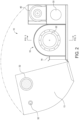
Fig. 2 is a side view of the PEBI System turbine assembly shown inFig. 1 with the hinged outer cover opened for inspection or service. -
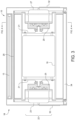
Fig. 3 is a frontal section of the turbine assembly of the PEBI System shown inFig. 1 . -
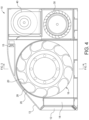
Fig. 4 is a side view section of the PEBI System shown inFig. 1 showing the turbine assembly, the exhaust blower, and emergency generator assemblies of the PEBI System. -
Fig. 5 is a frontal view section of a turbine assembly transmission showing the gear arrangement of the PEBI System shown inFig. 1 . -
Fig. 6 is a side view section of the generator/transmission assembly mounted in a stepped housing, mounted in one end of the barrel turbine impeller assembly of the PEBI System shown inFig. 1 . -
Fig. 7 is a schematic diagram of a generator shaft locking device for use when tandem PEBI Systems are used, as shown inFig. 1 . -
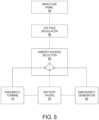
Fig. 8 is a schematic of an energy source selector and the associated energy sources. -
Fig. 9 is a top view of a first battery pack cradle assembly with the battery packs used in the PEBI System shown inFig. 1 . -
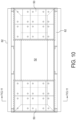
Fig. 10 is a top view of a second battery pack cradle assembly with the battery packs used in the PEBI System shown inFig. 1 . -
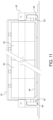
Fig. 11 is a cross-section view of a battery pack cradle assembly and battery pack used in the PEBI System shown inFig. 1 . -
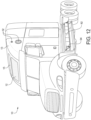
Fig. 12 is an isometric view of a semi-tractor truck with a PEBI System mounted over the driver's cab and the battery pack cradle assembly access door open and the battery pack partially withdrawn into a second position. - The present disclosure provides an electric energy generator and storage system using a wind-driven turbine whose operation is assisted by an air evacuation unit. The system is a power evacuated, barrel impellered, pneumatic electric generating and storage system, referred to by its abbreviation the PEBI System.
- As shown in
Fig. 1 , the energy generator andstorage system 10 can be included in an add-on unit that replaces the air deflector that would accompany a standard tractor unit. Air can flow through afront air inlet 12 facing the front of the tractor unit (i.e., the air inlet facing a front of the vehicle through which air enters when the vehicle is moving forward). Thefront air inlet 12 can include a debris screen to filter the incoming air or dust and debris and to protect the internal components of the energy generator andstorage system 10. - As further shown in
Fig. 1 , the energy generator and storage system 10 (i.e., the PEBI System 10), other than the battery pack cradle and battery packs, may be located inside a hinged cover 13 (e.g., air dam 13) that, in addition to thefront air inlet 12, includes alight bar 15 and screenedside exhaust openings 32, adjacent and venting the space surrounding theevacuation blower 30 andemergency generator assembly 40, each of which is described in further detail below. The hingedcover 13, as shown inFig. 2 , is used to provide easier access to the components for cleaning, service, and repair. -
Fig. 2 shows theradiator 14 through which air from thefront inlet 12 passes through to maintain a constant warm temperature for the air passing through thesystem 10. Theradiator 14 can help maintain a constant warm temperature for the air passing through thesystem 10. This is particularly helpful in the winter in cold-weather climates to reduce the threat of freezing within the system. The hot water or electric supply to theradiator 14 can protect theimpeller 16 that is located just past theradiator 14 from ice, which could cause an imbalance or a complete freeze of thesystem 10. In warmer weather, a thermostat will shut off the hot water supply to theradiator 14 and the inflowing air will remain the same temperature as the surrounding ambient air.Fig. 2 further illustrates the position of theturbine assembly 18, generator/transmission assembly 22,evacuation blower 30, andemergency generator assembly 40. - As shown in
Figs. 3 and4 , the system includes aturbine assembly 18 including multipleimpeller air vanes 20 positioned such that air flowing through theair inlet 12 applies positive pressure to the front of one or moreimpeller air vanes 20 to turn thebarrel impeller assembly 16 and drive one or more generator/transmission assemblies 22. As shown inFigs. 3 and4 , the barrelimpeller air vanes 20 are an integrally formed part of thebarrel impeller 16. - In an example, a
barrel impeller 16 can be positioned in sequence with theradiator 14. Thebarrel impeller 16 can be part of aturbine assembly 18, in which thebarrel impeller 16 drives one or more generator/transmission assemblies 22. In an example, asingle barrel impeller 16 drives a pair of generator/transmission assemblies 22 located on either side of thebarrel impeller 16. Thebarrel impeller 16 can be a radial impeller that includes a plurality ofair vanes 20 located along its outer circumference. The size, shape, and quantity of theimpeller air vanes 20 is variable and can be tuned to match specific desired performance characteristics and environmental considerations. For example, thevanes 20 may be curved to help reduce the back-pressure exerted on thevanes 20 during the rotation of theimpeller 16. In other embodiments, theimpeller air vanes 20 may not be curved. As a further example, theimpeller 16 may be a four-foot long barrel impeller, which is equivalent to the air vane air capture rate of an eight-foot diameter wind mill. - In one example, the
turbine assembly 18 includes aturbine housing 26 including a mounting base with heated water pans anddrainage system 34, a pair of right and left end panels, a top cover panel with a series of back-pressure relief vent holes 28, and a pair of right and left stepped transmission housing panels, all encasing theturbine assembly 18. A pair of left and right end caps 21 may be bolted to theturbine assembly 18 to create a sealed impeller chamber, all as shown inFigs. 3 and4 . Theturbine housing 26 shown inFig. 3 may include, for example, a series of back-pressure relief vent holes 28 located along later stages of the rotation of theimpeller 16. For example, the last 150 degrees of the 360 degrees of rotation may include back-pressure relief vent holes 28 which help to minimize the back-pressure that would build up and slow the rotation of theimpeller 16. These back-pressure relief vent holes 28 improve the efficiency of theturbine assembly 18. The back-pressure relief vent holes 28 may be any number, orientation, shape, configuration, etc. as desired to accomplish the purpose of improving the efficiency of the rotation of theturbine assembly 18. - As the incoming air passes through the
turbine assembly 18 and is captured by the barrelimpeller air vanes 20 causing theimpeller assembly 16 to rotate and drive the generator/transmission assemblies 22, the air flows through to anevacuation blower 30, which discharges the air flow through one or more screenedside air outlets 32. Theevacuation blower 30 creates a negative pressure in the downstream side of theturbine assembly 18 by evacuating air through one or morescreened outlets 32 not facing the front of the vehicle. In the examples of the system in which the pneumaticbarrel impeller assembly 18 includes back-pressure relief vent holes 28, the air can flow to theevacuation blower 30 directly from the pneumaticbarrel impeller assembly 18, as well as through the back-pressure relief vent holes 28. There may be, for example, a single screenedside air outlet 32 on each of the left side and right side (or both) of thePEBI System 10. In other examples, there may bemultiple outlets 32 on each side of the vehicle.Side air outlets 32 are provided to vent the air flowing through theturbine assembly 18 and then evacuated by theblower 30, with separate screened outlets for the emergency generator assembly exhaust. Theside air outlets 32 are employed because they reduce the likelihood of infiltration by snow or rain as compared to anoutlet 32 located along the top surface of thesystem 10. The turbine housing mounting base may also include heated water pans and adrainage system 34 designed to remove any moisture from rain or snow that does manage to infiltrate thePEBI System 10. - The
evacuation blower 30 creates a vacuum, or low-pressure area, within theturbine housing 26, which helps to increase air flow through theturbine assembly 18 by pulling air through thefront air inlet 12 and also pulling air through the turbine housing top panel back-pressure relief vent holes 28 (to reduce drag on the impeller), which increases air flow through theentire turbine assembly 18 and over the front of theimpeller air vanes 20 while creating a negative pressure on the rear of the impeller air vanes, creating more power to rotate theimpeller 16 and drive the generator/transmission assemblies 22 at the designed rpms to create the electric power to operate the vehicle and charge the battery packs as the blower exhausts the air through screened side vents 32. - The
PEBI System 10 may also include anemergency generator assembly 40 located, for example, behind the pneumaticbarrel impeller assembly 18 and above theevacuation blower 30. Theemergency generator assembly 40 may be an internal combustion engine run off fossil fuels. Alternatively, theemergency generator assembly 40 may be any form of generator appropriate for use as a backup in the event of the main system failure. It is contemplated that theemergency generator assembly 40 can be designed to maintain the battery charge (in emergency situations where the turbine generators are not functioning) adequate to operate the vehicle under battery power long enough to reach a repair station or place of shelter to wait for repairs. Accordingly, theemergency generator assembly 40 may take any form of power generator capable of supplying the requisite power to the vehicle under temporary and emergency conditions. - As shown in
Fig. 3 , the generator/transmission assembly 22 can include afirst generator 23 having afirst transmission 25 and asecond generator 27 having asecond transmission 29. For example, the system may include afirst transmission 25 coupling the pneumaticbarrel impeller assembly 18 to afirst generator 23 located on a first side of the pneumaticbarrel impeller assembly 18 along an axis about which the pneumaticbarrel impeller assembly 18 rotates. The system may also include asecond transmission 29 coupling the pneumaticbarrel impeller assembly 18 to asecond generator 27 located on a second side of the pneumaticbarrel impeller assembly 18 along the axis about which the pneumaticbarrel impeller assembly 18 rotates. The rotation of the pneumaticbarrel impeller assembly 18 can drive thefirst generator 23 and thesecond generator 27 simultaneously. Based on the disclosure provided herein, it will be understood by those skilled in the art that the generator/transmission assembly 22 may be a single unit or include any number of associated generator/transmission assemblies 22. -
Fig. 5 illustrates a frontal section through afirst transmission 25 showing a gear arrangement.Fig. 6 is a side view section through thefirst transmission 25 andfirst generator 23. Thesecond transmission 27 is identical to thefirst transmission 25 and, therefore, not independently shown. Each of thefirst transmission 25 and thesecond transmission 29 may include a firstpower transfer gear 70 and an optional secondpower transfer gear 70 engaged with, and balancing the load delivered to, agenerator gear 72. As shown, the firstpower transfer gear 70 and the secondpower transfer gear 70 may be driven by animpeller ring gear 68. - As shown in
Fig. 6 , thefirst transmission 25 andfirst generator 23 operate in coordination with elements including theimpeller end cap 80, anoil seal 81, sealedbearings 83, abearing lock screw 85, a steppedhousing 86, an impeller ring gear bolt andwasher 87, anoil fill tube 88, and anoil drain tube 89. -
Fig 7 is a schematic diagram of a lockingassembly 95, which is used when twoPEBI Systems 10 are used in tandem for high horse power engines. The lockingassembly 95, which includesadjustable nuts 98 and setscrews 93, is designed to fit between the twoPEBI systems 10 and may be used to lock thefirst generator shaft 90 of thefirst PEBI system 10 to thesecond generator shaft 91 of thesecond PEBI system 10 to assure bothPEBI systems 10 rotate in unison. - As shown in
Fig. 8 , thesystem 10 may include an energysource selection module 60 to route energy within the vehicle. The energysource selection module 60 shown inFig. 8 is in electrical connection with theturbine assembly 18, the one or more battery packs 50, anemergency generator assembly 40, and avoltage regulator 56 andfuse panel 54. The energysource selection module 60 selects an energy source to connect to thevoltage regulator 56 andfuse panel 54, wherein the generator/transmission assembly 22, the one or more battery packs 50, and theemergency generator assembly 40 are energy sources available to be selected by the energysource selection module 60. Thevoltage regulator 56 distributes power to thefuse panel 54, which distributes electricity to the necessary components within the vehicle. - As shown in
Figs. 9-11 , the power generated by thesystem 10 is stored in one or more battery packs 50. The battery packs 50 can use recyclable, lead acid deep cycle marine batteries. For example, the system may use 220-minute reserve capacity at 23-amp draw (or better) batteries. Since the batteries are recyclable, their threat to the environment is minimized. The batteries may be joined in ten-unit or twenty-unit battery packs 50. For example, a small horsepower engine (e.g., 250 hp or less) may use two ten-unit battery packs 50, and a large horsepower engine (e.g., over 250 hp) may require two twenty-unit battery packs 50. A high horse power engine may also require twoPEBI Systems 10 in a tandem configuration. The battery packs 50 may be designed to be carried on battery cradles 52 to enable complete battery access for service. If a single battery in apack 50 needs to be replaced, it can be replaced without having to replace theentire battery pack 50. The number of batteries used in eachbattery pack 50 is variable, based on the electrical requirements of the motor being used. It may be noted that, although the battery packs 50 depicted are composed of 12-volt batteries, the batteries are wired in series and, therefore, produce much higher voltage (240v, 360v, 480v, etc.) depending on how many batteries are assembled into eachbattery pack 50. - When the vehicle is in motion, the
PEBI System 10 can both produce electric power to operate the vehicle and charge the battery packs 50. For example, in the primary embodiments contemplated, at posted speed limits of 25 mph or more, thePEBI system 10 can produce adequate power to operate the vehicle motor and all other electric systems and recharge the pattery packs 50. Between 19 and 25 mph, thePEBI system 10 can produce adequate power to recharge and maintain battery charge while vehicle is operating on battery power only. The generator/transmission assembly 22 is driven by theimpeller 16 through fixed ratio gearedtransmissions generators system 10. In one contemplated embodiment, at low speeds (e.g., below 25 mph), thesystem 10 charges the pattery packs 50 with the power generated. At low speeds, the motor and all of the electric systems are operational and driven by battery power. In this embodiment, at higher speeds (e.g., above 25 mph), thesystem 10 generates power to charge the pattery packs 50, drive the vehicle motor, and power the vehicle's electric systems. In some examples, at over 25 mph, thesystem 10 switches the vehicle motor to direct drive from the generators and disconnects the pattery packs 50 from the motor, while continuing to recharge the pattery packs 50 from theturbine assembly 18. Once the pattery packs 50 are fully charged, they may be disconnected from theimpeller 16 until the vehicle has slowed to a speed at which battery power is required for continued operation of the electric motor and systems. - In the system, the generator/
transmission assembly 22 can charge one or more battery packs 50 composed of assemblies of recyclable, lead-acid, deep cycle, marine type, 12-volt batteries. The battery packs 50 are mounted on one or more sliding battery pack cradles 52, each of which can be slid from a first position to a second position via one ormore rollers 84 in aroller channel 82, as shown inFigs. 9-11 . In the first position, the one or more battery packs 50 are located within the vehicle. In the second position, at least a portion of the one or more battery packs 50 is located outside of the vehicle to make it easier to service, or replace, the one or more battery packs 50, as shown inFig. 12 . - In an example, the battery cradles 52 can include a battery
cradle bottom plate 94 to support the pattery packs 50. The pattery packs 50 can be removed or serviced by sliding out thebattery cradle assembly 82 on itsrollers 84 far enough to service the pattery packs 50. Thebattery cradle assembly 82 can be locked in the closed position by the batterycradle locking bar 92, as shown inFigs. 9 ,10 , and11 . As shown inFig. 11 , the pattery packs 50 may be located under abattery cover 79. - In an example, when the vehicle is stopped, the motor and systems other than the lights, HVAC, steering and brakes, can be shut down (e.g. manually and/or automatically shut down), thereby reducing the total electric draw to less than 20 amps. The contemplated battery packs can support a 20 amp draw for several days without charging.
- As noted above, the
PEBI system 10 may be retrofit onto existing vehicles or be aPEBI System 10 provided and installed by the vehicle manufacturer as original equipment. Some examples of the energy generator andstorage system 10 are designed to be a modular, plug-in component system, with the main components of the system being designed and manufactured to be easily disconnected, removed, and replaced, with new plug-in components. A modular design helps to eliminate the need for highly skilled mechanics to do repairs in the field, which reduces down time (i.e., inoperable time) for the vehicles. The status of the individual system components can be monitored from within the cabin such that an operator can easily identify the performance or malfunction of each component. - It should be noted that various changes and modifications to the presently preferred embodiments described herein will be apparent to those skilled in the art. Such changes and modifications may be made without departing from the scope of the present invention and without diminishing its attendant advantages. For example, even though the primary examples of the PEBI system provided herein have focused on use in the trucking industry, those skilled in the art will recognize that the PEBI system can be (and is explicitly intended to be) modified to be used throughout a wide range of vehicles, including the automobile industry.
Claims (13)
- A vehicle mounted energy generator and storage system (10) comprising:an air inlet (12) facing a front of the vehicle through which incoming air enters when the vehicle is moving forward;a turbine assembly (18) including a barrel impeller (16) and one or more air vanes (20) positioned on the barrel impeller (16) such that the incoming air flowing through the air inlet (12) applies positive pressure to a front of the one or more air vanes (20) to turn the barrel impeller (16) and to drive one or more generator/transmission assemblies (22) to supply electric power to one or more battery packs (50) or to provide a direct electric power source to operate the vehicle; andan evacuation blower (30) applying negative air pressure to a rear of the one or more air vanes (20) by evacuating incoming air through one or more air outlets (32) not facing the front of the vehicle,further including a housing (26) surrounding the turbine assembly (18); wherein the housing (26) includes one or more back-pressure relief vent holes (28),characterized in thatthe evacuation blower (30) is located in a chamber and fed air flow through a first opening to a passage creating a low-pressure environment on the second side of the turbine assembly (18) in fluid communication with the one or more back-pressure relief vent holes (28), creating a negative pressure environment on the second side of the turbine assembly (18) and surrounding the upper half of the turbine assembly (18).
- The vehicle mounted energy generator and storage system (10) of claim 1, further including a radiator (14) between the air inlet (12) and the turbine assembly (18) such that the incoming air entering the vehicle is heated towards the temperature of the radiator (14) before reaching the turbine assembly (18).
- The vehicle mounted energy generator and storage system (10) of claim 1, further including an energy source selection module (60) in electrical connection with the one or more generator/transmission assemblies (22), the one or more battery packs, a voltage regulator, and a fuse panel.
- The vehicle mounted energy generator and storage system (10) of claim 3, wherein the energy source selection module (60) selects an energy source to connect to the voltage regulator and the fuse panel, wherein the one or more generator/transmission assemblies (22), the one or more battery packs, and an emergency generator assembly are energy sources available to be selected by the energy source selection module (60).
- The vehicle mounted energy generator and storage system (10) of claim 4, wherein the emergency generator assembly is a fossil fuel driven internal combustion engine.
- The vehicle mounted energy generator and storage system (10) of claim 1, wherein the turbine assembly (18) is a pneumatic barrel impeller turbine assembly (18).
- The vehicle mounted energy generator and storage system (10) of claim 6, wherein the one or more air vanes (20) of the turbine assembly (18) are a plurality of curved impeller air vanes (20).
- The vehicle mounted energy generator and storage system (10) of claim 6, wherein the one or more generator/transmission assemblies (22) includes a first transmission coupling the turbine assembly to a first generator located on a first side of the turbine assembly along an axis about which the turbine assembly (18) rotates and a second transmission coupling the turbine assembly (18) to a second generator located on a second side of the pneumatic barrel turbine assembly (18) along the axis about which the turbine assembly (18) rotates such that the rotation of the turbine assembly (18) drives a first generator/transmission assembly and a second generator/transmission simultaneously and in unison.
- The vehicle mounted energy generator and storage system (10) of claim 8, wherein the air inlet delivers air along a lower half of the turbine assembly (18) at a front side of the turbine assembly (18), the evacuation blower pulls air along the lower half of the turbine assembly (18) along a rear side of the turbine assembly (18), and a housing (26) surrounds the turbine assembly (18) and includes one or more back-pressure relief vent holes along a portion of the housing (26) enclosing an upper half of the turbine assembly (18).
- The vehicle mounted energy generator and storage system (10) of claim 8, wherein each of the first transmission and the second transmission includes a first power transfer gear and a second power transfer gear engaged with, and balancing the load delivered to, a generator gear, wherein the first power transfer gear and the second power transfer gear are driven by an impeller ring gear.
- The vehicle mounted energy generator and storage system (10) of claim 1, wherein the one or more battery packs (50) include a plurality of recyclable, lead-acid, deep cycle, marine type, 12-volt batteries.
- The vehicle mounted energy generator and storage system (10) of claim 11, wherein the one or more battery packs (50) are mounted on one or more sliding battery pack cradles, each of which can be slid from a first position to a second position, wherein, in the first position, the one or more battery packs are located within the vehicle and, in the second position, at least a portion of the one or more battery packs (50) is located outside of the vehicle.
- The vehicle mounted energy generator and storage system (10) of claim 1, wherein the energy generator and storage system is retrofit onto the vehicle; or wherein the vehicle is a tractor unit of a semi-tractor and trailer truck; or wherein the outlet faces a right side or a left side of the vehicle.
Applications Claiming Priority (2)
| Application Number | Priority Date | Filing Date | Title |
|---|---|---|---|
| US16/559,133 US10655604B1 (en) | 2019-09-03 | 2019-09-03 | Power evacuated, barrel impellered, pneumatic electric generating and storage system and methods (PEBI system) |
| PCT/US2020/049192 WO2021046213A1 (en) | 2019-09-03 | 2020-09-03 | Power evacuated, barrel impellered, pneumatic electric generating and storage system and methods (pebi system) |
Publications (4)
| Publication Number | Publication Date |
|---|---|
| EP4025783A1 EP4025783A1 (en) | 2022-07-13 |
| EP4025783A4 EP4025783A4 (en) | 2023-09-06 |
| EP4025783C0 EP4025783C0 (en) | 2025-07-02 |
| EP4025783B1 true EP4025783B1 (en) | 2025-07-02 |
Family
ID=70736295
Family Applications (1)
| Application Number | Title | Priority Date | Filing Date |
|---|---|---|---|
| EP20860390.2A Active EP4025783B1 (en) | 2019-09-03 | 2020-09-03 | Power evacuated, barrel impellered, pneumatic electric generating and storage system and methods (pebi system) |
Country Status (7)
| Country | Link |
|---|---|
| US (2) | US10655604B1 (en) |
| EP (1) | EP4025783B1 (en) |
| KR (1) | KR102519295B1 (en) |
| AU (1) | AU2020342532B2 (en) |
| CA (1) | CA3150006C (en) |
| ES (1) | ES3039961T3 (en) |
| WO (1) | WO2021046213A1 (en) |
Families Citing this family (8)
| Publication number | Priority date | Publication date | Assignee | Title |
|---|---|---|---|---|
| US11746751B1 (en) * | 2018-02-03 | 2023-09-05 | Carlos Gabriel Oroza | Airflow power generating apparatus |
| US11267335B1 (en) * | 2018-11-27 | 2022-03-08 | Cecil Knickerbocker | Electric vehicle with power controller for distributing and enhancing energy from a generator |
| US10655604B1 (en) * | 2019-09-03 | 2020-05-19 | James R. Parker | Power evacuated, barrel impellered, pneumatic electric generating and storage system and methods (PEBI system) |
| US11639100B1 (en) * | 2021-12-07 | 2023-05-02 | Chuil Peter Kim | Wind charger for vehicle |
| CN115405375A (en) * | 2022-09-19 | 2022-11-29 | 长沙捷尔美环卫机械设备有限公司 | Gas kinetic energy recovery device and electric sanitation vehicle applying same |
| US12129835B1 (en) | 2024-03-27 | 2024-10-29 | Purus Power Corporation | Vehicular wind turbine system for drag reduction |
| US12292035B1 (en) | 2024-09-25 | 2025-05-06 | Purus Power Corporation | Wind turbine system for power generation |
| US12234810B1 (en) | 2024-09-25 | 2025-02-25 | Purus Power Corporation | Wind turbine system for power generation |
Family Cites Families (88)
| Publication number | Priority date | Publication date | Assignee | Title |
|---|---|---|---|---|
| US3444946A (en) * | 1966-10-03 | 1969-05-20 | Nelson J Waterbury | Self-electric-powered vehicle |
| US3556239A (en) * | 1968-09-23 | 1971-01-19 | Joseph W Spahn | Electrically driven vehicle |
| US3621930A (en) * | 1969-10-22 | 1971-11-23 | David D Dutchak | System of electricity generation for motor-driven vehicles |
| US3713503A (en) * | 1971-03-01 | 1973-01-30 | H Haan | Vehicle generator system |
| US3878913A (en) * | 1972-12-15 | 1975-04-22 | Clc Corp | Generating system for an electric vehicle |
| US3876925A (en) * | 1974-01-02 | 1975-04-08 | Christian Stoeckert | Wind turbine driven generator to recharge batteries in electric vehicles |
| US4141425A (en) * | 1976-08-04 | 1979-02-27 | L. L. Payne | Means for generating electrical energy for vehicle |
| US4075545A (en) * | 1976-12-06 | 1978-02-21 | Haberer Merle D | Charging system for automobile batteries |
| US4168759A (en) * | 1977-10-06 | 1979-09-25 | Hull R Dell | Automobile with wind driven generator |
| US4179007A (en) * | 1978-06-01 | 1979-12-18 | Howe Robert R | Wind operated power generating apparatus |
| US4327808A (en) * | 1979-06-19 | 1982-05-04 | Howard H Gordon | Aerodynamic propeller-driven land vehicle |
| US4254843A (en) * | 1979-07-20 | 1981-03-10 | Han Joon H | Electrically powered vehicle |
| US4314160A (en) * | 1980-04-25 | 1982-02-02 | Leon Boodman | Wind turbine generator for electrical powered vehicles |
| US4423368A (en) * | 1980-11-17 | 1983-12-27 | Bussiere Jean L | Turbine air battery charger & power unit |
| US4424452A (en) * | 1982-01-19 | 1984-01-03 | Francis Paul T | Fluid-driven power generator |
| US5141173A (en) * | 1991-08-12 | 1992-08-25 | Lay Joachim E | Pressure-jet and ducted fan hybrid electric car |
| JP3125198B2 (en) * | 1991-12-04 | 2001-01-15 | 本田技研工業株式会社 | Battery temperature control device for electric vehicle |
| US5296746A (en) * | 1992-12-17 | 1994-03-22 | Burkhardt Harry E | Extended range charging system for electrical vehicle |
| US5280827A (en) * | 1992-12-22 | 1994-01-25 | Cletus L. Taylor | Venturi effect charging system for automobile batteries |
| US5680032A (en) * | 1995-12-19 | 1997-10-21 | Spinmotor, Inc. | Wind-powered battery charging system |
| US5850108A (en) * | 1996-10-04 | 1998-12-15 | Bernard; Samuel | Fluid flow power generation system with foil |
| US6138781A (en) * | 1997-08-13 | 2000-10-31 | Hakala; James R. | System for generating electricity in a vehicle |
| US5986429A (en) * | 1998-06-29 | 1999-11-16 | Mula, Jr.; John | Battery charging system for electric vehicles |
| US6373145B1 (en) * | 1999-05-10 | 2002-04-16 | Dennis E. Hamrick | Ram air electrical generator/charging system |
| US20020066608A1 (en) * | 2000-12-04 | 2002-06-06 | Guenard Edward F. | Electric powered vehicle with turbine generator |
| US20020153178A1 (en) * | 2001-04-23 | 2002-10-24 | Paul Limonius | Regenerative electric vehicle |
| AT5483U1 (en) * | 2001-07-02 | 2002-07-25 | Avl List Gmbh | SHUTTER FOR LOCKING OPENINGS |
| CA2357580A1 (en) * | 2001-09-21 | 2003-03-21 | Shiang-Huei Wu | Multiple installation variegated generators for fossil fuel- and electric-powered vehicles |
| US20030155464A1 (en) * | 2002-02-20 | 2003-08-21 | Da-Chen Tseng | Device of wind electric power on transportation vehicles |
| AU2003208641A1 (en) * | 2002-03-04 | 2003-09-16 | Ju Cheol Park | Automobiles using both wind power and electric power |
| US7147069B2 (en) * | 2002-05-08 | 2006-12-12 | Maberry Robert L | Wind turbine driven generator system for a motor vehicle |
| US6838782B2 (en) * | 2002-11-05 | 2005-01-04 | Thomas H. Vu | Wind energy capturing device for moving vehicles |
| US6857492B1 (en) * | 2003-01-09 | 2005-02-22 | Airflow driven electrical generator for a moving vehicle | |
| US7445064B2 (en) * | 2003-04-07 | 2008-11-04 | Jay Eung Jung Kim | Vehicle using wind force |
| US6897575B1 (en) * | 2003-04-16 | 2005-05-24 | Xiaoying Yu | Portable wind power apparatus for electric vehicles |
| US6882059B1 (en) * | 2003-04-28 | 2005-04-19 | Depaoli Michael | Vehical wind operated generator |
| US20050121242A1 (en) * | 2003-12-04 | 2005-06-09 | Gerald M. Robinson | Motor vehicle energy recovery system |
| US7398841B2 (en) * | 2004-05-17 | 2008-07-15 | Jay Stephen Kaufman | Vehicle power assist by brake, shock, solar, and wind energy recovery |
| IL165233A (en) * | 2004-11-16 | 2013-06-27 | Israel Hirshberg | Energy conversion device |
| US7434636B2 (en) * | 2005-03-18 | 2008-10-14 | Sutherland Danilo R | Power system for electric and hybrid vehicles |
| US20070126238A1 (en) * | 2005-12-07 | 2007-06-07 | Justo Augusto | Apparatus for increasing motor vehicle fuel efficiency |
| US7135786B1 (en) * | 2006-02-11 | 2006-11-14 | Edward Deets | Wind driven generator for powered vehicles |
| US7802641B2 (en) * | 2008-02-11 | 2010-09-28 | John Friedmann | Wind-powered, battery-energized electric vehicle |
| US20090314567A1 (en) * | 2008-06-20 | 2009-12-24 | Mark Harrington | Electric power tunnel apparatus |
| US8098040B1 (en) * | 2008-06-25 | 2012-01-17 | David Chandler Botto | Ram air driven turbine generator battery charging system using control of turbine generator torque to extend the range of an electric vehicle |
| WO2010004551A1 (en) * | 2008-07-06 | 2010-01-14 | Rahamim Haddad | Wind driven generator for vehicles |
| US8162589B2 (en) * | 2008-11-17 | 2012-04-24 | Brian Moore | Moving fluid energy recovery system |
| US8834092B2 (en) * | 2009-03-24 | 2014-09-16 | Kyushu University, National University Corporation | Fluid machine, wind turbine, and method for increasing velocity of internal flow of fluid machine, utilizing unsteady flow |
| US7665554B1 (en) * | 2009-04-21 | 2010-02-23 | Walsh Richard T | Recharging system for electrically powered vehicle, and vehicle incorporating same |
| US20110037261A1 (en) * | 2009-08-11 | 2011-02-17 | KTCR Holding, Inc. | System And Method For Producing Electrical Power |
| US7808121B1 (en) * | 2009-09-02 | 2010-10-05 | Kenergy Development Corp. | Vehicle with electricity generating, braking wind turbine |
| SG182551A1 (en) * | 2010-01-19 | 2012-08-30 | Wattenberg Ind Llc | Low-profile power-generating wind turbine |
| US8436485B1 (en) * | 2010-02-22 | 2013-05-07 | Leo Smith | Wind powered turbine motor for motor vehicles |
| US20110277467A1 (en) * | 2010-05-12 | 2011-11-17 | Martin Dravis | Hybrid air turbine engine with heat recapture system for moving vehicle |
| US8476863B2 (en) * | 2010-05-17 | 2013-07-02 | Mitchell Andrew Paasch | Energy storage and charging system for a vehicle |
| US10001110B2 (en) * | 2010-06-29 | 2018-06-19 | Richard Rogers | Wind-driven electric generator array |
| US9059601B2 (en) * | 2010-06-29 | 2015-06-16 | Richard Rogers | Wind-driven recharger for vehicle battery |
| US9647487B2 (en) * | 2010-06-29 | 2017-05-09 | Richard Rogers | Wind-driven recharger for vehicle battery |
| US20120299526A1 (en) * | 2011-05-23 | 2012-11-29 | Steven Rene Lambert | Perpetual EV split power system |
| CA2782087A1 (en) * | 2011-07-05 | 2013-01-05 | Glenn Trachsell | Wind energy transfer system |
| US9522379B2 (en) * | 2011-08-12 | 2016-12-20 | Mcalister Technologies, Llc | Reducing and/or harvesting drag energy from transport vehicles, including for chemical reactors, and associated systems and methods |
| US8967302B2 (en) * | 2011-08-16 | 2015-03-03 | Don Tran | Vehicle air turbine |
| US20130063071A1 (en) * | 2011-09-09 | 2013-03-14 | Donnell Lee Walters | Forced Air Turbine Electric Automobile (FATE) |
| US8344534B2 (en) * | 2011-11-04 | 2013-01-01 | Owens Andrew J | System for a vehicle to capture energy from environmental air movement |
| US8220570B1 (en) * | 2011-12-14 | 2012-07-17 | Knickerbocker Cecil G | Electric vehicle with energy producing system and method of using the same |
| US8579054B2 (en) * | 2011-12-14 | 2013-11-12 | Cecil G. Knickerbocker | Electric vehicle with energy producing system and method of using the same |
| JP5869724B2 (en) * | 2012-03-27 | 2016-02-24 | 台湾立凱緑能移動股▲ふん▼有限公司 | Removable battery fixing assembly for electric vehicle and fixing method thereof |
| US10358038B1 (en) * | 2012-05-14 | 2019-07-23 | Peter W. Ripley | Wind turbine for electric car |
| US9428061B1 (en) * | 2012-05-14 | 2016-08-30 | Peter W. Ripley | Wind turbine for electric car |
| US8513828B1 (en) * | 2012-05-14 | 2013-08-20 | Peter W. Ripley | Wind turbine for electric car |
| US11448189B2 (en) * | 2014-02-24 | 2022-09-20 | Paul C. Dietzel | Power generation and propulsion architecture using fluid flow |
| US9566954B2 (en) * | 2014-03-10 | 2017-02-14 | Max Moskowitz | Vehicular accessory |
| US9731608B1 (en) * | 2015-11-03 | 2017-08-15 | Cecil Knickerbocker | Electric vehicle with energy producing system and method of using the same |
| US9802492B2 (en) * | 2015-12-07 | 2017-10-31 | Smart Auto Labs Inc. | Vehicle drag reduction and electricity generation system |
| US10500963B2 (en) * | 2015-12-07 | 2019-12-10 | Smart Auto Labs Inc. | Vehicle drag reduction and electricity generation system |
| US11124063B2 (en) * | 2016-01-18 | 2021-09-21 | Peter Albrecht | Turbine system for saving energy in a vehicle |
| US20170276120A1 (en) * | 2016-03-22 | 2017-09-28 | Ashot G Petrosyan | Energy generation and accumulation system |
| US10160329B2 (en) * | 2016-04-04 | 2018-12-25 | Pierre Abou-Zeid | Electrical vehicle charging system |
| CN205706548U (en) * | 2016-04-29 | 2016-11-23 | 卢定勇 | A kind of automobile wind-power generation structure |
| US10160330B2 (en) * | 2016-11-07 | 2018-12-25 | Chuil Peter Kim | Wind powered system for vehicles |
| KR20170023897A (en) * | 2017-02-10 | 2017-03-06 | 박진규 | Wind power generation device for electric car |
| US20190157899A1 (en) * | 2017-11-20 | 2019-05-23 | Gissel Barrera Bailey | WIND OR WATER DRIVEN ELECTRIC GENERATOR USED TO RECHARGE Li-ION BATTERIES IN FIELD APPLICATIONS |
| US10563897B2 (en) * | 2018-02-13 | 2020-02-18 | Carrier Corporation | Transport refrigeration unit with a renewable energy source and method of operation |
| US10173533B1 (en) * | 2018-04-13 | 2019-01-08 | Brett W. Bird | Forced air battery charging system |
| WO2020014950A1 (en) * | 2018-07-20 | 2020-01-23 | 李受勋 | Wind-driven and self-driven power generation apparatus |
| US10479197B1 (en) * | 2018-12-24 | 2019-11-19 | Chuil Peter Kim | Wind powered system for vehicles |
| US10655604B1 (en) * | 2019-09-03 | 2020-05-19 | James R. Parker | Power evacuated, barrel impellered, pneumatic electric generating and storage system and methods (PEBI system) |
| US20210122249A1 (en) * | 2019-10-23 | 2021-04-29 | Zero Electrical Vehicles Corp. | Wind Based Electrical Generation System for Vehicles. |
-
2019
- 2019-09-03 US US16/559,133 patent/US10655604B1/en active Active
-
2020
- 2020-05-18 US US16/877,420 patent/US11136964B2/en active Active
- 2020-09-03 KR KR1020227010783A patent/KR102519295B1/en active Active
- 2020-09-03 WO PCT/US2020/049192 patent/WO2021046213A1/en not_active Ceased
- 2020-09-03 ES ES20860390T patent/ES3039961T3/en active Active
- 2020-09-03 EP EP20860390.2A patent/EP4025783B1/en active Active
- 2020-09-03 AU AU2020342532A patent/AU2020342532B2/en active Active
- 2020-09-03 CA CA3150006A patent/CA3150006C/en active Active
Also Published As
| Publication number | Publication date |
|---|---|
| ES3039961T3 (en) | 2025-10-28 |
| CA3150006A1 (en) | 2021-03-11 |
| US20210062789A1 (en) | 2021-03-04 |
| KR20220143632A (en) | 2022-10-25 |
| EP4025783A4 (en) | 2023-09-06 |
| KR102519295B1 (en) | 2023-04-11 |
| US10655604B1 (en) | 2020-05-19 |
| EP4025783C0 (en) | 2025-07-02 |
| EP4025783A1 (en) | 2022-07-13 |
| AU2020342532A1 (en) | 2022-04-14 |
| US11136964B2 (en) | 2021-10-05 |
| CA3150006C (en) | 2022-10-18 |
| WO2021046213A1 (en) | 2021-03-11 |
| AU2020342532B2 (en) | 2022-10-06 |
Similar Documents
| Publication | Publication Date | Title |
|---|---|---|
| EP4025783B1 (en) | Power evacuated, barrel impellered, pneumatic electric generating and storage system and methods (pebi system) | |
| US12043102B2 (en) | Electrified vehicle roof-mounted backup battery | |
| US20110260470A1 (en) | Tribrid electric transportation system | |
| CA2673221C (en) | Self-charging electrical car with wind energy recovery system | |
| US8631885B2 (en) | Multi-use dual-engine, variable-power drive | |
| US20100193260A1 (en) | Electric car with maximized solar assist | |
| US20090145674A1 (en) | Hybrid electric vehicle | |
| US9428061B1 (en) | Wind turbine for electric car | |
| US20110266075A1 (en) | Energy Generation System for Electric, Hybrid and Conventional Vehicles | |
| US20120085587A1 (en) | Wind Power for Electric Cars | |
| CN212219927U (en) | Fuel cell logistics vehicle | |
| Harding | Electric vehicles in the next millennium | |
| US20230264585A1 (en) | Charging System for Electrical Vehicles | |
| US20220348088A1 (en) | Solar Windmill Car | |
| US20050210858A1 (en) | Scoop generator | |
| GB2566530A (en) | Vehicles driven by electric motors powered by onboard rechargeable batteries | |
| CN101780761A (en) | Automobile driven by high-pressure air | |
| US20140326520A1 (en) | Kinetic power system for vehicles | |
| WO1999001919A1 (en) | System for drag reduction of vehicles and for battery charging | |
| US20080111519A1 (en) | Hybrid automotive vehicle with closed-circuit battery charging | |
| CN114013301B (en) | Dual-path energy-supply bus and energy supply method | |
| US20080110485A1 (en) | Hybrid automotive vehicle with solar battery charging | |
| CA2471153A1 (en) | Vehicle with electric co-generation by solar & wind power | |
| WO2021048877A1 (en) | Inverter base technology for electric vehicle by renewable energy | |
| DE102009023770A1 (en) | Energetically autonomous electric automobile, has current generator producing current, where current is produced during holding or standstill in garage, until onboard batteries are fully charged |
Legal Events
| Date | Code | Title | Description |
|---|---|---|---|
| STAA | Information on the status of an ep patent application or granted ep patent |
Free format text: STATUS: THE INTERNATIONAL PUBLICATION HAS BEEN MADE |
|
| PUAI | Public reference made under article 153(3) epc to a published international application that has entered the european phase |
Free format text: ORIGINAL CODE: 0009012 |
|
| STAA | Information on the status of an ep patent application or granted ep patent |
Free format text: STATUS: REQUEST FOR EXAMINATION WAS MADE |
|
| 17P | Request for examination filed |
Effective date: 20220331 |
|
| AK | Designated contracting states |
Kind code of ref document: A1 Designated state(s): AL AT BE BG CH CY CZ DE DK EE ES FI FR GB GR HR HU IE IS IT LI LT LU LV MC MK MT NL NO PL PT RO RS SE SI SK SM TR |
|
| DAV | Request for validation of the european patent (deleted) | ||
| DAX | Request for extension of the european patent (deleted) | ||
| A4 | Supplementary search report drawn up and despatched |
Effective date: 20230808 |
|
| RIC1 | Information provided on ipc code assigned before grant |
Ipc: B60H 1/22 20060101ALI20230802BHEP Ipc: F03D 7/02 20060101ALI20230802BHEP Ipc: F03D 9/32 20160101AFI20230802BHEP |
|
| STAA | Information on the status of an ep patent application or granted ep patent |
Free format text: STATUS: EXAMINATION IS IN PROGRESS |
|
| 17Q | First examination report despatched |
Effective date: 20240527 |
|
| GRAP | Despatch of communication of intention to grant a patent |
Free format text: ORIGINAL CODE: EPIDOSNIGR1 |
|
| STAA | Information on the status of an ep patent application or granted ep patent |
Free format text: STATUS: GRANT OF PATENT IS INTENDED |
|
| INTG | Intention to grant announced |
Effective date: 20250127 |
|
| GRAS | Grant fee paid |
Free format text: ORIGINAL CODE: EPIDOSNIGR3 |
|
| GRAA | (expected) grant |
Free format text: ORIGINAL CODE: 0009210 |
|
| STAA | Information on the status of an ep patent application or granted ep patent |
Free format text: STATUS: THE PATENT HAS BEEN GRANTED |
|
| AK | Designated contracting states |
Kind code of ref document: B1 Designated state(s): AL AT BE BG CH CY CZ DE DK EE ES FI FR GB GR HR HU IE IS IT LI LT LU LV MC MK MT NL NO PL PT RO RS SE SI SK SM TR |
|
| REG | Reference to a national code |
Ref country code: GB Ref legal event code: FG4D |
|
| REG | Reference to a national code |
Ref country code: CH Ref legal event code: EP |
|
| REG | Reference to a national code |
Ref country code: DE Ref legal event code: R096 Ref document number: 602020053974 Country of ref document: DE |
|
| REG | Reference to a national code |
Ref country code: IE Ref legal event code: FG4D |
|
| U01 | Request for unitary effect filed |
Effective date: 20250804 |
|
| U07 | Unitary effect registered |
Designated state(s): AT BE BG DE DK EE FI FR IT LT LU LV MT NL PT RO SE SI Effective date: 20250912 |
|
| PGFP | Annual fee paid to national office [announced via postgrant information from national office to epo] |
Ref country code: GB Payment date: 20250929 Year of fee payment: 6 |
|
| REG | Reference to a national code |
Ref country code: ES Ref legal event code: FG2A Ref document number: 3039961 Country of ref document: ES Kind code of ref document: T3 Effective date: 20251028 |
|
| U20 | Renewal fee for the european patent with unitary effect paid |
Year of fee payment: 6 Effective date: 20250925 |
|
| PG25 | Lapsed in a contracting state [announced via postgrant information from national office to epo] |
Ref country code: IS Free format text: LAPSE BECAUSE OF FAILURE TO SUBMIT A TRANSLATION OF THE DESCRIPTION OR TO PAY THE FEE WITHIN THE PRESCRIBED TIME-LIMIT Effective date: 20251102 |
|
| PG25 | Lapsed in a contracting state [announced via postgrant information from national office to epo] |
Ref country code: NO Free format text: LAPSE BECAUSE OF FAILURE TO SUBMIT A TRANSLATION OF THE DESCRIPTION OR TO PAY THE FEE WITHIN THE PRESCRIBED TIME-LIMIT Effective date: 20251002 |
|
| PG25 | Lapsed in a contracting state [announced via postgrant information from national office to epo] |
Ref country code: HR Free format text: LAPSE BECAUSE OF FAILURE TO SUBMIT A TRANSLATION OF THE DESCRIPTION OR TO PAY THE FEE WITHIN THE PRESCRIBED TIME-LIMIT Effective date: 20250702 |
|
| PG25 | Lapsed in a contracting state [announced via postgrant information from national office to epo] |
Ref country code: GR Free format text: LAPSE BECAUSE OF FAILURE TO SUBMIT A TRANSLATION OF THE DESCRIPTION OR TO PAY THE FEE WITHIN THE PRESCRIBED TIME-LIMIT Effective date: 20251003 |
|
| PG25 | Lapsed in a contracting state [announced via postgrant information from national office to epo] |
Ref country code: CZ Free format text: LAPSE BECAUSE OF FAILURE TO SUBMIT A TRANSLATION OF THE DESCRIPTION OR TO PAY THE FEE WITHIN THE PRESCRIBED TIME-LIMIT Effective date: 20250702 |
|
| PG25 | Lapsed in a contracting state [announced via postgrant information from national office to epo] |
Ref country code: PL Free format text: LAPSE BECAUSE OF FAILURE TO SUBMIT A TRANSLATION OF THE DESCRIPTION OR TO PAY THE FEE WITHIN THE PRESCRIBED TIME-LIMIT Effective date: 20250702 |
|
| PG25 | Lapsed in a contracting state [announced via postgrant information from national office to epo] |
Ref country code: RS Free format text: LAPSE BECAUSE OF FAILURE TO SUBMIT A TRANSLATION OF THE DESCRIPTION OR TO PAY THE FEE WITHIN THE PRESCRIBED TIME-LIMIT Effective date: 20251002 |
|
| PGFP | Annual fee paid to national office [announced via postgrant information from national office to epo] |
Ref country code: ES Payment date: 20251107 Year of fee payment: 6 |
|
| PG25 | Lapsed in a contracting state [announced via postgrant information from national office to epo] |
Ref country code: SM Free format text: LAPSE BECAUSE OF FAILURE TO SUBMIT A TRANSLATION OF THE DESCRIPTION OR TO PAY THE FEE WITHIN THE PRESCRIBED TIME-LIMIT Effective date: 20250702 |
|
| PG25 | Lapsed in a contracting state [announced via postgrant information from national office to epo] |
Ref country code: SK Free format text: LAPSE BECAUSE OF FAILURE TO SUBMIT A TRANSLATION OF THE DESCRIPTION OR TO PAY THE FEE WITHIN THE PRESCRIBED TIME-LIMIT Effective date: 20250702 |