EP3978041B1 - Autonomes sammelsystem für medizinische abfälle - Google Patents
Autonomes sammelsystem für medizinische abfälle Download PDFInfo
- Publication number
- EP3978041B1 EP3978041B1 EP21205926.5A EP21205926A EP3978041B1 EP 3978041 B1 EP3978041 B1 EP 3978041B1 EP 21205926 A EP21205926 A EP 21205926A EP 3978041 B1 EP3978041 B1 EP 3978041B1
- Authority
- EP
- European Patent Office
- Prior art keywords
- disposal
- waste collection
- medical waste
- assembly
- controller
- Prior art date
- Legal status (The legal status is an assumption and is not a legal conclusion. Google has not performed a legal analysis and makes no representation as to the accuracy of the status listed.)
- Active
Links
Images





Classifications
-
- A—HUMAN NECESSITIES
- A61—MEDICAL OR VETERINARY SCIENCE; HYGIENE
- A61M—DEVICES FOR INTRODUCING MEDIA INTO, OR ONTO, THE BODY; DEVICES FOR TRANSDUCING BODY MEDIA OR FOR TAKING MEDIA FROM THE BODY; DEVICES FOR PRODUCING OR ENDING SLEEP OR STUPOR
- A61M1/00—Suction or pumping devices for medical purposes; Devices for carrying-off, for treatment of, or for carrying-over, body-liquids; Drainage systems
-
- A—HUMAN NECESSITIES
- A61—MEDICAL OR VETERINARY SCIENCE; HYGIENE
- A61B—DIAGNOSIS; SURGERY; IDENTIFICATION
- A61B90/00—Instruments, implements or accessories specially adapted for surgery or diagnosis and not covered by any of the groups A61B1/00 - A61B50/00, e.g. for luxation treatment or for protecting wound edges
-
- A—HUMAN NECESSITIES
- A61—MEDICAL OR VETERINARY SCIENCE; HYGIENE
- A61M—DEVICES FOR INTRODUCING MEDIA INTO, OR ONTO, THE BODY; DEVICES FOR TRANSDUCING BODY MEDIA OR FOR TAKING MEDIA FROM THE BODY; DEVICES FOR PRODUCING OR ENDING SLEEP OR STUPOR
- A61M1/00—Suction or pumping devices for medical purposes; Devices for carrying-off, for treatment of, or for carrying-over, body-liquids; Drainage systems
- A61M1/60—Containers for suction drainage, adapted to be used with an external suction source
- A61M1/63—Containers for suction drainage, adapted to be used with an external suction source with means for emptying the suction container, e.g. by interrupting suction
-
- B—PERFORMING OPERATIONS; TRANSPORTING
- B60—VEHICLES IN GENERAL
- B60L—PROPULSION OF ELECTRICALLY-PROPELLED VEHICLES; SUPPLYING ELECTRIC POWER FOR AUXILIARY EQUIPMENT OF ELECTRICALLY-PROPELLED VEHICLES; ELECTRODYNAMIC BRAKE SYSTEMS FOR VEHICLES IN GENERAL; MAGNETIC SUSPENSION OR LEVITATION FOR VEHICLES; MONITORING OPERATING VARIABLES OF ELECTRICALLY-PROPELLED VEHICLES; ELECTRIC SAFETY DEVICES FOR ELECTRICALLY-PROPELLED VEHICLES
- B60L53/00—Methods of charging batteries, specially adapted for electric vehicles; Charging stations or on-board charging equipment therefor; Exchange of energy storage elements in electric vehicles
- B60L53/30—Constructional details of charging stations
- B60L53/35—Means for automatic or assisted adjustment of the relative position of charging devices and vehicles
- B60L53/36—Means for automatic or assisted adjustment of the relative position of charging devices and vehicles by positioning the vehicle
-
- G—PHYSICS
- G05—CONTROLLING; REGULATING
- G05D—SYSTEMS FOR CONTROLLING OR REGULATING NON-ELECTRIC VARIABLES
- G05D1/00—Control of position, course, altitude or attitude of land, water, air or space vehicles, e.g. using automatic pilots
- G05D1/0088—Control of position, course, altitude or attitude of land, water, air or space vehicles, e.g. using automatic pilots characterized by the autonomous decision making process, e.g. artificial intelligence, predefined behaviours
-
- G—PHYSICS
- G05—CONTROLLING; REGULATING
- G05D—SYSTEMS FOR CONTROLLING OR REGULATING NON-ELECTRIC VARIABLES
- G05D1/00—Control of position, course, altitude or attitude of land, water, air or space vehicles, e.g. using automatic pilots
- G05D1/02—Control of position or course in two dimensions
-
- G—PHYSICS
- G05—CONTROLLING; REGULATING
- G05D—SYSTEMS FOR CONTROLLING OR REGULATING NON-ELECTRIC VARIABLES
- G05D1/00—Control of position, course, altitude or attitude of land, water, air or space vehicles, e.g. using automatic pilots
- G05D1/02—Control of position or course in two dimensions
- G05D1/021—Control of position or course in two dimensions specially adapted to land vehicles
- G05D1/0231—Control of position or course in two dimensions specially adapted to land vehicles using optical position detecting means
- G05D1/0234—Control of position or course in two dimensions specially adapted to land vehicles using optical position detecting means using optical markers or beacons
-
- G—PHYSICS
- G05—CONTROLLING; REGULATING
- G05D—SYSTEMS FOR CONTROLLING OR REGULATING NON-ELECTRIC VARIABLES
- G05D1/00—Control of position, course, altitude or attitude of land, water, air or space vehicles, e.g. using automatic pilots
- G05D1/02—Control of position or course in two dimensions
- G05D1/03—Control of position or course in two dimensions using near-field transmission systems, e.g. inductive-loop type
-
- G—PHYSICS
- G05—CONTROLLING; REGULATING
- G05D—SYSTEMS FOR CONTROLLING OR REGULATING NON-ELECTRIC VARIABLES
- G05D1/00—Control of position, course, altitude or attitude of land, water, air or space vehicles, e.g. using automatic pilots
- G05D1/20—Control system inputs
- G05D1/24—Arrangements for determining position or orientation
- G05D1/244—Arrangements for determining position or orientation using passive navigation aids external to the vehicle, e.g. markers, reflectors or magnetic means
-
- G—PHYSICS
- G05—CONTROLLING; REGULATING
- G05D—SYSTEMS FOR CONTROLLING OR REGULATING NON-ELECTRIC VARIABLES
- G05D1/00—Control of position, course, altitude or attitude of land, water, air or space vehicles, e.g. using automatic pilots
- G05D1/60—Intended control result
- G05D1/656—Interaction with payloads or external entities
- G05D1/661—Docking at a base station
-
- H—ELECTRICITY
- H02—GENERATION; CONVERSION OR DISTRIBUTION OF ELECTRIC POWER
- H02J—ELECTRIC POWER NETWORKS; CIRCUIT ARRANGEMENTS OR SYSTEMS FOR SUPPLYING OR DISTRIBUTING ELECTRIC POWER; SYSTEMS FOR STORING ELECTRIC ENERGY
- H02J50/00—Circuit arrangements or systems for wireless supply or distribution of electric power
-
- H—ELECTRICITY
- H02—GENERATION; CONVERSION OR DISTRIBUTION OF ELECTRIC POWER
- H02J—ELECTRIC POWER NETWORKS; CIRCUIT ARRANGEMENTS OR SYSTEMS FOR SUPPLYING OR DISTRIBUTING ELECTRIC POWER; SYSTEMS FOR STORING ELECTRIC ENERGY
- H02J7/00—Circuit arrangements for charging or discharging batteries or for supplying loads from batteries
-
- H—ELECTRICITY
- H04—ELECTRIC COMMUNICATION TECHNIQUE
- H04W—WIRELESS COMMUNICATION NETWORKS
- H04W4/00—Services specially adapted for wireless communication networks; Facilities therefor
- H04W4/02—Services making use of location information
- H04W4/024—Guidance services
-
- H—ELECTRICITY
- H04—ELECTRIC COMMUNICATION TECHNIQUE
- H04W—WIRELESS COMMUNICATION NETWORKS
- H04W4/00—Services specially adapted for wireless communication networks; Facilities therefor
- H04W4/02—Services making use of location information
- H04W4/029—Location-based management or tracking services
-
- H—ELECTRICITY
- H04—ELECTRIC COMMUNICATION TECHNIQUE
- H04W—WIRELESS COMMUNICATION NETWORKS
- H04W4/00—Services specially adapted for wireless communication networks; Facilities therefor
- H04W4/30—Services specially adapted for particular environments, situations or purposes
- H04W4/38—Services specially adapted for particular environments, situations or purposes for collecting sensor information
-
- A—HUMAN NECESSITIES
- A61—MEDICAL OR VETERINARY SCIENCE; HYGIENE
- A61M—DEVICES FOR INTRODUCING MEDIA INTO, OR ONTO, THE BODY; DEVICES FOR TRANSDUCING BODY MEDIA OR FOR TAKING MEDIA FROM THE BODY; DEVICES FOR PRODUCING OR ENDING SLEEP OR STUPOR
- A61M2205/00—General characteristics of the apparatus
- A61M2205/10—General characteristics of the apparatus with powered movement mechanisms
-
- A—HUMAN NECESSITIES
- A61—MEDICAL OR VETERINARY SCIENCE; HYGIENE
- A61M—DEVICES FOR INTRODUCING MEDIA INTO, OR ONTO, THE BODY; DEVICES FOR TRANSDUCING BODY MEDIA OR FOR TAKING MEDIA FROM THE BODY; DEVICES FOR PRODUCING OR ENDING SLEEP OR STUPOR
- A61M2205/00—General characteristics of the apparatus
- A61M2205/33—Controlling, regulating or measuring
- A61M2205/3379—Masses, volumes, levels of fluids in reservoirs, flow rates
- A61M2205/3389—Continuous level detection
-
- A—HUMAN NECESSITIES
- A61—MEDICAL OR VETERINARY SCIENCE; HYGIENE
- A61M—DEVICES FOR INTRODUCING MEDIA INTO, OR ONTO, THE BODY; DEVICES FOR TRANSDUCING BODY MEDIA OR FOR TAKING MEDIA FROM THE BODY; DEVICES FOR PRODUCING OR ENDING SLEEP OR STUPOR
- A61M2205/00—General characteristics of the apparatus
- A61M2205/35—Communication
- A61M2205/3546—Range
- A61M2205/3561—Range local, e.g. within room or hospital
-
- A—HUMAN NECESSITIES
- A61—MEDICAL OR VETERINARY SCIENCE; HYGIENE
- A61M—DEVICES FOR INTRODUCING MEDIA INTO, OR ONTO, THE BODY; DEVICES FOR TRANSDUCING BODY MEDIA OR FOR TAKING MEDIA FROM THE BODY; DEVICES FOR PRODUCING OR ENDING SLEEP OR STUPOR
- A61M2205/00—General characteristics of the apparatus
- A61M2205/35—Communication
- A61M2205/3576—Communication with non implanted data transmission devices, e.g. using external transmitter or receiver
-
- A—HUMAN NECESSITIES
- A61—MEDICAL OR VETERINARY SCIENCE; HYGIENE
- A61M—DEVICES FOR INTRODUCING MEDIA INTO, OR ONTO, THE BODY; DEVICES FOR TRANSDUCING BODY MEDIA OR FOR TAKING MEDIA FROM THE BODY; DEVICES FOR PRODUCING OR ENDING SLEEP OR STUPOR
- A61M2205/00—General characteristics of the apparatus
- A61M2205/50—General characteristics of the apparatus with microprocessors or computers
- A61M2205/502—User interfaces, e.g. screens or keyboards
-
- A—HUMAN NECESSITIES
- A61—MEDICAL OR VETERINARY SCIENCE; HYGIENE
- A61M—DEVICES FOR INTRODUCING MEDIA INTO, OR ONTO, THE BODY; DEVICES FOR TRANSDUCING BODY MEDIA OR FOR TAKING MEDIA FROM THE BODY; DEVICES FOR PRODUCING OR ENDING SLEEP OR STUPOR
- A61M2205/00—General characteristics of the apparatus
- A61M2205/50—General characteristics of the apparatus with microprocessors or computers
- A61M2205/52—General characteristics of the apparatus with microprocessors or computers with memories providing a history of measured variating parameters of apparatus or patient
-
- A—HUMAN NECESSITIES
- A61—MEDICAL OR VETERINARY SCIENCE; HYGIENE
- A61M—DEVICES FOR INTRODUCING MEDIA INTO, OR ONTO, THE BODY; DEVICES FOR TRANSDUCING BODY MEDIA OR FOR TAKING MEDIA FROM THE BODY; DEVICES FOR PRODUCING OR ENDING SLEEP OR STUPOR
- A61M2205/00—General characteristics of the apparatus
- A61M2205/82—Internal energy supply devices
- A61M2205/8262—Internal energy supply devices connectable to external power source, e.g. connecting to automobile battery through the cigarette lighter
-
- A—HUMAN NECESSITIES
- A61—MEDICAL OR VETERINARY SCIENCE; HYGIENE
- A61M—DEVICES FOR INTRODUCING MEDIA INTO, OR ONTO, THE BODY; DEVICES FOR TRANSDUCING BODY MEDIA OR FOR TAKING MEDIA FROM THE BODY; DEVICES FOR PRODUCING OR ENDING SLEEP OR STUPOR
- A61M2209/00—Ancillary equipment
- A61M2209/01—Remote controllers for specific apparatus
-
- A—HUMAN NECESSITIES
- A61—MEDICAL OR VETERINARY SCIENCE; HYGIENE
- A61M—DEVICES FOR INTRODUCING MEDIA INTO, OR ONTO, THE BODY; DEVICES FOR TRANSDUCING BODY MEDIA OR FOR TAKING MEDIA FROM THE BODY; DEVICES FOR PRODUCING OR ENDING SLEEP OR STUPOR
- A61M2209/00—Ancillary equipment
- A61M2209/08—Supports for equipment
- A61M2209/084—Supporting bases, stands for equipment
-
- A—HUMAN NECESSITIES
- A61—MEDICAL OR VETERINARY SCIENCE; HYGIENE
- A61M—DEVICES FOR INTRODUCING MEDIA INTO, OR ONTO, THE BODY; DEVICES FOR TRANSDUCING BODY MEDIA OR FOR TAKING MEDIA FROM THE BODY; DEVICES FOR PRODUCING OR ENDING SLEEP OR STUPOR
- A61M2209/00—Ancillary equipment
- A61M2209/08—Supports for equipment
- A61M2209/084—Supporting bases, stands for equipment
- A61M2209/086—Docking stations
-
- G—PHYSICS
- G05—CONTROLLING; REGULATING
- G05D—SYSTEMS FOR CONTROLLING OR REGULATING NON-ELECTRIC VARIABLES
- G05D1/00—Control of position, course, altitude or attitude of land, water, air or space vehicles, e.g. using automatic pilots
- G05D1/02—Control of position or course in two dimensions
- G05D1/021—Control of position or course in two dimensions specially adapted to land vehicles
- G05D1/0212—Control of position or course in two dimensions specially adapted to land vehicles with means for defining a desired trajectory
- G05D1/0225—Control of position or course in two dimensions specially adapted to land vehicles with means for defining a desired trajectory involving docking at a fixed facility, e.g. base station or loading bay
-
- Y—GENERAL TAGGING OF NEW TECHNOLOGICAL DEVELOPMENTS; GENERAL TAGGING OF CROSS-SECTIONAL TECHNOLOGIES SPANNING OVER SEVERAL SECTIONS OF THE IPC; TECHNICAL SUBJECTS COVERED BY FORMER USPC CROSS-REFERENCE ART COLLECTIONS [XRACs] AND DIGESTS
- Y02—TECHNOLOGIES OR APPLICATIONS FOR MITIGATION OR ADAPTATION AGAINST CLIMATE CHANGE
- Y02T—CLIMATE CHANGE MITIGATION TECHNOLOGIES RELATED TO TRANSPORTATION
- Y02T10/00—Road transport of goods or passengers
- Y02T10/60—Other road transportation technologies with climate change mitigation effect
- Y02T10/7072—Electromobility specific charging systems or methods for batteries, ultracapacitors, supercapacitors or double-layer capacitors
-
- Y—GENERAL TAGGING OF NEW TECHNOLOGICAL DEVELOPMENTS; GENERAL TAGGING OF CROSS-SECTIONAL TECHNOLOGIES SPANNING OVER SEVERAL SECTIONS OF THE IPC; TECHNICAL SUBJECTS COVERED BY FORMER USPC CROSS-REFERENCE ART COLLECTIONS [XRACs] AND DIGESTS
- Y02—TECHNOLOGIES OR APPLICATIONS FOR MITIGATION OR ADAPTATION AGAINST CLIMATE CHANGE
- Y02T—CLIMATE CHANGE MITIGATION TECHNOLOGIES RELATED TO TRANSPORTATION
- Y02T90/00—Enabling technologies or technologies with a potential or indirect contribution to GHG emissions mitigation
- Y02T90/10—Technologies relating to charging of electric vehicles
- Y02T90/12—Electric charging stations
-
- Y—GENERAL TAGGING OF NEW TECHNOLOGICAL DEVELOPMENTS; GENERAL TAGGING OF CROSS-SECTIONAL TECHNOLOGIES SPANNING OVER SEVERAL SECTIONS OF THE IPC; TECHNICAL SUBJECTS COVERED BY FORMER USPC CROSS-REFERENCE ART COLLECTIONS [XRACs] AND DIGESTS
- Y02—TECHNOLOGIES OR APPLICATIONS FOR MITIGATION OR ADAPTATION AGAINST CLIMATE CHANGE
- Y02T—CLIMATE CHANGE MITIGATION TECHNOLOGIES RELATED TO TRANSPORTATION
- Y02T90/00—Enabling technologies or technologies with a potential or indirect contribution to GHG emissions mitigation
- Y02T90/10—Technologies relating to charging of electric vehicles
- Y02T90/16—Information or communication technologies improving the operation of electric vehicles
Definitions
- a medical waste collection system is provided according to the independent claim. Preferred embodiments are recited in the dependent claims.
- the disclosed medical waste collection system comprises an autonomous medical waste collection assembly autonomously collects and disposes of medical waste generated during medical procedures (e.g., surgical procedures) performed in a health care facility such as a hospital.
- the medical waste may include bodily fluids, body tissues, irrigation liquids, and/or other materials that may be generated during various medical procedures.
- the assembly collects the medical waste and stores the medical waste on-board until such a time as a user is ready to have the assembly autonomously off-load the medical waste and dispose of the medical waste. Once the medical waste fills the assembly or the user is ready to dispose of the medical waste, the assembly autonomously navigates to a docking station. At the docking station, the medical waste is emptied from the assembly to a drain or treatment area and the assembly is cleaned for further use.
- the medical waste collection system comprises an autonomous medical waste collection assembly comprising a base adapted to be positioned near a patient and a counterposing coupler coupled to said base with said counterposing coupler adapted to be removably coupled with a coupler of a disposal station. Wheels are coupled to the base. At least one of the wheels is powered to move the base along a floor surface.
- a waste collection unit is coupled to the base for receiving medical waste from the patient.
- the waste collection unit includes a canister and a suction pump.
- the canister is for holding the medical waste.
- the suction pump is in fluid communication with the canister and configured to draw a suction on the canister.
- a controller is operable to initiate a waste disposal protocol.
- the waste disposal protocol includes transmitting a movement signal to the powered wheel for automatically moving the autonomous medical waste collection assembly away from the patient to a disposal station.
- a user input device is in communication with the controller. The user input device is adapted to provide a user input signal in response to being actuated by a user. The controller is configured to initiate the waste disposal protocol in response to receiving the user input signal.
- a medical waste collection system comprising a disposal station, and an autonomous medical waste collection assembly.
- the disposal station includes a housing and a coupler.
- the coupler is coupled to the housing.
- the autonomous medical waste collection assembly includes a base, wheels, a waste collection unit, a counterposing coupler, a controller, and a user input device in communication with said controller.
- the base is adapted to be positioned near a patient.
- the wheels are coupled to the base. At least one of the wheels is powered to move the base along a floor surface.
- the waste collection unit is coupled to the base for receiving medical waste from the patient.
- the waste collection unit includes a canister and a suction pump. The canister is for holding the medical waste.
- the suction pump is in fluid communication with the canister and configured to draw a suction on the canister.
- the counterposing coupler is coupled to the base.
- the counterposing coupler is adapted to be removably coupled with the coupler of the disposal station.
- the controller is operable to initiate a waste disposal protocol.
- the waste disposal protocol includes transmitting a movement signal to the powered wheel for automatically moving the autonomous medical waste collection assembly away from the patient to the disposal station such that the coupler couples with the counterposing coupler to provide a connection between the autonomous medical waste collection assembly and the disposal station.
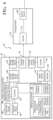
- the assembly 20 includes a base 22, a plurality of wheels 24, a waste collection unit 26, and a controller 28.
- the base 22 is adapted to be positioned near a patient 30 during the medical procedure.
- the base 22 supports the waste collection unit 26.
- Figure 1 shows an embodiment of the assembly 20 where the base 22 includes a lower frame 32, an upper frame 34, a vertical chassis 36, and a handle 38.
- the base 22 can have any suitable shape.
- the plurality of wheels 24 is coupled to the base 22 to provide mobility to the assembly 20.
- the assembly 20 can autonomously move around a health care facility to collect the medical waste generated during medical procedures performed in different locations throughout the health care facility.
- the wheels can be coupled to the lower frame 32, the vertical chassis 36, or a combination thereof.
- Figure 1 shows an embodiment wherein two of the wheels 24 are coupled to the lower frame 32, and another two of the wheels 24 are coupled to the vertical chassis 36.
- one or more of the plurality of wheels 24 is a steerable wheel, such as a wheel capable of swiveling on an axis.
- the plurality of wheels 24 includes a combination of one or more fixed wheels and one or more steerable wheels.
- At least one of the wheels 24 is a powered wheel 40 to facilitate autonomous movement of the assembly 20.
- Figure 1 shows an embodiment of the assembly 20 having four wheels 24, one of which is powered.
- the powered wheel 40 is powered by a motor 42 such that the powered wheel 40 can move the assembly 20 along a floor surface of the health care facility.
- the motor 42 can be a brushed electric motor, a brushless electric motor, a stepper motor, a servomotor, an alternating current motor, or any other suitable type of motor for powering the powered wheel 40 to move the assembly 20.
- the motor 42 is in communication with the controller 28.
- the controller 28 can drive, steer, and/or navigate the assembly 20 through the medical facility by selectively powering and/or steering the powered wheel 40.
- the controller 28 is configured to drive, steer, and navigate the assembly 20 by selectively swiveling and powering the powered wheel 40.
- the wheels 24 are powered wheels 40, and each of the powered wheels 40 has the motor 42 attached thereto.
- Each of the motors is connected to the controller 28.
- the controller 28 can drive, steer, and navigate the assembly 20 by selectively swiveling and powering the powered wheels 40.
- the controller 28 is configured to steer the assembly 20 by selectively powering the powered wheels 40, such as by driving one of the powered wheels 40 in an opposite rotational direction of other of the powered wheels 40, thereby turning the assembly 20.
- the controller 28 is configured to execute computer-executable instructions to perform the functions of the assembly 20, such as initiating the waste disposal protocol or the charging protocol.
- the controller 28 may be a microprocessor, a microcontroller, a field programmable gate array (FPGA), a system on a chip (SoC), or any other suitable type of controller for executing the functions of the assembly 20.
- FPGA field programmable gate array
- SoC system on a chip
- the assembly 20 includes a memory component 56 in communication with the controller 28.
- the memory component 56 is configured to store computer-executable instructions to be executed by the controller 28.
- the memory component 56 stores computer-executable instructions defining the waste disposal protocol and/or the charging protocol.
- the memory component 56 may include random access memory (RAM), flash memory, non-volatile random access memory (NOVRAM), and/or any other suitable form of memory.
- the waste collection unit 26 is coupled to the base 22 and configured to receive medical waste from the patient during the medical procedure.
- the assembly 20 collects the medical waste by suction during the medical procedure and stores the medical waste in the waste collection unit 26. In some embodiments, the assembly 20 also collects smoke, such as smoke generated during electrocautery procedures. In other embodiments, the assembly 20 is configured to filter particles from the smoke and release filtered air.
- the waste collection unit 26 includes at least one canister 44 configured to hold the medical waste, a suction pump 46, and a vacuum regulator 47. In the illustrated embodiment shown in Figure 1 , the assembly 20 includes two canisters 44. The canisters 44 can be coupled to the lower frame 32, the upper frame 34, or a combination thereof.
- Figure 1 shows an embodiment wherein a first canister is coupled to the upper frame 34 and a second canister is coupled to the lower frame 32.
- the canister(s) 44 can be substantially cylindrical, frustoconical in shape, or any suitable shape for containing the medical waste.
- the canister 44 can be formed of glass or suitable plastic material, or a combination thereof.
- the suction pump 46 is in fluid communication with the canister 44. In some embodiments, as shown in Figure 1 , the suction pump 46 is coupled to the vertical chassis 36.
- the suction pump 46 is configured to draw a suction on the canister 44 to draw the medical waste, such as liquid medical waste, into the canister 44 during the medical procedure.
- the suction pump 46 is a rotary vane type vacuum pump mounted to the base 22.
- the vacuum regulator 47 is in communication with the suction pump 46 and configured to regulate a level of the vacuum drawn through the suction line.
- An exemplary vacuum regulator 47 arrangement suitable for the assembly 20 is disclosed in commonly owned United States Patent No. 7,62
- a user such as a surgeon, nurse, or operating room assistant holds an end of a suction line 48, such as a flexible tube, near or on a portion of the patient 30 where medical waste is present.
- the suction pump 46 provides suction to move the medical waste from the end of the suction line 48 through the suction line 48 and into the waste collection unit 26.
- the end of the suction line 48 is connected to an end effector such as an endoscope, an electrocautery tool, an ablation device, or any other type of surgical end effector or surgical tool.
- the suction pump 46 provides suction to move the medical waste through both the end effector and the suction line 48 and into the waste collection unit 26.
- the level of suction is regulated by the vacuum regulator 47, and/or a level of power supplied to the suction pump 46.
- medical waste is generated in the form of bodily fluids such as blood, tissues such as skin tissue, muscle tissue, and connective tissue, and particles of bone released during ablation.
- tissue such as skin tissue, muscle tissue, and connective tissue
- the medical waste also includes the saline.
- the surgeon can use an ablation tool to ablate the bone, and the end of the tool can be coupled to the ablation tool.
- the medical waste can be suctioned through the suction line 48 coupled to the ablation suction line 48 and into the canister 44 of the waste collection unit 26 for disposal during or after completion of the ablation procedure.
- the assembly 20 may include a manifold receiver 58 coupled to the canister 44 and an indicator 60 coupled to the base 22 and in communication with the controller 28.
- the manifold receiver 58 is configured to receive a disposable manifold (not shown), such as described in commonly owned U.S. Patent No. 7,615,037, issued November 10, 2009 .
- the disposable manifold directs the medical waste from the patient 30 through the suction line 48 and into the canister 44 during the medical procedure.
- the disposable manifold is disposed of between medical procedures, between use with different patients, and/or before disposal of the medical waste at the disposal station 50.
- the indicator 60 is configured to alert the user to remove and dispose of the disposable manifold prior to initiation of a disposal protocol to be described.
- the indicator 60 is also configured to alert the user regarding other alerts to be described.
- the indicator 60 can be, for example, an LED, a video screen, a label, or any visual indicia, tactile indicia, auditory alert or other suitable type of indicator.
- the assembly 20 includes a waste sensor 62 in communication with the controller 28.
- the waste sensor 62 is configured to sense an amount of the medical waste contained within the canister 44.
- the waste sensor 62 can be, for example, a sensor rod configured to run through the canister 44 with a plurality of reflecting elements and float elements situated nearby to facilitate sensing the amount of the medical waste.
- amounts of the medical waste contained in each of the canisters 44 can be measured by a separate waste sensor 62.
- the waste sensor 62 can include a waste sensor controller (not shown) configured to facilitate sensing of the amount of the medical waste.
- the waste sensor 62 is configured to provide a waste level signal to the controller 28 when the amount of the medical waste sensed by the waste sensor 62 exceeds a waste threshold level. In other embodiments, the waste sensor 62 is configured to regularly or continuously provide the waste level signal to the controller 28.
- the indicator 60 can display indicia corresponding to the waste level signal such that the user can learn the amount of the medical waste sensed by the waste sensor 62 by looking at the indicator 60.
- the waste threshold level can be a level of medical waste contained in the canister 44 that is indicative of the canister 44 being full or nearly full and therefore necessitating disposal of the medical waste contained in the canister 44 before more of the medical waste is collected.
- the waste threshold level is stored in the memory component 58 in communication with the controller 28.
- the waste threshold level can be configured relative to a total volume of the canister 44 suitable for containing the medical waste, e.g., 100% of the volume of the canister 44 or 80% of the volume of the canister 44.
- the waste threshold level can be configured to a volume of the medical waste, e.g., 1.5 liters of the medical waste or 0.8 liters of the medical waste.
- the waste threshold level can be a preset threshold level configured during manufacture and/or programming of the assembly 20.
- the waste threshold level can otherwise, or additionally, be a threshold level configurable by hospital personnel or the user before, during, or after the medical procedure.
- the waste threshold level is configurable depending on the nature of the medical waste. Some medical procedures generate more hazardous or toxic medical waste relative to other medical procedures, such as large amounts of hazardous blood and tissue being collected or large amounts of non-hazardous saline fluid being collected during the medical procedure.
- the waste threshold level may be set to a higher volume or set higher relative the volume of the canister 44 in order to maximize efficiency of the waste collection.
- the waste threshold level may be set to a lower volume or lower relative the volume of the canister 44.
- the controller 28 can be configured to send a signal to the suction motor 46 to stop suction and collection of the medical waste when the waste threshold is reached or exceeded.
- the waste sensor 62 is configured to send a raw waste level signal to the controller 28, and the controller 28 is configured to determine when the amount of the medical waste has reached the threshold level.
- the raw waste level signal is an electric signal indicative of the amount of the medical waste contained in the canister 44.
- the indicator 60 can display indicia corresponding to the raw waste level signal such that the user can learn the amount of the medical waste sensed by the waste sensor 62 by looking at the indicator 60.
- the amount of the medical waste can be measured based upon volume, weight, or any other suitable metric.
- the controller 28 is also configured to set the waste threshold level automatically or in response to input by the user.
- the assembly 20 includes an energy storage device 64 and an energy storage device sensor 66.
- the energy storage device 64 and the energy storage device sensor 66 are each in communication with the controller 28.
- the energy storage device 64 is configured to provide electric power to the controller 28, the powered wheel 40, the suction pump 46, the vacuum regulator 47, and/or any other components of the assembly 20 that require electric power to function.
- the assembly 20 includes a plurality of energy storage devices 64, each of the energy storage devices 64 providing electric power to one or more of the controller 28, the powered wheel 40, the suction pump 46, the vacuum regulator 47, and any other components of the assembly 20 that require electric power to function.
- the controller 28 can route and regulate the electric power to the other components of the assembly 20 that require electric power to function.
- the energy storage device 64 can supply power to the controller 28 and the controller 28 can route a portion of the electric power to the suction motor.
- the controller 28 can further regulate function of the suction motor by regulating an amount of energy supplied to the suction motor, thereby increasing or decreasing suctioning power of the suction motor.
- the energy storage device 64 can be a battery, a capacitor, or any other suitable device for storing electric power.
- the energy storage device sensor 66 is configured to sense a characteristic of the energy storage device 64.
- the characteristic of the energy storage device 64 can be a charge level, i.e., a measure of electric energy stored in the energy storage device 64.
- the characteristic of the energy storage device 64 can be a power level, i.e., a measure of the electric power supplied by the energy storage device 64.
- the energy storage device sensor 66 is configured to provide an energy storage device characteristic signal to the controller 28.
- the controller 28 is configured to initiate a charging protocol to be described when the energy storage device characteristic is below an energy storage device characteristic threshold.
- the energy storage device characteristic threshold can be, for example, configured relative a maximum electric power capacity of the energy storage device 64, e.g., 5% of the capacity or 20% of the capacity.
- the energy storage threshold can be configured according to expected electric power usage. For example, a scheduled medical procedure that is expected to use a relatively large amount of electric power may require lowering the energy storage threshold to allow relatively more power usage before the assembly 20 initiates charging or prompts the user to initiate a charging protocol with the controller 28.
- the energy storage threshold can be a preset threshold level configured during manufacture and/or programming of the assembly 20.
- the energy storage threshold can otherwise, or additionally, be a threshold level configurable by hospital personnel or the user before, during, or after the medical procedure.
- the energy storage device sensor 66 can include an energy storage controller (not shown) configured to facilitate sensing of the characteristic of the energy storage device.
- the energy storage device sensor 66 is configured to provide an energy storage threshold signal to the controller 28 when the characteristic of the energy storage device 64 sensed by the energy storage device sensor 66 meets the energy storage device characteristic threshold.
- the energy storage device characteristic threshold can be a level of electric power stored in the energy storage device 64 that is indicative of the energy storage device 64 being near an uncharged state and therefore necessitating transferring of electric power to the energy storage device 64 before more of the medical waste is collected.
- the energy storage device characteristic threshold is stored in the memory component 56.
- the energy storage device sensor 66 is configured to send a raw energy storage device characteristic signal to the controller 28, and the controller 28 is configured to determine when the amount of electric power stored in the energy storage device 64, state of charge, voltage, and/or other suitable electrical parameter has reached the threshold level.
- the raw energy storage device characteristic signal is an electric signal indicative of the amount of the electric power stored in the energy storage device 64, or some other indicator of the performance of the energy storage device.
- the controller 28 is also configured to set the energy storage threshold automatically or in response to input by the user.
- the assembly 20 receives the medical waste during the medical procedure, with the medical waste being stored in the canister 44.
- the canister 44 has a fixed volume, and the volume fills with the medical waste during or after one or more medical procedures. Therefore, the canister 44 needs to be emptied of the medical waste during or after one or more medical procedures to prepare for collecting additional medical waste during future medical procedures.
- the assembly 20 is configured to execute a waste disposal protocol for autonomously disposing of the medical waste contained in the canister 44.
- the waste disposal protocol is a series of steps executed by components of the assembly 20 for autonomously navigating the assembly 20 to the disposal station 50, establishing fluid communication between the disposal station 50 and the canister 44, and emptying and cleaning the canister 44 at the disposal station via the fluid communication. Consequently, it is not necessary for the hospital personnel to suspend their duties to carry or wheel the assembly 20 to the disposal station 50 to empty and clean the canister 44.
- the waste disposal protocol can include additional steps, to be described.
- the user can actuate the user input device 68 when suitable, such as when medical procedure has concluded or when another assembly 20 is available to replace the assembly 20 in collected the medical waste, thereby initiating the disposal procedure or the charging procedure to empty and clean the canister 44 or to charge the energy storage device 64, respectively.
- the assembly 20 includes a plurality of user input devices 68
- one of the user input devices 68 can provide a first user input signal to the controller 28 and other of the user input devices 68 can provide a second user input signal to the controller 28.
- the controller 28 can be configured to initiate the waste disposal protocol in response to receiving the first user input signal and to initiate the charging protocol in response to receiving the second user input signal.
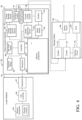
- the disposal station 50 includes a housing 72 and a coupler 74. As illustrated, the coupler 74 is coupled to the housing 72.
- the assembly 20 includes a counterposing coupler 78.
- the counterposing coupler 78 is coupled to the base 22.
- the coupler 74 couples with the counterposing coupler 78 to align the assembly 20 with the waste conduit 52 such that the medical waste can be transferred from the canister 44 via the waste conduit 52.
- the disposal station 50 includes a plurality of couplers 74 and the assembly 20 includes a plurality of counterposing couplers 78.
- the disposal protocol is complementary to the charging protocol.
- the assembly 20 upon initiating the disposal protocol, the assembly 20 performs both of disposing of the medical waste and charging the energy storage device 64.
- the disposal station 50 facilitates charging the energy storage device 64 while disposing of the medical waste and cleaning the canister 44.
- the disposal station 50 is in electrical communication with an electric source.
- the disposal station 50 is configured to transfer electrical energy from the electric source to the energy storage device 64 when the assembly 20 is coupled with the disposal station 50.
- the coupler of the charging station 54 couples with the charging coupler 79 to provide a connection between the assembly 20 and the charging station 54.
- the controller 28 Upon initiation of the waste disposal protocol for reasons previously described (e.g., waste threshold signal, user input), the controller 28 sends several signals to components of the assembly 20 and the assembly 20 is configured to execute the waste disposal protocol according to the signals, thereby autonomously emptying and cleaning the canister 44 of the waste collection unit 26 at the disposal station 50 and, in some embodiments, autonomously charging the energy storage device 64 at the disposal station 50 and/or the charging station 54.
- the controller 28 is configured to send a waste disposal movement signal to the motor 42 connected to the powered wheel 40.
- the powered wheel 40 automatically moves the assembly 20 away from the patient 30 upon receiving the waste disposal movement signal.
- the powered wheel 40 automatically navigates the assembly 20 to the disposal station 50 after moving away from the patient 30.
- the controller 28 can be configured to prevent initiation of the charging protocol during the medical procedure if, for example, the controller 28 receives the energy storage device characteristic signal from the waste sensor 62 during the medical procedure.
- the controller 28 prevents the assembly 20 from moving from the patient 30 while end effectors, suction lines 48, or other implements connected to the assembly 20 are in use and/or to avoid breaking a sterile field.
- the user can override prevention of initiation of the charging protocol by actuating the user input device. Yet with initiation of the charging protocol prevented, for example during the medical procedure, it may be desirable or necessary to supply power to the assembly 20.
- the assembly 20 includes an energy supply device (not shown) configured to receive power from an energy source and supply the power to the assembly 20.
- the energy supply device may be a cord extending from any suitable structure of the assembly 20 such as the lower frame 32, the upper frame 34, or the vertical chassis 36.
- the base 22 can have any suitable shape.
- the memory component 56 is configured to store a disposal schedule for scheduling initiation of the waste disposal protocol. Times to schedule initiation of the waste disposal protocol include, for example, an end of scheduled hours of surgery for an operating wing of a hospital, or a time prior to scheduled hours of surgery for an operating wing of the hospital.
- the controller 28 of the disposal station 50 is configured to initiate the waste disposal protocol as scheduled according to the disposal schedule. For example, a hospital may have an operating wing having several operating rooms staffed for scheduled operations between 9 a.m. and 5 p.m.
- the disposal schedule can include scheduled initiation of the waste disposal protocol at 8 a.m. and 5:30 p.m.
- Still another of the user inputs can be configured to enable the controller 28 to initiate the waste disposal protocol with the extended disposal mode upon actuation of the other user input.
- a user can actuate the user input device 68 to configure one or more of the disposal modes. For example, the user can actuate one user input of the user input device 68 to configure the quick disposal mode to run for three minutes, and actuate another user input of the user input device 68 to initiate the disposal protocol with the quick disposal mode. Configurations of the disposal modes may be stored in the memory component 56.
- the locator network 94 can also send signals to the assembly 20 to enable the controller 28 to be aware of the position of the disposal station 50 and/or the charging station 54.
- the controller 28 is configured to navigate the assembly 20 to the disposal station 50 and/or the charging station 54 based upon signals received from the locator network 94.
- the locator network 94 can include a hub controller 96, a memory component 95, and a transceiver 97.
- the hub controller 96 is configured to execute computer-executable instructions to perform the functions of the locator network 94.
- the hub controller 96 can be a microprocessor, a microcontroller, a field programmable gate array (FPGA), a system on a chip (SoC), or any other suitable type of controller for executing the functions of the locator network 94.
- the memory component 95 of the locator network 94 is in communication with the hub controller 96 and is configured to store data and instructions related to functions of the locator network 94.
- the locator network 94 is configured to send signals to the assembly 20 and receive signals from the assembly via the transceiver 97.
- the assembly 20 includes a transceiver 99 configured to send signals to the transceiver 97 of the locator network 94 and receive signals from the transceiver 97 of the locator network 94.
- the medical waste collection system 70 includes a plurality of locator sensors 98 in communication with the locator network 94.
- the locator sensors 98 can be in wired or wireless communication with the locator network 94.
- the locator sensors 98 can be optical, infrared, sonographic, or any other suitable detection-based technology configured to wirelessly detect a device at a distance.
- the locator sensors 98 can be mounted to walls and/or the ceiling within hallways of the medical facility, or can be situated at any other suitable position within the medical facility.
- Figure 7 shows an exemplary layout of the locator sensors 98 situated in an operating wing of a hospital.
- the locator sensors 98 can be configured to detect a tracking device coupled to the assembly 20.
- the locator sensors 98 can be configured to detect a tracking device of the disposal station 50 and/or the charging station 54.
- the tracking devices can include, for example, GPS units and RFID chips.
- the controller 28 is configured to receive a current location input signal and a disposal location input signal from the locator network 94 within the medical facility.
- the current location input signal is based on a current location of the assembly 20.
- the disposal location input signal is based on a disposal location of the disposal station 50.
- the controller 28 is configured to receive a charging location input signal from the locator network 94 within the medical facility.
- the charging location input signal is based on a charging location of the charging station 54.
- the controller 28 is configured to navigate the assembly 20 to the disposal station 50 and/or the charging station 54 based on the current location input signal and the disposal location input signal.
- the controller 28 navigates the assembly 20 according to the current location input signal and the disposal location input signal and/or the charging location input signal.
- the controller 28 is configured to navigate the assembly 20 by selectively powering the motor 42 of the powered wheel 40 to move and steer the assembly 20 toward the disposal location and/or the charging location.
- the system 70 includes a plurality of disposal stations 50, as shown in figure 7 , as well as one or more charging stations 54.
- the controller 28 may be further configured to receive a current location input signal as well as disposal location input signals for each of the disposal stations 50 and charging location input signals for each of the charging stations 54.
- the controller 28 Upon initiating the waste disposal protocol, the controller 28 is configured to navigate the assembly 20 to one of the disposal stations 50 according to the corresponding disposal location input signal.
- the controller 28 can decide to which of the disposal stations 50 to navigate based on factors such as distance, time, and whether another assembly 20 is already performing the waste disposal protocol at one or more of the disposal stations 50.
- the system 70 can include first and second paths 104, 106 to the disposal stations 50.
- the controller 28 may be configured to use decision-making logic to determine whether to navigate to the first path 104 or the second path 106.
- the controller 28 may decide to navigate to the first path 104 rather than the second path 106 due to a lesser distance between the assembly 20 and the disposal station 50 via the first path 104 compared to a greater distance between the assembly 20 and the disposal station 50 via the second path 106.
- the memory component 56 is configured to store a location map.
- the location map includes a layout of at least a portion of the medical facility, the layout being comprehendible by the controller 28.
- the controller 28 selectively powers the motor 42 by calculating a trajectory based upon the current location input signal and the disposal location input signal and/or the charging location input signal with respect to the location map.
- the controller 28 is configured to selectively power the motor 42 to follow the trajectory.
- the controller 28 is configured to calculate the trajectory based upon the current location input signal and the disposal location input signal when the waste disposal protocol is initiated such that the controller 28 navigates the assembly 20 to the disposal station 50.
- the controller 28 is configured to calculate the trajectory based upon the current location input signal and the charging location input signal when the charging protocol is initiated such that the controller 28 navigates the assembly 20 to the charging station 54.
- the memory component 56 is configured to store a plurality of defined paths 102 within the medical facility.
- the defined paths 102 are predefined paths, for example, paths along one or more hallways of an operating wing of a hospital, between locations in the medical facility.
- the defined paths 102 can be predefined paths between operating rooms and the disposal station 50 and/or the charging station 54.
- the controller 28 is configured to navigate the assembly 20 to the disposal station 50 and/or the charging station 54 along one of the defined paths 102.
- the controller 28 is configured to navigate the assembly 20 to the disposal station 50 and/or the charging station 54 based on a distance between the current location and the disposal location.
- the defined paths 102 can include the first path 104 between an operating room and a first disposal station 50 and the second path 106 between the operating room and a second disposal station 50.
- the controller 28 can determine whether the assembly 20 is positioned at the first operating room or the second operating room based on the current location input signal. The controller 28 can determine whether to navigate the assembly 20 to the first disposal station 50 along the first path 104 or to the second disposal station 50 along the second path 104.
- the defined paths 102 include a plurality of paths between each of the operating rooms and each of the disposal stations 50 and/or charging stations 54.
- One or more spatial awareness sensors 112 may be provided and in communication with the controller 28.
- An embodiment of the assembly 20 including one spatial awareness sensor 112 is described herein for simplicity of description.
- the spatial awareness sensor 112 is configured to sense objects obstructing the assembly 20 while the assembly 20 is navigating to the disposal station 50 and/or the charging station 54, such as along one of the defined paths 102.
- the spatial awareness sensor 112 can be a capacitive sensor, a capacitive displacement sensor, a Doppler Effect sensor, an eddy-current sensor, an inductive sensor a magnetic sensor, an optical sensor, a radar device, a sonar device, a lidar device, a combination thereof, or any other suitable type of sensor.
- the controller 28 is configured to direct the assembly 20 to deviate from the path in response to the sensed obstruction 118. After deviating from the path, the controller 28 is configured to navigate the assembly 20 around the obstruction 118 to continue to the destination, i.e., the disposal station 50 or the charging station 54, once the assembly 20 has navigated around the obstruction 118.
- the controller 28 can determine that the obstruction 118 cannot be navigated around, in which case the controller 28 is configured to determine an alternate path to the disposal station 50 or the charging station 54, or to navigate to a different disposal station 50 or charging station 54.
- the sensed obstruction 118 can be, for example, a doctor, a nurse, other hospital personnel, a patient 30, a wheelchair, a hospital bed, a cabinet, or any other obstruction 118 that may be present in the medical facility.
- the controller 28 Upon sensing the obstruction 118, the controller 28 is configured to direct the assembly 20 to deviate in order to prevent the assembly 20 from colliding with the sensed obstruction 118 while navigating to the disposal station 50 and/or the charging station 54 during the waste disposal protocol or the charging protocol.
- the spatial awareness sensor 112 is also configured to assist in aligning the assembly 20 with the disposal station 50. For example, the spatial awareness sensor 112 can detect location of the disposal station 50 relative the assembly 20 when the assembly 20 is near the disposal station 50. The controller 28 can then send signals to the motor 42 of the powered wheel 40 to bring the counterposing coupler 78 near the coupler 74 based upon the signals from the spatial awareness sensor 112.
- the autonomous movement of the assembly 20 and the additional automated features of the system 70 of the present disclosure advantageously relieves hospital personnel from suspending their duties to carry out many tasks previously incumbent on them to perform.
- Exemplary instances or situations where the manual mode may be desired include servicing the assembly 20, "one off” or unexpected uses, repositioning of the assembly 20 within the medical facility or more particularly the operating room, and avoiding congestion within hallways of the medical facility during especially busy times.
- the actuation of the assembly 20 between the autonomous and manual modes may include the user input device 68 receiving an input from the user.
- the assembly 20 may include engagement of a clutch mechanism 49 (see Figure 1 ) with the motor 42 of the powered wheel 40 that prevents the user from manually moving (e.g., pushing) the assembly 20 along the floor surface.
- the clutch mechanism 49 is in communication with the controller 28 and the user input device 68.
- the clutch mechanism 49 may disengage from the motor 42 to permit the powered wheel 40 to move freely along with remaining wheels 24 of the assembly 20.
- a lift mechanism 51 (see Figure 1 ) coupled to the powered wheel 40 and in communication with the controller 28 and the user input device 68.
- the lift mechanism 51 moves the powered wheel 40 away from the floor surface such that the powered wheel 40 is no longer contacting the same.
- the assembly 20 may be manually moved freely along the floor surface. The assembly 20 may be repeatedly moved between the autonomous and manual modes as desired.
- the assembly 20 is a first autonomous medical waste collection assembly 114 and the medical waste collection system 70 includes a second autonomous medical waste collection assembly 116.
- the second assembly 116 includes a base, a plurality of wheels coupled to the base and including a powered wheel, a waste collection unit coupled to the base and including a canister and a suction pump in fluid communication with the canister, a vacuum regulator in communication with the suction pump, a counterposing coupler coupled to the base, and a controller.
- the base, the plurality of wheels, the waste collection unit, the counterposing coupler 78, and the controller of the second assembly 116 may be configured similarly to the base 22, the plurality of wheels 24, the waste collection unit 26, the counterposing coupler 78, the charging coupler 79, and the controller 28 of the first assembly 114.
- the second assembly 116 may be substantially similar to the first assembly 114 in both structure and function.
- the disposal stations 50 and the charging station 54 can each only facilitate execution of the disposal procedure for a limited number of the assemblies simultaneously.
- only one of the assemblies 114, 116 can be coupled with each of the disposal stations 50 at a time.
- the first assembly 114 coupled with the disposal station 50 must decouple from the disposal station 50 before the second assembly 116 can couple with the disposal station 50 to execute the disposal protocol. If the controller 28 of the first assembly 114 initiates the disposal protocol while the second assembly 116 is executing the disposal protocol, a conflict may occur where the second assembly 116 is occupying the disposal station 50 to which the controller 28 of the first assembly 114 is trying to navigate the first assembly 114 to execute the disposal protocol.
- the first and second assemblies 114, 116 are each adapted to be removably coupled to the charging in an interchangeable manner such that the first and second assemblies 114, 116 form a queue if waste disposal protocols of the first and second assemblies 114, 116 have each been initiated and are concurrently active.
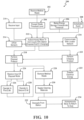
- the raw waste level in the canister 44 exceeds the waste threshold level (step 204). Additionally or alternatively, the energy storage device characteristic of the energy storage device 64, as detected by the energy storage device sensor 66, falls below the energy storage device characteristic threshold (step 206). Additionally or alternatively, a schedule as stored in the memory component 56 may indicate a scheduled performing of the disposal protocol and/or the charging protocol (step 208). Additionally or alternatively, the user may provide an input to the user input device 68. The controller 28 in communication with the user input device 68 receives the input (step 210).
- the user input device 68 may receive an input from the user as to a disposal mode, for example, a first disposal mode and a second disposal mode. Based on the input from the user, the controller 28 in communication with the user input device 68 may perform the disposal protocol to the medical waste removed for a first amount of time according to the first disposal mode (steps 220 and 226), or for a second amount of time according to the second disposal mode (steps 220 and 228). The second amount of time is different than the first amount of time.
- the cleaning operation (step 230) may be performed in one or both of the first and second disposal modes.
- the assembly 20 may autonomously decouple from the station 50, 54 (step 232).
- the electromagnet may deenergize, thereby permitting movement of the assembly 20 relative to the station 50, 54.
- the controller 28 may actuate the powered wheel 42 to move the assembly 20 to return to the duty station or a storage location (step 234).
Landscapes
- Engineering & Computer Science (AREA)
- Health & Medical Sciences (AREA)
- Physics & Mathematics (AREA)
- Heart & Thoracic Surgery (AREA)
- Aviation & Aerospace Engineering (AREA)
- Radar, Positioning & Navigation (AREA)
- Remote Sensing (AREA)
- General Physics & Mathematics (AREA)
- Automation & Control Theory (AREA)
- Power Engineering (AREA)
- Life Sciences & Earth Sciences (AREA)
- Public Health (AREA)
- Biomedical Technology (AREA)
- General Health & Medical Sciences (AREA)
- Animal Behavior & Ethology (AREA)
- Veterinary Medicine (AREA)
- Computer Networks & Wireless Communication (AREA)
- Mechanical Engineering (AREA)
- Transportation (AREA)
- Vascular Medicine (AREA)
- Hematology (AREA)
- Anesthesiology (AREA)
- Signal Processing (AREA)
- Medical Informatics (AREA)
- Surgery (AREA)
- Game Theory and Decision Science (AREA)
- Evolutionary Computation (AREA)
- Artificial Intelligence (AREA)
- Business, Economics & Management (AREA)
- Electromagnetism (AREA)
- Oral & Maxillofacial Surgery (AREA)
- Pathology (AREA)
- Nuclear Medicine, Radiotherapy & Molecular Imaging (AREA)
- Molecular Biology (AREA)
- Accommodation For Nursing Or Treatment Tables (AREA)
- External Artificial Organs (AREA)
Claims (15)
- Medizinisches Abfallsammelsystem (70), das System umfassend:
eine Entsorgungsstation (50), umfassend:ein Gehäuse (72); undein Verbindungsstück (74), das mit dem Gehäuse (72) gekoppelt ist; undeine autonome medizinische Abfallsammelanordnung (20, 114, 116), umfassend:eine Basis (22), die eingerichtet ist, um in der Nähe eines Patienten (30) positioniert zu werden;Räder (24), die mit der Basis (22) gekoppelt sind, wobei wenigstens eines der Räder (24) angetrieben ist, um die Basis (22) entlang einer Bodenoberfläche zu bewegen;eine Abfallsammeleinheit (26), die mit der Basis (22) gekoppelt ist, zum Aufnehmen medizinischer Abfälle von dem Patienten (30), aufweisend:einen Kanister (44) zum Aufbewahren der medizinischen Abfälle; undeine Saugpumpe (46), die in Fluidverbindung mit dem Kanister (44) steht und ausgebildet ist, um an dem Kanister (44) einen Sog zu erzeugen;ein Gegenverbindungsstück (78), das mit der Basis (22) gekoppelt ist, wobei das Gegenverbindungsstück (78) eingerichtet ist, um trennbar mit dem Verbindungsstück (74) der Entsorgungsstation (50) gekoppelt zu werden;eine Steuerung (28); undeine Benutzereingabevorrichtung (68), die mit der Steuerung (28) in Verbindung steht, wobei die Benutzereingabevorrichtung (68) eingerichtet ist, um als Reaktion auf eine Betätigung durch einen Benutzer ein Benutzereingabesignal bereitzustellen,wobei die Steuerung (28) betreibbar ist, um ein Abfallentsorgungsprotokoll als Reaktion auf den Empfang des Benutzereingabesignals einzuleiten, wobei das Abfallentsorgungsprotokoll ein Übertragen eines Bewegungssignals an das angetriebene Rad umfasst, um die autonome medizinische Abfallsammelanordnung (20, 114, 116) automatisch von dem Patienten (30) zu der Entsorgungsstation (50) weg zu bewegen, so dass das Verbindungsstück (74) mit dem Gegenverbindungsstück (78) koppelt, um eine Verbindung zwischen der autonomen medizinischen Abfallsammelanordnung (20, 114, 116) und der Entsorgungsstation (50) bereitzustellen. - Medizinisches Abfallsammelsystem (70) nach Anspruch 1, wobei die Entsorgungsstation (50) ferner einen Kanister umfasst, der eingerichtet ist, um die medizinischen Abfälle aufzunehmen, wobei der Kanister der Entsorgungsstation (50) in Fluidverbindung mit der Abfallsammeleinheit(26) der autonomen medizinischen Abfallsammelanordnung (20, 114, 116) steht, wenn die autonome medizinische Abfallsammelanordnung (20, 114, 116) mit der Entsorgungsstation (50) gekoppelt ist.
- Medizinisches Abfallsammelsystem (70) nach einem der Ansprüche 1 und 2, ferner umfassend eine Energiespeichervorrichtung (64) und einen Energiespeichervorrichtungssensor (66), der mit der Steuerung (28) in kommunikativer Verbindung steht, wobei der Energiespeichervorrichtungssensor (66) eingerichtet ist, eine Eigenschaft der Energiespeichervorrichtung (64) zu erfassen und ein Energiespeichervorrichtungseigenschaftssignal der Steuerung (28) bereitzustellen, wobei die Steuerung (28) ausgebildet ist, um ein Ladeprotokoll einzuleiten, wenn die Energiespeichervorrichtungseigenschaft unter einem Energiespeichervorrichtungseigenschaftsschwellenwert liegt.
- Medizinisches Abfallsammelsystem (70) nach Anspruch 3, wobei das Bewegungssignal ein erstes Bewegungssignal ist, ferner umfassend eine Ladestation (54) umfassend ein Gehäuse und ein Verbindungsstück (75), das mit dem Gehäuse gekoppelt ist, und wobei das Ladeprotokoll ein Übertragen eines zweiten Bewegungssignals an das angetriebene Rad umfasst, um die autonome medizinische Abfallsammelanordnung (20, 114, 116) automatisch von dem Patienten (30) zu der Ladestation (54) weg zu bewegen, so dass das Verbindungsstück (75) der Ladestation (54) mit dem Gegenverbindungsstück (78) koppelt, um eine Verbindung zwischen der autonomen medizinischen Abfallsammelanordnung (20, 114, 116) und der Ladestation (54) bereitzustellen, wobei die Ladestation (54) in elektrischer Verbindung mit einer elektrischen Quelle steht und eingerichtet ist, um elektrische Energie von der elektrischen Quelle zu der Energiespeichervorrichtung (64) zu übertragen, wenn die autonome medizinische Abfallsammelanordnung (20, 114, 116) mit der Ladestation (54) gekoppelt ist.
- Medizinisches Abfallsammelsystem (70) nach einem der Ansprüche 1 bis 4, wobei die Entsorgungsstation (50) in elektrischer kommunikativer Verbindung mit der elektrischen Quelle steht, wobei die Entsorgungsstation (50) eingerichtet ist, um elektrische Energie von der elektrischen Quelle zu der Energiespeichervorrichtung (64) zu übertragen, wenn die autonome medizinische Abfallsammelanordnung (20, 114, 116) mit der Entsorgungsstation (50) gekoppelt ist.
- Medizinisches Abfallsammelsystem (70) nach einem der Ansprüche 1 bis 5, wobei das Abfallentsorgungsprotokoll eine Mehrzahl von Entsorgungsbetriebsarten umfasst, wobei jede der Entsorgungsbetriebsarten eine unterschiedliche Spannen an Zeit umfasst, die die autonome medizinische Abfallsammelanordnung (20, 114, 116) und die Entsorgungsstation (50) gekoppelt sind, während die medizinischen Abfälle aus der Abfallsammeleinheit(26) entfernt werden.
- Medizinisches Abfallsammelsystem (70) nach Anspruch 6, wobei die Steuerung (28) eingerichtet ist, um eine der Entsorgungsbetriebsarten auszuwählen, basierend auf mindestens einem aus einer Menge der medizinischen Abfälle in der Abfallsammeleinheit(26), einer Menge der medizinischen Abfälle, die aus Abfallsammeleinheit(26) entfernt werden sollen, und einer Spanne von Zeit, die die Abfallsammeleinheit(26) die medizinischen Abfälle aufbewahrt hat.
- Medizinisches Abfallsammelsystem (70) nach einem der Ansprüche 6 und 7, ferner umfassend einen Speicher (56), der mit der Steuerung (28) in kommunikativer Verbindung steht und eingerichtet ist, um einen Entsorgungsplan zu speichern, der eine oder mehrere Zeiten umfasst, um das Abfallentsorgungsprotokoll zu initiieren, wobei die Steuerung (28) ausgebildet ist, um das Abfallentsorgungsprotokoll nach dem Entsorgungsplan zu initiieren, und wobei die Steuerung (28) eingerichtet ist, um eine der Entsorgungsbetriebsarten basierend auf einer Benutzereingabe oder dem Entsorgungsplan auszuwählen.
- Medizinisches Abfallsammelsystem (70) nach einem der Ansprüche 1 bis 8, wobei die Steuerung (28) ausgebildet ist, um ein aktuelles Standorteingangssignal und ein Entsorgungsstandorteingangssignal von einem Standortnetz (94) innerhalb einer medizinischen Einrichtung zu empfangen, wobei das aktuelle Standorteingangssignal auf einem aktuellen Standort der autonomen medizinischen Abfallsammelanordnung (20, 114, 116) basiert und wobei das Entsorgungsstandorteingangssignal auf einem Entsorgungsstandort der Entsorgungsstation (50) basiert, und wobei die Steuerung (28) dazu ausgebildet ist, um die autonome medizinische Abfallsammelanordnung (20, 114, 116) basierend auf dem aktuellen Standorteingangssignal und dem Entsorgungsstandorteingangssignal zu der Entsorgungsstation (50) zu navigieren.
- Medizinisches Abfallsammelsystem (70) nach Anspruch 9, ferner umfassend einen Speicher (56), der mit der Steuerung (28) in kommunikativer Verbindung steht und eingerichtet ist, um eine Mehrzahl von definierten Pfaden innerhalb der medizinischen Einrichtung zu speichern, wobei die Steuerung (28) eingerichtet ist, um die autonome medizinische Abfallsammelanordnung (20, 114, 116) zu der Entsorgungsstation (50) entlang von einem der definierten Pfade basierend auf einer Entfernung zwischen dem aktuellen Standort der autonomen medizinischen Abfallsammelanordnung (20, 114, 116) und dem Entsorgungsstandort der Entsorgungsstation (50) zu navigieren.
- Medizinisches Abfallsammelsystem (70) nach Anspruch 10, ferner umfassend einen Raumwahrnehmungssensor (112), der mit der Steuerung (28) in kommunikativer Verbindung steht und dazu ausgebildet ist, um Objekte, die den einen definierten Pfad versperren, wahrzunehmen, wenn die autonome medizinische Abfallsammelanordnung (20, 114, 116) zwischen dem aktuellen Standort und dem Entsorgungsstandort navigiert wird, wobei die Steuerung (28) dazu eingerichtet ist, um die autonome medizinische Abfallsammelanordnung (20, 114, 116) anzuweisen, als Reaktion auf die durch den Raumwahrnehmungssensor (112) wahrgenommene Versperrung von dem einen definierten Pfad abzuweichen.
- Medizinisches Abfallsammelsystem (70) nach einem der Ansprüche 1 bis 11, wobei die autonome medizinische Abfallsammelanordnung (20, 114, 116) eine erste autonome medizinische Abfallsammelanordnung (20, 114) ist, das System ferner umfassend:
eine zweite autonome medizinische Abfallsammelanordnung (20, 116) umfassend:eine Basis (22);Räder (24), die mit der Basis (22) gekoppelt sind, wobei mindestens eines der Räder (24) angetrieben ist, um die Basis (22) entlang einer Bodenoberfläche zu bewegen;eine Abfallsammeleinheit (26) zum Aufnehmen medizinischer Abfälle, die mit der Basis (22) gekoppelt ist;eine Saugpumpe (46), die in Fluidverbindung mit der Abfallsammeleinheit (26) steht und ausgebildet ist, den medizinischen Abfall in die Abfallsammeleinheit (26) zu bewegen;ein Gegenverbindungsstück (78), das mit der Basis (22) gekoppelt ist, wobei das Gegenverbindungsstück (78) eingerichtet ist, um trennbar mit dem Verbindungsstück (74) der Entsorgungsstation (50) gekoppelt zu werden; undeine Steuerung (28), die betreibbar ist, um ein Abfallentsorgungsprotokoll einzuleiten, wobei das Abfallentsorgungsprotokoll ein Übertragen eines Bewegungssignals an das angetriebene Rad umfasst, um die zweite autonome medizinische Abfallsammelanordnung (116) automatisch weg zu der Entsorgungsstation (50) zu bewegen, so dass das Verbindungsstück (74) mit dem Gegenverbindungsstück (78) koppelt, um eine Verbindung zwischen der zweiten autonomen medizinischen Abfallsammelanordnung (116) und der Entsorgungsstation (50) bereitzustellen;wobei die erste und die zweite autonome medizinische Abfallsammelanordnung (20, 114, 116) eingerichtet sind, um trennbar mit der Entsorgungsstation (50) in autauschbarer Weise gekoppelt zu werden, wobei eine einzige der ersten und zweiten autonomen medizinischen Abfallsammelanordnung (20, 114, 116) mit der Entsorgungsstation (50) zu einem Zeitpunkt gekoppelt ist. - Medizinisches Abfallsammelsystem (70) nach Anspruch 12, wobei die Steuerung (28) der zweiten autonomen medizinischen Abfallsammelanordnung (20, 116) ausgebildet ist, um ein erstes Standorteingangssignal und ein zweites Standorteingangssignal von einem Standortnetz (94) innerhalb einer medizinischen Einrichtung zu empfangen, wobei das erste Standorteingangssignal auf einem ersten Standort der ersten autonomen medizinischen Abfallsammelanordnung (20, 114) basiert und das zweite Standorteingangssignal auf einem zweiten Standort der zweiten autonomen medizinischen Abfallanordnung (20, 116) basiert, und wobei die Steuerung (28) der zweiten autonomen medizinischen Abfallanordnung ausgebildet ist, um die zweite autonome Abfallsammelanordnung zu dem ersten Standorteingangssignal zu navigieren.
- Medizinisches Abfallsammelsystem (70) nach einem der Ansprüche 12 und 13, wobei die Benutzereingabe ausgebildet ist, um als Reaktion auf eine Betätigung durch einen Benutzer ein Austauschsignal dem Standortnetz (94) der medizinischen Einrichtung bereitzustellen, und wobei als Reaktion auf den Empfang des Austauschsignals das Standortnetz (94) das erste und zweite Standorteingangssignal der Steuerung (28) der zweiten autonomen medizinischen Abfallsammelanordnung (20, 116) bereitstellt, um die zweite autonome Abfallsammelanordnung zu dem ersten Standort zu bewegen, um die erste autonome medizinische Abfallsammelanordnung (20, 114) an dem ersten Standort auszutauschen.
- Medizinisches Abfallsammelsystem (70) nach einem der Ansprüche 12 bis 14, ferner umfassend eine Knotenpunktsteuerung (96), die mit den Steuerungen (28) der ersten und zweiten autonomen Abfallsammelanordnungen (20, 114, 116) in kommunikativer Verbindung steht, wobei die Knotenpunktsteuerung (96) eingerichtet ist, um einen der ersten und zweiten autonomen Abfallsammelanordnungen (20, 114, 116) auszuwählen, um das Abfallentsorgungsprotokoll vor der anderen der ersten und zweiten autonomen Abfallsammelanordnungen (20, 114, 116) durchzuführen, wobei die Auswahl der Knotenpunktsteuerung (96) auf relativen Mengen der medizinischen Abfälle in den Abfallsammeleinheiten (26) der ersten und zweiten autonomen Abfallsammelanordnungen (20, 114, 116) basiert.
Priority Applications (1)
| Application Number | Priority Date | Filing Date | Title |
|---|---|---|---|
| EP25165864.7A EP4552910A3 (de) | 2017-10-23 | 2018-10-23 | Autonome abfallsammelanordnung und system und verfahren zum sammeln von medizinischem abfall |
Applications Claiming Priority (3)
| Application Number | Priority Date | Filing Date | Title |
|---|---|---|---|
| US201762575833P | 2017-10-23 | 2017-10-23 | |
| PCT/US2018/057088 WO2019083992A1 (en) | 2017-10-23 | 2018-10-23 | AUTONOMOUS WASTE COLLECTION ASSEMBLY AND SYSTEM AND METHODS FOR COLLECTING MEDICAL WASTE |
| EP18811387.2A EP3700601B1 (de) | 2017-10-23 | 2018-10-23 | Autonome müllsammelanordnung und system und verfahren zum sammeln von medizinischem abfall |
Related Parent Applications (1)
| Application Number | Title | Priority Date | Filing Date |
|---|---|---|---|
| EP18811387.2A Division EP3700601B1 (de) | 2017-10-23 | 2018-10-23 | Autonome müllsammelanordnung und system und verfahren zum sammeln von medizinischem abfall |
Related Child Applications (1)
| Application Number | Title | Priority Date | Filing Date |
|---|---|---|---|
| EP25165864.7A Division EP4552910A3 (de) | 2017-10-23 | 2018-10-23 | Autonome abfallsammelanordnung und system und verfahren zum sammeln von medizinischem abfall |
Publications (2)
| Publication Number | Publication Date |
|---|---|
| EP3978041A1 EP3978041A1 (de) | 2022-04-06 |
| EP3978041B1 true EP3978041B1 (de) | 2025-03-26 |
Family
ID=64557110
Family Applications (3)
| Application Number | Title | Priority Date | Filing Date |
|---|---|---|---|
| EP21205926.5A Active EP3978041B1 (de) | 2017-10-23 | 2018-10-23 | Autonomes sammelsystem für medizinische abfälle |
| EP18811387.2A Active EP3700601B1 (de) | 2017-10-23 | 2018-10-23 | Autonome müllsammelanordnung und system und verfahren zum sammeln von medizinischem abfall |
| EP25165864.7A Pending EP4552910A3 (de) | 2017-10-23 | 2018-10-23 | Autonome abfallsammelanordnung und system und verfahren zum sammeln von medizinischem abfall |
Family Applications After (2)
| Application Number | Title | Priority Date | Filing Date |
|---|---|---|---|
| EP18811387.2A Active EP3700601B1 (de) | 2017-10-23 | 2018-10-23 | Autonome müllsammelanordnung und system und verfahren zum sammeln von medizinischem abfall |
| EP25165864.7A Pending EP4552910A3 (de) | 2017-10-23 | 2018-10-23 | Autonome abfallsammelanordnung und system und verfahren zum sammeln von medizinischem abfall |
Country Status (8)
| Country | Link |
|---|---|
| US (3) | US11446423B2 (de) |
| EP (3) | EP3978041B1 (de) |
| JP (3) | JP7418325B2 (de) |
| CN (2) | CN111511416B (de) |
| AU (2) | AU2018355224C1 (de) |
| CA (1) | CA3079950A1 (de) |
| ES (1) | ES3021696T3 (de) |
| WO (1) | WO2019083992A1 (de) |
Families Citing this family (9)
| Publication number | Priority date | Publication date | Assignee | Title |
|---|---|---|---|---|
| ES3021696T3 (en) | 2017-10-23 | 2025-05-27 | Stryker Corp | Autonomous waste collection system for medical waste |
| US11710555B2 (en) * | 2019-12-24 | 2023-07-25 | Fresenius Medical Care Holdings, Inc. | Medical system with docking station and mobile machine |
| CN111949041B (zh) * | 2020-08-07 | 2023-12-15 | 上海航天控制技术研究所 | 一种适应大不确定性频率的弹性振动抑制方法 |
| US11628242B2 (en) * | 2020-09-10 | 2023-04-18 | Fresenius Medical Care Holdings, Inc. | Spent dialysate container for disposing spent dialysate in a dialysis system |
| AU2021378950A1 (en) * | 2020-11-11 | 2023-06-22 | Stryker Corporation | Quantifying blood loss with a medical waste collection system |
| US12339324B2 (en) * | 2021-04-23 | 2025-06-24 | Sharkninja Operating Llc | Determining state of charge for battery powered devices including battery powered surface treatment apparatuses |
| CN113391564A (zh) * | 2021-06-07 | 2021-09-14 | 软联(海南)科技有限公司 | 一种基于互联网的小区垃圾场管理的系统和方法 |
| CN120129544A (zh) * | 2022-10-25 | 2025-06-10 | 史赛克公司 | 医疗废物收集和处置系统 |
| EP4663086A1 (de) * | 2024-06-10 | 2025-12-17 | Vorwerk & Co. Interholding GmbH | Arbeitsgerät, basisstation und arbeitssystem |
Family Cites Families (42)
| Publication number | Priority date | Publication date | Assignee | Title |
|---|---|---|---|---|
| KR100197676B1 (ko) * | 1993-09-27 | 1999-06-15 | 윤종용 | 로보트 청소기 |
| JPH08335112A (ja) | 1995-06-08 | 1996-12-17 | Minolta Co Ltd | 移動作業ロボットシステム |
| JP3839954B2 (ja) | 1998-04-13 | 2006-11-01 | 神鋼電機株式会社 | 手術器材・医療器材等の医療器材類供給・回収システム |
| US6046565A (en) | 1998-06-19 | 2000-04-04 | Thorne; Henry F. | Robotic vehicle with deduced reckoning positioning system |
| SE0004465D0 (sv) * | 2000-12-04 | 2000-12-04 | Abb Ab | Robot system |
| US7621828B2 (en) | 2002-01-18 | 2009-11-24 | Max Out Golf Labs, LLC | Systems and methods for evaluating putter performance |
| DK1587725T3 (en) | 2002-08-30 | 2014-03-17 | Aethon Inc | Trolley-pulling robot vehicle |
| US7996109B2 (en) | 2005-10-14 | 2011-08-09 | Aethon, Inc. | Robotic ordering and delivery apparatuses, systems and methods |
| US7615037B2 (en) | 2005-12-14 | 2009-11-10 | Stryker Corporation | Removable inlet manifold for a medical/surgical waste collection system, the manifold including a driver for actuating a valve integral with the waste collection system |
| CA2867838C (en) * | 2005-12-14 | 2016-08-02 | Stryker Corporation | Medical surgical waste collection and disposal system including a rover and a docker, the docker having features facilitating the alignment of the docker with the rover |
| JP4840162B2 (ja) * | 2007-01-26 | 2011-12-21 | パナソニック電工株式会社 | 自律移動システム |
| US8597505B2 (en) * | 2007-09-13 | 2013-12-03 | Fresenius Medical Care Holdings, Inc. | Portable dialysis machine |
| ES2801332T3 (es) * | 2008-05-30 | 2021-01-11 | Stryker Corp | Sistema de recogida de residuos para recoger residuos médicos sólidos que incluye detección de metales |
| AU2009302327C1 (en) * | 2008-10-07 | 2015-09-10 | Fresenius Medical Care Holdings, Inc. | Priming system and method for dialysis systems |
| US8948914B2 (en) | 2008-12-05 | 2015-02-03 | Aethon, Inc. | System and method for securely transporting an item |
| RU2392541C1 (ru) * | 2009-04-06 | 2010-06-20 | Оао "Сис-Натуральные Ресурсы" | Способ утилизации отходов здравоохранения |
| US9619617B2 (en) | 2009-08-13 | 2017-04-11 | Aethon, Inc. | System and method for determining a location and a status of an asset |
| KR101063342B1 (ko) * | 2009-12-04 | 2011-09-07 | 주식회사 바이오알파 | 포터블형 진공발생장치 및 이를 이용한 의료용 흡인장치 |
| US9245305B2 (en) | 2009-12-07 | 2016-01-26 | Aethon, Inc. | System and method for providing information regarding a status of an item |
| CN201729172U (zh) | 2010-07-28 | 2011-02-02 | 邦品智能设备(上海)有限公司 | 车体底盘上的自平稳装置 |
| US20120167917A1 (en) * | 2011-01-03 | 2012-07-05 | Gilbert Jr Duane L | Autonomous coverage robot |
| JP6049685B2 (ja) * | 2011-03-23 | 2016-12-21 | ネクステージ メディカル インコーポレイテッド | 腹膜透析使い捨てユニット、コントローラ、腹膜透析システム |
| CN105701361B (zh) | 2011-09-22 | 2018-11-13 | 阿索恩公司 | 用于自主移动机器人的监测、诊断和跟踪工具 |
| US8789638B2 (en) | 2011-10-21 | 2014-07-29 | Ftr Systems, Inc. | Foldable cart with tracking arrangement |
| US9220651B2 (en) | 2012-09-28 | 2015-12-29 | Elwha Llc | Automated systems, devices, and methods for transporting and supporting patients |
| CN104936631B (zh) * | 2012-10-24 | 2017-09-26 | 史赛克公司 | 用于医疗/手术废物的废物收集系统具有带真空源的可动运送车和带被接合到抽吸泵的废物容器的可动运送车 |
| JP6137924B2 (ja) * | 2013-04-17 | 2017-05-31 | 公立大学法人福島県立医科大学 | 回診支援ロボットおよび回診支援ロボットの制御プログラム |
| CA2910639A1 (en) | 2013-05-03 | 2014-11-06 | Aethon, Inc. | System and method for locking a carrier/container for tracking, controlling access, and providing delivery confirmation |
| JP2017515176A (ja) | 2014-02-10 | 2017-06-08 | サビオーク インク | 出入り口における認証システム |
| US9436926B2 (en) | 2014-02-25 | 2016-09-06 | Savioke, Inc. | Entryway based authentication system |
| US9535421B1 (en) | 2014-02-28 | 2017-01-03 | Savioke, Inc. | Mobile delivery robot with interior cargo space |
| CN103817123A (zh) * | 2014-03-05 | 2014-05-28 | 青岛新天地固体废物综合处置有限公司 | 医疗废物自动清洗设备 |
| EP3148607B1 (de) * | 2014-05-27 | 2019-07-10 | DEKA Products Limited Partnership | Steuerungssysteme für medizinische blut- oder fluidhandhabungsvorrichtungen |
| ES2980387T3 (es) * | 2014-10-17 | 2024-10-01 | Gambro Lundia Ab | Método para proporcionar datos de funcionamiento a un aparato médico de procesamiento de fluidos usando un accesorio médico, y un accesorio médico |
| JP2016101612A (ja) * | 2014-11-27 | 2016-06-02 | トヨタ自動車株式会社 | 物品搬送用ロボット |
| GB201509341D0 (en) * | 2015-05-29 | 2015-07-15 | Cambridge Medical Robotics Ltd | Characterising robot environments |
| US20160364686A1 (en) | 2015-06-15 | 2016-12-15 | Aethon, Inc. | Safety, Management and Tracking of Hospital Pharmacy Trays |
| EP3912577B1 (de) * | 2015-06-23 | 2025-04-09 | Stryker Corporation | Abgabesystem zur abgabe von material an einen zielort |
| US10382915B2 (en) * | 2015-10-26 | 2019-08-13 | Rubicon Global Holdings, Llc | Customer tool for remote management of waste services |
| JP6609463B2 (ja) * | 2015-11-19 | 2019-11-20 | シャープ株式会社 | 自走式電子機器 |
| JP6392802B2 (ja) * | 2016-03-03 | 2018-09-19 | Necプラットフォームズ株式会社 | 無線通信装置、位置情報通知システムおよび位置情報送信方法、並びにコンピュータ・プログラム |
| ES3021696T3 (en) | 2017-10-23 | 2025-05-27 | Stryker Corp | Autonomous waste collection system for medical waste |
-
2018
- 2018-10-23 ES ES21205926T patent/ES3021696T3/es active Active
- 2018-10-23 EP EP21205926.5A patent/EP3978041B1/de active Active
- 2018-10-23 US US16/755,215 patent/US11446423B2/en active Active
- 2018-10-23 AU AU2018355224A patent/AU2018355224C1/en active Active
- 2018-10-23 CN CN201880082547.7A patent/CN111511416B/zh active Active
- 2018-10-23 CA CA3079950A patent/CA3079950A1/en active Pending
- 2018-10-23 CN CN202310747450.6A patent/CN116531584B/zh active Active
- 2018-10-23 WO PCT/US2018/057088 patent/WO2019083992A1/en not_active Ceased
- 2018-10-23 EP EP18811387.2A patent/EP3700601B1/de active Active
- 2018-10-23 JP JP2020522376A patent/JP7418325B2/ja active Active
- 2018-10-23 EP EP25165864.7A patent/EP4552910A3/de active Pending
-
2022
- 2022-08-18 US US17/890,369 patent/US12280198B2/en active Active
-
2024
- 2024-01-09 JP JP2024001345A patent/JP7692068B2/ja active Active
- 2024-11-29 AU AU2024267024A patent/AU2024267024A1/en active Pending
-
2025
- 2025-01-16 US US19/024,280 patent/US20250152798A1/en active Pending
- 2025-06-02 JP JP2025091928A patent/JP2025143259A/ja active Pending
Also Published As
| Publication number | Publication date |
|---|---|
| JP7418325B2 (ja) | 2024-01-19 |
| US20220387692A1 (en) | 2022-12-08 |
| EP3978041A1 (de) | 2022-04-06 |
| WO2019083992A1 (en) | 2019-05-02 |
| US11446423B2 (en) | 2022-09-20 |
| JP2021500140A (ja) | 2021-01-07 |
| JP2025143259A (ja) | 2025-10-01 |
| EP3700601B1 (de) | 2021-11-24 |
| EP3700601A1 (de) | 2020-09-02 |
| CN111511416A (zh) | 2020-08-07 |
| US20200254154A1 (en) | 2020-08-13 |
| CN111511416B (zh) | 2023-07-04 |
| US20250152798A1 (en) | 2025-05-15 |
| AU2018355224B2 (en) | 2024-08-29 |
| JP2024045189A (ja) | 2024-04-02 |
| CA3079950A1 (en) | 2019-05-02 |
| ES3021696T3 (en) | 2025-05-27 |
| JP7692068B2 (ja) | 2025-06-12 |
| US12280198B2 (en) | 2025-04-22 |
| EP4552910A3 (de) | 2025-07-09 |
| CN116531584B (zh) | 2025-12-05 |
| AU2024267024A1 (en) | 2024-12-19 |
| AU2018355224A1 (en) | 2020-05-07 |
| EP4552910A2 (de) | 2025-05-14 |
| CN116531584A (zh) | 2023-08-04 |
| AU2018355224C1 (en) | 2024-12-12 |
Similar Documents
| Publication | Publication Date | Title |
|---|---|---|
| US12280198B2 (en) | Autonomous waste collection assembly and medical waste collection system and methods | |
| AU2023203011B2 (en) | Waste collection system for use during a medical or surgical procedure | |
| JP2009502239A (ja) | 無菌使い捨てカートリッジを有するロボット床清掃機 | |
| CN214018591U (zh) | 一种兼容多类型消毒液的消毒机器人 | |
| CA2889341C (en) | Waste collection system for medical/surgical waste having a mobile cart with a vacuum source and a mobile cart with a waste container that is coupled to the act with the suction pump | |
| Sines | Nurse's Aid And Housekeeping Mobile Robot For Use In The Nursing Home Workplace |
Legal Events
| Date | Code | Title | Description |
|---|---|---|---|
| PUAI | Public reference made under article 153(3) epc to a published international application that has entered the european phase |
Free format text: ORIGINAL CODE: 0009012 |
|
| STAA | Information on the status of an ep patent application or granted ep patent |
Free format text: STATUS: THE APPLICATION HAS BEEN PUBLISHED |
|
| AC | Divisional application: reference to earlier application |
Ref document number: 3700601 Country of ref document: EP Kind code of ref document: P |
|
| AK | Designated contracting states |
Kind code of ref document: A1 Designated state(s): AL AT BE BG CH CY CZ DE DK EE ES FI FR GB GR HR HU IE IS IT LI LT LU LV MC MK MT NL NO PL PT RO RS SE SI SK SM TR |
|
| STAA | Information on the status of an ep patent application or granted ep patent |
Free format text: STATUS: REQUEST FOR EXAMINATION WAS MADE |
|
| 17P | Request for examination filed |
Effective date: 20221005 |
|
| RBV | Designated contracting states (corrected) |
Designated state(s): AL AT BE BG CH CY CZ DE DK EE ES FI FR GB GR HR HU IE IS IT LI LT LU LV MC MK MT NL NO PL PT RO RS SE SI SK SM TR |
|
| STAA | Information on the status of an ep patent application or granted ep patent |
Free format text: STATUS: EXAMINATION IS IN PROGRESS |
|
| 17Q | First examination report despatched |
Effective date: 20230223 |
|
| GRAP | Despatch of communication of intention to grant a patent |
Free format text: ORIGINAL CODE: EPIDOSNIGR1 |
|
| STAA | Information on the status of an ep patent application or granted ep patent |
Free format text: STATUS: GRANT OF PATENT IS INTENDED |
|
| INTG | Intention to grant announced |
Effective date: 20241112 |
|
| RIC1 | Information provided on ipc code assigned before grant |
Ipc: B60L 53/36 20190101ALI20241104BHEP Ipc: G05D 1/00 20060101ALI20241104BHEP Ipc: A61M 1/00 20060101AFI20241104BHEP |
|
| RAP3 | Party data changed (applicant data changed or rights of an application transferred) |
Owner name: STRYKER CORPORATION |
|
| GRAS | Grant fee paid |
Free format text: ORIGINAL CODE: EPIDOSNIGR3 |
|
| GRAA | (expected) grant |
Free format text: ORIGINAL CODE: 0009210 |
|
| STAA | Information on the status of an ep patent application or granted ep patent |
Free format text: STATUS: THE PATENT HAS BEEN GRANTED |
|
| AC | Divisional application: reference to earlier application |
Ref document number: 3700601 Country of ref document: EP Kind code of ref document: P |
|
| AK | Designated contracting states |
Kind code of ref document: B1 Designated state(s): AL AT BE BG CH CY CZ DE DK EE ES FI FR GB GR HR HU IE IS IT LI LT LU LV MC MK MT NL NO PL PT RO RS SE SI SK SM TR |
|
| P01 | Opt-out of the competence of the unified patent court (upc) registered |
Free format text: CASE NUMBER: APP_7930/2025 Effective date: 20250217 |
|
| REG | Reference to a national code |
Ref country code: GB Ref legal event code: FG4D |
|
| REG | Reference to a national code |
Ref country code: CH Ref legal event code: EP |
|
| REG | Reference to a national code |
Ref country code: DE Ref legal event code: R096 Ref document number: 602018080620 Country of ref document: DE |
|
| REG | Reference to a national code |
Ref country code: IE Ref legal event code: FG4D |
|
| REG | Reference to a national code |
Ref country code: NL Ref legal event code: FP |
|
| REG | Reference to a national code |
Ref country code: ES Ref legal event code: FG2A Ref document number: 3021696 Country of ref document: ES Kind code of ref document: T3 Effective date: 20250527 |
|
| PG25 | Lapsed in a contracting state [announced via postgrant information from national office to epo] |
Ref country code: RS Free format text: LAPSE BECAUSE OF FAILURE TO SUBMIT A TRANSLATION OF THE DESCRIPTION OR TO PAY THE FEE WITHIN THE PRESCRIBED TIME-LIMIT Effective date: 20250626 |
|
| PG25 | Lapsed in a contracting state [announced via postgrant information from national office to epo] |
Ref country code: FI Free format text: LAPSE BECAUSE OF FAILURE TO SUBMIT A TRANSLATION OF THE DESCRIPTION OR TO PAY THE FEE WITHIN THE PRESCRIBED TIME-LIMIT Effective date: 20250326 |
|
| REG | Reference to a national code |
Ref country code: LT Ref legal event code: MG9D |
|
| PG25 | Lapsed in a contracting state [announced via postgrant information from national office to epo] |
Ref country code: NO Free format text: LAPSE BECAUSE OF FAILURE TO SUBMIT A TRANSLATION OF THE DESCRIPTION OR TO PAY THE FEE WITHIN THE PRESCRIBED TIME-LIMIT Effective date: 20250626 |
|
| PG25 | Lapsed in a contracting state [announced via postgrant information from national office to epo] |
Ref country code: HR Free format text: LAPSE BECAUSE OF FAILURE TO SUBMIT A TRANSLATION OF THE DESCRIPTION OR TO PAY THE FEE WITHIN THE PRESCRIBED TIME-LIMIT Effective date: 20250326 |
|
| PG25 | Lapsed in a contracting state [announced via postgrant information from national office to epo] |
Ref country code: LV Free format text: LAPSE BECAUSE OF FAILURE TO SUBMIT A TRANSLATION OF THE DESCRIPTION OR TO PAY THE FEE WITHIN THE PRESCRIBED TIME-LIMIT Effective date: 20250326 |
|
| PG25 | Lapsed in a contracting state [announced via postgrant information from national office to epo] |
Ref country code: GR Free format text: LAPSE BECAUSE OF FAILURE TO SUBMIT A TRANSLATION OF THE DESCRIPTION OR TO PAY THE FEE WITHIN THE PRESCRIBED TIME-LIMIT Effective date: 20250627 Ref country code: BG Free format text: LAPSE BECAUSE OF FAILURE TO SUBMIT A TRANSLATION OF THE DESCRIPTION OR TO PAY THE FEE WITHIN THE PRESCRIBED TIME-LIMIT Effective date: 20250326 |
|
| PG25 | Lapsed in a contracting state [announced via postgrant information from national office to epo] |
Ref country code: SE Free format text: LAPSE BECAUSE OF FAILURE TO SUBMIT A TRANSLATION OF THE DESCRIPTION OR TO PAY THE FEE WITHIN THE PRESCRIBED TIME-LIMIT Effective date: 20250326 |
|
| REG | Reference to a national code |
Ref country code: AT Ref legal event code: MK05 Ref document number: 1778419 Country of ref document: AT Kind code of ref document: T Effective date: 20250326 |
|
| PG25 | Lapsed in a contracting state [announced via postgrant information from national office to epo] |
Ref country code: SM Free format text: LAPSE BECAUSE OF FAILURE TO SUBMIT A TRANSLATION OF THE DESCRIPTION OR TO PAY THE FEE WITHIN THE PRESCRIBED TIME-LIMIT Effective date: 20250326 |
|
| PG25 | Lapsed in a contracting state [announced via postgrant information from national office to epo] |
Ref country code: PT Free format text: LAPSE BECAUSE OF FAILURE TO SUBMIT A TRANSLATION OF THE DESCRIPTION OR TO PAY THE FEE WITHIN THE PRESCRIBED TIME-LIMIT Effective date: 20250728 |
|
| PG25 | Lapsed in a contracting state [announced via postgrant information from national office to epo] |
Ref country code: PL Free format text: LAPSE BECAUSE OF FAILURE TO SUBMIT A TRANSLATION OF THE DESCRIPTION OR TO PAY THE FEE WITHIN THE PRESCRIBED TIME-LIMIT Effective date: 20250326 Ref country code: IT Free format text: LAPSE BECAUSE OF FAILURE TO SUBMIT A TRANSLATION OF THE DESCRIPTION OR TO PAY THE FEE WITHIN THE PRESCRIBED TIME-LIMIT Effective date: 20250326 |
|
| PGFP | Annual fee paid to national office [announced via postgrant information from national office to epo] |
Ref country code: NL Payment date: 20250912 Year of fee payment: 8 |
|
| PGFP | Annual fee paid to national office [announced via postgrant information from national office to epo] |
Ref country code: GB Payment date: 20250904 Year of fee payment: 8 |
|
| PG25 | Lapsed in a contracting state [announced via postgrant information from national office to epo] |
Ref country code: AT Free format text: LAPSE BECAUSE OF FAILURE TO SUBMIT A TRANSLATION OF THE DESCRIPTION OR TO PAY THE FEE WITHIN THE PRESCRIBED TIME-LIMIT Effective date: 20250326 |
|
| PGFP | Annual fee paid to national office [announced via postgrant information from national office to epo] |
Ref country code: FR Payment date: 20250908 Year of fee payment: 8 |
|
| PG25 | Lapsed in a contracting state [announced via postgrant information from national office to epo] |
Ref country code: EE Free format text: LAPSE BECAUSE OF FAILURE TO SUBMIT A TRANSLATION OF THE DESCRIPTION OR TO PAY THE FEE WITHIN THE PRESCRIBED TIME-LIMIT Effective date: 20250326 |
|
| PG25 | Lapsed in a contracting state [announced via postgrant information from national office to epo] |
Ref country code: RO Free format text: LAPSE BECAUSE OF FAILURE TO SUBMIT A TRANSLATION OF THE DESCRIPTION OR TO PAY THE FEE WITHIN THE PRESCRIBED TIME-LIMIT Effective date: 20250326 |
|
| PG25 | Lapsed in a contracting state [announced via postgrant information from national office to epo] |
Ref country code: SK Free format text: LAPSE BECAUSE OF FAILURE TO SUBMIT A TRANSLATION OF THE DESCRIPTION OR TO PAY THE FEE WITHIN THE PRESCRIBED TIME-LIMIT Effective date: 20250326 |
|
| PG25 | Lapsed in a contracting state [announced via postgrant information from national office to epo] |
Ref country code: IS Free format text: LAPSE BECAUSE OF FAILURE TO SUBMIT A TRANSLATION OF THE DESCRIPTION OR TO PAY THE FEE WITHIN THE PRESCRIBED TIME-LIMIT Effective date: 20250726 |
|
| REG | Reference to a national code |
Ref country code: CH Ref legal event code: U11 Free format text: ST27 STATUS EVENT CODE: U-0-0-U10-U11 (AS PROVIDED BY THE NATIONAL OFFICE) Effective date: 20251101 |
|
| REG | Reference to a national code |
Ref country code: DE Ref legal event code: R097 Ref document number: 602018080620 Country of ref document: DE |
|
| PGFP | Annual fee paid to national office [announced via postgrant information from national office to epo] |
Ref country code: DE Payment date: 20250902 Year of fee payment: 8 |
|
| PG25 | Lapsed in a contracting state [announced via postgrant information from national office to epo] |
Ref country code: DK Free format text: LAPSE BECAUSE OF FAILURE TO SUBMIT A TRANSLATION OF THE DESCRIPTION OR TO PAY THE FEE WITHIN THE PRESCRIBED TIME-LIMIT Effective date: 20250326 |
|
| PGFP | Annual fee paid to national office [announced via postgrant information from national office to epo] |
Ref country code: CH Payment date: 20251101 Year of fee payment: 8 |
|
| PG25 | Lapsed in a contracting state [announced via postgrant information from national office to epo] |
Ref country code: CZ Free format text: LAPSE BECAUSE OF FAILURE TO SUBMIT A TRANSLATION OF THE DESCRIPTION OR TO PAY THE FEE WITHIN THE PRESCRIBED TIME-LIMIT Effective date: 20250326 |
|
| PGFP | Annual fee paid to national office [announced via postgrant information from national office to epo] |
Ref country code: ES Payment date: 20251105 Year of fee payment: 8 |
|
| PLBE | No opposition filed within time limit |
Free format text: ORIGINAL CODE: 0009261 |
|
| STAA | Information on the status of an ep patent application or granted ep patent |
Free format text: STATUS: NO OPPOSITION FILED WITHIN TIME LIMIT |
|
| REG | Reference to a national code |
Ref country code: CH Ref legal event code: L10 Free format text: ST27 STATUS EVENT CODE: U-0-0-L10-L00 (AS PROVIDED BY THE NATIONAL OFFICE) Effective date: 20260211 |
|
| 26N | No opposition filed |
Effective date: 20260105 |