EP3976587B1 - Kristalline salzformen eines kinase-inhibitors - Google Patents
Kristalline salzformen eines kinase-inhibitors Download PDFInfo
- Publication number
- EP3976587B1 EP3976587B1 EP19836340.0A EP19836340A EP3976587B1 EP 3976587 B1 EP3976587 B1 EP 3976587B1 EP 19836340 A EP19836340 A EP 19836340A EP 3976587 B1 EP3976587 B1 EP 3976587B1
- Authority
- EP
- European Patent Office
- Prior art keywords
- compound
- peaks
- xrpd pattern
- theta scale
- theta
- Prior art date
- Legal status (The legal status is an assumption and is not a legal conclusion. Google has not performed a legal analysis and makes no representation as to the accuracy of the status listed.)
- Active
Links
Images
























Classifications
-
- C—CHEMISTRY; METALLURGY
- C07—ORGANIC CHEMISTRY
- C07D—HETEROCYCLIC COMPOUNDS
- C07D215/00—Heterocyclic compounds containing quinoline or hydrogenated quinoline ring systems
- C07D215/02—Heterocyclic compounds containing quinoline or hydrogenated quinoline ring systems having no bond between the ring nitrogen atom and a non-ring member or having only hydrogen atoms or carbon atoms directly attached to the ring nitrogen atom
- C07D215/16—Heterocyclic compounds containing quinoline or hydrogenated quinoline ring systems having no bond between the ring nitrogen atom and a non-ring member or having only hydrogen atoms or carbon atoms directly attached to the ring nitrogen atom with hetero atoms or with carbon atoms having three bonds to hetero atoms with at the most one bond to halogen, e.g. ester or nitrile radicals, directly attached to ring carbon atoms
- C07D215/20—Oxygen atoms
- C07D215/22—Oxygen atoms attached in position 2 or 4
- C07D215/233—Oxygen atoms attached in position 2 or 4 only one oxygen atom which is attached in position 4
-
- C—CHEMISTRY; METALLURGY
- C07—ORGANIC CHEMISTRY
- C07D—HETEROCYCLIC COMPOUNDS
- C07D215/00—Heterocyclic compounds containing quinoline or hydrogenated quinoline ring systems
- C07D215/02—Heterocyclic compounds containing quinoline or hydrogenated quinoline ring systems having no bond between the ring nitrogen atom and a non-ring member or having only hydrogen atoms or carbon atoms directly attached to the ring nitrogen atom
- C07D215/16—Heterocyclic compounds containing quinoline or hydrogenated quinoline ring systems having no bond between the ring nitrogen atom and a non-ring member or having only hydrogen atoms or carbon atoms directly attached to the ring nitrogen atom with hetero atoms or with carbon atoms having three bonds to hetero atoms with at the most one bond to halogen, e.g. ester or nitrile radicals, directly attached to ring carbon atoms
- C07D215/48—Carbon atoms having three bonds to hetero atoms with at the most one bond to halogen
-
- A—HUMAN NECESSITIES
- A61—MEDICAL OR VETERINARY SCIENCE; HYGIENE
- A61K—PREPARATIONS FOR MEDICAL, DENTAL OR TOILETRY PURPOSES
- A61K31/00—Medicinal preparations containing organic active ingredients
- A61K31/33—Heterocyclic compounds
- A61K31/395—Heterocyclic compounds having nitrogen as a ring hetero atom, e.g. guanethidine or rifamycins
- A61K31/435—Heterocyclic compounds having nitrogen as a ring hetero atom, e.g. guanethidine or rifamycins having six-membered rings with one nitrogen as the only ring hetero atom
- A61K31/47—Quinolines; Isoquinolines
-
- A—HUMAN NECESSITIES
- A61—MEDICAL OR VETERINARY SCIENCE; HYGIENE
- A61P—SPECIFIC THERAPEUTIC ACTIVITY OF CHEMICAL COMPOUNDS OR MEDICINAL PREPARATIONS
- A61P35/00—Antineoplastic agents
-
- C—CHEMISTRY; METALLURGY
- C07—ORGANIC CHEMISTRY
- C07B—GENERAL METHODS OF ORGANIC CHEMISTRY; APPARATUS THEREFOR
- C07B2200/00—Indexing scheme relating to specific properties of organic compounds
- C07B2200/13—Crystalline forms, e.g. polymorphs
Definitions
- the present invention relates to crystalline forms of salts of Compound 1.
- the invention also relates to pharmaceutical compositions comprising the solid crystalline salts of Compound 1.
- the invention further relates to the crystalline salt forms for use in a method of treating a disease, disorder, or syndrome mediated at least in part by modulating in vivo activity of a protein kinase, wherein the disease, disorder or syndrome is cancer.
- Human Axl belongs to the Tyro3, Axl, and Mer (TAM) subfamily of receptor tyrosine kinases that includes Mer.
- TAM kinases are characterized by an extracellular ligand binding domain consisting of two immunoglobulin -like domains and two fibronectin type III domains.
- Axl is overexpressed in a number of tumor cell types and was initially cloned from patients with chronic myelogenous leukemia. When overexpressed, Axl exhibits transforming potential. Axl signaling is believed to cause tumor growth through activation of proliferative and anti-apoptotic signaling pathways.
- Axl has been associated with cancers such as lung cancer, myeloid leukemia, uterine cancer, ovarian cancer, gliomas, melanoma, thyroid cancer, renal cell carcinoma, osteosarcoma, gastric cancer, prostate cancer, and breast cancer.
- cancers such as lung cancer, myeloid leukemia, uterine cancer, ovarian cancer, gliomas, melanoma, thyroid cancer, renal cell carcinoma, osteosarcoma, gastric cancer, prostate cancer, and breast cancer.
- the over-expression of Axl results in a poor prognosis for patients with the indicated cancers.
- Activation of Mer conveys downstream signaling pathways that cause tumor growth and activation.
- Mer binds ligands such as the soluble protein Gas-6. Gas-6 binding to Mer induces autophosphorylation of Mer on its intracellular domain, resulting in downstream signal activation.
- Over-expression of Mer in cancer cells leads to increased metastasis, most likely by generation of soluble Mer extracellular domain protein as a decoy receptor.
- Tumor cells secrete a soluble form of the extracellular Mer receptor which reduces the ability of soluble Gas-6 ligand to activate Mer on endothelial cells, leading to cancer progression.
- TAM receptor tyrosine kinases such as Axl and Mer for the treatment of selected cancers.
- CN109761899A discloses quinoline derivatives, and pharmaceutically acceptable salts or solvates, applications and medicines and pharmaceutical compositions thereof.
- the compounds are described as having inhibitory activity towards several protein tyrosine kinases (e.g. MET, VEGFR, BRAF, PDGFR and RET). It is stated that the compounds can be used in the treatment of cancers.
- protein tyrosine kinases e.g. MET, VEGFR, BRAF, PDGFR and RET. It is stated that the compounds can be used in the treatment of cancers.
- WO 2018/218233 discloses crystalline solid forms of N-(4-((6,7-dimethoxyquinolin-4-yl)oxy)phenyl)-N'-(4-fluorophenyl) cyclopropane-1,1-dicarboxamide salts, which are stated as being useful for the treatment of cancer. Also disclosed are pharmaceutical compositions and methods of using such compositions for the treatment of cancer.
- WO 2005/030140 discloses quinazoline and quinoline compounds suitable for modulating the activity of protein kinases, in particular c-Met. Also disclosed are compositions containing these compounds, and methods of using such compositions for the treatment of kinase-dependent diseases which may include cancer.
- US 2018/009758 discloses multi-tyrosine kinase inhibitor compounds, compositions comprising these compounds, and methods of treating eye conditions using the disclosed compounds and compositions.
- the present disclosure provides crystalline forms of salts of Compound 1, N-(4-fluorophenyl)-N-(4-((7-methoxy-6-(methylcarbamoyl)quinolin-4-yl)oxy)phenyl)cyclopropane-1,1-dicarboxamide, which has the structure:
- Compound 1 is disclosed in WO 2019/148044 .
- Specific crystalline salt forms of an active pharmaceutical ingredient (API), such as Compound 1 can have several advantages over other polymorphic or amorphous forms, such as increased stability during storage or processing, more favorable solubility, and increased bioavailability. Reported herein are several stable crystalline salt forms of Compound 1.
- the invention includes a crystalline salt form of Compound 1 wherein the crystalline salt form is selected from Compound 1 Besylate Form A, Compound 1 Besylate Form B, Compound 1 Benzoate Form A, Compound 1 Camsylate Form A, Compound 1 Camsylate Form B, Compound 1 Citrate Form A, Compound 1 Citrate Form B, Compound 1 Esylate Form A, Compound 1 Esylate Form B, Compound 1 HBr Form A, Compound 1 HBr Form B, Compound 1 Lactate Form A, Compound 1 Malate Form A, Compound 1 Maleate Form A, Compound 1 Maleate Form B, Compound 1 Mesylate Form A, Compound 1 Mesylate Form B, Compound 1 Mesylate Form C, Compound 1 Oxalate Form A, Compound 1 Oxalate Form B, Compound 1 Oxalate Form C, Compound 1 Propionate Form A, Compound 1 Succinate Form A, Compound 1 Sulfate Form A, Compound 1 Sulfate Form B, Compound 1 Benz
- the invention includes a pharmaceutical composition comprising a crystalline salt form described herein and a pharmaceutically acceptable excipient.
- the invention includes a crystalline salt form of the invention, or a pharmaceutical composition of the invention, for use in a method of treating a disease, disorder, or syndrome mediated at least in part by modulating in vivo activity of a protein kinase, wherein the disease, disorder or syndrome is cancer.
- the disclosure includes a method of treating a disease, disorder, or syndrome mediated at least in part by modulating in vivo activity of a protein kinase, comprising administering to a subject in need thereof a crystalline salt form or pharmaceutical composition described herein.
- the disease, disorder, or syndrome mediated at least in part by modulating in vivo activity of a protein kinase is cancer.
- references to methods of treatment in the subsequent paragraphs of this description are to be interpreted as references to the compounds, pharmaceutical compositions and medicaments of the present invention for use in a method for treatment of the human (or animal) body by therapy (or for diagnosis).
- the disclosure includes a method for inhibiting a protein kinase, the method comprising contacting the protein kinase with a crystalline salt form or pharmaceutical composition described herein.
- the protein kinase is Axl, Mer, c-Met, KDR, or a combination thereof.
- a further aspect of the disclosure provides processes for making the solid forms described herein.
- Low/limited/significant hygroscopisity refers to a material that exhibits ⁇ 0.5/ ⁇ 2.0/ ⁇ 2.0 wt% water uptake over a specified RH range.
- stoichiometric hydrate refers to crystalline material with a defined water content over an extended RH range. Typical stoichiometric hydrates are hemihydrates, monohydrates, sesquihydrates, dihydrates, etc.
- variable hydrate refers to crystalline material with variable water content over an extended RH range, yet with no phase change.
- a chemical term designated as a "Form” refers to a chemical compound, or salt thereof, that consists of a single phase.
- low/limited/intermediate/good/high solubility refers to a material having a solubility of ⁇ 1/1 - 20/20 - 100/100 - 200/> 200 mg/mL.
- crystalline refers to a material that produces an XRPD pattern with sharp peaks (similar to instrumental peak widths) and weak diffuse scattering relative to the peaks.
- disordered crystalline refers to a material that produces XRPD pattern with broad peaks (relative to instrumental peak widths) and/or strong diffuse scattering relative to the peaks.
- Disordered materials may be:
- the term "insufficient signal” means that spectrographic analysis of a sample produced a spectrum or pattern (output) having insufficient signal above the expected background noise.
- single crystalline phase refers to an XRPD pattern that is judged to contain evidence of a single crystalline form due to the Bragg peaks being indexed with a single unit cell. Indexing is the process of assigning Miller index labels to each peak in a diffraction pattern. Also, the size and shape of the crystal unit cell is determined during the indexing process.
- slurry refers to a suspension prepared by adding enough solids to a given solvent at ambient conditions so that undissolved solids are present.
- a typical slurry includes agitation (typically by stirring or oscillation), an act that is also referred to as "slurrying," in a sealed vial at a given temperature for an extended period of time.
- agitation typically by stirring or oscillation
- slurrying an act that is also referred to as "slurrying”
- the solids are recovered after a given period of time using a method described herein.
- X-ray amorphous or “amorphous” refers to a material having diffuse scatter present, but no evidence for Bragg peaks in the XRPD pattern.
- crystalline refers to compounds in a solid state having a periodic and repeating three-dimensional internal arrangement of atoms, ions or molecules characteristic of crystals, for example, arranged in fixed geometric patterns or lattices that have rigid long range order.
- the term crystalline does not necessarily mean that the compound exists as crystals, but that it has this crystal-like internal structural arrangement.
- substantially crystalline refers to a solid material that is predominately arranged in fixed geometric patterns or lattices that have rigid long range order.
- substantially crystalline materials have more than about 85% crystallinity (e.g., more than about 90% crystallinity, more than about 95% crystallinity, or more than about 99% crystallinity).
- 'substantially crystalline' includes the descriptor 'crystalline,' which is defined in the previous paragraph.
- Patient for the purposes of the present disclosure includes humans and any other animals, particularly mammals, and other organisms. Thus the methods are applicable to both human therapy and veterinary applications. In a preferred instance the patient is a mammal, and in a most preferred instance the patient is human. Examples of the preferred mammals include mice, rats, other rodents, rabbits, dogs, cats, swine, cattle, sheep, horses, and primates.
- Kinase-dependent diseases or conditions refer to pathologic conditions that depend on the activity of one or more kinases.
- Kinases either directly or indirectly participate in the signal transduction pathways of a variety of cellular activities including proliferation, adhesion, migration, differentiation, and invasion.
- Diseases associated with kinase activities include tumor growth, the pathologic neovascularization that supports solid tumor growth, and associated with other diseases where excessive local vascularization is involved such as ocular diseases (diabetic retinopathy, age-related macular degeneration, and the like) and inflammation (psoriasis, rheumatoid arthritis, and the like).
- “Therapeutically effective amount” is an amount of a crystalline salt form of Compound 1 that, when administered to a patient, ameliorates a symptom of the disease.
- the amount of a crystalline salt form of Compound 1 which constitutes a “therapeutically effective amount” will vary depending on the compound, the disease state and its severity, the age of the patient to be treated, and the like.
- the therapeutically effective amount can be determined routinely by one of ordinary skill in the art having regard to his own knowledge and to this disclosure.
- phrases "pharmaceutically acceptable” is employed herein to refer to those compounds, materials, compositions, and/or dosage forms which are, within the scope of sound medical judgment, suitable for use in contact with the tissues of human beings and animals without excessive toxicity, irritation, allergic response, immunogenicity or other problem or complication, commensurate with a reasonable benefit risk ratio.
- the phrase "pharmaceutically acceptable excipient” refers to a pharmaceutically-acceptable material, composition, or vehicle, such as a liquid or solid filler, diluent, solvent, or encapsulating material. Excipients are generally safe, non-toxic and neither biologically nor otherwise undesirable and include excipients that are acceptable for veterinary use as well as human pharmaceutical use. In one instance, each component is “pharmaceutically acceptable” as defined herein.
- “Cancer” refers to cellular-proliferative disease states, including, but not limiting to: Cardiac : sarcoma (angiosarcoma, fibrosarcoma, rhabdomyosarcoma, liposarcoma), myxoma, rhabdomyoma, fibroma, lipoma and teratoma; Head and neck: squamous cell carcinomas of the head and neck, laryngeal and hypopharyngeal cancer, nasal cavity and paranasal sinus cancer, nasopharyngeal cancer, salivary gland cancer, oral and orppharyngeal cancer; Lung : bronchogenic carcinoma (squamous cell, undifferentiated small cell, undifferentiated large cell, adenocarcinoma, non-small cell lung cancer), alveolar (bronchiolar) carcinoma, alveolar sarcoma, alveolar soft part sarcoma, bronchial adenoma,
- cancer includes a cell afflicted by any one of the above-identified conditions.
- a compound or combination as disclosed herein can be used for the treatment of diseases including HIV, sickle cell disease, graft-versus-host disease, acute graft-versus-host disease, chronic graft-versus-host disease, and sickle cell anemia.
- the invention includes a crystalline salt form of Compound 1 which is 1-N'-(4-Fluorophenyl)-1-N-[4-[7-methoxy-6-(methylcarbamoyl)quinolin-4-yl]oxyphenyl]cyclopropane-1,1-dicarboxamide, or N'-(4-Fluorophenyl)-N-[4-[7-methoxy-6-(methylcarbamoyl)quinolin-4-yl]oxyphenyl]cyclopropane-1,1-dicarboxamide, wherein the crystalline salt form is selected from Compound 1 Besylate Form A, Compound 1 Besylate Form B, Compound 1 Benzoate Form A, Compound 1 Camsylate Form A, Compound 1 Camsylate Form B, Compound 1 Citrate Form A, Compound 1 Citrate Form B, Compound 1 Esylate Form A, Compound 1 Esylate Form B, Compound 1 HBr Form A,
- the crystalline form is characterized as Compound 1 Besylate Form A.
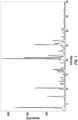
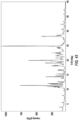
- the Compound 1 Besylate Form A is characterized by one or more peaks in an XRPD pattern on a 2 Theta scale, wherein the one or more peaks is selected from 3.78, 7.56, 10.08, 10.42, 11.70, 11.78, 12.00, 12.71, 13.20, 13.92, 14.06, 14.44, 14.93, 15.18, 15.96, 16.21, 16.40, 16.73, 16.86, 17.38, 18.32, 19.07, 20.07, 20.26, 20.51, 20.94, 21.45, 21.60, 22.30, 22.90, 23.05, 23.28, 23.71, 24.28, 24.97, 25.30, 25.69, 26.33, 26.71, 27.29, 27.65, 28.07, 29.22, and 29.50.
- the Compound 1 Besylate Form A is characterized by one or more peaks in an XRPD pattern on a 2 Theta scale, wherein the one or more peaks is selected from 3.78, 7.56, 10.42, 20.51, 20.94, 21.60, and 25.30.
- the Compound 1 Besylate Form A is characterized by all of the following peaks in an XRPD pattern on a 2 Theta scale, selected from 3.78, 7.56, 10.42, 20.51, 20.94, 21.60, and 25.30.
- the Compound 1 Besylate Form A is characterized by all of the following peaks in an XRPD pattern on a 2 Theta scale, selected from 3.78, 7.56, 10.08, 10.42, 11.70, 11.78, 12.00, 12.71, 13.20, 13.92, 14.06, 14.44, 14.93, 15.18, 15.96, 16.21, 16.40, 16.73, 16.86, 17.38, 18.32, 19.07, 20.07, 20.26, 20.51, 20.94, 21.45, 21.60, 22.30, 22.90, 23.05, 23.28, 23.71, 24.28, 24.97, 25.30, 25.69, 26.33, 26.71, 27.29, 27.65, 28.07, 29.22, and 29.50.
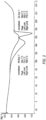
- the Compound 1 Besylate Form A is characterized by a first endotherm at about 144°C and a second endotherm at a temperature of about 170 °C in a DSC thermogram.
- the Compound 1 Besylate Form A is characterized by a weight loss of about 7.9% over a temperature range of 39-177 °C in a TGA thermogram.
- the crystalline form is characterized as Compound 1 Besylate Form B.
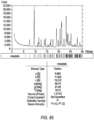
- the Compound 1 Besylate Form B is characterized by the XRPD pattern provided in Figure 4 .
- the crystalline form is characterized as Compound 1 Benzoate Form A.
- the Compound 1 Benzoate Form A is characterized by the XRPD pattern provided in Figure 5 .
- the crystalline form is characterized as Compound 1 Camsylate Form A.
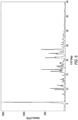
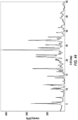
- the Compound 1 Camsylate Form A is characterized by one or more peaks in an XRPD pattern on a 2 Theta scale, wherein the one or more peaks is selected from 5.55, 7.90, 8.25, 8.38, 9.55, 9.87, 10.26, 11.12, 11.34, 12.50, 12.94, 13.40, 13.65, 14.79, 15.83, 16.16, 16.41, 16.54, 16.82, 17.10, 17.69, 18.02, 18.22, 18.47, 18.91, 19.10, 19.47, 20.04, 20.87, 21.05, 22.16, 22.36, 22.93, 23.71, 24.55, 25.33, 26.02, 26.40, 27.09, 27.33, 27.97, 28.32, 28.68, and 28.98.
- the Compound 1 Camsylate Form A is characterized by one or more peaks in an XRPD pattern on a 2 Theta scale, wherein the one or more peaks is selected from 5.55, 9.87, 10.26, 16.16, 16.82, 20.87, 22.36, and 23.71.
- the Compound 1 Camsylate Form A is characterized by all of the following peaks in an XRPD pattern on a 2 Theta scale, selected from 5.55, 9.87, 10.26, 16.16, 16.82, 20.87, 22.36, and 23.71.
- the Compound 1 Camsylate Form A is characterized by all of the following peaks in an XRPD pattern on a 2 Theta scale, selected from 5.55, 7.90, 8.25, 8.38, 9.55, 9.87, 10.26, 11.12, 11.34, 12.50, 12.94, 13.40, 13.65, 14.79, 15.83, 16.16, 16.41, 16.54, 16.82, 17.10, 17.69, 18.02, 18.22, 18.47, 18.91, 19.10, 19.47, 20.04, 20.87, 21.05, 22.16, 22.36, 22.93, 23.71, 24.55, 25.33, 26.02, 26.40, 27.09, 27.33, 27.97, 28.32, 28.68, and 28.98.
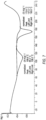
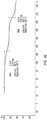
- the Compound 1 Camsylate Form A is characterized by a first endotherm at a temperature of about 110 °C and a second endotherm at about 174 °C in a DSC thermogram.
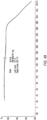
- the Compound 1 Camsylate Form A is characterized by a weight loss of about 5.9% over a temperature range of 38-170 °C in a TGA thermogram.
- the crystalline form is characterized as Compound 1 Camsylate Form B.
- the Compound 1 Camsylate Form B is characterized by one or more peaks in an XRPD pattern on a 2 Theta scale, wherein the one or more peaks is selected from 5.25, 8.32, 8.51, 8.76, 9.05, 9.58, 9.88, 10.00, 10.52, 10.80, 11.06, 11.96, 12.24, 12.58, 13.98, 15.62, 15.81, 16.15, 16.70, 17.12, 17.42, 17.71, 18.41, 19.37, 19.55, 20.63, 21.13, 21.56, 21.89, 22.50, 23.04, 24.43, 26.08, 27.07, 27.97, 28.22, and 28.73.
- the Compound 1 Camsylate Form B is characterized by one or more peaks in an XRPD pattern on a 2 Theta scale, wherein the one or more peaks is selected from 5.25, 10.52, 16.15, 21.13, 21.56, and 21.89.
- the Compound 1 Camsylate Form B is characterized by all of the following peaks in an XRPD pattern on a 2 Theta scale, selected from 5.25, 10.52, 16.15, 21.13, 21.56, and 21.89.
- the Compound 1 Camsylate Form B is characterized by all of the following peaks in an XRPD pattern on a 2 Theta scale, selected from 5.25, 8.32, 8.51, 8.76, 9.05, 9.58, 9.88, 10.00, 10.52, 10.80, 11.06, 11.96, 12.24, 12.58, 13.98, 15.62, 15.81, 16.15, 16.70, 17.12, 17.42, 17.71, 18.41, 19.37, 19.55, 20.63, 21.13, 21.56, 21.89, 22.50, 23.04, 24.43, 26.08, 27.07, 27.97, 28.22, and 28.73.
- the crystalline form is characterized as Compound 1 Citrate Form A.
- the Compound 1 Citrate Form A is characterized by the XRPD pattern provided in Figure 10 .
- the crystalline form is characterized as Compound 1 Citrate Form B.
- the Compound 1 Citrate Form B is characterized by one or more peaks in an XRPD pattern on a 2 Theta scale, wherein the one or more peaks is selected from 4.58, 5.95, 7.61, 8.88, 9.19, 9.94, 11.93, 13.26, 13.79, 14.29, 14.68, 15.26, 15.95, 16.64, 17.11, 17.87, 18.21, 18.43, 18.90, 19.36, 19.67, 20.14,20.57, 21.47, 22.30, 22.64,23.06, 23.80, 24.25, 24.55, 24.81, 25.10, 25.45, 25.54, 25.85, 26.35, 26.51, 26.83, 27.16, 27.57, 27.85, 28.08, and 28.47.
- the Compound 1 Citrate Form B is characterized by one or more peaks in an XRPD pattern on a 2 Theta scale, wherein the one or more peaks is selected from 4.58, 5.95, 8.88, 11.93, 13.79, 14.29, 16.64, 18.90, 21.47, 23.80, 24.25, and 25.85.
- the Compound 1 Citrate Form B is characterized by all of the following peaks in an XRPD pattern on a 2 Theta scale, selected from 4.58, 5.95, 8.88, 11.93, 13.79, 14.29, 16.64, 18.90, 21.47, 23.80, 24.25, and 25.85.
- the Compound 1 Citrate Form B is characterized by all of the following peaks in an XRPD pattern on a 2 Theta scale, selected from 4.58, 5.95, 7.61, 8.88, 9.19, 9.94, 11.93, 13.26, 13.79, 14.29, 14.68, 15.26, 15.95, 16.64, 17.11, 17.87, 18.21, 18.43, 18.90, 19.36, 19.67, 20.14, 20.57, 21.47, 22.30,22.64, 23.06, 23.80, 24.25, 24.55, 24.81, 25.10, 25.45, 25.54, 25.85, 26.35, 26.51, 26.83, 27.16, 27.57, 27.85, 28.08, and 28.47.
- the Compound 1 Citrate Form B is characterized by an endotherm at about 175 °C in a DSC thermogram. In another embodiment, the Compound 1 Citrate Form B is characterized by an endotherm with an onset temperature at about 175 °C in a DSC thermogram.
- the Compound 1 Citrate Form B is characterized by a weight loss above a temperature of 175 °C in a TGA thermogram.
- the Compound 1 Citrate Form B is characterized by a weight loss beginning at a temperature of about 159 °C and ending at about 220 °C in a TGA thermogram.
- the Compound 1 Citrate Form B is characterized by about a 4.1 wt% increase, as measured by DVS, when taken from an environment of 5% relative humidity to an environment of 95% relative humidity.
- the crystalline form is characterized as Compound 1 Esylate Form A.
- the Compound 1 Esylate Form A is characterized by one or more peaks in an XRPD pattern on a 2 Theta scale, wherein the one or more peaks is selected from 3.97, 7.95, 9.89, 10.62, 10.92, 11.03, 11.34, 11.77, 12.03, 12.53, 12.71, 13.27, 14.00, 14.70, 15.08, 15.94, 16.17, 16.92, 17.01, 17.19, 17.35, 17.61, 18.15, 18.76, 19.03, 19.66, 19.89, 20.26, 20.65, 20.78, 21.44, 22.08, 23.14, 23.27, 23.99, 24.32, 25.43, 25.66, 25.85,26.52, 26.87, 27.61, 27.96, 28.18, 28.40, and 28.91.
- the Compound 1 Esylate Form A is characterized by one or more peaks in an XRPD pattern on a 2 Theta scale, wherein the one or more peaks is selected from 3.97, 7.95, 9.89, 10.62, 13.27, 15.08, 16.17, 16.92, 17.01, 20.65, 20.78, 21.44, 22.08, 23.99, 25.43, and 26.52.
- the Compound 1 Esylate Form A is characterized by all of the following peaks in an XRPD pattern on a 2 Theta scale, selected from 3.97, 7.95, 9.89, 10.62, 13.27, 15.08, 16.17, 16.92, 17.01, 20.65, 20.78, 21.44, 22.08, 23.99, 25.43, and 26.52.
- the Compound 1 Esylate Form A is characterized by all of the following peaks in an XRPD pattern on a 2 Theta scale, selected from 3.97, 7.95, 9.89, 10.62, 10.92, 11.03, 11.34, 11.77, 12.03, 12.53, 12.71, 13.27, 14.00, 14.70, 15.08, 15.94, 16.17, 16.92, 17.01, 17.19, 17.35, 17.61, 18.15, 18.76, 19.03, 19.66, 19.89, 20.26, 20.65, 20.78, 21.44, 22.08, 23.14, 23.27, 23.99, 24.32, 25.43, 25.66, 25.85,26.52, 26.87, 27.61, 27.96, 28.18, 28.40, and 28.91.
- the Compound 1 Esylate Form A is characterized by a first endotherm at a temperature of about 69 °C, a second endotherm at a temperature of about 156 °C, and a third endotherm at a temperature of about 190 °C, in a DSC thermogram.
- the Compound 1 Esylate Form A is characterized by a weight loss of about 8.5 wt% over a temperature range of 38-188 °C in a TGA thermogram.
- the crystalline form is characterized as Compound 1 Esylate Form B.
- the Compound 1 Esylate Form B is characterized by the XRPD pattern provided in Figure 18 .
- the crystalline form is characterized as Compound 1 HBr Form A.
- the Compound 1 HBr Form A is characterized by the XRPD pattern provided in Figure 19 .
- the crystalline form is characterized as Compound 1 HBr Form B.
- the Compound 1 HBr Form B is characterized by one or more peaks in an XRPD pattern on a 2 Theta scale, wherein the one or more peaks is selected from 5.26, 8.29, 9.75, 9.91, 10.56, 10.72, 12.25, 12.50, 12.75, 13.31, 13.54, 14.11, 14.72, 14.89, 15.87, 16.29, 16.50, 17.36, 17.78, 18.09, 18.44, 18.75, 19.12, 19.24, 19.56, 19.92, 20.40, 20.55, 20.69, 21.18, 22.09, 22.64, 23.24, 24.56, 25.80, 26.52, 27.23, 27.43, 28.13, 28.46, 28.76, 29.08, 29.66, and 30.07.
- the Compound 1 HBr Form B is characterized by one or more peaks in an XRPD pattern on a 2 Theta scale, wherein the one or more peaks is selected from 5.26, 9.91, 10.72, 20.55, 20.69, 21.18, 22.09, 23.24, 24.56, and 25.80.
- the Compound 1 HBr Form B is characterized by all of the following peaks in an XRPD pattern on a 2 Theta scale, selected from 5.26, 9.91, 10.72, 20.55, 20.69, 21.18, 22.09, 23.24, 24.56, and 25.80.
- the Compound 1 HBr Form B is characterized by all of the following peaks in an XRPD pattern on a 2 Theta scale, selected from 5.26, 8.29, 9.75, 9.91, 10.56, 10.72, 12.25, 12.50, 12.75, 13.31, 13.54, 14.11, 14.72, 14.89, 15.87, 16.29, 16.50, 17.36, 17.78, 18.09, 18.44, 18.75, 19.12, 19.24, 19.56, 19.92, 20.40, 20.55, 20.69, 21.18, 22.09, 22.64, 23.24, 24.56, 25.80, 26.52, 27.23, 27.43, 28.13, 28.46, 28.76, 29.08, 29.66, and 30.07.
- the crystalline form is characterized as Compound 1 Lactate Form A.
- the Compound 1 Lactate Form A is characterized by the XRPD pattern provided in Figure 21 .
- the crystalline form is characterized as Compound 1 Malate Form A.
- the Compound 1 Malate Form A is characterized by the XRPD pattern provided in Figure 22 .
- the crystalline form is Compound 1 Maleate Form A.
- the Compound 1 Maleate Form A is characterized by one or more peaks in an XRPD pattern on a 2 Theta scale, wherein the one or more peaks is selected from 7.58, 8.34, 10.92, 12.38, 12.87, 14.17, 15.13, 15.78, 16.43, 16.91, 17.51, 18.09, 18.71, 20.30, 21.60, 21.99, 22.30, 22.49, 23.32, 23.56, 23.92, 24.79, 26.04, 26.41, 26.92, 27.62, 28.18, 28.54, and 29.01.
- the Compound 1 Maleate Form A is characterized by one or more peaks in an XRPD pattern on a 2 Theta scale, wherein the one or more peaks is selected from 10.92, 15.13, 15.78, 16.43, 18.09, 18.71, 20.30, 21.99,22.30, 22.49, 23.32, 23.56, 24.79, 26.41, 26.92, and 29.01.
- the Compound 1 Maleate Form A is characterized by all of the following peaks in an XRPD pattern on a 2 Theta scale, selected from 10.92, 15.13, 15.78, 16.43, 18.09, 18.71, 20.30, 21.99, 22.30, 22.49, 23.32, 23.56, 24.79, 26.41, 26.92, and 29.01.
- the Compound 1 Maleate Form A is characterized by all of the following peaks in an XRPD pattern on a 2 Theta scale, selected from 7.58, 8.34, 10.92, 12.38, 12.87, 14.17, 15.13, 15.78, 16.43, 16.91, 17.51, 18.09, 18.71, 20.30, 21.60, 21.99, 22.30, 22.49, 23.32, 23.56, 23.92, 24.79, 26.04, 26.41, 26.92, 27.62, 28.18, 28.54, and 29.01.
- the Compound 1 Maleate Form A is characterized by an endotherm at a temperature of about 117 °C in a DSC thermogram.
- the Compound 1 Maleate Form A is characterized by a weight loss of about 3.1 wt% in the temperature range of 42-146 °C in a TGA thermogram.
- the Compound 1 Maleate Form A is characterized by about a 2.5 wt% increase, as measured by DVS, when taken from an environment of 5% relative humidity to an environment of 95% relative humidity.
- the crystalline form is characterized as Compound 1 Maleate Form B.
- the Compound 1 Maleate Form B is characterized by the XRPD pattern provided in Figure 28 .
- the crystalline form is characterized as Compound 1 Mesylate Form A.
- the Compound 1 Mesylate Form A is characterized by one or more peaks in an XRPD pattern on a 2 Theta scale, wherein the one or more peaks is selected from 5.06, 6.65, 7.66, 8.35, 10.16, 10.72, 11.98, 12.62, 13.32, 14.41, 14.79, 15.42, 15.72, 15.89, 16.23, 16.77, 17.20, 17.59, 18.08, 18.40, 18.81, 19.33, 19.53, 19.71, 20.14, 20.38, 20.73, 21.05, 21.56, 21.83, 22.16, 23.14, 24.06, 24.54, 24.77, 25.75, 26.82, 27.71, 27.94, 28.71, 29.27, and 29.85.
- the Compound 1 Mesylate Form A is characterized by one or more peaks in an XRPD pattern on a 2 Theta scale, wherein the one or more peaks is selected from 5.06, 7.66, 14.79, 15.42, 16.23, 17.20, 17.59, 18.40, 19.33, 19.53, 20.38, 20.73, 21.83, 22.16, 23.14, 24.06, and 24.77.
- the Compound 1 Mesylate Form A is characterized by all of the following peaks in an XRPD pattern on a 2 Theta scale, selected from 5.06, 7.66, 14.79, 15.42, 16.23, 17.20, 17.59, 18.40, 19.33, 19.53, 20.38, 20.73, 21.83, 22.16, 23.14, 24.06, and 24.77.
- the Compound 1 Mesylate Form A is characterized by all of the following peaks in an XRPD pattern on a 2 Theta scale, selected from 5.06, 6.65, 7.66, 8.35, 10.16, 10.72, 11.98, 12.62, 13.32, 14.41, 14.79, 15.42, 15.72, 15.89, 16.23, 16.77, 17.20, 17.59, 18.08, 18.40, 18.81, 19.33, 19.53, 19.71, 20.14, 20.38, 20.73, 21.05, 21.56, 21.83, 22.16, 23.14, 24.06, 24.54, 24.77, 25.75, 26.82, 27.71, 27.94, 28.71, 29.27, and 29.85.
- the crystalline form is characterized as Compound 1 Mesylate Form B.
- the Compound 1 Mesylate Form B is characterized by one or more peaks in an XRPD pattern on a 2 Theta scale, wherein the one or more peaks is selected from 5.14, 6.62, 7.72, 7.89, 10.33, 10.73, 12.74, 13.31, 13.88, 14.23, 14.61, 15.21, 15.52, 15.87, 16.17, 17.18, 17.41, 17.88, 18.15, 18.46, 18.73, 19.13, 19.54, 20.15, 20.53, 20.75, 20.98, 21.27, 21.60, 22.03, 22.28, 23.07, 23.32, 24.16, 24.42, 24.87, 25.13, 25.64, 26.24, 26.95, 27.17, 27.49, 27.77, 28.42, and 29.54.
- the Compound 1 Mesylate Form B is characterized by one or more peaks in an XRPD pattern on a 2 Theta scale, wherein the one or more peaks is selected from 14.61, 15.21, 16.17, 17.18, 17.41, 18.46, 19.13, 19.54, 20.15, 20.53, 20.75, 20.98, 21.27, 21.60, 22.03, 23.32, 24.16, 24.42, 24.87, and 25.13.
- the Compound 1 Mesylate Form B is characterized by all of the following peaks in an XRPD pattern on a 2 Theta scale, selected from 14.61, 15.21, 16.17, 17.18, 17.41, 18.46, 19.13, 19.54, 20.15, 20.53, 20.75, 20.98, 21.27, 21.60, 22.03, 23.32, 24.16, 24.42, 24.87, and 25.13.
- the Compound 1 Mesylate Form B is characterized by all of the following peaks in an XRPD pattern on a 2 Theta scale, selected from 5.14, 6.62, 7.72, 7.89, 10.33, 10.73, 12.74, 13.31, 13.88, 14.23, 14.61, 15.21, 15.52, 15.87, 16.17, 17.18, 17.41, 17.88, 18.15, 18.46, 18.73, 19.13, 19.54, 20.15, 20.53, 20.75, 20.98, 21.27, 21.60, 22.03, 22.28, 23.07, 23.32, 24.16, 24.42, 24.87, 25.13, 25.64, 26.24, 26.95, 27.17, 27.49, 27.77, 28.42, and 29.54.
- the crystalline form is characterized as Compound 1 Mesylate Form C.
- the Compound 1 Mesylate Form C is characterized by one or more peaks in an XRPD pattern on a 2 Theta scale, wherein the one or more peaks is selected from 7.55, 9.53, 10.25, 11.04, 11.49, 11.65, 12.24, 12.51, 13.88, 14.44, 15.36, 15.66, 16.29, 16.58, 17.16, 17.54, 19.04, 19.20, 19.79, 20.54, 21.12, 21.24, 21.62, 22.22, 23.15, 23.57, 23.99, 24.61, 24.77, 25.22, 25.61, 25.99, 26.60, 26.89, 27.29, 27.91, 29.03, and 29.29.
- the Compound 1 Mesylate Form C is characterized by one or more peaks in an XRPD pattern on a 2 Theta scale, wherein the one or more peaks is selected from 7.55, 9.53, 11.49, 12.51, 14.44, 19.04, 20.54, 21.12, 21.24, and 23.15.
- the Compound 1 Mesylate Form C is characterized by all of the following peaks in an XRPD pattern on a 2 Theta scale, selected from 7.55, 9.53, 11.49, 12.51, 14.44, 19.04, 20.54, 21.12, 21.24, and 23.15.
- the Compound 1 Mesylate Form C is characterized by all of the following peaks in an XRPD pattern on a 2 Theta scale, selected from 7.55, 9.53, 10.25, 11.04, 11.49, 11.65, 12.24, 12.51, 13.88, 14.44, 15.36, 15.66, 16.29, 16.58, 17.16, 17.54, 19.04, 19.20, 19.79, 20.54, 21.12, 21.24, 21.62, 22.22, 23.15, 23.57, 23.99, 24.61, 24.77, 25.22, 25.61, 25.99, 26.60, 26.89, 27.29, 27.91, 29.03, and 29.29.
- the Compound 1 Mesylate Form C is characterized by a first endotherm from a temperature of about 96-98 °C, and a second endotherm from a temperature of about 198-203 °C in a DSC thermogram.
- the Compound 1 Mesylate Form C is characterized by a first endotherm with a peak at a temperature of about 69 °C, wherein the first endotherm has a lower limit of a temperature of about 36 and an upper limit of a temperature of about 96 °C, and a second endotherm with a peak at a temperature of about 208 °C, wherein the second endotherm has a lower limit of a temperature of about 169 and an upper limit of a temperature of about 219 °C.
- the Compound 1 Mesylate Form C is characterized by a weight loss of from 0.5 to 3.0 wt% in the temperature range of 36-130 °C in a TGA thermogram.
- the crystalline form is characterized as Compound 1 Oxalate Form A.
- the Compound 1 Oxalate Form A is characterized by one or more peaks in an XRPD pattern on a 2 Theta scale, wherein the one or more peaks is selected from 4.90, 5.25, 6.20, 8.05, 9.87, 10.54, 12.29, 14.79, 15.35, 15.84, 16.49, 16.89, 17.55, 18.27, 18.67, 19.12, 19.40, 19.81, 20.26, 20.50, 21.06, 21.74, 22.17, 22.93, 23.26, 23.50, 23.81, 24.66, 25.06, 25.95, 26.90, 27.82, and 28.24.
- the Compound 1 Oxalate Form A is characterized by one or more peaks in an XRPD pattern on a 2 Theta scale, wherein the one or more peaks is selected from 4.90, 5.25, 9.87, 10.54, 12.29, 15.35, 18.67, 19.40, 19.81, 20.26, 22.93, and 24.66.
- the Compound 1 Oxalate Form A is characterized by all of the following peaks in an XRPD pattern on a 2 Theta scale, selected from 4.90, 5.25, 9.87, 10.54, 12.29, 15.35, 18.67, 19.40, 19.81, 20.26, 22.93, and 24.66.
- the Compound 1 Oxalate Form A is characterized by all of the following peaks in an XRPD pattern on a 2 Theta scale, selected from 4.90, 5.25, 6.20, 8.05, 9.87, 10.54, 12.29, 14.79, 15.35, 15.84, 16.49, 16.89, 17.55, 18.27, 18.67, 19.12, 19.40, 19.81, 20.26, 20.50, 21.06, 21.74, 22.17, 22.93, 23.26, 23.50, 23.81, 24.66, 25.06, 25.95, 26.90, 27.82, and 28.24.
- the crystalline form is characterized as Compound 1 Oxalate Form B.
- the Compound 1 Oxalate Form B is characterized by one or more peaks in an XRPD pattern on a 2 Theta scale, wherein the one or more peaks is selected from 4.20, 7.59, 8.02, 8.42, 10.53, 12.36, 12.66, 13.09, 13.35, 13.88, 14.15, 14.46, 15.06, 15.23, 17.42, 17.75, 18.28, 19.07, 19.52, 20.33, 21.18, 21.43, 21.74, 22.08, 22.59, 23.53, 24.21, 24.52, 24.71, 25.24, 25.85, 26.24, 26.55, 26.90, 27.43, 28.56, 29.30, and 29.51.
- the Compound 1 Oxalate Form B is characterized by one or more peaks in an XRPD pattern on a 2 Theta scale, wherein the one or more peaks is selected from 4.20, 7.59, 10.53, 15.06, 15.23, 19.52, 21.18, 21.43, 22.59, 24.21, and 25.85.
- the Compound 1 Oxalate Form B is characterized by all of the following peaks in an XRPD pattern on a 2 Theta scale, selected from 4.20, 7.59, 10.53, 15.06, 15.23, 19.52, 21.18, 21.43, 22.59, 24.21, and 25.85.
- the Compound 1 Oxalate Form B is characterized by all of the following peaks in an XRPD pattern on a 2 Theta scale, selected from 4.20, 7.59, 8.02, 8.42, 10.53, 12.36, 12.66, 13.09, 13.35, 13.88, 14.15, 14.46, 15.06, 15.23, 17.42, 17.75, 18.28, 19.07, 19.52, 20.33, 21.18, 21.43, 21.74, 22.08, 22.59,23.53, 24.21, 24.52, 24.71, 25.24, 25.85, 26.24, 26.55, 26.90, 27.43, 28.56, 29.30, and 29.51.
- the crystalline form is characterized as Compound 1 Oxalate Form C.
- the Compound 1 Oxalate Form C is characterized by one or more peaks in an XRPD pattern on a 2 Theta scale, wherein the one or more peaks is selected from 4.13, 7.70, 10.29, 10.59, 13.09, 13.70, 14.13,15.33, 15.87, 16.57, 17.19, 17.50, 17.83, 18.15, 18.61, 19.24, 19.42, 20.11, 20.34, 20.64, 21.07,21.47, 21.59, 21.91, 22.56,22.92, 23.37, 23.87, 24.35, 25.35, 25.91, 26.47, 26.68, 27.74, 28.47, and 29.14.
- the Compound 1 Oxalate Form C is characterized by one or more peaks in an XRPD pattern on a 2 Theta scale, wherein the one or more peaks is selected from 7.70, 10.29, 10.59, 13.09, 13.70, 15.33, 17.83, 18.15, 20.11, 21.07, 21.91, and 22.56.
- the Compound 1 Oxalate Form C is characterized by all of the following peaks in an XRPD pattern on a 2 Theta scale, selected from 7.70, 10.29, 10.59, 13.09, 13.70, 15.33, 17.83, 18.15, 20.11, 21.07, 21.91, and 22.56.
- the Compound 1 Oxalate Form C is characterized by all of the following peaks in an XRPD pattern on a 2 Theta scale, selected from 4.13, 7.70, 10.29, 10.59, 13.09, 13.70, 14.13,15.33, 15.87, 16.57, 17.19, 17.50, 17.83, 18.15, 18.61, 19.24, 19.42, 20.11, 20.34, 20.64, 21.07,21.47, 21.59, 21.91, 22.56,22.92, 23.37, 23.87, 24.35, 25.35, 25.91, 26.47, 26.68, 27.74, 28.47, and 29.14.
- the crystalline form is characterized as Compound 1 Propionate Form A.
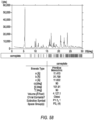
- the Compound 1 Propionate Form A is characterized by the XRPD pattern provided in Figure 38 .
- the crystalline form is characterized as Compound 1 Succinate Form A.
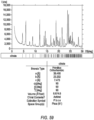
- the Compound 1 Succinate Form A is characterized by the XRPD pattern provided in Figure 39 .
- the crystalline form is characterized as Compound 1 Sulfate Form A.
- the Compound 1 Sulfate Form A is characterized by one or more peaks in an XRPD pattern on a 2 Theta scale, wherein the one or more peaks is selected from 4.74, 5.85, 9.47, 10.04, 11.74, 11.95, 13.77, 14.99, 15.42, 15.71, 16.48, 17.36, 17.66, 17.92, 18.59, 18.95, 19.36, 19.74, 20.22, 20.77, 21.38, 21.86, 22.74, 23.30, 23.70, 24.33, 25.07, 25.32, 25.67, 26.23, and 27.00.
- the Compound 1 Sulfate Form A is characterized by one or more peaks in an XRPD pattern on a 2 Theta scale, wherein the one or more peaks is selected from 4.74, 5.85, 9.47, 10.04, 11.74, 11.95, 16.48, 20.22, and 22.74.
- the Compound 1 Sulfate Form A is characterized by all of the following peaks in an XRPD pattern on a 2 Theta scale, selected from 4.74, 5.85, 9.47, 10.04, 11.74, 11.95, 16.48, 20.22, and 22.74.
- the Compound 1 Sulfate Form A is characterized by all of the following peaks in an XRPD pattern on a 2 Theta scale, selected from 4.74, 5.85, 9.47, 10.04, 11.74, 11.95, 13.77, 14.99, 15.42, 15.71, 16.48, 17.36, 17.66, 17.92, 18.59, 18.95, 19.36, 19.74, 20.22, 20.77, 21.38, 21.86, 22.74, 23.30, 23.70, 24.33, 25.07, 25.32, 25.67, 26.23, and 27.00.
- the crystalline form is characterized as Compound 1 Sulfate Form B.
- the Compound 1 Sulfate Form B is characterized by one or more peaks in an XRPD pattern on a 2 Theta scale, wherein the one or more peaks is selected from 4.27, 8.57, 9.32, 10.95, 11.29, 12.07, 12.87, 13.25, 13.82, 14.13, 14.67, 16.94, 17.21, 17.64, 19.99, 20.26, 21.03, 21.44, 22.00, 22.71, 23.85, 25.20, and 26.02.
- the Compound 1 Sulfate Form B is characterized by one or more peaks in an XRPD pattern on a 2 Theta scale, wherein the one or more peaks is selected from 4.27, 8.57, 9.32, 16.94, 19.99, 21.03, 21.44, 22.00, and 26.02.
- the Compound 1 Sulfate Form B is characterized by all of the following peaks in an XRPD pattern on a 2 Theta scale, selected from 4.27, 8.57, 9.32, 16.94, 19.99, 21.03, 21.44, 22.00, and 26.02.
- the Compound 1 Sulfate Form B is characterized by all of the following peaks in an XRPD pattern on a 2 Theta scale, selected from 4.27, 8.57, 9.32, 10.95, 11.29, 12.07, 12.87, 13.25, 13.82, 14.13, 14.67, 16.94, 17.21, 17.64, 19.99, 20.26, 21.03, 21.44, 22.00, 22.71, 23.85, 25.20, and 26.02.
- the crystalline form is characterized as Compound 1 Sulfate Form C.
- the Compound 1 Sulfate Form C is characterized by one or more peaks in an XRPD pattern on a 2 Theta scale, wherein the one or more peaks is selected from 3.19, 5.35, 9.04, 9.62, 10.73, 11.31, 11.60, 12.27, 12.67, 13.76, 14.31, 14.65, 15.21, 15.63, 16.11, 16.33, 16.63, 17.11, 18.32, 18.75, 18.99, 19.36, 19.47, 20.16, 20.55, 21.01, 21.52, 21.62, 21.89, 22.19, 22.53, 23.19, 23.79, 24.23, 24.81, 25.07,25.41, 26.06, 26.73, 27.58, 28.16, 28.63, 28.90, 29.22, 29.47, and 29.73.
- the Compound 1 Sulfate Form C is characterized by one or more peaks in an XRPD pattern on a 2 Theta scale, wherein the one or more peaks is selected from 3.19, 5.35, 9.62, 12.27, 16.33, 17.11, 18.75, 18.99, 19.36, 19.47, 20.55, 21.01, 21.52, 21.62, 21.89, 22.19, 23.79, 25.07, and 26.06.
- the Compound 1 Sulfate Form C is characterized by all of the following peaks in an XRPD pattern on a 2 Theta scale, selected from 3.19, 5.35, 9.62, 12.27, 16.33, 17.11, 18.75, 18.99, 19.36, 19.47, 20.55, 21.01, 21.52, 21.62, 21.89, 22.19, 23.79, 25.07, and 26.06.
- the Compound 1 Sulfate Form C is characterized by all of the following peaks in an XRPD pattern on a 2 Theta scale, selected from 3.19, 5.35, 9.04, 9.62, 10.73, 11.31, 11.60, 12.27, 12.67, 13.76, 14.31, 14.65, 15.21, 15.63, 16.11, 16.33, 16.63, 17.11, 18.32, 18.75, 18.99, 19.36, 19.47, 20.16, 20.55,21.01, 21.52, 21.62, 21.89, 22.19, 22.53, 23.19, 23.79, 24.23, 24.81,25.07, 25.41, 26.06, 26.73,27.58, 28.16, 28.63, 28.90, 29.22, 29.47, and 29.73.
- the crystalline form is characterized as Compound 1 Tartrate Form A.
- the Compound 1 Tartrate Form A is characterized by the XRPD pattern provided in Figure 43 .
- the crystalline form is characterized as Compound 1 Hemitartrate Form B.
- the Compound 1 Hemitartrate Form B is characterized by one or more peaks in an XRPD pattern on a 2 Theta scale, wherein the one or more peaks is selected from 5.17, 5.66, 7.22, 9.27, 10.10, 10.40, 11.37, 11.55, 12.77, 13.94, 14.51, 15.60, 16.06, 16.48, 17.09, 17.69, 17.90, 18.27, 18.94, 19.15, 19.59, 19.81, 20.06, 20.32, 21.23, 21.83, 22.34, 22.84, 23.53, 24.26, 24.70, 25.26, 25.80, 26.78, 27.29, 27.90, 29.04, and 29.45.
- the Compound 1 Hemitartrate Form B is characterized by one or more peaks in an XRPD pattern on a 2 Theta scale, wherein the one or more peaks is selected from 5.17, 5.66, 10.10, 10.40, 11.37, 11.55, 14.51, 17.09, 21.23, 21.83, 23.53, 24.26, 25.26, and 26.78.
- the Compound 1 Hemitartrate Form B is characterized by all of the following peaks in an XRPD pattern on a 2 Theta scale, selected from 5.17, 5.66, 10.10, 10.40, 11.37, 11.55, 14.51, 17.09, 21.23, 21.83, 23.53, 24.26, 25.26, and 26.78.
- the Compound 1 Hemitartrate Form B is characterized by all of the following peaks in an XRPD pattern on a 2 Theta scale, selected from 5.17, 5.66, 7.22, 9.27, 10.10, 10.40, 11.37, 11.55, 12.77, 13.94, 14.51, 15.60, 16.06, 16.48, 17.09, 17.69, 17.90, 18.27, 18.94, 19.15, 19.59, 19.81, 20.06, 20.32, 21.23, 21.83, 22.34, 22.84, 23.53, 24.26, 24.70, 25.26, 25.80, 26.78, 27.29, 27.90, 29.04, and 29.45.
- the Compound 1 Hemitartrate Form B is characterized by a first endotherm at a temperature of about 111 °C, and a second endotherm at a temperature of about 148 °C in a DSC thermogram.
- the Compound 1 Hemitartrate Form B is characterized by a weight loss of about 7.4 wt% in the temperature range of 39-157 °C in a TGA thermogram.
- the crystalline form is characterized as Compound 1 Tartrate Form C.
- the Compound 1 Tartrate Form C is characterized by the XRPD pattern provided in Figure 69 .
- the crystalline form is characterized as Compound 1 Tosylate Form A.
- the Compound 1 Tosylate Form A is characterized by one or more peaks in an
- XRPD pattern on a 2 Theta scale wherein the one or more peaks is selected from 5.81, 7.05, 8.52, 9.74, 10.40, 10.99, 11.26, 11.66, 12.58, 12.81, 14.28, 14.62, 15.30, 15.80, 16.03, 16.34, 17.12, 17.55, 18.03, 18.94, 19.26, 19.67, 20.31, 20.65,21.02, 21.43, 22.11, 22.44, 22.66, 22.94, 23.07, 23.54, 23.79, 24.55,24.88, 25.42, 25.83, 26.10,26.53, 27.70, 28.11, 28.62, 29.18, 29.40, 29.66, and 29.83.
- the Compound 1 Tosylate Form A is characterized by one or more peaks in an XRPD pattern on a 2 Theta scale, wherein the one or more peaks is selected from 8.52, 9.74, 14.28, 16.03, 17.55, 18.94, 19.26, 20.31, 21.02, 21.43, 22.11, 22.44, 22.66, 23.07, 24.55, and 27.70.
- the Compound 1 Tosylate Form A is characterized by all of the following peaks in an XRPD pattern on a 2 Theta scale, selected from 8.52, 9.74, 14.28, 16.03, 17.55, 18.94, 19.26,20.31, 21.02, 21.43, 22.11, 22.44, 22.66, 23.07, 24.55, and 27.70.
- the Compound 1 Tosylate Form A is characterized by all of the following peaks in an XRPD pattern on a 2 Theta scale, selected from 5.81, 7.05, 8.52, 9.74, 10.40, 10.99, 11.26, 11.66, 12.58, 12.81, 14.28, 14.62, 15.30, 15.80, 16.03, 16.34, 17.12, 17.55, 18.03, 18.94, 19.26, 19.67, 20.31, 20.65, 21.02, 21.43, 22.11, 22.44, 22.66, 22.94, 23.07, 23.54, 23.79, 24.55, 24.88, 25.42, 25.83, 26.10, 26.53, 27.70, 28.11, 28.62, 29.18, 29.40, 29.66, and 29.83.
- the Compound 1 Tosylate Form A is characterized by an endotherm at a temperature of about 214 °C in a DSC thermogram. In another embodiment, the Compound 1 Tosylate Form A is characterized by an endotherm with an onset temperature at about 214 °C in a DSC thermogram.
- the Compound 1 Tosylate Form A is characterized by a weight loss of about 0.9 wt% in the temperature range of 72-231 °C in a TGA thermogram.
- the Compound 1 Tosylate Form A is characterized by about a 0.9 wt% increase, as measured by DVS, when taken from an environment of 5% relative humidity to an environment of 95% relative humidity.
- the crystalline form is characterized as Compound 1 Tosylate Form B.
- the Compound 1 Tosylate Form B is characterized by one or more peaks in an XRPD pattern on a 2 Theta scale, wherein the one or more peaks is selected from 4.61, 8.69, 9.25, 10.68, 12.44, 12.69, 13.76, 14.42, 14.81, 15.47, 16.08, 16.57, 17.45, 17.76, 18.44, 18.83, 19.01, 19.35, 20.42, 20.84, 21.15, 21.69, 22.09, 22.86, 23.12, 24.08, 24.53, 24.86, 25.22, 25.91, 26.33, 26.82, 27.63, 28.61, 29.11, and 29.77.
- the Compound 1 Tosylate Form B is characterized by one or more peaks in an XRPD pattern on a 2 Theta scale, wherein the one or more peaks is selected from 4.61, 9.25, 12.44, 15.47, 17.76, 19.01, 19.35, 25.91, 26.33, and 27.63.
- the Compound 1 Tosylate Form B is characterized by all of the following peaks in an XRPD pattern on a 2 Theta scale, selected from 4.61, 9.25, 12.44, 15.47, 17.76, 19.01, 19.35, 25.91, 26.33, and 27.63.
- the Compound 1 Tosylate Form B is characterized by all of the following peaks in an XRPD pattern on a 2 Theta scale, selected from 4.61, 8.69, 9.25, 10.68, 12.44, 12.69, 13.76, 14.42, 14.81, 15.47, 16.08, 16.57, 17.45, 17.76, 18.44, 18.83, 19.01, 19.35, 20.42, 20.84, 21.15, 21.69, 22.09, 22.86, 23.12, 24.08, 24.53, 24.86, 25.22, 25.91, 26.33, 26.82, 27.63, 28.61, 29.11, and 29.77.
- the Compound 1 Tosylate Form B is characterized by a sharp endotherm at a temperature of ⁇ 183 °C in a DSC thermogram. In another embodiment, the Compound 1 Tosylate Form B is characterized by a sharp endotherm with an onset temperature at -183 °C in a DSC thermogram. In another embodiment, the Compound 1 Tosylate Form B is characterized by a sharp endotherm with a peak at a temperature of -191 °C in a DSC thermogram.
- the Compound 1 Tosylate Form B is characterized by a weight loss of about 0.7 wt% in the temperature range of 39-214 °C in a TGA thermogram.
- the Compound 1 Tosylate Form B is characterized by about a 0.9 wt% increase, as measured by DVS, when taken from an environment of 5% relative humidity to an environment of 95% relative humidity.
- the invention includes a pharmaceutical composition comprising a crystalline salt form described herein and a pharmaceutically acceptable excipient.
- the disclosure includes a method of treating a disease, disorder, or syndrome mediated at least in part by modulating in vivo activity of a protein kinase, comprising administering to a subject in need thereof a crystalline salt form or pharmaceutical composition described herein.
- the disease, disorder, or syndrome mediated at least in part by modulating in vivo activity of a protein kinase is cancer.
- the disclosure includes a method for inhibiting a protein kinase, the method comprising contacting the protein kinase with a crystalline salt form or pharmaceutical composition described herein.
- the protein kinase is Axl, Mer, c-Met, KDR, or a combination thereof.
- Compound 1 Besylate Form A is a 1:1 salt of Compound 1 and benzenesulfonic acid, and further includes one molar equivalent of acetone in the crystal lattice.
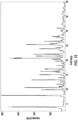
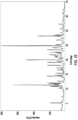
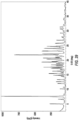
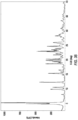
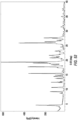
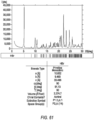
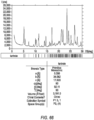
- the XRPD pattern for Compound 1 Besylate Form A is provided in Figure 1 , and a list of peaks from the pattern is provided in Table 1 below.
- Table 1 XRPD peaks of Compound 1 Besylate Form A 2 ⁇ (°) d -spacing ( ⁇ ) Intensity (%) 3.78 ⁇ 0.20 23.386 ⁇ 1.238 78 7.56 ⁇ 0.20 11.677 ⁇ 0.308 28 10.08 ⁇ 0.20 8.766 ⁇ 0.173 12 10.42 ⁇ 0.20 8.480 ⁇ 0.162 49 11.70 ⁇ 0.20 7.561 ⁇ 0.129 8 11.78 ⁇ 0.20 7.506 ⁇ 0.127 6 12.00 ⁇ 0.20 7.369 ⁇ 0.122 10 12.71 ⁇ 0.20 6.958 ⁇ 0.109 11 13.20 ⁇ 0.20 6.702 ⁇ 0.101 7 13.92 ⁇ 0.20 6.358 ⁇ 0.091 8 14.06 ⁇ 0.20 6.294 ⁇ 0.089 8 14.44 ⁇ 0.20 6.128 ⁇
- Compound 1 Besylate Form B is the resulting material after desolvation of Compound 1 Besylate Form A. It was detected as a mixture with Besylate Form A.
- Compound 1 Benzoate Form A is a 1:1 salt, formed by adding benzoic acid to Compound 1 in hot methanol.
- Compound 1 Camsylate Form A is a 1:1 salt of Compound 1 and camphorsulfonic acid, and further includes one molar equivalent of acetone in the crystal lattice.
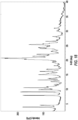
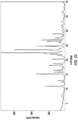
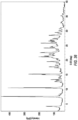
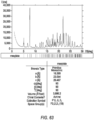
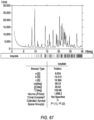
- the XRPD pattern for Compound 1 Camsylate Form A is provided in Figure 6 , and a list of peaks from the pattern is provided in Table 2 below.
- Table 2 XRPD peaks of Compound 1 Camsylate Form A 2 ⁇ (°) d -spacing ( ⁇ ) Intensity (%) 5.55 ⁇ 0.20 15.916 ⁇ 0.573 100 7.90 ⁇ 0.20 11.179 ⁇ 0.282 3 8.25 ⁇ 0.20 10.704 ⁇ 0.259 4 8.38 ⁇ 0.20 10.545 ⁇ 0.251 7 9.55 ⁇ 0.20 9.250 ⁇ 0.193 4 9.87 ⁇ 0.20 8.951 ⁇ 0.181 18 10.26 ⁇ 0.20 8.617 ⁇ 0.168 25 11.12 ⁇ 0.20 7.951 ⁇ 0.143 9 11.34 ⁇ 0.20 7.800 ⁇ 0.137 14 12.50 ⁇ 0.20 7.075 ⁇ 0.113 7 12.94 ⁇ 0.20 6.837 ⁇ 0.105 6 13.40 ⁇ 0.20 6.601 ⁇ 0.098 10
- the XRPD pattern was successfully indexed.
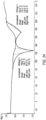
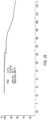
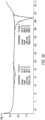
- TGA analysis indicates that the material readily desolvates upon heating, losing 5.9 wt% between 38 °C and 170 °C ( Figure 8 ), which corresponds to one molar equivalent of acetone.
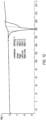
- DSC thermogram shows two broad endotherms at 110 °C and 174 °C ( Figure 7 ).
- Compound 1 Camsylate Form B is the resulting material after desolvation of Compound 1 Camsylate Form A.
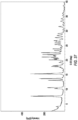
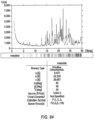
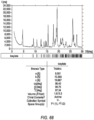
- the XRPD pattern for Compound 1 Camsylate Form B is provided in Figure 9 , and a list of peaks from the pattern is provided in Table 3 below.
- Table 3 XRPD peaks of Compound 1 Camsylate Form B 2 ⁇ (°) d -spacing ( ⁇ ) Intensity (%) 5.25 ⁇ 0.20 16.830 ⁇ 0.641 100 8.32 ⁇ 0.20 10.620 ⁇ 0.255 3 8.51 ⁇ 0.20 10.376 ⁇ 0.243 5 8.76 ⁇ 0.20 10.084 ⁇ 0.230 6 9.05 ⁇ 0.20 9.765 ⁇ 0.215 5 9.58 ⁇ 0.20 9.221 ⁇ 0.192 6 9.88 ⁇ 0.20 8.942 ⁇ 0.180 10 10.00 ⁇ 0.20 8.838 ⁇ 0.176 10 10.52 ⁇ 0.20 8.406 ⁇ 0.159 14 10.80 ⁇ 0.20 8.182 ⁇ 0.151 10 11.06 ⁇ 0.20 7.997 ⁇ 0.144 7 11.96 ⁇ 0.20 7.395 ⁇ 0.123 4 12.24
- Compound 1 Citrate Form A was crystallized from a 1:1 mixture of Compound 1 and citric acid in acetone.
- the XRPD pattern for Compound 1 Citrate Form A shows that the material is a mixture with a free base form of Compound 1.
- the pattern is provided in Figure 10 .
- Compound 1 Citrate Form B is a 1:1 salt, provided by adding 2 molar equivalents of citric acid in acetone to Compound 1 to provide a 1:1 salt of Compound 1 and citric acid.
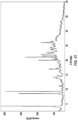
- the XRPD pattern for Compound 1 Citrate Form B is provided in Figure 11 , and the XRPD pattern was also successfully indexed. A list of peaks from the pattern is provided in Table 4 below. Table 4: XRPD peaks of Compound 1 Citrate Form B 2 ⁇ (°) d -spacing ( ⁇ ) Intensity (%) 4.58 ⁇ 0.20 19.296 ⁇ 0.843 40 5.95 ⁇ 0.20 14.840 ⁇ 0.498 72 7.61 ⁇ 0.20 11.607 ⁇ 0.305 19 8.88 ⁇ 0.20 9.945 ⁇ 0.223 32 9.19 ⁇ 0.20 9.619 ⁇ 0.209 10 9.94 ⁇ 0.20 8.894 ⁇ 0.179 12 11.93 ⁇ 0.20 7.409 ⁇ 0.124 76 13.26 ⁇ 0.20 6.673 ⁇ 0.100 10 13.79 ⁇ 0.20 6.415 ⁇ 0.093 33 14.29 ⁇ 0.20 6.193 ⁇ 0.086 46 14.68 ⁇ 0.20 6.028 ⁇ 0.082 27 15.26 ⁇ 0.
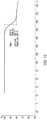
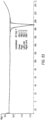
- the TGA thermogram for Compound 1 Citrate Form B ( Figure 13 ) shows negligible weight loss until decomposition beginning at about 159 °C and ending at about 220 °C.
- the DSC thermogram ( Figure 12 ) also shows a sharp endotherm with an onset at ⁇ 175 °C, indicating decomposition.
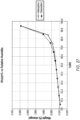
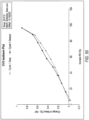
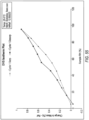
- DVS analysis ( Figure 14 ) provides that the sample of Compound 1 Citrate Form B experienced a ⁇ 4.1% weight gain from 5% to 95% relative humidity. The water absorbed by the sample was released as the relative humidity was ramped down from 95% to 5%. XRPD analysis shows that the sample remained as Compound 1 Citrate Form B after DVS analysis.
- Compound 1 Esylate Form A is a 1:1 salt of Compound 1 and ethanesulfonic acid, and further includes one molar equivalent of acetone in the crystal lattice.
- the XRPD pattern for Compound 1 Esylate Form A is provided in Figure 15 , and a list of peaks from the pattern is provided in Table 5 below.
- Table 5 XRPD peaks of Compound 1 Esylate Form A 2 ⁇ (°) d -spacing ( ⁇ ) Intensity (%) 3.97 ⁇ 0.20 22.255 ⁇ 1.122 86 7.95 ⁇ 0.20 11.119 ⁇ 0.279 100 9.89 ⁇ 0.20 8.937 ⁇ 0.180 38 10.62 ⁇ 0.20 8.322 ⁇ 0.156 63 10.92 ⁇ 0.20 8.096 ⁇ 0.148 12 11.03 ⁇ 0.20 8.012 ⁇ 0.145 12 11.34 ⁇ 0.20 7.798 ⁇ 0.137 6 11.77 ⁇ 0.20 7.516 ⁇ 0.127 16 12.03 ⁇ 0.20 7.348 ⁇ 0.122 5 12.53 ⁇ 0.20 7.057 ⁇ 0.112 11 12.71 ⁇ 0.20 6.960 ⁇ 0.109 6 13.27 ⁇ 0.20 6.665 ⁇ 0.100 54 14.00 ⁇
- the XRPD pattern was successfully indexed.
- the DSC thermogram for Compound 1 Esylate Form A is provided in Figure 16 , and shows endotherms at ⁇ 69 °C, ⁇ 156 °C, and ⁇ 190 °C.
- the TGA thermogram ( Figure 17 ) shows that the material undergoes a weight loss of -8.5% of the temperature range of 38-188 °C, which is consistent with the loss of one molar equivalent of acetone.
- Compound 1 Esylate Form B was formed by the desolvation of Compound 1 Esylate Form A, and was determined to be a mixture with Compound 1 Esylate Form A. This form was not characterized further.
- Compound 1 HBr Form A is a 1:1 salt, formed by the addition of HBr to Compound 1 in a hot acetone slurry.
- Compound 1 HBr Form B is a 1:1 salt, formed by the addition of 1 molar equivalent of HBr to Compound 1 in a hot MEK slurry.
- the XRPD pattern for Compound 1 HBr Form B is provided in Figure 20 , and a list of peaks from the pattern is provided in Table 6 below.
- Table 6 XRPD peaks of Compound 1 HBr Form B 2 ⁇ (°) d -spacing ( ⁇ ) Intensity (%) 5.26 ⁇ 0.20 16.777 ⁇ 0.637 100 8.29 ⁇ 0.20 10.661 ⁇ 0.257 5 9.75 ⁇ 0.20 9.068 ⁇ 0.186 10 9.91 ⁇ 0.20 8.916 ⁇ 0.179 26 10.56 ⁇ 0.20 8.367 ⁇ 0.158 11 10.72 ⁇ 0.20 8.243 ⁇ 0.153 22 12.25 ⁇ 0.20 7.219 ⁇ 0.117 4 12.50 ⁇ 0.20 7.075 ⁇ 0.113 6 12.75 ⁇ 0.20 6.938 ⁇ 0.108 9 13.31 ⁇ 0.20 6.648 ⁇ 0.099 11 13.54 ⁇ 0.20 6.535 ⁇ 0.096 10 14.11 ⁇ 0.20 6.270 ⁇ 0.088 6 14.72 ⁇
- Compound 1 Lactate Form A was formed by adding one molar equivalent of lactic acid to Compound 1 in a hot acetone slurry. The material was determined to be a mixture with a crystalline form of the free base of Compound 1.
- Compound 1 Malate Form A was made by adding L-malic acid to Compound 1 in acetone. The material was determined to be a mixture with a crystalline form of the free base of Compound 1.
- Compound 1 Maleate Form A is a 1:1 salt made by adding aqueous maleic acid to a slurry of Compound 1 in hot MEK or acetone.
- the XRPD pattern for Compound 1 Maleate Form A is provided in Figure 23 , and a list of peaks from the pattern is provided in Table 7 below.
- Table 7 XRPD peaks of Compound 1 Maleate Form A 2 ⁇ (°) d -spacing ( ⁇ ) Intensity (%) 7.58 ⁇ 0.20 11.659 ⁇ 0.307 9 8.34 ⁇ 0.20 10.593 ⁇ 0.254 7 10.92 ⁇ 0.20 8.094 ⁇ 0.148 34 12.38 ⁇ 0.20 7.141 ⁇ 0.115 8 12.87 ⁇ 0.20 6.874 ⁇ 0.106 13 14.17 ⁇ 0.20 6.244 ⁇ 0.088 4 15.13 ⁇ 0.20 5.852 ⁇ 0.077 47 15.78 ⁇ 0.20 5.612 ⁇ 0.071 20 16.43 ⁇ 0.20 5.389 ⁇ 0.065 21 16.91 ⁇ 0.20 5.238 ⁇ 0.061 7 17.51 ⁇ 0.20 5.060 ⁇ 0.057 7 18.09 ⁇ 0.20 4.900 ⁇ 0.054 27 18.
- the curve of the TGA thermogram ( Figure 25 ) shows a weight loss of -3.1% over the temperature range of 42-146 °C, mostly above ⁇ 117 °C, likely due to decomposition of maleic acid.
- the curve of the DSC thermogram ( Figure 24 ) exhibits a single broad endotherm with an onset of ⁇ 117 °C.
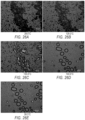
- Hot stage images ( Figures 26A - 26E ) for Compound 1 Maleate Form A confirm the event as the melt.
- Compound 1 Maleate Form B was produced in the scaled up procedure to product Compound 1 Maleate Form A in acetone. Compound 1 Maleate Form B was only made as a mixture with Compound 1 Maleate Form A.
- Compound 1 Mesylate Form A is a 1:1 salt, produced by slurrying Compound 1 and methanesulfonic acid in THF at room temperature.
- the XRPD pattern for Compound 1 Mesylate Form A is provided in Figure 29 , and a list of peaks from the pattern is provided in Table 8 below.
- Table 8 XRPD peaks of Compound 1 Mesylate Form A 2 ⁇ (°) d -spacing ( ⁇ ) Intensity (%) 5.06 ⁇ 0.20 17.449 ⁇ 0.689 26 6.65 ⁇ 0.20 13.274 ⁇ 0.399 14 7.66 ⁇ 0.20 11.534 ⁇ 0.301 100 8.35 ⁇ 0.20 10.587 ⁇ 0.253 6 10.16 ⁇ 0.20 8.701 ⁇ 0.171 11 10.72 ⁇ 0.20 8.247 ⁇ 0.153 7 11.98 ⁇ 0.20 7.385 ⁇ 0.123 14 12.62 ⁇ 0.20 7.010 ⁇ 0.111 17 13.32 ⁇ 0.20 6.642 ⁇ 0.099 16 14.41 ⁇ 0.20 6.143 ⁇ 0.085 9 14.79 ⁇ 0.20 5.984 ⁇ 0.080 21 15.42 ⁇ 0.20 5.742 ⁇ 0.074
- Compound 1 Mesylate Form B is a 1:1 salt, produced by mixing Compound 1 and methanesulfonic acid in hot chloroform. The material also includes about ⁇ 1.5 moles of chloroform per mole of Compound 1.
- the XRPD pattern for Compound 1 Mesylate Form B is provided in Figure 30 , and a list of peaks from the pattern is provided in Table 9 below.
- Table 9 XRPD peaks of Compound 1 Mesylate Form B 2 ⁇ (°) d -spacing ( ⁇ ) Intensity (%) 5.14 ⁇ 0.20 17.169 ⁇ 0.667 16 6.62 ⁇ 0.20 13.336 ⁇ 0.402 14 7.72 ⁇ 0.20 11.441 ⁇ 0.296 16 7.89 ⁇ 0.20 11.193 ⁇ 0.283 10 10.33 ⁇ 0.20 8.556 ⁇ 0.165 12 10.73 ⁇ 0.20 8.240 ⁇ 0.153 8 12.74 ⁇ 0.20 6.945 ⁇ 0.109 26 13.31 ⁇ 0.20 6.646 ⁇ 0.099 10 13.88 ⁇ 0.20 6.377 ⁇ 0.091 8 14.23 ⁇ 0.20 6.220 ⁇ 0.087 17 14.61 ⁇ 0.20 6.057 ⁇ 0.082 35 15.21 ⁇ 0.20 5.822 ⁇ 0.076
- Compound 1 Mesylate Form C is a 1:1 salt produced by mixing Compound 1 and methanesulfonic acid in hot methanol. The material also had ⁇ 0.1 molar equivalents of methanol.
- the XRPD pattern for Compound 1 Mesylate Form C is provided in Figure 31 , and a list of peaks from the pattern is provided in Table 10 below.
- Table 10 XRPD peaks of Compound 1 Mesylate Form C 2 ⁇ (°) d -spacing ( ⁇ ) Intensity (%) 7.55 ⁇ 0.20 11.702 ⁇ 0.310 22 9.53 ⁇ 0.20 9.278 ⁇ 0.194 100 10.25 ⁇ 0.20 8.621 ⁇ 0.168 7 11.04 ⁇ 0.20 8.008 ⁇ 0.145 15 11.49 ⁇ 0.20 7.692 ⁇ 0.133 28 11.65 ⁇ 0.20 7.587 ⁇ 0.130 16 12.24 ⁇ 0.20 7.223 ⁇ 0.118 8 12.51 ⁇ 0.20 7.072 ⁇ 0.113 23 13.88 ⁇ 0.20 6.373 ⁇ 0.091 23 14.44 ⁇ 0.20 6.129 ⁇ 0.084 25 15.36 ⁇ 0.20 5.765 ⁇ 0.075 11 15.66 ⁇ 0.20 5.653 ⁇ 0.072 9 16.29
- the DSC thermogram for Compound 1 Mesylate Form C is provided in Figure 32 and shows a broad endotherm with a peak at about 69 °C, wherein the endotherm has a lower limit of about 36 and an upper limit of about 96 °C.
- the thermogram also shows another sharp endotherm with a peak at about 208 °C, wherein the endotherm has a lower limit of about 169 and an upper limit of about 219 °C.
- TGA Figure 33 , indicates a -2.3% weight loss over the temperature range of 38-115 °C, corresponding to ⁇ 0.08 molar equivalents of methanol.
- Compound 1 Oxalate Form A is a 1:1 salt produced by adding oxalic acid in hot acetone to Compound 1 and forming a slurry.
- the XRPD pattern for Compound 1 Oxalate Form A is provided in Figure 35 , and a list of peaks from the pattern is provided in Table 11 below.
- Table 11 XRPD peaks of Compound 1 Oxalate Form A 2 ⁇ (°) d -spacing ( ⁇ ) Intensity (%) 4.90 ⁇ 0.20 18.008 ⁇ 0.734 62 5.25 ⁇ 0.20 16.811 ⁇ 0.640 100 6.20 ⁇ 0.20 14.248 ⁇ 0.459 5 8.05 ⁇ 0.20 10.969 ⁇ 0.272 8 9.87 ⁇ 0.20 8.951 ⁇ 0.181 24 10.54 ⁇ 0.20 8.389 ⁇ 0.159 21 12.29 ⁇ 0.20 7.195 ⁇ 0.117 41 14.79 ⁇ 0.20 5.985 ⁇ 0.080 7 15.35 ⁇ 0.20 5.768 ⁇ 0.075 28 15.84 ⁇ 0.20 5.589 ⁇ 0.070 9 16.49 ⁇ 0.20 5.371 ⁇ 0.065 12 16.89 ⁇ 0.20 5.246 ⁇
- Compound 1 Oxalate Form B is a 1:1 salt produced by adding aqueous oxalic acid to Compound 1 in hot MEK and forming a slurry.
- the XRPD pattern for Compound 1 Oxalate Form B is provided in Figure 36 , and a list of peaks from the pattern is provided in Table 12 below.
- Table 12 XRPD peaks of Compound 1 Oxalate Form B. 2 ⁇ (°) d -spacing ( ⁇ ) Intensity (%) 4.20 ⁇ 0.20 21.026 ⁇ 1.001 34 7.59 ⁇ 0.20 11.640 ⁇ 0.306 100 8.02 ⁇ 0.20 11.013 ⁇ 0.274 16 8.42 ⁇ 0.20 10.496 ⁇ 0.249 15 10.53 ⁇ 0.20 8.391 ⁇ 0.159 90 12.36 ⁇ 0.20 7.154 ⁇ 0.115 13 12.66 ⁇ 0.20 6.989 ⁇ 0.110 21 13.09 ⁇ 0.20 6.759 ⁇ 0.103 19 13.35 ⁇ 0.20 6.629 ⁇ 0.099 27 13.88 ⁇ 0.20 6.377 ⁇ 0.091 16 14.15 ⁇ 0.20 6.254 ⁇ 0.088 15 14.46 ⁇ 0.20 6.119 ⁇ 0.084 14 15.
- Compound 1 Oxalate Form C is a 1:1 salt produced by adding oxalic acid in hot TFE to Compound 1 and forming a slurry.
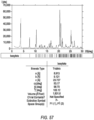
- the XRPD pattern for Compound 1 Oxalate Form C is provided in Figure 37 , and a list of peaks from the pattern is provided in Table 13 below.
- Compound 1 Propionate Form A is a 1:1 salt produced by adding propionic acid to Compound 1 and slurrying in hot acetone. Compound 1 Propionate Form A was only formed as a minor part of a mixture with a free base form of Compound 1.
- Compound 1 Succinate Form A is a salt produced by adding one or two molar equivalent of succinic acid to Compound 1 and slurrying in hot acetone. Compound 1 Succinate Form A was only formed as a mixture with a free base form of Compound 1.
- Compound 1 Sulfate Form A is a 1:1 salt produced by adding one molar equivalents of sulfuric acid to Compound 1 in THF.
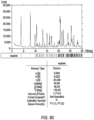
- the XRPD pattern for Compound 1 Sulfate Form A is provided in Figure 40 , and a list of peaks from the pattern is provided in Table 14 below.
- Table 14 XRPD peaks of Compound 1 Sulfate Form A. 2 ⁇ (°) d -spacing ( ⁇ ) Intensity (%) 4.74 ⁇ 0.20 18.617 ⁇ 0.785 100 5.85 ⁇ 0.20 15.104 ⁇ 0.516 14 9.47 ⁇ 0.20 9.327 ⁇ 0.196 11 10.04 ⁇ 0.20 8.804 ⁇ 0.175 15 11.74 ⁇ 0.20 7.534 ⁇ 0.128 24 11.95 ⁇ 0.20 7.397 ⁇ 0.123 13 13.77 ⁇ 0.20 6.428 ⁇ 0.093 7 14.99 ⁇ 0.20 5.905 ⁇ 0.078 12 15.42 ⁇ 0.20 5.742 ⁇ 0.074 7 15.71 ⁇ 0.20 5.637 ⁇ 0.071 7 16.48 ⁇ 0.20 5.374 ⁇ 0.065 19 17.36 ⁇ 0.20 5.105
- Compound 1 Sulfate Form B is a 1:1 salt produced by adding one molar equivalent of sulfuric acid to Compound 1 in hot methanol.
- the XRPD pattern for Compound 1 Sulfate Form B is provided in Figure 41 , and a list of peaks from the pattern is provided in Table 15 below.
- Compound 1 Sulfate Form C is a 1:1 salt produced by adding one molar equivalent of sulfuric acid to Compound 1 in hot chloroform.
- the XRPD pattern for Compound 1 Sulfate Form C is provided in Figure 42 , and a list of peaks from the pattern is provided in Table 16 below.
- Table 16 XRPD peaks of Compound 1 Sulfate Form B. 2 ⁇ (°) d -spacing ( ⁇ ) Intensity (%) 3.19 ⁇ 0.20 27.658 ⁇ 1.733 23 5.35 ⁇ 0.20 16.519 ⁇ 0.618 33 9.04 ⁇ 0.20 9.776 ⁇ 0.216 12 9.62 ⁇ 0.20 9.182 ⁇ 0.190 72 10.73 ⁇ 0.20 8.239 ⁇ 0.153 8 11.31 ⁇ 0.20 7.820 ⁇ 0.138 8 11.60 ⁇ 0.20 7.619 ⁇ 0.131 8 12.27 ⁇ 0.20 7.208 ⁇ 0.117 36 12.67 ⁇ 0.20 6.978 ⁇ 0.110 12 13.76 ⁇ 0.20 6.432 ⁇ 0.093 22 14.31 ⁇ 0.20 6.183 ⁇ 0.086 10 14.65 ⁇ 0.20 6.040 ⁇ 0.082 20
- Compound 1 Tartrate Form A is a 1:1 salt produced by adding one molar equivalent of L-tartaric acid to Compound 1 in THF.
- Compound 1 Tartrate Form A was only formed as a mixture with a free base form of Compound 1.
- Compound 1 Hemitartrate Form B is a 2:1 salt produced by adding one molar equivalent of L-tartaric acid to Compound 1 in acetone.
- the material also contains about 0.7 molar equivalents of acetone.
- the XRPD pattern for Compound 1 Hemitartrate Form B is provided in Figure 44 and a list of peaks from the pattern is provided in Table 17 below.
- Table 17 XRPD peaks of Compound 1 Hemitartrate Form B 2 ⁇ (°) d -spacing ( ⁇ ) Intensity (%) 5.17 ⁇ 0.20 17.079 ⁇ 0.660 55 5.66 ⁇ 0.20 15.592 ⁇ 0.550 24 7.22 ⁇ 0.20 12.229 ⁇ 0.338 18 9.27 ⁇ 0.20 9.534 ⁇ 0.205 11 10.10 ⁇ 0.20 8.752 ⁇ 0.173 26 10.40 ⁇ 0.20 8.503 ⁇ 0.163 23 11.37 ⁇ 0.20 7.776 ⁇ 0.136 26 11.55 ⁇ 0.20 7.659 ⁇ 0.132 37 12.77 ⁇ 0.20 6.929 ⁇ 0.108 8 13.94 ⁇ 0.20 6.346 ⁇ 0.091 19 14.51 ⁇ 0.20 6.100 ⁇ 0.084 31 15.60 ⁇ 0.20 5.676 ⁇ 0.072 8 16.
- the DSC thermogram for Compound 1 Hemitartrate Form B is provided in Figure 45 and shows a broad endotherm at ⁇ 111 °C, and another sharp endotherm at ⁇ 148 °C.
- TGA Figure 46 , indicates a ⁇ 7.4% weight loss over the temperature range of 39-157 °C, corresponding to 0.8 molar equivalents of acetone.
- Compound 1 Tosylate Form A is a 1:1 salt produced by adding one molar equivalent of p-toluenesulfonic acid to Compound 1 in hot acetone.
- the material also contains about ⁇ 0.2 molar equivalents of acetone.
- the XRPD pattern for Compound 1 Tosylate Form A is provided in Figure 47 and a list of peaks from the pattern is provided in Table 18 below.
- Table 18 XRPD peaks of Compound 1 Tosylate Form A 2 ⁇ (°) d -spacing ( ⁇ ) Intensity (%) 5.81 ⁇ 0.20 15.205 ⁇ 0.523 10 7.05 ⁇ 0.20 12.532 ⁇ 0.355 13 8.52 ⁇ 0.20 10.364 ⁇ 0.243 55 9.74 ⁇ 0.20 9.076 ⁇ 0.186 100 10.40 ⁇ 0.20 8.497 ⁇ 0.163 5 10.99 ⁇ 0.20 8.042 ⁇ 0.146 21 11.26 ⁇ 0.20 7.849 ⁇ 0.139 12 11.66 ⁇ 0.20 7.582 ⁇ 0.130 5 12.58 ⁇ 0.20 7.030 ⁇ 0.111 9 12.81 ⁇ 0.20 6.904 ⁇ 0.107 13 14.28 ⁇ 0.20 6.199 ⁇ 0.086 57 14.62 ⁇ 0.20 6.053 ⁇ 0.082 6 15.30
- the DSC thermogram for Compound 1 Tosylate Form A is provided in Figure 48 and shows a sharp endotherm with an onset at about 214 °C.
- TGA Figure 49 , indicates a ⁇ 0.9% weight loss over the temperature range of 72-231 °C, corresponding to 0.1 molar equivalents of acetone.
- Hot stage photomicrographs shown in Figures 51A - 51D confirm the melting temperature of Compound 1 Tosylate Form A to be about 214 °C.
- Compound 1 Tosylate Form B is a 1:1 salt produced during the scaled up procedure of Compound 1 Tosylate Form A.
- the XRPD pattern for Compound 1 Tosylate Form B is provided in Figure 52 and a list of peaks from the pattern is provided in Table 19 below.
- Table 19 XRPD peaks of Compound 1 Tosylate Form B 2 ⁇ (°) d -spacing ( ⁇ ) Intensity (%) 4.61 ⁇ 0.20 19.171 ⁇ 0.832 47 8.69 ⁇ 0.20 10.171 ⁇ 0.234 10 9.25 ⁇ 0.20 9.550 ⁇ 0.206 25 10.68 ⁇ 0.20 8.274 ⁇ 0.154 23 12.44 ⁇ 0.20 7.107 ⁇ 0.114 24 12.69 ⁇ 0.20 6.972 ⁇ 0.109 10 13.76 ⁇ 0.20 6.429 ⁇ 0.093 18 14.42 ⁇ 0.20 6.138 ⁇ 0.085 20 14.81 ⁇ 0.20 5.975 ⁇ 0.080 18 15.47 ⁇ 0.20 5.725 ⁇ 0.074 58 16.08 ⁇ 0.20 5.509 ⁇ 0.068 7 16.57 ⁇ 0.20 5.345 ⁇ 0.064 7
- the DSC thermogram for Compound 1 Tosylate Form B is provided in Figure 53 and shows a sharp endotherm at ⁇ 183 °C.
- TGA, Figure 54 indicates a ⁇ 0.7% weight loss over the temperature range of 39-214 °C.
- Hot stage photomicrographs shown in Figures 56A - 56F shows that Compound 1 Tosylate Form B begins to melt at -183 °C, is still melting at -194 °C, and is not completely melted until 200 °C.
- the invention provides a pharmaceutical composition comprising a crystalline salt form of the invention and a pharmaceutically acceptable excipient.
- the invention also provides a crystalline salt form of the invention, or a pharmaceutical composition of the invention, for use in a method of treating cancer. Methods of treatment are disclosed herein for illustrative purposes, but are not claimed.
- Administration of the crystalline salt forms of Compound 1, or their pharmaceutically acceptable salts, in pure form or in an appropriate pharmaceutical composition can be carried out via any of the accepted modes of administration or agents for serving similar utilities.
- administration can be, for example, orally, nasally, parenterally (intravenous, intramuscular, or subcutaneous), topically, transdermally, intravaginally, intravesically, intracistemally, or rectally, in the form of solid, semi-solid, lyophilized powder, or liquid dosage forms, such as, for example, tablets, suppositories, pills, soft elastic and hard gelatin capsules, powders, solutions, suspensions, aerosols, and the like, preferably in unit dosage forms suitable for simple administration of precise dosages.
- compositions will include a conventional pharmaceutical excipient and a crystalline salt form of Compound 1 as the/an active agent, and, in addition, may include other medicinal agents, pharmaceutical agents, adjuvants, etc.
- Compositions of the invention may be used in combination with anticancer or other agents that are generally administered to a patient being treated for cancer.
- Adjuvants include preserving, wetting, suspending, sweetening, flavoring, perfuming, emulsifying, and dispensing agents. Prevention of the action of microorganisms can be ensured by various antibacterial and antifungal agents, for example, parabens, chlorobutanol, phenol, sorbic acid, and the like. It may also be desirable to include isotonic agents, for example sugars, sodium chloride, and the like. Prolonged absorption of the injectable pharmaceutical form can be brought about by the use of agents delaying absorption, for example, aluminum monostearate, and gelatin.
- a pharmaceutical composition of the invention may also contain minor amounts of auxiliary substances such as wetting or emulsifying agents, pH buffering agents, antioxidants, and the like, such as, for example, citric acid, sorbitan, monolaurate, triethanolamine oleate, butylalted hydroxytoluene, etc.
- auxiliary substances such as wetting or emulsifying agents, pH buffering agents, antioxidants, and the like, such as, for example, citric acid, sorbitan, monolaurate, triethanolamine oleate, butylalted hydroxytoluene, etc.
- compositions suitable for parenteral injection may comprise physiologically acceptable sterile aqueous or nonaqueous solutions, dispersions, suspensions or emulsions, and sterile powders for reconstitution into sterile injectable solutions or dispersions.
- suitable aqueous and nonaqueous excipients, diluents, solvents, or vehicles include water, ethanol, polyols (propyleneglycol, polyethyleneglycol, glycerol, and the like), suitable mixtures thereof, vegetable oils (such as olive oil), and injectable organic esters such as ethyl oleate.
- Proper fluidity can be maintained, for example, by the use of a coating such as lecithin, by the maintenance of the required particle size in the case of dispersions, and by the use of surfactants.
- One preferable route of administration is oral, using a convenient daily dosage regimen that can be adjusted according to the degree of severity of the disease-state to be treated.
- Solid dosage forms for oral administration include capsules, tablets, pills, powders, and granules.
- the active compound is admixed with at least one inert customary excipient such as sodium citrate or dicalcium phosphate or (a) fillers or extenders, as for example, starches, lactose, sucrose, glucose, mannitol, and silicic acid, (b) binders, as for example, cellulose derivatives, starch, alignates, gelatin, polyvinylpyrrolidone, sucrose, and gum acacia, (c) humectants, as for example, glycerol, (d) disintegrating agents, as for example, agar-agar, calcium carbonate, potato or tapioca starch, alginic acid, croscarmellose sodium, complex silicates, and sodium carbonate, (e) solution retarders, as for example paraffin, (f) absorption accelerators, as for example, quaternary ammonium compounds
- Solid dosage forms as described above can be prepared with coatings and shells, such as enteric coatings and others well known in the art. They may contain pacifying agents and can also be of such composition that they release the active compound or compounds in a certain part of the intestinal tract in a delayed manner. Examples of embedded compositions that can be used are polymeric substances and waxes. The active compounds can also be in microencapsulated form, if appropriate, with one or more of the above-mentioned excipients.
- Liquid dosage forms for oral administration include pharmaceutically acceptable emulsions, solutions, suspensions, syrups, and elixirs. Such dosage forms are prepared, for example, by dissolving, dispersing, etc., a crystalline salt form of Compound 1, and optional pharmaceutical adjuvants in an excipient, such as, for example, water, saline, aqueous dextrose, glycerol, ethanol, and the like; solubilizing agents and emulsifiers, as for example, ethyl alcohol, isopropyl alcohol, ethyl carbonate, ethyl acetate, benzyl alcohol, benzyl benzoate, propyleneglycol, 1,3-butyleneglycol, and dimethylformamide; oils, in particular, cottonseed oil, groundnut oil, corn germ oil, olive oil, castor oil, and sesame oil, glycerol, tetrahydrofurfuryl alcohol, polyethyleneglycols and
- Suspensions in addition to the active compounds, may contain suspending agents, as for example, ethoxylated isostearyl alcohols, polyoxyethylene sorbitol, and sorbitan esters, microcrystalline cellulose, aluminum metahydroxide, bentonite, agar-agar, and tragacanth, or mixtures of these substances, and the like.
- suspending agents as for example, ethoxylated isostearyl alcohols, polyoxyethylene sorbitol, and sorbitan esters, microcrystalline cellulose, aluminum metahydroxide, bentonite, agar-agar, and tragacanth, or mixtures of these substances, and the like.
- compositions for rectal administrations are, for example, suppositories that can be prepared by mixing the compounds of the present invention with for example suitable nonirritating excipients or excipients such as cocoa butter, polyethyleneglycol, or a suppository wax, which are solid at ordinary temperatures but liquid at body temperature and therefore melt while in a suitable body cavity and release the active component therein.
- suitable nonirritating excipients or excipients such as cocoa butter, polyethyleneglycol, or a suppository wax, which are solid at ordinary temperatures but liquid at body temperature and therefore melt while in a suitable body cavity and release the active component therein.
- Dosage forms for topical administration of a compound of this invention include ointments, powders, sprays, and inhalants.
- the active component is admixed under sterile conditions with a physiologically acceptable excipient and any preservatives, buffers, or propellants as may be required.
- Ophthalmic formulations, eye ointments, powders, and solutions are also contemplated as being within the scope of this invention.
- the pharmaceutically acceptable compositions will contain about 1% to about 99% by weight of a crystalline salt form of Compound 1, and 99% to 1% by weight of a suitable pharmaceutical excipient.
- the composition will be between about 5% and about 75% by weight of a crystalline salt form of Compound 1, with the rest being suitable pharmaceutical excipients.
- composition to be administered will, in any event, contain a therapeutically effective amount of a crystalline salt form of Compound 1, for treatment of a disease-state in accordance with the teachings of this invention.
- the crystalline salt forms of Compound 1 are administered in a therapeutically effective amount which will vary depending upon a variety of factors including the activity of Compound 1, the metabolic stability and length of action of Compound 1, the age, body weight, general health, sex, diet, mode, and time of administration, rate of excretion, drug combination, the severity of the particular disease-states, and the host undergoing therapy.
- the crystalline salt forms of Compound 1 can be administered to a patient at dosage levels in the range of about 0.1 to about 1,000 mg per day. For a normal human adult having a body weight of about 70 kilograms, a dosage in the range of about 0.01 to about 100 mg per kilogram of body weight per day is an example. The specific dosage used, however, can vary.
- the dosage can depend on a number of factors including the requirements of the patient, the severity of the condition being treated, and the pharmacological activity of the compound being used.
- the determination of optimum dosages for a particular patient is well known to one of ordinary skill in the art.
- a crystalline salt form of Compound 1 as disclosed herein can be administered as a single therapy or in combination ("co-administered") with one or more additional therapies for the treatment of a disease or disorder, for instance a disease or disorder associated with hyper-proliferation such as cancer.
- therapies that may be used in combination with a compound disclosed herein include: (i) surgery; (ii) radiotherapy (for example, gamma radiation, neutron beam radiotherapy, electron beam radiotherapy, proton therapy, brachytherapy, and systemic radioactive isotopes); (iii) endocrine therapy; (iv) adjuvant therapy, immunotherapy, CAR T-cell therapy; and (v) other chemotherapeutic agents.
- co-administered refers to either simultaneous administration, or any manner of separate sequential administration, of a crystalline salt form of Compound 1 as disclosed herein, and a further active pharmaceutical ingredient or ingredients, including cytotoxic agents and radiation treatment. If the administration is not simultaneous, the compounds are administered in a close time proximity to each other. Furthermore, it does not matter if the compounds are administered in the same dosage form, e.g. one compound may be administered topically and another compound may be administered orally.
- any agent that has activity against a disease or condition being treated may be co-administered.
- agents for cancer treatment can be found, for instance, at https://www.cancer.gov/about-cancer/treatment/drugs (last visited January 22, 2019) and in publically available sources such as Cancer Principles and Practice of Oncology by V. T. Devita and S. Hellman (editors), 11th edition (2016), Lippincott Williams & Wilkins Publishers .
- a person of ordinary skill in the art would be able to discern which combinations of agents would be useful based on the particular characteristics of the drugs and the disease involved.
- the treatment method includes the co-administration of a crystalline salt form of Compound 1 as disclosed herein, and at least one immunotherapy.
- Immunotherapy also called biological response modifier therapy, biologic therapy, biotherapy, immune therapy, or biological therapy
- Immunotherapy is a treatment that uses parts of the immune system to fight disease. Immunotherapy can help the immune system recognize cancer cells, or enhance a response against cancer cells.
- Immunotherapies include active and passive immunotherapies. Active immunotherapies stimulate the body's own immune system while passive immunotherapies generally use immune system components created outside of the body.
- active immunotherapies include, but are not limited to vaccines including cancer vaccines, tumor cell vaccines (autologous or allogeneic), dendritic cell vaccines, antigen vaccines, anti-idiotype vaccines, DNA vaccines, viral vaccines, or Tumor-Infiltrating Lymphocyte (TIL) Vaccine with Interleukin-2 (IL-2) or Lymphokine-Activated Killer (LAK) Cell Therapy.
- vaccines including cancer vaccines, tumor cell vaccines (autologous or allogeneic), dendritic cell vaccines, antigen vaccines, anti-idiotype vaccines, DNA vaccines, viral vaccines, or Tumor-Infiltrating Lymphocyte (TIL) Vaccine with Interleukin-2 (IL-2) or Lymphokine-Activated Killer (LAK) Cell Therapy.
- TIL Tumor-Infiltrating Lymphocyte
- IL-2 Interleukin-2
- LAK Lymphokine-Activated Killer
- Examples of passive immunotherapies include but are not limited to monoclonal antibodies and targeted therapies containing toxins.
- Monoclonal antibodies include naked antibodies and conjugated monoclonal antibodies (also called tagged, labeled, or loaded antibodies). Naked monoclonal antibodies do not have a drug or radioactive material attached whereas conjugated monoclonal antibodies are joined to, for example, a chemotherapy drug (chemolabeled), a radioactive particle (radiolabeled), or a toxin (immunotoxin).
- Examples of these naked monoclonal antibody drugs include, but are not limited to Rituximab (Rituxan), an antibody against the CD20 antigen used to treat, for example, B cell non-Hodgkin lymphoma; Trastuzumab (Herceptin), an antibody against the HER2 protein used to treat, for example, advanced breast cancer; Alemtuzumab (Campath), an antibody against the CD52 antigen used to treat, for example, B cell chronic lymphocytic leukemia (B-CLL); Cetuximab (Erbitux), an antibody against the EGFR protein used, for example, in combination with irinotecan to treat, for example, advanced colorectal cancer and head and neck cancers; and Bevacizumab (Avastin) which is an antiangiogenesis therapy that works against the VEGF protein and is used, for example, in combination with chemotherapy to treat, for example, metastatic colorectal cancer.
- Rituximab an antibody against the CD20 antigen used to treat
- conjugated monoclonal antibodies include, but are not limited to Radiolabeled antibody Ibritumomab tiuxetan (Zevalin) which delivers radioactivity directly to cancerous B lymphocytes and is used to treat, for example, B cell non-Hodgkin lymphoma; radiolabeled antibody Tositumomab (Bexxar) which is used to treat, for example, certain types of non-Hodgkin lymphoma; and immunotoxin Gemtuzumab ozogamicin (Mylotarg) which contains calicheamicin and is used to treat, for example, acute myelogenous leukemia (AML).
- Zevalin Radiolabeled antibody Ibritumomab tiuxetan
- Bexxar radiolabeled antibody Tositumomab
- Mylotarg immunotoxin Gemtuzumab ozogamicin
- BL22 is a conjugated monoclonal antibody for treating, for example, hairy cell leukemia, immunotoxins for treating, for example, leukemias, lymphomas, and brain tumors, and radiolabeled antibodies such as OncoScint for example, for colorectal and ovarian cancers and ProstaScint for example, for prostate cancers.
- therapeutic antibodies include, but are not limited to, HERCEPTIN TM (Trastuzumab) (Genentech, Calif.) which is a humanized anti-HER2 monoclonal antibody for the treatment of patients with metastatic breast cancer; REOPRO.RTM.
- CDP870 is a humanized anti-complement factor 5 (C5) antibody (Alexion Pharm); D2E7 is a humanized anti-TNF-alpha antibody (CAT/BASF); CDP870 is a humanized anti-TNF-alpha.
- Fab fragment (Celltech); IDEC-151 is a primatized anti-CD4 IgG1 antibody (IDEC Pharm/SmithKline Beecham); MDX-CD4 is a human anti-CD4 IgG antibody (Medarex/Eisai/Genmab); CD20-sreptdavidin (+biotin-yttrium 90; NeoRx); CDP571 is a humanized anti-TNF-alpha.
- IgG4 antibody (Celltech); LDP-02 is a humanized anti-alpha4 beta7 antibody (LeukoSite/Genentech); OrthoClone OKT4A is a humanized anti-CD4 IgG antibody (Ortho Biotech); ANTOVA TM is a humanized anti-CD40L IgG antibody (Biogen); ANTEGREN TM is a humanized anti-VLA-4 IgG antibody (Elan); and CAT-152 is a human anti-TGF-beta 2 antibody (Cambridge Ab Tech). Others are provided in later paragraphs.
- Immunotherapies that can be used in combination with a crystalline salt form of Compound 1 as disclosed herein include adjuvant immunotherapies.
- cytokines such as granulocyte-macrophage colony-stimulating factor (GM-CSF), granulocyte-colony stimulating factor (G-CSF), macrophage inflammatory protein (MIP)-1-alpha, interleukins (including IL-1, IL-2, IL-4, IL-6, IL-7, IL-12, IL-15, IL-18, IL-21, and IL-27), tumor necrosis factors (including TNF-alpha), and interferons (including IFN-alpha, IFN-beta, and IFN-gamma); aluminum hydroxide (alum); Bacille Calmette-Guerin (BCG); Keyhole limpet hemocyanin (KLH); Incomplete Freund's adjuvant (IFA); QS-21; DETOX; Levamisole; and Dinitrophenyl (DNP),
- an immunological therapy and/or an immunological therapeutic agent can include, one or more of the following: an adoptive cell transfer, an angiogenesis inhibitor, Bacillus Calmette-Guerin therapy, biochemotherapy, a cancer vaccine, a chimeric antigen receptor (CAR) T-cell therapy, a cytokine therapy, gene therapy, an immune checkpoint modulator, an immunoconjugate, a radioconjugate, an oncolytic virus therapy, or a targeted drug therapy.
- the immunological therapy or immunological therapeutic agent is collectively referred to herein as an "immunotherapeutic agent".
- the present disclosure provides a method for preventing, treating, reducing, inhibiting or controlling a neoplasia, a tumor or a cancer in a subject in need thereof, involving administering a therapeutically effective amount of a crystalline salt form of Compound 1 in combination with an immunotherapeutic agent.
- the method comprises administering a therapeutically effective amount of a combination comprising a crystalline salt form of Compound 1 in combination with an immunotherapeutic agent.
- the combination provides a cooperative effect, an additive effect, or a synergistic effect in reducing the number of cancer cells when treated with the combination as compared to each treatment alone.
- administration of a therapeutically effective amount of a combination comprising a crystalline salt form of Compound 1 and an immunotherapeutic agent results in synergistic anti-tumor activity and/or antitumor activity that is more potent than the additive effect of administration of a crystalline salt form of Compound 1 or immunotherapeutic agent alone.
- the adaptive immune system comprised of T and B lymphocytes, has powerful anti-cancer potential, with a broad capacity and extraordinar specificity to respond to diverse tumor antigens. Further, the immune system demonstrates considerable plasticity and a memory component. The successful harnessing of all these attributes of the adaptive immune system would make immunotherapy unique among all cancer treatment modalities.
- immunotherapeutic agents that find utility in the present compositions, formulations, and methods can include one or more agents or therapies, including: an adoptive cell transfer, an angiogenesis inhibitor, Bacillus Calmette-Guerin therapy, biochemotherapy, a cancer vaccine, a chimeric antigen receptor (CAR) T-cell therapy, a cytokine therapy, gene therapy, an immune checkpoint modulator, for example an immune checkpoint inhibitor, an immunoconjugate, a radioconjugate, an oncolytic virus therapy, or a targeted drug therapy.
- agents or therapies including: an adoptive cell transfer, an angiogenesis inhibitor, Bacillus Calmette-Guerin therapy, biochemotherapy, a cancer vaccine, a chimeric antigen receptor (CAR) T-cell therapy, a cytokine therapy, gene therapy, an immune checkpoint modulator, for example an immune checkpoint inhibitor, an immunoconjugate, a radioconjugate, an oncolytic virus therapy, or a targeted drug therapy.
- a therapeutically effective combination comprises a crystalline salt form of Compound 1 and an immunotherapeutic agent.
- the crystalline salt form of Compound 1 enhances the activity of the immunotherapeutic agent.
- the immunotherapeutic agent enhances the activity of the crystalline salt form of Compound 1 of the present disclosure.
- an exemplary immunotherapeutic agent is an immune cell (e.g. T-cell, dendritic cell, a natural killer cell and the like) modulator chosen from an agonist or an activator of a costimulatory molecule, wherein the modulator is a monoclonal antibody, a bispecific antibody comprising one or more immune checkpoint antigen binding moieties, a trispecific antibody, or an immune cell-engaging multivalent antibody/fusion protein/construct known in the art.
- an immune cell e.g. T-cell, dendritic cell, a natural killer cell and the like
- the modulator is a monoclonal antibody, a bispecific antibody comprising one or more immune checkpoint antigen binding moieties, a trispecific antibody, or an immune cell-engaging multivalent antibody/fusion protein/construct known in the art.
- the immunotherapeutic agent can be an antibody that modulates a costimulatory molecule, bind to an antigen on the surface of an immune cell, or a cancer cell.
- the antibody modulator can be a monoclonal antibody, a polyclonal antibody, a bispecific antibody, a trispecific or multispecific format antibody, a fusion protein, or a fragment thereof, for example, a Diabody, a Single-chain (sc)-diabody (scFv)2, a Miniantibody, a Minibody, a Barnase-barstar, a scFv-Fc, a sc(Fab)2, a Trimeric antibody construct, a Triabody antibody construct, a Trimerbody antibody construct, a Tribody antibody construct, a Collabody antibody construct, a (scFv-TNFa)3, or a F(ab)3/DNL antibody construct.
- the immunotherapeutic agent is an agent that modulates immune responses, for example, a checkpoint inhibitor or a checkpoint agonist.
- the immunotherapeutic agent is an agent that enhances anti-tumor immune responses.
- the immunotherapeutic agent is an agent that increases cell-mediated immunity.
- the immunotherapeutic agent is an agent that increases T-cell activity.
- the immunotherapeutic agent is an agent that increases cytolytic T-cell (CTL) activity.
- the disclosed methods of treatment may include administering a crystalline salt form of Compound 1 together in combination with a molecule, for example, a binding agent, for example, an antibody or functional fragment thereof that modulates (activates or inhibits) a checkpoint protein.
- a checkpoint inhibitor can be any molecule, agent, treatment and/or method of inhibiting an immune checkpoint, and/or promoting an inhibitor of an immune checkpoint, e.g., by promoting an intrinsic immune checkpoint inhibitor; inhibiting a transcription factor involved in the expression of an immune checkpoint; and/or by acting in concert with some additional extrinsic factor.
- a checkpoint inhibitor could include a treatment that inhibits transcription factors involved in the expression of immune checkpoint genes, or promotes the expression of transcription factors for tumor-suppressor genes, e.g., BACH2 ( Luan et al., (2016). Transcription Factors and Checkpoint Inhibitor Expression with Age: Markers of Immunosenescence. Blood, 128(22), 5983 ).
- a checkpoint inhibitor can inhibit the transcription of immune checkpoint genes; the modification and/or processing of immune checkpoint mRNA; the translation of immune checkpoint proteins; and/or molecules involved in immunity or the immune checkpoint pathway, e.g., PD-1 transcription factors such as HIF-1, STAT3, NF- ⁇ B, and AP-1, or the activation of common oncogenic pathways such as JAK/STAT, RAS/ERK, or PI3K/AKT/mTOR ( Zerdes et al., Genetic, transcriptional and post-translational regulation of the programmed death protein ligand 1 in cancer: biology and clinical correlations, Oncogene volume 37, pages 4639-4661 (2018 )).
- Checkpoint inhibitors can include treatments, molecules, agents, and/or methods that regulate immune checkpoints at the transcriptional level, e.g., using the RNA-interference pathway co-suppression, and/or post-transcriptional gene silencing (PTGS) (e.g., microRNAs, miRNA; silencing-RNA, small-interfering-RNA, or short-interfering-RNA (siRNA).
- PTGS post-transcriptional gene silencing
- T-cell-specific aptamer-siRNA chimeras have been suggested as a highly specific method of inhibiting molecules in the immune checkpoint pathway ( Hossain et al., The aptamer-siRNA conjugates: reprogramming T cells for cancer therapy, Ther. Deliv. 2015 Jan; 6(1): 1-4 ).
- members of the immune checkpoint pathway can be inhibited using treatments that affect associated pathways, e.g., metabolism.
- treatments that affect associated pathways e.g., metabolism.
- oversupplying the glycolytic intermediate pyruvate in mitochondria from CAD macrophages promoted expression of PD-L1 via induction of the bone morphogenetic protein 4/phosphorylated SMAD1/5/IFN regulatory factor 1 (BMP4/p-SMAD1/5/IRF1) signaling pathway.
- BMP4/p-SMAD1/5/IRF1 bone morphogenetic protein 4/phosphorylated SMAD1/5/IFN regulatory factor 1
- implementing treatments that modulate the metabolic pathway can result in subsequent modulation of the immunoinhibitory PD-1/PD-L1 checkpoint pathway ( Watanabe et al., Pyruvate controls the checkpoint inhibitor PD-L1 and suppresses T cell immunity, J Clin Invest. 2017 Jun 30; 127(7): 2725-2738 ).
- Checkpoint immunity can be regulated via oncolytic viruses that selectively replicate within tumor cells and induce acute immune responses in the tumor-micro-environment, i.e., by acting as genetic vectors that carry specific agents (e.g., antibodies, miRNA, siRNA, and the like) to cancer cells and effecting their oncolysis and secretion of cytokines and chemokines to synergize with immune checkpoint inhibition ( Shi et al., Cancer Immunotherapy: A Focus on the Regulation of Immune Checkpoints, Int J Mol Sci. 2018 May; 19(5): 1389 ).
- specific agents e.g., antibodies, miRNA, siRNA, and the like
- viruses as checkpoint inhibitors: poliovirus, measles virus, adenoviruses, poxviruses, herpes simplex virus (HSV), coxsackieviruses, reovirus, Newcastle disease virus (NDV), T-VEC (a herpes virus encoded with GM-CSF (granulocyte-macrophage colony stimulating factor)), and H101 (Shi et al., supra).
- viruses as checkpoint inhibitors: poliovirus, measles virus, adenoviruses, poxviruses, herpes simplex virus (HSV), coxsackieviruses, reovirus, Newcastle disease virus (NDV), T-VEC (a herpes virus encoded with GM-CSF (granulocyte-macrophage colony stimulating factor)), and H101 (Shi et al., supra).
- Checkpoint inhibitors can operate at the translational level of checkpoint immunity.
- the translation of mRNA into protein represents a key event in the regulation of gene expression, thus inhibition of immune checkpoint translation is a method in which the immune checkpoint pathway can be inhibited.
- Inhibition of the immune checkpoint pathway can occur at any stage of the immune checkpoint translational process.
- drugs, molecules, agents, treatments, and/or methods can inhibit the initiation process (whereby the 40S ribosomal subunit is recruited to the 5' end of the mRNA and scans the 5'UTR of the mRNA toward its 3' end.
- Inhibition can occur by targeting the anticodon of the initiator methionyl-transfer RNA (tRNA) (Met-tRNAi), its base-pairing with the start codon, or the recruitment of the 60S subunit to begin elongation and sequential addition of amino acids in the translation of immune-checkpoint-specific genes.
- tRNA initiator methionyl-transfer RNA
- a checkpoint inhibitor can inhibit checkpoints at the translational level by preventing the formation of the ternary complex (TC), i.e., eukaryotic initiation factor (eIF)2 (or one or more of its ⁇ , ⁇ , and ⁇ subunits); GTP; and Met-tRNAi.
- TC ternary complex
- eIF eukaryotic initiation factor
- GTP GTP
- Met-tRNAi Met-tRNAi
- Checkpoint inhibition can occur via destabilization of eIF2 ⁇ by precluding its phosphorylation via protein kinase R (PKR), PERK, GCN2, or HRI, or by precluding TCs from associating with the 40S ribosome and/or other initiation factors, thus preventing the preinitiation complex (PIC) from forming; inhibiting the eIF4F complex and/or its cap-binding protein eIF4E, the scaffolding protein eIF4G, or eIF4A helicase.
- Checkpoint inhibitors can also include treatments, molecules, agents, and/or methods that regulate immune checkpoints at the cellular and/or protein level, e.g., by inhibiting an immune checkpoint receptor. Inhibition of checkpoints can occur via the use of antibodies, antibody fragments, antigen-binding fragments, small-molecules, and/or other drugs, agents, treatments, and/or methods.
- Immune checkpoints refer to inhibitory pathways in the immune system that are responsible for maintaining self-tolerance and modulating the degree of immune system response to minimize peripheral tissue damage.
- tumor cells can also activate immune system checkpoints to decrease the effectiveness of immune response ('block' the immune response) against tumor tissues.
- checkpoint inhibitors do not target tumor cells directly, but rather target lymphocyte receptors or their ligands in order to enhance the endogenous antitumor activity of the immune system.
- the immunotherapeutic agent is a modulator of PD-1 activity, a modulator of PD-L1 activity, a modulator of PD-L2 activity, a modulator of CTLA-4 activity, a modulator of CD28 activity, a modulator of CD80 activity, a modulator of CD86 activity, a modulator of 4-1BB activity, an modulator of OX40 activity, a modulator of KIR activity, a modulator of Tim-3 activity, a modulator of LAG3 activity, a modulator of CD27 activity, a modulator of CD40 activity, a modulator of GITR activity, a modulator of TIGIT activity, a modulator of CD20 activity, a modulator of CD96 activity, a modulator of IDO1 activity, a cytokine, a chemokine, an interferon, an interleukin, a lymphokine, a member of the tumor necrosis factor (TNF) family, or an immunostimulatory oligonucleotide
- the immune checkpoint modulator i.e. is an inhibitor or antagonist, or is an activator or agonist, for example, a CD28 modulator, a 4-1BB modulator, an OX40 modulator, a CD27 modulator, a CD80 modulator, a CD86 modulator, a CD40 modulator, or a GITR modulator, a Lag-3 modulator, a 41BB modulator, a LIGHT modulator, a CD40 modulator, a GITR modulator, a TGF-beta modulator, a TIM-3 modulator, a SIRP-alpha modulator, a TIGIT modulator, a VSIG8 modulator, a BTLA modulator, a SIGLEC7 modulator, a SIGLEC9 modulator, a ICOS modulator, a B7H3 modulator, a B7H4 modulator, a FAS modulator, and/or a BTNL2 modulator.
- a CD28 modulator i.e
- the immunotherapeutic agent is an immune checkpoint modulator as described above (e.g., an immune checkpoint modulator antibody, which can be in the form of a monoclonal antibody, a bispecific antibody comprising one or more immune checkpoint antigen binding moieties, a trispecific antibody, or an immune cell-engaging multivalent antibody/fusion protein/construct known in the art).
- an immune checkpoint modulator antibody which can be in the form of a monoclonal antibody, a bispecific antibody comprising one or more immune checkpoint antigen binding moieties, a trispecific antibody, or an immune cell-engaging multivalent antibody/fusion protein/construct known in the art.
- the immunotherapeutic agent is an agent that inhibits the activity of PD-1. In some instances, the immunotherapeutic agent is an agent that inhibits the activity of PD-L1 and/or PD-L2. In some instances, the immunotherapeutic agent is an agent that inhibits the activity of CTLA-4. In some instances, the immunotherapeutic agent is an agent that inhibits the activity of CD80 and/or CD86. In some instances, the immunotherapeutic agent is an agent that inhibits the activity of TIGIT. In some instances, the immunotherapeutic agent is an agent that inhibits the activity of KIR. In some instances, the immunotherapeutic agent is an agent that enhances or stimulates the activity of activating immune checkpoint receptors.
- PD-1 also known as Programmed Death 1, CD279, PDCD1
- PD-1 is a cell surface receptor with a critical role in regulating the balance between stimulatory and inhibitory signals in the immune system and maintaining peripheral tolerance ( Ishida, Y et al. 1992 EMBO J. 11 3887 ; Kier, Mary E et al. 2008 Annu Rev Immunol 26 677-704 ; Okazaki, Taku et al. 2007 International Immunology 19 813-824 ).
- PD-1 is an inhibitory member of the immunoglobulin super-family with homology to CD28.
- PD-1 is a monomeric type 1 transmembrane protein, consisting of one immunoglobulin variable-like extracellular domain and a cytoplasmic domain containing an immunoreceptor tyrosine-based inhibitory motif (ITIM) and an immunoreceptor tyrosine-based switch motif (ITSM).
- ITIM immunoreceptor tyrosine-based inhibitory motif
- ITMS immunoreceptor tyrosine-based switch motif
- Expression of PD-1 is inducible on T cells, B cells, natural killer (NK) cells and monocytes, for example upon lymphocyte activation via T cell receptor (TCR) or B cell receptor (BCR) signalling ( Kier, Mary E et al. 2008 Annu Rev Immunol 26 677-704 ; Agata, Y et al 1996 Int Immunol 8 765-72 ).
- PD-1 is a receptor for the ligands CD80, CD86, PD-L1 (B7-H1, CD274) and PD-L2 (B7-DC, CD273), which are cell surface expressed members of the B7 family ( Freeman, Gordon et al. 2000 J Exp Med 192 1027 ; Latchman, Y et al. 2001 Nat Immunol 2: 261 ).
- PD-1 recruits phosphatases such as SHP-1 and SHP-2 to its intracellular tyrosine motifs which subsequently dephosphorylate effector molecules activated by TCR or BCR signalling ( Chemnitz, J et al. 2004 J Immunol 173: 945-954 ; Riley, James L 2009 Immunological Reviews 229: 114-125 )
- PD-1 transduces inhibitory signals into T and B cells only when it is engaged simultaneously with the TCR or BCR.
- PD-1 has been demonstrated to down-regulate effector T cell responses via both cell-intrinsic and cell-extrinsic functional mechanisms. Inhibitory signaling through PD-1 induces a state of unresponsiveness in T cells, resulting in the cells being unable to clonally expand or produce optimal levels of effector cytokines. PD-1 may also induce apoptosis in T cells via its ability to inhibit survival signals from co-stimulation, which leads to reduced expression of key anti-apoptotic molecules such as Bcl-XL ( Kier, Mary E et al. 2008 Annu Rev Immunol 26: 677-704 ).
- Bcl-XL Kier, Mary E et al. 2008 Annu Rev Immunol 26: 677-704 .
- PD-1 is implicated in the suppression of effector cells by promoting the induction and maintenance of regulatory T cells (TREG).
- TGF- ⁇ regulatory T cells
- PD-L1 expressed on dendritic cells was shown to act in synergy with TGF- ⁇ to promote the induction of CD4+ FoxP3+TREG with enhanced suppressor function ( Francisco, Loise M et al. 2009 J Exp Med 206: 3015-3029 ).
- TIM-3 also known as T-cell immunoglobulin and mucin-domain containing-3, TIM-3, Hepatitis A virus cellular receptor 2, HAVCR2, HAVcr-2, KIM-3, TIMD-3, TIMD3, Tim-3, and CD366
- HAVCR2 Hepatitis A virus cellular receptor 2
- HAVcr-2 HAVcr-2
- KIM-3 KIM-3
- TIMD-3 TIMD3, Tim-3
- CD366 CD366
- TIM-3 is selectively expressed on Th1-cells, and phagocytic cells (e.g., macrophages and dendritic cells).
- phagocytic cells e.g., macrophages and dendritic cells.
- IFN- ⁇ interferon ⁇
- TIM-3 is the receptor for the ligand Galectin-9, which is a member of galectin family, molecules ubiquitously expressed on a variety of cell types and which binds ⁇ -galactoside; Phospatidyl serine (PtdSer) ( DeKryff et al., T cell/transmembrane, Ig, and mucin-3 allelic variants differentially recognize phosphatidylserine and mediate phagocytosis of apoptotic cells, J Immunol.
- High Mobility Group Protein 1 also known as HMGB1, HMG1, HMG3, SBP-1, HMG-1, and high mobility group box 1 Chiba et al., Tumor-infiltrating DCs suppress nucleic acid-mediated innate immune responses through interactions between the receptor TIM-3 and the alarmin HMGB1, Nat Immunol. 2012 Sep; 13(9): 832-42 ); and Carcinoembryonic Antigen Related Cell Adhesion Molecule 1 (also known as CEACAM1, BGP, BGP1, BGPI, carcinoembryonic antigen related cell adhesion molecule 1) ( Huang et al., CEACAM1 regulates TIM-3-mediated tolerance and exhaustion, Nature. 2015 Jan 15; 517(7534): 386-90 ).
- BTLA also known as B- and T-lymphocyte attenuator, BTLA1, CD272, and B and T lymphocyte associated
- HVEM herpes virus-entry mediator
- TNFR tumor-necrosis factor receptor
- BTLA which belongs to the CD28 family of the immunoglobulin superfamily, and HVEM, a costimulatory tumor-necrosis factor (TNF) receptor (TNFR)
- TNFR tumor-necrosis factor receptor
- BTLA contains a membrane proximal immunoreceptor tyrosine-based inhibitory motif (ITIM) and membrane distal immunoreceptor tyrosine-based switch motif (ITSM).
- ITIM membrane proximal immunoreceptor tyrosine-based inhibitory motif
- ITSM membrane distal immunoreceptor tyrosine-based switch motif
- the BTLA cytoplasmic tail also contains a third conserved tyrosine-containing motif within the cytoplasmic domain, similar in sequence to a Grb-2 recruitment site (YXN). Also, a phosphorylated peptide containing this BTLA N-terminal tyrosine motif can interact with GRB2 and the p85 subunit of PI3K in vitro, although the functional effects of this interaction remain unexplored in vivo ( Gavrieli et al., Bioochem. Biophysi Res Commun, 2003, 312, 1236-43 ). BTLA is the receptor for the ligands PTPN6/SHP-1; PTPN11/SHP-2; TNFRSF14/HVEM; and B7H4.
- VISTA also known as V-domain Ig suppressor of T cell activation VSIR, B7-H5, B7H5, GI24, PP2135, SISP1, DD1alpha, VISTA, C10orf54, chromosome 10 open reading frame 54, PD-1H, and V-set immunoregulatory receptor
- VISTA interacts with the ligand VSIG-3 ( Wang et al., VSIG-3 as a ligand of VISTA inhibits human T-cell function, Immunology. 2019 Jan; 156(1): 74-85 )
- LAG-3 (also known as Lymphocyte-activation gene 3, LAG3, CD223, and lymphocyte activating 3) is a ⁇ 57.4-kDa single-pass type I membrane protein involved in lymphocyte activation that also binds to HLA class-II antigens.
- LAG-3 is a member of the immunoglobulin supergene family, and is expressed on activated T cells ( Huard et al., 1994, Immunogenetics 39: 213 ), NK cells ( Triebel et al., 1990, J. Exp. Med. 171: 1393-1405 ), regulatory T cells ( Huang et al., 2004, Immunity 21: 503-513 ; Camisaschi et al., 2010, J Immunol.
- LAG-3 is a membrane protein encoded by a gene located on chromosome 12, and is structurally and genetically related to CD4. Similar to CD4, LAG-3 can interact with MHC class II molecules on the cell surface ( Baixeras et al., 1992, J. Exp. Med. 176: 327-337 ; Huard et al., 1996, Eur. J. Immunol. 26: 1180-1186 ).
- LAG-3 can interact with LAP (LAG-3-associated protein), which is a signal transduction molecule involved in the downregulation of the CD3/TCR activation pathway ( Iouzalen et al., 2001, Eur. J. Immunol. 31: 2885-2891 ).
- LAP LAG-3-associated protein
- CD4+CD25+ regulatory T cells have been shown to express LAG-3 upon activation, which contributes to the suppressor activity of Treg cells ( Huang, C. et al., 2004, Immunity 21: 503-513 ).
- LAG-3 can also negatively regulate T cell homeostasis by Treg cells in both T cell-dependent and independent mechanisms ( Workman, C. J. and Vignali, D. A., 2005, J. Immunol. 174: 688-695 ).
- LAG-3 has been shown to interact with MHC class II molecules ( Huard et al., CD4/major histocompatibility complex class II interaction analyzed with CD4- and lymphocyte activation gene-3 (LAG-3)-Ig fusion proteins, Eur J Immunol. 1995 Sep; 25(9): 2718-21 ).
- kinases are known to be checkpoint inhibitors. For example, CHEK-1, CHEK-2, and A2aR.
- CHEK-1 (also known as CHK 1 kinase, CHK1, and checkpoint kinase 1) is a ⁇ 54.4-kDa serine/threonine-protein kinase that is involved with checkpoint-mediated cell cycle arrest, and the activation of DNA repair in response to the DNA damage and/or unreplicated DNA.
- CHEK-2 (also known as CHK2 kinase, CDS1, CHK2, HuCds1, LFS2, PP1425, RAD53, hCds1, and checkpoint kinase 2) is a ⁇ 60.9-kDa. serine/threonine-protein kinase involved in checkpoint-mediated cell cycle arrest, DNA-repair activation, and double-strand break-mediated apoptosis.
- A2aR (also known as adenosine A2A receptor, ADORA2A, adenosine A2a receptor, A2aR, ADORA2, and RDC8) is a ⁇ 44.7-kDa multi-pass membrane receptor for adenosine and other ligands.
- illustrative immunotherapeutic agents can include one or more antibody modulators that target PD-1, PD-L1, PD-L2, CEACAM (e.g., CEACAM-1, -3 and/or - 5), CTLA-4, TIM-3, LAG-3, VISTA, BTLA, TIGIT, LAIR1, CD160, 2B4, TGF beta, OX40, 41BB, LIGHT, CD40, GITR, TGF-beta, TIM-3, SIRP-alpha, VSIG8, BTLA, SIGLEC7, SIGLEC9, ICOS, B7H3, B7H4, FAS, and/or BTNL2 among others known in the art, .
- the immunotherapeutic agent is an agent that increases natural killer (NK) cell activity. In some instances, the immunotherapeutic agent is an agent that inhibits suppression of an immune response. In some instances, the immunotherapeutic agent is an agent that inhibits suppressor cells or suppressor cell activity. In some instances, the immunotherapeutic agent is an agent or therapy that inhibits Treg activity. In some instances, the immunotherapeutic agent is an agent that inhibits the activity of inhibitory immune checkpoint receptors.
- NK natural killer
- the immunotherapeutic agent is an agent that inhibits suppression of an immune response. In some instances, the immunotherapeutic agent is an agent that inhibits suppressor cells or suppressor cell activity. In some instances, the immunotherapeutic agent is an agent or therapy that inhibits Treg activity. In some instances, the immunotherapeutic agent is an agent that inhibits the activity of inhibitory immune checkpoint receptors.
- the combination of the present disclosure comprises a crystalline salt form of Compound 1 and an immunotherapeutic agent, wherein the immunotherapeutic agent includes a T cell modulator chosen from an agonist or an activator of a costimulatory molecule.
- the agonist of the costimulatory molecule is chosen from an agonist (e.g., an agonistic antibody or antigen-binding fragment thereof, or a soluble fusion) of GITR, OX40, SLAM (e.g., SLAMF7), HVEM, LIGHT, CD2, CD27, CD28, CDS, ICAM-1, LFA-1 (CD11a/CD18), ICOS (CD278), 4-1BB (CD137), CD30, CD40, BAFFR, CD7, NKG2C, NKp80, CD160, B7-H3, or CD83 ligand.
- the effector cell combination includes a bispecific T cell engager (e.g., a bispecific antibody molecule that binds to CD3 and a tumor antigen (e.g., EGFR, PSCA, PSMA, EpCAM, HER2 among others).
- a bispecific T cell engager e.g., a bispecific antibody molecule that binds to CD3 and a tumor antigen (e.g., EGFR, PSCA, PSMA, EpCAM, HER2 among others).
- the immunotherapeutic agent is a modulator of PD-1 activity, a modulator of PD-L1 activity, a modulator of PD-L2 activity, a modulator of CTLA-4 activity, a modulator of CD28 activity, a modulator of CD80 activity, a modulator of CD86 activity, a modulator of 4-1BB activity, an modulator of OX40 activity, a modulator of KIR activity, a modulator of Tim-3 activity, a modulator of LAG3 activity, a modulator of CD27 activity, a modulator of CD40 activity, a modulator of GITR activity, a modulator of TIGIT activity, a modulator of CD20 activity, a modulator of CD96 activity, a modulator of IDO1 activity, a modulator of SIRP-alpha activity, a modulator of TIGIT activity, a modulator of VSIG8 activity, a modulator of BTLA activity, a modulator of SIGLEC7 activity, a modulator of SIGLEC7 activity
- the immunotherapeutic agent is an immune checkpoint modulator (e.g., an immune checkpoint inhibitor e.g. an inhibitor of PD-1 activity, a modulator of PD-L1 activity, a modulator of PD-L2 activity, a modulator of CTLA-4, or a CD40 agonist (e.g., an anti-CD40 antibody molecule), (xi) an OX40 agonist (e.g., an anti-OX40 antibody molecule), or (xii) a CD27 agonist (e.g., an anti-CD27 antibody molecule).
- an immune checkpoint modulator e.g., an immune checkpoint inhibitor e.g. an inhibitor of PD-1 activity, a modulator of PD-L1 activity, a modulator of PD-L2 activity, a modulator of CTLA-4, or a CD40 agonist (e.g., an anti-CD40 antibody molecule), (xi) an OX40 agonist (e.g., an anti-OX40 antibody
- the immunotherapeutic agent is an inhibitor of: PD-1, PD-L1, PD-L2, CTLA-4, TIM-3, LAG-3, CEACAM (e.g., CEACAM-1, -3 and/or -5), VISTA, BTLA, TIGIT, LAIR1, CD160, 2B4 and/or TGF beta, Galectin 9, CD69, Galectin-1, CD113, GPR56, CD48, GARP, PD1H, LAIR1, TIM-1, and TIM-4.
- the inhibitor of an immune checkpoint molecule inhibits PD-1, PD-L1, LAG-3, TIM-3, CEACAM (e.g., CEACAM-1, -3 and/or -5), CTLA-4, or any combination thereof.
- the immunotherapeutic agent is an agonist of a protein that stimulates T cell activation such as B7-1, B7-2, CD28, 4-1BB (CD137), 4-1BBL, ICOS, ICOS-L, OX40, OX40L, GITR, GITRL, CD70, CD27, CD40, DR3 and CD28H.
- a protein that stimulates T cell activation such as B7-1, B7-2, CD28, 4-1BB (CD137), 4-1BBL, ICOS, ICOS-L, OX40, OX40L, GITR, GITRL, CD70, CD27, CD40, DR3 and CD28H.
- the immunotherapeutic agent used in the combinations disclosed herein is an activator or agonist of a costimulatory molecule.
- the agonist of the costimulatory molecule is chosen from an agonist (e.g., an agonistic antibody or antigen-binding fragment thereof, or a soluble fusion) of CD2, CD28, CDS, ICAM-1, LFA-1 (CD11a/CD18), ICOS (CD278), 4-1BB (CD137), GITR, CD30, BAFFR, HVEM, CD7, LIGHT, NKG2C, SLAMF7, NKp80, CD160, B7-H3, or CD83 ligand.
- an agonist e.g., an agonistic antibody or antigen-binding fragment thereof, or a soluble fusion
- CD2 e.g., an agonistic antibody or antigen-binding fragment thereof, or a soluble fusion
- CD2 e.g., an agonistic antibody or antigen-binding fragment thereof, or
- Inhibition of an inhibitory molecule can be performed at the DNA, RNA or protein level.
- an inhibitory nucleic acid e.g., a dsRNA, siRNA or shRNA
- a dsRNA, siRNA or shRNA can be used to inhibit expression of an inhibitory molecule.
- the inhibitor of an inhibitory signal is, a polypeptide e.g., a soluble ligand (e.g., PD-1-Ig or CTLA-4 Ig), or an antibody or antigen-binding fragment thereof, for example, a monoclonal antibody, a bispecific antibody comprising one or more immune checkpoint antigen binding moieties, a trispecific antibody, or an immune cell-engaging multivalent antibody/fusion protein/construct known in the art that binds to the inhibitory molecule; e.g., an antibody or fragment thereof (also referred to herein as "an antibody molecule") that binds to PD-1, PD-L1, PD-L2, CTLA-4, TIM-3, LAG-3, CEACAM (e.g., CEACAM-1, -3 and/or -5), VISTA, BTLA, TIGIT, LAIR1, CD160, 2B4 and/or TGF beta, Galectin 9, CD69, Galectin-1, CD113, GPR56,
- the combination comprises a crystalline salt form of Compound 1 and an immunotherapeutic agent
- the immunotherapeutic agent is a monoclonal antibody or a bispecific antibody.
- the monoclonal or bispecific antibody may specifically bind a member of the c-Met pathway and/or an immune checkpoint modulator (e.g., the bispecific antibody binds to both a hepatocyte growth factor receptor (HGFR) and an immune checkpoint modulator described herein, such as an antibody that binds PD-1, PD-L1, PD-L2, or CTLA-4, LAG-3, OX40, 41BB, LIGHT, CD40, GITR, TGF-beta, TIM-3, SIRP-alpha, TIGIT, VSIG8, BTLA, SIGLEC7, SIGLEC9, ICOS, B7H3, B7H4, FAS, BTNL2 or CD27).
- the bispecific antibody specifically binds a human HGFR protein and one of PD
- the immunotherapeutic agent is a PD-1 antagonist, a PD-L1 antagonist, a PD-L2 antagonist, a CTLA-4 antagonist, a CD80 antagonist, a CD86 antagonist, a KIR antagonist, a Tim-3 antagonist, a LAG3 antagonist, a TIGIT antagonist, a CD20 antagonist, a CD96 antagonist, or an IDO1 antagonist.
- the PD-1 antagonist is an antibody that specifically binds PD-1.
- the antibody that binds PD-1 is pembrolizumab (KEYTRUDA ® , MK-3475; Merck), pidilizumab (CT-011; Curetech Ltd.), nivolumab (OPDIVO ® , BMS-936558, MDX-1106; Bristol Myer Squibb), MEDI0680 (AMP-514; AstraZenenca/MedImmune), REGN2810 (Regeneron Pharmaceuticals), BGB-A317 (BeiGene Ltd.), PDR-001 (Novartis), or STI-A1110 (Sorrento Therapeutics).
- the antibody that binds PD-1 is described in PCT Publication WO 2014/179664 , for example, an antibody identified as APE2058, APE1922, APE1923, APE1924, APE 1950, or APE1963 (Anaptysbio), or an antibody containing the CDR regions of any of these antibodies.
- the PD-1 antagonist is a fusion protein that includes the extracellular domain of PD-L1 or PD-L2, for example, AMP-224 (AstraZeneca/MedImmune).
- the PD-1 antagonist is a peptide inhibitor, for example, AUNP-12 (Aurigene).
- the PD-L1 antagonist is an antibody that specifically binds PD-L1.
- the antibody that binds PD-L1 is atezolizumab (RG7446, MPDL3280A; Genentech), MEDI4736 (AstraZeneca/MedImmune), BMS-936559 (NMX-1105; Bristol Myers Squibb), avelumab (MSB0010718C; Merck KGaA), KD033 (Kadmon), the antibody portion of KD033, or STI-A1014 (Sorrento Therapeutics).
- the antibody that binds PD-L1 is described in PCT Publication WO 2014/055897 , for example, Ab-14, Ab-16, Ab-30, Ab-31, Ab-42, Ab-50, Ab-52, or Ab-55, or an antibody that contains the CDR regions of any of these antibodies.
- the CTLA-4 antagonist is an antibody that specifically binds CTLA-4.
- the antibody that binds CTLA-4 is ipilimumab (YERVOY ® ; Bristol Myer Squibb) or tremelimumab (CP-675, 206; Pfizer).
- the CTLA-4 antagonist a CTLA-4 fusion protein or soluble CTLA-4 receptor, for example, KARR-102 (Kahr Medical Ltd.).
- the LAG3 antagonist is an antibody that specifically binds LAG3.
- the antibody that binds LAG3 is IMP701 (Prima BioMed), IMP731 (Prima BioMed/GlaxoSmithKline), BMS-986016 (Bristol Myer Squibb), LAG525 (Novartis), and GSK2831781 (GlaxoSmithKline).
- the LAG3 antagonist includes a soluble LAG3 receptor, for example, IMP321 (Prima BioMed).
- the KIR antagonist is an antibody that specifically binds KIR.
- the antibody that binds KIR is lirilumab (Bristol Myer Squibb/Innate Pharma).
- the immunotherapeutic agent is a cytokine, for example, a chemokine, an interferon, an interleukin, lymphokine, or a member of the tumor necrosis factor family.
- the cytokine is IL-2, IL15, or interferon-gamma.
- the cancer is selected from the group consisting of lung cancer (e.g., a non-small cell lung cancer (NSCLC)), a kidney cancer (e.g., a kidney urothelial carcinoma), a bladder cancer (e.g., a bladder urothelial (transitional cell) carcinoma), a breast cancer, a colorectal cancer (e.g., a colon adenocarcinoma), an ovarian cancer, a pancreatic cancer, a gastric carcinoma, an esophageal cancer, a mesothelioma, a melanoma (e.g., a skin melanoma), a head and neck cancer (e.g., a head and neck squamous cell carcinoma (HNSCC)), a thyroid cancer, a sarcoma (e.g., a soft-tissue sarcoma, a fibrosarcoma,
- NSCLC non-small cell lung cancer
- the subject's cancer or tumor does not respond to immune checkpoint inhibition (e.g., to any immune checkpoint inhibitor described herein, such as a PD-1 antagonist or PD-L1 antagonist) or the subject's cancer or tumor has progressed following an initial response to immune checkpoint inhibition (e.g., to any immune checkpoint inhibitor described herein, such as a PD-1 antagonist or PD-L1 antagonist).
- immune checkpoint inhibition e.g., to any immune checkpoint inhibitor described herein, such as a PD-1 antagonist or PD-L1 antagonist
- the immunotherapeutic agent can comprise an antibody or an antigen binding fragment thereof.
- immune checkpoint inhibitors include bispecific antibodies and immune cell-engaging multivalent antibody/fusion protein/constructs known in the art.
- immunotherapeutic agents which comprise bispecific antibodies may include bispecific antibodies that are bivalent and bind either the same epitope of the immune checkpoint molecule, two different epitopes of the same immune checkpoint molecule or different epitopes of two different immune checkpoints.
- the immunotherapeutic agent can include am immune cell-engaging multivalent antibody/fusion protein/construct.
- the checkpoint inhibitor in combination with a crystalline salt form of Compound 1, is used to reduce or inhibit metastasis of a primary tumor or cancer to other sites, or the formation or establishment of metastatic tumors or cancers at other sites distal from the primary tumor or cancer thereby inhibiting or reducing tumor or cancer relapse or tumor or cancer progression.
- a combination therapy for treating cancer which comprises a crystalline salt form of Compound 1 and a checkpoint inhibitor with the potential to elicit potent and durable immune responses with enhanced therapeutic benefit and more manageable toxicity.
- a combination therapy for treating cancer which comprises a crystalline salt form of Compound 1 and an immune checkpoint inhibitor.
- a method for treating cancer and/or preventing the establishment of metastases by employing a crystalline salt form of Compound 1 of the present disclosure, which acts synergistically with a checkpoint inhibitor.
- the disclosure provides methods for one or more of the following: 1) reducing or inhibiting growth, proliferation, mobility or invasiveness of tumor or cancer cells that potentially or do develop metastases, 2) reducing or inhibiting formation or establishment of metastases arising from a primary tumor or cancer to one or more other sites, locations or regions distinct from the primary tumor or cancer; 3) reducing or inhibiting growth or proliferation of a metastasis at one or more other sites, locations or regions distinct from the primary tumor or cancer after a metastasis has formed or has been established, 4) reducing or inhibiting formation or establishment of additional metastasis after the metastasis has been formed or established, 5) prolonged overall survival, 6) prolonged progression free survival, or 7) disease stabilization.
- the methods include administering to a subject in need thereof a crystalline salt form of Compound 1 of the present disclosure, in combination with a check point inhibitor as described herein.
- administration of a crystalline salt form of Compound 1 in combination with the immunotherapeutic agent provides a detectable or measurable improvement in a condition of a given subject, such as alleviating or ameliorating one or more adverse (physical) symptoms or consequences associated with the presence of a cell proliferative or cellular hyperproliferative disorder, neoplasia, tumor or cancer, or metastasis, i.e., a therapeutic benefit or a beneficial effect.
- a therapeutic benefit or beneficial effect is any objective or subjective, transient, temporary, or long-term improvement in the condition or pathology, or a reduction in onset, severity, duration or frequency of adverse symptom associated with or caused by cell proliferation or a cellular hyperproliferative disorder such as a neoplasia, tumor or cancer, or metastasis. It may lead to improved survival.
- a satisfactory clinical endpoint of a treatment method in accordance with the disclosure is achieved, for example, when there is an incremental or a partial reduction in severity, duration or frequency of one or more associated pathologies, adverse symptoms or complications, or inhibition or reversal of one or more of the physiological, biochemical or cellular manifestations or characteristics of cell proliferation or a cellular hyperproliferative disorder such as a neoplasia, tumor or cancer, or metastasis.
- a therapeutic benefit or improvement therefore may be, but is not limited to destruction of target proliferating cells (e.g., neoplasia, tumor or cancer, or metastasis) or ablation of one or more, most or all pathologies, adverse symptoms or complications associated with or caused by cell proliferation or the cellular hyperproliferative disorder such as a neoplasia, tumor or cancer, or metastasis.
- target proliferating cells e.g., neoplasia, tumor or cancer, or metastasis
- ablation of one or more, most or all pathologies, adverse symptoms or complications associated with or caused by cell proliferation or the cellular hyperproliferative disorder such as a neoplasia, tumor or cancer, or metastasis.
- a therapeutic benefit or improvement need not be a cure or complete destruction of all target proliferating cells (e.g., neoplasia, tumor or cancer, or metastasis) or ablation of all pathologies, adverse symptoms or complications associated with or caused by cell proliferation or the cellular hyperproliferative disorder such as a neoplasia, tumor or cancer, or metastasis.
- target proliferating cells e.g., neoplasia, tumor or cancer, or metastasis
- ablation of all pathologies, adverse symptoms or complications associated with or caused by cell proliferation or the cellular hyperproliferative disorder such as a neoplasia, tumor or cancer, or metastasis.
- partial destruction of a tumor or cancer cell mass, or a stabilization of the tumor or cancer mass, size or cell numbers by inhibiting progression or worsening of the tumor or cancer can reduce mortality and prolong lifespan even if only for a few days, weeks or months, even though a portion or the bulk of
- therapeutic benefit include a reduction in neoplasia, tumor or cancer, or metastasis volume (size or cell mass) or numbers of cells; inhibiting or preventing an increase in neoplasia, tumor or cancer volume (e.g., stabilizing); slowing or inhibiting neoplasia, tumor or cancer progression, worsening or metastasis; or inhibiting neoplasia, tumor or cancer proliferation, growth or metastasis.
- administration of the immunotherapeutic agent, in combination therapy with a crystalline salt form of Compound 1 provides a detectable or measurable improvement or overall response according to the irRC (as derived from time-point response assessments and based on tumor burden), including one of more of the following: (i) irCR--complete disappearance of all lesions, whether measurable or not, and no new lesions (confirmation by a repeat, consecutive assessment no less than 4 weeks from the date first documented), (ii) irPR--decrease in tumor burden ⁇ 50% relative to baseline (confirmed by a consecutive assessment at least 4 weeks after first documentation).
- any method described herein may not take effect immediately.
- treatment may be followed by an increase in the neoplasia, tumor or cancer cell numbers or mass, but over time eventual stabilization or reduction in tumor cell mass, size or numbers of cells in a given subject may subsequently occur.
- Additional adverse symptoms and complications associated with neoplasia, tumor, cancer and metastasis that can be inhibited, reduced, decreased, delayed or prevented include, for example, nausea, lack of appetite, lethargy, pain and discomfort.
- a partial or complete decrease or reduction in the severity, duration or frequency of adverse symptom or complication associated with or caused by a cellular hyperproliferative disorder, an improvement in the subject's quality of life and/or well-being, such as increased energy, appetite, psychological well-being, are all particular non-limiting examples of therapeutic benefit.
- a therapeutic benefit or improvement therefore can also include a subjective improvement in the quality of life of a treated subject.
- a method prolongs or extends lifespan (survival) of the subject.
- a method improves the quality of life of the subject.
- administration of the immunotherapeutic agent, in combination therapy with a crystalline salt form of Compound 1 results in a clinically relevant improvement in one or more markers of disease status and progression selected from one or more of the following: (i) overall survival, (ii) progression-free survival, (iii) overall response rate, (iv) reduction in metastatic disease, (v) circulating levels of tumor antigens such as carbohydrate antigen 19.9 (CA19.9) and carcinembryonic antigen (CEA) or others depending on tumor, (vii) nutritional status (weight, appetite, serum albumin), (viii) pain control or analgesic use, and (ix) CRP/albumin ratio.
- tumor antigens such as carbohydrate antigen 19.9 (CA19.9) and carcinembryonic antigen (CEA) or others depending on tumor
- CAA carcinembryonic antigen
- Treatment with a crystalline salt form of Compound 1 in combination with an immunotherapeutic agent gives rise to more complex immunity including not only the development of innate immunity and type-1 immunity, but also immunoregulation which more efficiently restores appropriate immune functions.
- a checkpoint inhibitor antibody (monoclonal or polyclonal, bispecific, trispecific, or an immune cell-engaging multivalent antibody/fusion protein/construct) directed to a checkpoint molecule of interest (e.g., PD-1) may be sequenced and the polynucleotide sequence may then be cloned into a vector for expression or propagation.
- the sequence encoding the antibody or antigen-binding fragment thereof of interest may be maintained in vector in a host cell and the host cell can then be expanded and frozen for future use.
- Production of recombinant monoclonal antibodies in cell culture can be carried out through cloning of antibody genes from B cells by means known in the art. See, e.g. Tiller et al., 2008, J. Immunol. Methods 329: 112 ; U.S. Pat. No. 7,314,622 .
- compositions containing a crystalline salt form of Compound 1 will comprise an effective amount of a crystalline salt form of Compound 1, an immunotherapeutic agent, and/or both, typically dispersed in a pharmaceutically acceptable excipient.
- pharmaceutically or pharmacologically acceptable refers to molecular entities and compositions that do not produce adverse, allergic or other untoward reaction when administered to animal, such as, for example, a human, as appropriate.
- the preparation of an pharmaceutical composition that contains a crystalline salt form of Compound 1 will be known to those of skill in the art in light of the present disclosure, as exemplified by Remington's Pharmaceutical Sciences, 21st Ed., (Lippincott, Williams and Wilkins Philadelphia, PA, 2006 ).
- a pharmacologically acceptable excipient for a combination composition containing a crystalline salt form of Compound 1 in admixture with an immunotherapeutic agent as described herein is borate buffer or sterile saline solution (0.9% NaCl).
- Formulations of the an immunotherapeutic agent for example an immune checkpoint modulator antibody used in accordance with the present disclosure can be prepared for storage by mixing an antibody having the desired degree of purity with optional pharmaceutically acceptable excipients or stabilizers as amply described and illustrated in Remington's Pharmaceutical Sciences 21st Ed., (Lippincott, Williams and Wilkins Philadelphia, PA, 2006 ), in the form of lyophilized formulations or aqueous solutions and/or suspensions.
- Acceptable excipients, buffers or stabilizers are nontoxic to recipients at the dosages and concentrations employed, and include suitable aqueous and/or non-aqueous excipients that may be employed in the pharmaceutical compositions of the disclosure, for example, water, ethanol, polyols (such as glycerol, propylene glycol, polyethylene glycol, and the like), and suitable mixtures thereof, vegetable oils, such as olive oil, and injectable organic esters, such as ethyl oleate.
- suitable aqueous and/or non-aqueous excipients that may be employed in the pharmaceutical compositions of the disclosure, for example, water, ethanol, polyols (such as glycerol, propylene glycol, polyethylene glycol, and the like), and suitable mixtures thereof, vegetable oils, such as olive oil, and injectable organic esters, such as ethyl oleate.
- Proper fluidity can be maintained, for example, by the use of coating materials, such as lecithin, by the maintenance of the required particle size in the case of dispersions, and by the use of surfactants, buffers such as phosphate, citrate, and other organic acids.
- coating materials such as lecithin
- surfactants such as phosphate, citrate, and other organic acids.
- Antioxidants may be included, for example, (1) water soluble antioxidants, such as ascorbic acid, cysteine hydrochloride, sodium bisulfate, sodium metabisulfite, sodium sulfite and the like; (2) oil-soluble antioxidants, such as ascorbyl palmitate, butylated hydroxyanisole (BHA), butylated hydroxytoluene (BHT), lecithin, propyl gallate, alpha-tocopherol, and the like; and (3) metal chelating agents, such as citric acid, ethylenediamine tetraacetic acid (EDTA), sorbitol, tartaric acid, phosphoric acid, and the like; preservatives (such as octade-cyldimethylbenzyl ammonium chloride; hexamethonium chloride; benzalkonium chloride, benzethonium chloride; phenol, butyl or benzyl alcohol; alkyl parabens such as methyl or prop
- exemplary pharmaceutically acceptable excipients may include polypeptides; proteins, such as serum albumin, gelatin, or immunoglobulins; hydrophilic polymers such as polyvinylpyrrolidone; amino acids such as glycine, glutamine, asparagine, histidine, arginine, or lysine; monosaccharides, disaccharides, and other carbohydrates including glucose, mannose, or dextrins; chelating agents such as EDTA; sugars such as sucrose, mannitol, trehalose or sorbitol; salt-forming counter-ions such as sodium; metal complexes (e.g. Zn-protein complexes); and/or non-ionic surfactants such as TWEEN TM , PLURONICS TM or polyethylene glycol (PEG).
- polypeptides such as serum albumin, gelatin, or immunoglobulins
- hydrophilic polymers such as polyvinylpyrrolidone
- amino acids such as glycine
- the pharmaceutical compositions can optionally contain pharmaceutically acceptable auxiliary substances as required to approximate physiological conditions such as pH adjusting and buffering agents and toxicity adjusting agents, for example, sodium acetate, sodium chloride, potassium chloride, calcium chloride and sodium lactate.
- pharmaceutically acceptable auxiliary substances as required to approximate physiological conditions such as pH adjusting and buffering agents and toxicity adjusting agents, for example, sodium acetate, sodium chloride, potassium chloride, calcium chloride and sodium lactate.
- the checkpoint inhibitor antibodies or antigen-binding fragments thereof of the present disclosure are formulated for and can be lyophilized for storage and reconstituted in a suitable excipient prior to use according to art-known lyophilization and reconstitution techniques.
- the composition is formulated as a sterile, preservative-free solution of one or more checkpoint inhibitor antibodies or antigen-binding fragment thereof for intravenous or subcutaneous administration.
- the formulation can be supplied as either a single-use, prefilled pen, as a single-use, for example containing about 1 mL prefilled glass syringe, or as a single-use institutional use vial.
- the pharmaceutical composition containing the checkpoint inhibitor antibody or antigen-binding fragment thereof is clear and colorless, with a pH of about 6.9-5.0, preferably a pH of 6.5-5.0, and even more preferably a pH ranging from about 6.0 to about 5.0.
- the formulations comprising the pharmaceutical compositions can contain from about 500 mg to about 10 mg, or from about 400 mg to about 20 mg, or from about 300 mg to about 30 mg or from about 200 mg to about 50 mg of the checkpoint inhibitor antibody or antigen-binding fragment thereof per mL of solution when reconstituted and administered to the subject.
- exemplary injection or infusion excipients can include mannitol, citric acid monohydrate, dibasic sodium phosphate dihydrate, monobasic sodium phosphate dihydrate, polysorbate 80, sodium chloride, sodium citrate and water for parenteral administration, for example, intravenously, intramuscularly, intraperitoneally, or subcutaneous administration.
- one or more immunotherapeutic agents, or an antigen-binding fragment thereof is formulated for intravenous or subcutaneous administration as a sterile aqueous solution containing 1-75 mg/mL, or more preferably, about 5-60 mg/mL, or yet more preferably, about 10-50 mg/mL, or even more preferably, about 10-40 mg/mL of antibody, with sodium acetate, polysorbate 80, and sodium chloride at a pH ranging from about 5 to 6.
- the intravenous or subcutaneous formulation is a sterile aqueous solution containing 5, 10, 15, 20, 25, 30, 35, 40, 45, or 50 mg/mL of the immunotherapeutic agent, for example, an immune checkpoint inhibitor antibody or an antigen-binding fragment thereof, with 20 mM sodium acetate, 0.2 mg/mL polysorbate 80, and 140 mM sodium chloride at pH 5.5.
- a solution comprising a checkpoint inhibitor antibody or an antigen-binding fragment thereof can comprise, among many other compounds, histidine, mannitol, sucrose, trehalose, glycine, poly(ethylene)glycol, EDTA, methionine, and any combination thereof, and many other compounds known in the relevant art.
- a pharmaceutical composition of the present disclosure comprises the following components: 5-500 mg of an immunotherapeutic agent or antigen-binding fragment thereof of the present disclosure, 10 mM histidine, 5% sucrose, and 0.01% polysorbate 80 at pH 5.8, with a crystalline salt form of Compound 1.
- This composition may be provided as a lyophilized powder. When the powder is reconstituted at full volume, the composition retains the same formulation. Alternatively, the powder may be reconstituted at half volume, in which case the composition comprises 10-500 mg of an immunotherapeutic agent or antigen-binding fragment thereof of the present disclosure, 20 mM histidine, 10% sucrose, and 0.02% polysorbate 80 at pH 5.8.
- part of the dose is administered by an intravenous bolus and the rest by infusion of the immunotherapeutic agent formulation.
- the immunotherapeutic agent formulation for example, from about 0.001 to about 200 mg/kg, for example, from about 0.001 mg/kg to about 100 mg/kg, or from about 0.001 mg/kg to about 50 mg/kg, or from about 0.001 mg/kg to about 10 mg/kg intravenous injection of the immunotherapeutic agent, or antigen-binding fragment thereof, may be given as a bolus, and the rest of the antibody dose may be administered by intravenous injection.
- a predetermined dose of the immunotherapeutic agent, or antigen-binding fragment thereof may be administered, for example, over a period of an hour to two hours to five hours.
- part of the dose is administered by a subcutaneous injection and/or infusion in the form of a bolus and the rest by infusion of the immunotherapeutic agent formulation.
- the immunotherapeutic agent formulation can be administered subcutaneously in a dose ranging from about 0.001 to about 200 mg/kg, for example, from about 0.001 mg/kg to about 100 mg/kg, or from about 0.001 mg/kg to about 50 mg/kg, or from about 0.001 mg/kg to about 10 mg/kg intravenous injection of the immunotherapeutic agent, or antigen-binding fragment thereof.
- the dose may be given as a bolus, and the rest of the immunotherapeutic agent dose may be administered by subcutaneous or intravenous injection.
- a predetermined dose of the immunotherapeutic agent, or antigen-binding fragment thereof may be administered, for example, over a period of an hour to two hours to five hours.
- the formulation herein may also contain more than one active compound as necessary for the particular indication being treated, preferably those with complementary activities that do not adversely affect each other.
- the composition may comprise an anti-inflammatory agent, a chemotherapeutic agent, a cytotoxic agent, a cytokine, a growth inhibitory agent and/or a small molecule antagonist.
- Such molecules are suitably present in combination in amounts that are effective for the purpose intended.
- the formulations to be used for in vivo administration should be sterile, or nearly so. This is readily accomplished by filtration through sterile filtration membranes.
- illustrative formulations of the pharmaceutical compositions described herein can be prepared using methods widely known in the field of pharmaceutical formulations.
- such preparatory methods can include the step of bringing the active ingredient into association with a excipient or one or more other accessory ingredients, and then, if desirable, packaging the product into a desired single-or multi-dose unit.
- the composition comprising a crystalline salt form of Compound 1 can be also delivered in a vesicle, and the immunotherapeutic agent can be delivered in the same liposome formulation, or in a separate formulation that is compatible with the liposomal formulation containing the crystalline salt form of Compound 1.
- a liposome containing one or more liposomal surface moieties for example, polyethylene glycol, antibodies and antibody fragments thereof that target a desired tumor surface antigen, receptor, growth factor, glycoprotein, glycolipid or neoantigen, which are selectively transported into specific cells or organs, thus enhance targeted drug delivery.
- a crystalline salt form of Compound 1 can be delivered in a vesicle, in particular a liposome (see Langer, Science 249: 1527-1533 (1990 ); Treat et al., in
- a crystalline salt form of Compound 1, or the composition containing the combination, or a composition containing the immunotherapeutic agent can be delivered in a controlled release system.
- a pump can be used (see Langer, supra; Sefton, CRC Crit. Ref. Biomed. Eng. 14: 201 (1987 ); Buchwald et al., Surgery 88: 507 (1980 ); Saudek et al., N. Engl. J. Med. 321: 574 (1989 )).
- controlled release of the crystalline salt form of Compound 1 can comprise polymeric materials to provide sustained, intermediate, pulsatile, or alternate release (see MEDICAL APPLICATIONS OF CONTROLLED RELEASE, Langer and Wise (eds.), CRC Pres., Boca Raton, Fla. (1974 ); CONTROLLED DRUG BIOAVAILABILITY, DRUG PRODUCT DESIGN AND PERFORMANCE, Smolen and Ball (eds.), Wiley, New York (1984 ); Ranger and Peppas, J. Macromol. Sci. Rev. Macromol. Chem. 23: 61 (1983 ); see also Levy et al., Science 228: 190 (1985 ); During et al., Ann.
- the optimum concentration of the active ingredient(s) in the chosen medium can be determined empirically, according to procedures well known to the skilled artisan, and will depend on the ultimate pharmaceutical formulation desired and the use to be employed.
- the present disclosure also provides a pharmaceutical pack or kit comprising one or more containers filled with one or more of the ingredients of the pharmaceutical compositions of the disclosure, which at minimum will include a crystalline salt form of Compound 1 and one or more checkpoint inhibitor antibodies or antigen-binding fragment thereof as described herein.
- the kit may contain one or more further containers providing a pharmaceutically acceptable excipient, for example a diluent.
- a kit may comprise at least one container, wherein the container can include a crystalline salt form of Compound 1, a checkpoint inhibitor antibody or an antigen-binding fragment thereof of the present disclosure.
- the kit may also include a set of instructions for preparing and administering the final pharmaceutical composition to the subject in need thereof, for the treatment of a checkpoint molecule-mediated disease or disorder.
- the immunotherapeutic agent is a population of immune cells, which can be administered in combination with a crystalline salt form of Compound 1 to treat a subject with cancer.
- the immunotherapeutic agent is a population of immune cells, such as leukocytes (nucleated white blood cells), comprising (e.g., expressing) a receptor that binds to an antigen of interest.
- a leukocyte of the present disclosure may be, for example, a neutrophil, eosinophil, basophil, lymphocyte or a monocyte.
- a leukocyte is a lymphocyte. Examples of lymphocytes include T cells, B cells, Natural Killer (NK) cells or NKT cells.
- a T-cell is a CD4+ Th (T helper) cell, a CD8+ cytotoxic T cell, a ⁇ T cell or a regulatory (suppressor) T cell.
- an immune cell is a dendritic cell.
- Immune cells of the present disclosure are genetically engineered to express an antigen-binding receptor.
- a cell is considered “engineered” if it contains an engineered (exogenous) nucleic acid.
- Engineered nucleic acids of the present disclosure may be introduced into a cell by any known (e.g., conventional) method.
- an engineered nucleic acid may be introduced into a cell by electroporation (see, e.g., Heiser W. C. Transcription Factor Protocols: Methods in Molecular Biology.TM. 2000; 130: 117-134 ), chemical (e.g., calcium phosphate or lipid), transfection (see, e.g., Lewis W. H., et al., Somatic Cell Genet.
- Some aspects of the present disclosure provide an "adoptive cell” approach, which involves isolating immune cells (e.g., T-cells) from a subject with cancer, genetically engineering the immune cells (e.g., to express an antigen-binding receptor, such as a chimeric antigen receptor), expanding the cells ex vivo, and then re-introducing the immune cells into the subject.
- immune cells e.g., T-cells
- an antigen-binding receptor such as a chimeric antigen receptor
- This method results in a greater number of engineered immune cells in the subject relative to what could be achieved by conventional gene delivery and vaccination methods.
- immune cells are isolated from a subject, expanded ex vivo without genetic modification, and then re-introduced into the subject.
- Immune cells of the present disclosure comprise receptors that bind to antigens, such as an antigen encoded by an exogenously delivered nucleic acid, as provided herein.
- a leukocyte is modified (e.g., genetically modified) to express a receptor that binds to an antigen.
- the receptor may be, in some instances, a naturally-occurring antigen receptor (normally expressed on the immune cell), recombinant antigen receptor (not normally expressed on the immune cell) or a chimeric antigen receptor (CAR).
- Naturally-occurring and recombinant antigen receptors encompassed by the present disclosure include T cell receptors, B cell receptors, NK cell receptors, NKT cell receptors and dendritic cell receptors.
- a "chimeric antigen receptor” refers to an artificial immune cell receptor that is engineered to recognize and bind to an antigen expressed by tumor cells.
- a CAR is designed for a T cell and is a chimera of a signaling domain of the T-cell receptor (TcR) complex and an antigen-recognizing domain (e.g., a single chain fragment (scFv) of an antibody) ( Enblad et al., Human Gene Therapy. 2015; 26(8): 498-505 ).
- an antigen binding receptor is a chimeric antigen receptor (CAR).
- CAR T cell A T cell that expresses a CAR is referred to as a "CAR T cell.”
- a CAR T cell receptor comprises a signaling domain of the T-cell receptor (TcR) complex and an antigen-recognizing domain (e.g., a single chain fragment (scFv) of an antibody) ( Enblad et al., Human Gene Therapy. 2015; 26(8): 498-505 ).
- First generation CARs join an antibody-derived scFv to the CD3zeta (zeta. or z) intracellular signaling domain of the T-cell receptor through hinge and transmembrane domains.
- Second generation CARs incorporate an additional domain, e.g., CD28, 4-1BB (41BB), or ICOS, to supply a costimulatory signal.
- Third-generation CARs contain two costimulatory domains fused with the TcR CD3-zeta chain.
- Third-generation costimulatory domains may include, e.g., a combination of CD3z, CD27, CD28, 4-1BB, ICOS, or OX40.
- CARs in some instances, contain an ectodomain (e.g., CD3), commonly derived from a single chain variable fragment (scFv), a hinge, a transmembrane domain, and an endodomain with one (first generation), two (second generation), or three (third generation) signaling domains derived from CD3Z and/or costimulatory molecules ( Maude et al., Blood. 2015; 125(26): 4017-4023 ; Kakarla and Gottschalk, Cancer J. 2014; 20(2): 151-155 ).
- CD3 ectodomain
- the chimeric antigen receptor is a T-cell redirected for universal cytokine killing (TRUCK), also known as a fourth generation CAR.
- TRUCKs are CAR-redirected T-cells used as vehicles to produce and release a transgenic cytokine that accumulates in the targeted tissue, e.g., a targeted tumor tissue. The transgenic cytokine is released upon CAR engagement of the target.
- TRUCK cells may deposit a variety of therapeutic cytokines in the target. This may result in therapeutic concentrations at the targeted site and avoid systemic toxicity.
- CARs typically differ in their functional properties.
- the CD3zeta signaling domain of the T-cell receptor when engaged, will activate and induce proliferation of T-cells but can lead to anergy (a lack of reaction by the body's defense mechanisms, resulting in direct induction of peripheral lymphocyte tolerance). Lymphocytes are considered anergic when they fail to respond to a specific antigen.
- the addition of a costimulatory domain in second-generation CARs improved replicative capacity and persistence of modified T-cells. Similar antitumor effects are observed in vitro with CD28 or 4-1BB CARs, but preclinical in vivo studies suggest that 4-1BB CARs may produce superior proliferation and/or persistence.
- Second-generation CARs are capable of inducing substantial T-cell proliferation in vivo, but CARs containing the 4-1BB costimulatory domain appear to persist longer.
- Third generation CARs combine multiple signaling domains (costimulatory) to augment potency.
- Fourth generation CARs are additionally modified with a constitutive or inducible expression cassette for a transgenic cytokine, which is released by the CAR T-cell to modulate the T-cell response. See, for example, Enblad et al., Human Gene Therapy. 2015; 26(8): 498-505 ; Chmielewski and Hinrich, Expert Opinion on Biological Therapy. 2015; 15(8): 1145-1154 .
- an illustrative immunotherapeutic agent is a first generation chimeric antigen receptor CAR.
- a chimeric antigen receptor is a second generation CAR.
- a chimeric antigen receptor is a third generation CAR.
- the chimeric antigen receptor is a fourth generation CAR or a T-cell redirected for universal cytokine killing (TRUCK).
- a chimeric antigen receptor comprises an extracellular domain comprising an antigen binding domain, a transmembrane domain, and a cytoplasmic domain.
- a CAR is fully human.
- the antigen binding domain of a CAR is specific for one or more antigens.
- a "spacer" domain or "hinge” domain is located between an extracellular domain (comprising the antigen binding domain) and a transmembrane domain of a CAR, or between a cytoplasmic domain and a transmembrane domain of the CAR.
- a “spacer domain” refers to any oligopeptide or polypeptide that functions to link the transmembrane domain to the extracellular domain and/or the cytoplasmic domain in the polypeptide chain.
- a “hinge domain” refers to any oligopeptide or polypeptide that functions to provide flexibility to the CAR, or domains thereof, or to prevent steric hindrance of the CAR, or domains thereof.
- a spacer domain or hinge domain may comprise up to 300 amino acids (e.g., 10 to 100 amino acids, or 5 to 20 amino acids). In some instances, one or more spacer domain(s) may be included in other regions of a CAR.
- a CAR of the disclosure comprises an antigen binding domain, such as a single chain Fv (scFv) specific for a tumor antigen.
- the choice of binding domain depends upon the type and number of ligands that define the surface of a target cell.
- the antigen binding domain may be chosen to recognize a ligand that acts as a cell surface marker on target cells associated with a particular disease state, such as cancer or an autoimmune disease.
- examples of cell surface markers that may act as ligands for the antigen binding domain in the CAR of the present disclosure include those associated with cancer cells and/or other forms of diseased cells.
- a CAR is engineered to target a tumor antigen of interest by way of engineering a desired antigen binding domain that specifically binds to an antigen on a tumor cell encoded by an engineered nucleic acid, as provided herein.
- An antigen binding domain e.g., an scFv that "specifically binds" to a target or an epitope is a term understood in the art, and methods to determine such specific binding are also known in the art.
- a molecule is said to exhibit "specific binding” if it reacts or associates more frequently, more rapidly, with greater duration and/or with greater affinity with a particular target antigen than it does with alternative targets.
- An antigen binding domain e.g., an scFv
- that specifically binds to a first target antigen may or may not specifically bind to a second target antigen. As such, "specific binding" does not necessarily require (although it can include) exclusive binding.
- immune cells expressing a CAR are genetically modified to recognize multiple targets or antigens, which permits the recognition of unique target or antigen expression patterns on tumor cells.
- CARs that can bind multiple targets include: "split signal CARs,” which limit complete immune cell activation to tumors expressing multiple antigens; “tandem CARs” (TanCARs), which contain ectodomains having two scFvs; and “universal ectodomain CARs,” which incorporate avidin or a fluorescein isothiocyanate (FITC)-specific scFv to recognize tumor cells that have been incubated with tagged monoclonal antibodies (Mabs).
- FITC fluorescein isothiocyanate
- a CAR is considered "bispecific” if it recognizes two distinct antigens (has two distinct antigen recognition domains).
- a bispecific CAR is comprised of two distinct antigen recognition domains present in tandem on a single transgenic receptor (referred to as a TanCAR; see, e.g., Grada Z et al. Molecular Therapy Nucleic Acids 2013; 2: e105 ).
- methods comprise delivering to a tumor a combination comprising a crystalline salt form of Compound 1 and an immunotherapeutic agent, wherein the immunotherapeutic agent is an engineered nucleic acid that encodes an antigen, or delivering to a tumor an engineered nucleic acid that induces expression of a self-antigen, and delivering to the tumor an immune cell expressing a bispecific CAR that binds to two antigens, one of which is encoded by the engineered nucleic acid.
- the immunotherapeutic agent is an engineered nucleic acid that encodes an antigen
- delivering to a tumor an engineered nucleic acid that induces expression of a self-antigen and delivering to the tumor an immune cell expressing a bispecific CAR that binds to two antigens, one of which is encoded by the engineered nucleic acid.
- a CAR is an antigen-specific inhibitory CAR (iCAR), which may be used, for example, to avoid off-tumor toxicity ( Fedorov, V D et al. Sci. Transl. Med. published online Dec. 11, 2013 ).
- iCARs contain an antigen-specific inhibitory receptor, for example, to block nonspecific immunosuppression, which may result from extra tumor target expression.
- iCARs may be based, for example, on inhibitory molecules CTLA-4 or PD-1. In some instances, these iCARs block T cell responses from T cells activated by either their endogenous T cell receptor or an activating CAR. In some instances, this inhibiting effect is temporary.
- CARs may be used in adoptive cell transfer, wherein immune cells are removed from a subject and modified so that they express receptors specific to an antigen, e.g., a tumor-specific antigen.
- the modified immune cells which may then recognize and kill the cancer cells, are reintroduced into the subject ( Pule, et al., Cytotherapy. 2003; 5(3): 211-226 ; Maude et al., Blood. 2015; 125(26): 4017-4023 ).
- the tumor antigenic component in the vaccine of the disclosure is any natural or synthetic tumor-associated protein or peptide or combination of tumor-associated proteins and/or peptides or glycoproteins or glycopeptides.
- the antigenic component can be patient-specific or common to many or most patients with a particular type of cancer.
- the antigenic component consists of a cell lysate derived from tumor tissue removed from the patient being treated.
- the lysate can be engineered or synthesized from exosomes derived from tumor tissue.
- the antigenic component consists of a cell lysate derived from tumor tissue extracted from one or more unrelated individuals or from tumor-cell lines.
- an illustrative immunotherapeutic agent comprises one or more cancer vaccines, for use in combination with a crystalline salt form of Compound 1.
- the tumor-associated antigen component of the vaccine may be manufactured by any of a variety of well-known techniques.
- the antigenic protein is isolated from tumor tissue or a tumor-cell line by standard chromatographic means such as high-pressure liquid chromatography or affinity chromatography or, alternatively, it is synthesized by standard recombinant DNA technology in a suitable expression system, such as E. coli, yeast or plants.
- the tumor-associated antigenic protein is then purified from the expression system by standard chromatographic means. In the case of peptide antigenic components, these are generally prepared by standard automated synthesis.
- Proteins and peptides can be modified by addition of amino acids, lipids and other agents to improve their incorporation into the delivery system of the vaccine (such as a multilamellar liposome).
- the tumor tissue or a single cell suspension derived from the tumor tissue, is typically homogenized in a suitable buffer.
- the homogenate can also be fractionated, such as by centrifugation, to isolate particular cellular components such as cell membranes or soluble material.
- the tumor material can be used directly or tumor-associated antigens can be extracted for incorporation in the vaccine using a buffer containing a low concentration of a suitable agent such as a detergent.
- An example of a suitable detergent for extracting antigenic proteins from tumor tissue, tumor cells, and tumor-cell membranes is diheptanoyl phosphatidylcholine.
- Exosomes derived from tumor tissue or tumor cells, whether autologous or heterologous to the patient, can be used for the antigenic component for incorporation in the vaccine or as a starting material for extraction of tumor-associated antigens.
- a combination therapy comprises a crystalline salt form of Compound 1 in combination with a cancer vaccine immunotherapeutic agent.
- the cancer vaccine includes at least one tumor-associated antigen, at least one immunostimulant, and optionally, at least one cell-based immunotherapeutic agent.
- the immunostimulant component in the cancer vaccine of the disclosure is any Biological Response Modifier (BRM) with the ability to enhance the therapeutic cancer vaccine's effectiveness to induce humoral and cellular immune responses against cancer cells in a patient.
- the immunostimulant is a cytokine or combination of cytokines.
- the immunostimulant component of the disclosed cancer vaccine includes one or more adjuvant-type immunostimulatory agents such as APC Toll-like Receptor agonists or costimulatory/cell adhesion membrane proteins, with or without immunostimulatory cytokines.
- adjuvant-type immunostimulatory agents such as APC Toll-like Receptor agonists or costimulatory/cell adhesion membrane proteins, with or without immunostimulatory cytokines.
- Toll-like Receptor agonists include lipid A and CpG, and costimulatory/adhesion proteins such as CD80, CD86, and ICAM-1.
- the immunostimulant is selected from the group consisting of IFN-gamma (IFN- ⁇ ), IL-2, IL-15, IL-23, M-CSF, GM-CSF, tumor necrosis factor, lipid A, CpG, CD80, CD86, and ICAM-1, or combinations thereof.
- the cell-based immunotherapeutic agent is selected from the group consisting of dendritic cells, tumor-infiltrating T lymphocytes, chimeric antigen receptor-modified T effector cells directed to the patient's tumor type, B lymphocytes, natural killer cells, bone marrow cells, and any other cell of a patient's immune system, or combinations thereof.
- the cancer vaccine immunostimulant includes one or more cytokines, such as interleukin 2 (IL-2), GM-CSF, M-CSF, and interferon-gamma (IFN- ⁇ ), one or more Toll-like Receptor agonists and/or adjuvants, such as monophosphoryl lipid A, lipid A, muramyl dipeptide (MDP) lipid conjugate and double stranded RNA, or one or more costimulatory membrane proteins and/or cell adhesion proteins, such CD80, CD86 and ICAM-1, or any combination of the above.
- cytokines such as interleukin 2 (IL-2), GM-CSF, M-CSF, and interferon-gamma (IFN- ⁇ )
- Toll-like Receptor agonists and/or adjuvants such as monophosphoryl lipid A, lipid A, muramyl dipeptide (MDP) lipid conjugate and double stranded RNA
- the cancer vaccine includes an immunostimulant that is a cytokine selected from the group consisting of interleukin 2 (IL-2), GM-CSF, M-CSF, and interferon-gamma (IFN- ⁇ ).
- the cancer vaccine includes an immunostimulant that is a Toll-like Receptor agonist and/or adjuvant selected from the group consisting of monophosphoryl lipid A, lipid A, and muramyl dipeptide (MDP) lipid conjugate and double stranded RNA.
- the cancer vaccine includes an immunostimulant that is a costimulatory membrane protein and/or cell adhesion protein selected from the group consisting of CD80, CD86, and ICAM-1.
- an immunotherapeutic agent can include a cancer vaccine, wherein the cancer vaccine incorporates any tumor antigen that can be potentially used to construct a fusion protein according to the disclosure and particularly the following: (a) cancer-testis antigens including NY-ESO-1, SSX2, SCP1 as well as RAGE, BAGE, GAGE and MAGE family polypeptides, for example, GAGE-1, GAGE-2, MAGE-1 MAGE-2, MAGE-3, MAGE-4, MAGE-5, MAGE-6, and MAGE-12, which can be used, for example, to address melanoma, lung, head and neck, NSCLC, breast, gastrointestinal, and bladder tumors; (b) mutated antigens, including p53, associated with various solid tumors, e.g., colorectal, lung, head and neck cancer; p21/Ras associated with, e.g., melanoma, pancreatic cancer and colorectal cancer; CDK4, associated with, e.g., mela
- the one or more TAA can be selected from pi 5, Hom/Mel-40, H-Ras, E2A-PRL, H4-RET, IGH-IGK, MYL-RAR, Epstein Barr virus antigens, EBNA, human papillomavirus (HPV) antigens, including E6 and E7, hepatitis B and C virus antigens, human T-cell lymphotropic virus antigens, TSP-180, pl85erbB2, pl 80erbB-3, c-met, mn-23H1, TAG-72-4, CA 19-9, CA 72-4, CAM 17.1, NuMa, K-ras, pi 6, TAGE, PSCA, CT7, 43-9F, 5T4, 791 Tgp72, beta-HCG, BCA225, BTAA, CA 125, CA 15-3 (CA 27.29 ⁇ BCAA), CA 195, CA 242, CA-50, CAM43, CD68 ⁇ KP1, CO-029, FGF-5,
- the present disclosure provides a crystalline salt form of Compound 1 for use in combination with a cancer vaccine which can include a tumor antigen comprising the entire amino acid sequence, a portion of it, or specific immunogenic epitopes of a human protein.
- an illustrative immunotherapeutic agent may include an mRNA operable to encode any one or more of the aforementioned cancer antigens useful for synthesizing a cancer vaccine.
- the mRNA based cancer vaccine may have one or more of the following properties: a) the mRNA encoding each cancer antigen is interspersed by cleavage sensitive sites; b) the mRNA encoding each cancer antigen is linked directly to one another without a linker; c) the mRNA encoding each cancer antigen is linked to one another with a single nucleotide linker; d) each cancer antigen comprises a 20-40 amino acids and includes a centrally located SNP mutation; e) at least 40% of the cancer antigens have a highest affinity for class I MHC molecules from the subject; f) at least 40% of the cancer antigens have a highest affinity for class II MHC molecules from the subject; g) at least 40% of the cancer antigens have a predicted binding affinity
- the combination comprising a crystalline salt form of Compound 1 and a cancer vaccine immunotherapeutic agent as disclosed herein can be used to illicit an immune response in a subject against a cancer antigen.
- the method involves administering to the subject a RNA vaccine comprising at least one RNA polynucleotide having an open reading frame encoding at least one antigenic polypeptide or an immunogenic fragment thereof, thereby inducing in the subject an immune response specific to the antigenic polypeptide or an immunogenic fragment thereof, in combination with administering a crystalline salt form of Compound 1 either in the same composition or a separate composition, administered at the same time, or sequentially dosed, wherein the anti-antigenic polypeptide antibody titer in the subject is increased following vaccination relative to anti-antigenic polypeptide antibody titer in a subject vaccinated with a prophylactically effective dose of a traditional vaccine against the cancer.
- An "anti-antigenic polypeptide antibody” is a serum antibody the binds specifically to the antigenic polypeptide
- a prophylactically effective dose is a therapeutically effective dose that prevents advancement of cancer at a clinically acceptable level.
- the therapeutically effective dose is a dose listed in a package insert for the vaccine.
- a traditional vaccine refers to a vaccine other than the mRNA vaccines of the disclosure.
- a traditional vaccine includes but is not limited to live microorganism vaccines, killed microorganism vaccines, subunit vaccines, protein antigen vaccines, DNA vaccines, and the like.
- a traditional vaccine is a vaccine that has achieved regulatory approval and/or is registered by a national drug regulatory body, for example the Food and Drug Administration (FDA) in the United States or the European Medicines Agency (EMA.)
- the anti-antigenic polypeptide antibody titer in the subject is increased 1 log to 10 log following vaccination relative to anti-antigenic polypeptide antibody titer in a subject vaccinated with a prophylactically effective dose of a traditional vaccine against the cancer. In some instances the anti-antigenic polypeptide antibody titer in the subject is increased 1 log following vaccination relative to anti-antigenic polypeptide antibody titer in a subject vaccinated with a prophylactically effective dose of a traditional vaccine against the cancer.
- the anti-antigenic polypeptide antibody titer in the subject is increased 2 log following vaccination relative to anti-antigenic polypeptide antibody titer in a subject vaccinated with a prophylactically effective dose of a traditional vaccine against the cancer.
- nucleic acid vaccines comprising one or more RNA polynucleotides having an open reading frame encoding a first antigenic polypeptide, wherein the RNA polynucleotide is present in the formulation for in vivo administration to a host, which confers an antibody titer superior to the criterion for sero-protection for the first antigen for an acceptable percentage of human subjects.
- the antibody titer produced by the mRNA vaccines of the disclosure is a neutralizing antibody titer.
- the neutralizing antibody titer is greater than a protein vaccine.
- the neutralizing antibody titer produced by the mRNA vaccines of the disclosure is greater than an adjuvanted protein vaccine.
- the neutralizing antibody titer produced by the mRNA vaccines of the disclosure is 1,000-10,000, 1,200-10,000, 1,400-10,000, 1,500-10,000, 1,000-5,000, 1,000-4,000, 1,800-10,000, 2000-10,000, 2,000-5,000, 2,000-3,000, 2,000-4,000, 3,000-5,000, 3,000-4,000, or 2,000-2,500.
- a neutralization titer is typically expressed as the highest serum dilution required to achieve a 50% reduction in the number of plaques.
- RNA vaccine immunotherapeutic agents of the present disclosure produce prophylactically- and/or therapeutically-efficacious levels, concentrations and/or titers of antigen-specific antibodies in the blood or serum of a vaccinated subject.
- antibody titer refers to the amount of antigen-specific antibody produced in a subject, e.g., a human subject.
- antibody titer is expressed as the inverse of the greatest dilution (in a serial dilution) that still gives a positive result.
- antibody titer is determined or measured by enzyme-linked immunosorbent assay (ELISA).
- antibody titer is determined or measured by neutralization assay, e.g., by microneutralization assay. In certain aspects, antibody titer measurement is expressed as a ratio, such as 1:40, 1:100, and the like.
- an efficacious vaccine produces an antibody titer of greater than 1:40, greater that 1:100, greater than 1:400, greater than 1: 1000, greater than 1:2000, greater than 1:3000, greater than 1:4000, greater than 1:500, greater than 1:6000, greater than 1:7500, greater than 1: 10000.
- the antibody titer is produced or reached by 10 days following vaccination, by 20 days following vaccination, by 30 days following vaccination, by 40 days following vaccination, or by 50 or more days following vaccination.
- the titer is produced or reached following a single dose of vaccine administered to the subject.
- antigen-specific antibodies are measured in units of g/ml or are measured in units of IU/L (International Units per liter) or mIU/ml (milli International Units per ml).
- an efficacious vaccine produces >0.5 ⁇ g/mL, >0.1 ⁇ g/mL, >0.2 ⁇ g/mL, >0.35 ⁇ g/mL, >0.5 ⁇ g/mL, >1 ⁇ g/mL, >2 ⁇ g/mL, >5 ⁇ g/mL or >10 ⁇ g/mL.
- an efficacious vaccine produces >10 mIU/ mL, >20 mIU/ mL, >50 mIU/ mL, >100 mIU/ mL, >200 mIU/ mL, >500 mIU/ml or >1000 mIU/ml.
- the antibody level or concentration is produced or reached by 10 days following vaccination, by 20 days following vaccination, by 30 days following vaccination, by 40 days following vaccination, or by 50 or more days following vaccination.
- the level or concentration is produced or reached following a single dose of vaccine administered to the subject.
- the level or concentration is produced or reached following multiple doses, e.g., following a first and a second dose (e.g., a booster dose.)
- antibody level or concentration is determined or measured by enzyme-linked immunosorbent assay (ELISA).
- ELISA enzyme-linked immunosorbent assay
- antibody level or concentration is determined or measured by neutralization assay, e.g., by microneutralization assay.
- nucleic acid vaccines comprising one or more RNA polynucleotides having an open reading frame encoding a first antigenic polypeptide or a concatemeric polypeptide, wherein the RNA polynucleotide is present in a formulation for in vivo administration to a host for eliciting a longer lasting high antibody titer than an antibody titer elicited by an mRNA vaccine having a stabilizing element or formulated with an adjuvant and encoding the first antigenic polypeptide.
- the RNA polynucleotide is formulated to produce neutralizing antibodies within one week of a single administration.
- the adjuvant is selected from a cationic peptide and an immunostimulatory nucleic acid.
- the cationic peptide is protamine.
- Immunotherapeutic agents comprising a nucleic acid vaccine comprising one or more RNA polynucleotides having an open reading frame comprising at least one chemical modification or optionally no nucleotide modification, the open reading frame encoding a first antigenic polypeptide or a concatemeric polypeptide, wherein the RNA polynucleotide is present in the formulation for in vivo administration to a host such that the level of antigen expression in the host significantly exceeds a level of antigen expression produced by an mRNA vaccine having a stabilizing element or formulated with an adjuvant and encoding the first antigenic polypeptide.
- nucleic acid vaccines comprising one or more RNA polynucleotides having an open reading frame comprising at least one chemical modification or optionally no nucleotide modification, the open reading frame encoding a first antigenic polypeptide or a concatemeric polypeptide, wherein the vaccine has at least 10 fold less RNA polynucleotide than is required for an unmodified mRNA vaccine to produce an equivalent antibody titer.
- the RNA polynucleotide is present in a dosage of 25-100 micrograms.
- aspects of the disclosure also provide a unit of use vaccine, comprising between 10 ⁇ g and 400 ⁇ g of one or more RNA polynucleotides having an open reading frame comprising at least one chemical modification or optionally no nucleotide modification, the open reading frame encoding a first antigenic polypeptide or a concatemeric polypeptide, and a pharmaceutically acceptable excipient, formulated for delivery to a human subject.
- the vaccine further comprises a cationic lipid nanoparticle.
- aspects of the disclosure provide methods of creating, maintaining or restoring antigenic memory to a tumor in an individual or population of individuals comprising administering to said individual or population an antigenic memory booster nucleic acid vaccine comprising (a) at least one RNA polynucleotide, said polynucleotide comprising at least one chemical modification or optionally no nucleotide modification and two or more codon-optimized open reading frames, said open reading frames encoding a set of reference antigenic polypeptides, and (b) optionally a pharmaceutically acceptable excipient.
- the vaccine is administered to the individual via a route selected from the group consisting of intramuscular administration, intradermal administration and subcutaneous administration.
- the administering step comprises contacting a muscle tissue of the subject with a device suitable for injection of the composition. In some instances, the administering step comprises contacting a muscle tissue of the subject with a device suitable for injection of the composition in combination with electroporation.
- aspects of the disclosure provide methods of vaccinating a subject comprising administering to the subject a single dosage of between 25 ⁇ g /kg and 400 ⁇ g /kg of a nucleic acid vaccine comprising one or more RNA polynucleotides having an open reading frame encoding a first antigenic polypeptide or a concatemeric polypeptide in an effective amount to vaccinate the subject.
- nucleic acid vaccines comprising one or more RNA polynucleotides having an open reading frame comprising at least one chemical modification, the open reading frame encoding a first antigenic polypeptide or a concatemeric polypeptide, wherein the vaccine has at least 10 fold less RNA polynucleotide than is required for an unmodified mRNA vaccine to produce an equivalent antibody titer.
- the RNA polynucleotide is present in a dosage of 25-100 micrograms.
- a crystalline salt form of Compound 1 can be used in combination with a bispecific antibody immunotherapeutic agent.
- the bispecific antibody can include a protein construct having a first antigen binding moiety and a second antigen binding site that binds to a cytotoxic immune cell.
- the first antigen binding site can bind to a tumor antigen that is specifically being treated with the combination of the present disclosure.
- the first antigen binding moiety may bind to a non-limiting example of tumor antigens selected from: EGFR, HGFR, Her2, Ep-CAM, CD20, CD30, CD33, CD47, CD52, CD133, CEA, gpA33, Mucins, TAG-72, CIX, PSMA, folate-binding protein, GD2, GD3, GM2, VEGF.
- the first antigen binding moiety has specificity to a protein or a peptide that is overexpressed on a tumor cell as compared to a corresponding non-tumor cell. In some instances, the first antigen binding moiety has specificity to a protein that is overexpressed on a tumor cell as compared to a corresponding non-tumor cell.
- a "corresponding non-tumor cell” as used here, refers to a non-tumor cell that is of the same cell type as the origin of the tumor cell. It is noted that such proteins are not necessarily different from tumor antigens.
- Non-limiting examples include carcinoembryonic antigen (CEA), which is overexpressed in most colon, rectum, breast, lung, pancreas and gastrointestinal tract carcinomas; heregulin receptors (HER-2, neu or c-erbB-2), which is frequently overexpressed in breast, ovarian, colon, lung, prostate and cervical cancers; epidermal growth factor receptor (EGFR), which is highly expressed in a range of solid tumors including those of the breast, head and neck, non-small cell lung and prostate; asialoglycoprotein receptor; transferrin receptor; serpin enzyme complex receptor, which is expressed on hepatocytes; fibroblast growth factor receptor (FGFR), which is overexpressed on pancreatic ductal adenocarcinoma cells; vascular endothelial growth factor receptor (VEGFR), for anti-angiogenesis gene therapy; folate receptor, which is selectively overexpressed in 90% of nonmucinous ovarian carcinomas; cell surface glycocalyx; carbohydrate receptors; and polymeric immunoglob
- the second antigen-binding moiety is any molecule that specifically binds to an antigen or protein or polypeptide expressed on the surface of a cytotoxic immune cell (a CIK cell).
- a cytotoxic immune cell a CIK cell
- Exemplary non-limiting antigens expressed on the surface of the cytotoxic immune cells suitable for use with the present disclosure may include CD2, CD3, CD4, CD5, CD8, CD11a, CD11 b, CD14, CD16a, CD27, CD28, CD45, CD45RA, CD56, CD62L, the Fc receptor, LFA, LFA-1, TCR ⁇ , CCR7, macrophage inflammatory protein 1a, perforin, PD-1, PD-L1, PD-L2, or CTLA-4, LAG-3, OX40, 41BB, LIGHT, CD40, GITR, TGF-beta, TIM-3, SIRP-alpha, TIGIT, VSIG8, BTLA, SIGLEC7, SIGLEC9, ICOS,
- the second antigen binding moiety binds to CD3 of the cytotoxic immune cell, e.g., CIK cell. In some instances, the second antigen binding moiety binds to CD56 of the cytotoxic immune cell. In some instances, the second antigen binding moiety binds to the Fc receptor of the cytotoxic immune cell. In some instances, the Fc region of the bispecific antibody binds to the Fc receptor of the cytotoxic immune cell. In some instances, a second antigen-binding moiety is any molecule that specifically binds to an antigen expressed on the surface of a cytotoxic immune cell (e.g., a CIK cell). The second antigen binding moiety is specific for an antigen on a cytotoxic immune cell.
- cytotoxic immune cells include, but are not limited to CIK cells, T-cells, CD8+ T cells, activated T-cells, monocytes, natural killer (NK) cells, NK T cells, lymphokine-activated killer (LAK) cells, macrophages, and dendritic cells.
- the second antigen binding moiety specifically binds to an antigen expressed on the surface of a cytotoxic immune cell.
- Exemplary non-limiting antigens expressed on the surface of the cytotoxic immune cells suitable for modulation with the present disclosure may include CD2, CD3, CD4, CD5, CD8, CD1 1a, CD11 b, CD14, CD16a, CD27, CD28, CD45, CD45RA, CD56, CD62L, the Fc receptor, LFA, LFA-1, TCR ⁇ , CCR7, macrophage inflammatory protein 1a, perforin, PD-1, PD-L1, PD-L2, or CTLA-4, LAG-3, OX40, 41BB, LIGHT, CD40, GITR, TGF-beta, TIM-3, SIRP-alpha, TIGIT, VSIG8, BTLA, SIGLEC7, SIGLEC9, ICOS, B7H3, B7H4, FAS, BTNL2, CD27 and Fas ligand.
- the bispecific antibody modulator is an activator of a costimulatory molecule (e.g., an OX40 agonist).
- the OX40 agonist is a bispecific antibody molecule to OX40 and another tumor antigen or a costimulatory antigen.
- the OX40 agonist can be administered alone, or in combination with other immunomodulators, e.g., in combination with an inhibitor (for example an antibody construct) of PD-1, PD-L1, CTLA-4, CEACAM (e.g., CEACAM-1, -3 and/or -5), TIM-3 or LAG-3.
- the anti-OX40 antibody molecule is a bispecific antibody that binds to GITR and PD-1, PD-L1, CTLA-4, CEACAM (e.g., CEACAM-1, -3 and/or -5), TIM-3 or LAG-3.
- an OX40 antibody molecule is administered in combination with an anti-PD-1 antibody molecule (e.g., an anti-PD-1 molecule as described herein).
- the OX40 antibody molecule and the anti-PD-1 antibody molecule may be in the form of separate antibody composition, or as a bispecific antibody molecule.
- the OX40 agonist can be administered in combination with other costimulatory molecule, e.g., an agonist of GITR, CD2, CD27, CD28, CDS, ICAM-1, LFA-1 (CD11a/CD18), ICOS (CD278), 4-1BB (CD137), CD30, CD40, BAFFR, HVEM, CD7, LIGHT, NKG2C, SLAMF7, NKp80, CD160, B7-H3, or CD83 ligand.
- the second antigen binding moiety binds to the Fc receptor on the cytotoxic immune cell, e.g., CIK cell.
- the bispecific antibody immunotherapeutic agent has specificities for a tumor antigen and a CIK cell, which brings the tumor antigen expressing tumor cell in close proximity of the CIK cell, leading to the elimination of the tumor cell through anti-tumor cytotoxicity of CIK cell.
- the bispecific antibody has specificity for a tumor antigen but does not have specificity for a CIK cell, however, the Fc region of the bispecific antibody can bind to the Fc receptor of the CIK cell, which in turn brings the tumor cell in close proximity of the CIK cell, leading to the elimination of the tumor cell through anti-tumor cytotoxicity of CIK cell.
- the bispecific antibody has specificity for a CIK cell but does not have specificity for tumor cell, however, the Fc region of the bispecific antibody can bind to the Fc receptor of the tumor cell, which in turn brings the tumor cell in close proximity of the CIK cell, leading to the elimination of the tumor cell through anti-tumor cytotoxicity of CIK cell.
- a crystalline salt form of Compound 1 can be used in combination with an immune cell-engaging multivalent antibody/fusion protein/construct immunotherapeutic agent.
- an exemplary immunotherapeutic agent can include immune cell-engaging multivalent antibody/fusion protein/construct which may comprise a recombinant structure, for example, all engineered antibodies that do not imitate the original IgG structure.
- different strategies to multimerize antibody fragments are utilized. For example, shortening the peptide linker between the V domains forces the scFv to self-associate into a dimer (diabody; 55 kDa).
- Bispecific diabodies are formed by the noncovalent association of two VHA-VLB and VHB-VLA fragments expressed in the same cell. This leads to the formation of heterodimers with two different binding sites.
- Single-chain diabodies sc-diabodies
- Tandem-diabodies Tandem-diabodies (Tandabs) are tetravalent bispecific antibodies generated by two scDiabodies.
- di-diabodies known in the art. This 130-kDa molecule is formed by the fusion of a diabody to the N-terminus of the CH3 domain of an IgG, resulting in an IgG-like structure. Further diabody derivatives are the triabody and the tetra-body, which fold into trimeric and tetrameric fragments by shortening the linker to ⁇ 5 or 0-2 residues. Also exemplified are (scFv) 2 constructs known as 'bispecific T cell engager' (BITE).
- scFv 'bispecific T cell engager'
- BITEs are bispecific single-chain antibodies consisting of two scFv antibody fragments, joined via a flexible linker, that are directed against a surface antigen on target cells and CD3 on T cells. Also exemplified are bivalent (Fab)2 and trivalent (Fab)3 antibody formats. Also exemplified are minibodies and trimerbodies generated from scFvs.
- Exemplary constructs useful to target tumor antigens can include one or more of: Diabody, Single-chain (sc)-diabody (scFv)2, Miniantibody, Minibody, Barnase-barstar, scFv-Fc, sc(Fab)2, Trimeric antibody constructs, Triabody antibody constructs, Trimerbody antibody constructs, Tribody antibody constructs, Collabody antibody constructs, (scFv-TNFa)3, F(ab)3/DNL.
- cytotoxic immune cells include, but are not limited to CIK cells, T-cells, CD8+ T cells, activated T-cells, monocytes, natural killer (NK) cells, NK T cells, lymphokine-activated killer (LAK) cells, macrophages, and dendritic cells.
- a crystalline salt form of Compound 1 can be used in combination with a radioconjugate immunotherapeutic agent.
- a radioconjugate is a small molecule or large molecule (herein referred to as a "cell targeting agent"), for example and polypeptide, an antibody or an antibody fragment thereof, that is coupled to or otherwise affixed to a radionuclide, or a plurality of radionuclides, such that the binding of the radioconjugate to its target (a protein or molecule on or in a cancer cell), will lead to the death or morbidity of said cancer cell.
- a cell targeting agent a small molecule or large molecule
- the radioconjugate can be a cell targeting agent labelled with a radionuclide, or the cell targeting agent may be coupled or otherwise affixed to a particle, or microparticle, or nanoparticle containing a plurality of radionuclides, wherein the radionuclides are the same or different.
- Methods for synthesizing radioconjugates are known in the art, and may include the class of immunoglobulin or antigen binding parts thereof, that are conjugated to a toxic radionuclide.
- the molecule that binds to the cancer cell can be known as a "cell targeting agent".
- an exemplary cell targeting agent can allow the drug-containing nanoparticles or radionuclide to target the specific types of cells of interest.
- cell targeting agents include, but are not limited to, small molecules (e.g., folate, adenosine, purine) and large molecule (e.g., peptide or antibody) that bind to or target a tumor associated antigen.
- tumor associated antigens include, but are not limited to, adenosine receptors, alpha v beta 3, aminopeptidase P, alpha fetoprotein, cancer antigen 125, carcinoembryonic antigen, cCaveolin-1, chemokine receptors, clusterin, oncofetal antigens, CD20, epithelial tumor antigen, melanoma associated antigen, Ras, p53, Her2/Neu, ErbB2, ErbB3, ErbB4, folate receptor, prostate-specific membrane antigen, prostate specific antigen, purine receptors, radiation-induced cell surface receptor, serpin B3, serpin B4, squamous cell carcinoma antigens, thrombospondin, tumor antigen 4, tumor-associated glycoprotein 72, tyosinase, and tyrosine kinases.
- adenosine receptors alpha v beta 3, aminopeptidase P, alpha fetoprotein, cancer antigen 125, carcinoembry
- the cell targeting agent is folate or a folate derivative that binds specifically to folate receptors (FRs).
- the cell targeting agent is an antibody, a bispecific antibody, a trispecific antibody or an antigen binding construct thereof, that specifically binds to a cancer antigen selected from: EGFR, HGFR, Her2, Ep-CAM, CD20, CD30, CD33, CD47, CD52, CD133, CEA, gpA33, Mucins, TAG-72, CIX, PSMA, folate-binding protein, GD2, GD3, GM2, VEGF.
- VEGFR Integrin ⁇ V ⁇ 3, Integrin ⁇ 5 ⁇ 1, MUC1, ERBB2, ERBB3, MET, IGF1R, EPHA3, TRAILR1, TRAILR2, RANKL, FAP and Tenascin among others.
- FR4 is selectively upregulated on Treg cells. It has been shown that antibody blockade of FR4 depleted Treg cells and provoked tumor immunity in tumor-bearing mice.
- folate-coated PBM nanoparticles carrying a cytotoxic agent would take FR-expressing cells for their destruction, which would both directly (i.e., BrCa cell) and indirectly (i.e., breast tumor associated and peripheral Treg cells) inhibit tumor progression.
- the targeting agent is an antibody or peptide, or immune cell-engaging multivalent antibody/fusion protein/constructs capable of binding tumor associated antigens consisting of but not limited to: adenosine receptors, alpha v beta 3, aminopeptidase P, alpha fetoprotein, cancer antigen 125, carcinoembryonic antigen, caveolin-1, chemokine receptors, clusterin, oncofetal antigens, CD20, Human Growth Factor Receptor (HGFR), epithelial tumor antigen, melanoma associated antigen, MUC1, Ras, p53, Her2/Neu, ErbB2, ErbB3, ErbB4, folate receptor, prostate-specific membrane antigen, prostate specific antigen, purine receptors, radiation-induced cell surface receptor, serpin B3, serpin B4, squamous cell carcinoma antigens, thrombospondin, tumor antigen 4, tumor-associated glycoprotein 72, tyrosinase, tyrosine kinases,
- a crystalline salt form of Compound 1 as described herein can be used in combination with a vaccination protocol for the treatment of cancer.
- a crystalline salt form of Compound 1 as described herein can be used in combination with an immunotherapeutic agent such as a vaccine.
- exemplary vaccines include those used to stimulate the immune response to cancer antigens.
- compositions of this disclosure are formulated such that a dosage of between 0.01-100 mg/kg body weight/day of an inventive can be administered.
- the additional therapeutic agent and the crystalline salt form of Compound 1 as disclosed herein may act synergistically. Therefore, the amount of additional therapeutic agent in such compositions may be less than that required in a monotherapy utilizing only that therapeutic agent, or there may be fewer side effects for the patient given that a lower dose is used. In certain instances, in such compositions a dosage of between 0.01-10,000 ⁇ g/kg body weight/day of the additional therapeutic agent can be administered.
- the crystalline salt forms of compound 1 as disclosed herein can be combined with one or more inhibitors of the following kinases for the treatment of a disease disclosed herein such as cancer: Akt1, Akt2, Akt3, TGF- ⁇ R, PKA, PKG, PKC, CaM-kinase, phosphorylase kinase, MEKK, ERK, MAPK, mTOR, EGFR, HER2, HER3, HER4, 1NS-R, IGF-1R, IR-R, PDGF ⁇ R, PDGF ⁇ /R, CSFIR, KIT, FLK-II, KDR/FLK-1, FLK-4, flt-1, FGFR1, FGFR2, FGFR3, FGFR4, Ron, Sea, TRKA, TRKB, TRKC, FLT3, VEGFR/Flt2, Flt4, EphAl, EphA2, EphA3, EphB2, EphB4, Tie2, Src, Fyn, Lck, Fgr,
- the crystalline salt forms of compound 1 as disclosed herein can be used in combination with one or more Poly ADP ribose polymerase (PARP) inhibitors for the treatment of a disease disclosed herein such as cancer.
- PARP Poly ADP ribose polymerase
- Exemplary PARP inhibitors include, but are not limited to, olaparib (Lynparza ® ), rucaprib (Rubraca ® ) niraparib (Zejula ® ), talzoparib (Talzenna ® ) and TPST-1120.
- the crystalline salt forms of compound 1 as disclosed herein can be used in combination therapy with any of the kinase inhibitors disclosed herein for the treatment of diseases such as cancer.
- exemplary kinase inhibitors include imatinib, baricitinib gefitinib, erlotinib, sorafenib, dasatinib, sunitinib, lapatinib, nilotinib, pirfenidone, zanubrutinib, updacitinib, fedratinib, entrectinib, alpelisib, pazopanib, crizotinib, vemurafenib, vandetanib, ruxolitinib, axitinib, bosutinib, regorafenib, tofacitinib, cabozantinib, ponatinib, trametinib, dabrafeni
- a compound as described herein can be used in combination with a HSP90 inhibitor (e.g., XL888), liver X receptor (LXR) modulators, retinoid-related orphan receptor gamma (RORy) modulators, a CK1 inhibitor, a CKl-a inhibitor, a Wnt pathway inhibitor (e.g., SST-215), or a mineralocorticoid receptor inhibitor, (e.g., esaxerenone or XL- 550) for the treatment of a disease disclosed herein such as cancer.
- HSP90 inhibitor e.g., XL888
- LXR liver X receptor
- RORy retinoid-related orphan receptor gamma
- CK1 inhibitor e.g., CKl-a inhibitor
- Wnt pathway inhibitor e.g., SST-215
- a mineralocorticoid receptor inhibitor e.g., esaxerenone or XL- 550
- the crystalline salt forms of compound 1 as disclosed herein can be used in combination with polatuzumab vedotin for the treatment of a disease disclosed herein such as cancer.
- Another aspect although not specifically claimed, relates to labeled crystalline salt forms of Compound 1 (radio-labeled, fluorescent-labeled, etc.) that would be useful not only in imaging techniques but also in assays, both in vitro and in vivo , for localizing and quantitating TAM kinases in tissue samples, including human, and for identifying TAM kinase ligands by inhibition binding of a labeled compound. Accordingly, the present disclosure includes TAM kinase assays that contain such labeled compounds.
- the present disclosure further includes, but does not specifically claim, isotopically-labeled crystalline salt forms of Compound 1.
- An "isotopically” or “radio-labeled” compound is a crystalline salt form of Compound 1 where one or more atoms are replaced or substituted by an atom having an atomic mass or mass number different from the atomic mass or mass number typically found in nature (i.e., naturally occurring).
- Suitable radionuclides that may be incorporated in compounds of the present disclosure include but are not limited to 2 H (also written as D for deuterium), 3 H (also written as T for tritium), 11 C, 13 C, 14 C, 13 N, 15 N, 15 O, 17 O, 18 O, 18 F , 35 S, 36 Cl, 82 Br, 75 Br, 76 Br, 77 Br, 123 I, 124 I, 125 I, and 131 I.
- the radionuclide that is incorporated in the instant radio-labeled compounds will depend on the specific application of that radio-labeled compound.
- a “radio-labeled” or “labeled compound” is a compound that has incorporated at least one radionuclide.
- the radionuclide is selected from the group consisting of 3 H, 14 C, 125 I, 35 S, and 82 Br.
- the present disclosure can further include synthetic methods for incorporating radioisotopes into crystalline salt forms of Compound 1. Synthetic methods for incorporating radioisotopes into organic compounds are well known in the art, and a person of ordinary skill in the art will readily recognize the methods applicable for the compounds of disclosure.
- a labeled crystalline salt form of Compound 1 can be used in a screening assay to identify/evaluate compounds.
- a newly synthesized or identified compound i.e., test compound
- a test compound which is labeled can be evaluated for its ability to bind a TAM by monitoring its concentration variation when contacting with the TAM kinases, through tracking of the labeling.
- a test compound (labeled) can be evaluated for its ability to reduce binding of another compound which is known to bind to a TAM kinase (i.e., standard compound). Accordingly, the ability of a test compound to compete with the standard compound for binding to the TAM kinase directly correlates to its binding affinity.
- the standard compound is labeled, and test compounds are unlabeled. Accordingly, the concentration of the labeled standard compound is monitored in order to evaluate the competition between the standard compound and the test compound, and the relative binding affinity of the test compound is thus ascertained.
- Aqueous Slurry Experiments: Salts of Compound 1 that were determined to have aqueous solubility less than 1 mg/mL were slurried in 20 mL of water at ambient temperature for 1 day. Solids were then collected by vacuum filtration and analyzed by XRPD.
- Crash Cooling Concentrated solutions of Compound 1 and various counterions were prepared in MeOH at elevated temperature with stirring. Capped vials containing hot solutions were transferred to the freezer ( ⁇ -20 °C) and rapidly cooled. Solids that were formed were collected. If no solids were present, additional crystallization techniques were employed.
- Crash Precipitation Clear solutions of Compound 1 and coformer were prepared in various solvents at RT. Aliquots of various anti-solvents were added to the solution, slowly, with gentle stirring until solids crashed out of solution. Mixtures were allowed to stir for a specified period of time. Solids that formed were collected by positive-pressure filtration.
- FC Fast Cooling
- a slurry of Compound 1 Form A was prepared by adding enough solids to a given solvent system at ambient conditions so that undissolved solids were present. The mixture was then agitated for an extended period of time to ensure saturation. Solids of the forms of interest were then added to an aliquot of the saturated solution (filtered through a 0.2- ⁇ m nylon filter) so that undissolved solids were present. The mixture was then agitated at ambient temperature for an extended period of time, and the solids were isolated.
- isolation was done quickly after removing non-ambient samples from their respective temperature control devices to minimize equilibration to ambient temperature prior to isolation of the solids.
- Decanting Liquid Phase Some of the solids isolated from solution-based crystallization techniques were collected by centrifuging the suspension (if needed) and discarding the liquid phase, leaving behind damp solids. Solids were dried briefly (e.g. air dried or under nitrogen) unless specified as "analyzed damp" herein.
- Poitive-Pressure Filtration Solids were collected on 0.2- ⁇ m nylon or PTFE filters by pressing a slurry through a syringe and Swinnex filter holder assembly. In general, solids were dried briefly by blowing a 20-mL syringe of air over the filter. If designated as "analyzed damp” herein, solids were left damp with mother liquor. Some samples were additionally dried briefly under a gentle stream of nitrogen gas prior to analysis.
- Vacuum Filtration Solids were collected on paper or nylon filters by vacuum filtration and air dried on the filters under reduced pressure briefly before transferring to a vial.
- Reaction Crystallization A mixture of Compound 1 and various coformers were combined in an elevated temperature, acetone slurry, such that the molarity of coformer was 2-fold greater than the API. The solution stirred for a given period of time. Additional crystallization techniques were employed when clear solutions were observed.
- Solubility Estimation Aliquots of various solvents were added to measured amounts of Compound 1 with agitation (typically sonication) at stated temperatures until complete dissolution was achieved, as judged by visual observation. If dissolution occurred after the addition of the first aliquot, values are reported as ">.” If dissolution did not occur, values are reported as " ⁇ .”
- Aqueous Solubility Estimation Aliquots of water were added to measured amounts of various Compound 1 salts with sonication.
- Vacuum Oven Desolvation Salts of Compound 1 that were determined to be solvates by various analytical methods underwent an attempted desolvation. Samples were placed in a vacuum oven at temperatures ranging from ambient to 80 °C for a given period of time. Samples were analyzed by XRPD and/or TGA for determination of desolvation success.
- Vapor Diffusion Concentrated solutions were prepared in various solvents and, typically, filtered through a 0.2- ⁇ m nylon or PTFE filter. The filtered solution was dispensed into a small vial, which was then placed inside a larger vial containing anti-solvent. The small vial was left uncapped and the larger vial was capped to allow vapor diffusion to occur. Any solids present were isolated as described herein.
- Vapor Stressing Select solids were transferred to a small vial, which was then placed inside a larger vial containing solvent. The small vial was left uncapped and the larger vial was capped to allow vapor stressing to occur at the stated temperature.
- Coformer means one or more pharmaceutically acceptable bases and/or pharmaceutically acceptable acids disclosed herein in association with Compound 1.
- Exemplary coformers as used herein include benzenesulfonic acid, benzoic acid, camphorsulfonic acid, citric acid, ethanesulfonic acid, HBr, lactic acid, malic acid, maleic acid, methanesulfonic acid, oxalic acid, propionic acid, succinic acid, sulfuric acid, tartaric acid, and toluenesulfonic acid.
- DSC Differential Scanning Calorimetry
- Hot stage Microscopy was performed using a Linkam hot stage (FTIR 600) mounted on a Leica DM LP microscope equipped with a SPOT Insight TM color digital camera. Temperature calibrations were performed using USP melting point standards. Samples were placed on a cover glass, and a second cover glass was placed on top of the sample. As the stage was heated, each sample was visually observed using a 20x objective with crossed polarizers and a first order red compensator. Images were captured using SPOT software (v. 4.5.9).
- Optical Microscopy Samples were observed under a Motic or Wolfe optical microscope with crossed polarizers or under a Leica stereomicroscope with a first order red compensator with crossed polarizers.
- pKa and logP Determination were performed by Pion Inc./Sirius Analytical Instruments Ltd. in East Canal, United Kingdom.
- Solution Proton Nuclear Magnetic Resonance Spectroscopy ( 1 HNMR): The solution 1 H NMR spectra were acquired by Spectral Data Services of Champaign, IL. The samples were prepared by dissolving approximately 5-10 mg of sample in DMSO-d 6 . The data acquisition parameters are displayed on the first page of each spectrum in the Data section of this report.
- Thermogravimetric Analysis was performed using a Mettler Toledo TGA/DSC3+ analyzer. Temperature calibration was performed using phenyl salicylate, indium, tin, and zinc. The sample was placed in an aluminum pan. The open pan was inserted into the TG furnace. The furnace was heated under nitrogen. Each sample was heated from ambient temperature to 350 °C, at ramp rates of 2, 5, or 10 °C/min. Although thermograms are plotted by reference temperature (x-axis), results are reported according to sample temperatures.
- Indexing and structure refinement are computational studies. Within the figure referenced for a given indexed XRPD pattern, agreement between the allowed peak positions, marked with bars, and the observed peaks indicates a consistent unit cell determination. Successful indexing of a pattern indicates that the sample is composed primarily of a single crystalline phase unless otherwise stated. Space groups consistent with the assigned extinction symbol, unit cell parameters, and derived quantities are tabulated.
- STEP 3 4-[4-[[1-[(4-Fluorophenyl)carbamoyl]cyclopropanecarbonyl]amino]phenoxy]-7-methoxyquinoline-6-carboxylic acid (7)
- Compound 1 Besylate Form A was placed in a vacuum at 80 °C for 1 day to provide a mixture of Compound 1 Besylate Form A and Compound 1 Besylate Form B.
- Compound 1 Camsylate Form A was placed in a vacuum at 80 °C for 1 day to provide Compound 1 Camsylate Form B.
- Compound 1 Esylate Form A was placed in a vacuum at 80 °C for 1 day to provide Compound 1 Esylate Form B.
Landscapes
- Chemical & Material Sciences (AREA)
- Organic Chemistry (AREA)
- Health & Medical Sciences (AREA)
- Life Sciences & Earth Sciences (AREA)
- General Health & Medical Sciences (AREA)
- Veterinary Medicine (AREA)
- Public Health (AREA)
- Pharmacology & Pharmacy (AREA)
- Medicinal Chemistry (AREA)
- Animal Behavior & Ethology (AREA)
- Chemical Kinetics & Catalysis (AREA)
- General Chemical & Material Sciences (AREA)
- Nuclear Medicine, Radiotherapy & Molecular Imaging (AREA)
- Epidemiology (AREA)
- Pharmaceuticals Containing Other Organic And Inorganic Compounds (AREA)
- Enzymes And Modification Thereof (AREA)
- Organic Low-Molecular-Weight Compounds And Preparation Thereof (AREA)
Claims (9)
- Eine kristalline Salzform von Verbindung 1
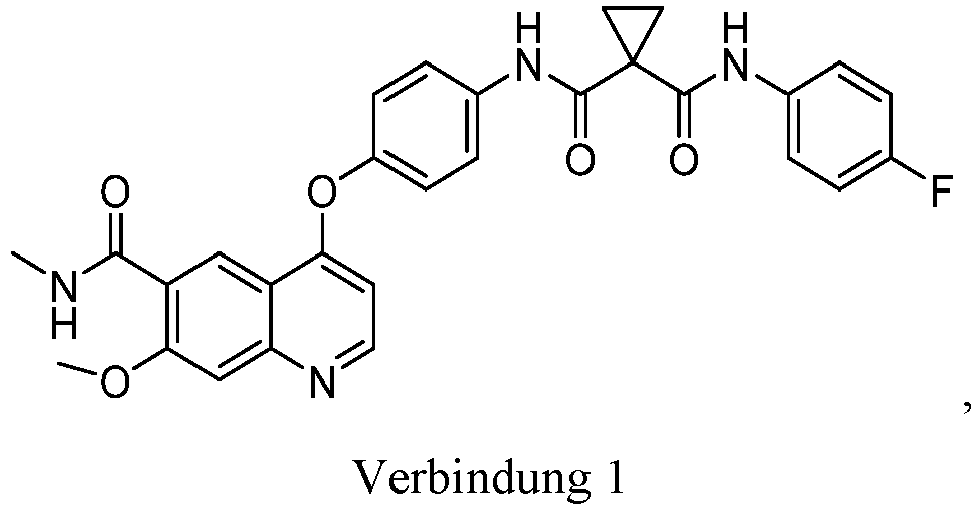 Verbindung-1-Besylatform A durch einen oder mehrere Peaks in einem XRPD-Muster auf einer 2-Theta-Skala gekennzeichnet ist, wobei der eine oder die mehreren Peaks aus 3,78, 7,56, 10,08, 10,42, 11,70, 11,78, 12,00, 12,71, 13,20, 13,92, 14,06, 14,44, 14,93, 15,18, 15,96, 16,21, 16,40, 16,73, 16,86, 17,38, 18,32, 19,07, 20,07, 20,26, 20,51, 20,94, 21,45, 21,60, 22,30, 22,90, 23,05, 23,28, 23,71, 24,28, 24,97, 25,30, 25,69, 26,33, 26,71, 27,29, 27,65, 28,07, 29,22 und 29,50 ausgewählt sind,Verbindung-1-Besylatform B durch das in Figur 4 bereitgestellte XRPD-Muster gekennzeichnet ist;Verbindung-1-Benzoatform A durch das in Figur 5 bereitgestellte XRPD-Muster gekennzeichnet ist;Verbindung-1-Camsylatform A durch einen oder mehrere Peaks in einem XRPD-Muster auf einer 2-Theta-Skala gekennzeichnet ist, wobei der eine oder die mehreren Peaks aus 5,55, 7,90, 8,25, 8,38, 9,55, 9,87, 10,26, 11,12, 11,34, 12,50, 12,94, 13,40, 13,65, 14,79, 15,83, 16,16, 16,41, 16,54, 16,82, 17,10, 17,69, 18,02, 18,22, 18,47, 18,91, 19,10, 19,47, 20,04, 20,87, 21,05, 22,16, 22,36, 22,93, 23,71, 24,55, 25,33, 26,02, 26,40, 27,09, 27,33, 27,97, 28,32, 28,68 und 28,98 ausgewählt sind;Verbindung-1-Camsylatform B durch einen oder mehrere Peaks in einem XRPD-Muster auf einer 2-Theta-Skala gekennzeichnet ist, wobei der eine oder die mehreren Peaks aus 5,25, 8,32, 8,51, 8,76, 9,05, 9,58, 9,88, 10,00, 10,52, 10,80, 11,06, 11,96, 12,24, 12,58, 13,98, 15,62, 15,81, 16,15, 16,70, 17,12, 17,42, 17,71, 18,41, 19,37, 19,55, 20,63, 21,13, 21,56, 21,89, 22,50, 23,04, 24,43, 26,08, 27,07, 27,97, 28,22 und 28,73 ausgewählt sind;Verbindung-1-Citratform A durch das in Figur 10 bereitgestellte XRPD-Muster gekennzeichnet ist;Verbindung-1-Citratform B durch einen oder mehrere Peaks in einem XRPD-Muster auf einer 2-Theta-Skala gekennzeichnet ist, wobei der eine oder die mehreren Peaks aus 4,58, 5,95, 7,61, 8,88, 9,19, 9,94, 11,93, 13,26, 13,79, 14,29, 14,68, 15,26, 15,95, 16,64, 17,11, 17,87, 18,21, 18,43, 18,90, 19,36, 19,67, 20,14, 20,57, 21,47, 22,30, 22,64, 23,06, 23,80, 24,25, 24,55, 24,81, 25,10, 25,45, 25,54, 25,85, 26,35, 26,51, 26,83, 27,16, 27,57, 27,85, 28,08 und 28,47 ausgewählt sind;Verbindung-1-Esylatform A durch einen oder mehrere Peaks in einem XRPD-Muster auf einer 2-Theta-Skala gekennzeichnet ist, wobei der eine oder die mehreren Peaks aus 3,97, 7,95, 9,89, 10,62, 10,92, 11,03, 11,34, 11,77, 12,03, 12,53, 12,71, 13,27, 14,00, 14,70, 15,08, 15,94, 16,17, 16,92, 17,01, 17,19, 17,35, 17,61, 18,15, 18,76, 19,03, 19,66, 19,89, 20,26, 20,65, 20,78, 21,44, 22,08, 23,14, 23,27, 23,99, 24,32, 25,43, 25,66, 25,85, 26,52, 26,87, 27,61, 27,96, 28,18, 28,40 und 28,91 ausgewählt sind;Verbindung-1-Esylatform B durch das in Figur 18 bereitgestellte XRPD-Muster gekennzeichnet ist;Verbindung-1-HBr-Form A durch das in Figur 19 bereitgestellte XRPD-Muster gekennzeichnet ist;Verbindung-1-HBr-Form B durch einen oder mehrere Peaks in einem XRPD-Muster auf einer 2-Theta-Skala gekennzeichnet ist, wobei der eine oder die mehreren Peaks aus 5,26, 8,29, 9,75, 9,91, 10,56, 10,72, 12,25, 12,50, 12,75, 13,31, 13,54, 14,11, 14,72, 14,89, 15,87, 16,29, 16,50, 17,36, 17,78, 18,09, 18,44, 18,75, 19,12, 19,24, 19,56, 19,92, 20,40, 20,55, 20,69, 21,18, 22,09, 22,64, 23,24, 24,56, 25,80, 26,52, 27,23, 27,43, 28,13, 28,46, 28,76, 29,08, 29,66 und 30,07 ausgewählt sind;Verbindung-1-Lactatform A durch das in Figur 21 bereitgestellte XRPD-Muster gekennzeichnet ist;Verbindung-1-Malatform A durch das in Figur 22 bereitgestellte XRPD-Muster gekennzeichnet ist;Verbindung-1-Maleatform A durch einen oder mehrere Peaks in einem XRPD-Muster auf einer 2-Theta-Skala gekennzeichnet ist, wobei der eine oder die mehreren Peaks aus 7,58, 8,34, 10,92, 12,38, 12,87, 14,17, 15,13, 15,78, 16,43, 16,91, 17,51, 18,09, 18,71, 20,30, 21,60, 21,99, 22,30, 22,49, 23,32, 23,56, 23,92, 24,79, 26,04, 26,41, 26,92, 27,62, 28,18, 28,54 und 29,01 ausgewählt sind;Verbindung-1-Maleatform B durch das in Figur 28 bereitgestellte XRPD-Muster gekennzeichnet ist;Verbindung-1-Mesylatform A durch einen oder mehrere Peaks in einem XRPD-Muster auf einer 2-Theta-Skala gekennzeichnet ist, wobei der eine oder die mehreren Peaks aus 5,06, 6,65, 7,66, 8,35, 10,16, 10,72, 11,98, 12,62, 13,32, 14,41, 14,79, 15,42, 15,72, 15,89, 16,23, 16,77, 17,20, 17,59, 18,08, 18,40, 18,81, 19,33, 19,53, 19,71, 20,14, 20,38, 20,73, 21,05, 21,56, 21,83, 22,16, 23,14, 24,06, 24,54, 24,77, 25,75, 26,82, 27,71, 27,94, 28,71, 29,27 und 29,85 ausgewählt sind;Verbindung-1-Mesylatform B durch einen oder mehrere Peaks in einem XRPD-Muster auf einer 2-Theta-Skala gekennzeichnet ist, wobei der eine oder die mehreren Peaks aus 5,14, 6,62, 7,72, 7,89, 10,33, 10,73, 12,74, 13,31, 13,88, 14,23, 14,61, 15,21, 15,52, 15,87, 16,17, 17,18, 17,41, 17,88, 18,15, 18,46, 18,73, 19,13, 19,54, 20,15, 20,53, 20,75, 20,98, 21,27, 21,60, 22,03, 22,28, 23,07, 23,32, 24,16, 24,42, 24,87, 25,13, 25,64, 26,24, 26,95, 27,17, 27,49, 27,77, 28,42 und 29,54 ausgewählt sind;Verbindung-1-Mesylatform C durch einen oder mehrere Peaks in einem XRPD-Muster auf einer 2-Theta-Skala gekennzeichnet ist, wobei der eine oder die mehreren Peaks aus 7,55, 9,53, 10,25, 11,04, 11,49, 11,65, 12,24, 12,51, 13,88, 14,44, 15,36, 15,66, 16,29, 16,58, 17,16, 17,54, 19,04, 19,20, 19,79, 20,54, 21,12, 21,24, 21,62, 22,22, 23,15, 23,57, 23,99, 24,61, 24,77, 25,22, 25,61, 25,99, 26,60, 26,89, 27,29, 27,91, 29,03 und 29,29 ausgewählt sind;Verbindung-1-Oxalatform A durch einen oder mehrere Peaks in einem XRPD-Muster auf einer 2-Theta-Skala gekennzeichnet ist, wobei der eine oder die mehreren Peaks aus 4,90, 5,25, 6,20, 8,05, 9,87, 10,54, 12,29, 14,79, 15,35, 15,84, 16,49, 16,89, 17,55, 18,27, 18,67, 19,12, 19,40, 19,81, 20,26, 20,50, 21,06, 21,74, 22,17, 22,93, 23,26, 23,50, 23,81, 24,66, 25,06, 25,95, 26,90, 27,82 und 28,24 ausgewählt sind;Verbindung-1-Oxalatform B durch einen oder mehrere Peaks in einem XRPD-Muster auf einer 2-Theta-Skala gekennzeichnet ist, wobei der eine oder die mehreren Peaks aus 4,20, 7,59, 8,02, 8,42, 10,53, 12,36, 12,66, 13,09, 13,35, 13,88, 14,15, 14,46, 15,06, 15,23, 17,42, 17,75, 18,28, 19,07, 19,52, 20,33, 21,18, 21,43, 21,74, 22,08, 22,59, 23,53, 24,21, 24,52, 24,71, 25,24, 25,85, 26,24, 26,55, 26,90, 27,43, 28,56, 29,30 und 29,51 ausgewählt sind;Verbindung-1-Oxalatform C durch einen oder mehrere Peaks in einem XRPD-Muster auf einer 2-Theta-Skala gekennzeichnet ist, wobei der eine oder die mehreren Peaks aus 4,13, 7,70, 10,29, 10,59, 13,09, 13,70, 14,13, 15,33, 15,87, 16,57, 17,19, 17,50, 17,83, 18,15, 18,61, 19,24, 19,42, 20,11, 20,34, 20,64, 21,07, 21,47, 21,59, 21,91, 22,56, 22,92, 23,37, 23,87, 24,35, 25,35, 25,91, 26,47, 26,68, 27,74, 28,47 und 29,14 ausgewählt sind;Verbindung-1-Propionatform A durch das in Figur 38 bereitgestellte XRPD-Muster gekennzeichnet ist;Verbindung-1-Succinatform A durch das in Figur 39 bereitgestellte XRPD-Muster gekennzeichnet ist;Verbindung-1-Sulfatform A durch einen oder mehrere Peaks in einem XRPD-Muster auf einer 2-Theta-Skala gekennzeichnet ist, wobei der eine oder die mehreren Peaks aus 4,74, 5,85, 9,47, 10,04, 11,74, 11,95, 13,77, 14,99, 15,42, 15,71, 16,48, 17,36, 17,66, 17,92, 18,59, 18,95, 19,36, 19,74, 20,22, 20,77, 21,38, 21,86, 22,74, 23,30, 23,70, 24,33, 25,07, 25,32, 25,67, 26,23 und 27,00 ausgewählt sind;Verbindung-1-Sulfatform B durch einen oder mehrere Peaks in einem XRPD-Muster auf einer 2-Theta-Skala gekennzeichnet ist, wobei der eine oder die mehreren Peaks aus 4,27, 8,57, 9,32, 10,95, 11,29, 12,07, 12,87, 13,25, 13,82, 14,13, 14,67, 16,94, 17,21, 17,64, 19,99, 20,26, 21,03, 21,44, 22,00, 22,71, 23,85, 25,20 und 26,02 ausgewählt sind;Verbindung-1-Sulfatform C durch einen oder mehrere Peaks in einem XRPD-Muster auf einer 2-Theta-Skala gekennzeichnet ist, wobei der eine oder die mehreren Peaks aus 3,19, 5,35, 9,04, 9,62, 10,73, 11,31, 11,60, 12,27, 12,67, 13,76, 14,31, 14,65, 15,21, 15,63, 16,11, 16,33, 16,63, 17,11, 18,32, 18,75, 18,99, 19,36, 19,47, 20,16, 20,55, 21,01, 21,52, 21,62, 21,89, 22,19, 22,53, 23,19, 23,79, 24,23, 24,81, 25,07, 25,41, 26,06, 26,73, 27,58, 28,16, 28,63, 28,90, 29,22, 29,47 und 29,73 ausgewählt sind;Verbindung-1-Tartratform A durch das in Figur 43 bereitgestellte XRPD-Muster gekennzeichnet ist;Verbindung-1-Hemitartratform B durch einen oder mehrere Peaks in einem XRPD-Muster auf einer 2-Theta-Skala gekennzeichnet ist, wobei der eine oder die mehreren Peaks aus 5,17, 5,66, 7,22, 9,27, 10,10, 10,40, 11,37, 11,55, 12,77, 13,94, 14,51, 15,60, 16,06, 16,48, 17,09, 17,69, 17,90, 18,27, 18,94, 19,15, 19,59, 19,81, 20,06, 20,32, 21,23, 21,83, 22,34, 22,84, 23,53, 24,26, 24,70, 25,26, 25,80, 26,78, 27,29, 27,90, 29,04 und 29,45 ausgewählt sind;Verbindung-1-Tartratform C durch das in Figur 69 bereitgestellte XRPD-Muster gekennzeichnet ist;Verbindung-1-Tosylatform A durch einen oder mehrere Peaks in einem XRPD-Muster auf einer 2-Theta-Skala gekennzeichnet ist, wobei der eine oder die mehreren Peaks aus 5,81, 7,05, 8,52, 9,74, 10,40, 10,99, 11,26, 11,66, 12,58, 12,81, 14,28, 14,62, 15,30, 15,80, 16,03, 16,34, 17,12, 17,55, 18,03, 18,94, 19,26, 19,67, 20,31, 20,65, 21,02, 21,43, 22,11, 22,44, 22,66, 22,94, 23,07, 23,54, 23,79, 24,55, 24,88, 25,42, 25,83, 26,10, 26,53, 27,70, 28,11, 28,62, 29,18, 29,40, 29,66 und 29,83 ausgewählt sind; undVerbindung-1-Tosylatform B durch einen oder mehrere Peaks in einem XRPD-Muster auf einer 2-Theta-Skala gekennzeichnet ist, wobei der eine oder die mehreren Peaks aus 4,61, 8,69, 9,25, 10,68, 12,44, 12,69, 13,76, 14,42, 14,81, 15,47, 16,08, 16,57, 17,45, 17,76, 18,44, 18,83, 19,01, 19,35, 20,42, 20,84, 21,15, 21,69, 22,09, 22,86, 23,12, 24,08, 24,53, 24,86, 25,22, 25,91, 26,33, 26,82, 27,63, 28,61, 29,11 und 29,77 ausgewählt sind.
 - Kristalline Salzform nach Anspruch 1, wobei:Verbindung-1-Besylatform A durch einen oder mehrere Peaks in einem XRPD-Muster auf einer 2-Theta-Skala gekennzeichnet ist, wobei der eine oder die mehreren Peaks aus 3,78, 7,56, 10,42, 20,51, 20,94, 21,60 und 25,30 ausgewählt sind;Verbindung-1-Camsylatform A durch einen oder mehrere Peaks in einem XRPD-Muster auf einer 2-Theta-Skala gekennzeichnet ist, wobei der eine oder die mehreren Peaks aus 5,55, 9,87, 10,26, 16,16, 16,82, 20,87, 22,36 und 23,71 ausgewählt sind;Verbindung-1-Camsylatform B durch einen oder mehrere Peaks in einem XRPD-Muster auf einer 2-Theta-Skala gekennzeichnet ist, wobei der eine oder die mehreren Peaks aus 5,25, 10,52, 16,15, 21,13, 21,56 und 21,89 ausgewählt sind;Verbindung-1-Citratform B durch einen oder mehrere Peaks in einem XRPD-Muster auf einer 2-Theta-Skala gekennzeichnet ist, wobei der eine oder die mehreren Peaks aus 4,58, 5,95, 8,88, 11,93, 13,79, 14,29, 16,64, 18,90, 21,47, 23,80, 24,25 und 25,85 ausgewählt sind;Verbindung-1-Esylatform A durch einen oder mehrere Peaks in einem XRPD-Muster auf einer 2-Theta-Skala gekennzeichnet ist, wobei der eine oder die mehreren Peaks aus 3,97, 7,95, 9,89, 10,62, 13,27, 15,08, 16,17, 16,92, 17,01, 20,65, 20,78, 21,44, 22,08, 23,99, 25,43 und 26,52 ausgewählt sind;Verbindung-1-HBr-Form B durch einen oder mehrere Peaks in einem XRPD-Muster auf einer 2-Theta-Skala gekennzeichnet ist, wobei der eine oder die mehreren Peaks aus 5,26, 9,91, 10,72, 20,55, 20,69, 21,18, 22,09, 23,24, 24,56 und 25,80 ausgewählt sind;Verbindung-1-Maleatform A durch einen oder mehrere Peaks in einem XRPD-Muster auf einer 2-Theta-Skala gekennzeichnet ist, wobei der eine oder die mehreren Peaks aus 10,92, 15,13, 15,78, 16,43, 18,09, 18,71, 20,30, 21,99, 22,30, 22,49, 23,32, 23,56, 24,79, 26,41, 26,92 und 29,01 ausgewählt sind;Verbindung-1-Mesylatform A durch einen oder mehrere Peaks in einem XRPD-Muster auf einer 2-Theta-Skala gekennzeichnet ist, wobei der eine oder die mehreren Peaks aus 5,06, 7,66, 14,79, 15,42, 16,23, 17,20, 17,59, 18,40, 19,33, 19,53, 20,38, 20,73, 21,83, 22,16, 23,14, 24,06 und 24,77 ausgewählt sind;Verbindung-1-Mesylatform B durch einen oder mehrere Peaks in einem XRPD-Muster auf einer 2-Theta-Skala gekennzeichnet ist, wobei der eine oder die mehreren Peaks aus 14,61, 15,21, 16,17, 17,18, 17,41, 18,46, 19,13, 19,54, 20,15, 20,53, 20,75, 20,98, 21,27, 21,60, 22,03, 23,32, 24,16, 24,42, 24,87 und 25,13 ausgewählt sind;Verbindung-1-Mesylatform C durch einen oder mehrere Peaks in einem XRPD-Muster auf einer 2-Theta-Skala gekennzeichnet ist, wobei der eine oder die mehreren Peaks aus 7,55, 9,53, 11,49, 12,51, 14,44, 19,04, 20,54, 21,12, 21,24 und 23,15 ausgewählt sind;Verbindung-1-Oxalatform A durch einen oder mehrere Peaks in einem XRPD-Muster auf einer 2-Theta-Skala gekennzeichnet ist, wobei der eine oder die mehreren Peaks aus 4,90, 5,25, 9,87, 10,54, 12,29, 15,35, 18,67, 19,40, 19,81, 20,26, 22,93 und 24,66 ausgewählt sind;Verbindung-1-Oxalatform B durch einen oder mehrere Peaks in einem XRPD-Muster auf einer 2-Theta-Skala gekennzeichnet ist, wobei der eine oder die mehreren Peaks aus 4,20, 7,59, 10,53, 15,06, 15,23, 19,52, 21,18, 21,43, 22,59, 24,21 und 25,85 ausgewählt sind;Verbindung-1-Oxalatform C durch einen oder mehrere Peaks in einem XRPD-Muster auf einer 2-Theta-Skala gekennzeichnet ist, wobei der eine oder die mehreren Peaks aus 7,70, 10,29, 10,59, 13,09, 13,70, 15,33, 17,83, 18,15, 20,11, 21,07, 21,91 und 22,56 ausgewählt sind;Verbindung-1-Sulfatform A durch einen oder mehrere Peaks in einem XRPD-Muster auf einer 2-Theta-Skala gekennzeichnet ist, wobei der eine oder die mehreren Peaks aus 4,74, 5,85, 9,47, 10,04, 11,74, 11,95, 16,48, 20,22 und 22,74 ausgewählt sind;Verbindung-1-Sulfatform B durch einen oder mehrere Peaks in einem XRPD-Muster auf einer 2-Theta-Skala gekennzeichnet ist, wobei der eine oder die mehreren Peaks aus 4,27, 8,57, 9,32, 16,94, 19,99, 21,03, 21,44, 22,00 und 26,02 ausgewählt sind;Verbindung-1-Sulfatform C durch einen oder mehrere Peaks in einem XRPD-Muster auf einer 2-Theta-Skala gekennzeichnet ist, wobei der eine oder die mehreren Peaks aus 3,19, 5,35, 9,62, 12,27, 16,33, 17,11, 18,75, 18,99, 19,36, 19,47, 20,55, 21,01, 21,52, 21,62, 21,89, 22,19, 23,79, 25,07 und 26,06 ausgewählt sind;Verbindung-1-Hemitartratform B durch einen oder mehrere Peaks in einem XRPD-Muster auf einer 2-Theta-Skala gekennzeichnet ist, wobei der eine oder die mehreren Peaks aus 5,17, 5,66, 10,10, 10,40, 11,37, 11,55, 14,51, 17,09, 21,23, 21,83, 23,53, 24,26, 25,26 und 26,78 ausgewählt sind;Verbindung-1-Tosylatform A durch einen oder mehrere Peaks in einem XRPD-Muster auf einer 2-Theta-Skala gekennzeichnet ist, wobei der eine oder die mehreren Peaks aus 8,52, 9,74, 14,28, 16,03, 17,55, 18,94, 19,26, 20,31, 21,02, 21,43, 22,11, 22,44, 22,66, 23,07, 24,55 und 27,70 ausgewählt sind; undVerbindung-1-Tosylatform B durch einen oder mehrere Peaks in einem XRPD-Muster auf einer 2-Theta-Skala gekennzeichnet ist, wobei der eine oder die mehreren Peaks aus 4,61, 9,25, 12,44, 15,47, 17,76, 19,01, 19,35, 25,91, 26,33 und 27,63 ausgewählt sind.
- Kristalline Salzform nach Anspruch 1 oder 2, wobei:Verbindung-1-Besylatform A durch alle der folgenden Peaks in einem XRPD-Muster auf einer 2-Theta-Skala, ausgewählt aus 3,78, 7,56, 10,42, 20,51, 20,94, 21,60 und 25,30, gekennzeichnet ist;Verbindung-1-Camsylatform A durch alle der folgenden Peaks in einem XRPD-Muster auf einer 2-Theta-Skala, ausgewählt aus 5,55, 9,87, 10,26, 16,16, 16,82, 20,87, 22,36 und 23,71, gekennzeichnet ist;Verbindung-1-Camsylatform B durch alle der folgenden Peaks in einem XRPD-Muster auf einer 2-Theta-Skala, ausgewählt aus 5,25, 10,52, 16,15, 21,13, 21,56 und 21,89, gekennzeichnet ist;Verbindung-1-Citratform B durch alle der folgenden Peaks in einem XRPD-Muster auf einer 2-Theta-Skala, ausgewählt aus 4,58, 5,95, 8,88, 11,93, 13,79, 14,29, 16,64, 18,90, 21,47, 23,80, 24,25 und 25,85, gekennzeichnet ist;Verbindung-1-Esylatform A durch alle der folgenden Peaks in einem XRPD-Muster auf einer 2-Theta-Skala, ausgewählt aus 3,97, 7,95, 9,89, 10,62, 13,27, 15,08, 16,17, 16,92, 17,01, 20,65, 20,78, 21,44, 22,08, 23,99, 25,43 und 26,52, gekennzeichnet ist;Verbindung-1-HBr-Form B durch alle der folgenden Peaks in einem XRPD-Muster auf einer 2-Theta-Skala, ausgewählt aus 5,26, 9,91, 10,72, 20,55, 20,69, 21,18, 22,09, 23,24, 24,56 und 25,80, gekennzeichnet ist;Verbindung-1-Maleatform A durch alle der folgenden Peaks in einem XRPD-Muster auf einer 2-Theta-Skala, ausgewählt aus 10,92, 15,13, 15,78, 16,43, 18,09, 18,71, 20,30, 21,99, 22,30, 22,49, 23,32, 23,56, 24,79, 26,41, 26,92 und 29,01, gekennzeichnet ist;Verbindung-1-Mesylatform A durch alle der folgenden Peaks in einem XRPD-Muster auf einer 2-Theta-Skala, ausgewählt aus 5,06, 7,66, 14,79, 15,42, 16,23, 17,20, 17,59, 18,40, 19,33, 19,53, 20,38, 20,73, 21,83, 22,16, 23,14, 24,06 und 24,77, gekennzeichnet ist;Verbindung-1-Mesylatform B durch alle der folgenden Peaks in einem XRPD-Muster auf einer 2-Theta-Skala, ausgewählt aus 14,61, 15,21, 16,17, 17,18, 17,41, 18,46, 19,13, 19,54, 20,15, 20,53, 20,75, 20,98, 21,27, 21,60, 22,03, 23,32, 24,16, 24,42, 24,87 und 25,13, gekennzeichnet ist;Verbindung-1-Mesylatform C durch alle der folgenden Peaks in einem XRPD-Muster auf einer 2-Theta-Skala, ausgewählt aus 7,55, 9,53, 11,49, 12,51, 14,44, 19,04, 20,54, 21,12, 21,24 und 23,15, gekennzeichnet ist;Verbindung-1-Oxalatform A durch alle der folgenden Peaks in einem XRPD-Muster auf einer 2-Theta-Skala, ausgewählt aus 4,90, 5,25, 9,87, 10,54, 12,29, 15,35, 18,67, 19,40, 19,81, 20,26, 22,93 und 24,66, gekennzeichnet ist;Verbindung-1-Oxalatform B durch alle der folgenden Peaks in einem XRPD-Muster auf einer 2-Theta-Skala, ausgewählt aus 4,20, 7,59, 10,53, 15,06, 15,23, 19,52, 21,18, 21,43, 22,59, 24,21 und 25,85, gekennzeichnet ist;Verbindung-1-Oxalatform C durch alle der folgenden Peaks in einem XRPD-Muster auf einer 2-Theta-Skala, ausgewählt aus 7,70, 10,29, 10,59, 13,09, 13,70, 15,33, 17,83, 18,15, 20,11, 21,07, 21,91 und 22,56, gekennzeichnet ist;Verbindung-1-Sulfatform A durch alle der folgenden Peaks in einem XRPD-Muster auf einer 2-Theta-Skala, ausgewählt aus 4,74, 5,85, 9,47, 10,04, 11,74, 11,95, 16,48, 20,22 und 22,74, gekennzeichnet ist;Verbindung-1-Sulfatform B durch alle der folgenden Peaks in einem XRPD-Muster auf einer 2-Theta-Skala, ausgewählt aus 4,27, 8,57, 9,32, 16,94, 19,99, 21,03, 21,44, 22,00 und 26,02, gekennzeichnet ist;Verbindung-1-Sulfatform C durch alle der folgenden Peaks in einem XRPD-Muster auf einer 2-Theta-Skala, ausgewählt aus 3,19, 5,35, 9,62, 12,27, 16,33, 17,11, 18,75, 18,99, 19,36, 19,47, 20,55, 21,01, 21,52, 21,62, 21,89, 22,19, 23,79, 25,07 und 26,06, gekennzeichnet ist;Verbindung-1-Hemitartratform B durch alle der folgenden Peaks in einem XRPD-Muster auf einer 2-Theta-Skala, ausgewählt aus 5,17, 5,66, 10,10, 10,40, 11,37, 11,55, 14,51, 17,09, 21,23, 21,83, 23,53, 24,26, 25,26 und 26,78, gekennzeichnet ist;Verbindung-1-Tosylatform A durch alle der folgenden Peaks in einem XRPD-Muster auf einer 2-Theta-Skala, ausgewählt aus 8,52, 9,74, 14,28, 16,03, 17,55, 18,94, 19,26, 20,31, 21,02, 21,43, 22,11, 22,44, 22,66, 23,07, 24,55 und 27,70, gekennzeichnet ist; undVerbindung-1-Tosylatform B durch alle der folgenden Peaks in einem XRPD-Muster auf einer 2-Theta-Skala, ausgewählt aus 4,61, 9,25, 12,44, 15,47, 17,76, 19,01, 19,35, 25,91, 26,33 und 27,63, gekennzeichnet ist.
- Kristalline Salzform nach einem der Ansprüche 1-3, wobei:Verbindung-1-Besylatform A durch alle der folgenden Peaks in einem XRPD-Muster auf einer 2-Theta-Skala, ausgewählt aus 3,78, 7,56, 10,08, 10,42, 11,70, 11,78, 12,00, 12,71, 13,20, 13,92, 14,06, 14,44, 14,93, 15,18, 15,96, 16,21, 16,40, 16,73, 16,86, 17,38, 18,32, 19,07, 20,07, 20,26, 20,51, 20,94, 21,45, 21,60, 22,30, 22,90, 23,05, 23,28, 23,71, 24,28, 24,97, 25,30, 25,69, 26,33, 26,71, 27,29, 27,65, 28,07, 29,22 und 29,50, gekennzeichnet ist;Verbindung-1-Camsylatform A durch alle der folgenden Peaks in einem XRPD-Muster auf einer 2-Theta-Skala, ausgewählt aus 5,55, 7,90, 8,25, 8,38, 9,55, 9,87, 10,26, 11,12, 11,34, 12,50, 12,94, 13,40, 13,65, 14,79, 15,83, 16,16, 16,41, 16,54, 16,82, 17,10, 17,69, 18,02, 18,22, 18,47, 18,91, 19,10, 19,47, 20,04, 20,87, 21,05, 22,16, 22,36, 22,93, 23,71, 24,55, 25,33, 26,02, 26,40, 27,09, 27,33, 27,97, 28,32, 28,68 und 28,98, gekennzeichnet ist;Verbindung-1-Camsylatform B durch alle der folgenden Peaks in einem XRPD-Muster auf einer 2-Theta-Skala, ausgewählt aus 5,25, 8,32, 8,51, 8,76, 9,05, 9,58, 9,88, 10,00, 10,52, 10,80, 11,06, 11,96, 12,24, 12,58, 13,98, 15,62, 15,81, 16,15, 16,70, 17,12, 17,42, 17,71, 18,41, 19,37, 19,55, 20,63, 21,13, 21,56, 21,89, 22,50, 23,04, 24,43, 26,08, 27,07, 27,97, 28,22 und 28,73, gekennzeichnet ist;Verbindung-1-Citratform B durch alle der folgenden Peaks in einem XRPD-Muster auf einer 2-Theta-Skala, ausgewählt aus 4,58, 5,95, 7,61, 8,88, 9,19, 9,94, 11,93, 13,26, 13,79, 14,29, 14,68, 15,26, 15,95, 16,64, 17,11, 17,87, 18,21, 18,43, 18,90, 19,36, 19,67, 20,14, 20,57, 21,47, 22,30, 22,64, 23,06, 23,80, 24,25, 24,55, 24,81, 25,10, 25,45, 25,54, 25,85, 26,35, 26,51, 26,83, 27,16, 27,57, 27,85, 28,08 und 28,47, gekennzeichnet ist;Verbindung-1-Esylatform A durch alle der folgenden Peaks in einem XRPD-Muster auf einer 2-Theta-Skala, ausgewählt aus 3,97, 7,95, 9,89, 10,62, 10,92, 11,03, 11,34, 11,77, 12,03, 12,53, 12,71, 13,27, 14,00, 14,70, 15,08, 15,94, 16,17, 16,92, 17,01, 17,19, 17,35, 17,61, 18,15, 18,76, 19,03, 19,66, 19,89, 20,26, 20,65, 20,78, 21,44, 22,08, 23,14, 23,27, 23,99, 24,32, 25,43, 25,66, 25,85, 26,52, 26,87, 27,61, 27,96, 28,18, 28,40 und 28,91, gekennzeichnet ist;Verbindung-1-HBr-Form B durch alle der folgenden Peaks in einem XRPD-Muster auf einer 2-Theta-Skala, ausgewählt aus 5,26, 8,29, 9,75, 9,91, 10,56, 10,72, 12,25, 12,50, 12,75, 13,31, 13,54, 14,11, 14,72, 14,89, 15,87, 16,29, 16,50, 17,36, 17,78, 18,09, 18,44, 18,75, 19,12, 19,24, 19,56, 19,92, 20,40, 20,55, 20,69, 21,18, 22,09, 22,64, 23,24, 24,56, 25,80, 26,52, 27,23, 27,43, 28,13, 28,46, 28,76, 29,08, 29,66 und 30,07, gekennzeichnet ist;Verbindung-1-Maleatform A durch alle der folgenden Peaks in einem XRPD-Muster auf einer 2-Theta-Skala, ausgewählt aus 7,58, 8,34, 10,92, 12,38, 12,87, 14,17, 15,13, 15,78, 16,43, 16,91, 17,51, 18,09, 18,71, 20,30, 21,60, 21,99, 22,30, 22,49, 23,32, 23,56, 23,92, 24,79, 26,04, 26,41, 26,92, 27,62, 28,18, 28,54 und 29,01, gekennzeichnet ist;Verbindung-1-Mesylatform A durch alle der folgenden Peaks in einem XRPD-Muster auf einer 2-Theta-Skala, ausgewählt aus 5,06, 6,65, 7,66, 8,35, 10,16, 10,72, 11,98, 12,62, 13,32, 14,41, 14,79, 15,42, 15,72, 15,89, 16,23, 16,77, 17,20, 17,59, 18,08, 18,40, 18,81, 19,33, 19,53, 19,71, 20,14, 20,38, 20,73, 21,05, 21,56, 21,83, 22,16, 23,14, 24,06, 24,54, 24,77, 25,75, 26,82, 27,71, 27,94, 28,71, 29,27 und 29,85, gekennzeichnet ist;Verbindung-1-Mesylatform B durch alle der folgenden Peaks in einem XRPD-Muster auf einer 2-Theta-Skala, ausgewählt aus 5,14, 6,62, 7,72, 7,89, 10,33, 10,73, 12,74, 13,31, 13,88, 14,23, 14,61, 15,21, 15,52, 15,87, 16,17, 17,18, 17,41, 17,88, 18,15, 18,46, 18,73, 19,13, 19,54, 20,15, 20,53, 20,75, 20,98, 21,27, 21,60, 22,03, 22,28, 23,07, 23,32, 24,16, 24,42, 24,87, 25,13, 25,64, 26,24, 26,95, 27,17, 27,49, 27,77, 28,42 und 29,54, gekennzeichnet ist;Verbindung-1-Mesylatform C durch alle der folgenden Peaks in einem XRPD-Muster auf einer 2-Theta-Skala, ausgewählt aus 7,55, 9,53, 10,25, 11,04, 11,49, 11,65, 12,24, 12,51, 13,88, 14,44, 15,36, 15,66, 16,29, 16,58, 17,16, 17,54, 19,04, 19,20, 19,79, 20,54, 21,12, 21,24, 21,62, 22,22, 23,15, 23,57, 23,99, 24,61, 24,77, 25,22, 25,61, 25,99, 26,60, 26,89, 27,29, 27,91, 29,03 und 29,29, gekennzeichnet ist;Verbindung-1-Oxalatform A durch alle der folgenden Peaks in einem XRPD-Muster auf einer 2-Theta-Skala, ausgewählt aus 4,90, 5,25, 6,20, 8,05, 9,87, 10,54, 12,29, 14,79, 15,35, 15,84, 16,49, 16,89, 17,55, 18,27, 18,67, 19,12, 19,40, 19,81, 20,26, 20,50, 21,06, 21,74, 22,17, 22,93, 23,26, 23,50, 23,81, 24,66, 25,06, 25,95, 26,90, 27,82 und 28,24, gekennzeichnet ist;Verbindung-1-Oxalatform B durch alle der folgenden Peaks in einem XRPD-Muster auf einer 2-Theta-Skala, ausgewählt aus 4,20, 7,59, 8,02, 8,42, 10,53, 12,36, 12,66, 13,09, 13,35, 13,88, 14,15, 14,46, 15,06, 15,23, 17,42, 17,75, 18,28, 19,07, 19,52, 20,33, 21,18, 21,43, 21,74, 22,08, 22,59, 23,53, 24,21, 24,52, 24,71, 25,24, 25,85, 26,24, 26,55, 26,90, 27,43, 28,56, 29,30 und 29,51, gekennzeichnet ist;Verbindung-1-Oxalatform C durch alle der folgenden Peaks in einem XRPD-Muster auf einer 2-Theta-Skala, ausgewählt aus 4,13, 7,70, 10,29, 10,59, 13,09, 13,70, 14,13, 15,33, 15,87, 16,57, 17,19, 17,50, 17,83, 18,15, 18,61, 19,24, 19,42, 20,11, 20,34, 20,64, 21,07, 21,47, 21,59, 21,91, 22,56, 22,92, 23,37, 23,87, 24,35, 25,35, 25,91, 26,47, 26,68, 27,74, 28,47 und 29,14, gekennzeichnet ist;Verbindung-1-Sulfatform A durch alle der folgenden Peaks in einem XRPD-Muster auf einer 2-Theta-Skala, ausgewählt aus 4,74, 5,85, 9,47, 10,04, 11,74, 11,95, 13,77, 14,99, 15,42, 15,71, 16,48, 17,36, 17,66, 17,92, 18,59, 18,95, 19,36, 19,74, 20,22, 20,77, 21,38, 21,86, 22,74, 23,30, 23,70, 24,33, 25,07, 25,32, 25,67, 26,23 und 27,00, gekennzeichnet ist;Verbindung-1-Sulfatform B durch alle der folgenden Peaks in einem XRPD-Muster auf einer 2-Theta-Skala, ausgewählt aus 4,27, 8,57, 9,32, 10,95, 11,29, 12,07, 12,87, 13,25, 13,82, 14,13, 14,67, 16,94, 17,21, 17,64, 19,99, 20,26, 21,03, 21,44, 22,00, 22,71, 23,85, 25,20 und 26,02, gekennzeichnet ist;Verbindung-1-Sulfatform C durch alle der folgenden Peaks in einem XRPD-Muster auf einer 2-Theta-Skala, ausgewählt aus 3,19, 5,35, 9,04, 9,62, 10,73, 11,31, 11,60, 12,27, 12,67, 13,76, 14,31, 14,65, 15,21, 15,63, 16,11, 16,33, 16,63, 17,11, 18,32, 18,75, 18,99, 19,36, 19,47, 20,16, 20,55, 21,01, 21,52, 21,62, 21,89, 22,19, 22,53, 23,19, 23,79, 24,23, 24,81, 25,07, 25,41, 26,06, 26,73, 27,58, 28,16, 28,63, 28,90, 29,22, 29,47 und 29,73, gekennzeichnet ist;Verbindung-1-Hemitartratform B durch alle der folgenden Peaks in einem XRPD-Muster auf einer 2-Theta-Skala, ausgewählt aus 5,17, 5,66, 7,22, 9,27, 10,10, 10,40, 11,37, 11,55, 12,77, 13,94, 14,51, 15,60, 16,06, 16,48, 17,09, 17,69, 17,90, 18,27, 18,94, 19,15, 19,59, 19,81, 20,06, 20,32, 21,23, 21,83, 22,34, 22,84, 23,53, 24,26, 24,70, 25,26, 25,80, 26,78, 27,29, 27,90, 29,04 und 29,45, gekennzeichnet ist;Verbindung-1-Tosylatform A durch alle der folgenden Peaks in einem XRPD-Muster auf einer 2-Theta-Skala, ausgewählt aus 5,81, 7,05, 8,52, 9,74, 10,40, 10,99, 11,26, 11,66, 12,58, 12,81, 14,28, 14,62, 15,30, 15,80, 16,03, 16,34, 17,12, 17,55, 18,03, 18,94, 19,26, 19,67, 20,31, 20,65, 21,02, 21,43, 22,11, 22,44, 22,66, 22,94, 23,07, 23,54, 23,79, 24,55, 24,88, 25,42, 25,83, 26,10, 26,53, 27,70, 28,11, 28,62, 29,18, 29,40, 29,66 und 29,83, gekennzeichnet ist; undVerbindung-1-Tosylatform B durch alle der folgenden Peaks in einem XRPD-Muster auf einer 2-Theta-Skala, ausgewählt aus 4,61, 8,69, 9,25, 10,68, 12,44, 12,69, 13,76, 14,42, 14,81, 15,47, 16,08, 16,57, 17,45, 17,76, 18,44, 18,83, 19,01, 19,35, 20,42, 20,84, 21,15, 21,69, 22,09, 22,86, 23,12, 24,08, 24,53, 24,86, 25,22, 25,91, 26,33, 26,82, 27,63, 28,61, 29,11 und 29,77, gekennzeichnet ist;
- Kristalline Salzform nach einem der Ansprüche 1-4, wobei:Verbindung-1-Besylatform A durch ein erstes endothermes Ereignis bei einer Temperatur von etwa 144 °C und ein zweites endothermes Ereignis bei einer Temperatur von etwa 170 °C in einem DSC-Thermogramm gekennzeichnet ist;Verbindung-1-Camsylatform A durch ein erstes endothermes Ereignis bei einer Temperatur von etwa 110 °C und ein zweites endothermes Ereignis bei einer Temperatur von etwa 174 °C in einem DSC-Thermogramm gekennzeichnet ist;Verbindung-1-Citratform B durch ein endothermes Ereignis mit einer Einsetztemperatur von etwa 175 °C in einem DSC-Thermogramm gekennzeichnet ist;Verbindung-1-Esylatform A durch ein erstes endothermes Ereignis bei einer Temperatur von etwa 69 °C, ein zweites endothermes Ereignis bei etwa 156 °C und ein drittes endothermes Ereignis bei einer Temperatur von etwa 190 °C in einem DSC-Thermogramm gekennzeichnet ist;Verbindung-1-Maleatform A durch ein endothermes Ereignis bei einer Temperatur von etwa 117 °C in einem DSC-Thermogramm gekennzeichnet ist;Verbindung-1-Mesylatform C durch ein erstes endothermes Ereignis mit einem Peak bei einer Temperatur von etwa 69 °C, wobei das erste endotherme Ereignis eine Untergrenze von etwa 36 und eine Obergrenze einer Temperatur von etwa 96 °C aufweist, und ein zweites endothermes Ereignis mit einem Peak bei einer Temperatur von etwa 208 °C, wobei das zweite endotherme Ereignis eine Untergrenze einer Temperatur von etwa 169 und eine Obergrenze einer Temperatur von etwa 219 °C aufweist, gekennzeichnet ist;Verbindung-1-Hemitartratform B durch ein erstes endothermes Ereignis bei einer Temperatur von etwa 111 °C und ein zweites endothermes Ereignis bei einer Temperatur von etwa 148 °C in einem DSC-Thermogramm gekennzeichnet ist;Verbindung-1-Tosylatform A durch ein endothermes Ereignis mit einer Einsetztemperatur von etwa 214 °C in einem DSC-Thermogramm gekennzeichnet ist; undVerbindung-1-Tosylatform B durch ein starkes endothermes Ereignis mit einer Einsetztemperatur von ca. 183 °C in einem DSC-Thermogramm gekennzeichnet ist.
- Kristalline Salzform nach einem der Ansprüche 1-5, wobei:Verbindung-1-Besylatform A durch einen Gewichtsverlust von etwa 7,9% über einen Temperaturbereich von 39-177 °C in einem TGA-Thermogramm gekennzeichnet ist;Verbindung-1-Camsylatform A durch einen Gewichtsverlust von etwa 5,9% über einen Temperaturbereich von 38-170 °C in einem TGA-Thermogramm gekennzeichnet ist;Verbindung-1-Citratform B durch einen Gewichtsverlust, der bei einer Temperatur von etwa 159 °C beginnt und bei etwa 220 °C endet, in einem TGA-Thermogramm gekennzeichnet ist;Verbindung-1-Esylatform A durch einen Gewichtsverlust von etwa 8,5 Gew.-% über einen Temperaturbereich von 38-188 °C in einem TGA-Thermogramm gekennzeichnet ist;Verbindung-1-Maleatform A durch einen Gewichtsverlust von etwa 3,1 Gew.-% im Temperaturbereich von 42-146 °C in einem TGA-Thermogramm gekennzeichnet ist;Verbindung-1-Mesylatform C durch einen Gewichtsverlust von 0,5 bis 3,0 Gew.-% im Temperaturbereich von 36-130 °C in einem TGA-Thermogramm gekennzeichnet ist;Verbindung-1-Hemitartratform B durch einen Gewichtsverlust von etwa 7,4 Gew.-% im Temperaturbereich von 39-157 °C in einem TGA-Thermogramm gekennzeichnet ist;Verbindung-1-Tosylatform A durch einen Gewichtsverlust von etwa 0,9 Gew.-% im Temperaturbereich von 72-231 °C in einem TGA-Thermogramm gekennzeichnet ist; undVerbindung-1-Tosylatform B durch einen Gewichtsverlust von etwa 0.7 Gew.-% im Temperaturbereich von 39-214 °C in einem TGA-Thermogramm gekennzeichnet ist.
- Kristalline Salzform nach einem der Ansprüche 1-6, wobei:Verbindung-1-Citratform B durch eine Zunahme von etwa 4,1 Gew.-%, gemessen mittels DVS, bei Verbringen von einer Umgebung mit 5% relativer Feuchte in eine Umgebung mit 95% relativer Feuchte, gekennzeichnet ist;Verbindung-1-Maleatform A durch eine Zunahme von etwa 2,5 Gew.-%, gemessen mittels DVS, bei Verbringen von einer Umgebung mit 5% relativer Feuchte in eine Umgebung mit 95% relativer Feuchte, gekennzeichnet ist;Verbindung-1-Mesylatform C durch eine Zunahme von etwa 5,1 Gew.-%, gemessen mittels DVS, bei Verbringen von einer Umgebung mit 5% relativer Feuchte in eine Umgebung mit 95% relativer Feuchte, gekennzeichnet ist;Verbindung-1-Tosylatform A durch eine Zunahme von etwa 0,9 Gew.-%, gemessen mittels DVS, bei Verbringen von einer Umgebung mit 5% relativer Feuchte in eine Umgebung mit 95% relativer Feuchte, gekennzeichnet ist; undVerbindung-1-Tosylatform B durch eine Zunahme von etwa 0,9 Gew.-%, gemessen mittels DVS, bei Verbringen von einer Umgebung mit 5% relativer Feuchte in eine Umgebung mit 95% relativer Feuchte, gekennzeichnet ist.
- Eine pharmazeutische Zusammensetzung, die eine kristalline Salzfor, nach einem der Ansprüche 1-7 und einen pharmazeutisch akzeptablen Hilfsstoff umfasst.
- Eine kristalline Salzform nach einem der Ansprüche 1-7 oder eine pharmazeutische Zusammensetzung nach Anspruch 8 zur Verwendung in einem Verfahren zur Behandlung einer Krankheit, einer Erkrankung oder eines Syndroms, die oder das zumindest teilweise durch Modulation der In-vivo-Aktivität einer Proteinkinase vermittelt wird, wobei die Krankheit, die Erkrankung oder das Syndrom Krebs ist.
Applications Claiming Priority (2)
| Application Number | Priority Date | Filing Date | Title |
|---|---|---|---|
| US201962856404P | 2019-06-03 | 2019-06-03 | |
| PCT/US2019/065980 WO2020247019A1 (en) | 2019-06-03 | 2019-12-12 | Crystalline salt forms of a kinase inhibitor |
Publications (3)
| Publication Number | Publication Date |
|---|---|
| EP3976587A1 EP3976587A1 (de) | 2022-04-06 |
| EP3976587B1 true EP3976587B1 (de) | 2024-12-04 |
| EP3976587C0 EP3976587C0 (de) | 2024-12-04 |
Family
ID=69160360
Family Applications (1)
| Application Number | Title | Priority Date | Filing Date |
|---|---|---|---|
| EP19836340.0A Active EP3976587B1 (de) | 2019-06-03 | 2019-12-12 | Kristalline salzformen eines kinase-inhibitors |
Country Status (22)
| Country | Link |
|---|---|
| US (1) | US20230052703A1 (de) |
| EP (1) | EP3976587B1 (de) |
| JP (1) | JP7579281B2 (de) |
| KR (1) | KR102826380B1 (de) |
| CN (1) | CN113939503B (de) |
| AU (1) | AU2019449809B2 (de) |
| BR (1) | BR112021024300A2 (de) |
| CA (1) | CA3139148A1 (de) |
| CL (1) | CL2021003205A1 (de) |
| CO (1) | CO2021017343A2 (de) |
| CR (1) | CR20210616A (de) |
| DO (1) | DOP2021000236A (de) |
| ES (1) | ES3008963T3 (de) |
| GE (2) | GEP20247655B (de) |
| IL (1) | IL288484A (de) |
| MA (1) | MA56001A (de) |
| MX (1) | MX2021014773A (de) |
| PE (1) | PE20220962A1 (de) |
| PH (1) | PH12021553020A1 (de) |
| SG (1) | SG11202111978VA (de) |
| WO (1) | WO2020247019A1 (de) |
| ZA (1) | ZA202108034B (de) |
Families Citing this family (5)
| Publication number | Priority date | Publication date | Assignee | Title |
|---|---|---|---|---|
| PE20242219A1 (es) * | 2018-01-26 | 2024-11-19 | Exelixis Inc | Compuestos para el tratamiento de trastornos dependientes de cinasas |
| FI3894012T3 (fi) * | 2018-12-13 | 2025-09-18 | Exelixis Inc | Kinaasin estäjän kidemuotoja ja suolamuotoja |
| TW202334090A (zh) * | 2021-11-03 | 2023-09-01 | 美商艾克塞里克斯公司 | 用於治療激酶依賴性病症之化合物 |
| US20250368606A1 (en) | 2021-12-22 | 2025-12-04 | Exelixis, Inc. | Crystalline forms and salt forms of a kinase inhibitor |
| CN116751161A (zh) * | 2023-06-28 | 2023-09-15 | 中国人民解放军军事科学院军事医学研究院 | 喹啉类化合物及其制备方法、药物组合物及医药用途 |
Citations (1)
| Publication number | Priority date | Publication date | Assignee | Title |
|---|---|---|---|---|
| WO2020123800A1 (en) * | 2018-12-13 | 2020-06-18 | Exelixis, Inc. | Crystalline forms and salt forms of a kinase inhibitor |
Family Cites Families (9)
| Publication number | Priority date | Publication date | Assignee | Title |
|---|---|---|---|---|
| SI2392564T1 (sl) * | 2003-09-26 | 2014-02-28 | Exelixis, Inc. | c-Met modulatorji in postopki uporabe |
| CA2604238C (en) | 2005-04-15 | 2015-07-07 | Neogenix Oncology, Inc. | Recombinant monoclonal antibodies and corresponding antigens for colon and pancreatic cancers |
| WO2012006960A1 (en) * | 2010-07-14 | 2012-01-19 | Zhejiang Beta Pharma Inc. | NOVEL FUSED HETEROCYCLIC DERIVATIVES USEFUL AS c-MET TYROSINE KINASE INHIBITORS |
| WO2014055897A2 (en) | 2012-10-04 | 2014-04-10 | Dana-Farber Cancer Institute, Inc. | Human monoclonal anti-pd-l1 antibodies and methods of use |
| HRP20210122T1 (hr) | 2013-05-02 | 2021-04-16 | Anaptysbio, Inc. | Protutijela usmjerena protiv programirane smrti-1 (pd-1) |
| US20180009758A1 (en) * | 2015-06-29 | 2018-01-11 | Ontogenesis, Llc | Multi-Tyrosine Kinase Inhibitors Derivatives and Methods of Use |
| PT3630726T (pt) * | 2017-05-26 | 2022-03-02 | Exelixis Inc | Formas sólidas cristalinas de sais de n-{4-[(6,7-dimetoxiquinolin- 4-il)oxi]fenil}-n¿-(4-fluorfenil)ciclopropano-1,1- dicarboxamida, processos para a preparação e métodos de utilização |
| PE20242219A1 (es) | 2018-01-26 | 2024-11-19 | Exelixis Inc | Compuestos para el tratamiento de trastornos dependientes de cinasas |
| CN109761899B (zh) * | 2019-02-14 | 2022-11-15 | 广州六顺生物科技股份有限公司 | 喹啉衍生物、其药学上可接受的盐或其溶剂合物、其应用、药物及药物组合物 |
-
2019
- 2019-12-12 AU AU2019449809A patent/AU2019449809B2/en active Active
- 2019-12-12 BR BR112021024300A patent/BR112021024300A2/pt unknown
- 2019-12-12 US US17/616,124 patent/US20230052703A1/en active Pending
- 2019-12-12 CN CN201980097028.2A patent/CN113939503B/zh active Active
- 2019-12-12 GE GEAP201915849A patent/GEP20247655B/en unknown
- 2019-12-12 SG SG11202111978VA patent/SG11202111978VA/en unknown
- 2019-12-12 WO PCT/US2019/065980 patent/WO2020247019A1/en not_active Ceased
- 2019-12-12 CR CR20210616A patent/CR20210616A/es unknown
- 2019-12-12 KR KR1020217041796A patent/KR102826380B1/ko active Active
- 2019-12-12 PE PE2021002015A patent/PE20220962A1/es unknown
- 2019-12-12 GE GEAP202415849A patent/GEAP202415849A/en unknown
- 2019-12-12 PH PH1/2021/553020A patent/PH12021553020A1/en unknown
- 2019-12-12 CA CA3139148A patent/CA3139148A1/en active Pending
- 2019-12-12 MA MA056001A patent/MA56001A/fr unknown
- 2019-12-12 JP JP2021571744A patent/JP7579281B2/ja active Active
- 2019-12-12 ES ES19836340T patent/ES3008963T3/es active Active
- 2019-12-12 MX MX2021014773A patent/MX2021014773A/es unknown
- 2019-12-12 EP EP19836340.0A patent/EP3976587B1/de active Active
-
2021
- 2021-10-20 ZA ZA2021/08034A patent/ZA202108034B/en unknown
- 2021-11-17 DO DO2021000236A patent/DOP2021000236A/es unknown
- 2021-11-28 IL IL288484A patent/IL288484A/en unknown
- 2021-12-02 CL CL2021003205A patent/CL2021003205A1/es unknown
- 2021-12-16 CO CONC2021/0017343A patent/CO2021017343A2/es unknown
Patent Citations (1)
| Publication number | Priority date | Publication date | Assignee | Title |
|---|---|---|---|---|
| WO2020123800A1 (en) * | 2018-12-13 | 2020-06-18 | Exelixis, Inc. | Crystalline forms and salt forms of a kinase inhibitor |
Also Published As
| Publication number | Publication date |
|---|---|
| MA56001A (fr) | 2022-04-06 |
| IL288484A (en) | 2022-01-01 |
| GEP20247655B (en) | 2024-08-26 |
| PE20220962A1 (es) | 2022-06-10 |
| EP3976587C0 (de) | 2024-12-04 |
| DOP2021000236A (es) | 2022-04-18 |
| KR102826380B1 (ko) | 2025-06-26 |
| CN113939503B (zh) | 2024-05-07 |
| CA3139148A1 (en) | 2020-12-10 |
| US20230052703A1 (en) | 2023-02-16 |
| SG11202111978VA (en) | 2021-11-29 |
| JP7579281B2 (ja) | 2024-11-07 |
| ZA202108034B (en) | 2025-02-26 |
| KR20220016117A (ko) | 2022-02-08 |
| CN113939503A (zh) | 2022-01-14 |
| JP2022535072A (ja) | 2022-08-04 |
| EP3976587A1 (de) | 2022-04-06 |
| WO2020247019A1 (en) | 2020-12-10 |
| PH12021553020A1 (en) | 2023-08-23 |
| GEAP202415849A (en) | 2024-03-11 |
| BR112021024300A2 (pt) | 2022-01-11 |
| AU2019449809B2 (en) | 2026-02-05 |
| AU2019449809A1 (en) | 2021-12-16 |
| CR20210616A (es) | 2022-03-22 |
| CO2021017343A2 (es) | 2022-01-17 |
| MX2021014773A (es) | 2022-01-18 |
| CL2021003205A1 (es) | 2022-09-30 |
| ES3008963T3 (en) | 2025-03-25 |
Similar Documents
| Publication | Publication Date | Title |
|---|---|---|
| US20240300897A1 (en) | Crystalline forms and salt forms of a kinase inhibitor | |
| EP3976587B1 (de) | Kristalline salzformen eines kinase-inhibitors | |
| US20250368606A1 (en) | Crystalline forms and salt forms of a kinase inhibitor | |
| HK40061293A (en) | Crystalline forms and salt forms of a kinase inhibitor | |
| HK40061293B (en) | Crystalline forms and salt forms of a kinase inhibitor | |
| OA20944A (en) | Crystalline salt forms of a kinase inhibitor | |
| EA048718B1 (ru) | Кристаллические солевые формы ингибитора киназы | |
| HK40067664B (zh) | 激酶抑制剂的结晶盐形式 | |
| BR122025022768A2 (pt) | Formas cristalinas, sais de ácido clorídrico e ácido fosfórico cristalinos, composição farmacêutica e usos relacionados | |
| EA044424B1 (ru) | Кристаллические формы и солевые формы ингибитора киназы |
Legal Events
| Date | Code | Title | Description |
|---|---|---|---|
| STAA | Information on the status of an ep patent application or granted ep patent |
Free format text: STATUS: UNKNOWN |
|
| STAA | Information on the status of an ep patent application or granted ep patent |
Free format text: STATUS: THE INTERNATIONAL PUBLICATION HAS BEEN MADE |
|
| PUAI | Public reference made under article 153(3) epc to a published international application that has entered the european phase |
Free format text: ORIGINAL CODE: 0009012 |
|
| STAA | Information on the status of an ep patent application or granted ep patent |
Free format text: STATUS: REQUEST FOR EXAMINATION WAS MADE |
|
| 17P | Request for examination filed |
Effective date: 20211216 |
|
| AK | Designated contracting states |
Kind code of ref document: A1 Designated state(s): AL AT BE BG CH CY CZ DE DK EE ES FI FR GB GR HR HU IE IS IT LI LT LU LV MC MK MT NL NO PL PT RO RS SE SI SK SM TR |
|
| STAA | Information on the status of an ep patent application or granted ep patent |
Free format text: STATUS: EXAMINATION IS IN PROGRESS |
|
| 17Q | First examination report despatched |
Effective date: 20221123 |
|
| REG | Reference to a national code |
Ref country code: HK Ref legal event code: DE Ref document number: 40074144 Country of ref document: HK |
|
| P01 | Opt-out of the competence of the unified patent court (upc) registered |
Effective date: 20230517 |
|
| GRAP | Despatch of communication of intention to grant a patent |
Free format text: ORIGINAL CODE: EPIDOSNIGR1 |
|
| STAA | Information on the status of an ep patent application or granted ep patent |
Free format text: STATUS: GRANT OF PATENT IS INTENDED |
|
| INTG | Intention to grant announced |
Effective date: 20240627 |
|
| GRAS | Grant fee paid |
Free format text: ORIGINAL CODE: EPIDOSNIGR3 |
|
| GRAA | (expected) grant |
Free format text: ORIGINAL CODE: 0009210 |
|
| STAA | Information on the status of an ep patent application or granted ep patent |
Free format text: STATUS: THE PATENT HAS BEEN GRANTED |
|
| AK | Designated contracting states |
Kind code of ref document: B1 Designated state(s): AL AT BE BG CH CY CZ DE DK EE ES FI FR GB GR HR HU IE IS IT LI LT LU LV MC MK MT NL NO PL PT RO RS SE SI SK SM TR |
|
| REG | Reference to a national code |
Ref country code: CH Ref legal event code: EP |
|
| REG | Reference to a national code |
Ref country code: DE Ref legal event code: R096 Ref document number: 602019063098 Country of ref document: DE |
|
| REG | Reference to a national code |
Ref country code: IE Ref legal event code: FG4D |
|
| U01 | Request for unitary effect filed |
Effective date: 20250103 |
|
| U07 | Unitary effect registered |
Designated state(s): AT BE BG DE DK EE FI FR IT LT LU LV MT NL PT RO SE SI Effective date: 20250210 |
|
| P04 | Withdrawal of opt-out of the competence of the unified patent court (upc) registered |
Free format text: CASE NUMBER: APP_6229/2025 Effective date: 20250205 |
|
| REG | Reference to a national code |
Ref country code: ES Ref legal event code: FG2A Ref document number: 3008963 Country of ref document: ES Kind code of ref document: T3 Effective date: 20250325 |
|
| U20 | Renewal fee for the european patent with unitary effect paid |
Year of fee payment: 6 Effective date: 20250219 |
|
| PG25 | Lapsed in a contracting state [announced via postgrant information from national office to epo] |
Ref country code: HR Free format text: LAPSE BECAUSE OF FAILURE TO SUBMIT A TRANSLATION OF THE DESCRIPTION OR TO PAY THE FEE WITHIN THE PRESCRIBED TIME-LIMIT Effective date: 20241204 |
|
| PGFP | Annual fee paid to national office [announced via postgrant information from national office to epo] |
Ref country code: ES Payment date: 20250127 Year of fee payment: 6 |
|
| PG25 | Lapsed in a contracting state [announced via postgrant information from national office to epo] |
Ref country code: NO Free format text: LAPSE BECAUSE OF FAILURE TO SUBMIT A TRANSLATION OF THE DESCRIPTION OR TO PAY THE FEE WITHIN THE PRESCRIBED TIME-LIMIT Effective date: 20250304 |
|
| PG25 | Lapsed in a contracting state [announced via postgrant information from national office to epo] |
Ref country code: GR Free format text: LAPSE BECAUSE OF FAILURE TO SUBMIT A TRANSLATION OF THE DESCRIPTION OR TO PAY THE FEE WITHIN THE PRESCRIBED TIME-LIMIT Effective date: 20250305 |
|
| PG25 | Lapsed in a contracting state [announced via postgrant information from national office to epo] |
Ref country code: RS Free format text: LAPSE BECAUSE OF FAILURE TO SUBMIT A TRANSLATION OF THE DESCRIPTION OR TO PAY THE FEE WITHIN THE PRESCRIBED TIME-LIMIT Effective date: 20250304 |
|
| PG25 | Lapsed in a contracting state [announced via postgrant information from national office to epo] |
Ref country code: SM Free format text: LAPSE BECAUSE OF FAILURE TO SUBMIT A TRANSLATION OF THE DESCRIPTION OR TO PAY THE FEE WITHIN THE PRESCRIBED TIME-LIMIT Effective date: 20241204 |
|
| PG25 | Lapsed in a contracting state [announced via postgrant information from national office to epo] |
Ref country code: PL Free format text: LAPSE BECAUSE OF FAILURE TO SUBMIT A TRANSLATION OF THE DESCRIPTION OR TO PAY THE FEE WITHIN THE PRESCRIBED TIME-LIMIT Effective date: 20241204 |
|
| PG25 | Lapsed in a contracting state [announced via postgrant information from national office to epo] |
Ref country code: IS Free format text: LAPSE BECAUSE OF FAILURE TO SUBMIT A TRANSLATION OF THE DESCRIPTION OR TO PAY THE FEE WITHIN THE PRESCRIBED TIME-LIMIT Effective date: 20250404 |
|
| VS25 | Lapsed in a validation state [announced via postgrant information from nat. office to epo] |
Ref country code: MD Free format text: LAPSE BECAUSE OF FAILURE TO SUBMIT A TRANSLATION OF THE DESCRIPTION OR TO PAY THE FEE WITHIN THE PRESCRIBED TIME-LIMIT Effective date: 20241204 |
|
| PG25 | Lapsed in a contracting state [announced via postgrant information from national office to epo] |
Ref country code: SK Free format text: LAPSE BECAUSE OF FAILURE TO SUBMIT A TRANSLATION OF THE DESCRIPTION OR TO PAY THE FEE WITHIN THE PRESCRIBED TIME-LIMIT Effective date: 20241204 |
|
| PG25 | Lapsed in a contracting state [announced via postgrant information from national office to epo] |
Ref country code: CZ Free format text: LAPSE BECAUSE OF FAILURE TO SUBMIT A TRANSLATION OF THE DESCRIPTION OR TO PAY THE FEE WITHIN THE PRESCRIBED TIME-LIMIT Effective date: 20241204 |
|
| REG | Reference to a national code |
Ref country code: CH Ref legal event code: PL |
|
| PG25 | Lapsed in a contracting state [announced via postgrant information from national office to epo] |
Ref country code: MC Free format text: LAPSE BECAUSE OF FAILURE TO SUBMIT A TRANSLATION OF THE DESCRIPTION OR TO PAY THE FEE WITHIN THE PRESCRIBED TIME-LIMIT Effective date: 20241204 |
|
| PLBE | No opposition filed within time limit |
Free format text: ORIGINAL CODE: 0009261 |
|
| STAA | Information on the status of an ep patent application or granted ep patent |
Free format text: STATUS: NO OPPOSITION FILED WITHIN TIME LIMIT |
|
| PG25 | Lapsed in a contracting state [announced via postgrant information from national office to epo] |
Ref country code: CH Free format text: LAPSE BECAUSE OF NON-PAYMENT OF DUE FEES Effective date: 20241231 |
|
| 26N | No opposition filed |
Effective date: 20250905 |
|
| U20 | Renewal fee for the european patent with unitary effect paid |
Year of fee payment: 7 Effective date: 20251118 |
|
| PGFP | Annual fee paid to national office [announced via postgrant information from national office to epo] |
Ref country code: GB Payment date: 20251113 Year of fee payment: 7 |
|
| PGFP | Annual fee paid to national office [announced via postgrant information from national office to epo] |
Ref country code: IE Payment date: 20251126 Year of fee payment: 7 |