EP3940974B1 - Übertragungsverfahren und -vorrichtung für datenstrom - Google Patents
Übertragungsverfahren und -vorrichtung für datenstrom Download PDFInfo
- Publication number
- EP3940974B1 EP3940974B1 EP20787431.4A EP20787431A EP3940974B1 EP 3940974 B1 EP3940974 B1 EP 3940974B1 EP 20787431 A EP20787431 A EP 20787431A EP 3940974 B1 EP3940974 B1 EP 3940974B1
- Authority
- EP
- European Patent Office
- Prior art keywords
- packet
- loss
- data stream
- concealment
- path
- Prior art date
- Legal status (The legal status is an assumption and is not a legal conclusion. Google has not performed a legal analysis and makes no representation as to the accuracy of the status listed.)
- Active
Links
Images










Classifications
-
- H—ELECTRICITY
- H04—ELECTRIC COMMUNICATION TECHNIQUE
- H04L—TRANSMISSION OF DIGITAL INFORMATION, e.g. TELEGRAPHIC COMMUNICATION
- H04L1/00—Arrangements for detecting or preventing errors in the information received
- H04L1/004—Arrangements for detecting or preventing errors in the information received by using forward error control
-
- H—ELECTRICITY
- H04—ELECTRIC COMMUNICATION TECHNIQUE
- H04L—TRANSMISSION OF DIGITAL INFORMATION, e.g. TELEGRAPHIC COMMUNICATION
- H04L43/00—Arrangements for monitoring or testing data switching networks
- H04L43/08—Monitoring or testing based on specific metrics, e.g. QoS, energy consumption or environmental parameters
- H04L43/0823—Errors, e.g. transmission errors
- H04L43/0829—Packet loss
-
- H—ELECTRICITY
- H04—ELECTRIC COMMUNICATION TECHNIQUE
- H04L—TRANSMISSION OF DIGITAL INFORMATION, e.g. TELEGRAPHIC COMMUNICATION
- H04L1/00—Arrangements for detecting or preventing errors in the information received
- H04L1/0001—Systems modifying transmission characteristics according to link quality, e.g. power backoff
- H04L1/0009—Systems modifying transmission characteristics according to link quality, e.g. power backoff by adapting the channel coding
-
- H—ELECTRICITY
- H04—ELECTRIC COMMUNICATION TECHNIQUE
- H04L—TRANSMISSION OF DIGITAL INFORMATION, e.g. TELEGRAPHIC COMMUNICATION
- H04L1/00—Arrangements for detecting or preventing errors in the information received
- H04L1/0001—Systems modifying transmission characteristics according to link quality, e.g. power backoff
- H04L1/0015—Systems modifying transmission characteristics according to link quality, e.g. power backoff characterised by the adaptation strategy
-
- H—ELECTRICITY
- H04—ELECTRIC COMMUNICATION TECHNIQUE
- H04L—TRANSMISSION OF DIGITAL INFORMATION, e.g. TELEGRAPHIC COMMUNICATION
- H04L1/00—Arrangements for detecting or preventing errors in the information received
- H04L1/004—Arrangements for detecting or preventing errors in the information received by using forward error control
- H04L1/0056—Systems characterized by the type of code used
- H04L1/0057—Block codes
-
- H—ELECTRICITY
- H04—ELECTRIC COMMUNICATION TECHNIQUE
- H04L—TRANSMISSION OF DIGITAL INFORMATION, e.g. TELEGRAPHIC COMMUNICATION
- H04L1/00—Arrangements for detecting or preventing errors in the information received
- H04L1/004—Arrangements for detecting or preventing errors in the information received by using forward error control
- H04L1/0056—Systems characterized by the type of code used
- H04L1/0059—Convolutional codes
-
- H—ELECTRICITY
- H04—ELECTRIC COMMUNICATION TECHNIQUE
- H04L—TRANSMISSION OF DIGITAL INFORMATION, e.g. TELEGRAPHIC COMMUNICATION
- H04L1/00—Arrangements for detecting or preventing errors in the information received
- H04L1/004—Arrangements for detecting or preventing errors in the information received by using forward error control
- H04L1/0075—Transmission of coding parameters to receiver
-
- H—ELECTRICITY
- H04—ELECTRIC COMMUNICATION TECHNIQUE
- H04L—TRANSMISSION OF DIGITAL INFORMATION, e.g. TELEGRAPHIC COMMUNICATION
- H04L1/00—Arrangements for detecting or preventing errors in the information received
- H04L1/08—Arrangements for detecting or preventing errors in the information received by repeating transmission, e.g. Verdan system
-
- H—ELECTRICITY
- H04—ELECTRIC COMMUNICATION TECHNIQUE
- H04L—TRANSMISSION OF DIGITAL INFORMATION, e.g. TELEGRAPHIC COMMUNICATION
- H04L1/00—Arrangements for detecting or preventing errors in the information received
- H04L1/12—Arrangements for detecting or preventing errors in the information received by using return channel
- H04L1/16—Arrangements for detecting or preventing errors in the information received by using return channel in which the return channel carries supervisory signals, e.g. repetition request signals
- H04L1/18—Automatic repetition systems, e.g. Van Duuren systems
- H04L1/1806—Go-back-N protocols
-
- H—ELECTRICITY
- H04—ELECTRIC COMMUNICATION TECHNIQUE
- H04L—TRANSMISSION OF DIGITAL INFORMATION, e.g. TELEGRAPHIC COMMUNICATION
- H04L1/00—Arrangements for detecting or preventing errors in the information received
- H04L1/12—Arrangements for detecting or preventing errors in the information received by using return channel
- H04L1/16—Arrangements for detecting or preventing errors in the information received by using return channel in which the return channel carries supervisory signals, e.g. repetition request signals
- H04L1/18—Automatic repetition systems, e.g. Van Duuren systems
- H04L1/1825—Adaptation of specific ARQ protocol parameters according to transmission conditions
-
- H—ELECTRICITY
- H04—ELECTRIC COMMUNICATION TECHNIQUE
- H04L—TRANSMISSION OF DIGITAL INFORMATION, e.g. TELEGRAPHIC COMMUNICATION
- H04L1/00—Arrangements for detecting or preventing errors in the information received
- H04L1/12—Arrangements for detecting or preventing errors in the information received by using return channel
- H04L1/16—Arrangements for detecting or preventing errors in the information received by using return channel in which the return channel carries supervisory signals, e.g. repetition request signals
- H04L1/18—Automatic repetition systems, e.g. Van Duuren systems
- H04L1/1867—Arrangements specially adapted for the transmitter end
- H04L1/1893—Physical mapping arrangements
-
- H—ELECTRICITY
- H04—ELECTRIC COMMUNICATION TECHNIQUE
- H04L—TRANSMISSION OF DIGITAL INFORMATION, e.g. TELEGRAPHIC COMMUNICATION
- H04L43/00—Arrangements for monitoring or testing data switching networks
- H04L43/08—Monitoring or testing based on specific metrics, e.g. QoS, energy consumption or environmental parameters
- H04L43/0852—Delays
-
- H—ELECTRICITY
- H04—ELECTRIC COMMUNICATION TECHNIQUE
- H04L—TRANSMISSION OF DIGITAL INFORMATION, e.g. TELEGRAPHIC COMMUNICATION
- H04L43/00—Arrangements for monitoring or testing data switching networks
- H04L43/08—Monitoring or testing based on specific metrics, e.g. QoS, energy consumption or environmental parameters
- H04L43/0876—Network utilisation, e.g. volume of load or congestion level
-
- H—ELECTRICITY
- H04—ELECTRIC COMMUNICATION TECHNIQUE
- H04L—TRANSMISSION OF DIGITAL INFORMATION, e.g. TELEGRAPHIC COMMUNICATION
- H04L45/00—Routing or path finding of packets in data switching networks
- H04L45/70—Routing based on monitoring results
-
- H—ELECTRICITY
- H04—ELECTRIC COMMUNICATION TECHNIQUE
- H04L—TRANSMISSION OF DIGITAL INFORMATION, e.g. TELEGRAPHIC COMMUNICATION
- H04L47/00—Traffic control in data switching networks
- H04L47/10—Flow control; Congestion control
- H04L47/20—Traffic policing
-
- H—ELECTRICITY
- H04—ELECTRIC COMMUNICATION TECHNIQUE
- H04L—TRANSMISSION OF DIGITAL INFORMATION, e.g. TELEGRAPHIC COMMUNICATION
- H04L1/00—Arrangements for detecting or preventing errors in the information received
- H04L1/0001—Systems modifying transmission characteristics according to link quality, e.g. power backoff
- H04L1/0023—Systems modifying transmission characteristics according to link quality, e.g. power backoff characterised by the signalling
- H04L1/0026—Transmission of channel quality indication
-
- H—ELECTRICITY
- H04—ELECTRIC COMMUNICATION TECHNIQUE
- H04L—TRANSMISSION OF DIGITAL INFORMATION, e.g. TELEGRAPHIC COMMUNICATION
- H04L1/00—Arrangements for detecting or preventing errors in the information received
- H04L1/12—Arrangements for detecting or preventing errors in the information received by using return channel
- H04L1/16—Arrangements for detecting or preventing errors in the information received by using return channel in which the return channel carries supervisory signals, e.g. repetition request signals
- H04L1/18—Automatic repetition systems, e.g. Van Duuren systems
- H04L1/1867—Arrangements specially adapted for the transmitter end
- H04L1/1896—ARQ related signaling
-
- H—ELECTRICITY
- H04—ELECTRIC COMMUNICATION TECHNIQUE
- H04L—TRANSMISSION OF DIGITAL INFORMATION, e.g. TELEGRAPHIC COMMUNICATION
- H04L47/00—Traffic control in data switching networks
- H04L47/10—Flow control; Congestion control
- H04L47/28—Flow control; Congestion control in relation to timing considerations
- H04L47/283—Flow control; Congestion control in relation to timing considerations in response to processing delays, e.g. caused by jitter or round trip time [RTT]
Definitions
- Implementations of this application relate to the communications field, and in particular, to a data stream transmission method and device.
- a packet may be lost during packet transmission due to network instability. For example, on the internet, if network congestion occurs, packet overflow may be caused on an intermediate device (such as a router) due to insufficient receive buffer. As a result, a packet loss occurs.
- an intermediate device such as a router
- a packet loss occurs.
- a fixed packet-loss-concealment policy is usually used to generate a packet-loss-concealment packet, to recover a packet lost in a transmission process.
- a packet loss recovery effect is not good. For example, for some services that are very sensitive to a packet loss, such as a video conference service, artifacts occur on an output image, affecting user experience.
- MERAZKA FATIHA ET AL "Dynamic forward error correction algorithm over IP network services for ITU-T G.722.2 codec", 2015 10TH INTERNATIONAL CONFERENCE FOR INTERNET TECHNOLOGY AND SECURED TRANSACTIONS (ICITST), INFONOMICS SOCIETY, (20151214), doi:10.1109/ICITST2015.7412123, pages 369 - 372 , relates to dynamic forward error correction algorithm over IP network services for ITU-T G.722.2 codec.
- Implementations of this application provide a data stream transmission method and device, to resolve a problem that a packet loss recovery effect is relatively poor because a fixed packet-loss-concealment policy is used.
- the packet-loss-concealment packet is generated for the data stream by using the packet-loss-concealment policy dynamically determined based on the status information of the path used to send the data stream, instead of using a preset fixed packet-loss-concealment policy. Therefore, the packet-loss-concealment packet is used to recover a packet lost in a transmission process, to effectively improve a packet loss recovery effect, thereby effectively reducing a packet loss rate obtained after the packet loss recovery, and further improving user experience.
- the sending device dynamically determines the packet-loss-concealment policy based on the path status information of the path used to send the data stream, generates the packet-loss-concealment packet for the data stream according to the packet-loss-concealment policy, and then sends the data stream including the original packet and the packet-loss-concealment packet on the path. Therefore, when receiving the data stream, the receiving device decodes the data stream according to the packet-loss-concealment policy received from the sending device, and recovers, by using the packet-loss-concealment packet, an original packet lost in the transmission process. This effectively reduces a packet loss rate obtained after the packet loss recovery, and improves user experience.
- Implementations of this application provide a data stream transmission method and device, which may be applied to a scenario such as a software-defined wide area network (SD-WAN) and are specific to a service that is sensitive to a packet loss, for example, a video conference service.
- SD-WAN software-defined wide area network
- a sending device there are a plurality of WAN links between customer premise equipment, as shown in FIG. 1 .
- FIG. 1 there are a plurality of WAN links between customer premise equipment, as shown in FIG. 1 .
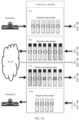
- FIG. 1 is a schematic diagram of a basic network architecture of an SD-WAN.
- the basic network architecture of the SD-WAN includes customer premise equipment (CPE) located in a plurality of positions (also referred to as sites).
- the customer premise equipment may be physical customer premise equipment, or may be virtual customer premise equipment (vCPE).
- the vCPE runs on a general-purpose server.
- Each piece of customer premise equipment has two or more WAN connections. That is, there are two or more WAN links used to transmit data streams between customer premise equipment, and the WAN links are independent of each other.
- the WAN links form an overlay network by using tunneling technologies such as internet protocol security (IPSec), to be independent of an underlying transmission network.
- IPSec internet protocol security
- High-availability (active-active) load balancing can be implemented among a plurality of WANs.
- the SD-WAN system includes a controller, configured to perform centralized application performance monitoring and policy management on other devices such as the customer premise equipment in the system.
- FIG. 2 a data stream transmission process is shown in FIG. 2 .
- a terminal 1 sends an audio and video stream to a terminal 2
- the terminal 1 encodes the to-be-sent audio and video stream, and sends an encoded audio and video stream to a network device 1.
- the network device 1 forwards the encoded audio and video stream to a network device 2 by using a plurality of WAN links.
- the network device 2 sends the received audio and video stream to the terminal 2.
- the terminal 2 decodes the audio and video stream by using a decoding technology, and recovers an original video and original audio from the audio and video stream.
- the terminal 2 is an intelligent device, for example, a device having a display such as a mobile phone or a computer, the terminal 2 plays the decoded video and decoded audio on the display.
- the terminal 1 and the terminal 2 may be devices such as intelligent terminals (for example, mobile phones or tablet computers), cameras, or terminals (for example, Skype) for audio and video encoding and decoding.
- the network device 1 and the network device 2 may be devices such as routers, switches, and servers.
- WAN links in the SD-WAN are independent of each other, the WAN links cannot be connected and unified to provide reliable transmission for one audio and video stream. If one audio and video stream is transmitted over different WAN links simply through packet-level load balancing scheduling, a transmission effect of a plurality of bound WAN links may be worse than that of a single WAN link due to differences in packet loss rates, delays, jitters, and the like of the WAN links. In other words, when a plurality of WAN links are bound to transmit an audio and video stream, a sum of transmission effects of the plurality of WAN links is worse than a transmission effect of a single WAN link, an effect of 1+1 ⁇ 1 is achieved.
- a preset fixed packet-loss-concealment policy such as FEC, packet duplication, or automatic retransmission is used to generate a packet-loss-concealment packet for a data stream that needs to be sent.
- FEC packet-loss-concealment policy
- packet duplication packet duplication
- automatic retransmission is used to generate a packet-loss-concealment packet for a data stream that needs to be sent.
- a packet recovery effect is not good, and a packet loss rate is still very high after the packet loss recovery.
- the implementations of this application provide a data stream transmission method and a network device.
- the network device determines a packet-loss-concealment policy based on the link status of the WAN link, generates a packet-loss-concealment packet for the to-be-sent data stream according to the packet-loss-concealment policy, and then sends, on one or two WAN links, the data stream that includes an original packet and the packet-loss-concealment packet.
- a packet-loss-concealment policy is dynamically determined based on status information of a path used to send a data stream, a packet-loss-concealment packet is generated for the data stream according to the packet-loss-concealment policy, and the data stream is sent to a receiving device on the path.
- the receiving device recovers a lost original packet by using the packet-loss-concealment packet, thereby improving a packet loss recovery effect, and effectively reducing a packet loss rate obtained after the packet loss recovery.
- a transmission effect is similar to that of a better link (for example, a multi-protocol label switching (MPLS) link).
- MPLS multi-protocol label switching
- the WAN link is a path used to send a data stream, and link status information of the WAN link is referred to as path status information.
- Common packet-loss-concealment policies include forward error correction (FEC), packet duplication, automatic repeat request (ARQ), and the like.
- FEC forward error correction
- ARQ automatic repeat request
- a redundant packet is generated based on an original packet through specific encoding (for example, reed-solomon codes (RS codes) coding in packet coding).
- the packet-loss-concealment packet is a redundant packet.
- a transmit end sends a data stream including an original packet and a packet-loss-concealment packet.
- a receive end decodes the data stream based on the packet-loss-concealment packet in the received data stream, to recover a lost original packet at a specific probability.
- FEC has advantages of no retransmission and high real-time performance, is applicable to common packet loss scenarios, and can be used to recover a lost packet at a specific probability.
- packet duplication one or more copies (copy) of an original packet is/are made.
- the copy packet is referred to as a packet-loss-concealment packet.
- the copy packet is sent to a receive end, so that the receive end can recover a lost original packet based on the copy packet.
- Packet duplication has advantages of no retransmission and high real-time performance, is applicable to common packet loss scenarios, and can be used to recover a lost packet at a specific probability.
- a receive end receives a data stream sent by a transmit end, and detects whether a packet loss occurs in the received data stream. When it is determined that a packet loss occurs, the receive end requests the transmit end to resend the data stream.
- An advantage of ARQ is that few extra bandwidth resources are occupied.
- the transmit end and the receive end herein may be devices such as a terminal and a network device respectively.
- the following describes in detail the data stream transmission method provided in the implementations of this application.
- the method is performed by a sending device, and the sending device may be the network device shown in FIG. 2 .
- the sending device may be the network device shown in FIG. 2 .
- first and second mentioned in the implementations of this application are merely used to distinguish between objects, and do not limit the objects.
- path status information of the path used to determine a path used to send a data stream is referred to as second path status information
- path status information of the path used to determine a packet-loss-concealment policy is referred to as first path status information.
- the first path status information and the second path status information are only used to distinguish between use scenarios, and do not constitute a limitation on path status information.
- the method may include the following steps.
- the sending device determines a packet-loss-concealment policy based on first path status information of a path used to send a data stream.
- the path is a path through which the data stream passes from the sending device to a receiving device.
- the sending device dynamically determines, based on the first path status information of the path, such as a packet loss rate or a delay, the packet-loss-concealment policy (for example, FEC, packet duplication, or ARQ) that can enhance packet-loss-concealment, and then generates a packet-loss-concealment packet for the data stream according to the packet-loss-concealment policy. Therefore, when receiving the data stream sent by the sending device, the receiving device can recover, based on the packet-loss-concealment packet, a packet lost in a transmission process of the data stream.
- the packet-loss-concealment policy for example, FEC, packet duplication, or ARQ
- the sending device determines the packet-loss-concealment policy based on the packet loss rate and the delay that are in the first path status information of the path.
- the packet loss rate of the path is less than a preset packet loss rate threshold
- the delay of the path is less than a preset delay threshold
- the sending device may determine the packet-loss-concealment policy based on the first path status information of the path and a packet-loss-concealment target value of the data stream, where the packet-loss-concealment target value includes a packet loss rate target value, the packet-loss-concealment target value includes a packet loss rate upper limit for transmitting the data stream.
- a total packet loss rate is set to be less than 0.01%, to ensure that a packet loss rate obtained after packet loss recovery is performed on the data stream by using the determined packet-loss-concealment policy is less than the packet loss rate upper limit.
- the packet-loss-concealment policy to be used is FEC.
- the delay target is set to be less than 150 ms.
- a delay of the path 1 is 80 ms
- a delay of the path 2 is 120 ms
- the packet-loss-concealment policy is FEC.
- delays caused by ARQ repeats on the path 1 and the path 2 cannot satisfy the target delay value (less than 150 ms) for transmitting the data stream. Therefore, ARQ cannot be used.
- the sending device may alternatively determine the packet-loss-concealment policy based on the first path status information of the path and a traffic rate of the data stream. For example, when a delay of the path is less than a preset threshold, and a traffic rate of transmitting the data stream on the path is less than a preset threshold, it is determined that the packet-loss-concealment policy to be used is packet duplication. When the delay of the path is greater than the preset threshold, and the traffic rate of transmitting the data stream on the path is greater than the preset threshold, it is determined that the packet-loss-concealment policy to be used is FEC.
- a coding algorithm may be further determined based on the path status information of the path. For example, when a quantity of consecutive packets that are lost on the path is less than a preset threshold, FEC packet coding is used. When the quantity of consecutive packets that are lost on the path is greater than or equal to the preset threshold, FEC convolutional coding is used.
- the sending device may alternatively determine the packet-loss-concealment policy based on the first path status information of the path, a packet-loss-concealment target value of the data stream, and a traffic rate of the data stream. For example, whether the packet-loss-concealment target value, including a packet loss rate and a delay, that is set for sending the data stream is satisfied is first determined based on a packet loss rate and a delay of the path. When the packet loss rate and the delay are satisfied, the packet-loss-concealment policy to be used is determined based on the packet loss rate and the delay of the path, and the traffic rate of transmitting the data stream on the path.
- the packet-loss-concealment policy to be used is packet duplication.
- the delay of the path is greater than the preset threshold, and the traffic rate of transmitting the data stream on the path is greater than the preset threshold, it is determined that the packet-loss-concealment policy to be used is FEC.
- the sending device generates the packet-loss-concealment packet for the data stream according to the packet-loss-concealment policy.
- the sending device generates the packet-loss-concealment packet for the to-be-sent data stream according to the packet-loss-concealment policy determined in S101. For example, if the determined packet-loss-concealment policy is FEC, an original packet is encoded by using an FEC coding algorithm, to generate the packet-loss-concealment packet. In FEC, the packet-loss-concealment packet is also referred to as a redundant packet.
- the packet-loss-concealment packet is generated by duplicating an original packet.
- the sending device sends the data stream on the path, where the data stream includes the original packet and the packet-loss-concealment packet.
- the sending device sends the original packet and the packet-loss-concealment packet to the receiving device. Therefore, after receiving the packet-loss-concealment packet, the receiving device recovers, based on the packet-loss-concealment packet, a packet lost in the transmission process. To be specific, the receiving device decodes an original packet and the packet-loss-concealment packet, and performs deduplication and re-arrangement to obtain an original data packet.
- S104 The receiving device recovers a lost original packet by using the received packet-loss-concealment packet.
- the receiving device decodes the data stream according to the packet-loss-concealment policy received from the sending device, and re-arranges an original packet and the packet-loss-concealment packet.
- the packet-loss-concealment packet includes indication information, and the indication information is used to indicate the packet-loss-concealment policy that is for the packet-loss-concealment packet, such as ARQ, packet duplication, or FEC.
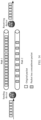
- a specific format of the packet-loss-concealment packet is shown in FIG. 4 .
- the packet-loss-concealment packet includes the indication information and a payload, where the payload is used to carry to-be-transmitted data.
- the indication information may further be used to indicate an identifier used to send the data stream, for example, a 5-tuple of the data stream.
- the indication information is used to indicate information such as an identifier of a path used to send an original packet and an identifier of a path used to send the packet-loss-concealment packet.
- the packet-loss-concealment packet further includes a coding parameter of the packet-loss-concealment packet, as shown in FIG. 4 .
- the coding parameter of the packet-loss-concealment packet may carry FEC block coding or FEC convolutional coding.
- the block coding may include one of the following: RS coding, fountain coding, raptor coding, or LDPC coding.
- the convolutional coding may include LDPC coding or polar coding.
- the coding parameter of the packet-loss-concealment may further carry other related parameters, such as a block length and a quantity of redundant packets in the RS coding.
- the indication information is carried in an extension field of the packet-loss-concealment packet.
- the method before the receiving device decodes the data stream and re-arranges the original packet and the packet-loss-concealment packet, the method further includes:
- the receiving device receives a control message sent by the sending device, where the control message includes indication information, and the indication information indicates the packet-loss-concealment policy that is for the packet-loss-concealment packet, such as ARQ, packet duplication, and FEC.
- the indication information indicates the packet-loss-concealment policy that is for the packet-loss-concealment packet, such as ARQ, packet duplication, and FEC.
- a specific packet-loss-concealment packet is shown in FIG. 4 .
- the indication information is further used to indicate information such as an identifier of the data stream and an identifier of the path used to send the data stream.
- the indication information is used to indicate information such as an identifier of a path used to send an original packet and an identifier of a path used to send the packet-loss-concealment packet.
- the control message may further include a coding parameter of the packet-loss-concealment packet.
- the coding parameter of the packet-loss-concealment packet may carry FEC block coding or FEC convolutional coding.
- the block coding may include one of the following: RS coding, fountain coding, raptor coding, or LDPC coding.
- the convolutional coding may include LDPC coding or polar coding.
- the coding parameter of the packet-loss-concealment may further carry other related parameters, such as a block length and a quantity of redundant packets in the RS coding.
- the receiving device decodes the packet-loss-concealment packet according to the packet-loss-concealment policy indicated by the indication information in the packet-loss-concealment packet or in the received control message, and re-arranges the original packet and the packet-loss-concealment packet to obtain an original data packet, that is, an original data stream.
- the sending device obtains an original data stream, that is, original packets 1, 2, 3, 4, 5, and 6.
- the sending device determines, according to FEC, a quantity of original packets that are encoded.
- a manner of determining the quantity of original packets that are encoded may include but is not limited to the following several manners: a maximum quantity of packets that is set in packet coding, a quantity of packets collected after a timeout mechanism is triggered, or a quantity of packets that is determined by using a corresponding mechanism in convolutional coding.
- original packets that are encoded are 1, 2, 3, and 4.
- the sending device determines coding parameters, such as a quantity K of original packets, a quantity R of redundant packets, a length of an original packet, and a coding length that are in packet coding, or corresponding coding parameters in convolutional coding.
- the sending device performs FEC coding based on the determined coding parameters, and generates an encoded packet.
- the generated encoded packet may include newly generated redundant packets a, b, and c, or may include the original packets 1, 2, 3, and 4 or redundant packets a, b, and c.
- the sending device encapsulates the original packets and the redundant packets to obtain a data stream 1234abc.
- the sending device sends, by using an additional control message, information (for example, decoding parameters) required for decoding to the receiving device, so that the receiving device may decode the data stream based on the control message after receiving the data stream.
- the control message may include indication information and a coding parameter of a packet-loss-concealment packet, for example, a block size for the packet coding.
- the sending device sends the data stream 1234abc to the receiving device through a WAN link, where the data stream includes an original packet and a packet-loss-concealment packet.
- the receiving device may receive only 13abc in the data stream.
- the receiving device arranges the received data stream 13abc.
- the receiving device obtains the decoding parameters from the control message sent by the sending device, such as the quantity K of original packets, the quantity R of redundant packets, the length of an original packet, and the coding length, or corresponding coding parameters in convolutional coding.
- the receiving device decodes the actually received data stream 13ab based on the decoding parameters, and recovers lost packets.
- the receiving device re-arranges the recovered packets and the received original packets to obtain 1, 2, 3, and 4.
- the receiving device sends the packets 1, 2, 3, and 4 recovered in (11) to the terminal. If the packets are audio and video packets, the terminal is facilitated in displaying the audio and video packets, thereby improving packet-loss-concealment transmission efficiency, and improving user experience.
- the sending device performs FEC coding based on the determined coding parameters, to generate an encoded packet, where the encoded packet may be a packet-loss-concealment packet.
- the sending device generates the packet-loss-concealment packet for the data stream according to the packet-loss-concealment policy, that is, S102 in FIG. 3 .
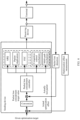
- the sending device includes a packet-loss-concealment controller.
- the packet-loss-concealment controller is configured to determine the path used to send the data stream, and determine the packet-loss-concealment policy based on the path used to send the data stream, so that the sending device generates the packet-loss-concealment packet for the data stream according to the packet-loss-concealment policy.
- the sending device obtains given optimization target information for sending the data stream. For example, if the to-be-sent data stream is a video stream of a video conference, an overall effect, such as a smooth video and no frame freezing, of the video conference needs to be ensured.
- the sending device generates a packet-loss-concealment target value through internal conversion. For example, a packet loss rate of the data stream in the transmission process needs to be less than 0.01%.
- the packet-loss-concealment controller of the sending device dynamically determines the packet-loss-concealment policy based on path status information, such as a packet loss rate, a delay, and a network jitter, of the path used to send the data stream, to generate the packet-loss-concealment packet according to the packet-loss-concealment policy.
- path status information such as a packet loss rate, a delay, and a network jitter
- the packet-loss-concealment controller may constrain the path status information of the path based on a set constraint condition, for example, a packet loss rate threshold, a delay threshold, a network jitter threshold, an available bandwidth threshold, and another threshold, to determine the packet-loss-concealment policy.
- the packet-loss-concealment policy includes ARQ, packet duplication, and FEC.
- the sending device generates the packet-loss-concealment packet according to the packet-loss-concealment policy, and sends the data stream to the receiving device based on a path congestion control mechanism and a path selection mechanism.
- the packet-loss-concealment policy is dynamically determined, and the packet-loss-concealment packet is generated according to the packet-loss-concealment policy, so that a packet-loss-concealment capability of transmitting a data stream is enhanced, and user experience is improved.
- the method may further include the following step:
- the sending device determines a path for sending the data stream in at least two paths from the sending device to the receiving device.
- determining the path for sending the data stream in the at least two paths from the sending device to the receiving device includes:
- the sending device obtains at least two paths used to send the data stream.
- the sending device obtains, from the controller shown in FIG. 1 , the at least two paths used to send the data stream. In other words, the controller notifies the sending device of paths used to send the data stream.
- the sending device obtains, by using information such as local tunnel status maintenance, the at least two paths used to send the data stream.
- the at least two paths are at least two paths from the sending device to the receiving device.
- the sending device when the sending device obtains, from the controller, only one path used to send the data stream, or when the sending device obtains, by using the information such as the local tunnel status maintenance, only one path used to send the data stream, the sending device uses the path to transmit the data stream.
- the sending device determines, based on second path status information of the at least two paths, the path for sending the data stream.
- the sending device When obtaining the two or more paths used to send the data stream, the sending device measures path status information of each path, such as a packet loss rate, a one-way delay, a two-way delay, a network jitter, and an available bandwidth of each path for transmitting the data stream, and determines, based on the path status information of each path, a path finally used to send the data stream.
- path status information of each path such as a packet loss rate, a one-way delay, a two-way delay, a network jitter, and an available bandwidth of each path for transmitting the data stream.
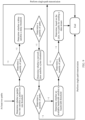
- the sending device determines, based on packet loss rates of the at least two paths, one path, two paths, or a plurality of paths for sending the data stream.
- the sending device determines, based on at least one of packet loss rates, delays, network jitters, available bandwidths, and delay differences of the at least two obtained paths, one or two paths for sending the data stream.
- the sending device first determines whether the packet loss rate of each of the at least two paths satisfies a preset packet loss rate threshold Loss threshold .
- the sending device transmits the data stream on a single path, that is, sends the data stream on the path.
- the sending device further determines whether a delay of the more than one path satisfies a preset delay threshold Delay threshold .
- the sending device sends the data stream on the path.
- the sending device When there is more than one path that satisfies the delay threshold, the sending device further determines whether a network jitter of the more than one path satisfies a preset network jitter threshold Jitter threshold . When there is one path that satisfies the network jitter threshold, the sending device sends the data stream on the path. When there is more than one path that satisfies the network jitter threshold, the sending device may further determine, based on an available bandwidth of the more than one path, a path finally used to send the data stream. For example, the sending device determines whether the bandwidth of the more than one path satisfies a preset bandwidth threshold Band threshold . When there is one path that satisfies the bandwidth threshold, the sending device sends the data stream on the path.
- the sending device may determine a path with a maximum available bandwidth as the path for sending the data stream.
- the sending device may determine two or more paths with relatively large bandwidths in available bandwidths as paths for sending the data stream.
- the sending device may further determine, in the more than one path that satisfies the bandwidth threshold, whether a delay difference of any two paths satisfies a preset delay difference threshold Delta_delay threshold .
- the sending device determines to send the data stream on the two paths.
- the sending device determines to send the data stream on two paths with a minimum delay difference.
- the sending device determines to send the data stream on two paths whose delay difference is less than the preset delay difference threshold. In other words, when there are two paths used to send the data stream, a delay difference of the two paths is less than the preset delay difference threshold.
- the sending device may determine, in different determining sequences of a packet loss rate of a path and at least one of a delay, a network jitter, an available bandwidth, or a delay difference of a path, the path for sending the data stream. This is not limited in the implementations of this application.
- S103 in which the sending device sends the data stream on the path in FIG. 3 is specifically: The sending device sends the data stream including the original packet and the packet-loss-concealment packet on the path, so that after receiving the packet-loss-concealment packet, the receiving device recovers, based on the packet-loss-concealment packet, the packet lost in the transmission process.
- the sending device when the sending device determines that there is one path used to send the data stream, the sending device sends the data stream including the original packet and the packet-loss-concealment packet on the path.
- the sending device dynamically determines, based on current path status information, an optimal path used to send the data stream, and sends the data stream according to different packet-loss-concealment policies.
- the path is switched to a path whose path status is relatively good, to send the data stream.
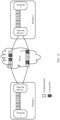
- the sending device when the sending device determines that there are two paths used to send the data stream, the sending device separately determines one-way delays of the two paths, and determines a delay difference of the two paths.
- the original packet is sent on a path with a longer delay
- the packet-loss-concealment packet is sent on a path with a shorter delay.
- the packet-loss-concealment packet is sent after the original packet is sent, and the original packet and the packet-loss-concealment packet are sent at a time interval t, where t is a one-way time difference for sending the data stream on the two paths, as shown in FIG. 12 , so that the original packet and the packet-loss-concealment packet arrive at the receiving device at the same time.
- FIG. 13 A process of calculating the delay difference of the two paths is shown in FIG. 13 .
- a router 1 is the sending device
- a router 2 is the receiving device.
- recorded time points are local time points on the router 1 and the router 2.
- the time point on the router 1 and the time point on the router 2 are not calibrated, and the local time point on the router 1 and the local point on the router 2 may be not in correspondence.
- a current time point is Beijing time 9:00 a.m.
- a current time point on the router 1 is Beijing time 9:01 a.m.
- a current time point on the router 2 is Beijing time 9:02 a.m. Meanings of notations are described as below:
- T 2x represents a time period of transmitting the packet 2 on the path x
- T 1y represents a time period of transmitting the packet 1 on the path y
- x and y each are a path.
- x is the path B
- y is the path A.
- ⁇ 2x is a waiting time period existing before the packet 2 is sent on the path x.
- ⁇ 1y is a waiting time period existing before the packet 1 is sent on the path y.
- the router 1 does not perform delay control.
- the router 1 predicts J before sending the packet, and when predicting that J is greater than a preset threshold, the router 1 sends the packet on a single path.
- a jitter tends to be on the single path, and this solution still needs to depend on buffering of the router 2.
- that the jitter tends to be on the single path means that after a plurality of paths are added for transmission, a maximum jitter value of the data stream approaches that a minimum jitter value on a path in the plurality of selected paths. In other words, a plurality of paths do not increase a jitter value of the data stream, that is, do not cause more jitters, and therefore do not affect user experience.
- a transmission delay may increase.
- the sending device when determining to send the data stream on two paths, the sending device separately determines delays of the two paths, and determines a time difference of the two paths.
- the sending device sends the original packet on a path with a longer delay.
- the sending device sends the packet-loss-concealment packet on a path with a shorter delay, so that the original packet and the packet-loss-concealment packet arrive at the receiving device at the same time.
- the receiving device decodes and re-arranges the packets and forward the packets to the corresponding terminal.
- the receiving device performs in-band measurement.
- the receiving device measures path statuses of the paths, and sends path status information to the sending device.
- the sending device receives the path status information of the paths, and determines whether the two paths on which the data stream is currently sent still satisfy a specified threshold (including a packet loss rate, a delay, a network jitter, bandwidth, or the like). If the two paths satisfy the threshold, the sending device still sends the data stream on the two paths. If the two paths do not satisfy the threshold, the sending device sends the data stream on a selected path with better path status information. In this case, sending of the data stream on two paths switches to sending of the data stream on one path.
- a specified threshold including a packet loss rate, a delay, a network jitter, bandwidth, or the like.
- the sending device determines other two paths whose path status information satisfies the specified threshold, the sending device switches sending of the data stream on one path to sending of the data stream on two paths.
- the determining the path used to send the data stream by the sending deivce may be configured by using a command or in another manner.
- determining the path used to send the data stream and determining the packet-loss-concealment policy that is for the data stream may alternatively be completed by a third-party device (subsequently referred to as a control device) other than the sending device. This implementation has not been claimed as such.
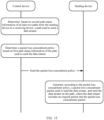
- a control device determines, based on path status information (also referred to as the second path status information) of the at least two paths from the sending device to the receiving device, the path used to send the data stream; the control device determines the packet-loss-concealment policy based on the first path status information of the path used to send the data stream; and the control device sends the determined packet-loss-concealment policy to the sending device.
- the sending device obtains the packet-loss-concealment policy from the control device, so that the sending device generates the packet-loss-concealment packet according to the packet-loss-concealment policy, thereby completing sending of the data stream.
- the second path status information includes a packet loss rate.
- the second path status information further includes at least one of a delay, a network jitter, a bandwidth, and a delay difference.
- a delay difference of the paths used to send the data stream is less than a delay difference threshold.
- control device determines the packet-loss-concealment policy based on the first path status information of the path used to send the data stream includes:
- the control device determines the packet-loss-concealment policy based on at least one of the first path status information of the path used to send the data stream, the packet-loss-concealment target value of the data stream, or the traffic rate of the data stream, where the packet-loss-concealment target value includes the packet loss rate upper limit for transmitting the data stream, to ensure that a packet loss rate obtained after packet loss recovery is performed on the data stream by using the determined packet-loss-concealment policy is less than the packet loss rate upper limit.
- Processes in which the control device determines the path used to send the data stream and in which the control device determines the packet-loss-concealment policy that is for the data stream are the same as the processes in which the sending device determines the path used to send the data stream and in which the sending device determines the packet-loss-concealment policy that is for the data stream. For brevity of description, details are not described herein again.
- the transmission device is a sending device.
- the sending device includes a determining unit 210, a generation unit 220, and a sending unit 230.
- the determining unit 210 is configured to determine a packet-loss-concealment policy based on first path status information of a path used to send a data stream.
- the generation unit 220 is configured to generate a packet-loss-concealment packet for the data stream according to the packet-loss-concealment policy.
- the sending unit 230 is configured to send the data stream on the path.
- the data stream includes an original packet and the packet-loss-concealment packet. Therefore, when receiving the data stream, a receiving device decodes the data stream according to the packet-loss-concealment policy received from the sending device, and recovers, by using the packet-loss-concealment packet, an original packet lost in a transmission process. This effectively improves a packet loss recovery effect, and improves user experience.
- the determining unit 210 is further configured to determine, based on second path status information of at least two paths from the sending device to the receiving device, the path used to send the data stream.
- the second path status information includes a packet loss rate.
- the second path status information further includes at least one of a delay, a network jitter, a bandwidth, and a delay difference.
- a delay difference of the paths used to send the data stream is less than a delay difference threshold.
- the determining unit 210 determines the packet-loss-concealment policy based on at least one of the first path status information of the path used to send the data stream, a packet-loss-concealment target value of the data stream, or a traffic rate of the data stream, where the packet-loss-concealment target value includes a packet loss rate upper limit for transmitting the data stream, to ensure that a packet loss rate obtained after packet loss recovery is performed on the data stream by using the determined packet-loss-concealment policy is less than the packet loss rate upper limit.
- the first path status information includes at least one of the delay or the packet loss rate.
- the packet-loss-concealment policy includes at least one of automatic repeat request ARQ, packet duplication, and forward error correction FEC.
- the packet-loss-concealment packet is a redundant packet. That the generation unit 220 generates the packet-loss-concealment packet for the data stream according to the packet-loss-concealment policy includes:
- the determining unit 210 determines an FEC coding scheme, where the coding scheme includes block coding or convolutional coding.
- the generation unit 220 encodes the original packet based on the determined coding scheme, to generate a redundant packet.
- the sending unit 230 is further configured to send a packet-loss-concealment control message to the receiving device, where the packet-loss-concealment control message includes indication information, and the indication information is used to indicate the packet-loss-concealment policy that is for the data stream. Therefore, when receiving the packet-loss-concealment policy, the receiving device decodes the packet-loss-concealment packet in the data stream according to the packet-loss-concealment policy, and recovers, by using the packet-loss-concealment packet, an original packet lost in the transmission process of the data stream.
- the lost original packet is recovered by using the packet-loss-concealment packet generated based on the dynamically determined packet-loss-concealment policy, reducing a packet loss in the transmission process of the data stream, and improving user experience.
- the indication information is further used to indicate an identifier of the data stream and an identifier of the path used to send the data stream.
- the packet-loss-concealment message further includes a coding parameter of the packet-loss-concealment packet.
- the coding parameter includes block coding or convolutional coding used for encoding.
- the packet-loss-concealment packet includes indication information, and the indication information is used to indicate the packet-loss-concealment policy that is for the data stream. Therefore, when receiving the packet-loss-concealment policy, the receiving device decodes the packet-loss-concealment packet in the data stream according to the packet-loss-concealment policy, and recovers, by using the packet-loss-concealment packet, an original packet lost in the transmission process of the data stream.
- the lost original packet is recovered by using the packet-loss-concealment packet generated based on the dynamically determined packet-loss-concealment policy, reducing a packet loss in the transmission process of the data stream, and improving user experience.
- the indication information is further used to indicate an identifier of the path used to send the data stream.
- the indication information is carried in an extension field of the packet-loss-concealment packet.
- the packet-loss-concealment packet further includes a coding parameter of the packet-loss-concealment packet.
- the coding parameter includes block coding or convolutional coding used for encoding.
- implementationwhen the data stream is sent on two paths that the sending unit sends the data stream on the path includes: sending the original packet on a path with a longer delay in the two paths; and sending the packet-loss-concealment packet on a path with a shorter delay in the two paths, where the packet-loss-concealment packet is sent after the original packet is sent, the original packet and the packet-loss-concealment packet are sent at a time interval t, and t is a one-way delay difference of sending the data stream on the two paths.
- Functions of the function units of the sending device may be implemented by using the steps performed by the sending device in the implementations shown in FIG. 3 and FIG. 7 . Therefore, a specific working process of the device provided in this implementation of this application is not described herein again.
- the device is a receiving device. This implementation has not been claimed as such.
- the receiving device includes a receiving unit 310 and a processing unit 320.
- the receiving unit 310 is configured to receive an original packet and a packet-loss-concealment packet that are of a data stream and that are sent by a sending device, where the packet-loss-concealment packet is generated according to a packet-loss-concealment policy.
- the processing unit 320 is configured to recover a lost original packet by using the packet-loss-concealment packet, that is, recover, by using the packet-loss-concealment packet, the original packet lost in a transmission process. This effectively improves a packet loss recovery effect, and improves user experience.
- the receiving unit 310 is further configured to receive a packet-loss-concealment control message, where the packet-loss-concealment control message includes indication information, and the indication information is used to indicate the packet-loss-concealment policy that is for the data stream. Therefore, when receiving the packet-loss-concealment policy, the receiving device decodes the packet-loss-concealment packet in the data stream according to the packet-loss-concealment policy, and recovers, by using the packet-loss-concealment packet, an original packet lost in the transmission process of the data stream.
- the lost original packet is recovered by using the packet-loss-concealment packet generated based on the dynamically determined packet-loss-concealment policy, reducing a packet loss in the transmission process of the data stream, and improving user experience.
- the indication information is further used to indicate an identifier of the data stream and an identifier of the path used to send the data stream.
- the packet-loss-concealment message further includes a coding parameter of the packet-loss-concealment packet.
- the coding parameter includes block coding or convolutional coding used for encoding.
- the packet-loss-concealment packet includes indication information, and the indication information is used to indicate the packet-loss-concealment policy that is for the data stream. Therefore, when receiving the packet-loss-concealment policy, the receiving device decodes the packet-loss-concealment packet in the data stream according to the packet-loss-concealment policy, and recovers, by using the packet-loss-concealment packet, an original packet lost in the transmission process of the data stream.
- the lost original packet is recovered by using the packet-loss-concealment packet generated based on the dynamically determined packet-loss-concealment policy, reducing a packet loss in the transmission process of the data stream, and improving user experience.
- the indication information is further used to indicate an identifier of the path used to send the data stream.
- the indication information is carried in an extension field of the packet-loss-concealment packet.
- the packet-loss-concealment packet further includes a coding parameter of the packet-loss-concealment packet.
- the coding parameter includes block coding or convolutional coding used for encoding.
- Functions of the function units of the receiving device may be implemented by using the steps performed by the receiving device in the implementations shown in FIG. 3 and FIG. 7 . Therefore, a specific working process of the device provided in this implementation of this application is not described herein again.
- the transmission device is a control device. This implementation has not been claimed as such.
- the control device is configured to determine a path used to send a data stream and a packet-loss-concealment policy that is for the data stream.
- the control device includes a determining unit 410 and a sending unit 420.
- the determining unit 410 is configured to determine a packet-loss-concealment policy based on first path status information of a path used to send a data stream.
- the sending unit 420 is configured to send the packet-loss-concealment policy to a sending device, where the packet-loss-concealment policy is used by the sending device to generate a packet-loss-concealment packet for the data stream and send the data stream on the path.
- the data stream includes an original packet and the packet-loss-concealment packet. Therefore, when receiving the data stream, a receiving device decodes the data stream according to the packet-loss-concealment policy received from the sending device, and recovers, by using the packet-loss-concealment packet, an original packet lost in a transmission process. This effectively improves a packet loss recovery effect, and improves user experience.
- the determining unit 410 is further configured to determine, based on second path status information of at least two paths from the sending device to the receiving device, the path used to send the data stream.
- the second path status information includes a packet loss rate.
- the second path status information further includes at least one of a delay, a network jitter, a bandwidth, and a delay difference.
- a delay difference of the paths used to send the data stream is less than a delay difference threshold.
- That the determining unit 410 determines the packet-loss-concealment policy based on the first path status information of the path used to send the data stream includes:
- the determining unit 410 determines the packet-loss-concealment policy based on at least one of the first path status information of the path used to send the data stream, a packet-loss-concealment target value of the data stream, or a traffic rate of the data stream, where the packet-loss-concealment target value includes a packet loss rate upper limit for transmitting the data stream, to ensure that a packet loss rate obtained after packet loss recovery is performed on the data stream by using the determined packet-loss-concealment policy is less than the packet loss rate upper limit.
- the first path status information includes at least one of the delay or the packet loss rate.
- the packet-loss-concealment policy includes at least one of automatic repeat request ARQ, packet duplication, and forward error correction FEC.
- Functions of the function units of the control device may be implemented by using the steps performed by the control device in the implementations shown in FIG. 15 . Therefore, a specific working process of the device provided in this implementation of this application is not described herein again.
- An implementation of this application further provides a data stream transmission device.
- the transmission device is a sending device.
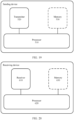
- the sending device includes a processor 510 and a transmitter 520.
- the processor 510 is configured to: determine a packet-loss-concealment policy based on first path status information of a path used to send a data stream; and generate a packet-loss-concealment packet for the data stream according to the packet-loss-concealment policy.
- the transmitter 520 is configured to send the data stream on the path.
- the data stream includes an original packet and the packet-loss-concealment packet. Therefore, when receiving the data stream, a receiving device decodes the data stream according to the packet-loss-concealment policy received from the sending device, and recovers, by using the packet-loss-concealment packet, an original packet lost in a transmission process. This effectively improves a packet loss recovery effect, and improves user experience.
- the processor 510 is further configured to determine, based on second path status information of at least two paths from the sending device to the receiving device, the path used to send the data stream.
- the second path status information includes a packet loss rate.
- the second path status information further includes at least one of a delay, a network jitter, a bandwidth, and a delay difference.
- a delay difference of the paths used to send the data stream is less than a delay difference threshold.
- that the processor 510 determines the packet-loss-concealment policy based on the first path status information of the path used to send the data stream includes:
- the processor 510 determines the packet-loss-concealment policy based on at least one of the first path status information of the path used to send the data stream, a packet-loss-concealment target value of the data stream, or a traffic rate of the data stream, where the packet-loss-concealment target value includes a packet loss rate upper limit for transmitting the data stream, to ensure that a packet loss rate obtained after packet loss recovery is performed on the data stream by using the determined packet-loss-concealment policy is less than the packet loss rate upper limit.
- the first path status information includes at least one of the delay or the packet loss rate.
- the packet-loss-concealment policy includes at least one of automatic repeat request ARQ, packet duplication, and forward error correction FEC.
- the packet-loss-concealment packet is a redundant packet. That the processor 510 generates the packet-loss-concealment packet for the data stream according to the packet-loss-concealment policy includes:
- the processor 510 determines an FEC coding scheme, where the coding scheme includes block coding or convolutional coding.
- the processor 510 encodes the original packet based on the determined coding scheme, to generate a redundant packet.
- the transmitter 520 is further configured to send a packet-loss-concealment control message to the receiving device, where the packet-loss-concealment control message includes indication information, and the indication information is used to indicate the packet-loss-concealment policy that is for the data stream. Therefore, when receiving the packet-loss-concealment policy, the receiving device decodes the packet-loss-concealment packet in the data stream according to the packet-loss-concealment policy, and recovers, by using the packet-loss-concealment packet, an original packet lost in the transmission process of the data stream.
- the lost original packet is recovered by using the packet-loss-concealment packet generated based on the dynamically determined packet-loss-concealment policy, reducing a packet loss in the transmission process of the data stream, and improving user experience.
- the indication information is further used to indicate an identifier of the data stream and an identifier of the path used to send the data stream.
- the packet-loss-concealment message further includes a coding parameter of the packet-loss-concealment packet.
- the coding parameter includes block coding or convolutional coding used for encoding.
- the packet-loss-concealment packet includes indication information, and the indication information is used to indicate the packet-loss-concealment policy that is for the data stream. Therefore, when receiving the packet-loss-concealment policy, the receiving device decodes the packet-loss-concealment packet in the data stream according to the packet-loss-concealment policy, and recovers, by using the packet-loss-concealment packet, an original packet lost in the transmission process of the data stream.
- the lost original packet is recovered by using the packet-loss-concealment packet generated based on the dynamically determined packet-loss-concealment policy, reducing a packet loss in the transmission process of the data stream, and improving user experience.
- the indication information is further used to indicate an identifier of the path used to send the data stream.
- the indication information is carried in an extension field of the packet-loss-concealment packet.
- the packet-loss-concealment packet further includes a coding parameter of the packet-loss-concealment packet.
- the coding parameter includes block coding or convolutional coding used for encoding.
- implementationwhen the data stream is sent on two paths that the transmitter sends the data stream on the path includes: sending the original packet on a path with a longer delay in the two paths; and sending the packet-loss-concealment packet on a path with a shorter delay in the two paths, where the packet-loss-concealment packet is sent after the original packet is sent, the original packet and the packet-loss-concealment packet are sent at a time interval t, and t is a one-way delay difference of sending the data stream on the two paths.
- control device further includes a memory 530, configured to store instructions and data, for example, the packet-loss-concealment policy.
- Functions of the function components of the sending device may be implemented by using the steps performed by the sending device in the implementations shown in FIG. 3 and FIG. 7 . Therefore, a specific working process of the device provided in this implementation of this application is not described herein again.
- An implementation of this application further provides a data stream transmission device.
- the transmission device is a receiving device. This implementation has not been claimed as such.
- the receiving device includes a receiver 610 and a processor 620.
- the receiver 610 is configured to receive an original packet and a packet-loss-concealment packet that are of a data stream and that are sent by a sending device, where the packet-loss-concealment packet is generated according to a packet-loss-concealment policy.
- the processor 620 is configured to recover a lost original packet by using the packet-loss-concealment packet, that is, recover, by using the packet-loss-concealment packet, the original packet lost in a transmission process. This effectively improves a packet loss recovery effect, and improves user experience.
- the receiver 610 is further configured to receive a packet-loss-concealment control message, where the packet-loss-concealment control message includes indication information, and the indication information is used to indicate the packet-loss-concealment policy that is for the data stream. Therefore, when receiving the packet-loss-concealment policy, the receiving device decodes the packet-loss-concealment packet in the data stream according to the packet-loss-concealment policy, and recovers, by using the packet-loss-concealment packet, an original packet lost in the transmission process of the data stream.
- the lost original packet is recovered by using the packet-loss-concealment packet generated based on the dynamically determined packet-loss-concealment policy, reducing a packet loss in the transmission process of the data stream, and improving user experience.
- the indication information is further used to indicate an identifier of the data stream and an identifier of the path used to send the data stream.
- the packet-loss-concealment message further includes a coding parameter of the packet-loss-concealment packet.
- the coding parameter includes block coding or convolutional coding used for encoding.
- the packet-loss-concealment packet includes indication information, and the indication information is used to indicate the packet-loss-concealment policy that is for the data stream. Therefore, when receiving the packet-loss-concealment policy, the receiving device decodes the packet-loss-concealment packet in the data stream according to the packet-loss-concealment policy, and recovers, by using the packet-loss-concealment packet, an original packet lost in the transmission process of the data stream.
- the lost original packet is recovered by using the packet-loss-concealment packet generated based on the dynamically determined packet-loss-concealment policy, reducing a packet loss in the transmission process of the data stream, and improving user experience.
- the indication information is further used to indicate an identifier of the path used to send the data stream.
- the indication information is carried in an extension field of the packet-loss-concealment packet.
- the packet-loss-concealment packet further includes a coding parameter of the packet-loss-concealment packet.
- the coding parameter includes block coding or convolutional coding used for encoding.
- control device further includes a memory 630, configured to store instructions and data, for example, the original packet and the packet-loss-concealment packet.
- Functions of the function components of the receiving device may be implemented by using the steps performed by the receiving device in the implementations shown in FIG. 3 and FIG. 7 . Therefore, a specific working process of the device provided in this implementation of this application is not described herein again.
- the transmission device is a control device. This implementation has not been claimed as such.
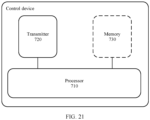
- the control device includes a processor 710 and a transmitter 720.
- the processor 710 is configured to determine a packet-loss-concealment policy based on first path status information of a path used to send a data stream.
- the transmitter 720 is configured to send the packet-loss-concealment policy to a sending device, where the packet-loss-concealment policy is used by the sending device to generate a packet-loss-concealment packet for the data stream and send the data stream on the path.
- the data stream includes an original packet and the packet-loss-concealment packet. Therefore, when receiving the data stream, a receiving device decodes the data stream according to the packet-loss-concealment policy received from the sending device, and recovers, by using the packet-loss-concealment packet, an original packet lost in a transmission process. This effectively improves a packet loss recovery effect, and improves user experience.
- the processor 710 is further configured to determine, based on second path status information of at least two paths from the sending device to the receiving device, the path used to send the data stream.
- the second path status information includes a packet loss rate.
- the second path status information further includes at least one of a delay, a network jitter, a bandwidth, and a delay difference.
- a delay difference of the paths used to send the data stream is less than a delay difference threshold.
- that the processor 710 determines the packet-loss-concealment policy based on the first path status information of the path used to send the data stream includes:
- the processor 710 determines the packet-loss-concealment policy based on at least one of the first path status information of the path used to send the data stream, a packet-loss-concealment target value of the data stream, or a traffic rate of the data stream, where the packet-loss-concealment target value includes a packet loss rate upper limit for transmitting the data stream, to ensure that a packet loss rate obtained after packet loss recovery is performed on the data stream by using the determined packet-loss-concealment policy is less than the packet loss rate upper limit.
- the first path status information includes at least one of the delay or the packet loss rate.
- the packet-loss-concealment policy includes at least one of automatic repeat request ARQ, packet duplication, and forward error correction FEC.
- control device further includes a memory 730, configured to store instructions and data, for example, the packet-loss-concealment policy.
- Functions of the function components of the control device may be implemented by using the steps performed by the control device in the implementations shown in FIG. 15 . Therefore, a specific working process of the device provided in this implementation of this application is not described herein again.
- An implementation of this application provides a computer program product including instructions. When the instructions are run on a computer, the method/steps in FIG. 3 , FIG. 7 , or FIG. 15 is/are performed.
- An implementation of this application provides a computer-readable storage medium, configured to store instructions. When the instructions are executed on a computer, the method/steps in FIG. 3 , FIG. 7 , or FIG. 15 is/are performed.
- All or some of the foregoing implementations of this application may be implemented by software, hardware, firmware, or any combination thereof.
- software is used to implement the implementations, all or some of the implementations may be implemented in a form of a computer program product.
- the computer program product includes one or more computer instructions.
- the computer may be a general-purpose computer, a special-purpose computer, a computer network, or another programmable apparatus.
- the computer instructions may be stored in a computer-readable storage medium, or may be transmitted from a computer-readable medium to another computer-readable medium.
- the computer instructions may be transmitted from a website, a computer, a server, or a data center in a wired (for example, coaxial cable, optical fiber, digital subscriber line (DSL)) manner or a wireless (for example, infrared, radio, or microwave) manner to another website, computer, server, or data center.
- the computer-readable storage medium may be any usable medium accessible by a computer, or a data storage device, such as a server or a data center, integrating one or more usable media.
- the usable medium may be a magnetic medium (for example, a floppy disk, a hard disk, or a magnetic tape), an optical medium (for example, a DVD), a semiconducting medium (for example, a solid state disk (SSD)), or the like.
- a magnetic medium for example, a floppy disk, a hard disk, or a magnetic tape
- an optical medium for example, a DVD
- a semiconducting medium for example, a solid state disk (SSD)
Landscapes
- Engineering & Computer Science (AREA)
- Computer Networks & Wireless Communication (AREA)
- Signal Processing (AREA)
- Environmental & Geological Engineering (AREA)
- Quality & Reliability (AREA)
- Detection And Prevention Of Errors In Transmission (AREA)
- Data Exchanges In Wide-Area Networks (AREA)
- Mobile Radio Communication Systems (AREA)
Claims (15)
- Verfahren zur Datenstromübertragung, wobei das Verfahren umfasst:Bestimmen (101) einer Paketverlustüberbrückungsrichtlinie durch eine sendende Vorrichtung basierend auf ersten Pfadstatusinformationen eines Pfades, der zum Senden eines Datenstroms verwendet wird,Erzeugen (102) eines Paketverlustüberbrückungspakets für den Datenstrom durch die sendende Vorrichtung gemäß der Paketverlustüberbrückungsrichtlinie; undSenden (103) des Datenstroms auf dem Pfad durch die sendende Vorrichtung, wobei der Datenstrom ein Originalpaket und das Paketverlustüberbrückungspaket umfasst,dadurch gekennzeichnet, dass,wenn der Datenstrom auf zwei Pfaden gesendet wird, das Senden des Datenstroms auf dem Pfad durch die sendende Vorrichtung umfasst:Senden des Originalpakets auf einem Pfad mit einer längeren Verzögerung in den beiden Pfaden, undSenden des Paketverlustüberbrückungspakets auf einem Pfad mit einer kürzeren Verzögerung in den beiden Pfaden, wobei das Paketverlustüberbrückungspaket nach dem Senden des Originalpakets gesendet wird, das Originalpaket und das Paketverlustüberbrückungspaket in einem Zeitintervall t gesendet werden und t eine einseitige Verzögerungsdifferenz des Sendens des Datenstroms auf den beiden Pfaden ist.
- Verfahren nach Anspruch 1, wobei das Verfahren vor dem Bestimmen einer Paketverlustüberbrückungsrichtlinie durch eine sendende Vorrichtung basierend auf ersten Pfadstatusinformationen eines Pfades, der zum Senden eines Datenstroms verwendet wird, ferner umfasst:
Bestimmen des Pfades, der zum Senden des Datenstroms verwendet wird, durch die sendende Vorrichtung basierend auf zweiten Pfadstatusinformationen mindestens zweier Pfade von der sendenden Vorrichtung zu einer empfangenden Vorrichtung. - Verfahren nach Anspruch 2, wobei die zweiten Pfadstatusinformationen eine Paketverlustrate umfassen.
- Verfahren nach Anspruch 3, wobei die zweiten Pfadstatusinformationen ferner mindestens eines von einer Verzögerung, einem Netzwerk-Jitter, einer Bandbreite oder einer Verzögerungsdifferenz umfassen.
- Verfahren nach einem der Ansprüche 1 bis 4, wobei, wenn es zwei Pfade gibt, die zum Senden des Datenstroms verwendet werden, eine Verzögerungsdifferenz der Pfade, die zum Senden des Datenstroms verwendet werden, geringer als eine Verzögerungsdifferenzschwelle ist.
- Verfahren nach einem der Ansprüche 1 bis 5, wobei das Bestimmen einer Paketverlustüberbrückungsrichtlinie durch eine sendende Vorrichtung basierend auf ersten Pfadstatusinformationen eines Pfades, der zum Senden eines Datenstroms verwendet wird, umfasst:
Bestimmen der Paketverlustüberbrückungsrichtlinie durch die sendende Vorrichtung basierend auf mindestens einem von den ersten Pfadstatusinformationen des Pfades, der zum Senden des Datenstroms verwendet wird, einem Paketverlustüberbrückungszielwert des Datenstroms oder einer Verkehrsrate des Datenstroms, wobei der Paketverlustüberbrückungszielwert eine Obergrenze einer Paketverlustrate zum Senden des Datenstroms umfasst. - Verfahren nach einem der Ansprüche 1 bis 6, wobei die ersten Pfadstatusinformationen mindestens eines von einer Verzögerung und einer Paketverlustrate umfassen.
- Verfahren nach einem der Ansprüche 1 bis 7, wobei die Paketverlustüberbrückungsrichtlinie mindestens eine von einer Paketduplizierung einer automatischen Wiederholungsanforderung, ARQ, oder einer Vorwärtsfehlerkorrektur, FEC, umfasst.
- Verfahren nach einem der Ansprüche 1 bis 8, wobei, wenn die Paketverlustüberbrückungsrichtlinie Vorwärtsfehlerkorrektur, FEC, ist, das Paketverlustüberbrückungspaket ein redundantes Paket ist, und das Erzeugen eines Paketverlustüberbrückungspakets für den Datenstrom durch die sendende Vorrichtung gemäß der Paketverlustüberbrückungsrichtlinie umfasst:Bestimmen eines FEC-Codierungsschemas, wobei das Codierungsschema Blockcodierung oder Faltungscodierung umfasst, undCodieren des Originalpakets basierend auf dem bestimmten Codierungsschema, um ein redundantes Paket zu erzeugen.
- Verfahren nach einem der Ansprüche 1 bis 9, wobei das Verfahren ferner umfasst:
Senden einer Paketverlustüberbrückungssteuernachricht durch die sendende Vorrichtung an die empfangende Vorrichtung, wobei die Paketverlustüberbrückungssteuernachricht Anzeigeinformationen umfasst, und die Anzeigeinformationen verwendet werden, um die Paketverlustüberbrückungsrichtlinie anzuzeigen, die für den Datenstrom verwendet wird. - Verfahren nach einem der Ansprüche 1 bis 9, wobei das Paketverlustüberbrückungspaket Anzeigeinformationen umfasst, und die Anzeigeinformationen verwendet werden, um die Paketverlustüberbrückungsrichtlinie anzuzeigen, die für den Datenstrom verwendet wird.
- Verfahren nach Anspruch 10, wobei die Anzeigeinformationen ferner verwendet werden, um eine Kennung des Datenstroms und eine Kennung des zum Senden des Datenstroms verwendeten Pfades anzuzeigen.
- Verfahren nach Anspruch 11, wobei die Anzeigeinformationen ferner verwendet werden, um eine Kennung des Pfades anzuzeigen, der zum Senden des Datenstroms verwendet wird.
- Verfahren nach Anspruch 11 oder 13, wobei die Anzeigeinformationen in einem Erweiterungsfeld des Paketverlustüberbrückungspakets übertragen werden.
- Vorrichtung zur Datenstromübertragung, wobei die Vorrichtung zum Implementieren des Verfahrens nach einem der Ansprüche 1 bis 14 konfiguriert ist.
Applications Claiming Priority (2)
| Application Number | Priority Date | Filing Date | Title |
|---|---|---|---|
| CN201910277087.XA CN111800218B (zh) | 2019-04-08 | 2019-04-08 | 一种数据流的传输方法和设备 |
| PCT/CN2020/083713 WO2020207406A1 (zh) | 2019-04-08 | 2020-04-08 | 一种数据流的传输方法和设备 |
Publications (3)
| Publication Number | Publication Date |
|---|---|
| EP3940974A1 EP3940974A1 (de) | 2022-01-19 |
| EP3940974A4 EP3940974A4 (de) | 2022-05-04 |
| EP3940974B1 true EP3940974B1 (de) | 2023-12-13 |
Family
ID=72752132
Family Applications (1)
| Application Number | Title | Priority Date | Filing Date |
|---|---|---|---|
| EP20787431.4A Active EP3940974B1 (de) | 2019-04-08 | 2020-04-08 | Übertragungsverfahren und -vorrichtung für datenstrom |
Country Status (6)
| Country | Link |
|---|---|
| US (1) | US12010016B2 (de) |
| EP (1) | EP3940974B1 (de) |
| JP (1) | JP7292411B2 (de) |
| KR (1) | KR102657709B1 (de) |
| CN (1) | CN111800218B (de) |
| WO (1) | WO2020207406A1 (de) |
Families Citing this family (11)
| Publication number | Priority date | Publication date | Assignee | Title |
|---|---|---|---|---|
| CN112422241B (zh) * | 2020-11-09 | 2021-11-30 | 广州博冠信息科技有限公司 | 数据传输方法、装置、存储介质及计算机设备 |
| CN114499747B (zh) * | 2020-11-09 | 2023-06-20 | 成都鼎桥通信技术有限公司 | 音视频数据的处理方法、装置、电子设备及存储介质 |
| US11625081B2 (en) * | 2021-03-09 | 2023-04-11 | Charter Communications Operating, Llc | Centralized profile-based operational monitoring and control of remote computing devices |
| US11916674B2 (en) * | 2021-03-31 | 2024-02-27 | Versa Networks, Inc. | Data packet traffic conditioning through a lossy data path with forward error correction |
| US11683126B2 (en) * | 2021-03-31 | 2023-06-20 | Versa Networks, Inc. | Data packet traffic conditioning through multiple lossy data paths with forward error correction |
| US11546239B2 (en) | 2021-03-31 | 2023-01-03 | Versa Networks, Inc. | Data packet traffic conditioning with packet striping through lossy data paths |
| CN115551019A (zh) * | 2021-06-30 | 2022-12-30 | 华为技术有限公司 | 数据流的传输方法和传输装置 |
| CN114025389B (zh) * | 2021-11-01 | 2024-04-30 | 网易(杭州)网络有限公司 | 数据传输方法、装置、计算机设备及存储介质 |
| US11914599B2 (en) * | 2021-11-19 | 2024-02-27 | Hamilton Sundstrand Corporation | Machine learning intermittent data dropout mitigation |
| CN116192767A (zh) * | 2021-11-29 | 2023-05-30 | 华为技术有限公司 | 一种丢包管理方法及相关装置 |
| WO2024073143A1 (en) * | 2022-09-30 | 2024-04-04 | Comcast Cable Communications, Llc | Methods and apparatuses for handling end-to-end encryption |
Family Cites Families (29)
| Publication number | Priority date | Publication date | Assignee | Title |
|---|---|---|---|---|
| JPS5452908A (en) * | 1977-10-05 | 1979-04-25 | Mitsubishi Electric Corp | Data transfer device |
| JPH0723026A (ja) * | 1993-07-02 | 1995-01-24 | Nippondenso Co Ltd | ディジタル移動通信用誤り制御装置 |
| JP2002064506A (ja) * | 2000-08-17 | 2002-02-28 | Ricoh Co Ltd | データ転送方式 |
| JP4074268B2 (ja) * | 2003-08-22 | 2008-04-09 | 日本電信電話株式会社 | パケット転送方法及び転送装置 |
| US7904779B2 (en) * | 2004-12-29 | 2011-03-08 | Intel Corporation | Forward error correction and automatic repeat request joint operation for a data link layer |
| JP4840365B2 (ja) * | 2005-11-28 | 2011-12-21 | 日本電気株式会社 | 通信装置、通信システム、通信方法、および、通信プログラム |
| EP1791285A1 (de) * | 2005-11-29 | 2007-05-30 | Alcatel Lucent | Hybride ARQ Vorrichtung und entsprechendes Verfahren, wobei die FEC Redundanz basierend auf die Wiederübertragungszahl eines Pakets angepasst wird |
| JP4808054B2 (ja) * | 2006-03-17 | 2011-11-02 | 富士通株式会社 | データ転送方法及び,これを適用する通信システム及びプログラム |
| CN101505202B (zh) * | 2009-03-16 | 2011-09-14 | 华中科技大学 | 一种流媒体传输自适应纠错方法 |
| JP5682253B2 (ja) * | 2010-11-22 | 2015-03-11 | 富士通株式会社 | プログラムおよび通信装置 |
| CN102790666B (zh) * | 2011-05-17 | 2015-04-08 | 华为终端有限公司 | 差错控制的方法、接收端、发送端和系统 |
| CN102438002B (zh) * | 2011-08-10 | 2016-08-03 | 中山大学深圳研究院 | 一种基于Ad hoc网络下的视频文件数据传输方法 |
| CN102325009A (zh) * | 2011-09-13 | 2012-01-18 | 北京邮电大学 | 一种基于前向纠错的网络编码组播数据流可靠传输方法 |
| KR102028948B1 (ko) * | 2011-11-08 | 2019-10-17 | 삼성전자주식회사 | 멀티미디어 통신 시스템에서 어플리케이션 계층-순방향 오류 정정 패킷 송/수신 장치 및 방법 |
| CN102638331B (zh) * | 2012-03-16 | 2014-07-09 | 北京邮电大学 | 基于随机线性网络编码的无线可靠广播方法 |
| US9973215B1 (en) * | 2013-01-28 | 2018-05-15 | EMC IP Holding Company LLC | Controlled multipath data packet delivery with forward error correction |
| US8819520B1 (en) * | 2013-02-05 | 2014-08-26 | “Intermind” Societe a Responsabilite Limitee | Method and system for forward error correction in packetized networks |
| WO2014129044A1 (ja) * | 2013-02-20 | 2014-08-28 | 三菱電機株式会社 | 無線装置 |
| US9572198B1 (en) * | 2013-03-07 | 2017-02-14 | Sprint Spectrum L.P. | Inter-technology diversity in wireless communications |
| KR20150049052A (ko) * | 2013-10-29 | 2015-05-08 | 삼성에스디에스 주식회사 | 데이터 전송 장치 및 방법 |
| CN105517028B (zh) * | 2014-10-17 | 2020-03-24 | 电信科学技术研究院 | 一种触发和配置传输路径的方法及设备 |
| KR20160091118A (ko) * | 2015-01-23 | 2016-08-02 | 한국전자통신연구원 | 멀티 호밍 기반의 네트워크를 통한 패킷 전송 장치 및 방법 |
| JP6529299B2 (ja) * | 2015-03-20 | 2019-06-12 | キヤノン株式会社 | 送信装置、受信装置、方法及びプログラム |
| CN105610635B (zh) * | 2016-02-29 | 2018-12-07 | 腾讯科技(深圳)有限公司 | 语音编码发送方法和装置 |
| CN108075859A (zh) * | 2016-11-17 | 2018-05-25 | 中国移动通信有限公司研究院 | 数据传输方法及装置 |
| CN107395522B (zh) * | 2017-08-25 | 2018-10-12 | 深圳市华讯方舟空间信息产业科技有限公司 | 基于tcp协议的丢包处理方法和计算机可读存储介质 |
| CN107682886B (zh) * | 2017-09-01 | 2019-12-20 | 北京邮电大学 | 一种多路径的数据传输方法 |
| CN108075861B (zh) * | 2017-09-28 | 2020-09-22 | 河北工程大学 | 软件定义FiWi网络中基于多路径的网络编码传输方法 |
| US20190215385A1 (en) * | 2018-01-10 | 2019-07-11 | Nexvortex, Inc. | Packet Replication Over Dynamically Managed Bonded Tunnels |
-
2019
- 2019-04-08 CN CN201910277087.XA patent/CN111800218B/zh active Active
-
2020
- 2020-04-08 EP EP20787431.4A patent/EP3940974B1/de active Active
- 2020-04-08 WO PCT/CN2020/083713 patent/WO2020207406A1/zh not_active Ceased
- 2020-04-08 JP JP2021559652A patent/JP7292411B2/ja active Active
- 2020-04-08 KR KR1020217033181A patent/KR102657709B1/ko active Active
-
2021
- 2021-09-29 US US17/489,756 patent/US12010016B2/en active Active
Also Published As
| Publication number | Publication date |
|---|---|
| CN111800218B (zh) | 2022-04-22 |
| US20220021612A1 (en) | 2022-01-20 |
| WO2020207406A1 (zh) | 2020-10-15 |
| JP2022528172A (ja) | 2022-06-08 |
| KR102657709B1 (ko) | 2024-04-15 |
| CN111800218A (zh) | 2020-10-20 |
| EP3940974A4 (de) | 2022-05-04 |
| JP7292411B2 (ja) | 2023-06-16 |
| KR20210134787A (ko) | 2021-11-10 |
| EP3940974A1 (de) | 2022-01-19 |
| US12010016B2 (en) | 2024-06-11 |
Similar Documents
| Publication | Publication Date | Title |
|---|---|---|
| EP3940974B1 (de) | Übertragungsverfahren und -vorrichtung für datenstrom | |
| Wu et al. | Distortion-aware concurrent multipath transfer for mobile video streaming in heterogeneous wireless networks | |
| Wu et al. | Content-aware concurrent multipath transfer for high-definition video streaming over heterogeneous wireless networks | |
| JP4454320B2 (ja) | 伝送装置、伝送制御プログラム、及び伝送方法 | |
| US9537611B2 (en) | Method and apparatus for improving the performance of TCP and other network protocols in a communications network using proxy servers | |
| Matsuzono et al. | Low latency low loss streaming using in-network coding and caching | |
| Wu et al. | Energy-minimized multipath video transport to mobile devices in heterogeneous wireless networks | |
| US9781488B2 (en) | Controlled adaptive rate switching system and method for media streaming over IP networks | |
| KR20020079796A (ko) | 무선 네트워크 시스템 및 방법 | |
| CN108781139A (zh) | 分组网络中的数据重传 | |
| Wu et al. | Priority-aware FEC coding for high-definition mobile video delivery using TCP | |
| JP4840365B2 (ja) | 通信装置、通信システム、通信方法、および、通信プログラム | |
| US11245635B2 (en) | Feedback loop for frame maximization | |
| CN111031340B (zh) | 自适应地传输数据流的方法和通信网络中的节点 | |
| CN111162877A (zh) | 一种音视频服务质量控制的自适应前向纠错方法及应用 | |
| Michel et al. | Quirl: Flexible quic loss recovery for low latency applications | |
| US20130003524A1 (en) | Selective Caching in a Packet Network and Packet Loss Repair Using Selective Caching | |
| JP3934073B2 (ja) | リアルタイム情報の伝達システム、リアルタイム情報の送信装置、リアルタイム情報の伝達方法及びプログラム | |
| Liu et al. | Polar-quic: Adaptive packet-level polar coding-assisted quic in satellite networks | |
| CN107925670B (zh) | 一种信道调整方法、对应装置及系统 | |
| RU2711354C1 (ru) | Способ передачи данных по асинхронным сетям связи с возможностью восстановления данных при их потере из-за наличия ошибок соединения в сетях связи | |
| JP5397226B2 (ja) | 通信システム、データ送信装置、データ受信装置、通信方法および通信用プログラム | |
| Tsurcanu et al. | The optimization of video transmission quality in wireless networks | |
| CN121173426B (zh) | 一种基于动态协议链路的话带数据传输方法、装置及设备 | |
| Ghimire et al. | Enhanced the Quality of telemedicine Real-Time Video Transmission and Distortion Minimization in Wireless Network |
Legal Events
| Date | Code | Title | Description |
|---|---|---|---|
| STAA | Information on the status of an ep patent application or granted ep patent |
Free format text: STATUS: THE INTERNATIONAL PUBLICATION HAS BEEN MADE |
|
| PUAI | Public reference made under article 153(3) epc to a published international application that has entered the european phase |
Free format text: ORIGINAL CODE: 0009012 |
|
| STAA | Information on the status of an ep patent application or granted ep patent |
Free format text: STATUS: REQUEST FOR EXAMINATION WAS MADE |
|
| 17P | Request for examination filed |
Effective date: 20211013 |
|
| AK | Designated contracting states |
Kind code of ref document: A1 Designated state(s): AL AT BE BG CH CY CZ DE DK EE ES FI FR GB GR HR HU IE IS IT LI LT LU LV MC MK MT NL NO PL PT RO RS SE SI SK SM TR |
|
| A4 | Supplementary search report drawn up and despatched |
Effective date: 20220404 |
|
| RIC1 | Information provided on ipc code assigned before grant |
Ipc: H04L 43/0829 20220101ALI20220328BHEP Ipc: H04L 41/0893 20220101ALI20220328BHEP Ipc: H04L 47/283 20220101ALI20220328BHEP Ipc: H04L 1/18 20060101ALI20220328BHEP Ipc: H04L 1/08 20060101ALI20220328BHEP Ipc: H04L 1/00 20060101AFI20220328BHEP |
|
| DAV | Request for validation of the european patent (deleted) | ||
| DAX | Request for extension of the european patent (deleted) | ||
| RIC1 | Information provided on ipc code assigned before grant |
Ipc: H04L 1/1867 20230101ALI20230616BHEP Ipc: H04L 47/283 20220101ALI20230616BHEP Ipc: H04L 45/00 20220101ALI20230616BHEP Ipc: H04L 47/20 20220101ALI20230616BHEP Ipc: H04L 43/0829 20220101ALI20230616BHEP Ipc: H04L 1/1825 20230101ALI20230616BHEP Ipc: H04L 1/08 20060101ALI20230616BHEP Ipc: H04L 1/00 20060101AFI20230616BHEP |
|
| GRAP | Despatch of communication of intention to grant a patent |
Free format text: ORIGINAL CODE: EPIDOSNIGR1 |
|
| STAA | Information on the status of an ep patent application or granted ep patent |
Free format text: STATUS: GRANT OF PATENT IS INTENDED |
|
| INTG | Intention to grant announced |
Effective date: 20230804 |
|
| GRAS | Grant fee paid |
Free format text: ORIGINAL CODE: EPIDOSNIGR3 |
|
| GRAA | (expected) grant |
Free format text: ORIGINAL CODE: 0009210 |
|
| STAA | Information on the status of an ep patent application or granted ep patent |
Free format text: STATUS: THE PATENT HAS BEEN GRANTED |
|
| AK | Designated contracting states |
Kind code of ref document: B1 Designated state(s): AL AT BE BG CH CY CZ DE DK EE ES FI FR GB GR HR HU IE IS IT LI LT LU LV MC MK MT NL NO PL PT RO RS SE SI SK SM TR |
|
| REG | Reference to a national code |
Ref country code: GB Ref legal event code: FG4D |
|
| REG | Reference to a national code |
Ref country code: CH Ref legal event code: EP |
|
| REG | Reference to a national code |
Ref country code: DE Ref legal event code: R096 Ref document number: 602020022780 Country of ref document: DE |
|
| REG | Reference to a national code |
Ref country code: IE Ref legal event code: FG4D |
|
| PG25 | Lapsed in a contracting state [announced via postgrant information from national office to epo] |
Ref country code: GR Free format text: LAPSE BECAUSE OF FAILURE TO SUBMIT A TRANSLATION OF THE DESCRIPTION OR TO PAY THE FEE WITHIN THE PRESCRIBED TIME-LIMIT Effective date: 20240314 |
|
| REG | Reference to a national code |
Ref country code: LT Ref legal event code: MG9D |
|
| PG25 | Lapsed in a contracting state [announced via postgrant information from national office to epo] |
Ref country code: LT Free format text: LAPSE BECAUSE OF FAILURE TO SUBMIT A TRANSLATION OF THE DESCRIPTION OR TO PAY THE FEE WITHIN THE PRESCRIBED TIME-LIMIT Effective date: 20231213 |
|
| REG | Reference to a national code |
Ref country code: NL Ref legal event code: MP Effective date: 20231213 |
|
| PG25 | Lapsed in a contracting state [announced via postgrant information from national office to epo] |
Ref country code: ES Free format text: LAPSE BECAUSE OF FAILURE TO SUBMIT A TRANSLATION OF THE DESCRIPTION OR TO PAY THE FEE WITHIN THE PRESCRIBED TIME-LIMIT Effective date: 20231213 |
|
| PG25 | Lapsed in a contracting state [announced via postgrant information from national office to epo] |
Ref country code: LT Free format text: LAPSE BECAUSE OF FAILURE TO SUBMIT A TRANSLATION OF THE DESCRIPTION OR TO PAY THE FEE WITHIN THE PRESCRIBED TIME-LIMIT Effective date: 20231213 Ref country code: GR Free format text: LAPSE BECAUSE OF FAILURE TO SUBMIT A TRANSLATION OF THE DESCRIPTION OR TO PAY THE FEE WITHIN THE PRESCRIBED TIME-LIMIT Effective date: 20240314 Ref country code: ES Free format text: LAPSE BECAUSE OF FAILURE TO SUBMIT A TRANSLATION OF THE DESCRIPTION OR TO PAY THE FEE WITHIN THE PRESCRIBED TIME-LIMIT Effective date: 20231213 Ref country code: BG Free format text: LAPSE BECAUSE OF FAILURE TO SUBMIT A TRANSLATION OF THE DESCRIPTION OR TO PAY THE FEE WITHIN THE PRESCRIBED TIME-LIMIT Effective date: 20240313 |
|
| REG | Reference to a national code |
Ref country code: AT Ref legal event code: MK05 Ref document number: 1641382 Country of ref document: AT Kind code of ref document: T Effective date: 20231213 |
|
| PG25 | Lapsed in a contracting state [announced via postgrant information from national office to epo] |
Ref country code: NL Free format text: LAPSE BECAUSE OF FAILURE TO SUBMIT A TRANSLATION OF THE DESCRIPTION OR TO PAY THE FEE WITHIN THE PRESCRIBED TIME-LIMIT Effective date: 20231213 |
|
| PG25 | Lapsed in a contracting state [announced via postgrant information from national office to epo] |
Ref country code: SE Free format text: LAPSE BECAUSE OF FAILURE TO SUBMIT A TRANSLATION OF THE DESCRIPTION OR TO PAY THE FEE WITHIN THE PRESCRIBED TIME-LIMIT Effective date: 20231213 Ref country code: RS Free format text: LAPSE BECAUSE OF FAILURE TO SUBMIT A TRANSLATION OF THE DESCRIPTION OR TO PAY THE FEE WITHIN THE PRESCRIBED TIME-LIMIT Effective date: 20231213 Ref country code: NO Free format text: LAPSE BECAUSE OF FAILURE TO SUBMIT A TRANSLATION OF THE DESCRIPTION OR TO PAY THE FEE WITHIN THE PRESCRIBED TIME-LIMIT Effective date: 20240313 Ref country code: NL Free format text: LAPSE BECAUSE OF FAILURE TO SUBMIT A TRANSLATION OF THE DESCRIPTION OR TO PAY THE FEE WITHIN THE PRESCRIBED TIME-LIMIT Effective date: 20231213 Ref country code: LV Free format text: LAPSE BECAUSE OF FAILURE TO SUBMIT A TRANSLATION OF THE DESCRIPTION OR TO PAY THE FEE WITHIN THE PRESCRIBED TIME-LIMIT Effective date: 20231213 Ref country code: HR Free format text: LAPSE BECAUSE OF FAILURE TO SUBMIT A TRANSLATION OF THE DESCRIPTION OR TO PAY THE FEE WITHIN THE PRESCRIBED TIME-LIMIT Effective date: 20231213 |
|
| PG25 | Lapsed in a contracting state [announced via postgrant information from national office to epo] |
Ref country code: IS Free format text: LAPSE BECAUSE OF FAILURE TO SUBMIT A TRANSLATION OF THE DESCRIPTION OR TO PAY THE FEE WITHIN THE PRESCRIBED TIME-LIMIT Effective date: 20240413 |
|
| PG25 | Lapsed in a contracting state [announced via postgrant information from national office to epo] |
Ref country code: CZ Free format text: LAPSE BECAUSE OF FAILURE TO SUBMIT A TRANSLATION OF THE DESCRIPTION OR TO PAY THE FEE WITHIN THE PRESCRIBED TIME-LIMIT Effective date: 20231213 Ref country code: AT Free format text: LAPSE BECAUSE OF FAILURE TO SUBMIT A TRANSLATION OF THE DESCRIPTION OR TO PAY THE FEE WITHIN THE PRESCRIBED TIME-LIMIT Effective date: 20231213 |
|
| PG25 | Lapsed in a contracting state [announced via postgrant information from national office to epo] |
Ref country code: SK Free format text: LAPSE BECAUSE OF FAILURE TO SUBMIT A TRANSLATION OF THE DESCRIPTION OR TO PAY THE FEE WITHIN THE PRESCRIBED TIME-LIMIT Effective date: 20231213 |
|
| PG25 | Lapsed in a contracting state [announced via postgrant information from national office to epo] |
Ref country code: SM Free format text: LAPSE BECAUSE OF FAILURE TO SUBMIT A TRANSLATION OF THE DESCRIPTION OR TO PAY THE FEE WITHIN THE PRESCRIBED TIME-LIMIT Effective date: 20231213 Ref country code: SK Free format text: LAPSE BECAUSE OF FAILURE TO SUBMIT A TRANSLATION OF THE DESCRIPTION OR TO PAY THE FEE WITHIN THE PRESCRIBED TIME-LIMIT Effective date: 20231213 Ref country code: RO Free format text: LAPSE BECAUSE OF FAILURE TO SUBMIT A TRANSLATION OF THE DESCRIPTION OR TO PAY THE FEE WITHIN THE PRESCRIBED TIME-LIMIT Effective date: 20231213 Ref country code: IT Free format text: LAPSE BECAUSE OF FAILURE TO SUBMIT A TRANSLATION OF THE DESCRIPTION OR TO PAY THE FEE WITHIN THE PRESCRIBED TIME-LIMIT Effective date: 20231213 Ref country code: IS Free format text: LAPSE BECAUSE OF FAILURE TO SUBMIT A TRANSLATION OF THE DESCRIPTION OR TO PAY THE FEE WITHIN THE PRESCRIBED TIME-LIMIT Effective date: 20240413 Ref country code: EE Free format text: LAPSE BECAUSE OF FAILURE TO SUBMIT A TRANSLATION OF THE DESCRIPTION OR TO PAY THE FEE WITHIN THE PRESCRIBED TIME-LIMIT Effective date: 20231213 Ref country code: CZ Free format text: LAPSE BECAUSE OF FAILURE TO SUBMIT A TRANSLATION OF THE DESCRIPTION OR TO PAY THE FEE WITHIN THE PRESCRIBED TIME-LIMIT Effective date: 20231213 Ref country code: AT Free format text: LAPSE BECAUSE OF FAILURE TO SUBMIT A TRANSLATION OF THE DESCRIPTION OR TO PAY THE FEE WITHIN THE PRESCRIBED TIME-LIMIT Effective date: 20231213 |
|
| PG25 | Lapsed in a contracting state [announced via postgrant information from national office to epo] |
Ref country code: PL Free format text: LAPSE BECAUSE OF FAILURE TO SUBMIT A TRANSLATION OF THE DESCRIPTION OR TO PAY THE FEE WITHIN THE PRESCRIBED TIME-LIMIT Effective date: 20231213 Ref country code: PT Free format text: LAPSE BECAUSE OF FAILURE TO SUBMIT A TRANSLATION OF THE DESCRIPTION OR TO PAY THE FEE WITHIN THE PRESCRIBED TIME-LIMIT Effective date: 20240415 |
|
| PG25 | Lapsed in a contracting state [announced via postgrant information from national office to epo] |
Ref country code: PT Free format text: LAPSE BECAUSE OF FAILURE TO SUBMIT A TRANSLATION OF THE DESCRIPTION OR TO PAY THE FEE WITHIN THE PRESCRIBED TIME-LIMIT Effective date: 20240415 Ref country code: PL Free format text: LAPSE BECAUSE OF FAILURE TO SUBMIT A TRANSLATION OF THE DESCRIPTION OR TO PAY THE FEE WITHIN THE PRESCRIBED TIME-LIMIT Effective date: 20231213 |
|
| REG | Reference to a national code |
Ref country code: DE Ref legal event code: R097 Ref document number: 602020022780 Country of ref document: DE |
|
| PG25 | Lapsed in a contracting state [announced via postgrant information from national office to epo] |
Ref country code: DK Free format text: LAPSE BECAUSE OF FAILURE TO SUBMIT A TRANSLATION OF THE DESCRIPTION OR TO PAY THE FEE WITHIN THE PRESCRIBED TIME-LIMIT Effective date: 20231213 |
|
| PLBE | No opposition filed within time limit |
Free format text: ORIGINAL CODE: 0009261 |
|
| STAA | Information on the status of an ep patent application or granted ep patent |
Free format text: STATUS: NO OPPOSITION FILED WITHIN TIME LIMIT |
|
| PG25 | Lapsed in a contracting state [announced via postgrant information from national office to epo] |
Ref country code: SI Free format text: LAPSE BECAUSE OF FAILURE TO SUBMIT A TRANSLATION OF THE DESCRIPTION OR TO PAY THE FEE WITHIN THE PRESCRIBED TIME-LIMIT Effective date: 20231213 |
|
| PG25 | Lapsed in a contracting state [announced via postgrant information from national office to epo] |
Ref country code: SI Free format text: LAPSE BECAUSE OF FAILURE TO SUBMIT A TRANSLATION OF THE DESCRIPTION OR TO PAY THE FEE WITHIN THE PRESCRIBED TIME-LIMIT Effective date: 20231213 Ref country code: DK Free format text: LAPSE BECAUSE OF FAILURE TO SUBMIT A TRANSLATION OF THE DESCRIPTION OR TO PAY THE FEE WITHIN THE PRESCRIBED TIME-LIMIT Effective date: 20231213 |
|
| 26N | No opposition filed |
Effective date: 20240916 |
|
| PG25 | Lapsed in a contracting state [announced via postgrant information from national office to epo] |
Ref country code: MC Free format text: LAPSE BECAUSE OF FAILURE TO SUBMIT A TRANSLATION OF THE DESCRIPTION OR TO PAY THE FEE WITHIN THE PRESCRIBED TIME-LIMIT Effective date: 20231213 |
|
| PG25 | Lapsed in a contracting state [announced via postgrant information from national office to epo] |
Ref country code: MC Free format text: LAPSE BECAUSE OF FAILURE TO SUBMIT A TRANSLATION OF THE DESCRIPTION OR TO PAY THE FEE WITHIN THE PRESCRIBED TIME-LIMIT Effective date: 20231213 |
|
| REG | Reference to a national code |
Ref country code: CH Ref legal event code: PL |
|
| PG25 | Lapsed in a contracting state [announced via postgrant information from national office to epo] |
Ref country code: LU Free format text: LAPSE BECAUSE OF NON-PAYMENT OF DUE FEES Effective date: 20240408 |
|
| GBPC | Gb: european patent ceased through non-payment of renewal fee |
Effective date: 20240408 |
|
| REG | Reference to a national code |
Ref country code: BE Ref legal event code: MM Effective date: 20240430 |
|
| PG25 | Lapsed in a contracting state [announced via postgrant information from national office to epo] |
Ref country code: LU Free format text: LAPSE BECAUSE OF NON-PAYMENT OF DUE FEES Effective date: 20240408 |
|
| PG25 | Lapsed in a contracting state [announced via postgrant information from national office to epo] |
Ref country code: BE Free format text: LAPSE BECAUSE OF NON-PAYMENT OF DUE FEES Effective date: 20240430 |
|
| PG25 | Lapsed in a contracting state [announced via postgrant information from national office to epo] |
Ref country code: GB Free format text: LAPSE BECAUSE OF NON-PAYMENT OF DUE FEES Effective date: 20240408 |
|
| PG25 | Lapsed in a contracting state [announced via postgrant information from national office to epo] |
Ref country code: FR Free format text: LAPSE BECAUSE OF NON-PAYMENT OF DUE FEES Effective date: 20240430 |
|
| PG25 | Lapsed in a contracting state [announced via postgrant information from national office to epo] |
Ref country code: GB Free format text: LAPSE BECAUSE OF NON-PAYMENT OF DUE FEES Effective date: 20240408 Ref country code: FR Free format text: LAPSE BECAUSE OF NON-PAYMENT OF DUE FEES Effective date: 20240430 Ref country code: BE Free format text: LAPSE BECAUSE OF NON-PAYMENT OF DUE FEES Effective date: 20240430 Ref country code: CH Free format text: LAPSE BECAUSE OF NON-PAYMENT OF DUE FEES Effective date: 20240430 |
|
| PG25 | Lapsed in a contracting state [announced via postgrant information from national office to epo] |
Ref country code: IE Free format text: LAPSE BECAUSE OF NON-PAYMENT OF DUE FEES Effective date: 20240408 |
|
| PGFP | Annual fee paid to national office [announced via postgrant information from national office to epo] |
Ref country code: DE Payment date: 20250305 Year of fee payment: 6 |
|
| PG25 | Lapsed in a contracting state [announced via postgrant information from national office to epo] |
Ref country code: CY Free format text: LAPSE BECAUSE OF FAILURE TO SUBMIT A TRANSLATION OF THE DESCRIPTION OR TO PAY THE FEE WITHIN THE PRESCRIBED TIME-LIMIT; INVALID AB INITIO Effective date: 20200408 |
|
| PG25 | Lapsed in a contracting state [announced via postgrant information from national office to epo] |
Ref country code: HU Free format text: LAPSE BECAUSE OF FAILURE TO SUBMIT A TRANSLATION OF THE DESCRIPTION OR TO PAY THE FEE WITHIN THE PRESCRIBED TIME-LIMIT; INVALID AB INITIO Effective date: 20200408 |
|
| PG25 | Lapsed in a contracting state [announced via postgrant information from national office to epo] |
Ref country code: FI Free format text: LAPSE BECAUSE OF FAILURE TO SUBMIT A TRANSLATION OF THE DESCRIPTION OR TO PAY THE FEE WITHIN THE PRESCRIBED TIME-LIMIT Effective date: 20231213 |