EP3937995B1 - Methods comprising zwitterionic copolymer coatings - Google Patents
Methods comprising zwitterionic copolymer coatings Download PDFInfo
- Publication number
- EP3937995B1 EP3937995B1 EP20770976.7A EP20770976A EP3937995B1 EP 3937995 B1 EP3937995 B1 EP 3937995B1 EP 20770976 A EP20770976 A EP 20770976A EP 3937995 B1 EP3937995 B1 EP 3937995B1
- Authority
- EP
- European Patent Office
- Prior art keywords
- copolymer
- pcb
- coated
- pvc
- platelet
- Prior art date
- Legal status (The legal status is an assumption and is not a legal conclusion. Google has not performed a legal analysis and makes no representation as to the accuracy of the status listed.)
- Active
Links
Images






Classifications
-
- A—HUMAN NECESSITIES
- A61—MEDICAL OR VETERINARY SCIENCE; HYGIENE
- A61L—METHODS OR APPARATUS FOR STERILISING MATERIALS OR OBJECTS IN GENERAL; DISINFECTION, STERILISATION OR DEODORISATION OF AIR; CHEMICAL ASPECTS OF BANDAGES, DRESSINGS, ABSORBENT PADS OR SURGICAL ARTICLES; MATERIALS FOR BANDAGES, DRESSINGS, ABSORBENT PADS OR SURGICAL ARTICLES
- A61L29/00—Materials for catheters, medical tubing, cannulae, or endoscopes or for coating catheters
- A61L29/04—Macromolecular materials
- A61L29/041—Macromolecular materials obtained by reactions only involving carbon-to-carbon unsaturated bonds
-
- A—HUMAN NECESSITIES
- A61—MEDICAL OR VETERINARY SCIENCE; HYGIENE
- A61L—METHODS OR APPARATUS FOR STERILISING MATERIALS OR OBJECTS IN GENERAL; DISINFECTION, STERILISATION OR DEODORISATION OF AIR; CHEMICAL ASPECTS OF BANDAGES, DRESSINGS, ABSORBENT PADS OR SURGICAL ARTICLES; MATERIALS FOR BANDAGES, DRESSINGS, ABSORBENT PADS OR SURGICAL ARTICLES
- A61L29/00—Materials for catheters, medical tubing, cannulae, or endoscopes or for coating catheters
- A61L29/04—Macromolecular materials
- A61L29/06—Macromolecular materials obtained otherwise than by reactions only involving carbon-to-carbon unsaturated bonds
-
- A—HUMAN NECESSITIES
- A61—MEDICAL OR VETERINARY SCIENCE; HYGIENE
- A61L—METHODS OR APPARATUS FOR STERILISING MATERIALS OR OBJECTS IN GENERAL; DISINFECTION, STERILISATION OR DEODORISATION OF AIR; CHEMICAL ASPECTS OF BANDAGES, DRESSINGS, ABSORBENT PADS OR SURGICAL ARTICLES; MATERIALS FOR BANDAGES, DRESSINGS, ABSORBENT PADS OR SURGICAL ARTICLES
- A61L29/00—Materials for catheters, medical tubing, cannulae, or endoscopes or for coating catheters
- A61L29/08—Materials for coatings
- A61L29/085—Macromolecular materials
-
- A—HUMAN NECESSITIES
- A61—MEDICAL OR VETERINARY SCIENCE; HYGIENE
- A61L—METHODS OR APPARATUS FOR STERILISING MATERIALS OR OBJECTS IN GENERAL; DISINFECTION, STERILISATION OR DEODORISATION OF AIR; CHEMICAL ASPECTS OF BANDAGES, DRESSINGS, ABSORBENT PADS OR SURGICAL ARTICLES; MATERIALS FOR BANDAGES, DRESSINGS, ABSORBENT PADS OR SURGICAL ARTICLES
- A61L29/00—Materials for catheters, medical tubing, cannulae, or endoscopes or for coating catheters
- A61L29/08—Materials for coatings
- A61L29/10—Inorganic materials
-
- A—HUMAN NECESSITIES
- A61—MEDICAL OR VETERINARY SCIENCE; HYGIENE
- A61L—METHODS OR APPARATUS FOR STERILISING MATERIALS OR OBJECTS IN GENERAL; DISINFECTION, STERILISATION OR DEODORISATION OF AIR; CHEMICAL ASPECTS OF BANDAGES, DRESSINGS, ABSORBENT PADS OR SURGICAL ARTICLES; MATERIALS FOR BANDAGES, DRESSINGS, ABSORBENT PADS OR SURGICAL ARTICLES
- A61L29/00—Materials for catheters, medical tubing, cannulae, or endoscopes or for coating catheters
- A61L29/14—Materials characterised by their function or physical properties, e.g. lubricating compositions
- A61L29/141—Plasticizers
-
- A—HUMAN NECESSITIES
- A61—MEDICAL OR VETERINARY SCIENCE; HYGIENE
- A61L—METHODS OR APPARATUS FOR STERILISING MATERIALS OR OBJECTS IN GENERAL; DISINFECTION, STERILISATION OR DEODORISATION OF AIR; CHEMICAL ASPECTS OF BANDAGES, DRESSINGS, ABSORBENT PADS OR SURGICAL ARTICLES; MATERIALS FOR BANDAGES, DRESSINGS, ABSORBENT PADS OR SURGICAL ARTICLES
- A61L29/00—Materials for catheters, medical tubing, cannulae, or endoscopes or for coating catheters
- A61L29/14—Materials characterised by their function or physical properties, e.g. lubricating compositions
- A61L29/145—Hydrogels or hydrocolloids
-
- A—HUMAN NECESSITIES
- A61—MEDICAL OR VETERINARY SCIENCE; HYGIENE
- A61L—METHODS OR APPARATUS FOR STERILISING MATERIALS OR OBJECTS IN GENERAL; DISINFECTION, STERILISATION OR DEODORISATION OF AIR; CHEMICAL ASPECTS OF BANDAGES, DRESSINGS, ABSORBENT PADS OR SURGICAL ARTICLES; MATERIALS FOR BANDAGES, DRESSINGS, ABSORBENT PADS OR SURGICAL ARTICLES
- A61L33/00—Antithrombogenic treatment of surgical articles, e.g. sutures, catheters, prostheses, or of articles for the manipulation or conditioning of blood; Materials for such treatment
- A61L33/0005—Use of materials characterised by their function or physical properties
- A61L33/0011—Anticoagulant, e.g. heparin, platelet aggregation inhibitor, fibrinolytic agent, other than enzymes, attached to the substrate
-
- A—HUMAN NECESSITIES
- A61—MEDICAL OR VETERINARY SCIENCE; HYGIENE
- A61L—METHODS OR APPARATUS FOR STERILISING MATERIALS OR OBJECTS IN GENERAL; DISINFECTION, STERILISATION OR DEODORISATION OF AIR; CHEMICAL ASPECTS OF BANDAGES, DRESSINGS, ABSORBENT PADS OR SURGICAL ARTICLES; MATERIALS FOR BANDAGES, DRESSINGS, ABSORBENT PADS OR SURGICAL ARTICLES
- A61L33/00—Antithrombogenic treatment of surgical articles, e.g. sutures, catheters, prostheses, or of articles for the manipulation or conditioning of blood; Materials for such treatment
- A61L33/0005—Use of materials characterised by their function or physical properties
- A61L33/0052—Plasticizers
-
- A—HUMAN NECESSITIES
- A61—MEDICAL OR VETERINARY SCIENCE; HYGIENE
- A61L—METHODS OR APPARATUS FOR STERILISING MATERIALS OR OBJECTS IN GENERAL; DISINFECTION, STERILISATION OR DEODORISATION OF AIR; CHEMICAL ASPECTS OF BANDAGES, DRESSINGS, ABSORBENT PADS OR SURGICAL ARTICLES; MATERIALS FOR BANDAGES, DRESSINGS, ABSORBENT PADS OR SURGICAL ARTICLES
- A61L33/00—Antithrombogenic treatment of surgical articles, e.g. sutures, catheters, prostheses, or of articles for the manipulation or conditioning of blood; Materials for such treatment
- A61L33/02—Use of inorganic materials
-
- A—HUMAN NECESSITIES
- A61—MEDICAL OR VETERINARY SCIENCE; HYGIENE
- A61L—METHODS OR APPARATUS FOR STERILISING MATERIALS OR OBJECTS IN GENERAL; DISINFECTION, STERILISATION OR DEODORISATION OF AIR; CHEMICAL ASPECTS OF BANDAGES, DRESSINGS, ABSORBENT PADS OR SURGICAL ARTICLES; MATERIALS FOR BANDAGES, DRESSINGS, ABSORBENT PADS OR SURGICAL ARTICLES
- A61L33/00—Antithrombogenic treatment of surgical articles, e.g. sutures, catheters, prostheses, or of articles for the manipulation or conditioning of blood; Materials for such treatment
- A61L33/06—Use of macromolecular materials
- A61L33/068—Use of macromolecular materials obtained otherwise than by reactions only involving carbon-to-carbon unsaturated bonds
-
- C—CHEMISTRY; METALLURGY
- C08—ORGANIC MACROMOLECULAR COMPOUNDS; THEIR PREPARATION OR CHEMICAL WORKING-UP; COMPOSITIONS BASED THEREON
- C08J—WORKING-UP; GENERAL PROCESSES OF COMPOUNDING; AFTER-TREATMENT NOT COVERED BY SUBCLASSES C08B, C08C, C08F, C08G or C08H
- C08J3/00—Processes of treating or compounding macromolecular substances
- C08J3/28—Treatment by wave energy or particle radiation
-
- C—CHEMISTRY; METALLURGY
- C08—ORGANIC MACROMOLECULAR COMPOUNDS; THEIR PREPARATION OR CHEMICAL WORKING-UP; COMPOSITIONS BASED THEREON
- C08L—COMPOSITIONS OF MACROMOLECULAR COMPOUNDS
- C08L101/00—Compositions of unspecified macromolecular compounds
- C08L101/02—Compositions of unspecified macromolecular compounds characterised by the presence of specified groups, e.g. terminal or pendant functional groups
-
- C—CHEMISTRY; METALLURGY
- C08—ORGANIC MACROMOLECULAR COMPOUNDS; THEIR PREPARATION OR CHEMICAL WORKING-UP; COMPOSITIONS BASED THEREON
- C08L—COMPOSITIONS OF MACROMOLECULAR COMPOUNDS
- C08L75/00—Compositions of polyureas or polyurethanes; Compositions of derivatives of such polymers
- C08L75/04—Polyurethanes
-
- C—CHEMISTRY; METALLURGY
- C09—DYES; PAINTS; POLISHES; NATURAL RESINS; ADHESIVES; COMPOSITIONS NOT OTHERWISE PROVIDED FOR; APPLICATIONS OF MATERIALS NOT OTHERWISE PROVIDED FOR
- C09D—COATING COMPOSITIONS, e.g. PAINTS, VARNISHES OR LACQUERS; FILLING PASTES; CHEMICAL PAINT OR INK REMOVERS; INKS; CORRECTING FLUIDS; WOODSTAINS; PASTES OR SOLIDS FOR COLOURING OR PRINTING; USE OF MATERIALS THEREFOR
- C09D133/00—Coating compositions based on homopolymers or copolymers of compounds having one or more unsaturated aliphatic radicals, each having only one carbon-to-carbon double bond, and at least one being terminated by only one carboxyl radical, or of salts, anhydrides, esters, amides, imides, or nitriles thereof; Coating compositions based on derivatives of such polymers
- C09D133/24—Homopolymers or copolymers of amides or imides
- C09D133/26—Homopolymers or copolymers of acrylamide or methacrylamide
-
- A—HUMAN NECESSITIES
- A61—MEDICAL OR VETERINARY SCIENCE; HYGIENE
- A61L—METHODS OR APPARATUS FOR STERILISING MATERIALS OR OBJECTS IN GENERAL; DISINFECTION, STERILISATION OR DEODORISATION OF AIR; CHEMICAL ASPECTS OF BANDAGES, DRESSINGS, ABSORBENT PADS OR SURGICAL ARTICLES; MATERIALS FOR BANDAGES, DRESSINGS, ABSORBENT PADS OR SURGICAL ARTICLES
- A61L2400/00—Materials characterised by their function or physical properties
- A61L2400/18—Modification of implant surfaces in order to improve biocompatibility, cell growth, fixation of biomolecules, e.g. plasma treatment
-
- A—HUMAN NECESSITIES
- A61—MEDICAL OR VETERINARY SCIENCE; HYGIENE
- A61L—METHODS OR APPARATUS FOR STERILISING MATERIALS OR OBJECTS IN GENERAL; DISINFECTION, STERILISATION OR DEODORISATION OF AIR; CHEMICAL ASPECTS OF BANDAGES, DRESSINGS, ABSORBENT PADS OR SURGICAL ARTICLES; MATERIALS FOR BANDAGES, DRESSINGS, ABSORBENT PADS OR SURGICAL ARTICLES
- A61L2420/00—Materials or methods for coatings medical devices
- A61L2420/02—Methods for coating medical devices
-
- C—CHEMISTRY; METALLURGY
- C08—ORGANIC MACROMOLECULAR COMPOUNDS; THEIR PREPARATION OR CHEMICAL WORKING-UP; COMPOSITIONS BASED THEREON
- C08J—WORKING-UP; GENERAL PROCESSES OF COMPOUNDING; AFTER-TREATMENT NOT COVERED BY SUBCLASSES C08B, C08C, C08F, C08G or C08H
- C08J2333/00—Characterised by the use of homopolymers or copolymers of compounds having one or more unsaturated aliphatic radicals, each having only one carbon-to-carbon double bond, and only one being terminated by only one carboxyl radical, or of salts, anhydrides, esters, amides, imides, or nitriles thereof; Derivatives of such polymers
- C08J2333/24—Homopolymers or copolymers of amides or imides
- C08J2333/26—Homopolymers or copolymers of acrylamide or methacrylamide
-
- C—CHEMISTRY; METALLURGY
- C08—ORGANIC MACROMOLECULAR COMPOUNDS; THEIR PREPARATION OR CHEMICAL WORKING-UP; COMPOSITIONS BASED THEREON
- C08L—COMPOSITIONS OF MACROMOLECULAR COMPOUNDS
- C08L2312/00—Crosslinking
- C08L2312/06—Crosslinking by radiation
Definitions
- Biofouling on blood-contacting medical device surfaces remains to be of major concern for thrombosis.
- Protein adsorption is the primary event that occurs on the surface of biomaterials in contact with biological media. Non-specific protein adsorption triggers biofouling culminating in serious adverse biological responses such as platelet activation, thrombus formation, complement activation, and inflammatory reaction among various others.
- anti-thrombogenic blood-contacting devices strive to effectively avoid non-specific protein adsorption. This is created through an ultra-low fouling interface between blood components and the surface they are in contact with. Synthetic polymer biomaterials with hydrophilic and charge-neutral characters are promising due to their high biocompatibility.
- poly(2-hydroxyethyl methacrylate) poly(HEMA) and poly(ethylene glycol) (PEG) have been historically used as the gold standards for surface modification.
- poly(HEMA) has low water content and poor resistance to protein adsorption while PEG can induce adverse reactions, including the emergence of anti-PEG antibodies and PEG-induced tissue histologic changes.
- hydration induced nonfouling capability is a predominant feature for a hydrophilic nonfouling polymer biomaterial.
- Zwitterionic compounds comprising of super-hydrophilic zwitterionic groups, particularly phosphorylcholine (PC), carboxybetaine (CB) and sulfobetaine (SB), have become popular as blood-inert biomaterials over the past two decades.
- the zwitterionic groups which are superhydrophilic and charge-neutral with an inner salt structure, can form a layer of strongly bound water molecules that cannot be displaced by bioactive species, thus inhibiting non-specific protein adsorption.
- CB-based polymers show excellent hydration-induced nonfouling capability for various applications, making them very attractive for blood-contacting surface use. Furthermore, CB groups have the unique capability to covalently immobilize biomolecules, such as proteins, enzymes and oligonucleotide, to their carboxyl groups.
- zwitterionic polymers can be achieved either through “grafting from” or “grafting to” methods.
- "grafting to” polymers are shown to be far more robust by simply applying various polymers with different architectures, such as homopolymer, random copolymer, and di-/tri-/multi-block copolymer, to various surfaces via silane, catechol, and photo-/heat-induced covalent bonding.
- random-type amphiphilic zwitterionic copolymers are a simple, yet effective nonfouling material that can effectively resist protein adsorption and platelet adhesion for a long term in blood-contacting surfaces.
- Document EP 2 422 825 A1 discloses coating on a medical device (e.g. catheter, bag, tube) comprising a copolymer of an acrylate functionalized with a zwitterion and a hydrophobic acrylate.
- the coating is used on PVC and polyurethane substrates to prevent plasticizer leaching and formation of biofilm.
- the invention provides a method for inhibiting or preventing leaching of a plasticizer from a surface of a substrate, the method as being defined in claim 1.
- the copolymer further comprises third repeating units, wherein each of the third repeating units comprises a pendant hydrophobic group effective for adsorbing the copolymer to the surface.
- Surfaces that are advantageously treated by the above method include hydrocarbon-based surfaces, such as blood-contacting surfaces.
- Representative surfaces include polyolefin, polyester, polycarbonate, polyurethane (PU), polysulfone (PSF), poly(ether sulfone) (PES), polyamide, polyacrylic, polyimide, aromatic polyester, polyethylene (PE), polypropylene (PP), polystyrene (PS), poly(ethylene terephthalate) (PET), poly(vinyl chloride) (PVC), poly(dimethyl siloxane) (PMDS), poly(vinylidiene fluoride) (PVDF), poly(lactic acid) (PLA), and poly(methyl methacrylate) (PMMA) surfaces.
- the surface is a polyvinyl chloride surface or a polyurethane surface.
- the surface is a cellulose or cellulose acetate surface.
- the surface is the surface of polyvinyl chloride tubing or polyurethane tubing.
- the surface is a blood-contacting surface, such as a dialysis membrane or hydrocarbon-based membrane container.
- coating the surface with the composition comprises dipping the surface into the composition. In other embodiments, coating at least a portion of the surface comprises spraying, spinning, brushing, or rolling the composition onto the surface.
- the method utilizes a copolymer of formula (III): wherein
- R 1 is hydrogen or methyl
- R 2 is hydrogen or methyl
- R 3 and R 4 are methyl
- X is NH and Y is NH.
- R 1 is hydrogen or methyl
- R 2 is hydrogen or methyl
- R 3 and R 4 are methyl
- X is O
- Y is O.
- n is 2 or 3.
- m is 1 or 2.
- a is from about 0.70 to about 0.90 mole percent. In certain of these embodiments, a is about 0.80 mole percent.
- b is about 0.10 to about 0.30 mole percent. In certain of these embodiments, b is about 0.20 mole percent.
- the method utilizes a copolymer of formula (III), where R 1 is hydrogen, R 2 is hydrogen, R 3 and R 4 are methyl, X is NH, Y is NH, n is 3, and m is 1.
- a is about 0.80 mole percent. In certain of these embodiments, b is about 0.20 mole percent.
- the method utilizes a copolymer of formula (IV): wherein
- contacting or coating the surface with the composition comprises dipping the surface into the composition. In other embodiments, contacting or coating the surface with the composition comprises spraying, spinning, brushing, or rolling the composition onto the surface.
- Suitable surfaces include hydrocarbon-based surfaces and plastic surfaces.
- Representative surfaces include polyolefin, polyester, polycarbonate, polyurethane (PU), polysulfone (PSF), poly(ether sulfone) (PES), polyamide, polyacrylic, polyimide, aromatic polyester, polyethylene (PE), polypropylene (PP), polystyrene (PS), poly(ethylene terephthalate) (PET), poly(vinyl chloride) (PVC), poly(dimethyl siloxane) (PMDS), poly(vinylidiene fluoride) (PVDF), poly(lactic acid) (PLA), and poly(methyl methacrylate) (PMMA) surfaces.
- the surface is a polyvinyl chloride surface or a polyurethane surface.
- the surface is a cellulose or cellulose acetate surface.
- the copolymer further comprises third repeating units, wherein each of the third repeating units comprises a hydrophobic group effective for adsorbing the copolymer to a plastic surface.
- the copolymer having pendant groups are prepared from polymerizable monomers and comonomers having the pendant groups.
- the term "zwitterionic group” refers to a group that includes at least two functional groups, one having a positive and one having a negative electrical charge and the net charge of the group is zero.
- Representative zwitterionic groups include carboxybetaine (CB) groups, sulfobetaine (SB) groups, phosphobetaine (PHB) groups, and phosphorylcholine (PC) groups.
- the copolymer comprises carboxybetaine zwitterionic groups.
- the zwitterionic groups impart low-fouling and functionalizable properties to surfaces that are treated or coated with the copolymer.
- hydrophobic group refers to a group that is hydrocarbon and non-polar in nature.
- the hydrophobic groups serve to facilitate binding of the copolymer to the surfaces treated with the copolymer (e.g., via hydrophobic - hydrophobic interaction).
- the nature of the copolymer's hydrophobic groups is not critical so long as the group achieves binding of the copolymer to the surface sufficient to the intended use of the treated or coated surface and does not adversely affect performance of the copolymer's zwitterionic groups or photoreactive groups.
- Suitable hydrophobic groups include groups that include hydrocarbon groups, such as alkyl and alkylene groups having two or more, three or more, or four or more carbons (e.g., ethyl, ethylene, propyl, propylene, butyl, butylene groups).
- Representative hydrophobic groups include C3-C20 alkyl groups (e.g., n-butyl), benzene ring-containing groups (e.g., phenyl), fluorinated alkyl (e.g., trifluoromethyl) and fluorinated aryl groups.
- photoreactive group refers to a group that becomes reactive to crosslinking upon irradiation with ultraviolet light.
- the pendant photoreactive groups i.e., crosslinking groups
- the photoreactive groups of the zwitterionic polymers described herein are effective to crosslink the copolymers.
- the photoreactive groups are also effective to crosslink the zwitterionic copolymer to the surface on which the copolymer has been coated where the surface includes C-H reactive toward the photoreactive groups.
- Representative surfaces to which the zwitterionic copolymers can be crosslinked include C-H containing surfaces such as polyethylene, polystyrene, polyethylene terephthalate, polyvinyl chloride, and cyclic polyolefin surfaces.
- the photoreactive zwitterionic copolymers described herein are not crosslinked to metal, metal alloy, or ceramic surfaces that do not include C-H reactive groups.
- the use of photoreactive zwitterionic copolymers as described herein provides surfaces having durable network polymer films.
- copolymers described herein may include additional repeating units so long as the additional repeating units do not interfere or adversely affect the properties of the copolymer's intended uses, as noted above.
- the copolymer only include, for example, repeating units that include zwitterionic groups, repeating units that include hydrophobic groups, and repeating units that include photoreactive groups. These copolymers "consist of" repeating units that include zwitterionic groups, repeating units that include hydrophobic groups, and repeating units that include photoreactive groups, and do not include other repeating units.
- the zwitterionic copolymers include zwitterionic groups up to about 90 mol%.
- the copolymers include hydrophobic groups up to about 70 mol%.
- the zwitterionic copolymers include photoreactive groups up to about 30 mol%.
- the zwitterionic copolymers of the invention have a weight average molecular weight from about 1,000 to about 2,000,000.
- the copolymers have carboxybetaine zwitterionic groups and photoreactive groups, each pendant from the copolymer's backbone.
- the pendant zwitterionic groups impart low-fouling and functionalizable properties to surfaces that are treated or coated with the copolymer.
- the pendant photoreactive groups serve to facilitate binding (i.e., covalent coupling) of the copolymer to the surfaces treated with the copolymer.
- the relative amounts of zwitterionic groups and photoreactive groups pendant from the copolymer's backbone are adjustable via copolymer synthesis to achieve the desired degree of low-fouling and functionalization and binding of the copolymer to the surface, each of which can be tuned depending on the nature (e.g., composition) of the surface to be treated or coated.
- Biofouling on implanted, blood-contacting medical device surfaces remains to be of serious concern for adverse biological reactions.
- Medical grade polyvinyl chloride (PVC) material has been used in the market for decades, particularly as the blood-contacting tubing. However, they are still facing serious biofouling issue during the clinical applications.
- Nature shows that low adhesion and high wettable surfaces are the keys to inhibit surface biofouling and non-mild interaction induced variation of blood components.
- PVC tubing is resistant to many chemicals, solvents, corrosion and has a long-life expectancy, and also resistant to most sterilization methods. PVC's extremely smooth surface provides maximum fluid flow characteristics, reducing the fouling build up that could lead to nonspecific blood protein adsorption and bacterial growth. However, it is essential to be aware that most commercial medical grade PVC tubing is blended with plasticizer (up to 40%) to ensure the mechanical flexibility, and their surfaces are quite hydrophobic, which may cause serious adverse reactions when contact with human blood, including blood protein adsorption, platelets activation/aggregation, red blood cells lysis, complement activations and so on.
- Hydrophilic bioinspired nonfouling materials have been used for surface coating of medical devices for decades.
- poly(carboxybetaine) PCB
- PCB poly(carboxybetaine)
- the carboxybetaine (CB) groups which are super-hydrophilic and charge-neutral with an inner salt structure, can form a layer of strongly bound water molecules that cannot be displaced by bioactive species, thus inhibiting the non-specific interaction between blood components and tubing surface completely. Nonetheless, it is still a challenge to stabilize super-hydrophilic CB polymer directly onto the surface of commercial hydrophobic products aiming for practical clinical applications with a simple and effective method.
- the zwitterionic/photoreactive copolymer has both superhydrophilic carboxybetaine (CB) units and hydrophobic/photosensitive N -(4-benzoylphenyl) acrylamide (BPAA) units.
- CB carboxybetaine
- BPAA hydrophobic/photosensitive N -(4-benzoylphenyl) acrylamide
- the zwitterionic/photoreactive copolymer has formula (III): wherein
- R 1 and R 2 are independently selected from the group consisting of hydrogen and methyl.
- R 3 and R 4 are independently selected from the group consisting of hydrogen and C1-C3 alkyl.
- n is 1, 2, 3, 4, 5, or 6. In some embodiments, n is 2 or 3.
- n is 1, 2, 3, 4, 5, or 6. In some embodiments, m is 1 or 2.
- a is from about 0.70 to about 0.90 mole percent. In some embodiments, a is about 0.80 mole percent.
- b is about 0.10 to about 0.30 mole percent. In some embodiments, b is about 0.20 mole percent.
- R 1 is hydrogen or methyl
- R 2 is hydrogen or methyl
- R 3 and R 4 are methyl
- X is NH and Y is NH.
- R 1 is hydrogen or methyl
- R 2 is hydrogen or methyl
- R 3 and R 4 are methyl
- X is O
- Y is O.
- R 1 is hydrogen
- R 2 is hydrogen
- R 3 and R 4 are methyl
- X is NH
- Y is NH
- n is 3, and m is 1.
- a is about 0.80 mole percent and b is about 0.20 mole percent.
- the present invention provides a surface modification strategy that directly imparts commercial hydrophobic medical grade PVC tubing with superhydrophilicity and nonfouling capability via a simple and effective dip-coating method.
- the strategy is realized through covalently grafting a zwitterionic carboxybetaine (CB) copolymer to the internal surface of the PVC tubing by photo-induced conjugation and self-crosslinking.
- CB copolymer coated commercial medical grade PVC tubing (Streamline Airless System Set, Medisystems Corporation, MA, USA) shows high surface wettability and ultra-low fouling against 100% human serum.
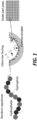
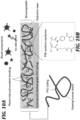
- FIGURE 10A is a schematic illustration of the method of the invention: a CB copolymer is covalently grafted to the internal surface of the medical grade PVC tubing by photo-induced conjugation and crosslinking.
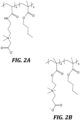
- a representative photoreactive CB copolymer ( FIGURE 10B ) was prepared through conventional radical polymerization, and a medical grade PVC tubing was coated by synthesized polymer and stabilized under UV irradiation.
- the surfaces grafted with PCB copolymer through dip-coating showed significant better resistance to nonspecific protein adsorption against 100% human serum than uncoated tubing. Therefore, this surface modification strategy is highly promising for improving the biocompatibility of current commercial medical-grade PVC tubing.
- amphiphilic random copolymers were synthesized through a conventional free radical polymerization method using AIBN as a thermal free radical initiator.
- the viscosity of these reaction solutions gradually increased along with the processing of polymerization at 65 °C, indicating the conversion of monomers to copolymers.
- the unit fraction of each monomer was obtained.
- the existence of all functional units was verified with 1 H NMR, where unit fraction of each monomer was obtained from the integral values of characteristic peaks: 3.82 ppm (-CH 2 -, 2H) for the CB unit and 6.80-7.85 ppm (benzophenone-H, 9H) for the BPAA unit.
- FIGURE 10B The chemical structure of this polymer is shown in FIGURE 10B .
- Hydrophilic CB monomer and hydrophobic/photosensitive BPAA in the polymer chain were randomly distributed, with a total composition approximately equal to that of the monomer feed solutions. These results highly match with other random copolymers containing phosphorylcholine group, which has been widely utilized for surface modification of biomedical devices.
- the UV light permeability test shows that this PVC tubing has 50% of light transmission at 312 nm wavelength, which is the best irradiation wavelength for benzophenone group ( FIGURE 11A ).
- the physically adhered polymer on the internal surface could be stabilized easily by applying external UV light.
- Results show that this polymer is very sensitive to UV light (312 nm) with the variation of absorbance spectrum from 300 to 350 nm, indicating the occurrence of photo-induced covalent binding to the PVC tubing surface and self-crosslinking ( FIGURE 11B ).
- Hydrophilic nature is one of the key characteristics of PCB grafted surface.
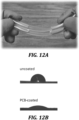
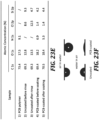
- the water contact angles under dry condition were measured directly on the coated and uncoated medical grade PVC tubing. The results show that on the curved PVC tubing ( FIGURE 12A ), the water contact angle on the PCB coated tubing is much smaller than the uncoated one. In general, the water contact angle of the PCB-coated flat PVC surface is around 10°, while the uncoated PVC flat surface is greater than 85° ( FIGURE 12B ). Thus, grafting of PCB copolymer converted hydrophobic PVC tubing surface to a super-hydrophilic surface.
- X-ray photoelectron spectroscopy was used to verify the existing and stability of PCB polymer aiming to make our technique more closely to clinical application.
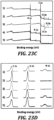
- the binding energy (BE) was corrected using the C 1s peak at 285 eV as a reference.
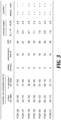
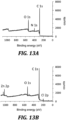
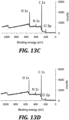
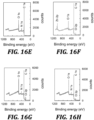
- XPS results show that PCB-coated surface has same N 1s peak as the original PCB polymer ( FIGURES 13A-13D ) and a steady atom composition (Table 1) was obtained even after preserved at the dry state and room temperature for 3 weeks. Table 1. Surface atom composition of different samples.
- Biofouling assessments are essential to evaluate the clinical application potential of current design strategy. Protein adsorption is the primary event that occurs on the surface of biomaterials in contact with a biological environment.
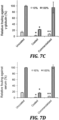
- FIGURE 14 adsorbed amount of serum proteins on CB polymer-coated tubing were significantly reduced compared to uncoated tubing, indicating that zwitterionic CB polymer coating layer has high anti-fouling capability.
- the copolymer used in the methods according to the claims comprises a functional random-type amphiphilic zwitterionic copolymer having both superhydrophilic carboxybetaine (CB) units and hydrophobic/photosensitive N-(4-benzoylphenyl) acrylamide (BPAA) units that is useful as a surface coating material.
- CB-random-copolymer-modified medical grade PVC tubing has significantly improved non-fouling properties than the commercial uncoated medical grade PVC tubing with ultralow attachment surface.
- the surface coating is advantageously simple and effective for large-scale applications via a dip-coating method. Its utility is further verified through its ability to achieve a noninvasive coating and a long-term duration. Thus, this technique is promising for a wide range of medical and engineering applications, particularly on medical grade PVC tubing.
- Example 2 describes the preparation, characterization, and use of representative zwitterionic/photoreactive copolymers.
- the present invention provides a surface modification strategy that directly inhibits or prevents leaching of plasticizers from a surface (e.g., a plastic surface, such as a polyvinyl chloride surface (PVC) or a polyurethane (PU) surface) such as commercial hydrophobic medical grade PVC or PU tubing via a simple and effective method.
- a surface e.g., a plastic surface, such as a polyvinyl chloride surface (PVC) or a polyurethane (PU) surface
- PVC polyvinyl chloride surface
- PU polyurethane
- the strategy is realized through covalently grafting a zwitterionic carboxybetaine (CB) copolymer to the internal surface of the PVC tubing by photo-induced conjugation and self-crosslinking.
- CB carboxybetaine
- PVC polyvinyl chloride
- DEHP di-2-ethylhexyl phthalate
- PVC polyvinyl chloride
- the surface coating can be achieved via a simple yet effective dip-coating, followed by light-irradiation using a biocompatible polymer consisting of zwitterionic carboxybetaine (CB) groups and photosensitive crosslinking groups.
- CB carboxybetaine
- This biocompatible polymer with tunable functional groups can be routinely fabricated at any scale and impart super-hydrophilicity and non-fouling capability on commercial PVC materials.
- the polymer effectively prevented leaching of toxic plasticizer out from commercial medical-grade PVC materials. This technique is readily applicable to many other medical devices requiring biocompatible surfaces.
- PVC polyvinyl chloride
- plastic-based disposable medical devices used in hospitals are usually made from flexible PVC, which is physically blended with up to 40 wt% plasticizers (e.g., phthalates) to ensure their mechanical flexibility as blood-contacting tubes, containers and others.
- plasticizers e.g., phthalates
- the plasticizers can leach from PVC materials into patients to different degrees while in contact with blood, potentially causing serious adverse health effects (e.g., renal toxicity, endocrine toxicity, reproductive system disease, neurotoxicity, hepatotoxicity, and cardiotoxicity) in certain groups of patients.
- adverse health effects e.g., renal toxicity, endocrine toxicity, reproductive system disease, neurotoxicity, hepatotoxicity, and cardiotoxicity
- hydrophobic components e.g., silicone derivates and polytetrafluoroethylene
- hydrophilic antifouling materials e.g., allylamine, poly(acrylamide), polyethylene glycol
- hydrophobic materials containing fouling-release moieties could potentially exhibit adverse biological responses such as platelets/complement activation during adhesion-release cycles.
- blood proteins have higher adhesion affinity with a hydrophobic surface, and they show a less organized secondary structure upon adsorption onto a hydrophobic surface than onto a hydrophilic surface.
- Hydrophilic nonfouling materials have been used for surface coating of medical devices for decades, including zwitterionic polymers, poly(ethylene glycol), poly(hydroxyfunctional acrylates), poly(2-oxazoline)s, poly(vinylpyrrolidone), poly(glycerol), peptides and peptoids.
- poly(carboxybetaine) PCB
- CB carboxybetaine
- the invention provides a method for inhibiting or preventing leaching of a plasticizer from a surface of a substrate, comprising a surface modification method for carboxybetaine copolymer (PCB), aiming to directly impart commercial hydrophobic medical-grade plasticized PVC tubing (Streamline Airless System Set, Medisystems Corporation, MA, USA) with super-hydrophilicity and non-fouling capability and with low plasticizer migration from PVC tubing.
- PCB copolymer with tunable functional groups i.e., zwitterionic carboxybetaine groups, and photosensitive crosslinking groups
- the medical-grade plasticized PVC tubing was dip-coated using this polymer, and subsequently, an ultraviolet (UV) light at 312 nm wavelength was applied on the coated surface to stabilize the coated PCB polymer layer and to prevent plasticizer migration via surface crosslinking.
- UV ultraviolet
- the stability and non-cytotoxicity of PCB polymer were confirmed with X-ray photoelectron spectroscopy (XPS) and checked based on ISO 10993-5 guideline, respectively.
- XPS X-ray photoelectron spectroscopy
- the wettability and nonfouling capability, platelet activation level, and complement activation level of coated PVC surfaces were directly compared with those on uncoated ones.
- the photo-reactive amphiphilic random copolymers were synthesized through a conventional free radical polymerization method using AIBN as a thermal free radical initiator. This method can ensure the polymers with tunable functional groups can be routinely fabricated at any scale, particularly for industrial scale-up.
- the viscosity of these reaction solutions gradually increased along with the processing of polymerization at 65 °C, indicating the conversion of monomers to copolymers.
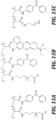
- the chemical structure of poly(CBAA-co-BPAA) (PCB) polymers is shown in FIGURE 15A .
- the CBAA groups are super-hydrophilic and totally charge-neutral that can effectively inhibit the adhesion of blood proteins, cells, and bacteria.
- the photosensitive groups can stabilize the polymer on the PVC surface through photo-induced crosslinking further preventing the migration of plasticizer.
- the existing of all functional units was verified with 1 H NMR, where the unit fraction of each monomer was obtained from the integral values of characteristic peaks: 3.82 ppm (-CH 2 -, 2H) for the CB unit and 6.80-7.85 ppm (benzophenone-H, 9H) for the BPAA unit.
- Hydrophilic CB monomer and hydrophobic/photosensitive BPAA in the polymer chain were randomly distributed, with a total composition approximately equal to that of the monomer feed solutions (Table 2).
- the chemical structures of poly(CBAA- co -BPAA- co -NB acrylamide) (PCB-NB) and poly(PEGMA- co -BPAA) (PPB) are shown in FIGURES 15B and 15C , respectively.
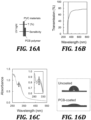
- the UV light permeability test shows that the commercial PVC tubing has 50% of light transmission at 312 nm wavelength ( FIGURES 16A and 16B ), which is the best irradiation wavelength for benzophenone group in PCB copolymers. Thus, applying external UV light will stabilize the PCB polymers on the internal surface of the tubing. Results in ( FIGURE 16C ) show that this polymer is very sensitive to UV light (312 nm) with the variation of absorbance spectrum from 300 to 350 nm, indicating the occurrence of photo-induced covalent binding to the PVC tubing surface and self-crosslinking. Hydrophilic nature is one of the key characteristics of the PCB grafted surface.
- the water contact angles under dry conditions were measured directly on the coated and uncoated medical-grade PVC tubing.
- the water contact angle on the PCB coated tubing is much smaller than that on the uncoated one ( FIGURE 16D ).
- the water contact angle of the PCB-coated flat PVC surface is around 10°, while the uncoated PVC flat surface is more than 85°.
- the peak of zinc (Zn 2p) was also observed from the survey spectrum, indicating the existing of zinc compound (e.g., ZnO) which is commonly coated on medical-grade PVC surface to improve the anti-microbial capability.
- Zn 2p zinc compound
- the commercial tubing was coated with a fluorescent-tagged PCB polymer (PCB-NB) and soaked at PBS/100% human plasma at 37 °C.
- the amount of leached PCB-NB in the solution was evaluated through the analysis of the UV/Vis spectrum at 590 nm wavelength. The result showed that the PCB polymer absorption peak could not be observed after soaking at either PBS or 100% human plasma at 37 °C for 24 h indicating the stability of PCB polymer under wet conditions.
- the quantity of nonspecific adsorbed proteins was evaluated using SPR before serum injection and after buffer washing on both uncoated (SPR chips coated with PVC) and PCB-coated (SPR chips coated with PVC first layer and PCB polymer second layer) surfaces ( FIGURES 17A-17D ).
- the sharp increase after serum injection was attributed to the change in the bulk refractive index.
- the sensor response to protein adsorption was calibrated at different polymer thicknesses.
- the zwitterionic PCB copolymer can impart medical-grade PVC tubing with super-hydrophilicity and durable antifouling capability.
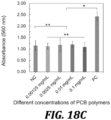
- PCB polymer toxicity The cytotoxicity of the PCB polymer was checked based on ISO 10993-5 guideline.
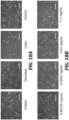
- the morphology of NIH3T3 cultured in elution of PCB-coated tubing or medium containing dissolved PCB polymers was observed and compared with controls. As shown in FIGURE 18A , the morphology of NIH3T3 cultured in the elution from PCB-coated tubing has no difference from that on uncoated tubing and control samples in the normal cell culture medium. In contrast, cells lost their original spindle shape after being cultured in elution of latex, which is a toxic material used as positive control.
- PCB polymer Effect of PCB polymer on platelet quality.
- the quality of platelets in PCB-coated PVC surfaces and uncoated PVC surfaces are compared to verify the potential of PCB polymers for blood-contacting medical devices.
- the platelet activation level and binding affinity with von Willebrand factor (VWF) are the most critical parameters to assess the ability of platelets to clot, which directly reflects the quality of platelets.
- VWF von Willebrand factor
- p -Selectin (CD62) is a glycoprotein and a well-described marker of platelet activation. During platelet activation, p-selectin translocates from intracellular granules to the external membrane.
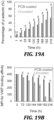
- the activation level of platelets in the PCB-coated surfaces is much lower than that in uncoated PVC surfaces, indicating the effective inhibition of platelet activation through the use of PCB polymers ( FIGURE 19A ).
- the functionality test of platelets is the most critical parameter to assess the ability of platelets to clot.
- VWF plays a fundamental role in platelet plug formation under physiologic conditions, allowing circulating platelets to adhere and plug sites of vascular injury.
- the higher mean fluorescence intensity (MFI) ( FIGURE 19B ) correlated with a higher binding affinity with VWF.
- the platelets on PCB-coated surfaces have a higher binding affinity with VWF than that on uncoated ones from 0 to 168 h, which becomes more obvious after 168 h.
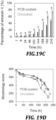
- Annexin V is commonly used to detect apoptotic cells by its capability to bind phosphatidylserine, which is a platelet apoptosis marker when occurring on the outer leaflet of the plasma membrane. Thus, higher binding of annexin V indicates increased cell apoptosis with decreased viability. As shown in FIGURE 19C , platelets on the PCB-coated hydrophilic surfaces have a lower binding level of annexin V than those in uncoated ones, indicating that the PCB-modified surface can effectively maintain platelet viability. Healthy inactivated platelets exhibit biconvex discoid structures with a 2-3 ⁇ m in the greatest diameter.
- Phthalate esters particularly di-2-ethylhexyl phthalate (DEHP) are the most frequently used plasticizer for commercial PVC due to easy plasticization and processing along with competitive costs.
- DEHP-contained PVC materials are still controversial and not forbidden for biomedical applications although many studies have shown the toxicity of DEHP.
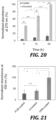
- the complement system contains a series of over 20 proteins, circulating in the blood and tissue fluids, and is a primary contributor to the innate immune system that can clear foreign cells and organisms through direct lysis or by recruiting leukocytes that promote phagocytosis.
- the complement system is activated through three pathways: classical, alternative, and lectin pathway.
- the artificial biomaterials surface mainly triggers the alternative pathway by the adsorption of metastable complement protein C3b, which further initiates the whole complement cascade to induce formation of the terminal complement complexes (sC5b-9) that activate leukocytes and induce inflammatory response.
- sC5b-9 reflects the capability of biomaterials to the stimulation of the complement system.
- the invention provides a method for inhibiting or preventing leaching of a plasticizer from a surface of a substrate, comprising coating at least a portion of a surface of a substrate with a functional random-type amphiphilic zwitterionic copolymer that includes both super-hydrophilic carboxybetaine (CB) units and hydrophobic/photosensitive N-(4-benzoylphenyl) acrylamide (BPAA) for use as a surface coating material.
- CB super-hydrophilic carboxybetaine
- BPAA hydrophobic/photosensitive N-(4-benzoylphenyl) acrylamide
- a CB random copolymer-modified commercial medical-grade PVC tubing can dramatically prevent blood protein fouling, human platelet activation, and complement activation under different dynamic perturbations.
- This surface coating lies within its simple yet effective large-scale applications via a dip-coating method, following by a UV light-irradiation. Its utility is further verified through its ability to achieve a noninvasive coating and a long-term duration. Furthermore, the polymer effectively prevented leaching of toxic plasticizer out from commercial medical-grade PVC materials. Thus, this method simultaneously solves the issues of non-biocompatibility and plasticizer leaching of PVC materials. The method is readily applicable to many other medical devices requiring biocompatible and additive-leaching-inhibiting surfaces.
- Example 3 describes the preparation and characterization of representative zwitterionic/photoreactive copolymers for use in methods to prevent leaching of plasticizers from plastic surfaces.
- the copolymers have zwitterionic groups, hydrophobic groups, and photoreactive groups, each pendant from the copolymer's backbone, as defined in formula (IV).
- the pendant zwitterionic groups impart low-fouling and functionalizable properties to surfaces that are treated or coated with the copolymer.
- the pendant hydrophobic groups serve to facilitate binding of the copolymer to the surfaces treated with the copolymer (e.g., via hydrophobic - hydrophobic interaction).
- the pendant photoreactive groups serve to facilitate copolymer crosslinking of the copolymer on the surface treated with the copolymer.
- the relative amounts of zwitterionic groups, hydrophobic groups, and photoreactive groups pendant from the copolymer's backbone are adjustable via copolymer synthesis to achieve the desired degree of low-fouling and functionalization and binding of the copolymer to the surface, each of which can be tuned depending on the nature (e.g., composition) of the surface to be treated or coated.
- the zwitterionic copolymer has superhydrophilic carboxybetaine (CB) units, hydrophobic binding n-butyl methacrylate (BMA) units, and hydrophobic/photosensitive N -(4-benzoylphenyl) acrylamide (BPAA) units that is useful as a surface coating material for platelet storage bags, methods for coating surfaces of platelet storage bags with the copolymer, and platelet storage bags coated with the copolymer.
- CB carboxybetaine
- BMA hydrophobic binding n-butyl methacrylate
- BPAA hydrophobic/photosensitive N -(4-benzoylphenyl) acrylamide
- Platelets are unique blood component which plays vital roles in hemostasis, thrombosis, inflammation, and wound healing.
- Platelet-based therapy, platelet transfusion is an effective method to treat bleeding in people with either thrombocytopenia or platelet function defects.
- shelf-life of in vitro preserved platelets under the current standard condition is only half (4-7 days) of those in vivo bloodstream (8-10 days).
- improvement of platelet storage conditions to increase their shelf-life is required to mitigate the rising demand for platelets.
- the shelf-life of platelet is strongly affected by two reasons: (i) bacterial contamination and (ii) platelet storage lesion (PSL).
- the risk of bacterial contamination can be alleviated through a strict aseptic collection and highly sensitive bacterial diagnosis, while the predominant limitation factor PLS is strongly affected by storage conditions including container, the buffer component, temperature, respiration gas exchange efficiency, pH decreasing, lactate accumulation, consumption of nutrients and others.
- storage conditions including container, the buffer component, temperature, respiration gas exchange efficiency, pH decreasing, lactate accumulation, consumption of nutrients and others.
- biocompatibility of platelet bags is improved from two aspects: (i) changing the surface nano/micro-structure/pattern to impart super-hydrophobicity along with the mixture of fouling release materials (e.g., silicone derivatives), and (ii) grafting neutral bioinspired nonfouling materials (e.g., zwitterionic polymers, poly(ethylene glycol), or poly(2-oxazoline)) to impart surface with super-hydrophilicity.
- fouling release materials e.g., silicone derivatives
- grafting neutral bioinspired nonfouling materials e.g., zwitterionic polymers, poly(ethylene glycol), or poly(2-oxazoline)
- a non-fouling surface verified with traditional methods involving rinse procedures is still suspicious for being a biocompatible surface, because hydrophobic materials, particularly for those containing fouling lease moieties (e.g., silicone) could eventually exhibit low biofouling yet serious adverse biological responses (e.g., platelet activation, complement activation) during adhesion-release cycle.
- fouling lease moieties e.g., silicone
- adverse biological responses e.g., platelet activation, complement activation
- PCB poly(carboxybetaine)
- CB carboxybetaine
- PEG poly(carboxybetaine)
- the carboxybetaine (CB) groups which are super-hydrophilic and charge-neutral with an inner salt structure, can form a layer of strongly bound water molecules that cannot be displaced by bioactive species, thus inhibiting the non-specific interaction between blood components and bag surface completely. Nonetheless, it remains a challenge to stabilize super-hydrophilic CB polymer directly onto the surface of commercialized hydrophobic products aiming for practical clinical applications with a simple and effective method.
- the invention provides a copolymer of formula (IV): wherein
- R 1 , R 2 , and R 3 are independently selected from the group consisting of hydrogen and methyl.
- R 4 and R 5 are independently selected from the group consisting of hydrogen and C1-C3 alkyl.
- n is 1, 2, 3, 4, 5, or 6. In some embodiments, n is 2 or 3.
- n is 1, 2, 3, 4, 5, or 6. In some embodiments, m is 1 or 2.
- p is 1, 2, 3, 4, 5, or 6. In some embodiments, p is 3.
- a is from about 0.70 to about 0.90 mole percent. In some embodiments, a is about 0.70 mole percent.
- b is about 0.05 to about 0.25 mole percent. In some embodiments, b is about 0.20 mole percent.
- c is about 0.05 to about 0.20 mole percent. In some embodiments, b is about 0.10 mole percent.
- R 1 , R 2 , and R 3 are hydrogen, R 4 and R 5 are methyl, and X is NH, Y is O, and Z is NH.
- R 1 , R 2 , and R 3 are hydrogen, R 4 and R 5 are methyl, and X is NH, Y is O, and Z is NH., n is 3, m is 1 and p is 3.
- a is about 0.70 mole percent
- b is about 0.20 mole percent
- c is about 0.10 mole percent
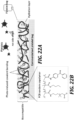
- the present invention provides a surface modification strategy for CB polymers to directly impart commercialized hydrophobic platelet storage bag with superhydrophilicity and nonfouling capability via an extremely simple and effective dip-coating technique. This is realized through covalently grafting CB copolymer to the internal surface of the storage bag by photo-induced conjugation and crosslinking ( FIGURE 22A ).
- the CB moiety is super-hydrophilic which make it difficult to be attached to commercialized hydrophobic platelet storage bag, a hydrophobic binding group (n-butyl methacrylate, BMA) (e.g., 20 mol%), and a photosensitive groups (benzophenone) (e.g., 10 mol%) were included in the copolymer.
- Benzophenone groups have been widely used as photoinitiators to promote chemical conjugation, which produces a diradical under UV irradiation from 250 to 365 nm that abstracts aliphatic hydrogens to form a covalent binding.
- a monomer N -(4-benzoylphenyl) acrylamide (BPAA) was synthesized and then copolymerized with other monomers to form the multifunctional copolymer ( FIGURE 22B ).
- XPS x-ray photoelectron spectroscopy
- PCB-coated platelet bags will be used for platelet preservation, which involves direct contact with human blood proteins and platelets eventually.
- biofouling assessments are essential to evaluate the clinical application potential of current design strategy.
- Protein adsorption is the primary event that occurs on the surface of biomaterials in contact with a biological environment. Proteins might show different adsorption behavior under dynamic and static conditions.
- PCB-coated commercialized platelet bag against 100% human serum were evaluated under both dynamic condition and static condition using surface plasmon resonance (SPR) and a Micro BCA protein assay kit and, respectively.
- SPR surface plasmon resonance
- SPR is widely used to characterize in situ real-time interaction between polymer surface and proteins with a detection limit of ⁇ 0.3 ng/cm 2 .
- the SPR chips were successively spin-coated with commercialized platelet bag/THF solution and PCB copolymer/DI water solution.
- the thickness of the first layer (melted PVC bag) and the second layer (PCB polymer) was measured under dry conditions with a value of 18 ⁇ 1.2 nm and 20 ⁇ 2.1 nm.
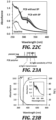
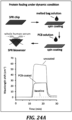
- FIGURE 24A shows the change in the SPR signal attributed to serum adsorption as a function of time.
- the wavelength ship increased and subsequently showed a steady decreasing tendency while continuing flowing 100% human serum, indicating a fouling release behavior possible induced by silicone-based additives confirmed by XPS results.
- the sharp increase in signal at the point of serum injection was attributed to the change in the bulk refractive index.
- the amount of nonspecific adsorption was evaluated from the wavelength shift from before protein injection to after washing with buffer.
- the wavelength shifts of the PCB-coated and uncoated chips were 0.20 and 2.24 nm, corresponding to serum adsorption of 3.4 and 38.1 ng/cm 2 , respectively.
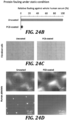
- PCB-coated surface has ultra-low fouling ( ⁇ 5.0 ng/cm 2 ) capability and less than 10% of fouling compared with uncoated surfaces under a dynamic condition which is consisted with Micro BCA protein assay kit result ( FIGURE 24B ).
- adhesion of NIH3T3 fibroblast cells was completely inhibited on the PCB-coated nonfouling surface ( FIGURE 24C ).
- the platelets adhesion is strongly depended on the adsorbed fibrinogen/fibrin, Von Willebrand factor (VWF), fibronectin and others, and a 10 ng/cm 2 fibrinogen adsorption can induce a full-scale blood platelet adhesion.
- VWF Von Willebrand factor
- fibrinogen adsorption can induce a full-scale blood platelet adhesion.
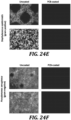
- a nonfouling surface with PCB hydrophilic hydration layer can effectively protect the surface from fouling and activation of platelets ( FIGURE 24D ).
- Annexin V is commonly used to detect apoptotic cells by its capability to bind phosphatidylserine, which is a marker of platelet apoptosis when it is on the outer leaflet of the plasma membrane. Thus, a higher binding level of annexin V stands for a more serious cell apoptosis.
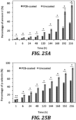
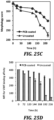
- Results show that platelets those preserved in the PCB-coated hydrophilic bag has a lower binding level of annexin V compared with those in uncoated bags, indicating that PCB surface can effectively maintain platelets viability ( FIGURE 25A ).
- Platelets remain in the resting state under normal conditions, however, when suffering vascular injury, shear stress due to changing velocity of the bloodstream, along with subsequent cell signaling events following, cause irreversible platelet activation.
- p -Selectin CD62
- CD62 is a glycoprotein and well-described marker of platelet activation. During platelet activation, p -selectin translocated from intracellular granules to the external membrane.
- FIGURE 25B shows that activation of platelets was effectively inhibited on PCB-coated bag duo to lower nonspecific platelet-surface interaction, compared with the controlled surfaces.
- the activation level of platelets in the PCB-coated bag at 8 days is comparable with control samples at 5 days. Nonetheless, platelets still have very high metabolically activity compared with those stored under refrigeration, so activation level shows a steadily increasing tendency even for PCB-coated ones.
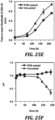
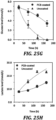
- high metabolically activity and activation of platelets may cause increased glucose consumption ( FIGURE 25G ), lactate accumulation ( FIGURE 25H ), and as a consequence, a fall in pH if exceeded the buffer capacity ( FIGURE 25F ).
- a pH drop to 6.2 or below will significantly reduce the survival rate of platelet during transfusion.
- the morphology score is used as a simple indicator of platelet health and is defined as 4 ⁇ (disc%) + 2 ⁇ (spheres%) + (dendrite%). A higher percentage of platelet with health disc morphology will cause higher MS value. MS value of platelet storage in PCB-coated bags shows much higher MS even after 8 days ( FIGURE 25C ).
- the binding of VWF to platelets is dependent on the conformation of the A1 domain which binds to platelet GPIb ⁇ , and the higher MFI (mean fluorescence intensity) correlated to higher binding affinity. This is a judgment criterion of platelet function on hemostasis.
- a multifunctional random-type amphiphilic zwitterionic copolymer for use in methods according to the claims consists of superhydrophilic carboxybetaine (CB) units, hydrophobic n-butyl methacrylate (BMA) units, and photosensitive N-(4-benzoylphenyl) acrylamide (BPAA) units for use as a surface coating material.
- CB carboxybetaine
- BMA hydrophobic n-butyl methacrylate
- BPAA photosensitive N-(4-benzoylphenyl) acrylamide
- This polymer can non-invasively impart commercialized hydrophobic platelet storage bag with super-hydrophilicity and non-fouling capability via a simple and effective dip-coating method.
- the human platelets preserved into this PCB copolymer coated platelet bag shows significantly improved properties (e.g., higher viability, lower activation rate, higher morphology score, and higher binding affinity to VWF) than current standard preservation method.
- the coating strategy provides a simple yet effective large-scale applications via a dip-coating method. Thus, this technique is promising for a wide range of medical and engineering applications, particularly for extending human platelet shelf-life beyond current standard methods.
- Example 4 describes the preparation and characterization of representative zwitterionic/hydrophobic/photoreactive copolymers for use in methods of the invention.
- the invention provides methods for inhibiting or preventing leaching of a plasticizer from a surface of a substrate.
- the method comprises:
- the copolymer further comprises third repeating units, wherein each of the third repeating units comprises a pendant hydrophobic group effective for adsorbing the copolymer to the surface.
- Zwitterionic copolymers according to the methods defined in the claims are those of formulae (III) and (IV).
- contacting the surface with the composition comprises dipping the surface into the copolymer or composition. In other of these embodiments, contacting the surface with the composition comprises spraying, spinning, brushing, or rolling the copolymer or composition onto the surface.
- contacting the surface with the copolymer or copolymer composition, or coating the surface with the copolymer or copolymer composition comprises dipping the surface into the copolymer or copolymer composition. In other of these embodiments, contacting the surface with the copolymer or copolymer composition, or coating the surface with the copolymer or copolymer composition, comprises spraying, spinning, brushing, or rolling the copolymer or copolymer composition onto the surface.
- n -Butyl methacrylate (BMA) was purchased from Tokyo Chemical Industry Co., Ltd. (Portland, Oregon, USA). Anti-fibrinogen antibody conjugated with horseradish peroxidase (HRP) was purchased from Novus Biologicals (Littleton, CO, USA). O -phenylenediamine dihydrochloride (OPD) was obtained from Pierce (Rockford, Illinois, USA). Phosphate-buffered saline (10 ⁇ , solution), hydrogen peroxide (H 2 O 2 , 30% in water) and hydrochloric acid (HCl) were obtained from Fisher Scientific Co. (Fair Lawn, NJ). Normal human blood serum (pooled mixed gender) was purchased from BioChemed Services (Winchester, VA).
- Micro BCA protein assay kit and RBS TM 35 Concentrate were purchased from Thermo Scientific (Waltham, MA).
- the multi-well plate with an ultra-low attachment surface was purchased from Corning Costar Corp. (Corning, NY).
- Ethanol (200 proof) was purchased from Decon Labs (King of Prussia, PA).
- the water was obtained from a Millipore water purification system with a minimum resistivity of 18.0 M ⁇ cm. Other organic reagents and solvents were commercially available as extra-pure grade reagents and were used as received.
- the reaction solution was slightly dropped into a mixed solvent of ether/chloroform to precipitate copolymers.
- the copolymer was filtered off and collected as a white powder after vacuum desiccation for 24 h at room temperature.
- the residual CB monomer was removed by washing the collected white polymer powder with a large amount of Millipore water.
- the copolymer was filtered off again, frozen by liquid nitrogen and treated with a lyophilizer (Labconco Co., Ltd., Kansas City, MO) at -80 °C for 48 h to convert them into dried white powder.
- the chemical structures of purified copolymers were confirmed using 1 H-NMR (AV-500, Bruker, German) and polymers were cryopreserved under -20°C.
- Polypropylene (PP) substrates (ePlastic, San Diego, CA, USA) were cut into 0.5 cm ⁇ 0.5 cm, ultrasonically washed in ethanol for 10 min and dried at room temperature.
- CB copolymers with varying amphiphilicities were dissolved in ethanol with 0.50 wt% concentration, respectively.
- Each substrate was immersed in a polymer solution for 10s, followed by solvent evaporation under atmospheric pressure in an ethanol vapor-protective environment at room temperature. All modified PP substrates were soaked in phosphate-buffered saline (PBS, 1 ⁇ , pH 7.4) for 1 h at room temperature.
- PBS phosphate-buffered saline
- the substrate was rinsed with DI water and dried in a vacuum desiccation for 24 h at room temperature.
- cleaned PP substrates were coated with CB copolymers at different concentrations (0.03, 0.06, 0.13, 0.25, 0.5 and 1.00 wt%) for further testing.
- ELISA enzyme-linked immunosorbent assay
- polymer-coated PP substrates were pre-wetted in PBS overnight, then were immersed in 1.0 mg/mL fibrinogen in PBS for 1 h at 25 °C. After rinsing with fresh PBS, PP substrates were soaked into solution of anti-fibrinogen antibody conjugated with HRP at room temperature for 30 min. Then, substrates were rinsed again and allowed to react with OPD/H 2 O 2 mixture solution for another 15 min; mixture solution contained 1.0 mg/ml OPD and 1000 times diluted H 2 O 2 in citrate buffer (1 ⁇ , pH 5.0). After the reaction was quenched with 1.0 N HCl, absorbance of each solution at 492 nm was measured using a microplate reader (BioTek Instruments Inc., Winooski, VT).
- a 96-well plate made of original polystyrene was simply modified with CB copolymers using dip-coating solvent evaporation method mentioned above.
- the anti-fouling capability was compared to both commercial 96-well plate with an ultra-low attachment surface and uncoated polystyrene 96-well plate.
- the gold chips were made of a BK7 glass slide coated with a first titanium film layer ( ⁇ 2 nm) and a second gold layer ( ⁇ 48 nm) using an electron beam evaporator. The chip was ultrasonically washed with acetone, DI water, and ethanol for 5 min in each solvent.
- the concentration of Fg, HSA and ⁇ -globulin are 3.0, 45, and 16 mg/mL respectively, which is equivalent to the 100 % of the concentration found in human plasma.
- Normal human blood serum 100 %, pooled mixed gender
- human protein dissolved in PBS, 1 ⁇ , pH 7.4 or undiluted human serum were incubated within pre-wetted wells at 37 °C for 2 h, and were rinsed with fresh PBS (1 ⁇ , pH 7.4).
- Adsorbed proteins were detached in 1.0 ml of 1.0 wt% sodium n-dodecyl sulfate (SDS) solution.
- SDS sodium n-dodecyl sulfate
- DMEM Dulbecco's modified eagle medium
- FBS fetal bovine serum
- the coated surface was rinsed with PBS (1 ⁇ , pH 7.4) and pre-wetted with DMEM overnight at room temperature.
- NIH3T3 cells were seeded into the partially coated dish at a concentration of 5.0 ⁇ 10 4 cells/mL in DMEM supplemented with 10 % FBS at 37 °C in a humidified atmosphere containing 5.0% CO 2 .
- the medium was replaced and morphology of the cells on the partially coated surface was observed using a Nikon Eclipse TE2000-U microscope (Nikon Instruments, Melville, NY).
- the Fg-functionalized 96-well plate was gently rinsed with fresh PBS three times. Subsequently 0.15 mL of anti-fibrinogen antibody conjugated with HRP in PBS solution were added into each well for 30 min at 25 °C. After that, the wells were rinsed again and allowed to react with 0.15 mL of OPD/H 2 O 2 solution for another 15 min. The chromogenic reaction was quenched through adding 0.15 mL 1.0 N of hydrochloride acid solution. The absorbance at 492 nm in each solution was measured using a microplate reader mentioned above. For comparison, a non-activated CB polymer coated 96-well plate yet contacted with Fg, and an activated CB polymer surface but functionalized with HSA were utilized as control.
- Carboxybetaine acrylamide, 1-carboxy-N,N-dimethyl-N-(3'-acrylamidopropyl) ethanaminium inner salt were synthesized according to a previously reported method ( Zhang, Z.; Vaisocherová, H.; Cheng, G.; Yang, W.; Xue, H.; Jiang, S., Nonfouling Behavior of Polycarboxybetaine-Grafted Surfaces: Structural and Environmental Effects. Biomacromolecules 2008, 9, 2686-2692 ).
- the following materials and reagents were obtained from Sigma-Aldrich (St.
- the photosensitive monomer N-(4-benzoylphenyl) acrylamide (BPAA) was synthesized through the reaction between methacryloyl chloride and 4-amino benzophenone.
- the amphiphilic PCB copolymer, poly(CBAA-co-BPAA) was synthesized by a conventional free-radical polymerization method using AIBN as a thermal initiator (a similar method was reported previously: Lin, X.; Fukazawa, K.; Ishihara, K., Photoreactive Polymers Bearing a Zwitterionic Phosphorylcholine Group for Surface Modification of Biomaterials. ACS Applied Materials & Interfaces 2015, 7, 17489-17498 ).
- the copolymer was frozen by liquid nitrogen and treated with a lyophilizer (Labconco Co., Ltd., Kansas City, MO) at -80 °C for 48 h.
- the chemical structures of purified copolymers were confirmed using 1 H NMR (AV-500, Bruker, Germany), and polymers were cryopreserved at -20 °C.
- a UV light (312 nm, 600 mJ/cm 2 ) was applied to the polymer, and the light sensitivity was evaluated using Varian Cary 5000 UV-Vis-NIR Spectrophotometer.
- the surface wettability of each sample was characterized by measuring the water contact angle. Distilled water was added into both uncoated and PCB-coated PVC tubing, followed by the observation of water contact angle.
- X-Ray photoelectron spectroscopy (XPS) was performed using a Kratos AXIS Ultra DLD spectrometer. The survey spectrum and atom were analyzed on four different samples: (a) PCB copolymer, (b) uncoated commercial PVC tubing, ( c) PCB-coated commercial PVC tubing storage for 1 week at the dry condition, and (d) PCB-coated commercial PVC tubing storage for 3 weeks at the dry condition.
- Biofouling assessment Human blood protein adsorption on PCB coated commercial PVC tubing against 100% human serum was evaluated using a Micro BCA protein assay kit. Normal human blood serum (100%, pooled mixed gender) was used as received. In brief, both PCB coated and uncoated PVC tubing (10 cm length) were filled with 100% human serum and incubated at 37 °C for 2 h. Then, the tubing was rinsed with fresh PBS (1 ⁇ , pH 7.4). Adsorbed proteins were detached in 1.0 wt% sodium n-dodecyl sulfate (SDS) solution.
- SDS sodium n-dodecyl sulfate
- Carboxybetaine acrylamide, 1-carboxy-N,N-dimethyl-N-(3'-acrylamidopropyl) ethanaminium inner salt was synthesized as described in Example 2.
- the following materials and reagents were obtained from Sigma-Aldrich (St. Louis, MO, USA) and used without any further purification: 2,2'-azobisisobutyronitrile (AIBN) and 1-decanethiol, sodium n-dodecyl sulfate (SDS), poly(ethylene glycol) methacrylate (PEGMA) (average Mn 360).
- Nile blue (NB) acrylamide was purchased from Polysciences, Inc. (Warrington, PA, USA).
- Normal human blood serum (100 %, pooled mixed gender) was purchased from BioChemed Services (Winchester, VA, USA).
- the Micro BCA protein assay kit and the RBS 35 concentrate were purchased from Thermo Scientific (Waltham, MA, USA).
- Phosphate-buffered saline (10 ⁇ ,solution) was obtained from Fisher Scientific Co. (Fair Lawn, NJ, USA).
- Normal human blood serum (pooled mixed gender) was purchased from BioChemed Services (Winchester, VA, USA).
- Micro BCA protein assay kit and RBS TM 35 Concentrate were purchased from Thermo Scientific (Waltham, MA, USA).
- Ethanol (200 proof) was purchased from Decon Labs (King of Prussia, PA, USA).
- the water was obtained from a Millipore water purification system with minimum resistivity of 18.0 M ⁇ cm. Other organic reagents and solvents were commercially available as extra-pure grade reagents and were used as received.
- the photosensitive monomer N-(4-benzoylphenyl) acrylamide (BPAA) was synthesized through the reaction between acryloyl chloride and 4-aminobenzophenone.
- the amphiphilic PCB copolymer, poly(CBAA-co-BPAA) was synthesized by a conventional free-radical polymerization method using AIBN as a thermal initiator and characterized as described in Example 2.
- the medical-grade PVC tubing obtained from a Streamline Airless System Set (Medisystems Corporation, MA, USA) was cut into 15 cm length.
- the PCB copolymer solution (0.5 wt%) was then filled into the tubing, which was subsequently sealed and put onto a rotator for 10 min to ensure the whole internal surface was contacted with the polymer solution. Then, the polymer solution was removed, and the coated tubing was blown with dry air at room temperature.
- An external UV light (312 nm, 600 mJ/cm 2 ) was applied on the coated tubing to stabilize polymer on the internal surface.
- Sterilized PBS (1 ⁇ , pH 7.4) was used to wash away physically adsorbed polymers and pre-wet the surface before the addition of human blood serum for subsequent tests.
- a commercial platelet bag (Teruflex, 150 mL, Terumo Corporation, Tokyo, Japan) made of plasticized PVC was coated according to the above methods. The solution was sterilized by filtration through a 0.45 ⁇ m filter.
- PCB polymer tagged with Nile blue (PCB-NB) was coated on the PVC tubing according to the method mentioned above. The tubing was filled with sterilized PBS (1 ⁇ , pH 7.4) and incubated at 37 °C for the desired period.
- UV/vis absorption spectrum 250-800 nm
- fluorescent spectrum exciting: 590 nm, 200-900 nm
- the SPR chips were ultrasonically sequentially washed with acetone, DI water, and ethanol successively for 5 min each. Subsequently, they were cleaned using a UV/ozone cleaner for 30 min and immersed in 0.2 mM 1-decanethiol for 24 h to form a hydrophobic self-assembled monolayer.
- Commercial PVC tubing and the PCB polymers were dissolved into tetrahydrofuran (THF) and DI water, respectively.
- THF tetrahydrofuran
- the SPR chips were successively spin-coated with these two solutions.
- a UV light (312 nm, 600 mJ/cm 2 ) was applied on the surface of coated chips. The thickness of the coated polymer layer was measured with a spectroscopic ellipsometer ( ⁇ -SE; J. A. Woolam Co., Inc., Tokyo, Japan) under dry conditions.
- the surface wettability of each sample was characterized by measuring the water contact angle. Distilled water was added into both uncoated and PCB-coated PVC tubing, followed by the observation of water contact angle within 10 s through the analysis of photographic images. For each sample, five measurements were taken.
- X-ray photoelectron spectroscopy (XPS) was performed using a Kratos AXIS Ultra DLD spectrometer. The survey spectrum and atom compositions were analyzed on four samples: (1) PCB copolymers, (2) uncoated commercial PVC tubing, (3) PCB-coated commercial PVC tubing storage for 1 week at the dry condition, and (4) PCB-coated commercial PVC tubing storage for 3 weeks at the dry condition.
- the binding energy (BE) was corrected using the C1s peak at 285 eV as a reference.
- XPS survey spectrum, high-resolution spectra of C 1s, O 1s and N 1s, and atom composition were obtained for surface analysis.
- a microplate reader BioTek Instruments Inc., Winooski, VT, USA was used to determine the absorbance at 562 nm.
- Adsorption of human blood protein under dynamic condition was calculated using SPR, which was equipped with a four-individual flow channel, temperature control, an intensity stabilizer, and a peristaltic pump for delivering liquid samples for real-time monitoring interaction between polymer surface and protein solution.
- the coated SPR chip was pre-wetted in PBS (1 ⁇ , pH 7.4).
- the behavior of protein adsorption was monitored on the PCB-coated SPR chip surface by subsequently flowing the following solutions in turn at 25 °C: (a) PBS solution (1 ⁇ , pH 7.4), 10 min; (b) undiluted normal human blood serum, 10 min; and (c) PBS solution (1 ⁇ , pH 7.4), 10 min, under four different flow rates (10, 40, 100, and 200 ⁇ L/min). Data at 750 nm was collected while flowing different solutions and the amount of fouling was quantitatively assessed by determining the change of wavelength caused by protein adsorption on the surface.
- PCB polymer cytotoxicity The cytotoxicity of the PCB polymer was checked based on ISO 10993-5 guideline.
- a fast-growing cell line NIH3T3 mouse embryonic fibroblast cells were seeded in a 12-well plate to result in sub-confluent cultures in 24 hours.
- both the coated and uncoated PVC tubing was cut into 0.2 g with the same shape and put into two separate TCPS wells of a plate containing cell culture medium, followed by incubation at 37 °C for 24 hours.
- Blank well of a TCPS plate incubated in normal media was used as negative control while a small piece of latex (cut from a pipette bulb and sterilized in 70% ethanol) was used as a positive control.
- the PCB polymer was dissolved in cell culture medium at different concentrations (0.00125, 0.0025, 0.01, and 0.1 mg/mL) and transferred into the TCPS well with NIH3T3 cells for an additional 48 h culture at 37 °C. The same examination protocols mentioned above were performed. In addition, the release of the cytosolic enzyme lactate dehydrogenase (LDH), which corresponded to the cytotoxicity of the synthetic PCB polymers, was determined using a Lactate Dehydrogenase Activity Assay Kit (Sigma-Aldrich, St. Louis, MO, USA).
- LDH lactate dehydrogenase Activity Assay Kit
- Plasticizer leaching Both the PCB-coated and uncoated PVC tubing (15 cm length) were filled with PBS solution (1 ⁇ , pH 7.4) and incubated at 37 °C for 24 h. The solution inside the tubing was taken out at 4, 12 and 24 h time points.
- the UV/vis absorption spectrum (200-800 nm) was obtained using a UV-Vis-NIR spectrophotometer. The absorption values at 275 nm wavelengths were compared between coated and uncoated PVC tubing.
- Platelet quality The effect of PCB polymer to the blood platelet quality was comprehensively evaluated using a commercial flexible platelet bag (Teruflex, 150 mL, Terumo Corporation, Tokyo, Japan) made of plasticized PVC.
- the commercial platelet bag was coated with PCB polymer using a simple dip-coating method similar to the above protocol. The same volume (30 mL) of fresh platelet solution was added into the PCB-coated and uncoated commercial bag, respectively. All experiments were performed benchtop and samples were stored on an orbital shaker (15 rpm) in an incubator (5% CO 2 , 25 °C). The expression of annexin V and p -selectin, platelet morphology score, and platelet binding capability with von Willebrand factor (VWF) were evaluated.
- VWF von Willebrand factor
- Complement activation was measured based on sC5b-9 using the correspondent human ELISA kit (Quidel, San Diego, USA).
- the coated PVC tubing (15 cm length) was filled with un-activated human serum and sealed with tape before incubation at 37 °C with slight rotation. After the desired incubation period (90 min), the incubated serum was taken out and diluted with sample buffer provided by the supplier and applied to a 96 well plate precoated with an antibody directed against sC5b-9. The other steps were performed strictly according to the protocol from the supplier.
- concentrations of sC5b-9 were measured as absorption (450 nm) of the chromogenic substrate using a microplate reader (BioTek Instruments Inc., Winooski, VT, USA).
- An amphiphilic copolymer, poly(PEGMA-co-BPAA) (PPB) was prepared by the same polymerization and purification method as PCB.
- the commercial PVC tubing coated with PPB was used as a positive control sample.
- the photosensitive monomer N -(4-benzoylphenyl) acrylamide (BPAA)
- BPAA N -(4-benzoylphenyl) acrylamide
- the amphiphilic PCB copolymer, poly(CBAA-co-BMA-co-BPAA) was synthesized by a conventional free-radical polymerization method using AIBN as an initiator.
- desired amounts of the CB monomers and initiator were dissolved in ethanol.
- the solution was transferred to a Pyrex Vista glass tube reactor and further purged with nitrogen gas for 30 min at room temperature. Polymerization was performed in the sealed glass tube under a protective atmosphere of nitrogen gas.
- the reaction solution was slightly dropped into a mixed solvent of ether/chloroform to precipitate copolymers.
- the copolymer was filtered off and collected as a white powder after vacuum desiccation for 24 h at room temperature.
- the residual water-soluble monomer was removed by dialysis against DI water for 4 days.
- the copolymer was frozen by liquid nitrogen, and treated with a lyophilizer (Labconco Co., Ltd., Kansas City, MO) at -80 °C for 48 h.
- the chemical structures of purified copolymers were confirmed using 1 H NMR (AV-500, Bruker, Germany), and polymers were cryopreserved at -20 °C.
- a UV light (312 nm, 600 mJ/cm 2 ) was applied to the polymer, and the light sensitivity was evaluated using Varian Cary 5000 UV-Vis-NIR Spectrophotometer.
- the commercialized platelet bag (Teruflex, 150 mL, Terumo Corporation, Tokyo, Japan) was rinsed with 10 mL of ethanol for 10s and blew with dry air at room temperature. 20 mL of PCB polymer aqueous solution (0.5 wt%, DI water) was then injected into the bag, and the bag was put onto a platelet storage shaker for 10 min to ensure the whole internal surface was contacted with the polymer solution. Subsequently, the polymer solution was removed using a syringe, and the coated bag was blown with dry air overnight at room temperature. A UV light (312 nm, 600 mJ/cm 2 ) was applied on each side of the coated bag to stabilize polymer on the surface.
- Sterilized PBS (1 ⁇ , pH 7.4) was used to wash away unstable polymer and pre-wet the surface before the addition of human platelet solution.
- the solution was sterilized by filtration through a 0.45 ⁇ m filter.
- a similar dip-coating method was used to coat the small pieces (1 cm ⁇ 1 cm) of commercialized platelet bag.
- the SPR chips were made of a BK7 glass slide coated with a first titanium film layer (about 2 nm) and a second gold layer (about 48 nm) using an electron beam evaporator. The chip was ultrasonically washed with acetone, DI water, and ethanol for 5 min in each solvent.
- the surface wettability of each sample was characterized by measuring the water and air contact angle with a static contact angle goniometer. Distilled water droplets were deposited onto substrate surfaces, and the water contact angles were measured within 10 s through the analysis of photographic images. For the measurement of the air contact angle, all the samples were immersed into distilled water for 1.0 h before measurement. Samples were fixed onto a custom holder and were subsequently immersed into distilled water in a glass vessel. Air bubbles were introduced underneath each sample in contact with the measurement surface through a U-shaped needle. For each sample, five different points were measured.
- XPS analysis was performed using a Kratos AXIS Ultra DLD spectrometer on five different samples: (1) PCB copolymer, (2) commercialized platelet bag, (3) commercialized platelet bag rinse with ethanol, (4) PCB-coated commercialized platelet bag, and (5) PCB-coated commercialized platelet bag soaked in buffer.
- XPS survey spectrum, high-resolution spectra of C 1s, O 1s and N 1s, and atom composition was recorded for surface analysis. The O 2 permeability of coated bag was tested using a portable oxygen meter.
- Human blood protein adsorption Human blood protein adsorption on PCB coated commercialized platelet bag against 100% human serum were evaluated under both static condition and dynamic condition using a Micro BCA protein assay kit and surface plasmon resonance (SPR), respectively. Normal human blood serum (100 %, pooled mixed gender) was used as received. In brief, PCB coated small pieces (1 cm ⁇ 1 cm) of commercialized platelet bags were incubated with serum at 37 °C for 2 h, and subsequently were rinsed with fresh PBS (1 ⁇ , pH 7.4). Adsorbed proteins were detached in 1.0 ml of 1.0 wt% sodium n-dodecyl sulfate (SDS) solution.
- SDS sodium n-dodecyl sulfate
- Adsorption of human blood protein under dynamic condition was recorded using SPR, which was equipped with a four-individual flow channel, temperature control, intensity stabilizer, and a peristaltic pump for delivering liquid samples for real-time monitoring interaction between polymer surface and proteins.
- the coated SPR chip was pre-wetted in PBS (1 ⁇ , pH 7.4). The places that liquid flows through was sufficiently rinsed with PBS (1 ⁇ ), H 2 O, HCl (0.1 N) and PBS (1 ⁇ , pH 7.4) solution before measurement.
- the protein adsorption behavior was monitored on the PCB-coated SPR chip surface by subsequently flowing the following solutions at 25 °C: (a) PBS solution (1 ⁇ , pH 7.4), 10 min, 40 ⁇ L/min; (b) undiluted normal human blood serum, 10 min, 40 ⁇ L/min; and (c) PBS solution (1 ⁇ , pH 7.4), 10 min, 40 ⁇ L/min.
- the wavelength at 750 nm was recorded along with the flowing of different solutions.
- the fouling amount was quantified by measuring the change in wavelength at 750 nm before and after protein adsorption.
- DMEM Dulbecco's modified eagle medium
- the coated surface was stabilized under a UV irradiation (312 nm, 600 mJ/cm 2 ) and rinsed with PBS (1 ⁇ , pH 7.4).
- NIH3T3 cells were seeded at a concentration of 5.0 ⁇ 10 4 cells/mL in DMEM supplemented with 10 % FBS at 37 °C in a humidified atmosphere containing 5.0% CO 2 .
- the medium was replaced and morphology of the cells on the partially coated surface was observed using a Nikon Eclipse TE2000-U microscope (Nikon Instruments, Melville, NY).
- Bacteria adhesion test A gram-positive strain of Staphylococcus epidermidis and a gram-negative strain of Pseudomonas aeruginosa were grown separately in trypticase soy broth (TSB) for 12 h at 37 °C with shaking at 200 rpm. The suspended culture was diluted and then additionally grown in TSB for 2 h to reach exponential growth phase. When the second suspended culture reached an optical density of 1.0 at 600 nm, bacteria were centrifuged at 8000 rpm and resuspended in sterile PBS (1 ⁇ , pH 7.4) to a concentration of about 1 ⁇ 10 8 CFU/mL.
- TTB trypticase soy broth
- Platelets property assessment Fresh human platelets were received from Bloodworks Northwest (Seattle, WA) on the day of donation. Custom ficoll program was used to dilute leukapheresis product and remove platelets to a designated bag (Teruflex, Terumo Corporation, Tokyo, Japan) at a concentration between (2.0-4.3) ⁇ 10 8 cells/mL. All stored platelet collections met the manufacturers' guidelines for platelet concentration, total platelet count and storage volume as reported by Bloodworks NW. Platelet counts were performed using a Hematology Analyzer (ABX Diagnostics, Irvine, CA). All experiments were performed benchtop and samples stored on an orbital shaker (15 rpm) in an incubator (5% CO 2 , 25 °C).
- Annexin V Platelets were harvested after the different incubation period (1, 6, 24, 48, 120, 144, 168, 192, and 216 hr) and were washed in PBS (1 ⁇ , pH 7.4) solution at a concentration of 5.0 ⁇ 10 6 cells/mL at 300 g for 8 minutes. After discarding the supernatant, platelets were reconstituted with 2.0 mL of binding buffer (Annexin V Binding Buffer, 10 ⁇ concentrate, BD PharmingenTM Becton, Dickinson and Company, NJ) and gently mixed.
- binding buffer (Annexin V Binding Buffer, 10 ⁇ concentrate, BD PharmingenTM Becton, Dickinson and Company, NJ) and gently mixed.
- p-Selectin CD62
- Platelets were harvested after the same incubation period as shown above, and they were re-suspended in an aqueous buffered solution containing PBS (1 ⁇ , pH 7.2), 0.2% fetal bovine serum and 0.09% sodium azide at 5.0 ⁇ 10 6 cells/mL. This was followed by centrifugation at 300 g for 8 minutes. After discarding the supernatant, platelets were stained with 1.0 ⁇ L of a monoclonal mouse anti-human antibody at a final concentration of 1:100 (FITC Mouse Anti-Human CD62P, Excitation/Emission: 494/520m) gently homogenized with a vortex mixer. Cells were then incubated at room temperature for 30 minutes in the dark. After incubation, samples were analyzed in FACSCAN. Platelets preserved in the uncoated bag were used as a control sample.
- MFI for VWF binding affinity Expression of glycoprotein Ib-alpha (BPIb-alpha) (anti-CD42b fluorescein; Life Technologies, Carlsbad, CA) was used. Binding of VWF to platelets was determined using Alexa Fluor 488 labeled polyclonal anti-VWF antibody. Platelets were incubated for 15 minutes at room temperature in 10 mM HEPES buffer, pH 7.4 with 0.9% NaCl, supplemented with 1.0 mM MgSO 4 . Medium fluorescence intensities (MFI) of the anti-VWF signal were collected where the condition of fresh platelets is set to 100%.
- BPIb-alpha glycoprotein Ib-alpha
- Glucose and Lactate Levels Using a blood-gas analyzer (ABL 800, Radiometer, Copenhagen, Denmark), glucose (mmol/L) and lactate (mmol/L) were measured via the electrochemical signal at Day 1, 3, 5, and 7.
- the glucose measurements measure the concentration of glucose in the plasma solution; this serves as a marker of energy supply.
- the lactate measurements measure the concentration of lactate in the plasma solution; this serves as a marker of imbalance between tissue oxygen demand and supply.
- the potential of an electrode chain is recorded using a voltmeter and related to the concentration of the sample using the Nernst equation. Electrode signals are registered with a 0.982-second interval during measurement and calibration.
- An amperometric method utilizing a membrane selective to respective species, glucose or lactate, is used.
Landscapes
- Health & Medical Sciences (AREA)
- Chemical & Material Sciences (AREA)
- Life Sciences & Earth Sciences (AREA)
- Veterinary Medicine (AREA)
- Epidemiology (AREA)
- Animal Behavior & Ethology (AREA)
- General Health & Medical Sciences (AREA)
- Public Health (AREA)
- Chemical Kinetics & Catalysis (AREA)
- Engineering & Computer Science (AREA)
- Materials Engineering (AREA)
- Organic Chemistry (AREA)
- Hematology (AREA)
- Surgery (AREA)
- Wood Science & Technology (AREA)
- Medicinal Chemistry (AREA)
- Polymers & Plastics (AREA)
- Inorganic Chemistry (AREA)
- Dispersion Chemistry (AREA)
- Materials For Medical Uses (AREA)
- Paints Or Removers (AREA)
Applications Claiming Priority (4)
| Application Number | Priority Date | Filing Date | Title |
|---|---|---|---|
| US201962818299P | 2019-03-14 | 2019-03-14 | |
| US201962818283P | 2019-03-14 | 2019-03-14 | |
| US201962818265P | 2019-03-14 | 2019-03-14 | |
| PCT/US2020/022543 WO2020186134A1 (en) | 2019-03-14 | 2020-03-13 | Zwitterionic copolymer coatings and related methods |
Publications (3)
| Publication Number | Publication Date |
|---|---|
| EP3937995A1 EP3937995A1 (en) | 2022-01-19 |
| EP3937995A4 EP3937995A4 (en) | 2022-12-07 |
| EP3937995B1 true EP3937995B1 (en) | 2024-08-07 |
Family
ID=72427074
Family Applications (1)
| Application Number | Title | Priority Date | Filing Date |
|---|---|---|---|
| EP20770976.7A Active EP3937995B1 (en) | 2019-03-14 | 2020-03-13 | Methods comprising zwitterionic copolymer coatings |
Country Status (12)
| Country | Link |
|---|---|
| US (4) | US11441049B2 (enExample) |
| EP (1) | EP3937995B1 (enExample) |
| JP (1) | JP7653711B2 (enExample) |
| KR (1) | KR103007464B1 (enExample) |
| CN (1) | CN113646013B (enExample) |
| AU (1) | AU2020235117A1 (enExample) |
| BR (1) | BR112021018248A2 (enExample) |
| CA (1) | CA3129877A1 (enExample) |
| IL (1) | IL286304B2 (enExample) |
| MX (1) | MX418722B (enExample) |
| TW (1) | TW202100568A (enExample) |
| WO (1) | WO2020186134A1 (enExample) |
Families Citing this family (9)
| Publication number | Priority date | Publication date | Assignee | Title |
|---|---|---|---|---|
| CA3129877A1 (en) | 2019-03-14 | 2020-09-17 | University Of Washington | Zwitterionic copolymer coatings and related methods |
| US12522683B2 (en) | 2020-11-16 | 2026-01-13 | Cornell University | Amphiphilic copolymer with zwitterionic and fluorinated moieties |
| GB2608837A (en) * | 2021-07-13 | 2023-01-18 | Univ Stellenbosch | Zwitterionic polymers for forming nanodiscs |
| EP4376910A1 (en) * | 2021-07-27 | 2024-06-05 | ConvaTec Limited | Intermittent catheters |
| WO2023089167A1 (en) * | 2021-11-22 | 2023-05-25 | Facellitate Gmbh | Photobioreactor with an adsorbed layer of antifouling zwitterionic copolymer |
| AU2023272553A1 (en) * | 2022-05-16 | 2024-11-21 | Trustees Of Tufts College | Cross-linkable and charged zwitterionic polymers and membranes comprising same |
| CN116178769B (zh) * | 2022-11-14 | 2026-03-10 | 陕西师范大学 | 基于蛋白质基相转变复合涂层抑制塑料中有毒小分子迁移的方法 |
| WO2024145480A2 (en) * | 2022-12-29 | 2024-07-04 | Dexcom, Inc. | Aptamer protective material and biosensor |
| CN117417676A (zh) * | 2023-10-17 | 2024-01-19 | 深圳库珀医疗股份有限公司 | 一种涂料及其制备方法、涂层和含涂层的生物材料的制备方法 |
Family Cites Families (28)
| Publication number | Priority date | Publication date | Assignee | Title |
|---|---|---|---|---|
| GB1435714A (en) * | 1972-06-05 | 1976-05-12 | Ici Ltd | Lacquer |
| WO1992007464A1 (en) * | 1990-10-24 | 1992-05-14 | University Of Florida | Combined plasma and gamma radiation polymerization method for modifying surfaces |
| JP4637468B2 (ja) * | 2002-10-01 | 2011-02-23 | エスケー化研株式会社 | 可塑剤移行防止性塗料及び可塑剤移行防止性シート並びにそれらを用いた可塑剤移行防止方法 |
| JP4507184B2 (ja) * | 2003-12-02 | 2010-07-21 | エスケー化研株式会社 | シート積層方法 |
| WO2008021500A2 (en) * | 2006-08-17 | 2008-02-21 | University Of Pittsburgh-Of The Commonwealth System Of Higher Education | Modification of surfaces with polymers |
| US11389171B2 (en) * | 2006-11-21 | 2022-07-19 | David S. Goldsmith | Integrated system for the infixion and retrieval of implants |
| KR101240740B1 (ko) * | 2008-01-24 | 2013-03-07 | 주식회사 엘지화학 | 아크릴계 고분자 가소제 및 이를 이용한 플라스티졸 |
| CN101302712A (zh) * | 2008-06-12 | 2008-11-12 | 上海交通大学 | 用于血液过滤的磺酸内铵盐改性无纺布的制备方法 |
| DE102008032571A1 (de) | 2008-07-11 | 2010-01-14 | Tesa Se | Haftklebemassen und Verfahren zu deren Herstellung |
| NZ593201A (en) * | 2008-12-05 | 2013-05-31 | Semprus Biosciences Corp | Non-fouling, anti-microbial, anti-thrombogenic graft-from compositions |
| US8691983B2 (en) * | 2009-03-03 | 2014-04-08 | Innovative Surface Technologies, Inc. | Brush polymer coating by in situ polymerization from photoreactive surface |
| WO2010122817A1 (ja) | 2009-04-24 | 2010-10-28 | 株式会社ネクスト21 | 医療用樹脂製製品及び呼吸補助チューブ |
| NZ603705A (en) * | 2010-06-09 | 2014-10-31 | Semprus Biosciences Corp | Non-fouling, anti-microbial, anti-thrombogenic graft-from compositions |
| JP5763564B2 (ja) * | 2012-02-01 | 2015-08-12 | 住友ゴム工業株式会社 | 表面改質方法及び表面改質弾性体 |
| CN102775831B (zh) * | 2012-07-31 | 2014-11-12 | 华南理工大学 | 在材料表面紫外表固化接枝两性离子凝胶涂层的方法 |
| CN103724595B (zh) * | 2013-12-17 | 2015-10-07 | 天津大学 | 两性离子聚合物改性聚氨酯材料及制备方法 |
| JP6366322B2 (ja) * | 2014-03-26 | 2018-08-01 | 住友ゴム工業株式会社 | シリンジ用ガスケット |
| CN104356569B (zh) * | 2014-11-28 | 2016-08-24 | 云南云天化股份有限公司 | 一种聚乙烯醇薄膜及其制备方法以及一种偏光片 |
| EP3325079B1 (en) * | 2015-07-23 | 2023-09-06 | Novaflux, Inc. | Implants and constructs including hollow fibers |
| JP2017052706A (ja) * | 2015-09-07 | 2017-03-16 | 一丸ファルコス株式会社 | 顆粒を含有する化粧料組成物 |
| CN109641427A (zh) * | 2016-06-22 | 2019-04-16 | 3M创新有限公司 | 具有包含热塑性脂族聚酯、聚链烷酸乙烯酯聚合物和增塑剂的阻挡膜的多层制品 |
| AU2017280359B2 (en) * | 2016-06-24 | 2021-10-14 | University Of Iowa Research Foundation | Durable photopolymerizable cross-linked anti-fouling coatings |
| US10927206B2 (en) * | 2016-06-29 | 2021-02-23 | Nof Corporation | Copolymer and application therefor |
| BR112019001648B1 (pt) * | 2016-08-25 | 2022-09-06 | Terumo Kabushiki Kaisha | Copolímero hidrofílico e dispositivo médico |
| JP6826655B2 (ja) * | 2017-03-21 | 2021-02-03 | 京セラ株式会社 | 樹脂成形体の製造方法 |
| CN107617126A (zh) * | 2017-08-11 | 2018-01-23 | 天津大学 | 一种多孔材料的表面修饰方法及应用 |
| CN111902150B (zh) * | 2017-10-20 | 2024-04-02 | 乔治亚大学研究基金公司 | 具有防污、抗血栓形成和抗菌性质的表面和涂层组合物及制备方法 |
| CA3129877A1 (en) * | 2019-03-14 | 2020-09-17 | University Of Washington | Zwitterionic copolymer coatings and related methods |
-
2020
- 2020-03-13 CA CA3129877A patent/CA3129877A1/en active Pending
- 2020-03-13 TW TW109108407A patent/TW202100568A/zh unknown
- 2020-03-13 US US17/435,654 patent/US11441049B2/en active Active
- 2020-03-13 JP JP2021555162A patent/JP7653711B2/ja active Active
- 2020-03-13 BR BR112021018248A patent/BR112021018248A2/pt not_active IP Right Cessation
- 2020-03-13 MX MX2021011113A patent/MX418722B/es unknown
- 2020-03-13 WO PCT/US2020/022543 patent/WO2020186134A1/en not_active Ceased
- 2020-03-13 IL IL286304A patent/IL286304B2/en unknown
- 2020-03-13 AU AU2020235117A patent/AU2020235117A1/en not_active Abandoned
- 2020-03-13 KR KR1020217032448A patent/KR103007464B1/ko active Active
- 2020-03-13 EP EP20770976.7A patent/EP3937995B1/en active Active
- 2020-03-13 CN CN202080021266.8A patent/CN113646013B/zh active Active
-
2022
- 2022-09-12 US US17/931,474 patent/US20230014056A1/en not_active Abandoned
-
2023
- 2023-09-12 US US18/465,867 patent/US12528967B2/en active Active
-
2025
- 2025-12-22 US US19/428,975 patent/US20260117086A1/en active Pending
Also Published As
| Publication number | Publication date |
|---|---|
| MX2021011113A (es) | 2021-10-13 |
| EP3937995A1 (en) | 2022-01-19 |
| US20230014056A1 (en) | 2023-01-19 |
| CN113646013B (zh) | 2024-02-20 |
| CN113646013A (zh) | 2021-11-12 |
| US12528967B2 (en) | 2026-01-20 |
| US11441049B2 (en) | 2022-09-13 |
| MX418722B (es) | 2024-12-09 |
| US20220041886A1 (en) | 2022-02-10 |
| BR112021018248A2 (pt) | 2021-11-23 |
| EP3937995A4 (en) | 2022-12-07 |
| US20260117086A1 (en) | 2026-04-30 |
| US20240279504A1 (en) | 2024-08-22 |
| US20250163290A9 (en) | 2025-05-22 |
| IL286304B1 (en) | 2024-06-01 |
| JP2022525305A (ja) | 2022-05-12 |
| TW202100568A (zh) | 2021-01-01 |
| AU2020235117A1 (en) | 2021-09-02 |
| CA3129877A1 (en) | 2020-09-17 |
| IL286304A (en) | 2021-10-31 |
| KR20210142664A (ko) | 2021-11-25 |
| WO2020186134A1 (en) | 2020-09-17 |
| KR103007464B1 (ko) | 2026-08-21 |
| IL286304B2 (en) | 2024-10-01 |
| JP7653711B2 (ja) | 2025-03-31 |
Similar Documents
| Publication | Publication Date | Title |
|---|---|---|
| US12528967B2 (en) | Zwitterionic copolymer coatings and related methods | |
| Lin et al. | Zwitterionic carboxybetaine polymers extend the shelf-life of human platelets | |
| Lin et al. | Photoreactive carboxybetaine copolymers impart biocompatibility and inhibit plasticizer leaching on polyvinyl chloride | |
| Liu et al. | The recent advances in surface antibacterial strategies for biomedical catheters | |
| Bai et al. | Antifogging/antibacterial coatings constructed by N-hydroxyethylacrylamide and quaternary ammonium-containing copolymers | |
| CN111902150B (zh) | 具有防污、抗血栓形成和抗菌性质的表面和涂层组合物及制备方法 | |
| Keum et al. | Prevention of bacterial colonization on catheters by a one-step coating process involving an antibiofouling polymer in water | |
| Wang et al. | Dual-functional anti-biofouling coatings with intrinsic self-healing ability | |
| CA2745440C (en) | Non-fouling, anti-microbial, anti-thrombogenic graft-from compositions | |
| Ma et al. | Bioinspired zwitterionic block polymer-armored nitric oxide-generating coating combats thrombosis and biofouling | |
| Chou et al. | Applying thermosettable zwitterionic copolymers as general fouling-resistant and thermal-tolerant biomaterial interfaces | |
| CN112169025B (zh) | 一种抗菌型医疗器械及其制备方法 | |
| EP3177332A1 (en) | Article coatings including oligomerized polyphenol layer and biological methods of use | |
| Hadjesfandiari et al. | Development of antifouling and bactericidal coatings for platelet storage bags using dopamine chemistry | |
| Imbia et al. | Tannic acid-based coatings containing zwitterionic copolymers for improved antifouling and antibacterial properties | |
| Liang et al. | A new approach to fabricate polyimidazolium salt (PIMS) coatings with efficient antifouling and antibacterial properties | |
| Singh et al. | Discovery of hemocompatible bacterial biofilm-resistant copolymers | |
| Zheng et al. | Tough, Antibacterial, and antithrombogenic hydrogel coatings for blood-contacting silicone medical devices | |
| Caron et al. | Straightforward Preparation of Polyurethane‐Based Biomaterials with Dual Antibacterial and Anti‐Adhesive Properties for Long‐Lasting Catheter Applications | |
| Pilipenco et al. | Fine-Tuned Functionalizable Terpolymer Brush Nanocoating Resists Protein Adsorption and Bacterial Adhesion while Promoting Macrophage Activity and Osteoblast Proliferation | |
| HK40057671A (en) | Zwitterionic copolymer coatings and related methods | |
| HK40057671B (en) | Zwitterionic copolymer coatings and related methods | |
| Hadjesfandiari | Improving platelet storage bags: antifouling polymer coatings, antimicrobial peptides and surface topography | |
| Marques | Antifouling surfaces as a strategy to prevent microorganism’s adhesion on medical devices | |
| YANG | DESIGN OF ANTI-BIOFILM COATING FOR MEDICAL CATHETERS |
Legal Events
| Date | Code | Title | Description |
|---|---|---|---|
| STAA | Information on the status of an ep patent application or granted ep patent |
Free format text: STATUS: THE INTERNATIONAL PUBLICATION HAS BEEN MADE |
|
| PUAI | Public reference made under article 153(3) epc to a published international application that has entered the european phase |
Free format text: ORIGINAL CODE: 0009012 |
|
| STAA | Information on the status of an ep patent application or granted ep patent |
Free format text: STATUS: REQUEST FOR EXAMINATION WAS MADE |
|
| 17P | Request for examination filed |
Effective date: 20210816 |
|
| AK | Designated contracting states |
Kind code of ref document: A1 Designated state(s): AL AT BE BG CH CY CZ DE DK EE ES FI FR GB GR HR HU IE IS IT LI LT LU LV MC MK MT NL NO PL PT RO RS SE SI SK SM TR |
|
| DAV | Request for validation of the european patent (deleted) | ||
| DAX | Request for extension of the european patent (deleted) | ||
| A4 | Supplementary search report drawn up and despatched |
Effective date: 20221104 |
|
| RIC1 | Information provided on ipc code assigned before grant |
Ipc: A61L 29/14 20060101ALI20221028BHEP Ipc: A61L 29/08 20060101ALI20221028BHEP Ipc: C08F 293/00 20060101ALI20221028BHEP Ipc: C08F 8/00 20060101ALI20221028BHEP Ipc: C08F 2/00 20060101ALI20221028BHEP Ipc: A61L 27/16 20060101ALI20221028BHEP Ipc: A61L 27/14 20060101ALI20221028BHEP Ipc: A61L 27/00 20060101AFI20221028BHEP |
|
| P01 | Opt-out of the competence of the unified patent court (upc) registered |
Effective date: 20230427 |
|
| REG | Reference to a national code |
Ref country code: DE Ipc: A61L0029060000 Ref country code: DE Ref legal event code: R079 Ref document number: 602020035389 Country of ref document: DE Free format text: PREVIOUS MAIN CLASS: A61L0027000000 Ipc: A61L0029060000 |
|
| GRAP | Despatch of communication of intention to grant a patent |
Free format text: ORIGINAL CODE: EPIDOSNIGR1 |
|
| STAA | Information on the status of an ep patent application or granted ep patent |
Free format text: STATUS: GRANT OF PATENT IS INTENDED |
|
| RIC1 | Information provided on ipc code assigned before grant |
Ipc: A61L 29/14 20060101ALI20240205BHEP Ipc: A61L 29/08 20060101ALI20240205BHEP Ipc: C09D 133/26 20060101ALI20240205BHEP Ipc: A61L 29/06 20060101AFI20240205BHEP |
|
| INTG | Intention to grant announced |
Effective date: 20240229 |
|
| GRAS | Grant fee paid |
Free format text: ORIGINAL CODE: EPIDOSNIGR3 |
|
| GRAA | (expected) grant |
Free format text: ORIGINAL CODE: 0009210 |
|
| STAA | Information on the status of an ep patent application or granted ep patent |
Free format text: STATUS: THE PATENT HAS BEEN GRANTED |
|
| AK | Designated contracting states |
Kind code of ref document: B1 Designated state(s): AL AT BE BG CH CY CZ DE DK EE ES FI FR GB GR HR HU IE IS IT LI LT LU LV MC MK MT NL NO PL PT RO RS SE SI SK SM TR |
|
| REG | Reference to a national code |
Ref country code: GB Ref legal event code: FG4D |
|
| REG | Reference to a national code |
Ref country code: CH Ref legal event code: EP |
|
| REG | Reference to a national code |
Ref country code: IE Ref legal event code: FG4D |
|
| REG | Reference to a national code |
Ref country code: DE Ref legal event code: R096 Ref document number: 602020035389 Country of ref document: DE |
|
| REG | Reference to a national code |
Ref country code: NL Ref legal event code: FP |
|
| REG | Reference to a national code |
Ref country code: LT Ref legal event code: MG9D |
|
| PGFP | Annual fee paid to national office [announced via postgrant information from national office to epo] |
Ref country code: NL Payment date: 20241101 Year of fee payment: 6 |
|
| PG25 | Lapsed in a contracting state [announced via postgrant information from national office to epo] |
Ref country code: NO Free format text: LAPSE BECAUSE OF FAILURE TO SUBMIT A TRANSLATION OF THE DESCRIPTION OR TO PAY THE FEE WITHIN THE PRESCRIBED TIME-LIMIT Effective date: 20241107 |
|
| REG | Reference to a national code |
Ref country code: AT Ref legal event code: MK05 Ref document number: 1710218 Country of ref document: AT Kind code of ref document: T Effective date: 20240807 |
|
| PG25 | Lapsed in a contracting state [announced via postgrant information from national office to epo] |
Ref country code: PT Free format text: LAPSE BECAUSE OF FAILURE TO SUBMIT A TRANSLATION OF THE DESCRIPTION OR TO PAY THE FEE WITHIN THE PRESCRIBED TIME-LIMIT Effective date: 20241209 Ref country code: FI Free format text: LAPSE BECAUSE OF FAILURE TO SUBMIT A TRANSLATION OF THE DESCRIPTION OR TO PAY THE FEE WITHIN THE PRESCRIBED TIME-LIMIT Effective date: 20240807 Ref country code: PL Free format text: LAPSE BECAUSE OF FAILURE TO SUBMIT A TRANSLATION OF THE DESCRIPTION OR TO PAY THE FEE WITHIN THE PRESCRIBED TIME-LIMIT Effective date: 20240807 Ref country code: GR Free format text: LAPSE BECAUSE OF FAILURE TO SUBMIT A TRANSLATION OF THE DESCRIPTION OR TO PAY THE FEE WITHIN THE PRESCRIBED TIME-LIMIT Effective date: 20241108 |
|
| PGFP | Annual fee paid to national office [announced via postgrant information from national office to epo] |
Ref country code: BE Payment date: 20241224 Year of fee payment: 6 |
|
| PG25 | Lapsed in a contracting state [announced via postgrant information from national office to epo] |
Ref country code: BG Free format text: LAPSE BECAUSE OF FAILURE TO SUBMIT A TRANSLATION OF THE DESCRIPTION OR TO PAY THE FEE WITHIN THE PRESCRIBED TIME-LIMIT Effective date: 20240807 |
|
| PG25 | Lapsed in a contracting state [announced via postgrant information from national office to epo] |
Ref country code: LV Free format text: LAPSE BECAUSE OF FAILURE TO SUBMIT A TRANSLATION OF THE DESCRIPTION OR TO PAY THE FEE WITHIN THE PRESCRIBED TIME-LIMIT Effective date: 20240807 |
|
| PG25 | Lapsed in a contracting state [announced via postgrant information from national office to epo] |
Ref country code: AT Free format text: LAPSE BECAUSE OF FAILURE TO SUBMIT A TRANSLATION OF THE DESCRIPTION OR TO PAY THE FEE WITHIN THE PRESCRIBED TIME-LIMIT Effective date: 20240807 Ref country code: IS Free format text: LAPSE BECAUSE OF FAILURE TO SUBMIT A TRANSLATION OF THE DESCRIPTION OR TO PAY THE FEE WITHIN THE PRESCRIBED TIME-LIMIT Effective date: 20241207 |
|
| PG25 | Lapsed in a contracting state [announced via postgrant information from national office to epo] |
Ref country code: HR Free format text: LAPSE BECAUSE OF FAILURE TO SUBMIT A TRANSLATION OF THE DESCRIPTION OR TO PAY THE FEE WITHIN THE PRESCRIBED TIME-LIMIT Effective date: 20240807 |
|
| PG25 | Lapsed in a contracting state [announced via postgrant information from national office to epo] |
Ref country code: RS Free format text: LAPSE BECAUSE OF FAILURE TO SUBMIT A TRANSLATION OF THE DESCRIPTION OR TO PAY THE FEE WITHIN THE PRESCRIBED TIME-LIMIT Effective date: 20241107 Ref country code: ES Free format text: LAPSE BECAUSE OF FAILURE TO SUBMIT A TRANSLATION OF THE DESCRIPTION OR TO PAY THE FEE WITHIN THE PRESCRIBED TIME-LIMIT Effective date: 20240807 |
|
| PG25 | Lapsed in a contracting state [announced via postgrant information from national office to epo] |
Ref country code: RS Free format text: LAPSE BECAUSE OF FAILURE TO SUBMIT A TRANSLATION OF THE DESCRIPTION OR TO PAY THE FEE WITHIN THE PRESCRIBED TIME-LIMIT Effective date: 20241107 Ref country code: PT Free format text: LAPSE BECAUSE OF FAILURE TO SUBMIT A TRANSLATION OF THE DESCRIPTION OR TO PAY THE FEE WITHIN THE PRESCRIBED TIME-LIMIT Effective date: 20241209 Ref country code: PL Free format text: LAPSE BECAUSE OF FAILURE TO SUBMIT A TRANSLATION OF THE DESCRIPTION OR TO PAY THE FEE WITHIN THE PRESCRIBED TIME-LIMIT Effective date: 20240807 Ref country code: NO Free format text: LAPSE BECAUSE OF FAILURE TO SUBMIT A TRANSLATION OF THE DESCRIPTION OR TO PAY THE FEE WITHIN THE PRESCRIBED TIME-LIMIT Effective date: 20241107 Ref country code: LV Free format text: LAPSE BECAUSE OF FAILURE TO SUBMIT A TRANSLATION OF THE DESCRIPTION OR TO PAY THE FEE WITHIN THE PRESCRIBED TIME-LIMIT Effective date: 20240807 Ref country code: IS Free format text: LAPSE BECAUSE OF FAILURE TO SUBMIT A TRANSLATION OF THE DESCRIPTION OR TO PAY THE FEE WITHIN THE PRESCRIBED TIME-LIMIT Effective date: 20241207 Ref country code: HR Free format text: LAPSE BECAUSE OF FAILURE TO SUBMIT A TRANSLATION OF THE DESCRIPTION OR TO PAY THE FEE WITHIN THE PRESCRIBED TIME-LIMIT Effective date: 20240807 Ref country code: GR Free format text: LAPSE BECAUSE OF FAILURE TO SUBMIT A TRANSLATION OF THE DESCRIPTION OR TO PAY THE FEE WITHIN THE PRESCRIBED TIME-LIMIT Effective date: 20241108 Ref country code: FI Free format text: LAPSE BECAUSE OF FAILURE TO SUBMIT A TRANSLATION OF THE DESCRIPTION OR TO PAY THE FEE WITHIN THE PRESCRIBED TIME-LIMIT Effective date: 20240807 Ref country code: ES Free format text: LAPSE BECAUSE OF FAILURE TO SUBMIT A TRANSLATION OF THE DESCRIPTION OR TO PAY THE FEE WITHIN THE PRESCRIBED TIME-LIMIT Effective date: 20240807 Ref country code: BG Free format text: LAPSE BECAUSE OF FAILURE TO SUBMIT A TRANSLATION OF THE DESCRIPTION OR TO PAY THE FEE WITHIN THE PRESCRIBED TIME-LIMIT Effective date: 20240807 Ref country code: AT Free format text: LAPSE BECAUSE OF FAILURE TO SUBMIT A TRANSLATION OF THE DESCRIPTION OR TO PAY THE FEE WITHIN THE PRESCRIBED TIME-LIMIT Effective date: 20240807 |
|
| PG25 | Lapsed in a contracting state [announced via postgrant information from national office to epo] |
Ref country code: DK Free format text: LAPSE BECAUSE OF FAILURE TO SUBMIT A TRANSLATION OF THE DESCRIPTION OR TO PAY THE FEE WITHIN THE PRESCRIBED TIME-LIMIT Effective date: 20240807 Ref country code: SM Free format text: LAPSE BECAUSE OF FAILURE TO SUBMIT A TRANSLATION OF THE DESCRIPTION OR TO PAY THE FEE WITHIN THE PRESCRIBED TIME-LIMIT Effective date: 20240807 |
|
| PG25 | Lapsed in a contracting state [announced via postgrant information from national office to epo] |
Ref country code: EE Free format text: LAPSE BECAUSE OF FAILURE TO SUBMIT A TRANSLATION OF THE DESCRIPTION OR TO PAY THE FEE WITHIN THE PRESCRIBED TIME-LIMIT Effective date: 20240807 |
|
| PG25 | Lapsed in a contracting state [announced via postgrant information from national office to epo] |
Ref country code: CZ Free format text: LAPSE BECAUSE OF FAILURE TO SUBMIT A TRANSLATION OF THE DESCRIPTION OR TO PAY THE FEE WITHIN THE PRESCRIBED TIME-LIMIT Effective date: 20240807 |
|
| PG25 | Lapsed in a contracting state [announced via postgrant information from national office to epo] |
Ref country code: SK Free format text: LAPSE BECAUSE OF FAILURE TO SUBMIT A TRANSLATION OF THE DESCRIPTION OR TO PAY THE FEE WITHIN THE PRESCRIBED TIME-LIMIT Effective date: 20240807 |
|
| REG | Reference to a national code |
Ref country code: DE Ref legal event code: R097 Ref document number: 602020035389 Country of ref document: DE |
|
| PLBE | No opposition filed within time limit |
Free format text: ORIGINAL CODE: 0009261 |
|
| STAA | Information on the status of an ep patent application or granted ep patent |
Free format text: STATUS: NO OPPOSITION FILED WITHIN TIME LIMIT |
|
| 26N | No opposition filed |
Effective date: 20250508 |
|
| PG25 | Lapsed in a contracting state [announced via postgrant information from national office to epo] |
Ref country code: SE Free format text: LAPSE BECAUSE OF FAILURE TO SUBMIT A TRANSLATION OF THE DESCRIPTION OR TO PAY THE FEE WITHIN THE PRESCRIBED TIME-LIMIT Effective date: 20240807 |
|
| REG | Reference to a national code |
Ref country code: DE Ref legal event code: R119 Ref document number: 602020035389 Country of ref document: DE |
|
| PG25 | Lapsed in a contracting state [announced via postgrant information from national office to epo] |
Ref country code: MC Free format text: LAPSE BECAUSE OF FAILURE TO SUBMIT A TRANSLATION OF THE DESCRIPTION OR TO PAY THE FEE WITHIN THE PRESCRIBED TIME-LIMIT Effective date: 20240807 |
|
| REG | Reference to a national code |
Ref country code: CH Ref legal event code: H13 Free format text: ST27 STATUS EVENT CODE: U-0-0-H10-H13 (AS PROVIDED BY THE NATIONAL OFFICE) Effective date: 20251023 |
|
| PG25 | Lapsed in a contracting state [announced via postgrant information from national office to epo] |
Ref country code: LU Free format text: LAPSE BECAUSE OF NON-PAYMENT OF DUE FEES Effective date: 20250313 |
|
| GBPC | Gb: european patent ceased through non-payment of renewal fee |
Effective date: 20250313 |
|
| PG25 | Lapsed in a contracting state [announced via postgrant information from national office to epo] |
Ref country code: DE Free format text: LAPSE BECAUSE OF NON-PAYMENT OF DUE FEES Effective date: 20251001 |
|
| PG25 | Lapsed in a contracting state [announced via postgrant information from national office to epo] |
Ref country code: GB Free format text: LAPSE BECAUSE OF NON-PAYMENT OF DUE FEES Effective date: 20250313 |
|
| PG25 | Lapsed in a contracting state [announced via postgrant information from national office to epo] |
Ref country code: FR Free format text: LAPSE BECAUSE OF NON-PAYMENT OF DUE FEES Effective date: 20250331 |
|
| PG25 | Lapsed in a contracting state [announced via postgrant information from national office to epo] |
Ref country code: CH Free format text: LAPSE BECAUSE OF NON-PAYMENT OF DUE FEES Effective date: 20250331 |
|
| PG25 | Lapsed in a contracting state [announced via postgrant information from national office to epo] |
Ref country code: IE Free format text: LAPSE BECAUSE OF NON-PAYMENT OF DUE FEES Effective date: 20250313 |
|
| PG25 | Lapsed in a contracting state [announced via postgrant information from national office to epo] |
Ref country code: IT Free format text: LAPSE BECAUSE OF FAILURE TO SUBMIT A TRANSLATION OF THE DESCRIPTION OR TO PAY THE FEE WITHIN THE PRESCRIBED TIME-LIMIT Effective date: 20240807 |
|
| PG25 | Lapsed in a contracting state [announced via postgrant information from national office to epo] |
Ref country code: RO Free format text: LAPSE BECAUSE OF FAILURE TO SUBMIT A TRANSLATION OF THE DESCRIPTION OR TO PAY THE FEE WITHIN THE PRESCRIBED TIME-LIMIT Effective date: 20240807 |
|
| PG25 | Lapsed in a contracting state [announced via postgrant information from national office to epo] |
Ref country code: CY Free format text: LAPSE BECAUSE OF FAILURE TO SUBMIT A TRANSLATION OF THE DESCRIPTION OR TO PAY THE FEE WITHIN THE PRESCRIBED TIME-LIMIT Effective date: 20240807 |
|
| PG25 | Lapsed in a contracting state [announced via postgrant information from national office to epo] |
Ref country code: LT Free format text: LAPSE BECAUSE OF FAILURE TO SUBMIT A TRANSLATION OF THE DESCRIPTION OR TO PAY THE FEE WITHIN THE PRESCRIBED TIME-LIMIT Effective date: 20240807 |
|
| PG25 | Lapsed in a contracting state [announced via postgrant information from national office to epo] |
Ref country code: TR Free format text: LAPSE BECAUSE OF FAILURE TO SUBMIT A TRANSLATION OF THE DESCRIPTION OR TO PAY THE FEE WITHIN THE PRESCRIBED TIME-LIMIT Effective date: 20240807 |
|
| PG25 | Lapsed in a contracting state [announced via postgrant information from national office to epo] |
Ref country code: SI Free format text: LAPSE BECAUSE OF FAILURE TO SUBMIT A TRANSLATION OF THE DESCRIPTION OR TO PAY THE FEE WITHIN THE PRESCRIBED TIME-LIMIT Effective date: 20240807 |
|
| PG25 | Lapsed in a contracting state [announced via postgrant information from national office to epo] |
Ref country code: HU Free format text: LAPSE BECAUSE OF FAILURE TO SUBMIT A TRANSLATION OF THE DESCRIPTION OR TO PAY THE FEE WITHIN THE PRESCRIBED TIME-LIMIT; INVALID AB INITIO Effective date: 20200313 |