EP3906970A1 - Parapoxvirus zur konditionierung und behandlung von coronavirus-infektionen - Google Patents
Parapoxvirus zur konditionierung und behandlung von coronavirus-infektionen Download PDFInfo
- Publication number
- EP3906970A1 EP3906970A1 EP20173670.9A EP20173670A EP3906970A1 EP 3906970 A1 EP3906970 A1 EP 3906970A1 EP 20173670 A EP20173670 A EP 20173670A EP 3906970 A1 EP3906970 A1 EP 3906970A1
- Authority
- EP
- European Patent Office
- Prior art keywords
- coronavirus
- agent
- parapoxvirus
- orf
- subject
- Prior art date
- Legal status (The legal status is an assumption and is not a legal conclusion. Google has not performed a legal analysis and makes no representation as to the accuracy of the status listed.)
- Granted
Links
Images
Classifications
-
- A—HUMAN NECESSITIES
- A61—MEDICAL OR VETERINARY SCIENCE; HYGIENE
- A61K—PREPARATIONS FOR MEDICAL, DENTAL OR TOILETRY PURPOSES
- A61K39/00—Medicinal preparations containing antigens or antibodies
- A61K39/12—Viral antigens
- A61K39/275—Poxviridae, e.g. avipoxvirus
-
- A—HUMAN NECESSITIES
- A61—MEDICAL OR VETERINARY SCIENCE; HYGIENE
- A61P—SPECIFIC THERAPEUTIC ACTIVITY OF CHEMICAL COMPOUNDS OR MEDICINAL PREPARATIONS
- A61P31/00—Antiinfectives, i.e. antibiotics, antiseptics, chemotherapeutics
- A61P31/12—Antivirals
- A61P31/14—Antivirals for RNA viruses
-
- A—HUMAN NECESSITIES
- A61—MEDICAL OR VETERINARY SCIENCE; HYGIENE
- A61K—PREPARATIONS FOR MEDICAL, DENTAL OR TOILETRY PURPOSES
- A61K39/00—Medicinal preparations containing antigens or antibodies
- A61K39/12—Viral antigens
-
- A—HUMAN NECESSITIES
- A61—MEDICAL OR VETERINARY SCIENCE; HYGIENE
- A61K—PREPARATIONS FOR MEDICAL, DENTAL OR TOILETRY PURPOSES
- A61K45/00—Medicinal preparations containing active ingredients not provided for in groups A61K31/00 - A61K41/00
- A61K45/06—Mixtures of active ingredients without chemical characterisation, e.g. antiphlogistics and cardiaca
-
- A—HUMAN NECESSITIES
- A61—MEDICAL OR VETERINARY SCIENCE; HYGIENE
- A61K—PREPARATIONS FOR MEDICAL, DENTAL OR TOILETRY PURPOSES
- A61K39/00—Medicinal preparations containing antigens or antibodies
- A61K2039/51—Medicinal preparations containing antigens or antibodies comprising whole cells, viruses or DNA/RNA
- A61K2039/52—Bacterial cells; Fungal cells; Protozoal cells
- A61K2039/521—Bacterial cells; Fungal cells; Protozoal cells inactivated (killed)
-
- A—HUMAN NECESSITIES
- A61—MEDICAL OR VETERINARY SCIENCE; HYGIENE
- A61K—PREPARATIONS FOR MEDICAL, DENTAL OR TOILETRY PURPOSES
- A61K39/00—Medicinal preparations containing antigens or antibodies
- A61K2039/58—Medicinal preparations containing antigens or antibodies raising an immune response against a target which is not the antigen used for immunisation
-
- C—CHEMISTRY; METALLURGY
- C12—BIOCHEMISTRY; BEER; SPIRITS; WINE; VINEGAR; MICROBIOLOGY; ENZYMOLOGY; MUTATION OR GENETIC ENGINEERING
- C12N—MICROORGANISMS OR ENZYMES; COMPOSITIONS THEREOF; PROPAGATING, PRESERVING, OR MAINTAINING MICROORGANISMS; MUTATION OR GENETIC ENGINEERING; CULTURE MEDIA
- C12N2710/00—MICROORGANISMS OR ENZYMES; COMPOSITIONS THEREOF; PROPAGATING, PRESERVING, OR MAINTAINING MICROORGANISMS; MUTATION OR GENETIC ENGINEERING; CULTURE MEDIA dsDNA viruses
- C12N2710/00011—Details
- C12N2710/24011—Poxviridae
- C12N2710/24211—Parapoxvirus, e.g. Orf virus
- C12N2710/24232—Use of virus as therapeutic agent, other than vaccine, e.g. as cytolytic agent
-
- C—CHEMISTRY; METALLURGY
- C12—BIOCHEMISTRY; BEER; SPIRITS; WINE; VINEGAR; MICROBIOLOGY; ENZYMOLOGY; MUTATION OR GENETIC ENGINEERING
- C12N—MICROORGANISMS OR ENZYMES; COMPOSITIONS THEREOF; PROPAGATING, PRESERVING, OR MAINTAINING MICROORGANISMS; MUTATION OR GENETIC ENGINEERING; CULTURE MEDIA
- C12N2710/00—MICROORGANISMS OR ENZYMES; COMPOSITIONS THEREOF; PROPAGATING, PRESERVING, OR MAINTAINING MICROORGANISMS; MUTATION OR GENETIC ENGINEERING; CULTURE MEDIA dsDNA viruses
- C12N2710/00011—Details
- C12N2710/24011—Poxviridae
- C12N2710/24211—Parapoxvirus, e.g. Orf virus
- C12N2710/24234—Use of virus or viral component as vaccine, e.g. live-attenuated or inactivated virus, VLP, viral protein
Definitions
- the present invention relates to the treatment of coronavirus infections and to preparing subjects for such an infection by administering a parapoxvirus. This treatment is to assist the immune system in combatting the virus and to thereby prevent and to ameliorate symptoms of coronavirus disease.
- Coronaviruses are enveloped, positive-sense single-stranded RNA viruses, which cause diseases in mammals and birds. In humans, they cause respiratory infections, including the common cold, although some viruses such as SARS and MERS coronaviruses can be lethal. Novel coronaviruses emerge periodically in different areas around the world. SARS-CoV (severe acute respiratory syndrome coronavirus) occurred in 2002 and caused 916 deaths during the epidemic, having a mortality rate of about 12%. MERS-CoV (middle east respiratory syndrome coronavirus) emerged in 2012, with 543 dead reported and a mortality rate of about 39%.
- SARS-CoV-2 coronavirus disease 2019
- COVID-19 coronavirus disease 2019
- the case fatality rate varies by country and is thought to be between 2% and 3%, but the true mortality rate is uncertain, because the total number of cases is unknown.
- SARS-CoV-2 While SARS-CoV-2 apparently has a lower mortality rate than SARS-CoV and MERS-CoV, it appears to be more infectious and has been able spread around the world, with around 3.66 million confirmed cases and 257,000 confirmed deaths by May 6, 2020 and presumably many more unconfirmed ones. The knowledge of COVID-19 is incomplete and evolving.
- coronaviruses are known to mutate and recombine often, they present an ongoing challenge for disease control.
- vaccines nor antiviral drugs for preventing or treating human coronavirus infections are currently available.
- a vast number of antivirals are being tested around the world for an effect on coronavirus, with promising candidates failing.
- parapoxvirus to be useful for conditioning subjects for and treating coronavirus infections.
- Parapoxvirus ovis PPVO
- Parapoxvirus ovis causes acute dermal infections in goat and sheep, and while it leads to no serious disease in humans, it induces a complex innate and adaptive immune response in humans and treats infections with some specific viruses such as HBV ( WO 2019/048640 A1 ).
- HBV WO 2019/048640 A1
- the immune response induced by parapoxvirus is complex and not necessarily useful for treating viral infections in general. Therefore, parapoxvirus could not have been expected to have utility in conditioning subjects for and treating coronavirus infections.
- the present invention relates to a parapoxvirus agent for use in (i) conditioning a subject for a coronavirus infection or (ii) treating a coronavirus infection in a subject.
- the invention relates to a composition or a kit comprising a parapoxvirus agent and a coronavirus agent.
- the present invention relates to a pharmaceutical composition or a kit comprising a parapoxvirus agent for the medical use according to the invention, wherein the pharmaceutical composition or the kit comprises a parapoxvirus agent and preferably a further medicament.
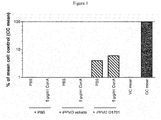
- Figure 1 Stimulation of inactivated parapoxvirus (iPPVO) induced antiviral activity against SARS-CoV-2 that was enhanced by combinatorial approaches.
- Whole-blood cultures were stimulated with iPPVO +/- 5 ⁇ g/ml ConA. Where no ConA was added, PBS was added instead.
- the supernatant was transferred to Vero-eGFP cells which were 2-4 hours later infected with SARS-CoV-2 to determine the antiviral activity of the respective supernatant samples and incubated for 5 days.
- eGFP fluorescence as a measure for living cells was analyzed using the ImageJ software.
- the mean of the cell control to which no virus was added served as positive control (CC mean) and was set to 100 % (see upper dotted line).
- CC mean positive control
- Cells infected with SARS-CoV2 but not treated gave the highest possible destruction of living cells and served as negative control given as the mean virus control (VC mean).
- the antiviral activity of the samples were calculated relative to the positive control CC mean and given in %.
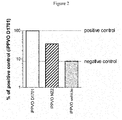
- FIG. 2 iPPVO D1701 and iPPVO NZ2 stimulate antiviral activity against SARS-CoV-2.
- Whole-blood cultures were stimulated with iPPVO.
- iPPVO vehicle served as a negative control.
- iPPVO D1701 served as positive control.
- Cultures were incubated for 3 days and supernatants were harvested. The supernatant was transferred to Vero-eGFP cells which were 2-4 hours later infected with SARS-CoV-2 to determine the antiviral activity residing in the respective supernatant samples and incubated for 5 days.
- eGFP fluorescence as a measure for living cells which have been protected against SARS-CoV-2 due to the antiviral activity of cytokines in the respective supernatant was measured using the ImageJ software.
- the antiviral activity of the positive control was set to 100 % (see upper dotted line).
- the antiviral activity of the samples were calculated relative to the positive control and given in %.
- the lower dotted line marks the value of the negative control.
- the terms used herein are defined as described in " A multilingual glossary of biotechnological terms: (IUPAC Recommendations)", Leuenberger, H.G.W, Nagel, B. and Kölbl, H. eds. (1995), Helvetica Chimica Acta, CH-4010 Basel, Switzerl and).
- the present invention relates to a parapoxvirus agent for use in (i) conditioning a subject for a coronavirus infection or (ii) treating a coronavirus infection in a subject.
- parapoxvirus is, in a preferred embodiment, Parapoxvirus ovis (PPVO).
- PPVO Parapoxvirus ovis
- PPVO Parapoxvirus ovis
- ICTV International Committee on Taxonomy of Viruses
- Exemplary strains are NZ2, NZ7, NZ10, D1701, OV/20, OV/7, OV/C2, OV/mi-90, OV-Torino, SAOO, Bo29, orf11, Greek orf strain 155, and Greek orf strain 176.
- Preferred strains are NZ2 and D1701, especially NZ2.
- parapoxvirus agent is, in a preferred embodiment,
- the live parapoxvirus virion may or may not be attenuated.
- Attenuated parapoxvirus virions are known in the art, e.g. virions lacking a virulence gene such as vegf-e and/or gif.
- the fragment can be recognized by the immune system and preferably stimulates an immune response (i.e. it is an antigen and preferably an immunogen) and can be any fragment, although preferably it is a fragment that is bound by a human pattern recognition receptor (PRR), e.g. TLR9.
- PRR human pattern recognition receptor
- the parapoxvirus fragment is a parapoxvirus protein.
- Exemplary fragments are (exemplary coding sequence (nucleotide positions of SEQ ID NO: 3 representing strain NZ2) in parenthesis preceding the fragment): (3 to 539) ORF L1, (781 to 449) ORF L2r, (1933 to 1664) ORF L3r, (3269 to 2790) ORF L4r, (2799 to 3851) ORF L5, (2962 to 3753) ORF L6, (3784 to 3122) ORF L7r, (4341 to 4129) ORF L8r, (4904 to 4428) ORF 1ar, (6517 to 4970) ORF 1r, (8042 to 6684) ORF 2r, (9989 to 8070) ORF 3r, (11195 to 10062) ORF 4r, (11493 to 11227) ORF 5r, (11802 to 12038) ORF 6, (12358 to 12080) ORF 7r, (13980 to 12364) ORF 8r, (14826 to 14053) ORF 9ar, (15080
- the group of fragments includes homologs of the exemplary fragments listed above, i.e. homologous fragments of another parapoxvirus (e.g. species or strains as described above). It also includes functional variants of the exemplary fragments listed above (the function being as defined for the fragments generally above). Thus, the group of fragments includes variants with at least 80%, 85%, 90%, 95%, 96%, 97%, 98% or preferably at least 99% sequence identity to those fragments encoded by the exemplary coding sequences of SEQ ID NO: 3 listed above.
- the inactivated parapoxvirus virion can be obtained by any means known in the art suitable for inactivating enveloped viruses, for example by physical inactivation (e.g. exposure to heat, specifically pasteurization, or UV light) or by chemical inactivation (e.g. by exposure to low pH, to a detergent or to an inactivation agent such as ethyleneimine, binary ethyleneimine, formaldehyde, glutaraldehyde, 2,2'-dithiodipyridine, or beta-propiolactone).
- the inactivated parapoxvirus virion is an ethyleneimine- or binary ethyleneimine-inactivated virion, preferably a binary ethyleneimine-inactivated virion.
- the parapoxvirus agent may comprise genetic information (DNA or RNA) encoding for a heterologous (i.e. not of parapoxvirus) antigen, and/or an immunomodulator, or in may alternatively not comprise genetic information encoding for a heterologous antigen and/or an immunomodulator. In one embodiment, it does not comprise genetic information encoding for a heterologous antigen, but it optionally comprises genetic information encoding for immunomodulator.
- the parapoxvirus agent is a wildtype parapoxvirus.
- it is a PPVO virion, more preferably an inactivated PPVO virion (iPPVO).
- the parapoxvirus agent can be used alone or in combination with a further treatment regimen for (i) conditioning a subject for a coronavirus infection or (ii) treating a coronavirus infection in a subject.
- both of the conditioning and the treating, the further treatment regimen can comprise administering a coronavirus agent.
- the further treatment regimen can comprise administering a further immune stimulatory agent (e.g. an adjuvant, a TLR agonist, a PRR, e.g. a cytosolic PRR such as RIG-I-like receptors including RIG-I, MDA5 and LGP2, or a mitogen, particularly a T cell mitogen or activator such as phytohemagglutinin (PHA), Concanavalin (Con) A, wheat germ agglutinin (WGA), pokeweed mitogen (PWM), a lectin or an anti-CD3 antibody or antigen-binding fragment thereof), or a B cell mitogen or activator such as PWM, lipopolysaccharide (LPS), an anti-CD40 antibody or antigen-binding fragment thereof, or an anti-(B cell antigen receptor) antibody or antigen-binding fragment thereof.
- a further immune stimulatory agent e.g. an adjuvant, a TLR agonist, a PRR, e.g. a
- the immune stimulatory agent preferably promotes an antiviral cell state.
- the further treatment regimen can comprise administering one or more further medicaments and/or one or more further therapies (non-medicament/drug treatments) suitable for the treatment of a subject infected by coronavirus or having coronavirus disease.
- the one or more further medicaments are preferably selected from the group consisting of a further immune stimulatory agent (as exemplified above), an antiviral, an antibiotic, an adjuvant, a glucocorticoid, an antihypertensive drug (e.g.
- an ACE inhibitor a hypoglycaemic drug, an anti-shock drug, and a drug suitable for treating one or more symptoms of coronavirus disease and/or to accompany the one or more further therapies
- the one or more further therapies are preferably selected from the group consisting of oxygen therapy and extra-corporeal organ support (ECOS).
- Oxygen therapy can be passive (i.e. relying on breathing of the subject) or active (i.e. delivering oxygen to the lungs without relying on breathing of the subject).
- Passive therapies are non-pressurized oxygen therapy and pressurized oxygen therapy.
- Active therapies are mechanical ventilation and extra-corporeal membrane oxygenation (ECMO, also a specific form of ECOS).
- ECOS include ECMO, continuous renal replacement therapy (CRRT), hemofiltration (HF) and hemoperfusion (HP) e.g. to remove inflammatory cytokines, and left ventricular assistance.
- CRRT continuous renal replacement therapy
- HF hemofiltration
- HP hemoperfusion
- medicaments for conditioning and treating are: Ivermectin, TMPRSS2 inhibitors (e.g. ammonium chloride, serine protease inhibitor camostat mesylate) optionally together with a CatB/L inhibitor (e.g. E-64d), Favipiravir, Pimodivir, Baloxavir optionally together with Marboxil, IL-6 blockers (e.g. sarilumab, tocilizumab), Sarilumab, Zitivekumab, lopinavir optionally together with ritonavir, chloroquine, hydroxychloroquine, Remdesivir, ⁇ -Ketoamides (e.g.
- the parapoxvirus agent can be administered by any route, including but not limited to the intravenous, intramuscular, oral, parenteral, topical, intradermal, or subcutaneous route. In a specific embodiment, it can be administered directly to the respiratory tract, preferably to the lower respiratory tract, more preferably to the lung (pulmonary delivery). As such, it can be administered as an aerosol and/or via inhalation.
- the dose of the parapoxvirus agent is a pharmaceutically effective dose as can be determined by the skilled person.
- the agent in case of the agent being a virion (live or inactivated), it can be in the range of from 10 6 to 10 10 particles.
- the dose may be administered once or more than once, for example over a period of ⁇ 12 weeks, ⁇ 6 weeks, ⁇ 4 weeks, ⁇ 2 weeks, or ⁇ 1 week.
- the coronavirus is, in a preferred embodiment, an alpha-coronavirus or a beta-coronavirus. More preferably, it is a respiratory coronavirus, i.e. a coronavirus that causes a respiratory disease.
- alpha-coronaviruses are HCoV-229E and CoV-NL63
- beta-coronaviruses are SARS-CoV, SARS-CoV-2, MERS-CoV, HCoV-HKU1, and HCoV-OC43.
- the coronavirus is a MERS or a SARS coronavirus, wherein preferably the SARS coronavirus is a virus of the species "severe acute respiratory syndrome-related coronavirus" as classified by the International Committee on Taxonomy of Viruses (ICTV). In the most preferred embodiment, it is SARS-CoV-2.
- a preferred virus of the invention has a genome comprising or consisting of a sequence according to SEQ ID NO: 1 (original strain of the 2019 outbreak "Severe acute respiratory syndrome coronavirus 2 isolate Wuhan-Hu-1", NCBI Reference Sequence NC_045512.2, version of March 30, 2020) or a variant thereof with at least 80%, 85%, 90%, 95%, 96%, 97%, 98% or preferably at least 99% sequence identity.
- a preferred virus of the invention has a genome comprising or consisting of a sequence according to SEQ ID NO: 2 (a SARS-CoV-2 consensus sequence of 153 genome assemblies) or a variant thereof with at least 80%, 85%, 90%, 95%, 96%, 97%, 98% or preferably at least 99% sequence identity. It is preferred that the variant is classified as a strain of SARS-CoV-2 by the International Committee on Taxonomy of Viruses (ICTV).
- ICTV International Committee on Taxonomy of Viruses
- a coronavirus agent generally is an agent that is suitable for treating a coronavirus infection. It can be (a) the coronavirus itself or a fragment thereof which is recognized by and preferably stimulates an immune response (e.g. an antigen and preferably immunogen), (b) an agent that comprises genetic information encoding for (a), or (c) an agent which interferes with the infection of a cell by the coronavirus or with the replication of the coronavirus within a cell (in a therapeutic setting: is capable upon administration of an effective amount thereof to a subject infected with coronavirus to interfere with the infection of a cell by the coronavirus or with the replication of the coronavirus within a cell).
- the coronavirus agent is preferably selected from the group consisting of
- a coronavirus can be inactivated as described for parapoxvirus above.
- the PPI of (ix) is preferably an interaction of a SARS-CoV-2 protein or homologue thereof of another coronavirus and a subject protein (Uniprot protein ID of each subject protein is ⁇ name recited below>_HUMAN) selected from
- An antibody or an antigen-binding fragment thereof to a PPI site can be generated by routine methods. For instance, antibodies or antigen-binding fragments thereof to one of the interacting proteins can be generated and then screened for interfering with the interaction.
- the small molecule of (ix) is preferably selected from the group consisting of Loratadine, Daunorubicin, Midostaurin, Ponatinib, Silmitasertib, Valproic Acid, Haloperidol, Metformin, Migalastat, S-verapamil, Indomethacin, Ruxolitinib, Mycophenolic acid, Entacapone, Ribavirin, E-52862, Merimepodib, RVX-208, XL413, AC-55541, Apicidin, AZ3451, AZ8838, Bafilomycin A1, CCT 365623, GB110, H-89, JQ1, PB28, PD-144418, RS-PPCC, TMCB, UCPH-101, ZINC1775962367, ZINC4326719, ZINC4511851, ZINC95559591, 4E2RCat, ABBV-744, Camostat, Captopril, CB50
- a coronavirus infection is defined by the entry of coronavirus into at least one cell of a subject and its replication in the at least one cell.
- the infection is an infection of the respiratory tract, including the upper respiratory tract (nose and nasal passages, paranasal sinuses, the pharynx, and the portion of the larynx above the vocal folds (cords)) and the lower respiratory tract (portion of the larynx below the vocal folds, trachea, bronchi, bronchioles and the lungs including the respiratory bronchioles, alveolar ducts, alveolar sacs and alveoli).
- the infection is an infection of the lower respiratory tract, most preferably of the lungs (including one or more of respiratory bronchioles, alveolar ducts, alveolar sacs and alveoli).
- the infection can further be characterized immunologically by the presence of at least one coronavirus-antigen-specific immune factor, preferably selected from the group consisting of B cells, follicular helper T cells (T FH cells), activated CD4 + T cells and CD8 + T cells (particularly also CD38 + HLA-DR + ), IgM antibodies, and IgG antibodies.
- coronavirus-antigen-specific immune factor preferably selected from the group consisting of B cells, follicular helper T cells (T FH cells), activated CD4 + T cells and CD8 + T cells (particularly also CD38 + HLA-DR + ), IgM antibodies, and IgG antibodies.
- coronavirus-specific cytokine profile preferably in the blood or at the site of infection as specified above (most preferably in the lung).
- coronavirus-specific cytokine profiles can be determined by the skilled person without undue burden, e.g. by taking a tissue sample, e.g. from the lung, infecting it with the coronavirus and determining the expression of cytokines.
- Examples of coronavirus-specific cytokine profiles are (a) for SARS-CoV: upregulation of one or more of, preferably all of IFN-I (e.g.
- coronavirus infects all humans equally, there are risk factors for contracting a coronavirus infection:
- coronavirus infection may or may not cause symptoms of coronavirus disease in a subject.
- coronavirus infection and “coronavirus disease” are distinguished herein by the presence of at least one coronavirus disease symptom. As long as the infection is not accompanied by at least one symptom of coronavirus disease, it (or the subject) is asymptomatic (includes presymptomatic).
- coronavirus disease as used herein requires the presence of a coronavirus infection and at least one symptom of coronavirus disease (also referred to herein as "symptomatic infection”).
- Coronavirus symptoms include dry cough, fever ( ⁇ 37.8°C), runny and/or blocked nose, fatigue, breathing difficulty, pneumonia, organ (e.g. heart, lung, liver and/or kidney) failure, itchy throat, headache, joint pain, nausea, diarrhoea, shivering, lymphophenia, loss of smell and/or loss of taste.
- the coronavirus disease is characterized by the presence of two or more, three or more, or four or more symptoms, preferably including one or two or more of dry cough, fever ( ⁇ 37.8°C), breathing difficulty, loss of smell and/or loss of taste.
- the coronavirus disease is preferably a respiratory disease (e.g. SARS or MERS), more preferably Covid-19.
- the coronavirus disease can take a mild (non-severe) or a severe course.
- a mild course is characterized by the presence of one or more only mild symptoms (i.e. no severe symptoms) of coronavirus disease.
- Mild symptoms are selected from the group consisting of dry cough, mild fever ( ⁇ 37.8°C to ⁇ 40°C), runny and/or blocked nose, fatigue, itchy throat, headache, joint pain, nausea, diarrhoea, shivering, lymphophenia, loss of smell and loss of taste.
- Severe symptoms are selected from the group consisting of breathing difficulty in particular acute respiratory distress syndrome, pneumonia, organ (e.g. heart, lung, liver and/or kidney) failure and high fever ( ⁇ 40°C).
- a severe course is characterized clinically by one or more of (i) the presence of one or more severe symptoms of coronavirus disease, (ii) need for hospitalization, in particular need for admission to intensive care unit (ICU) and/or need for oxygen therapy (as defined above), in particular for a respirator (also referred to as ventilator), and/or (iii) death of the subject.
- a need for hospitalization is characterized by one or more of: clinical or radiological evidence of pneumonia, acute respiratory distress syndrome, and/or the presence of two or more symptoms including at least fever and persistent cough (with or without sputum), in particular persistent cough (e.g. of at least 3 days).
- a need for ICU admission is characterized by severe pneumonia and/or one or more severe complications. Severe pneumonia is characterized by tachypnea (age younger than 2 months: 60 or more breaths per minute; age 2 to 11 months: 50 or more breaths per minute, age 1 to 5 years: 40 or more breaths per minute, age> 5 years: 30 or more breaths per minute), respiratory distress and/or inadequate oxygenation (e.g. SpO 2 of 93% or less for adults, and 90% or less for children).
- Severe complications are complications that are lethal when untreated and include, for example, septic shock, acute respiratory distress syndrome and organ failure.
- a severe course can be characterized immunologically e.g. by the presence or development of a cytokine storm, in particular in the lung.
- a coronavirus cytokine storm is characterized by hyperinflammation, preferably by an increase (vs. infected but asymptomatic subject, preferably as after the incubation period, or average or mean of a plurality of such subjects) of one or more of IL-2, IL-7, TNF-alpha, MIP-1alpha, MCP-1, G-CSF and/or CXCL10, wherein the increase can be characterized as excessive and/or uncontrolled.
- the cytokine storm is a Covid-19 cytokine storm.
- the cytokine storm is preferably in the respiratory tract as defined for the infection above (including preferred parts thereof).
- coronavirus disease can take a severe course in any subject regardless of age or pre-existing condition, there are nevertheless risk factors for having a severe course of coronavirus disease, including:
- the conditioning of a subject is meant to prepare a subject for a coronavirus infection, which is afforded by the immunomodulation resulting in the medical use of the invention. It can also be termed “preparatory treatment”, “prophylactic treatment” or, with respect to the disease resulting from the invention, “preventative treatment” or “preventive treatment”. It is not meant to necessarily prevent a coronavirus infection. As such, the subject is not yet infected by coronavirus.
- the conditioning can have one or more immunological effects or (preferably and) it can have one or more clinical effects, both once a subject is infected.
- immunological effects are preferably selected from the group consisting of
- the clinical effects are preferably selected from the group consisting of (C-i) reducing contagiousness,
- Prospective symptoms are symptoms that are not yet present but can or will arise. Thus, the reduction of the degree of prospective symptoms refers to a prophylactic treatment of symptoms.
- the parapoxvirus agent can be for use in one or more of (I-i) to (I-iv) and/or one or more of (C-i) to (C-vi) in a subject not yet infected by coronavirus.
- the parapoxvirus agent is capable upon administration of an effective amount thereof to achieve one or more of (I-i) to (I-iv) and/or one or more of (C-i) to (C-vi).
- the subject to be conditioned is characterized by one or more risk factors for contracting a coronavirus infection and/or by one or more risk factors for having a severe course of coronavirus disease.
- the subject to be conditioned is selected by a method according to the corresponding further aspect of the invention described below.
- the treating of a coronavirus infection is not meant necessarily to treat or prevent coronavirus disease, although it is preferred that it does.
- the treating can be of an asymptomatic infection (i.e. of an infected subject not having symptoms) or of coronavirus disease (i.e. of an infected subject having one or more symptoms).
- the treating can have one or more immunological effects or (preferably and) it can have one or more clinical effects.
- immunological effects are preferably as defined for the conditioning above, for either an asymptomatic infection or for the disease.
- the clinical effects for an asymptomatic infection are preferably selected from the group consisting of (C-i) to (C-vi) as defined for the conditioning above.
- the clinical effects for a symptomatic infection are preferably selected from the group consisting of
- the parapoxvirus agent can be for use in one or more of (I-i) to (I-iv) and/or one or more of (C-i) to (C-ix) in a subject infected by coronavirus.
- the parapoxvirus is capable upon administration of an effective amount thereof to achieve one or more of (I-i) to (I-iv) and/or one or more of (C-i) to (C-ix).
- the parapoxvirus agent is for use in preventing or treating coronavirus disease.
- the subject to be treated may be asymptomatic.
- the subject to be treated may have coronavirus disease.
- the subject having coronavirus disease may not have any severe symptoms, e.g. it has only one or more mild symptoms.
- it may have a severe course of coronavirus disease (excluding (iii) death; preferably (i) one or more severe symptoms).
- the subject to be treated e.g. any of the afore-mentioned subjects except those already having a severe course of coronavirus disease
- the subject is characterized by at least one of:
- the HScore generates a probability for the presence of secondary haemophagocytic lymphohistoicytosis (sHLH), a hyperinflammatory syndrome with a cytokine storm profile similar to that of coronavirus disease ( Pehta et al., The Lancet Vol 395 March 28, 2020 ).
- An HScore of greater than 169 is 93% sensitive and 86% specific for sHLH.
- the HScore is calculated using the following criteria: temperature ( ⁇ 38.4°C: 0 points, 38.4-39.4°C: 33 points, >39.4°C: 49 points), organomegaly (none: 0 points, hepatomegaly or splenomegaly: 23 points, hepatomegaly and splenomegaly: 38 points), number of cytopenias* (one lineage; 0 points, two lineages: 24 points, three linages: 34 points), triglycerides ( ⁇ 1.5 mmol/l: 0 points, 1.5-4.0 mmol/l: 44 points, >4.0 mmol/l: 64 points), fibrinogen (>2.5 g/L: 0 points, ⁇ 2.5 g/L: 30 points), ferritin ( ⁇ 2000 ng/ml: 0 points, 2000-60000 ng/ml: 35 points, >6000 ng/ml: 50 points), serum aspartate aminotransferase ( ⁇ 30 IU/L: 0 points,
- haemoglobin concentration 9.2 g/dL or less ( ⁇ 5.71 mmol/L)
- a white blood cell count 5000 white blood cells per mm 3 or less
- platelet count 110000 platelets per mm 3 or less, or all of these criteria combined.
- ⁇ HIV positive or receiving long-term immunosuppressive therapy e.g. one or more of glucocorticoids, cyclosporine and/or azathioprine.
- the subject to be treated is selected by a method according to the corresponding further aspect of the invention described below.
- the invention relates to a parapoxvirus agent for use as a medicament promoting an antiviral (preferably anticoronaviral) cell state in a subject (i) having a coronavirus infection or (ii) characterized by one or more risk factors for contracting a coronavirus infection and/or by one or more risk factors for having a severe course of coronavirus disease.
- an antiviral preferably anticoronaviral
- the one or more risk factors for contracting a coronavirus infection are selected from factors (i) and (ii) as defined above.
- the one or more risk factors for having a severe course of coronavirus disease comprise at least (ii) and (iii), or (ii) and (iv) as defined above, or comprise at least a comorbidity selected from respiratory disease (in particular chronic) and lung disease.
- the age of the subject is preferably at least 60, at least 70, or more preferably at least 80 years.
- promoting an antiviral cell state refers to the promotion of the transcription of cellular antiviral genes coding for host defence proteins, e.g. as promoted by IFN- ⁇ and/or ⁇ . Preferably it inhibits (i.e. prevents or at least reduces) virus replication in the cell and/or induces apoptosis (to prevent further virus replication in the cell), and more preferably it reduces the amount of infectious virions released by an infected cells compared to a cell in which the antiviral cell state was not promoted by the medicament. Thereby, it stops or at least slows down virus propagation.
- Promotering includes an induction (e.g. for cells not yet in an antiviral state) and a reinforcement (i.e.
- potentiation e.g. for cells already in an antiviral state
- the former is preferred for a subject not (yet) having a coronavirus infection, e.g. characterized by one or more risk factors as specified above, and the latter is preferred for a subject having a coronavirus infection.
- the invention further relates to the following methods
- a method of administering a parapoxvirus agent to a subject (i) having a coronavirus infection or (ii) characterized by one or more risk factors for contracting a coronavirus infection and/or by one or more risk factors for having a severe course of coronavirus disease.
- a method of promoting an antiviral (preferably anticoronaviral) cell state in a subject comprising administering a parapoxvirus agent to the subj ect.
- a method of treating coronoavirus disease in a subject comprising administering a parapoxvirus agent to the subject.
- the invention in a second aspect , relates to a composition or a kit comprising a parapoxvirus agent and a coronavirus agent.
- the composition or kit further comprises one or more pharmaceutically acceptable diluents, carriers, and/or preservatives; and/or it is a pharmaceutical composition or kit.
- Pharmaceutically acceptable diluents, carriers, and/or preservatives are described below and may in addition thereto include an (e.g. aqueous) medium suitable for structurally maintaining a parapoxvirus, in particular an inactivated parapoxvirus, or lyophilisate of this medium.
- the composition or kit may be for any of the medical uses of the invention described herein.
- composition can be formulated for any route of administration as defined above. Also, it can be formulated for simultaneous or separate administration or for simultaneous or separate release of the parapoxvirus agent and the coronavirus agent.
- the kit comprises a composition of the second aspect.
- the kit comprises a leaflet with instructions for use of the parapoxvirus agent and the coronavirus agent, or of the composition of the second aspect, preferably according to a medical use described herein.
- the invention relates to a pharmaceutical composition or kit for any of the medical uses of the invention described herein, wherein the pharmaceutical composition or kit comprises a parapoxvirus agent and preferably a further medicament.
- the pharmaceutical composition usually comprises one or more pharmaceutically acceptable diluents, carriers, and/or preservatives.
- the kit comprises a composition of the third aspect.
- the kit comprises a leaflet with instructions for use of the parapoxvirus agent and the further medicament, or of the composition of the third aspect, preferably according to a medical use described herein.
- Definitions given and embodiments described with respect to the first and second aspect apply also to the third aspect, in as far as they are applicable. Also, definitions and embodiments described below, in particular under the header 'Definitions and further embodiments of the invention' apply to the composition or kit of the third aspect.
- the invention relates to a method of selecting a subject for any of the medical uses of the invention described herein, wherein the method comprises the steps of (i) determining the presence or absence of a cytokine storm in the subject, and (ii) selecting the subject if a cytokine storm is absent.
- step (i) comprises determining the HScore of the subject, and step (ii) comprises selecting the subject if the HScore is 169 or less.
- step (i) comprises detecting in a biological sample of the subject one or more signs of hyperinflammation
- step (ii) comprises selecting the subject if no sign of hyperinflammation is detectable.
- Hyperinflammation therein is an increased level, e.g. excessive and/or uncontrolled, (vs. infected but asymptomatic subject, preferably as after the incubation period, or average or mean of a plurality of such subjects) of one or more of IL-2, IL-7, TNF-alpha, MIP-1alpha, MCP-1, G-CSF and/or CXCL10; or of one or more of IL-6, ferritin, platelet count and/or erythrocyte sedimentation rate (ESR).
- ESR erythrocyte sedimentation rate
- the biological sample is preferably selected from the group consisting of blood or a blood-derived sample (e.g. plasma or serum), sputum, saliva, and a sample derived from the lung (e.g. by bronchoscopy including bronchial lavage, bronchial alveolar lavage, bronchial brushing, and bronchial abrasion).
- a blood-derived sample e.g. plasma or serum
- sputum e.g. plasma or serum
- saliva e.g. by bronchoscopy including bronchial lavage, bronchial alveolar lavage, bronchial brushing, and bronchial abrasion.
- the method of the fourth aspect is preferably an ex vivo method.
- identity refers to the number of residues in the two sequences that are identical when aligned for maximum correspondence. Specifically, the percent sequence identity of two sequences is the number of exact matches between two aligned sequences divided by the length of the shorter sequence and multiplied by 100. Alignment tools that can be used to align two sequences are well known to the person skilled in the art and can, for example, be obtained on the World Wide Web, e.g.
- EMBOSS https://www.ebi.ac.uk/Tools/psa/emboss_needle/
- MUSCLE http://www.ebi.ac.uk/Tools/msa/muscle/
- MAFFT http://www.ebi.ac.uk/Tools/msa/ mafft/
- WATER http://www.ebi.ac.uk/Tools/psa/ emboss_water/.
- the alignments between two sequences may be carried out using default parameters settings, e.g.
- MATRIX BLOSUM62, Gap Open: 10.0, Gap Extend: 0.5
- MAFFT Matrix: Blosum62, Gap Open 1.53, Gap Extend 0.123
- WATER polynucleotides preferably: MATRIX: DNAFULL, Gap Open: 10.0, Gap Extend 0.5 and for WATER polypeptides preferably MATRIX: BLOSUM62, Gap Open: 10.0, Gap Extend: 0.5.
- the "best sequence alignment" is defined as the alignment that produces the largest number of aligned identical residues while having a minimal number of gaps. Preferably, it is a global alignment, which includes every residue in every sequence in the alignment.
- variant refers generally to a modified version of the polynucleotide, e.g. a mutation, so one or more nucleotides of the polynucleotide may be mutated.
- the variant is functional, meaning e.g. with regard to a virus that the virus is capable of infecting a host cell.
- the functionality is generally that described for the polynucleotide the variant is from.
- a “mutation” can be a nucleotide substitution, deletion and/or insertion ("and” may apply if there is more than one mutation). Preferably, it is a substitution.
- an antigen refers to any substance, e.g. protein or peptide, that is capable of being bound by an antibody, a B cell receptor and/or a T cell receptor.
- An antigen comprises at least one epitope preferably comprising at least 8 amino acids and more preferably comprising between 8 and 17 amino acids.
- the epitope can be a T cell and/or a B cell epitope.
- a T cell epitope is an epitope that can be presented on the surface of an antigen-presenting cell, where it is bound to an MHC molecule. In humans, professional antigen-presenting cells are specialized to present MHC class II peptides, whereas most nucleated somatic cells present MHC class I peptides.
- T cell epitopes presented by MHC class I molecules are typically peptides between 8 and 11 amino acids in length, whereas MHC class II molecules present longer peptides, e.g. 13-17 amino acids in length.
- a B cell epitope is an epitope that is recognised as three-dimensional structures on the surface of native antigens by B cells. Epitopes can be predicted with in silico tools, e.g. the online B- or T-cell prediction tools of the IEDB Analysis Resource.
- immunogen refers to an antigen that is capable of inducing an immune response.
- PAMP pathogen-associated molecular pattern
- DAMP damage-associated molecular pattern
- an “adjuvant” is a substance that accelerates, prolongs and/or enhances the quality and/or strength of an immune response to an antigen/immunogen, in comparison to the administration of the antigen alone, thus, reducing the quantity of antigen/immunogen necessary, and/or the frequency of injection necessary in order to generate an adequate immune response to the antigen/immunogen of interest.
- adjuvants examples include gel-like precipitates of aluminum hydroxide (alum); AlPO 4 ; alhydrogel; bacterial products from the outer membrane of Gram-negative bacteria, in particular monophosphoryl lipid A (MPLA), lipopolysaccharides (LPS), muramyl dipeptides and derivatives thereof; Freund's incomplete adjuvant; liposomes, in particular neutral liposomes, liposomes containing the composition and optionally cytokines; non-ionic block copolymers; ISCOMATRIX adjuvant (Drane et al., 2007); unmethylated DNA comprising CpG dinucleotides (CpG motif), in particular CpG ODN with a phosphorothioate (PTO) backbone (CpG PTO ODN) or phosphodiester (PO) backbone (CpG PO ODN); synthetic lipopeptide derivatives, in particular Pam 3 Cys; lipoarabinomannan
- Non-ionic block polymers containing polyoxyethylene (POE) and polyoxypropylene (POP), such as POE-POP-POE block copolymers may be used as an adjuvant (Newman et al., 1998). This type of adjuvant is particularly useful for compositions comprising nucleic acids as active ingredient.
- recombinant refers in particular to a virus that is modified to comprise a heterologous polynucleotide sequence in its genome.
- immunomodulator refers to a drug used to regulate or normalize the immune system by inducing, enhancing, suppressing and/or weakening an immune response in a subject ("and” meaning that some parts of the immune system are selectively induced or enhanced and others are selectively suppressed or weakened).
- cytokine receptors e.g. antibodies or small compounds
- soluble cytokine receptors e.g. for trapping cytokines
- vector includes any vectors known to the skilled person including plasmid vectors, cosmid vectors, phage vectors such as lambda phage, viral vectors such as adenovirus (Ad) vectors), adeno-associated virus (AAV) vectors, alphavirus vectors (e.g., Venezuelan equine encephalitis virus (VEE), Sindbis virus (SIN), semliki forest virus (SFV), and VEE-SIN chimeras), herpes virus vectors, measles virus vectors, pox virus vectors (e.g., vaccinia virus, modified vaccinia virus Ankara (MVA), NYVAC (derived from the Copenhagen strain of vaccinia), and avipox vectors: canarypox (ALVAC) and fowlpox (FPV) vectors), and vesicular stomatitis virus vectors, or virus like particles.
- Ad Venezuelan equine encephalitis virus
- virus-like particle refers to a non-replicating, empty viral shell.
- VLPs are generally composed of one or more viral proteins, such as, but not limited to those proteins referred to as capsid, coat, shell, surface and/or envelope proteins. They contain functional viral proteins responsible for cell penetration by the virus, which ensures efficient cell entry. Methods for producing particular VLPs are known in the art.
- mitogen refers to an agent, e.g. a peptide or protein that induces a cell to begin cell division.
- cell activator refers to an agent, e.g. a peptide or protein that binds and cross-links cell receptors, e.g. T cell or B cell receptors.
- nucleoside analogue refers to a nucleoside containing a nucleic acid analogue and a sugar.
- nucleotide analogue refers to a nucleotide containing a nucleic acid analogue, a sugar and a phosphate group with 1 to 3 phosphates.
- nucleic acid analogue refers to a compound that is structurally similar to RNA and DNA in that it has one or more of phosphate backbone, pentose sugar and/or the nucleobase altered such that it has different base pairing and/or base stacking properties. Examples include peptide nucleic acid (PNA), Morpholino and locked nucleic acid (LNA), as well as glycol nucleic acid (GNA) and threose nucleic acid (TNA).
- RNAi molecule refers to a molecule capable of neutralizing mRNA molecules in a target-sequence-specific manner. Examples include dsRNA, miRNA and siRNA.
- Particular preferred pharmaceutical forms for the administration of the agents according to the invention are forms suitable for injectable use and include sterile aqueous solutions or dispersions and sterile powders for the extemporaneous preparation of sterile injectable solutions or dispersion.
- a solution or dispersion will include a solvent or dispersion medium, containing, for example, water-buffered aqueous solutions, e.g. biocompatible buffers, ethanol, polyol, such as glycerol, propylene glycol, polyethylene glycol, suitable mixtures thereof, surfactants or vegetable oils.
- Infusion or injection solutions can be accomplished by any number of art-recognized techniques including but not limited to addition of preservatives like anti-bacterial or anti-fungal agents, e.g. parabene, chlorobutanol, phenol, sorbic acid or thiomersal. Further, isotonic agents, such as sugars or salts, in particular sodium chloride may be incorporated in infusion or injection solutions.
- preservatives like anti-bacterial or anti-fungal agents, e.g. parabene, chlorobutanol, phenol, sorbic acid or thiomersal.
- isotonic agents such as sugars or salts, in particular sodium chloride may be incorporated in infusion or injection solutions.
- Preferred diluents of the present invention are water, physiological acceptable buffers, physiological acceptable buffer salt solutions or salt solutions.
- Excipients which can be used with the various pharmaceutical forms of the pharmaceutical according to the invention can be chosen from the following non-limiting list:
- pharmaceutically acceptable carrier refers to any substrate which serves to improve the selectivity, effectiveness, and/or safety of drug administration.
- Such carriers can be used to control the release of a drug into systemic circulation. This can be accomplished either by slow release of the drug over a long period of time (typically diffusion) or by triggered release at the drug's target by some stimulus, such as changes in pH, application of heat, and activation by light.
- Carriers can also be used to improve the pharmacokinetic properties, specifically the bioavailability, of many drugs with poor water solubility and/or membrane permeability.
- a wide variety of drug carrier systems have been developed and studied.
- Examples include liposomes, polymeric micelles, microspheres, nanoparticles, nanofibers, protein-drug conjugates, erythrocytes, virosomes and dendrimers.
- Different methods of attaching the drug to the carrier can be used, including adsorption, integration into the bulk structure, encapsulation, and covalent bonding.
- PPVO virions stimulate the innate as well as the adaptive arm of the immune system.
- APCs antigen-presenting cells
- the plate was incubated at 37 °C, 5 % CO 2 for 72 hrs and then centrifuged for 5 min at 230 g. The supernatant was aliquoted to new 96 well plates (plate layout maintained). Sample plates were frozen at -80 °C until further use.
- Dilution of the samples 100 ⁇ L assay medium were added to wells of a Greiner Bio One 655090 plate and 15 ⁇ L were removed again from wells (except from wells for controls of this assay: virus control (VC) controlling for virus replication and effect on cells, and cell control (CC) for controlling cell viability without virus). 15 ⁇ L from wells of sample plate was added to wells of which 15 ⁇ L medium was removed.
- virus control VC
- CC cell control
- Preparation of the cell suspension A confluent culture (monolayer) of VeroE6-EGFP in T150 bottle was washed with DPBS and 10 mL trypsine 0.25%trypsine/EDTA was added. The bottle was incubated for 1 minute at room temperature, and trypsine/EDTA was removed except for 2 mL. The bottle was then incubated for 15 minutes at 37°C. After incubation, the cells were resuspended in 10 mL assay medium, passed through a Cell Strainer (FALCON CAT NO 352350) and counted using coulter (3 samples of 10 ⁇ L in 10 mL were counted). 3000 cells were then resuspended in 50 ⁇ L assay medium and 50 ⁇ L of the cell suspension were seeded to each well of the Greiner plate.
- FALCON CAT NO 352350 Cell Strainer
- Fig. 1 The results are shown in Fig. 1 .
- Cells not infected with coronavirus (CC mean) were viable and expressed eGFP.
- Cells infected with coronavirus (VC mean) died and no eGFP expression was detectable.
- Results for PB S and iPPVO vehicle alone were similar to VC mean, i.e. PBS and iPPVO vehicle alone had no effect on cell viability, i.e. against coronavirus, as expected.
- 5 ⁇ g/ml ConA alone (in PBS) did not retain eGFP expression, and it also did not affect eGFP expression when given together with iPPVO vehicle as shown by the comparison to ConA alone in PBS.
- iPPVO D1701 alone also had a clear positive effect on cell viability, and eGFP expression was further increased when iPPVO D1701 was used in combination with 5 ⁇ g/ml ConA (which by itself showed no effect on eGFP expression at this concentration). Accordingly, iPPVO and ConA act synergistically.
- Example 1 Determining whether the proof-of-principle shown in Example 1 applies to parapoxvirus in general by testing the antiviral activity of a further parapoxvirus strain against coronavirus.
- Example 1 iPPVO and iPPVO vehicle were used alone. iPPVO D1701 shown to increase cell viability in Example 1 was used as a positive control in Example 2.
- iPPVO D1701 which in Example 1 was shown to be effective, was used as a positive control and as a 100% benchmark. Both PPVO strains D1701 and NZ2 are active against coronavirus as shown by the comparison to the negative control. Accordingly, the promotion of an antiviral cell state which is effective against coronavirus is a hallmark of parapoxvirus in general and not only of the strain tested in Example 1.
Landscapes
- Health & Medical Sciences (AREA)
- Life Sciences & Earth Sciences (AREA)
- Virology (AREA)
- Pharmacology & Pharmacy (AREA)
- General Health & Medical Sciences (AREA)
- Veterinary Medicine (AREA)
- Chemical & Material Sciences (AREA)
- Public Health (AREA)
- Animal Behavior & Ethology (AREA)
- Medicinal Chemistry (AREA)
- Epidemiology (AREA)
- Immunology (AREA)
- Mycology (AREA)
- General Chemical & Material Sciences (AREA)
- Communicable Diseases (AREA)
- Chemical Kinetics & Catalysis (AREA)
- Oncology (AREA)
- Molecular Biology (AREA)
- Organic Chemistry (AREA)
- Microbiology (AREA)
- Nuclear Medicine, Radiotherapy & Molecular Imaging (AREA)
- Medicines That Contain Protein Lipid Enzymes And Other Medicines (AREA)
- Medicines Containing Material From Animals Or Micro-Organisms (AREA)
- Pharmaceuticals Containing Other Organic And Inorganic Compounds (AREA)
- Medicines Containing Plant Substances (AREA)
- Micro-Organisms Or Cultivation Processes Thereof (AREA)
- Medicines Containing Antibodies Or Antigens For Use As Internal Diagnostic Agents (AREA)
Priority Applications (31)
| Application Number | Priority Date | Filing Date | Title |
|---|---|---|---|
| RS20220912A RS63635B1 (sr) | 2020-05-08 | 2020-05-08 | Parapoksvirus za kondicioniranje i lečenje koronavirusnih infekcija |
| HUE20173670A HUE060482T2 (hu) | 2020-05-08 | 2020-05-08 | Parapoxvírus koronavírus fertõzések kondícionálására és kezelésére |
| EP20173670.9A EP3906970B1 (de) | 2020-05-08 | 2020-05-08 | Parapoxvirus zur konditionierung und behandlung von coronavirus-infektionen |
| PT201736709T PT3906970T (pt) | 2020-05-08 | 2020-05-08 | Parapoxvírus para condicionamento e tratamento de infeções por coronavírus |
| DK20173670.9T DK3906970T3 (da) | 2020-05-08 | 2020-05-08 | Parapoxvirus til konditionering og behandling af coronavirusinfektioner |
| SM20220390T SMT202200390T1 (it) | 2020-05-08 | 2020-05-08 | Parapoxvirus per il condizionamento e il trattamento di infezioni da coronavirus |
| HRP20221110TT HRP20221110T1 (hr) | 2020-05-08 | 2020-05-08 | Parapoxvirus za kondicioniranje i liječenje infekcija uzrokovanih koronavirusom |
| PL20173670.9T PL3906970T3 (pl) | 2020-05-08 | 2020-05-08 | Parapokswirus do kondycjonowania i leczenia zakażeń koronawirusowych |
| SI202030100T SI3906970T1 (sl) | 2020-05-08 | 2020-05-08 | Parapoksvirus za kondicioniranje in zdravljenje koronavirusnih okužb |
| LTEP20173670.9T LT3906970T (lt) | 2020-05-08 | 2020-05-08 | Parapoxvirus, skirtas adaptacijai prie koronaviruso infekcijos ir gydymui |
| ES20173670T ES2926807T3 (es) | 2020-05-08 | 2020-05-08 | Parapoxvirus para el acondicionamiento y tratamiento de infecciones por coronavirus |
| PE2022002591A PE20230459A1 (es) | 2020-05-08 | 2021-05-10 | Uso de parapoxvirus para el acondicionamiento y tratamiento de infecciones por coronavirus |
| CN202180005847.7A CN115003329A (zh) | 2020-05-08 | 2021-05-10 | 用于调理和治疗冠状病毒感染的副痘病毒 |
| UY0001039206A UY39206A (es) | 2020-05-08 | 2021-05-10 | Uso de parapoxvirus para el acondicionamiento y tratamiento de infecciones por coronavirus |
| AU2021267148A AU2021267148A1 (en) | 2020-05-08 | 2021-05-10 | Parapoxvirus for conditioning for and treatment of coronavirus infections |
| EP21723748.6A EP4146262A1 (de) | 2020-05-08 | 2021-05-10 | Parapoxvirus zur konditionierung und behandlung von coronavirus-infektionen |
| PY202102137280A PY2137280A (es) | 2020-05-08 | 2021-05-10 | Uso de parapoxvirus para el acondicionamiento y tratamiento de infecciones por coronavirus |
| BR112022022635A BR112022022635A2 (pt) | 2020-05-08 | 2021-05-10 | Parapoxvírus para condicionamento e tratamento de infeções por coronavírus |
| PH1/2022/552990A PH12022552990A1 (en) | 2020-05-08 | 2021-05-10 | Parapoxvirus for conditioning for and treatment of coronavirus infections |
| IL297983A IL297983A (en) | 2020-05-08 | 2021-05-10 | Parapoxvirus for conditioning for and treatment of coronavirus infections |
| CA3173998A CA3173998A1 (en) | 2020-05-08 | 2021-05-10 | Parapoxvirus for conditioning for and treatment of coronavirus infections |
| CR20220569A CR20220569A (es) | 2020-05-08 | 2021-05-10 | Uso de parapoxvirus para el acondicionamiento y tratamiento de infecciones por coronavirus. |
| TW110116691A TWI796688B (zh) | 2020-05-08 | 2021-05-10 | 用於調節及治療冠狀病毒之副痘病毒 |
| PCT/EP2021/062250 WO2021224503A1 (en) | 2020-05-08 | 2021-05-10 | Parapoxvirus for conditioning for and treatment of coronavirus infections |
| ARP210101267A AR122044A1 (es) | 2020-05-08 | 2021-05-10 | Uso de parapoxvirus para el acondicionamiento y tratamiento de infecciones por coronavirus |
| JP2022567614A JP2023525269A (ja) | 2020-05-08 | 2021-05-10 | コロナウイルス感染の調節及び治療のためのパラポックスウイルス |
| US17/765,760 US20220401553A1 (en) | 2020-05-08 | 2021-05-10 | Parapoxvirus for conditioning for and treatment of coronavirus infections |
| MX2022013979A MX2022013979A (es) | 2020-05-08 | 2021-05-10 | Uso de parapoxvirus para el acondicionamiento y tratamiento de infecciones por coronavirus. |
| KR1020227036719A KR20230008703A (ko) | 2020-05-08 | 2021-05-10 | 코로나바이러스 감염에 대한 조건화 및 코로나바이러스 감염의 치료를 위한 파라폭스바이러스 |
| ZA2022/10585A ZA202210585B (en) | 2020-05-08 | 2022-09-23 | Parapoxvirus for conditioning for and treatment of coronavirus infections |
| ECSENADI202285708A ECSP22085708A (es) | 2020-05-08 | 2022-11-07 | Uso de parapoxvirus para el acondicionamiento y tratamiento de infecciones por coronavirus |
Applications Claiming Priority (1)
| Application Number | Priority Date | Filing Date | Title |
|---|---|---|---|
| EP20173670.9A EP3906970B1 (de) | 2020-05-08 | 2020-05-08 | Parapoxvirus zur konditionierung und behandlung von coronavirus-infektionen |
Publications (2)
| Publication Number | Publication Date |
|---|---|
| EP3906970A1 true EP3906970A1 (de) | 2021-11-10 |
| EP3906970B1 EP3906970B1 (de) | 2022-07-06 |
Family
ID=70680251
Family Applications (2)
| Application Number | Title | Priority Date | Filing Date |
|---|---|---|---|
| EP20173670.9A Active EP3906970B1 (de) | 2020-05-08 | 2020-05-08 | Parapoxvirus zur konditionierung und behandlung von coronavirus-infektionen |
| EP21723748.6A Withdrawn EP4146262A1 (de) | 2020-05-08 | 2021-05-10 | Parapoxvirus zur konditionierung und behandlung von coronavirus-infektionen |
Family Applications After (1)
| Application Number | Title | Priority Date | Filing Date |
|---|---|---|---|
| EP21723748.6A Withdrawn EP4146262A1 (de) | 2020-05-08 | 2021-05-10 | Parapoxvirus zur konditionierung und behandlung von coronavirus-infektionen |
Country Status (30)
| Country | Link |
|---|---|
| US (1) | US20220401553A1 (de) |
| EP (2) | EP3906970B1 (de) |
| JP (1) | JP2023525269A (de) |
| KR (1) | KR20230008703A (de) |
| CN (1) | CN115003329A (de) |
| AR (1) | AR122044A1 (de) |
| AU (1) | AU2021267148A1 (de) |
| BR (1) | BR112022022635A2 (de) |
| CA (1) | CA3173998A1 (de) |
| CR (1) | CR20220569A (de) |
| DK (1) | DK3906970T3 (de) |
| EC (1) | ECSP22085708A (de) |
| ES (1) | ES2926807T3 (de) |
| HR (1) | HRP20221110T1 (de) |
| HU (1) | HUE060482T2 (de) |
| IL (1) | IL297983A (de) |
| LT (1) | LT3906970T (de) |
| MX (1) | MX2022013979A (de) |
| PE (1) | PE20230459A1 (de) |
| PH (1) | PH12022552990A1 (de) |
| PL (1) | PL3906970T3 (de) |
| PT (1) | PT3906970T (de) |
| PY (1) | PY2137280A (de) |
| RS (1) | RS63635B1 (de) |
| SI (1) | SI3906970T1 (de) |
| SM (1) | SMT202200390T1 (de) |
| TW (1) | TWI796688B (de) |
| UY (1) | UY39206A (de) |
| WO (1) | WO2021224503A1 (de) |
| ZA (1) | ZA202210585B (de) |
Families Citing this family (1)
| Publication number | Priority date | Publication date | Assignee | Title |
|---|---|---|---|---|
| CN114940707B (zh) * | 2022-04-19 | 2023-07-18 | 中国医学科学院病原生物学研究所 | Rae1-Nup98特异性结合多肽及其应用 |
Citations (4)
| Publication number | Priority date | Publication date | Assignee | Title |
|---|---|---|---|---|
| WO2005017133A1 (en) * | 2003-08-18 | 2005-02-24 | Amsterdam Institute Of Viral Genomics B.V. | Coronavirus, nucleic acid, protein, and methods for the generation of vaccine, medicaments and diagnostics |
| WO2006005529A1 (en) * | 2004-07-13 | 2006-01-19 | Aicuris Gmbh & Co. Kg | Parapoxviruses in combination with other antiviral agents for the treatment of hiv/aids |
| WO2019048640A1 (en) | 2017-09-07 | 2019-03-14 | Aicuris Gmbh & Co. Kg | POLYTHERAPIES FOR INDIVIDUALS WITH HEPATITIS B (HBV) VIRUS INFECTION USING PARAPOXVIRUS OVIS (PPVO) AND AT LEAST ONE OTHER ANTIVIRAL MEDICINE |
| WO2020058327A1 (en) * | 2018-09-20 | 2020-03-26 | Boehringer Ingelheim Vetmedica Gmbh | Modified pedv spike protein |
-
2020
- 2020-05-08 PL PL20173670.9T patent/PL3906970T3/pl unknown
- 2020-05-08 ES ES20173670T patent/ES2926807T3/es active Active
- 2020-05-08 HU HUE20173670A patent/HUE060482T2/hu unknown
- 2020-05-08 PT PT201736709T patent/PT3906970T/pt unknown
- 2020-05-08 DK DK20173670.9T patent/DK3906970T3/da active
- 2020-05-08 HR HRP20221110TT patent/HRP20221110T1/hr unknown
- 2020-05-08 SI SI202030100T patent/SI3906970T1/sl unknown
- 2020-05-08 EP EP20173670.9A patent/EP3906970B1/de active Active
- 2020-05-08 SM SM20220390T patent/SMT202200390T1/it unknown
- 2020-05-08 RS RS20220912A patent/RS63635B1/sr unknown
- 2020-05-08 LT LTEP20173670.9T patent/LT3906970T/lt unknown
-
2021
- 2021-05-10 AR ARP210101267A patent/AR122044A1/es not_active Application Discontinuation
- 2021-05-10 EP EP21723748.6A patent/EP4146262A1/de not_active Withdrawn
- 2021-05-10 BR BR112022022635A patent/BR112022022635A2/pt not_active IP Right Cessation
- 2021-05-10 US US17/765,760 patent/US20220401553A1/en not_active Abandoned
- 2021-05-10 CN CN202180005847.7A patent/CN115003329A/zh active Pending
- 2021-05-10 PY PY202102137280A patent/PY2137280A/es unknown
- 2021-05-10 PE PE2022002591A patent/PE20230459A1/es unknown
- 2021-05-10 WO PCT/EP2021/062250 patent/WO2021224503A1/en not_active Ceased
- 2021-05-10 JP JP2022567614A patent/JP2023525269A/ja active Pending
- 2021-05-10 UY UY0001039206A patent/UY39206A/es unknown
- 2021-05-10 CR CR20220569A patent/CR20220569A/es unknown
- 2021-05-10 KR KR1020227036719A patent/KR20230008703A/ko not_active Ceased
- 2021-05-10 TW TW110116691A patent/TWI796688B/zh not_active IP Right Cessation
- 2021-05-10 IL IL297983A patent/IL297983A/en unknown
- 2021-05-10 CA CA3173998A patent/CA3173998A1/en active Pending
- 2021-05-10 AU AU2021267148A patent/AU2021267148A1/en not_active Abandoned
- 2021-05-10 MX MX2022013979A patent/MX2022013979A/es unknown
- 2021-05-10 PH PH1/2022/552990A patent/PH12022552990A1/en unknown
-
2022
- 2022-09-23 ZA ZA2022/10585A patent/ZA202210585B/en unknown
- 2022-11-07 EC ECSENADI202285708A patent/ECSP22085708A/es unknown
Patent Citations (4)
| Publication number | Priority date | Publication date | Assignee | Title |
|---|---|---|---|---|
| WO2005017133A1 (en) * | 2003-08-18 | 2005-02-24 | Amsterdam Institute Of Viral Genomics B.V. | Coronavirus, nucleic acid, protein, and methods for the generation of vaccine, medicaments and diagnostics |
| WO2006005529A1 (en) * | 2004-07-13 | 2006-01-19 | Aicuris Gmbh & Co. Kg | Parapoxviruses in combination with other antiviral agents for the treatment of hiv/aids |
| WO2019048640A1 (en) | 2017-09-07 | 2019-03-14 | Aicuris Gmbh & Co. Kg | POLYTHERAPIES FOR INDIVIDUALS WITH HEPATITIS B (HBV) VIRUS INFECTION USING PARAPOXVIRUS OVIS (PPVO) AND AT LEAST ONE OTHER ANTIVIRAL MEDICINE |
| WO2020058327A1 (en) * | 2018-09-20 | 2020-03-26 | Boehringer Ingelheim Vetmedica Gmbh | Modified pedv spike protein |
Non-Patent Citations (6)
| Title |
|---|
| "Helvetica Chimica Acta", 1995, article "A multilingual glossary of biotechnological terms: (IUPAC Recommendations" |
| IVENS ET AL., JOURNAL OF VIROLOGICAL METHODS, vol. 129, 2005, pages 56 - 63 |
| MACKMAN, R. L. ET AL., J. MED. CHEM., vol. 61, 2018, pages 9473 - 9499 |
| PEHTA ET AL., THE LANCET, vol. 395, 28 March 2020 (2020-03-28) |
| RUTAGANIRA, F. U. ET AL., J. MED. CHEM., vol. 59, 2016, pages 1830 - 1839 |
| WANG XIAOHUAN ET AL: "Development of small-molecule viral inhibitors targeting various stages of the life cycle of emerging and re-emerging viruses", FRONTIERS OF MEDICINE, HIGHER EDUCATION PRESS, HEIDELBERG, vol. 11, no. 4, 23 November 2017 (2017-11-23), pages 449 - 461, XP037068530, ISSN: 2095-0217, [retrieved on 20171123], DOI: 10.1007/S11684-017-0589-5 * |
Also Published As
| Publication number | Publication date |
|---|---|
| JP2023525269A (ja) | 2023-06-15 |
| UY39206A (es) | 2021-07-30 |
| CR20220569A (es) | 2023-01-10 |
| IL297983A (en) | 2023-01-01 |
| AU2021267148A1 (en) | 2022-12-01 |
| ES2926807T3 (es) | 2022-10-28 |
| DK3906970T3 (da) | 2022-09-12 |
| SI3906970T1 (sl) | 2022-11-30 |
| EP4146262A1 (de) | 2023-03-15 |
| PL3906970T3 (pl) | 2022-10-24 |
| ECSP22085708A (es) | 2022-12-30 |
| AR122044A1 (es) | 2022-08-03 |
| CA3173998A1 (en) | 2021-11-11 |
| PT3906970T (pt) | 2022-08-23 |
| CN115003329A (zh) | 2022-09-02 |
| SMT202200390T1 (it) | 2022-11-18 |
| ZA202210585B (en) | 2023-06-28 |
| HRP20221110T1 (hr) | 2022-11-25 |
| PH12022552990A1 (en) | 2024-02-26 |
| EP3906970B1 (de) | 2022-07-06 |
| HUE060482T2 (hu) | 2023-03-28 |
| WO2021224503A1 (en) | 2021-11-11 |
| RS63635B1 (sr) | 2022-10-31 |
| KR20230008703A (ko) | 2023-01-16 |
| MX2022013979A (es) | 2023-02-09 |
| TW202207980A (zh) | 2022-03-01 |
| BR112022022635A2 (pt) | 2023-05-02 |
| LT3906970T (lt) | 2022-10-10 |
| PY2137280A (es) | 2022-01-27 |
| PE20230459A1 (es) | 2023-03-10 |
| US20220401553A1 (en) | 2022-12-22 |
| TWI796688B (zh) | 2023-03-21 |
Similar Documents
| Publication | Publication Date | Title |
|---|---|---|
| US11497807B2 (en) | Zoonotic disease RNA vaccines | |
| US20230142621A1 (en) | Exosomal nucleic acid vaccine modularly configured to harness multiple antigen presentation mechanisms | |
| US12605442B2 (en) | Production of vaccines comprising inactivated SARS-CoV-2 viral particles | |
| Ross et al. | Single dose combination nanovaccine provides protection against influenza A virus in young and aged mice | |
| EP3906929A1 (de) | Letermovir zur verwendung bei der prävention und behandlung von coronavirus-infektionen | |
| WO2021151100A1 (en) | Methods, compositions, and vaccines for treating a virus infection | |
| CN118240844B (zh) | 带状疱疹mRNA疫苗及其制备方法和应用 | |
| EP3906970B1 (de) | Parapoxvirus zur konditionierung und behandlung von coronavirus-infektionen | |
| ES2702618B2 (es) | Producto de combinación que comprende una célula madre mesenquimatosa modificada y una sustancia antigénica. | |
| TW202408569A (zh) | 疫苗 | |
| US20240226273A1 (en) | Highly Attenuated Replication-Competent Recombinant Poxvirus As A Vaccine Platform And Methods Of Use | |
| Rasouli et al. | Therapeutic and protective potential of mesenchymal stem cells, pharmaceutical agents and current vaccines against COVID-19 | |
| HK40059243B (en) | Parapoxvirus for conditioning and treatment of coronavirus infections | |
| HK40059243A (en) | Parapoxvirus for conditioning and treatment of coronavirus infections | |
| CN116234566A (zh) | 用于治疗和/或预防包括冠状病毒感染的病毒感染的组合物和疫苗及其使用方法 | |
| OA21061A (en) | Parapoxvirus for conditioning for and treatment of coronavirus infections. | |
| US20250249045A1 (en) | Compositions and methods related to extracellular vesicle therapeutic delivery platform | |
| WO2023083950A1 (en) | Parapoxvirus for preparing for and treatment of respiratory virus infections in combination with immunomodulators | |
| WO2023083943A1 (en) | Parapoxvirus for preparing for and treatment of respiratory virus infections in combination with antivirals | |
| WO2023083951A1 (en) | Parapoxvirus for preparing for and treatment of respiratory syncytial virus infections | |
| RU2809375C1 (ru) | Цельновирионная инактивированная вакцина против инфекции, вызываемой sars-cov-2, и ее применение | |
| Rai et al. | Current Therapeutics and Prophylactics against COVID-19 | |
| KR20230094973A (ko) | 불활화된 백일해 균주를 포함하는 백신 조성물 및 상기 백신 조성물의 제조방법 | |
| EP4149443A2 (de) | Zusammensetzungen und verfahren zur behandlung von virusinfektionen | |
| HK40086233A (zh) | 用於治疗和/或预防包括冠状病毒感染的病毒感染的组合物和疫苗及其使用方法 |
Legal Events
| Date | Code | Title | Description |
|---|---|---|---|
| REG | Reference to a national code |
Ref country code: HR Ref legal event code: TUEP Ref document number: P20221110 Country of ref document: HR |
|
| PUAI | Public reference made under article 153(3) epc to a published international application that has entered the european phase |
Free format text: ORIGINAL CODE: 0009012 |
|
| STAA | Information on the status of an ep patent application or granted ep patent |
Free format text: STATUS: REQUEST FOR EXAMINATION WAS MADE |
|
| 17P | Request for examination filed |
Effective date: 20201030 |
|
| AK | Designated contracting states |
Kind code of ref document: A1 Designated state(s): AL AT BE BG CH CY CZ DE DK EE ES FI FR GB GR HR HU IE IS IT LI LT LU LV MC MK MT NL NO PL PT RO RS SE SI SK SM TR |
|
| B565 | Issuance of search results under rule 164(2) epc |
Effective date: 20201005 |
|
| STAA | Information on the status of an ep patent application or granted ep patent |
Free format text: STATUS: EXAMINATION IS IN PROGRESS |
|
| 17Q | First examination report despatched |
Effective date: 20211216 |
|
| REG | Reference to a national code |
Ref country code: DE Ref legal event code: R079 Ref document number: 602020003844 Country of ref document: DE Free format text: PREVIOUS MAIN CLASS: A61P0031140000 Ipc: A61K0039120000 |
|
| RIC1 | Information provided on ipc code assigned before grant |
Ipc: A61K 45/06 20060101ALI20220207BHEP Ipc: A61P 31/14 20060101ALI20220207BHEP Ipc: A61K 39/00 20060101ALI20220207BHEP Ipc: A61K 39/12 20060101AFI20220207BHEP |
|
| GRAP | Despatch of communication of intention to grant a patent |
Free format text: ORIGINAL CODE: EPIDOSNIGR1 |
|
| STAA | Information on the status of an ep patent application or granted ep patent |
Free format text: STATUS: GRANT OF PATENT IS INTENDED |
|
| REG | Reference to a national code |
Ref country code: HK Ref legal event code: DE Ref document number: 40059243 Country of ref document: HK |
|
| INTG | Intention to grant announced |
Effective date: 20220413 |
|
| GRAS | Grant fee paid |
Free format text: ORIGINAL CODE: EPIDOSNIGR3 |
|
| GRAA | (expected) grant |
Free format text: ORIGINAL CODE: 0009210 |
|
| STAA | Information on the status of an ep patent application or granted ep patent |
Free format text: STATUS: THE PATENT HAS BEEN GRANTED |
|
| AK | Designated contracting states |
Kind code of ref document: B1 Designated state(s): AL AT BE BG CH CY CZ DE DK EE ES FI FR GB GR HR HU IE IS IT LI LT LU LV MC MK MT NL NO PL PT RO RS SE SI SK SM TR |
|
| REG | Reference to a national code |
Ref country code: AT Ref legal event code: REF Ref document number: 1502393 Country of ref document: AT Kind code of ref document: T Effective date: 20220715 Ref country code: CH Ref legal event code: EP |
|
| REG | Reference to a national code |
Ref country code: DE Ref legal event code: R096 Ref document number: 602020003844 Country of ref document: DE |
|
| REG | Reference to a national code |
Ref country code: IE Ref legal event code: FG4D |
|
| REG | Reference to a national code |
Ref country code: PT Ref legal event code: SC4A Ref document number: 3906970 Country of ref document: PT Date of ref document: 20220823 Kind code of ref document: T Free format text: AVAILABILITY OF NATIONAL TRANSLATION Effective date: 20220817 |
|
| REG | Reference to a national code |
Ref country code: DK Ref legal event code: T3 Effective date: 20220908 |
|
| REG | Reference to a national code |
Ref country code: RO Ref legal event code: EPE |
|
| REG | Reference to a national code |
Ref country code: FI Ref legal event code: FGE |
|
| REG | Reference to a national code |
Ref country code: SE Ref legal event code: TRGR |
|
| REG | Reference to a national code |
Ref country code: NL Ref legal event code: FP |
|
| REG | Reference to a national code |
Ref country code: GR Ref legal event code: EP Ref document number: 20220401913 Country of ref document: GR Effective date: 20221010 |
|
| REG | Reference to a national code |
Ref country code: ES Ref legal event code: FG2A Ref document number: 2926807 Country of ref document: ES Kind code of ref document: T3 Effective date: 20221028 |
|
| REG | Reference to a national code |
Ref country code: NO Ref legal event code: T2 Effective date: 20220706 |
|
| REG | Reference to a national code |
Ref country code: SK Ref legal event code: T3 Ref document number: E 40475 Country of ref document: SK |
|
| REG | Reference to a national code |
Ref country code: EE Ref legal event code: FG4A Ref document number: E022665 Country of ref document: EE Effective date: 20220914 |
|
| REG | Reference to a national code |
Ref country code: HR Ref legal event code: T1PR Ref document number: P20221110 Country of ref document: HR |
|
| REG | Reference to a national code |
Ref country code: HU Ref legal event code: AG4A Ref document number: E060482 Country of ref document: HU |
|
| PGFP | Annual fee paid to national office [announced via postgrant information from national office to epo] |
Ref country code: MT Payment date: 20221121 Year of fee payment: 4 |
|
| REG | Reference to a national code |
Ref country code: DE Ref legal event code: R097 Ref document number: 602020003844 Country of ref document: DE |
|
| PLBE | No opposition filed within time limit |
Free format text: ORIGINAL CODE: 0009261 |
|
| STAA | Information on the status of an ep patent application or granted ep patent |
Free format text: STATUS: NO OPPOSITION FILED WITHIN TIME LIMIT |
|
| REG | Reference to a national code |
Ref country code: HR Ref legal event code: ODRP Ref document number: P20221110 Country of ref document: HR Payment date: 20230504 Year of fee payment: 4 |
|
| PGFP | Annual fee paid to national office [announced via postgrant information from national office to epo] |
Ref country code: SE Payment date: 20230315 Year of fee payment: 4 Ref country code: PL Payment date: 20230209 Year of fee payment: 4 |
|
| 26N | No opposition filed |
Effective date: 20230411 |
|
| PGFP | Annual fee paid to national office [announced via postgrant information from national office to epo] |
Ref country code: LU Payment date: 20230517 Year of fee payment: 4 |
|
| P01 | Opt-out of the competence of the unified patent court (upc) registered |
Effective date: 20230530 |
|
| PGFP | Annual fee paid to national office [announced via postgrant information from national office to epo] |
Ref country code: SM Payment date: 20230526 Year of fee payment: 4 Ref country code: RS Payment date: 20230508 Year of fee payment: 4 Ref country code: RO Payment date: 20230502 Year of fee payment: 4 Ref country code: PT Payment date: 20230428 Year of fee payment: 4 Ref country code: NO Payment date: 20230519 Year of fee payment: 4 Ref country code: NL Payment date: 20230519 Year of fee payment: 4 Ref country code: MC Payment date: 20230517 Year of fee payment: 4 Ref country code: LT Payment date: 20230425 Year of fee payment: 4 Ref country code: IT Payment date: 20230531 Year of fee payment: 4 Ref country code: IE Payment date: 20230516 Year of fee payment: 4 Ref country code: FR Payment date: 20230517 Year of fee payment: 4 Ref country code: ES Payment date: 20230621 Year of fee payment: 4 Ref country code: EE Payment date: 20230518 Year of fee payment: 4 Ref country code: DK Payment date: 20230522 Year of fee payment: 4 Ref country code: DE Payment date: 20230215 Year of fee payment: 4 Ref country code: CZ Payment date: 20230425 Year of fee payment: 4 Ref country code: CY Payment date: 20230428 Year of fee payment: 4 Ref country code: CH Payment date: 20230605 Year of fee payment: 4 Ref country code: BG Payment date: 20230516 Year of fee payment: 4 |
|
| PGFP | Annual fee paid to national office [announced via postgrant information from national office to epo] |
Ref country code: TR Payment date: 20230502 Year of fee payment: 4 Ref country code: SK Payment date: 20230502 Year of fee payment: 4 Ref country code: SI Payment date: 20230503 Year of fee payment: 4 Ref country code: LV Payment date: 20230517 Year of fee payment: 4 Ref country code: IS Payment date: 20230524 Year of fee payment: 4 Ref country code: HU Payment date: 20230504 Year of fee payment: 4 Ref country code: HR Payment date: 20230504 Year of fee payment: 4 Ref country code: GR Payment date: 20230516 Year of fee payment: 4 Ref country code: FI Payment date: 20230523 Year of fee payment: 4 |
|
| PGFP | Annual fee paid to national office [announced via postgrant information from national office to epo] |
Ref country code: BE Payment date: 20230517 Year of fee payment: 4 |
|
| PGFP | Annual fee paid to national office [announced via postgrant information from national office to epo] |
Ref country code: AL Payment date: 20230518 Year of fee payment: 4 |
|
| PGFP | Annual fee paid to national office [announced via postgrant information from national office to epo] |
Ref country code: MK Payment date: 20230425 Year of fee payment: 4 |
|
| REG | Reference to a national code |
Ref country code: HR Ref legal event code: PBON Ref document number: P20221110 Country of ref document: HR Effective date: 20240508 |
|
| REG | Reference to a national code |
Ref country code: DE Ref legal event code: R119 Ref document number: 602020003844 Country of ref document: DE |
|
| REG | Reference to a national code |
Ref country code: LT Ref legal event code: MM4D Effective date: 20240508 |
|
| PG25 | Lapsed in a contracting state [announced via postgrant information from national office to epo] |
Ref country code: PT Free format text: LAPSE BECAUSE OF NON-PAYMENT OF DUE FEES Effective date: 20241108 |
|
| REG | Reference to a national code |
Ref country code: EE Ref legal event code: MM4A Ref document number: E022665 Country of ref document: EE Effective date: 20240531 |
|
| REG | Reference to a national code |
Ref country code: SK Ref legal event code: MM4A Ref document number: E 40475 Country of ref document: SK Effective date: 20240508 |
|
| REG | Reference to a national code |
Ref country code: CH Ref legal event code: PL |
|
| PG25 | Lapsed in a contracting state [announced via postgrant information from national office to epo] |
Ref country code: PT Free format text: LAPSE BECAUSE OF NON-PAYMENT OF DUE FEES Effective date: 20241108 |
|
| REG | Reference to a national code |
Ref country code: DK Ref legal event code: EBP Effective date: 20240531 Ref country code: SE Ref legal event code: EUG |
|
| PG25 | Lapsed in a contracting state [announced via postgrant information from national office to epo] |
Ref country code: MC Free format text: LAPSE BECAUSE OF NON-PAYMENT OF DUE FEES Effective date: 20240531 |
|
| REG | Reference to a national code |
Ref country code: NL Ref legal event code: MM Effective date: 20240601 |
|
| PG25 | Lapsed in a contracting state [announced via postgrant information from national office to epo] |
Ref country code: LT Free format text: LAPSE BECAUSE OF NON-PAYMENT OF DUE FEES Effective date: 20240508 |
|
| PG25 | Lapsed in a contracting state [announced via postgrant information from national office to epo] |
Ref country code: NO Free format text: LAPSE BECAUSE OF NON-PAYMENT OF DUE FEES Effective date: 20240531 |
|
| PG25 | Lapsed in a contracting state [announced via postgrant information from national office to epo] |
Ref country code: LU Free format text: LAPSE BECAUSE OF NON-PAYMENT OF DUE FEES Effective date: 20240508 Ref country code: FI Free format text: LAPSE BECAUSE OF NON-PAYMENT OF DUE FEES Effective date: 20240508 Ref country code: GR Free format text: LAPSE BECAUSE OF NON-PAYMENT OF DUE FEES Effective date: 20241204 |
|
| PG25 | Lapsed in a contracting state [announced via postgrant information from national office to epo] |
Ref country code: BG Free format text: LAPSE BECAUSE OF NON-PAYMENT OF DUE FEES Effective date: 20240508 |
|
| PG25 | Lapsed in a contracting state [announced via postgrant information from national office to epo] |
Ref country code: LV Free format text: LAPSE BECAUSE OF NON-PAYMENT OF DUE FEES Effective date: 20240508 Ref country code: EE Free format text: LAPSE BECAUSE OF NON-PAYMENT OF DUE FEES Effective date: 20240531 |
|
| PG25 | Lapsed in a contracting state [announced via postgrant information from national office to epo] |
Ref country code: HR Free format text: LAPSE BECAUSE OF NON-PAYMENT OF DUE FEES Effective date: 20240508 Ref country code: CZ Free format text: LAPSE BECAUSE OF NON-PAYMENT OF DUE FEES Effective date: 20240508 |
|
| PG25 | Lapsed in a contracting state [announced via postgrant information from national office to epo] |
Ref country code: RO Free format text: LAPSE BECAUSE OF NON-PAYMENT OF DUE FEES Effective date: 20240508 Ref country code: SK Free format text: LAPSE BECAUSE OF NON-PAYMENT OF DUE FEES Effective date: 20240508 |
|
| PG25 | Lapsed in a contracting state [announced via postgrant information from national office to epo] |
Ref country code: SM Free format text: LAPSE BECAUSE OF NON-PAYMENT OF DUE FEES Effective date: 20241210 Ref country code: RS Free format text: LAPSE BECAUSE OF NON-PAYMENT OF DUE FEES Effective date: 20240508 |
|
| GBPC | Gb: european patent ceased through non-payment of renewal fee |
Effective date: 20240508 |
|
| PG25 | Lapsed in a contracting state [announced via postgrant information from national office to epo] |
Ref country code: CY Free format text: LAPSE BECAUSE OF NON-PAYMENT OF DUE FEES Effective date: 20240508 |
|
| PG25 | Lapsed in a contracting state [announced via postgrant information from national office to epo] |
Ref country code: SM Free format text: LAPSE BECAUSE OF NON-PAYMENT OF DUE FEES Effective date: 20241210 Ref country code: SK Free format text: LAPSE BECAUSE OF NON-PAYMENT OF DUE FEES Effective date: 20240508 Ref country code: RS Free format text: LAPSE BECAUSE OF NON-PAYMENT OF DUE FEES Effective date: 20240508 Ref country code: RO Free format text: LAPSE BECAUSE OF NON-PAYMENT OF DUE FEES Effective date: 20240508 Ref country code: NO Free format text: LAPSE BECAUSE OF NON-PAYMENT OF DUE FEES Effective date: 20240531 Ref country code: MC Free format text: LAPSE BECAUSE OF NON-PAYMENT OF DUE FEES Effective date: 20240531 Ref country code: LV Free format text: LAPSE BECAUSE OF NON-PAYMENT OF DUE FEES Effective date: 20240508 Ref country code: LU Free format text: LAPSE BECAUSE OF NON-PAYMENT OF DUE FEES Effective date: 20240508 Ref country code: LT Free format text: LAPSE BECAUSE OF NON-PAYMENT OF DUE FEES Effective date: 20240508 Ref country code: HR Free format text: LAPSE BECAUSE OF NON-PAYMENT OF DUE FEES Effective date: 20240508 Ref country code: GR Free format text: LAPSE BECAUSE OF NON-PAYMENT OF DUE FEES Effective date: 20241204 Ref country code: FI Free format text: LAPSE BECAUSE OF NON-PAYMENT OF DUE FEES Effective date: 20240508 Ref country code: CZ Free format text: LAPSE BECAUSE OF NON-PAYMENT OF DUE FEES Effective date: 20240508 Ref country code: CY Free format text: LAPSE BECAUSE OF NON-PAYMENT OF DUE FEES Effective date: 20240508 Ref country code: BG Free format text: LAPSE BECAUSE OF NON-PAYMENT OF DUE FEES Effective date: 20240508 Ref country code: EE Free format text: LAPSE BECAUSE OF NON-PAYMENT OF DUE FEES Effective date: 20240531 Ref country code: CH Free format text: LAPSE BECAUSE OF NON-PAYMENT OF DUE FEES Effective date: 20240531 |
|
| PG25 | Lapsed in a contracting state [announced via postgrant information from national office to epo] |
Ref country code: NL Free format text: LAPSE BECAUSE OF NON-PAYMENT OF DUE FEES Effective date: 20240601 |
|
| REG | Reference to a national code |
Ref country code: BE Ref legal event code: MM Effective date: 20240531 |
|
| PG25 | Lapsed in a contracting state [announced via postgrant information from national office to epo] |
Ref country code: HU Free format text: LAPSE BECAUSE OF NON-PAYMENT OF DUE FEES Effective date: 20240509 |
|
| PG25 | Lapsed in a contracting state [announced via postgrant information from national office to epo] |
Ref country code: DE Free format text: LAPSE BECAUSE OF NON-PAYMENT OF DUE FEES Effective date: 20241203 |
|
| PG25 | Lapsed in a contracting state [announced via postgrant information from national office to epo] |
Ref country code: DK Free format text: LAPSE BECAUSE OF NON-PAYMENT OF DUE FEES Effective date: 20240531 |
|
| PG25 | Lapsed in a contracting state [announced via postgrant information from national office to epo] |
Ref country code: IE Free format text: LAPSE BECAUSE OF NON-PAYMENT OF DUE FEES Effective date: 20240508 |
|
| PG25 | Lapsed in a contracting state [announced via postgrant information from national office to epo] |
Ref country code: BE Free format text: LAPSE BECAUSE OF NON-PAYMENT OF DUE FEES Effective date: 20240531 |
|
| PG25 | Lapsed in a contracting state [announced via postgrant information from national office to epo] |
Ref country code: FR Free format text: LAPSE BECAUSE OF NON-PAYMENT OF DUE FEES Effective date: 20240531 |
|
| PG25 | Lapsed in a contracting state [announced via postgrant information from national office to epo] |
Ref country code: GB Free format text: LAPSE BECAUSE OF NON-PAYMENT OF DUE FEES Effective date: 20240508 Ref country code: IT Free format text: LAPSE BECAUSE OF NON-PAYMENT OF DUE FEES Effective date: 20240508 |
|
| REG | Reference to a national code |
Ref country code: ES Ref legal event code: FD2A Effective date: 20250626 |
|
| PG25 | Lapsed in a contracting state [announced via postgrant information from national office to epo] |
Ref country code: ES Free format text: LAPSE BECAUSE OF NON-PAYMENT OF DUE FEES Effective date: 20240509 |
|
| PGFP | Annual fee paid to national office [announced via postgrant information from national office to epo] |
Ref country code: AT Payment date: 20250721 Year of fee payment: 5 |
|
| REG | Reference to a national code |
Ref country code: SI Ref legal event code: KO00 Effective date: 20240509 |
|
| PG25 | Lapsed in a contracting state [announced via postgrant information from national office to epo] |
Ref country code: SE Free format text: LAPSE BECAUSE OF NON-PAYMENT OF DUE FEES Effective date: 20240509 |
|
| PG25 | Lapsed in a contracting state [announced via postgrant information from national office to epo] |
Ref country code: PL Free format text: LAPSE BECAUSE OF NON-PAYMENT OF DUE FEES Effective date: 20240508 |