EP3883594B1 - Zusammensetzung und verfahren zur regulierung der proliferation von chondrozyten und erhöhung der knorpelmatrixproduktion - Google Patents
Zusammensetzung und verfahren zur regulierung der proliferation von chondrozyten und erhöhung der knorpelmatrixproduktion Download PDFInfo
- Publication number
- EP3883594B1 EP3883594B1 EP19806339.8A EP19806339A EP3883594B1 EP 3883594 B1 EP3883594 B1 EP 3883594B1 EP 19806339 A EP19806339 A EP 19806339A EP 3883594 B1 EP3883594 B1 EP 3883594B1
- Authority
- EP
- European Patent Office
- Prior art keywords
- liraglutide
- cartilage
- study
- day
- group
- Prior art date
- Legal status (The legal status is an assumption and is not a legal conclusion. Google has not performed a legal analysis and makes no representation as to the accuracy of the status listed.)
- Active
Links
Images



Classifications
-
- A—HUMAN NECESSITIES
- A61—MEDICAL OR VETERINARY SCIENCE; HYGIENE
- A61K—PREPARATIONS FOR MEDICAL, DENTAL OR TOILETRY PURPOSES
- A61K38/00—Medicinal preparations containing peptides
- A61K38/16—Peptides having more than 20 amino acids; Gastrins; Somatostatins; Melanotropins; Derivatives thereof
- A61K38/17—Peptides having more than 20 amino acids; Gastrins; Somatostatins; Melanotropins; Derivatives thereof from animals; from humans
- A61K38/22—Hormones
- A61K38/26—Glucagons
-
- A—HUMAN NECESSITIES
- A61—MEDICAL OR VETERINARY SCIENCE; HYGIENE
- A61K—PREPARATIONS FOR MEDICAL, DENTAL OR TOILETRY PURPOSES
- A61K38/00—Medicinal preparations containing peptides
- A61K38/16—Peptides having more than 20 amino acids; Gastrins; Somatostatins; Melanotropins; Derivatives thereof
- A61K38/17—Peptides having more than 20 amino acids; Gastrins; Somatostatins; Melanotropins; Derivatives thereof from animals; from humans
- A61K38/38—Albumins
-
- A—HUMAN NECESSITIES
- A61—MEDICAL OR VETERINARY SCIENCE; HYGIENE
- A61K—PREPARATIONS FOR MEDICAL, DENTAL OR TOILETRY PURPOSES
- A61K47/00—Medicinal preparations characterised by the non-active ingredients used, e.g. carriers or inert additives; Targeting or modifying agents chemically bound to the active ingredient
- A61K47/06—Organic compounds, e.g. natural or synthetic hydrocarbons, polyolefins, mineral oil, petrolatum or ozokerite
- A61K47/26—Carbohydrates, e.g. sugar alcohols, amino sugars, nucleic acids, mono-, di- or oligo-saccharides; Derivatives thereof, e.g. polysorbates, sorbitan fatty acid esters or glycyrrhizin
-
- A—HUMAN NECESSITIES
- A61—MEDICAL OR VETERINARY SCIENCE; HYGIENE
- A61K—PREPARATIONS FOR MEDICAL, DENTAL OR TOILETRY PURPOSES
- A61K47/00—Medicinal preparations characterised by the non-active ingredients used, e.g. carriers or inert additives; Targeting or modifying agents chemically bound to the active ingredient
- A61K47/30—Macromolecular organic or inorganic compounds, e.g. inorganic polyphosphates
- A61K47/42—Proteins; Polypeptides; Degradation products thereof; Derivatives thereof, e.g. albumin, gelatin or zein
-
- A—HUMAN NECESSITIES
- A61—MEDICAL OR VETERINARY SCIENCE; HYGIENE
- A61K—PREPARATIONS FOR MEDICAL, DENTAL OR TOILETRY PURPOSES
- A61K9/00—Medicinal preparations characterised by special physical form
- A61K9/0012—Galenical forms characterised by the site of application
- A61K9/0019—Injectable compositions; Intramuscular, intravenous, arterial, subcutaneous administration; Compositions to be administered through the skin in an invasive manner
-
- A—HUMAN NECESSITIES
- A61—MEDICAL OR VETERINARY SCIENCE; HYGIENE
- A61P—SPECIFIC THERAPEUTIC ACTIVITY OF CHEMICAL COMPOUNDS OR MEDICINAL PREPARATIONS
- A61P19/00—Drugs for skeletal disorders
- A61P19/02—Drugs for skeletal disorders for joint disorders, e.g. arthritis, arthrosis
Definitions
- the present invention relates to novel pharmaceutical compositions comprising GLP-1 and GLP-1 analogues inducing increase in chondrocyte regeneration and a decrease in cartilage degeneration including anabolic and catabolic cytokines modulation for use in the treatment of cartilage disease.
- OA Osteoarthritis
- OA is the most prevalent chronic joint disease. OA affects nearly 50% of people >65 years of age and occurs in younger individuals following joint injury. Worldwide, 250 million people suffer from OA and this disease has major economic and social impacts on patients and health care systems.
- OA is a disease of the whole joint, characterized by structural degradation, periarticular bone, synovial joint lining and adjacent supporting connective tissue elements. Destruction of articular cartilage is a result of chondrocytes failure to maintain the balance between synthesis and degradation of the extracellular cartilage matrix.
- Pro-inflammatory cytokines such as interleukin-1 ⁇ (IL-1 ⁇ ) produced by macrophages, monocytes, synovial cells, and chondrocytes play an important role in the development of the disease.
- IL-1 ⁇ interleukin-1 ⁇
- Glucagon Like Peptide-1 (GLP-1) is a post-translational product of the preproglucagon gene.
- the action of GLP-1 on pancreatic ⁇ -cell includes: increase of glucose transporter 2 expression, secretion of insulin in response to increased glucose level.
- GLP-1 reduces the secretion of proinflammatory cytokines such as interleukin-6, tumor necrosis factor- ⁇ , and interferon-c.
- GLP-1 analogues are available marketed drugs prescribed to patients for the treatment of type 2 diabetes.
- International Patent application WO 2017/149070 discloses some derivatives and analogues of glucagon-like peptide 1 (GLP-1), their preparation, and their pharmaceutical use. The document relates to specific derivatives and analogues of GLP-1 for use in prevention and the treatment of all forms of diabetes.
- osteoarthritis has been considered to be a disease of articular cartilage, but recent research has indicated that the condition involves the entire joint.
- the loss of articular cartilage has been thought to be the primary change, but a combination of cellular changes and biomechanical stresses causes several secondary changes, including subchondral bone remodeling, the formation of osteophytes, the development of bone marrow lesions, change in the synovium, joint capsule, ligaments and periarticular muscles, and meniscal tears and extrusion.
- interstitial growth in which cells differentiated, into chondrocytes and surrounded by the cartilage matrix proliferate through cell division. Each chondrocyte secretes a matrix, and cartilage tissue is then enlarged.
- the other growth pattern is appositional growth caused by the perichondrium.
- Cartilage tissue is covered with a perichondrium except for the articular surface of the articular cartilage.
- the strong perichondrium is constituted of fibroblasts, but is similar to chondrocytes in the inner layer, thus the difference between fibroblasts and chondrocytes is unclear.
- Perichondrium cells in the inner layer proliferate while gradually changing into circular forms, and such cells further a secrete cartilage matrix and grow outwardly.
- European patent EP 2 890 390 B1 relates to an incretin hormone or an analogue thereof for use in the treatment of osteoarthritis. More particularly, the patent discloses use of GLP-1 and GLP-1 analogues, by example Liraglutide, for use in the treatment of osteoarthritis. Peptides disclosed in EP 2 890 390 B1 patent may be administered via any known administration route, including in particular systemically (parenterally, intravenously, etc.), orally, rectally, topically or subcutaneously. This patent does not disclose nor the role of GLP-1 in cartilage degradation neither demonstrates his relationship with chondrocytes.
- Chondrocytes The normal turnover of the cartilage matrix is mediated by the chondrocytes, which synthetize these components and the proteolytic enzymes responsible for their breakdown. Chondrocytes are, in turn, influenced by a number of factors, including polypeptide growth factors and cytokines, structural and physical stimuli and even the components of the matrix itself.
- Osteoarthritis result from failure of chondrocytes to maintain homeostasis between anabolism and catabolism of these extracellular matrix components. It is not well-known what initiates the imbalance between the degradation and the repair of cartilage. Trauma causing a microfracture or inflammation causing a slight increase in enzymatic activity may allow the formation of wear particles, which could be then engulfed by resident macrophages. At some point in time, the production of these wear particles overwhelms the ability of the system to eliminate them and they become mediators of inflammation, stimulating the chondrocyte to release degradative enzymes.
- Jian Chen et al. (“Glucagon-like peptide-1 receptor regulates endoplasmic reticulum stress-induced apoptosis and the associated inflammatory response in chondrocytes and the progression of osteoarthritis in rat" Cell death & disease, vol.9, no.2, 1 February 2018 ), discloses the effect of liraglutide in an osteoarthritis model in mice.
- the pharmaceutically acceptable formulation vehicle concentration is about 0.1% to about 10% (wt/wt), preferably 5% (wt/wt), of the formulation.
- the disclosure relates to a pharmaceutical composition which induces anabolic stimulation of chondrocytes for use in the treatment of cartilage disease comprising Glucagon Like Peptide-1 analogue as the active ingredient therein.
- the Glucagon Like Peptide-1 (GLP-1) analogue is selected from the group consisting of xenatide, liraglutide, lixisenatide, albiglutide dulaglutide, semaglutide or liraglutide.
- a pharmaceutical composition which induces anabolic stimulation of chondrocytes, including chondrocyte proliferation, and/or decreasing catabolic activity, including a decrease in cartilage matrix loss for use in the treatment of cartilage disease comprising Glucagon Like Peptide-1 analogue as the active ingredient therein.
- the Glucagon Like Peptide-1 (GLP-1) analogue is liraglutide.
- the concentration of liraglutide is between 1 ng/ml and 10 mg/ml.
- the concentration of liraglutide is between 0.1 and 10 mg/ml.
- the formulation of the pharmaceutical composition for use of the present invention provides a therapeutically effective amount of GLP-1 analogue and a gel comprising a polymer selected from the group consisting of non-ionic surfactant, cellulose, polyether, glucan, glycerophospholipids, polysaccharides, proteins, and combinations thereof.
- the formulation of the pharmaceutical composition for use of the present invention provides a therapeutically effective amount of GLP-1 analogue and an excipient comprising a polymer selected from the group consisting of non-ionic surfactant, cellulose, polyether, glucan, glycerophospholipids, polysaccharides, proteins, and combinations thereof.
- a method of promoting the proliferation of chondrocyte cells comprising contacting the at least one chondrocyte cell with a composition according to the present invention.
- the cells are mammalian cells.
- the cells are human cells.
- a method for treating a patient diagnosed with or at risk of developing an immunoinflammatory disorder comprising administering to the patient a composition according to the invention.
- liraglutide as the active ingredient for use in a method for the alleviation or reduction of joint irritation or for the reduction of worsening of existing joint inflammation in a mammalian subject, wherein the formulation is to be administered via intra-articular injection to the fat pad of the joint.
- composition for use as an agent for differentiating mesenchymal stem cells into chondrocytes comprising liraglutide as the active ingredient therein.
- the concentration of liraglutide is between 1ng/ml and 10mg/ml.
- a method for differentiating mesenchymal stem cells into chondrocyte comprising the steps of :
- a method for differentiating mesenchymal stem cells into chondrocyte comprising the steps of :
- a pharmaceutical composition for use in the treatment or prevention of arthrosis comprising a pharmaceutically acceptable carrier and a SOX9 expression enhancing peptide wherein the SOX9 expression enhancing peptide is a GLP-1 analogue which selectively targets a SOX9 gene.
- the SOX9 expression enhancing peptide is liraglutide which selectively targets a SOX9 gene.
- the concentration of liraglutide is between 1ng/ml and 10mg/ml.
- the invention has utility where stimulation of chondrocyte proliferation or growth or chondrocyte formation from mesenchymal stem cells is viewed as desirable, including cartilage repair.
- the invention therefore has utility in any application where stimulation of chondrocyte proliferation or growth is viewed as desirable, including cartilage repair and/or regeneration.
- the term regeneration includes chondrocyte anabolic function/proliferation in the cartilage in the absence of fibrosis leading to functional and histological improvement of the articular joint.
- the present disclosure provides a pharmaceutical composition which induces enhancement of chondrocyte proliferation, increase of cartilage repair and a decrease cartilage matrix for use in the treatment of cartilage disease which is selected from the group consisting of cartilage defect caused by external injuries or surgical treatment, osteochondritis dissecans, osteoarthritis, congenital cartilage disease, and cartilage injury comprising Glucagon Like Peptide-1 analogue as the active ingredient therein.
- the present disclosure provides a pharmaceutical composition which induces enhancement of chondrocyte proliferation, increase of cartilage regeneration and a decrease cartilage matrix loss for use in the treatment of cartilage disease which is selected from the group consisting of cartilage defect caused by external injuries or surgical treatment, osteochondritis dissecans, osteoarthritis, congenital cartilage disease, and cartilage injury comprising Glucagon Like Peptide-1 analogue as the active ingredient therein.
- the present invention discloses specific composition for inducing enhancement of chondrocyte differentiation and chondrocyte proliferation and increase of cartilage matrix production for use in the treatment of cartilage disease and osteoarthritis.
- Such compositions can be directly administered to the affected joint, preferably by direct injection into the closed cavity of the joint (intraarticular injection).
- an element means one element or more than one element or "a protein” means more than one protein.
- chondrocyte refers to cells isolated from cartilage.
- cartilage or “articular cartilage” or “cartilage matrix” refers to elastic, translucent connective tissue in mammals, including human and other species.
- Cartilage is composed predominantly of chondrocytes, type II collagen, small amounts of other collagen types, other noncollagenous proteins, proteoglycans and water, and is usually surrounded by a perichondrium, made up of fibroblasts, in a matrix of type I and type II collagen as well as other proteoglycans.
- chondrocytes are the only type of cell in this tissue.
- active agent active excipient
- active ingredient active ingredient
- pharmacologically active excipient are used interchangeably herein to refer to a chemical material or compound that induces a desired pharmacological, physiological effect, and include agents that are therapeutically effective, prophylactically effective.
- the terms also encompass pharmaceutically acceptable, pharmacologically active derivatives and analogs of those active agents specifically mentioned herein, including, but not limited to, salts, esters, amides, prodrugs, active metabolites, inclusion complexes, analogs, and the like.
- an effective amount or "a therapeutically effective amount” of a pharmacologically active agent or active excipient is intended to mean a nontoxic but sufficient amount of the agent or excipient to provide the desired therapeutic effect.
- the amount that is "effective” will vary from subject to subject. Thus, it is not always possible to specify an exact “effective amount.” However, an appropriate “effective” amount in any individual case may be determined by one of ordinary skill in the art using routine experimentation.
- the exact “effective” amount of an active agent incorporated into a composition or dosage form of the invention is not critical, so long as the concentration is within a range sufficient to permit ready application of the formulation so as to deliver an amount of the active agent that is within a therapeutically effective range.
- Preferred routes of administration are local, including topical, or application to an injured cartilage site or a site of (surgical) intervention at or near to cartilage, preferably in the form of a fluid, in a hydrogel or collagen matrix or an artificial scaffold (matrix).
- the present invention also discloses pharmaceutical compositions comprising the compounds of the present invention. More particularly, such compounds can be formulated as pharmaceutical compositions using standard pharmaceutically acceptable carriers, fillers, solubilizing agents and stabilizers known to those skilled in the art.
- compositions comprising a compound useful for treatment of the diseases disclosed herein as an active ingredient.
- a pharmaceutical composition may consist of the active ingredient alone, in a form suitable for administration to a subject, or the pharmaceutical composition may comprise the active ingredient and one or more pharmaceutically acceptable carriers, one or more additional ingredients, or some combination of these.
- the active ingredient may be present in the pharmaceutical composition in the form of a physiologically acceptable ester or salt, such as in combination with a physiologically acceptable cation or anion, as is well known in the art.
- physiologically acceptable ester or salt means an ester or salt form of the active ingredient which is compatible with any other ingredients of the pharmaceutical composition, which is not deleterious to the subject to which the composition is to be administered.
- compositions of the invention will vary, depending upon the identity, size, and condition of the subject treated and further depending upon the route by which the composition is to be administered.
- additional ingredients include, but are not limited to, one or more of the following: excipients; surface active agents; dispersing agents; inert diluents; granulating and disintegrating agents; binding agents; lubricating agents; sweetening agents; flavoring agents; coloring agents; preservatives; physiologically degradable compositions such as gelatin; aqueous vehicles and solvents; oily vehicles and solvents; suspending agents; dispersing or wetting agents; emulsifying agents, demulcents; buffers; salts; thickening agents; fillers; emulsifying agents; antioxidants; antibiotics; antifungal agents; stabilizing agents; and pharmaceutically acceptable polymeric or hydrophobic materials.
- the composition may also comprise one or more substances used in the treatment of osteoarthritis, in particular one or more inhibitors of the dipeptidyl peptidase IV enzyme, preferably chosen from the group consisting of sitagliptin, saxagliptin, vildagliptin, alogliptin and linagliptin, or other substances such as analgesics, non-steroidal anti-inflammatories, steroidal anti-inflammatories and slow-acting anti-arthritic agents.
- one or more inhibitors of the dipeptidyl peptidase IV enzyme preferably chosen from the group consisting of sitagliptin, saxagliptin, vildagliptin, alogliptin and linagliptin, or other substances such as analgesics, non-steroidal anti-inflammatories, steroidal anti-inflammatories and slow-acting anti-arthritic agents.
- analgesics comprising paracetamol; acetylsalicylic acid, lysine acetylsalicylate, phenylbutazone, sulindac, diclofenac potassium or sodium, aceclofenac, tiaprofenic acid, ibuprofen, ketoprofen, alminoprofen, fenoprofen, naproxen, flurbiprofen, indomethacin, mefenamic acid, niflumic acid, tenoxicam, meloxicam, piroxicam, and selective cyclooxygenase-2 inhibitors such as celecoxib and etoricoxib, betamethasone, dexamethasone, prednisolone, prednisone, tixocortol or triamcinolone; chondroitin, chondroitin sulphate (Structum, Chondrosulf), glucosamine or glucosamine
- additional ingredients which may be included in the pharmaceutical compositions of the invention are known in the art.
- compositions described herein may be prepared by any method known or hereafter developed in the art of pharmacology.
- preparatory methods include the step of bringing the active ingredient into association with a carrier or one or more other accessory ingredients, and then, if necessary or desirable, shaping or packaging the product into a desired single- or multi- dose unit.
- the subject to be treated, or patient is an animal, preferably a mammal.
- the subject to be treated is an animal selected from the group consisting of a dog, a cat, a horse, a cow, a sheep, a pig and a non-human primate.
- composition according to the invention may be administered via any known administration route, including in particular systemically (parenterally, intravenously, etc.), orally, rectally, topically or subcutaneously.
- the composition may also be administered by intra-articular injection, preferably into the arthritic joint. In this case, it may be administered in combination with other locally acting substances such as hyaluronic acid, albumin, alpha-1 glycoprotein, or analgesic substances.
- the compound may be administered to an animal as frequently as several times daily, or it may be administered less frequently, such as once a day, once a week, once every two weeks, once a month, or even less frequently, such as once every several months or even once a year or less.
- the frequency of the dose will be readily apparent to the skilled artisan and will depend upon any number of factors, such as, but not limited to, the type and severity of the condition or disease being treated, the type and age of the animal, etc.
- a pharmaceutical composition of the invention may be prepared, packaged, or sold in bulk, as a single unit dose, or as a plurality of single unit doses.
- unit dose is discrete amount of the pharmaceutical composition comprising a predetermined amount of the active ingredient.
- the amount of the active ingredient is generally equal to the dosage of the active ingredient which would be administered to a subject or a convenient fraction of such a dosage such as, for example, one-half or one-third of such a dosage.
- treatment refers to any action which makes it possible to reduce, suppress or delay the symptoms associated with a pathological condition. It comprises both a curative treatment and a prophylactic treatment for a disease.
- a curative treatment is defined by a treatment resulting in a cure or a treatment which relieves, improves and/or eliminates, reduces and/or stabilizes the symptoms of a disease or the suffering that it causes.
- a prophylactic treatment comprises both a treatment resulting in the prevention of a disease and a treatment which reduces and/or delays the incidence of a disease or the risk of it occurring.
- terapéuticaally effective dose refers to the amount required to observe a therapeutic or preventive activity on the osteoarthritis, in particular the amount required to observe an inhibition or a slowing down of the arthritic cartilage destruction.
- the amount of peptide to be administered and the duration of the treatment are evaluated by those skilled in the art according to the physiological condition of the subject to be treated, the nature of the arthritic joint(s) to be treated,
- Reference Items Water for injection.
- DMEM Fetal Bovine Serum
- Penicillin Streptomycin Phosphate Buffered Saline
- Liberase Blendzyme IL-1 ⁇ .
- Formulation of cell culture medium 15% FBS, 2% L-Glutamine, 1% Penicillin/Streptomycin in DMEM with 4.5 g/L of glucose.
- Cartilages were isolated from four patients with osteoarthritis undergoing knee surgery with implementation of a prosthesis at Hospital Saint Antoine. Isolation, seeding, culture and activation of chondrocytes and sample preparation were performed. ELISA and multiplex analysis were performed afterwards.
- day 1 Day of isolation of human articular cartilage was considered as “day 1" and study termination as “day 14".
- cartilages were isolated from patients with osteoarthritis undergoing knee surgery with implementation of a prosthesis. Cartilage from one patient was processed at a time. Freshly isolated cartilages were cut in pieces of 2-3 mm diameter, placed in a 50 ml tube and rinsed with PBS. The pieces of cartilage were incubated for 45 minutes in 40 ml of liberase at 0.52 U/ml in DMEM. After 45 minutes, liberase was removed and a new solution of liberase at 0.52 U/ml was added for 45 minutes. Then, the solution was removed and the pieces of cartilage were incubated overnight in 40 ml of liberase (0.13 U/ml).
- chondrocytes 16 hours following chondrocytes isolation, solution was pipetted up and down to homogenize the cells. Thereafter, the solution was filtered through a 100 ⁇ m cell strainer. Filtered solution was centrifuged at 1600 rpm for 6 minutes at room temperature. Pellet was resuspended in 15 ml of complete medium (DMEM + 15% FBS+ 2% glutamine + 1% P/S). Cells were counted by hemocytometer and seeded on 12-well culture plates at density of 200000-250000 cells per well. The cultures were incubated under sterile conditions (37°C, 5% CO2).
- chondrocytes were pre-incubated with 5 doses of Victoza ® (5 nM, 25 nM, 50 nM, 125 nM, 625 nM) or vehicle for 2 hours and then stimulated with IL-1 ⁇ (5 ng/ml) for 24 hours according to study design (Table 1) and schedule (Table 2). Table 1.
- Study design Group Treatment Time 1 Vehicle with IL-1 ⁇ 24H 2 Victoza 5 nM with IL-1 ⁇ 3 Victoza 25 nM with IL-1 ⁇ 4 Victoza 50 nM with IL-1 ⁇ 5 Victoza 125 nM with IL-1 ⁇ 6 Victoza 625 nM with IL-1 ⁇ Table 2.
- Study schedule Study day* Procedure 1 Isolation of cartilage and chondrocytes 2 Seeding and culture of chondrocytes 12 Replacement by medium without FBS 13 Pretreatment with Victoza and activation with IL-1 ⁇ 14 Recuperation of cell supernatants
- PGE2 assay the assays were based on competition between free PGE2 and a PGE2-acetylcholinesterase conjugate (PGE2 Tracer) for a limited amount of PGE2 monoclonal antibody.
- concentration of PGE2 Tracer was held constant whereas free PGE2 varied in each sample.
- the amount of PGE2 Tracer which bound the monoclonal antibody was inversely proportional to the amount of free PGE2 in the sample.
- the enzymatic reaction involved acetylcholinesterase substrate so the color was little intense in the PGE2 high-concentrated samples and very intense in PGE2 low-concentrated samples.
- concentrations were calculated after determination of %B/B0, where B0 represent the absorbance obtained from the reading of the wells where the maximum amount of the PGE2 Tracer is bound (in the absence of free PGE2) and B the absorbance obtained for each standard or sample well.
- B0 represent the absorbance obtained from the reading of the wells where the maximum amount of the PGE2 Tracer is bound (in the absence of free PGE2) and B the absorbance obtained for each standard or sample well.
- supernatants from IL-1 ⁇ treated wells were diluted 1:1000 and others were diluted 1:500 before proceeding with the test.
- the range of measurement of PGE2 was 7.8 to 1000 pg/ml.
- MMP13 assay The assay was based on a classical sandwich ELISA coupled with colorimetric biotin-streptavidin system detection. In order to obtain accurate results, supernatants from IL-1 ⁇ treated wells were diluted 1:100 and others were diluted 1:10 before proceeding with the test. The range of measurement of MMP13 was 8.23 to 6000 pg/ml.
- Luminex technology is based on the coupling of ELISA sandwich technique and mix of fluorescent polystyrene beads which represent the solid phase for detection. Each bead is coupled with a specific antibody and a different fluorochrome. This assay allows to quantify various cytokines in the same sample with minimal volume utilization.
- the Human Cytokine Magnetic 30-plex from Life Technologies was used to quantify EGF, Eotaxin, FGF basic, GCSF, GMCSF, HGF, IFN- ⁇ , IFN- ⁇ , IL-1RA, IL-1 ⁇ , IL-2, IL-2R, IL-4, IL-5, IL-6, IL-7, IL-8, IL-10, IL-12 (p40/p70), IL-13, IL-15, IL-17, IP-10, MCP1, MIG, MIP1, MIP1 ⁇ , RANTES, TNF- ⁇ and VEGF.
- a basal inflammatory profile for each patient was evaluated by cumulating calculated concentration mean for each detected cytokine.
- a Victoza ® response inflammatory profile for each patient was evaluated by comparing the ratio for each cytokine calculated concentration mean before and after Victoza ® treatment.
- the general results show a different response per patient.
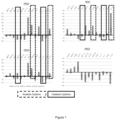
- a comparable response to Victoza ® emerges for four cytokines in three out of four patients' chondrocytes treated with Victoza ® in IL-1 ⁇ context; GMCSF and CXCL10/IP-10 (anabolic cytokines) calculated concentration mean, were increased while IL7, MCP1 (catabolic cytokines) were decreased ( Figure 1 ).
- Liraglutide increases some anabolic cytokine secretion and decrease some catabolic cytokine secretion in chondrocytes from OA patients.
- composition of artificial synovial fluid was chosen on the basis of many information sources, e.g. Biological Performance of Materials: Fundamentals of Biocompatibility. Fourth Edition, Jonathan Black, CRC Press, 20 gru 2005 ; Synovial Fluid Composition and Functions. Dr Arun Pal Singh, http://boneandspine.com/synovial-fluid/ ; Concentration of Hyaluronic Acid in Synovial Fluid. Barry Decker et al. Clinical Chemistry 1959, 5(5):465-469 .
- Liraglutide formulation for stability study for stability study, 1 mg of Liraglutide in 1.02 ml of PBS was mixed with 10 ml of artificial synovial fluid.
- Release profiles determination for each prepared formulation, the release profile was determined.
- Liraglutide hydrogels formulations (1 mg/ml - 1.02 ml) were placed into a semi-permeable membrane test system bathed into 10 ml artificial synovial fluid. The released molecules passed through the membrane into the artificial synovial fluid at 37°C. This membrane should allow free diffusion of monomers of Liraglutide but it is a physical barrier for oligomers of Liraglutide and the hydrogel formulation.
- Samples of artificial synovial fluid (0.2 ml each) were collected after 1, 2, 4, 7, 10 and 14 days. Taken samples were replaced with fresh artificial synovial fluid to maintain the same volume of fluid outside the membrane. Samples of artificial synovial fluid were stored at 2-8°C until end of the study for further ELISA analysis to determine Liraglutide concentration.
- Liraglutide concentrations samples from artificial synovial fluid were diluted 1:400 before proceeding with the ELISA staining. All collected samples from the first five time points were analyzed. Additionally, also eight samples from the last time point were analyzed based on the expectations and consistence of formulations at the beginning of the study.
- EXAMPLE 3 EFFICACY STUDY OF THREE LIRAGLUTIDE BASED-FORMULATIONS UTILIZING OSTEOARTHRITIS SURGICALLY INDUCED MODEL IN RATS
- Formulations were prepared on the day of the treatment for each of the three cycles. For each formulation, 4mg of Liraglutide were dissolved in 2ml of formulation solutions or PBS (for non-formulated Liraglutide) to reach 0.18mg/kg dose level in 25 ⁇ l for intra-articular injection. Assuming a mean BW of 280 g, the dose administered for each rat was 50 ⁇ g. Liraglutide was used for animals dosing within one hour after preparation.
- Anesthesia was induced for each rat by a chamber induction technique using inhalation anesthesia (Isoflurane at 4.0%).
- Isoflurane inhalation anesthesia
- the animal was maintained with Isoflurane at a level between 1.5 and 2.5% with an oxygen flow rate of 1-2 liters/minute.
- Ophthalmic ointment was applied to the eyes to prevent drying of the tissue during the anesthetic period.
- the right leg skin surface was clipped free of hair using electric animal clippers.
- the skin was disinfected with iodine and a para patellar skin incision was made on the medial side of the joint. An incision on the medial side of the joint space was made.
- the medial ligament was transected and the medial meniscus was resected using a microsurgical knife.
- the wound was closed with vicryl 5/0 braided absorbable suture. All operation procedures were performed using a surgical microscope.
- Group Allocation is show in Table 6 and study timeline in Table 7. Table 6. Group allocation.
- Study timeline Study Day/week Procedure Remarks Once a week Body weight Day 1 OA induction Day 7 Treatment with Liraglutide Single IA administration Days -1, 14, 28 and 35 Von Frey test Days -1, 14, 28 and 35 Weight bearing test Day 36 Termination Right knee collection and fixation Left knee collection and fixation
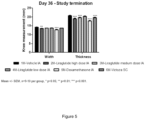
- Weight-bearing changes in the rats with OA were measured using an incapacitance tester. Postural imbalance, which reportedly indicates a change in the pain threshold and weight distribution of the limbs, is decreased. Each rat was placed so that each hind paw rested on a separate force plate on the incapacitance apparatus, and the weight borne by each hind limb was measured for 5 s. The ratio of the weight borne by the right to left hind limb is calculated. The mean of 5 consecutive measurements for each rat was recorded. Weight bearing function Iincapacitance test) was performed at baseline (Day -1), day 14, day 28 and day 35: total of four times. The experimenter(s) were blind regarding to the groups.
- Rats were sacrificed via CO2 asphyxiation on Day 36.
- the knee articular structure was fixed in 4% buffered formalin solution for further histological analysis.
- Contralateral (non-injured) knees were also fixed in 4% buffered formalin solution.
Landscapes
- Health & Medical Sciences (AREA)
- Life Sciences & Earth Sciences (AREA)
- Chemical & Material Sciences (AREA)
- Public Health (AREA)
- Veterinary Medicine (AREA)
- Medicinal Chemistry (AREA)
- Pharmacology & Pharmacy (AREA)
- Animal Behavior & Ethology (AREA)
- General Health & Medical Sciences (AREA)
- Epidemiology (AREA)
- Engineering & Computer Science (AREA)
- Bioinformatics & Cheminformatics (AREA)
- Immunology (AREA)
- Proteomics, Peptides & Aminoacids (AREA)
- Zoology (AREA)
- Gastroenterology & Hepatology (AREA)
- Chemical Kinetics & Catalysis (AREA)
- General Chemical & Material Sciences (AREA)
- Organic Chemistry (AREA)
- Physical Education & Sports Medicine (AREA)
- Rheumatology (AREA)
- Nuclear Medicine, Radiotherapy & Molecular Imaging (AREA)
- Endocrinology (AREA)
- Orthopedic Medicine & Surgery (AREA)
- Inorganic Chemistry (AREA)
- Dermatology (AREA)
- Biochemistry (AREA)
- Molecular Biology (AREA)
- Oil, Petroleum & Natural Gas (AREA)
- Medicines That Contain Protein Lipid Enzymes And Other Medicines (AREA)
- Medicinal Preparation (AREA)
- Medicines Containing Material From Animals Or Micro-Organisms (AREA)
Claims (8)
- Zusammensetzung zur Verwendung bei der Knorpelregeneration, die ein Glucagonähnliches Peptid-1-Analog umfasst, wobei das Glucagon-ähnliche Peptid-1-Analog Liraglutid ist.
- Zusammensetzung zur Verwendung bei der Knorpelregeneration nach Anspruch 1, wobei die Konzentration des Glucagon-ähnlichen Peptid-1-Analogs etwa 0,1 nM bis 625 µM beträgt.
- Zusammensetzung zur Verwendung bei der Knorpelregeneration nach Anspruch 2, die weiter mindestens 5 % mehr Gewicht eines pharmazeutisch akzeptablen Formulierungsvehikels umfasst, das in Kombination verwendet werden soll.
- Zusammensetzung zur Verwendung bei der Knorpelregeneration nach Anspruch 3, wobei das pharmazeutisch akzeptable Formulierungsvehikel ausgewählt ist aus der Gruppe, die aus Albumin oder saurem Alpha-1-Glykoprotein besteht.
- Zusammensetzung zur Verwendung bei der Knorpelregeneration nach Anspruch 4, wobei die Konzentration des pharmazeutisch akzeptablen Formulierungsvehikels etwa 0,1 % bis etwa 10 % (w/w), vorzugsweise 5 % (w/w), der Formulierung beträgt.
- Zusammensetzung zur Verwendung bei der Knorpelregeneration nach Anspruch 5, wobei die Konzentration des pharmazeutisch akzeptablen Formulierungsvehikels 5 % (w/w) der Formulierung beträgt.
- Zusammensetzung zur Verwendung bei der Knorpelregeneration nach Anspruch 6, wobei das pharmazeutisch akzeptable Formulierungsvehikel Albumin ist.
- Zusammensetzung zur Verwendung bei der Knorpelregeneration nach Anspruch 6, wobei das pharmazeutisch akzeptable Formulierungsvehikel saures Alpha-1-Glykoprotein ist.
Priority Applications (2)
| Application Number | Priority Date | Filing Date | Title |
|---|---|---|---|
| EP24219712.7A EP4501362A3 (de) | 2018-11-19 | 2019-11-18 | Zusammensetzung und verfahren zur regulierung der chondrozytenproliferation und erhöhung der knorpelmatrixproduktion |
| HRP20251230TT HRP20251230T1 (hr) | 2018-11-19 | 2019-11-18 | Pripravak i postupci za regulaciju proliferacije hondrocita i povećanje proizvodnje hrskavične matrice |
Applications Claiming Priority (2)
| Application Number | Priority Date | Filing Date | Title |
|---|---|---|---|
| PCT/IB2018/059100 WO2020104833A1 (en) | 2018-11-19 | 2018-11-19 | Composition and methods for regulating chondrocyte proliferation and increasing of cartilage matrix production |
| PCT/IB2019/059889 WO2020104917A1 (en) | 2018-11-19 | 2019-11-18 | Composition and methods for regulating chondrocyte proliferation and increasing of cartilage matrix production |
Related Child Applications (2)
| Application Number | Title | Priority Date | Filing Date |
|---|---|---|---|
| EP24219712.7A Division EP4501362A3 (de) | 2018-11-19 | 2019-11-18 | Zusammensetzung und verfahren zur regulierung der chondrozytenproliferation und erhöhung der knorpelmatrixproduktion |
| EP24219712.7A Division-Into EP4501362A3 (de) | 2018-11-19 | 2019-11-18 | Zusammensetzung und verfahren zur regulierung der chondrozytenproliferation und erhöhung der knorpelmatrixproduktion |
Publications (3)
| Publication Number | Publication Date |
|---|---|
| EP3883594A1 EP3883594A1 (de) | 2021-09-29 |
| EP3883594C0 EP3883594C0 (de) | 2025-07-09 |
| EP3883594B1 true EP3883594B1 (de) | 2025-07-09 |
Family
ID=64650445
Family Applications (2)
| Application Number | Title | Priority Date | Filing Date |
|---|---|---|---|
| EP19806339.8A Active EP3883594B1 (de) | 2018-11-19 | 2019-11-18 | Zusammensetzung und verfahren zur regulierung der proliferation von chondrozyten und erhöhung der knorpelmatrixproduktion |
| EP24219712.7A Pending EP4501362A3 (de) | 2018-11-19 | 2019-11-18 | Zusammensetzung und verfahren zur regulierung der chondrozytenproliferation und erhöhung der knorpelmatrixproduktion |
Family Applications After (1)
| Application Number | Title | Priority Date | Filing Date |
|---|---|---|---|
| EP24219712.7A Pending EP4501362A3 (de) | 2018-11-19 | 2019-11-18 | Zusammensetzung und verfahren zur regulierung der chondrozytenproliferation und erhöhung der knorpelmatrixproduktion |
Country Status (12)
| Country | Link |
|---|---|
| US (3) | US20210401944A1 (de) |
| EP (2) | EP3883594B1 (de) |
| JP (2) | JP7661222B2 (de) |
| KR (1) | KR20210093252A (de) |
| CN (1) | CN113038966A (de) |
| AU (2) | AU2019383576B2 (de) |
| BR (1) | BR112021009232A2 (de) |
| CA (1) | CA3119940A1 (de) |
| ES (1) | ES3042788T3 (de) |
| HR (1) | HRP20251230T1 (de) |
| PL (1) | PL3883594T3 (de) |
| WO (2) | WO2020104833A1 (de) |
Families Citing this family (6)
| Publication number | Priority date | Publication date | Assignee | Title |
|---|---|---|---|---|
| WO2022269001A1 (en) | 2021-06-23 | 2022-12-29 | 4Moving Biotech | Pharmaceutical compositions comprising glp-1r agonists |
| EP4108252A1 (de) | 2021-06-23 | 2022-12-28 | 4Moving Biotech | Pharmazeutische zusammensetzungen mit glp-1r-agonisten |
| CN114934012B (zh) * | 2022-05-16 | 2023-11-10 | 同济大学 | 一种纳米层状双氢氧化物在软骨再生中的应用及其制备 |
| CN117701569B (zh) * | 2023-12-15 | 2024-10-18 | 陕西彦奎生物科技有限公司 | 一种软骨细胞对半月板损伤与骨关节修复的组合物及其制备方法及应用 |
| WO2025219601A1 (en) * | 2024-04-18 | 2025-10-23 | 4Moving Biotech | New glp-1 receptor agonists for the treatment of joint diseases |
| CN118845994B (zh) * | 2024-06-21 | 2025-06-03 | 超越健康科技(浙江)有限公司 | 一种用于骨关节退行性疾病的药物 |
Family Cites Families (9)
| Publication number | Priority date | Publication date | Assignee | Title |
|---|---|---|---|---|
| WO2005034961A1 (en) * | 2003-10-01 | 2005-04-21 | Optimer Pharmaceuticals, Inc. | Treatment of a condition in a mammal with adminisration of aminosugar and uses thereof |
| EP2494983B1 (de) * | 2004-11-12 | 2019-04-24 | Novo Nordisk A/S | Stabile formulierung von glp-1 |
| WO2008023063A2 (en) * | 2006-08-25 | 2008-02-28 | Ares Trading S.A. | Treatment of cartilage disorders with fgf-18 |
| CN102271705A (zh) * | 2008-12-22 | 2011-12-07 | 墨尔本大学 | 骨关节炎治疗 |
| CN101987868B (zh) * | 2009-07-30 | 2013-09-04 | 江苏豪森医药集团有限公司 | Glp-1类似物的衍生物或其可药用盐和用途 |
| US8716204B2 (en) * | 2010-07-27 | 2014-05-06 | Zimmer, Inc. | Synthetic synovial fluid compositions and methods for making the same |
| FR2994848B1 (fr) * | 2012-08-30 | 2014-08-22 | Univ Paris Curie | Traitement de l'arthrose par les hormones incretines ou leurs analogues |
| US20150150983A1 (en) * | 2013-12-02 | 2015-06-04 | Depuy Mitek, Llc | Intra-articular Formulations and Methods for Treatment of Osteoarthritis |
| US10946074B2 (en) | 2016-03-03 | 2021-03-16 | Novo Nordisk A/S | GLP-1 derivatives and uses thereof |
-
2018
- 2018-11-19 WO PCT/IB2018/059100 patent/WO2020104833A1/en not_active Ceased
-
2019
- 2019-11-18 KR KR1020217014573A patent/KR20210093252A/ko active Pending
- 2019-11-18 BR BR112021009232-3A patent/BR112021009232A2/pt unknown
- 2019-11-18 WO PCT/IB2019/059889 patent/WO2020104917A1/en not_active Ceased
- 2019-11-18 AU AU2019383576A patent/AU2019383576B2/en active Active
- 2019-11-18 JP JP2021526734A patent/JP7661222B2/ja active Active
- 2019-11-18 CN CN201980075184.9A patent/CN113038966A/zh active Pending
- 2019-11-18 EP EP19806339.8A patent/EP3883594B1/de active Active
- 2019-11-18 EP EP24219712.7A patent/EP4501362A3/de active Pending
- 2019-11-18 ES ES19806339T patent/ES3042788T3/es active Active
- 2019-11-18 CA CA3119940A patent/CA3119940A1/en active Pending
- 2019-11-18 HR HRP20251230TT patent/HRP20251230T1/hr unknown
- 2019-11-18 US US17/294,079 patent/US20210401944A1/en active Pending
- 2019-11-18 PL PL19806339.8T patent/PL3883594T3/pl unknown
-
2025
- 2025-01-10 US US19/016,974 patent/US20250144181A1/en active Pending
- 2025-04-02 JP JP2025060915A patent/JP2025118608A/ja active Pending
- 2025-08-29 AU AU2025223913A patent/AU2025223913A1/en active Pending
- 2025-11-17 US US19/391,871 patent/US20260069661A1/en active Pending
Also Published As
| Publication number | Publication date |
|---|---|
| JP2025118608A (ja) | 2025-08-13 |
| EP4501362A2 (de) | 2025-02-05 |
| AU2019383576B2 (en) | 2025-06-19 |
| WO2020104833A1 (en) | 2020-05-28 |
| AU2025223913A1 (en) | 2025-09-18 |
| EP4501362A3 (de) | 2025-02-19 |
| BR112021009232A2 (pt) | 2021-08-10 |
| CN113038966A (zh) | 2021-06-25 |
| PL3883594T3 (pl) | 2025-11-12 |
| JP7661222B2 (ja) | 2025-04-14 |
| US20250144181A1 (en) | 2025-05-08 |
| EP3883594A1 (de) | 2021-09-29 |
| KR20210093252A (ko) | 2021-07-27 |
| CA3119940A1 (en) | 2020-05-28 |
| WO2020104917A1 (en) | 2020-05-28 |
| EP3883594C0 (de) | 2025-07-09 |
| JP2022507614A (ja) | 2022-01-18 |
| US20260069661A1 (en) | 2026-03-12 |
| AU2019383576A1 (en) | 2021-06-03 |
| ES3042788T3 (en) | 2025-11-24 |
| HRP20251230T1 (hr) | 2025-12-05 |
| US20210401944A1 (en) | 2021-12-30 |
Similar Documents
| Publication | Publication Date | Title |
|---|---|---|
| EP3883594B1 (de) | Zusammensetzung und verfahren zur regulierung der proliferation von chondrozyten und erhöhung der knorpelmatrixproduktion | |
| US9987296B2 (en) | Compositions including anthocyanin or anthocyanidin for the prevention or treatment of Articular cartilage-associated conditions | |
| RU2700582C2 (ru) | Схема применения соединения fgf-18 | |
| US9777048B2 (en) | Use of PEDF-derived polypeptides for treating osteoarthritis | |
| US20240293514A1 (en) | Pharmaceutical compositions comprising glp-1r agonists | |
| TWI453030B (zh) | 抑制及/或回復細胞終端分化的組成物 | |
| EP4108252A1 (de) | Pharmazeutische zusammensetzungen mit glp-1r-agonisten | |
| HK40123727A (en) | Composition and methods for regulating chondrocyte proliferation and increasing of cartilage matrix production | |
| TWI491407B (zh) | 色素上皮衍生因子衍生之多胜肽於治療骨性關節炎之用途 | |
| US20170231934A1 (en) | Compositions including anthocyanin or anthocyanidin metabolites for the prevention or treatment of articular cartilage-associated conditions | |
| WO2018204621A1 (en) | Compositions including protocatechuic acid for the prevention or treatment of osteoarthritis | |
| HK40085325A (en) | Pharmaceutical compositions comprising glp-1r agonists | |
| McCoy | Advances in the treatment of osteoarthritis in horses | |
| CN118436659A (zh) | Hemin通过抑制软骨细胞凋亡防治软骨受损疾病 |
Legal Events
| Date | Code | Title | Description |
|---|---|---|---|
| REG | Reference to a national code |
Ref country code: HR Ref legal event code: TUEP Ref document number: P20251230T Country of ref document: HR |
|
| STAA | Information on the status of an ep patent application or granted ep patent |
Free format text: STATUS: UNKNOWN |
|
| STAA | Information on the status of an ep patent application or granted ep patent |
Free format text: STATUS: THE INTERNATIONAL PUBLICATION HAS BEEN MADE |
|
| PUAI | Public reference made under article 153(3) epc to a published international application that has entered the european phase |
Free format text: ORIGINAL CODE: 0009012 |
|
| STAA | Information on the status of an ep patent application or granted ep patent |
Free format text: STATUS: REQUEST FOR EXAMINATION WAS MADE |
|
| 17P | Request for examination filed |
Effective date: 20210621 |
|
| AK | Designated contracting states |
Kind code of ref document: A1 Designated state(s): AL AT BE BG CH CY CZ DE DK EE ES FI FR GB GR HR HU IE IS IT LI LT LU LV MC MK MT NL NO PL PT RO RS SE SI SK SM TR |
|
| DAV | Request for validation of the european patent (deleted) | ||
| DAX | Request for extension of the european patent (deleted) | ||
| STAA | Information on the status of an ep patent application or granted ep patent |
Free format text: STATUS: EXAMINATION IS IN PROGRESS |
|
| 17Q | First examination report despatched |
Effective date: 20240723 |
|
| RAP1 | Party data changed (applicant data changed or rights of an application transferred) |
Owner name: INSTITUT NATIONAL DE LA SANTE ETDE LA RECHERCHE MEDICALE (INSERM) Owner name: ASSISTANCE PUBLIQUE - HOPITAUX DE PARIS Owner name: SORBONNE UNIVERSITE Owner name: 4MOVING BIOTECH |
|
| RIN1 | Information on inventor provided before grant (corrected) |
Inventor name: MEUROT, CORALIE Inventor name: MARTIN, CELINE Inventor name: RATTENBACH, REVITAL Inventor name: BERENBAUM, FRANCIS |
|
| GRAP | Despatch of communication of intention to grant a patent |
Free format text: ORIGINAL CODE: EPIDOSNIGR1 |
|
| STAA | Information on the status of an ep patent application or granted ep patent |
Free format text: STATUS: GRANT OF PATENT IS INTENDED |
|
| INTG | Intention to grant announced |
Effective date: 20250206 |
|
| GRAS | Grant fee paid |
Free format text: ORIGINAL CODE: EPIDOSNIGR3 |
|
| GRAA | (expected) grant |
Free format text: ORIGINAL CODE: 0009210 |
|
| STAA | Information on the status of an ep patent application or granted ep patent |
Free format text: STATUS: THE PATENT HAS BEEN GRANTED |
|
| AK | Designated contracting states |
Kind code of ref document: B1 Designated state(s): AL AT BE BG CH CY CZ DE DK EE ES FI FR GB GR HR HU IE IS IT LI LT LU LV MC MK MT NL NO PL PT RO RS SE SI SK SM TR |
|
| REG | Reference to a national code |
Ref country code: GB Ref legal event code: FG4D |
|
| REG | Reference to a national code |
Ref country code: CH Ref legal event code: EP |
|
| REG | Reference to a national code |
Ref country code: IE Ref legal event code: FG4D |
|
| REG | Reference to a national code |
Ref country code: DE Ref legal event code: R096 Ref document number: 602019072352 Country of ref document: DE |
|
| U01 | Request for unitary effect filed |
Effective date: 20250806 |
|
| U07 | Unitary effect registered |
Designated state(s): AT BE BG DE DK EE FI FR IT LT LU LV MT NL PT RO SE SI Effective date: 20250819 |
|
| REG | Reference to a national code |
Ref country code: CH Ref legal event code: R17 Free format text: ST27 STATUS EVENT CODE: U-0-0-R10-R17 (AS PROVIDED BY THE NATIONAL OFFICE) Effective date: 20251001 |
|
| REG | Reference to a national code |
Ref country code: ES Ref legal event code: FG2A Ref document number: 3042788 Country of ref document: ES Kind code of ref document: T3 Effective date: 20251124 |
|
| REG | Reference to a national code |
Ref country code: CH Ref legal event code: U11 Free format text: ST27 STATUS EVENT CODE: U-0-0-U10-U11 (AS PROVIDED BY THE NATIONAL OFFICE) Effective date: 20251201 |
|
| REG | Reference to a national code |
Ref country code: HR Ref legal event code: T1PR Ref document number: P20251230 Country of ref document: HR |
|
| REG | Reference to a national code |
Ref country code: GR Ref legal event code: EP Ref document number: 20250402001 Country of ref document: GR Effective date: 20251112 |
|
| REG | Reference to a national code |
Ref country code: HR Ref legal event code: ODRP Ref document number: P20251230 Country of ref document: HR Payment date: 20251112 Year of fee payment: 7 |
|
| U20 | Renewal fee for the european patent with unitary effect paid |
Year of fee payment: 7 Effective date: 20251127 |
|
| PG25 | Lapsed in a contracting state [announced via postgrant information from national office to epo] |
Ref country code: IS Free format text: LAPSE BECAUSE OF FAILURE TO SUBMIT A TRANSLATION OF THE DESCRIPTION OR TO PAY THE FEE WITHIN THE PRESCRIBED TIME-LIMIT Effective date: 20251109 |
|
| PGFP | Annual fee paid to national office [announced via postgrant information from national office to epo] |
Ref country code: GB Payment date: 20251121 Year of fee payment: 7 |
|
| PGFP | Annual fee paid to national office [announced via postgrant information from national office to epo] |
Ref country code: MC Payment date: 20251121 Year of fee payment: 7 Ref country code: NO Payment date: 20251125 Year of fee payment: 7 |
|
| PGFP | Annual fee paid to national office [announced via postgrant information from national office to epo] |
Ref country code: MK Payment date: 20251112 Year of fee payment: 7 |
|
| PGFP | Annual fee paid to national office [announced via postgrant information from national office to epo] |
Ref country code: HR Payment date: 20251112 Year of fee payment: 7 |
|
| PGFP | Annual fee paid to national office [announced via postgrant information from national office to epo] |
Ref country code: TR Payment date: 20251113 Year of fee payment: 7 Ref country code: AL Payment date: 20251117 Year of fee payment: 7 Ref country code: GR Payment date: 20251120 Year of fee payment: 7 |
|
| PGFP | Annual fee paid to national office [announced via postgrant information from national office to epo] |
Ref country code: CH Payment date: 20251201 Year of fee payment: 7 |
|
| PGFP | Annual fee paid to national office [announced via postgrant information from national office to epo] |
Ref country code: IE Payment date: 20251121 Year of fee payment: 7 |
|
| PGFP | Annual fee paid to national office [announced via postgrant information from national office to epo] |
Ref country code: PL Payment date: 20251114 Year of fee payment: 7 |
|
| PG25 | Lapsed in a contracting state [announced via postgrant information from national office to epo] |
Ref country code: RS Free format text: LAPSE BECAUSE OF FAILURE TO SUBMIT A TRANSLATION OF THE DESCRIPTION OR TO PAY THE FEE WITHIN THE PRESCRIBED TIME-LIMIT Effective date: 20251009 |
|
| PGFP | Annual fee paid to national office [announced via postgrant information from national office to epo] |
Ref country code: ES Payment date: 20251229 Year of fee payment: 7 |