EP3855184B1 - Methods for treating and monitoring the status of cancer - Google Patents
Methods for treating and monitoring the status of cancer Download PDFInfo
- Publication number
- EP3855184B1 EP3855184B1 EP20211725.5A EP20211725A EP3855184B1 EP 3855184 B1 EP3855184 B1 EP 3855184B1 EP 20211725 A EP20211725 A EP 20211725A EP 3855184 B1 EP3855184 B1 EP 3855184B1
- Authority
- EP
- European Patent Office
- Prior art keywords
- cancer
- stem cells
- cancer stem
- subject
- epha2
- Prior art date
- Legal status (The legal status is an assumption and is not a legal conclusion. Google has not performed a legal analysis and makes no representation as to the accuracy of the status listed.)
- Active
Links
Images





Classifications
-
- C—CHEMISTRY; METALLURGY
- C07—ORGANIC CHEMISTRY
- C07K—PEPTIDES
- C07K16/00—Immunoglobulins [IG], e.g. monoclonal or polyclonal antibodies
- C07K16/40—Immunoglobulins [IG], e.g. monoclonal or polyclonal antibodies against enzymes
-
- A—HUMAN NECESSITIES
- A61—MEDICAL OR VETERINARY SCIENCE; HYGIENE
- A61K—PREPARATIONS FOR MEDICAL, DENTAL OR TOILETRY PURPOSES
- A61K38/00—Medicinal preparations containing peptides
- A61K38/16—Peptides having more than 20 amino acids; Gastrins; Somatostatins; Melanotropins; Derivatives thereof
- A61K38/17—Peptides having more than 20 amino acids; Gastrins; Somatostatins; Melanotropins; Derivatives thereof from animals; from humans
- A61K38/177—Receptors; Cell surface antigens; Cell surface determinants
- A61K38/1793—Receptors; Cell surface antigens; Cell surface determinants for cytokines; for lymphokines; for interferons
-
- A—HUMAN NECESSITIES
- A61—MEDICAL OR VETERINARY SCIENCE; HYGIENE
- A61K—PREPARATIONS FOR MEDICAL, DENTAL OR TOILETRY PURPOSES
- A61K38/00—Medicinal preparations containing peptides
- A61K38/16—Peptides having more than 20 amino acids; Gastrins; Somatostatins; Melanotropins; Derivatives thereof
- A61K38/43—Enzymes; Proenzymes; Derivatives thereof
- A61K38/45—Transferases (2)
-
- A—HUMAN NECESSITIES
- A61—MEDICAL OR VETERINARY SCIENCE; HYGIENE
- A61P—SPECIFIC THERAPEUTIC ACTIVITY OF CHEMICAL COMPOUNDS OR MEDICINAL PREPARATIONS
- A61P25/00—Drugs for disorders of the nervous system
-
- A—HUMAN NECESSITIES
- A61—MEDICAL OR VETERINARY SCIENCE; HYGIENE
- A61P—SPECIFIC THERAPEUTIC ACTIVITY OF CHEMICAL COMPOUNDS OR MEDICINAL PREPARATIONS
- A61P35/00—Antineoplastic agents
-
- A—HUMAN NECESSITIES
- A61—MEDICAL OR VETERINARY SCIENCE; HYGIENE
- A61P—SPECIFIC THERAPEUTIC ACTIVITY OF CHEMICAL COMPOUNDS OR MEDICINAL PREPARATIONS
- A61P37/00—Drugs for immunological or allergic disorders
- A61P37/02—Immunomodulators
- A61P37/04—Immunostimulants
-
- C—CHEMISTRY; METALLURGY
- C07—ORGANIC CHEMISTRY
- C07K—PEPTIDES
- C07K16/00—Immunoglobulins [IG], e.g. monoclonal or polyclonal antibodies
- C07K16/18—Immunoglobulins [IG], e.g. monoclonal or polyclonal antibodies against material from animals or humans
- C07K16/28—Immunoglobulins [IG], e.g. monoclonal or polyclonal antibodies against material from animals or humans against receptors, cell surface antigens or cell surface determinants
- C07K16/2866—Immunoglobulins [IG], e.g. monoclonal or polyclonal antibodies against material from animals or humans against receptors, cell surface antigens or cell surface determinants against receptors for cytokines, lymphokines, interferons
-
- C—CHEMISTRY; METALLURGY
- C12—BIOCHEMISTRY; BEER; SPIRITS; WINE; VINEGAR; MICROBIOLOGY; ENZYMOLOGY; MUTATION OR GENETIC ENGINEERING
- C12N—MICROORGANISMS OR ENZYMES; COMPOSITIONS THEREOF; PROPAGATING, PRESERVING, OR MAINTAINING MICROORGANISMS; MUTATION OR GENETIC ENGINEERING; CULTURE MEDIA
- C12N9/00—Enzymes; Proenzymes; Compositions thereof; Processes for preparing, activating, inhibiting, separating or purifying enzymes
- C12N9/10—Transferases (2.)
- C12N9/12—Transferases (2.) transferring phosphorus containing groups, e.g. kinases (2.7)
-
- G—PHYSICS
- G01—MEASURING; TESTING
- G01N—INVESTIGATING OR ANALYSING MATERIALS BY DETERMINING THEIR CHEMICAL OR PHYSICAL PROPERTIES
- G01N33/00—Investigating or analysing materials by specific methods not covered by groups G01N1/00 - G01N31/00
- G01N33/48—Biological material, e.g. blood, urine; Haemocytometers
- G01N33/50—Chemical analysis of biological material, e.g. blood, urine; Testing involving biospecific ligand binding methods; Immunological testing
- G01N33/53—Immunoassay; Biospecific binding assay; Materials therefor
- G01N33/575—Immunoassay; Biospecific binding assay; Materials therefor for cancer
- G01N33/57557—Immunoassay; Biospecific binding assay; Materials therefor for cancer of other specific parts of the body, e.g. brain
-
- A—HUMAN NECESSITIES
- A61—MEDICAL OR VETERINARY SCIENCE; HYGIENE
- A61K—PREPARATIONS FOR MEDICAL, DENTAL OR TOILETRY PURPOSES
- A61K39/00—Medicinal preparations containing antigens or antibodies
- A61K2039/505—Medicinal preparations containing antigens or antibodies comprising antibodies
-
- C—CHEMISTRY; METALLURGY
- C12—BIOCHEMISTRY; BEER; SPIRITS; WINE; VINEGAR; MICROBIOLOGY; ENZYMOLOGY; MUTATION OR GENETIC ENGINEERING
- C12Y—ENZYMES
- C12Y207/00—Transferases transferring phosphorus-containing groups (2.7)
- C12Y207/10—Protein-tyrosine kinases (2.7.10)
- C12Y207/10001—Receptor protein-tyrosine kinase (2.7.10.1)
-
- G—PHYSICS
- G01—MEASURING; TESTING
- G01N—INVESTIGATING OR ANALYSING MATERIALS BY DETERMINING THEIR CHEMICAL OR PHYSICAL PROPERTIES
- G01N2333/00—Assays involving biological materials from specific organisms or of a specific nature
- G01N2333/435—Assays involving biological materials from specific organisms or of a specific nature from animals; from humans
- G01N2333/705—Assays involving receptors, cell surface antigens or cell surface determinants
- G01N2333/70596—Molecules with a "CD"-designation not provided for elsewhere in G01N2333/705
-
- G—PHYSICS
- G01—MEASURING; TESTING
- G01N—INVESTIGATING OR ANALYSING MATERIALS BY DETERMINING THEIR CHEMICAL OR PHYSICAL PROPERTIES
- G01N2333/00—Assays involving biological materials from specific organisms or of a specific nature
- G01N2333/435—Assays involving biological materials from specific organisms or of a specific nature from animals; from humans
- G01N2333/705—Assays involving receptors, cell surface antigens or cell surface determinants
- G01N2333/715—Assays involving receptors, cell surface antigens or cell surface determinants for cytokines; for lymphokines; for interferons
- G01N2333/7155—Assays involving receptors, cell surface antigens or cell surface determinants for cytokines; for lymphokines; for interferons for interleukins [IL]
-
- G—PHYSICS
- G01—MEASURING; TESTING
- G01N—INVESTIGATING OR ANALYSING MATERIALS BY DETERMINING THEIR CHEMICAL OR PHYSICAL PROPERTIES
- G01N2333/00—Assays involving biological materials from specific organisms or of a specific nature
- G01N2333/90—Enzymes; Proenzymes
- G01N2333/91—Transferases (2.)
- G01N2333/912—Transferases (2.) transferring phosphorus containing groups, e.g. kinases (2.7)
- G01N2333/91205—Phosphotransferases in general
-
- G—PHYSICS
- G01—MEASURING; TESTING
- G01N—INVESTIGATING OR ANALYSING MATERIALS BY DETERMINING THEIR CHEMICAL OR PHYSICAL PROPERTIES
- G01N2800/00—Detection or diagnosis of diseases
- G01N2800/52—Predicting or monitoring the response to treatment, e.g. for selection of therapy based on assay results in personalised medicine; Prognosis
Definitions
- the amount of cancer stem cells in said subject that express IL-13R ⁇ 2 may be measured.
- the amount of cancer stem cells in said subject that express CD133 may be measured.
- the amount of cancer stem cells in said subject that express IL-13R ⁇ 2 and CD133 may be measured.
- the compound may be an antibody that specifically binds IL-13R ⁇ 2.
- Described herein are methods of improving the targeting of cancer stem cells with a cancer vaccine comprising determining the binding motif of a Class I or Class II epitope from IL-13R ⁇ 2, and making substitutions in the amino acid sequence such that the modified peptides are able to induce an immune response that is at least as effective at killing cancer stem cells as the wild type peptide.
- a peptide that is obtained from a natural source refers to a peptide which is substantially free of contaminating materials from the natural source, e.g., soil particles, minerals, chemicals from the environment, and/or cellular materials from the natural source, such as but not limited to cell debris, cell wall materials, membranes, organelles, the bulk of the nucleic acids, carbohydrates, proteins, and/or lipids present in cells.
- a peptide that is isolated includes preparations of a polypeptide having less than about 30%, 20%, 10%, 5%, 2%, or 1% (by dry weight) of cellular materials and/or contaminating materials.
- Brain cancer refers to a tumor located inside the cranium or in the central spinal canal.
- Brain cancer refers to both primary tumors (i.e., tumors that originate in the intracranial sphere or the central spinal canal) and secondary tumors (i.e., tumors that invaded the intracranial sphere or the central spinal canal after originating from tumors primarily located in other organs).
- therapies and “therapy” can refer to any protocol(s), method(s), composition(s), formulation(s), and/or agent(s) that can be used in the prevention or treatment of brain cancer or a disease or symptom associated therewith.
- therapies and “therapy” refer to biological therapy, supportive therapy, and/or other therapies useful in treatment or prevention of cancer or a disease or symptom associated therewith known to one of skill in the art.
- the amount of cancer stem cells in said subject that express EphA2 may be measured.
- the amount of cancer stem cells in said subject that express CD133 may be measured.
- the amount of cancer stem cells in said subject that express EphA2 and CD133 may be measured.
- Also described herein are methods of improving the targeting of cancer stem cells with a cancer vaccine comprising determining the binding motif of a Class I or Class II epitope from EphA2, and making substitutions in the amino acid sequence such that the modified peptides are able to induce an immune response that is at least as effective at killing cancer stem cells as the wild type peptide.
- an IL-13R ⁇ 2 peptide-based cancer treatment i.e., a treatment or therapy that comprises administration of a peptide derived from IL-13R ⁇ 2
- a treatment or therapy that comprises administration of a peptide derived from IL-13R ⁇ 2
- monitoring the amount of cancer stem cells in said subject prior to, during, and/or following the cancer treatment of a patient comprising monitoring the amount of cancer stem cells in said subject prior to, during, and/or following the cancer treatment of a patient.
- the amount of cancer stem cells in said subject that express IL-13R ⁇ 2 may be measured.
- the amount of cancer stem cells in said subject that express CD133 may be measured.
- the amount of cancer stem cells in said subject that express IL-13R ⁇ 2 and CD133 may be measured.
- a T cell epitope of IL-13R ⁇ 2 that targets cancer stem cells, wherein said epitope is sufficient to induce an immune response in a patient with cancer.
- a cancer vaccine comprising determining the binding motif of a Class I or Class II epitope from IL-13R ⁇ 2, and making substitutions in the amino acid sequence such that the modified peptides are able to induce an immune response that is at least as effective at killing cancer stem cells as the wild type peptide.
- cancer stem cells can be monitored to assess the efficacy of an EphA2 peptide based cancer therapy or an IL-13R ⁇ 2 peptide based cancer therapy as well as to determine prognosis of a subject with cancer or the efficacy of a therapeutically or prophylactically effective regimen.
- the therapies or regimens result in a stabilization or reduction of cancer stem cells in the patient.
- the subject undergoing the regimen is monitored to assess whether the regimen has resulted in a stabilization or reduction in the cancer stem cells in the subject.
- the methods of monitoring measure an EphA2-, IL-13R ⁇ 2-, and/or CD133-expressing cancer stem cells in the subjects to whom an an EphA2 peptide based cancer therapy or an IL-13R ⁇ 2 peptide based cancer therapy is administered.
- cancer stem cells e.g., EphA2-expressing cancer stem cells and/or IL-13R ⁇ 2-expressing cancer stem cells
- a unique subpopulation e.g., 0.1-10% or so
- a tumor that, in contrast to the remaining 90% or so of the tumor (i.e. , the tumor bulk)
- conventional therapies and regimens have, in large part, been designed to attack rapidly proliferating cells (i.e. , those cancer cells that comprise the tumor bulk)
- slower growing cancer stem cells may be relatively more resistant than faster growing tumor bulk to conventional therapies and regimens.
- a normal stem cell(s) e.g. , similar cell surface antigen and/or intracellular expression profile, self-renewal programs, multi-drug resistance, an immature phenotype, etc., characteristic of normal stem cells
- iv can be potentially responsive to its microenvironment (e.g.
- the amount of cancer stem cells in a sample from a subject may be determined/assessed using a technique described herein or well-known to one of skill in the art.
- samples include, but are not limited to, biological samples and samples derived from a biological sample.
- the sample used in the methods of this invention comprises added water, salts, glycerin, glucose, an antimicrobial agent, paraffin, a chemical stabilizing agent, heparin, an anticoagulant, or a buffering agent.
- the biological sample may be blood, serum, urine, bone marrow or interstitial fluid.
- the sample may be a tissue sample.
- the tissue sample may be breast, brain, skin, colon, lung, liver, ovarian, pancreatic, prostate, renal, bone or skin tissue.
- the tissue sample may be a biopsy of normal or tumor tissue.
- the amount of biological sample taken from the subject will vary according to the type of biological sample and the method of detection to be employed.
- the biological sample may be blood, serum, urine, or bone marrow and the amount of blood, serum, urine, or bone marrow taken from the subject is 0.1 ml, 0.5 ml, 1 ml, 5 ml, 8 ml, 10 ml or more.
- the biological sample may be a tissue and the amount of tissue taken from the subject is less than 10 milligrams, less than 25 milligrams, less than 50 milligrams, less than 1 gram, less than 5 grams, less than 10 grams, less than 50 grams, or less than 100 grams.
- the term "has no detectable cancer,” as used herein, refers to a subject or subjects in which there is no detectable cancer by conventional methods, e.g ., MRI. In other embodiments, the term refers to a subject or subjects free from any disorder.
- the amount of cancer stem cells in a subject or a sample from a subject is/are assessed prior to therapy or regimen ( e.g. at baseline) or at least 1, 2, 4, 6, 7, 8, 10, 12, 14, 15, 16, 18, 20, 30, 60, 90 days, 6 months, 9 months, 12 months, or > 12 months after the subject begins receiving the therapy or regimen.
- the amount of cancer stem cells may be assessed after a certain number of doses ( e.g. , after 2, 5, 10, 20, 30 or more doses of a therapy). In other embodiments, the amount of cancer stem cells is assessed after 1 week, 2 weeks, 1 month, 2 months, 1 year, 2 years, 3 years, 4 years or more after receiving one or more therapies.
- a positive or negative control sample is a sample that is obtained or derived from a corresponding tissue or biological fluid or tumor as the sample to be analyzed in accordance with the methods described. This sample may come from the same patient or different persons and at the same or different time points.
- the following pertains to analysis of a blood sample from a patient.
- a body fluid e.g. blood, bone marrow, plasma, urine, bile, ascitic fluid
- tissue sample suspected of containing material derived from a cancer e.g. a biopsy
- the amount of sample to be collected will vary with the particular type of sample and method of determining the amount of cancer stem cells used and will be an amount sufficient to detect the cancer stem cells in the sample.
- a sample of blood may be obtained from a patient having different developmental or disease stages.
- Blood may be drawn from a subject from any part of the body (e.g. , a finger, a hand, a wrist, an arm, a leg, a foot, an ankle, a stomach, and a neck) using techniques known to one of skill in the art, in particular methods of phlebotomy known in the art.
- Venous blood is obtained from a subject and utilized in accordance with the methods described.
- Arterial blood may be obtained and utilized in accordance with the methods described.
- the composition of venous blood varies according to the metabolic needs of the area of the body it is servicing. In contrast, the composition of arterial blood is consistent throughout the body. For routine blood tests, venous blood is generally used.
- the sample may be a blood sample, bone marrow sample, or a tissue/tumor biopsy sample, wherein the amount of cancer stem cells per unit of volume (e.g. , 1 mL) or other measured unit ( e.g. , per unit field in the case of a histological analysis) is quantitated.
- the cancer stem cell population may be determined as a portion ( e.g. , a percentage) of the cancerous cells present in the blood or bone marrow or tissue/tumor biopsy sample or as a subset of the cancerous cells present in the blood or bone marrow or tissue/tumor biopsy sample.
- the cancer stem cell population can be determined as a portion ( e.g ., percentage) of the total cells.
- the cancer stem cell population may be determined as a portion ( e.g. , a percentage) of the total stem cells present in the blood sample.
- the sample from the patient may be a tissue sample (e.g. , a biopsy from a subject with or suspected of having cancerous tissue), where the amount of cancer stem cells can be measured, for example, by immunohistochemistry or flow cytometry, or on the basis of the amount of cancer stem cells per unit area, volume, or weight of the tissue.
- the cancer stem cell population (the amount of cancer stem cells) may be determined as a portion ( e.g. , a percentage) of the cancerous cells present in the tissue sample or as a subset of the cancerous cells present in the tissue sample.
- the cancer stem cell population may be determined as a portion ( e.g. , a percentage) of the overall cells or stem cell cells in the tissue sample.
- the amount of cancer stem cells in a test sample can be compared with the amount of cancer stem cells in reference sample(s) to assess the efficacy of the regimen.
- the reference sample may be a sample obtained from the subject undergoing therapy at an earlier time point ( e.g. , prior to receiving the regimen as a baseline reference sample, or at an earlier time point while receiving the therapy).
- the therapy desirably results in a decrease in the amount of cancer stem cells in the test sample as compared with the reference sample.
- the reference sample may be obtained from a healthy subject who has no detectable cancer, or from a patient that is in remission for the same type of cancer.
- the therapy desirably results in the test sample having an equal amount of cancer stem cells, or less than the amount of cancer stem cells than are detected in the reference sample.
- the cancer stem cell population in a test sample can be compared with a predetermined reference range and/or a previously detected amount of cancer stem cells determined for the subject to gauge the subject's response to the regimens described herein.
- a stabilization or reduction in the amount of cancer stem cells relative to a predetermined reference range and/or earlier (previously detected) cancer stem cell amount determined for the subject indicates an improvement in the subject's prognosis or a positive response to the regimen, whereas an increase relative to the predetermined reference range and/or earlier cancer stem cell amount indicates the same or worse prognosis, and/or a failure to respond to the regimen.
- the medical practitioner has a number of possible options to adjust the regimen. For instance, the medical practitioner can then increase either the dosage or intensity of the therapy administered, the frequency of the administration, the duration of administration, combine the therapy with another therapy(ies), change the management altogether including halting therapy, or any combination thereof.
- the dosage, frequency and/or duration of administration of a therapy may be modified as a result of the change in the amount of cancer stem cells detected in or from the treated patient. For example, if a subject receiving therapy for leukemia has a cancer stem cell measurement of 2.5% of his tumor prior to therapy and 5% after 6 weeks of therapy, then the therapy or regimen may be altered or stopped because the increase in the percentage of cancer stem cells indicates that the therapy or regimen is not optimal. Alternatively, if another subject has a cancer stem cell measurement of 2.5% of his tumor prior to therapy and 1% after 6 weeks of therapy, then the therapy or regimen may be continued because the decrease in the percentage of cancer stem cells indicates that the therapy or regimen is effective.
- the cancer stem cell population in a sample from a patient is determined by flow cytometry.
- This method exploits the differential expression of certain surface markers on cells.
- Labeled antibodies e.g. , fluorescent antibodies
- cancer stem cells antigens e.g., EphA2
- FACS methods FACS methods.
- a combination of cell surface markers are utilized in order to determine the amount of cancer stem cells in the sample. For example, both positive and negative cell sorting may be used to assess the amount of cancer stem cells in the sample.
- the cancer stem cell population in a sample is determined using immunohistochemistry techniques.
- This method exploits the differential expression of certain surface markers on cells.
- Labeled antibodies e.g., fluorescent antibodies
- cancer stem cells antigens e.g., EphA2
- EphA2 specific to cancer stem cells antigens
- a combination of certain cell surface markers are utilized in order to determine the amount of cancer stem cells in the sample.
- sphere formation can be used to determine the amount of cancer stem cells in a sample ( See Singh et al., "Identification of a Cancer Stem Cell from Human Brain Tumors," Cancer Res 63: 5821-5828 (2003 ).
- a sample e.g. , a tumor or normal tissue sample, blood sample or bone marrow sample
- in vivo engraftment is used to quantitate the amount of cancer stem cells in a sample.
- in vivo engraftment involves implantation of a human specimen with the readout being the formation of tumors in an animal such as in immunocompromised or immunodeficient mice (such as NOD/SCID mice).
- the patient sample is cultured or manipulated in vitro and then injected into the mice.
- mice can be injected with a decreasing amount of cells from patient samples, and the frequency of tumor formation can be plotted vs. the amount of cells injected to determine the amount of cancer stem cells in the sample.
- the rate of growth of the resulting tumor can be measured, with larger or more rapidly advancing tumors indicating a higher cancer stem cells amount in the patient sample.
- an in vivo engraftment model/assay could be used to measure cancer stem cells amount pre- and post-therapy to assess the change in cancer stem cell amount arising from a given therapy or regimen.
- an imaging agent or diagnostic agent which binds to biological molecules on cancer cells or cancer stem cells, e.g., binds to EphA2 on cancer stem cells.
- a fluorescent tag, radionuclide, heavy metal, or photon-emitter is attached to an antibody (including an antibody fragment) that binds to EphA2.
- the medical practitioner can infuse the labeled antibody into the patient either prior to, during, or following treatment, and then the practitioner can place the patient into a total body scanner/developer which can detect the attached label (e.g. , fluorescent tag, radionuclide, heavy metal, photon-emitter).
- the scanner/developer e.g.
- the amount of cancer stem cells may be detected in vivo in a subject according to a method comprising the steps of: (a) administering to the subject an effective amount of a labeled binding agent that specifically binds to an antgen of cancer stem cells (e.g., EphA2 or CD133), and (b) detecting the labeled agent in the subject following a time interval sufficient to allow the labeled agent to concentrate at sites in the subject where the cancer stem cell surface marker is expressed.
- the binding agent is administered to the subject according to any suitable method in the art, for example, parenterally (such as intravenously), or intraperitoneally.
- the effective amount of the agent is the amount which permits the detection of the agent in the subject.
- This amount will vary according to the particular subject, the label used, and the detection method employed. For example, it is understood in the art that the size of the subject and the imaging system used will determine the amount of labeled agent needed to detect the agent in a subject using an imaging means.
- the amount of labeled agent administered is measured in terms of radioactivity, for example from about 5 to 20 millicuries of 99Tc.
- the time interval following the administration of the labeled agent which is sufficient to allow the labeled agent to concentrate at sites in the subject where the cancer stem cell surface marker is expressed will vary depending on several factors, for example, the type of label used, the mode of administration, and the part of the subject's body that is imaged.
- the time interval that is sufficient may be 6 to 48 hours, 6 to 24 hours, or 6 to 12 hours. Alternatively the time interval is 5 to 20 days or 5 to 10 days.
- the presence of the labeled cancer stem cell surface marker-binding agent can be detected in the subject using imaging means known in the art. In general, the imaging means employed depend upon the type of label used. Skilled artisans will be able to determine the appropriate means for detecting a particular label. Methods and devices that may be used include, but are not limited to, computed tomography (CT), whole body scan such as position emission tomography (PET), magnetic resonance imaging (MRI), an imager which can detect and localize fluorescent label, and sonography.
- CT computed tomography
- PET position emission tomography
- MRI magnetic resonance imaging
- an imager which can detect and localize fluorescent label, and sonography.
- any in vitro or in vivo ( ex vivo ) assays known to those skilled in the art that can detect and/or quantify cancer stem cells can be used to monitor cancer stem cells in or from a subject in order to evaluate the prophylactic and/or therapeutic utility of a cancer therapy or regimen disclosed herein for cancer or one or more symptoms thereof; or these assays can be used to assess the prognosis of a patient. The results of these assays then may be used to possibly maintain or alter the cancer therapy or regimen.
- the amount of cancer stem cells in a specimen can be compared to a predetermined reference range and/or an earlier amount of cancer stem cells previously determined for the subject (either prior to, or during therapy) in order to gauge the subject's response to the treatment regimens described herein.
- a stabilization or reduction in the amount of cancer stem cells relative to a predetermined reference range and/or earlier cancer stem cell amount previously determined for the subject (either prior to, or during therapy) indicates that the therapy or regimen was effective and thus possibly an improvement in the subject's prognosis
- an increase relative to the predetermined reference range and/or cancer stem cell amount detected at an earlier time point indicates that the therapy or regimen was ineffective and thus possibly the same or a worsening in the subject's prognosis.
- the cancer stem cell amount can be used with other standard measures of cancer to assess the prognosis of the subject and/or efficacy of the therapy or regimen: such as response rate, durability of response, relapse-free survival, disease-free survival, progression-free survival, and overall survival.
- the dosage, frequency and/or duration of administration of a therapy is modified as a result of the determination of the amount or change in the amount of cancer stem cells at various time points which may include prior to, during, and/or following therapy.
- Also provided herein are methods for assaying/screening of an EphA2-based therapy(s) for anti-cancer stem cell activity involving i) administration of the therapy to a human with cancer, ii) monitoring cancer stem cells in or from the human prior to, during, and/or following therapy, and iii) determining whether the therapy resulted in a decrease in the amount of cancer stem cells.
- Also provided herein are methods for assaying/screening of an IL-13R ⁇ 2-based therapy(s) for anti-cancer stem cell activity involving i) administration of the therapy to a human with cancer, ii) monitoring cancer stem cells in or from the human prior to, during, and/or following therapy, and iii) determining whether the therapy resulted in a decrease in the amount of cancer stem cells.
- the cancer stem cells thereof can be monitored in accordance with the methods described herein.
- the medical practitioner can diagnose the patient using any of the conventional cancer screening methods including, but not limited to physical examination (e.g., prostate examination, rectal examination, breast examination, lymph nodes examination, abdominal examination, skin surveillance, testicular exam, general palpation), visual methods (e.g., colonoscopy, bronchoscopy, endoscopy), PAP smear analyses (cervical cancer), stool guaiac analyses, blood tests (e.g., complete blood count (CBC) test, prostate specific antigen (PSA) test, carcinoembryonic antigen (CEA) test, cancer antigen (CA)-125 test, alpha-fetoprotein (AFP), liver function tests), karyotyping analyses, bone marrow analyses (e.g., in cases of hematological malignancies), histology, cytology, flow cytometry, a sputum analysis and imaging methods
- physical examination e.g., prostate
- Non-limiting examples of cancers include: leukemias, such as but not limited to, acute leukemia, acute lymphocytic leukemia, acute myelocytic leukemias, such as, myeloblastic, promyelocytic, myelomonocytic, monocytic, and erythroleukemia leukemias and myelodysplastic syndrome (MDS); chronic leukemias, such as but not limited to, chronic myelocytic (granulocytic) leukemia, chronic lymphocytic leukemia, hairy cell leukemia; polycythemia vera; lymphomas such as but not limited to Hodgkin's disease, non-Hodgkin's disease; multiple myelomas such as but not limited to smoldering multiple myeloma, nonsecretory myeloma, osteosclerotic myeloma, plasma cell leukemia, solitary plasmacytoma and extramedullary plasmacytoma
- cancers include myxosarcoma, osteogenic sarcoma, endotheliosarcoma, lymphangioendotheliosarcoma, mesothelioma, synovioma, hemangioblastoma, epithelial carcinoma, cystadenocarcinoma, bronchogenic carcinoma, sweat gland carcinoma, sebaceous gland carcinoma, papillary carcinoma and papillary adenocarcinomas (for a review of such disorders, see Fishman et al., 1985, Medicine, 2d Ed., J.B. Lippincott Co., Philadelphia and Murphy et al., 1997, Informed Decisions: The Complete Book of Cancer Diagnosis, Treatment, and Recovery, Viking Penguin, Penguin Books U.S.A., Inc., United States of America ).
- cancers or other abnormal proliferative diseases include but are not limited to, the following: carcinoma, including that of the bladder, breast, colon, kidney, liver, lung, ovary, pancreas, stomach, cervix, thyroid and skin; including squamous cell carcinoma; hematopoietic tumors of lymphoid lineage, including leukemia, acute lymphocytic leukemia, acute lymphoblastic leukemia, B-cell lymphoma, T cell lymphoma, Burkitt's lymphoma; hematopoietic tumors of myeloid lineage, including acute and chronic myelogenous leukemias and promyelocytic leukemia; tumors of mesenchymal origin, including fibrosarcoma and rhabdomyoscarcoma; other tumors, including melanoma, seminoma, tetratocarcinoma, neuroblastoma and glioma; tumors of the central and peripheral nervous system, including astromoni
- Cancers associated with aberrations in apoptosis are also included and are not be limited to, follicular lymphomas, carcinomas with p53 mutations, hormone dependent tumors of the breast, prostate and ovary, and precancerous lesions such as familial adenomatous polyposis, and myelodysplastic syndromes.
- Malignancy or dysproliferative changes (such as metaplasias and dysplasias), or hyperproliferative disorders of the skin, lung, liver, bone, brain, stomach, colon, breast, prostate, bladder, kidney, pancreas, ovary, and/or uterus are encompassed in the invention.
- Non-limiting examples of leukemias and other blood-borne cancers include acute lymphoblastic leukemia "ALL”, acute lymphoblastic B-cell leukemia, acute lymphoblastic T-cell leukemia, acute myeloblastic leukemia "AML”, acute promyelocytic leukemia "APL”, acute monoblastic leukemia, acute erythroleukemic leukemia, acute megakaryoblastic leukemia, acute myelomonocytic leukemia, acute nonlymphocyctic leukemia, acute undifferentiated leukemia, chronic myelocytic leukemia "CML”, chronic lymphocytic leukemia "CLL”, and hairy cell leukemia.
- ALL acute lymphoblastic leukemia
- ALL acute lymphoblastic B-cell leukemia
- acute lymphoblastic T-cell leukemia acute myeloblastic leukemia
- AML acute promyelocytic leukemia
- APL acute monoblastic leukemia
- lymphomas include Hodgkin's disease, non-Hodgkin's Lymphoma, Multiple myeloma, Waldenström's macroglobulinemia, Heavy chain disease, and Polycythemia vera.
- Non-limiting examples of solid tumors encompassed in the invention include, but are not limited to fibrosarcoma, myxosarcoma, liposarcoma, chondrosarcoma, osteogenic sarcoma, chordoma, angiosarcoma, endotheliosarcoma, lymphangiosarcoma, lymphangioendotheliosarcoma, synovioma, mesothelioma, Ewing's tumor, leiomyosarcoma, rhabdomyosarcoma, colon cancer, colorectal cancer, kidney cancer, pancreatic cancer, bone cancer, breast cancer, ovarian cancer, prostate cancer, esophageal cancer, stomach cancer, oral cancer, nasal cancer, throat cancer, squamous cell carcinoma, basal cell carcinoma, adenocarcinoma, sweat gland carcinoma, sebaceous gland carcinoma, papillary carcinoma, papillary adenocarcinomas, cystadenocarcinoma, medu
- the methods described herein can be used in the prevention, treatment, and/or management of brain cancer.
- such methods comprise a step of monitoring the levels of cancer stem cells in a subject with brain cancer that has been treated in accordance with the methods described herein, e.g., the subject has been administered an EphA2-based cancer therapy, i.e., an EphA2 peptide or a compound (e.g., an antibody) that specifically targets EphA2 (e.g., targets EphA2 present on EphA2-expressing cancer stem cells).
- an EphA2-based cancer therapy i.e., an EphA2 peptide or a compound (e.g., an antibody) that specifically targets EphA2 (e.g., targets EphA2 present on EphA2-expressing cancer stem cells).
- Such methods can be used in the prevention, treatment, and/or management of brain cancer.
- such methods comprise a step of monitoring the levels of cancer stem cells in a subject with brain cancer that has been treated in accordance with the methods described herein, e.g., the subject has been administered an IL-13R ⁇ 2-based cancer therapy, i.e., an IL-13R ⁇ 2 peptide or a compound (e.g., an antibody) that specifically targets IL-13R ⁇ 2 (e.g., targets IL-13R ⁇ 2 present on IL-13R ⁇ 2-expressing cancer stem cells).
- an IL-13R ⁇ 2-based cancer therapy i.e., an IL-13R ⁇ 2 peptide or a compound (e.g., an antibody) that specifically targets IL-13R ⁇ 2 (e.g., targets IL-13R ⁇ 2 present on IL-13R ⁇ 2-expressing cancer stem cells).
- gliomas including astrocytoma (e.g., pilocytic astrocytoma, diffuse astrocytoma, and anaplastic astrocytoma), glioblastoma, oligodendroglioma, brain stem glioma, non-brain stem glioma, ependymoma, and mixed tumors comprising more than one glial cell types), acoustic schwannoma, cranialpharyngioma, meningioma, medulloblastoma, primary central nervous system lymphoma, and tumors of the pineal (e.g., pineal astrocytic tumors and pineal parenchymal tumors) and pituitary glands.
- pineal e.g., pineal astrocytic tumors and pineal parenchymal tumors
- pituitary glands e.g., pineal astrocytic tumors and pineal parenchymal tumor
- Gliomas additionally include recurrent malignant gliomas, high-risk WHO Grade II Astrocytomas, Oligo Astrocytomas, recurrent WHO Grade II Gliomas, newly-diagnosed malignant or intrinsic brain stem gliomas, incompletely resected non-brainstem gliomas, and recurrent unresectable low-grade gliomas.
- Additional types of brain cancer that can be treated in accordance with the methods described herein include adult low-grade infiltrative supratentorial astrocytoma/oligodendroglioma, adult low-grade infiltrative supratentorial astrocytoma, adult low-grade infiltrative supratentorial oligodendroglioma, adult low-grade infiltrative supratentorial astrocytoma/oligodendroglioma (excluding pilocytic astrocytoma), adult low-grade infiltrative supratentorial astrocytoma (excluding pilocytic astrocytoma), adult low-grade infiltrative supratentorial oligodendroglioma (excluding pilocytic astrocytoma), adult intracranial ependymoma, adult intracranial ependymoma (excluding subependymoma and myxopapillary), adult intracranial anaplastic ependymoma, anaplastic
- the brain cancer treated in accordance with the methods described herein is a glioma. In a specific embodiment, the brain cancer treated in accordance with the methods described herein is recurrent malignant glioma. In another specific embodiment, the brain cancer treated in accordance with the methods described herein is recurrent WHO Grade II Glioma. In another specific embodiment, the brain cancer treated in accordance with the methods described herein is newly-diagnosed malignant or intrinsic brain stem glioma. In another specific embodiment, the brain cancer treated in accordance with the methods described herein is incompletely resected non-brainstem glioma. In another specific embodiment, the brain cancer treated in accordance with the methods described herein is recurrent unresectable low-grade glioma.
- a patient treated in accordance with the methods described herein is an adult with recurrent malignant glioma, recurrent glioblastoma, anaplastic astrocytoma, anaplastic oligodendroglioma, or anaplastic mixed oligoastrocytoma.
- the patient may be an adult with newly diagnosed high-risk low grade glioma.
- the patient may be an adult with newly diagnosed high-risk low grade astrocytoma.
- the patient may be an adult with newly diagnosed high-risk low grade oligoastrocytoma.
- the patient may be an adult with recurrent high-risk low grade astrocytoma.
- the patient may be an adult with recurrent high-risk low grade oligoastrocytoma.
- the patient may be an adult with recurrent high-risk low grade oligodendroglioma.
- the patient may be a child with newly diagnosed malignant glioma.
- the patient is a child with intrinsic brain stem glioma.
- the patient may be a child with incompletely resected non-brainsteam high-grade glioma.
- the patient may be a child with recurrent unresectable low-grade glioma.
- the patient may be a child with newly diagnosed diffuse intrinsic pontine glioma.
- the patient may be a child with any high-grade glioma involving the brainstem and treated with RT or without chemotherapy during RT.
- the patient is a child with newly diagnosed non-brainstem high-grade glioma treated with RT with chemotherapy.
- the patient may be a child with newly diagnosed non-brainstem high-grade glioma treated with RT without chemotherapy.
- the patient may be a child with recurrent non-brainstem high-grade glioma that has recurred after treatment.
- the brain cancer treated in accordance with the methods described herein is an astrocytoma.
- the brain cancer treated in accordance with the methods described herein is high-risk WHO Grade II Astrocytoma.
- the brain cancer treated in accordance with the methods described herein is Oligo Astrocytoma.
- EphA2 is a tyrosine kinase receptor that is involved in the formation of the notochord via interaction with ephrinA1. (see, e.g., Naruse-Nakajima et al., Mech. Dev., 102: 95-105, 2001 ).
- EphA2 peptide capable of serving as an HLA-A2 restricted cytotoxic T lymphocyte (CTL) epitope may be used in accordance with the described herein.
- the EphA2 peptide used in a vaccine described herein comprises SEQ ID NO: 1.
- the EphA2 peptide used in a vaccine described herein consists of SEQ ID NO:1.
- EphA2 peptide used in accordance with the methods described herein may comprise a mutated version of an EphA2 peptide, e.g., a mutated version of SEQ ID NO: 1, wherein the mutated version comprises at least 1, at least 2, or at least 3 amino acid subsitutions (e.g., conservative substitutions), additions, or deletions.
- the EphA2 peptide used in accordance with the methods described herein may comprise an amino acid sequence with at least 50%, 60%, 70%, 80%, or 90% identity to SEQ ID NO: 1.
- the EphA2 peptide used in accordance with the methods described herein may comprise an amino acid sequence with at least 50% to 60%, 50% to 70%, 60% to 70%, 70% to 80%, 70% to 90%, or 80% to 90% identity to SEQ ID NO: 1.
- the EphA2 peptide used in accordance with the methods described herein may comprise an amino acid sequence with at least 50%, 60%, 70%, 80%, or 90% similarity to SEQ ID NO:1.
- EphA2 peptide used in accordance with the methods described herein may comprise an amino acid sequence with at least 50% to 60%, 50% to 70%, 60% to 70%, 70% to 80%, 70% to 90%, or 80% to 90% similarity to SEQ ID NO:1.
- the EphA2 peptide used in accordance with the methods described herein does not comprise or consist of SEQ ID NO:1, i.e., the EphA2 peptide is derived from a different portion of EphA2 than is SEQ ID NO: 1.
- IL-13R ⁇ 2 a membrane glycoprotein that binds as a component of a heterodimer to the Th2 cytokine, IL-13, which induces monocytes and macrophages to produce TGF ⁇ (see, e.g., Fichtner-Feigl et al., Nat. Med., 12: 99-106, 2006 ).
- any IL-13R ⁇ 2 peptide capable of serving as an HLA-A2 restricted cytotoxic T lymphocyte (CTL) epitope may be used in a vaccine described herein.
- the IL-13R ⁇ 2 peptide used in accordance with the methods described herein comprises any one of SEQ ID NOs:2-5.
- the IL-13R ⁇ 2 peptide used in a vaccine described herein may comprise a mutated version of SEQ ID NO:2, wherein the mutated version of SEQ ID NO:2 comprises at least 1, at least 2, or at least 3 amino acid subsitutions (e.g., conservative substitutions), additions, or deletions.
- the IL-13R ⁇ 2 peptide used in a vaccine described herein may comprise an amino acid sequence with at least 50%, 60%, 70%, 80%, or 90% identity to SEQ ID NO:2.
- the IL-13R ⁇ 2 peptide used in a vaccine described herein may comprise an amino acid sequence with at least 50% to 60%, 50% to 70%, 60% to 70%, 70% to 80%, 70% to 90%, or 80% to 90% identity to SEQ ID NO:2.
- the IL-13R ⁇ 2 peptide used in a vaccine described herein comprises an amino acid sequence with at least 50%, 60%, 70%, 80%, or 90% similarity to SEQ ID NO:2.
- the IL-13R ⁇ 2 peptide used in a vaccine described herein may comprise an amino acid sequence with at least 50% to 60%, 50% to 70%, 60% to 70%, 70% to 80%, 70% to 90%, or 80% to 90% similarity to SEQ ID NO:2.
- the EphA2 and/or IL-13R ⁇ 2 peptides provided herein and compositions thereof may be administered concurrently with an immune response modifier.
- Immune response modifiers include agents capable of modifying the immune response of a subject.
- An immune response modifier may polarize the immune response of a subject toward a Th1 response.
- An immune response modifier may polarize the immune response of a subject toward a Th2 response.
- the immune response modifier may bind to a toll-like receptor (TLR) such as TLR3.
- TLR toll-like receptor
- Exemplary immune response modifiers that may be administered concurrently with the EphA2 and/or IL-13R ⁇ 2 peptides provided herein include, without limitation, Polyinosinic-Polycytidylic acid stabilized with polylysine and carboxymethylcellulose (poly-ICLC; also known as Hiltonol), imiquimod (Aldara ® ; Beselna ® ), and MIS-416 (Innate Therapeutics).
- the EphA2 and/or IL-13R ⁇ 2 peptides provided herein may be administered concurrently with an adjuvant.
- adjuvant refers to an agent that when administered concurrently with or in the same composition as an EphA2 and/or IL-13R ⁇ 2 peptide augments, accelerates, prolongs, enhances and/or boosts the immune response to the ILEphA2 and/or IL-13R ⁇ 2 peptide.
- the adjuvant may generate an immune response to the EphA2 and/or IL-13R ⁇ 2 peptide and does not produce an allergy or other adverse reaction.
- Adjuvants can enhance an immune response by several mechanisms including, e.g., lymphocyte recruitment, stimulation of B and/or T cells, stimulation of dendritic cells and stimulation of macrophages.
- adjuvants are oil in water emulsions (such as squalene or peanut oil), optionally in combination with immune stimulants, such as monophosphoryl lipid A (see Stoute etal., N. Engl. J. Med. 336, 86-91 (1997 )).
- Another adjuvant is CpG ( Bioworld Today, Nov. 15, 1998 ).
- Such adjuvants can be used with or without other specific immunostimulating agents such as MPL or 3-DMP, QS21, polymeric or monomeric amino acids such as polyglutamic acid or polylysine, or other immunopotentiating agents.
- different formulations of EphA2 peptides may comprise different adjuvants or may comprise the same adjuvant.
- the EphA2 and/or IL-13R ⁇ 2 peptides provided herein may be administered concurrently with a helper T cell epitope.
- Helper T cell epitopes include agents that are capable of inducing a helper T cell response by the immune system.
- Helper T cells are CD4+ T cells.
- Helper T cell epitopes are presented by Class II MHC molecules, and may be recognized by the T cell receptor (TCR) of helper T cells (CD4+ T cells), thereby activating the CD4+ T cells, causing them to proliferate, secrete cytokines such as IL2, and activate professional antigen presenting cells.
- TCR T cell receptor
- EphA2 and/or IL-13R ⁇ 2 peptides described herein can be made by standard recombinant DNA techniques or by protein synthetic techniques, e.g., by use of a peptide synthesizer.
- a nucleic acid molecule encoding an EphA2 and/or IL-13R ⁇ 2 peptide can be synthesized by conventional techniques including automated DNA synthesizers.
- mammalian cell systems infected with virus e.g ., vaccinia virus, adenovirus, etc.
- insect cell systems infected with virus e.g. , baculovirus
- microorganisms such as yeast (e.g. Pichia ) containing yeast vectors; or bacteria (such as E . coli ) transformed with bacteriophage, DNA, plasmid DNA, or cosmid DNA.
- yeast e.g. Pichia
- bacteria such as E . coli
- the expression elements of vectors vary in their strengths and specificities. Depending on the host-vector system utilized, any one of a number of suitable transcription and translation elements may be used.
- the peptide may be expressed in E. coli.
- the peptide may be expressed in Pichia.
- compositions comprising EphA2 and/or IL-13R ⁇ 2 eptides for use in the methods described herein.
- a composition provided herein comprises EphA2 and/or IL-13R ⁇ 2 peptide and one or more additional peptides or agents.
- the compositions provided herein may comprise an EphA2 and/or IL-13R ⁇ 2 peptide and a helper T cell epitope, an adjuvant, and/or an immune response modifier.
- the pharmaceutical compositions provided herein are suitable for veterinary and/or human administration.
- compositions provided herein may be formulated in accordance with routine procedures as a pharmaceutical composition adapted for parenteral administration to animals, particularly human beings.
- the ingredients in the compositions are supplied either separately or mixed together in unit dosage form, for example, as a dry lyophilized powder or water free concentrate in a hermetically sealed container such as an ampoule or sachet indicating the quantity of active agent.
- a composition described herein is administered by injection, an ampoule of sterile water for injection or saline can be provided so that the ingredients can be mixed prior to administration, if necessary.
- compositions described herein can comprise an additional active agent selected from among those including, but not limited to, an additional prophylactic agent, an additional therapeutic agent, an antiemetic agent, a hematopoietic colony stimulating factor, an adjuvant therapy, an antibody/antibody fragment-based agent, an anti-depressant and an analgesic agent.
- the additional active agent may be a second EphA2 and/or IL-13R ⁇ 2 peptide (i.e., an EphA2 and/or IL-13R ⁇ 2 peptide different from the one that forms the base of the composition).
- the additional active agent may be a second peptide that is not an EphA2 and/or IL-13R ⁇ 2 peptide.
- compositions provided herein can be prepared using methodology well known in the pharmaceutical art.
- a composition intended to be administered by injection can be prepared by combining the EphA2 and/or IL-13R ⁇ 2 peptides described herein with water and/or other liquid components so as to form a solution.
- a surfactant can be added to facilitate the formation of a homogeneous solution or suspension.
- compositions described herein can be included in a container, pack, or dispenser together with instructions for administration.
- effective doses may vary depending upon means of administration, target site, physiological state of the patient (including age, body weight, health), whether the patient is human or an animal, other medications administered, and whether treatment is prophylactic or therapeutic.
- physiological state of the patient including age, body weight, health
- the patient is a human but nonhuman mammals including transgenic mammals can also be treated.
- Treatment dosages are optimally titrated to optimize safety and efficacy.
- a composition may comprise about 25, 50, 75, 100, 125, 150, 175, 200, 225, 250, 275, 300, 325, 350, 375, 400, 425, 450, 475, 500, 550, 600, 650, 700, 750, or 800 ⁇ g of an EphA2 peptide per dose.
- compositions comprise about 25 to 50, 25 to 75, 25 to 100, 50 to 100, 50 to 150, 50 to 200, 100 to 150, 100 to 200, 100 to 250, 100 to 300, 150 to 200, 150 to 250, 150 to 300, 200 to 250, 250 to 300, 250 to 350, 250 to 400, 300 to 350, 300 to 400, 300 to 450, 300 to 500, 350 to 400, 350 to 450, 400 to 500, 400 to 600, 500 to 600, 500 to 700, 600 to 700, 600 to 800, or 700 to 800 ⁇ g of an EphA2 and/or IL-13R ⁇ 2 peptide per dose.
- compositions comprise about 5 ⁇ g to 100 mg, 15 ⁇ g to 50 mg, 15 ⁇ g to 25 mg, 15 ⁇ g to 10 mg, 15 ⁇ g to 5 mg, 15 ⁇ g to 1 mg, 15 ⁇ g to 100 ⁇ g, 15 ⁇ g to 75 ⁇ g, 5 ⁇ g to 50 ⁇ g, 10 ⁇ g to 50 ⁇ g, 15 ⁇ g to 45 ⁇ g, 20 ⁇ g to 40 ⁇ g, or 25 to 35 ⁇ g of an EphA2 and/or IL-13R ⁇ 2 peptide per kilogram of the patient.
- compositions comprising an EphA2 and/or IL-13R ⁇ 2 peptide may be administered concurrently with a helper T cell epitope.
- Such compositions may be administered concurrently with about 25, 50, 75, 100, 125, 150, 175, 200, 225, 250, 275, 300, 325, 350, 375, 400, 425, 450, 475, 500, 550, or 600 ⁇ g of a helper T cell epitope.
- compositions may be administered concurrently with about 25 to 50, 25 to 75, 25 to 100, 50 to 100, 50 to 150, 50 to 200, 100 to 150, 100 to 200, 100 to 250, 100 to 300, 150 to 200, 150 to 250, 150 to 300, 200 to 250, 250 to 300, 250 to 350, 250 to 400, 300 to 350, 300 to 400, 300 to 450, 300 to 500, 350 to 400, 350 to 450, 400 to 500, 400 to 600, or 500 to 600 ⁇ g of a helper T cell epitope.
- compositions comprising an EphA2 and/or IL-13R ⁇ 2 peptide may be administered concurrently with an immune response modifier, e.g., about 100, 200, 300, 400, 500, 600, 700, 800, 900, 1000, 1100, 1200, 1300, 1400, 1500, 1600, 1700, or 1800 ⁇ g of an immune response modifier; or about 100 to 300, 200 to 400, 400 to 800, 600 to 800, 800 to 1000, 800 to 1200, 1000 to 1200, 1000 to 1400, 1200 to 1400, 1200 to 1600, 1400 to 1600, 1400 to 1800, or 1600 to 1800 ⁇ g of an immune response modifier.
- an immune response modifier e.g., about 100, 200, 300, 400, 500, 600, 700, 800, 900, 1000, 1100, 1200, 1300, 1400, 1500, 1600, 1700, or 1800 ⁇ g of an immune response modifier; or about 100 to 300, 200 to 400, 400 to 800, 600 to 800, 800 to 1000, 800 to 1200, 1000 to
- compositions comprising an EphA2 and/or IL-13R ⁇ 2 peptide may be administered concurrently with an adjuvant.
- the compositions comprising an EphA2 peptide may be mixed 0.5 to 1, 1 to 0.5, 1 to 1, 1 to 2, 1 to 3, 2 to 1, or 3 to 1 with an adjuvant.
- a composition described herein may be administered to a subject once as a single dose.
- a composition described herein may be administered in multiple doses (e.g., 1, 2, 3, 4, 5, 6, 7, 8, 9, 10, or more than 10 doses), wherein the doses may be separated by at least 1 day, 2 days, 3 days, 4, days 5 days, 6 days, 7 days, 8 days, 9 days, 10 days, 15 days, or 30 days.
- a composition described herein may be administered over the course of 21 weeks, with administrations occurring on weeks 0, 3, 6, 9, 12, 15, 18 and 21.
- the composition may be administered concurrently with a helper T cell epitope, an adjuvant, and/or an immune response modifer.
- a composition described herein may be administered over the course of 21 weeks, with administrations occurring on weeks 0, 3, 6, 9, 12, 15, 18 and 21, and the composition is administered concurrently with an immune response modifier, wherein the immune response modifier is administered on the day of each administration of the composition comprising an EphA2 and/or IL-13R ⁇ 2 peptide and on day 4 after each administration of the composition comprising an EphA2 and/or IL-13R ⁇ 2 peptide.
- An EphA2 and/or IL-13R ⁇ 2 peptide or composition thereof may be administered to a naive subject, i.e., a subject that does not have cancer.
- an EphA2 and IL-13R ⁇ 2 peptide or composition thereof is administered to a naive subject that is at risk of acquiring cancer.
- an EphA2 and IL-13R ⁇ 2 peptide or composition thereof is administered to a patient who has been diagnosed with cancer. In some embodiments, an EphA2 and/or IL-13R ⁇ 2 peptide or composition thereof is administered to a patient with cancer before symptoms manifest or symptoms become severe. In a specific embodiment, the cancer is brain cancer.
- an EphA2 and IL-13R ⁇ 2 peptide or composition thereof is administered to a patient who is in need of treatment, prevention, and/or management of cancer.
- Such subjects may or may not have been previously treated for cancer or may be in remission, relapsed, or may have failed treatment.
- Such patients may also have abnormal cytogenetics.
- an EphA2 and IL-13R ⁇ 2 peptide or composition thereof is administered to a subject that is in remission from brain cancer.
- the subject has no detectable brain cancer, i.e. , no brain cancer is detectable using a conventional method described herein ( e.g. , MRI) or known to one of skill in the art.
- an EphA2 and IL-13R ⁇ 2 peptide or composition thereof is administered to a subject diagnosed with glioma.
- an EphA2 and IL-13R ⁇ 2 peptide or composition thereof is administered to a subject diagnosed with astrocytoma (e.g., pilocytic astrocytoma, diffuse astrocytoma, and anaplastic astrocytoma).
- astrocytoma e.g., pilocytic astrocytoma, diffuse astrocytoma, and anaplastic astrocytoma
- an EphA2 and IL-13R ⁇ 2 peptide or composition thereof is administered to a subject diagnosed with glioblastoma.
- an EphA2 and IL-13R ⁇ 2 peptide or composition thereof is administered to a subject diagnosed with oligodendroglioma.
- an EphA2 and IL-13R ⁇ 2 peptide or composition thereof is administered to a subject diagnosed with newly-diagnosed malignant or intrinsic brain stem glioma.
- an EphA2 and IL-13R ⁇ 2 peptide or composition thereof is administered to a subject diagnosed with incompletely resected non-brainstem glioma.
- an EphA2 and IL-13R ⁇ 2 peptide or composition thereof is administered to a subject diagnosed with recurrent unresectable low-grade glioma.
- the combination therapies can be administered to a subject in the same pharmaceutical composition.
- the combination therapies can be administered concurrently to a subject in separate pharmaceutical compositions.
- the combination therapies may be administered to a subject by the same or different routes of administration.
- siplizumab MedImmune Inc.; International Publication No. WO 02/098370
- megestrol acetate melengestrol acetate; melphalan
- menogaril menogaril
- mercaptopurine methotrexate; methotrexate sodium; metoprine; meturedepa; mitindomide; mitocarcin; mitocromin; mitogillin; mitomalcin; mitomycin; mitosper; mitotane; mitoxantrone hydrochloride; mycophenolic acid; nocodazole; nogalamycin; ormaplatin; oxaliplatin; oxisuran; paclitaxel; pegaspargase; peliomycin; pentamustine; peplomycin sulfate; perfosfamide; pipobroman; piposulfan; piroxantrone hydrochloride; plicamycin; plomestane; porfimer sodium; porfiromycin
- the therapy(ies) used in combination with an EphA2 and/or IL-13R ⁇ 2 peptide or composition thereof described herein in accordance with the methods described herein may be an immunomodulatory agent.
- immunomodulatory agents include proteinaceous agents such as cytokines, peptide mimetics, and antibodies (e.g., human, humanized, chimeric, monoclonal, polyclonal, Fvs, ScFvs, Fab or F(ab)2 fragments or epitope binding fragments), nucleic acid molecules (e.g., antisense nucleic acid molecules and triple helices), small molecules, organic compounds, and inorganic compounds.
- the therapy(ies) used in accordance with the invention is not an anti-inflammatory agent.
- EphA2 and IL-13R ⁇ 2 are cancer stem cell antigens.
- A-172 cells were thawed and plated in 10 cm culture dishes under sterile conditions and using aseptic technique.
- the A-172 cells were grown in MEM containing 10% FBS. Both cell lines were grown at 37°C with 5% CO 2 in humidified air.
- the A-172 cells were passaged 1:5 every 3 days.
- Fc blocking reagent Twenty ⁇ l of Fc blocking reagent was added to each tube and the tubes were incubated at room temperature for 10 minutes.
- the cells were centrifuged at 300 ⁇ g for 1 minute in a tabletop, refrigerated microcentrifuge. The supernatant was removed and the cells were washed with ice cold FACS buffer 3 times. The cells were then resuspended in 100 ⁇ l of FACS buffer and 10 ⁇ l of the secondary antibodies was added to the appropriate tubes. The tubes were incubated for 30 minutes at 4°C with gentle agitation in the dark.
- the cells were centrifuged at 300 ⁇ g for 1 minute in a tabletop, refrigerated microcentrifuge. The supernatant was removed and the cells were washed with ice cold FACS buffer 3 times. The cells were then resuspended in 200 ⁇ l of FACS buffer and analyzed on a FACSCalibur (BD Biosciences) flow cytometer.
- the brain cancer stem cells can be identified using the marker CD133, i.e., brain cancer stem cells are known to express the CD133 antigen (see, e.g., Singh et al., 2004, Nature 432:396-401 ).
- the cancer stem cells of the brain cancer cell line A-172 express CD133 (see, e.g., Qiang et al., 2009, Cancer Letters 271:13-21 ).
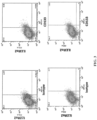
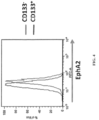
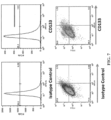
- the CD133+ population also was positive for expression of EphA2, thus demonstrating that EphA2 is present on the cancer stem cell population obtained from the A-172 cell line, and thus that EphA2 is a cancer stem cell antigen. This fact was verified in a subsequent duplicate experiment (see Figure 8 ). Moreover, as shown in Figure 4 , EphA2 was expressed to higher levels on CD133+ cells as compared to CD133- cells
- the CD133+ population of A-172 cell line also was positive for expression of IL-13R ⁇ 2, thus demonstrating that IL-13R ⁇ 2 is present on the cancer stem cell population obtained from the A-172 cell line, and thus that IL-13R ⁇ 2 is a cancer stem cell antigen. This fact was verified in a subsequent duplicate experiment (see Figure 8 ). Moreover, as shown in Figure 5 , IL-13R ⁇ 2 was expressed to higher levels on CD133+ cells as compared to CD133- cells.
- EphA2 is a cancer stem antigen, and thus can be used in methods for the treatment of cancer, such as brain cancer.
Landscapes
- Health & Medical Sciences (AREA)
- Life Sciences & Earth Sciences (AREA)
- Chemical & Material Sciences (AREA)
- Immunology (AREA)
- Engineering & Computer Science (AREA)
- General Health & Medical Sciences (AREA)
- Medicinal Chemistry (AREA)
- Organic Chemistry (AREA)
- Bioinformatics & Cheminformatics (AREA)
- Molecular Biology (AREA)
- Pharmacology & Pharmacy (AREA)
- Animal Behavior & Ethology (AREA)
- Public Health (AREA)
- Veterinary Medicine (AREA)
- Biomedical Technology (AREA)
- Proteomics, Peptides & Aminoacids (AREA)
- Genetics & Genomics (AREA)
- Biochemistry (AREA)
- Zoology (AREA)
- Epidemiology (AREA)
- Gastroenterology & Hepatology (AREA)
- Wood Science & Technology (AREA)
- Cell Biology (AREA)
- Microbiology (AREA)
- Biotechnology (AREA)
- Hematology (AREA)
- Urology & Nephrology (AREA)
- General Chemical & Material Sciences (AREA)
- Nuclear Medicine, Radiotherapy & Molecular Imaging (AREA)
- Chemical Kinetics & Catalysis (AREA)
- Biophysics (AREA)
- General Engineering & Computer Science (AREA)
- General Physics & Mathematics (AREA)
- Food Science & Technology (AREA)
- Pathology (AREA)
- Analytical Chemistry (AREA)
- Physics & Mathematics (AREA)
- Neurology (AREA)
- Neurosurgery (AREA)
- Medicines That Contain Protein Lipid Enzymes And Other Medicines (AREA)
Priority Applications (1)
| Application Number | Priority Date | Filing Date | Title |
|---|---|---|---|
| EP23210443.0A EP4361634A3 (en) | 2012-03-19 | 2013-03-19 | Methods for treating and monitoring the status of cancer |
Applications Claiming Priority (4)
| Application Number | Priority Date | Filing Date | Title |
|---|---|---|---|
| US201261612826P | 2012-03-19 | 2012-03-19 | |
| PCT/US2013/032936 WO2013142477A1 (en) | 2012-03-19 | 2013-03-19 | Methods for treating and monitoring the status of cancer |
| EP18189485.8A EP3431997B1 (en) | 2012-03-19 | 2013-03-19 | Methods for treating and monitoring the status of cancer |
| EP13763504.1A EP2828664B1 (en) | 2012-03-19 | 2013-03-19 | Methods for treating and monitoring the status of cancer |
Related Parent Applications (3)
| Application Number | Title | Priority Date | Filing Date |
|---|---|---|---|
| EP13763504.1A Division EP2828664B1 (en) | 2012-03-19 | 2013-03-19 | Methods for treating and monitoring the status of cancer |
| EP18189485.8A Division-Into EP3431997B1 (en) | 2012-03-19 | 2013-03-19 | Methods for treating and monitoring the status of cancer |
| EP18189485.8A Division EP3431997B1 (en) | 2012-03-19 | 2013-03-19 | Methods for treating and monitoring the status of cancer |
Related Child Applications (2)
| Application Number | Title | Priority Date | Filing Date |
|---|---|---|---|
| EP23210443.0A Division EP4361634A3 (en) | 2012-03-19 | 2013-03-19 | Methods for treating and monitoring the status of cancer |
| EP23210443.0A Division-Into EP4361634A3 (en) | 2012-03-19 | 2013-03-19 | Methods for treating and monitoring the status of cancer |
Publications (2)
| Publication Number | Publication Date |
|---|---|
| EP3855184A1 EP3855184A1 (en) | 2021-07-28 |
| EP3855184B1 true EP3855184B1 (en) | 2023-12-27 |
Family
ID=49223299
Family Applications (4)
| Application Number | Title | Priority Date | Filing Date |
|---|---|---|---|
| EP20211725.5A Active EP3855184B1 (en) | 2012-03-19 | 2013-03-19 | Methods for treating and monitoring the status of cancer |
| EP23210443.0A Withdrawn EP4361634A3 (en) | 2012-03-19 | 2013-03-19 | Methods for treating and monitoring the status of cancer |
| EP13763504.1A Active EP2828664B1 (en) | 2012-03-19 | 2013-03-19 | Methods for treating and monitoring the status of cancer |
| EP18189485.8A Active EP3431997B1 (en) | 2012-03-19 | 2013-03-19 | Methods for treating and monitoring the status of cancer |
Family Applications After (3)
| Application Number | Title | Priority Date | Filing Date |
|---|---|---|---|
| EP23210443.0A Withdrawn EP4361634A3 (en) | 2012-03-19 | 2013-03-19 | Methods for treating and monitoring the status of cancer |
| EP13763504.1A Active EP2828664B1 (en) | 2012-03-19 | 2013-03-19 | Methods for treating and monitoring the status of cancer |
| EP18189485.8A Active EP3431997B1 (en) | 2012-03-19 | 2013-03-19 | Methods for treating and monitoring the status of cancer |
Country Status (6)
| Country | Link |
|---|---|
| US (3) | US20150079135A1 (https=) |
| EP (4) | EP3855184B1 (https=) |
| JP (4) | JP6502247B2 (https=) |
| CA (2) | CA3223380A1 (https=) |
| ES (3) | ES2973957T3 (https=) |
| WO (1) | WO2013142477A1 (https=) |
Families Citing this family (6)
| Publication number | Priority date | Publication date | Assignee | Title |
|---|---|---|---|---|
| KR102622188B1 (ko) | 2016-10-07 | 2024-01-05 | 엔터롬 에스.에이. | 암 치료를 위한 면역원성 화합물 |
| WO2018065628A2 (en) | 2016-10-07 | 2018-04-12 | Enterome | Microbiota sequence variants of tumor-related antigenic epitopes |
| US11478538B2 (en) | 2016-10-07 | 2022-10-25 | Enterome S.A. | Immunogenic compounds for cancer therapy |
| CN112118863B (zh) | 2018-04-11 | 2025-05-30 | 恩特罗姆公司 | 用于预防和治疗癌症的抗原肽 |
| EP3773673A2 (en) * | 2018-04-11 | 2021-02-17 | Enterome S.A. | Immunogenic compounds for treatment of fibrosis, autoimmune diseases and inflammation |
| GB202011993D0 (en) | 2020-07-31 | 2020-09-16 | Adc Therapeutics Sa | ANTI-IL 13Ra2 antibodies |
Family Cites Families (21)
| Publication number | Priority date | Publication date | Assignee | Title |
|---|---|---|---|---|
| US5057540A (en) | 1987-05-29 | 1991-10-15 | Cambridge Biotech Corporation | Saponin adjuvant |
| US4912094B1 (en) | 1988-06-29 | 1994-02-15 | Ribi Immunochem Research Inc. | Modified lipopolysaccharides and process of preparation |
| DE4121547A1 (de) | 1991-06-28 | 1993-01-14 | Daimler Benz Ag | Mehrschichtisolierfolie |
| HK1006056A1 (en) | 1991-10-07 | 1999-02-05 | Astellas Us Llc | Method of prophylaxis or treatment of antigen presenting cell driven skin conditions using inhibitors of the CD2/LFA-3 interaction |
| US6162432A (en) | 1991-10-07 | 2000-12-19 | Biogen, Inc. | Method of prophylaxis or treatment of antigen presenting cell driven skin conditions using inhibitors of the CD2/LFA-3 interaction |
| US5441050A (en) | 1992-12-18 | 1995-08-15 | Neoprobe Corporation | Radiation responsive surgical instrument |
| EP1372720A4 (en) | 2001-03-02 | 2006-07-26 | Medimmune Inc | PREVENTING OR TREATING INFLAMMATORY OR AUTOIMMUNE DISORDERS BY ADMINISTERING ANTAGONISTS OF INTEGRIN ALPHA V BETA 3 |
| WO2002098370A2 (en) | 2001-03-02 | 2002-12-12 | Medimmune, Inc. | Methods of administering/dosing cd2 antagonists for the prevention and treatment of autoimmune disorders or inflammatory disorders |
| FR2838742B1 (fr) * | 2002-04-23 | 2004-07-09 | Inst Nat Sante Rech Med | Epitopes t de l'antigene epha2 |
| JP4764818B2 (ja) | 2003-04-11 | 2011-09-07 | メディミューン,エルエルシー | 組換えil−9抗体およびその使用 |
| JP5129149B2 (ja) * | 2005-10-31 | 2013-01-23 | ザ リージェンツ オブ ザ ユニバーシティ オブ ミシガン | 癌を処置および診断するための組成物および方法 |
| US8343461B2 (en) * | 2006-03-08 | 2013-01-01 | Wake Forest University Health Sciences | Molecular signature of cancer |
| CA2646539A1 (en) | 2006-03-23 | 2007-09-27 | Novartis Ag | Imidazoquinoxaline compounds as immunomodulators |
| CA2646891A1 (en) | 2006-03-23 | 2007-09-27 | Novartis Ag | Immunopotentiating compounds |
| WO2008030616A2 (en) * | 2006-09-07 | 2008-03-13 | Stemline Therapeutics, Inc. | Monitoring cancer stem cells |
| WO2008030538A2 (en) * | 2006-09-07 | 2008-03-13 | Stemline Therapeutics, Inc. | Cancer stem cell-targeted cancer therapy |
| KR101523698B1 (ko) * | 2007-01-22 | 2015-05-29 | 마크로제닉스 웨스트 인코퍼레이티드 | 사람 암 줄기세포 |
| JP2010190572A (ja) * | 2007-06-01 | 2010-09-02 | Sapporo Medical Univ | IL13Ra2に対する抗体およびこれを含む診断・治療薬 |
| GB201004551D0 (en) * | 2010-03-19 | 2010-05-05 | Immatics Biotechnologies Gmbh | NOvel immunotherapy against several tumors including gastrointestinal and gastric cancer |
| GB201004575D0 (en) * | 2010-03-19 | 2010-05-05 | Immatics Biotechnologies Gmbh | Composition of tumor associated peptides and related anti cancer vaccine for the treatment of gastric cancer and other cancers |
| EP2608799B1 (en) * | 2010-08-24 | 2018-12-12 | University of Pittsburgh - Of the Commonwealth System of Higher Education | Interleukin-13 receptor alpha 2 peptide-based brain cancer vaccines |
-
2013
- 2013-03-19 CA CA3223380A patent/CA3223380A1/en active Pending
- 2013-03-19 WO PCT/US2013/032936 patent/WO2013142477A1/en not_active Ceased
- 2013-03-19 EP EP20211725.5A patent/EP3855184B1/en active Active
- 2013-03-19 EP EP23210443.0A patent/EP4361634A3/en not_active Withdrawn
- 2013-03-19 ES ES20211725T patent/ES2973957T3/es active Active
- 2013-03-19 ES ES13763504T patent/ES2699817T3/es active Active
- 2013-03-19 EP EP13763504.1A patent/EP2828664B1/en active Active
- 2013-03-19 JP JP2015501847A patent/JP6502247B2/ja active Active
- 2013-03-19 US US14/386,242 patent/US20150079135A1/en not_active Abandoned
- 2013-03-19 EP EP18189485.8A patent/EP3431997B1/en active Active
- 2013-03-19 ES ES18189485T patent/ES2887580T3/es active Active
- 2013-03-19 CA CA2902415A patent/CA2902415C/en active Active
-
2018
- 2018-02-12 US US15/894,121 patent/US20190031772A1/en not_active Abandoned
- 2018-06-12 JP JP2018111785A patent/JP2018199675A/ja active Pending
-
2020
- 2020-06-11 JP JP2020101337A patent/JP2020158518A/ja active Pending
-
2021
- 2021-12-28 JP JP2021213614A patent/JP2022058444A/ja active Pending
-
2022
- 2022-08-04 US US17/881,007 patent/US20230374152A1/en not_active Abandoned
Also Published As
| Publication number | Publication date |
|---|---|
| EP3431997A1 (en) | 2019-01-23 |
| EP3431997B1 (en) | 2021-07-14 |
| JP6502247B2 (ja) | 2019-04-17 |
| JP2015518561A (ja) | 2015-07-02 |
| EP2828664A4 (en) | 2016-01-20 |
| JP2018199675A (ja) | 2018-12-20 |
| EP3855184A1 (en) | 2021-07-28 |
| US20190031772A1 (en) | 2019-01-31 |
| EP2828664A1 (en) | 2015-01-28 |
| EP4361634A3 (en) | 2024-06-05 |
| WO2013142477A1 (en) | 2013-09-26 |
| EP4361634A2 (en) | 2024-05-01 |
| JP2022058444A (ja) | 2022-04-12 |
| JP2020158518A (ja) | 2020-10-01 |
| US20150079135A1 (en) | 2015-03-19 |
| ES2973957T3 (es) | 2024-06-25 |
| EP2828664B1 (en) | 2018-09-26 |
| CA3223380A1 (en) | 2013-09-26 |
| US20230374152A1 (en) | 2023-11-23 |
| ES2887580T3 (es) | 2021-12-23 |
| ES2699817T3 (es) | 2019-02-12 |
| CA2902415A1 (en) | 2013-09-26 |
| CA2902415C (en) | 2024-02-06 |
Similar Documents
| Publication | Publication Date | Title |
|---|---|---|
| US20230374152A1 (en) | Methods for Treating and Monitoring the Status of Cancer | |
| US20230324391A1 (en) | Monitoring Cancer Stem Cells | |
| US12357678B2 (en) | Cancer stem cell targeted cancer vaccines | |
| HK40106589A (en) | Cancer stem cell targeted cancer vaccines | |
| HK40059978B (en) | Cancer stem cell targeted cancer vaccines | |
| HK40059978A (en) | Cancer stem cell targeted cancer vaccines |
Legal Events
| Date | Code | Title | Description |
|---|---|---|---|
| PUAI | Public reference made under article 153(3) epc to a published international application that has entered the european phase |
Free format text: ORIGINAL CODE: 0009012 |
|
| STAA | Information on the status of an ep patent application or granted ep patent |
Free format text: STATUS: THE APPLICATION HAS BEEN PUBLISHED |
|
| AC | Divisional application: reference to earlier application |
Ref document number: 3431997 Country of ref document: EP Kind code of ref document: P Ref document number: 2828664 Country of ref document: EP Kind code of ref document: P |
|
| AK | Designated contracting states |
Kind code of ref document: A1 Designated state(s): AL AT BE BG CH CY CZ DE DK EE ES FI FR GB GR HR HU IE IS IT LI LT LU LV MC MK MT NL NO PL PT RO RS SE SI SK SM TR |
|
| STAA | Information on the status of an ep patent application or granted ep patent |
Free format text: STATUS: REQUEST FOR EXAMINATION WAS MADE |
|
| 17P | Request for examination filed |
Effective date: 20220119 |
|
| RBV | Designated contracting states (corrected) |
Designated state(s): AL AT BE BG CH CY CZ DE DK EE ES FI FR GB GR HR HU IE IS IT LI LT LU LV MC MK MT NL NO PL PT RO RS SE SI SK SM TR |
|
| STAA | Information on the status of an ep patent application or granted ep patent |
Free format text: STATUS: EXAMINATION IS IN PROGRESS |
|
| 17Q | First examination report despatched |
Effective date: 20221104 |
|
| GRAP | Despatch of communication of intention to grant a patent |
Free format text: ORIGINAL CODE: EPIDOSNIGR1 |
|
| STAA | Information on the status of an ep patent application or granted ep patent |
Free format text: STATUS: GRANT OF PATENT IS INTENDED |
|
| INTG | Intention to grant announced |
Effective date: 20230718 |
|
| GRAS | Grant fee paid |
Free format text: ORIGINAL CODE: EPIDOSNIGR3 |
|
| GRAA | (expected) grant |
Free format text: ORIGINAL CODE: 0009210 |
|
| STAA | Information on the status of an ep patent application or granted ep patent |
Free format text: STATUS: THE PATENT HAS BEEN GRANTED |
|
| AC | Divisional application: reference to earlier application |
Ref document number: 2828664 Country of ref document: EP Kind code of ref document: P Ref document number: 3431997 Country of ref document: EP Kind code of ref document: P |
|
| AK | Designated contracting states |
Kind code of ref document: B1 Designated state(s): AL AT BE BG CH CY CZ DE DK EE ES FI FR GB GR HR HU IE IS IT LI LT LU LV MC MK MT NL NO PL PT RO RS SE SI SK SM TR |
|
| REG | Reference to a national code |
Ref country code: GB Ref legal event code: FG4D |
|
| REG | Reference to a national code |
Ref country code: CH Ref legal event code: EP |
|
| REG | Reference to a national code |
Ref country code: DE Ref legal event code: R096 Ref document number: 602013085134 Country of ref document: DE |
|
| REG | Reference to a national code |
Ref country code: IE Ref legal event code: FG4D |
|
| P01 | Opt-out of the competence of the unified patent court (upc) registered |
Effective date: 20231219 |
|
| REG | Reference to a national code |
Ref country code: LT Ref legal event code: MG9D |
|
| PG25 | Lapsed in a contracting state [announced via postgrant information from national office to epo] |
Ref country code: LT Free format text: LAPSE BECAUSE OF FAILURE TO SUBMIT A TRANSLATION OF THE DESCRIPTION OR TO PAY THE FEE WITHIN THE PRESCRIBED TIME-LIMIT Effective date: 20231227 |
|
| PG25 | Lapsed in a contracting state [announced via postgrant information from national office to epo] |
Ref country code: LT Free format text: LAPSE BECAUSE OF FAILURE TO SUBMIT A TRANSLATION OF THE DESCRIPTION OR TO PAY THE FEE WITHIN THE PRESCRIBED TIME-LIMIT Effective date: 20231227 Ref country code: FI Free format text: LAPSE BECAUSE OF FAILURE TO SUBMIT A TRANSLATION OF THE DESCRIPTION OR TO PAY THE FEE WITHIN THE PRESCRIBED TIME-LIMIT Effective date: 20231227 Ref country code: BG Free format text: LAPSE BECAUSE OF FAILURE TO SUBMIT A TRANSLATION OF THE DESCRIPTION OR TO PAY THE FEE WITHIN THE PRESCRIBED TIME-LIMIT Effective date: 20240327 |
|
| REG | Reference to a national code |
Ref country code: NL Ref legal event code: MP Effective date: 20231227 |
|
| REG | Reference to a national code |
Ref country code: AT Ref legal event code: MK05 Ref document number: 1645000 Country of ref document: AT Kind code of ref document: T Effective date: 20231227 |
|
| PG25 | Lapsed in a contracting state [announced via postgrant information from national office to epo] |
Ref country code: NL Free format text: LAPSE BECAUSE OF FAILURE TO SUBMIT A TRANSLATION OF THE DESCRIPTION OR TO PAY THE FEE WITHIN THE PRESCRIBED TIME-LIMIT Effective date: 20231227 |
|
| PG25 | Lapsed in a contracting state [announced via postgrant information from national office to epo] |
Ref country code: SE Free format text: LAPSE BECAUSE OF FAILURE TO SUBMIT A TRANSLATION OF THE DESCRIPTION OR TO PAY THE FEE WITHIN THE PRESCRIBED TIME-LIMIT Effective date: 20231227 Ref country code: RS Free format text: LAPSE BECAUSE OF FAILURE TO SUBMIT A TRANSLATION OF THE DESCRIPTION OR TO PAY THE FEE WITHIN THE PRESCRIBED TIME-LIMIT Effective date: 20231227 Ref country code: NO Free format text: LAPSE BECAUSE OF FAILURE TO SUBMIT A TRANSLATION OF THE DESCRIPTION OR TO PAY THE FEE WITHIN THE PRESCRIBED TIME-LIMIT Effective date: 20240327 Ref country code: NL Free format text: LAPSE BECAUSE OF FAILURE TO SUBMIT A TRANSLATION OF THE DESCRIPTION OR TO PAY THE FEE WITHIN THE PRESCRIBED TIME-LIMIT Effective date: 20231227 Ref country code: LV Free format text: LAPSE BECAUSE OF FAILURE TO SUBMIT A TRANSLATION OF THE DESCRIPTION OR TO PAY THE FEE WITHIN THE PRESCRIBED TIME-LIMIT Effective date: 20231227 Ref country code: HR Free format text: LAPSE BECAUSE OF FAILURE TO SUBMIT A TRANSLATION OF THE DESCRIPTION OR TO PAY THE FEE WITHIN THE PRESCRIBED TIME-LIMIT Effective date: 20231227 |
|
| REG | Reference to a national code |
Ref country code: ES Ref legal event code: FG2A Ref document number: 2973957 Country of ref document: ES Kind code of ref document: T3 Effective date: 20240625 |
|
| PG25 | Lapsed in a contracting state [announced via postgrant information from national office to epo] |
Ref country code: IS Free format text: LAPSE BECAUSE OF FAILURE TO SUBMIT A TRANSLATION OF THE DESCRIPTION OR TO PAY THE FEE WITHIN THE PRESCRIBED TIME-LIMIT Effective date: 20240427 |
|
| PG25 | Lapsed in a contracting state [announced via postgrant information from national office to epo] |
Ref country code: CZ Free format text: LAPSE BECAUSE OF FAILURE TO SUBMIT A TRANSLATION OF THE DESCRIPTION OR TO PAY THE FEE WITHIN THE PRESCRIBED TIME-LIMIT Effective date: 20231227 Ref country code: AT Free format text: LAPSE BECAUSE OF FAILURE TO SUBMIT A TRANSLATION OF THE DESCRIPTION OR TO PAY THE FEE WITHIN THE PRESCRIBED TIME-LIMIT Effective date: 20231227 |
|
| PG25 | Lapsed in a contracting state [announced via postgrant information from national office to epo] |
Ref country code: SK Free format text: LAPSE BECAUSE OF FAILURE TO SUBMIT A TRANSLATION OF THE DESCRIPTION OR TO PAY THE FEE WITHIN THE PRESCRIBED TIME-LIMIT Effective date: 20231227 |
|
| PG25 | Lapsed in a contracting state [announced via postgrant information from national office to epo] |
Ref country code: SM Free format text: LAPSE BECAUSE OF FAILURE TO SUBMIT A TRANSLATION OF THE DESCRIPTION OR TO PAY THE FEE WITHIN THE PRESCRIBED TIME-LIMIT Effective date: 20231227 Ref country code: SK Free format text: LAPSE BECAUSE OF FAILURE TO SUBMIT A TRANSLATION OF THE DESCRIPTION OR TO PAY THE FEE WITHIN THE PRESCRIBED TIME-LIMIT Effective date: 20231227 Ref country code: RO Free format text: LAPSE BECAUSE OF FAILURE TO SUBMIT A TRANSLATION OF THE DESCRIPTION OR TO PAY THE FEE WITHIN THE PRESCRIBED TIME-LIMIT Effective date: 20231227 Ref country code: IS Free format text: LAPSE BECAUSE OF FAILURE TO SUBMIT A TRANSLATION OF THE DESCRIPTION OR TO PAY THE FEE WITHIN THE PRESCRIBED TIME-LIMIT Effective date: 20240427 Ref country code: EE Free format text: LAPSE BECAUSE OF FAILURE TO SUBMIT A TRANSLATION OF THE DESCRIPTION OR TO PAY THE FEE WITHIN THE PRESCRIBED TIME-LIMIT Effective date: 20231227 Ref country code: CZ Free format text: LAPSE BECAUSE OF FAILURE TO SUBMIT A TRANSLATION OF THE DESCRIPTION OR TO PAY THE FEE WITHIN THE PRESCRIBED TIME-LIMIT Effective date: 20231227 Ref country code: AT Free format text: LAPSE BECAUSE OF FAILURE TO SUBMIT A TRANSLATION OF THE DESCRIPTION OR TO PAY THE FEE WITHIN THE PRESCRIBED TIME-LIMIT Effective date: 20231227 |
|
| PG25 | Lapsed in a contracting state [announced via postgrant information from national office to epo] |
Ref country code: PL Free format text: LAPSE BECAUSE OF FAILURE TO SUBMIT A TRANSLATION OF THE DESCRIPTION OR TO PAY THE FEE WITHIN THE PRESCRIBED TIME-LIMIT Effective date: 20231227 Ref country code: PT Free format text: LAPSE BECAUSE OF FAILURE TO SUBMIT A TRANSLATION OF THE DESCRIPTION OR TO PAY THE FEE WITHIN THE PRESCRIBED TIME-LIMIT Effective date: 20240429 |
|
| PG25 | Lapsed in a contracting state [announced via postgrant information from national office to epo] |
Ref country code: PT Free format text: LAPSE BECAUSE OF FAILURE TO SUBMIT A TRANSLATION OF THE DESCRIPTION OR TO PAY THE FEE WITHIN THE PRESCRIBED TIME-LIMIT Effective date: 20240429 Ref country code: PL Free format text: LAPSE BECAUSE OF FAILURE TO SUBMIT A TRANSLATION OF THE DESCRIPTION OR TO PAY THE FEE WITHIN THE PRESCRIBED TIME-LIMIT Effective date: 20231227 |
|
| REG | Reference to a national code |
Ref country code: DE Ref legal event code: R097 Ref document number: 602013085134 Country of ref document: DE |
|
| PG25 | Lapsed in a contracting state [announced via postgrant information from national office to epo] |
Ref country code: DK Free format text: LAPSE BECAUSE OF FAILURE TO SUBMIT A TRANSLATION OF THE DESCRIPTION OR TO PAY THE FEE WITHIN THE PRESCRIBED TIME-LIMIT Effective date: 20231227 |
|
| PG25 | Lapsed in a contracting state [announced via postgrant information from national office to epo] |
Ref country code: DK Free format text: LAPSE BECAUSE OF FAILURE TO SUBMIT A TRANSLATION OF THE DESCRIPTION OR TO PAY THE FEE WITHIN THE PRESCRIBED TIME-LIMIT Effective date: 20231227 |
|
| REG | Reference to a national code |
Ref country code: CH Ref legal event code: PL |
|
| PLBE | No opposition filed within time limit |
Free format text: ORIGINAL CODE: 0009261 |
|
| STAA | Information on the status of an ep patent application or granted ep patent |
Free format text: STATUS: NO OPPOSITION FILED WITHIN TIME LIMIT |
|
| PG25 | Lapsed in a contracting state [announced via postgrant information from national office to epo] |
Ref country code: LU Free format text: LAPSE BECAUSE OF NON-PAYMENT OF DUE FEES Effective date: 20240319 |
|
| PG25 | Lapsed in a contracting state [announced via postgrant information from national office to epo] |
Ref country code: MC Free format text: LAPSE BECAUSE OF FAILURE TO SUBMIT A TRANSLATION OF THE DESCRIPTION OR TO PAY THE FEE WITHIN THE PRESCRIBED TIME-LIMIT Effective date: 20231227 |
|
| PG25 | Lapsed in a contracting state [announced via postgrant information from national office to epo] |
Ref country code: MC Free format text: LAPSE BECAUSE OF FAILURE TO SUBMIT A TRANSLATION OF THE DESCRIPTION OR TO PAY THE FEE WITHIN THE PRESCRIBED TIME-LIMIT Effective date: 20231227 Ref country code: LU Free format text: LAPSE BECAUSE OF NON-PAYMENT OF DUE FEES Effective date: 20240319 |
|
| 26N | No opposition filed |
Effective date: 20240930 |
|
| REG | Reference to a national code |
Ref country code: BE Ref legal event code: MM Effective date: 20240331 |
|
| PG25 | Lapsed in a contracting state [announced via postgrant information from national office to epo] |
Ref country code: BE Free format text: LAPSE BECAUSE OF NON-PAYMENT OF DUE FEES Effective date: 20240331 |
|
| PG25 | Lapsed in a contracting state [announced via postgrant information from national office to epo] |
Ref country code: IE Free format text: LAPSE BECAUSE OF NON-PAYMENT OF DUE FEES Effective date: 20240319 |
|
| PG25 | Lapsed in a contracting state [announced via postgrant information from national office to epo] |
Ref country code: IE Free format text: LAPSE BECAUSE OF NON-PAYMENT OF DUE FEES Effective date: 20240319 Ref country code: BE Free format text: LAPSE BECAUSE OF NON-PAYMENT OF DUE FEES Effective date: 20240331 Ref country code: CH Free format text: LAPSE BECAUSE OF NON-PAYMENT OF DUE FEES Effective date: 20240331 |
|
| PG25 | Lapsed in a contracting state [announced via postgrant information from national office to epo] |
Ref country code: SI Free format text: LAPSE BECAUSE OF FAILURE TO SUBMIT A TRANSLATION OF THE DESCRIPTION OR TO PAY THE FEE WITHIN THE PRESCRIBED TIME-LIMIT Effective date: 20231227 |
|
| PGFP | Annual fee paid to national office [announced via postgrant information from national office to epo] |
Ref country code: ES Payment date: 20250410 Year of fee payment: 13 |
|
| PG25 | Lapsed in a contracting state [announced via postgrant information from national office to epo] |
Ref country code: CY Free format text: LAPSE BECAUSE OF FAILURE TO SUBMIT A TRANSLATION OF THE DESCRIPTION OR TO PAY THE FEE WITHIN THE PRESCRIBED TIME-LIMIT; INVALID AB INITIO Effective date: 20130319 |
|
| PG25 | Lapsed in a contracting state [announced via postgrant information from national office to epo] |
Ref country code: HU Free format text: LAPSE BECAUSE OF FAILURE TO SUBMIT A TRANSLATION OF THE DESCRIPTION OR TO PAY THE FEE WITHIN THE PRESCRIBED TIME-LIMIT; INVALID AB INITIO Effective date: 20130319 |
|
| PG25 | Lapsed in a contracting state [announced via postgrant information from national office to epo] |
Ref country code: GR Free format text: LAPSE BECAUSE OF FAILURE TO SUBMIT A TRANSLATION OF THE DESCRIPTION OR TO PAY THE FEE WITHIN THE PRESCRIBED TIME-LIMIT; INVALID AB INITIO Effective date: 20130319 |
|
| REG | Reference to a national code |
Ref country code: DE Ref legal event code: R079 Ref document number: 602013085134 Country of ref document: DE Free format text: PREVIOUS MAIN CLASS: G01N0033574000 Ipc: G01N0033575000 |
|
| PG25 | Lapsed in a contracting state [announced via postgrant information from national office to epo] |
Ref country code: TR Free format text: LAPSE BECAUSE OF FAILURE TO SUBMIT A TRANSLATION OF THE DESCRIPTION OR TO PAY THE FEE WITHIN THE PRESCRIBED TIME-LIMIT Effective date: 20231227 |
|
| PGFP | Annual fee paid to national office [announced via postgrant information from national office to epo] |
Ref country code: FR Payment date: 20251231 Year of fee payment: 14 |
|
| PGFP | Annual fee paid to national office [announced via postgrant information from national office to epo] |
Ref country code: GB Payment date: 20260106 Year of fee payment: 14 |
|
| PGFP | Annual fee paid to national office [announced via postgrant information from national office to epo] |
Ref country code: DE Payment date: 20260102 Year of fee payment: 14 |
|
| PGFP | Annual fee paid to national office [announced via postgrant information from national office to epo] |
Ref country code: IT Payment date: 20260220 Year of fee payment: 14 |