EP3841552B1 - Verarbeitung und analyse von datensystemen von gesundheitsdienstleistern - Google Patents
Verarbeitung und analyse von datensystemen von gesundheitsdienstleistern Download PDFInfo
- Publication number
- EP3841552B1 EP3841552B1 EP19854872.9A EP19854872A EP3841552B1 EP 3841552 B1 EP3841552 B1 EP 3841552B1 EP 19854872 A EP19854872 A EP 19854872A EP 3841552 B1 EP3841552 B1 EP 3841552B1
- Authority
- EP
- European Patent Office
- Prior art keywords
- data
- directive
- target
- user
- healthcare provider
- Prior art date
- Legal status (The legal status is an assumption and is not a legal conclusion. Google has not performed a legal analysis and makes no representation as to the accuracy of the status listed.)
- Active
Links
Images









Classifications
-
- G—PHYSICS
- G06—COMPUTING OR CALCULATING; COUNTING
- G06N—COMPUTING ARRANGEMENTS BASED ON SPECIFIC COMPUTATIONAL MODELS
- G06N20/00—Machine learning
-
- G—PHYSICS
- G06—COMPUTING OR CALCULATING; COUNTING
- G06N—COMPUTING ARRANGEMENTS BASED ON SPECIFIC COMPUTATIONAL MODELS
- G06N5/00—Computing arrangements using knowledge-based models
- G06N5/01—Dynamic search techniques; Heuristics; Dynamic trees; Branch-and-bound
-
- G—PHYSICS
- G06—COMPUTING OR CALCULATING; COUNTING
- G06Q—INFORMATION AND COMMUNICATION TECHNOLOGY [ICT] SPECIALLY ADAPTED FOR ADMINISTRATIVE, COMMERCIAL, FINANCIAL, MANAGERIAL OR SUPERVISORY PURPOSES; SYSTEMS OR METHODS SPECIALLY ADAPTED FOR ADMINISTRATIVE, COMMERCIAL, FINANCIAL, MANAGERIAL OR SUPERVISORY PURPOSES, NOT OTHERWISE PROVIDED FOR
- G06Q10/00—Administration; Management
- G06Q10/06—Resources, workflows, human or project management; Enterprise or organisation planning; Enterprise or organisation modelling
- G06Q10/063—Operations research, analysis or management
- G06Q10/0639—Performance analysis of employees; Performance analysis of enterprise or organisation operations
- G06Q10/06393—Score-carding, benchmarking or key performance indicator [KPI] analysis
-
- G—PHYSICS
- G06—COMPUTING OR CALCULATING; COUNTING
- G06Q—INFORMATION AND COMMUNICATION TECHNOLOGY [ICT] SPECIALLY ADAPTED FOR ADMINISTRATIVE, COMMERCIAL, FINANCIAL, MANAGERIAL OR SUPERVISORY PURPOSES; SYSTEMS OR METHODS SPECIALLY ADAPTED FOR ADMINISTRATIVE, COMMERCIAL, FINANCIAL, MANAGERIAL OR SUPERVISORY PURPOSES, NOT OTHERWISE PROVIDED FOR
- G06Q10/00—Administration; Management
- G06Q10/08—Logistics, e.g. warehousing, loading or distribution; Inventory or stock management
- G06Q10/087—Inventory or stock management, e.g. order filling, procurement or balancing against orders
-
- G—PHYSICS
- G06—COMPUTING OR CALCULATING; COUNTING
- G06Q—INFORMATION AND COMMUNICATION TECHNOLOGY [ICT] SPECIALLY ADAPTED FOR ADMINISTRATIVE, COMMERCIAL, FINANCIAL, MANAGERIAL OR SUPERVISORY PURPOSES; SYSTEMS OR METHODS SPECIALLY ADAPTED FOR ADMINISTRATIVE, COMMERCIAL, FINANCIAL, MANAGERIAL OR SUPERVISORY PURPOSES, NOT OTHERWISE PROVIDED FOR
- G06Q10/00—Administration; Management
- G06Q10/10—Office automation; Time management
- G06Q10/105—Human resources
- G06Q10/1057—Benefits or employee welfare, e.g. insurance, holiday or retirement packages
-
- G—PHYSICS
- G06—COMPUTING OR CALCULATING; COUNTING
- G06Q—INFORMATION AND COMMUNICATION TECHNOLOGY [ICT] SPECIALLY ADAPTED FOR ADMINISTRATIVE, COMMERCIAL, FINANCIAL, MANAGERIAL OR SUPERVISORY PURPOSES; SYSTEMS OR METHODS SPECIALLY ADAPTED FOR ADMINISTRATIVE, COMMERCIAL, FINANCIAL, MANAGERIAL OR SUPERVISORY PURPOSES, NOT OTHERWISE PROVIDED FOR
- G06Q50/00—Information and communication technology [ICT] specially adapted for implementation of business processes of specific business sectors, e.g. utilities or tourism
- G06Q50/10—Services
-
- G—PHYSICS
- G16—INFORMATION AND COMMUNICATION TECHNOLOGY [ICT] SPECIALLY ADAPTED FOR SPECIFIC APPLICATION FIELDS
- G16H—HEALTHCARE INFORMATICS, i.e. INFORMATION AND COMMUNICATION TECHNOLOGY [ICT] SPECIALLY ADAPTED FOR THE HANDLING OR PROCESSING OF MEDICAL OR HEALTHCARE DATA
- G16H40/00—ICT specially adapted for the management or administration of healthcare resources or facilities; ICT specially adapted for the management or operation of medical equipment or devices
- G16H40/20—ICT specially adapted for the management or administration of healthcare resources or facilities; ICT specially adapted for the management or operation of medical equipment or devices for the management or administration of healthcare resources or facilities, e.g. managing hospital staff or surgery rooms
-
- G—PHYSICS
- G16—INFORMATION AND COMMUNICATION TECHNOLOGY [ICT] SPECIALLY ADAPTED FOR SPECIFIC APPLICATION FIELDS
- G16H—HEALTHCARE INFORMATICS, i.e. INFORMATION AND COMMUNICATION TECHNOLOGY [ICT] SPECIALLY ADAPTED FOR THE HANDLING OR PROCESSING OF MEDICAL OR HEALTHCARE DATA
- G16H40/00—ICT specially adapted for the management or administration of healthcare resources or facilities; ICT specially adapted for the management or operation of medical equipment or devices
- G16H40/40—ICT specially adapted for the management or administration of healthcare resources or facilities; ICT specially adapted for the management or operation of medical equipment or devices for the management of medical equipment or devices, e.g. scheduling maintenance or upgrades
-
- G—PHYSICS
- G16—INFORMATION AND COMMUNICATION TECHNOLOGY [ICT] SPECIALLY ADAPTED FOR SPECIFIC APPLICATION FIELDS
- G16H—HEALTHCARE INFORMATICS, i.e. INFORMATION AND COMMUNICATION TECHNOLOGY [ICT] SPECIALLY ADAPTED FOR THE HANDLING OR PROCESSING OF MEDICAL OR HEALTHCARE DATA
- G16H70/00—ICT specially adapted for the handling or processing of medical references
-
- G—PHYSICS
- G06—COMPUTING OR CALCULATING; COUNTING
- G06Q—INFORMATION AND COMMUNICATION TECHNOLOGY [ICT] SPECIALLY ADAPTED FOR ADMINISTRATIVE, COMMERCIAL, FINANCIAL, MANAGERIAL OR SUPERVISORY PURPOSES; SYSTEMS OR METHODS SPECIALLY ADAPTED FOR ADMINISTRATIVE, COMMERCIAL, FINANCIAL, MANAGERIAL OR SUPERVISORY PURPOSES, NOT OTHERWISE PROVIDED FOR
- G06Q50/00—Information and communication technology [ICT] specially adapted for implementation of business processes of specific business sectors, e.g. utilities or tourism
- G06Q50/10—Services
- G06Q50/22—Social work or social welfare, e.g. community support activities or counselling services
Definitions
- the present invention relates to healthcare provider data systems, and more particularly to a command center for a integrating a number of healthcare provider data systems for processing and analytics.
- Healthcare providers collect and maintain a large amount of information and data regarding their business including: donors, patients, staff, productivity, performance, quality, inventory, costs, etc.
- these healthcare providers rely on data reports to understand their operational conditions for performance improvements, corrective actions, risk mitigation, and other business needs of the same.
- the reports are manually generated by staff or automatically generated by a computerized system to provide a retrospective insight to the business.
- a healthcare provider staff member will then analyze the data from the reports and make decisions to adjust conditions/procedures to improve productivity.
- Document US 2004/122704 relates to the field of medical data processing, acquisition and analysis.
- the invention relates to techniques for drawing upon a wide range of available medical data for informing decisions related to diagnosis, treatment, further data processing, acquisition and analysis.
- the present invention relates to a method for generating a directive for maintaining a target of a plasma donation centre as defined in independent method claim 1 and the corresponding independent system claim 9 and non-transitory computer readable medium claim 17.
- a method includes integrating with a plurality of healthcare providers data systems and obtaining information from the data system.
- the method may then use artificial intelligence to correlate the information against an identified business objective, and use heuristics to arrange a directive to achieve the business objective.
- the method may then present the directive to a plurality of users or user systems at a relevant time.
- the integration may be autonomous.
- the integration is done live (i.e., as the data is received while business operations are occurring in production).
- the data system may be a donor system, a screening system, a collection system, an equipment system, a supplies system, an inventory system, a testing system, a shipping system, a quality system, a payment system, a marketing system, a recruitment system, an engagement system, a warehouse system, a payroll system, a time-tracking system, a security system and/or a another data system.
- the information from the plurality of data systems may be timing data, telemetry data, performance data, quality data, cost data, volume data, quantity data, rate data, personnel data, donor data, donation data, productivity data, performance data, and/or speed data.
- the business objective may be an inferred profile of the healthcare provider based on historical information from the healthcare providers data systems. In other embodiments, the business objective may be supplied by the healthcare provider themselves without being inferred by the system.
- the business objective may include productivity objectives, performance objectives and/or quality objectives.
- the inferred profile and the supplied company profile may contain location-specific profiles and/or time-dependent profiles.
- the business objective may be measurable.
- the directive may include supplementing information about steps to take to achieve the business objective.
- the supplementing information may be location-specific to achieve the business objective.
- the directive may be presented to a plurality of users via e-mail, a SMS, a push notification, a telephone call, a social media publication, a visual feedback, an audible feedback, or a haptic feedback. Additionally or alternatively, the directive may be presented to a plurality of user systems via an electronic interface and/or user performed manual file upload.
- the directive may be presented to a plurality of users in a method that can be accessed from a cellphone, a tablet, a computer, a laptop, a personal digital assistant, a digital display, a smart watch, a telephone, a pager, or a public-address system.
- a recordable media having recorded and stored instructions, that when executed on a computing device, performs actions including obtaining information regarding a plurality of locations and correlating the location-specific information with a plurality of time-specific information.
- the actions may also include identifying a business objective of a healthcare provider with a plurality directives, selecting directives that pertain to the business objective, and providing the directive to the company.
- the business objective may be based on (a) the location for which the business objective pertains and/or (b) the time for which the business objective pertains.
- the directive may be provided for review by the user or execution by a user system to achieve the business objective.
- a system includes a first interface to gather information corresponding to a plurality of healthcare provider data systems, a heuristics module and an artificial intelligence module.
- the heuristics module may identify a location-specific, time-dependent business objective that is not being achieved.
- the artificial intelligence module may (a) select information regarding the business objective, (b) predict steps to take to achieve the business objective and (c) modify the information with directives that include steps to take.
- the system may also include a second and third interface. The second interface may be arranged to provide (a) for review by a user or (b) for review by a user system the directive to perform.
- the third interface may be arranged to receive acknowledgement that the directive was (a) received by the user or (b) received by the user system.
- the artificial intelligence module may also (a) select information regarding the business objective, (b) select information regarding the directive provided for review by a user or user system, (c) correlate the directive with the business objective and (d) identify the effectiveness of the directive against the business objective.
- a method for generating a directive for maintaining an objective may integrate a control center system with a plurality of healthcare provider data systems and obtain information from at least one of the healthcare provider data systems. The method may then correlate, using artificial intelligence, the obtained information against an identified business objective of a donation center and generate, using a heuristic model, a directive to the donation center(s) to achieve the identified business objective. The method may then present the directive to a user and/or user system such that the directive may carried out by the user and/or user system.
- a control center system with a plurality of healthcare provider data systems and obtain information from at least one of the healthcare provider data systems.
- the method may then correlate, using artificial intelligence, the obtained information against an identified business objective of a donation center and generate, using a heuristic model, a directive to the donation center(s) to achieve the identified business objective.
- the method may then present the directive to a user and/or user system such that the directive may carried out by the user and/or user system.
- integrating the control center system with the healthcare provider data systems may include autonomously integrating the control center system.
- the data systems may include a donor system, a screening system, a collection system, an equipment system, a supplies system, an inventory system, a testing system, a shipping system, a quality system, a payment system, a marketing system, a recruitment system, an engagement system, a warehouse system, a payroll system, a time-tracking system, and/or a security system.
- the information from the healthcare provider data systems may include timing data, telemetry data, performance data, quality data, cost data, volume data, quantity data, rate data, personnel data, donor data, donation data, productivity data, performance data, and/or speed data.
- the business objective may be an inferred profile of the donation center based on historical information from the plurality of healthcare providers data systems.
- the method may also include receiving a company profile that includes productivity objectives, performance objectives and/or quality objectives.
- the business objective may be based, at least in part on, the productivity objectives, performance objectives and/or quality objectives.
- the business objective may include a received company profile containing location-specific profiles and/or time-dependent profiles, and the business objective may be measurable.
- the directive may include information regarding at least one step to take to achieve the business objective and/or the directive information may be location-specific to achieve the business objective.
- the method may present the directive to the users via e-mail, a SMS, a push notification, a telephone call, a social media publication, a visual feedback, an audible feedback, and/or a haptic feedback. Additionally or alternatively, the directive may be presented to the user systems via an electronic interface (e.g., an automated electronic interface) and/or via a user performed manual file upload.
- an electronic interface e.g., an automated electronic interface
- the directive may be presented to the plurality of users such that the directive can be accessed from a cellphone, a tablet, a computer, a laptop, a personal digital assistant, a digital display, a smart watch, a telephone, a pager, and/or a public-address system.
- the method may store, in a data storage device, the information from the healthcare provider data systems. Additionally or alternatively, the method may obtain the information by extracting, using a data extractor, the information from the healthcare provider data systems.
- the healthcare provider data systems may include a donor management system. Generating the directive may include identifying gaps between a production metric based on the obtained information and the business objective.
- the method may also receive, from a user, an acknowledgement that the user has taken ownership of implementing the directive and/or monitor, using artificial intelligence, an effectiveness of the directive against the business objective.
- a system for generating a directive for maintaining an objective may include an integrator configured to integrate a control center system with at least one healthcare provider data system, and a data extractor configured to search the healthcare data system(s) for production data.
- the data extractor may also retrieve the production data from the healthcare provider data system(s).
- the system may also include a data storage device that stores the retrieved production data and an artificial intelligence module.
- the artificial intelligence model may correlate the retrieved production information against an identified business objective and generate a directive to achieve the identified business objective.
- a virtual digital assistant may process the directive and distribute the directive to a recipient (e.g., a user and/or a donor management system) so that the recipient may carry out the directive.
- the artificial intelligence module may generate the directive using an heuristics model.
- the integrator may autonomously integrate the control center system with the healthcare provider data system(s).
- the business objective may be measureable and/or an inferred profile of the healthcare provider based on historical information from the healthcare provider data systems. Additionally or alternatively, the business objective may be based, at least in part on, the productivity objectives, performance objectives and/or quality objectives contained within a company profile.
- the directive may include information regarding at least one step to take to achieve the business objective, and/or location-specific information to achieve the business objective.
- the virtual digital assistant may distribute the directive via e-mail, a SMS, a push notification, a telephone call, a social media publication, a visual feedback, an audible feedback, and/or a haptic feedback.
- the system may also include an electronic interface, and the virtual digital assistant may distribute the directive to user systems via the electronic interface. Additionally or alternatively, the virtual digital assistant may distribute the directive to the user systems via a user performed manual file upload. The directive may be distributed to the recipient such that the directive can be accessed from a cellphone, a tablet, a computer, a laptop, a personal digital assistant, a digital display, a smart watch, a telephone, a pager, and/or a public-address system.
- the healthcare provider data systems may include a donor management system.
- the artificial intelligence module may identify a gap between at least one production metric and the business objective.
- the directive may be based, at least in part on the gap(s).
- the system may also include a directive listener that monitors, using artificial intelligence, the effectiveness of the directive against the business objective.
- An interface may receive acknowledgement that the directive was (a) received by the user or (b) received by the user system.
- a non-transitory computer recordable medium may have computer executable instructions, that when executed on a computing device, performs actions including obtaining location-specific information regarding a plurality of locations and correlating the location-specific information with a plurality of time-specific information.
- the actions may also include identifying a business objective of a healthcare provider with a plurality directives and selecting directives that pertain to the business objective.
- the directives may be based on (a) the location for which the business objective pertains and/or (b) the time for which the business objective pertains.
- the actions may also include providing for (a) review by the user and/or (b) execution by a user system the directive for achieving the business objective.
- a data systems processor and analytics system for a healthcare provider integrates various data systems within the healthcare provider and utilizes a virtual digital assistant advisor with artificial intelligence processing and analytics to provide decision support (e.g., autopilot decision support) for the healthcare providers. Details of illustrative embodiments are discussed below.
- systems and methods in accordance with various embodiments of the present invention integrate with a plurality of a healthcare provider's data systems to access large quantities of context-sensitive information.
- the systems and methods process this information using artificial intelligence subsystems to identify active or forecast emerging conditions, create personalized recommendations to modify the conditions, and present the recommendations as proactive guidance to healthcare provider staff.
- Such recommendations may be generated and presented by a virtual digital assistant advisor. Alternatively, the recommendations may be automatically executed without any staff involvement.
- systems and method in accordance with various embodiments of the present invention use the information to train an artificial intelligence data processor to identify conditions that are causing certain outcomes for a healthcare provider. Thereafter, these conditions are analyzed and processed by artificial intelligence subsystems into instructions that are given to a healthcare provider personnel through a plurality of methods, such as e-mail, SMS, push notification, telephone, social media, and related methods, to proactively notify the healthcare provider personnel of the conditions and to provide guidance for modifying the conditions to achieve a different outcome.
- methods such as e-mail, SMS, push notification, telephone, social media, and related methods
- the healthcare provider personnel can receive advice in the form of a notification from the invention's virtual digital assistant advisor and the personnel may subsequently access detailed information about the advice notification from any of the aforementioned computing devices. Additionally or alternatively, the invention may automatically perform the instructions without involvement of the healthcare provider personnel.
- various embodiments may integrate with a plurality of a plasma collector's donor management data systems for large quantities of context-sensitive information.
- the system/method may then process this information using artificial intelligence subsystems to identify active or forecast emerging conditions. Based on these conditions, the system/method may create personalized recommendations to modify the conditions, and present the recommendations as proactive guidance to plasma center staff via a virtual digital assistant advisor or by automatically executing the recommendation without any staff involvement.
- the system and method may use the information to train an artificial intelligence data processor to identify conditions that are causing certain outcomes for the plasma center. Thereafter, the system/method analyzes the conditions and artificial intelligence subsystems process the condition and information into instructions that are given to the plasma center personnel through (e.g., via e-mail, SMS, push notification, telephone, social media, and related methods) to proactively notify the plasma center personnel of the conditions and to provide guidance for modifying the conditions to achieve a different outcome.
- the plasma center personnel e.g., via e-mail, SMS, push notification, telephone, social media, and related methods
- the plasma center personnel can receive advice in the form of a notification from a virtual digital assistant advisor and the personnel may subsequently access detailed information about the advice notification from any of the aforementioned computing devices.
- the invention may automatically perform the instructions without involvement of the plasma center personnel.
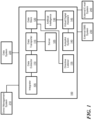
- FIG. 1 schematically shows a control center system in accordance with some embodiments of the present invention.
- the control center system 100 programs or contains modules that perform the various functions discussed above.
- the system 100 may have an integrator 105 that links to a donor management system 210 or any other data system 220 used by a plasma collector and/or plasma center and gives the system 100 access to the data recorded and stored within these external data systems.
- the system 100 also has a data extractor program/module 110 that searches for specific recorded production data from the plasma data systems 210/220 using the integrator 105.
- the data extractor may search for donors, units, unit volumes, devices, supplies, shipment, date, time, users, stages, and anonymized data.
- a data transporter 115 takes the data found by the data extractor 110 and electronically transports the data back to the system server 125.
- the data transporter may transport the data over an internet connection from the source systems into the data systems processor and analytics system 100. The transport may be made over the internet and using a secure connection.
- a data store 120 e.g., a data storage device
- the system 100 may also have artificial intelligence 130 (and/or may include or be connected to one or more neural networks) that reads the data stored in the data store 120.
- the artificial intelligence uses heuristics to analyze the data so that it can identify business objectives related to the operational performance of the plasma collector (or other blood processing center, healthcare provider, etc.) and analyze the live data so that it can measure and compare the live performance of the plasma collector against the business objective. If the live performance measure is not in line with (e.g., above or below) the business objective, the system 100 creates a step-by-step instruction intended to remedy the performance so that it is on par or better than the business objective. Collectively, this step-by-step instruction is called a directive.
- the artificial intelligence program/module 130 e.g., a machine learning module
- the virtual digital assistant 145 processes the directive for distribution to predetermined recipients.
- the virtual digital assistant 145 may distribute the directive in a variety of methods including, but not limited to, displaying the directed on the system screen on the online notification feed, sending the directive to an external SMS system 230 so that the recipient may receive it as a text message on their mobile device, send the directive to an external e-mail system 240 so that the recipient may receive it as an e-mail, and/or sending the directive to an autopilot system for further processing (discussed in greater detail below).
- the virtual digital assistant 145 may send the directive to an autopilot system 140.
- the autopilot system 140 may automatically create new instructions for changing the operating parameters of the plasma center (or other healthcare provider) based on the directive.
- the instructions may be sent to the donor management system 210 and/or data system 220 for processing and disposition.
- the donor management system 210 and/or data system 220 may provide feedback to the control center 100.
- the control center 100 may have a directive listener 135 that receives the feedback from the recipient of the directive and updates the records within the control center's data store 120.
- the directive listener 135 may receive feedback indicating that the directive was received by the recipient, read by the recipient, assigned an owner by the recipient, and/or completed by the recipient/owner, to name but a few.
- FIG. 2 schematically shows a flowchart depicting a method 300 of integrating data systems in accordance with various embodiments of the present invention. It should be noted that this method relates to a plasma donation center, but other embodiments may be used in other healthcare and non-healthcare applications.
- a plasma center employee enters all the visit data into the donor management system server (Step 304), an external data system transmits data via an electronic file to the donor management system server (Step 306), and a screening instrument or apheresis device transmits data via an electronic file to the donor management system server (Step 308).
- the method may then run an application to extract and receive data from the donor management system 210 (step 310), and record/store the data on a recordable media (e.g., via the data store 120) on the system server 125 (Step 312).
- the artificial intelligence 130 may use the data to infer daily business objective targets using heuristics (Step 314).
- the targets may include total donors, total units, donations per hour rates, donor door to door times, average yield and average device turn rate, to name but a few.
- a system user may also provide daily business objective targets using an application screen (Step 316).
- the method e.g., the artificial intelligence 130
- the digital assistant 145 may then receive these directives and process them for distribution to the appropriate system user (Step 322).
- the method 300/system may display the directive as a notification on a logged-in user's screen (Step 324), send the directive to an external system (e.g., an SMS system 230 or e-mail system 230) to be processed into a notification and sent to an user (Step 326), or sent to an external system (or autopilot 140) to be executed automatically without human involvement (Step 342).
- an external system e.g., an SMS system 230 or e-mail system 230
- the method 300 may then acknowledge that the user received and read the directive (Step 328), and the system user may acknowledge that they will take ownership of the directive and assign the directed to themselves for completion (Step 330).
- the user may them perform the necessary directive (e.g., outside of the system 100) (Step 332).
- the method may track each system user that receives and reads the notification (step 344) and may send a notification to all other recipients that another user is assigned to the directive (Step 346). Once it is complete, the user may indicate that the directive is complete (Step 334).
- the user may click/press a button located on a user interface (e.g., a graphical user interface) located on the system 100 and/or their screen.
- a user interface e.g., a graphical user interface
- the user may send a response (e.g., an e-mail, text message, etc.) back to the system 100 informing the system 100 that the task is assigned to the user and/or that the task is complete.
- the system 100/method 300 may continuously check the production data to determine if an issued directive has been completed (Step 336). The donor may then complete the donation (Step 338) and the system may continuously measure the effectiveness of the directive against the business objectives (Step 340). By continuously monitoring the production data and the effectiveness of the directive, the system 100 may create a new directive and/or alter the existing directive if there is a change in the data, business objective and/or the directive is not performing as expected.
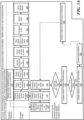
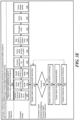
- FIG 3A schematically shows the system 100 being used to meet and maintain a business objective of a specific donor door to door time (e.g., the time from when the donor first arrives to the time the donor leaves).
- the donation center may establish or the system may infer a goal of 60 minutes (Step 410).
- the general flow of the donor through the donation process is that the donor first arrives at the plasma center for the donation (Step 430), waits for the next screening booth to open (Step 432), and then enters the screening process once a booth opens (Step 434).
- the screening process will determine if the donor is approved to donate (Step 436).
- the donor may then wait for a bed/donation device to become available (Step 438) and, once one is available, the donor begins the donation (e.g., he enters the phlebotomy stage) (Step 440). Once the donation is complete (Step 442), the donor is paid (Step 444) and may leave the donation center (Step 446).
- the system 100 may then identify a required donor throughput to meet this business objective (e.g., in this case 50 donors per hour) (Step 420).
- the system 100 may then track the donor arrival rate (Step 450) to determine how many and how quickly donors are arriving and track a screening booth rate (Step 460) to determine how quickly the donors are being processed and/or screened at the booths.
- the system 100 may track the number of booths that are open (Step 470) to determine if there is a shortage of booths (Step 475). If the system 100 determines that there is a shortage of open booths, the system 100 may generate a directive to the plasma center instructing the plasma center to open additional booths to meet the donor demand (Step 480).
- a threshold determined based, at least in part, upon the donor arrival rate (e.g., less than 50 donors per hour)
- the system 100 may track the number of booths that are open (Step 470) to determine if there is a shortage of booths (Step 475). If the system 100 determines that there is a shortage of open booths, the system 100 may generate a directive to the plasma center instructing the plasma center to open additional booths to meet the donor demand (Step 480).
- the center may then open additional booths (Step 485) and the system 100 may continue to monitor the effectiveness of the directive (e.g., it may track the donor arrival rate, screening booth rate, number of open booths, etc.) to ensure that the directive is helping the center to meet the business objective (Step 490). If the directive is no longer helping to meet the business objective or the gathered data (e.g., the rates and number of booths mentioned above) changes, the system 100 may revise the directive.
- the system 100 may revise the directive.
- the system 100 may automatically carry out the directive in order to meet the business objective.
- the system 100 can automatically perform the directive. For example, after determining the plasma center has a shortage of booths (Step 475), the system 100 may use the digital assistant 145 to send a message to the donor management system 210 which, in turn, automatically opens additional booths to meet the donor demand and the door-to-door business objective/goal.
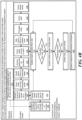
- Figures 3C and 3D show an additional example in which the donor processing rate during screening is above the donor arrival pattern for the plasma center.
- the plasma center may set a donor door-to-door goal of 60 minutes (Step 410) and the system 100 may then determine a target number of donations (e.g., 300 per the example in Figure 3C ) and/or a target number of donations/donors per hour (e.g., 50 donors per hour) to meet the business objective/goal set by the plasma center (Step 420).
- a target number of donations e.g., 300 per the example in Figure 3C
- a target number of donations/donors per hour e.g., 50 donors per hour
- the system 100 may then monitor/track the donor arrival rate (e.g., 40 donors per hour in Figure 3C ) (Step 510) and the screening both rate (Step 460) so that the system may compare the screening rate to the established target. If the screening rate is greater than the target (e.g., 50 donors per hour)(Step 465), the system 100 may track the number of open booths (Step 470) to determine if there is an excess number of booths (Step 520). If there is an excess number of booths, the system 100 may then generate a directive to the user/plasma center to close some of the booths (Step 530). The center may then close the booths as directed by the system 100 (Step 540) and the system 100 may continue to measure the effectiveness of the directive. Alternatively, rather directing the user/plasma center to close the booths, as shown in Figure 3D , the system 100 may automatically close the booths (Step 550).
- the donor arrival rate e.g., 40 donors per hour in Figure 3C
- Figure 3E shows a further example relating to the donor screening process in which the system 100 determines there are long wait times within the plasma center.
- the plasma center may set a business objective/goal of a maximum wait time for the donors (e.g., 10 minutes) throughout the donation process (Step 605).
- the system 100 may then look at the various points in the process to determine if the wait time exceeds the goal. For example, the system 100 may track the screening both wait times (Step 610) and determine if the wait time is greater than the goal (e.g., if it is greater than 10 minutes) (Step 620).
- the system 100 may then generate a directive to the user/plasma center instructing the plasma center to add additional staff to the screening process (Step 630).
- the center may then open more screening booths and/or add the additional staff (Step 640) per the directive.
- the system 100 may then monitor/measure the effectiveness of the directive (Step 490) and make adjustments as necessary. It should be noted that although Figure 3E only shows the system 100 looking at screening wait times, the system 100 may similarly look at the wait time for a bed/donation machine, wait times for payment, etc.
- Figure 4A shows an exemplary use of the system 100 in which the donor processing rate at the phlebotomy stage (e.g., at the point where the donor is waiting for a bed/apheresis device; Step 438) is below an arrival rate.
- the business objective set by the plasma center (or inferred by the system 100) may be similar to that of Figures 3A and 3B , namely, a donor door-to-door time of 60 minutes (Step 410).
- the system 100 may identify the required donor throughput (Step 420) and may track the donor arrival rate (Step 450).
- the system 100 can monitor and track various criteria and/or data.
- the system 100 may track the donor floor rate (e.g., how long the donors are waiting for the bed/apheresis device and how long they are taking to get through the donation process) (Step 710) and if this rate is below the required throughput (e.g., 60 donors per hour) (Step 720), the system 100 will track the number of beds/apheresis devices that are open (Step 730).
- the donor floor rate e.g., how long the donors are waiting for the bed/apheresis device and how long they are taking to get through the donation process
- the required throughput e.g. 60 donors per hour
- the system 100 will generate a directive instructing the user/plasma center to add additional beds (Step 750).
- the plasma center may then add more beds per the directive (Step 760) and the system 100 will continue to monitor/measure the effectiveness of the directive (Step 490).
- the system 100 may automatically close screening booths (Step 770), for example, by having the virtual digital assistant 145 send instructions to the downstream donor management 210.
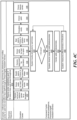
- Figures 4C and 4D show examples of the system 100 determining that there are long wait times for phlebotomy (e.g., at Step 438) in contradiction to the plasma center's wait time limits/goals (e.g., less than 10 minutes) (Step 810).
- the system 100 may track the phlebotomy wait times (Step 820) and determine if the times are greater than the center's target (e.g., if the times are greater than 10 minutes). If the wait times are over the target/goal, the system 100 will generate a directive instructing the user/plasma center to add phlebotomists to the floor (Step 840), for example, via the digital assistant 145.
- the system 100 may automatically account for the extended wait times by automatically opening additional beds (e.g., by sending, via the digital assistant 145 instructions to the donor management system 210) (Step 860). In either case, once the center adds the additional phlebotomists and/or additional beds are opened, the system 100 may continue to measure the effectiveness of the directive (Step 490).
- the system 100 may track the phlebotomy wait times (Step 820) and, if there is no wait time (e.g., the wait time is 0) (Step 870), the system 100 may generate a directive instructing the user/plasma center to remove staff (or close beds) (Step 880) to reduce any inefficiencies at the center (e.g., idle staff, open beds, etc.). The center may then carry out the directive by removing staff (Step 890) and the system 100 may then continue to monitor/measure the effectiveness of the directive (Step 490).
- Step 820 the phlebotomy wait times
- Step 870 the system 100 may generate a directive instructing the user/plasma center to remove staff (or close beds) (Step 880) to reduce any inefficiencies at the center (e.g., idle staff, open beds, etc.).
- the center may then carry out the directive by removing staff (Step 890) and the system 100 may then continue to monitor/measure the effectiveness of the directive (Step
- Step 910 the plasma center establishes a goal/objective of having adequate supplies available
- the system 100 may establish a donation goal and/or a donor per hour goal (Step 920), for example, based on known business objectives of the center and may track the donor arrival rate (Step 450) in a manner similar to that discussed above.
- the system 100 may tack the donation supplies available on the floor (Step 930) and determine if the supply availability is insufficient to meet the current need (e.g., if there is not enough to handle 60 donors per hour) (Step 940). If there is an insufficient amount of supplies, the system 100 will generate a directive instructing the user/plasma center to replenish the supplies (Step 950) and send the message/directive to the user/plasma center, for example, via the digital assistant 145. The user/center may then replenish the supplies in response to the received directive (Step 960) and the system 100 may monitor/measure the effectiveness of the directive (Step 490).
- the plasma center may additionally or alternatively wish to have balanced supplies (e.g., the supply lines and bins are balanced) within the plasma center (Step 1010).
- the system 100 identifies a required donor throughput (e.g., to meet the plasma centers collection goals) (Step 1020) and the system 100 tracks the donor arrival rate (Step 1030).
- the system 100 may track the donation floor supplies ratio (Step 1040) and determine whether or not the supply is balanced (e.g., the ratio is 1:1) (Step 1050).
- the system 100 If it is not balanced, the system 100 generate a directive and direct the center to rebalance the supply lines and bins (Step 1060) and, in response, the center may balance the supplies (Step 1070). To ensure that the directive is effectively working, the system 100 may continue to monitor/measure the effectiveness (Step 490).
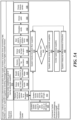
- FIG 5C shows a further example in which the system 100 tracks the phlebotomists activities and instructs them to perform alternative tasks such as replenishing supplies.
- the plasma center may once again set a business objective/goal of maximizing supply inventory (Step 1110).
- the system 100 may track the activities of the phlebotomists (Step 1120) to determine if any of the phlebotomists are idle (Step 1130).
- the system 100 may then determine if there is sufficient room for additional supplies on the floor (Step 1140) and, if so, the system 100 may direct the idle phlebotomists to replenish the supplies (Step 1150).
- Figures 3A-3E , 4A-4E and 5A-5C merely show examples of how the system 100 may be used to meet various business objectives of the plasma centers.
- the system 100 may be used for any number of additional examples and business directives. Additionally, the system 100 may be used simultaneously to achieve multiple business directives at any given time.
- a system may include, without limitation, a client, server, computer, appliance, or other type of device.
- Such devices typically include one or more network interfaces for communicating over a communication network and a processor (e.g., a microprocessor with memory and other peripherals and/or application-specific hardware) configured accordingly to perform device and/or system functions.
- Communication networks generally may include public and/or private networks; may include local-area, wide-area, metropolitan-area, storage, and/or other types of networks; and may employ communication technologies including, but in no way limited to, analog technologies, digital technologies, optical technologies, wireless technologies, networking technologies, and internetworking technologies
- control program may be implemented individually or in combination.
- each component may be implemented or a dedicated server or a set of servers configured in a distributed manner
- devices may use communication protocols and messages (e.g., messages created, transmitted, received, stored, and/or processed by the system), and such messages may be conveyed by a communication network or medium.
- a communication message generally may include, without limitation, a frame, packet, datagram, user datagram, cell, or other type of communication message.
- references to specific communication protocols are exemplary, and it should be understood that alternative embodiments may, as appropriate, employ variations of such communication protocols (e.g., modifications or extensions of the protocol that may be made from time-to-time) or other protocols either known or developed in the future.
- logic flows may be described herein to demonstrate various aspects of the invention, and should not be construed to limit the present invention to any particular logic flow or logic implementation.
- the described logic may be partitioned into different logic blocks (e.g., programs, modules, interfaces, functions, or subroutines) without changing the overall results or otherwise departing from the true scope of the invention.
- logic elements may be added, modified, omitted, performed in a different order, or implemented using different logic constructs (e.g., logic gates, looping primitives, conditional logic, and other logic constructs) without changing the overall results or otherwise departing from the true scope of the invention.
- the present invention may be embodied in many different forms, including, but in no way limited to, computer program logic for use with a processor (e.g., a microprocessor, microcontroller, digital signal processor, or general purpose computer), programmable logic for use with a programmable logic device (e.g., a Field Programmable Gate Array (FPGA) or other programmable logic device (PLD)), discrete components, integrated circuitry (e.g., an Application Specific Integrated Circuit (ASIC)), or any other means including any combination thereof.
- a processor e.g., a microprocessor, microcontroller, digital signal processor, or general purpose computer
- programmable logic for use with a programmable logic device
- FPGA Field Programmable Gate Array
- PLD programmable logic device
- discrete components e.g., integrated circuitry
- ASIC Application Specific Integrated Circuit
- predominantly all of the described logic is implemented as a set of computer program instructions that is converted into a computer executable form, stored as such in
- Source code may include a series of computer program instructions implemented in any of various programming languages (e.g., an object code, an assembly language, or a high-level language such as FORTRAN, C, C++, JAVA, or HTML) for use with various operating systems or operating environments.
- the source code may define and use various data structures and communication messages.
- the source code may be in a computer executable form (e.g., via an interpreter), or the source code may be converted (e.g., via a translator, assembler, or compiler) into a computer executable form.
- the computer program may be fixed in any form (e.g., source code form, computer executable form, or an intermediate form) either permanently or transitorily in a tangible storage medium, such as a semiconductor memory device (e.g., a RAM, ROM, PROM, EEPROM, or Flash-Programmable RAM), a magnetic memory device (e.g., a diskette or fixed disk), an optical memory device (e.g., a CD-ROM), a PC card (e.g., PCMCIA card), or other memory device.
- the computer program may be fixed in any form in a signal that is transmittable to a computer using any of various communication technologies, including, but in no way limited to, analog technologies, digital technologies, optical technologies, wireless technologies, networking technologies, and internetworking technologies.
- the computer program may be distributed in any form as a removable storage medium with accompanying printed or electronic documentation (e.g., shrink wrapped software), preloaded with a computer system (e.g., on system ROM or fixed disk), or distributed from a server or electronic bulletin board over the communication system (e.g., the Internet or World Wide Web).
- a computer system e.g., on system ROM or fixed disk
- a server or electronic bulletin board over the communication system (e.g., the Internet or World Wide Web).
- Hardware logic including programmable logic for use with a programmable logic device
- implementing all or part of the functionality previously described herein may be designed using traditional manual methods, or may be designed, captured, simulated, or documented electronically using various tools, such as Computer Aided Design (CAD), a hardware description language (e.g., VHDL or AHDL), or a PLD programming language (e.g., PALASM, ABEL, or CUPL).
- CAD Computer Aided Design
- a hardware description language e.g., VHDL or AHDL
- PLD programming language e.g., PALASM, ABEL, or CUPL
- Programmable logic may be fixed either permanently or transitorily in a tangible storage medium, such as a semiconductor memory device (e.g., a RAM, ROM, PROM, EEPROM, or Flash-Programmable RAM), a magnetic memory device (e.g., a diskette or fixed disk), an optical memory device (e.g., a CD-ROM), or other memory device.
- a semiconductor memory device e.g., a RAM, ROM, PROM, EEPROM, or Flash-Programmable RAM
- a magnetic memory device e.g., a diskette or fixed disk
- an optical memory device e.g., a CD-ROM
- the programmable logic may be fixed in a signal that is transmittable to a computer using any of various communication technologies, including, but in no way limited to, analog technologies, digital technologies, optical technologies, wireless technologies (e.g., Bluetooth), networking technologies, and internetworking technologies.
- the programmable logic may be distributed as a removable storage medium with accompanying printed or electronic documentation (e.g., shrink wrapped software), preloaded with a computer system (e.g., on system ROM or fixed disk), or distributed from a server or electronic bulletin board over the communication system (e.g., the Internet or World Wide Web).
- a computer system e.g., on system ROM or fixed disk
- a server or electronic bulletin board over the communication system
- some embodiments may be implemented in a software-as-a-service model ("SAAS") or cloud computing model.
- SAAS software-as-a-service model
- some embodiments of the invention may be implemented as a combination of both software (e.g., a computer program product) and hardware. Still other embodiments of the invention are implemented as entirely hardware, or entirely software.
Landscapes
- Business, Economics & Management (AREA)
- Engineering & Computer Science (AREA)
- Human Resources & Organizations (AREA)
- General Business, Economics & Management (AREA)
- Health & Medical Sciences (AREA)
- Theoretical Computer Science (AREA)
- Strategic Management (AREA)
- Economics (AREA)
- Entrepreneurship & Innovation (AREA)
- Physics & Mathematics (AREA)
- General Physics & Mathematics (AREA)
- Tourism & Hospitality (AREA)
- General Health & Medical Sciences (AREA)
- Development Economics (AREA)
- Primary Health Care (AREA)
- Marketing (AREA)
- Medical Informatics (AREA)
- Educational Administration (AREA)
- Biomedical Technology (AREA)
- Public Health (AREA)
- Epidemiology (AREA)
- Operations Research (AREA)
- Quality & Reliability (AREA)
- Software Systems (AREA)
- Data Mining & Analysis (AREA)
- Game Theory and Decision Science (AREA)
- Mathematical Physics (AREA)
- General Engineering & Computer Science (AREA)
- Computing Systems (AREA)
- Evolutionary Computation (AREA)
- Artificial Intelligence (AREA)
- Computational Linguistics (AREA)
- Computer Vision & Pattern Recognition (AREA)
- Accounting & Taxation (AREA)
- Finance (AREA)
- Management, Administration, Business Operations System, And Electronic Commerce (AREA)
- Medical Treatment And Welfare Office Work (AREA)
Claims (17)
- Verfahren zum Erzeugen einer Richtlinie zum Aufrechterhalten eines Ziels eines Plasmaspendezentrums, Folgendes umfassend:Integrieren eines Leitstellensystems (100) mit einer Vielzahl von Datensystemen (210, 220) von Gesundheitsdienstleistern;Erhalten (310) von Informationen von mindestens einem der Vielzahl von Datensystemen (210, 220) von Gesundheitsdienstleistern, wobei die erhaltenen Informationen Produktionsdaten aus einem Plasmadatensystem, Daten von einem Screening-Instrument oder Daten von einer Apheresevorrichtung umfassen;Korrelieren (318), unter Verwendung künstlicher Intelligenz (130), der erhaltenen Informationen mit einem Ziel für mindestens ein Spendezentrum, wobei das Ziel eines von Gesamtspendern, Gesamteinheiten, einer Spenden-pro-Stunde-Rate, einer Spender-Tür-zu-Tür-Zeit, einer durchschnittlichen Ausbeute oder einer durchschnittlichen Vorrichtungsumlaufrate ist;Erzeugen (320), unter Verwendung eines heuristischen Modells, einer Richtlinie für das mindestens eine Spendezentrum, um das Ziel zu erreichen, wobei die Richtlinie darin besteht, Screening-Kabinen zu öffnen oder zu schließen, Betten hinzuzufügen oder zu schließen, Phlebotomisten hinzuzufügen oder Versorgungsleitungen und Behälter neu auszugleichen; undPräsentieren (324, 326, 342) der Richtlinie mindestens einem Benutzer und/oder Benutzersystem, so dass die Richtlinie von dem mindestens einen Benutzer und/oder Benutzersystem vollführt werden kann.
- Verfahren nach Anspruch 1, wobei das Integrieren des Leitstellensystems (100) mit der Vielzahl von Datensystemen (210, 220) von Gesundheitsdienstleistern das autonome Integrieren des Leitstellensystems einschließt.
- Verfahren nach Anspruch 1, wobei das Ziel ein abgeleitetes Profil des mindestens einen Spendezentrums ist, das auf historischen Informationen aus der Vielzahl von Datensystemen (210, 220) von Gesundheitsdienstleistern basiert, und/oderwobei das Ziel ein empfangenes Unternehmensprofil einschließt, das standortspezifische Profile enthält, und/oderwobei das Ziel ein empfangenes Unternehmensprofil einschließt, das zeitabhängige Profile enthält, und/oderwobei das Ziel messbar ist.
- Verfahren nach Anspruch 1, das ferner Folgendes umfasst:
Empfangen eines Unternehmensprofils, das Produktivitätsziele, Leistungsziele und/oder Qualitätsziele enthält, wobei das Ziel mindestens teilweise auf mindestens einem der Produktivitätsziele, Leistungsziele und/oder Qualitätsziele basiert. - Verfahren nach Anspruch 1, wobei die Richtlinie Informationen über mindestens einen Schritt einschließt, der zum Erreichen des Ziels zu ergreifen ist, und/oderwobei die Richtlinieninformationen standortsspezifisch sind, um das Ziel zu erreichen, und/oderwobei die Richtlinie einer Vielzahl von Benutzern über mindestens eines präsentiert wird, das aus der Gruppe bestehend aus E-Mail, einer SMS, einer Push-Benachrichtigung, einem Telefonanruf, einer Veröffentlichung in den sozialen Medien, einer visuellen Rückmeldung, einer akustischen Rückmeldung und einer haptischen Rückmeldung ausgewählt wird, und/oderwobei die Richtlinie der Vielzahl von Benutzersystemen über eine elektronische Schnittstelle präsentiert wird, wobei die elektronische Schnittstelle beispielsweise automatisiert ist, und/oderwobei die Richtlinie der Vielzahl von Benutzersystemen über einen von einem Benutzer durchgeführten manuellen Datei-Upload präsentiert wird, und/oderwobei die Richtlinie der Vielzahl von Benutzern so präsentiert wird, dass auf die Richtlinie von einer Gruppe bestehend aus einem Mobiltelefon, einem Tablet, einem Computer, einem Laptop, einem persönlichen digitalen Assistenten, einer digitalen Anzeige, einer Smartwatch, einem Telefon, einem Pager oder einer Beschallungsanlage zugegriffen werden kann.
- Verfahren nach Anspruch 1, das ferner Folgendes umfasst:Speichern (312) der Informationen aus der Vielzahl von Datensystemen (210, 220) von Gesundheitsdienstleistern in einer Datenspeichervorrichtung, und/oderwobei das Erhalten (310) der Informationen aus der Vielzahl von Datensystemen (210, 220) von Gesundheitsdienstleistern das Extrahieren der Informationen aus der Vielzahl von Datensystemen von Gesundheitsdienstleistern unter Verwendung eines Datenextraktors (110) einschließt.
- Verfahren nach Anspruch 1, wobei das Erzeugen (320) der Richtlinie das Identifizieren von Lücken zwischen mindestens einer Produktionsmetrik auf der Grundlage der erhaltenen Informationen und dem Ziel einschließt.
- Verfahren nach Anspruch 1, das ferner Folgendes umfasst:Empfangen einer Bestätigung von einem Benutzer, dass der Benutzer die Verantwortung für das Umsetzen der Richtlinie übernommen hat, und/oderÜberwachen einer Wirksamkeit der Richtlinie gegenüber dem Ziel unter Verwendung künstlicher Intelligenz (130).
- System zum Erzeugen einer Richtlinie zum Aufrechterhalten eines Ziels für ein Plasmaspendezentrum, umfassend:einen Integrator (105), der so konfiguriert ist, dass er ein Leitstellensystem (100) mit mindestens einem Datensystem (210, 220) von Gesundheitsdienstleistern integriert;einen Datenextraktor (110), der so konfiguriert ist, dass er das mindestens eine Datensystem von Gesundheitsdienstleistern nach Produktionsdaten durchsucht und die Produktionsdaten aus dem mindestens einen Datensystem von Gesundheitsdienstleistern abruft, wobei die abgerufenen Produktionsdaten Produktionsdaten aus einem Plasmadatensystem, Daten von einem Screening-Instrument oder Daten von einer Apheresevorrichtung einschließen;eine Datenspeichervorrichtung (120), die so konfiguriert ist, dass sie die abgerufenen Produktionsdaten speichert;ein Modul für künstliche Intelligenz (130), das so konfiguriert ist, dass es die abgerufenen Produktionsinformationen mit einem Ziel korreliert und eine Richtlinie zum Erreichen des Ziels erzeugt,wobei das Ziel eines von Gesamtspendern, Gesamteinheiten, einer Spenden-pro-Stunde-Rate, einer Spender-Tür-zu-Tür-Zeit, einer durchschnittlichen Ausbeute oder einer durchschnittlichen Vorrichtungsumlaufrate ist, undwobei die Richtlinie darin besteht, Screening-Kabinen zu öffnen oder zu schließen, Betten hinzuzufügen oder zu schließen, Phlebotomisten hinzuzufügen oder Versorgungsleitungen und Behälter neu auszugleichen; undeinen virtuellen digitalen Assistenten (145), der so konfiguriert ist, dass er die Richtlinie verarbeitet und die Richtlinie an mindestens einen Empfänger weiterleiter, sodass der Empfänger die Richtlinie vollführen kann.
- System nach Anspruch 9, wobei das Modul für künstliche Intelligenz (130) die Richtlinie unter Verwendung eines heuristischen Modells erzeugt, und/oderwobei der mindestens eine Empfänger mindestens ein Benutzer und/oder mindestens ein Spenderverwaltungssystem ist, und/oderwobei der Integrator so konfiguriert ist, dass er das Leitstellensystem autonom mit dem mindestens einen Datensystem von Gesundheitsdienstleistern integriert.
- System nach Anspruch 9, wobei das Ziel ein abgeleitetes Profil des Gesundheitsdienstleisters ist, das auf historischen Informationen aus dem mindestens einen Datensystem von Gesundheitsdienstleistern basiert, und/oderwobei das Ziel mindestens teilweise auf mindestens einem der Produktivitätsziele, Leistungsziele und/oder Qualitätsziele, die in einem Unternehmensprofil enthalten sind, basiert und/oderwobei das Ziel messbar ist.
- System nach Anspruch 9, wobei die Richtlinie Informationen über mindestens einen Schritt einschließt, der zum Erreichen des Ziels zu ergreifen ist, und/oderwobei die Richtlinie standortsspezifische Informationen enthält, um das Ziel zu erreichen, und/oderwobei der virtuelle digitale Assistent (145) die Richtlinie über mindestens eines verteilt, das aus der Gruppe bestehend aus E-Mail, einer SMS, einer Push-Benachrichtigung, einem Telefonanruf, einer Veröffentlichung in den sozialen Medien, einer visuellen Rückmeldung, einer akustischen Rückmeldung und einer haptischen Rückmeldung ausgewählt wird, und/oderferner umfassend eine elektronische Schnittstelle, wobei der virtuelle digitale Assistent (145) so konfiguriert ist, dass er die Richtlinie über die elektronische Schnittstelle an eine Vielzahl von Benutzersystemen verteilt, und/oderwobei die Richtlinie an eine Vielzahl von Benutzersystemen über einen von einem Benutzer durchgeführten manuellen Datei-Upload verteilt wird, und/oderwobei die Richtlinie an den mindestens einen Empfänger so verteilt wird, dass auf die Richtlinie von einer Gruppe bestehend aus einem Mobiltelefon, einem Tablet, einem Computer, einem Laptop, einem persönlichen digitalen Assistenten, einer digitalen Anzeige, einer Smartwatch, einem Telefon, einem Pager oder einer Beschallungsanlage zugegriffen werden kann.
- System nach Anspruch 9, wobei das Modul für künstliche Intelligenz (130) so konfiguriert ist, dass es mindestens eine Lücke zwischen mindestens einer Produktionsmetrik und dem Ziel identifiziert, wobei die Richtlinie mindestens teilweise auf der mindestens einen Lücke basiert.
- System nach Anspruch 9, das ferner Folgendes umfasst:einen Richtlinien-Hörer (135), der so konfiguriert ist, dass er unter Verwendung künstlicher Intelligenz eine Wirksamkeit der Richtlinie gegenüber dem Ziel überwacht, und/odereine Schnittstelle, die so konfiguriert ist, dass sie eine Bestätigung empfängt, dass die Richtlinie vom Benutzer oder vom Benutzersystem empfangen wurde.
- Verfahren nach Anspruch 1 oder System nach Anspruch 9, wobei die Datensysteme (210, 220) aus einer Gruppe ausgewählt sind, die aus einem Spendersystem, einem Screening-System, einem Entnahmesystem, einem Ausrüstungssystem, einem Betriebsstoffsystem, einem Inventarsystem, einem Testsystem, einem Versandsystem, einem Qualitätssystem, einem Zahlungssystem, einem Marketingsystem, einem Rekrutierungssystem, einem Engagement-System, einem Lagersystem, einem Gehaltsabrechnungssystem, einem Zeiterfassungssystem und einem Sicherheitssystem besteht, und/oder
wobei die Informationen aus der Vielzahl von Datensystemen (210, 220) von Gesundheitsdienstleistern aus einer Gruppe ausgewählt werden, die aus Zeitdaten, Telemetriedaten, Leistungsdaten, Qualitätsdaten, Kostendaten, Volumendaten, Mengendaten, Ratendaten, Personaldaten, Spenderdaten, Spendendaten, Produktivitätsdaten, Leistungsdaten und Geschwindigkeitsdaten besteht. - Verfahren nach Anspruch 1 oder System nach Anspruch 9, wobei die Vielzahl von Datensystemen von Gesundheitsdienstleistern ein Spenderverwaltungssystem (210) einschließt.
- Nichttransitorisches computerlesbares Medium, das computerausführbare Anweisungen aufweist, die, wenn sie auf einer Computervorrichtung ausgeführt werden, das Verfahren nach Anspruch 1 durchführen.
Applications Claiming Priority (2)
| Application Number | Priority Date | Filing Date | Title |
|---|---|---|---|
| US201862722929P | 2018-08-26 | 2018-08-26 | |
| PCT/US2019/048147 WO2020046817A1 (en) | 2018-08-26 | 2019-08-26 | Health care provider data systems processing and analytics |
Publications (3)
| Publication Number | Publication Date |
|---|---|
| EP3841552A1 EP3841552A1 (de) | 2021-06-30 |
| EP3841552A4 EP3841552A4 (de) | 2022-05-18 |
| EP3841552B1 true EP3841552B1 (de) | 2024-10-09 |
Family
ID=69643715
Family Applications (1)
| Application Number | Title | Priority Date | Filing Date |
|---|---|---|---|
| EP19854872.9A Active EP3841552B1 (de) | 2018-08-26 | 2019-08-26 | Verarbeitung und analyse von datensystemen von gesundheitsdienstleistern |
Country Status (9)
| Country | Link |
|---|---|
| US (2) | US20210335487A1 (de) |
| EP (1) | EP3841552B1 (de) |
| JP (1) | JP7510918B2 (de) |
| KR (1) | KR102880564B1 (de) |
| CN (1) | CN112789687B (de) |
| AU (2) | AU2019331418A1 (de) |
| CA (1) | CA3110494A1 (de) |
| HU (1) | HUE070341T2 (de) |
| WO (1) | WO2020046817A1 (de) |
Families Citing this family (3)
| Publication number | Priority date | Publication date | Assignee | Title |
|---|---|---|---|---|
| CN112789687B (zh) | 2018-08-26 | 2025-01-07 | 美国血液技术公司 | 医疗保健提供者数据系统处理和分析 |
| WO2024015928A1 (en) * | 2022-07-14 | 2024-01-18 | Oklahoma Blood Institute | Activity recruitment platform |
| KR102778240B1 (ko) | 2022-12-07 | 2025-03-11 | 주식회사 디케이닥터 | 헬스 디바이스 측정 데이터의 실효성 향상을 위한 사용자 인증 시스템 |
Family Cites Families (14)
| Publication number | Priority date | Publication date | Assignee | Title |
|---|---|---|---|---|
| US6847959B1 (en) | 2000-01-05 | 2005-01-25 | Apple Computer, Inc. | Universal interface for retrieval of information in a computer system |
| US20020143669A1 (en) * | 2001-01-22 | 2002-10-03 | Scheer Robert H. | Method for managing inventory within an integrated supply chain |
| US20030040835A1 (en) | 2001-04-28 | 2003-02-27 | Baxter International Inc. | A system and method for managing inventory of blood component collection soft goods in a blood component collection facility |
| US20040122704A1 (en) * | 2002-12-18 | 2004-06-24 | Sabol John M. | Integrated medical knowledge base interface system and method |
| JP2004318764A (ja) | 2003-04-21 | 2004-11-11 | Nec Corp | 携帯情報端末を用いた勧誘システム |
| US7957996B2 (en) | 2004-03-31 | 2011-06-07 | International Business Machines Corporation | Market expansion through optimized resource placement |
| US20070130206A1 (en) * | 2005-08-05 | 2007-06-07 | Siemens Corporate Research Inc | System and Method For Integrating Heterogeneous Biomedical Information |
| US20070118399A1 (en) * | 2005-11-22 | 2007-05-24 | Avinash Gopal B | System and method for integrated learning and understanding of healthcare informatics |
| WO2007120904A2 (en) * | 2006-04-14 | 2007-10-25 | Fuzzmed, Inc. | System, method, and device for personal medical care, intelligent analysis, and diagnosis |
| US8271413B2 (en) | 2008-11-25 | 2012-09-18 | Google Inc. | Providing digital content based on expected user behavior |
| US10872307B2 (en) * | 2013-12-27 | 2020-12-22 | Fenwal, Inc. | System and method for blood component supply chain management |
| CN105023073A (zh) * | 2014-04-16 | 2015-11-04 | 北京百和园科技有限公司 | 一种基于人工神经网络的医院智能评估分诊系统 |
| KR20180036285A (ko) * | 2016-09-30 | 2018-04-09 | 삼성전자주식회사 | 혈액 관리 방법, 혈액 관리 서버 장치 및 혈액 관리 시스템 |
| CN112789687B (zh) | 2018-08-26 | 2025-01-07 | 美国血液技术公司 | 医疗保健提供者数据系统处理和分析 |
-
2019
- 2019-08-26 CN CN201980065369.1A patent/CN112789687B/zh active Active
- 2019-08-26 CA CA3110494A patent/CA3110494A1/en active Pending
- 2019-08-26 AU AU2019331418A patent/AU2019331418A1/en not_active Abandoned
- 2019-08-26 KR KR1020217008593A patent/KR102880564B1/ko active Active
- 2019-08-26 HU HUE19854872A patent/HUE070341T2/hu unknown
- 2019-08-26 EP EP19854872.9A patent/EP3841552B1/de active Active
- 2019-08-26 JP JP2021510217A patent/JP7510918B2/ja active Active
- 2019-08-26 WO PCT/US2019/048147 patent/WO2020046817A1/en not_active Ceased
- 2019-08-26 US US17/271,194 patent/US20210335487A1/en not_active Abandoned
-
2024
- 2024-08-09 US US18/798,949 patent/US12537095B2/en active Active
-
2025
- 2025-04-17 AU AU2025202749A patent/AU2025202749A1/en active Pending
Also Published As
| Publication number | Publication date |
|---|---|
| JP7510918B2 (ja) | 2024-07-04 |
| WO2020046817A1 (en) | 2020-03-05 |
| CA3110494A1 (en) | 2020-03-05 |
| US20240404688A1 (en) | 2024-12-05 |
| AU2019331418A1 (en) | 2021-03-25 |
| AU2025202749A1 (en) | 2025-05-08 |
| KR20210049139A (ko) | 2021-05-04 |
| WO2020046817A8 (en) | 2020-10-29 |
| HUE070341T2 (hu) | 2025-05-28 |
| US12537095B2 (en) | 2026-01-27 |
| US20210335487A1 (en) | 2021-10-28 |
| EP3841552A4 (de) | 2022-05-18 |
| JP2021535487A (ja) | 2021-12-16 |
| CN112789687A (zh) | 2021-05-11 |
| EP3841552A1 (de) | 2021-06-30 |
| KR102880564B1 (ko) | 2025-11-05 |
| CN112789687B (zh) | 2025-01-07 |
Similar Documents
| Publication | Publication Date | Title |
|---|---|---|
| US12537095B2 (en) | Health care provider data systems processing and analytics | |
| US12524409B1 (en) | Blood donation collection system | |
| US10416614B2 (en) | Human programming interfaces for machine-human interfaces | |
| US10929939B2 (en) | Business intelligence portal | |
| US9619849B2 (en) | Healthcare delivery system and method | |
| US20230352155A1 (en) | Method and system for forecasting demand for nursing services | |
| US20200373006A1 (en) | Medical information processing system | |
| CN109685089A (zh) | 评估模型性能的系统及方法 | |
| KR20210100485A (ko) | 네트워크를 통한 반려 동물을 위한 맞춤형 샘플 상품 추천 방법 및 이에 사용되는 관리 서버 | |
| WO2018133988A1 (en) | Optimizing human and non-human resources in retail environments | |
| Gómez-Valiente et al. | Smart-IoT business process management: a case study on remote digital early cardiac arrhythmia detection and diagnosis | |
| WO2016089914A1 (en) | Method and system for computational epidemiology and environmental services | |
| US20260053081A1 (en) | System | |
| HK40045575A (en) | Health care provider data systems processing and analytics | |
| HK40045575B (en) | Health care provider data systems processing and analytics | |
| US20260051010A1 (en) | System | |
| KR102374265B1 (ko) | 다단계 적시 중재 시스템을 통한 원격 헬스케어 사용자의 운동 처방 준수율 향상 방법 및 시스템 | |
| US20180191791A1 (en) | Enhanced time-series data streams for transmission to mobile devices | |
| Shah et al. | 7 AI in Robotics and | |
| Karuppasamy et al. | Streamlining Hostel Administration Through Real-Time Event Triggers and Priority Based Complaint Sorting Algorithm with React Native and AWS Integration | |
| JP2026015040A (ja) | システム | |
| Dubey et al. | Intelligence approaches for products, operations, systems, and services | |
| JP2026028124A (ja) | システム | |
| JP2026071007A (ja) | システム | |
| JP2026072534A (ja) | システム |
Legal Events
| Date | Code | Title | Description |
|---|---|---|---|
| STAA | Information on the status of an ep patent application or granted ep patent |
Free format text: STATUS: THE INTERNATIONAL PUBLICATION HAS BEEN MADE |
|
| PUAI | Public reference made under article 153(3) epc to a published international application that has entered the european phase |
Free format text: ORIGINAL CODE: 0009012 |
|
| STAA | Information on the status of an ep patent application or granted ep patent |
Free format text: STATUS: REQUEST FOR EXAMINATION WAS MADE |
|
| 17P | Request for examination filed |
Effective date: 20210309 |
|
| AK | Designated contracting states |
Kind code of ref document: A1 Designated state(s): AL AT BE BG CH CY CZ DE DK EE ES FI FR GB GR HR HU IE IS IT LI LT LU LV MC MK MT NL NO PL PT RO RS SE SI SK SM TR |
|
| DAV | Request for validation of the european patent (deleted) | ||
| DAX | Request for extension of the european patent (deleted) | ||
| REG | Reference to a national code |
Ref legal event code: R079 Free format text: PREVIOUS MAIN CLASS: G06Q0050000000 Ref country code: DE Ref legal event code: R079 Ref document number: 602019060247 Country of ref document: DE Free format text: PREVIOUS MAIN CLASS: G06Q0050000000 Ipc: G06Q0010060000 |
|
| A4 | Supplementary search report drawn up and despatched |
Effective date: 20220419 |
|
| RIC1 | Information provided on ipc code assigned before grant |
Ipc: G16H 40/20 20180101ALI20220411BHEP Ipc: G06Q 50/00 20120101ALI20220411BHEP Ipc: G06Q 10/06 20120101AFI20220411BHEP |
|
| P01 | Opt-out of the competence of the unified patent court (upc) registered |
Effective date: 20230524 |
|
| REG | Reference to a national code |
Ref country code: DE Ref legal event code: R079 Free format text: PREVIOUS MAIN CLASS: G06Q0010060000 Ipc: G06Q0010063900 Ref country code: DE Ref legal event code: R079 Ref document number: 602019060247 Country of ref document: DE Free format text: PREVIOUS MAIN CLASS: G06Q0010060000 Ipc: G06Q0010063900 |
|
| RIC1 | Information provided on ipc code assigned before grant |
Ipc: G16H 40/20 20180101ALI20240320BHEP Ipc: G06Q 50/10 20120101ALI20240320BHEP Ipc: G06Q 10/0639 20230101AFI20240320BHEP |
|
| GRAP | Despatch of communication of intention to grant a patent |
Free format text: ORIGINAL CODE: EPIDOSNIGR1 |
|
| STAA | Information on the status of an ep patent application or granted ep patent |
Free format text: STATUS: GRANT OF PATENT IS INTENDED |
|
| INTG | Intention to grant announced |
Effective date: 20240429 |
|
| GRAS | Grant fee paid |
Free format text: ORIGINAL CODE: EPIDOSNIGR3 |
|
| GRAA | (expected) grant |
Free format text: ORIGINAL CODE: 0009210 |
|
| STAA | Information on the status of an ep patent application or granted ep patent |
Free format text: STATUS: THE PATENT HAS BEEN GRANTED |
|
| AK | Designated contracting states |
Kind code of ref document: B1 Designated state(s): AL AT BE BG CH CY CZ DE DK EE ES FI FR GB GR HR HU IE IS IT LI LT LU LV MC MK MT NL NO PL PT RO RS SE SI SK SM TR |
|
| REG | Reference to a national code |
Ref country code: CH Ref legal event code: EP |
|
| REG | Reference to a national code |
Ref country code: DE Ref legal event code: R096 Ref document number: 602019060247 Country of ref document: DE |
|
| REG | Reference to a national code |
Ref country code: IE Ref legal event code: FG4D |
|
| REG | Reference to a national code |
Ref country code: LT Ref legal event code: MG9D |
|
| REG | Reference to a national code |
Ref country code: NL Ref legal event code: MP Effective date: 20241009 |
|
| PG25 | Lapsed in a contracting state [announced via postgrant information from national office to epo] |
Ref country code: NL Free format text: LAPSE BECAUSE OF FAILURE TO SUBMIT A TRANSLATION OF THE DESCRIPTION OR TO PAY THE FEE WITHIN THE PRESCRIBED TIME-LIMIT Effective date: 20241009 |
|
| PG25 | Lapsed in a contracting state [announced via postgrant information from national office to epo] |
Ref country code: NL Free format text: LAPSE BECAUSE OF FAILURE TO SUBMIT A TRANSLATION OF THE DESCRIPTION OR TO PAY THE FEE WITHIN THE PRESCRIBED TIME-LIMIT Effective date: 20241009 |
|
| PG25 | Lapsed in a contracting state [announced via postgrant information from national office to epo] |
Ref country code: HR Free format text: LAPSE BECAUSE OF FAILURE TO SUBMIT A TRANSLATION OF THE DESCRIPTION OR TO PAY THE FEE WITHIN THE PRESCRIBED TIME-LIMIT Effective date: 20241009 Ref country code: IS Free format text: LAPSE BECAUSE OF FAILURE TO SUBMIT A TRANSLATION OF THE DESCRIPTION OR TO PAY THE FEE WITHIN THE PRESCRIBED TIME-LIMIT Effective date: 20250209 Ref country code: PT Free format text: LAPSE BECAUSE OF FAILURE TO SUBMIT A TRANSLATION OF THE DESCRIPTION OR TO PAY THE FEE WITHIN THE PRESCRIBED TIME-LIMIT Effective date: 20250210 |
|
| PG25 | Lapsed in a contracting state [announced via postgrant information from national office to epo] |
Ref country code: FI Free format text: LAPSE BECAUSE OF FAILURE TO SUBMIT A TRANSLATION OF THE DESCRIPTION OR TO PAY THE FEE WITHIN THE PRESCRIBED TIME-LIMIT Effective date: 20241009 |
|
| PG25 | Lapsed in a contracting state [announced via postgrant information from national office to epo] |
Ref country code: BG Free format text: LAPSE BECAUSE OF FAILURE TO SUBMIT A TRANSLATION OF THE DESCRIPTION OR TO PAY THE FEE WITHIN THE PRESCRIBED TIME-LIMIT Effective date: 20241009 |
|
| PG25 | Lapsed in a contracting state [announced via postgrant information from national office to epo] |
Ref country code: ES Free format text: LAPSE BECAUSE OF FAILURE TO SUBMIT A TRANSLATION OF THE DESCRIPTION OR TO PAY THE FEE WITHIN THE PRESCRIBED TIME-LIMIT Effective date: 20241009 |
|
| PG25 | Lapsed in a contracting state [announced via postgrant information from national office to epo] |
Ref country code: NO Free format text: LAPSE BECAUSE OF FAILURE TO SUBMIT A TRANSLATION OF THE DESCRIPTION OR TO PAY THE FEE WITHIN THE PRESCRIBED TIME-LIMIT Effective date: 20250109 |
|
| PG25 | Lapsed in a contracting state [announced via postgrant information from national office to epo] |
Ref country code: LV Free format text: LAPSE BECAUSE OF FAILURE TO SUBMIT A TRANSLATION OF THE DESCRIPTION OR TO PAY THE FEE WITHIN THE PRESCRIBED TIME-LIMIT Effective date: 20241009 Ref country code: GR Free format text: LAPSE BECAUSE OF FAILURE TO SUBMIT A TRANSLATION OF THE DESCRIPTION OR TO PAY THE FEE WITHIN THE PRESCRIBED TIME-LIMIT Effective date: 20250110 |
|
| PG25 | Lapsed in a contracting state [announced via postgrant information from national office to epo] |
Ref country code: PL Free format text: LAPSE BECAUSE OF FAILURE TO SUBMIT A TRANSLATION OF THE DESCRIPTION OR TO PAY THE FEE WITHIN THE PRESCRIBED TIME-LIMIT Effective date: 20241009 |
|
| PG25 | Lapsed in a contracting state [announced via postgrant information from national office to epo] |
Ref country code: RS Free format text: LAPSE BECAUSE OF FAILURE TO SUBMIT A TRANSLATION OF THE DESCRIPTION OR TO PAY THE FEE WITHIN THE PRESCRIBED TIME-LIMIT Effective date: 20250109 |
|
| REG | Reference to a national code |
Ref country code: HU Ref legal event code: AG4A Ref document number: E070341 Country of ref document: HU |
|
| PG25 | Lapsed in a contracting state [announced via postgrant information from national office to epo] |
Ref country code: SM Free format text: LAPSE BECAUSE OF FAILURE TO SUBMIT A TRANSLATION OF THE DESCRIPTION OR TO PAY THE FEE WITHIN THE PRESCRIBED TIME-LIMIT Effective date: 20241009 |
|
| PG25 | Lapsed in a contracting state [announced via postgrant information from national office to epo] |
Ref country code: DK Free format text: LAPSE BECAUSE OF FAILURE TO SUBMIT A TRANSLATION OF THE DESCRIPTION OR TO PAY THE FEE WITHIN THE PRESCRIBED TIME-LIMIT Effective date: 20241009 |
|
| REG | Reference to a national code |
Ref country code: DE Ref legal event code: R097 Ref document number: 602019060247 Country of ref document: DE |
|
| PG25 | Lapsed in a contracting state [announced via postgrant information from national office to epo] |
Ref country code: EE Free format text: LAPSE BECAUSE OF FAILURE TO SUBMIT A TRANSLATION OF THE DESCRIPTION OR TO PAY THE FEE WITHIN THE PRESCRIBED TIME-LIMIT Effective date: 20241009 |
|
| PG25 | Lapsed in a contracting state [announced via postgrant information from national office to epo] |
Ref country code: RO Free format text: LAPSE BECAUSE OF FAILURE TO SUBMIT A TRANSLATION OF THE DESCRIPTION OR TO PAY THE FEE WITHIN THE PRESCRIBED TIME-LIMIT Effective date: 20241009 |
|
| PG25 | Lapsed in a contracting state [announced via postgrant information from national office to epo] |
Ref country code: SK Free format text: LAPSE BECAUSE OF FAILURE TO SUBMIT A TRANSLATION OF THE DESCRIPTION OR TO PAY THE FEE WITHIN THE PRESCRIBED TIME-LIMIT Effective date: 20241009 |
|
| PG25 | Lapsed in a contracting state [announced via postgrant information from national office to epo] |
Ref country code: IT Free format text: LAPSE BECAUSE OF FAILURE TO SUBMIT A TRANSLATION OF THE DESCRIPTION OR TO PAY THE FEE WITHIN THE PRESCRIBED TIME-LIMIT Effective date: 20241009 |
|
| PLBE | No opposition filed within time limit |
Free format text: ORIGINAL CODE: 0009261 |
|
| STAA | Information on the status of an ep patent application or granted ep patent |
Free format text: STATUS: NO OPPOSITION FILED WITHIN TIME LIMIT |
|
| PG25 | Lapsed in a contracting state [announced via postgrant information from national office to epo] |
Ref country code: SE Free format text: LAPSE BECAUSE OF FAILURE TO SUBMIT A TRANSLATION OF THE DESCRIPTION OR TO PAY THE FEE WITHIN THE PRESCRIBED TIME-LIMIT Effective date: 20241009 |
|
| 26N | No opposition filed |
Effective date: 20250710 |
|
| PGFP | Annual fee paid to national office [announced via postgrant information from national office to epo] |
Ref country code: HU Payment date: 20250807 Year of fee payment: 7 |
|
| PGFP | Annual fee paid to national office [announced via postgrant information from national office to epo] |
Ref country code: DE Payment date: 20250827 Year of fee payment: 7 |
|
| PGFP | Annual fee paid to national office [announced via postgrant information from national office to epo] |
Ref country code: AT Payment date: 20250827 Year of fee payment: 7 |
|
| PGFP | Annual fee paid to national office [announced via postgrant information from national office to epo] |
Ref country code: CZ Payment date: 20250807 Year of fee payment: 7 |
|
| REG | Reference to a national code |
Ref country code: CH Ref legal event code: H13 Free format text: ST27 STATUS EVENT CODE: U-0-0-H10-H13 (AS PROVIDED BY THE NATIONAL OFFICE) Effective date: 20260324 |
|
| PG25 | Lapsed in a contracting state [announced via postgrant information from national office to epo] |
Ref country code: MC Free format text: LAPSE BECAUSE OF FAILURE TO SUBMIT A TRANSLATION OF THE DESCRIPTION OR TO PAY THE FEE WITHIN THE PRESCRIBED TIME-LIMIT Effective date: 20241009 |
|
| PG25 | Lapsed in a contracting state [announced via postgrant information from national office to epo] |
Ref country code: LU Free format text: LAPSE BECAUSE OF NON-PAYMENT OF DUE FEES Effective date: 20250826 |
|
| PG25 | Lapsed in a contracting state [announced via postgrant information from national office to epo] |
Ref country code: CH Free format text: LAPSE BECAUSE OF NON-PAYMENT OF DUE FEES Effective date: 20250831 |
|
| GBPC | Gb: european patent ceased through non-payment of renewal fee |
Effective date: 20250826 |
|
| REG | Reference to a national code |
Ref country code: BE Ref legal event code: MM Effective date: 20250831 |
|
| PG25 | Lapsed in a contracting state [announced via postgrant information from national office to epo] |
Ref country code: LT Free format text: LAPSE BECAUSE OF FAILURE TO SUBMIT A TRANSLATION OF THE DESCRIPTION OR TO PAY THE FEE WITHIN THE PRESCRIBED TIME-LIMIT Effective date: 20241009 |
|
| PG25 | Lapsed in a contracting state [announced via postgrant information from national office to epo] |
Ref country code: GB Free format text: LAPSE BECAUSE OF NON-PAYMENT OF DUE FEES Effective date: 20250826 |
|
| PG25 | Lapsed in a contracting state [announced via postgrant information from national office to epo] |
Ref country code: IE Free format text: LAPSE BECAUSE OF NON-PAYMENT OF DUE FEES Effective date: 20250826 Ref country code: BE Free format text: LAPSE BECAUSE OF NON-PAYMENT OF DUE FEES Effective date: 20250831 |
|
| PG25 | Lapsed in a contracting state [announced via postgrant information from national office to epo] |
Ref country code: FR Free format text: LAPSE BECAUSE OF NON-PAYMENT OF DUE FEES Effective date: 20250831 |