EP3833738B1 - Aus wölfen isolierte probiotische bakterien und zugehörige zusammensetzungen und verfahren - Google Patents
Aus wölfen isolierte probiotische bakterien und zugehörige zusammensetzungen und verfahren Download PDFInfo
- Publication number
- EP3833738B1 EP3833738B1 EP19852107.2A EP19852107A EP3833738B1 EP 3833738 B1 EP3833738 B1 EP 3833738B1 EP 19852107 A EP19852107 A EP 19852107A EP 3833738 B1 EP3833738 B1 EP 3833738B1
- Authority
- EP
- European Patent Office
- Prior art keywords
- strain
- accession number
- isolated
- lactobacillus
- composition
- Prior art date
- Legal status (The legal status is an assumption and is not a legal conclusion. Google has not performed a legal analysis and makes no representation as to the accuracy of the status listed.)
- Active
Links
Images








Classifications
-
- A—HUMAN NECESSITIES
- A61—MEDICAL OR VETERINARY SCIENCE; HYGIENE
- A61K—PREPARATIONS FOR MEDICAL, DENTAL OR TOILETRY PURPOSES
- A61K35/00—Medicinal preparations containing materials or reaction products thereof with undetermined constitution
- A61K35/66—Microorganisms or materials therefrom
- A61K35/74—Bacteria
- A61K35/741—Probiotics
- A61K35/744—Lactic acid bacteria, e.g. enterococci, pediococci, lactococci, streptococci or leuconostocs
-
- A—HUMAN NECESSITIES
- A23—FOODS OR FOODSTUFFS; TREATMENT THEREOF, NOT COVERED BY OTHER CLASSES
- A23K—FODDER
- A23K10/00—Animal feeding-stuffs
- A23K10/10—Animal feeding-stuffs obtained by microbiological or biochemical processes
- A23K10/16—Addition of microorganisms or extracts thereof, e.g. single-cell proteins, to feeding-stuff compositions
-
- A—HUMAN NECESSITIES
- A23—FOODS OR FOODSTUFFS; TREATMENT THEREOF, NOT COVERED BY OTHER CLASSES
- A23K—FODDER
- A23K10/00—Animal feeding-stuffs
- A23K10/10—Animal feeding-stuffs obtained by microbiological or biochemical processes
- A23K10/16—Addition of microorganisms or extracts thereof, e.g. single-cell proteins, to feeding-stuff compositions
- A23K10/18—Addition of microorganisms or extracts thereof, e.g. single-cell proteins, to feeding-stuff compositions of live microorganisms
-
- A—HUMAN NECESSITIES
- A23—FOODS OR FOODSTUFFS; TREATMENT THEREOF, NOT COVERED BY OTHER CLASSES
- A23K—FODDER
- A23K50/00—Feeding-stuffs specially adapted for particular animals
- A23K50/40—Feeding-stuffs specially adapted for particular animals for carnivorous animals, e.g. cats or dogs
-
- A—HUMAN NECESSITIES
- A61—MEDICAL OR VETERINARY SCIENCE; HYGIENE
- A61K—PREPARATIONS FOR MEDICAL, DENTAL OR TOILETRY PURPOSES
- A61K35/00—Medicinal preparations containing materials or reaction products thereof with undetermined constitution
- A61K35/66—Microorganisms or materials therefrom
- A61K35/74—Bacteria
- A61K35/741—Probiotics
- A61K35/744—Lactic acid bacteria, e.g. enterococci, pediococci, lactococci, streptococci or leuconostocs
- A61K35/747—Lactobacilli, e.g. L. acidophilus or L. brevis
-
- A—HUMAN NECESSITIES
- A61—MEDICAL OR VETERINARY SCIENCE; HYGIENE
- A61P—SPECIFIC THERAPEUTIC ACTIVITY OF CHEMICAL COMPOUNDS OR MEDICINAL PREPARATIONS
- A61P1/00—Drugs for disorders of the alimentary tract or the digestive system
-
- C—CHEMISTRY; METALLURGY
- C12—BIOCHEMISTRY; BEER; SPIRITS; WINE; VINEGAR; MICROBIOLOGY; ENZYMOLOGY; MUTATION OR GENETIC ENGINEERING
- C12N—MICROORGANISMS OR ENZYMES; COMPOSITIONS THEREOF; PROPAGATING, PRESERVING, OR MAINTAINING MICROORGANISMS; MUTATION OR GENETIC ENGINEERING; CULTURE MEDIA
- C12N1/00—Microorganisms; Compositions thereof; Processes of propagating, maintaining or preserving microorganisms or compositions thereof; Processes of preparing or isolating a composition containing a microorganism; Culture media therefor
- C12N1/20—Bacteria; Culture media therefor
- C12N1/205—Bacterial isolates
-
- A—HUMAN NECESSITIES
- A23—FOODS OR FOODSTUFFS; TREATMENT THEREOF, NOT COVERED BY OTHER CLASSES
- A23V—INDEXING SCHEME RELATING TO FOODS, FOODSTUFFS OR NON-ALCOHOLIC BEVERAGES AND LACTIC OR PROPIONIC ACID BACTERIA USED IN FOODSTUFFS OR FOOD PREPARATION
- A23V2002/00—Food compositions, function of food ingredients or processes for food or foodstuffs
-
- A—HUMAN NECESSITIES
- A23—FOODS OR FOODSTUFFS; TREATMENT THEREOF, NOT COVERED BY OTHER CLASSES
- A23V—INDEXING SCHEME RELATING TO FOODS, FOODSTUFFS OR NON-ALCOHOLIC BEVERAGES AND LACTIC OR PROPIONIC ACID BACTERIA USED IN FOODSTUFFS OR FOOD PREPARATION
- A23V2400/00—Lactic or propionic acid bacteria
- A23V2400/11—Lactobacillus
- A23V2400/117—Animalis
-
- A—HUMAN NECESSITIES
- A23—FOODS OR FOODSTUFFS; TREATMENT THEREOF, NOT COVERED BY OTHER CLASSES
- A23V—INDEXING SCHEME RELATING TO FOODS, FOODSTUFFS OR NON-ALCOHOLIC BEVERAGES AND LACTIC OR PROPIONIC ACID BACTERIA USED IN FOODSTUFFS OR FOOD PREPARATION
- A23V2400/00—Lactic or propionic acid bacteria
- A23V2400/11—Lactobacillus
- A23V2400/121—Brevis
-
- A—HUMAN NECESSITIES
- A23—FOODS OR FOODSTUFFS; TREATMENT THEREOF, NOT COVERED BY OTHER CLASSES
- A23V—INDEXING SCHEME RELATING TO FOODS, FOODSTUFFS OR NON-ALCOHOLIC BEVERAGES AND LACTIC OR PROPIONIC ACID BACTERIA USED IN FOODSTUFFS OR FOOD PREPARATION
- A23V2400/00—Lactic or propionic acid bacteria
- A23V2400/11—Lactobacillus
- A23V2400/133—Curvatus
-
- A—HUMAN NECESSITIES
- A23—FOODS OR FOODSTUFFS; TREATMENT THEREOF, NOT COVERED BY OTHER CLASSES
- A23V—INDEXING SCHEME RELATING TO FOODS, FOODSTUFFS OR NON-ALCOHOLIC BEVERAGES AND LACTIC OR PROPIONIC ACID BACTERIA USED IN FOODSTUFFS OR FOOD PREPARATION
- A23V2400/00—Lactic or propionic acid bacteria
- A23V2400/11—Lactobacillus
- A23V2400/169—Plantarum
-
- A—HUMAN NECESSITIES
- A23—FOODS OR FOODSTUFFS; TREATMENT THEREOF, NOT COVERED BY OTHER CLASSES
- A23V—INDEXING SCHEME RELATING TO FOODS, FOODSTUFFS OR NON-ALCOHOLIC BEVERAGES AND LACTIC OR PROPIONIC ACID BACTERIA USED IN FOODSTUFFS OR FOOD PREPARATION
- A23V2400/00—Lactic or propionic acid bacteria
- A23V2400/11—Lactobacillus
- A23V2400/173—Reuteri
-
- A—HUMAN NECESSITIES
- A61—MEDICAL OR VETERINARY SCIENCE; HYGIENE
- A61K—PREPARATIONS FOR MEDICAL, DENTAL OR TOILETRY PURPOSES
- A61K35/00—Medicinal preparations containing materials or reaction products thereof with undetermined constitution
- A61K2035/11—Medicinal preparations comprising living procariotic cells
- A61K2035/115—Probiotics
-
- C—CHEMISTRY; METALLURGY
- C12—BIOCHEMISTRY; BEER; SPIRITS; WINE; VINEGAR; MICROBIOLOGY; ENZYMOLOGY; MUTATION OR GENETIC ENGINEERING
- C12R—INDEXING SCHEME ASSOCIATED WITH SUBCLASSES C12C - C12Q, RELATING TO MICROORGANISMS
- C12R2001/00—Microorganisms ; Processes using microorganisms
- C12R2001/01—Bacteria or Actinomycetales ; using bacteria or Actinomycetales
- C12R2001/225—Lactobacillus
-
- C—CHEMISTRY; METALLURGY
- C12—BIOCHEMISTRY; BEER; SPIRITS; WINE; VINEGAR; MICROBIOLOGY; ENZYMOLOGY; MUTATION OR GENETIC ENGINEERING
- C12R—INDEXING SCHEME ASSOCIATED WITH SUBCLASSES C12C - C12Q, RELATING TO MICROORGANISMS
- C12R2001/00—Microorganisms ; Processes using microorganisms
- C12R2001/01—Bacteria or Actinomycetales ; using bacteria or Actinomycetales
- C12R2001/225—Lactobacillus
- C12R2001/24—Lactobacillus brevis
-
- C—CHEMISTRY; METALLURGY
- C12—BIOCHEMISTRY; BEER; SPIRITS; WINE; VINEGAR; MICROBIOLOGY; ENZYMOLOGY; MUTATION OR GENETIC ENGINEERING
- C12R—INDEXING SCHEME ASSOCIATED WITH SUBCLASSES C12C - C12Q, RELATING TO MICROORGANISMS
- C12R2001/00—Microorganisms ; Processes using microorganisms
- C12R2001/01—Bacteria or Actinomycetales ; using bacteria or Actinomycetales
- C12R2001/225—Lactobacillus
- C12R2001/25—Lactobacillus plantarum
-
- C—CHEMISTRY; METALLURGY
- C12—BIOCHEMISTRY; BEER; SPIRITS; WINE; VINEGAR; MICROBIOLOGY; ENZYMOLOGY; MUTATION OR GENETIC ENGINEERING
- C12R—INDEXING SCHEME ASSOCIATED WITH SUBCLASSES C12C - C12Q, RELATING TO MICROORGANISMS
- C12R2001/00—Microorganisms ; Processes using microorganisms
- C12R2001/01—Bacteria or Actinomycetales ; using bacteria or Actinomycetales
- C12R2001/46—Streptococcus ; Enterococcus; Lactococcus
Definitions
- the present disclosure relates to probiotics. More particularly, the present disclosure relates to isolated strains of probiotic bacteria from free ranging wolves and related compositions and methods.
- the gastrointestinal (Gl) tracts of most mammals are colonized by native micro-organisms forming a microbiota.
- Intestinal dysbiosis refers to an imbalance of the microbiota of the intestine.
- Dysbiosis in microbiota of the intestine may cause a shift in the balance of immunostimulatory cytokines in the GI tract. This shift in immunostimulatory cytokines may in turn alter the balance of the inflammatory signals in the gut, causing diarrhea and other acute and chronic GI disorders.
- Probiotics may help to restore the balance of beneficial bacteria in the GI tract and therefore may be useful in treating intestinal dysbiosis and GI disorders.
- probiotics have conventionally been used only in humans, there is increasing interest in use of probiotics in companion animals such as dogs.
- commercially-available canine probiotics are generally of human origin and are not optimal for animals since probiotic bacteria typically possess host-specific traits ( Oh et al., "Diversification of the gut symbiont Lactobacteria reuteri as a result of host-driven evolution", ISME J, 2010, Vol 4: pp 377-387 ; Frese et al., "The evolution of host specialization in the vertebrate gut symbiont Lactobacillus reuteri”. PloS Genet., 2011. 7:e1001314 ).
- an isolated strain of probiotic gastrointestinal bacteria from feces of a free ranging wolf is provided.
- the isolated strain is for use as a probiotic in a subject.
- the subject is a canine subject.
- the canine subject is a domestic dog.
- the isolated strain is selected from a Lactobacillus species or an Enterococcus species.
- the isolated strain is selected from Lactobacillus reuteri, Lactobacillus animalis, Enterococcus faecium, Lactobacillus plantarum, Lactobacillus brevis, or Lactobacillus curvatus.
- the isolated strain is selected from Lactobacillus reuteri strain WF-1 IDAC Accession number 181218-01; Lactobacillus animalis strain WF-2 IDAC Accession number 181218-02; Enterococcus faecium strain WF-3 IDAC Accession number 181218-03; Lactobacillus plantarum strain WF-4 IDAC Accession number 181218-04; Lactobacillus brevis strain WF-5 IDAC Accession number 181218-05; Lactobacillus curvatus strain WF-6 IDAC Accession number 181218-06; Lactobacillus reuteri strain WF-7 IDAC Accession number 181218-07.
- composition comprising at least one isolated strain of wolf probiotic bacteria.
- the composition further comprises one or more of a prebiotic, an additional pharmaceutical or nutritional ingredient, or a pharmaceutically or nutritionally acceptable excipient.
- the composition is in the form of a dietary supplement.
- the composition is in the form of a food product.
- the food product comprises a dog food or a dog treat.
- the at least one isolated strain of wolf probiotic bacteria is selected from a Lactobacillus species or an Enterococcus species.
- a method for preparing a composition comprising: providing at least one isolated strain of wolf probiotic bacteria; providing at least one ingredient; and combining the at least one isolated strain of wolf probiotic bacteria and the at least one ingredient.
- the at least one ingredient is an edible ingredient.
- the at least one isolated strain of wolf probiotic bacteria is provided in the form of a powder or a liquid.
- the at least one isolated strain of wolf probiotic bacteria is selected from a Lactobacillus species or an Enterococcus species.
- the at least one isolated strain of wolf probiotic bacteria is administered orally, enterally, or rectally.
- the at least one isolated strain of wolf probiotic bacteria is selected from a Lactobacillus species or an Enterococcus species.
- Disclosed but not claimed is, a use of at least one isolated strain of wolf probiotic bacteria in the preparation of a medicament for treating or preventing intestinal dysbiosis in a subject.
- the subject is a domestic dog.
- the at least one isolated strain of wolf probiotic bacteria is selected from a Lactobacillus species or an Enterococcus species.
- Lactobacillus reuteri strain WF-1 IDAC Accession number 181218-01 there is provided Lactobacillus reuteri strain WF-1 IDAC Accession number 181218-01.
- Lactobacillus plantarum strain WF-4 IDAC Accession number 181218-04 there is provided Lactobacillus plantarum strain WF-4 IDAC Accession number 181218-04.
- Lactobacillus brevis strain WF-5 IDAC Accession number 181218-05 there is provided Lactobacillus brevis strain WF-5 IDAC Accession number 181218-05.
- the present disclosure provides isolated strains of gastrointestinal bacteria from wolves for use as probiotics.
- the isolated strains are for use as probiotics in canine subjects such as domestic dogs.
- the isolated strains may be used to treat or prevent intestinal dysbiosis in the subject.
- a composition comprising at least one isolated strain of wolf probiotic bacteria and a related method for making same.
- beneficial refers to a microbial cell culture or preparation that has at least one beneficial effect on a host organism.
- the beneficial effects on the host organism may include, for example, a beneficial effect on the host's digestive system and/or immune and/or brain-gut-microbiome systems. Embodiments are not limited by the specific beneficial effects described herein.
- wolf refers to an animal of the Canis lupus species, including any known subspecies, with the exception of Canis lupus familiaris.
- a wolf may also be known as a gray wolf, grey wolf, timber wolf, or tundra wolf.
- the wolves are free-ranging wolves native to Prince Albert National Park in Saskatchewan, Canada.
- gastrointestinal bacteria refer to bacteria that are native to the gastrointestinal tract of an animal.
- isolated or isolatedate when used in reference to a strain of bacteria, refers to bacteria that have been separated from their natural environment.
- the isolated strain or isolate is a biologically pure culture of a specific strain of bacteria.
- biologically pure refers to a culture that is substantially free of other strain of organisms.
- the isolated strain of gastrointestinal bacteria from a wolf is isolated from wolf feces.
- the isolated stain may be isolated from wolf feces using the methods described in the Examples below.
- the isolated strain of gastrointestinal bacteria from a wolf may be used as a probiotic in a subject.
- the subject is a canine subject.
- canine refers to an animal of the Canis genus including wolves, dogs (as defined below), and hybrids thereof.
- the canine subject is a domestic dog.
- dog or “domestic dog” refers to an animal of the Canis lupus familiaris subspecies. Some taxonomic authorities alternatively recognize domestic dogs as a distinct species Canis familiaris.
- the dog is an adult dog. In other embodiments, the dog is at any other stage of development.
- the isolated strain is a strain of lactic acid bacteria. In some embodiments, the isolated strain is a Lactobacillus species (also known as lactobacilii). In other embodiments, the isolated strain is an Enterococcus species. In other embodiments, the isolated strain is any other genus of gastrointestinal bacteria native to a wolf gastrointestinal tract.
- the isolated strain of gastrointestinal bacteria is one of Lactobacillus reuteri, Lactobacillus animalis, Enterococcus faecium, Lactobacillus plantarum, Lactobacillus brevis, and Lactobacillus curvatus.
- the isolated strain of gastrointestinal bacteria is one of the strains listed in Table 1 below.
- Table 1 a biologically pure stock of each isolate was deposited in the International Depositary Authority of Canada (IDAC) (1015 Arlington Street, Winnipeg, Manitoba, Canada R3E 3R2) under the Budapest Treaty on December 18, 2018.
- IDAC International Depositary Authority of Canada
- Figure 1 Gram staining results showing the bacterial morphologies of each of the isolated strains of Table 1 are shown in Figure 1 .
- a 16S ribosomal DNA (rDNA) sequence can be used to identify genus and species of bacteria. Sequencing of 16S rDNA sequences may be performed using the methods described in the Examples below.
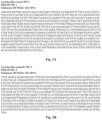
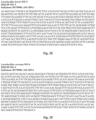
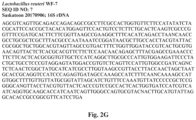
- the 16S rDNA sequences of the isolated strains of Table 1 are listed in Table 2 and shown in Figures 2A-2G : TABLE 2 Strain 16S rDNA Sequence Figure Showing 16S rDNA Sequence Lactobacillus reuteri WF-1 SEQ. ID NO: 1 Figure 2A Lactobacillus animalis WF-2 SEQ. ID NO: 2 Figure 2B Enterococcus faecium WF-3 SEQ. ID NO: 3 Figure 2C Lactobacillus plantarum WF-4 SEQ.
- the isolated strain is a mutant of one of the strains listed in Table 1.
- a "mutant” or a “mutant strain” refers to a bacterial strain that has at least 95% homology, at least 96% homology, at least 97% homology, at least 98% homology, at least 99% homology, or at least 99.5% homology to the 16S rDNA sequence of a reference bacterial strain but that otherwise has one or more DNA mutations in one or more other DNA sequences in the bacterial genome.
- DNA mutations may include base substitutions including transitions and transversions, deletions, insertions, and any other type of natural or induced DNA modification.
- the isolated strain may be further characterized by whole genome sequencing, as described in more detail in the Examples below.
- the isolated strain has at least one adhesion gene, bacteriocin gene, copper homeostasis gene, and/or bile hydrolysis gene.
- the isolated strain does not have any genes encoding toxins or superantigens.
- the isolated strain may be capable of probiotic activity in the subject.
- probiotic activity refers to the ability of the bacteria of the isolated strain to produce at least one beneficial effect in the subject.
- the isolated strain of bacteria is capable of surviving and colonizing in the gastrointestinal tract of the subject to provide the beneficial effect to the subject.
- the bacteria of the isolated strain are tolerant to low pH, indicating that the bacteria may be capable of surviving passage through the acidic canine stomach.
- low pH refers to a pH of 6.9 or less.
- the bacteria are able to survive in vitro at a pH of about 2.5 to about 6.9 for at least 2 hours.
- the bacteria are able to survive in vitro at a pH of about 3.0 to about 6.9 for at least 6 hours. Survival may be measured using plate count methods, as described in the Examples below, or any other suitable method.
- survive means that the viable cell count of a test culture (as measured in colony forming units (CFU) per mL) is above detection limit [1.7log 10 (CFU/mL) or 50 CFU/mL].
- the bacteria of the isolated strain are tolerant to the presence of bile salt, indicating that the bacteria may survive the passage through the canine intestine. In some embodiments, the bacteria are able to survive in vitro in the presence of 5% bile salts for at least 24 hours.
- the bacteria of the isolated strain are tolerant to the presence of at least one gastric digestive enzyme. In some embodiments, the bacteria are able to survive in vitro for at least 2 hours in SGF at pH 3.0 in the presence of pepsin (3.2 mg/mL). In some embodiments, the bacteria of the isolated strain are tolerant to the presence of at least one intestinal digestive enzyme. In some embodiments, the bacteria are able to survive in vitro in simulated intestinal fluid (SIF) for at least 24 hours at pH 6.8 in the presence of pancreatin (10 mg/mL).
- SIF simulated intestinal fluid
- the bacteria of the isolated strain have autoaggregation ability, indicating that the bacterial cells may be able to bind host intestinal epithelial cells in the subject to facilitate colonization of the gastrointestinal tract.
- autoaggregation or “autoaggregate” refers to the bacterial cells binding to one another to floc out of solution. Autoaggregation may be measured by measuring the OD 600 of a stationary liquid bacterial culture over time, as described in more detail in the Examples below, or by any other suitable method.
- the bacteria of the isolated strain have high cell surface hydrophobicity, indicating that the bacterial cells may be able to adhere to host cells in the subject to facilitate colonization of the gastrointestinal tract.
- Cell surface hydrophobicity may be measured by Microbial Adhesion to Hydrocarbons (MATH), as described in more detail in the Examples below, or by any other suitable method.
- MATH Microbial Adhesion to Hydrocarbons
- the bacteria of the isolated strain are able to bind to canine cells in vitro.
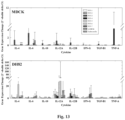
- the bacteria are able to bind canine epithelial cells in vitro, for example, Madin-Darby Canine Kidney (MDCK (NBL-2), Canis familiaris ATCC CCL-34)) cells.
- the bacteria are able to bind canine macrophage-like cells in vitro, for example, DH82 cells ( Canis familiaris ATCC CRL-10389).
- the bacteria may be able to bind any other suitable type of canine cell.
- the bacteria of the isolated strain are able to modulate expression of at least one anti-inflammatory or pro-inflammatory cytokine by host immune cells.
- anti-inflammatory or pro-inflammatory cytokines include IL-10, IL-6, TGF- ⁇ and any other known anti-inflammatory or pro-inflammatory cytokine.
- the ability to stimulate expression of at least one anti-inflammatory cytokine can be measured by incubating cytokine-expressing cells in the presence of bacteria of the isolated strain and measuring cytokine expression by real-time quantitative PCR (RT-qPCR), as described in more detail in the Examples below, or by any other suitable method.
- RT-qPCR real-time quantitative PCR
- the bacteria of the isolated strain are able to inhibit growth of at least one pathogenic or spoilage microorganism.
- the bacteria produce an inhibitory substance that inhibits the growth of at least one pathogenic or spoilage microorganism.
- the pathogenic microorganism is a canine intestinal pathogen. Examples of microorganisms that may be inhibited by the isolated strain include Enteropathogenic Escherichia coli E2348 / 69, Salmonella enterica serovar Typhimurium, Listeria monocytogenes, Staphylococcus aureus, Enterococcus faecalis, Clostridium perfringens, and Clostridium difficile.
- inhibitory substances may be tested by growing an indicator strain (e.g. a strain of a pathogenic or spoilage microorganism) in the presence of the isolated strain, as described in more detail in the Examples below. If the isolated strain produces inhibitory substances, growth of the indicator strain may be inhibited presence of the isolates strain. Alternatively, the inhibitory activity of the isolated strain may be tested by any other suitable method.
- an indicator strain e.g. a strain of a pathogenic or spoilage microorganism
- the isolated strain produces inhibitory substances
- growth of the indicator strain may be inhibited presence of the isolates strain.
- the inhibitory activity of the isolated strain may be tested by any other suitable method.
- the bacteria of the isolated strain are susceptible to at least one antibiotic.
- Antibiotic susceptibility may be desirable to prevent the transfer of antibiotic resistance genes to other bacteria, including pathogenic bacteria. Antibiotic susceptibility may be tested using the methods described in the Examples below, or by any other suitable method.
- the lowest antibiotic concentration for which no bacteria growth is observed is the minimum inhibitory concentration (MIC).
- the isolated strain has an MIC value for at least one antibiotic that is at or below the MIC breakpoint value set by the European Food Safety Authority (EFSA).
- EFSA European Food Safety Authority
- examples of antibiotics to which the isolated strain may be susceptible include, for example, ampicillin, gentamycin, kanamycin, streptomycin, erythromycin, clindamycin, tetracycline and chloramphenicol. However, embodiments are not limited to the antibiotics described herein.
- a lyophilized (freeze-dried) form of the isolated strain is substantially stable for a suitable shelf-life period.
- substantially stable means that at least 50% of the bacterial cells are still viable at the end of a given time period, as measured in CFU/g.
- the lyophilized form of the isolated strain is substantially stable for at least 10 weeks at 4°C.
- the isolated strains of wolf probiotic bacteria described above may be used to improve and/or maintain the health of the subject.
- at least one isolated strain of wolf probiotic bacteria may be used to treat or prevent intestinal dysbiosis in the subject or treat the subject for a health condition or disorder.
- "treat” or “treatment” refers to obtaining a desired pharmacologic and/or physiologic effect.
- the effect can be prophylactic in terms of completely or partially preventing a health condition or symptom thereof and/or can be therapeutic in terms of a partial or complete cure for the health condition and/or adverse effect attributable to the health condition.
- at least one isolated strain of wolf probiotic bacteria may be used to treat or prevent diarrhea in the subject.
- At least one strain of wolf probiotic bacteria may be used to provide any other health benefit to the subject.
- at least one isolated strain of wolf probiotic bacteria may be used in the preparation of a medicament for treatment or prevention of intestinal dysbiosis, diarrhea, or any other suitable health condition.
- the isolated strain may be administered to the subject in an effective amount.
- effective amount refers to an amount of the isolated strain that provides at least one health benefit to the subject.
- the effective amount may vary based on a number of factors including but not limited to the specific isolated strain being administered and its characteristics; the age, weight, sex, diet, and general health of the subject; the mode and time of administration; the severity of the condition being treated; the nature of any concurrent therapies or medications; and any other relevant factor.
- the isolated strain is orally administrable to the subject. In other embodiments, the isolated strain may be enterally and/or rectally administrable to the subject. In some embodiments, the isolated strain may be administered to the subject at any suitable interval including, for example, at least once per month, at least once per week, or at least once per day. In some embodiments, per 20 lbs of body weight of the subject, about 1 billion CFU per daily serving may be orally administered to the subject.
- the isolated strain is administrable in a viable form. In some embodiments, the isolated strain is administrable in a lyophilized (freeze-dried) form. In other embodiments, the isolated strain is administrable as a liquid suspension.
- wolf probiotic bacteria refers to bacteria with probiotic activity isolated from a wolf. Any of the isolated strains described above may be used as the wolf probiotic bacteria in the compositions described herein.
- the composition may comprise two or more isolated strains of wolf probiotic bacteria. In some embodiments, the composition may further comprise at least one additional strain of probiotic bacteria isolated from an animal other than a wolf. In some embodiments, the additional strain of probiotic bacteria may be isolated from a domestic dog species.
- the composition may further comprise at least one prebiotic.
- prebiotic refers to a substance that stimulates the growth or activity of at least one beneficial micro-organism.
- the prebiotic compound induces the growth or activity of at least one isolated strain of wolf probiotic bacteria.
- suitable prebiotics include inulin, pectin, beta-glucans, fructooligosaccharides (FOS), galactooligosaccharides (GOSs), xylooligosaccharides (XOS), resistant starch, organic molecules such as humic and fulvic acid, and any other suitable prebiotic.
- the composition may further comprise at least one additional pharmaceutical or nutritional ingredient.
- the additional ingredient comprises at least one cannabinoid, for example, cannabidiol (CBD).
- CBD cannabidiol
- the additional ingredient comprises chondroitin sulfate.
- the additional ingredient comprises at least one vitamin, mineral, fiber, fatty acid, amino acid, or any other suitable pharmaceutical or nutritional ingredient.
- the composition may further comprise at least one encapsulation material.
- suitable encapsulation materials include polysaccharides such as alginate, plant/microbial gums, chitosan, starch, k-carrageenan, cellulose acetate phthalate; proteins such as gelatin or milk proteins; fats; and any other suitable encapsulation material.
- the isolated strain may be encapsulated in the encapsulated material by spray drying, extrusion, gelation, droplet extrusion, emulsion, freeze-drying, or any other suitable encapsulation method. Encapsulation of the bacterial cells of the isolated strain may protect the cells and extend the shelf-life of the composition.
- the composition is an ingestible composition.
- ingestible refers to a substance that is orally consumable by the subject.
- the ingestible composition is in the form of a dietary supplement.
- the dietary supplement may be in the form of a powder, a capsule, a gel capsule, a microcapsule, a bead, a tablet, a chewable tablet, a gummy, a liquid, or any other suitable form of dietary supplement.
- the dietary supplement may further comprise at least one pharmaceutically or nutritionally acceptable excipient.
- suitable excipients include fillers, binders, carriers, diluents, stabilizers, lubricants, glidants, coloring agents, flavoring agents, coatings, disintegrants, preservatives, sorbents, sweeteners and any other pharmaceutically or nutritionally acceptable excipient.
- the dietary supplement may further comprise a suitable encapsulation material, including but not limited to, polyvinyl alcohol (PVA), polyvinylpurrolidone (PVP), alginates, gelatin, and any other suitable encapsulation material.
- the ingestible composition is in the form of a food product.
- the food product is any form suitable for a canine subject, particularly a domestic dog.
- the food product is a solid food product.
- the solid food product may be dry, wet, semi-moist, frozen, dehydrated, freeze-dried, or in any other suitable form. Examples of suitable solid food products include but are not limited to dog foods such as kibble, biscuits, chews, wet dog food, raw dog food including raw meat, freeze-dried yogurt, and others.
- the solid food product may in the form of a dog treat including, for example, a freeze-dried dog treat.
- the solid food product is formulated with at least one isolated strain of wolf probiotic bacteria therein. In other embodiments, at least one isolated strain may be added to the solid food product post-production.
- the ingestible composition may be in the form of a surface coating for a solid food product.
- the surface coating comprises a carrier to allow the bacteria to adhere to the surface of the solid food product.
- the carrier may be, for example, an edible oil or any other suitable carrier.
- an oil-based surface coating can be applied to kibbled dog food post-production and post-cooling.
- the ingestible composition may be provided in a powder form suitable to sprinkle onto the surface of the solid food product. In other embodiments, the ingestible composition may be provided in a liquid form to spray, pour, or drop onto the surface of the solid food product.
- the food product is a liquid food product.
- liquid food products include but are not limited to beverages, broths, oil suspensions, gravies, milk-based products, liquid or semi-solid yogurt, and others.
- the liquid food product is formulated with at least one isolated strain of wolf probiotic bacteria therein. In other embodiments, at least one isolated strain may be added to the liquid food product post-production.
- the ingestible composition may be provided in a powder form and the powder may be dissolved in water, milk, or any other suitable liquid to form the liquid food product. In other embodiments, the ingestible composition may be provided in a liquid form and may be mixed with water, milk, or any other suitable liquid to form the liquid food product. In other embodiments, the liquid food product may be sprayed, poured, or dropped directly into the subject's mouth.
- the ingestible composition may be in any other form suitable for ingestion by a canine subject, particularly a domestic dog.
- the composition may be in a non-ingestible form, for example, as a suppository, or any other suitable form.
- Also provided herein is a method of making an ingestible composition.
- the method may be used to make embodiments of the ingestible compositions described herein.
- Figure 3 is a flowchart of an exemplary method 100 for making a composition, according to some embodiments.
- At block 102 at least one isolated strain of wolf probiotic bacteria is provided.
- At block 104 at least one ingredient is provided.
- the term "providing” in this context may refer to making (including isolating or culturing), receiving, buying, or otherwise obtaining the isolated strain and the ingredient.
- the isolated strain of wolf probiotic bacteria is combined with the ingredient.
- the isolated strain is at least one of the isolated strains listed in Table 1. In some embodiments, the isolated strain is in a powder form. In other embodiments, the isolated strain is in a liquid form.
- the ingredient is an edible ingredient.
- the edible ingredient is at least one pharmaceutically or nutritionally acceptable excipient as described above for dietary supplements.
- the edible ingredient is one of the solid or liquid food products described above or any components thereof.
- the isolated strain and the edible ingredient are combined during production of the dietary supplement, solid food product, or liquid food product. In some embodiments, the isolated strain is combined with the solid or liquid food product after the solid or liquid food product is produced.
- the isolated strain is in a powder form and the isolated strain is combined with the at least one edible ingredient by sprinkling the powder on a solid food product.
- the isolated strain is in a liquid form and the isolated strain is sprayed, poured, or dropped onto the solid food product.
- the isolated strain is mixed with an edible oil and used to coat a solid food product.
- the isolated strain is in a powder form and the isolated strain is combined with the at least one edible ingredient by mixing the powder with water, milk, or any other edible liquid. In other embodiments, the isolated strain is in liquid form and is mixed with the edible liquid.
- the isolated strain may be combined with the ingredient using any suitable means.
- Feces samples from free ranging wolves were collected from Prince Albert National Park in Saskatchewan, Canada, which is distant from cities, human populations, and farming areas. The wolves can range freely and are distant from chemicals utilized by humans, such as pesticides and antibiotics. All feces samples were shipped to Edmonton, Alberta, Canada in a Styrofoam TM box with icepacks and were kept frozen upon receipt until further analysis.
- Lactic acid bacteria were isolated from the free ranging wolf feces samples using a three-step isolation method described below.
- Step I Selective Enrichment: A pea-sized piece of feces was collected and inoculated into 30 mL of MRS (De Man, Rogosa, and Sharpe) nutrient broth containing with 20 ⁇ g/mL nalidixic acid. The feces/broth mixture was mixed well by vortexing and then incubated at 37°C for 24 h (hours) under airtight conditions.
- MRS De Man, Rogosa, and Sharpe
- Step II Selective Plating: The feces/broth mixture was centrifuged at 5,000 rpm for 5 minutes to pellet the fecal matter. The resulting liquid upper phase (i.e. supernatant) was transferred to a new sterile 50 mL conical tube. The supernatant was centrifuged at 11,000 rpm for 10 minutes to concentrate/pellet the bacteria. Following centrifugation, the supernatant was removed and discarded and the cell pellet was resuspended in 500 ⁇ L of MRS broth.
- LAMVAB Lactobacillus anaerobic MRS with vanomycin and bromocresol green
- MRS broth 0.25 mg/mL Cysteine-HCl, 0.025 mg/mL Bromocresol green, 2 mg/mL Vancomycin-HCl, and 2% agar
- Hartemink et al. "LAMVAB - a new selective medium for the isolation of lactobacilli from faeces", Journal of Microbiological Methods 1997, Vol. 29, pp: 77-84 ). All agar plates were subsequently incubated at 37°C for 48 to 72 hours under ambient conditions.
- Step III Single Colony Purification: Single colonies or bacterial lawn from a LAMVAB agar plate were streaked onto MRS agar plates and incubated at 37°C for 48 h. Single colonies on an MRS agar plate were re-streaked on a new MRS agar plate. This step was repeated until a pure culture on an agar plate was achieved.
- WF-1, WF-2, WF-3, WF-4, WF-5, WF-6, and WF-7 Seven isolates of wolf probiotic bacteria, labeled WF-1, WF-2, WF-3, WF-4, WF-5, WF-6, and WF-7, were obtained using the methods described above.
- a Gram-staining kit (Sigma Aldrich TM ) containing solutions of crystal violet, Gram's iodine, decolorizing fluid, and safranin was used in this study.
- One mL of fully-grown culture was centrifuged and the supernatant was removed.
- the cell pellet was resuspended with sterile water.
- Ten ⁇ L of each bacterial resuspension was spread on a microscope glass slide and allowed to air dry. The smear was gently flooded with crystal violet and let stand for 1 minute.
- the slide was tilted slightly and rinsed with water.
- the smear was gently flooded with Gram's iodine and let stand for 1 minute.
- the slide was tilted slightly and rinsed with water.
- the smear was decolorized with decolorizing fluid for 10 seconds.
- the slide was tilted slightly and rinsed with water.
- the smear was gently flooded with safranin to counterstain and let stand for 45 seconds.
- the slide was tilted slightly and rinsed with water.
- the slide was blotted dry before being viewed under a light-microscope with oil-immersion.
- the Gram-stained bacteria were visualized using a 100 ⁇ lens on an OMAX TM LED 40 ⁇ -2000 ⁇ Digital Binocular Biological Compound Microscope and photos were obtained using a 3.0 MP USB camera connected to the microscope. Gram-positive, rod-shaped or sphere-shaped bacteria were selected for further analysis. The Gram-staining results showing the bacterial morphologies of the seven isolates are shown in Figure 1 .
- rRNA 16S ribosomal RNA
- Colony polymerase chain reaction with bacterium specific primers 8F, SEQ ID NO:8 (nucleotide sequence: AGA GTT TGA TCC TGG CTC AG), and 805R, SEQ ID NO:9 (nucleotide sequence: GAC TAC CAG GGT ATC TAA TC) was used to amplify the conserved regions of the 16S rRNA gene.
- Each PCR reaction mixture had a total volume of 50 ⁇ L and contained 5 ⁇ L of 10 ⁇ PCR buffer, 2 ⁇ L of dNTP (10 mM), 0.5 ⁇ L of forward primer 8F (10 ⁇ M), 0.5 ⁇ L of reverse primer 805R (10 ⁇ M), 0.5 ⁇ L of Taq polymerase (5 U/ ⁇ L), and 2 ⁇ L of cell suspension (1 ⁇ 10 9 CFU/mL) as template.
- PCR products were separated by 1% agarose gel electrophoresis (110V, 60 min) and visualized under UV (ultraviolet) light. The target amplicon was about 800 bp. Once the correct sized band was confirmed, the remaining PCR product was purified using a GeneJET TM PCR product purification kit (Thermo Scientific TM ). The concentrations of PCR products were determined using a Nanodrop TM spectrophotometer. Each sample was submitted for Sanger Sequencing using either primer 8F or 805R. Sequencing was performed at The Applied Genomics Centre TM (TAGC) at the University of Alberta. Resulting sequences and chromatograms were viewed using ContigExpress TM software and genus and species were determined using the Basic Local Alignment Search Tool (BLAST) nucleotide search algorithm.
- BLAST Basic Local Alignment Search Tool
- RAPD random amplified polymorphic DNA
- Figure 4 shows the RAPD profile of three of the seven isolates: Lactobacillus brevis WF-5, Lactobacillus curvatus WF-6, and Lactobacillus reuteri WF-7.
- the other isolates did not need RAPD profile identification because they either belong to different species or originate from a different wolf.
- the International Depository Authority of Canada (IDAC; 1015 Arlington Street, Winnipeg, Manitoba, Canada R3E 3R2) is a patent depository for microorganisms that has been made possible by Canada's accession to the Budapest Treaty on the International Recognition of the Deposit of Micro-Organisms for the Purposes of Patent Procedure (the Budapest Treaty) on September 21, 1996.
- Genome annotation was done by uploading a FASTA file of contigs onto the RAST (Rapid Annotation using Subsystem Technology) server and a detailed annotation report of each strain was generated.
- Bioinformatics software e.g. Geneious TM
- online databases and tools e.g. via the National Center for Biotechnology Information website
- specific functioning genes e.g. bacteriocin encoding genes, host adhesion factors, and bile salt tolerance genes
- virulence genes e.g. bacteriocin encoding genes, host adhesion factors, and bile salt tolerance genes
- antibiotic resistance genes e.g. bacteriocin encoding genes, host adhesion factors, and bile salt tolerance genes
- antibiotic resistance genes e.g. bacteriocin encoding genes, host adhesion factors, and bile salt tolerance genes
- antibiotic resistance genes e.g. bacteriocin encoding genes, host adhesion factors, and bile salt tolerance genes
- a 96-well micro titer plate was used for bacteria cultivation and the optical density at 600 nm of each well containing 200 ⁇ L of fluid was monitored with a multipurpose plate reader (Varioskan TM ) every two hours.
- Varioskan TM multipurpose plate reader
- 1% fully-grown culture (2 ⁇ L) was sub-cultured into 198 ⁇ L of MRS broth and incubated at 37°C for 60 hours.
- One well containing 200 ⁇ L of MRS broth only was used as a sterility control. All tests were done in triplicate.
- the auto-aggregation percentage was expressed as: 1 ⁇ A t A 0 wherein A 0 stands for OD 600 at 0 h, and At stands for OD 600 at 1 h, 2 h, 3 h, 4 h, or 5 h.
- the auto-aggregation rates (in percentage) of the seven wolf isolates are shown in Figure 6 .
- MATH microbial adhesion to hydrocarbons
- PBS Phosphate Buffered Saline
- the PBS solutions with different bile salt concentrations were prepared by dissolving a corresponding amount of bile salt into sterile PBS.
- the mixture was mixed thoroughly by vortexing and 60 ⁇ L of each mixture was aliquoted into the first column of a 96-well microtiter plate right away for diluting and plating.
- the isolates were grown in the presence of a series of indicator strains. For each isolate, 1 ⁇ L of fully-grown culture was spotted on Reinforced Clostridial Agar (RCA) plates and incubated at 37°C overnight. Fourteen non-LAB indicator strains were cultivated in Trypticase Soy Broth with 0.6% Yeast Extract (TSBYE) at 37°C overnight. Each indicator strain (0.1%, 6 ⁇ L) was inoculated into 6 mL of RCA soft agar (with 0.75% agar) and solidified agar plates were incubated at 37°C overnight.
- RCA Reinforced Clostridial Agar
- Lactococcus lactis ATCC 11454 and Enterococcus faecalis 710C were used as control strains that produce inhibitory substances against Gram-negative and Gram-positive bacteria, respectively.
- the inhibitory zone size without visible growth of indicator strains was measured and recorded.
- Broth micro-dilution for non-enterococcal lactic acid bacteria was performed following the methods according to: International Organization for Standardization, Milk and milk products - Determination of the minimal inhibitory concentration (MIC) of antibiotics applicable to bifidobacteria and non-enterrococcal lactic acid bacteria (LAB) (ISO 10932:2012).
- MIC minimal inhibitory concentration
- LAB non-enterrococcal lactic acid bacteria
- Broth micro-dilution for enterococcal bacteria was performed following the methods according to: CLSI, Methods for Dilution Antimicrobial Susceptibility Tests for Bacteria that Grow Aerobically, 9th edition, CLSI standard M07, Wayne, PA: Clinical and Laboratory Standards Institute; 2012 .
- Disk diffusion methods for all bacteria were performed following the methods according to: CLSI, Performance Standards for Antimicrobial Disk Susceptibility Tests, 11th edition, CLSI Standard M02, Wayne, PA: Clinical and Laboratory Standards Institute; 2012 .
- Antibiotic stock solutions were prepared following the methods according to: CLSI, Performance Standards for Antimicrobial Susceptibility Testing, 23rd edition, CLSI Standard M100, Wayne, PA: Clinical and Laboratory Standards Institute; 2013 .
- AMP Ampicillin
- GEN Gentamycin
- KAN Kanamycin
- STR streptomycin
- ERY erythromycin
- CLI Clindamycin
- TET Tetracycline
- CHL chloramphenicol
- R indicates resistance to a given antibiotic, meaning that the MIC is above the highest concentration tested (n ⁇ 2).
- aureus ATCC 25923 R 1 1024 R R R 8 R E. faecium WF-3 1 32 512 64 4 0.25 64 8 L. casei K9-1 0.75 4 64 32 0.375 6 2 12 L. fermentum K9-2 0.313 3.5 64 40 0.5 0.094 6 6 L. fermentum ATCC 14931 0.25 12 384 170.7 0.375 0.047 6 5 L. reuteri ATCC 23272 1 4 192 64 1 0.063 32 8 L. lactis ATCC 11454 0.625 20 144 128 0.5 4.125 8.125 6 L. reuteri WF-1 2 14 320 64 1 16 32 8 L. animalis WF-2 2 96 1024 256 0.5 2 4 8 L.
- Table 6 shows the results of antimicrobial susceptibility tests using BD BBL TM Sensi-Disc TM Antimicrobial Susceptibility Test Discs with a diameter of 6 mm (n ⁇ 2).
- AMP Ampicillin
- GEN Gentamycin
- KAN Kanamycin
- STR streptomycin
- ERY erythromycin
- CLI Clindamycin
- TET Tetracycline
- CHL chloramphenicol.
- MIC (mm) AMP (10 ⁇ g) GEN (10 ⁇ g) KAN (30 ⁇ g) STR (10 ⁇ g) ERY (15 ⁇ g) CLI (2 ⁇ g) TET (30 ⁇ g) CHL (30 ⁇ g) E.
- the growth condition was 37°C with 5% CO 2 .
- the solution used for cell dispersion was 0.25% (w/v) Trypsin with 0.53 mM EDTA (ethylenediaminetetraacetic acid).
- the cell line cultures were maintained for two weeks after the confluence to allow full differentiation before the adhesion assay. A hemocytometer was used for cell counting.
- Cell monolayers of MDCK and DH82 cells were prepared in 12-well tissue culture plates. Cells were inoculated at a concentration of 4 ⁇ 10 4 cells per well to obtain confluence and allowed to differentiate. The culture medium was changed every two days. Once the cells were confluent, the complete medium was removed followed by washing cells with PBS for three times. One mL of base medium DMEM was added to each well and incubated at 37°C with 5% CO 2 for 1 h before the adhesion assay.
- RT-qPCR was performed to evaluate the cytokine expression change at the gene level.
- IL interleukin
- IFN interferon
- TFG transforming growth factor
- TNF tumor necrosis factor
- GADPH glyceraldehyde 3-phosphate dehydrogenase
- Th1 T helper cell type 1
- Th2 T helper cell type 2
- F forward primer
- R reverse primer
- N/A not applicable.
- RNA samples were kept at -80°C for further analysis.
- RNA in the RNA samples was reverse transcribed into cDNA using a Qiagen TM QuantiTect TM Reverse Transcription Kit, followed by concentration and quality check using a Nanodrop TM spectrophotometer.
- the cDNA samples were kept at -80°C for further analysis.
- Each PCR reaction mixture had a total volume of 25 ⁇ L containing 12.5 ⁇ L of 2 ⁇ Master Mix, 1.5 ⁇ L of cDNA, and 1 ⁇ L of forward and 1 ⁇ L of reverse primers (10 ⁇ M) as listed in Table 4.
- 8 cytokines IL-4, IL-6, IL-10, IL-12 ⁇ , IL-12 ⁇ , IFN- ⁇ , TGF- ⁇ 1, and TNF- ⁇
- GPDH endogenous control
- freeze-dried products were also incorporated into a commercial frozen raw dog diet (BEEF & TRIPE COMPLETE FOR DOGS, Red Dog Blue Kat TM , Vancouver, BC, Canada) a 2% inclusion rate and then stored under conditions mimicking commercial production and storage conditions.
- a commercial frozen raw dog diet BEEF & TRIPE COMPLETE FOR DOGS, Red Dog Blue Kat TM , Vancouver, BC, Canada
- 1 g of freeze-dried product was added to a portion of 50 g of dog diet, followed by mixing thoroughly by massaging and then distributing the product into five sterile stomaching bags.
- a first bag was sampled for viable cell count immediately (Day 0). The remaining samples were vacuum-packaged and stored at -20°C for more than one week.
- a second bag was then withdrawn and kept refrigerated for seven days (Day 7).
- All seven strains were whole genome sequenced. Based on whole genome sequence analysis, all seven strains are free of genes coding for toxins and superantigens. They all have bile hydrolysis genes and adhesion genes. WF-3 and WF-6 have genes coding for bacteriocins or antibacterial peptides.
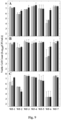
- WF-2 and WF-6 showed the high auto-aggregation rate, over 80% for WF-2 and 75% for WF-6 after 3 h and over 90 % for WF-2 and 85% for WF-6 after 5 h.
- the remaining five strains showed relatively lower auto-aggregation rates, ranging from 30% to 55% at 5 h.
- the MATH assay showed that WF-1, WF-2, WF-5, WF-7 had high levels of cell surface hydrophobicity (over 97%) followed by WF-4 (over 85%). WF-6 showed about 40% hydrophobicity and WF-3 was totally hydrophilic. These results indicate that, except for WF-3, all other strains have the potential to adhere to host intestinal epithelial cell surface.
- the bile salt tolerance assay showed that all seven strains were bile salt tolerant. All strains could tolerate 5% bile salt for 24 h. WF-2 and WF-6 showed relatively lower tolerance to bile salt compared to the other five strains.
- the gastric digestive enzyme tolerance assay showed that five strains (except for WF-2 and WF-3) survived in a Simulated Gastric Fluid (SGF, with 3.2 mg/mL of pepsin) at pH 2.0 for 2h. All strains survived in an SGF solution at pH 2.5 (except WF-2 and WF-6) or 3.0 for 6 h. WF-2 and WF-6 survived in an SGF solution at pH 2.5 for 4 h.
- SGF Simulated Gastric Fluid
- the cell binding assay showed that all seven strains could bind to canine-originated cell lines, MDCK and DH82, which indicate that all seven strains have the capability to adhere to canine intestinal epithelial cell surfaces and colonize in the intestine.
- WF-5 showed the highest cell surface binding capability.
- cytokine gene expression assays in canine originated cells lines, MDCK and DH82 showed that DH82 was a better cell model for immunomodulation compared to MDCK. All seven strains had the capability to modulate the expression of certain cytokines.
- All seven seven strains were successfully fermented in MRS broth and freeze-dried in-house, followed by storage at three different temperatures, 4°C, 25°C, and 37°C.
- Six strains were stable in terms of viable cell count at 4°C for up to 16 weeks, and it was 10 weeks for WF-6.
- the most stable strain was WF-3, followed by WF-5, WF-7, WF-1, and WF-4.
- the least stable strain was WF-6.
Landscapes
- Life Sciences & Earth Sciences (AREA)
- Chemical & Material Sciences (AREA)
- Health & Medical Sciences (AREA)
- Microbiology (AREA)
- Engineering & Computer Science (AREA)
- Polymers & Plastics (AREA)
- Zoology (AREA)
- Biotechnology (AREA)
- General Health & Medical Sciences (AREA)
- Molecular Biology (AREA)
- Medicinal Chemistry (AREA)
- Mycology (AREA)
- Biochemistry (AREA)
- Food Science & Technology (AREA)
- Animal Husbandry (AREA)
- Biomedical Technology (AREA)
- Organic Chemistry (AREA)
- Bioinformatics & Cheminformatics (AREA)
- Wood Science & Technology (AREA)
- Genetics & Genomics (AREA)
- Pharmacology & Pharmacy (AREA)
- Animal Behavior & Ethology (AREA)
- Public Health (AREA)
- Veterinary Medicine (AREA)
- Physiology (AREA)
- Epidemiology (AREA)
- Tropical Medicine & Parasitology (AREA)
- Virology (AREA)
- General Engineering & Computer Science (AREA)
- Birds (AREA)
- Nuclear Medicine, Radiotherapy & Molecular Imaging (AREA)
- General Chemical & Material Sciences (AREA)
- Chemical Kinetics & Catalysis (AREA)
- Medicines Containing Material From Animals Or Micro-Organisms (AREA)
Claims (15)
- Isolierter Stamm von probiotischen gastrointestinalen Bakterien, der aus Fäzes eines freilaufenden Wolfs isoliert wurde, wobei der isolierte Stamm aus Folgenden ausgewählt ist: Lactobacillus-reuteri-Stamm WF-1 IDAC-Zugangsnummer 181218-01; Lactobacillus-animalis-Stamm WF-2 IDAC-Zugangsnummer 181218-02; Enterococcus-faecium-Stamm WF-3 IDAC-Zugangsnummer 181218-03; Lactobacillus-plantarum-Stamm WF-4 IDAC-Zugangsnummer 181218-04; Lactobacillus-brevis-Stamm WF-5 IDAC-Zugangsnummer 181218-05; Lactobacillus-curvatus-Stamm WF-6 IDAC-Zugangsnummer 181218-06; Lactobacillus-reuteri-Stamm WF-7 IDAC-Zugangsnummer 181218-07.
- Isolierter Stamm nach Anspruch 1, wobei der freilaufende Wolf aus dem Prince Albert National Park, Saskatchewan, Kanada, stammt.
- Isolierter Stamm nach den Ansprüchen 1 oder 2, wobei der isolierte Stamm Canis-familiaris-Zellen bei Untersuchung in vitro binden kann.
- Isolierter Stamm nach einem der Ansprüche 1 bis 3 für die Verwendung in einem Verfahren zur Behandlung oder Prävention von Darmdysbiose bei einem Subjekt, wobei das Subjekt ein Haushund ist.
- Zusammensetzung, die mindestens einen isolierten Stamm von probiotischen Bakterien vom Wolf umfasst, wobei der isolierte Stamm aus Folgenden ausgewählt ist: Lactobacillus-reuteri-Stamm WF-1 IDAC-Zugangsnummer 181218-01; Lactobacillus-animalis-Stamm WF-2 IDAC-Zugangsnummer 181218-02; Enterococcus-faecium-Stamm WF-3 IDAC-Zugangsnummer 181218-03; Lactobacillus-plantarum-Stamm WF-4 IDAC-Zugangsnummer 181218-04; Lactobacillus-brevis-Stamm WF-5 IDAC-Zugangsnummer 181218-05; Lactobacillus-curvatus-Stamm WF-6 IDAC-Zugangsnummer 181218-06; Lactobacillus-reuteri-Stamm WF-7 IDAC-Zugangsnummer 181218-07.
- Zusammensetzung nach Anspruch 5, die weiter einen oder mehrere eines präbiotischen, eines zusätzlichen pharmazeutischen oder ernährungsphysiologischen Bestandteils oder eines pharmazeutisch oder ernährungsphysiologisch verträglichen Hilfsstoffs umfasst.
- Zusammensetzung nach den Ansprüchen 5 oder 6, wobei die Zusammensetzung in der Form eines Nahrungsergänzungsmittels oder eines Nahrungsprodukts vorliegt.
- Zusammensetzung nach Anspruch 7, wobei die Zusammensetzung in der Form des Nahrungsprodukts vorliegt und das Nahrungsprodukt ein Hundefutter oder einen Hundesnack umfasst,
- Zusammensetzung nach Anspruch 7, wobei die Zusammensetzung in der Form des Nahrungsergänzungsmittels vorliegt und wobei das Nahrungsergänzungsmittel in der Form von Folgenden vorliegt: eines Pulvers, einer Kapsel, einer Gelkapsel, einer Mikrokapsel, eines Kügelchens, einer Tablette, einer kaubaren Tablette, eines Gummis oder einer Flüssigkeit.
- Zusammensetzung nach Anspruch 5, wobei die Zusammensetzung in der Form einer Oberflächenbeschichtung auf einem festen Nahrungsprodukt vorliegt.
- Zusammensetzung nach einem der Ansprüche 5 bis 10, wobei die Zusammensetzung zwei oder mehr isolierte Stämme des mindestens einen isolierten Stamms von probiotischen Bakterien vom Wolf umfasst.
- Zusammensetzung nach einem der Ansprüche 5 bis 11, wobei der freilaufende Wolf aus dem Prince Albert National Park, Saskatchewan, Kanada, stammt.
- Zusammensetzung nach einem der Ansprüche 5 bis 12, wobei der isolierte Stamm Canis-familiaris-Zellen bei Untersuchung in vitro binden kann.
- Verfahren zur Herstellung einer Zusammensetzung, das Folgendes umfasst:Bereitstellen von mindestens einem isolierten Stamm von probiotischen Bakterien vom Wolf, der aus Fäzes eines freilaufenden Wolfs isoliert wurde, wobei der mindestens eine isolierte Stamm aus Folgenden ausgewählt ist: Lactobacillus-reuteri-Stamm WF-1 IDAC-Zugangsnummer 181218-01; Lactobacillus-animalis-Stamm WF-2 IDAC-Zugangsnummer 181218-02; Enterococcus-faecium-Stamm WF-3 IDAC-Zugangsnummer 181218-03; Lactobacillus-plantarum-Stamm WF-4 IDAC-Zugangsnummer 181218-04; Lactobacillus-brevis-Stamm WF-5 IDAC-Zugangsnummer 181218-05; Lactobacillus-curvatus-Stamm WF-6 IDAC-Zugangsnummer 181218-06; und Lactobacillus-reuteri-Stamm WF-7 IDAC-Zugangsnummer 181218-07;Bereitstellen von mindestens einem Bestandteil; undVereinigen des mindestens einen isolierten Stamms von probiotischen Bakterien vom Wolf und des mindestens einen Bestandteils.
- Verfahren nach Anspruch 14, wobei der mindestens eine Bestandteil ein essbarer Bestandteil ist.
Applications Claiming Priority (2)
| Application Number | Priority Date | Filing Date | Title |
|---|---|---|---|
| US201862720180P | 2018-08-21 | 2018-08-21 | |
| PCT/CA2019/051140 WO2020037414A1 (en) | 2018-08-21 | 2019-08-21 | Probiotic bacteria isolated from wolves and related compositions and methods |
Publications (4)
| Publication Number | Publication Date |
|---|---|
| EP3833738A1 EP3833738A1 (de) | 2021-06-16 |
| EP3833738A4 EP3833738A4 (de) | 2022-01-26 |
| EP3833738C0 EP3833738C0 (de) | 2025-06-25 |
| EP3833738B1 true EP3833738B1 (de) | 2025-06-25 |
Family
ID=69591070
Family Applications (1)
| Application Number | Title | Priority Date | Filing Date |
|---|---|---|---|
| EP19852107.2A Active EP3833738B1 (de) | 2018-08-21 | 2019-08-21 | Aus wölfen isolierte probiotische bakterien und zugehörige zusammensetzungen und verfahren |
Country Status (3)
| Country | Link |
|---|---|
| US (1) | US11666614B2 (de) |
| EP (1) | EP3833738B1 (de) |
| WO (1) | WO2020037414A1 (de) |
Families Citing this family (2)
| Publication number | Priority date | Publication date | Assignee | Title |
|---|---|---|---|---|
| CN113812631A (zh) * | 2020-06-18 | 2021-12-21 | 陈信行 | 腐植酸益生菌复方及其制程 |
| CN116782771A (zh) * | 2020-06-29 | 2023-09-19 | 加拿大生物芯公司 | 用于支持患有胃肠病症的伴侣动物的组合物和相关方法 |
Family Cites Families (3)
| Publication number | Priority date | Publication date | Assignee | Title |
|---|---|---|---|---|
| FI122247B (fi) * | 2009-08-12 | 2011-10-31 | Vetcare Oy | Probioottinen valmiste koiran maha- ja suolistokanavassa ilmenevien häiriöiden ennaltaehkäisemiseksi tai hoitamiseksi |
| CA2890965C (en) * | 2014-05-08 | 2018-03-13 | Alysson Heather Blaine | Probiotic strains isolated from dogs for use in dog food, treats and/or supplements |
| EP3696258A1 (de) * | 2016-11-08 | 2020-08-19 | Innolact Group Oy | Milchsäurebakterienstamm |
-
2019
- 2019-08-21 US US17/269,885 patent/US11666614B2/en active Active
- 2019-08-21 EP EP19852107.2A patent/EP3833738B1/de active Active
- 2019-08-21 WO PCT/CA2019/051140 patent/WO2020037414A1/en not_active Ceased
Also Published As
| Publication number | Publication date |
|---|---|
| EP3833738C0 (de) | 2025-06-25 |
| WO2020037414A1 (en) | 2020-02-27 |
| EP3833738A1 (de) | 2021-06-16 |
| US20210315949A1 (en) | 2021-10-14 |
| US11666614B2 (en) | 2023-06-06 |
| EP3833738A4 (de) | 2022-01-26 |
| CA3109151A1 (en) | 2020-02-27 |
Similar Documents
| Publication | Publication Date | Title |
|---|---|---|
| Nath et al. | In vitro screening of probiotic properties of Lactobacillus plantarum isolated from fermented milk product | |
| Nascimento et al. | Probiotic potential and safety of enterococci strains | |
| De Angelis et al. | Selection of potential probiotic lactobacilli from pig feces to be used as additives in pelleted feeding | |
| KR101335454B1 (ko) | 신규한 락토바실러스 속 균주 및 이의 생균제 용도 | |
| EP2270133B1 (de) | Verfahren zur gewinnung eines neuen strangs aus bifidobacterium bifidum mit wirkung gegen infektionen durch helicobacter pylori | |
| AU2011302135B2 (en) | Bacillus subtilis isolate from corn | |
| AU2021300883B2 (en) | Compositions and related methods for supporting companion animals with gastrointestinal disorders | |
| Choudhary et al. | Evaluation of probiotic potential and safety assessment of Lactobacillus pentosus MMP4 isolated from mare’s lactation | |
| US20110236359A1 (en) | Antimicrobial Activity of Bacteriocin-Producing Lactic Acid Bacteria | |
| KR101335455B1 (ko) | 신규한 락토바실러스 속 균주 및 이의 생균제 용도 | |
| Guan et al. | Characterization and in vitro assessment of probiotic potential of Lactiplantibacillus plantarum BXM2 from fermented honey passion fruit beverage | |
| KR101841090B1 (ko) | 신규한 엔테로코커스 페시움 균주 및 그 항균 용도 | |
| CN110997897A (zh) | 包含罗伊氏乳杆菌cs 132(kctc 11452bp)或其培养物的口腔病原菌抑制组合物 | |
| US11666614B2 (en) | Probiotic bacteria isolated from wolves and related compositions and methods | |
| KR101335456B1 (ko) | 신규한 락토바실러스 속 균주 및 이의 생균제 용도 | |
| Asan-Ozusaglam et al. | A new probiotic candidate bacterium from human milk: Limosilactobacillus vaginalis MA-10 | |
| Taweerodjanakarn et al. | Persistence of maternal milk derived Lactobacillus plantarum in the infant feces and its antagonistic activity against Escherichia coli O157: H7 | |
| CA3109151C (en) | Probiotic bacteria isolated from wolves and related compositions and methods | |
| EP3318625B1 (de) | Milchsäurebakterienstamm | |
| HK40055923B (en) | Probiotic bacteria isolated from wolves and related compositions and methods | |
| HK40055923A (en) | Probiotic bacteria isolated from wolves and related compositions and methods | |
| Sunthornthummas et al. | Exploring the Probiotic Potential of Agrilactobacillus fermenti from a Canine Feces: Functional and Genomic Insights Beyond Fermented Vegetable Applications | |
| Kumar et al. | In–Vitro Assessment of Probiotic Attributes of Propionibacterium freudenreichii Isolated from Dairy Cheese | |
| JP2025521955A (ja) | 植物プランクトンバイオマスから単離されたプロバイオティック細菌ならびに関連する組成物および方法 | |
| Prasad et al. | Functional properties of heavy metal tolerant probiotic strains isolated from Curd |
Legal Events
| Date | Code | Title | Description |
|---|---|---|---|
| STAA | Information on the status of an ep patent application or granted ep patent |
Free format text: STATUS: THE INTERNATIONAL PUBLICATION HAS BEEN MADE |
|
| PUAI | Public reference made under article 153(3) epc to a published international application that has entered the european phase |
Free format text: ORIGINAL CODE: 0009012 |
|
| STAA | Information on the status of an ep patent application or granted ep patent |
Free format text: STATUS: REQUEST FOR EXAMINATION WAS MADE |
|
| 17P | Request for examination filed |
Effective date: 20210312 |
|
| AK | Designated contracting states |
Kind code of ref document: A1 Designated state(s): AL AT BE BG CH CY CZ DE DK EE ES FI FR GB GR HR HU IE IS IT LI LT LU LV MC MK MT NL NO PL PT RO RS SE SI SK SM TR |
|
| DAV | Request for validation of the european patent (deleted) | ||
| DAX | Request for extension of the european patent (deleted) | ||
| A4 | Supplementary search report drawn up and despatched |
Effective date: 20220104 |
|
| RIC1 | Information provided on ipc code assigned before grant |
Ipc: C12R 1/25 20060101ALI20211221BHEP Ipc: C12R 1/24 20060101ALI20211221BHEP Ipc: C12R 1/225 20060101ALI20211221BHEP Ipc: A23K 50/40 20160101ALI20211221BHEP Ipc: A23K 10/18 20160101ALI20211221BHEP Ipc: A23K 10/16 20160101ALI20211221BHEP Ipc: A61P 1/00 20060101ALI20211221BHEP Ipc: A61K 35/747 20150101ALI20211221BHEP Ipc: A61K 35/744 20150101ALI20211221BHEP Ipc: A61K 35/741 20150101ALI20211221BHEP Ipc: A23L 33/135 20160101ALI20211221BHEP Ipc: C12N 1/20 20060101AFI20211221BHEP |
|
| REG | Reference to a national code |
Ref country code: HK Ref legal event code: DE Ref document number: 40055923 Country of ref document: HK |
|
| STAA | Information on the status of an ep patent application or granted ep patent |
Free format text: STATUS: EXAMINATION IS IN PROGRESS |
|
| 17Q | First examination report despatched |
Effective date: 20240125 |
|
| GRAP | Despatch of communication of intention to grant a patent |
Free format text: ORIGINAL CODE: EPIDOSNIGR1 |
|
| STAA | Information on the status of an ep patent application or granted ep patent |
Free format text: STATUS: GRANT OF PATENT IS INTENDED |
|
| RIC1 | Information provided on ipc code assigned before grant |
Ipc: C12R 1/25 20060101ALN20250312BHEP Ipc: C12R 1/24 20060101ALN20250312BHEP Ipc: C12R 1/225 20060101ALN20250312BHEP Ipc: A23L 33/135 20160101ALI20250312BHEP Ipc: A61K 35/741 20150101ALI20250312BHEP Ipc: A61K 35/744 20150101ALI20250312BHEP Ipc: A61K 35/747 20150101ALI20250312BHEP Ipc: A61P 1/00 20060101ALI20250312BHEP Ipc: A23K 10/16 20160101ALI20250312BHEP Ipc: A23K 10/18 20160101ALI20250312BHEP Ipc: A23K 50/40 20160101ALI20250312BHEP Ipc: C12N 1/20 20060101AFI20250312BHEP |
|
| INTG | Intention to grant announced |
Effective date: 20250320 |
|
| GRAS | Grant fee paid |
Free format text: ORIGINAL CODE: EPIDOSNIGR3 |
|
| GRAA | (expected) grant |
Free format text: ORIGINAL CODE: 0009210 |
|
| STAA | Information on the status of an ep patent application or granted ep patent |
Free format text: STATUS: THE PATENT HAS BEEN GRANTED |
|
| AK | Designated contracting states |
Kind code of ref document: B1 Designated state(s): AL AT BE BG CH CY CZ DE DK EE ES FI FR GB GR HR HU IE IS IT LI LT LU LV MC MK MT NL NO PL PT RO RS SE SI SK SM TR |
|
| REG | Reference to a national code |
Ref country code: GB Ref legal event code: FG4D |
|
| REG | Reference to a national code |
Ref country code: CH Ref legal event code: EP |
|
| REG | Reference to a national code |
Ref country code: CH Ref legal event code: EP |
|
| REG | Reference to a national code |
Ref country code: IE Ref legal event code: FG4D |
|
| REG | Reference to a national code |
Ref country code: DE Ref legal event code: R096 Ref document number: 602019071697 Country of ref document: DE |
|
| U01 | Request for unitary effect filed |
Effective date: 20250716 |
|
| U07 | Unitary effect registered |
Designated state(s): AT BE BG DE DK EE FI FR IT LT LU LV MT NL PT RO SE SI Effective date: 20250723 |
|
| U20 | Renewal fee for the european patent with unitary effect paid |
Year of fee payment: 7 Effective date: 20250807 |
|
| PG25 | Lapsed in a contracting state [announced via postgrant information from national office to epo] |
Ref country code: NO Free format text: LAPSE BECAUSE OF FAILURE TO SUBMIT A TRANSLATION OF THE DESCRIPTION OR TO PAY THE FEE WITHIN THE PRESCRIBED TIME-LIMIT Effective date: 20250925 Ref country code: GR Free format text: LAPSE BECAUSE OF FAILURE TO SUBMIT A TRANSLATION OF THE DESCRIPTION OR TO PAY THE FEE WITHIN THE PRESCRIBED TIME-LIMIT Effective date: 20250926 |
|
| PGFP | Annual fee paid to national office [announced via postgrant information from national office to epo] |
Ref country code: GB Payment date: 20250724 Year of fee payment: 7 |
|
| PG25 | Lapsed in a contracting state [announced via postgrant information from national office to epo] |
Ref country code: HR Free format text: LAPSE BECAUSE OF FAILURE TO SUBMIT A TRANSLATION OF THE DESCRIPTION OR TO PAY THE FEE WITHIN THE PRESCRIBED TIME-LIMIT Effective date: 20250625 |
|
| PG25 | Lapsed in a contracting state [announced via postgrant information from national office to epo] |
Ref country code: RS Free format text: LAPSE BECAUSE OF FAILURE TO SUBMIT A TRANSLATION OF THE DESCRIPTION OR TO PAY THE FEE WITHIN THE PRESCRIBED TIME-LIMIT Effective date: 20250925 |
|
| PG25 | Lapsed in a contracting state [announced via postgrant information from national office to epo] |
Ref country code: IS Free format text: LAPSE BECAUSE OF FAILURE TO SUBMIT A TRANSLATION OF THE DESCRIPTION OR TO PAY THE FEE WITHIN THE PRESCRIBED TIME-LIMIT Effective date: 20251025 |
|
| PG25 | Lapsed in a contracting state [announced via postgrant information from national office to epo] |
Ref country code: SM Free format text: LAPSE BECAUSE OF FAILURE TO SUBMIT A TRANSLATION OF THE DESCRIPTION OR TO PAY THE FEE WITHIN THE PRESCRIBED TIME-LIMIT Effective date: 20250625 |
|
| PG25 | Lapsed in a contracting state [announced via postgrant information from national office to epo] |
Ref country code: CZ Free format text: LAPSE BECAUSE OF FAILURE TO SUBMIT A TRANSLATION OF THE DESCRIPTION OR TO PAY THE FEE WITHIN THE PRESCRIBED TIME-LIMIT Effective date: 20250625 |
|
| PG25 | Lapsed in a contracting state [announced via postgrant information from national office to epo] |
Ref country code: PL Free format text: LAPSE BECAUSE OF FAILURE TO SUBMIT A TRANSLATION OF THE DESCRIPTION OR TO PAY THE FEE WITHIN THE PRESCRIBED TIME-LIMIT Effective date: 20250625 |
|
| PG25 | Lapsed in a contracting state [announced via postgrant information from national office to epo] |
Ref country code: SK Free format text: LAPSE BECAUSE OF FAILURE TO SUBMIT A TRANSLATION OF THE DESCRIPTION OR TO PAY THE FEE WITHIN THE PRESCRIBED TIME-LIMIT Effective date: 20250625 |
|
| PG25 | Lapsed in a contracting state [announced via postgrant information from national office to epo] |
Ref country code: ES Free format text: LAPSE BECAUSE OF FAILURE TO SUBMIT A TRANSLATION OF THE DESCRIPTION OR TO PAY THE FEE WITHIN THE PRESCRIBED TIME-LIMIT Effective date: 20250625 |
|
| REG | Reference to a national code |
Ref country code: CH Ref legal event code: H13 Free format text: ST27 STATUS EVENT CODE: U-0-0-H10-H13 (AS PROVIDED BY THE NATIONAL OFFICE) Effective date: 20260324 |
|
| PG25 | Lapsed in a contracting state [announced via postgrant information from national office to epo] |
Ref country code: MC Free format text: LAPSE BECAUSE OF FAILURE TO SUBMIT A TRANSLATION OF THE DESCRIPTION OR TO PAY THE FEE WITHIN THE PRESCRIBED TIME-LIMIT Effective date: 20250625 |
|
| PG25 | Lapsed in a contracting state [announced via postgrant information from national office to epo] |
Ref country code: CH Free format text: LAPSE BECAUSE OF NON-PAYMENT OF DUE FEES Effective date: 20250831 |
|
| PLBE | No opposition filed within time limit |
Free format text: ORIGINAL CODE: 0009261 |
|
| STAA | Information on the status of an ep patent application or granted ep patent |
Free format text: STATUS: NO OPPOSITION FILED WITHIN TIME LIMIT |
|
| REG | Reference to a national code |
Ref country code: CH Ref legal event code: L10 Free format text: ST27 STATUS EVENT CODE: U-0-0-L10-L00 (AS PROVIDED BY THE NATIONAL OFFICE) Effective date: 20260507 |