EP3820882B1 - Peptide compounds and therapeutic uses of same - Google Patents
Peptide compounds and therapeutic uses of same Download PDFInfo
- Publication number
- EP3820882B1 EP3820882B1 EP19752749.2A EP19752749A EP3820882B1 EP 3820882 B1 EP3820882 B1 EP 3820882B1 EP 19752749 A EP19752749 A EP 19752749A EP 3820882 B1 EP3820882 B1 EP 3820882B1
- Authority
- EP
- European Patent Office
- Prior art keywords
- peptide
- seq
- peptides
- amino acid
- amino acids
- Prior art date
- Legal status (The legal status is an assumption and is not a legal conclusion. Google has not performed a legal analysis and makes no representation as to the accuracy of the status listed.)
- Active
Links
Images
Classifications
-
- C—CHEMISTRY; METALLURGY
- C07—ORGANIC CHEMISTRY
- C07K—PEPTIDES
- C07K7/00—Peptides having 5 to 20 amino acids in a fully defined sequence; Derivatives thereof
- C07K7/04—Linear peptides containing only normal peptide links
- C07K7/08—Linear peptides containing only normal peptide links having 12 to 20 amino acids
-
- A—HUMAN NECESSITIES
- A61—MEDICAL OR VETERINARY SCIENCE; HYGIENE
- A61P—SPECIFIC THERAPEUTIC ACTIVITY OF CHEMICAL COMPOUNDS OR MEDICINAL PREPARATIONS
- A61P25/00—Drugs for disorders of the nervous system
- A61P25/28—Drugs for disorders of the nervous system for treating neurodegenerative disorders of the central nervous system, e.g. nootropic agents, cognition enhancers, drugs for treating Alzheimer's disease or other forms of dementia
-
- A—HUMAN NECESSITIES
- A61—MEDICAL OR VETERINARY SCIENCE; HYGIENE
- A61P—SPECIFIC THERAPEUTIC ACTIVITY OF CHEMICAL COMPOUNDS OR MEDICINAL PREPARATIONS
- A61P27/00—Drugs for disorders of the senses
- A61P27/02—Ophthalmic agents
-
- A—HUMAN NECESSITIES
- A61—MEDICAL OR VETERINARY SCIENCE; HYGIENE
- A61P—SPECIFIC THERAPEUTIC ACTIVITY OF CHEMICAL COMPOUNDS OR MEDICINAL PREPARATIONS
- A61P9/00—Drugs for disorders of the cardiovascular system
- A61P9/10—Drugs for disorders of the cardiovascular system for treating ischaemic or atherosclerotic diseases, e.g. antianginal drugs, coronary vasodilators, drugs for myocardial infarction, retinopathy, cerebrovascula insufficiency, renal arteriosclerosis
-
- C—CHEMISTRY; METALLURGY
- C07—ORGANIC CHEMISTRY
- C07K—PEPTIDES
- C07K7/00—Peptides having 5 to 20 amino acids in a fully defined sequence; Derivatives thereof
- C07K7/04—Linear peptides containing only normal peptide links
- C07K7/06—Linear peptides containing only normal peptide links having 5 to 11 amino acids
-
- A—HUMAN NECESSITIES
- A61—MEDICAL OR VETERINARY SCIENCE; HYGIENE
- A61K—PREPARATIONS FOR MEDICAL, DENTAL OR TOILETRY PURPOSES
- A61K38/00—Medicinal preparations containing peptides
-
- C—CHEMISTRY; METALLURGY
- C07—ORGANIC CHEMISTRY
- C07K—PEPTIDES
- C07K2319/00—Fusion polypeptide
- C07K2319/01—Fusion polypeptide containing a localisation/targetting motif
- C07K2319/03—Fusion polypeptide containing a localisation/targetting motif containing a transmembrane segment
Definitions
- the present invention in some embodiments thereof, relates to compositions and methods of using same for treating inflammatory and autoimmune diseases.
- compositions may serve to attenuate cellular and immune stress-response in normal tissue, in a manner that is specific, safe and effective, thereby reducing the severity of stress associated degenerative diseases and stress-induced inflammation.
- the peptide LPPLPYP (SEQ ID NO: 2, also known as Stressin-1 and IPL344) is a short 7 amino acids peptide that protects cells of various types from pro-apoptotic pressures and activates the Akt signaling system.
- the structure of IPL344 resembles the binding sites of adaptor proteins. It has been proposed to have a mechanism of action which comprises mimicking such proteins and activating cell protective processes via Akt and possibly other pathways.
- an isolated peptide being no longer than ten amino acids comprising the amonoacid sequence as set forth in SEQ ID NO:21, wherein the peptide is capable of reducing the amount of dexamethasone-induced spleen and/or thymus weight loss in a mouse.
- a pharmaceutical composition comprising the peptide of any one of claims 1-3 as an active agent and a physiologically acceptable carrier.
- the peptide is 7 amino acids long.
- the isolated peptide comprises an amino acid sequence as set forth in SEQ ID NO: 4.
- the isolated peptide consists of an amino acid sequence as set forth in SEQ ID NO: 4.
- the peptide is for use in treating the inflammatory or degenerative disease.
- the disease associated with apoptosis is an inflammatory or degenerative disease.
- the inflammatory disease is an autoimmune disease.
- the degenerative disease is a neurodegenerative disease.
- the disease associated with apoptosis is selected from the group consisting of age-related macular degeneration (AMD), retinitis pigmentosa, stroke and myocardial infarction.
- AMD age-related macular degeneration
- retinitis pigmentosa retinitis pigmentosa
- stroke and myocardial infarction.
- the present invention in some embodiments thereof, relates to compositions and methods of using same for treating inflammatory and autoimmune diseases.
- Peptide bonds are almost exclusively found in a trans conformation with a torsion angle omega close to 180° while only a very limited portion is observed in the cis conformation, with an omega angle of around 0°.
- the energetic barrier between the trans/cis configurations is approximately 20 [kcal/mol] and the trans isomer is energetically favored by ⁇ 2.5 [kcal/mol].
- proline plays a special role.
- proline peptide bond with the preceding amino acid residue (Xaa-Pro, Xaa denoting any amino acid) lacks the amide hydrogen so that this peptide bond cannot act as hydrogen bond donor and the energy barrier as well as the energetic gap is significantly reduced to ⁇ 13 and ⁇ 0.5 [kcal/mol] respectively [2], shifting the trans/cis equilibrium towards the cis configuration.
- the large changes in omega angle associated with the proline trans/cis isomerization process (0 to 180) are modulated by both intra and inter-molecular interactions, and have a dramatic influence on the structural activity relation of the polypeptide chain.
- Proline isomerization is emerging as a critical component in controlling the activity of many biological processes. This is specifically relevant for short peptides in which the cis configuration could occupy more than 30% of the conformational population, depending on the preceding residue.
- the multi conformational proline effect is further known to be manifested in proline residues located as the second residue from the N-terminus of the peptide (penultimate proline). Truncation of the 1 st N-terminal residue in peptide containing penultimate proline usually results in peptide conformational change. In a data set of 58 peptides it was found that nearly 80% of the peptides showed this effect [ Glover, M.S., et al., 2014 J Am Soc Mass Spectrom. 26(3): p. 444-5 ].
- the multi-proline peptide LPPLPYP (SEQ ID NO: 2), also known as IPL344 and Stressin-1) is a short 7 amino acids peptide that protects cells of various types from pro-apoptotic pressures and activates the Akt signaling system. It is a candidate for treating inflammatory and autoimmune diseases.
- the present inventors set out to determine whether the trans proline configuration dominates the functionality of all of the four proline residues of the LPPLPYP (SEQ ID NO: 2) peptide.
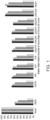
- the present inventors surprisingly found that substituting the penultimate proline for an alanine resulted in a peptide (SEQ ID NO: 4) that significantly reduced the amount of dexamethasone-induced spleen and/or thymus weight loss in a mouse ( Figure 1 ).
- substituting the penultimate proline for a glycine resulted in a peptide that lacked this activity.
- the present inventors conclude that short peptides based on SEQ ID NOs: 3 and 4 hold promise for the treatment inflammatory and autoimmune diseases.
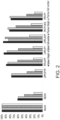
- exemplary peptides which fall under either of the disclosed general formulae display a significant improvement compared with the base peptide (SEQ ID NO: 2) for reducing the amount of dexamethasone-induced spleen and/or thymus weight loss in mice.
- peptide refers to a polymer of natural or synthetic amino acids, encompassing native peptides (either degradation products, synthetically synthesized polypeptides or recombinant polypeptides) and peptidomimetics (typically, synthetically synthesized peptides), as well as peptoids and semipeptoids which are polypeptide analogs, which may have, for example, modifications rendering the peptides even more stable while in a body or more capable of penetrating into cells.
- the present invention also covers derivatives (with modification and/or addition of a chemical function to the amino acid side chain, without a chemical change in the peptidic backbone) and analogues (with modification and/or addition of a chemical function within the peptidic backbone, for example, an N-terminus or C-terminus modification, a peptide bond modification, an amino acid modification not defined as "derivative"), complexes with other species such as a metal ion (e.g. copper, zinc, manganese, magnesium, and others).
- a metal ion e.g. copper, zinc, manganese, magnesium, and others.
- Methods for preparing peptidomimetic compounds are well known in the art and are specified, for example, in Quantitative Drug Design, C.A. Ramsden Gd., Chapter 17.2, F. Choplin Pergamon Press (1992 ), Further details in this respect are provided hereinunder.
- Natural aromatic amino acids, Trp, Tyr and Phe may be substituted for synthetic non-natural acids such as the analogue Phenylglycine, TIC, naphthylelanine (Nol), ring-methylated derivatives of Phe, halogenated derivatives of Phe or o-methyl-Tyr.
- synthetic non-natural acids such as the analogue Phenylglycine, TIC, naphthylelanine (Nol), ring-methylated derivatives of Phe, halogenated derivatives of Phe or o-methyl-Tyr.
- Proline may be replaced for synthetic, non-natural acids such as the derivatives N-methyl proline, alpha-methyl proline and the analogue ⁇ -aminobutyric acid.
- polypeptides of the present invention may also include one or more modified amino acids or one or more non-amino acid monomers (e.g. fatty acids, complex carbohydrates etc).
- amino acid or “amino acids” is understood to include the 20 naturally occurring amino acids; those amino acids often modified post-translationally in vivo, including, for example, hydroxyproline, phosphoserine and phosphothreonine; and other unusual amino acids including, but not limited to, 2-aminoadipic acid, hydroxylysine, isodesmosine, nor-valine, nor-leucine and ornithine.
- amino acid includes both D- and L-amino acids (stereoisomers).
- Table 1 Amino Acid Three-Letter Abbreviation One-letter Symbol Alanine Ala A Arginine Arg R Asparagine Asn N Aspartic acid Asp D Cysteine Cys C Glutamine Gln Q Glutamic Acid Glu E Glycine Gly G Histidine His H Isoleucine Ile I Leucine Leu L Lysine Lys K Methionine Met M Phenylalanine Phe F Proline Pro P Serine Ser S Threonine Thr T Tryptophan Trp W Tyrosine Tyr Y Valine Val V Any amino acid as above Xaa X Table 2 Non-conventional amino acid Code Non-conventional amino acid Code ornithine Orn hydroxyproline Hyp ⁇ -aminobutyric acid Abu aminonorbornyl-carboxylate Norb D-alanine Dala amino
- amino acids of the peptides of the present invention may be substituted either conservatively or non-conservatively.
- conservative substitution refers to the replacement of an amino acid present in the native sequence in the peptide with a naturally or non-naturally occurring amino or a peptidomimetics having similar steric properties.
- side-chain of the native amino acid to be replaced is either polar or hydrophobic
- the conservative substitution should be with a naturally occurring amino acid, a non-naturally occurring amino acid or with a peptidomimetic moiety which is also polar or hydrophobic (in addition to having the same steric properties as the side-chain of the replaced amino acid).
- amino acid analogs synthetic amino acid
- a peptidomimetic of the naturally occurring amino acid is well documented in the literature known to the skilled practitioner.
- the substituting amino acid should have the same or a similar functional group in the side chain as the original amino acid.
- non-conservative substitutions refers to replacement of the amino acid as present in the parent sequence by another naturally or non-naturally occurring amino acid, having different electrochemical and/or steric properties.
- the side chain of the substituting amino acid can be significantly larger (or smaller) than the side chain of the native amino acid being substituted and/or can have functional groups with significantly different electronic properties than the amino acid being substituted.
- non-conservative substitutions of this type include the substitution of phenylalanine or cycohexylmethyl glycine for alanine, isoleucine for glycine, or -NH-CH[(-CH 2 ) 5- COOH]-CO- for aspartic acid.
- Those non-conservative substitutions which fall under the scope of the present invention are those which still constitute a peptide having anti-bacterial properties.
- N and C termini of the peptides of the present invention may be protected by functional groups.
- Suitable functional groups are described in Green and Wuts, "Protecting Groups in Organic Synthesis", John Wiley and Sons, Chapters 5 and 7, 1991 .
- Preferred protecting groups are those that facilitate transport of the compound attached thereto into a cell, for example, by reducing the hydrophilicity and increasing the lipophilicity of the compounds.
- Hydroxyl protecting groups include esters, carbonates and carbamate protecting groups.
- Amine protecting groups include alkoxy and aryloxy carbonyl groups, as described above for N-terminal protecting groups.
- Carboxylic acid protecting groups include aliphatic, benzylic and aryl esters, as described above for C-terminal protecting groups.
- the carboxylic acid group in the side chain of one or more glutamic acid or aspartic acid residue in a peptide of the present invention is protected, preferably with a methyl, ethyl, benzyl or substituted benzyl ester.
- N-terminal protecting groups include acyl groups (-CO-R1) and alkoxy carbonyl or aryloxy carbonyl groups (-CO-O-R1), wherein R1 is an aliphatic, substituted aliphatic, benzyl, substituted benzyl, aromatic or a substituted aromatic group.
- acyl groups include acetyl, (ethyl)-CO-, n-propyl-CO-, iso-propyl-CO-, n-butyl-CO-, sec-butyl-CO-, t-butyl-CO-, hexyl, lauroyl, palmitoyl, myristoyl, stearyl, oleoyl phenyl-CO-, substituted phenyl-CO-, benzyl-CO- and (substituted benzyl)-CO-.
- alkoxy carbonyl and aryloxy carbonyl groups include CH3-O-CO-, (ethyl)-O-CO-, n-propyl-O-CO-, iso-propyl-O-CO-, n-butyl-O-CO-, sec-butyl-O-CO-, t-butyl-O-CO-, phenyl-O- CO-, substituted phenyl-O-CO- and benzyl-O-CO-, (substituted benzyl)- O-CO-.
- one to four glycine residues can be present in the N-terminus of the molecule.
- the carboxyl group at the C-terminus of the compound can be protected, for example, by an amide (i.e., the hydroxyl group at the C-terminus is replaced with -NH 2 , -NHR 2 and -NR 2 R 3 ) or ester (i.e. the hydroxyl group at the C-terminus is replaced with -OR 2 ).
- R 2 and R 3 are independently an aliphatic, substituted aliphatic, benzyl, substituted benzyl, aryl or a substituted aryl group.
- R 2 and R 3 can form a C4 to C8 heterocyclic ring with from about 0-2 additional heteroatoms such as nitrogen, oxygen or sulfur.
- heterocyclic rings examples include piperidinyl, pyrrolidinyl, morpholino, thiomorpholino or piperazinyl.
- C-terminal protecting groups include -NH 2 , -NHCH 3 , -N(CH 3 ) 2 , -NH(ethyl), -N(ethyl) 2 , -N(methyl) (ethyl), -NH(benzyl), -N(C1-C4 alkyl)(benzyl), -NH(phenyl), -N(C1-C4 alkyl) (phenyl), -OCH 3 , -O-(ethyl), -O-(n-propyl), -O-(n-butyl), -O-(iso-propyl), -O-(sec- butyl), -O-(t-butyl), - O-benzyl and -O-phenyl.
- the peptides of the present invention may also comprise non-amino acid moieties, such as for example, hydrophobic moieties (various linear, branched, cyclic, polycyclic or hetrocyclic hydrocarbons and hydrocarbon derivatives) attached to the peptides; non-peptide penetrating agents; various protecting groups, especially where the compound is linear, which are attached to the compound's terminals to decrease degradation.
- non-amino acid moieties such as for example, hydrophobic moieties (various linear, branched, cyclic, polycyclic or hetrocyclic hydrocarbons and hydrocarbon derivatives) attached to the peptides; non-peptide penetrating agents; various protecting groups, especially where the compound is linear, which are attached to the compound's terminals to decrease degradation.
- Chemical (non-amino acid) groups present in the compound may be included in order to improve various physiological properties such; decreased degradation or clearance; decreased repulsion by various cellular pumps, improve immunogenic activities, improve various modes of administration (such as attachment of various sequences which allow penetration through various barriers, through the gut, etc.); increased specificity, increased affinity, decreased toxicity and the like.
- Attaching the amino acid sequence component of the peptides of the invention to other non-amino acid agents may be by covalent linking, by non-covalent complexion, for example, by complexion to a hydrophobic polymer, which can be degraded or cleaved producing a compound capable of sustained release; by entrapping the amino acid part of the peptide in liposomes or micelles to produce the final peptide of the invention.
- the association may be by the entrapment of the amino acid sequence within the other component (liposome, micelle) or the impregnation of the amino acid sequence within a polymer to produce the final peptide of the invention.
- the peptide is attached to a cell penetrating moiety.
- cell penetrating moiety refers to a moiety (e.g. a lipid, such as palmitic acid) which enhances translocation of an attached peptide across a cell membrane.
- the cell penetrating moiety is not a peptide moiety.
- the moiety may be attached to the N or to the C terminus.
- the peptides of the invention may be linear or cyclic (cyclization may improve stability). Cyclization may take place by any means known in the art. Where the compound is composed predominantly of amino acids, cyclization may be via N- to C-terminal, N-terminal to side chain and N-terminal to backbone, C-terminal to side chain, C-terminal to backbone, side chain to backbone and side chain to side chain, as well as backbone to backbone cyclization. Cyclization of the peptide may also take place through non-amino acid organic moieties comprised in the peptide.
- the present inventors also conceive of stapled peptides.
- staple peptide refers to a peptide having a selected number of standard or non-standard amino acids, and further having at least two moieties capable of undergoing reaction to promote carbon-carbon bond formation, that has been contacted with a reagent to generate at least one cross-linker between the at least two moieties, which modulates, for example, peptide stability.
- the term "stapling" as used herein introduces into a peptide at least two moieties capable of undergoing reaction to promote carbon-carbon bond formation that can be contacted with a reagent to generate at least one cross-linker between the at least two moieties.
- Stapling provides a constraint on a secondary structure, such as an .alpha.-helix structure.
- the length and geometry of the cross-linker can be optimized to improve the yield of the desired secondary structure content.
- the constraint provided can, for example, prevent the secondary structure from unfolding and/or can reinforce the shape of the secondary structure.
- a secondary structure that is prevented from unfolding is, for example, more stable.
- the peptides of the present invention can be biochemically synthesized such as by using standard solid phase techniques. These methods include exclusive solid phase synthesis, partial solid phase synthesis methods, fragment condensation, classical solution synthesis. Solid phase polypeptide synthesis procedures are well known in the art and further described by John Morrow Stewart and Janis Dillaha Young, Solid Phase Polypeptide Syntheses (2nd Ed., Pierce Chemical Company, 1984 ).
- Synthetic peptides can be purified by preparative high performance liquid chromatography [ Creighton T. (1983) Proteins, structures and molecular principles. WH Freeman and Co. N.Y .] and the composition of which can be confirmed via amino acid sequencing.
- Recombinant techniques may also be used to generate the peptides of the present invention.
- a polynucleotide encoding the peptide of the present invention is ligated into a nucleic acid expression vector, which comprises the polynucleotide sequence under the transcriptional control of a cis-regulatory sequence (e.g., promoter sequence) suitable for directing constitutive, tissue specific or inducible transcription of the polypeptides of the present invention in the host cells.
- a cis-regulatory sequence e.g., promoter sequence
- the peptides of the present invention can also be synthesized using in vitro expression systems. These methods are well known in the art and the components of the system are commercially available.
- the peptides described herein are capable of reducing the amount of dexamethasone-induced spleen and/or thymus weight loss in a mouse - e.g. following injection (IP) with 100 ⁇ g of Dexamethasone.
- the peptides described herein are capable of interfering and blocking both TNF- ⁇ and IL-6 secretion by macrophage cells in response to innate activators such as lipopolysaccharide (LPS) and CpG oligonucleotides.
- LPS lipopolysaccharide
- CpG oligonucleotides CpG oligonucleotides
- the peptides described herein are capable or reducing, preventing or inhibiting apoptosis in eukaryotic cells. Irrespective of the mechanism by which the peptides of the invention mediates stress responses, and without wishing to be bound by any theory or mechanism of action, it is postulated that the peptides may be capable of binding p53 therefore preventing p53 to be bound to damaged-DNA.
- the peptide may be tested by analyzing their capacity to inhibit the response to hyperthermia of the L12 cell line (which lacks endogenous p53 activity and had been stably transfected with the p53 gene or a control vector. In these cells, p53 activity induces growth arrest and cell survival rather than apoptosis in response to hyperthermia (as described in WO2012/160563 ,)
- Apoptosis is an active, gene-directed self-destruction process of the cell and is associated with characteristic morphological and biochemical changes. Nuclear and cytoplasmic condensation and fragmentation of the dying cell into membrane-bound apoptotic bodies are typical characteristics of apoptosis. Another feature of apoptotic cell death is the chromosomal DNA degradation into oligonucleosomal fragments after the activation of specific nucleases.
- inhibiting apoptosis or “inhibits apoptotic activity” is meant any decrease in the number of cells that undergo apoptosis relative to an untreated control (i.e. cells not exposed to the peptides of the invention).
- the decrease is at least 25%, more preferably the decrease is at least 50%, and most preferably the decrease is at least one-fold.
- Flow cytometry offers a wide variety of possibilities to measure apoptosis. Different methods have been established and implemented, some which stain on the cell surface and some which stain intracellularly.
- DNA specific fluorochromes e.g. propidium iodide [PI], ethidium bromide [EtBr]
- PI propidium iodide
- EtBr ethidium bromide
- Apoptotic DNA not only consists of fragmented DNA (visualized as shorter bands, so called DNA ladder, in an agarose gel) but is also partially digested into single nucleotides, so that fluorochromes, like PI or EtBr, have less DNA to stain (Nicoletti et al., 1991). This is typically observed by a shift to the left, called sub-G1 peak, on the specific fluorochrome detection channel in the FACScan TM (from Becton Dickinson, USA).
- PI propidium iodide
- EtBr ethidium bromide
- TdT terminal deoxynucleotidyl transferase
- TUNEL detects DNA strand breaks in cells undergoing apoptosis.
- TdT is an enzyme which catalyzes the addition of deoxyribonucleotide triphosphate to the 3'-OH ends of double or single-stranded DNA.
- apoptotic cell nuclei incorporate exogenous nucleotides (dUTP)-DIG in the presence of TdT.
- dUTP exogenous nucleotides
- An anti-DIG antibody fragment with a conjugated fluorochrome enables the visualization of apoptotic cells.
- An increase of apoptotic cells causes a higher number of DNA fragments and consequently a brighter fluorescence.
- An advantage of this method is the very high specificity (Gavrieli et al., 1992).
- a disadvantage of this method is that it is expensive and can only be used for a small set of samples, because it is time intensive. Therefore, it is not applicable for large screening programs.
- Annexin V is a calcium-dependent phospholipid binding protein with high affinity for PS.
- the cell membrane integrity is maintained in the early and intermediate phases of apoptosis.
- Early and intermediate apoptotic cells show increased binding of Annexin-FITC and are mainly negative for PI-staining.
- Late apoptotic stages and necrotic cells become double positive, because of PS presentation on the surface and the PI staining of intracellular nucleic acids due to disintegration of the membrane. This method is also costly and labor intensive.
- isolated peptide being no longer than ten amino acids which comprises an amino acid sequence as set forth in SEQ ID NO:21
- Preferred non-naturally occurring amino acids which can be used to replace proline include, but are not limited to N-methyl proline, alpha-methyl proline and ⁇ -aminobutyric acid.
- the present inventors contemplate an additional amino acid attached at the N-terminus of of SEQ ID NO: 21.
- the additional amino acid is preferably selected such that the peptide bond between it and the N-terminus of SEQ ID NO:21 (at least 50 % of the time, at least 60 % of the time, at least 70 % of the time, at least 80 % of the time or even 90 % of the time) is in the cis configuration - i.e. the equilibrium is shifted towards a cis configuration.
- Candidate amino acids include, but are not limited to alanine, valine, leucine, cysteine, isoleucine, methionine and a derivative or analogue thereof.
- the additional amino acid attached to the N terminus of SEQ ID NO:21 is leucine or a derivative or analogue thereof.
- the additional amino acid attached to the N terminus of SEQ ID NO:21 is a D-amino acid.
- the peptide of this aspect of the present invention may comprise an amino acid sequence as set forth in SEQ ID NO: 4 (LPPLAYP). Such a peptide may be 7, 8, 9 or 10 amino acids.
- the peptide of this aspect of the present invention may consist of an amino acid sequence as set forth in SEQ ID NO: 4.
- X 1 and/or X 3 and/or X 5 may be D amino acids as in d-LPPLAYP (SEQ ID NO: 21).
- the present invention also contemplates retro-inverso peptides.
- Such peptides are resistant to proteases and consist of D-amino acids in reversed order, resulting in an altered peptide backbone but unchanged orientation of the side chains.
- the peptides described herein may be used for treating a myriad of diseases including those associated with stress-associated responses. These include pathological conditions such as neurodegenerative diseases (e.g. stroke, Parkinson's, and Alzheimer's disease), myocardial infarction, exposure to radiation or chemotherapeutic agents, inflammation, injuries (e.g., burns and central nervous system injuries), cell aging, hyperthermia, seizures, hypoxias (e.g., ischemia and stroke), and in transplant tissues and organs prior to transplanting.
- neurodegenerative diseases e.g. stroke, Parkinson's, and Alzheimer's disease
- myocardial infarction e.g., myocardial infarction
- exposure to radiation or chemotherapeutic agents e.g., inflammation, injuries (e.g., burns and central nervous system injuries), cell aging, hyperthermia, seizures, hypoxias (e.g., ischemia and stroke), and in transplant tissues and organs prior to transplanting.
- hypoxias e
- autoimmune diseases characterized by a state of immunization of an individual against at least one of the body's normal constituents. These phenomena are observed in particular in pathologies including, but not limited to infections associated with SLE (Systemic Lupus Erythematosus disease), Gougerot-Sjogren syndrome (or Sjogren's disease) and rheumatoid polyarthritis, as well as pathologies such as sarcoidosis and osteopenia, spondyloarthritis, scleroderma, multiple sclerosis, amyotrophic lateral sclerosis (ALS), hyperthyroidism, Addison's disease, autoimmune hemolytic anemia, Crohn's disease, Goodpasture's syndrome, Graves' disease, Hashimoto's thyroiditis, idiopathic purpura hemorrhage, insulin-dependent diabetes, myasthenia, pemphigus vulgaris, pernicious anemia, poststreptococcal glomeruloneph
- diseases contemplated by the present invention include but not limited to, Alzheimer's disease, Parkinson's disease, secondary degeneration after trauma, stroke, CNS intoxication, glaucoma, macular degeneration, type 1 diabetes, multiple sclerosis, systemic lupus erythematosis, autoimmune uveitis, graft versus host disease, graft rejection, arthritis, systemic inflammatory response syndrome (SIRS) inflammatory bowel disease (IBD), adult respiratory distress syndrome (ARDS), psoriasis, atherosclerosis, myocardial infarction, radiation disease, hyperthermia, hypoxia, fulminant toxic liver, kidney failure, infertility and many others.
- SIRS systemic inflammatory response syndrome
- IBD inflammatory inflammatory bowel disease
- ARDS adult respiratory distress syndrome
- psoriasis atherosclerosis
- myocardial infarction radiation disease
- hyperthermia hypoxia
- fulminant toxic liver kidney failure
- infertility many others
- the phenomenon of graft rejection is a state of immunization of an individual against foreign constituents (bodily fluids such as blood, cerebrospinal fluid, etc., cells, tissues, organs, antibodies, etc.) deliberately implanted into the patient.
- graft rejection is a state of immunization of an individual against foreign constituents (bodily fluids such as blood, cerebrospinal fluid, etc., cells, tissues, organs, antibodies, etc.) deliberately implanted into the patient.
- degenerative disorder As used herein, the terms "degenerative disorder” "degenerative disease” and “degenerative condition” are directed to any disorder, disease or condition characterized by inappropriate cell proliferation or inappropriate cell death or in some cases, both, or aberrant or disregulated apoptosis. These conditions also include conditions in which, although appropriate and regulated at the level of a single cell, excessive apoptosis is associated with organ dysfunction or failure.
- the peptides are useful to prevent cell death in non-malignant tissue or cells in a subject having a neoplastic disorder and undergoing chemotherapy and/or radiation therapy for the treatment of cancer.
- inflammatory disease and "inflammatory condition”, as used herein, mean any disease or condition in which an excessive or unregulated inflammatory response leads to excessive inflammatory symptoms, host tissue damage, or loss of tissue function.
- the inflammatory disease or condition is an autoimmune disease.
- the inflammatory disease or condition has an etiology associated with production of at least one pro-inflammatory cytokine selected from IL-6 and TNF- ⁇ .
- the disease or condition is selected from the group consisting of: Alzheimer's disease, Parkinson's disease, secondary degeneration after trauma, stroke, CNS intoxication, glaucoma, macular degeneration, myocardial infarction, radiation disease, hyperthermia, hypoxia, fulminant toxic liver, kidney failure and infertility.
- the disease includes retinitis pigmentosa and macular degeneration.
- the disease includes stroke or myocardial infarction.
- the peptides may be provided per se or as part of a pharmaceutical composition, where it is mixed with suitable carriers or excipients.
- a "pharmaceutical composition” refers to a preparation of one or more of the active ingredients described herein with other chemical components such as physiologically suitable carriers and excipients.
- the purpose of a pharmaceutical composition is to facilitate administration of a compound to an organism.
- active ingredient refers to the peptides accountable for the biological effect.
- physiologically acceptable carrier and “pharmaceutically acceptable carrier” which may be interchangeably used refer to a carrier or a diluent that does not cause significant irritation to an organism and does not abrogate the biological activity and properties of the administered compound.
- An adjuvant is included under these phrases.
- compositions which contain peptides or polypeptides as active ingredients is well known in the art.
- such compositions are prepared as indictable, either as liquid solutions or suspensions, however, solid forms, which can be suspended or solubilized prior to injection, can also be prepared.
- the preparation can also be emulsified.
- the active therapeutic ingredient is mixed with inorganic and/or organic carriers, which are pharmaceutically acceptable and compatible with the active ingredient.
- Carriers are pharmaceutically acceptable excipients (vehicles) comprising more or less inert substances when added to a pharmaceutical composition to confer suitable consistency or form to the composition.
- Suitable carriers are, for example, water, saline, dextrose, glycerol, ethanol, or the like and combinations thereof.
- the composition can contain minor amounts of auxiliary substances such as wetting or emulsifying agents and pH buffering agents, which enhance the effectiveness of the active ingredient.
- Toxicity and therapeutic efficacy of the peptides described herein can be determined by standard pharmaceutical procedures in cell cultures or experimental animals, e. g., by determining the IC 50 (the concentration which provides 50% inhibition) and the LD 50 (lethal dose causing death in 50 % of the tested animals) for a subject compound.
- the data obtained from these cell culture assays and animal studies can be used in formulating a range of dosage for use in human.
- the dosage may vary depending upon the dosage form employed and the route of administration utilized. The exact formulation, route of administration and dosage can be chosen by the individual physician in view of the patient's condition. (See e.g., Fingl et al., 1975).
- the amount of active agent used in an administration composition of the present invention is an amount effective to accomplish the purpose of the particular active agent for the target indication.
- the amount of active agent in the compositions typically is a pharmacologically, biologically, therapeutically, or chemically effective amount. However, the amount can be less than that amount when the composition is used in a dosage unit form because the dosage unit form may contain a plurality of compounds or active agents in a single composition or may contain a divided pharmacologically, biologically, therapeutically, or chemically effective amount.
- the total effective amount can then be administered in cumulative units containing, in total, an effective amount of the active agent.
- a therapeutically effective amount of a peptide of the invention is an amount that when administered to a patient is capable of exerting an anti-apoptotic activity and/or an anti-inflammatory activity.
- Assays for detecting the anti-apoptotic activity of the peptide of the invention include, but are not limited to, staining DNA with specific fluorochromes such as propidium iodide and ethidium bromide, Annexin V assays, TUNEL assays and the like; certain non-limitative examples of such assays are presented in the Examples below.
- Assays for detecting anti-inflammatory activity of the peptides are also well known in the art.
- an appropriate dosage of a peptide of the invention varies depending on the administration route, age, body weight sex or conditions of the patient, and should be determined by the physician in the end, the dose suitable for adult humans can generally be between about 0.2-2000 mg/kg body weight, preferably between about 2-200 mg/kg.
- compositions of the present invention comprises one or more compounds of the present invention, and one or more excipients or diluents.
- one or more of the compounds, or solvates, or salts of these compounds are particularly useful as pharmaceuticals.
- pharmaceutically acceptable salt refers to salts which are substantially non-toxic to living organisms.
- Typical pharmaceutically acceptable salts include those salts prepared by reaction of the compounds of the present invention with a pharmaceutically acceptable mineral or organic acid. Such salts are also known as acid addition salts.
- compositions comprising the compounds and active agents have utility in the delivery of active agents to selected biological systems and in an increased or improved bioavailability of the active agent compared to administration of the active agent without the delivery agent. Delivery can be improved by delivering more active agent over a period of time, or in delivering active agent in a particular time period (such as to effect quicker or delayed delivery) or over a period of time (such as sustained delivery).
- compositions for use in accordance with the present invention thus may be formulated in conventional manner using one or more physiologically acceptable carriers comprising excipients and auxiliaries, which facilitate processing of the active compounds into preparations which can be used pharmaceutically. Proper formulation is dependent upon the route of administration chosen.
- compositions can be administered locally or systemically by any conventional and appropriate route including, but not limited to, oral, intraperitoneal, parenteral, intravenous, intramuscular, subcutaneous, transdermal, intrathecal, topical, rectal, buccal, inhalational or intranasal.
- the compounds of the invention may be formulated in aqueous solutions, preferably in physiologically compatible buffers such as Hank's solution, Ringer's solution, or physiological saline buffer.
- physiologically compatible buffers such as Hank's solution, Ringer's solution, or physiological saline buffer.
- penetrants appropriate to the barrier to be permeated are used in the formulation.
- penetrants for example DMSO, or polyethylene glycol are generally known in the art.
- compositions which can be used orally, include push-fit capsules made of gelatin as well as soft, sealed capsules made of gelatin and a plasticizer, such as glycerol or sorbitol.
- the push-fit capsules may contain the active ingredients in admixture with filler such as lactose, binders such as starches, lubricants such as talc or magnesium stearate and, optionally, stabilizers.
- the active compounds may be dissolved or suspended in suitable liquids, such as fatty oils, liquid paraffin, or liquid polyethylene glycols.
- suitable liquids such as fatty oils, liquid paraffin, or liquid polyethylene glycols.
- stabilizers may be added. All formulations for oral administration should be in dosages suitable for the chosen route of administration.
- the compounds of the present invention can be incorporated into oral liquid preparations such as aqueous or oily suspensions, solutions, emulsions, syrups, or elixirs, for example.
- oral liquid preparations such as aqueous or oily suspensions, solutions, emulsions, syrups, or elixirs, for example.
- formulations containing these compounds can be presented as a dry product for constitution with water or other suitable vehicle before use.
- Such liquid preparations can contain conventional additives, like suspending agents, such as sorbitol syrup, methyl cellulose, glucose/sugar syrup, gelatin, hydroxyethylcellulose, carboxymethyl cellulose, aluminum stearate gel, and hydrogenated edible fats; emulsifying agents, such as lecithin, sorbitan monooleate, or acacia; nonaqueous vehicles (which can include edible oils), such as almond oil, fractionated coconut oil, oily esters, propylene glycol, and ethyl alcohol; and preservatives, such as methyl or propyl p-hydroxybenzoate and sorbic acid.
- suspending agents such as sorbitol syrup, methyl cellulose, glucose/sugar syrup, gelatin, hydroxyethylcellulose, carboxymethyl cellulose, aluminum stearate gel, and hydrogenated edible fats
- emulsifying agents such as lecithin, sorbitan monooleate, or acacia
- the peptides for use according to the present invention are conveniently delivered in the form of an aerosol spray presentation from a pressurized pack or a nebulizer with the use of a suitable propellant, e. g., dichlorodifluoromethane, trichlorofluoromethane, dichloro-tetrafluoroethane or carbon dioxide.
- a suitable propellant e. g., dichlorodifluoromethane, trichlorofluoromethane, dichloro-tetrafluoroethane or carbon dioxide.
- the dosage unit may be determined by providing a valve to deliver a metered amount.
- Capsules and cartridges of, e.g., gelatin for use in an inhaler or insufflator may be formulated containing a powder mix of the peptide and a suitable powder base such as lactose or starch.
- compositions of the invention are also useful for topical and intralesional application.
- topical means "pertaining to a particular surface area", e.g. skin and mucosa, and the topical agent applied to a certain area of the surface will affect only the area to which it is applied.
- the formulations of the peptides/peptide analogs may be administered topically as a gel, ointment, cream, emulsion, sustained release formulation including a transdermal patch, and may comprise liposomes and any other pharmaceutically acceptable carrier suitable for administration of the drug topically.
- the pharmaceutical compositions herein described may also comprise suitable solid of gel phase carriers or excipients. Examples of such carriers or excipients include, but are not limited to, calcium carbonate, calcium phosphate, various sugars, starches, cellulose derivatives, gelatin and polymers such as polyethylene glycols.
- compositions of the present invention may, if desired, be presented in a pack or dispenser device, such as an FDA approved kit, which may contain one or more unit dosage forms containing the active ingredient.
- the pack may, for example, comprise metal or plastic foil, such as a blister pack.
- the pack or dispenser device may be accompanied by instructions for administration.
- the pack or dispenser may also be accommodated by a notice associated with the container in a form prescribed by a governmental agency regulating the manufacture, use or sale of pharmaceuticals, which notice is reflective of approval by the agency of the form of the compositions or human or veterinary administration. Such notice, for example, may be of labeling approved by the U.S. Food and Drug Administration for prescription drugs or of an approved product insert.
- Compositions comprising a preparation of the invention formulated in a compatible pharmaceutical carrier may also be prepared, placed in an appropriate container, and labeled for treatment of an indicated condition, as is further detailed above.
- compositions, method or structure may include additional ingredients, steps and/or parts, but only if the additional ingredients, steps and/or parts do not materially alter the basic and novel characteristics of the claimed composition, method or structure.
- a compound or “at least one compound” may include a plurality of compounds, including mixtures thereof.
- range format is merely for convenience and brevity and should not be construed as an inflexible limitation on the scope of the invention. Accordingly, the description of a range should be considered to have specifically disclosed all the possible subranges as well as individual numerical values within that range. For example, description of a range such as from 1 to 6 should be considered to have specifically disclosed subranges such as from 1 to 3, from 1 to 4, from 1 to 5, from 2 to 4, from 2 to 6, from 3 to 6 etc., as well as individual numbers within that range, for example, 1, 2, 3, 4, 5, and 6. This applies regardless of the breadth of the range.
- method refers to manners, means, techniques and procedures for accomplishing a given task including, but not limited to, those manners, means, techniques and procedures either known to, or readily developed from known manners, means, techniques and procedures by practitioners of the chemical, pharmacological, biological, biochemical and medical arts.
- treating includes abrogating, substantially inhibiting, slowing or reversing the progression of a condition, substantially ameliorating clinical or aesthetical symptoms of a condition or substantially preventing the appearance of clinical or aesthetical symptoms of a condition.
- Dexamethasone is a corticosteroid medication that induces apoptosis of immune cells and lymphomyeloid tissues.
- BALB/c mice were used to examine the ability of candidate peptides to rescue lymphocyte cells from apoptosis.
- Mice were injected IP with 100 ⁇ g of Dexamethasone.
- Dexamethasone-treated mice received immediately following and 24-hours after dexamethasone treatment IV injection of candidate peptides (250 or 400 ⁇ g peptide/mouse). Mice were sacrificed 48 hours after the first treatment. The spleen and the thymus were weighted and full cell count of both organs was performed.
- mice were used to examine the ability of candidate peptides to rescue lymphocyte cells from apoptosis.
- Mice were injected IP with 100 ⁇ g of Dexamethasone.
- Dexamethasone-treated mice received immediately following and 24-hours after dexamethasone treatment IV injection of candidate peptides (200 ⁇ g peptide/mouse). Mice were sacrificed 48 hours after the first treatment. The spleen and the thymus were weighted and full cell count of both organs was performed.
Landscapes
- Chemical & Material Sciences (AREA)
- Health & Medical Sciences (AREA)
- Organic Chemistry (AREA)
- Life Sciences & Earth Sciences (AREA)
- General Health & Medical Sciences (AREA)
- Medicinal Chemistry (AREA)
- Proteomics, Peptides & Aminoacids (AREA)
- Bioinformatics & Cheminformatics (AREA)
- Engineering & Computer Science (AREA)
- Biochemistry (AREA)
- Biophysics (AREA)
- Genetics & Genomics (AREA)
- Molecular Biology (AREA)
- Public Health (AREA)
- Veterinary Medicine (AREA)
- Pharmacology & Pharmacy (AREA)
- Animal Behavior & Ethology (AREA)
- General Chemical & Material Sciences (AREA)
- Nuclear Medicine, Radiotherapy & Molecular Imaging (AREA)
- Chemical Kinetics & Catalysis (AREA)
- Neurology (AREA)
- Neurosurgery (AREA)
- Biomedical Technology (AREA)
- Epidemiology (AREA)
- Psychiatry (AREA)
- Immunology (AREA)
- Ophthalmology & Optometry (AREA)
- Hospice & Palliative Care (AREA)
- Heart & Thoracic Surgery (AREA)
- Cardiology (AREA)
- Vascular Medicine (AREA)
- Urology & Nephrology (AREA)
- Medicines That Contain Protein Lipid Enzymes And Other Medicines (AREA)
- Peptides Or Proteins (AREA)
- Pharmaceuticals Containing Other Organic And Inorganic Compounds (AREA)
- Steroid Compounds (AREA)
Priority Applications (3)
| Application Number | Priority Date | Filing Date | Title |
|---|---|---|---|
| EP25167540.1A EP4566617A3 (en) | 2018-07-11 | 2019-07-10 | Peptide compounds and therapeutic uses of same |
| HRP20250746TT HRP20250746T1 (hr) | 2018-07-11 | 2019-07-10 | Peptidni spojevi i njihova terapijska upotreba |
| RS20250622A RS66946B1 (sr) | 2018-07-11 | 2019-07-10 | Peptidna jedinjenja i njihove terapijske upotrebe |
Applications Claiming Priority (2)
| Application Number | Priority Date | Filing Date | Title |
|---|---|---|---|
| IL26055518 | 2018-07-11 | ||
| PCT/IL2019/050774 WO2020012478A2 (en) | 2018-07-11 | 2019-07-10 | Peptide compounds and therapeutic uses of same |
Related Child Applications (1)
| Application Number | Title | Priority Date | Filing Date |
|---|---|---|---|
| EP25167540.1A Division EP4566617A3 (en) | 2018-07-11 | 2019-07-10 | Peptide compounds and therapeutic uses of same |
Publications (3)
| Publication Number | Publication Date |
|---|---|
| EP3820882A2 EP3820882A2 (en) | 2021-05-19 |
| EP3820882B1 true EP3820882B1 (en) | 2025-04-02 |
| EP3820882C0 EP3820882C0 (en) | 2025-04-02 |
Family
ID=69141375
Family Applications (2)
| Application Number | Title | Priority Date | Filing Date |
|---|---|---|---|
| EP19752749.2A Active EP3820882B1 (en) | 2018-07-11 | 2019-07-10 | Peptide compounds and therapeutic uses of same |
| EP25167540.1A Pending EP4566617A3 (en) | 2018-07-11 | 2019-07-10 | Peptide compounds and therapeutic uses of same |
Family Applications After (1)
| Application Number | Title | Priority Date | Filing Date |
|---|---|---|---|
| EP25167540.1A Pending EP4566617A3 (en) | 2018-07-11 | 2019-07-10 | Peptide compounds and therapeutic uses of same |
Country Status (20)
| Country | Link |
|---|---|
| US (2) | US11912790B2 (https=) |
| EP (2) | EP3820882B1 (https=) |
| JP (2) | JP7395517B2 (https=) |
| KR (1) | KR102880543B1 (https=) |
| CN (1) | CN112351989B (https=) |
| AU (2) | AU2019300567B2 (https=) |
| BR (1) | BR112020024748A2 (https=) |
| CA (1) | CA3100961A1 (https=) |
| CO (1) | CO2021001290A2 (https=) |
| EA (1) | EA202190249A1 (https=) |
| ES (1) | ES3026158T3 (https=) |
| HR (1) | HRP20250746T1 (https=) |
| HU (1) | HUE072141T2 (https=) |
| IL (2) | IL280101B2 (https=) |
| MX (1) | MX2021000264A (https=) |
| PL (1) | PL3820882T3 (https=) |
| RS (1) | RS66946B1 (https=) |
| SG (1) | SG11202012773QA (https=) |
| WO (1) | WO2020012478A2 (https=) |
| ZA (1) | ZA202100587B (https=) |
Families Citing this family (2)
| Publication number | Priority date | Publication date | Assignee | Title |
|---|---|---|---|---|
| IL280101B2 (en) | 2018-07-11 | 2025-05-01 | Immunity Pharma Ltd | Peptide compounds and their therapeutic uses |
| IL272074B2 (en) * | 2020-01-15 | 2024-12-01 | Immunity Pharma Ltd | Peptide compounds and methods of treating diseases using same |
Family Cites Families (45)
| Publication number | Priority date | Publication date | Assignee | Title |
|---|---|---|---|---|
| NL154600B (nl) | 1971-02-10 | 1977-09-15 | Organon Nv | Werkwijze voor het aantonen en bepalen van specifiek bindende eiwitten en hun corresponderende bindbare stoffen. |
| JPS4843906B1 (https=) * | 1970-08-11 | 1973-12-21 | ||
| NL154598B (nl) | 1970-11-10 | 1977-09-15 | Organon Nv | Werkwijze voor het aantonen en bepalen van laagmoleculire verbindingen en van eiwitten die deze verbindingen specifiek kunnen binden, alsmede testverpakking. |
| NL154599B (nl) | 1970-12-28 | 1977-09-15 | Organon Nv | Werkwijze voor het aantonen en bepalen van specifiek bindende eiwitten en hun corresponderende bindbare stoffen, alsmede testverpakking. |
| US3901654A (en) | 1971-06-21 | 1975-08-26 | Biological Developments | Receptor assays of biologically active compounds employing biologically specific receptors |
| US3853987A (en) | 1971-09-01 | 1974-12-10 | W Dreyer | Immunological reagent and radioimmuno assay |
| US3867517A (en) | 1971-12-21 | 1975-02-18 | Abbott Lab | Direct radioimmunoassay for antigens and their antibodies |
| NL171930C (nl) | 1972-05-11 | 1983-06-01 | Akzo Nv | Werkwijze voor het aantonen en bepalen van haptenen, alsmede testverpakkingen. |
| US3850578A (en) | 1973-03-12 | 1974-11-26 | H Mcconnell | Process for assaying for biologically active molecules |
| US3935074A (en) | 1973-12-17 | 1976-01-27 | Syva Company | Antibody steric hindrance immunoassay with two antibodies |
| US3996345A (en) | 1974-08-12 | 1976-12-07 | Syva Company | Fluorescence quenching with immunological pairs in immunoassays |
| US4034074A (en) | 1974-09-19 | 1977-07-05 | The Board Of Trustees Of Leland Stanford Junior University | Universal reagent 2-site immunoradiometric assay using labelled anti (IgG) |
| US3984533A (en) | 1975-11-13 | 1976-10-05 | General Electric Company | Electrophoretic method of detecting antigen-antibody reaction |
| US4098876A (en) | 1976-10-26 | 1978-07-04 | Corning Glass Works | Reverse sandwich immunoassay |
| US4879219A (en) | 1980-09-19 | 1989-11-07 | General Hospital Corporation | Immunoassay utilizing monoclonal high affinity IgM antibodies |
| US5011771A (en) | 1984-04-12 | 1991-04-30 | The General Hospital Corporation | Multiepitopic immunometric assay |
| US4666828A (en) | 1984-08-15 | 1987-05-19 | The General Hospital Corporation | Test for Huntington's disease |
| US4683202A (en) | 1985-03-28 | 1987-07-28 | Cetus Corporation | Process for amplifying nucleic acid sequences |
| US4801531A (en) | 1985-04-17 | 1989-01-31 | Biotechnology Research Partners, Ltd. | Apo AI/CIII genomic polymorphisms predictive of atherosclerosis |
| US5272057A (en) | 1988-10-14 | 1993-12-21 | Georgetown University | Method of detecting a predisposition to cancer by the use of restriction fragment length polymorphism of the gene for human poly (ADP-ribose) polymerase |
| US5192659A (en) | 1989-08-25 | 1993-03-09 | Genetype Ag | Intron sequence analysis method for detection of adjacent and remote locus alleles as haplotypes |
| US5281521A (en) | 1992-07-20 | 1994-01-25 | The Trustees Of The University Of Pennsylvania | Modified avidin-biotin technique |
| WO1997044447A2 (en) * | 1996-05-03 | 1997-11-27 | President And Fellows Of Harvard College | Transcriptional activation system, activators, and uses therefor |
| US6861256B2 (en) * | 1997-05-15 | 2005-03-01 | The General Hospital Corporation | Therapeutic and diagnostic tools for impaired glucose tolerance conditions |
| GB9711148D0 (en) * | 1997-05-31 | 1997-07-23 | Peptide Therapeutics Ltd | Human MAFA |
| EP0928968A1 (en) | 1998-01-12 | 1999-07-14 | Universität Basel | Screening method for apoptosis and necrosis |
| CA2443314C (en) | 2001-04-03 | 2006-03-21 | The Board Of Trustees Of The Leland Stanford Junior University | Method of imaging cell death in vivo |
| US20040204340A1 (en) | 2003-04-11 | 2004-10-14 | Guilford Pharmaceuticals, Inc. | Polyprolyl inhibitors of cyclophilin |
| AU2005276117C1 (en) * | 2004-08-23 | 2013-04-18 | Yeda Research And Development Co. Ltd. At The Weizmann Institute Of Science | Peptide inhibitors for mediating stress responses |
| KR20070100832A (ko) * | 2005-02-01 | 2007-10-11 | 아테뉴온, 엘엘씨 | 항혈관신생 phscn 펩티드를 함유하는 조성물 |
| US7704953B2 (en) | 2006-02-17 | 2010-04-27 | Mdrna, Inc. | Phage displayed cell binding peptides |
| BR112012006005A2 (pt) * | 2009-09-17 | 2017-09-19 | Univ Ramot | "peptídeos no tratamento de transtorno associados ao estresse oxidativo" |
| WO2011126882A2 (en) * | 2010-03-30 | 2011-10-13 | American Type Culture Collection | Therapeutic peptides and their derivatives and therapeutic uses thereof |
| EP2593595B1 (en) * | 2010-07-16 | 2020-03-11 | Avantgen, Inc. | Novel peptides and uses thereof |
| PL2655612T3 (pl) * | 2010-12-23 | 2017-12-29 | Shell Internationale Research Maatschappij B.V. | Czynniki uszkadzające geny produkujące pochodne tłuszczowego acylo-coa |
| CA2836503C (en) | 2011-05-23 | 2020-09-22 | Yeda Research And Development Co. Ltd. | Use of akt phosphorylation as a biomarker for prognosing neurodegenerative diseases and treating same |
| US20140271666A1 (en) * | 2013-03-14 | 2014-09-18 | Immune Pharmaceuticals Ltd. | Use of anti-eotaxin antibodies for treating inflammatory bowel disease |
| CN104045703B (zh) * | 2013-03-15 | 2021-04-06 | 深圳君圣泰生物技术有限公司 | 一种多肽、多肽衍生物、多肽的可药用盐及药物组合物 |
| US8802633B1 (en) | 2013-03-18 | 2014-08-12 | Board Of Regents, The University Of Texas System | Autophagy-inducing peptide analogs |
| EP3169343B1 (en) * | 2014-07-15 | 2020-03-25 | Yissum Research and Development Company of the Hebrew University of Jerusalem Ltd. | Isolated polypeptides of cd44 and uses thereof |
| US9453061B2 (en) * | 2014-08-06 | 2016-09-27 | Brown University | Method and compositions for treatment of calcineurin-related diseases |
| BR112017022845A2 (pt) | 2015-04-23 | 2018-07-17 | Nantomics, Llc | neoepítopos de câncer |
| WO2017011338A1 (en) | 2015-07-10 | 2017-01-19 | President And Fellows Of Harvard College | Sortase-mediated coupling of immunogenic polysaccharide-protein conjugates and their use |
| IL280101B2 (en) | 2018-07-11 | 2025-05-01 | Immunity Pharma Ltd | Peptide compounds and their therapeutic uses |
| IL272074B2 (en) | 2020-01-15 | 2024-12-01 | Immunity Pharma Ltd | Peptide compounds and methods of treating diseases using same |
-
2019
- 2019-07-10 IL IL280101A patent/IL280101B2/en unknown
- 2019-07-10 SG SG11202012773QA patent/SG11202012773QA/en unknown
- 2019-07-10 RS RS20250622A patent/RS66946B1/sr unknown
- 2019-07-10 IL IL317252A patent/IL317252A/en unknown
- 2019-07-10 MX MX2021000264A patent/MX2021000264A/es unknown
- 2019-07-10 AU AU2019300567A patent/AU2019300567B2/en active Active
- 2019-07-10 EP EP19752749.2A patent/EP3820882B1/en active Active
- 2019-07-10 EA EA202190249A patent/EA202190249A1/ru unknown
- 2019-07-10 BR BR112020024748-0A patent/BR112020024748A2/pt unknown
- 2019-07-10 KR KR1020217004105A patent/KR102880543B1/ko active Active
- 2019-07-10 CN CN201980041027.6A patent/CN112351989B/zh active Active
- 2019-07-10 US US17/254,867 patent/US11912790B2/en active Active
- 2019-07-10 HR HRP20250746TT patent/HRP20250746T1/hr unknown
- 2019-07-10 WO PCT/IL2019/050774 patent/WO2020012478A2/en not_active Ceased
- 2019-07-10 CA CA3100961A patent/CA3100961A1/en active Pending
- 2019-07-10 PL PL19752749.2T patent/PL3820882T3/pl unknown
- 2019-07-10 EP EP25167540.1A patent/EP4566617A3/en active Pending
- 2019-07-10 JP JP2020573032A patent/JP7395517B2/ja active Active
- 2019-07-10 ES ES19752749T patent/ES3026158T3/es active Active
- 2019-07-10 HU HUE19752749A patent/HUE072141T2/hu unknown
-
2021
- 2021-01-27 ZA ZA2021/00587A patent/ZA202100587B/en unknown
- 2021-02-05 CO CONC2021/0001290A patent/CO2021001290A2/es unknown
-
2023
- 2023-11-29 JP JP2023201767A patent/JP7682248B2/ja active Active
-
2024
- 2024-02-26 US US18/586,715 patent/US20240190919A1/en active Pending
- 2024-12-16 AU AU2024278477A patent/AU2024278477A1/en active Pending
Also Published As
Similar Documents
| Publication | Publication Date | Title |
|---|---|---|
| US10040836B2 (en) | Peptides for the treatment of neurodegenerative diseases | |
| US8629241B2 (en) | Alpha helical mimics, their uses and methods for their production | |
| US20240190919A1 (en) | Peptide compounds and therapeutic uses of same | |
| EP2478009B1 (en) | Peptides for the treatment of oxidative stress related disorders | |
| US20140045764A1 (en) | Neuroprotective peptides | |
| EP2406279B1 (en) | Compositions for prevention and treatment of neurodegenerative diseases | |
| EP3169343B1 (en) | Isolated polypeptides of cd44 and uses thereof | |
| KR20220145826A (ko) | 펩티드 화합물 및 이를 이용한 질병의 치료 방법 | |
| RU2843553C2 (ru) | Пептидные соединения и их терапевтическое применение | |
| EA044784B1 (ru) | Пептидные соединения и способы лечения заболеваний с их использованием | |
| EA051325B1 (ru) | Пептидные соединения и их терапевтическое применение | |
| EA046208B1 (ru) | Пептидные соединения и их терапевтическое применение | |
| US20110306561A1 (en) | COMPLEMENT C3a DERIVED DIMERIC PEPTIDES AND USES THEREOF | |
| US20180193409A1 (en) | Peptidyl tpor antagonists and uses thereof | |
| US20230127559A1 (en) | Peptide analogs and use of same in treating diseases, disorders or conditions associated with mutant p53 protein | |
| US20220251159A1 (en) | Peptides and use of same in the treatment of diseases, disroders or conditions associated with a mutant p53 |
Legal Events
| Date | Code | Title | Description |
|---|---|---|---|
| REG | Reference to a national code |
Ref country code: HR Ref legal event code: TUEP Ref document number: P20250746T Country of ref document: HR |
|
| STAA | Information on the status of an ep patent application or granted ep patent |
Free format text: STATUS: UNKNOWN |
|
| STAA | Information on the status of an ep patent application or granted ep patent |
Free format text: STATUS: THE INTERNATIONAL PUBLICATION HAS BEEN MADE |
|
| PUAI | Public reference made under article 153(3) epc to a published international application that has entered the european phase |
Free format text: ORIGINAL CODE: 0009012 |
|
| STAA | Information on the status of an ep patent application or granted ep patent |
Free format text: STATUS: REQUEST FOR EXAMINATION WAS MADE |
|
| 17P | Request for examination filed |
Effective date: 20210127 |
|
| AK | Designated contracting states |
Kind code of ref document: A2 Designated state(s): AL AT BE BG CH CY CZ DE DK EE ES FI FR GB GR HR HU IE IS IT LI LT LU LV MC MK MT NL NO PL PT RO RS SE SI SK SM TR |
|
| DAV | Request for validation of the european patent (deleted) | ||
| DAX | Request for extension of the european patent (deleted) | ||
| REG | Reference to a national code |
Ref country code: HK Ref legal event code: DE Ref document number: 40052126 Country of ref document: HK |
|
| STAA | Information on the status of an ep patent application or granted ep patent |
Free format text: STATUS: EXAMINATION IS IN PROGRESS |
|
| 17Q | First examination report despatched |
Effective date: 20221010 |
|
| P01 | Opt-out of the competence of the unified patent court (upc) registered |
Effective date: 20230620 |
|
| GRAP | Despatch of communication of intention to grant a patent |
Free format text: ORIGINAL CODE: EPIDOSNIGR1 |
|
| STAA | Information on the status of an ep patent application or granted ep patent |
Free format text: STATUS: GRANT OF PATENT IS INTENDED |
|
| INTG | Intention to grant announced |
Effective date: 20241114 |
|
| GRAS | Grant fee paid |
Free format text: ORIGINAL CODE: EPIDOSNIGR3 |
|
| GRAA | (expected) grant |
Free format text: ORIGINAL CODE: 0009210 |
|
| STAA | Information on the status of an ep patent application or granted ep patent |
Free format text: STATUS: THE PATENT HAS BEEN GRANTED |
|
| AK | Designated contracting states |
Kind code of ref document: B1 Designated state(s): AL AT BE BG CH CY CZ DE DK EE ES FI FR GB GR HR HU IE IS IT LI LT LU LV MC MK MT NL NO PL PT RO RS SE SI SK SM TR |
|
| REG | Reference to a national code |
Ref country code: GB Ref legal event code: FG4D |
|
| REG | Reference to a national code |
Ref country code: CH Ref legal event code: EP |
|
| REG | Reference to a national code |
Ref country code: IE Ref legal event code: FG4D |
|
| REG | Reference to a national code |
Ref country code: DE Ref legal event code: R096 Ref document number: 602019068095 Country of ref document: DE |
|
| REG | Reference to a national code |
Ref country code: ES Ref legal event code: FG2A Ref document number: 3026158 Country of ref document: ES Kind code of ref document: T3 Effective date: 20250610 |
|
| P04 | Withdrawal of opt-out of the competence of the unified patent court (upc) registered |
Free format text: CASE NUMBER: APP_21567/2025 Effective date: 20250506 |
|
| U01 | Request for unitary effect filed |
Effective date: 20250502 |
|
| U07 | Unitary effect registered |
Designated state(s): AT BE BG DE DK EE FI FR IT LT LU LV MT NL PT RO SE SI Effective date: 20250509 |
|
| PGFP | Annual fee paid to national office [announced via postgrant information from national office to epo] |
Ref country code: RS Payment date: 20250627 Year of fee payment: 7 |
|
| PGFP | Annual fee paid to national office [announced via postgrant information from national office to epo] |
Ref country code: TR Payment date: 20250502 Year of fee payment: 7 |
|
| REG | Reference to a national code |
Ref country code: HR Ref legal event code: ODRP Ref document number: P20250746 Country of ref document: HR Payment date: 20250626 Year of fee payment: 7 Ref country code: HR Ref legal event code: T1PR Ref document number: P20250746 Country of ref document: HR |
|
| REG | Reference to a national code |
Ref country code: GR Ref legal event code: EP Ref document number: 20250401348 Country of ref document: GR Effective date: 20250808 |
|
| U20 | Renewal fee for the european patent with unitary effect paid |
Year of fee payment: 7 Effective date: 20250728 |
|
| PGFP | Annual fee paid to national office [announced via postgrant information from national office to epo] |
Ref country code: HU Payment date: 20250730 Year of fee payment: 7 |
|
| REG | Reference to a national code |
Ref country code: SK Ref legal event code: T3 Ref document number: E 46795 Country of ref document: SK |
|
| PGFP | Annual fee paid to national office [announced via postgrant information from national office to epo] |
Ref country code: ES Payment date: 20250804 Year of fee payment: 7 |
|
| PGFP | Annual fee paid to national office [announced via postgrant information from national office to epo] |
Ref country code: NO Payment date: 20250725 Year of fee payment: 7 Ref country code: GR Payment date: 20250711 Year of fee payment: 7 |
|
| PGFP | Annual fee paid to national office [announced via postgrant information from national office to epo] |
Ref country code: PL Payment date: 20250526 Year of fee payment: 7 |
|
| PGFP | Annual fee paid to national office [announced via postgrant information from national office to epo] |
Ref country code: GB Payment date: 20250722 Year of fee payment: 7 |
|
| PGFP | Annual fee paid to national office [announced via postgrant information from national office to epo] |
Ref country code: HR Payment date: 20250701 Year of fee payment: 7 |
|
| PGFP | Annual fee paid to national office [announced via postgrant information from national office to epo] |
Ref country code: CH Payment date: 20250801 Year of fee payment: 7 |
|
| PGFP | Annual fee paid to national office [announced via postgrant information from national office to epo] |
Ref country code: IE Payment date: 20250723 Year of fee payment: 7 Ref country code: CZ Payment date: 20250613 Year of fee payment: 7 |
|
| PGFP | Annual fee paid to national office [announced via postgrant information from national office to epo] |
Ref country code: SK Payment date: 20250610 Year of fee payment: 7 |
|
| PGFP | Annual fee paid to national office [announced via postgrant information from national office to epo] |
Ref country code: IS Payment date: 20250710 Year of fee payment: 7 |
|
| REG | Reference to a national code |
Ref country code: HU Ref legal event code: AG4A Ref document number: E072141 Country of ref document: HU |
|
| PG25 | Lapsed in a contracting state [announced via postgrant information from national office to epo] |
Ref country code: SM Free format text: LAPSE BECAUSE OF FAILURE TO SUBMIT A TRANSLATION OF THE DESCRIPTION OR TO PAY THE FEE WITHIN THE PRESCRIBED TIME-LIMIT Effective date: 20250402 |
|
| PLBE | No opposition filed within time limit |
Free format text: ORIGINAL CODE: 0009261 |
|
| STAA | Information on the status of an ep patent application or granted ep patent |
Free format text: STATUS: NO OPPOSITION FILED WITHIN TIME LIMIT |
|
| REG | Reference to a national code |
Ref country code: CH Ref legal event code: L10 Free format text: ST27 STATUS EVENT CODE: U-0-0-L10-L00 (AS PROVIDED BY THE NATIONAL OFFICE) Effective date: 20260211 |
|
| 26N | No opposition filed |
Effective date: 20260105 |