EP3758692B1 - Verbindungen und verfahren zur behandlung von schmerzen - Google Patents
Verbindungen und verfahren zur behandlung von schmerzen Download PDFInfo
- Publication number
- EP3758692B1 EP3758692B1 EP19760644.5A EP19760644A EP3758692B1 EP 3758692 B1 EP3758692 B1 EP 3758692B1 EP 19760644 A EP19760644 A EP 19760644A EP 3758692 B1 EP3758692 B1 EP 3758692B1
- Authority
- EP
- European Patent Office
- Prior art keywords
- agent
- sur1
- administered
- glibenclamide
- mice
- Prior art date
- Legal status (The legal status is an assumption and is not a legal conclusion. Google has not performed a legal analysis and makes no representation as to the accuracy of the status listed.)
- Active
Links
Images










Classifications
-
- A—HUMAN NECESSITIES
- A61—MEDICAL OR VETERINARY SCIENCE; HYGIENE
- A61K—PREPARATIONS FOR MEDICAL, DENTAL OR TOILETRY PURPOSES
- A61K45/00—Medicinal preparations containing active ingredients not provided for in groups A61K31/00 - A61K41/00
- A61K45/06—Mixtures of active ingredients without chemical characterisation, e.g. antiphlogistics and cardiaca
-
- A—HUMAN NECESSITIES
- A61—MEDICAL OR VETERINARY SCIENCE; HYGIENE
- A61K—PREPARATIONS FOR MEDICAL, DENTAL OR TOILETRY PURPOSES
- A61K31/00—Medicinal preparations containing organic active ingredients
- A61K31/64—Sulfonylureas, e.g. glibenclamide, tolbutamide, chlorpropamide
-
- A—HUMAN NECESSITIES
- A61—MEDICAL OR VETERINARY SCIENCE; HYGIENE
- A61K—PREPARATIONS FOR MEDICAL, DENTAL OR TOILETRY PURPOSES
- A61K9/00—Medicinal preparations characterised by special physical form
- A61K9/0012—Galenical forms characterised by the site of application
- A61K9/0019—Injectable compositions; Intramuscular, intravenous, arterial, subcutaneous administration; Compositions to be administered through the skin in an invasive manner
-
- A—HUMAN NECESSITIES
- A61—MEDICAL OR VETERINARY SCIENCE; HYGIENE
- A61K—PREPARATIONS FOR MEDICAL, DENTAL OR TOILETRY PURPOSES
- A61K9/00—Medicinal preparations characterised by special physical form
- A61K9/0012—Galenical forms characterised by the site of application
- A61K9/0019—Injectable compositions; Intramuscular, intravenous, arterial, subcutaneous administration; Compositions to be administered through the skin in an invasive manner
- A61K9/0024—Solid, semi-solid or solidifying implants, which are implanted or injected in body tissue
-
- A—HUMAN NECESSITIES
- A61—MEDICAL OR VETERINARY SCIENCE; HYGIENE
- A61K—PREPARATIONS FOR MEDICAL, DENTAL OR TOILETRY PURPOSES
- A61K9/00—Medicinal preparations characterised by special physical form
- A61K9/0012—Galenical forms characterised by the site of application
- A61K9/0053—Mouth and digestive tract, i.e. intraoral and peroral administration
-
- A—HUMAN NECESSITIES
- A61—MEDICAL OR VETERINARY SCIENCE; HYGIENE
- A61P—SPECIFIC THERAPEUTIC ACTIVITY OF CHEMICAL COMPOUNDS OR MEDICINAL PREPARATIONS
- A61P25/00—Drugs for disorders of the nervous system
Definitions
- the field of the invention relates to therapeutics for treating neuropathic pain.
- Neuropathic pain can arise from aberrant regeneration of damaged nerves, and is characterized by hyperalgesia and allodynia - increased sensitivity to pain, and exaggerated pain response to normally non-painful stimuli.
- Ji et al. Nat Rev Drug Discov 2014;13:533-48 Almost any pathological process that damages neural tissues can cause neuropathic pain.
- Jay et al., Dis Mon 2014;60:6-47 .
- Glial activation is a key mechanism in the genesis of chronic pain.
- Ji et al. Pain 2013;154 Suppl 1:S10- 28 ; Mika et al. Eur J Pharmacol 2013;716:106-19 .
- Microglia, astrocytes, and oligodendrocytes modulate CNS inflammation triggered by PNI. Machelska et al. F1000Res 2016;5:2743 .
- Microglia are first responders and play crucial roles early on, whereas astrocytes become involved later.
- Chemokines such as CCL2 and CXCL1 are best known for recruiting leukocytes, but they also act on their cognate receptors, CCR2 and CXCR2, expressed on dorsal horn neurons (astrocyte-to-neuron signaling), resulting in synaptic hyperexcitability in the dorsal horn that leads to hypersensitivity following PNI.
- blockade or gene deletion of each of these individually results in significant attenuation of pain-related behaviors. Targeting all three simultaneously, without disturbing the beneficial roles of astrocytes, is a key goal.
- WO 2009/000038 discloses a combination of agents to treat neuropathic pain.
- neurokinin (NK) antagonists shall be administered in combination with other compounds, including sodium channel blockers, local anaesthetics, modulators of TRPVl receptors, NMDA-receptor antagonists, calcium channel antagonists, opioids and modulators of CB2 receptors, neurosteroids, alpha 2 adrenoceptor agonists, and non-steroidal anti-inflammatory (NSAIDS).
- NK neurokinin
- Peripheral nerve injury due to numerous causes is a major risk factor for the development of neuropathic pain, which can persist indefinitely, can severely impact quality-of-life, and can lead to opioid use that predisposes to addiction. Described herein are investigations on the role of astrocytic NF- ⁇ B signaling and Sur1-Trpm4 in signs of chronic pain in a murine model of peripheral nerve injury.
- the present invention provides an agent that inhibits the activity of an NC Ca-ATP channel for the use of treating neuropathic pain in a subject in need thereof.
- the agent is a) a SUR1 antagonist; or b) a Transient Receptor Potential cation channel subfamily M member 4 (TRPM4) antagonist.
- the SUR1 antagonist is selected from the group consisting of glibenclamide (glyburide), tolbutamide, acetohexamide, chlorpropamide, tolazimide, glipizide, gliquidone, repaglinide, nateglinide, meglitinide, gliclazide, glimepiride, repaglinide, nateglinide and mitiglinide.
- the TRPM4 antagonist is selected from flufenamic acid, mefanimic acid, and niflumic acid.
- cytokines and chemokines are upregulated centrally, where they contribute mechanistically to the pathogenesis of neuropathic pain.
- Reactive astrocytes in the dorsal horn exhibit a c hronically a ctivated, p ro-inflammatory s ecretory (CAPS) phenotype characterized by secretion of cytokines, chemokines, and other factors, including interleukin-6 (IL-6), chemokine C-C motif ligand 2 (CCL2) and chemokine C-X-C motif ligand 1 (CXCL1).
- IL-6 interleukin-6
- CCL2 chemokine C-C motif ligand 2
- CXCL1 chemokine C-X-C motif ligand 1
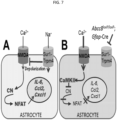
- the post-PNI astrocytic CAPS phenotype contributes not only to inflammation but also to neuronal hyperactivation via neuronal chemokine receptors, leading to neuropathic pain.
- Sur1-Trpm4 channels are newly upregulated in dorsal horn astrocytes, and that inhibition of astroglial Sur1-Trpm4 reduces the expression of IL-6, CCL2 and CXCL1, and significantly ameliorates neuropathic pain.
- the invention is based on the surprising discovery that Sur1-Trpm4 channels are upregulated in dorsal horn astrocytes in a model of neuropathic pain, and that inhibition of astroglial Sur1-Trpm4 reduces the expression of IL-6, CCL2 and CXCL1, and significantly ameliorates neuropathic pain.
- NC Ca-ATP channel refers to a non-selective cation channel complex that is activated by intracellular calcium and blocked by intracellular ATP, and has a single-channel conductance to potassium ion (K + ) of between about 20 and about 50 pS at physiological potassium concentrations.
- This channel complex includes a SUR1 receptor and is sensitive to SUR1 agonists and antagonists.
- the channel complex may include a pore that has similar properties to the TRPM4 channels, including blockade by TRPM4 blockers (such as, e.g., flufenamic acid, mefanimic acid, and niflumic acid), and therefore the pore of the NC Ca-ATP channel complex is TRPM4 channel.
- This channel complex is referred to herein as a "channel” and is described in greater detail elsewhere in the application.
- TRPM4 channel refers to a pore that passed ions that is a member of the transient receptor potential channel family (hence the acroym "TRP") and is the pore forming portion of the SUR1-sensitive NC Ca-ATP channel.
- the term "antagonist” refers to a biological or chemical agent that acts within the body to reduce the physiological activity of another chemical or biological substance.
- the antagonist blocks, inhibits, reduces and/or decreases the activity of a NC Ca-ATP channel of a cell, such as an astroglial cell.
- the antagonist combines, binds, associates with a NC Ca-ATP channel of an astroglial cell such that the NC Ca-ATP channel is closed (deactivated), meaning reduced biological activity with respect to the biological activity in the diseased state.
- the antagonist combines, binds and/or associates with a regulatory subunit of the NC Ca-ATP channel, particularly SUR1, or the antagonist combines, binds, and/or associates with a pore-forming subunit of the NC Ca-ATP channel, such that the NC Ca-ATP channel is closed (deactivated).
- the terms antagonist or inhibitor can be used interchangeably.
- the terms "effective amount” or “therapeutically effective amount” are interchangeable and refer to an amount that results in an improvement or remediation of at least one symptom of the disease or condition. Those of skill in the art understand that the effective amount may improve the patient's or subject's condition, but may not be a complete cure of the disease and/or condition.
- inhibit refers to the ability of the compound to block, partially block, interfere, decrease, reduce or deactivate a channel such as the NC Ca-ATP channel.
- inhibit encompasses a complete and/or partial loss of activity of a channel, such as the NC Ca-ATP channel.
- Channel activity may be inhibited by channel block (occlusion or closure of the pore region, preventing ionic current flow through the channel), by changes in an opening rate or in the mean open time, changes in a closing rate or in the mean closed time, or by other means.
- a complete and/or partial loss of activity of the NC Ca-ATP channel as may be indicated by a reduction in cell depolarization, reduction in sodium ion influx or any other monovalent ion influx, reduction in an influx of water, reduction in extravasation of blood, reduction in cell death, as well as an improvement in cellular survival following an ischemic challenge.
- preventing refers to minimizing, reducing or suppressing the risk of developing a disease state or parameters relating to the disease state or progression or other abnormal or deleterious conditions.
- treating and “treatment” as used herein refer to administering to a subject a therapeutically effective amount of a composition so that the subject has an improvement in the disease or condition.
- the improvement is any observable or measurable improvement.
- Treating may also comprise treating subjects at risk of developing a disease and/or condition.
- the NC Ca-ATP channel is distinguished by certain functional characteristics, the combination of which distinguishes it from other ion channels.
- the characteristics that distinguish the NC Ca-ATP channel include, but are not necessarily limited to, the following: 1) it is a non-selective cation channel that readily allows passage of Na, K, and other monovalent cations; 2) it is activated by an increase in intracellular calcium, and/or by a decrease in intracellular ATP; 3) it is regulated by sulfonylurea receptor type 1 (SUR1, which previously had been considered to be associated exclusively with K ATP channels such as those found in pancreatic ⁇ -cells, for example.
- SUR1 sulfonylurea receptor type 1
- the NC Ca-ATP channel was identified first in native reactive astrocytes (NRAs) and later in neurons and capillary endothelial cells after stroke or traumatic brain or spinal cord injury (see at least International Application WO 03/079987 ).
- NAAs native reactive astrocytes
- the NC Ca-ATP channel is considered to be a heteromultimer structure comprised of sulfonylurea receptor type 1 (SUR1) regulatory subunits and pore-forming subunits.
- SUR1 sulfonylurea receptor type 1
- the pore-forming subunits have been characterized biophysically and have been identified as TRPM4.
- the NC Ca-ATP channel has a single-channel conductance to potassium ion (K + ) between 20 and 50 pS.
- the NC Ca-ATP channel is also stimulated by Ca 2+ on the cytoplasmic side of the cell membrane in a physiological concentration range, where said concentration range is from 10 -8 to 10 -5 M.
- the NC Ca-ATP channel is also inhibited by cytoplasmic ATP in a physiological concentration range, where said concentration range is from about 10 -1 to about 5 mM.
- the NC Ca-ATP channel is also permeable to the following cations; K + , Cs + , Li + , Na + ; to the extent that the permeability ratio between any two of said cations is greater than 0.5 and less than 2.
- the NC Ca-ATP channel is disclosed in U.S. Patent No. 9,375,438 .
- An individual with neuropathic pain or at risk for having neuropathic pain is administered one or more inhibitors of a SUR1-regulated NC Ca-ATP channel.
- Exemplary inhibitors include sulfonylurea compounds and/or TRPM4-inhibitory compounds, although others are also suitable.
- the agent that inhibits the activity of an NC Ca-ATP channel can be administered in a variety of ways and is not particularly limiting.
- the agent is administered directly (topically), intravenously, subcutaneously, transcutaneously, intrathecally, intramuscularly, intracutaneously, intragastrically or orally.
- Such compounds include an inhibitor of the channel, such as, for example, an antagonist of a type 1 sulfonylurea receptor, such as sulfonylureas like glibenclamide and tolbutamide, as well as other insulin secretagogues such as repaglinide, nateglinide, meglitinide, Mitiglinide, iptakalim, endosulfines, LY397364, LY389382, gliclazide, glimepiride, MgADP, and combinations thereof.
- an antagonist of a type 1 sulfonylurea receptor such as sulfonylureas like glibenclamide and tolbutamide
- other insulin secretagogues such as repaglinide, nateglinide, meglitinide, Mitiglinide, iptakalim, endosulfines, LY397364, LY389382, gliclazide, glimepiride
- TRPM4 inhibitors flufenamic acid, mefanimic acid, and niflumic acid are TRPM4 inhibitors flufenamic acid, mefanimic acid, and niflumic acid.
- the invention provides a composition for the use of treating neuropathic pain in a subject, comprising an effective amount of an agent that inhibits the NC Ca-ATP channel and a pharmaceutically acceptable carrier.
- the agent that inhibits the NC Ca-ATP channel comprises at least an antagonist of a NC Ca-ATP channel of a cell.
- the NC Ca-ATP channel is blocked, inhibited, or otherwise is decreased in activity.
- an antagonist of the NC Ca-ATP channel is administered and/or applied.
- the antagonist modulates the NC Ca-ATP channel such that flux through the channel is reduced, ceased, decreased and/or stopped.
- the antagonist may have a reversible or an irreversible activity with respect to the activity of the NC Ca-ATP channel of a cell.
- the antagonist may prevent or lessen the depolarization of the cells thereby lessening cell swelling due to osmotic changes that can result from depolarization of the cells.
- Subjects that can be treated with the therapeutic composition of the present invention include subjects suffering from neuropathic pain.
- Neuropathic pain can be caused by a number of conditions, including, but not limited to alcoholism, amputation, chemotherapy, diabetes, facial nerve problems, HIV infection or AIDS, multiple myeloma, multiple sclerosis, nerve or spinal cord compression from herniated discs or from arthritis in the spine, shingles, traumatic nerve damage or injury, spine surgery, syphilis, thyroid problems, and vitamin B deficiency.
- SUR1 antagonists to SUR1 are suitable for blocking the channel.
- Suitable SUR1 antagonists for use according to the invention are selected from the group consisting of glibenclamide (glyburide), tolbutamide, acetohexamide, chlorpropamide, tolazimide, glipizide, gliquidone, repaglinide, nateglinide, meglitinide, gliclazide, glimepiride, repaglinide, nateglinide and mitiglinide.
- An effective amount of the inhibitor of the NC Ca-ATP channel that is administered may include a dose of about 0.0001 nM to about 2000 ⁇ M.
- amount administered is from about 0.01 nM to about 2000 ⁇ M; about 0.01 ⁇ M to about 0.05 ⁇ M; about 0.05 ⁇ M to about 1.0 ⁇ M; about 1.0 ⁇ M to about 1.5 ⁇ M; about 1.5 ⁇ M to about 2.0 ⁇ M; about 2.0 ⁇ M to about 3.0 ⁇ M; about 3.0 ⁇ M to about 4.0 ⁇ M; about 4.0 ⁇ M to about 5.0 ⁇ M; about 5.0 ⁇ M to about 10 ⁇ M; about 10 ⁇ M to about 50 ⁇ M; about 50 ⁇ M to about 100 ⁇ M; about 100 ⁇ M to about 200 ⁇ M; about 200 ⁇ M to about 300 ⁇ M; about 300 ⁇ M to about 500 ⁇ M; about 500 ⁇ M to about 1000 ⁇ M; about 1000 ⁇ M to about 1500 ⁇ M; and about 1500 ⁇ M
- the inhibitor can be administered parenterally or alimentary.
- Parenteral administrations include intravenously, intramuscularly, subcutaneous, or intraperitoneally. See, e.g., U.S. Pat. Nos. 6,613,308 , 5,466,468 , 5,543,158 ; 5,641,515 ; and 5,399,363 .
- Alimentary administrations include orally.
- the administration of the therapeutic compounds and/or the therapies of the present invention may include systemic, local and/or regional administrations, for example, topically (dermally, transdermally), via catheters, implantable pumps, dermal patches, transdermal patches, etc.
- routes of administration are also contemplated such as, for example, arterial perfusion, intracavitary, intraperitoneal, intrapleural, intraventricular and/or intrathecal.
- the skilled artisan is aware of determining the appropriate administration route using standard methods and procedures. Other routes of administration are discussed elsewhere in the specification.
- Treatment methods involve treating an individual with an effective amount of a composition containing an inhibitor of NC Ca-ATP channel or related-compound thereof.
- An effective amount is described, generally, as that amount sufficient to detectably and repeatedly to ameliorate, reduce, minimize or limit the extent of a disease or its symptoms.
- the effective amount of an antagonist of NC Ca-ATP channel or related-compounds thereof to be used are those amounts effective to produce beneficial results, particularly with respect to amelioration of pain in the recipient animal or patient.
- a specific dose level of active compounds such as an antagonist of the NC Ca-ATP channel or related-compounds thereof for any particular patient depends upon a variety of factors including the activity of the specific compound employed, the age, body weight, general health, sex, diet, time of administration, route of administration, rate of excretion, drug combination, and the severity of the particular disease undergoing therapy.
- the compound(s) or composition(s) can be administered to the subject once, such as by a single injection or deposition at or near the site of interest.
- the compound(s) or composition(s) can be administered to a subject over a period of days, weeks, months or even years.
- the compound(s) or composition(s) is administered at least once a day to a subject.
- a dosage regimen comprises multiple administrations, it is understood that the effective amount of the compound(s) or composition(s) administered to the subject can comprise the total amount of the compound(s) or composition(s) administered over the entire dosage regimen.
- SUR1 antagonists to SUR1 are suitable for blocking the channel.
- suitable SUR1 antagonists include, but are not limited to glibenclamide, tolbutamide, repaglinide, nateglinide, meglitinide, Mitiglinide, gliclazide, glimepiride, and combinations thereof.
- the SUR1 antagonists are selected from the group consisting of glibenclamide and tolbutamide.
- the present invention comprises modulators of the channel, for example one or more agonists and/or one or more antagonists of the channel.
- modulators of the channel for example one or more agonists and/or one or more antagonists of the channel.
- Examples of antagonists or agonists may encompass respective antagonists and/or agonists identified in U.S. Patent Application Publication No. 2003/0215889 .
- Antagonists to sulfonylurea receptor-1 are suitable for blocking the channel.
- suitable SUR1 antagonists include, but are not limited to glibenclamide, tolbutamide, repaglinide, nateglinide, meglitinide, Mitiglinide, glyclazine, glimepiride, and combinations thereof.
- the SUR1 antagonists is selected from the group consisting of glibenclamide and tolbutamide.
- TRPM4 inhibitors are suitable for blocking the channel.
- Suitable TRPM4 inhibitors include, for example, flufenamic acid, mefanimic acid, and niflumic acid.
- the agent can comprise a compound (protein, nucleic acid, siRNA, etc.) that modulates transcription and/or translation of SUR1 (regulatory subunit), TRPM4, and/or the molecular entities that comprise the pore-forming subunit.
- a compound protein, nucleic acid, siRNA, etc.
- Transcription factors are regulatory proteins that binds to a specific DNA sequence (e.g., promoters and enhancers) and regulate transcription of an encoding DNA region. Thus, transcription factors can be used to modulate the expression of SUR1.
- a transcription factor comprises a binding domain that binds to DNA (a DNA-binding domain) and a regulatory domain that controls transcription. Where a regulatory domain activates transcription, that regulatory domain is designated an activation domain. Where that regulatory domain inhibits transcription, that regulatory domain is designated a repression domain. More specifically, transcription factors such as Sp1, HIF1, and NFB can be used to modulate expression of SUR1.
- a transcription factor may be targeted by a composition.
- the transcription factor may be one that is associated with a pathway in which SUR1 is involved.
- the transcription factor may be targeted with an antagonist, including siRNA to downregulate the transcription factor.
- Such antagonists can be identified by standard methods in the art, and the antagonist is employed for treatment and or prevention of an individual in need thereof.
- the antagonist may be employed in conjunction with an additional compound, such as a composition that modulates the NC Ca-ATP channel of the invention.
- the antagonist may be used in combination with an inhibitor of the channel of the invention.
- the antagonist of a transcription factor of a SUR1-related pathway may be administered prior to, during, and/or subsequent to the additional compound.
- An antisense molecule that binds to a translational or transcriptional start site, or splice junctions are ideal inhibitors.
- Antisense, ribozyme, and double-stranded RNA molecules target a particular sequence to achieve a reduction or elimination of a particular polypeptide, such as SUR1.
- SUR1 polypeptide
- Antisense methodology takes advantage of the fact that nucleic acids tend to pair with complementary sequences.
- complementary it is meant that polynucleotides are those which are capable of base-pairing according to the standard Watson-Crick complementarity rules. That is, the larger purines will base pair with the smaller pyrimidines to form combinations of guanine paired with cytosine (G:C) and adenine paired with either thymine (A:T) in the case of DNA, or adenine paired with uracil (A:U) in the case of RNA. Inclusion of less common bases, such as inosine, 5-methylcytosine, 6-methyladenine, hypoxanthine and others, in hybridizing sequences does not interfere with pairing.
- Antisense polynucleotides when introduced into a target cell, specifically bind to their target polynucleotide and interfere with transcription, RNA processing, transport, translation and/or stability.
- Antisense RNA constructs, or DNA encoding such antisense RNAs are employed to inhibit gene transcription or translation or both within a host cell, either in vitro or in vivo, such as within a host animal, including a human subject.
- Antisense constructs are designed to bind to the promoter and other control regions, exons, introns or even exon-intron boundaries of a gene. It is disclosed that the most effective antisense constructs may include regions complementary to intron/exon splice junctions. Thus, antisense constructs with complementarity to regions within 50-200 bases of an intron-exon splice junction may be used. It has been observed that some exon sequences can be included in the construct without seriously affecting the target selectivity thereof. The amount of exonic material included will vary depending on the particular exon and intron sequences used. One can readily test whether too much exon DNA is included simply by testing the constructs in vitro to determine whether normal cellular function is affected or whether the expression of related genes having complementary sequences is affected.
- genomic DNA it is advantageous to combine portions of genomic DNA with cDNA or synthetic sequences to generate specific constructs. For example, where an intron is desired in the ultimate construct, a genomic clone will need to be used.
- the cDNA or a synthesized polynucleotide may provide more convenient restriction sites for the remaining portion of the construct and, therefore, would be used for the rest of the sequence.
- RNA interference is used to "knock down” or inhibit a particular gene of interest by simply injecting, bathing or feeding to the organism of interest the double-stranded RNA molecule. This technique selectively “knock downs” gene function without requiring transfection or recombinant techniques.
- siRNA small interfering RNA
- a siRNA may comprise a double stranded structure or a single stranded structure, the sequence of which is “substantially identical” to at least a portion of the target gene (see WO 04/046320 ).
- Identity is the relationship between two or more polynucleotide (or polypeptide) sequences, as determined by comparing the sequences. In the art, identity also means the degree of sequence relatedness between polynucleotide sequences, as determined by the match of the order of nucleotides between such sequences. Identity can be readily calculated.
- siRNA contains a nucleotide sequence that is essentially identical to at least a portion of the target gene, for example, SUR1, or any other molecular entity associated with the NC Ca-ATP channel such as the pore-forming subunit.
- SUR1 nucleic acid sequences for SUR1 are readily available in GenBank, for example, GenBank accession L40624.
- the siRNA contains a nucleotide sequence that is completely identical to at least a portion of the target gene.
- an "identical" RNA sequence when comparing an RNA sequence to a DNA sequence, will contain ribonucleotides where the DNA sequence contains deoxyribonucleotides, and further that the RNA sequence will typically contain a uracil at positions where the DNA sequence contains thymidine.
- polynucleotides of different lengths may be compared over the entire length of the longer fragment. Alternatively, small regions may be compared. Normally sequences of the same length are compared for a final estimation of their utility in the practice of the present invention.
- a siRNA that is essentially identical to a least a portion of the target gene may also be a dsRNA wherein one of the two complementary strands (or, in the case of a self-complementary RNA, one of the two self-complementary portions) is either identical to the sequence of that portion or the target gene or contains one or more insertions, deletions or single point mutations relative to the nucleotide sequence of that portion of the target gene.
- siRNA technology thus has the property of being able to tolerate sequence variations that might be expected to result from genetic mutation, strain polymorphism, or evolutionary divergence.
- the first step in designing an siRNA molecule is to choose the siRNA target site, which can be any site in the target gene.
- the target selecting region of the gene which may be an ORF (open reading frame) as the target selecting region and may preferably be 50-100 nucleotides downstream of the "ATG" start codon.
- siRNA Target Designer by Promega
- siRNA Target Finder by GenScript Corp.
- siRNA Retriever Program by Imgenex Corp.
- EMBOSS siRNA algorithm siRNA program by Qiagen
- Ambion siRNA predictor Ambion siRNA predictor
- Whitehead siRNA prediction Sfold.
- any of the above programs may be utilized to produce siRNA molecules.
- Ribozymes are RNA-protein complexes that cleave nucleic acids in a site-specific fashion. Ribozymes have specific catalytic domains that possess endonuclease activity. For example, a large number of ribozymes accelerate phosphoester transfer reactions with a high degree of specificity, often cleaving only one of several phosphoesters in an oligonucleotide substrate. This specificity has been attributed to the requirement that the substrate bind via specific base-pairing interactions to the internal guide sequence ("IGS") of the ribozyme prior to chemical reaction. Ribozyme catalysis has primarily been observed as part of sequence specific cleavage/ligation reactions involving nucleic acids. For example, U.S. Pat.
- Designing and testing ribozymes for efficient cleavage of a target RNA is a process well known to those skilled in the art.
- the identification of operative and preferred sequences for use in SUR1 targeted ribozymes is simply a matter of preparing and testing a given sequence, and is a routinely practiced screening method known to those of skill in the art.
- these proteins are modified by glycosylation in the Golgi apparatus of the cell, assembled into functional heteromultimers that comprise the channel, and then transported to the plasmalemmal membrane where they are inserted to form functional channels.
- the last of these processes is referred to as "trafficking.”
- molecules that bind to any of the constituent proteins interfere with post-translational assembly and trafficking, and thereby interfere with expression of functional channels.
- One such example is with glibenclamide binding to SUR1 subunits.
- glibenclamide which binds with femtomolar affinity to SUR1, interferes with post-translational assembly and trafficking required for functional channel expression.
- compositions comprising the active substances disclosed herein.
- these compositions include pharmaceutical compositions comprising a therapeutically effective amount of one or more of the active compounds or substances along with a pharmaceutically acceptable carrier.
- the term "pharmaceutically acceptable" carrier means a non-toxic, inert solid, semi-solid liquid filler, diluent, encapsulating material, formulation auxiliary of any type, or simply a sterile aqueous medium, such as saline.
- sugars such as lactose, glucose and sucrose, starches such as corn starch and potato starch, cellulose and its derivatives such as sodium carboxymethyl cellulose, ethyl cellulose and cellulose acetate; powdered tragacanth; malt, gelatin, talc; excipients such as cocoa butter and suppository waxes; oils such as peanut oil, cottonseed oil, safflower oil, sesame oil, olive oil, corn oil and soybean oil; glycols, such as propylene glycol, polyols such as glycerin, sorbitol, mannitol and polyethylene glycol; esters such as ethyl oleate and ethyl laurate, agar; buffering agents such as magnesium hydroxide and aluminum hydroxide; alginic acid; pyrogen-free water; isotonic saline, Ringer's solution; ethyl
- wetting agents such as sodium lauryl sulfate and magnesium stearate, as well as coloring agents, releasing agents, coating agents, sweetening, flavoring and perfuming agents, preservatives and antioxidants can also be present in the composition, according to the judgment of the formulator.
- antioxidants examples include, but are not limited to, water soluble antioxidants such as ascorbic acid, cysteine hydrochloride, sodium bisulfite, sodium metabisulfite, sodium sulfite, and the like; oil soluble antioxidants, such as ascorbyl palmitate, butylated hydroxyanisole (BHA), butylated hydroxytoluene (BHT), lecithin, propyl gallate, aloha-tocopherol and the like; and the metal chelating agents such as citric acid, ethylenediamine tetraacetic acid (EDTA), sorbitol, tartaric acid, phosphoric acid and the like.
- water soluble antioxidants such as ascorbic acid, cysteine hydrochloride, sodium bisulfite, sodium metabisulfite, sodium sulfite, and the like
- oil soluble antioxidants such as ascorbyl palmitate, butylated hydroxyanisole (BHA), butylated hydroxytoluene (B
- the total daily dose of the active compounds administered to a subject in single or in divided doses can be in amounts, for example, from 0.01 to 25 mg/kg body weight or more usually from 0.1 to 15 mg/kg body weight.
- Single dose compositions may contain such amounts or submultiples thereof to make up the daily dose.
- treatment regimens comprise administration to a human or other mammal in need of such treatment from about 1 mg to about 1000 mg of the active substance(s) of this invention per day in multiple doses or in a single dose of from 1 mg, 5 mg, 10 mg, 100 mg, 500 mg or 1000 mg.
- a formulation containing an effective amount of a compound that blocks the NC Ca-ATP channel and a pharmaceutically acceptable carrier may contain from about 0.1 to about 100 grams of tolbutamide or from about 0.5 to about 500 milligrams of glibenclamide.
- the active agents of the present invention can be administered alone or in combination with one or more active pharmaceutical agents.
- the one or more active pharmaceutical agents are useful to treat neuropathic pain in the subject.
- Liquid dosage forms for oral administration may include pharmaceutically acceptable emulsions, microemulsions, solutions, suspensions, syrups and elixirs containing inert diluents commonly used in the art, such as water, isotonic solutions, or saline.
- Such compositions may also comprise adjuvants, such as wetting agents; emulsifying and suspending agents; sweetening, flavoring and perfuming agents.
- sterile injectable aqueous or oleaginous suspensions may be formulated according to the known art using suitable dispersing or wetting agents and suspending agents.
- the sterile injectable preparation may also be a sterile injectable solution, suspension or emulsion in a nontoxic parenterally acceptable diluent or solvent, for example, as a solution in 1,3-butanediol.
- acceptable vehicles and solvents that may be employed are water, Ringer's solution, U.S.P. and isotonic sodium chloride solution.
- sterile, fixed oils are conventionally employed as a solvent or suspending medium.
- any bland fixed oil can be employed including synthetic mono- or diglycerides.
- fatty acids such as oleic acid are used in the preparation of injectables.
- the injectable formulation can be sterilized, for example, by filtration through a bacteria-retaining filter, or by incorporating sterilizing agents in the form of sterile solid compositions, which can be dissolved or dispersed in sterile water or other sterile injectable medium just prior to use.
- the most common way to accomplish this is to inject a suspension of crystalline or amorphous material with poor water solubility.
- the rate of absorption of the drug becomes dependent on the rate of dissolution of the drug, which is, in turn, dependent on the physical state of the drug, for example, the crystal size and the crystalline form.
- Another approach to delaying absorption of a drug is to administer the drug as a solution or suspension in oil.
- Injectable depot forms can also be made by forming microcapsule matrices of drugs and biodegradable polymers, such as polylactide-polyglycoside.
- the rate of drug release can be controlled.
- biodegradable polymers include polyorthoesters and polyanhydrides.
- the depot injectables can also be made by entrapping the drug in liposomes or microemulsions, which are compatible with body tissues.
- Suppositories for rectal administration of the drug can be prepared by mixing the drug with a suitable non-irritating excipient, such as cocoa butter and polyethylene glycol which are solid at ordinary temperature but liquid at the rectal temperature and will, therefore, melt in the rectum and release the drug.
- a suitable non-irritating excipient such as cocoa butter and polyethylene glycol which are solid at ordinary temperature but liquid at the rectal temperature and will, therefore, melt in the rectum and release the drug.
- Solid dosage forms for oral administration may include capsules, tablets, pills, powders, gelcaps and granules.
- the active compound may be admixed with at least one inert diluent such as sucrose, lactose or starch.
- Such dosage forms may also comprise, as is normal practice, additional substances other than inert diluents, e.g., tableting lubricants and other tableting aids such as magnesium stearate and microcrystalline cellulose.
- the dosage forms may also comprise buffering agents. Tablets and pills can additionally be prepared with enteric coatings and other release-controlling coatings.
- compositions of a similar type may also be employed as fillers in soft and hard-filled gelatin capsules using such excipients as lactose or milk sugar as well as high molecular weight polyethylene glycols and the like.
- the active compounds can also be in micro-encapsulated form with one or more excipients as noted above.
- the solid dosage forms of tablets, capsules, pills, and granules can be prepared with coatings and shells such as enteric coatings and other coatings well known in the pharmaceutical formulating art. They may optionally contain opacifying agents and can also be of a composition that they release the active ingredient(s) only, or preferably, in a certain part of the intestinal tract, optionally in a delayed manner. Examples of embedding compositions which can be used include polymeric substances and waxes.
- Dosage forms for topical or transdermal administration of a compound of this invention further include ointments, pastes, creams, lotions, gels, powders, solutions, sprays, inhalants or patches.
- Transdermal patches have the added advantage of providing controlled delivery of active compound to the body.
- dosage forms can be made by dissolving or dispersing the compound in the proper medium.
- Absorption enhancers can also be used to increase the flux of the compound across the skin. The rate can be controlled by either providing a rate controlling membrane or by dispersing the compound in a polymer matrix or gel.
- the ointments, pastes, creams and gels may contain, in addition to an active compound of this invention, excipients such as animal and vegetable fats, oils, waxes, paraffins, starch, tragacanth, cellulose derivatives, polyethylene glycols, silicones, bentonites, silicic acid, talc and zinc oxide, or mixtures thereof.
- excipients such as animal and vegetable fats, oils, waxes, paraffins, starch, tragacanth, cellulose derivatives, polyethylene glycols, silicones, bentonites, silicic acid, talc and zinc oxide, or mixtures thereof.
- the therapeutic compound may be delivered transdermally.
- transdermal delivery means administration of the pharmaceutical composition topically to the skin wherein the active ingredient or its pharmaceutically acceptable salts, will be percutaneously delivered in a therapeutically effective amount.
- composition to be applied transdermally may further comprise an absorption enhancer.
- absorption enhancer as used herein means a compound which enhance the percutaneous absorption of drugs. These substances are sometimes also referred to as skin-penetration enhancers, accelerants, adjuvants and sorption promoters.
- Various absorption enhancers are known to be useful in transdermal drug delivery.
- U.S. Pat. Nos. 5,230,897 , 4,863,970 , 4,722,941 , and 4,931,283 disclose some representative absorption enhancers used in transdermal compositions and for topical administration.
- the absorption enhancer is N-lauroyl sarcosine, sodium octyl sulfate, methyl laurate, isopropyl myristate, oleic acid, glyceryl oleate or sodium lauryl sulfoacetate, or a combination thereof.
- the composition contains on a weight/volume (w/v) basis the absorption enhancer in an amount of about 1-20%, 1-15%, 1-10% or 1-5%.
- the composition can also contain a surfactant, an azone-like compound, an alcohol, a fatty acid or ester, or an aliphatic thiol.
- the therapeutic compound may be delivered via a transdermal patch.
- a transdermal patch may comprise an effective amount of the therapeutic compound for treating pain, e.g., glibenclamide.
- the transdermal patch may further comprise an absorption enhancer.
- the transdermal composition can further comprise one or more additional excipients.
- Suitable excipients include without limitation solubilizers (e.g., C 2 -C 8 alcohols), moisturizers or humectants (e.g., glycerol [glycerin], propylene glycol, amino acids and derivatives thereof, polyamino acids and derivatives thereof, and pyrrolidone carboxylic acids and salts and derivatives thereof), surfactants (e.g., sodium laureth sulfate and sorbitan monolaurate), emulsifiers (e.g., cetyl alcohol and stearyl alcohol), thickeners (e.g., methyl cellulose, ethyl cellulose, hydroxymethyl cellulose, hydroxypropyl cellulose, polyvinylpyrrolidone, polyvinyl alcohol and acrylic polymers), and formulation bases or carriers (e.g., polyethylene glycol as an ointment base).
- the base or carrier of the composition can contain ethanol, propylene glycol and polyethylene glycol (e.g., PEG 300), and optionally an aqueous liquid (e.g., isotonic phosphate-buffered saline).
- ethanol propylene glycol and polyethylene glycol (e.g., PEG 300)
- aqueous liquid e.g., isotonic phosphate-buffered saline
- compositions comprising at least one SUR1 antagonist compound (for use as defined in the claims) and a pharmaceutically acceptable carrier may be contemplated.
- Exemplary pharmaceutically acceptable carriers include carriers suitable for oral, intravenous, subcutaneous, intramuscular, intracutaneous, and the like administration. Administration in the form of creams, lotions, tablets, dispersible powders, granules, syrups, elixirs, sterile aqueous or non-aqueous solutions, suspensions or emulsions, and the like, is contemplated.
- suitable carriers include emulsions, solutions, suspensions, syrups, and the like, optionally containing additives such as wetting agents, emulsifying and suspending agents, sweetening, flavoring and perfuming agents, and the like.
- suitable carriers include sterile aqueous or non-aqueous solutions, suspensions, or emulsions.
- suitable carriers include sterile aqueous or non-aqueous solutions, suspensions, or emulsions.
- non-aqueous solvents or vehicles are propylene glycol, polyethylene glycol, vegetable oils, such as olive oil and corn oil, gelatin, and injectable organic esters such as ethyl oleate.
- Such dosage forms may also contain adjuvants such as preserving, wetting, emulsifying, and dispersing agents. They may be sterilized, for example, by filtration through a bacteria-retaining filter, by incorporating sterilizing agents into the compositions, by irradiating the compositions, or by heating the compositions. They can also be manufactured in the form of sterile water, or some other sterile injectable medium immediately before use.
- the active compound is admixed under sterile conditions with a pharmaceutically acceptable carrier and any needed preservatives or buffers
- the treatments may include various "unit doses.”
- Unit dose is defined as containing a predetermined quantity of the therapeutic composition (an antagonist of the NC Ca-ATP channel or its related-compounds thereof) calculated to produce the desired responses in association with its administration, e.g., the appropriate route and treatment regimen.
- the quantity to be administered, and the particular route and formulation, are within the skill of those in the clinical arts. Also of importance is the subject to be treated, in particular, the state of the subject and the protection desired.
- a unit dose need not be administered as a single injection but may comprise continuous infusion over a set period of time.
- compositions of the present invention may comprise an effective amount of one or more modulators of NC Ca-ATP channel (or related compounds or additional agent) dissolved or dispersed in a pharmaceutically acceptable carrier.
- pharmaceutically acceptable refers to molecular entities and compositions that do not produce an adverse, allergic or other untoward reaction when administered to an animal, such as, for example, a human, as appropriate.
- the preparation of a pharmaceutical composition that contains at least one modulators of NC.sub.Ca-ATP channel (antagonist and/or agonist) or related compounds or additional active ingredient will be known to those of skill in the art in light of the present disclosure, as exemplified by Remington's Pharmaceutical Sciences, 18th Ed. Mack Printing Company, 1990 .
- preparations should meet sterility, pyrogenicity, general safety and purity standards as required by FDA Office of Biological Standards.
- pharmaceutically acceptable carrier includes any and all solvents, dispersion media, coatings, surfactants, antioxidants, preservatives (e.g., antibacterial agents, antifungal agents), isotonic agents, absorption delaying agents, salts, preservatives, drugs, drug stabilizers, gels, binders, excipients, disintegration agents, lubricants, sweetening agents, flavoring agents, dyes, such like materials and combinations thereof, as would be known to one of ordinary skill in the art (see, for example, Remington's Pharmaceutical Sciences, 18th Ed. Mack Printing Company, 1990, pp. 1289-1329 ). Except insofar as any conventional carrier is incompatible with the active ingredient, its use in the pharmaceutical compositions is contemplated.
- the inhibitors of the NC Ca-ATP channel may comprise different types of carriers depending on whether it is to be administered in solid, liquid or aerosol form, and whether it need to be sterile for such routes of administration as injection.
- the present invention can be administered intravenously, intradermally, transdermally, intrathecally, intraventricularly, intraarterially, intraperitoneally, intranasally, intravaginally, intrarectally, topically, intramuscularly, subcutaneously, mucosally, orally, topically, locally, inhalation (e.g., aerosol inhalation), injection, infusion, continuous infusion, localized perfusion bathing target cells directly, via a catheter, via a lavage, in cremes, in lipid compositions (e.g., liposomes), or by other method or any combination of the forgoing as would be known to one of ordinary skill in the art (see, for example, Remington's Pharmaceutical Sciences, 18th Ed. Mack Printing Company, 1990 ).
- the inhibitors of the NC Ca-ATP channel may be formulated into a composition in a free base, neutral or salt form.
- Pharmaceutically acceptable salts include the acid addition salts, e.g., those formed with the free amino groups of a proteinaceous composition, or which are formed with inorganic acids such as for example, hydrochloric or phosphoric acids, or such organic acids as acetic, oxalic, tartaric or mandelic acid. Salts formed with the free carboxyl groups can also be derived from inorganic bases such as for example, sodium, potassium, ammonium, calcium or ferric hydroxides; or such organic bases as isopropylamine, trimethylamine, histidine or procaine.
- solutions Upon formulation, solutions will be administered in a manner compatible with the dosage formulation and in such amount as is therapeutically effective.
- the formulations are easily administered in a variety of dosage forms such as formulated for parenteral administrations such as injectable solutions, or aerosols for delivery to the lungs, or formulated for alimentary administrations such as drug release capsules and the like.
- the composition of the present invention suitable for administration is provided in a pharmaceutically acceptable carrier with or without an inert diluent.
- the carrier should be assimilable and includes liquid, semi-solid, i.e., pastes, or solid carriers. Except insofar as any conventional media, agent, diluent or carrier is detrimental to the recipient or to the therapeutic effectiveness of the composition contained therein, its use in administrable composition for use in practicing the methods of the present invention is appropriate.
- carriers or diluents include fats, oils, water, saline solutions, lipids, liposomes, resins, binders, fillers and the like, or combinations thereof.
- composition may also comprise various antioxidants to retard oxidation of one or more component. Additionally, the prevention of the action of microorganisms can be brought about by preservatives such as various antibacterial and antifungal agents, including but not limited to parabens (e.g., methylparabens, propylparabens), chlorobutanol, phenol, sorbic acid, thimerosal or combinations thereof.
- preservatives such as various antibacterial and antifungal agents, including but not limited to parabens (e.g., methylparabens, propylparabens), chlorobutanol, phenol, sorbic acid, thimerosal or combinations thereof.
- the composition is combined with the carrier in any convenient and practical manner, i.e., by solution, suspension, emulsification, admixture, encapsulation, absorption and the like. Such procedures are routine for those skilled in the art.
- the composition my be combined or mixed thoroughly with a semi-solid or solid carrier.
- the mixing can be carried out in any convenient manner such as grinding.
- Stabilizing agents can be also added in the mixing process in order to protect the composition from loss of therapeutic activity, i.e., denaturation in the stomach.
- stabilizers for use in the composition include buffers, amino acids such as glycine and lysine, carbohydrates such as dextrose, mannose, galactose, fructose, lactose, sucrose, maltose, sorbitol, mannitol, etc.
- the present invention may concern the use of a pharmaceutical lipid vehicle compositions that include inhibitors of the NC Ca-ATP channel, one or more lipids, and an aqueous solvent.
- lipid will be defined to include any of a broad range of substances that is characteristically insoluble in water and extractable with an organic solvent. This broad class of compounds are well known to those of skill in the art, and as the term "lipid” is used herein, it is not limited to any particular structure. Examples include compounds which contain long-chain aliphatic hydrocarbons and their derivatives. A lipid may be naturally occurring or synthetic (i.e., designed or produced by man). However, a lipid is usually a biological substance.
- Biological lipids are well known in the art, and include for example, neutral fats, phospholipids, phosphoglycerides, steroids, terpenes, lysolipids, glycosphingolipids, glycolipids, sulphatides, lipids with ether and ester-linked fatty acids and polymerizable lipids, and combinations thereof.
- neutral fats phospholipids, phosphoglycerides, steroids, terpenes, lysolipids, glycosphingolipids, glycolipids, sulphatides, lipids with ether and ester-linked fatty acids and polymerizable lipids, and combinations thereof.
- lipids are also encompassed by the compositions and methods of the present invention.
- the inhibitors of the NC Ca-ATP channel may be dispersed in a solution containing a lipid, dissolved with a lipid, emulsified with a lipid, mixed with a lipid, combined with a lipid, covalently bonded to a lipid, contained as a suspension in a lipid, contained or complexed with a micelle or liposome, or otherwise associated with a lipid or lipid structure by any means known to those of ordinary skill in the art.
- the dispersion may or may not result in the formation of liposomes.
- the actual dosage amount of a composition of the present invention administered to an animal patient can be determined by physical and physiological factors such as body weight, severity of condition, the type of disease being treated, previous or concurrent therapeutic and/or prophylactic interventions, idiopathy of the patient and on the route of administration.
- the number of administrations of a preferred dosage and/or an effective amount may vary according to the response of the subject.
- the practitioner responsible for administration will, in any event, determine the concentration of active ingredient(s) in a composition and appropriate dose(s) for the individual subject.
- compositions may comprise, for example, at least about 0.1% of an active compound.
- An active compound may comprise between about 2% to about 75% of the weight of the unit, or between about 25% to about 60%, for example, and any range derivable therein.
- the amount of active compound(s) in each therapeutically useful composition may be prepared is such a way that a suitable dosage will be obtained in any given unit dose of the compound.
- Factors such as solubility, bioavailability, biological half-life, route of administration, product shelf life, as well as other pharmacological considerations will be contemplated by one skilled in the art of preparing such pharmaceutical formulations, and as such, a variety of dosages and treatment regimens may be desirable.
- the inhibitors of the NC Ca-ATP channel are formulated to be administered via an alimentary route.
- Alimentary routes include all possible routes of administration in which the composition is in direct contact with the alimentary tract.
- the pharmaceutical compositions disclosed herein may be administered orally, buccally, rectally, or sublingually.
- these compositions may be formulated with an inert diluent or with an assimilable edible carrier or they may be enclosed in hard- or soft-shell gelatin capsule, or they may be compressed into tablets, or they may be incorporated directly with the food of the diet.
- the active compounds may be incorporated with excipients and used in the form of ingestible tablets, buccal tables, troches, capsules, elixirs, suspensions, syrups, wafers, and the like U.S. Pat. Nos. 5,641,515 ; 5,580,579 and 5,792,451 ).
- the tablets, troches, pills, capsules and the like may also contain the following: a binder, such as, for example, gum tragacanth, acacia, cornstarch, gelatin or combinations thereof; an excipient, such as, for example, dicalcium phosphate, mannitol, lactose, starch, magnesium stearate, sodium saccharine, cellulose, magnesium carbonate or combinations thereof; a disintegrating agent, such as, for example, corn starch, potato starch, alginic acid or combinations thereof; a lubricant, such as, for example, magnesium stearate; a sweetening agent, such as, for example, sucrose, lactose, saccharin or combinations thereof; a flavoring agent, such as, for example peppermint, oil of wintergreen, cherry flavoring, orange flavoring, etc.
- a binder such as, for example, gum tragacanth, acacia, cornstarch, gelatin or combinations thereof
- an excipient such as, for
- the dosage unit form When the dosage unit form is a capsule, it may contain, in addition to materials of the above type, a liquid carrier. Various other materials may be present as coatings or to otherwise modify the physical form of the dosage unit. For instance, tablets, pills, or capsules may be coated with shellac, sugar, or both. When the dosage form is a capsule, it may contain, in addition to materials of the above type, carriers such as a liquid carrier. Gelatin capsules, tablets, or pills may be enterically coated. Enteric coatings prevent denaturation of the composition in the stomach or upper bowel where the pH is acidic. See, e.g., U.S. Pat. No. 5,629,001 .
- the basic pH therein dissolves the coating and permits the composition to be released and absorbed by specialized cells, e.g., epithelial enterocytes and Peyer's patch M cells.
- a syrup of elixir may contain the active compound sucrose as a sweetening agent methyl and propylparabens as preservatives, a dye and flavoring, such as cherry or orange flavor.
- any material used in preparing any dosage unit form should be pharmaceutically pure and substantially non-toxic in the amounts employed.
- the active compounds may be incorporated into sustained-release preparation and formulations.
- compositions of the present invention may alternatively be incorporated with one or more excipients in the form of a mouthwash, dentifrice, buccal tablet, oral spray, or sublingual orally-administered formulation.
- a mouthwash may be prepared incorporating the active ingredient in the required amount in an appropriate solvent, such as a sodium borate solution (Dobell's Solution).
- the active ingredient may be incorporated into an oral solution such as one containing sodium borate, glycerin and potassium bicarbonate, or dispersed in a dentifrice, or added in a therapeutically-effective amount to a composition that may include water, binders, abrasives, flavoring agents, foaming agents, and humectants.
- the compositions may be fashioned into a tablet or solution form that may be placed under the tongue or otherwise dissolved in the mouth.
- suppositories are solid dosage forms of various weights and shapes, usually medicated, for insertion into the rectum. After insertion, suppositories soften, melt or dissolve in the cavity fluids.
- traditional carriers may include, for example, polyalkylene glycols, triglycerides or combinations thereof.
- suppositories may be formed from mixtures containing, for example, the active ingredient in the range of about 0.5% to about 10%, and preferably about 1% to about 2%.
- the inhibitors of the NC Ca-ATP channel may be administered via a parenteral route.
- parenteral includes routes that bypass the alimentary tract.
- the pharmaceutical compositions disclosed herein may be administered for example, but not limited to intravenously, intradermally, transdermally, intramuscularly, intraarterially, intraventricularly, intrathecally, subcutaneous, or intraperitoneally U.S. Pat. Nos. 6,7537,514 ; 6,613,308 ; 5,466,468 ; 5,543,158 ; 5,641,515 ; and 5,399,363 .
- the therapeutic compound may be administered intrathecally.
- the compound may be administered intrathecally via an implantable pump.
- the implantable pump comprises a SynchroMed TM II pump that stores and delivers medication into the intrathecal space (Medtronic).
- Solutions of the active compounds as free base or pharmacologically acceptable salts may be prepared in water suitably mixed with a surfactant, such as hydroxypropylcellulose. Dispersions may also be prepared in glycerol, liquid polyethylene glycols, and mixtures thereof and in oils. Under ordinary conditions of storage and use, these preparations contain a preservative to prevent the growth of microorganisms.
- the pharmaceutical forms suitable for injectable use include sterile aqueous solutions or dispersions and sterile powders for the extemporaneous preparation of sterile injectable solutions or dispersions ( U.S. Pat. No. 5,466,468 ). In all cases the form must be sterile and must be fluid to the extent that easy injectability exists.
- the carrier can be a solvent or dispersion medium containing, for example, water, ethanol, DMSO, polyol (i.e., glycerol, propylene glycol, and liquid polyethylene glycol, and the like), suitable mixtures thereof, and/or vegetable oils.
- a coating such as lecithin
- surfactants for example
- the prevention of the action of microorganisms can be brought about by various antibacterial and antifungal agents, for example, parabens, chlorobutanol, phenol, sorbic acid, thimerosal, and the like.
- isotonic agents for example, sugars or sodium chloride.
- Prolonged absorption of the injectable compositions can be brought about by the use in the compositions of agents delaying absorption, for example, aluminum monostearate and gelatin.
- aqueous solutions For parenteral administration in an aqueous solution, for example, the solution should be suitably buffered if necessary and the liquid diluent first rendered isotonic with sufficient saline or glucose.
- aqueous solutions are especially suitable for intravenous, intramuscular, subcutaneous, and intraperitoneal administration.
- sterile aqueous media that can be employed will be known to those of skill in the art in light of the present disclosure.
- one dosage may be dissolved in 1 ml of isotonic NaCl solution and either added to 1000 ml of hypodermoclysis fluid or injected at the proposed site of infusion, (see for example, " Remington's Pharmaceutical Sciences” 15th Edition, pages 1035-1038 and 1570-1580 ).
- Sterile injectable solutions are prepared by incorporating the active compounds in the required amount in the appropriate solvent with various of the other ingredients enumerated above, as required, followed by filtered sterilization.
- dispersions are prepared by incorporating the various sterilized active ingredients into a sterile vehicle which contains the basic dispersion medium and the required other ingredients from those enumerated above.
- the preferred methods of preparation are vacuum-drying and freeze-drying techniques which yield a powder of the active ingredient plus any additional desired ingredient from a previously sterile-filtered solution thereof.
- a powdered composition is combined with a liquid carrier such as, e.g., water or a saline solution, with or without a stabilizing agent.
- the inhibitors of the NC Ca-ATP channel may be formulated for administration via various miscellaneous routes, for example, topical (i.e., transdermal) administration, mucosal administration (intranasal, vaginal, etc.) and/or inhalation.
- topical i.e., transdermal
- mucosal administration intranasal, vaginal, etc.
- inhalation inhalation
- compositions for topical administration may include the active compound formulated for a medicated application such as an ointment, paste, cream or powder.
- Ointments include all oleaginous, adsorption, emulsion and water-solubly based compositions for topical application, while creams and lotions are those compositions that include an emulsion base only.
- Topically administered medications may contain a penetration enhancer to facilitate adsorption of the active ingredients through the skin. Suitable penetration enhancers include glycerin, alcohols, alkyl methyl sulfoxides, pyrrolidones and luarocapram.
- compositions for topical application include polyethylene glycol, lanolin, cold cream and petrolatum as well as any other suitable absorption, emulsion or water-soluble ointment base.
- Topical preparations may also include emulsifiers, gelling agents, and antimicrobial preservatives as necessary to preserve the active ingredient and provide for a homogenous mixture.
- Transdermal administration of the present invention may also comprise the use of a "patch".
- the patch may supply one or more active substances at a predetermined rate and in a continuous manner over a fixed period of time.
- the pharmaceutical compositions may be delivered by eye drops, intranasal sprays, inhalation, and/or other aerosol delivery vehicles.
- Methods for delivering compositions directly to the lungs via nasal aerosol sprays has been described e.g., in U.S. Pat. Nos. 5,756,353 and 5,804,212 .
- the delivery of drugs using intranasal microparticle resins and lysophosphatidyl-glycerol compounds U.S. Pat. No. 5,725,871
- transmucosal drug delivery in the form of a polytetrafluoroetheylene support matrix is described in U.S. Pat. No. 5,780,045 .
- aerosol refers to a colloidal system of finely divided solid of liquid particles dispersed in a liquefied or pressurized gas propellant.
- the typical aerosol of the present invention for inhalation will consist of a suspension of active ingredients in liquid propellant or a mixture of liquid propellant and a suitable solvent.
- Suitable propellants include hydrocarbons and hydrocarbon ethers.
- Suitable containers will vary according to the pressure requirements of the propellant.
- Administration of the aerosol will vary according to subject's age, weight and the severity and response of the symptoms.
- Dorsal horn astrocytes upregulate Sur1-Trpm4, IL-6, CCL2 and CXCL1.
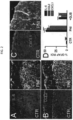
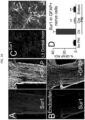
- Immunohistochemistry showed upregulation of Sur1 and Trpm4 in dorsal horn astrocytes, which was absent in contralateral astrocytes ( Fig. 1A-C, E ).
- FRET showed that the two subunits co-assembled to form heterodimers required for functional channels ( Fig. 1D ).
- qPCR confirmed upregulation of Abcc8 and Trpm4 mRNA ( Fig. 1E ).
- Immunohistochemistry also showed prominent upregulation of IL-6, CCL2 and CXCL1 in ipsilateral dorsal horn astrocytes, which was absent in contralateral astrocytes ( Fig. 2A- D ), consistent with previous reports.
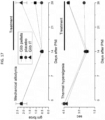
- Abcc8 loxP/loxP /Gfap-Cre mice to PNI we subjected Abcc8 loxP/loxP /Gfap-Cre mice to PNI, with littermate WT-Cre mice as controls. In controls, mechanical allodynia was well established by 1 week ( Fig. 3A ).
- allodynia failed to develop during 2 weeks after PNI ( Fig. 3A ).
- Inhibiting Sur1-Trpm4 with (non-addicting) glibenclamide reduces PNI-induced allodynia and IL-6, CCL2 and CXCL1 expression by dorsal horn astrocytes.
- the salutary effects of genetic deletion of Abcc8 suggested that pharmacological inhibition of Sur1 by glibenclamide may be beneficial.
- the normal blood-brain barrier is poorly permeable to glibenclamide, ( Lahmann et al., Systemic Administration of Glibenclamide Fails to Achieve Therapeutic Levels in the Brain and Cerebrospinal Fluid of Rodents, PLoS One, 10:e0134476. PMID: 26225433 (2015 ).
- glibenclamide (10 ⁇ g IP loading dose plus 40 ng/hr subcutaneous via mini-osmotic pump x 2 weeks) shortly after PNI resulted in significant blunting of mechanical and cold allodynia ( Fig. 3B ). Moreover, administering glibenclamide beginning on day 18 after PNI, after allodynia was well established, resulted in significant reversal of symptoms ( Fig. 3C ).
- glibenclamide does not modify normal mechanical or thermal sensitivity thresholds (not shown), but exerts antihypersensitivity effects (antiallodynic) only in a sensitizing condition such as PNI.
- Sciatic nerve cuff model of neuropathic pain Valcin et al., The sciatic nerve cuffing model of neuropathic pain in mice, J Vis Exp, PMID: 25078668 (2014 )).
- Surgeries are performed under ketamine/xylazine anesthesia using aseptic techniques.
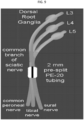
- the common branch of the right sciatic nerve is dissected and a 2 mm long section of pre-split PE-20 tubing is placed around it. Shams undergo the same surgery without cuffing.
- the threshold for ipsi- and contralateral hindpaw withdrawal is determined using von Frey filaments ( Chaplan et al., Quantitative assessment of tactile allodynia in the rat paw, J Neurosci Methods, 53:55-63, PMID: 7990513(1994 )).Mice are placed in clear Plexiglas boxes on an elevated mesh screen. Calibrated von Frey filaments are applied to the plantar surface of each hindpaw (0.16-15 gm).
- the "up-down method” ( Chaplan et al., Quantitative assessment of tactile allodynia in the rat paw, J Neurosci Methods, 53:55-63, PMID: 7990513(1994 )) is used to determine the withdrawal threshold.
- Cold allodynia is assessed using acetone.
- a 10 ⁇ L volume of acetone is propelled via air burst from a 200 ⁇ L pipette onto the mid-plantar surface of the hind paw without touching the skin.
- Time spent elevating/licking/biting/shaking the stimulated paw, up to 15 sec, is measured with a stop watch.
- Each paw is stimulated 5x, allowing 5 min to elapse between successive paw stimulations.
- Tissues are immunolabeled using commercial primary antibodies, as we described ( Kurland et al., The Sur1-Trpm4 channel regulates NOS2 transcription in TLR4-activated microglia, J Neuroinflammation, 13:130, PMID: 27246103 (2016 )).
- Immuno- FRET Form Resonance Energy Transfer
- Immuno-FRET which is used to determine heteromeric co-assembly of Sur1 and Trpm4 is performed as we described ( Mehta et al., Sur1-Trpm4 Cation Channel Expression in Human Cerebral Infarcts, J Neuropathol Exp Neural, 74:835-49, PMID: 26172285 (2015 )). Immunoblot and qPCR.
- Fresh tissues are flash-frozen and are processed for immunoblot and qPCR as we described ( Kurland et al., The Sur1-Trpm4 channel regulates NOS2 transcription in TLR4-activated microglia, J Neuroinflammation, 13:130, PMID: 27246103 (2016 )).
- EXAMPLE 2 - Glibenclamide reduces pain behaviors after PNI.
- mice underwent sciatic n. cuffing ( Yalcin et al., The sciatic nerve cuffing model of neuropathic pain in mice, J Vis Exp, PMID 25078668 (2014 )). and on day21, were treated with either vehicle or glibenclamide.
- mechanical (von Frey filaments) and thermal (acetone) allodynia developed within 1 week of PNI ( Fig. 10A,B , red vs. black).
- anxiety open field and elevated plus maze
- depression-like behavior tail suspension
- mice treated with glibenclamide (10 ⁇ g/day intraperitoneal [ IP ]) starting on day21 both mechanical and thermal allodynia, as well as anxiety and depression-like behaviors were significantly ameliorated by glibenclamide ( Fig. 10C-E , green). Note the gradual but complete reversal of mechanical allodynia that required 2-3 weeks of drug treatment ( Fig. 10A ).
- SUR1 and TRPM4 reduces pain behaviors after PNI.
- the salutary effects of glibenclamide noted above could be due to blockade of either K ATP (SUR1-KIR6.2) or SUR1-TRPM4 channels or an off-target effect.
- Mechanical allodynia von Frey filaments developed within 1 week in WT controls, as above, but failed to develop in either Abcc8 KO or Trpm4 KO mice ( Fig. 11 ).
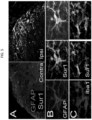
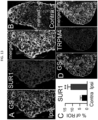
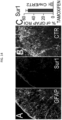
- SUR1-TRPM4 upregulation in dorsal horn astrocytes Spinal cord tissues from untreated mice with PNI from the experiment of Fig. 10 were examined after euthanasia on day49 to determine expression of SUR1-TRPM4. Ipsilateral but not contralateral dorsal horn astrocytes showed marked upregulation of SUR1 and TRPM4 ( Fig. 5A,B , D ). Förster Resonance Energy Transfer ( FRET ) showed that the two ion channel subunits co-assembled to form heterodimers, consistent with the formation of functional SUR1-TRPM4 channels ( Fig. 5E ). Immunoblot and qPCR confirmed upregulation of channel subunits ( Fig. 5F ). By contrast, co-labeling for Iba1 showed minimal SUR1 in microglia/macrophages ( Fig. 5C ).
- Glibenclamide decreases IL-6, CCL2 and CXCL1 in dorsal horn astrocytes.
- Spinal cord tissues from mice from the experiment of Fig. 10 also were examined for cytokines/chemokines.
- ipsilateral but not contralateral dorsal horn astrocytes showed prominent activation (GFAP upregulation), and upregulation of IL-6, CCL2 and CXCL1 ( Fig.
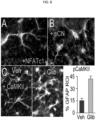
- mice from Fig. 10 that were treated with glibenclamide, analysis of spinal cord tissues showed that ipsilateral dorsal horn astrocytes exhibited significant reductions in IL-6, CCL2 and CXCL1 ( Fig. 6D ), consistent with glibenclamide reducing astrocyte expression of these cytokines/chemokines.
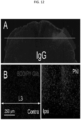
- Glibenclamide enters the inflamed dorsal horn. Normally the BBB is not permeable to glibenclamide ( Lahmann et al., Systemic Administration of Glibenclamide Fails to Achieve Therapeutic Levels in the Brain and Cerebrospinal Fluid of Rodents, PLoS One, 10:e0134476, PMID 26225433 (2015 )), but in PNI, the blood-spinal cord barrier is leaky, with extravasation of serum proteins that persists at least 4-8 weeks ( Gordh et al., Chronic spinal nerve ligation induces microvascular permeability disturbances, astrocytic reaction, and structural changes in the rat spinal cord, Acta Neurochir Suppl, 96:335-40, PMID 16671481 (2006 ); Echeverry et al., Peripheral nerve injury alters blood-spinal cord barrier functional and molecular integrity through a selective inflammatory pathway, J Neurosci, 31:10819-28
- DRG Dorsal root Ganglion
- neurons Apart from dorsal horn, we also studied the DRG, where neurons express K ATP . After PNI, neurons showed minimal changes in SUR1.
- DRG satellite cells which co-label for glutamine synthase, showed marked upregulation of SUR1 compared to contralateral DRG ( Fig. 13A,B,C ).
- SUR1 upregulation in DRG satellite cells was accompanied by upregulation of TRPM4 ( Fig. 13D ).
- SUR1 expression in glia was previously implicated in key pathogenic signaling (( Makar et al.,Silencing of Abcc8 or inhibition of newly upregulated Sur1-Trpm4 reduce inflammation and disease progression in experimental autoimmune encephalomyelitis, J Neuroinflammation, 12:210, PMID 26581714 (2015 ); Gerzanich et al., Salutary effects of glibenclamide during the chronic phase of murine experimental autoimmune encephalomyelitis, J Neuroinflammation, 14:177, PMID 28865458 (2017 )).
- the Abcc8 loxP/loxP / GFAP -Cre/ERT2 mouse is based on Abcc8-flox mice (loxP sites inserted to flank exon 2 of the Abcc8 gene) on a C57BL6 background, generated and characterized by Nakamura and Bryan ( Nakamura et al., Targeting SUR1/Abcc8-type neuroendocrine KATP Channels in Pancreatic Islet Cells, PLoS One, 9:e91525, PMID 24621811 (2014 )).
- Cre-lox GFAP strain has been well characterized, especially in the spinal cord, and has been used extensively for targeting Cre-mediated recombination in glia.
- Cre recombinase expression by itself did not appear to contribute to the phenotype of interest - there were no differences in astrocytic expression of Abcc8 /SUR1 or CCL2 between WT and GFAP -Cre/ERT2 mice.
- Controls for GFAP-specific KO experiments are WT Cre/ERT2 siblings ( Abcc8 +/+ / GFAP -Cre/ERT2), to compensate for any unobserved but possible GFAP- Cre/ERT2 phenotype.
- GFAP is upregulated not only by dorsal horn astrocytes, but by peripheral glial cells, including dorsal root ganglion ( DRG ) satellite cells ( Triolo et al., Loss of glial fibrillary acidic protein (GFAP) impairs Schwann cell proliferation and delays nerve regeneration after damage, J Cell Sci, 119:3981-93, PMID 16988027 (2006 )) and non-myelinating Schwann cells ( Triolo et al., Loss of glial fibrillary acidic protein (GFAP) impairs Schwann cell proliferation and delays nerve regeneration after damage, J Cell Sci, 119:3981-93, PMID 16988027 (2006 )) in the sciatic n.
- DRG dorsal root ganglion
- K ATP channels (with SUR1 subunits) are expressed in the DRG ( Zoga et al., KATP channel subunits in rat dorsal root ganglia: alterations by painful axotomy, Mol Pain, 6:6, PMID 20102598 (2010 )) and in paranodal sites of nodes of Ranvier and the Schmidt-Lanterman incisures of Schwann cells.
- K ATP channels mediate anti-nociception mediated by analgesics.
- Glibenclamide normally is excluded from the un injured CNS ( Lahmann et al., Systemic Administration of Glibenclamide Fails to Achieve Therapeutic Levels in the Brain and Cerebrospinal Fluid of Rodents, PLoS One, 10:e0134476, PMID 26225433 (2015 )). However, in data developed for this example, we show that glibenclamide does in fact enter into the spinal cord at the segments from which the injured nerve originates ( Fig.
- glibenclamide In oral pill form, glibenclamide is not appropriate for use by non-diabetic patients, due to the risk of hypoglycemia.
- infusion of an appropriate dose of injectable glibenclamide has been shown to be safe in non-diabetics, yielding serum levels below the hypoglycemic threshold ( ⁇ 45 ng/mL) ( Sheth et al., Safety and efficacy of intravenous glyburide on brain swelling after large hemispheric infarction (GAMES-RP): a randomised, double-blind, placebo-controlled phase 2 trial, Lancet Neurol, 15:1160-9, PMID 27567243 (2016 )).
- transdermal patches of glibenclamide could be used in patients with neuropathic pain.
- some side effects of glibenclamide have been reported, with some diabetic patients experiencing diarrhea, dizziness, headache, heartburn, nausea, gas and weight gain, in addition to altered glucose levels. Such side effects may not be well tolerated in some patients.
- an alternative administration route can be intrathecal glibenclamide, e.g., administered via implanted pump.
- Our pilot data demonstrate that intrathecal treatment for suppression of SUR1 is highly effective at reducing allodynia.
- Intrathecal glibenclamide administration using an FDA-approved implanted pump is now standard-of-care for baclofen, used in the treatment of spasticity.
- Medtronic ® an FDA-approved implanted pump
- myPTM personal therapy manager
- the Medtronic SynchroMed II pump and catheter are implanted under the skin and deliver pain medication into the intrathecal space.
- analgesics such a system can be used to deliver an injectable formulation of glibenclamide.
- glibenclamide administered via transdermal skin patches, glibenclamide administered intrathecally, and/or glibenclamide administered by other routes of administration as described herein or as would be understood by a person of ordinary skill in the art can be used to treat patients having neuropathic pain.
- glibenclamide unlike opioids, glibenclamide does not modify normal mechanical or thermal sensitivity, but exerts antihypersensitivity (antiallodynic) effects only in sensitizing conditions.
- a drug-eluting perineural device preloaded with endoxifen, is placed loosely around the sciatic n. of Abcc8 loxP/loxP / GFAP -Cre/ERT2 mice to administer endoxifen locally ( Zadelaar et al., Local Cre-mediated gene recombination in vascular smooth muscle cells in mice, Transgenic Res, 15:31-6, PMID 16475008 (2006 ); Benedykcinska et al., Generation of brain tumours in mice by Cre-mediated recombination of neural progenitors in situ with the tamoxifen metabolite endoxifen, Dis Model Mech,;9:211-20, PMID 26704996 (2016 )), directly on the nerve for 5 days, 30 days before nerve cuffing.
- Endoxifen (Sigma) is first blended with polyethylene glycol ( PEG ) and the blend is mixed with molten poly( ⁇ -caprolactone) ( PCL ) at 70 °C.
- the PCL:PEG ratio is 4:1 (w/w).
- Drug-loaded devices are made from the molten endoxifen-polymer mixture and designed to fit around the sciatic n. of mice. Drug-eluting devices have the shape of a longitudinal cut cylinder with an internal diameter of 0.6 mm, an external diameter of 1 mm, a length of 2 mm, and a weight of ⁇ 5 mg. Devices are loaded with 1% (w/w) endoxifen. Following surgery, incisions are closed with interrupted 5-0 nylon sutures. The mouse is recovered from anesthesia on a warming blanket.
- the infusion cannula of a Brain infusion kit (30 gauge cannula; Brain Infusion kit 3) is advanced stereotactically 1 mm into the thecal sac and is secured to the spine with cement.
- the infusion cannula is connected to a mini-osmotic pump (#2002; 0.5 ⁇ L/hr; Alzet) for infusion of glibenclamide (3-30 ng/hr ⁇ 2 weeks) or endoxifen (5 mM in 40% DMSO ⁇ 5 days).Pumps are removed surgically at the indicated times.
- WT C57BL/6J mice, and GFAP-Cre/ERT2 mice (B6.Cg-Tg(GFAP-cre/ERT2)505Fmv/J; stock number 012849) are obtained from The Jackson Laboratory (Bar Harbor, ME).
- Abcc8 -floxed mice were generated and characterized in detail by Bryan and colleagues ( Nakamura et al., Targeting SUR1/Abcc8-type neuroendocrine KATP Channels in Pancreatic Islet Cells, PLoS One, 9:e91525, PMID 24621811 (2014 ); Seghers et al., Sur1 knockout mice.
- a model for K(ATP) channel-independent regulation of insulin secretion J Biol Chem, 275:9270-7, PMID 10734066 (2000 ), who generously provided us with breeders.
- Tamoxifen-inducible Abcc8 loxP/loxP / GFAP- Cre/ERT2 knock-out mice are produced by crossing homozygous Abcc8 -floxed mice with heterozygous tamoxifen-inducible GFAP/CreERT2 mice in which the Cre recombinase, fused to a mutated estrogen ligand-binding domain (ERT2) that requires the presence of tamoxifen for activity, is under the control of the GFAP promoter.
- ERT2 mutated estrogen ligand-binding domain
- a drug-eluting perineural device preloaded with endoxifen, is placed loosely around the sciatic n. of Abcc8 loxP/loxP / GFAP -Cre/ERT2 mice to administer endoxifen locally ( Zadelaar et al., Local Cre-mediated gene recombination in vascular smooth muscle cells in mice, Transgenic Res, 15:31-6, PMID 16475008 (2006 ); Benedykcinska et al., Generation of brain tumours in mice by Cre-mediated recombination of neural progenitors in situ with the tamoxifen metabolite endoxifen, Dis Model Mech,;9:211-20, PMID 26704996 (2016 )), directly on the nerve for 7 days before nerve cuffing.
- endoxifen (Sigma) is first blended with PEG before this blend is mixed with molten poly( ⁇ -caprolactone) ( PCL ) at 70 °C.
- PCL poly( ⁇ -caprolactone)
- the PCL:PEG ratio is 4:1 (w/w).
- Drug-loaded devices are made from the blended molten endoxifen-polymer mixture and designed to fit around the sciatic n. of mice. Drug-eluting devices have the shape of a longitudinal cut cylinder with an internal diameter of 0.6 mm, an external diameter of 1 mm, a length of 2 mm, and a weight of approximately 5 mg. Devices are loaded with 1% (w/w) endoxifen. Following surgery, incisions are closed with interrupted 5-0 nylon sutures. The mouse is recovered from anesthesia on a warming blanket, then is returned to its cage.
- the spinous processes of L6-S1 are removed using a high speed surgical drill, and the dura between them is punctured using a 27-g needle.
- the infusion cannula of a Brain infusion kit (30 gauge cannula; Brain Infusion kit 3) is advanced stereotactically 1 mm into the thecal sac and is secured in place with cement.
- the infusion cannula is connected to a mini-osmotic pump (#2001; 1.0 ⁇ L/hr; Alzet), which is implanted in a subcutaneous pocket on the dorsal thorax, for infusion of endoxifen (5 mM in 40% DMSO) ⁇ 7 days.
- EXAMPLE 4 Various formulations and routes of administration of glibenclamide are effective at ameliorating neuropathic pain behaviors following peripheral nerve injury.
- mice On day -1, adult male mice were assessed for baseline tactile (von Frey filaments) and thermal (Hargreaves plantar test; IITC Inc. Life Sciences) sensation, and exhibited normal function.
- all mice Under day 0, all mice underwent unilateral sciatic nerve cuffing, in which a 2 mm long section of pre-split PE-20 tubing is placed around the right sciatic nerve under sterile conditions ( Yalcin et al., The sciatic nerve cuffing model of neuropathic pain in mice, J Vis Exp, PMID 25078668 (2014 )).
- repeat testing of tactile (von Frey filaments) and thermal (Hargreaves method) sensation revealed significant neuropathic pain behaviors, including mechanical allodynia, and thermal hyperalgesia.
- mice were randomly assigned to one of three groups (5 mice/group): [1] placebo; [2] slow-release glibenclamide pellets implanted subcutaneously (pellets release glibenclamide, 12 ⁇ g/day ⁇ 21 days; catalogue #G-101; Innovative Research of America); [3] intrathecal glibenclamide, delivered at lumbar 5, using an implanted Alzet Brain infusion kit and mini-osmotic pump (#2002), delivering glibenclamide 5 ng/hour (0.5 ⁇ L/hour) ⁇ 14 days.
Landscapes
- Health & Medical Sciences (AREA)
- Chemical & Material Sciences (AREA)
- Medicinal Chemistry (AREA)
- Pharmacology & Pharmacy (AREA)
- Life Sciences & Earth Sciences (AREA)
- Animal Behavior & Ethology (AREA)
- General Health & Medical Sciences (AREA)
- Public Health (AREA)
- Veterinary Medicine (AREA)
- Epidemiology (AREA)
- Biomedical Technology (AREA)
- Engineering & Computer Science (AREA)
- Dermatology (AREA)
- Neurosurgery (AREA)
- Nuclear Medicine, Radiotherapy & Molecular Imaging (AREA)
- Bioinformatics & Cheminformatics (AREA)
- Neurology (AREA)
- Chemical Kinetics & Catalysis (AREA)
- General Chemical & Material Sciences (AREA)
- Organic Chemistry (AREA)
- Physiology (AREA)
- Nutrition Science (AREA)
- Pharmaceuticals Containing Other Organic And Inorganic Compounds (AREA)
- Medicines That Contain Protein Lipid Enzymes And Other Medicines (AREA)
Claims (12)
- Mittel, das die Aktivität eines NCCa-ATP-Kanals hemmt, zur Verwendung bei der Behandlung von neuropathischem Schmerz bei einem Individuum, das dies benötigt, durch Verabreichung einer wirksamen Menge des Mittels an das Individuum, wobei das Mittel a) ein SUR1-Antagonist; oder b) ein Antagonist des Transient-Receptor-Potential-Kationenkanal-Unterfamilie-M-Mitglieds 4 (TRPM4) ist,wobei der SUR1-Antagonist aus der aus Glibenclamid (Glyburid), Tolbutamid, Acetohexamid, Chlorpropamid, Tolazimid, Glipizid, Gliquidon, Repaglinid, Nateglinid, Meglitinid, Gliclazid, Glimepirid, Repaglinid, Nateglinid und Mitiglinid bestehenden Gruppe ausgewählt ist undwobei der TRPM4-Antagonist aus Flufenaminsäure, Mefenaminsäure und Nifluminsäure ausgewählt ist.
- Mittel zur Verwendung nach Anspruch 1, wobei das Mittel durch intravenöse, subkutane, intramuskuläre, intrakutane, transkutane, intragastrische oder orale Verabreichung verabreicht wird.
- Mittel zur Verwendung nach Anspruch 1 oder 2, wobei das Mittel dem Individuum in einer Dosis von weniger als 500 mg pro Tag verabreicht wird.
- Mittel zur Verwendung nach einem der Ansprüche 1-3, wobei das Mittel dem Individuum in einer Dosis von weniger als 0,8 mg/kg Körpergewicht innerhalb eines Zeitraums von 24 Stunden verabreicht wird.
- Mittel zur Verwendung nach einem der Ansprüche 1-4, wobei das Verfahren weiters die Verabreichung eines zusätzlichen Therapeutikums an das Individuum umfasst, um Schmerz zu behandeln.
- Mittel zur Verwendung nach einem der Ansprüche 1-5, wobei das Mittel, das die Aktivität eines NCCa-ATP-Kanals hemmt, Glibenclamid oder Tolbutamid ist.
- Mittel zur Verwendung nach einem der Ansprüche 1-6, wobei die dem Individuum verabreichte Menge des Mittels, das die Aktivität eines NCCa-ATP-Kanals hemmt, im Bereich von etwa 0,0001 µg/kg/Tag bis etwa 20 mg/kg/Tag liegt, vorzugsweise im Bereich von etwa 0,01 µg/kg/Tag bis etwa 100 µg/kg/Tag, noch bevorzugter im Bereich von etwa 100 µg/kg/Tag bis etwa 20 mg/kg/Tag.
- Mittel zur Verwendung nach einem der Ansprüche 1-7, wobei das Mittel, das die Aktivität eines NCCa-ATP-Kanals hemmt, als Bolusinjektion verabreicht wird.
- Mittel zur Verwendung nach einem der Ansprüche 1-8, wobei das Mittel, das die Aktivität eines NCCa-ATP-Kanals hemmt, als Infusion verabreicht wird.
- Mittel zur Verwendung nach einem der Ansprüche 1-9, wobei das Mittel, das die Aktivität eines NCCa-ATP-Kanals hemmt, als Bolusinjektion in Kombination mit einer Infusion verabreicht wird.
- Mittel zur Verwendung nach einem der Ansprüche 1-10, wobei das Mittel als Aufsättigungsdosis verabreicht wird.
- Mittel zur Verwendung nach einem der Ansprüche 1-11, wobei das Individuum an einer peripheren Nervenverletzung leidet.
Applications Claiming Priority (2)
| Application Number | Priority Date | Filing Date | Title |
|---|---|---|---|
| US201862636118P | 2018-02-27 | 2018-02-27 | |
| PCT/US2019/019852 WO2019168997A1 (en) | 2018-02-27 | 2019-02-27 | Compositions and methods for treating pain |
Publications (4)
| Publication Number | Publication Date |
|---|---|
| EP3758692A1 EP3758692A1 (de) | 2021-01-06 |
| EP3758692A4 EP3758692A4 (de) | 2021-11-17 |
| EP3758692C0 EP3758692C0 (de) | 2024-08-21 |
| EP3758692B1 true EP3758692B1 (de) | 2024-08-21 |
Family
ID=67805583
Family Applications (1)
| Application Number | Title | Priority Date | Filing Date |
|---|---|---|---|
| EP19760644.5A Active EP3758692B1 (de) | 2018-02-27 | 2019-02-27 | Verbindungen und verfahren zur behandlung von schmerzen |
Country Status (3)
| Country | Link |
|---|---|
| US (1) | US20210046094A1 (de) |
| EP (1) | EP3758692B1 (de) |
| WO (1) | WO2019168997A1 (de) |
Families Citing this family (1)
| Publication number | Priority date | Publication date | Assignee | Title |
|---|---|---|---|---|
| EP4117785A4 (de) | 2020-03-13 | 2024-04-17 | Marc J. Simard | Verfahren zur behandlung von multipler sklerose |
Family Cites Families (7)
| Publication number | Priority date | Publication date | Assignee | Title |
|---|---|---|---|---|
| US20040229803A1 (en) * | 2003-04-22 | 2004-11-18 | Pharmacia Corporation | Compositions of a cyclooxygenase-2 selective inhibitor and a potassium ion channel modulator for the treatment of pain, inflammation or inflammation mediated disorders |
| US10583094B2 (en) * | 2004-09-18 | 2020-03-10 | University Of Maryland | Therapeutic methods that target the NCCA-ATP channel |
| CA2618099C (en) * | 2007-02-09 | 2016-09-20 | University Of Maryland, Baltimore | Antagonists of a non-selective cation channel in neural cells |
| US20100316678A1 (en) * | 2007-06-28 | 2010-12-16 | Cnsbio Pty Ltd. | Combination methods and compositions for treatment of neuropathic pain |
| CN105769897A (zh) * | 2016-03-02 | 2016-07-20 | 卢连伟 | 一种含瑞格列奈治疗糖尿病足的药物组合物及其制备方法 |
| CN105884716A (zh) * | 2016-05-19 | 2016-08-24 | 王昌荣 | 一种格列本脲的药物组合物及其医药用途 |
| WO2018023035A1 (en) * | 2016-07-29 | 2018-02-01 | Biogen Chesapeake Llc | Methods of medical treatment with sur1-trpm4 channel inhibitors |
-
2019
- 2019-02-27 EP EP19760644.5A patent/EP3758692B1/de active Active
- 2019-02-27 US US16/976,414 patent/US20210046094A1/en active Pending
- 2019-02-27 WO PCT/US2019/019852 patent/WO2019168997A1/en not_active Ceased
Also Published As
| Publication number | Publication date |
|---|---|
| US20210046094A1 (en) | 2021-02-18 |
| WO2019168997A1 (en) | 2019-09-06 |
| EP3758692C0 (de) | 2024-08-21 |
| EP3758692A1 (de) | 2021-01-06 |
| EP3758692A4 (de) | 2021-11-17 |
Similar Documents
| Publication | Publication Date | Title |
|---|---|---|
| Wahlman et al. | Chemotherapy-induced pain is promoted by enhanced spinal adenosine kinase levels through astrocyte-dependent mechanisms | |
| RU2633481C2 (ru) | Лечение воспалительных повреждений при розацеа с помощью ивермектина | |
| JP6625071B2 (ja) | 慢性疼痛用のナトリウムチャネルを標的とする非麻薬性crmp2ペプチド | |
| KR20150135242A (ko) | C1 에스터라제 억제제 결핍과 관련된 장애의 예방 및 치료를 위한 c1-inh 조성물 및 방법 | |
| WO2013020966A1 (en) | Treatment of neurodegenerative diseases | |
| EP2719380A2 (de) | SUR1-Hemmer für therapeutische Zwecke | |
| EA023380B1 (ru) | Комбинация пилокарпина и метимазола для лечения заболевания шарко-мари-тута и связанных с ним нарушений | |
| TW202432172A (zh) | Cgrp拮抗劑及梭菌衍生物之組合療法 | |
| CN107835694A (zh) | 用于治疗炎症性肠病的模型、方法和组合物 | |
| US20190328770A1 (en) | Compositions of smad7 antisense oligonucleotide and methods of treating or preventing psoriasis | |
| EP3758692B1 (de) | Verbindungen und verfahren zur behandlung von schmerzen | |
| WO2015157500A1 (en) | Class iia hdac inhibitors for the treatment of infection | |
| US20210244728A1 (en) | Method of treating peripheral neuropathy | |
| EP1223930B1 (de) | Behandlung von dyskinesie | |
| CN114887063B (zh) | Pacsin1在抑制瑞芬太尼诱发的痛觉过敏中的应用 | |
| US20230165880A1 (en) | Compositions and methods for treating lung injury | |
| JP7527001B2 (ja) | 疼痛の予防及び/又は治療用医薬組成物、並びに、疼痛抑制物質のスクリーニング方法 | |
| Chang et al. | α6GABAA receptor positive allosteric modulators targeting trigeminal ganglia for preventing and aborting chronic periorbital allodynia and cephalic pain in both sexes: A mechanistic and comparative preclinical study | |
| CN115381953B (zh) | Zip1在抑制瑞芬太尼诱发的痛觉过敏中的应用 | |
| CA3190205C (en) | Analgesic and antipruritic pharmaceutical composition and application thereof | |
| WO2015035414A1 (en) | Treating neurological disorders | |
| US20250092388A1 (en) | Microrna-33 inhibitors and use thereof in the treatment of pulmonary fibrosis | |
| US11446264B2 (en) | Memory manipulation via modification of protein kinase C zeta activity | |
| CN107375933A (zh) | 热休克蛋白70抑制剂在制备阿片类药物镇痛增强剂中的用途 | |
| US20230167448A1 (en) | Double Stranded RNA Specifically Inhibiting Expression of IL-23 and Pharmaceutical Composition Comprising Same |
Legal Events
| Date | Code | Title | Description |
|---|---|---|---|
| STAA | Information on the status of an ep patent application or granted ep patent |
Free format text: STATUS: THE INTERNATIONAL PUBLICATION HAS BEEN MADE |
|
| PUAI | Public reference made under article 153(3) epc to a published international application that has entered the european phase |
Free format text: ORIGINAL CODE: 0009012 |
|
| STAA | Information on the status of an ep patent application or granted ep patent |
Free format text: STATUS: REQUEST FOR EXAMINATION WAS MADE |
|
| 17P | Request for examination filed |
Effective date: 20200925 |
|
| AK | Designated contracting states |
Kind code of ref document: A1 Designated state(s): AL AT BE BG CH CY CZ DE DK EE ES FI FR GB GR HR HU IE IS IT LI LT LU LV MC MK MT NL NO PL PT RO RS SE SI SK SM TR |
|
| AX | Request for extension of the european patent |
Extension state: BA ME |
|
| DAV | Request for validation of the european patent (deleted) | ||
| DAX | Request for extension of the european patent (deleted) | ||
| A4 | Supplementary search report drawn up and despatched |
Effective date: 20211018 |
|
| RIC1 | Information provided on ipc code assigned before grant |
Ipc: A61P 25/00 20060101ALI20211012BHEP Ipc: A61K 9/00 20060101ALI20211012BHEP Ipc: A61K 45/06 20060101ALI20211012BHEP Ipc: A61K 31/64 20060101ALI20211012BHEP Ipc: A61K 31/56 20060101ALI20211012BHEP Ipc: A61K 31/24 20060101ALI20211012BHEP Ipc: A61K 31/17 20060101AFI20211012BHEP |
|
| STAA | Information on the status of an ep patent application or granted ep patent |
Free format text: STATUS: EXAMINATION IS IN PROGRESS |
|
| 17Q | First examination report despatched |
Effective date: 20231201 |
|
| GRAP | Despatch of communication of intention to grant a patent |
Free format text: ORIGINAL CODE: EPIDOSNIGR1 |
|
| STAA | Information on the status of an ep patent application or granted ep patent |
Free format text: STATUS: GRANT OF PATENT IS INTENDED |
|
| INTG | Intention to grant announced |
Effective date: 20240325 |
|
| GRAS | Grant fee paid |
Free format text: ORIGINAL CODE: EPIDOSNIGR3 |
|
| GRAA | (expected) grant |
Free format text: ORIGINAL CODE: 0009210 |
|
| STAA | Information on the status of an ep patent application or granted ep patent |
Free format text: STATUS: THE PATENT HAS BEEN GRANTED |
|
| P01 | Opt-out of the competence of the unified patent court (upc) registered |
Free format text: CASE NUMBER: APP_36843/2024 Effective date: 20240620 |
|
| AK | Designated contracting states |
Kind code of ref document: B1 Designated state(s): AL AT BE BG CH CY CZ DE DK EE ES FI FR GB GR HR HU IE IS IT LI LT LU LV MC MK MT NL NO PL PT RO RS SE SI SK SM TR |
|
| REG | Reference to a national code |
Ref country code: GB Ref legal event code: FG4D |
|
| REG | Reference to a national code |
Ref country code: CH Ref legal event code: EP |
|
| REG | Reference to a national code |
Ref country code: DE Ref legal event code: R096 Ref document number: 602019057426 Country of ref document: DE |
|
| REG | Reference to a national code |
Ref country code: IE Ref legal event code: FG4D |
|
| U01 | Request for unitary effect filed |
Effective date: 20240919 |
|
| P04 | Withdrawal of opt-out of the competence of the unified patent court (upc) registered |
Free format text: CASE NUMBER: APP_55106/2024 Effective date: 20241007 |
|
| U07 | Unitary effect registered |
Designated state(s): AT BE BG DE DK EE FI FR IT LT LU LV MT NL PT RO SE SI Effective date: 20241010 |
|
| P05 | Withdrawal of opt-out of the competence of the unified patent court (upc) changed |
Free format text: CASE NUMBER: APP_55106/2024 Effective date: 20241010 |
|
| PG25 | Lapsed in a contracting state [announced via postgrant information from national office to epo] |
Ref country code: GR Free format text: LAPSE BECAUSE OF FAILURE TO SUBMIT A TRANSLATION OF THE DESCRIPTION OR TO PAY THE FEE WITHIN THE PRESCRIBED TIME-LIMIT Effective date: 20241122 Ref country code: PL Free format text: LAPSE BECAUSE OF FAILURE TO SUBMIT A TRANSLATION OF THE DESCRIPTION OR TO PAY THE FEE WITHIN THE PRESCRIBED TIME-LIMIT Effective date: 20240821 |
|
| PG25 | Lapsed in a contracting state [announced via postgrant information from national office to epo] |
Ref country code: IS Free format text: LAPSE BECAUSE OF FAILURE TO SUBMIT A TRANSLATION OF THE DESCRIPTION OR TO PAY THE FEE WITHIN THE PRESCRIBED TIME-LIMIT Effective date: 20241221 |
|
| PG25 | Lapsed in a contracting state [announced via postgrant information from national office to epo] |
Ref country code: HR Free format text: LAPSE BECAUSE OF FAILURE TO SUBMIT A TRANSLATION OF THE DESCRIPTION OR TO PAY THE FEE WITHIN THE PRESCRIBED TIME-LIMIT Effective date: 20240821 |
|
| PG25 | Lapsed in a contracting state [announced via postgrant information from national office to epo] |
Ref country code: ES Free format text: LAPSE BECAUSE OF FAILURE TO SUBMIT A TRANSLATION OF THE DESCRIPTION OR TO PAY THE FEE WITHIN THE PRESCRIBED TIME-LIMIT Effective date: 20240821 Ref country code: RS Free format text: LAPSE BECAUSE OF FAILURE TO SUBMIT A TRANSLATION OF THE DESCRIPTION OR TO PAY THE FEE WITHIN THE PRESCRIBED TIME-LIMIT Effective date: 20241121 |
|
| PG25 | Lapsed in a contracting state [announced via postgrant information from national office to epo] |
Ref country code: RS Free format text: LAPSE BECAUSE OF FAILURE TO SUBMIT A TRANSLATION OF THE DESCRIPTION OR TO PAY THE FEE WITHIN THE PRESCRIBED TIME-LIMIT Effective date: 20241121 Ref country code: PL Free format text: LAPSE BECAUSE OF FAILURE TO SUBMIT A TRANSLATION OF THE DESCRIPTION OR TO PAY THE FEE WITHIN THE PRESCRIBED TIME-LIMIT Effective date: 20240821 Ref country code: IS Free format text: LAPSE BECAUSE OF FAILURE TO SUBMIT A TRANSLATION OF THE DESCRIPTION OR TO PAY THE FEE WITHIN THE PRESCRIBED TIME-LIMIT Effective date: 20241221 Ref country code: HR Free format text: LAPSE BECAUSE OF FAILURE TO SUBMIT A TRANSLATION OF THE DESCRIPTION OR TO PAY THE FEE WITHIN THE PRESCRIBED TIME-LIMIT Effective date: 20240821 Ref country code: GR Free format text: LAPSE BECAUSE OF FAILURE TO SUBMIT A TRANSLATION OF THE DESCRIPTION OR TO PAY THE FEE WITHIN THE PRESCRIBED TIME-LIMIT Effective date: 20241122 Ref country code: ES Free format text: LAPSE BECAUSE OF FAILURE TO SUBMIT A TRANSLATION OF THE DESCRIPTION OR TO PAY THE FEE WITHIN THE PRESCRIBED TIME-LIMIT Effective date: 20240821 |
|
| U20 | Renewal fee for the european patent with unitary effect paid |
Year of fee payment: 7 Effective date: 20250227 |
|
| PG25 | Lapsed in a contracting state [announced via postgrant information from national office to epo] |
Ref country code: SM Free format text: LAPSE BECAUSE OF FAILURE TO SUBMIT A TRANSLATION OF THE DESCRIPTION OR TO PAY THE FEE WITHIN THE PRESCRIBED TIME-LIMIT Effective date: 20240821 |
|
| PGFP | Annual fee paid to national office [announced via postgrant information from national office to epo] |
Ref country code: NO Payment date: 20250227 Year of fee payment: 7 |
|
| PG25 | Lapsed in a contracting state [announced via postgrant information from national office to epo] |
Ref country code: CZ Free format text: LAPSE BECAUSE OF FAILURE TO SUBMIT A TRANSLATION OF THE DESCRIPTION OR TO PAY THE FEE WITHIN THE PRESCRIBED TIME-LIMIT Effective date: 20240821 |
|
| PG25 | Lapsed in a contracting state [announced via postgrant information from national office to epo] |
Ref country code: SK Free format text: LAPSE BECAUSE OF FAILURE TO SUBMIT A TRANSLATION OF THE DESCRIPTION OR TO PAY THE FEE WITHIN THE PRESCRIBED TIME-LIMIT Effective date: 20240821 |
|
| PGFP | Annual fee paid to national office [announced via postgrant information from national office to epo] |
Ref country code: GB Payment date: 20250227 Year of fee payment: 7 |
|
| PLBE | No opposition filed within time limit |
Free format text: ORIGINAL CODE: 0009261 |
|
| STAA | Information on the status of an ep patent application or granted ep patent |
Free format text: STATUS: NO OPPOSITION FILED WITHIN TIME LIMIT |
|
| 26N | No opposition filed |
Effective date: 20250522 |
|
| PG25 | Lapsed in a contracting state [announced via postgrant information from national office to epo] |
Ref country code: MC Free format text: LAPSE BECAUSE OF FAILURE TO SUBMIT A TRANSLATION OF THE DESCRIPTION OR TO PAY THE FEE WITHIN THE PRESCRIBED TIME-LIMIT Effective date: 20240821 |
|
| REG | Reference to a national code |
Ref country code: CH Ref legal event code: PL |
|
| PG25 | Lapsed in a contracting state [announced via postgrant information from national office to epo] |
Ref country code: CH Free format text: LAPSE BECAUSE OF NON-PAYMENT OF DUE FEES Effective date: 20250228 |
|
| PG25 | Lapsed in a contracting state [announced via postgrant information from national office to epo] |
Ref country code: IE Free format text: LAPSE BECAUSE OF NON-PAYMENT OF DUE FEES Effective date: 20250227 |