EP3740586B1 - Screening-verfahren für substanzen, die schlechte gerüche aus hundeemansionen verringern - Google Patents
Screening-verfahren für substanzen, die schlechte gerüche aus hundeemansionen verringern Download PDFInfo
- Publication number
- EP3740586B1 EP3740586B1 EP19703507.4A EP19703507A EP3740586B1 EP 3740586 B1 EP3740586 B1 EP 3740586B1 EP 19703507 A EP19703507 A EP 19703507A EP 3740586 B1 EP3740586 B1 EP 3740586B1
- Authority
- EP
- European Patent Office
- Prior art keywords
- bacteria
- substances
- lyase
- enzyme
- vsc
- Prior art date
- Legal status (The legal status is an assumption and is not a legal conclusion. Google has not performed a legal analysis and makes no representation as to the accuracy of the status listed.)
- Active
Links
Images






Classifications
-
- C—CHEMISTRY; METALLURGY
- C12—BIOCHEMISTRY; BEER; SPIRITS; WINE; VINEGAR; MICROBIOLOGY; ENZYMOLOGY; MUTATION OR GENETIC ENGINEERING
- C12Q—MEASURING OR TESTING PROCESSES INVOLVING ENZYMES, NUCLEIC ACIDS OR MICROORGANISMS; COMPOSITIONS OR TEST PAPERS THEREFOR; PROCESSES OF PREPARING SUCH COMPOSITIONS; CONDITION-RESPONSIVE CONTROL IN MICROBIOLOGICAL OR ENZYMOLOGICAL PROCESSES
- C12Q1/00—Measuring or testing processes involving enzymes, nucleic acids or microorganisms; Compositions therefor; Processes of preparing such compositions
- C12Q1/527—Measuring or testing processes involving enzymes, nucleic acids or microorganisms; Compositions therefor; Processes of preparing such compositions involving lyase
-
- C—CHEMISTRY; METALLURGY
- C12—BIOCHEMISTRY; BEER; SPIRITS; WINE; VINEGAR; MICROBIOLOGY; ENZYMOLOGY; MUTATION OR GENETIC ENGINEERING
- C12Q—MEASURING OR TESTING PROCESSES INVOLVING ENZYMES, NUCLEIC ACIDS OR MICROORGANISMS; COMPOSITIONS OR TEST PAPERS THEREFOR; PROCESSES OF PREPARING SUCH COMPOSITIONS; CONDITION-RESPONSIVE CONTROL IN MICROBIOLOGICAL OR ENZYMOLOGICAL PROCESSES
- C12Q1/00—Measuring or testing processes involving enzymes, nucleic acids or microorganisms; Compositions therefor; Processes of preparing such compositions
- C12Q1/02—Measuring or testing processes involving enzymes, nucleic acids or microorganisms; Compositions therefor; Processes of preparing such compositions involving viable microorganisms
- C12Q1/025—Measuring or testing processes involving enzymes, nucleic acids or microorganisms; Compositions therefor; Processes of preparing such compositions involving viable microorganisms for testing or evaluating the effect of chemical or biological compounds, e.g. drugs, cosmetics
-
- C—CHEMISTRY; METALLURGY
- C12—BIOCHEMISTRY; BEER; SPIRITS; WINE; VINEGAR; MICROBIOLOGY; ENZYMOLOGY; MUTATION OR GENETIC ENGINEERING
- C12Q—MEASURING OR TESTING PROCESSES INVOLVING ENZYMES, NUCLEIC ACIDS OR MICROORGANISMS; COMPOSITIONS OR TEST PAPERS THEREFOR; PROCESSES OF PREPARING SUCH COMPOSITIONS; CONDITION-RESPONSIVE CONTROL IN MICROBIOLOGICAL OR ENZYMOLOGICAL PROCESSES
- C12Q1/00—Measuring or testing processes involving enzymes, nucleic acids or microorganisms; Compositions therefor; Processes of preparing such compositions
- C12Q1/02—Measuring or testing processes involving enzymes, nucleic acids or microorganisms; Compositions therefor; Processes of preparing such compositions involving viable microorganisms
- C12Q1/18—Testing for antimicrobial activity of a material
-
- G—PHYSICS
- G01—MEASURING; TESTING
- G01N—INVESTIGATING OR ANALYSING MATERIALS BY DETERMINING THEIR CHEMICAL OR PHYSICAL PROPERTIES
- G01N21/00—Investigating or analysing materials by the use of optical means, i.e. using sub-millimetre waves, infrared, visible or ultraviolet light
- G01N21/62—Systems in which the material investigated is excited whereby it emits light or causes a change in wavelength of the incident light
- G01N21/63—Systems in which the material investigated is excited whereby it emits light or causes a change in wavelength of the incident light optically excited
- G01N21/64—Fluorescence; Phosphorescence
-
- G—PHYSICS
- G01—MEASURING; TESTING
- G01N—INVESTIGATING OR ANALYSING MATERIALS BY DETERMINING THEIR CHEMICAL OR PHYSICAL PROPERTIES
- G01N2469/00—Immunoassays for the detection of microorganisms
-
- G—PHYSICS
- G01—MEASURING; TESTING
- G01N—INVESTIGATING OR ANALYSING MATERIALS BY DETERMINING THEIR CHEMICAL OR PHYSICAL PROPERTIES
- G01N2496/00—Reference solutions for assays of biological material
Definitions
- the present invention relates to a method for screening for substances of compositions that can reduce malodour in the emanations, including the breath or faeces, of dog.
- Bacteria found in the oral cavity or in faecal matter of companion animals such as dogs and cats, is known to be different to that found in humans and it has been recognised that cognisance has to be taken of this when developing products to counter periodontal disease of such animals (see Holcombe et al. PLoS ONE, 2014, 9(12) p. e113744 ).
- VSCs volatile sulphur compounds
- VSCs which give drive the perception of oral malodour in companion animals ( Culham 1998 J Vet Dent 15(4): 165-168 ).
- VSCs may include the products of sulfuric amino acid breakdown, including hydrogen sulphide and the sulphydryl anion as well as methyl mercaptan.
- the present invention provides a method for screening substances for their ability to reduce malodours from emanations from a dog, said method comprising determining the effect of said substances on the C-S lyase activity of bacteria that emit volatile sulphuric compounds (VSCs), by contacting a test substance with a sample comprising said bacteria or a supernatant obtainable from a culture of said bacteria in the presence of a substrate for a C-S lyase, detecting the levels of thiol production from said bacteria using a fluorimetric method, and comparing the results with those obtained from similar bacteria in the absence of said substance, wherein the bacteria are selected from the group consisting of Porphyromonas macacae, Synergistales sp., Peptostreptococcus hiranonis, and Neisseria zoodegmatis.
- VSCs volatile sulphuric compounds
- the method of the invention provides an efficient and effective in vitro screening method, with a good expectation that substances which impact on bacterial C-S lyase activity will have an impact on VSC emission and thus reduce malodour from the said companion animal. If a substance is able to inhibit the enzyme activity, for example by inhibiting or killing the bacteria, it would be expected to be of use in the context of the product that may be administered to a companion animal to reduce, minimize or eliminate malodours.
- the method of the invention does not include homogenisation and/or lysis steps. Rather, in the method if the invention a test substance is contacted with a sample comprising the bacteria itself (i.e. intact, whole bacterial cells) or a supernatant obtainable from a culture of the bacteria.
- the expression 'high throughput screening process' refers to processes which can test multiple compounds for example 50 or more compounds for example from a compound library, simultaneously, using a procedure which is at least partially automated.
- the sample comprises live bacteria
- it more closely mimics the situation found within the oral cavity in particular, since in those cases, it is live bacteria that effect or contribute to the amino acid breakdown.
- the screening method of the invention more closely resembles that found in the 'live' situation and so compounds positively identified may be more likely to be effective in those situations.
- a particular example a C-S lyase whose activity can be determined using the method of the invention includes cystathione- ⁇ -lyase.
- C-S lyase enzymes cleave amino acids to produce thiols and VSCs.
- suitable substrates for the enzymes for use in the method include sulphur containing amino acids, in particular cysteine, methionine, or derivatives of these such as benzylcysteine.
- the levels of thiol production from the bacteria are suitably detected using a method which is amenable to high-throughput screening.
- Such methods may include Gas Chromatography (GC) techniques, although these may require complex laboratory equipment.
- GC Gas Chromatography
- thiol production is detected using a fluorometric method, where a fluorescent signal is generated by the presence of thiol and this signal may be assessed either qualitatively or quantitatively using a fluorimeter.
- a fluorimeter may be used to efficiently and effectively determine the signal of multiple samples simultaneously, for example, where these are arranged in wells of a multi-well plate such as a 96-well plate or even a 384-well plate.
- the levels of activity of the enzyme may be determined fluorometrically, by culturing the bacteria in the presence of both the substrate for the enzyme, such as benzylcysteine, and fluorescent signalling reagent such as a bimane dye derivative, for instance, a halobimane such as monobromobimane (3-(bromomethyl)-2,5,6-trimethyl-1 H ,7 H -pyrazolo[1,2- a ]pyrazole-1,7-dione).
- a bimane dye derivative for instance, a halobimane such as monobromobimane (3-(bromomethyl)-2,5,6-trimethyl-1 H ,7 H -pyrazolo[1,2- a ]pyrazole-1,7-dione).
- the halo group becomes displaced by the thiol, resulting in the thiol acquiring a fluorescent label, which can be detected following illumination in a fluorimeter, at the appropriate wavelength. Any reduction in fluorescent signal between a sample of bacteria cultured in the presence of a test substance as compared to the signal generated by a similar sample but in the absence of such test substance will be indicative of a beneficial effect.
- live bacteria may be contacted with the test substances in culture.
- conventional incubation methods and media may be utilised. Aerobic or anaerobic conditions may be used depending upon the particular bacteria being cultured, but in a particular embodiment, the bacteria are cultured anaerobically.
- Bacterial samples used in the method are suitably cultured at physiologically acceptable temperatures for example in the range of 20-60°C, such as from 25-40°C, and in particular at 37°C.
- a suitable culture medium such as Brain Heart Infusion (BHI) media is suitably employed to support the bacteria during the culture process.
- BHI Brain Heart Infusion
- Samples are suitably incubated with the test substance for sufficient time to allow a clear and detectable signal to develop. This will depend upon factors such as the precise detection method used and the concentration of bacteria present in the sample, but will typically be in the range of from 5 minutes to 180 minutes, such as from 20 - 120 minutes, for example from 40 - 75 minutes (1 hour 15 minutes).
- sample size used in the method may be quite small, in particular where the fluorometric method described above is employed. Sample sizes may suitably be in the range of from 1-1000 ⁇ L, for example from 10-300 ⁇ l, or from 25-250 ⁇ l. The use of small samples is particularly efficient for high throughput screening purposes.
- the concentration of bacteria may be quite low.
- the culture may be one having an optical density measured at a wavelength of 600nm (OD600) in the range of from 0.05 to 1.0, for example about 0.5.
- An excess of the enzyme substrate such as benzylcysteine may be included in the sample under test, to ensure that a clear signal is obtained, which is indicative of the level of enzyme present.
- the precise amount of substrate used will depend upon factors such as the amount and type of bacteria present, but will typically be in the range of from 1-10mM, for example about 4mM.
- concentration of the signalling moiety such as the fluorescent dye (for instance, the bimane dye) will also vary depending upon the nature of the dye, the concentration of the bacteria and the nature and amount of enzyme substrate added. However, typically the dye such as monobromobimane is present at a concentration of from 10-500mM, for example about 100mM.
- a co-enzyme such as pyridoxal-5'-phosphate may also be added to the sample to catalyse the enzymatic reaction.
- concentration of the co-enzyme will vary depending upon the nature of the co-enzyme and the enzyme, as well as the concentration of the bacteria, but will typically be in the range of from 0. 1-200 ⁇ M, for example about 10 ⁇ M.
- test substance used in the method should be at a concentration that would be orally acceptable as described below, if administered to a companion animal. This will vary depending upon the nature of the substance. Typically however, the substance will be added in a concentration of from 1 to 500 ⁇ M.
- the bacteria used in the method may be of any bacterial strain that emits VSCs selected from the group consisting of Porphyromonas macacae, Synergistales sp., Peptostreptococcus hiranonis, and Neisseria zoodegmatis.
- the bacterial strain is able to emit high levels of VSCs under normal conditions, as this will provide a greater degree of sensitivity in the test.
- Levels of VSCs emitted may be determined using any of the techniques described above. What constitutes ⁇ high levels' of VSC emission in accordance with the present invention are levels which are at least equivalent to those emitted from Fusobacterium nucleatum. This can be measured using any of the test methods described herein, including the lead acetate method, where the results obtained from the test strain would be at least as dark, or darker than those obtained using F. nucleatum.
- the bacteria used in the test is a sample of a strain which is found either in the oral cavity of said animal or in faecal matter from said animal.
- screening methods can be provided which are specific for the particular animal.
- the animal is a dog.
- the bacteria used in the method may be one or more bacteria which has been identified as being present in the oral cavity or in faecal matter of a particular type of dog.
- This may be determined using conventional methods, for example by analysis of bacterial strains found in faecal matter, of from the oral cavity, in particular, in plaque biofilms such as subgingival plaque, or from saliva, the buccal region or dorsum part of the tongue, of one or more companion animals.
- those which are emitters of VSCs and in particular, high emitters of VSCs may be identified, and selected as the one or more bacteria for use in the screening method. Identification of the key bacteria is suitably done by empirical means using techniques known in the art, for example fluorometric methods described above.
- the emission of VSCs and in particular hydrogen sulfide may be determine colourimetrically, by using a reagent such as lead acetate or bismuth trichloride, which changes colour and in particular, forms a black coloration or precipitate when mixed with hydrogen sulfide.
- a reagent such as lead acetate or bismuth trichloride
- Other colorimetric techniques include the use of functionalised gold nanorods as described for example by Zhang et al. Analyst, 140(21):7443-7450 .
- VSC emitters may also be detected using methods such as the detection of amines in saliva using a mixture of caderverine and putrescine, ( Dadamio et al.
- UV absorption methods may be used to monitor VSC production, for example using a microplate coated with Nafion polymer doped with silver ions, which react with volatile hydrogen sulfide to produce Ag 2 S nanoparticles which have strong absorbance in the low UV range ( Jarosz et al. (2013) Chemistry, 85(7): 3638-3643 ) or the production of nitrobenzofurazan ( Montoya et al. (2013) J. Org. Chem. 78(13):6550-655 7 ).
- the bacteria may be cultured in a closed vessel which contains a strip of lead acetate paper.
- the lead acetate When exposed to hydrogen sulphide, the lead acetate is converted to lead sulphide which is black, and thus the paper darkens.
- This colour change may be assessed either visually, or using a spectrometer, and the result compared with strips obtained from other bacteria under similar conditions. The darker the resultant paper, the higher the level of VSC emitted by that particular bacteria.
- bismuth trichloride may be added to a culture so that the appearance of a black precipitate is indicative of the presence of hydrogen sulfide.
- the method further comprises a step of determining the level at which bacteria found in the oral cavity or faecal matter emit VSCs and selecting bacteria for use in the method which emit the higher levels of VSCs.
- the bacteria used in the method are found in the oral cavity or faecal matter of a dog, in particular bacteria found in the oral cavity of a dog.
- Bacterial strains obtainable from the oral cavity of a companion animal and in particular dogs may include Bacteroides species, Bacterioides heparinolyticum, Bergeyella species such as Bergeyella zoohelcum, Campylobacter species, Capnocytophaga species, Chloroflexi species, Fusobacterium species such as Fusobacterium nucleatum (which may occur in the oral cavity of humans as well as companion animals), Lachnospiraceae species, Moraxella species, Neisseria species such as Neisseria animaloris or Neisseria zoodegmatis, Pasteurella species such as Pasteurella dogmatis, Peptostreptococcaceae species such as Peptostreptococcus hiranonis, Porphyromonas species such as Porphyromonas cangingivalis, Porphyromonas gingivicanis, Porphyromonas gulae or Porphyromonas macacae, or Syner
- the bacteria used are selected from the group consisting of Porphyromonas macacae, Synergistales sp., Peptostreptococcus hiranonis, and Neisseria zoodegmatis.
- the bacteria used in the method are one or more bacteria selected from the group listed in Table 1 below and in particular are selected from the group consisting of Porphyromonas macacae (in particular Porphyromonas macacae COT-192 OH2631 (Genbank Accession no. NZ_JRFB00000000), Synergistales sp., Peptostreptococcus hiranonis and Neisseria zoodegmatis.
- the bacteria used in the method are one or more bacteria selected from the group consisting of Porphyromonas_macacae COT-192 OH2631 (Genbank Accession no. NZ_JRFB00000000) or Synergistales sp..
- VSCs volatile sulphuric compounds
- the method will be carried out using more than one strain of bacteria, and in particular up to 5 different strains of VSC emitting bacteria.
- Bacteria may be oral bacteria or fecal bacteria or in a particular embodiment, a combination of both. Bacteria of different strains may be tested individually or in combined cultures where available. Desirably however, the or each bacterial culture used in the method comprises a single strain, as this provides better reliability and consistency across the screening process.
- faecal bacteria may be isolated from faecal matter using conventional isolation techniques, for example as illustrated in the Example hereinafter.
- the substances selected from the screening method are desirably those which inhibit VSC production from more than one and preferably all of the bacteria tested using the method.
- the substances used in the method are desirably orally acceptable substances.
- the expression ⁇ orally acceptable substance' refers to compounds or compositions of matter that are non-toxic or have a toxicity level which is low enough to allow the substance to be administered to the companion animal at regular intervals and in a dosage that will produce an effect on malodour, either from the animal's mouth or faecal matter.
- the selection of such substances may be made at a preliminary stage in the screening process, for example by selecting only those substances which are known to have acceptable toxicity levels, or by carrying out toxicity testing of compounds either before or after screening.
- substances identified using the method may subsequently be subjected to toxicity testing to further select for the usefulness in a product for the treatment of malodour.
- the screening method provided can comprises, consist essentially of, or consist of any or the particular steps described above, or any combination of these steps, in any number or any order.
- COT Canine Oral Taxon, an identification system used at HOMINGS systems for microbial taxonomy. All strains used were isolated from canine oral cavities. Strain identification was made within 98% identity to the Genbank identifications and type strain mentioned above.
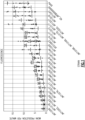
- Fresh BHI was used as the negative control. All samples were conditioned in an anaerobic cabinet at 38C° for at least half an hour prior to the following steps. A 50 ⁇ L of 0.05 % (w/w) cysteine solution was then added to the samples. In this case, a lead acetate strip was placed so as to hang from the lid of # vial in order to avoid contact with the solution. Samples were incubated for one hour anaerobically. Lead acetate strips were then removed from the vials and visually measured for their colour intensity in a scale of 0-10 with 10 being the most intense black.
- Results are shown in Figure 2 .
- bacteria which were either high VSC emitters and/or isolable from various areas of a dog's mouth were selected for further work. These were Escherichia coli DH5, Porphyromonas macacae (JN713359 and NZ_JRFB00000000), Synergistales sp. (JN713343), Peptostreptococcus hiranonis (JN713315), Fusobacterium nucleatum (OH65) and Neisseria zoodegmatis (JN713518).
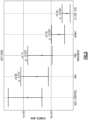
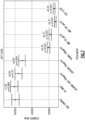
- Chlorohexidine is a widely prescribed antiseptic in the form of an oral rinse after oral surgery whereas the other three tested actives are known inhibitors for VSC producing enzymes, i.e. cystathionine ⁇ synthase (CBS) and cystathionine ⁇ lyase(CSE). Only CHX has been reported to have activity as an antiseptic or disinfectant. This demonstrates that the method is capable of identifying and evaluating enzyme inhibitors as well as antimicrobials.
- CBS cystathionine ⁇ synthase
- CSE cystathionine ⁇ lyase
- mBB method in particular leverages the enzyme degradation of amino acid to VSC, therefore it will be able to screen out masking agents.
- Example 2 The method of Example 2 was then repeated using a range of substances of unknown activity. These are listed in the following Table 3. Table 3 Active Comments Vitamin C (ascorbic acid) The optimal pH for the target enzyme is in the alkaline range. The impact on addition of food grade acid and lowering pH may impact on enzyme activity Tea polyphenol (catechin) Green tea extract is included in many products active in breath freshening. Polyphenols and catechins have previously been reported as having anti-VSC- activity Thymol An active anti-microbial in commercial mouthwash and thus often used as the positive control for personal care/food grade oral care products where comparison with prescription antiseptic such as chlorhexidine may not be relevant. Magnolia Bark Extract (MBE) known food grade anti-microbial natural product (see for example USP8012514 ) Chlorhexidine The gold standard antiseptic for oral microbiology
- Chlorhexidine (CHX) acted as a positive control, and buffer (Neg control) and 1% DMSO as negative controls. 1% DMSO was also used to dissolve the actives.
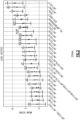
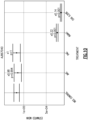
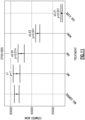
- Figure 7 shows the results from canine oral bacteria and Figure 8 with human oral bacteria often used as the gold standard for bad breath causing bacteria (Fusobacterium nucleatum).
- Figure 8 confirms that the method works with human oral species and thus validates results from canine oral bacteria.
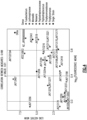
- Example 2 The method of Example 2 was repeated using two canine faecal bacteria, alongside two canine oral bacteria. The results are shown in Figure 9 . These results show that VSCs are produced, albeit in lower levels, by faecal bacteria and that therefore the method of the invention may be used to screen substances that could impact on faecal malodour also.
- any substances tested would either be required to administered orally, and so be resistant to degradation in the stomach, and/or be formulated with for example an enteric coating, to protect the substance as it passes through the gut of the companion animal.
- example 2 was repeated using two strains of fecal bacteria isolated from canine faeces.
- canine faeces were suspended in nutrient broth to form a faecal slurry. Dilutions of the slurry were inoculated on varied type of agar plates and incubated in anaerobic conditions. Individual bacterial colonies were selected and re-streaked on the same type of agar for isolation, and propagated. Isolated bacterial species were then stored by suspending in BHI/glycerol solution and frozen at -80°C. Strains were then raised by taking a loop of inoculum from the frozen vial, steaking on Columbia blood agar and incubating in anaerobic conditions for a minimum of 24 hours. Species are then identified by 16S sequencing for selection.
Landscapes
- Chemical & Material Sciences (AREA)
- Life Sciences & Earth Sciences (AREA)
- Health & Medical Sciences (AREA)
- Organic Chemistry (AREA)
- Engineering & Computer Science (AREA)
- Zoology (AREA)
- Wood Science & Technology (AREA)
- Proteomics, Peptides & Aminoacids (AREA)
- Bioinformatics & Cheminformatics (AREA)
- Biochemistry (AREA)
- Analytical Chemistry (AREA)
- Immunology (AREA)
- Physics & Mathematics (AREA)
- General Health & Medical Sciences (AREA)
- Genetics & Genomics (AREA)
- General Engineering & Computer Science (AREA)
- Biophysics (AREA)
- Biotechnology (AREA)
- Microbiology (AREA)
- Molecular Biology (AREA)
- Toxicology (AREA)
- Medicinal Chemistry (AREA)
- Pathology (AREA)
- Nuclear Medicine, Radiotherapy & Molecular Imaging (AREA)
- General Physics & Mathematics (AREA)
- Measuring Or Testing Involving Enzymes Or Micro-Organisms (AREA)
Claims (8)
- Verfahren zum Screening von Substanzen auf ihre Fähigkeit, schlechte Gerüche aus den Ausdünstungen eines Hundes zu reduzieren, wobei das Verfahren Bestimmen der Wirkung der Substanzen auf die C-S-Lyase-Aktivität von Bakterien, die flüchtige Schwefelverbindungen (VSC) ausstoßen, umfasst, durch Inkontaktbringen einer Testsubstanz mit einer Probe, die die Bakterien oder einen Überstand umfasst, der aus einer Kultur der Bakterien erhalten wird, in Gegenwart eines Substrats für eine C-S-Lyase, Erkennen der Pegel der Thiolproduktion von den Bakterien unter Verwendung eines fluorimetrischen Verfahrens und Vergleichen der Ergebnisse mit denjenigen, die von ähnlichen Bakterien in Abwesenheit der Substanz erhalten wurden,
wobei die Bakterien aus der Gruppe ausgewählt sind, die aus Porphyromonas macacae, Synergistales sp., Peptostreptococcus hiranonis und Neisseria zoodegmatis besteht. - Verfahren nach Anspruch 1, wobei die Probe lebende Bakterien umfasst.
- Verfahren nach einem der vorhergehenden Ansprüche, wobei die C-S-Lyase Cystathion-β-Lyase ist und das Substrat Benzylcystein ist.
- Verfahren nach einem vorhergehenden Anspruch, wobei die Pegel der C-S-Lyase-Aktivität durch Kultivieren lebender Bakterien in der Gegenwart sowohl eines Substrats für das Enzym als auch eines Indikators, der mit einem Thiol reagiert, um ein Fluoreszenzsignal zu produzieren, bestimmt werden.
- Verfahren nach Anspruch 4, wobei der Indikator ein Biman-Farbstoffderivat ist.
- Verfahren nach einem der vorhergehenden Ansprüche, bei dem der Probe ein Coenzym zugesetzt wird, um die enzymatische Reaktion zu katalysieren.
- Verfahren nach Anspruch 6, wobei das Coenzym Pyridoxal-5'-phosphat ist.
- Verfahren nach einem vorhergehenden Anspruch, das unter Verwendung von mehr als einem Bakterienstamm durchgeführt wird und das ferner Auswählen von Zielsubstanzen zur Behandlung von schlechtem Geruch umfasst, die die VSC-Produktion von mehr als einem der unter Verwendung des erfindungsgemäßen Verfahrens getesteten Bakterienstämme hemmen.
Applications Claiming Priority (3)
| Application Number | Priority Date | Filing Date | Title |
|---|---|---|---|
| GBGB1800632.0A GB201800632D0 (en) | 2018-01-15 | 2018-01-15 | Screening method |
| GBGB1804489.1A GB201804489D0 (en) | 2018-03-21 | 2018-03-21 | Screening method |
| PCT/US2019/013694 WO2019140455A1 (en) | 2018-01-15 | 2019-01-15 | Screening method |
Publications (2)
| Publication Number | Publication Date |
|---|---|
| EP3740586A1 EP3740586A1 (de) | 2020-11-25 |
| EP3740586B1 true EP3740586B1 (de) | 2024-11-13 |
Family
ID=65279719
Family Applications (1)
| Application Number | Title | Priority Date | Filing Date |
|---|---|---|---|
| EP19703507.4A Active EP3740586B1 (de) | 2018-01-15 | 2019-01-15 | Screening-verfahren für substanzen, die schlechte gerüche aus hundeemansionen verringern |
Country Status (3)
| Country | Link |
|---|---|
| US (2) | US11591635B2 (de) |
| EP (1) | EP3740586B1 (de) |
| WO (1) | WO2019140455A1 (de) |
Family Cites Families (3)
| Publication number | Priority date | Publication date | Assignee | Title |
|---|---|---|---|---|
| US7347985B2 (en) | 2002-06-25 | 2008-03-25 | Wm. Wrigley Jr. Company | Breath freshening and oral cleansing product with magnolia bark extract |
| WO2006079934A2 (en) * | 2005-01-31 | 2006-08-03 | Firmenich Sa | Inhibition of sweat malodour |
| EP2172767A1 (de) | 2008-10-06 | 2010-04-07 | Sony Corporation | Sensor für Thiol-Analyten |
-
2019
- 2019-01-15 US US16/962,474 patent/US11591635B2/en active Active
- 2019-01-15 WO PCT/US2019/013694 patent/WO2019140455A1/en not_active Ceased
- 2019-01-15 EP EP19703507.4A patent/EP3740586B1/de active Active
-
2023
- 2023-02-16 US US18/170,196 patent/US12084709B2/en active Active
Non-Patent Citations (1)
| Title |
|---|
| FLOYD E. DEWHIRST ET AL: "The Canine Oral Microbiome", PLOS ONE, vol. 7, no. 4, 19 April 2012 (2012-04-19), pages e36067, XP055134278, DOI: 10.1371/journal.pone.0036067 * |
Also Published As
| Publication number | Publication date |
|---|---|
| US12084709B2 (en) | 2024-09-10 |
| US20230203561A1 (en) | 2023-06-29 |
| US11591635B2 (en) | 2023-02-28 |
| WO2019140455A1 (en) | 2019-07-18 |
| EP3740586A1 (de) | 2020-11-25 |
| US20210079446A1 (en) | 2021-03-18 |
Similar Documents
| Publication | Publication Date | Title |
|---|---|---|
| Yağan et al. | Effect of low‐dose doxycycline on serum oxidative status, gingival antioxidant levels, and alveolar bone loss in experimental periodontitis in rats | |
| Estrela et al. | Control of microorganisms in vitro by calcium hydroxide pastes | |
| Bosshard et al. | Solar disinfection (SODIS) and subsequent dark storage of Salmonella typhimurium and Shigella flexneri monitored by flow cytometry | |
| EP2631648B1 (de) | Therapeutisches Target für Zahnfleischerkrankungen. | |
| Moraru et al. | Superficial mycoses in dogs and cats | |
| Vanhauteghem et al. | Exposure to the proton scavenger glycine under alkaline conditions induces Escherichia coli viability loss | |
| Torabi Delshad et al. | Effect of quorum quenching bacteria on growth, virulence factors and biofilm formation of Yersinia ruckeri in vitro and an in vivo evaluation of their probiotic effect in rainbow trout | |
| CN102482662A (zh) | 硫化氢生成酶抑制剂 | |
| Thapa et al. | Antibiogram of Escherichia coli isolated from avian colibacillosis in Chitwan district of Nepal | |
| EP2789692B1 (de) | Verfahren zur messung von zellen und reagenz zur messung von zellen | |
| Shin et al. | Effects of a composition containing lactoferrin and lactoperoxidase on oral malodor and salivary bacteria: a randomized, double-blind, crossover, placebo-controlled clinical trial | |
| JP7262445B2 (ja) | バチルス・コアグランスを含有する汚染防止組成物 | |
| US12084709B2 (en) | Screening method | |
| Yang et al. | Utilizing curcumin-mediated blue light photodynamic inactivation for Vibrio vulnificus control and quality preservation of Cynoglossus semilaevis | |
| Šupić et al. | Fatal disseminated Pseudomonas aeruginosa infection in a captive green iguana (Iguana iguana) | |
| Ouhara et al. | The differential expression of mgl mRNA by Porphyromonas gingivalis affects the production of methyl mercaptan | |
| Dorogi | Pathological and clinical aspects of the diseases caused by Malassezia species | |
| Pitchiah et al. | Virulence and Antimicrobial Resistance Gene Profiling in Multidrug-Resistant Pseudomonas aeruginosa with Evaluation of Levofloxacin and Amikacin Therapy | |
| KR20140072480A (ko) | 플로르퀴놀론 항생제에 대한 민감도 보유 미생물이용 색소환원법의 개발 및 이를 이용한 진단법 | |
| Bharti et al. | Antibacterial, Antioxidant, Collagenase inhibition, Urease inhibition activities and Chemical composition of the Essential oil and extracts of Cinnamomum zeylanicum bark. | |
| JP2017518347A (ja) | 経口組成物 | |
| KR101804696B1 (ko) | 광을 이용하여 구강 질환을 유발하는 박테리아의 존재 가능성을 관찰 또는 결정하는 방법 및 이를 이용한 박테리아의 제거 방법 | |
| Ito et al. | Myrsinoic acid B inhibits the production of hydrogen sulfide by periodontal pathogens in vitro | |
| Kyrian-Ogbonna et al. | Antibiotic Resistance Patterns of Escherichia coli Detected in Pig Faecal Samples from Anambra State | |
| Mechoub et al. | First comprehensive molecular and phenotypic insights into multidrug resistance and virulence in poultry-associated Enterococcus spp. in Algeria |
Legal Events
| Date | Code | Title | Description |
|---|---|---|---|
| STAA | Information on the status of an ep patent application or granted ep patent |
Free format text: STATUS: UNKNOWN |
|
| STAA | Information on the status of an ep patent application or granted ep patent |
Free format text: STATUS: THE INTERNATIONAL PUBLICATION HAS BEEN MADE |
|
| PUAI | Public reference made under article 153(3) epc to a published international application that has entered the european phase |
Free format text: ORIGINAL CODE: 0009012 |
|
| STAA | Information on the status of an ep patent application or granted ep patent |
Free format text: STATUS: REQUEST FOR EXAMINATION WAS MADE |
|
| 17P | Request for examination filed |
Effective date: 20200812 |
|
| AK | Designated contracting states |
Kind code of ref document: A1 Designated state(s): AL AT BE BG CH CY CZ DE DK EE ES FI FR GB GR HR HU IE IS IT LI LT LU LV MC MK MT NL NO PL PT RO RS SE SI SK SM TR |
|
| AX | Request for extension of the european patent |
Extension state: BA ME |
|
| DAV | Request for validation of the european patent (deleted) | ||
| DAX | Request for extension of the european patent (deleted) | ||
| STAA | Information on the status of an ep patent application or granted ep patent |
Free format text: STATUS: EXAMINATION IS IN PROGRESS |
|
| 17Q | First examination report despatched |
Effective date: 20221011 |
|
| GRAP | Despatch of communication of intention to grant a patent |
Free format text: ORIGINAL CODE: EPIDOSNIGR1 |
|
| STAA | Information on the status of an ep patent application or granted ep patent |
Free format text: STATUS: GRANT OF PATENT IS INTENDED |
|
| INTG | Intention to grant announced |
Effective date: 20240607 |
|
| GRAS | Grant fee paid |
Free format text: ORIGINAL CODE: EPIDOSNIGR3 |
|
| GRAA | (expected) grant |
Free format text: ORIGINAL CODE: 0009210 |
|
| STAA | Information on the status of an ep patent application or granted ep patent |
Free format text: STATUS: THE PATENT HAS BEEN GRANTED |
|
| AK | Designated contracting states |
Kind code of ref document: B1 Designated state(s): AL AT BE BG CH CY CZ DE DK EE ES FI FR GB GR HR HU IE IS IT LI LT LU LV MC MK MT NL NO PL PT RO RS SE SI SK SM TR |
|
| REG | Reference to a national code |
Ref country code: GB Ref legal event code: FG4D |
|
| REG | Reference to a national code |
Ref country code: CH Ref legal event code: EP |
|
| P01 | Opt-out of the competence of the unified patent court (upc) registered |
Free format text: CASE NUMBER: APP_56877/2024 Effective date: 20241017 |
|
| REG | Reference to a national code |
Ref country code: IE Ref legal event code: FG4D |
|
| REG | Reference to a national code |
Ref country code: DE Ref legal event code: R096 Ref document number: 602019061866 Country of ref document: DE |
|
| REG | Reference to a national code |
Ref country code: LT Ref legal event code: MG9D |
|
| REG | Reference to a national code |
Ref country code: NL Ref legal event code: MP Effective date: 20241113 |
|
| PG25 | Lapsed in a contracting state [announced via postgrant information from national office to epo] |
Ref country code: HR Free format text: LAPSE BECAUSE OF FAILURE TO SUBMIT A TRANSLATION OF THE DESCRIPTION OR TO PAY THE FEE WITHIN THE PRESCRIBED TIME-LIMIT Effective date: 20241113 Ref country code: IS Free format text: LAPSE BECAUSE OF FAILURE TO SUBMIT A TRANSLATION OF THE DESCRIPTION OR TO PAY THE FEE WITHIN THE PRESCRIBED TIME-LIMIT Effective date: 20250313 Ref country code: PT Free format text: LAPSE BECAUSE OF FAILURE TO SUBMIT A TRANSLATION OF THE DESCRIPTION OR TO PAY THE FEE WITHIN THE PRESCRIBED TIME-LIMIT Effective date: 20250313 |
|
| PG25 | Lapsed in a contracting state [announced via postgrant information from national office to epo] |
Ref country code: FI Free format text: LAPSE BECAUSE OF FAILURE TO SUBMIT A TRANSLATION OF THE DESCRIPTION OR TO PAY THE FEE WITHIN THE PRESCRIBED TIME-LIMIT Effective date: 20241113 Ref country code: NL Free format text: LAPSE BECAUSE OF FAILURE TO SUBMIT A TRANSLATION OF THE DESCRIPTION OR TO PAY THE FEE WITHIN THE PRESCRIBED TIME-LIMIT Effective date: 20241113 |
|
| REG | Reference to a national code |
Ref country code: AT Ref legal event code: MK05 Ref document number: 1741726 Country of ref document: AT Kind code of ref document: T Effective date: 20241113 |
|
| PG25 | Lapsed in a contracting state [announced via postgrant information from national office to epo] |
Ref country code: BG Free format text: LAPSE BECAUSE OF FAILURE TO SUBMIT A TRANSLATION OF THE DESCRIPTION OR TO PAY THE FEE WITHIN THE PRESCRIBED TIME-LIMIT Effective date: 20241113 |
|
| PG25 | Lapsed in a contracting state [announced via postgrant information from national office to epo] |
Ref country code: ES Free format text: LAPSE BECAUSE OF FAILURE TO SUBMIT A TRANSLATION OF THE DESCRIPTION OR TO PAY THE FEE WITHIN THE PRESCRIBED TIME-LIMIT Effective date: 20241113 |
|
| PG25 | Lapsed in a contracting state [announced via postgrant information from national office to epo] |
Ref country code: NO Free format text: LAPSE BECAUSE OF FAILURE TO SUBMIT A TRANSLATION OF THE DESCRIPTION OR TO PAY THE FEE WITHIN THE PRESCRIBED TIME-LIMIT Effective date: 20250213 |
|
| PG25 | Lapsed in a contracting state [announced via postgrant information from national office to epo] |
Ref country code: LV Free format text: LAPSE BECAUSE OF FAILURE TO SUBMIT A TRANSLATION OF THE DESCRIPTION OR TO PAY THE FEE WITHIN THE PRESCRIBED TIME-LIMIT Effective date: 20241113 Ref country code: GR Free format text: LAPSE BECAUSE OF FAILURE TO SUBMIT A TRANSLATION OF THE DESCRIPTION OR TO PAY THE FEE WITHIN THE PRESCRIBED TIME-LIMIT Effective date: 20250214 Ref country code: AT Free format text: LAPSE BECAUSE OF FAILURE TO SUBMIT A TRANSLATION OF THE DESCRIPTION OR TO PAY THE FEE WITHIN THE PRESCRIBED TIME-LIMIT Effective date: 20241113 |
|
| PG25 | Lapsed in a contracting state [announced via postgrant information from national office to epo] |
Ref country code: PL Free format text: LAPSE BECAUSE OF FAILURE TO SUBMIT A TRANSLATION OF THE DESCRIPTION OR TO PAY THE FEE WITHIN THE PRESCRIBED TIME-LIMIT Effective date: 20241113 |
|
| PG25 | Lapsed in a contracting state [announced via postgrant information from national office to epo] |
Ref country code: RS Free format text: LAPSE BECAUSE OF FAILURE TO SUBMIT A TRANSLATION OF THE DESCRIPTION OR TO PAY THE FEE WITHIN THE PRESCRIBED TIME-LIMIT Effective date: 20250213 |
|
| PG25 | Lapsed in a contracting state [announced via postgrant information from national office to epo] |
Ref country code: SM Free format text: LAPSE BECAUSE OF FAILURE TO SUBMIT A TRANSLATION OF THE DESCRIPTION OR TO PAY THE FEE WITHIN THE PRESCRIBED TIME-LIMIT Effective date: 20241113 |
|
| PG25 | Lapsed in a contracting state [announced via postgrant information from national office to epo] |
Ref country code: DK Free format text: LAPSE BECAUSE OF FAILURE TO SUBMIT A TRANSLATION OF THE DESCRIPTION OR TO PAY THE FEE WITHIN THE PRESCRIBED TIME-LIMIT Effective date: 20241113 |
|
| PG25 | Lapsed in a contracting state [announced via postgrant information from national office to epo] |
Ref country code: EE Free format text: LAPSE BECAUSE OF FAILURE TO SUBMIT A TRANSLATION OF THE DESCRIPTION OR TO PAY THE FEE WITHIN THE PRESCRIBED TIME-LIMIT Effective date: 20241113 |
|
| PG25 | Lapsed in a contracting state [announced via postgrant information from national office to epo] |
Ref country code: RO Free format text: LAPSE BECAUSE OF FAILURE TO SUBMIT A TRANSLATION OF THE DESCRIPTION OR TO PAY THE FEE WITHIN THE PRESCRIBED TIME-LIMIT Effective date: 20241113 |
|
| PG25 | Lapsed in a contracting state [announced via postgrant information from national office to epo] |
Ref country code: SK Free format text: LAPSE BECAUSE OF FAILURE TO SUBMIT A TRANSLATION OF THE DESCRIPTION OR TO PAY THE FEE WITHIN THE PRESCRIBED TIME-LIMIT Effective date: 20241113 |
|
| PG25 | Lapsed in a contracting state [announced via postgrant information from national office to epo] |
Ref country code: CZ Free format text: LAPSE BECAUSE OF FAILURE TO SUBMIT A TRANSLATION OF THE DESCRIPTION OR TO PAY THE FEE WITHIN THE PRESCRIBED TIME-LIMIT Effective date: 20241113 |
|
| PG25 | Lapsed in a contracting state [announced via postgrant information from national office to epo] |
Ref country code: IT Free format text: LAPSE BECAUSE OF FAILURE TO SUBMIT A TRANSLATION OF THE DESCRIPTION OR TO PAY THE FEE WITHIN THE PRESCRIBED TIME-LIMIT Effective date: 20241113 |
|
| REG | Reference to a national code |
Ref country code: DE Ref legal event code: R097 Ref document number: 602019061866 Country of ref document: DE |
|
| REG | Reference to a national code |
Ref country code: CH Ref legal event code: PL |
|
| PG25 | Lapsed in a contracting state [announced via postgrant information from national office to epo] |
Ref country code: SE Free format text: LAPSE BECAUSE OF FAILURE TO SUBMIT A TRANSLATION OF THE DESCRIPTION OR TO PAY THE FEE WITHIN THE PRESCRIBED TIME-LIMIT Effective date: 20241113 |
|
| PG25 | Lapsed in a contracting state [announced via postgrant information from national office to epo] |
Ref country code: MC Free format text: LAPSE BECAUSE OF FAILURE TO SUBMIT A TRANSLATION OF THE DESCRIPTION OR TO PAY THE FEE WITHIN THE PRESCRIBED TIME-LIMIT Effective date: 20241113 Ref country code: LU Free format text: LAPSE BECAUSE OF NON-PAYMENT OF DUE FEES Effective date: 20250115 |
|
| PLBE | No opposition filed within time limit |
Free format text: ORIGINAL CODE: 0009261 |
|
| STAA | Information on the status of an ep patent application or granted ep patent |
Free format text: STATUS: NO OPPOSITION FILED WITHIN TIME LIMIT |
|
| PG25 | Lapsed in a contracting state [announced via postgrant information from national office to epo] |
Ref country code: BE Free format text: LAPSE BECAUSE OF NON-PAYMENT OF DUE FEES Effective date: 20250131 |
|
| PG25 | Lapsed in a contracting state [announced via postgrant information from national office to epo] |
Ref country code: CH Free format text: LAPSE BECAUSE OF NON-PAYMENT OF DUE FEES Effective date: 20250131 |
|
| 26N | No opposition filed |
Effective date: 20250814 |
|
| REG | Reference to a national code |
Ref country code: BE Ref legal event code: MM Effective date: 20250131 |
|
| PG25 | Lapsed in a contracting state [announced via postgrant information from national office to epo] |
Ref country code: IE Free format text: LAPSE BECAUSE OF NON-PAYMENT OF DUE FEES Effective date: 20250115 |
|
| PGFP | Annual fee paid to national office [announced via postgrant information from national office to epo] |
Ref country code: GB Payment date: 20260127 Year of fee payment: 8 |
|
| PGFP | Annual fee paid to national office [announced via postgrant information from national office to epo] |
Ref country code: DE Payment date: 20260128 Year of fee payment: 8 |
|
| PGFP | Annual fee paid to national office [announced via postgrant information from national office to epo] |
Ref country code: FR Payment date: 20260126 Year of fee payment: 8 |