EP3733189B1 - 5a-androst-3b,5,6b-triol und seine analoga zur verwendung bei der behandlung von hämorrhagischem schlaganfall - Google Patents
5a-androst-3b,5,6b-triol und seine analoga zur verwendung bei der behandlung von hämorrhagischem schlaganfall Download PDFInfo
- Publication number
- EP3733189B1 EP3733189B1 EP18893814.6A EP18893814A EP3733189B1 EP 3733189 B1 EP3733189 B1 EP 3733189B1 EP 18893814 A EP18893814 A EP 18893814A EP 3733189 B1 EP3733189 B1 EP 3733189B1
- Authority
- EP
- European Patent Office
- Prior art keywords
- compound
- hemorrhage
- surgery
- caused
- stroke
- Prior art date
- Legal status (The legal status is an assumption and is not a legal conclusion. Google has not performed a legal analysis and makes no representation as to the accuracy of the status listed.)
- Active
Links
Images

Classifications
-
- A—HUMAN NECESSITIES
- A61—MEDICAL OR VETERINARY SCIENCE; HYGIENE
- A61K—PREPARATIONS FOR MEDICAL, DENTAL OR TOILETRY PURPOSES
- A61K31/00—Medicinal preparations containing organic active ingredients
- A61K31/56—Compounds containing cyclopenta[a]hydrophenanthrene ring systems; Derivatives thereof, e.g. steroids
-
- A—HUMAN NECESSITIES
- A61—MEDICAL OR VETERINARY SCIENCE; HYGIENE
- A61K—PREPARATIONS FOR MEDICAL, DENTAL OR TOILETRY PURPOSES
- A61K31/00—Medicinal preparations containing organic active ingredients
- A61K31/56—Compounds containing cyclopenta[a]hydrophenanthrene ring systems; Derivatives thereof, e.g. steroids
- A61K31/565—Compounds containing cyclopenta[a]hydrophenanthrene ring systems; Derivatives thereof, e.g. steroids not substituted in position 17 beta by a carbon atom, e.g. estrane, estradiol
- A61K31/568—Compounds containing cyclopenta[a]hydrophenanthrene ring systems; Derivatives thereof, e.g. steroids not substituted in position 17 beta by a carbon atom, e.g. estrane, estradiol substituted in positions 10 and 13 by a chain having at least one carbon atom, e.g. androstanes, e.g. testosterone
-
- A—HUMAN NECESSITIES
- A61—MEDICAL OR VETERINARY SCIENCE; HYGIENE
- A61K—PREPARATIONS FOR MEDICAL, DENTAL OR TOILETRY PURPOSES
- A61K31/00—Medicinal preparations containing organic active ingredients
- A61K31/56—Compounds containing cyclopenta[a]hydrophenanthrene ring systems; Derivatives thereof, e.g. steroids
- A61K31/565—Compounds containing cyclopenta[a]hydrophenanthrene ring systems; Derivatives thereof, e.g. steroids not substituted in position 17 beta by a carbon atom, e.g. estrane, estradiol
- A61K31/568—Compounds containing cyclopenta[a]hydrophenanthrene ring systems; Derivatives thereof, e.g. steroids not substituted in position 17 beta by a carbon atom, e.g. estrane, estradiol substituted in positions 10 and 13 by a chain having at least one carbon atom, e.g. androstanes, e.g. testosterone
- A61K31/569—Compounds containing cyclopenta[a]hydrophenanthrene ring systems; Derivatives thereof, e.g. steroids not substituted in position 17 beta by a carbon atom, e.g. estrane, estradiol substituted in positions 10 and 13 by a chain having at least one carbon atom, e.g. androstanes, e.g. testosterone substituted in position 17 alpha, e.g. ethisterone
-
- A—HUMAN NECESSITIES
- A61—MEDICAL OR VETERINARY SCIENCE; HYGIENE
- A61K—PREPARATIONS FOR MEDICAL, DENTAL OR TOILETRY PURPOSES
- A61K45/00—Medicinal preparations containing active ingredients not provided for in groups A61K31/00 - A61K41/00
- A61K45/06—Mixtures of active ingredients without chemical characterisation, e.g. antiphlogistics and cardiaca
-
- A—HUMAN NECESSITIES
- A61—MEDICAL OR VETERINARY SCIENCE; HYGIENE
- A61P—SPECIFIC THERAPEUTIC ACTIVITY OF CHEMICAL COMPOUNDS OR MEDICINAL PREPARATIONS
- A61P25/00—Drugs for disorders of the nervous system
-
- A—HUMAN NECESSITIES
- A61—MEDICAL OR VETERINARY SCIENCE; HYGIENE
- A61P—SPECIFIC THERAPEUTIC ACTIVITY OF CHEMICAL COMPOUNDS OR MEDICINAL PREPARATIONS
- A61P7/00—Drugs for disorders of the blood or the extracellular fluid
- A61P7/04—Antihaemorrhagics; Procoagulants; Haemostatic agents; Antifibrinolytic agents
-
- A—HUMAN NECESSITIES
- A61—MEDICAL OR VETERINARY SCIENCE; HYGIENE
- A61P—SPECIFIC THERAPEUTIC ACTIVITY OF CHEMICAL COMPOUNDS OR MEDICINAL PREPARATIONS
- A61P9/00—Drugs for disorders of the cardiovascular system
- A61P9/10—Drugs for disorders of the cardiovascular system for treating ischaemic or atherosclerotic diseases, e.g. antianginal drugs, coronary vasodilators, drugs for myocardial infarction, retinopathy, cerebrovascula insufficiency, renal arteriosclerosis
Definitions
- the present invention relates to a 5 ⁇ -androst-3 ⁇ ,5,6 ⁇ -triol (Triol) and analogues thereof, for use in the treatment of hemorrhagic stroke according to claim 1.
- Stroke is an acute cerebrovascular disease caused by brain tissue injury as a result of sudden rupture of brain blood vessels or inability of blood flow to the brain due to blood vessels blockage, including ischemic cerebral stroke and hemorrhagic stroke.
- cerebrovascular accidents mainly as stroke, have the second highest mortality rate in the world, and are major cause of severe disability and dementia worldwide.
- Global death due to cerebrovascular diseases in 2015 was 6.326 million, including 2.978 million ischemic strokes and 3.348 million hemorrhagic or other strokes.
- Ischemic stroke refers to a sudden occurrence of local blood supply failure in the brain tissue due to various reasons, resulting in lesions and necrosis of cerebral ischemic hypoxic, which further leads to clinically corresponding diseases of neurological function deficit.
- the main types of ischemic stroke include thrombotic cerebral infarction, embolic cerebral infarction, lacunar cerebral infarction, multiple cerebral infarctions, transient ischemic attack (TIA) and so on.
- hemorrhagic stroke also called as encephalorrhagia or cerebral hemorrhage
- encephalorrhagia or cerebral hemorrhage is a series of clinical manifestations of neurological dysfunction resulting from rupture of intracranial blood vessels and leakage of blood into the brain.
- Hemorrhagic stroke has a higher mortality rate in the acute phase than that of ischemic stroke.
- Hemorrhagic strokes are mainly classified as intracerebral hemorrhage (ICH) and subarachnoid hemorrhage (SAH), depending on the different bleeding sites in the brain tissue. ICH and SAH can occur concurrently.
- ICH refers to bleeding caused by rupture of blood vessels in the brain parenchyma
- SAH is a general term for bleeding caused by various reasons that occurs between the pia mater and the arachnoid with blood flowing into the subarachnoid space.
- Hypertension is the most common cause of non-traumatic ICH, and followed by cerebrovascular malformation, cerebral amyloid angiopathy, aneurysm, moyamoya disease, cerebral arteritis, primary or metastatic tumor, surgery, ischemic stroke, infarction, thrombolysis or anticoagulation therapy and so on.
- the common cause of SAH is intracranial aneurysm, and followed by cerebrovascular malformations and hypertensive arteriosclerosis.
- SAH can also be found in arteritis, abnormal vascular network of the pavimentum cerebri, connective tissue diseases, blood diseases, anticoagulation therapy and so on.
- SAH is the most common cause of sudden death from stroke.
- Central nervous system injury may be also caused by surgery, which refers to the direct injury to the nervous tissue during surgical operation performed in the central nervous system (including the brain and notochord) and istopathological changes (including tissue edema, bleeding, microbleeds, infarction and microinfarction) of the nervous system caused by changes in blood supply and bleeding during the operation.
- surgery refers to the direct injury to the nervous tissue during surgical operation performed in the central nervous system (including the brain and notochord) and istopathological changes (including tissue edema, bleeding, microbleeds, infarction and microinfarction) of the nervous system caused by changes in blood supply and bleeding during the operation.
- Common surgeries that cause central nervous system injury include, but are not limited to, intracranial aneurysmal clipping or embolization, brain tumor resection, and other surgeries that directly involve the central nervous system.
- EP 2 591 785 A1 discloses: use of 5 ⁇ -androstane(alkyl)-3 ⁇ ,5,6 ⁇ -triol in preparing neuroprotective drugs.
- the compound has significant protective effect against neuron injuries caused by cerebral ischemia, spinal cord ischemia or hypoxia and has no obvious toxic reaction within effective dose thereof.
- EP 2 620 153 A1 discloses 5 ⁇ -androstane(alkyl)-3 ⁇ ,5,6 ⁇ -triol injection and its preparation.
- CA 2774197 A1 discloses methods to treat specified clinical disorders such as hyperglycemia, typediabetes, arthritis and multiple sclerosis.
- the disclosure also provides methods to identify and characterize drugs, which are characterized in part by eliciting a variable biologic or therapeutic effect on a biomolecule at one time and relative normalization of the biomolecule at another time point.
- Compounds include 17 ⁇ ethynylandrost-5-ene-3 ⁇ , 7 ⁇ , 17 ⁇ -triol or androst-5-ene-3 ⁇ ,4 ⁇ ,16 ⁇ , 17 ⁇ -tetrol,, which can be used as reference standards to facilitate assessing and characterizing such candidate drugs.
- compositions and methods for treating or preventing ischemic injury relate to the use of a neuroprotective steroid, such as progesterone or allopregnanolone, and a thrombolytic agent, such as tissue plasminogen activator (tPA). Also described are compositions and methods for reducing the risks of thrombolytic agent treatment using a neuroprotective steroid.
- a neuroprotective steroid such as progesterone or allopregnanolone
- a thrombolytic agent such as tissue plasminogen activator (tPA).
- tPA tissue plasminogen activator
- the present invention provides use of a compound of formula I, a deuterated analog, or a pharmaceutically acceptable salt thereof for use in the treatment of hemorrhagic stroke, wherein Ri is H, an alkyl or terminal alkenyl having 1 to 5 carbon atoms, or -CH(CH 3 )(CH 2 ) 3 CH(CH 3 ) 2 .
- R 1 is preferably H, and the compound is 5 ⁇ -androst-3 ⁇ ,5,6 ⁇ -triol (also referred to as Triol hereinafter).
- R 1 is selected from a group consisting of -CHCH 2 CH 3 , -CH(CH 3 ) 2 , -CH(CH 2 ) 3 CH 3 and-CH(CH 3 )(CH 2 ) 3 CH(CH 3 ) 2 .
- the present invention provides a method for treating hemorrhagic stroke in a patient, comprising administrating to the patient an effective amount of a compound of formula I, a deuterated analog, or a pharmaceutically acceptable salt thereof; or a pharmaceutical composition comprising the compound of formula I or a deuterated compound or a pharmaceutically acceptable salt thereof; wherein R 1 is H, an alkyl or terminal alkenyl having 1 to 5 carbon atoms, or -CH(CH 3 )(CH 2 ) 3 CH(CH 3 ) 2 .
- R 1 is preferably H. In one embodiment, R 1 is selected from a group consisting of -CHCH 2 CH 3 , -CH(CH 3 ) 2 , -CH(CH 2 ) 3 CH 3 and-CH(CH 3 )(CH 2 ) 3 CH(CH 3 ) 2 .
- the present invention provides a compound of formula I, a deuterated analog, or a pharmaceutically acceptable salt thereof for use in the treatment of hemorrhagic stroke in a patient, wherein R 1 is H, an alkyl or terminal alkenyl having 1 to 5 carbon atoms, or -CH(CH 3 )(CH 2 ) 3 CH(CH 3 ) 2 .
- R 1 is preferably H. In one embodiment, R 1 is selected from a group consisting of -CHCH 2 CH 3 , -CH(CH 3 ) 2 , -CH(CH 2 ) 3 CH 3 and-CH(CH 3 )(CH 2 ) 3 CH(CH 3 ) 2 .
- the intracerebral stroke manifests as blood outflowing caused by fracture or breakage of vessel in brain tissue.
- the hemorrhagic stroke is intracerebral hemorrhage (ICH) such as hypertensive intracerebral hemorrhage.
- ICH intracerebral hemorrhage
- the intracerebral hemorrhage is intracerebral hemorrhage caused by cerebrovascular malformation, cerebral amyloid angiopathy, aneurysm, moyamoya disease, cerebral arteritis, primary or metastatic tumor, ischemic stroke infarction, surgery, or thrombolytic or anticoagulant therapy.
- the hemorrhagic stroke is subarachnoid hemorrhage (SAH), such as a subarachnoid hemorrhage caused by intracranial aneurysm.
- the subarachnoid hemorrhage is a subarachnoid hemorrhage caused by cerebrovascular malformation, hypertensive arteriosclerosis, arteritis, abnormal vascular network at the base of brain, connective tissue disease, blood disease, surgery, or anticoagulation therapy.
- the hemorrhagic stroke is the complication of the intracerebral hemorrhage and subarachnoid hemorrhage, including but not limited to, the complication of intracerebral hemorrhage and subarachnoid hemorrhage caused by hypertension, cerebrovascular malformation, ischemic stroke infarction, brain amyloid angiopathy, aneurysm, moyamoya disease, cerebral arteritis, primary or metastatic tumor, hypertensive arteriosclerosis, arteritis, abnormal vascular network of pavimentum cerebri, connective tissue disease, blood disease, surgery, intracranial aneurysm , or thrombolysis or anticoagulation treatment.
- the hemorrhagic stroke is caused by surgery.
- the hemorrhagic stroke is intracerebral hemorrhage (ICH) caused by surgery, subarachnoid hemorrhage (SAH) caused by surgery, or a complication of both.
- the surgery is referred to a surgery directly involving the central nervous system.
- the surgery is referred to intracranial aneurysmal clipping or embolization, or brain tumor resection.
- the medicament further includes additional therapeutic agents.
- the patient is a human patient.
- composition refers to a formulation suitable for administration to an expected animal subject for therapeutic purposes, which comprises at least one pharmaceutically active component, such as a compound.
- the composition further comprises at least one pharmaceutically acceptable carrier or excipient.
- pharmaceutically acceptable means that the substance does not have the property that, considering the disease or condition to be treated and the respective route of administration, will allow rational and prudent medical practitioners to avoid administering the substance to the patient. For example, for injectables, it is often required that such substance is substantially sterile.
- the terms “therapeutically effective amount” and “effective amount” mean that the substance and the amount of the substance are effective to prevent, alleviate or ameliorate one or more symptoms of a disease or condition, and/or prolong the survival of the subject receiving the treatment.
- treatment includes the administration of a compound of the present application or a pharmaceutically acceptable salt thereof to alleviate the symptoms or complications of a disease or condition, or to eliminate the disease or condition.
- alleviate as used herein is used to describe the process of reducing the severity of signs or symptoms of a disorder. Symptoms can be alleviated but not eliminated.
- administration of the pharmaceutical composition of the present application results in the elimination of signs or symptoms.
- intracerebral stroke caused by surgery refers to intracerebral hemorrhage or subarachnoid hemorrhage, or a complication of both, due to surgery operation.
- Compounds available for the method or the use of the present invention comprise a compound of formula I, a deuterated analog, or a pharmaceutically acceptable salt thereof, wherein R 1 is H, an alkyl or terminal alkenyl having 1 to 5 carbon atoms, or -CH(CH 3 )(CH 2 ) 3 CH(CH 3 ) 2 , and is also referred to as "compounds of the present invention".
- R 1 is H and the compound is 5 ⁇ -androst-3 ⁇ ,5,6 ⁇ -triol (also referred as to Triol hereinafter), having the structure of formula II.
- Triol is a neuron protective agent effective against acute ischemic hypoxic brain damage.
- R 1 is-CHCH 2 CH 3 , and the compound is 17-propylidene-androst-3 ⁇ ,5,6 ⁇ -triol. In one embodiment, R 1 is -CH(CH 3 ) 2 , and the compound is 17- isopropyl-androst-3 ⁇ ,5,6 ⁇ -triol. In one embodiment, R 1 is -CH(CH 2 ) 3 CH 3 , and the compound is 17- butyl-androst-3 ⁇ ,5,6 ⁇ -triol. In one embodiment, R 1 is -CH(CH 3 )(CH 2 ) 3 CH(CH 3 ) 2 , and the compound is cholestane-3 ⁇ ,5,6 ⁇ -triol.
- Compounds can be formulated as or be in the form of pharmaceutically acceptable salts.
- Contemplated pharmaceutically acceptable salt forms include, without limitation, mono, bis, tris, tetrakis, and so on.
- Pharmaceutically acceptable salts are non-toxic in the amounts and concentrations at which they are administered. The preparation of such salts can facilitate the pharmacological use by altering the physical characteristics of a compound without preventing it from exerting its physiological effect. Useful alterations in physical properties include lowering the melting point to facilitate transmucosal administration and increasing the solubility to facilitate administering higher concentrations of the drug.
- Pharmaceutically acceptable salts include acid addition salts such as those containing sulfate, chloride, hydrochloride, fumarate, maleate, phosphate, sulfamate, acetate, citrate, lactate, tartrate, methanesulfonate, ethanesulfonate, benzenesulfonate, p-toluenesulfonate, cyclohexylsulfamate and quinate.
- acid addition salts such as those containing sulfate, chloride, hydrochloride, fumarate, maleate, phosphate, sulfamate, acetate, citrate, lactate, tartrate, methanesulfonate, ethanesulfonate, benzenesulfonate, p-toluenesulfonate, cyclohexylsulfamate and quinate.
- Pharmaceutically acceptable salts can be obtained from acids such as hydrochloric acid, maleic acid, sulfuric acid, phosphoric acid, sulfamic acid, acetic acid, citric acid, lactic acid, malonic acid, methanesulfonic acid, ethanesulfonic acid, benzenesulfonic acid, p-toluenesulfonic acid, cyclohexylsulfamic acid, fumaric acid, and quinic acid.
- acids such as hydrochloric acid, maleic acid, sulfuric acid, phosphoric acid, sulfamic acid, acetic acid, citric acid, lactic acid, malonic acid, methanesulfonic acid, ethanesulfonic acid, benzenesulfonic acid, p-toluenesulfonic acid, cyclohexylsulfamic acid, fumaric acid, and quinic acid.
- Pharmaceutically acceptable salts also include basic addition salts such as those containing benzathine, chloroprocaine, choline, diethanolamine, ethanolamine, t-butylamine, ethylenediamine, meglumine, procaine, aluminum, calcium, lithium, magnesium, potassium, sodium, ammonium, alkylamine, and zinc, when acidic functional groups, such as carboxylic acid or phenol are present.
- Such salts can be prepared using the appropriate corresponding bases.
- salts can be prepared by standard techniques.
- the free-base form of a compound can be dissolved in a suitable solvent, such as an aqueous or aqueous-alcohol solution containing the appropriate acid and then isolated by evaporating the solution.
- a salt can be prepared by reacting the free base and acid in an organic solvent.
- the desired pharmaceutically acceptable salt may be prepared by any suitable method available in the art, for example, treatment of the free base with an inorganic acid, such as hydrochloric acid, hydrobromic acid, sulfuric acid, nitric acid, phosphoric acid, and the like, or with an organic acid, such as acetic acid, maleic acid, succinic acid, mandelic acid, fumaric acid, malonic acid, pyruvic acid, oxalic acid, glycolic acid, salicylic acid, a pyranosidyl acid, such as glucuronic acid or galacturonic acid, an alpha-hydroxy acid, such as citric acid or tartaric acid, an amino acid, such as aspartic acid or glutamic acid, an aromatic acid, such as benzoic acid or cinnamic acid, a sulfonic acid, such as p-toluenesulfonic acid or ethanesulfonic acid, or the like
- an inorganic acid such as hydrochloric acid
- the desired pharmaceutically acceptable salt may be prepared by any suitable method, for example, treatment of the free acid with an inorganic or organic base, such as an amine (primary, secondary or tertiary), an alkali metal hydroxide or alkaline earth metal hydroxide, or the like.
- an inorganic or organic base such as an amine (primary, secondary or tertiary), an alkali metal hydroxide or alkaline earth metal hydroxide, or the like.
- suitable salts include organic salts derived from amino acids, such as L-glycine, L-lysine, and L-arginine, ammonia, primary, secondary, and tertiary amines, and cyclic amines, such as hydroxyethylpyrrolidine, piperidine, morpholine or piperazine, and inorganic salts derived from sodium, calcium, potassium, magnesium, manganese, iron, copper, zinc, aluminum and lithium.
- amino acids such as L-glycine, L-lysine, and L-arginine
- ammonia primary, secondary, and tertiary amines
- cyclic amines such as hydroxyethylpyrrolidine, piperidine, morpholine or piperazine
- inorganic salts derived from sodium, calcium, potassium, magnesium, manganese, iron, copper, zinc, aluminum and lithium.
- the pharmaceutically acceptable salt of the different compounds may be present as a complex.
- complexes include 8-chlorotheophylline complex (analogous to, e.g., dimenhydrinate: diphenhydramine 8-chlorotheophylline (1:1) complex; Dramamine) and various cyclodextrin inclusion complexes.
- the present invention is also intended to include the use of pharmaceutically acceptable deuterated compounds or other non-radioactive substituted compounds.
- Deuteration is to replace one or more or all of the hydrogen in the active molecular group of the drug with isotope deuterium. Because it is non-toxic and non-radioactive, and it is about 6-9 times more stable than the carbon-hydrogen bond, it can close the metabolic site and prolong the half-life of the drug, thereby reducing the therapeutic dose without affecting the pharmacological activity of the drug, thus it is considered to be an excellent modification method.
- Another aspect of the present invention provides a pharmaceutical composition
- a pharmaceutical composition comprising an effective amount of a compound of formula I, or a deuterated compound or a pharmaceutically acceptable salt thereof, and a pharmaceutically acceptable carrier.
- composition refers to a composition comprising a compound of formula I and a pharmaceutically acceptable carrier, wherein the compound and the pharmaceutically acceptable carrier are present in the composition in a mixed form.
- the composition will generally be used in the treatment of human subjects. However, they can also be used to treat similar or same conditions in other animal subjects.
- the terms "subject,” "animal subject,” and the like refer to human and non-human vertebrates, e.g. mammals, such as non-human primates, sports and commercial animals, e.g., equines, bovines, porcines, ovines, rodents, and pets, e.g., canines and felines.
- mammals such as non-human primates, sports and commercial animals, e.g., equines, bovines, porcines, ovines, rodents, and pets, e.g., canines and felines.
- Suitable dosage forms depend upon the use or the route of administration, for example, oral, transdermal, transmucosal, inhalant, or by injection (parenteral). Such dosage forms should allow the compound to reach target cells. Other factors are well known in the art, and include considerations such as toxicity and dosage forms that retard the compound or composition from exerting its effects.
- Carriers or excipients can be used to produce compositions.
- the carriers or excipients can be chosen to facilitate administration of the compound.
- Examples of carriers include calcium carbonate, calcium phosphate, various sugars such as lactose, glucose, or sucrose, or types of starch, cellulose derivatives, gelatin, vegetable oils, polyethylene glycols and physiologically compatible solvents.
- Examples of physiologically compatible solvents include sterile solutions of water for injection (WFI), saline solution, and dextrose.
- the compounds can be administered by different routes including intravenous, intraperitoneal, subcutaneous, intramuscular, oral, transmucosal, rectal, transdermal, or inhalant. In some embodiments, injections or lyophilized powder injections are preferred.
- the compounds can be formulated into conventional oral dosage forms such as capsules, tablets, and liquid preparations such as syrups, elixirs, and concentrated drops.
- compositions for oral use can be obtained, for example, by combining the active compounds with solid excipients, optionally grinding a resulting mixture, and processing the mixture of granules, after adding suitable auxiliaries, if desired, to obtain tablets or dragee cores.
- suitable excipients are, in particular, fillers such as sugars, including lactose, sucrose, mannitol, or sorbitol; cellulose preparations, for example, maize starch, wheat starch, rice starch, potato starch, gelatin, gum tragacanth, methyl cellulose, hydroxypropylmethyl-cellulose, sodium carboxymethylcellulose (CMC), and/or polyvinylpyrrolidone (PVP: povidone).
- disintegrating agents may be added, such as the cross-linked polyvinylpyrrolidone, agar, or alginic acid, or a salt thereof such as sodium alginate.
- injection parenteral administration
- the compounds of the invention are formulated in sterile liquid solutions, preferably in physiologically compatible buffers or solutions, such as saline solution, Hank's solution, or Ringer's solution.
- physiologically compatible buffers or solutions such as saline solution, Hank's solution, or Ringer's solution.
- the compounds may be formulated in solid form and redissolved or suspended immediately prior to use. Lyophilized forms can also be produced.
- Administration can also be by transmucosal, topical, transdermal, or inhalant means.
- penetrants appropriate to the barrier to be permeated are used in the formulation.
- penetrants are generally known in the art, and include, for example, for transmucosal administration, bile salts and fusidic acid derivatives.
- detergents may be used to facilitate permeation.
- Transmucosal administration for example, may be through nasal sprays or suppositories (rectal or vaginal).
- a dose will be between about 0.01 and 50 mg/kg, preferably 0.1 and 20 mg/kg of the subject being treated. Multiple doses may be used.
- the compounds of the invention may also be used in combination with other therapies for treating the same disease.
- Such combination use includes administration of the compounds and one or more other therapeutics at different times, or co-administration of the compound and one or more other therapies.
- dosage may be modified for one or more of the compounds of the invention or other therapeutics used in combination, e.g., reduction in the amount dosed relative to a compound or therapy used alone, by methods well known to those of ordinary skill in the art.
- use in combination includes use with other therapies, drugs, medical procedures etc., where the other therapy or procedure may be administered at different times (e.g. within a short time, such as within hours (e.g. 1, 2, 3, 4-24 hours), or within a longer time (e.g. 1-2 days, 2-4 days, 4-7 days, 1-4 weeks)) than a compound of the present invention, or at the same time as a compound of the invention.
- Use in combination also includes use with a therapy or medical procedure that is administered once or infrequently, such as surgery, along with a compound of the invention administered within a short time or longer time before or after the other therapy or procedure.
- the present invention provides for delivery of compounds of the invention and one or more other drug therapeutics delivered by a different route of administration or by the same route of administration.
- the use in combination for any route of administration includes delivery of compounds of the invention and one or more other drug therapeutics delivered by the same route of administration together in any formulation, including formulations where the two compounds are chemically linked in such a way that they maintain their therapeutic activity when administered.
- the other drug therapy may be co-administered with one or more compounds of the invention.
- Use in combination by co-administration includes administration of co-formulations or formulations of chemically joined compounds, or administration of two or more compounds in separate formulations within a short time of each other (e.g. within an hour, 2 hours, 3 hours, up to 24 hours), administered by the same or different routes.
- Co-administration of separate formulations includes co-administration by delivery via one device, for example the same inhalant device, the same syringe, etc., or administration from separate devices within a short time of each other.
- Co-formulations of compounds of the invention and one or more additional drug therapies delivered by the same route includes preparation of the materials together such that they can be administered by one device, including the separate compounds combined in one formulation, or compounds that are modified such that they are chemically joined, yet still maintain their biological activity.
- Such chemically joined compounds may have a linkage that is substantially maintained in vivo, or the linkage may break down in vivo, separating the two active components.
- Another aspect of the present invention provides use of the compound of formula I, deuterated analog or a pharmaceutically acceptable salt thereof in manufacture of a medicament for the treatment of hemorrhagic stroke. Accordingly, the present invention provides the compound of formula I, deuterated counterpart or a pharmaceutically acceptable salt thereof for use in the treatment of hemorrhagic stroke. Accordingly, the present invention provides a method for treating a hemorrhagic stroke in a patient, the method comprising administering to the patient an effective amount of a compound of formula I, deuterated analog, or a pharmaceutically acceptable salt thereof; or the pharmaceutical composition as described above.
- the intracerebral stroke manifests as blood outflowing caused by fracture or breakage of vessel in brain tissue.
- the hemorrhagic stroke is intracerebral hemorrhage (ICH) such as hypertensive intracerebral hemorrhage.
- ICH intracerebral hemorrhage
- the intracerebral hemorrhage is an intracerebral hemorrhage caused by cerebrovascular malformation, cerebral amyloid angiopathy, aneurysm, moyamoya disease, cerebral arteritis, primary or metastatic tumor, ischemic stroke infarction, surgery, or thrombolytic or anticoagulant therapy.
- the hemorrhagic stroke is subarachnoid hemorrhage (SAH), such as a subarachnoid hemorrhage caused by intracranial aneurysm.
- the subarachnoid hemorrhage is a subarachnoid hemorrhage caused by cerebrovascular malformation, hypertensive arteriosclerosis, arteritis, abnormal vascular network of pavimentum cerebri, connective tissue disease, blood disease, surgery, or anticoagulation therapy.
- the hemorrhagic stroke is the complication of the intracerebral hemorrhage and subarachnoid hemorrhage, including but not limited to, the complication of intracerebral hemorrhage and subarachnoid hemorrhage caused by hypertension, cerebrovascular malformation, ischemic stroke infarction, brain amyloid angiopathy, aneurysm, moyamoya disease, cerebral arteritis, primary or metastatic tumor, hypertensive arteriosclerosis, arteritis, abnormal vascular network of pavimentum cerebri, connective tissue disease, blood disease, surgery, intracranial aneurysm , or thrombolysis or anticoagulation treatment.
- the hemorrhagic stroke is caused by surgery.
- the hemorrhagic stroke is intracerebral hemorrhage (ICH) caused by surgery, subarachnoid hemorrhage (SAH) caused by surgery, or a complication of both.
- the surgery is referred to a surgery directly involving the central nervous system.
- the surgery is referred to intracranial aneurysmal clipping or embolization, or brain tumor resection.
- the medicament further includes additional therapeutic agents.
- the subject/patient is human.
- mice 112 clean grade health C57 male mice (8 ⁇ 10 week, 20-22 g) were purchased from Beijing Vital River Laboratory Animal Technology Co. Ltd.. Feeding conditions: 22°C ⁇ 26°C, humidity 50% ⁇ 60%. The mice were grouped, fed with standard feed and purified water, and subjected to adaptive feeding for 1 week.
- Reagent and Consumables main reagents and consumable instruments: type VII collagenase (Sigma, USA), Triol (Guangzhou Cellprotek Pharmaceutical Co., Ltd), hemoglobin detection kit (Drabkins reagent: sodium bicarbonate 1.0 g, potassium hydride 0.05 g, potassium ferricyanide 0.2 g, and distilled added to 1000 ml, store at 4°C), Enflurane, chloral hydrate, bone wax, micro-injection needle, TES buffer, calcium chloride, perfusate, disposable syringe, cryo vial and so on.
- type VII collagenase Sigma, USA
- Triol Guangzhou Cellprotek Pharmaceutical Co., Ltd
- hemoglobin detection kit Drabkins reagent: sodium bicarbonate 1.0 g, potassium hydride 0.05 g, potassium ferricyanide 0.2 g, and distilled added to 1000 ml, store at 4°C
- Enflurane chloral hydrate, bone wax, micro-injection needle, TES buffer
- Intracerebral hemorrhage model and administration Establishment of Intracerebral hemorrhage model: After weighing body weight of mice, anesthesia was induced by 5% enflurane, and maintained by 2% enflurane mixed with 70% N 2 O and 30% O 2 . Mice were fixed on a stereotactic apparatus in the prone position and disinfected topically. The skin of the animals was incised to expose the skull for drilling. 0.3 ⁇ l of 0.35UVII collagenase was slowly injected with a micro sampler. The needle was kept for 5min then slowly pulled out for 5 min, and the skull drilling was covered by bone glue. Animals were sutured, and subjected to routine disinfection. In the sham operation group, the needle was inserted in the same way, but without injection. The solvent or Triol was administered by intraperitoneal injection at 60 mg/kg 1 h after modeling.
- Neurobehavioral scoring The neurological function was measured 24 hours after the cerebral hemorrhage model was established.
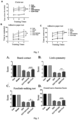
- the amount of cerebral hemorrhage is significantly reduced by Triol in C57B mice of cerebral hemorrhage model
- Neurosensory function is significantly improved by Triol after cerebral hemorrhage in C57B mice
Landscapes
- Health & Medical Sciences (AREA)
- Life Sciences & Earth Sciences (AREA)
- Medicinal Chemistry (AREA)
- Veterinary Medicine (AREA)
- Animal Behavior & Ethology (AREA)
- Public Health (AREA)
- General Health & Medical Sciences (AREA)
- Chemical & Material Sciences (AREA)
- Pharmacology & Pharmacy (AREA)
- Engineering & Computer Science (AREA)
- Bioinformatics & Cheminformatics (AREA)
- Epidemiology (AREA)
- General Chemical & Material Sciences (AREA)
- Nuclear Medicine, Radiotherapy & Molecular Imaging (AREA)
- Organic Chemistry (AREA)
- Chemical Kinetics & Catalysis (AREA)
- Heart & Thoracic Surgery (AREA)
- Cardiology (AREA)
- Vascular Medicine (AREA)
- Urology & Nephrology (AREA)
- Hematology (AREA)
- Diabetes (AREA)
- Biomedical Technology (AREA)
- Neurology (AREA)
- Neurosurgery (AREA)
- Pharmaceuticals Containing Other Organic And Inorganic Compounds (AREA)
- Acyclic And Carbocyclic Compounds In Medicinal Compositions (AREA)
- Steroid Compounds (AREA)
- Medicines That Contain Protein Lipid Enzymes And Other Medicines (AREA)
- Organic Low-Molecular-Weight Compounds And Preparation Thereof (AREA)
Claims (15)
- Verbindung der Formel I, ein deuteriertes Analogon oder ein pharmazeutisch verträgliches Salz davon zur Verwendung bei der Behandlung eines hämorrhagischen Schlaganfalls bei einem Patienten,

- Verbindung zur Verwendung nach Anspruch 1, wobei R1 H ist.
- Verbindung zur Verwendung nach Anspruch 1, wobei R1 aus einer Gruppe ausgewählt ist, bestehend aus -CHCH2CH3, -CH(CH3)2, -CH(CH2)3CH3 und -CH(CH3)(CH2)3CH(CH3)2.
- Verbindung zur Verwendung nach Anspruch 1, wobei der hämorrhagische Schlaganfall eine intrazerebrale Blutung (IZB) oder eine Subarachnoidalblutung ist.
- Verbindung zur Verwendung nach Anspruch 4, wobei die intrazerebrale Blutung eine hypertensive intrazerebrale Blutung ist.
- Verbindung zur Verwendung nach Anspruch 4, wobei die intrazerebrale Blutung eine intrazerebrale Blutung ist, die durch eine zerebrovaskuläre Fehlbildung, eine zerebrale Amyloidangiopathie, ein Aneurysma, eine Moyamoya-Krankheit, eine zerebrale Arteriitis, einen primären oder metastatischen Tumor, einen ischämischen Schlaganfall, einen Infarkt, eine Operation oder eine thrombolytische oder gerinnungshemmende Therapie verursacht wird.
- Verbindung zur Verwendung nach Anspruch 4, wobei die Subarachnoidalblutung eine Subarachnoidalblutung ist, die durch ein intrakraniales Aneurysma, eine zerebrovaskuläre Fehlbildung, eine hypertensive Arteriosklerose, eine Arteriitis, ein abnormales Gefäßnetzwerk eines Pavimentum cerebri, eine Bindegewebskrankheit, eine Bluterkrankung, eine Operation oder eine Antikoagulationstherapie verursacht wird.
- Verbindung zur Verwendung nach Anspruch 1, wobei der hämorrhagische Schlaganfall eine Komplikation einer intrazerebralen Blutung (IZB) und einer Subarachnoidalblutung (SAH) ist.
- Verbindung zur Verwendung nach Anspruch 1, wobei der Blutungsschlaganfall durch eine Operation verursacht wird.
- Verbindung zur Verwendung nach Anspruch 9, wobei der Blutungsschlaganfall, der durch die Operation verursacht wurde, eine intrazerebrale Blutung, die durch die Operation verursacht wurde, eine Subarachnoidalblutung, die durch die Operation verursacht wurde oder eine Komplikation einer intrazerebralen Blutung ist, die durch die Operation verursacht wurde, und einer Subarachnoidalblutung, die durch die Operation verursacht wurde.
- Verbindung zur Verwendung nach Anspruch 9, wobei die Operation eine Operation ist, die das zentrale Nervensystem direkt betrifft.
- Verbindung zur Verwendung nach Anspruch 11, wobei die Operation ein intrakraniales aneurysmatisches Clipping, eine Embolisation oder eine Hirntumorresektion ist.
- Verbindung zur Verwendung nach Anspruch 1, wobei das Subjekt ein Mensch ist.
- Verbindung zur Verwendung nach Anspruch 1, wobei die Behandlung ferner ein Verabreichen zusätzlicher therapeutischer Mittel einschließt.
- Verbindung zur Verwendung nach Anspruch 1, wobei sich der intrazerebrale Schlaganfall als Blutausfluss manifestiert, der durch eine Fraktur oder einen Bruch eines Gefäßes in einem Gehirngewebe verursacht wird.
Applications Claiming Priority (2)
| Application Number | Priority Date | Filing Date | Title |
|---|---|---|---|
| CN201711479490.8A CN109985047B (zh) | 2017-12-29 | 2017-12-29 | 5α-雄甾-3β,5,6β-三醇在制备治疗出血性脑卒中药物中的应用 |
| PCT/CN2018/124707 WO2019129181A1 (zh) | 2017-12-29 | 2018-12-28 | 化合物在制备治疗出血性脑卒中药物中的应用 |
Publications (3)
| Publication Number | Publication Date |
|---|---|
| EP3733189A1 EP3733189A1 (de) | 2020-11-04 |
| EP3733189A4 EP3733189A4 (de) | 2021-10-20 |
| EP3733189B1 true EP3733189B1 (de) | 2025-01-15 |
Family
ID=67063234
Family Applications (1)
| Application Number | Title | Priority Date | Filing Date |
|---|---|---|---|
| EP18893814.6A Active EP3733189B1 (de) | 2017-12-29 | 2018-12-28 | 5a-androst-3b,5,6b-triol und seine analoga zur verwendung bei der behandlung von hämorrhagischem schlaganfall |
Country Status (13)
| Country | Link |
|---|---|
| US (1) | US11382921B2 (de) |
| EP (1) | EP3733189B1 (de) |
| JP (1) | JP7007487B2 (de) |
| KR (1) | KR102475179B1 (de) |
| CN (2) | CN113350359B (de) |
| AU (1) | AU2018396897B2 (de) |
| CA (1) | CA3086866C (de) |
| ES (1) | ES3018272T3 (de) |
| IL (1) | IL275687B2 (de) |
| PT (1) | PT3733189T (de) |
| RU (1) | RU2752090C1 (de) |
| TW (1) | TWI757573B (de) |
| WO (1) | WO2019129181A1 (de) |
Family Cites Families (15)
| Publication number | Priority date | Publication date | Assignee | Title |
|---|---|---|---|---|
| US5783564A (en) * | 1993-12-24 | 1998-07-21 | Mitsubishi Chemical Corporation | Sialic acid derivatives |
| JP3990387B2 (ja) * | 2004-06-25 | 2007-10-10 | 独立行政法人科学技術振興機構 | ヒソップ抽出物の血液流動性改善剤、血流改善剤およびその利用 |
| WO2007013842A1 (en) * | 2005-07-26 | 2007-02-01 | Astrazeneca Ab | Use of 4-((tert-butylimino)methyl) benzene-1,3-disulfonate n-oxide against maemorrhagic changes in the brain |
| EP2012773B1 (de) | 2006-04-22 | 2012-06-20 | Harbor BioSciences, Inc. | Wirkstoffe und deren anwendungen |
| CA2774197A1 (en) * | 2006-04-22 | 2008-04-03 | Harbor Biosciences, Inc. | Drugs and uses to modulate inflammation, metabolic disorders and other conditions |
| CN101683348B (zh) * | 2008-09-23 | 2012-07-04 | 中山大学 | 胆甾烷-3β,5α,6β-三醇在制备神经元保护药物中的应用 |
| CN101884638B (zh) * | 2010-07-09 | 2011-11-09 | 中山大学 | 5α-雄甾(烷)-3β,5,6β-三醇在制备神经元保护药物中的应用 |
| CN101961311B (zh) | 2010-09-21 | 2012-11-21 | 中山大学 | 一种5α-雄甾(烷)-3β,5,6β-三醇注射剂及其制备方法 |
| CN102180928B (zh) | 2011-03-15 | 2013-01-16 | 广州市赛普特医药科技有限公司 | 3β,5α,6β-三羟基甾体化合物及其合成方法和应用 |
| EP2694521B1 (de) * | 2011-04-07 | 2015-11-25 | Merck Sharp & Dohme Corp. | Pyrrolidin-kondensierte thiadiazindioxidverbindungen als bace-hemmer, zusammensetzungen daraus und ihre verwendung |
| CN102764280A (zh) * | 2011-05-06 | 2012-11-07 | 秦引林 | 含有牛黄,麝香的药物组合及其应用 |
| JP6279483B2 (ja) * | 2011-12-13 | 2018-02-14 | ノノ インコーポレイテッド | くも膜下出血および虚血の治療法 |
| US20140127185A1 (en) * | 2012-11-02 | 2014-05-08 | Emory University | Methods and compositions using neuroprotective steroids and thrombolytic agents |
| CN103333216A (zh) * | 2013-06-04 | 2013-10-02 | 苏州大学 | 5α-6-酮-胆甾烷类似物及其应用 |
| CN104288110B (zh) | 2013-06-26 | 2017-05-10 | 广州市赛普特医药科技股份有限公司 | 5α‑雄甾‑3β,5,6β‑三醇注射剂及其制备方法 |
-
2017
- 2017-12-29 CN CN202110703751.XA patent/CN113350359B/zh active Active
- 2017-12-29 CN CN201711479490.8A patent/CN109985047B/zh active Active
-
2018
- 2018-12-28 IL IL275687A patent/IL275687B2/en unknown
- 2018-12-28 CA CA3086866A patent/CA3086866C/en active Active
- 2018-12-28 EP EP18893814.6A patent/EP3733189B1/de active Active
- 2018-12-28 JP JP2020536200A patent/JP7007487B2/ja active Active
- 2018-12-28 WO PCT/CN2018/124707 patent/WO2019129181A1/zh not_active Ceased
- 2018-12-28 KR KR1020207021537A patent/KR102475179B1/ko active Active
- 2018-12-28 RU RU2020123506A patent/RU2752090C1/ru active
- 2018-12-28 US US16/958,575 patent/US11382921B2/en active Active
- 2018-12-28 PT PT188938146T patent/PT3733189T/pt unknown
- 2018-12-28 TW TW107147834A patent/TWI757573B/zh active
- 2018-12-28 AU AU2018396897A patent/AU2018396897B2/en active Active
- 2018-12-28 ES ES18893814T patent/ES3018272T3/es active Active
Also Published As
| Publication number | Publication date |
|---|---|
| AU2018396897B2 (en) | 2021-08-05 |
| IL275687B1 (en) | 2024-11-01 |
| IL275687A (en) | 2020-08-31 |
| CN113350359B (zh) | 2022-08-16 |
| BR112020013308A2 (pt) | 2020-12-01 |
| PT3733189T (pt) | 2025-04-07 |
| CN113350359A (zh) | 2021-09-07 |
| AU2018396897A1 (en) | 2020-07-30 |
| CA3086866C (en) | 2022-08-16 |
| CN109985047A (zh) | 2019-07-09 |
| KR102475179B1 (ko) | 2022-12-07 |
| EP3733189A1 (de) | 2020-11-04 |
| RU2752090C1 (ru) | 2021-07-22 |
| WO2019129181A1 (zh) | 2019-07-04 |
| ES3018272T3 (en) | 2025-05-14 |
| CA3086866A1 (en) | 2019-07-04 |
| TWI757573B (zh) | 2022-03-11 |
| CN109985047B (zh) | 2021-07-27 |
| JP2021507933A (ja) | 2021-02-25 |
| US20210060035A1 (en) | 2021-03-04 |
| US11382921B2 (en) | 2022-07-12 |
| TW201929862A (zh) | 2019-08-01 |
| JP7007487B2 (ja) | 2022-01-24 |
| IL275687B2 (en) | 2025-03-01 |
| EP3733189A4 (de) | 2021-10-20 |
| KR20200104357A (ko) | 2020-09-03 |
Similar Documents
| Publication | Publication Date | Title |
|---|---|---|
| JP7727733B2 (ja) | 薬学的活性化合物としてのカンナビノイド誘導体及びその調製方法 | |
| US20220152055A1 (en) | Methods and compositions for treating various disorders | |
| US10214481B2 (en) | Telomerase activating compounds and methods of use thereof | |
| US20250195499A1 (en) | Methods for preventing or treating cerebrovascular diseases or tissue ischemia-reperfusion injury | |
| JP2015509931A (ja) | 医薬的な組み合わせ | |
| US12006276B2 (en) | Dibromobenzyl derivative, stereoisomer or salt thereof, and preparation method and application of dibromobenzyl derivative | |
| EP3733189B1 (de) | 5a-androst-3b,5,6b-triol und seine analoga zur verwendung bei der behandlung von hämorrhagischem schlaganfall | |
| CA3136128A1 (en) | Pde9 inhibitors for treating sickle cell disease | |
| WO2012082992A1 (en) | Compositions and methods for cancer treatment | |
| WO2012151541A1 (en) | Csf-1r inhibitors for treatment of brain tumors | |
| BR112020013308B1 (pt) | Uso de um composto de fórmula i ou um sal farmaceuticamente aceitável | |
| CN104902891A (zh) | 治疗和预防创伤性脑损伤性神经元损害的组合物和方法 | |
| US20060281720A1 (en) | 5-Androstenediol As An Inhibitor of Gliomas | |
| JP5837128B2 (ja) | カルボスチリルとカルニチンの組み合わせ医薬 | |
| JP7219476B2 (ja) | 腱滑膜病変を主体とした疾患の治療薬 | |
| JP2019509321A (ja) | 疼痛を処置するための組み合わせ | |
| TW202535452A (zh) | 治療青少年肥胖症的方法 | |
| III et al. | Anaesthetic agents for advanced regional anaesthesia | |
| Blazej et al. | Selective Estrogen Receptor Modulators. Current and Future Treatment Options for Osteoporosis |
Legal Events
| Date | Code | Title | Description |
|---|---|---|---|
| STAA | Information on the status of an ep patent application or granted ep patent |
Free format text: STATUS: THE INTERNATIONAL PUBLICATION HAS BEEN MADE |
|
| PUAI | Public reference made under article 153(3) epc to a published international application that has entered the european phase |
Free format text: ORIGINAL CODE: 0009012 |
|
| STAA | Information on the status of an ep patent application or granted ep patent |
Free format text: STATUS: REQUEST FOR EXAMINATION WAS MADE |
|
| 17P | Request for examination filed |
Effective date: 20200724 |
|
| AK | Designated contracting states |
Kind code of ref document: A1 Designated state(s): AL AT BE BG CH CY CZ DE DK EE ES FI FR GB GR HR HU IE IS IT LI LT LU LV MC MK MT NL NO PL PT RO RS SE SI SK SM TR |
|
| AX | Request for extension of the european patent |
Extension state: BA ME |
|
| DAV | Request for validation of the european patent (deleted) | ||
| DAX | Request for extension of the european patent (deleted) | ||
| A4 | Supplementary search report drawn up and despatched |
Effective date: 20210920 |
|
| RIC1 | Information provided on ipc code assigned before grant |
Ipc: A61P 9/10 20060101ALI20210914BHEP Ipc: A61P 7/04 20060101ALI20210914BHEP Ipc: A61K 31/568 20060101ALI20210914BHEP Ipc: A61K 31/56 20060101AFI20210914BHEP |
|
| STAA | Information on the status of an ep patent application or granted ep patent |
Free format text: STATUS: EXAMINATION IS IN PROGRESS |
|
| 17Q | First examination report despatched |
Effective date: 20231214 |
|
| REG | Reference to a national code |
Ref country code: DE Ref legal event code: R079 Free format text: PREVIOUS MAIN CLASS: A61K0031560000 Ipc: A61K0031568000 Ref document number: 602018078601 Country of ref document: DE |
|
| GRAP | Despatch of communication of intention to grant a patent |
Free format text: ORIGINAL CODE: EPIDOSNIGR1 |
|
| STAA | Information on the status of an ep patent application or granted ep patent |
Free format text: STATUS: GRANT OF PATENT IS INTENDED |
|
| RIC1 | Information provided on ipc code assigned before grant |
Ipc: A61P 9/10 20060101ALI20240813BHEP Ipc: A61P 7/04 20060101ALI20240813BHEP Ipc: A61K 45/06 20060101ALI20240813BHEP Ipc: A61K 31/569 20060101ALI20240813BHEP Ipc: A61K 31/568 20060101AFI20240813BHEP |
|
| INTG | Intention to grant announced |
Effective date: 20240823 |
|
| RAP3 | Party data changed (applicant data changed or rights of an application transferred) |
Owner name: GUANGZHOU CELLPROTEK PHARMACEUTICAL CO., LTD |
|
| GRAS | Grant fee paid |
Free format text: ORIGINAL CODE: EPIDOSNIGR3 |
|
| GRAA | (expected) grant |
Free format text: ORIGINAL CODE: 0009210 |
|
| STAA | Information on the status of an ep patent application or granted ep patent |
Free format text: STATUS: THE PATENT HAS BEEN GRANTED |
|
| AK | Designated contracting states |
Kind code of ref document: B1 Designated state(s): AL AT BE BG CH CY CZ DE DK EE ES FI FR GB GR HR HU IE IS IT LI LT LU LV MC MK MT NL NO PL PT RO RS SE SI SK SM TR |
|
| REG | Reference to a national code |
Ref country code: CH Ref legal event code: EP Ref country code: GB Ref legal event code: FG4D |
|
| REG | Reference to a national code |
Ref country code: DE Ref legal event code: R096 Ref document number: 602018078601 Country of ref document: DE |
|
| REG | Reference to a national code |
Ref country code: IE Ref legal event code: FG4D |
|
| P01 | Opt-out of the competence of the unified patent court (upc) registered |
Free format text: CASE NUMBER: APP_2312/2025 Effective date: 20250114 |
|
| REG | Reference to a national code |
Ref country code: PT Ref legal event code: SC4A Ref document number: 3733189 Country of ref document: PT Date of ref document: 20250407 Kind code of ref document: T Free format text: AVAILABILITY OF NATIONAL TRANSLATION Effective date: 20250402 |
|
| REG | Reference to a national code |
Ref country code: NL Ref legal event code: MP Effective date: 20250115 |
|
| PG25 | Lapsed in a contracting state [announced via postgrant information from national office to epo] |
Ref country code: NL Free format text: LAPSE BECAUSE OF FAILURE TO SUBMIT A TRANSLATION OF THE DESCRIPTION OR TO PAY THE FEE WITHIN THE PRESCRIBED TIME-LIMIT Effective date: 20250115 |
|
| PG25 | Lapsed in a contracting state [announced via postgrant information from national office to epo] |
Ref country code: RS Free format text: LAPSE BECAUSE OF FAILURE TO SUBMIT A TRANSLATION OF THE DESCRIPTION OR TO PAY THE FEE WITHIN THE PRESCRIBED TIME-LIMIT Effective date: 20250415 |
|
| PG25 | Lapsed in a contracting state [announced via postgrant information from national office to epo] |
Ref country code: FI Free format text: LAPSE BECAUSE OF FAILURE TO SUBMIT A TRANSLATION OF THE DESCRIPTION OR TO PAY THE FEE WITHIN THE PRESCRIBED TIME-LIMIT Effective date: 20250115 |
|
| PG25 | Lapsed in a contracting state [announced via postgrant information from national office to epo] |
Ref country code: PL Free format text: LAPSE BECAUSE OF FAILURE TO SUBMIT A TRANSLATION OF THE DESCRIPTION OR TO PAY THE FEE WITHIN THE PRESCRIBED TIME-LIMIT Effective date: 20250115 |
|
| REG | Reference to a national code |
Ref country code: LT Ref legal event code: MG9D |
|
| PG25 | Lapsed in a contracting state [announced via postgrant information from national office to epo] |
Ref country code: NO Free format text: LAPSE BECAUSE OF FAILURE TO SUBMIT A TRANSLATION OF THE DESCRIPTION OR TO PAY THE FEE WITHIN THE PRESCRIBED TIME-LIMIT Effective date: 20250415 Ref country code: IS Free format text: LAPSE BECAUSE OF FAILURE TO SUBMIT A TRANSLATION OF THE DESCRIPTION OR TO PAY THE FEE WITHIN THE PRESCRIBED TIME-LIMIT Effective date: 20250515 |
|
| REG | Reference to a national code |
Ref country code: AT Ref legal event code: MK05 Ref document number: 1759409 Country of ref document: AT Kind code of ref document: T Effective date: 20250115 |
|
| PG25 | Lapsed in a contracting state [announced via postgrant information from national office to epo] |
Ref country code: HR Free format text: LAPSE BECAUSE OF FAILURE TO SUBMIT A TRANSLATION OF THE DESCRIPTION OR TO PAY THE FEE WITHIN THE PRESCRIBED TIME-LIMIT Effective date: 20250115 |
|
| PG25 | Lapsed in a contracting state [announced via postgrant information from national office to epo] |
Ref country code: LV Free format text: LAPSE BECAUSE OF FAILURE TO SUBMIT A TRANSLATION OF THE DESCRIPTION OR TO PAY THE FEE WITHIN THE PRESCRIBED TIME-LIMIT Effective date: 20250115 |
|
| PG25 | Lapsed in a contracting state [announced via postgrant information from national office to epo] |
Ref country code: BG Free format text: LAPSE BECAUSE OF FAILURE TO SUBMIT A TRANSLATION OF THE DESCRIPTION OR TO PAY THE FEE WITHIN THE PRESCRIBED TIME-LIMIT Effective date: 20250115 Ref country code: GR Free format text: LAPSE BECAUSE OF FAILURE TO SUBMIT A TRANSLATION OF THE DESCRIPTION OR TO PAY THE FEE WITHIN THE PRESCRIBED TIME-LIMIT Effective date: 20250416 |
|
| PG25 | Lapsed in a contracting state [announced via postgrant information from national office to epo] |
Ref country code: AT Free format text: LAPSE BECAUSE OF FAILURE TO SUBMIT A TRANSLATION OF THE DESCRIPTION OR TO PAY THE FEE WITHIN THE PRESCRIBED TIME-LIMIT Effective date: 20250115 |
|
| PG25 | Lapsed in a contracting state [announced via postgrant information from national office to epo] |
Ref country code: SE Free format text: LAPSE BECAUSE OF FAILURE TO SUBMIT A TRANSLATION OF THE DESCRIPTION OR TO PAY THE FEE WITHIN THE PRESCRIBED TIME-LIMIT Effective date: 20250115 |
|
| PG25 | Lapsed in a contracting state [announced via postgrant information from national office to epo] |
Ref country code: SM Free format text: LAPSE BECAUSE OF FAILURE TO SUBMIT A TRANSLATION OF THE DESCRIPTION OR TO PAY THE FEE WITHIN THE PRESCRIBED TIME-LIMIT Effective date: 20250115 |
|
| PG25 | Lapsed in a contracting state [announced via postgrant information from national office to epo] |
Ref country code: DK Free format text: LAPSE BECAUSE OF FAILURE TO SUBMIT A TRANSLATION OF THE DESCRIPTION OR TO PAY THE FEE WITHIN THE PRESCRIBED TIME-LIMIT Effective date: 20250115 |
|
| REG | Reference to a national code |
Ref country code: DE Ref legal event code: R097 Ref document number: 602018078601 Country of ref document: DE |
|
| PG25 | Lapsed in a contracting state [announced via postgrant information from national office to epo] |
Ref country code: EE Free format text: LAPSE BECAUSE OF FAILURE TO SUBMIT A TRANSLATION OF THE DESCRIPTION OR TO PAY THE FEE WITHIN THE PRESCRIBED TIME-LIMIT Effective date: 20250115 Ref country code: CZ Free format text: LAPSE BECAUSE OF FAILURE TO SUBMIT A TRANSLATION OF THE DESCRIPTION OR TO PAY THE FEE WITHIN THE PRESCRIBED TIME-LIMIT Effective date: 20250115 |
|
| PG25 | Lapsed in a contracting state [announced via postgrant information from national office to epo] |
Ref country code: RO Free format text: LAPSE BECAUSE OF FAILURE TO SUBMIT A TRANSLATION OF THE DESCRIPTION OR TO PAY THE FEE WITHIN THE PRESCRIBED TIME-LIMIT Effective date: 20250115 |
|
| PG25 | Lapsed in a contracting state [announced via postgrant information from national office to epo] |
Ref country code: SK Free format text: LAPSE BECAUSE OF FAILURE TO SUBMIT A TRANSLATION OF THE DESCRIPTION OR TO PAY THE FEE WITHIN THE PRESCRIBED TIME-LIMIT Effective date: 20250115 |
|
| PLBE | No opposition filed within time limit |
Free format text: ORIGINAL CODE: 0009261 |
|
| STAA | Information on the status of an ep patent application or granted ep patent |
Free format text: STATUS: NO OPPOSITION FILED WITHIN TIME LIMIT |
|
| PGFP | Annual fee paid to national office [announced via postgrant information from national office to epo] |
Ref country code: PT Payment date: 20251120 Year of fee payment: 8 |
|
| 26N | No opposition filed |
Effective date: 20251016 |
|
| PGFP | Annual fee paid to national office [announced via postgrant information from national office to epo] |
Ref country code: GB Payment date: 20251229 Year of fee payment: 8 |
|
| PGFP | Annual fee paid to national office [announced via postgrant information from national office to epo] |
Ref country code: IT Payment date: 20251210 Year of fee payment: 8 |
|
| PGFP | Annual fee paid to national office [announced via postgrant information from national office to epo] |
Ref country code: FR Payment date: 20251230 Year of fee payment: 8 |
|
| PGFP | Annual fee paid to national office [announced via postgrant information from national office to epo] |
Ref country code: ES Payment date: 20260112 Year of fee payment: 8 |
|
| PGFP | Annual fee paid to national office [announced via postgrant information from national office to epo] |
Ref country code: DE Payment date: 20251231 Year of fee payment: 8 |