EP3698643A1 - Verfahren zur erhaltung der gesundheit und behandlung von honigbienen unter verwendung pflanzlicher zusatzstoffe - Google Patents
Verfahren zur erhaltung der gesundheit und behandlung von honigbienen unter verwendung pflanzlicher zusatzstoffe Download PDFInfo
- Publication number
- EP3698643A1 EP3698643A1 EP20155228.8A EP20155228A EP3698643A1 EP 3698643 A1 EP3698643 A1 EP 3698643A1 EP 20155228 A EP20155228 A EP 20155228A EP 3698643 A1 EP3698643 A1 EP 3698643A1
- Authority
- EP
- European Patent Office
- Prior art keywords
- honey
- syrup
- bees
- bee
- feeding
- Prior art date
- Legal status (The legal status is an assumption and is not a legal conclusion. Google has not performed a legal analysis and makes no representation as to the accuracy of the status listed.)
- Granted
Links
Images
Classifications
-
- A—HUMAN NECESSITIES
- A23—FOODS OR FOODSTUFFS; TREATMENT THEREOF, NOT COVERED BY OTHER CLASSES
- A23K—FODDER
- A23K50/00—Feeding-stuffs specially adapted for particular animals
- A23K50/90—Feeding-stuffs specially adapted for particular animals for insects, e.g. bees or silkworms
-
- A—HUMAN NECESSITIES
- A23—FOODS OR FOODSTUFFS; TREATMENT THEREOF, NOT COVERED BY OTHER CLASSES
- A23K—FODDER
- A23K10/00—Animal feeding-stuffs
- A23K10/10—Animal feeding-stuffs obtained by microbiological or biochemical processes
- A23K10/16—Addition of microorganisms or extracts thereof, e.g. single-cell proteins, to feeding-stuff compositions
-
- A—HUMAN NECESSITIES
- A23—FOODS OR FOODSTUFFS; TREATMENT THEREOF, NOT COVERED BY OTHER CLASSES
- A23K—FODDER
- A23K10/00—Animal feeding-stuffs
- A23K10/30—Animal feeding-stuffs from material of plant origin, e.g. roots, seeds or hay; from material of fungal origin, e.g. mushrooms
-
- A—HUMAN NECESSITIES
- A23—FOODS OR FOODSTUFFS; TREATMENT THEREOF, NOT COVERED BY OTHER CLASSES
- A23K—FODDER
- A23K20/00—Accessory food factors for animal feeding-stuffs
- A23K20/10—Organic substances
- A23K20/158—Fatty acids; Fats; Products containing oils or fats
-
- A—HUMAN NECESSITIES
- A23—FOODS OR FOODSTUFFS; TREATMENT THEREOF, NOT COVERED BY OTHER CLASSES
- A23K—FODDER
- A23K20/00—Accessory food factors for animal feeding-stuffs
- A23K20/10—Organic substances
- A23K20/163—Sugars; Polysaccharides
-
- A—HUMAN NECESSITIES
- A23—FOODS OR FOODSTUFFS; TREATMENT THEREOF, NOT COVERED BY OTHER CLASSES
- A23L—FOODS, FOODSTUFFS OR NON-ALCOHOLIC BEVERAGES, NOT OTHERWISE PROVIDED FOR; PREPARATION OR TREATMENT THEREOF
- A23L21/00—Marmalades, jams, jellies or the like; Products from apiculture; Preparation or treatment thereof
- A23L21/20—Products from apiculture, e.g. royal jelly or pollen; Substitutes therefor
- A23L21/25—Honey; Honey substitutes
Definitions
- the invention relates to the care and the feeding of honey bees (Apis mellifera) and the production of natural honey. Specifically, it is a method of feeding bees, treating mites and producing honey with the use of certain medicinal plants, where the bees are fed with a syrup of natural origin with additives of these plants, and the modified natural honey is obtained when the bees are partially or completely fed by this feeding syrup and bring it in their abdomen sacs to collect in honeycombs (honeycomb frames).
- honey bees (Apis mellifera) and the production of natural honey are extensively studied due to the unique qualities, such as maintaining bee health and workability, producing natural honey with unique and healing properties, and using honey by people for food and as a medicine.
- honey is the most widely used. Usually, bees collect their feeding supplies in the honeycombs inside the hives. Natural way of honey production comprises a process, where the bees collect the plant blossom nectar by carrying it in their honey sacs, and when after some time the nectar in honeycombs becomes a honey.
- honey In cultivated beekeeping, people take some honey from the honeycombs for their own use. In addition, bees are also fed with a man-made bee food, for example, in the event of shortage of their own food in the hive or during a cold winter.
- Honey bees depending on the honey gathering and natural conditions, may become weak, sick and may not be able to produce the honey. Food shortage leads to reduced bees' ability to produce honey and poorer health, and bees can be affected by parasites, where Varroa mites or varroatosis are among the most dangerous.
- Beekeepers know ways to care for and feed their bees, to encourage them to produce more honey, to encourage them to pollinate the plants, and to naturally regulate the quality and properties of the honey they harvest, or produce selective honey with certain substances and specific healing properties. Selective honey, when used in a particular way, can help treat certain ailments or improve overall health.
- U.S. Patent Application US2011039001A1 describes a bee food production method, wherein the bee food is composed of plant fruits, leaves, seeds, roots, after processing and blending with polysaccharides.
- Chinese patent application CN108419757A describes a method for the maintenance of bee hibernation, which, in addition to preparing hives, treating bees with miticides, also deals with bee food, which includes plant-based components, such as carrots, alfalfa seeds, spirulina blue-green algae, and licorice.
- Japanese patent JPS6121060 (B2 ) of 1986 describes the production of secondary honey with Chinese herbal extracts, which is used to make beverages.
- German patent application DE4034955 refers to the production of secondary honey by feeding bees with syrup from honey and herb extracts, and the advantage of this method of production is that herbal additives are not separated from honey during production, and their addition thus naturally prevents unwanted microorganisms from getting into the honey during mixing process.
- Patent application WO2017013661A1 describes production of a special honey with THC and CBD hemp oil additives.
- the patent describes a bee feeding mixture comprised of bee food base and cannabinoids THC and / or CBD, honey production methods, honey obtained by these methods, and the use of this honey for therapeutic purposes in reducing pain in patients with many different pain conditions.
- Another international patent application, WO2006080019A1 describes a method for producing bee honey, explaining how to prepare the bee food, feed it to the bees and then take the honey after processing it by the bees.
- the distinguishing feature of this method is that a mammalian blood is added to the bee food on purpose, and the honey after such feeding contains blood constituents accordingly.
- This honey is made for a special medical purpose; it is prescribed for the patients during chemotherapy treatment to reduce various side effects of the chemotherapy treatment.
- the objective of the present invention is to provide a method of combining certain medicinal plants with conventional bee feeding, maintaining bee health and productivity, and producing selective and good-tasting honey having medicinal properties and / or special therapeutic uses for people.
- present invention provides a method of feeding and improving health of honeybees (Apis mellifera) and altering the composition of the honey by using certain food and medicinal plants of certain species, namely, sea buckthorn berries, single- seed hawthorn berries, black currant berries, cucumber, great nettle, lemon, and mistletoe.
- the listed plants when prepared in a certain way, are useful and / or healing both for people and bees, while the feeding and health promotion of bees and the production of honey of modified composition is performed by regulating (coordinating) the natural process of bee colony life and activity, as it is usual in beekeeping.
- the properties of medicinal plants can be more pronounced and disclosed when added to honey due to the medicinal and antibacterial properties of honey and the ease with which the honey is absorbed, compared to using medicinal plants, their teas or extracts alone (as disclosed in patent application WO2017013661A1 ). Therefore, proper processing of medicinal plants and incorporation of extracts of these plants into the natural honey production process can better enhance the effect of active ingredients of medicinal plants in selective honey than using these plants or their extracts alone, without honey or only by mechanical mixing them with honey.
- the method of the invention comprises the following steps: preparing a bee feeding syrup, wherein the juice or puree of the medicinal plants (sea buckthorn berries, single-seed hawthorn berries and / or other plants listed in the present invention) is mixed with honey and water in appropriate proportions; feeding the honey bees with the above mentioned syrup according to the certain pattern, time of the year, the season and periodicity, either for the sole purpose of feeding the bees or for the sole purpose of obtaining selective honey, or a combination of both; taking the selective honey, which may be accurate or modified: when the bees harvest the honey from the feeding syrup alone, the composition of such honey is considered accurate, and when the bees harvest the honey from both the nectar of field flowers and the feeding syrup, the composition of such honey is considered modified.
- Plant additives in bee feeding syrup employs one or more of the following plants with nutritional, medicinal and therapeutic properties for the preparation of bee feeding medicinal syrup:
- hawthorn blossoms contain flavonoids (hyperoside, quercetin, vitebsin), phenolcarbonic acids, leavening agents, saponins, some essential oil.
- the fruits contain 2-5% of flavonoids (hyperoside), leavening agents, organic acids, about 10% saccharides, pectins, carotenoids, fatty oils, saponins.
- Hawthorn preparations have a cardiotonic effect, which strengthens the heart muscle and reduces the count of its contractions (pulse). It also has a calming effect and slightly lowers the blood pressure.
- Medicinal properties Hawthorn preparations reduce the sensitivity of central nervous system and tone the heart muscle.
- hawthorn raw material are considered to be a good means of preventing and treating cardiovascular disease in elderly people. They are used as a means to regulate the heart rate, dilate the blood vessels of the heart and brain, and lower the blood pressure. They are used for treating in the early stages of hypertension or as an aid in arrhythmia and tachycardia; they improve sleep, cardiovascular and cerebral blood flow in patients with heart disease. They are recommended for treatment and prevention of atherosclerosis. Study course and most favourable natural bee feeding conditions: Both fresh and dried hawthorn berries can be used for preparation of bee feeding syrup. Fresh berries are used in autumn feeding and honey production, and dried berries in spring.
- Hawthorn berries ripen in September, so the berries are dried at +40-45°C for 3-4 days depending on berry morphology.
- the berries are dark red before drying, and after drying the fruits change to become wrinkled, dark red, with a faint odor and astringent taste.
- the dried berries are stored in a well-ventilated, low-humidity room with controlled temperature of 20-22°C.
- Sea buckthorn is a unique and valuable plant with medicinal and nutritional properties. Sea buckthorn fruits have anti-inflammatory, antimicrobial and analgesic effects, promote tissue regeneration, strengthen the immune system and are used as a preventive measure against cancer and cardiovascular diseases. Polyphenols contained in sea buckthorn fruits have antioxidant properties and can protect the human body from the harmful effects of oxidized radicals. Sea buckthorn fruits have a variety of therapeutic effects due to the presence of various compounds; their main pharmacological-physiological effects are listed in Table 1.
- the pharmacological effects of sea buckthorn are also determined by vitamins, trace elements, amino acids and other biologically active compounds such as ⁇ -carotene, zeaxanthin, lycopene, flavonoids, folic acid, triterpenes, and fatty acids.
- Table 1 Compounds contained in sea buckthorn berries and their medicinal properties.
- Compound Medicinal properties Tocopherols Act as antioxidants, prevent oxidation of lipids and help reducing pain.
- Carotenoids Act as antioxidants and participate in collagen synthesis and epithelialization.
- Vitamin K Maintains normal blood coagulation, stops bleeding, promotes wound healing, has anti-ulcer effect.
- Vitamin C Acts as an antioxidant, maintains the integrity of cell membranes, and accelerates collagen synthesis.
- Vitamin B complex Promotes cell renewal and nerve regeneration.
- Phytosterols Improve microcirculation in the skin, have anti-ulcer, anti-atherogenic and anti-cancer effects. Control the inflammatory process.
- Polyphenolic compounds Act as antioxidants, with intrinsic cell protective and cardio protective effects. Promote wound healing.
- Polyunsaturated Have immunomodulatory, neuro-protective and antitumor fatty acids effects.
- Organic acids Reduce the risk of heart attack and stroke.
- Coumarins and triterpenes Participate in regulating appetite, sleep, memory and learning.
- Zinc Strengthens blood circulation acts as a cofactor for enzymes. Required for Vitamin A action.
- sea buckthorn oil is useful for bees.
- the effect of thyme (Thymus caucasicus) ethanol extract on Varroa mite (Varroa destructor), an ectoparasite mite of Apis mellifera meda (Hym: Apidae) states that sea buckthorn extract has insecticidal properties.
- the bees are fed, sprayed or sprinkled to ensure that the juice and oil are not separated into layers and that the mixture of the same juice-to-oil ratio is equally distributed to all the bee colonies.
- sea buckthorn fruits contain surface mold. After transformation of sea buckthorn fruits into bee nourishment syrup, this mold gives the bee nourishment syrup antibiotic properties against bee parasites.
- sea buckthorn fruits contain vitamins that enhance the bee's resistance to parasites, including Varroa mites. Therefore, the Varroa mites perish and die due to this complex effect of antibiotics and vitamins on bees and mites, and after spraying or sprinkling bees with sea buckthorn juice they become more active and start cleaning themselves, thereby getting free of the mites that die when separated from the bees. It has also been observed that mites no longer appear in bee broods in this case.
- Black currant black currant berries contain vitamin C, d-pyrene, sabinene, caryophyllene, and compounds of other substances. They also contain fiber, sugar (fructose, glucose, rhamnose), lemon, tartaric, succinic and salicylic acids, pectines, leavens, flavanoids, minerals (aluminum, iron, phosphorus, manganese, sodium, calcium, silver, folic acid, potassium, and magnesium). Vitamins: C, P, B1, B2, B6, B3, E, K, PP. The substances contained in the berries have astringent, perspire-inducing properties. They stimulate urination, heal inflammation.
- Currant berries help to deal with avitaminosis, anemia, and when appetite worsens, they stimulate it. It is advisable to drink blackcurrant juice with honey in case of bronchitis, laryngitis. Study course and most favourable natural feeding conditions: Ripe blackcurrant berries are harvested during the summer period, June to July, depending on the environmental conditions. In the best variant of the preparation of bee feeding syrup and examination of the results, berry juice is used in a weight of 4 kilograms, which is mixed with 4 kilograms of honey. This syrup is fed to bees every 3 days until the honeycombs are also filled with it. The amount of feeding syrup with currant juice may be higher if the bees are active and the honey is processed faster during this season. The best time to feed bees is when the weather gets colder and rainy.
- the stinging hairs contain volatile nitrogen-free toxin, also formic, fatty acids and low levels of alkaloids.
- Great nettle preparations are used to treat anemia (increase amount of hemoglobin and red blood cells in blood), diabetes, paralysis, arthritis, skin conditions, burns and difficult-to-heal wounds. Study course and most favourable natural feeding conditions : The test plants are collected between May and September, depending on the environmental conditions. In the best variant of the preparation of bee feeding syrup and examination of the results, 3 kilograms of nettle juice are mixed with 1 kilogram of honey. The resulting syrup is poured into bee feeders.
- Cucumber Cucumber blossoms, cucumbers fruits, fruit juice, bark, seeds and leaves are used for medicinal preparations. Cucumbers and their juice soothe the nervous system, reduce cough, promote urinary and bile secretion, secretion of digestive glands, and have laxative, anti-inflammatory, emollient and analgesic properties. Fresh cucumber juice is used in case of respiratory diseases, coughing, and constipation. In folk medicine cucumbers are used to cure cardiovascular atherosclerosis, hypertension, also kidney and liver diseases. Cucumber juice, mixed with honey, is used in cosmetics as a means of revitalizing the skin: for this purpose large (overgrown) cucumber fruits are to be used with the largest amount of cucumber jelly around the seeds as the most suitable substances for honey and cucumber syrup production.
- Lemons have long been known for their nutritional and healing properties: they are rich in vitamin C, prophylactically help to prevent various diseases and also have anti-cancer properties.
- the lemons are used in different ways: by eating, by producing drinkable products and preparations, externally in the form of ointments and pledgets, in aromatherapy.
- lemon essential oil is known as one of the most effective treatments against varroa destructor, varroa mites. Therefore, lemon is a plant suitable for the production of bee feeding syrup and, when fed to bees, is likely to have a complex effect: feeding and treating bees, as well as obtaining selective honey with a modified composition and healing properties.
- Mistletoe The healing properties of mistletoe have long been recognized and it has been used to treat cardiac disorders of a nervous nature. Mistletoe preparations have a spasmolytic effect, reduce blood pressure and nervous system excitability, are suitable for the treatment of atherosclerosis, mild hypertension, means to stop the bleeding (for example, to stop nosebleeds), for treatment of epilepsy and nerve disorders. Mistletoe, due to its potent and toxic protein substances (viscotoxins) and glycoproteins (lectins), acts to lower blood pressure, kill cancer cells and increase the body's resistance.
- viscotoxins potent and toxic protein substances
- lectins glycoproteins
- mistletoe preparations are administered by parenteral route (for example, by subcutaneous injection) or absorbed through the mucous membrane; then they are effective, but can also cause side effects.
- the mistletoe accumulates the potent protein substances, viscotoxins, and glycoprotein lecithin, choline, acetylcholine, ascorbic acid, carotene, resins, flavonoids, minerals.
- Infusions, extracts, tinctures and fresh juices are included in the composition of blood circulation enhancers.
- Selective honey with mistletoe may have enhanced healing properties or additional ones. Such honey is obtained by feeding the bees with the syrup containing the mistletoe juice and when bees carry it to honeycombs.
- the proportions of the components can be varied in wide limits depending on the consistence of the honey, the plant juice and the purpose of the bee's nutrition.
- the honey may only be added in such amounts so that the bees start eating the juice, for example by adding about 20% by weight of honey.
- the juice to honey ratio in the feeding syrup is 100: 20. With less than 20% honey added, the syrup is too sour for the bees.
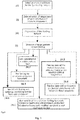
- Fig. 2 illustrates a method of preparing and feeding syrup, comprising at least the following steps:
- the syrup preparation versions and bee feeding patterns described above are considered to be the preferred embodiment of the present invention for each plant as shown (24.1 Fig. 2 ).
- This means that the composition and consistence of the feeding syrup is chosen so that the bees will eat the syrup in a balanced way and carry the excess in their abdomen sacs to the honeycombs of the hive.
- closing of bees in the hive or other measures restricting the free movement and feeding of bees are not used.
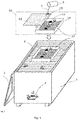
- the bees are fed from a feeder (10), the structure of which is illustrated in Figure 1 .
- the feeder consists of a plastic trough (11) with bee inlets (15) at the bottom for the bees to enter and exit the feeder.
- a wooden grill (14) At the bottom of the trough (11), a wooden grill (14), which floats on the surface of the syrup depending on the level of syrup filled, is floated and the bees collect the syrup from the trough (11) while sitting on the grill (14) without a risk of drowning in the syrup.
- the feeder trough (11) is covered from above with a transparent cover (12), in which a syrup filling opening with a sieve (13) is arranged.
- This opening allows the beekeeper to replenish the contents of the feeder (10) with additional syrup quickly and without interfering with the work of the bees.
- the feeder (10) is placed in the hive (1) on top of the honeycomb frames (4) as shown in the Fig. 1 . As the bees walk on the honeycomb frames (4) in the hive, they can enter the feeder (10) through the tubular openings (15), collect the syrup into their abdomen sacs and bring it to the honeycomb frames (4).
- bees may be fed with syrup only to the extent necessary to feed themselves and not to store excess syrup in the honeycomb frames.
- the weight ratio of the medicinal plant in the syrup is selected at the discretion of the beekeeper or as indicated in the preferred version of the invention.
- the bees are fed with syrup in which concentration of a medicinal plant is increased to such extent that it is still acceptable for the bees to eat, but the feeding is intended solely to enhance bee health with disease prevention.
- bees may be repeatedly fed fresh sea buckthorn juice with a minimum amount of honey added to allow the bees to start eating the mixture at a weight ratio of 100:20, since sweetening sea buckthorn juice with honey at a lower ratio will result in juice being too sour for the bees.
- the bees are sprinkled or sprayed with a mixture of sea buckthorn, which contains sea buckthorn juice and, in particular, sea buckthorn oil, while ensuring that in the course of spraying or sprinkling the same ratio of juice and oil is equally applied to all the bee colonies.
- plant essential oils such as mint, peppermint, cinnamon, lemongrass are used to prevent varroatosis. Essential oil naturally prevents diseases and activates bee self-cleaning instincts. Sprinkled or sprayed with solution of essential oil, bees clean each other and help each other get rid of parasites.
- the bees in the hive are healthy and strong, for some time they can be fed with medicinal syrup only and prevented from collecting flower nectar from elsewhere, such as from the fields during honey gathering.
- selective honey with modified and pre-known composition will be produced.
- the bees will carry only the medicinal syrup from the feeder (10) into the honeycombs, mixing it with their own saliva, and this honey will be free of external impurities.
- Such method of taking the previously harvested honey and separating the bees from the environment has been disclosed in several similar inventions, for example RU2355164 , RU2013127697 , RU2129361C1 , and using this method the composition of the secondary, selective honey can be controlled.
- a proper temperature and ventilation mode and bee movement control shall be ensured in the hive.
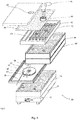
- One of the ways to produce selective honey is to ensure the right temperature and ventilation for the bees working in the hive. This can be achieved by, for example, using a hive in which the levels (31) (honeycomb frames) with the external bee-entrance (32) of bee colony (nest) are separated from the selective honey production levels (40), honeycomb frames and the feeder with syrup (41).
- a hive in which the levels (31) (honeycomb frames) with the external bee-entrance (32) of bee colony (nest) are separated from the selective honey production levels (40), honeycomb frames and the feeder with syrup (41).
- Such structure of the hive (30) is shown in Fig. 3 .
- the first two levels (31) are for the bee colony and ordinary movement of bees through the bee-entrance (32) of the hive to collect the nectar in the field.
- a level separation segment (33) is provided, comprising a bee outlet (34) with outlets (37) and bee inlet and outlet states (36), an outlet control lever (35), and ventilation grill (38) of hive levels.
- a mesh can be used, which does not allow the bee queen to enter the upper levels of the hive and only the worker bees can pass through it.
- at least one level for selective honey collection with honeycomb frames (40) is arranged on the separating segment (33).
- the top of the feeder (41) is permanently covered with a transparent cover (44), such as an Plexiglas cover, with an opening (45) having a sieve; the transparent lid (44) allows to monitor the bees in the feeder for a short period of time; the opening allows to conveniently pour the required amount of feeding syrup (46), and the opening (45) also provides effective ventilation of the upper levels (40) of the hive.
- a cover (hive hood) (48) impermeable to light, heat and humidity and having a slot that matches the syrup filling and ventilation opening (45) is placed on top of the transparent cover (44).
- a hive bees live on the lower levels (40) in a so-called bee colony nest.
- the feeder (41) is filled with the feeding syrup (46), then the bee outlet (34) is opened to allow the bees to enter the levels of the selective honey (40). After achieving sufficient number of bees on these levels (40), the bee outlet (34) is toggled into the outlet mode.
- the bees on the upper levels (40) move only between the feeder (41) and the honeycomb frames, transferring the syrup collected in the feeder to the honeycomb frames, and such movement of the bees takes place until the feeder empties or the honeycomb frames of top levels (40) become full.
- the honey harvested from the syrup on the upper levels (41) of the hive matures, the bees themselves pass through the passages (51) of the outlet (34) exit to the lower levels (31) of the hive.
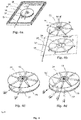
- the bee outlet (34) is shown in Fig. 4 . Its structure differs from the structure of standard 8 or 16 passage outlets ( Fig. 4a ).
- the outlet (34) consists of two discs and has two modes ( Fig. 4b ).
- One disc (34) is a standard disc bee outlet with 8 or 16 outlet passages (51) and a ventilation grille. Its passages (51) are narrowing, so that the bees can pass through the outlet passages in one direction only.
- the second disk (39) is fixedly attached to the segment (33), separating the levels of the hive, and has shallow (about 4 mm in depth) troughs (37) on its inner surface, the arrangement of which corresponds to the passages (51) of the first disk.
- the outlet (34) has the bee inlet mode ( Fig. 4c ) and the bee outlet mode ( Fig. 4d ), and switching between the modes is manipulated by means of the lever (35).
- the ratio by weight of the components of the bee feeding syrup may vary in wide range, depending on the feeding purpose and the properties of the syrup components.
- food to support bee health can consist almost entirely of fresh sea buckthorn juice with only a little honey added.
- a honey product with a modified composition a mixture by weight of 2 kilograms of ground hawthorn berries, 2 kilograms of honey, 2 kilograms of sea buckthorn juice and 1 liter of water is used.
- this weight ratio may also vary depending on whether fresh or dried hawthorn berries are used, the density of the honey, the amount of water required making the syrup properly liquid for bees to feed, and so on.
- honey product with modified composition Description of the production of honey product with modified composition.
- the resulting bee product is intended to improve human health and wellness.
- the following describes the autumnal production version in September, when medicinal plants are harvested and used fresh for production.
- Two medicinal plants were selected for the production of the product: single-seed hawthorn and sea buckthorn.
- the berries of these plants were harvested in the forest area.
- Hawthorn is known for its healing properties; it improves heart function, strengthens blood circulation and has a positive effect on the nervous system.
- Sea buckthorn fruits have anti-inflammatory, antimicrobial effects, promote tissue regeneration, strengthen the immune system and are used as a measure against cancer and cardiovascular diseases.
- a honey product with vitamins, various acids and chemical compounds contained in these two plants was developed in a purely natural way by feeding the bees with hawthorn and sea buckthorn syrup.
- the harvested fresh hawthorn berries are ground and 2 kilograms of honey is added to 2 kilograms of ground berry pulp.
- the berry pulp and honey are then mixed and the mixture is kept for 12 hours at room temperature to allow some of the active hawthorn substances to "pass" into the honey.
- the resulting mixture is viscous and dense, but due to the action of honey, it gradually liquefies.
- the fresh sea buckthorn juice is then squeezed, of which 2 kilograms are also weighted.
- the squeezed fresh juice must be used quickly to prevent fermentation.
- the mixture of hawthorn and honey is mixed with sea buckthorn juice and the whole mixture is diluted with 1 liter of warm water so that the resulting feeding syrup is sufficiently liquid for bees to consume.
- the resulting weight yield of the feeding syrup is 7 kilograms.
- the resulting feeding syrup is poured into the bee feeder inside the hive.
- the selected bee colony is fed twice again, during September, with syrup of such composition, volume and weight ratio. In total, the selected bee colony was fed 3 times, each time adding 7 kilograms of syrup to the feeder, and in total 21 kilograms of syrup was used.
- honeycomb frames of the bee nest in the hive are not separated from additional honeycomb frames, some of the syrup with medicinal plant additives may also get into the honeycomb frames of bee nest. Part of the medicinal syrup will be consumed by the bees themselves during processing, and the rest of the syrup will be transported to additionally placed honeycomb frames. Also, part of the weight of the syrup is lost due to evaporation of water during the honey-carrying and maturation in the honeycombs. As the feeding was discontinued at the end of September, 8 kilograms of honey product with medicinal plant (hawthorn and sea buckthorn) additives were removed from additional honeycomb frames. Resulting yield: 8 kilograms of honey from 21 kg of syrup poured into the feeder. Compared to other colonies, this bee colony is much more active because it was fed with this medicinal syrup. The described technology of bee feeding and honey production is being further developed and researched.
- the production takes place in spring and summer, from March to August. The exact, most appropriate period may vary from year to year, depending on natural conditions, bee colony activity and ability to produce honey.
- spring-summer syrup is made from dried hawthorn berries and sea buckthorn juice that has been squeezed and frozen in autumn.
- 800 grams of dried and powdered hawthorn berries are mixed with 2 kilograms of honey, and then the mixture is kept at room temperature for 12-24 hours. Then 2 kilograms of fast-thawed sea buckthorn juice and about 2.2 liters of warm water are added to the mixture.
- the resulting weight of the bee feeding syrup is also 7 kilograms, as in the autumnal production version.
- the resulting syrup is poured into a feeder in the hive, where the bees collect the syrup and carry it to the honeycomb frames of the hive.
- feeding intervals and syrup quantities are the same as those in the autumn, but may be subject to change depending on natural conditions and the activity of the bees, which requires monitoring by the beekeeper.
- single plant additives may be used to prepare the bee feeding syrup and the syrup components shall be mixed in the proportions given in Table 2.
- Table 2. Composition and parts of bee syrup with plant additives.
- Buckthorn juice, fresh or frozen 2 kg 2 kg 1 kg 5 kg
- Lemon juice 2 kg 2 kg 1 kg 5 kg
- Black currant, berries juice 4 kg 4 kg - 8 kg
- Nettle juice 3 kg 1 kg - 4 kg
- Cucumber juice 3 kg 1 kg - 4 kg
- mistletoe honey Production of honey with mistletoe juice.
- a pilot bee honey product has been developed for the treatment of human illnesses for which the use of mistletoe is provided. Since mistletoe contains poisonous substances, for example, it is considered as "unsafe" by the US Food and Drug Administration (FDA), so the use of mistletoe honey is only possible with the prescription of a physician and under the supervision of an experienced physician.
- FDA US Food and Drug Administration
Landscapes
- Life Sciences & Earth Sciences (AREA)
- Chemical & Material Sciences (AREA)
- Polymers & Plastics (AREA)
- Engineering & Computer Science (AREA)
- Food Science & Technology (AREA)
- Animal Husbandry (AREA)
- Zoology (AREA)
- Health & Medical Sciences (AREA)
- Biotechnology (AREA)
- Physiology (AREA)
- Microbiology (AREA)
- Molecular Biology (AREA)
- Biochemistry (AREA)
- Biomedical Technology (AREA)
- Nutrition Science (AREA)
- Botany (AREA)
- Mycology (AREA)
- Insects & Arthropods (AREA)
- Birds (AREA)
- Medicines Containing Material From Animals Or Micro-Organisms (AREA)
- Feed For Specific Animals (AREA)
- Jellies, Jams, And Syrups (AREA)
Applications Claiming Priority (2)
| Application Number | Priority Date | Filing Date | Title |
|---|---|---|---|
| LT2019007A LT6671B (lt) | 2019-02-04 | 2019-02-04 | Medaus su pakeista sudėtimi gamybos būdas, naudojant vaistinių augalų priedus |
| LT2019019A LT6672B (lt) | 2019-02-04 | 2019-02-04 | Medunešių bičių sveikatos palaikymo ir gydymo būdas, naudojant vaistinių augalų priedus |
Publications (3)
| Publication Number | Publication Date |
|---|---|
| EP3698643A1 true EP3698643A1 (de) | 2020-08-26 |
| EP3698643C0 EP3698643C0 (de) | 2025-05-14 |
| EP3698643B1 EP3698643B1 (de) | 2025-05-14 |
Family
ID=71658939
Family Applications (1)
| Application Number | Title | Priority Date | Filing Date |
|---|---|---|---|
| EP20155228.8A Active EP3698643B1 (de) | 2019-02-04 | 2020-02-03 | Verfahren zur erhaltung der gesundheit und behandlung von honigbienen unter verwendung pflanzlicher zusatzstoffe |
Country Status (1)
| Country | Link |
|---|---|
| EP (1) | EP3698643B1 (de) |
Cited By (2)
| Publication number | Priority date | Publication date | Assignee | Title |
|---|---|---|---|---|
| CN114885903A (zh) * | 2022-05-31 | 2022-08-12 | 四川农业大学 | 一种中蜂蜂王、工蜂和雄蜂的培育方法 |
| RU2807136C1 (ru) * | 2023-02-22 | 2023-11-09 | федеральное государственное бюджетное образовательное учреждение высшего образования "Самарский государственный аграрный университет" | Способ борьбы с варроатозом пчел |
Citations (15)
| Publication number | Priority date | Publication date | Assignee | Title |
|---|---|---|---|---|
| JPS6121060B2 (de) | 1983-08-20 | 1986-05-24 | Teruhisa Ogata | |
| DE4034955A1 (de) | 1990-11-02 | 1991-05-16 | Guenter Meyer | Modifizierter bienenhonig und verfahren zu seiner herstellung |
| RU2129361C1 (ru) | 1998-03-02 | 1999-04-27 | Вячеслав Николаевич Савин | Способ получения меда с повышенной биологической активностью |
| WO2006080019A1 (en) | 2005-01-31 | 2006-08-03 | Tzuf Globus Ltd. | Bee-food, honey made by bees fed with it, and uses of such honey |
| US20070026765A1 (en) | 2005-08-01 | 2007-02-01 | Renn Richard M | Composition and method for the control of parasitic mites of honey bees |
| WO2008136730A1 (en) * | 2007-05-03 | 2008-11-13 | Tobias Olofsson | Novel bacteria isolated from fresh honey or the honey producing tract of honey bees |
| RU2355164C1 (ru) | 2007-11-27 | 2009-05-20 | Государственное образовательное учреждение высшего профессионального образования "Челябинская государственная медицинская академия Федерального агентства по здравоохранению и социальному развитию" | Способ получения меда с повышенной биологической активностью |
| US20110039001A1 (en) | 2007-07-26 | 2011-02-17 | Mieles Llovell S.L. | Method for obtaining plant-based bee feed and resulting product |
| KR20110092177A (ko) * | 2010-02-08 | 2011-08-17 | 영남대학교 산학협력단 | 미국부저병의 원인균에 대한 항균활성을 가지는 락토바실러스 플란타룸 yml 001, 상기 미생물을 함유하는 항균성 미생물제제 및 상기 미생물을 이용한 방제방법 |
| EP2460419A1 (de) * | 2007-03-14 | 2012-06-06 | The Concentrate Manufacturing Company of Ireland | Getränk mit natürlichen Süßungsmitteln, einem oder mehreren Stevia-Bestandteilen und Beerenextrakt |
| RU2013127697A (ru) | 2013-06-18 | 2014-12-27 | Общество с ограниченной ответственностью "Медонос" | Селективный мед и способ его получения |
| CN105795167A (zh) * | 2016-04-13 | 2016-07-27 | 山东新希望六和集团有限公司 | 一种蜜蜂饲料添加剂 |
| WO2017007765A1 (en) * | 2015-07-06 | 2017-01-12 | University Of North Carolina At Greensboro | Methods and compositions for inducing hygienic behavior in honey bees |
| WO2017013661A1 (en) | 2015-07-22 | 2017-01-26 | Phytopharma International Ltd. | Bee-ingestible compositions, methods of using same for producing honey and honey produced thereby |
| CN108419757A (zh) | 2018-01-29 | 2018-08-21 | 东兰县百花园原生态养蜂场 | 一种蜜蜂越冬的管理方法 |
-
2020
- 2020-02-03 EP EP20155228.8A patent/EP3698643B1/de active Active
Patent Citations (15)
| Publication number | Priority date | Publication date | Assignee | Title |
|---|---|---|---|---|
| JPS6121060B2 (de) | 1983-08-20 | 1986-05-24 | Teruhisa Ogata | |
| DE4034955A1 (de) | 1990-11-02 | 1991-05-16 | Guenter Meyer | Modifizierter bienenhonig und verfahren zu seiner herstellung |
| RU2129361C1 (ru) | 1998-03-02 | 1999-04-27 | Вячеслав Николаевич Савин | Способ получения меда с повышенной биологической активностью |
| WO2006080019A1 (en) | 2005-01-31 | 2006-08-03 | Tzuf Globus Ltd. | Bee-food, honey made by bees fed with it, and uses of such honey |
| US20070026765A1 (en) | 2005-08-01 | 2007-02-01 | Renn Richard M | Composition and method for the control of parasitic mites of honey bees |
| EP2460419A1 (de) * | 2007-03-14 | 2012-06-06 | The Concentrate Manufacturing Company of Ireland | Getränk mit natürlichen Süßungsmitteln, einem oder mehreren Stevia-Bestandteilen und Beerenextrakt |
| WO2008136730A1 (en) * | 2007-05-03 | 2008-11-13 | Tobias Olofsson | Novel bacteria isolated from fresh honey or the honey producing tract of honey bees |
| US20110039001A1 (en) | 2007-07-26 | 2011-02-17 | Mieles Llovell S.L. | Method for obtaining plant-based bee feed and resulting product |
| RU2355164C1 (ru) | 2007-11-27 | 2009-05-20 | Государственное образовательное учреждение высшего профессионального образования "Челябинская государственная медицинская академия Федерального агентства по здравоохранению и социальному развитию" | Способ получения меда с повышенной биологической активностью |
| KR20110092177A (ko) * | 2010-02-08 | 2011-08-17 | 영남대학교 산학협력단 | 미국부저병의 원인균에 대한 항균활성을 가지는 락토바실러스 플란타룸 yml 001, 상기 미생물을 함유하는 항균성 미생물제제 및 상기 미생물을 이용한 방제방법 |
| RU2013127697A (ru) | 2013-06-18 | 2014-12-27 | Общество с ограниченной ответственностью "Медонос" | Селективный мед и способ его получения |
| WO2017007765A1 (en) * | 2015-07-06 | 2017-01-12 | University Of North Carolina At Greensboro | Methods and compositions for inducing hygienic behavior in honey bees |
| WO2017013661A1 (en) | 2015-07-22 | 2017-01-26 | Phytopharma International Ltd. | Bee-ingestible compositions, methods of using same for producing honey and honey produced thereby |
| CN105795167A (zh) * | 2016-04-13 | 2016-07-27 | 山东新希望六和集团有限公司 | 一种蜜蜂饲料添加剂 |
| CN108419757A (zh) | 2018-01-29 | 2018-08-21 | 东兰县百花园原生态养蜂场 | 一种蜜蜂越冬的管理方法 |
Non-Patent Citations (1)
| Title |
|---|
| "buckthorn oil is useful for bees", THE SOURCE BIOLOGIJA, vol. 63, no. 2, 2017, pages 177 - 184 |
Cited By (3)
| Publication number | Priority date | Publication date | Assignee | Title |
|---|---|---|---|---|
| CN114885903A (zh) * | 2022-05-31 | 2022-08-12 | 四川农业大学 | 一种中蜂蜂王、工蜂和雄蜂的培育方法 |
| CN114885903B (zh) * | 2022-05-31 | 2023-06-27 | 四川农业大学 | 一种中蜂蜂王、工蜂和雄蜂的培育方法 |
| RU2807136C1 (ru) * | 2023-02-22 | 2023-11-09 | федеральное государственное бюджетное образовательное учреждение высшего образования "Самарский государственный аграрный университет" | Способ борьбы с варроатозом пчел |
Also Published As
| Publication number | Publication date |
|---|---|
| EP3698643C0 (de) | 2025-05-14 |
| EP3698643B1 (de) | 2025-05-14 |
Similar Documents
| Publication | Publication Date | Title |
|---|---|---|
| Kumar et al. | Recent trends in potential traditional Indian herbs Emblica officinalis and its medicinal importance | |
| Wigmore | The Wheatgrass Book: How to Grow and Use Wheatgrass to Maximize Your Health and Vitality | |
| CN106614401A (zh) | 一种蜜蜂的养殖方法 | |
| KR101856297B1 (ko) | 애완동물용 한방약초 음료 조성물 및 그 제조방법 | |
| CN109090045A (zh) | 一种蜜蜂的高产养殖方法 | |
| KR20150045105A (ko) | 혼합과당을 이용한 꿀벌의 영양사료 혼합설탕추출발효조성물 제조방법 | |
| Meuninck | Medicinal plants of North America: a field guide | |
| Yoirish | Curative properties of honey and bee venom | |
| EP3698643B1 (de) | Verfahren zur erhaltung der gesundheit und behandlung von honigbienen unter verwendung pflanzlicher zusatzstoffe | |
| KR101333152B1 (ko) | 라벤더를 첨가한 꿀의 제조방법 | |
| CN108522428A (zh) | 一种蜜蜂的养殖方法 | |
| KR20140137155A (ko) | 원적외선수가 포함되는 발효 흑한방약재 제조방법 | |
| LT6672B (lt) | Medunešių bičių sveikatos palaikymo ir gydymo būdas, naudojant vaistinių augalų priedus | |
| RU2216168C2 (ru) | Способ получения селективного меда | |
| KR20110091959A (ko) | 암의 치료 개선효과를 갖는 무수 유산균발효 건강기능식품 조성물 및 그의 제조방법 | |
| JP2001275587A (ja) | プロポリス抽出方法およびプロポリスを含む食品 | |
| Bankar et al. | Beekeeping and its value-added products | |
| Short | Medicina Britannica: Or a Treatise on Such Physical Plants, as are Generally to be Found in the Fields Or Gardens in Great-Britain: Containing a Particular Account of Their Nature, Virtues, and Uses. Together with the Observations of... Mr. Ray, and... Dr. Sim. Pauli.... | |
| DE102011101102A1 (de) | Nahrungsmittel | |
| LT6671B (lt) | Medaus su pakeista sudėtimi gamybos būdas, naudojant vaistinių augalų priedus | |
| Nair et al. | Medicinal value of Bael, Aegle marmelos | |
| KR20050080501A (ko) | 고혈압, 비만, 당뇨병환자를 위한 건강보조식품의 제조방법 | |
| RU2130713C1 (ru) | Способ получения меда с повышенной биологической активностью | |
| Momin et al. | Biochemical analysis of leaves of some medicinal plants of genus Sesbania | |
| JP3557548B2 (ja) | 活力促進食品およびその製造方法 |
Legal Events
| Date | Code | Title | Description |
|---|---|---|---|
| PUAI | Public reference made under article 153(3) epc to a published international application that has entered the european phase |
Free format text: ORIGINAL CODE: 0009012 |
|
| STAA | Information on the status of an ep patent application or granted ep patent |
Free format text: STATUS: THE APPLICATION HAS BEEN PUBLISHED |
|
| AK | Designated contracting states |
Kind code of ref document: A1 Designated state(s): AL AT BE BG CH CY CZ DE DK EE ES FI FR GB GR HR HU IE IS IT LI LT LU LV MC MK MT NL NO PL PT RO RS SE SI SK SM TR |
|
| AX | Request for extension of the european patent |
Extension state: BA ME |
|
| STAA | Information on the status of an ep patent application or granted ep patent |
Free format text: STATUS: REQUEST FOR EXAMINATION WAS MADE |
|
| 17P | Request for examination filed |
Effective date: 20210125 |
|
| RBV | Designated contracting states (corrected) |
Designated state(s): AL AT BE BG CH CY CZ DE DK EE ES FI FR GB GR HR HU IE IS IT LI LT LU LV MC MK MT NL NO PL PT RO RS SE SI SK SM TR |
|
| STAA | Information on the status of an ep patent application or granted ep patent |
Free format text: STATUS: EXAMINATION IS IN PROGRESS |
|
| 17Q | First examination report despatched |
Effective date: 20231103 |
|
| REG | Reference to a national code |
Ref legal event code: R079 Free format text: PREVIOUS MAIN CLASS: A23K0010300000 Ref country code: DE Ref legal event code: R079 Ref document number: 602020051145 Country of ref document: DE Free format text: PREVIOUS MAIN CLASS: A23K0010300000 Ipc: A23K0020158000 |
|
| GRAP | Despatch of communication of intention to grant a patent |
Free format text: ORIGINAL CODE: EPIDOSNIGR1 |
|
| STAA | Information on the status of an ep patent application or granted ep patent |
Free format text: STATUS: GRANT OF PATENT IS INTENDED |
|
| RIC1 | Information provided on ipc code assigned before grant |
Ipc: A23K 10/16 20160101ALI20241121BHEP Ipc: A23K 50/90 20160101ALI20241121BHEP Ipc: A23K 10/30 20160101ALI20241121BHEP Ipc: A23L 21/25 20160101ALI20241121BHEP Ipc: A23K 20/163 20160101ALI20241121BHEP Ipc: A23K 20/158 20160101AFI20241121BHEP |
|
| INTG | Intention to grant announced |
Effective date: 20241209 |
|
| GRAS | Grant fee paid |
Free format text: ORIGINAL CODE: EPIDOSNIGR3 |
|
| GRAA | (expected) grant |
Free format text: ORIGINAL CODE: 0009210 |
|
| STAA | Information on the status of an ep patent application or granted ep patent |
Free format text: STATUS: THE PATENT HAS BEEN GRANTED |
|
| AK | Designated contracting states |
Kind code of ref document: B1 Designated state(s): AL AT BE BG CH CY CZ DE DK EE ES FI FR GB GR HR HU IE IS IT LI LT LU LV MC MK MT NL NO PL PT RO RS SE SI SK SM TR |
|
| REG | Reference to a national code |
Ref country code: GB Ref legal event code: FG4D |
|
| REG | Reference to a national code |
Ref country code: CH Ref legal event code: EP |
|
| REG | Reference to a national code |
Ref country code: IE Ref legal event code: FG4D |
|
| REG | Reference to a national code |
Ref country code: DE Ref legal event code: R096 Ref document number: 602020051145 Country of ref document: DE |
|
| U01 | Request for unitary effect filed |
Effective date: 20250514 |
|
| U07 | Unitary effect registered |
Designated state(s): AT BE BG DE DK EE FI FR IT LT LU LV MT NL PT RO SE SI Effective date: 20250602 |
|
| PG25 | Lapsed in a contracting state [announced via postgrant information from national office to epo] |
Ref country code: ES Free format text: LAPSE BECAUSE OF FAILURE TO SUBMIT A TRANSLATION OF THE DESCRIPTION OR TO PAY THE FEE WITHIN THE PRESCRIBED TIME-LIMIT Effective date: 20250514 |
|
| PG25 | Lapsed in a contracting state [announced via postgrant information from national office to epo] |
Ref country code: NO Free format text: LAPSE BECAUSE OF FAILURE TO SUBMIT A TRANSLATION OF THE DESCRIPTION OR TO PAY THE FEE WITHIN THE PRESCRIBED TIME-LIMIT Effective date: 20250814 Ref country code: GR Free format text: LAPSE BECAUSE OF FAILURE TO SUBMIT A TRANSLATION OF THE DESCRIPTION OR TO PAY THE FEE WITHIN THE PRESCRIBED TIME-LIMIT Effective date: 20250815 |
|
| PG25 | Lapsed in a contracting state [announced via postgrant information from national office to epo] |
Ref country code: PL Free format text: LAPSE BECAUSE OF FAILURE TO SUBMIT A TRANSLATION OF THE DESCRIPTION OR TO PAY THE FEE WITHIN THE PRESCRIBED TIME-LIMIT Effective date: 20250514 |
|
| PG25 | Lapsed in a contracting state [announced via postgrant information from national office to epo] |
Ref country code: HR Free format text: LAPSE BECAUSE OF FAILURE TO SUBMIT A TRANSLATION OF THE DESCRIPTION OR TO PAY THE FEE WITHIN THE PRESCRIBED TIME-LIMIT Effective date: 20250514 |
|
| PG25 | Lapsed in a contracting state [announced via postgrant information from national office to epo] |
Ref country code: RS Free format text: LAPSE BECAUSE OF FAILURE TO SUBMIT A TRANSLATION OF THE DESCRIPTION OR TO PAY THE FEE WITHIN THE PRESCRIBED TIME-LIMIT Effective date: 20250814 |
|
| PG25 | Lapsed in a contracting state [announced via postgrant information from national office to epo] |
Ref country code: IS Free format text: LAPSE BECAUSE OF FAILURE TO SUBMIT A TRANSLATION OF THE DESCRIPTION OR TO PAY THE FEE WITHIN THE PRESCRIBED TIME-LIMIT Effective date: 20250914 |
|
| PG25 | Lapsed in a contracting state [announced via postgrant information from national office to epo] |
Ref country code: SM Free format text: LAPSE BECAUSE OF FAILURE TO SUBMIT A TRANSLATION OF THE DESCRIPTION OR TO PAY THE FEE WITHIN THE PRESCRIBED TIME-LIMIT Effective date: 20250514 |
|
| PG25 | Lapsed in a contracting state [announced via postgrant information from national office to epo] |
Ref country code: CZ Free format text: LAPSE BECAUSE OF FAILURE TO SUBMIT A TRANSLATION OF THE DESCRIPTION OR TO PAY THE FEE WITHIN THE PRESCRIBED TIME-LIMIT Effective date: 20250514 |
|
| PG25 | Lapsed in a contracting state [announced via postgrant information from national office to epo] |
Ref country code: SK Free format text: LAPSE BECAUSE OF FAILURE TO SUBMIT A TRANSLATION OF THE DESCRIPTION OR TO PAY THE FEE WITHIN THE PRESCRIBED TIME-LIMIT Effective date: 20250514 |
|
| PLBE | No opposition filed within time limit |
Free format text: ORIGINAL CODE: 0009261 |
|
| STAA | Information on the status of an ep patent application or granted ep patent |
Free format text: STATUS: NO OPPOSITION FILED WITHIN TIME LIMIT |
|
| REG | Reference to a national code |
Ref country code: CH Ref legal event code: L10 Free format text: ST27 STATUS EVENT CODE: U-0-0-L10-L00 (AS PROVIDED BY THE NATIONAL OFFICE) Effective date: 20260325 |