EP3697404B1 - Zusammensetzungen und verfahren zur antiviralen breitbandtherapie - Google Patents
Zusammensetzungen und verfahren zur antiviralen breitbandtherapie Download PDFInfo
- Publication number
- EP3697404B1 EP3697404B1 EP18867413.9A EP18867413A EP3697404B1 EP 3697404 B1 EP3697404 B1 EP 3697404B1 EP 18867413 A EP18867413 A EP 18867413A EP 3697404 B1 EP3697404 B1 EP 3697404B1
- Authority
- EP
- European Patent Office
- Prior art keywords
- mers
- cov
- virus
- cells
- viral
- Prior art date
- Legal status (The legal status is an assumption and is not a legal conclusion. Google has not performed a legal analysis and makes no representation as to the accuracy of the status listed.)
- Active
Links
Images

















Classifications
-
- A—HUMAN NECESSITIES
- A61—MEDICAL OR VETERINARY SCIENCE; HYGIENE
- A61P—SPECIFIC THERAPEUTIC ACTIVITY OF CHEMICAL COMPOUNDS OR MEDICINAL PREPARATIONS
- A61P31/00—Antiinfectives, i.e. antibiotics, antiseptics, chemotherapeutics
- A61P31/12—Antivirals
-
- A—HUMAN NECESSITIES
- A61—MEDICAL OR VETERINARY SCIENCE; HYGIENE
- A61K—PREPARATIONS FOR MEDICAL, DENTAL OR TOILETRY PURPOSES
- A61K31/00—Medicinal preparations containing organic active ingredients
- A61K31/185—Acids; Anhydrides, halides or salts thereof, e.g. sulfur acids, imidic, hydrazonic or hydroximic acids
- A61K31/19—Carboxylic acids, e.g. valproic acid
- A61K31/192—Carboxylic acids, e.g. valproic acid having aromatic groups, e.g. sulindac, 2-aryl-propionic acids, ethacrynic acid
-
- A—HUMAN NECESSITIES
- A61—MEDICAL OR VETERINARY SCIENCE; HYGIENE
- A61K—PREPARATIONS FOR MEDICAL, DENTAL OR TOILETRY PURPOSES
- A61K31/00—Medicinal preparations containing organic active ingredients
- A61K31/185—Acids; Anhydrides, halides or salts thereof, e.g. sulfur acids, imidic, hydrazonic or hydroximic acids
- A61K31/19—Carboxylic acids, e.g. valproic acid
- A61K31/195—Carboxylic acids, e.g. valproic acid having an amino group
- A61K31/196—Carboxylic acids, e.g. valproic acid having an amino group the amino group being directly attached to a ring, e.g. anthranilic acid, mefenamic acid, diclofenac, chlorambucil
-
- Y—GENERAL TAGGING OF NEW TECHNOLOGICAL DEVELOPMENTS; GENERAL TAGGING OF CROSS-SECTIONAL TECHNOLOGIES SPANNING OVER SEVERAL SECTIONS OF THE IPC; TECHNICAL SUBJECTS COVERED BY FORMER USPC CROSS-REFERENCE ART COLLECTIONS [XRACs] AND DIGESTS
- Y02—TECHNOLOGIES OR APPLICATIONS FOR MITIGATION OR ADAPTATION AGAINST CLIMATE CHANGE
- Y02A—TECHNOLOGIES FOR ADAPTATION TO CLIMATE CHANGE
- Y02A50/00—TECHNOLOGIES FOR ADAPTATION TO CLIMATE CHANGE in human health protection, e.g. against extreme weather
- Y02A50/30—Against vector-borne diseases, e.g. mosquito-borne, fly-borne, tick-borne or waterborne diseases whose impact is exacerbated by climate change
Definitions
- the field of the invention is antiviral therapy, particularly antiviral therapy using small molecules.
- SARS severe acute respiratory syndrome
- H1N1 pandemic influenza A
- MERS Middle East respiratory syndrome
- WEE/EEE Western/Eastern equine encephalitis
- Ebola as well as Zika (ZIKV) occurred in 2003, 2009, 2012, 2013, 2014, and 2016, respectively.
- SARS severe acute respiratory syndrome
- H1N1 pandemic influenza A
- MERS Middle East respiratory syndrome
- WEE/EEE Western/Eastern equine encephalitis
- Ebola as well as Zika
- ZIKV Zika
- Viruses are obligatory intracellular parasites. Virus-induced lipid-metabolic reprogramming can substantially impact infectious outcomes, indicating the potential of targeting these processes for broad-spectrum antiviral development [10, 11].
- Lipids have long been known as structural elements of viral and cellular membranes. Animal viruses must cross host boundary for cell entry and exit. In enveloped viruses, this occurs by fusion of the incoming virus with, and budding of the nascent virus through a cellular membrane. In nonenveloped viruses, virus entry requires transient disturbance of a cellular (mostly endosomal) membrane to transfer the viral genome into the cytoplasm[12]. Intracellularly, viruses induce cytoplasmic membrane structures and compartments, in which genome replication and assembly occurs.
- WO 2014/079709 A1 describes small molecule inhibitors/activators in combination with (deoxy)nucleotide or (deoxy)nucleoside analogues having, inter alia, an antiviral effect.
- Nguyen et al, J. Med. Virol.; 2017; 89; 1224-1234 describes certain retinoid derivatives with anti-HCV activity.
- WO 2005/120479 describes combination therapies comprising at least one retinoid or retinoid agonist together with selenium or a selenium salt which have activity against HCV infections.
- WO 2018/054891 describes compounds and combinations thereof for preventing and/or treating HBV and/or HBD infections.
- Lu et al., Oncogene (2010) 29, 3665-3676 describes the mechanism of inhibition of MMTV-neu and MMTV-wnt1 induced mammary oncogenesis by AM580.
- WO2015/138354 describes methods of treating or preventing head and neck cancer comprising administration of a RXR agonist and/or a RAR agonist.
- the inventive subject matter provides AM580 for use in treating a viral infection wherein the virus is selected from a group consisting of MERS-Coronavirus, SARS- Coronavirus, Zika virus, Influenza A, an Adenovirus and an Enterovirus;
- the inventive subject matter provides small molecules that interfere with lipogenesis are utilized to provide broad spectrum antiviral activity, both in vitro and in vivo.
- the Inventors have found that modulation of cellular lipid metabolism to interfere with virus multiplication can provide a broad- spectrum approach to antiviral therapy. Without wishing to be bound by theory, the Inventors believe that perturbation on the lipogenesis and/or lipid metabolism can diminish and/or reduce virus fitness.
- Pharmacological screening of a bioactive lipid library can identify potential antiviral inhibitors.
- AM580 (known as a retinoid derivative, see FIG. 1 ) was found to provide potent and broad- spectrum antiviral activities in vitro and in vivo.
- Structure-activity analyses further identified Tamibarotene ( FIG. 2 ), an analog of AM580, as a potent MERS-CoV replication inhibitor.
- Such compounds can be used in conjunction with other compounds that modulate lipid metabolism and/or antiviral compounds.
- the numbers expressing quantities of ingredients, properties such as concentration, reaction conditions, and so forth, used to describe and claim certain embodiments of the invention are to be understood as being modified in some instances by the term "about.” Accordingly, in some embodiments, the numerical parameters set forth in the written description and attached claims are approximations that can vary depending upon the desired properties sought to be obtained by a particular embodiment. In some embodiments, the numerical parameters should be construed in light of the number of reported significant digits and by applying ordinary rounding techniques. Notwithstanding that the numerical ranges and parameters setting forth the broad scope of some embodiments of the invention are approximations, the numerical values set forth in the specific examples are reported as precisely as practicable. The numerical values presented in some embodiments of the invention may contain certain errors necessarily resulting from the standard deviation found in their respective testing measurements.
- the formulation can be administered orally, parenterally, by injection, by infusion, and/or by absorption through a mucus membrane.
- the formulation can be provided as a solution, a suspension, an injectable, a pill, a tablet, a capsule, and/or a suppository.
- the medication can also include a pharmaceutically acceptable carrier and/or another pharmaceutically active compound.
- a pharmaceutically active compound can be another anti-viral compound, such as ribavarin.
- the pharmaceutically active compound can have activity against symptoms or sequelae of a viral infection, such as an anti-inflammatory, an anti-emetic, an analgesic, and or an antibiotic.
- a synergistic (i.e. greater than additive) effect can be observed when a retinoid derivative of the inventive concept is used in combination with one or more additional pharmaceutically active compounds.
- effective IC50 equivalents of AM580 and Lopinavir when used in combination against MERS-CoV show an FICI of less than 0.5, indicating the presence of a synergistic effect.
- Susceptible viruses can include MERS-Conarovirus, SARS-Conarovirus, Zika virus, an Influenza A virus (such as Influenza A (HlNl) pdm09, Influenza virus A (H5N1), and Influenza virus A (H7N9)), a Human Adenovirus (such as Human Adenovirus 5), and an Enterovirus (such as EV71).
- the compound is the retinoid or retinoid derivative, AM580.
- the formulation can be administered orally, parenterally, by injection, by infusion, and/or by absorption through a mucus membrane.
- the formulation can be provided as a solution, a suspension, an injectable, a pill, a tablet, a capsule, and/or a suppository.
- the medication can also include a pharmaceutically acceptable carrier and/or another pharmaceutically active compound.
- a pharmaceutically active compound can be another anti- viral compound, such as ribavarin.
- the pharmaceutically active compound can have activity against symptoms or sequelae of a viral infection, such as an anti-inflammatory, an anti-emetic, an analgesic, and or an antibiotic.
- the method can include a dosing schedule that provides the formulation at a dosage and frequency effective to reduce or control a viral infection.
- a dosing schedule can provide the compound that decreases lipogenesis and/or interferes with or otherwise modulates lipid metabolism in amounts ranging from ⁇ g/kg body weight to 100 mg/kg body weight per dose.
- Such a dosing schedule can provide for constant infusion, or can provide periodic dosing. Suitable periodic dosing schedules can provide the formulation at frequencies ranging from every 4 hours to once a week or longer.
- a compound that decreases lipogenesis and/or interferes with or otherwise modulates lipid metabolism forms at least part of a formulation that shows broad spectrum (i.e. more than one viral strain or species) anti- viral activity.
- Susceptible viruses can include MERS-Conarovirus, SARS-Conarovirus, Zika virus, an Influenza A virus (such as Influenza A (HlNl) pdm09, Influenza virus A (H5N1), and Influenza virus A (H7N9)), a Human Adenovirus (such as Human Adenovirus 5), and an Enterovirus (such as EV71).
- Inventors developed colorimetric assays reflecting cell viability that were optimized to screen compounds that can inhibit cytopathic effect (CPE) development upon MERS-CoV and/or influenza A(HlNl)pdm09 virus infection.
- CPE cytopathic effect
- MOI multiplicity of infection
- time-point of viability checks were evaluated. High MOIs of virus infection can compromise the antiviral activity and shorten the window for drug screening.
- low MOIs can require multiple rounds of virus replication to differentiate drug efficacies which can in turn result in drug degradation by cell metabolism.
- Huh7 and MDCK cells were employed as these can robustly support the replication of MERS-CoV and influenza A viruses, respectively.
- GS5734 Remdesivir
- T-705 Flupiravir
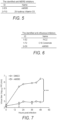
- the combination of 0.1MOI and an end-point at 24 hours post-infection (hpi) was determined to be appropriate for anti-MERS-CoV screening, while for anti-influenza inhibitors was determined as 0.01 MOI and 48hpi were found to be appropriate (see FIG. 3 ).
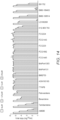
- a library containing 189 bioactive lipids was employed for primary screening, followed by dose-dependent analyses to validate and prioritize candidate compounds (see FIG. 4 ).
- compound AM580 protected cells against infection by both MERS-CoV and influenza A(HlNl)pdm09 virus.
- the aryl hydrocarbon receptor (AhR) agonist FICZ and apoptosis regulatory messenger C 16 Ceramide specifically protected MDCK cells against influenza A(HlNl)pdm virus infection, while a lipid metabolite 25 -Hydroxy vitamin D3 with anti-inflammatory effect protected Huh7 cells against MERS-CoV infection (see FIGs. 5 and 6 ).
- AhR aryl hydrocarbon receptor
- NP MERS-CoV nucleoprotein
- Flow cytometry was utilized to determine the percentage of cell infected with MERS-CoV after AM580 treatment.
- Huh7 cells were infected with 0.01 MOI of MERS-CoV and incubated with or without 20 ⁇ M AM580 for 24 hours.
- MERS-CoV NP-positive cells were decreased from 65% (DMSO group) to 5.38% (AM580 group), indicating the efficient blockade of progeny virus production by AM580.
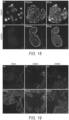
- immunofluorescence staining for MERS-CoV NP in MERS-CoV-infected Huh7 cells suggested near-complete suppression of virus infection upon AM580 treatment (see FIG. 10 ).
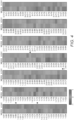
- AM580 was also found to reduce MERS-CoV replication in multiple cell types, including pulmonary (A549 and Calu-3), kidney (Vero-E6), and immune cells [THP-1 and human primary monocyte-derived macrophages (MDMs)] (see FIGs. 11 and 12 ). AM580 was also found to suppress virus-induced pro-inflammatory cytokine activation in Huh7 cells and MDMs (see FIG. 13 ). Overall, AM580 showed potent anti-MERS activity in cell cultures with cell protection effects and inhibition of virus replication and anti-inflammatory responses.
- AM580 analogs with enhanced bioavailability and antiviral potency thirteen compounds with structural similarities to AM580 were tested for anti-MERS-CoV activity. Tamibarotene and bexarotene were found to have anti-MERS-CoV activity comparable to that of AM580, with IC 50 's of 320 ⁇ 26nM and 875 ⁇ 15nM, respectively (see FIG. 14 ). It should be appreciated that these three compounds share a high degree of structural similarity, with all possessing a tetralin moiety on one side of a bridging group and a benzoic acid moiety on the other side (see FIG. 15 ).
- both AM580 and tamibarotene utilize an amide bond, but in opposing orientations. Bexarotene has an ethylene in this position). Without wishing to be bound by theory, Inventors believe that both the tetralin and the benzoic acid moieties of these molecules may be important and/or critical to antiviral potency.
- Inventors have established and characterized MERS-CoV infectivity and replication kinetics in human intestinal organoids (intestinoids), which harbor most types of epithelial cells in the human intestine to simulate the morphological and functional properties of the in vivo setting [23].
- Inventors evaluated the antiviral potency of AM580 in this human organ-like system. After inoculation with 0.1 MOI of MERS-CoV, intestinoids exhibited a steady increase in infectious viral titer in Matrigel and supernatant medium (i.e.
- AM580 treatment was found to significantly (p ⁇ 0.05) reduce MERS-CoV replication both intra- and extra-cellularly.
- no PFU were detectable in AM580-treated (20 ⁇ M) intestinoid culture supernatant, which represents an approximately 6 log 10 PFU/ml reduction relative to DMSO-treated control intestinoids (see FIG. 16 ).
- the AM580-treated intestinoids remained morphologically intact and did not exhibit MERS-CoV-induced CPE as observed in the DMSO-treated control intestinoids (see FIG. 18 ).
- the inhibition of MERS-CoV by AM580 in intestinoids was also evidenced by markedly decreased expression of viral NP in the AM580-treated intestinoids compared with the DMSO-treated control intestinoids (see FIG. 18 ). Additionally, an ex vivo human lung organ culture model showed that AM580 treatment resulted in a marked reduction in MERS-CoV NP expression in the epithelial cells of terminal bronchioles (see FIG. 19 ). It is apparent that AM580 strongly inhibits viral replication of MERS-CoV in human pulmonary and extrapulmonary tissues.
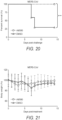
- Inventors examined whether the drug compound conferred protection against lethal challenges of MERS-CoV and influenza A virus in established mouse models using human DPP4 (hDPP4)-transgenic mice [23]. As shown in FIG. 20 , among hDPP4-transgenice mice challenged with 50 PFU of MERS-CoV, 10/10 mice (100%) survived after receiving 3 days of intraperitoneal injection with AM580, whereas only 3/10 (30%) PBS-treated mice survived (p ⁇ 0.01). The mean body weight of the AM580-treated mice was also generally higher than that of the DMSO-treated control mice (see FIG. 21 ).
- AM580-treated mice had significantly (p ⁇ 0.01) lower viral RNA content in their lung tissues as compared with the DMSO-treated control mice at both time-points.
- the viral RNA content of the brain tissues of the AM580-treated mice was almost undetectable and 4-log 10 lower than that of the DMSO-treated control mice (see FIG. 22 ).
- Histopathologic examination showed that the alveolar damage and interstitial inflammatory infiltration in lung tissues of the AM580-treated mice were significantly improved relative to those of the DMSO-treated control mice (see FIG. 23 ).
- AM580 antiviral effect against other viral pathogens, including both RNA [ e.g. SARS-CoV, Zika virus (ZIKV), influenza virus (e.g. influenza A(H1N1)pdm009 virus), and enterovirus (e.g . enterovirus-A71 (EV-A71)] and DNA [e.g. human adenovirus type 5 (AdV5)] viruses.
- RNA e.g. SARS-CoV, Zika virus (ZIKV)
- influenza virus e.g. influenza A(H1N1)pdm009 virus
- enterovirus e.g . enterovirus-A71 (EV-A71)
- DNA e.g. human adenovirus type 5 (AdV5)] viruses.
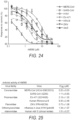
- AdV580 inhibited replication of all these varied viruses species within a range of nanomolar to low micromolar concentrations and in a dose-dependent manner (see FIGs. 24 and 25 ).
- the cytotoxicity of AM580 was similar ( ⁇ 100-200 ⁇ M) across different cell lines, including those derived from both human and non-human origins, using both the methylthiazol tetrazolium (MTT) and CellTiter-Glo assays (see FIG. 26 ).
- MERS-CoV MERS-CoV
- SARS-CoV SARS-CoV
- influenza A(H1N1)pdm09 virus 159
- AM580 against the highly pathogenic Influenza A(H7N9) influenza virus a more virulent subtype than A(H1N1)pdm09, was also evaluated, using a wild-type Balb/c mouse model.
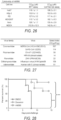
- the AM580-treated mice had significantly (p ⁇ 0.01) higher survival rates (6/10, 60%) than the DMSO-treated control mice (0/10, 0%) (see FIG. 28 ).
- the mean body weight of the AM580-treated mice gradually rebounded starting on day 8 post-challenge (see FIG. 29 ).
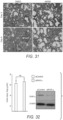
- the mean viral RNA load in the lung tissues of the AM580-treated mice was significantly (p ⁇ 0.01) lower than that of the DMSO-treated control mice (see FIG. 30 ). Histopathological examinations revealed that AM580 treatment ameliorated virus-associated pulmonary inflammatory infiltration and bronchopneumonia (see FIG. 31 ). It is apparent that AM580 provides significant in vivo protective effects against a highly virulent/lethal influenza A(H7N9) virus challenge.
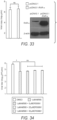
- AM580 is a known selective retinoic acid receptor- ⁇ (RAR- ⁇ ) agonist. Inventors have found, surprisingly, that the antiviral activity of AM580 is not dependent on the activation of RAR- ⁇ signaling or on activation of the host's innate antiviral response. To determine the extent to which the antiviral activity of AM580 relies on activation of the RAR- ⁇ signaling pathway, loss-of-function and gain-of-function assays were performed. Neither down-regulation of the pathway through RAR- ⁇ gene silencing (see FIG. 32 ) nor hyper-expression of the RAR- ⁇ receptor (see FIG. 33 ) significantly affected MERS-CoV replication.
- RAR- ⁇ selective retinoic acid receptor- ⁇
- Inventors utilized a time-of-drug-addition assay, in order to demonstrate that the drug compound did not interfere with MERS-CoV attachment or internalization (see FIG. 38 ). Without wishing to be bound by theory, the Inventors believe that the drug compound may interrupt the post-entry steps of the MERS-CoV life cycle.
- the highest scoring pathway in each gene cluster were associated with Alzheimer's disease and lysine degradation, respectively.
- MERS-CoV-infected cells treated with AM580 had significantly reduced expression of genes that were functionally related to fatty acid metabolism, fatty acid degradation, and non-alcoholic fatty liver disease (NAFLD).
- NAFLD non-alcoholic fatty liver disease
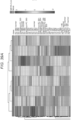
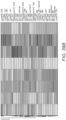
- Inventors performed untagged lipidomic analysis of MERS-CoV-infected Calu-3 cells in the presence or absence of AM580 (see FIG. 39 ). Lipids were isolated at 24hpi. The abundances of 308 lipid features in positive mode and 199 lipid features in the negative mode of 11 lipid classes were characterized. After removing duplicated lipid features, data processing and statistical analysis were performed. A number of changes in the cellular lipidome were observed in AM580-treated, MERS-CoV-infected cells when compared with those of the mock-infected and DMSO-treated MERS-CoV-infected control cells.
- Glycerophospholipids constitute the main lipid category of mammalian cell membrane. Structurally, GPs are further classified into four subgroups, including two lysophospholipids (LysoPLs) [lysophosphatidylcholine (LysoPC) and lysophosphatidylethanolamine (LysoPE)] and two phospholipids (PLs) [phosphatidylcholine (PC) and phosphatidylethanolamine (PE)].
- LysoPLs lysophospholipids
- PLs phosphatidylcholine
- PE phosphatidylethanolamine
- Inventors performed a hierarchical clustering analysis based on the degree of abundance of different lipids.
- MERS-CoV infection down-regulated LysoPLs (LysoPC and LysoPE) and up-regulated PLs (PC and PE) when compared with mock-infected control (see FIG. 39 ).
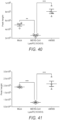
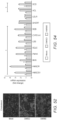
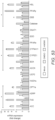
- AM580 antagonized this virus-induced perturbation of lipid homeostasis and exhibited a similar lipidome as the mock-infected control (see FIGs. 40 to 50 ).
- PLA2 specifically hydrolyze the sn-2 position ester bond of PLs to form LysoPLs.
- the lipid-regenerating enzyme LPCAT transfer an acyl-group from acyl-CoA to LysoPLs to regenerate phospholipids, thus completing the de-acylation/re-acylation cycle.
- MERS-CoV replication favored PLs rather than LysoPLs formation (see FIGs. 40 to 50 ).
- Inventors used immunofluorescence to visualize the distribution patterns of cellular lipid droplets (LDs) and cholesterol within MERS-CoV-infected Huh7 cells in the presence or absence of AM580 and a RT-qPCR assay to measure changes in mRNA expression. As shown in FIGs. 51 and 52 , infection by MERS-CoV markedly enhanced the accumulation of LDs and cholesterol, whereas addition of AM580 significantly reduced their production.
- LDs lipid droplets
- AM580 RT-qPCR assay
- fatty acid metabolism including the de novo fatty acid synthesis and uptake pathway (ACC, FAS, ADRP), fatty acid oxidation pathway (CPT1a, HADH ⁇ , UCP2, ACOX, BOX, CYP2E1, CYP4A11, PPAR ⁇ ), antioxidant pathway (SOD, catalase, GSS), and triglyceride synthesis and catalysis pathway (DGAT1, PPAR ⁇ , HSL), were characterized. Significant decreases in mRNA expression were detected in 13/17 (76.5%) genes in the AM580-treated infected cells, when compared with those of the DMSO-treated infected controls (see FIG. 53 ).
- SREBP-1 and SREBP-2 are the primary transcription factors that control biosynthesis of cholesterol, fatty acids, and triglycerides [27].
- Inventors compare the growth of MERS-CoV between wildtype (mock treatment) and pretreated (knockdown or hyper-expression of SREBPs) cells.
- transfection with SREBP-1- or SREBP-2-targeted siRNAs diminished precursor SREBPs (pre-SREBPs) production, which led to significantly (p ⁇ 0.05) reduced MERS-CoV replication (see FIG.56 ). This indicates that SREBPs are essential for MERS-CoV replication.
- n-SREBPs nuclear form
- sterol sterol
- SCAP SREBP cleavage activating protein
- S1P site-1 protease
- S2P site-2 protease
- Inventors believe that blockade of SREBPs maturation can be effective for antiviral therapy.
- Inventors characterized the anti-MERS-CoV activity of betulin (a SCAP inhibitor) and PF429242 (an S1P inhibitor). Both compounds reduced MERS-CoV replication in a dose-dependent manner, achieving about 1 log PFU/ml reduction in viral titer when using 50 ⁇ M for the treatment of MERS-CoV-infected Huh7 cells (see FIG. 57 ).
- n-SREBPs can provide drug-modifiable molecular targets for suppressing virus replication.
- n-SREBPs up-regulate gene expression of a group of lipogenic enzymes by binding to SREs that are present in the promoters for the genes, such as HMGCS, HMG-CoA reductase, FAS, ACC and squalene synthase [29].
- dsDNA sequences including SREBP1- or SREBP2-binding elements were immobilized onto test wells, and the extent of binding of nuclear-extracted SREBP1 or SREBP2 was then characterized in the presence or absence of candidate inhibitors.
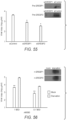
- AM580 inhibited binding of both n-SREBP1 and n-SREBP2 with their corresponding SREs (see FIGs. 58 and 59 ).
- Inventors also investigated the mechanism for AM580 inhibition of n-SREBP binding.
- AM580 targeted n-SREBP or SRE
- Inventors pre-incubated the drug compound either: (1) with the immobilized dsDNA before adding n-SREBP, or (2) with n-SREBP before binding with the dsDNA.
- n-SREBP1 as an example, AM580 was found to bind with n-SREBP1 rather than SRE, and was found to inhibit the DNA binding activity of n-SREBP1 in a dose-dependent fashion (see FIG. 60 ).
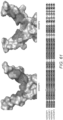
- AM580 To predict the potential amino acid residue(s) that AM580 might interact with, Inventors performed molecular docking analysis using the published crystal structures of SREBP1 and SREBP2[30, 31]. AM580 was predicted to interact with residue Tyr335 (see FIGs. 61 and 62 ), which is located within the DNA-binding domain and determines SRE recognition [30]. It should be appreciated that the SRE recognition sites of both SREBP1 and SREBP2 are highly conserved between human and mouse (see FIG. 61 ), which can explain the consistent antiviral activities that Inventors observed across various cell lines, human organoids, ex vivo tissues, and mouse models. Without wishing to be bound by theory, Inventors believe that AM580 inhibits the DNA binding activity of SREBPs by blocking SRE recognition sites.
- Inventors performed site-directed mutagenesis to construct a Y335R mutant n-SREBP1, and assessed the binding affinity of WT and Y335R n-SREBP1 against either AM580 or SRE.
- DNA binding activity of n-SREBP1 was significantly (p ⁇ 0.01) diminished when Tyr335 was substituted with arginine (see FIG. 63 ). This indicates that the Tyr335 in n-SREBP1 may be crucial to binding to AM580.
- AM580dp an AM580-derived probe (AM580dp) was synthesized.
- Inventors introduced a linker arm containing an azido moiety to the carboxylic acid group of AM580 to yield azido-AM580, which was designed for future addition of chemical groups with specific and/or additional probing functions.
- azido-AM580 was found to inhibit MERS-CoV replication in Huh7 and Vero cells (see FIG. 64 ).
- azido-AM580 was visualized to be largely localized in the host cell's nucleus, which is consistent with previous conclusions that AM580 targets a lipogenic transactivation event (see FIG. 65 ).
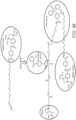
- AM580dp contains both a photoaffinity group and a biotin tag (see FIG. 66 ).
- AM580dp was immobilized on streptavidin-conjugated agarose by its biotin group and incubated with the exogenously expressed WT and Y335R n-SREBP1, respectively.
- UV ultraviolet
- the protein-AM580dp complex was fixed and pulled down together through biotin-tag purification.
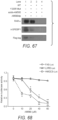
- RAR- ⁇ were precipitated by WT and mutant Y335R n-SREBP1, indicating that AM580dp was biologically functional (see FIG. 67 ).
- HMGCS-promoter-Luc two reporter constructs were prepared, HMGCS-promoter-Luc and FAS-promoter-Luc.
- the former includes a hamster HMGCS promoter sequence (-324/-225) [32] while the latter was includes with a FAS-promoter [33].
- AM580 exhibited concentration-dependent inhibition of the reporter gene activities, indicating that lipogenic enzymes such as HMGCS and FAS were blocked at a transcriptional level (see FIG. 68 ).
- RNA viruses are known to replicate their genomes on intracellular membranes.
- DMVs double-membrane vesicles
- ROs replicative organelles
- RTCs viral replication/transcription complexes
- Negative-sense viruses utilize a different mechanism of genome replication and transcription that is independent of intracellular membranes. Palmitate has several biological functions, including palmitoylation. Palmitoylation is the post-translational attachment of fatty acids that modulate protein function and protein localization [34]. In influenza A viruses, the best characterized viral palmitoylated protein is the surface glycoprotein hemagglutinin (HA) [35]. Palmitoylation levels with or without treatment with AM580 were characterized to determine if blockade of fatty acid synthesis impedes influenza HA palmitoylation and, as a result, arrests post-translational steps of the virus life cycle.
- HA surface glycoprotein hemagglutinin
- HA-overexpressing A549 cells were cultured with AM580, vehicle/control (DMSO), or the positive control inhibitor 2-BP, which specifically impairs palmitoylation by inhibiting palmitoyl acyl transferases palmitate [36].
- S-palmitoylated HA protein was purified via resin-assisted capture. No significant difference in the amount of total HA protein was detected among the different treatment groups, suggesting that 2-BP and AM580 had no impact on protein synthesis (see FIG. 75 ).
- Viruses rely on the metabolic network of their cellular hosts to provide energy and building blocks for their replication.
- the remarkable antiviral efficacy of AM580 and related compounds through the inhibition of SREBP related pathways, in vitro and in vivo, indicates that reprogramming of host lipid metabolism is crucial in multiple aspects of virus life cycle, and importantly, demonstrates that these steps are vulnerable and represent pharmaceutically addressable molecular targets for antiviral intervention.
- SREBPs are essential in coordinating virus-induced lipid hyper-induction (see FIG. 55 ), which consequently affects DMV biosynthesis (see FIG. 74 ) and post-translational protein palmitoylation (see FIG. 75 ).
- AM580 down-regulates the genes in cholesterol and fatty acid biosynthesis and decreases the content of cellular lipids to restrict viral replication (see FIGs. 52 and 53 ).
- pre-SREBPs Prior to the proteolytic processing of SREBPs, pre-SREBPs are initially synthesized as ER trans-membrane proteins[19].
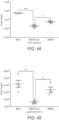
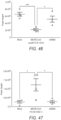
- palmitoylation inhibitor (2-BP) exhibited antiviral activity against both influenza A(H1N1) virus and MERS-CoV, suggesting that viral protein palmitoylation is another pharmaceutically addressable host molecular target for broad-spectrum antivirals (see FIG. 44 ).
- Functioning as a raft-targeting signal, palmitoylation is a common and conserved biological process essential in virus assembly and budding.
- Prominent examples reported for human pathogens include surface glycoproteins such as the HA of influenza A virus, NB of influenza B virus, the fusion (F) protein of measles virus, the glycoproteins of filoviruses and retroviruses (including HIV)[34]. Protein palmitoylation also regulates functions of cellular proteins.
- DHHC protein catalyzes palmitoylation with different substrate specificities, suggesting that these proteins might be promising drug targets since their blockade should result in suppression of viral replication, while acylation of cellular proteins will not be compromised [41].
- the antiviral activity of AM580 is not dependent on the RAR- ⁇ pathway (see FIGs. 32 to 34 ).
- Structure-activity analysis of AM580 guided proper modification of azido-AM580 and AM580dp, which enabled the visualization of its cellular distribution (see FIG. 65 ) and pull-down of SREBP as a direct binding target of AM580 (see FIG. 68 ).
- Knockdown of SREBP1 or 2 did not exhibit similar level of antiviral potency as that of AM580 (see FIG. 55 ), which might be due to that SREBP1 and SREBP2 can compensate for each other when one protein was impaired [42].
- Tamibarotene an orally active retinoid for treatment of acute promyelocytic leukemia was identified [44]. It should be appreciated that Tamibarotene has a known and comprehensive safety profile, and is a marketed product in Japan.
- AM580 and/or related compounds can be modified as a safe and broad antiviral therapeutic, particularly since AM580 is active only during the burst of heightened lipid demand is triggered by virus infection.
- HEK293T Human embryonic kidney
- A549 human lung carcinoma
- Human hepatoma Human rhabdomyosarcoma
- RD human epithelial type 2
- HEp-2 human epithelial type 2
- Calu-3 human leukemic (THP-1) monocytes
- MDCK Madin-Darby canine kidney
- Vero African green monkey kidney
- Vero-E6 cells were obtained from ATCC and maintained in culture medium as suggested by the supplier/manufacturer.
- MDMs Human peripheral blood monocyte-derived macrophages
- Monocyte preparation and differentiation were performed according to a well-established protocol as Inventors described previously[45]. All cell lines were cultured at 37 °C in 5% CO 2 . All cell lines used in the study were confirmed to be free of mycoplasma contamination as determined by Plasmo Test (InvivoGen). Upon virus infection, the infected cells were maintained in FBS free medium with or without compounds. The Influenza A virus strain A/Hong Kong/415742/2009(H1N1)pdm09 was cultured in MDCK cells.
- a clinical isolate of ZIKV (Puerto Rico strain PRVABC59) was amplified in Vero cells.
- the Enterovirus A71 (SZ/HK08-5) was cultured in RD cells.
- a clinical isolate of human adenovirus type 5 (AdV5) was propagated in A549 cells.
- plaque assay plaque assay
- TCID 50 tissue culture infectious dose
- AM580 was purchased from Cayman Chemical (Michigan, United States), while other chemical inhibitors were obtained from Sigma-Aldrich (Missouri, United States) unless specified.
- MERS-CoV NP was detected with the guinea pig anti-MERS-CoV NP serum as Inventors previously described [48].
- Fluorescent neutral lipid dye 4,4-difluoro-1,3,5,7,8-pentamethyl-4-bora-3a,4a-diaza-s-indacene (BODIPY 493/503, Invitrogen) was used to stain lipid droplets (LDs), while Filipin III (Cayman chemical) was employed for visualization of intracellular cholesterol.
- the phosphine-activated fluorescent dye DyLight TM 488-Phosphine (Invitrogen) was utilized for specific labeling and detection of azide-tagged molecule, i.e. Azido-AM580.
- FAS promoter luciferase was a gift from Dr. Bruce Spiegelman (Addgene plasmid # 8890), pSynSRE-T-Luc containing HMG-CoA synthase promoter (Addgene plasmid # 60444), pcDNA3.1-2 ⁇ FLAG-SREBP-2 (Addgene plasmid # 26807), pcDNA3.1-2 ⁇ FLAG-SREBP-1c (Addgene plasmid # 26802) were gifts from Dr. Timothy Osborne.
- the luciferase constructs IFN ⁇ -Luc and ISRE-Luc were provided by Dr. Dong-yan JIN (The University of Hong Kong).
- a compound library containing 189 bioactive-lipids (Cayman Chemical, Michigan, USA) was purchased for screening.
- the library collection included prostaglandins, receptor agonists and antagonists, and ceramide derivatives, which is ideal for G protein-coupled receptor screening and for routine pharmacological screening.
- An MTT-based CPE inhibition assay was performed as Inventors previously described with slight modifications[49].
- To identify anti-MERS-CoV inhibitors confluent Huh7 cells in 96-well culture plates (4 ⁇ 10 4 cells/well) in triplicate were infected with MERS-CoV at 0.1 multiplicity of infection (MOI). One hour after virus absorption, the inoculum was removed, followed by addition of drug-containing medium (10 ⁇ M).
- Selectivity index (SI) of each compound was calculated as the ratio of 50% cellular cytotoxicity concentration (CC 50 ) over 50% inhibitory concentration (IC 50 ).
- the CC 50 value was determined with an MTT assay (Invitrogen) and CellTiter-Glo assay (Promega) according to the manufacturer's protocols, while IC 50 data was obtained with plaque reduction assay or by viral load reduction assay as indicated [51]. Both CC 50 and IC 50 were calculated using GraphPad Prism 6.
- Flow Cytometry For intracellular staining, cells were detached with 10mM EDTA in PBS, fixed in 4% paraformaldehyde, and permeabilized with 0.1% Triton X-100 in PBS. Immunostaining for flow cytometry was performed following standard procedures as Inventors described previously [52]. The flow cytometry was performed using a BD FACSCanto II flow cytometer (BD Biosciences) and data was analyzed using FlowJo vX (Tree Star).
- mice were intranasally (i.n.) inoculated with 20 ⁇ L of virus suspension containing 50 PFU of MERS-CoV.
- the therapeutic treatment was initiated 6 hours post-virus-challenge by intraperitoneal (i.p.) inoculation.
- One group of mice was inoculated with 200 ⁇ L of AM580 i.p. for 3 days (12.5 mg/kg/day).
- the second group of mice was administered 200 ⁇ L 0.1% DMSO in PBS i.p. as an untreated control. Animal survival and sick signals were monitored for 14 days or until death.
- Four mice in each group were euthanized randomly on day 2 and 4 post-challenge, respectively.
- mice mice/group mice (18 mice/group) were intranasally (i.n.) inoculated with 20 ⁇ L of virus suspension, i.e. 100 PFU of Influenza A(H7N9) virus. The therapeutic treatment was initiated 6 hours post-virus-challenge by i.n. intranasal administration.
- One group of mice was inoculated with 20 ⁇ L of i.n. AM580 (1 mg/kg/day).
- the second group of mice was treated with 20 ⁇ L of i.n.
- zanamivir (2 mg/kg/day) as a positive control.
- the third group was given i.n. 0.1% DMSO in PBS as an untreated control.
- Two i.n. doses per day of AM580, zanamivir or PBS were administered for 3 days (total 6 doses/mouse). Animal survival and sick signals were monitored for 14 days or until death.
- Lung tissues (4 mice/group) were collected for virus titration and H&E histopathological analyses on days 3 and 6 post-virus-challenge, respectively.
- the virus-inoculated intestinoids were rinsed with PBS and then re-embedded in Matrigel and cultured in a 48-well plate with culture medium containing or lacking AM580 (20 ⁇ M). At the indicated time points, the intestinoids were harvested for the quantification of intracellular viral load, whereas cell-free Matrigel and culture medium were combined for viral titration of extracellular supernatant.
- Ex vivo lung tissue culture and virus infection experiments The ex vivo lung tissue culture and virus infection experiments were approved by the Institutional Review Board of the University of Hong Kong/Hospital Authority Hong Kong West Cluster. Fresh normal lung tissue was obtained from a patient undergoing lung surgical resection. Experimental conditions for virus infection and subsequent immunofluorescence staining were performed as Inventors described previously[45]. Briefly, lung tissue was cut into 2-mm 3 cubes and subsequently infected by a MERS-CoV inoculum of 2 ⁇ 10 8 PFU /ml or were mock-infected for 1 hour at 37 °C. After inoculation, tissue cubes were maintained in DMEM/F12 medium supplemented with 10% human serum and penicillin/streptomycin before fixation and cryosectioning.
- Calu-3 cells were mock infected or infected with MERS-CoV at an MOI of 2 and incubated in DMEM medium containing (or lacking) AM580 (20 ⁇ M). At 8 and 24 hpi, cells were collected and subjected to cellular lipid extraction, respectively. Inactivation of virus infectivity was confirmed by plaque assay. Sample preparation was performed with minor modifications according to the published paper [56]. Briefly, an ice-cold quenching buffer of 150 mM ammonium bicarbonate was added to dissociate cells, which were then transferred into an anti-chloroform tube.
- the mobile phase consisted of (A) 0.1% acetic acid in water and (B) acetonitrile.
- the separation was performed at a flow rate of 0.4 ml/min under a gradient program as follows: 0.5% B (0 to 1.5 minutes), 0.5 to 8% B (1.5 to 2 minutes), 8 to 35% B (2 to 7 minutes), 35 to 70% B (7 to 13 minutes), 70 to 99.5% B (13 to 29 minutes), 99.5% B (29 to 36 minutes).
- the mass spectral data were acquired in both positive and negative modes.
- Leucine encephalin was used as a lock mass for all experiments. Collision energy was used with the range from 20 to 40 eV for fragmentation to allow putative identification and structural elucidation of the significant metabolites.
- Electron microscopy was utilized to observe double-membrane vehicles (DMVs) that induced by MERS-CoV infection. Vero cells were grown a 6-well plate. Following infection with MERS-CoV at an MOI of 3 (or mock infection) for 1 hour, the cell culture medium was replaced with fresh medium containing 20 ⁇ M AM580 or 0.1% DMSO as a control. After 12 hours the cell culture medium was removed. The cells were washed with PBS, trypsinized and fixed with 4% formaldehyde for further processing and counterstaining [57]. The images were acquired in Electron Microscope Unit of the University of Hong Kong.
- DMVs double-membrane vehicles
- SREBP1 (PDB code: 1AM9) and SREBP2 (PDB code: 1UKL) were retrieved from the Protein Data Bank database. SREBP1 dimer and SREBP2 dimer were extracted with Pymol. Missing residues in SREBP2 were modeled using I-TASSER server [58]. Protein models were prepared with the Protein Preparation Wizard module in Maestro [59]. The 3D conformer of AM580 was downloaded from PubChem database [60]. Leadfinder v 1.81 was used to perform the docking simulation with extra precision method [61].
- Azido-AM580 was used for intracellular visualization of AM580, while AM580dp was designed and synthesized for pull-down studies of AM580 binding targets.
- This tri-functional cross linker contains a NHS-ester head group for linking to the amine tail of another cross linker phosphine compound (Compound B) (methyl 4-[2-[2-(2-aminoethoxy)ethoxy]ethylcarbamoyl]-2-diphenylphosphanyl-benzoate (Shinsei Chemical Company Ltd.), a biotin head group for Streptavidin resin binding on the other end, and a UV activating benzophenone group for crosslinking with target binding proteins of AM580.
- Compound A was mixed with 30 ⁇ l of 74.8mM Compound B (dissolved in DMSO-d6) to a final volume of 1ml by DMF.
- Molar ratio of Compound A to Compound B was 1:2.
- the reaction was performed at 40 °C with shaking at 1400rpm.
- Excess azido-AM580 was added to the mixture to allow cross-linking with the phosphine group by Staudinger ligation reaction.
- the reaction product was then incubated with Streptavidin agarose resin (Pierce) to capture the AM580dp product.
Landscapes
- Health & Medical Sciences (AREA)
- Life Sciences & Earth Sciences (AREA)
- Chemical & Material Sciences (AREA)
- Medicinal Chemistry (AREA)
- Pharmacology & Pharmacy (AREA)
- Animal Behavior & Ethology (AREA)
- General Health & Medical Sciences (AREA)
- Public Health (AREA)
- Veterinary Medicine (AREA)
- Epidemiology (AREA)
- Virology (AREA)
- Communicable Diseases (AREA)
- Oncology (AREA)
- Chemical Kinetics & Catalysis (AREA)
- General Chemical & Material Sciences (AREA)
- Nuclear Medicine, Radiotherapy & Molecular Imaging (AREA)
- Organic Chemistry (AREA)
- Acyclic And Carbocyclic Compounds In Medicinal Compositions (AREA)
- Pharmaceuticals Containing Other Organic And Inorganic Compounds (AREA)
- Medicines That Contain Protein Lipid Enzymes And Other Medicines (AREA)
Claims (4)
- AM580 zur Verwendung beim Behandeln einer Virusinfektion, wobei das Virus aus einer Gruppe ausgewählt ist, die aus MERS-Coronavirus, SARS-Coronavirus, Zika-Virus, Influenza A, einem Adenovirus und einem Enterovirus besteht;

- Verbindung zur Verwendung nach Anspruch 1, wobei die Verbindung mit einem pharmazeutisch unbedenklichen Träger verabreicht wird.
- Verbindung zur Verwendung nach Anspruch 1 oder 2, wobei die Verbindung in Kombination mit einer pharmazeutisch wirksamen Verbindung verabreicht wird.
- Verbindung zur Verwendung nach Anspruch 3, wobei die pharmazeutisch wirksame Verbindung aus der Gruppe ausgewählt ist, die aus einer antiviralen Verbindung, einer entzündungshemmenden Verbindung, einer analgetischen Verbindung, einem Antiemetikum und einem Antibiotikum besteht.
Applications Claiming Priority (2)
| Application Number | Priority Date | Filing Date | Title |
|---|---|---|---|
| US201762573933P | 2017-10-18 | 2017-10-18 | |
| PCT/US2018/056138 WO2019079339A1 (en) | 2017-10-18 | 2018-10-16 | COMPOSITIONS AND METHODS FOR BROAD SPECTRUM ANTIVIRAL THERAPY |
Publications (3)
| Publication Number | Publication Date |
|---|---|
| EP3697404A1 EP3697404A1 (de) | 2020-08-26 |
| EP3697404A4 EP3697404A4 (de) | 2021-07-21 |
| EP3697404B1 true EP3697404B1 (de) | 2025-03-26 |
Family
ID=66173467
Family Applications (1)
| Application Number | Title | Priority Date | Filing Date |
|---|---|---|---|
| EP18867413.9A Active EP3697404B1 (de) | 2017-10-18 | 2018-10-16 | Zusammensetzungen und verfahren zur antiviralen breitbandtherapie |
Country Status (6)
| Country | Link |
|---|---|
| US (1) | US12213955B2 (de) |
| EP (1) | EP3697404B1 (de) |
| JP (1) | JP7466907B2 (de) |
| CN (1) | CN111886008B (de) |
| TW (1) | TWI860281B (de) |
| WO (1) | WO2019079339A1 (de) |
Families Citing this family (19)
| Publication number | Priority date | Publication date | Assignee | Title |
|---|---|---|---|---|
| CA3040540A1 (en) | 2016-11-10 | 2018-05-17 | Oyagen, Inc. | Methods of treating and inhibiting ebola virus infection |
| CN112789925B (zh) * | 2019-06-27 | 2023-06-02 | Oppo广东移动通信有限公司 | 用于指示空间关系信息的方法和设备 |
| US11738025B2 (en) | 2020-02-04 | 2023-08-29 | Oyagen, Inc. | Method for treating coronavirus infections |
| CA3173970A1 (en) * | 2020-03-08 | 2021-09-16 | Humanigen, Inc. | Methods for treating coronavirus infection and resulting inflammation-induced lung injury |
| US11628165B1 (en) * | 2020-03-25 | 2023-04-18 | Helen Feng | Method of boosting immune system against viral infection |
| ES2862462B2 (es) * | 2020-04-06 | 2023-04-27 | Servicio Andaluz De Salud | Compuestos para la profilaxis y/o el tratamiento del sindrome de dificultad respiratoria aguda |
| WO2021211738A1 (en) * | 2020-04-15 | 2021-10-21 | Sanford Burnham Prebys Medical Discovery Institute | Methods and compositions for antiviral treatment |
| EP4146340A4 (de) * | 2020-05-07 | 2024-06-05 | The Regents Of The University Of California | Inhalierte statine zur behandlung von viralen atemwegserkrankungen |
| EP4153157A4 (de) * | 2020-05-22 | 2024-06-05 | Riveros, Carlos Alberto | System, verfahren und verwendung eines bestimmten medikaments zur reduzierung der viralen replikation in der atemwegsschleimhaut |
| EP4186505A4 (de) | 2020-06-11 | 2024-06-19 | Yang Sheng Tang Company, Ltd. | Verwendung von palovaroten zur behandlung gegen hbv virus |
| US20240131036A1 (en) * | 2020-07-02 | 2024-04-25 | The Uab Research Foundation | Compositions and methods of treating conditions |
| CN112390731B (zh) * | 2020-11-16 | 2022-11-25 | 成都大学 | 一种具有多靶点的维甲酸类衍生物及其制备方法与应用 |
| US11998562B2 (en) | 2021-01-25 | 2024-06-04 | University Of South Florida | Ophthalmological formulations for the prevention of a coronavirus infection |
| JP2024504728A (ja) | 2021-01-26 | 2024-02-01 | サイトケアズ (シャンハイ) インコーポレイテッド | キメラ抗原受容体(car)構築物およびcar構築物を発現するnk細胞 |
| US20220378727A1 (en) * | 2021-05-14 | 2022-12-01 | The University Of Hong Kong | Dry powder formulations of tamibarotene for pulmonary and intranasal delivery |
| CN116891497B (zh) * | 2022-04-02 | 2025-12-16 | 上海旭成医药科技有限公司 | 视黄酸受体激动剂、其制备方法、中间体、药物组合物和应用 |
| CN119013012A (zh) * | 2022-04-28 | 2024-11-22 | 国立大学法人东海国立大学机构 | 用于治疗伴随有舒张障碍的心力衰竭的药物组合物 |
| CN119454680B (zh) * | 2024-12-06 | 2025-06-17 | 华南农业大学 | 贝沙罗汀在制备抗prrsv或治疗猪蓝耳病的药物中的应用 |
| CN121177272A (zh) * | 2025-11-10 | 2025-12-23 | 北京市农林科学院 | 化合物am580在预防或治疗塞内卡病毒病中的用途 |
Family Cites Families (10)
| Publication number | Priority date | Publication date | Assignee | Title |
|---|---|---|---|---|
| US7341717B2 (en) | 2001-04-13 | 2008-03-11 | Gpc Biotech Ag | Therapeutic targets for treatment of HCV infections, methods of treating HCV infections and compounds useful therefor |
| WO2004050101A2 (en) * | 2002-11-29 | 2004-06-17 | Gpc Biotech Ag | Formulations useful against hepatitis c virus infections |
| WO2005120479A1 (en) * | 2004-06-09 | 2005-12-22 | Gpc Biotech Ag | Use of selenium or a selenium salt and a retinoid acid or a retinoid in the treatment of viral hepatitis c |
| EP1886685A1 (de) | 2006-08-11 | 2008-02-13 | INSERM (Institut National de la Santé et de la Recherche Médicale) | Methoden, Verwendungen und Zusammensetzungen zur Modulation der Replikation von HCV durch Aktivierung oder Hemmung des Farnesoid X Rezeptors |
| EP2120567A4 (de) * | 2007-01-18 | 2011-11-09 | Evolva Sa | Prodrugs von substituierten 1,3-dioxanen und ihre verwendungen |
| CN104662036B (zh) | 2012-04-25 | 2018-11-09 | 华辉安健(北京)生物科技有限公司 | 乙肝肝炎病毒功能性受体的组成以及相关应用 |
| EP2922572A1 (de) * | 2012-11-23 | 2015-09-30 | AB Science | Verwendung von kleinmolekularen hemmern/aktivatoren in kombination mit (desoxy)nukleosid- oder (desoxy)nukleotidanaloga zur behandlung von krebs und hämatologischen malignomen oder virusinfektionen |
| JP2017508737A (ja) * | 2014-02-18 | 2017-03-30 | チルドレンズ ホスピタル ロサンゼルス | 好中球減少症の治療用の組成物及び方法 |
| CN106572663B (zh) * | 2014-03-10 | 2020-09-29 | 康奈尔大学 | 用于头颈癌的联合疗法 |
| WO2018054891A1 (en) | 2016-09-20 | 2018-03-29 | Ruprecht-Karls-Universität | Compounds and combinations thereof for preventing and/or treating hbv and/or hdv infections |
-
2018
- 2018-10-16 EP EP18867413.9A patent/EP3697404B1/de active Active
- 2018-10-16 CN CN201880080271.9A patent/CN111886008B/zh active Active
- 2018-10-16 JP JP2020542534A patent/JP7466907B2/ja active Active
- 2018-10-16 WO PCT/US2018/056138 patent/WO2019079339A1/en not_active Ceased
- 2018-10-16 US US16/757,312 patent/US12213955B2/en active Active
- 2018-10-17 TW TW107136527A patent/TWI860281B/zh active
Also Published As
| Publication number | Publication date |
|---|---|
| JP7466907B2 (ja) | 2024-04-15 |
| JP2021500400A (ja) | 2021-01-07 |
| EP3697404A1 (de) | 2020-08-26 |
| CN111886008A (zh) | 2020-11-03 |
| WO2019079339A1 (en) | 2019-04-25 |
| EP3697404A4 (de) | 2021-07-21 |
| US20200338032A1 (en) | 2020-10-29 |
| TW201927293A (zh) | 2019-07-16 |
| US12213955B2 (en) | 2025-02-04 |
| TWI860281B (zh) | 2024-11-01 |
| CN111886008B (zh) | 2024-05-31 |
Similar Documents
| Publication | Publication Date | Title |
|---|---|---|
| EP3697404B1 (de) | Zusammensetzungen und verfahren zur antiviralen breitbandtherapie | |
| Williams et al. | Inhibitors of VPS34 and fatty-acid metabolism suppress SARS-CoV-2 replication | |
| Yuan et al. | SREBP-dependent lipidomic reprogramming as a broad-spectrum antiviral target | |
| Xu et al. | Broad spectrum antiviral agent niclosamide and its therapeutic potential | |
| Nitulescu et al. | Comprehensive analysis of drugs to treat SARS‑CoV‑2 infection: Mechanistic insights into current COVID‑19 therapies | |
| Wu et al. | Progress of small molecular inhibitors in the development of anti-influenza virus agents | |
| Wang et al. | Triggering unfolded protein response by 2-Deoxy-D-glucose inhibits porcine epidemic diarrhea virus propagation | |
| Wang et al. | Broad‐spectrum prodrugs with anti‐SARS‐CoV‐2 activities: strategies, benefits, and challenges | |
| Böttcher-Friebertshäuser et al. | Hemagglutinin activating host cell proteases provide promising drug targets for the treatment of influenza A and B virus infections | |
| Laure et al. | Antiviral efficacy against influenza virus and pharmacokinetic analysis of a novel MEK-inhibitor, ATR-002, in cell culture and in the mouse model | |
| Li et al. | NPC1-regulated dynamic of clathrin-coated pits is essential for viral entry | |
| Gómez-Ríos et al. | Repurposing antivirals as potential treatments for SARS-CoV-2: From SARS to COVID-19 | |
| US20140121237A1 (en) | Methods for Inhibiting Virus Replication | |
| Huang et al. | Mitophagy activation targeting PINK1 is an effective treatment to inhibit zika virus replication | |
| US20210145795A1 (en) | Soce facilitators for use in treating or preventing viral infections | |
| Tang et al. | A selective SARS-CoV-2 host-directed antiviral targeting stress response to reactive oxygen species | |
| US20230293521A1 (en) | Methods for screening novel coronavirus antivirals and methods of using antivirals for the treatment of coronavirus infections | |
| US20240116889A1 (en) | Antiviral compounds and methods | |
| Tang et al. | Peptide-based inhibitors hold great promise as the broad-spectrum agents against coronavirus | |
| Steele et al. | The role of sialylation in respiratory viral infection and treatment | |
| Raj et al. | Current understanding on molecular drug targets and emerging treatment strategy for novel coronavirus-19 | |
| Steinmetzer et al. | Strategies for the development of influenza drugs: basis for new efficient combination therapies | |
| HK40038027A (en) | Compositions and methods for anti-mers-coronavirus therapy | |
| HK40038027B (zh) | 用於抗mers-冠状病毒治疗的组合物和方法 | |
| Li et al. | Differential Bioactivation Profiles of Different GS-441524 Prodrugs in Cell and Mouse Models: ProTide Prodrugs with High Cell Permeability and Susceptibility to Cathepsin A Are More Efficient in Delivering Antiviral Active Metabolites to the Lung |
Legal Events
| Date | Code | Title | Description |
|---|---|---|---|
| STAA | Information on the status of an ep patent application or granted ep patent |
Free format text: STATUS: THE INTERNATIONAL PUBLICATION HAS BEEN MADE |
|
| PUAI | Public reference made under article 153(3) epc to a published international application that has entered the european phase |
Free format text: ORIGINAL CODE: 0009012 |
|
| STAA | Information on the status of an ep patent application or granted ep patent |
Free format text: STATUS: REQUEST FOR EXAMINATION WAS MADE |
|
| 17P | Request for examination filed |
Effective date: 20200515 |
|
| AK | Designated contracting states |
Kind code of ref document: A1 Designated state(s): AL AT BE BG CH CY CZ DE DK EE ES FI FR GB GR HR HU IE IS IT LI LT LU LV MC MK MT NL NO PL PT RO RS SE SI SK SM TR |
|
| AX | Request for extension of the european patent |
Extension state: BA ME |
|
| DAV | Request for validation of the european patent (deleted) | ||
| DAX | Request for extension of the european patent (deleted) | ||
| RAP1 | Party data changed (applicant data changed or rights of an application transferred) |
Owner name: VERSITECH LIMITED |
|
| REG | Reference to a national code |
Ref country code: DE Ref legal event code: R079 Free format text: PREVIOUS MAIN CLASS: A61K0031195000 Ipc: A61K0031196000 Ref country code: DE Ref legal event code: R079 Ref document number: 602018080562 Country of ref document: DE Free format text: PREVIOUS MAIN CLASS: A61K0031195000 Ipc: A61K0031196000 |
|
| A4 | Supplementary search report drawn up and despatched |
Effective date: 20210621 |
|
| RIC1 | Information provided on ipc code assigned before grant |
Ipc: A61K 31/196 20060101AFI20210615BHEP Ipc: A61P 31/12 20060101ALI20210615BHEP |
|
| STAA | Information on the status of an ep patent application or granted ep patent |
Free format text: STATUS: EXAMINATION IS IN PROGRESS |
|
| 17Q | First examination report despatched |
Effective date: 20221104 |
|
| GRAP | Despatch of communication of intention to grant a patent |
Free format text: ORIGINAL CODE: EPIDOSNIGR1 |
|
| STAA | Information on the status of an ep patent application or granted ep patent |
Free format text: STATUS: GRANT OF PATENT IS INTENDED |
|
| INTG | Intention to grant announced |
Effective date: 20241017 |
|
| RAP3 | Party data changed (applicant data changed or rights of an application transferred) |
Owner name: VERSITECH LIMITED |
|
| RIN1 | Information on inventor provided before grant (corrected) |
Inventor name: YUEN, KWOK YUNG Inventor name: LAU, JOHNSON YIU-NAM Inventor name: CHU, HIN Inventor name: CHAN, FUK WOO JASPER Inventor name: YUAN, SHUOFENG |
|
| GRAS | Grant fee paid |
Free format text: ORIGINAL CODE: EPIDOSNIGR3 |
|
| GRAA | (expected) grant |
Free format text: ORIGINAL CODE: 0009210 |
|
| STAA | Information on the status of an ep patent application or granted ep patent |
Free format text: STATUS: THE PATENT HAS BEEN GRANTED |
|
| AK | Designated contracting states |
Kind code of ref document: B1 Designated state(s): AL AT BE BG CH CY CZ DE DK EE ES FI FR GB GR HR HU IE IS IT LI LT LU LV MC MK MT NL NO PL PT RO RS SE SI SK SM TR |
|
| REG | Reference to a national code |
Ref country code: GB Ref legal event code: FG4D |
|
| REG | Reference to a national code |
Ref country code: CH Ref legal event code: EP |
|
| REG | Reference to a national code |
Ref country code: DE Ref legal event code: R096 Ref document number: 602018080562 Country of ref document: DE |
|
| REG | Reference to a national code |
Ref country code: IE Ref legal event code: FG4D |
|
| PG25 | Lapsed in a contracting state [announced via postgrant information from national office to epo] |
Ref country code: RS Free format text: LAPSE BECAUSE OF FAILURE TO SUBMIT A TRANSLATION OF THE DESCRIPTION OR TO PAY THE FEE WITHIN THE PRESCRIBED TIME-LIMIT Effective date: 20250626 |
|
| PG25 | Lapsed in a contracting state [announced via postgrant information from national office to epo] |
Ref country code: FI Free format text: LAPSE BECAUSE OF FAILURE TO SUBMIT A TRANSLATION OF THE DESCRIPTION OR TO PAY THE FEE WITHIN THE PRESCRIBED TIME-LIMIT Effective date: 20250326 |
|
| REG | Reference to a national code |
Ref country code: LT Ref legal event code: MG9D |
|
| PG25 | Lapsed in a contracting state [announced via postgrant information from national office to epo] |
Ref country code: NO Free format text: LAPSE BECAUSE OF FAILURE TO SUBMIT A TRANSLATION OF THE DESCRIPTION OR TO PAY THE FEE WITHIN THE PRESCRIBED TIME-LIMIT Effective date: 20250626 |
|
| PG25 | Lapsed in a contracting state [announced via postgrant information from national office to epo] |
Ref country code: HR Free format text: LAPSE BECAUSE OF FAILURE TO SUBMIT A TRANSLATION OF THE DESCRIPTION OR TO PAY THE FEE WITHIN THE PRESCRIBED TIME-LIMIT Effective date: 20250326 |
|
| PG25 | Lapsed in a contracting state [announced via postgrant information from national office to epo] |
Ref country code: LV Free format text: LAPSE BECAUSE OF FAILURE TO SUBMIT A TRANSLATION OF THE DESCRIPTION OR TO PAY THE FEE WITHIN THE PRESCRIBED TIME-LIMIT Effective date: 20250326 |
|
| PG25 | Lapsed in a contracting state [announced via postgrant information from national office to epo] |
Ref country code: BG Free format text: LAPSE BECAUSE OF FAILURE TO SUBMIT A TRANSLATION OF THE DESCRIPTION OR TO PAY THE FEE WITHIN THE PRESCRIBED TIME-LIMIT Effective date: 20250326 Ref country code: GR Free format text: LAPSE BECAUSE OF FAILURE TO SUBMIT A TRANSLATION OF THE DESCRIPTION OR TO PAY THE FEE WITHIN THE PRESCRIBED TIME-LIMIT Effective date: 20250627 |
|
| REG | Reference to a national code |
Ref country code: NL Ref legal event code: MP Effective date: 20250326 |
|
| PG25 | Lapsed in a contracting state [announced via postgrant information from national office to epo] |
Ref country code: NL Free format text: LAPSE BECAUSE OF FAILURE TO SUBMIT A TRANSLATION OF THE DESCRIPTION OR TO PAY THE FEE WITHIN THE PRESCRIBED TIME-LIMIT Effective date: 20250326 |
|
| PG25 | Lapsed in a contracting state [announced via postgrant information from national office to epo] |
Ref country code: SE Free format text: LAPSE BECAUSE OF FAILURE TO SUBMIT A TRANSLATION OF THE DESCRIPTION OR TO PAY THE FEE WITHIN THE PRESCRIBED TIME-LIMIT Effective date: 20250326 |
|
| REG | Reference to a national code |
Ref country code: AT Ref legal event code: MK05 Ref document number: 1778372 Country of ref document: AT Kind code of ref document: T Effective date: 20250326 |
|
| PG25 | Lapsed in a contracting state [announced via postgrant information from national office to epo] |
Ref country code: SM Free format text: LAPSE BECAUSE OF FAILURE TO SUBMIT A TRANSLATION OF THE DESCRIPTION OR TO PAY THE FEE WITHIN THE PRESCRIBED TIME-LIMIT Effective date: 20250326 |
|
| PG25 | Lapsed in a contracting state [announced via postgrant information from national office to epo] |
Ref country code: ES Free format text: LAPSE BECAUSE OF FAILURE TO SUBMIT A TRANSLATION OF THE DESCRIPTION OR TO PAY THE FEE WITHIN THE PRESCRIBED TIME-LIMIT Effective date: 20250326 Ref country code: PT Free format text: LAPSE BECAUSE OF FAILURE TO SUBMIT A TRANSLATION OF THE DESCRIPTION OR TO PAY THE FEE WITHIN THE PRESCRIBED TIME-LIMIT Effective date: 20250728 |
|
| PG25 | Lapsed in a contracting state [announced via postgrant information from national office to epo] |
Ref country code: IT Free format text: LAPSE BECAUSE OF FAILURE TO SUBMIT A TRANSLATION OF THE DESCRIPTION OR TO PAY THE FEE WITHIN THE PRESCRIBED TIME-LIMIT Effective date: 20250326 Ref country code: PL Free format text: LAPSE BECAUSE OF FAILURE TO SUBMIT A TRANSLATION OF THE DESCRIPTION OR TO PAY THE FEE WITHIN THE PRESCRIBED TIME-LIMIT Effective date: 20250326 |
|
| PGFP | Annual fee paid to national office [announced via postgrant information from national office to epo] |
Ref country code: GB Payment date: 20250904 Year of fee payment: 8 |
|
| PG25 | Lapsed in a contracting state [announced via postgrant information from national office to epo] |
Ref country code: AT Free format text: LAPSE BECAUSE OF FAILURE TO SUBMIT A TRANSLATION OF THE DESCRIPTION OR TO PAY THE FEE WITHIN THE PRESCRIBED TIME-LIMIT Effective date: 20250326 |
|
| PG25 | Lapsed in a contracting state [announced via postgrant information from national office to epo] |
Ref country code: EE Free format text: LAPSE BECAUSE OF FAILURE TO SUBMIT A TRANSLATION OF THE DESCRIPTION OR TO PAY THE FEE WITHIN THE PRESCRIBED TIME-LIMIT Effective date: 20250326 |
|
| PG25 | Lapsed in a contracting state [announced via postgrant information from national office to epo] |
Ref country code: RO Free format text: LAPSE BECAUSE OF FAILURE TO SUBMIT A TRANSLATION OF THE DESCRIPTION OR TO PAY THE FEE WITHIN THE PRESCRIBED TIME-LIMIT Effective date: 20250326 |
|
| PG25 | Lapsed in a contracting state [announced via postgrant information from national office to epo] |
Ref country code: SK Free format text: LAPSE BECAUSE OF FAILURE TO SUBMIT A TRANSLATION OF THE DESCRIPTION OR TO PAY THE FEE WITHIN THE PRESCRIBED TIME-LIMIT Effective date: 20250326 |
|
| PG25 | Lapsed in a contracting state [announced via postgrant information from national office to epo] |
Ref country code: IS Free format text: LAPSE BECAUSE OF FAILURE TO SUBMIT A TRANSLATION OF THE DESCRIPTION OR TO PAY THE FEE WITHIN THE PRESCRIBED TIME-LIMIT Effective date: 20250726 |
|
| REG | Reference to a national code |
Ref country code: DE Ref legal event code: R097 Ref document number: 602018080562 Country of ref document: DE |
|
| PGFP | Annual fee paid to national office [announced via postgrant information from national office to epo] |
Ref country code: DE Payment date: 20250902 Year of fee payment: 8 |
|
| PG25 | Lapsed in a contracting state [announced via postgrant information from national office to epo] |
Ref country code: DK Free format text: LAPSE BECAUSE OF FAILURE TO SUBMIT A TRANSLATION OF THE DESCRIPTION OR TO PAY THE FEE WITHIN THE PRESCRIBED TIME-LIMIT Effective date: 20250326 |
|
| PG25 | Lapsed in a contracting state [announced via postgrant information from national office to epo] |
Ref country code: CZ Free format text: LAPSE BECAUSE OF FAILURE TO SUBMIT A TRANSLATION OF THE DESCRIPTION OR TO PAY THE FEE WITHIN THE PRESCRIBED TIME-LIMIT Effective date: 20250326 |
|
| PLBE | No opposition filed within time limit |
Free format text: ORIGINAL CODE: 0009261 |
|
| STAA | Information on the status of an ep patent application or granted ep patent |
Free format text: STATUS: NO OPPOSITION FILED WITHIN TIME LIMIT |
|
| REG | Reference to a national code |
Ref country code: CH Ref legal event code: L10 Free format text: ST27 STATUS EVENT CODE: U-0-0-L10-L00 (AS PROVIDED BY THE NATIONAL OFFICE) Effective date: 20260211 |
|
| 26N | No opposition filed |
Effective date: 20260105 |