EP3688142B1 - Methods of isolating t cells having antigenic specificity for a p53 cancer-specific mutation - Google Patents
Methods of isolating t cells having antigenic specificity for a p53 cancer-specific mutation Download PDFInfo
- Publication number
- EP3688142B1 EP3688142B1 EP18782605.2A EP18782605A EP3688142B1 EP 3688142 B1 EP3688142 B1 EP 3688142B1 EP 18782605 A EP18782605 A EP 18782605A EP 3688142 B1 EP3688142 B1 EP 3688142B1
- Authority
- EP
- European Patent Office
- Prior art keywords
- cells
- seq
- amino acid
- mutated
- tcr
- Prior art date
- Legal status (The legal status is an assumption and is not a legal conclusion. Google has not performed a legal analysis and makes no representation as to the accuracy of the status listed.)
- Active
Links
Images




















Classifications
-
- A—HUMAN NECESSITIES
- A61—MEDICAL OR VETERINARY SCIENCE; HYGIENE
- A61K—PREPARATIONS FOR MEDICAL, DENTAL OR TOILETRY PURPOSES
- A61K40/00—Cellular immunotherapy
- A61K40/10—Cellular immunotherapy characterised by the cell type used
- A61K40/11—T-cells, e.g. tumour infiltrating lymphocytes [TIL] or regulatory T [Treg] cells; Lymphokine-activated killer [LAK] cells
-
- A—HUMAN NECESSITIES
- A61—MEDICAL OR VETERINARY SCIENCE; HYGIENE
- A61K—PREPARATIONS FOR MEDICAL, DENTAL OR TOILETRY PURPOSES
- A61K40/00—Cellular immunotherapy
- A61K40/30—Cellular immunotherapy characterised by the recombinant expression of specific molecules in the cells of the immune system
- A61K40/32—T-cell receptors [TCR]
-
- A—HUMAN NECESSITIES
- A61—MEDICAL OR VETERINARY SCIENCE; HYGIENE
- A61K—PREPARATIONS FOR MEDICAL, DENTAL OR TOILETRY PURPOSES
- A61K40/00—Cellular immunotherapy
- A61K40/40—Cellular immunotherapy characterised by antigens that are targeted or presented by cells of the immune system
- A61K40/41—Vertebrate antigens
- A61K40/42—Cancer antigens
- A61K40/4238—Regulators of development
- A61K40/424—Apoptosis related proteins, e.g. survivin or livin
- A61K40/4241—Apoptosis related proteins, e.g. survivin or livin p53
-
- A—HUMAN NECESSITIES
- A61—MEDICAL OR VETERINARY SCIENCE; HYGIENE
- A61P—SPECIFIC THERAPEUTIC ACTIVITY OF CHEMICAL COMPOUNDS OR MEDICINAL PREPARATIONS
- A61P35/00—Antineoplastic agents
-
- C—CHEMISTRY; METALLURGY
- C07—ORGANIC CHEMISTRY
- C07K—PEPTIDES
- C07K14/00—Peptides having more than 20 amino acids; Gastrins; Somatostatins; Melanotropins; Derivatives thereof
- C07K14/435—Peptides having more than 20 amino acids; Gastrins; Somatostatins; Melanotropins; Derivatives thereof from animals; from humans
- C07K14/46—Peptides having more than 20 amino acids; Gastrins; Somatostatins; Melanotropins; Derivatives thereof from animals; from humans from vertebrates
- C07K14/47—Peptides having more than 20 amino acids; Gastrins; Somatostatins; Melanotropins; Derivatives thereof from animals; from humans from vertebrates from mammals
- C07K14/4701—Peptides having more than 20 amino acids; Gastrins; Somatostatins; Melanotropins; Derivatives thereof from animals; from humans from vertebrates from mammals not used
- C07K14/4746—Peptides having more than 20 amino acids; Gastrins; Somatostatins; Melanotropins; Derivatives thereof from animals; from humans from vertebrates from mammals not used p53
-
- C—CHEMISTRY; METALLURGY
- C12—BIOCHEMISTRY; BEER; SPIRITS; WINE; VINEGAR; MICROBIOLOGY; ENZYMOLOGY; MUTATION OR GENETIC ENGINEERING
- C12N—MICROORGANISMS OR ENZYMES; COMPOSITIONS THEREOF; PROPAGATING, PRESERVING, OR MAINTAINING MICROORGANISMS; MUTATION OR GENETIC ENGINEERING; CULTURE MEDIA
- C12N5/00—Undifferentiated human, animal or plant cells, e.g. cell lines; Tissues; Cultivation or maintenance thereof; Culture media therefor
- C12N5/06—Animal cells or tissues; Human cells or tissues
- C12N5/0602—Vertebrate cells
- C12N5/0634—Cells from the blood or the immune system
- C12N5/0636—T lymphocytes
-
- A—HUMAN NECESSITIES
- A61—MEDICAL OR VETERINARY SCIENCE; HYGIENE
- A61K—PREPARATIONS FOR MEDICAL, DENTAL OR TOILETRY PURPOSES
- A61K2121/00—Preparations for use in therapy
-
- A—HUMAN NECESSITIES
- A61—MEDICAL OR VETERINARY SCIENCE; HYGIENE
- A61K—PREPARATIONS FOR MEDICAL, DENTAL OR TOILETRY PURPOSES
- A61K2300/00—Mixtures or combinations of active ingredients, wherein at least one active ingredient is fully defined in groups A61K31/00 - A61K41/00
-
- C—CHEMISTRY; METALLURGY
- C07—ORGANIC CHEMISTRY
- C07K—PEPTIDES
- C07K14/00—Peptides having more than 20 amino acids; Gastrins; Somatostatins; Melanotropins; Derivatives thereof
- C07K14/435—Peptides having more than 20 amino acids; Gastrins; Somatostatins; Melanotropins; Derivatives thereof from animals; from humans
- C07K14/46—Peptides having more than 20 amino acids; Gastrins; Somatostatins; Melanotropins; Derivatives thereof from animals; from humans from vertebrates
- C07K14/47—Peptides having more than 20 amino acids; Gastrins; Somatostatins; Melanotropins; Derivatives thereof from animals; from humans from vertebrates from mammals
-
- C—CHEMISTRY; METALLURGY
- C12—BIOCHEMISTRY; BEER; SPIRITS; WINE; VINEGAR; MICROBIOLOGY; ENZYMOLOGY; MUTATION OR GENETIC ENGINEERING
- C12N—MICROORGANISMS OR ENZYMES; COMPOSITIONS THEREOF; PROPAGATING, PRESERVING, OR MAINTAINING MICROORGANISMS; MUTATION OR GENETIC ENGINEERING; CULTURE MEDIA
- C12N2501/00—Active agents used in cell culture processes, e.g. differentation
- C12N2501/20—Cytokines; Chemokines
- C12N2501/23—Interleukins [IL]
- C12N2501/2302—Interleukin-2 (IL-2)
-
- C—CHEMISTRY; METALLURGY
- C12—BIOCHEMISTRY; BEER; SPIRITS; WINE; VINEGAR; MICROBIOLOGY; ENZYMOLOGY; MUTATION OR GENETIC ENGINEERING
- C12N—MICROORGANISMS OR ENZYMES; COMPOSITIONS THEREOF; PROPAGATING, PRESERVING, OR MAINTAINING MICROORGANISMS; MUTATION OR GENETIC ENGINEERING; CULTURE MEDIA
- C12N2502/00—Coculture with; Conditioned medium produced by
- C12N2502/11—Coculture with; Conditioned medium produced by blood or immune system cells
- C12N2502/1121—Dendritic cells
Definitions
- Another embodiment of the invention provides a method of isolating a T cell receptor (TCR), or an antigen-binding portion thereof, having antigenic specificity for a mutated human p53 amino acid sequence encoded by a cancer-specific p53 mutation, the method comprising: isolating T cells having antigenic specificity for a mutated human p53 amino acid sequence encoded by a cancer-specific p53 mutation according to any of the methods described herein; and isolating a nucleotide sequence that encodes the TCR, or the antigen-binding portion thereof, from the selected autologous T cells, wherein the TCR, or the antigen-binding portion thereof, has antigenic specificity for the mutated human p53 amino acid sequence encoded by the cancer-specific p53 mutation.
- TCR T cell receptor
- mutations refer to a replacement of an amino acid residue in the amino acid sequence of a particular splice variant of p53 corresponding to the indicated position of the 393-amino acid sequence of SEQ ID NO: 1 with the understanding that the actual positions in the splice variant may be different.
- Embodiments of the invention may provide any one or more of many advantages.
- Mutated p53 is expressed by cancer cells and is not expressed by normal, noncancerous cells.
- T cells isolated by the inventive methods advantageously target the destruction of cancer cells while minimizing or eliminating the destruction of normal, non-cancerous cells, thereby reducing, for example, by minimizing or eliminating, toxicity.
- T cells isolated by the inventive methods may, advantageously, successfully treat or prevent mutated p53-positive cancers that do not respond to other types of treatment such as, for example, chemotherapy, surgery, or radiation.
- peptides and tandem minigenes (TMG) including p53 mutations can be produced, stocked and validated prior to screening a patient so that once a p53 mutation is identified in a patient's tumor, the patient's T cells can be tested independent of the knowledge of the other mutations in the patient's tumor.
- TMG tandem minigenes
- This may reduce the time required to carry out the method which may be particularly advantageous when evaluating terminally ill patients.
- the duration of the inventive methods may be, e.g., about 3 to about 6 weeks shorter than traditional screening methods.
- the inventive methods may also provide a highly-focused study of p53 mutation responses in the absence of other competing mutations.
- inventive methods focus on mutations in only one gene, p53, the inventive methods may provide increased speed and efficiency in the attempt to identify the p53 mutation-specific T cells and TCRs as compared to traditional screening methods, which involve parsing out the neoantigens in the peptide pool or TMG to determine which neoantigen generated the T cell response.
- inventive methods may, advantageously, generate T cells and/or TCRs useful for autologous or allogeneic therapy.
- the cancer-specific human p53 mutation may be any mutation in the p53 gene which encodes a mutated p53 amino acid sequence (also referred to as a "non-silent mutation") and which is expressed in a cancer cell but not in a normal, noncancerous cell.
- Non-limiting examples of cancer-specific p53 mutations include missense, nonsense, insertion, deletion, duplication, frameshift, and repeat expansion mutations.
- the p53 mutation is a missense mutation.
- the mutated p53 amino acid sequence comprises a human p53 amino acid sequence with one of the following human p53 mutations: R175H, Y220C, G245D, G245S, R248L, R248Q, R248W, R249S, R273H, R273C, R273L, or R282W.
- the mutated p53 amino acid sequence may comprise a mutated p53 amino acid sequence selected from the group consisting of SEQ ID NOs: 2-13.
- the method comprises inducing autologous antigen presenting cells (APCs) of a patient to present at least one mutated human p53 amino acid sequence.
- APCs may include any cells which present peptide fragments of proteins in association with major histocompatibility complex (MHC) molecules on their cell surface.
- MHC major histocompatibility complex
- the APCs may include, for example, any one or more of macrophages, DCs, langerhans cells, B-lymphocytes, and T-cells.
- the APCs are DCs.
- the method may comprise preparing more than one TMG construct, each construct encoding a different set of mutated human p53 amino acid sequences, and introducing each TMG construct into a different population of autologous APCs.
- multiple populations of autologous APCs, each population expressing and displaying mutated human p53 amino acid sequences encoded by different TMG constructs, may be obtained.
- the T cells can include any type of T cell and can be of any developmental stage, including but not limited to, CD4+/CD8+ double positive T cells, CD4+ helper T cells, e.g., Th1 and Th2 cells, CD8+ T cells (e.g., cytotoxic T cells), tumor infiltrating cells (e.g., tumor infiltrating lymphocytes (TIL)), peripheral blood T cells, memory T cells, naive T cells, and the like.
- the T cells may be CD8+ T cells, CD4+ T cells, or both CD4+ and CD8+ T cells.
- the method comprises expanding the numbers of autologous T cells, e.g., by co-culturing with a T cell growth factor, such as interleukin (IL)-2 or IL-15, or as described herein with respect to other aspects of the invention, prior to selecting the autologous T cells.
- a T cell growth factor such as interleukin (IL)-2 or IL-15
- the method does not comprise expanding the numbers of autologous T cells with a T cell growth factor, such as IL-2 or IL-15 prior to selecting the autologous T cells.
- the autologous T cells may also have "antigenic specificity" for the mutated p53 amino acid sequence if the T cells secrete a greater amount of IFN-y upon co-culture with antigen-negative APCs pulsed with higher concentrations of a peptide comprising the mutated p53 amino acid sequence as compared to a negative control, for example, the negative control described above.
- IFN- ⁇ secretion may be measured by methods known in the art such as, for example, enzyme-linked immunosorbent assay (ELISA).
- selecting the autologous T cells may further comprise separately assessing autologous T cells for antigenic specificity for each of the multiple mutated p53 amino acid sequences.
- the inventive method may further comprise separately inducing autologous APCs of the patient to present each mutated p53 amino acid sequence encoded by the construct (or included in the pool), as described herein with respect to other aspects of the invention (for example, by providing separate APC populations, each presenting a different mutated p53 amino acid sequence encoded by the construct (or included in the pool)).
- the method may further comprise separately co-culturing autologous T cells of the patient with the different populations of autologous APCs that present each mutated p53 amino acid sequence, as described herein with respect to other aspects of the invention.
- the method may further comprise separately selecting the autologous T cells that (a) were co-cultured with the autologous APCs that present the mutated p53 amino acid sequence and (b) have antigenic specificity for the mutated p53 amino acid sequence presented in the context of a MHC molecule expressed by the patient, as described herein with respect to other aspects of the invention.
- the method may comprise determining which mutated p53 amino acid sequence encoded by a TMG construct that encodes multiple mutated p53 amino acid sequences (or included in the pool) are immunologically recognized by the autologous T cells (e.g., by process of elimination).
- expansion of the numbers of T cells is carried out by culturing the T cells with OKT3 antibody, IL-2, and feeder PBMC (e.g., irradiated allogeneic PBMC).
- the inventive methods may, advantageously, generate a large number of T cells having antigenic specificity for the mutated p53 amino acid sequence.
- the antigen-binding portion can comprise an antigen-binding portion of either or both of the ⁇ and ⁇ chains of the TCR, such as a portion comprising one or more of the complementarity determining region (CDR)1, CDR2, and CDR3 of the variable region(s) of the ⁇ chain and/or ⁇ chain of the TCR.
- CDR complementarity determining region
- the antigen-binding portion comprises the amino acid sequences of CDR1 ⁇ , CDR2 ⁇ , and CDR3 ⁇ ; the amino acid sequences of CDR1 ⁇ , CDR2 ⁇ , and CDR3 ⁇ ; or the amino acid sequences of all of CDR1 ⁇ , CDR2 ⁇ , CDR3 ⁇ , CDR1 ⁇ , CDR2 ⁇ , and CDR3 ⁇ of the TCR.
- Isolating the nucleotide sequence that encodes the TCR, or the antigen-binding portion thereof, from the selected T cells may be carried out in any suitable manner known in the art.
- the method may comprise isolating RNA from the selected T cells and sequencing the TCR, or the antigen-binding portion thereof, using established molecular cloning techniques and reagents such as, for example, 5' Rapid Amplification of cDNA Ends (RACE) polymerase chain reaction (PCR) using TCR- ⁇ and - ⁇ chain constant primers.
- RACE 5' Rapid Amplification of cDNA Ends
- PCR polymerase chain reaction
- the carrier is a pharmaceutically acceptable carrier.
- the carrier can be any of those conventionally used for the particular non-claimed population of cells under consideration.
- Such pharmaceutically acceptable carriers are well-known to those skilled in the art and are readily available to the public. It is preferred that the pharmaceutically acceptable carrier be one which has no detrimental side effects or toxicity under the conditions of use.
- Suitable formulations may include any of those for parenteral, subcutaneous, intravenous, intramuscular, intraarterial, intratumoral, intrathecal, or interperitoneal administration. More than one route can be used to administer the non-claimed population of cells, and in certain instances, a particular route can provide a more immediate and more effective response than another route.
- the non-claimed population of cells is administered by injection, e.g., intravenously.
- the pharmaceutically acceptable carrier for the cells for injection may include any isotonic carrier such as, for example, normal saline (about 0.90% w/v of NaCl in water, about 300 mOsm/L NaCl in water, or about 9.0 g NaCl per liter of water), NORMOSOL R electrolyte solution (Abbott, Chicago, IL), PLASMA-LYTE A (Baxter, Deerfield, IL), about 5% dextrose in water, or Ringer's lactate.
- the pharmaceutically acceptable carrier is supplemented with human serum albumin.
- the non-claimed populations of cells and pharmaceutical compositions can be used in methods of treating or preventing cancer.
- the non-claimed T cells are believed to bind specifically to a mutated p53 amino acid sequence encoded by a cancer-specific p53 mutation, such that a TCR expressed by the cell is able to mediate an immune response against a target cell expressing the mutated p53 amino acid sequence.
- an embodiment that does not form part of the claimed invention provides a method of treating or preventing cancer in a mammal, comprising administering to the mammal any of the pharmaceutical compositions or populations of cells described herein, in an amount effective to treat or prevent cancer in the mammal.
- the amount or dose of the non-claimed population of cells or pharmaceutical composition administered should be sufficient to effect, e.g., a therapeutic or prophylactic response, in the mammal over a reasonable time frame.
- the dose of the non-claimed population of cells or pharmaceutical composition should be sufficient to bind to a mutated p53 amino acid sequence encoded by a cancer-specific p53 mutation, or detect, treat or prevent cancer in a period of from about 2 hours or longer, e.g., 12 to 24 or more hours, from the time of administration. In certain embodiments that do not form part of the claimed invention, the time period could be even longer.
- the dose will be determined by the efficacy of the particular non-claimed population of cells or pharmaceutical composition administered and the condition of the mammal (e.g., human), as well as the body weight of the mammal (e.g., human) to be treated.
- the cancer can be any cancer, including any of acute lymphocytic cancer, acute myeloid leukemia, alveolar rhabdomyosarcoma, bone cancer, brain cancer, breast cancer, cancer of the anus, anal canal, or anorectum, cancer of the eye, cancer of the intrahepatic bile duct, cancer of the joints, cancer of the neck, gallbladder, or pleura, cancer of the nose, nasal cavity, or middle ear, cancer of the oral cavity, cancer of the vagina, cancer of the vulva, chronic lymphocytic leukemia, chronic myeloid cancer, colon cancer, colocrectal cancer, endometrial cancer, esophageal cancer, uterine cervical cancer, gastrointestinal carcinoid tumor, glioma, Hodgkin lymphoma, hypopharynx cancer, kidney cancer, larynx cancer, liver cancer, lung cancer, malignant mesothelioma, melanoma, multiple myelom
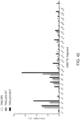
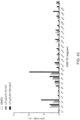
- Cos7 cells (2.5x10 4 per well) were plated on wells of flat-bottom 96 well plates. The following day, cells were co-transfected with individual HLA alleles from patient 4141 and either no extra gene, WT TP53 TMG, or mutated TP53 TMG containing the p53-R175H sequence. TIL with specificity to p53-R175H from Patient 4141 (fragment culture 12) were co-cultured the following day with transfected Cos7 cells and were incubated overnight at 37 °C. Secretion of IFN- ⁇ was evaluated by ELISPOT. The results are shown in Figure 46 .
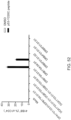
- T cells expressing mock (no TCR) or 4141-TCR1a2 were co-cultured with T2 tumor cells (expressing HLA-A*02:01).
- T2 cells were pulsed for 2 hours at 37 °C with peptide vehicle (DMSO) or purified (>95% by HPLC) peptides composed of WT p53-R175 peptide HMTEVVRRC (SEQ ID NO: 532) or mutated p53-R175H peptide HMTEVVRHC (SEQ ID NO: 530).
- DMSO peptide vehicle
- PMA and Ionomycin were negative and positive controls, respectively.
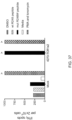
- Co-cultures were performed overnight at 37 °C. Secretion of IFN- ⁇ was evaluated by ELISA. The results are shown in Figure 47 .
- TCR Cancer reactive T cells were identified as described below. The TCR was isolated as described below.
- This example demonstrates the identification of anti-mutated p53 T cells in Patient 4127 by co-culturing autologous APCs induced to express mutated p53 within autologous T cells ("p53 hotspot mutation universal screening").
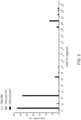
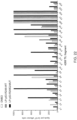
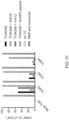
- TIL from patient 4127 were co-cultured with allogeneic (DRB3*01:01:01 or DRB3 *02:02:01) APCs which were (1) electroporated with TMGs composed of irrelevant, WT p53 or mutated p53 sequences or (2) pulsed with peptide vehicle (DMSO) or purified (>95% by HPLC) 25 amino acid peptides composed of WT p53-G245 sequence or mutated p53-G245S sequence. Co-cultures were performed overnight at 37 °C. Secretion of IFN- ⁇ was evaluated using ELISPOT assay. The results are shown in Figure 9 .
- the PCR products from each well are sequenced by Sanger sequencing.
- the variable family is determined and fused to the CDR3 and junction (J or DJ) from the translated sequence.
- This example demonstrates the identification of anti-mutated p53 T cells in Patient 4149. This example also demonstrates the isolation of one anti-mutated p53 TCR from patient 4149.
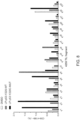
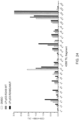
- a TCR (4149-TCRa2b1 or 4149-TCRa2b2) was transposed into autologous PBL from patient 4149 and co-cultured with autologous APCs which were (1) electroporated with TMG composed of irrelevant, WT p53, or mutated p53 sequence or (2) pulsed with peptide vehicle (DMSO) or purified (>95% by HPLC) 25-amino acid peptides composed of WT p53-Y220 sequence or mutated p53-Y220C sequence. Combination of PMA and ionomycin was positive control. Co-cultures were performed overnight at 37 °C. Secretion of IFN- ⁇ was evaluated using ELISPOT assay. The results are shown in Figure 15 .
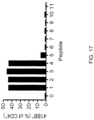
- ELISPOT Result Positive (+) or negative (-) for IFN- ⁇ production Peptide SEQ ID NO: 0 - Vehicle Not applicable 1 + DRNTFRHSVVVP C EP 508 2 + RNTFRHSVVVP C EPP 509 3 + NTFRHSVVVP C EPPE 510 4 + TFRHSVVVP C EPPEV 511 5 + (weak) FRHSVVVP C EPPEVG 512 6 - RHSVVVP C EPPEVGS 513 7 - HSVVVP C EPPEVGSD 514 8 - SVVVP C EPPEVGSDC 515 9 - VVVP C EPPEVGSDCT 516 10 - VVP C EPPEVGSDCTT 517 11 - VP C EPPEVGSDCTTI 518
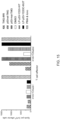
- Cos7 cells (2.5 ⁇ 10 4 per well) were plated on wells of flat-bottom 96 well plates. After 20 hours, cells were co-transfected with individual HLA alleles with or without TMGs. After 20 hours, autologous DC cells were transfected with TMG in parallel. All HLA Class-II alleles were co-transfected into one set of wells with or without TMG. Cells not transfected with TMG were pulsed with p53-Y220C 15-mer peptide for 2-3 hours at 37 °C at 10 ⁇ g/mL. After washing, 4149-TCRa2b2-transposed T cells (10 5 ) at day+14 of second REP were added to wells and co-cultured overnight at 37 °C.
- TCR 4149TCRa2b2 The sequence of TCR 4149TCRa2b2, which was isolated from Patient 4149, is set forth below. Starting from the amino terminus, the first underlined region is the CDR1alpha (SEQ ID NO: 57), the second underlined region is the CDR2alpha (SEQ ID NO: 58), the third underlined region is the CDR3alpha (SEQ ID NO: 59), the fourth underlined region is the CDR1beta (SEQ ID NO: 60), the fifth underlined region is the CDR2beta (SEQ ID NO: 61), and the sixth underlined region is the CDR3beta (SEQ ID NO: 62). The bold region is the linker (SEQ ID NO: 26).
- TCR 4213-F2-TCR1 of Patient 4213 are set forth in Table 13 below.
- Table 13 Parameter # Frequency Total wells 96 100% CDR3alpha 3 3.1% CDR3beta 8 8.3% 4213-F2-TCR1 pairs 2 2.1% Total paired TCRs 24 25.0%
- the sequence of 4213-F2-TCR2, which was isolated from Patient 4213, is set forth below. Starting from the amino terminus, the first underlined region is the CDR1alpha (SEQ ID NO: 327), the second underlined region is the CDR2alpha (SEQ ID NO: 328), the third underlined region is the CDR3alpha (SEQ ID NO: 329), the fourth underlined region is the CDR1beta (SEQ ID NO: 330), the fifth underlined region is the CDR2beta (SEQ ID NO: 331), and the sixth underlined region is the CDR3beta (SEQ ID NO: 332). The bold region is the linker (SEQ ID NO: 26).
- Cancer reactive T cells were identified using the screening method set forth below. The method used to isolate the TCR is set forth below.
- the sequence of 4213-F2-TCR3, which was isolated from Patient 4213, is set forth below. Starting from the amino terminus, the first underlined region is the CDR1alpha (SEQ ID NO: 337), the second underlined region is the CDR2alpha (SEQ ID NO: 338), the third underlined region is the CDR3alpha (SEQ ID NO: 339), the fourth underlined region is the CDR1beta (SEQ ID NO: 340), the fifth underlined region is the CDR2beta (SEQ ID NO: 341), and the sixth underlined region is the CDR3beta (SEQ ID NO: 342). The bold region is the linker (SEQ ID NO: 26).
- Cancer reactive T cells were identified using the screening method set forth below. The method used to isolate the TCR is set forth below.
- TCR 4213-F2-TCR3 of Patient 4213 are set forth in Table 15 below.
- Table 15 Parameter # Frequency Total wells 96 100% CDR3alpha 19 19.8% CDR3beta 42 43.8% 4213-F2-TCR3 pairs 17 17.7% Total paired TCRs 24 25.0%
- the first italicized region is the alpha chain constant region (SEQ ID NO: 23) and the second italicized region is the beta chain constant region (SEQ ID NO: 25).
- the alpha chain variable region (SEQ ID NO: 353) includes the sequence starting from the amino terminus and ending immediately prior to the start of the alpha chain constant region.
- the beta chain variable region (SEQ ID NO: 354) includes the sequence starting immediately after the linker and ending immediately prior to the start of the beta chain constant region.
- the full-length alpha chain (SEQ ID NO: 355) includes the sequence starting from the amino terminus and ending immediately prior to the start of the linker.
- the full-length beta chain (SEQ ID NO: 356) includes the sequence starting immediately after the linker and ending with the carboxyl terminus.
- the first italicized region is the alpha chain constant region (SEQ ID NO: 23) and the second italicized region is the beta chain constant region (SEQ ID NO: 25).
- the alpha chain variable region (SEQ ID NO: 363) includes the sequence starting from the amino terminus and ending immediately prior to the start of the alpha chain constant region.
- the beta chain variable region (SEQ ID NO: 364) includes the sequence starting immediately after the linker and ending immediately prior to the start of the beta chain constant region.
- the full-length alpha chain (SEQ ID NO: 365) includes the sequence starting from the amino terminus and ending immediately prior to the start of the linker.
- the full-length beta chain (SEQ ID NO: 366) includes the sequence starting immediately after the linker and ending with the carboxyl terminus.
- the sequence of 4213-PBL-TCR1, which was isolated from Patient 4213, is set forth below. Starting from the amino terminus, the first underlined region is the CDR1alpha (SEQ ID NO: 367), the second underlined region is the CDR2alpha (SEQ ID NO: 368), the third underlined region is the CDR3alpha (SEQ ID NO: 369), the fourth underlined region is the CDR1beta (SEQ ID NO: 370), the fifth underlined region is the CDR2beta (SEQ ID NO: 371), and the sixth underlined region is the CDR3beta (SEQ ID NO: 372). The bold region is the linker (SEQ ID NO: 26).
- the first italicized region is the alpha chain constant region (SEQ ID NO: 23) and the second italicized region is the beta chain constant region (SEQ ID NO: 25).
- the alpha chain variable region (SEQ ID NO: 373) includes the sequence starting from the amino terminus and ending immediately prior to the start of the alpha chain constant region.
- the beta chain variable region (SEQ ID NO: 374) includes the sequence starting immediately after the linker and ending immediately prior to the start of the beta chain constant region.
- the full-length alpha chain (SEQ ID NO: 375) includes the sequence starting from the amino terminus and ending immediately prior to the start of the linker.
- the full-length beta chain (SEQ ID NO: 376) includes the sequence starting immediately after the linker and ending with the carboxyl terminus.
- TCR 4213-PBL-TCR1 of Patient 4213 are set forth in Table 18 below.
- TABLE 18 Parameter # Frequency Total wells 192 100% CDR3alpha 9 4.7% CDR3beta 6 3.1% 4213-PBL-TCR1 pairs 6 3.1% Total paired TCRs 63 32.8%
- Cancer reactive T cells were identified using the screening method set forth below. The method used to isolate the TCR is set forth below.
- the sequence of 4213-PBL-TCR3, which was isolated from Patient 4213, is set forth below. Starting from the amino terminus, the first underlined region is the CDR1alpha (SEQ ID NO: 387), the second underlined region is the CDR2alpha (SEQ ID NO: 388), the third underlined region is the CDR3alpha (SEQ ID NO: 389), the fourth underlined region is the CDR1beta (SEQ ID NO: 390), the fifth underlined region is the CDR2beta (SEQ ID NO: 391), and the sixth underlined region is the CDR3beta (SEQ ID NO: 392). The bold region is the linker (SEQ ID NO: 26).
- the sequence of 4213-PBL-TCR4a2, which was isolated from Patient 4213, is set forth below. Starting from the amino terminus, the first underlined region is the CDR1alpha (SEQ ID NO: 407), the second underlined region is the CDR2alpha (SEQ ID NO: 408), the third underlined region is the CDR3alpha (SEQ ID NO: 409), the fourth underlined region is the CDR1beta (SEQ ID NO: 410), the fifth underlined region is the CDR2beta (SEQ ID NO: 411), and the sixth underlined region is the CDR3beta (SEQ ID NO: 412). The bold region is the linker (SEQ ID NO: 26).
- the first italicized region is the alpha chain constant region (SEQ ID NO: 23) and the second italicized region is the beta chain constant region (SEQ ID NO: 25).
- the alpha chain variable region (SEQ ID NO: 413) includes the sequence starting from the amino terminus and ending immediately prior to the start of the alpha chain constant region.
- the beta chain variable region (SEQ ID NO: 414) includes the sequence starting immediately after the linker and ending immediately prior to the start of the beta chain constant region.
- the full-length alpha chain (SEQ ID NO: 415) includes the sequence starting from the amino terminus and ending immediately prior to the start of the linker.
- the full-length beta chain (SEQ ID NO: 416) includes the sequence starting immediately after the linker and ending with the carboxyl terminus.
- Cancer reactive T cells were identified using the screening method set forth below. The method used to isolate the TCR is set forth below.
- TCR 4213-PBL-TCR4a2 of Patient 4213 are set forth in Table 22 below.
- TABLE 22 Parameter # Frequency Total wells 192 100% CDR3alpha 2 1.0% CDR3beta 36 18.8% 4213-PBL-TCR4a2 pairs 2 1.0% Total paired TCRs 63 32.8%
- the sequence of 4213-PBL-TCR4a3, which was isolated from Patient 4213, is set forth below. Starting from the amino terminus, the first underlined region is the CDR1alpha (SEQ ID NO: 417), the second underlined region is the CDR2alpha (SEQ ID NO: 418), the third underlined region is the CDR3alpha (SEQ ID NO: 419), the fourth underlined region is the CDR1beta (SEQ ID NO: 420), the fifth underlined region is the CDR2beta (SEQ ID NO: 421), and the sixth underlined region is the CDR3beta (SEQ ID NO: 422). The bold region is the linker (SEQ ID NO: 26).
- Cancer reactive T cells were identified using the screening method set forth below. The method used to isolate the TCR is set forth below.
- Cancer reactive T cells were identified using the screening method set forth below. The method used to isolate the TCR is set forth below.
- TCR 4268-TCR1 of Patient 4268 are set forth in Table 25 below.
- Table 25 The statistics for TCR 4268-TCR1 of Patient 4268 are set forth in Table 25 below.
- TABLE 25 Parameter # Frequency Total wells 96 100% CDR3alpha 54 56.3% CDR3beta 71 74.0% 4268-TCR1 pairs 48 50.0% Total paired TCRs 61 63.5%
- TCR 4268-TCR2 of Patient 4268 are set forth in Table 26 below.
- Table 26 Parameter # Frequency Total wells 96 100% CDR3alpha 6 6.3% CDR3beta 4 4.2% 4268-TCR2 pairs 4 4.2% Total paired TCRs 61 63.5%
- Cancer reactive T cells were identified using the screening method set forth below. The method used to isolate the TCR is set forth below.
- the first italicized region is the alpha chain constant region (SEQ ID NO: 23) and the second italicized region is the beta chain constant region (SEQ ID NO: 25).
- the alpha chain variable region (SEQ ID NO: 173) includes the sequence starting from the amino terminus and ending immediately prior to the start of the alpha chain constant region.
- the beta chain variable region (SEQ ID NO: 174) includes the sequence starting immediately after the linker and ending immediately prior to the start of the beta chain constant region.
- the full-length alpha chain (SEQ ID NO: 175) includes the sequence starting from the amino terminus and ending immediately prior to the start of the linker.
- the full-length beta chain (SEQ ID NO: 176) includes the sequence starting immediately after the linker and ending with the carboxyl terminus.
- Cancer reactive T cells were identified using the screening method set forth below. The method used to isolate the TCR is set forth below.
- TCR 4268-TCR4 of Patient 4268 are set forth in Table 28 below. TABLE 28 Parameter # Frequency Total wells 96 100% CDR3alpha 43 44.8% CDR3beta 53 55.2% 4268-TCR4 pairs 40 41.7% Total paired TCRs 42 43.8%
- the sequence of 4268-TCR5, which was isolated from Patient 4268, is set forth below. Starting from the amino terminus, the first underlined region is the CDR1alpha (SEQ ID NO: 177), the second underlined region is the CDR2alpha (SEQ ID NO: 178), the third underlined region is the CDR3alpha (SEQ ID NO: 179), the fourth underlined region is the CDR1beta (SEQ ID NO: 180), the fifth underlined region is the CDR2beta (SEQ ID NO: 181), and the sixth underlined region is the CDR3beta (SEQ ID NO: 182). The bold region is the linker (SEQ ID NO: 26).
- Cancer reactive T cells were identified using the screening method set forth below. The method used to isolate the TCR is set forth below.
- TCR 4268-TCR5 of Patient 4268 are set forth in Table 29 below.
- TABLE 29 Parameter # Frequency Total wells 96 100% CDR3alpha 2 2.1% CDR3beta 87 90.6% 4268-TCR5 pairs 2 2.1% Total paired TCRs 17 17.7%
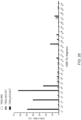
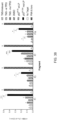
- Cos7 cells (2.5 ⁇ 10 4 per well) were plated on wells of flat-bottom 96 well plates. The following day, cells were co-transfected with individual HLA alleles from patient 4266. The next day cells were pulsed with no peptide, DMSO, WT p53-R248 peptide SSCMGGMNRR (SEQ ID NO: 590) or mutated p53-R248W peptide SSCMGGMNWR (SEQ ID NO: 591) for 2 hours at 37 °C at 1 ⁇ g/mL. TIL cultures from from patient 4266 (10 5 ) were added to wells and co-cultured overnight at 37°C. Expression of 4-1BB was evaluated by flow cytometry after gating for lymphocytes ⁇ living cells (PI negative) ⁇ CD3+ (T cells) ⁇ CD4-CD8+. The results are shown in Fig. 29 .
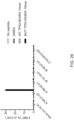
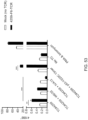
- T cells expressing mock (no TCR), 4266-TCR1, 4266-TCR2, 4266-TCR3 or 4266-TCR4 with putative specificity to p53-R248W identified from 4266-TIL were co-cultured with autologous APCs which were pulsed with peptide vehicle (DMSO) or purified (>95% by HPLC) 25 amino acid peptides composed of WT p53-R248 sequence or mutated p53-R248W sequence. Media alone and PMA and Ionomycin were negative and positive controls, respectively. Co-cultures were performed overnight at 37 °C. Expression of 4-1BB was evaluated by flow cytometry after gating for lymphocytes ⁇ living cells (PI negative) ⁇ CD3+ (T cells) ⁇ CD4-CD8+. The results are shown in Fig. 30 .
- a tumor cell (TC) line was established from a xenografted tumor fragment resected from Patient 4266 then serially passaged through immunocompromised mice (TC#4266).
- the TC#4266 was co-cultured with T cells (10 5 ) expressing mock (no TCR) or p53-R248W-specific TCRs (4266-TCR2, 4266-TCR3 or 4266-TCR4) overnight at 37°C.
- the first italicized region is the alpha chain constant region (SEQ ID NO: 23) and the second italicized region is the beta chain constant region (SEQ ID NO: 25).
- the alpha chain variable region (SEQ ID NO: 103) includes the sequence starting from the amino terminus and ending immediately prior to the start of the alpha chain constant region.
- the beta chain variable region (SEQ ID NO: 104) includes the sequence starting immediately after the linker and ending immediately prior to the start of the beta chain constant region.
- the full-length alpha chain (SEQ ID NO: 105) includes the sequence starting from the amino terminus and ending immediately prior to the start of the linker.
- the full-length beta chain (SEQ ID NO: 106) includes the sequence starting immediately after the linker and ending with the carboxyl terminus.
- TCR 4266-TCR1 of Patient 4266 The statistics for TCR 4266-TCR1 of Patient 4266 are set forth in Table 30 below. TABLE 30 Parameter # Frequency Total wells 96 100% CDR3alpha 9 9.4% CDR3beta 10 10.4% 4266-TCR1 pairs 9 9.4% Total paired TCRs 53 55.2%
- the sequence of 4266-TCR2, which was isolated from Patient 4266, is set forth below. Starting from the amino terminus, the first underlined region is the CDR1alpha (SEQ ID NO: 107), the second underlined region is the CDR2alpha (SEQ ID NO: 108), the third underlined region is the CDR3alpha (SEQ ID NO: 109), the fourth underlined region is the CDR1beta (SEQ ID NO: 110), the fifth underlined region is the CDR2beta (SEQ ID NO: 111), and the sixth underlined region is the CDR3beta (SEQ ID NO: 112). The bold region is the linker (SEQ ID NO: 26).
- the first italicized region is the alpha chain constant region (SEQ ID NO: 23) and the second italicized region is the beta chain constant region (SEQ ID NO: 25).
- the alpha chain variable region (SEQ ID NO: 113) includes the sequence starting from the amino terminus and ending immediately prior to the start of the alpha chain constant region.
- the beta chain variable region (SEQ ID NO: 114) includes the sequence starting immediately after the linker and ending immediately prior to the start of the beta chain constant region.
- the full-length alpha chain (SEQ ID NO: 115) includes the sequence starting from the amino terminus and ending immediately prior to the start of the linker.
- the full-length beta chain (SEQ ID NO: 116) includes the sequence starting immediately after the linker and ending with the carboxyl terminus.
- Cancer reactive T cells were identified using the screening method set forth below. The method used to isolate the TCR is set forth below.
- the first italicized region is the alpha chain constant region (SEQ ID NO: 23) and the second italicized region is the beta chain constant region (SEQ ID NO: 25).
- the alpha chain variable region (SEQ ID NO: 123) includes the sequence starting from the amino terminus and ending immediately prior to the start of the alpha chain constant region.
- the beta chain variable region (SEQ ID NO: 124) includes the sequence starting immediately after the linker and ending immediately prior to the start of the beta chain constant region.
- the full-length alpha chain (SEQ ID NO: 125) includes the sequence starting from the amino terminus and ending immediately prior to the start of the linker.
- the full-length beta chain (SEQ ID NO: 126) includes the sequence starting immediately after the linker and ending with the carboxyl terminus.
- the sequence of 4266-TCR4, which was isolated from Patient 4266, is set forth below. Starting from the amino terminus, the first underlined region is the CDR1alpha (SEQ ID NO: 127), the second underlined region is the CDR2alpha (SEQ ID NO: 128), the third underlined region is the CDR3alpha (SEQ ID NO: 129), the fourth underlined region is the CDR1beta (SEQ ID NO: 130), the fifth underlined region is the CDR2beta (SEQ ID NO: 131), and the sixth underlined region is the CDR3beta (SEQ ID NO: 132). The bold region is the linker (SEQ ID NO: 26).
- TCR 4266-TCR4 of Patient 4266 are set forth in Table 33 below.
- Table 33 Parameter # Frequency Total wells 96 100% CDR3alpha 5 5.2% CDR3beta 13 13.5 4266-TCR3 pairs 5 5.2% Total paired TCRs 53 55.2%
- This example demonstrates the identification of anti-mutated p53 T cells in Patient 4270 by co-culturing autologous APCs induced to express mutated p53 within autologous T cells ("p53 hotspot mutation universal screening").
- TIL fragments F13 and F16 patient 4270 were used as effectors.
- Co-cultures with T cell effectors and autologous APCs were either (1) electroporated with TMGs composed of irrelevant, WT p53 or mutated p53 sequences or (2) pulsed with peptide vehicle (DMSO) or purified (>95% by HPLC) 25 amino acid peptides composed of WT p53-R282 sequence or mutated p53-R282W sequence.
- T cells only was negative control and PMA and Iono was positive control.
- Co-cultures were performed overnight at 37 °C. Secretion of IFN- ⁇ was evaluated using ELISPOT assay. The results are shown in Figure 39 .
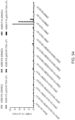
- Cos7 cells (2.5 ⁇ 10 4 per well) were plated on wells of flat-bottom 96 well plates. The following day, cells were co-transfected with individual HLA alleles from patient 4285. The next day cells were pulsed with DMSO or mutated p53-R175H peptide YKQSQHMTEVVRHCPHHERCSDSDG (SEQ ID NO: 2) for 2 hours at 37 °C at 10 ⁇ g/mL. Selected TIL fragment cultures with specificity to p53-R175H from Patient 4285 (4285-F6, 4285-F9 and 4285-F10) were co-cultured with transfected Cos7 cells overnight at 37 °C. Expression of 4-1BB was assayed by flow cytometry after gating lymphocytes ⁇ live ⁇ CD3+ (T cells) ⁇ CD8-CD4+. The results are shown in Figure 54 .
- the sequence of 4285-TCR1, which was isolated from Patient 4285, is set forth below. Starting from the amino terminus, the first underlined region is the CDR1alpha (SEQ ID NO: 487), the second underlined region is the CDR2alpha (SEQ ID NO: 488), the third underlined region is the CDR3alpha (SEQ ID NO: 489), the fourth underlined region is the CDR1beta (SEQ ID NO: 490), the fifth underlined region is the CDR2beta (SEQ ID NO: 491), and the sixth underlined region is the CDR3beta (SEQ ID NO: 492). The bold region is the linker (SEQ ID NO: 26).
- the first italicized region is the alpha chain constant region (SEQ ID NO: 23) and the second italicized region is the beta chain constant region (SEQ ID NO: 25).
- the alpha chain variable region (SEQ ID NO: 493) includes the sequence starting from the amino terminus and ending immediately prior to the start of the alpha chain constant region.
- the beta chain variable region (SEQ ID NO: 494) includes the sequence starting immediately after the linker and ending immediately prior to the start of the beta chain constant region.
- the full-length alpha chain (SEQ ID NO: 495) includes the sequence starting from the amino terminus and ending immediately prior to the start of the linker.
- the full-length beta chain (SEQ ID NO: 496) includes the sequence starting immediately after the linker and ending with the carboxyl terminus.
- TCR Cancer reactive T cells were identified as described below. The TCR was isolated as described below.
- This example demonstrates a summary of responses to p53 "hotspot" mutations by T cells.
- TIL tumor cells
- TIL tumor cells
- Tp53 mutations were identified. Out of 150 tumors, 30% expressed WT p53, and 70% expressed mutated p53. Out of 122 tumor samples which expressed mutated p53, 73% expressed a missense mutation, 13% expressed a stop-gain mutation, 11% expressed a frameshift mutation, and 3% expressed an indel mutation.
- TCRs of Table 38 were isolated, expressed in T cells and tested against the relevant antigen. A summary of the results is shown in Table 38.
- TABLE 38 TCR name p53 a.a. substitution TCR tested? p53 mutation reactive? 4127-TP53-G245S-TCR1 G245S yes yes 4149TCRa2b2 Y220C yes yes 4266-TCR1 R248W yes no 4266-TCR2 R248W yes yes 4266-TCR3 R248W yes yes 4266-TCR4 R248W yes yes 4268-TCR1 R248Q yes no 4268-TCR2 R248Q yes no 4268-TCR3 R248Q yes no 4268-TCR4 R248Q yes no 4268-TCR5 R248Q yes no 4273-TP53-R248W-TCR1a1 R248W yes no 4273-TP53-R248W-TCR1a2 R248W yes Yes 4141-TCR1a2
Landscapes
- Health & Medical Sciences (AREA)
- Life Sciences & Earth Sciences (AREA)
- Chemical & Material Sciences (AREA)
- Organic Chemistry (AREA)
- General Health & Medical Sciences (AREA)
- Engineering & Computer Science (AREA)
- Zoology (AREA)
- Genetics & Genomics (AREA)
- Biomedical Technology (AREA)
- Veterinary Medicine (AREA)
- Animal Behavior & Ethology (AREA)
- Public Health (AREA)
- Biochemistry (AREA)
- Immunology (AREA)
- Biotechnology (AREA)
- Bioinformatics & Cheminformatics (AREA)
- Wood Science & Technology (AREA)
- Epidemiology (AREA)
- Medicinal Chemistry (AREA)
- Biophysics (AREA)
- Proteomics, Peptides & Aminoacids (AREA)
- Molecular Biology (AREA)
- Toxicology (AREA)
- Gastroenterology & Hepatology (AREA)
- Cell Biology (AREA)
- Hematology (AREA)
- Microbiology (AREA)
- General Engineering & Computer Science (AREA)
- Pharmacology & Pharmacy (AREA)
- General Chemical & Material Sciences (AREA)
- Chemical Kinetics & Catalysis (AREA)
- Nuclear Medicine, Radiotherapy & Molecular Imaging (AREA)
- Medicines Containing Material From Animals Or Micro-Organisms (AREA)
- Micro-Organisms Or Cultivation Processes Thereof (AREA)
- Developmental Biology & Embryology (AREA)
- Virology (AREA)
- Medicinal Preparation (AREA)
- Medicines Containing Antibodies Or Antigens For Use As Internal Diagnostic Agents (AREA)
- Measuring Or Testing Involving Enzymes Or Micro-Organisms (AREA)
- Oncology (AREA)
Priority Applications (1)
| Application Number | Priority Date | Filing Date | Title |
|---|---|---|---|
| EP24215129.8A EP4495133A3 (en) | 2017-09-29 | 2018-09-17 | Methods of isolating t cells having antigenic specificity for a p53 cancer-specific mutation |
Applications Claiming Priority (2)
| Application Number | Priority Date | Filing Date | Title |
|---|---|---|---|
| US201762565464P | 2017-09-29 | 2017-09-29 | |
| PCT/US2018/051280 WO2019067242A1 (en) | 2017-09-29 | 2018-09-17 | METHODS FOR ISOLATING T CELLS HAVING ANTIGENIC SPECIFICITY FOR SPECIFIC MUTATION OF CANCER P53 |
Related Child Applications (2)
| Application Number | Title | Priority Date | Filing Date |
|---|---|---|---|
| EP24215129.8A Division EP4495133A3 (en) | 2017-09-29 | 2018-09-17 | Methods of isolating t cells having antigenic specificity for a p53 cancer-specific mutation |
| EP24215129.8A Division-Into EP4495133A3 (en) | 2017-09-29 | 2018-09-17 | Methods of isolating t cells having antigenic specificity for a p53 cancer-specific mutation |
Publications (2)
| Publication Number | Publication Date |
|---|---|
| EP3688142A1 EP3688142A1 (en) | 2020-08-05 |
| EP3688142B1 true EP3688142B1 (en) | 2025-04-09 |
Family
ID=63763012
Family Applications (2)
| Application Number | Title | Priority Date | Filing Date |
|---|---|---|---|
| EP18782605.2A Active EP3688142B1 (en) | 2017-09-29 | 2018-09-17 | Methods of isolating t cells having antigenic specificity for a p53 cancer-specific mutation |
| EP24215129.8A Pending EP4495133A3 (en) | 2017-09-29 | 2018-09-17 | Methods of isolating t cells having antigenic specificity for a p53 cancer-specific mutation |
Family Applications After (1)
| Application Number | Title | Priority Date | Filing Date |
|---|---|---|---|
| EP24215129.8A Pending EP4495133A3 (en) | 2017-09-29 | 2018-09-17 | Methods of isolating t cells having antigenic specificity for a p53 cancer-specific mutation |
Country Status (10)
| Country | Link |
|---|---|
| US (1) | US20200316121A1 (https=) |
| EP (2) | EP3688142B1 (https=) |
| JP (1) | JP7391015B2 (https=) |
| KR (1) | KR102809909B1 (https=) |
| CN (1) | CN111344394A (https=) |
| AU (1) | AU2018342245B2 (https=) |
| CA (1) | CA3080274A1 (https=) |
| IL (1) | IL273516B2 (https=) |
| SG (1) | SG11202002635RA (https=) |
| WO (1) | WO2019067242A1 (https=) |
Families Citing this family (22)
| Publication number | Priority date | Publication date | Assignee | Title |
|---|---|---|---|---|
| DE102016123847B3 (de) | 2016-12-08 | 2018-04-05 | Immatics Biotechnologies Gmbh | Neue T-Zellrezeptoren und deren Verwendung in Immuntherapie |
| HUE058957T2 (hu) * | 2016-12-08 | 2022-10-28 | Immatics Biotechnologies Gmbh | Új T-sejt receptorok és velük végzett immunterápia |
| GB201700621D0 (en) | 2017-01-13 | 2017-03-01 | Guest Ryan Dominic | Method,device and kit for the aseptic isolation,enrichment and stabilsation of cells from mammalian solid tissue |
| US11807662B2 (en) | 2017-05-16 | 2023-11-07 | The Johns Hopkins University | MANAbodies and methods of using |
| CA3144070A1 (en) * | 2019-06-27 | 2020-12-30 | The United States Of America, As Represented By The Secretary, Department Of Health And Human Services | T cell receptors recognizing r175h or y220c mutation in p53 |
| CN112390875B (zh) * | 2019-08-16 | 2023-01-24 | 香雪生命科学技术(广东)有限公司 | 一种识别afp的高亲和力t细胞受体 |
| EP4077370A4 (en) * | 2019-12-17 | 2024-02-28 | The Johns Hopkins University | MANABODIES TARGETING TUMOR ANTIGENS AND METHODS OF USE |
| WO2021123832A1 (en) | 2019-12-20 | 2021-06-24 | Instil Bio (Uk) Limited | Devices and methods for isolating tumor infiltrating lymphocytes and uses thereof |
| CN113621070A (zh) | 2020-05-06 | 2021-11-09 | 华夏英泰(北京)生物技术有限公司 | 一种t细胞抗原受体、其多聚体复合物及其制备方法和应用 |
| EP4208473A2 (en) * | 2020-09-04 | 2023-07-12 | The United States of America, as represented by the Secretary, Department of Health and Human Services | T cell receptors recognizing r273c or y220c mutations in p53 |
| CN112301088B (zh) * | 2020-10-21 | 2022-12-13 | 杭州纽安津生物科技有限公司 | 一种筛选新生抗原或新生抗原编码序列的方法 |
| IL305393A (en) | 2021-02-25 | 2023-10-01 | Alaunos Therapeutics Inc | Recombinant vectors comprising polycistronic expression cassettes and methods of use thereof |
| US20240165120A1 (en) * | 2021-03-08 | 2024-05-23 | Taiho Pharmaceutical Co., Ltd. | Treating cancer in patient having co-occurring genetic alteration in fgfr2 and a cancer driver gene |
| CA3215580A1 (en) * | 2021-03-31 | 2022-10-06 | The Johns Hopkins University | Methods and materials for targeting tumor antigens |
| WO2022236050A1 (en) * | 2021-05-07 | 2022-11-10 | The United States Of America, As Represented By The Secretary, Department Of Health And Human Services | T cell receptors recognizing c135y, r175h, or m237i mutation in p53 |
| CA3225252A1 (en) | 2021-07-14 | 2023-01-19 | Jordan JARJOUR | Engineered t cell receptors fused to binding domains from antibodies |
| EP4423143A4 (en) * | 2021-10-29 | 2025-10-01 | Yafei Hou | T CELL RECEPTOR RECOGNIZING R175H MUTATION IN P53 AND ITS APPLICATION |
| CN119546328A (zh) | 2022-04-08 | 2025-02-28 | 再生元制药公司 | 多部分受体和信号传导复合物 |
| WO2024131372A1 (zh) * | 2022-12-23 | 2024-06-27 | 上海市第一人民医院 | 靶向巨细胞病毒pp65的TCR和表达其的T细胞及应用 |
| KR20260028688A (ko) * | 2023-05-25 | 2026-03-04 | 엘리시오 테라퓨틱스, 인크. | P53 펩티드 양친매체를 함유하는 조성물 및 이의 이용 방법 |
| CN116970058B (zh) * | 2023-09-22 | 2023-12-15 | 成都朗谷生物科技股份有限公司 | 针对tp53基因r249s突变的肿瘤新抗原多肽及其应用 |
| WO2025060149A1 (zh) * | 2023-09-22 | 2025-03-27 | 上海市第一人民医院 | 一种分离的tcr及其用途 |
Family Cites Families (11)
| Publication number | Priority date | Publication date | Assignee | Title |
|---|---|---|---|---|
| ES2139012T3 (es) | 1992-05-26 | 2000-02-01 | Univ Leiden | Peptidos de la proteina p53 humana destinados para ser utilizados en composiciones que inducen una reaccion en los linfocitos t humanos, y linfocitos t citotoxicos especificos de la proteina p53 humana. |
| JPH0959175A (ja) * | 1995-06-12 | 1997-03-04 | Meiji Milk Prod Co Ltd | 抗腫瘍免疫活性化剤 |
| AU2003265948B8 (en) | 2002-09-06 | 2009-09-03 | The Government Of The United States Of America, As Represented By The Secretary, Department Of Health And Human Services | Immunotherapy with in vitro-selected antigen-specific lymphocytes after nonmyeloablative lymphodepleting chemotherapy |
| GB2440736A (en) * | 2006-08-10 | 2008-02-13 | Medical Res Council | Crystals of mutant p53 polypeptidtes |
| US8383099B2 (en) | 2009-08-28 | 2013-02-26 | The United States Of America, As Represented By The Secretary, Department Of Health And Human Services | Adoptive cell therapy with young T cells |
| WO2012129201A1 (en) | 2011-03-22 | 2012-09-27 | The United States Of America, As Represented By The Secretary, Department Of Health And Human Services | Methods of growing tumor infiltrating lymphocytes in gas-permeable containers |
| US10973894B2 (en) | 2014-10-02 | 2021-04-13 | The United States Of America, As Represented By The Secretary, Department Of Health And Human | Methods of isolating T cells having antigenic specificity for a cancer-specific mutation |
| AU2014407539B2 (en) | 2014-10-02 | 2020-10-22 | The United States Of America, As Represented By The Secretary, Department Of Health And Human Services | Methods of isolating T cell receptors having antigenic specificity for a cancer-specific mutation |
| AU2015343013B2 (en) * | 2014-11-05 | 2020-07-16 | Board Of Regents, The University Of Texas System | Gene modified immune effector cells and engineered cells for expansion of immune effector cells |
| MX384919B (es) * | 2014-11-26 | 2025-03-14 | Us Health | Receptores de células t de kras anti-mutado. |
| EA202090757A1 (ru) * | 2017-09-29 | 2020-08-21 | Дзе Юнайтед Стейтс Оф Америка, Эз Репрезентед Бай Дзе Секретари, Департмент Оф Хелс Энд Хьюман Сёрвисез | T-КЛЕТОЧНЫЕ РЕЦЕПТОРЫ, РАСПОЗНАЮЩИЕ МУТАНТНЫЙ p53 |
-
2018
- 2018-09-17 CA CA3080274A patent/CA3080274A1/en active Pending
- 2018-09-17 JP JP2020517553A patent/JP7391015B2/ja active Active
- 2018-09-17 IL IL273516A patent/IL273516B2/en unknown
- 2018-09-17 SG SG11202002635RA patent/SG11202002635RA/en unknown
- 2018-09-17 US US16/650,696 patent/US20200316121A1/en active Pending
- 2018-09-17 AU AU2018342245A patent/AU2018342245B2/en active Active
- 2018-09-17 KR KR1020207012343A patent/KR102809909B1/ko active Active
- 2018-09-17 CN CN201880063656.4A patent/CN111344394A/zh active Pending
- 2018-09-17 EP EP18782605.2A patent/EP3688142B1/en active Active
- 2018-09-17 WO PCT/US2018/051280 patent/WO2019067242A1/en not_active Ceased
- 2018-09-17 EP EP24215129.8A patent/EP4495133A3/en active Pending
Also Published As
| Publication number | Publication date |
|---|---|
| EP3688142A1 (en) | 2020-08-05 |
| AU2018342245A1 (en) | 2020-04-16 |
| KR102809909B1 (ko) | 2025-05-22 |
| EP4495133A2 (en) | 2025-01-22 |
| KR20200065026A (ko) | 2020-06-08 |
| IL273516A (en) | 2020-05-31 |
| US20200316121A1 (en) | 2020-10-08 |
| JP7391015B2 (ja) | 2023-12-04 |
| AU2018342245B2 (en) | 2024-06-13 |
| IL273516B2 (en) | 2025-06-01 |
| WO2019067242A1 (en) | 2019-04-04 |
| EP4495133A3 (en) | 2025-04-09 |
| CN111344394A (zh) | 2020-06-26 |
| IL273516B1 (en) | 2025-02-01 |
| SG11202002635RA (en) | 2020-04-29 |
| JP2020534839A (ja) | 2020-12-03 |
| CA3080274A1 (en) | 2019-04-04 |
Similar Documents
| Publication | Publication Date | Title |
|---|---|---|
| EP3688142B1 (en) | Methods of isolating t cells having antigenic specificity for a p53 cancer-specific mutation | |
| AU2022203507B2 (en) | Methods of isolating T cells and T cell receptors having antigenic specificity for a cancer-specific mutation from peripheral blood | |
| US20230203124A1 (en) | Methods of isolating t cell receptors having antigenic specificity for a cancer-specific mutation | |
| AU2021202223B2 (en) | Methods of isolating T cells having antigenic specificity for a cancer-specific mutation | |
| US20250136938A1 (en) | Methods of enriching cell populations for cancer-specific t cells using in vitro stimulation of memory t cells | |
| WO2017048614A1 (en) | Methods of isolating tumor-reactive t cell receptors from tumor or peripheral blood | |
| JP2022538148A (ja) | p53におけるR175H又はY220C変異を認識するT細胞受容体 | |
| US20250032617A1 (en) | Transgenic t cell receptors targeting neoantigens for diagnosis, prevention, and/or treatment of hematological cancers | |
| HK40031141A (en) | Methods of isolating t cells having antigenic specificity for a p53 cancer-specific mutation | |
| HK40031141B (en) | Methods of isolating t cells having antigenic specificity for a p53 cancer-specific mutation | |
| AU2023282185B2 (en) | Methods of isolating T cell receptors having antigenic specificity for a cancer specific mutation |
Legal Events
| Date | Code | Title | Description |
|---|---|---|---|
| STAA | Information on the status of an ep patent application or granted ep patent |
Free format text: STATUS: UNKNOWN |
|
| STAA | Information on the status of an ep patent application or granted ep patent |
Free format text: STATUS: THE INTERNATIONAL PUBLICATION HAS BEEN MADE |
|
| PUAI | Public reference made under article 153(3) epc to a published international application that has entered the european phase |
Free format text: ORIGINAL CODE: 0009012 |
|
| STAA | Information on the status of an ep patent application or granted ep patent |
Free format text: STATUS: REQUEST FOR EXAMINATION WAS MADE |
|
| 17P | Request for examination filed |
Effective date: 20200428 |
|
| AK | Designated contracting states |
Kind code of ref document: A1 Designated state(s): AL AT BE BG CH CY CZ DE DK EE ES FI FR GB GR HR HU IE IS IT LI LT LU LV MC MK MT NL NO PL PT RO RS SE SI SK SM TR |
|
| AX | Request for extension of the european patent |
Extension state: BA ME |
|
| REG | Reference to a national code |
Ref country code: HK Ref legal event code: DE Ref document number: 40031141 Country of ref document: HK |
|
| STAA | Information on the status of an ep patent application or granted ep patent |
Free format text: STATUS: EXAMINATION IS IN PROGRESS |
|
| 17Q | First examination report despatched |
Effective date: 20220527 |
|
| GRAP | Despatch of communication of intention to grant a patent |
Free format text: ORIGINAL CODE: EPIDOSNIGR1 |
|
| STAA | Information on the status of an ep patent application or granted ep patent |
Free format text: STATUS: GRANT OF PATENT IS INTENDED |
|
| INTG | Intention to grant announced |
Effective date: 20240607 |
|
| GRAJ | Information related to disapproval of communication of intention to grant by the applicant or resumption of examination proceedings by the epo deleted |
Free format text: ORIGINAL CODE: EPIDOSDIGR1 |
|
| STAA | Information on the status of an ep patent application or granted ep patent |
Free format text: STATUS: EXAMINATION IS IN PROGRESS |
|
| GRAP | Despatch of communication of intention to grant a patent |
Free format text: ORIGINAL CODE: EPIDOSNIGR1 |
|
| STAA | Information on the status of an ep patent application or granted ep patent |
Free format text: STATUS: GRANT OF PATENT IS INTENDED |
|
| INTC | Intention to grant announced (deleted) | ||
| RAP3 | Party data changed (applicant data changed or rights of an application transferred) |
Owner name: THE UNITED STATES OF AMERICA, AS REPRESENTED BYTHE SECRETARY, DEPARTMENT OF HEALTH ANDHUMAN SERVICES |
|
| INTG | Intention to grant announced |
Effective date: 20241031 |
|
| GRAS | Grant fee paid |
Free format text: ORIGINAL CODE: EPIDOSNIGR3 |
|
| GRAA | (expected) grant |
Free format text: ORIGINAL CODE: 0009210 |
|
| STAA | Information on the status of an ep patent application or granted ep patent |
Free format text: STATUS: THE PATENT HAS BEEN GRANTED |
|
| P01 | Opt-out of the competence of the unified patent court (upc) registered |
Free format text: CASE NUMBER: APP_5245/2025 Effective date: 20250131 |
|
| AK | Designated contracting states |
Kind code of ref document: B1 Designated state(s): AL AT BE BG CH CY CZ DE DK EE ES FI FR GB GR HR HU IE IS IT LI LT LU LV MC MK MT NL NO PL PT RO RS SE SI SK SM TR |
|
| REG | Reference to a national code |
Ref country code: GB Ref legal event code: FG4D |
|
| REG | Reference to a national code |
Ref country code: CH Ref legal event code: EP |
|
| REG | Reference to a national code |
Ref country code: DE Ref legal event code: R096 Ref document number: 602018080973 Country of ref document: DE |
|
| REG | Reference to a national code |
Ref country code: IE Ref legal event code: FG4D |
|
| REG | Reference to a national code |
Ref country code: NL Ref legal event code: FP |
|
| REG | Reference to a national code |
Ref country code: AT Ref legal event code: MK05 Ref document number: 1783545 Country of ref document: AT Kind code of ref document: T Effective date: 20250409 |
|
| REG | Reference to a national code |
Ref country code: CH Ref legal event code: U11 Free format text: ST27 STATUS EVENT CODE: U-0-0-U10-U11 (AS PROVIDED BY THE NATIONAL OFFICE) Effective date: 20251001 |
|
| PG25 | Lapsed in a contracting state [announced via postgrant information from national office to epo] |
Ref country code: PT Free format text: LAPSE BECAUSE OF FAILURE TO SUBMIT A TRANSLATION OF THE DESCRIPTION OR TO PAY THE FEE WITHIN THE PRESCRIBED TIME-LIMIT Effective date: 20250811 Ref country code: ES Free format text: LAPSE BECAUSE OF FAILURE TO SUBMIT A TRANSLATION OF THE DESCRIPTION OR TO PAY THE FEE WITHIN THE PRESCRIBED TIME-LIMIT Effective date: 20250409 Ref country code: FI Free format text: LAPSE BECAUSE OF FAILURE TO SUBMIT A TRANSLATION OF THE DESCRIPTION OR TO PAY THE FEE WITHIN THE PRESCRIBED TIME-LIMIT Effective date: 20250409 |
|
| PGFP | Annual fee paid to national office [announced via postgrant information from national office to epo] |
Ref country code: DE Payment date: 20250929 Year of fee payment: 8 |
|
| REG | Reference to a national code |
Ref country code: LT Ref legal event code: MG9D |
|
| PG25 | Lapsed in a contracting state [announced via postgrant information from national office to epo] |
Ref country code: GR Free format text: LAPSE BECAUSE OF FAILURE TO SUBMIT A TRANSLATION OF THE DESCRIPTION OR TO PAY THE FEE WITHIN THE PRESCRIBED TIME-LIMIT Effective date: 20250710 Ref country code: NO Free format text: LAPSE BECAUSE OF FAILURE TO SUBMIT A TRANSLATION OF THE DESCRIPTION OR TO PAY THE FEE WITHIN THE PRESCRIBED TIME-LIMIT Effective date: 20250709 |
|
| PG25 | Lapsed in a contracting state [announced via postgrant information from national office to epo] |
Ref country code: PL Free format text: LAPSE BECAUSE OF FAILURE TO SUBMIT A TRANSLATION OF THE DESCRIPTION OR TO PAY THE FEE WITHIN THE PRESCRIBED TIME-LIMIT Effective date: 20250409 |
|
| PGFP | Annual fee paid to national office [announced via postgrant information from national office to epo] |
Ref country code: NL Payment date: 20250926 Year of fee payment: 8 |
|
| PG25 | Lapsed in a contracting state [announced via postgrant information from national office to epo] |
Ref country code: BG Free format text: LAPSE BECAUSE OF FAILURE TO SUBMIT A TRANSLATION OF THE DESCRIPTION OR TO PAY THE FEE WITHIN THE PRESCRIBED TIME-LIMIT Effective date: 20250409 |
|
| PGFP | Annual fee paid to national office [announced via postgrant information from national office to epo] |
Ref country code: BE Payment date: 20250929 Year of fee payment: 8 Ref country code: GB Payment date: 20250929 Year of fee payment: 8 |
|
| PG25 | Lapsed in a contracting state [announced via postgrant information from national office to epo] |
Ref country code: HR Free format text: LAPSE BECAUSE OF FAILURE TO SUBMIT A TRANSLATION OF THE DESCRIPTION OR TO PAY THE FEE WITHIN THE PRESCRIBED TIME-LIMIT Effective date: 20250409 |
|
| PG25 | Lapsed in a contracting state [announced via postgrant information from national office to epo] |
Ref country code: AT Free format text: LAPSE BECAUSE OF FAILURE TO SUBMIT A TRANSLATION OF THE DESCRIPTION OR TO PAY THE FEE WITHIN THE PRESCRIBED TIME-LIMIT Effective date: 20250409 |
|
| PGFP | Annual fee paid to national office [announced via postgrant information from national office to epo] |
Ref country code: FR Payment date: 20250925 Year of fee payment: 8 |
|
| PG25 | Lapsed in a contracting state [announced via postgrant information from national office to epo] |
Ref country code: RS Free format text: LAPSE BECAUSE OF FAILURE TO SUBMIT A TRANSLATION OF THE DESCRIPTION OR TO PAY THE FEE WITHIN THE PRESCRIBED TIME-LIMIT Effective date: 20250709 |
|
| PGFP | Annual fee paid to national office [announced via postgrant information from national office to epo] |
Ref country code: IE Payment date: 20250929 Year of fee payment: 8 |
|
| PG25 | Lapsed in a contracting state [announced via postgrant information from national office to epo] |
Ref country code: IS Free format text: LAPSE BECAUSE OF FAILURE TO SUBMIT A TRANSLATION OF THE DESCRIPTION OR TO PAY THE FEE WITHIN THE PRESCRIBED TIME-LIMIT Effective date: 20250809 |
|
| PG25 | Lapsed in a contracting state [announced via postgrant information from national office to epo] |
Ref country code: LV Free format text: LAPSE BECAUSE OF FAILURE TO SUBMIT A TRANSLATION OF THE DESCRIPTION OR TO PAY THE FEE WITHIN THE PRESCRIBED TIME-LIMIT Effective date: 20250409 |
|
| REG | Reference to a national code |
Ref country code: DE Ref legal event code: R097 Ref document number: 602018080973 Country of ref document: DE |
|
| PG25 | Lapsed in a contracting state [announced via postgrant information from national office to epo] |
Ref country code: SM Free format text: LAPSE BECAUSE OF FAILURE TO SUBMIT A TRANSLATION OF THE DESCRIPTION OR TO PAY THE FEE WITHIN THE PRESCRIBED TIME-LIMIT Effective date: 20250409 Ref country code: DK Free format text: LAPSE BECAUSE OF FAILURE TO SUBMIT A TRANSLATION OF THE DESCRIPTION OR TO PAY THE FEE WITHIN THE PRESCRIBED TIME-LIMIT Effective date: 20250409 |
|
| VS25 | Lapsed in a validation state [announced via postgrant information from nat. office to epo] |
Ref country code: MD Free format text: LAPSE BECAUSE OF FAILURE TO SUBMIT A TRANSLATION OF THE DESCRIPTION OR TO PAY THE FEE WITHIN THE PRESCRIBED TIME-LIMIT Effective date: 20250409 |
|
| PGFP | Annual fee paid to national office [announced via postgrant information from national office to epo] |
Ref country code: CH Payment date: 20251001 Year of fee payment: 8 |
|
| PG25 | Lapsed in a contracting state [announced via postgrant information from national office to epo] |
Ref country code: CZ Free format text: LAPSE BECAUSE OF FAILURE TO SUBMIT A TRANSLATION OF THE DESCRIPTION OR TO PAY THE FEE WITHIN THE PRESCRIBED TIME-LIMIT Effective date: 20250409 |
|
| PG25 | Lapsed in a contracting state [announced via postgrant information from national office to epo] |
Ref country code: EE Free format text: LAPSE BECAUSE OF FAILURE TO SUBMIT A TRANSLATION OF THE DESCRIPTION OR TO PAY THE FEE WITHIN THE PRESCRIBED TIME-LIMIT Effective date: 20250409 |
|
| PG25 | Lapsed in a contracting state [announced via postgrant information from national office to epo] |
Ref country code: RO Free format text: LAPSE BECAUSE OF FAILURE TO SUBMIT A TRANSLATION OF THE DESCRIPTION OR TO PAY THE FEE WITHIN THE PRESCRIBED TIME-LIMIT Effective date: 20250409 Ref country code: SK Free format text: LAPSE BECAUSE OF FAILURE TO SUBMIT A TRANSLATION OF THE DESCRIPTION OR TO PAY THE FEE WITHIN THE PRESCRIBED TIME-LIMIT Effective date: 20250409 |
|
| PG25 | Lapsed in a contracting state [announced via postgrant information from national office to epo] |
Ref country code: IT Free format text: LAPSE BECAUSE OF FAILURE TO SUBMIT A TRANSLATION OF THE DESCRIPTION OR TO PAY THE FEE WITHIN THE PRESCRIBED TIME-LIMIT Effective date: 20250409 |
|
| PLBE | No opposition filed within time limit |
Free format text: ORIGINAL CODE: 0009261 |
|
| STAA | Information on the status of an ep patent application or granted ep patent |
Free format text: STATUS: NO OPPOSITION FILED WITHIN TIME LIMIT |
|
| VS25 | Lapsed in a validation state [announced via postgrant information from nat. office to epo] |
Ref country code: MA Free format text: FAILURE TO ELECT DOMICILE IN THE NATIONAL COUNTRY Effective date: 20250710 |
|
| REG | Reference to a national code |
Ref country code: CH Ref legal event code: L10 Free format text: ST27 STATUS EVENT CODE: U-0-0-L10-L00 (AS PROVIDED BY THE NATIONAL OFFICE) Effective date: 20260218 |
|
| 26N | No opposition filed |
Effective date: 20260112 |
|
| VS25 | Lapsed in a validation state [announced via postgrant information from nat. office to epo] |
Ref country code: MA Free format text: LAPSE BECAUSE OF FAILURE TO SUBMIT A TRANSLATION OF THE DESCRIPTION OR TO PAY THE FEE WITHIN THE PRESCRIBED TIME-LIMIT Effective date: 20250409 |