EP3685832B1 - Methods for treating brain metastasis - Google Patents
Methods for treating brain metastasis Download PDFInfo
- Publication number
- EP3685832B1 EP3685832B1 EP19206911.0A EP19206911A EP3685832B1 EP 3685832 B1 EP3685832 B1 EP 3685832B1 EP 19206911 A EP19206911 A EP 19206911A EP 3685832 B1 EP3685832 B1 EP 3685832B1
- Authority
- EP
- European Patent Office
- Prior art keywords
- cancer
- brain
- cells
- subject
- astrocytes
- Prior art date
- Legal status (The legal status is an assumption and is not a legal conclusion. Google has not performed a legal analysis and makes no representation as to the accuracy of the status listed.)
- Active
Links
Images


Classifications
-
- A—HUMAN NECESSITIES
- A61—MEDICAL OR VETERINARY SCIENCE; HYGIENE
- A61K—PREPARATIONS FOR MEDICAL, DENTAL OR TOILETRY PURPOSES
- A61K31/00—Medicinal preparations containing organic active ingredients
- A61K31/33—Heterocyclic compounds
- A61K31/335—Heterocyclic compounds having oxygen as the only ring hetero atom, e.g. fungichromin
- A61K31/35—Heterocyclic compounds having oxygen as the only ring hetero atom, e.g. fungichromin having six-membered rings with one oxygen as the only ring hetero atom
- A61K31/352—Heterocyclic compounds having oxygen as the only ring hetero atom, e.g. fungichromin having six-membered rings with one oxygen as the only ring hetero atom condensed with carbocyclic rings, e.g. methantheline
- A61K31/353—3,4-Dihydrobenzopyrans, e.g. chroman, catechin
-
- A—HUMAN NECESSITIES
- A61—MEDICAL OR VETERINARY SCIENCE; HYGIENE
- A61K—PREPARATIONS FOR MEDICAL, DENTAL OR TOILETRY PURPOSES
- A61K31/00—Medicinal preparations containing organic active ingredients
- A61K31/185—Acids; Anhydrides, halides or salts thereof, e.g. sulfur acids, imidic, hydrazonic or hydroximic acids
- A61K31/19—Carboxylic acids, e.g. valproic acid
- A61K31/195—Carboxylic acids, e.g. valproic acid having an amino group
- A61K31/196—Carboxylic acids, e.g. valproic acid having an amino group the amino group being directly attached to a ring, e.g. anthranilic acid, mefenamic acid, diclofenac, chlorambucil
-
- A—HUMAN NECESSITIES
- A61—MEDICAL OR VETERINARY SCIENCE; HYGIENE
- A61K—PREPARATIONS FOR MEDICAL, DENTAL OR TOILETRY PURPOSES
- A61K31/00—Medicinal preparations containing organic active ingredients
- A61K31/28—Compounds containing heavy metals
- A61K31/282—Platinum compounds
-
- A—HUMAN NECESSITIES
- A61—MEDICAL OR VETERINARY SCIENCE; HYGIENE
- A61K—PREPARATIONS FOR MEDICAL, DENTAL OR TOILETRY PURPOSES
- A61K31/00—Medicinal preparations containing organic active ingredients
- A61K31/33—Heterocyclic compounds
- A61K31/555—Heterocyclic compounds containing heavy metals, e.g. hemin, hematin, melarsoprol
-
- A—HUMAN NECESSITIES
- A61—MEDICAL OR VETERINARY SCIENCE; HYGIENE
- A61K—PREPARATIONS FOR MEDICAL, DENTAL OR TOILETRY PURPOSES
- A61K31/00—Medicinal preparations containing organic active ingredients
- A61K31/70—Carbohydrates; Sugars; Derivatives thereof
- A61K31/7088—Compounds having three or more nucleosides or nucleotides
- A61K31/7105—Natural ribonucleic acids, i.e. containing only riboses attached to adenine, guanine, cytosine or uracil and having 3'-5' phosphodiester links
-
- A—HUMAN NECESSITIES
- A61—MEDICAL OR VETERINARY SCIENCE; HYGIENE
- A61K—PREPARATIONS FOR MEDICAL, DENTAL OR TOILETRY PURPOSES
- A61K45/00—Medicinal preparations containing active ingredients not provided for in groups A61K31/00 - A61K41/00
- A61K45/06—Mixtures of active ingredients without chemical characterisation, e.g. antiphlogistics and cardiaca
-
- A—HUMAN NECESSITIES
- A61—MEDICAL OR VETERINARY SCIENCE; HYGIENE
- A61P—SPECIFIC THERAPEUTIC ACTIVITY OF CHEMICAL COMPOUNDS OR MEDICINAL PREPARATIONS
- A61P35/00—Antineoplastic agents
-
- A—HUMAN NECESSITIES
- A61—MEDICAL OR VETERINARY SCIENCE; HYGIENE
- A61P—SPECIFIC THERAPEUTIC ACTIVITY OF CHEMICAL COMPOUNDS OR MEDICINAL PREPARATIONS
- A61P35/00—Antineoplastic agents
- A61P35/04—Antineoplastic agents specific for metastasis
-
- A—HUMAN NECESSITIES
- A61—MEDICAL OR VETERINARY SCIENCE; HYGIENE
- A61P—SPECIFIC THERAPEUTIC ACTIVITY OF CHEMICAL COMPOUNDS OR MEDICINAL PREPARATIONS
- A61P43/00—Drugs for specific purposes, not provided for in groups A61P1/00-A61P41/00
-
- G—PHYSICS
- G01—MEASURING; TESTING
- G01N—INVESTIGATING OR ANALYSING MATERIALS BY DETERMINING THEIR CHEMICAL OR PHYSICAL PROPERTIES
- G01N33/00—Investigating or analysing materials by specific methods not covered by groups G01N1/00 - G01N31/00
- G01N33/48—Biological material, e.g. blood, urine; Haemocytometers
- G01N33/50—Chemical analysis of biological material, e.g. blood, urine; Testing involving biospecific ligand binding methods; Immunological testing
- G01N33/5005—Chemical analysis of biological material, e.g. blood, urine; Testing involving biospecific ligand binding methods; Immunological testing involving human or animal cells
- G01N33/5008—Chemical analysis of biological material, e.g. blood, urine; Testing involving biospecific ligand binding methods; Immunological testing involving human or animal cells for testing or evaluating the effect of chemical or biological compounds, e.g. drugs, cosmetics
- G01N33/5011—Chemical analysis of biological material, e.g. blood, urine; Testing involving biospecific ligand binding methods; Immunological testing involving human or animal cells for testing or evaluating the effect of chemical or biological compounds, e.g. drugs, cosmetics for testing antineoplastic activity
-
- G—PHYSICS
- G01—MEASURING; TESTING
- G01N—INVESTIGATING OR ANALYSING MATERIALS BY DETERMINING THEIR CHEMICAL OR PHYSICAL PROPERTIES
- G01N2333/00—Assays involving biological materials from specific organisms or of a specific nature
- G01N2333/435—Assays involving biological materials from specific organisms or of a specific nature from animals; from humans
- G01N2333/705—Assays involving receptors, cell surface antigens or cell surface determinants
Definitions
- This present invention relates to tonabersat for use in treating brain metastasis. As such, these inhibitors may be used in methods of treating cancer patients.
- Brain metastases occur in 20-40% of advanced stage cancers and represent the most prevalent intracranial malignancy in adults (G192ovic and Posner, 2005; Maher et al., 2009). Lung and breast cancers are the most common sources. Despite treatment advances at other metastatic sites, current clinical management of brain metastases affords limited disease control and most patients succumb to tumor progression less than twelve months after diagnosis (G192ovic and Posner, 2005; Stelzer, 2013). The mechanisms underlying this disease process must therefore be understood so that they may be parlayed into rational therapeutic strategies.
- metastatic cells Once inside the brain parenchyma, metastatic cells remain associated with the microvasculature (Kienast et al., 2010; Lorger and Felding-Habermann, 2010). Expression of the cell adhesion molecule L1CAM in the cancer cells mediates their tight adhesion to the abluminal capillary basal lamina as a requirement for the initiation of metastatic outgrowth (Valiente et al., 2014). Wnt is one of the signaling pathways supporting the outgrowth (Nguyen et al., 2009).
- astrocytes maintain the BBB, orchestrate neurovascular coupling, sustain homeostasis of a tissue under stringent metabolic demands (Oberheim et al., 2012) and react acutely against disturbances like injury or infiltrating cells (Pekny and Nilsson, 2005).
- Reactive astrocytes generate plasmin, which mobilizes the pro-apoptotic cytokine FasL to kill infiltrating cancer cells (Valiente et al., 2014).
- Plasmin additionally cleaves cell surface L1CAM in the cancer cells to suppress their ability to coopt the vasculature (Valiente et al., 2014).
- astrocytes To evade astrocyte attack, brain metastatic cells from breast cancer and lung cancer express serpin inhibitors of plasminogen activator (PA) (Valiente et al., 2014). Although these observations indicate that astrocytes guard the brain against metastatic invasion, there is also evidence that the role of astrocytes in metastasis may not be uniformly antagonistic. In vitro, astrocyte co-culture protects melanoma cell lines from chemotherapeutic drugs (Kim et al., 2011), and in vivo astrocytes can activate Notch signaling in cancer cells (Xing et al., 2013).
- PA plasminogen activator
- the present invention relates to tonabersat for use in treating a subject having cancer, wherein administration of tonabersat inhibits metastatic progression of the cancer in the brain of the subject.
- the present invention is based, at least in part, on the discovery that cancer cells expressing Protocadherin 7 and Connexin 43 form gap junctions with astrocytes that promote the growth of brain metastases, and that inhibition of Protocadherin 7 and/or Connexin 43 expression in cancer cells reduces progression of brain metastases. It is further based on the discovery that treatment with tonabersat inhibited progression of brain metastatic lesions and enhanced the anti-cancer activity of the conventional chemotherapeutic agent, carboplatin. Any reference to "method of treatment” should be regarded as referring to tonabersat for use in a method of treatment.
- Certain non-limiting embodiments of the disclosure provide for a method for treating a subject having a cancer comprising administering, to the subject, an amount of a gap junction inhibitor that inhibits metastatic progression of the cancer in the brain.
- the cancer is breast cancer or lung cancer, and/or the cancer cells of the subject express Connexin 43 and/or Protocadherin 7.
- the invention further comprises administering, to the subject, a therapeutically effective amount of an anti-cancer agent such as, but not limited to, carboplatin.
- the subject may be known to have one or more brain metastases, or alternatively, was not known to have a brain metastasis prior to treatment.
- Certain non-limiting embodiments provide for a method for inhibiting growth and/or survival of metastatic cancer cells in the brain of a subject, comprising treating the subject with a therapeutically effective amount of tonabersat.
- the cancer is breast cancer or lung cancer, and/or the cancer cells of the subject express Connexin 43 and/or Protocadherin 7.
- the method further comprises administering, to the subject, a therapeutically effective amount of an anti-cancer agent such as, but not limited to, carboplatin.
- an anti-cancer agent such as, but not limited to, carboplatin.
- Certain non-limiting embodiments provide for a method for treating brain metastasis in a subject having a cancer, comprising administering, to the subject, a therapeutically effective amount of tonabersat.
- the cancer is breast cancer or lung cancer, and/or the cancer cells of the subject express Connexin 43 and/or Protocadherin 7.
- the method further comprises administering, to the subject, a therapeutically effective amount of an anti-cancer agent such as, but not limited to, carboplatin.
- an anti-cancer agent such as, but not limited to, carboplatin.
- Certain non-limiting embodiments provide for, in a subject having a cancer, a method of preventing metastasis of the cancer to the brain, comprising administering, to the subject, a therapeutically effective amount of a tonabersat.
- the inhibitor is tonabersat or meclofenamate or a combination thereof.
- the cancer is breast cancer or lung cancer, and/or the cancer cells of the subject express Connexin 43 and/or Protocadherin 7.
- the method further comprises administering, to the subject, a therapeutically effective amount of an anti-cancer agent such as, but not limited to, carboplatin.
- an anti-cancer agent such as, but not limited to, carboplatin.
- the subject may be known to have one or more brain metastases, or alternatively, was not known to have a brain metastasis prior to treatment.
- Certain non-limiting embodiments provide for in a subject having a cancer, a method of reducing the risk of detectable metastasis of the cancer to the brain, comprising administering, to the subject, a therapeutically effective amount of tonabersat.
- the cancer is breast cancer or lung cancer, and/or the cancer cells of the subject express Connexin 43 and/or Protocadherin 7.
- the method further comprises administering, to the subject, a therapeutically effective amount of an anti-cancer agent that can attain therapeutic levels in the brain, such as, but not limited to, carboplatin.
- the subject may be known to have one or more brain metastases, or alternatively, was not known to have a brain metastasis prior to treatment.
- the cancer is breast cancer or lung cancer, and/or the cancer cells of the subject express Connexin 43 and/or Protocadherin 7.
- the method further comprises administering, to the subject, a therapeutically effective amount of an anti-cancer agent such as, but not limited to, carboplatin.
- an anti-cancer agent such as, but not limited to, carboplatin.
- Certain non-limiting embodiments provide for a method for lengthening the period of survival of a subject having a cancer, comprising administering to the subject an effective amount of tonabersat, for example, wherein administering the gap junction inhibitor inhibits metastatic progression of the cancer in the brain.
- the cancer is breast cancer or lung cancer, and/or the cancer cells of the subject express Connexin 43 and/or Protocadherin 7.
- the method further comprises administering, to the subject, a therapeutically effective amount of an anti-cancer agent such as, but not limited to, carboplatin.
- an anti-cancer agent such as, but not limited to, carboplatin.
- Certain non-limiting embodiments provide for an assay for evaluating gap junction activity, for example assessing inhibition, by measuring levels of cGAMP, where a decrease in cGAMP correlates with gap junction inhibition.
- Particular non-limiting embodiments provide for a method for inhibiting growth and/or survival of metastatic cancer cells in the brain of a subject, comprising treating the subject with a therapeutically effective amount of a gap junction inhibitor that produces a decrease in cGAMP relative to the level of cGAMP in the absence of that amount of gap junction inhibitor.
- Non-limiting embodiments provide for a method of determining whether a brain tumor or metastatic brain tumor in a subject will receive therapeutic benefit from treatment with a gap junction inhibitor, comprising determining whether, in a sample from said tumor, exposure to a gap junction inhibitor leads to a decrease in cGAMP, where a decrease in cGAMP is indicative of therapeutic benefit.
- the present disclosure provides an inhibitor of gap junctions (e.g., gap junction antagonists) for use in the disclosed methods.
- gap junctions e.g., gap junction antagonists
- the gap junction inhibitor is tonabersat.
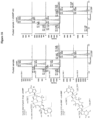
- the gap junction inhibitor comprises a compound of Formula I (tonabersat) having the following structure:
- an assay for evaluating gap junction activity for example assessing inhibition, by measuring levels of cyclic guanosine monophosphate-adenosine monophosphate, e.g., [G(2',5')pA(3',5')p] ("cGAMP"), where a decrease in cGAMP correlates with gap junction inhibition.
- cGAMP cyclic guanosine monophosphate-adenosine monophosphate
- Particular non-limiting embodiments provide for a method for inhibiting growth and/or survival of metastatic cancer cells in the brain of a subject, comprising treating the subject with a therapeutically effective amount of a gap junction inhibitor that produces a decrease in cGAMP relative to the level of cGAMP in the absence of that amount of gap junction inhibitor.
- Particular non-limiting embodiments provide for a method of determining whether a brain tumor or metastatic brain tumor in a subject will receive therapeutic benefit from treatment with a gap junction inhibitor, comprising determining whether, in a sample from said tumor, exposure to a gap junction inhibitor leads to a decrease in cGAMP, where a decrease in cGAMP is indicative of therapeutic benefit.
- Non-limiting embodiments provide for a method of inhibiting growth and/or survival of metastatic cancer cells in the brain of a subject, comprising (i) determining whether the subject will receive therapeutic benefit from treatment with a gap junction inhibitor, comprising determining whether cancer cells of the subject (which may be obtained from a brain metastasis, the primary tumor, or a metastatic tumor outside the brain), when exposed to a gap junction inhibitor, exhibit a decrease in cGAMP relative to the cGAMP level in the absence of the inhibitor, where a decrease in cGAMP is indicative of therapeutic benefit; and (ii) where a decrease in cGAMP is observed, treating the subject with the gap junction inhibitor or, where a decrease in cGAMP is not observed, either assaying another gap junction inhibitor for its ability to decrease cGAMP in the tumor cells or treating the subject with another modality, such as chemotherapy, immunotherapy, radiation therapy, etc.. Said determination may be performed, for example, using an in vitro assay as described in the working example below, or a comparable c
- Non-limiting embodiments provide for a method of inhibiting growth of a brain tumor in a subject, comprising (i) determining whether the subject will receive therapeutic benefit from treatment with a gap junction inhibitor, comprising determining whether a tumor cell(s) of the subject, when exposed to a gap junction inhibitor, exhibits a decrease in cGAMP relative to the cGAMP level in the absence of the inhibitor, where a decrease in cGAMP is indicative of therapeutic benefit; and (ii) where a decrease in cGAMP is observed, treating the subject with the gap junction inhibitor or, where a decrease in cGAMP is not observed, either assaying another gap junction inhibitor for its ability to decrease cGAMP in the tumor cell(s) or treating the subject with another modality, such as chemotherapy, immunotherapy, radiation therapy, etc.
- Said determination may be performed, for example, using an in vitro assay as described in the working example below, or a comparable cGAMP measuring system known in the art.
- cGAMP may be measured by any method known in the art.
- a cGAMP level is determined by Liquid Chromatography Mass Spectrometry/Mass Spectrometry ("LC-MS/MS").
- the LC-MS/MS may be normalized to an internal standard (for example, to account for any losses in the purification steps).
- an assay is described in the working example below, section "cGAMP quantitation by LC-MS/MS,". See also Figure 16 .
- the disclosure provides for a kit to be used in said assay, comprising at least one cGAMP standard, and information regarding decrease of cGAMP with gap junction inhibition in brain tumors.
- kits for detecting the amount of cGAMP present within a sample can comprise isotopically labeled cGAMP.
- the isotopically labeled cGAMP can be used as an internal control in analytical chemistry techniques, e.g., mass spectrometry (MS) and Liquid chromatography (LC)-MS/MS.
- the isotopically labeled cGAMP can be enriched with a low abundance stable isotope such as, but not limited to, 2H (deuterium), 13C (carbon-13), 15N (nitrogen-15) or 180 (oxygen-18).
- a kit of the present disclosure can further include instructions for using the kit to detect the amount of cGAMP in a sample.
- the instructions can describe the amount of isotopically labeled cGAMP to add to a sample prior to analysis.
- the instructions can further describe how to calculate the amount of cGAMP in the sample from the amount of isotopically labeled cGAMP added to the sample.
- the instructions can describe that reduction in the amount or level of cGAMP in a sample from a subject in response to a gap junction inhibitor, as compared to a reference control level, is indicative of therpeutic benefit from use of the gap junction inhibitor.
- the present invention provides agents for use in treating brain metastasis.
- "Metastasis,” as used herein, refers to the presence of one or more cancer cells at a location that is not physically contiguous with the original location of the cancer (e.g., primary cancer).
- the cancer can include lung cancer, breast cancer, melanoma, colon cancer, kidney cancer, renal cell carcinoma, mesothelioma, ovarian cancer, pancreatic cancer, sarcoma, leukemia, lymphoma, urothelial cancer, head and neck cancer, osteosarcoma and bladder cancer.
- the cancer can include glioblastoma and astrocytoma.
- a "detectable" metastasis is a cluster of cells that may be identifiable by magnetic resonance imaging, computerized tomography or positron emission tomography.
- a cluster of metastatic cells may include at least about 1 x 10 7 cells.
- a detectable metastasis can include a cluster of cells having a size greater than about 5 mm or about 10 mm.
- the present disclosure provides for pharmaceutical formulations of the gap junction inhibitors disclosed above in section 5.1 for therapeutic use.
- the pharmaceutical formulation comprises a gap junction inhibitor and a pharmaceutically acceptable carrier.
- “Pharmaceutically acceptable,” as used herein, includes any carrier which does not interfere with the effectiveness of the biological activity of the active ingredients, e.g., inhibitors, and that is not toxic to the patient to whom it is administered.
- suitable pharmaceutical carriers include phosphate-buffered saline solutions, water, emulsions, such as oil/water emulsions, various types of wetting agents and sterile solutions.
- Additional non-limiting examples of pharmaceutically acceptable carriers can include gels, bioadsorbable matrix materials, implantation elements containing the inhibitor and/or any other suitable vehicle, delivery or dispensing means or material. Such carriers can be formulated by conventional methods and can be administered to the subject.
- the pharmaceutical formulations of the present disclosure can be formulated using pharmaceutically acceptable carriers well known in the art that are suitable for oral administration. Such carriers enable the pharmaceutical compositions to be formulated as tablets, pills, capsules, liquids, gels, syrups, slurries, suspensions and the like, for oral or nasal ingestion by a patient to be treated.
- the pharmaceutical formulation can be a solid dosage form.
- the tablet can be an immediate release tablet. Alternatively or additionally, the tablet can be an extended or controlled release tablet.
- the solid dosage can include both an immediate release portion and an extended or controlled release portion.
- the pharmaceutical formulations of the present disclosure can be formulated using pharmaceutically acceptable carriers well known in the art that are suitable for parenteral administration.
- the pharmaceutical formulations suitable for use in the present disclosure can include formulations where the active ingredients, e.g., gap junction inhibitors, are contained in a therapeutically effective amount.
- a "therapeutically effective amount” refers to an amount that is able to achieve one or more of an anti-cancer effect, prolongation of survival and/or prolongation of period until relapse.
- the therapeutically effective amount of an active ingredient can vary depending on the active ingredient, e.g., gap junction inhibitor, formulation used, the cancer and its severity, and the age, weight, etc., of the subject to be treated.
- a patient can receive a therapeutically effective amount of a gap junction inhibitor in single or multiple administrations of one or more formulations, which can depend on the dosage and frequency as required and tolerated by the patient.
- an anti-cancer effect refers to one or more of a reduction in aggregate cancer cell mass, a reduction in cancer cell growth rate, a reduction in cancer cell proliferation, a reduction in tumor mass, a reduction in tumor volume, a reduction in tumor cell proliferation, a reduction in tumor growth rate and/or a reduction in tumor metastasis.
- an anti-cancer effect can refer to a complete response, a partial response, a stable disease (without progression or relapse) and/or a response with a later relapse or progression-free survival in a patient diagnosed with cancer.
- an anti-cancer effect can refer to the prevention and/or reduction of metastasis of a primary cancer within a subject, e.g., the prevention and/or reduction of metastasis of a cancer to the brain in a subject.
- the gap junction inhibitors described above can be used alone or in combination with one or more anti-cancer agents.
- An "anti-cancer agent,” as used herein, can be any molecule, compound, chemical or composition that has an anti-cancer effect.
- Anti-cancer agents include, but are not limited to, chemotherapeutic agents, radiotherapeutic agents, cytokines, anti-angiogenic agents, apoptosis-inducing agents, anti-cancer antibodies, anti-cyclin-dependent kinase agents and/or agents which promote the activity of the immune system including, but not limited to, cytokines such as but not limited to interleukin 2, interferon, anti-CTLA4 antibody and/or anti-PD-1 antibody.
- Non-limiting examples of anti-cancer agents include paclitaxel, temozolomide, vinorelbine, procarbazine, lomustine, vincristine, sFasL and carboplatin.
- a gap junction inhibitor e.g., meclofenamate and/or tonabersat
- In combination with means that the gap junction inhibitor and the one or more anti-cancer agents are administered to a subject as part of a treatment regimen or plan. In certain embodiments, being used in combination does not require that the inhibitor and one or more anti-cancer agents are physically combined prior to administration or that they be administered over the same time frame.
- the amount of each may in some instances be less than a therapeutically effective amount for that agent taken singly, but when both are used therapeutically effectiveness is achieved.
- the disclosure relates to methods for treating brain metastasis by inhibiting gap junction functionality.
- the studies presented in the instant application indicate that inhibition of gap junction signaling and/or formation between the cancer cell and astrocyte can be used to treat brain metastasis. It is based, at least in part, on the discovery that cancer cells expressing Protocadherin 7 and Connexin 43 form gap junctions with astrocytes, which promote the growth of brain metastases, and that inhibition of Protocadherin 7 and/or Connexin 43 expression in cancer cells reduce progression of brain metastases. It is further based on the discovery that treatment with gap junction inhibitors tonabersat and meclofenamate inhibited progression of brain metastatic lesions and enhanced the anti-cancer activity of the conventional chemotherapeutic agent, carboplatin.
- the present disclosure provides methods of treating brain metastasis by inhibiting gap junction signaling and/or formation by the administration of a gap junction inhibitor, disclosed above.
- a gap junction inhibitor disclosed above.
- Non-limiting examples of gap junction inhibitors, and pharmaceutical formulations thereof, are disclosed in sections 5.1 and 5.3, above. Cancers that can be treated with the methods disclosed herein are disclosed above in section 5.2.
- the present disclosure relates to methods for inhibiting gap junction functionality to produce an anti-cancer effect in a subject.
- a “subject” or “patient,” as used interchangeably herein, refers to a human or a non-human subject.
- non-human subjects include non-human primates, dogs, cats, mice, rats, guinea pigs, rabbits, pigs, fowl, horses, cows, goats and sheep.
- the present disclosure provides for a method of treating a subject having a cancer comprising administering, to the subject, an amount of a gap junction inhibitor that inhibits metastatic progression of the cancer in the brain.
- the gap junction inhibitor can be meclofenamate, tonabersat, a Cx43 inhibitor and/or a PCDH7 inhibitor.
- the cancer can be breast cancer.
- the cancer can be lung cancer.
- one or more cells of the cancer of the subject express Connexin 43 and/or Protocadherin 7.
- the subject was known to have one or more brain metastases prior to treatment. In certain non-limiting embodiments, the subject was not known to have a brain metastasis prior to treatment.
- the method of treating a subject having a cancer comprises administering, to the subject, an amount of tonabersat to inhibit metastatic progression of the cancer in the brain.
- the method of treating a subject having a cancer comprises administering, to the subject, an amount of meclofenamate to inhibit metastatic progression of the cancer in the brain.
- the method of treating a subject having a cancer comprises administering, to the subject, an amount of a Cx43 inhibitor to inhibit metastatic progression of the cancer in the brain.
- the method of treating a subject having a cancer comprises administering, to the subject, an amount of a PCDH7 inhibitor to inhibit metastatic progression of the cancer in the brain.
- the present disclosure further provides for a method for inhibiting growth and/or survival of metastatic cancer cells in the brain of a subject, comprising administering, to the subject, a therapeutically effective amount of a gap junction inhibitor, disclosed above.
- the gap junction inhibitor can be meclofenamate, tonabersat, a Cx43 inhibitor and/or a PCDH7 inhibitor.
- the cancer is lung cancer and/or breast cancer.
- one or more cells of the cancer of the subject express Connexin 43 and/or Protocadherin 7.
- the subject was known to have one or more brain metastases prior to treatment. In certain non-limiting embodiments, the subject was not known to have a brain metastasis prior to treatment.
- the method for inhibiting growth and/or survival of metastatic cancer cells in the brain of a subject comprises administering, to the subject, a therapeutically effective amount of tonabersat.
- the method for inhibiting growth and/or survival of metastatic cancer cells in the brain of a subject comprises administering, to the subject, a therapeutically effective amount of meclofenamate.
- the method for inhibiting growth and/or survival of metastatic cancer cells in the brain of a subject comprises administering, to the subject, a therapeutically effective amount of a Cx43 inhibitor.
- the method for inhibiting growth and/or survival of metastatic cancer cells in the brain of a subject comprises administering, to the subject, a therapeutically effective amount of a PCDH7 inhibitor.
- the present disclosure provides for a method of treating brain metastasis in a subject comprising administering, to the subject, a therapeutically effective amount of tonabersat, disclosed above.
- the cancer is lung cancer and/or breast cancer.
- one or more cells of the cancer of the subject express Connexin 43 and/or Protocadherin 7.
- the brain metastasis is a detectable metastasis.
- the method of treating brain metastasis in a subject comprises administering, to the subject, a therapeutically effective amount of tonabersat.
- the present disclosure provides for a method of preventing metastasis of a cancer to the brain in a subject comprising administering, to the subject, a therapeutically effective amount of tonabersat disclosed above.
- the cancer is lung cancer and/or breast cancer.
- one or more cells of the cancer of the subject express Connexin 43 and/or Protocadherin 7.
- the subject was not known to have a brain metastasis prior to treatment.
- the method of preventing metastasis of a cancer to the brain in a subject comprises administering, to the subject, a therapeutically effective amount of tonabersat.
- the present disclosure provides for a method of reducing the risk of detectable metastasis of a cancer to the brain in a subject having cancer comprising administering, to the subject, a therapeutically effective amount of tonabersat, disclosed above.
- the cancer is lung cancer and/or breast cancer.
- one or more cells of the cancer of the subject express Connexin 43 and/or Protocadherin 7.
- the subject was known to have one or more brain metastases prior to treatment.
- the subject was not known to have a brain metastasis prior to treatment.
- the method of reducing the risk of detectable metastasis of a cancer to the brain in a subject having cancer comprises administering, to the subject, a therapeutically effective amount of tonabersat.
- the method of reducing the risk of detectable metastasis of a cancer to the brain in a subject having cancer comprises administering, to the subject, a therapeutically effective amount of meclofenamate.
- the method of reducing the risk of detectable metastasis of a cancer to the brain in a subject having cancer comprises administering, to the subject, a therapeutically effective amount of a Cx43 inhibitor.
- the present disclosure provides a method for lengthening the period of survival of a subject having a cancer comprising administering, to the subject, a therapeutically effective amount of tonabersat, disclosed above.
- the cancer is lung cancer and/or breast cancer.
- one or more cells of the cancer of the subject express Connexin 43 and/or Protocadherin 7.
- the subject was known to have one or more brain metastases prior to treatment. In certain non-limiting embodiments of the present disclosure, the subject was not known to have a brain metastasis prior to treatment.
- the method for lengthening the period of survival of a subject having a cancer comprises administering, to the subject, a therapeutically effective amount of tonabersat.
- the methods of the present disclosure can lengthen the survival period of a subject having cancer by about 1 month, about 2 months, about 3 months, about 4 months, about 6 months, about 8 months, about 10 months, about 12 months, about 14 months, about 18 months, about 20 months, about 2 years, about 3 years, about 4 years, about 5 years, about 6 years or more.
- a method for treating cancer cell metastasis in a subject in need of such treatment comprises administering, to the subject, a therapeutically effective amount of a gap junction inhibitor, disclosed above, to inhibit cancer cell-astrocyte gap junction functionality.
- the present disclosure provides a method of producing an anti-cancer effect in a subject having a cancer comprising administering, to the subject, a therapeutically effective amount of a gap junction inhibitor, disclosed above.
- the present disclosure provides a method of producing an anti-cancer effect in a subject having a cancer comprising administering, to the subject, a therapeutically effective amount of a gap junction inhibitor, disclosed above, to inhibit cancer cell-astrocyte gap junction functionality.
- the present disclosure provides a method of producing an anti-cancer effect in a subject having a cancer comprising administering, to the subject, a therapeutically effective amount of a gap junction inhibitor to inhibit gap junction functionality.
- the present disclosure provides methods for treating a subject that has cancer, for inhibiting the growth and/or survival of cancer cells, for preventing and/or delaying the reoccurrence of a cancer, for inhibiting the infiltration of cancer cells and for lengthening the period of survival of a subject having cancer, comprising, administering, to the subject, a therapeutically effective amount of a gap junction inhibitor, disclosed above.
- the cancer is glioblastoma and/or astrocytoma.
- the methods of the present disclosure can further comprise administering to the subject an anti-cancer agent, as described above.
- a method of the present disclosure comprises administering, to the subject, a therapeutically effective amount of a gap junction inhibitor and a therapeutically effective amount of an anti-cancer agent that can penetrate the blood brain barrier to achieve therapeutic levels, such as, but not limited to ACNU, BCNU, CCNU, hydroxyurea, topotecan, temozolomide, dacarbazine, methotrexate, Ara-C, capecitabine, cisplatin, vinorelbine, carboplatin, or combinations thereof.
- a method of the present disclosure comprises administering, to the subject, a therapeutically effective amount of meclofenamate and a therapeutically effective amount of carboplatin.
- a method of the present disclosure comprises administering, to the subject, a therapeutically effective amount of tonabersat and a therapeutically effective amount of carboplatin.
- a gap junction inhibitor can be administered at an amount of about 1 mg/kg to about 30 mg/kg.
- a gap junction inhibitor can be administered at an amount of about 1 mg/kg to about 25 mg/kg, about 1 mg/kg to about 20 mg/kg, about 1 mg/kg to about 15 mg/kg, about 1 mg/kg to about 10 mg/kg, about 1 mg/kg to about 5 mg/kg, about 5 mg/kg to about 30 mg/kg, about 10 mg/kg to about 30 mg/kg, about 15 mg/kg to about 30 mg/kg, about 20 mg/kg to about 30 mg/kg or about 25 mg/kg to about 30 mg/kg.
- the gap junction inhibitor can be administered at an amount of about 0.08 mg/kg to about 3.6 mg/kg (see Reagan-Shaw et al., The FASEB J., Vol. 22: 659-661 (2008 )). In certain non-limiting embodiments, the gap junction inhibitor can be administered at an amount of about 0.15 mg/kg to about 18 mg/kg.
- the gap junction inhibitor can be administered at an amount of about 1 mg to about 200 mg.
- a gap junction inhibitor can be administered at an amount of about 1 mg to about 200 mg, about 10 mg to about 200 mg, about 20 mg to about 200 mg, about 30 mg to about 200 mg, about 40 mg to about 200 mg, about 50 mg to about 200 mg, about 60 mg to about 200 mg, about 70 mg to about 200 mg, about 80 mg to about 200 mg, about 90 mg to about 200 mg, about 100 mg to about 200 mg, about 110 mg to about 200 mg, about 120 mg to about 200 mg, about 130 mg to about 200 mg, about 140 mg to about 200 mg, about 150 mg to about 200 mg, about 160 mg to about 200 mg, about 170 mg to about 200 mg, about 180 mg to about 200 mg, about 190 mg to about 200 mg, about 1 mg to about 180 mg, about 1 mg to about 170 mg, about 1 mg to about 160 mg, about 1 mg to about 150 mg, about 1 mg to about 1 mg, about 1 mg to about 150 mg, about 1 mg to about 180 mg, about 1
- the gap junction inhibitor tonabersat can be administered at an amount of about 10 mg/kg. In certain embodiments, the gap junction inhibitor tonabersat can be administered at an amount of about 0.8 mg/kg to about 1.2 mg/kg. In certain embodiments, the gap junction inhibitor tonabersat can be administered at an amount of about 0.01 mg/kg to about 9 mg/kg.
- an anti-cancer agent can be administered at an amount of about 1nM to about 1 ⁇ M and/or about 10 mg/kg to about 100 mg/kg. In a specific non-limiting embodiment, an anti-cancer agent can be administered at an amount of about 0.8 mg/kg to about 8 mg/kg. In a specific non-limiting embodiment, an anti-cancer agent can be administered at an amount of about 1.2 mg/kg to about 60 mg/kg.
- the anti-cancer agent carboplatin can be administered at an amount of about 500 nM and/or about 50 mg/kg. In certain embodiments, the anti-cancer agent carboplatin can be administered at an amount of about 4 to about 6 mg/kg. In certain embodiments, the anti-cancer agent Paclitaxel can be administered at an amount of about 25 nM.
- the gap junction inhibitors of the present disclosure can be administered once, twice, three, four, five or six times per week, or daily.
- the anti-cancer agents of the present disclosure can be administered once, twice, three, four, five, or six times per week, or daily.
- the inhibitors and/or anti-cancer agents of the presently disclosed subject matter can be administered one or more times per day.
- the gap junction inhibitors and/or anti-cancer agents of the present disclosure can be administered once, twice, three, four, five or more times a day.
- an inhibitor and/or an anti-cancer agent, disclosed herein can be administered to the subject using standard methods of administration.
- the inhibitor can be administered to the subject orally or parenterally.
- the route of administration can be intravenous, intraarterial, intrathecal, intraperitoneal, intramuscular, subcutaneous, topical, intradermal, locally or combinations thereof.
- the inhibitor can be administered to the patient from a source implanted in the patient.
- administration of the inhibitor can occur by continuous infusion over a selected period of time.
- Human MDA-MB-231 (MDA231), murine MMTV-neu, their metastatic derivatives, and murine 373N1, 393N1, 482N1, 2691N1 cell lines were cultured in DMEM with 10% fetal bovine serum (FBS) and 2 mM L-Glutamine.
- Human H2030 cells and metastatic derivatives were cultured in RPMI 1640 medium supplemented with 10% FBS and 2 mM L-Glutamine.
- 293T cells were cultured in DME media supplemented with 10% fetal bovine serum and 2 mM L-glutamine.
- HBMEC brain microvascular endothelial cells
- ScienCell adult dermal fibroblasts
- microglia were cultured in media specified by the supplier (ScienCell), and used between passages 2-6. All cells tested negative for micoplasma.
- mice All experiments using animals were done in accordance to protocols approved by the MSKCC Institutional Animal Care and Use Committee.
- Athymic NCR nu/nu mice NCI-Frederick
- Cr:NIH bg-nu-xid mice NCI-Frederick
- B6129SF1/J mice Jackson Laboratory
- mice ketamine 100mg/kg, xylazine 10 mg/kg
- D-luciferin 150mg/kg
- brain colonization was quantified by ex vivo Bio-luminescent imaging (BLI).
- BBI Bio-luminescent imaging
- mice were injected 5 ⁇ 10 5 cells.
- TRITC dextran 70 KD (Life Technologies) was intravenously injected to stain vascular structures.
- mice were given doxycycline hyclate (Sigma-Aldrich) in the drinking water (2 mg/mL) and the diet (Harlan) 14 days after injection of cancer cells.
- mice were intraperitoneally injected with carboplatin (Hospira)(50 mg/kg/5days), Tonabersat (MedChem Express)(10 mg/kg/day), or meclofenamic acid sodium salt (Sigma-Aldrich) (20 mg/kg/day).
- Caroplatin Hospira
- Tonabersat MedChem Express
- meclofenamic acid sodium salt Sigma-Aldrich
- BLI was performed using an IVIS Spectrum Xenogen instrument (Caliper Life Sciences) and analysed using Living Image software, v. 2.50.
- IVIS Spectrum Xenogen instrument Caliper Life Sciences
- Living Image software v. 2.50.
- 8-10 mice were used in each group.
- mice were inoculated with cancer cells and randomly assigned to treatment groups.
- Gap junction modulators and chemotherapeutic agents were blindly administered in the MSKCC Antitumour Assessment Core.
- shRNAs for stable knockdown of Cx43 and PCDH7, we used shRNAs in lentiviral vectors.
- shRNAs in TRIPZ lentivial vector were used. 1 ⁇ g/mL doxycycline hyclate (Sigma-Aldrich) was added to induce the expression of shRNA.
- Targeted sequences of shRNAs are listed Table 1, below.
- pBabe-Puro-IKBalpha-mut Additional gene was used for stable expression of SR-IkB.
- pLVX vector for expression of wild type Cx43 (Origene), or Cx43(T154A) mutant (ACC to GCC).
- RNA and protein detection Total RNA was extracted using the PrepEase RNA spin kit (USB). To prepare cDNA, 1 ⁇ g of total RNA was treated using the Transcriptor First Strand cDNA synthesis kit (Roche). Cx43, Cx30 and Cx 26 expression was quantified by Taqman gene expression assay primers: (Cx 43: Hs00748445_s1, Mm00439105_m1; Cx30: Hs00922742_s1, Mm00433661_s1; Cx26: Hs00269615_s1, Mm00433643_s1; Applied Biosystems).
- Relative gene expression was normalized relative to ⁇ 2-microglobulin (Hs99999907_m1, Mm00437762_m1).
- the PCDH7 primer pair was designed to detect all PCDH7 isoforms: 5'-agttcaacgtggtcatcgtg-3'(sense), 5'-acaatcagggagttgttgctc-3'(antisense). Reactions were performed using SYBR Green I Master Mix (Applied Biosystems). Quantitative expression data were analyzed using an ABI Prism 7900HT Sequence Detection System (Applied Biosystems). For western immunoblotting, cell pellets were lysed with RIPA buffer and protein concentrations determined by BCA Protein Assay Kit (Pierce).
- Protein lysates of primary human astrocytes, neurons, microglia and HBMEC were purchased from ScienCell. Proteins were separated by SDS-PAGE and transferred to nitrocellulose membranes (BioRad). Antibodies used for western blotting are listed in Table 2, below.
- Dye transfer and EdU transfer assays Monolayers of cancer cells or astrocytes were labeled with 2.5 ⁇ g/ml calcein Red-Orange AM dye (Life Technologies) at 37°C for 30 min. Single cell suspensions were mixed at a ratio of 2:1 labeled:unlabeled cells for 6 h. Certain experiments used a mix of three cell populations, MDA231-BrM2 (GFP+), HBMEC (pre-labeled with Cell Proliferating Dye Fluor@670, eBioscience), and unlabeled astrocytes.
- MDA231-BrM2 GFP+
- HBMEC pre-labeled with Cell Proliferating Dye Fluor@670, eBioscience
- unlabeled astrocytes unlabeled astrocytes.
- Dye transfer was visualized by Zeiss LSM 5 Live confocal microscopy (20-min time-lapse) or quantified by FACSCalibur flow cytometry (BD Biosciences) at different time points.
- cancer cells were labeled overnight with EdU (10 ⁇ M, Molecular Probes) and maintained in culture for additional 3 days. Single cell suspensions of labeled cancer cells and astrocytes were mixed at 2:1 ratio for 6 h.
- EdU transfer was visualized using Zeiss LSM 5 Live confocal microscopy or quantified by FACSCalibur flow cytometry (BD Biosciences) following the manufacturer's instructions (Molecular Probes).
- EGFP-L10a expressing cancer cells were co-cultured with astrocytes for 24 h.
- mRNA purified from cancer cells were was used for library construction with TruSeq RNA Sample Prep Kit v2 (Illumina) following the manufacturer's instructions. Samples were barcoded and run on a Hiseq 2000 platform in a 50bp/50bp paired-end run, using the TruSeq SBS Kit v3 (Illumina). An average of 50 million paired reads were generated per sample.
- cytokines in the conditioned media were either identified using Human Cytokine Array (R&D systems) or measured by IFN ⁇ or TNF ⁇ ELISA kits (R&D systems).
- R&D systems Human Cytokine Array
- IFN ⁇ or TNF ⁇ ELISA kits R&D systems
- cancer cells were treated with the collected conditioned media for 2 h and phosphorylation status of STAT1 or NF- ⁇ B p65 was determined by western blotting.
- cGAMP and TBI-IRF3 activation experiments cancer cells and astrocytes were co-cultured for 18 h. The phosphorylation status of TBK1, IRF3 was determined by western immunoblotting.
- Nuclear translocation of IRF3 was determined by immunofluorescence staining with Zeiss LSM 5 Live confocal microscopy.
- cGAMP levels were determined by LC-MS/MS.
- Cytokine treatment and pathway reporter assays Cancer cells were treated with 10 units/ml (39 u/ng) recombinant IFN ⁇ A (R&D Systems) or 10 pg/ml recombinant TNF ⁇ (R&D Systems) in combination with carboplatin or Taxol (Sigma-Aldrich) for 24 h. Apoptosis was quantified by Caspase-Glo 3/7 assay (Promega). For NF ⁇ B reporter assays, the NF- ⁇ B responsive sequence from the pHAGE NFKB-TA-LUC-UBC-dTomato-W construct (Addgene)(Wilson, Kwok et al.
- Renilla luciferase reporter Promega. Cancer cells were co-transfected with this vector and a LeGO-C2 mCherry vector (Addgene). Renilla luciferase activity was determined using RenillaGlo Luciferase system (Promega). Red fluorescence signal was used to normalize transfection efficiency.
- Mouse brains were fixed with 4% paraformaldehyde, sectioned by vibratome (Leica) or cryostat (Leica) and stained following established protocols(Valiente, Obenauf et al. 2014).
- For brain slice assays(Valiente, Obenauf et al. 2014) 250 ⁇ m thick slices of adult mouse brain were prepared with a vibratome (Leica) and placed on top of 0.8 ⁇ m pore membranes (Millipore) in brain slice culture medium (DMEM, complete HBSS, 5% FBS, 1mM L-glutamine, 100 IU/mL penicillin, 100 ⁇ g/mL streptomycin). 3 ⁇ 10 5 cancer cells were placed on the surface of the slice.
- DMEM brain slice culture medium
- Fusion cDNAs were generated by deleting the stop codon in human Cx43 (Origene), PCDH7 (Origene), E-cadherin (Addgene) or N-cadherin (Addgene) cDNAs and splicing the N-terminal or C-terminal fragment of firefly luciferase(Luker, Smith et al. 2004). (Addgene). Constructs were cloned into pLVX lentiviral expression vector and transduced into non-GFP-luciferase-labeled parental MDA-MB-231 or H2030 cells. To detect luciferase activity, 7.5mg/ml D-luciferin potassium salt was added in the culture media. BLI was performed by IVIS Spectrum Xenogen instrument, using Living Image software v.2.50.
- Cytosolic dsDNA detection For visualization of dsDNA, cells were immunostained with anti-dsDNA antibody. Anti-GFP staining was used to delineate cancer cell bodies, DAPI to distinguish nuclei, and anti-CoxIV antibody (a mitochondrial marker) to distinguish mitochondria. Phalloidin staining (Molecular Probe) was used to delineate astrocyte cell bodies. For quantification of dsDNA, nuclear, cytosolic and mitochondrial fractions were prepared using a mitochondria isolation kit (Thermo Scientific). DNA from all subcellular fractions was purified by QIAamp DNA mini kit (Qiagen) and quantified by QuantoFluor dsDNA system (Promega).
- Bioinformatic and statistical analysis Bioinformatic analysis was performed in R (ver. 3.1.2) unless otherwise noted. The data were analyzed using the TopHat2-HTSeq-DESeq2 pipeline(Anders, McCarthy et al. 2013, Kim, Pertea et al. 2013, Love, Huber et al. 2014). Differential gene expression was compared with cooksCutoff and independentFiltering turned off. Scatter plot showing fold changes was produced using the ggplot2 package. Principal component analysis (PCA) was performed using prcomp. Pathway gene response signatures were analyzed and scored by the sum of z-score method_ (Zhang, Jin et al. 2013), as previously described(Nguyen, Chiang et al.
- CX43 andPCDH7 transcript levels were analyzed in the microarray data of primary breast cancer (EMC-MSK) and adenocarcinoma datasets (MSKCC set2, GSE3141 and GSE8893). Multiple probes mapping to the same gene were combined by selecting the probe with maximal variance across samples. Triple-negative breast cancer subtypes were identified either based on clinical annotation of the data set or on ESR1 and ERBB2 transcript levels.
- the hazard ratio of the CX43 and PCDH7 values was computed based on Cox proportional hazards model, as implemented by the "coxph" command in R. P values were calculated from a Cox proportional hazard model, with CX43 and PCDH7 expression treated as a continuous variable.
- Cx43 immunohistochemistry normal lung tissue array (75 cases), primary triple negative breast cancer tissue array (98 cases) and primary non-small cell lung carcinoma tissue array (138 cases) were purchased from US Biomax. Paraffin embedded tissue microarrays from brain metastases (117 case of triple-negative breast cancer, 91 cases of non-small cell lung carcinoma) were obtained from the MSKCC Department of Pathology in compliance with the MSKCC Institutional Review Board. Informed consent was obtained from all subjects. Immunohistochemical staining for Cx43 was performed by the MSKCC Pathology Core Facility using standardized, automated protocols. For matched primary-brain metastatic lesions, Cx43 staining images was quantified by positive staining area (Metamorph software).
- cGAMP quantitation by LC-MS/MS Cells (2.4 million MDA231-BRM2 or Human Astrocytes alone, 2.4 million Human Astrocytes + 2.4 million MDA231-BRM2 co-culture) were seeded in 10 cm dishes. After 18 h culture media was aspirated and replaced with 2 mL 80:20 methanol:water containing 4 nM c-di-GMP internal standard. Dishes were incubated at -80°C overnight to promote protein precipitation, scraped and transferred to 2 mL centrifuge tubes.
- Extracts were subjected to 2 vortex, freeze/thaw cycles in liquid nitrogen, sonicated in an ice water bath at full power for 5 min, and clarified by centrifugation at 21,000 x g for 20 min at 4°C. Extracts were dried using a bench top evaporator (Genevac) and reconstituted in 100 ⁇ L of 0.1% formic acid in water. Liquid chromatography separation was performed using a Shimadzu HPLC, Accela Open autosampler (Thermo) and Cortecs C18+ column (Waters, 150 mm x 2.1 mm, 2.7 ⁇ m). Samples were maintained at 4°C and injection volume was 15 ⁇ L.
- the aqueous mobile phase (A) was 0.1% formic acid in water and the organic mobile phase (B) was 0.1% formic acid in acetonitrile.
- Initial conditions were 0% B with gradient program: 1.0 min: 0% B; 7 min: 20% B; 7.1 min: 90% B; 9.0 min: 90% B and 5 min re-equilibration time.
- Flow rate was 400 ⁇ L/min, with a post-column solvent of 90:10 acetone:DMSO added to the LC stream using a zero-dead volume tee at 120 ⁇ L/min to boost detection sensitivity.
- Cyclic nucleotides were detected using a TSQ Vantage mass spectrometer (Thermo) operating in SRM and positive ionization modes.
- Source parameters were: spray voltage: 4000 V; vaporizer temperature: 200°C, sheath gas pressure: 70 psi; aux gas pressure: 20 psi, capillary temperature: 400°C.
- Compound-specific S-lens values were: 164 V (cGAMP) and 190 V (c-di-GMP).
- Cx43 Connexin 43
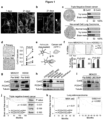
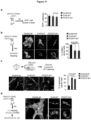
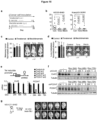
- Fig. 1b In our brain metastatic mouse model, we observed Cx43 expression at the interface of cancer cells and surrounding astrocytes ( Fig. 1b ). Cx43 can mediate interactions between cancer cells and endothelial cells(Cai, Jiang et al. 1998) and astrocytes(Zhang, Iwakuma et al. 2009) proposed to be pro-metastatic(Pollmann, Shao et al. 2005) or anti-metastatic(Sharma, Abraham et al. 2010).
- Gap junctions are formed by hexameric connexin hemi-channels. Pairwise interactions between hemi-channels on adjacent cells form pores for the traffic of cytosolic molecules(Bennett and Goodenough 1978, Oshima 2014). Not all gap junctions form functional pores(Stoletov, Stmadel et al. 2013),(Sharma, Abraham et al. 2010). However, we observed time-dependent transfer of calcein from brain metastatic cells to astrocytes, as shown by time-lapse fluorescence microscopy ( Figure 1e ; Fig. 6c ), and from astrocytes to metastatic cells, as shown by flow cytometry ( Fig. 6d ).
- PCDH7 protocadherin 7
- PCDH7 protocadherin 7
- PCDH7 levels were higher in brain metastatic derivatives than in parental cell lines ( Fig. 1g , Fig. 7a,b ) or in matched derivatives that are highly metastatic to bone or lung but not brain ( Fig. 1i ; refer to Fig. 6a ).
- the PCDH7 level in brain metastatic cells was higher than in astrocytes, neurons, microglia or endothelial cells ( Fig. 1h , Fig. 7c ).
- PCDH7 directs carcinoma-astrocyte gap junctions.
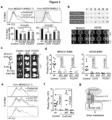
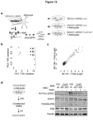
- Brain-metastatic cells depleted of either PCDH7 or Cx43 by means of short hairpin RNAs (shRNA)( Fig. 7f,g ) showed reduced capacity for dye transfer to astrocytes compared to controls ( Fig 2a , Fig. 8a ).
- the extent of dye-transfer inhibition after Cx43 depletion was comparable to that obtained with the pan-connexin inhibitor, carbenoloxone ( Fig 8b ).
- astrocyte PCDH7 might participate in the formation of gap junctions with cancer cells. Indeed, PCDH7 depletion in astrocytes ( Fig. 8c ) also inhibited dye transfer from MDA231-BrM2 cells ( Fig. 8d ).
- HBMECs Human brain microvascular endothelilal cells express much lower levels of Cx43 than astrocytes, and have no detectable PCDH7 expression ( Fig. 1h , Fig. 7c ). A low level of PCDH7-independent gap junction communication occurred between cancer cells and HBMECs ( Fig. 8e ). In a competition experiment, dye transfer between cancer cell and astrocyte was favored over dye transfer between cancer cell and endothelial cell ( Fig 8f ). Primary microglia cells expressed very low levels of Cx43 and PCDH7 and did not accept calcein from cancer cells ( Fig 8g ). Cx43 levels in astrocytes and cancer cells remained constant after co-culture with microglia ( Fig. 8h ). Thus, PCDH7 directs cancer cells to preferentially form Cx43 gap junctions with astrocytes.
- luciferase complementation assay (Luker, Smith et al. 2004) to detect PCDH7 interactions with Cx43 in live cells. Constructs encoding PDCH7 and Cx43 fused to the N-terminal (NLuc) and C-terminal (CLuc) halves of firefly luciferase were expressed in relevant combinations in non-GFP-luciferase labeled parental cells ( Fig. 2b ). When NLuc and CLuc come into proximity, luciferase activity is reconstituted. Because Cx43 self-assembles into hexameric semi-channels in the cell membrane, transduction of cells with Cx43-NLuc and Cx43-CLuc vectors served as positive control ( Fig.
- Cx43 and PCDH7 mediate brain metastatic colonization.
- shRNA-mediated depletion of either Cx43 or PCDH7 inhibited formation of brain metastases by breast cancer and lung cancer cells in xenograft ( Fig. 2c-d ) and immunocompetent models ( Fig. 10a ).
- Immunohistologic staining for GFP in brain sections confirmed this result and demonstrated a marked reduction in lesion size as a result of Cx43 or PCDH7 depletion ( Fig. 10b ).
- Depletion of Cx43 or PCDH7 did not affect the formation of lung lesions by MDA231-BrM2 cells after tail vein injection ( Fig. 10c ).
- Cx43(T154A) mutant that lacks channel function but still assembles hemichannels ( Fig. 2e )(Beahm, Oshima et al. 2006).
- Cx43 either wild type or T154A mutant, was re-expressed in Cx43-depleted brain metastatic cancer cells ( Fig. 10d ).
- the mutant Cx43 was unable to mediate calcein transfer from astrocyte to MDA231-BrM cells ( Fig. 2e ).
- Apoptosis of brain metastatic cells was determined in the ex-vivo brain slice assay(Valiente, Obenholz et al. 2014). With this approach, we found increased caspase 3 staining in Cx43 or PCDH7-depleted cells, consistent with increased apoptosis. ( Fig. 11c ). Of note, the Cx43-depleted or PCDH7-depleted cells were still able to closely interact with capillaries ( Fig. 11d ). Thus, cancer cell-astrocyte gap junctions support brain metastasis development after initial extravasation and vascular cooption.
- IFN interferon
- NF- ⁇ B NF- ⁇ B pathways
- Other upregulated pathways included Her2/AKT and TGF ⁇ .
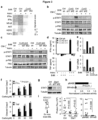
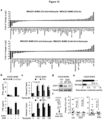
- Conditioned media from astrocyte-MDA231-BrM2 co-cultures was sufficient to activate the IFN and NF-xB signaling in the cancer cells, as determined by increased phosphorylation of STAT1 and NF-xB p65 ( Fig. 3b , Fig. 12d ). This effect was not observed with conditioned media from astrocyte co-cultures with Cx43-depleted or Cx43(T154A) reconstituted cancer cells ( Fig. 3c ).
- Cancer cell gap junctions activate the cytosolic dsDNA response in astrocytes. Whereas IFN ⁇ and TNF ⁇ may be individually induced by diverse inputs, the joint upregulation of both cytokines was pronounced of a cellular response to cytosolic double stranded DNA (dsDNA)(Cai, Chiu et al. 2014). Cytosolic dsDNA triggers the cGAS-STING pathway, in which cyclic GMP-AMP synthase (cGAS) senses cytosolic dsDNA and synthesizes the second messenger 2'3'-cyclic GMP-AMP (cGAMP).
- cGAS cyclic GMP-AMP synthase
- cGAMP binding to STING triggers phosphorylation and activation of TBK1 and IRF3, nuclear accumulation of IRF3, and transcriptional activation of IRF3 target genes IFNA and TNFA (Wu, Sun et al. 2013).
- This pathway represents an ancient anti-viral innate immune response(Cai, Chiu et al. 2014).
- Tonabersat is an benzopyran derivative that binds to a unique stereoselective binding site in astrocytes(Herdon, Jerman et al. 1997, Chan, Evans et al. 1999), inhibits gap-junction-mediated pathophysiological processes including cortical spreading depression(Read, Smith et al. 2000) and trigeminal ganglion neuronal-satellite cell signaling in animal models(Damodaram, Thalakoti et al. 2009), and was systemically well-tolerated and safe in patients with migraine(Dahlof, Hauge et al. 2009).
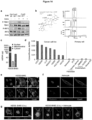
- Tonabersat and meclofenamate inhibited dye transfer from astrocytes to cancer cells as measured by flow cytometry ( Fig. 5a ), and the release of IFN ⁇ and TNF ⁇ in co-cultures of these cells ( Fig. 5b ), recapitulating the phenotype seen in knockdown of Cx43 or PCDH7.
- Mice were treated with either vehicle or with these compounds from day 1 following arterial inoculation of MDA231-BrM2 cells or H2030-BrM3 cells in immunodeficient mice, or KRas/p53-393N1 cells in immunocompetent mice ( Fig. 5c , Fig. 15a,b ).
- Brain metastases are distinguished by pronounced resistance to chemotherapy(Zhang, Price et al. 1992, Deeken and Loscher 2007).
- Carboplatin crosses the BBB(Pitz, Desai et al. 2011), with modest improvement in overall survival in patients with brain metastases from breast(Lim and Lin 2014) or lung cancer(Taimur and Edelman 2003).
- Carboplatin alone 50 mg/kg/5 days) starting on day 14 inhibited brain metastasis to a similar extent as depletion of Cx43 or PCDH7 ( Fig. 5f,g ); combination carboplatin and doxycycline reduced the metastatic burden further ( Fig. 5f,g ). Therefore, we assessed the effectiveness of combination gap junction modulatory therapy with chemotherapy ( Fig.
- PCDH7 and Cx43 contribute to brain metastatic colonization and chemoresistance.
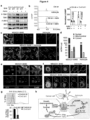
- Functional Cx43-based gap junctions between cancer cells and astrocytes allow cancer cells to disseminate cytosolic dsDNA to the astrocyte network. This activates the astrocytic cGAS-STING pathway, culminating in release of cytokines including IFN ⁇ and TNF ⁇ .
- cytokines provide a growth advantage for brain metastatic cells by protecting against physiologic and chemotherapeutic stressors.
- Other upregulated pathways include Her2/AKT and TGF ⁇ .
- Our results therefore provide in vivo evidence and mechanistic underpinnings for a previously observed chemoprotective effect of astrocytes on cancer cells in vitro (Kim, Kim et al.
- cancer cells protect themselves from astrocytic attack in two ways, first, through production of serpin inhibitors of cytotoxic plasmin generation, and second, by engaging astrocytes through gap junctions and appropriating the dsDNA response.
- Cytosolic dsDNA was first defined as an activator of innate immunity against viral infection(Stetson and Medzhitov 2006).
- cancer cells there are a number of possible sources of dsDNA including genomic instability, mitochondrial stress, and exposure to DNA-damaging agents.
- DNA-triggered innate immune responses and, specifically, cGAMP can pass to other cells through gap junctions(Patel, King et al. 2009, Ablasser, Schmid-Burgk et al. 2013). Fitting with these observations, we find that malignant cells, including brain metastatic derivatives, contain high levels of cytosolic dsDNA and cGAMP compared with astrocytes and other stromal cells.
- the dsDNA response emerges from intrinsic cytosolic dsDNA in the cancer cells, is Cx43-dependent, and involves host tissue astrocytes, thus representing an unprecedented pro-metastatic process.
- Brain metastases are a major contributor to cancer patient morbidity and mortality, with few therapeutic options available.
- cancer cell dependency on Cx43/PCDH7 gap junctions for survival and outgrowth of metastatic lesions suggests a therapeutic opportunity.
- Our pre-clinical results using combinations of chemotherapy and gap junction modulators provide proof-of-principle for the therapeutic potential of these interventions against brain metastasis.
Landscapes
- Health & Medical Sciences (AREA)
- Life Sciences & Earth Sciences (AREA)
- Chemical & Material Sciences (AREA)
- General Health & Medical Sciences (AREA)
- Medicinal Chemistry (AREA)
- Animal Behavior & Ethology (AREA)
- Public Health (AREA)
- Veterinary Medicine (AREA)
- Pharmacology & Pharmacy (AREA)
- Epidemiology (AREA)
- Engineering & Computer Science (AREA)
- General Chemical & Material Sciences (AREA)
- Nuclear Medicine, Radiotherapy & Molecular Imaging (AREA)
- Organic Chemistry (AREA)
- Chemical Kinetics & Catalysis (AREA)
- Molecular Biology (AREA)
- Biomedical Technology (AREA)
- Immunology (AREA)
- Biochemistry (AREA)
- Hematology (AREA)
- Urology & Nephrology (AREA)
- Bioinformatics & Cheminformatics (AREA)
- Oncology (AREA)
- Microbiology (AREA)
- Analytical Chemistry (AREA)
- Biotechnology (AREA)
- Tropical Medicine & Parasitology (AREA)
- Toxicology (AREA)
- Food Science & Technology (AREA)
- Physics & Mathematics (AREA)
- Cell Biology (AREA)
- General Physics & Mathematics (AREA)
- Pathology (AREA)
- Acyclic And Carbocyclic Compounds In Medicinal Compositions (AREA)
- Medicines That Contain Protein Lipid Enzymes And Other Medicines (AREA)
- Pharmaceuticals Containing Other Organic And Inorganic Compounds (AREA)
- Measuring Or Testing Involving Enzymes Or Micro-Organisms (AREA)
- Saccharide Compounds (AREA)
- Steroid Compounds (AREA)
Applications Claiming Priority (3)
| Application Number | Priority Date | Filing Date | Title |
|---|---|---|---|
| US201462052966P | 2014-09-19 | 2014-09-19 | |
| EP15842612.2A EP3193865B1 (en) | 2014-09-19 | 2015-09-18 | Methods for treating brain metastasis |
| PCT/US2015/051057 WO2016044790A1 (en) | 2014-09-19 | 2015-09-18 | Methods for treating brain metastasis |
Related Parent Applications (1)
| Application Number | Title | Priority Date | Filing Date |
|---|---|---|---|
| EP15842612.2A Division EP3193865B1 (en) | 2014-09-19 | 2015-09-18 | Methods for treating brain metastasis |
Publications (2)
| Publication Number | Publication Date |
|---|---|
| EP3685832A1 EP3685832A1 (en) | 2020-07-29 |
| EP3685832B1 true EP3685832B1 (en) | 2023-08-30 |
Family
ID=55533931
Family Applications (2)
| Application Number | Title | Priority Date | Filing Date |
|---|---|---|---|
| EP19206911.0A Active EP3685832B1 (en) | 2014-09-19 | 2015-09-18 | Methods for treating brain metastasis |
| EP15842612.2A Active EP3193865B1 (en) | 2014-09-19 | 2015-09-18 | Methods for treating brain metastasis |
Family Applications After (1)
| Application Number | Title | Priority Date | Filing Date |
|---|---|---|---|
| EP15842612.2A Active EP3193865B1 (en) | 2014-09-19 | 2015-09-18 | Methods for treating brain metastasis |
Country Status (7)
| Country | Link |
|---|---|
| US (3) | US10413522B2 (enExample) |
| EP (2) | EP3685832B1 (enExample) |
| JP (1) | JP6898848B2 (enExample) |
| CN (1) | CN107106544B (enExample) |
| AU (3) | AU2015317330B2 (enExample) |
| CA (1) | CA2961894C (enExample) |
| WO (1) | WO2016044790A1 (enExample) |
Families Citing this family (14)
| Publication number | Priority date | Publication date | Assignee | Title |
|---|---|---|---|---|
| JP6898848B2 (ja) * | 2014-09-19 | 2021-07-07 | メモリアル スローン ケタリング キャンサー センター | 脳転移を治療するための方法 |
| CN107290438B (zh) * | 2016-03-31 | 2020-10-16 | 深圳翰宇药业股份有限公司 | 一种多肽有关物质的高效液相色谱分析方法 |
| AU2018300007A1 (en) * | 2017-07-10 | 2020-02-27 | Cornell University | Targeting chromosomal instability and downstream cytosolic DNA signaling for cancer treatment |
| CA3072087A1 (en) * | 2017-08-11 | 2019-02-14 | Board Of Regents, The University Of Texas System | Targeting kinases for the treatment of cancer metastasis |
| US11717506B2 (en) | 2019-05-07 | 2023-08-08 | The Johns Hopkins University | Neuroprotective compounds for amyotrophic lateral sclerosis |
| CA3154499A1 (en) * | 2019-09-13 | 2021-03-18 | Auckland Uniservices Limited | Compositions and methods for rescuing retinal and choroidal structure and function |
| CN111420025B (zh) * | 2020-04-28 | 2021-06-11 | 中国药科大学 | 茜草科类型环肽化合物在制备cGAS-STING信号通路激活剂的药物中的应用 |
| GB202014831D0 (en) | 2020-09-21 | 2020-11-04 | Dc Europa Ltd | Disconnection agents |
| US12306192B2 (en) * | 2021-02-08 | 2025-05-20 | Cedars-Sinai Medical Center | Method of detecting cognitive impairment |
| JP2025500876A (ja) * | 2021-12-14 | 2025-01-15 | トラスティーズ オブ タフツ カレッジ | 神経膠芽腫を含む癌の治療のための過分極性剤単独及び他の治療剤との組合せにおける使用 |
| CN114252324B (zh) * | 2022-03-02 | 2022-05-13 | 中国人民解放军军事科学院军事医学研究院 | 一种方便使用的多孔脑片孵育装置 |
| US20260034158A1 (en) * | 2022-07-20 | 2026-02-05 | The University Of North Carolina At Chapel Hill | Methods of treating cancer of the central nervous system comprising 5-ethynyl-2'-deoxyuridine |
| WO2025024284A1 (en) * | 2023-07-21 | 2025-01-30 | The Board Of Regents Of The University Of Texas System | Monoclonal antibodies against pcdh7 for lung cancer therapy |
| CN117298143A (zh) * | 2023-10-11 | 2023-12-29 | 广州医科大学附属第一医院(广州呼吸中心) | β葡聚糖在制备治疗肺癌脑转移瘤药物中的应用 |
Family Cites Families (32)
| Publication number | Priority date | Publication date | Assignee | Title |
|---|---|---|---|---|
| WO1995034547A1 (en) | 1994-06-10 | 1995-12-21 | Smithkline Beecham Plc | C-4 amide substituted compounds and their use as therapeutic agents |
| GB9411635D0 (en) | 1994-06-10 | 1994-08-03 | Smithkline Beecham Plc | Novel treatment |
| DE69833791D1 (de) | 1997-11-24 | 2006-05-04 | Scripps Research Inst | Hemmer der "gap junction communication" |
| US6506559B1 (en) | 1997-12-23 | 2003-01-14 | Carnegie Institute Of Washington | Genetic inhibition by double-stranded RNA |
| AUPP249298A0 (en) | 1998-03-20 | 1998-04-23 | Ag-Gene Australia Limited | Synthetic genes and genetic constructs comprising same I |
| US6566131B1 (en) | 2000-10-04 | 2003-05-20 | Isis Pharmaceuticals, Inc. | Antisense modulation of Smad6 expression |
| US6410323B1 (en) | 1999-08-31 | 2002-06-25 | Isis Pharmaceuticals, Inc. | Antisense modulation of human Rho family gene expression |
| US6251931B1 (en) | 1998-11-24 | 2001-06-26 | The Scripps Research Institute | Inhibitors of gap junction communication |
| US6107091A (en) | 1998-12-03 | 2000-08-22 | Isis Pharmaceuticals Inc. | Antisense inhibition of G-alpha-16 expression |
| US5981732A (en) | 1998-12-04 | 1999-11-09 | Isis Pharmaceuticals Inc. | Antisense modulation of G-alpha-13 expression |
| US6046321A (en) | 1999-04-09 | 2000-04-04 | Isis Pharmaceuticals Inc. | Antisense modulation of G-alpha-i1 expression |
| US6770633B1 (en) | 1999-10-26 | 2004-08-03 | Immusol, Inc. | Ribozyme therapy for the treatment of proliferative skin and eye diseases |
| GB9927444D0 (en) | 1999-11-19 | 2000-01-19 | Cancer Res Campaign Tech | Inhibiting gene expression |
| EP1272630A2 (en) | 2000-03-16 | 2003-01-08 | Genetica, Inc. | Methods and compositions for rna interference |
| US6365354B1 (en) | 2000-07-31 | 2002-04-02 | Isis Pharmaceuticals, Inc. | Antisense modulation of lysophospholipase I expression |
| US6566135B1 (en) | 2000-10-04 | 2003-05-20 | Isis Pharmaceuticals, Inc. | Antisense modulation of caspase 6 expression |
| US7632866B2 (en) | 2002-10-21 | 2009-12-15 | Ramot At Tel Aviv University | Derivatives of N-phenylanthranilic acid and 2-benzimidazolone as potassium channel and/or neuron activity modulators |
| US20060058379A1 (en) | 2002-11-29 | 2006-03-16 | Yasuyuki Kita | Connexin 26 inhibitor and cancer metastasis inhibitors |
| CN1852721B (zh) * | 2003-07-31 | 2013-03-27 | 得克萨斯大学体系董事会 | 用于治疗、预防和/或改善癌症、癌症发病或癌症症状的组合物和方法 |
| DK1959981T3 (da) | 2005-02-03 | 2020-01-27 | Coda Therapeutics Ltd | Anti-connexin 43 forbindelser til behandling af kroniske sår |
| WO2008127251A1 (en) | 2006-05-05 | 2008-10-23 | Caritas St. Elizabeth's Medical Center Of Boston, Inc. | Reversible inhibition of pyramidal gap junction activity |
| CA2710232A1 (en) | 2007-12-21 | 2009-07-09 | Coda Therapeutics, Inc. | Treatment of abnormal or excessive scars |
| US20130281524A1 (en) * | 2008-06-05 | 2013-10-24 | Peter Blower | Novel treatments |
| US8859615B2 (en) * | 2008-08-27 | 2014-10-14 | Samuel J. Danishefsky | Compounds, compositions and methods for reducing toxicity and treating or preventing diseases |
| FR2935611B1 (fr) * | 2008-09-10 | 2010-10-15 | Commissariat Energie Atomique | Utilisation d'agents anti-connexines pour moduler l'effet therapeutique de molecules psychotropes |
| WO2011057199A1 (en) * | 2009-11-06 | 2011-05-12 | Adenios, Inc. | Compositions for treating cns disorders |
| EP2506847A1 (en) | 2009-12-03 | 2012-10-10 | Proximagen Limited | Treatment of infectious diseases |
| JP2013512887A (ja) * | 2009-12-03 | 2013-04-18 | プロキシマゲン リミテッド | 感染症の治療 |
| WO2014129914A1 (en) * | 2013-02-22 | 2014-08-28 | Auckland Uniservices Limited | Methods of treatment |
| US9840533B2 (en) * | 2013-04-29 | 2017-12-12 | Memorial Sloan Kettering Cancer Center | Compositions and methods for altering second messenger signaling |
| WO2015057862A1 (en) * | 2013-10-15 | 2015-04-23 | President And Fellows Of Harvard College | Methods and compositions for eradicating leukemic cells |
| JP6898848B2 (ja) * | 2014-09-19 | 2021-07-07 | メモリアル スローン ケタリング キャンサー センター | 脳転移を治療するための方法 |
-
2015
- 2015-09-18 JP JP2017515756A patent/JP6898848B2/ja active Active
- 2015-09-18 CN CN201580063121.3A patent/CN107106544B/zh active Active
- 2015-09-18 WO PCT/US2015/051057 patent/WO2016044790A1/en not_active Ceased
- 2015-09-18 CA CA2961894A patent/CA2961894C/en active Active
- 2015-09-18 EP EP19206911.0A patent/EP3685832B1/en active Active
- 2015-09-18 EP EP15842612.2A patent/EP3193865B1/en active Active
- 2015-09-18 AU AU2015317330A patent/AU2015317330B2/en active Active
-
2017
- 2017-03-17 US US15/462,253 patent/US10413522B2/en active Active
-
2019
- 2019-09-13 US US16/570,180 patent/US11058665B2/en active Active
-
2021
- 2021-04-14 AU AU2021202257A patent/AU2021202257B2/en active Active
- 2021-06-11 US US17/345,572 patent/US12029717B2/en active Active
-
2023
- 2023-08-23 AU AU2023219864A patent/AU2023219864A1/en not_active Abandoned
Also Published As
| Publication number | Publication date |
|---|---|
| US20220105069A1 (en) | 2022-04-07 |
| CN107106544B (zh) | 2021-09-24 |
| US11058665B2 (en) | 2021-07-13 |
| EP3193865A4 (en) | 2018-04-11 |
| CA2961894C (en) | 2023-12-12 |
| AU2023219864A1 (en) | 2023-09-14 |
| US20200085781A1 (en) | 2020-03-19 |
| JP2017534583A (ja) | 2017-11-24 |
| EP3685832A1 (en) | 2020-07-29 |
| CN107106544A (zh) | 2017-08-29 |
| CA2961894A1 (en) | 2016-03-24 |
| WO2016044790A1 (en) | 2016-03-24 |
| JP6898848B2 (ja) | 2021-07-07 |
| EP3193865B1 (en) | 2019-11-06 |
| AU2015317330B2 (en) | 2021-01-14 |
| NZ730319A (en) | 2024-03-22 |
| US12029717B2 (en) | 2024-07-09 |
| EP3193865A1 (en) | 2017-07-26 |
| US10413522B2 (en) | 2019-09-17 |
| AU2021202257B2 (en) | 2023-05-25 |
| AU2015317330A1 (en) | 2017-04-13 |
| AU2021202257A1 (en) | 2021-05-06 |
| US20170258758A1 (en) | 2017-09-14 |
Similar Documents
| Publication | Publication Date | Title |
|---|---|---|
| US12029717B2 (en) | Methods for treating brain metastasis | |
| Chen et al. | Carcinoma–astrocyte gap junctions promote brain metastasis by cGAMP transfer | |
| Gibellini et al. | LonP1 differently modulates mitochondrial function and bioenergetics of primary versus metastatic colon cancer cells | |
| Cai et al. | MicroRNA-374a activates Wnt/β-catenin signaling to promote breast cancer metastasis | |
| Luo et al. | Breast cancer stem cells: current advances and clinical implications | |
| Zhan et al. | Ovarian cancer stem cells: a new target for cancer therapy | |
| Vander Ark et al. | Mechanisms and approaches for overcoming enzalutamide resistance in prostate cancer | |
| Wang et al. | Hsa_circ_0128846 promotes tumorigenesis of colorectal cancer by sponging hsa‐miR‐1184 and releasing AJUBA and inactivating Hippo/YAP signalling | |
| Alachkar et al. | SPARC promotes leukemic cell growth and predicts acute myeloid leukemia outcome | |
| Scaravilli et al. | Androgen-driven fusion genes and chimeric transcripts in prostate cancer | |
| Kim et al. | Berberine suppresses TPA-induced fibronectin expression through the inhibition of VEGF secretion in breast cancer cells | |
| CN112522394B (zh) | 新型外泌体释放相关靶点及其在监测和抑制肿瘤中的应用 | |
| Uzawa et al. | Resveratrol targets urokinase-type plasminogen activator receptor expression to overcome cetuximab-resistance in oral squamous cell carcinoma | |
| Teng et al. | Ligand-dependent EphB1 signaling suppresses glioma invasion and correlates with patient survival | |
| Hu et al. | Inhibition of Pten deficient castration resistant prostate cancer by targeting of the SET-PP2A signaling axis | |
| Zhou et al. | A novel EGFR isoform confers increased invasiveness to cancer cells | |
| Sung et al. | Co-dependency for MET and FGFR1 in basal triple-negative breast cancers | |
| Yao et al. | Collagen XV mediated the epithelial-mesenchymal transition to inhibit hepatocellular carcinoma metastasis | |
| He et al. | Inhibition of Wnt/β-catenin increases anti-tumor activity by synergizing with sorafenib in hepatocellular carcinoma | |
| Decaudin et al. | In vivo efficacy of STI571 in xenografted human small cell lung cancer alone or combined with chemotherapy | |
| Yokoi et al. | Induction of apoptosis in tumor-associated endothelial cells and therapy of orthotopic human pancreatic carcinoma in nude mice | |
| Sanchez-Manas et al. | Potential clinical applications of extracellular vesicles in pancreatic cancer: exploring untapped opportunities from biomarkers to novel therapeutic approaches | |
| Shigeishi et al. | PGE2 targets squamous cell carcinoma cell with the activated epidermal growth factor receptor family for survival against 5-fluorouracil through NR4A2 induction | |
| Sun et al. | circTOP2A functions as a ceRNA to promote glioma progression by upregulating RPN2 | |
| Yan et al. | Alantolactone Suppresses YAP Signaling and Stemness Properties in Glioblastoma Cells. |
Legal Events
| Date | Code | Title | Description |
|---|---|---|---|
| PUAI | Public reference made under article 153(3) epc to a published international application that has entered the european phase |
Free format text: ORIGINAL CODE: 0009012 |
|
| STAA | Information on the status of an ep patent application or granted ep patent |
Free format text: STATUS: THE APPLICATION HAS BEEN PUBLISHED |
|
| AC | Divisional application: reference to earlier application |
Ref document number: 3193865 Country of ref document: EP Kind code of ref document: P |
|
| AK | Designated contracting states |
Kind code of ref document: A1 Designated state(s): AL AT BE BG CH CY CZ DE DK EE ES FI FR GB GR HR HU IE IS IT LI LT LU LV MC MK MT NL NO PL PT RO RS SE SI SK SM TR |
|
| STAA | Information on the status of an ep patent application or granted ep patent |
Free format text: STATUS: REQUEST FOR EXAMINATION WAS MADE |
|
| 17P | Request for examination filed |
Effective date: 20210129 |
|
| RBV | Designated contracting states (corrected) |
Designated state(s): AL AT BE BG CH CY CZ DE DK EE ES FI FR GB GR HR HU IE IS IT LI LT LU LV MC MK MT NL NO PL PT RO RS SE SI SK SM TR |
|
| STAA | Information on the status of an ep patent application or granted ep patent |
Free format text: STATUS: EXAMINATION IS IN PROGRESS |
|
| 17Q | First examination report despatched |
Effective date: 20210608 |
|
| GRAP | Despatch of communication of intention to grant a patent |
Free format text: ORIGINAL CODE: EPIDOSNIGR1 |
|
| GRAJ | Information related to disapproval of communication of intention to grant by the applicant or resumption of examination proceedings by the epo deleted |
Free format text: ORIGINAL CODE: EPIDOSDIGR1 |
|
| RIC1 | Information provided on ipc code assigned before grant |
Ipc: A61K 31/555 20060101ALI20220926BHEP Ipc: A61P 35/04 20060101ALI20220926BHEP Ipc: A61K 31/196 20060101AFI20220926BHEP |
|
| GRAP | Despatch of communication of intention to grant a patent |
Free format text: ORIGINAL CODE: EPIDOSNIGR1 |
|
| STAA | Information on the status of an ep patent application or granted ep patent |
Free format text: STATUS: GRANT OF PATENT IS INTENDED |
|
| INTG | Intention to grant announced |
Effective date: 20221208 |
|
| GRAS | Grant fee paid |
Free format text: ORIGINAL CODE: EPIDOSNIGR3 |
|
| GRAA | (expected) grant |
Free format text: ORIGINAL CODE: 0009210 |
|
| STAA | Information on the status of an ep patent application or granted ep patent |
Free format text: STATUS: THE PATENT HAS BEEN GRANTED |
|
| AC | Divisional application: reference to earlier application |
Ref document number: 3193865 Country of ref document: EP Kind code of ref document: P |
|
| AK | Designated contracting states |
Kind code of ref document: B1 Designated state(s): AL AT BE BG CH CY CZ DE DK EE ES FI FR GB GR HR HU IE IS IT LI LT LU LV MC MK MT NL NO PL PT RO RS SE SI SK SM TR |
|
| REG | Reference to a national code |
Ref country code: GB Ref legal event code: FG4D |
|
| REG | Reference to a national code |
Ref country code: CH Ref legal event code: EP |
|
| REG | Reference to a national code |
Ref country code: DE Ref legal event code: R096 Ref document number: 602015085499 Country of ref document: DE |
|
| REG | Reference to a national code |
Ref country code: IE Ref legal event code: FG4D |
|
| REG | Reference to a national code |
Ref country code: LT Ref legal event code: MG9D |
|
| REG | Reference to a national code |
Ref country code: NL Ref legal event code: MP Effective date: 20230830 |
|
| REG | Reference to a national code |
Ref country code: AT Ref legal event code: MK05 Ref document number: 1604522 Country of ref document: AT Kind code of ref document: T Effective date: 20230830 |
|
| PG25 | Lapsed in a contracting state [announced via postgrant information from national office to epo] |
Ref country code: GR Free format text: LAPSE BECAUSE OF FAILURE TO SUBMIT A TRANSLATION OF THE DESCRIPTION OR TO PAY THE FEE WITHIN THE PRESCRIBED TIME-LIMIT Effective date: 20231201 |
|
| PG25 | Lapsed in a contracting state [announced via postgrant information from national office to epo] |
Ref country code: IS Free format text: LAPSE BECAUSE OF FAILURE TO SUBMIT A TRANSLATION OF THE DESCRIPTION OR TO PAY THE FEE WITHIN THE PRESCRIBED TIME-LIMIT Effective date: 20231230 |
|
| PG25 | Lapsed in a contracting state [announced via postgrant information from national office to epo] |
Ref country code: SE Free format text: LAPSE BECAUSE OF FAILURE TO SUBMIT A TRANSLATION OF THE DESCRIPTION OR TO PAY THE FEE WITHIN THE PRESCRIBED TIME-LIMIT Effective date: 20230830 Ref country code: RS Free format text: LAPSE BECAUSE OF FAILURE TO SUBMIT A TRANSLATION OF THE DESCRIPTION OR TO PAY THE FEE WITHIN THE PRESCRIBED TIME-LIMIT Effective date: 20230830 Ref country code: NO Free format text: LAPSE BECAUSE OF FAILURE TO SUBMIT A TRANSLATION OF THE DESCRIPTION OR TO PAY THE FEE WITHIN THE PRESCRIBED TIME-LIMIT Effective date: 20231130 Ref country code: LV Free format text: LAPSE BECAUSE OF FAILURE TO SUBMIT A TRANSLATION OF THE DESCRIPTION OR TO PAY THE FEE WITHIN THE PRESCRIBED TIME-LIMIT Effective date: 20230830 Ref country code: LT Free format text: LAPSE BECAUSE OF FAILURE TO SUBMIT A TRANSLATION OF THE DESCRIPTION OR TO PAY THE FEE WITHIN THE PRESCRIBED TIME-LIMIT Effective date: 20230830 Ref country code: IS Free format text: LAPSE BECAUSE OF FAILURE TO SUBMIT A TRANSLATION OF THE DESCRIPTION OR TO PAY THE FEE WITHIN THE PRESCRIBED TIME-LIMIT Effective date: 20231230 Ref country code: HR Free format text: LAPSE BECAUSE OF FAILURE TO SUBMIT A TRANSLATION OF THE DESCRIPTION OR TO PAY THE FEE WITHIN THE PRESCRIBED TIME-LIMIT Effective date: 20230830 Ref country code: GR Free format text: LAPSE BECAUSE OF FAILURE TO SUBMIT A TRANSLATION OF THE DESCRIPTION OR TO PAY THE FEE WITHIN THE PRESCRIBED TIME-LIMIT Effective date: 20231201 Ref country code: FI Free format text: LAPSE BECAUSE OF FAILURE TO SUBMIT A TRANSLATION OF THE DESCRIPTION OR TO PAY THE FEE WITHIN THE PRESCRIBED TIME-LIMIT Effective date: 20230830 Ref country code: AT Free format text: LAPSE BECAUSE OF FAILURE TO SUBMIT A TRANSLATION OF THE DESCRIPTION OR TO PAY THE FEE WITHIN THE PRESCRIBED TIME-LIMIT Effective date: 20230830 |
|
| PG25 | Lapsed in a contracting state [announced via postgrant information from national office to epo] |
Ref country code: PL Free format text: LAPSE BECAUSE OF FAILURE TO SUBMIT A TRANSLATION OF THE DESCRIPTION OR TO PAY THE FEE WITHIN THE PRESCRIBED TIME-LIMIT Effective date: 20230830 Ref country code: NL Free format text: LAPSE BECAUSE OF FAILURE TO SUBMIT A TRANSLATION OF THE DESCRIPTION OR TO PAY THE FEE WITHIN THE PRESCRIBED TIME-LIMIT Effective date: 20230830 |
|
| PG25 | Lapsed in a contracting state [announced via postgrant information from national office to epo] |
Ref country code: ES Free format text: LAPSE BECAUSE OF FAILURE TO SUBMIT A TRANSLATION OF THE DESCRIPTION OR TO PAY THE FEE WITHIN THE PRESCRIBED TIME-LIMIT Effective date: 20230830 |
|
| PG25 | Lapsed in a contracting state [announced via postgrant information from national office to epo] |
Ref country code: SM Free format text: LAPSE BECAUSE OF FAILURE TO SUBMIT A TRANSLATION OF THE DESCRIPTION OR TO PAY THE FEE WITHIN THE PRESCRIBED TIME-LIMIT Effective date: 20230830 Ref country code: RO Free format text: LAPSE BECAUSE OF FAILURE TO SUBMIT A TRANSLATION OF THE DESCRIPTION OR TO PAY THE FEE WITHIN THE PRESCRIBED TIME-LIMIT Effective date: 20230830 Ref country code: ES Free format text: LAPSE BECAUSE OF FAILURE TO SUBMIT A TRANSLATION OF THE DESCRIPTION OR TO PAY THE FEE WITHIN THE PRESCRIBED TIME-LIMIT Effective date: 20230830 Ref country code: EE Free format text: LAPSE BECAUSE OF FAILURE TO SUBMIT A TRANSLATION OF THE DESCRIPTION OR TO PAY THE FEE WITHIN THE PRESCRIBED TIME-LIMIT Effective date: 20230830 Ref country code: DK Free format text: LAPSE BECAUSE OF FAILURE TO SUBMIT A TRANSLATION OF THE DESCRIPTION OR TO PAY THE FEE WITHIN THE PRESCRIBED TIME-LIMIT Effective date: 20230830 Ref country code: CZ Free format text: LAPSE BECAUSE OF FAILURE TO SUBMIT A TRANSLATION OF THE DESCRIPTION OR TO PAY THE FEE WITHIN THE PRESCRIBED TIME-LIMIT Effective date: 20230830 Ref country code: PT Free format text: LAPSE BECAUSE OF FAILURE TO SUBMIT A TRANSLATION OF THE DESCRIPTION OR TO PAY THE FEE WITHIN THE PRESCRIBED TIME-LIMIT Effective date: 20240102 Ref country code: SK Free format text: LAPSE BECAUSE OF FAILURE TO SUBMIT A TRANSLATION OF THE DESCRIPTION OR TO PAY THE FEE WITHIN THE PRESCRIBED TIME-LIMIT Effective date: 20230830 |
|
| REG | Reference to a national code |
Ref country code: CH Ref legal event code: PL |
|
| PG25 | Lapsed in a contracting state [announced via postgrant information from national office to epo] |
Ref country code: LU Free format text: LAPSE BECAUSE OF NON-PAYMENT OF DUE FEES Effective date: 20230918 |
|
| REG | Reference to a national code |
Ref country code: BE Ref legal event code: MM Effective date: 20230930 |
|
| PG25 | Lapsed in a contracting state [announced via postgrant information from national office to epo] |
Ref country code: LU Free format text: LAPSE BECAUSE OF NON-PAYMENT OF DUE FEES Effective date: 20230918 Ref country code: IT Free format text: LAPSE BECAUSE OF FAILURE TO SUBMIT A TRANSLATION OF THE DESCRIPTION OR TO PAY THE FEE WITHIN THE PRESCRIBED TIME-LIMIT Effective date: 20230830 Ref country code: MC Free format text: LAPSE BECAUSE OF FAILURE TO SUBMIT A TRANSLATION OF THE DESCRIPTION OR TO PAY THE FEE WITHIN THE PRESCRIBED TIME-LIMIT Effective date: 20230830 |
|
| REG | Reference to a national code |
Ref country code: DE Ref legal event code: R097 Ref document number: 602015085499 Country of ref document: DE |
|
| REG | Reference to a national code |
Ref country code: IE Ref legal event code: MM4A |
|
| PG25 | Lapsed in a contracting state [announced via postgrant information from national office to epo] |
Ref country code: IE Free format text: LAPSE BECAUSE OF NON-PAYMENT OF DUE FEES Effective date: 20230918 |
|
| PLBE | No opposition filed within time limit |
Free format text: ORIGINAL CODE: 0009261 |
|
| STAA | Information on the status of an ep patent application or granted ep patent |
Free format text: STATUS: NO OPPOSITION FILED WITHIN TIME LIMIT |
|
| PG25 | Lapsed in a contracting state [announced via postgrant information from national office to epo] |
Ref country code: CH Free format text: LAPSE BECAUSE OF NON-PAYMENT OF DUE FEES Effective date: 20230930 |
|
| P01 | Opt-out of the competence of the unified patent court (upc) registered |
Free format text: CASE NUMBER: APP_36064/2024 Effective date: 20240617 |
|
| PG25 | Lapsed in a contracting state [announced via postgrant information from national office to epo] |
Ref country code: IE Free format text: LAPSE BECAUSE OF NON-PAYMENT OF DUE FEES Effective date: 20230918 Ref country code: CH Free format text: LAPSE BECAUSE OF NON-PAYMENT OF DUE FEES Effective date: 20230930 Ref country code: SI Free format text: LAPSE BECAUSE OF FAILURE TO SUBMIT A TRANSLATION OF THE DESCRIPTION OR TO PAY THE FEE WITHIN THE PRESCRIBED TIME-LIMIT Effective date: 20230830 |
|
| 26N | No opposition filed |
Effective date: 20240603 |
|
| PG25 | Lapsed in a contracting state [announced via postgrant information from national office to epo] |
Ref country code: BE Free format text: LAPSE BECAUSE OF NON-PAYMENT OF DUE FEES Effective date: 20230930 |
|
| PG25 | Lapsed in a contracting state [announced via postgrant information from national office to epo] |
Ref country code: BG Free format text: LAPSE BECAUSE OF FAILURE TO SUBMIT A TRANSLATION OF THE DESCRIPTION OR TO PAY THE FEE WITHIN THE PRESCRIBED TIME-LIMIT Effective date: 20230830 |
|
| PG25 | Lapsed in a contracting state [announced via postgrant information from national office to epo] |
Ref country code: BG Free format text: LAPSE BECAUSE OF FAILURE TO SUBMIT A TRANSLATION OF THE DESCRIPTION OR TO PAY THE FEE WITHIN THE PRESCRIBED TIME-LIMIT Effective date: 20230830 |
|
| PG25 | Lapsed in a contracting state [announced via postgrant information from national office to epo] |
Ref country code: CY Free format text: LAPSE BECAUSE OF FAILURE TO SUBMIT A TRANSLATION OF THE DESCRIPTION OR TO PAY THE FEE WITHIN THE PRESCRIBED TIME-LIMIT; INVALID AB INITIO Effective date: 20150918 |
|
| PG25 | Lapsed in a contracting state [announced via postgrant information from national office to epo] |
Ref country code: HU Free format text: LAPSE BECAUSE OF FAILURE TO SUBMIT A TRANSLATION OF THE DESCRIPTION OR TO PAY THE FEE WITHIN THE PRESCRIBED TIME-LIMIT; INVALID AB INITIO Effective date: 20150918 |
|
| PGFP | Annual fee paid to national office [announced via postgrant information from national office to epo] |
Ref country code: DE Payment date: 20250702 Year of fee payment: 11 |
|
| PGFP | Annual fee paid to national office [announced via postgrant information from national office to epo] |
Ref country code: GB Payment date: 20250703 Year of fee payment: 11 |
|
| PGFP | Annual fee paid to national office [announced via postgrant information from national office to epo] |
Ref country code: FR Payment date: 20250708 Year of fee payment: 11 |
|
| PG25 | Lapsed in a contracting state [announced via postgrant information from national office to epo] |
Ref country code: TR Free format text: LAPSE BECAUSE OF FAILURE TO SUBMIT A TRANSLATION OF THE DESCRIPTION OR TO PAY THE FEE WITHIN THE PRESCRIBED TIME-LIMIT Effective date: 20230830 |