EP3681512B1 - Abx196 for use in the treatment of bladder cancer - Google Patents
Abx196 for use in the treatment of bladder cancer Download PDFInfo
- Publication number
- EP3681512B1 EP3681512B1 EP18765477.7A EP18765477A EP3681512B1 EP 3681512 B1 EP3681512 B1 EP 3681512B1 EP 18765477 A EP18765477 A EP 18765477A EP 3681512 B1 EP3681512 B1 EP 3681512B1
- Authority
- EP
- European Patent Office
- Prior art keywords
- bladder
- abx196
- treatment
- antibody
- bladder cancer
- Prior art date
- Legal status (The legal status is an assumption and is not a legal conclusion. Google has not performed a legal analysis and makes no representation as to the accuracy of the status listed.)
- Active
Links
- 0 CCCCCCCCCCCCCCCC(CC*C(C1C)OC(CNC(C)=O)CC1O)O Chemical compound CCCCCCCCCCCCCCCC(CC*C(C1C)OC(CNC(C)=O)CC1O)O 0.000 description 5
Images

Classifications
-
- A—HUMAN NECESSITIES
- A61—MEDICAL OR VETERINARY SCIENCE; HYGIENE
- A61K—PREPARATIONS FOR MEDICAL, DENTAL OR TOILETRY PURPOSES
- A61K31/00—Medicinal preparations containing organic active ingredients
- A61K31/70—Carbohydrates; Sugars; Derivatives thereof
- A61K31/7028—Compounds having saccharide radicals attached to non-saccharide compounds by glycosidic linkages
- A61K31/7032—Compounds having saccharide radicals attached to non-saccharide compounds by glycosidic linkages attached to a polyol, i.e. compounds having two or more free or esterified hydroxy groups, including the hydroxy group involved in the glycosidic linkage, e.g. monoglucosyldiacylglycerides, lactobionic acid, gangliosides
-
- A—HUMAN NECESSITIES
- A61—MEDICAL OR VETERINARY SCIENCE; HYGIENE
- A61P—SPECIFIC THERAPEUTIC ACTIVITY OF CHEMICAL COMPOUNDS OR MEDICINAL PREPARATIONS
- A61P35/00—Antineoplastic agents
-
- Y—GENERAL TAGGING OF NEW TECHNOLOGICAL DEVELOPMENTS; GENERAL TAGGING OF CROSS-SECTIONAL TECHNOLOGIES SPANNING OVER SEVERAL SECTIONS OF THE IPC; TECHNICAL SUBJECTS COVERED BY FORMER USPC CROSS-REFERENCE ART COLLECTIONS [XRACs] AND DIGESTS
- Y02—TECHNOLOGIES OR APPLICATIONS FOR MITIGATION OR ADAPTATION AGAINST CLIMATE CHANGE
- Y02A—TECHNOLOGIES FOR ADAPTATION TO CLIMATE CHANGE
- Y02A50/00—TECHNOLOGIES FOR ADAPTATION TO CLIMATE CHANGE in human health protection, e.g. against extreme weather
- Y02A50/30—Against vector-borne diseases, e.g. mosquito-borne, fly-borne, tick-borne or waterborne diseases whose impact is exacerbated by climate change
Definitions
- the present invention concerns the compound ABX196 and pharmaceutical compositions comprising it, for use in the treatment of bladder cancer.
- bladder cancer is one of the most common cancers among men.
- the bladder is a hollow organ in the lower part of the abdomen that stores urine until it is passed out of the body.
- malignant (tumoral) cells form in the tissues of the bladder.
- Signs and symptoms of bladder cancer include blood in the urine (hematuria), pain during urination, frequent urination and lower back pain. It is known that smoking and frequent bladder infections can affect the risk of bladder cancer.
- Diagnosis is typically made by cystoscopy with tissue biopsies.
- bladder cancer The most common type of bladder cancer is transitional cell carcinoma which represents 90% of the bladder cancers and affects urothelial cells that line the inside of the bladder.
- Urothelial cells are transitional cells, which are able to change shape and stretch when the bladder is full. This type of cancer is also called urothelial carcinoma.
- Other types of bladder cancer include squamous cell carcinoma (cancer that begins in thin, flat cells lining the bladder) and adenocarcinoma (cancer that begins in cells that make and release mucus and other fluids).
- bladder cancer depends on the stage of the cancer. It may include surgery, radiation therapy, chemotherapy, immunotherapy, or their combinations.
- BCG Bacillus Calmette-Guerin
- An aim of the present invention is to provide a treatment of bladder cancer, more particularly of bladder transitional cell carcinoma.
- An aim of the present invention is to provide an anti-tumor compound for use in the treatment of bladder cancer.
- Another aim of the present invention is to provide an efficient treatment of bladder cancer, in particular to provide a treatment which decreases the tumor volume.
- An aim of the present invention is to provide a treatment of bladder cancer which is not a combination of chemotherapeutic and/or immunotherapeutic agents.
- An aim of the present invention is to provide a pharmaceutical composition for use in the treatment of bladder cancer, alone or in combination with surgery and/or radiotherapy.
- the present invention thus relates to a compound ABX196 having the following formula (I): or one of its pharmaceutically acceptable salts, for use in a method for the treatment of bladder cancer.
- the present invention relates to a compound ABX196 of formula (I): or one of its pharmaceutically acceptable salts, for use in a method for the treatment of bladder cancer, wherein said method does not comprise the administration of a further chemotherapeutic agent and/or an immunotherapeutic agent and/or an antigen.
- the specific NKT agonist namely the ⁇ -galactosylceramide derivative ABX196 of formula (I) has an antitumor activity against bladder cancer, especially when used alone.
- used alone it is meant that ABX196 is not used in combination with a further chemotherapeutic agent and/or an immunotherapeutic agent and/or an antigen.
- the compound ABX196 surprisingly allows the decrease or reduction of the bladder tumor volume when used alone.
- This antitumor activity obtained without the use of a further chemotherapeutic and/or immunotherapeutic agent and/or antigen is of great interest.
- the side effects of another chemotherapeutic and/or immunotherapeutic agent(s) can be avoided with such a treatment.
- the tolerance and observance of the treatment by the patients may thus be improved.
- the scope of the invention is defined by the claims.
- the references to methods of treatment in the summary and detailed description of the invention in this description are to be interpreted as references to the compounds, pharmaceutical compositions and medicaments of the present invention for use in a method for treatment of the human (or animal) body by therapy (or for diagnosis).
- the compound ABX196, of formula (I) used according to the invention is an ⁇ -galactosylceramide derivative which is known to stimulate NKT (Natural Killer T) cells.
- the compound ABX196 also refers to one of its pharmaceutically acceptable salts.
- pharmaceutically acceptable salts refers to salts which retain the biological effectiveness and properties of ABX196 and which are not biologically or otherwise undesirable. For a review of pharmaceutically acceptable salts see Berge, et al. ((1977) J. Pharm. Sd, vol. 66, 1 ).
- ABX196 may be used alone in the treatment of bladder cancer.
- “alone” it may be meant that no further chemotherapeutic agent and/or immunotherapeutic agent and/or antigen is used or administered with ABX196 in the treatment of bladder cancer; either simultaneously or separately (i.e. in combination with ABX196).
- ABX196 is not used as a vaccine adjuvant.
- the pharmaceutical composition according to the invention does not comprise a further chemotherapeutic agent and/or an immunotherapeutic agent and/or an antigen. In another embodiment, said pharmaceutical composition does not comprise or is not a vaccine composition.
- ABX196 may be used in combination with surgery and/or radiotherapy in the treatment of bladder cancer.
- chemotherapeutic agent refers to any cell growth inhibitory compound or cytotoxic compound used in anticancerous chemotherapy, and which is different from ABX196 as defined above.
- chemotherapeutic agents are well-known from the skilled person and include for example:
- chemotherapeutic agent it may be meant a compound which is selected from the group consisting of doxorubicin, cyclophosphamide, epirubicin, idarubicin, mitoxantrone and oxaliplatin.
- ABX196 is thus not used in combination with doxorubicin in the treatment of bladder cancer as defined above.
- ABX196 is not used in combination with a chemotherapeutic agent chosen among the group consisting of: cisplatin, carboplatin, gemcitabine, methotrexate, vinblastine, and doxorubicin in the treatment of bladder cancer as defined above.
- chemotherapeutic agent may refer to a compound formulated in a pharmaceutical composition, which may further comprise pharmaceutically acceptable excipients.
- immunotherapeutic agent refers to an anticancerous agent, which mediates antineoplastic effects by initiating a novel or boosting an existing immune response against cancerous cells, such as antibodies or lymphocytes targeting a tumor antigen, and which is different from ABX196 as defined above.
- the immunotherapeutic agent may be classified as “active” or “passive” based on its ability to (re-)activate the host immune system against malignant cells.
- an “antibody” may be a natural or conventional antibody in which two heavy chains are linked to each other by disulfide bonds and each heavy chain is linked to a light chain by a disulfide bond.
- antibody denotes conventional antibodies and fragments thereof, as well as single domain antibodies and fragments thereof, in particular variable heavy chain of single domain antibodies, and chimeric, humanized, bispecific or multispecific antibodies.
- antibodies also include "single domain antibodies” which are antibodies whose complementary determining regions are part of a single domain polypeptide.
- single domain antibodies include heavy chain antibodies, antibodies naturally devoid of light chains, single domain antibodies derived from conventional four-chain antibodies, engineered single domain antibodies.
- Single domain antibodies may be derived from any species including, but not limited to mouse, human, camel, llama, goat, rabbit and bovine.
- Single domain antibodies may be naturally occurring single domain antibodies known as heavy chain antibody devoid of light chains, such as those produced by Camelidae species, for example camel, dromedary, llama, alpaca and guanaco.
- variable heavy chain of these single domain antibodies devoid of light chains are known in the art as "VHH” or "nanobody”. Similar to conventional VH domains, VHHs contain four FRs and three CDRs.
- mAb monoclonal antibody
- mAb monoclonal antibody
- a monoclonal antibody may be produced by a single clone of B cells or hybridoma, but may also be recombinant, i.e. produced by protein engineering.
- chimeric antibody refers to an engineered antibody which contains one or more region(s) from one antibody and one or more regions from one or more other antibody(ies).
- a chimeric antibody comprises a VH domain and a VL domain of an antibody derived from a non-human animal, in association with a CH domain and a CL domain of another antibody, in particular a human antibody.
- the non-human animal any animal such as mouse, rat, hamster, rabbit or the like can be used.
- a chimeric antibody may also denote a multispecific antibody having specificity for at least two different antigens.
- a chimeric antibody has variable domains of mouse origin and constant domains of human origin.
- humanized antibody refers to an antibody which is initially wholly or partially of non-human origin and which has been modified to replace certain amino acids, in particular in the framework regions of the heavy and light chains, in order to avoid or minimize an immune response in humans.
- the constant domains of a humanized antibody are most of the time human CH and CL domains.
- a humanized antibody has constant domains of human origin.
- “Fragments” of (conventional) antibodies comprise a portion of an intact antibody, in particular the antigen binding region or variable region of the intact antibody.
- antibody fragments include Fv, Fab, F(ab') 2 , Fab', dsFv, (dsFv) 2 , scFv, sc(Fv) 2 , diabodies, bispecific and multispecific antibodies formed from antibody fragments.
- a fragment of a conventional antibody may also be a single domain antibody, such as a heavy chain antibody or VHH.
- Fab denotes an antibody fragment having a molecular weight of about 50,000 Da and antigen binding activity, in which about a half of the N-terminal side of H chain and the entire L chain, among fragments obtained by treating IgG with a protease, papaine, are bound together through a disulfide bond.
- F(ab') 2 refers to an antibody fragment having a molecular weight of about 100,000 Da and antigen binding activity, which is slightly larger than the Fab bound via a disulfide bond of the hinge region, among fragments obtained by treating IgG with a protease, pepsin.
- Fab''' refers to an antibody fragment having a molecular weight of about 50,000 Da and antigen binding activity, which is obtained by cutting a disulfide bond of the hinge region of the F(ab') 2 fragment.
- a single chain Fv (“scFv”) polypeptide is a covalently linked VH::VL heterodimer which is usually expressed from a gene fusion including VH and VL encoding genes linked by a peptide-encoding linker.
- the human scFv fragment includes CDRs that are held in appropriate conformation, in particular by using gene recombination techniques.
- Divalent and multivalent antibody fragments can form either spontaneously by association of monovalent scFvs, or can be generated by coupling monovalent scFvs by a peptide linker, such as divalent sc(Fv) 2 .
- dsFv is a VH::VL heterodimer stabilised by a disulphide bond.
- (dsFv) 2 denotes two dsFv coupled by a peptide linker.
- bispecific antibody or "BsAb” denotes an antibody which combines the antigen-binding sites of two antibodies within a single molecule. Thus, BsAbs are able to bind two different antigens simultaneously.
- multispecific antibody denotes an antibody which combines the antigen-binding sites of two or more antibodies within a single molecule.
- diabodies refers to small antibody fragments with two antigen-binding sites, which fragments comprise a heavy-chain variable domain (VH) connected to a light-chain variable domain (VL) in the same polypeptide chain (VH-VL).
- VH heavy-chain variable domain
- VL light-chain variable domain
- linker that is too short to allow pairing between the two domains on the same chain, the domains are forced to pair with the complementary domains of another chain and create two antigen-binding sites.
- immunotherapeutic agent a monoclonal antibody or a fragment thereof, in particular a fragment selected from the group consisting of Fv, Fab, F(ab') 2 , Fab', dsFv, (dsFv) 2 , scFv, sc(Fv) 2 , diabodies and VHH.
- immunotherapeutic agent it may be preferably meant a monoclonal antibody.
- the immunotherapeutic agent may be an antibody, in particular a monoclonal antibody, specific of a tumor antigen selected from the group consisting of Her2/neu, EGFR, VEGF, CD20, CD52, CD33, TACE, cathepsin S, uPA, uPAR, PD-1, Glypican-3, claudin-3, claudin-4, BMCA and CTLA4.
- the immunotherapeutic agent may be an antibody, in particular a monoclonal antibody, specific of PD-1.
- the immunotherapeutic agent is an antibody selected from the group consisting of: anti-PD-1, anti-CTLA-4, anti-PD-L1, anti-GITR, anti-CD38, anti-4-1BB, anti-OX40, anti-LAG3 and anti-TIM-3.
- the immunotherapeutic agent may particularly be a monoclonal anti-PD1 antibody.
- Examples of monoclonal antibodies specific of tumor antigens are well-known from the skilled person and include rituximab, trastuzumab (Herceptin), alemtuzumab, cetuximab, panitumumab, bevacizumab, ipilimumab, nivolumab (also known as MBS-936558, MDX-1106 or ONO-4538 anti-PD-1 antibody), pembrolizumab (also known as MK-3475 anti-PD-1 antibody), pidilizumab (also known as CT-011 anti-PD-1 antibody), BMS-936559 anti-PD-L1 antibody, MPDL3280A anti-PD-L1 antibody, MEDI4736 anti-PD-L1 antibody, MSB0010718C anti-PD-L1 antibody, D1(A12) anti-TACE antibody, A9 anti-TACE antibody, Fsn0503h anti-cathepsin S antibody, ATN-658 anti-uPAR antibody, or
- immunotherapeutic agent it may be meant a compound selected from the group consisting of nivolumab, pembrolizumab and pidilizumab.
- ABX196 is thus not used in combination with a monoclonal anti-PD1 antibody or BCG, preferably monoclonal anti-PD1 antibody, in the treatment of bladder cancer as defined above.
- the immunotherapeutic agent may also be a conjugate comprising a monoclonal antibody as defined above and a chemotherapeutic agent as defined in the section "Chemotherapeutic agent" above.
- the immunotherapeutic agent is an adoptively transferred T cell.
- the term "adoptive cell transfer” refers to a variant of cell-based anticancer immunotherapy that generally involves (1) the collection of circulating or tumor-infiltrating lymphocytes, (2) their selection/modification/expansion/activation ex vivo and (3) their (re)administration to patients, most often after lymphodepleting pre-conditioning and in combination with immunostimulatory agents.
- the immunotherapeutic agent may be formulated in a pharmaceutical composition, which may further comprise pharmaceutically acceptable excipients, as defined below.
- antigen refers to a molecule that is capable of being bound by an antibody or an antibody-like binding protein.
- the term further refers to a molecule that is capable of being used in an animal to produce antibodies that are capable of binding to an epitope of that antigen.
- a target antigen may have one or more epitopes.
- tumor antigen a "tumor antigen” which is an antigen expressed exclusively on, associated with, or over-expressed in tumor tissue.
- tumor antigens include, but are not limited to, 5- ⁇ -reductase, ⁇ -fetoprotein (AFP), AM-1, APC, APRIL, B melanoma antigen gene (BAGE), ⁇ -catenin, Bcl12, Bcr-Abl, Brachyury, CA-125, caspase-8 (CASP-8, also known as FLICE), Cathepsin S, CD19, CD20, CD21/complement receptor 2 (CR2), CD22/BL-CAM, CD23/Fc ⁇ RII, CD33, CD35/complement receptor 1 (CRT), CD44/PGP-1, CD45/leucocyte common antigen (LCA), CD46/membrane cofactor protein (MCP), CD52/CAMPATH-1, CD55/decay accelerating factor (DAF), CD59/protectin
- the compound ABX196 is used alone, not in combination with an antigen, preferably not in combination with a tumor antigen such as an antigen expressed by melanoma cancer cells, for example TRP-2.
- a tumor antigen such as an antigen expressed by melanoma cancer cells, for example TRP-2.
- the invention also relates to a pharmaceutical composition
- a pharmaceutical composition comprising the compound ABX196 of formula (I): for use as defined above, and one or more pharmaceutically acceptable excipient(s).
- composition used in the context of the invention may further comprise pharmaceutically acceptable excipients.
- “Pharmaceutically” or “pharmaceutically acceptable” refer to molecular entities and compositions that do not produce an adverse, allergic or other untoward reaction when administered to a mammal, especially a human, as appropriate.
- a pharmaceutically acceptable carrier or excipient refers to a non-toxic solid, semi-solid or liquid filler, diluent, encapsulating material or formulation auxiliary of any type.
- the pharmaceutical composition used in the context of the invention may be administered by any suitable route well-known from the skilled person.
- the pharmaceutical composition can be suitably formulated to be compatible with the intended route of administration.
- suitable routes of administration include parenteral, e.g., intravenous, intradermal, subcutaneous, intramuscular, intraperitoneal, oral (e.g., buccal, inhalation, nasal and pulmonary spray), intradermal, transdermal (topical), transmucosal, intraocular and rectal administration.
- ABX196 or the pharmaceutical composition used in the context of the invention is administered intravenously, intravesically (i.e locally in the bladder) or intratumorally.
- ABX196 or the pharmaceutical composition used in the context of the invention is administered intravesically (i.e. locally in the bladder) or intravenously.
- ABX 196 or the pharmaceutical composition used in the context of the invention may be administered once to a patient in need thereof, or several times.
- the pharmaceutical composition used in the context of the invention may be delivered in doses of compound ABX196 of at least 0.2 ⁇ g/patient.
- the pharmaceutical composition used in the context of the invention may be delivered in doses of compound ABX196 of at least 3 ng/kg, for example between 3ng/kg and 5ng/kg. Effective doses will also vary depending on route of administration.
- the present invention also concerns a method for treating bladder cancer as defined above, comprising the administration in a patient in need thereof of a therapeutically effective amount of a compound ABX196 of formula (I) as defined above.
- said method does not comprise the administration of a further chemotherapeutic agent and/or immunotherapeutic agent and/or antigen as defined above.
- the present invention also concerns the use of a compound ABX196 of formula (I) for the manufacture of a medicament for the treatment of bladder cancer.
- said use does not comprise the administration of a further chemotherapeutic agent and/or immunotherapeutic agent and/or antigen as defined above.
- the bladder cancer is selected among the group consisting of: bladder transitional cell carcinoma, bladder squamous cell carcinoma, and bladder adenocarcinoma; preferably bladder transitional cell carcinoma.
- Transitional cell carcinoma may be low-grade or high-grade.
- low-grade transitional cell carcinoma it may be meant a bladder cancer which relapses after treatment (recurrent cancer).
- high-grade transitional cell carcinoma it may be meant a bladder cancer which relapses after treatment and spreads into the muscle layer of the bladder to other parts of the body, and eventually to lymph nodes.
- the bladder cancer is a superficial or an invasive cancer.
- “superficial bladder cancer” is meant when bladder cancer is in the lining of the bladder.
- invasive or infiltrative cancer is meant a bladder cancer that has spread through the lining of the bladder and invades the muscle wall of the bladder and/or has spread to nearby organs and/or lymph nodes.
- the bladder cancer is selected from bladder cancers having one of the following stages:
- the bladder tumor volume after treatment with the compound ABX196 is decreased compared to the bladder tumor volume before treatment.
- the bladder tumor volume after treatment with the compound ABX196 is decreased compared to the bladder tumor volume after treatment with another chemotherapeutic agent and/or immunotherapeutic agent and/or antigen, preferably another immunotherapeutic agent such as anti-PD1 antibody.
- the bladder tumor volume after treatment with the compound ABX196 is decreased or is the same as the bladder tumor volume after treatment with BCG, preferably for the same duration of treatment.
- the bladder tumor volume after treatment with the compound ABX196 is decreased compared to the bladder tumor volume after treatment with a control.
- said treatment with a control refers to a treatment with a vehicule (i.e. a composition comprising no antitumoral agent), an immunotherapeutic agent, or a chemotherapeutic agent administered to the tumor bladder, preferably during the same duration of treatment.
- bladedder tumor volume refers to the mean "bladder tumor volume”.
- the T/C ratio (%) of the compound ABX196 is comprised between 50% and 60%, for example is of about 54%, and preferably inferior or equal to 42%.
- the percent treated/control ratio may be calculated by dividing the median treated tumor volume by the median control tumor volume and multiplying it by 100.
- the median treated tumor volume is obtained following the administration of ABX196
- the median control tumor volume is obtained following the administration of the vehicle of ABX196, said tumor volumes being assessed at the same time.
- said treatment of bladder cancer further comprises surgery and/or radiation therapy.
- surgical it may be meant the transurethral resection of the bladder tumor (removal of the tumor only) or the partial or complete cystectomy (removal of a part or of the whole bladder).
- radiation therapy it may be meant the use of high-energy x-rays or other particles to destroy cancer cells. Radiation therapy may be given using implants.
- a radiation therapy regimen usually consists of a specific number of treatments given over a set period of time.
- the term "patient”, “subject” or “subject in need thereof” is intended for a human or non-human mammal affected or likely to be affected with a bladder cancer.
- treating means reversing, alleviating, inhibiting the progress of, or preventing the disorder or condition to which such term applies, or one or more symptoms of such disorder or condition.
- a “therapeutically effective amount” of a compound of the invention is meant a sufficient amount of the compound ABX196 to treat a bladder cancer, (for example, to limit growth or to slow or block tumor metastasis) at a reasonable benefit/risk ratio applicable to any medical treatment. It will be understood, however, that the total daily usage of the compounds of the present invention will be decided by the attending physician within the scope of sound medical judgment.
- the specific therapeutically effective dose level for any particular subject will depend upon a variety of factors including the disorder being treating and the severity of the disorder, activity of the specific compounds employed, the specific combinations employed, the age, body weight, general health, sex and diet of the subject, the time of administration, route of administration and rate of excretion of the specific compounds employed, the duration of the treatment, drugs used in combination or coincidental with the specific compounds employed, and like factors well known in the medical arts. For example, it is well within the skill of the art to start doses of the compounds at levels lower than those required to achieve the desired therapeutic effect and to gradually increase the dosage until the desired effect is achieved.
- treatment of bladder cancer includes at least one of the following features: alleviation of the symptoms associated with the bladder cancer, a reduction in the extent of the cancerous tumor (e.g. a reduction in tumor growth), a stabilization of the state of the cancerous tumor (e.g. an inhibition of tumor growth), a prevention of further spread of the cancer (e.g. a metastasis), a prevention of the occurrence or recurrence of a cancer, a delaying or retardation of the progression of the cancer (e.g. a reduction in tumor growth) or an improvement in the state of the cancer (e.g. a reduction in tumor size or volume).
- a reduction in the extent of the cancerous tumor e.g. a reduction in tumor growth
- a stabilization of the state of the cancerous tumor e.g. an inhibition of tumor growth
- a prevention of further spread of the cancer e.g. a metastasis
- a prevention of the occurrence or recurrence of a cancer e.g. a
- the aim of this study is to determine the anti-tumoral activity of ABX196 or of anti-PD-1 antibody, administered systemically alone, in MBT2 syngeneic ectotopic models and in particular, to evaluate the capacity of these agents to treat established sub-cutaneous tumors.
- Anti-PD-1 antibody (ref.: BE0146, BioXcell; clone: RMP1-14, reactivity: mouse; isotype: Rat IgG2a; storage conditions: +4°C).
- Anti-PD-1 antibody is prepared in phosphate buffered saline (PBS) or other suitable vehicle according to manufacturer's recommendation. The anti-PD-1 antibody is administered at the dose of 10 mg/kg.
- Anti-PD-1 antibody is injected into the peritoneal cavity of mice (Intraperitoneally, IP).
- Anti-PD-1 antibody is administered at a dose volume of 10 mL/kg/adm.
- ABX196 is provided as a solution at 250 ⁇ g/mL and is administered at the dose of 100 ng per mouse. ABX196 is injected by the intravenous route in the caudal vein of mice (IV, bolus). ABX196 is administered at a fixed dose volume of 100 ⁇ L (i.e. approximately 5 mL/kg/adm. for one mouse weighing 20 g).
- Table 1 Cancer cell line Cell line Type Specie Origin MBT-2 Bladder carcinoma mouse ATCC a ⁇
- the murine MBT-2 cell line was derived from a carcinogen-induced bladder tumor in C3H/HeJ mice.
- the MBT-2 cell line was obtained from Dr Cozzi, Memorial Sloan Kettering Cancer Center (New York, USA).
- Tumor cells are grown as monolayer at 37°C in a humidified atmosphere (5% CO 2 , 95% air).
- the culture medium is RPMI 1640 containing 2 mM L-glutamine (ref: BE12-702F, Lonza, Verviers, Belgium) supplemented with 10% fetal bovine serum (ref: 3302, Lonza).
- Tumor cells are adherent to plastic flasks.
- tumor cells are detached from the culture flask by a 5-minuts treatment with trypsin-versene (ref: BE02-007E, Lonza), in Hanks' medium without calcium or magnesium (ref: BE10-543F, Lonza) and neutralized by addition of complete culture medium.
- the cells are counted and their viability are assessed by 0.25% trypan blue exclusion assay.
- C3H/HeJ mice 68 (sixty-eight) healthy female C3H/HeJ (C3H/HeOuJ) mice, 6-7 weeks old, are obtained from The Jackson Laboratory (Bar Harbor, Maine) for the MBT-2 model.
- MBT-2 tumors are induced by subcutaneous injection of 1x10 6 cells in 200 ⁇ L of RPMI 1640 into the right flank of the sixty-eight female animals.
- the treatment starts when the tumors reach a mean volume of 80-120 mm 3 (day 13 in this experiment).
- the sixty-eight mice for the MBT-2 model are randomized according to their individual tumor volume into 4 groups each (one not shown) of 12 animals using Vivo Manager® software (Biosystemes, Couternon, France).
- a statistical test analysis of variance, ANOVA is performed to test for homogeneity between groups.
- the treatment schedule was chosen as follows:
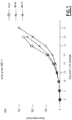
- Tumor growth inhibition is defined as the ratio of the median tumor volumes of treated versus control group. The optimal value is the minimal T/C ratio reflecting the maximal tumor growth inhibition achieved. It is observed in Figure 2 that ABX196 inhibits more efficiently the tumor growth than anti-PD-1 antibodies. The corresponding T/C (%) values are given in the Table 4 below. Table 4: T / C (%) values ABX196 Anti-PD-1 T/C (%) 54 93
- Aim to compare ABX196 with the BCG vaccine (standard care) in OT model
- the protocol steps are: - In vitro amplification of the MBT-2 tumor cell line; - Orthotopic injection of tumor cells in mice; - Randomization of mice based on body weight (4 groups, 12 mice/group); - Treatment preparation; - Treatment of the mice groups following the here-below schedule: Group Number of animals Treatment Dose (mg/kg/adm) Adm.
- Example 3 Antitumor activity study of ABX196, anti-PD-1 targeting antibodies and BCG in mice bearing orthotopic mbt-2 tumor cells
- mice 105 C3H mice are bought and caged under SPF conditions for 6 weeks.
- the protocol steps are: - In vitro amplification of the MBT-2 tumor cell line; - Orthotopic injection of tumor cells in the mice; - Randomization of mice based on body weight (7 groups, 12 mice/group, 84 total mice); and - Treatment of the mice following the here-below schedule: Group No.
Landscapes
- Health & Medical Sciences (AREA)
- Life Sciences & Earth Sciences (AREA)
- Public Health (AREA)
- Chemical & Material Sciences (AREA)
- Medicinal Chemistry (AREA)
- Veterinary Medicine (AREA)
- Pharmacology & Pharmacy (AREA)
- Animal Behavior & Ethology (AREA)
- General Health & Medical Sciences (AREA)
- Epidemiology (AREA)
- Molecular Biology (AREA)
- Nuclear Medicine, Radiotherapy & Molecular Imaging (AREA)
- Organic Chemistry (AREA)
- General Chemical & Material Sciences (AREA)
- Chemical Kinetics & Catalysis (AREA)
- Medicines That Contain Protein Lipid Enzymes And Other Medicines (AREA)
- Medicines Containing Antibodies Or Antigens For Use As Internal Diagnostic Agents (AREA)
- Pharmaceuticals Containing Other Organic And Inorganic Compounds (AREA)
- Saccharide Compounds (AREA)
- Acyclic And Carbocyclic Compounds In Medicinal Compositions (AREA)
- Orthopedics, Nursing, And Contraception (AREA)
- Medicines Containing Material From Animals Or Micro-Organisms (AREA)
Priority Applications (2)
| Application Number | Priority Date | Filing Date | Title |
|---|---|---|---|
| HRP20211351TT HRP20211351T1 (hr) | 2017-09-13 | 2018-09-13 | Abx196 za upotrebu u liječenju raka mokraćnog mjehura |
| PL18765477T PL3681512T3 (pl) | 2017-09-13 | 2018-09-13 | Abx196 do zastosowania w leczeniu raka pęcherza moczowego |
Applications Claiming Priority (2)
| Application Number | Priority Date | Filing Date | Title |
|---|---|---|---|
| EP17306182 | 2017-09-13 | ||
| PCT/EP2018/074778 WO2019053142A1 (en) | 2017-09-13 | 2018-09-13 | ABX196 FOR USE IN THE TREATMENT OF BLADDER CANCER |
Publications (2)
| Publication Number | Publication Date |
|---|---|
| EP3681512A1 EP3681512A1 (en) | 2020-07-22 |
| EP3681512B1 true EP3681512B1 (en) | 2021-08-04 |
Family
ID=60001797
Family Applications (1)
| Application Number | Title | Priority Date | Filing Date |
|---|---|---|---|
| EP18765477.7A Active EP3681512B1 (en) | 2017-09-13 | 2018-09-13 | Abx196 for use in the treatment of bladder cancer |
Country Status (18)
| Country | Link |
|---|---|
| US (1) | US11266667B2 (enExample) |
| EP (1) | EP3681512B1 (enExample) |
| JP (1) | JP7214718B2 (enExample) |
| KR (1) | KR102706165B1 (enExample) |
| CN (1) | CN111182907B (enExample) |
| AU (1) | AU2018332046B2 (enExample) |
| BR (1) | BR112020004778A2 (enExample) |
| CA (1) | CA3075443A1 (enExample) |
| CU (1) | CU20200020A7 (enExample) |
| DK (1) | DK3681512T3 (enExample) |
| ES (1) | ES2893549T3 (enExample) |
| HR (1) | HRP20211351T1 (enExample) |
| IL (1) | IL273054B2 (enExample) |
| MX (1) | MX394216B (enExample) |
| PL (1) | PL3681512T3 (enExample) |
| PT (1) | PT3681512T (enExample) |
| WO (1) | WO2019053142A1 (enExample) |
| ZA (1) | ZA202001435B (enExample) |
Families Citing this family (1)
| Publication number | Priority date | Publication date | Assignee | Title |
|---|---|---|---|---|
| EP4301374A4 (en) | 2021-03-01 | 2025-09-10 | Deciduous Therapeutics Inc | COMPOUNDS FOR ACTIVATING INVARIANT NATURAL KILLER T CELLS AND METHODS OF USE IN ELIMINATING INFLAMMATORY SENESCENT CELLS |
Citations (1)
| Publication number | Priority date | Publication date | Assignee | Title |
|---|---|---|---|---|
| WO2018050782A1 (en) * | 2016-09-14 | 2018-03-22 | Abivax | Combinations including abx196 for the treatment of cancer |
Family Cites Families (3)
| Publication number | Priority date | Publication date | Assignee | Title |
|---|---|---|---|---|
| BRPI0820960B8 (pt) * | 2007-12-05 | 2021-05-25 | Abivax | composição, composição farmacêutica, e uso da composição |
| US9220767B2 (en) | 2008-10-08 | 2015-12-29 | Abivax | Vaccine composition for use against influenza |
| JP6057300B2 (ja) | 2011-01-05 | 2017-01-11 | ナショナル タイワン ユニバーシティ | グリコスフィンゴ脂質の調製及びその使用の方法 |
-
2018
- 2018-09-13 CA CA3075443A patent/CA3075443A1/en active Pending
- 2018-09-13 EP EP18765477.7A patent/EP3681512B1/en active Active
- 2018-09-13 WO PCT/EP2018/074778 patent/WO2019053142A1/en not_active Ceased
- 2018-09-13 US US16/647,379 patent/US11266667B2/en not_active Expired - Fee Related
- 2018-09-13 KR KR1020207007414A patent/KR102706165B1/ko active Active
- 2018-09-13 MX MX2020002812A patent/MX394216B/es unknown
- 2018-09-13 CU CU2020000020A patent/CU20200020A7/es unknown
- 2018-09-13 JP JP2020515026A patent/JP7214718B2/ja active Active
- 2018-09-13 ES ES18765477T patent/ES2893549T3/es active Active
- 2018-09-13 CN CN201880064390.5A patent/CN111182907B/zh active Active
- 2018-09-13 DK DK18765477.7T patent/DK3681512T3/da active
- 2018-09-13 PT PT18765477T patent/PT3681512T/pt unknown
- 2018-09-13 PL PL18765477T patent/PL3681512T3/pl unknown
- 2018-09-13 BR BR112020004778-3A patent/BR112020004778A2/pt active Search and Examination
- 2018-09-13 HR HRP20211351TT patent/HRP20211351T1/hr unknown
- 2018-09-13 AU AU2018332046A patent/AU2018332046B2/en not_active Ceased
-
2020
- 2020-03-04 IL IL273054A patent/IL273054B2/en unknown
- 2020-03-06 ZA ZA2020/01435A patent/ZA202001435B/en unknown
Patent Citations (1)
| Publication number | Priority date | Publication date | Assignee | Title |
|---|---|---|---|---|
| WO2018050782A1 (en) * | 2016-09-14 | 2018-03-22 | Abivax | Combinations including abx196 for the treatment of cancer |
Also Published As
| Publication number | Publication date |
|---|---|
| HRP20211351T1 (hr) | 2021-11-26 |
| BR112020004778A2 (pt) | 2020-10-13 |
| JP2020533368A (ja) | 2020-11-19 |
| MX394216B (es) | 2025-03-24 |
| AU2018332046A1 (en) | 2020-03-19 |
| JP7214718B2 (ja) | 2023-01-30 |
| KR20200102412A (ko) | 2020-08-31 |
| PL3681512T3 (pl) | 2022-01-17 |
| CN111182907A (zh) | 2020-05-19 |
| US20200230163A1 (en) | 2020-07-23 |
| MX2020002812A (es) | 2020-07-21 |
| RU2020109889A3 (enExample) | 2022-01-28 |
| CU20200020A7 (es) | 2020-11-30 |
| AU2018332046B2 (en) | 2024-06-13 |
| IL273054B2 (en) | 2023-05-01 |
| IL273054A (en) | 2020-04-30 |
| EP3681512A1 (en) | 2020-07-22 |
| US11266667B2 (en) | 2022-03-08 |
| PT3681512T (pt) | 2021-10-06 |
| CA3075443A1 (en) | 2019-03-21 |
| KR102706165B1 (ko) | 2024-09-13 |
| RU2020109889A (ru) | 2021-09-06 |
| ZA202001435B (en) | 2022-07-27 |
| IL273054B1 (en) | 2023-01-01 |
| ES2893549T3 (es) | 2022-02-09 |
| WO2019053142A1 (en) | 2019-03-21 |
| CN111182907B (zh) | 2023-01-06 |
| DK3681512T3 (da) | 2021-09-06 |
Similar Documents
| Publication | Publication Date | Title |
|---|---|---|
| CN101972478B (zh) | 抗体治疗 | |
| CN1878562B (zh) | 抗体治疗 | |
| CN108602889A (zh) | 医治急性成淋巴细胞性白血病的双特异性抗cd20/抗cd3抗体 | |
| CN108602891A (zh) | 治疗尿道恶性肿瘤的多特异性抗体 | |
| US11826372B2 (en) | Combinations including ABX196 for the treatment of cancer | |
| US20240043543A1 (en) | Anti-galectin-9 antibodies and therapeutic uses thereof | |
| US11266667B2 (en) | ABX196 for use in the treatment of bladder cancer | |
| RU2778812C2 (ru) | Abx196 для применения при лечении рака мочевого пузыря | |
| CA3036598C (en) | Combinations including abx196 for the treatment of cancer | |
| HK40011701A (en) | Combinations including abx196 for the treatment of cancer | |
| HK40011701B (en) | Combinations including abx196 for the treatment of cancer | |
| HK1259027A1 (zh) | 具有抗趋除特性的修饰的t细胞及其用途 |
Legal Events
| Date | Code | Title | Description |
|---|---|---|---|
| STAA | Information on the status of an ep patent application or granted ep patent |
Free format text: STATUS: UNKNOWN |
|
| STAA | Information on the status of an ep patent application or granted ep patent |
Free format text: STATUS: THE INTERNATIONAL PUBLICATION HAS BEEN MADE |
|
| PUAI | Public reference made under article 153(3) epc to a published international application that has entered the european phase |
Free format text: ORIGINAL CODE: 0009012 |
|
| STAA | Information on the status of an ep patent application or granted ep patent |
Free format text: STATUS: REQUEST FOR EXAMINATION WAS MADE |
|
| 17P | Request for examination filed |
Effective date: 20200313 |
|
| AK | Designated contracting states |
Kind code of ref document: A1 Designated state(s): AL AT BE BG CH CY CZ DE DK EE ES FI FR GB GR HR HU IE IS IT LI LT LU LV MC MK MT NL NO PL PT RO RS SE SI SK SM TR |
|
| AX | Request for extension of the european patent |
Extension state: BA ME |
|
| DAV | Request for validation of the european patent (deleted) | ||
| DAX | Request for extension of the european patent (deleted) | ||
| GRAP | Despatch of communication of intention to grant a patent |
Free format text: ORIGINAL CODE: EPIDOSNIGR1 |
|
| STAA | Information on the status of an ep patent application or granted ep patent |
Free format text: STATUS: GRANT OF PATENT IS INTENDED |
|
| INTG | Intention to grant announced |
Effective date: 20210409 |
|
| GRAS | Grant fee paid |
Free format text: ORIGINAL CODE: EPIDOSNIGR3 |
|
| GRAA | (expected) grant |
Free format text: ORIGINAL CODE: 0009210 |
|
| STAA | Information on the status of an ep patent application or granted ep patent |
Free format text: STATUS: THE PATENT HAS BEEN GRANTED |
|
| AK | Designated contracting states |
Kind code of ref document: B1 Designated state(s): AL AT BE BG CH CY CZ DE DK EE ES FI FR GB GR HR HU IE IS IT LI LT LU LV MC MK MT NL NO PL PT RO RS SE SI SK SM TR |
|
| REG | Reference to a national code |
Ref country code: GB Ref legal event code: FG4D |
|
| REG | Reference to a national code |
Ref country code: AT Ref legal event code: REF Ref document number: 1416263 Country of ref document: AT Kind code of ref document: T Effective date: 20210815 |
|
| REG | Reference to a national code |
Ref country code: CH Ref legal event code: EP |
|
| REG | Reference to a national code |
Ref country code: DE Ref legal event code: R096 Ref document number: 602018021310 Country of ref document: DE |
|
| REG | Reference to a national code |
Ref country code: HR Ref legal event code: TUEP Ref document number: P20211351 Country of ref document: HR |
|
| REG | Reference to a national code |
Ref country code: IE Ref legal event code: FG4D |
|
| REG | Reference to a national code |
Ref country code: DK Ref legal event code: T3 Effective date: 20210830 |
|
| REG | Reference to a national code |
Ref country code: SE Ref legal event code: TRGR |
|
| REG | Reference to a national code |
Ref country code: FI Ref legal event code: FGE |
|
| REG | Reference to a national code |
Ref country code: PT Ref legal event code: SC4A Ref document number: 3681512 Country of ref document: PT Date of ref document: 20211006 Kind code of ref document: T Free format text: AVAILABILITY OF NATIONAL TRANSLATION Effective date: 20210929 |
|
| REG | Reference to a national code |
Ref country code: GR Ref legal event code: EP Ref document number: 20210402421 Country of ref document: GR Effective date: 20211013 |
|
| REG | Reference to a national code |
Ref country code: HR Ref legal event code: ODRP Ref document number: P20211351 Country of ref document: HR Payment date: 20210901 Year of fee payment: 4 |
|
| REG | Reference to a national code |
Ref country code: LT Ref legal event code: MG9D |
|
| REG | Reference to a national code |
Ref country code: HR Ref legal event code: T1PR Ref document number: P20211351 Country of ref document: HR |
|
| REG | Reference to a national code |
Ref country code: NL Ref legal event code: FP |
|
| PG25 | Lapsed in a contracting state [announced via postgrant information from national office to epo] |
Ref country code: RS Free format text: LAPSE BECAUSE OF FAILURE TO SUBMIT A TRANSLATION OF THE DESCRIPTION OR TO PAY THE FEE WITHIN THE PRESCRIBED TIME-LIMIT Effective date: 20210804 Ref country code: LT Free format text: LAPSE BECAUSE OF FAILURE TO SUBMIT A TRANSLATION OF THE DESCRIPTION OR TO PAY THE FEE WITHIN THE PRESCRIBED TIME-LIMIT Effective date: 20210804 Ref country code: BG Free format text: LAPSE BECAUSE OF FAILURE TO SUBMIT A TRANSLATION OF THE DESCRIPTION OR TO PAY THE FEE WITHIN THE PRESCRIBED TIME-LIMIT Effective date: 20211104 Ref country code: NO Free format text: LAPSE BECAUSE OF FAILURE TO SUBMIT A TRANSLATION OF THE DESCRIPTION OR TO PAY THE FEE WITHIN THE PRESCRIBED TIME-LIMIT Effective date: 20211104 |
|
| REG | Reference to a national code |
Ref country code: ES Ref legal event code: FG2A Ref document number: 2893549 Country of ref document: ES Kind code of ref document: T3 Effective date: 20220209 |
|
| REG | Reference to a national code |
Ref country code: AT Ref legal event code: UEP Ref document number: 1416263 Country of ref document: AT Kind code of ref document: T Effective date: 20210804 |
|
| PG25 | Lapsed in a contracting state [announced via postgrant information from national office to epo] |
Ref country code: LV Free format text: LAPSE BECAUSE OF FAILURE TO SUBMIT A TRANSLATION OF THE DESCRIPTION OR TO PAY THE FEE WITHIN THE PRESCRIBED TIME-LIMIT Effective date: 20210804 |
|
| REG | Reference to a national code |
Ref country code: DE Ref legal event code: R097 Ref document number: 602018021310 Country of ref document: DE |
|
| PG25 | Lapsed in a contracting state [announced via postgrant information from national office to epo] |
Ref country code: SM Free format text: LAPSE BECAUSE OF FAILURE TO SUBMIT A TRANSLATION OF THE DESCRIPTION OR TO PAY THE FEE WITHIN THE PRESCRIBED TIME-LIMIT Effective date: 20210804 Ref country code: SK Free format text: LAPSE BECAUSE OF FAILURE TO SUBMIT A TRANSLATION OF THE DESCRIPTION OR TO PAY THE FEE WITHIN THE PRESCRIBED TIME-LIMIT Effective date: 20210804 Ref country code: RO Free format text: LAPSE BECAUSE OF FAILURE TO SUBMIT A TRANSLATION OF THE DESCRIPTION OR TO PAY THE FEE WITHIN THE PRESCRIBED TIME-LIMIT Effective date: 20210804 Ref country code: EE Free format text: LAPSE BECAUSE OF FAILURE TO SUBMIT A TRANSLATION OF THE DESCRIPTION OR TO PAY THE FEE WITHIN THE PRESCRIBED TIME-LIMIT Effective date: 20210804 Ref country code: CZ Free format text: LAPSE BECAUSE OF FAILURE TO SUBMIT A TRANSLATION OF THE DESCRIPTION OR TO PAY THE FEE WITHIN THE PRESCRIBED TIME-LIMIT Effective date: 20210804 Ref country code: AL Free format text: LAPSE BECAUSE OF FAILURE TO SUBMIT A TRANSLATION OF THE DESCRIPTION OR TO PAY THE FEE WITHIN THE PRESCRIBED TIME-LIMIT Effective date: 20210804 |
|
| PLBE | No opposition filed within time limit |
Free format text: ORIGINAL CODE: 0009261 |
|
| STAA | Information on the status of an ep patent application or granted ep patent |
Free format text: STATUS: NO OPPOSITION FILED WITHIN TIME LIMIT |
|
| 26N | No opposition filed |
Effective date: 20220506 |
|
| PG25 | Lapsed in a contracting state [announced via postgrant information from national office to epo] |
Ref country code: SI Free format text: LAPSE BECAUSE OF FAILURE TO SUBMIT A TRANSLATION OF THE DESCRIPTION OR TO PAY THE FEE WITHIN THE PRESCRIBED TIME-LIMIT Effective date: 20210804 |
|
| REG | Reference to a national code |
Ref country code: HR Ref legal event code: ODRP Ref document number: P20211351 Country of ref document: HR Payment date: 20220902 Year of fee payment: 5 |
|
| P01 | Opt-out of the competence of the unified patent court (upc) registered |
Effective date: 20230515 |
|
| PG25 | Lapsed in a contracting state [announced via postgrant information from national office to epo] |
Ref country code: CY Free format text: LAPSE BECAUSE OF FAILURE TO SUBMIT A TRANSLATION OF THE DESCRIPTION OR TO PAY THE FEE WITHIN THE PRESCRIBED TIME-LIMIT Effective date: 20210804 |
|
| PG25 | Lapsed in a contracting state [announced via postgrant information from national office to epo] |
Ref country code: HU Free format text: LAPSE BECAUSE OF FAILURE TO SUBMIT A TRANSLATION OF THE DESCRIPTION OR TO PAY THE FEE WITHIN THE PRESCRIBED TIME-LIMIT; INVALID AB INITIO Effective date: 20180913 |
|
| REG | Reference to a national code |
Ref country code: HR Ref legal event code: ODRP Ref document number: P20211351 Country of ref document: HR Payment date: 20230818 Year of fee payment: 6 |
|
| PG25 | Lapsed in a contracting state [announced via postgrant information from national office to epo] |
Ref country code: MK Free format text: LAPSE BECAUSE OF FAILURE TO SUBMIT A TRANSLATION OF THE DESCRIPTION OR TO PAY THE FEE WITHIN THE PRESCRIBED TIME-LIMIT Effective date: 20210804 |
|
| PGFP | Annual fee paid to national office [announced via postgrant information from national office to epo] |
Ref country code: LU Payment date: 20240827 Year of fee payment: 7 |
|
| PGFP | Annual fee paid to national office [announced via postgrant information from national office to epo] |
Ref country code: NL Payment date: 20240827 Year of fee payment: 7 |
|
| REG | Reference to a national code |
Ref country code: HR Ref legal event code: ODRP Ref document number: P20211351 Country of ref document: HR Payment date: 20240819 Year of fee payment: 7 |
|
| PG25 | Lapsed in a contracting state [announced via postgrant information from national office to epo] |
Ref country code: MT Free format text: LAPSE BECAUSE OF FAILURE TO SUBMIT A TRANSLATION OF THE DESCRIPTION OR TO PAY THE FEE WITHIN THE PRESCRIBED TIME-LIMIT Effective date: 20210804 |
|
| PGFP | Annual fee paid to national office [announced via postgrant information from national office to epo] |
Ref country code: IS Payment date: 20240819 Year of fee payment: 7 |
|
| PGFP | Annual fee paid to national office [announced via postgrant information from national office to epo] |
Ref country code: DE Payment date: 20240912 Year of fee payment: 7 Ref country code: FI Payment date: 20240822 Year of fee payment: 7 Ref country code: IE Payment date: 20240823 Year of fee payment: 7 Ref country code: MC Payment date: 20240823 Year of fee payment: 7 Ref country code: HR Payment date: 20240819 Year of fee payment: 7 |
|
| PGFP | Annual fee paid to national office [announced via postgrant information from national office to epo] |
Ref country code: GR Payment date: 20240827 Year of fee payment: 7 Ref country code: DK Payment date: 20240827 Year of fee payment: 7 |
|
| PGFP | Annual fee paid to national office [announced via postgrant information from national office to epo] |
Ref country code: GB Payment date: 20240923 Year of fee payment: 7 Ref country code: PT Payment date: 20240819 Year of fee payment: 7 |
|
| PGFP | Annual fee paid to national office [announced via postgrant information from national office to epo] |
Ref country code: BE Payment date: 20240916 Year of fee payment: 7 |
|
| PGFP | Annual fee paid to national office [announced via postgrant information from national office to epo] |
Ref country code: FR Payment date: 20240809 Year of fee payment: 7 |
|
| PGFP | Annual fee paid to national office [announced via postgrant information from national office to epo] |
Ref country code: AT Payment date: 20240822 Year of fee payment: 7 |
|
| PGFP | Annual fee paid to national office [announced via postgrant information from national office to epo] |
Ref country code: PL Payment date: 20240821 Year of fee payment: 7 |
|
| PGFP | Annual fee paid to national office [announced via postgrant information from national office to epo] |
Ref country code: IT Payment date: 20240909 Year of fee payment: 7 |
|
| PGFP | Annual fee paid to national office [announced via postgrant information from national office to epo] |
Ref country code: TR Payment date: 20240905 Year of fee payment: 7 |
|
| PGFP | Annual fee paid to national office [announced via postgrant information from national office to epo] |
Ref country code: ES Payment date: 20241007 Year of fee payment: 7 |
|
| PGFP | Annual fee paid to national office [announced via postgrant information from national office to epo] |
Ref country code: SE Payment date: 20240930 Year of fee payment: 7 |
|
| PGFP | Annual fee paid to national office [announced via postgrant information from national office to epo] |
Ref country code: CH Payment date: 20241004 Year of fee payment: 7 |
|
| REG | Reference to a national code |
Ref country code: CH Ref legal event code: R18 Free format text: ST27 STATUS EVENT CODE: U-0-0-R10-R18 (AS PROVIDED BY THE NATIONAL OFFICE) Effective date: 20260106 |
|
| REG | Reference to a national code |
Ref country code: HR Ref legal event code: PBON Ref document number: P20211351 Country of ref document: HR Effective date: 20250913 |
|
| REG | Reference to a national code |
Ref country code: DE Ref legal event code: R119 Ref document number: 602018021310 Country of ref document: DE |
|
| PG25 | Lapsed in a contracting state [announced via postgrant information from national office to epo] |
Ref country code: FI Free format text: LAPSE BECAUSE OF NON-PAYMENT OF DUE FEES Effective date: 20250913 |
|
| REG | Reference to a national code |
Ref country code: DK Ref legal event code: EBP Effective date: 20250930 |
|
| PG25 | Lapsed in a contracting state [announced via postgrant information from national office to epo] |
Ref country code: PT Free format text: LAPSE BECAUSE OF NON-PAYMENT OF DUE FEES Effective date: 20260313 |
|
| REG | Reference to a national code |
Ref country code: CH Ref legal event code: H13 Free format text: ST27 STATUS EVENT CODE: U-0-0-H10-H13 (AS PROVIDED BY THE NATIONAL OFFICE) Effective date: 20260504 |
|
| REG | Reference to a national code |
Ref country code: NL Ref legal event code: MM Effective date: 20251001 |
|
| REG | Reference to a national code |
Ref country code: AT Ref legal event code: MM01 Ref document number: 1416263 Country of ref document: AT Kind code of ref document: T Effective date: 20250913 |
|
| PG25 | Lapsed in a contracting state [announced via postgrant information from national office to epo] |
Ref country code: LU Free format text: LAPSE BECAUSE OF NON-PAYMENT OF DUE FEES Effective date: 20250913 |
|
| GBPC | Gb: european patent ceased through non-payment of renewal fee |
Effective date: 20250913 |
|
| REG | Reference to a national code |
Ref country code: BE Ref legal event code: MM Effective date: 20250930 |
|
| PG25 | Lapsed in a contracting state [announced via postgrant information from national office to epo] |
Ref country code: NL Free format text: LAPSE BECAUSE OF NON-PAYMENT OF DUE FEES Effective date: 20251001 |
|
| PG25 | Lapsed in a contracting state [announced via postgrant information from national office to epo] |
Ref country code: MC Free format text: LAPSE BECAUSE OF NON-PAYMENT OF DUE FEES Effective date: 20250930 |
|
| PG25 | Lapsed in a contracting state [announced via postgrant information from national office to epo] |
Ref country code: GB Free format text: LAPSE BECAUSE OF NON-PAYMENT OF DUE FEES Effective date: 20250913 |
|
| PG25 | Lapsed in a contracting state [announced via postgrant information from national office to epo] |
Ref country code: IT Free format text: LAPSE BECAUSE OF NON-PAYMENT OF DUE FEES Effective date: 20250913 Ref country code: GR Free format text: LAPSE BECAUSE OF NON-PAYMENT OF DUE FEES Effective date: 20260406 |
|
| PG25 | Lapsed in a contracting state [announced via postgrant information from national office to epo] |
Ref country code: DE Free format text: LAPSE BECAUSE OF NON-PAYMENT OF DUE FEES Effective date: 20260401 |
|
| PG25 | Lapsed in a contracting state [announced via postgrant information from national office to epo] |
Ref country code: AT Free format text: LAPSE BECAUSE OF NON-PAYMENT OF DUE FEES Effective date: 20250913 Ref country code: SE Free format text: LAPSE BECAUSE OF NON-PAYMENT OF DUE FEES Effective date: 20250914 |
|
| PG25 | Lapsed in a contracting state [announced via postgrant information from national office to epo] |
Ref country code: BE Free format text: LAPSE BECAUSE OF NON-PAYMENT OF DUE FEES Effective date: 20250930 Ref country code: CH Free format text: LAPSE BECAUSE OF NON-PAYMENT OF DUE FEES Effective date: 20250930 Ref country code: IE Free format text: LAPSE BECAUSE OF NON-PAYMENT OF DUE FEES Effective date: 20250913 |
|
| PG25 | Lapsed in a contracting state [announced via postgrant information from national office to epo] |
Ref country code: HR Free format text: LAPSE BECAUSE OF NON-PAYMENT OF DUE FEES Effective date: 20250913 |
|
| PG25 | Lapsed in a contracting state [announced via postgrant information from national office to epo] |
Ref country code: FR Free format text: LAPSE BECAUSE OF NON-PAYMENT OF DUE FEES Effective date: 20250930 |
|
| PG25 | Lapsed in a contracting state [announced via postgrant information from national office to epo] |
Ref country code: IS Free format text: LAPSE BECAUSE OF NON-PAYMENT OF DUE FEES Effective date: 20260401 |